Skip to content
Recipes

All recipes

Vegetarian, or something you can't eat? Set your diet once and we'll hide recipes that don't fit.

Jugo surtidoMixed fruit juice

Step up to any juguería in Lima's Mercado de Surquillo or a barrio market at breakfast time and order a surtido: the juicer drops papaya, banana, pineapple and freshly squeezed orange into a tall blender, sometimes a slice of cooked beetroot for colour or a splash of milk, and pours you a big glass with the rest left in the jug for your 'yapa', the free refill. It is thick but still pourable, sweet from ripe fruit with a sharp orange edge, the kind of drink that stands in for breakfast before a long day. The common mistake is adding lots of ice and water, which makes it thin and frothy rather than velvety. Use cold fruit and freshly squeezed orange juice as the liquid. It is ready when it coats the glass and no lumps of banana are left. This version is fruit only; stalls also make it with milk if you prefer. Drink it straight away: papaya and banana go brown and bitter within half an hour. Chef's tip: use very ripe papaya with orange flesh; under-ripe papaya tastes of nothing and gives a faintly bitter aftertaste.

by KrazyBadal 0 views

Jugo de macaWarm maca drink

Before dawn at markets in Huancayo, Cusco and Lima, juice ladies ladle hot jugo de maca from big pots for workers on their way in: maca root, a turnip relative grown above 4,000 metres in the Junín highlands, simmered with milk, cinnamon and cloves and sweetened with honey or sugar. It tastes malty and toasty, a bit like butterscotch. The common mistake is stirring the powder straight into hot milk, which leaves gritty lumps; whisk it into a little cold milk first. Maca is not usually advised in pregnancy, so ask your doctor first if you are pregnant. Chef's tip: use gelatinised (cooked) maca powder if you can find it; it dissolves smoothly and is gentler on the stomach.

by KrazyBadal 0 views

Refresco de coconaCocona cooler

In Iquitos, Pucallpa and the river towns of Loreto, heat and humidity make a cold refresco part of every lunch, and cocona is one of the favourites sold from plastic jugs at the Belén market. The fruit looks like a fuzzy orange tomato and tastes between tomato, lemon and apricot: very sour, aromatic and juicy. Blended with water and sugar it makes a tangy, golden drink with a light pulp, served with juane or tacacho con cecina. The usual mistake is skipping the fuzz: cocona skin is covered in fine hairs that make the drink scratchy, so rub them off under running water before you start. Blend only briefly, too, so the many seeds do not crack. It is ready when the refresco is opaque orange, sour first and sweet after, with no grit. Outside the Amazon, look for frozen cocona pulp in Latin American shops; naranjilla (lulo) pulp is the closest substitute. Chef's tip: a pinch of salt makes the fruit taste sweeter and fruitier without more sugar.

by KrazyBadal 0 views

Cocido quemadoBurnt sugar mate drink

Cocido is how Paraguay starts the day: in Asunción, in the villages of Guairá and Itapúa, and in school kitchens, a pot of burnt yerba is brewed and poured into cups with chipa, the cheesy cassava bread, or with a hard galleta. The old way is to drop a glowing piece of charcoal into a pot with yerba and sugar and stir until the sugar burns. On a home stove you caramelise them together in a dry pan instead, which is safer and gives the same smoky, toffee-like taste. The drink is clear amber-brown, with roasted, slightly bitter mate notes over burnt-sugar sweetness; with milk added it becomes cocido con leche, creamy and coffee-coloured. Yerba mate contains caffeine, so treat it like a cup of coffee. The common mistake is letting the sugar go black: it turns acrid and bitter. Pull it off the heat when the caramel is deep amber and the yerba smells toasted, not burnt. It is ready when the liquid is a clear dark amber and tastes of toffee and smoke. Chef's tip: the water will spit fiercely when it hits the hot caramel, so pour it in from the side, at arm's length.

by KrazyBadal 0 views

Pisco sour

Lima drinks its pisco sour as the aperitif before a long ceviche lunch, and celebrates it every year on the first Saturday of February; the recipe took shape in the city's bars in the 1920s. It is for adults only and stronger than its pillowy look suggests. Underneath a thick white foam you get sharp Peruvian lime, a clean sweetness and the floral, grapey warmth of quebranta pisco, with the bitters adding a spicy smell to every sip. The texture should be silky, almost creamy, never thin. The classic mistake is squeezing the limes too hard or too early: the oil from the pith turns the drink bitter within half an hour. Halve the limes, press each half gently by hand just before mixing and stop when the juice slows. The egg white is raw, so use pasteurised egg white for anyone pregnant, for babies, older people or anyone unwell, or swap in 30 ml aquafaba. It is ready when the foam stands about 1 cm high and is firm enough to hold the drops of bitters on its surface. Sip one slowly and drink responsibly. Chef's tip: shake once without ice first to whip the egg white, then again with ice; the foam will be twice as thick.

by KrazyBadal 0 views

Chilcano de piscoPisco and ginger ale highball

When Lima's grey winter finally lifts and summer reaches the beaches south of the city, the chilcano takes over from the pisco sour: lighter, longer and made for an afternoon. Peru even gives it a Semana del Chilcano each January, and it is poured at weekend lunches with chifa or fried fish. This is a highball for adults only: pisco poured over a tall glass of ice with fresh lime and ginger ale, finished with a few drops of bitters. It should taste crisp and fizzy, with the ginger and lime lifting the floral grape notes of the pisco rather than hiding them. The common mistake is using too little ice and warm ginger ale, which gives a sweet, diluted drink that goes flat in minutes. Fill the glass to the top with ice and keep the ginger ale in the fridge until the last second. It is ready when the glass is frosty, the bubbles race up the sides and the bitters drift through the top as a pink haze. Light it may be, but drink responsibly. Chef's tip: try a fruit-infused pisco, made by steeping passion fruit or mandarin peel in the bottle for a few days; Limeños love a chilcano de maracuyá.

by KrazyBadal 0 views

Escabeche de pescadoFried fish in sweet-sour onion sauce

In Lima, escabeche de pescado belongs to the criollo kitchen of the old city: it turns up on Friday lunch menus, on buffet tables, and above all in Lent and Holy Week, when families eat fish and this dish can be made the day before. Fish is fried until golden, then covered in a warm sauce of thick-cut red onion softened in oil with garlic, ají amarillo, ají panca, cumin and vinegar, and left to cool so the flavours soak in. It is served cold or at room temperature with boiled sweet potato, hard-boiled egg and purple botija olives. It tastes tangy, sweet and gently fruity-hot, with crunchy onion over tender fish. The fish here is fully cooked, but because it is a cold seafood dish, pregnant people, babies, older people and anyone with weak immunity should eat it well chilled and within 2 days. Common mistake: stewing the onions until limp; they should only lose their raw bite. It is ready when the sauce has soaked a little into the fish and smells of vinegar and toasted chilli. Chef's tip: use thick fillets of corvina or bonito; thin fillets break under the sauce.

by KrazyBadal 0 views

Mate de muñaAndean mint tea

Muña is the minty shrub that grows wild on the slopes around Cusco, Puno and the Sacred Valley, and highland cooks reach for it after a heavy meal of chicharrón or when visitors are struggling with the altitude. Market herb sellers sell it in fresh bunches, and hotels and homes leave it in a flask for anyone coming in from the cold evenings. Steeped simply in hot water, it smells somewhere between spearmint, oregano and pennyroyal, with a cooling, slightly peppery taste and a pale green-gold colour. It is traditionally drunk to settle the stomach. The usual mistake is boiling the leaves hard for a long time, which turns the tea brown and bitter. Pour water just off the boil over the sprigs, cover, and let it steep. It is ready when the cup is pale gold and the aroma rises as soon as you lift the lid. Outside Peru, look for dried muña in Latin shops; failing that, use mostly spearmint with a little fresh oregano. Muña is strong: avoid large amounts in pregnancy, and check with a doctor if you take regular medication. Chef's tip: cover the cup while it steeps so the scented oils stay in the tea.

by KrazyBadal 0 views

TereréIced yerba mate

In Asunción the hottest part of the day stops for tereré: a horn or cup packed with yerba mate, topped up again and again with ice water infused with crushed herbs, and passed round the group through a metal straw. It was recognised by UNESCO as part of Paraguay's cultural heritage, and the herbs (yuyos) change with the season and the drinker's mood. Yerba mate contains caffeine, so it isn't one for small children. The common mistake is pouring water straight into loose yerba, which then clogs the straw; tilt the yerba to one side first. Chef's tip: for tereré ruso, swap the water for cold orange or grapefruit juice.

by KrazyBadal 0 views

Postre MassiniCustard sponge with burnt sugar top

Montevideo's birthday cake of choice since the early twentieth century, the Massini is two thin layers of sponge sandwiching a thick filling of whipped cream folded with egg-yolk custard, crowned with a thin glassy crust of torched yolk and sugar. Bakeries across Uruguay sell it on Sundays. Traditional versions sometimes add a sweet fortified wine to the custard; this one is alcohol-free. The custard is cooked to a safe 71 °C. The common mistake is assembling with warm custard, which melts the cream into a puddle. Chef's tip: if you don't have a blowtorch, put the sugared top under a very hot grill for a minute and watch it closely.

by KrazyBadal 0 views

Rosquillas de San IsidroAniseed doughnut rings

Every 15 May, crowds head to the Pradera de San Isidro on Madrid's southern edge for the patron saint's festival, and stalls sell rosquillas by the dozen: plain "tontas" (silly ones) and iced "listas" (clever ones). Many families now bake them at home that week. Old recipes ice the listas with raw egg white; this one uses a lemon and icing-sugar glaze, which is safer and sets just as white. Chef's tip: oil your hands to shape the rings; the dough is soft and sticky by design.

by KrazyBadal 0 views

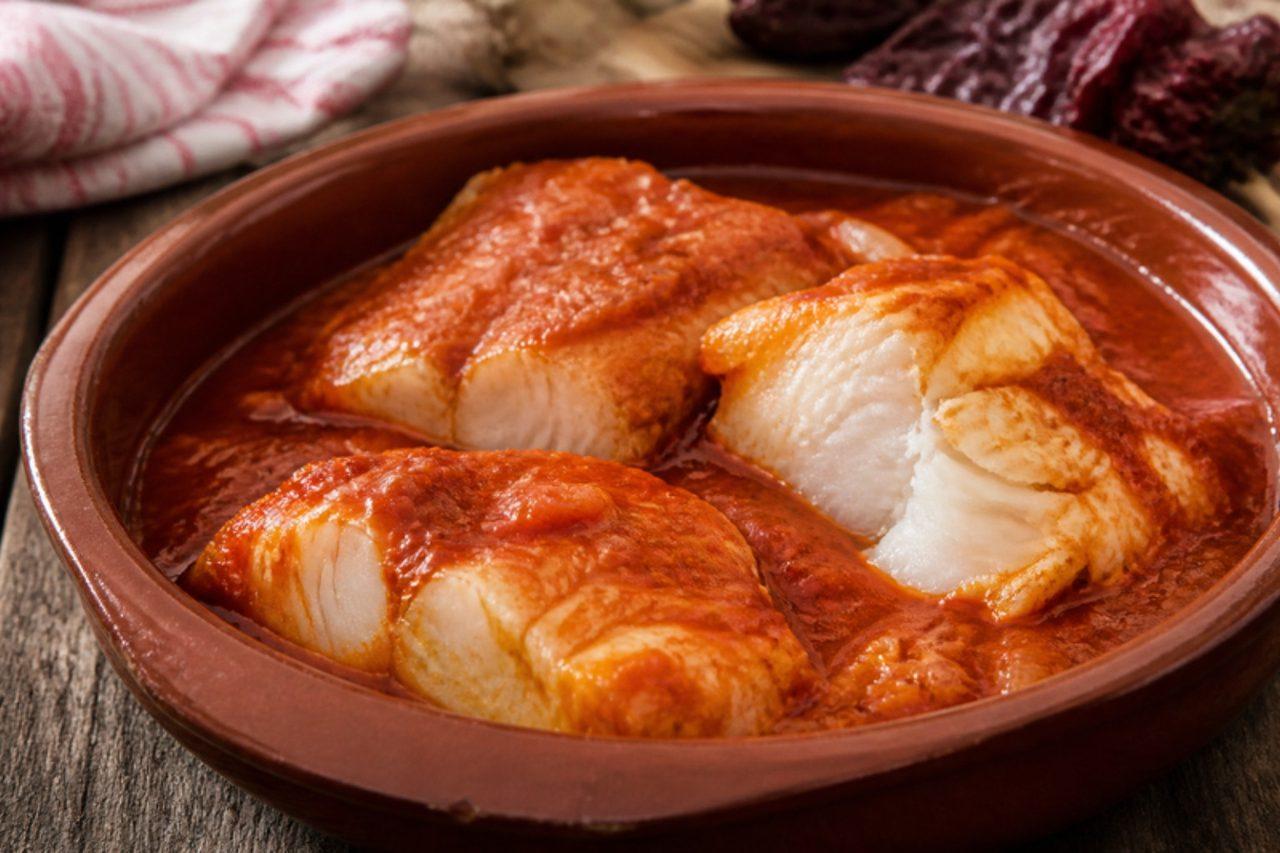
Bacalao a la vizcaínaSalt cod in red pepper sauce

Bilbao's great salt cod dish shows up every Lent and on Good Friday, and in the city's old taverns its sauce is judged as fiercely as the fish. The sauce is made only from onions cooked for a long time and the flesh of dried choricero peppers, with no tomato, which gives it its deep red colour and gentle sweetness. Salt cod needs 36–48 hours of soaking in the fridge, so start two days ahead. A common mistake is hurrying the onions: they need at least 40 minutes on a low heat to turn soft and sweet. Chef's tip: taste a flake of the soaked cod before cooking, and if it's still salty, soak it a few hours more.

105 minSpanishFishGluten free
by KrazyBadal 0 views

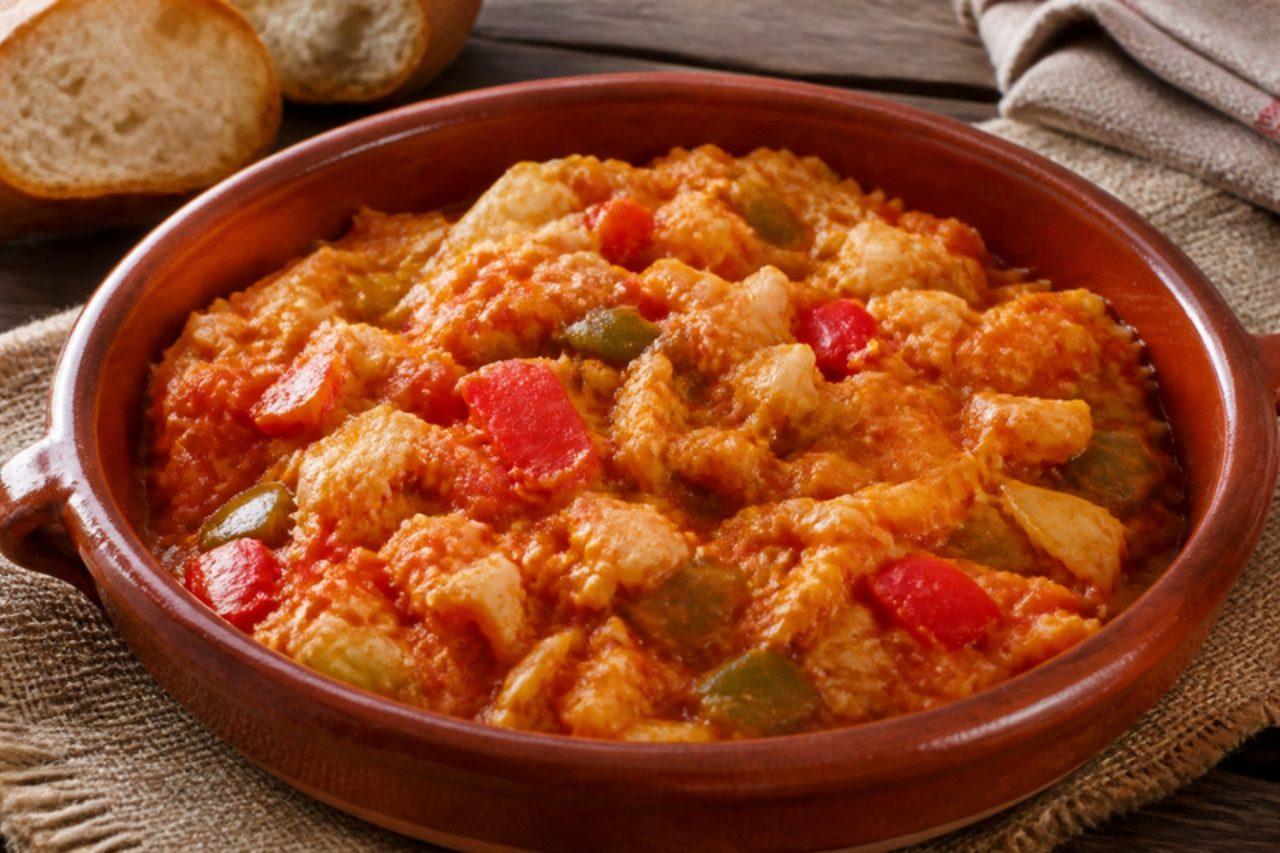
Bacalao al ajoarrieroSalt cod with garlic and pepper

The muleteers who carried goods over the mountain roads into Pamplona, the arrieros, lived on salt cod because it kept for weeks, and the garlicky way they cooked it took their name. Today ajoarriero is ordered in the bars around Pamplona's Plaza del Castillo, especially during San Fermín, and served in small earthenware dishes with bread. The Navarrese version is red with peppers, tomato and dried choricero pepper, and many cooks stir in egg at the end. Chef's tip: taste the cod after soaking and only salt the dish at the very end, if at all.

by KrazyBadal 0 views

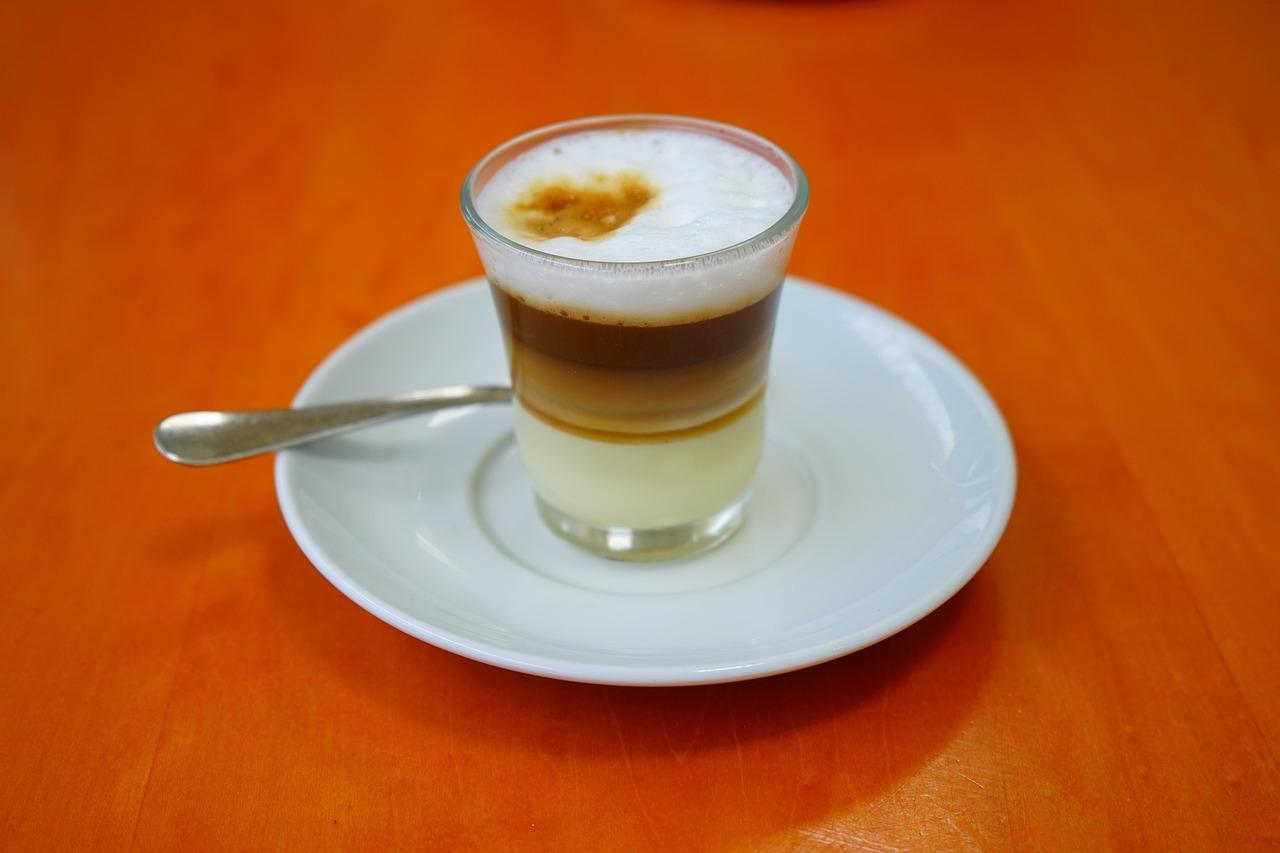
BarraquitoLayered coffee with condensed milk

Order a barraquito in any café in Santa Cruz de Tenerife or La Laguna and it comes in a small glass showing neat stripes: sweet condensed milk at the bottom, then espresso, then foamed milk, perfumed with lemon peel and cinnamon. The bar classic adds a measure of a vanilla-citrus Spanish liqueur between the layers, which makes it contain alcohol; this recipe leaves it optional, and without it the drink is often called a zaperoco or barraquito sin licor. Chef's tip: pour each layer slowly over the back of a spoon, so the layers sit on top of each other instead of mixing.

by KrazyBadal 0 views

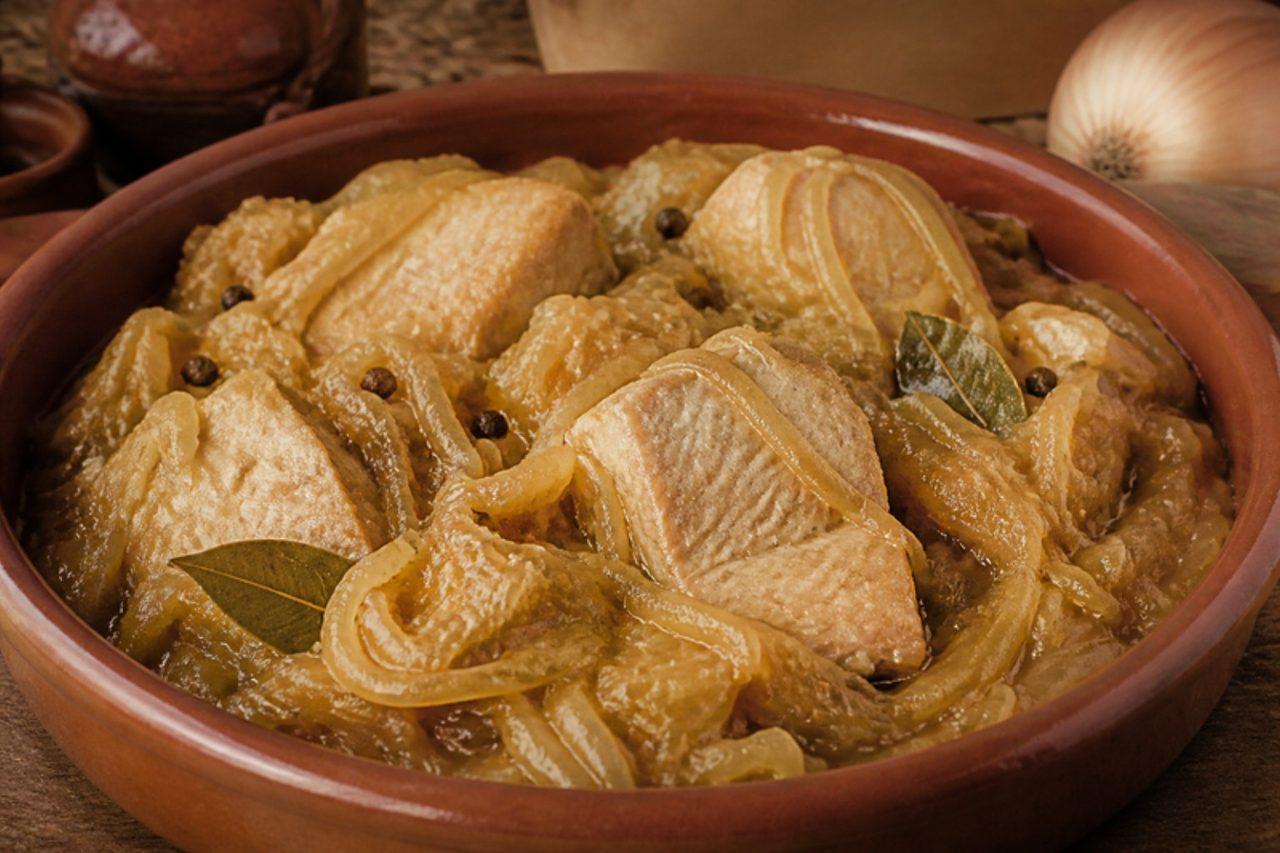
Atún encebolladoTuna stewed with onions

When the almadraba nets bring bluefin tuna ashore in Barbate and Zahara de los Atunes in May and June, households along the Cádiz coast make atún encebollado: chunks of tuna braised in a mountain of onions cooked down until sweet and golden, with bay, pepper and a splash of fino. Any good tuna steak works the rest of the year. This recipe uses wine; the alcohol-free option is in the ingredient note. Chef's tip: the onions take the time, the tuna does not; add it only for the last few minutes, or it turns dry and grey.

by KrazyBadal 0 views

Ponche segoviano

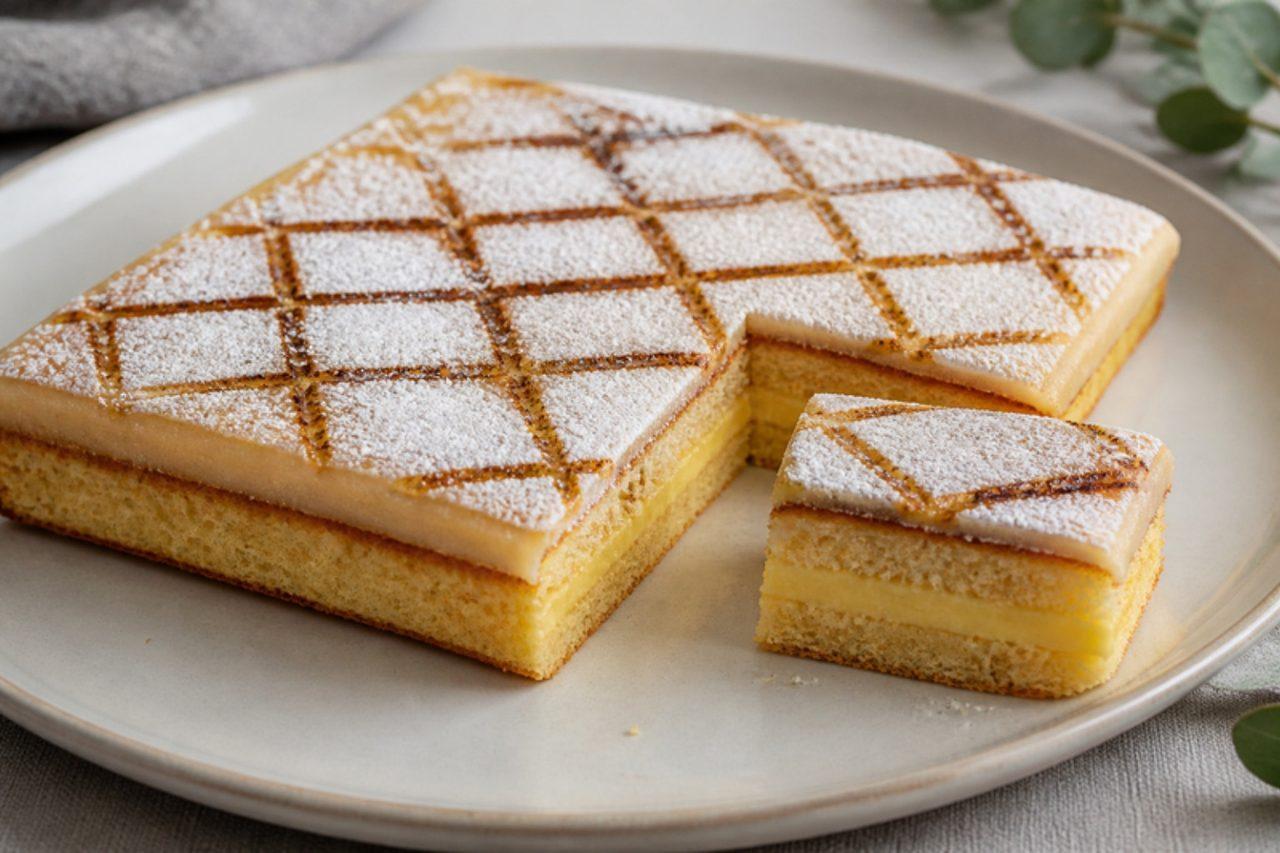
Segovia's confiterías have sold ponche since the 1920s: layers of light sponge brushed with syrup, sandwiched with thick custard and wrapped in a thin coat of marzipan whose sugared top is branded into a diamond lattice with a hot iron. It is the cake for a family celebration, or the sweet finish after a roast suckling-pig lunch in the old town. The syrup is traditionally laced with liqueur; leave it out, or swap it for orange juice, for an alcohol-free cake. Chef's tip: let the custard cool and set completely before assembling, or the layers slide.

by KrazyBadal 0 views

Cazón en adoboMarinated fried dogfish

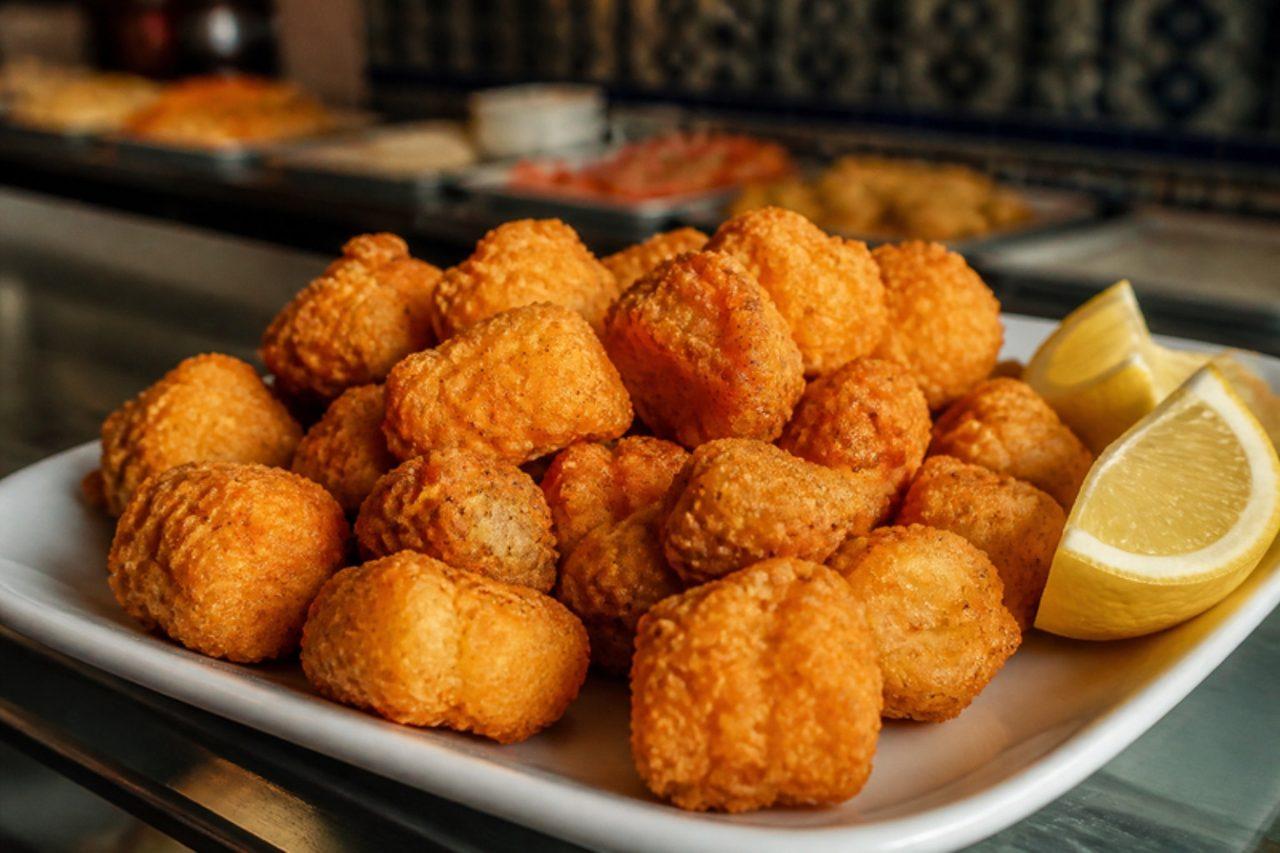
In Cádiz, the tapa that sells out first in the fried-fish shops around La Viña is cazón en adobo: bite-sized cubes of dogfish soaked overnight in a sharp marinade of vinegar, garlic, cumin, oregano and paprika, then floured and fried. The marinade seasons the fish right through and gives it a tang that needs no sauce. If you cannot find dogfish, monkfish or any firm white fish works. A common mistake is a short marinade; the fish needs at least 8 hours in the fridge, for the vinegar and cumin to soak in. Chef's tip: marinate for at least 8 hours but no more than 24; past that, the vinegar starts to firm and 'cook' the fish and it goes dry.

by KrazyBadal 0 views

Arroz del senyoretPeeled seafood rice

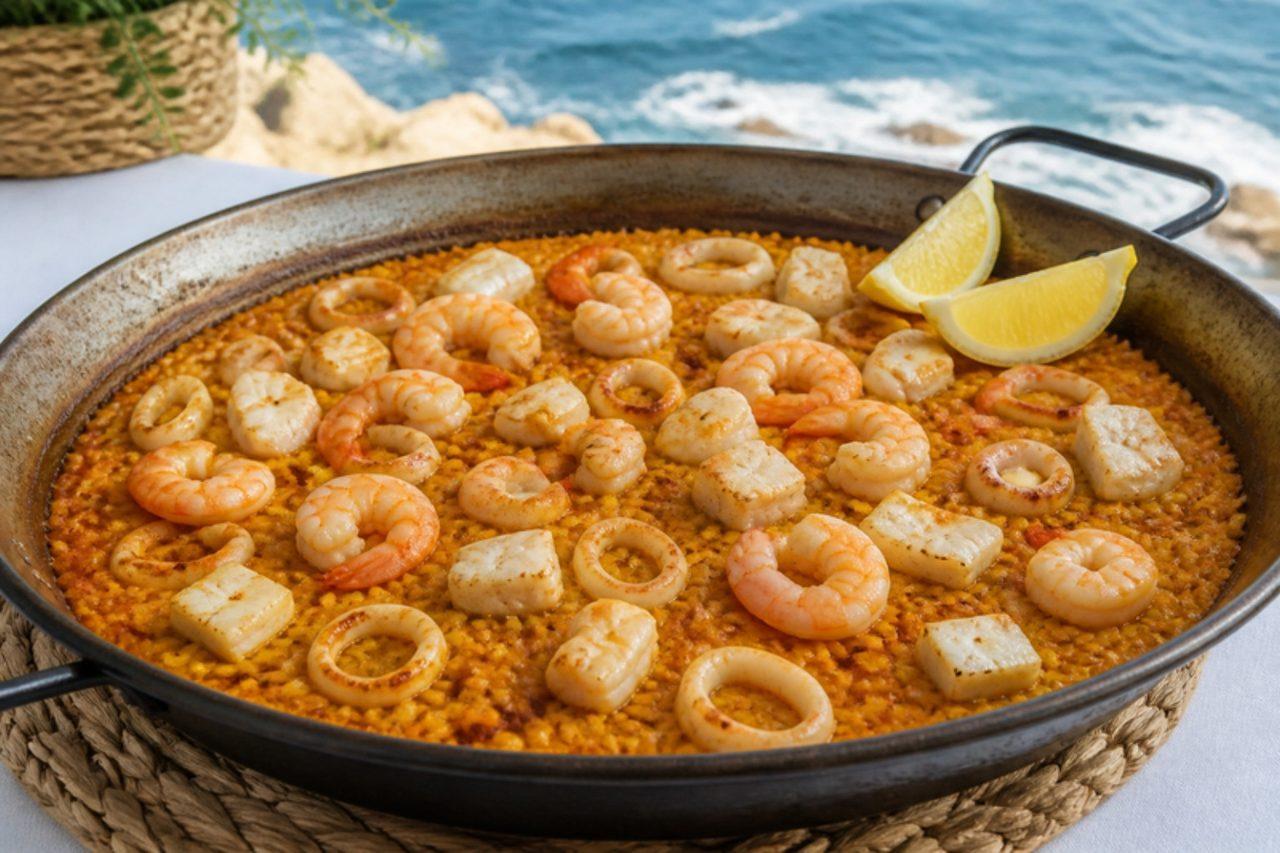
The name means "the little gentleman's rice", after the well-to-do diners at Valencia's beach restaurants in Las Arenas and El Saler who refused to get their hands dirty peeling prawns. So every piece of seafood goes into the pan already peeled and cut to fork size, while the shells are fried into the stock to keep all their flavour. The result is a thin layer of saffron-gold rice dotted with sweet prawn, squid and monkfish, eaten straight from the pan on a summer Sunday. A common mistake is throwing the prawn shells away; they give the stock its depth. Chef's tip: grate the tomato rather than chopping it; the pulp melts into the sofrito and lets it darken quickly.

by KrazyBadal 0 views

Caldero del Mar MenorFish rice with allioli

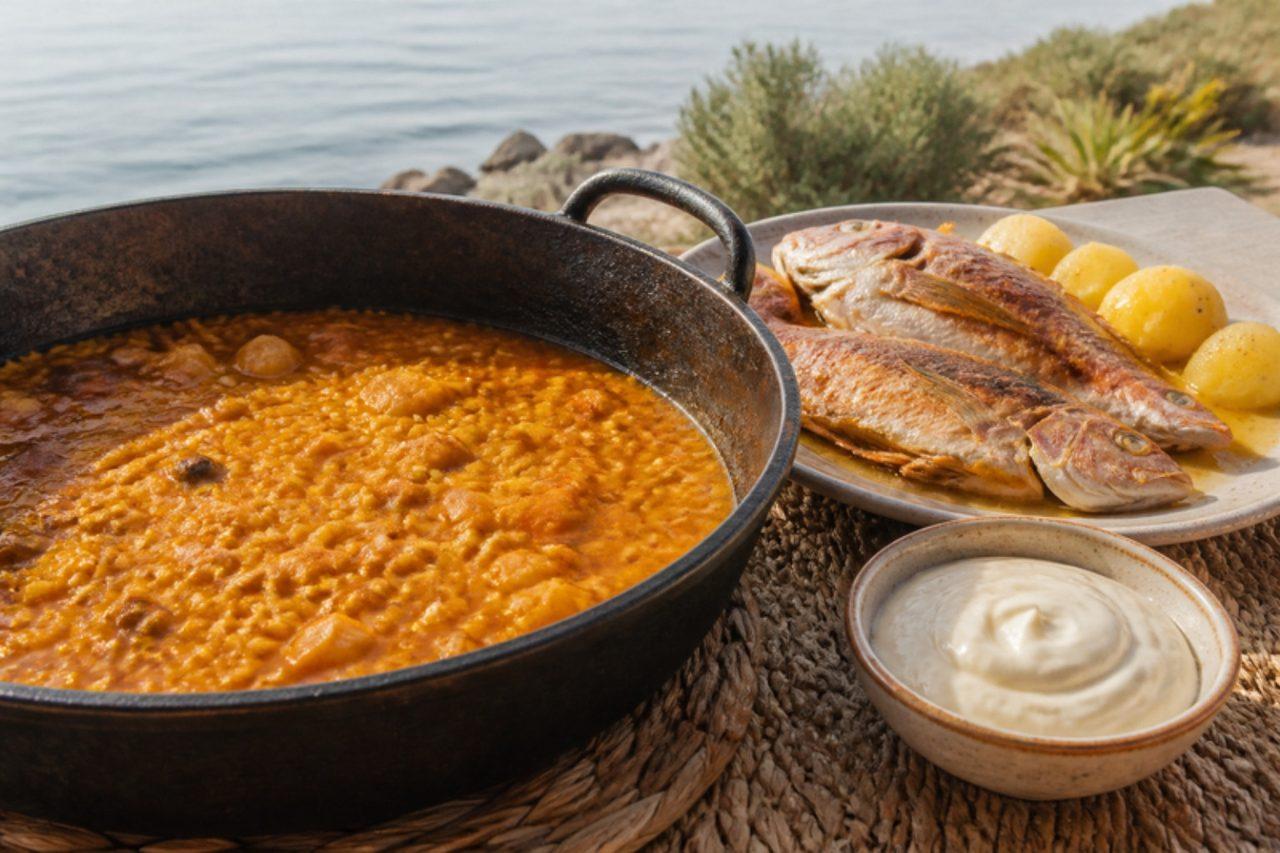
Fishermen on the Mar Menor lagoon and at Cabo de Palos cooked caldero on board in a black iron pot: the catch of rockfish and grey mullet made a broth red with fried ñora peppers, the rice was cooked in it, and the fish was eaten separately with garlicky allioli. Restaurants along the lagoon at San Pedro del Pinatar and Los Alcázares still serve it in two courses, and Calasparra rice from inland Murcia is the classic choice. Chef's tip: ask the fishmonger for the heads and bones of the fish too; they make the broth.

115 minSpanishFishGluten free
by KrazyBadal 0 views

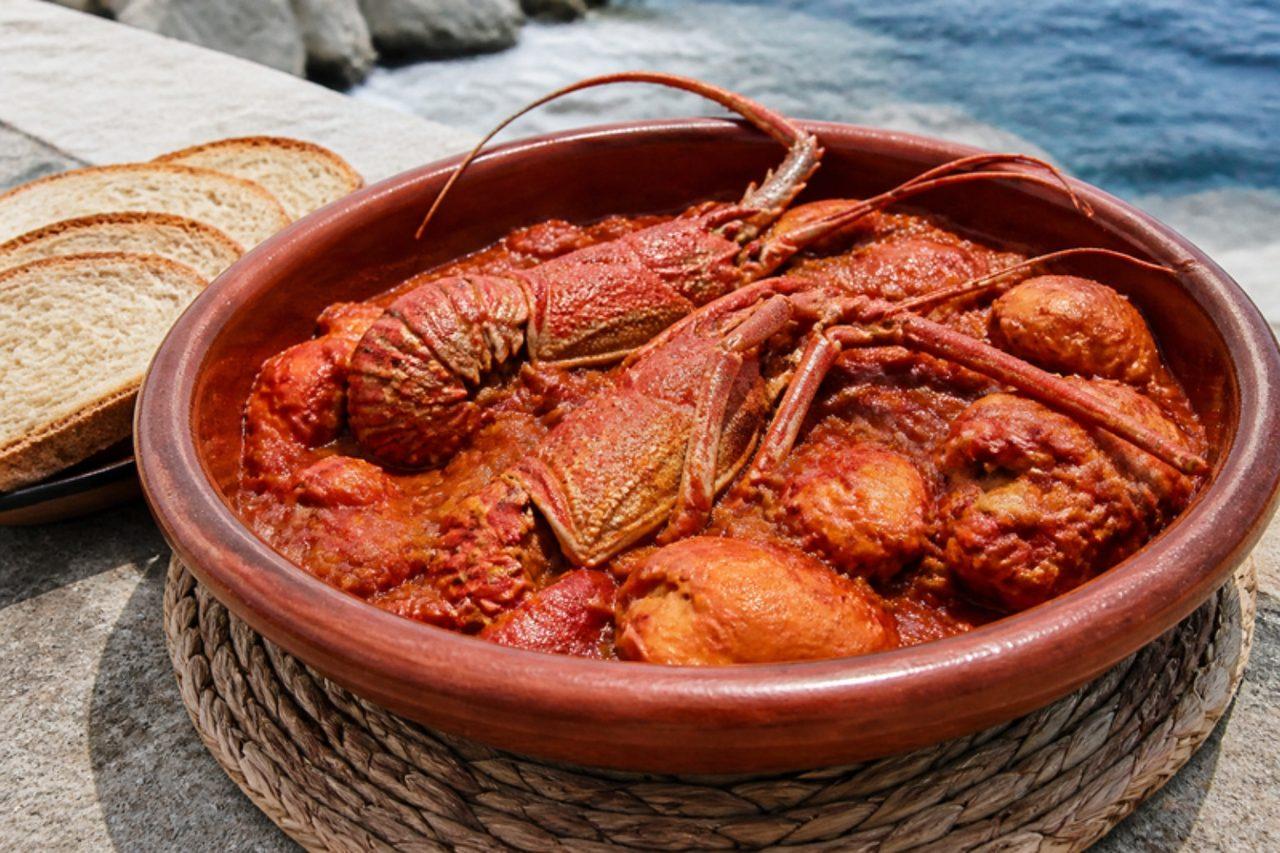
Caldereta de llagostaSpiny lobster stew

In the fishing village of Fornells, on Menorca's north coast, caldereta de llagosta is the summer splurge people plan a whole holiday around, ladled from a clay pot onto plates lined with thin slices of dry bread. Spiny lobster is cut into pieces and simmered in a deep, tomato-rich sofrito with onion, green pepper and garlic, then thickened with a picada of the lobster's own liver, almonds and parsley. A splash of brandy is common; it is optional here, and the stew is just as good without. Chef's tip: let the sofrito cook until dark and jammy before the lobster goes in, because that slow base is where the broth gets its depth.

by KrazyBadal 0 views

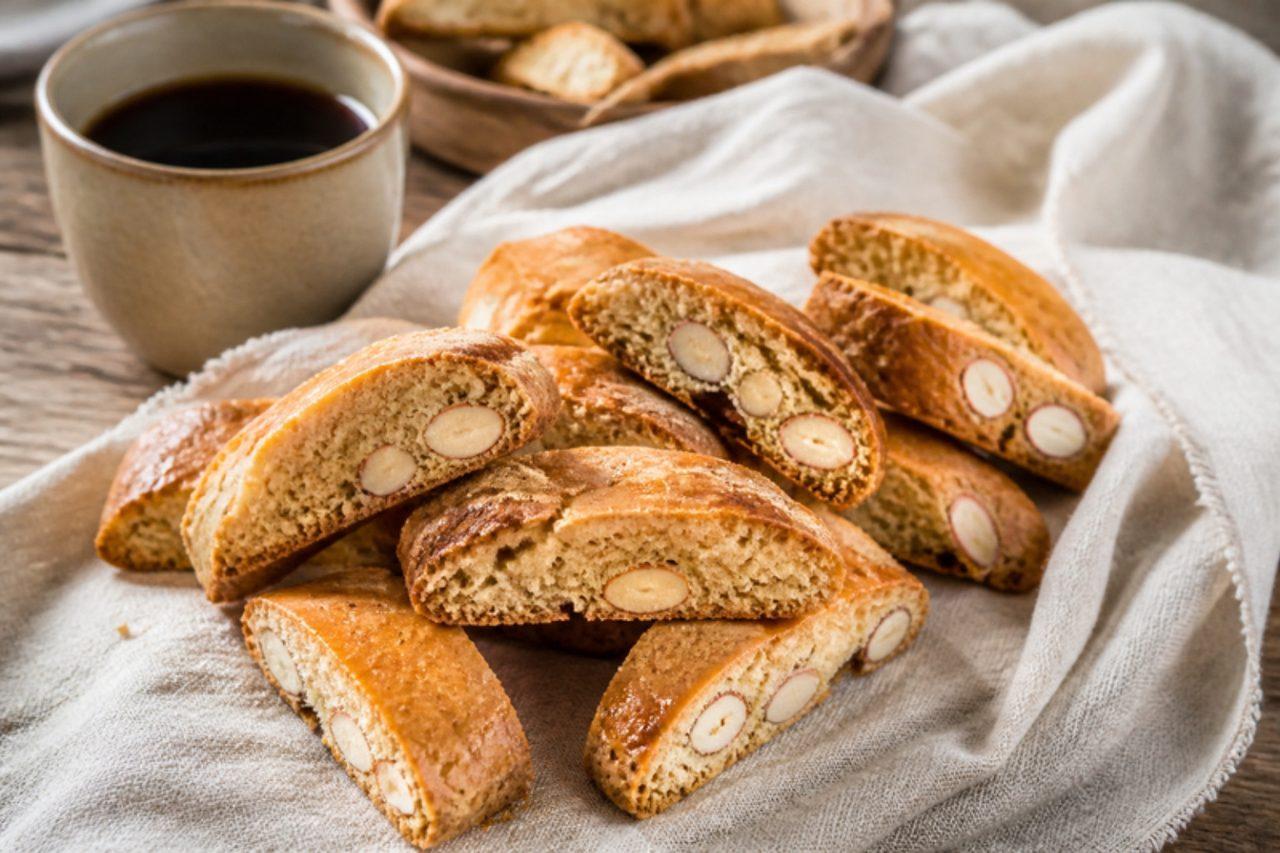
CarquinyolisTwice-baked almond biscuits

Catalan bakeries sell carquinyolis in paper bags, especially around Christmas and village festivals, and grandparents keep a tin of them to dunk in coffee, milk or, after a big lunch, a glass of sweet wine. They are cousins of Italian cantucci, but often rougher, with whole unpeeled almonds and a hint of lemon and cinnamon. Baked once as a log, sliced, then baked again, they keep for weeks. Chef's tip: slice the logs while still warm with a serrated knife and a single firm cut; cold logs crumble and the almonds shatter.

by KrazyBadal 0 views

Canutillos de BergaraCustard-filled puff pastry horns

In Bergara, a market town in the Deba valley of Gipuzkoa, pastry shops have sold canutillos since the nineteenth century, and locals buy them by the tray for saints' days and family visits. Puff pastry is wound around metal cones, baked until crisp and caramelised, then piped full of custard scented with lemon and cinnamon. A common mistake is filling them too early: the pastry softens within a few hours, so fill them close to serving. Chef's tip: overlap the pastry strip by a third as you wind it, so the horns don't unravel in the oven.

by KrazyBadal 0 views

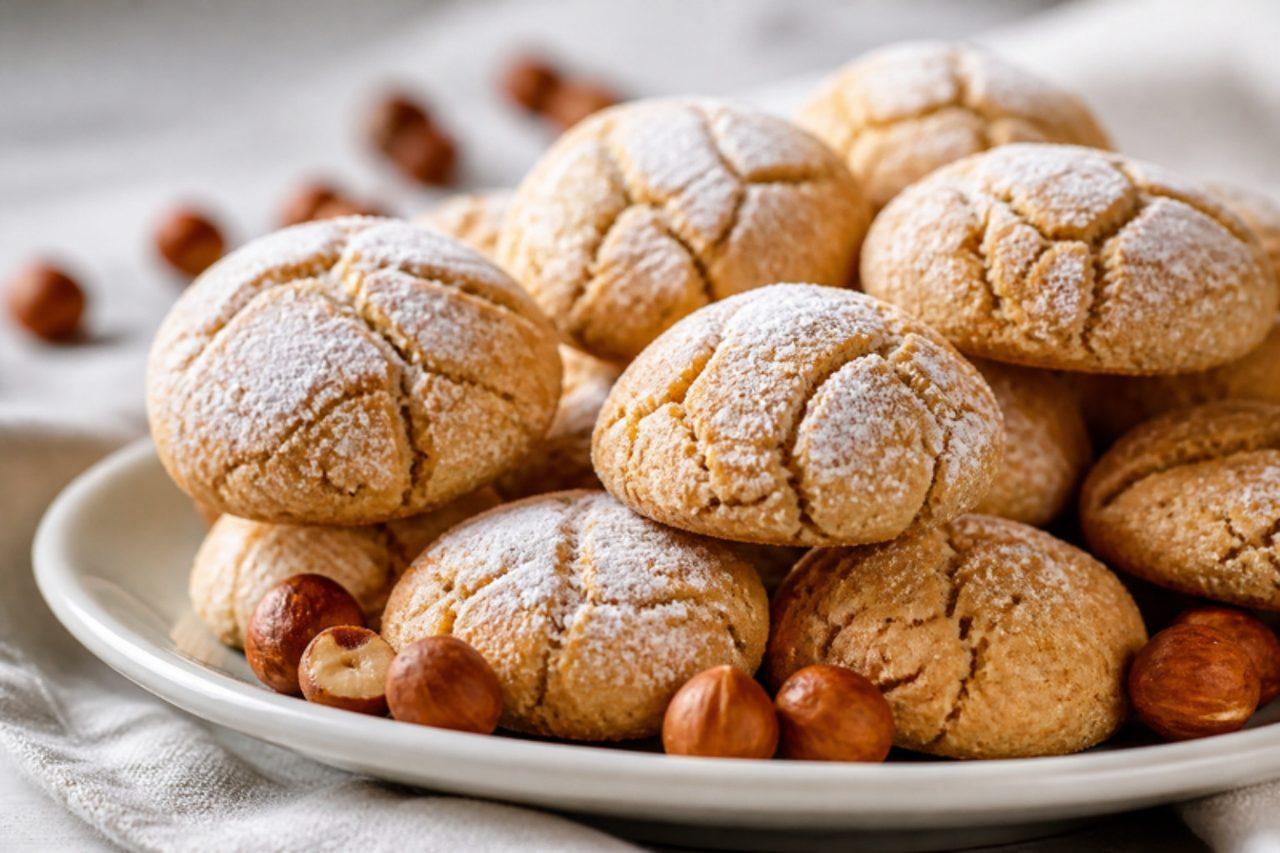
Carajitos del profesorCrisp hazelnut biscuits

Salas, a small town on the old pilgrim road through western Asturias, is known for these cracked, chewy mounds of toasted hazelnut and sugar. Local lore says they were first baked for a teacher at the town's school, and the pastry shops still sell them by the bag to travellers and to families heading home from Sunday market. They need only three ingredients and no flour, so they suit anyone avoiding gluten. Chef's tip: toast the hazelnuts until they smell like praline before grinding them; it is what gives the biscuits their deep flavour.

by KrazyBadal 0 views

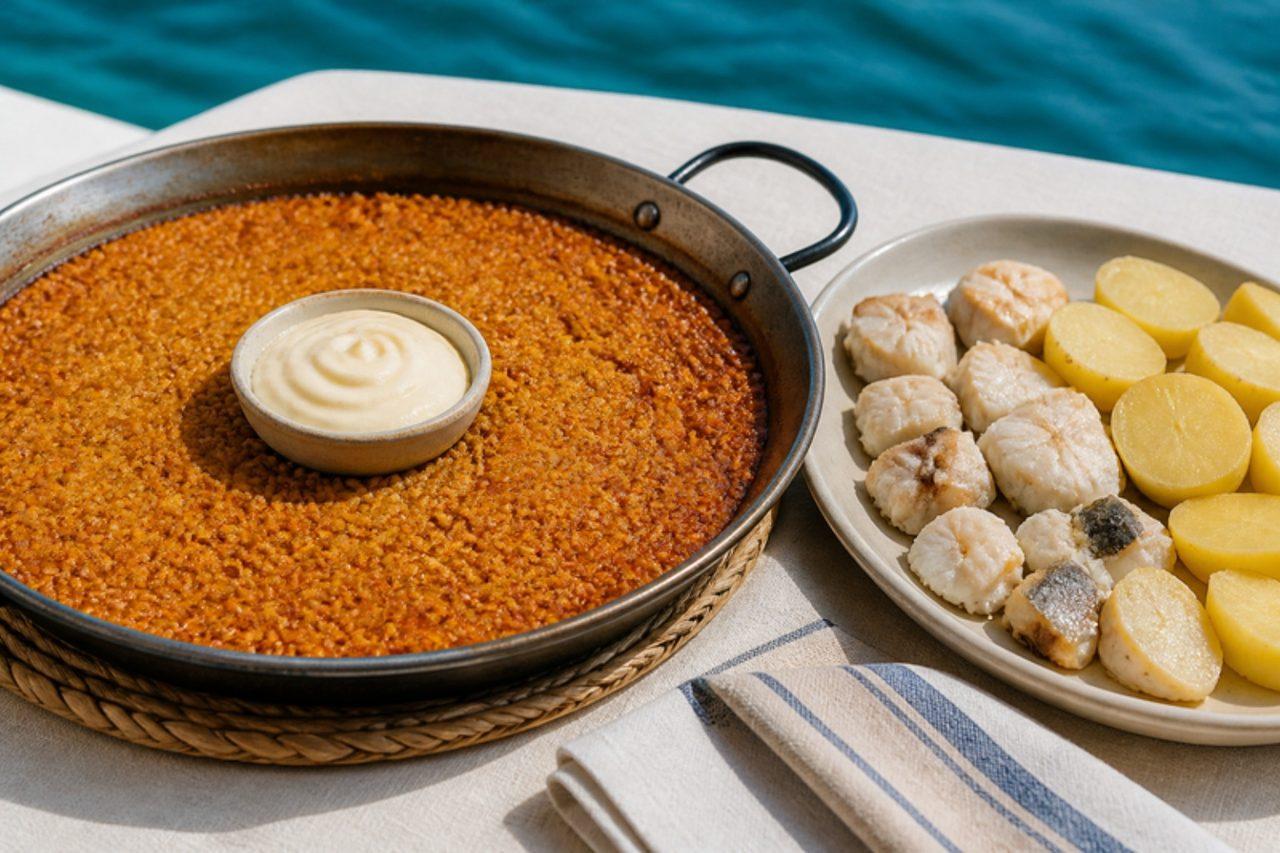
Arroz a bandaRice cooked in fish stock

Along the Alicante coast, from Santa Pola to Dénia, arroz a banda began as a fishermen's meal: the small, bony fish that wouldn't sell were simmered into a deep, rust-coloured stock, rice was cooked in it, and the fish was eaten "a banda", on the side. Today the rice comes first, thin, golden and intensely savoury, with a spoonful of allioli, and the poached fish and potatoes follow. A common mistake is a weak stock; the rice tastes of nothing more than what it cooks in, so use plenty of fish and reduce it well. The allioli here uses pasteurised egg; raw-egg allioli is not for pregnant women, young children or anyone with a weakened immune system. Chef's tip: let the rice catch slightly on the base in the last minute to form socarrat, the toasty crust everyone fights over.

115 minSpanishFishGluten free
by KrazyBadal 0 views

Showing 24 of 99 recipes

Show more recipes

Page 1 of 5