Skip to content
Recipes

All recipes

Vegetarian, or something you can't eat? Set your diet once and we'll hide recipes that don't fit.

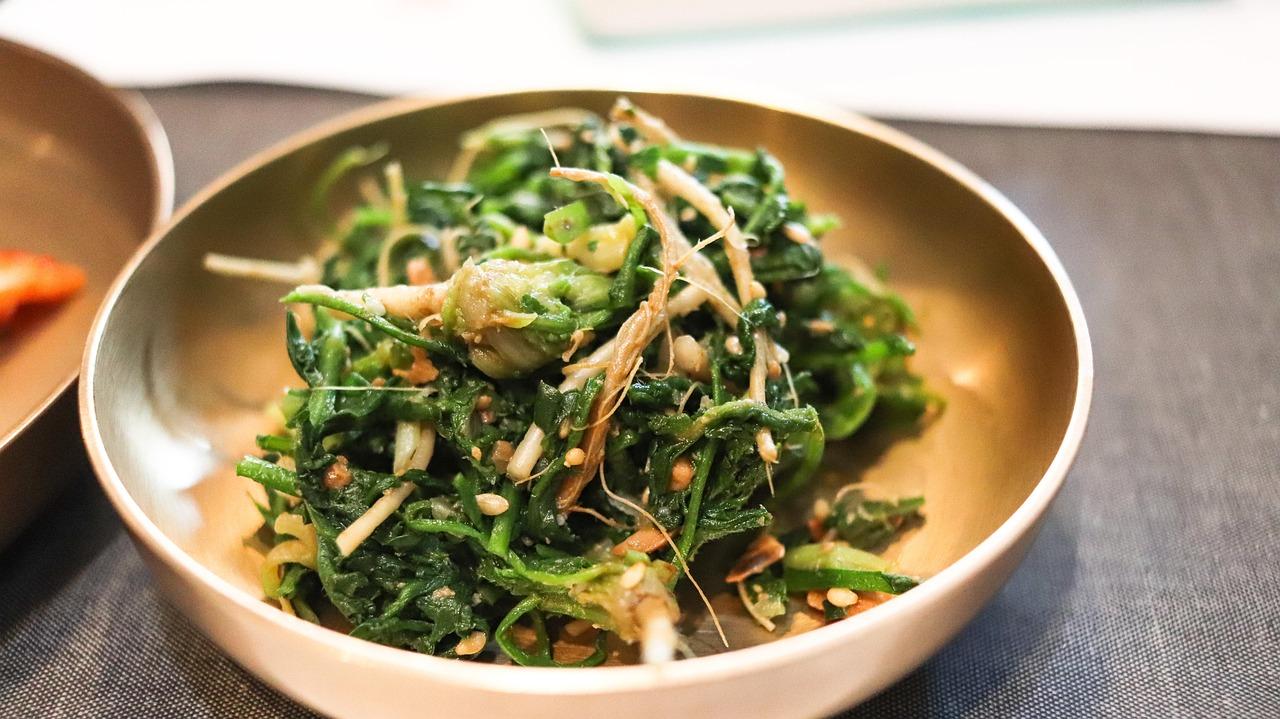
Chamnamul muchimDressed wild parsley

Chamnamul, a mild, celery-scented wild parsley, fills Korean markets in spring, and this simple namul is one of the banchan that turns up on home tables and in bibimbap bowls from March to May. The stems are blanched for seconds, then dressed by hand with garlic, sesame oil and toasted sesame so the herb stays bright and crunchy. It is a light side with about 3 g of protein per portion; pair it with tofu, eggs or a bean stew for a full meal. The common mistake is over-blanching: chamnamul goes limp and grey in under a minute. If you can't find it, use the tender tops of flat-leaf parsley mixed with pea shoots. Chef's tip: season with salt first and the sesame oil last, so the salt reaches the leaves instead of sliding off the oil.

by KrazyBadal 0 views

Miyeok julgi bokkeumStir-fried seaweed stems

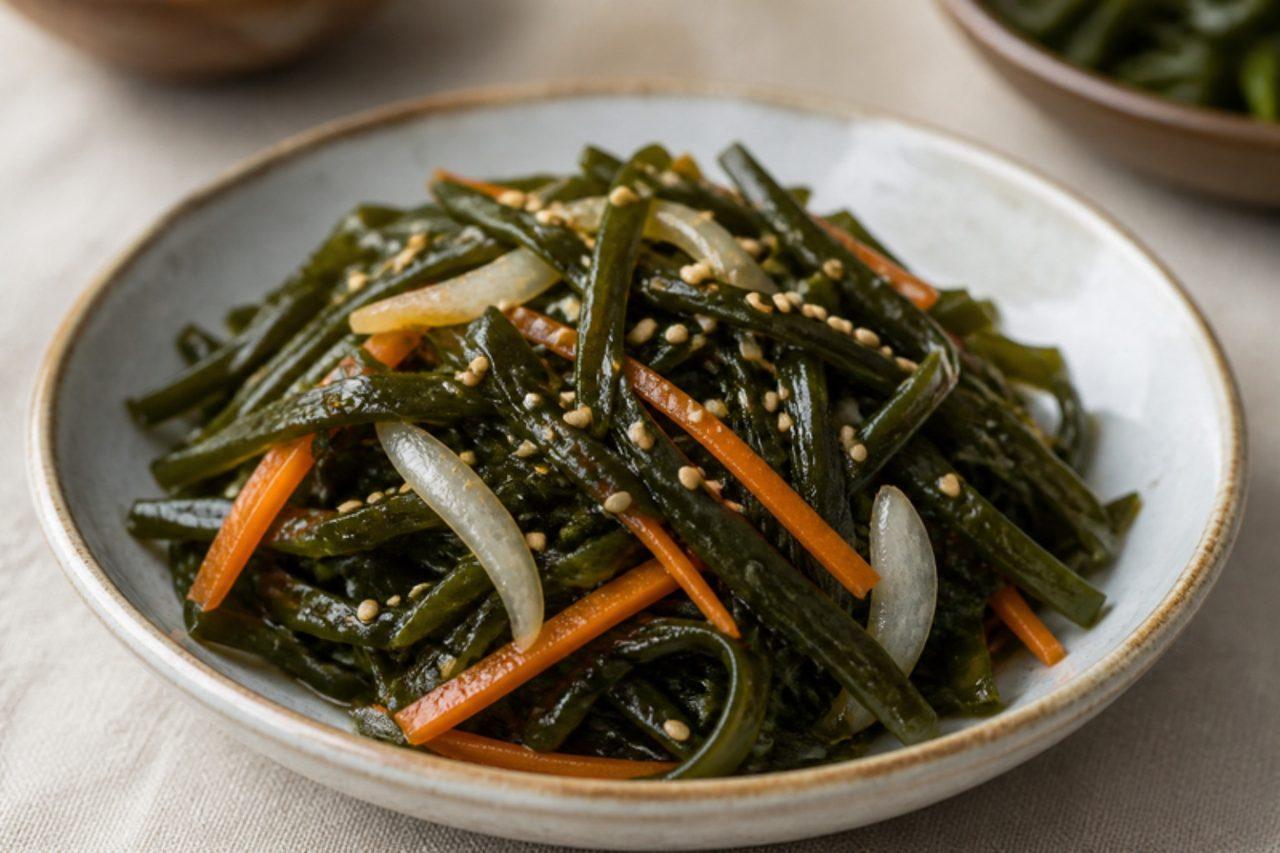
Seaweed stems, sold salted in Korean grocers, are the crunchy, green-black banchan you find in school canteens and lunchboxes everywhere in Korea, eaten cold with rice. The stems are soaked to draw out the salt, then stir-fried quickly with garlic, onion and a few drops of soy, and finished with sesame. It is vegan and light, with about 2 g of protein per portion. The common mistake is under-soaking: too little and the dish is painfully salty, so taste a piece before you cook. Chef's tip: blanch the stems for 10 seconds after soaking; it sets their bright green colour and removes any fishy-sea smell.

by KrazyBadal 0 views

Fagioli al fiascoSlow-cooked cannellini beans with sage

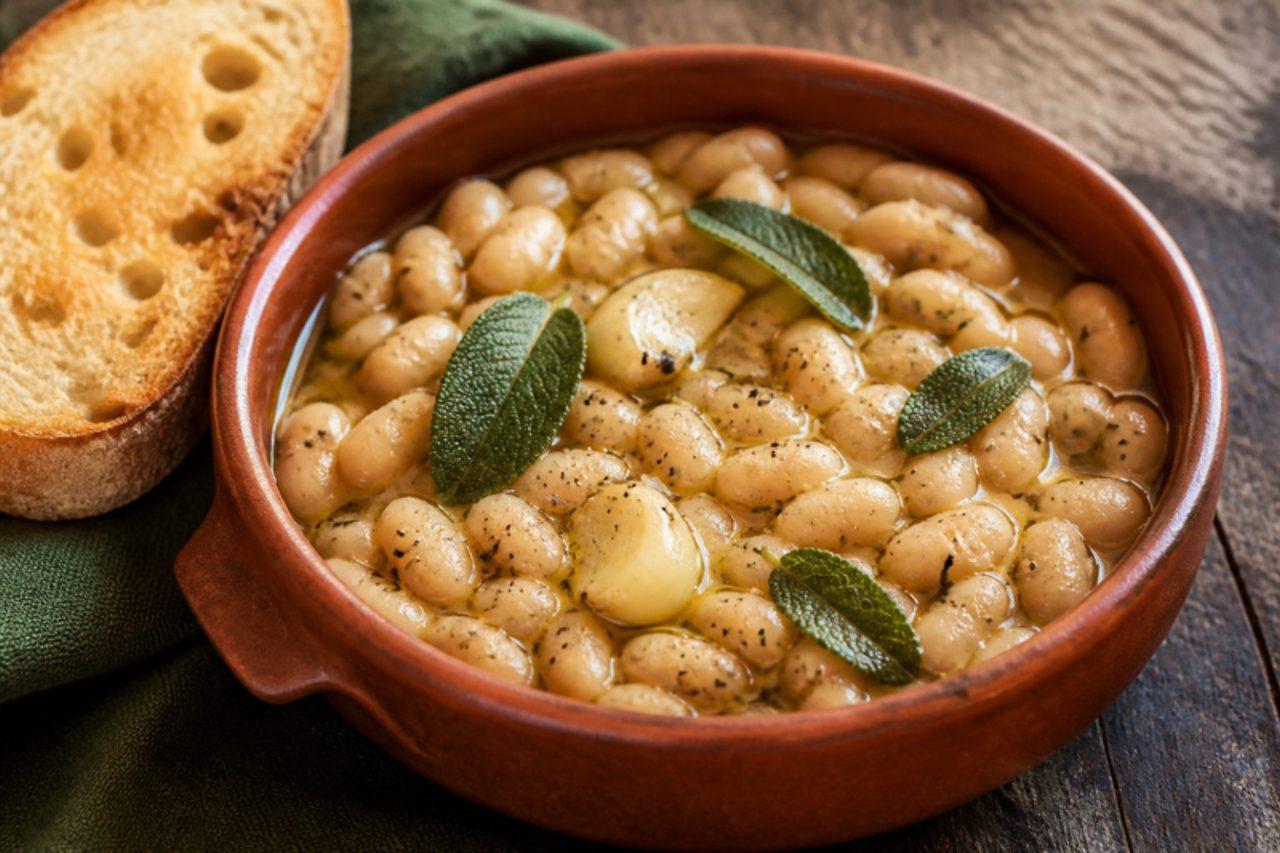
In Tuscany, and above all in Florence and the Chianti hills, beans were once cooked overnight in an old glass wine flask set in the dying embers of the hearth, and fagioli al fiasco are still made in autumn when the new season's peppery olive oil arrives in November. Cannellini, sage, garlic and oil are sealed in a lidded pot and cooked very slowly, so the beans turn creamy and buttery inside while staying whole. At home a heavy casserole in a low oven does the job. Served as a side or a light main with toasted bread, a portion gives about 23 g of protein from the beans. Soak the beans for 12 hours first; that time is not counted below. The most common mistake is letting the liquid boil: fast bubbling splits the skins and turns the beans mealy. Chef's tip: salt only at the very end, and pour over your best oil at the table, not during cooking, where its fresh flavour is lost.

160 minItalianSidesVeganGluten free
by KrazyBadal 0 views

Kombu maki with burdock and carrotKelp rolls with burdock and carrot

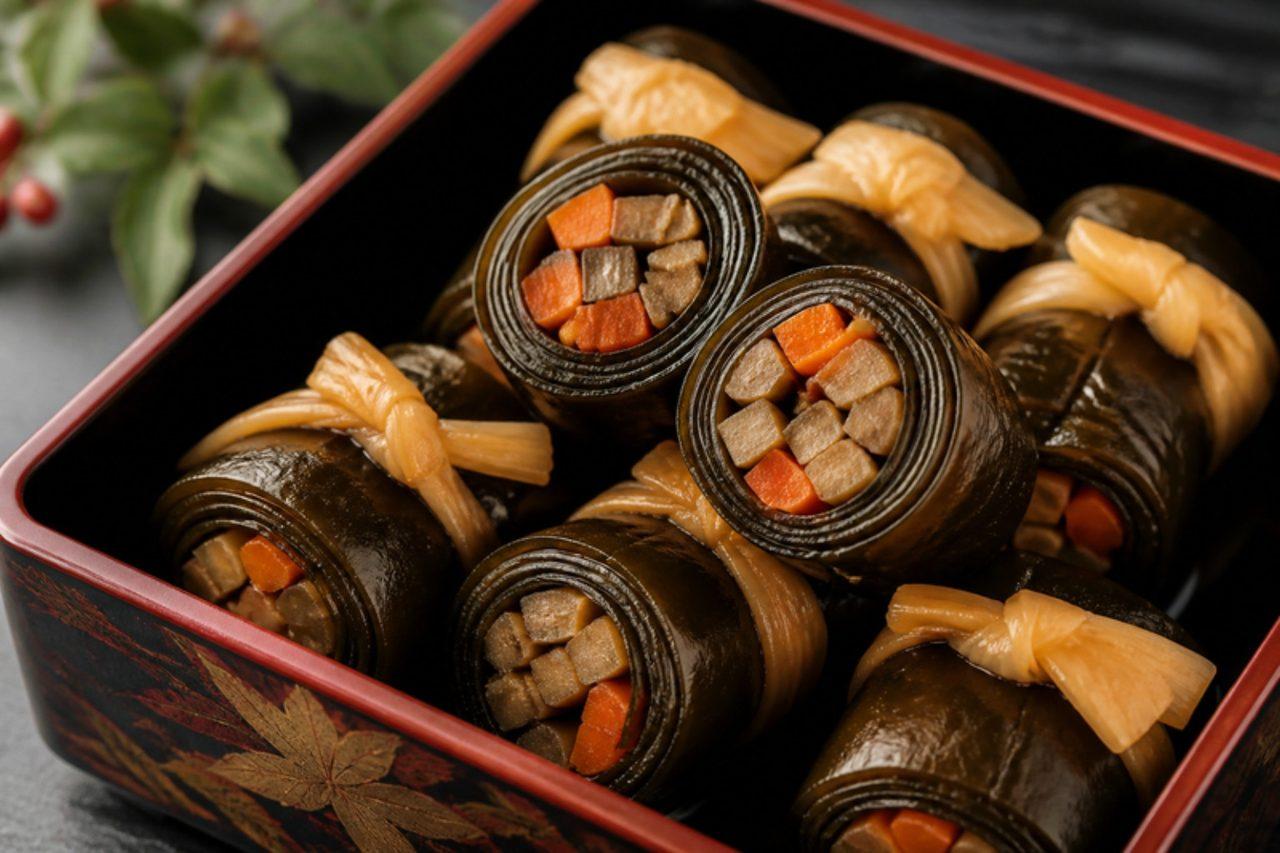
Kombu maki is one of the dishes packed into the lacquered boxes of osechi for New Year's Day all over Japan, where the word kombu is a pun on yorokobu, 'to rejoice'. Soft kelp is rolled around a filling, tied with ribbons of dried gourd and simmered slowly until it can be cut with chopsticks. Families often roll it around herring or salmon; here it is filled with burdock and carrot, cooked in kombu broth and sweetened with sugar instead of mirin, so it is vegan and alcohol-free. Each portion of three rolls has about 3 g of protein, so it is a side, not a main. It keeps for 4 days in the fridge and is eaten cold. The common mistake is rushing the simmer: the kelp needs a full hour or it stays chewy. Chef's tip: keep a drop-lid or a circle of baking paper on the surface the whole time, so the rolls cook evenly without being turned.

by KrazyBadal 0 views

Mozuku-zuSeaweed in sweet vinegar

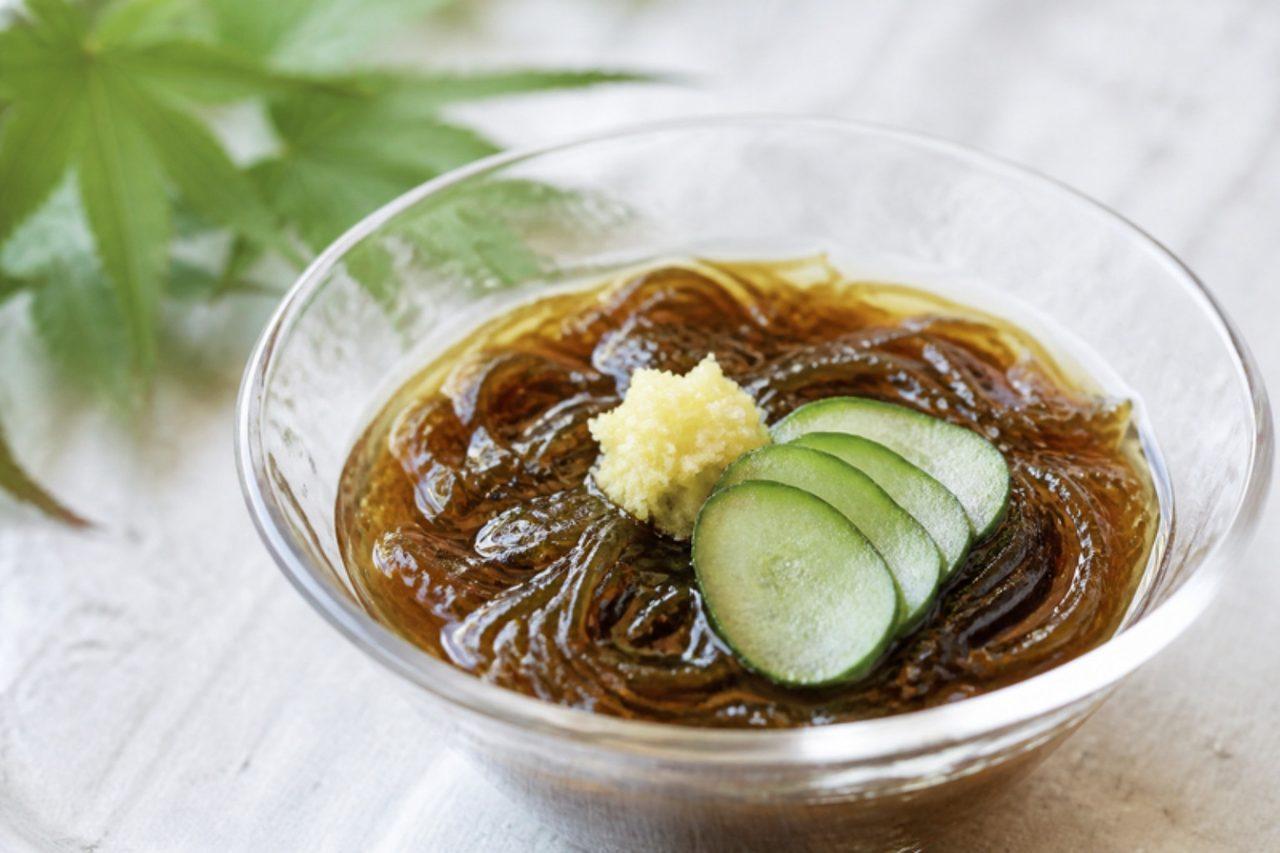
In Okinawa, where most of Japan's mozuku is farmed, a small bowl of mozuku-zu starts many a home supper and izakaya meal, especially in the hot months. The fine, slippery strands of seaweed are rinsed of their salt and served cold in a gentle dressing of rice vinegar, a little sugar and soy, topped with grated ginger, so it tastes clean, sour and of the sea. Shop versions often use bonito dashi; this one uses kombu dashi, so it is vegan. It is very light, with less than 1 g of protein a portion, so it belongs alongside a tofu dish and rice rather than as a main. The most common mistake is not rinsing salted mozuku enough: it needs two or three changes of water or the dish turns harsh. Chef's tip: chill the dressing and the bowls well; mozuku-zu should be served icy cold.

by KrazyBadal 0 views

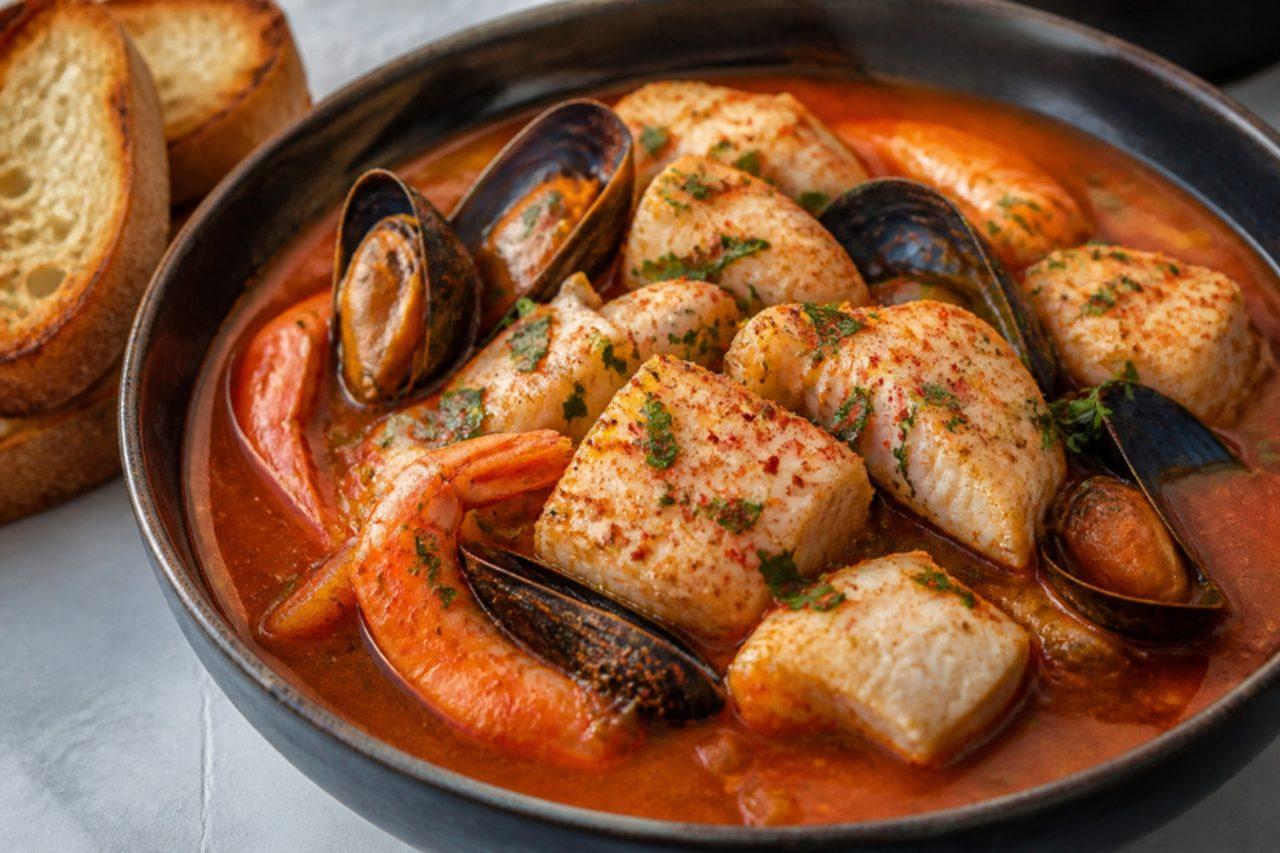
TtoroBasque fish soup

Ttoro was the meal Basque fishermen in Saint-Jean-de-Luz and Ciboure made from the part of the catch they couldn't sell, and the town still holds a ttoro festival every autumn. A deep red broth of peppers, tomato and Espelette pepper is poured over pieces of hake and monkfish, mussels and prawns, with garlic toast on the side for dunking (use gluten-free bread if needed). A portion gives about 32 g of protein, from the fish and shellfish, for around 360 kcal. The common mistake is boiling the fish in the broth: it breaks into flakes, so the pieces are seared first and then only poached gently on top for a few minutes. Discard any mussel that stays open when tapped before cooking or stays shut after. Chef's tip: dust the fish in rice flour before searing; the light crust protects the fish in the broth and thickens it slightly.

70 minFrenchFishGluten free
by KrazyBadal 0 views

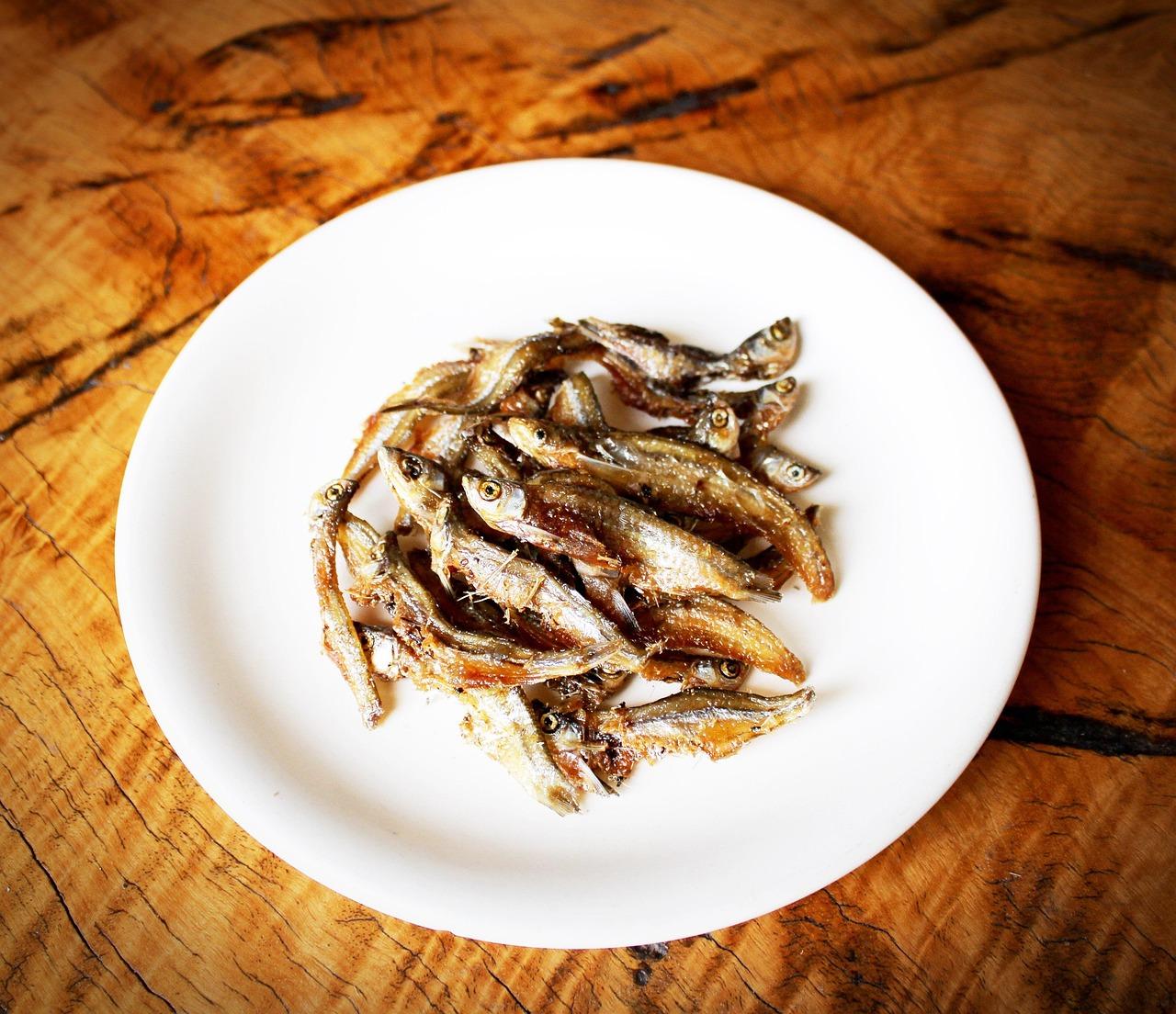
OmenaFried silver fish with tomato

Omena are tiny silver cyprinid fish netted at night on Lake Victoria and sun-dried on the shores around Kisumu and Homa Bay; in western Kenya they are a cheap, protein-rich weeknight dinner, fried crisp and then simmered briefly in onion and tomato and eaten with ugali and sukuma wiki. They are eaten whole, bones and all, like whitebait. The common mistake is skipping the rinse: dried omena carry sand from the drying beaches, so soak and swish them in several changes of warm water. Chef's tip: fry the drained fish on their own until crisp and fragrant before the tomato goes in; it takes away the strong 'lake' smell and keeps them from going mushy. Look for dried omena (also sold as dagaa) in African grocers.

by KrazyBadal 0 views

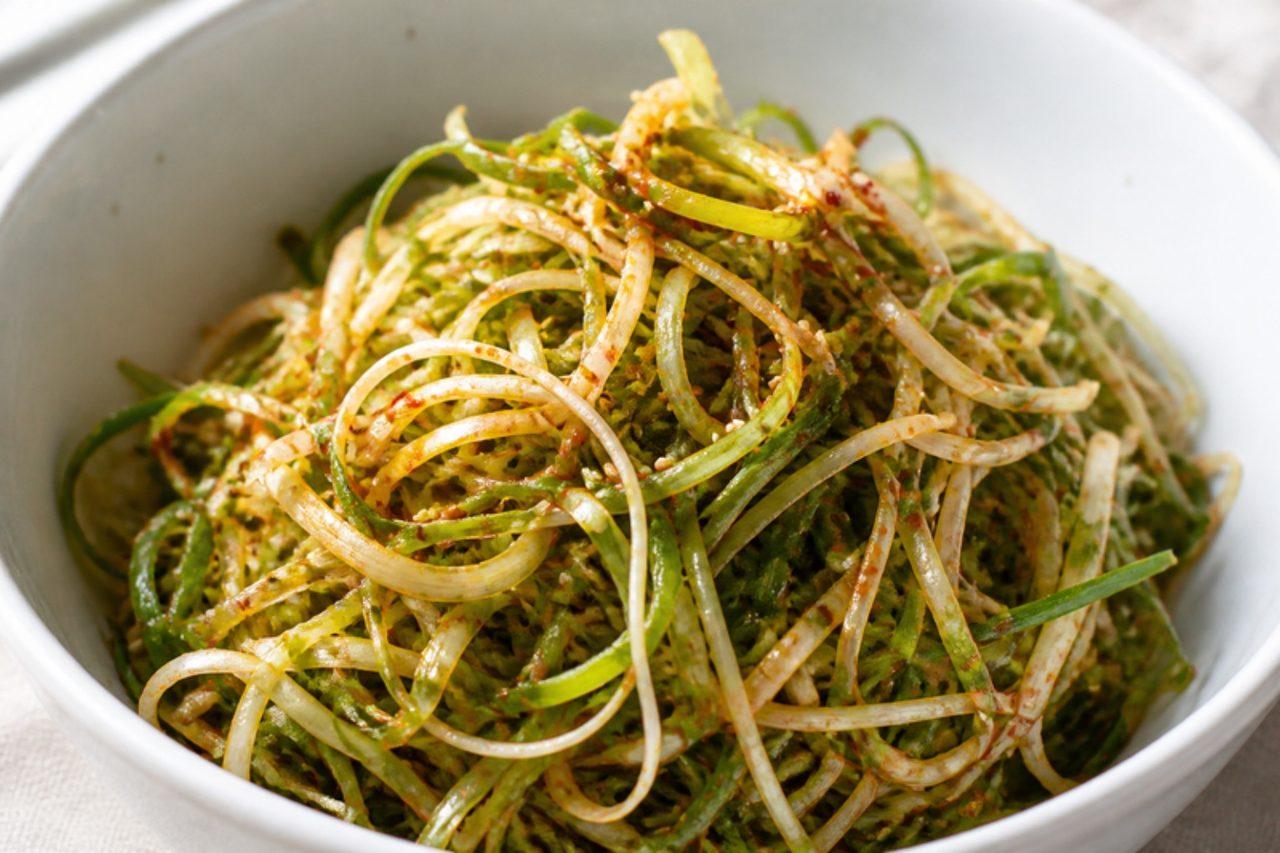
Pa muchimSpring onion salad

Pa muchim is the tangle of sharp, spicy spring onion that arrives with barbecue in restaurants all over Korea, from Seoul to Busan, and it is just as good at home beside grilled tofu, mushrooms or a rice bowl. Spring onion is shredded into long, thin threads, rinsed in cold water to tame its bite, then dressed at the last moment with chilli flakes, vinegar, soy, sugar and sesame. It is a light, vegan side with about 2 g of protein per portion. The common mistake is dressing it too early: after 10 minutes the onion wilts and weeps. Chef's tip: soak the shredded onion in iced water for 10 minutes before dressing; it curls, crisps and loses its harsh raw heat.

by KrazyBadal 0 views

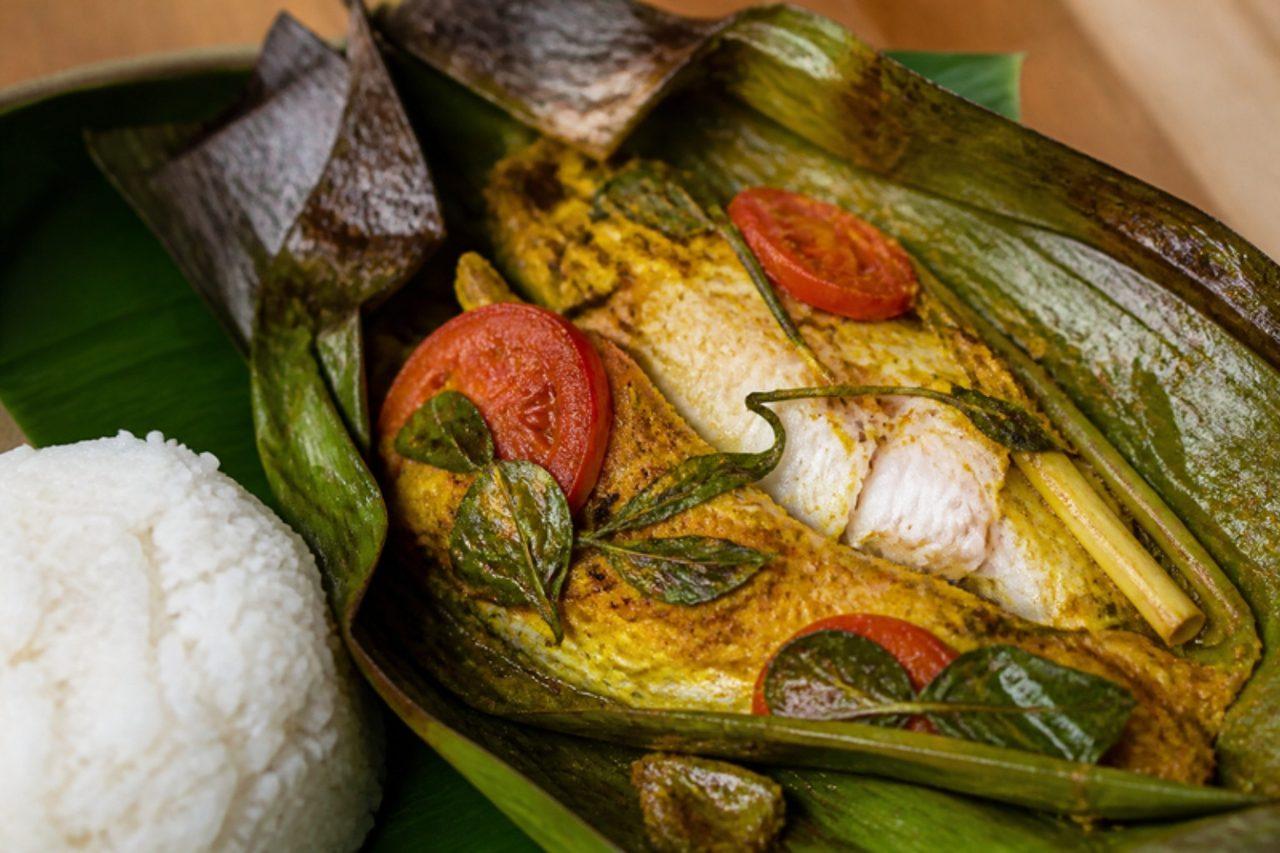
Pepes ikanFish steamed in banana leaf

Pepes ikan is everyday Sundanese cooking from Bandung and the hills of West Java, made in the morning and eaten with rice, sambal and raw vegetables at lunch. Fish is rubbed with a yellow paste of turmeric, shallot, candlenut and chilli, scattered with lemon basil, wrapped in banana leaf and steamed, then charred briefly on a grill so the leaf smokes and perfumes it. The flesh comes out moist and fragrant. A portion has about 30 g of protein from the fish. The usual mistake is skipping the steaming and grilling straight away: the outside burns before the fish is cooked. Chef's tip: lemon basil (kemangi) is the signature; if you can't get it, use Thai basil with a little lemon zest.

by KrazyBadal 0 views

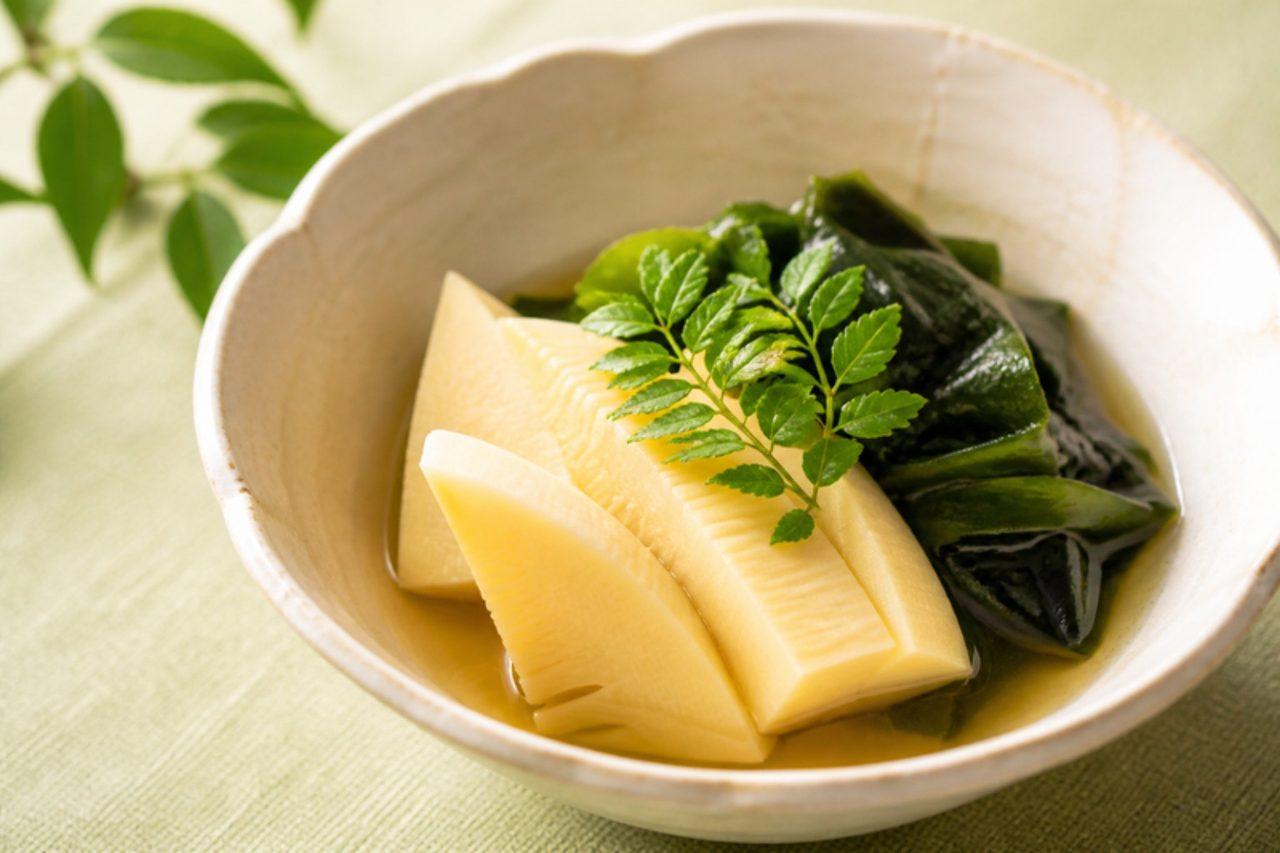
Wakatake-niBamboo shoot and wakame simmer

Wakatake-ni means 'young bamboo simmer', and in Kyoto it marks the few weeks of April when fresh shoots arrive from the hills around Rakusai; it is served in small bowls at home and in kaiseki menus as a quiet taste of spring. Tender bamboo shoot is simmered in a pale, lightly seasoned broth, and soft wakame goes in at the very end, so the bowl is all clean, sweet and sea flavours. Classic recipes use bonito dashi; this one uses kombu and dried shiitake, and sugar instead of mirin, so it is vegan and alcohol-free. It is a light side dish of about 4 g of protein per portion. The common mistake is boiling the wakame with the bamboo: it turns slimy and drab, so it needs only a minute. Chef's tip: cool the bamboo in the broth for 10 minutes before reheating; it drinks up the seasoning far better than it does while boiling.

by KrazyBadal 0 views

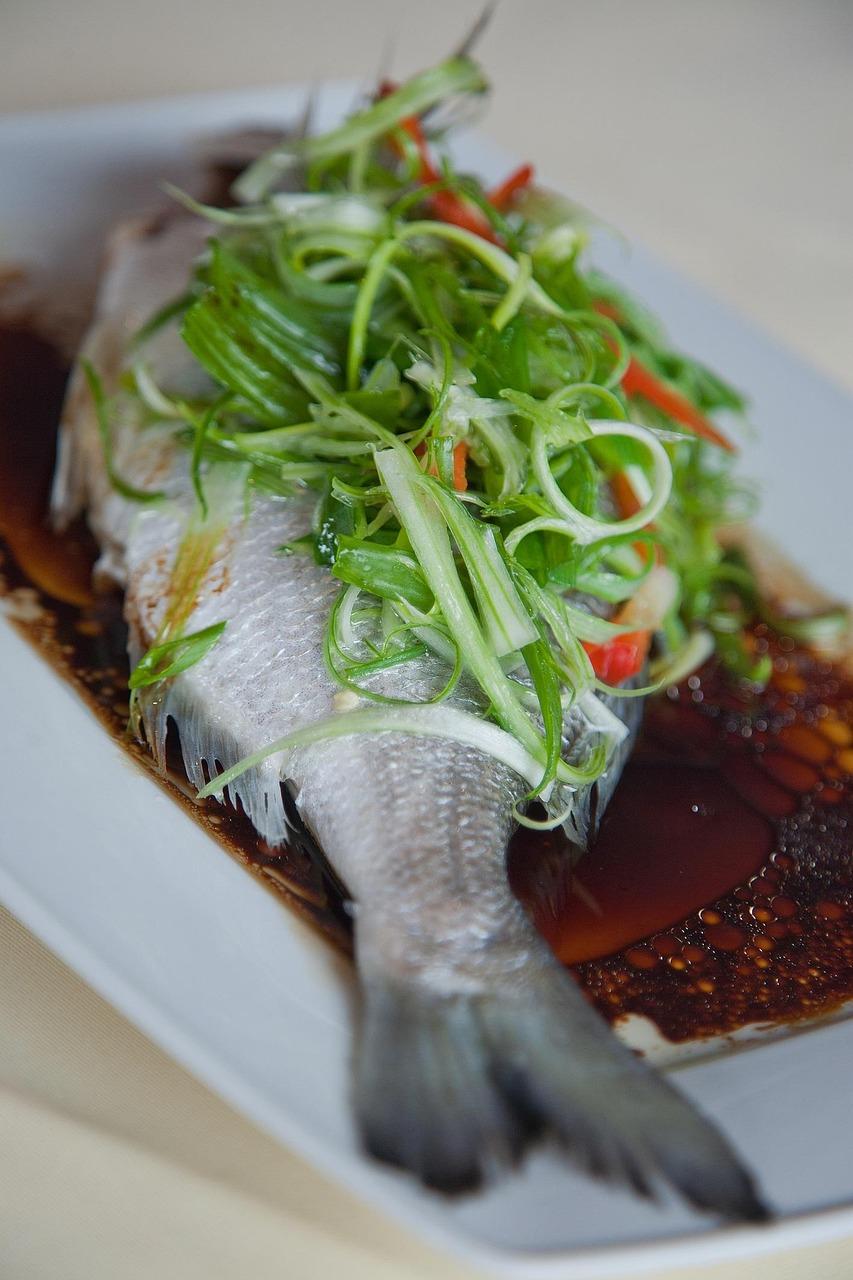
Cá hấp gừngGinger steamed whole fish

Cá hấp gừng is a family dish across Vietnam, from Hanoi to the Mekong Delta, put in the middle of the table for a weekend lunch or a Tết dinner and shared with rice and greens. A whole fish is steamed over ginger, then heaped with ginger and spring onion shreds and dressed with sizzling oil and a light soy and fish sauce. The flesh comes out silky and delicate. A portion has about 25 g of protein from the fish. The common mistake is oversteaming: thin parts go dry and woolly. Take it off as soon as the flesh at the thickest point pulls cleanly from the bone. Chef's tip: score the fish to the bone on both sides so it cooks evenly and the sauce gets in.

by KrazyBadal 0 views

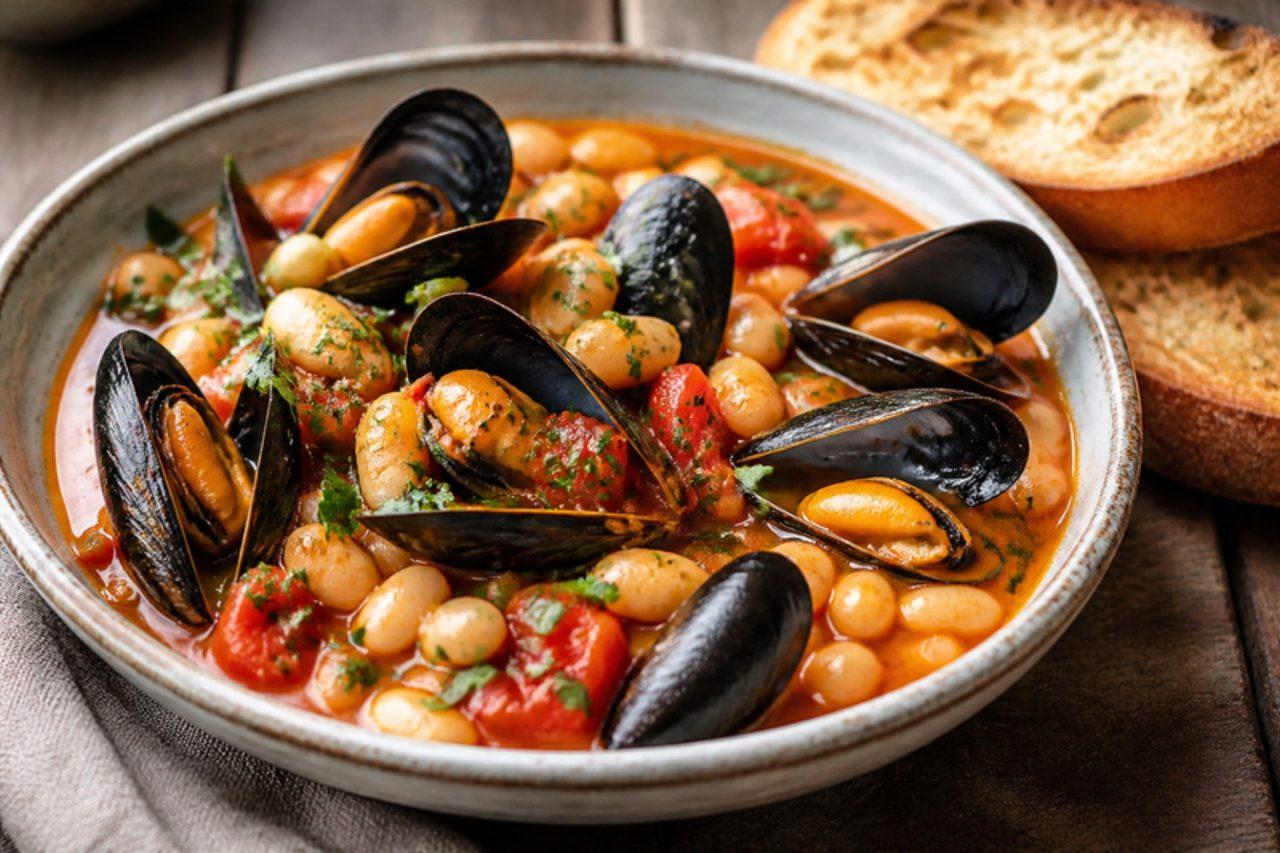
Fagioli e cozzeMussels and cannellini beans

In Naples, fagioli e cozze is the trattoria lunch of late spring and summer, when the mussels from the bay are plump and cheap, and it also turns up on the Christmas Eve table across Campania. Creamy cannellini and sweet mussels share one pan with garlic, chilli and a few cherry tomatoes, so the mussel juices turn the beans into a light, briny stew you mop up with toasted bread. A portion gives about 24 g of protein, from the mussels and the beans, for roughly 330 kcal. The common mistake is salting before the mussels open: their liquor is already salty, so taste only at the end. Before cooking, throw away any mussel with a cracked shell or one that stays open when tapped, and after cooking throw away any that stay shut. Chef's tip: crush a ladle of the beans against the side of the pan before the mussels go in; the starch thickens the broth so it clings to every shell.

by KrazyBadal 0 views

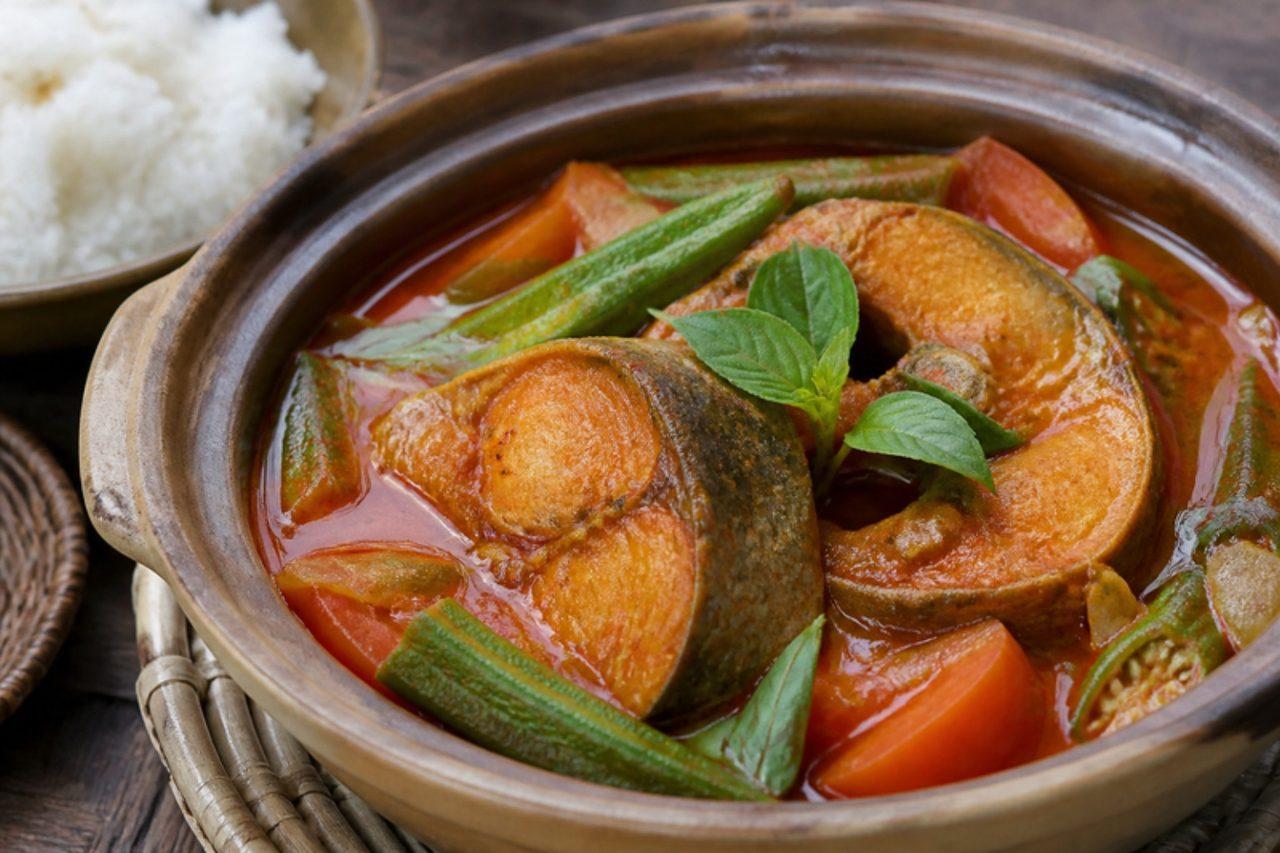
Asam pedas ikanSour spicy tamarind fish

Asam pedas, "sour and spicy", is the pride of Malay kitchens in Melaka and Johor, cooked for everyday lunches and sold at rice stalls with a dozen other dishes. Fish steaks simmer in a thin, brick-red gravy of dried chilli, shallot and belacan soured with tamarind, with okra and tomato soaking up the sauce and Vietnamese mint scenting it. It is fiery, tangy and light, with about 29 g of protein a portion from the fish; eat it with plenty of plain rice. The common mistake is rushing the chilli paste: if it isn't fried until the oil separates, the gravy tastes raw and harsh. Chef's tip: use oily, firm fish such as Spanish mackerel or stingray, which stand up to the sour broth.

by KrazyBadal 0 views

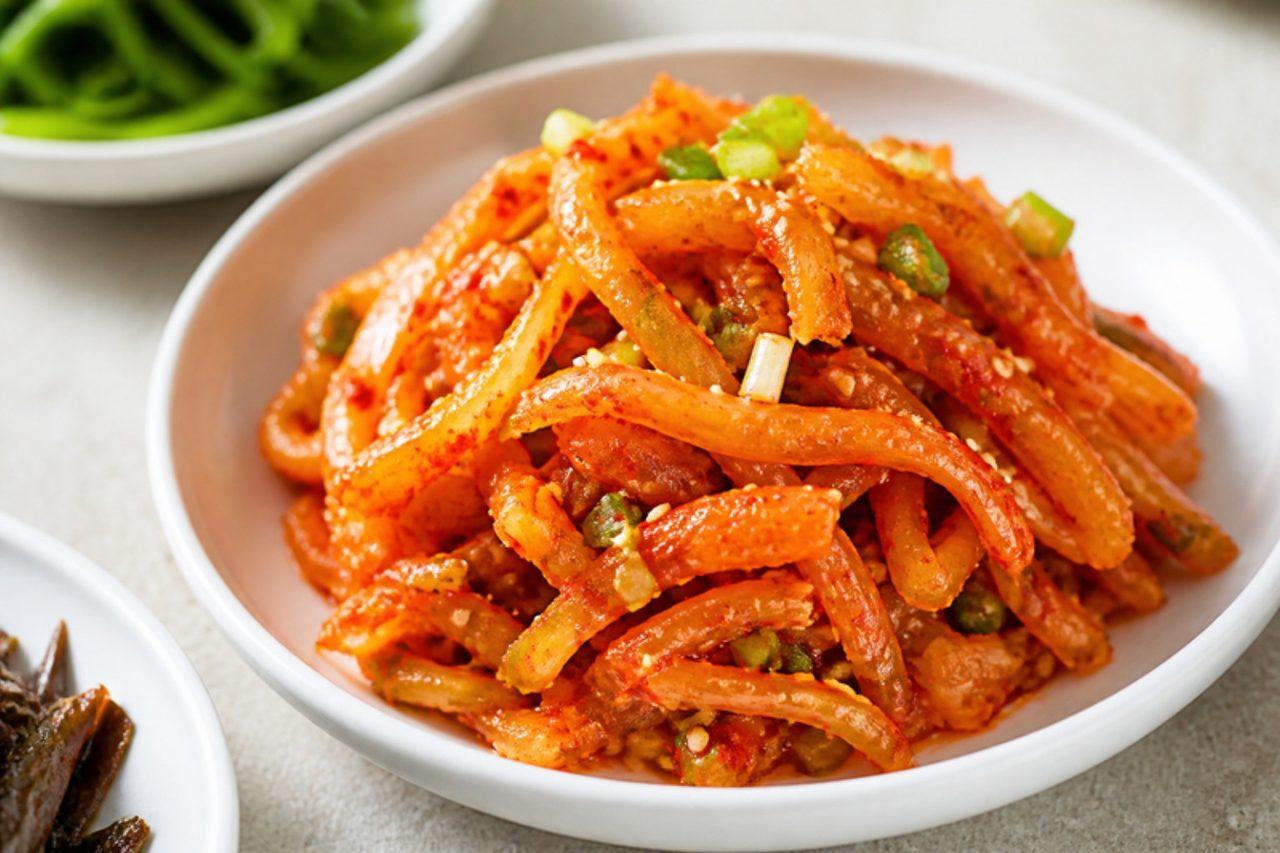
Mumallaengi muchimDried radish strip salad

Mumallaengi are strips of Korean radish dried in the autumn sun, and dressed this way they become a chewy, sweet-spicy banchan that families across Korea keep in the fridge all winter for lunchboxes and weeknight rice. The strips are soaked briefly, squeezed and massaged with chilli flakes, garlic, soy and syrup, often with dried chilli leaves. Many cooks add fish sauce; this version uses soy alone, so it is vegan. It is a side with about 2 g of protein per portion. The common mistake is soaking the radish too long: it loses its crunch and sweetness and turns watery. Chef's tip: make it a day ahead; after a night in the fridge the strips soak up the dressing and turn glossy red.

by KrazyBadal 0 views

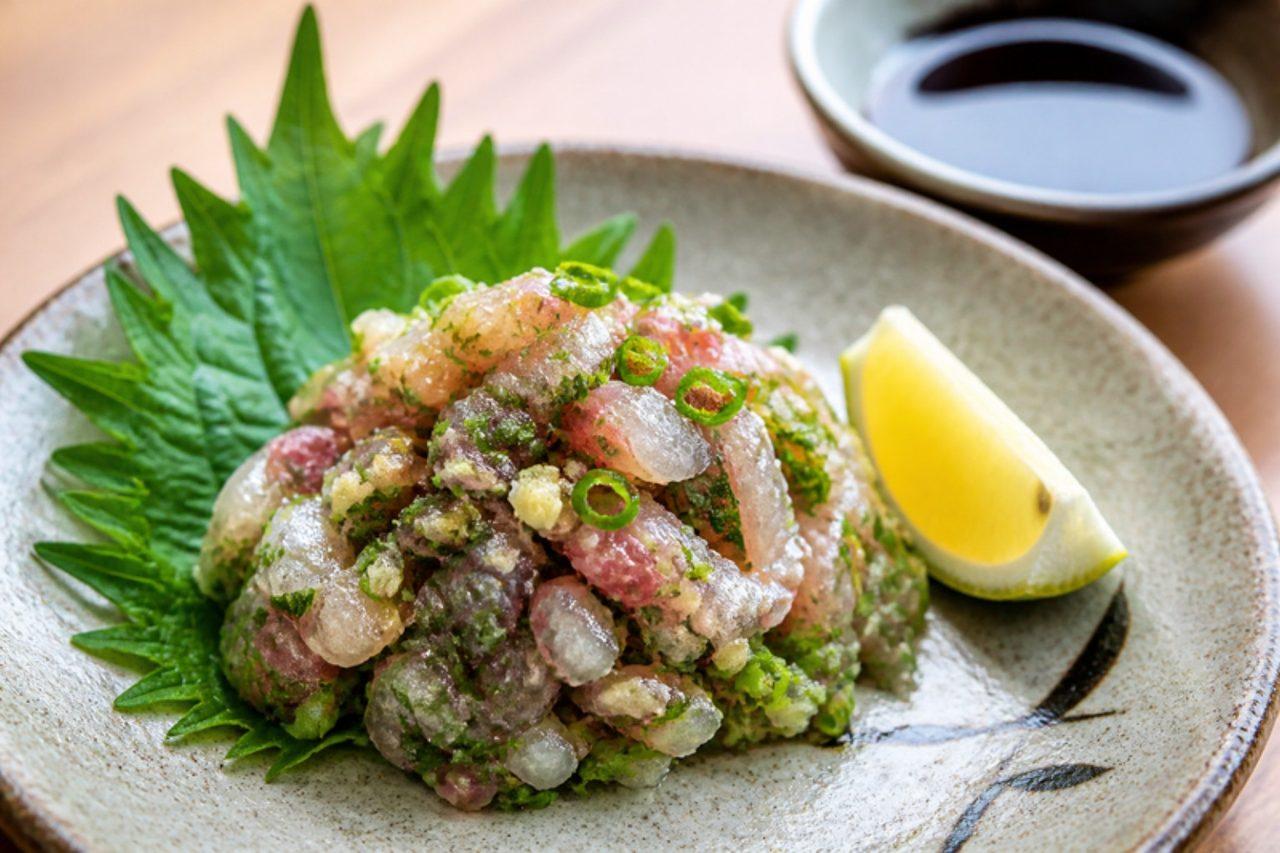
Aji no tatakiChopped horse mackerel with ginger

Aji no tataki is a dish of Japan's fishing ports, from the Izu peninsula to Kyushu, eaten as a summer lunch over rice or a starter with cold drinks when the horse mackerel come in fresh. The raw fillets are skinned and chopped with a knife, then mixed with grated ginger, spring onion and shiso, so the fish is soft, cool and clean-tasting with a sharp herbal bite. As a main over rice, a portion has about 28 g of protein from the fish. This is raw fish: buy only sashimi-grade fish from a fishmonger you trust, keep it ice-cold, and freeze it at −20 °C for at least 24 hours first to kill parasites; anyone pregnant, very young, older or with a weak immune system should not eat it. The common mistake is chopping it into a paste: keep small pieces with some texture. Chef's tip: chill the board and the bowl, and work quickly, so the fish never warms up.

by KrazyBadal 0 views

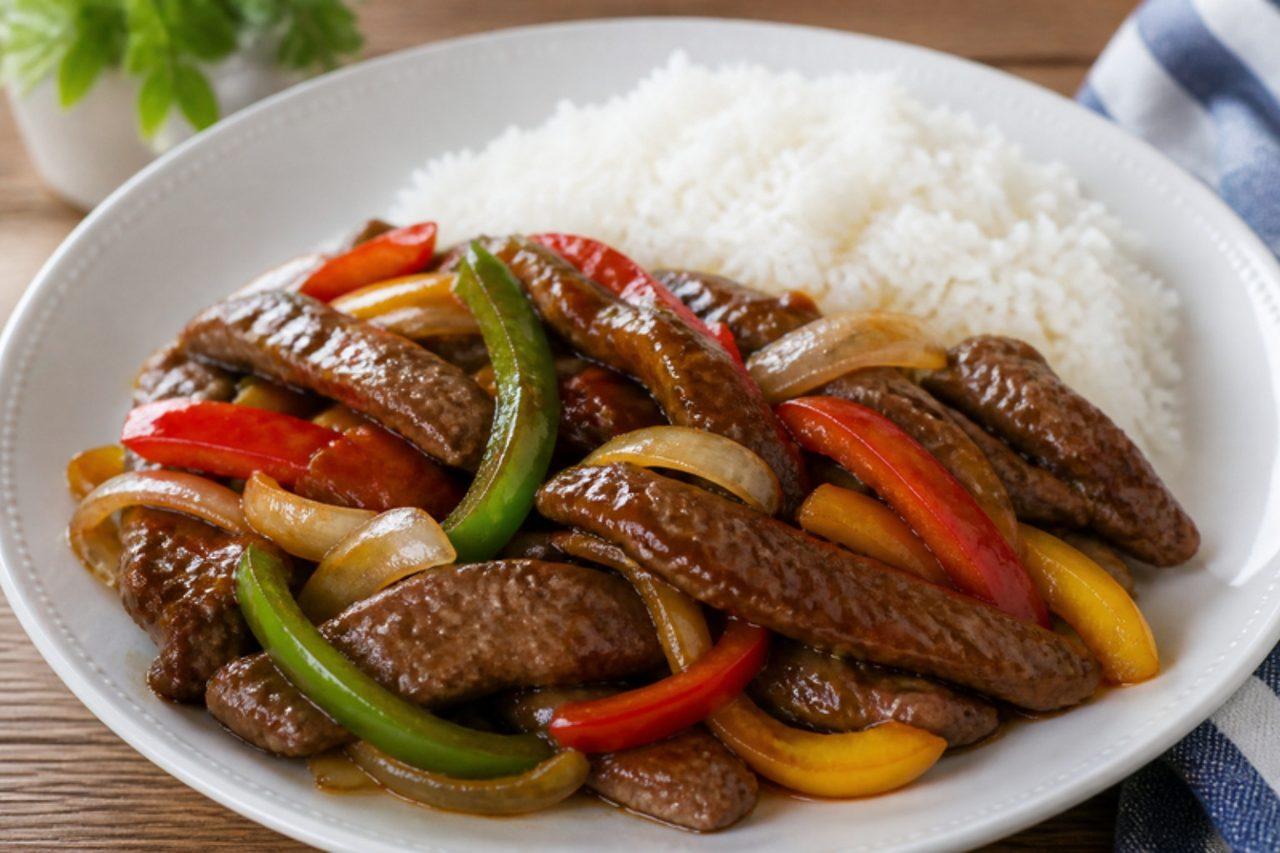
Jamaican pepper steak

Pepper steak came to Jamaica with the Hakka Chinese families who opened groceries and restaurants in Kingston, and it is now a takeaway favourite and a fast weeknight dinner across the island, eaten over white rice or rice and peas. Thin strips of beef are seared hard, then tossed with bell peppers and onion in a glossy soy, ginger and garlic sauce, with a little Scotch bonnet for warmth. The common mistake is crowding the pan, which steams the beef grey and tough; sear it in two batches over a high heat. Chef's tip: slice the beef across the grain while it is very cold or half-frozen; you'll get thin, even strips that stay tender.

by KrazyBadal 0 views

OhrapuuroBarley porridge

Ohrapuuro is the comfort food of Finnish farmhouses: pearl barley cooked slowly in plenty of milk until it turns creamy, pale and faintly sweet, then served with a knob of butter melting in the middle and a spoon of lingonberry or berry kissel. It is a breakfast for winter mornings and a supper for Christmas Eve in many families, and the oven version used to cook overnight in the cooling bread oven. A bowl gives about 14 g of protein from the milk and barley, so it is filling, but not a high-protein dish. The common mistake is cooking it too fast on a high heat; the milk catches and burns on the bottom, so keep it at a bare simmer and stir often. Chef's tip: soak the barley in water overnight if you can; it cuts the cooking time to about an hour and the grains cook more evenly.

by KrazyBadal 0 views

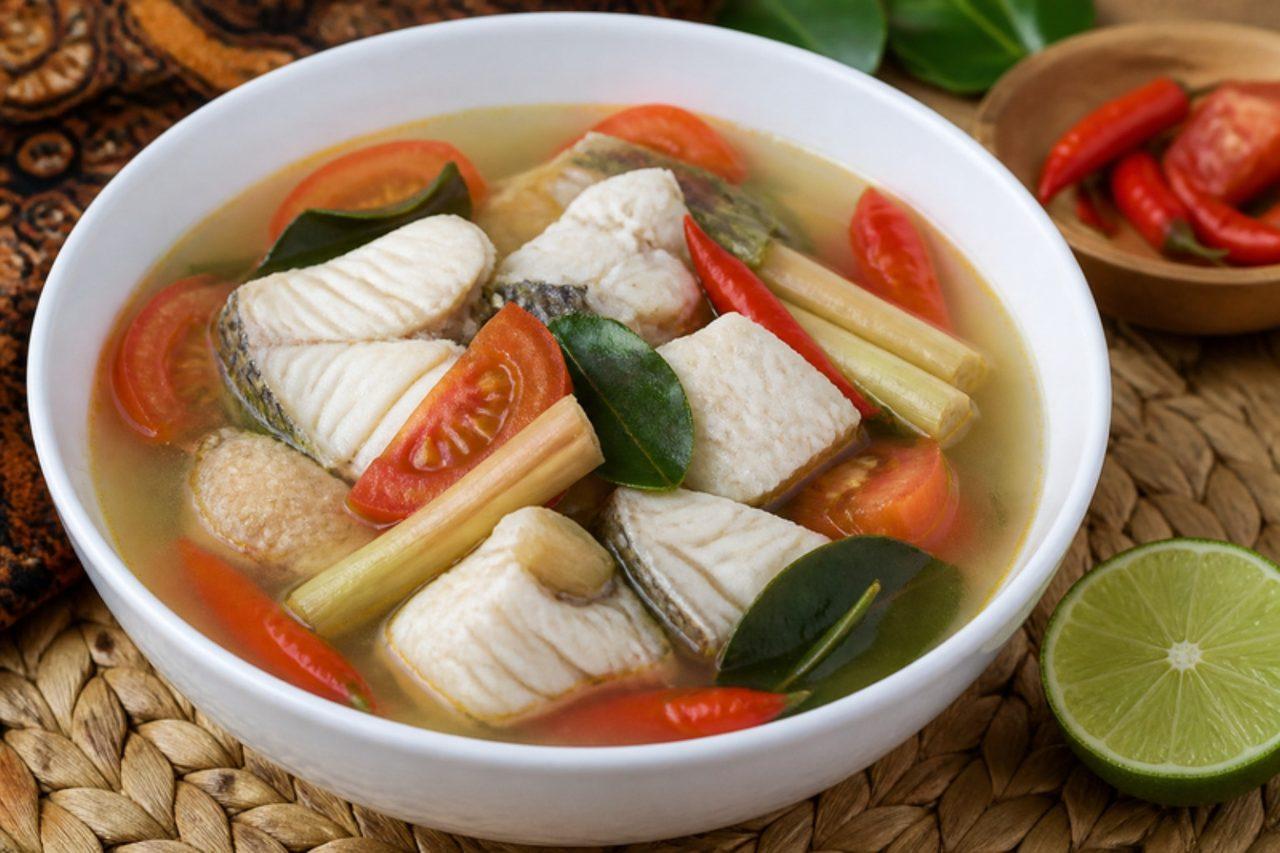
Ikan kuah asamFish in clear sour broth

Across Ambon in Maluku and the coasts of North Sulawesi, ikan kuah asam is the soup families eat almost daily with papeda or rice, made from whatever fish came in that morning. The broth is thin and clear, bright with lime and tomato, warm with chilli and lemongrass, with chunks of fish poached just until they flake. It is light but filling, with about 28 g of protein a portion from the fish. The common mistake is adding the lime juice too early and boiling it: it turns bitter, so squeeze it in at the end. Chef's tip: use a firm, meaty fish such as tuna, mackerel or snapper, cut into large chunks, so it holds together in the broth.

by KrazyBadal 0 views

Ba bao zhouEight-treasure porridge

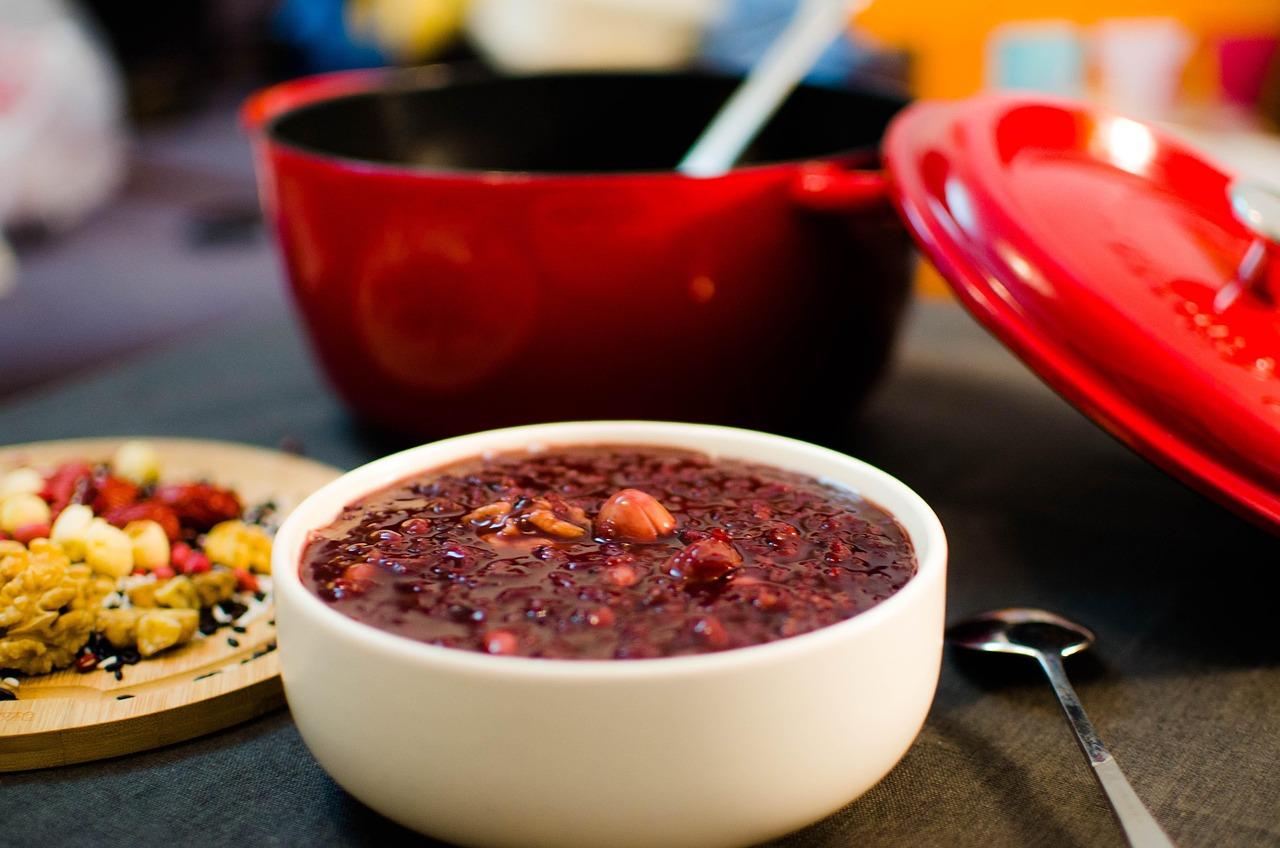
Across China, the eighth day of the twelfth lunar month is Laba, and households and Buddhist temples simmer a big pot of eight-treasure porridge to share: glutinous and black rice cooked slowly with red beans, mung beans, peanuts, lotus seeds, red dates and longan until thick and gently sweet. Beijing families still give bowls to neighbours, and it is a warming winter breakfast all season. A bowl gives about 9 g of protein from the beans, peanuts and lotus seeds, so it is a filling porridge rather than a high-protein one. Soak the beans, peanuts and lotus seeds for at least 4 hours or overnight. The common mistake is putting everything in at once: the rice goes to glue before the beans soften, so the beans get a head start. Chef's tip: add the rock sugar only in the last 10 minutes; sugar added early toughens the bean skins.

by KrazyBadal 0 views

RotmosMashed swede and carrot

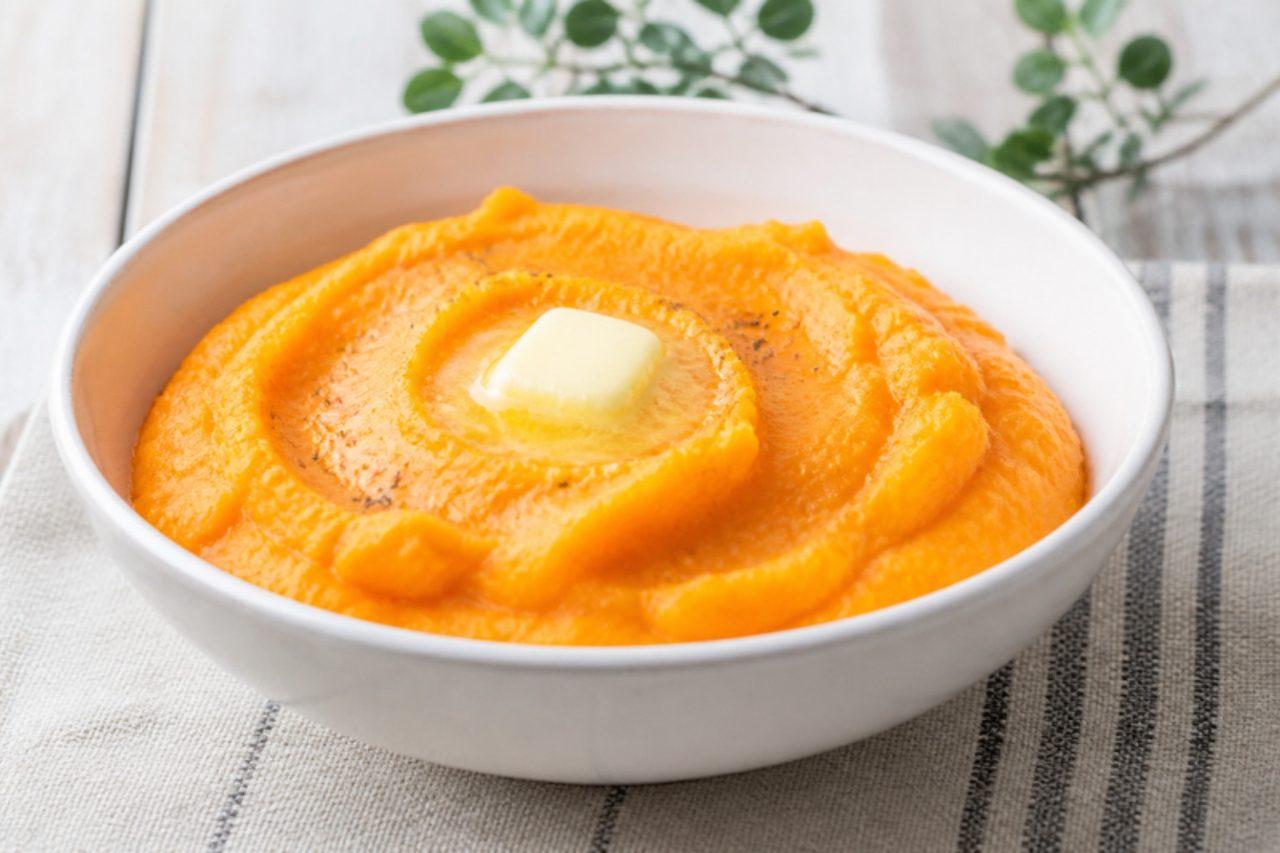
Rotmos, literally 'root mash', is a Swedish winter staple, cooked from Skåne to Norrland when the cellars are full of swede, and served beside sausages or boiled pork at home dinners, and on Thursdays with pea soup. Swede gives the mash its golden colour and gently peppery sweetness, potato makes it smooth, and a little butter and allspice round it out. It is a vegetarian side with about 3 g of protein per portion; try it with fried halloumi or a bean stew. The common mistake is mashing it straight from the pan: watery roots give a sloppy mash, so steam-dry them first. Chef's tip: leave the mash a little coarse; Swedes like to see flecks of swede and carrot rather than a smooth purée.

by KrazyBadal 0 views

HirsebreiMillet porridge

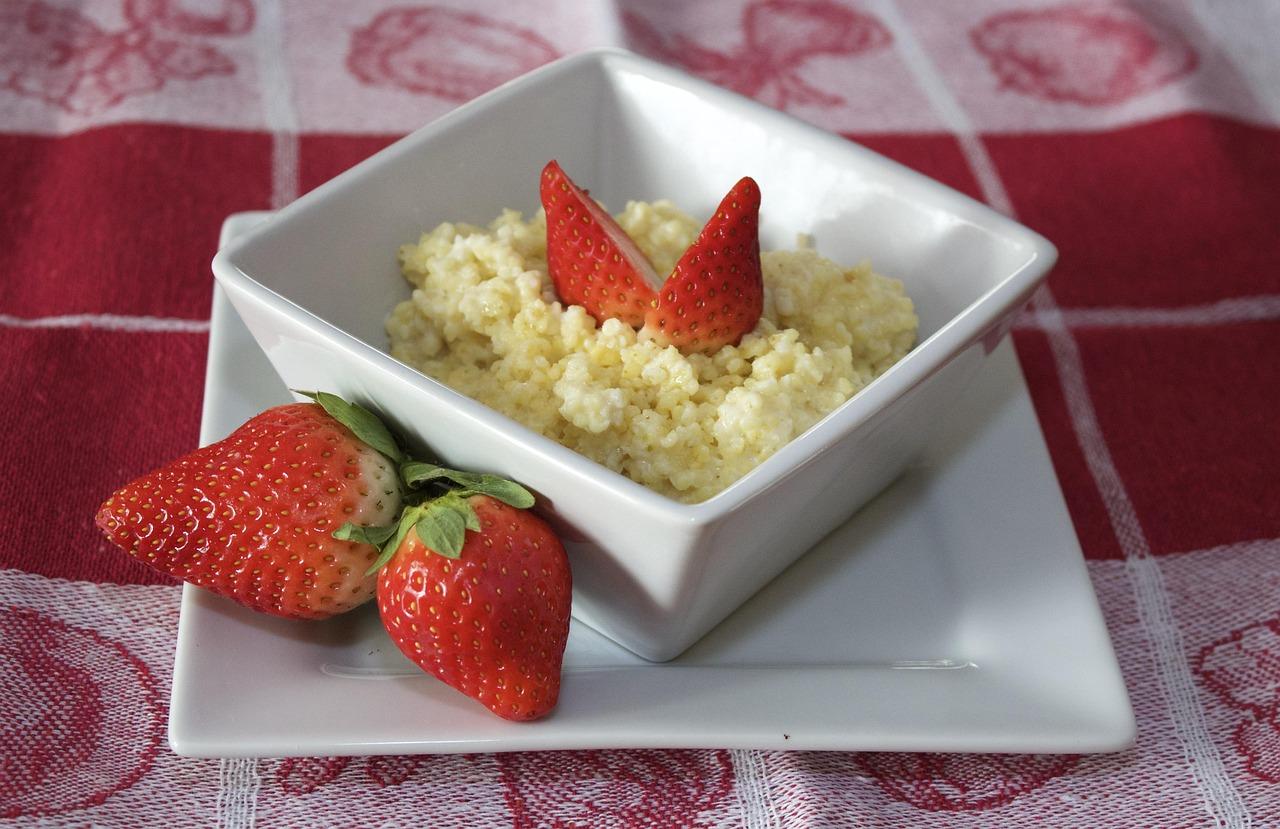
Hirsebrei is one of the oldest dishes in German cooking, the millet porridge of fairy tales, and it is still made in homes across the country as a warm breakfast or a sweet supper for children on cold evenings. Golden millet is rinsed, then simmered in milk until creamy and soft, and served with stewed apple, berries and a dusting of cinnamon. A bowl gives about 12 g of protein from the milk and millet; stir in a spoon of quark or top with chopped almonds if you want more. The usual mistake is skipping the rinse: unrinsed millet tastes bitter and soapy, so rinse it in hot water until the water runs clear. Chef's tip: toast the rinsed millet in the dry pan for a minute before adding milk; it brings out a lovely nutty flavour.

by KrazyBadal 0 views

Kokt torskPoached cod with potatoes

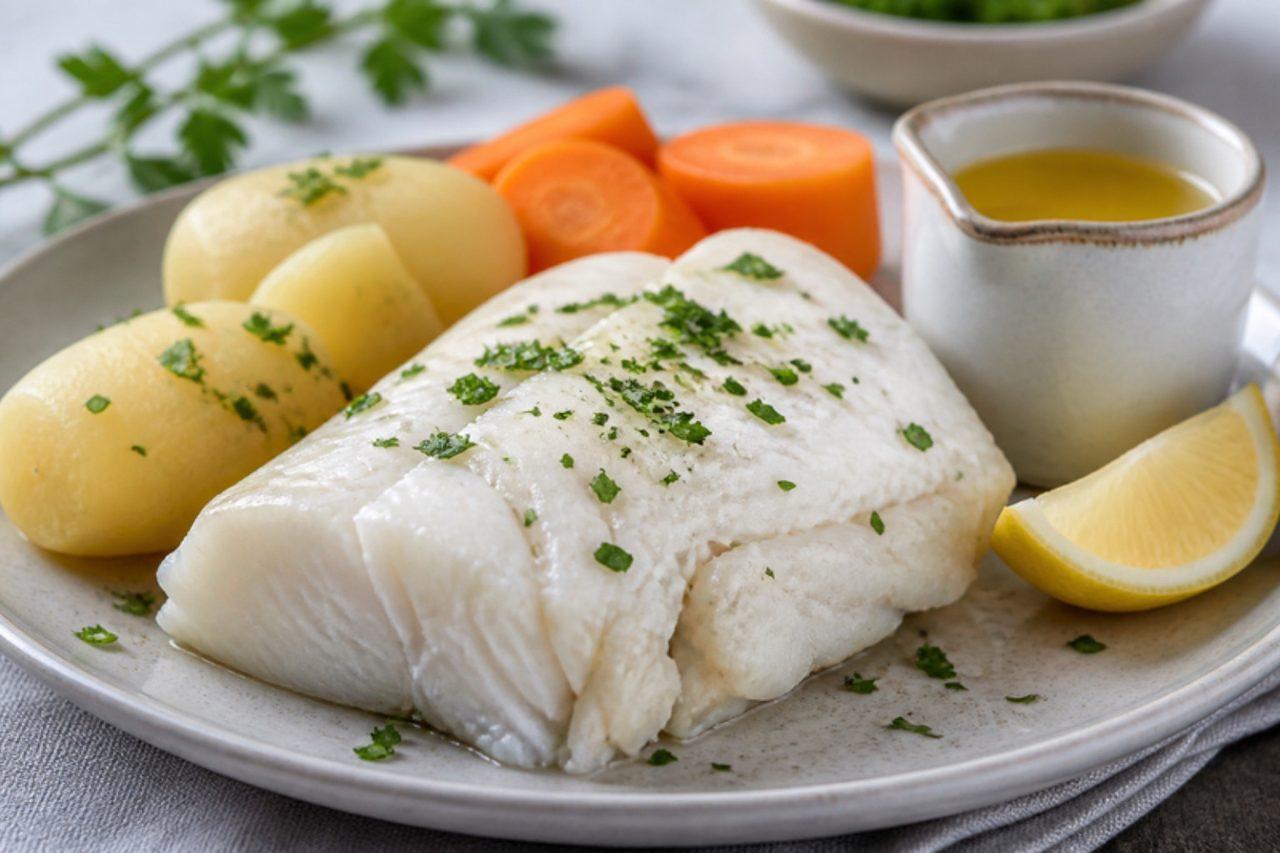
From January to April, when the spawning skrei cod arrive at the Lofoten Islands, Norwegian homes eat kokt torsk at least once a week: thick cod loins poached in well-salted water, served plainly with boiled potatoes, carrots and a little melted butter. It is clean, gentle food, and the whole plate comes to around 430 kcal with about 40 g of protein, almost all from the cod. The common mistake is boiling the fish: the water should barely tremble, which Norwegians say makes it "smile", or the flakes tighten and turn woolly. Cook it until it is opaque and the flakes separate at a light press, about 60–63 °C in the thickest part. Chef's tip: salt the poaching water as heavily as the sea, about 60 g to a litre; it seasons the cod all the way through in the few minutes it cooks.

by KrazyBadal 0 views

Eggs with bastermaFried eggs with cured beef

Beid bil basterma is a Cairo breakfast and late-night supper, made in homes and served at the old ful-and-falafel cafés downtown, always brought to the table in the small pan it was cooked in with baladi bread for scooping. Basterma is air-dried beef cured under a thick coat of fenugreek, garlic, cumin and paprika; a few thin slices are warmed in ghee until they curl and release their spice, then eggs are cracked over the top. The common mistake is frying the basterma too hot or too long: it is already cured and only needs warming, and it turns hard and bitter if it crisps. Chef's tip: leave some of the spiced crust on the slices; it melts into the ghee and seasons the eggs. For pregnant people, young children, older or vulnerable people, cook the yolks until firm.

by KrazyBadal 0 views

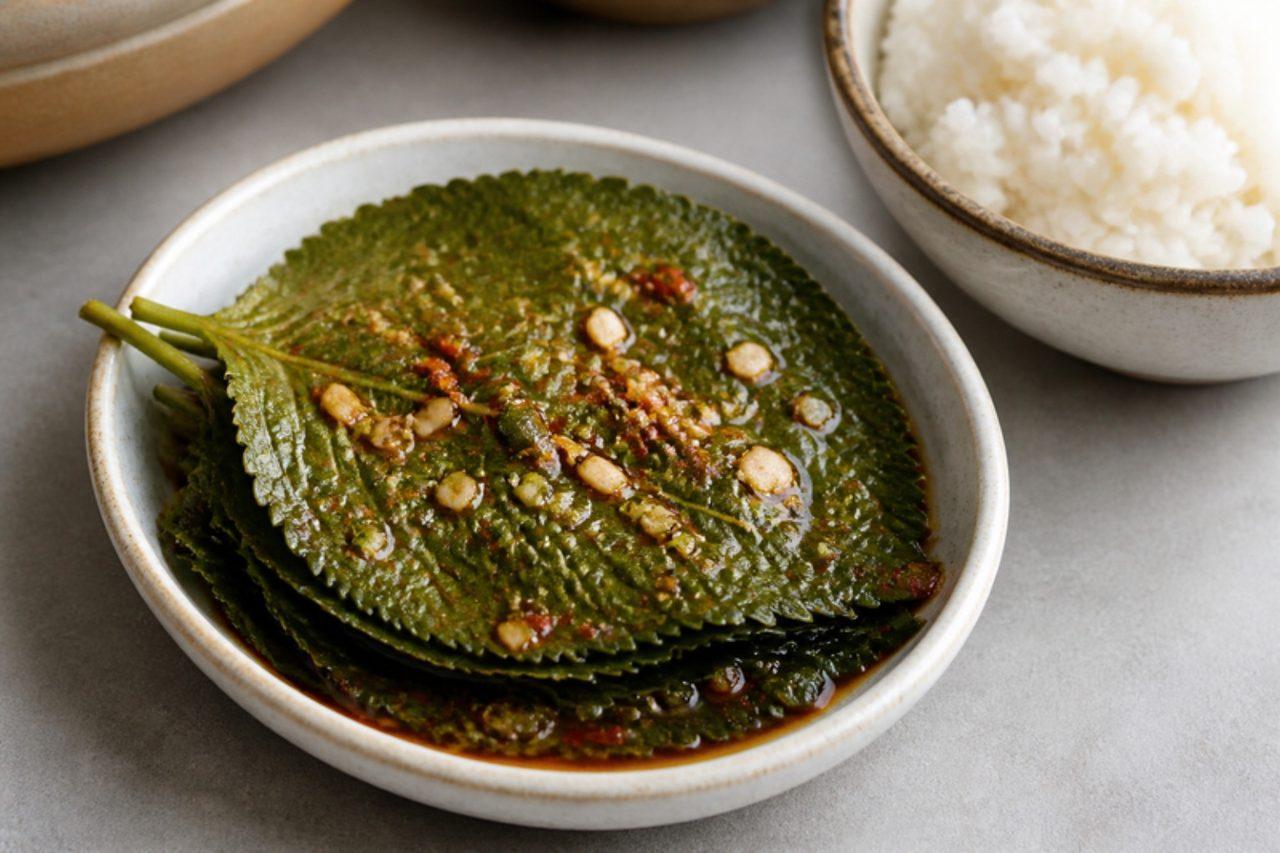
Kkaennip jjimSteamed seasoned perilla leaves

Kkaennip jjim is a homely banchan made in Korean kitchens through the summer, when perilla grows like a weed in back gardens, and it is eaten by wrapping a single soft leaf around a mouthful of rice. The leaves are stacked in pairs with a spoon of soy, garlic and chilli seasoning between each layer, then steamed until they soften and drink up the sauce. Many versions add anchovy stock; this one uses water, so it is vegan. Each portion has about 2 g of protein. The common mistake is steaming too long: the leaves should be tender but still green, about 5 minutes. Chef's tip: seasoning every second leaf rather than every one keeps the stack from getting soggy and salty.

by KrazyBadal 0 views

Showing 24 of 3,790 recipes

Show more recipes

Page 1 of 158