Skip to content
Recipes

All recipes

Vegetarian, or something you can't eat? Set your diet once and we'll hide recipes that don't fit.

Escabeche de pescadoFried fish in sweet-sour onion sauce

In Lima, escabeche de pescado belongs to the criollo kitchen of the old city: it turns up on Friday lunch menus, on buffet tables, and above all in Lent and Holy Week, when families eat fish and this dish can be made the day before. Fish is fried until golden, then covered in a warm sauce of thick-cut red onion softened in oil with garlic, ají amarillo, ají panca, cumin and vinegar, and left to cool so the flavours soak in. It is served cold or at room temperature with boiled sweet potato, hard-boiled egg and purple botija olives. It tastes tangy, sweet and gently fruity-hot, with crunchy onion over tender fish. The fish here is fully cooked, but because it is a cold seafood dish, pregnant people, babies, older people and anyone with weak immunity should eat it well chilled and within 2 days. Common mistake: stewing the onions until limp; they should only lose their raw bite. It is ready when the sauce has soaked a little into the fish and smells of vinegar and toasted chilli. Chef's tip: use thick fillets of corvina or bonito; thin fillets break under the sauce.

by KrazyBadal 0 views

Postre MassiniCustard sponge with burnt sugar top

Montevideo's birthday cake of choice since the early twentieth century, the Massini is two thin layers of sponge sandwiching a thick filling of whipped cream folded with egg-yolk custard, crowned with a thin glassy crust of torched yolk and sugar. Bakeries across Uruguay sell it on Sundays. Traditional versions sometimes add a sweet fortified wine to the custard; this one is alcohol-free. The custard is cooked to a safe 71 °C. The common mistake is assembling with warm custard, which melts the cream into a puddle. Chef's tip: if you don't have a blowtorch, put the sugared top under a very hot grill for a minute and watch it closely.

by KrazyBadal 0 views

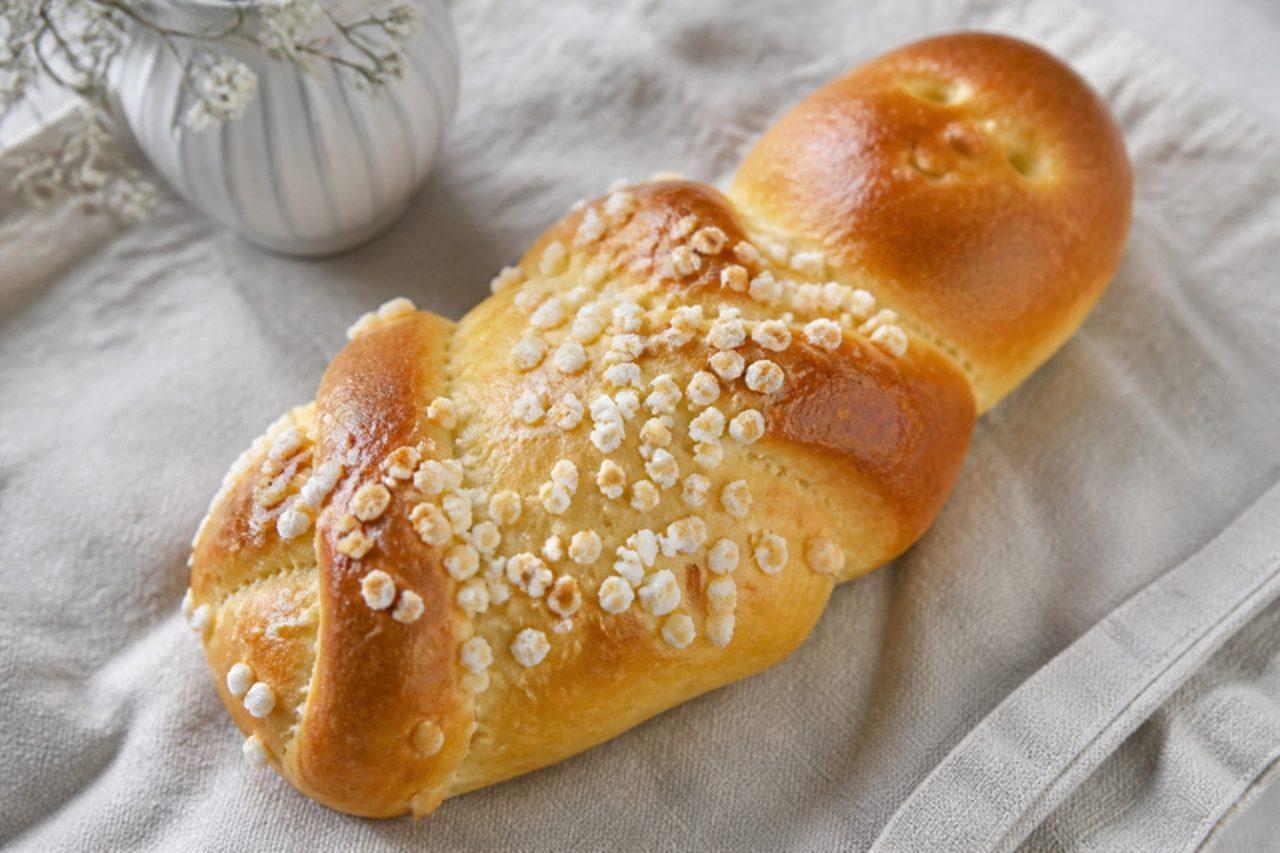
CougnouChristmas brioche

Cougnou, also called cougnolle or bommetje, is the Christmas bread of Wallonia, given to children on Christmas morning: a soft brioche shaped like the infant Jesus in swaddling clothes, with a little clay or sugar medallion pressed into the middle, eaten with hot chocolate. Bakeries in Namur and Charleroi make them from early December. A common mistake is shaping them too small, which dries them in the oven. Chef's tip: make three balls, one large for the body and two small for the head and feet, pressed together tightly so they bake as one.

by KrazyBadal 0 views

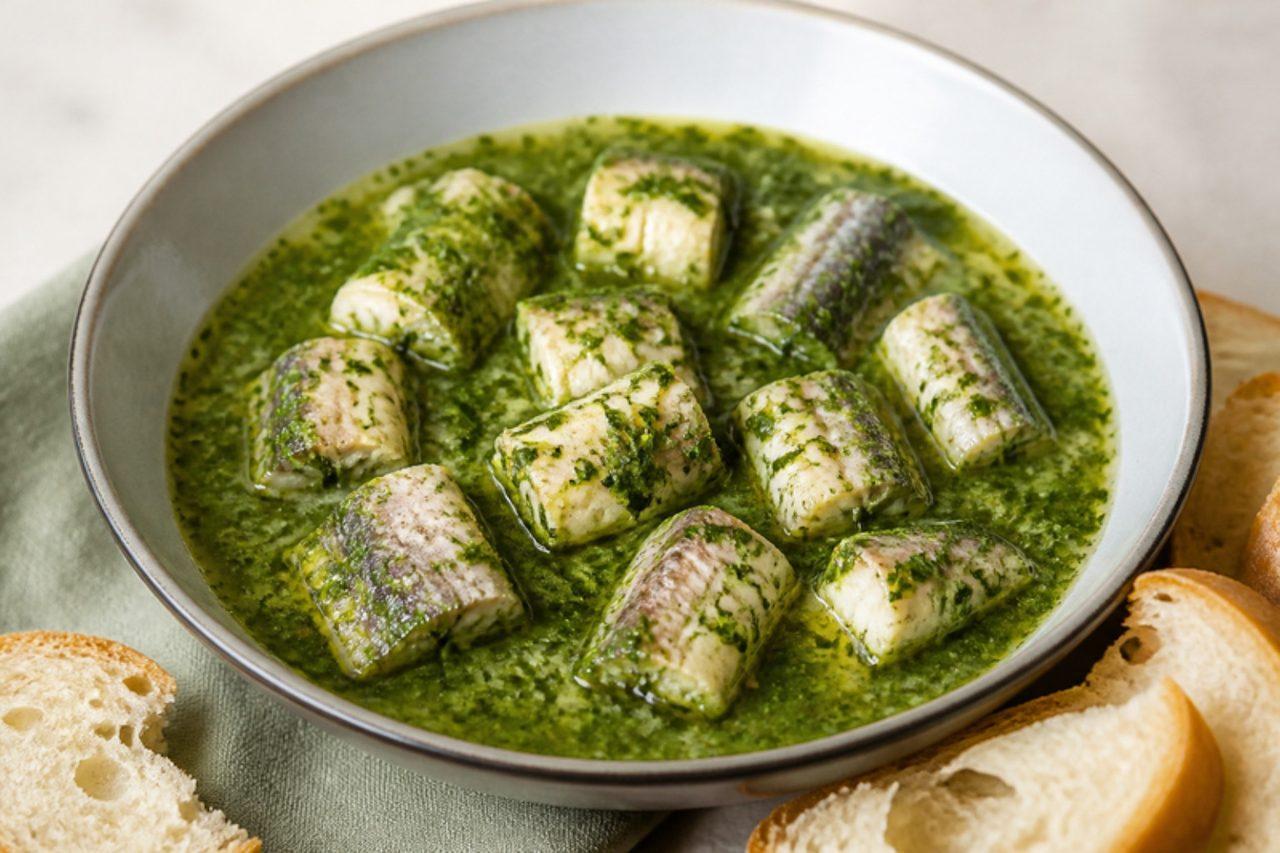
Paling in 't groenEel in green herb sauce

Paling in 't groen, 'eel in green', is the old riverside dish of the Scheldt valley between Antwerp and Ghent, served in summer in cafés along the river at places like Hamme and Lillo: pieces of eel cooked briefly in butter, then simmered in a vivid green sauce of sorrel, spinach, chervil, parsley, tarragon, mint and sage, thickened with egg yolk. It is eaten hot or cold with fries or bread. European eel is critically endangered, so buy only eel from a legal, responsibly managed source, cleaned and skinned by the fishmonger, or use thick pieces of another firm, oily fish such as mackerel. A common mistake is cooking the herbs for long, which turns the sauce khaki. Chef's tip: add the herbs only for the last 3 minutes, then bind with yolk off the heat. The fish is cooked when firm and opaque at the bone.

by KrazyBadal 0 views

KletskoppenLacy almond biscuits

Kletskoppen are the lacy, crackly biscuits of Bruges, sold in the old city's bakeries and served with coffee in the cafés around the Markt: brown sugar, butter and chopped almonds with very little flour (this version uses none), baked until they spread into thin, see-through, toffee-flavoured lace. A common mistake is putting them too close on the tray; they spread enormously and join up. Chef's tip: let them cool for a minute on the tray before lifting, and drape them over a rolling pin while still warm if you want curved tuiles.

by KrazyBadal 0 views

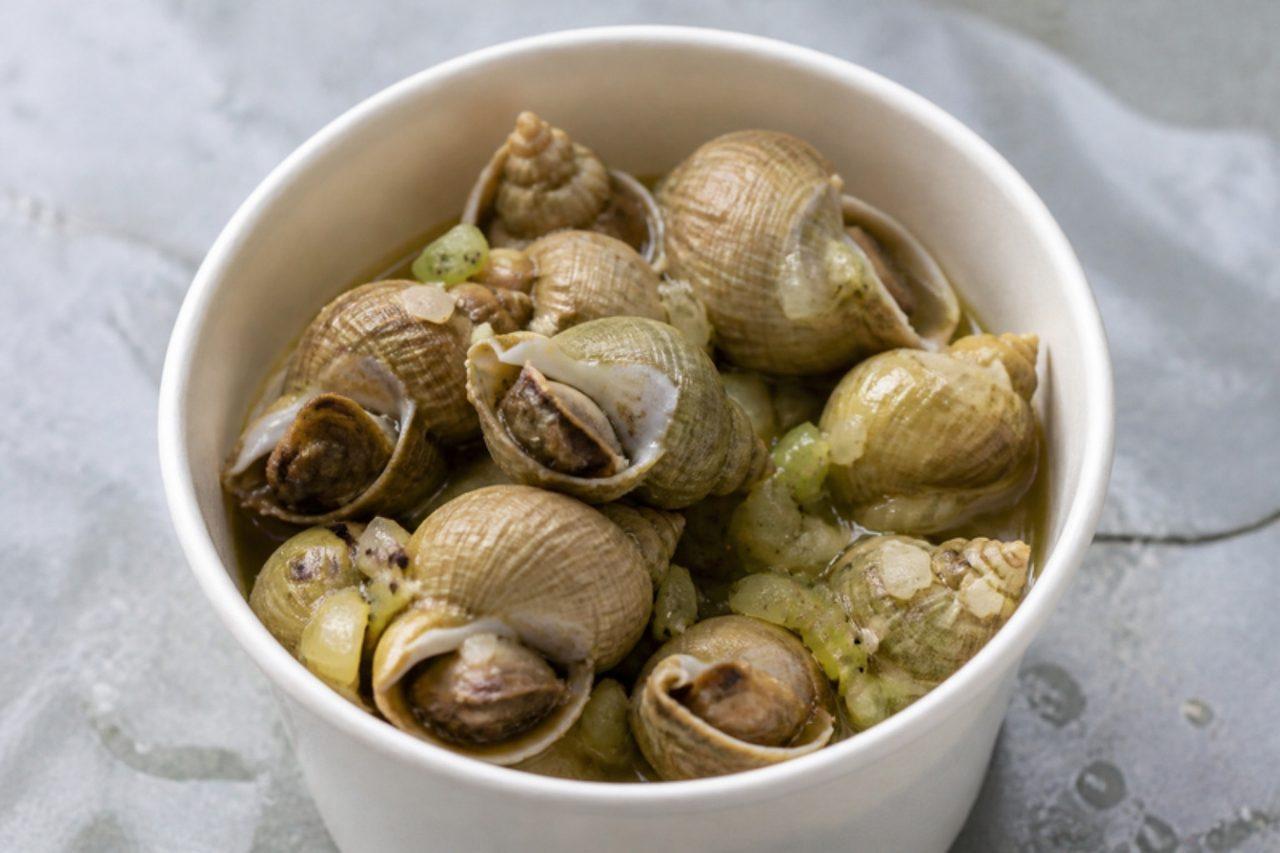
CaricolesWhelks in celery broth

Caricoles are the whelks sold hot in paper cups from street carts in Brussels, at the Marolles flea market, the Place Sainte-Catherine and the Christmas market: the sea snails are simmered for an hour in a peppery broth with celery, onion, thyme, bay and a lot of black pepper and chilli, and you pick them out with a toothpick and drink the broth. Buy whelks live or freshly cooked from a fishmonger. Live whelks should be tightly closed inside their shells or retract when touched; throw away any that smell bad or have broken shells, and any that stay open and limp after cooking. A common mistake is skipping the purge, which leaves them gritty. Chef's tip: soak live whelks in salted cold water for an hour and rinse them several times, then start them in cold broth so they don't toughen.

by KrazyBadal 0 views

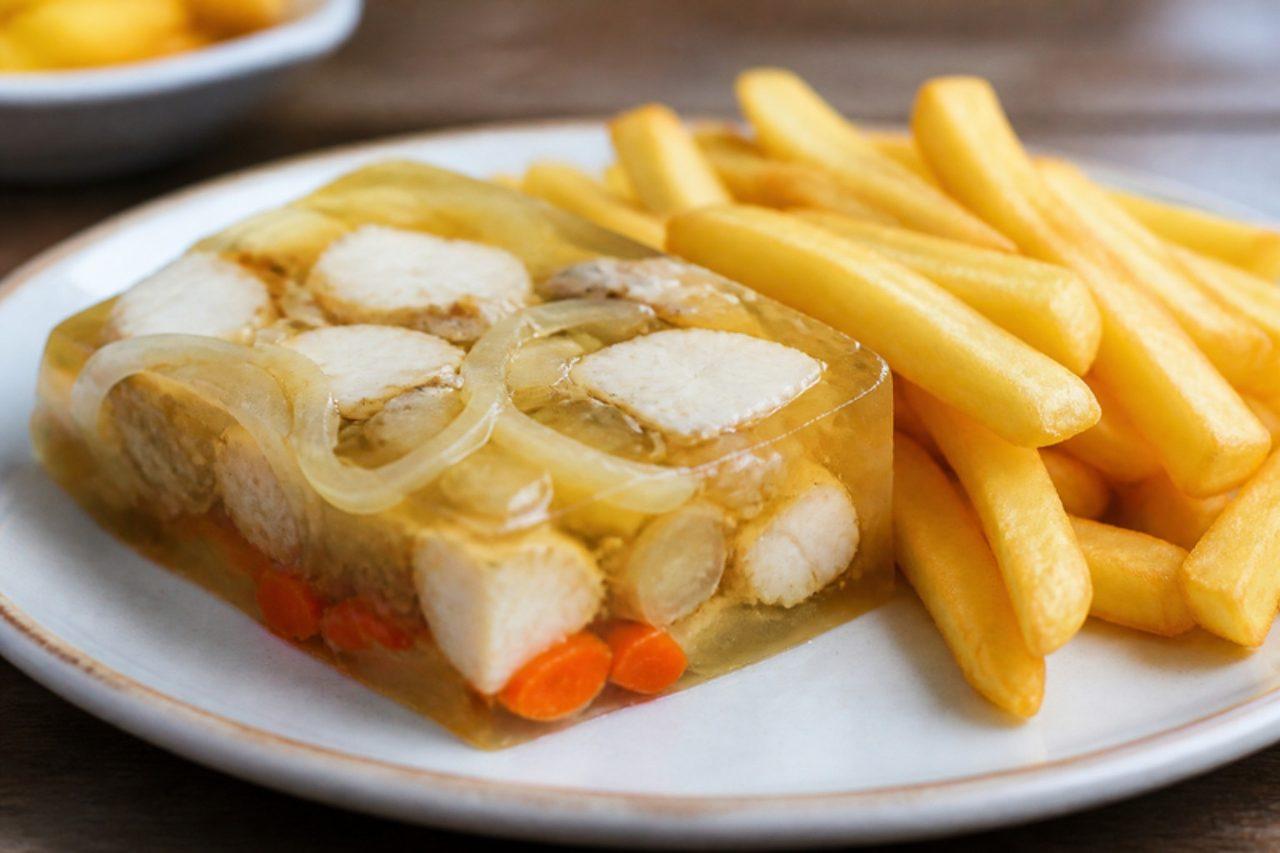
EscavècheCold fried fish in vinegar jelly

Escavèche is a speciality of the Chimay and Couvin area in southern Wallonia, a legacy of Spanish rule in the 16th century: fish fillets, traditionally eel or pike, fried and then covered with a hot marinade of vinegar, onion, thyme and bay that sets into a clear, tangy jelly as it cools. It is eaten cold, sliced, with crisp fries, in the brasseries of the Botte du Hainaut. A common mistake is not cooking the fish through before it goes into the marinade; cold marinade does not cook it. Chef's tip: let it set for at least 12 hours in the fridge; the vinegar mellows and the jelly firms. The fish should be opaque and flaking before marinating.

by KrazyBadal 0 views

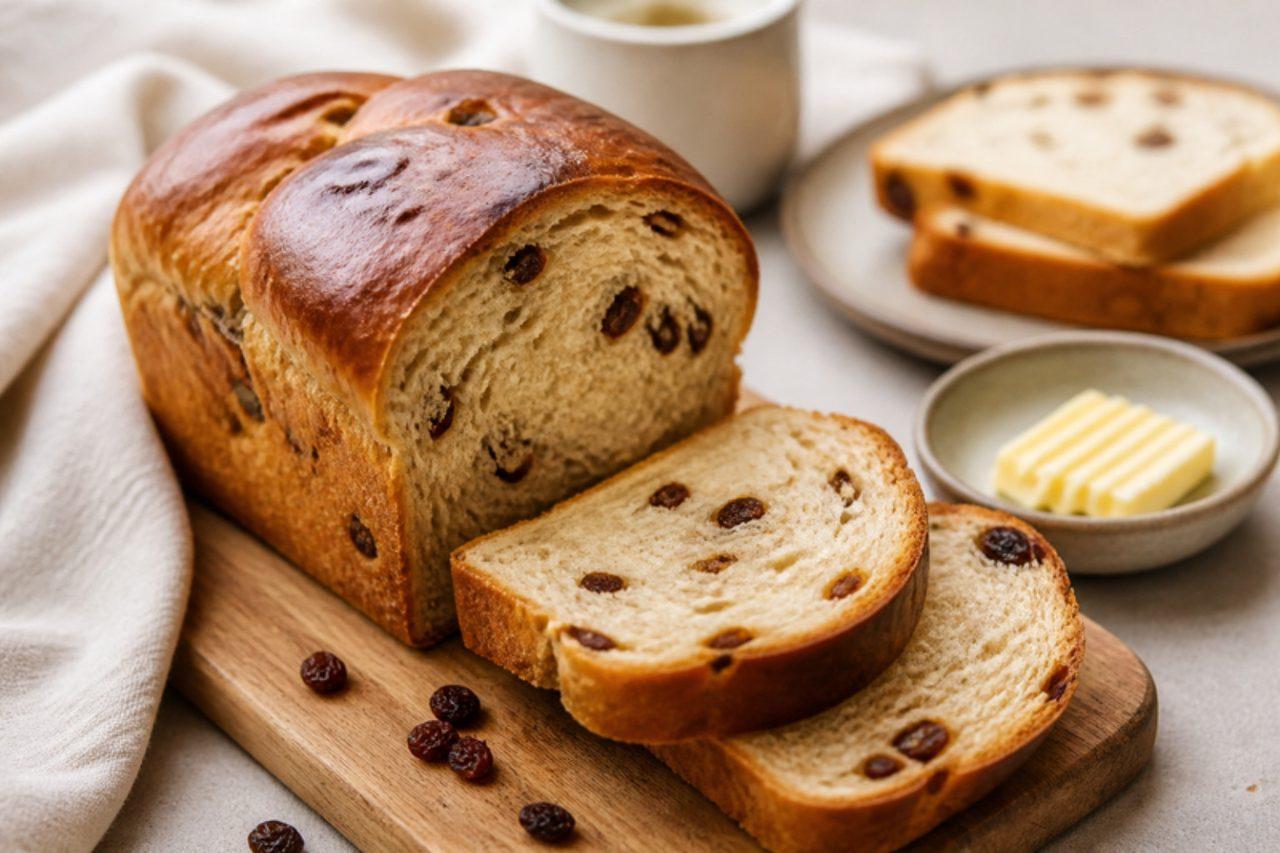
CramiqueRaisin brioche

Cramique is the Sunday breakfast loaf of Brussels and Wallonia: a soft, golden brioche packed with raisins, bought from the bakery on Sunday morning and sliced thickly with salted butter. Its sister, craquelin, swaps the raisins for pearl sugar. A common mistake is adding the raisins at the start of kneading, which tears the gluten and turns the dough grey. Chef's tip: soak the raisins in warm tea for 20 minutes, then knead them in only at the end, gently.

by KrazyBadal 0 views

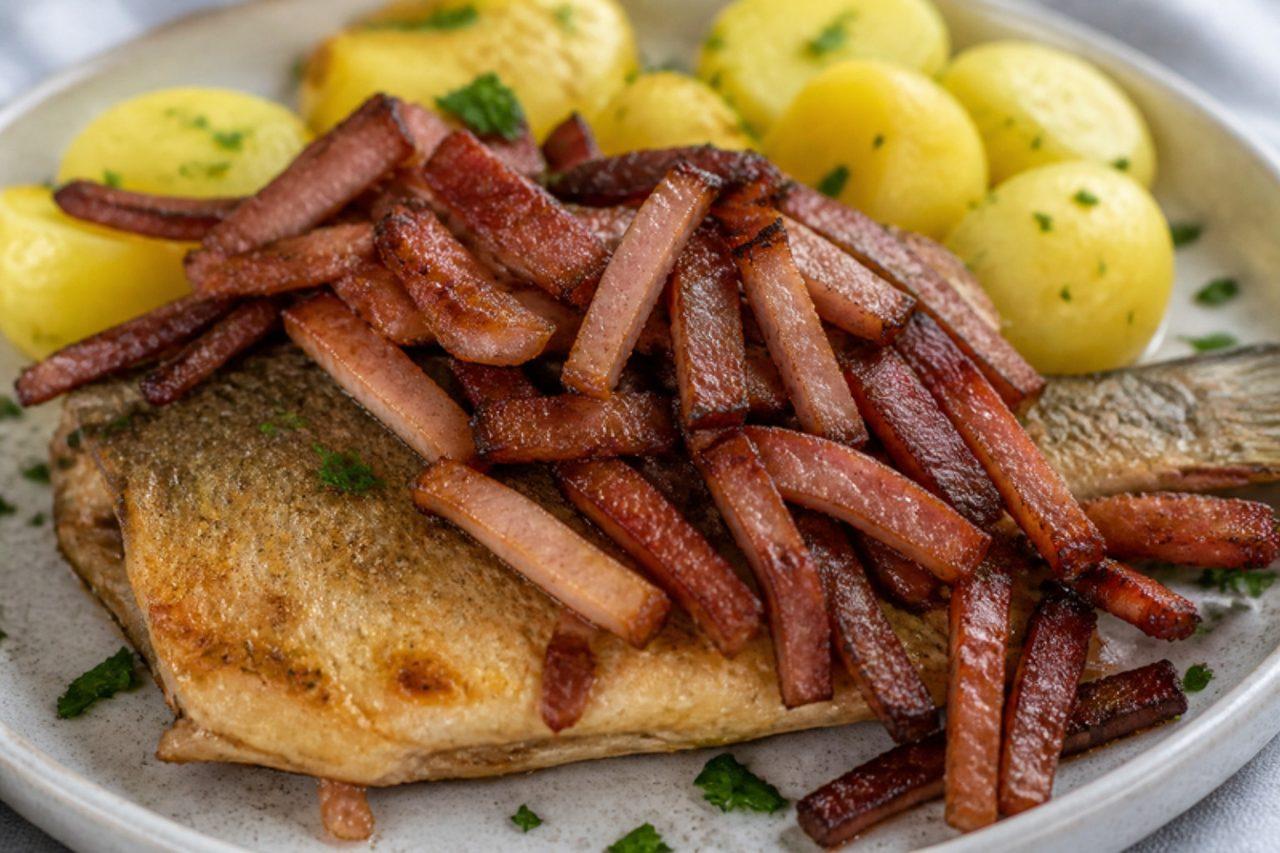
Truite à l'ardennaisePan-fried trout with ham

The rivers of the Belgian Ardennes, the Semois, the Ourthe and the Lesse, are trout country, and every inn in Bouillon and La Roche serves truite à l'ardennaise: a whole trout fried in butter until golden and finished with strips of jambon d'Ardenne, the smoked, cured pork ham of the region, crisped in the same pan. This dish contains pork. It is served with boiled potatoes or fries and a green salad. A common mistake is adding the ham at the start, which makes it hard and salty. Chef's tip: dust the trout with seasoned flour so the skin crisps, and add the ham only for the last 2 minutes. The trout is done when the flesh is opaque and lifts off the backbone.

by KrazyBadal 0 views

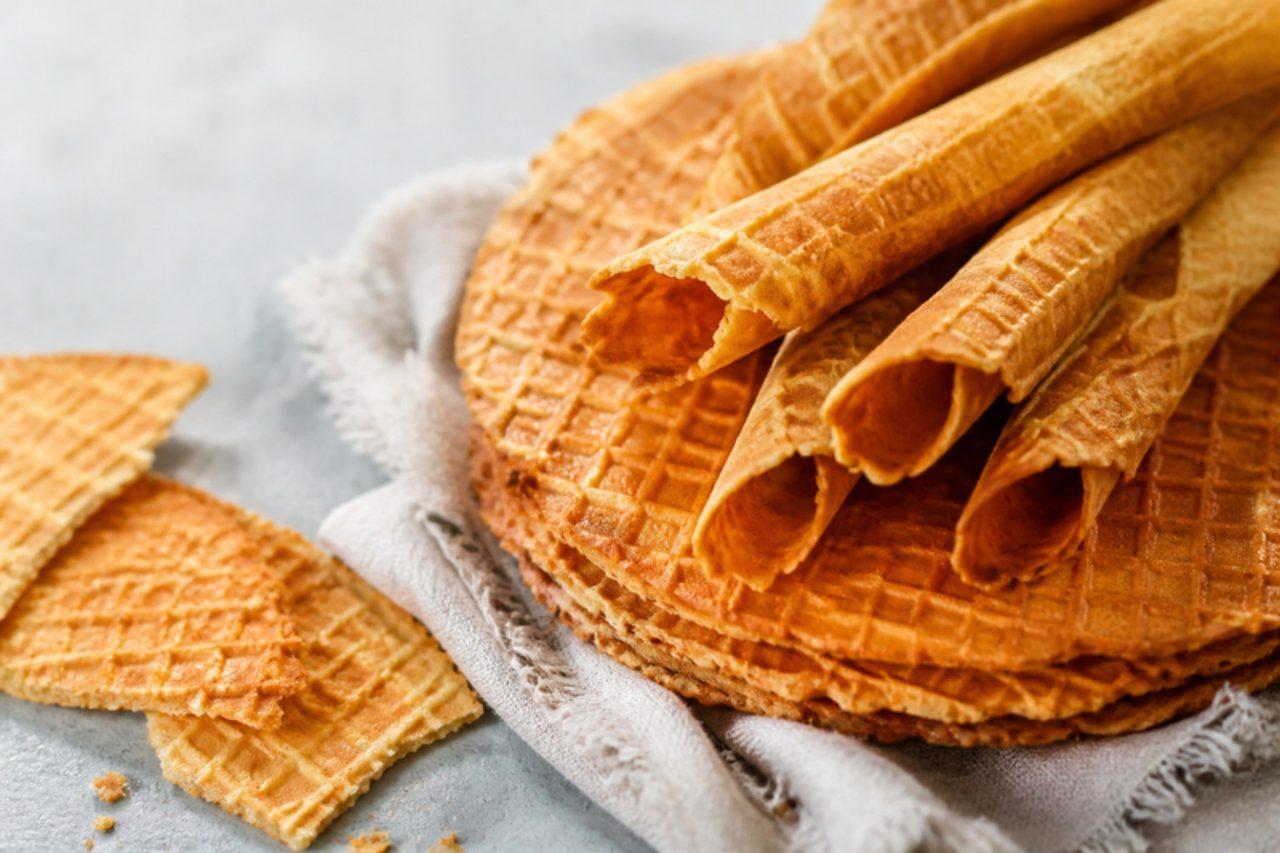
LukkenThin crisp waffle biscuits

Lukken are paper-thin, crisp waffle biscuits baked in West Flanders, around Kortrijk and Roeselare, in the days before New Year, when children go from house to house wishing neighbours a happy new year and are rewarded with them. They are made in a special iron that presses a fine pattern; a pizzelle iron or a thin-waffle (gaufrette) iron works. A common mistake is using too much batter, which makes them thick and soft. Chef's tip: use only a teaspoon of dough per biscuit and roll them while warm if you like, for 'rolled lukken'.

by KrazyBadal 0 views

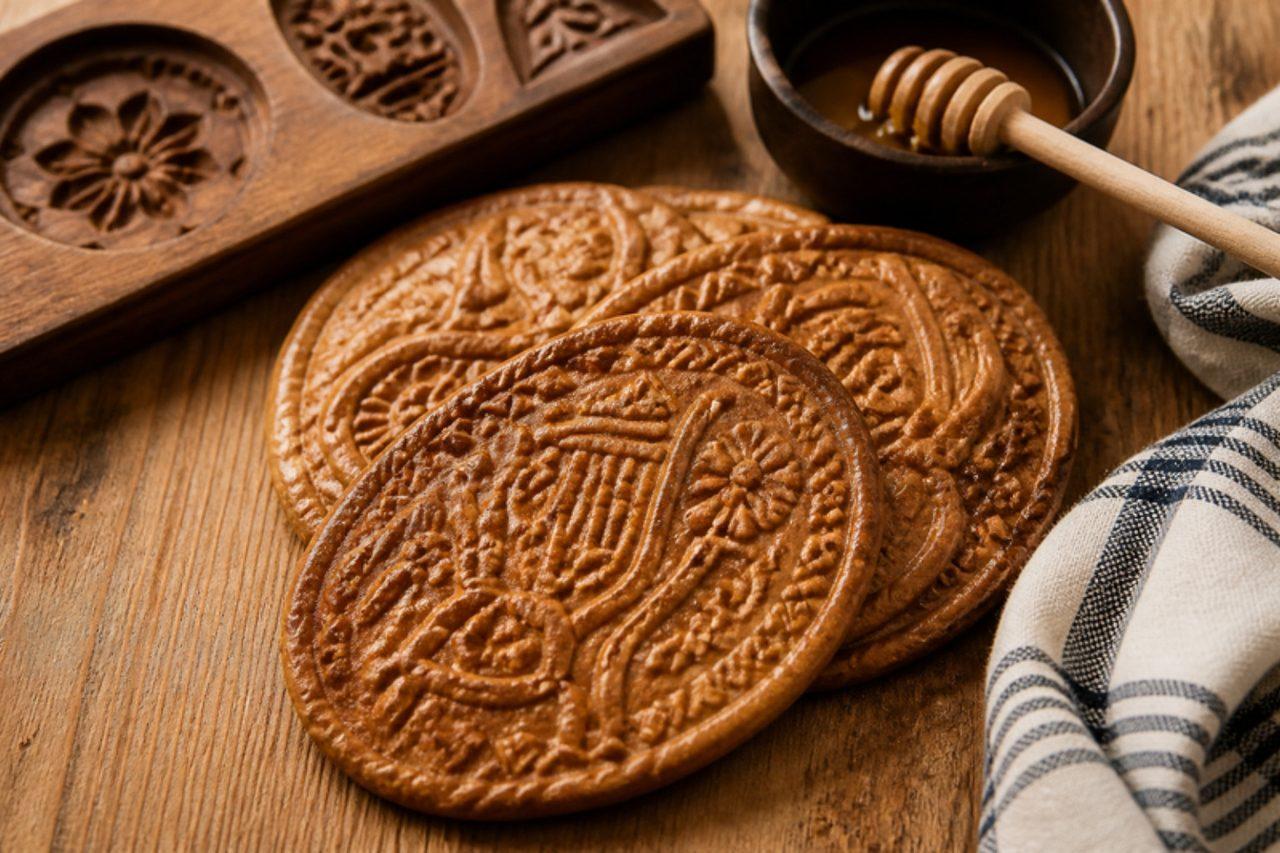
Couque de DinantHard honey biscuit

Couques de Dinant are the famously hard honey biscuits of Dinant on the Meuse, made only of flour and honey, pressed into carved wooden moulds showing castles, animals and the town's skyline, and baked so hot that the honey caramelises into a very hard, glossy biscuit. Dinant bakers say they keep for years; locals let a piece melt slowly in the mouth rather than biting. Honey is traditional; golden syrup makes a vegan version. A common mistake is a soft dough; it must be stiff enough to hold the mould's detail. Chef's tip: dust the mould with flour, press hard and tap the dough out sharply.

by KrazyBadal 0 views

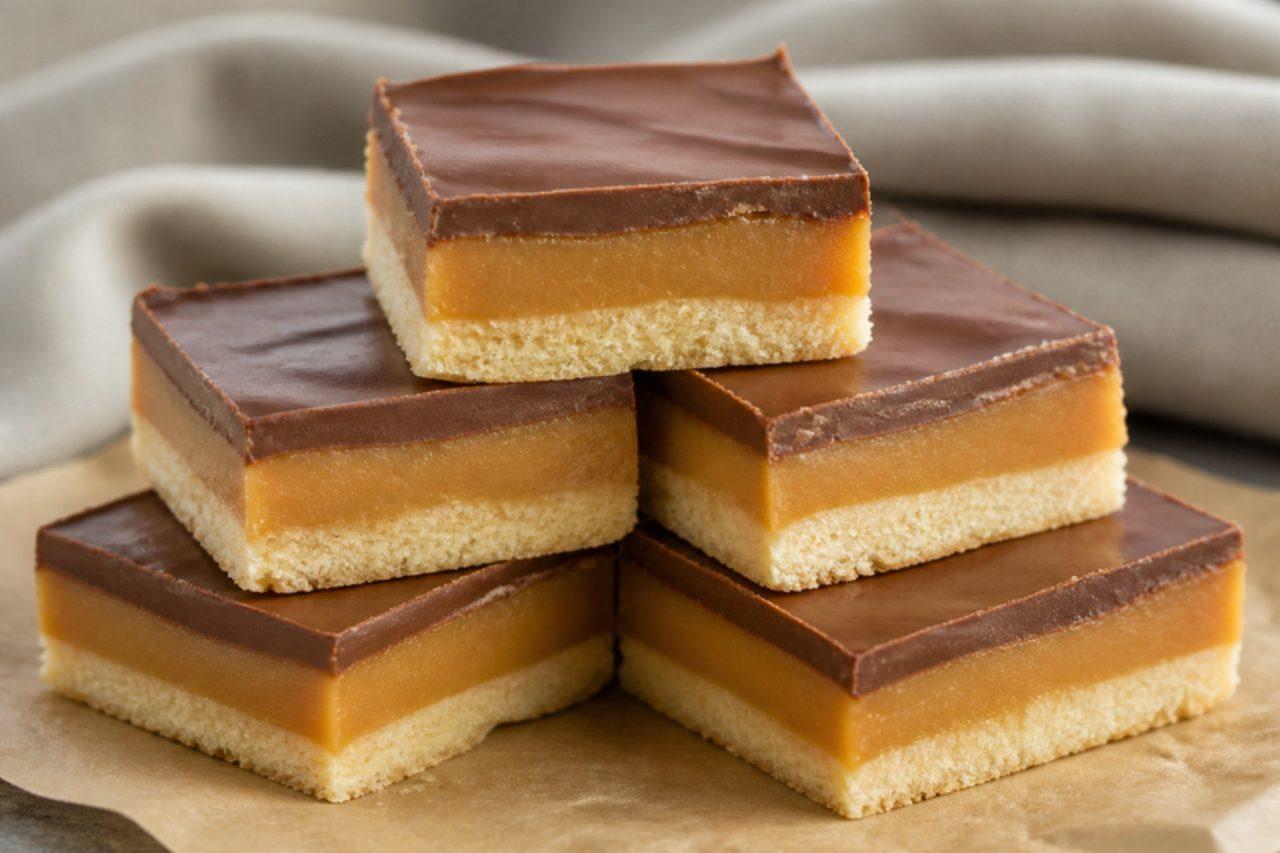
Millionaire's shortbread

Millionaire's shortbread, called caramel shortcake in much of Scotland and caramel squares across the water in Belfast, is the traybake of school bake sales, cafés and church teas. A crisp shortbread base is covered with thick condensed-milk caramel and a layer of chocolate, rich enough to justify the name. Chef's tip: keep stirring the caramel the whole time it bubbles; it catches on the bottom in seconds.

by KrazyBadal 0 views

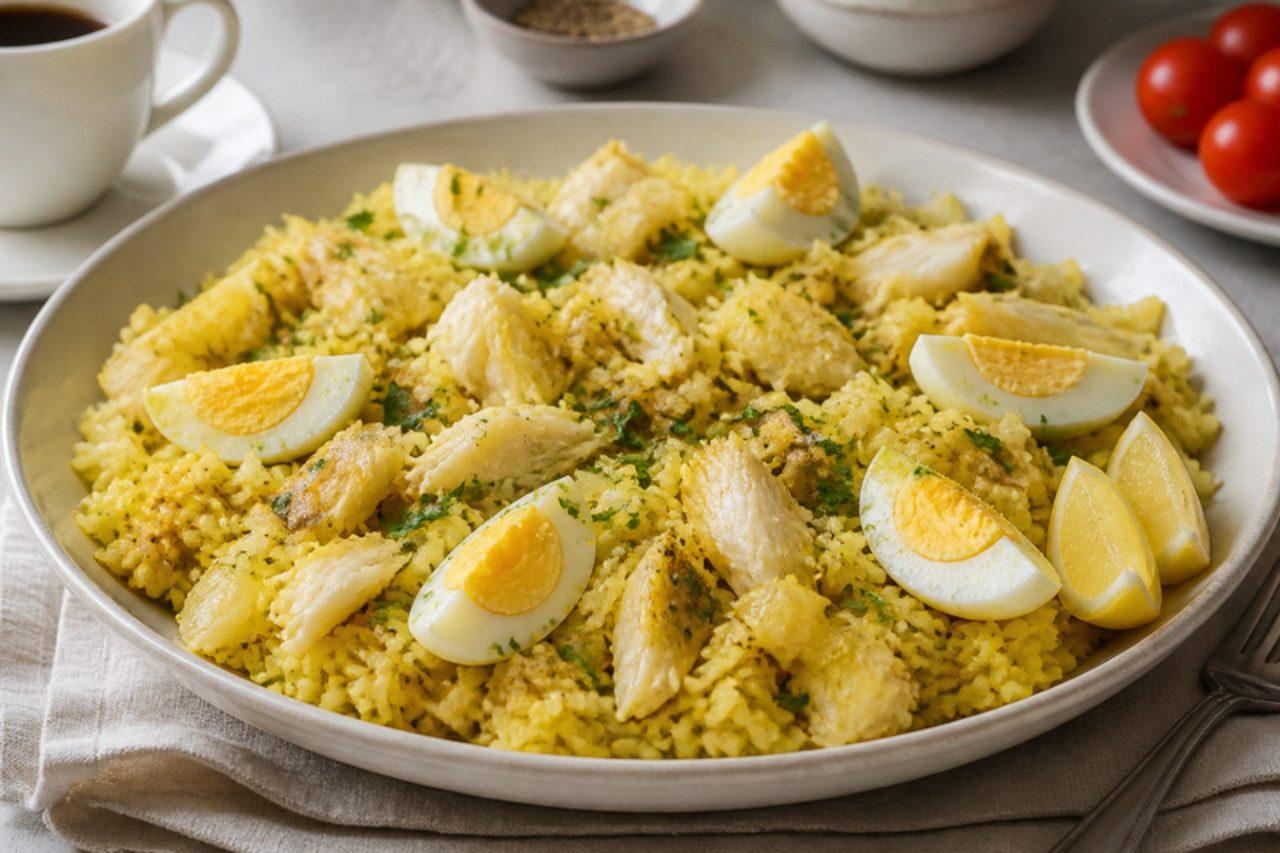
Kedgeree

Kedgeree came to Britain with families returning from colonial India, who adapted khichri into a breakfast of buttery curried rice, flaked smoked haddock and boiled eggs; it was served from silver dishes at Victorian country house breakfasts and is now a weekend brunch. It is gently spiced, smoky and soft. Chef's tip: poach the haddock in the milk you then use for nothing else, and cook the rice in the poaching water for more smoky flavour.

by KrazyBadal 0 views

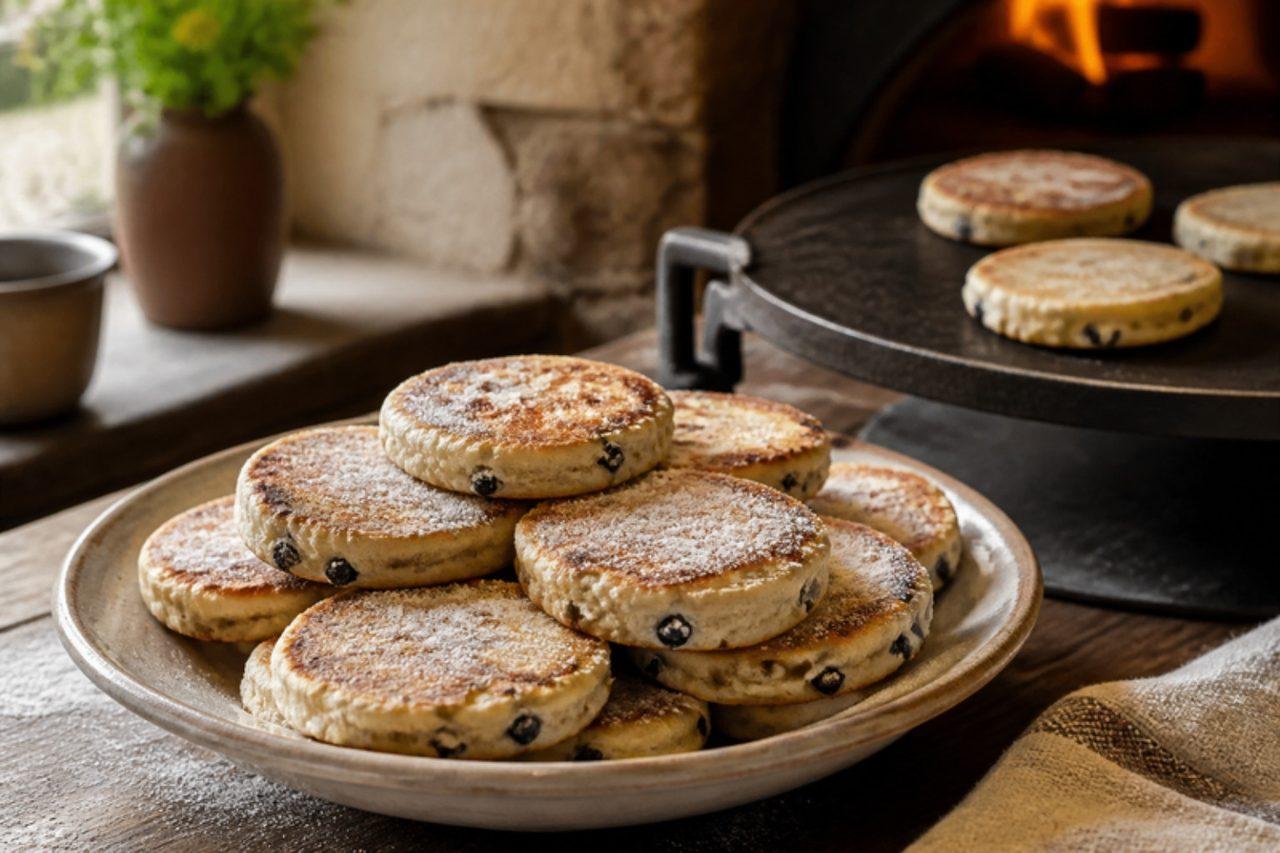
Welsh cakes

Welsh cakes, picau ar y maen or 'cakes on the stone', are cooked on a cast-iron bakestone in kitchens across Wales and sold warm at markets and rugby matches, and they are a must on St David's Day, 1 March. The dough is like a rich scone with currants and mixed spice, and they are dusted with sugar while hot. Chef's tip: keep the heat medium-low; they need time for the middle to cook before the outside darkens.

by KrazyBadal 0 views

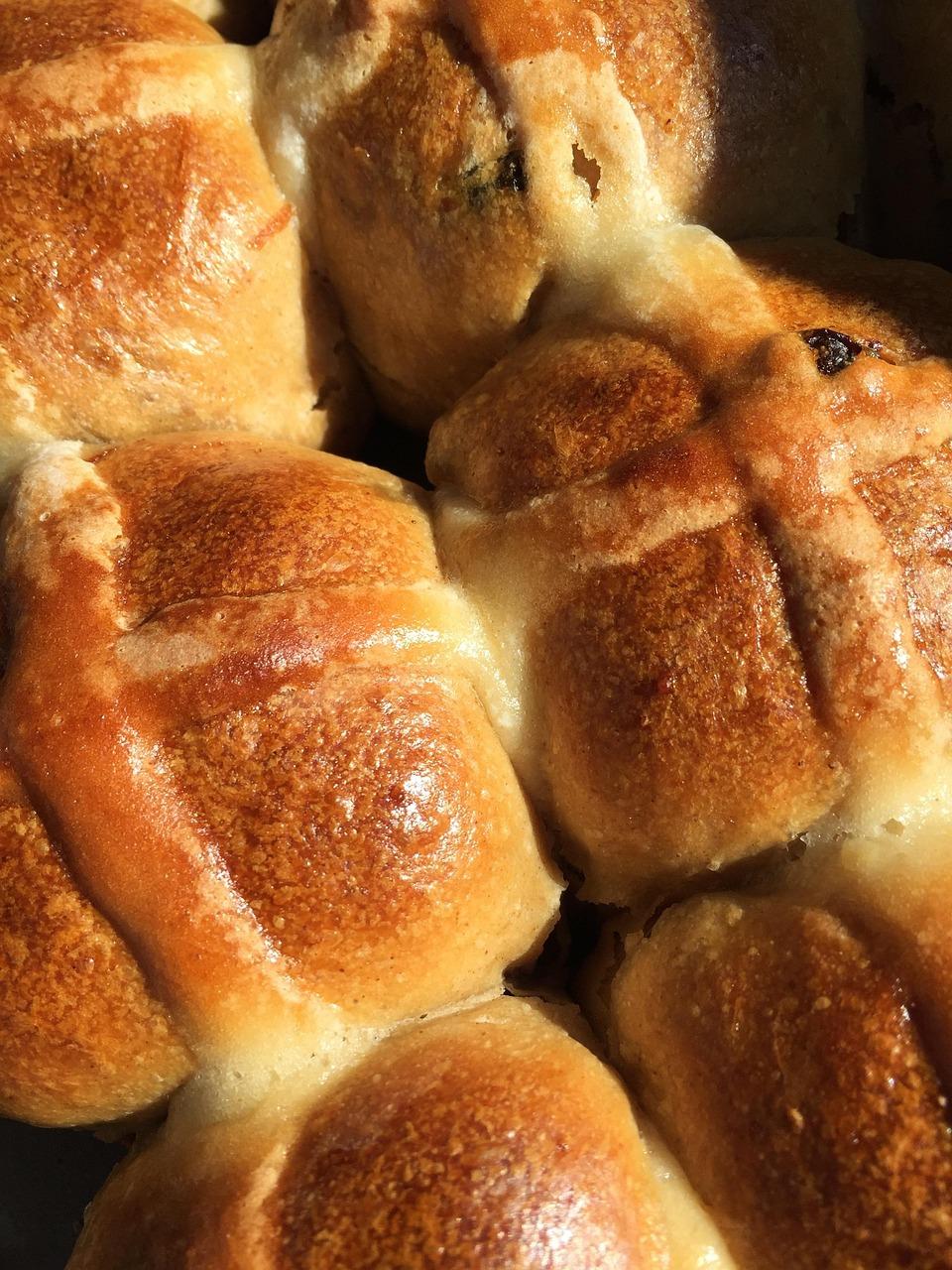
Hot cross buns

Hot cross buns are eaten toasted with butter on Good Friday across England, and London bakeries have sold them for centuries to the old street cry 'one a penny, two a penny'. The soft, spiced dough is full of currants and orange peel, and the cross on top is piped from a simple flour paste before baking. Chef's tip: let the dough rise somewhere really warm; spiced, fruited dough is slow and needs patience.

by KrazyBadal 0 views

Chelsea buns

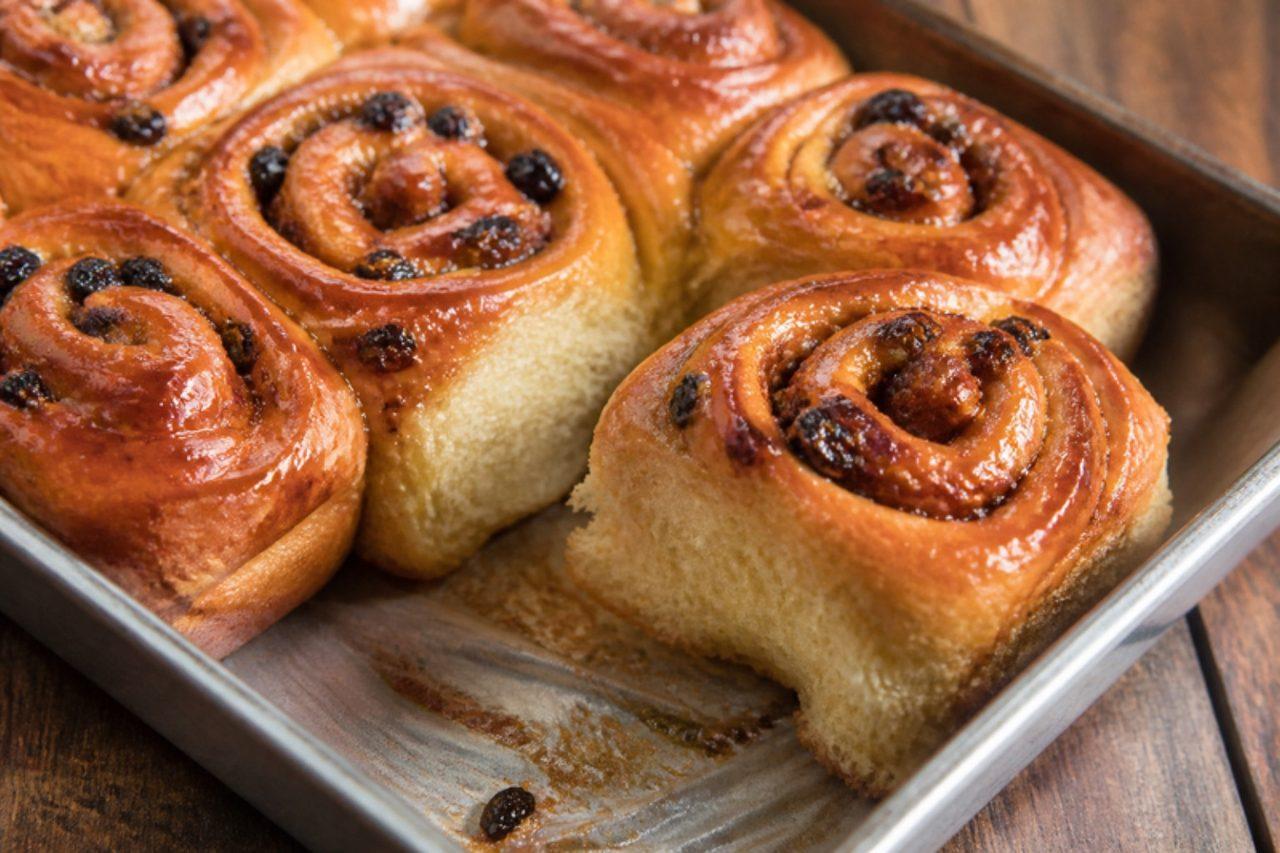
The Chelsea bun was the speciality of the Old Chelsea Bun House in London in the 1700s, where crowds queued on Good Friday; today the coiled, sticky bun is a bakery classic across England. A soft dough is spread with butter, brown sugar, currants and spice, rolled up, sliced and baked snugly in a tin so the buns rise into each other and come out square-sided. Chef's tip: pack the slices tightly; it is the squeeze that gives them their shape and soft edges.

by KrazyBadal 0 views

Grilled kippers

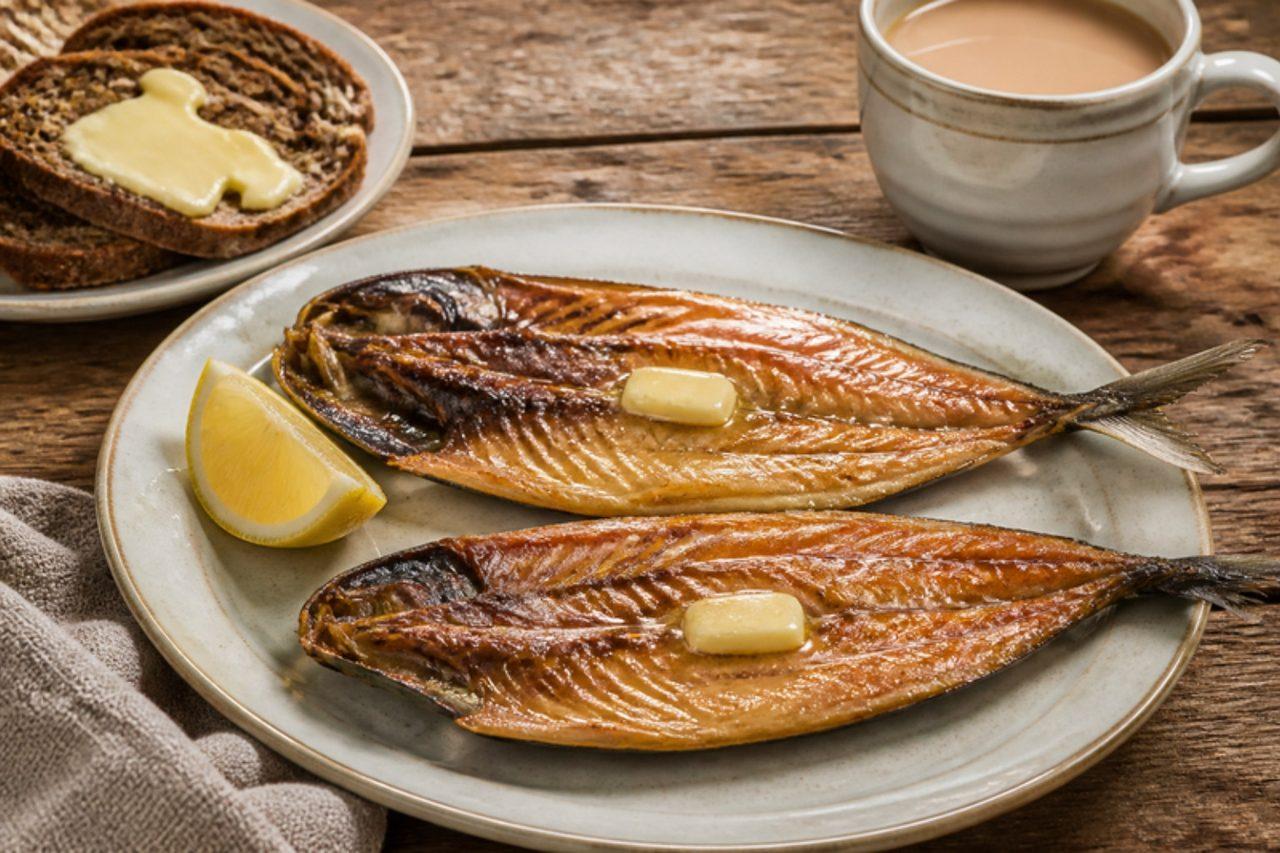
In the tiny harbour village of Craster on the Northumberland coast, herring have been split and oak-smoked in the same smokehouse for over a century, and kippers are the classic English breakfast fish in seaside hotels and on dining cars. A kipper is cold-smoked but not cooked, so it must be heated through; grilled with butter it turns rich, salty and smoky. Serve with brown bread and butter, a poached egg or a squeeze of lemon. Chef's tip: grill them skin-side up first so the skin crisps and the flesh stays juicy.

by KrazyBadal 0 views

English fish pie

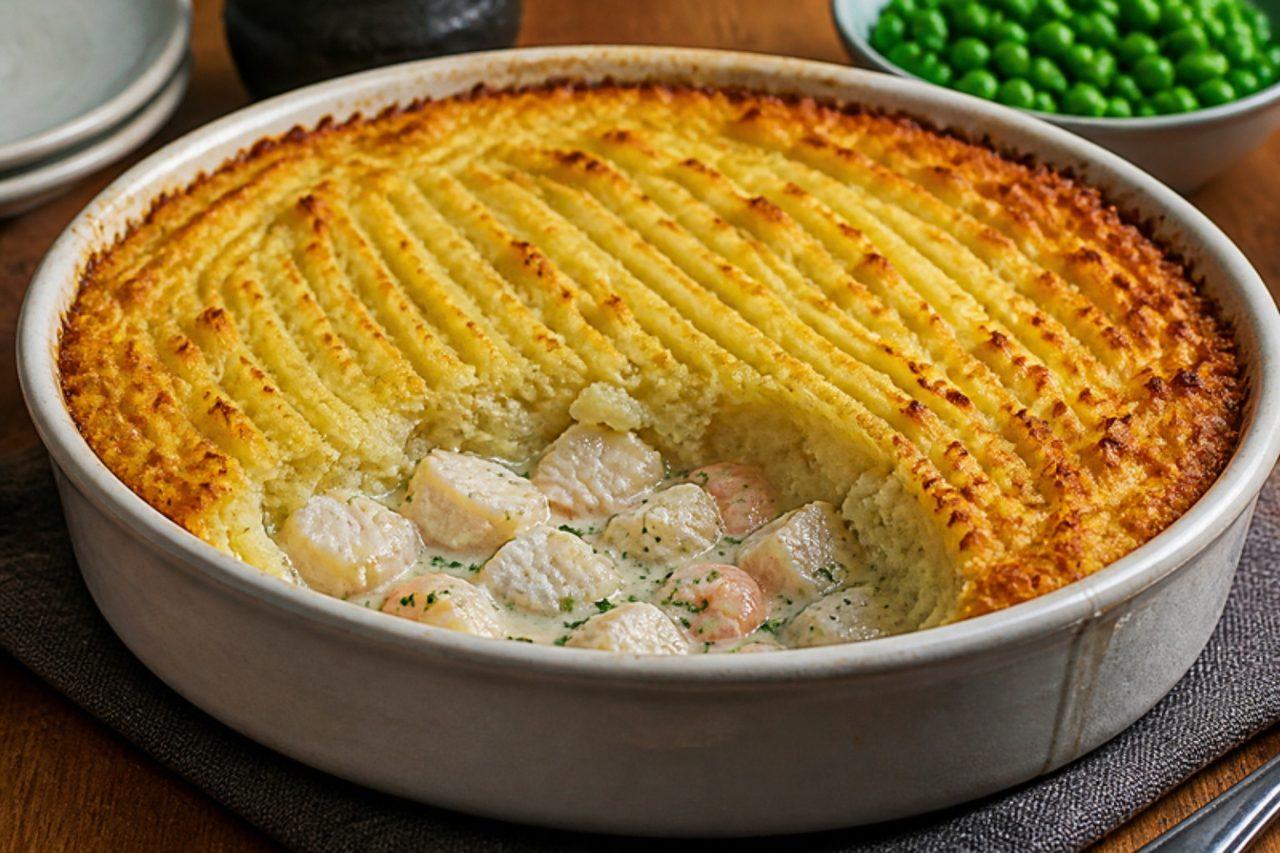
Fish pie is a Friday supper and a family favourite from the Kent coast to Devon, where fishmongers sell a ready-cut 'fish pie mix' for it. Chunks of white fish, smoked haddock and prawns are baked in a creamy parsley sauce under a thick crust of buttery mash, so it is mild, comforting and very filling. Chef's tip: don't pre-cook the fish; it finishes in the oven and stays in big, juicy flakes.

by KrazyBadal 0 views

Eccles cakes

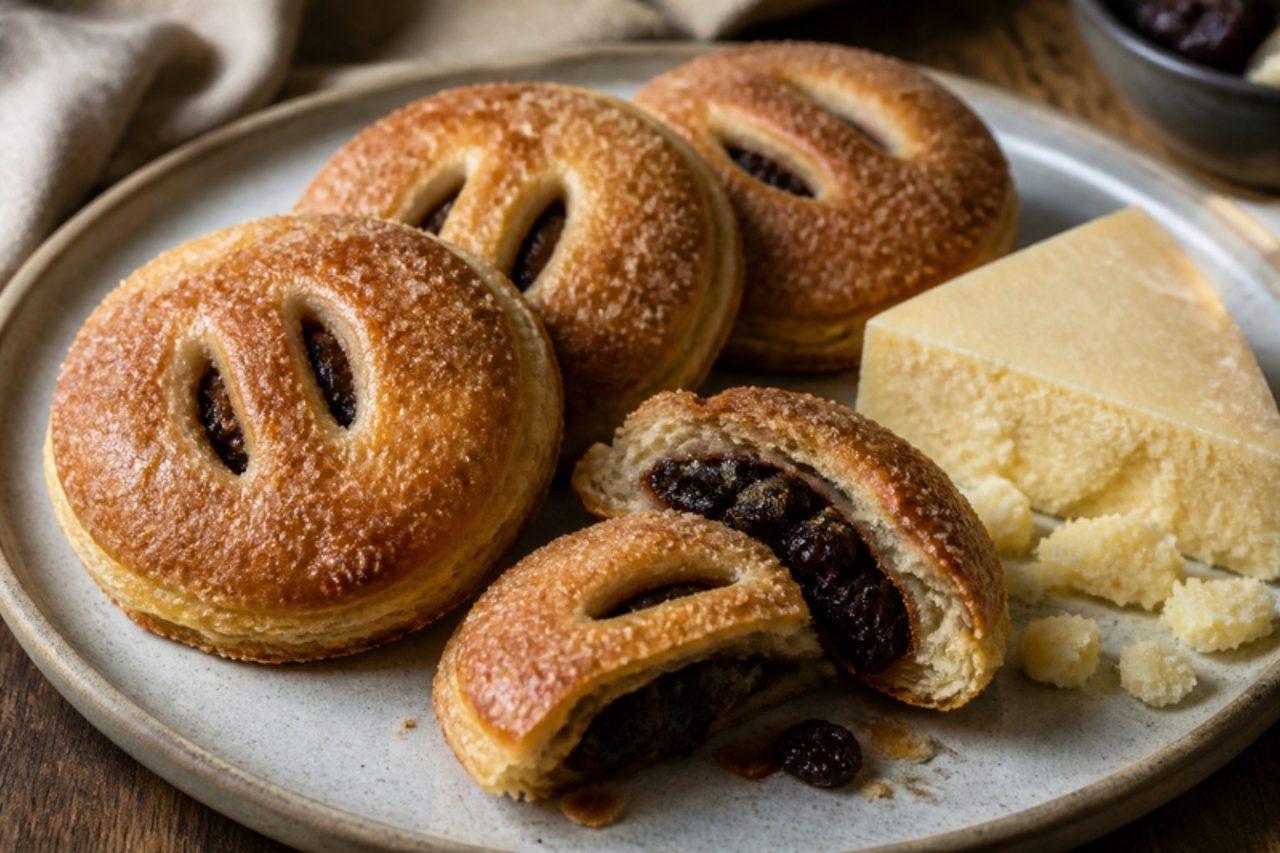
From the town of Eccles near Manchester, these flat pastry cakes are filled with butter-soaked currants and peel, slashed three times on top and baked until sugary and crackly. Lancashire people eat them with a slice of crumbly Lancashire cheese, the sweet and salty pairing locals swear by. Chef's tip: chill the filled cakes for 20 minutes before baking, so the pastry stays flaky and the filling doesn't leak.

by KrazyBadal 0 views

Scottish oatcakes

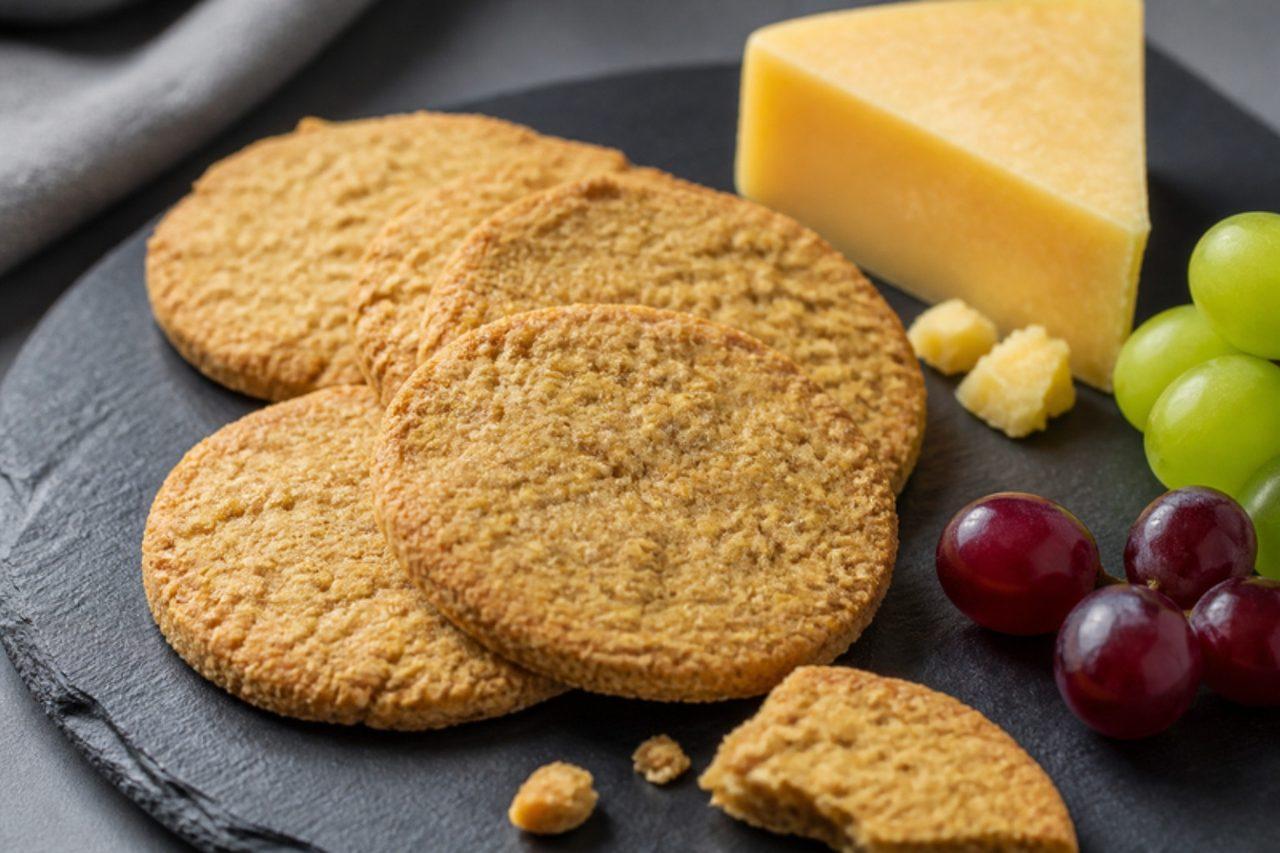
Oatcakes have been baked on girdles across Scotland since oats were the country's main grain, and they are still eaten with cheese, smoked fish or marmalade, and alongside soup on cold days. Medium oatmeal is bound with a little melted butter and hot water, rolled thin and baked until crisp and nutty. Chef's tip: work quickly while the dough is warm; as it cools it cracks and won't roll.

by KrazyBadal 0 views

Yorkshire fat rascals

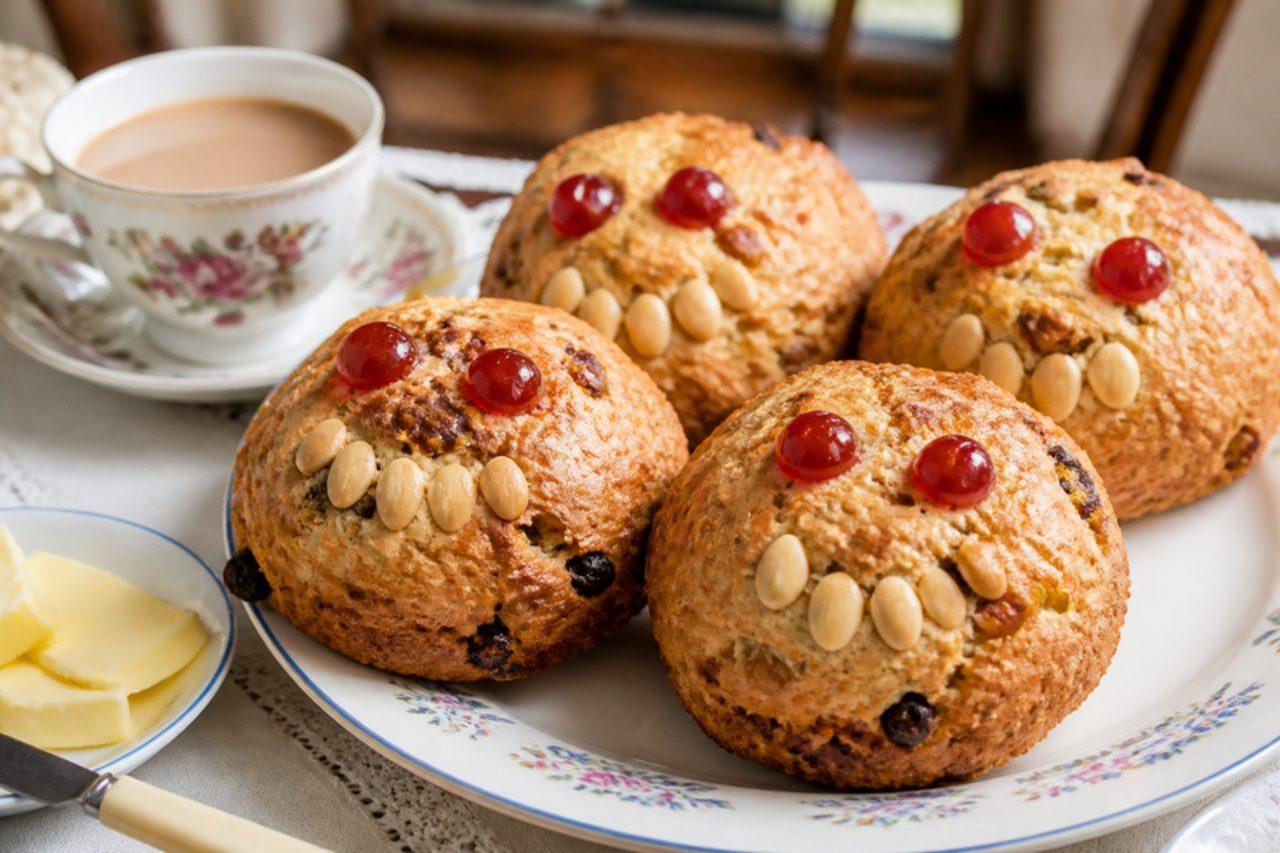
Fat rascals are big, rough, fruit-studded cakes from the North York Moors, halfway between a scone and a rock cake, and the famous Harrogate tea rooms made them a visitor's treat. Each one gets a face of glacé cherries and blanched almonds before baking. Eat them warm, split and buttered, with a pot of tea. Chef's tip: work the dough as little as possible, just until it holds; overmixed rascals bake up tough.

by KrazyBadal 0 views

Grasmere-style gingerbread

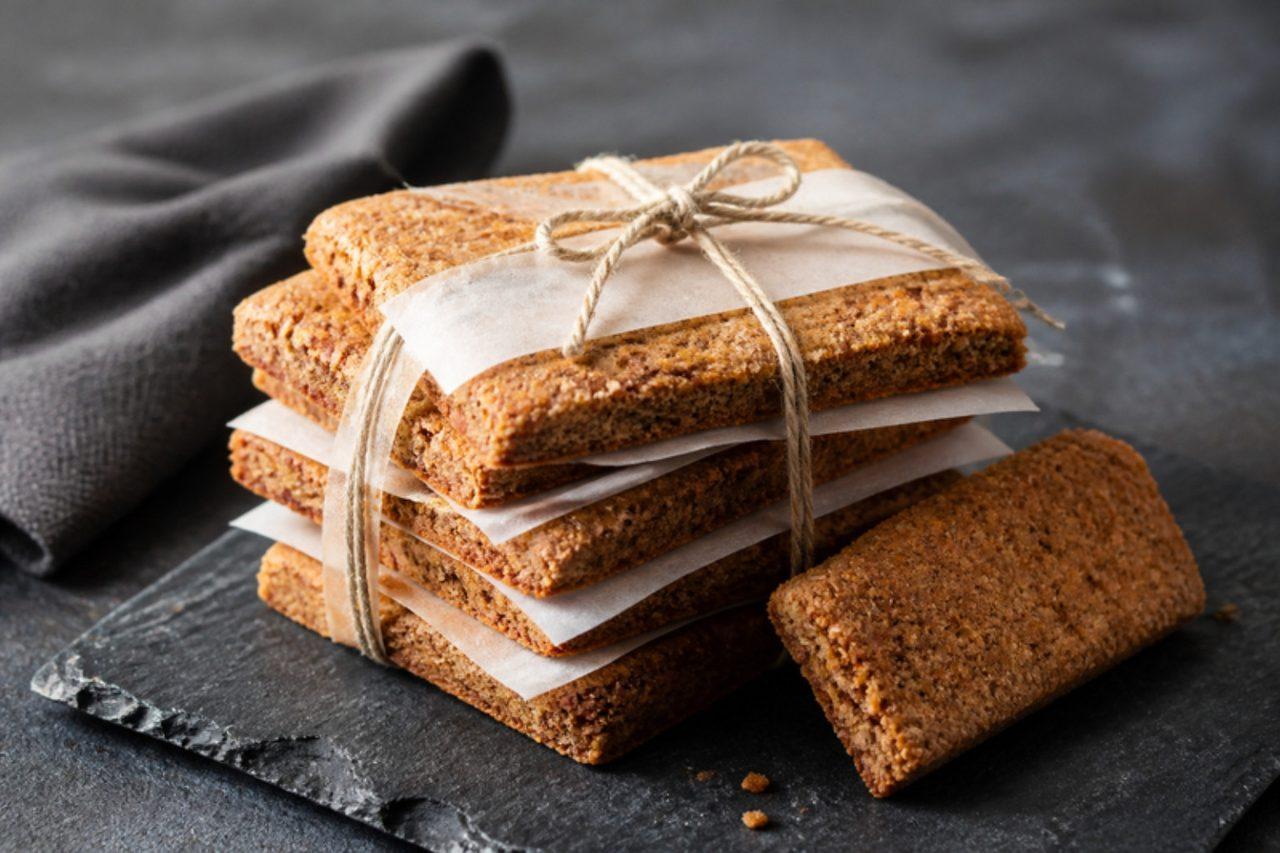
The village of Grasmere in the Lake District has sold its own gingerbread since the 1850s, a cross between shortbread and a biscuit with a crumbly top and chewy base, wrapped in paper for walkers and visitors to Wordsworth's grave. The real recipe is a closely kept secret; this is our home version, made with oatmeal, brown sugar and plenty of ground ginger. Chef's tip: press only the bottom half of the crumb mixture firmly and scatter the rest loosely on top, which gives the two textures.

by KrazyBadal 0 views

Singin' hinnies

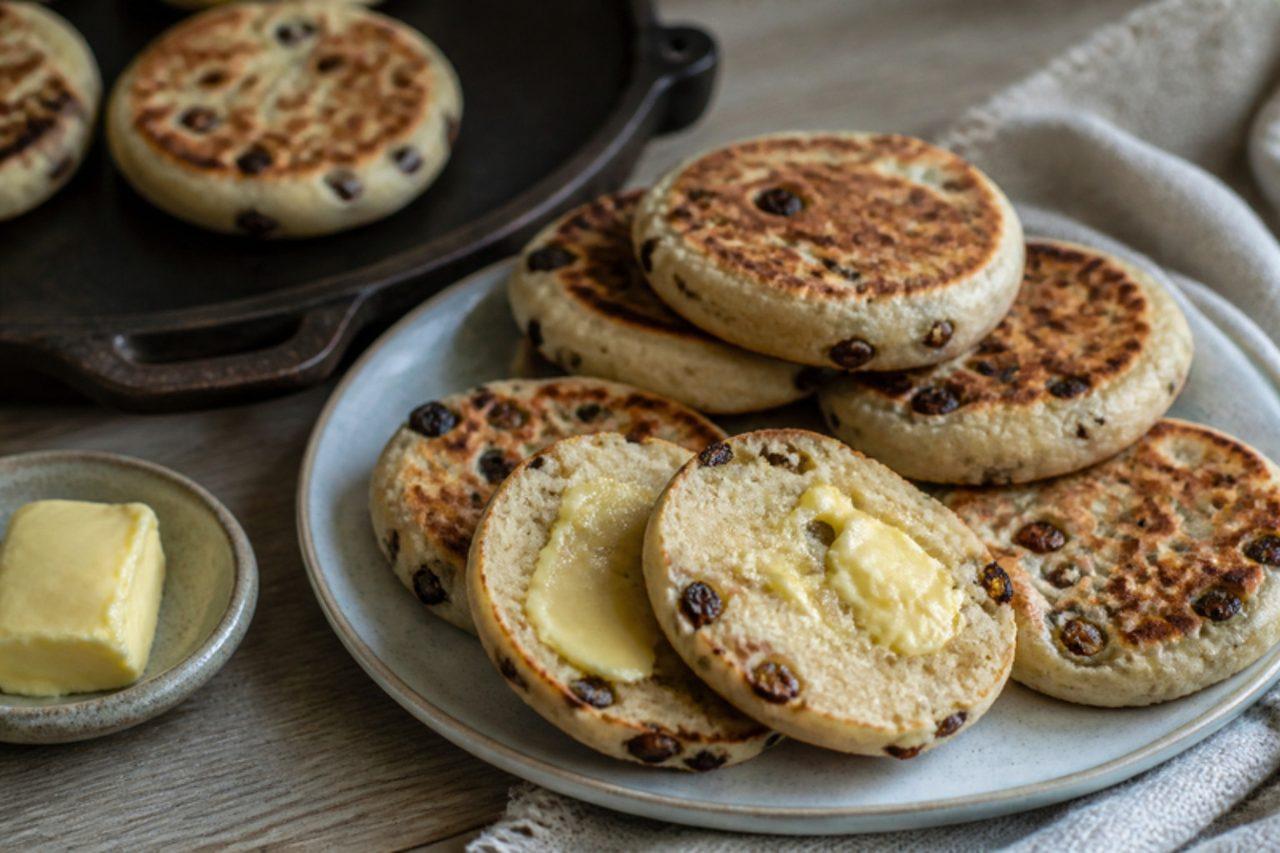
Singin' hinnies are the girdle cakes of Northumberland and Tyneside, named for the singing hiss of the butter as they cook ('hinny' is a Geordie word of affection, like 'honey'). Mothers made them for children coming home from school, cooked on a heavy griddle and eaten hot, split and buttered. They are scone dough studded with currants and cooked in the pan instead of the oven. Chef's tip: keep the heat medium-low so they cook through before the outside darkens.

by KrazyBadal 0 views

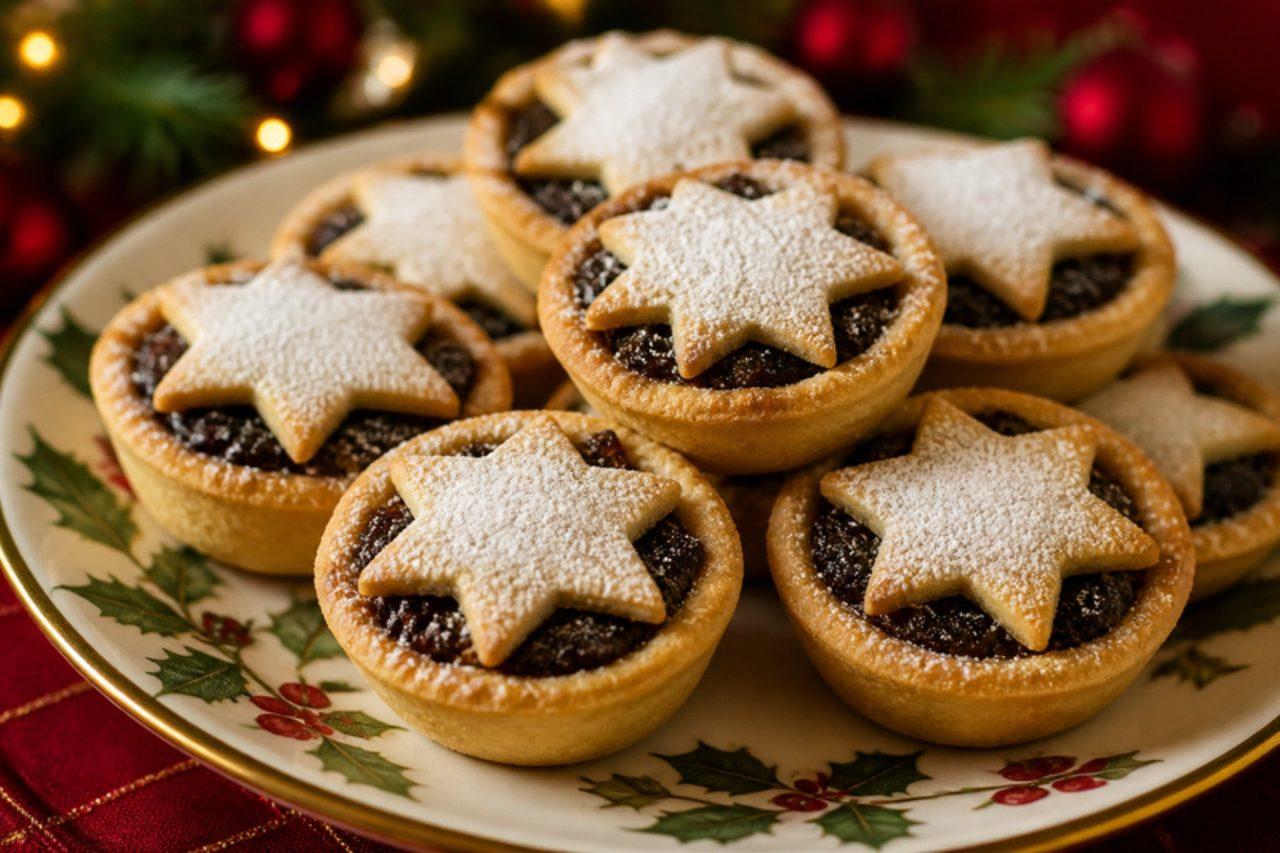
Mince pies

Mince pies are handed round with mulled drinks at every English Christmas gathering, from carol services to office parties, and children leave one out for Father Christmas. The mincemeat once held meat; this home-made version is all fruit, apple and spice, with vegetarian suet, and brandy is optional, so it can be alcohol-free. Chef's tip: make the mincemeat a week ahead so the flavours mellow; it keeps for months.

by KrazyBadal 0 views

Showing 24 of 82 recipes

Show more recipes

Page 1 of 4