Skip to content
WhatToEat.Today

All recipes

73

Vegetarian, or something you can't eat? Set your diet once and we'll hide recipes that don't fit.

Canutillos de BergaraCustard-filled puff pastry horns

In Bergara, a market town in the Deba valley of Gipuzkoa, pastry shops have sold canutillos since the nineteenth century, and locals buy them by the tray for saints' days and family visits. Puff pastry is wound around metal cones, baked until crisp and caramelised, then piped full of custard scented with lemon and cinnamon. A common mistake is filling them too early: the pastry softens within a few hours, so fill them close to serving. Chef's tip: overlap the pastry strip by a third as you wind it, so the horns don't unravel in the oven.

by KrazyBadal 0 views
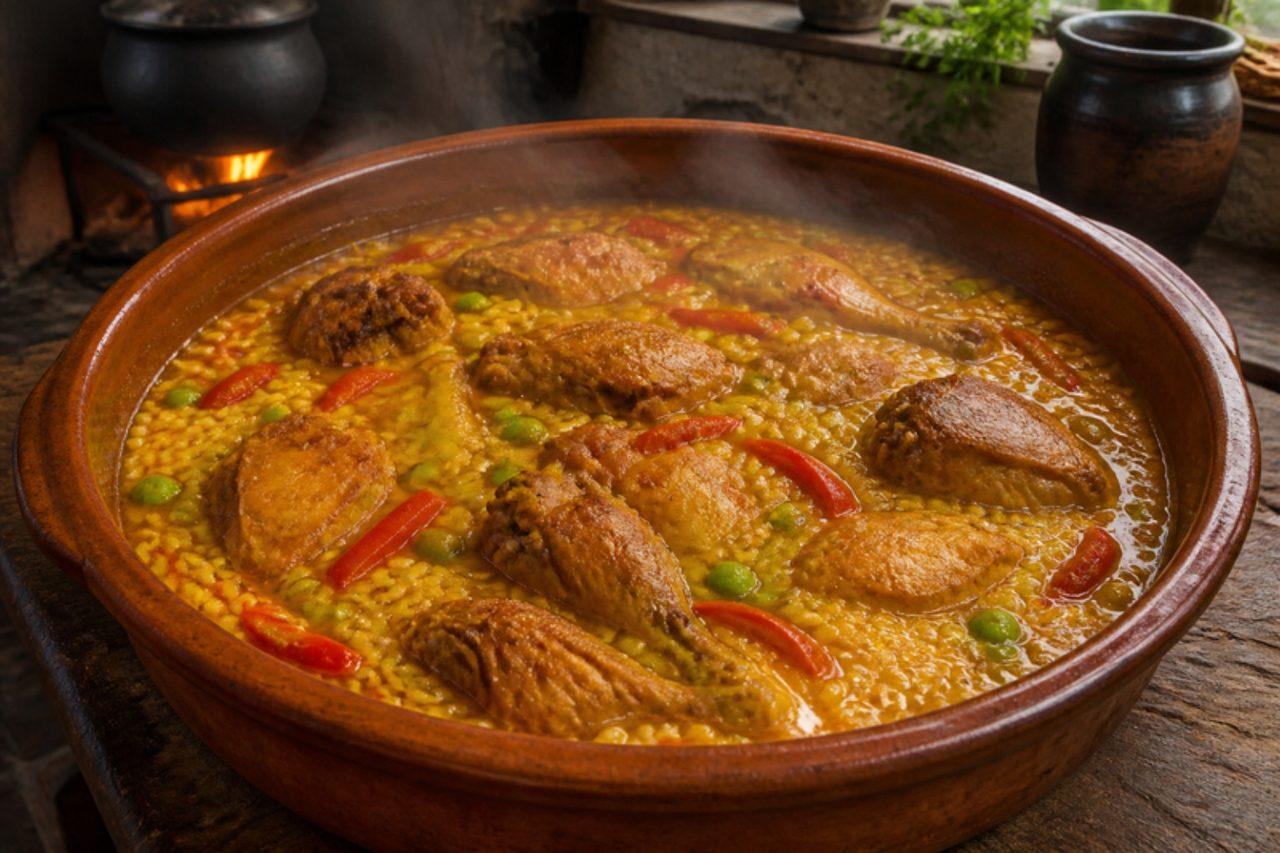
Arroz con pitu de caleyaSoupy rice with chicken

A pitu de caleya is a cockerel raised free in the lanes, or caleyas, of rural Asturias; its firm, flavourful meat needs long stewing, and families around Villaviciosa and Grado still cook it for feast days. The stew is often finished as a soupy rice, so the deep chicken juices go into every grain. Use the best free-range chicken you can find. The braise includes dry white wine; replace it with extra stock and a squeeze of lemon if you want it alcohol-free. Chef's tip: brown the chicken slowly and deeply; that colour is where the flavour of the whole pot comes from.

by KrazyBadal 1 views

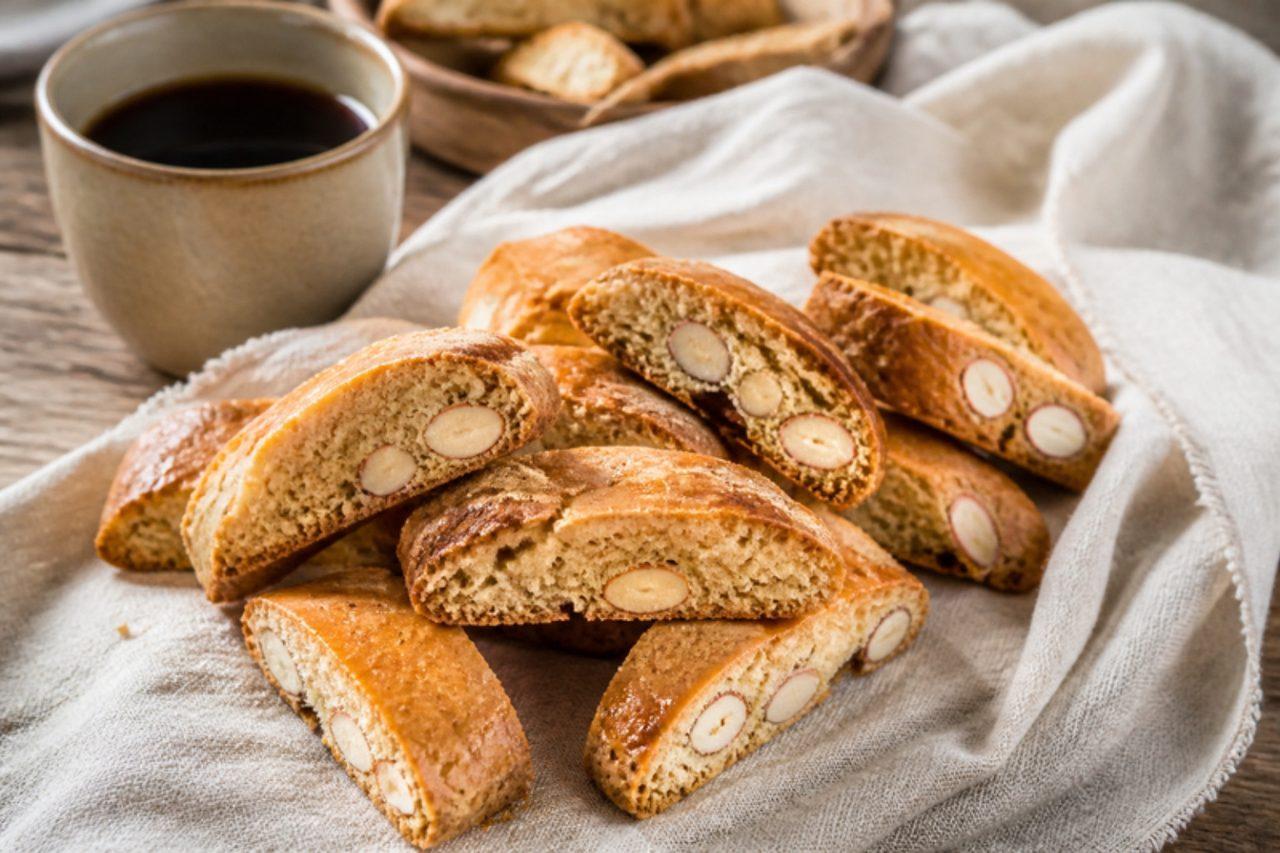
CarquinyolisTwice-baked almond biscuits

Catalan bakeries sell carquinyolis in paper bags, especially around Christmas and village festivals, and grandparents keep a tin of them to dunk in coffee, milk or, after a big lunch, a glass of sweet wine. They are cousins of Italian cantucci, but often rougher, with whole unpeeled almonds and a hint of lemon and cinnamon. Baked once as a log, sliced, then baked again, they keep for weeks. Chef's tip: slice the logs while still warm with a serrated knife and a single firm cut; cold logs crumble and the almonds shatter.

by KrazyBadal 0 views
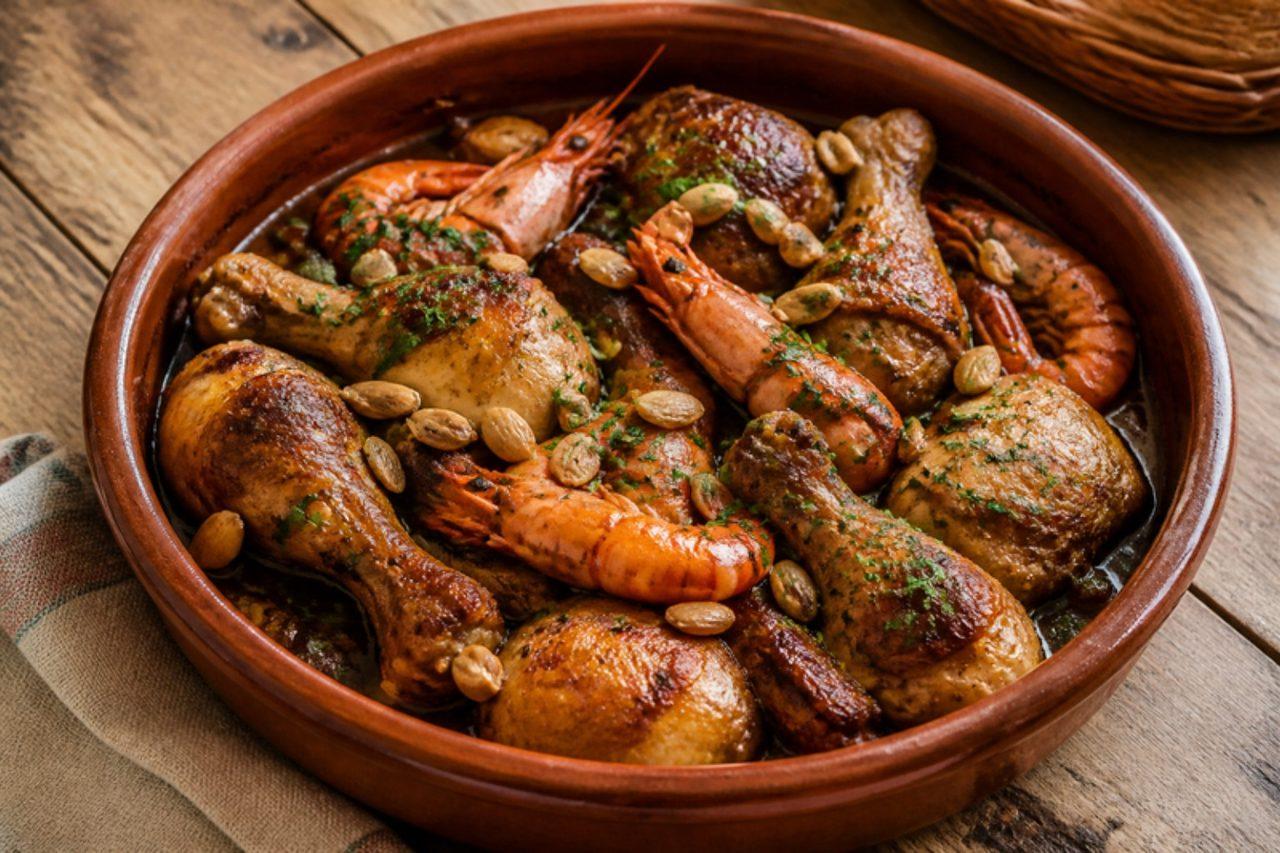
Mar i muntanyaChicken and prawn casserole

Sea and mountain: the cooks of the Empordà, between the Pyrenees and the Costa Brava, have long put chicken and seafood in one pot, and this version with prawns is the one most families make for a celebration lunch. The sauce is a dark sofrito finished with a picada of almonds, hazelnuts, garlic and a little dark chocolate, which adds depth rather than sweetness. It uses wine; the alcohol-free option is in the ingredient list. Chef's tip: cook the prawns only briefly at the start and return them at the end, so they stay juicy while the chicken braises.

by KrazyBadal 0 views
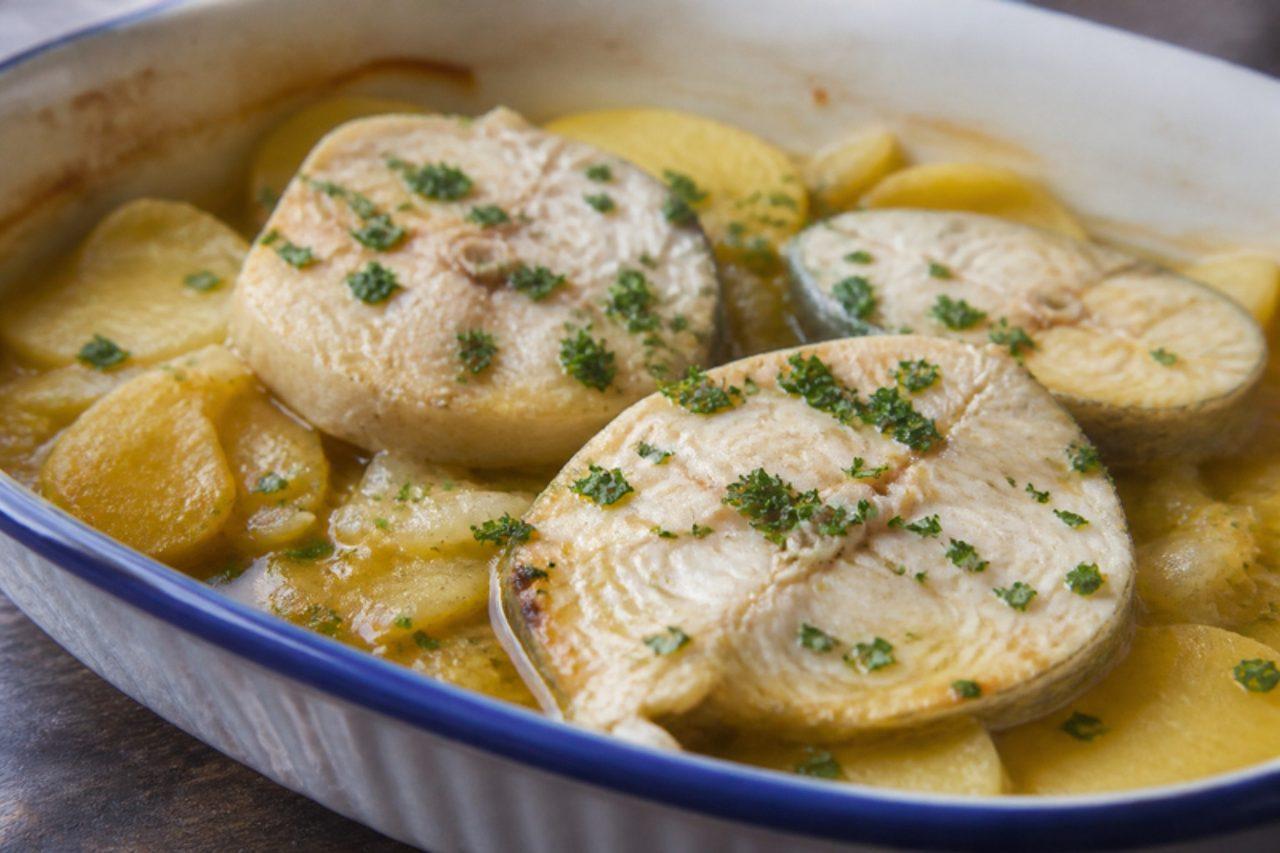
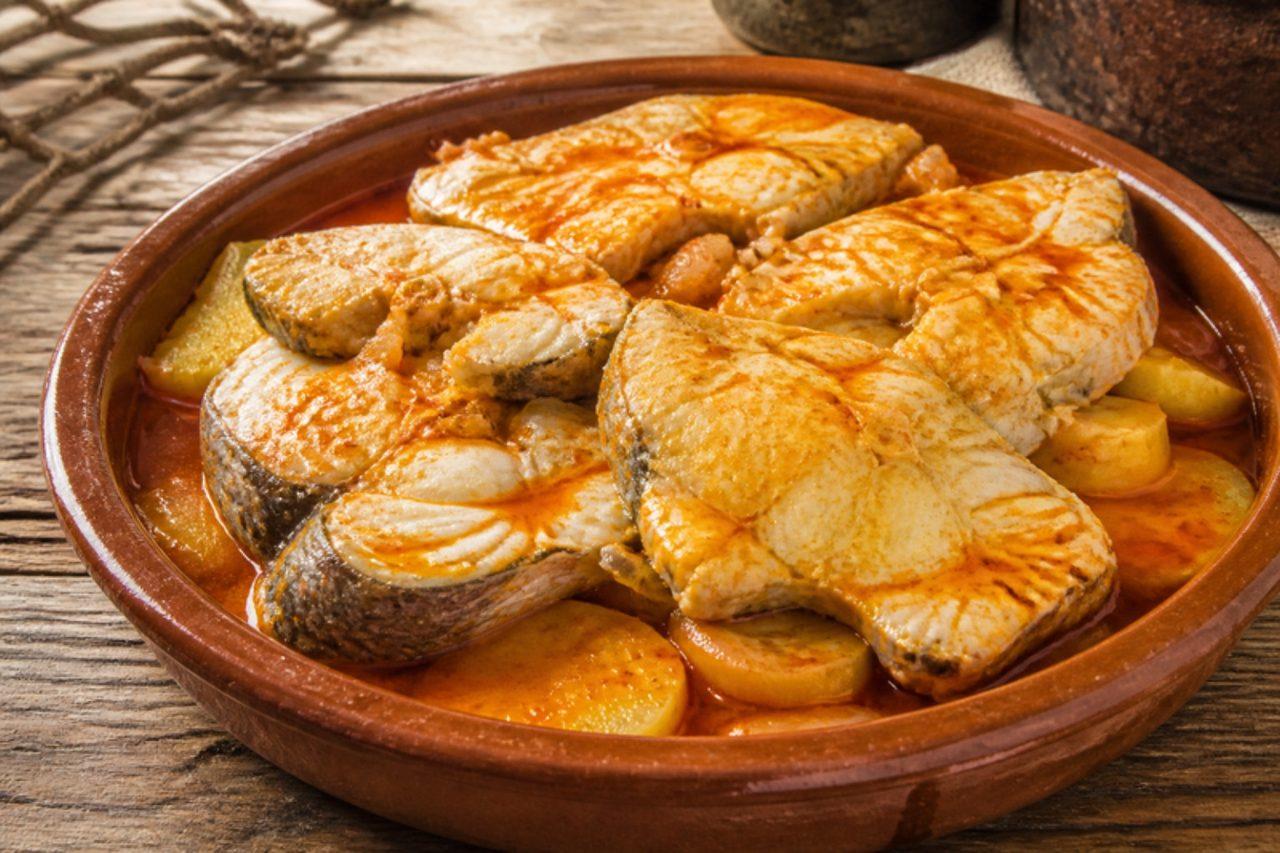
Merluza a la sidraHake baked in cider

Asturias has two great loves at table, the fish landed at ports like Cudillero and Avilés and the cider pressed from its orchards, and merluza a la sidra brings them together. Families cook it for Sunday lunch, the hake settled on a bed of soft onion and potato with cider poured over, until the sauce turns sweet-sharp. The cider is alcoholic; cloudy apple juice with a little cider vinegar makes a good alcohol-free swap. Chef's tip: add the hake only when the potatoes are nearly tender, so the fish stays juicy.

by KrazyBadal 0 views
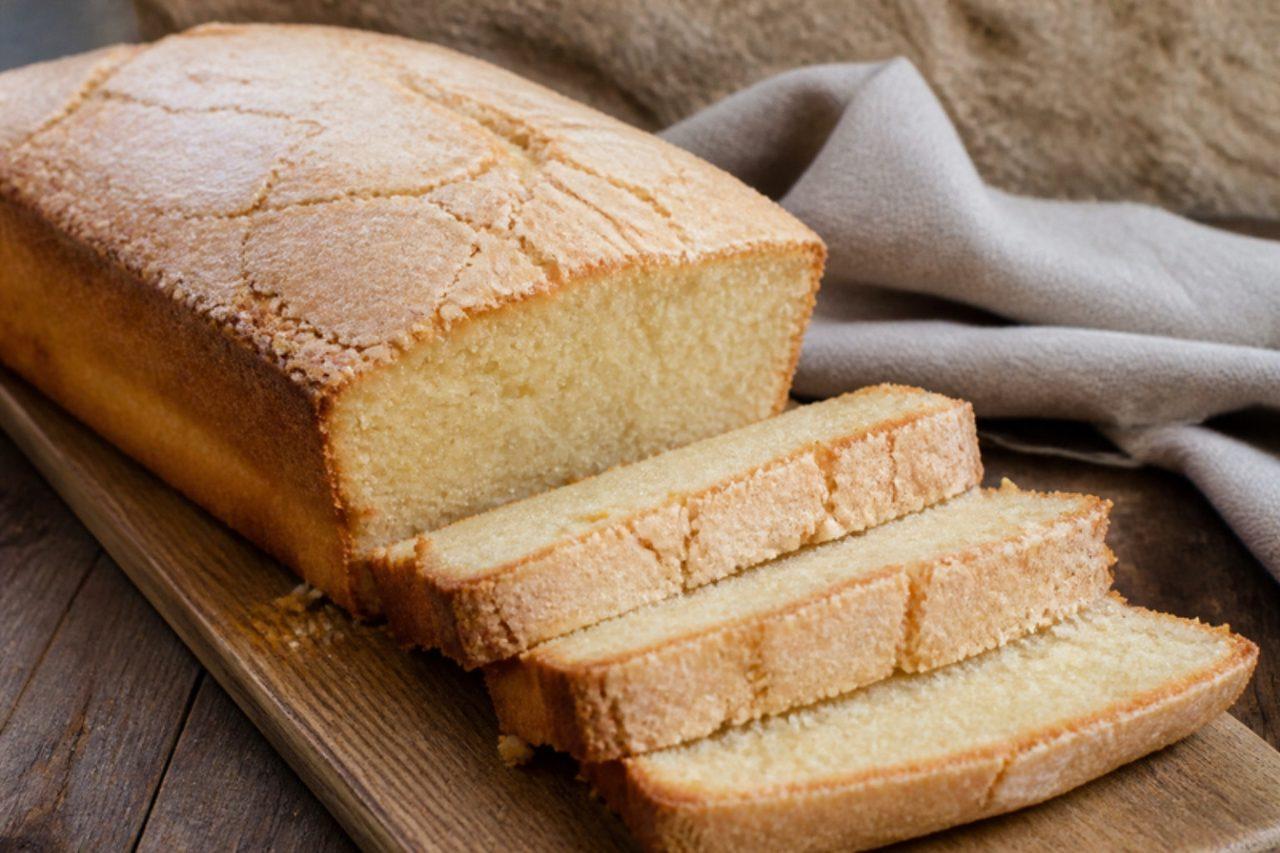
Bica de TrivesButtery cream cake

Pobra de Trives, a mountain town in Ourense, holds a festival every August in honour of its bica, a rich, close-textured cake made with fresh cream and butter from local dairies. It is baked in a rectangular tin, sold in paper and eaten in thick slices with coffee or a glass of milk. The sugar scattered on top bakes into a thin, crackly crust. A common mistake is overmixing once the flour goes in, which makes it tough; fold just until no streaks remain. Chef's tip: whip the egg whites separately and fold them in last for a lighter crumb.

by KrazyBadal 0 views

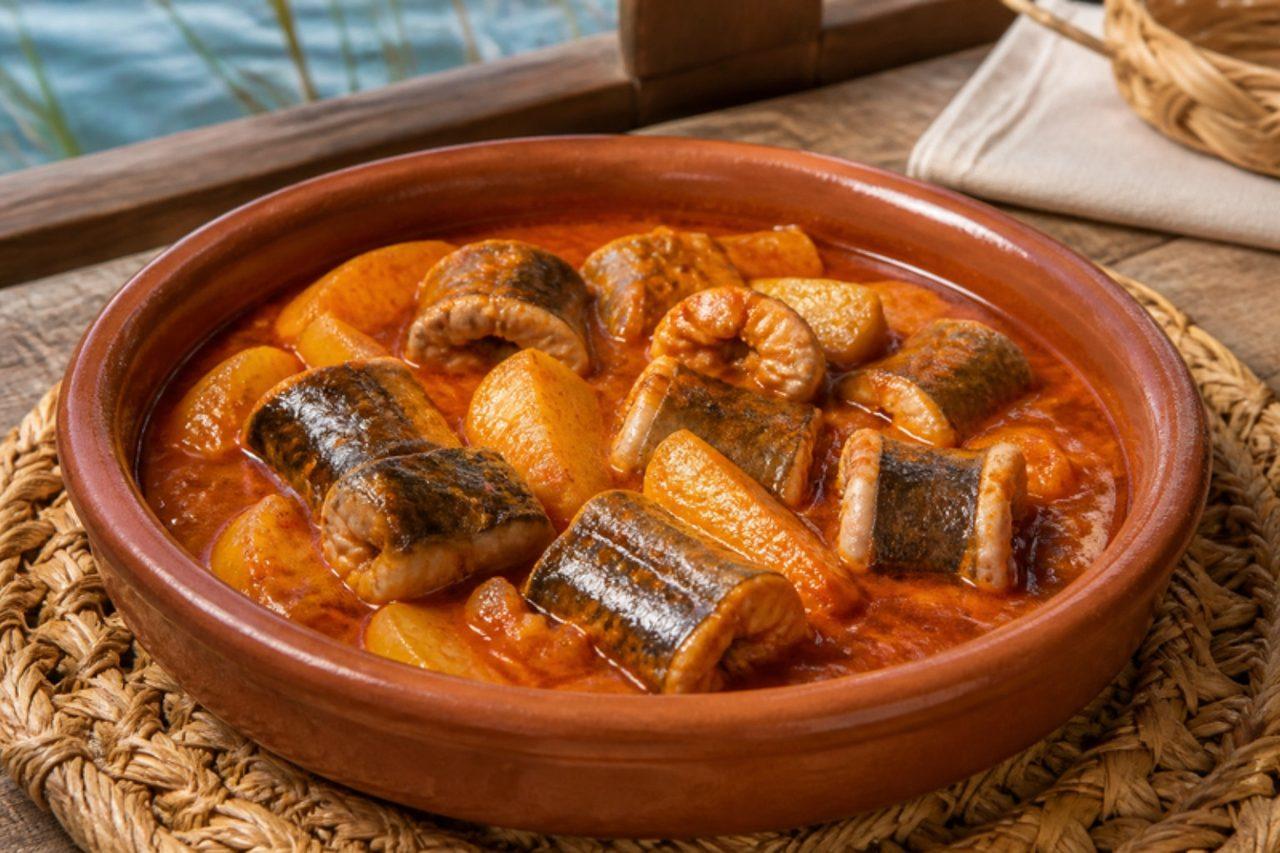
All i pebreEel and potato paprika stew

In El Palmar and the other villages around the Albufera lagoon south of Valencia, the restaurants that are famous for paella serve something older first: all i pebre, "garlic and pepper", a brick-red stew of lagoon eel and potatoes thickened with a pounded almond and fried-bread picada. It is rich, garlicky and gently hot, eaten with bread to mop up the sauce. Ask your fishmonger to skin and cut the eel, and handle it with gloves: raw eel blood is irritating, though harmless once cooked. If you can't find eel, monkfish or hake works well. A common mistake is letting the paprika burn; it turns bitter in seconds, so add it off the heat. Chef's tip: break the potatoes with a knife instead of cutting cleanly; the rough edges release starch and thicken the sauce.

by KrazyBadal 1 views

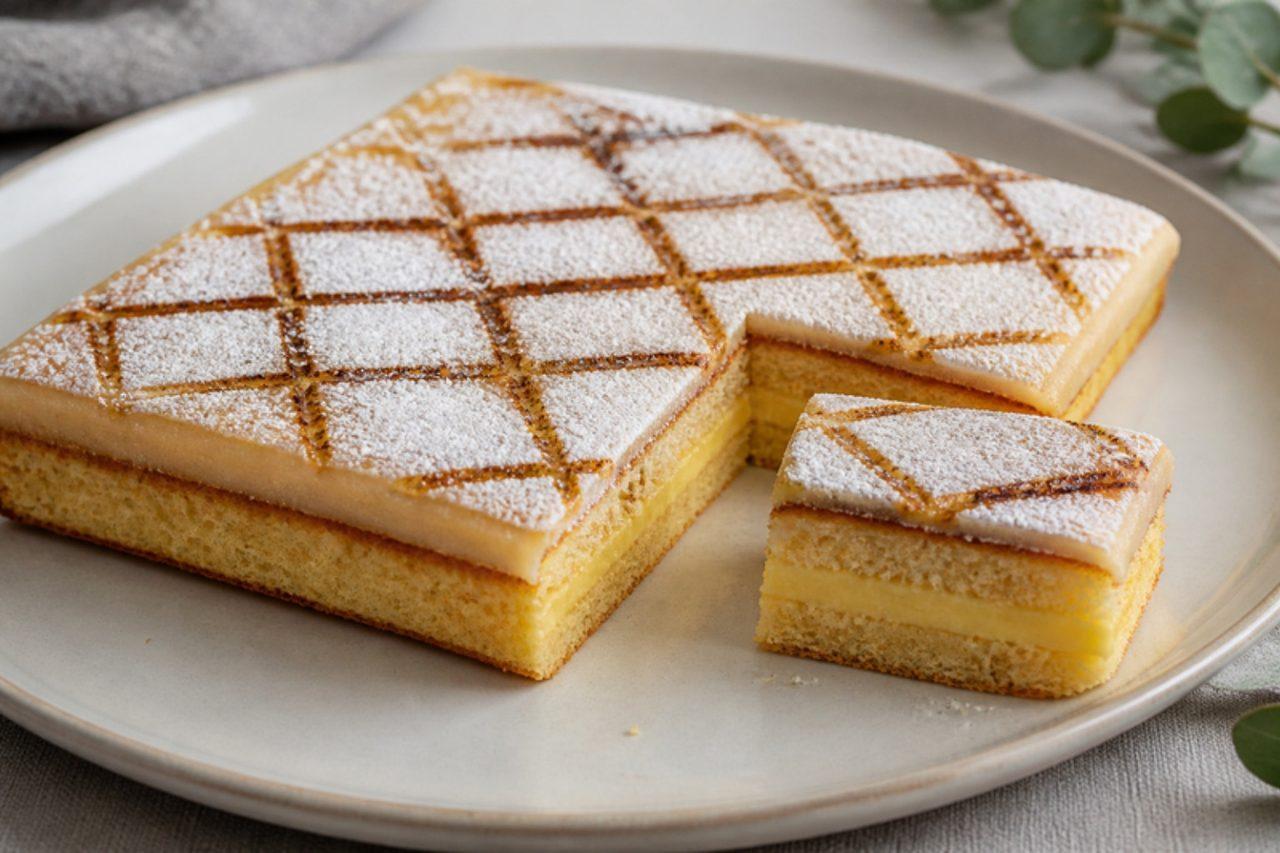
Ponche segoviano

Segovia's confiterías have sold ponche since the 1920s: layers of light sponge brushed with syrup, sandwiched with thick custard and wrapped in a thin coat of marzipan whose sugared top is branded into a diamond lattice with a hot iron. It is the cake for a family celebration, or the sweet finish after a roast suckling-pig lunch in the old town. The syrup is traditionally laced with liqueur; leave it out, or swap it for orange juice, for an alcohol-free cake. Chef's tip: let the custard cool and set completely before assembling, or the layers slide.

by KrazyBadal 0 views
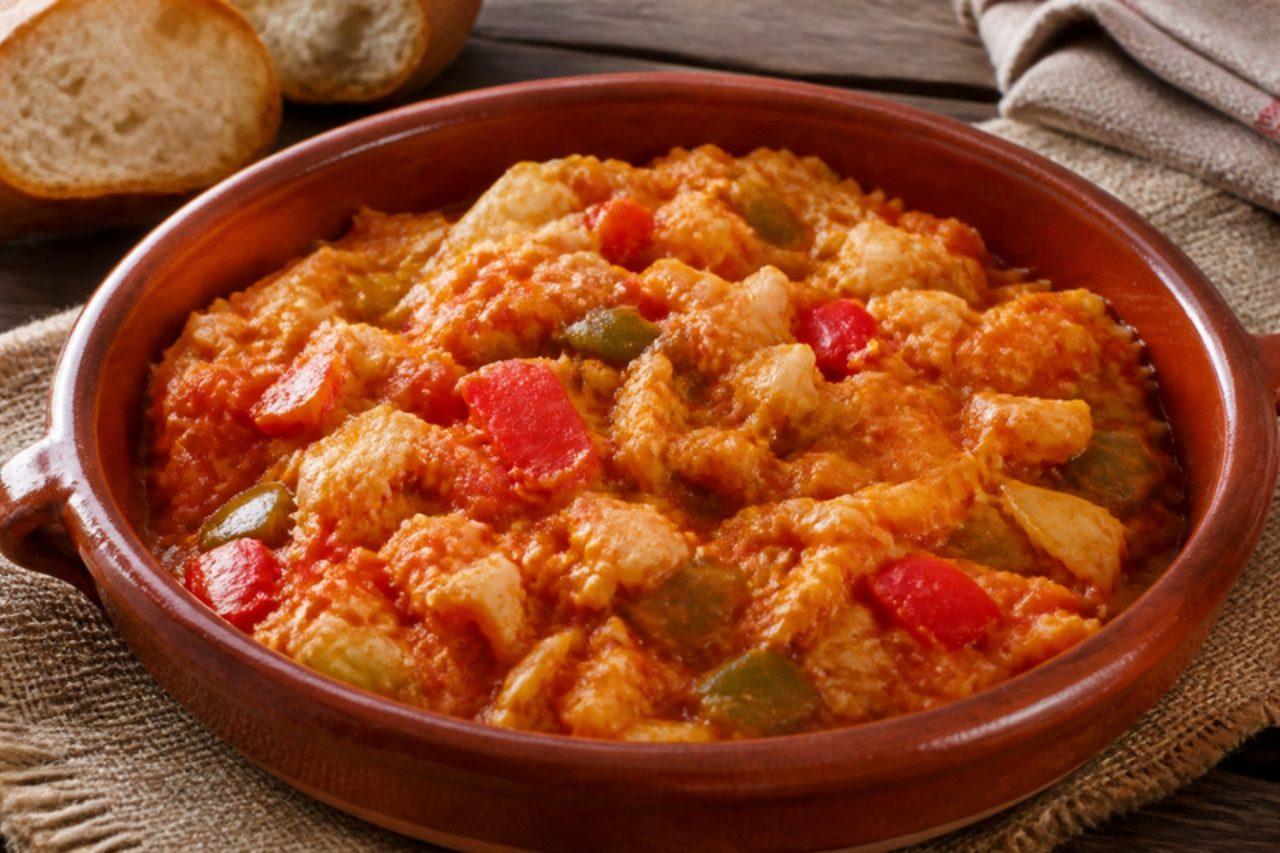
Bacalao al ajoarrieroSalt cod with garlic and pepper

The muleteers who carried goods over the mountain roads into Pamplona, the arrieros, lived on salt cod because it kept for weeks, and the garlicky way they cooked it took their name. Today ajoarriero is ordered in the bars around Pamplona's Plaza del Castillo, especially during San Fermín, and served in small earthenware dishes with bread. The Navarrese version is red with peppers, tomato and dried choricero pepper, and many cooks stir in egg at the end. Chef's tip: taste the cod after soaking and only salt the dish at the very end, if at all.

by KrazyBadal 0 views
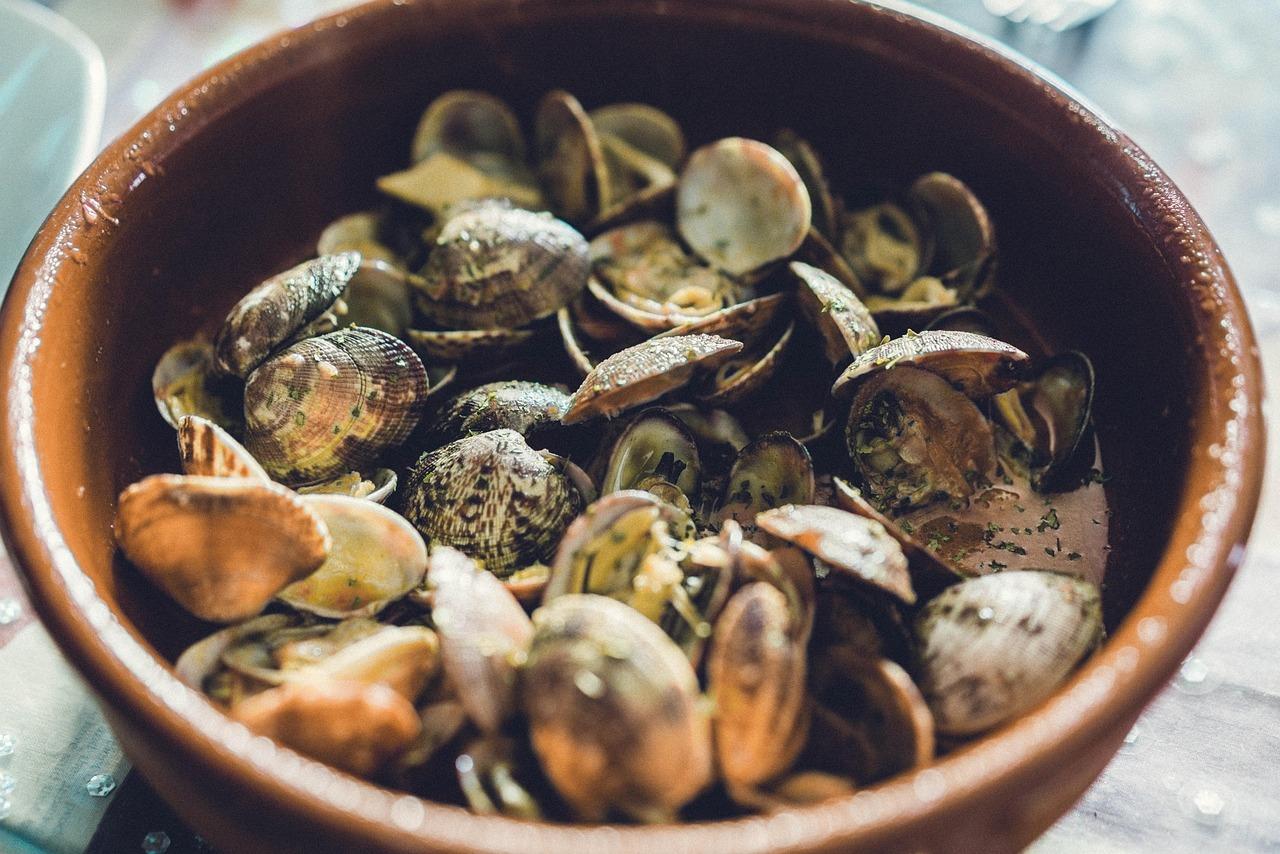
Almejas á mariñeiraClams in garlic and white wine

Carril, a fishing village on the Arousa estuary, is famous across Spain for its clams, and Galician bars serve them á mariñeira in small clay dishes with bread for the sauce. They are cooked with onion, garlic and a little paprika, and the sauce is lightly thickened with flour and loosened with white wine. This recipe contains alcohol (white wine); for an alcohol-free version, use fish stock with a squeeze of lemon. Throw away any clams with cracked shells, and any open ones that don't close when tapped, before cooking. A common mistake is overcooking: clams toughen once they open, so take them off the heat as soon as most are open. Chef's tip: soak the clams in salted water in the fridge for an hour so they spit out their sand.

by KrazyBadal 0 views
AlmojábanasGlazed choux rings

In Aragonese bakeries, almojábanas are the rings stacked by the till at Easter and for local fiestas: rings of choux-like dough that puff up hollow and airy in the oven and are then brushed with a white sugar glaze that cracks as you bite. The name comes from Arabic, and versions are found from Teruel to the Ribagorza, some flavoured with lemon and others with anise. They are best the day they are made, with a coffee or a glass of cold milk. A common mistake is opening the oven early: choux collapses if the steam escapes before the shells have set. Chef's tip: beat the eggs in one at a time and stop when the paste falls from the spoon in a thick, glossy V; you may not need the last egg.

by KrazyBadal 0 views
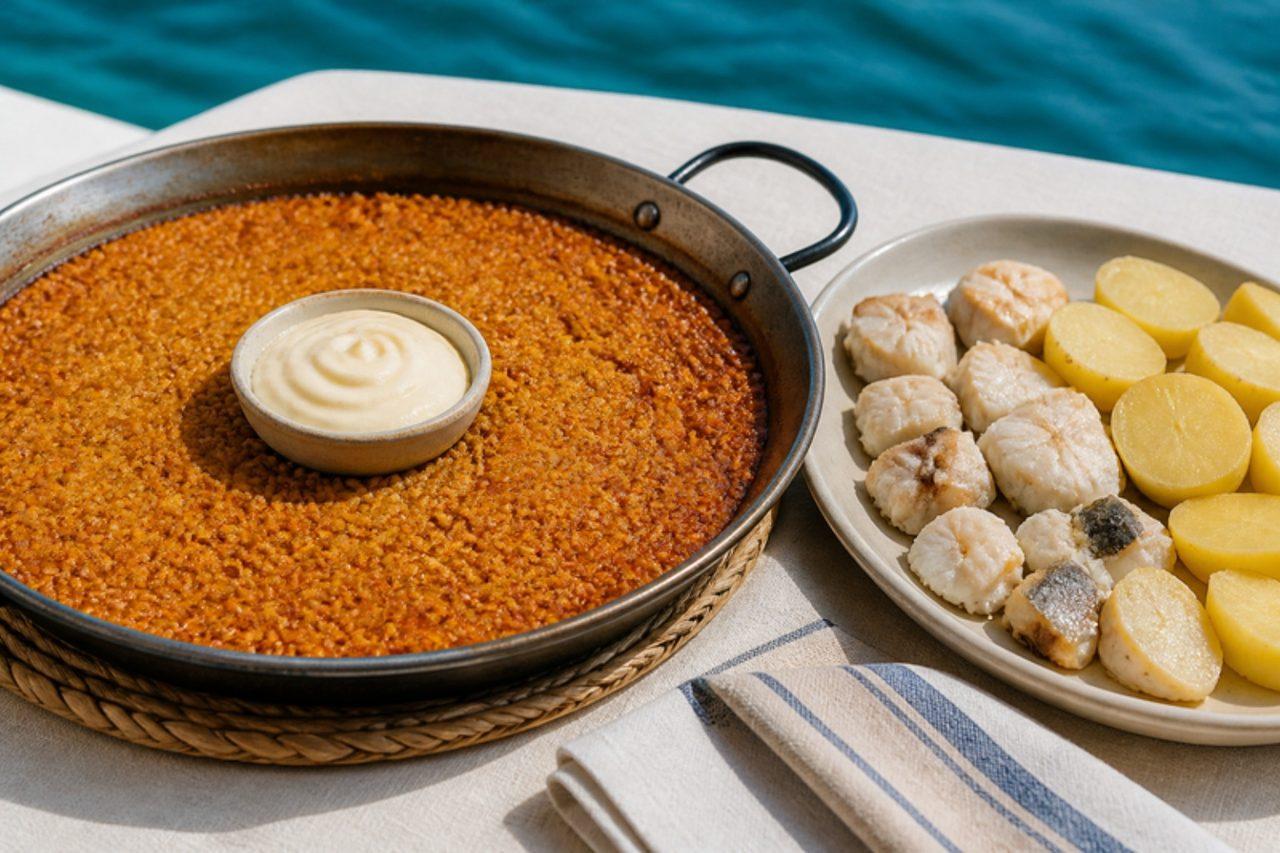
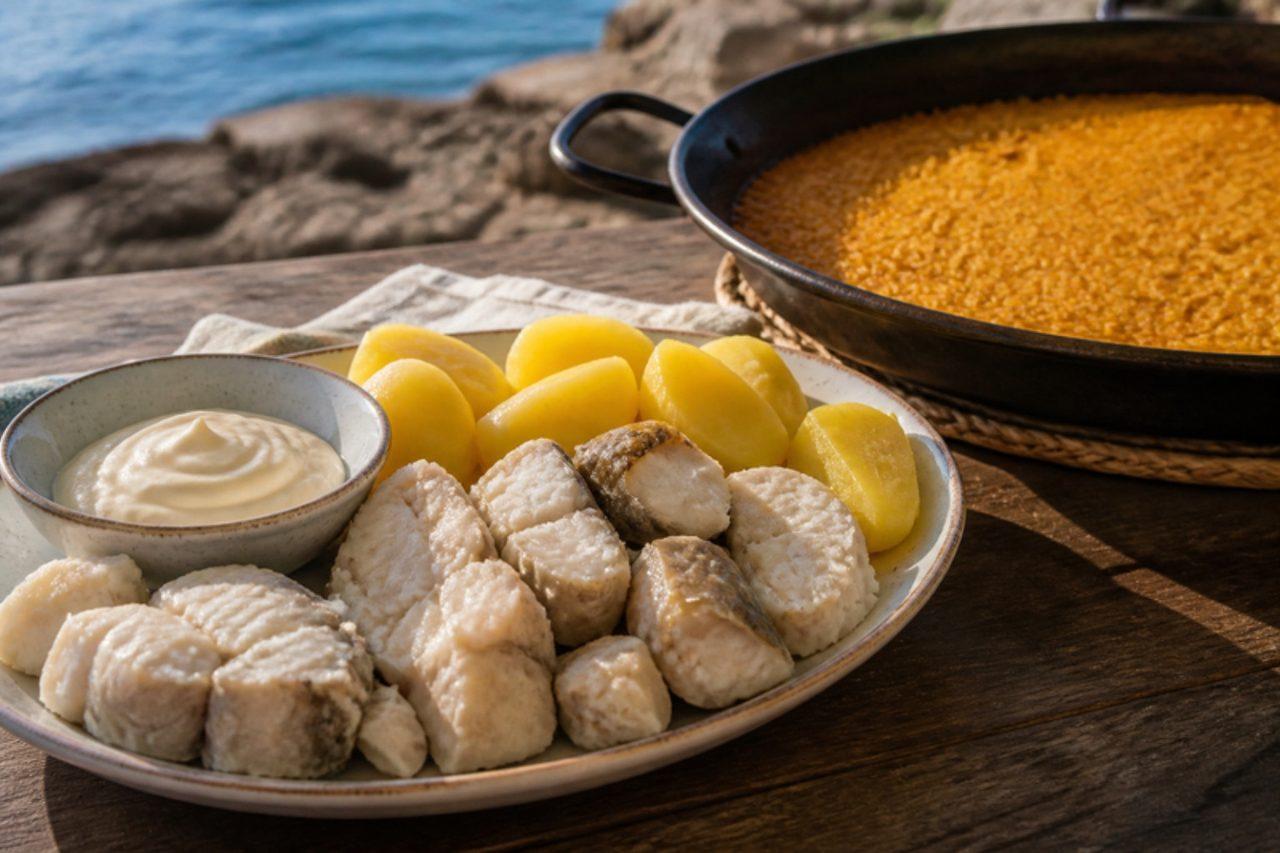
Arroz a bandaRice cooked in fish stock

Along the Alicante coast, from Santa Pola to Dénia, arroz a banda began as a fishermen's meal: the small, bony fish that wouldn't sell were simmered into a deep, rust-coloured stock, rice was cooked in it, and the fish was eaten "a banda", on the side. Today the rice comes first, thin, golden and intensely savoury, with a spoonful of allioli, and the poached fish and potatoes follow. A common mistake is a weak stock; the rice tastes of nothing more than what it cooks in, so use plenty of fish and reduce it well. The allioli here uses pasteurised egg; raw-egg allioli is not for pregnant women, young children or anyone with a weakened immune system. Chef's tip: let the rice catch slightly on the base in the last minute to form socarrat, the toasty crust everyone fights over.

115 minSpanishFishGluten free
by KrazyBadal 0 views

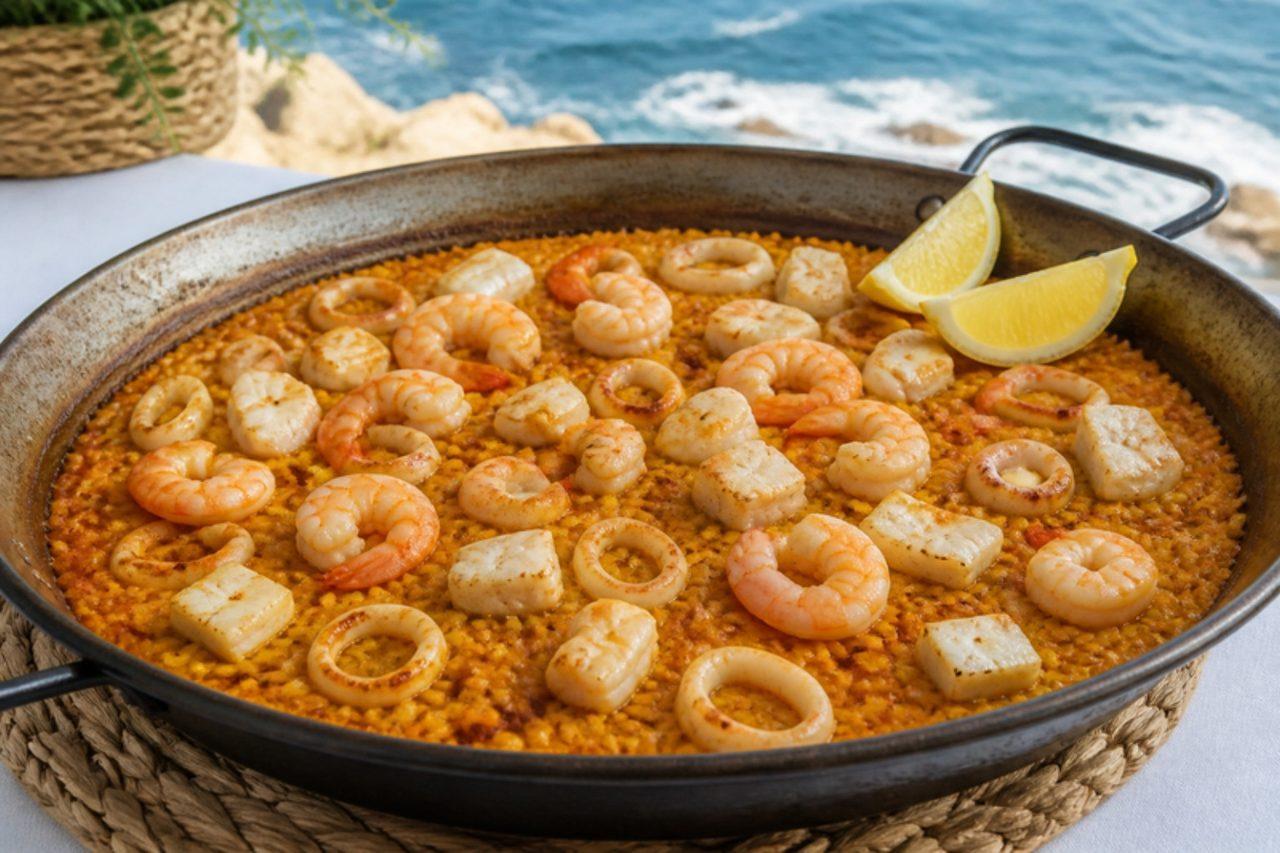
Arroz del senyoretPeeled seafood rice

The name means "the little gentleman's rice", after the well-to-do diners at Valencia's beach restaurants in Las Arenas and El Saler who refused to get their hands dirty peeling prawns. So every piece of seafood goes into the pan already peeled and cut to fork size, while the shells are fried into the stock to keep all their flavour. The result is a thin layer of saffron-gold rice dotted with sweet prawn, squid and monkfish, eaten straight from the pan on a summer Sunday. A common mistake is throwing the prawn shells away; they give the stock its depth. Chef's tip: grate the tomato rather than chopping it; the pulp melts into the sofrito and lets it darken quickly.

by KrazyBadal 0 views

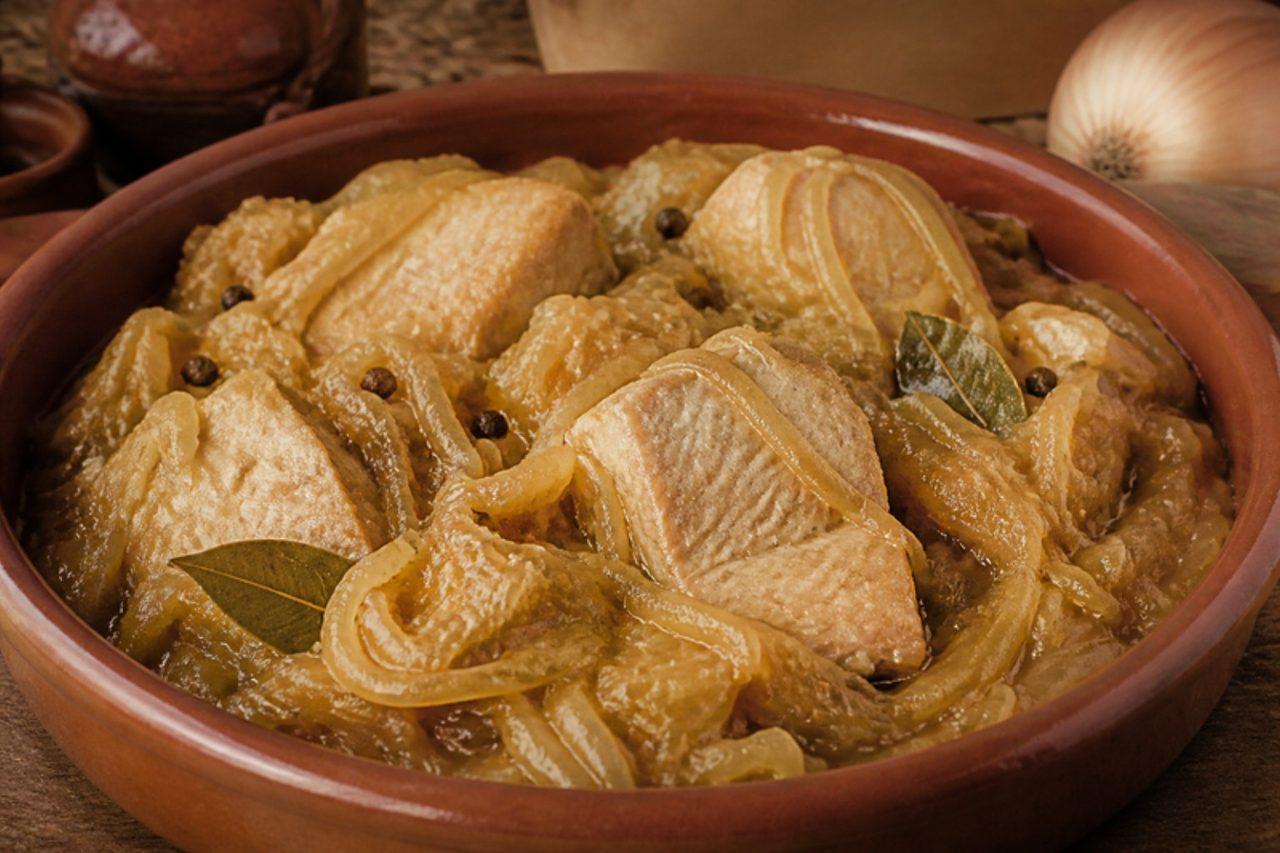
Atún encebolladoTuna stewed with onions

When the almadraba nets bring bluefin tuna ashore in Barbate and Zahara de los Atunes in May and June, households along the Cádiz coast make atún encebollado: chunks of tuna braised in a mountain of onions cooked down until sweet and golden, with bay, pepper and a splash of fino. Any good tuna steak works the rest of the year. This recipe uses wine; the alcohol-free option is in the ingredient note. Chef's tip: the onions take the time, the tuna does not; add it only for the last few minutes, or it turns dry and grey.

by KrazyBadal 0 views

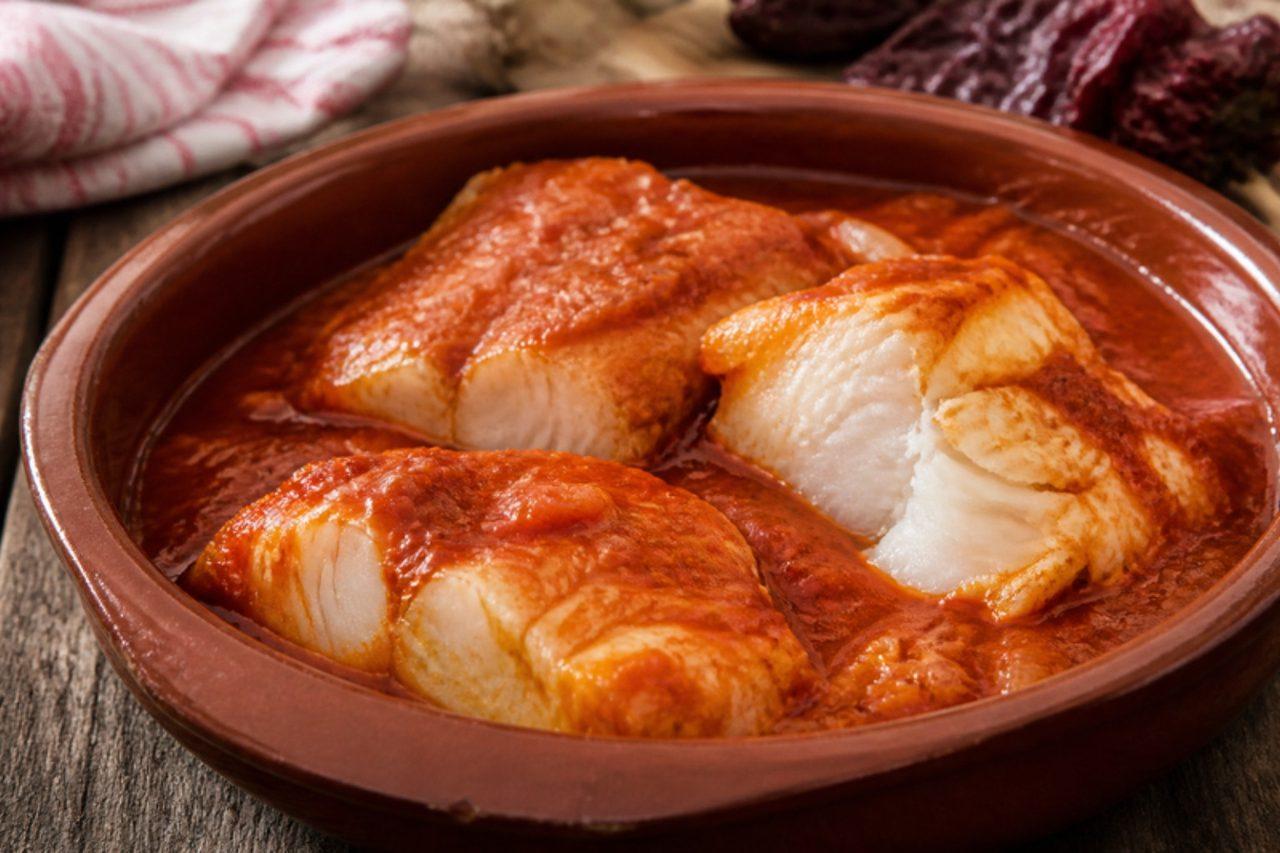
Bacalao a la vizcaínaSalt cod in red pepper sauce

Bilbao's great salt cod dish shows up every Lent and on Good Friday, and in the city's old taverns its sauce is judged as fiercely as the fish. The sauce is made only from onions cooked for a long time and the flesh of dried choricero peppers, with no tomato, which gives it its deep red colour and gentle sweetness. Salt cod needs 36–48 hours of soaking in the fridge, so start two days ahead. A common mistake is hurrying the onions: they need at least 40 minutes on a low heat to turn soft and sweet. Chef's tip: taste a flake of the soaked cod before cooking, and if it's still salty, soak it a few hours more.

105 minSpanishFishGluten free
by KrazyBadal 0 views

Rosquillas de San IsidroAniseed doughnut rings

Every 15 May, crowds head to the Pradera de San Isidro on Madrid's southern edge for the patron saint's festival, and stalls sell rosquillas by the dozen: plain "tontas" (silly ones) and iced "listas" (clever ones). Many families now bake them at home that week. Old recipes ice the listas with raw egg white; this one uses a lemon and icing-sugar glaze, which is safer and sets just as white. Chef's tip: oil your hands to shape the rings; the dough is soft and sticky by design.

by KrazyBadal 0 views

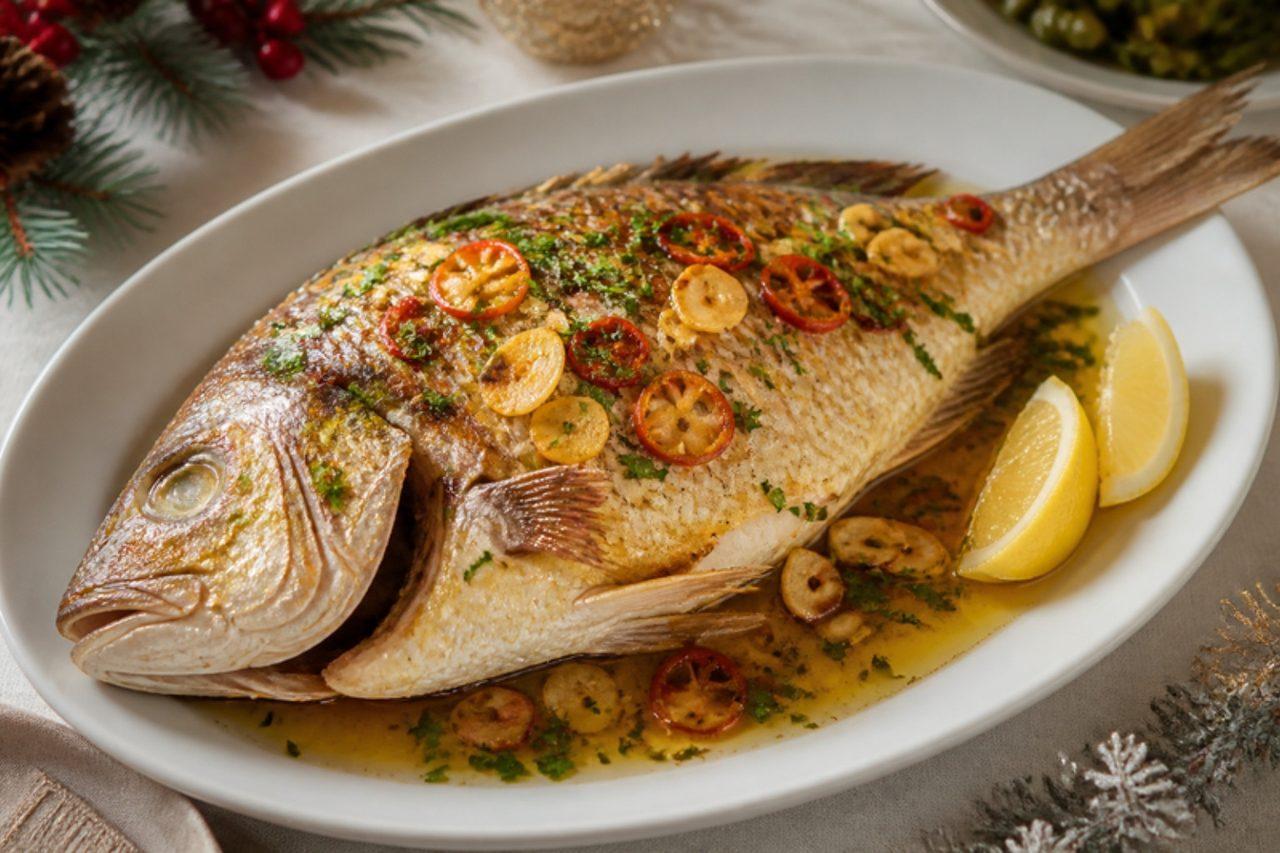
Besugo a la donostiarraSea bream with garlic vinegar dressing

For many San Sebastián families, Christmas Eve dinner isn't complete without a whole sea bream, roasted or grilled and finished with a refrito: hot olive oil with sliced garlic, dried chilli and a splash of vinegar poured over at the table. The traditional fish is red sea bream (besugo), but gilt-head bream works well. A common mistake is letting the garlic go dark brown, which makes the dressing bitter; take it off when it is pale gold. Chef's tip: cut a few slashes into the thick part of the fish so it cooks evenly and the dressing soaks in.

by KrazyBadal 0 views

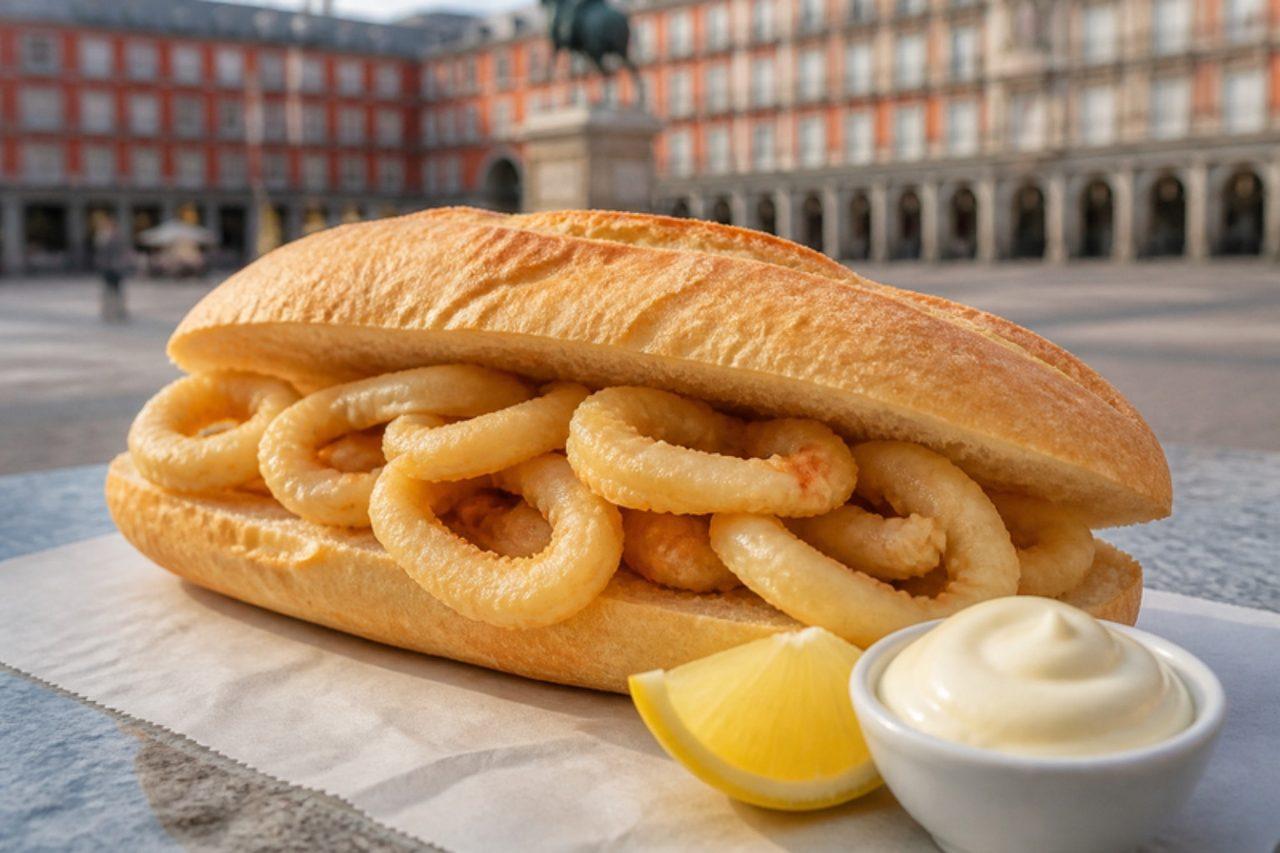
Bocadillo de calamaresFried squid sandwich

Madrid sits hundreds of kilometres from the sea, yet its most famous snack is a crusty roll stuffed with hot fried squid rings, eaten standing at the bars around the Plaza Mayor at any hour. Locals order one with a cold drink at the counter and squeeze over a little lemon; some add a smear of mayonnaise. Chef's tip: fry the squid in very hot oil and for barely a minute, so it stays tender inside a crisp coat.

by KrazyBadal 0 views

Bullit de peixFish and potatoes in saffron broth

Bullit de peix is Ibiza's two-course fishermen's lunch, still served at the beach restaurants of Cala Mastella and the fishing ports on long Sundays. First comes rockfish such as grouper, scorpionfish and John Dory, simmered with potatoes in a saffron broth and eaten with allioli; then the same broth cooks a second course, arròs a banda, rice served on its own. Use firm white fish that holds together. Chef's tip: keep the pot at a bare simmer once the fish goes in, so the pieces stay whole for the platter.

by KrazyBadal 0 views

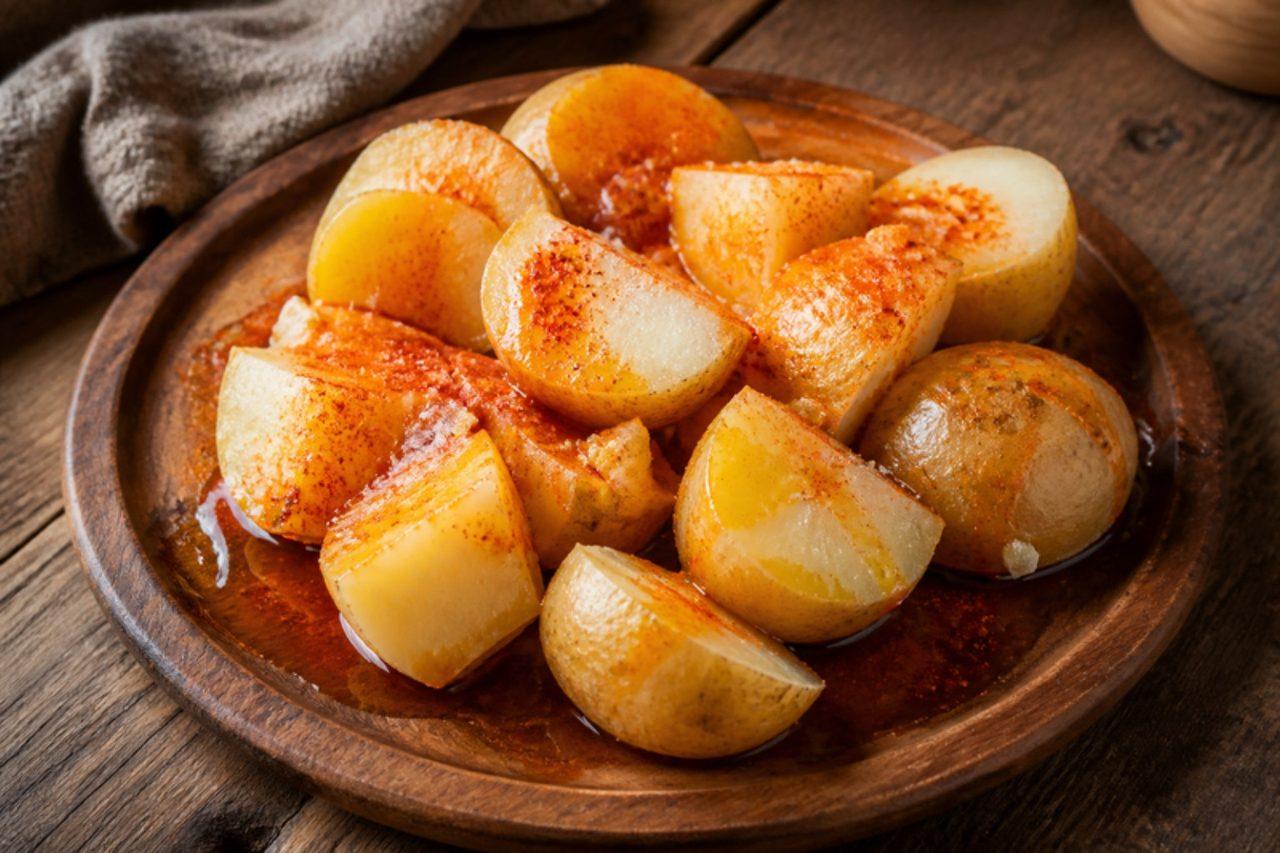
CachelosBoiled potatoes with paprika oil

At Galician fairs, and above all at O Carballiño's octopus festival every August, octopus is served on wooden plates with cachelos: potatoes boiled in their skins, cut into chunks and splashed with olive oil, coarse salt and paprika. They are just as good on their own, as a side for grilled fish or meat. A common mistake is adding paprika to sizzling oil, where it burns in seconds and turns bitter; warm the oil, take it off the heat, then stir it in. Chef's tip: boil the potatoes with a bay leaf and plenty of salt, and leave the skins on, so they stay whole and full of flavour.

by KrazyBadal 0 views

Caldeirada galegaWhite fish and potato stew

In fishing towns like Ribeira, Bueu and Muxía, caldeirada was the fishermen's way of cooking whatever the boat brought in, and it is still served at seaside restaurants and at the July fiestas of the Virgen del Carmen, patron of sailors. Unlike merluza á galega, it uses several kinds of fish, such as monkfish, ray, conger or hake, layered with potatoes and onion and cooked in very little water, then finished with plenty of ajada. A common mistake is stirring the pot, which breaks the fish into flakes; shake it gently instead. Chef's tip: put the firmest fish at the bottom and the most delicate on top, so everything finishes cooking together.

by KrazyBadal 0 views

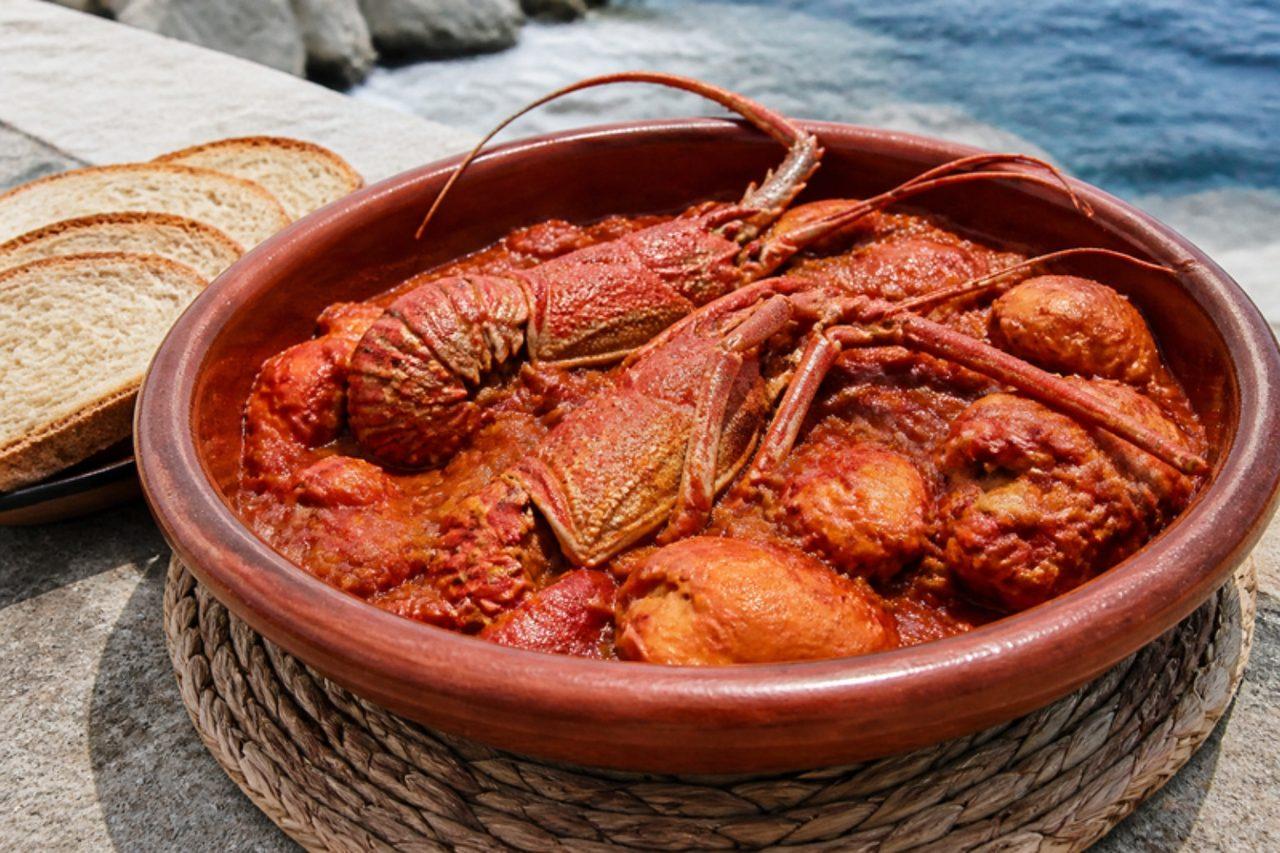
Caldereta de llagostaSpiny lobster stew

In the fishing village of Fornells, on Menorca's north coast, caldereta de llagosta is the summer splurge people plan a whole holiday around, ladled from a clay pot onto plates lined with thin slices of dry bread. Spiny lobster is cut into pieces and simmered in a deep, tomato-rich sofrito with onion, green pepper and garlic, then thickened with a picada of the lobster's own liver, almonds and parsley. A splash of brandy is common; it is optional here, and the stew is just as good without. Chef's tip: let the sofrito cook until dark and jammy before the lobster goes in, because that slow base is where the broth gets its depth.

by KrazyBadal 0 views

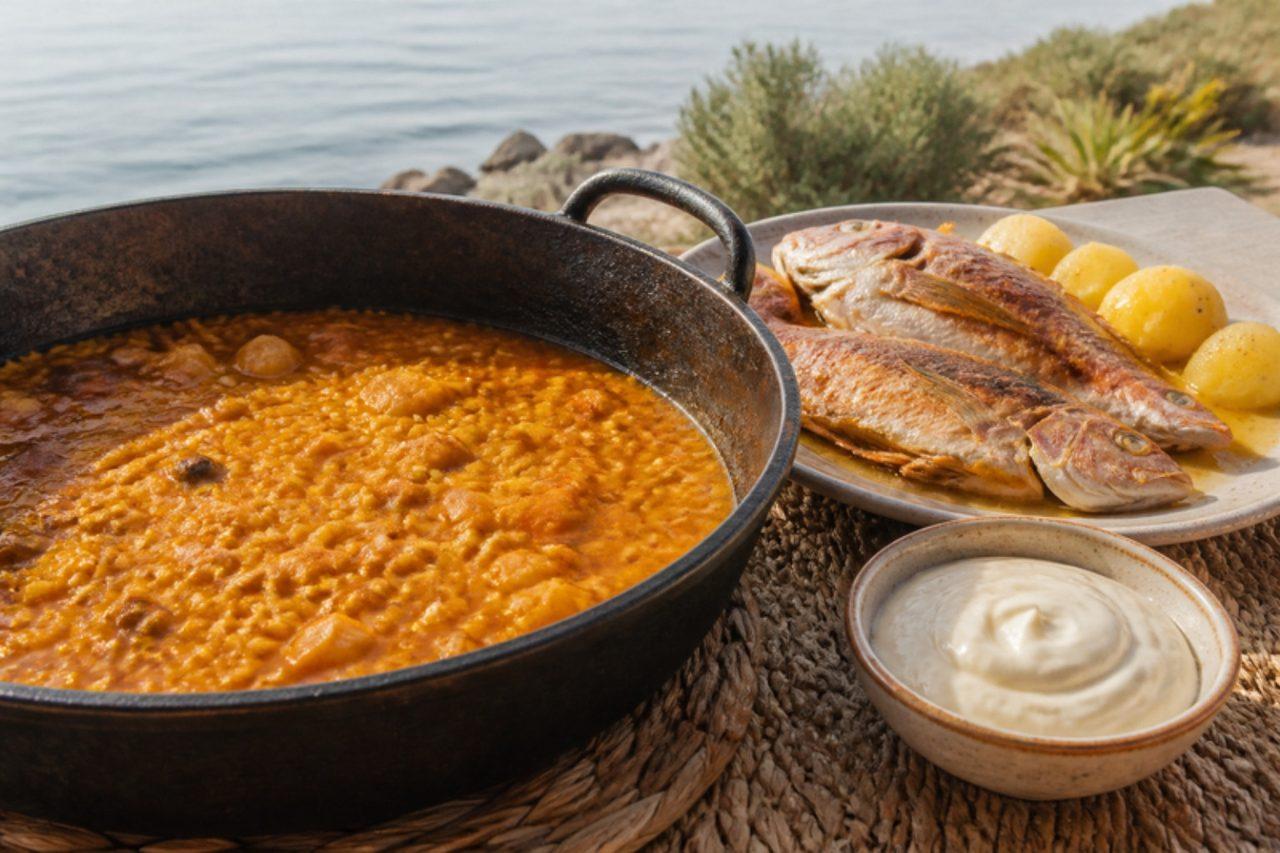
Caldero del Mar MenorFish rice with allioli

Fishermen on the Mar Menor lagoon and at Cabo de Palos cooked caldero on board in a black iron pot: the catch of rockfish and grey mullet made a broth red with fried ñora peppers, the rice was cooked in it, and the fish was eaten separately with garlicky allioli. Restaurants along the lagoon at San Pedro del Pinatar and Los Alcázares still serve it in two courses, and Calasparra rice from inland Murcia is the classic choice. Chef's tip: ask the fishmonger for the heads and bones of the fish too; they make the broth.

115 minSpanishFishGluten free
by KrazyBadal 0 views

Carajitos del profesorCrisp hazelnut biscuits

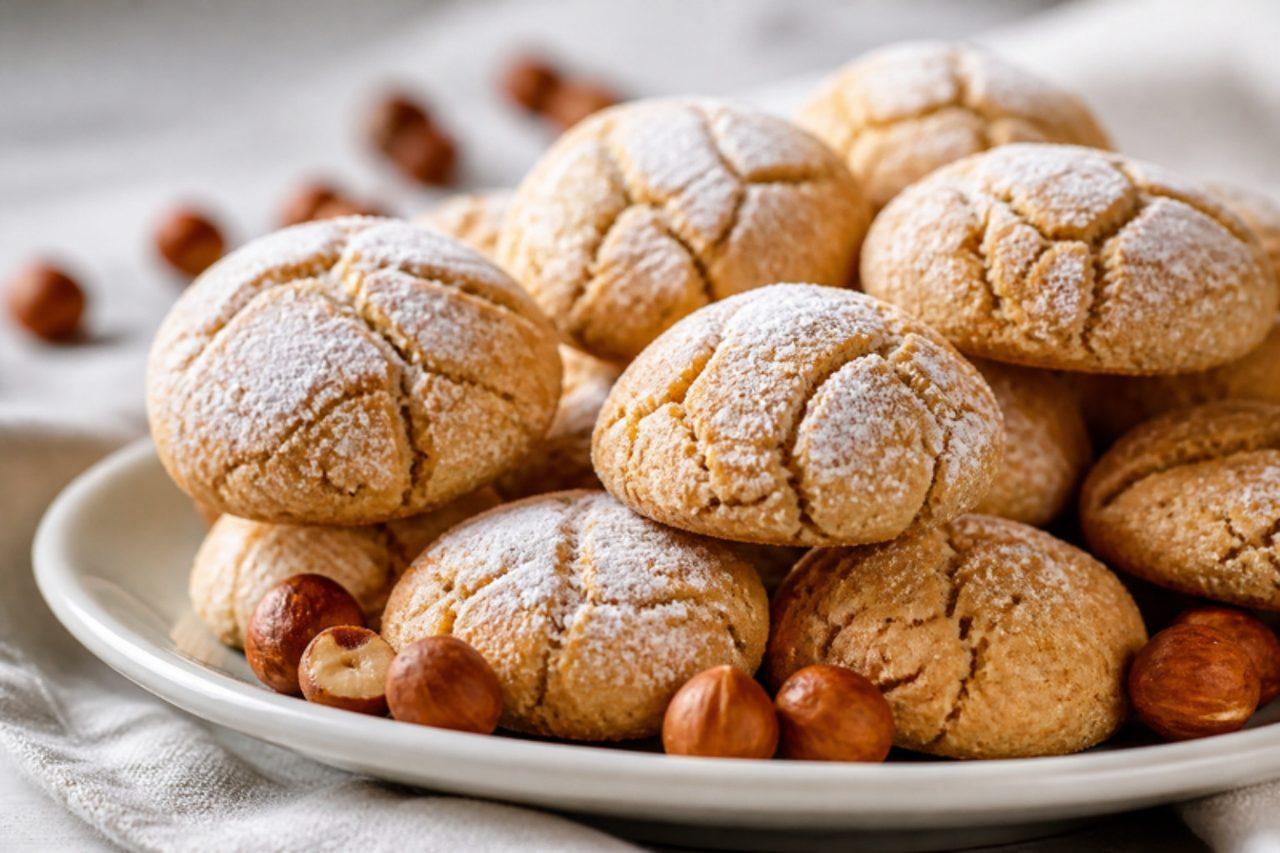
Salas, a small town on the old pilgrim road through western Asturias, is known for these cracked, chewy mounds of toasted hazelnut and sugar. Local lore says they were first baked for a teacher at the town's school, and the pastry shops still sell them by the bag to travellers and to families heading home from Sunday market. They need only three ingredients and no flour, so they suit anyone avoiding gluten. Chef's tip: toast the hazelnuts until they smell like praline before grinding them; it is what gives the biscuits their deep flavour.

by KrazyBadal 0 views

Showing 24 of 73 recipes

Show more recipes

Page 1 of 4