Skip to content
Recipes

All recipes

Vegetarian, or something you can't eat? Set your diet once and we'll hide recipes that don't fit.

Ají amarillo pasteYellow chilli paste

In Lima's markets ají amarillo is sold fresh all year, and most Peruvian cooks keep a tub of this paste in the fridge the way others keep tomato purée: it is the golden base of causa limeña, ají de gallina, papa a la huancaína, chupe and the sauce for tiraditos. The chillies are seeded, de-veined and blanched in three changes of water, which tames the heat and the raw grassiness, then peeled and blended with oil into a thick, silky, saffron-orange paste. It tastes fruity and sunny, almost like apricot and passion fruit, with a rounded, medium heat. Abroad, buy whole frozen ají amarillo from Latin grocers; dried ají mirasol, soaked, gives a darker, earthier paste. Common mistake: skipping the peeling; the thin skins leave papery flecks and a bitter edge. It is ready when it is completely smooth and holds a soft peak like thick hummus. This is a low-acid paste: keep it in the fridge for a week or freeze it, never on the shelf. Chef's tip: freeze it in an ice-cube tray; one cube is about a tablespoon, just right for a pot of ají de gallina.

by KrazyBadal 0 views

Morcilla dulceSweet blood sausage with walnuts

No Uruguayan parrilla is complete without morcilla dulce: a soft pork blood sausage sweetened with sugar and scented with orange peel, studded with walnuts and raisins, grilled until the skin crisps and served first, as part of the achuras, while the beef is still cooking. It is pork throughout: pork blood, pork back fat and natural pork casings. Making it at home is a project. Buy fresh pork blood with an anticoagulant added from a butcher who supplies it for sausage making, keep it chilled below 4 °C and use it within a day. The common mistake is poaching at a rolling boil, which bursts the casings. Chef's tip: keep the water at 80–85 °C, just shivering, and prick a sausage after 25 minutes: it is done when brown, not red, juice comes out.

by KrazyBadal 0 views

Pescado en hoja santaFish wrapped in hoja santa

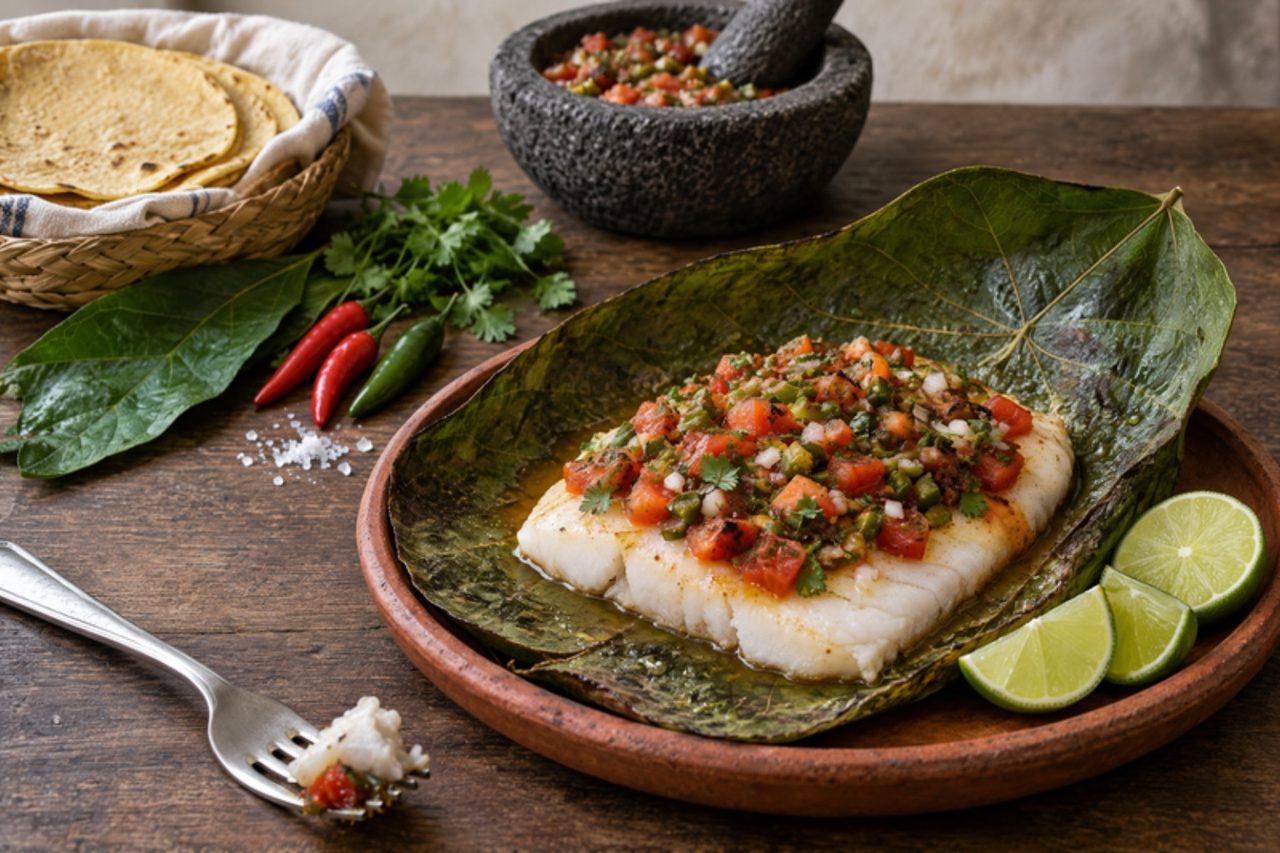
Hoja santa is a big, heart-shaped leaf with a sweet aniseed and pepper scent, and in Veracruz and Oaxaca cooks wrap fish in it for a weekday lunch or a Lenten Friday meal. Fillets are seasoned, topped with tomato, onion, jalapeño and garlic, folded into the leaves and baked or steamed so the fish takes on the perfume. Suitable as part of a balanced diet: lean, high-protein fish with vegetables and no flour. About 230 kcal and 7 g carbohydrate per portion; serve with salad or a couple of corn tortillas. The usual mistake is wrapping too loosely, so the juices run out and the fish dries. If you cannot find hoja santa, use banana leaf with a few fennel fronds or tarragon sprigs. Chef's tip: pass each leaf over a gas flame for a second; it softens and folds without tearing.

by KrazyBadal 0 views

BusecaTripe and white bean stew

Buseca arrived in Montevideo with Italian immigrants from Lombardy and became a classic winter dish of Uruguayan bodegones and family kitchens, eaten on cold June and July days. Honeycomb tripe is simmered until tender, then stewed with white beans, pork chorizo, bacon, peppers, tomato and paprika into a thick, warming stew served with crusty bread. Buy tripe that is already cleaned and blanched (dressed). The usual mistake is undercooking the tripe: it needs a full 2 hours, until it's soft enough to cut with a spoon. Slow-cooker option: after step 4, cook on low for 8 hours. Chef's tip: a little grated lemon zest and parsley stirred in at the end lifts the rich, gelatinous sauce.

by KrazyBadal 0 views

Chipotles en adoboSmoked jalapenos in adobo sauce

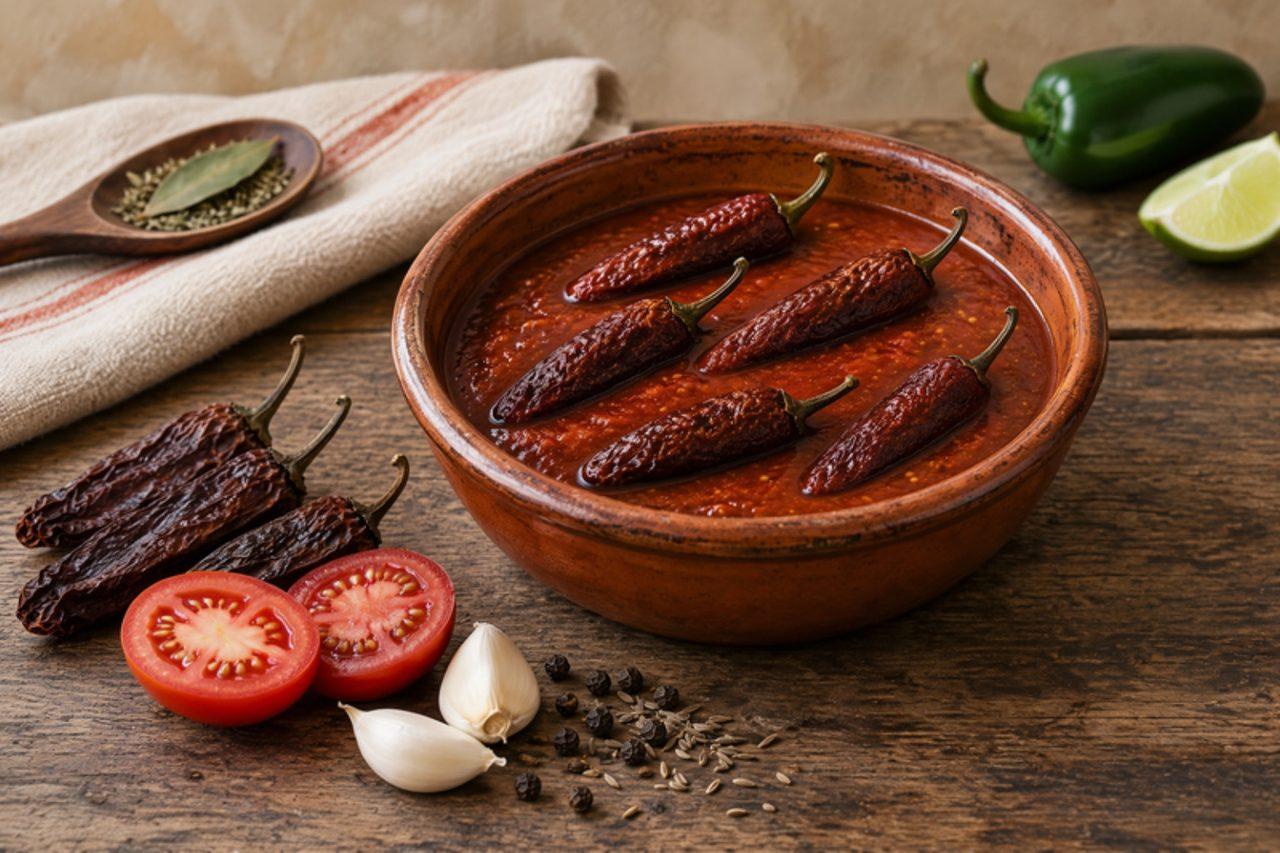
Chipotles are ripe jalapeños smoked slowly over wood until leathery; in Puebla and Veracruz the reddish, plump mora type is the everyday one, and the tan, leathery meco is prized for its deeper smoke. Simmered in a sweet-sour adobo of tomato, onion, garlic, vinegar and piloncillo, they become the soft, glossy chillies that go into tinga poblana, albóndigas en chipotle, bean soups and a quick chipotle mayonnaise. Homemade, they are smokier and less sugary than the tinned kind, with sauce that is brick red, tangy and thick enough to coat a spoon. Common mistake: toasting the dried chillies too long; a few seconds a side is enough, because scorched chillies make the whole jar bitter. This is a low-acid chilli preserve, so it is kept in the fridge or freezer, never canned in a water bath. It is ready when the chipotles are plump and soft enough to crush with a spoon and the adobo has reduced to a glossy sauce. Chef's tip: blend one or two chillies with their sauce and freeze it in an ice-cube tray, so you can add a single cube to a pot.

by KrazyBadal 1 views

Tacos de guisado (picadillo and rajas con crema)

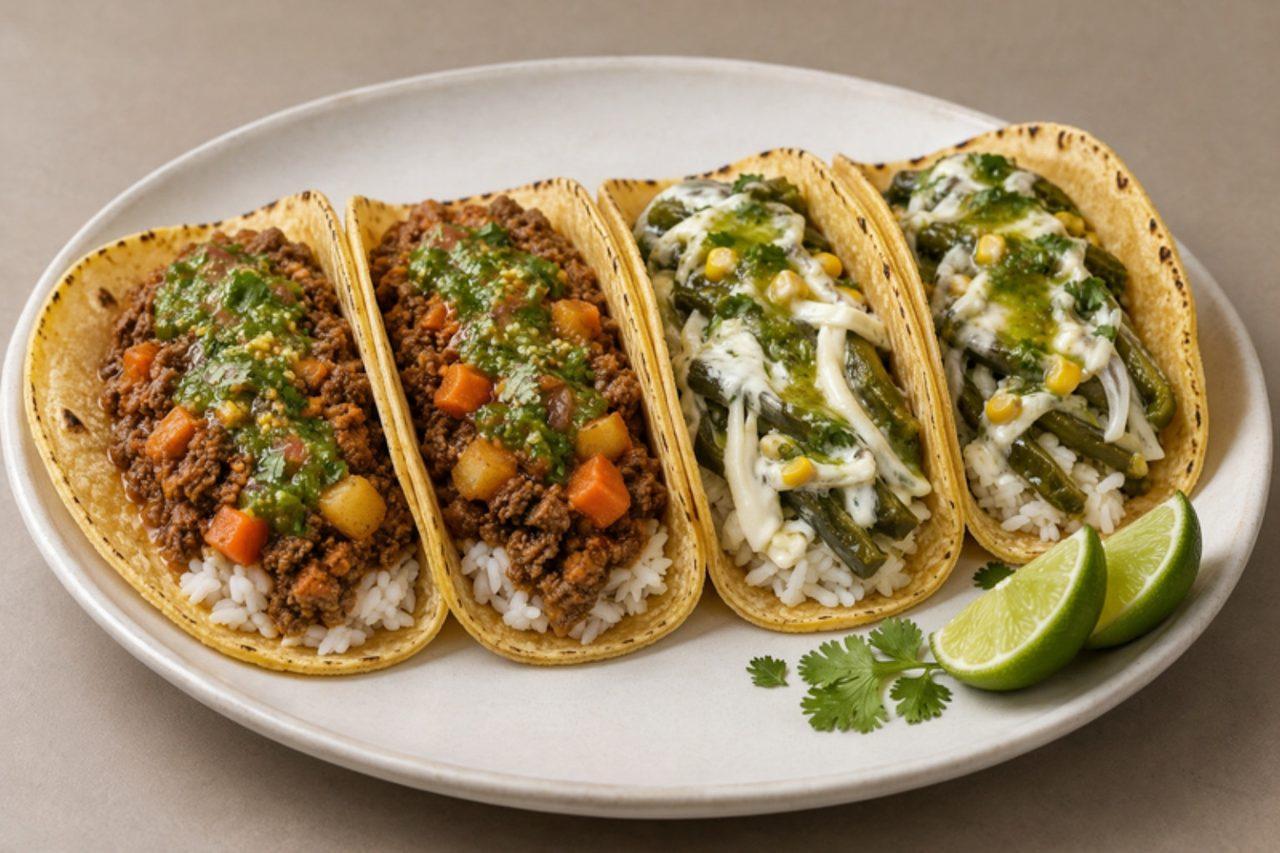
From about nine in the morning, guisado stalls set up on corners near offices and markets all over Mexico City, from the famous counters on Calle Ámsterdam in the Condesa to the stands outside the Mercado de Medellín. Clay pots line the counter, each with a different home-style stew: chicharrón in salsa verde, potato with chorizo, mole and many more. You point, and they spoon it into two warm tortillas. This home version makes two of the favourites, a tomatoey beef picadillo with potato and carrot, and smoky poblano strips with corn in cream. Chef's tip: always double the tortillas, as the stalls do; one tortilla tears under a juicy stew.

by KrazyBadal 0 views

Escabeche de pescadoFried fish in sweet-sour onion sauce

In Lima, escabeche de pescado belongs to the criollo kitchen of the old city: it turns up on Friday lunch menus, on buffet tables, and above all in Lent and Holy Week, when families eat fish and this dish can be made the day before. Fish is fried until golden, then covered in a warm sauce of thick-cut red onion softened in oil with garlic, ají amarillo, ají panca, cumin and vinegar, and left to cool so the flavours soak in. It is served cold or at room temperature with boiled sweet potato, hard-boiled egg and purple botija olives. It tastes tangy, sweet and gently fruity-hot, with crunchy onion over tender fish. The fish here is fully cooked, but because it is a cold seafood dish, pregnant people, babies, older people and anyone with weak immunity should eat it well chilled and within 2 days. Common mistake: stewing the onions until limp; they should only lose their raw bite. It is ready when the sauce has soaked a little into the fish and smells of vinegar and toasted chilli. Chef's tip: use thick fillets of corvina or bonito; thin fillets break under the sauce.

by KrazyBadal 0 views

Postre MassiniCustard sponge with burnt sugar top

Montevideo's birthday cake of choice since the early twentieth century, the Massini is two thin layers of sponge sandwiching a thick filling of whipped cream folded with egg-yolk custard, crowned with a thin glassy crust of torched yolk and sugar. Bakeries across Uruguay sell it on Sundays. Traditional versions sometimes add a sweet fortified wine to the custard; this one is alcohol-free. The custard is cooked to a safe 71 °C. The common mistake is assembling with warm custard, which melts the cream into a puddle. Chef's tip: if you don't have a blowtorch, put the sugared top under a very hot grill for a minute and watch it closely.

by KrazyBadal 0 views

Tacos campechanosBeef, sausage and crackling tacos

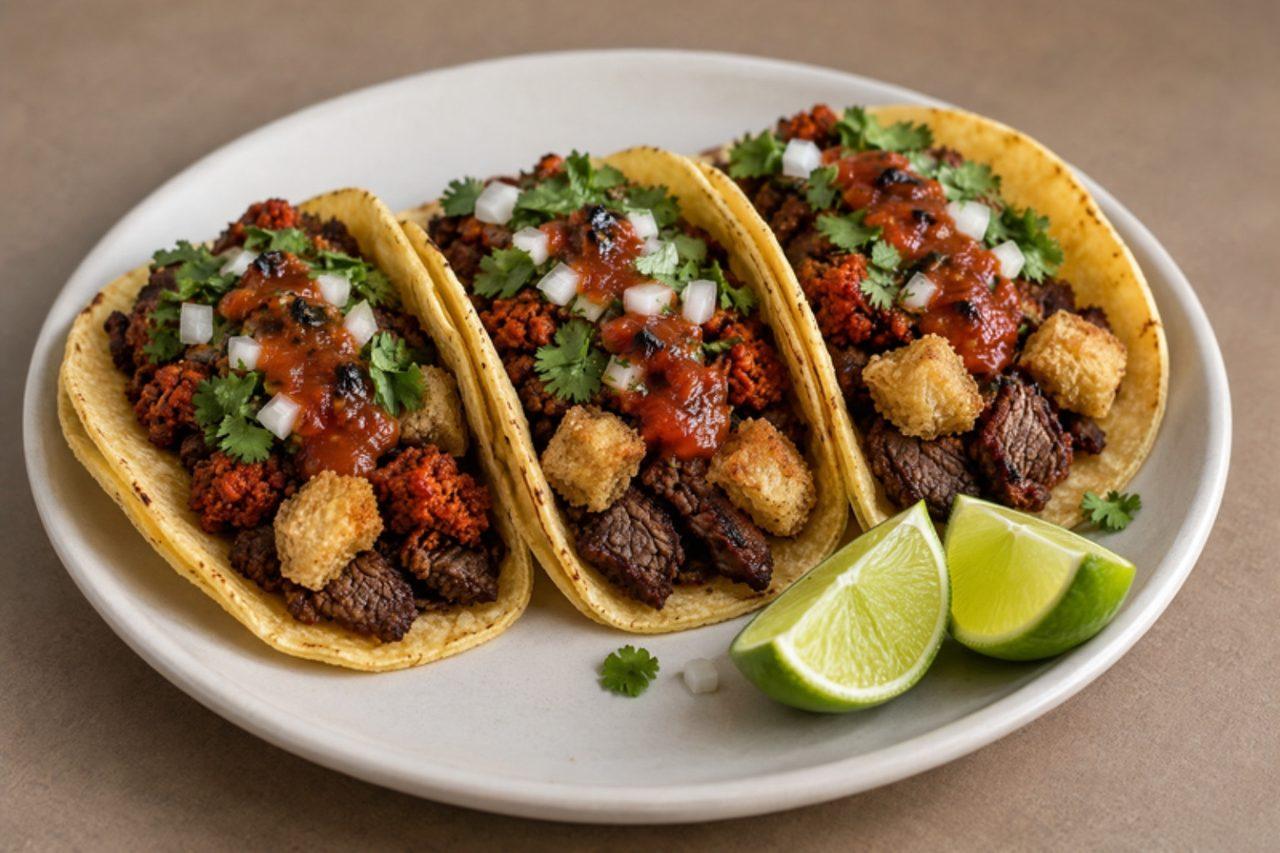
Campechano means a mix, and in the late-night taquerías of Mexico City's Centro Histórico, such as the tiny counters on Calle Bolívar, you order these when you can't decide. The taquero chops griddled steak and crumbly pork longaniza together, then throws in crisp pork crackling that soaks up the juices while keeping a little crunch. Topped with onion, coriander and salsa, they are a classic after-midnight bite. The sausage is pork and must be cooked through. Chef's tip: warm the tortillas in the fat left in the pan; it gives them the same flavour as at the stand.

by KrazyBadal 0 views

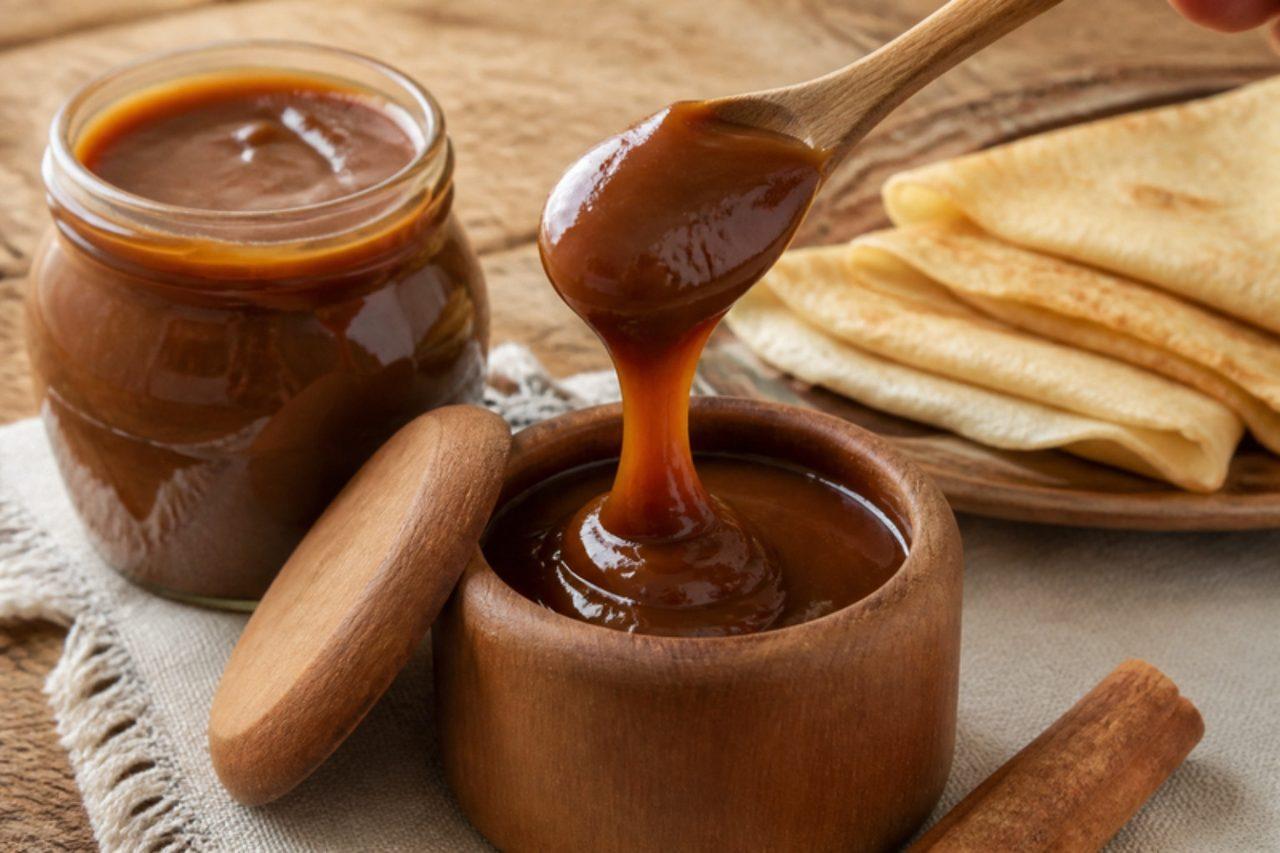
Cajeta de CelayaGoat milk caramel

Celaya, in the Bajío of Guanajuato, has made cajeta for centuries, once packing it into little wooden boxes (cajetes) that gave it its name. It is caramel cooked from goat's milk, so it is looser and has a gentle tang compared with the cow's-milk dulce de leche of Argentina. Mexicans spread it on crêpes and churros, pour it over ice cream, sandwich it between obleas (wafers) and turn it into glorias. A splash of rum-flavoured 'envinada' cajeta exists, but this one is plain and alcohol-free. Chef's tip: use a pan at least three times the volume of the milk; it foams high when the bicarbonate goes in.

by KrazyBadal 0 views

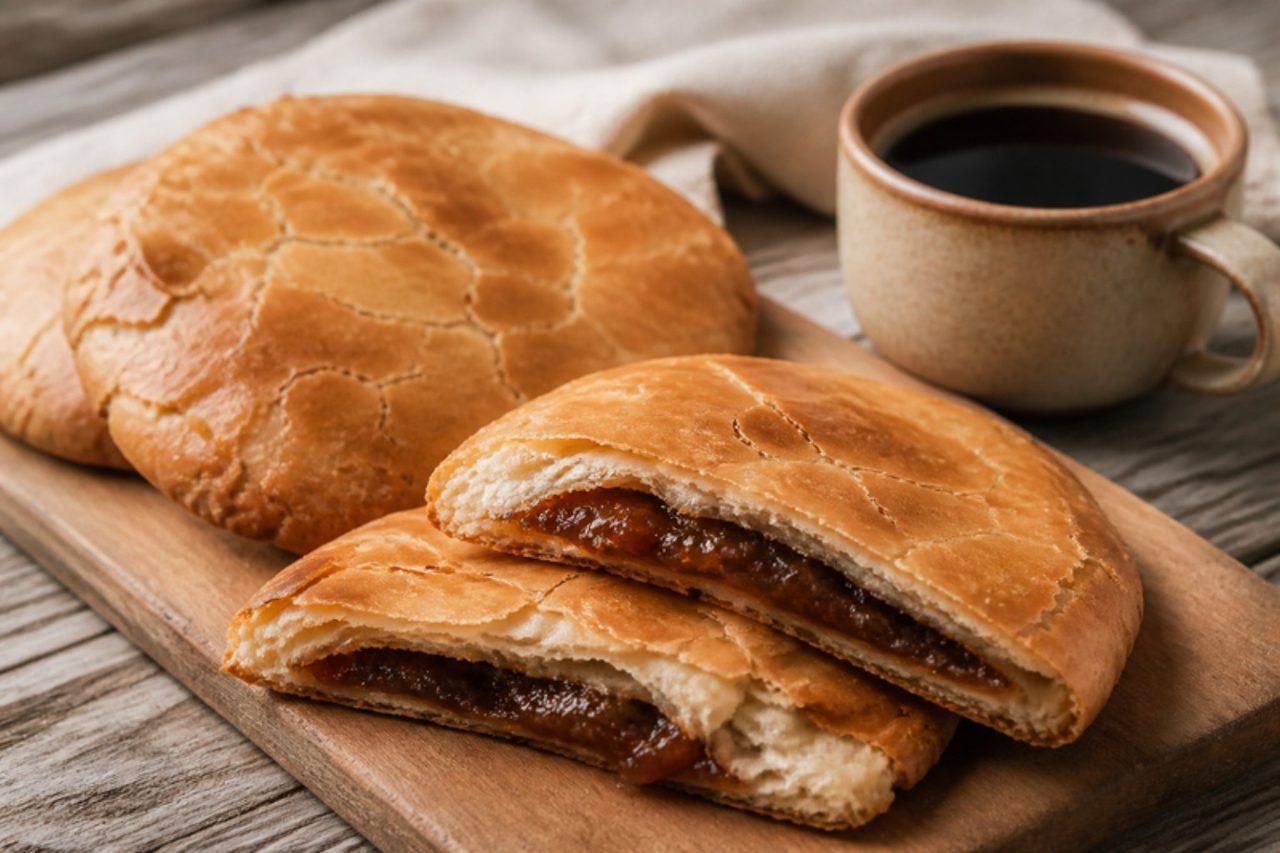
CoyotasPiloncillo-filled turnovers

Coyotas were first baked in the Villa de Seris neighbourhood of Hermosillo, and today Sonorans buy them by the dozen in paper bags to eat with morning coffee or take as a gift when they travel. They are flat, round, pale pastries with a crisp, crumbly crust and a thin layer of molten piloncillo inside, like a giant cookie with a toffee middle. Some bakers add guava or cajeta, but brown sugar loaf is the classic. Chef's tip: pinch the edges firmly and prick the tops; otherwise the hot sugar bubbles out and burns on the tray.

by KrazyBadal 0 views

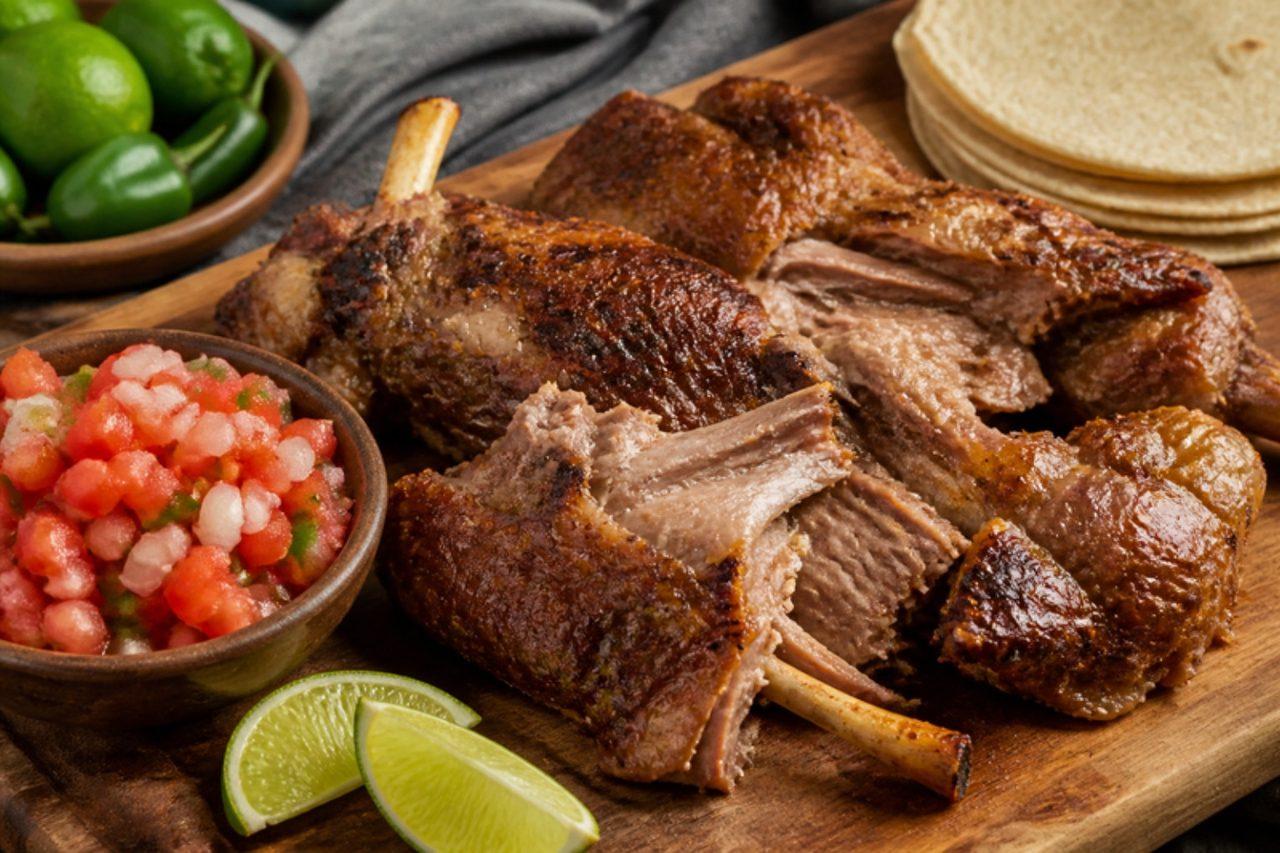
Cabrito al pastorSlow-roasted young goat

Monterrey is the capital of cabrito: young milk-fed goat spread on a stake and roasted slowly beside glowing wood embers, the speciality of the city's big grill restaurants and of weekend family feasts in Nuevo León. The meat is pale, delicate and juicy with crackly, salty skin, and it comes with salsa, flour tortillas, guacamole and a bowl of frijoles charros. Kid goat is hard to find, so this home-oven version also works with a bone-in lamb shoulder, which is a little fattier but just as good; ask a halal or specialist butcher for goat. Chef's tip: roast it covered and low first, then uncover and blast it at the end; starting at high heat is what dries out lean goat.

240 minMexicanMeatGluten free
by KrazyBadal 0 views

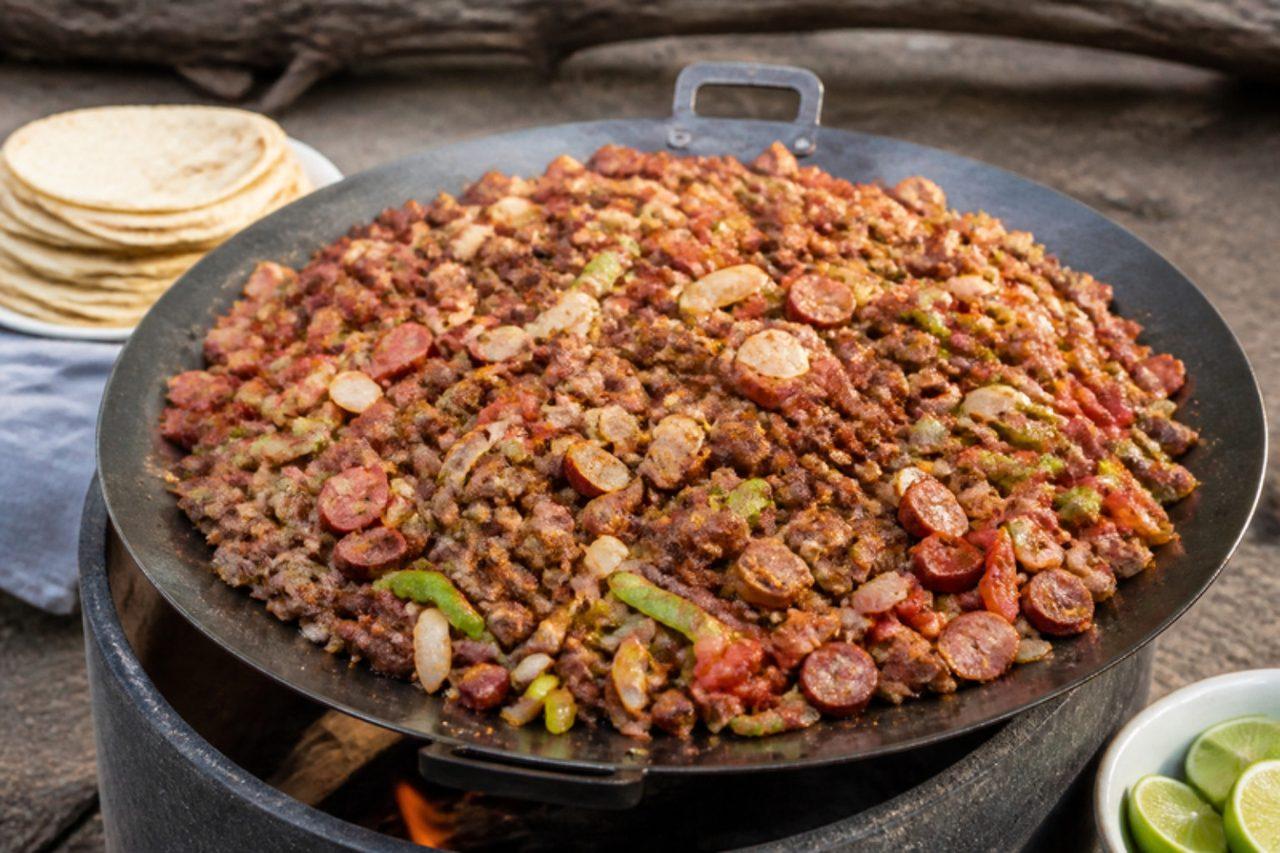
Discada norteñaMixed-meat skillet with peppers and onions

In Chihuahua and across the northern ranchlands, discada is party food: a worn-out plough disc is set over a wood fire and filled, one by one, with bacon, pork chorizo, beef, ham and sausages, then peppers, onions and tomatoes, while everyone stands around with tortillas. It is a big, smoky, pork-heavy dish, made with pork bacon, pork chorizo and ham, and many cooks splash in beer near the end, for which stock is a fine alcohol-free swap. At home, a large wok or your widest heavy skillet does the job. Serve it straight from the pan with corn tortillas, salsa and lime. Chef's tip: add the meats in order, fattiest first, so each one browns in the fat of the last.

by KrazyBadal 0 views

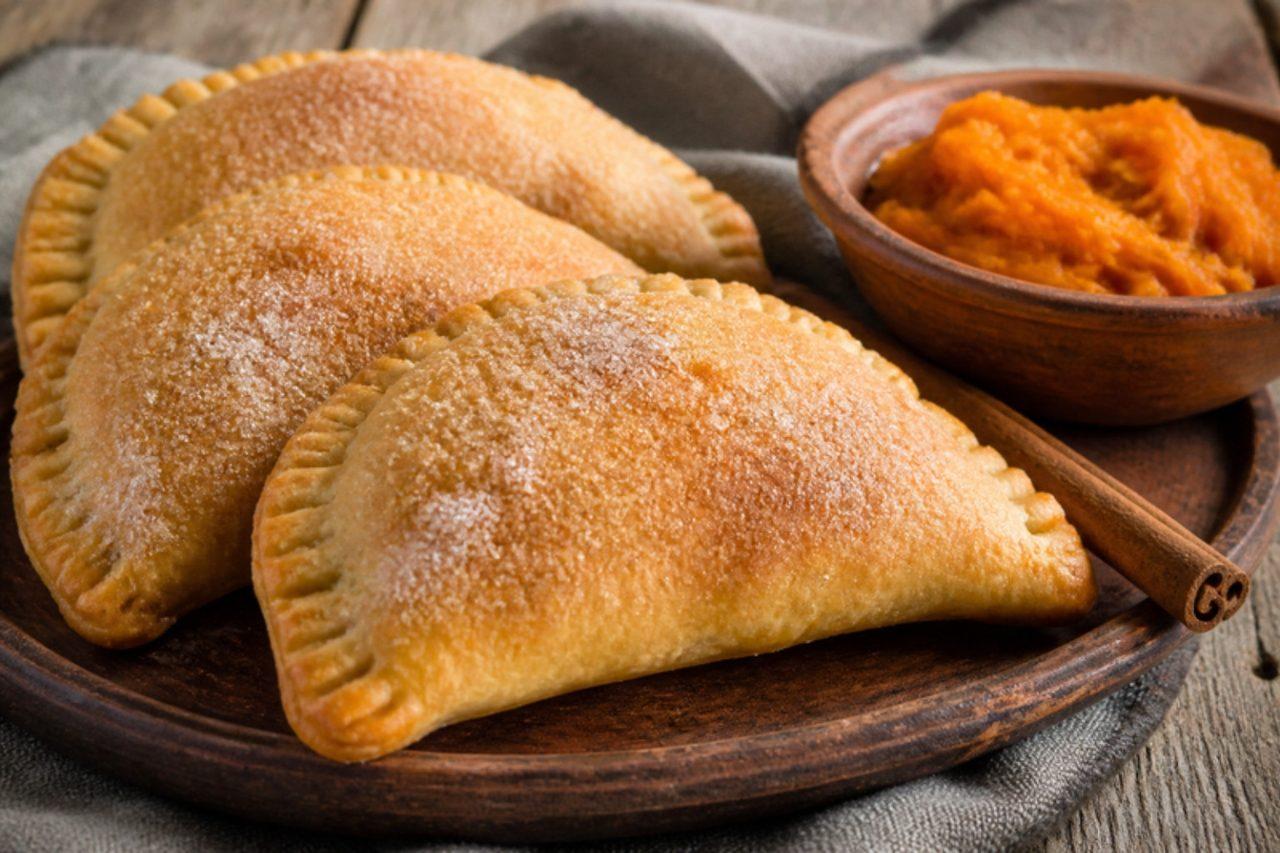
Empanadas de calabazaSweet pumpkin turnovers

When the cold fronts reach Monterrey in November, panaderías start stacking trays of empanadas de calabaza next to the conchas, and families bake them at home for Day of the Dead and Christmas. A tender, lightly sweet pastry is folded around a thick purée of pumpkin cooked with piloncillo, cinnamon and anise, so each half-moon tastes like a spiced pumpkin pie you can hold. They are eaten with café de olla or a glass of milk. Chef's tip: cook the filling until a spoon leaves a trail across the pan; watery pumpkin turns the pastry soggy.

by KrazyBadal 0 views

Tortitas de Santa ClaraShortbread with pumpkin seed cream

The nuns of the Santa Clara convent in Puebla are credited with this biscuit, and the city's Calle de los Dulces still sells it in boxes stacked beside camotes and jamoncillos. It is a crumbly, lightly sweet shortbread round, covered with a thick, pale cream made from ground pumpkin seeds, sugar and milk, which sets to a soft fudge-like layer. They are eaten with coffee in the afternoon and taken home as a gift from Puebla. Chef's tip: grind the peeled pumpkin seeds as fine as you can before cooking; any coarse bits make the topping gritty.

by KrazyBadal 0 views

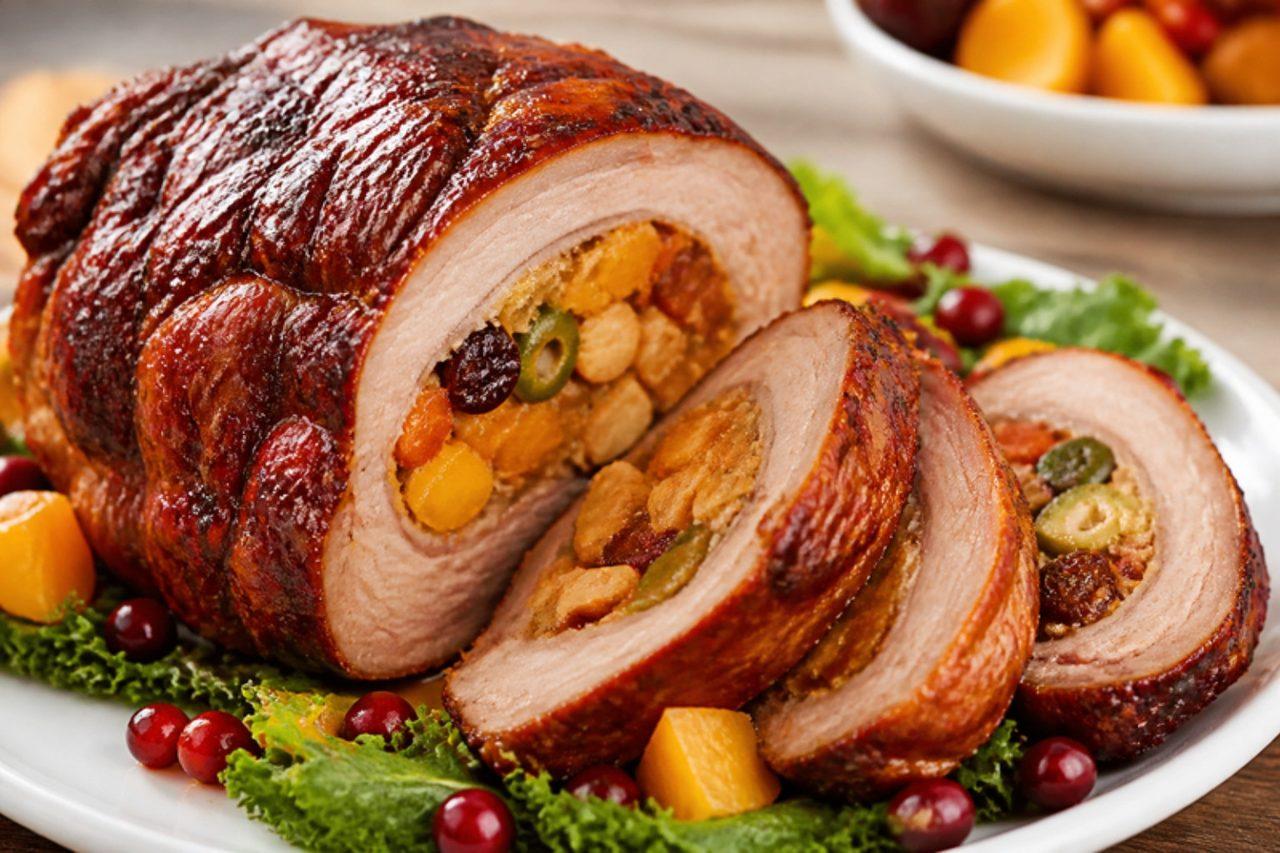
Relleno de cerdoStuffed pork shoulder with plantain

In Guerrero's Tierra Caliente, around Ciudad Altamirano, relleno de cerdo is the centrepiece of weddings and saints' days: a whole pig is stuffed with fruit, vegetables and its own chopped meat, rubbed with chilli and roasted for hours, then served in tortas or tacos. This home version is a pork dish for an ordinary oven, using a boned pork shoulder rubbed with a guajillo adobo and rolled around a stuffing of ripe plantain, potato, carrot, olives, raisins and almonds, so you get the same sweet, salty and spicy mix. Slice it thickly with its juices, warm tortillas, rice and pickled jalapeños. Chef's tip: ask the butcher to butterfly the shoulder evenly to about 3 cm thick; an even slab rolls neatly and cooks at the same rate all through.

300 minMexicanMeatGluten free
by KrazyBadal 0 views

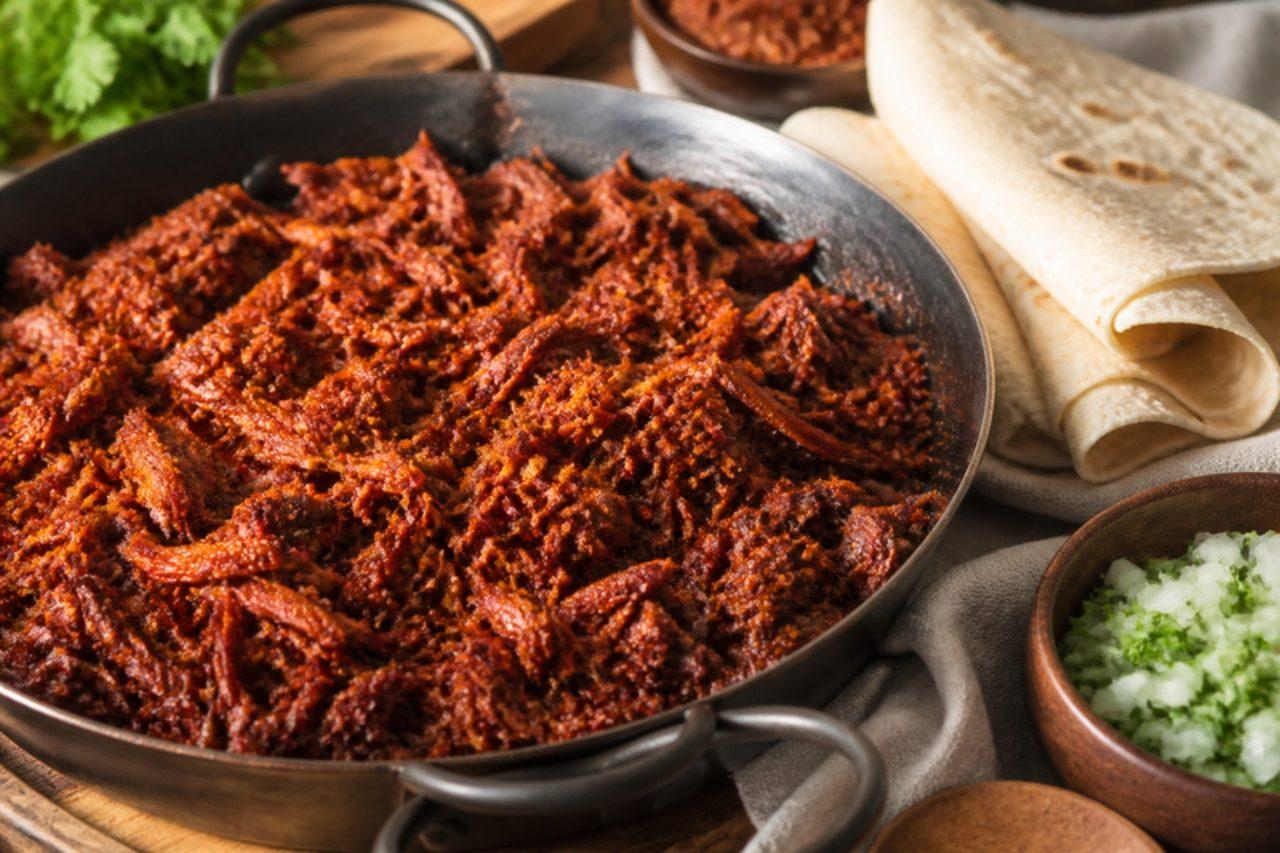
ChilorioShredded pork in chilli paste

Chilorio is Sinaloa's great pork dish: pork shoulder simmered until it falls apart, shredded and then fried in pork lard with a vinegary paste of ancho and guajillo chillies until almost dry and deeply brick-red. Ranch cooks around Culiacán made it to keep, and it is still packed into jars and sold in markets across the north. It is rich, tangy and gently spicy rather than fiery, and it fills flour tortillas for burritos, tops scrambled eggs at breakfast or goes into tortas with refried beans. Chef's tip: fry the shredded pork in the lard for a few minutes before the chilli goes in, so the edges crisp and the paste clings instead of stewing.

175 minMexicanMeatGluten free
by KrazyBadal 0 views

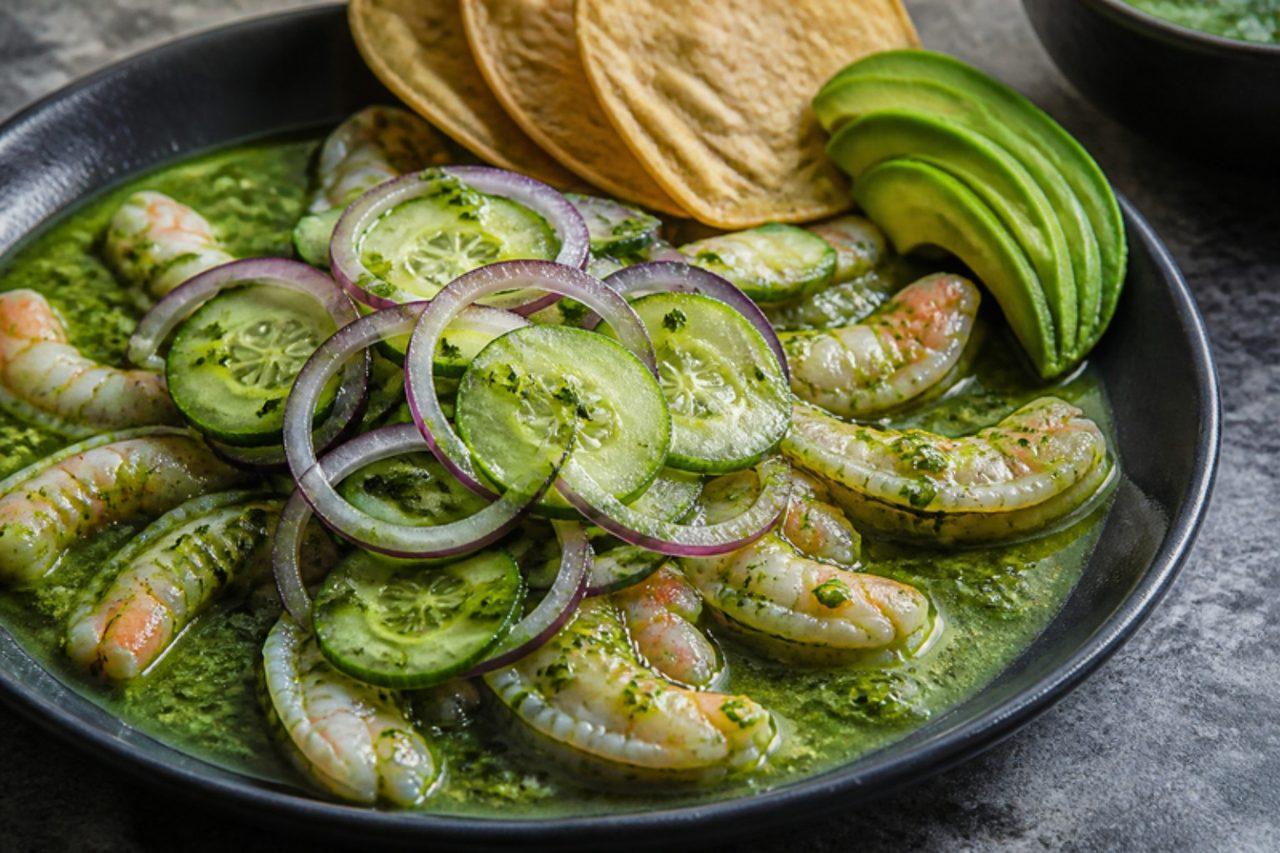
AguachilePrawns in lime and chilli water

Along the Sinaloa coast, from Mazatlán to Culiacán, aguachile is the cold plate that starts a long seafood lunch at the beachside palapas, eaten straight from a stone molcajete with tostadas and a cold drink. The classic version is raw prawns cured only in lime, and that raw version is the risky one: lime juice does not kill bacteria or parasites the way heat does. This safer version poaches the prawns for a minute or two until just pink and opaque, chills them and then dresses them, so you keep the snap and the fierce, grassy chilli heat. Even so, treat any cold seafood dish with care: the raw classic is not for pregnant women, young children or anyone with a weakened immune system. Serve with crisp corn tostadas and slices of avocado. Chef's tip: blend the chilli water with ice-cold water and pour it on at the last minute, so it stays vivid green and the prawns stay crisp.

by KrazyBadal 0 views

MixiotesChilli lamb steamed in parchment

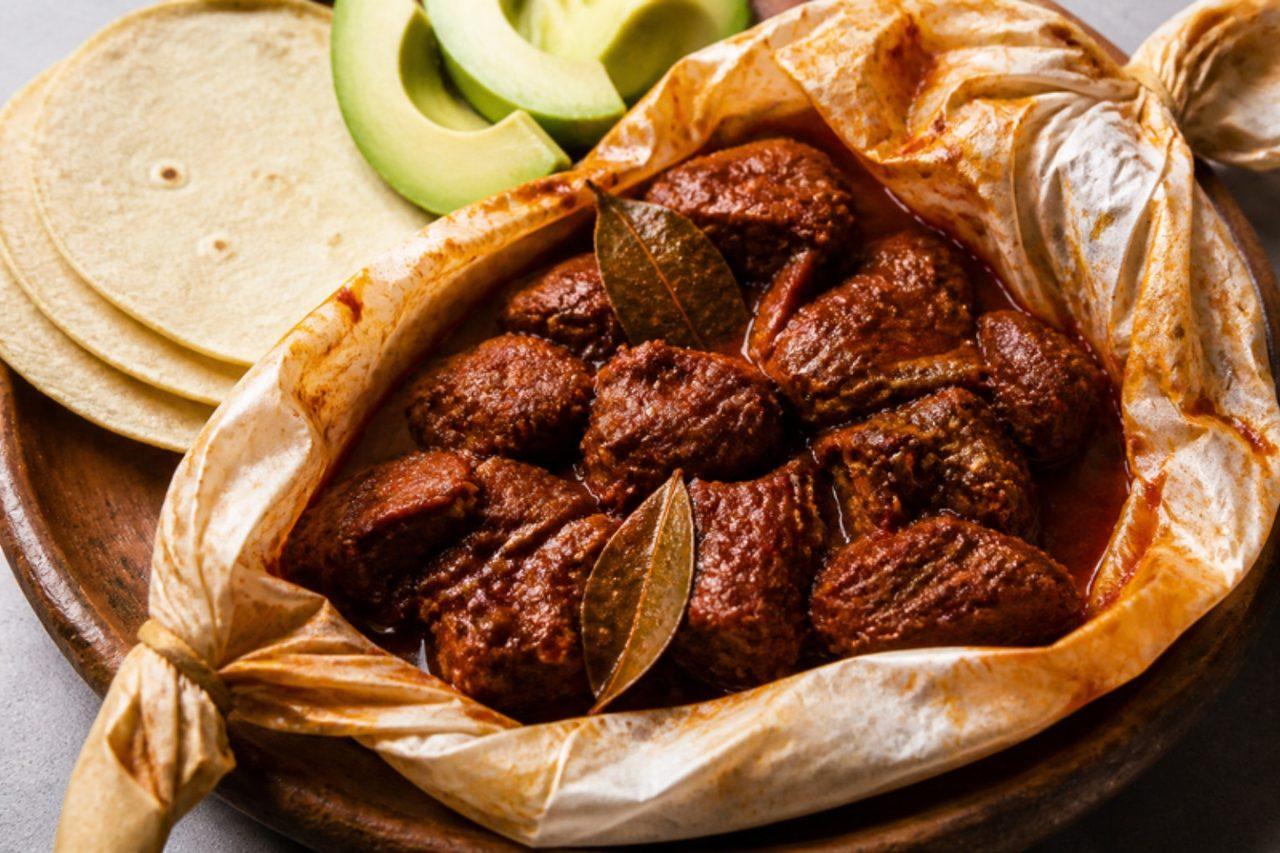
Mixiotes belong to the high plains of Hidalgo and Tlaxcala, where they are a Sunday and fiesta dish sold from steaming pots at weekly markets. Chunks of lamb (or chicken) are soaked in a dark, aromatic paste of guajillo and ancho chillies with garlic, cumin and cloves, wrapped in parcels and steamed until the meat collapses into its own rich red juices. The traditional wrapper is mixiote, the thin skin peeled from maguey leaves, which is now protected and hard to buy, so this recipe uses baking parchment tied with string. The lamb marinates in the fridge for at least 4 hours or overnight. Open the parcels at the table and serve with corn tortillas, salsa verde and avocado. Chef's tip: twist and tie the parcels tightly so no steam gets in; a sealed parcel keeps the sauce thick and concentrated.

420 minMexicanMeatGluten freeSpicy
by KrazyBadal 0 views

Pastes de Real del MonteBeef and potato pasties

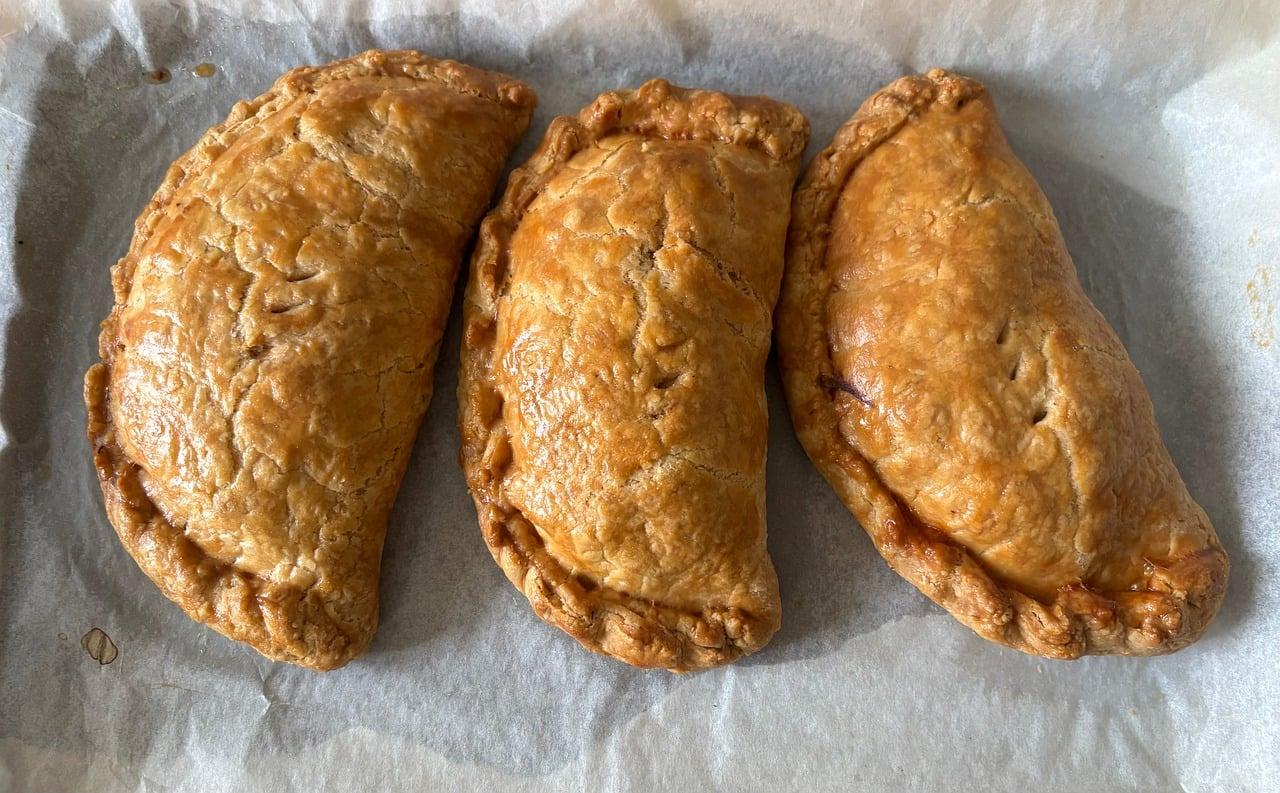
Cornish miners arrived in the silver mines around Real del Monte and Pachuca in the 1820s, and their pasties stayed: today the hilltop town in Hidalgo has paste shops on every street, selling them warm from the oven to visitors and locals all day. The classic filling is close to the original, diced beef, potato, onion and parsley seasoned with plenty of pepper, sealed in a short, buttery crust and baked until the juices turn to gravy inside; Mexican kitchens added a little chilli and many other fillings, including chicken in mole, which you can use instead of the beef. Eat them with a hot salsa or alone, with coffee. Chef's tip: cut the beef and potato small and evenly, about 1 cm; it all cooks raw inside the pastry, so even pieces are what make it tender.

by KrazyBadal 0 views

Pejelagarto asadoGrilled fish with green salsa

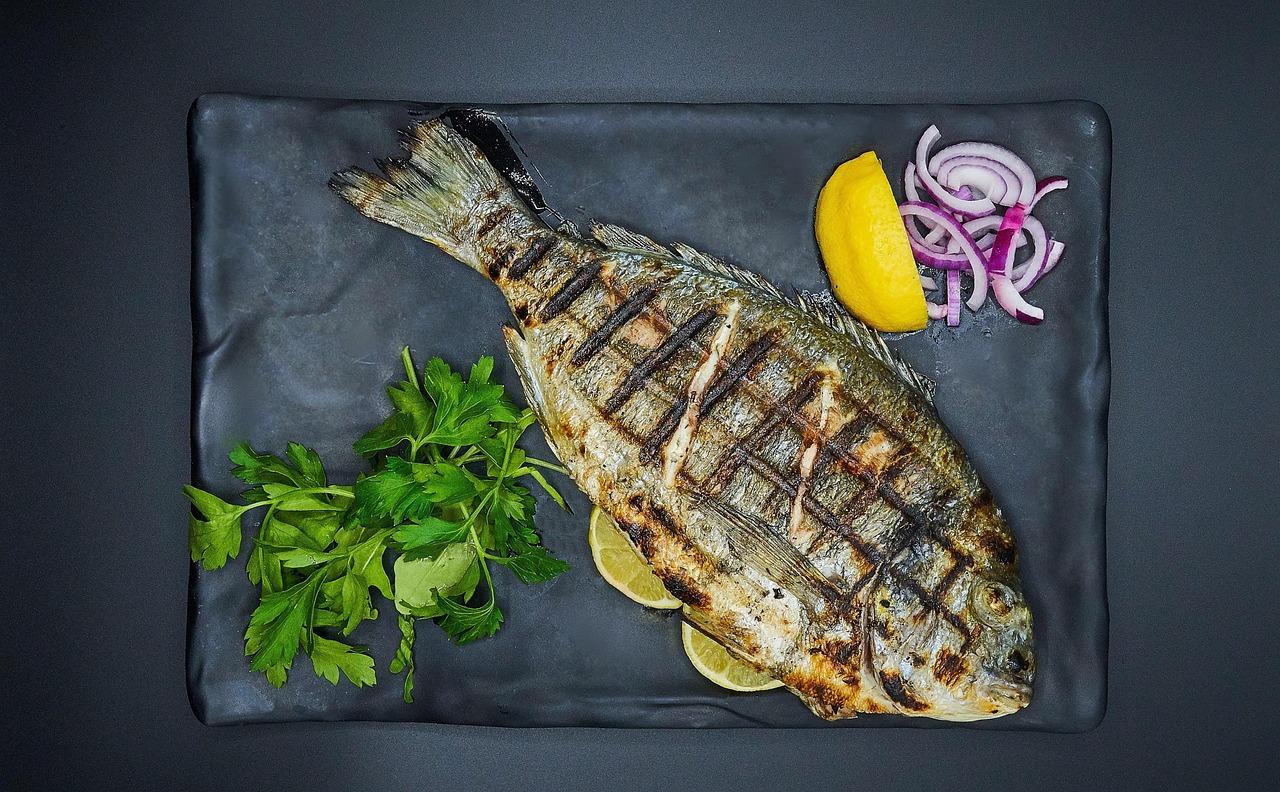
In Tabasco, pejelagarto, a prehistoric-looking freshwater gar from the rivers and lagoons, is skewered and grilled whole over wood in its armoured skin, then eaten with tortillas, lime and fierce chile amashito at roadside stands around Villahermosa. The fish is almost never sold outside the region, so this is a practical version using any firm white fish, such as snapper, sea bass or thick hake fillets, grilled until smoky and served with a bright green tomatillo salsa. Serrano or bird's eye chillies stand in for amashito. Serve with warm corn tortillas for tacos. Chef's tip: oil the fish, not the grill bars, and leave it alone for the first few minutes so the skin releases by itself.

by KrazyBadal 0 views

Birria de resChilli-braised beef

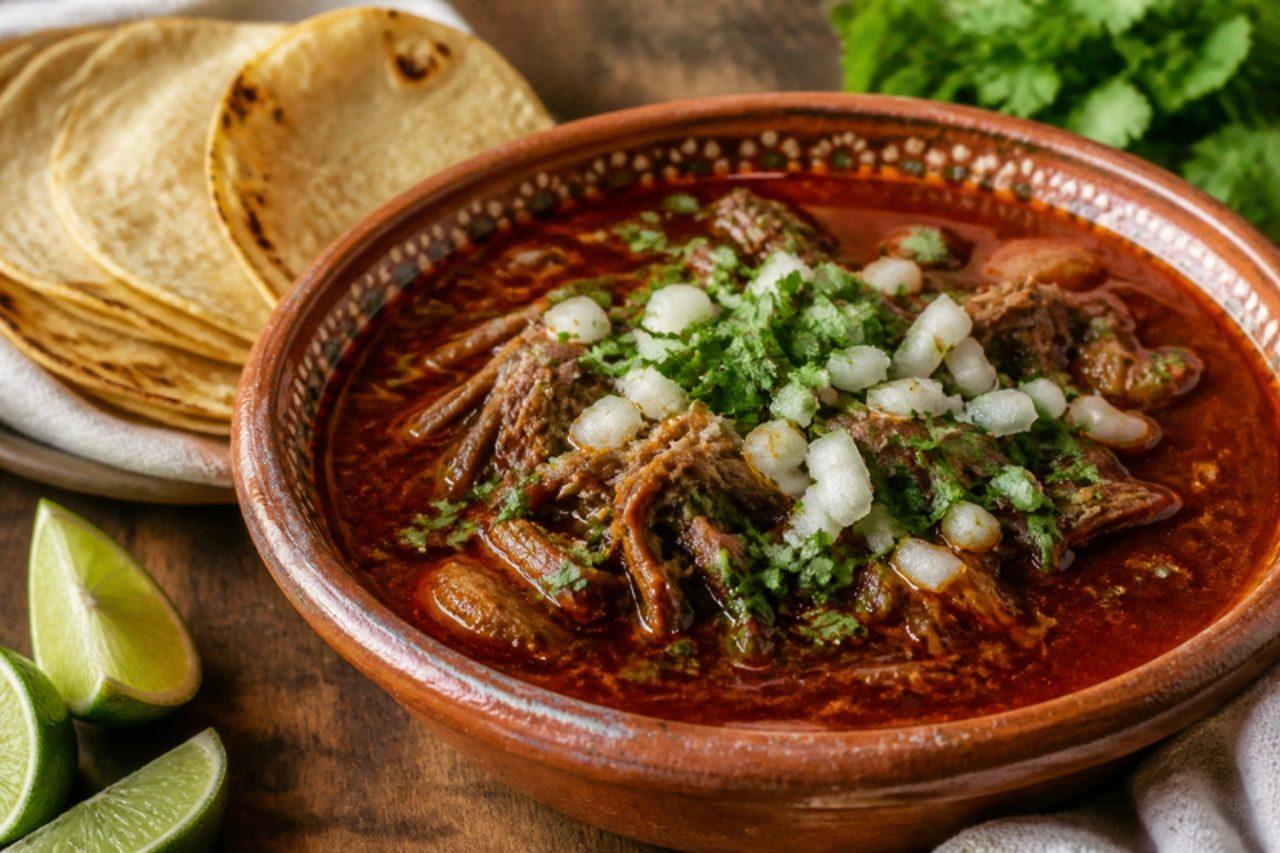
Birria comes from Jalisco, where it is the dish of weddings, baptisms and Sunday mornings after a long night, ladled out at market stalls in Guadalajara from dawn. Beef on the bone is rubbed with a paste of guajillo and ancho chillies, vinegar, garlic and warm spices, left overnight in the fridge, then braised for hours until it falls into soft, glossy strands. The cooking liquid becomes the consommé: sip it from a cup, spoon it over the meat in a bowl, or dip tortillas in its red fat and fry them with the beef and a little cheese for crisp-edged tacos. Serve with chopped onion, coriander, lime and a fiery chile de árbol salsa. Chef's tip: skim the red fat off the top of the finished consommé and keep it for frying the tortillas; it gives the tacos their colour and crunch.

285 minMexicanMeatGluten freeSpicy
by KrazyBadal 0 views

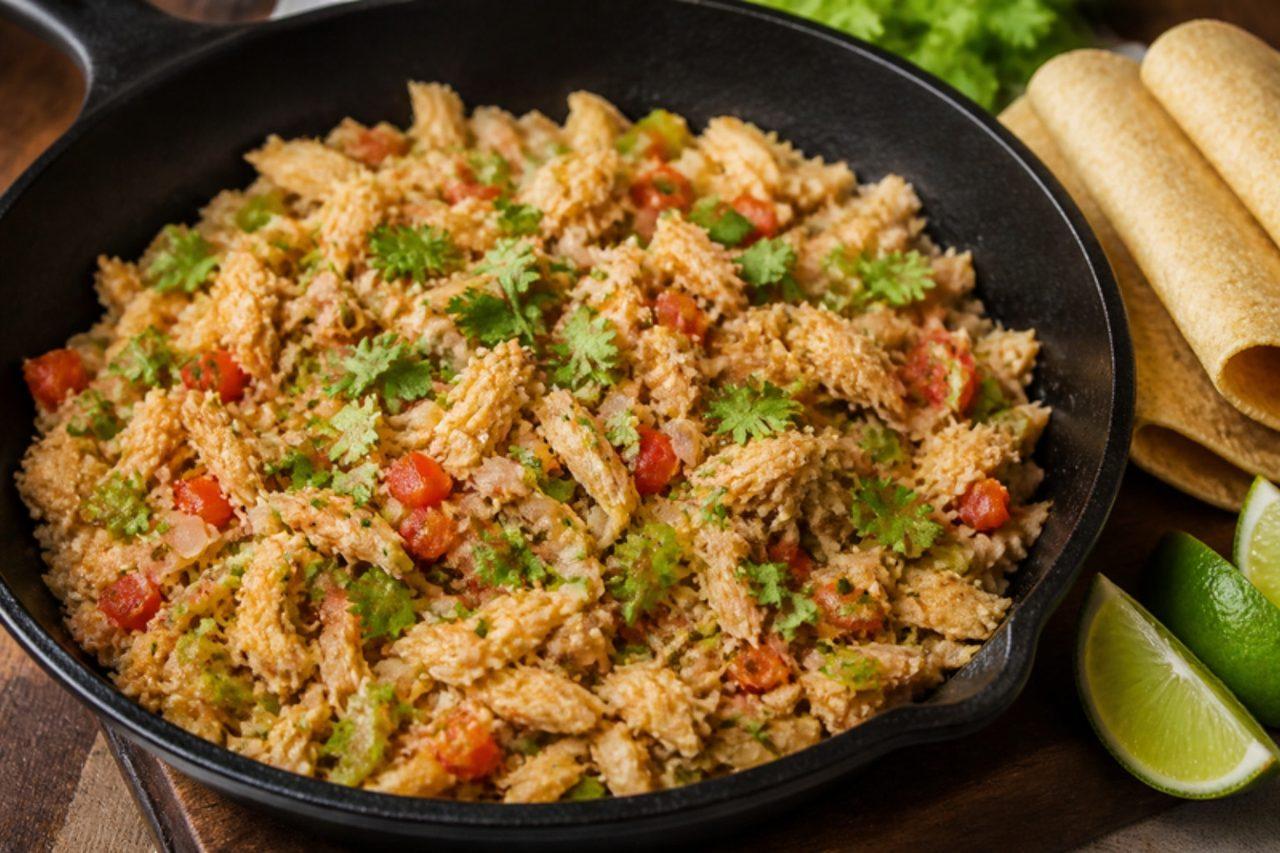
Machaca de pescadoShredded fish with tomato and pepper

On the waterfront in La Paz, Baja California Sur, machaca de pescado is the sea's answer to beef machaca: firm fish is poached, shredded and fried with onion, pepper, tomato and chilli until almost dry and full of flavour. Fishermen's families once made it with shark or smoked marlin, and today it fills breakfast burritos, tacos and tostadas in cafés along the malecón. Any firm white fish such as cod, hake or mahi-mahi works well. It is savoury, lightly spicy and tender. Serve it with corn tortillas, rice or refried beans. Chef's tip: squeeze the shredded fish in your hands to get rid of excess water before it hits the pan, so it fries rather than stews.

by KrazyBadal 0 views

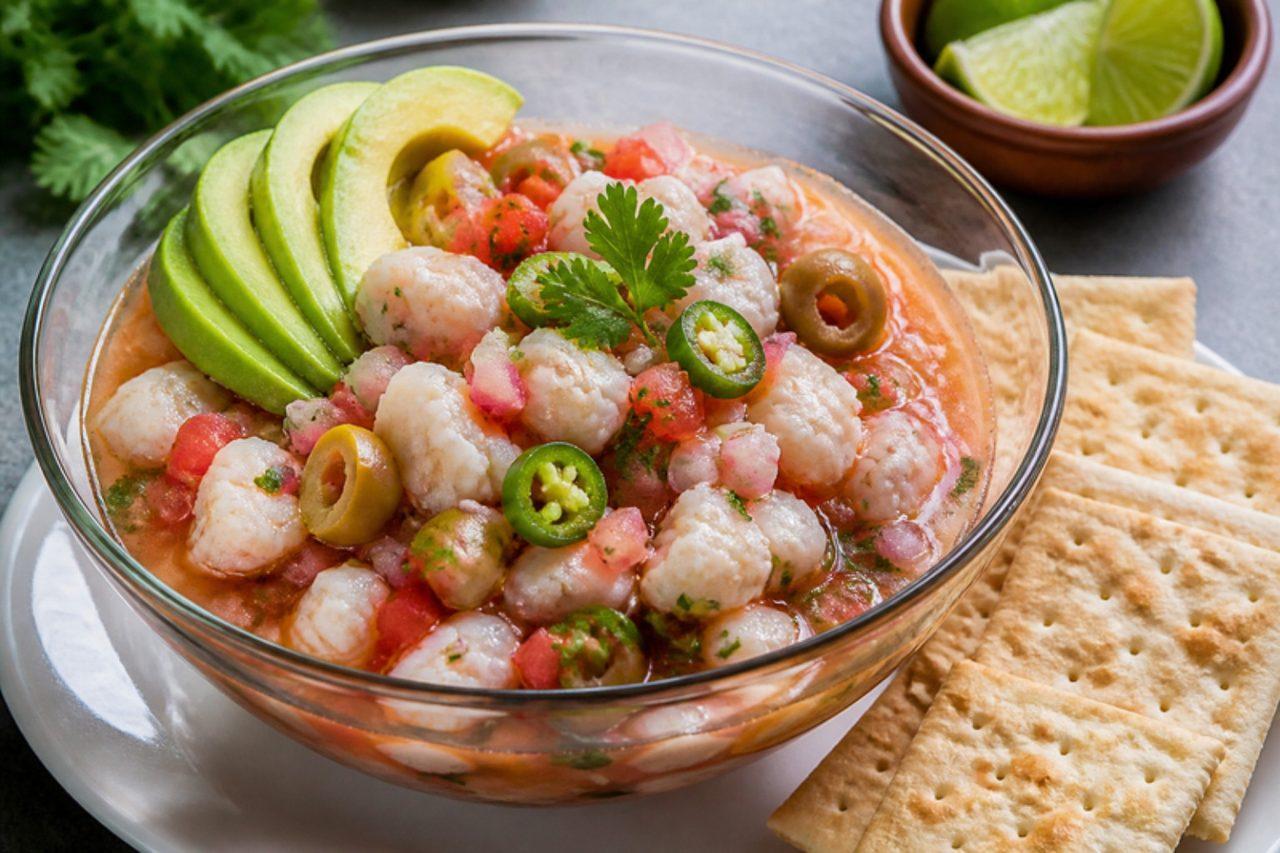
Ceviche acapulqueñoLime-marinated fish with tomato and orange

On the beaches of Acapulco, vendors sell ceviche in tall glasses with saltine crackers and tostadas: small cubes of white fish in lime with tomato, onion, green olives, chilli, a sweet streak of ketchup and fresh orange juice, eaten cold on a hot afternoon. The classic version is raw fish 'cooked' only by lime, which does not kill bacteria or parasites, so that version is not for pregnant women, young children or anyone with a weakened immune system. This safer recipe gently poaches the fish until just opaque, then chills it and dresses it in the same tangy, sweet-sharp mixture, so it keeps the firm, fresh texture. Serve with tostadas, crackers and slices of avocado. Chef's tip: dice the vegetables very small and the same size as the fish, so every spoonful has a bit of everything.

by KrazyBadal 0 views

Showing 24 of 51 recipes

Show more recipes

Page 1 of 3