Skip to content
Recipes

All recipes

Vegetarian, or something you can't eat? Set your diet once and we'll hide recipes that don't fit.

Msoki

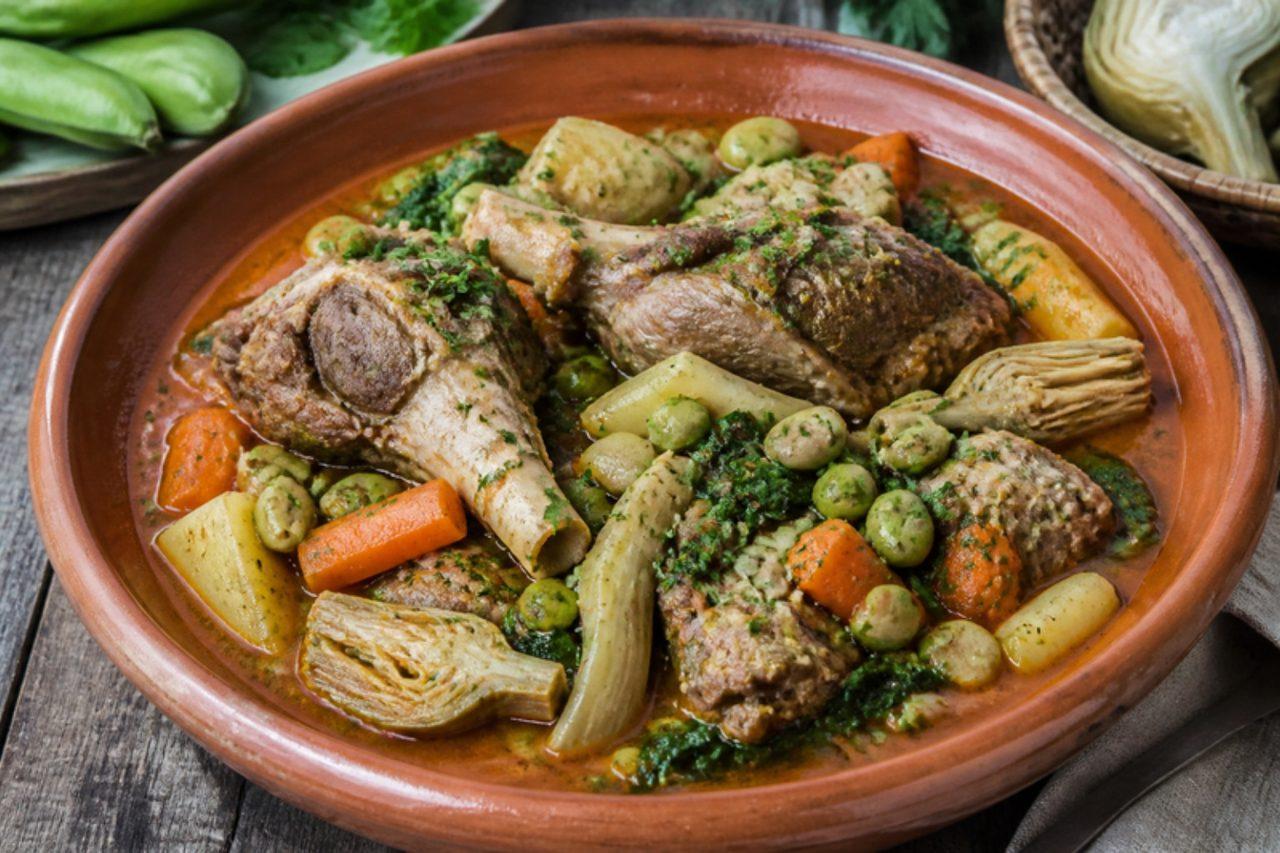
Tunisian Jews in Netanya, Ashdod and Be'er Sheva welcome the spring of Passover with msoki, a big pot of lamb on the bone cooked with every new-season vegetable: artichokes, fresh fava beans, peas, fennel, carrots, potatoes and handfuls of spinach and herbs, with a pinch of rose and cinnamon. Traditionally it is made the day before the seder and simmered for hours until the vegetables are almost a sauce and the meat collapses. It is eaten with matzo rather than bread during the festival. Adding all the vegetables at once is the mistake; the tender ones turn to sludge, so add them in stages. Chef's tip: frozen artichoke hearts and broad beans work perfectly when fresh ones are not in season.

180 minIsraeliMeatGluten free
by KrazyBadal 0 views

Date squares

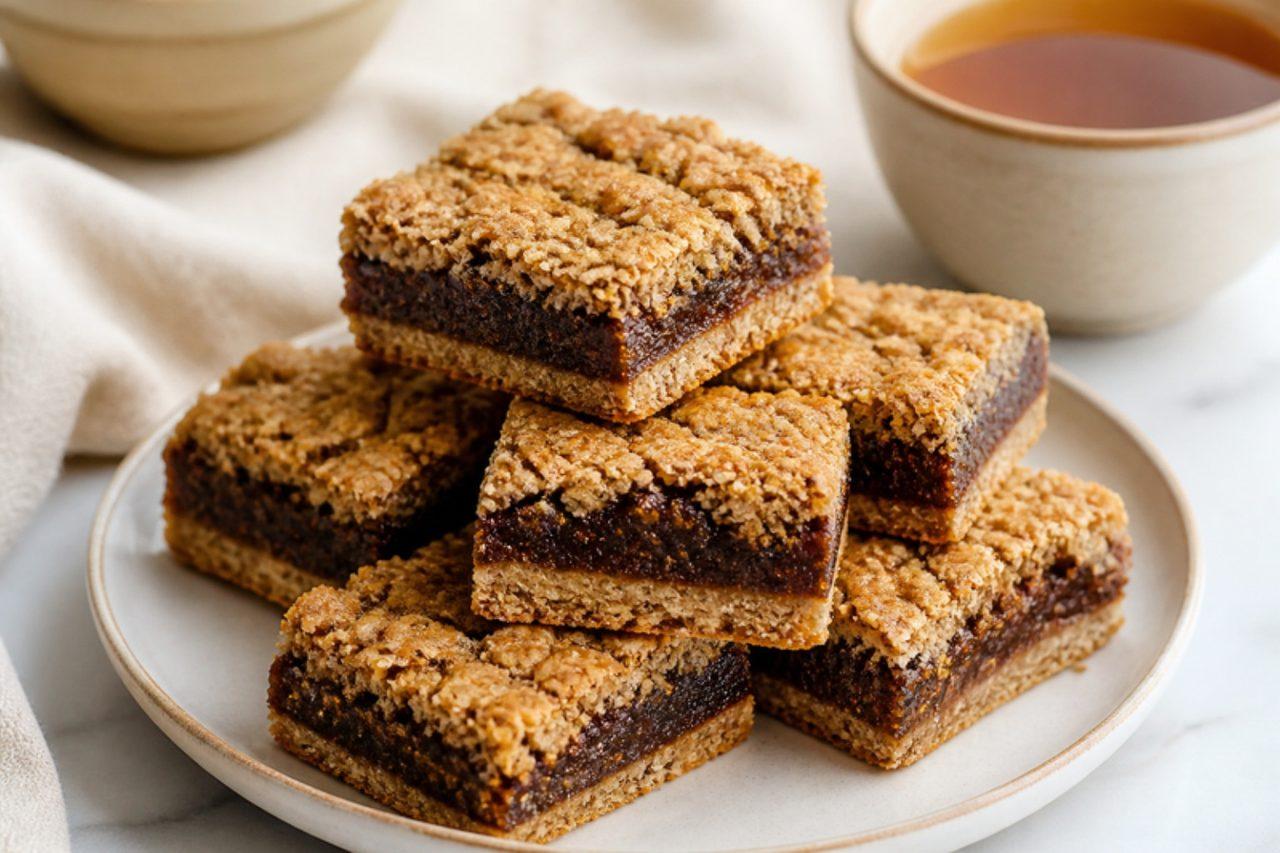
Date squares are on the tea table in every Canadian church hall and school bake sale, called carrés aux dattes in Quebec and matrimonial cake in the West. A buttery oat crumble is pressed into a tin, spread with a soft date filling and covered with more crumble, then baked until golden. They keep for days and freeze well. A common mistake is spreading the dates while hot onto loose crumb, which makes the base soggy; press the base firmly. Chef's tip: add a strip of orange zest to the dates for a brighter flavour.

by KrazyBadal 0 views

Masgouf

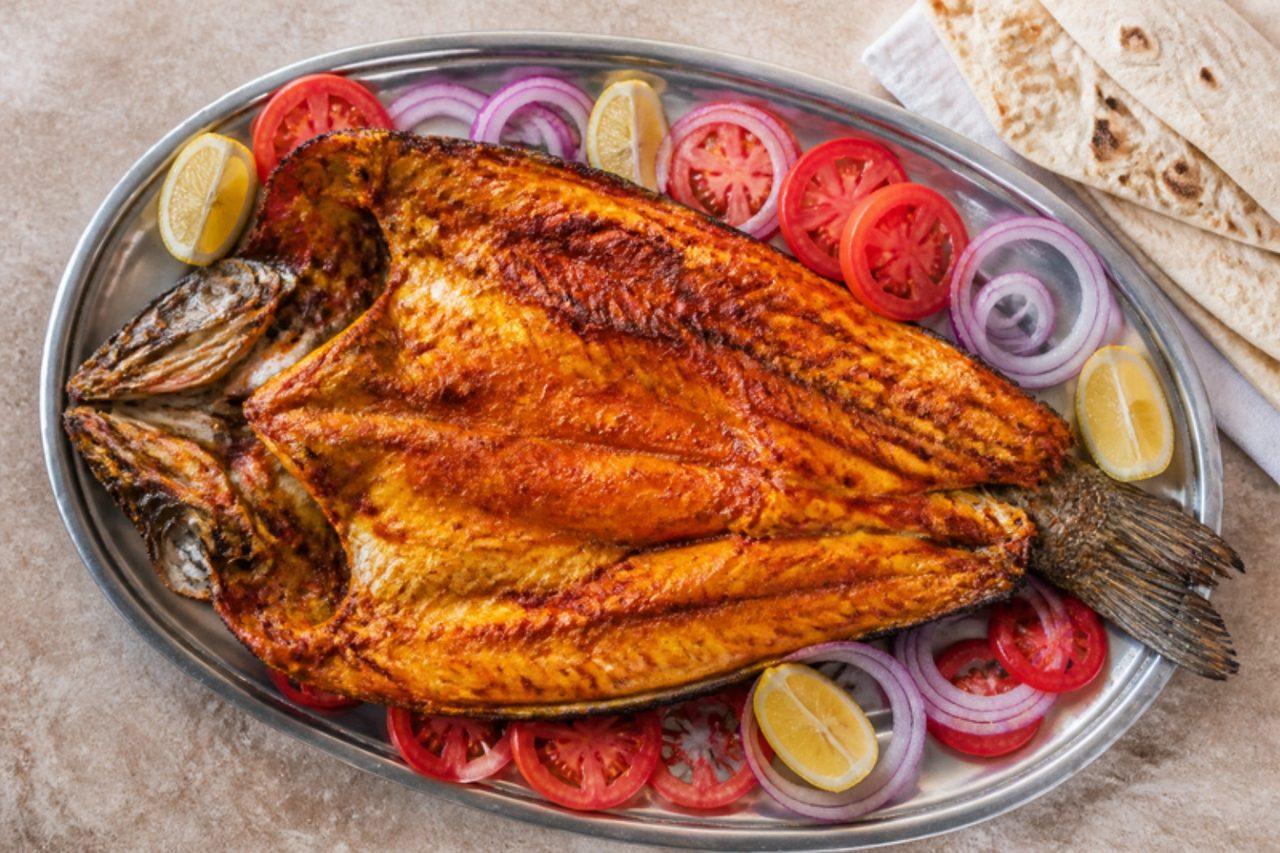
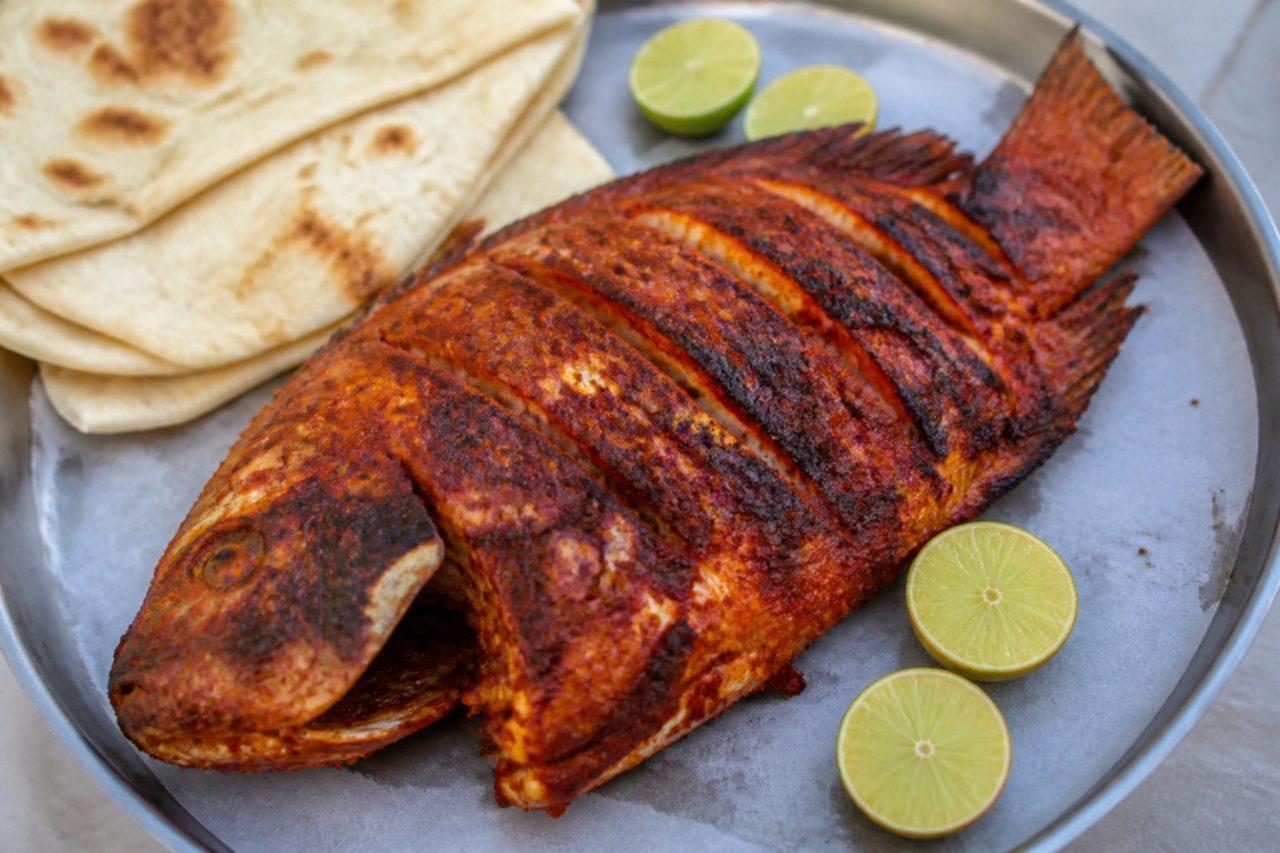
On the banks of the Tigris, Baghdad's fish restaurants once stood carp upright on stakes round a wood fire, and Iraqi Jews brought the memory of masgouf to Israel, where it is grilled at family gatherings in Or Yehuda and at fish restaurants near Lake Kinneret. A whole carp is split along the back and opened flat, brushed with tamarind, turmeric and oil, then roasted under a fierce heat until the skin chars and the flesh flakes in big, smoky pieces. It is served on flatbread with sliced onion, tomato and amba. The usual problem is overcooking from the start; roast the flesh side first and finish briefly skin side. Chef's tip: if carp is not available, a butterflied sea bass or two large trout work very well.

by KrazyBadal 0 views

Oshi piyozi

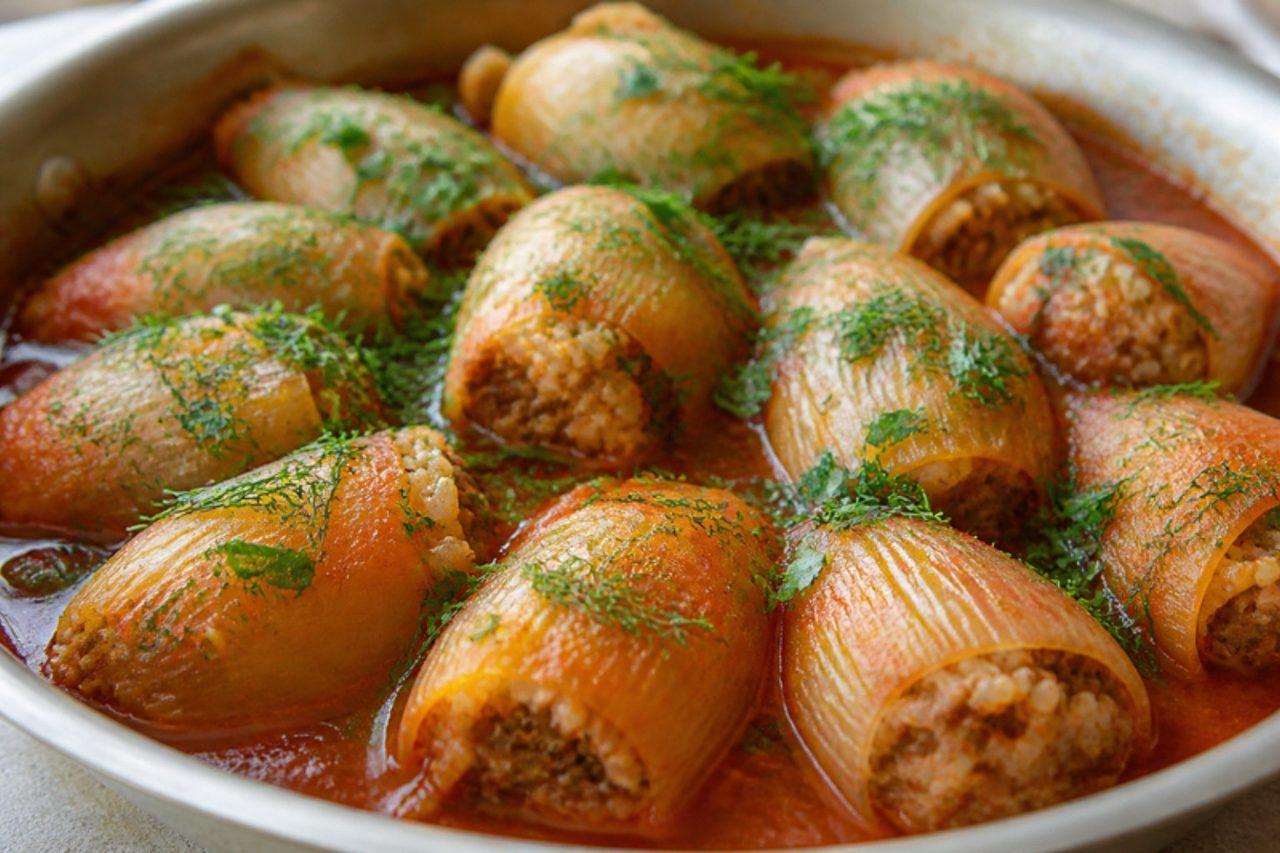
Bukharan Jews, whose families came from Samarkand and Bukhara and settled around Jerusalem's Bukharim quarter, Or Yehuda and Holon, make oshi piyozi for Shabbat and holidays: whole onion layers are softened, wrapped round a filling of rice, minced beef and herbs, then braised in tomato with sugar and lemon until meltingly sweet. The onions caramelise at the bottom of the pot while the parcels turn glossy and tender. They are served warm as a main dish with salads. The usual error is undercooking the onion layers before rolling, so they crack; boil them until floppy. Chef's tip: use large, flat sweet onions and separate the layers while they are still hot.

120 minIsraeliMeatGluten free
by KrazyBadal 0 views

Gabout

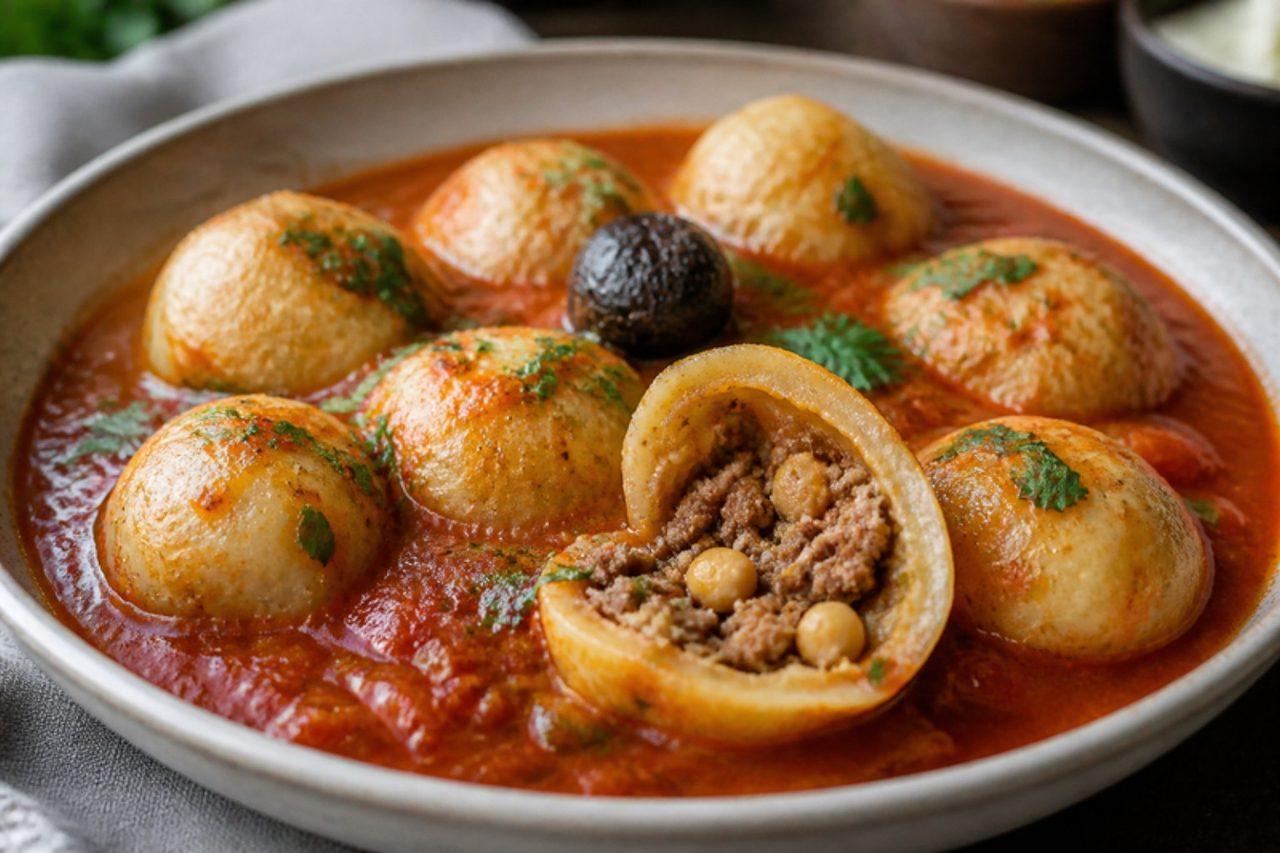
Gabout is old Kuwaiti home cooking, the kind grandmothers in Kuwait City still make for family lunches in winter, and a close relative of the Iraqi dumplings brought along the trading routes of the Gulf. Soft flour dough is wrapped around spiced lamb or beef mince with chickpeas, and the dumplings are simmered in a sour tomato and dried-lime stew until they are tender and plump. It is filling and comforting, eaten with bread or on its own. The mistake people make is rolling the dough too thick, which makes the dumplings heavy and doughy. Chef's tip: wet your fingers when sealing, the dough must close tightly or the filling leaks into the stew.

by KrazyBadal 0 views

Salt and pepper squid

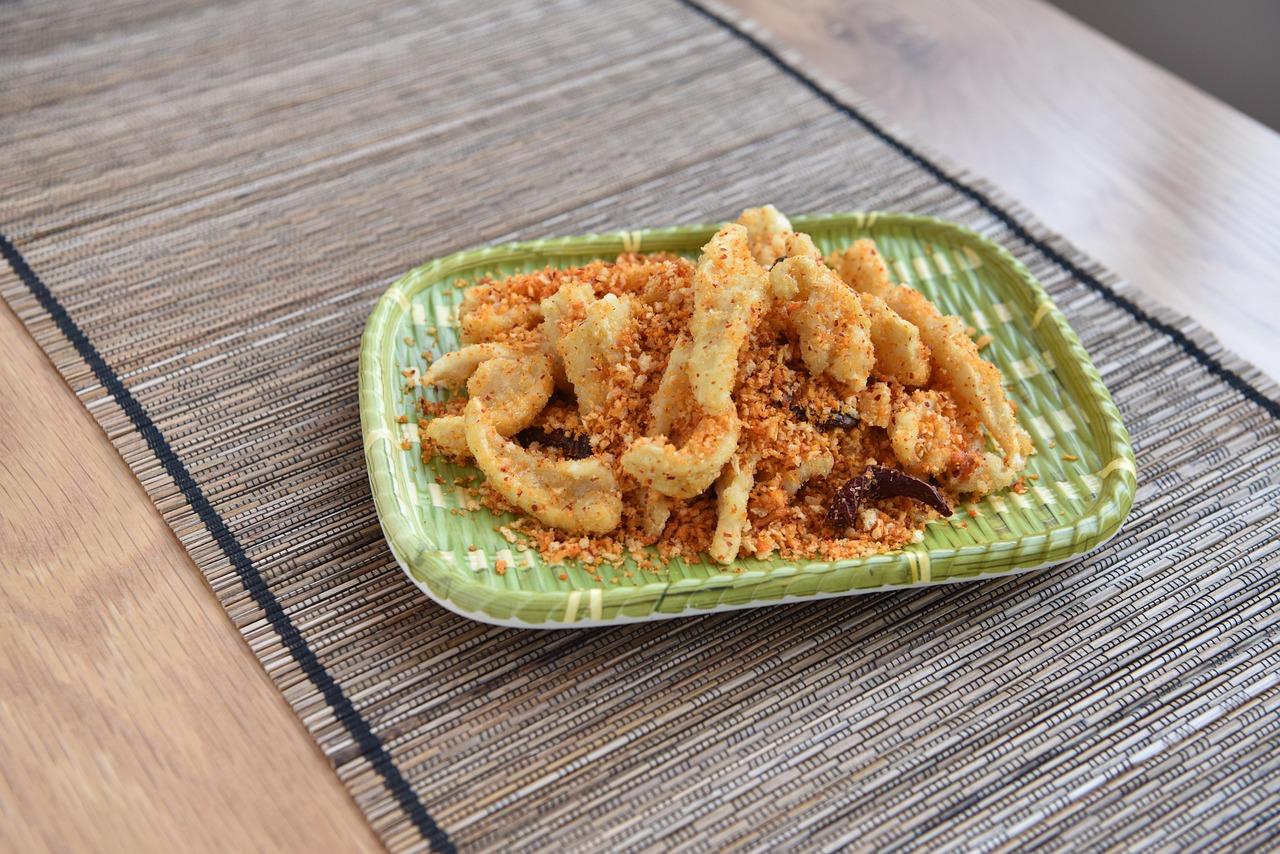
Late at night in Temple Street, or at a seafood restaurant on Lamma Island after a ferry ride, someone at the table always orders the jiu yim squid: tender pieces under a thin, shattering coat, wok-tossed with a heap of fried garlic, chilli and spring onion and showered with a peppery spiced salt. It is crunchy, salty and a little fiery, ideal with a cold soft drink or as one of several dishes with rice. Squid cooks in seconds. The most frequent mistake is crowding the oil, which drops its temperature so the coating turns soggy and the squid goes rubbery while you wait; fry in small batches. Chef's tip: score the inside of the squid in a criss-cross pattern so it curls up and catches more of the salt.

by KrazyBadal 0 views

Murabyan

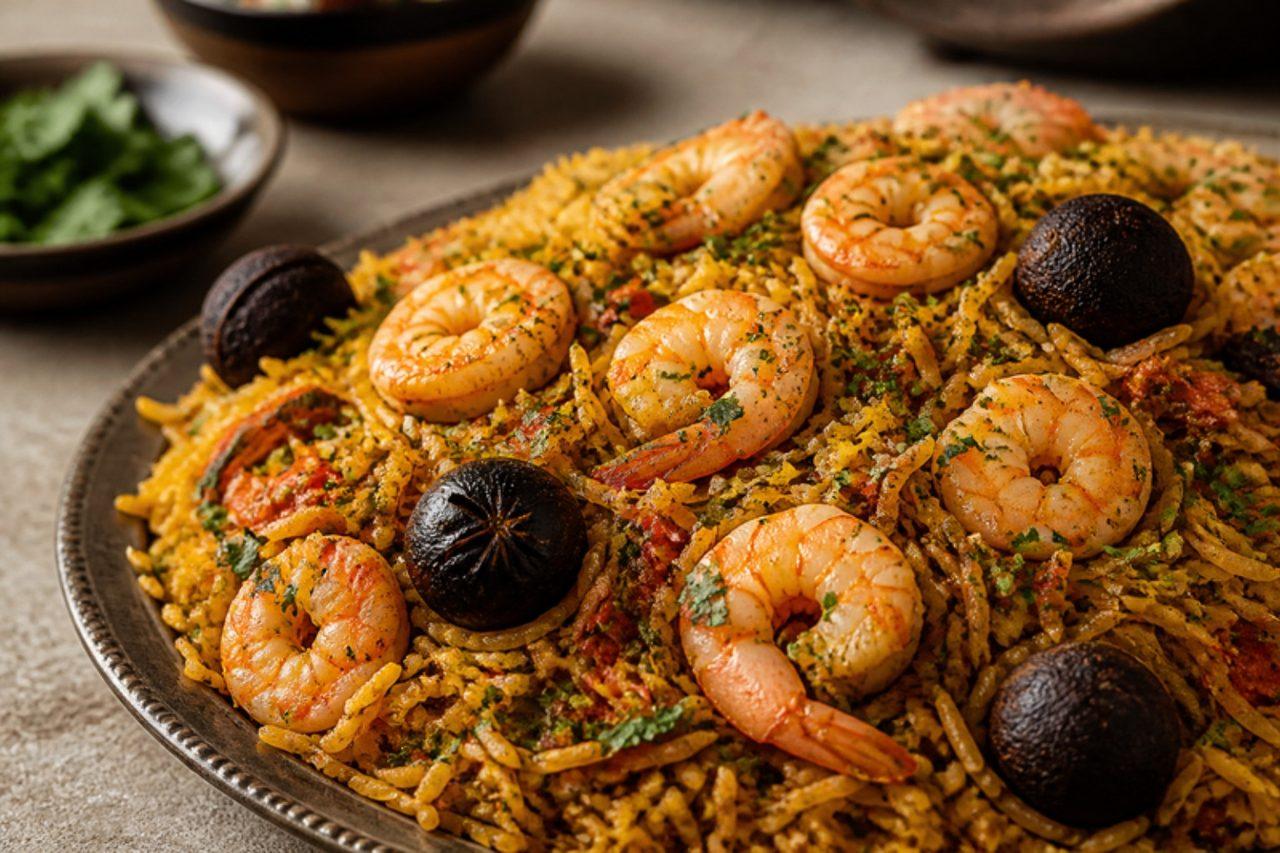
Kuwait has long been known for its Gulf shrimp, and in Kuwaiti homes murabyan is the rice dish made when the season's catch is sweet and plentiful, usually from autumn into winter. Shrimp are fried briefly with onion, dried lime and baharat, then the rice is cooked in the same pot so it soaks up their colour and flavour. It tastes warm, slightly sour and gently sweet, with bites of tender shrimp through orange-tinted grains. Serve with daqqus and a green salad. The common mistake is cooking the shrimp for the whole time with the rice, so they turn rubbery; take them out and return them at the end. Chef's tip: use the shells to make a quick stock for the rice, it doubles the shrimp flavour.

by KrazyBadal 0 views

Ingriyi

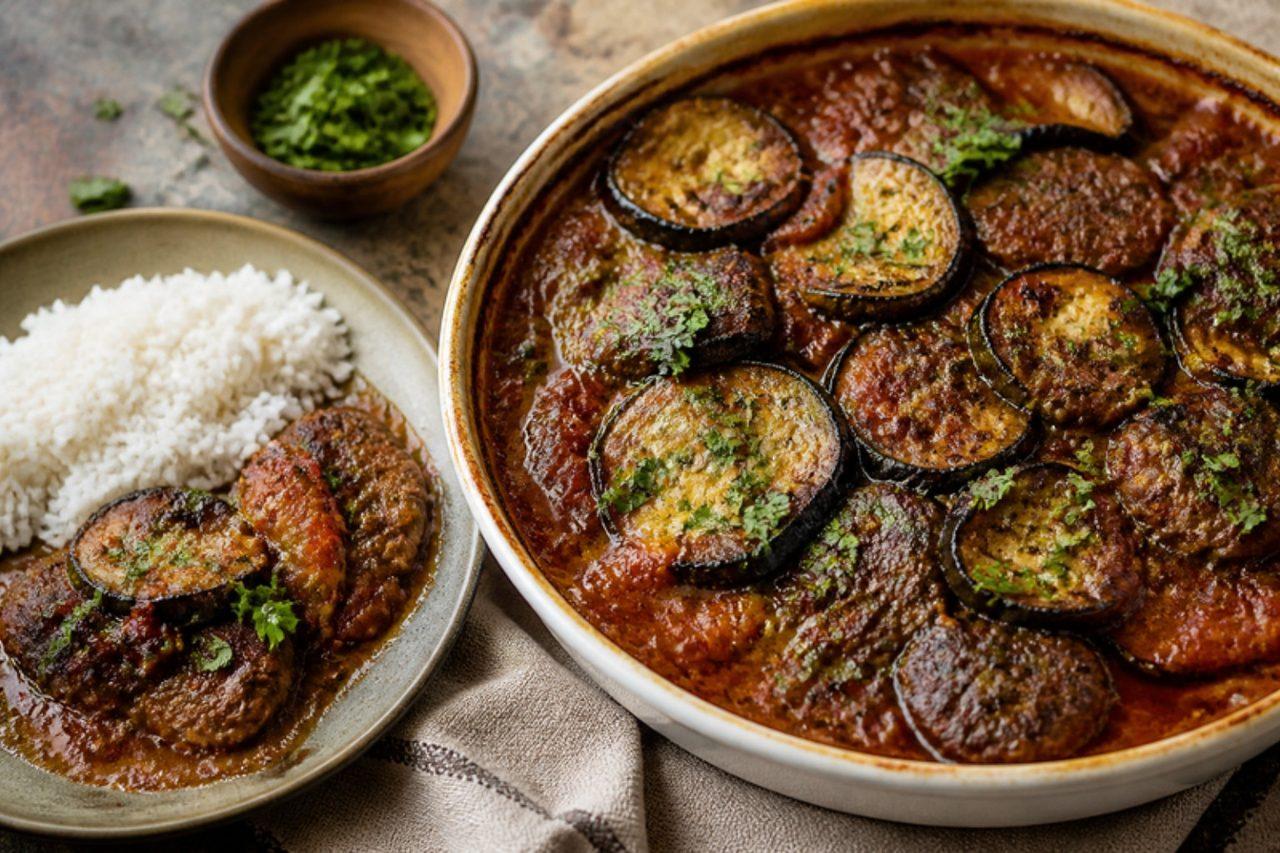
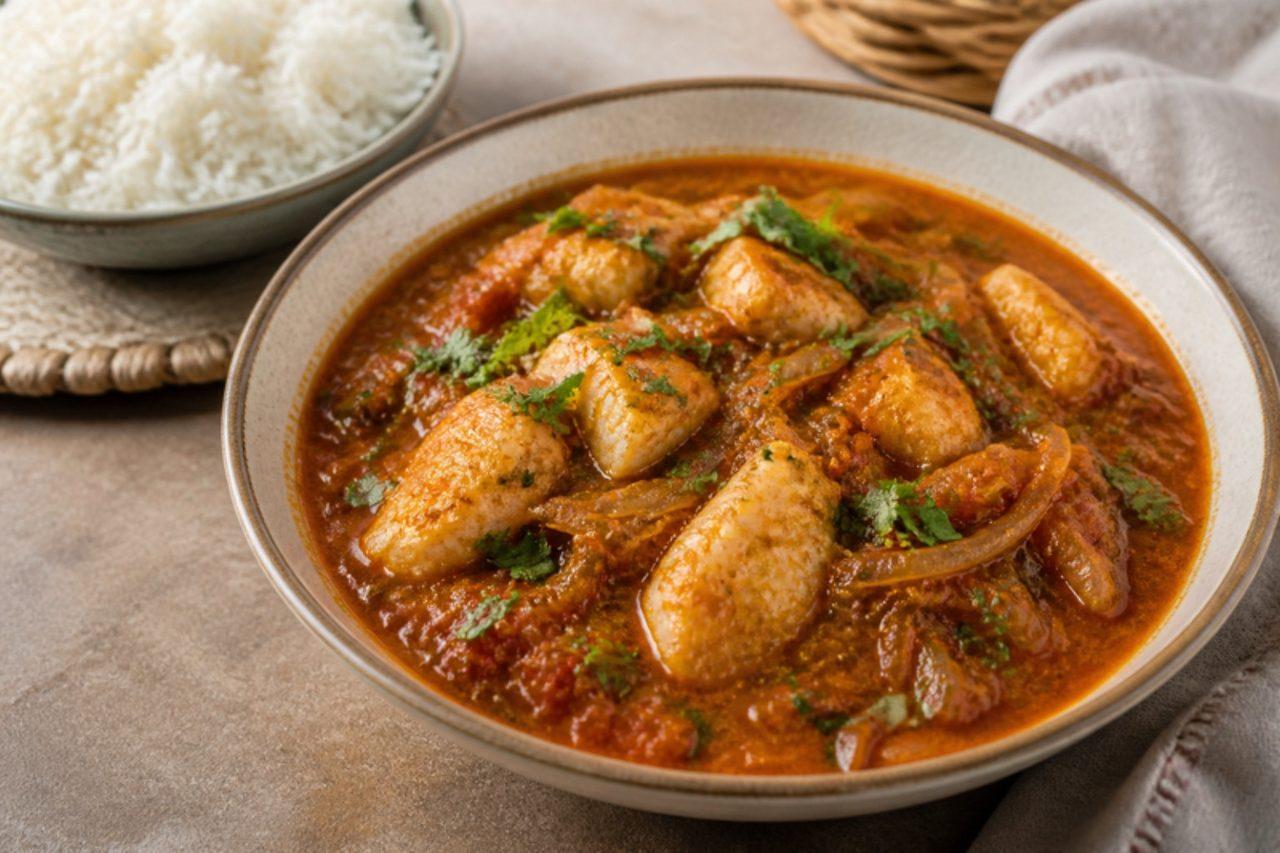
Ingriyi is a Baghdadi-Jewish Shabbat dish that Iraqi families in Ramat Gan and Kiryat Gat make when aubergines are cheap in late summer: slices of fried aubergine and thin spiced beef patties are layered in a dish and baked in a sauce of tomato and tamarind until everything turns soft and glossy. The tamarind gives a dark sweet-sour tang that sets it apart from Levantine aubergine bakes. Serve it with white rice and a sharp salad. A common slip is frying the aubergine in too little oil at too low a heat, so it soaks up grease and stays grey; use hot oil and drain well. Chef's tip: salting the slices for 30 minutes makes them fry faster and drink less oil.

by KrazyBadal 0 views

Helzel

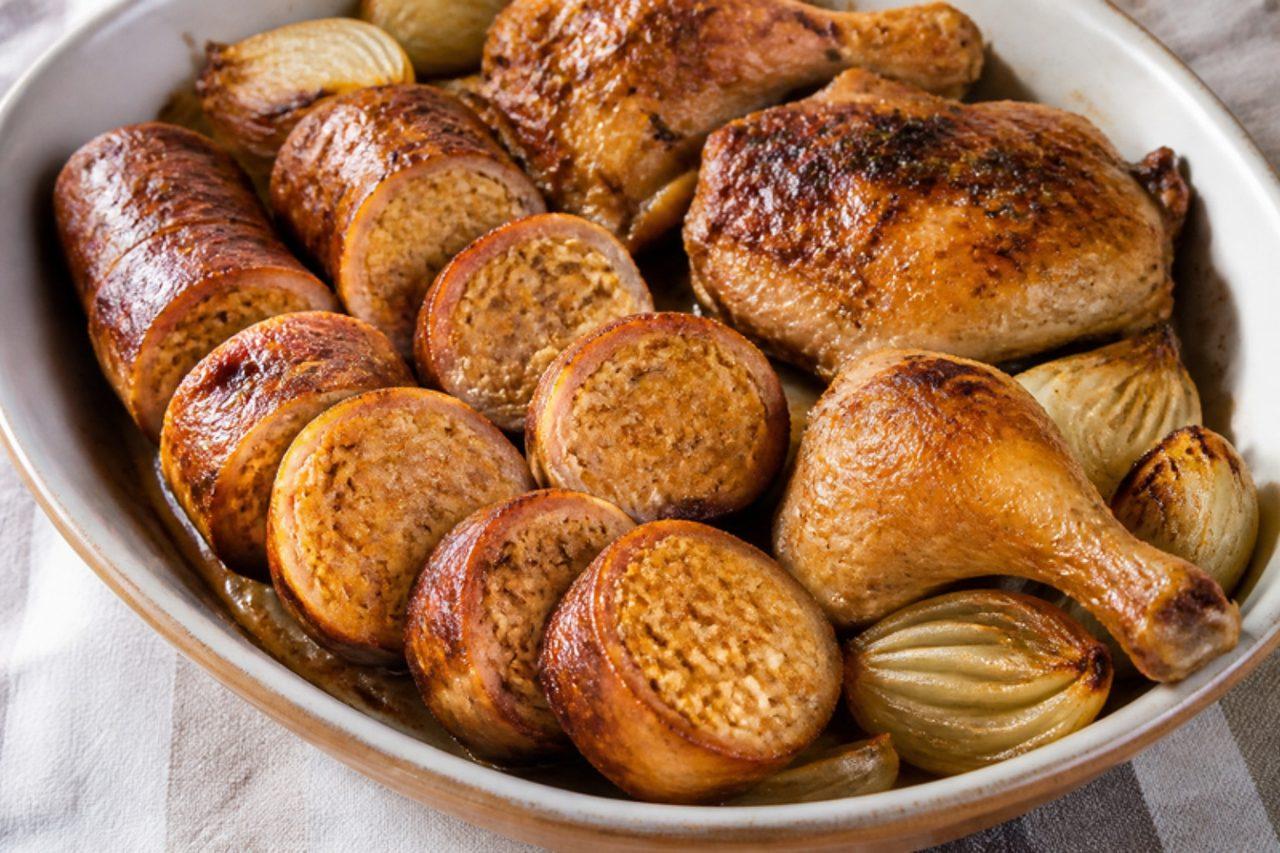
In the Eastern European shtetl nothing from the chicken was wasted, and the neck skin was sewn closed around a stuffing of flour, schmaltz and onion, then roasted next to the Friday-night bird or tucked into the cholent; older Ashkenazi cooks in Bnei Brak and Kiryat Ata still make it the original way when the butcher saves them necks. As whole neck skins are hard to buy, this home version rolls the same stuffing in sausage casing or baking paper, so it roasts in the chicken juices into a soft, savoury slice with a crisp outside. Serve it sliced alongside roast chicken and potatoes. People often pack the stuffing tightly, but the flour swells as it cooks and will burst the casing; fill it loosely. Chef's tip: brown the onion properly first, because it is almost the only flavouring and pale onion makes a bland helzel.

120 minIsraeliMeat
by KrazyBadal 0 views

Sulguni

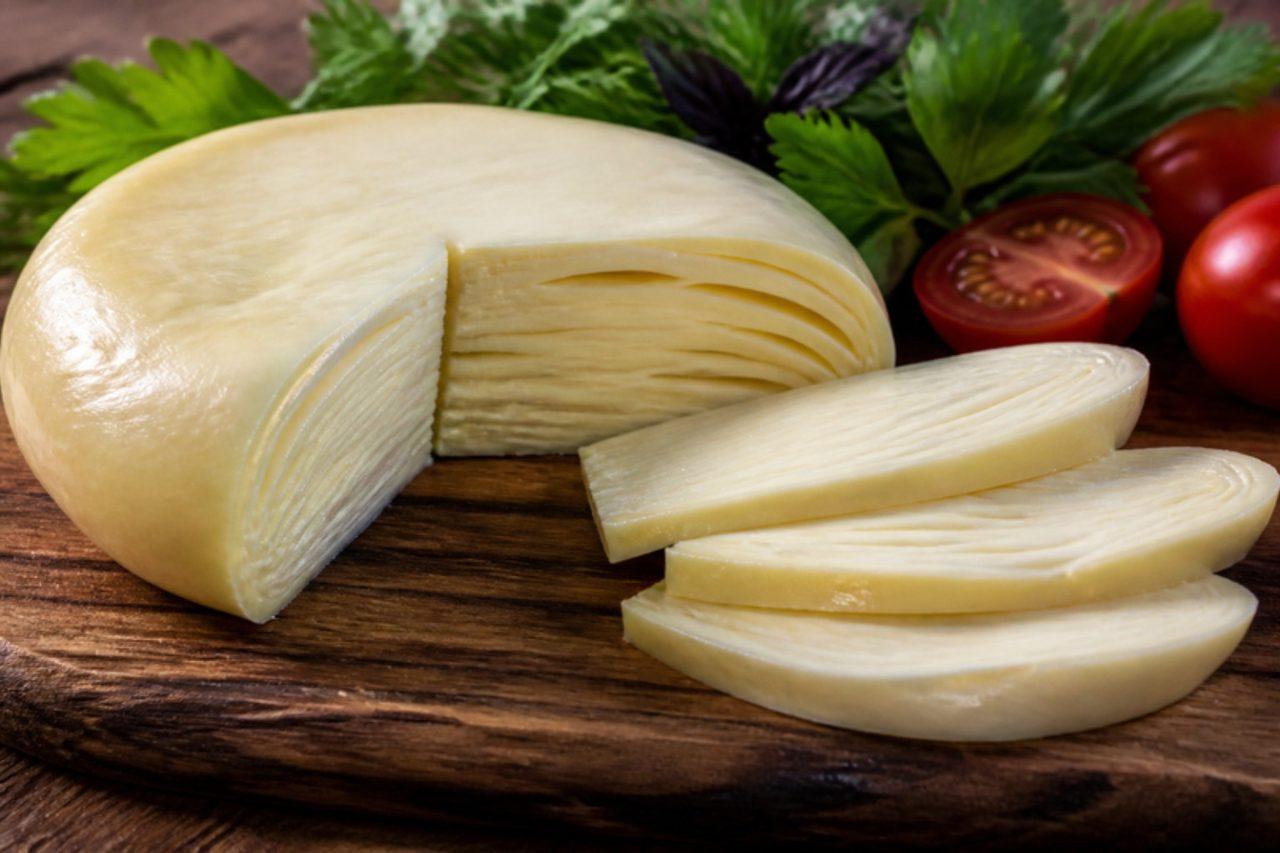
Sulguni is the famous cheese of Samegrelo, made in Zugdidi homes by taking fresh, slightly soured curd, cutting it up and working it in hot water until it can be pulled into a glossy, layered, salty ball. It is eaten in thick slices, melted into elarji and khachapuri, and smoked over embers for a darker version. The curd has to be acidic enough to stretch, so you make the cheese one day and stretch it the next, or buy fresh Imeretian cheese and start from there. Traditionally animal rennet is used; vegetarian rennet works too. A common mistake is trying to stretch fresh, sweet curd; it melts into a puddle instead of pulling. Chef's tip: test a small piece in hot water first; if it stretches 30 cm without breaking, the curd is ready.

by KrazyBadal 0 views

Haitian konparèt

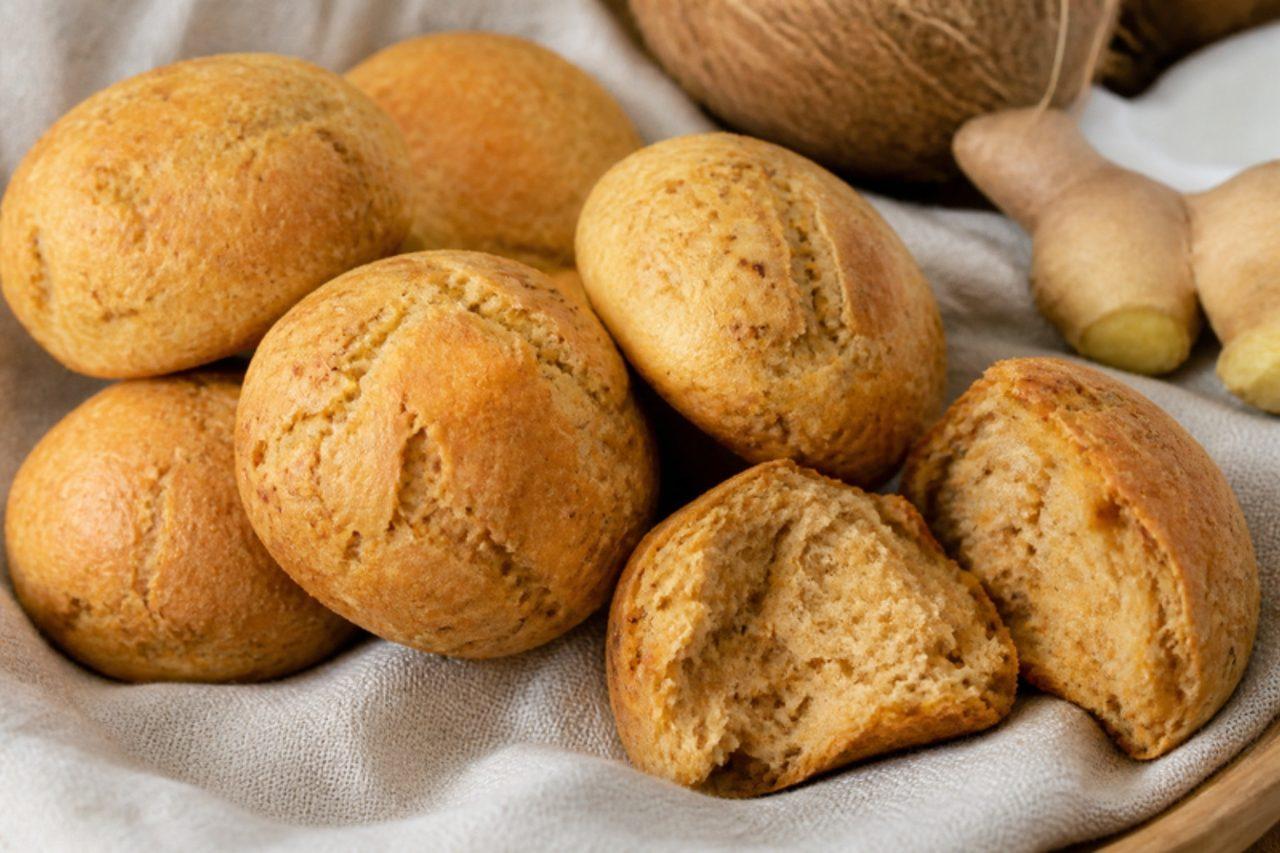
Jérémie, at the far western tip of Haiti, is the home of konparèt, dense round loaves of spiced bread made with grated coconut, fresh ginger, nutmeg and vanilla, baked until firm and golden. They are a Grand'Anse travelling food, carried home from the coast in baskets and eaten with coffee or hot cocoa in the afternoon. They are meant to be firm and close-crumbed, not fluffy, so the mistake is adding extra liquid to make the dough soft. Use freshly grated coconut if you can, as it gives the moistest crumb. Chef's tip: grate the ginger on the fine side of the grater and squeeze its juice into the dough too; that heat is the signature of a good konparèt.

by KrazyBadal 0 views

Pescado con coco

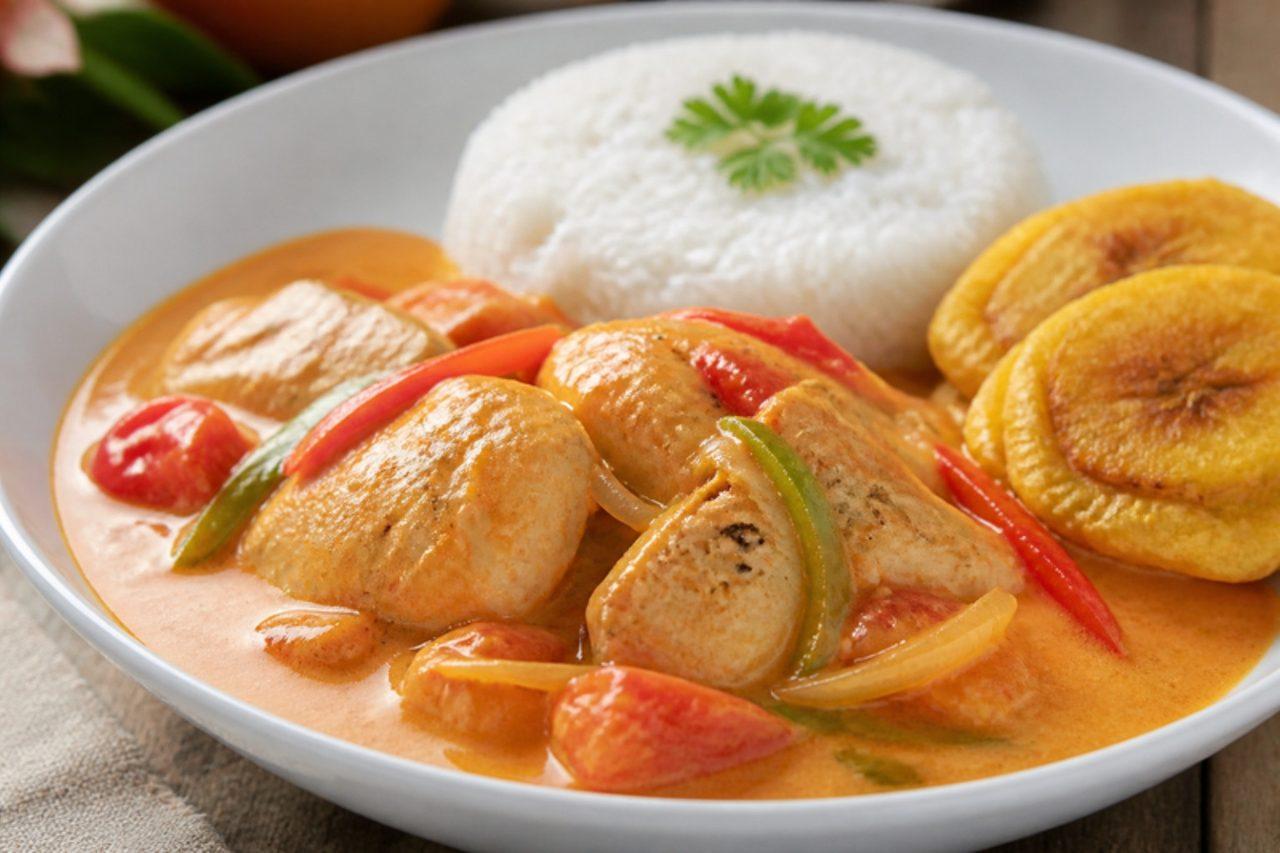
On the Samaná peninsula in the north-east of the Dominican Republic, where coconut palms grow down to the sea and the local cooking carries traces of the African-American settlers who arrived there in the 1820s, fish is braised in fresh coconut milk with tomato, peppers and herbs. It is served at beach shacks in Las Terrenas with white rice and tostones to mop up the sauce. The common mistake is boiling the sauce hard once the coconut milk is in, which makes it split and oily; keep it at a gentle simmer. Chef's tip: let the fish sit in lime, garlic and salt in the fridge for 15 minutes first, but no longer, or the acid starts to cook it.

by KrazyBadal 0 views

Hangikjöt

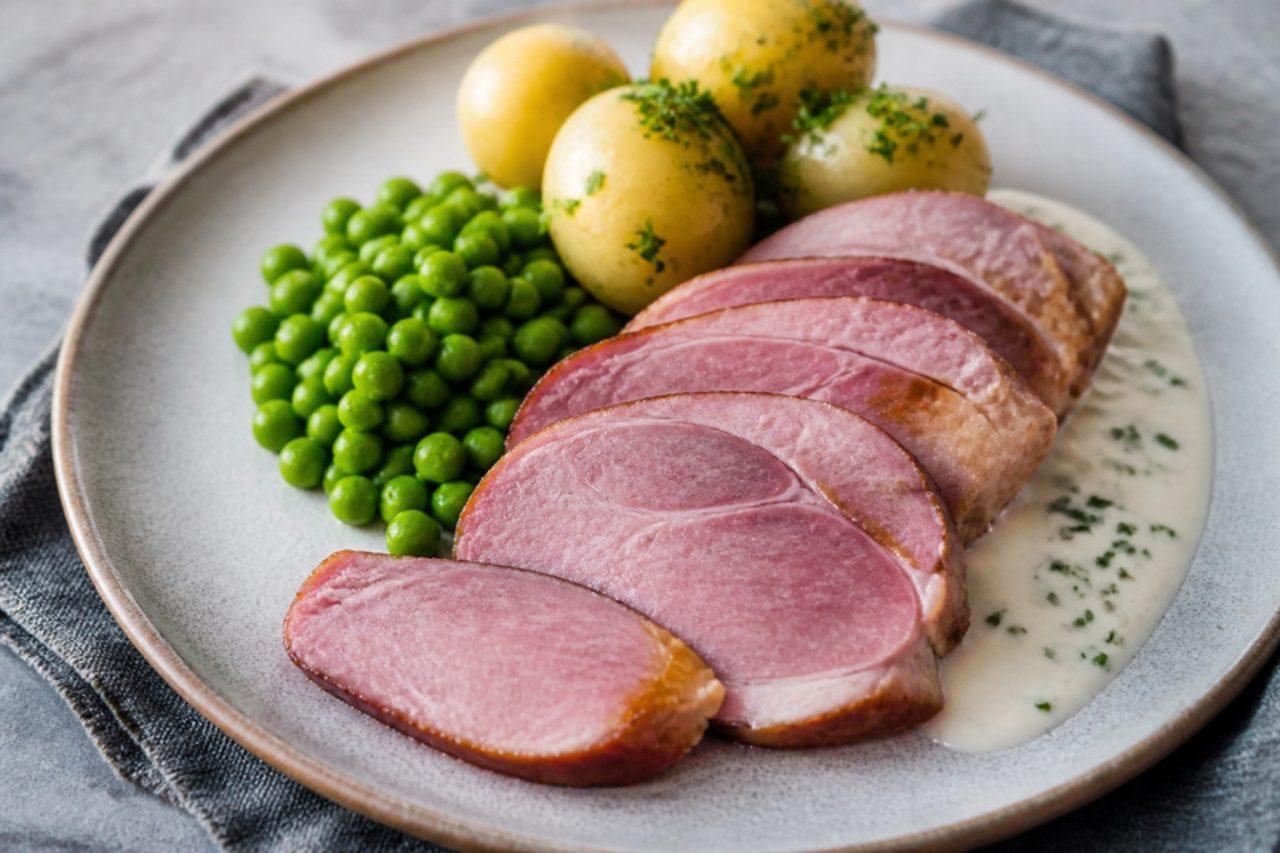
Hangikjöt, 'hung meat', is the Icelandic Christmas Day dinner: lamb or mutton smoked over birch or dried sheep dung, then simmered slowly and served hot or cold with potatoes in white sauce (uppstúfur), green peas, red cabbage and laufabrauð or flatkökur. Icelanders buy it ready-smoked in December; it is cooked at home. A common mistake is boiling it hard, which toughens the meat and makes it too salty. Chef's tip: let it cool in its cooking water; the meat stays juicy and absorbs back some of the flavour.

by KrazyBadal 0 views

Nova Scotia oatcakes

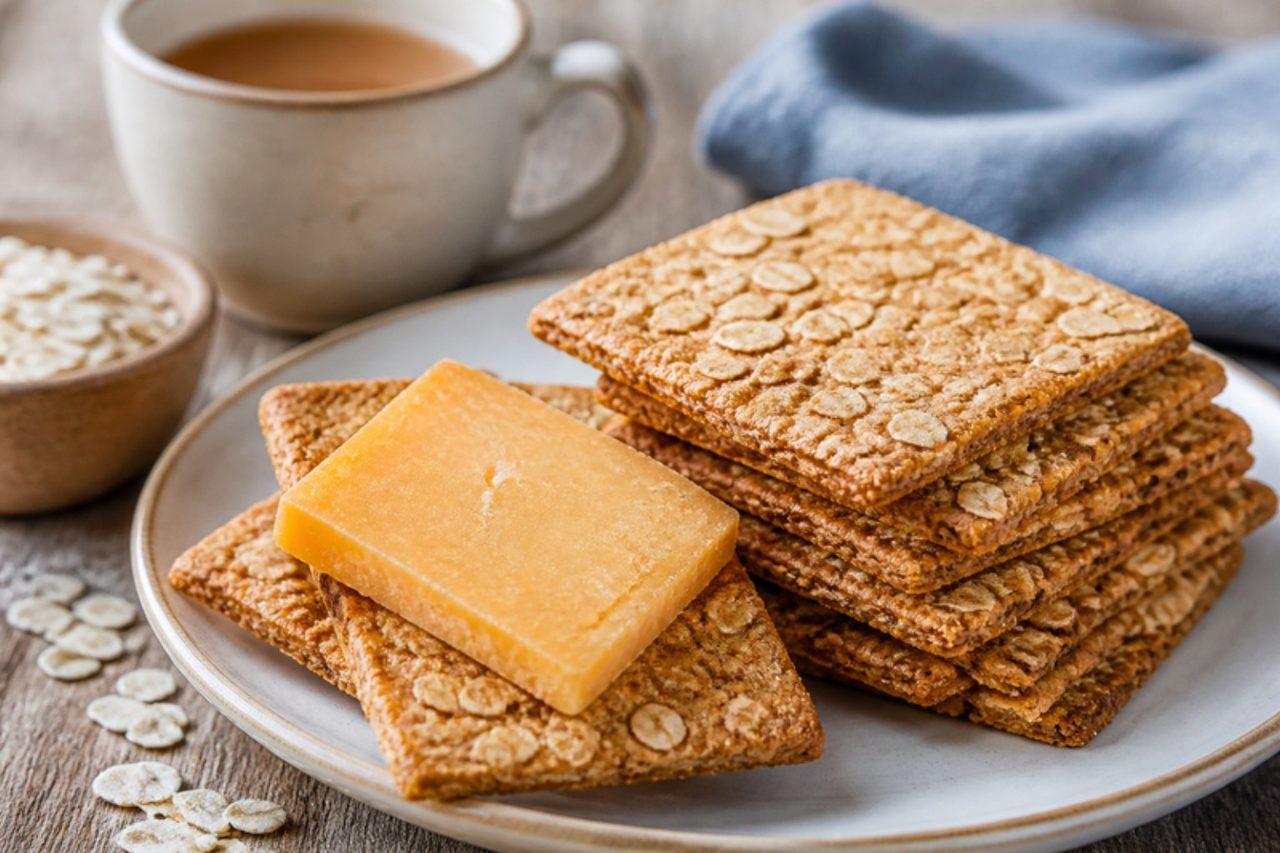
Nova Scotia oatcakes are nothing like the plain Scottish kind: Cape Breton bakers, with their Highland roots, made them sweeter and richer, with butter and brown sugar, so they crunch like a cross between a biscuit and shortbread. They are sold at every coffee shop in Antigonish and Baddeck and eaten with tea, or with a slice of sharp cheddar. A common mistake is rolling them thick; 5 mm gives the proper snap. Chef's tip: chill the rolled dough before cutting so the squares stay sharp.

by KrazyBadal 0 views

Maleh

Before refrigeration, fishermen in Ras Al Khaimah and along the coast of the United Arab Emirates packed their surplus catch in salt for weeks, and maleh is still cooked in Emirati homes, especially in winter, with rice and fresh lime. The stew is sharp and deeply savoury, the firm salted fish flaking into a thick onion and tomato gravy warmed with bezar. This home version salts fresh fish in the fridge for 2–3 days, which gives the same firm, briny bite without the long cure; ready-cured maleh from a Gulf grocer is soaked and used in the same way. The mistake people make is forgetting to soak the fish, which leaves the dish too salty to eat. Chef's tip: taste a flake after soaking; it should be pleasantly salty, like an olive, before it goes into the pot.

by KrazyBadal 0 views

Tunisian octopus salad

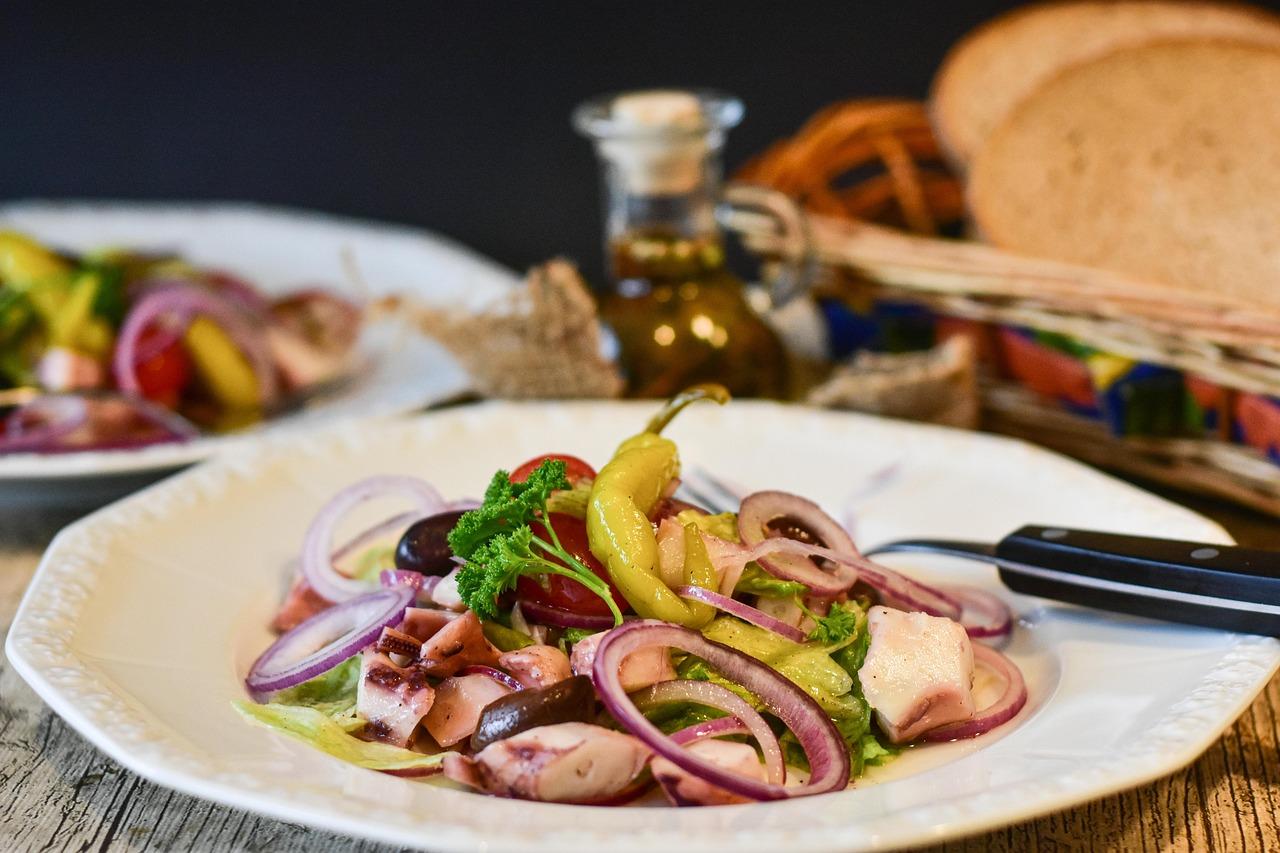
Fishermen of the Kerkennah islands, off Sfax, still catch octopus in clay pots laid on the shallow seabed, and in winter the season's catch turns up in harbour cafés and home kitchens as this simple salad. The octopus is simmered slowly until tender, cooled in its broth, then sliced and tossed with red onion, plenty of parsley, lemon juice and good olive oil, with a little harissa if you like. It is light, clean and briny, eaten as a starter with bread or on a summer table of salads and grilled fish. Buy octopus from a reputable fishmonger; frozen and thawed octopus is often more tender than fresh. A common mistake is boiling the octopus at a rolling boil, which makes it rubbery; keep it at a gentle simmer until a knife slides in easily. Chef's tip: let the cooked octopus cool in its cooking liquid for 20 minutes before slicing; it stays juicy rather than tightening up.

by KrazyBadal 0 views

Shuwa

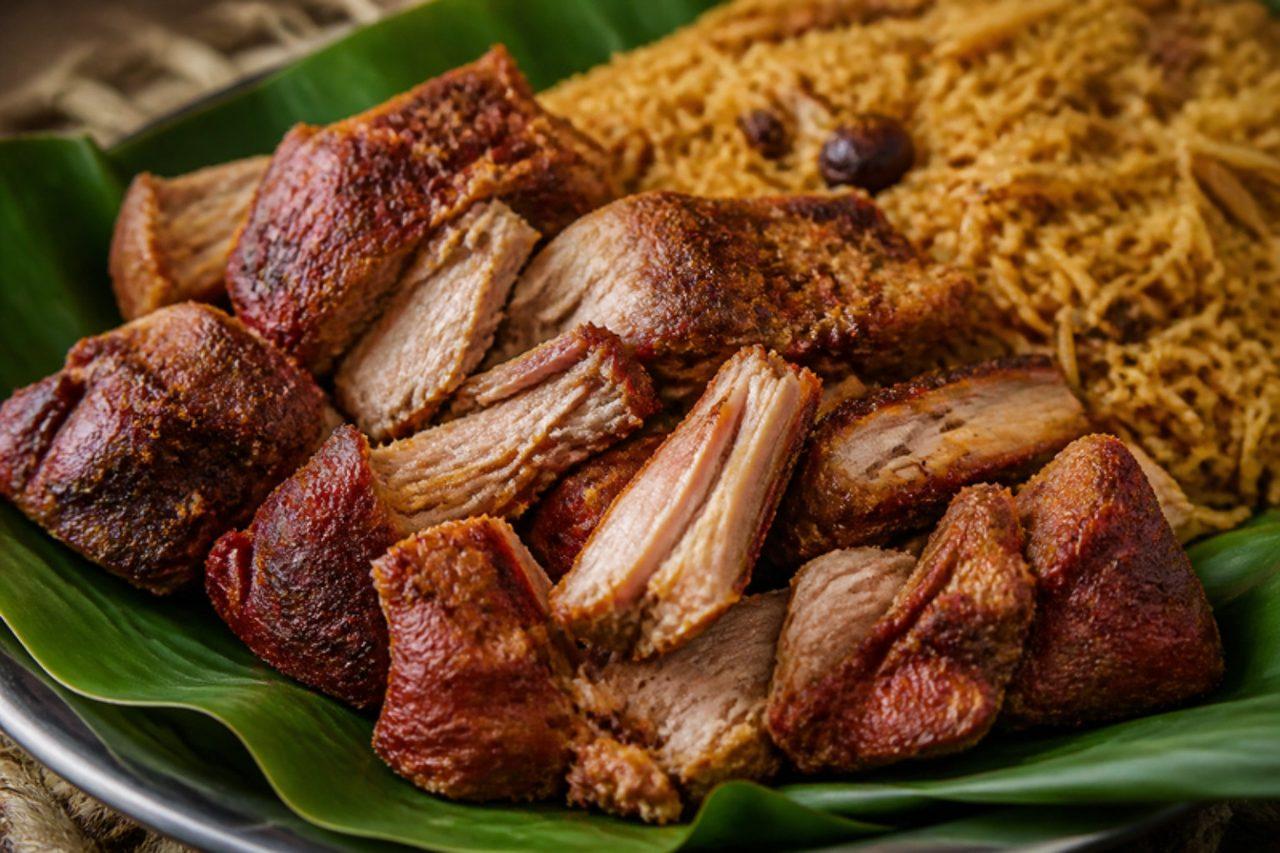
At Eid in Oman, from Nizwa to the villages of the interior, whole sides of goat or lamb are smothered in a red spice paste, wrapped in banana leaves and lowered into an underground sand pit of glowing embers, where they cook for a day or two. This home version keeps that ritual's flavour with a single lamb shoulder, marinated overnight in the fridge, then wrapped and slow-roasted in a low oven for about five hours. The meat comes out dark, smoky with spice and soft enough to pull with a spoon, and is served on rice with the juices poured over. The common mistake is roasting it uncovered or too hot, so the paste burns before the meat softens. Chef's tip: wrap it tightly in two layers so no steam escapes, and give it a final 20 minutes unwrapped for a sticky crust.

by KrazyBadal 0 views

Samak mofa

In Mukalla in Hadhramaut and along the Tihama coast of Yemen, samak mofa is slapped against the hot clay wall of a tannour oven, the same one used for bread, so the fish chars on the outside and steams in its own juices within. It is rubbed with a red paste of chilli, garlic, cumin and turmeric and eaten with hot flatbread, a squeeze of lime and a bowl of sahawiq chilli sauce. At home a very hot oven with the grill on gives the same blistered finish. The common mistake is using thin fillets, which dry out before they char. Chef's tip: choose a thick whole fish or thick steaks, and slash deep so the paste reaches the bone.

by KrazyBadal 0 views

Rodanchas

Rodanchas are the Rosh Hashanah pastries of Sephardic families from Turkey and Rhodes, baked in Jerusalem and Bat Yam because pumpkin, kalabasa, is one of the new-year blessings. A thin oil dough is spread with sweet spiced pumpkin and rolled into coils that open like roses in the oven. They are crisp at the edges and soft and jammy inside, eaten with coffee after the festive meal or for breakfast. The mistake is a watery filling, which soaks the dough and stops the roses holding their shape. Chef's tip: roast the pumpkin rather than boiling it, then cook the purée in a pan until it is thick enough for a spoon to leave a trail.

by KrazyBadal 0 views

Kishke

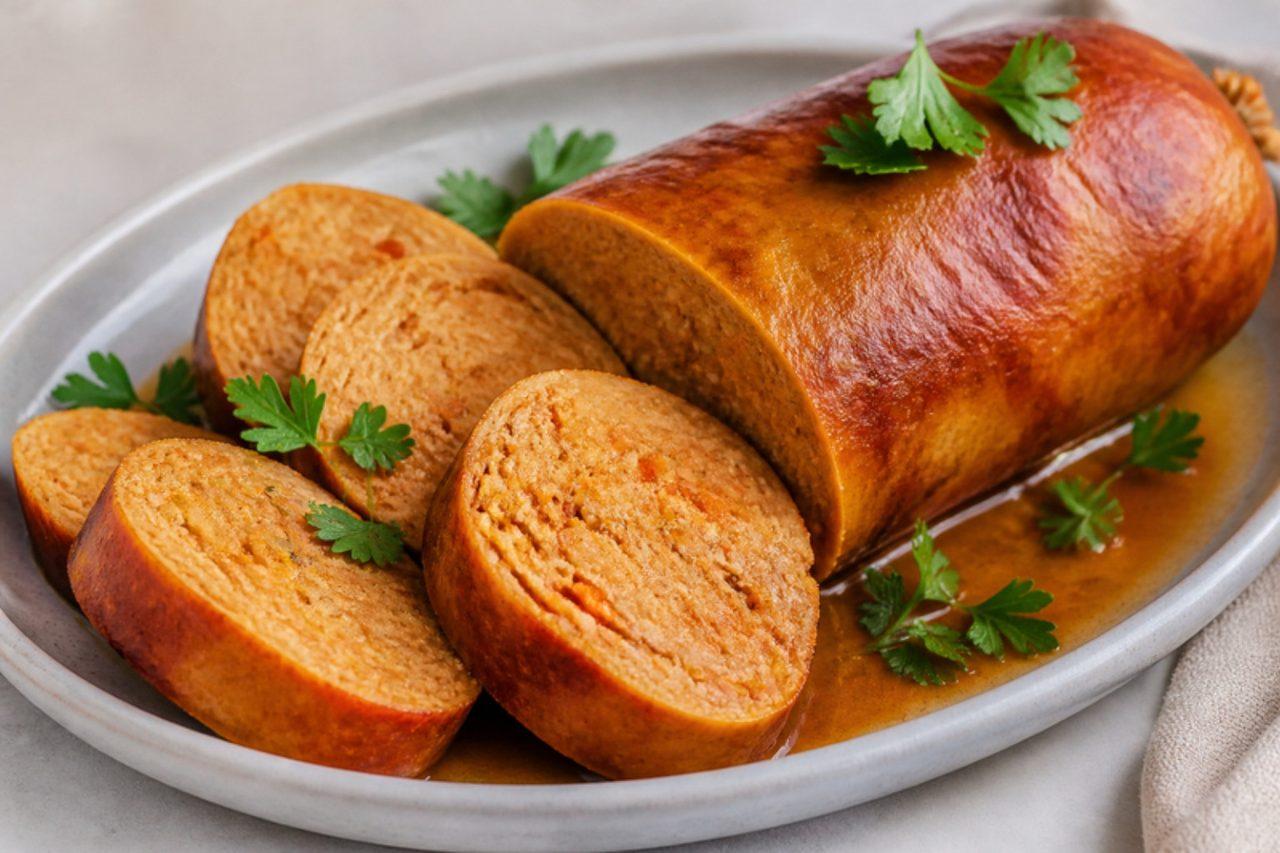
Kishke, also called derma, was once stuffed into cleaned beef intestine and buried in the Shabbat cholent to cook overnight, and Haredi neighbourhoods such as Jerusalem's Geula still sell it at the butcher, orange with paprika, for Friday. The filling is humble: flour or matzo meal, onion, carrot and celery bound with rendered chicken fat, which cooks into a dense, savoury sausage with a crackling crust. This home version fills a sausage casing or rolls the mixture into a paper-and-foil log, then bakes it on its own or lays it on top of the cholent. Too dry a filling is the usual problem; it should feel like a soft, oily dough. Chef's tip: slice leftover kishke and fry the rounds in a dry pan until crisp on both sides.

145 minIsraeliMeat
by KrazyBadal 0 views

Kletskoppen

Kletskoppen are the lacy, crackly biscuits of Bruges, sold in the old city's bakeries and served with coffee in the cafés around the Markt: brown sugar, butter and chopped almonds with very little flour (this version uses none), baked until they spread into thin, see-through, toffee-flavoured lace. A common mistake is putting them too close on the tray; they spread enormously and join up. Chef's tip: let them cool for a minute on the tray before lifting, and drape them over a rolling pin while still warm if you want curved tuiles.

by KrazyBadal 0 views

Reform torta

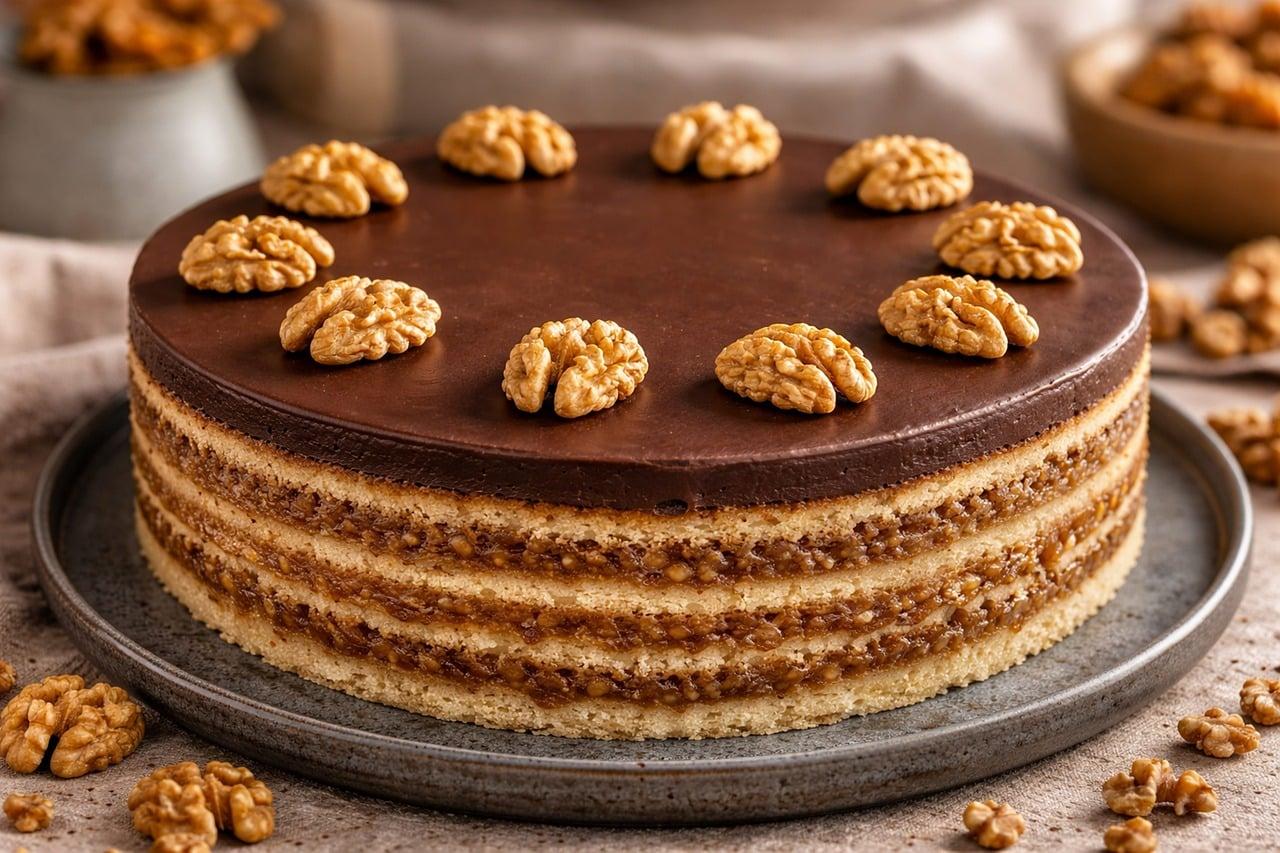
Belgrade pastry shops have sold reform torta since the early twentieth century, and it is still the cake Serbian families bring out for birthdays, weddings and the slava. Three thin layers of walnut meringue, crisp at the edge and chewy inside, are stacked with a dense chocolate butter cream made with egg yolks cooked over steam until thick. It is very rich, so cut thin slices and serve with strong coffee. The usual slip is beating the butter into a chocolate mixture that is still warm, which melts it and splits the cream; let it cool to room temperature first. Chef's tip: assemble the cake the day before; overnight in the fridge the meringue softens a little and the cake slices cleanly with a hot knife.

150 minBalkanBaking
by KrazyBadal 1 views

Lussekatter

Before dawn on 13 December, Lucia Day, children in white gowns walk through Swedish homes, schools and offices carrying candles and trays of lussekatter: golden saffron buns twisted into an S with a raisin in each curl. The saffron colour and the light are meant to chase away the darkest days of winter. A common mistake is adding the saffron dry, which leaves the buns pale and streaky. Chef's tip: grind the saffron with a sugar cube and melt it into the warm butter and milk, so the colour spreads evenly.

by KrazyBadal 0 views

Bkaila (Tunisian spinach and beef stew)

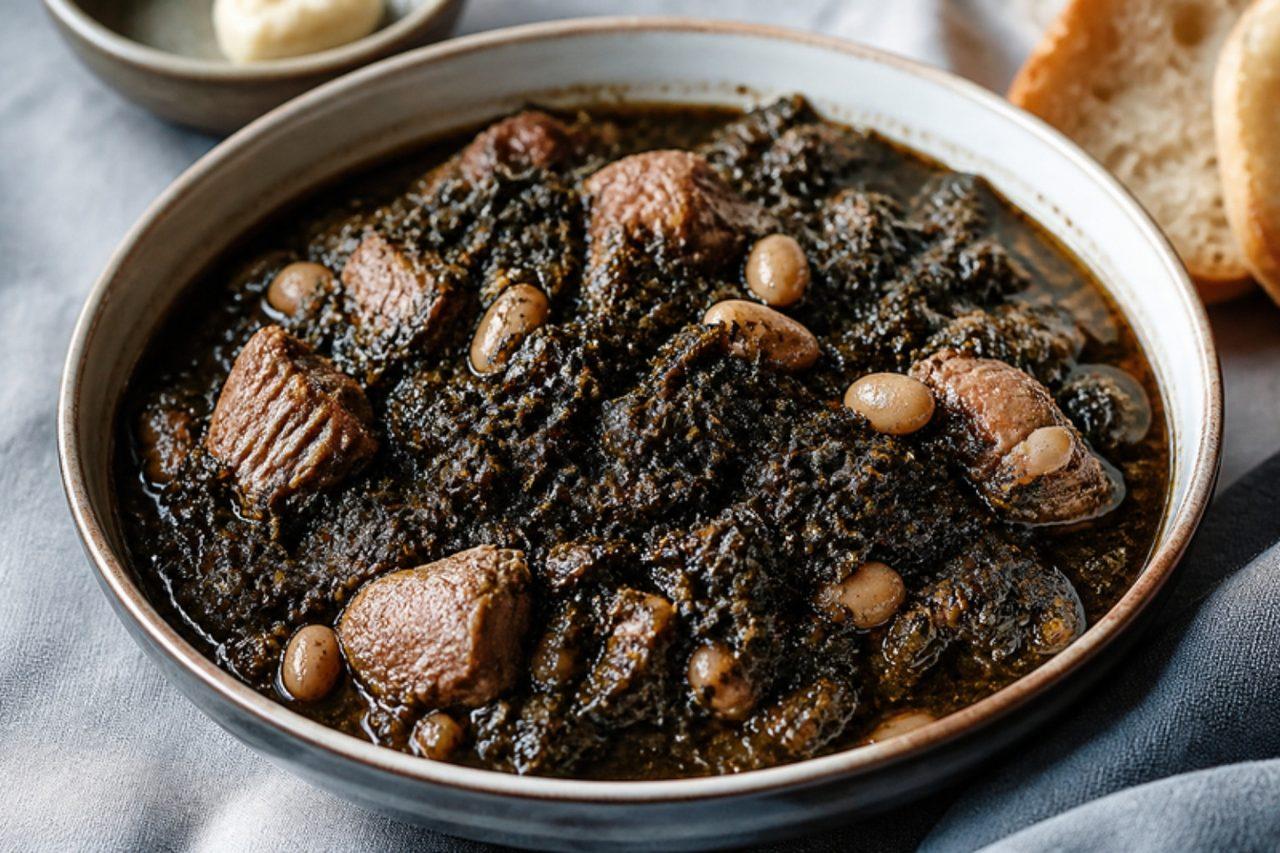
Tunisian Jewish families in Tunis, and those who carried the dish to Paris and Israel, cook bkaila for Rosh Hashanah and for Friday-night dinners: a heap of spinach is fried in olive oil for over an hour, until it shrinks to a dark, almost black, crumbly paste, then simmered for hours with chunks of beef, white beans, garlic and dried mint. The result looks dramatic and tastes deep and earthy, a little like a long-braised green sauce, with tender meat and creamy beans. It is eaten with couscous or bread, and is even better reheated the next day. Start the beans soaking the night before. Chef's tip: fry the spinach over a medium-low heat and stir often; turning up the heat to save time is the classic mistake, scorching the leaves so the whole pot turns bitter.

240 minTunisianMeatGluten free
by KrazyBadal 0 views

Showing 24 of 2,029 recipes

Show more recipes

Page 1 of 85