Skip to content
Recipes

All recipes

Vegetarian, or something you can't eat? Set your diet once and we'll hide recipes that don't fit.

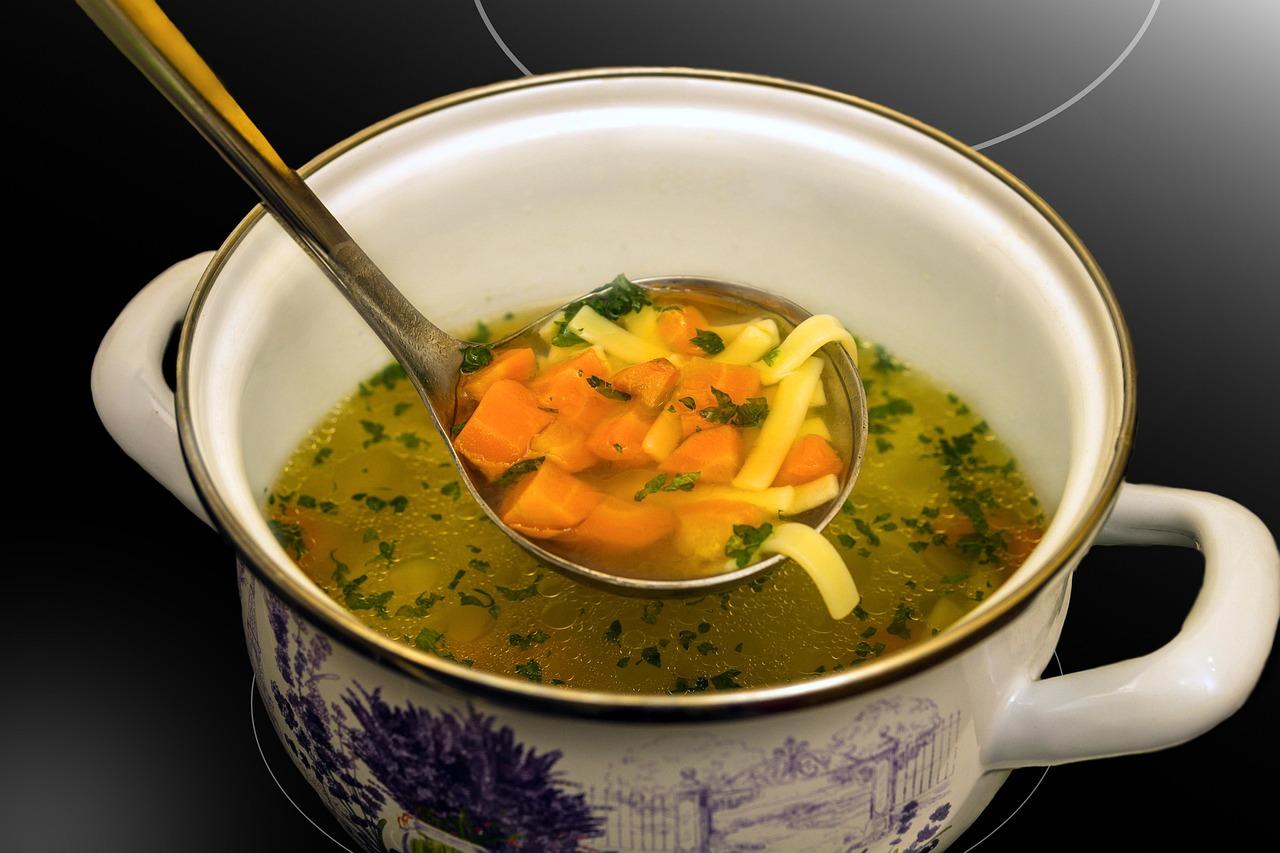
RosółChicken broth

Sunday lunch in Poland, from Gdańsk tenements to Silesian family houses, still starts with rosół: a golden, crystal-clear chicken broth served with fine egg noodles, sliced carrot and parsley. It cooks for hours at the barest simmer with a charred onion, parsley root, celeriac and leek, and the leftover meat goes into pierogi or a salad. It is also the soup for colds and new mothers. A common mistake is letting it boil, which clouds the broth and makes it greasy. Chef's tip: start the chicken in cold water and skim carefully as it comes up to heat; the clearer the first 20 minutes, the clearer the finished rosół.

195 minPolishSoups
by KrazyBadal 0 views

BiskvierAlmond chocolate cakes

In Swedish konditori from Gothenburg to Uppsala, biskvier sit in the glass counter as small domes of glossy dark chocolate: underneath is a chewy almond macaroon base and a swirl of chocolate buttercream. They are a weekend or birthday fika treat and keep well in the freezer, so many families make a big batch before Christmas. They are naturally gluten free. A common mistake is dipping the buttercream before it is completely cold, so it slides off into the chocolate. Chef's tip: freeze the topped biscuits for 30 minutes, then dip them in barely warm chocolate in one quick motion.

by KrazyBadal 0 views

HiyajiruChilled miso soup

In Miyazaki, on the hot, humid east coast of Kyushu, farmers have eaten hiyajiru through the summer for centuries: grilled fish and sesame are pounded with barley miso in a mortar, the paste is toasted, then thinned with cold dashi and poured, with ice, over barley rice, with torn tofu, cucumber and shiso. It is cool, savoury and filling, a lunch that revives you in the heat. Eggs are not used; fish and soy are the allergens. A bowl with rice is about 340 kcal. The common mistake is skipping the toasting of the miso paste; it is what gives hiyajiru its deep, roasted flavour. Chef's tip: use day-old cold rice and rinse it briefly; warm, sticky rice turns the cold soup cloudy.

by KrazyBadal 0 views

Zupa kalafiorowaCauliflower soup

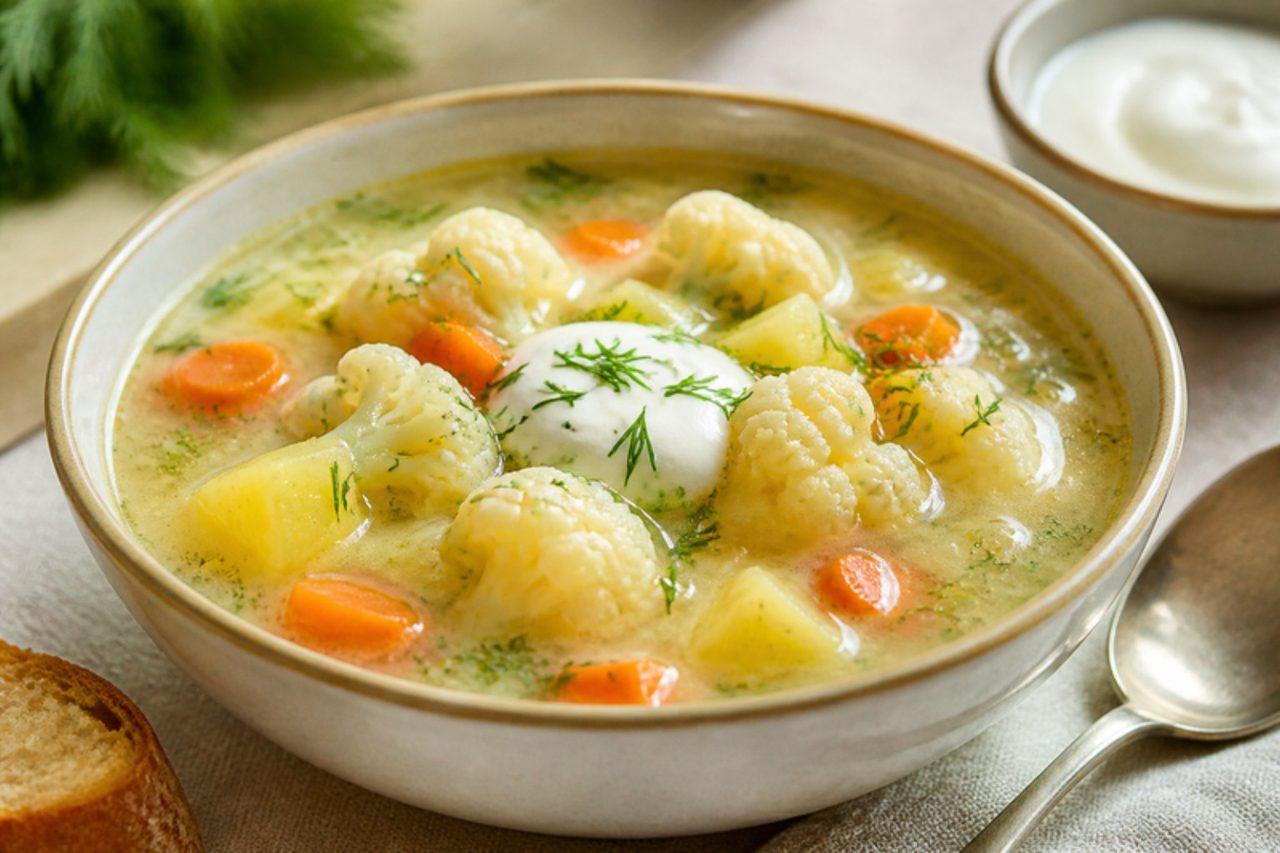
Late-summer cauliflowers from the market gardens around Kalisz and Poznań end up in zupa kalafiorowa, a chunky, comforting soup that Polish families eat on a September weekday with fresh bread. Small florets, potato and carrot simmer in broth, and soured cream and dill turn it creamy and fresh at the end. It is not blended: the pleasure is in the soft florets. A common mistake is adding the cauliflower with the potatoes, so it falls apart into mush. Chef's tip: simmer the cauliflower stalk with the potatoes for flavour and add the florets for only the last 8–10 minutes.

by KrazyBadal 0 views

GrünkernsuppeGreen spelt soup

Grünkern is spelt harvested half-ripe and dried over beech smoke, a trick farmers in the Bauland and Odenwald of northern Baden and Lower Franconia used when wet summers threatened the crop. Around Boxberg and Walldürn the cracked grains still go into a thick, nutty soup for autumn and winter weekday lunches, often followed by something sweet. The grains simmer with leek, carrot and celeriac until they burst and thicken the broth, and a spoon of cream and plenty of parsley go in at the end. Chef's tip: toast the cracked Grünkern in the butter until it smells like smoky popcorn before adding any liquid; skipping this leaves the soup flat and grey.

by KrazyBadal 0 views

BrennsuppeBrowned flour soup

Farmhouse kitchens in Upper Bavaria and the Swabian Allgäu once started the day with Brennsuppe, a soup built from almost nothing: flour browned slowly in butter until it smells of hazelnuts, then whisked into water or stock with caraway and onion. Grandmothers still make it on cold evenings or for anyone feeling poorly, with cubes of stale bread toasted in the pan and a heap of chives on top. It tastes far richer than its ingredients suggest. The usual mistake is rushing the roux on a high heat, so it scorches and turns bitter instead of nutty. Chef's tip: whisk the stock in a little at a time while it is cold or lukewarm, and the soup stays perfectly smooth.

by KrazyBadal 0 views

MannikSemolina cake

In thousands of Russian kitchens, mannik is the cake you make when the cupboard is nearly bare: semolina, kefir, sugar, a couple of eggs and almost no flour. The semolina swells overnight in the kefir, and the result is a plain, damp, slightly springy cake with a golden crust, sliced at the tea table from Smolensk to Vladivostok with a spoon of jam or sour cream. The common mistake is skipping the soak, which leaves the cake gritty with hard grains. Chef's tip: soak the semolina in the kefir for at least an hour, or overnight in the fridge, before adding the rest.

by KrazyBadal 0 views

KakitamajiruEgg drop soup

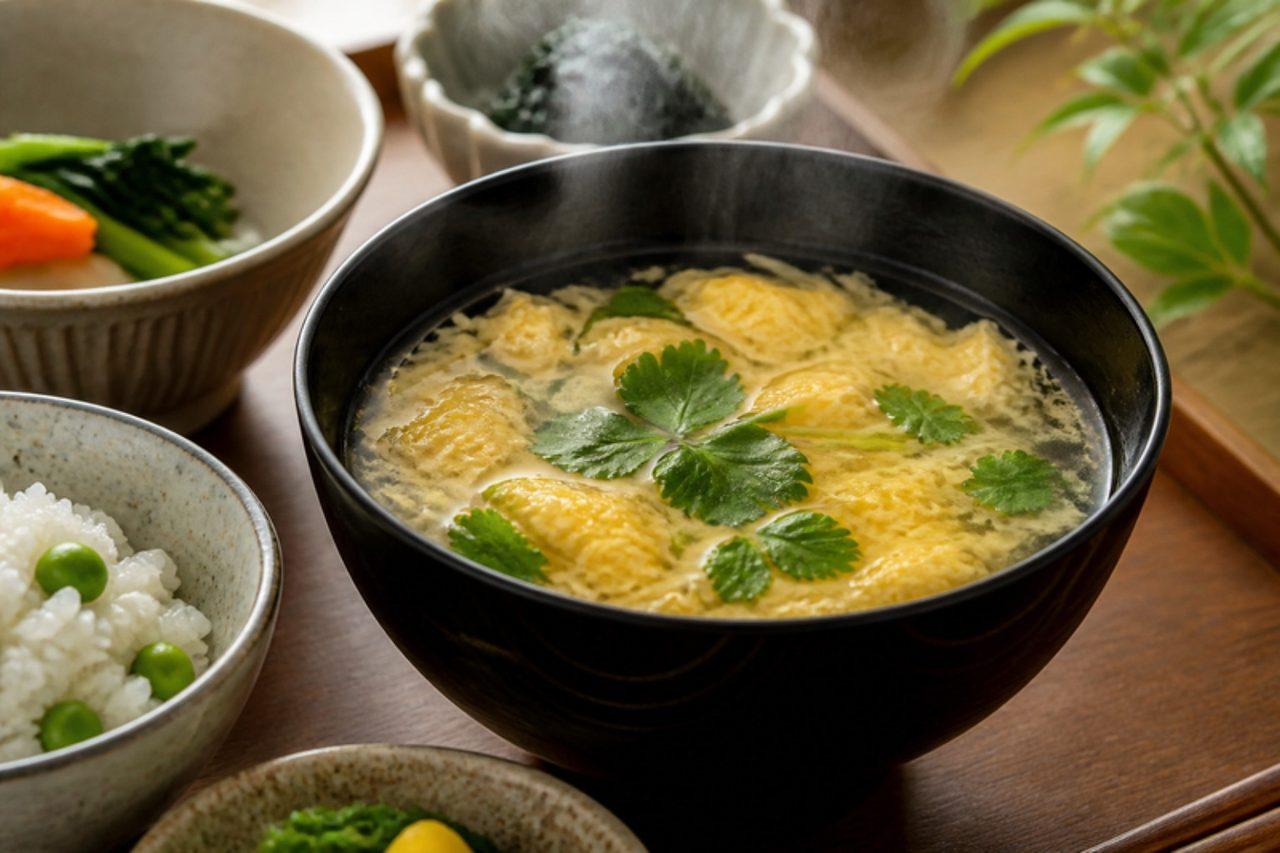
When the miso pot is empty, or someone in a Japanese home is feeling poorly, kakitamajiru is the soup that comes out: a clear, gently seasoned dashi thickened very slightly with potato starch so that a stream of beaten egg sets into soft, floating ribbons. It is served in lacquer bowls alongside rice and a main dish at an ordinary dinner anywhere in Japan. This version uses vegetarian kombu-shiitake dashi. Eggs are an allergen. A bowl is about 55 kcal. The most common mistake is pouring the egg into soup that is not quite boiling, which makes it cloudy; the broth must be bubbling when the egg goes in. Chef's tip: pour the egg through the tines of a fork in a thin stream, moving round the pan; it gives the finest, fluffiest strands.

by KrazyBadal 0 views

HochzeitssuppeWedding soup with meatballs

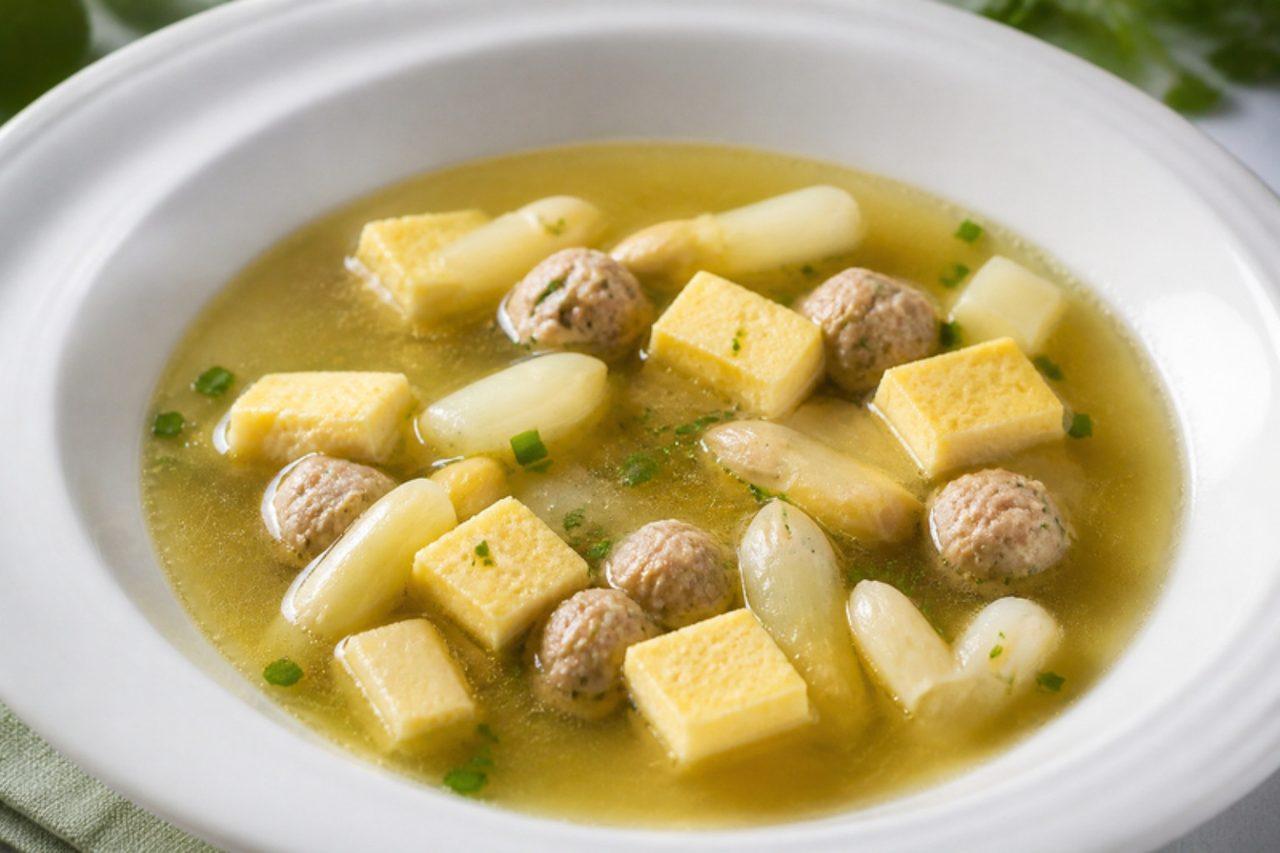
At weddings in Lower Saxony and Westphalia the meal begins with this soup, often served at village inns around Hanover and Münster long before the roast arrives. A clear beef broth carries three garnishes: tiny meatballs of beef and pork, cubes of Eierstich (a steamed egg custard) and pieces of asparagus or peas, so every spoonful has something different. It can be prepared in stages a day ahead, which is why it suits a crowd. A common mistake is boiling the meatballs hard, which clouds the broth. Chef's tip: poach the meatballs separately in salted water, then add them to the clear broth just before serving.

180 minGermanSoups
by KrazyBadal 0 views

Zupa koperkowaDill and potato soup

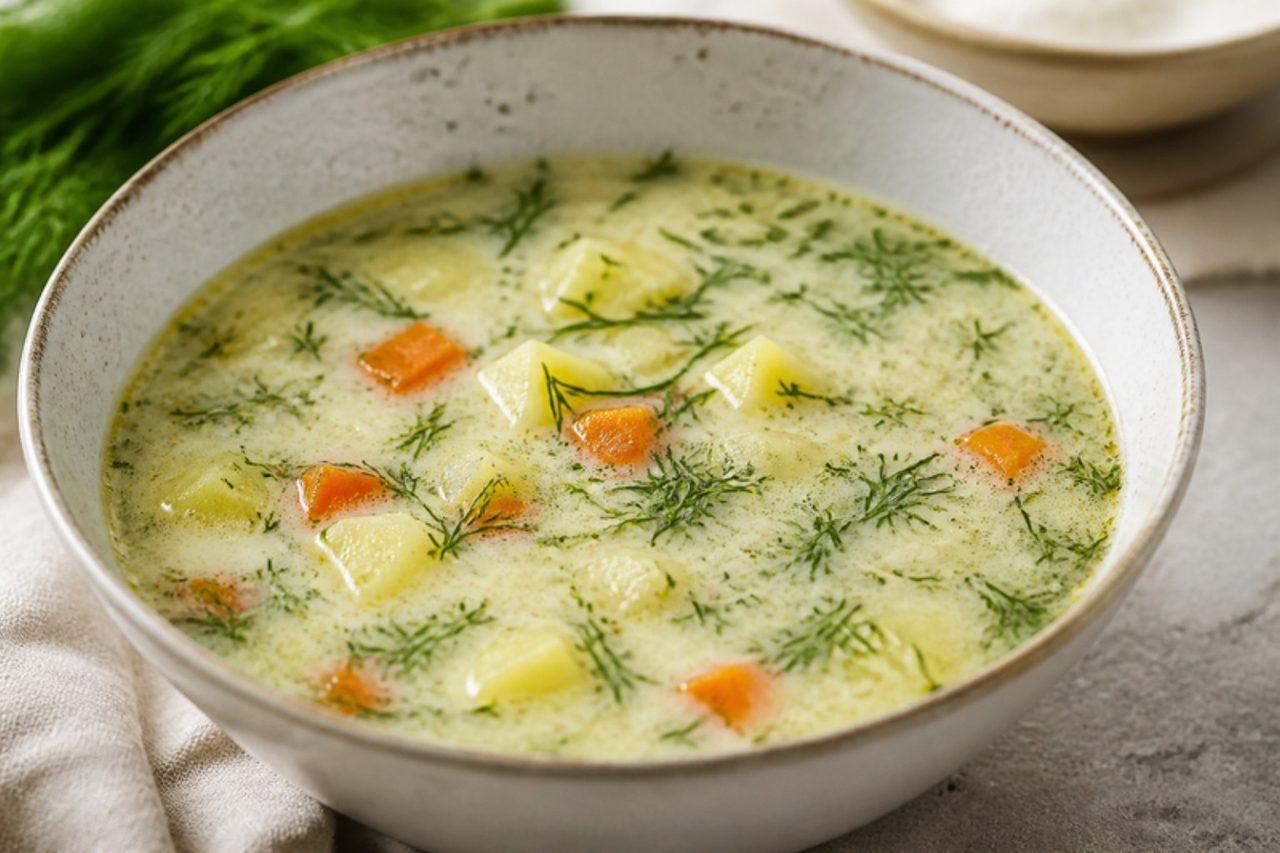
In early summer, when bunches of dill tied with string pile up at Kraków's Stary Kleparz market, Polish cooks make zupa koperkowa: a light broth of potato, carrot and parsley root that gets almost a whole bunch of chopped dill at the end. It is a weekday lunch soup, often with a hard-boiled egg or a spoon of soured cream, and it tastes clean and green. A common mistake is cooking the dill with the vegetables, which turns it dull and grassy. Chef's tip: stir half the dill stalks in during simmering for depth, then add all the feathery leaves only once the pot is off the heat.

by KrazyBadal 0 views

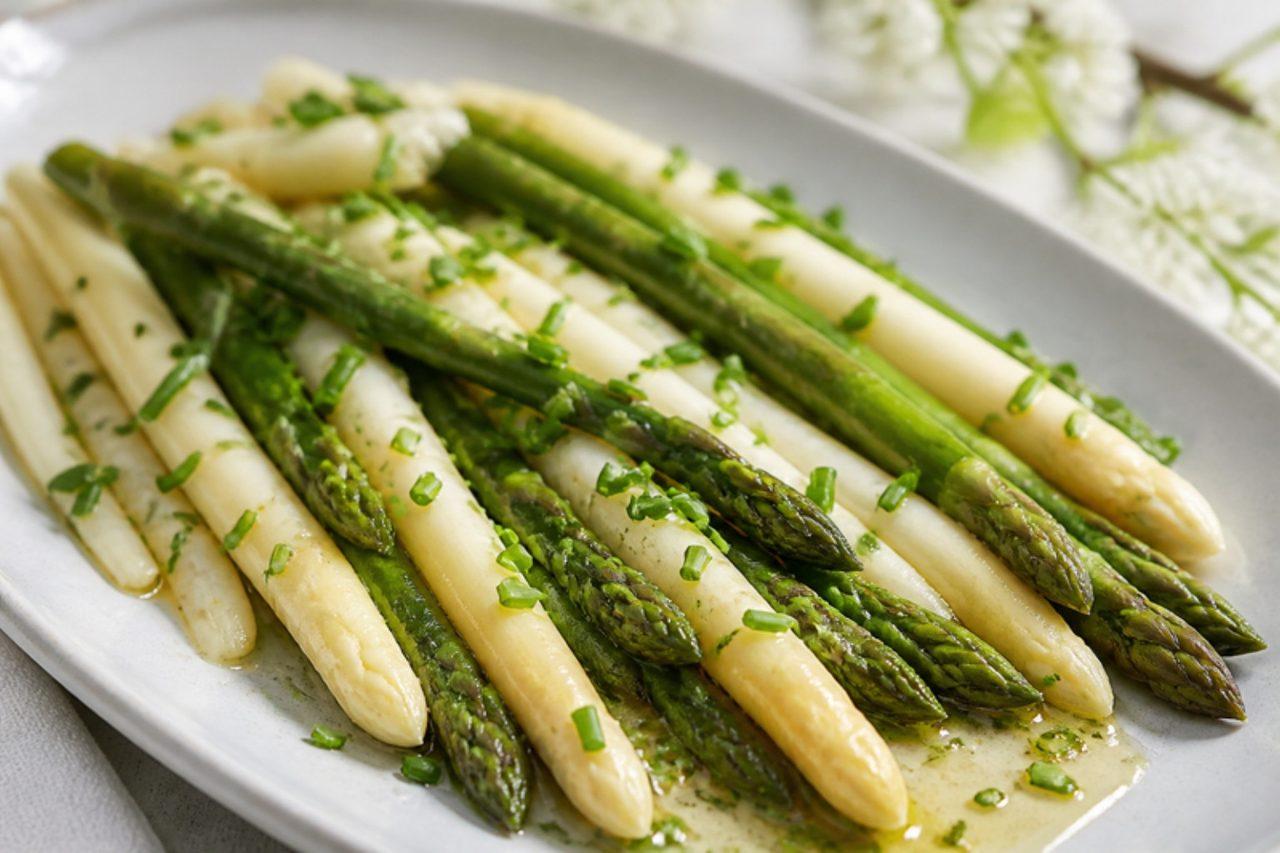
SpargelsalatWarm asparagus salad

Asparagus farms along the Baden Spargelstraße and in the Lüneburg Heath sell their spears straight from roadside huts in May, and this lukewarm salad is how many households there eat the first bundle. White and green spears are cooked just tender, cut into lengths and dressed while warm in a sharp vinaigrette of white wine vinegar, mustard, shallot and plenty of chives, so they soak up the flavour. It goes with new potatoes, or as a light lunch with bread. A frequent mistake is overcooking white asparagus until it is limp and stringy. Chef's tip: dress the spears while still warm and leave them for 15 minutes; cold asparagus barely absorbs the dressing.

by KrazyBadal 0 views

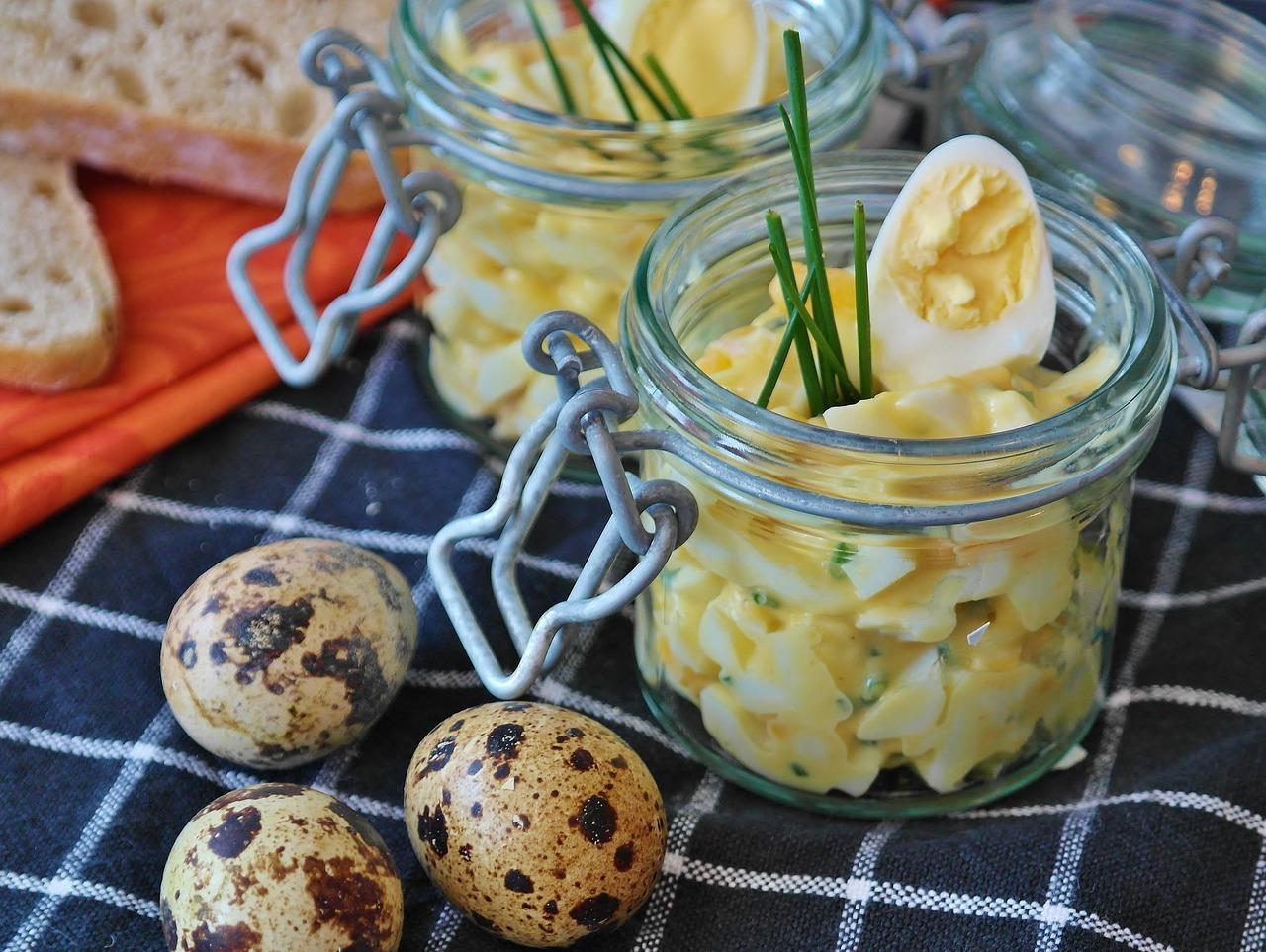
EiersalatEgg salad

Every German bakery counter and many Sunday breakfast tables have a bowl of Eiersalat, spread thickly on halved Brötchen or rye bread at Abendbrot. This home version keeps it light: chopped hard-boiled eggs bound with a little mayonnaise and yoghurt, sharpened with mustard and gherkin and finished with lots of chives. It is also the usual way to use up dyed Easter eggs in the week after Easter. The classic mistake is overcooking the eggs, which leaves grey-green rims and a sulphur smell. Chef's tip: chop the eggs with a fork or an egg slicer, not a blender, so the salad keeps soft little pieces of white and yolk.

by KrazyBadal 0 views

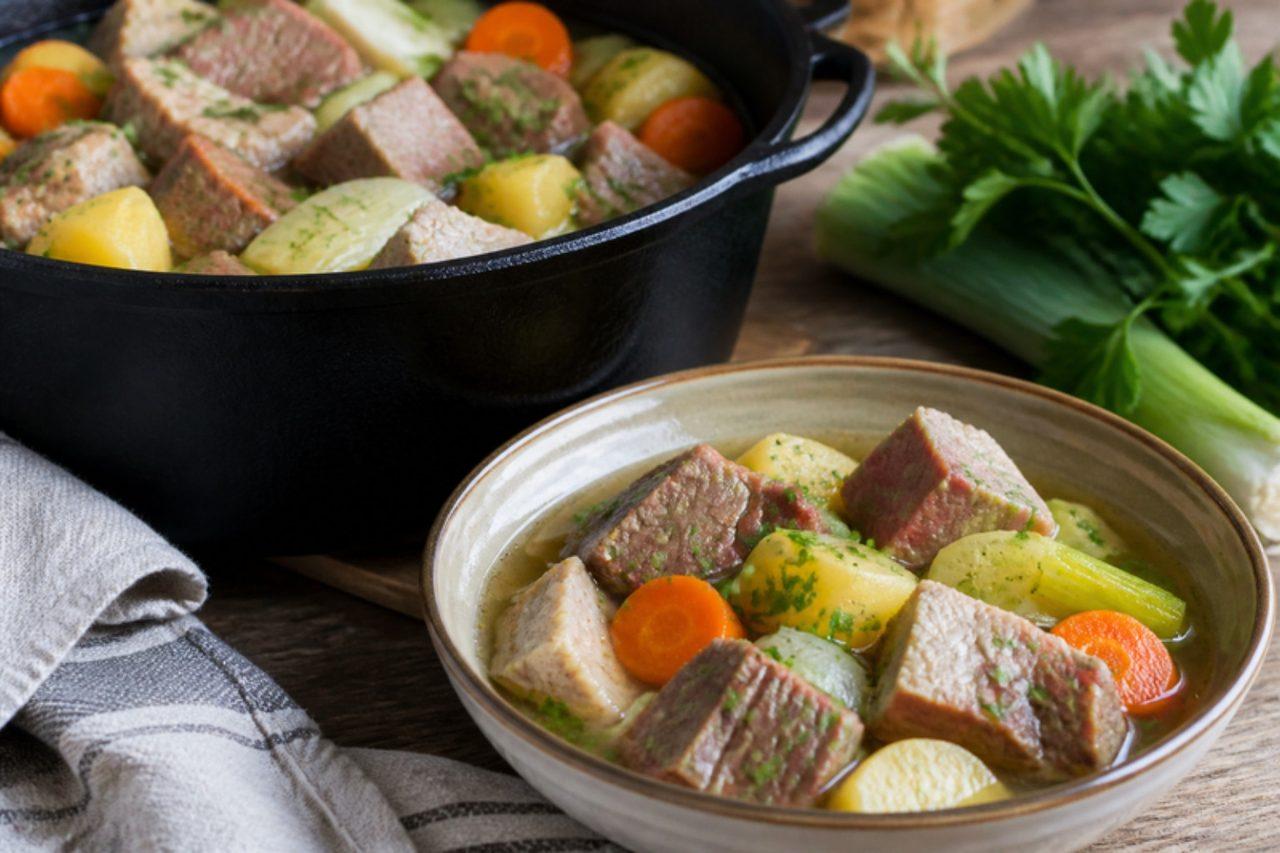
PichelsteinerBeef, pork and vegetable stew

Every summer the town of Regen in the Bavarian Forest holds a Pichelsteiner festival in honour of this layered stew, said to have been first cooked on the Büchelstein hill in the 1800s. Cubes of beef and pork shoulder are stacked in a heavy pot with potatoes, carrots, celeriac, leek and cabbage, a little marrow-bone fat or butter goes between the layers, and the whole thing cooks gently without stirring. Each spoonful mixes tender meat with soft vegetables in a clear, peppery broth. Stirring early is the classic mistake: the potatoes turn to mush. Chef's tip: brown the meat well first and the broth turns a rich amber instead of pale grey.

130 minGermanSoupsGluten free
by KrazyBadal 0 views

ErdbeerkuchenStrawberry flan

When strawberry stands pop up on every country road in June, bakeries from the Rhineland to Saxony fill their windows with Erdbeerkuchen, and families bake one for Sunday afternoon Kaffee und Kuchen. A light sponge is baked in a fluted flan tin with a raised rim, spread with a thin layer of custard or jam, covered with halved strawberries and set under a clear red glaze, then served with whipped cream. The mistake most people make is filling the base while it is still warm, which makes it soggy. Chef's tip: brush the cooled base with a little melted white chocolate or jam first; it seals the sponge against the fruit juice.

by KrazyBadal 0 views

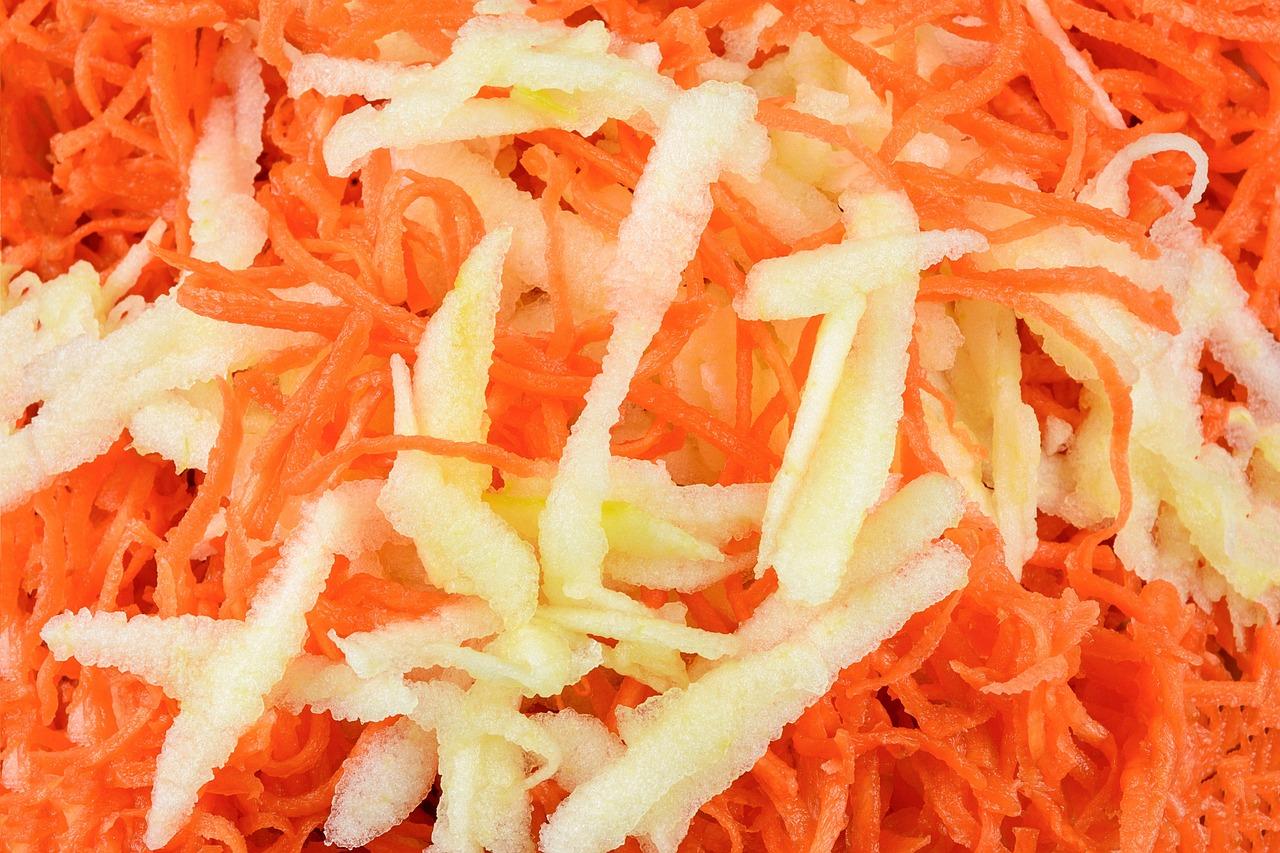
Surówka z marchewkiCarrot and apple salad

That little mound of orange on the side of every milk-bar plate in Łódź or Wrocław is surówka z marchewki, raw carrot and apple grated together and sharpened with lemon. Polish families make it beside Sunday chops, Friday fish and plain potatoes all year round, because carrots and apples keep through the winter. It takes ten minutes and is crisp, sweet and tart. A common mistake is grating the apple long before serving, so it browns and the salad turns watery. Chef's tip: grate the carrots on the fine side of the grater and the apple on the coarse side, so the apple stays juicy and the carrot soaks up the dressing.

by KrazyBadal 0 views

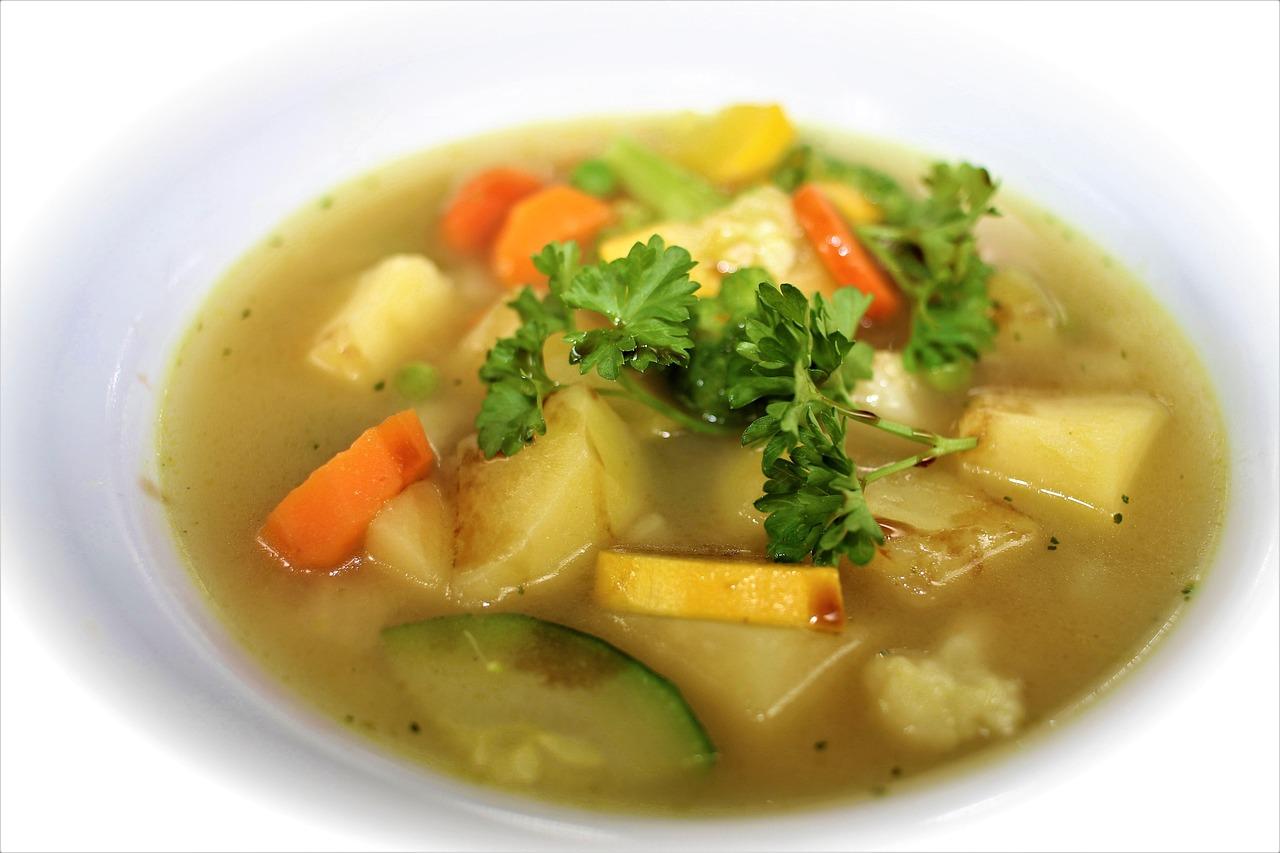
Zupa jarzynowaMixed vegetable soup

Zupa jarzynowa is what a Polish kitchen makes when the vegetable drawer needs clearing: carrots, parsley root, celeriac, potatoes, cauliflower, green beans and peas, all diced small and simmered in one pot. From Białystok to Szczecin it is the Monday soup, the canteen soup and the soup for anyone off their food, and it is eaten with bread and a swirl of soured cream. A common mistake is putting everything in at once, so the beans and peas turn khaki and soft. Chef's tip: add the vegetables in stages, roots first, green things last, and every spoonful has a bit of bite.

by KrazyBadal 0 views

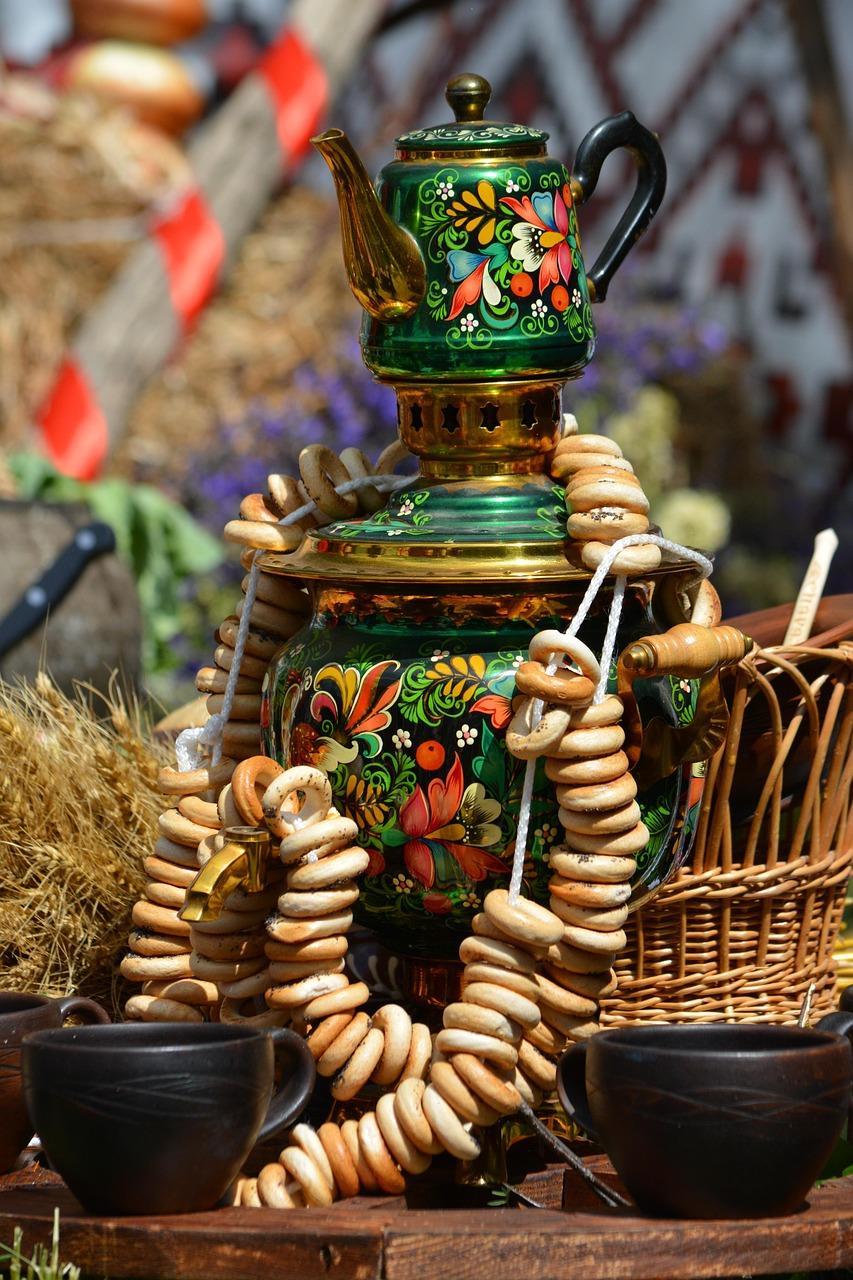
BarankiTea bread rings

Strings of baranki once hung on poles at every Russian fair, and you still see them threaded on twine in Moscow markets and station kiosks. The dough is boiled briefly like a bagel, then baked until hard, golden and glossy, so the rings keep for weeks and soften only when dunked in hot, sweet tea from the samovar. This version is vegan, made with oil instead of butter and eggs. The common mistake is a soft, wet dough, which makes puffy bread rolls instead of crunchy rings. Chef's tip: knead the dough stiff and leave the shaped rings uncovered for 20 minutes to form a skin before boiling; that gives the shine.

by KrazyBadal 0 views

MailänderliLemon butter cookies

Come December, almost every Swiss household bakes Mailänderli, the simplest and best-loved of the Weihnachtsguetzli: buttery, lemon-scented biscuits cut into stars, hearts and moons and painted with egg yolk so they bake to a deep shine. Children across German-speaking Switzerland help cut them out, and tins of them are swapped with neighbours and eaten all through Advent. Chef's tip: rest the dough in the fridge overnight, or for at least 2 hours; warm dough spreads and the shapes lose their sharp edges.

by KrazyBadal 0 views

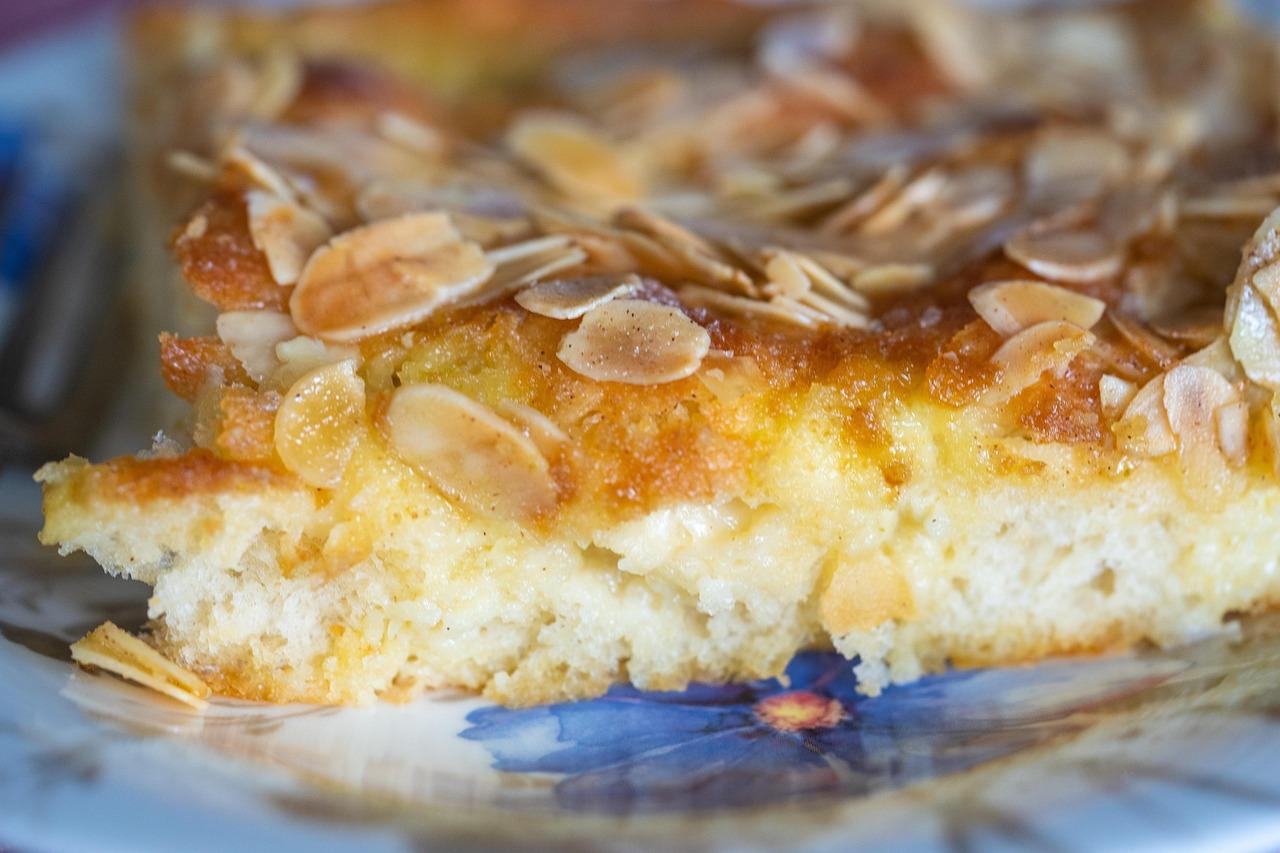
ToscakakaAlmond caramel butter cake

Toscakaka is the elegant fika cake of Swedish coffee afternoons, named after the opera and found in every old konditori in Stockholm and Gothenburg. Under a crunchy, toffee-like lid of flaked almonds cooked in butter, sugar and cream is a light, buttery sponge. It is at its best on the day it is made, with coffee. A common mistake is adding the topping too early, so it sinks into the raw sponge. Chef's tip: bake the cake until just set, then spread the hot topping over and return it to the oven until bubbling and amber.

by KrazyBadal 0 views

Rei-shabuChilled pork salad

In the heat of a Tokyo August, nobody wants a hot frying pan, and rei-shabu, "cold shabu-shabu", is what appears on dinner tables and in set lunches: paper-thin slices of pork loin or shoulder poached briefly in barely simmering water, cooled, and piled on a crisp salad of lettuce, cucumber and tomato with ponzu or a sesame sauce. It is light and refreshing. This is a pork dish. A portion is about 280 kcal. The most common mistake is plunging the cooked pork into iced water, which makes the fat set hard and the meat tough; let it cool on a sieve instead. Chef's tip: keep the water just below the boil, around 80 °C, with a splash of sake; the pork stays tender instead of going grey and stringy.

by KrazyBadal 0 views

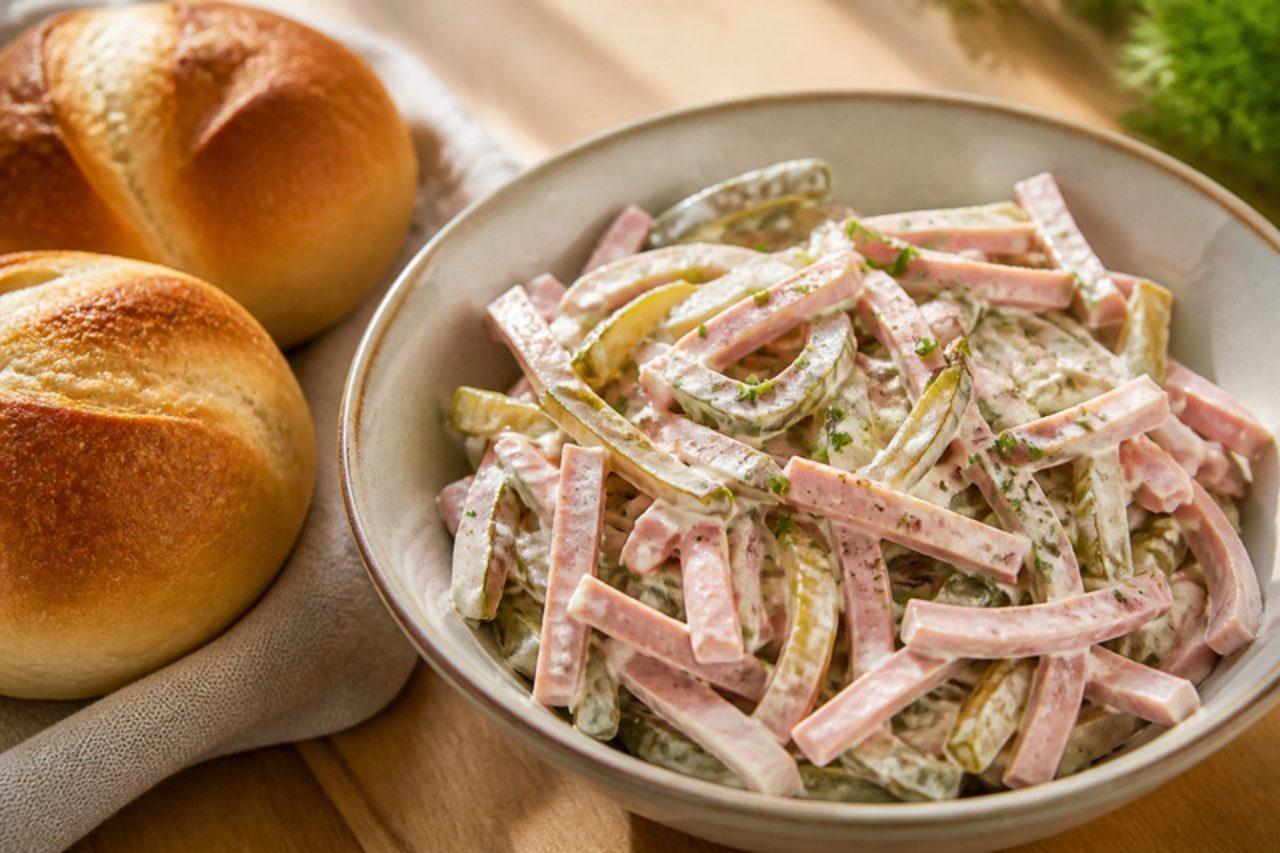
FleischsalatSausage salad

Every German butcher sells Fleischsalat in tubs, and it is spread thickly on bread rolls for Abendbrot or a workday second breakfast from Cologne to Leipzig. It is made from Lyoner or Fleischwurst, a mild cooked pork sausage, cut into fine strips and folded into mayonnaise with gherkins and a little of their brine. Making it at home lets you use less mayonnaise and add yoghurt for freshness. A common mistake is cutting the sausage into thick chunks, which makes it heavy; thin matchsticks are what you want. Chef's tip: chill it for an hour before serving so the gherkin brine flavours the sausage.

by KrazyBadal 0 views

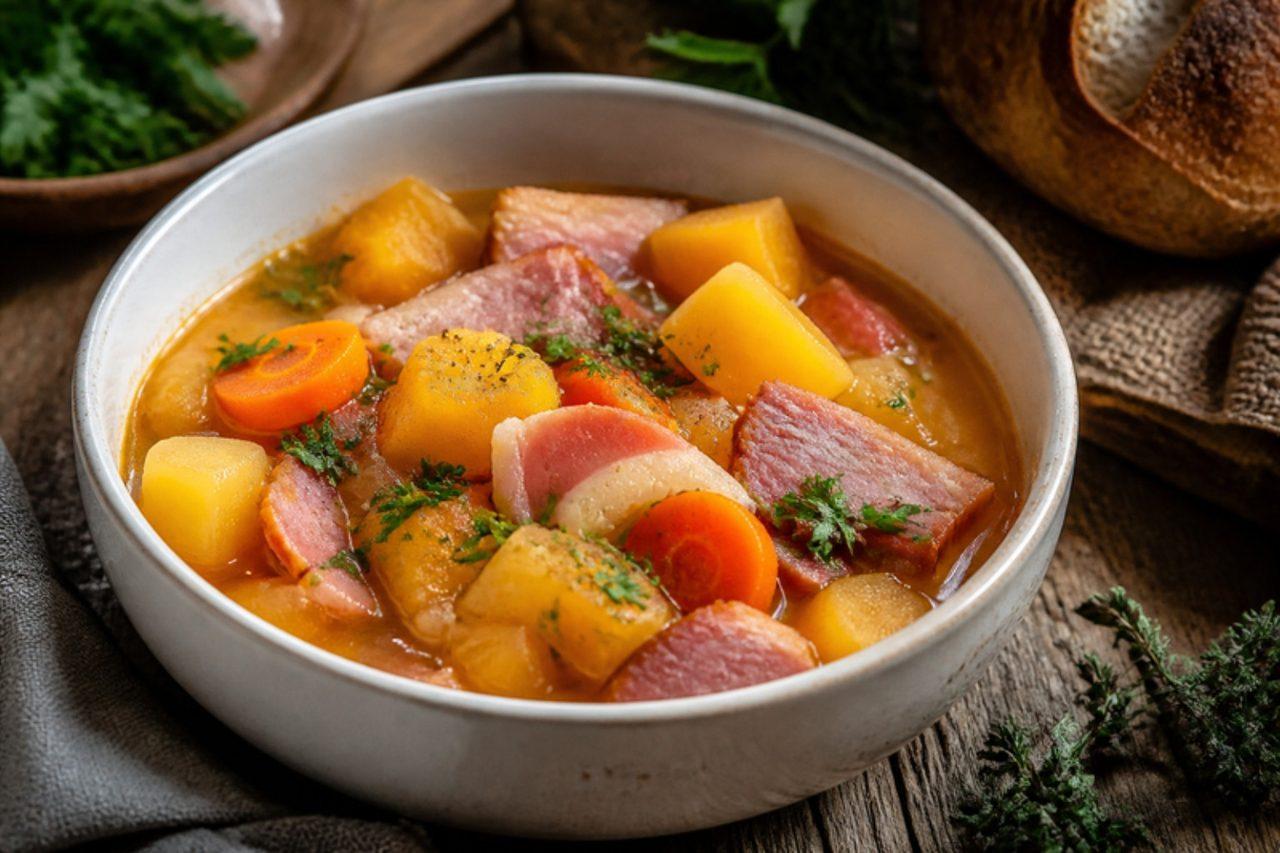
SteckrübeneintopfSwede stew

Swede carries hard memories in northern Germany, where it fed families through the 'turnip winter' of 1916–17, yet in Mecklenburg, Holstein and along the Elbe it is loved again as a sweet, golden winter stew. Chunks of swede, potato and carrot cook down in broth with smoked pork shoulder (Kasseler) until some of the vegetables collapse and thicken the pot, and it is ladled out on frosty days with mustard and dark bread. Expect a mellow, earthy sweetness. The usual mistake is cutting the swede too large; it takes longer than potato, so keep the cubes small. Chef's tip: mash a few ladles of vegetables against the side of the pot at the end for a thick, creamy stew without any flour.

by KrazyBadal 0 views

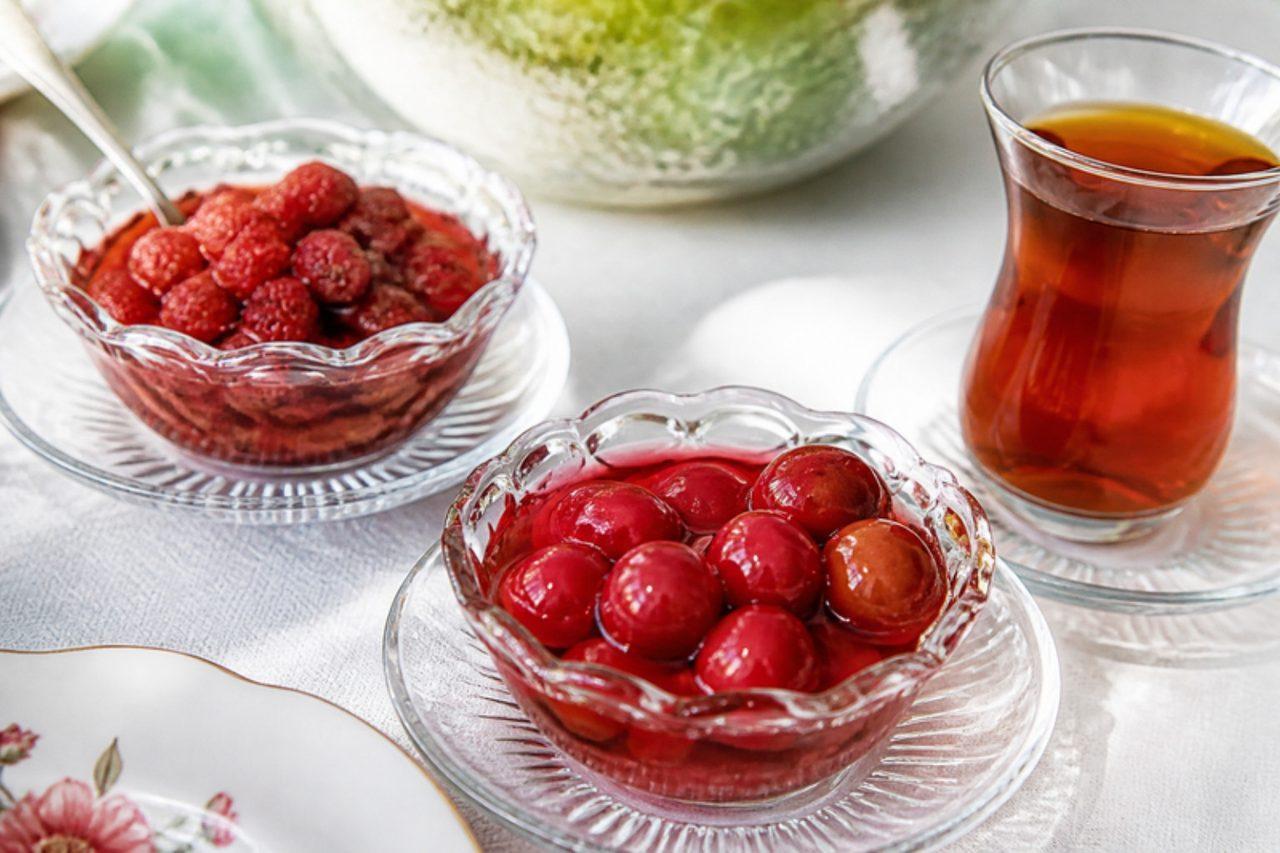
VarenyeFruit preserve in syrup

Varenye is not quite jam: whole berries or fruit are steeped and cooked in short bursts so they stay intact in a clear, glossy syrup. All summer at dachas around Moscow and Vladimir, copper basins of strawberry, cherry or gooseberry varenye bubble outside, and in winter it is spooned into tiny glass rosettes and eaten with tea, sometimes straight from the spoon between sips. The common mistake is boiling it in one long go, which turns the fruit to mush. Chef's tip: cook it in three short boils with long rests between; the fruit soaks up syrup slowly and stays whole.

by KrazyBadal 0 views

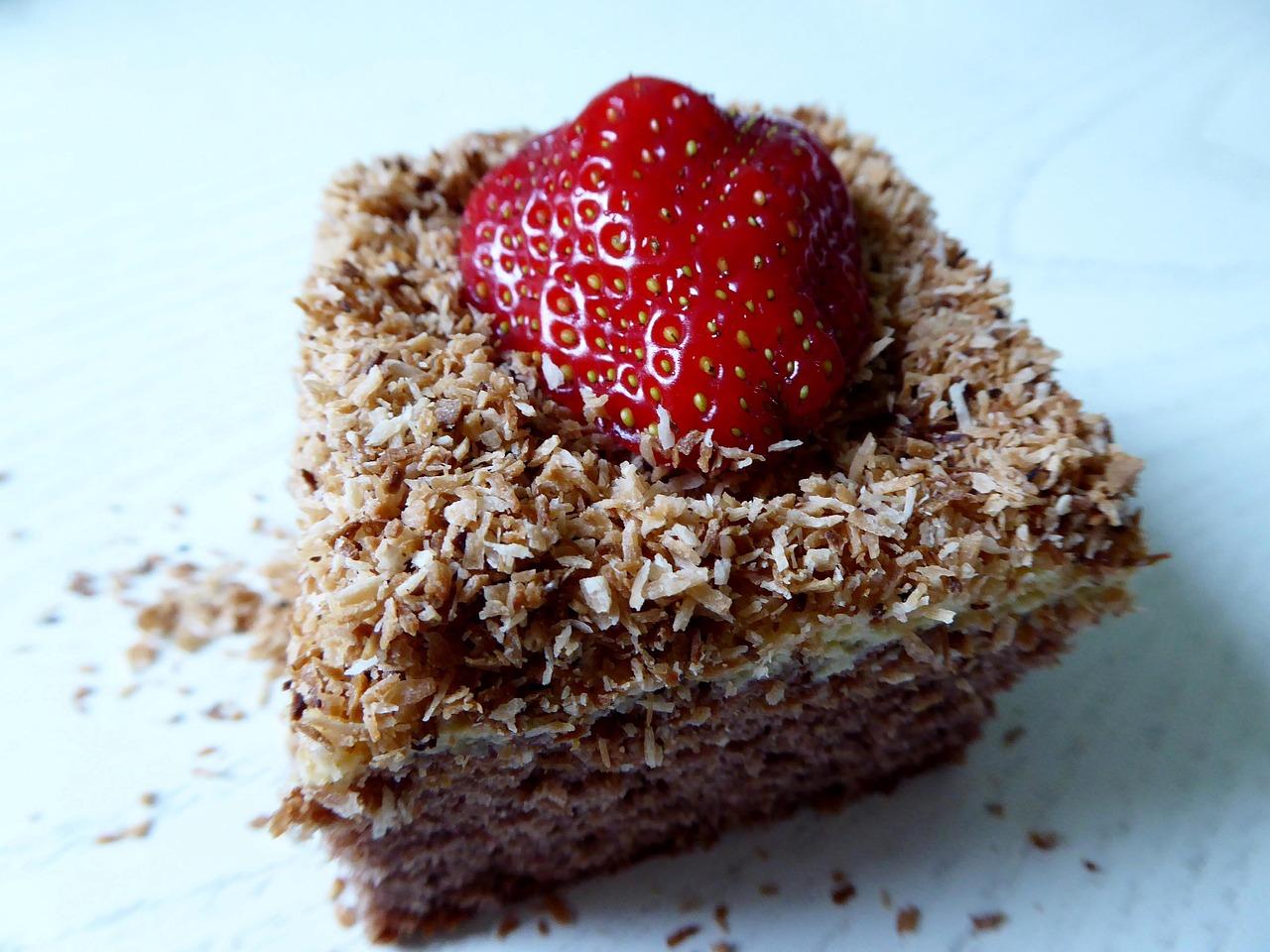
KärleksmumsChocolate tray cake

Kärleksmums, 'love bites', is the tray cake of Swedish school cafés, sports clubs and children's birthdays, cut into squares and eaten with milk or coffee. A soft chocolate sponge is spread while still warm with a glossy icing of butter, cocoa, icing sugar and a splash of coffee, then covered in desiccated coconut. Leave out the coffee for children if you prefer and use milk. A common mistake is icing a cake that is too hot, so the icing soaks in and the coconut slides off. Chef's tip: let the cake cool for 10 minutes, so it is warm but not hot, before spreading.

by KrazyBadal 0 views

Showing 24 of 3,205 recipes

Show more recipes

Page 1 of 134