Skip to content
Recipes

All recipes

Vegetarian, or something you can't eat? Set your diet once and we'll hide recipes that don't fit.

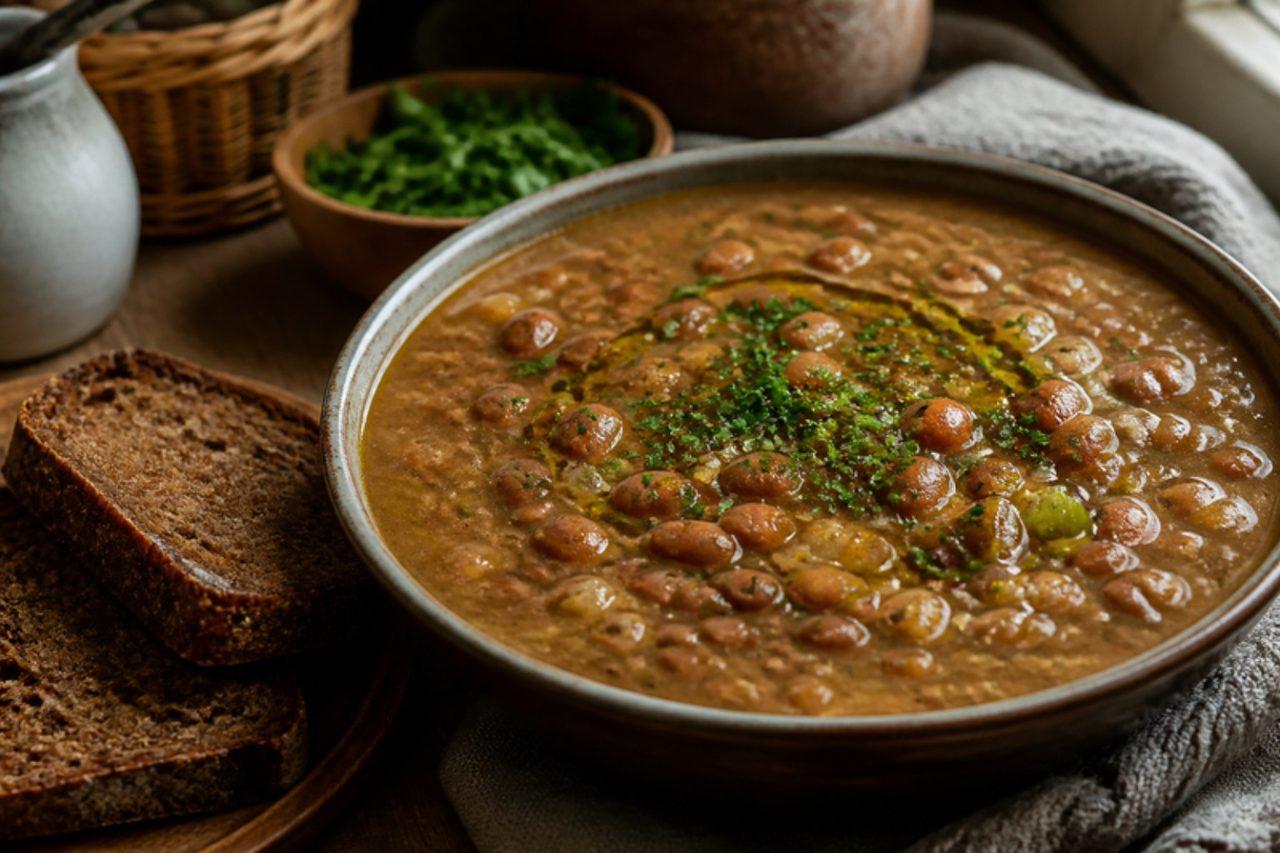
Orzo e fagioliBarley and borlotti bean soup

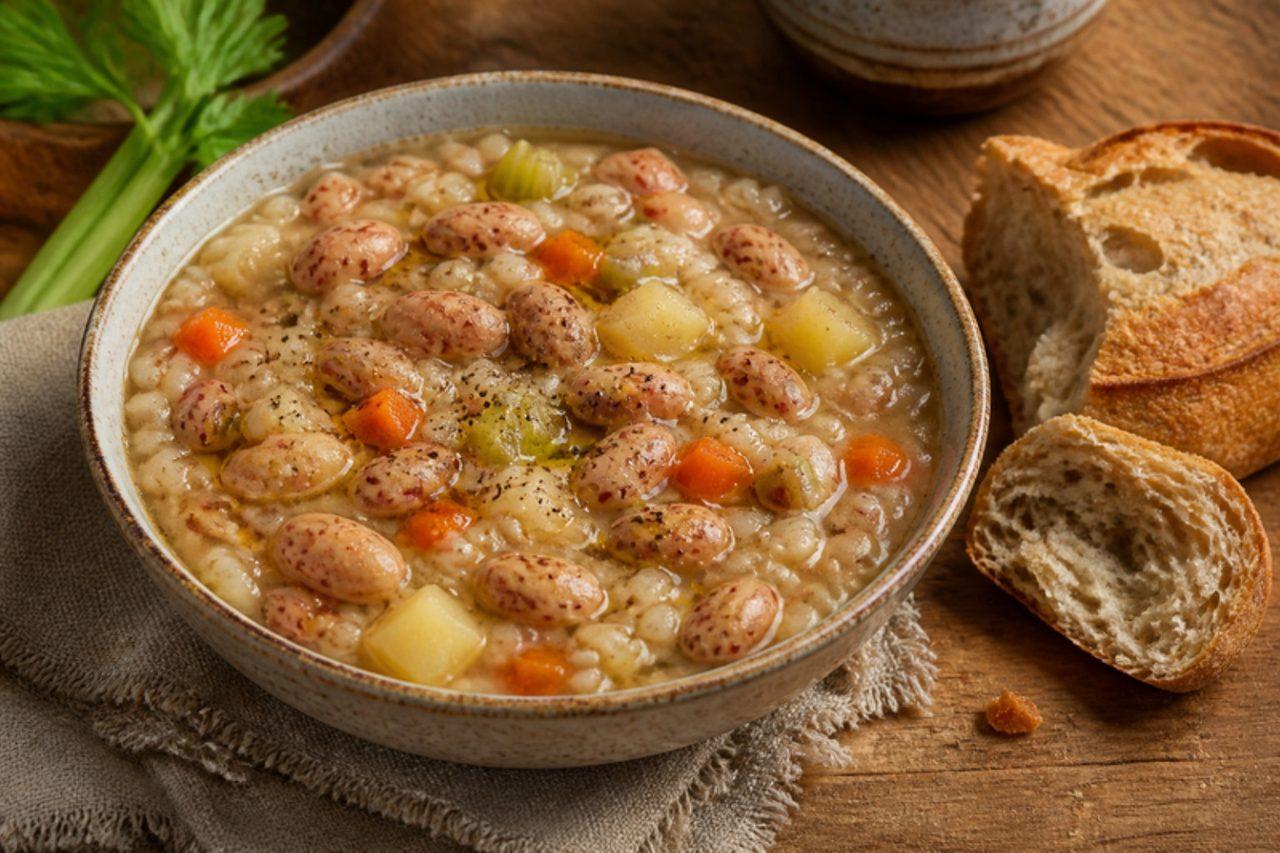
In Friuli-Venezia Giulia, around Udine and up into the Carnic Alps, orzo e fagioli is the thick bowl that warms people through the cold months, made in big pots and eaten for supper over several days. Borlotti beans and pearl barley simmer slowly with potato, carrot and celery until the soup turns creamy and dense enough for a spoon to stand in it. Many families add pork rind or a ham bone; this version is vegetarian and vegan, building depth instead with a slow soffritto, rosemary and a final swirl of good olive oil. A bowl gives about 20 g of protein from the beans and barley. Soak the beans for 12 hours first; that time is not counted below. The most common mistake is adding the barley at the start: by the time the beans are soft it has collapsed into glue. Chef's tip: mash a ladleful of the cooked beans and potato against the side of the pot and stir it back in; it thickens the soup without any flour.

130 minItalianSoupsVegan
by KrazyBadal 0 views

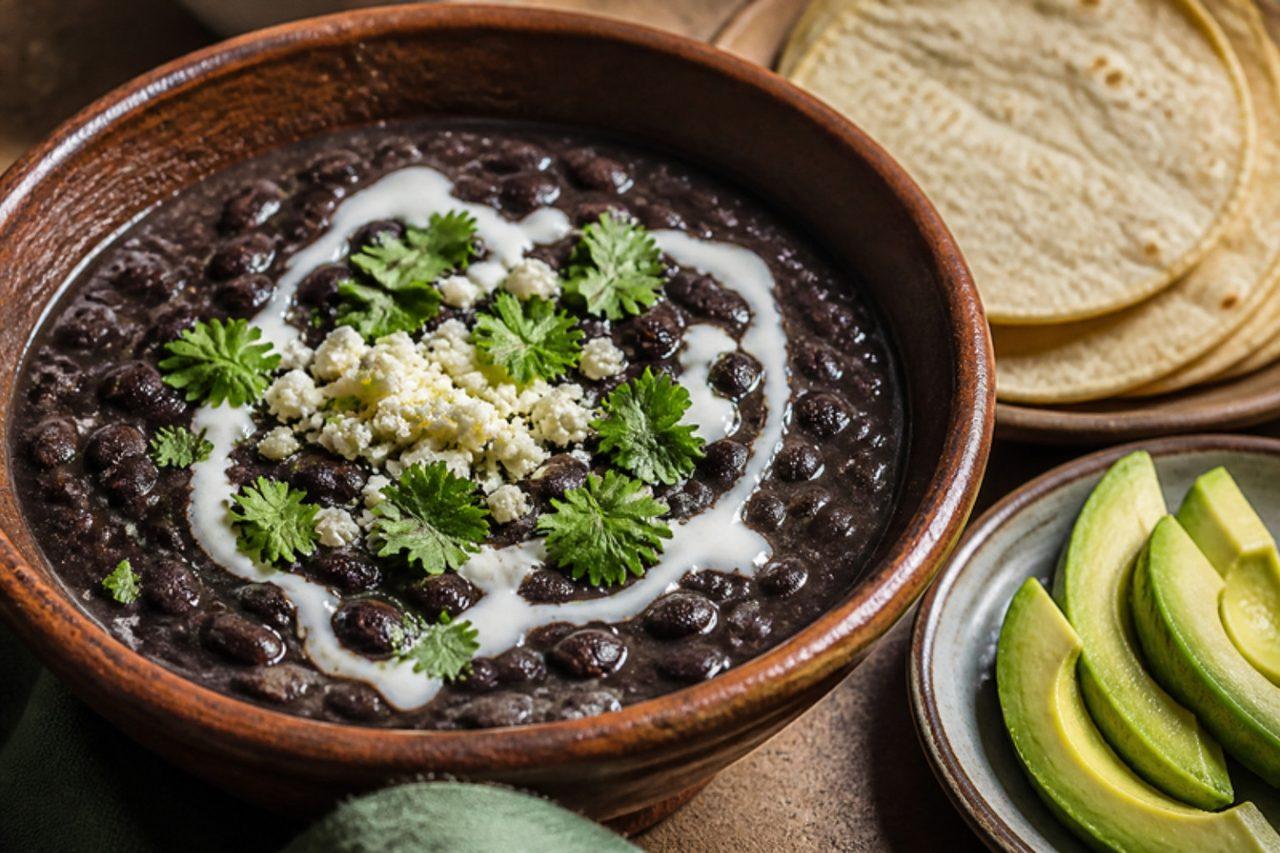
Sopa de frijolesBlack bean soup

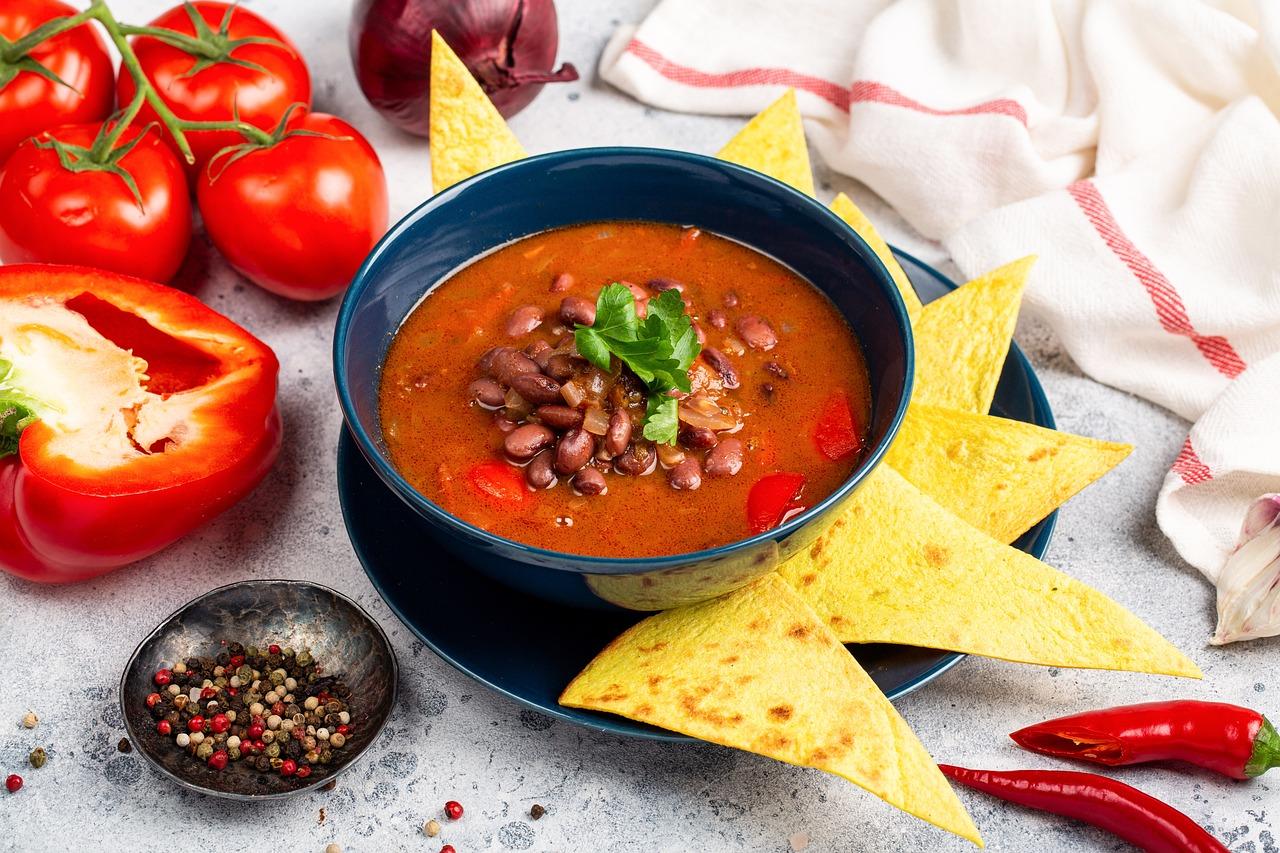
In Honduras and Guatemala, from Tegucigalpa's comedores to family kitchens in the Guatemalan highlands, sopa de frijoles is the soup of rainy-season evenings and Sunday lunches: black beans simmered until the broth turns inky and silky, seasoned with onion, sweet pepper, garlic and plenty of culantro or coriander. Each bowl is finished at the table with a spoonful of thick cream and served with warm corn tortillas. A bowl gives about 24 g of protein from the beans and cream. Many cooks crumble over salty fresh cheese, which is often made with animal rennet; choose one labelled vegetarian, or leave it out. Soak the beans for 12 hours first; that time is not counted below. The most common mistake is serving it watery: the broth should be thick enough to coat a spoon, so mash some beans into it. Chef's tip: for a vegan bowl, swap the cream for avocado slices.

by KrazyBadal 0 views

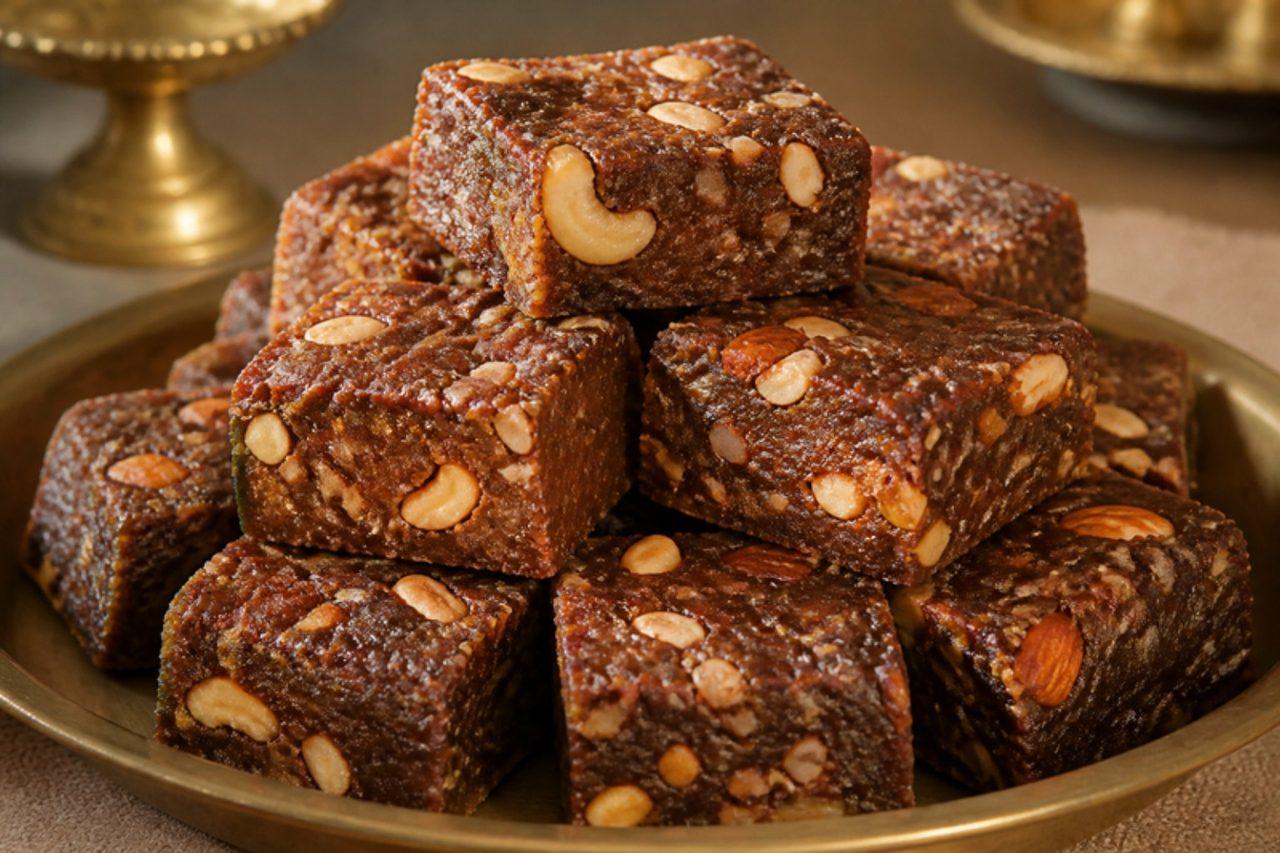
Gudpak (Nepali khuwa, gum and jaggery fudge)

In the Kathmandu Valley, gudpak is the sweet of cold mornings, eaten in the depths of winter and around Maghe Sankranti, and given to new mothers to restore their strength after childbirth. Khuwa (milk solids) is roasted in ghee, sweetened with jaggery, and mixed with crunchy fried edible gum, nuts and coconut before being pressed into a tray and cut into squares. It's dense, rich and slightly chewy, with a warm caramel flavour and pops of crunch from the puffed gum. Eat a square with milky tea or as a small sweet after dinner. It is naturally egg-free: the khuwa and jaggery cooked together into a thick mass bind the fudge, and the edible gum (gond) gives it body. Chef's tip: fry the gum in small amounts over a low heat until it puffs up white; frying it too fast is the common mistake, which leaves it hard, glassy and unpleasant to chew.

by KrazyBadal 0 views

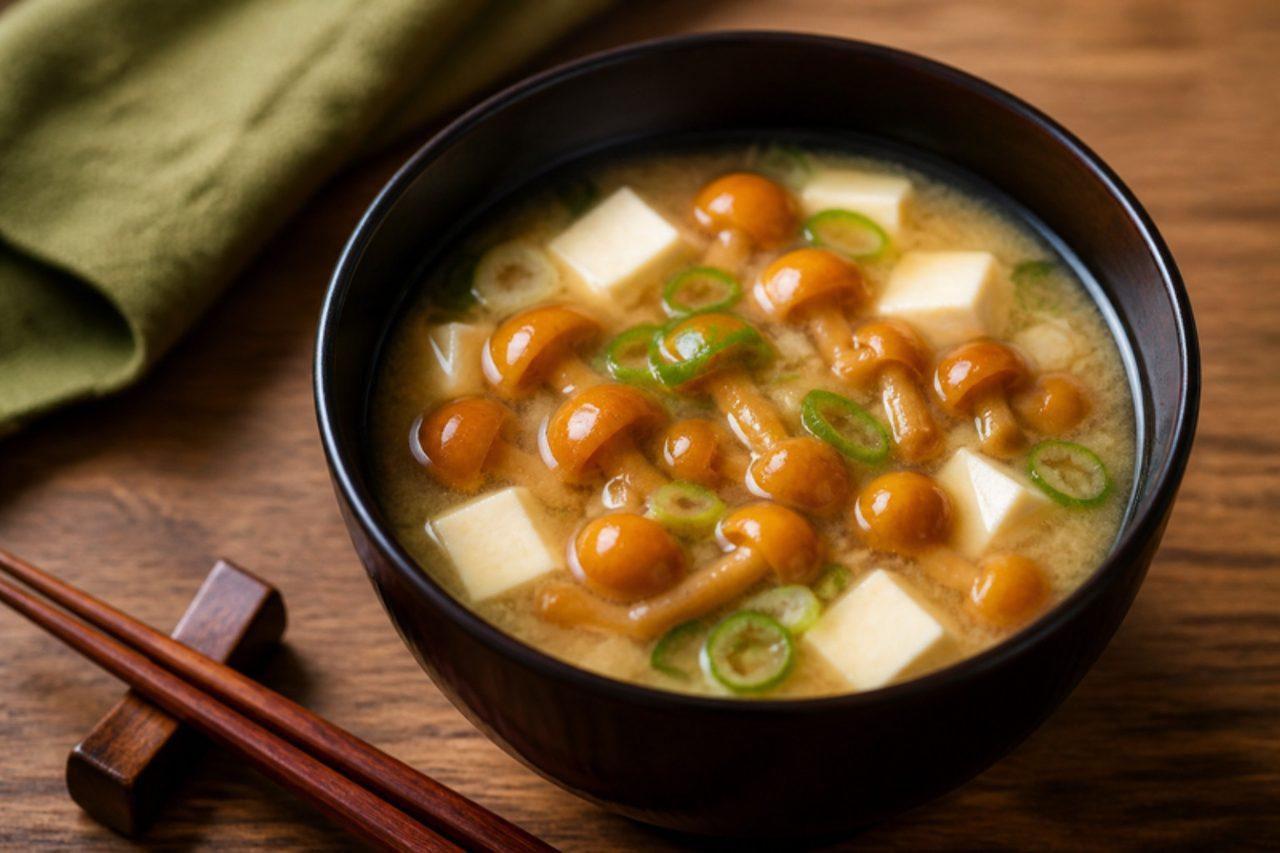
Nameko jiruNameko mushroom miso soup

Nameko jiru is one of the most common miso soups in Japan, made in homes from Tohoku to Kyushu for breakfast or dinner, especially in autumn and winter when the small amber nameko mushrooms are cheap. The mushrooms have a natural silky coating that gives the soup a gently thickened, slippery feel, which the Japanese love. Homes usually use bonito dashi; this is the vegetarian version, with kombu and dried shiitake. A bowl has about 7 g of protein, from the tofu and miso. The most common mistake is boiling the soup after the miso goes in: it kills the aroma and turns the miso grainy. Chef's tip: give nameko only a quick rinse in a sieve, and never scrub away the gel; that coating is what makes the soup.

by KrazyBadal 0 views

Bruine bonensoepBrown bean soup

Bruine bonensoep is a Dutch winter staple, simmered in homes from Groningen to Zeeland on dark evenings between November and March and eaten with thick slices of rye bread. Brown beans are cooked with onion, leek, celery and carrot, then about half of the pot is blended, so the soup is velvety but still full of whole beans. Many families add bacon or smoked sausage; this version is vegetarian and vegan, with smoked paprika and a little soy sauce standing in for the smoky, savoury depth. A bowl gives about 22 g of protein from the beans. Brown beans are a type of kidney bean, so after soaking for 12 hours (not counted in the times) they must boil hard for 10 minutes. The most common mistake is blending the whole pot, which turns it into a heavy purée with no texture. Chef's tip: a pinch of ground cloves with the bay leaf gives the old-fashioned Dutch flavour.

100 minDutchSoupsVegan
by KrazyBadal 0 views

Kharvas (steamed milk-and-curd pudding, home method)

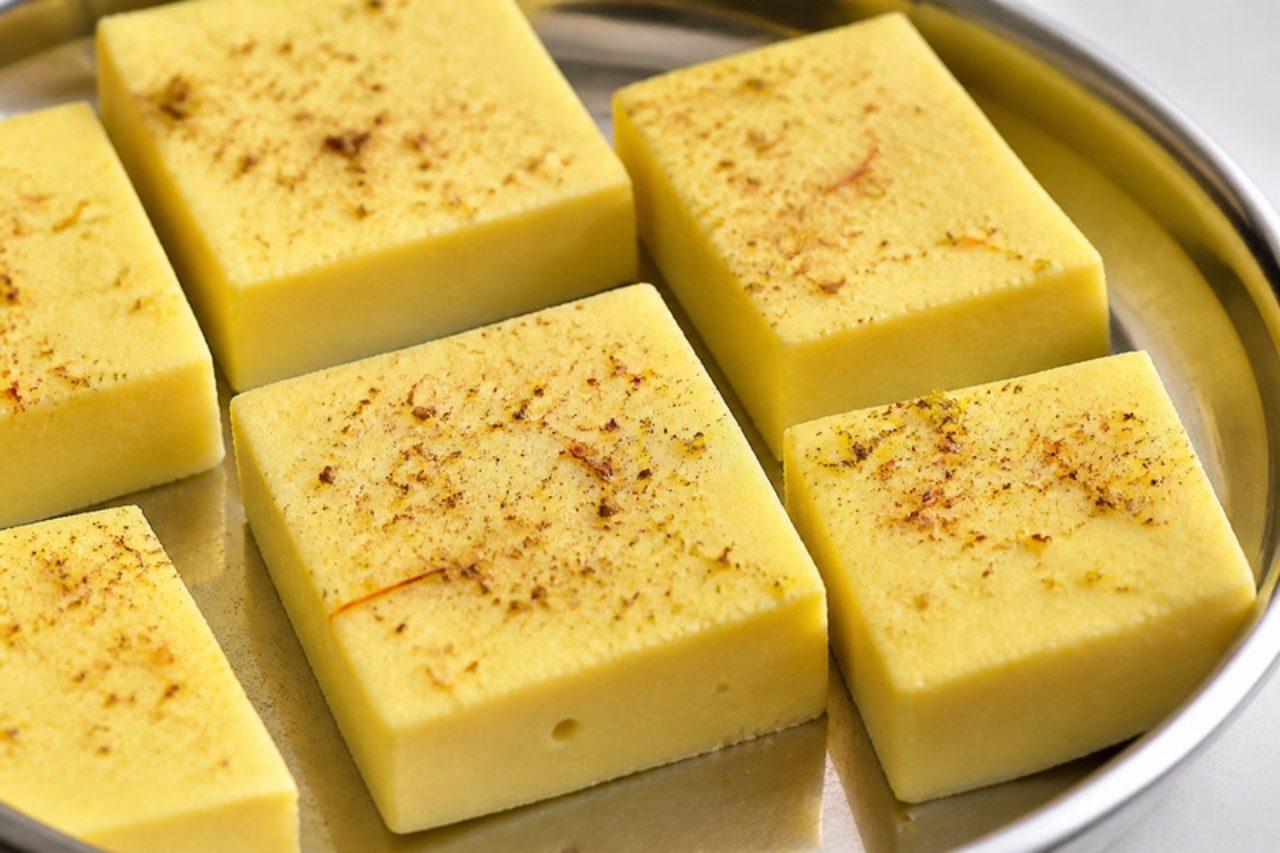
Kharvas is a festive treat in Maharashtra and Gujarat, traditionally made from the first milk a cow gives after calving, which sets into a wobbly pudding when steamed. That milk is hard to find in cities, so home cooks in Pune and Mumbai make a version with ordinary milk, curd and condensed milk, and that is the method here. It is steamed until it sets into a soft, sliceable square with a slightly springy texture, coloured with saffron and lightly sweetened with jaggery, with a hint of nutmeg. Families serve it at room temperature or cold as a teatime sweet, especially in the monsoon and around Ganesh Chaturthi. There is no egg: the curd and condensed milk proteins set on steaming the way colostrum does, and the condensed milk gives body and binds it. Chef's tip: whisk the mixture until completely smooth and strain it, because lumps of curd are the common mistake that leaves holes and a grainy set.

by KrazyBadal 0 views

Gil-e-firdaus (Hyderabadi bottle gourd and rice pudding)

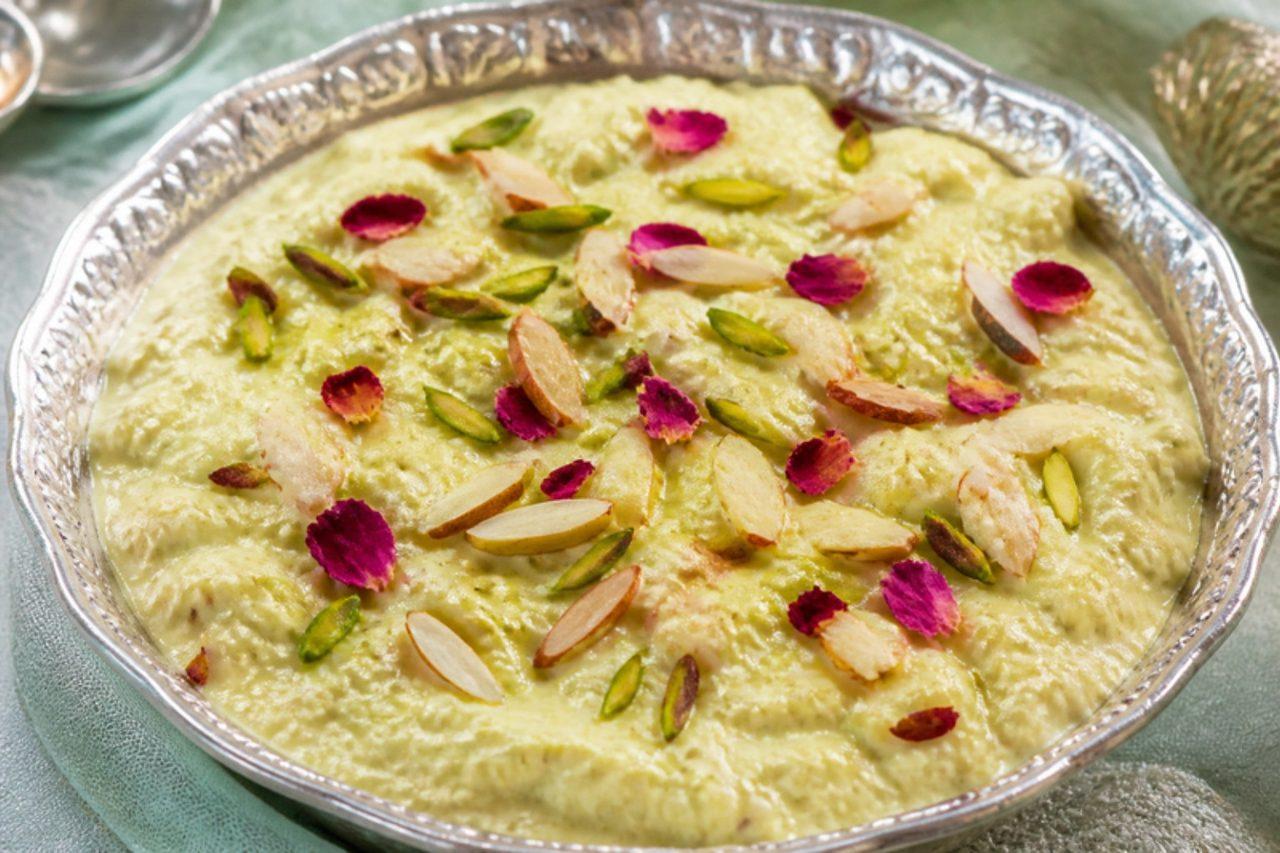
The name means 'clay of paradise', and gil-e-firdaus belongs to the grand dessert tables of Hyderabad, served at weddings, at Eid and during Ramadan iftars alongside double ka meetha. Grated bottle gourd (lauki) is softened in ghee, then cooked in milk with coarsely ground rice and crumbled khoya until thick, pale green and fragrant with cardamom and rose water. It's thicker than a kheer, creamy and gently grainy, with soft strands of gourd and plenty of almonds and pistachios. Serve it warm in winter or chilled in summer, in small bowls. It is naturally egg-free: the ground rice and khoya do the thickening, giving it the richness a custard would. Chef's tip: squeeze the grated gourd well and add the sugar only once the rice is cooked; sugar added too early is the common mistake that stops the rice softening and leaves the pudding runny.

by KrazyBadal 0 views

Kokt torskPoached cod with potatoes

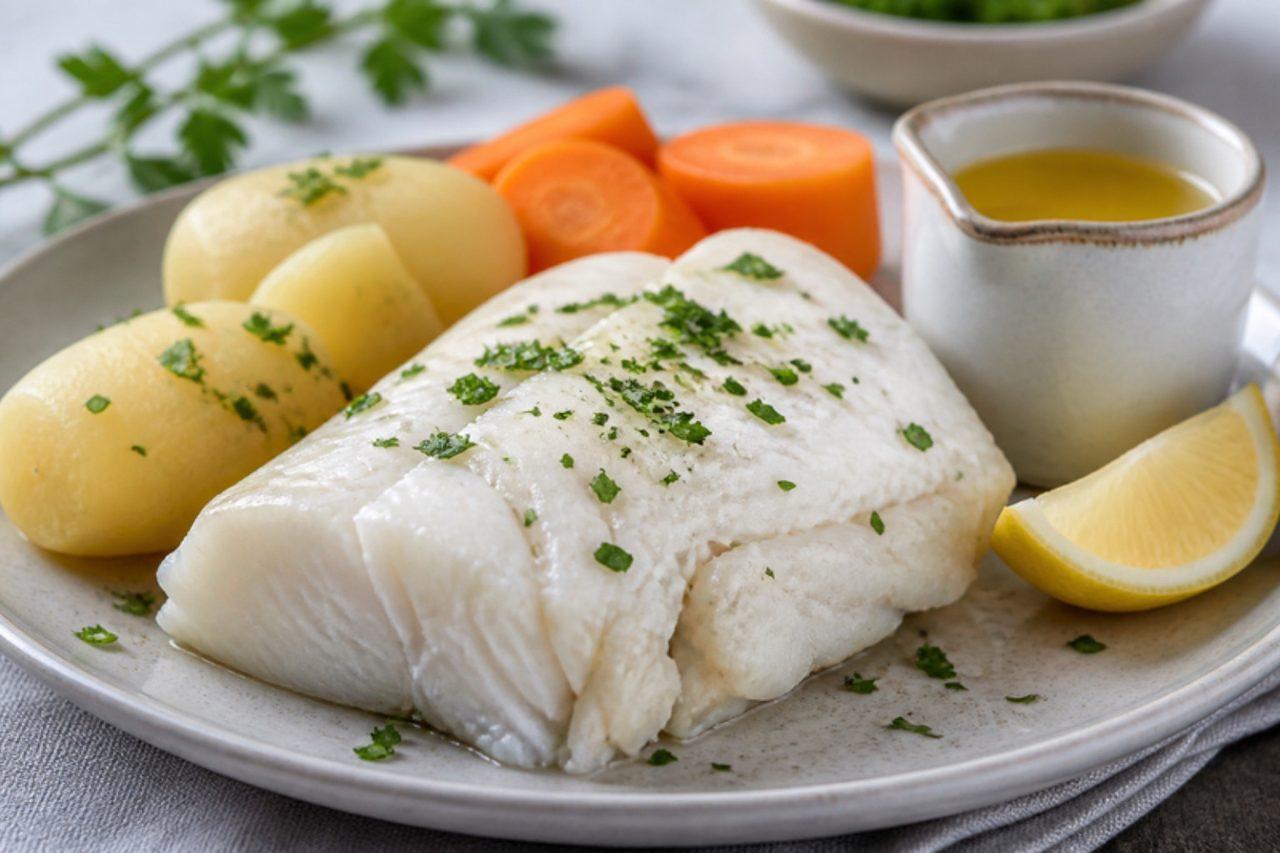
From January to April, when the spawning skrei cod arrive at the Lofoten Islands, Norwegian homes eat kokt torsk at least once a week: thick cod loins poached in well-salted water, served plainly with boiled potatoes, carrots and a little melted butter. It is clean, gentle food, and the whole plate comes to around 430 kcal with about 40 g of protein, almost all from the cod. The common mistake is boiling the fish: the water should barely tremble, which Norwegians say makes it "smile", or the flakes tighten and turn woolly. Cook it until it is opaque and the flakes separate at a light press, about 60–63 °C in the thickest part. Chef's tip: salt the poaching water as heavily as the sea, about 60 g to a litre; it seasons the cod all the way through in the few minutes it cooks.

by KrazyBadal 0 views

NässelsoppaNettle soup

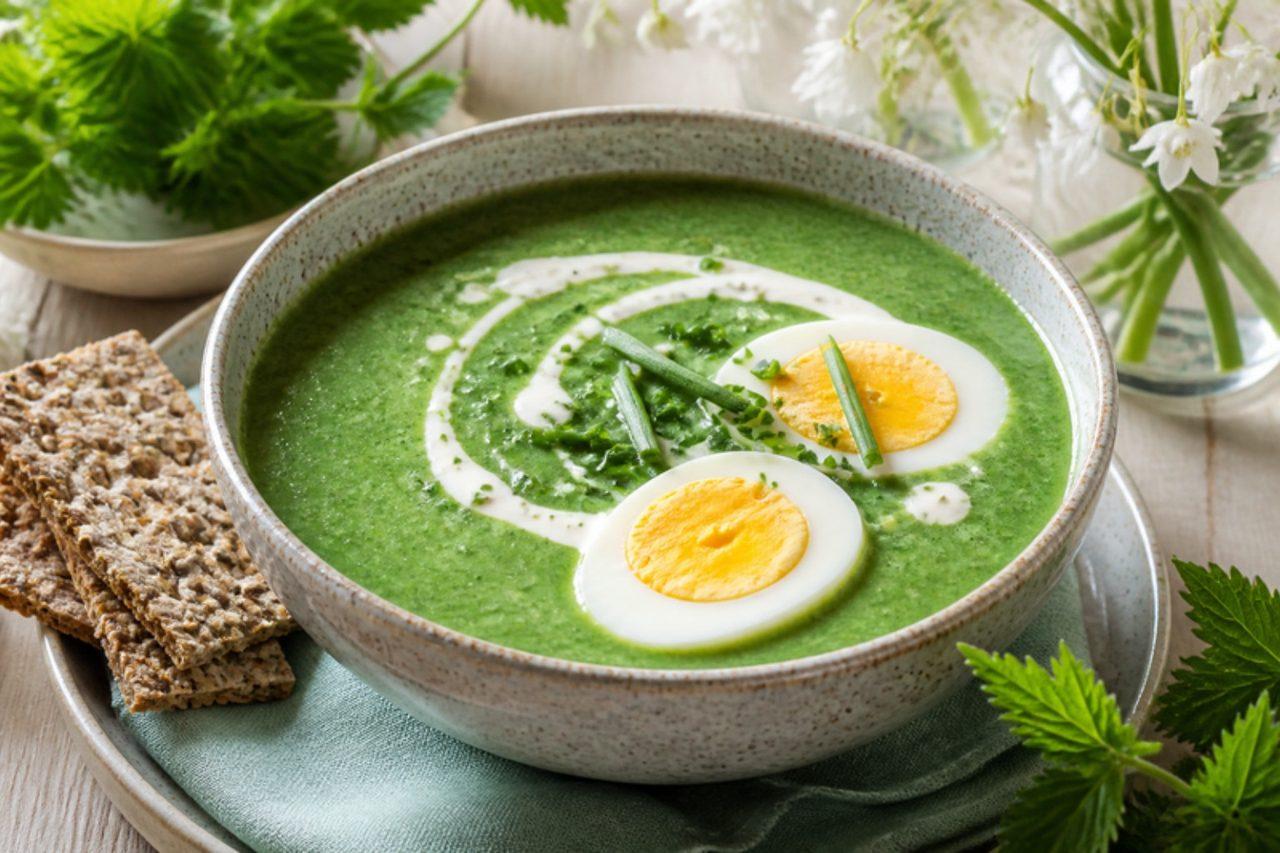
In Sweden the first young nettles of April and May go straight into nässelsoppa, a smooth, grassy green soup often served at Easter or on Walpurgis Night with halved boiled eggs. It tastes a little like spinach with a mineral edge, and is eaten with crispbread and butter. A bowl with one egg gives about 10 g of protein, so it is a light soup, not a high-protein meal; add a second egg each if you want it more filling. Wear gloves to pick and wash nettles: blanching removes the sting completely. The most common mistake is cooking the nettles too long, which turns the soup khaki and dull; add them at the end and blend straight away. Chef's tip: pick only the top four to six leaves of young plants before they flower; older leaves are tough and gritty.

by KrazyBadal 0 views

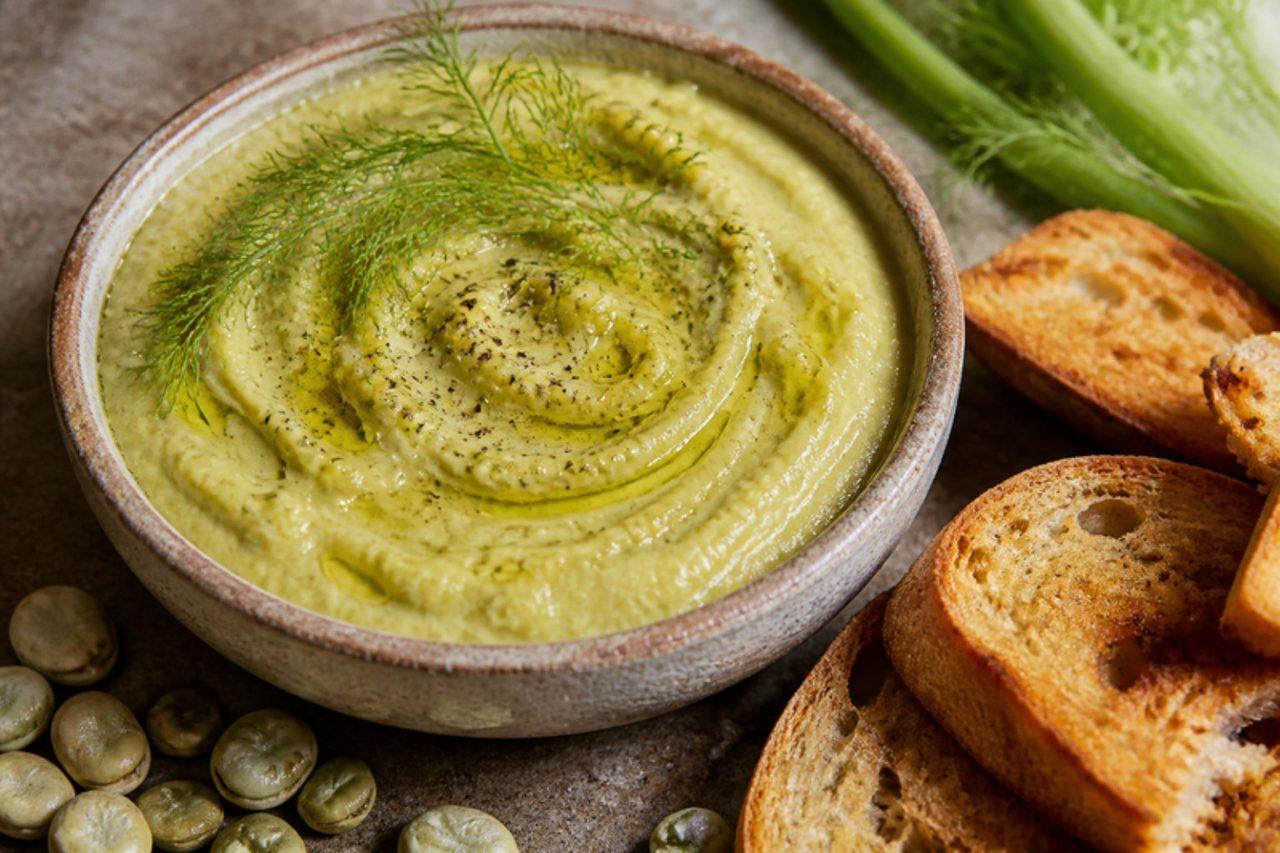
Macco di faveBroad bean purée

In Sicily, from the villages around Palermo to the hill towns of Ragusa, macco di fave is old peasant food that still appears every 19 March for the feast of San Giuseppe, and on cold evenings through the winter. Dried, peeled broad beans are cooked slowly until they fall into a thick, pale green-gold purée, scented with wild fennel and finished with a thread of peppery olive oil. It is eaten hot from the bowl with bread, or loosened with broken spaghetti; leftovers set firm and are sliced and fried. A bowl gives about 26 g of protein, almost all from the broad beans. Soak the split beans for 6–8 hours first; that time is not counted below. The most common mistake is walking away from the pot near the end: the purée thickens fast and catches on the base, which makes it taste scorched. Chef's tip: if you can't find wild fennel, use a bulb's feathery fronds plus a teaspoon of crushed fennel seeds for the same aniseed lift.

115 minItalianSoupsVeganGluten free
by KrazyBadal 0 views

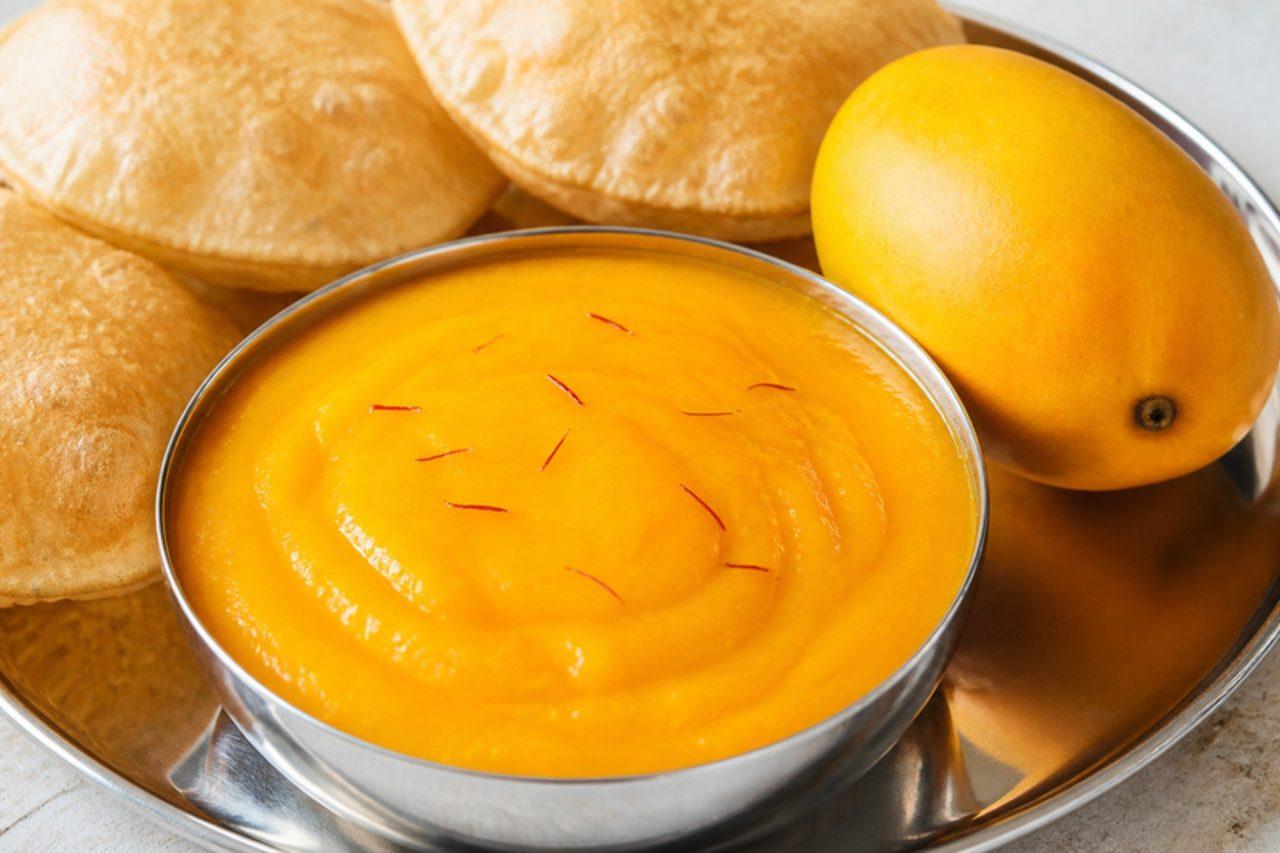
Aamras (spiced mango pulp)

When Kesar mangoes reach Ahmedabad and Alphonsos reach Pune in April and May, aamras appears at almost every summer lunch in Gujarat and Maharashtra. It's simply ripe mango pulp, thick and silky, with a pinch of dry ginger to help digestion, a little cardamom and sometimes a spoon of sugar if the fruit isn't sweet enough. It's eaten as part of the meal rather than after it, scooped up with hot puris, alongside a potato sabzi and dal; in Maharashtra it's also served at Akshaya Tritiya and Gudi Padwa. Spoon it out chilled in bowls, or offer it to children by itself. It is naturally egg-free and vegan: the mango's own thick pulp gives all the body, so nothing needs to bind or set it. Chef's tip: use only soft, fragrant, fully ripe mangoes and press the pulp through a sieve if they are fibrous; under-ripe fruit is the common mistake that makes aamras sour and thin.

by KrazyBadal 0 views

Paal kozhukattai (rice dumplings in sweet coconut milk)

Paal kozhukattai is made in Tamil Nadu homes for Vinayaka Chaturthi and on rainy evenings when something warm and sweet is wanted. Tiny pearls of rice-flour dough are cooked in thin coconut milk until they float and turn glossy, then the pot is sweetened with jaggery and finished with thick coconut milk and cardamom. The dumplings are soft and chewy, the liquid creamy and caramel-coloured, and the whole thing is served warm in small bowls, or at room temperature as part of a festival offering. It is naturally egg-free and vegan: the rice flour, scalded with boiling water, holds the dumplings together, and its starch thickens the coconut milk as they cook. Chef's tip: once the thick coconut milk goes in, keep it below a boil; boiling it hard is the common mistake that splits the coconut milk and makes it oily.

by KrazyBadal 0 views

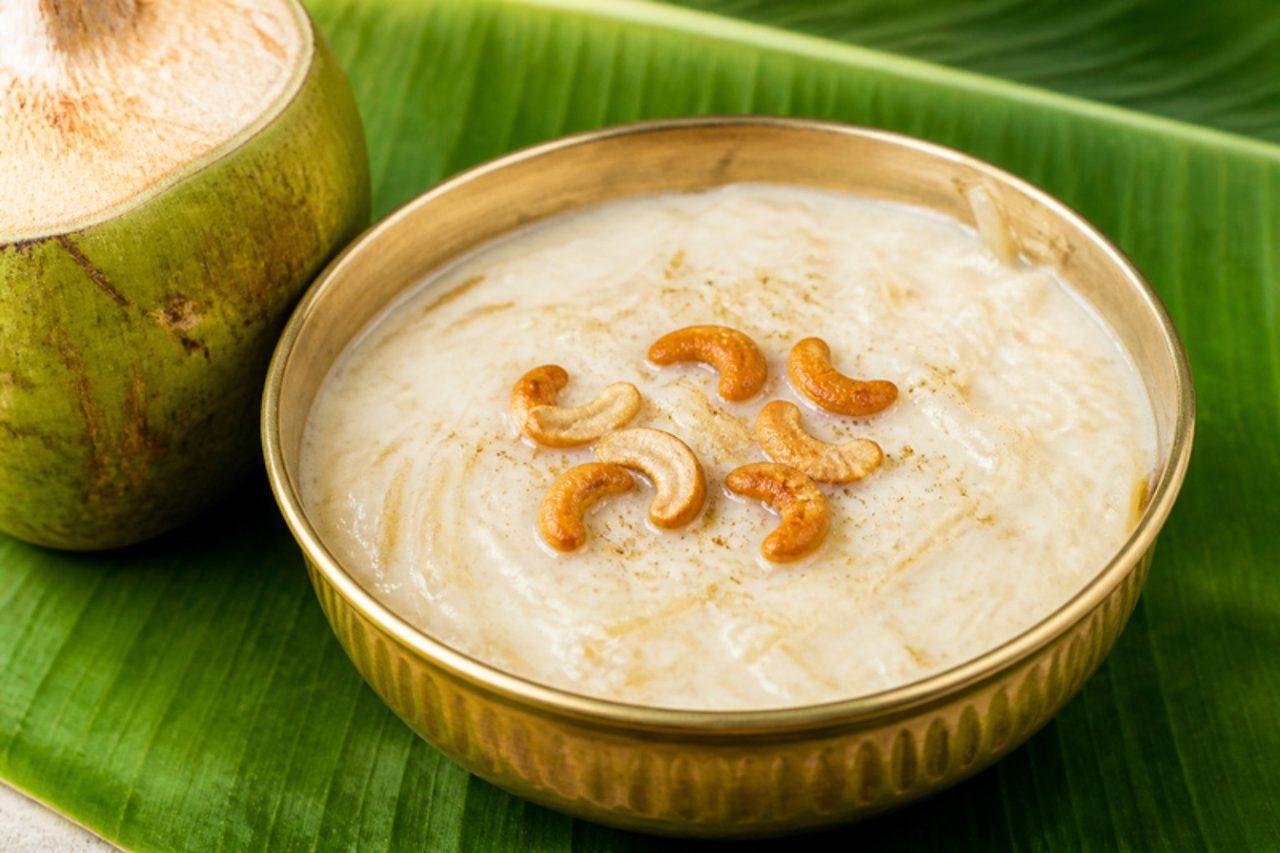
Elaneer payasam (Kerala tender-coconut milk pudding)

In Kerala, where green coconuts are sold by the roadside all summer, elaneer payasam is the cool, delicate cousin of the hot temple payasams. It turns up at Vishu lunches and summer weddings, and on any hot afternoon when someone has opened a few tender coconuts. Milk is boiled down until creamy and faintly caramel, sweetened, chilled, and only then mixed with slippery spoonfuls of young coconut flesh and a little of its water, so the coconut stays fresh and floral rather than cooked. The pudding is pourable, silky and cold, with soft white strands of coconut through it; serve it in small glasses after a meal or alongside banana chips. It is naturally egg-free: the long reduction of the milk, helped by a little condensed milk, gives the body that a custard would get from yolks. Chef's tip: the common mistake is stirring the coconut water into hot milk, which can make it split and taste sour; let the milk cool completely first.

by KrazyBadal 0 views

Narkel naru (Bengali coconut balls)

Narkel naru are made by the plateful in Bengali homes for Lakshmi Puja and on Bijoya Dashami, when they're offered to every visitor who comes to exchange greetings after Durga Puja. Freshly grated coconut is cooked slowly with jaggery, ideally the winter date-palm jaggery called nolen gur, until the mixture turns sticky and caramel-brown, then rolled into small balls while still warm. They're chewy and moist, intensely coconutty, with a deep molasses sweetness. Serve them at room temperature with tea or as part of a festival plate. They're naturally egg-free and vegan: the jaggery, cooked down to a sticky syrup, binds the coconut, with no flour or milk needed. Use sugar for a white naru if you prefer. Chef's tip: roll them while the mixture is still warm; waiting until it's cold is the common mistake, because it then crumbles and won't hold a ball shape.

by KrazyBadal 0 views

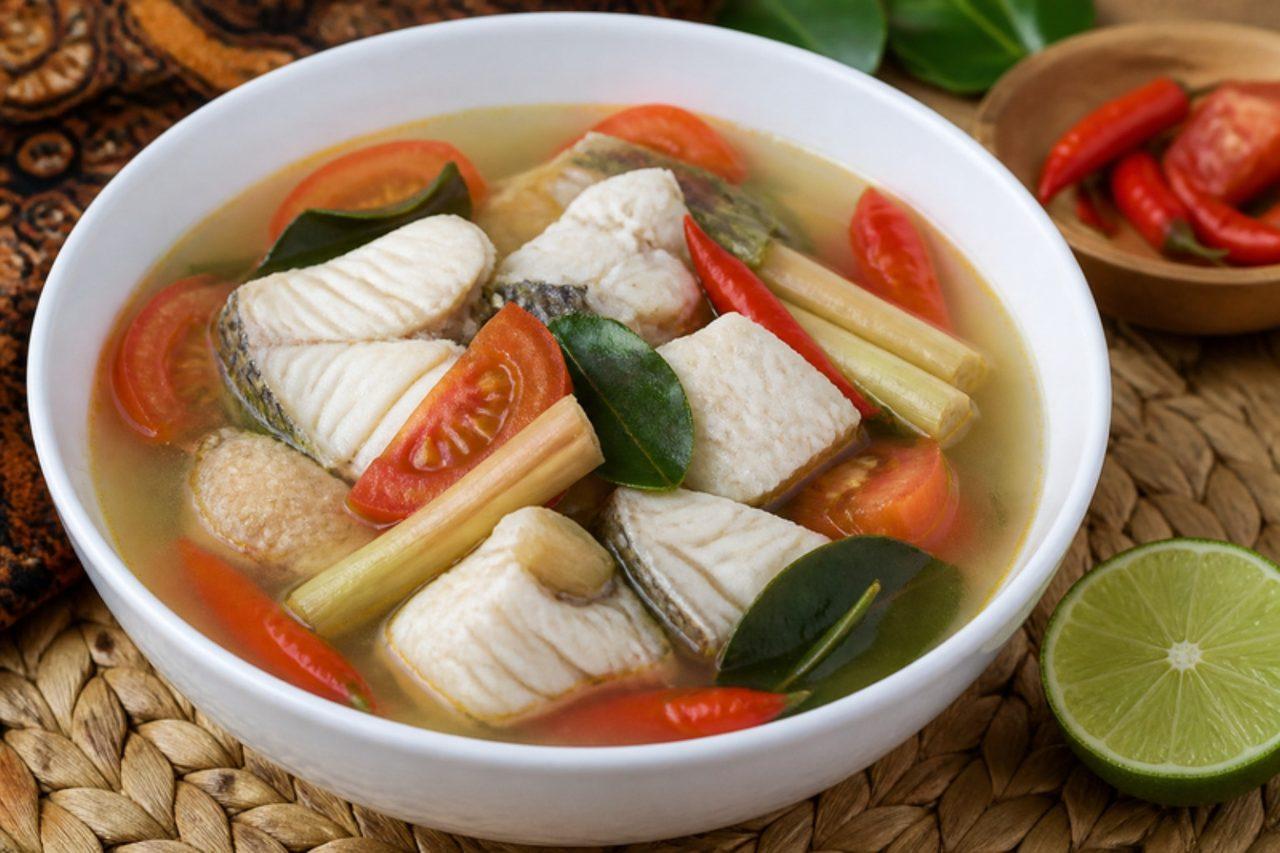
Ikan kuah asamFish in clear sour broth

Across Ambon in Maluku and the coasts of North Sulawesi, ikan kuah asam is the soup families eat almost daily with papeda or rice, made from whatever fish came in that morning. The broth is thin and clear, bright with lime and tomato, warm with chilli and lemongrass, with chunks of fish poached just until they flake. It is light but filling, with about 28 g of protein a portion from the fish. The common mistake is adding the lime juice too early and boiling it: it turns bitter, so squeeze it in at the end. Chef's tip: use a firm, meaty fish such as tuna, mackerel or snapper, cut into large chunks, so it holds together in the broth.

by KrazyBadal 0 views

Sanpei-jiruSalted salmon and root vegetable soup

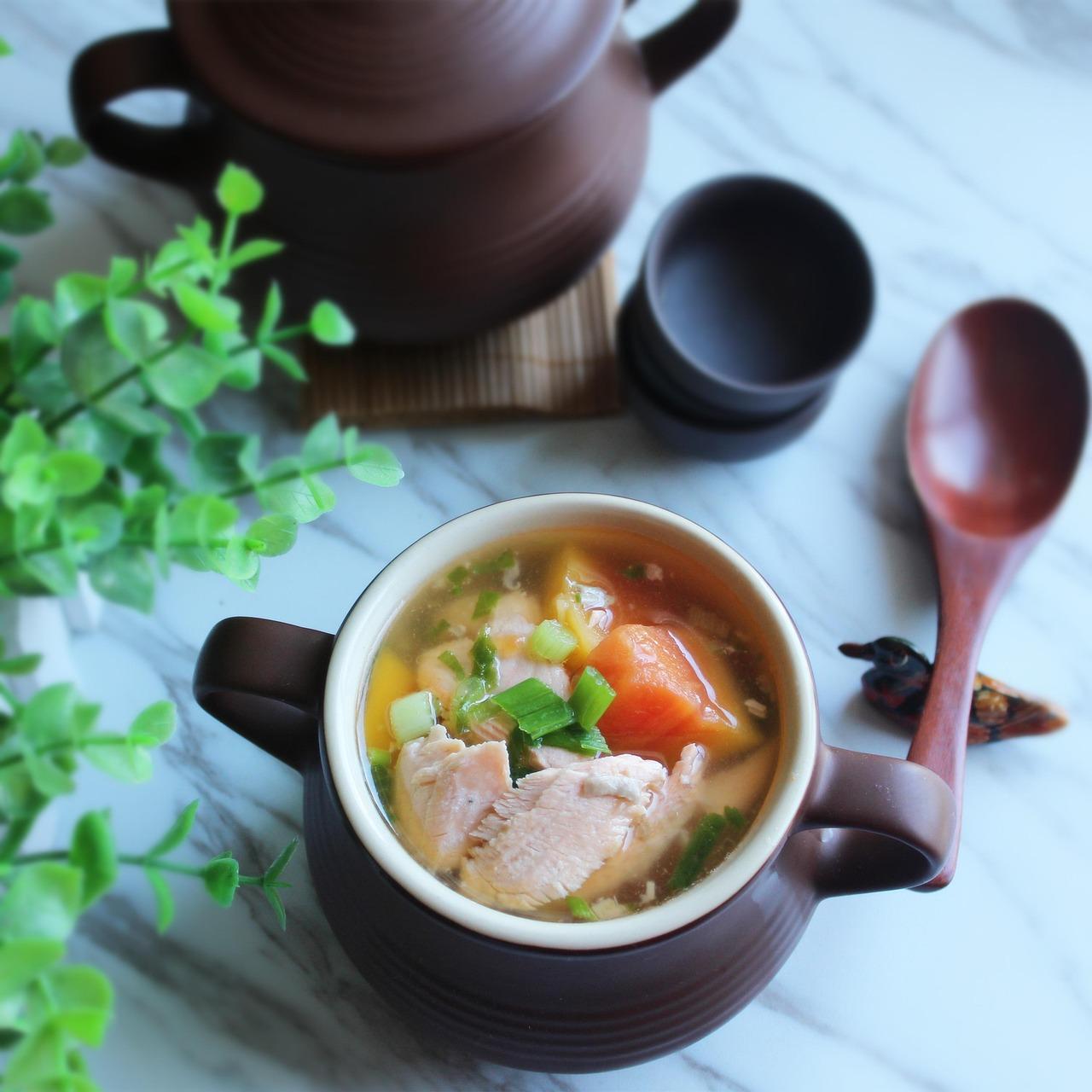
Sanpei-jiru is a winter soup from Hokkaido, once made by fishing families with salt-cured salmon, cod or herring that kept through the long snows, and still a warming supper there today. Salted fish simmers in kombu broth with daikon, carrot and potato, and the fish's own salt seasons the soup, so it tastes clean, gently briny and sweet from the roots. A bowl has about 22 g of protein from the salmon. The common mistake is skipping the quick scald of the fish: without it the broth tastes fishy and turns murky. Chef's tip: taste before adding any salt; salted salmon varies a lot, and you may need none at all.

by KrazyBadal 0 views

Miyeok oi naenggukChilled seaweed and cucumber soup

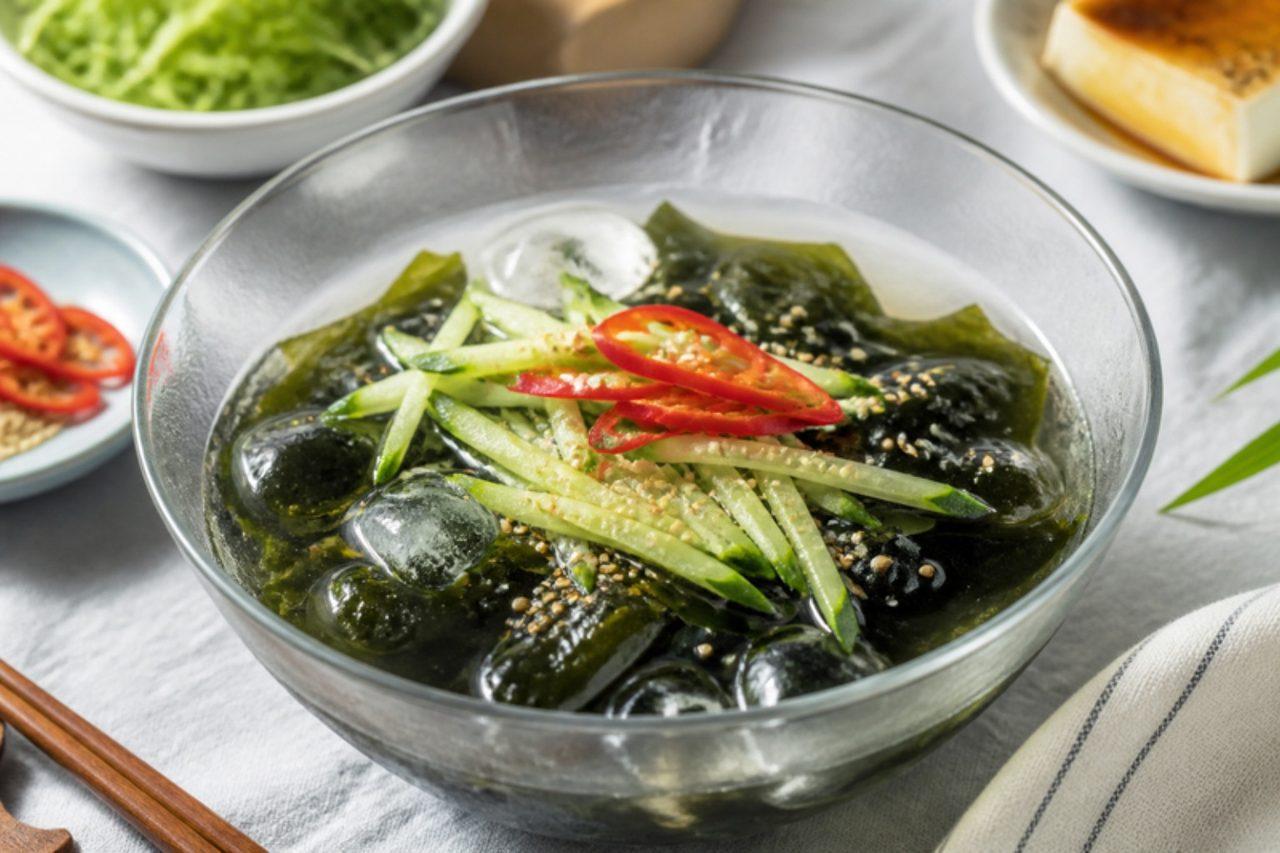
On the hottest days of a Korean summer, from Seoul apartments to farmhouses in Jeolla, this icy cold soup comes to the table with rice and spicy side dishes to cool everyone down. Soft wakame and crunchy cucumber float in a clear, tangy broth of vinegar, a little sugar and soup soy sauce, often with ice cubes bobbing on top. It is very light, with about 2 g of protein per portion, so serve it beside tofu or egg dishes. The common mistake is leaving the dried wakame to soak too long: it swells hugely and turns mushy. Ten minutes is enough. Chef's tip: season the broth slightly stronger than tastes right, because the ice you add at the end will dilute it.

by KrazyBadal 0 views

Aji no tatakiChopped horse mackerel with ginger

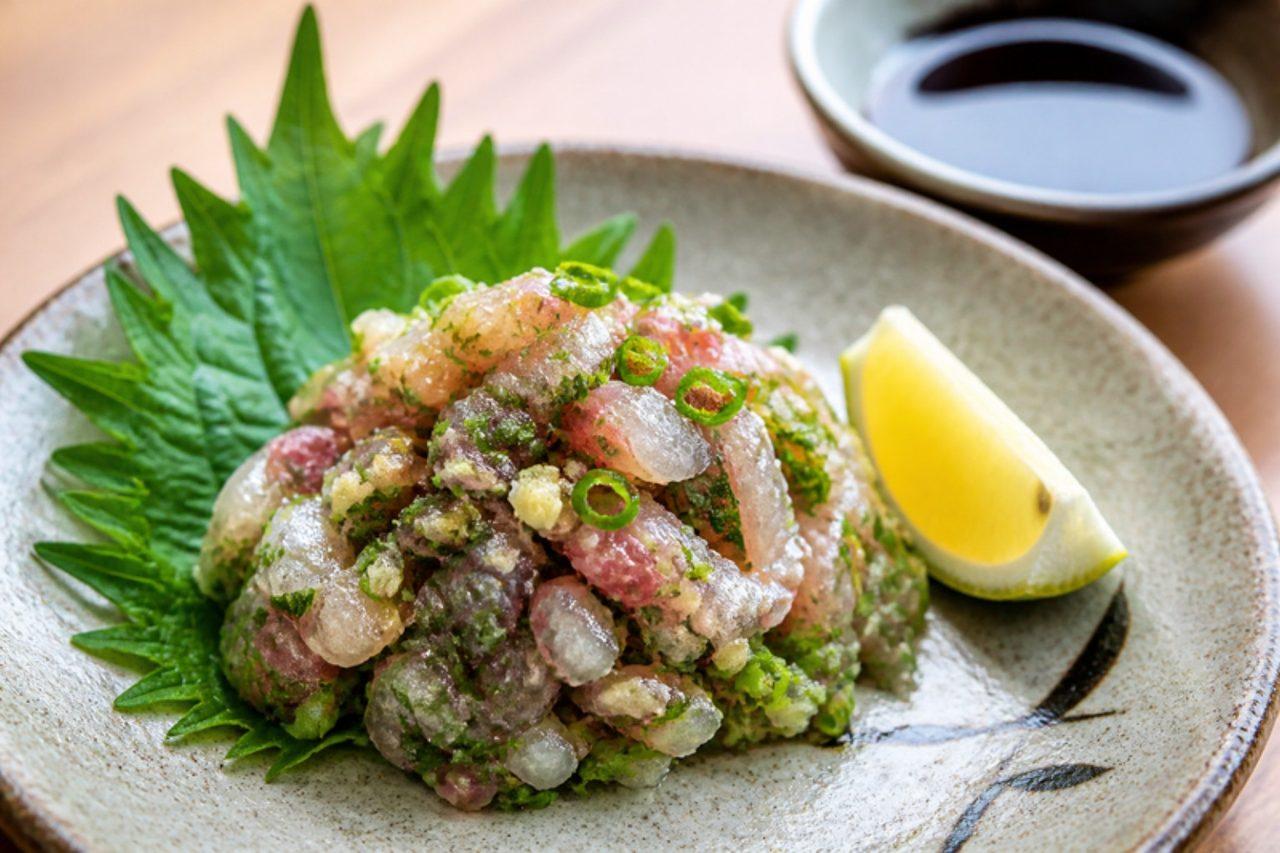
Aji no tataki is a dish of Japan's fishing ports, from the Izu peninsula to Kyushu, eaten as a summer lunch over rice or a starter with cold drinks when the horse mackerel come in fresh. The raw fillets are skinned and chopped with a knife, then mixed with grated ginger, spring onion and shiso, so the fish is soft, cool and clean-tasting with a sharp herbal bite. As a main over rice, a portion has about 28 g of protein from the fish. This is raw fish: buy only sashimi-grade fish from a fishmonger you trust, keep it ice-cold, and freeze it at −20 °C for at least 24 hours first to kill parasites; anyone pregnant, very young, older or with a weak immune system should not eat it. The common mistake is chopping it into a paste: keep small pieces with some texture. Chef's tip: chill the board and the bowl, and work quickly, so the fish never warms up.

by KrazyBadal 0 views

Asam pedas ikanSour spicy tamarind fish

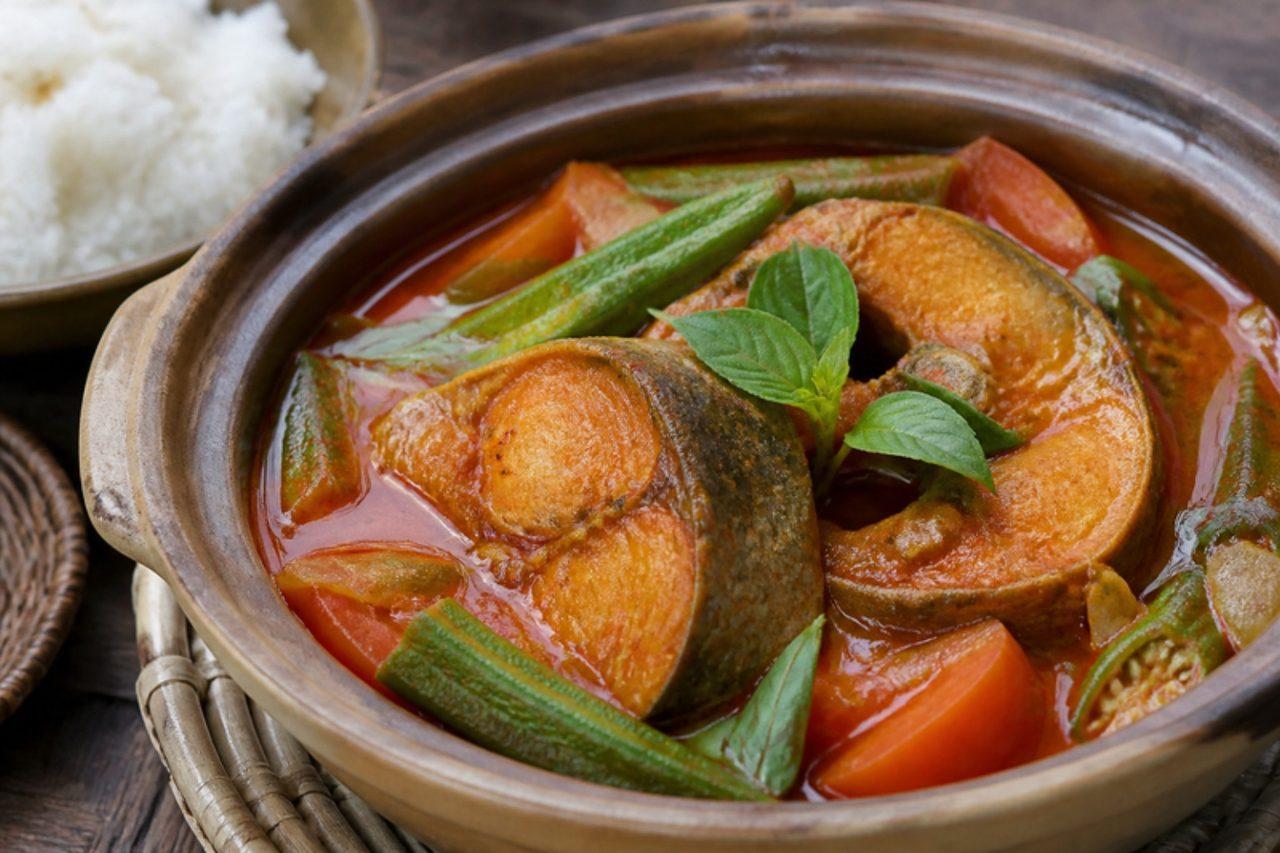
Asam pedas, "sour and spicy", is the pride of Malay kitchens in Melaka and Johor, cooked for everyday lunches and sold at rice stalls with a dozen other dishes. Fish steaks simmer in a thin, brick-red gravy of dried chilli, shallot and belacan soured with tamarind, with okra and tomato soaking up the sauce and Vietnamese mint scenting it. It is fiery, tangy and light, with about 29 g of protein a portion from the fish; eat it with plenty of plain rice. The common mistake is rushing the chilli paste: if it isn't fried until the oil separates, the gravy tastes raw and harsh. Chef's tip: use oily, firm fish such as Spanish mackerel or stingray, which stand up to the sour broth.

by KrazyBadal 0 views

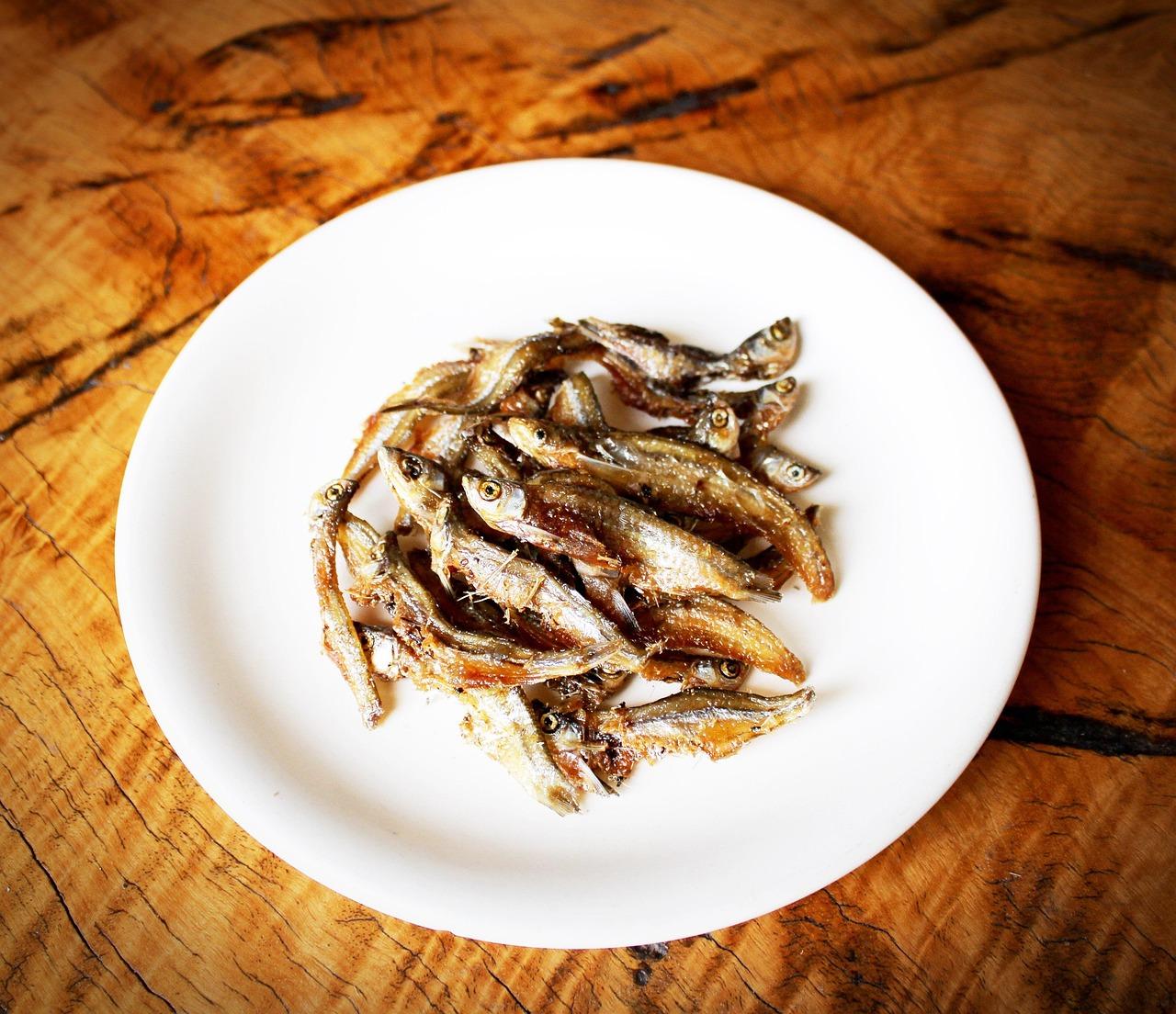
OmenaFried silver fish with tomato

Omena are tiny silver cyprinid fish netted at night on Lake Victoria and sun-dried on the shores around Kisumu and Homa Bay; in western Kenya they are a cheap, protein-rich weeknight dinner, fried crisp and then simmered briefly in onion and tomato and eaten with ugali and sukuma wiki. They are eaten whole, bones and all, like whitebait. The common mistake is skipping the rinse: dried omena carry sand from the drying beaches, so soak and swish them in several changes of warm water. Chef's tip: fry the drained fish on their own until crisp and fragrant before the tomato goes in; it takes away the strong 'lake' smell and keeps them from going mushy. Look for dried omena (also sold as dagaa) in African grocers.

by KrazyBadal 0 views

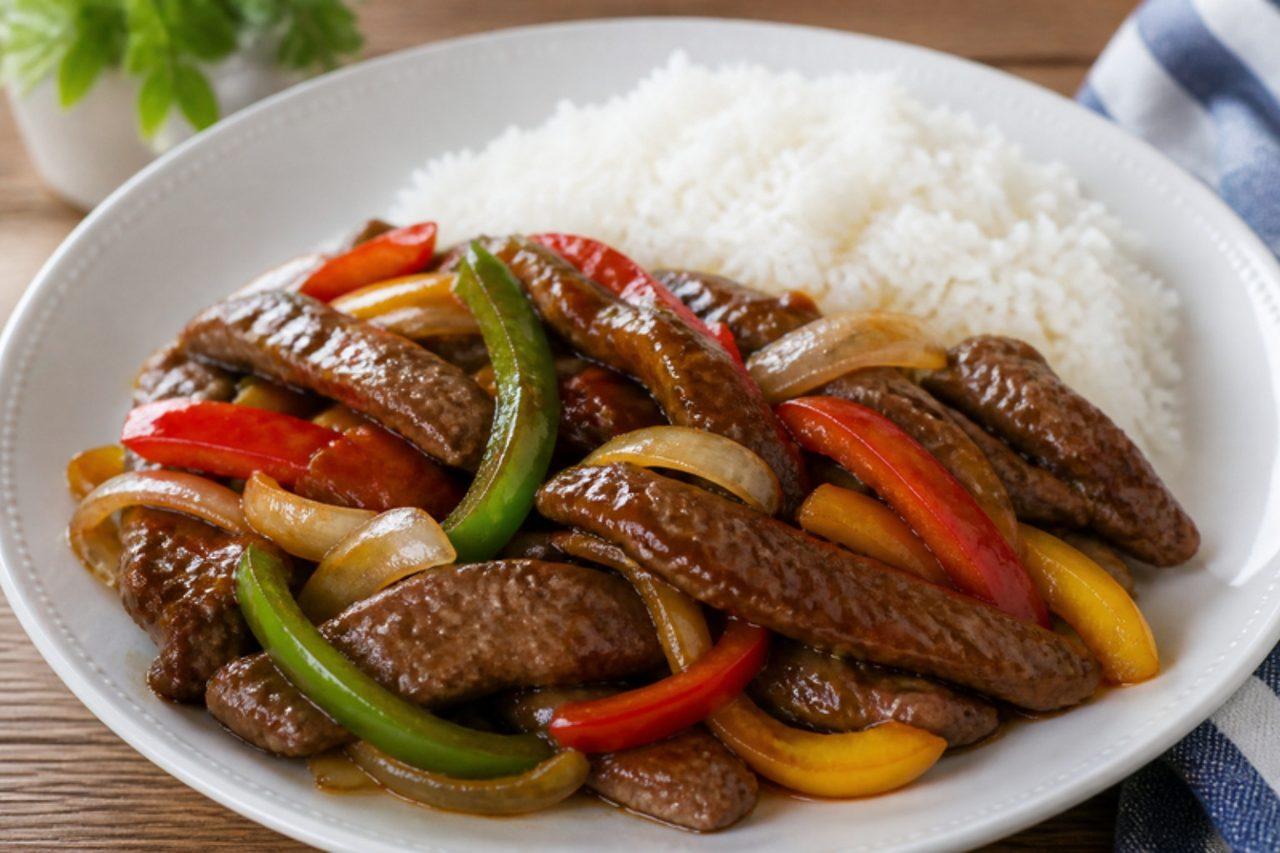
Jamaican pepper steak

Pepper steak came to Jamaica with the Hakka Chinese families who opened groceries and restaurants in Kingston, and it is now a takeaway favourite and a fast weeknight dinner across the island, eaten over white rice or rice and peas. Thin strips of beef are seared hard, then tossed with bell peppers and onion in a glossy soy, ginger and garlic sauce, with a little Scotch bonnet for warmth. The common mistake is crowding the pan, which steams the beef grey and tough; sear it in two batches over a high heat. Chef's tip: slice the beef across the grain while it is very cold or half-frozen; you'll get thin, even strips that stay tender.

by KrazyBadal 0 views

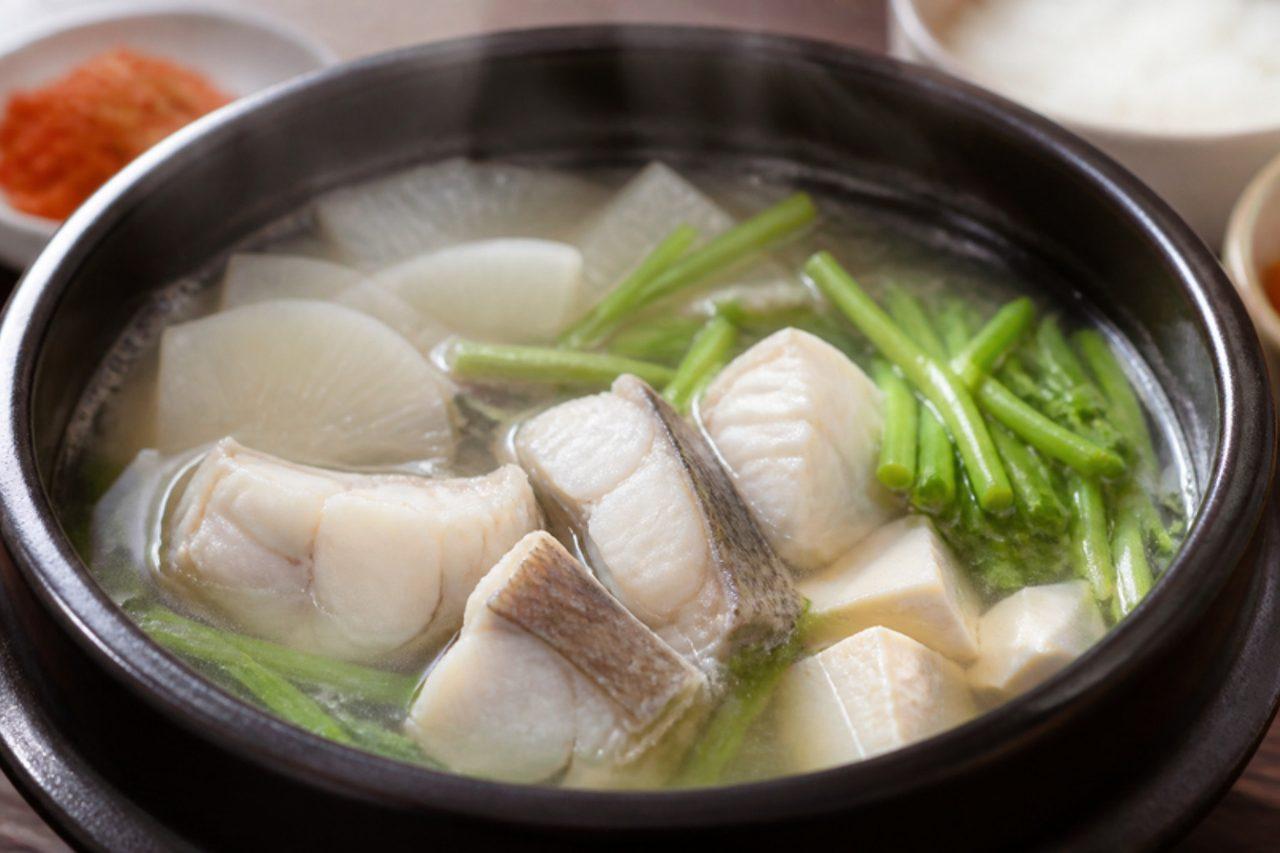
Daegu jiriClear cod soup

In Busan and the fishing towns along Korea's south coast, daegu jiri is the clear, unspicy cod soup that people order in winter, and famously the morning after a long night out. Chunks of cod simmer in an anchovy and kelp broth with soft radish, tofu and garlic, then a big handful of minari (water dropwort) goes in at the end for a fresh, peppery lift. It tastes clean and gently savoury, with about 32 g of protein a bowl from the cod and tofu. The common mistake is stirring after the fish goes in, which breaks it into shreds; just shake the pot. Chef's tip: let the radish simmer in the broth first until it turns translucent, because it gives the soup its sweetness.

by KrazyBadal 0 views

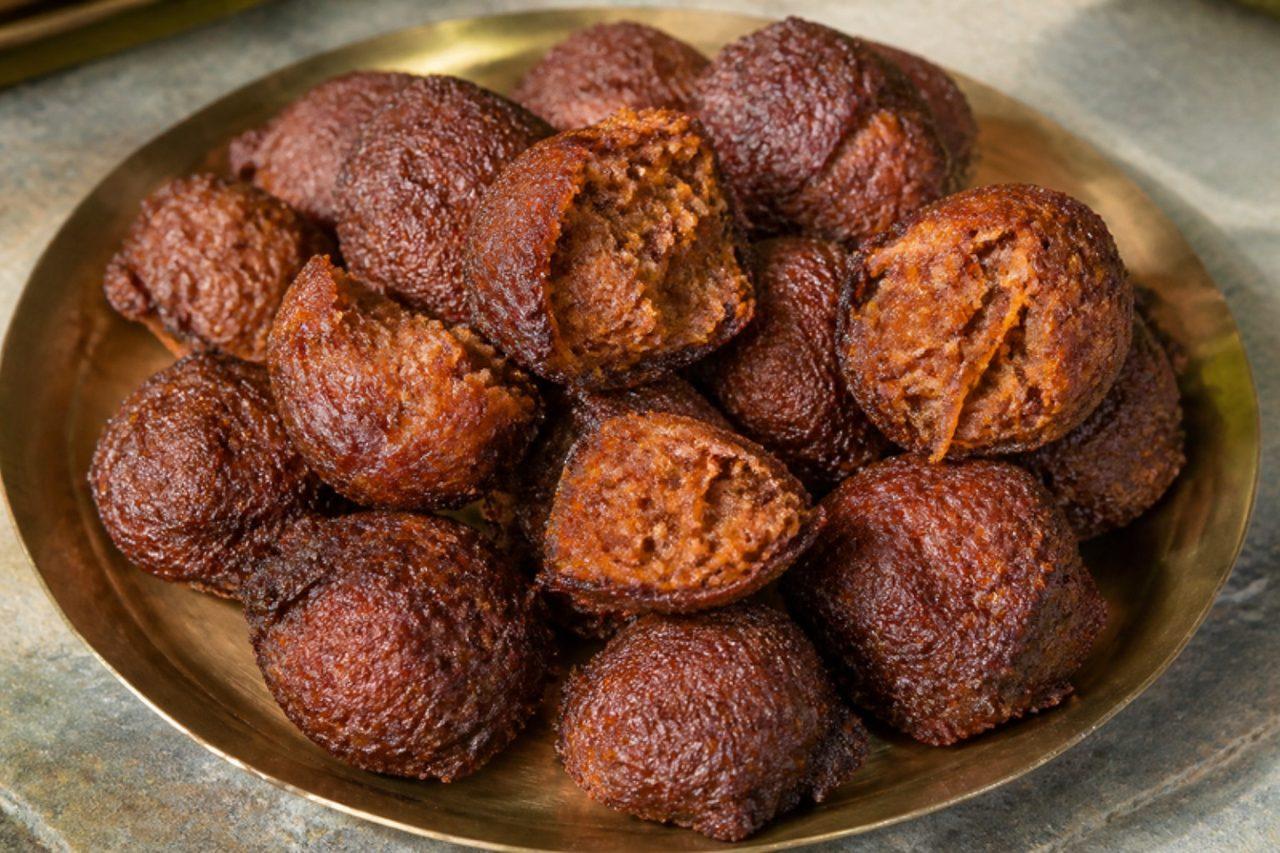
Taler bora (Bengali palm-fruit fritters)

When the ripe palmyra palm fruits (tal) fall in the late monsoon, Bengal's kitchens fill with their heavy, almost fermented-fruit scent, and taler bora are made, above all for Janmashtami in August and September. The dark orange pulp is scraped from the fibrous seeds, mixed with rice flour, a little wheat flour, grated coconut and sugar, and dropped by the spoonful into hot oil. They puff into soft, spongy balls with a dark brown crust and a sweet, fruity, slightly smoky taste. Eat them warm or at room temperature with tea, or as part of a Janmashtami offering. They are naturally egg-free and vegan: the thick, fibrous palm pulp and the rice flour bind the batter, and a pinch of bicarbonate lightens it. Use fresh pulp when you find the fruit, or frozen palmyra pulp from a South Asian grocer. Chef's tip: fry at about 165°C; the sugar in the palm pulp burns easily, so oil that's too hot is the common mistake that blackens the outside while the centre stays raw.

by KrazyBadal 0 views

Bob chorbaWhite bean soup

Bob chorba is one of Bulgaria's best-loved soups, cooked in every region, served in monasteries such as Rila and set on the meat-free table on Christmas Eve, when the dishes must be Lenten. White beans simmer slowly with onion, carrot, peppers and tomato until creamy, then the pot is seasoned with dzhodzhen (dried mint), chubritsa (summer savory) and sweet paprika fried in oil. A bowl gives about 21 g of protein from the beans, and it is eaten with fresh bread and a hot pickled pepper alongside. Soak the beans for 12 hours first; that time is not counted below. The most common mistake is pouring paprika into very hot oil: it burns in seconds and makes the soup bitter, so take the pan off the heat first. Chef's tip: dried savory is the true taste of this soup; if you can't find it, use dried thyme with a pinch of oregano.

by KrazyBadal 0 views

Showing 24 of 3,973 recipes

Show more recipes

Page 1 of 166