Skip to content
Recipes

All recipes

Vegetarian, or something you can't eat? Set your diet once and we'll hide recipes that don't fit.

Papas arrugadas con mojo picón

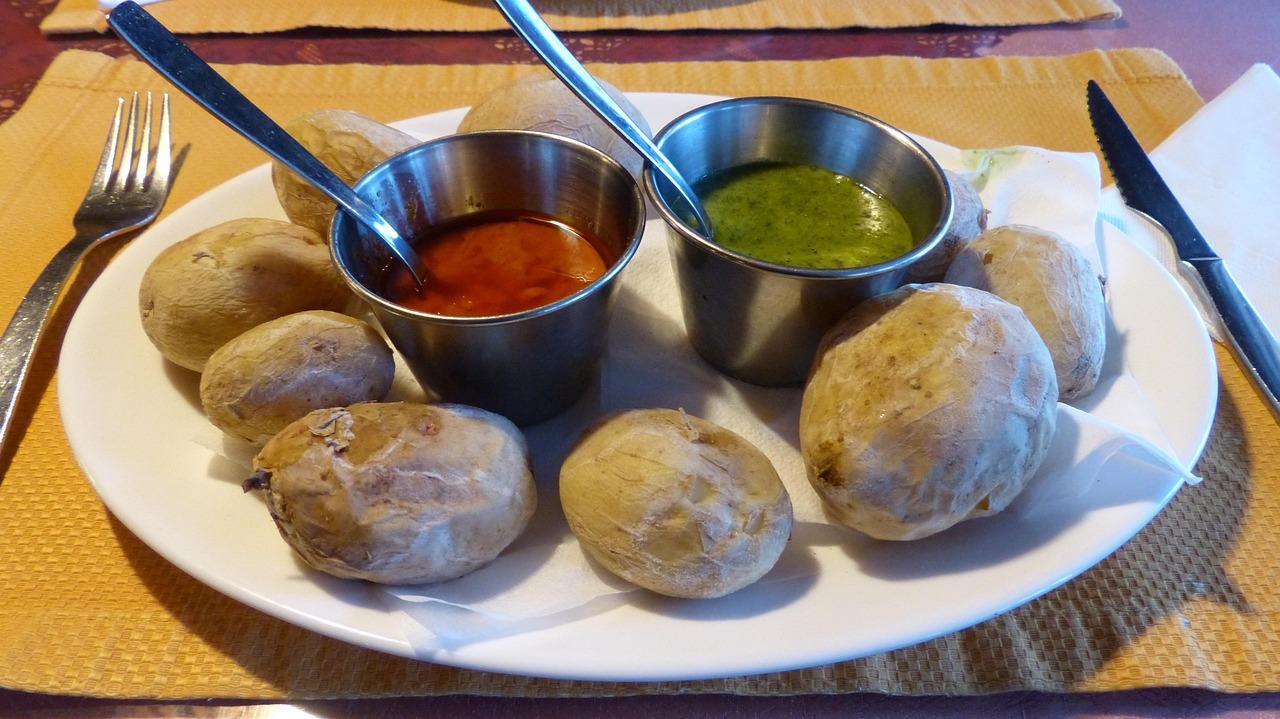
No meal in the Canary Islands seems complete without a bowl of papas arrugadas, small potatoes boiled in water as salty as the Atlantic until their skins wrinkle and frost over with white salt. In every guachinche, the pop-up wine-farm eateries in the hills of northern Tenerife, they arrive with a pot of mojo picón, a thick, garlicky sauce of dried red peppers, cumin, paprika and vinegar. Eat them skin and all, dragged through the mojo. Chef's tip: once drained, put the pot back on a low heat and shake it for a minute or two, as that drying is what forms the wrinkles and the salt crust.

by KrazyBadal 0 views

Patatas revolconas

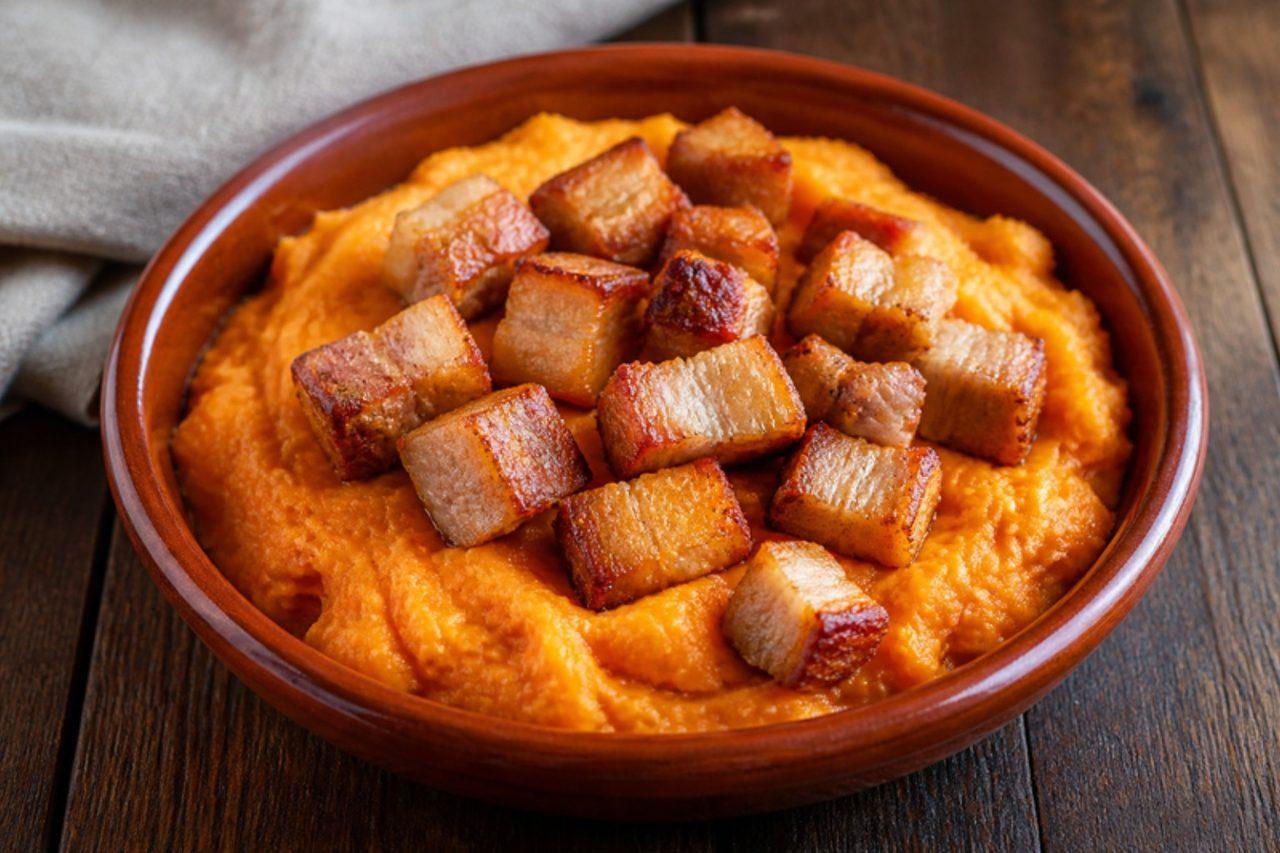
Shepherds in the Gredos mountains of Ávila once lived on these "tumbled" potatoes, roughly mashed with garlicky paprika oil and topped with crunchy fried pork belly, called torreznos. Bars in Ávila, Salamanca and Béjar now serve them on the house as a tapa, or as a starter before a steak on a chilly evening. This contains pork (pork belly). Chef's tip: save the potato cooking water; a splash makes the mash loose and spoonable without milk or butter.

by KrazyBadal 0 views

Cèpes à la bordelaise

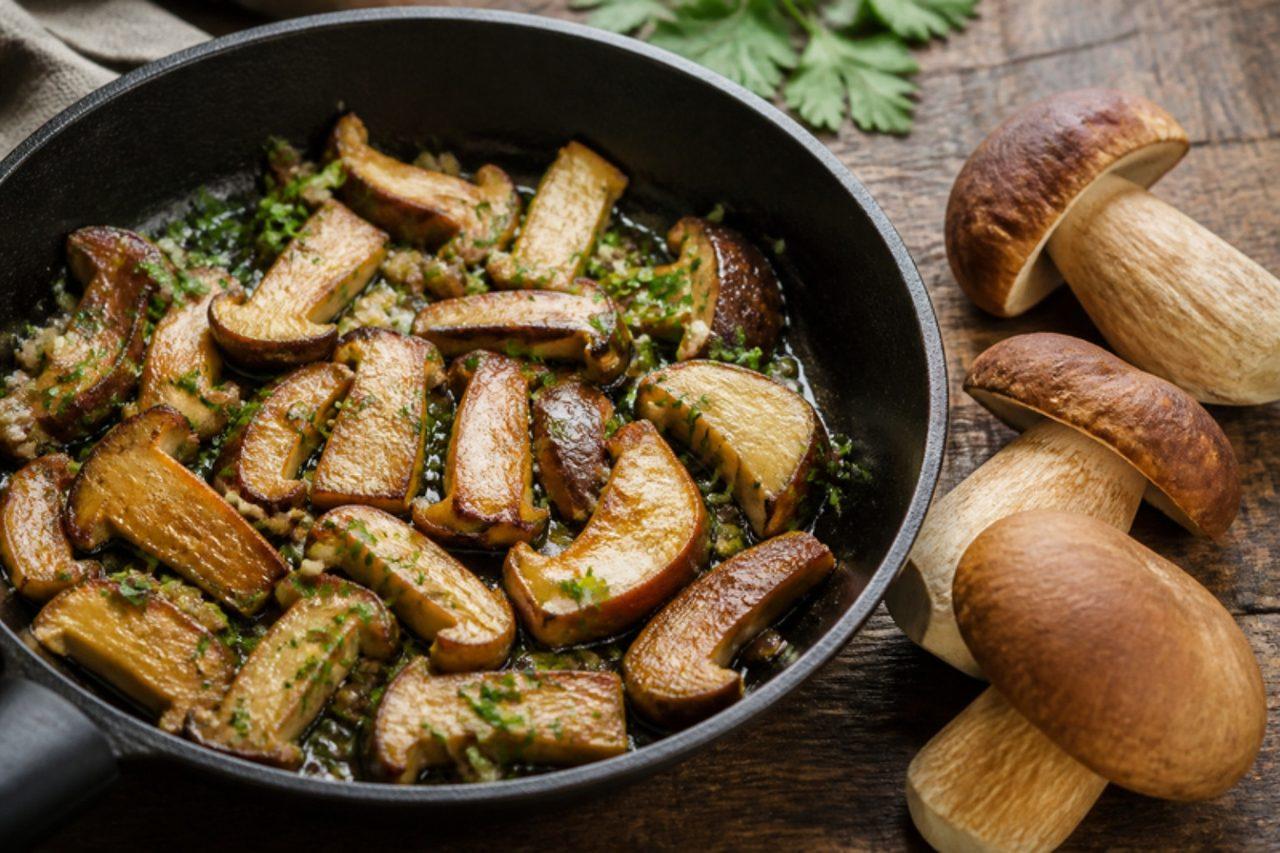
In autumn, when cèpes push up through the pine forests of the Landes and the oak woods of the Gironde, Bordeaux families fry them the local way: thick slices browned hard in a hot pan, then tossed with shallot, garlic and plenty of parsley. They come to the table as a side for Sunday lunch, piled on toast for a starter, or beside an omelette for supper. Many cooks use duck fat; this version uses olive oil, so it is vegan. Out of season, use chestnut mushrooms with a few soaked dried porcini for flavour. Chef's tip: wipe the cèpes with a damp cloth instead of washing them; wet mushrooms steam instead of browning.

by KrazyBadal 0 views

Cachelos

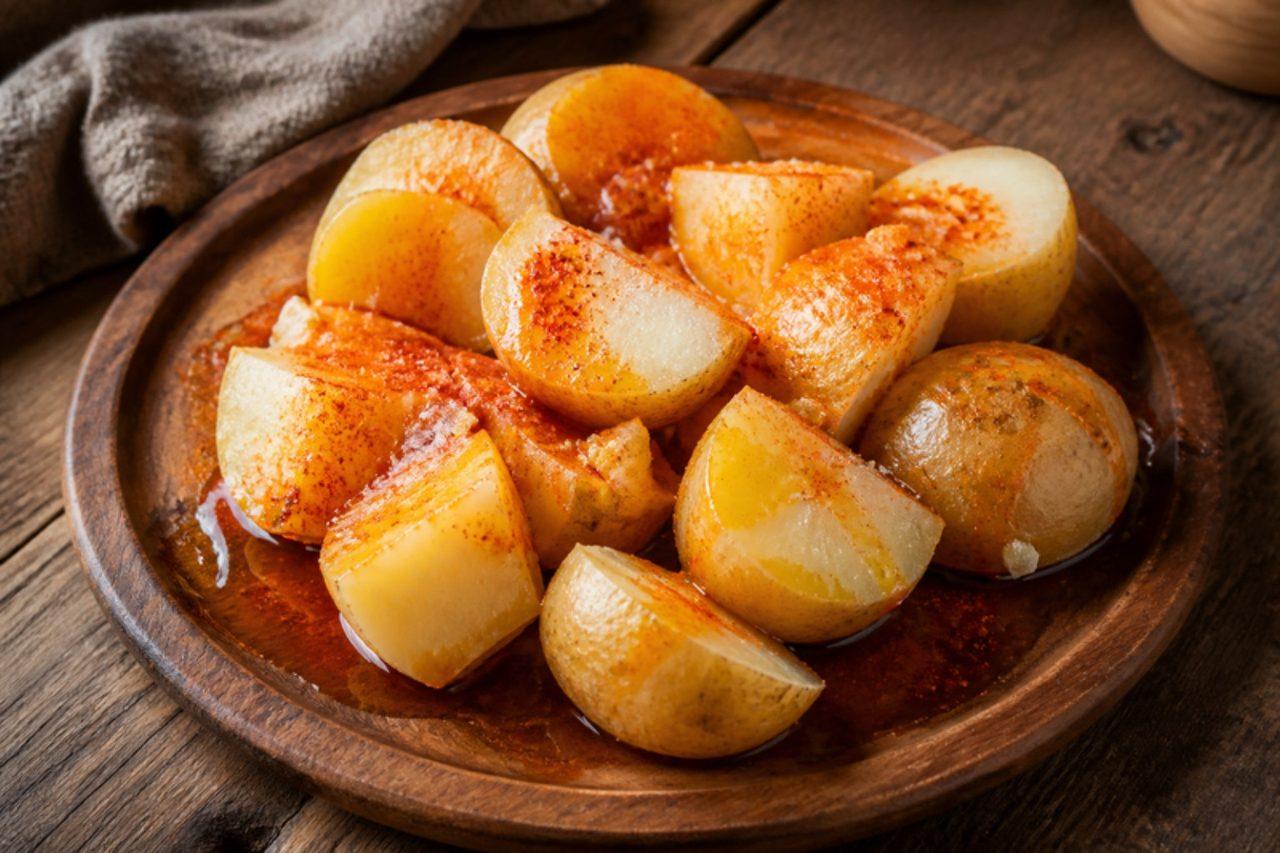
At Galician fairs, and above all at O Carballiño's octopus festival every August, octopus is served on wooden plates with cachelos: potatoes boiled in their skins, cut into chunks and splashed with olive oil, coarse salt and paprika. They are just as good on their own, as a side for grilled fish or meat. A common mistake is adding paprika to sizzling oil, where it burns in seconds and turns bitter; warm the oil, take it off the heat, then stir it in. Chef's tip: boil the potatoes with a bay leaf and plenty of salt, and leave the skins on, so they stay whole and full of flavour.

by KrazyBadal 0 views

Plátanos fritos con crema

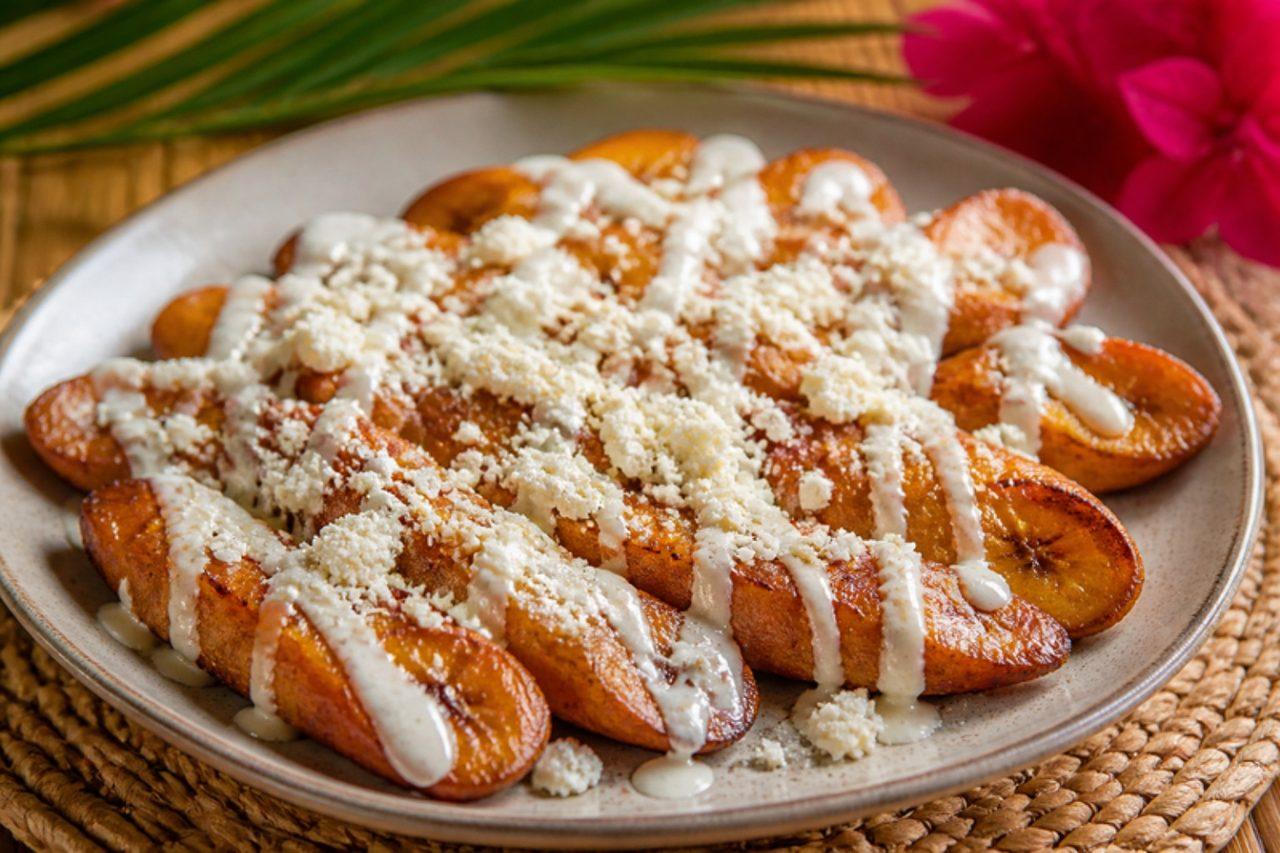
Tabasco grows more plantain than almost anywhere in Mexico, and in Villahermosa homes fried ripe plantain arrives with breakfast eggs, alongside rice and black beans at lunch, or on its own as a sweet-savoury supper. The local touch is to finish the hot, caramelised slices with a spoon of tangy crema and a snow of crumbled fresh cheese, so you get sweet, salty and sour in one bite. Chef's tip: wait until the skins are almost black; yellow plantains taste starchy and never caramelise.

by KrazyBadal 0 views

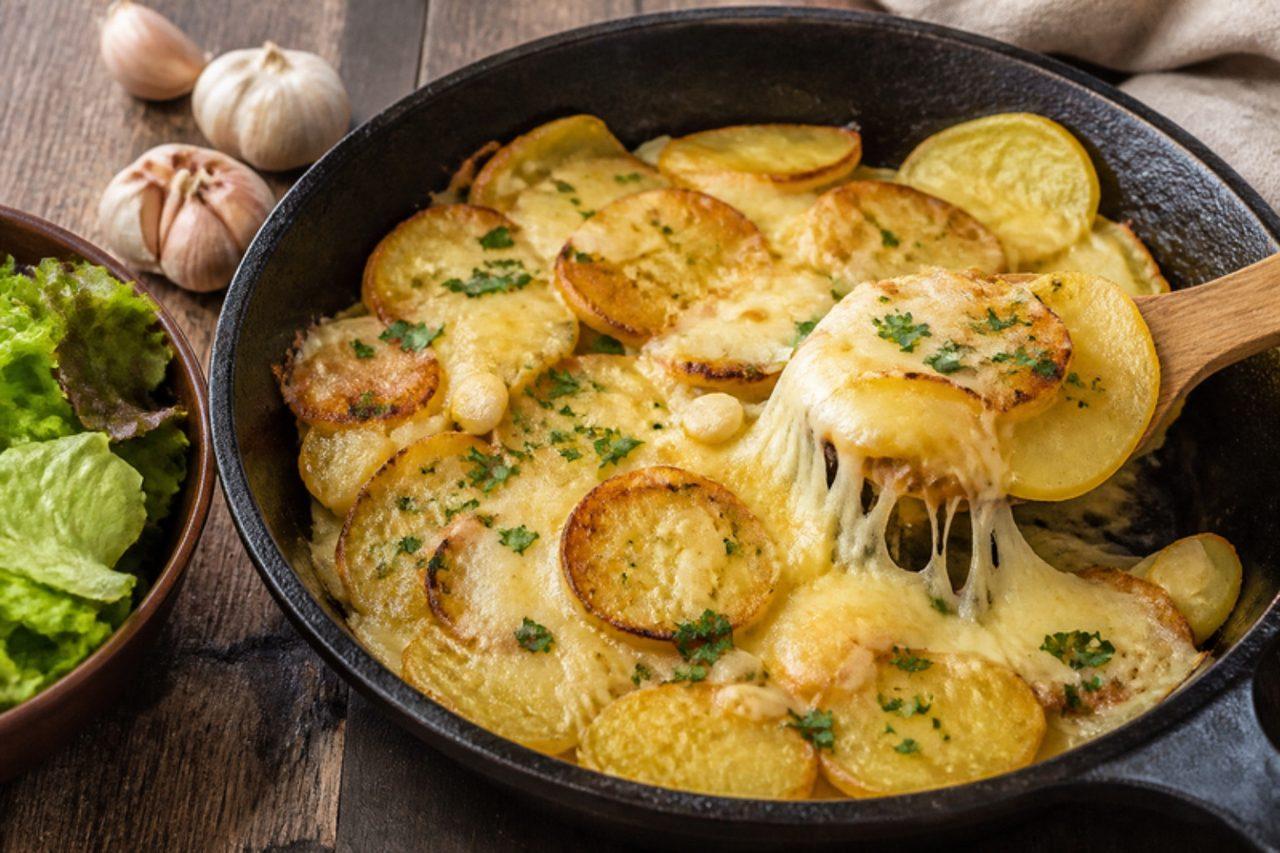
Truffade

Truffade is cattle-herders' food from the volcanic mountains of the Cantal, cooked in a big pan over the fire in the stone burons where Salers cows spend the summer. Potato slices are fried until tender and lightly golden, then folded with thin slices of young tomme fraîche du Cantal until the cheese melts into strings, and the whole thing is eaten with a green salad, nothing else. Herders used lard; this version uses butter and oil, so it is vegetarian. Tomme du Cantal is made with animal rennet; a young vegetarian cheese that melts well, such as a mild Lancashire-style or vegetarian mozzarella, also works. Chef's tip: slice the potatoes as thin as a coin so they cook through before they burn.

by KrazyBadal 0 views

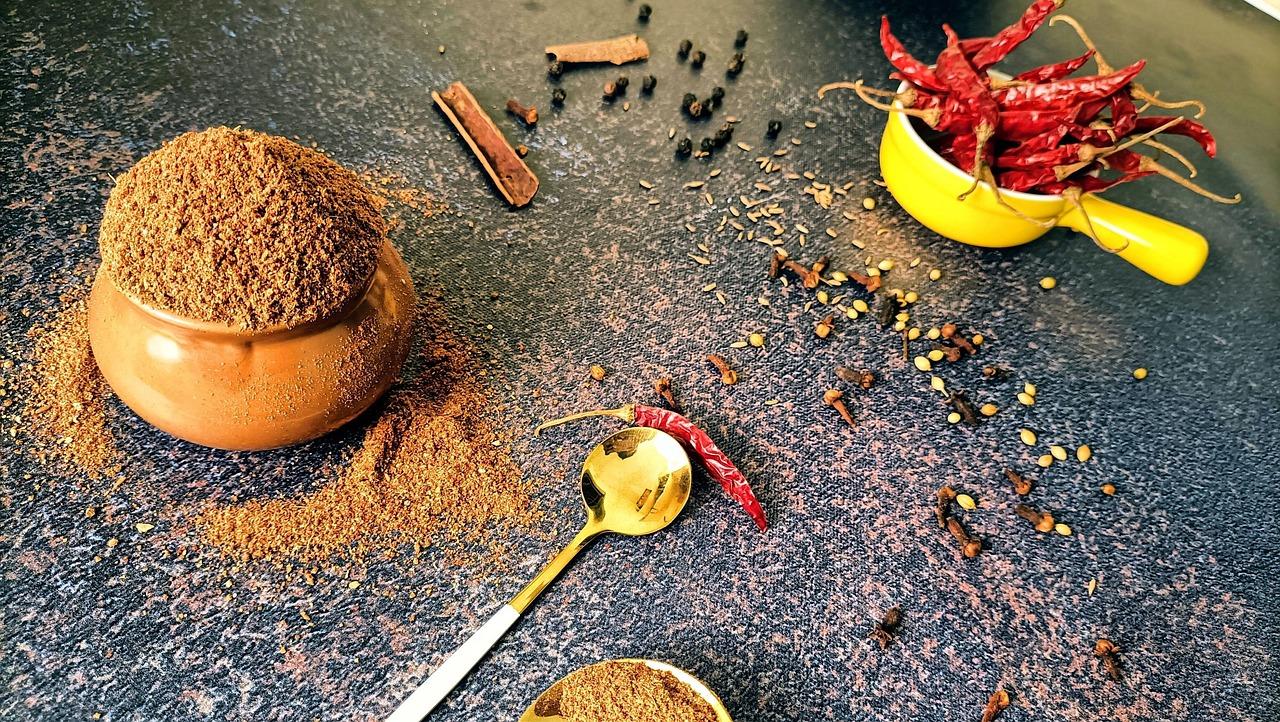
Ras el hanout

Ras el hanout means 'head of the shop', and every spice seller in the Marrakech souk will tell you theirs is the best: a warm, complex mix of a dozen or more spices that they grind to their own formula. This home version balances earthy cumin and coriander with sweet cinnamon, ginger and turmeric, the perfume of cardamom and dried rosebuds, and the heat of black pepper. Rub it on vegetables before roasting, stir a teaspoon into tagines, lentils or couscous broth, or season chickpeas and roast pumpkin with it. Toasting the whole spices first takes 5 minutes and makes a real difference. Chef's tip: make small batches and store the blend in a sealed jar away from light; it is at its best for about 3 months.

by KrazyBadal 0 views

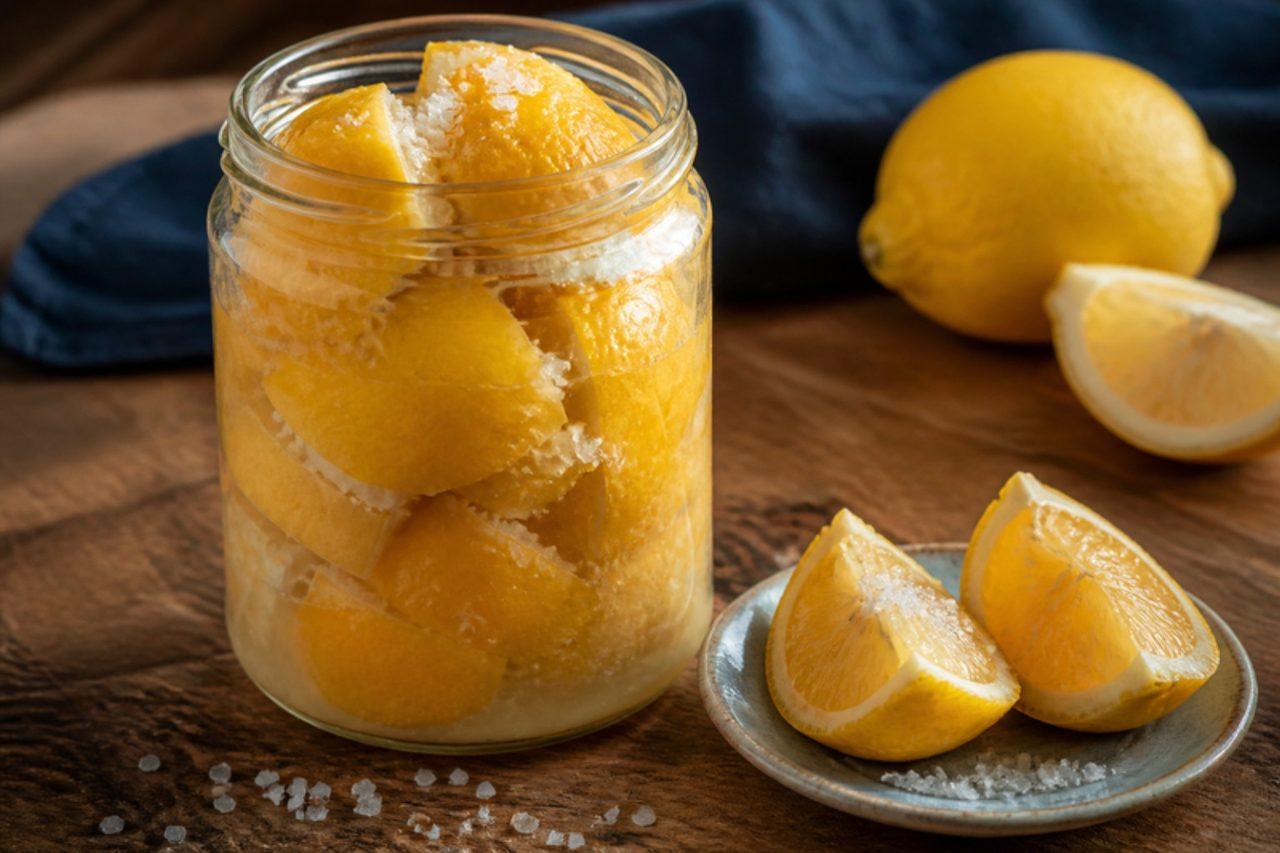
Preserved lemons (l'hamd marked)

No Moroccan pantry is complete without a jar of l'hamd marked, lemons packed in salt and their own juice and left for about a month until the rind softens and takes on a mellow, floral, almost sweet flavour. The rind is what you use: finely chopped into salads, slivered over chicken with olives, added to fish tagines, chermoula and bean dishes. Fez cooks traditionally use small, thin-skinned doqq or beldi lemons, but any unwaxed lemon works. Hands-on work is only 20 minutes; the jar then needs 3–4 weeks in a cool, dark cupboard before it is ready. Chef's tip: press the lemons down hard every day for the first week; as they release juice they shrink, and you can squeeze one more lemon into the jar.

by KrazyBadal 0 views

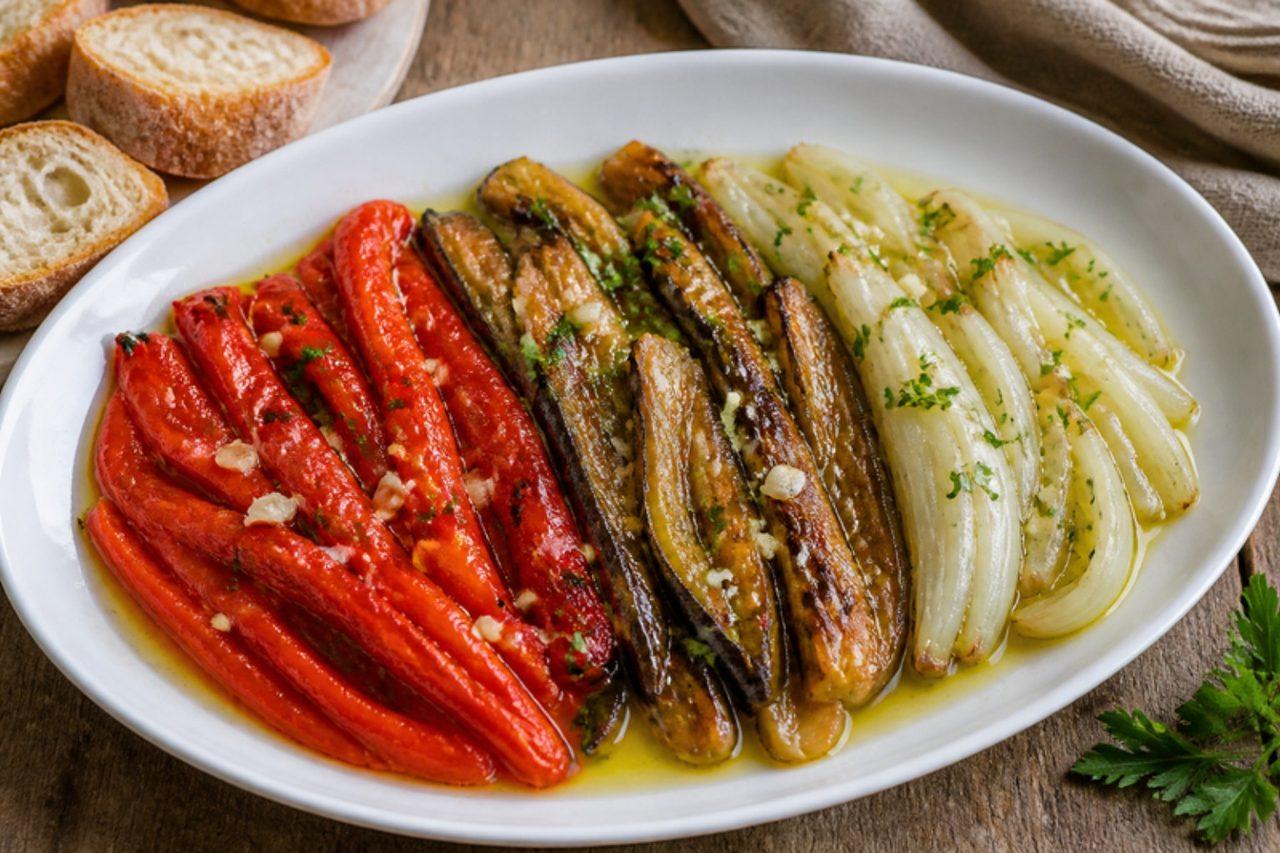
Escalivada

The name comes from the Catalan escalivar, to cook in the embers, and in country masies across Catalonia the vegetables still go straight into the dying fire after a Sunday grill. Aubergines, red peppers and onions char black outside and turn smoky and soft within, then are peeled, torn into strips and dressed with nothing but olive oil, salt and a little garlic. Serve it warm or at room temperature with bread, beside grilled meat, or on toast. Chef's tip: wrap the roasted vegetables in a cloth or put them in a covered bowl for 15 minutes; the steam lifts the skins clean off.

by KrazyBadal 0 views

Maduro con queso

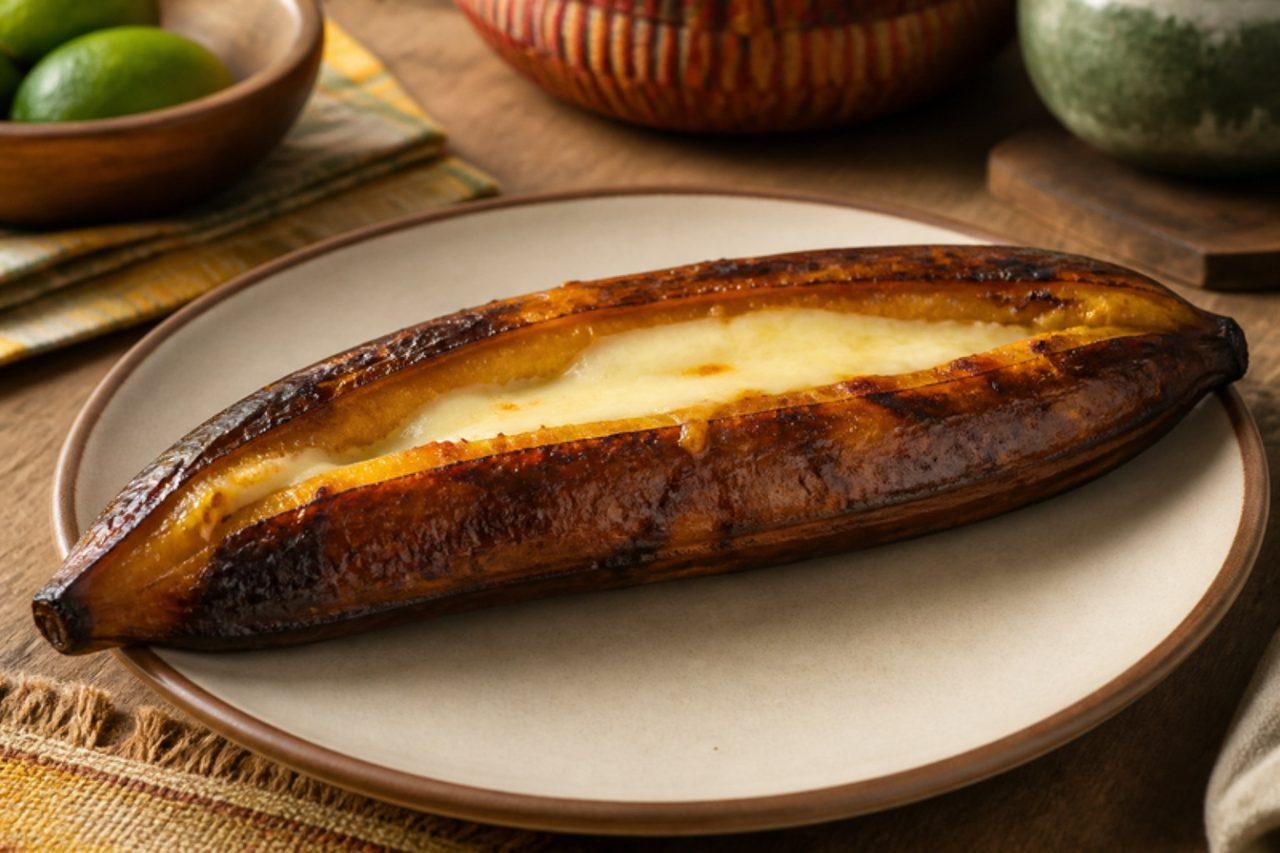
Cali cooks treat a black-skinned plantain as a treat rather than a fruit past its best, and maduro con queso shows why. The plantain bakes in its own skin until the flesh turns sticky and caramel-sweet, then it is split lengthways and packed with soft white cheese that melts into the hot fruit. In the Valle del Cauca it turns up at home lunches beside rice, beans and a sudado, and at weekend corrientazo counters as the sweet note on a savoury plate. The cheese of choice is a mild, stretchy quesillo or queso campesino, both normally set with animal rennet, so pick a vegetarian mozzarella-style cheese if that matters to you. Where it goes wrong is the plantain: a yellow one with a few spots stays starchy and dry, so wait until the skin is almost completely black and the fruit gives when pressed. Chef's tip: bake the plantains on a tray lined with baking paper, because the sugars leak out of the skins and burn onto bare metal.

by KrazyBadal 0 views

Rajas con crema

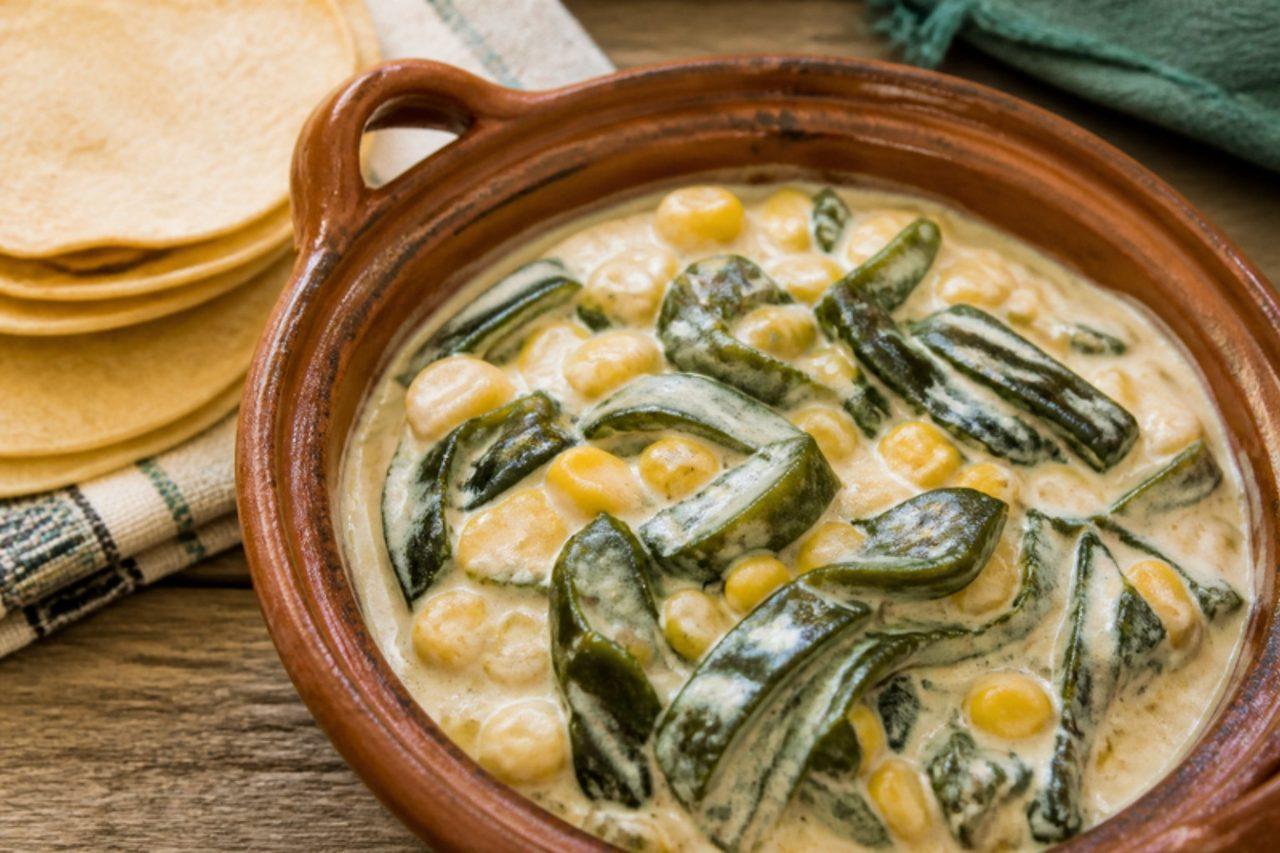
Rajas means strips, and in Puebla they mean poblano chillies, the dark green pepper the state is named after, charred, peeled and sliced, then simmered with onion, sweetcorn and cream. Poblanos are mild with a grassy, gently smoky bite, so the dish is rich rather than fiery. It turns up on Puebla tables as a side for rice, as a taco filling at fondas, or in a tamal for breakfast. Some cooks melt in Chihuahua or Oaxaca cheese, which may be made with animal rennet; use a vegetarian melting cheese if needed. Chef's tip: sweat the peeled chillies in a covered bowl for 10 minutes; the steam lifts the skins off cleanly without rinsing away the smoky flavour.

by KrazyBadal 0 views

Cajeta de Celaya

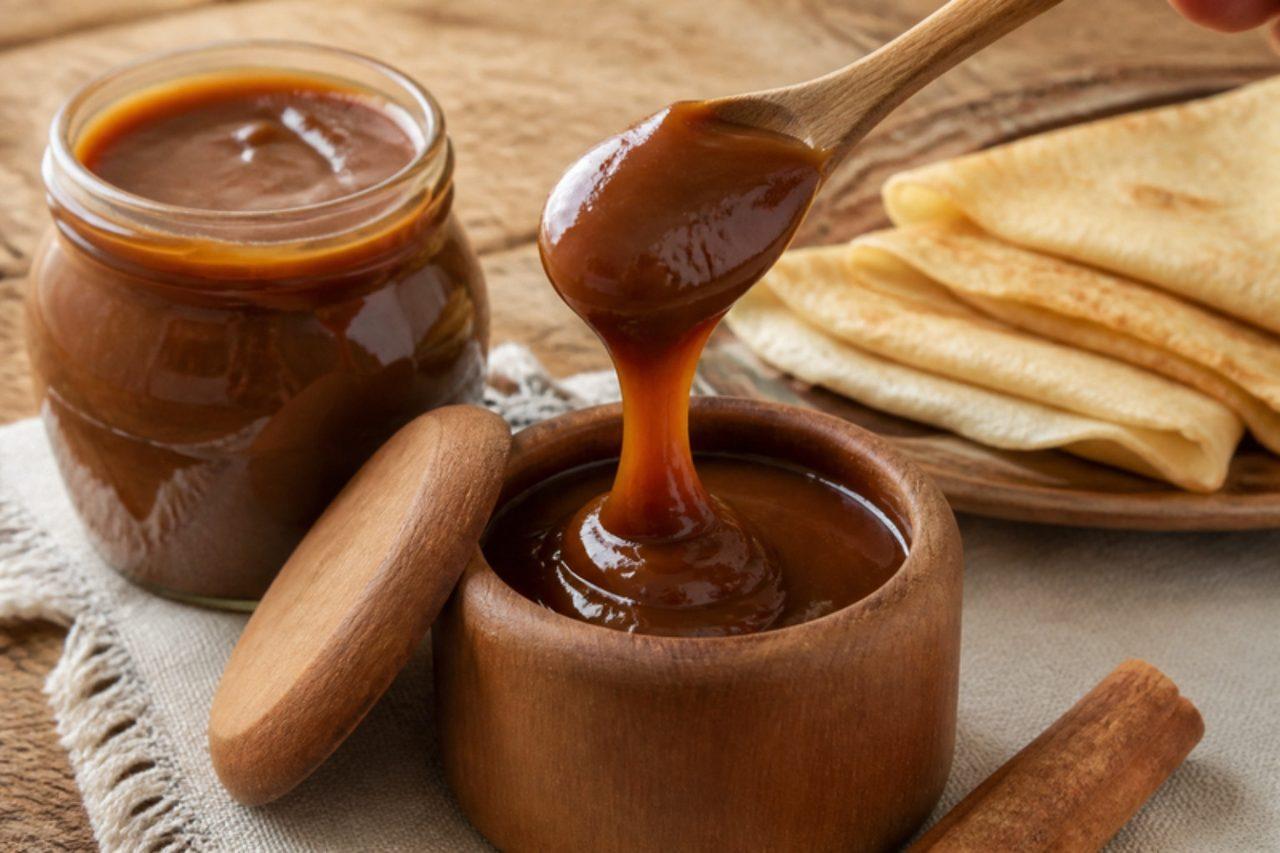
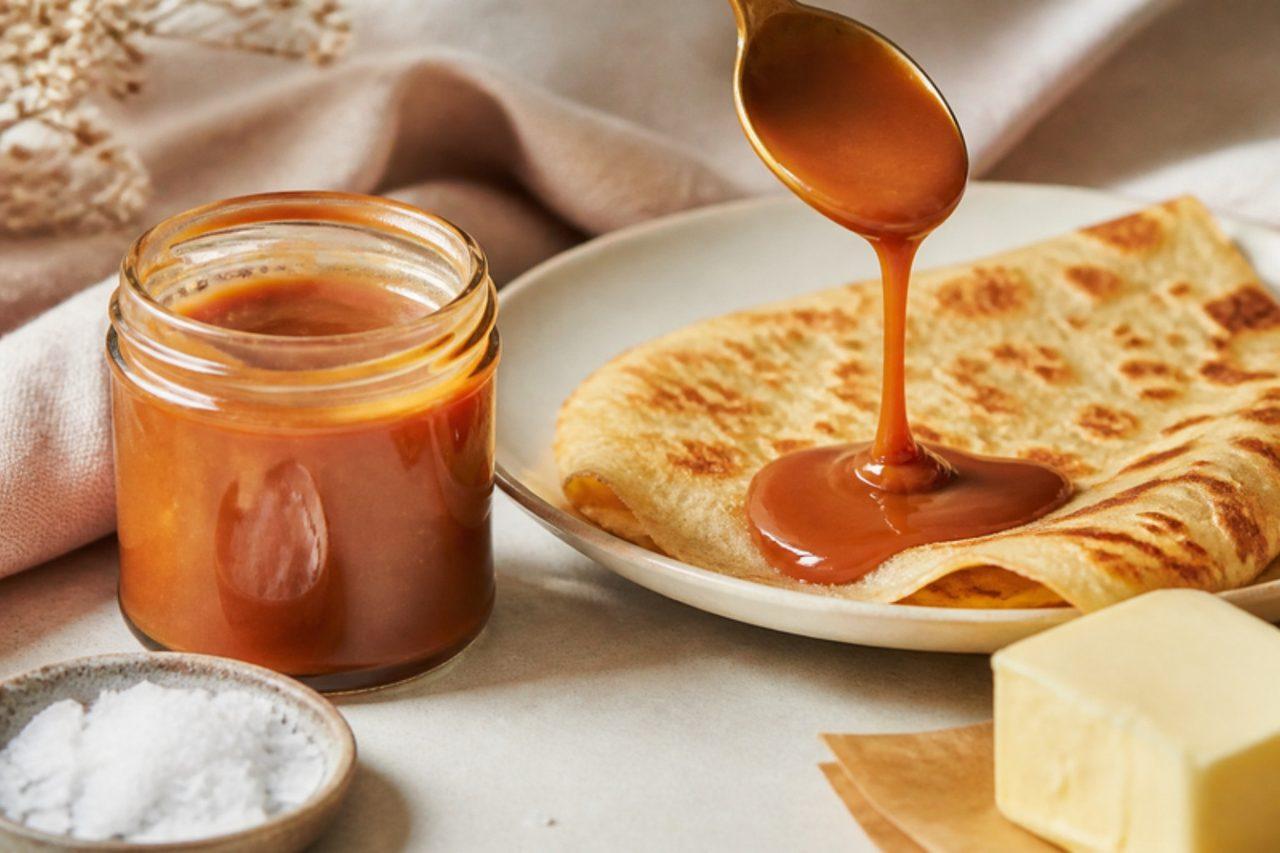
Celaya, in the Bajío of Guanajuato, has made cajeta for centuries, once packing it into little wooden boxes (cajetes) that gave it its name. It is caramel cooked from goat's milk, so it is looser and has a gentle tang compared with the cow's-milk dulce de leche of Argentina. Mexicans spread it on crêpes and churros, pour it over ice cream, sandwich it between obleas (wafers) and turn it into glorias. A splash of rum-flavoured 'envinada' cajeta exists, but this one is plain and alcohol-free. Chef's tip: use a pan at least three times the volume of the milk; it foams high when the bicarbonate goes in.

by KrazyBadal 0 views

Aligot

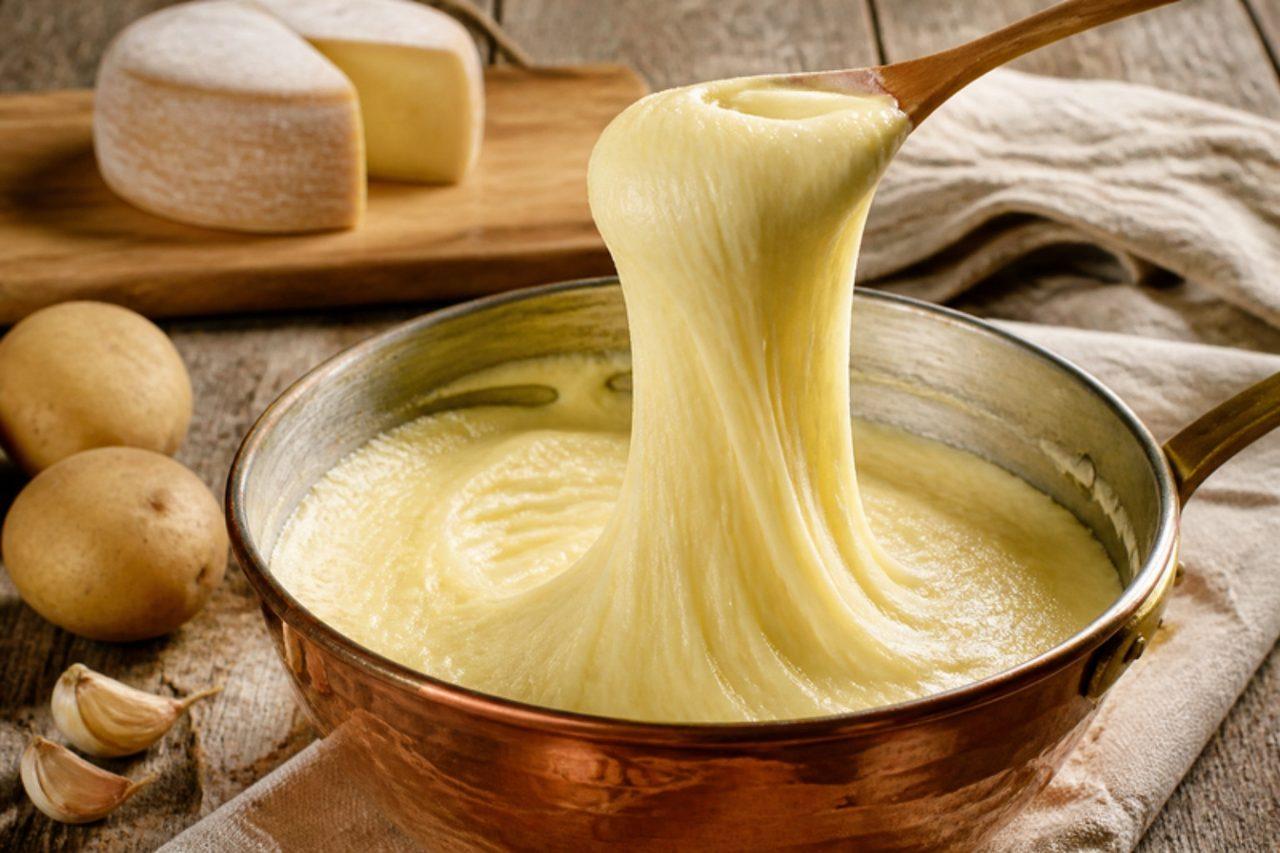
High on the Aubrac plateau, where Aveyron, Cantal and Lozère meet, aligot was once the meal monks gave to pilgrims on the road to Santiago. Today it is beaten in huge copper pans at village fêtes and buron farm restaurants around Laguiole, then lifted high on a wooden spoon in long, glossy ribbons before it is served beside sausages or, for a vegetarian table, a big green salad and roasted mushrooms. It is a mash of floury potato, butter, cream and garlic, worked with young tomme fraîche until it stretches like mozzarella. Tomme fraîche is made with animal rennet; a mix of vegetarian mozzarella and a vegetarian mild cheddar gives a similar stretch. Chef's tip: keep beating in a figure of eight once the cheese goes in; the stretch only comes with steady work.

by KrazyBadal 0 views

Gratin de cardons

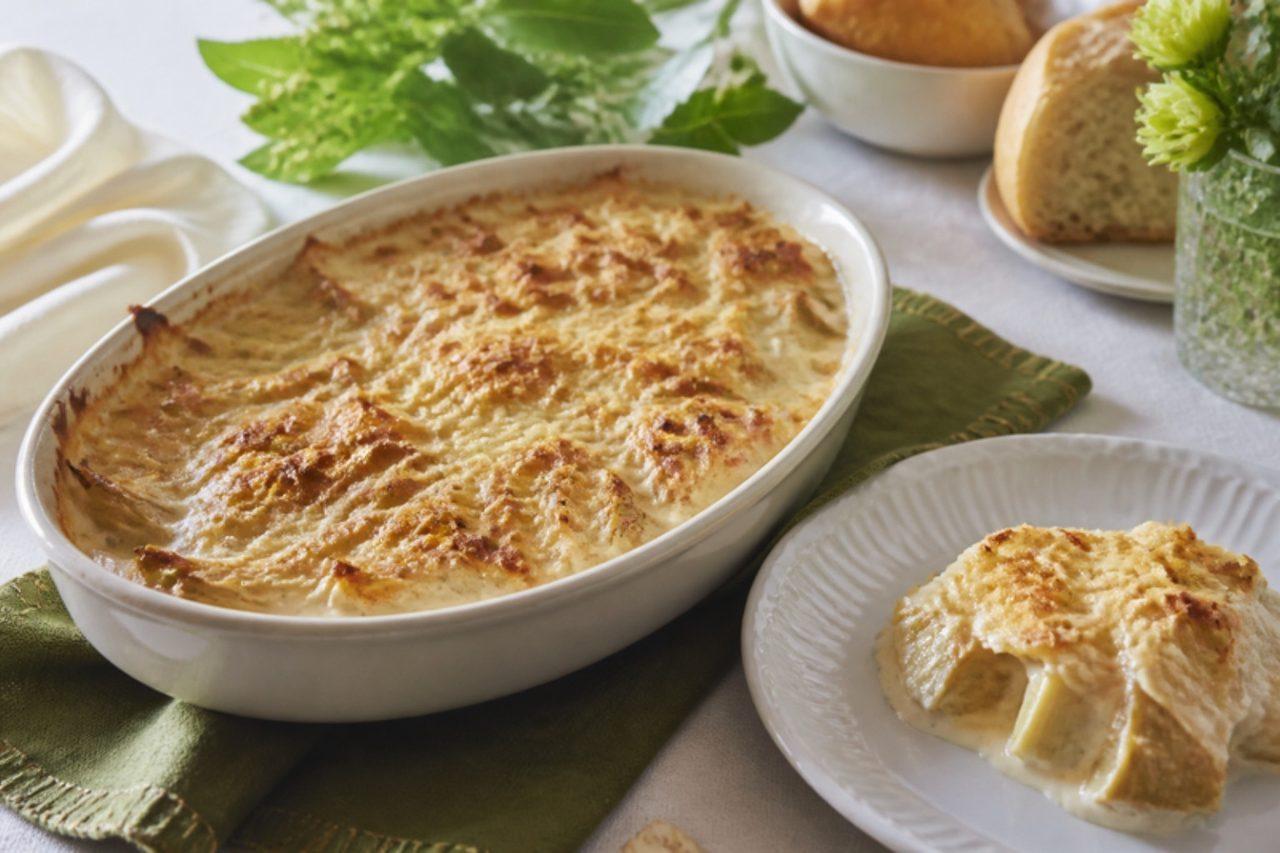
Cardoons, the tall silvery cousin of the artichoke, are a Christmas vegetable in Lyon and the Dauphiné; market stalls on the Quai Saint-Antoine sell them in December, and the gratin goes on the table at the réveillon dinner. The stalks taste gently of artichoke and celery and turn meltingly soft under a nutmeg béchamel. Lyon cooks often add bone marrow; this version leaves it out and uses vegetable stock in the sauce. Gruyère is usually made with animal rennet, so choose a vegetarian alternative if needed. If you cannot find cardoons, celery hearts work, though they cook faster. Chef's tip: drop each peeled stalk straight into lemon water; cardoons blacken within minutes in the air.

105 minFrenchSides
by KrazyBadal 0 views

Orkney clapshot

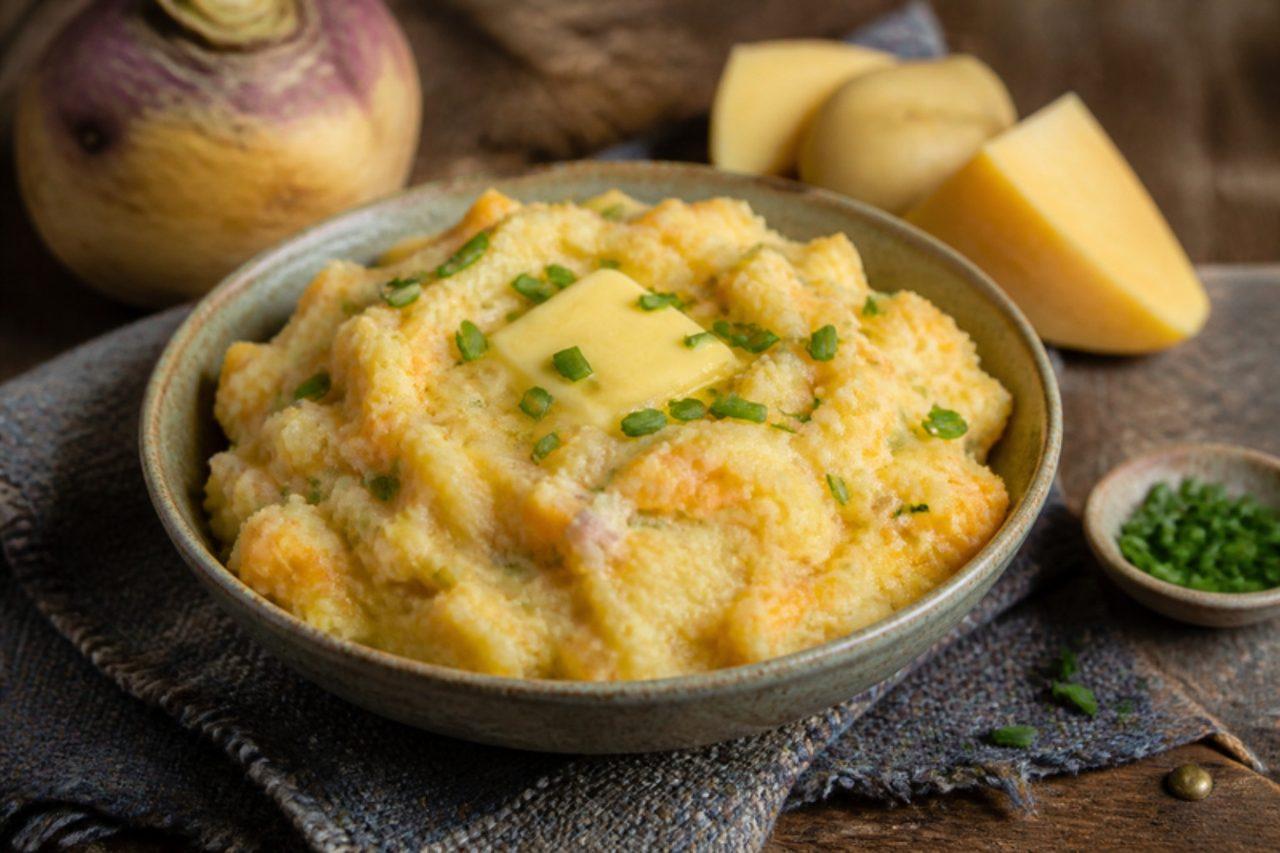
Clapshot is the Orkney way with neeps and tatties: equal amounts of swede and potato mashed together with butter, chives and plenty of pepper, rather than served side by side. Islanders eat it with oatcakes and cheese, with mince, or alongside haggis on Burns Night. It is sweet, earthy and soft-orange. Chef's tip: dry the boiled vegetables in the hot pan before mashing, or the swede makes it watery.

by KrazyBadal 0 views

Papas criollas fritas

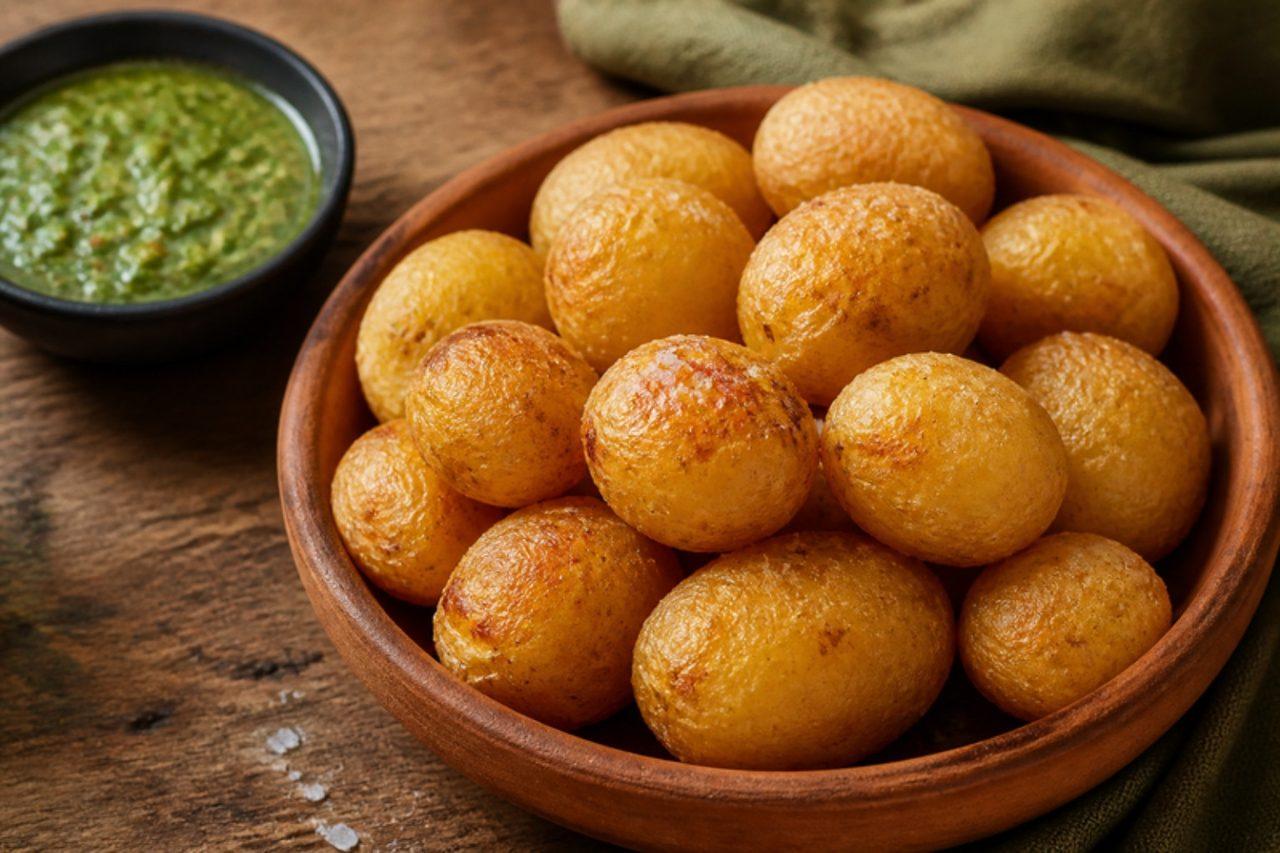
Little golden papas criollas are the potato Bogotá loves best: thin-skinned, buttery-yellow and so creamy they almost melt. At the asaderos along the roads out of the capital, and next to every plate of ajiaco or fritanga, they come fried whole, skin on, crackling outside and soft in the middle, with nothing but salt and a bowl of ají. Frozen papas criollas are sold in Latin American shops; otherwise use the smallest waxy yellow potatoes you can find. Frying them raw is the usual mistake: the skins brown before the insides are cooked. A quick boil first fixes that. Chef's tip: let the boiled potatoes steam dry for a few minutes and squash a few slightly with your palm before frying, so the split skins catch extra crunch.

by KrazyBadal 0 views

Mderbel (tangy aubergine relish)

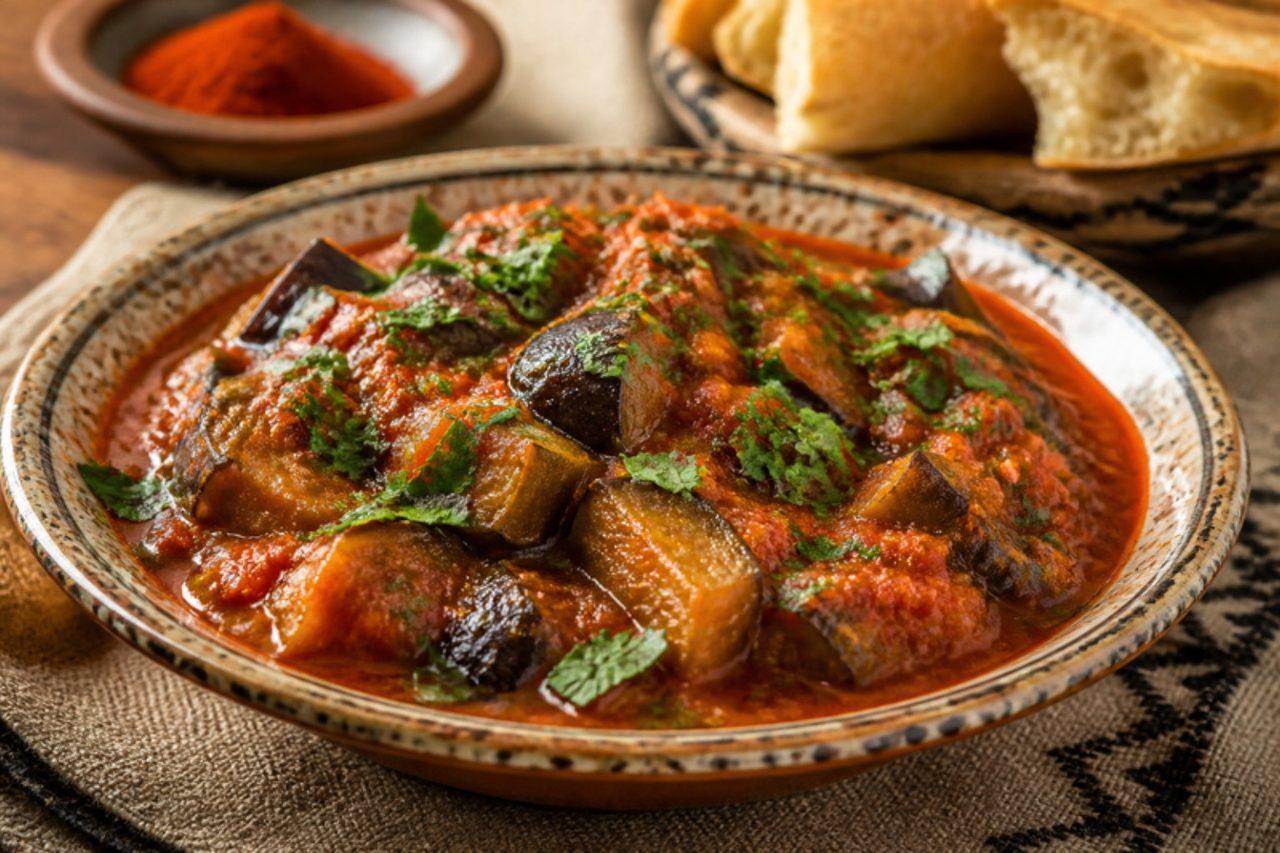
Where zaalouk is a smoky mash, mderbel keeps its aubergine in soft, silky slices that have been fried first and then stewed down with garlic, sweet paprika, cumin and a sharp splash of vinegar. Old Fez families make it as one of the cooked salads that open a festive meal, and it keeps beautifully for a few days, so it is often made the day before. The flavour is rich from the oil, tangy, a little sweet and deeply garlicky; serve it at room temperature with bread, alongside other salads or next to grilled vegetables. The usual mistake is frying the aubergine in oil that isn't hot enough, so the slices drink it up and turn greasy. Chef's tip: salt the slices and leave them for 20 minutes, then pat them very dry; they drink far less oil and fry to a deep gold.

by KrazyBadal 0 views

Farçon savoyard

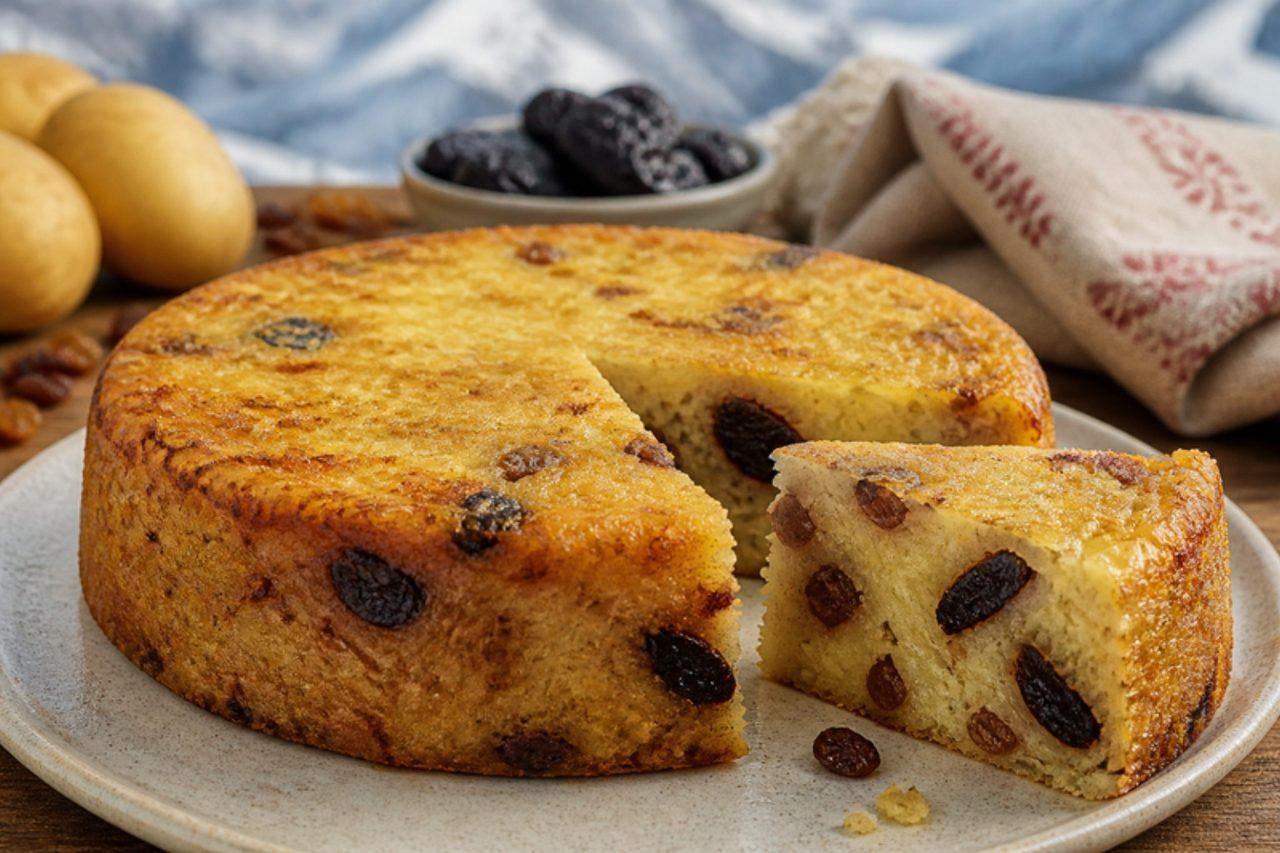
In the Savoyard valleys, especially around Albertville and the Val d'Arly, farçon was the Sunday dish left to cook slowly while the family was at Mass: grated potatoes mixed with eggs, cream, prunes and raisins, set in a tall mould and cooked for hours in a water bath. The result is a sliceable, sweet-and-savoury cake, soft and golden, served with a green salad or as a side at a winter feast. Traditionally the mould is lined with bacon; this version uses a buttered mould instead, so it is vegetarian. Chef's tip: let it rest for 15 minutes in the mould before turning it out; it firms up and slices cleanly.

145 minFrenchSidesGluten free
by KrazyBadal 0 views

Papas chorreadas

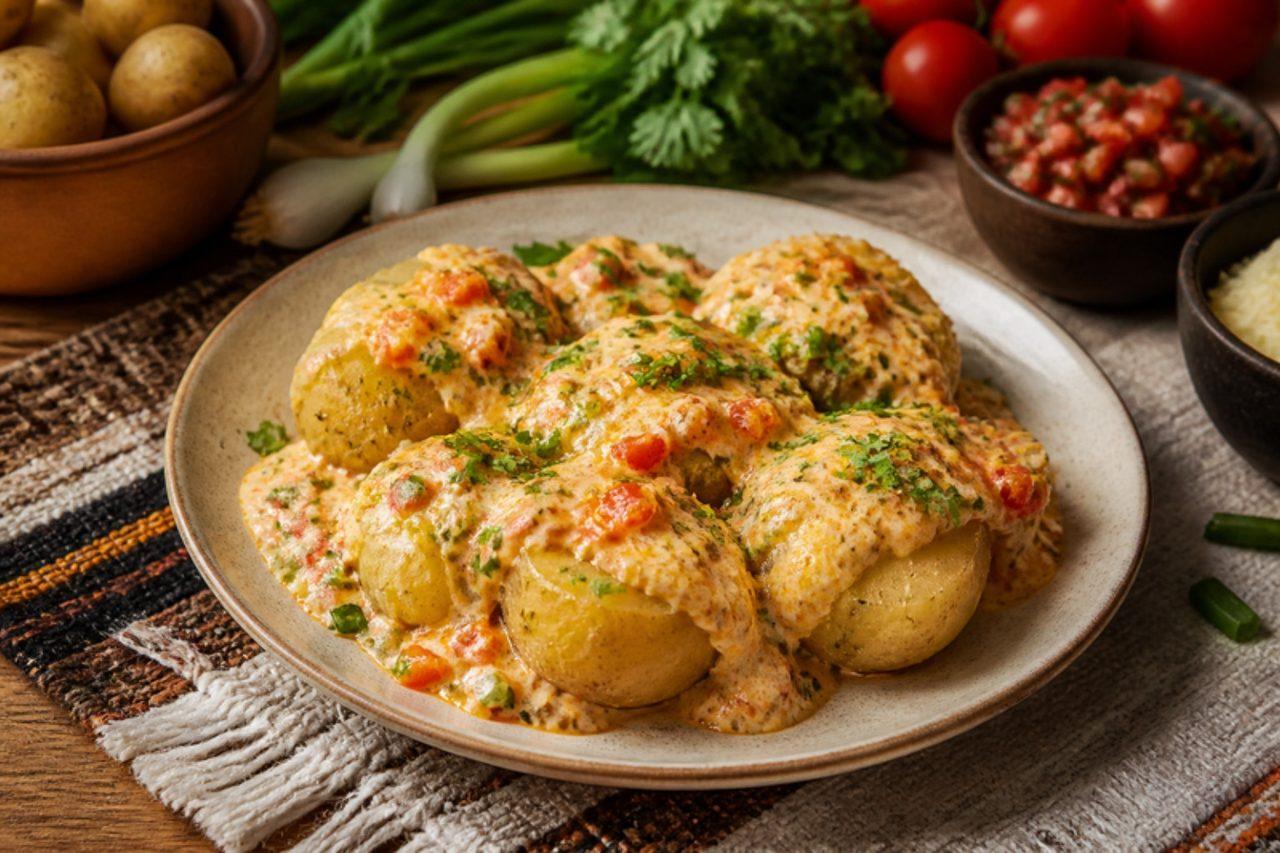
Chorreadas means drenched, and that is the idea: in farmhouse kitchens of Boyacá and Cundinamarca, whole boiled potatoes get a hot, loose sauce of tomato and long spring onion poured over them, enriched with milk and stretchy fresh cheese. It is comfort food from the cold highlands, served beside grilled meat on Sundays or on its own with an arepa and a mug of aguapanela on a weeknight. Colombians use queso campesino or doble crema, both usually made with animal rennet; a vegetarian mozzarella or other microbial-rennet melting cheese works perfectly. The mistake to avoid is adding the cheese to a boiling sauce, which makes it split and turn stringy; keep the heat low. Chef's tip: let the tomato and onion cook until really soft and jammy before the milk goes in, so the sauce tastes sweet and deep rather than raw.

by KrazyBadal 0 views

Cipolle di Tropea in agrodolce

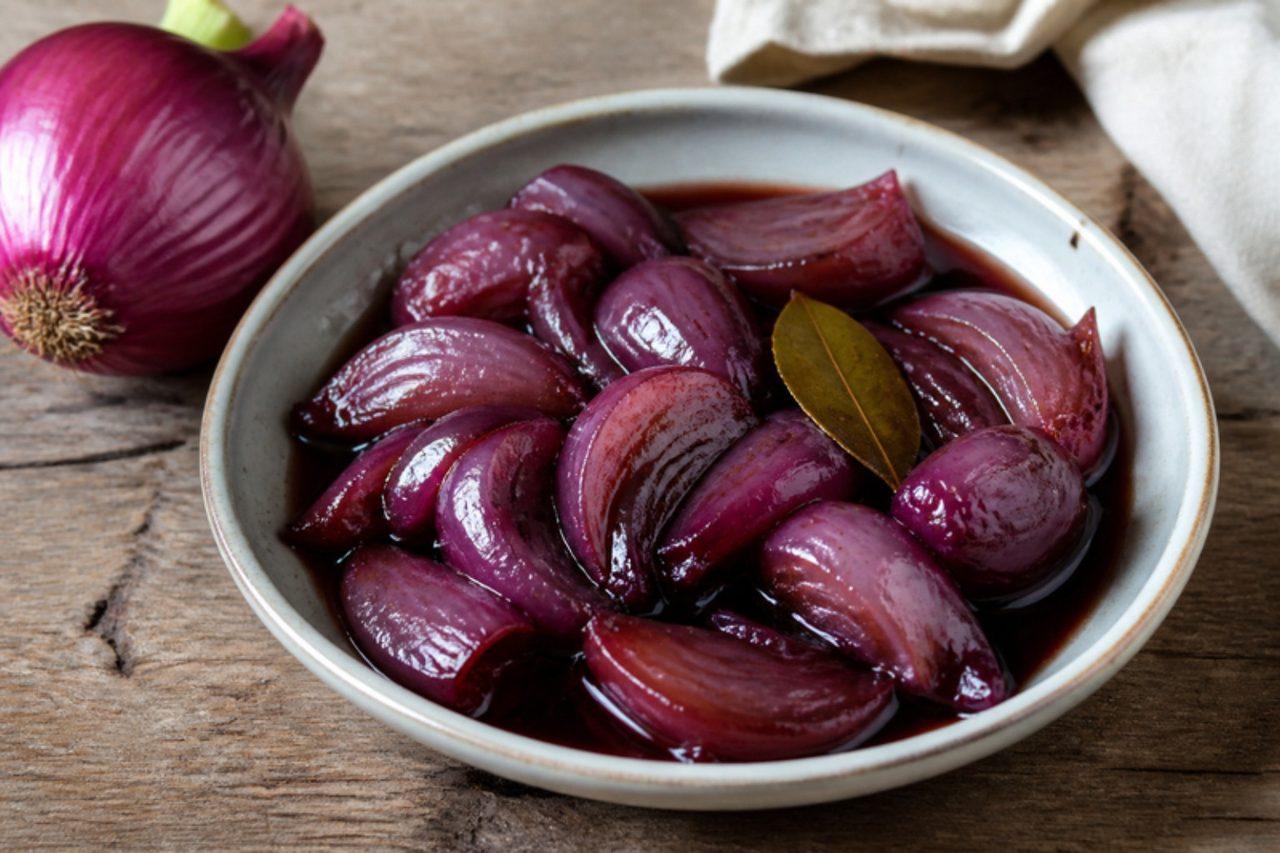
The red onions grown in the sandy fields along the coast near Tropea are so sweet that Calabrians eat them raw like fruit, and cooked slowly in agrodolce they become soft, jammy and glossy, sharp from the vinegar and mellow from the sugar. They sit on every Calabrian antipasto table, beside cheese and bread, and they are a fine side for grilled vegetables or a frittata. There is no wine in it, only wine vinegar. A jar keeps all week in the fridge. Chef's tip: cut the onions into thick wedges through the root so they hold together while they soften.

by KrazyBadal 0 views

Espinacs a la catalana

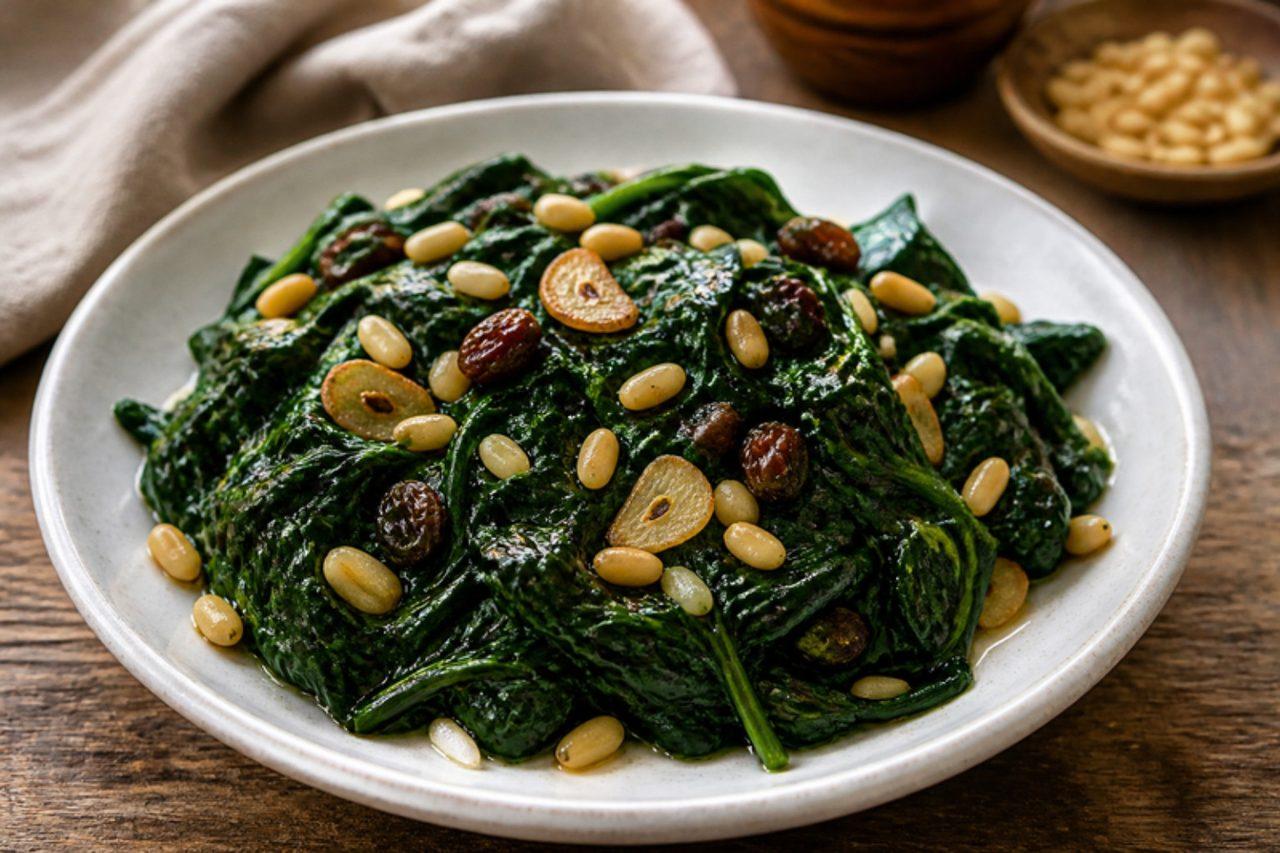
This dish carries the sweet-and-savoury taste of medieval Catalan cooking: spinach wilted with plump raisins and toasted pine nuts, sometimes with a little pork fat or anchovy, though olive oil is just as traditional. Families cook it in spring and autumn as a side for fish or chicken, or as a light first course before the main. It takes ten minutes. Chef's tip: soak the raisins in warm water first so they swell and burst sweetly, instead of turning hard in the hot pan.

by KrazyBadal 0 views

Salted butter caramel

Salted butter caramel was made famous by a confectioner in Quiberon in the 1970s, and now every crêperie from Rennes to Brest pours it over sweet crêpes, and every Breton cupboard has a jar for ice cream, apples or simply a spoon. Brittany kept the habit of salted butter long after the rest of France, so the salt is part of the flavour, not a trend. The caramel is cooked dark, loosened with hot cream and finished with butter flecked with sea salt. It keeps for two weeks in the fridge. Chef's tip: warm the cream before adding it; cold cream makes the caramel seize into hard lumps and spit furiously.

by KrazyBadal 0 views

Smen (salted, herbed butter)

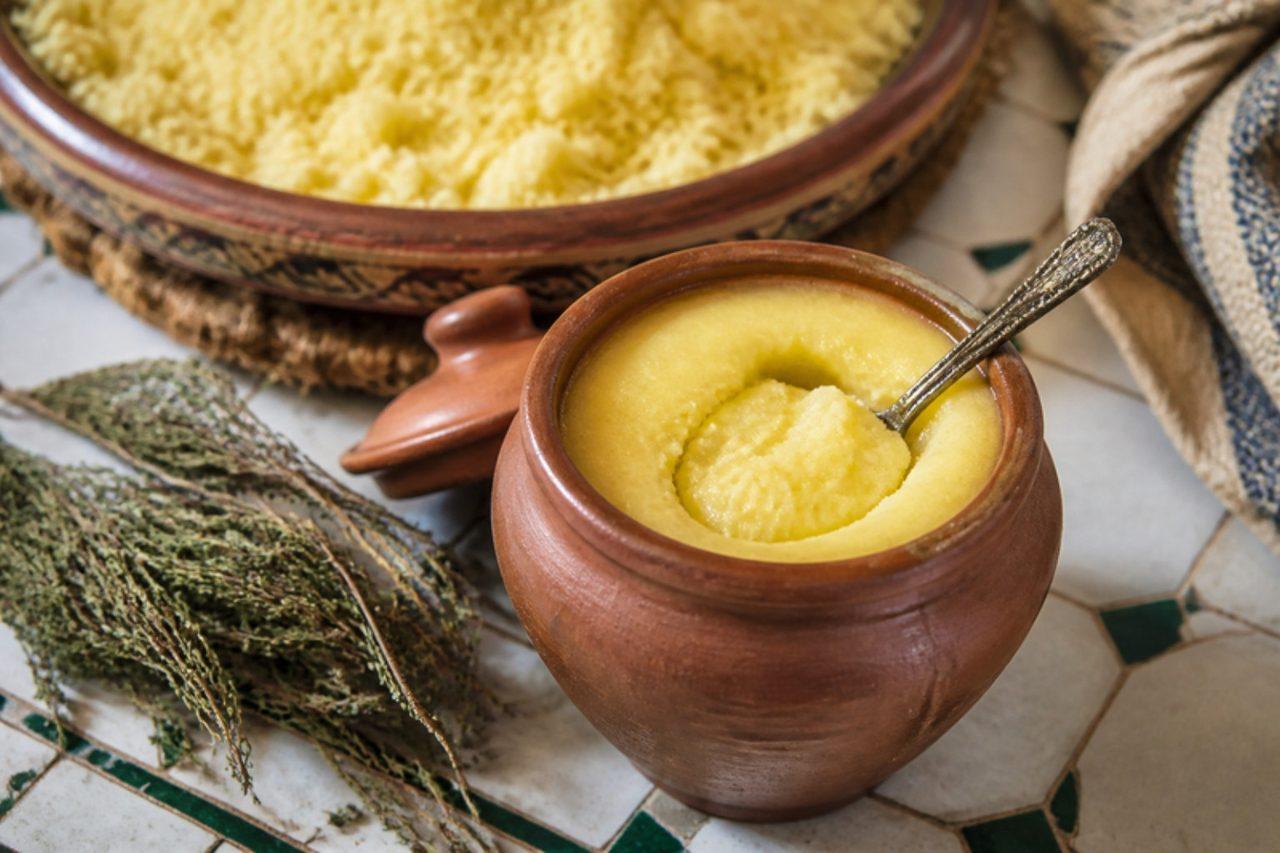
Atlas households once kept jars of smen for months, even years, until the salted butter developed a pungent, almost blue-cheese aroma; a spoonful stirred into couscous, harira or a chicken tagine gives a depth nothing else can. Long ageing at room temperature is risky at home, so this is a safer fridge version: pasteurised unsalted butter is simmered with dried za'atar or oregano, strained, salted and then matured in the fridge for 2–4 weeks, which gives a mellow, nutty, faintly tangy smen rather than the fiercely strong old kind. For the real long-aged flavour, buy smen from a reputable shop. Use it a teaspoon at a time; it is meant as a seasoning, not a cooking fat. The mistake to avoid is leaving any milk solids or water in the butter, as that is what turns it rancid or mouldy rather than pleasantly aged. Chef's tip: strain it through muslin until perfectly clear; any milky bits left in the jar are what turn butter rancid.

by KrazyBadal 0 views

Esparregado

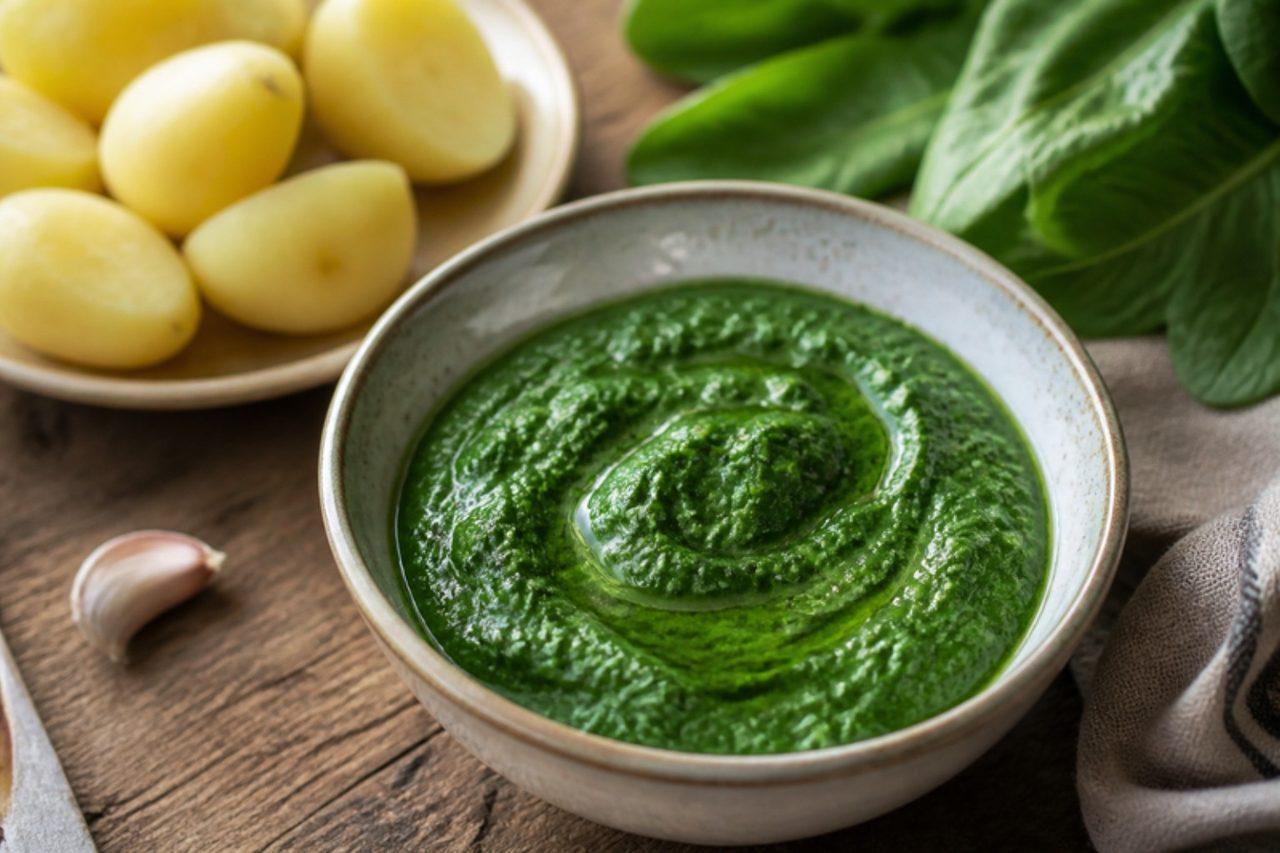
Fried fish in a Lisbon casa de pasto often comes with a spoonful of soft, dark green esparregado on the side, and the roast lamb at Easter lunch in the Ribatejo does too. Cooks use whatever leaves are in season: turnip tops in winter, spinach the rest of the year, sometimes a handful of wild asparagus. The greens are cooked, chopped very fine and stirred into garlic-scented olive oil with a little flour until creamy, then lifted with a dash of vinegar. It is good with fried cuttlefish, grilled sardines or a fried egg. A common mistake is skipping the squeeze; wet greens make a watery purée, so press out as much water as you can. Chef's tip: squeeze the cooked greens really hard before chopping; watery greens give a thin, grey purée.

by KrazyBadal 0 views

Showing 24 of 203 recipes

Show more recipes

Page 1 of 9