Skip to content
Recipes

All recipes

Vegetarian, or something you can't eat? Set your diet once and we'll hide recipes that don't fit.

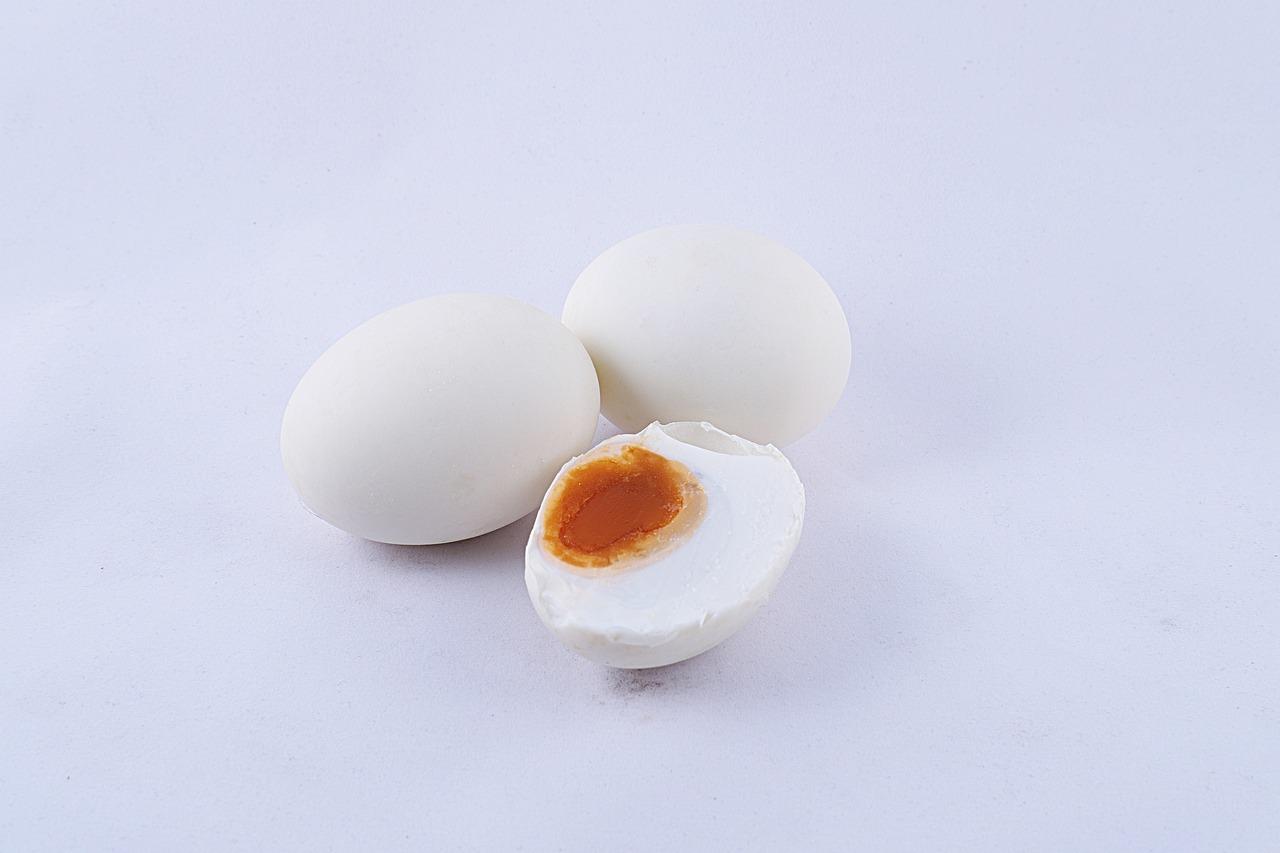
Salted duck eggs

Gaoyou in Jiangsu is famous for salted duck eggs with oily, deep orange yolks, and at the Dragon Boat Festival they are hung in little woven nets around children's necks before being eaten with congee or rice. At home they are simple: clean duck eggs left in a strong salt brine for about four weeks, then boiled. Cracked eggs are the risk; use only uncracked, very fresh eggs, keep the jar cool and always cook them before eating. The common mistake is too weak a brine, which lets the eggs spoil; it must taste as salty as the sea and then some. Chef's tip: from week three, boil one test egg each week until the yolk is as firm and rich as you like.

by KrazyBadal 0 views

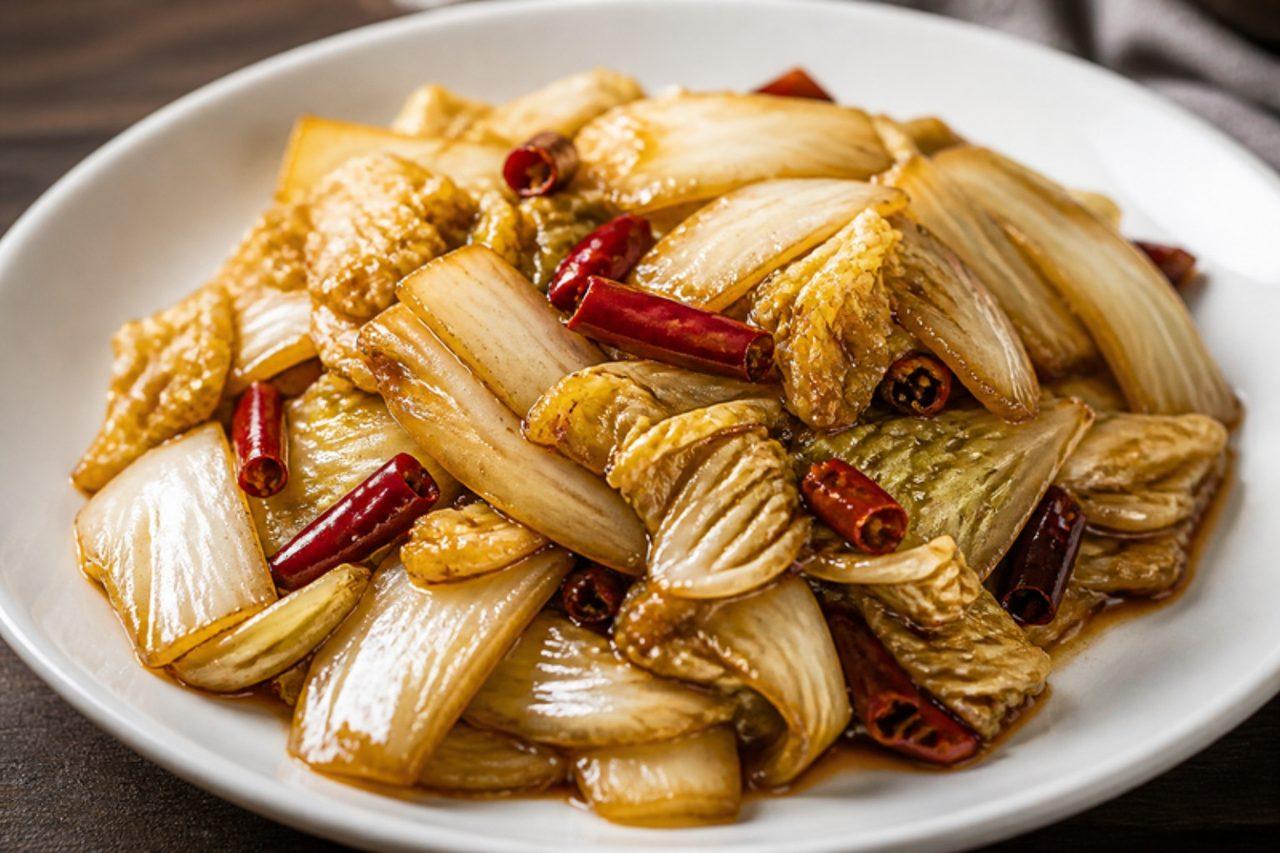
Cu liu baicai (vinegar cabbage)Vinegar-fried cabbage

Through the long winters of Shandong, Hebei and Beijing, napa cabbage was the vegetable stored in every courtyard, and cu liu baicai is how northern homes turn it into a bright, quick dish in ten minutes. The thick white stalks are sliced thin and seared hard in a smoking wok, then splashed with black vinegar so they stay crunchy, juicy and sharp, with a little sweetness and the warmth of dried chilli. It goes with rice, steamed buns or dumplings. The classic mistake is crowding a cool wok, which stews the cabbage in its own water; cook in two batches if your pan is small. Chef's tip: add half the vinegar around the hot edge of the wok so it sizzles and turns fragrant, and the rest at the end for fresh tang.

by KrazyBadal 0 views

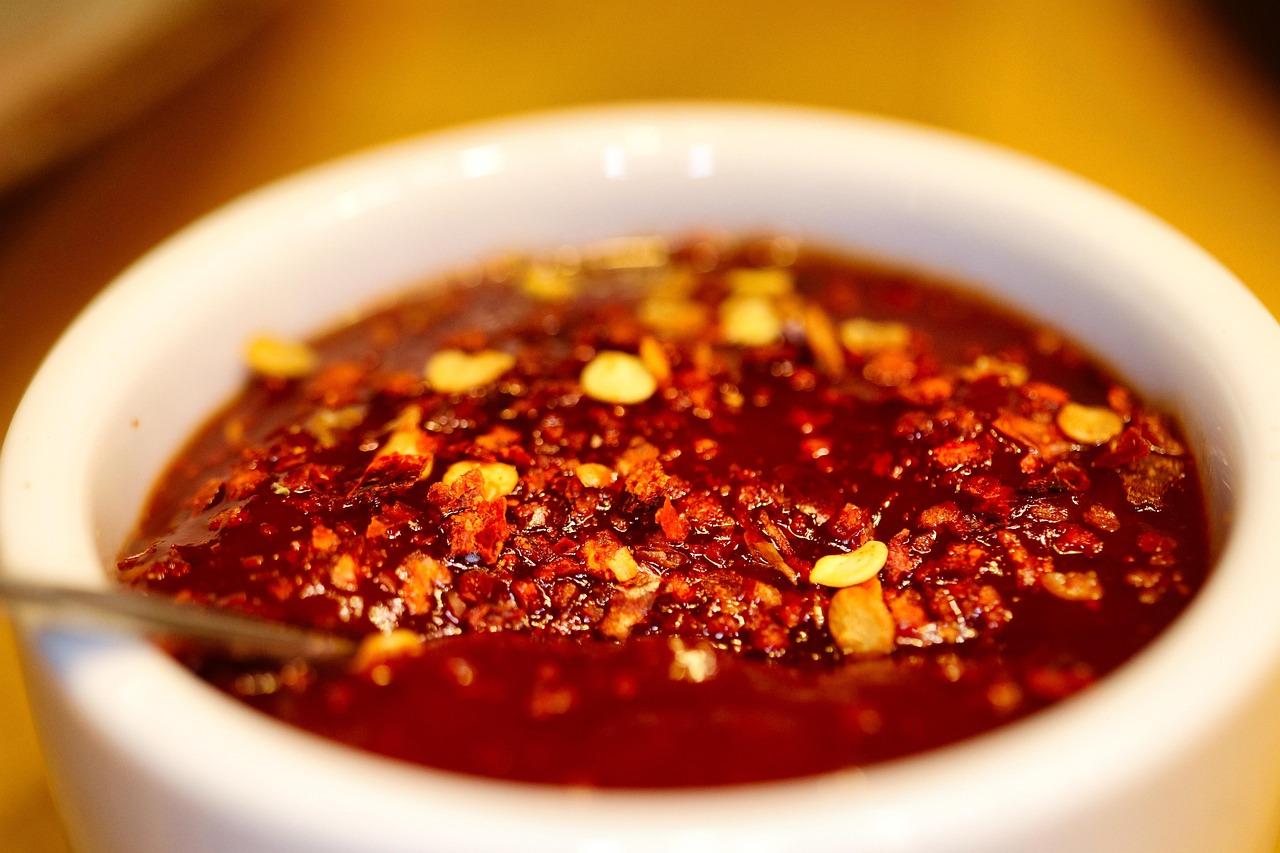
Hong you (Sichuan red chilli oil)

In Chengdu kitchens, a jar of hong you sits next to the stove and goes into almost everything cold: wontons in red oil, cucumber salads, cold noodles and the dressing for liang mian. Good chilli oil is a deep ruby colour, fragrant rather than burnt, with a warm, rounded heat and the tingle of Sichuan pepper. It is poured in two stages, hot then warm, so you get both toasted and bright chilli flavours. The mistake most people make is pouring smoking oil onto the flakes, which turns them black and bitter in a second; check the temperature. Chef's tip: mix coarse and fine chilli flakes, the fine for colour and the coarse for crunch and flavour, and let the oil sit overnight before using.

by KrazyBadal 0 views

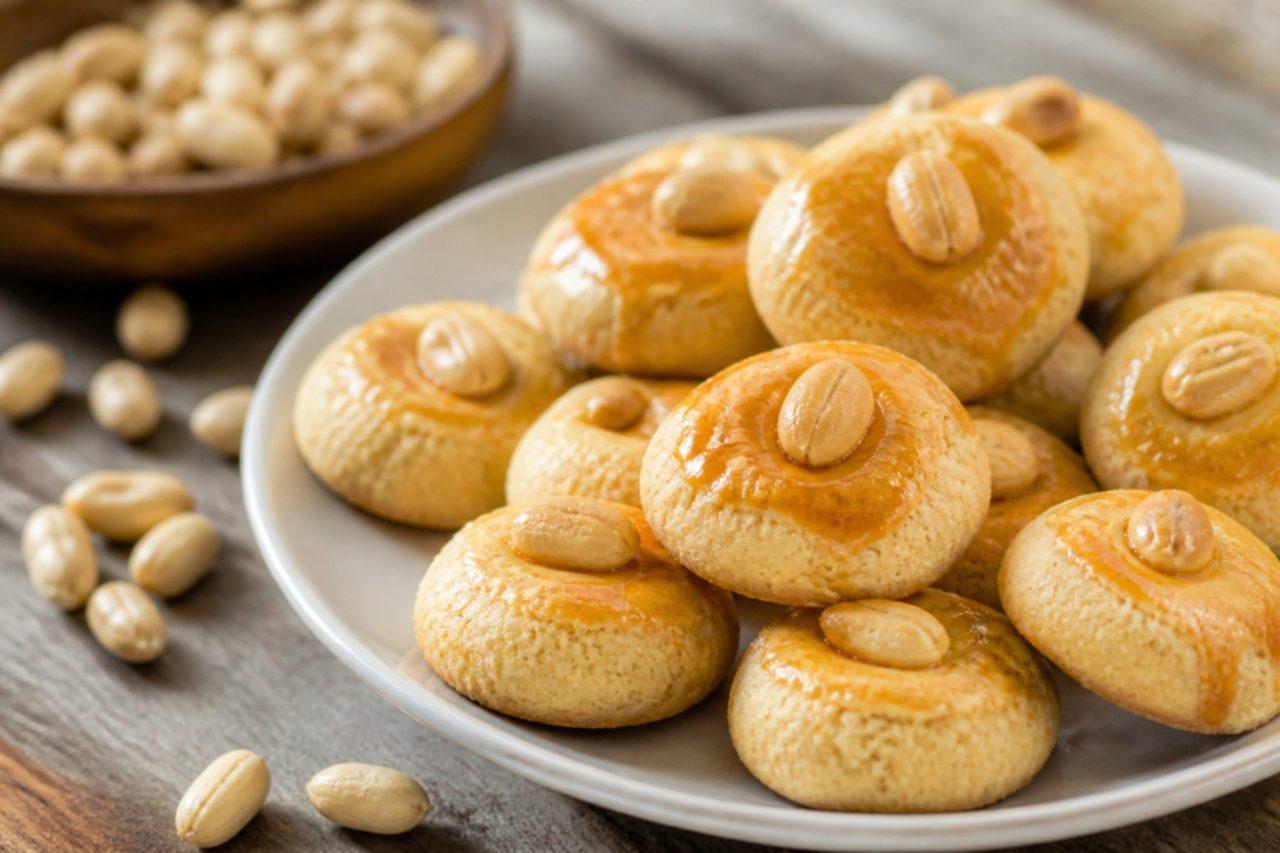
Peanut cookies (hua sheng bing)

Lift the lid on a Chinese New Year snack tray in Guangdong, Penang or Singapore and there will be these pale golden domes, so short they crumble the moment they touch your tongue. They are nothing but roasted peanuts ground fine, flour, icing sugar and oil, and this version skips the usual egg wash, so they are vegan. The mistake is over-grinding the peanuts into a paste, which makes the dough greasy and the cookies flat; stop while it is still a fine powder. Chef's tip: let them cool fully on the tray before moving them, because they are fragile until set.

by KrazyBadal 0 views

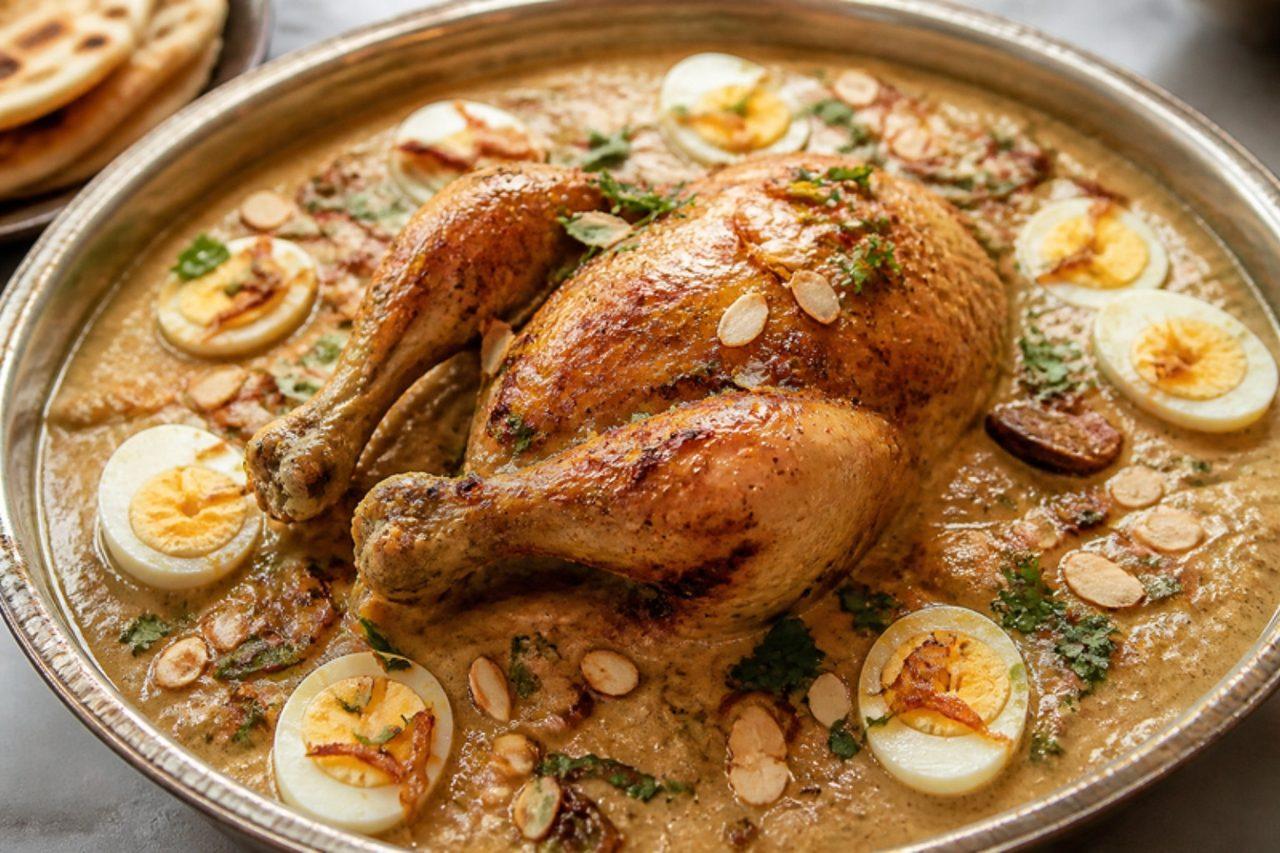
Murgh musallamStuffed whole chicken curry

Murgh musallam means 'whole chicken', and in Lucknow and Old Delhi it is still the showpiece that comes out at Eid or a wedding dawat, carved at the table. A whole skinned chicken, bought cleaned with the giblets removed (as supermarket birds come, without head or feet), is slashed deeply, marinated twice, stuffed with hard-boiled eggs and tied, then browned in ghee and slowly braised in a velvety gravy of browned onions, almonds, yogurt and whole spices with saffron and kewra. The flavour is rich, mildly spiced and fragrant rather than hot. Because the bird is cooked whole and stuffed, check the thickest part of the thigh with a probe: it must reach 74 °C before you serve it. Serve with sheermal, naan or plain pulao and a cucumber raita. Chef's tip: cook it in the smallest heavy pot the bird fits in snugly; the gravy then comes halfway up the chicken and it braises rather than fries.

by KrazyBadal 0 views

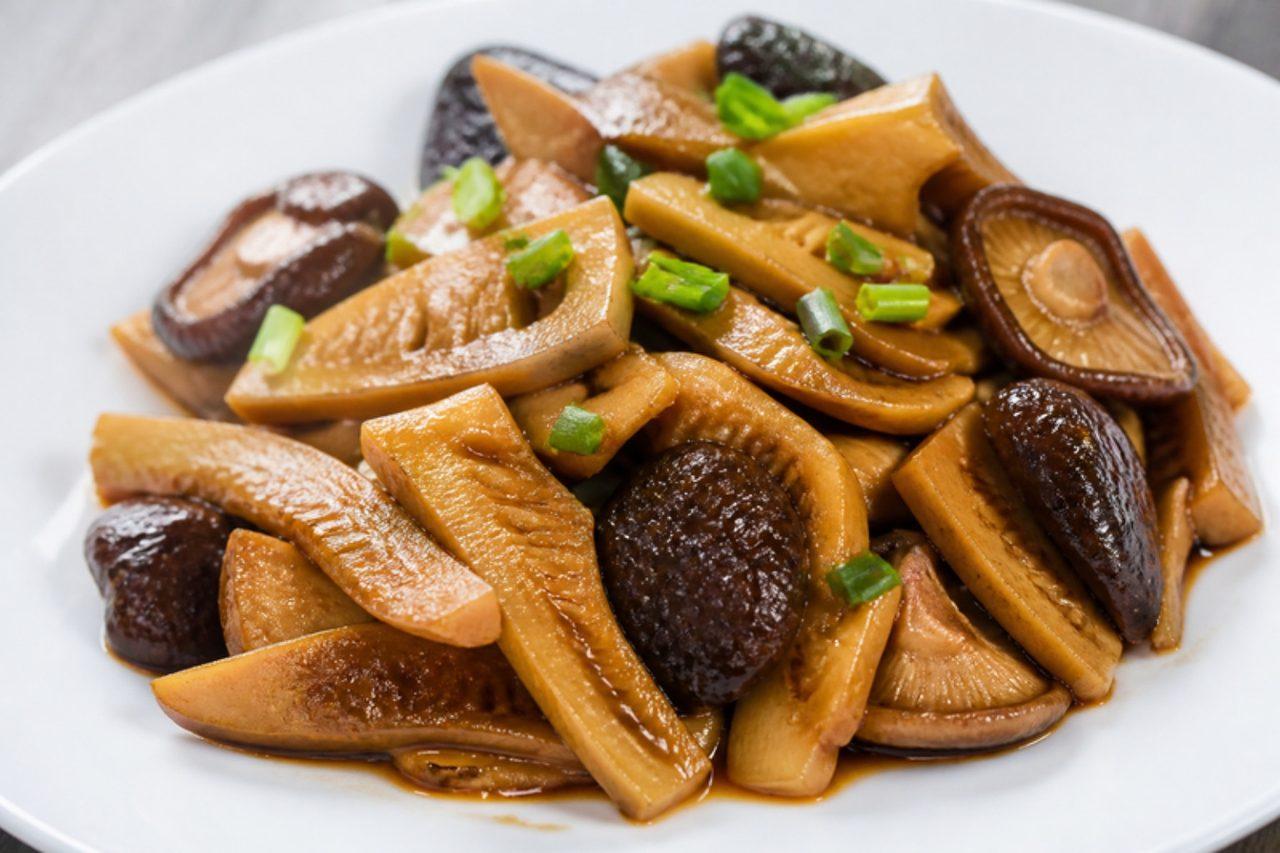
Stir-fried two wintersBamboo shoot and shiitake stir-fry

In Hangzhou and Suzhou the cold months bring winter bamboo shoots, dug before they break the soil, and cooks pair them with dried 'winter' mushrooms, the thick-capped shiitake picked in the cold. Temple kitchens in the Jiangnan region make this the centrepiece of a meatless meal: crunchy, sweet bamboo and deeply savoury mushroom in a light, shiny sauce made with the mushroom soaking water. Serve it hot with plain rice. Its one trap is bamboo that tastes bitter or metallic, because it went into the wok straight from the packet; blanch it first. Chef's tip: soak the shiitake overnight in cold water in the fridge rather than in hot water for an hour, and the caps stay plump and the liquid tastes far richer.

by KrazyBadal 0 views

Goda masalaMaharashtrian spice blend

Goda means sweet in Marathi, and the word describes not sugar but the warm, rounded fragrance of this masala, which every Pune and Satara household roasts in small batches. It is the soul of Brahmin Maharashtrian cooking: masale bhaat at weddings, a spoonful in amti (tangy toor dal), bharli vangi (stuffed brinjal), and usal for misal. It is dark and aromatic rather than hot, built on coriander, dry coconut (kopra) and sesame, perfumed with cinnamon, cloves and cardamom, and given its earthy, slightly musky depth by dagad phool (stone flower, a lichen), with nagkesar and maratha moggu if you can find them at a Marathi grocer. Common mistake: roasting the coconut and sesame with the hard spices on a high flame; the coconut burns before the coriander is done and the whole batch tastes bitter. Chef's tip: roast each spice in a drop of oil until a shade darker, because that slow roasting is what gives goda masala its colour.

by KrazyBadal 0 views

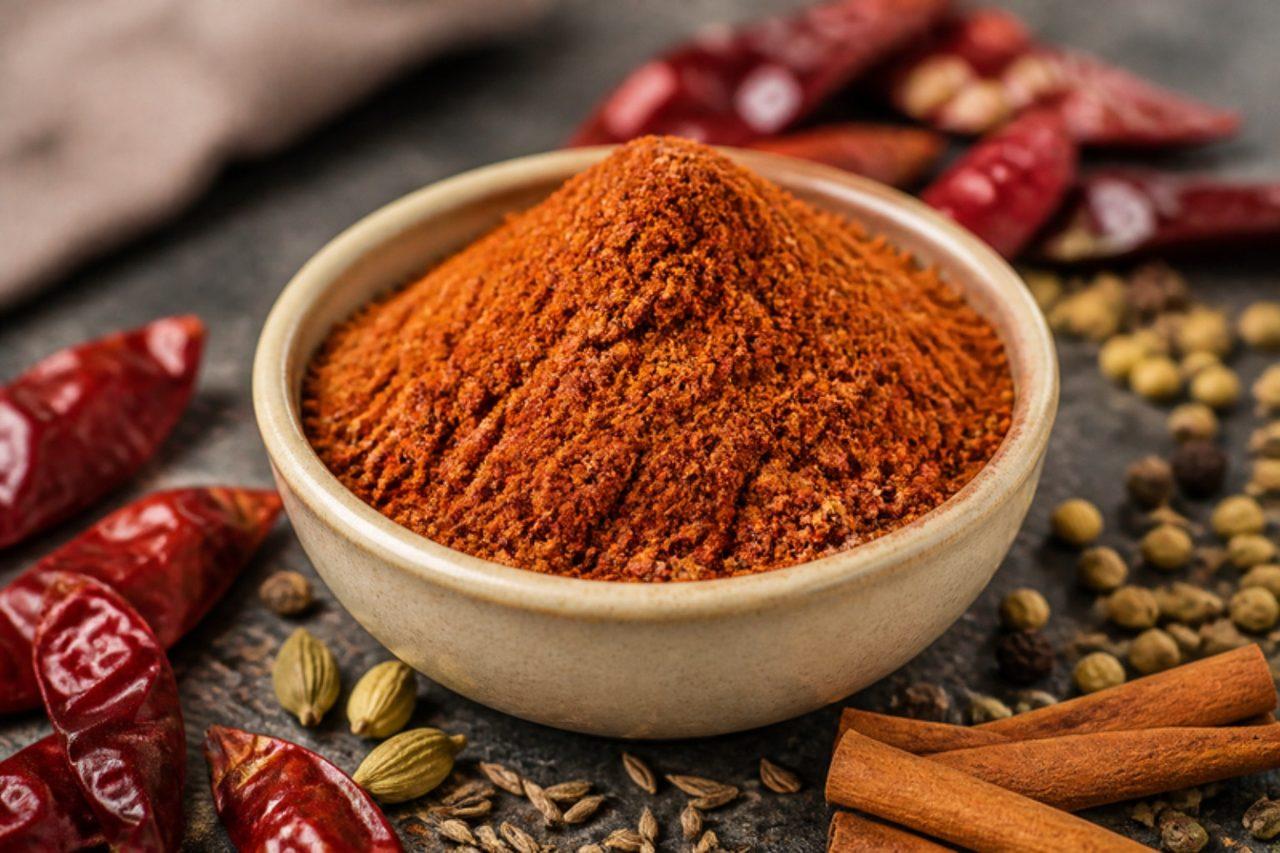
Malvani masalaKonkan spice blend

Head down the coast to Malvan, Vengurla or Devgad and every family has its own masala tin, ground in summer when the chillies are crisp and dry. Malvani masala is hotter and more aromatic than goda masala and uses no coconut: it is mostly Bedgi chillies (for a deep red colour and moderate heat) with a handful of fiery Sankeshwari, roasted with coriander and about fifteen whole spices including fennel, star anise, mace, nutmeg and stone flower. Fried in oil with coconut and onion, it becomes the base of kombdi vade (chicken curry with puris), bangda and surmai curries, prawn sukka, and vegetarian dishes like kala vatana usal and Malvani batata bhaji. The blend itself is vegan. Common mistake: leaving the stalks on the chillies; they grind into hard, woody bits and dull the colour. Chef's tip: dry the chillies in the sun or in a barely warm pan first, then roast them separately on low until they crackle, so they grind to a fine, bright powder.

by KrazyBadal 0 views

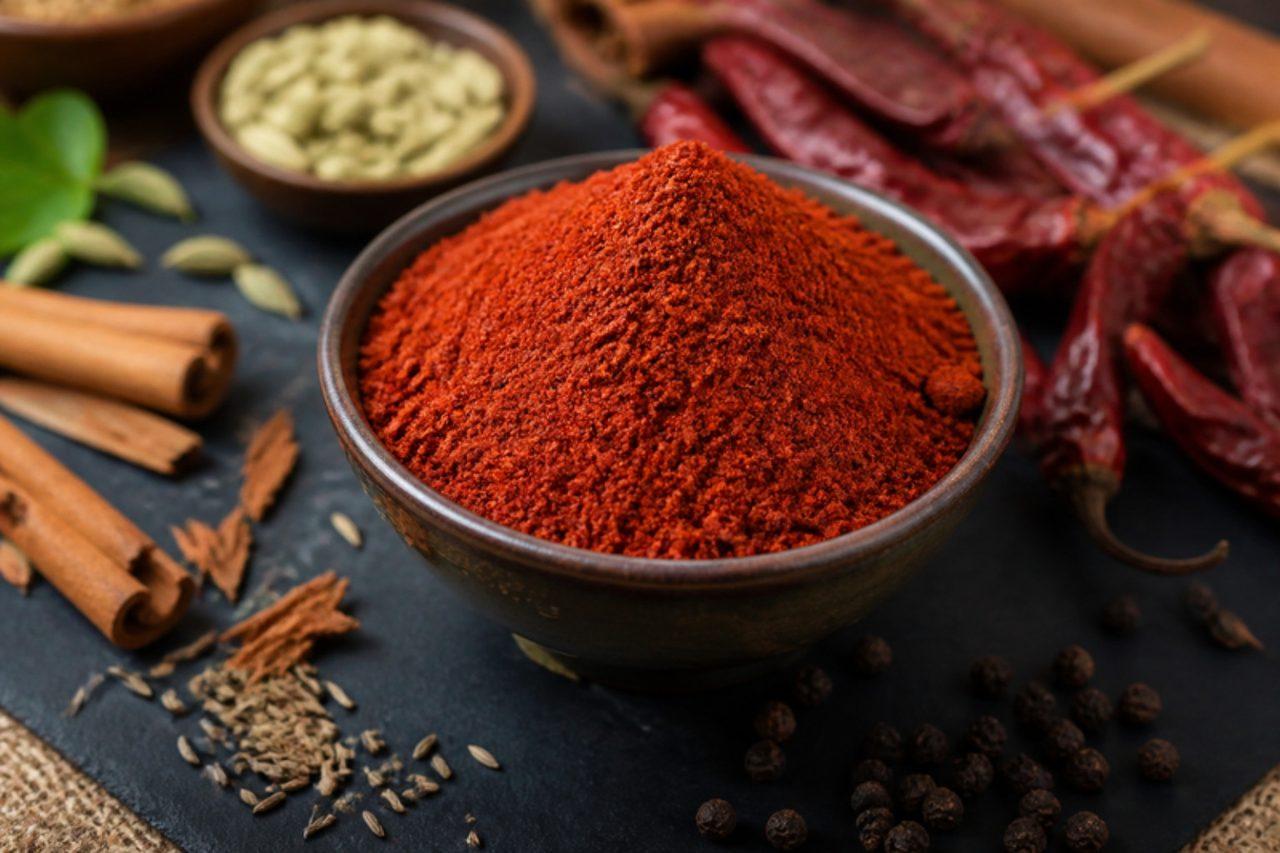
Pav bhaji masalaPav bhaji spice blend

The bhaji at a Juhu Beach or Girgaum Chowpatty stall gets its unmistakable taste from a ready-made masala, but a home-roasted blend smells far brighter and lets you choose the heat. Whole coriander, cumin, fennel, cloves, cinnamon, cardamom and star anise are roasted, cooled and ground with Kashmiri chilli for colour, amchur (dry mango powder) for tang, kala namak (black salt) for that eggy, savoury depth, and dry ginger. A good pav bhaji masala is red, sour-salty and aromatic rather than very hot. It is also the quick way to give tawa pulao, masala toast and Bombay sandwiches their street flavour. Common mistake: stirring the masala into a dry, very hot pan; the amchur and chilli powder scorch in seconds. Chef's tip: add the masala once the tomatoes have broken down into the butter, and keep a spoonful back to sprinkle over the bhaji in the last minute for a fresh hit of aroma.

by KrazyBadal 0 views

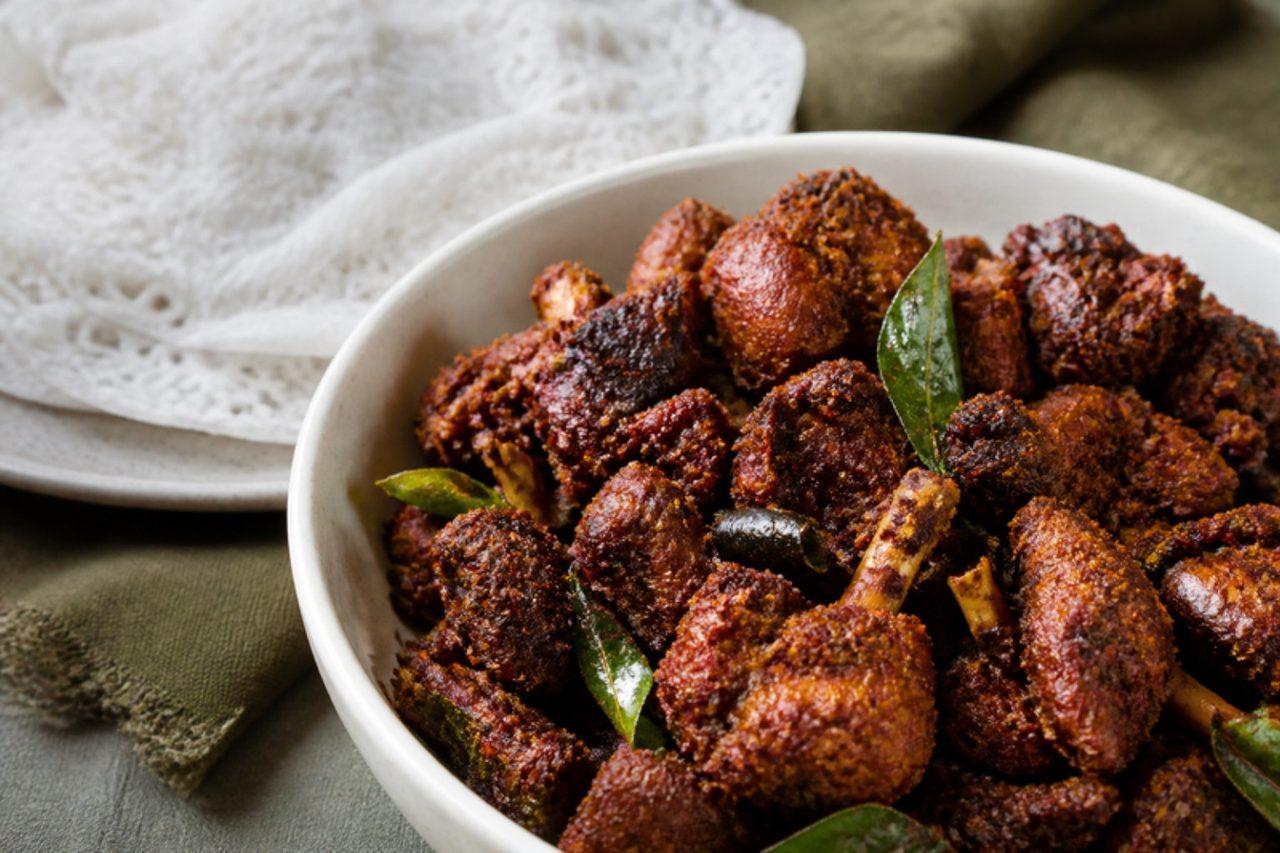
Chicken sukkaDry coconut chicken masala

Kori sukka comes from the Bunt and Catholic kitchens of Mangaluru and Udupi, where it is cooked for village feasts, Monti Fest, weddings and slow Sunday lunches. 'Sukka' means dry: bone-in chicken is cooked in a fiery paste of roasted byadgi chillies, coriander, cumin, pepper and tamarind, then tossed with grated coconut that has been roasted to a deep brown until every piece is coated in a coarse, nutty, smoky masala. Byadgi chillies give a brilliant red colour with moderate heat, so the result is spicy but rounded. Cook the chicken to 74 °C at the thickest part before the coconut goes in. Serve with neer dosa, rice and a thin rasam, or with kori rotti. Common mistake: roasting the coconut over too high a heat; it burns from golden to bitter in seconds, so keep the flame low and stir constantly. Chef's tip: grind the masala coarse, not smooth, and add the roasted coconut only at the end so it keeps its texture.

by KrazyBadal 0 views

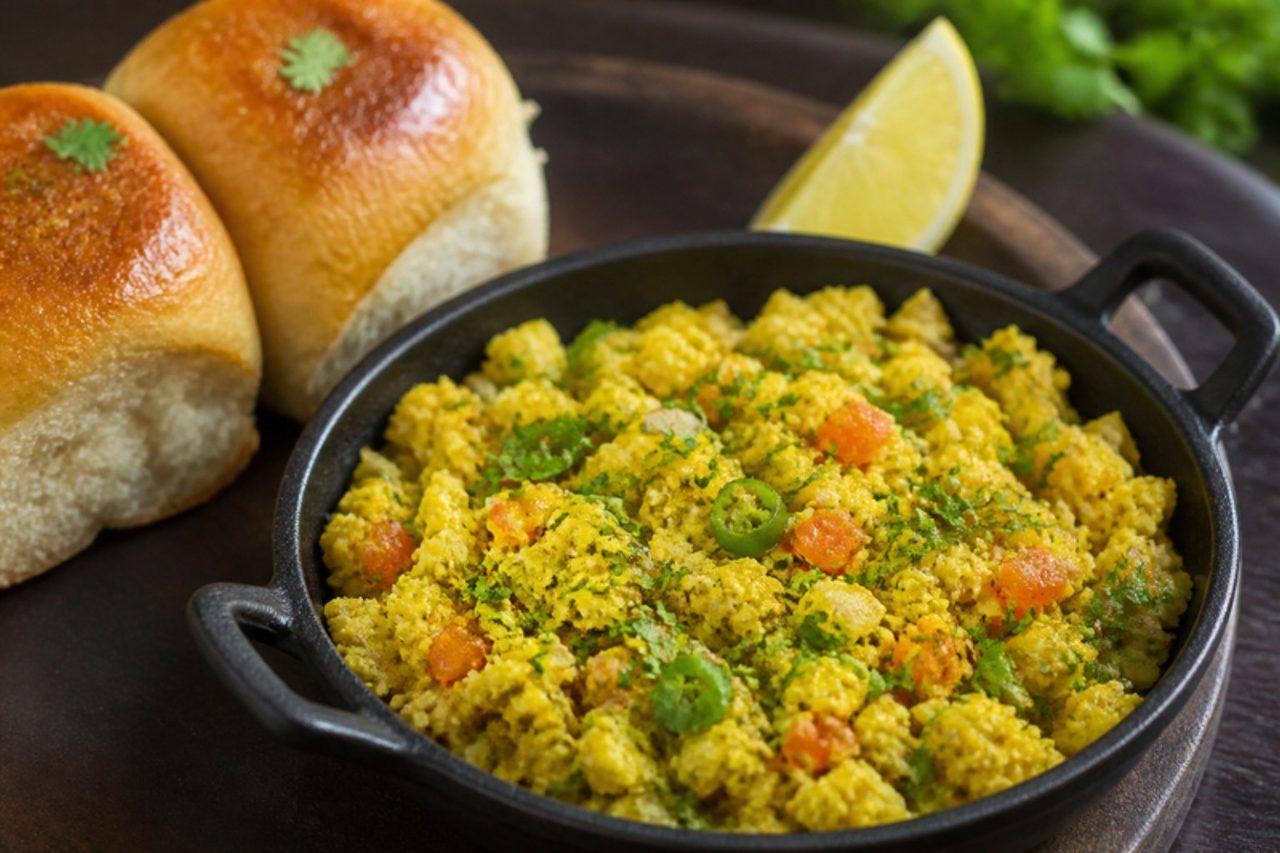
Paneer bhurjiScrambled paneer

Dhabas on the Delhi-Chandigarh highway and Punjabi homes everywhere make paneer bhurji when an egg bhurji won't do: for vegetarian guests, for a fast lunchbox, or when there's a block of paneer waiting in the fridge. The paneer is crumbled and folded into an onion-tomato masala with green chilli, a little garam masala and kasuri methi, and a splash of milk keeps it soft and moist. It goes with butter roti, a buttered pav from the Mumbai stalls, or rolled into a paratha for a tiffin. The common mistake is cooking the paneer too long; it toughens and dries out in minutes. Add it last and heat it through for no more than two or three minutes. Chef's tip: homemade or very fresh paneer crumbles best; grate a firm shop block instead of crumbling it.

by KrazyBadal 0 views

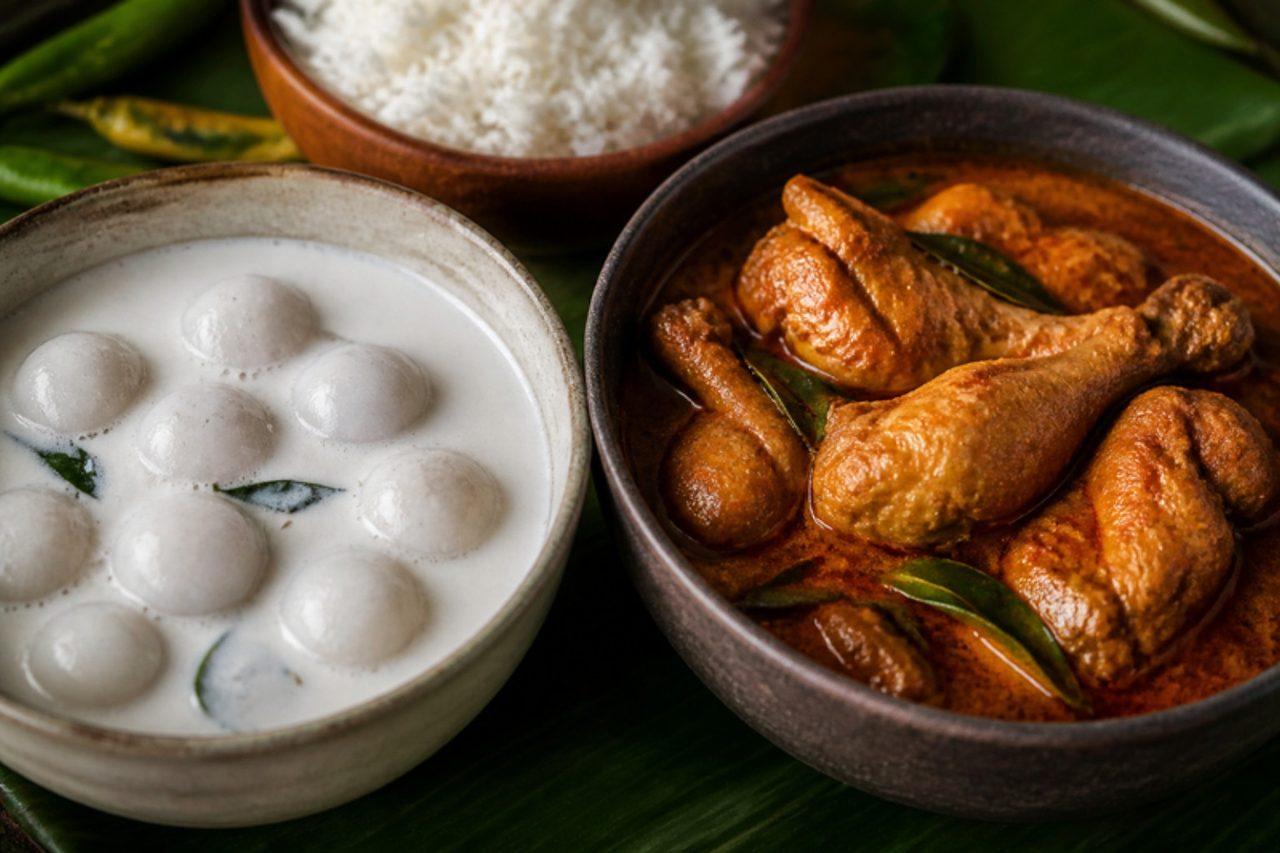
Pidiyum kozhiyumRice dumplings with chicken curry

Central Kerala's Syrian Christian families, from Kottayam to Thrissur, make this for Christmas and Easter mornings and for the gatherings that follow a wedding. The pidi are marble-sized balls of roasted rice flour and coconut, poached in water and then simmered in thick coconut milk with garlic, cumin and shallots until they sit in a creamy, gently savoury sauce. Alongside goes a fiery kozhi curry (chicken curry) of bone-in chicken in a coconut-oil masala of onion, ginger, chilli and fennel-scented garam masala, cooked until the chicken reaches 74 °C at the thickest part. Each plate gets a ladle of soft, mild pidi and a ladle of red curry, and the two run together. It takes a little time, so families often roll the pidi together while the curry simmers. Common mistake: mixing the rice flour with cold or lukewarm water; the dough cracks and the pidi fall apart in the pot. Chef's tip: use boiling water and knead while it is still hot, wrapped in a cloth.

by KrazyBadal 0 views

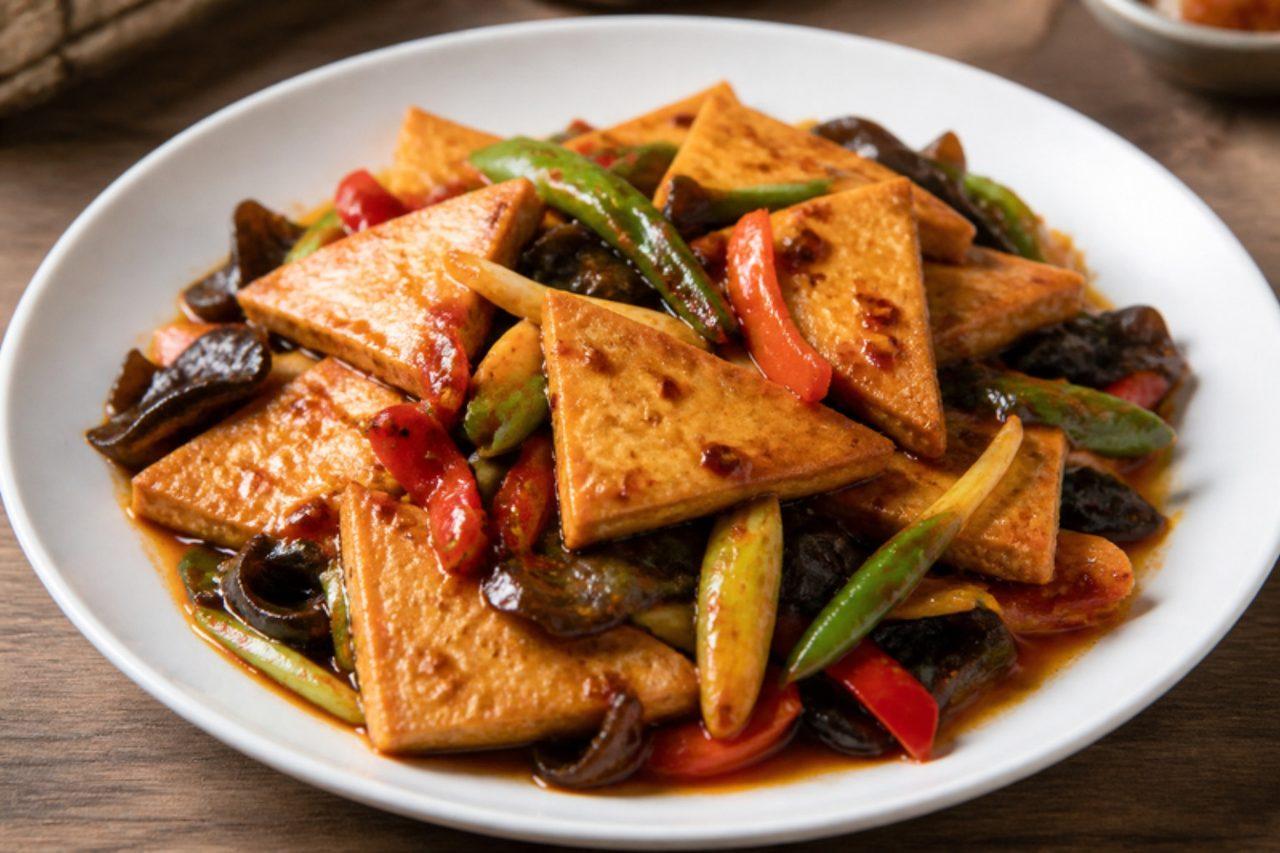
Jiachang doufu (home-style tofu)Home-style braised tofu

Jiachang means 'home-style', and in Chengdu this is the tofu dish every family cook and every small neighbourhood canteen knows by heart: golden fried slices of firm tofu simmered briefly in a red, garlicky sauce of Pixian chilli bean paste with crunchy wood ear and green pepper. Restaurants often add a few slices of pork; this version keeps it fully vegetarian, which is how many Sichuan homes cook it midweek. It is salty, gently hot and made to be eaten with plenty of steamed rice. The usual mistake is moving the tofu around the pan before it has browned, which tears it; leave it alone until it releases. Chef's tip: fry the chilli bean paste slowly in the oil until the oil turns red before adding anything else, as that is where the colour and depth come from.

by KrazyBadal 0 views

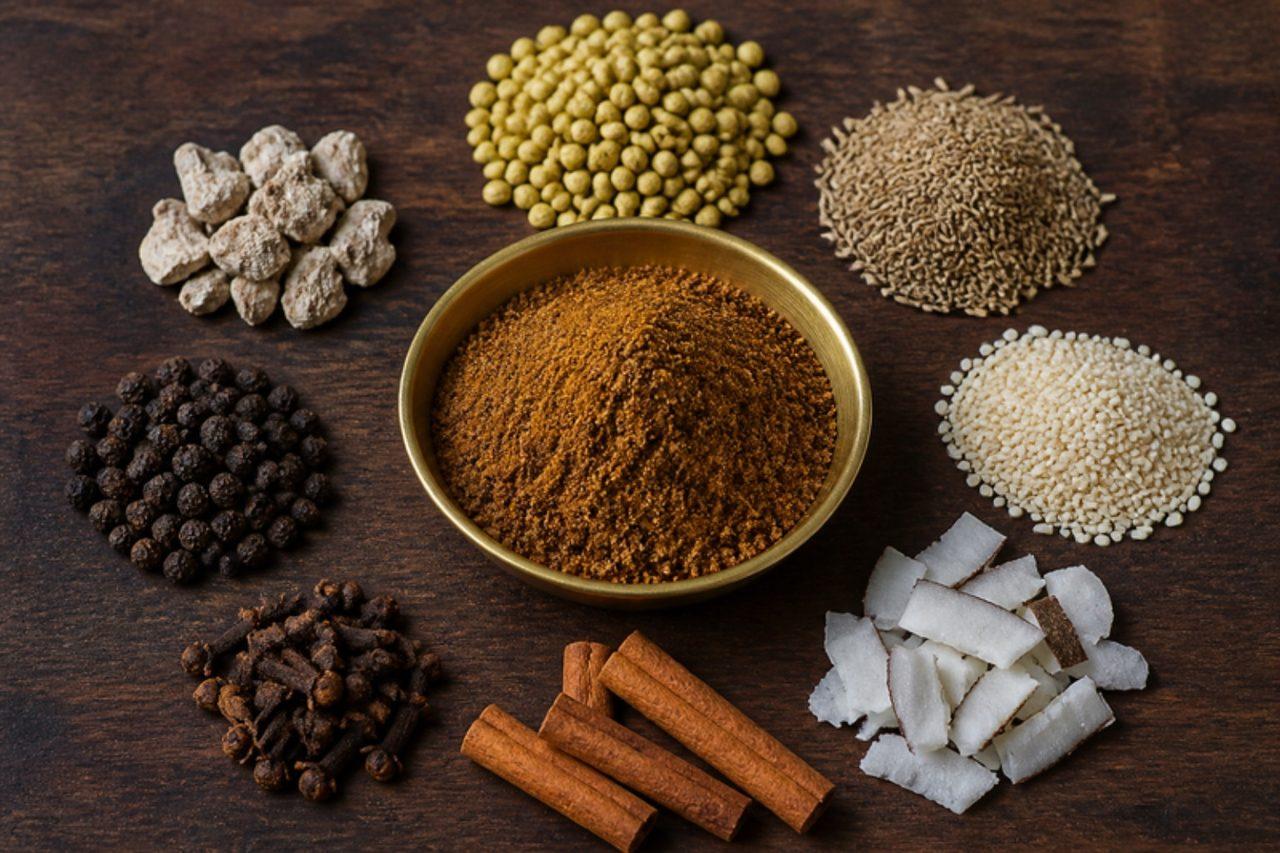
Five-spice powder

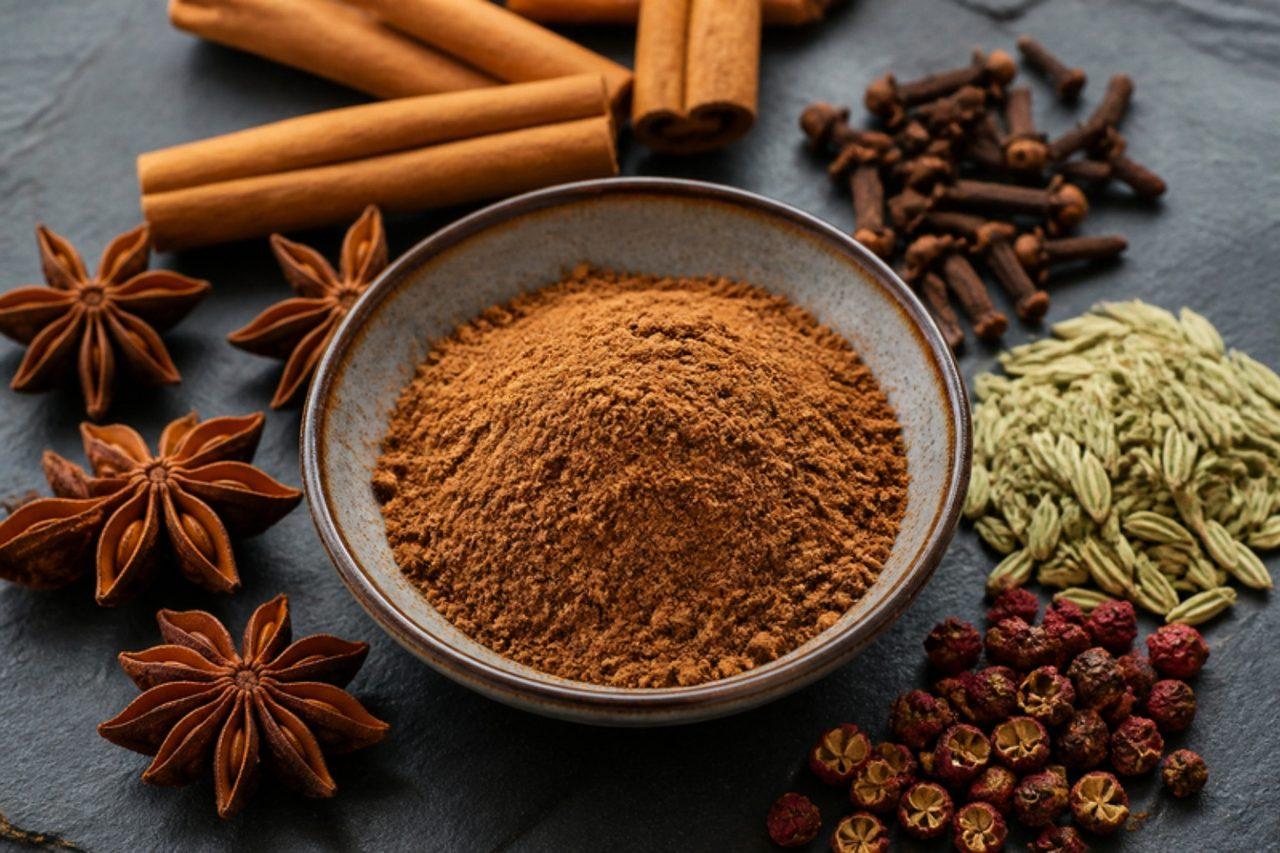
Across China, from Cantonese roast meat shops to Sichuan home kitchens, five-spice is the blend that seasons red-braised dishes, tea eggs, roast duck and spiced tofu. Shop-bought powder loses its scent quickly; grinding your own takes ten minutes and gives a sweet, warm aroma with a gentle tingle from the Sichuan pepper. It is used by the pinch, not the spoonful. The classic mistake is grinding the spices raw or toasting them until they smoke; warm them just until fragrant. Chef's tip: pick the black seeds out of the Sichuan peppercorns before toasting, since they are gritty and bitter, and sieve the ground blend so it is silky fine.

by KrazyBadal 0 views

Fa gao (prosperity cakes)Steamed rice flour cakes

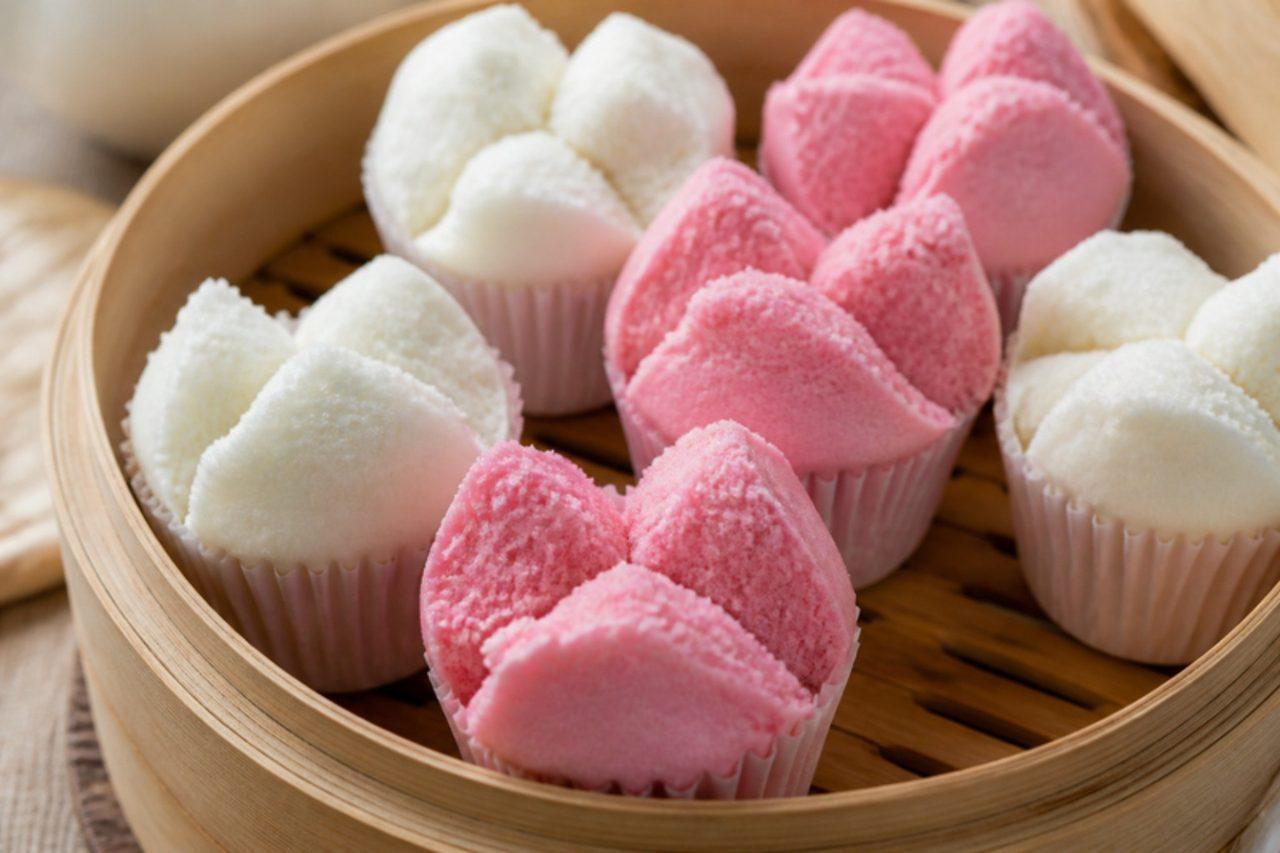
Fa gao is the little cake on every Cantonese New Year altar in Guangzhou and in Chinatowns from Kuala Lumpur to London: the word 'fa' means both 'rise' and 'prosper', and the deeper the cross-shaped crack on top, the luckier the year. This quick version uses rice flour, a little wheat flour and baking powder, steamed hard so the tops burst open, and it is egg- and dairy-free. The mistake that stops them smiling is a gentle steamer; the water must be at a fierce rolling boil before the cups go in. Chef's tip: fill the cups right to the brim, so the batter has to split as it rises.

by KrazyBadal 0 views

Rasam powderRasam spice powder

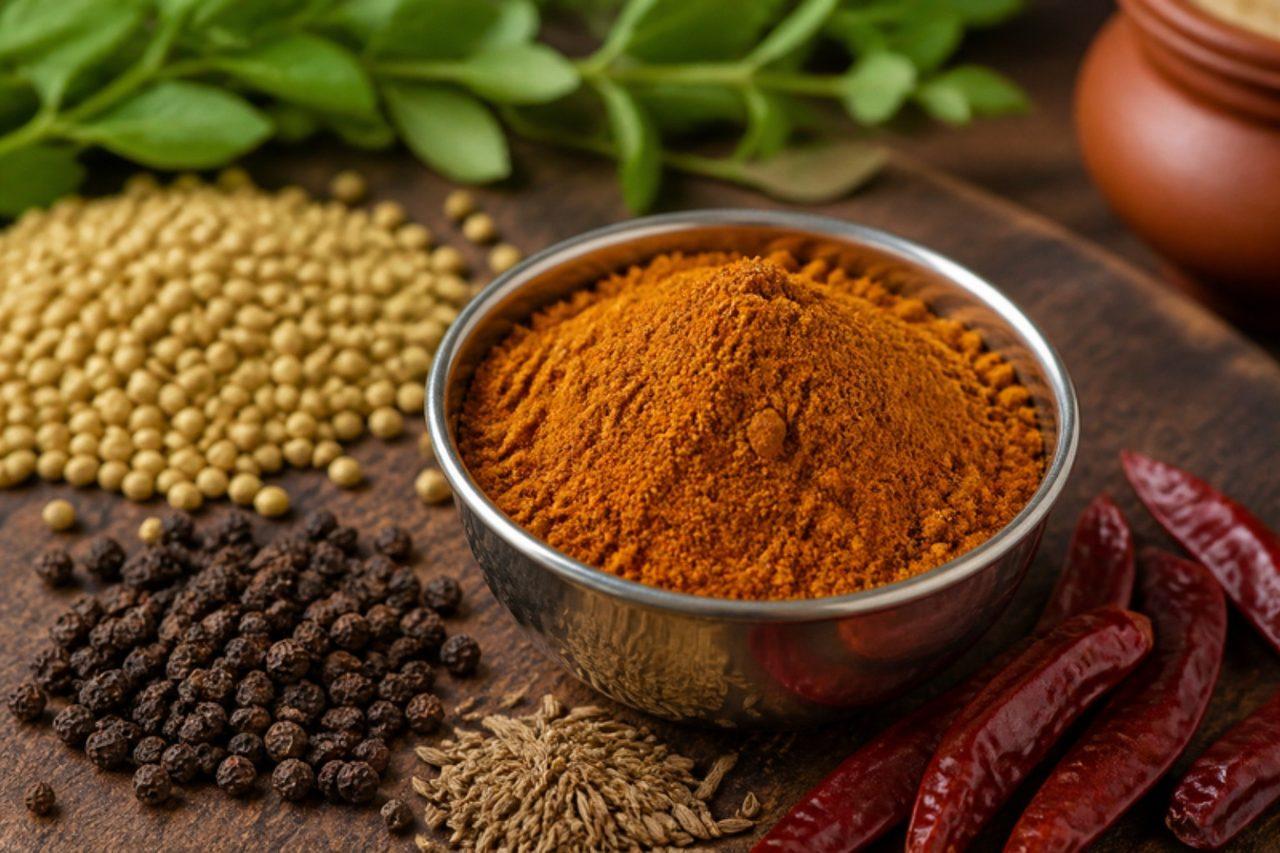
A spoon of rasam podi, a lime-sized ball of tamarind, a tomato and a ladle of cooked toor dal: that is lunch in countless Tamil homes, from Thanjavur to Tirunelveli, and the podi is what makes one family's rasam taste unlike the neighbour's. This version is peppery and cumin-forward, as rasam should be, with roasted coriander for body and a little toor dal that thickens the broth slightly and gives it a rounded, nutty base. It is meant for clear, thin rasams: tomato rasam, pepper rasam, lemon rasam, and the one you sip as a soup when you have a cold. Make a small batch, since the aroma fades after a couple of months. Common mistake: roasting the coriander seeds until dark brown; they turn bitter and the rasam tastes burnt. Chef's tip: add rasam powder at the end, when the tamarind water is already boiling, and switch off the heat as soon as the rasam froths; boiling it hard kills the pepper aroma.

by KrazyBadal 0 views

Kanda lasun masalaOnion and garlic spice blend

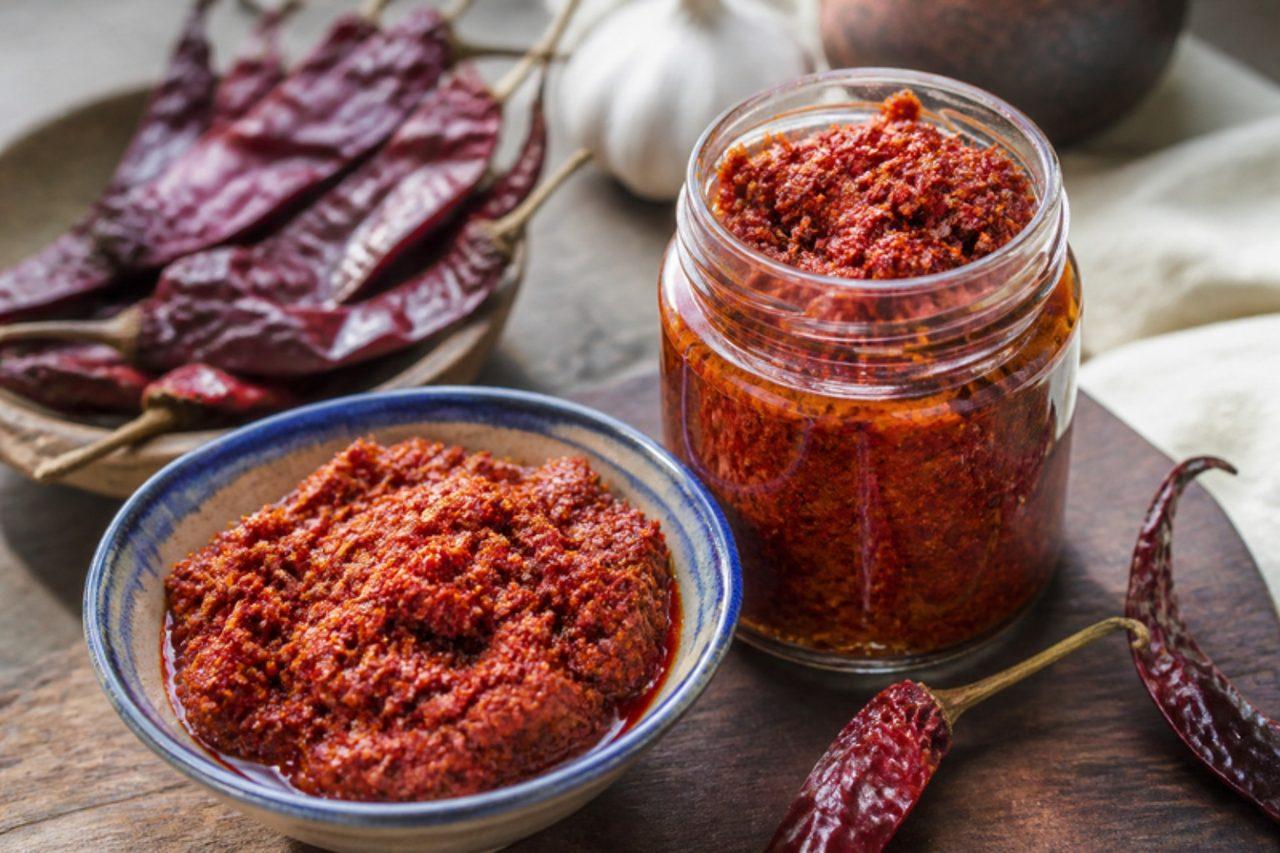
Kolhapuri women still make kanda lasun masala once a year, in the hot months, in a day-long session of frying, roasting and pounding, and the jar lasts until the next summer. The masala is a deep brick-red, oily paste-powder that smells of browned onion and garlic and sets your mouth on fire, thanks to plenty of hot chilli powder, traditionally from Sankeshwari or Lavangi chillies, plus milder Kashmiri for colour. A spoon or two transforms misal, kat (the spicy gravy for pav), batata bhaji, anda curry or the famous tambda rassa of mutton. Common mistake: frying the onions only until golden. They must be deep brown and crisp, with no moisture left, or the masala will turn mouldy within weeks. Chef's tip: dry the fried onion and garlic on paper for an hour before grinding, and keep the finished jar in the fridge if your kitchen is humid.

by KrazyBadal 0 views

Kashmiri ver masalaKashmiri spice cakes

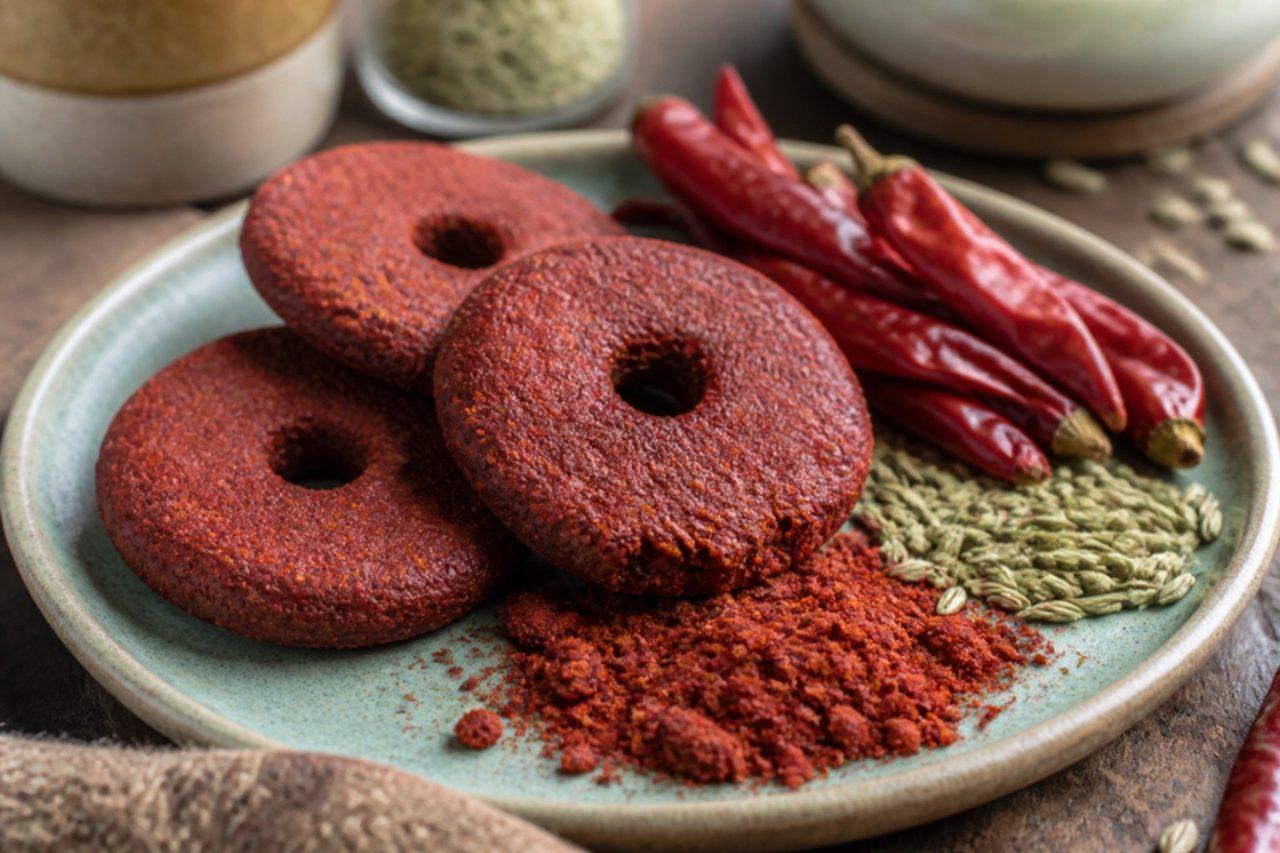
In Srinagar's old city, ver is still made at the end of summer and strung up to dry in kitchens: flat, ring-shaped cakes of ground spices bound with shallot paste and pungent mustard oil, dark red and rock hard. It was a way to store flavour for the long winter, when fresh ingredients were scarce. A piece grated into the pot gives Kashmiri food its typical deep red colour and its warm, sweet-hot fennel and dry ginger flavour, without tomatoes or onions: think dum aloo, nadru yakhni (lotus stem), haak (collard greens), chaman (paneer) and rogan josh. Kashmiri Muslim kitchens often add garlic; Pandit homes may leave the shallots out altogether. Common mistake: drying the cakes in a damp or closed spot; they stay soft inside and grow mould. Chef's tip: heat the mustard oil until it smokes and then cool it before mixing, to take away its raw, sharp bite.

by KrazyBadal 0 views

Nasu dengakuMiso-glazed aubergine

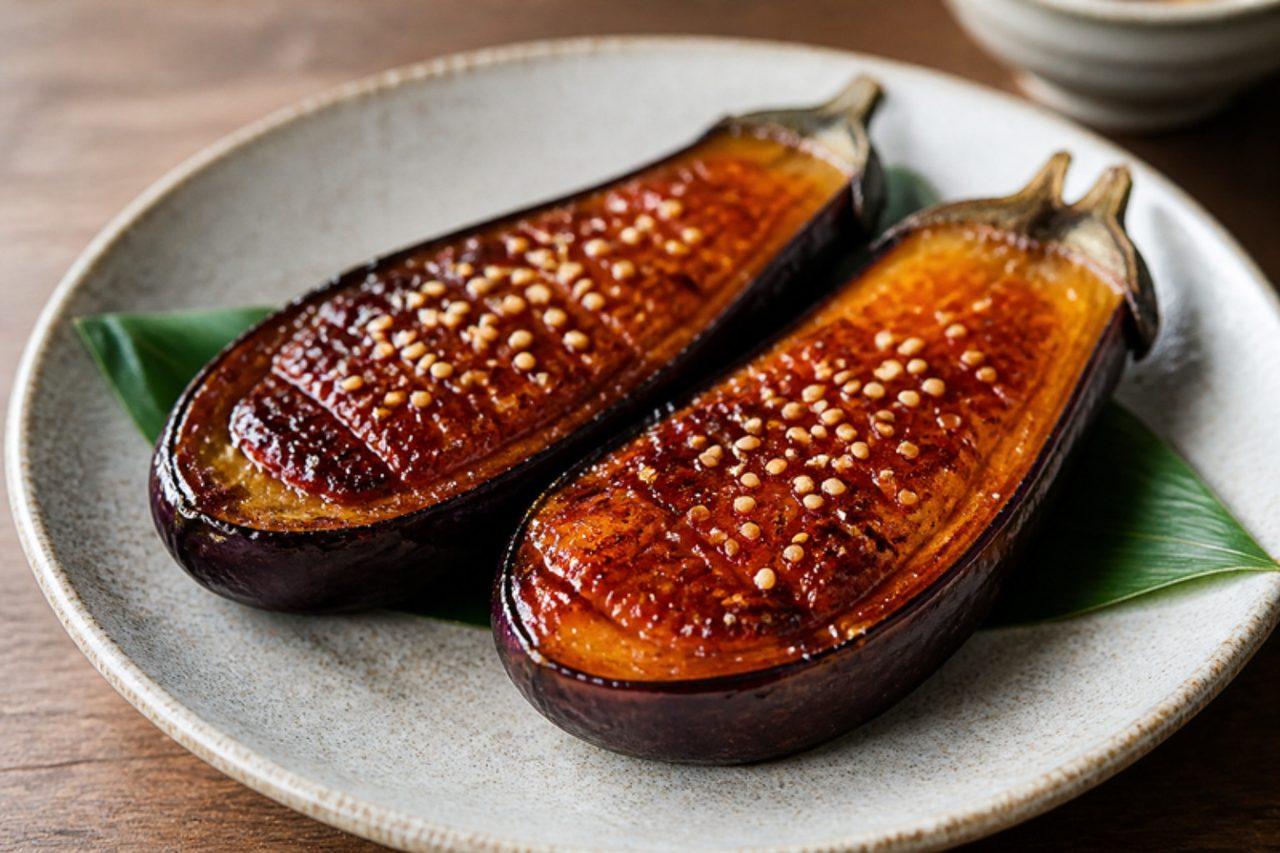
Dengaku began in Kyoto as tofu on skewers brushed with miso and grilled at temple festivals; today the aubergine version is a favourite izakaya plate across Japan, best in late summer when Japanese aubergines are at their sweetest. The halves are scored, cooked until the flesh is custard-soft, then spread with a glossy sweet miso and grilled until it bubbles and blisters. The mirin and sake contain alcohol but simmer away in the glaze; the notes give alcohol-free swaps. The usual mistake is grilling the miso before the aubergine is fully soft: it burns while the inside stays spongy. Chef's tip: score the cut side in a deep criss-cross, almost to the skin, so the heat and the glaze both get right in.

by KrazyBadal 0 views

Panch phoronFive-seed spice mix

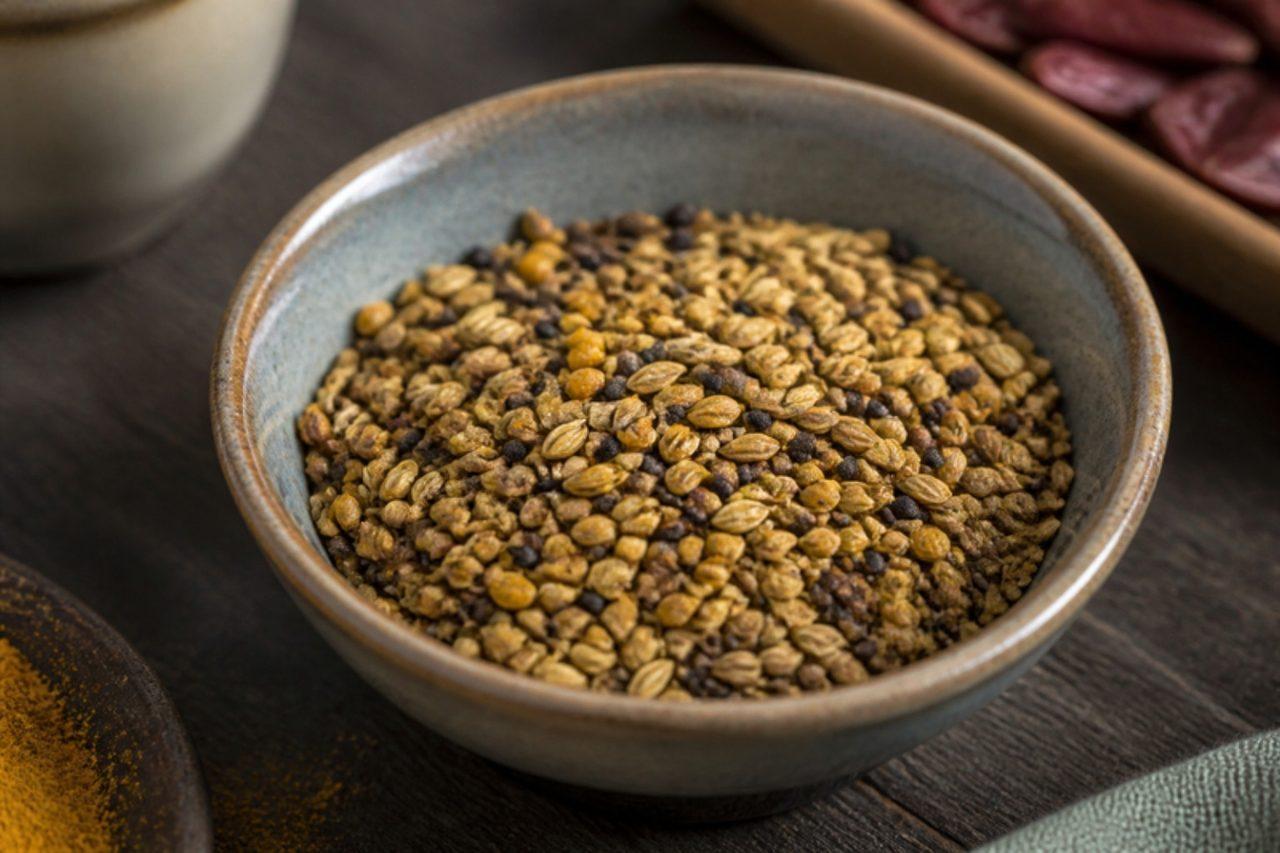
Every Bengali and Odia kitchen keeps a jar of panch phoron within reach of the stove, because so much of the cooking begins with a teaspoon of it crackling in hot mustard oil. The five seeds, in equal measure, are left whole and never roasted or ground ahead: bitter fenugreek, oniony nigella (kalonji), earthy cumin, sharp black mustard and sweet fennel. Together they give a layered, slightly bittersweet aroma that is the signature of tomato chutney, cholar dal, labra, chorchori and the sweet-sour vegetable dishes of a Bengali lunch. In some traditional homes radhuni, a wild celery seed, replaces the mustard. Common mistake: tempering over a high flame. The fenugreek blackens in seconds and the whole dish tastes bitter. Chef's tip: let the oil heat until it just shimmers, add the panch phoron, and the moment the mustard starts popping and the fenugreek is reddish brown, add the vegetables or dal.

by KrazyBadal 0 views

Methia masalaPickle spice mix

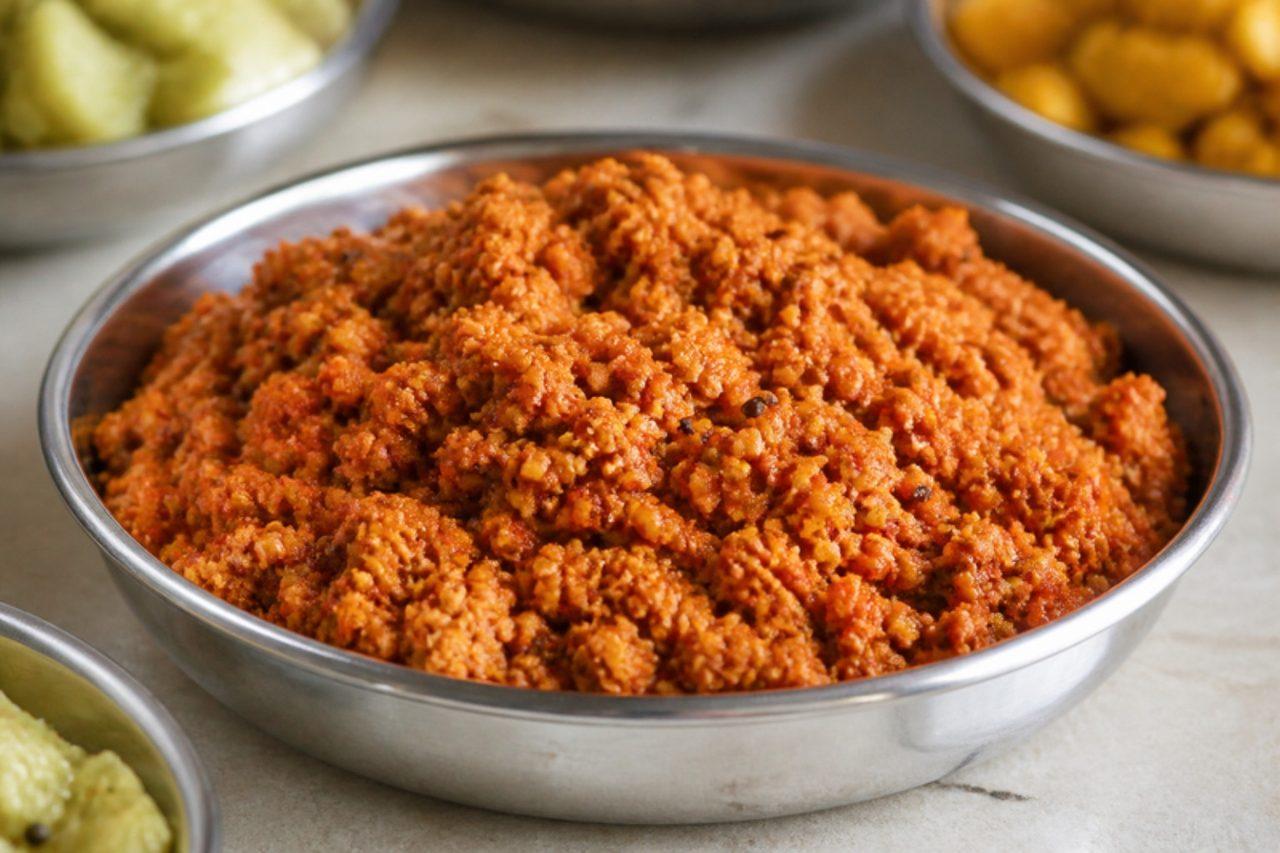
In Gujarati homes, methia masala (also called achar masala or sambhar masala in Kathiawad) is mixed each April before the mango pickling begins, and a jar of it lasts the year. It is built on methi kuria and rai kuria, split fenugreek and split mustard seeds sold at every Gujarati grocer, which are bloomed in smoking-hot groundnut oil with hing so they lose their raw bitterness, then mixed with Kashmiri chilli powder, turmeric and salt. That one masala makes instant pickles of carrot, gunda, raw mango or kerda in minutes, is spooned beside khichu, thepla and dhokla and goes into methia keri, the classic Gujarati mango pickle. Common mistake: pouring the oil over the chilli powder while it is smoking hot; the chilli turns black and bitter. Chef's tip: pour the hot oil over the kuria and hing only, wait until it is just warm, and only then stir in the chilli, turmeric and salt.

by KrazyBadal 0 views

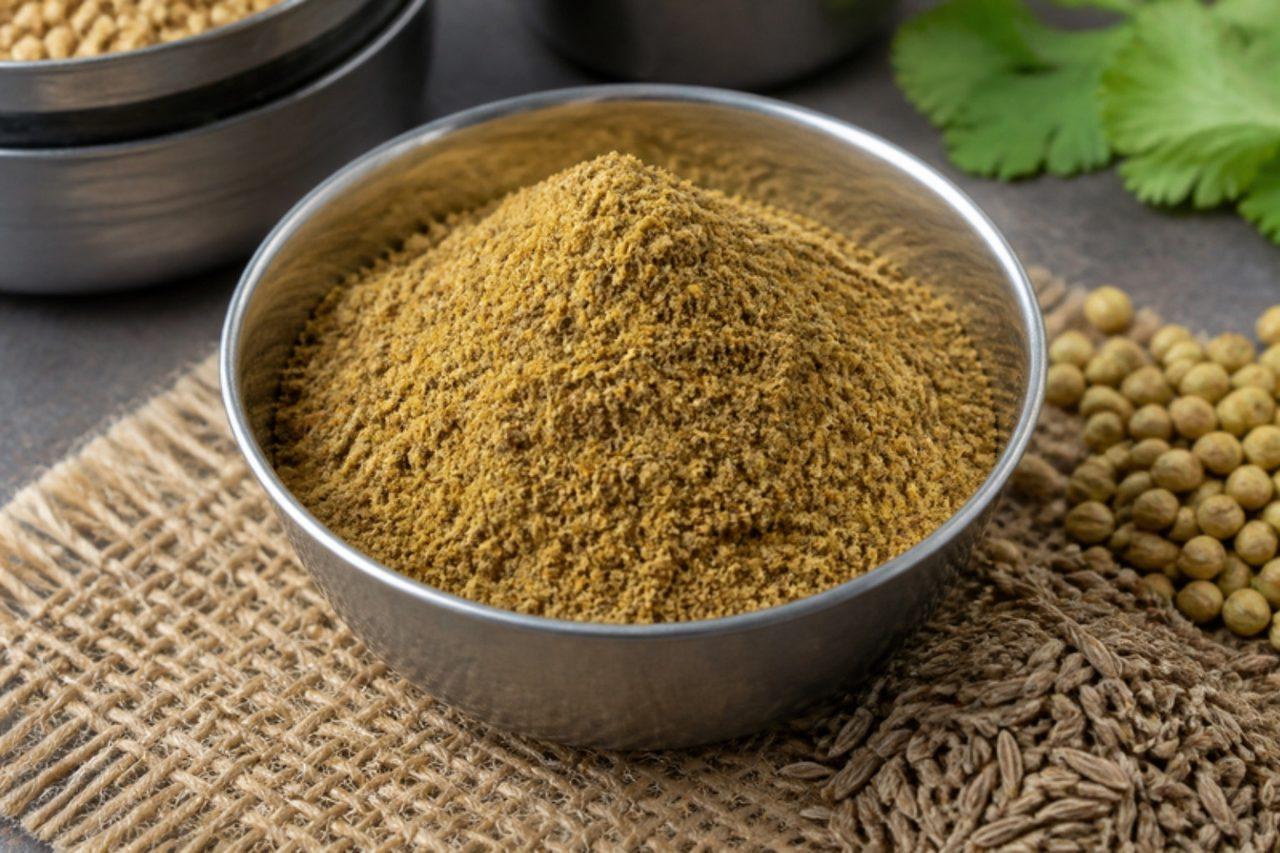
Dhana jiruCoriander and cumin powder

Open the masala dabba in any Gujarati kitchen, from Rajkot to Vadodara, and next to the haldi and marchu there will be a compartment of dhana jiru. It is the spice that goes into almost every shaak, dal and kadhi, often alongside red chilli and turmeric in the same pinch-and-throw rhythm. The ratio is roughly four parts coriander to one of cumin, giving a mild, citrusy, earthy powder that thickens and rounds out a dish rather than heating it. Many families buy it ready-ground, but a fresh home batch is so much more fragrant that it changes a plain potato shaak or tuver dal. Surti and Parsi kitchens roast it darker; most Gujarati homes keep it light. Common mistake: over-roasting, which kills the fresh lemony note of the coriander. Chef's tip: roast just until warm and fragrant, grind, then sift; the coriander husks stay in the sieve and the powder comes out soft and fine.

by KrazyBadal 0 views

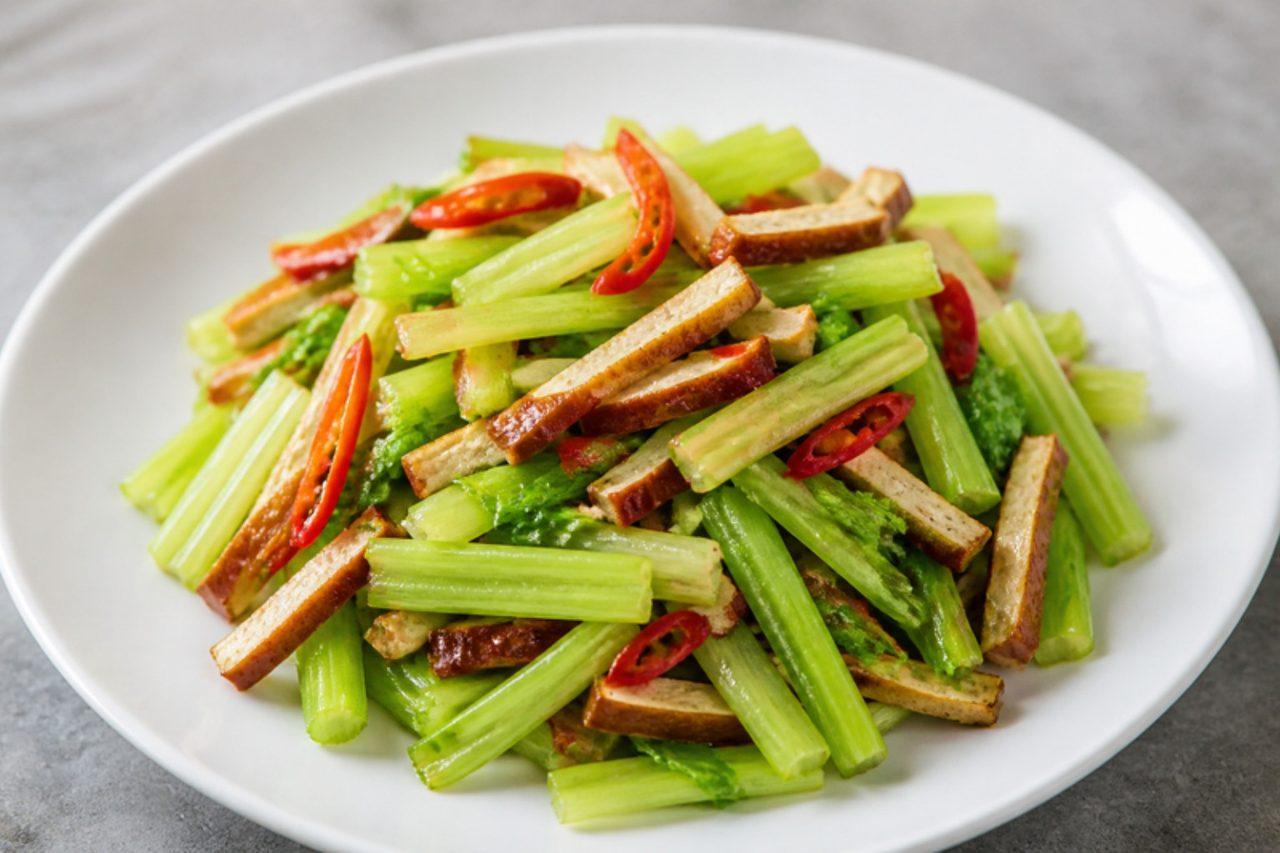
Celery with smoked tofu

Market stalls in Changsha and Nanjing sell slabs of xiang gan, pressed tofu smoked or braised until brown and dense, and the most common way to cook it at home is with thin Chinese celery. The celery stays juicy and crunchy with a strong, almost herbal flavour, the tofu is chewy and smoky, and a little fresh chilli gives it a Hunan edge. It is an everyday side for rice in Hunan and Jiangsu canteens. The usual mistake is cutting the tofu too thick so it never picks up the seasoning; slice it as thin as the celery. Chef's tip: if you can only find thick Western celery, peel the strings off the back with a vegetable peeler and slice it on the diagonal.

by KrazyBadal 0 views

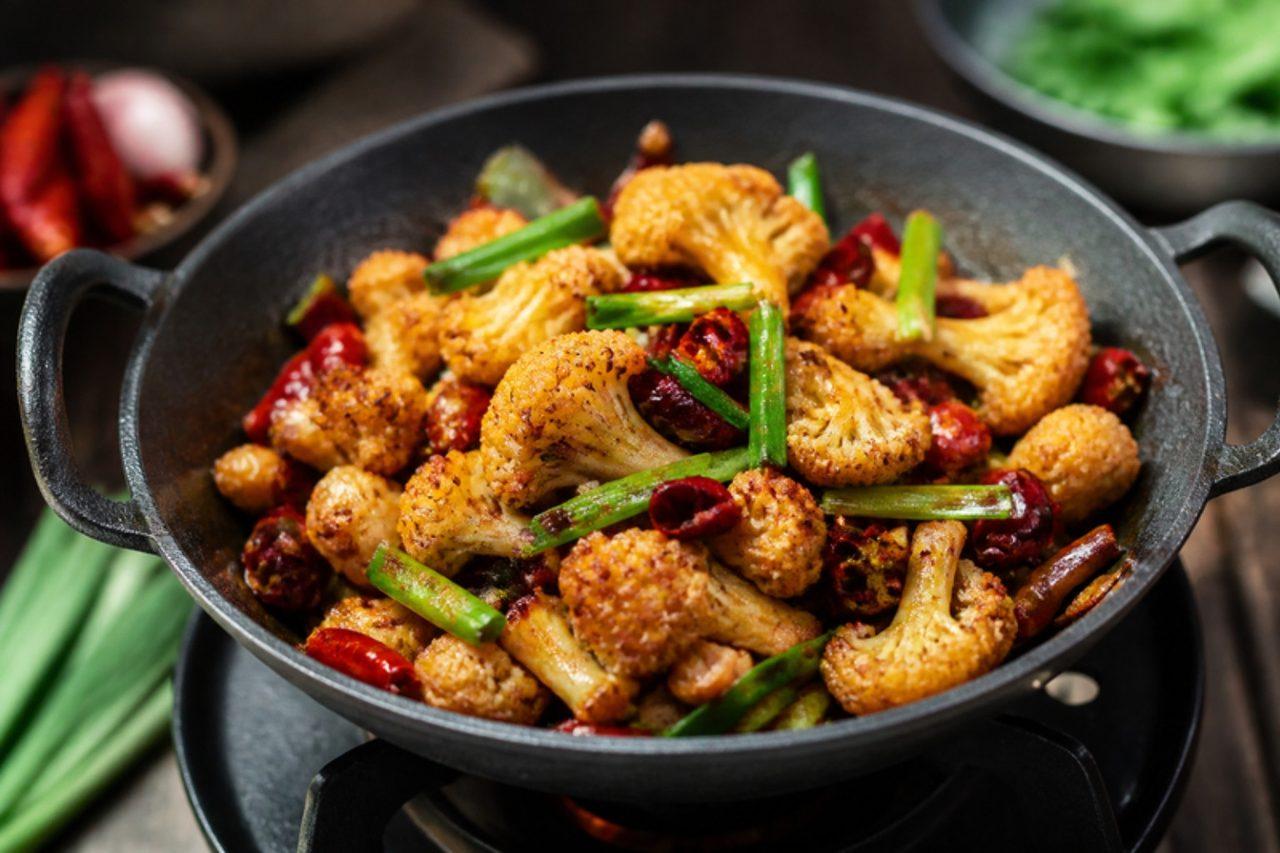
Dry-pot cauliflower

Hunan's dry-pot restaurants bring this to the table in a small wok over a burner, still crackling, and it is one of the most ordered dishes in Changsha. Loose-headed cauliflower is used there because its long, thin stems char quickly; ordinary cauliflower works if you cut it into small, flat florets. Restaurants usually fry it with slices of pork belly, but this version is fully vegetarian, with smoky charred edges, plenty of garlic and a deep chilli heat from dried and fresh peppers. Eat it with rice and a cooling soup. The common mistake is boiling the cauliflower first, which makes it soft and stops it charring; dry-fry it instead. Chef's tip: let the florets sit still in the hot wok for a minute at a time so they blacken in spots, because those scorched patches are the whole point.

by KrazyBadal 0 views

Showing 24 of 1,594 recipes

Show more recipes

Page 1 of 67