Skip to content
WhatToEat.Today

All recipes

35

Vegetarian, or something you can't eat? Set your diet once and we'll hide recipes that don't fit.

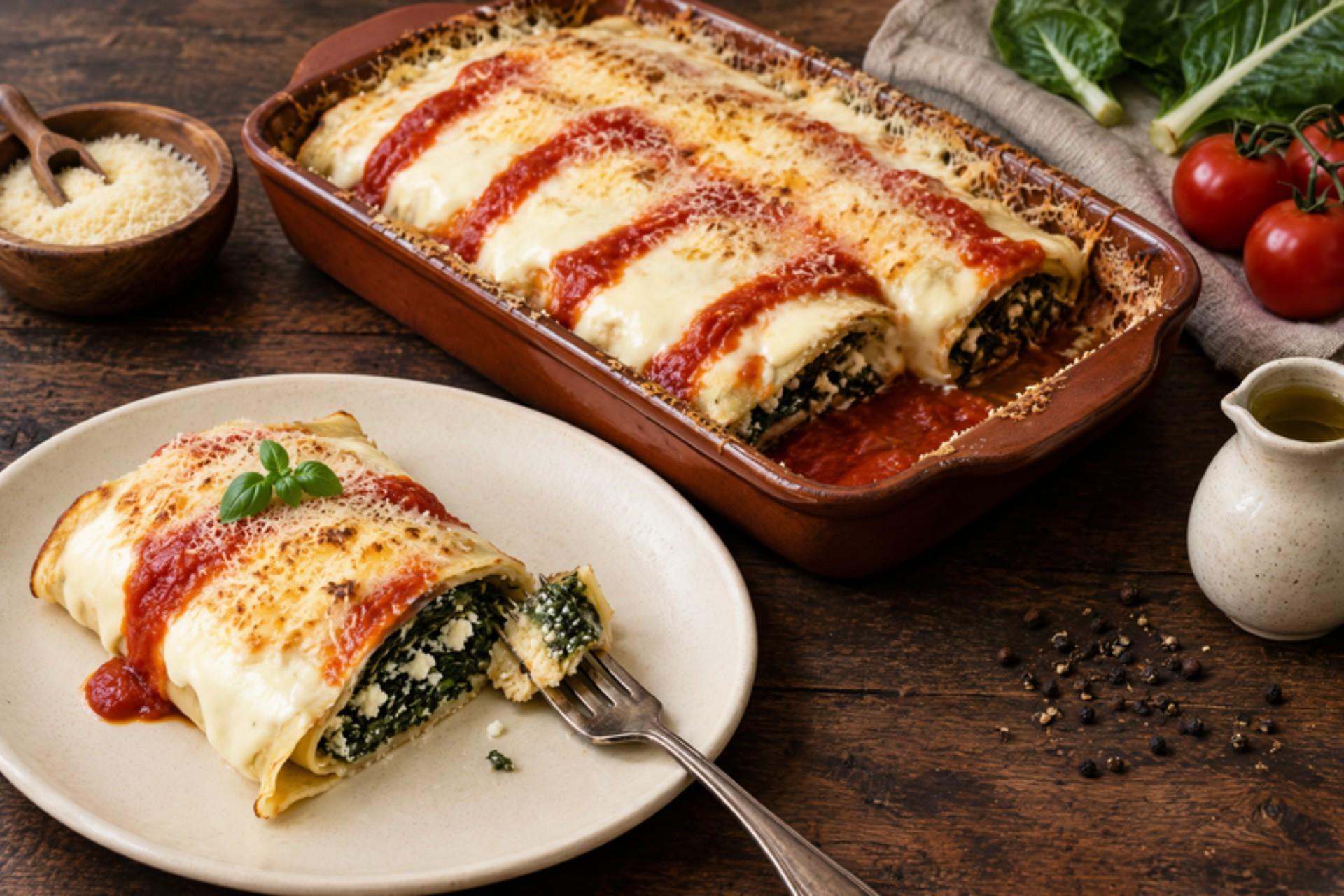
Canelones de verduraSpinach and ricotta crêpe cannelloni

In Argentina, Sunday lunch at the nonna's house in Rosario or Buenos Aires often means canelones, a legacy of Italian immigrants made the Río de la Plata way: thin crêpes instead of pasta tubes, rolled around chard and ricotta, then baked under tomato sauce and béchamel. They are often served on the 29th of the month or for Christmas too. The common mistake is thick crêpes: they turn stodgy. The batter should be as thin as single cream and the pancakes almost see-through. Hard cheeses are usually made with animal rennet; use a vegetarian hard cheese if you prefer. Chef's tip: roll the canelones and chill them for an hour before saucing; they hold their shape better in the oven.

by KrazyBadal 0 views

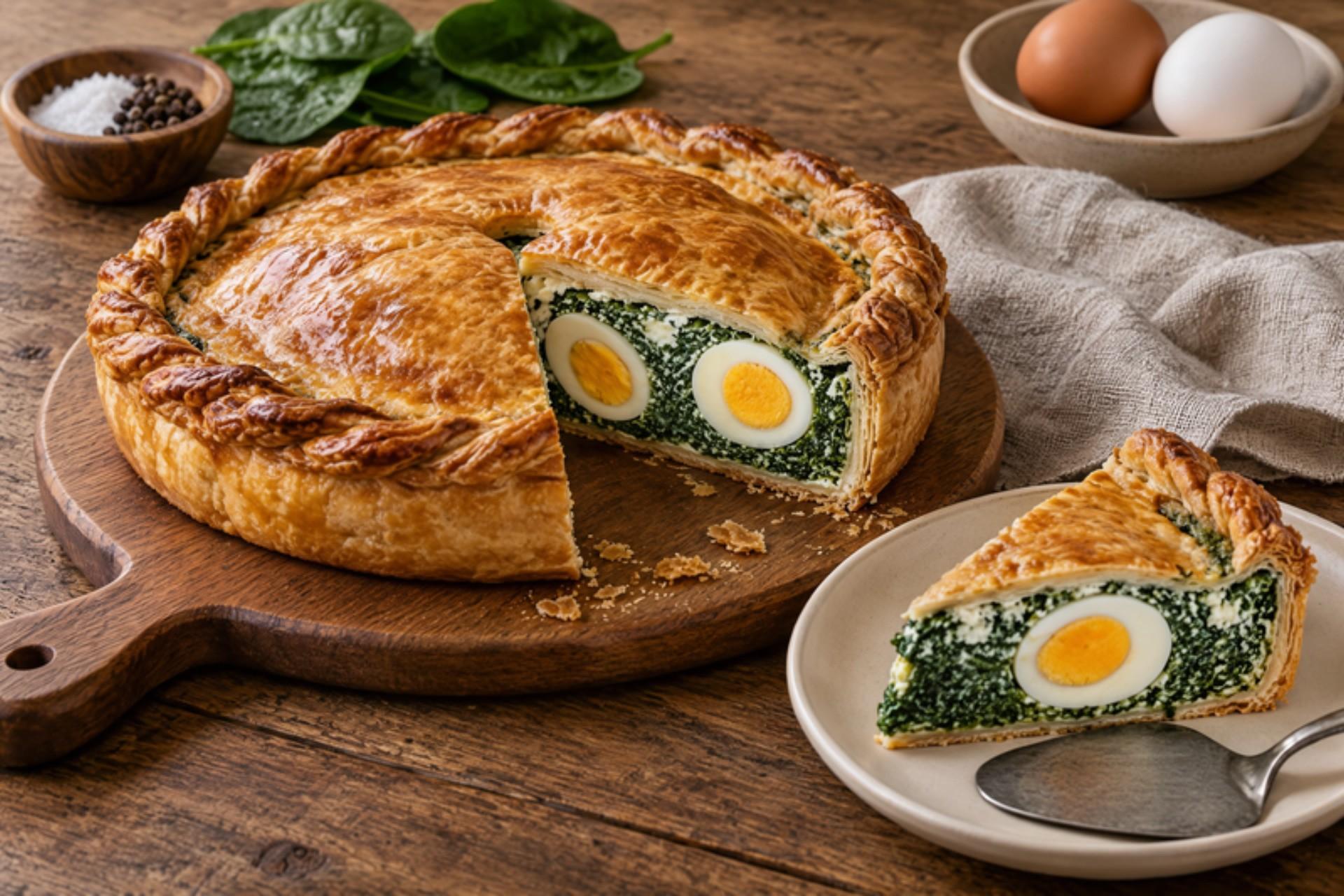
Tarta pascualinaSpinach and egg pie

Tarta pascualina came to Buenos Aires and Montevideo with Ligurian immigrants, and it is still baked for Easter (Pascua, hence the name), though most porteños now buy or make it any weekday for a light supper with a tomato salad. A crisp, olive-oil crust holds chard or spinach bound with ricotta and cheese, with whole eggs baked into hollows so every slice shows a ring of yolk. The usual mistake is not squeezing the greens: the filling floods and the base goes soggy. Wring them in a clean tea towel until no more water drips. Hard cheeses such as Parmesan are usually made with animal rennet; use a vegetarian hard cheese if you prefer. Chef's tip: bake the tart on the lowest shelf on a hot baking sheet so the bottom crust browns as well as the top.

by KrazyBadal 0 views

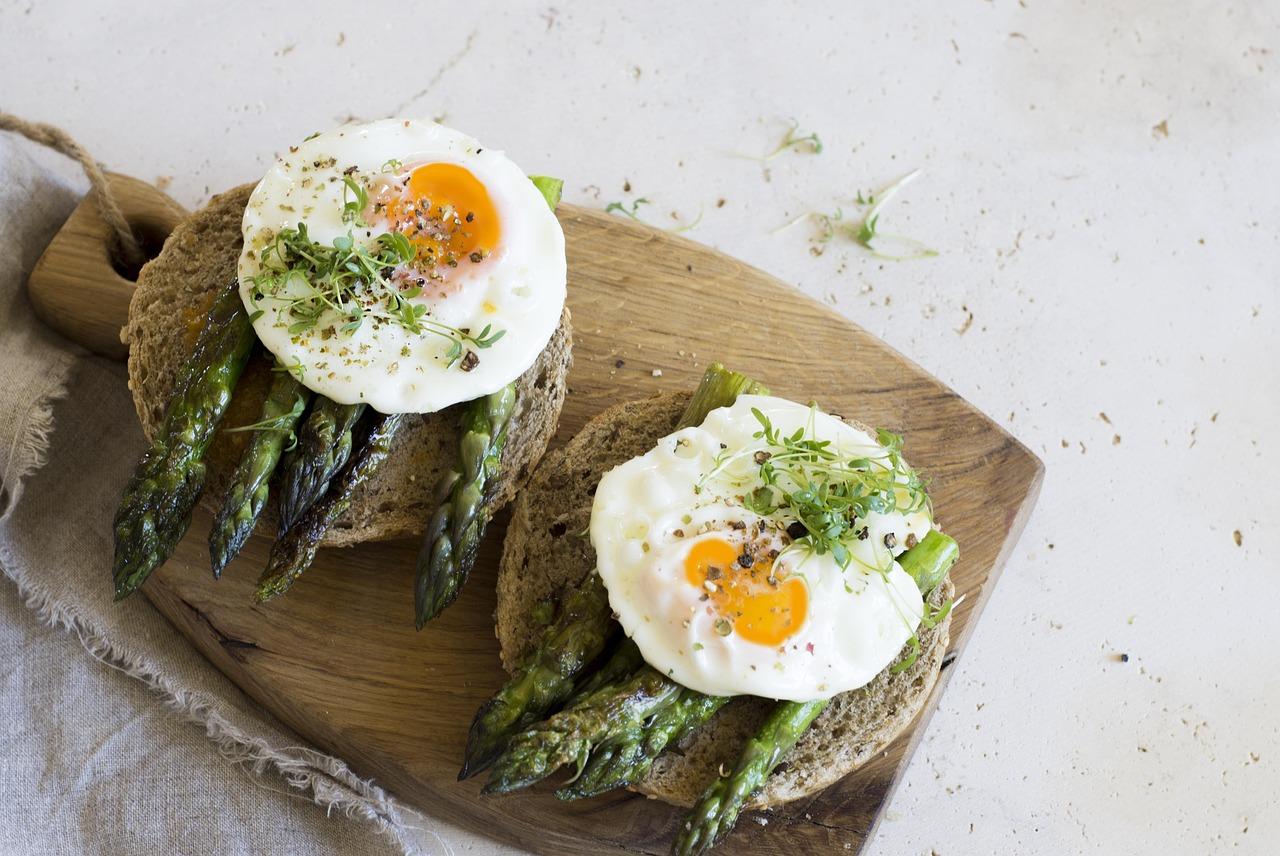
Asparagi alla BismarckAsparagus with fried egg and Parmesan

Asparagi alla Bismarck is how trattorias from the Veneto to Emilia serve the first asparagus of April and May as a light evening meal: just-tender spears laid on a plate, topped with eggs fried in butter, the butter poured over and a snowfall of Parmigiano. Dip the asparagus tips into the yolk and wipe the plate with bread. Parmigiano is always made with animal rennet, so use a vegetarian Italian-style hard cheese for a vegetarian plate. The mistake to avoid is overcooking the asparagus until it droops; it should still stand up straight when you lift a spear by its base. Chef's tip: let the butter foam until it turns hazelnut brown and smells nutty before you spoon it over, which makes the whole dish taste richer.

by KrazyBadal 0 views

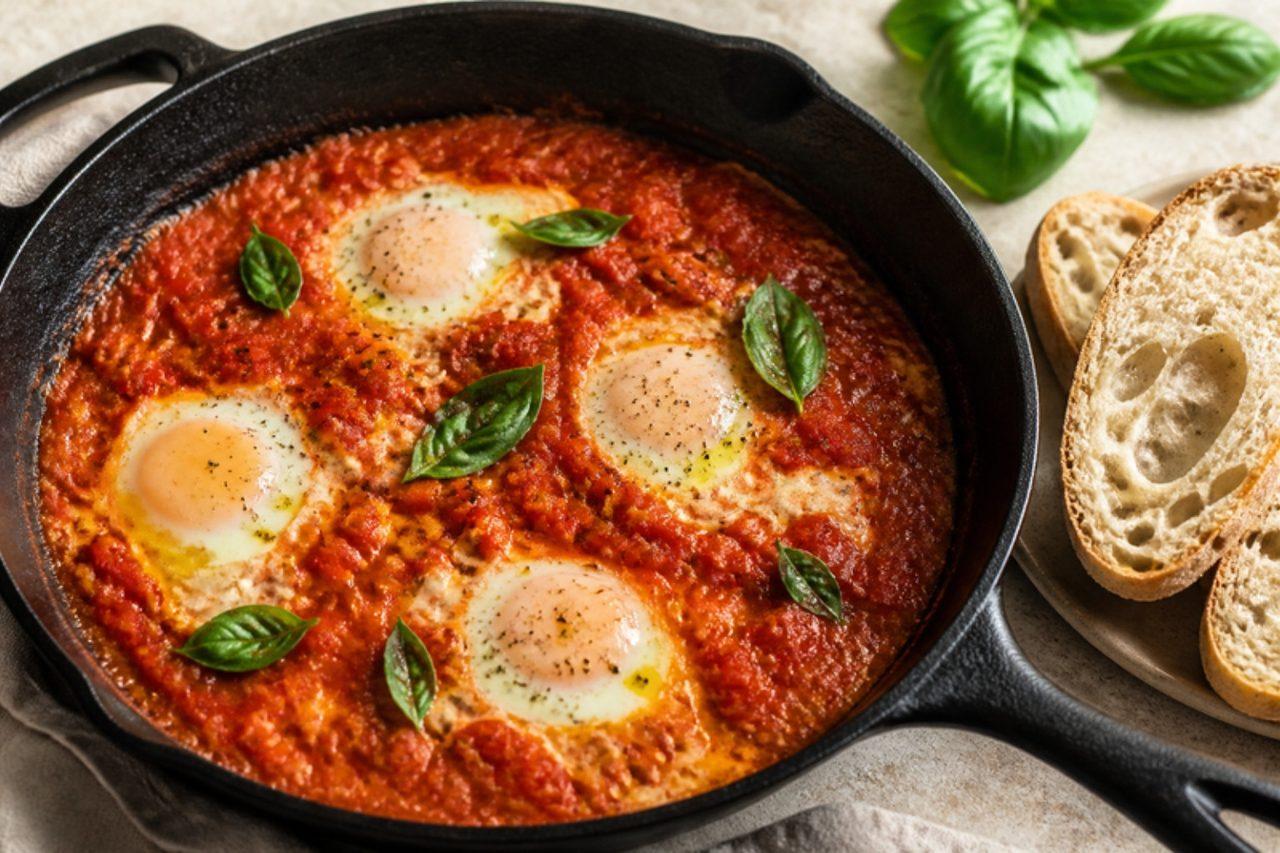
Uova al pomodoroEggs in tomato sauce

Uova al pomodoro, called uova in purgatorio around Naples, is the supper that kitchens from Rome down to Calabria fall back on at the end of the month or on a meatless Friday: a tin of tomatoes, a little garlic and basil, and eggs cooked gently in the sauce until set. The whites turn tender, the sauce goes sweet and thick, and a hunk of bread does the rest. The usual mistake is adding the eggs to a thin, watery sauce; they spread out, poach in pink liquid and the dish turns soupy. Chef's tip: crack each egg into a cup first, then slide it into a well in the sauce so the yolk stays whole and sits exactly where you want it.

by KrazyBadal 0 views

Revuelto de zapallitosCourgettes scrambled with egg and cheese

Revuelto de zapallitos is a weeknight dinner in Buenos Aires homes and all over Argentina in summer, when the little round courgettes called zapallitos are cheap: diced courgette and onion cooked down in oil, scrambled with eggs and finished with grated cheese. It is eaten with bread or as a side to a salad. Grated hard cheese like reggianito or Parmesan is usually made with animal rennet, so use a vegetarian hard cheese for a vegetarian dinner. The common mistake is adding the eggs before the courgettes have given up their water, which turns the scramble wet and grey. Chef's tip: salt the courgettes as they go in, so they release their juice early and it cooks away.

by KrazyBadal 0 views

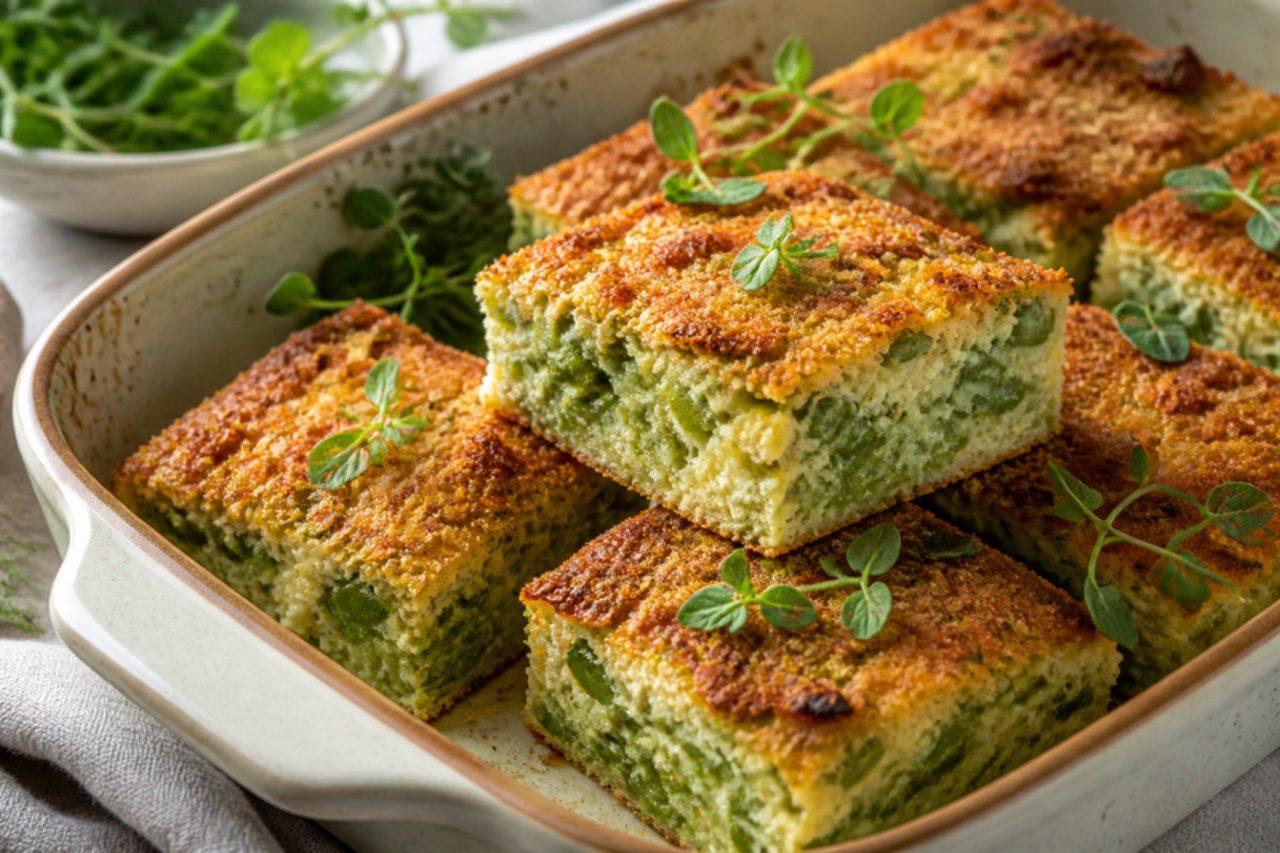
Polpettone di fagioliniGreen bean and potato loaf

In Genoa and along the Riviera di Levante, polpettone is the summer dish made when the green beans come in fast: beans and potatoes are boiled, chopped and bound with eggs, cheese and fresh marjoram, then baked flat in an oiled tin until the top is golden and crackly. It is eaten warm for supper or cold the next day, cut into squares for a picnic or a train journey. One portion gives about 24 g of protein, from the eggs, ricotta and Parmesan, with a little more from the beans and potato. Parmesan is made with animal rennet, so use a vegetarian Italian-style hard cheese if you need it to be strictly vegetarian. The most common mistake is leaving the vegetables wet: squeeze and drain them well, or the loaf stays soggy and will not slice cleanly. Chef's tip: scatter dry breadcrumbs, or fine polenta for a gluten-free loaf, over the oiled tin before you spread the mixture in; it gives the bottom a crisp crust, just like a Genoese grandmother's.

by KrazyBadal 0 views

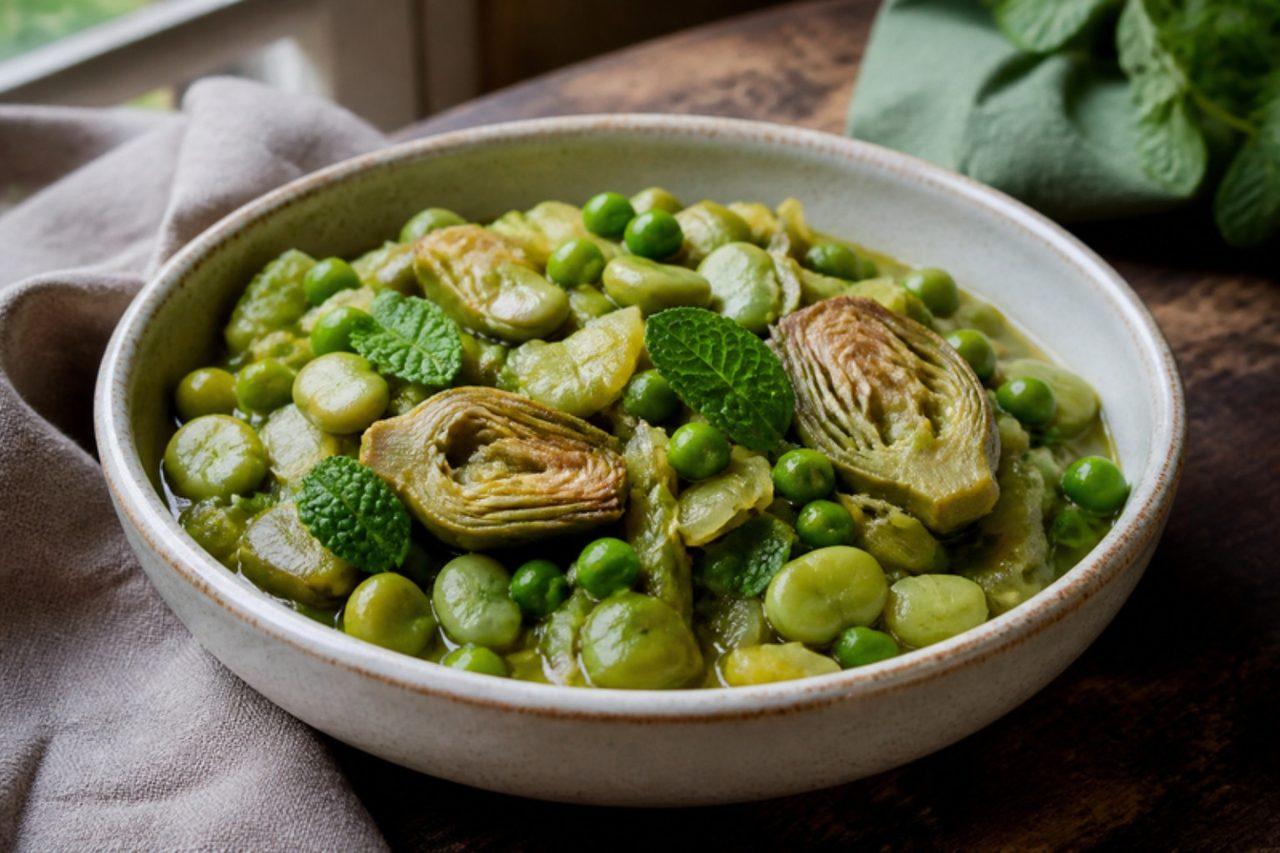
VignarolaArtichoke, broad bean and pea stew

Vignarola is the dish Romans wait for all year: for a few weeks in April and May, when the first artichokes, broad beans and peas all arrive at once at the markets of Campo de' Fiori and Testaccio, they are stewed together gently with spring onion, lettuce and mint. It is eaten as a side or a light main with bread. Romans usually add a little guanciale (cured pork cheek); this version leaves it out and is fully vegan. Chef's tip: add the peas and broad beans only for the last few minutes; they should stay bright green and sweet.

by KrazyBadal 0 views

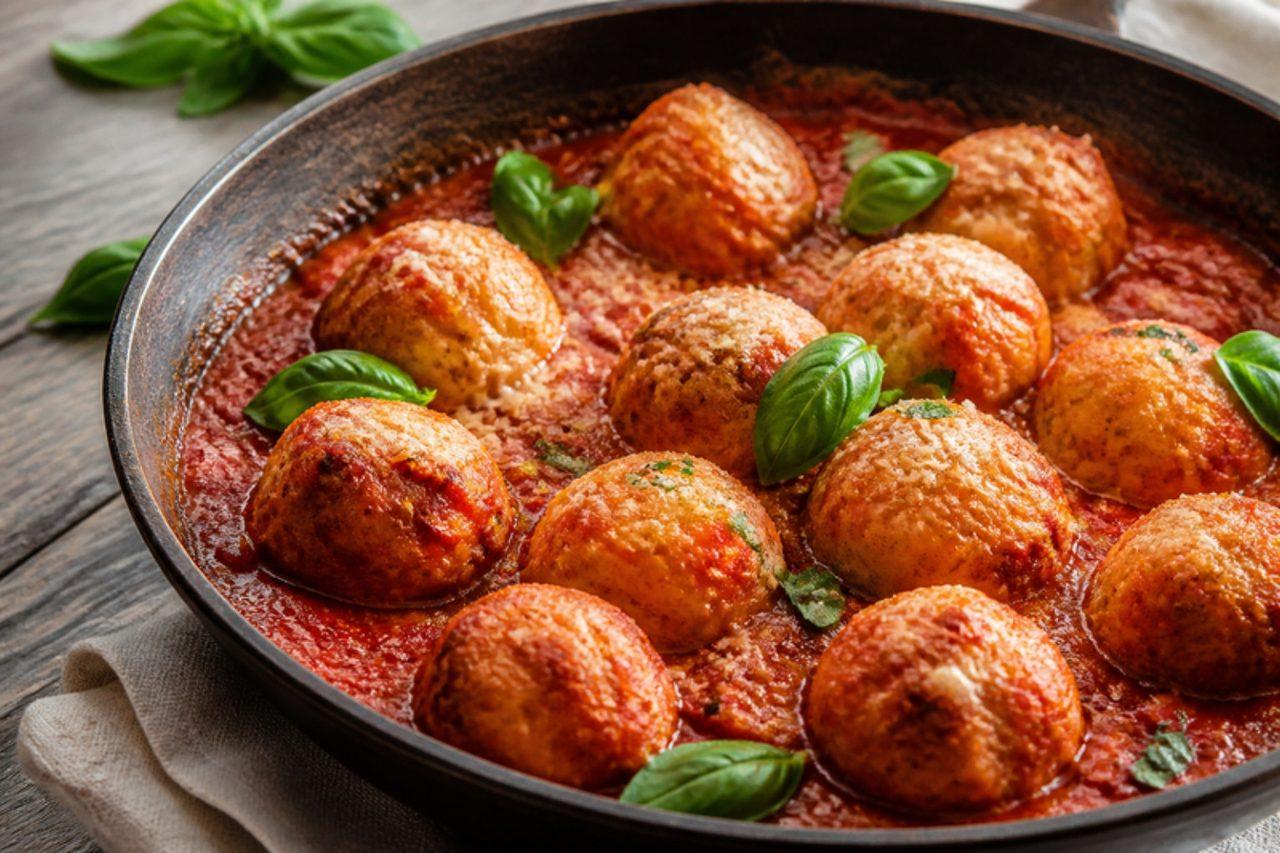
Polpette di pane al sugoBread balls in tomato sauce

When meat was a luxury, families in Calabria, Basilicata and Campania made "meatballs" from stale bread, eggs, pecorino, garlic and parsley, fried until crisp and then simmered in tomato sauce. These polpette are so good that they're still made today, as a Friday supper or as part of a Sunday spread, eaten with lots of bread to wipe up the sauce. Pecorino is usually made with animal rennet; a vegetarian hard cheese works. Chef's tip: squeeze the soaked bread really dry; wet bread makes polpette that break apart in the sauce.

by KrazyBadal 0 views

Frittata di zucchineCourgette frittata

Frittata is Italy's everyday dish for a quick supper or a packed lunch: a thick, flat omelette cooked slowly in a pan, then flipped over a plate. Courgette frittata, with soft, golden slices of courgette and Parmigiano, is the summer favourite, taken to the beach in a panino or cut into squares for children. It is just as good cold the next day. Parmigiano is made with animal rennet; choose a vegetarian hard cheese if you need to. Chef's tip: cook the courgettes until golden before adding the eggs; raw courgettes make the frittata watery.

by KrazyBadal 0 views

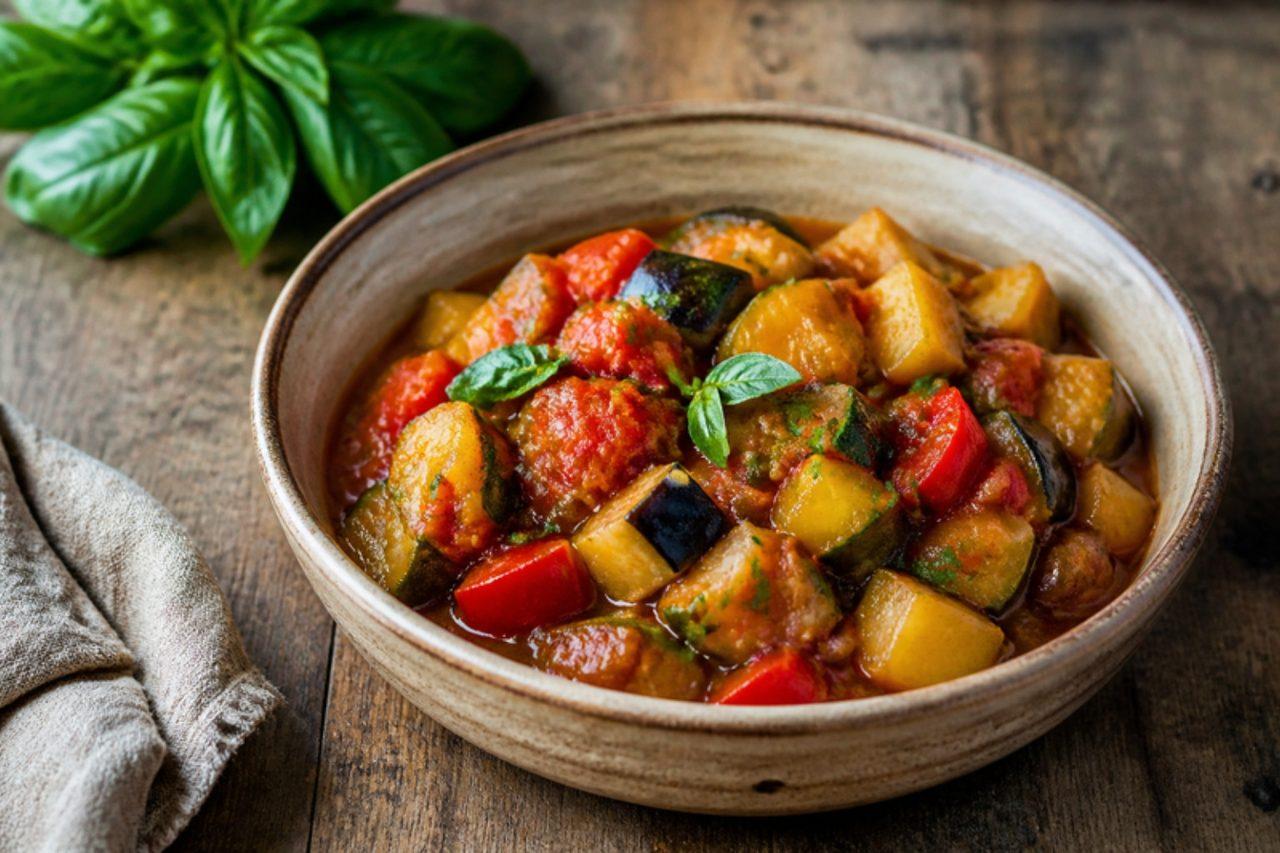
CiambottaSummer vegetable stew

In August, when the vegetable gardens of Basilicata and the Cilento are overflowing, families make ciambotta: peppers, aubergines, potatoes, courgettes, onion and tomato stewed slowly together in olive oil until soft and sweet. Farmworkers once ate it in the fields with bread; today it's a summer supper, eaten warm or at room temperature, sometimes with an egg cracked on top. Chef's tip: add the vegetables in stages, potatoes first and courgettes last; that way they all finish tender at the same time without any turning to mush.

by KrazyBadal 0 views

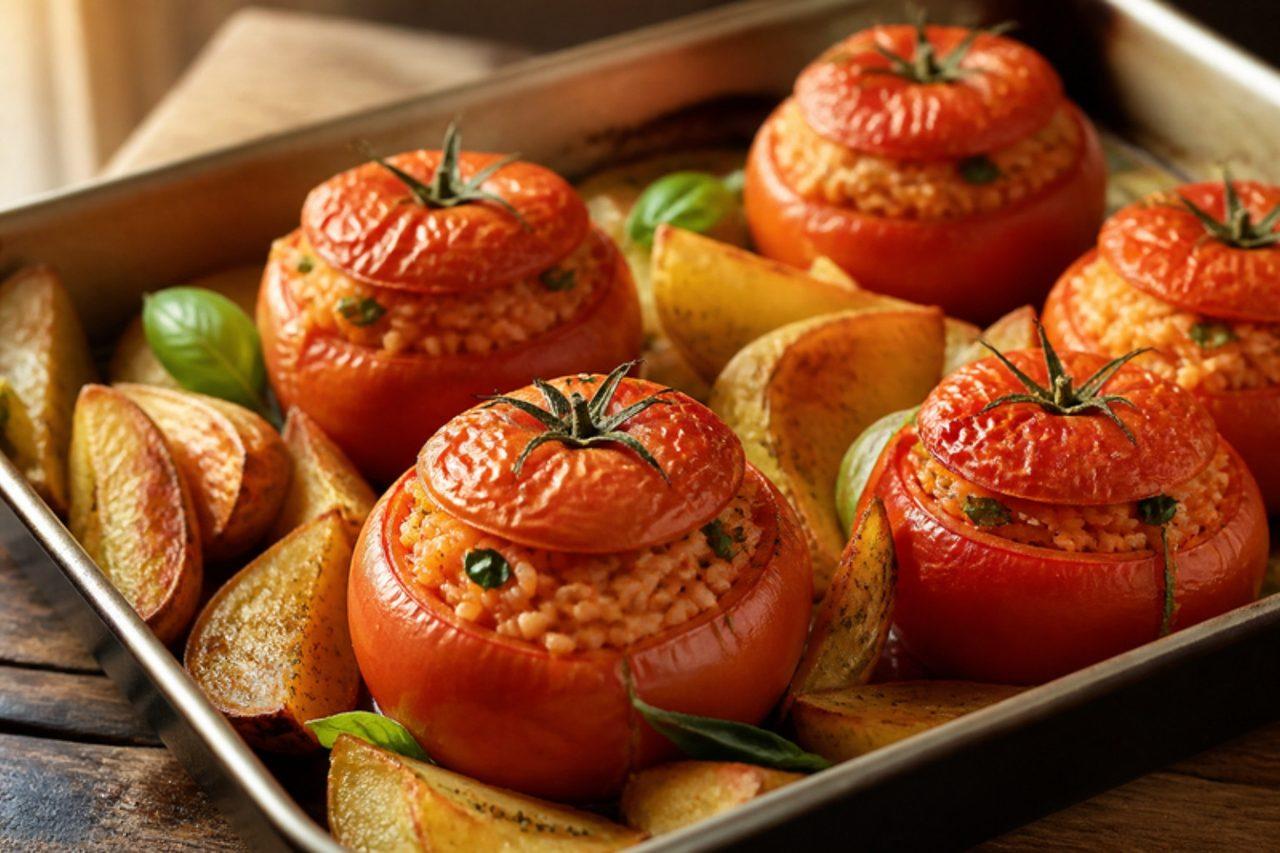
Pomodori col risoRice-stuffed tomatoes

Every Roman bakery and rosticceria has a tray of pomodori col riso in summer: big round tomatoes, hollowed out and filled with raw rice soaked in their own pulp with garlic, basil and olive oil, then baked with wedges of potato that soak up the juices. Romans eat them warm or at room temperature for lunch on hot days, often on Ferragosto (15 August). Chef's tip: let the rice soak in the tomato pulp for at least an hour before filling; it softens and then cooks evenly inside the tomatoes.

by KrazyBadal 0 views

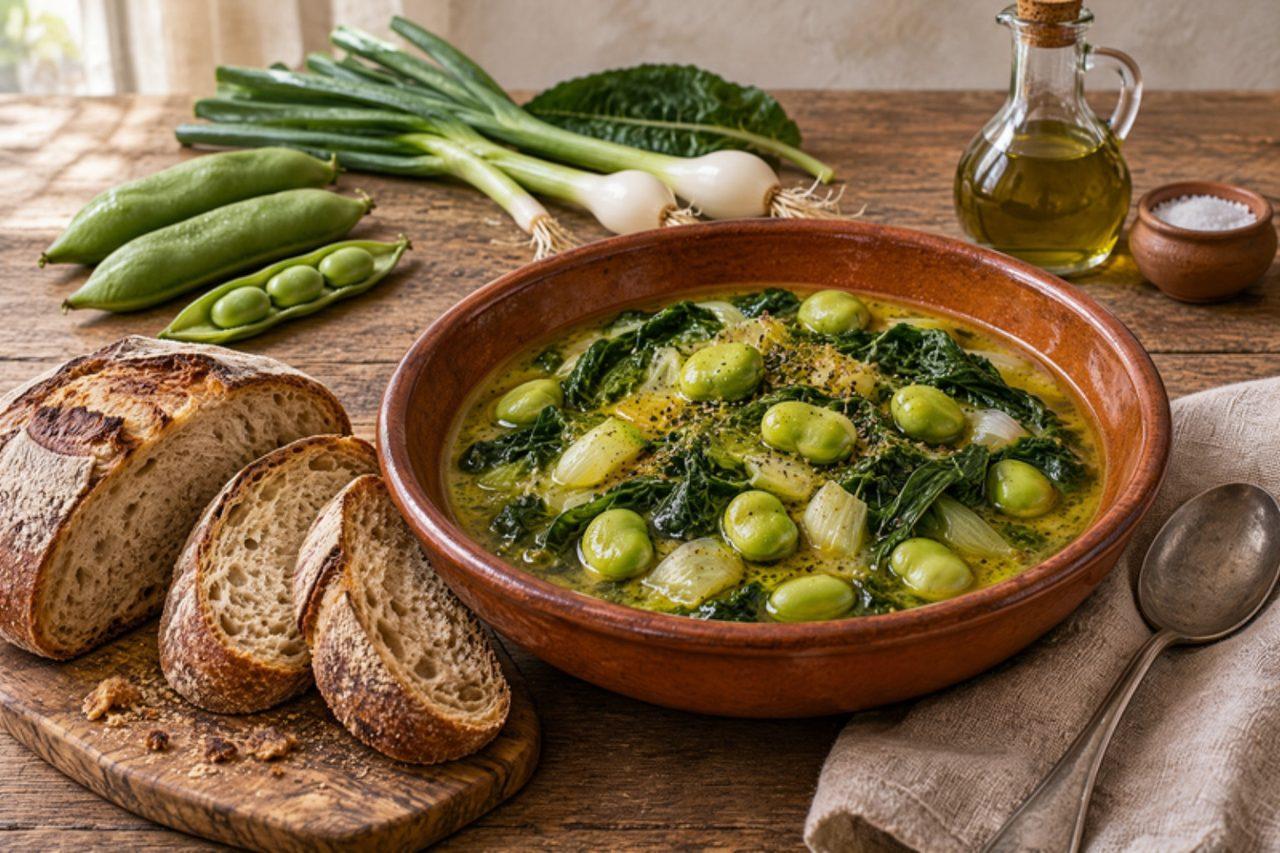
ScafataBroad bean and chard stew

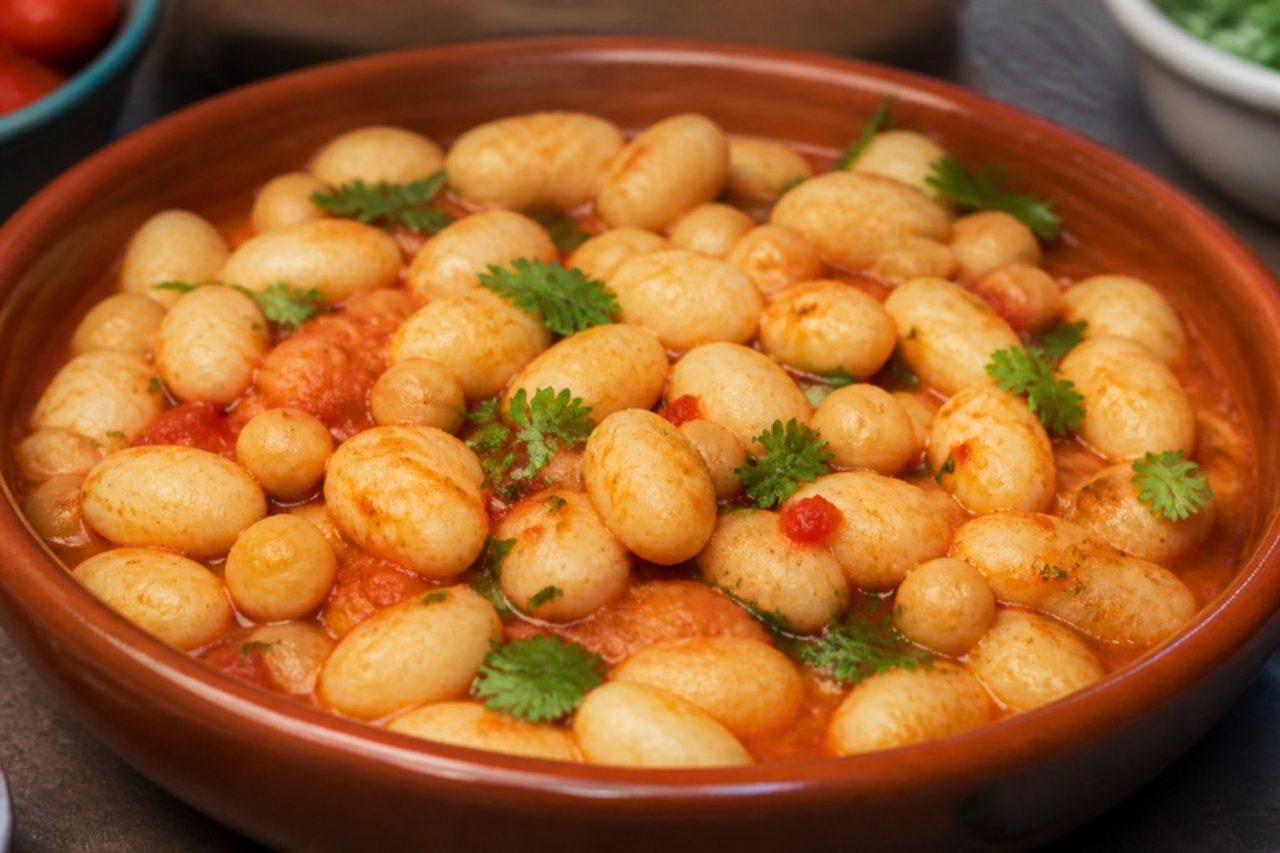
Scafata comes from the hill towns of Umbria, around Spoleto and Foligno, where it is cooked in late April and May when the first fresh broad beans, chard and spring onions arrive together. The beans are stewed slowly in olive oil and tomato until they are soft and creamy, with the chard melting into a green, fragrant sauce scented with wild fennel or mint. Eat it warm with a slice of wholegrain bread. Suitable as part of a balanced diet, it is rich in fibre and plant protein: about 240 kcal and 22 g carbohydrate per portion. The usual mistake is boiling it fast, which toughens the beans; it needs a lazy simmer. Chef's tip: double-pod only the large, older beans; young ones can be cooked in their pale skins.

by KrazyBadal 0 views

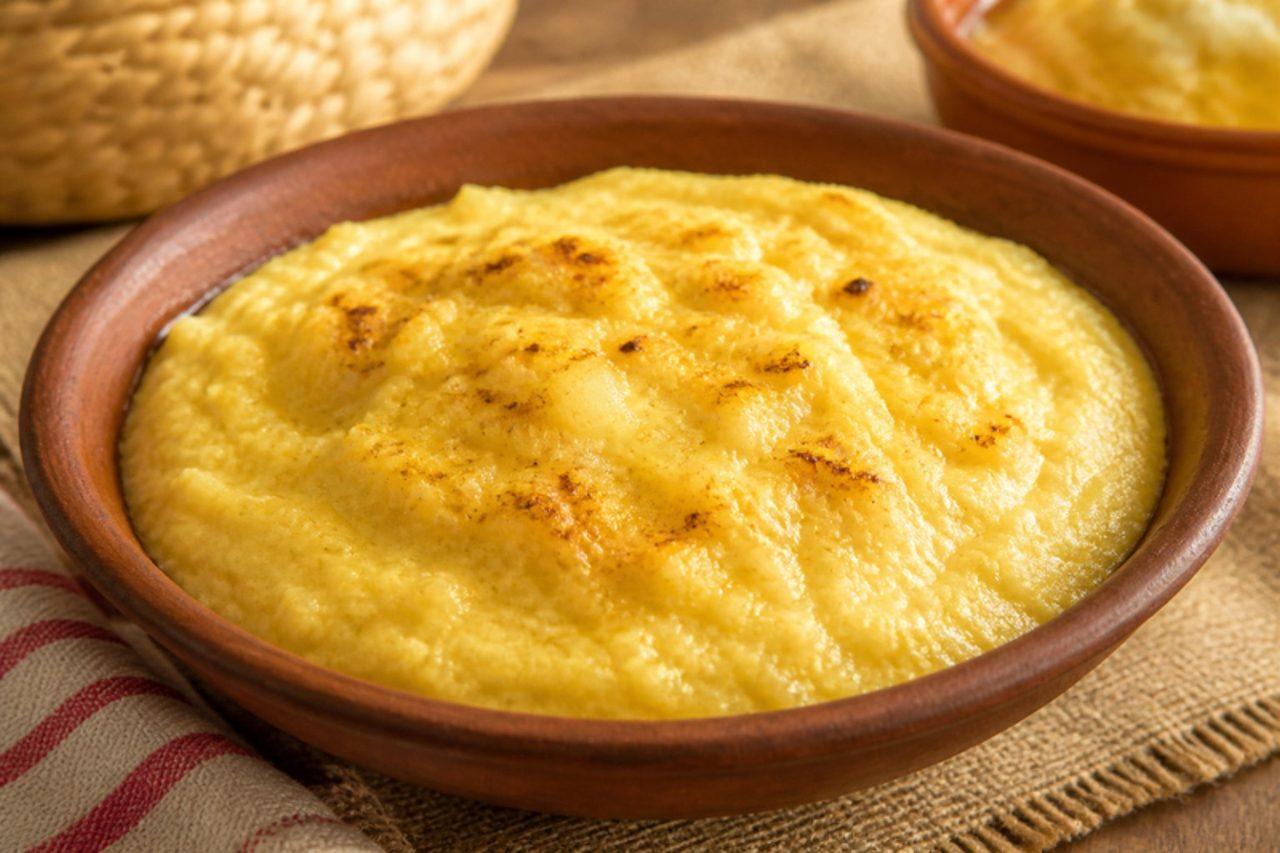
MbaipyCheesy polenta

Mbaipy (say 'mbai-PU') is Guaraní country cooking at its plainest: coarse corn flour stirred into milk and onion fried in oil until it thickens into a soft, spoonable porridge, finished with cubes of fresh cheese that melt into strings. In the Paraguayan countryside it is a cheap winter supper; cooks often stir in shredded chicken to make mbaipy so'o, but this is the meat-free version eaten on fasting days and in plenty of homes. Queso Paraguay is made with animal rennet, so use a vegetarian mozzarella or fresh cheese if you need to. The usual mistake is tipping the corn flour in all at once, which makes lumps that never cook out. Chef's tip: let it sit, covered, off the heat for five minutes before serving; it firms up slightly and the corn swells fully.

by KrazyBadal 0 views

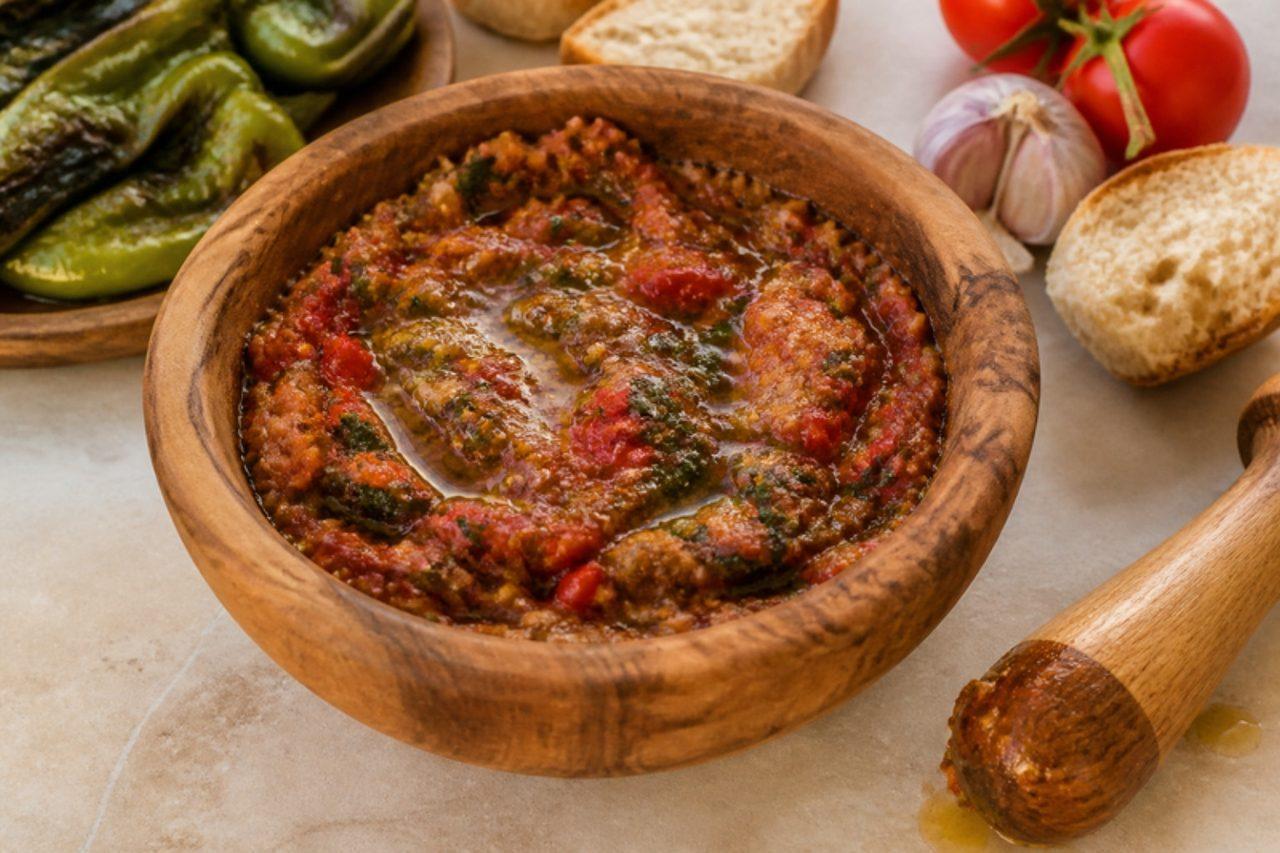
Zviti (pounded pepper and flatbread mash)

Fire-blistered green chillies, a few tomatoes and a fist of garlic go into a wooden mortar, and the cook in Bou Saâda or M'Sila pounds them with torn flatbread until everything turns into a coarse, hot, smoky mash. Zviti is served straight from that wooden bowl, sometimes in a carved mortar the size of a salad bowl, and eaten by hand with more bread, often on cold evenings in the steppe towns. The flavour is sharp and grassy from the chillies, sweet from the charred tomato and soothed by plenty of olive oil. Choose a mix of hot and milder long chillies to set the heat you like. Don't leave the charred skins on the peppers and tomatoes: they turn the mash bitter and stringy. Chef's tip: pound rather than blend; a food processor whips it into a watery soup, so if you must use one, pulse briefly and add the bread last.

by KrazyBadal 0 views

ThikourbabineSemolina dumplings in pepper sauce

High in the Kabylie mountains east of Algiers, thikourbabine is a winter dish made from what is in the store cupboard: small balls of semolina dough poached in a fragrant red sauce of tomato, paprika, garlic and dried red peppers, with chickpeas, potatoes and courgettes. The dumplings turn tender and slightly chewy and soak up the sauce, which is peppery and warming rather than very hot. Families eat it from a shared bowl on cold evenings. Some cooks add meat; this is the meatless way it is often made at home. Chef's tip: let the dumplings rest after shaping; the surface dries a little and they hold together in the simmering sauce.

by KrazyBadal 0 views

Zapallitos rellenosStuffed round squash

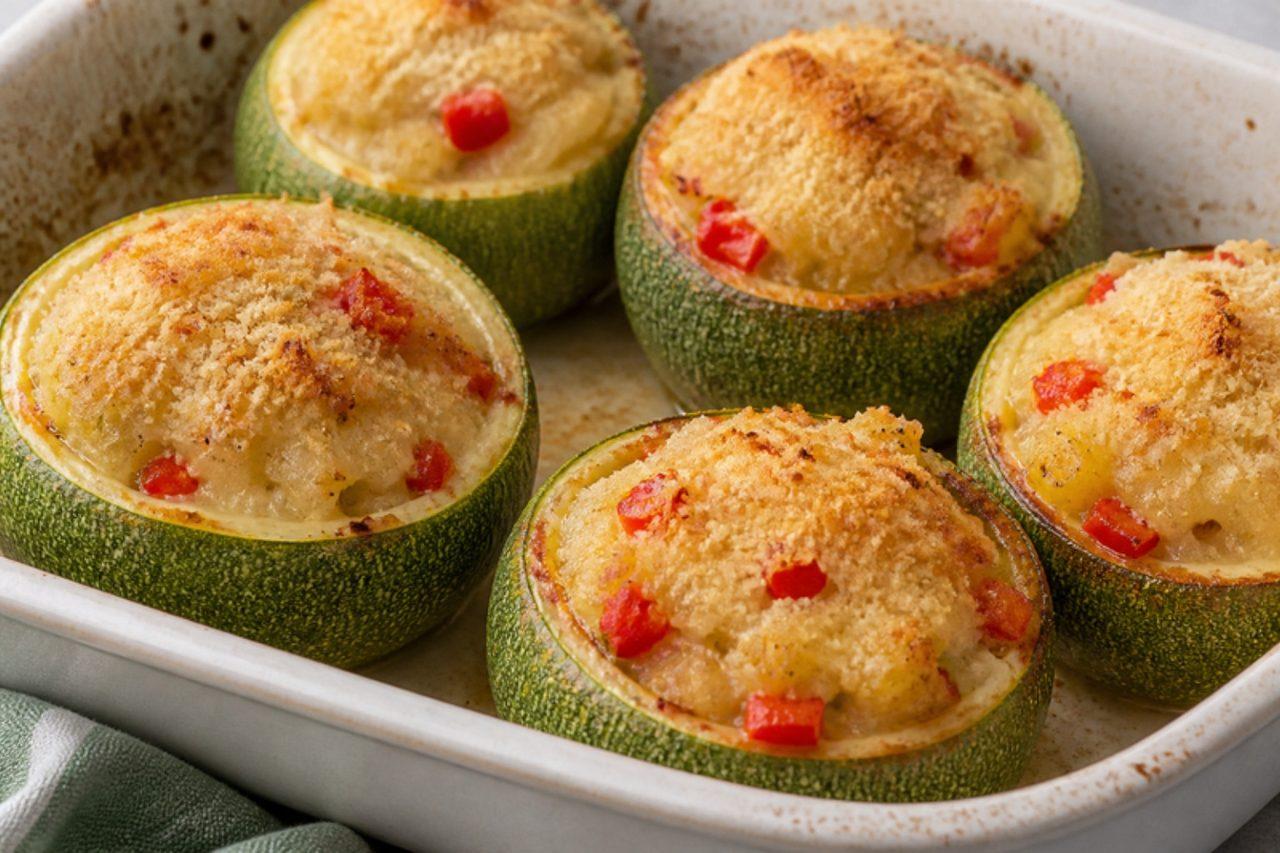
Round green zapallitos, the size of a tennis ball, pile up at every verdulería in Buenos Aires from December to March, and stuffing them is how home cooks turn a cheap summer vegetable into a main course. The shells are blanched, hollowed and refilled with their own flesh fried with onion and red pepper, bound with egg and melting cheese, and topped with breadcrumbs that bake to a crunchy lid. Expect a soft, savoury, slightly creamy filling under a golden crust; serve two per person with a tomato and onion salad or white rice. Overcooking the shells in the first boil is the trap: they collapse in the oven and leak water, so they only get 4 minutes. Round courgettes, eight-ball squash or short fat courgettes all work. The cheeses are usually made with animal rennet; swap in vegetarian versions if needed. Chef's tip: squeeze the chopped flesh in a clean cloth before frying it; drier filling means a firmer, tastier stuffing.

by KrazyBadal 0 views

CiaudeddaArtichoke, broad bean and potato stew

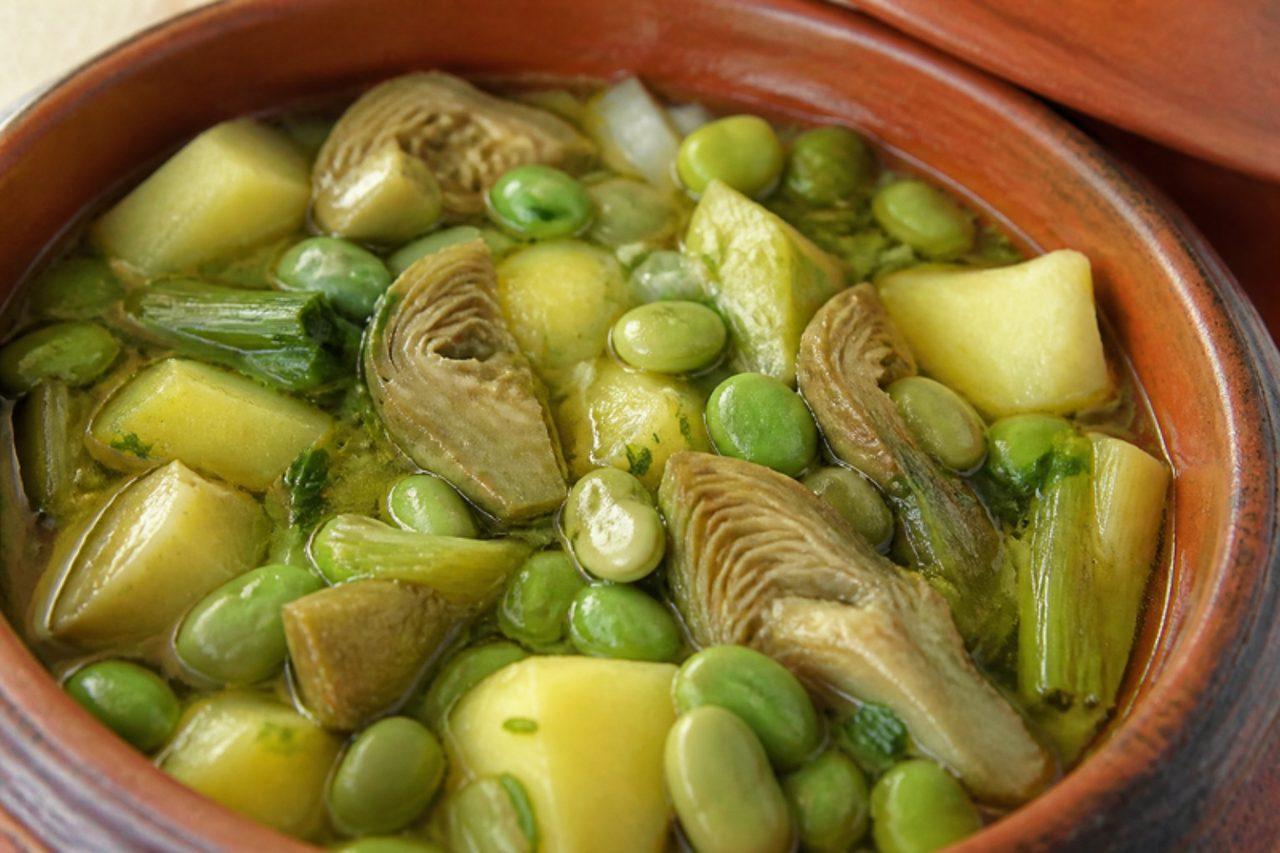
When the first artichokes and broad beans arrive in April and May, Lucanian kitchens make ciaudedda: a gentle one-pot stew of artichoke wedges, sweet young beans, potatoes and spring onions, cooked slowly in olive oil and a little water until everything is soft and glossy. Around Potenza and in the Vulture hills it is served as a main course with bread, or as a side at Easter lunch. Many cooks start it with diced pancetta; this version leaves it out and lets the vegetables do the work. Chef's tip: let it rest for 10 minutes off the heat before serving, as the flavours deepen once it stops bubbling.

by KrazyBadal 0 views

Pane frattauFlatbread with tomato and egg

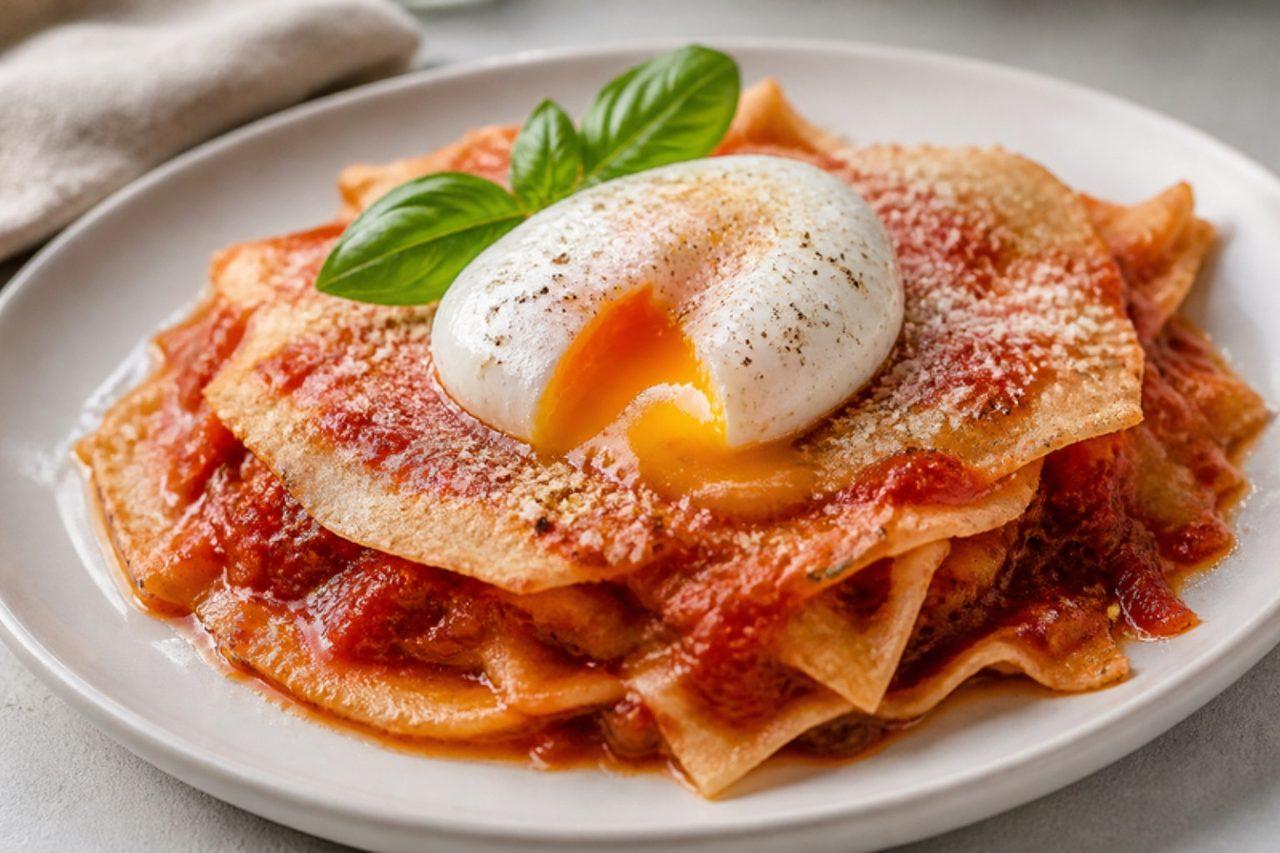
Pane frattau turns dry pane carasau into a hearty plate in twenty minutes: sheets of the crisp bread are dipped in hot broth until just supple, layered with tomato sauce and grated pecorino, and topped with a poached egg whose yolk runs into everything. It is said to have been first served in Orgosolo or Nuoro for a royal visit, and it is now a staple of Barbagia agriturismi and family suppers. Traditionally the broth is made from mutton or meat; this version uses vegetable stock, which works beautifully. Chef's tip: dip each sheet for no more than 2–3 seconds; it keeps softening on the plate.

by KrazyBadal 0 views

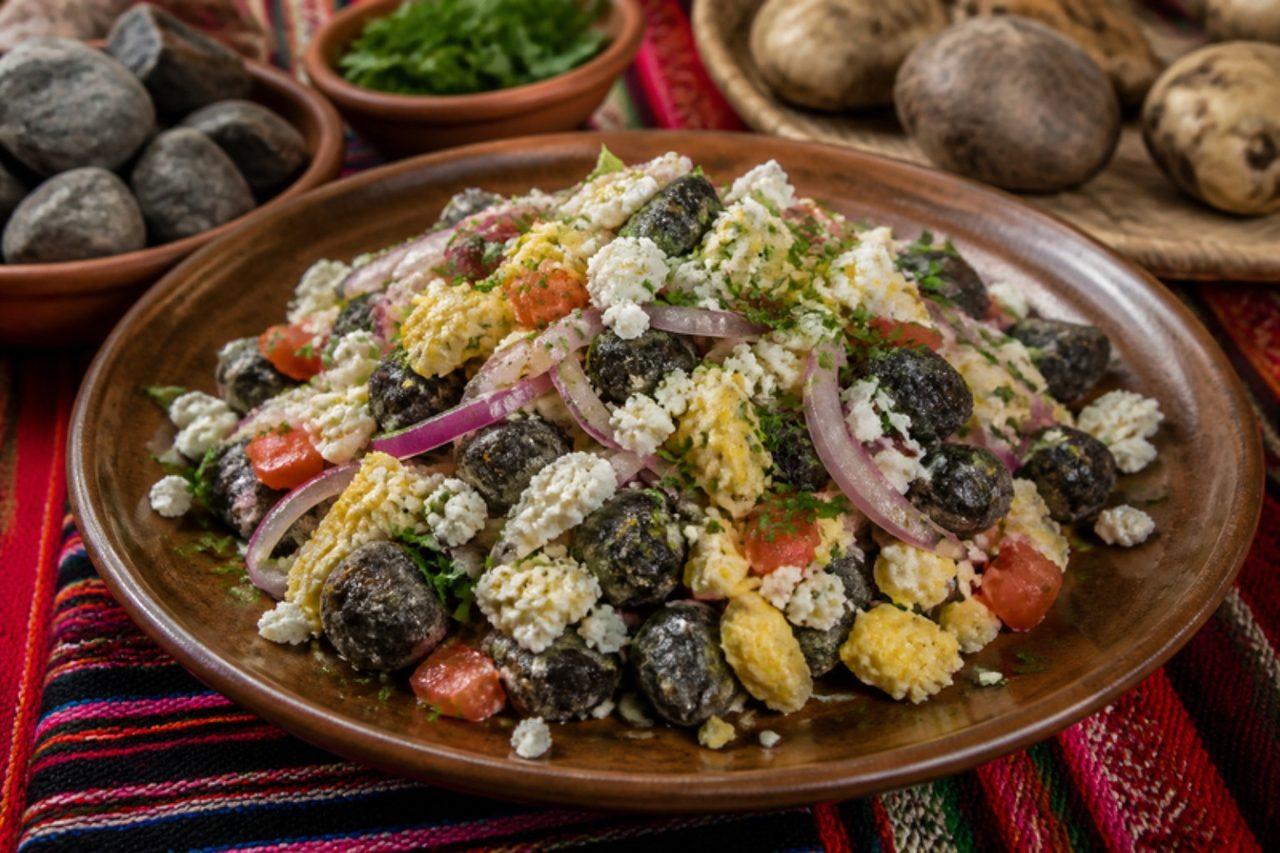
Chuño phutiFreeze-dried potatoes with egg and cheese

Chuño are potatoes freeze-dried the ancient way on the Altiplano: left out on frosty nights, trampled to squeeze out the water and dried in the high sun, so they keep for years. In Puno and across the border in Bolivia, they are soaked, crumbled and fried with onion, then scrambled with egg and fresh cheese to make phuti, a hearty breakfast or supper eaten with a hot tea. The texture is dense and slightly chewy, and the flavour earthy and a little tangy. Chuño is sold dried in Andean shops; it must soak overnight (ideally 24 hours, with the water changed) and then be peeled, which adds time before you start. The mistake is not soaking or rinsing enough: under-soaked chuño smells strong and stays hard in the middle. Serve with a fresh tomato salsa or uchucuta. Fresh cheese is usually made with animal rennet, so use a vegetarian one if needed. Chef's tip: squeeze the soaked chuño hard between your palms before crumbling; the drier it is, the better it fries.

by KrazyBadal 0 views

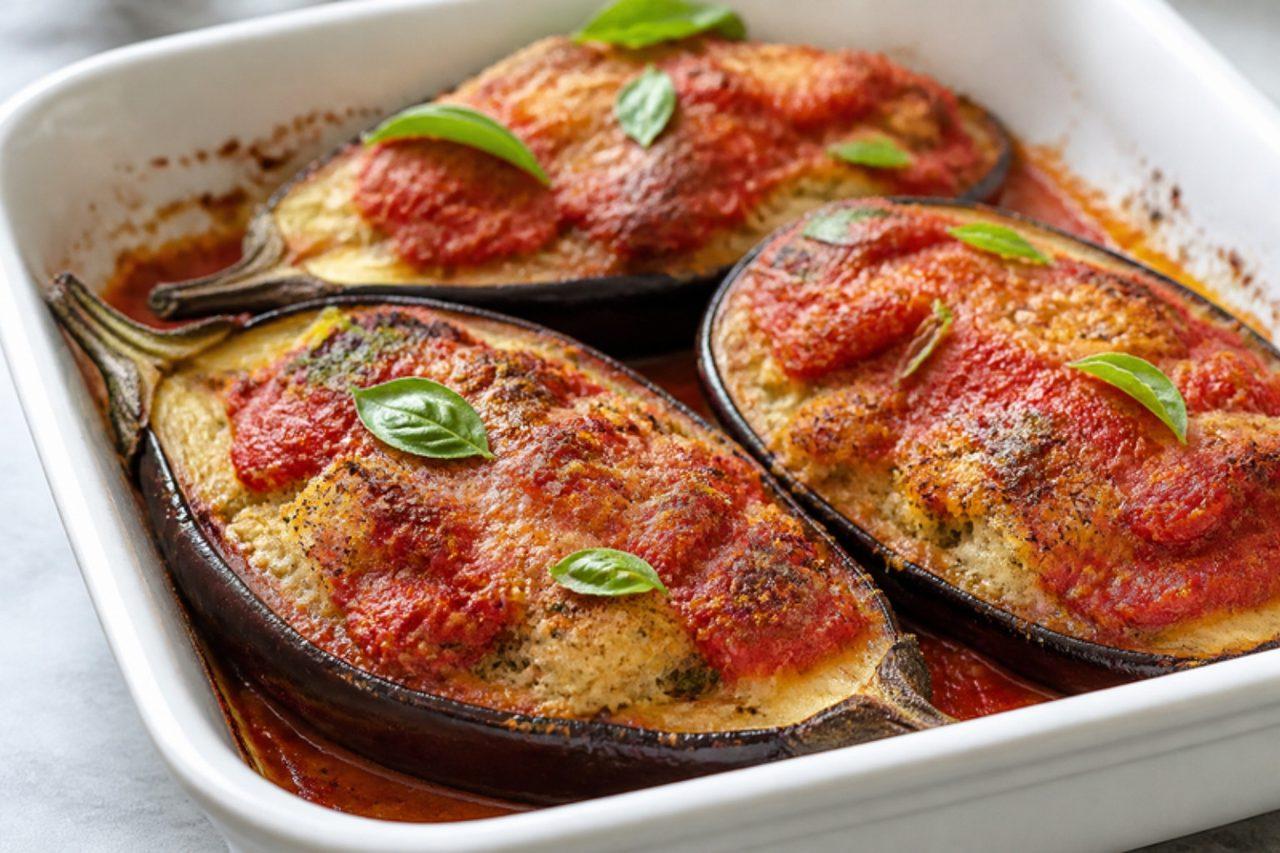
Mulinciani chiniStuffed aubergines

Mulinciani chini, 'full aubergines' in Calabrian dialect, are what summer gardens across Calabria turn into in August: halved aubergines hollowed out, their pulp fried and mixed with soaked bread, pecorino, egg, garlic and basil, then piled back into the shells and baked in a light tomato sauce. They are made in big trays for family lunches and taken cold to the beach the next day. The filling turns soft and savoury, the shells silky. Chef's tip: they taste best after resting for an hour, so they are perfect to make ahead.

by KrazyBadal 0 views

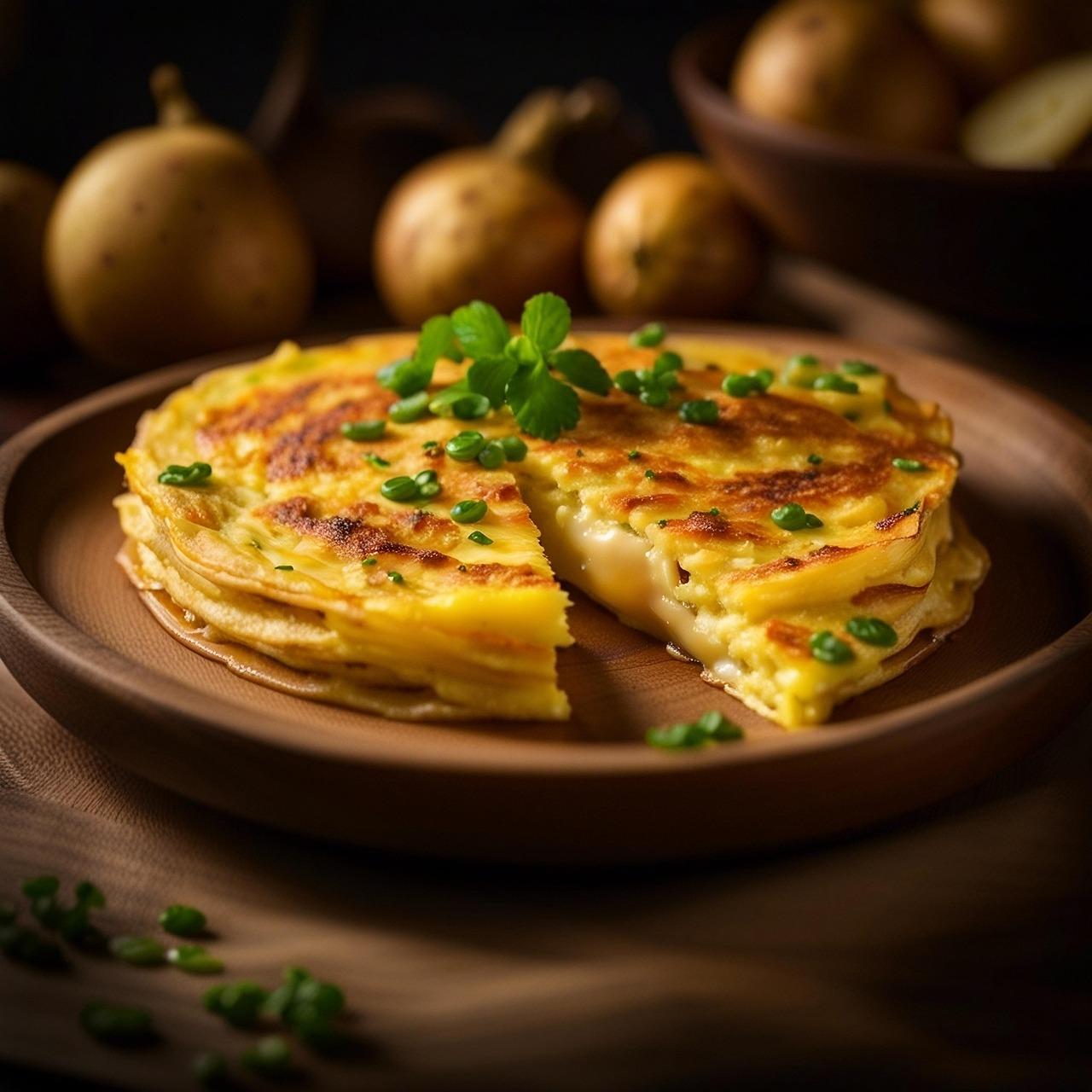
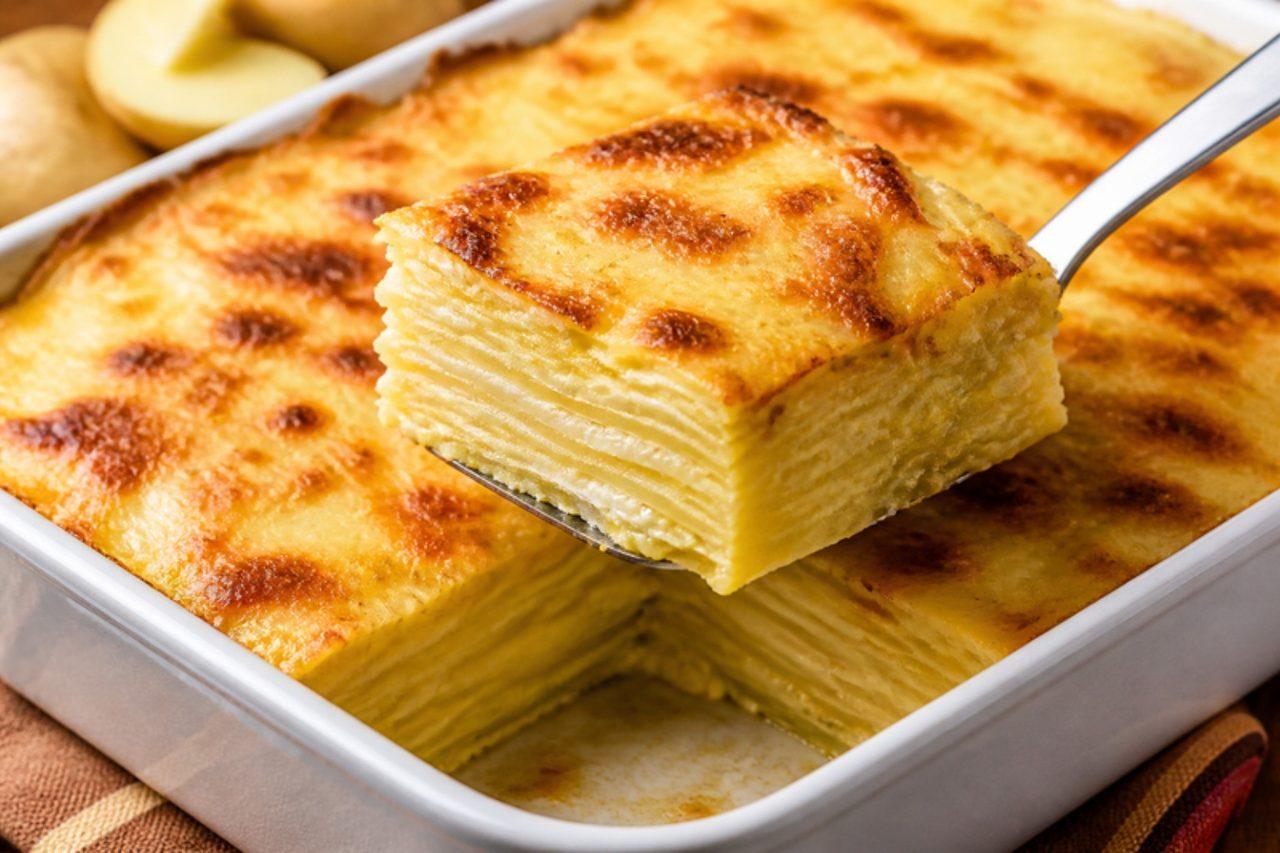
Pastel de papaLayered potato and cheese bake

On a plate in an Arequipa picantería, pastel de papa is the soft, golden square that sits next to a fiery rocoto relleno and cools your mouth between bites. Thin slices of parboiled potato are layered with fresh cheese and a seasoned egg and evaporated-milk custard, then baked until the top puffs and browns. It is richer and more set than a French gratin, firm enough to cut cleanly, and it makes a fine vegetarian main with a salad of tomato and onion or a spoon of uchucuta. The way it goes wrong is slicing the potatoes too thick or under-boiling them, which leaves them crunchy while the custard overcooks; cut them 3–4 mm thin and parboil them just until bendy. Arequipa cooks use paria or queso fresco, which are normally made with animal rennet; a vegetarian melting cheese such as a microbial-rennet mozzarella or mild cheddar works well. Chef's tip: let the bake rest for 15 minutes after it leaves the oven so the custard settles and the slices hold.

by KrazyBadal 0 views

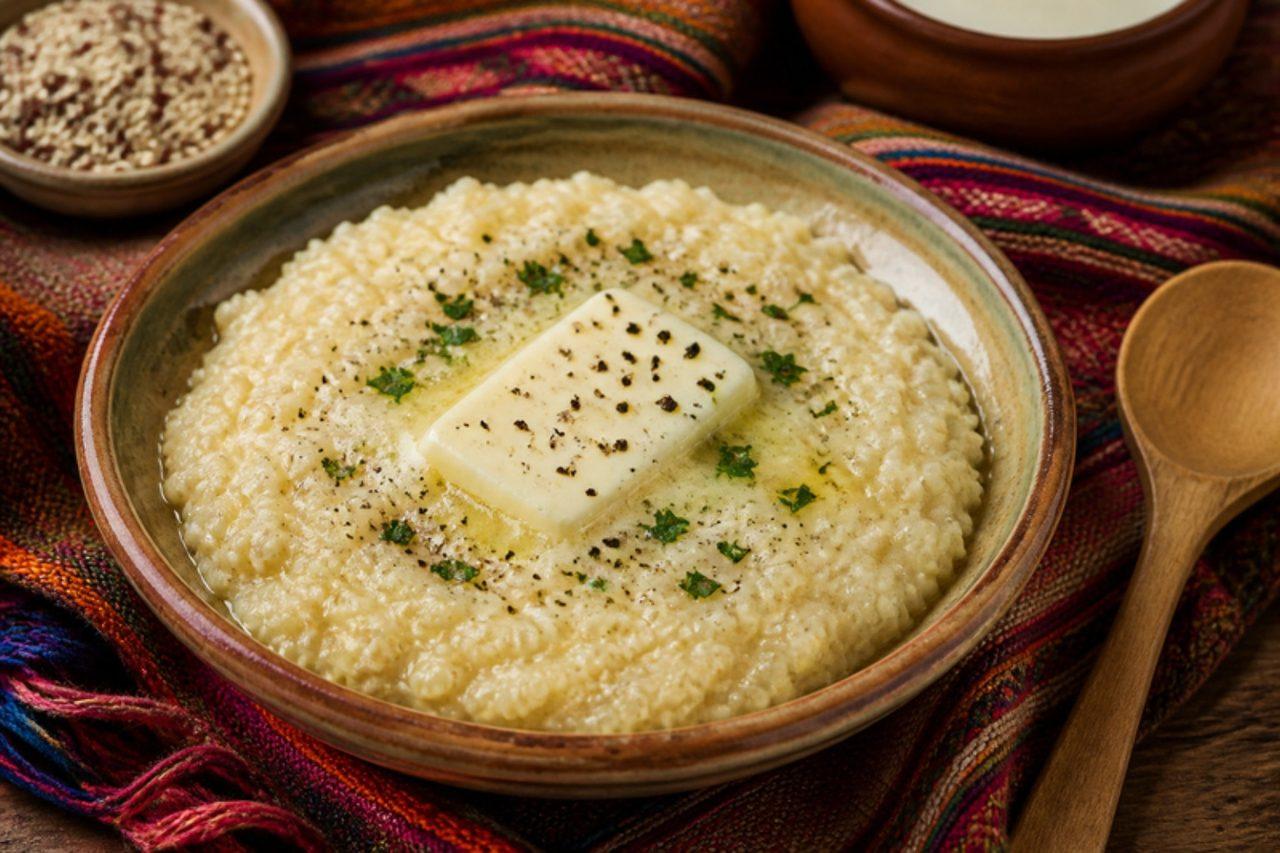
Pesque de quinuaCreamy quinoa with cheese

Up on the Altiplano around Lake Titicaca, where quinoa grows at almost 4,000 metres, pesque is everyday food: quinoa cooked until it collapses, then beaten with milk, a knob of butter and crumbled fresh cheese until it looks like a loose, savoury risotto. Puno families eat it for a warming lunch or supper, often with a glass of milk poured over or a fried egg on top, and in the cold dry air it is exactly what the body wants. It is soft, nutty and mildly salty. The step people skip is rinsing the quinoa, and the natural saponins then leave a soapy, bitter edge; rub it under running water until the foam stops. Serve with a tomato salad or a spoon of uchucuta for some heat. Andean fresh cheese is usually set with animal rennet, so choose a vegetarian fresh cheese if needed. Chef's tip: cook the quinoa in a little more water than usual and leave it a few minutes longer than for a salad, so it turns creamy and the grains burst.

by KrazyBadal 0 views

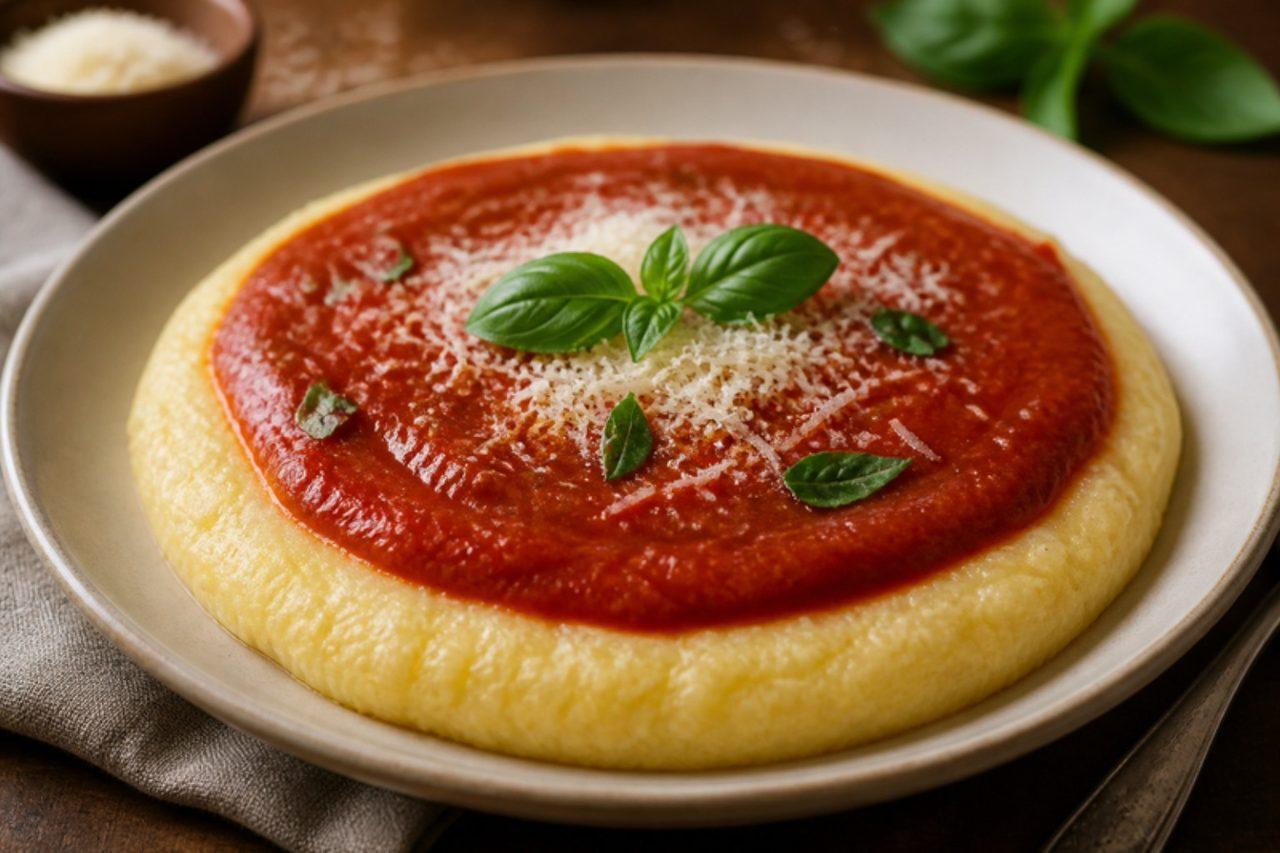
Polenta con tucoPolenta with tomato sauce

Tuco is what Argentines call the red sauce of their Italian grandparents, and spooned over a mound of soft polenta it is one of the most ordinary, best-loved cold-weather suppers in Buenos Aires and across the pampas. On Sundays the sauce often gets a piece of beef; this is the everyday meatless version, with onion, red pepper, carrot, bay and a long simmer that turns the tomato sweet and deep. The polenta is enriched with butter and cheese until it falls off the spoon like thick custard. The most common mistake is pouring the cornmeal into the water all at once, which gives you lumps you will never beat out, so rain it in slowly while whisking. Grated hard cheese is usually made with animal rennet; choose a vegetarian one if needed. Chef's tip: make the tuco first and let it rest off the heat while the polenta cooks; even 15 minutes of standing rounds out its flavour.

by KrazyBadal 0 views

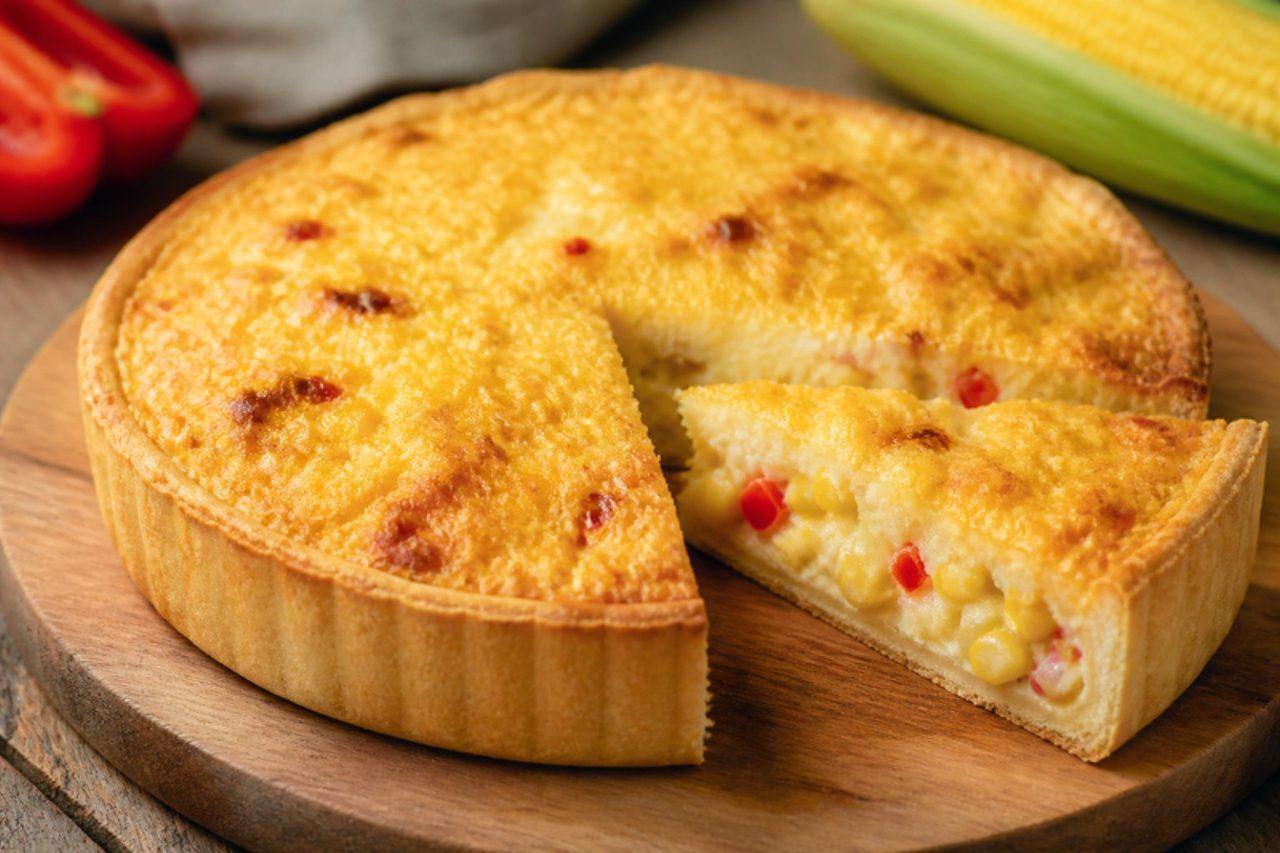
Tarta de chocloSweetcorn tart

Ask any Argentine rotisería for a slice of tarta and choclo will be next to the chard and the ham-and-cheese. This is the creamy one: sweetcorn kernels folded into a thick white sauce with softened onion and red pepper, set with egg and cheese inside a buttery shortcrust. It is lunchbox and picnic food, eaten warm or at room temperature with a green salad, and it is a big favourite with children for its sweetness. The filling should slice cleanly but still be soft. A runny centre is the usual problem, and it comes from a thin white sauce or from forgetting to blind-bake: make the sauce thick enough to coat the spoon heavily, and part-bake the case. Mozzarella and grated hard cheese are often made with animal rennet, so buy vegetarian ones if that matters. Chef's tip: blitz a third of the corn with the white sauce; it gives a creamier, more corn-tasting filling while the whole kernels keep some bite.

by KrazyBadal 0 views

Showing 24 of 35 recipes

Show more recipes

Page 1 of 2