Skip to content
Recipes

All recipes

Vegetarian, or something you can't eat? Set your diet once and we'll hide recipes that don't fit.

MbaipyCheesy polenta

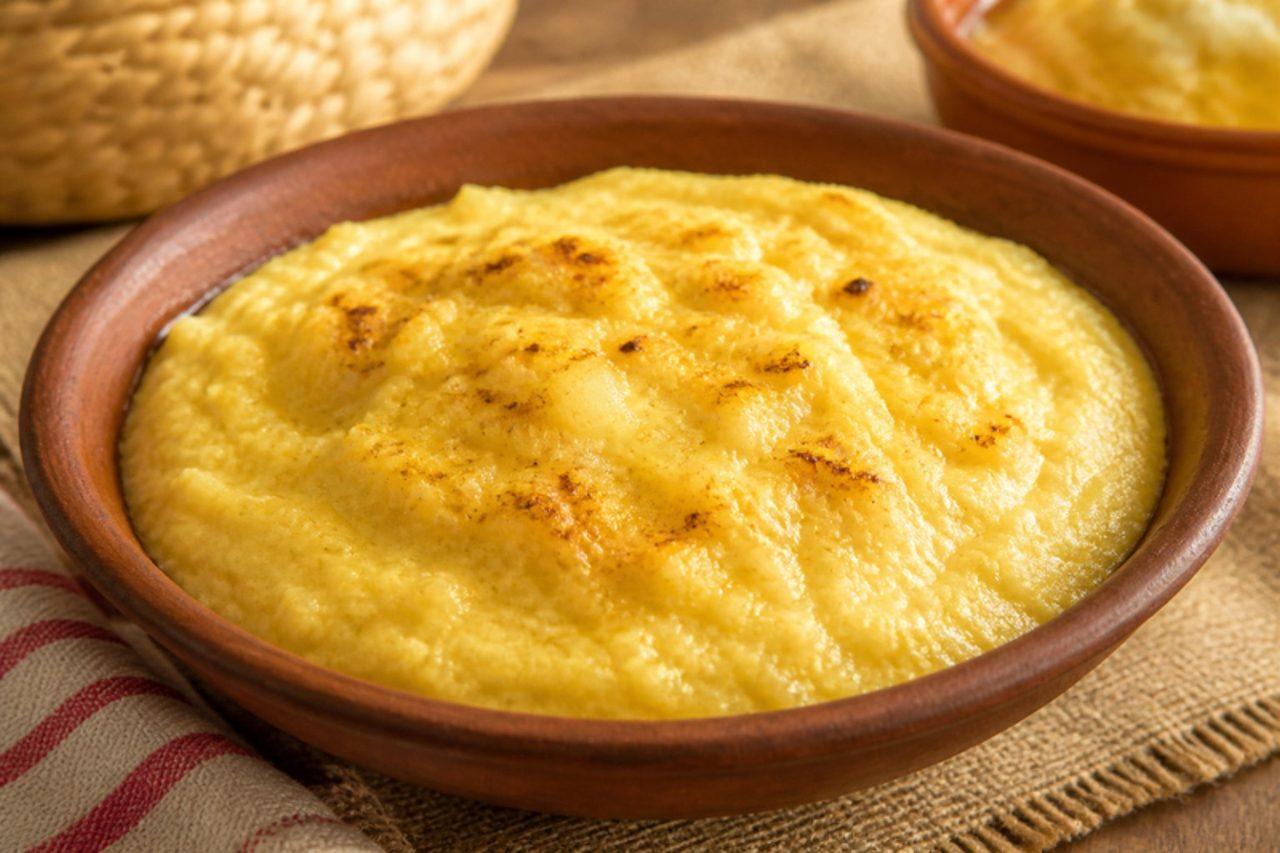
Mbaipy (say 'mbai-PU') is Guaraní country cooking at its plainest: coarse corn flour stirred into milk and onion fried in oil until it thickens into a soft, spoonable porridge, finished with cubes of fresh cheese that melt into strings. In the Paraguayan countryside it is a cheap winter supper; cooks often stir in shredded chicken to make mbaipy so'o, but this is the meat-free version eaten on fasting days and in plenty of homes. Queso Paraguay is made with animal rennet, so use a vegetarian mozzarella or fresh cheese if you need to. The usual mistake is tipping the corn flour in all at once, which makes lumps that never cook out. Chef's tip: let it sit, covered, off the heat for five minutes before serving; it firms up slightly and the corn swells fully.

by KrazyBadal 0 views

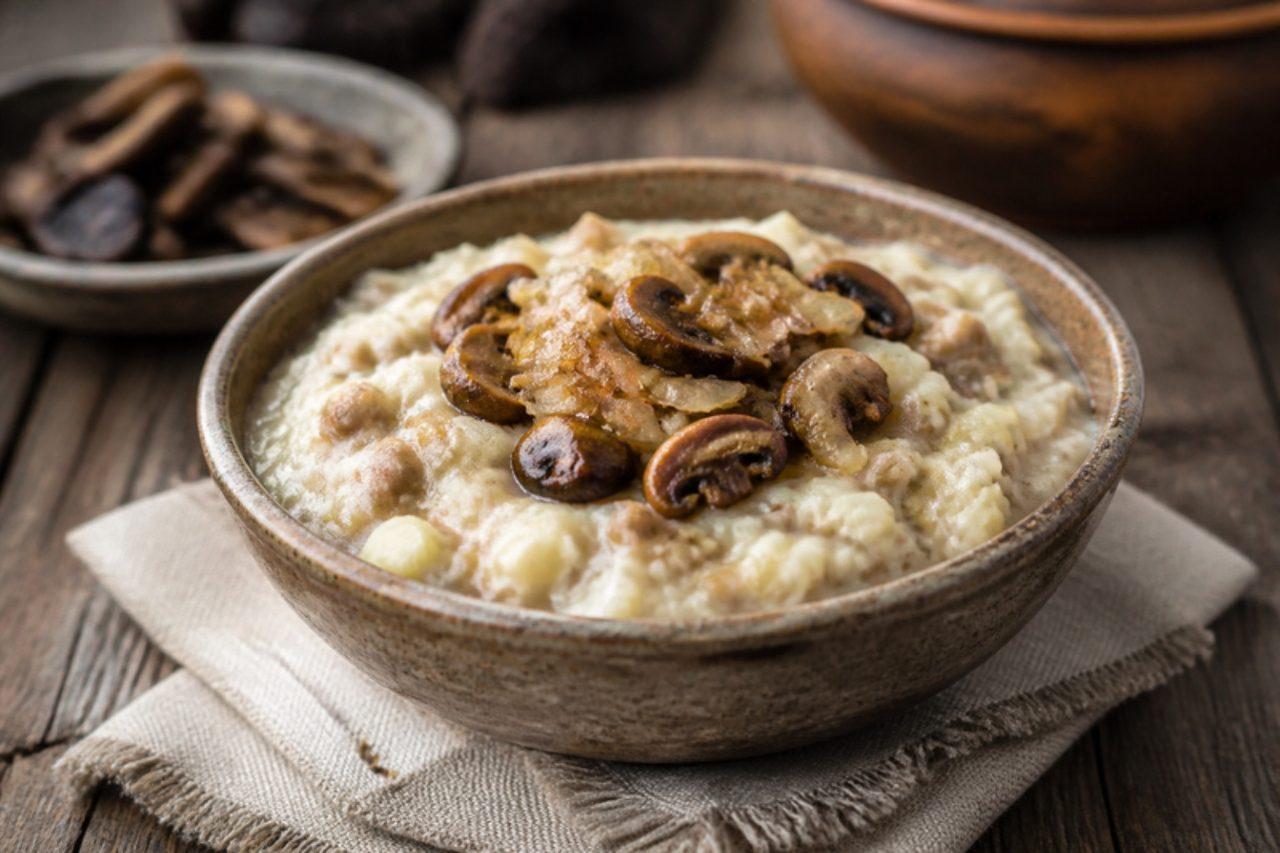
MulgipuderPotato and barley mash with mushrooms

Mulgipuder comes from Mulgimaa, the old farming region of southern Estonia around Viljandi, and it has become one of the country's national dishes: potatoes and barley groats boiled together and mashed into a thick, nutty purée. It is normally topped with fried bacon and onion; this version uses mushrooms and onion fried in butter. It is eaten with sour milk or kefir and pickles. A common mistake is using too little water, so the barley stays hard while the potatoes are already soft. Chef's tip: start the barley first and add the potatoes after 20 minutes, so both are tender at the same moment.

by KrazyBadal 0 views

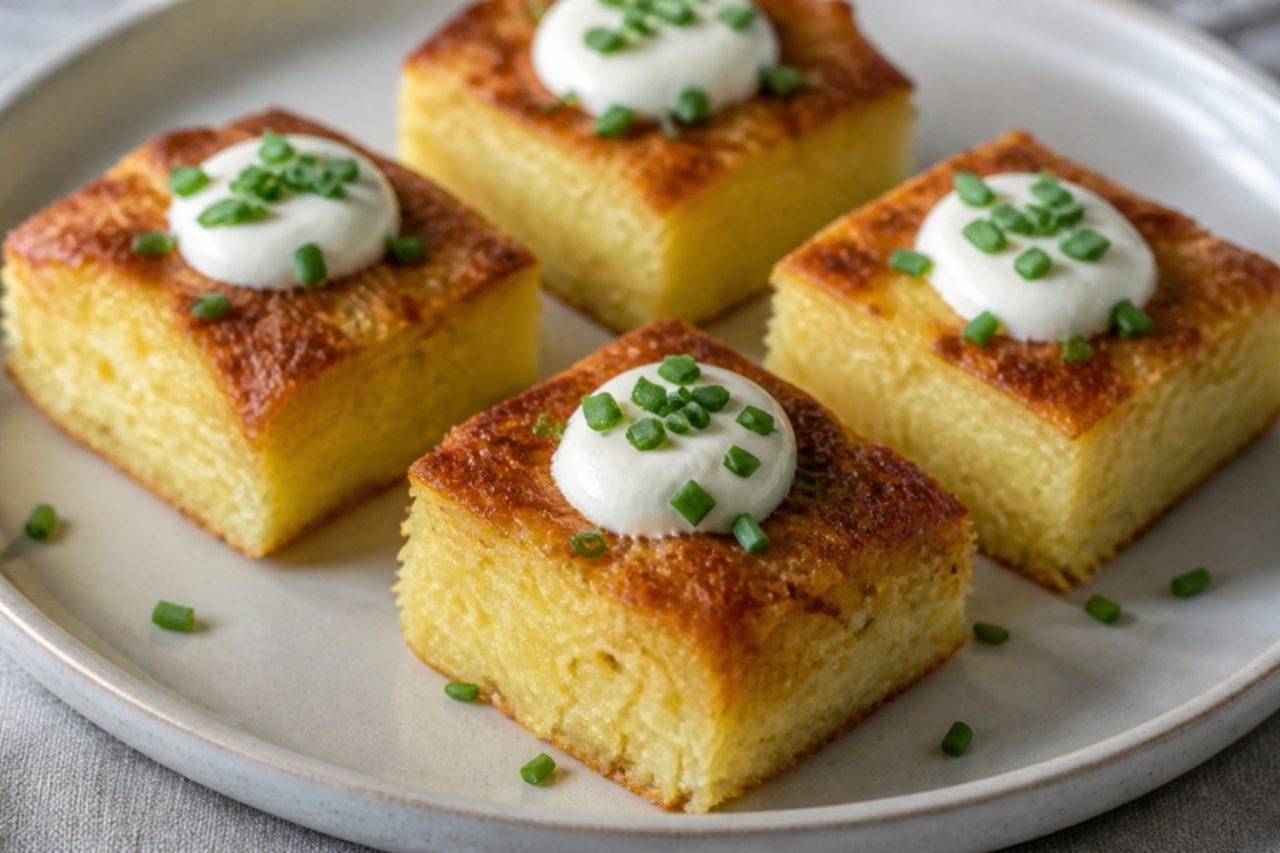
KugelisBaked grated potato pudding

Kugelis is Sunday food all over Lithuania: raw potatoes grated very finely, mixed with eggs, hot milk and fried onion, then baked for over an hour in a deep tin until the top and edges are dark and crisp and the inside is dense and creamy. It is cut into squares and eaten with sour cream. Lithuanian families usually add bacon; this version uses plenty of onion fried in butter. A common mistake is leaving the grated potato to sit, which turns it grey. Chef's tip: pour hot milk over the potatoes as soon as they are grated; it stops them darkening and helps the pudding set.

by KrazyBadal 0 views

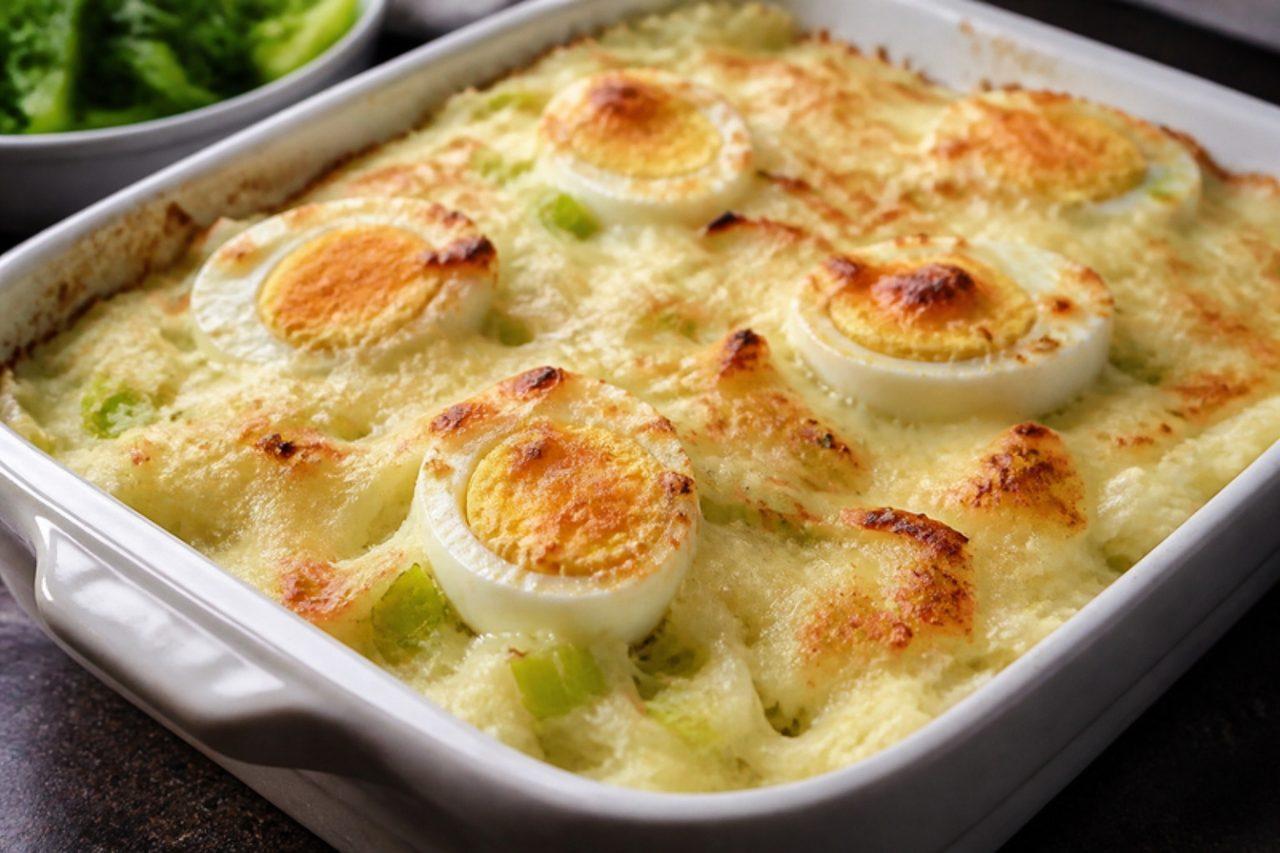
Anglesey eggs

Anglesey eggs, wyau Ynys Môn, is a farmhouse supper from the island of Anglesey off North Wales: leeky mashed potato piped round halved hard-boiled eggs, covered with cheese sauce and baked until golden. It is cheap, filling and comforting, the kind of dish made on a wet weeknight with what the farm had. Use a vegetarian hard cheese, as traditional cheddar can contain animal rennet. Chef's tip: cool the boiled eggs in cold water straight away so the yolks stay yellow without a grey ring.

by KrazyBadal 0 views

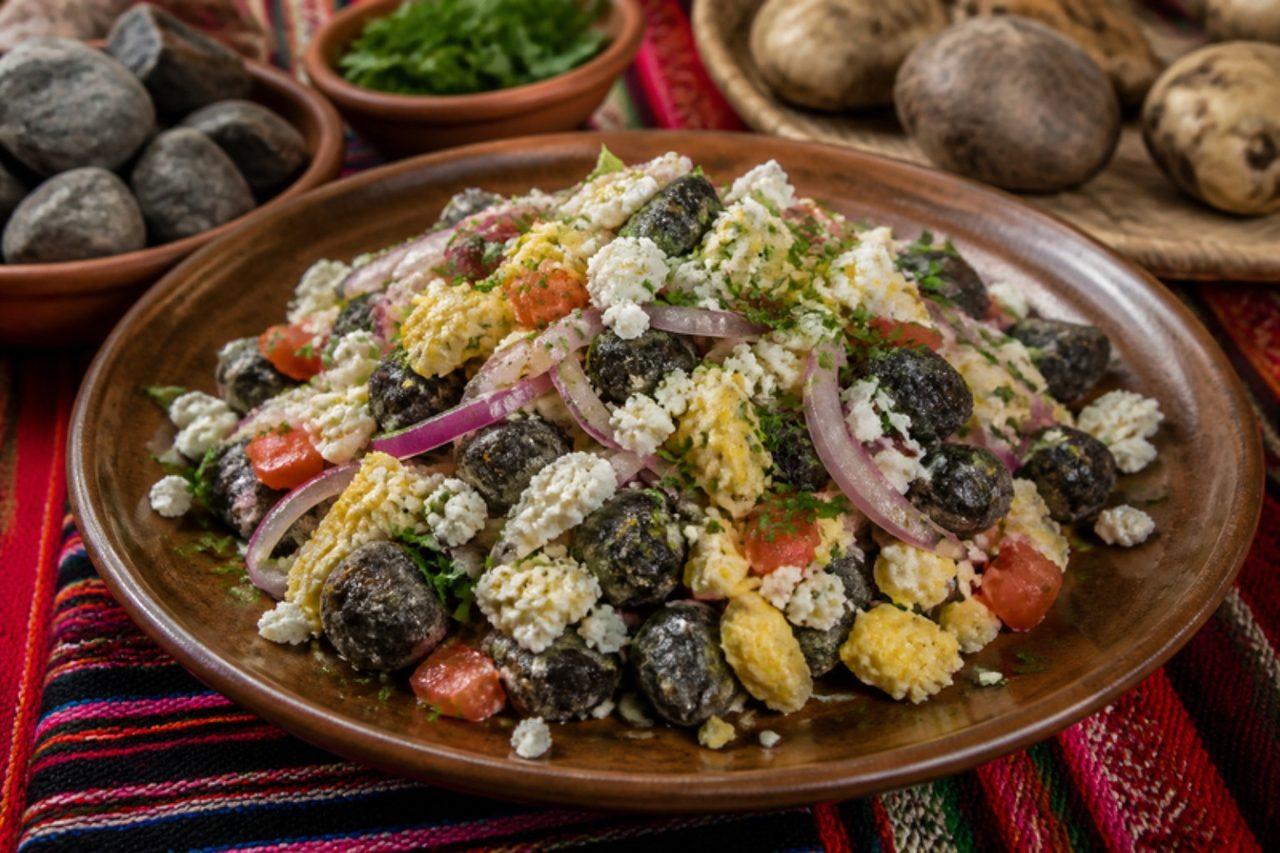
Chuño phutiFreeze-dried potatoes with egg and cheese

Chuño are potatoes freeze-dried the ancient way on the Altiplano: left out on frosty nights, trampled to squeeze out the water and dried in the high sun, so they keep for years. In Puno and across the border in Bolivia, they are soaked, crumbled and fried with onion, then scrambled with egg and fresh cheese to make phuti, a hearty breakfast or supper eaten with a hot tea. The texture is dense and slightly chewy, and the flavour earthy and a little tangy. Chuño is sold dried in Andean shops; it must soak overnight (ideally 24 hours, with the water changed) and then be peeled, which adds time before you start. The mistake is not soaking or rinsing enough: under-soaked chuño smells strong and stays hard in the middle. Serve with a fresh tomato salsa or uchucuta. Fresh cheese is usually made with animal rennet, so use a vegetarian one if needed. Chef's tip: squeeze the soaked chuño hard between your palms before crumbling; the drier it is, the better it fries.

by KrazyBadal 0 views

KapchiBroad beans in cheese sauce

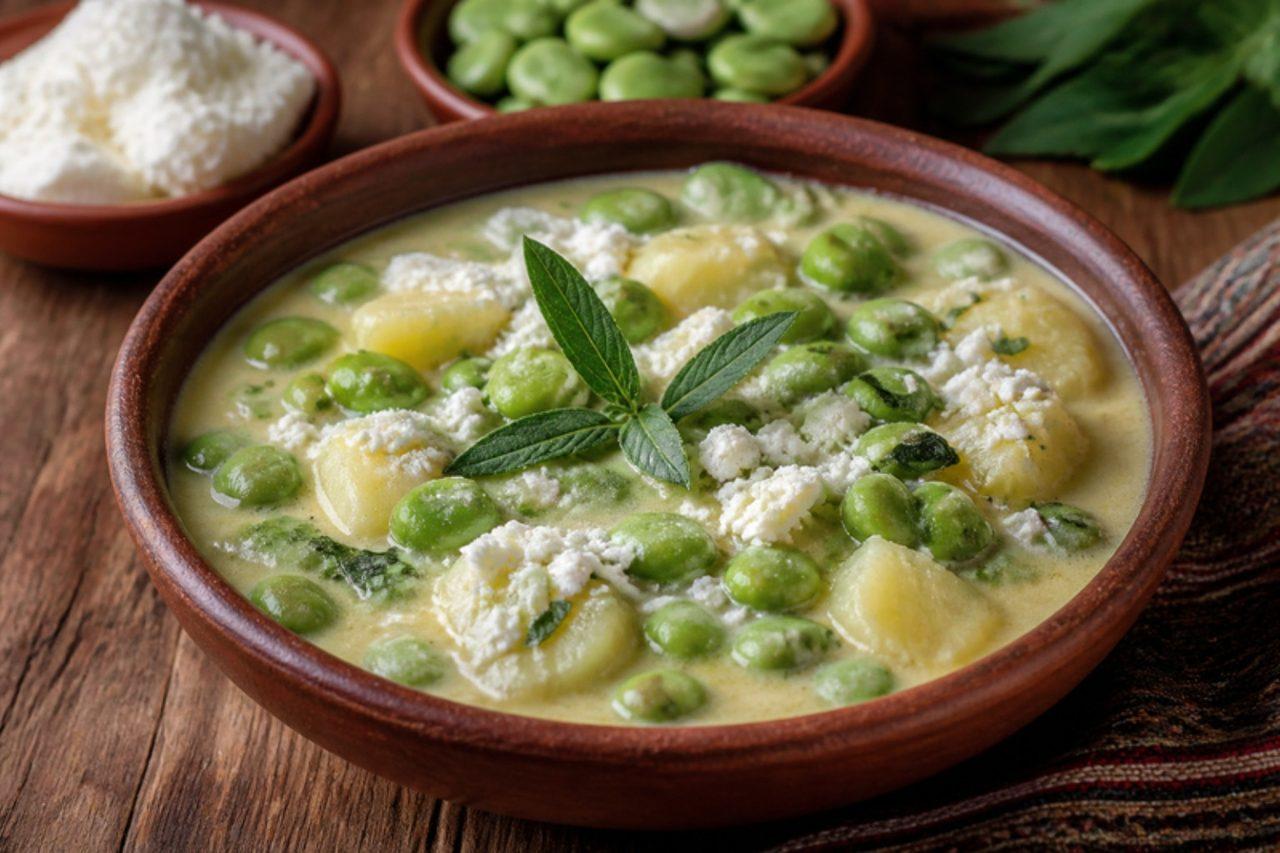
Kapchi (sometimes spelled capchi) comes from the Quechua for something like 'dressed' or 'creamed', and around Cusco it turns up when the fresh broad beans are in season: green habas, potatoes and soft fresh cheese simmered with milk until the sauce turns thick and pale, with ají and a handful of huacatay. Market stalls in San Pedro sell it with rice, and families make it at Easter as a meatless dish. It is gentle and creamy with a herby, slightly minty finish, and the beans stay sweet and tender. The trap is boiling the sauce once the cheese is in; it splits into curds and goes watery, so keep it at a bare simmer. Serve with white rice or boiled potatoes and a spoon of uchucuta. The same recipe works with sliced mushrooms instead of beans, which Cusco cooks also do. Queso fresco is usually set with animal rennet, so pick a vegetarian fresh cheese if you need to. Chef's tip: peel the beans of their pale inner skins after blanching; it takes ten minutes and makes the dish far silkier.

by KrazyBadal 0 views

KiveveSquash purée with cheese

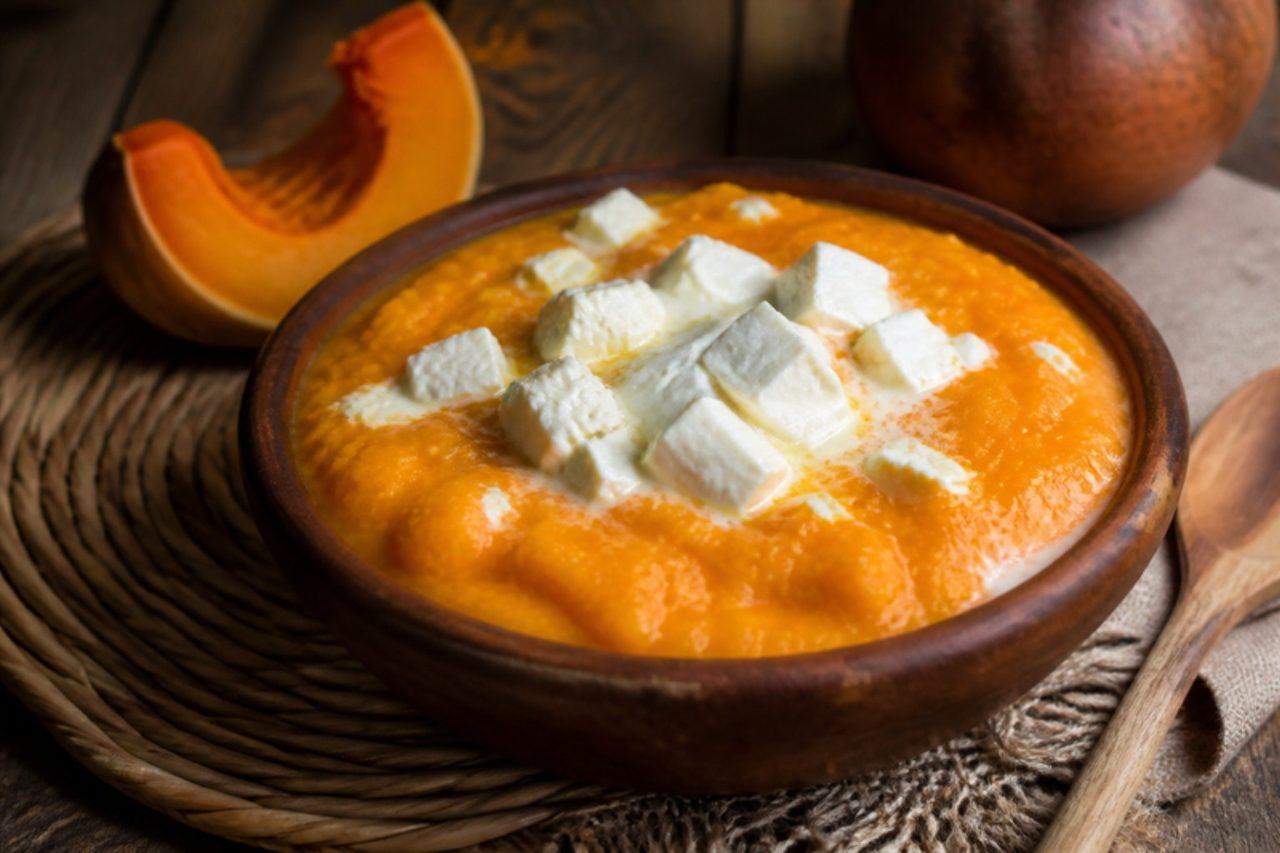
Kiveve (also written quibebe) is Guaraní food, cooked across Corrientes and Paraguay as a side for grilled meat or a supper on its own: ripe squash is simmered with onion until it falls apart, then thickened with a spoonful of cornmeal and enriched with milk and fresh cheese until it is smooth, orange and as soft as polenta, slightly sweet and slightly salty. Correntinos often serve it with chipá or sopa paraguaya on the side. The cornmeal is easy to get wrong: added all at once to a hot pot, it clumps into dry little lumps, so slake it first in cold milk and pour it in while stirring. Queso fresco or queso criollo is usually made with animal rennet; choose a vegetarian fresh cheese if needed. Chef's tip: use the deepest orange squash you can find, ideally a ripe Argentine anco or a kabocha; a pale squash gives a watery, bland kiveve.

by KrazyBadal 0 views

Zapallitos rellenosStuffed round squash

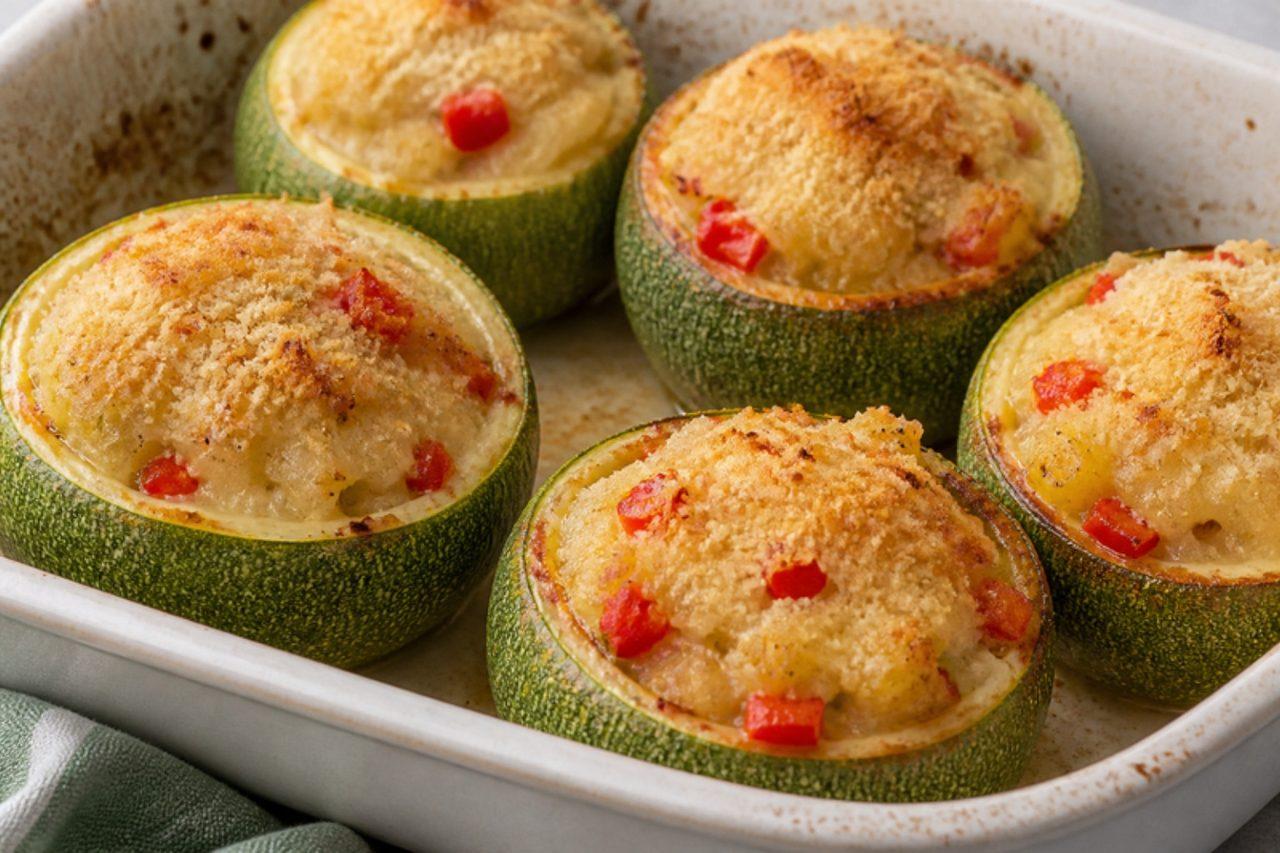
Round green zapallitos, the size of a tennis ball, pile up at every verdulería in Buenos Aires from December to March, and stuffing them is how home cooks turn a cheap summer vegetable into a main course. The shells are blanched, hollowed and refilled with their own flesh fried with onion and red pepper, bound with egg and melting cheese, and topped with breadcrumbs that bake to a crunchy lid. Expect a soft, savoury, slightly creamy filling under a golden crust; serve two per person with a tomato and onion salad or white rice. Overcooking the shells in the first boil is the trap: they collapse in the oven and leak water, so they only get 4 minutes. Round courgettes, eight-ball squash or short fat courgettes all work. The cheeses are usually made with animal rennet; swap in vegetarian versions if needed. Chef's tip: squeeze the chopped flesh in a clean cloth before frying it; drier filling means a firmer, tastier stuffing.

by KrazyBadal 0 views

Lancashire cheese and onion pie

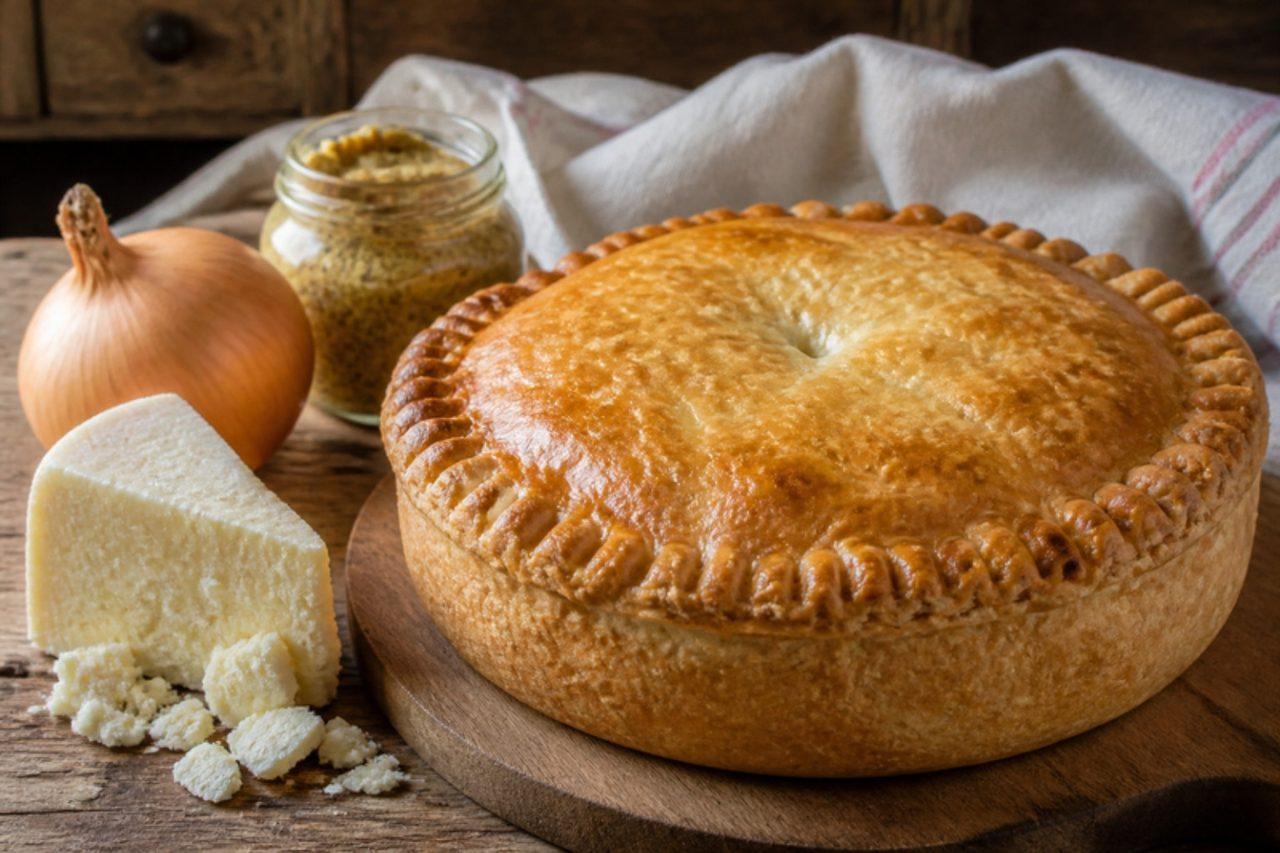
This is the pie of the Lancashire chippy and the Bolton market stall, a vegetarian staple of the North West long before the word was common. Sliced onions and potato are softened, then mixed with plenty of crumbly Lancashire cheese and baked in shortcrust until the filling is creamy and tangy. Traditional Lancashire is usually made with animal rennet, so choose a vegetarian Lancashire or a vegetarian crumbly cheese. Serve with mushy peas or beans. Chef's tip: let the onions cool before mixing in the cheese, or it melts into oil before the pie is baked.

by KrazyBadal 0 views

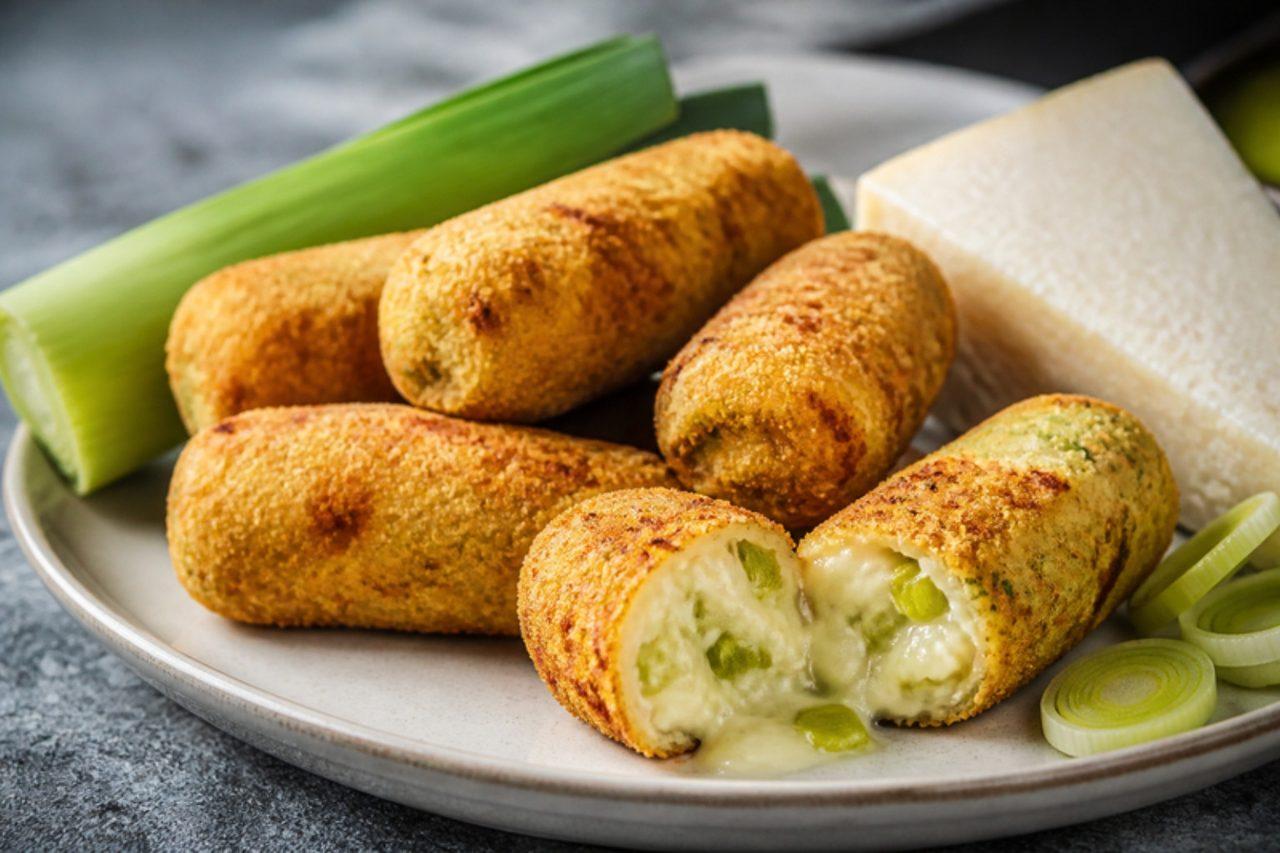
Glamorgan sausages

Glamorgan sausages, selsig Morgannwg, are a meat-free Welsh classic from the old county of Glamorgan in South Wales, made since at least the 1800s and praised by George Borrow on his tour of Wales. Crumbly Caerphilly cheese, leek and fresh breadcrumbs are bound with egg, rolled into sausages, crumbed and fried until crisp and golden. Traditional Caerphilly is often made with animal rennet; look for a vegetarian one. Chef's tip: chill the shaped sausages for 30 minutes before frying so they hold together.

by KrazyBadal 0 views

RumbledethumpsPotato, cabbage and onion bake

Rumbledethumps comes from the Scottish Borders, a thrifty supper of mashed potato, buttery cabbage and onion baked under a crust of cheddar, usually made with the Sunday roast leftovers on a Monday night. The name is said to come from the rumbling and thumping of the pans. Traditional cheddar is often made with animal rennet, so use a vegetarian cheddar if that matters to you. Chef's tip: cook the cabbage only until bright and just tender so it keeps some bite in the bake.

by KrazyBadal 0 views

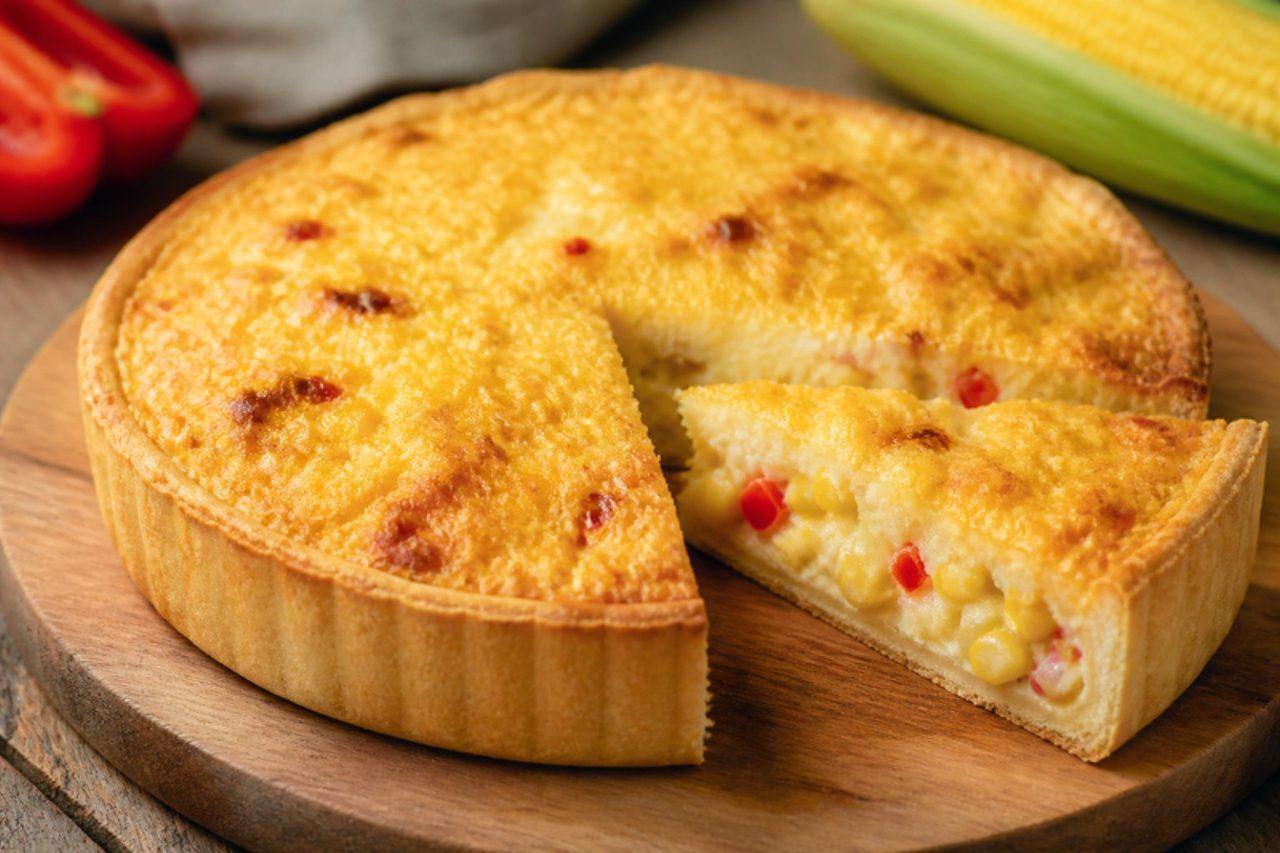
Tarta de chocloSweetcorn tart

Ask any Argentine rotisería for a slice of tarta and choclo will be next to the chard and the ham-and-cheese. This is the creamy one: sweetcorn kernels folded into a thick white sauce with softened onion and red pepper, set with egg and cheese inside a buttery shortcrust. It is lunchbox and picnic food, eaten warm or at room temperature with a green salad, and it is a big favourite with children for its sweetness. The filling should slice cleanly but still be soft. A runny centre is the usual problem, and it comes from a thin white sauce or from forgetting to blind-bake: make the sauce thick enough to coat the spoon heavily, and part-bake the case. Mozzarella and grated hard cheese are often made with animal rennet, so buy vegetarian ones if that matters. Chef's tip: blitz a third of the corn with the white sauce; it gives a creamier, more corn-tasting filling while the whole kernels keep some bite.

by KrazyBadal 0 views

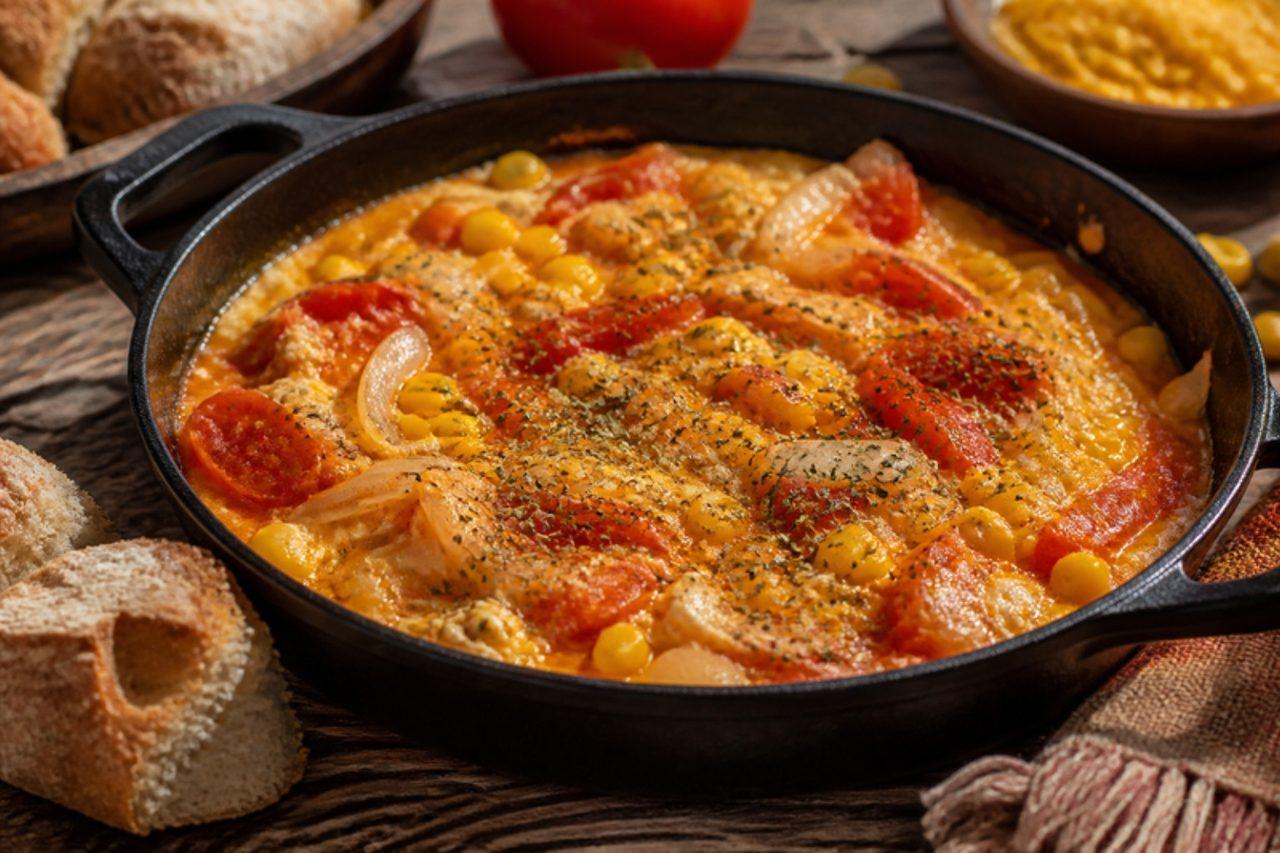
TomaticánTomato, corn and egg stew

Mendoza's irrigated orchards and fincas drown in tomatoes in February, and tomaticán is the old Cuyo answer to the glut: a quick pan stew of onion, chopped ripe tomato and fresh sweetcorn, seasoned with oregano and a little ají, with beaten egg stirred through at the end until it sets in soft curds. It is a farmhouse lunch and a cheap supper, eaten with crusty bread to mop the juice, and some cooks add diced potato to stretch it. The flavour is bright and sweet-sour, the texture loose and juicy. People often add the egg to a pan full of liquid and end up with egg soup; cook the tomatoes down until the juices are jammy first. Bread for dipping is traditional, so pick a gluten-free loaf if you need it. Chef's tip: stir the egg in off the heat and let the pan's heat set it; you want soft, creamy ribbons, not a dry scramble.

by KrazyBadal 0 views

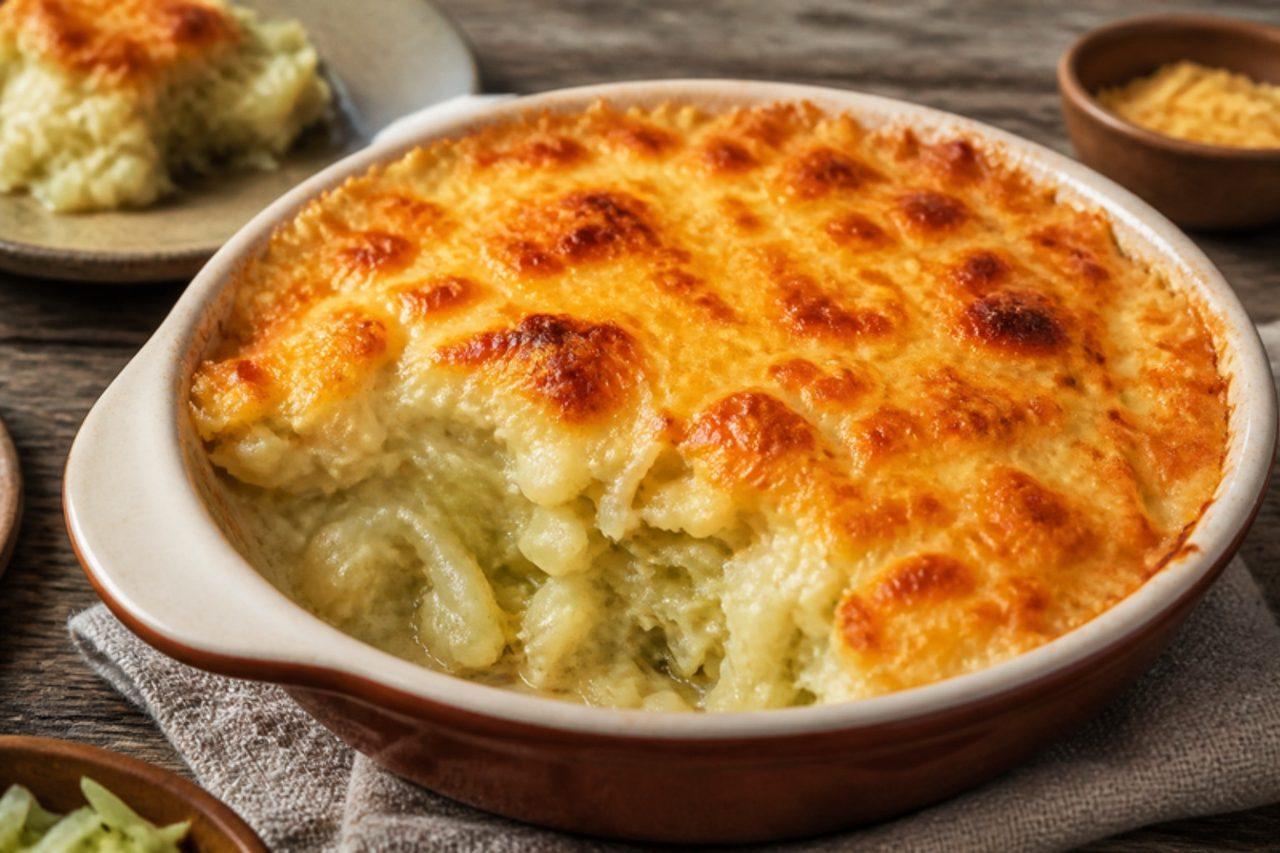
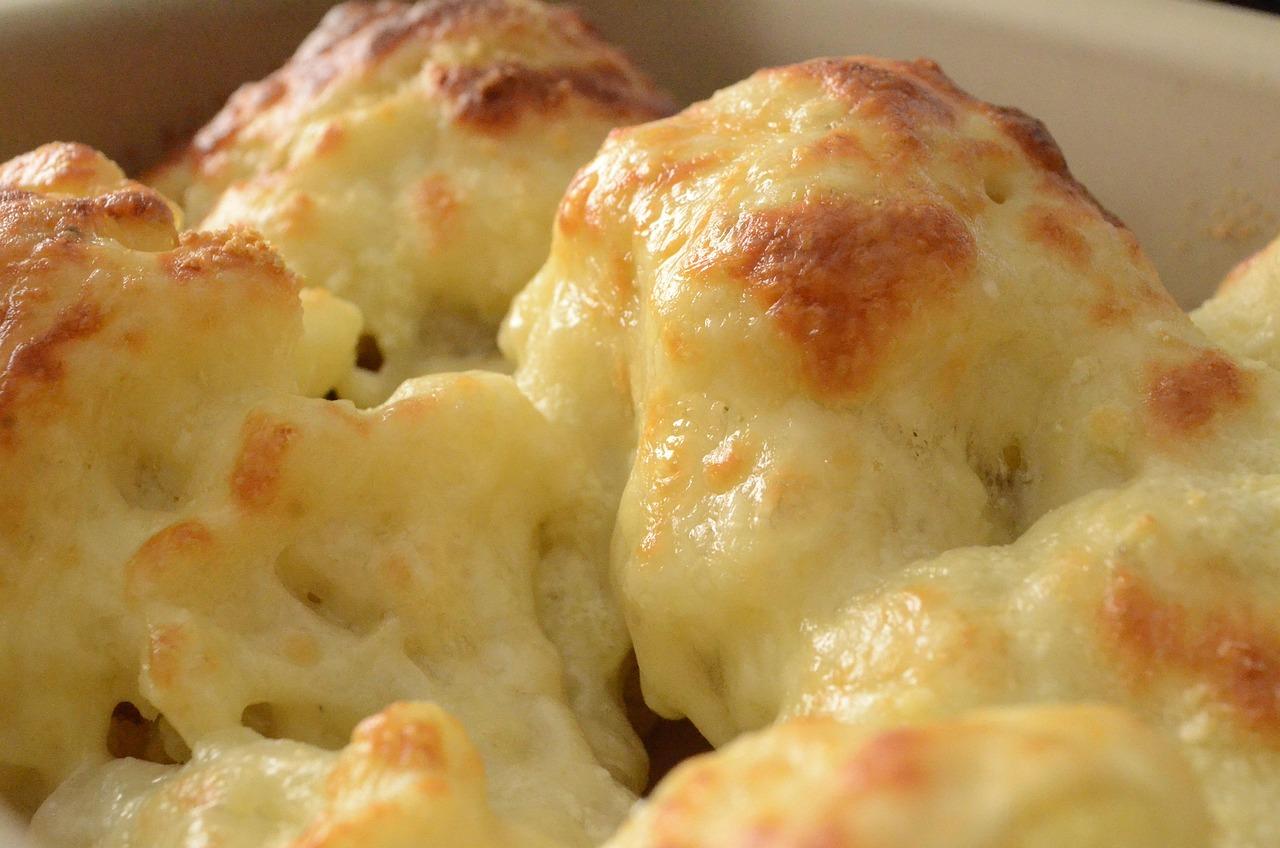
Cauliflower cheese

Cauliflower cheese is the bubbling, golden side that appears beside the Sunday roast in English homes, and on its own it makes a comforting vegetarian supper with crusty bread. Tender cauliflower is baked under a mustardy cheddar sauce with a crisp, browned top. Many cheddars are made with animal rennet, so use a vegetarian mature cheddar. Chef's tip: steam the cauliflower and let it dry; wet florets water down the sauce.

by KrazyBadal 0 views

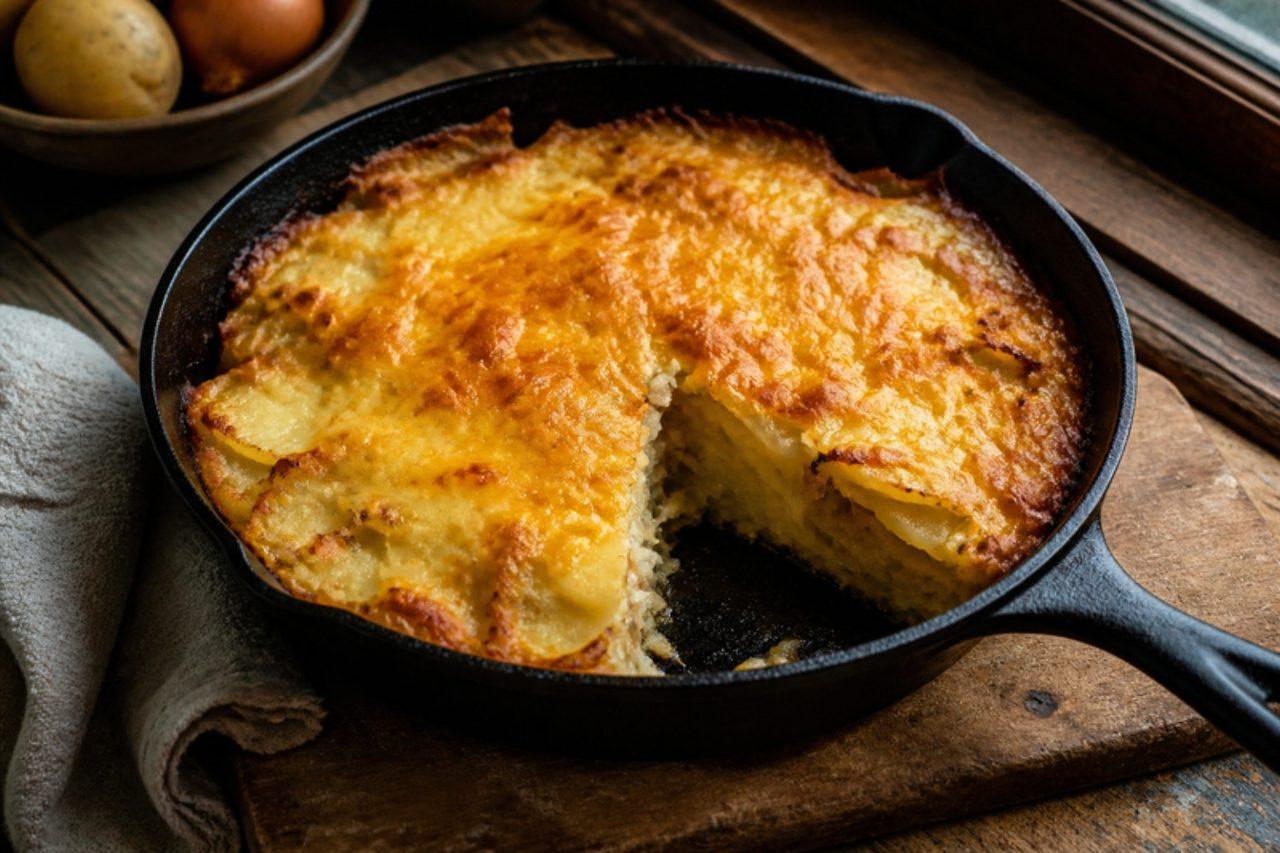
Northumberland pan haggertyLayered potato, onion and cheese

Pan haggerty is a frugal supper from Northumberland and the Durham pit villages, made in a single heavy frying pan from thin layers of potato, onion and grated cheese. The bottom turns crisp and brown while the top melts under the grill, and it is eaten straight from the pan with pickles. Cheddar is often made with animal rennet, so use a vegetarian cheddar. Chef's tip: slice the potatoes paper-thin and dry them in a tea towel; wet slices steam instead of browning.

by KrazyBadal 0 views

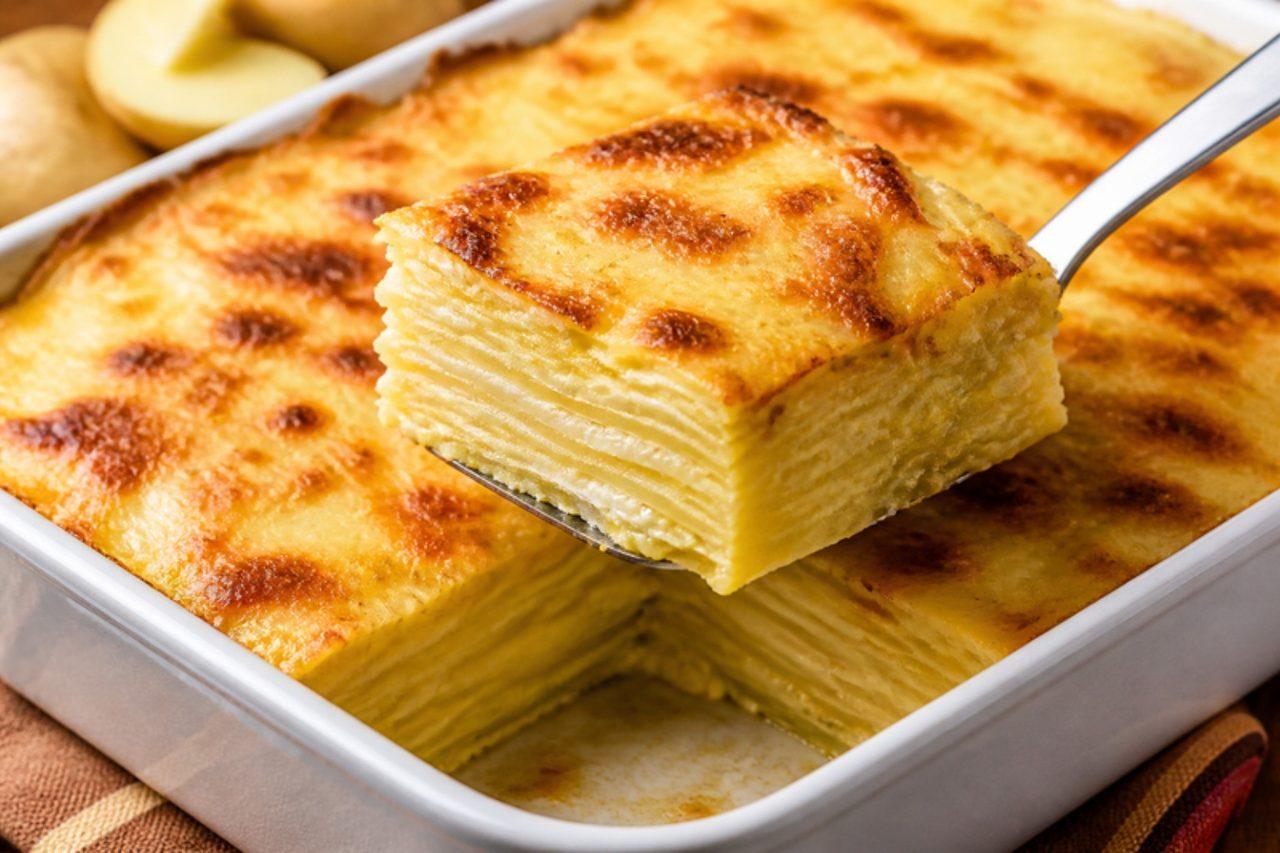
Pastel de papaLayered potato and cheese bake

On a plate in an Arequipa picantería, pastel de papa is the soft, golden square that sits next to a fiery rocoto relleno and cools your mouth between bites. Thin slices of parboiled potato are layered with fresh cheese and a seasoned egg and evaporated-milk custard, then baked until the top puffs and browns. It is richer and more set than a French gratin, firm enough to cut cleanly, and it makes a fine vegetarian main with a salad of tomato and onion or a spoon of uchucuta. The way it goes wrong is slicing the potatoes too thick or under-boiling them, which leaves them crunchy while the custard overcooks; cut them 3–4 mm thin and parboil them just until bendy. Arequipa cooks use paria or queso fresco, which are normally made with animal rennet; a vegetarian melting cheese such as a microbial-rennet mozzarella or mild cheddar works well. Chef's tip: let the bake rest for 15 minutes after it leaves the oven so the custard settles and the slices hold.

by KrazyBadal 0 views

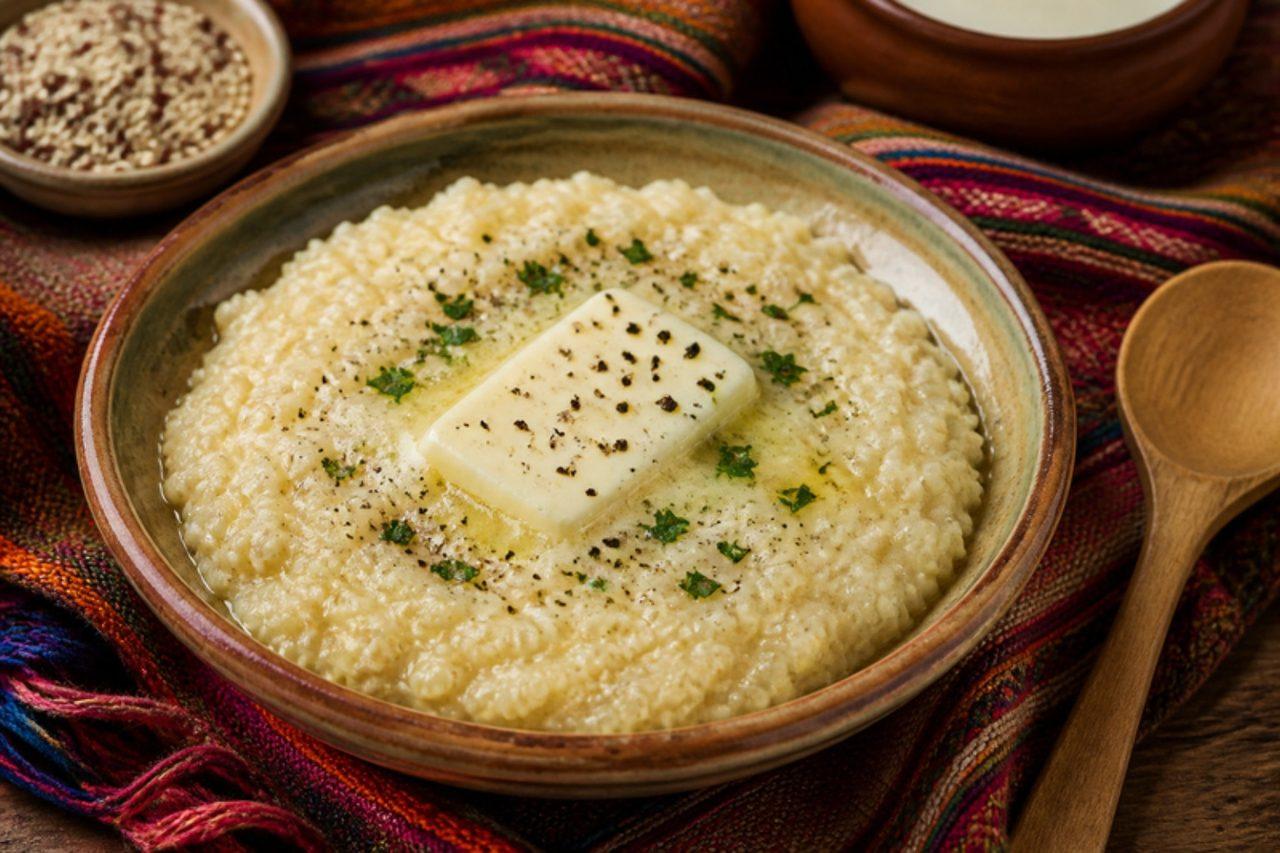
Pesque de quinuaCreamy quinoa with cheese

Up on the Altiplano around Lake Titicaca, where quinoa grows at almost 4,000 metres, pesque is everyday food: quinoa cooked until it collapses, then beaten with milk, a knob of butter and crumbled fresh cheese until it looks like a loose, savoury risotto. Puno families eat it for a warming lunch or supper, often with a glass of milk poured over or a fried egg on top, and in the cold dry air it is exactly what the body wants. It is soft, nutty and mildly salty. The step people skip is rinsing the quinoa, and the natural saponins then leave a soapy, bitter edge; rub it under running water until the foam stops. Serve with a tomato salad or a spoon of uchucuta for some heat. Andean fresh cheese is usually set with animal rennet, so choose a vegetarian fresh cheese if needed. Chef's tip: cook the quinoa in a little more water than usual and leave it a few minutes longer than for a salad, so it turns creamy and the grains burst.

by KrazyBadal 0 views

Polenta con tucoPolenta with tomato sauce

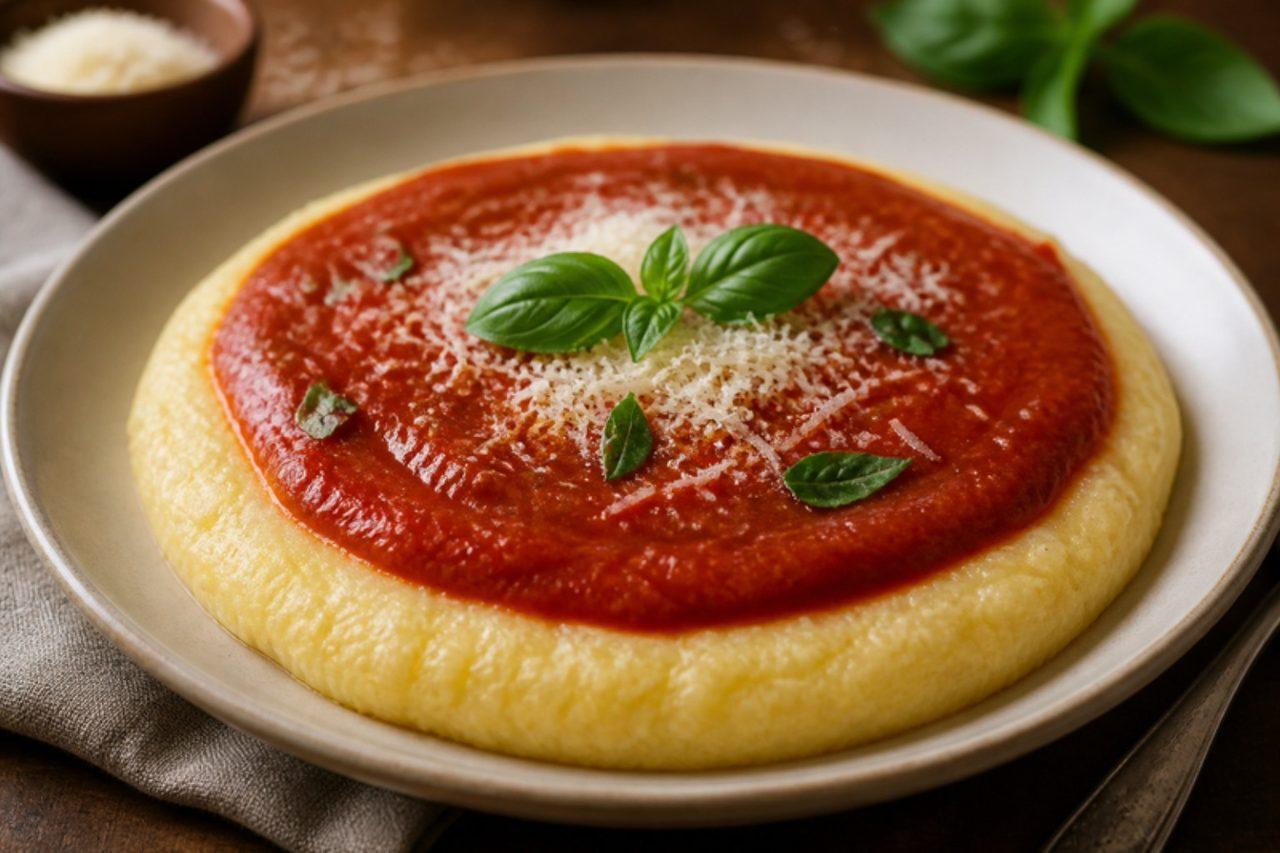
Tuco is what Argentines call the red sauce of their Italian grandparents, and spooned over a mound of soft polenta it is one of the most ordinary, best-loved cold-weather suppers in Buenos Aires and across the pampas. On Sundays the sauce often gets a piece of beef; this is the everyday meatless version, with onion, red pepper, carrot, bay and a long simmer that turns the tomato sweet and deep. The polenta is enriched with butter and cheese until it falls off the spoon like thick custard. The most common mistake is pouring the cornmeal into the water all at once, which gives you lumps you will never beat out, so rain it in slowly while whisking. Grated hard cheese is usually made with animal rennet; choose a vegetarian one if needed. Chef's tip: make the tuco first and let it rest off the heat while the polenta cooks; even 15 minutes of standing rounds out its flavour.

by KrazyBadal 0 views

Milanesa de berenjenaBreaded aubergine cutlets

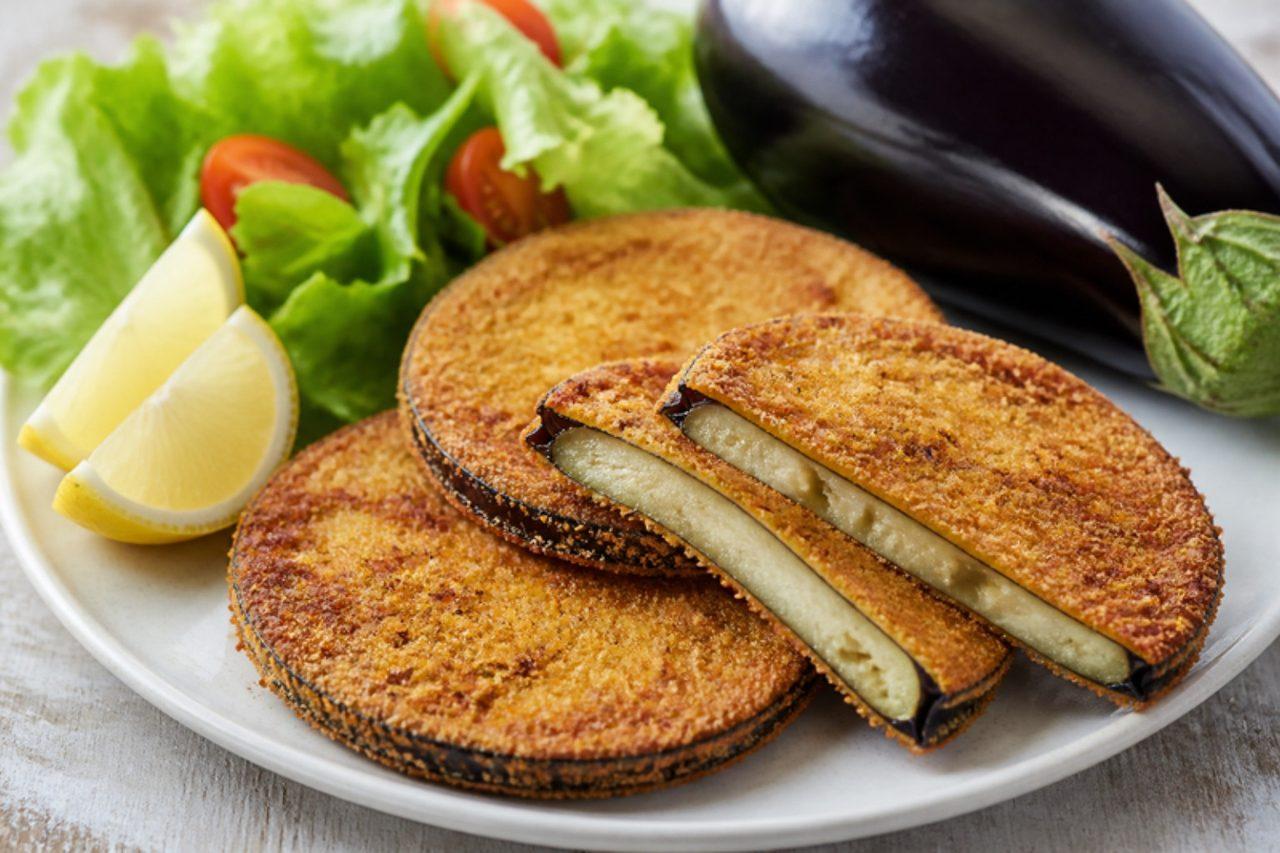
Milanesas, thin breaded cutlets brought by Italian immigrants, are the everyday dinner of Argentina and Uruguay, made in every home from Rosario to Mendoza. Vegetarian families make them with aubergine slices, which turn creamy inside a crunchy golden crumb, and serve them with mashed potato, salad or between bread as a sandwich de milanesa. Children love them with a squeeze of lemon. Turn them into milanesa a la napolitana by topping with tomato sauce and mozzarella and grilling. Chef's tip: season the egg, not just the crumbs: garlic and parsley in the egg are what make an Argentine milanesa taste like home.

by KrazyBadal 0 views

Chipa guasuFresh corn and cheese bake

Chipa guasu (Guaraní for 'big chipa') is sopa paraguaya's softer cousin, made from fresh corn instead of cornmeal. The kernels are grated or blended into a milky purée and baked with onion, cheese and whipped eggs into a tender, gently sweet bake that rises and wobbles. It's a summer dish at Paraguayan asados and fiestas patronales (saints' days), eaten beside grilled meat or simply with a tomato salad. Chef's tip: fold in the whisked egg whites last; it's what makes chipa guasu light and puffed rather than dense.

by KrazyBadal 0 views

Rocoto rellenoStuffed rocoto peppers

Rocoto relleno is the pride of Arequipa's picanterías: fiery rocoto peppers stuffed with a sweet-savoury filling, topped with cheese and baked over sliced potato in an egg and milk custard. The traditional filling is minced beef; this vegetarian version uses mushrooms and lentils fried with ají panca, cumin, peanuts, raisins, olives and boiled egg, which gives the same rich, spiced, slightly sweet bite. The peppers are first blanched several times in fresh water with sugar and vinegar to tame their heat, which is the real skill of the dish. If you can't find rocotos, use small red bell peppers and add a little habanero to the filling. Chef's tip: taste a sliver of rocoto after the second blanching; stop when it is hot but pleasant, and blanch once more if it still burns.

by KrazyBadal 0 views

Vegetable saltadoWok-fried vegetables

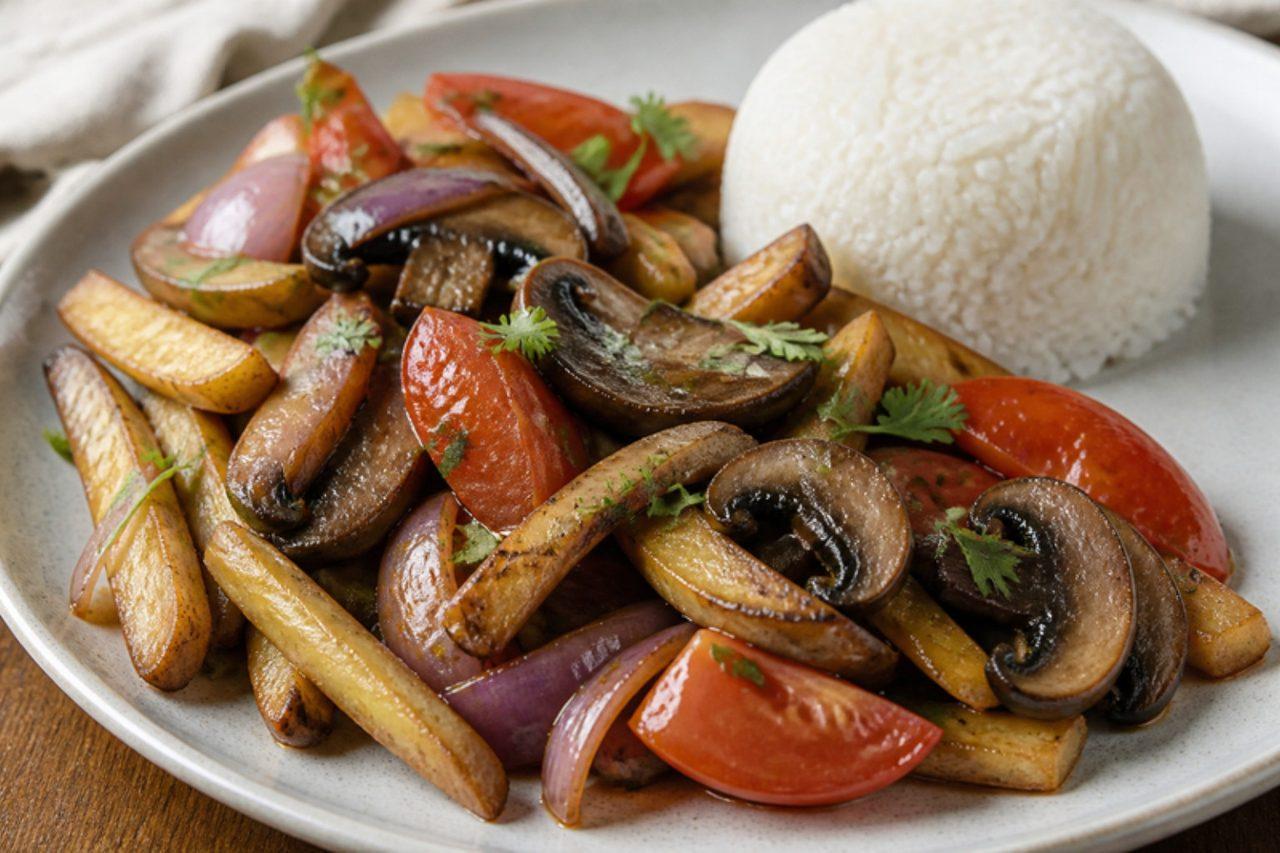
Saltado comes from Lima's chifa tradition, the cooking of Chinese-Peruvian families who brought the wok to Peru in the nineteenth century. The famous version is lomo saltado with beef; this saltado de verduras uses meaty mushrooms in its place. Thick wedges of red onion and tomato are tossed over a fierce flame with garlic, ají amarillo, soy sauce and a splash of vinegar until just wilted, so the vegetables keep their shape and the pan juices turn smoky and savoury. It is always served with both chips and white rice, which soak up those juices. Chef's tip: cook in two batches if your pan is small; a crowded wok steams the vegetables instead of searing them, and the tomatoes collapse into soup.

by KrazyBadal 0 views