Skip to content
Recipes

All recipes

Vegetarian, or something you can't eat? Set your diet once and we'll hide recipes that don't fit.

Ouzi

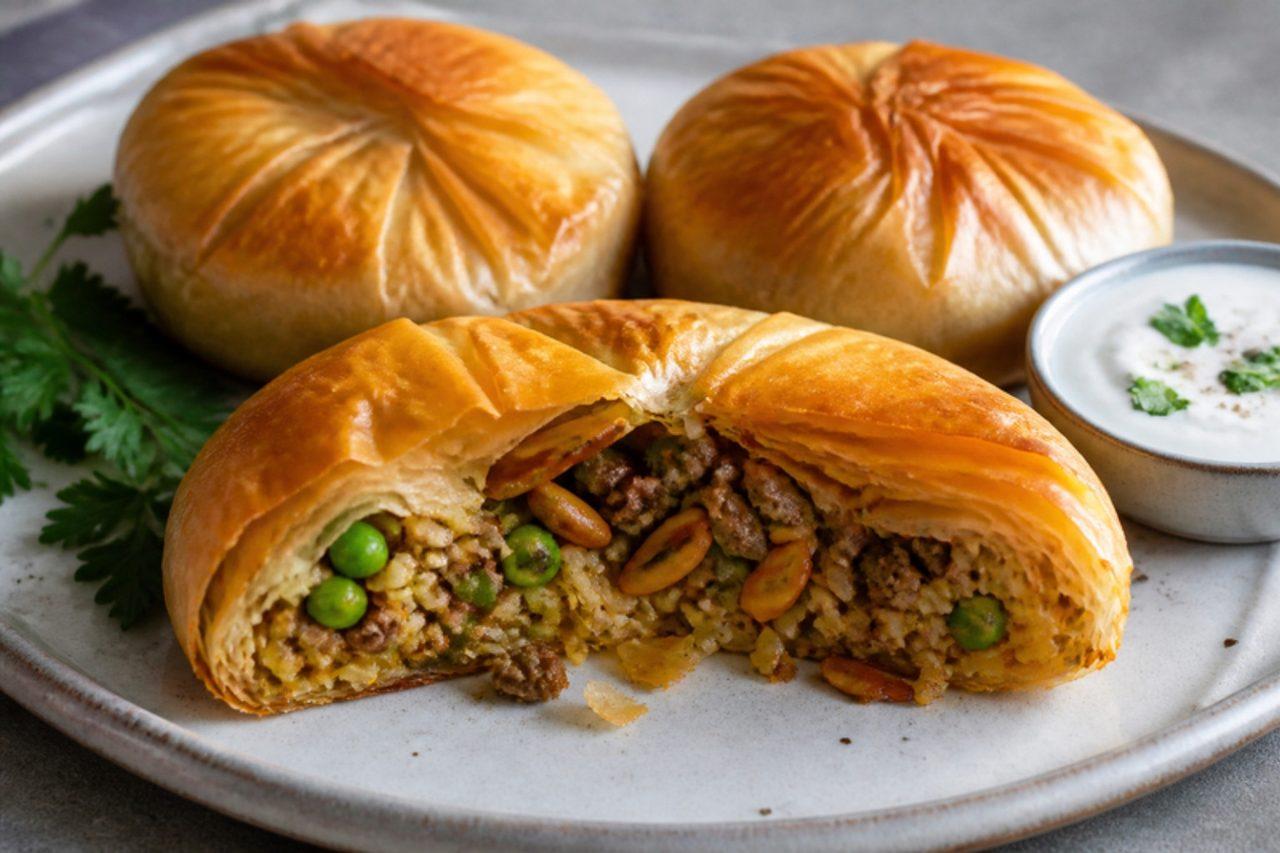
Ouzi is the showpiece of Jordanian and Damascene wedding buffets and Eid lunches: golden filo bundles that break open to spiced rice, minced lamb, peas and toasted nuts. The name comes from the whole roast lamb once served on a mountain of rice; the parcels are the neat, home-sized version, made ahead and baked as guests arrive. Serve with plain yoghurt or a cucumber-yoghurt salad. The common mistake is filling the filo with wet rice, which turns the bottoms soggy, so cook the rice until just tender and spread it out to steam dry. Chef's tip: lay a few nuts and peas in the bowl first, then the filo, then the filling, so each parcel comes out with a pretty top.

by KrazyBadal 0 views

Rashoof

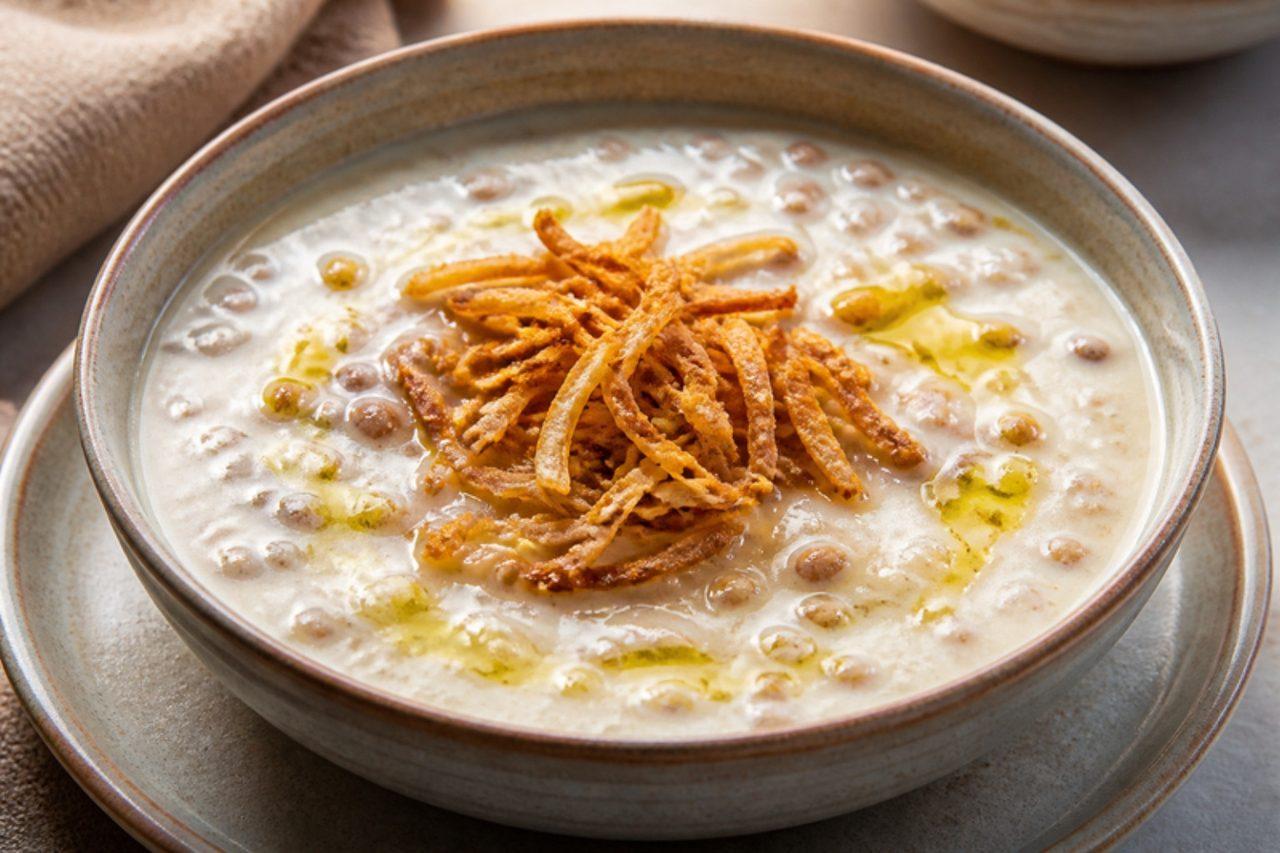
In the stone villages around Karak and Tafileh, rashoof is what simmers on cold, wet evenings: brown lentils and coarse bulgur cooked soft, then enriched with jameed, the dried salted yoghurt that is also the soul of mansaf. The result is thick, sour and comforting, almost a porridge, finished with a heap of onions fried golden in samneh. Jameed is sold in hard balls or as a liquid in Middle Eastern shops; thick strained yoghurt with a little extra salt makes a fine stand-in. The classic mistake is letting the soup boil hard once the yoghurt goes in, which makes it split into grainy curds. Chef's tip: temper the yoghurt with a ladle of hot soup first and stir in one direction over a low heat; it stays silky.

by KrazyBadal 0 views

Hilbeh

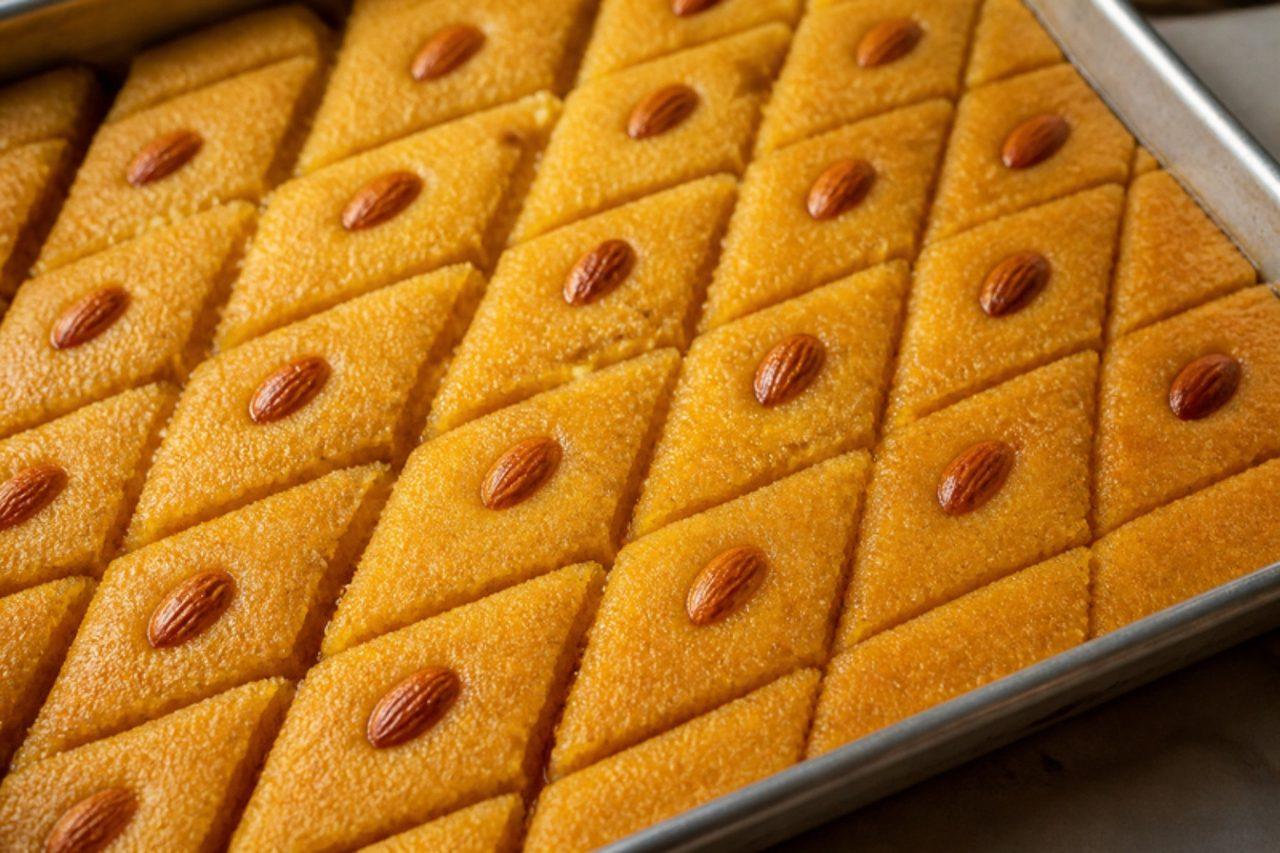
Hilbeh is the tray cake Jordanian grandmothers bake in winter and for visits after childbirth, when fenugreek is believed to warm and strengthen. Soaked fenugreek seeds swell into soft, jelly-coated beads that dot a dense semolina crumb, giving a gently bitter, maple-like scent that the hot syrup softens. Cut into diamonds, each topped with an almond, it sits on the coffee table beside Arabic coffee from Irbid to Aqaba. The mistake people make is using the seeds dry: they stay hard and bitter, so boil and soak them first. Chef's tip: pour cold syrup over the cake the moment it leaves the oven; hot-on-cold soaks in evenly and keeps the top from going soggy.

by KrazyBadal 0 views

Galayet bandora

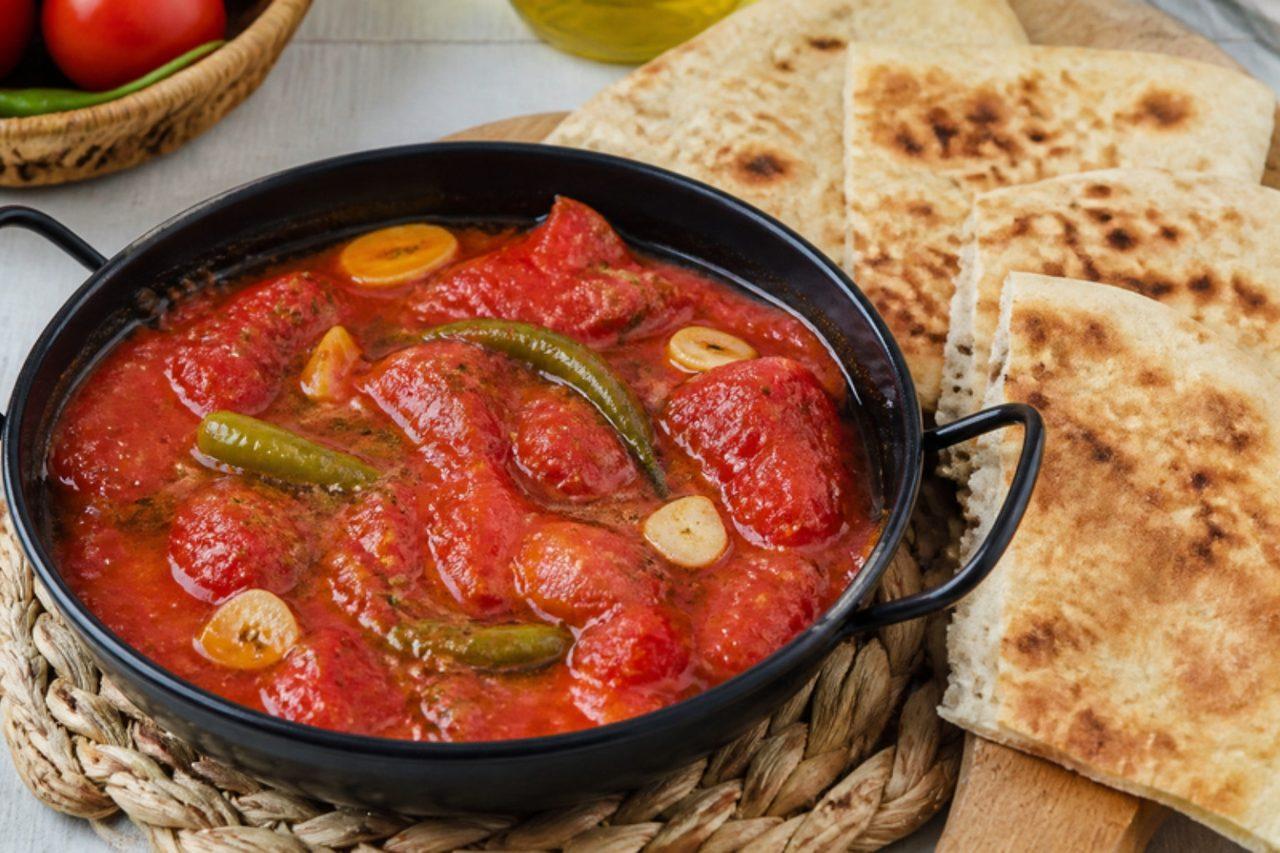
Ask anyone in Amman what they cook when the fridge is nearly empty and the answer is often galayet bandora: ripe tomatoes collapsed in a shallow pan with olive oil, garlic and hot green chilli until they turn jammy and sweet. It turns up at breakfast, as a quick supper, and over a camp fire on desert trips to Wadi Rum, always eaten straight from the pan with torn khubz or shrak. Some families add cubes of lamb; this meatless version is the one most homes make every week. The usual mistake is stirring too much and adding water, which gives you a thin sauce instead of glossy, slightly caramelised tomatoes. Chef's tip: let the tomatoes sit untouched for the first few minutes so their undersides catch and colour; that touch of browning is where the flavour comes from.

by KrazyBadal 0 views

Haneeneh

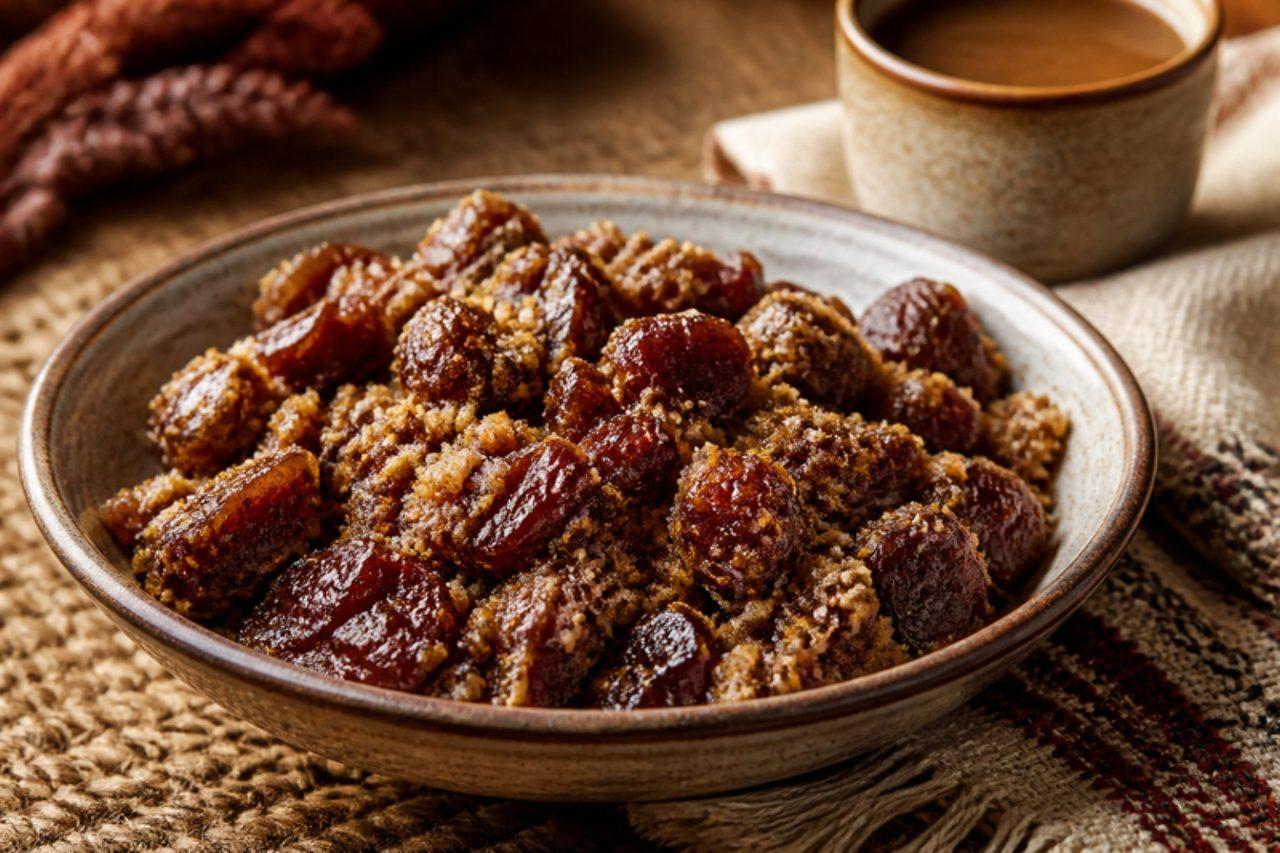
Haneeneh is desert comfort food from the Bedouin tents of the Jordanian Badia: soft dates mashed into hot samneh with crumbs of yesterday's flatbread, scented with cardamom and pressed into a rich, fudgy sweet. It is made for guests, for new mothers and for cold mornings before herding, eaten by hand with black tea or Arabic coffee. It takes ten minutes and uses only store-cupboard things. The mistake to avoid is cooking the dates too long once they meet the ghee; they turn stiff and chewy instead of jammy. Chef's tip: toast the crumbs in the ghee first until nutty, then add the dates off the heat so the mixture stays soft.

by KrazyBadal 0 views

Zarb

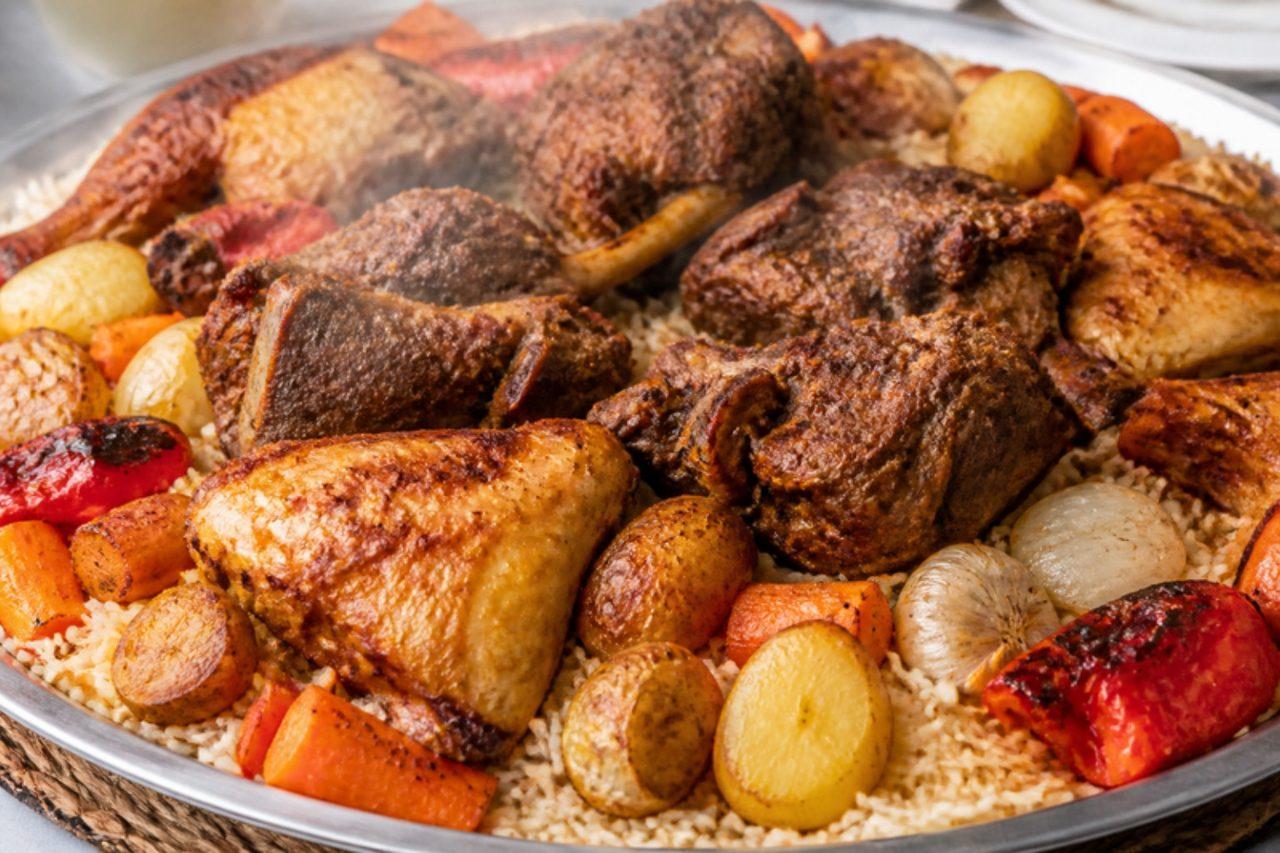
Visitors to the desert camps of Wadi Rum often watch the zarb come up from the sand at sunset: tiered racks of spiced lamb, chicken, potatoes and onions that have steamed for hours in a pit of embers, then lifted out smoky and falling apart. At home you get close with a deep roasting tin sealed tightly with foil, a long, low oven and a short blast of heat at the end. Serve it on a big platter over rice or with shrak, with yoghurt and a tomato salad. The mistake most people make is leaving gaps in the foil, so the steam escapes and the meat dries. Chef's tip: marinate overnight in the fridge and add a little smoked paprika to the spice mix; it brings back the taste of the pit.

by KrazyBadal 0 views

Shorbat freekeh

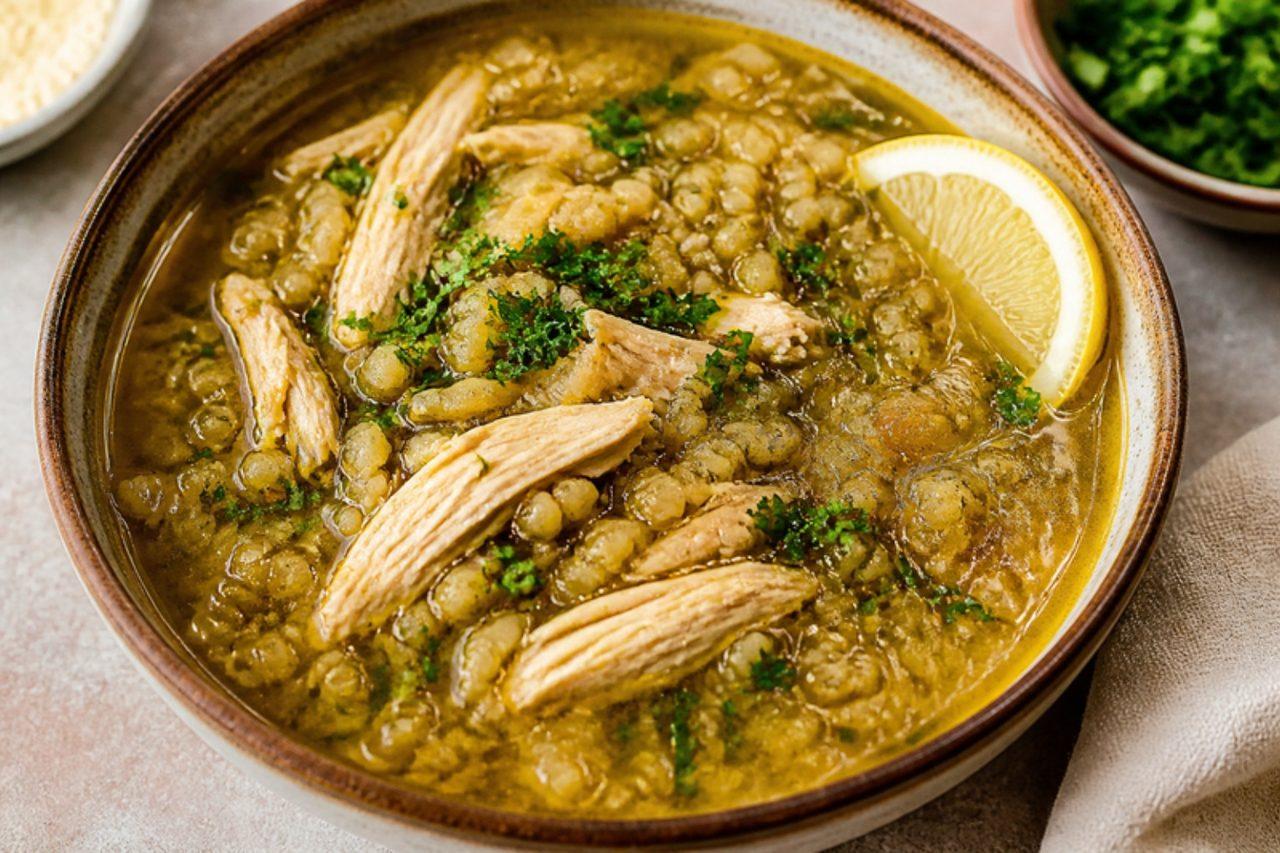
When the sunset call to prayer ends the Ramadan fast in Amman, the first spoonfuls are very often shorbat freekeh, a nourishing broth thickened with cracked green wheat that was roasted in the field while still young. The smoke from that roasting gives the soup its distinctive, almost barbecue-like depth, while chicken, cinnamon and cardamom keep it gentle on an empty stomach. It is followed by dates, salad and the main dish. The usual mistake is not picking over and rinsing the freekeh, which can hold tiny stones and chaff. Chef's tip: toast the rinsed freekeh in butter for a couple of minutes before adding the broth; it brings out the smokiness.

by KrazyBadal 0 views

Shrak

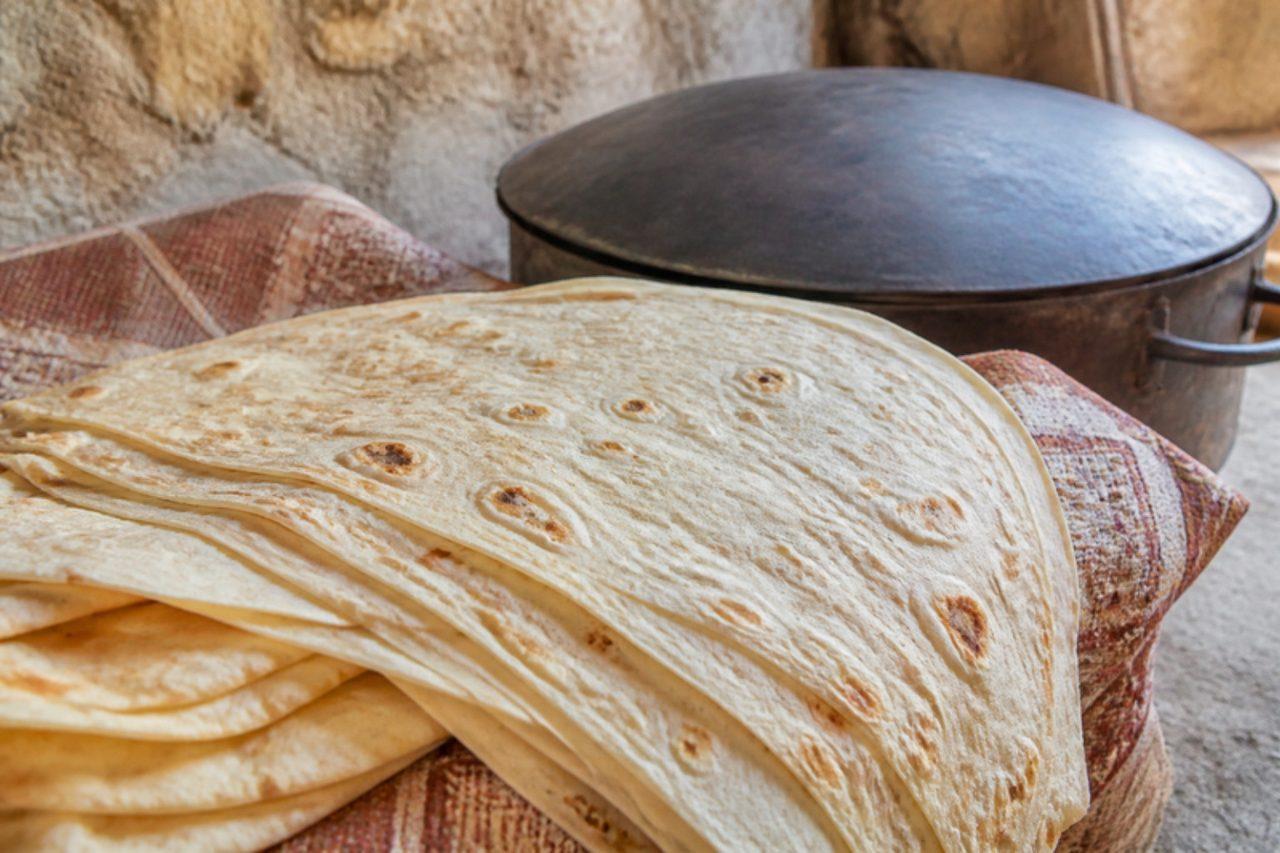
In Bedouin camps around Wadi Rum and Ma'an, shrak is baked fresh for every meal: dough stretched thinner than a handkerchief, flung over a domed iron saj above the fire and lifted off seconds later, soft and blistered. It is the bread that lines the mansaf platter and wraps grilled meat, and it is torn for galayet and labneh at breakfast. At home an upturned wok over a gas flame stands in for the saj. The common mistake is rolling the dough on a dry surface; it tears, so oil your hands and worktop instead and stretch the dough over the backs of your hands like a pizza maker. Chef's tip: rest the dough balls a full 30 minutes, well oiled and covered; relaxed gluten stretches to near see-through without fighting back.

by KrazyBadal 0 views

Ka'ak bi ajwa

In the last nights of Ramadan, Jordanian kitchens turn into small bakeries, and trays of ka'ak bi ajwa go into neighbourhood ovens ready for Eid morning. A crumbly semolina pastry scented with anise and mahlab is wrapped round a rope of date paste, closed into rings and baked pale gold, then offered to every visitor with bitter Arabic coffee. Children usually do the rolling. The common mistake is overworking the dough after the butter goes in, which makes the cookies hard rather than sandy. Chef's tip: rest the semolina and butter mixture overnight before adding the liquid; the grains drink the fat and the ka'ak melt in the mouth.

by KrazyBadal 0 views

Nasi kuning

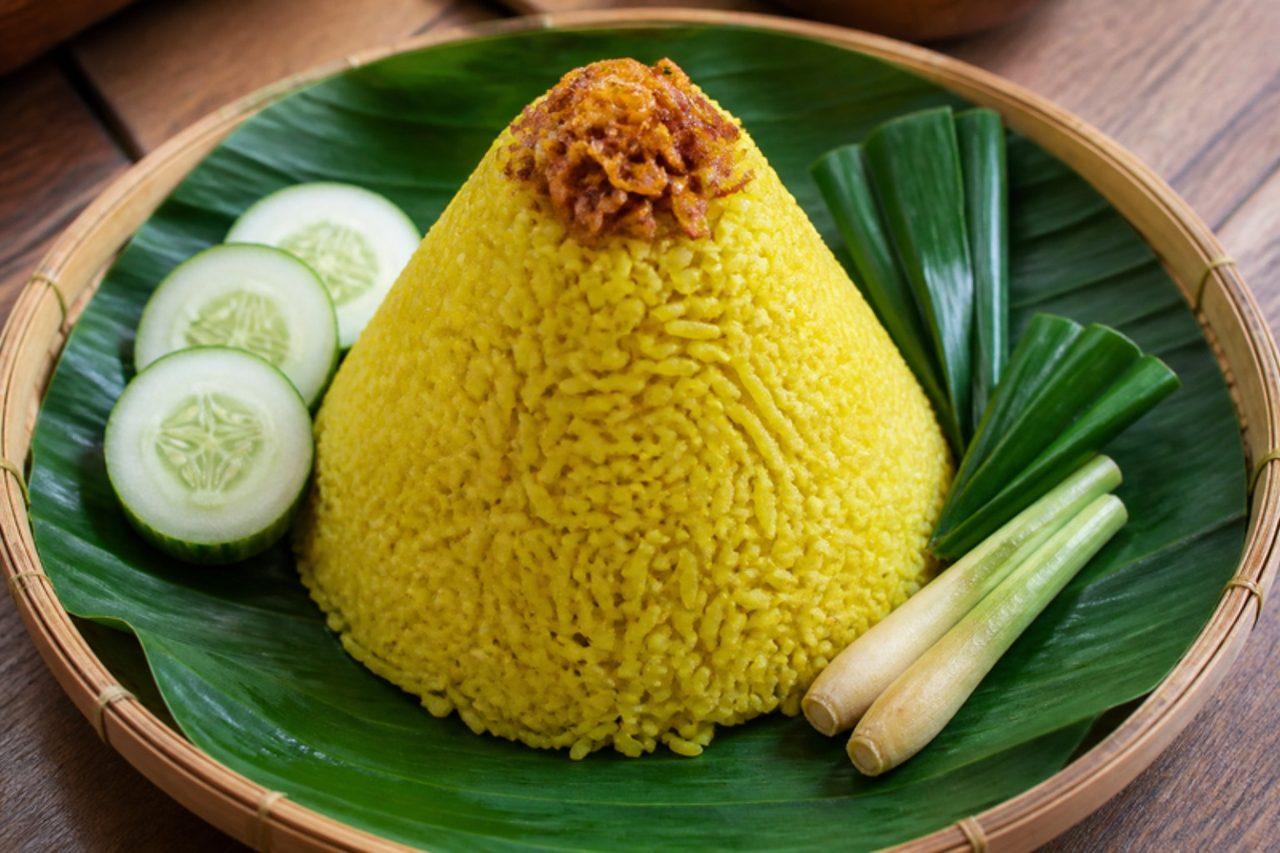
Yellow rice is Indonesia's rice for good news: shaped into a tall cone called tumpeng, it's the centrepiece at birthdays, housewarmings and thanksgiving gatherings across Java, Bali and Sulawesi, and in Manado and Banjarmasin it's also a weekday breakfast wrapped in banana leaf. The grains are cooked in coconut milk with turmeric, lemongrass, salam and lime leaf, so they come out fluffy, golden and gently fragrant, rich without being heavy. Serve it with tempe orek, perkedel, sambal and cucumber for a festive platter. Chef's tip: steam the rice after its first absorption, Javanese style, or rest it covered off the heat for 10 minutes — skipping this gives sticky, uneven grains.

by KrazyBadal 0 views

Gado-gado

In Jakarta, gado-gado is lunch from a pushcart: the Betawi seller grinds the peanut sauce to order on a stone ulekan, then tips blanched greens, potato, tofu, tempeh and egg into it and mixes everything by hand. The name roughly means "mix-mix", and that is how it's eaten, with every vegetable coated in a sauce that's nutty, sweet from palm sugar, sour from tamarind and as hot as you ask for. It's a full meal on its own, crunchy with emping or rice crackers on top. Chef's tip: loosen the peanut sauce with warm water only at the end and stop when it coats a spoon like custard; too thin and it slides off the vegetables and pools on the plate.

by KrazyBadal 0 views

Jackfruit rendang

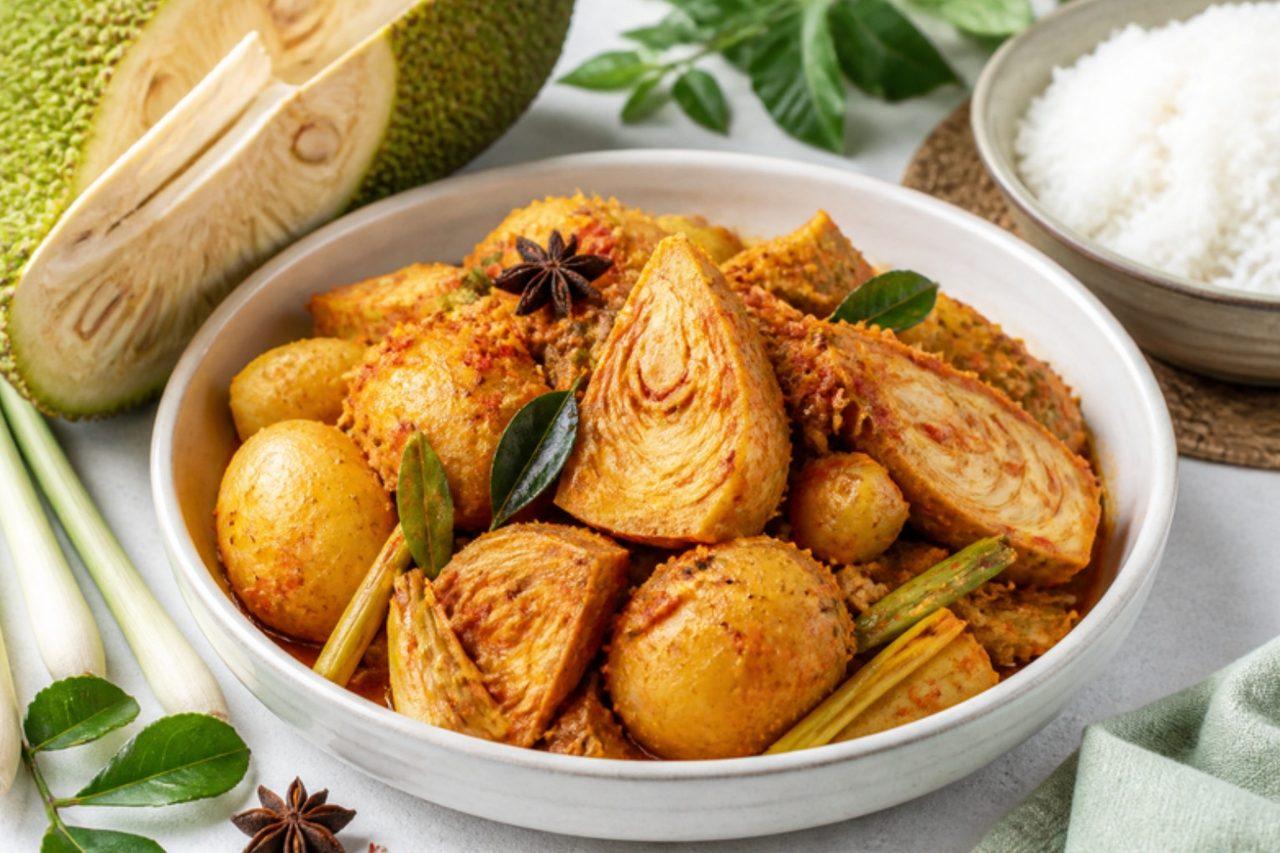
Rendang belongs to the Minangkabau people of West Sumatra, who cook it for weddings, Eid and every big family gathering, stirring a wide pan for hours until the coconut milk cooks right down and fries the spices in its own oil. Minang cooks also make vegetable rendangs, and young jackfruit suits the method perfectly: its stringy texture soaks up the chilli, galangal and toasted coconut until each piece is dark brown and almost chewy at the edges. It's drier than a curry, eaten with plain rice in small portions because it's so rich. Chef's tip: once the oil separates, keep stirring over a low heat and let the paste darken to the colour of strong coffee — stopping early leaves you with a red curry, not rendang.

by KrazyBadal 0 views

Nasi goreng

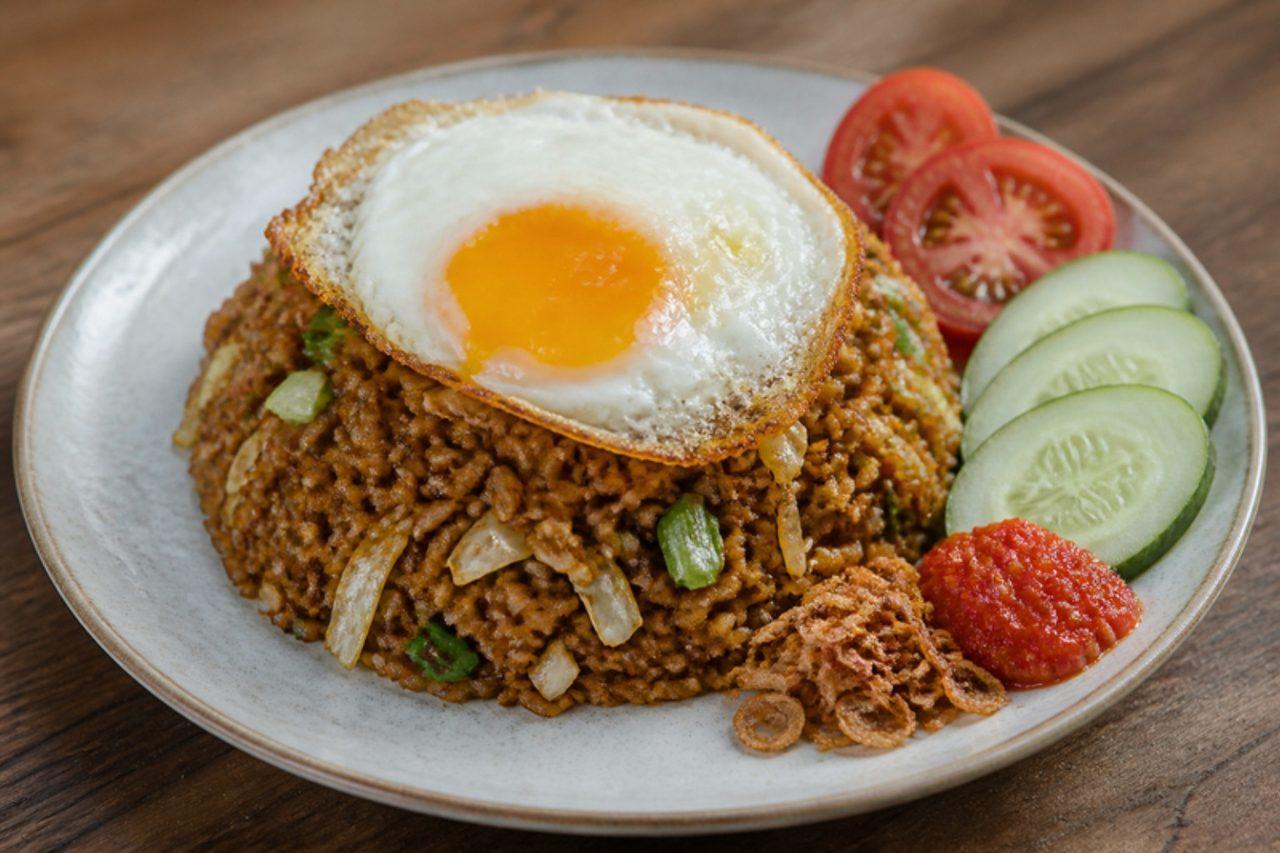
Every warung and night stall from Medan to Makassar has its own nasi goreng, but the starting point is always yesterday's rice, a pounded paste of shallot, garlic and chilli, and a glug of kecap manis that turns the grains glossy and caramel-brown. Indonesians eat it for breakfast as readily as for a late supper, crowned with a fried egg and served with cucumber, tomato and a heap of crackers. This vegetarian version keeps all the smoky-sweet depth without the usual shrimp paste. Chef's tip: get the wok properly hot and add the kecap manis down the side of the pan, not onto the rice, so it sizzles and caramelises before you toss it through.

by KrazyBadal 0 views

Mie goreng

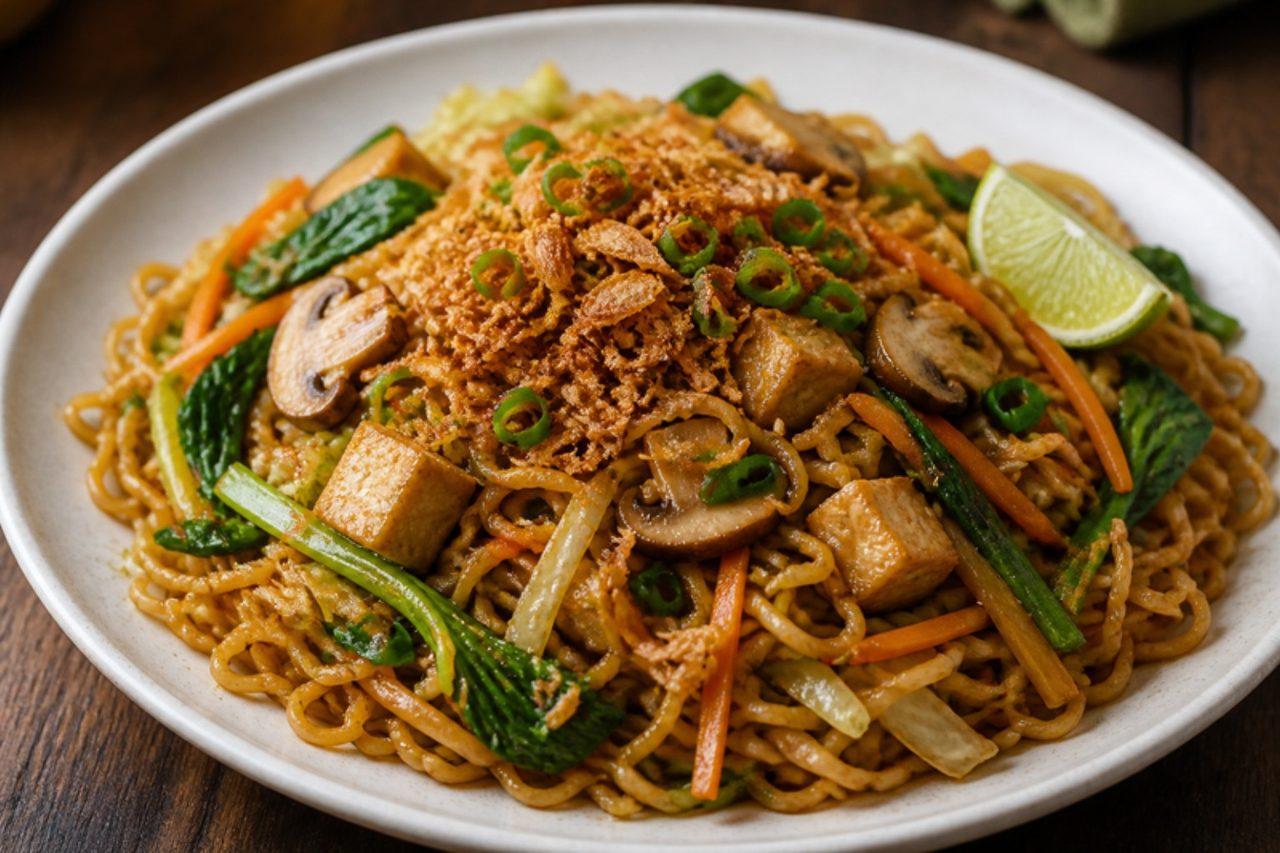
Mie goreng is what the gerobak noodle carts of Indonesian towns fry up after dark, each portion tossed in a blackened wok over a roaring flame, sweet and savoury from kecap manis and sharp with garlic. Unlike Malaysia's tomato-red mamak noodles, the Indonesian style is dark, glossy and dominated by sweet soy and white pepper, with plenty of greens and a scattering of fried shallots. This version swaps the usual chicken and prawns for tofu and mushrooms and is on the table in twenty minutes. Chef's tip: cook the noodles a minute short of the packet time and rinse them in cold water; they finish softening in the wok and stay springy instead of breaking.

by KrazyBadal 0 views

Sambal oelek

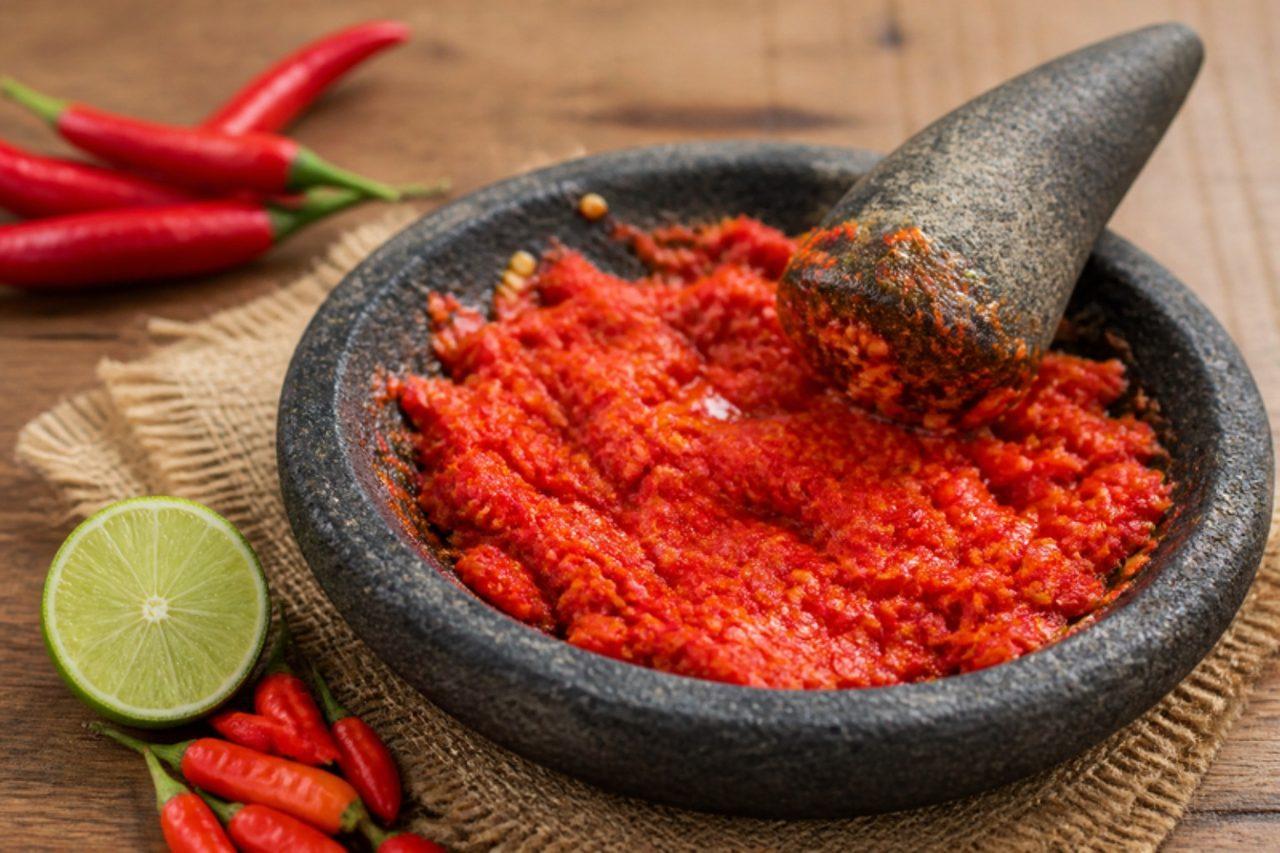
Every Indonesian kitchen has an ulekan, the flat stone mortar that gives sambal oelek its name, and this is the most basic thing ground in it: fresh red chillies and salt, pounded to a coarse, wet, fiery mash. It's the foundation many cooks start from, stirred into fried rice and soups, spooned beside every meal at warung tables nationwide, and the base for more complex cooked sambals. Making it fresh tastes brighter and fruitier than any jar. Chef's tip: wear gloves and pound rather than blitz if you can — crushing releases the oils and gives a juicier, more fragrant sambal than chopping blades.

by KrazyBadal 0 views

Perkedel

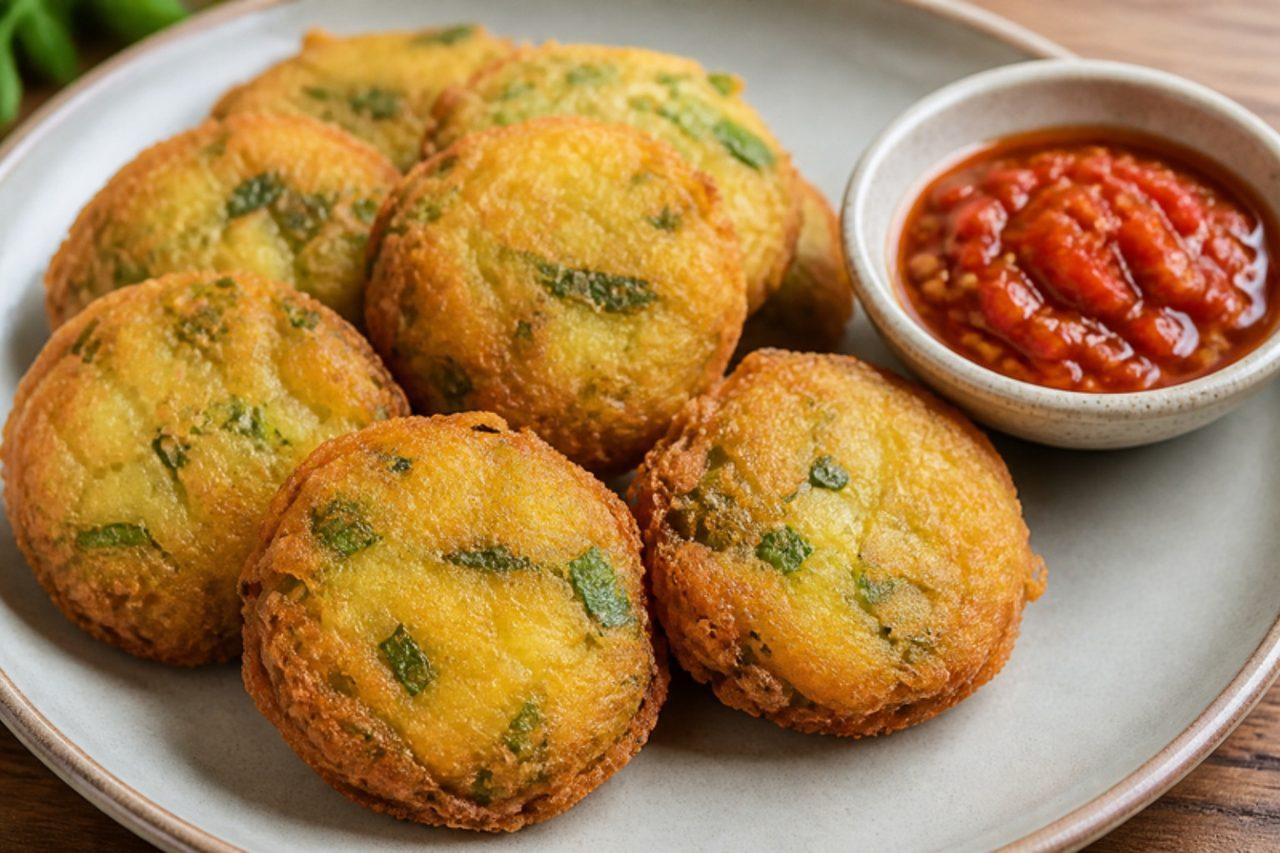
Perkedel came to Indonesia from the Dutch frikadel, but became something quite different: mashed fried potato seasoned with nutmeg, white pepper, spring onion and fried shallots, shaped into little patties and fried in a coating of egg. Families make them for soto, for nasi kuning platters and Lebaran tables, and children grab them cold from the fridge. The outside is lacy and golden, the inside soft and peppery. Chef's tip: fry the potatoes before mashing, rather than boiling them — it's the Indonesian way, and it gives drier, fluffier potato that holds its shape without flour.

by KrazyBadal 0 views

Martabak manis

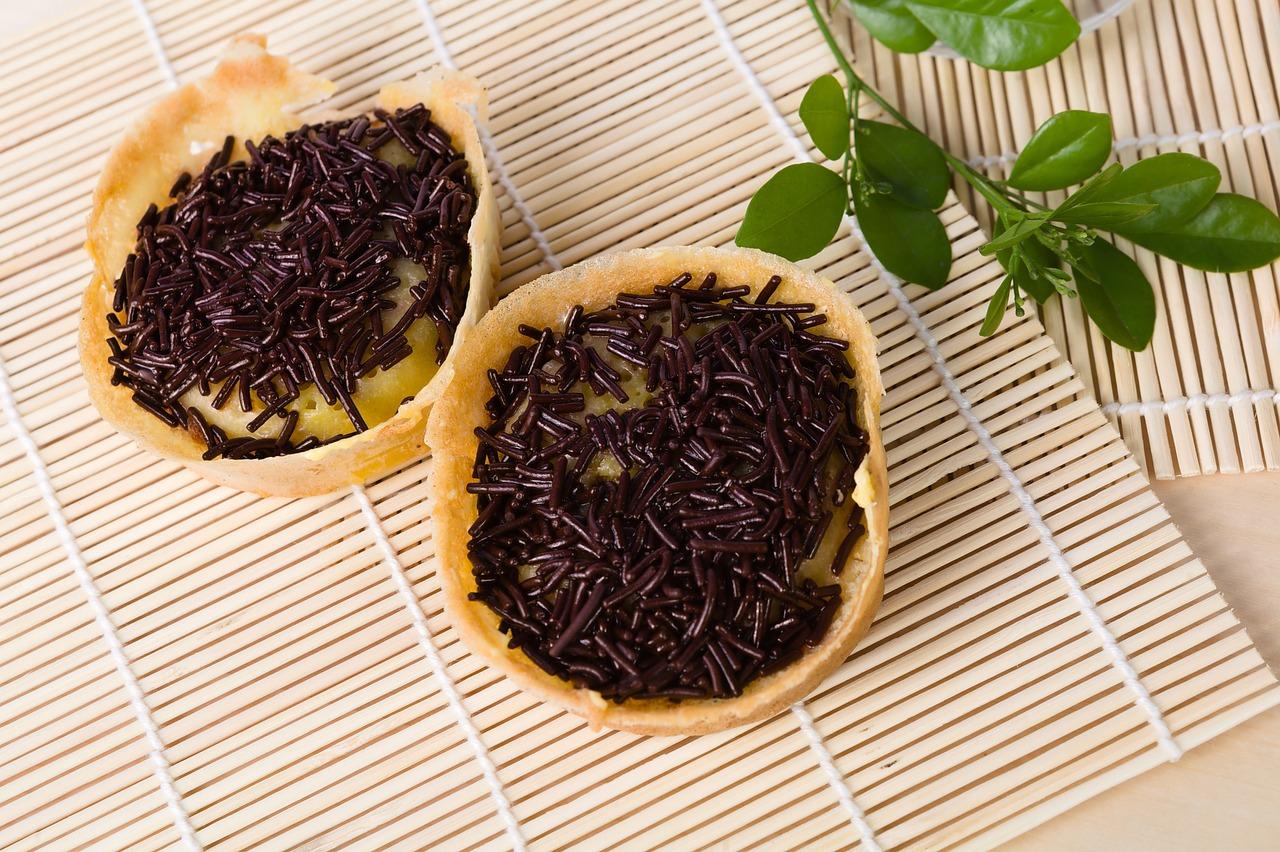
After dark, martabak manis stalls all over Indonesia fire up their heavy iron pans, and a queue forms for one thick, spongy pancake cooked until its top is pocked with holes, then slathered with butter and folded over chocolate sprinkles, crushed peanuts, sugar and condensed milk. It's often called terang bulan, "bright moon", and is said to have come from Bangka island before spreading through Java. It's sold by the box to share with family. Chef's tip: let the bubbles form and stay open before you add the sugar and cover the pan — that open honeycomb is what soaks up the butter.

by KrazyBadal 0 views

Vegetable lawar

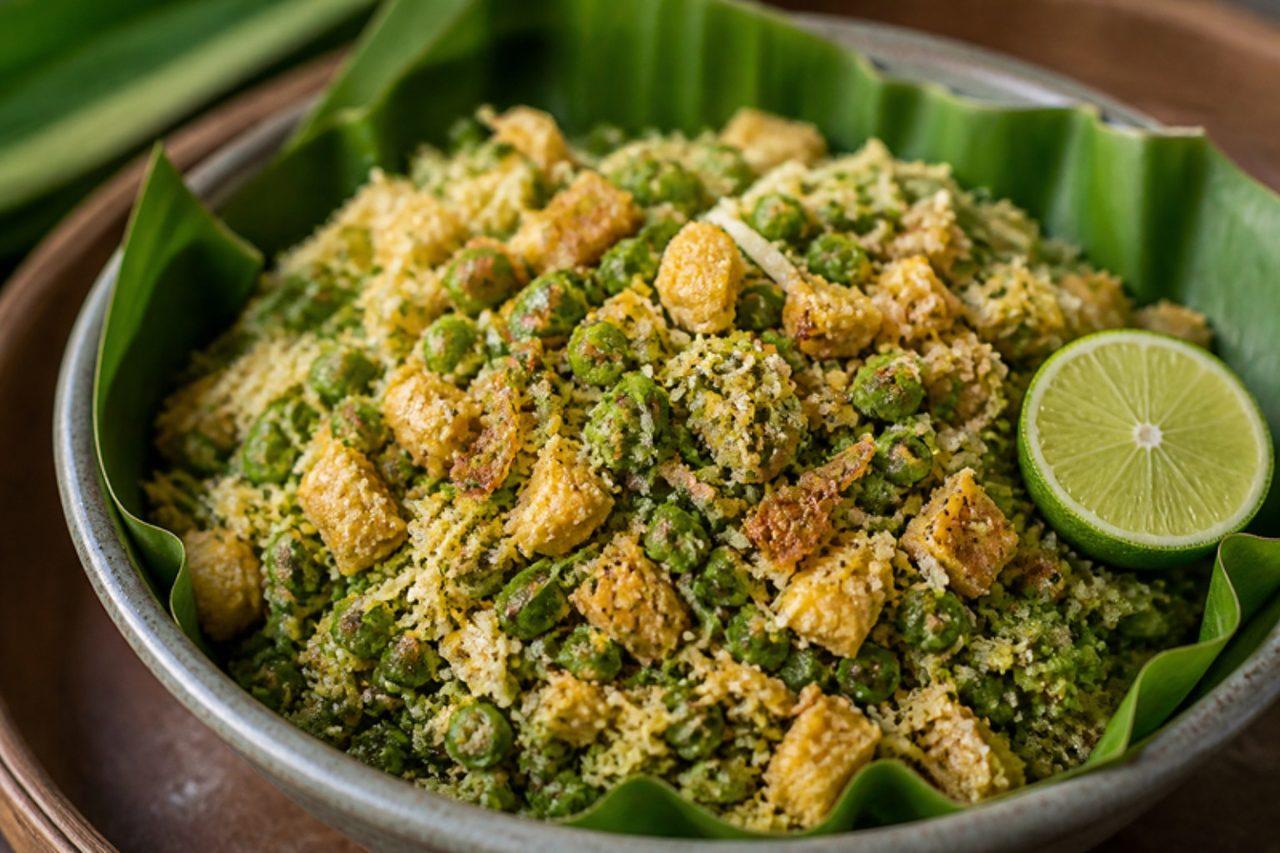
Lawar is the dish of Balinese ceremonies: before a temple festival or a family rite, the men of the banjar gather at dawn to chop and mix it by hand in huge quantities. Many versions include meat, but lawar kacang, made with long beans, is common at home and at Balinese warungs, and it shows off base genep, the island's master spice paste of shallot, garlic, galangal, kencur, turmeric and chilli. Mixed with toasted grated coconut, it's crunchy, fragrant, sour and hot, and is eaten with rice the day it's made. Chef's tip: mix the lawar just before serving and with your hands, squeezing gently, so the spice paste works into the beans; made too early, it goes watery and dull.

by KrazyBadal 0 views

Telur balado

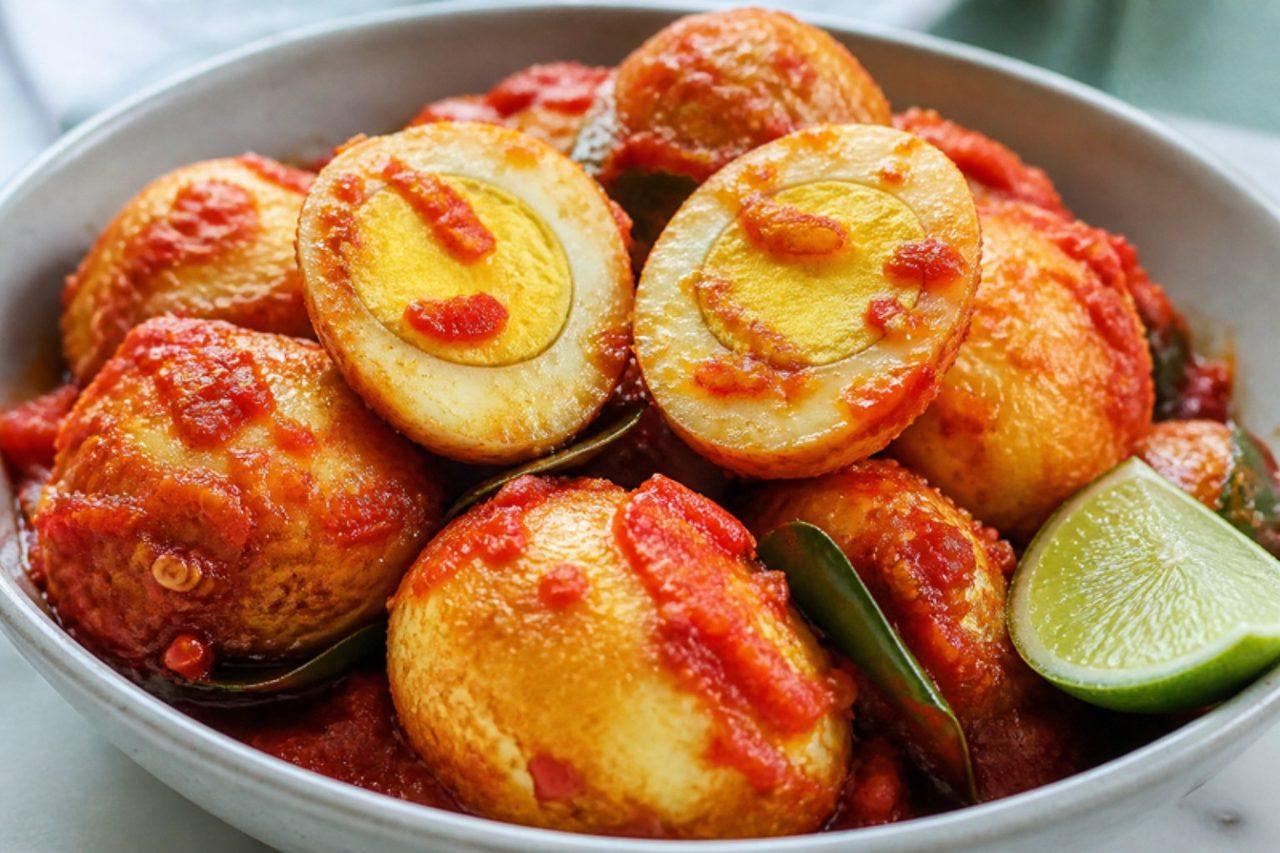
Telur balado is a fixture of the nasi Padang counter and of West Sumatran home cooking: hard-boiled eggs fried until their whites blister and turn golden, then smothered in balado, the coarse red sambal of chilli, shallot and tomato that the Minangkabau cook with almost everything. The fried skin of the eggs grips the sauce, and the sambal is bright and fresh rather than long-cooked. It's a cheap, quick weekday lunch with rice and greens, and it travels well in lunch boxes. Chef's tip: grind the balado coarse, not smooth — the Padang version should look rough and glossy, with visible flecks of chilli skin.

by KrazyBadal 0 views

Pecel

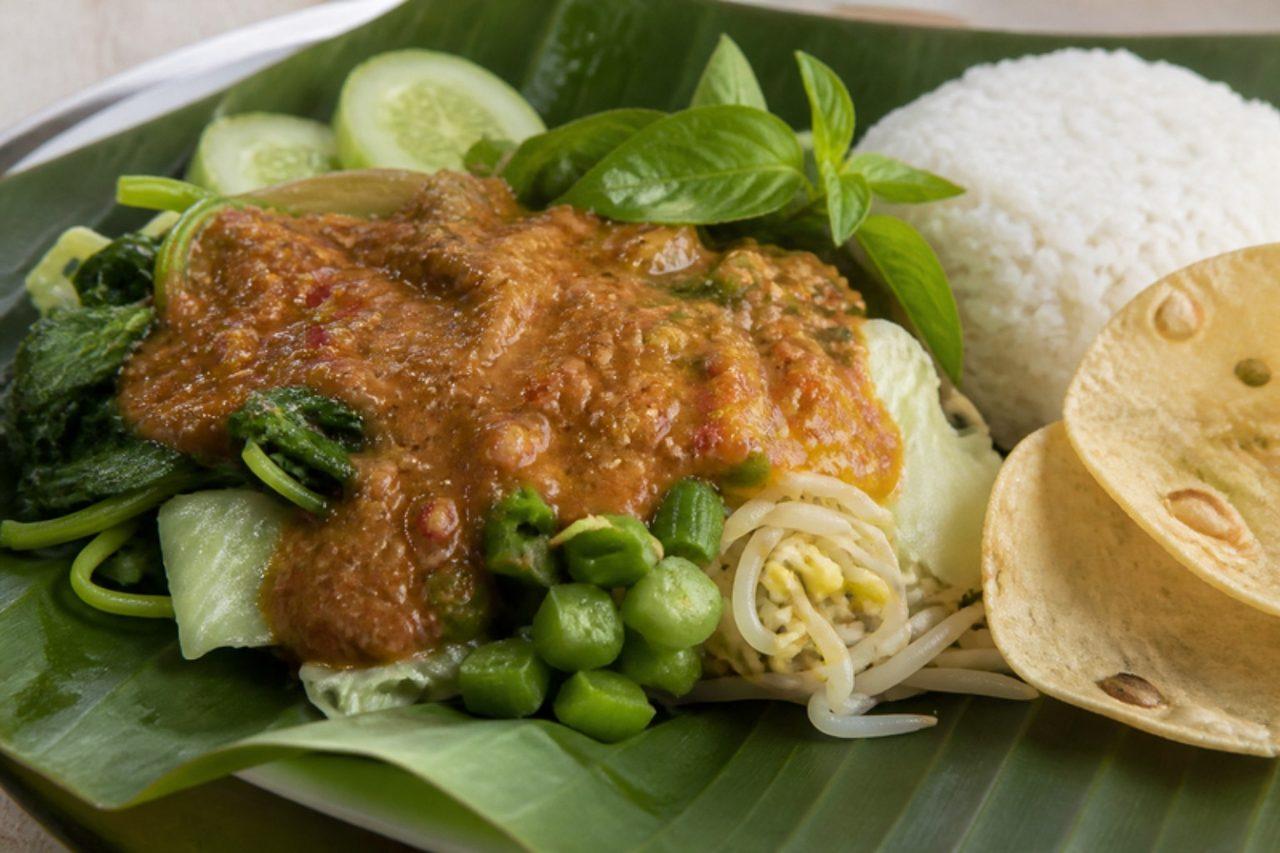
Madiun, in East Java, calls itself the home of nasi pecel, and its stalls serve it from early morning on banana leaf: rice under a heap of blanched spinach, bean sprouts, long beans and cabbage, drowned in a peanut sauce that's thinner, hotter and more herbal than gado-gado's. The difference is kencur, an earthy, camphor-scented root that gives pecel its signature smell, and lime leaf pounded into the paste. A crisp peanut rempeyek cracker is broken on top. Chef's tip: make a block of pecel paste ahead and dissolve just what you need in hot water each time — that's how East Javanese households do it, and it keeps for weeks in the fridge.

by KrazyBadal 0 views

Rujak buah

Across Java, rujak buah is the afternoon snack that office workers share from a paper cone: crisp green mango, jicama, pineapple and cucumber dragged through a dark, sticky sauce of palm sugar, tamarind and crushed chilli. Hawkers usually add shrimp paste; many make a version without, which is what this is, with a few roasted peanuts for body. The mix of sour fruit and hot, sweet sauce wakes you up on a humid day. Chef's tip: chill the fruit but keep the sauce at room temperature, so it stays loose enough to cling.

by KrazyBadal 0 views

Lontong sayur

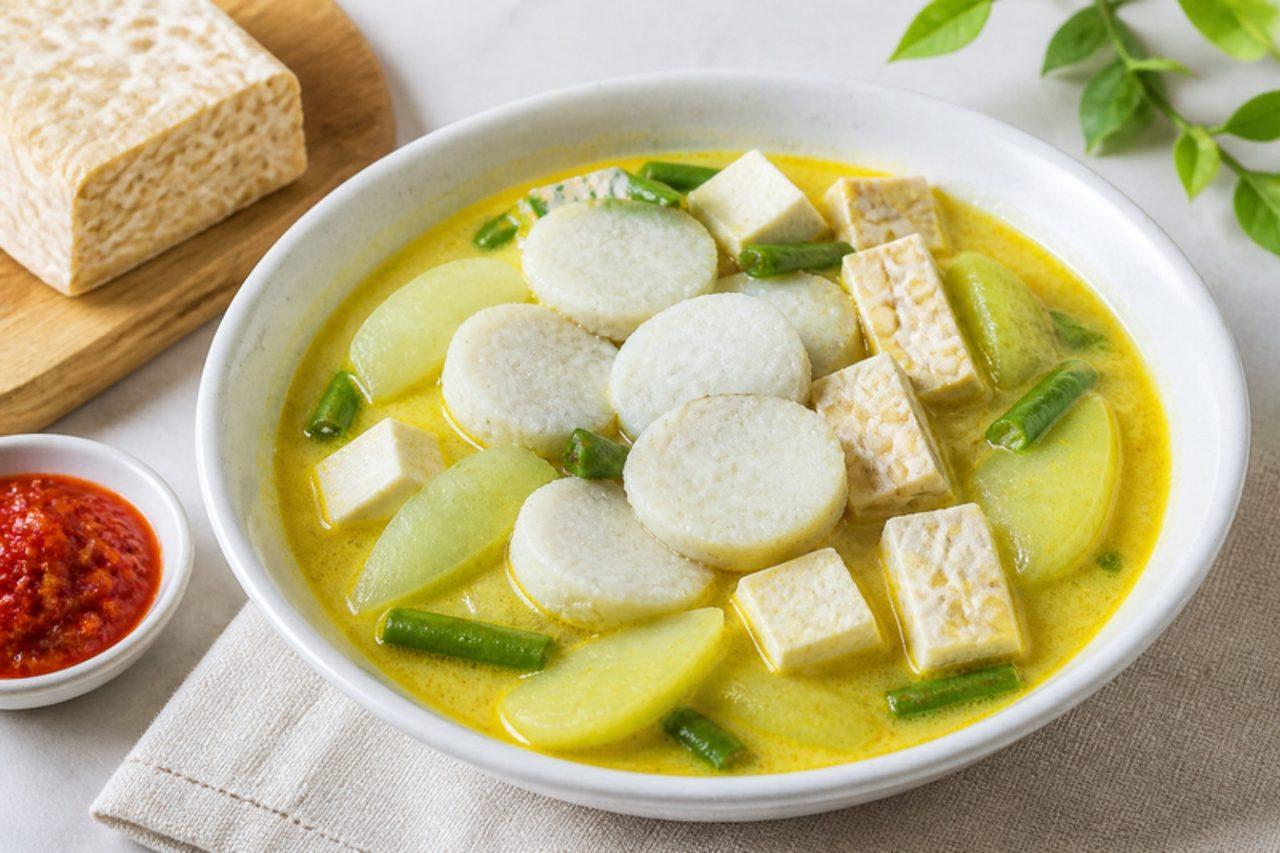
In Jakarta, lontong sayur is what the morning carts sell before offices open: firm slices of pressed rice sitting in a thin, golden coconut broth with chayote, long beans and squares of tofu and tempeh. Betawi families also cook a big pot of it for Lebaran morning. Street versions often add dried shrimp to the spice paste; this one keeps the flavour with candlenuts, galangal and salam leaf instead. Serve with sambal, fried shallots and crackers. Chef's tip: cook the lontong the day before and chill it overnight; cold rice cakes slice cleanly and soak up the broth without falling apart.

by KrazyBadal 0 views

Ketoprak

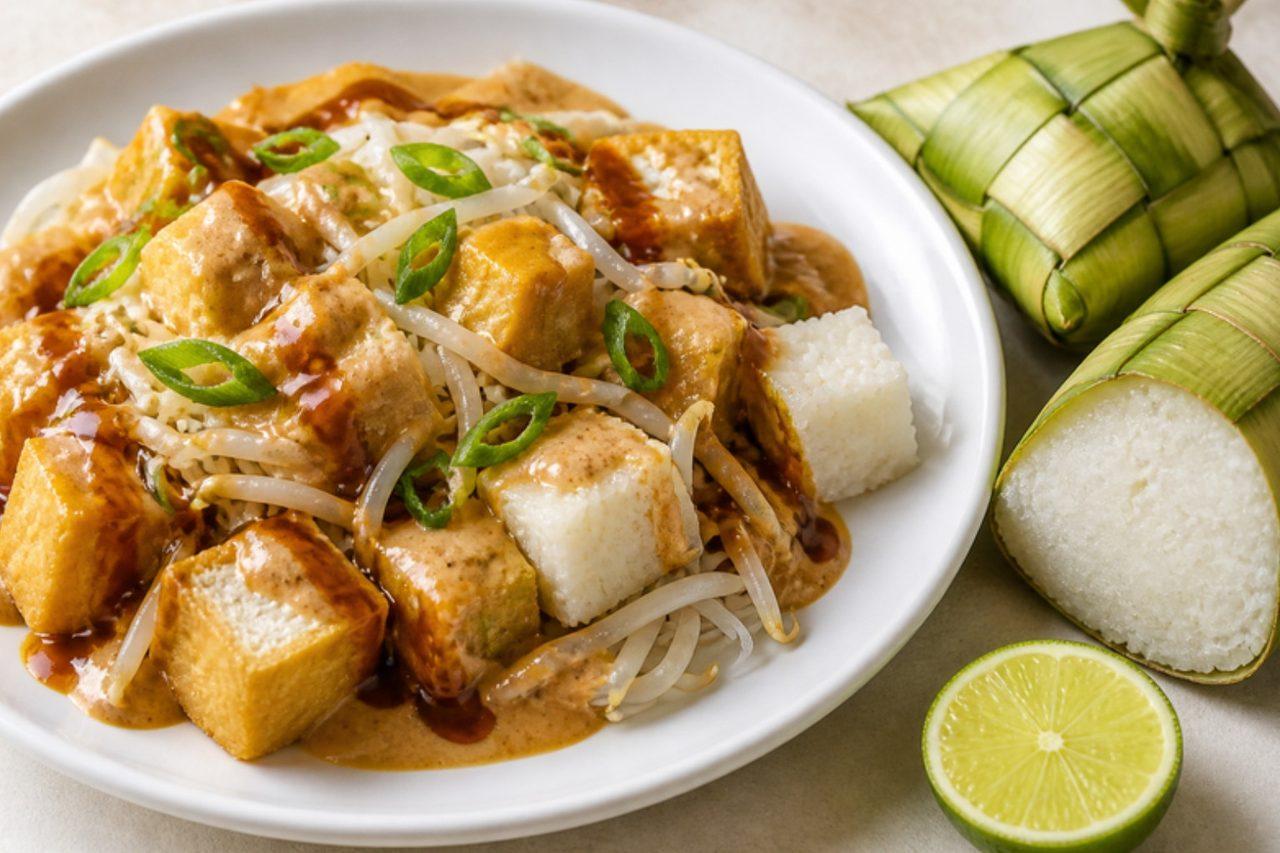
Ketoprak is a Jakarta cart dish, made to order: the seller grinds peanuts, garlic and chilli in a wide stone mortar, loosens them with water and sweet soy, then tips fried tofu, rice cake, rice vermicelli and bean sprouts on top. It is a cousin of gado-gado but simpler, with no egg-and-greens platter, and the raw-garlic sauce is the whole point. Eat it at lunch with plenty of crackers. Chef's tip: grind the garlic with the hot fried peanuts so the garlic mellows slightly; a raw paste made with cold nuts is harsh.

by KrazyBadal 0 views

Tofu & tempeh satay with peanut sauce

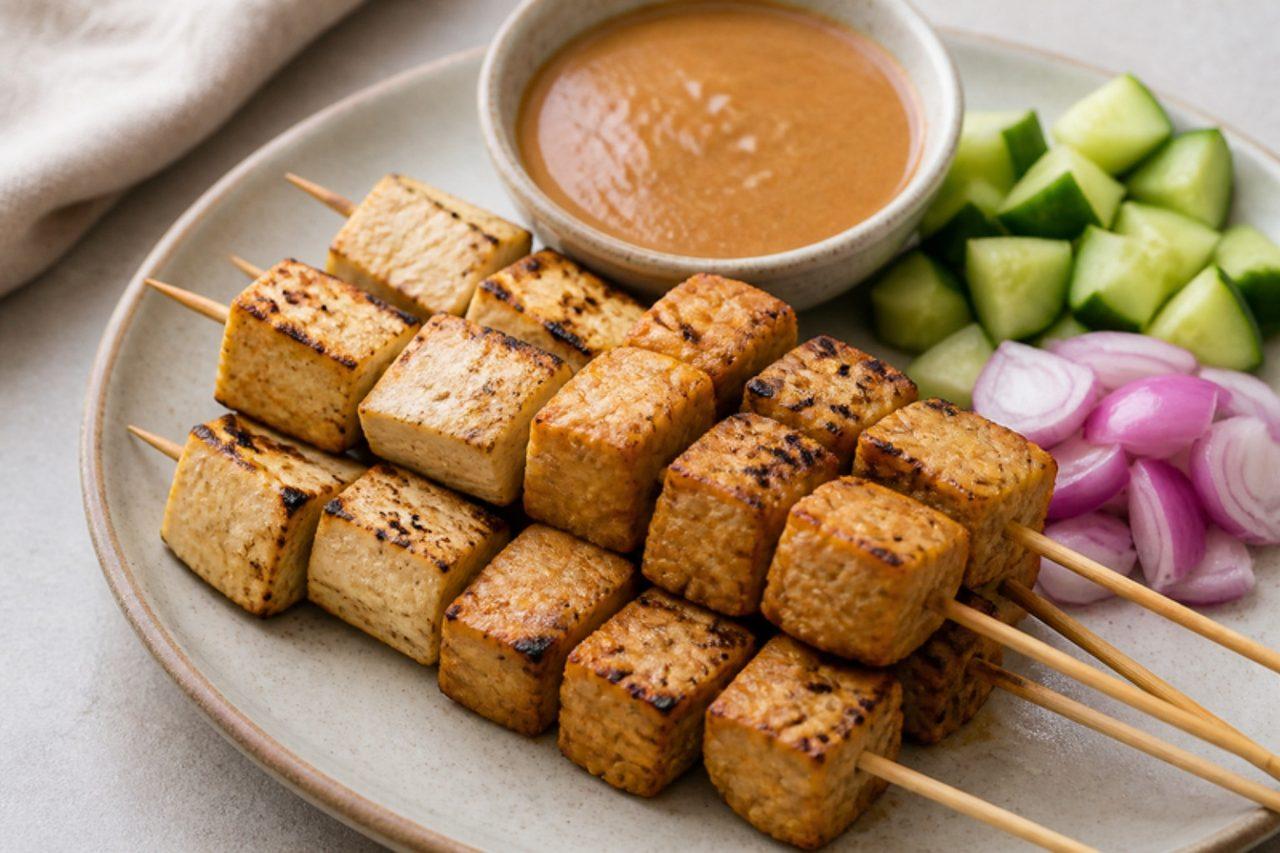
Satay smoke drifts along Javanese streets every evening, where sellers fan charcoal grills set up on the pavement and serve skewers with peanut sauce, rice cakes and sliced shallot. Tofu and tempeh are naturals for it: they drink up a sweet-savoury marinade of palm sugar, tamari, coriander and garlic and pick up dark, sticky char at the edges. The sauce here is cooked until smooth and glossy, sweeter and milder than the grainy dressing on gado-gado, made for dipping. Chef's tip: soak the bamboo skewers for 30 minutes and brush the satay with marinade as it grills — the sugar caramelises into the dark, slightly burnt edges that make satay taste like satay.

by KrazyBadal 0 views

Showing 24 of 61 recipes

Show more recipes

Page 1 of 3