Skip to content
Recipes

All recipes

Vegetarian, or something you can't eat? Set your diet once and we'll hide recipes that don't fit.

Diri kole ak pwa

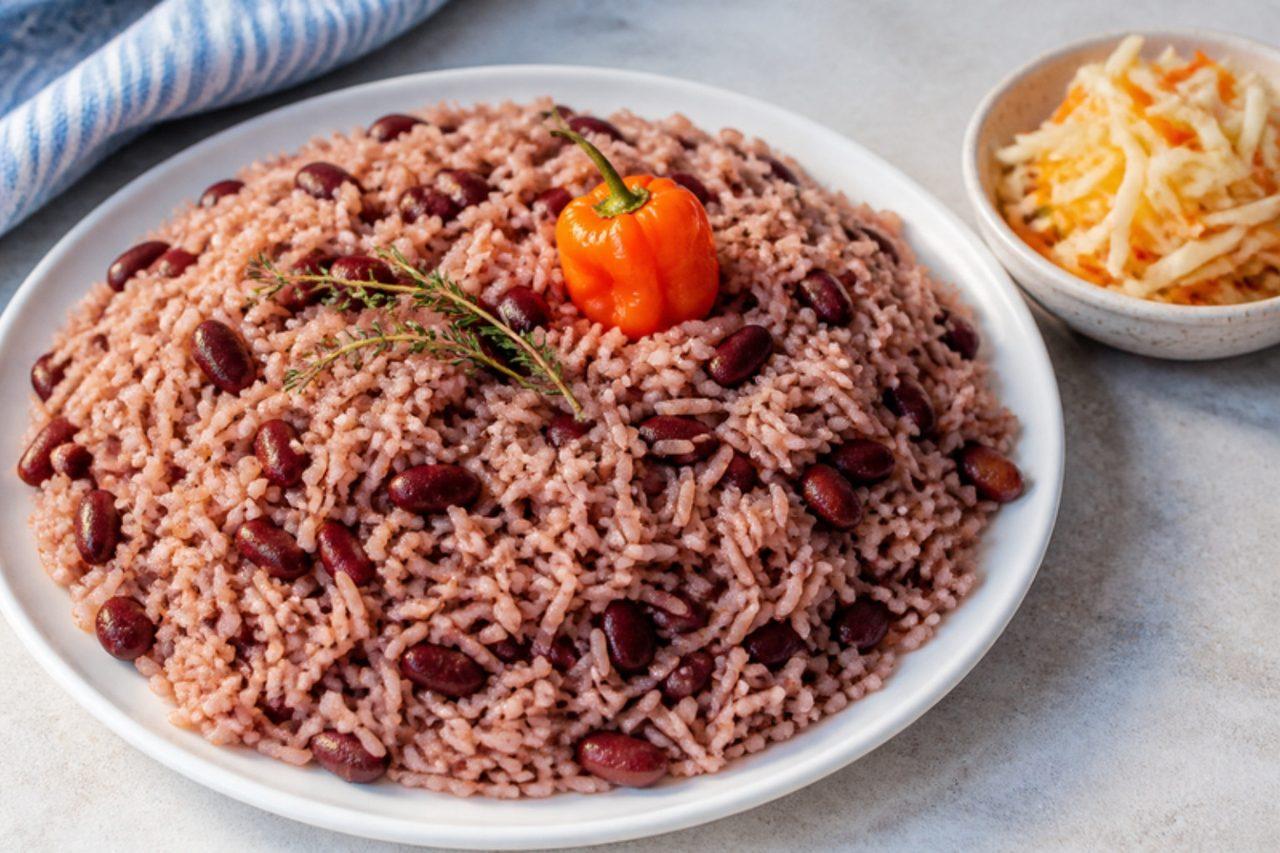
Diri kole ak pwa, rice 'stuck together' with beans, is the plate Haitians call their national dish, cooked in homes from Jacmel to Gonaïves and served most days of the week. Unlike rice and peas from elsewhere in the Caribbean, there's usually no coconut milk: red beans are simmered first, then their dark, savoury cooking liquid goes into the rice with fried epis, thyme and cloves, so the grains turn a rich reddish-brown and taste of beans all the way through. A whole scotch bonnet adds fruity heat without fire. Chef's tip: fry the drained beans in the epis until their skins blister and catch slightly; that browning gives the rice its deep, almost smoky taste.

by KrazyBadal 0 views

Diri djon djon

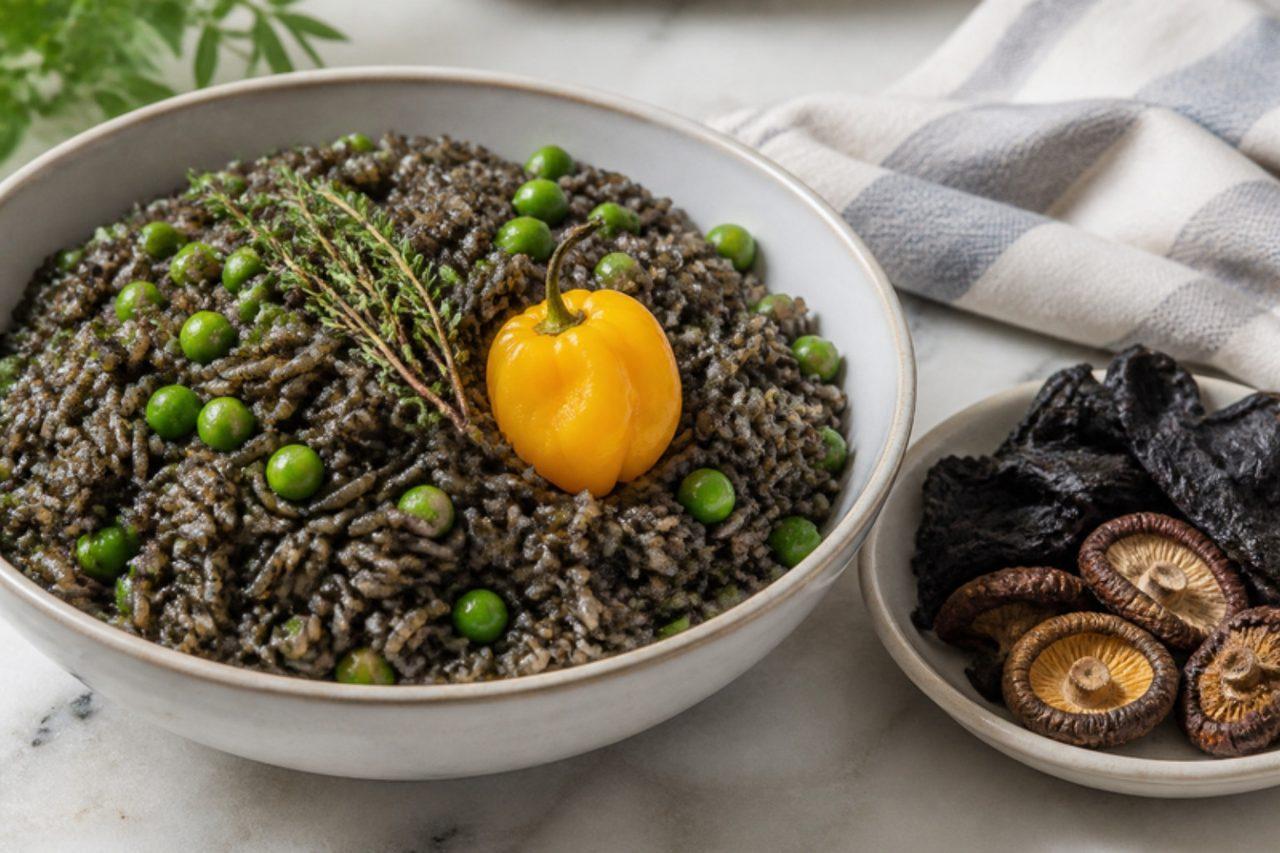
Diri djon djon comes from northern Haiti, around Cap-Haïtien, where the tiny black djon djon mushrooms are gathered and dried. Soaked in hot water, they give an inky liquid that turns rice a striking grey-black and makes it taste deeply earthy and savoury. It's the rice for weddings, baptisms and big Sunday lunches, cooked with epis, cloves and green peas or butter beans, a whole scotch bonnet laid on top for perfume. Dried djon djon is sold in Haitian and Caribbean shops and online. Chef's tip: avoid djon djon stock cubes, which are often made with chicken fat and add little real flavour; use the dried mushrooms, and add a few dried shiitake for even more depth.

by KrazyBadal 0 views

Pikliz

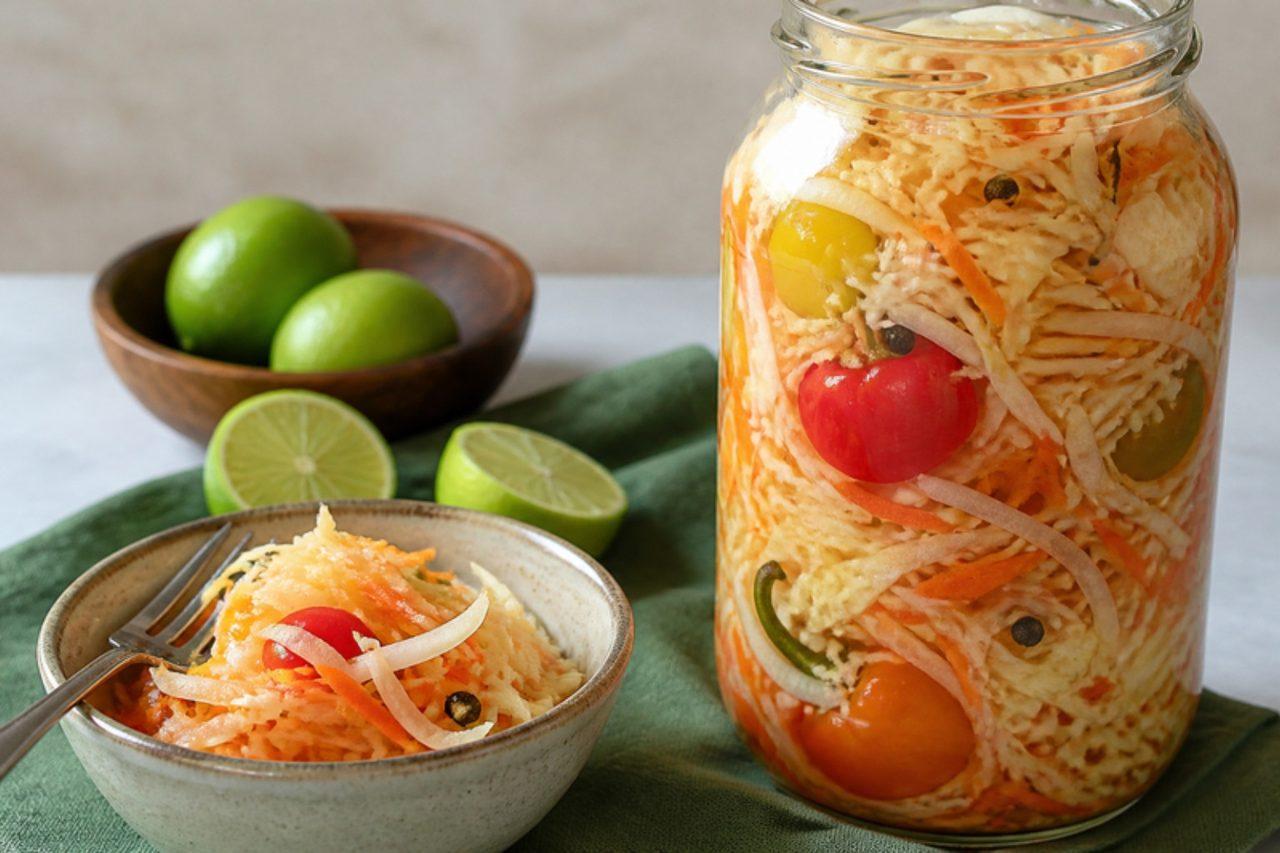
Pikliz is the fiery slaw-pickle that sits on every Haitian table, in a big glass jar in the middle, and no plate of fried food in Haiti is served without it: it's spooned over fried plantain (bannann peze), fritters and rice. Shredded cabbage, carrot, onion and peppers are packed with hot scotch bonnets, cloves and peppercorns, then drowned in vinegar and lime. After a few days it is crunchy, sour and properly hot, and the vinegar itself becomes a hot sauce you sprinkle over everything. Chef's tip: slice the scotch bonnets thinly rather than leaving them whole; the heat spreads evenly through the jar and every forkful has a kick.

by KrazyBadal 0 views
Epis

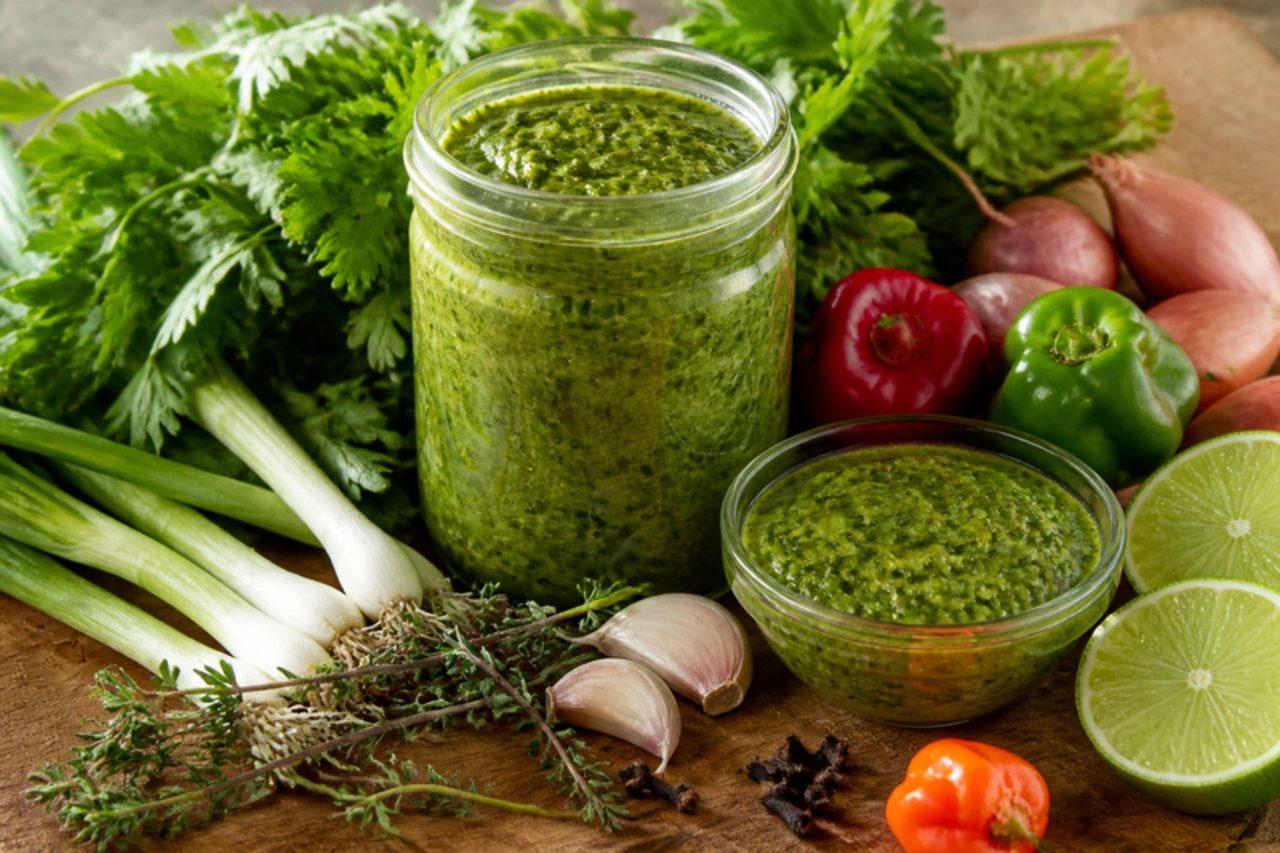
Epis is the jar that lives in every Haitian fridge, in Port-au-Prince flats and in Haitian kitchens in Miami, Montreal and Boston alike, and it's made fresh most weeks. Flat-leaf parsley, spring onion, garlic, sweet peppers and thyme are pounded or blended with a few cloves, a little scotch bonnet, oil and lime into a loose green paste. It is the first thing into the pot for rice and beans, legim and soup joumou, and it's rubbed over vegetables and tofu before they're fried. Raw it smells bright and herby; cooked it turns sweet, savoury and gently warm with clove. Chef's tip: use whole cloves and grind them yourself; just three or four give epis its signature warmth, but more turns it medicinal.

by KrazyBadal 0 views
Griot with pikliz

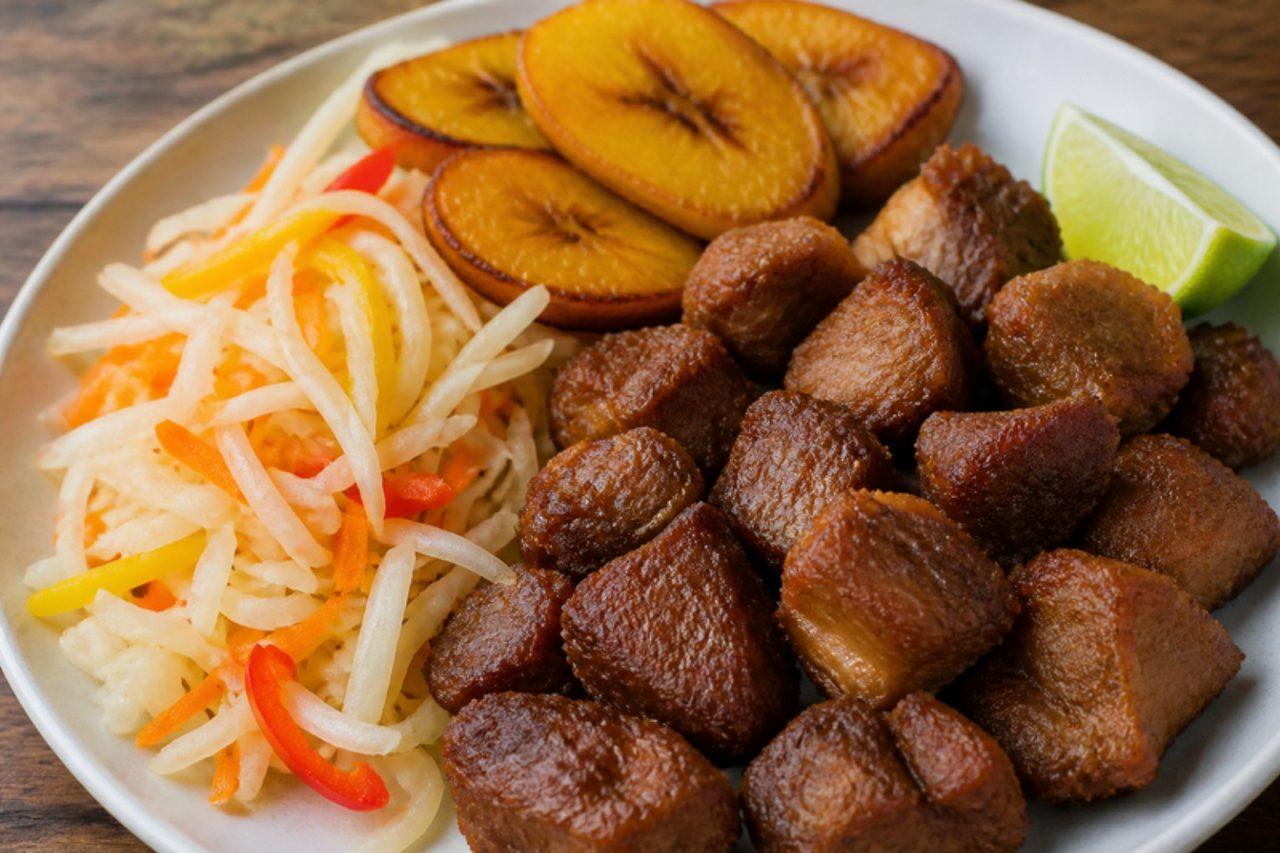
Griot is Haiti's party food: it is piled on platters at weddings, first communions and Saturday-night fritay stalls in Port-au-Prince, always with pikliz, a crunchy, very hot pickle of cabbage, carrot and Scotch bonnet. Chunks of pork shoulder soak up a green epis marinade of sour orange, herbs and garlic, simmer until tender and then fry until the outside turns dark and crisp. This is a pork dish. Serve it with fried plantain (bannann peze) and rice with beans. The mistake that ruins the crust is frying the pork straight from the pot while still wet; it spits and steams instead of browning, so drain and dry the pieces first. Chef's tip: make the pikliz at least a day ahead; after a night in the fridge the heat softens and spreads through the vinegar.

140 minHaitianMeatGluten freeSpicy
by KrazyBadal 0 views
Pen patat

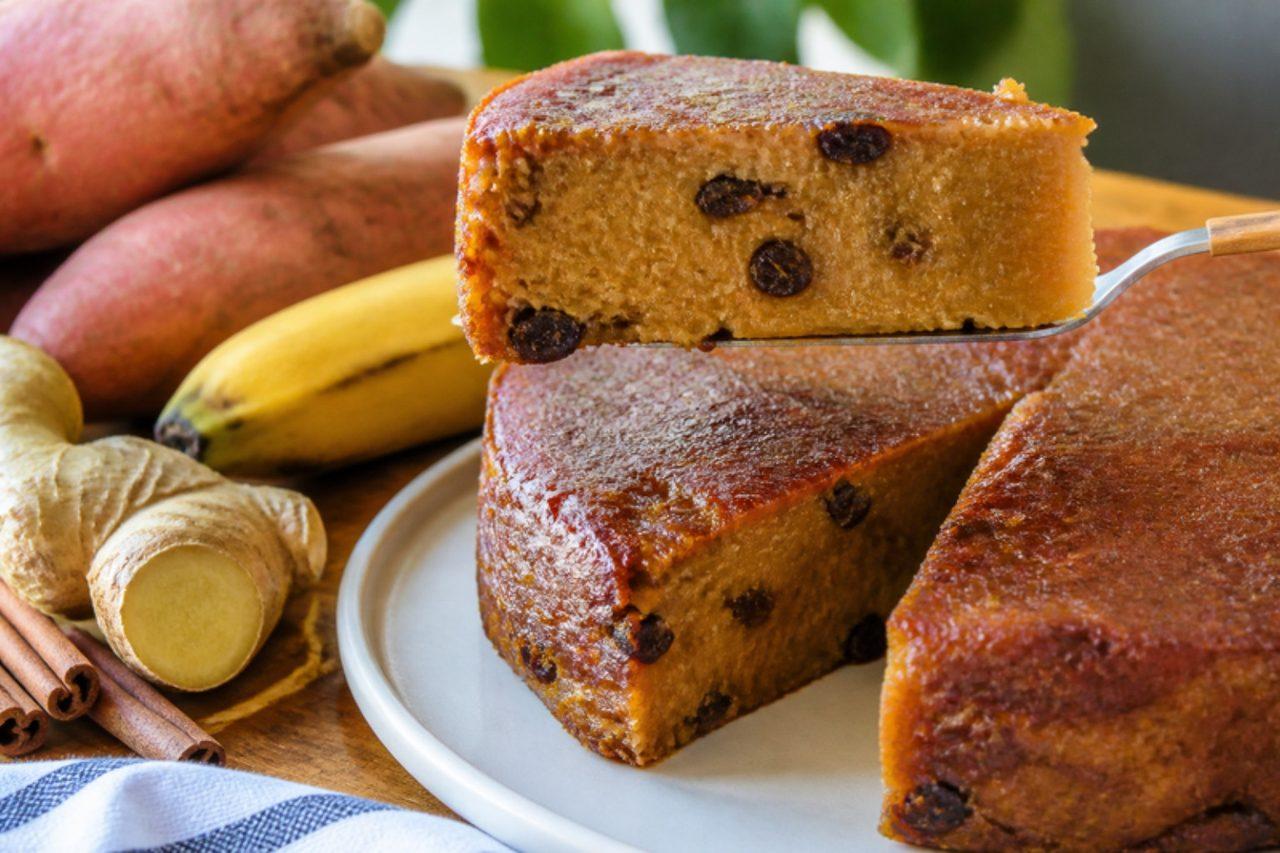
Pen patat, sweet potato 'bread', is the Haitian pudding sold in squares by street vendors and baked at home for Sunday afternoons and holidays, from the hills above Pétion-Ville to Haitian bakeries abroad. Grated white sweet potato (patat) and ripe banana are baked with coconut milk, evaporated milk, fresh ginger and warm spices until set and caramel-brown on top. It is dense, moist and fudgy, a little like a spiced cake and a little like a custard, and it's eaten warm or cold with coffee. Chef's tip: grate the sweet potato finely on the small holes; coarse shreds stay stringy, fine ones melt into a smooth pudding.

by KrazyBadal 0 views
Legim

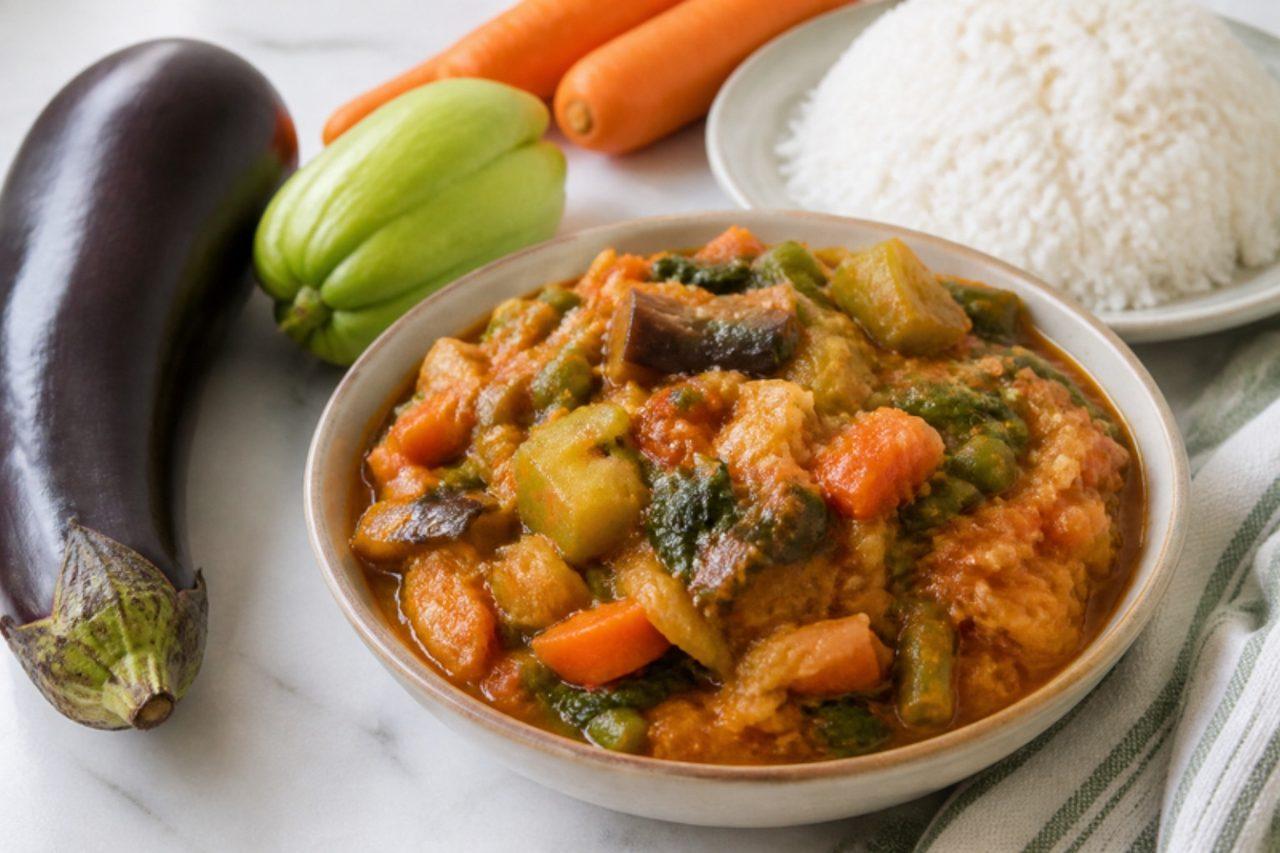
Legim (from the French légumes) is a Haitian Sunday dish, made in big pots in Port-au-Prince and the countryside and eaten with white rice or diri kole. Aubergine, cabbage, chayote (mirliton), carrots and spinach or watercress are cooked down slowly with epis and tomato paste until soft, then crushed with a pilon or spoon into a thick, rough, savoury mash. It's often cooked with beef or crab; this vegetable version is just as traditional for the days without meat. It tastes deep and green, gently sweet from the carrot and warm from clove and scotch bonnet. Chef's tip: cook it uncovered at the end until the liquid has almost gone and the oil shows at the edges; that's when the flavours concentrate and it stops tasting boiled.

by KrazyBadal 0 views
Soup joumou

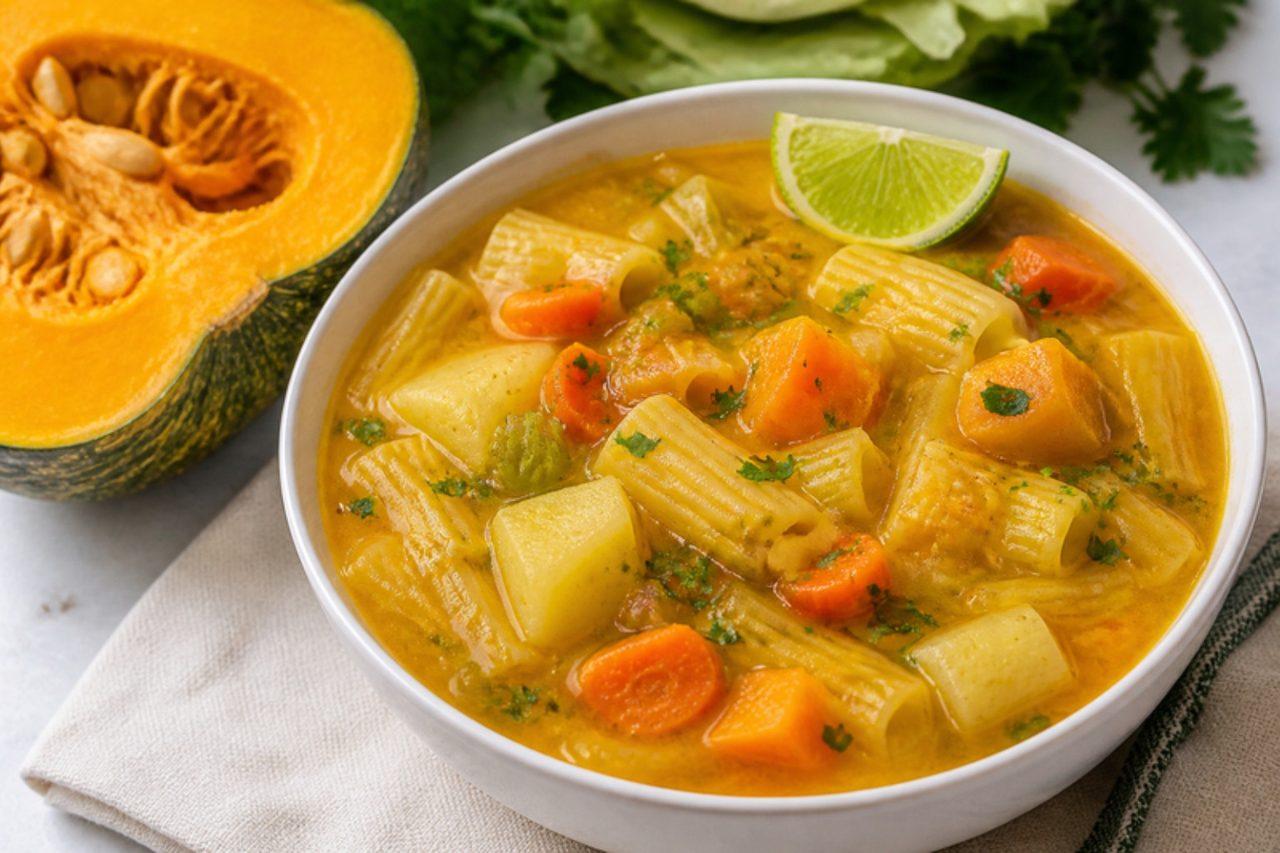
Every 1 January, Haitian families from Port-au-Prince to Brooklyn wake up to soup joumou. It marks independence from France on 1 January 1804: under French rule, enslaved Haitians cooked this pumpkin soup but were forbidden to eat it, so the free people of the new nation made it their own as a dish of freedom. In 2021 it was added to UNESCO's list of the intangible cultural heritage of humanity. The base is a velvety purée of joumou (Caribbean pumpkin) with epis, and in it simmer chunks of carrot, potato, cabbage, celery and turnip, with pasta and a squeeze of lime. It's usually made with beef; this vegetable version is full and golden, rich enough for the day. Chef's tip: roast half the pumpkin before puréeing it; the caramelised edges give the soup the depth that slow-cooked meat usually provides.

by KrazyBadal 0 views
Arabian cigars

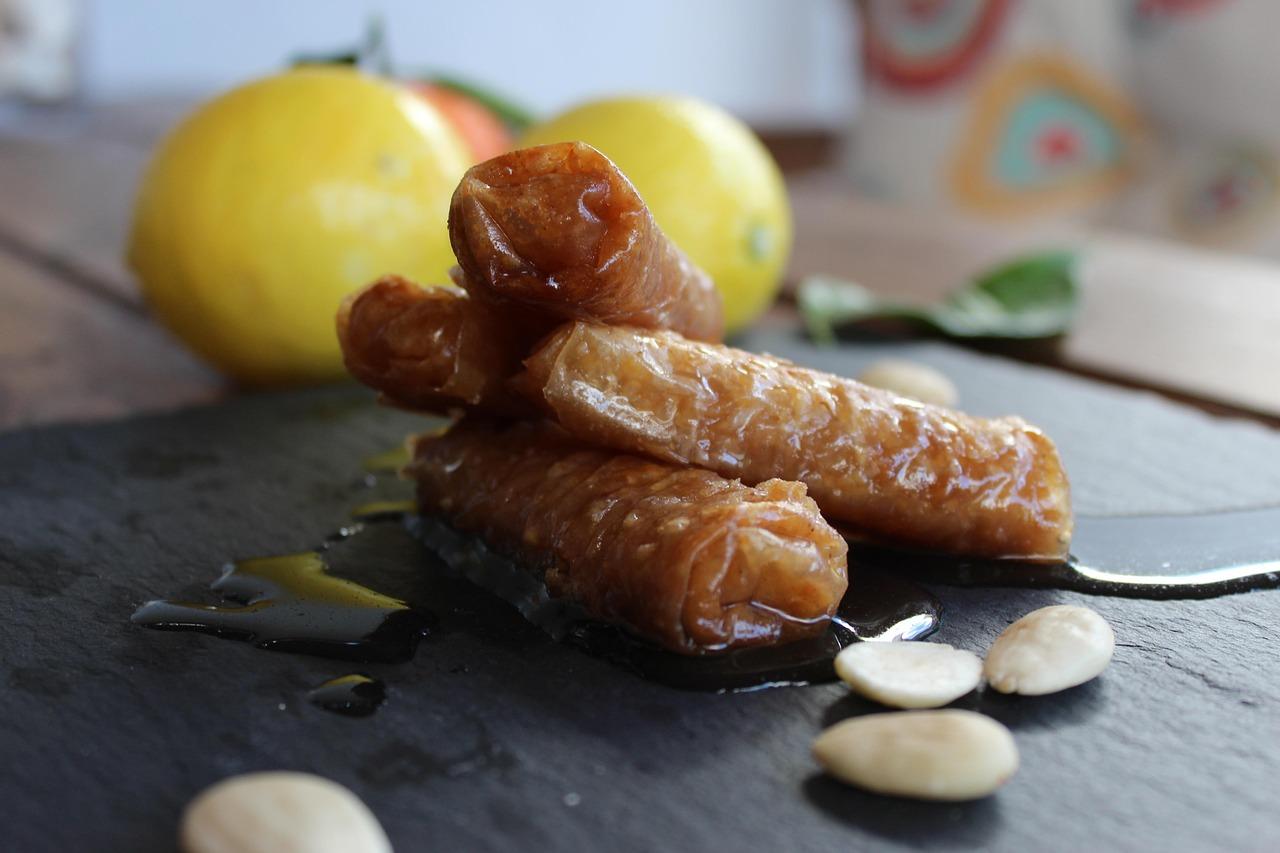
Thin, crackly rolls of buttered fillo pastry wrapped around a filling of walnuts, almonds, sugar, cinnamon and clove, baked until light golden and then bathed in a warm syrup scented with lemon rind, cinnamon and cloves. Like little baklava fingers, sweet and nutty. Serve with coffee or mint tea; they keep well for a few days.

by KrazyBadal 0 views
Um Ali (banana & bread dessert)

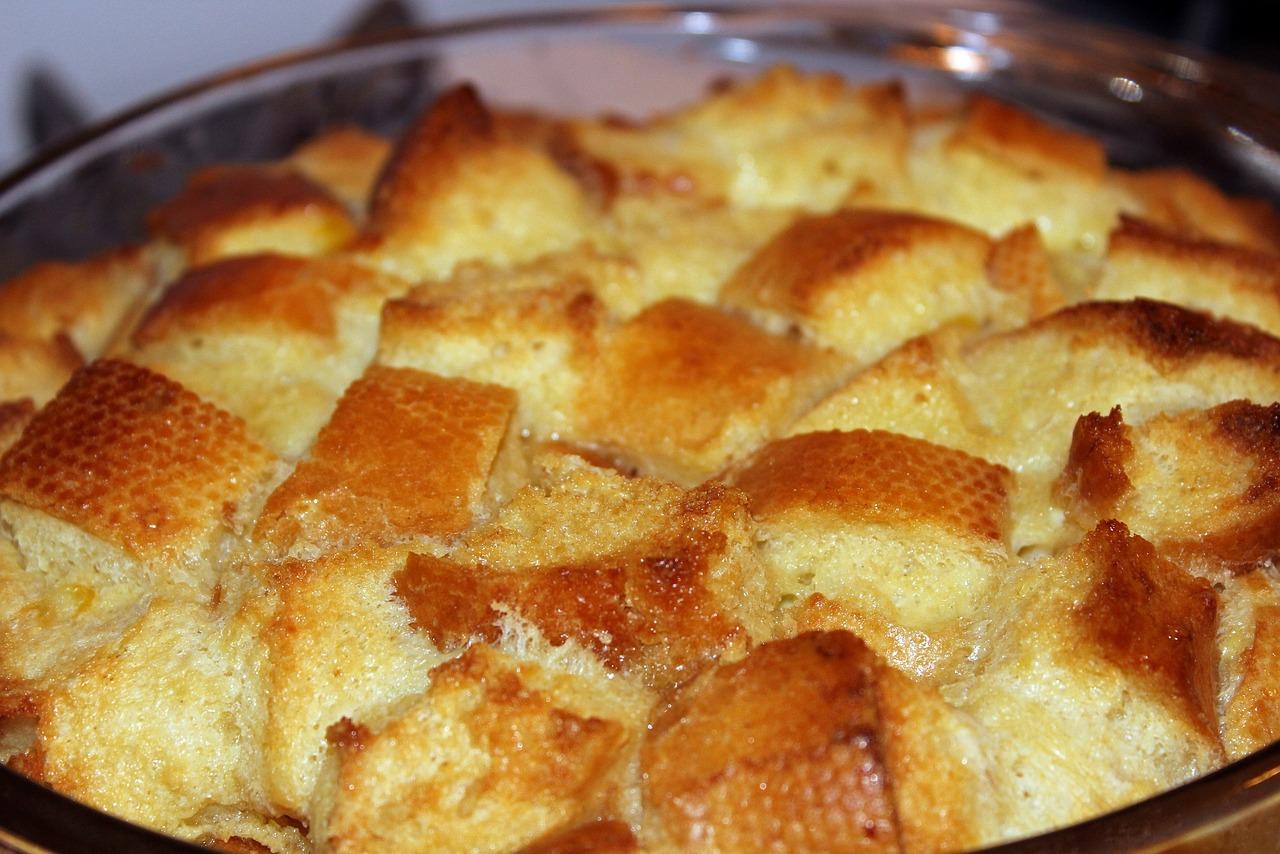
Um Ali is Egypt's much-loved warm bread pudding. Here toasted bread is layered with bananas, pistachios, almonds, walnuts and raisins, then covered with saffron and cardamom milk mixed with sweetened whipped cream and baked until bubbling and golden. Rich, creamy and comforting; serve warm.

by KrazyBadal 0 views

Cacık

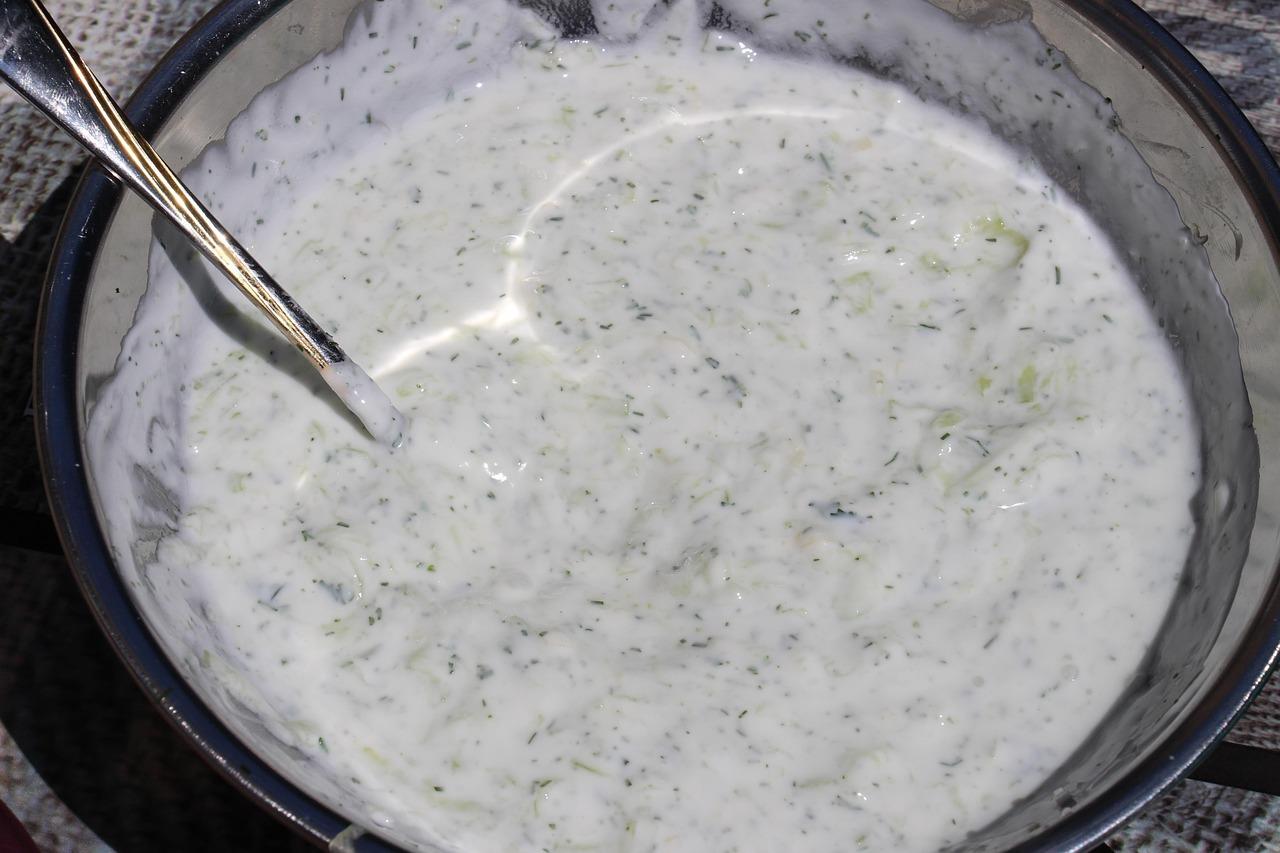
Cacık is the Turkish version of tzatziki: thick yogurt mixed with cucumber, onion, plenty of parsley, garlic and green chilli, seasoned with salt, white pepper and a pinch of sugar and finished with fresh mint. Cool and refreshing, ready in minutes. Serve with warm pitta bread, curries and rice dishes.

by KrazyBadal 0 views

Baklava

The famous layered pastry: crisp sheets of buttered fillo sandwich a filling of almonds, pistachios and cashews spiced with cinnamon, cardamom and saffron. After baking, the hot baklava is soaked in a syrup of sugar, honey, lemon, rose and cardamom and decorated with almond and pistachio flakes. Cut into 40 diamonds; serve with fresh cream or ice cream.

by KrazyBadal 1 views

Arabian coconut halwa

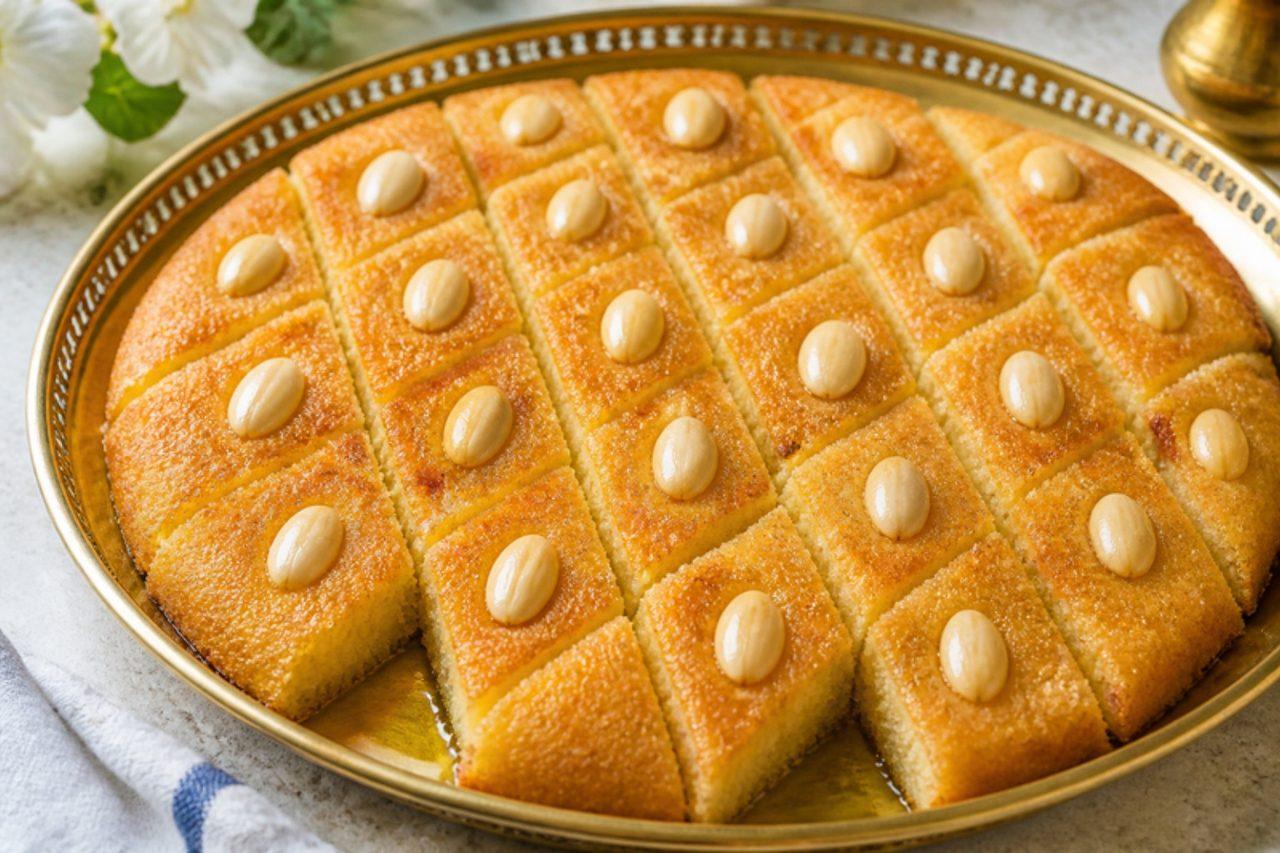
A soft, moist baked sweet in the style of basbousa: desiccated coconut, semolina and flour are mixed with melted butter, milk and vanilla, baked until golden, cut into diamonds and soaked in cold lemon syrup. Each piece is topped with an almond. Sweet, buttery and fragrant with coconut; serve at room temperature with tea or coffee.

by KrazyBadal 0 views

Tamia (Arabian fritters)

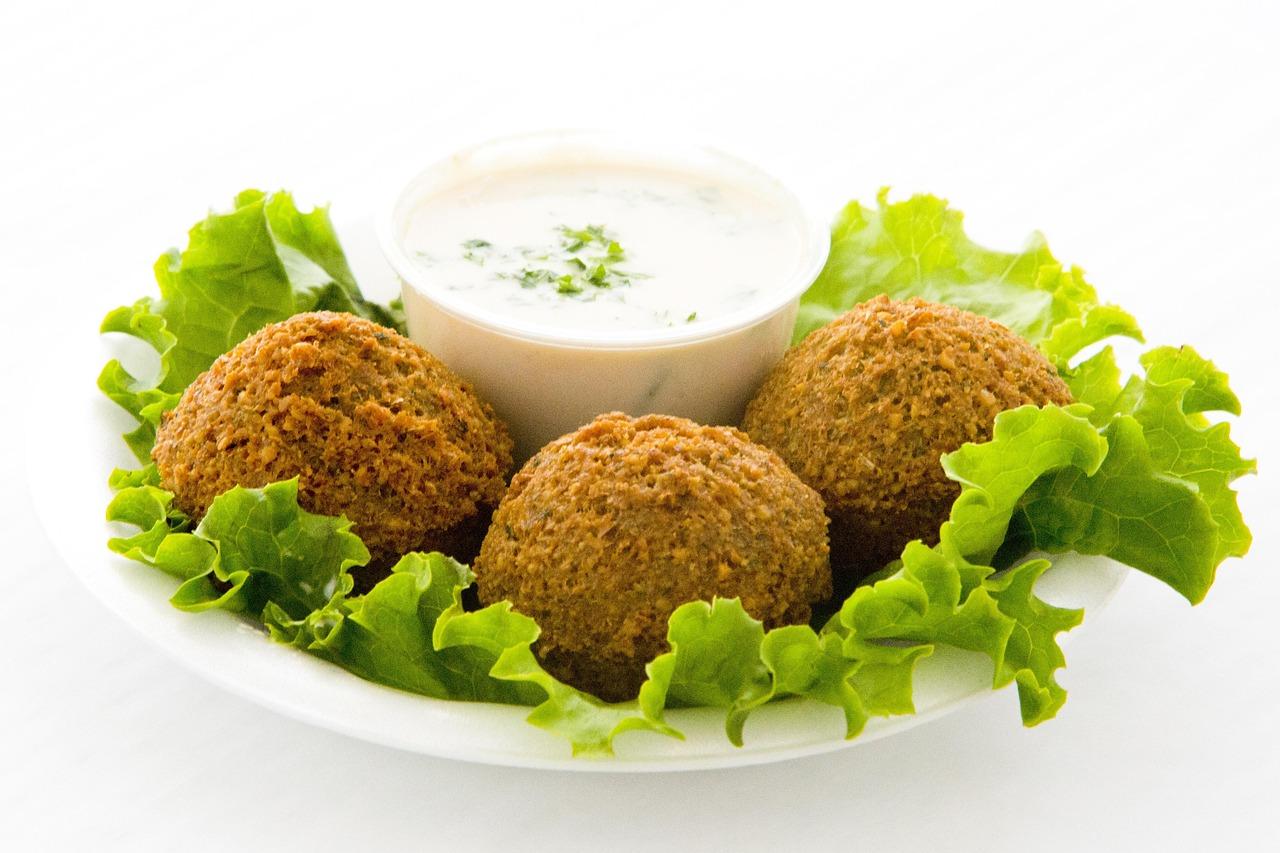
Tamia is the Egyptian cousin of falafel: soaked raw chickpeas are ground with dill, coriander, onion, garlic, chilli and cumin, shaped into small patties, coated with sesame seeds and deep-fried until crisp and golden outside and green and fluffy inside. Serve hot with coconut and tamarind chutneys, or tuck them into pitta with salad.

by KrazyBadal 0 views

Baba ganoush

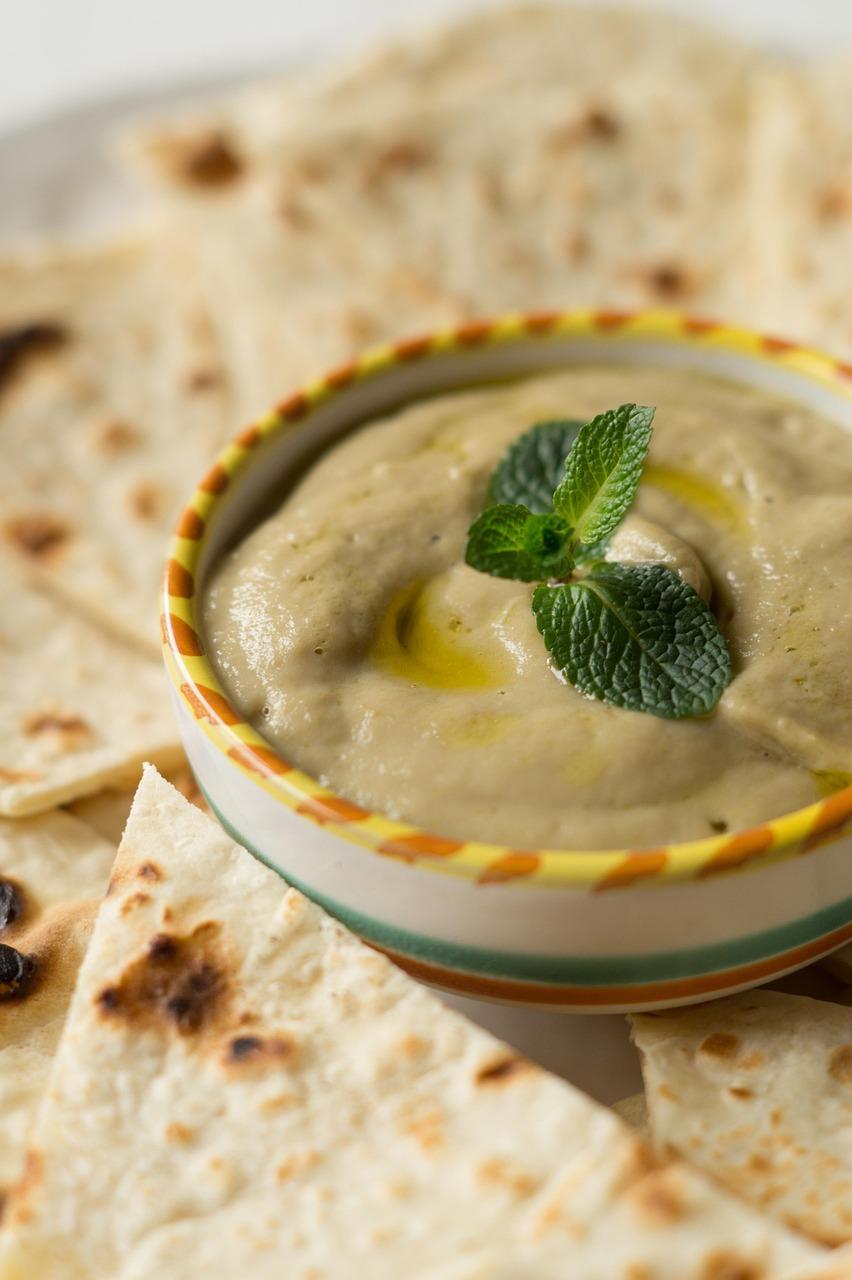
A creamy, smoky dip of baked aubergine blended with tahini dip, yogurt, lemon juice, garlic, a touch of chilli and olive oil. Sprinkled with parsley, it is perfect with toasted pitta or a plate of vegetable sticks as a starter or part of a mezze spread.

by KrazyBadal 0 views

Lebanese date cake

A soft, moist cake made without eggs: self-raising flour and brown sugar are rubbed with butter, then mixed with milk and sour cream and studded with chopped dates, raisins and pistachios, with a warm hint of nutmeg and vanilla. Lovely with tea or served warm with cream.

by KrazyBadal 0 views

Arabian date pinwheels

Crumbly, buttery biscuit dough is rolled out, spread with a soft date filling flavoured with cinnamon and lemon, rolled into logs, sliced and baked into pretty pinwheels. They make a big batch of 50 and keep well in an airtight tin. Serve with tea, or with ice cream as a dessert.

by KrazyBadal 0 views

Falafel in pitta

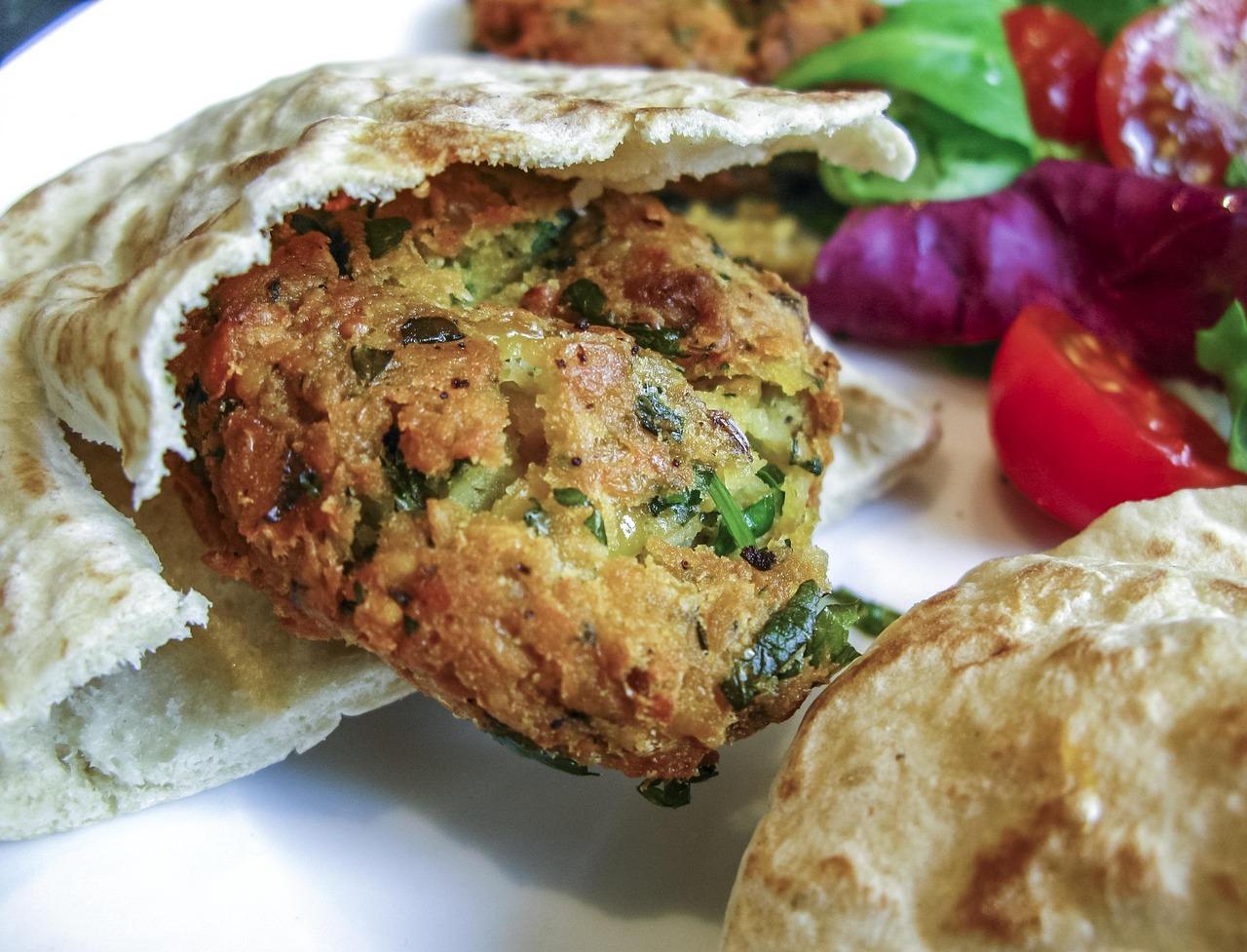
A full falafel meal: crisp chickpea fritters flavoured with fenugreek, spinach, chilli and ginger are stuffed into pitta pockets spread with hummus and tahini, then packed with a crunchy cabbage, cucumber and carrot salad and a fiery home-made red chilli sauce. Serve with green, red and tamarind chutneys.

by KrazyBadal 0 views

Lebanese date and coconut balls

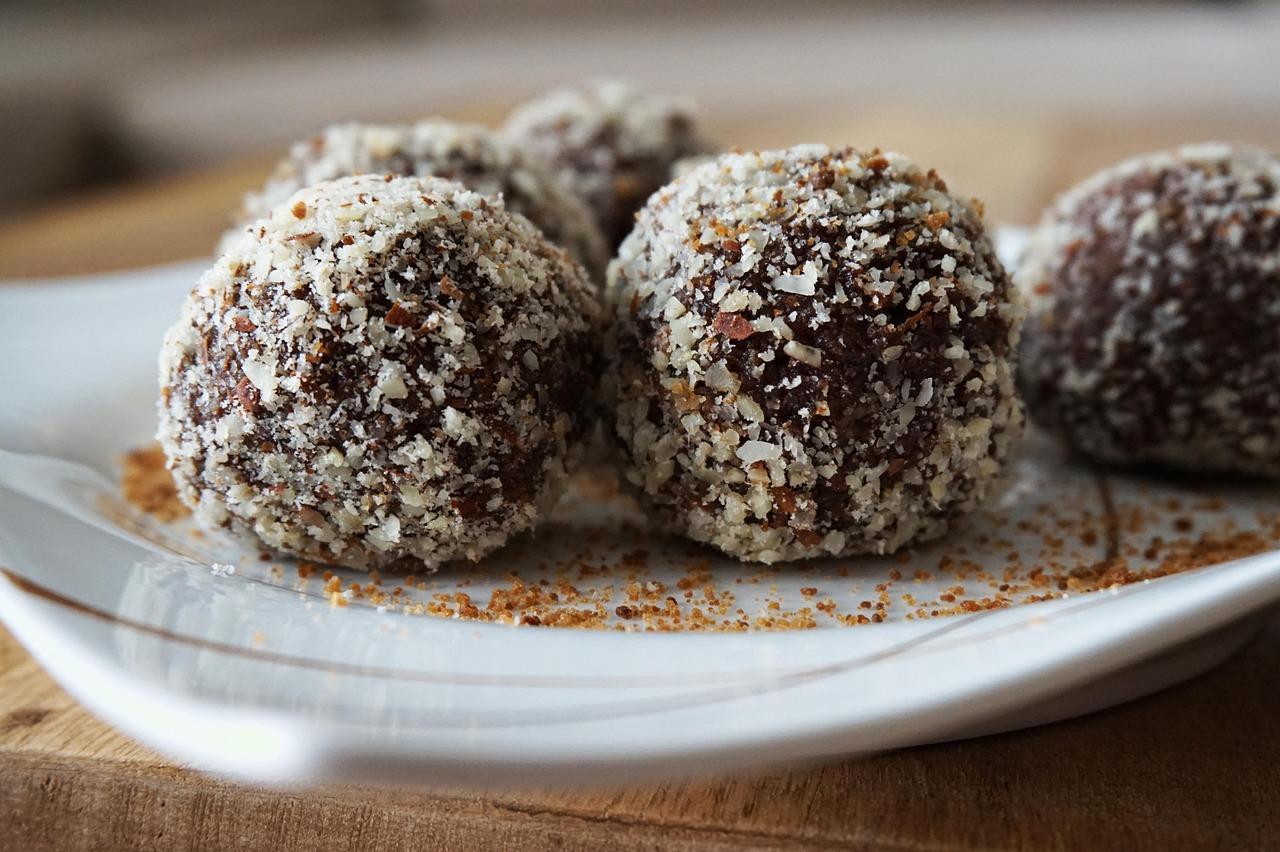
Soft dates cooked briefly in butter with cardamom, shaped around a fried almond and rolled in desiccated coconut. A simple no-bake sweet that is rich, chewy and naturally sweet, perfect for festive trays and with coffee. Makes about 40.

by KrazyBadal 0 views

Pilaf with pine nuts and vermicelli

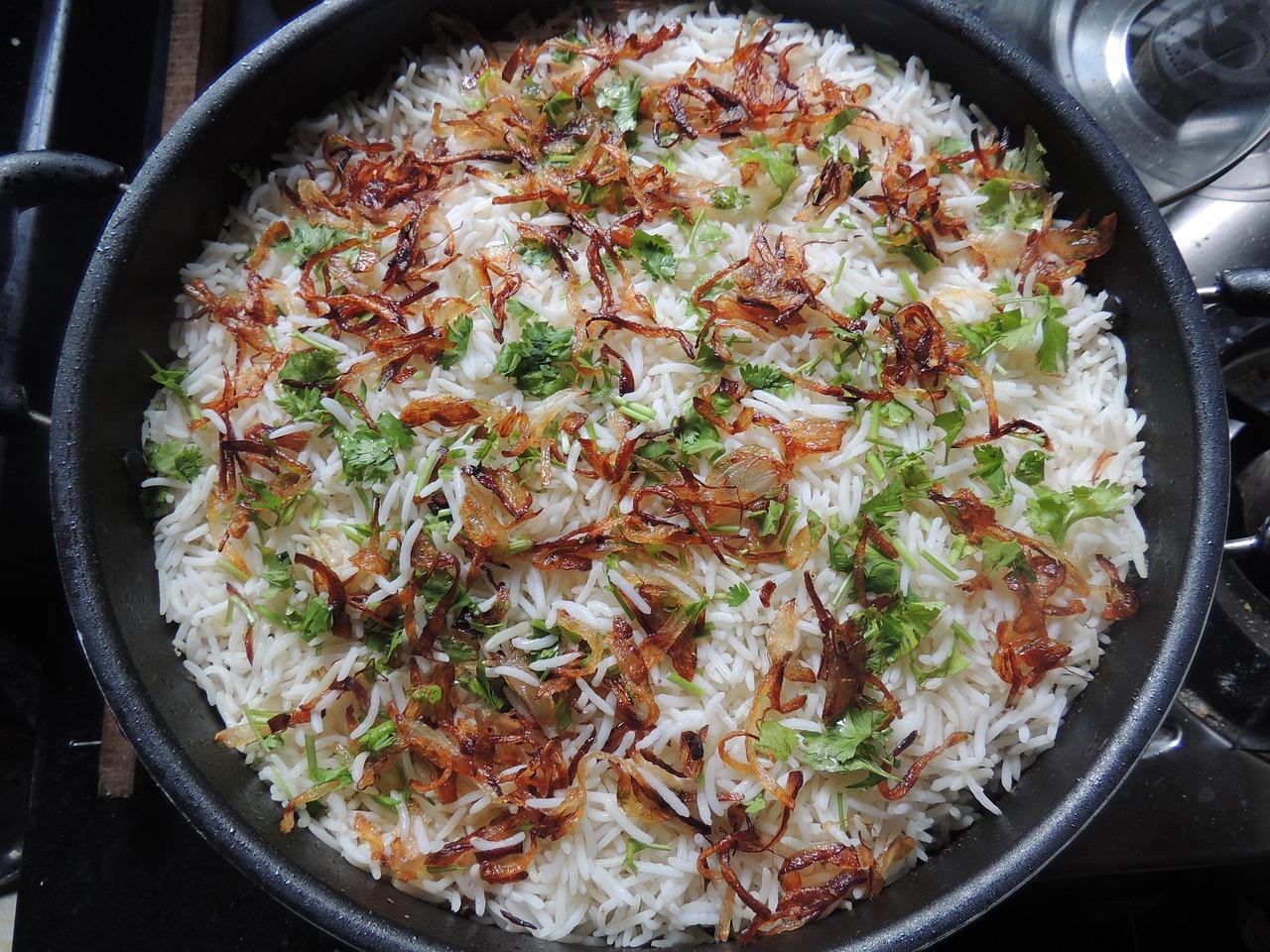
A fragrant Middle Eastern rice pilaf: rice simmered in vegetable stock with onion, garlic, chilli and cumin, then finished with golden vermicelli and pine nuts toasted in butter, sweet currants and fresh parsley. Serve warm with cacık.

by KrazyBadal 0 views

Konafa (sweet pastry)

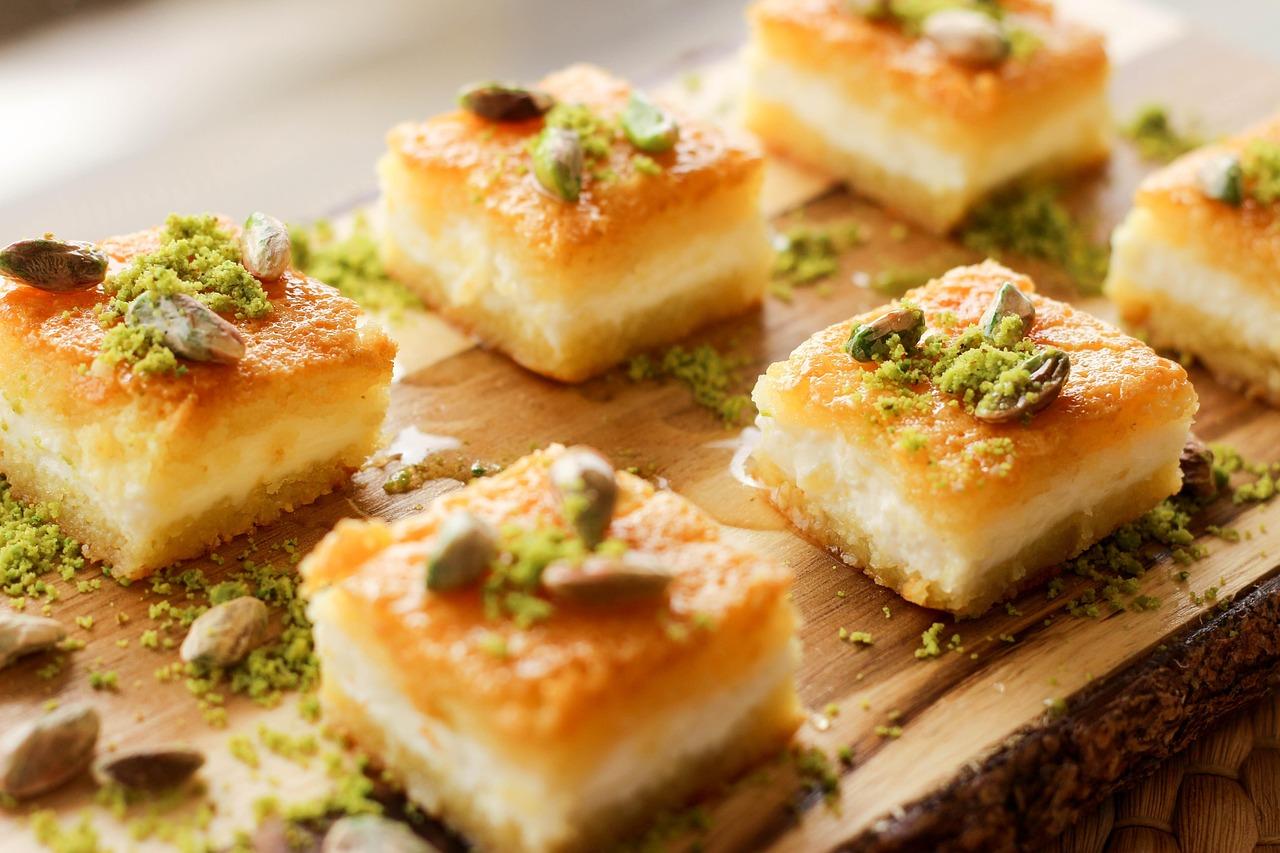
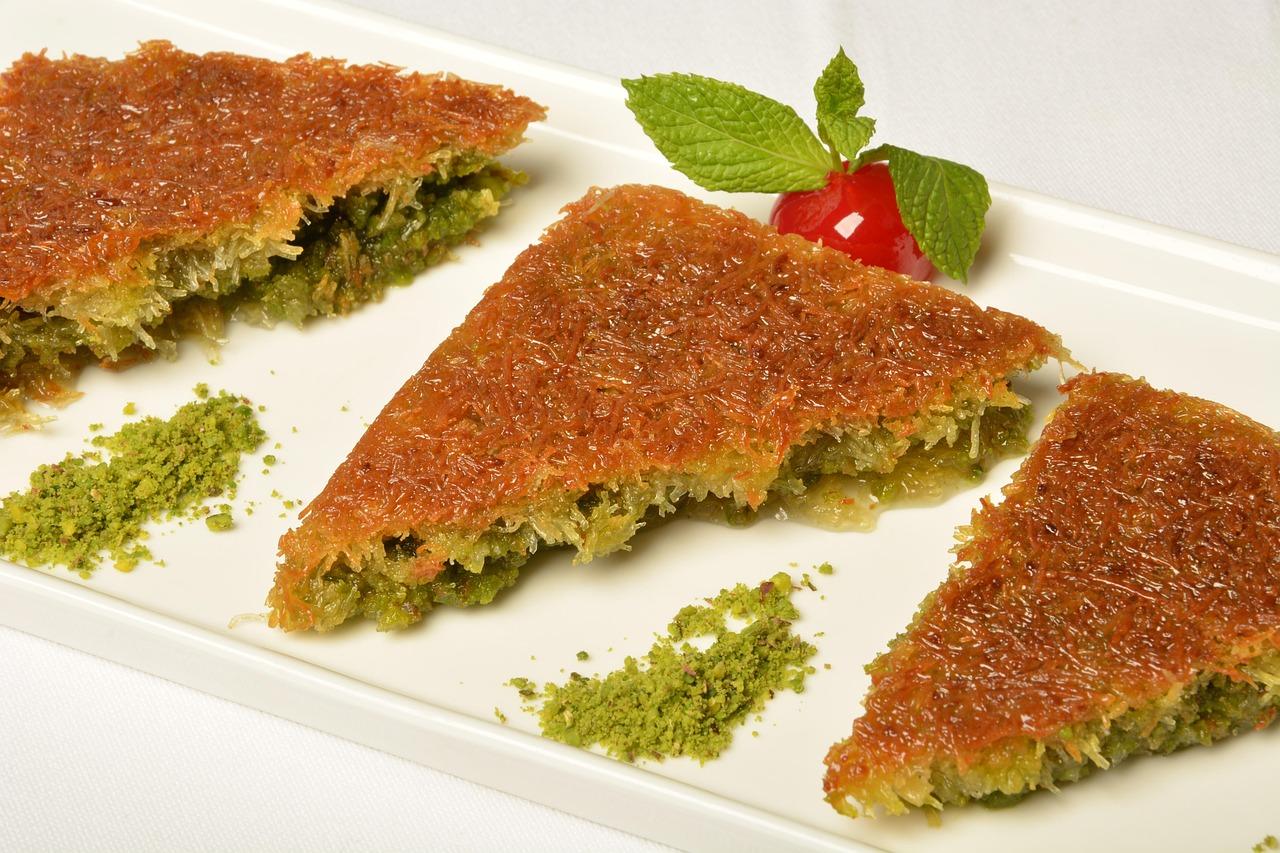
Konafa (kunafa) is a celebration sweet of shredded kataifi pastry tossed in butter and baked in two layers around a filling of coconut, almonds, pistachios and mixed peel with glacé cherries. The hot pastry is drenched in cold rose-water syrup and pressed so it holds together, then cut into squares. Crisp, syrupy and nutty; serve cold with fresh cream or ice cream.

by KrazyBadal 0 views

Ma'amoul

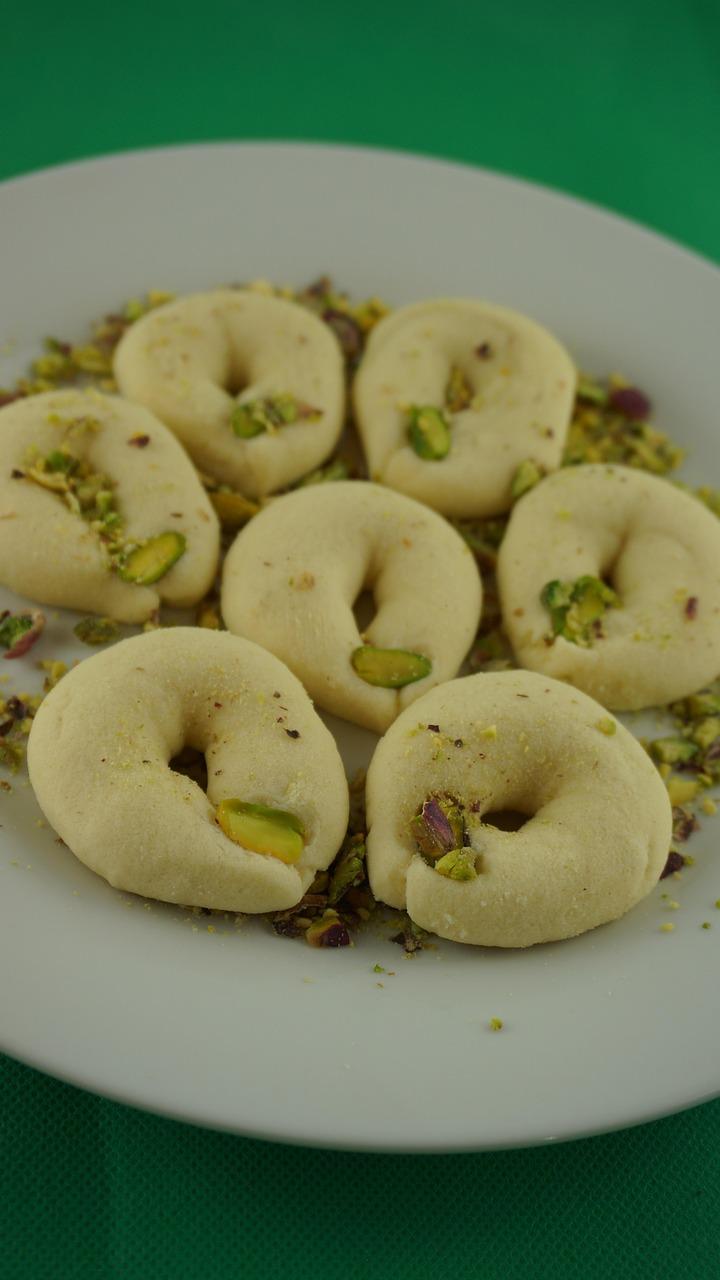
Ma'amoul are delicate shortbread-like pastries made for Eid and Easter across the Middle East. A soft, rose-scented butter dough is wrapped around a filling of dates, walnuts, almonds and pistachios cooked with cinnamon, marked with a fork, baked pale and dusted with icing sugar. Makes 35; they keep well in a tin.

by KrazyBadal 0 views

Imam bayildi

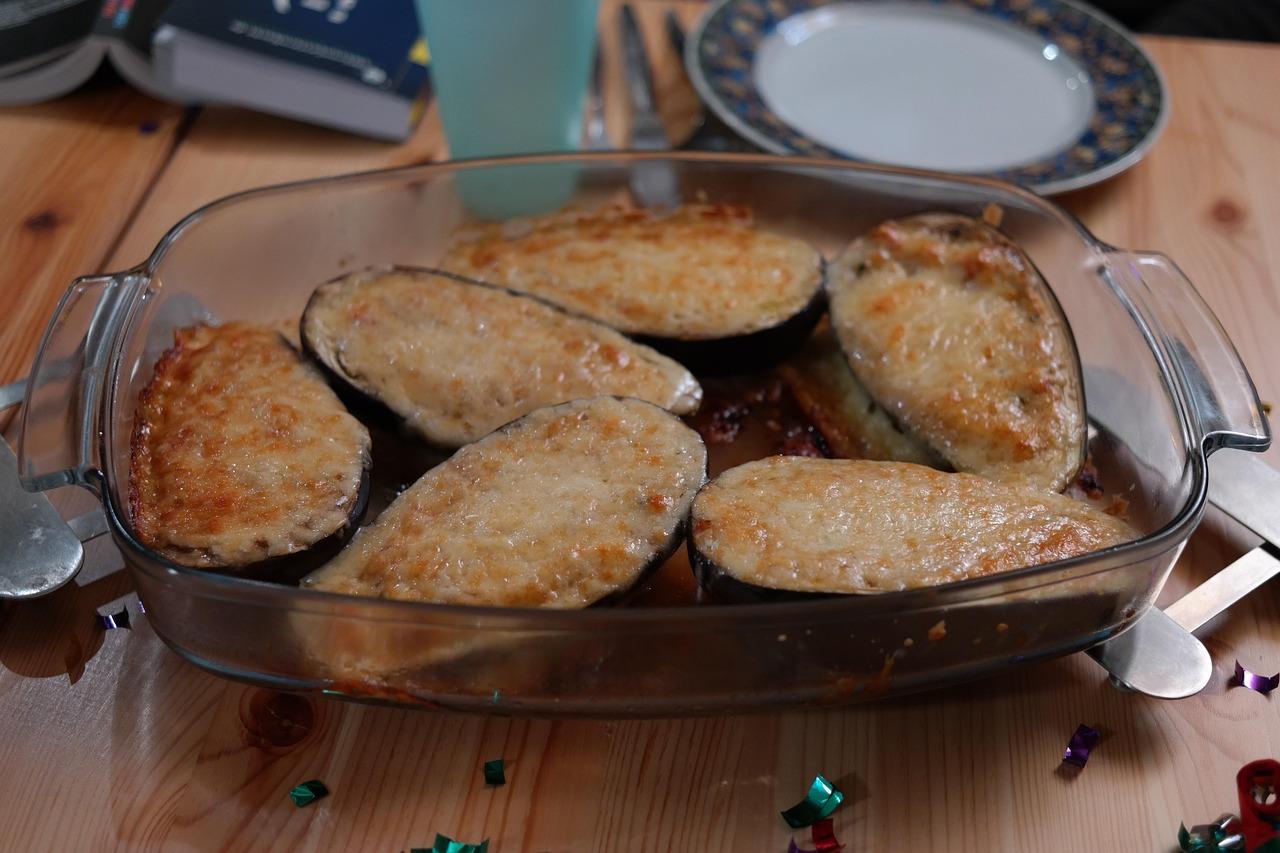
A classic Turkish dish whose name means 'the imam fainted', supposedly with delight. Aubergine shells are fried in olive oil and filled with their own flesh cooked with tomatoes, onion, red and green peppers, garlic and herbs, then baked until meltingly tender. Finished with lemon and parsley; good hot or cold with bread, salad and creamy garlic dip.

by KrazyBadal 0 views

Fattoush

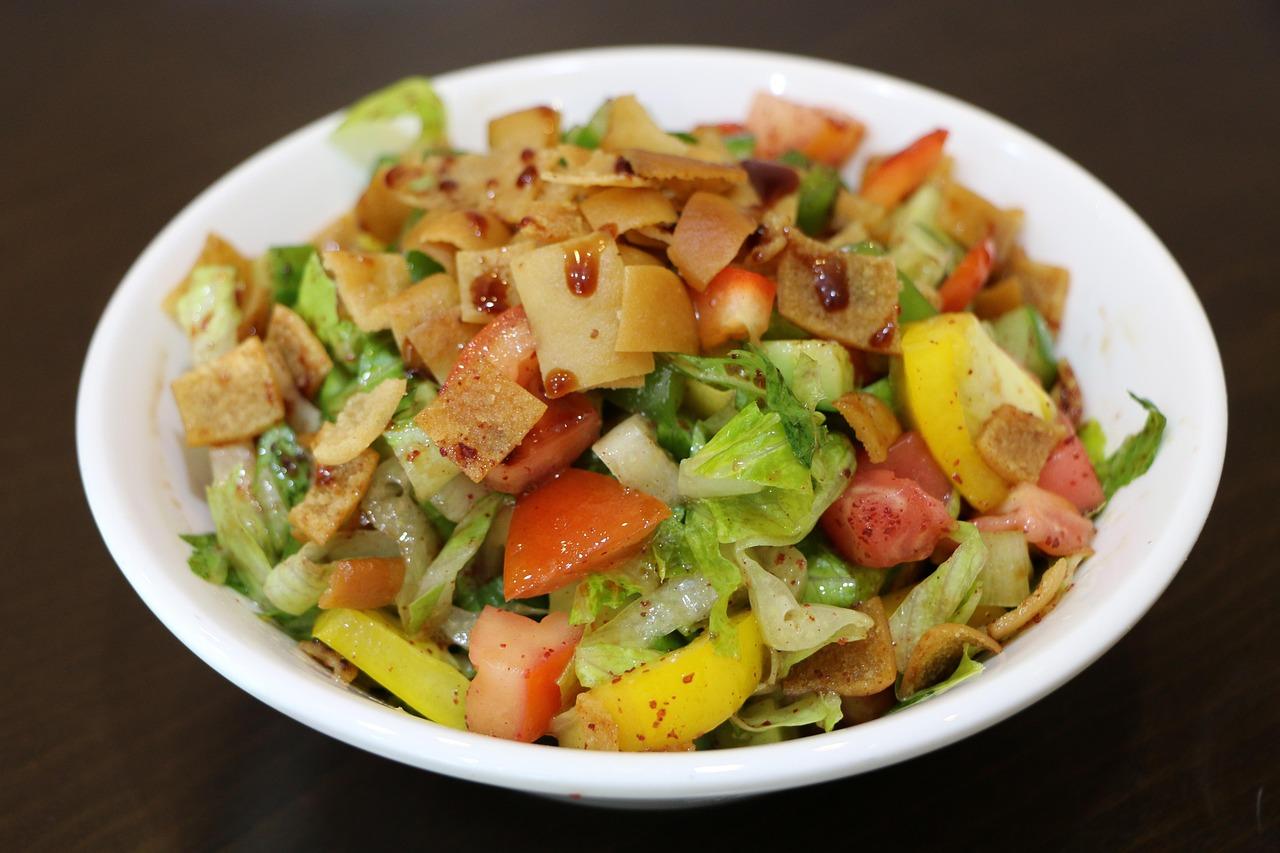
A fresh, crunchy Lebanese salad of tomatoes, cucumber, rocket, celery, spring onions and green pepper with lots of mint and parsley, tossed just before serving with crisp toasted pitta and a sharp lemon, garlic and olive oil dressing. Serve as a starter or alongside falafel and dips.

by KrazyBadal 0 views

Showing 24 of 29 recipes

Show more recipes

Page 1 of 2