Skip to content
WhatToEat.Today

All recipes

941

Vegetarian, or something you can't eat? Set your diet once and we'll hide recipes that don't fit.

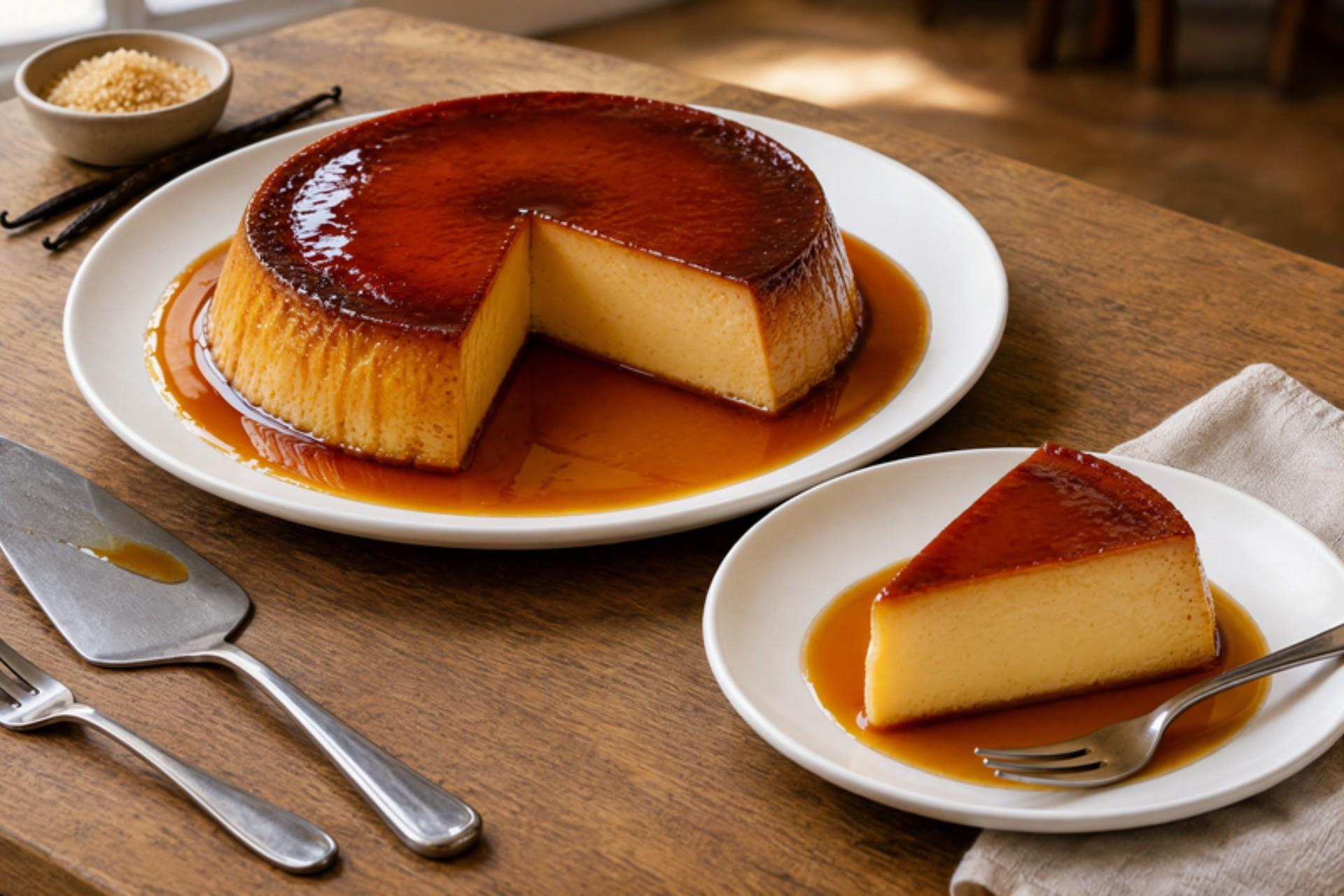
Crema volteadaBaked caramel custard

In Lima, crema volteada is the dessert that appears at Sunday lunch in Miraflores and Barranco homes and at every birthday where an aunt is in charge of the sweets. It is firmer and richer than a Spanish flan because it is made with both evaporated and condensed milk, so it slices cleanly and tastes of toffee. The usual mistake is baking it in an oven that is too hot: the custard boils, fills with tiny holes and weeps. Keep the water bath at a bare simmer and take it out while the centre still wobbles slightly. Chef's tip: chill it overnight before turning it out; a cold custard releases in one piece and the caramel has time to melt into a pourable sauce.

by KrazyBadal 0 views

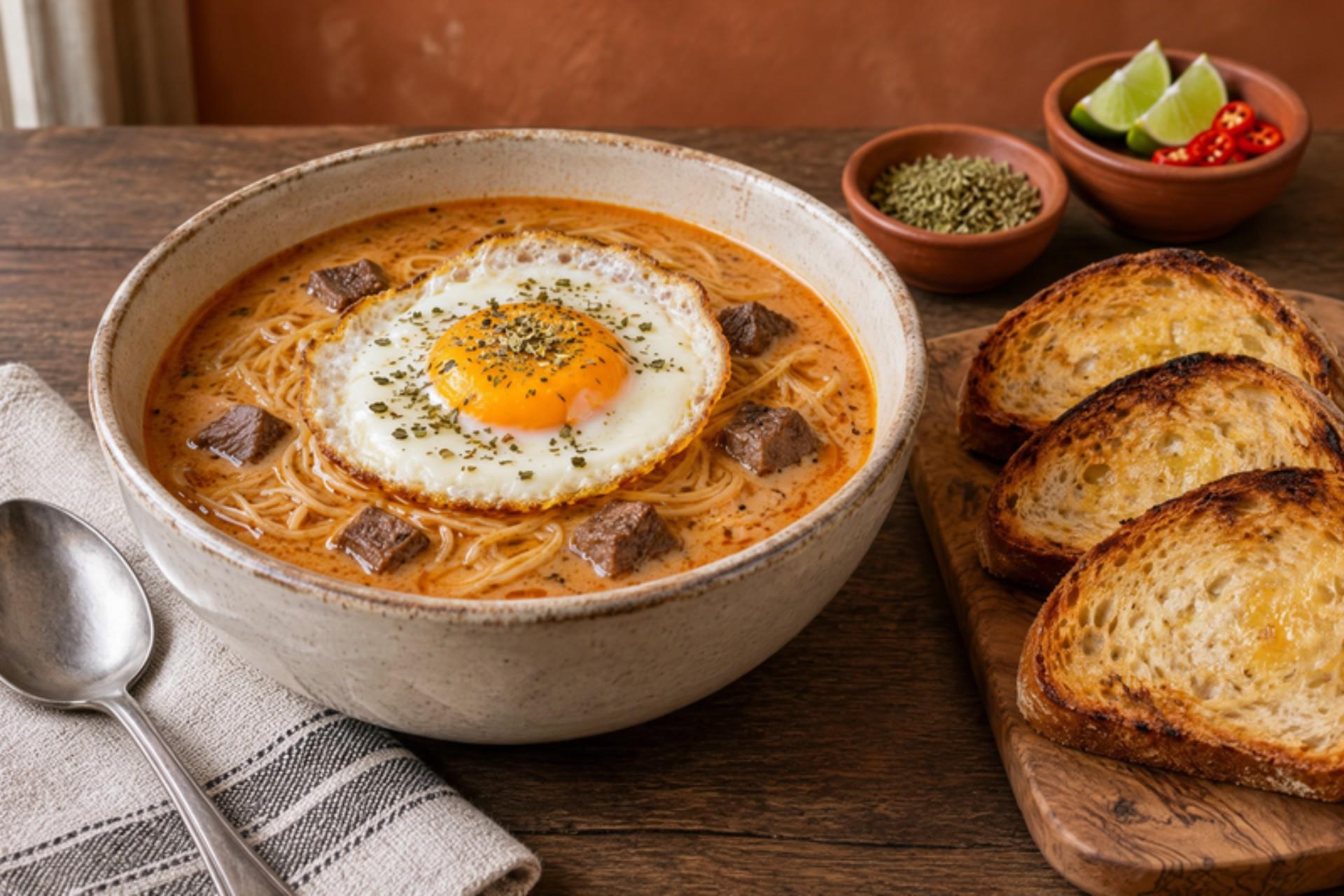
Sopa criollaCreamy beef noodle soup

Sopa criolla is the soup Lima turns to on grey winter evenings, when the garúa mist hangs over the city: a beef broth reddened with ají panca, full of thin noodles and strips of beef, enriched with evaporated milk and finished with a poached egg. It arrives with toasted bread for dunking. The common mistake is boiling the soup after adding the milk; it splits into specks. Lower the heat first and stir it in gently. The beef strips are thin, so they cook through in a few minutes. Chef's tip: crack the eggs straight into the barely simmering soup and leave them alone for three minutes; the whites set into soft ribbons that thicken the broth.

by KrazyBadal 0 views

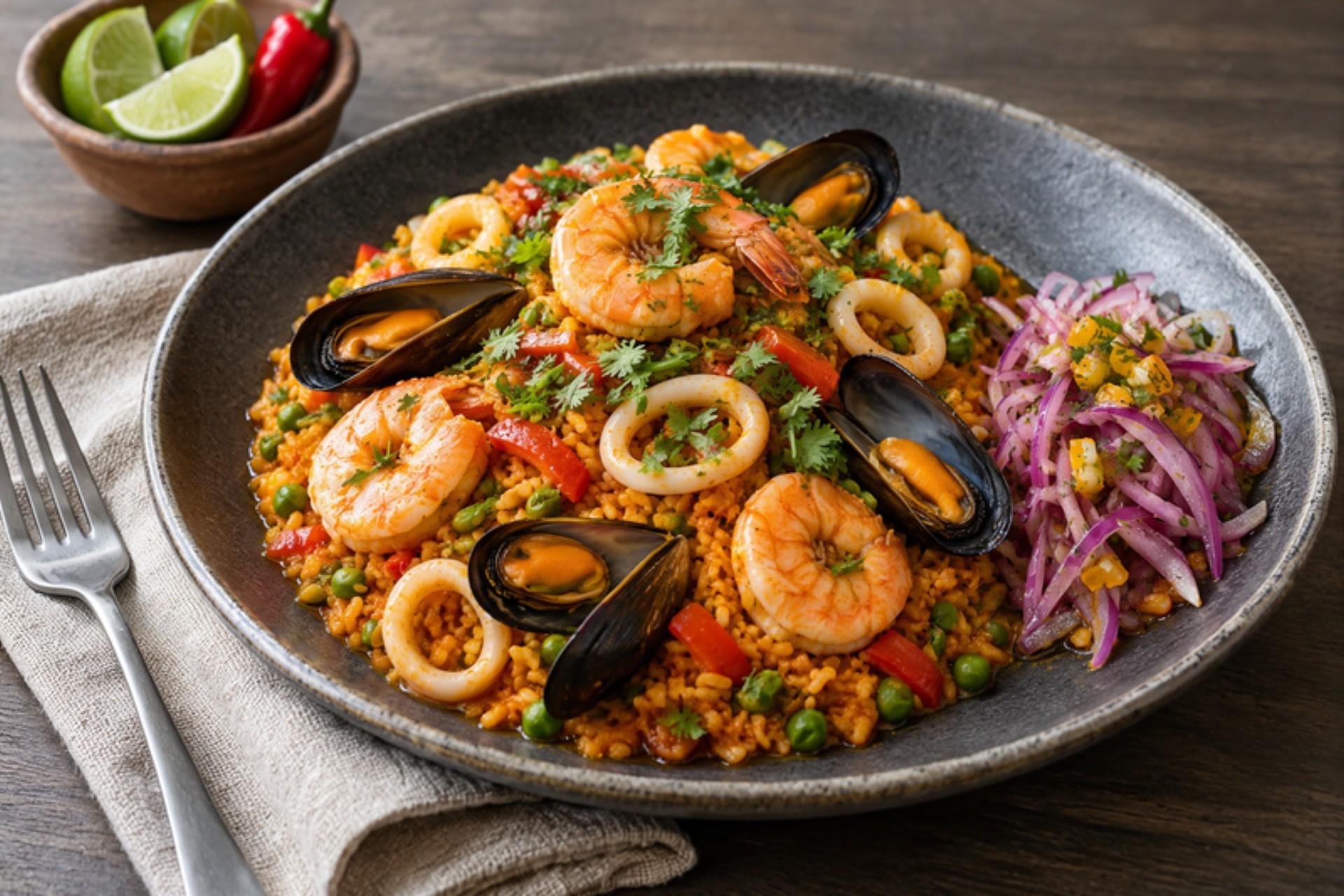
Arroz con mariscosSeafood rice

Arroz con mariscos is the weekend dish of Callao and the beach towns south of Lima, served in cevicherías as the hot partner to a cold ceviche. It is moister than a paella, closer to a risotto, coloured with ají panca and ají amarillo and finished with peas and a little Parmesan-style cheese, as many Lima cooks do. The common mistake is adding all the seafood at the start: the squid turns rubbery and the prawns shrink to nothing. Cook the rice first and add the shellfish only for the final minutes. Discard any mussels that are open before cooking and do not close when tapped, and any that stay shut after cooking. The cheese is often made with animal rennet; use a vegetarian hard cheese if you prefer. Chef's tip: simmer the prawn shells in the stock for 10 minutes; they give the rice its deep seafood taste.

by KrazyBadal 0 views

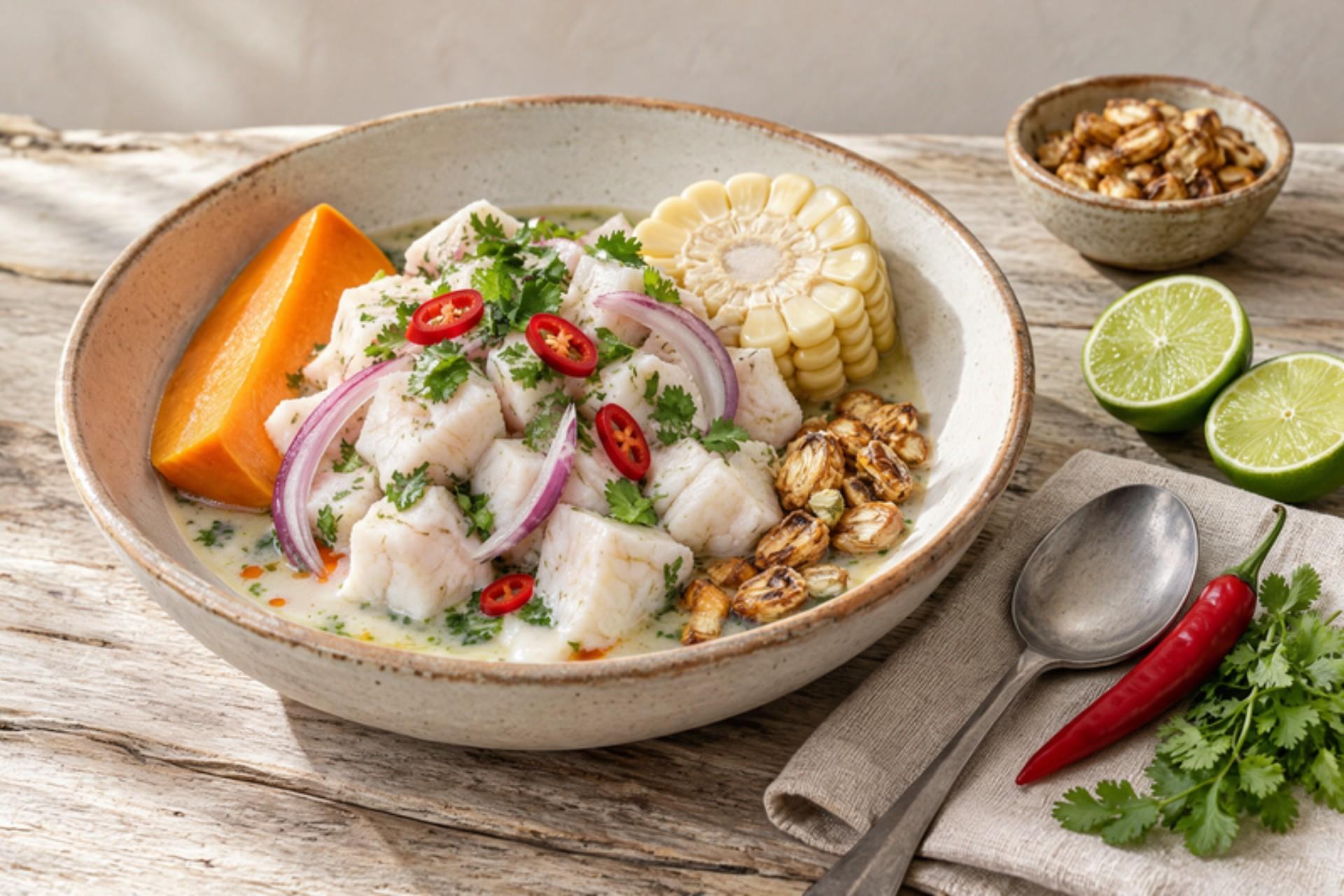
Ceviche peruanoLime-cured white fish

Ceviche is Peru's national dish, eaten at lunchtime in the cevicherías of Lima's Surquillo and Chorrillos markets, because the fish must be fresh off the morning boats and cevicherías traditionally close in the afternoon. The classic is raw white fish 'cooked' in lime juice with red onion, chilli and coriander, served with sweet potato and corn. Lime juice does not kill bacteria or parasites, so this version first poaches the fish for a minute until just opaque, then dresses it, which keeps the classic flavour and texture far safer. Even so, it is not for pregnant women, young children or anyone with a weakened immune system. The usual mistake is leaving the fish in the lime for an hour: it turns chalky and the juice goes bitter. Chef's tip: squeeze the limes gently by hand and stop before the pith; over-squeezed limes make bitter leche de tigre.

by KrazyBadal 0 views

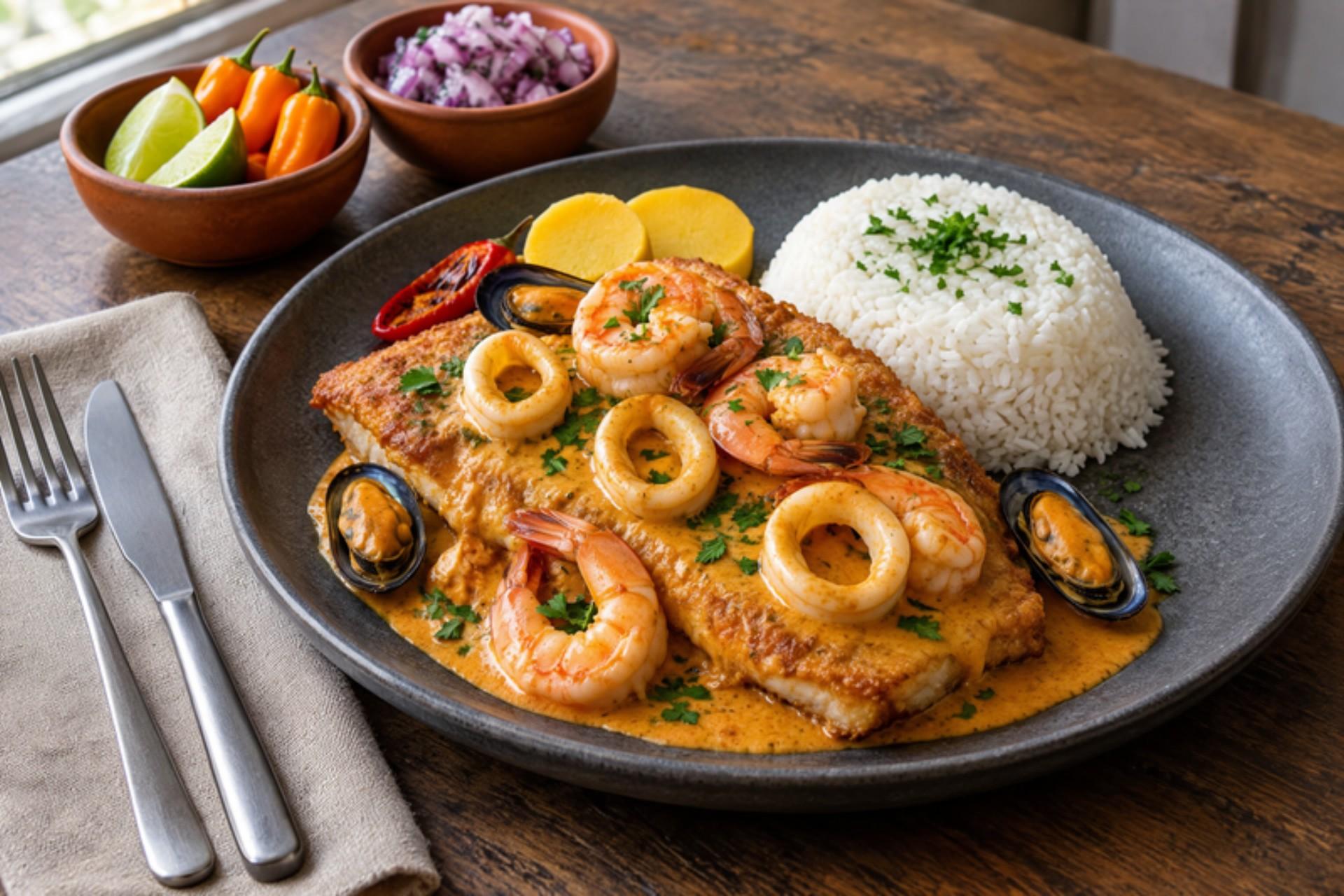
Pescado a lo machoFried fish in spicy seafood sauce

Pescado a lo macho is a classic of Lima's seafood restaurants, the dish people order for a long Sunday lunch near the sea in Chorrillos: a fillet of fried white fish smothered in a thick, spicy sauce of ají panca and ají amarillo packed with prawns, squid and mussels. The name boasts that you need to be brave for the chilli, but you can turn it down. The common mistake is overcooking the seafood while the sauce reduces; add it only when the sauce is already thick. Discard mussels that are open and do not close when tapped, and any that stay shut after cooking. Chef's tip: dust the fish in flour seasoned with cumin and fry it last, so it reaches the table crisp under the sauce.

by KrazyBadal 0 views

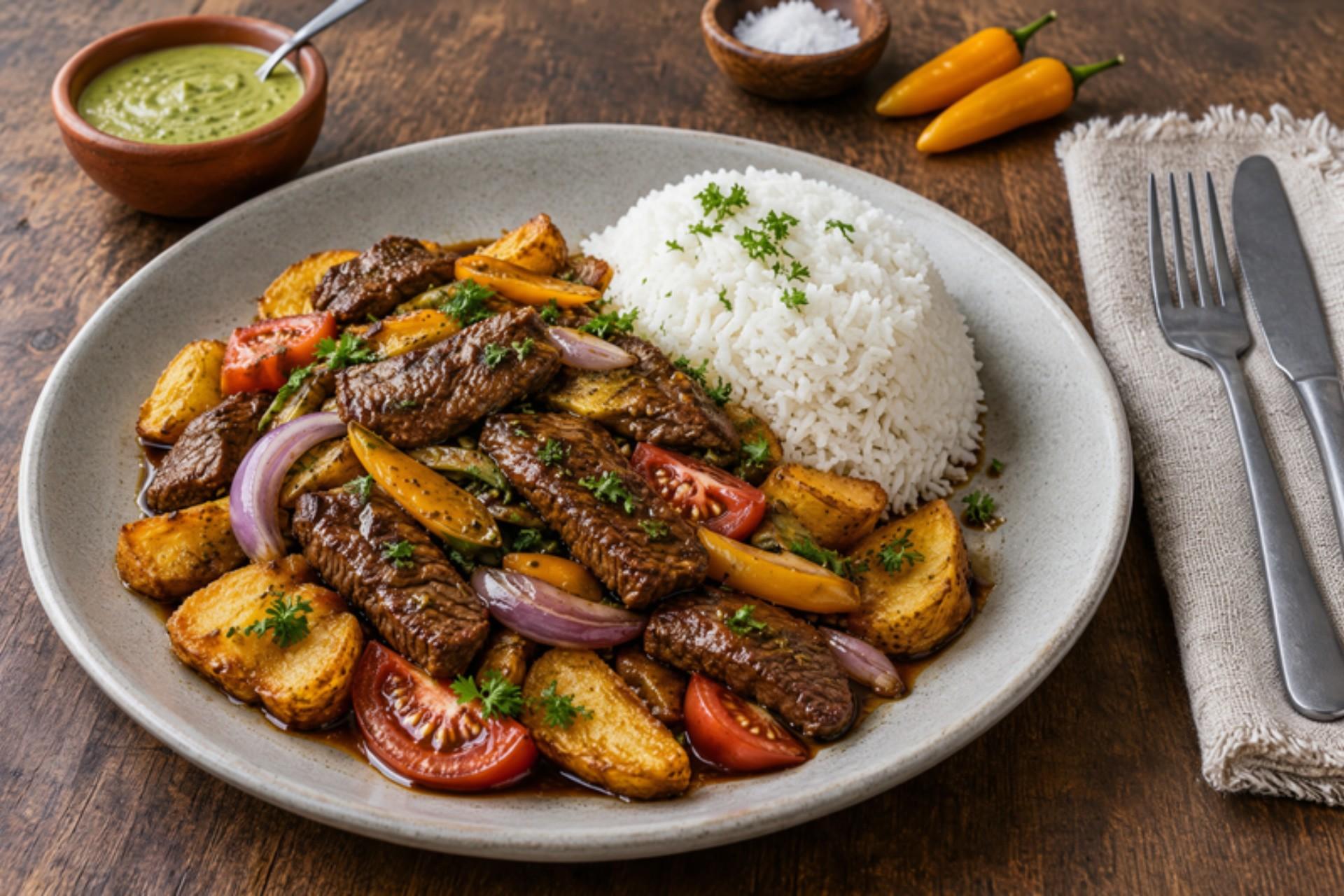
Lomo saltadoBeef stir-fry with chips

Lomo saltado was born in the chifas of central Lima, where Chinese cooks met Peruvian ingredients, and today it is the lunch every Peruvian family makes when they want something fast and a little indulgent. Strips of beef are seared in a smoking-hot wok with red onion, tomato and yellow chilli, splashed with soy sauce and vinegar, then tossed with chips and served beside white rice, so you get both starches on one plate. The common mistake is crowding the wok: the beef stews in its juices and turns grey and chewy instead of charring. Cook it in two batches over the highest heat you have. Chef's tip: add the chips at the very last second, or serve them on the side, so they soak up a little sauce but stay crisp.

by KrazyBadal 0 views

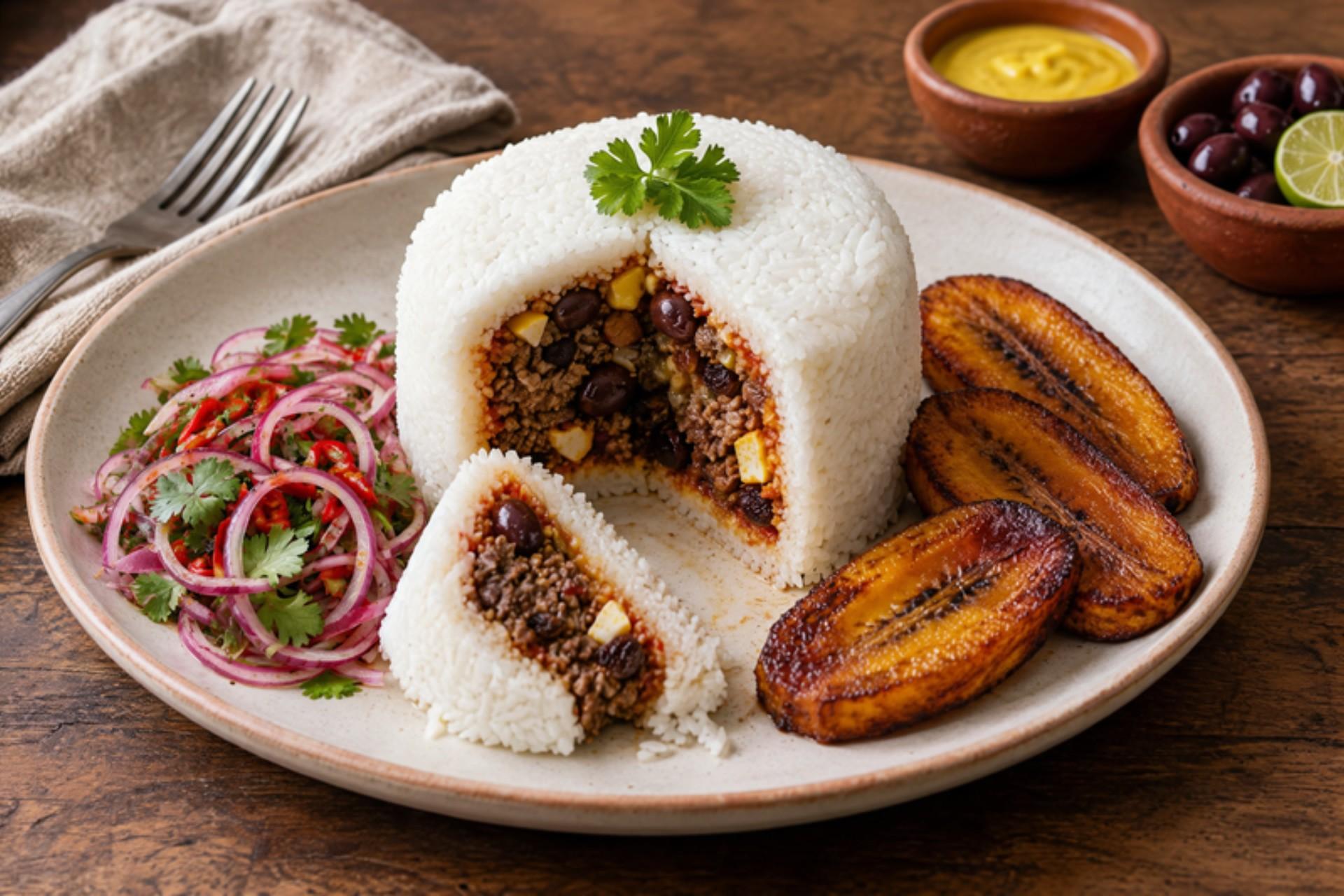
Arroz tapadoRice dome with beef filling

Arroz tapado means covered rice, and it is the thrifty weekday lunch of Lima homes and school canteens: garlic rice pressed into a bowl, filled with a sweet-savoury beef mince and turned out like a dome. The filling of minced beef with onion, ají panca, raisins, black olives and hard-boiled egg is the same picadillo that goes into papas rellenas. The usual mistake is leaving the filling wet: the dome collapses and the rice turns soggy. Simmer it until the pan is almost dry. Minced beef must reach 71 °C, so cook it until no pink remains. Serve with a spoonful of salsa criolla. Chef's tip: brush the bowl with a little oil and pack the rice firmly with the back of a spoon; a well-pressed dome holds its shape on the plate.

by KrazyBadal 0 views

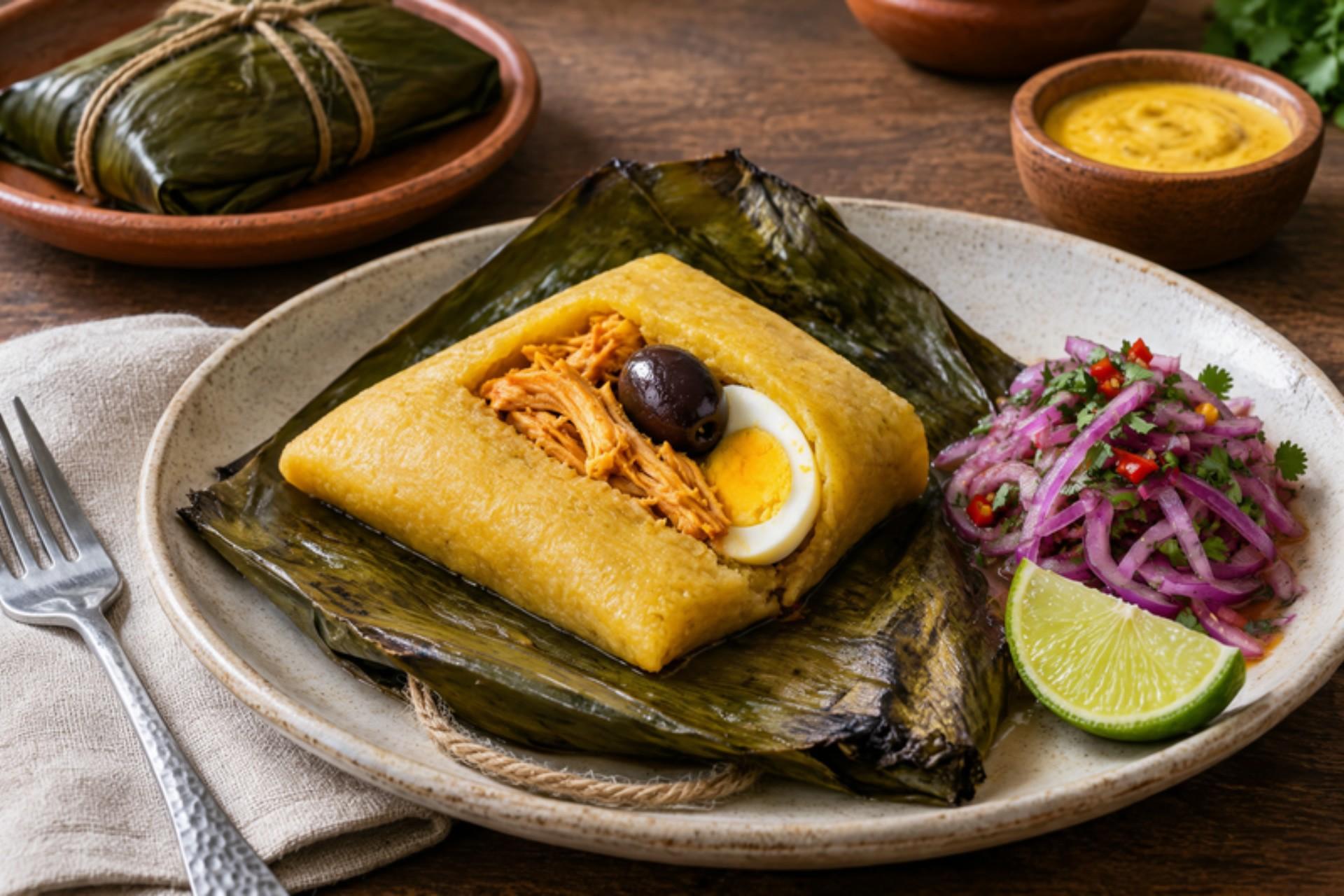
Tamales peruanosChicken corn tamales in banana leaf

In Lima, tamales are a Sunday breakfast, bought warm from street vendors calling 'tamaleeeeros' or made at home for Christmas, and eaten with crusty bread and a pile of salsa criolla. Peruvian tamales are larger and softer than Mexican ones, made from corn dough coloured with ají and wrapped in banana leaves, hiding chicken, a black olive, a slice of egg and a peanut. Peanuts are an allergen, so leave them out if needed. The usual mistake is a dry dough: the tamales turn crumbly. Beat in enough warm stock to make a soft paste that just holds its shape. The chicken must reach 74 °C before it goes in. Chef's tip: fat makes the dough tender; beat the oil and dough for a full 5 minutes until light, as Lima cooks do with pork lard.

by KrazyBadal 0 views

Neko manmaRice with bonito flakes and soy

Neko manma means 'cat's rice', a joking name for the bowl that people all over Japan make late at night or on the evening the fridge is empty: steaming rice, a handful of dried bonito flakes (katsuobushi) and a little soy sauce, stirred together. The flakes wilt and curl in the heat and give the rice a smoky, savoury flavour; some homes splash over the last of the miso soup instead. The mistake is drowning it in soy, which turns the flakes soggy and the rice salty; a teaspoon is plenty. Chef's tip: crumble the bonito between your fingers over the rice so the finer flakes melt into every grain.

by KrazyBadal 0 views

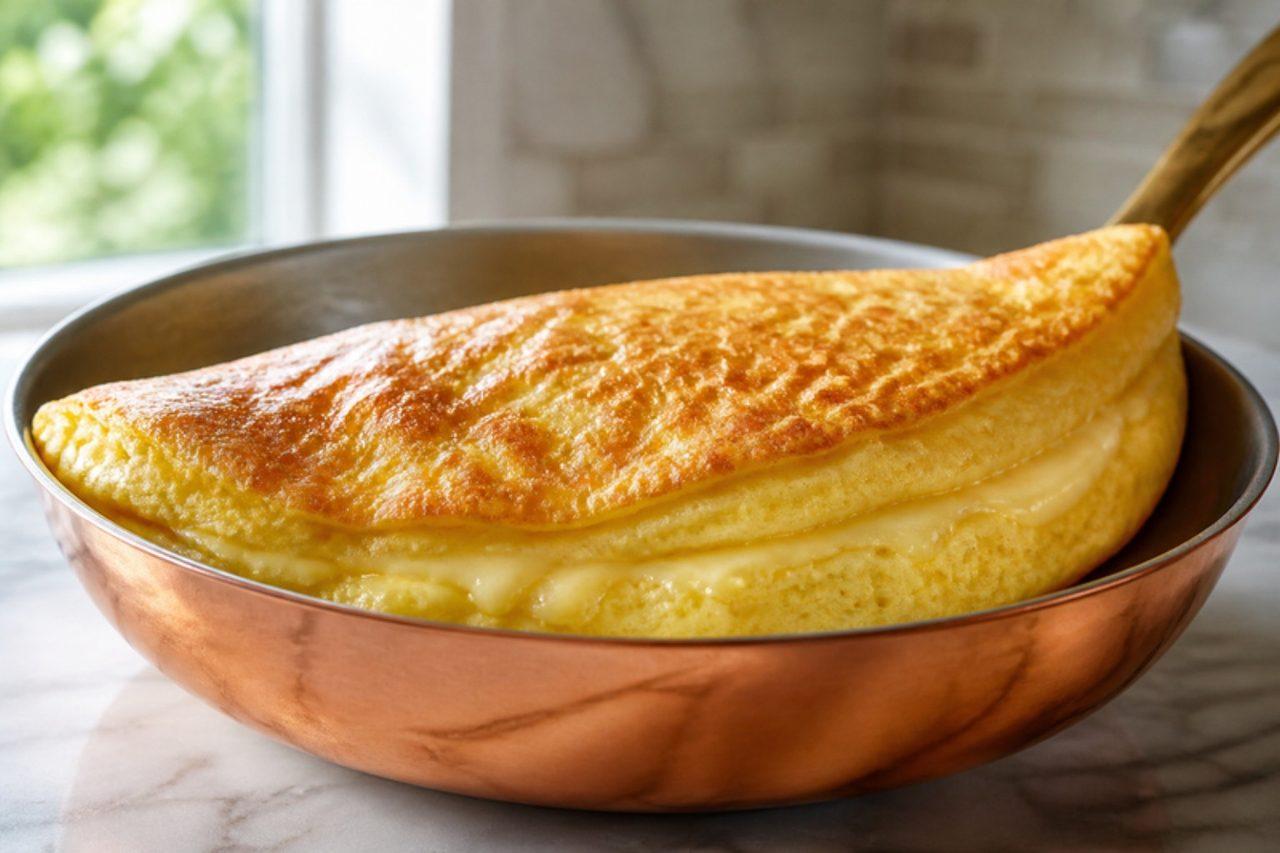
Mont-Saint-Michel soufflé omelette

On the tidal island of Mont-Saint-Michel in Normandy, pilgrims and travellers have long been fed a tall, cloud-like omelette named after Annette Poulard, the nineteenth-century innkeeper who served it to hungry visitors. At home it makes a quick, rather showy supper: the eggs are whisked so much air goes in that the omelette rises in the pan, golden underneath and soft and foamy inside, folded over and eaten with a green salad. The common mistake is whipping the whites until they are stiff and dry; they then won't fold into the yolks and the omelette weeps liquid. Chef's tip: stir a spoonful of the whites into the yolks first to loosen them, then fold in the rest in two goes.

by KrazyBadal 0 views

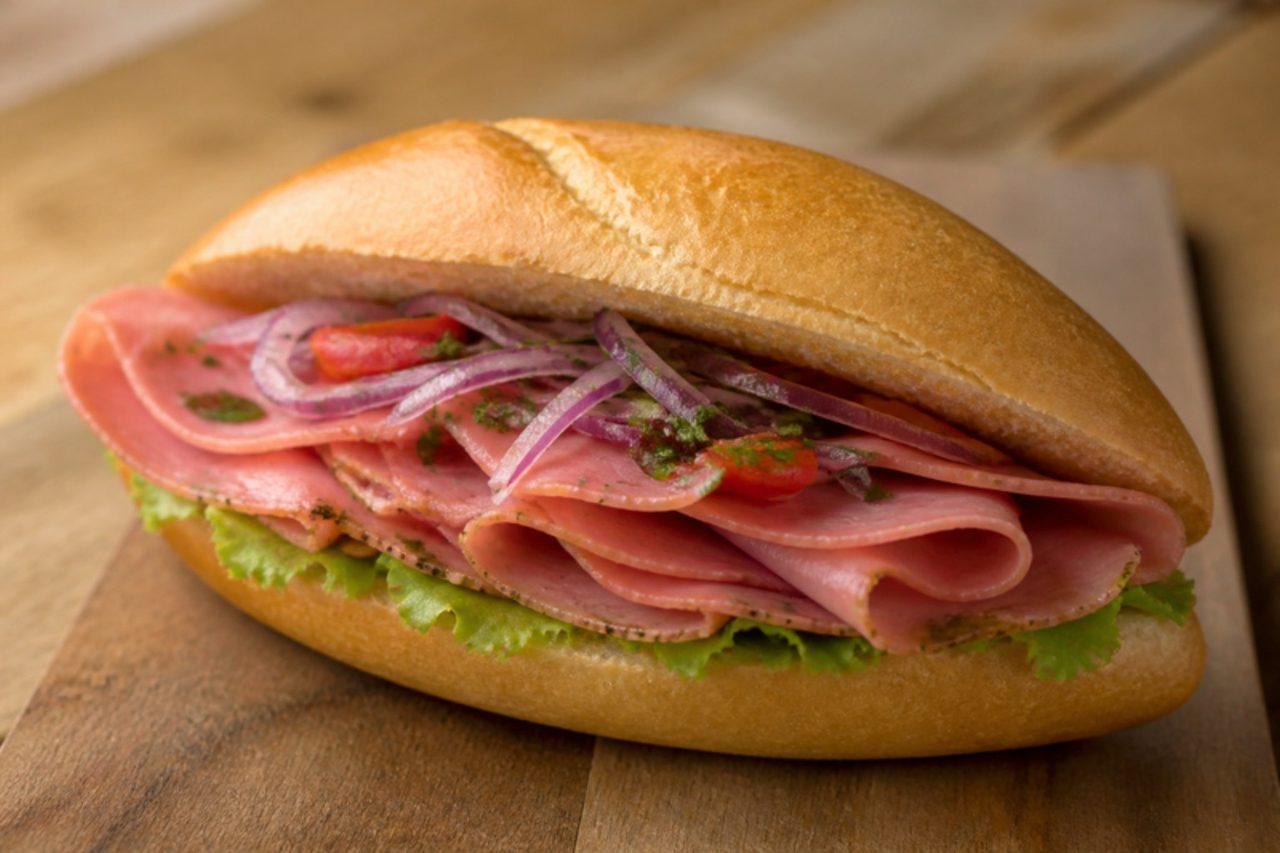
Pan con butifarraHam roll with onion salsa

Pan con butifarra is Lima's evening sandwich, sold in old-school sangucherías and made at home for a light dinner with coffee: a crusty roll filled with jamón del país, a spiced Peruvian pork ham, under a heap of salsa criolla, red onion sliced thin and soaked in lime with chilli. Outside Peru, use a good cooked pork ham. The common mistake is leaving the onion harsh; give it a quick rinse in salted water before dressing it. Chef's tip: a leaf of lettuce under the ham stops the lime juice soaking straight into the bread.

by KrazyBadal 0 views

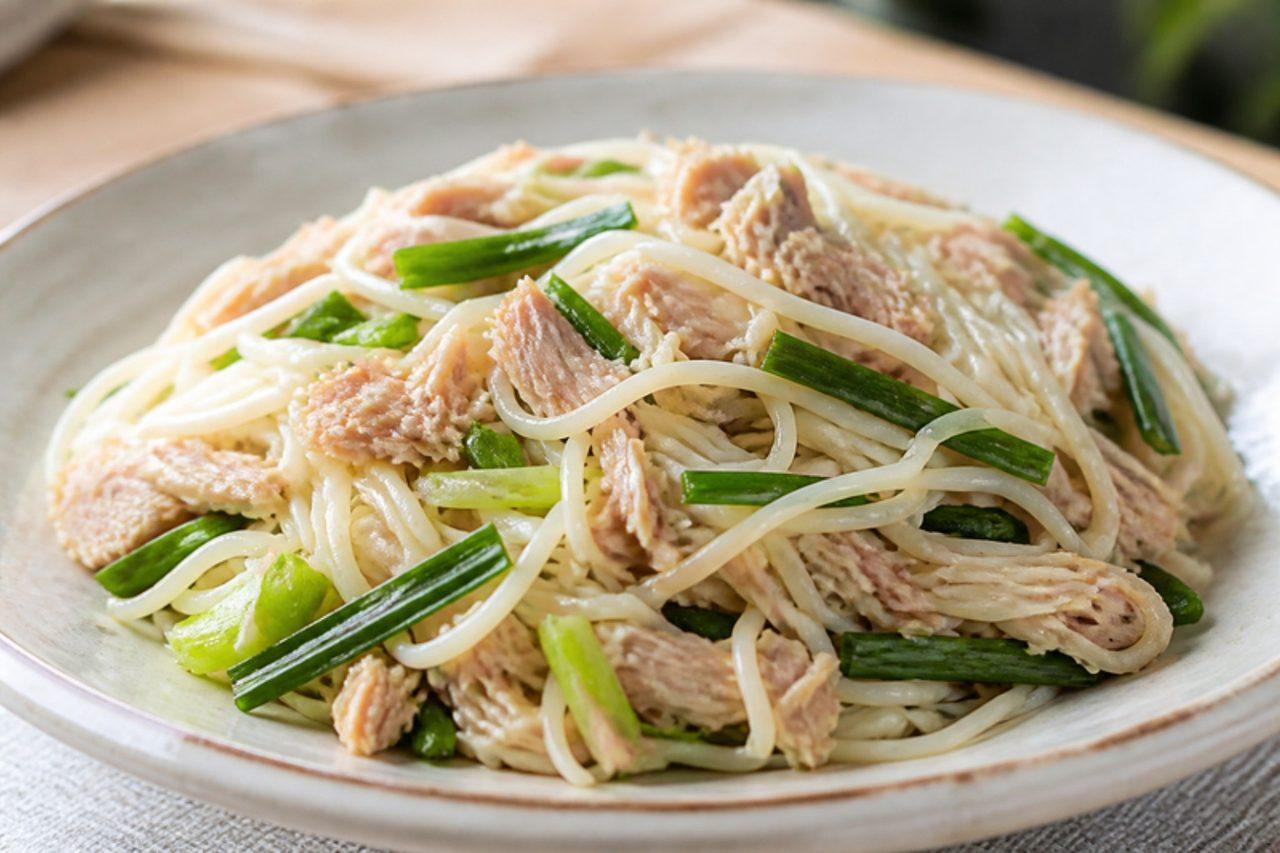
Somen chanpuruStir-fried noodles with tuna

In Okinawa, somen chanpuru (also called somen tashiya) is what a grandmother throws together when the family turns up hungry: thin somen noodles boiled for a minute, then tossed in a hot pan with tinned tuna, spring onion and a little dashi. It's a lunch or easy dinner, salty, slippery and comforting. Many Okinawan cooks use tinned pork luncheon meat instead of tuna, so check which you're being served if you avoid pork; this version uses tuna. The common mistake is not rinsing and draining the somen well, which leaves the noodles clumped into one sticky lump in the pan. Chef's tip: toss the drained noodles with a teaspoon of oil before they meet the pan, and they'll stay separate.

by KrazyBadal 0 views

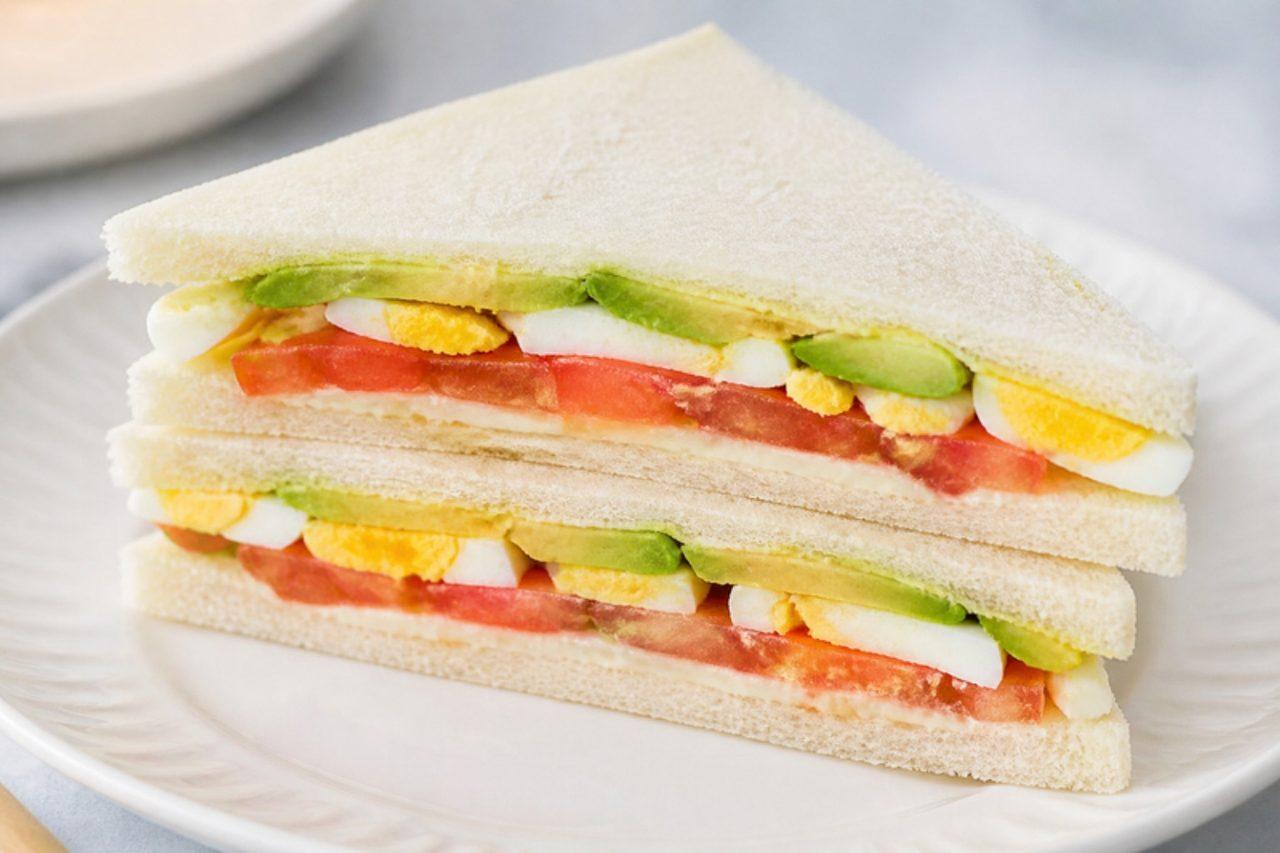
TripleAvocado, tomato and egg sandwich

The triple is the soft, layered sandwich of Lima's cafés and bakeries, eaten at lonche, the Peruvian late-afternoon meal, or as a light supper: three slices of crustless white bread layered with avocado, tomato and sliced hard-boiled egg, all held together with mayonnaise. It looks neat, tastes fresh and is loved by children. Shop-bought mayonnaise is made with pasteurised egg, so it is safe for everyone. The common mistake is letting wet tomato touch the bread, which turns it soggy within minutes. Chef's tip: pat the tomato dry and sit it between the avocado and egg, then press the sandwich under a board for a minute before cutting.

by KrazyBadal 0 views

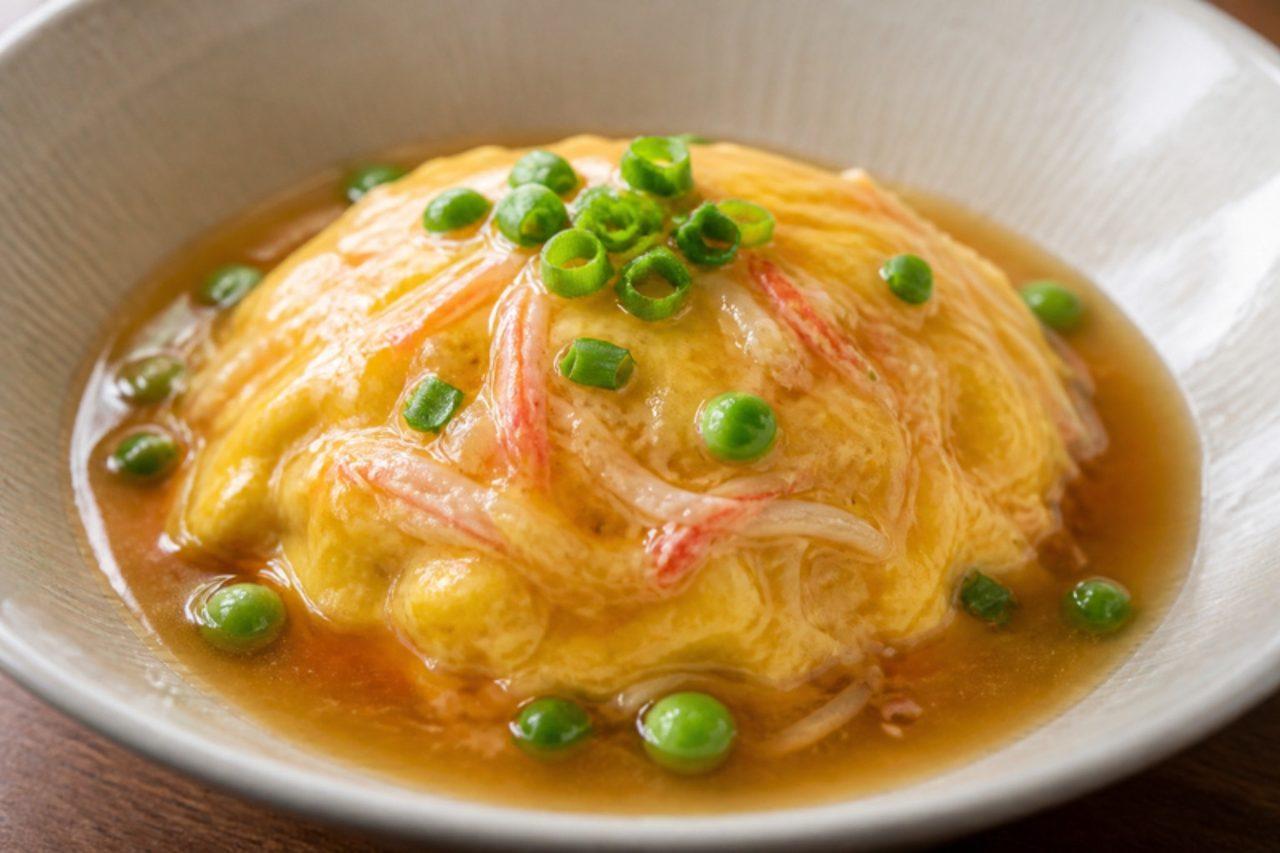
TenshinhanCrab omelette on rice

Tenshinhan, sometimes called tenshindon, is a Japanese invention served in the small Chinese-style chuka restaurants of Tokyo and Osaka, ordered at lunch and for a cheap, filling dinner. A fluffy omelette studded with crab and spring onion is slid over a mound of rice, then the whole plate is coated in a shiny amber sauce that is both sweet and a little sharp. It works well with tinned crab or crab sticks (which are made from fish and often contain wheat). The common mistake is tipping the cornflour slurry into the sauce without stirring, which makes lumps; pour it in a thin stream while stirring constantly. Chef's tip: add the vinegar only after the sauce has thickened, so its brightness isn't boiled away.

by KrazyBadal 0 views

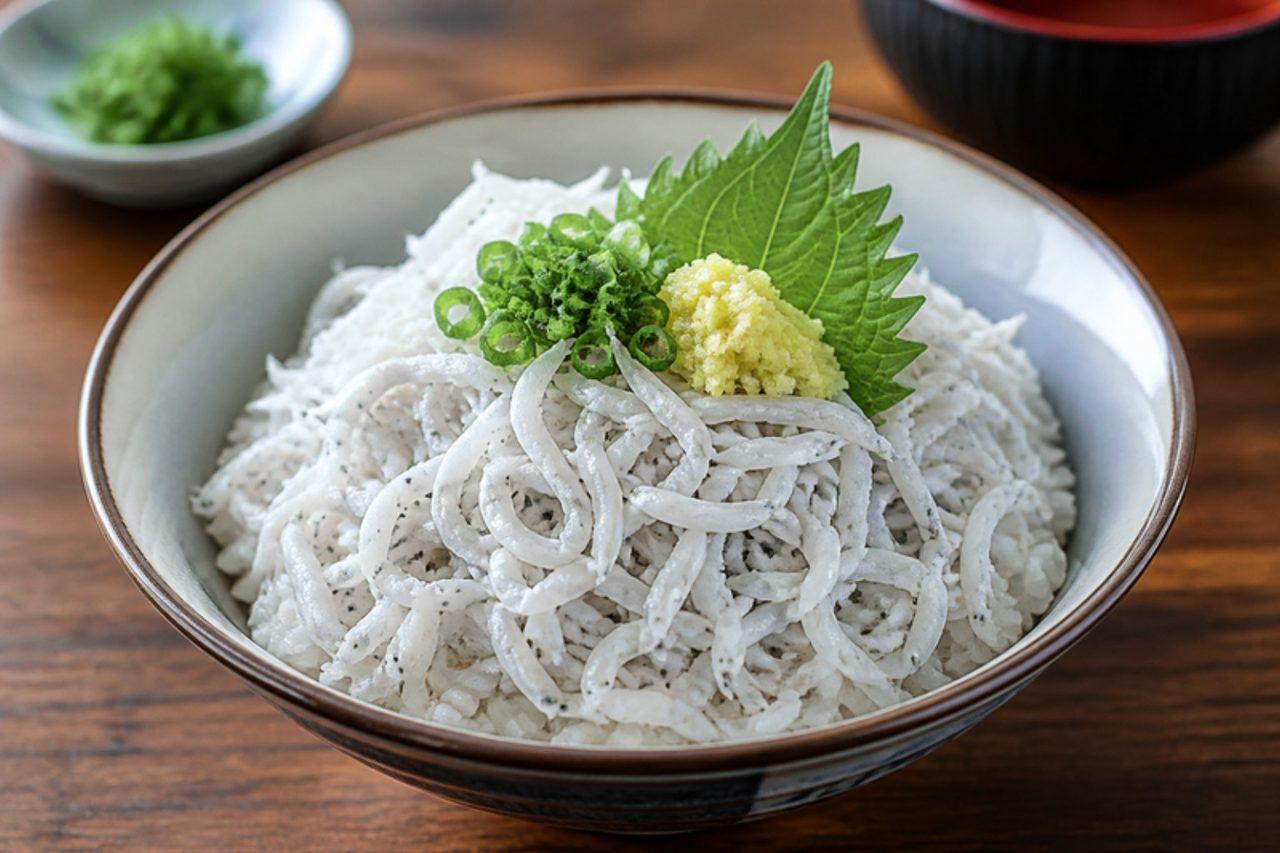
Shirasu donRice bowl with whitebait

Shirasu don comes from the Shonan coast around Enoshima and Kamakura, where the fishing boats bring in tiny whitebait from spring to autumn and cafés serve them boiled and piled over rice for lunch. At home it makes a five-minute supper: the little fish are soft, salty and sweet like the sea, lifted by spring onion, ginger and fresh shiso. Buy kamaage or kama-age shirasu, the ready-boiled kind sold chilled in Japanese shops; keep it in the fridge and use it by the date on the pack. Don't use raw (nama) shirasu at home. The common mistake is pouring soy all over; the fish are already salted, so a few drops are enough. Chef's tip: lay the shirasu on the rice in a loose heap rather than pressing it flat, so it stays fluffy and moist.

by KrazyBadal 0 views

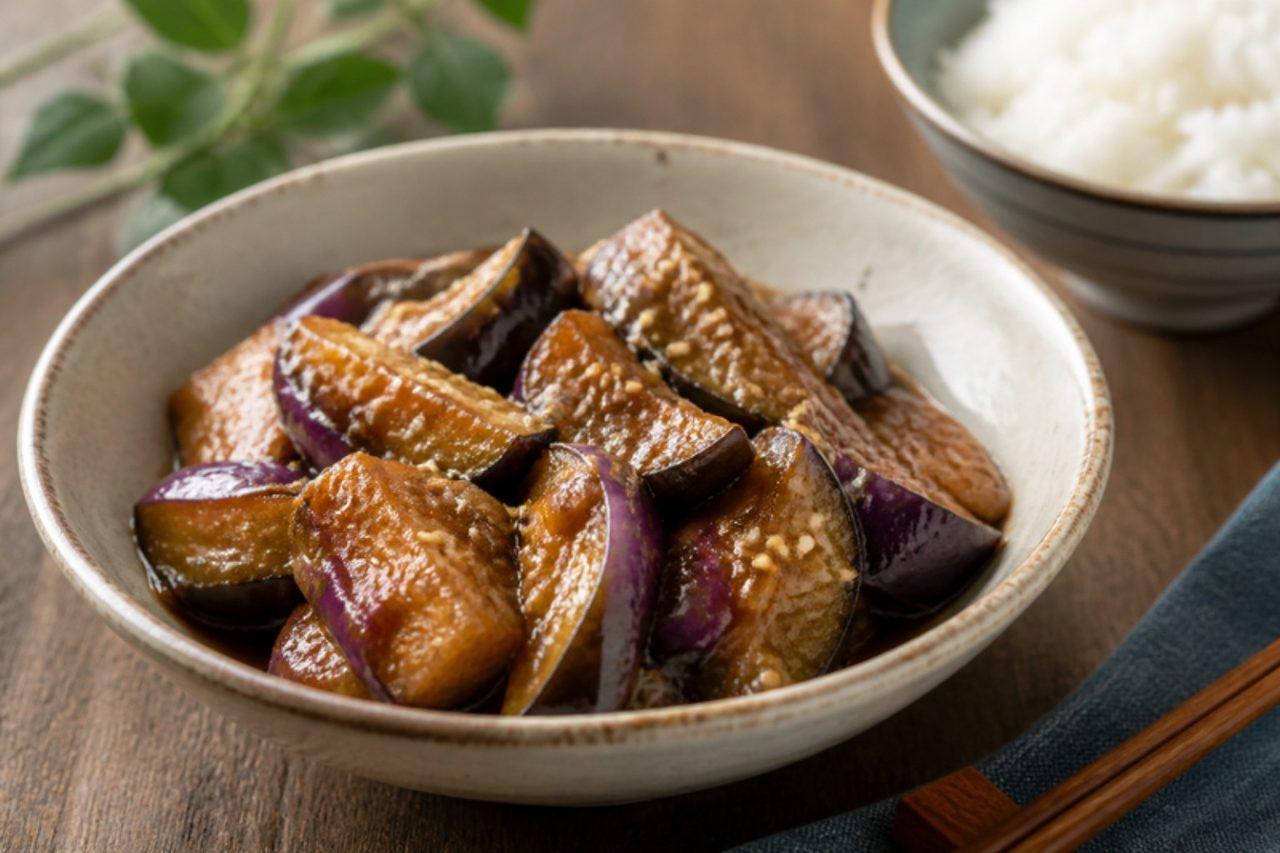
Nasu no miso itameMiso-glazed aubergine

Nasu no miso itame is a summer weeknight favourite across Japan, when aubergines are cheap and glossy: chunks are fried until creamy, then glazed in a sticky sauce of miso, soy, sugar and mirin and spooned over hot rice. Mirin contains a little alcohol, which mostly cooks off as the sauce bubbles; for an alcohol-free version use 1 tbsp water with an extra ½ tsp sugar. The common mistake is adding all the oil at once: aubergine drinks it, so start with a little, cover briefly to steam the pieces soft, then finish with more. Chef's tip: mix the sauce before you start, because miso burns within seconds once it hits the hot pan.

by KrazyBadal 0 views

Kake sobaBuckwheat noodles in hot broth

Kake soba is the bare, honest bowl served at the stand-up noodle counters inside Tokyo railway stations, slurped in a few minutes by commuters on the way home and made at home on cold nights when nobody wants to cook. Grey-brown buckwheat noodles sit in a dark, savoury broth of bonito dashi, soy sauce and mirin, with a heap of sliced spring onion on top. The broth uses mirin, a sweet rice wine; it simmers briefly so most of the alcohol cooks off, and for an alcohol-free bowl use 2 tsp sugar instead. The usual mistake is skipping the cold rinse: unrinsed soba is coated in starch, turns gummy and clouds the broth. Chef's tip: pour a ladle of the hot noodle water into each bowl while the soba cooks, then tip it out, so the warm bowls keep the broth steaming to the last mouthful.

by KrazyBadal 0 views

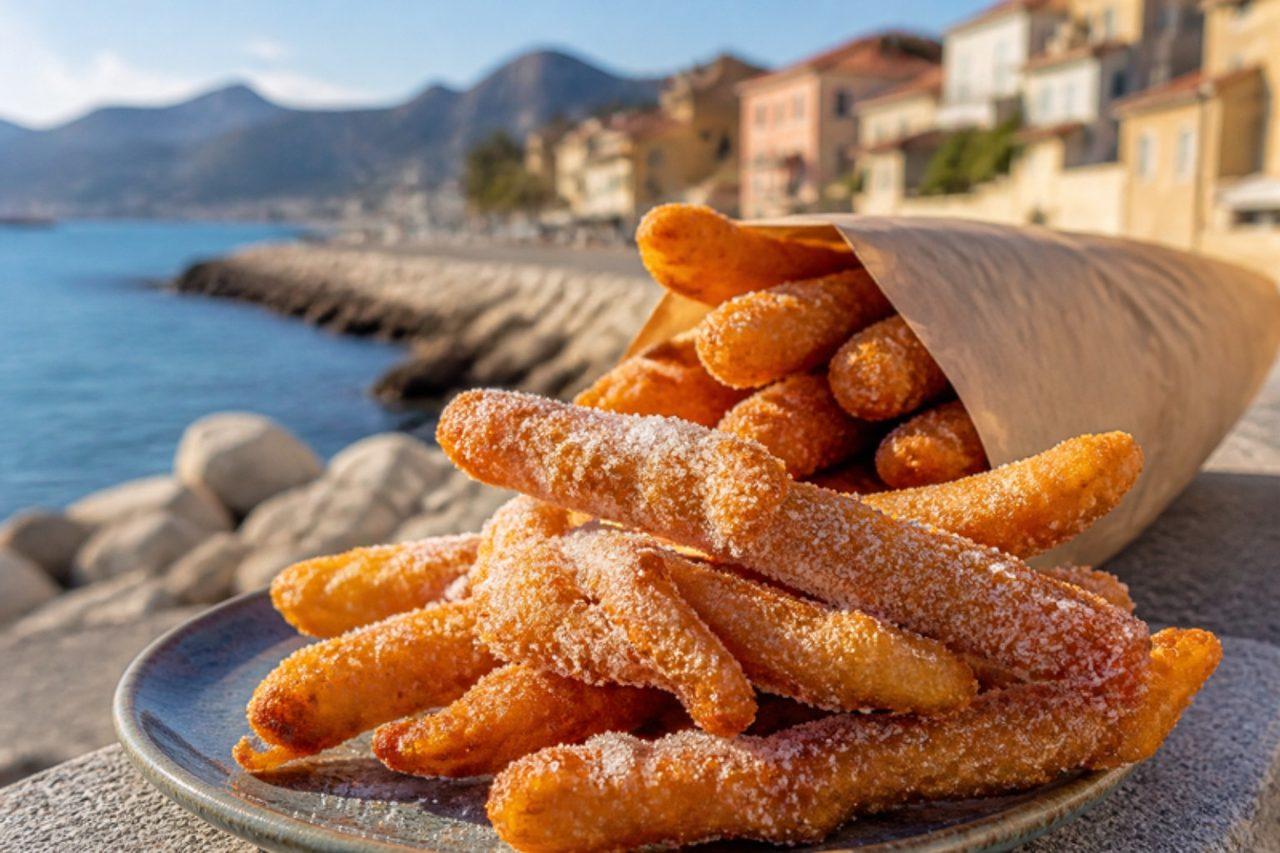
Chichi frégiChickpea flour fritters in sugar

On the seafront at L'Estaque, the old fishing quarter of Marseille, and at summer fêtes all along the coast, kiosks fry chichi frégi: long, ridged fritters of wheat and chickpea flour, rolled hot in sugar and eaten in a paper cone. The dough is a yeasted, egg-free batter piped straight into the oil, crisp outside and soft inside, with a faint nutty taste from the chickpea flour and a hint of orange flower. Chef's tip: keep the oil at 175 °C; cooler and the fritters soak up fat, hotter and they burn before the middle cooks.

by KrazyBadal 0 views

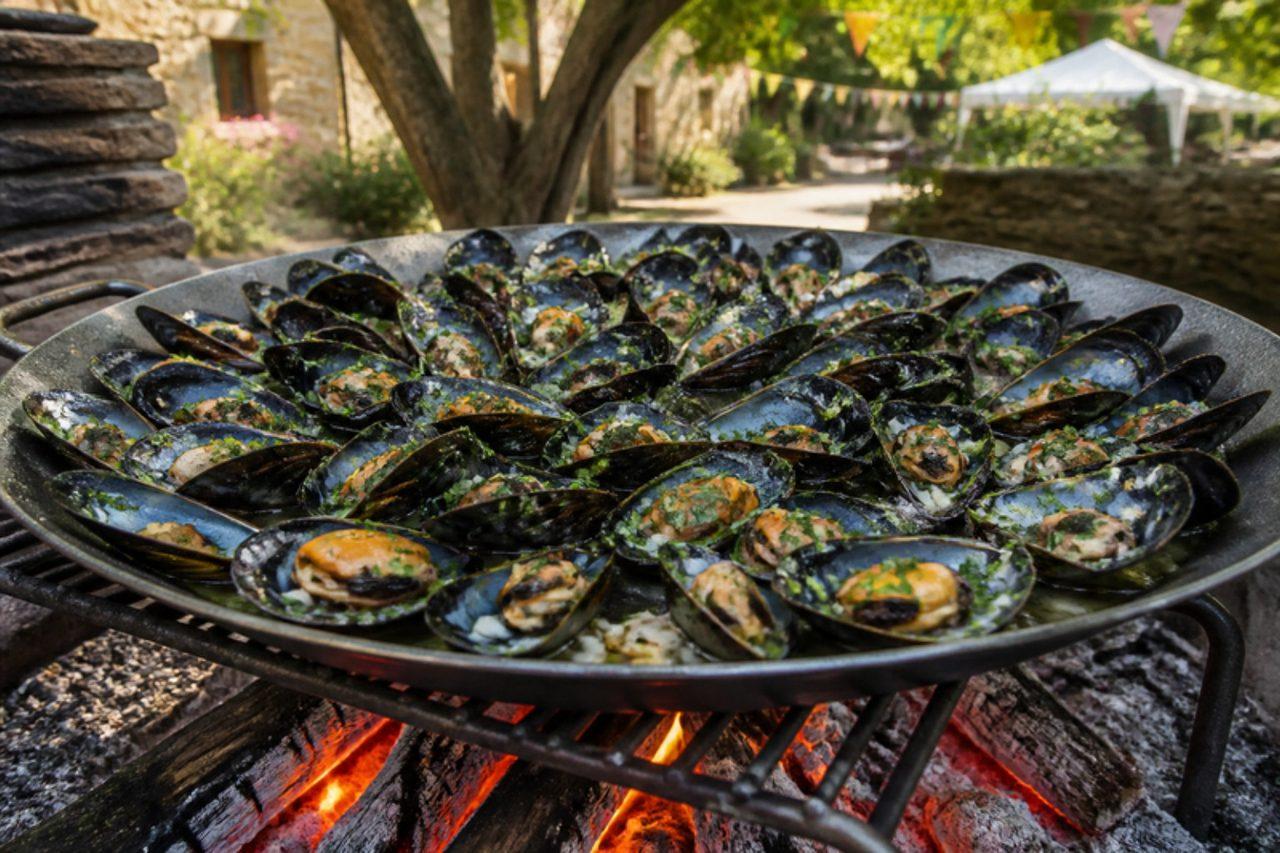
BrasucadeGrilled mussels with garlic and parsley

At village fêtes around the étang de Thau in Languedoc, and on beaches in summer, people gather round a brasucade: mussels piled into a large pierced pan over a fire of vine prunings until they open, then doused with a garlicky oil of parsley and a little chilli and tossed. It is smoky, juicy and eaten by hand with bread. A barbecue grill works at home. Chef's tip: use a lid or a sheet of foil over the pan; the trapped steam opens the mussels evenly while the fire adds smoke.

25 minFrenchFish
by KrazyBadal 0 views

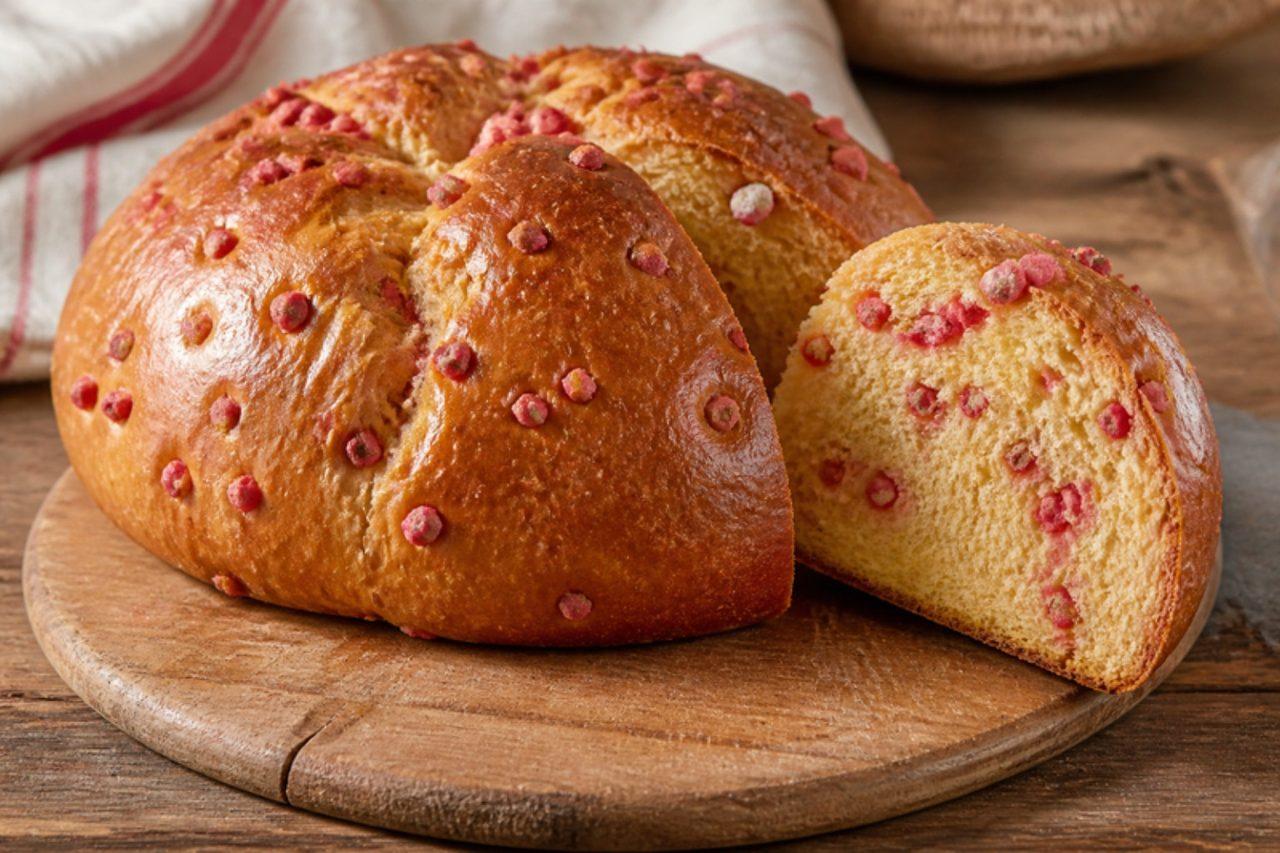
Brioche de Saint-GenixPink praline brioche

In Saint-Genix-sur-Guiers, in Savoie, this round brioche dotted with bright pink sugared almonds is baked for the feast of Saint Agatha on 5 February, and its shape is said to recall the saint's martyrdom. Today it is sold all year in the bakeries of the Savoie and Lyon, rich and buttery, with the pralines melting into sticky pink pockets. The dough rests overnight in the fridge, so start the day before. Chef's tip: crush the pralines roughly and fold them in at the very end, or they dissolve and stain the whole dough pink.

595 minFrenchBaking
by KrazyBadal 0 views

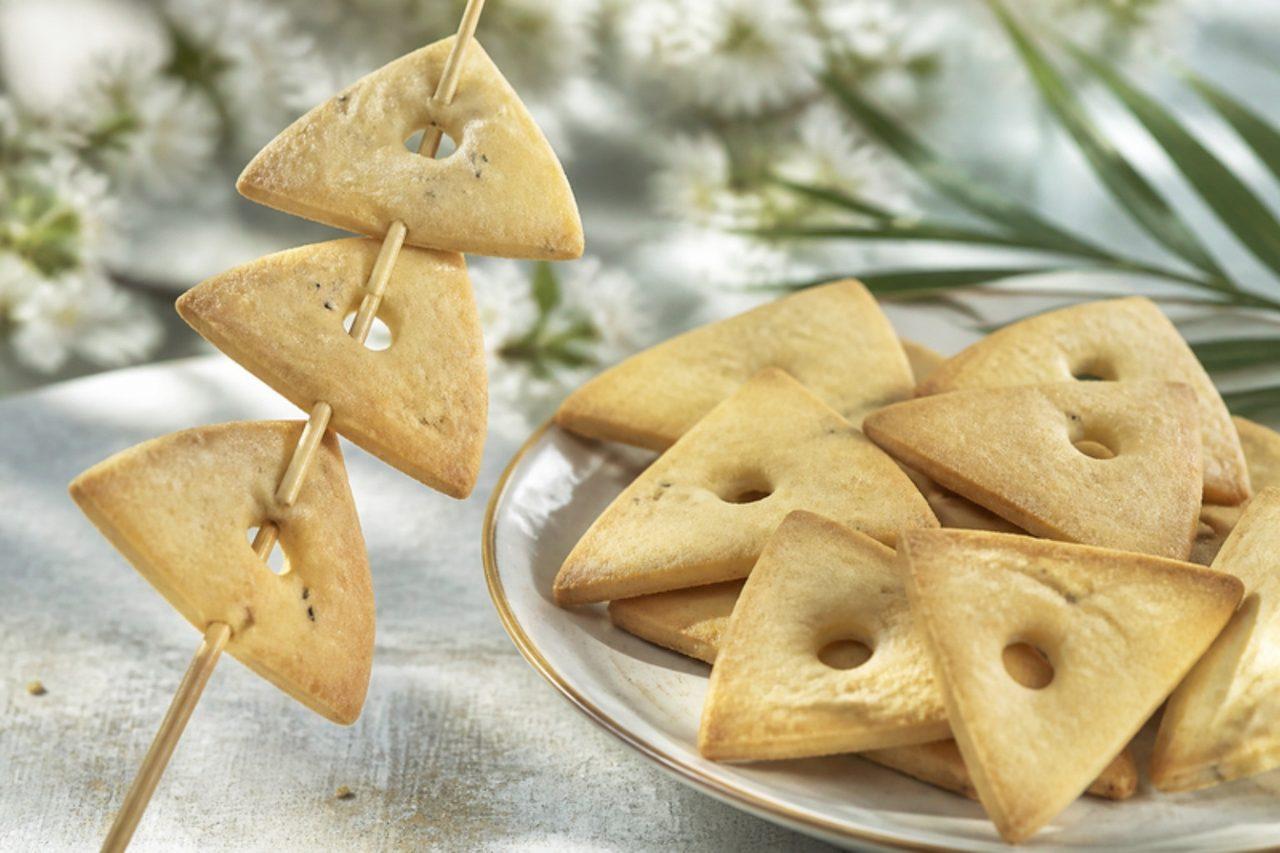
CornuellesAniseed biscuits

On Palm Sunday in Villebois-Lavalette, in Charente, stalls sell cornuelles, hard triangular biscuits with a hole in the middle, threaded onto a stick or a sprig of blessed box. The three points are said to stand for the Trinity, and children carry them home from church. They are crisp and scented with aniseed, glazed with a thin sugar icing. Chef's tip: roll the dough thin and even, about 5 mm, so every biscuit bakes through crisp without burning at the points.

by KrazyBadal 0 views

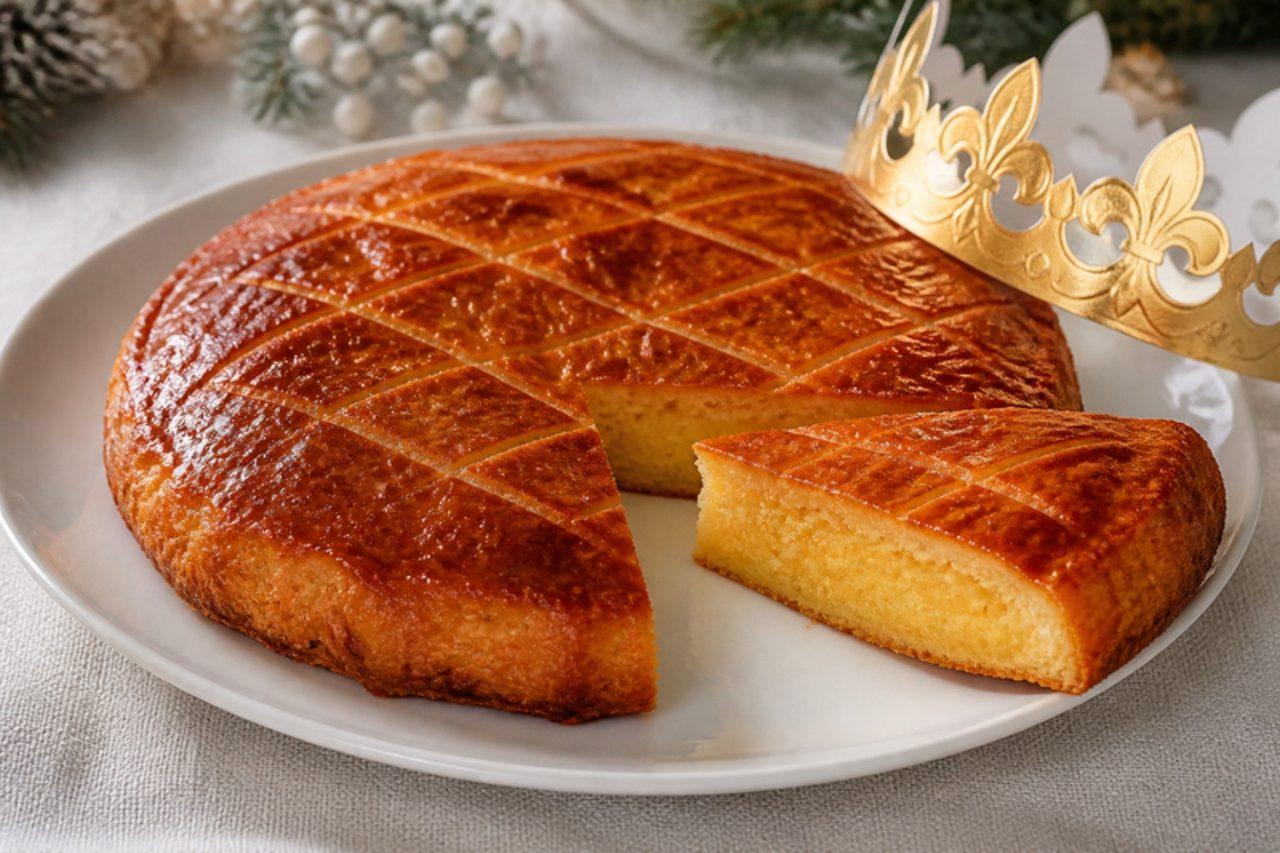
Galette comtoiseChoux king cake

While most of France eats a puff-pastry galette des rois at Epiphany in January, Franche-Comté has its own: a flat golden cake made from a choux-like dough, tender and slightly custardy inside and scented with orange-flower water. As elsewhere, a fève (a little charm or a dried bean) is hidden inside, the youngest child under the table calls out who gets each slice, and whoever finds the fève is crowned king or queen. Chef's tip: let the cooked paste cool for a few minutes before beating in the eggs, or they scramble.

by KrazyBadal 0 views

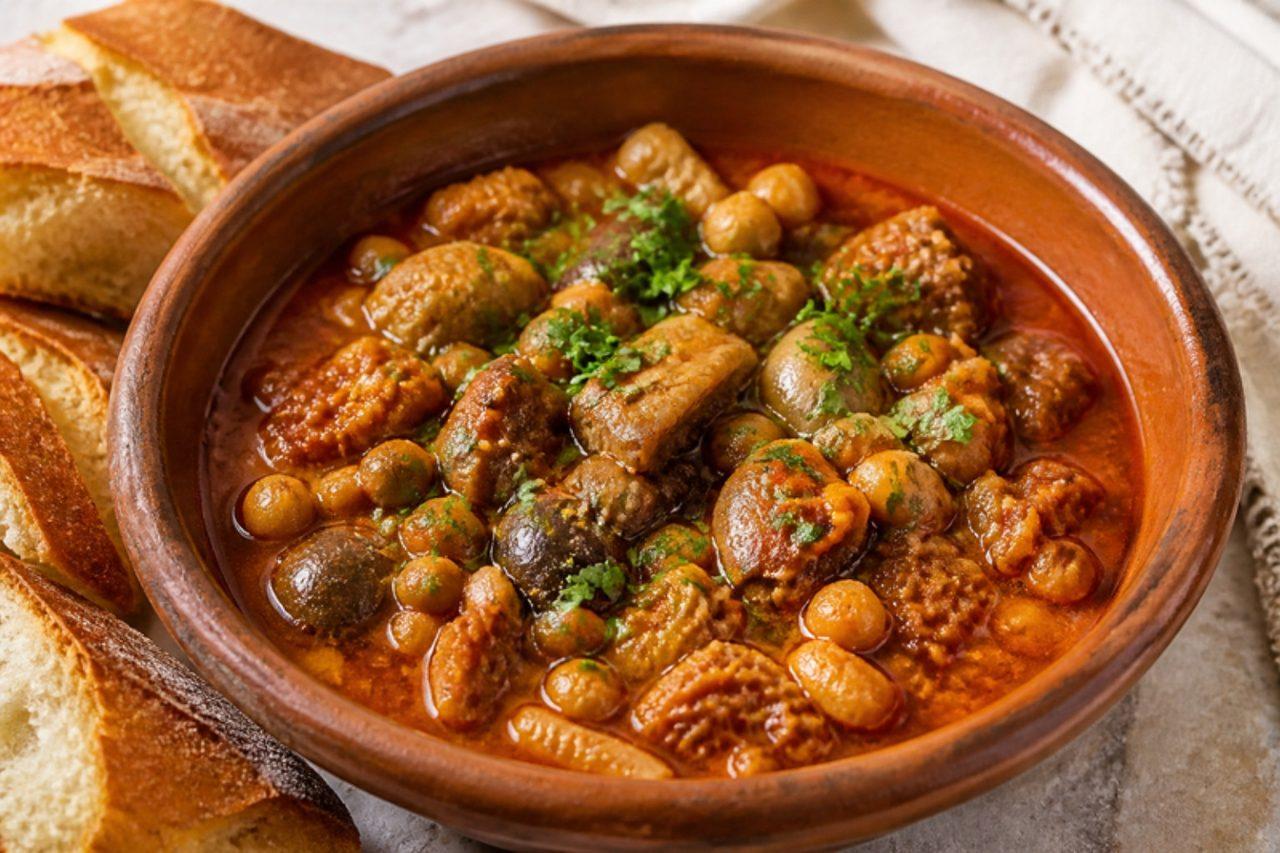
DouaraLamb tripe and chickpea stew

Douara is the dish that fills Algerian kitchens on the second day of Eid al-Adha, when the tripe, intestines and lung from the family's sacrifice are cleaned, cut small and stewed slowly with chickpeas, plenty of garlic, cumin and paprika. The sauce is deep red and peppery and the offal turns tender and rich. At home, cleaned lamb or beef tripe and lamb heart from a halal butcher make an easy start; lung can be added if your butcher sells it. Chef's tip: blanch the tripe first in water with a squeeze of lemon to freshen the flavour before it goes into the stew.

180 minAlgerianMeatGluten freeSpicy
by KrazyBadal 0 views

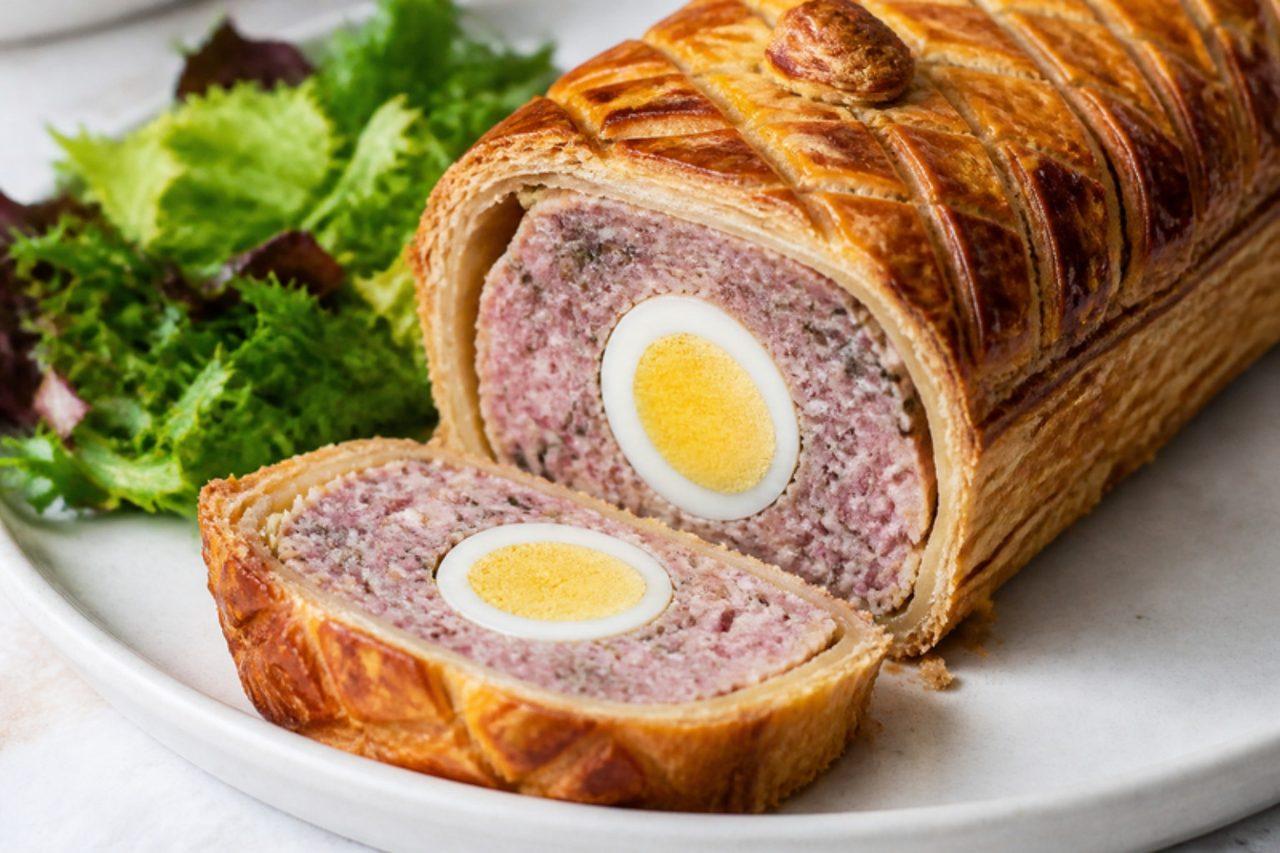
Pâté de Pâques berrichonPork, veal and egg pastry loaf

In the Berry region of central France (around Bourges and Châteauroux), Easter Sunday lunch begins with pâté de Pâques: a long loaf of puff pastry filled with seasoned minced pork and veal around a row of whole hard-boiled eggs, so every slice shows a golden yolk in the middle. It is eaten warm or cold with a green salad. Some cooks marinate the meat in white wine or Cognac; this recipe uses no alcohol. Chef's tip: cut a chimney in the top crust and keep it open with a roll of card, so steam escapes and the pastry stays crisp.

110 minFrenchMeat
by KrazyBadal 0 views

Showing 24 of 941 recipes

Show more recipes

Page 1 of 40