Skip to content
Recipes

All recipes

Vegetarian, or something you can't eat? Set your diet once and we'll hide recipes that don't fit.

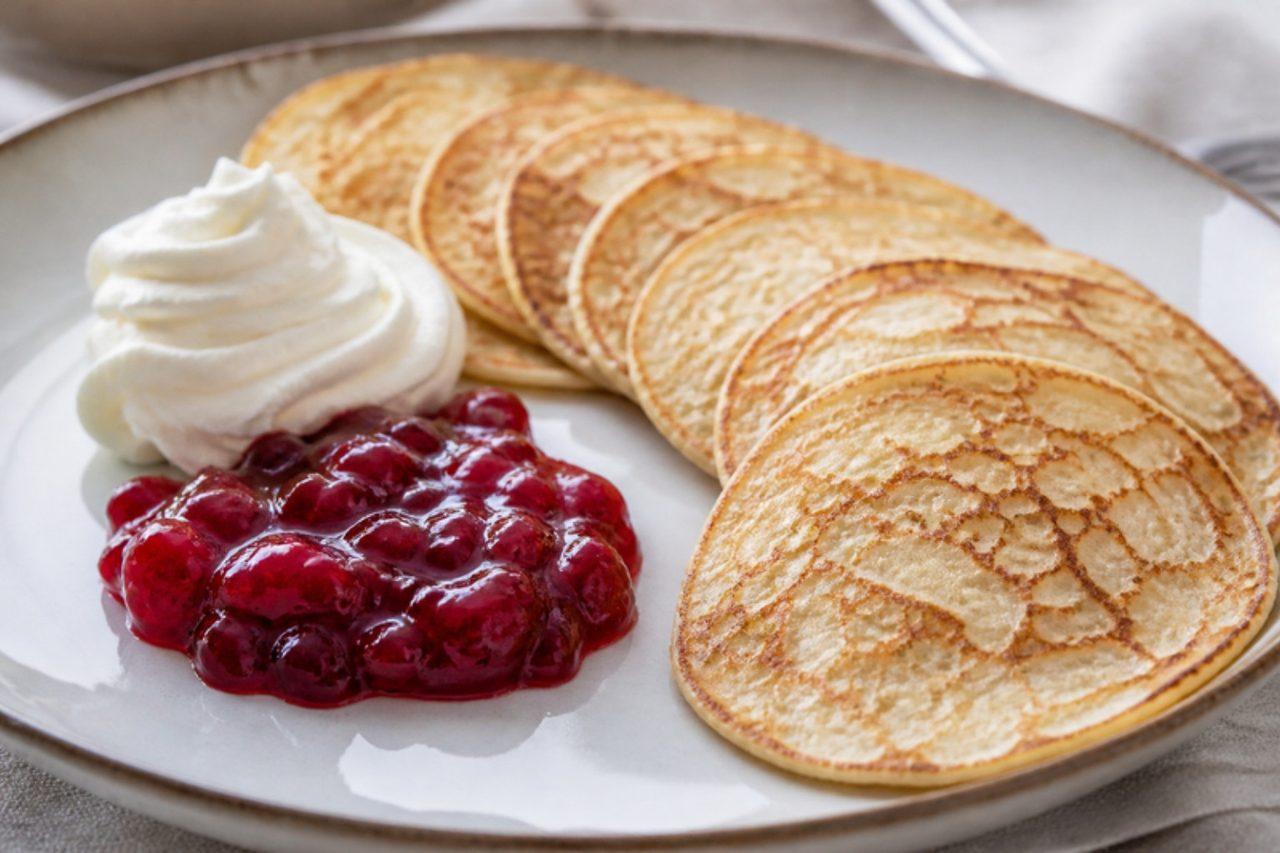
PlättarSmall Swedish pancakes

Plättar are the little sisters of Swedish pannkakor, cooked in a cast-iron plättlagg with seven round dimples, and they are Thursday food in Sweden after the yellow pea soup, as well as a children's Saturday breakfast. The batter is thin and buttery, so the pancakes come out lacy at the edges and soft in the middle, about 8 cm across. A frying pan works too if you drop in small spoonfuls. A common mistake is skipping the rest, which leaves the batter floury. Chef's tip: stir melted butter into the batter, and you will barely need to grease the pan.

by KrazyBadal 0 views
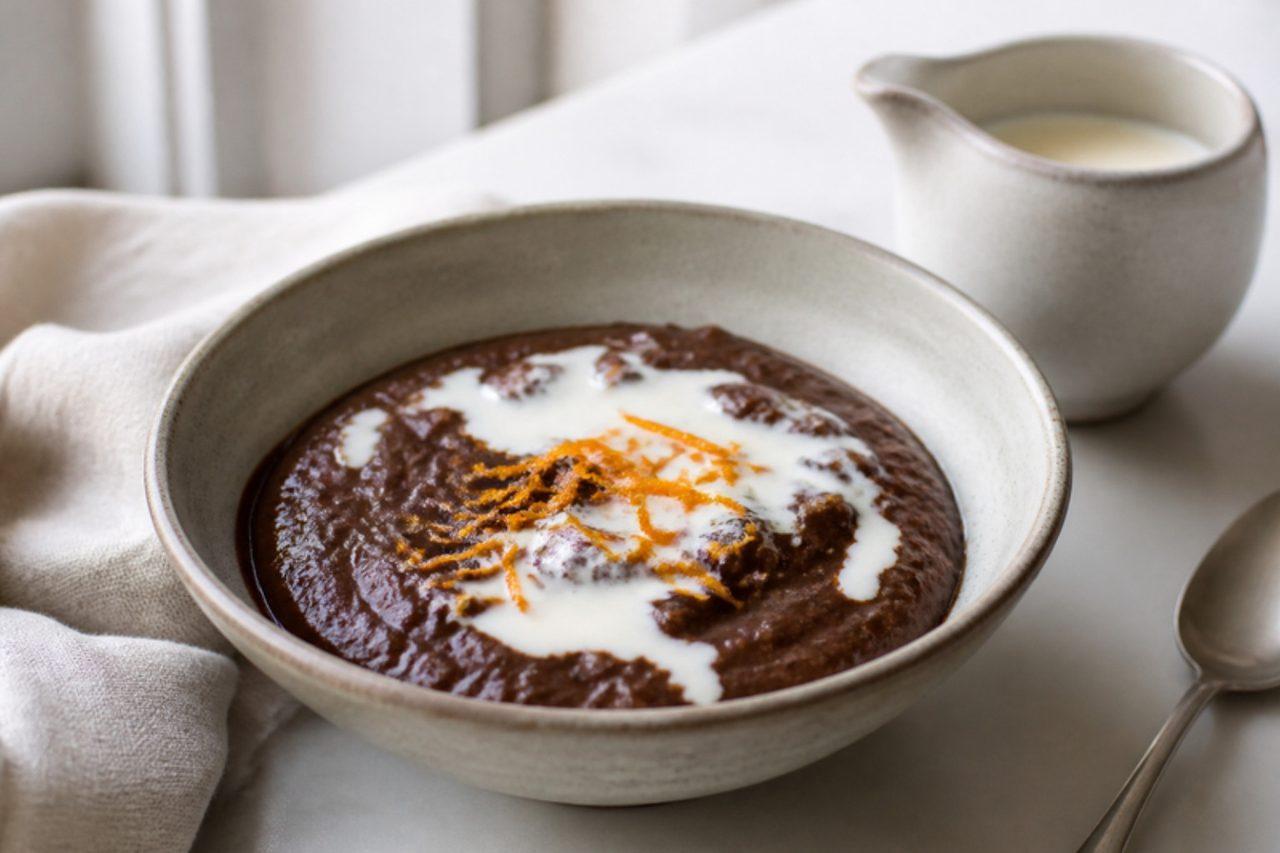
ØllebrødRye bread and beer porridge

Øllebrød was the everyday breakfast of Danish farmhouses long before oats took over, a thrifty way to use up stale rye bread in the long Jutland winters. The bread is soaked and simmered with dark, sweet malt beer (hvidtøl), lemon and orange peel and a little sugar into a thick brown porridge, then served with cold cream or whipped cream. Hvidtøl is a very low-alcohol beer; use an alcohol-free malt beer or malt drink so it suits everyone, and for a fully alcohol-free version use half water and half apple juice with 1 tbsp black treacle. A common mistake is using fresh, seeded bread, which turns gluey. Chef's tip: soak the bread overnight so it collapses into a smooth porridge in minutes.

by KrazyBadal 0 views

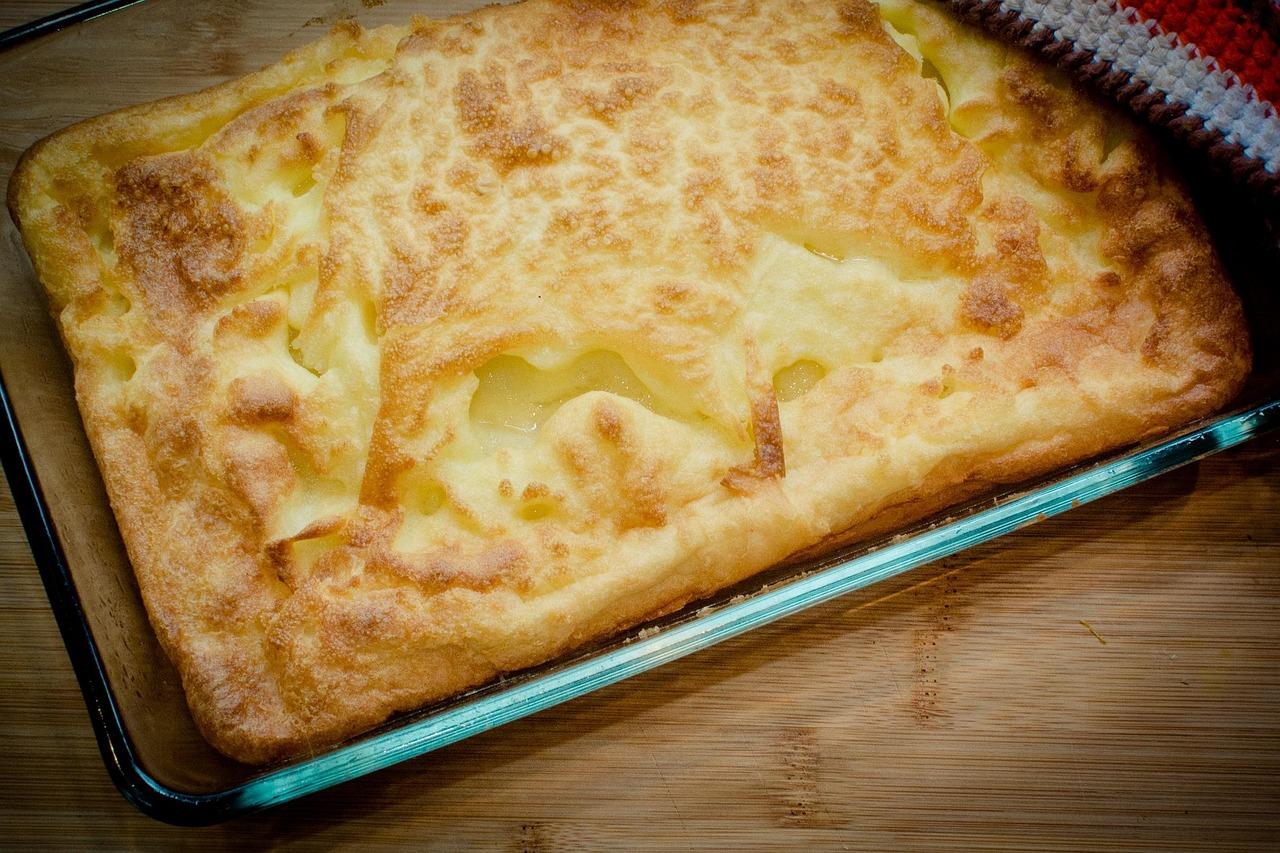
PannukakkuOven pancake

Thursday in Finnish homes and schools means pea soup followed by pannukakku, a thick pancake baked in a whole roasting tin and cut into squares. Grandmothers in Tampere and Turku make it the same way: a sweet milk batter poured into hot butter, baked until puffed and golden at the edges and custardy in the middle. It is served warm with strawberry jam and whipped cream. A common mistake is opening the oven early, so it sinks before it sets. Chef's tip: heat the butter in the tin in the oven until it foams before pouring in the batter, for crisp, buttery edges.

by KrazyBadal 0 views

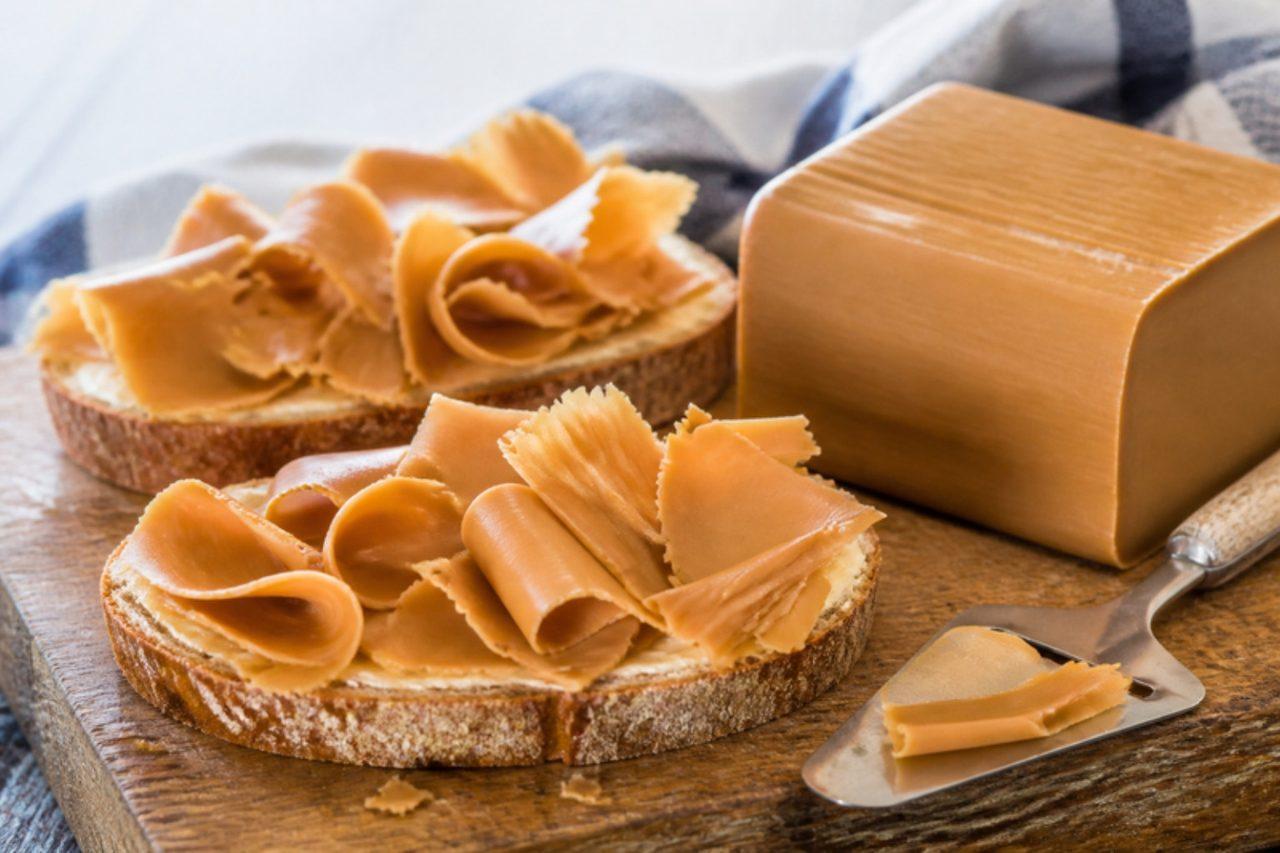
Brunost on breadBrown cheese on bread

Brunost, the brown cheese of Norway, is not really cheese but whey boiled for hours until its milk sugars caramelise into a fudge-like block. In Gudbrandsdalen and across the country it is shaved paper-thin with a cheese slicer onto buttered bread at breakfast, packed into school lunch boxes (matpakke) and laid on hot heart-shaped waffles at weekends. The whey comes from cheesemaking that often uses animal rennet, so strict vegetarians should check the label. A common mistake is cutting it in thick chunks; it is sweet and rich and meant to be almost see-through. Chef's tip: use a proper flat cheese slicer, and add a few slices of tart apple or jam on top to balance the sweetness.

by KrazyBadal 0 views

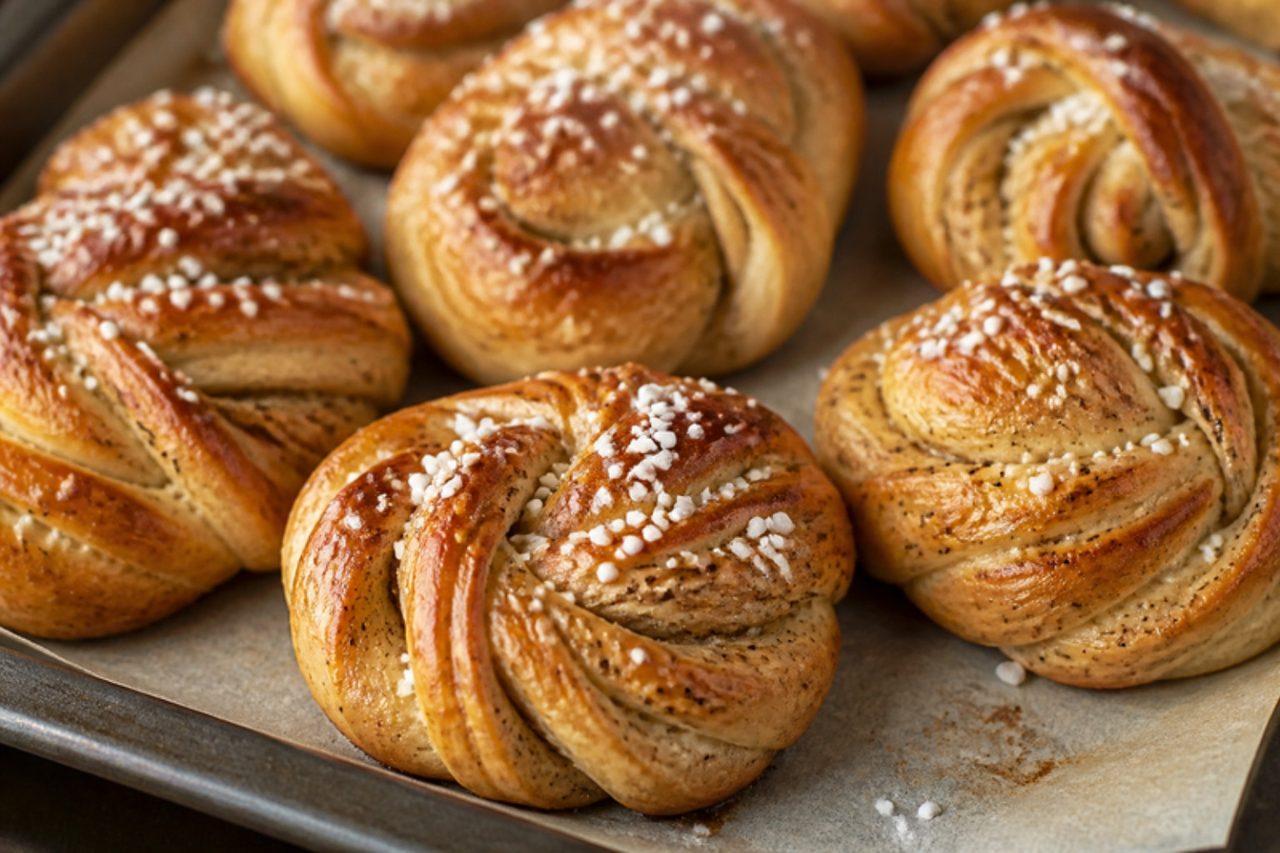
KardemummabullarCardamom buns

Stockholm bakeries have made the knotted cardamom bun almost as famous as the cinnamon bun, and in cafés on Södermalm it is the bun people queue for with their afternoon fika coffee. A soft, buttery yeast dough is rolled out, spread with cardamom butter, folded, cut into strips and twisted into knots before being glazed and showered with pearl sugar. Freshly crushed cardamom seeds make all the difference. A common mistake is using ready-ground cardamom, which tastes dusty. Chef's tip: twist each strip tightly before tying the knot so the layers of filling show and caramelise in the oven.

by KrazyBadal 0 views
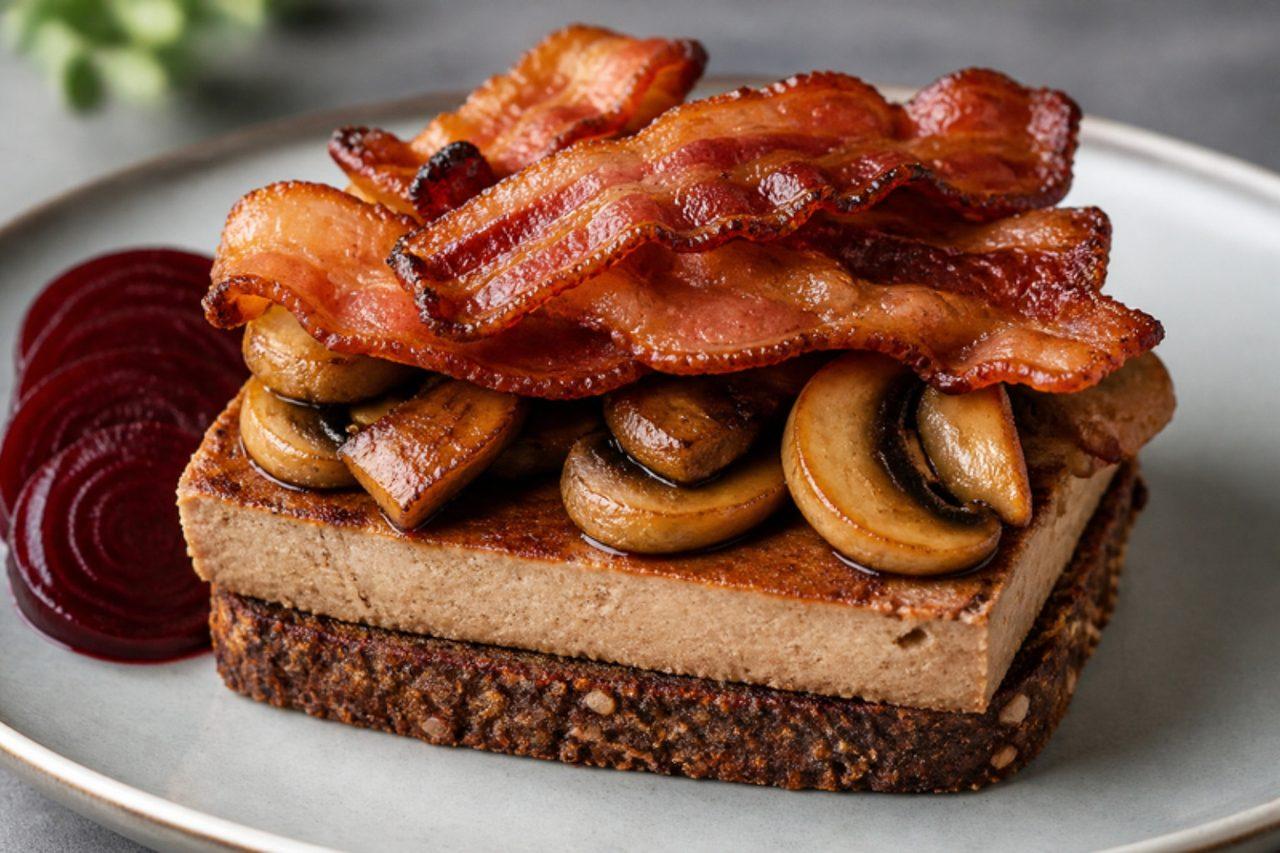
LeverpostejLiver pâté

Almost every Danish child has had leverpostej on rye in the lunchbox, and in Copenhagen's lunch restaurants it arrives warm from the oven, topped with crisp bacon, fried mushrooms and pickled beetroot. This is a coarse, soft pâté of pork liver and pork back fat bound with a light white sauce, anchovy and allspice, baked in a water bath. It is pork through and through. The most common mistake is pulling it out too soon: the centre must reach 71 °C for pork liver to be safe. Chef's tip: blend the liver until completely smooth before mixing it with the warm sauce, so the pâté bakes even and doesn't split.

by KrazyBadal 0 views
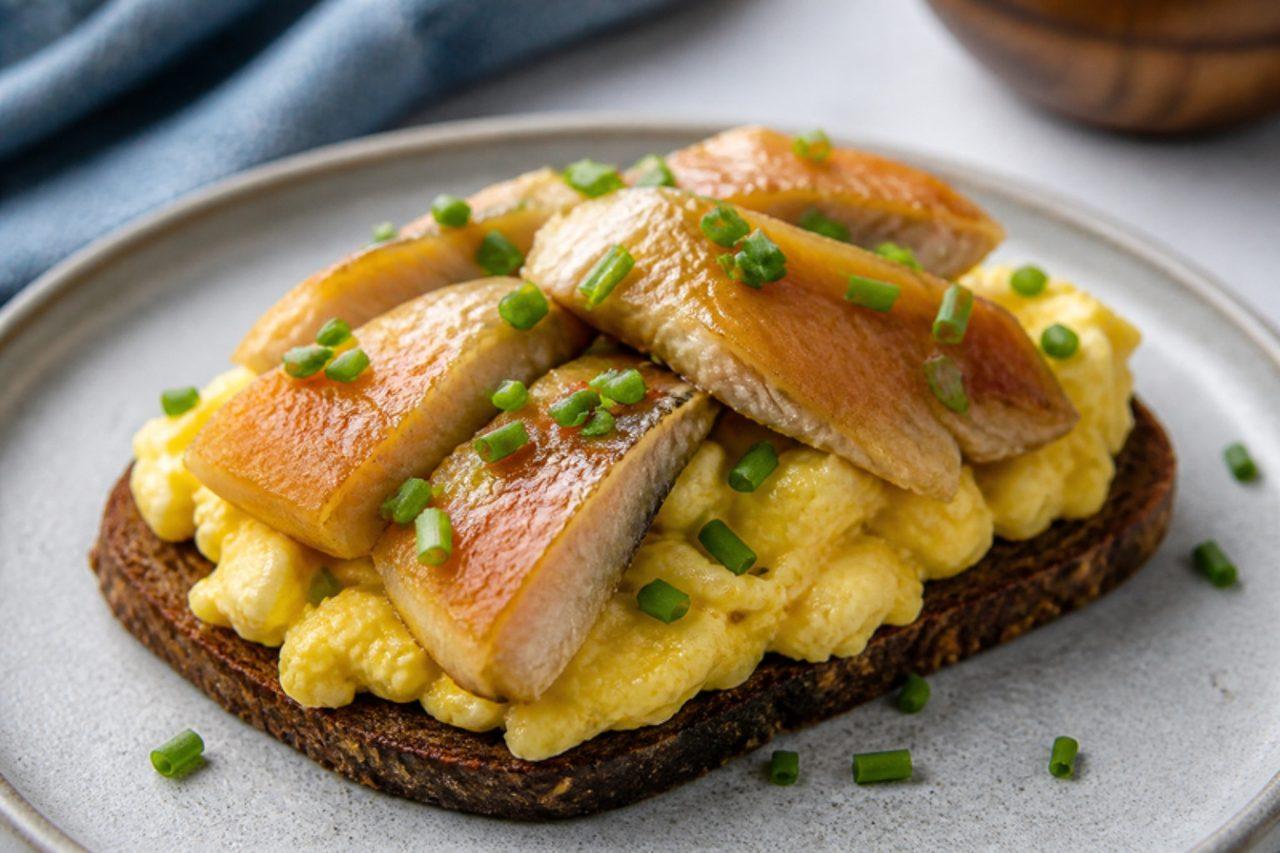
Røget ål med rørægSmoked eel and scrambled egg

Smoked eel with scrambled egg is a summer smørrebrød from the islands south of Zealand and from Bornholm's smokehouses, served on rye with chives and sometimes a little radish. The rich, oily fish and the soft egg are a classic pairing. European eel is now endangered, so buy only eel certified as legally and sustainably farmed, or swap in hot-smoked mackerel or trout, which taste close and are easy to find. Smoked fish carries a listeria risk, so it is not for pregnant women, young children or anyone with a weakened immune system unless heated until steaming. A common mistake is scrambling the egg until dry. Chef's tip: lift the egg off the heat while it still looks slightly wet; it carries on cooking on the bread.

by KrazyBadal 0 views
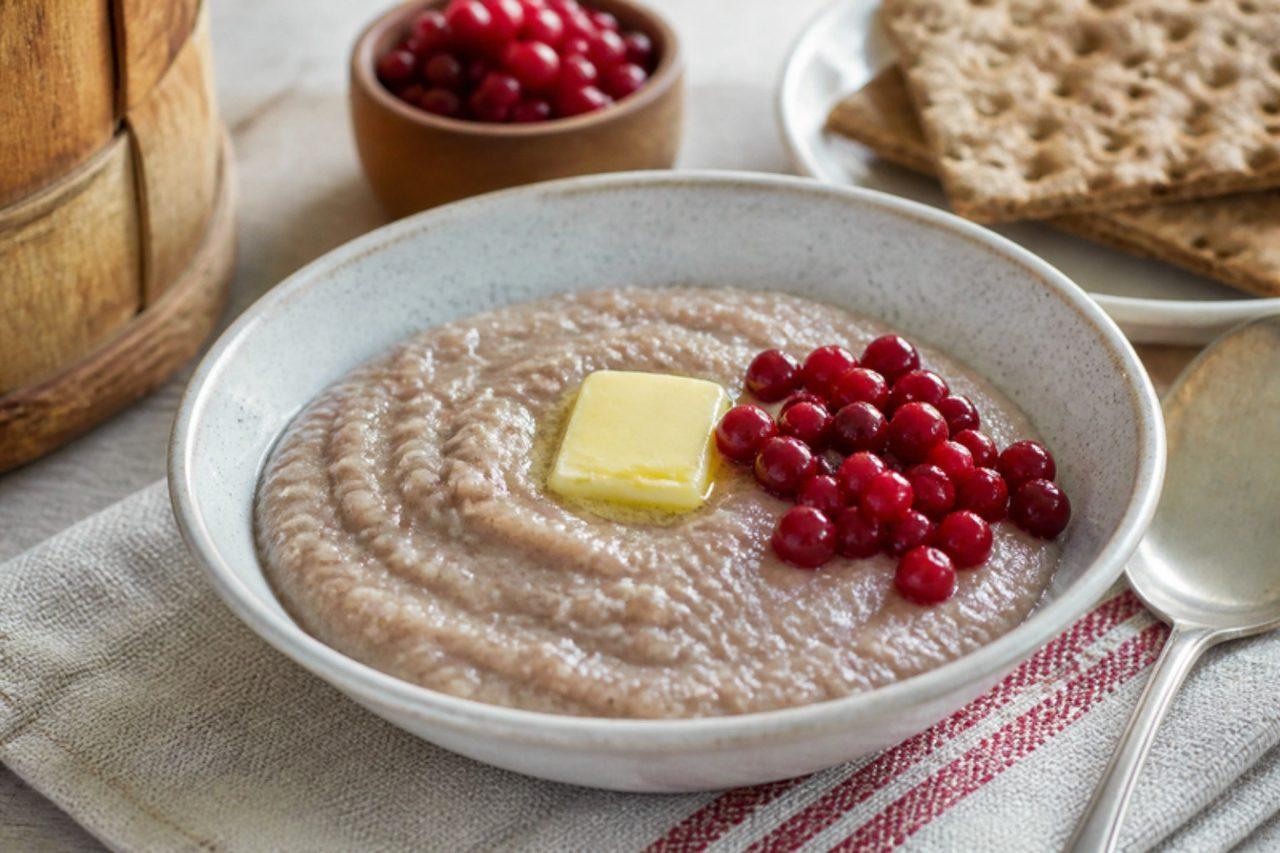
RuispuuroRye porridge

In Finnish homes and school canteens, ruispuuro is the plain, filling porridge of winter mornings, from Helsinki flats to farmhouses in Ostrobothnia. Rye flakes or coarse rye meal simmer in salted water until thick and slightly tangy, and the classic topping is a pool of melting butter, called a voisilmä or 'butter eye'. This version is vegan: use a plant butter, or tart lingonberries and a little oat milk. A common mistake is serving it too soon, when the flakes are still chewy. Chef's tip: let the porridge rest off the heat with the lid on for 5 minutes — the rye swells and turns creamy.

by KrazyBadal 0 views
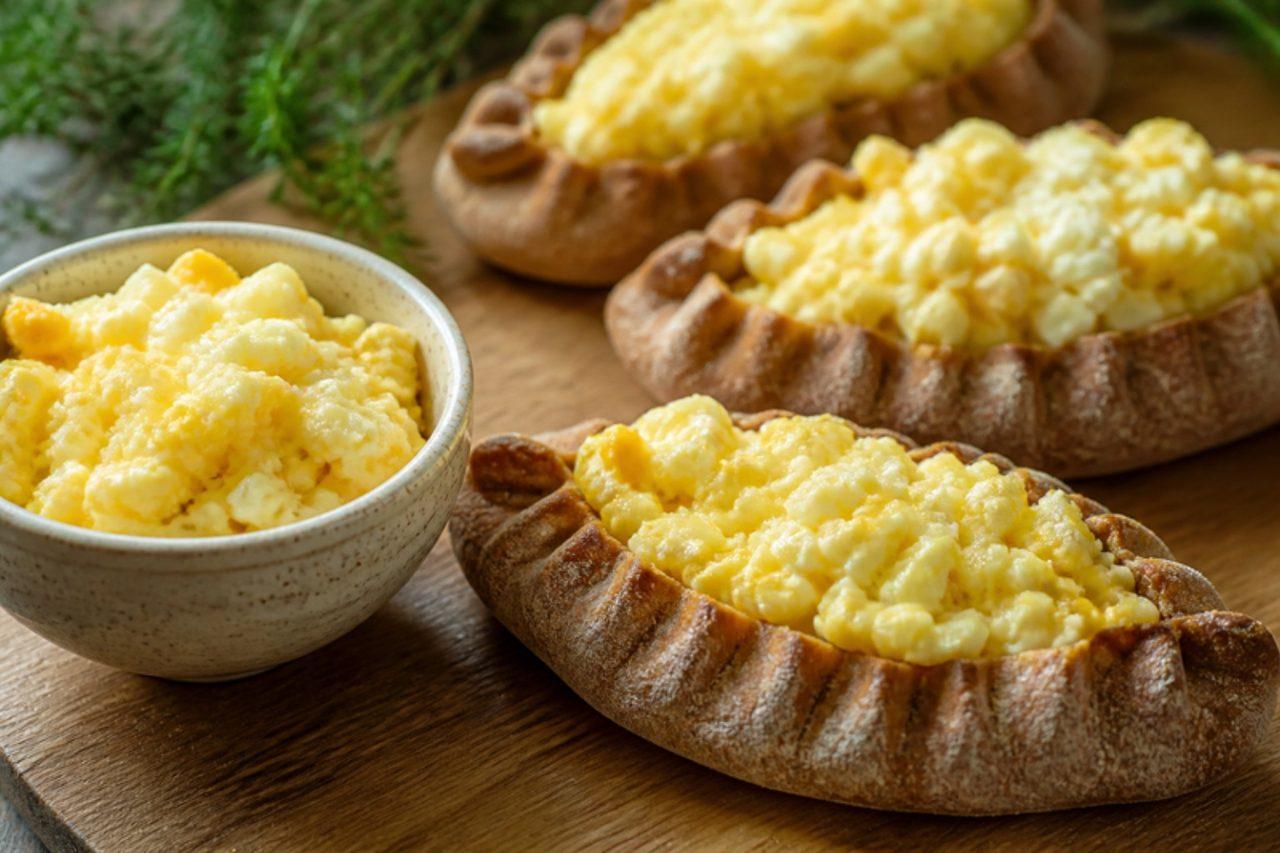
MunavoiEgg butter

Munavoi is the topping that makes a warm Karelian pie (karjalanpiirakka) complete, and every Finnish bakery café and coffee table from Joensuu to Helsinki serves the two together. It is nothing more than chopped hard-boiled egg mashed into soft butter with salt, yet the warm pie melts it just slightly. It is also good on rye bread or boiled potatoes. A common mistake is using cold butter straight from the fridge, which leaves lumps. Chef's tip: mash while the eggs are still a little warm and the butter is very soft, so it turns silky.

by KrazyBadal 0 views
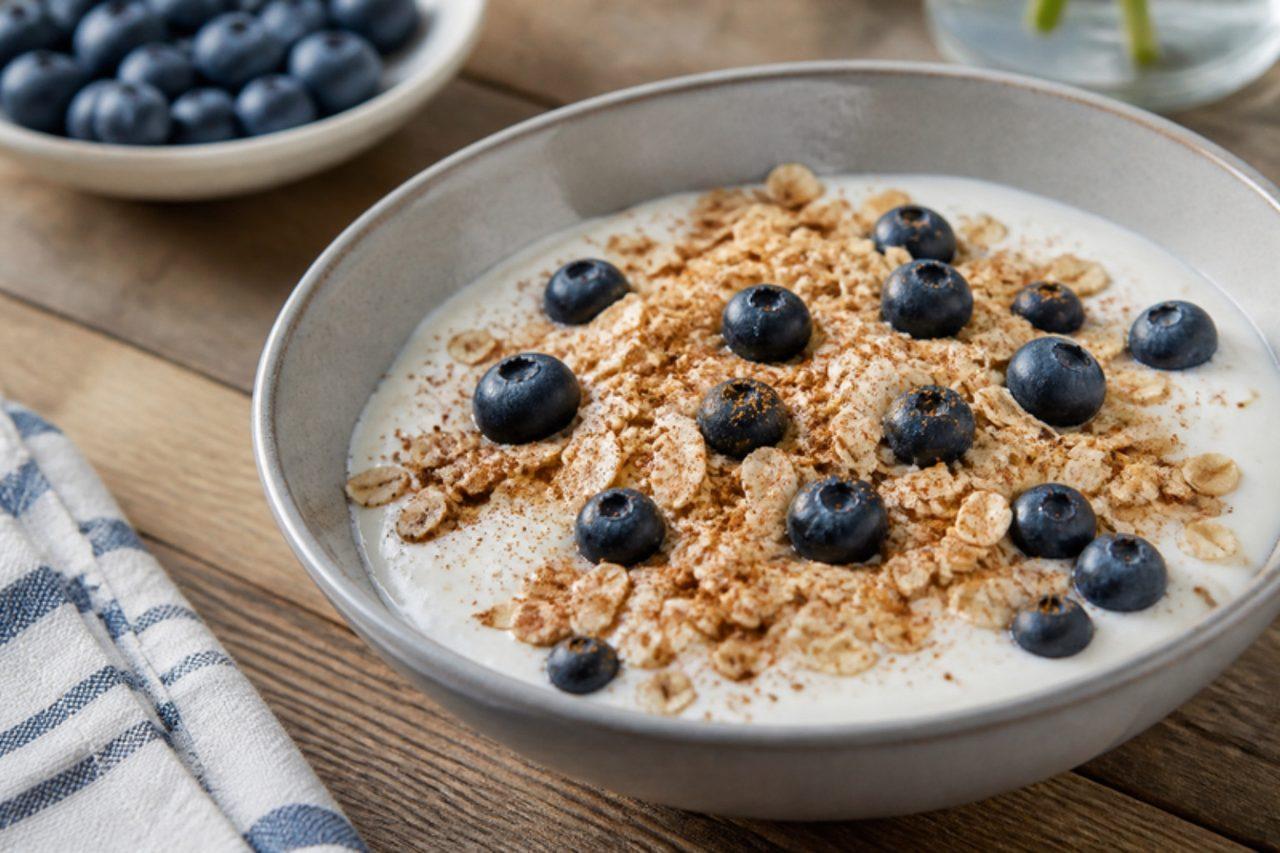
Filmjölk with muesliSoured milk with muesli

Swedish breakfast tables, from Stockholm flats to Norrland cabins, almost always have a carton of filmjölk: a mild, pourable cultured milk that is less sour than yogurt and thinner than kefir. It goes into a deep plate, never a glass, with muesli, fresh berries and a dusting of cinnamon. Here you can make your own filmjölk by culturing milk with a few spoons of shop-bought filmjölk or buttermilk. A common mistake is warming the milk too much, which kills the culture. Chef's tip: let it set at warm room temperature, about 20–22 °C, for 24 hours until it wobbles like soft custard.

by KrazyBadal 0 views
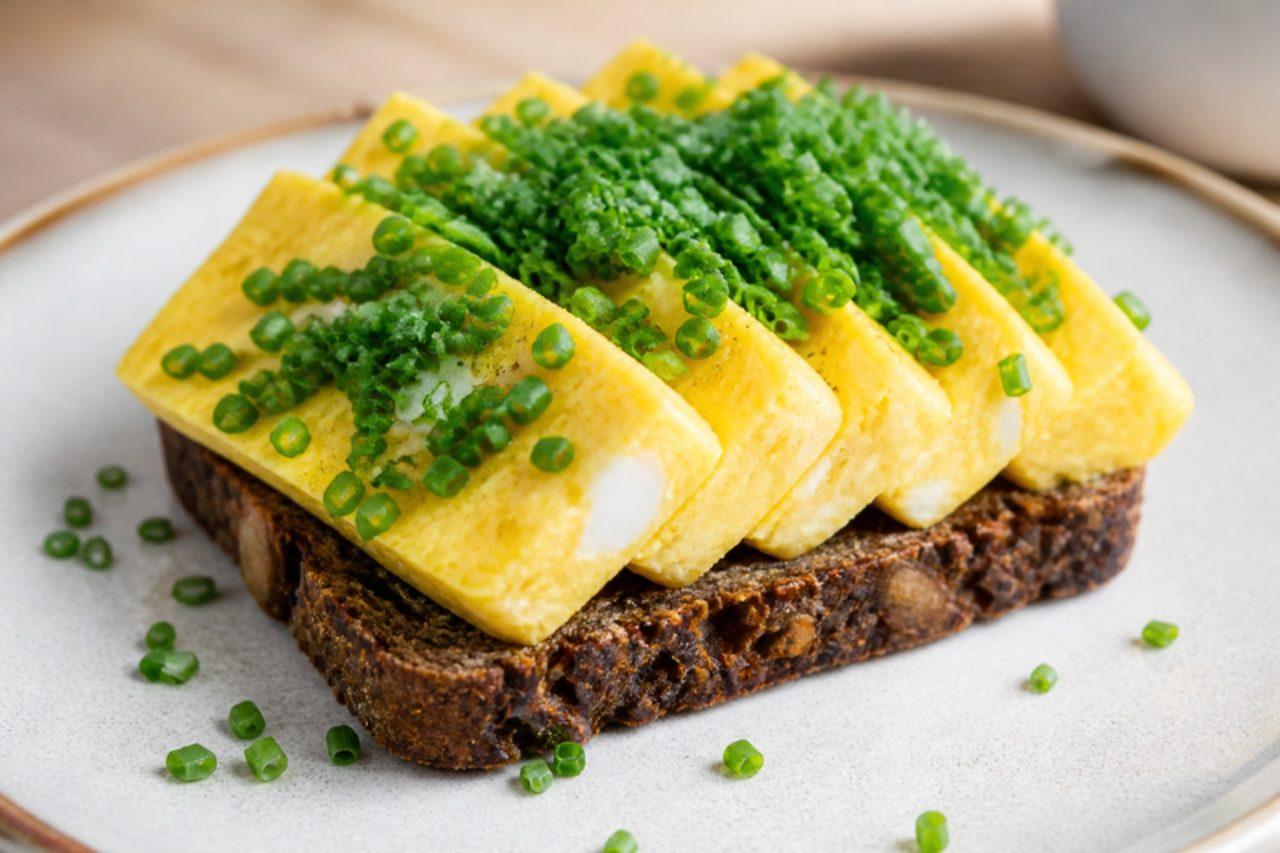
Røræg og purløgScrambled egg and chive sandwich

In Copenhagen lunch cellars and on Danish Easter tables, a slice of buttered rye topped with cool, set scrambled egg and a thick green blanket of chives is one of the gentlest smørrebrød of all. The egg is cooked slowly with a little milk, then left to cool so it can be cut into neat slices rather than spooned on loose. It is eaten with a knife and fork, usually early in the lunch order before the fish and meat. A common mistake is cooking the eggs over a high heat, which makes them weep water onto the bread. Chef's tip: set the egg in a small buttered dish in a low oven or water bath, chill it, then slice it like a firm custard.

by KrazyBadal 0 views
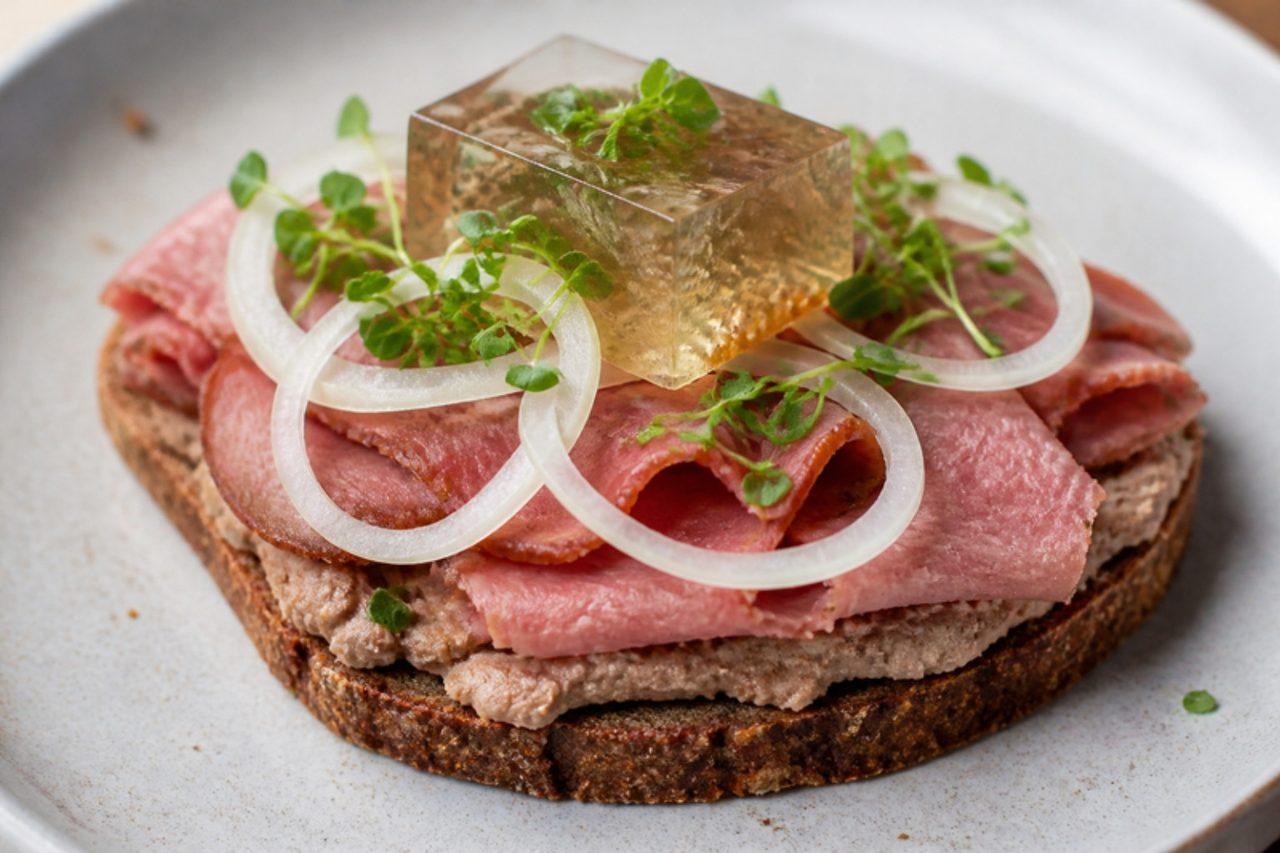
Dyrlægens natmadPâté and salt beef sandwich

Copenhagen legend says a veterinarian ordered the same late-night sandwich every evening at Oskar Davidsen's lunch house, and the name stuck. Dyrlægens natmad is a slice of dark rye spread with pork liver pâté, topped with thin slices of salt beef (saltkød), a cube of meat aspic, raw onion rings and cress. It belongs to the meat course of a long Danish Sunday lunch, after the herring and before the cheese. This version uses a quick home aspic made from stock and gelatine. A common mistake is slicing the salt beef thickly: it should be cut paper-thin and folded. Chef's tip: make the aspic the day before so it is firm enough to dice cleanly.

by KrazyBadal 0 views
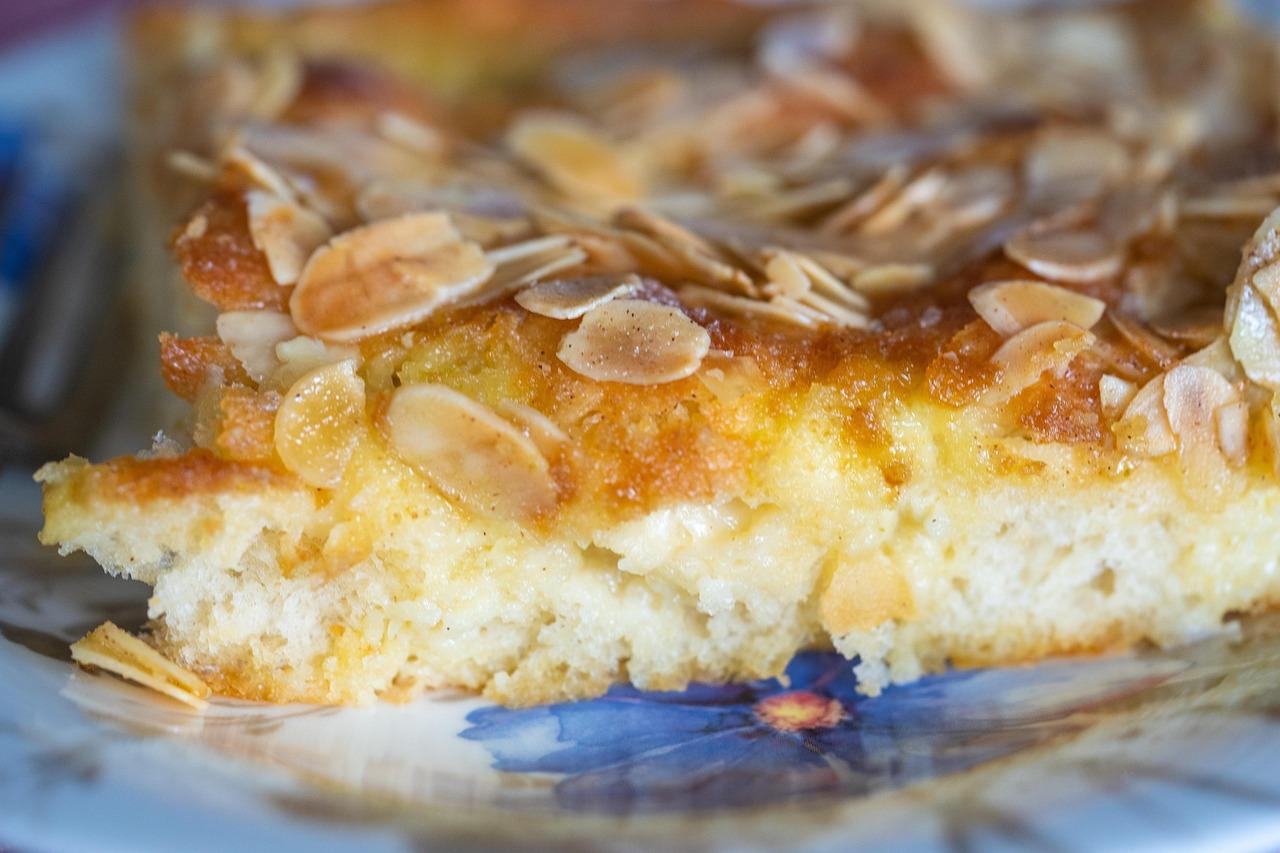
ToscakakaAlmond caramel butter cake

Toscakaka is the elegant fika cake of Swedish coffee afternoons, named after the opera and found in every old konditori in Stockholm and Gothenburg. Under a crunchy, toffee-like lid of flaked almonds cooked in butter, sugar and cream is a light, buttery sponge. It is at its best on the day it is made, with coffee. A common mistake is adding the topping too early, so it sinks into the raw sponge. Chef's tip: bake the cake until just set, then spread the hot topping over and return it to the oven until bubbling and amber.

by KrazyBadal 0 views
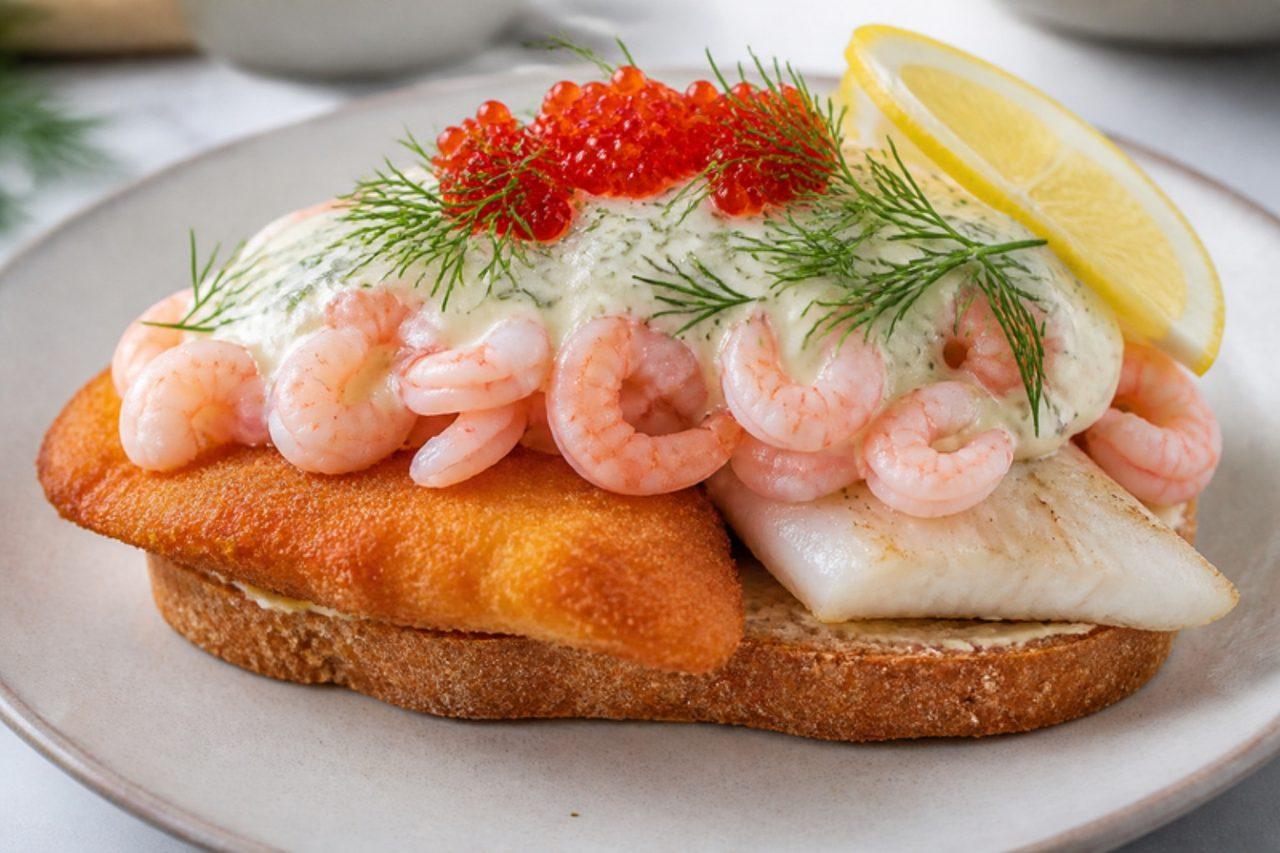
StjerneskudFish open sandwich

Stjerneskud, the 'shooting star', is the grand fish plate of a Copenhagen lunch: one fillet of plaice fried in breadcrumbs and one steamed, laid on buttered white bread with shrimp, a herby dressing, lumpfish roe, asparagus and lemon. It is a dish for Sunday lunch or celebrations, especially around Easter. The contrast between crisp and soft fish is the whole point. A common mistake is crowding the pan, so the breaded fillets steam instead of crisping. Chef's tip: steam the second fillets rolled up over simmering water with a slice of lemon — they take only 4–5 minutes.

by KrazyBadal 0 views

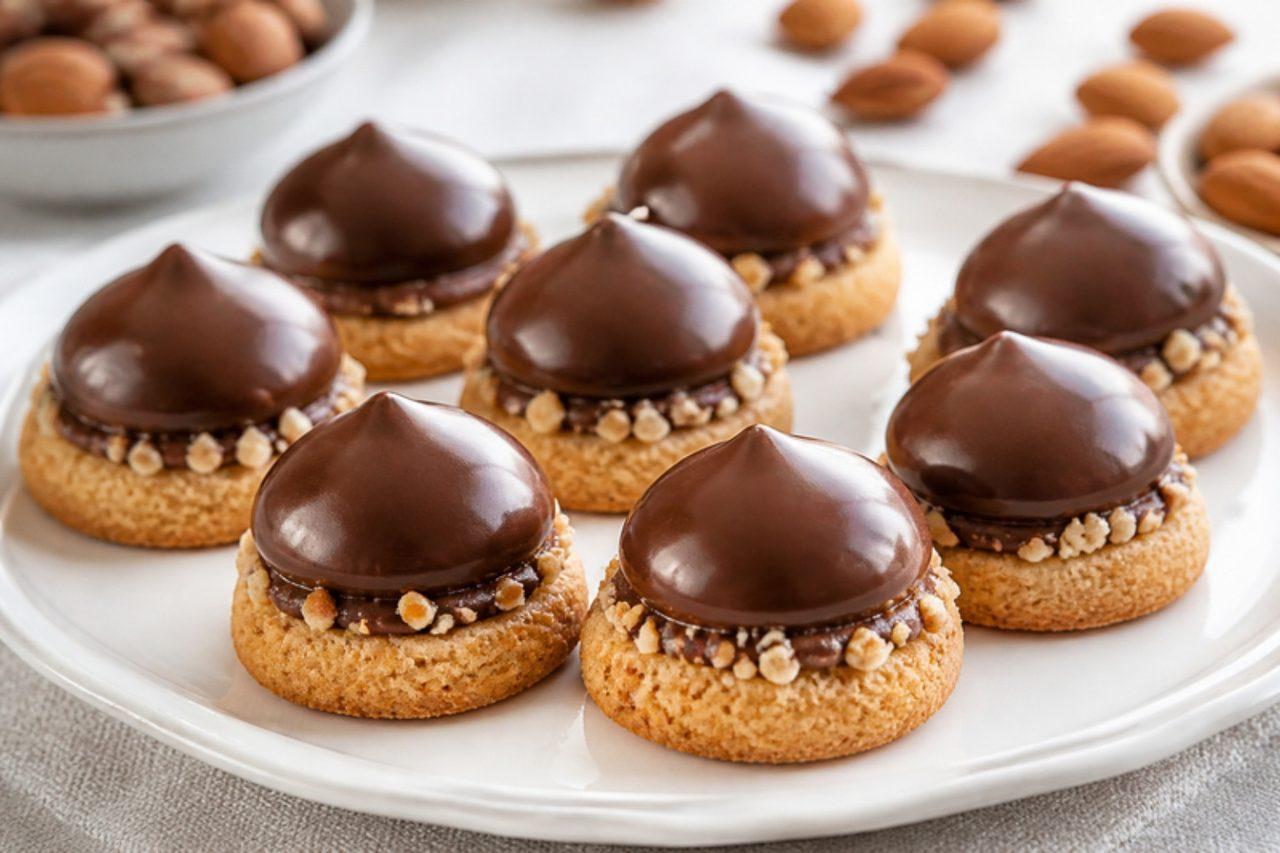
BiskvierAlmond chocolate cakes

In Swedish konditori from Gothenburg to Uppsala, biskvier sit in the glass counter as small domes of glossy dark chocolate: underneath is a chewy almond macaroon base and a swirl of chocolate buttercream. They are a weekend or birthday fika treat and keep well in the freezer, so many families make a big batch before Christmas. They are naturally gluten free. A common mistake is dipping the buttercream before it is completely cold, so it slides off into the chocolate. Chef's tip: freeze the topped biscuits for 30 minutes, then dip them in barely warm chocolate in one quick motion.

by KrazyBadal 0 views

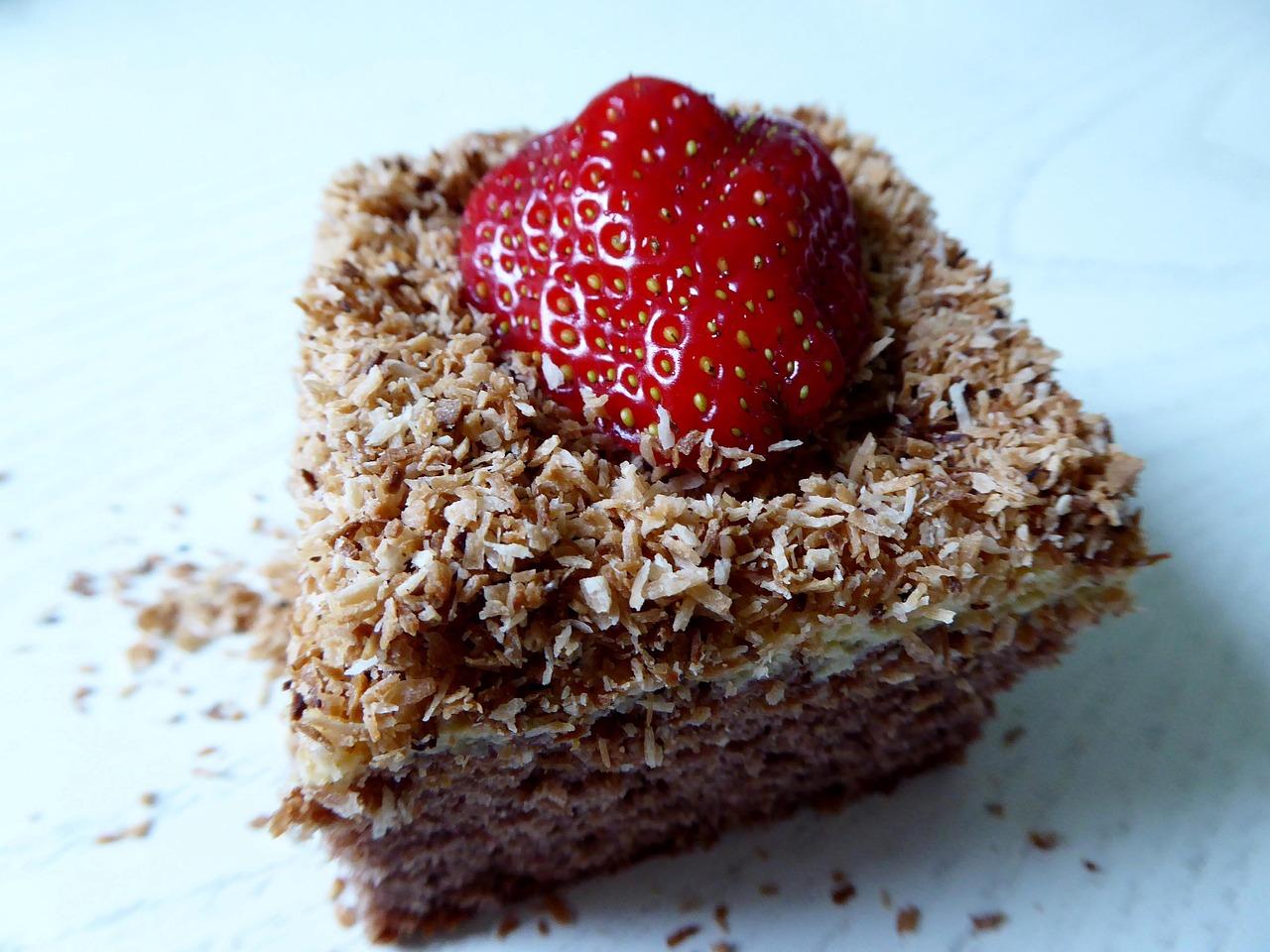
KärleksmumsChocolate tray cake

Kärleksmums, 'love bites', is the tray cake of Swedish school cafés, sports clubs and children's birthdays, cut into squares and eaten with milk or coffee. A soft chocolate sponge is spread while still warm with a glossy icing of butter, cocoa, icing sugar and a splash of coffee, then covered in desiccated coconut. Leave out the coffee for children if you prefer and use milk. A common mistake is icing a cake that is too hot, so the icing soaks in and the coconut slides off. Chef's tip: let the cake cool for 10 minutes, so it is warm but not hot, before spreading.

by KrazyBadal 0 views

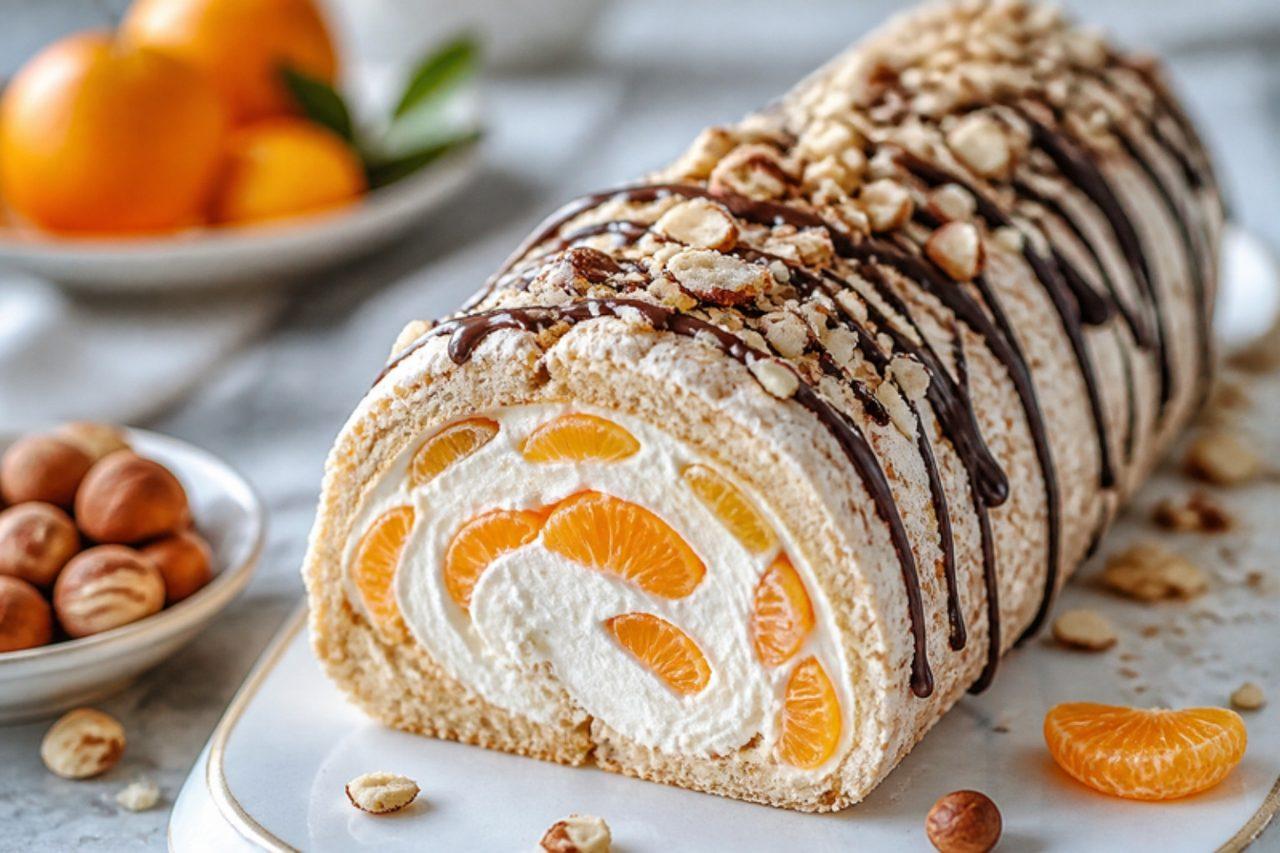
BudapestbakelseHazelnut meringue roll

Despite the name, this is a Swedish invention from the 1920s, credited to a baker in Halmstad on the west coast, and it is still a favourite at konditori and summer birthday tables. A soft hazelnut meringue is baked in a sheet, rolled around whipped cream and mandarin segments, and sliced into rounds dusted with cocoa or drizzled with chocolate. It is naturally gluten free. A common mistake is overbaking the meringue, which cracks badly when rolled. Chef's tip: bake it until just firm on top but still marshmallowy inside, and roll it while slightly warm on sugared paper.

by KrazyBadal 0 views

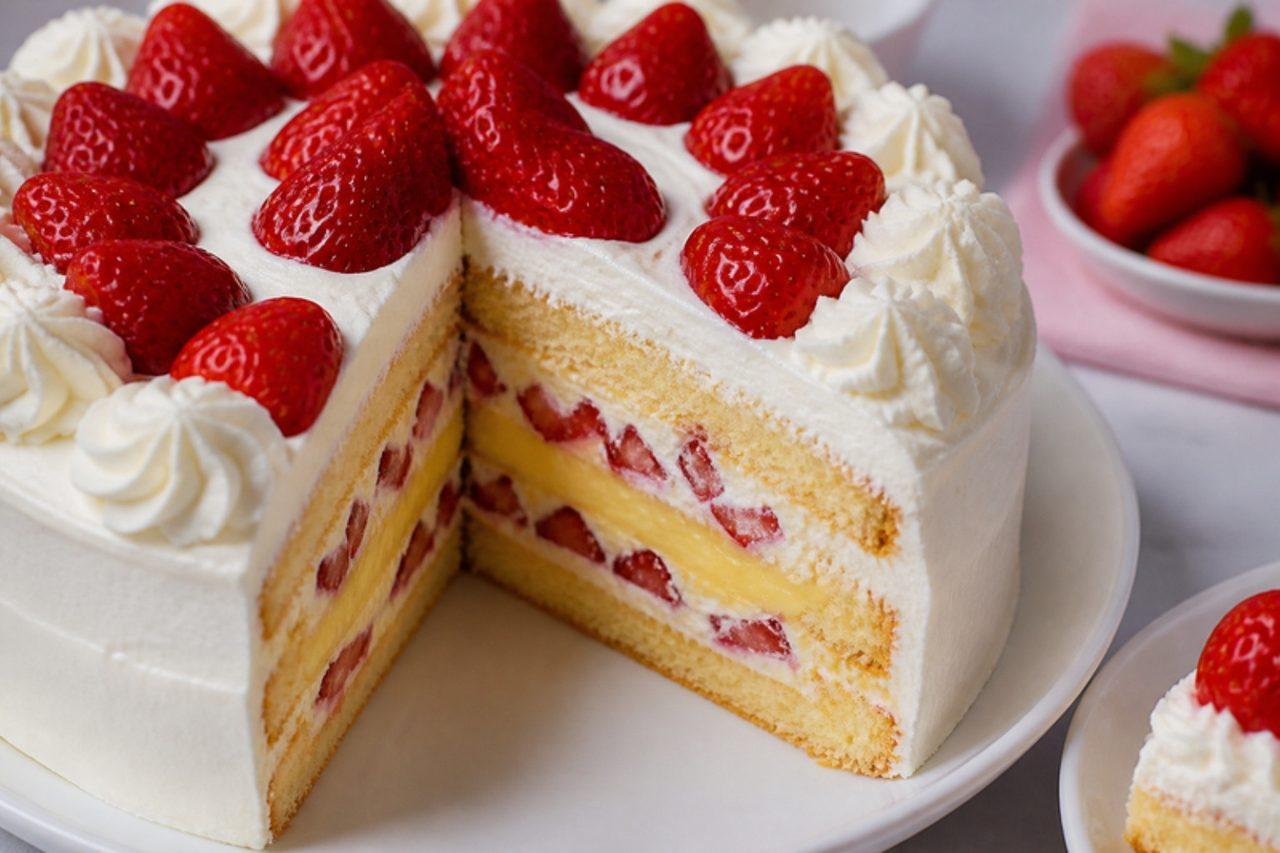
LagkageLayer cake

No Danish birthday is complete without lagkage, the tall layer cake brought out after the flag-decked breakfast or at the afternoon party, and every family from Odense to Copenhagen has its own version. Three thin sponge layers are spread with vanilla custard, berries or jam, then covered in whipped cream and decorated with fresh strawberries or raspberries. It needs a few hours in the fridge to settle. A common mistake is assembling with warm custard, so the cake slides. Chef's tip: brush each sponge layer with a little fruit juice so it is moist without going soggy.

by KrazyBadal 0 views

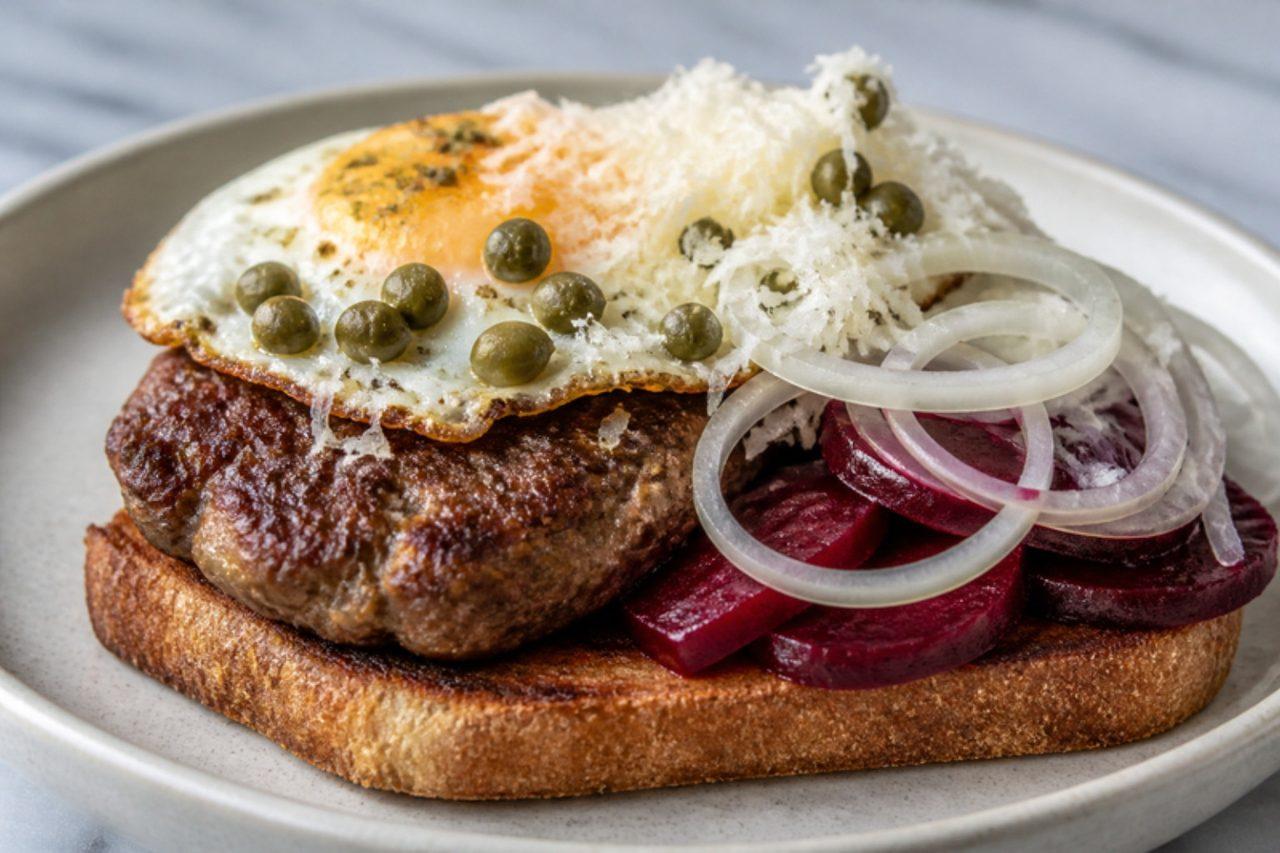
PariserbøfBeef patty on toast

Pariserbøf is an old Copenhagen lunch-house favourite: a thick beef patty seared in butter on a slice of fried white bread, crowned with an egg yolk in a ring of raw onion, with capers, grated horseradish and pickled beetroot. Traditionally the beef is left almost raw in the centre and the yolk is raw. That classic way is not for pregnant women, young children or anyone with a weakened immune system. This safer home version cooks the mince through to 71 °C and tops it with a soft fried egg cooked until the white and yolk edges are set (or use a pasteurised yolk). A common mistake is pressing the patty in the pan, which squeezes out the juice. Chef's tip: shape the patties wider than the bread, as they shrink as they cook.

by KrazyBadal 0 views

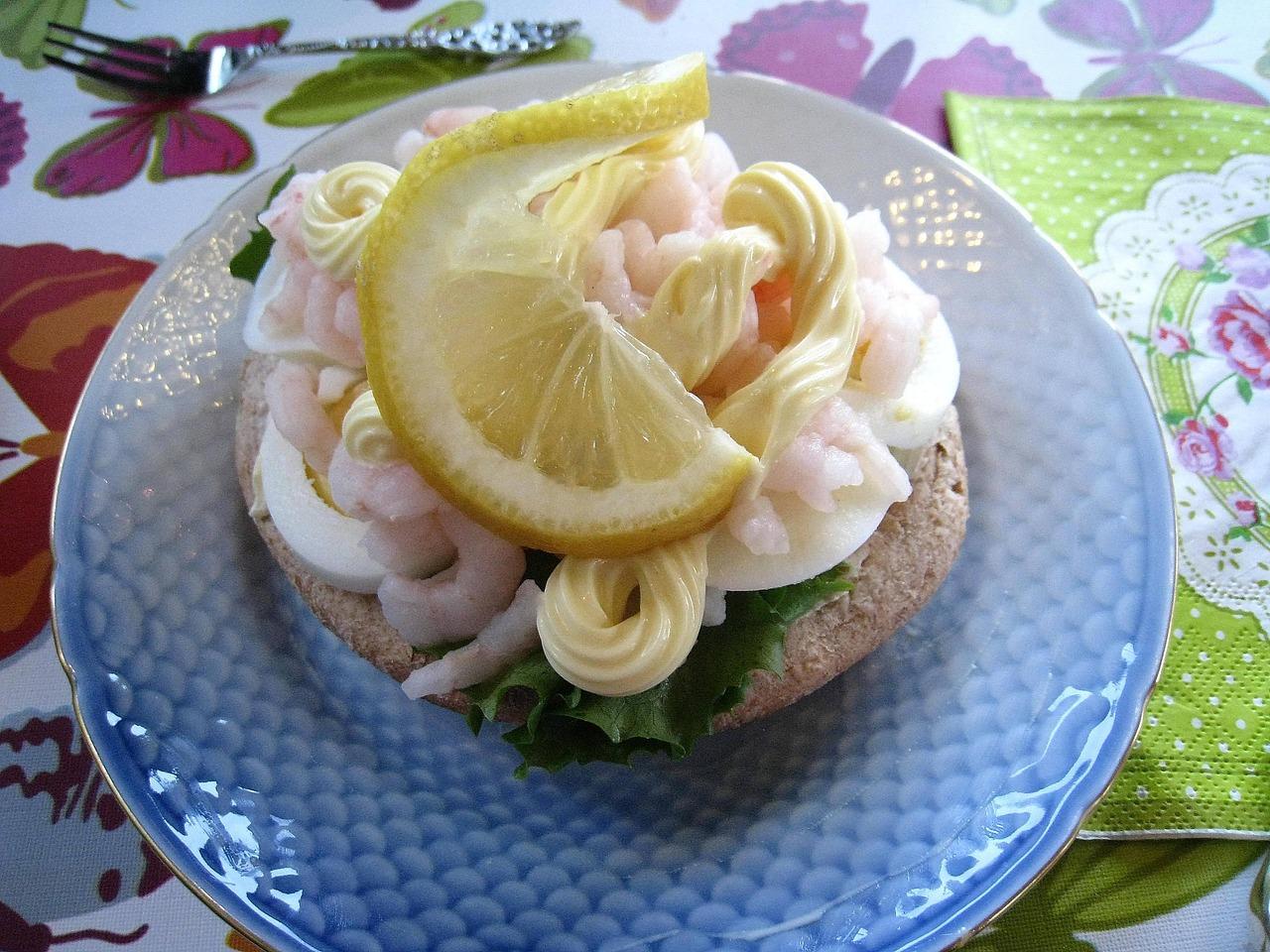
Æg og rejerEgg and shrimp sandwich

On Danish lunch boards from Skagen to Copenhagen, sliced egg buried under a heap of small, sweet North Sea shrimp is the first fish smørrebrød people reach for. It is built on buttered rye or white bread, finished with a ribbon of mayonnaise, a lemon twist and dill. The best are made with cold-water shrimp peeled by hand, so the dish is eaten in spring and early summer when the catch is good. A common mistake is overcooking the eggs until the yolk turns grey-green. Chef's tip: drain the shrimp well on kitchen paper so the bread stays crisp.

by KrazyBadal 0 views

HindbærsnitterRaspberry shortbread slices

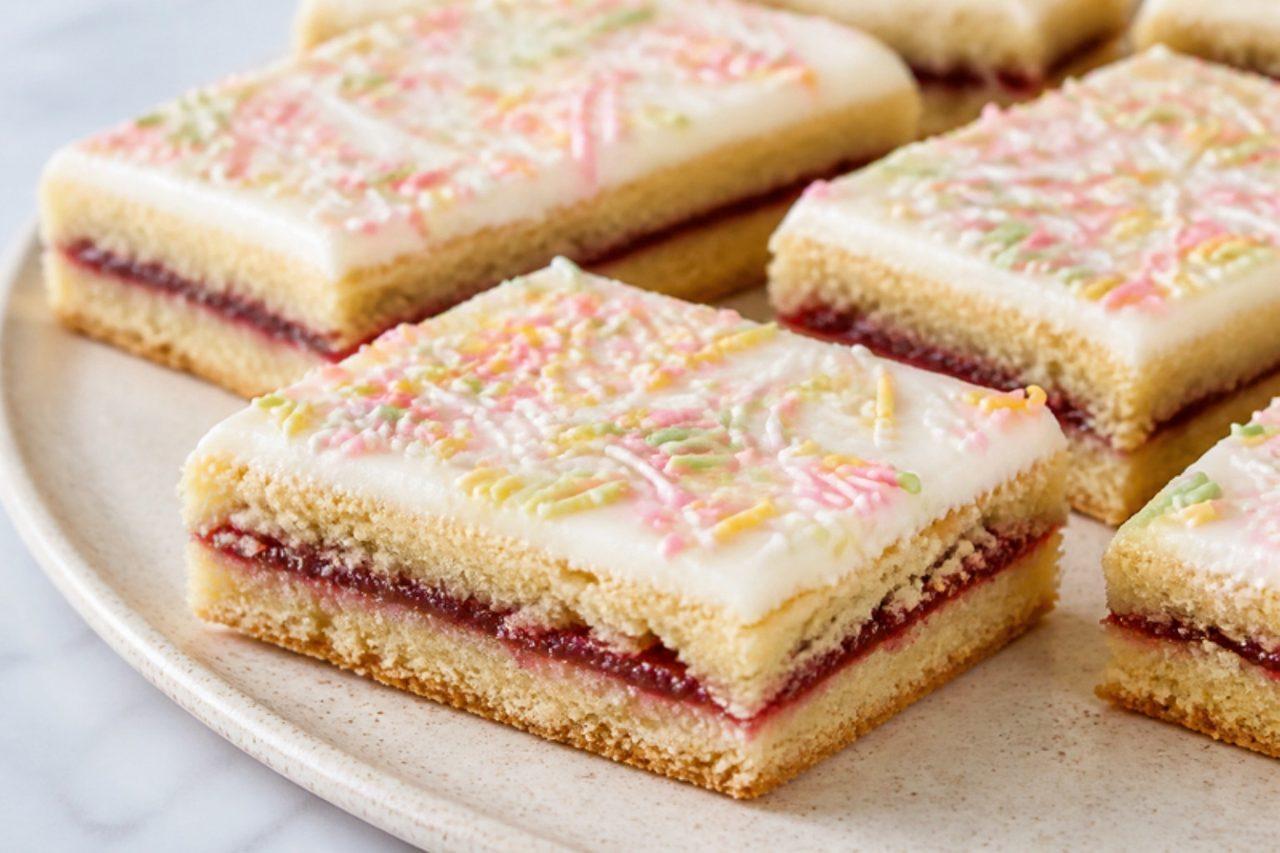
Every Danish bakery counter, from Copenhagen to Aarhus, has a row of hindbærsnitter: two thin sheets of crisp shortbread glued together with raspberry jam, topped with white icing and coloured sprinkles. Children choose them on the walk home from school, and they turn up at birthday tables too. The secret is a dough rolled very thin and baked pale. A common mistake is assembling while the pastry is still warm, which makes the jam run and the icing crack. Chef's tip: ice the top sheet before cutting, then slice with a sharp knife while the icing is still a little soft.

by KrazyBadal 0 views

HønsesalatChicken salad sandwich

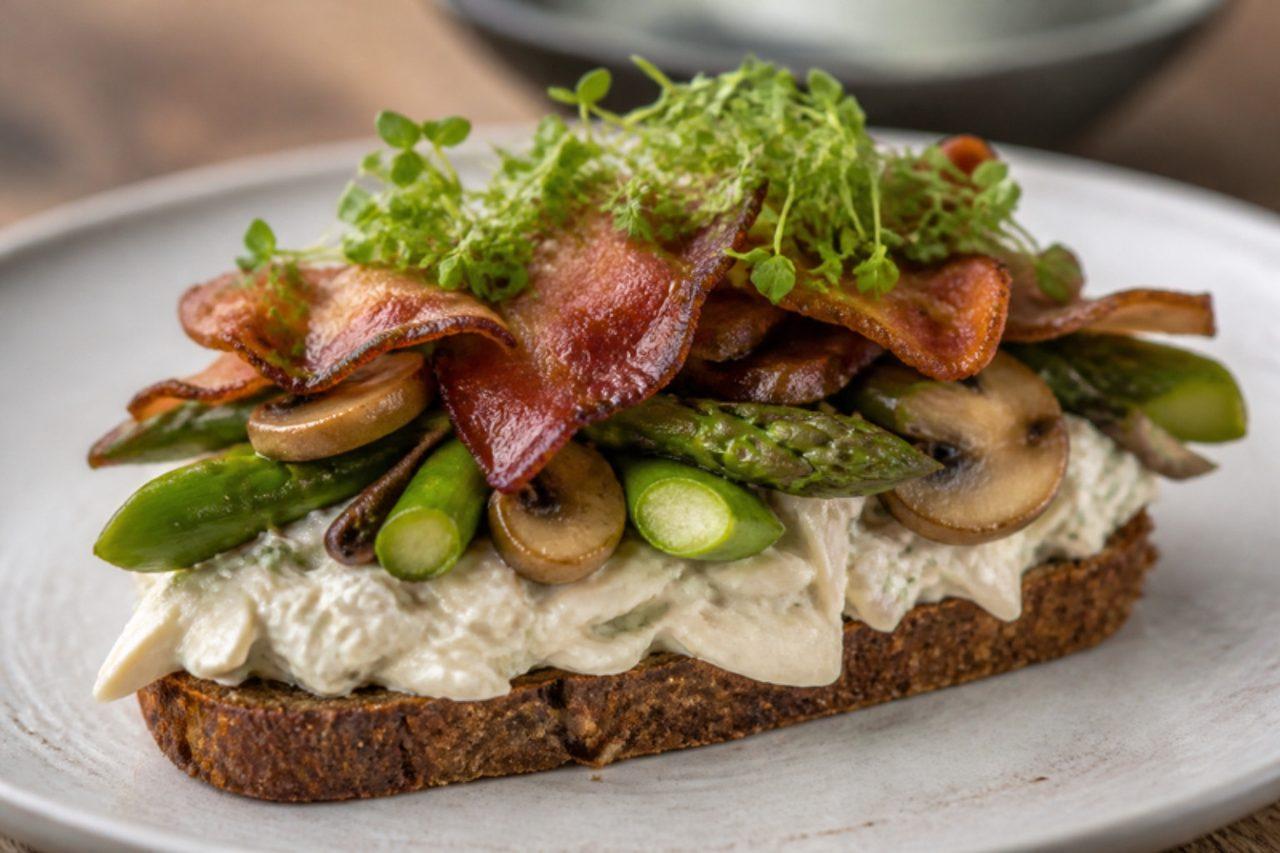
Hønsesalat is the chicken course of a Danish lunch table and a bakery-counter classic on crisp rye or a soft white roll across Jutland and Zealand. Poached chicken, white asparagus and small mushrooms are folded into a soft dressing of mayonnaise and crème fraîche, then each serving is finished with crunchy bacon and cress. Leftover roast chicken works well. A common mistake is dressing the chicken while warm, which melts the mayonnaise and turns it greasy. Chef's tip: poach the chicken gently in barely bubbling water so it stays juicy, and use the cooking liquid for soup.

by KrazyBadal 0 views

RundstykkerBreakfast rolls

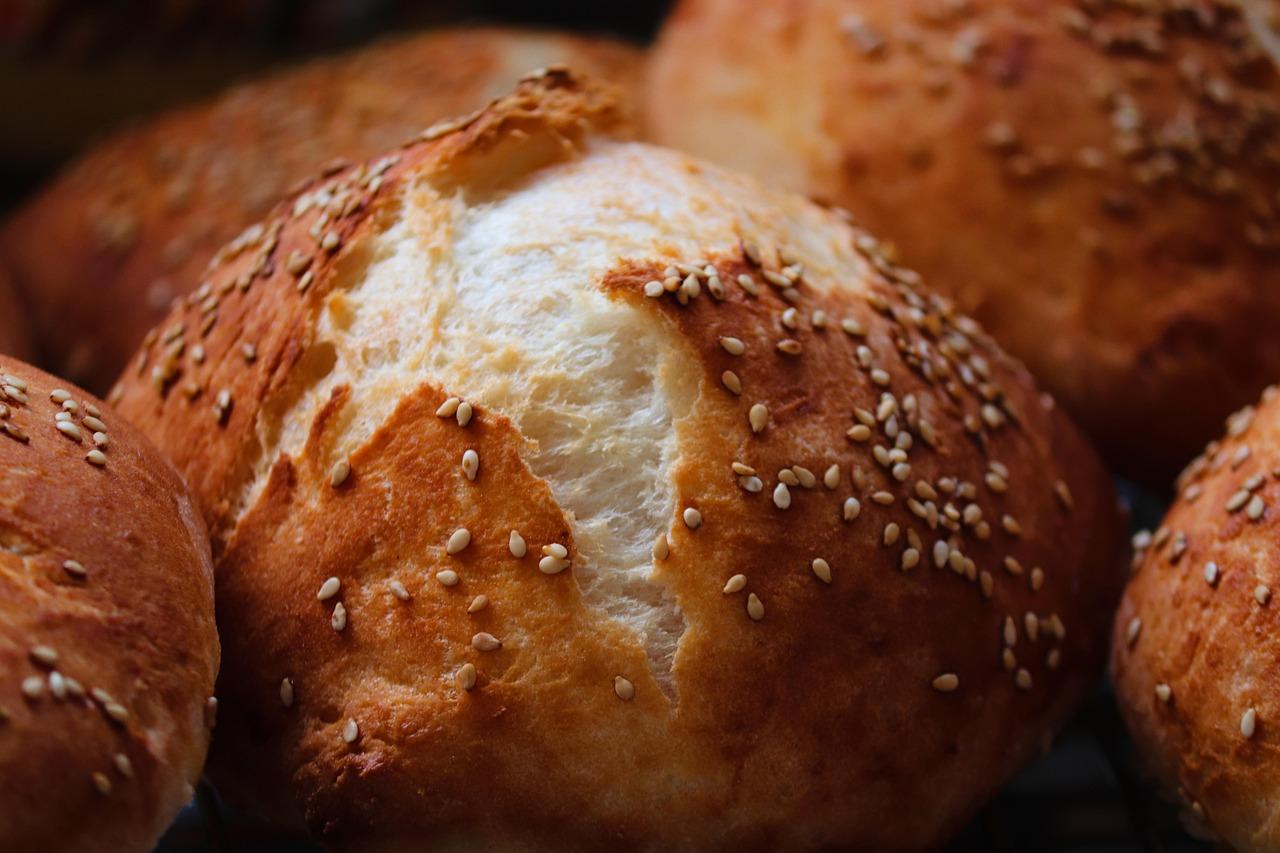
Weekend mornings in Denmark and Norway start with a bag of warm rundstykker from the bakery, or a tray baked at home. They are crusty white rolls topped with poppy or sesame seeds, split and eaten with cheese, jam or a slice of brunost alongside coffee. This version is vegan and uses an overnight rise in the fridge, so the rolls go straight into the oven in the morning. A common mistake is adding too much flour, which makes them dense. Chef's tip: put a tray of boiling water in the bottom of the oven for the first 10 minutes so the crust turns thin and crackly.

by KrazyBadal 0 views

HallongrottorRaspberry thumbprint cookies

Hallongrottor, 'raspberry caves', are the cookie Swedish children learn to bake first, pressing a thumb into each ball of buttery dough and filling the hollow with raspberry jam. They turn up at birthday parties, school bake sales and every proper fika in homes from Malmö to Luleå. Baked in paper cases, they keep their shape and the jam bubbles into a glossy jewel. A common mistake is overfilling the hollows, which makes the jam boil over and burn. Chef's tip: use a thick, set jam and fill only to the rim.

by KrazyBadal 0 views

Showing 24 of 440 recipes

Show more recipes

Page 1 of 19