Skip to content
Recipes

All recipes

Vegetarian, or something you can't eat? Set your diet once and we'll hide recipes that don't fit.

Bubur saring (sieved rice and vegetable porridge)

Indonesian parents call a baby's first solids MPASI, and the first stage is bubur saring: rice porridge cooked with vegetables and pressed through a sieve until velvety. Across Java it is often made each morning in a small pot and given at lunchtime, with a daun salam (Indonesian bay leaf) for a gentle scent. Carrot gives it colour and sweetness, spinach a soft green flavour. There are no common allergens in it (milk, egg, gluten, peanut, tree nuts, soya, sesame, fish). Chef's tip: add the spinach only in the last few minutes, so it stays green and doesn't turn the porridge grey.

by KrazyBadal 0 views

Telur gulung (Indonesian rolled egg skewers)

Telur gulung is a cheap, cheerful street snack sold from little carts outside primary schools across Java, where children watch the vendor pour beaten egg into hot oil and roll it onto a stick in seconds. The result is a puffy, golden, slightly crisp egg spiral, usually eaten with a squirt of chilli or tomato sauce. At home it is easy to make in a small pan with a little more care. It contains egg. Chef's tip: the oil must be hot enough that a drop of egg puffs up instantly; in cool oil the egg sinks and turns greasy.

by KrazyBadal 0 views

Nasi tim ayam for toddlersSteamed chicken and mushroom rice

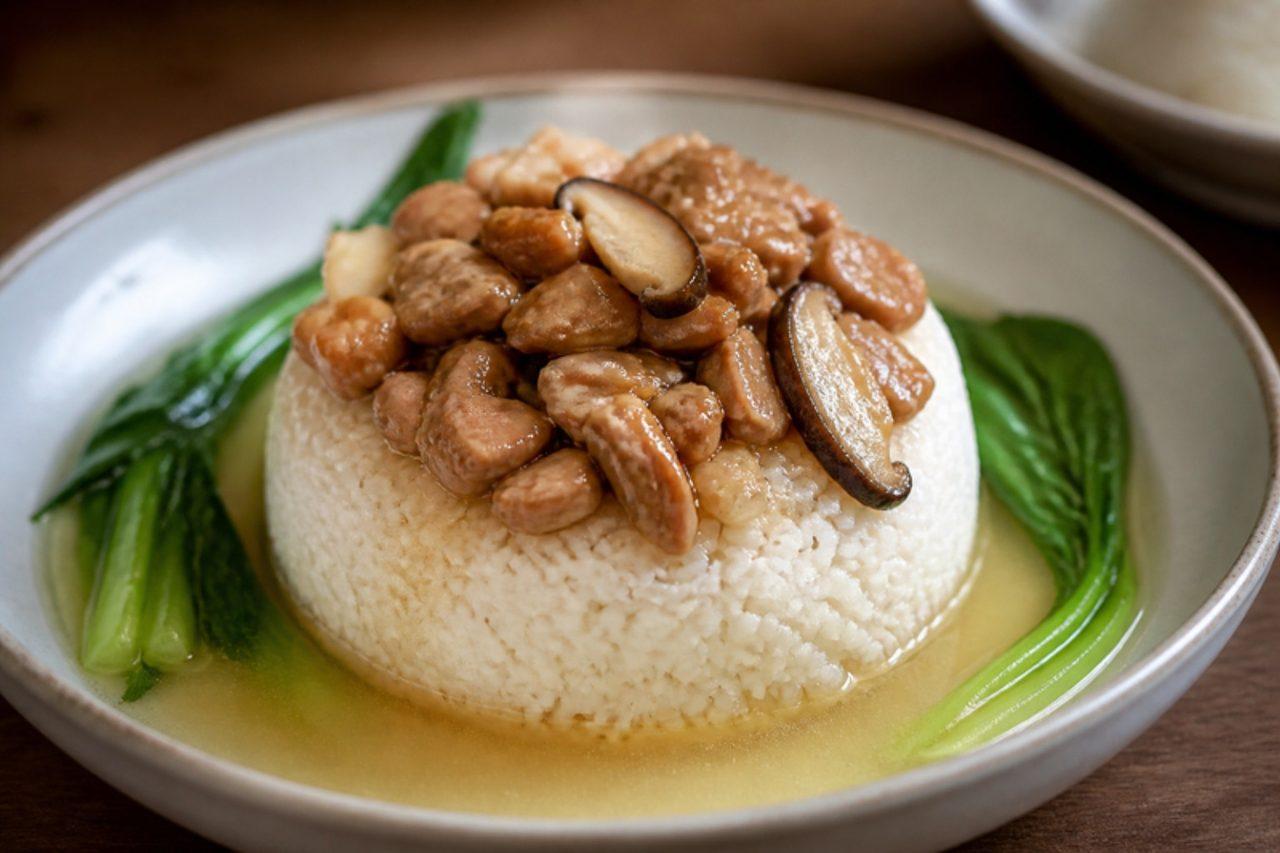
Nasi tim ayam comes from the Chinese-Indonesian kitchens of Java, and is the meal many Indonesian children eat when they first move on from porridge: rice steamed slowly in a bowl over diced chicken and mushrooms until very soft, then turned out like a little dome. For toddlers the seasoning is just garlic, ginger, a few drops of sesame oil and a little low-salt soy sauce. It contains soya and gluten (soy sauce) and sesame. Chef's tip: use no-salt stock in the rice; it soaks up the flavour of the chicken as it steams.

by KrazyBadal 0 views

BizcochueloPlain whisked sponge cake

Nearly every Argentine birthday torta starts life as a bizcochuelo: a tall, plain sponge of eggs, sugar, flour and cornflour, with no butter and no baking powder, lifted only by long whisking. Grandmothers bake it on Sunday to split into three and fill with dulce de leche and whipped cream, or eat it plain in the afternoon with mate. The crumb is fine, dry-ish and airy, made to soak up syrup. Opening the oven in the first 20 minutes is the classic way to flatten it, so leave the door shut. Chef's tip: whisk until the mixture reaches 'punto letra', thick enough that a ribbon drawn on the surface holds its shape for a few seconds; that takes a good 8–10 minutes with an electric mixer, and warm eggs get there faster.

by KrazyBadal 0 views

Pan chutaAniseed round bread

The small town of Oropesa, half an hour from Cusco, calls itself Peru's bread capital, and its wood-fired bakeries are famous for chuta: big, flat, round loaves as wide as a dinner plate, glossy on top, with a faint sweetness and the warmth of aniseed. Travellers on the road to Puno and Bolivia stop to buy them by the bagful, and families bring them home for All Saints' Day and for sharing with hot coca tea or coffee, fresh cheese and butter. The bakeries traditionally use lard; this version uses vegetable shortening and butter, so it is vegetarian. The make-or-break moment is the proof: chuta is large and flat, and if it goes in under-risen it bakes dense and splits at the rim. Chef's tip: toast the aniseed for a minute in a dry pan and crush it lightly before adding, for a rounder, sweeter perfume.

by KrazyBadal 0 views

ChaplasHollow puffed Andean bread

Walk through Ayacucho's central market at seven in the morning and you will see women selling stacks of chaplas from cloth-lined baskets, still warm from the wood-fired ovens of the Andes. These round wheat breads puff up like pita in the fierce heat, leaving a hollow pocket inside a thin, soft, lightly floury crust. In Ayacucho and Huancavelica they are eaten with sweet coffee or hot emoliente for breakfast, or split and filled with queso fresco, avocado or a spoonful of rocoto sauce. Highland bakers traditionally work in a little lard; vegetable shortening gives the same tenderness and keeps the bread vegan. A cool baking tray is the reason chaplas stay flat, so preheat it thoroughly. Chef's tip: let the rolled rounds rest before baking and flip them upside down onto the tray, so the smooth, dry side meets the heat first and the pocket opens evenly.

by KrazyBadal 0 views

Nasi tumpengTurmeric coconut rice cone

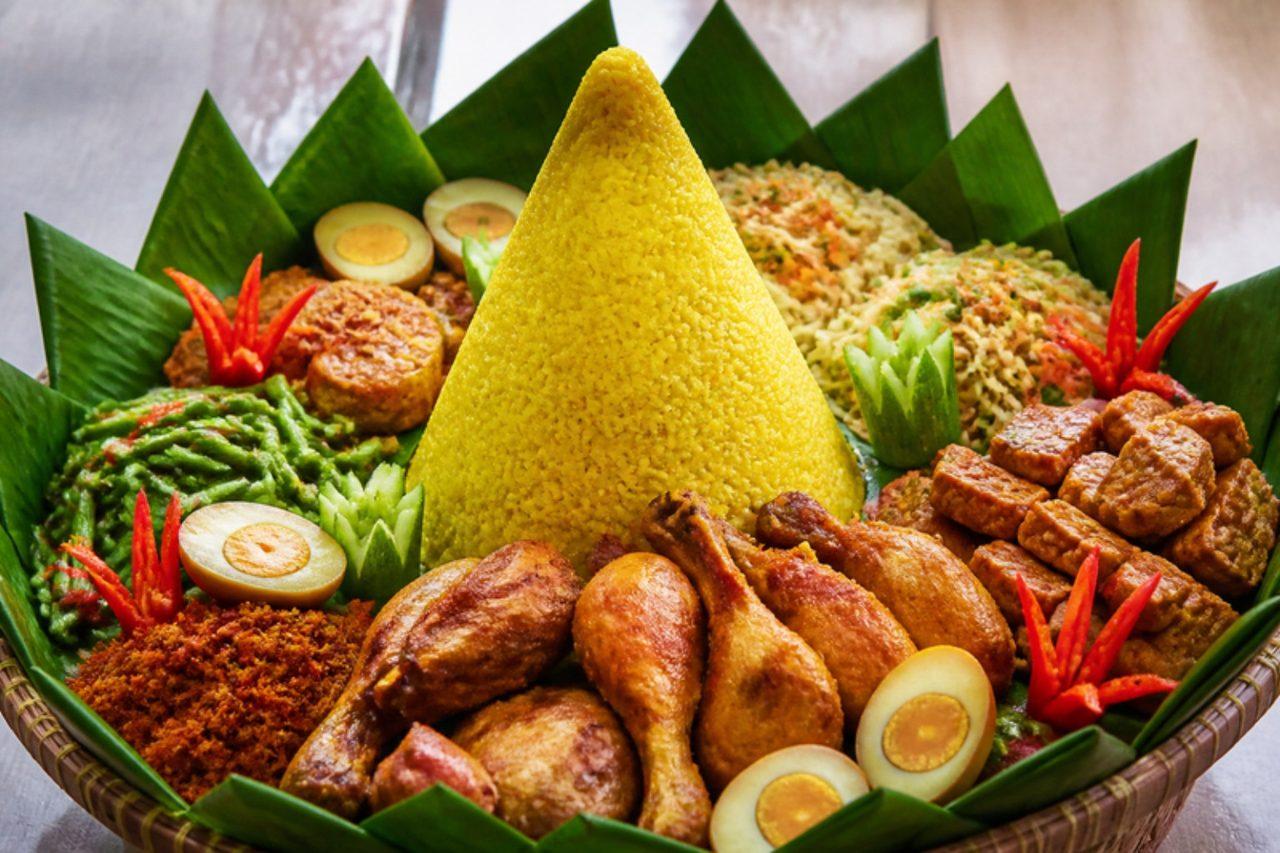
In Java, and now across Indonesia, a birthday, a new house or a child's first school day is marked with a tumpeng: a tall cone of golden turmeric rice cooked in coconut milk, set on a banana leaf and surrounded by side dishes. The top is cut off and handed to the guest of honour, often the birthday child, before everyone shares the rest. This home version keeps the sides mild for children: sweet soy chicken, boiled eggs, crisp tempeh and blanched vegetables. It contains soya and egg. For a vegetarian tumpeng, leave out the chicken and double the tempeh. Chef's tip: pack the rice into a cone made from a rolled sheet of baking paper or a large funnel lined with cling film, then turn it out in one go.

by KrazyBadal 0 views

Roti bakar (Indonesian toasted bread)

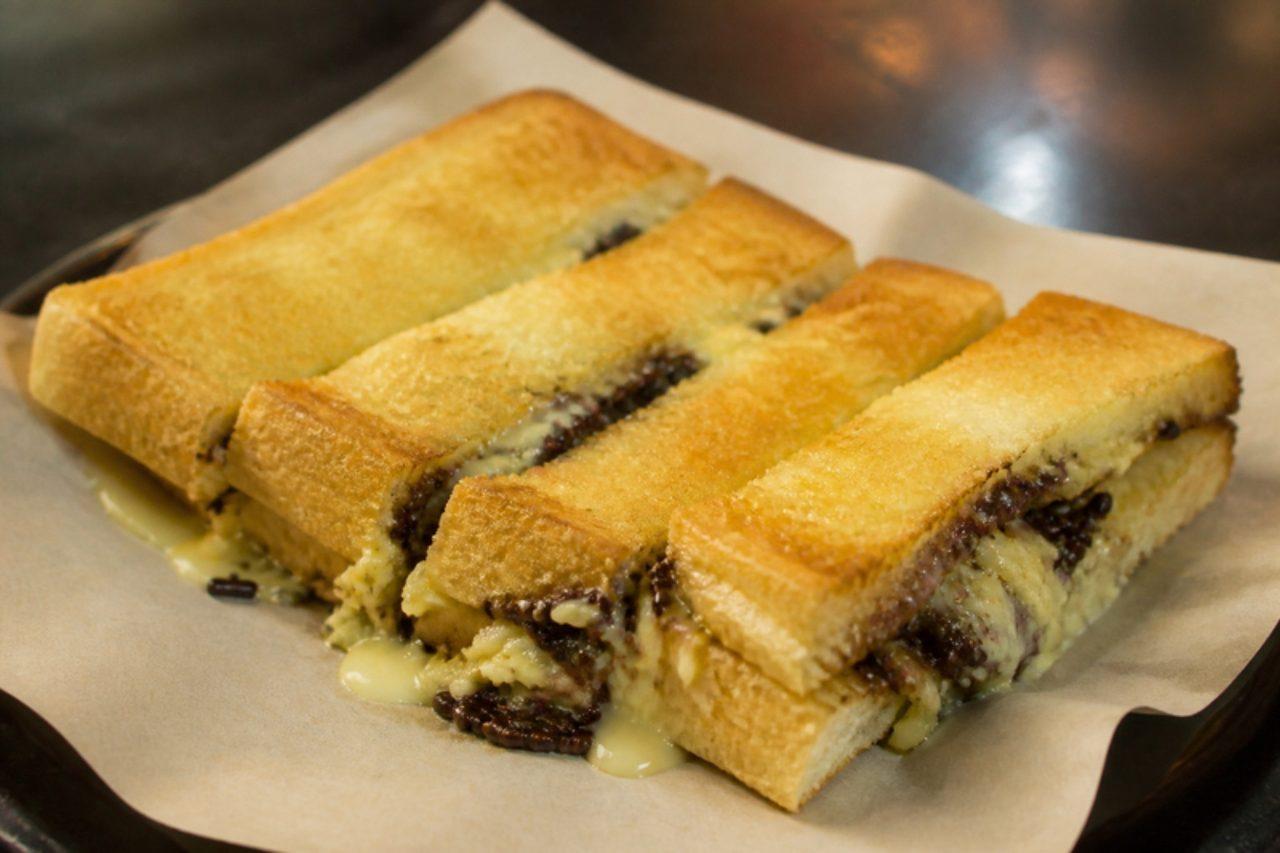
Roti bakar stalls light up street corners all over Indonesia from late afternoon, and children from Jakarta to Surabaya beg for the classic filling of chocolate sprinkles with grated cheese, an unlikely pairing that works. Thick slices of soft bread are spread with butter, toasted on a hot plate until crisp and golden, filled and cut into fingers. Traditional versions add a lot of condensed milk; here it is an optional drizzle. It contains gluten and milk (and may contain soya in the chocolate). Chef's tip: press the bread flat with a spatula as it toasts so the filling melts into it.

by KrazyBadal 0 views

Bubur ayam for little onesChicken rice porridge for babies

Bubur ayam is breakfast from street carts all over West Java and the rest of Indonesia: soft rice porridge topped with shredded chicken, fried shallots, crackers and sweet soy. At home, families cook one plain pot fragrant with ginger and salam leaf, take out the baby's bowl first, unsalted, with the chicken finely shredded, and add the toppings for everyone else. The baby's portion has none of the common allergens (milk, egg, gluten, peanut, tree nuts, soya, sesame, fish); the family toppings add soya and gluten. Chef's tip: cooking the rice in the chicken poaching liquid gives the baby's bowl plenty of flavour without salt.

by KrazyBadal 0 views

Kärntner ReindlingCinnamon raisin yeast cake

Carinthia's Easter loaf takes its name from the Reindl, the round, deep pan it is baked in, and in southern Austria no Easter basket goes to church without one. Inside the golden yeast crust is a spiral of butter, cinnamon sugar and plump raisins, so every slice shows a dark swirl. Locals eat it two ways: sweet with coffee on Easter morning, or alongside the savoury Easter platter with horseradish. Many bakers soak the raisins in rum overnight; warm water or tea works just as well and keeps it alcohol-free. A dry, crumbly Reindling usually means too much flour went in during kneading, so keep the dough soft and only lightly floured. Chef's tip: butter the pan well and dust it with sugar, which caramelises into a thin crunchy shell.

by KrazyBadal 0 views

Roti buayaCrocodile-shaped bread

Crocodiles, to the Betawi people of Jakarta, stand for faithfulness: they are said to take one mate for life. So in a Betawi wedding procession the groom's family carries a pair of roti buaya, a large male crocodile bread and a female one, often with a baby crocodile on her back, alongside the other gifts for the bride. Once the ceremony is over the bread is cut and shared among the guests and neighbours. Old-style roti buaya was plain and firm; today's are soft, lightly sweet milk bread, and some are filled with chocolate or kaya. Eat slices with coffee or sweet tea. Snipping the scales too shallowly is a common slip, since they close up as the dough rises; cut decisively at a steep angle. Chef's tip: shape the crocodile straight on the lined tray and build it from one main log, adding only the legs, so it does not crack apart in the oven.

by KrazyBadal 0 views

Bubur merah putih (red and white porridge)

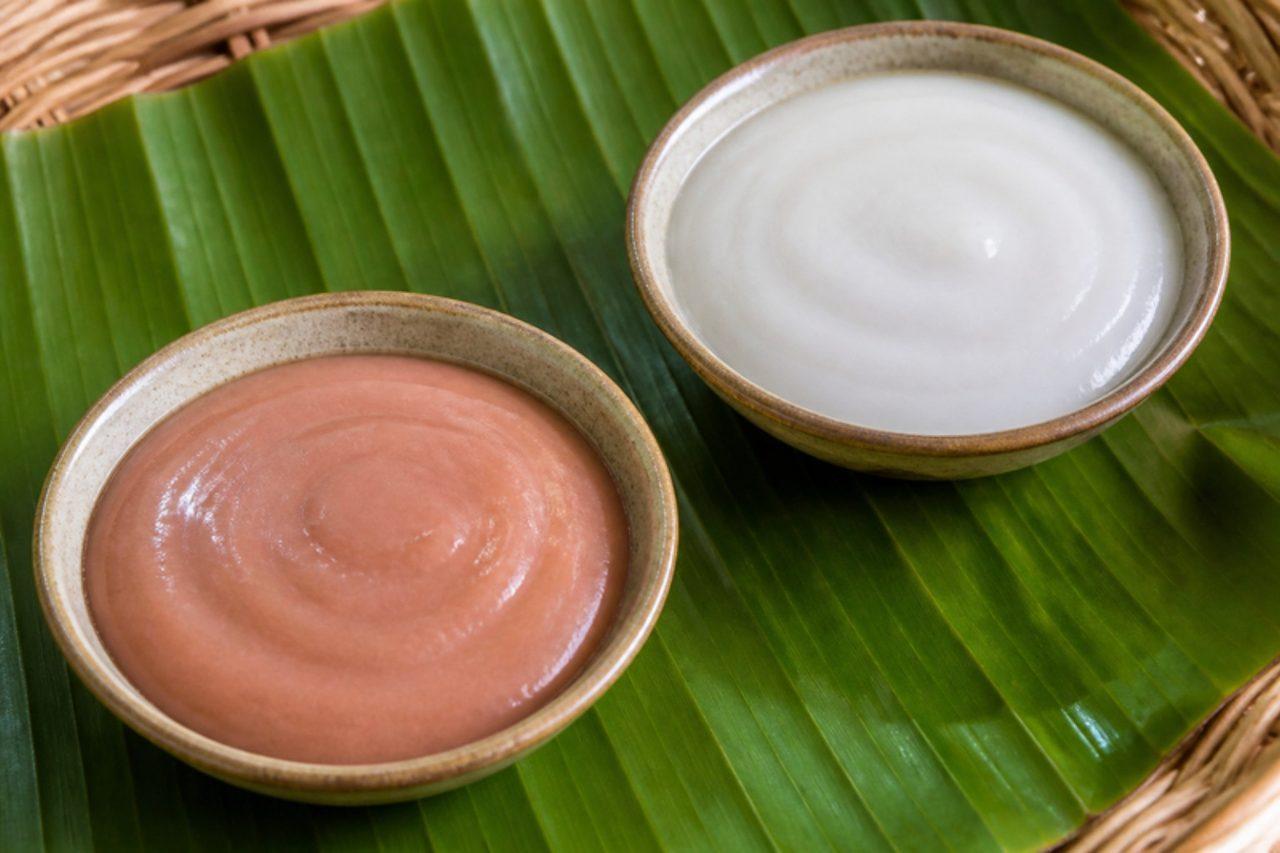
In Java, bubur merah putih is cooked for a baby's naming day, a child's birthday or a new house: a red-brown porridge sweetened with palm sugar and a white one rich with coconut milk, spooned side by side into one bowl. The red is said to stand for courage and the white for purity, and the bowls are shared with neighbours as thanks. The family and older children eat the sweetened red half; it is not for babies under one because of the sugar. Free of milk, egg, gluten, nuts and soya. Chef's tip: tie a pandan leaf in a knot and simmer it in both pots for a gentle vanilla-like scent.

by KrazyBadal 0 views

Cilok (Sundanese tapioca balls with peanut sauce)

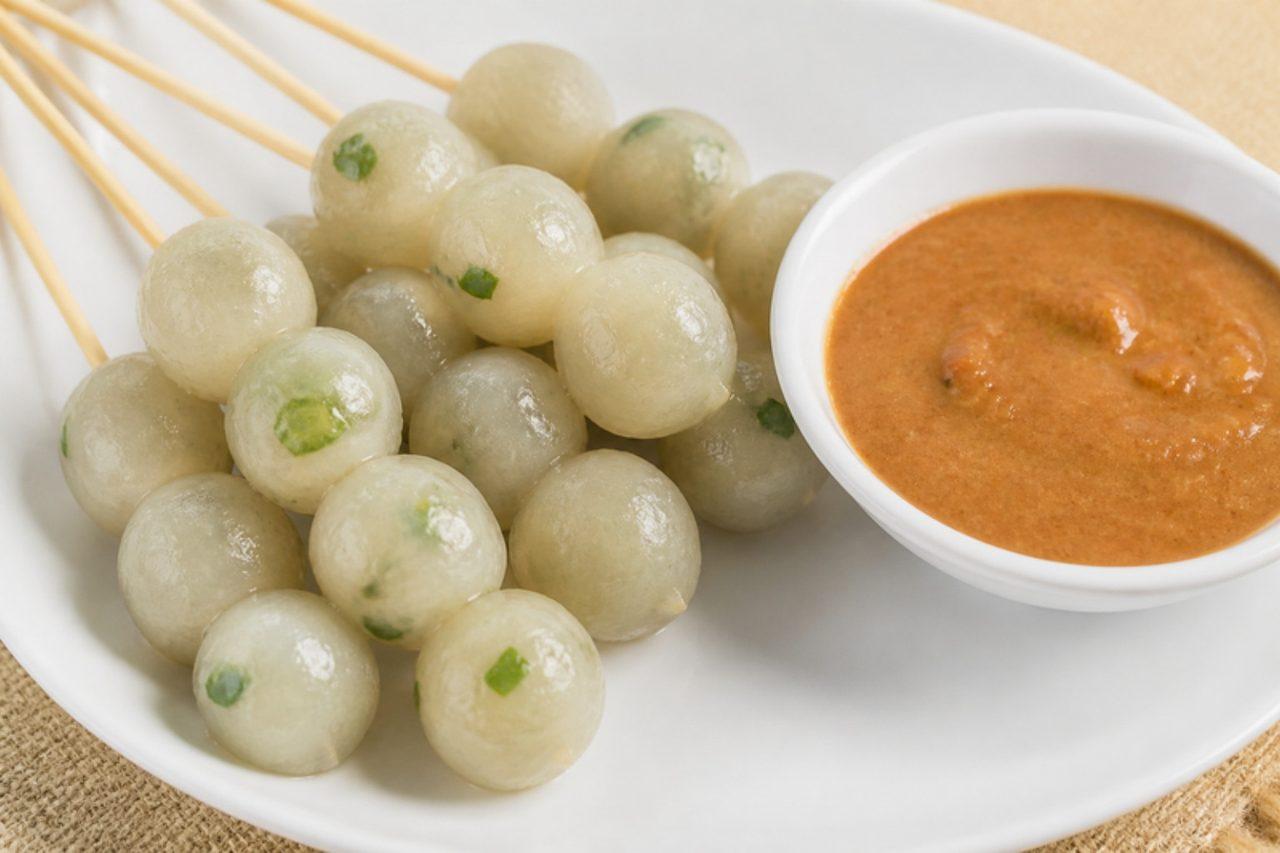
Cilok comes from Bandung in West Java, where its name is short for 'aci dicolok', tapioca you stab with a stick, and vendors sell it outside schools from steaming carts. The little balls are chewy and bouncy with garlic and spring onion through them, dunked in a thick peanut sauce that is sweet, savoury and only gently spicy for children. It contains peanuts, soya and gluten (sweet soy sauce). Chef's tip: pour boiling water onto part of the starch first; that scalded paste is what keeps cilok soft and stretchy instead of hard.

by KrazyBadal 0 views

ErdäpfelstrudelSavoury potato strudel

Austrians, especially in the Mühlviertel of Upper Austria and the Waldviertel, make savoury strudels as often as sweet ones, and Erdäpfelstrudel is a farmhouse favourite for a meatless Friday or a cold evening. Thin pastry wraps a filling of potatoes, fried onion, sour cream, marjoram and parsley, baked until crisp and golden and sliced with a green salad or a dill and sour-cream dip. Bought filo makes it easy at home. The mistake to avoid is a wet filling, which turns the pastry soggy underneath. Chef's tip: cool the filling completely before rolling; warm filling makes the layers stick and tear.

by KrazyBadal 0 views

Sayur labu siamChayote and tofu coconut curry

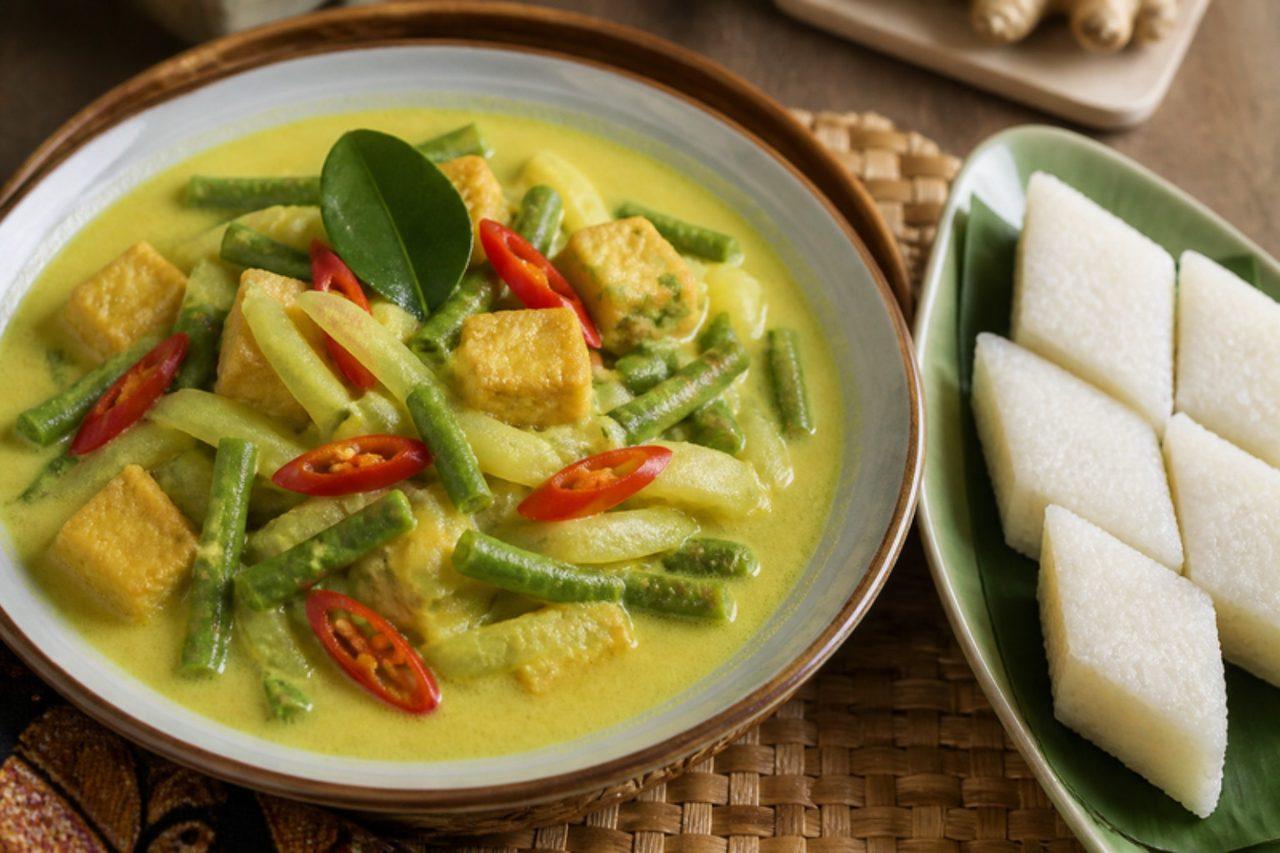
On Lebaran morning in Java and Jakarta, sayur labu siam is the mild, soupy vegetable ladled over cut ketupat beside the richer opor and sambal goreng. Crisp-tender chayote, long beans and fried tofu simmer in a thin, pale-gold coconut broth fragrant with turmeric, galangal and salam leaf; it also makes an easy weeknight lontong sayur. This version is vegan, while many home cooks add a little terasi and dried shrimp to the spice paste. Chef's tip: let the broth simmer gently after the coconut milk goes in; a hard boil splits it into oily curds.

by KrazyBadal 0 views

Sambal roaSmoked fish sambal

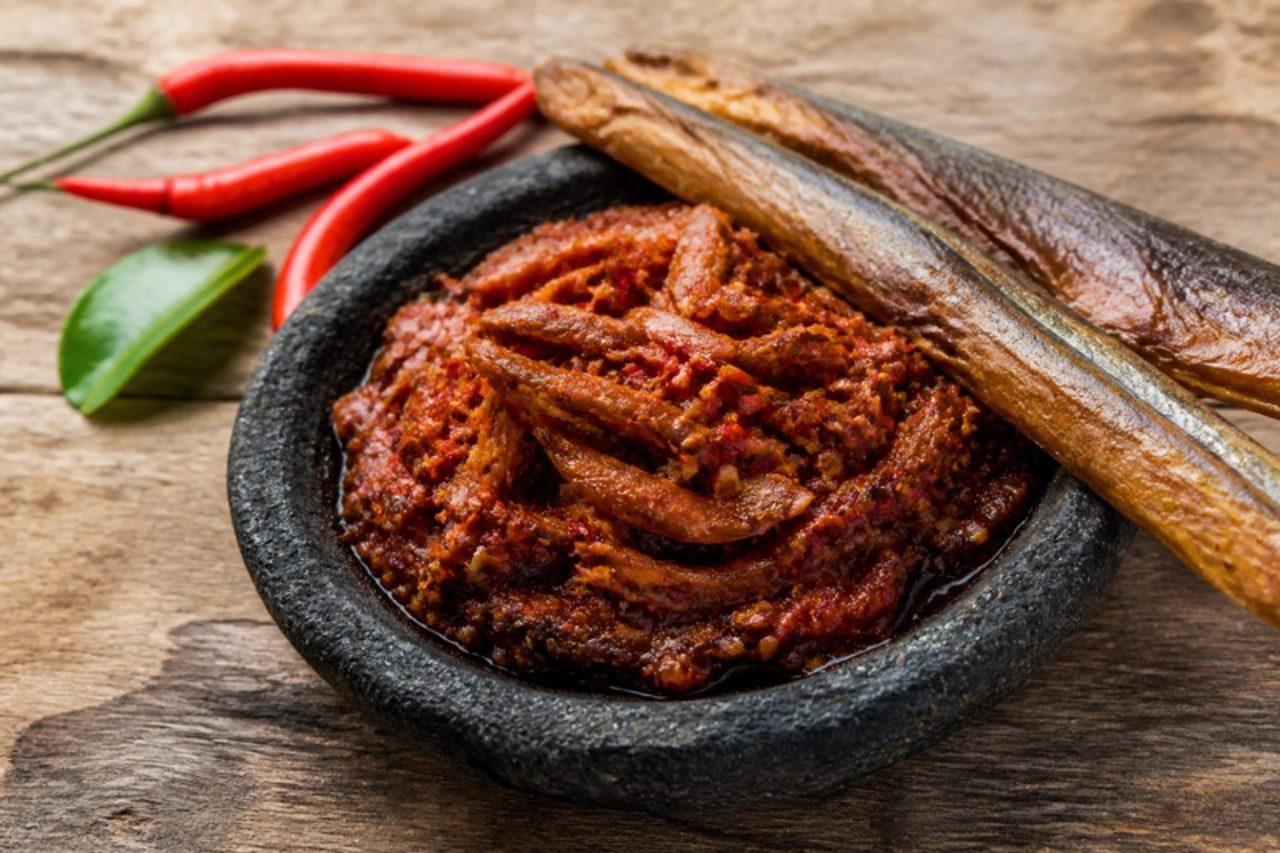
Manado families in North Sulawesi keep sambal roa in the cupboard the way others keep jam, and visitors leave with jars of it as a souvenir. Ikan roa, a garfish split and smoked on bamboo racks until dry, is flaked and fried with a mountain of chillies, shallots and lemongrass into a deep, smoky relish that turns plain rice or tinutuan porridge into a meal. Outside Indonesia, smoked mackerel gives a similar result. Chef's tip: pick through the fish carefully for fine bones before frying; once it is mixed into the sambal they are almost impossible to find.

by KrazyBadal 0 views

Sambal goreng atiBeef liver in chilli coconut sauce

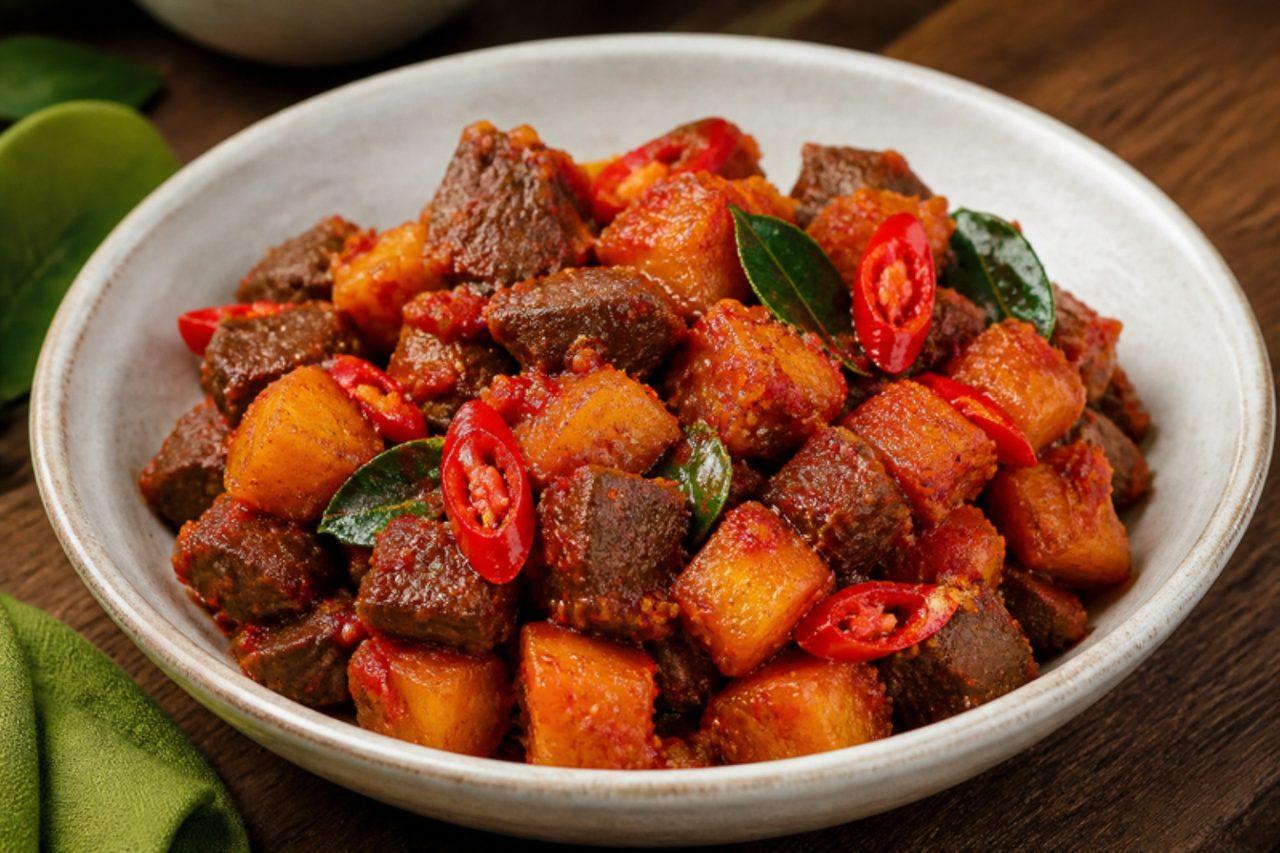
Next to opor ayam on the Lebaran table in Java sits a bowl of sambal goreng ati: cubes of beef liver and fried potato cooked in a sweet-hot red chilli sauce loosened with coconut milk and scented with galangal and lime leaf. It is rich, a little sticky and meant to be eaten in small spoonfuls with ketupat. Some cooks add fried quail eggs or petai beans. Chef's tip: blanch the liver in boiling water first and cook it right through in the sauce; underdone liver is unsafe, and boiling it too long beforehand makes it dry and grainy.

by KrazyBadal 0 views

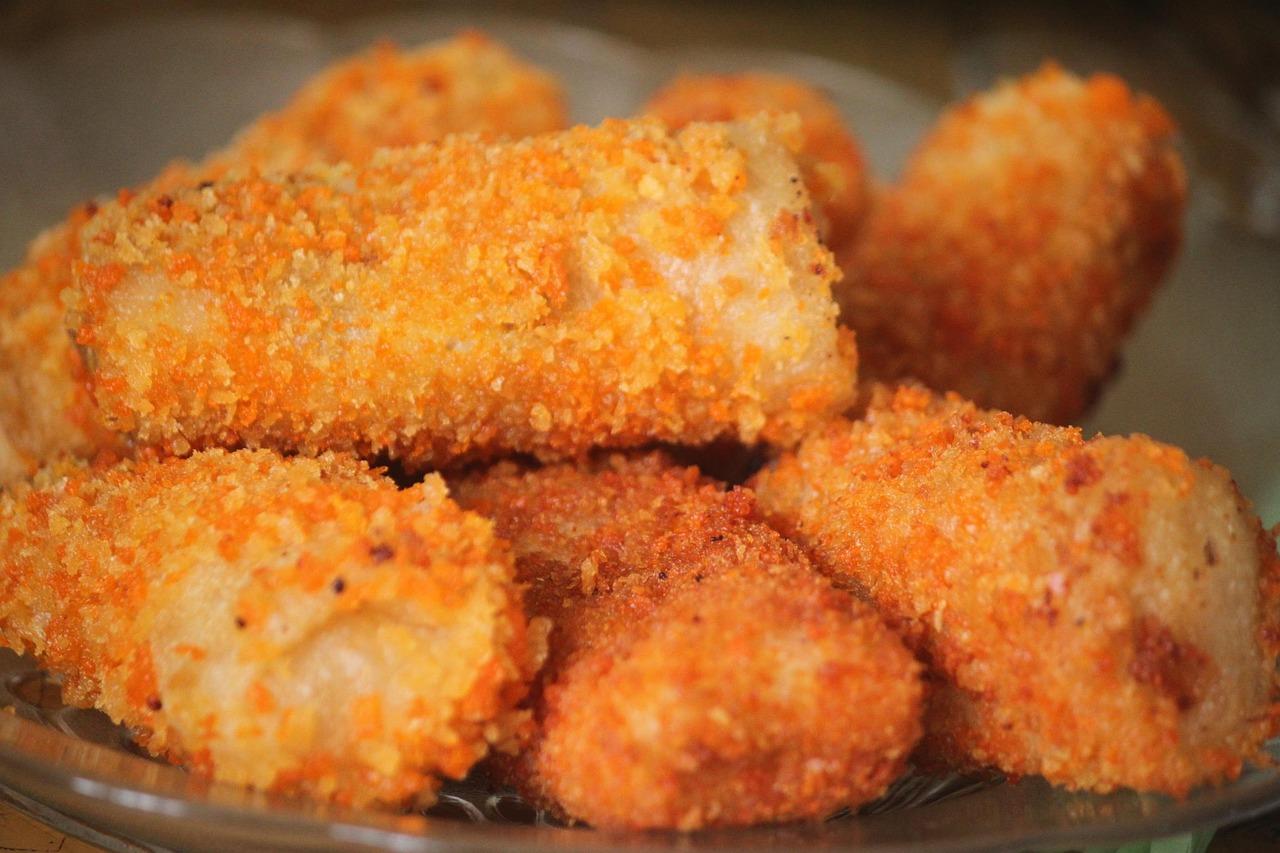
Risoles sayurVegetable crêpe rolls

A Dutch colonial snack that never left, risoles fill the glass cabinets of Jakarta bakeries and the snack boxes handed out at every Javanese meeting, wedding and pengajian. Thin crêpes are wrapped round a creamy white-sauce ragout of carrot, potato, beans and sweetcorn, then crumbed and fried until golden and shatteringly crisp. The vegetable version is the most common; meat versions add chicken or smoked beef. Serve with fresh green chillies or chilli sauce. Chef's tip: chill the ragout until firm before rolling; warm, runny filling soaks the crêpes and makes them burst in the oil.

by KrazyBadal 0 views

Wedang uwuhSpiced herbal infusion

The name means 'rubbish drink', because a glass looks like a jumble of twigs and leaves, but around the royal tombs at Imogiri, south of Yogyakarta, wedang uwuh is a point of pride. Chips of sappan wood stain hot water a deep ruby red, while ginger, clove, cinnamon, nutmeg leaf and rock sugar give a sweet, woody spice. It is sold by roadside warung as a dry pack to brew at home. Chef's tip: steep it, don't boil it for long; sappan wood turns from red to a muddy brown and tastes tannic if cooked hard.

by KrazyBadal 0 views

CirengFried tapioca snacks

The name is Sundanese shorthand for 'fried tapioca', and in Bandung cireng is sold from carts outside schools and campuses, eaten piping hot from a paper cone. A garlicky scalded tapioca dough is shaped into flat ovals and fried until the outside is crisp and blistered while the inside stays stretchy and mochi-like. The dipping sauce is a quick rujak of palm sugar, tamarind and chilli. Chef's tip: use truly boiling water to scald the starch; with merely hot water the dough stays crumbly and the cireng turn hard as stones once fried.

by KrazyBadal 0 views

Lumpia SemarangBamboo shoot spring rolls

Semarang's lumpia carts trace their recipe back to a 19th-century Chinese-Javanese couple, and today the city's Gang Lombok and Pemuda Street sellers still roll them to order. The filling is young bamboo shoot stir-fried with prawns, egg and garlic, giving a juicy, faintly sweet crunch inside a crisp wrapper. They are eaten as a snack or light lunch with a thick garlic-palm sugar sauce, pickled cucumber, spring onion and chillies. Chicken can replace the prawns. Chef's tip: canned bamboo shoots must be boiled and drained first; skipping this leaves a sour, tinny smell through the whole roll.

by KrazyBadal 0 views

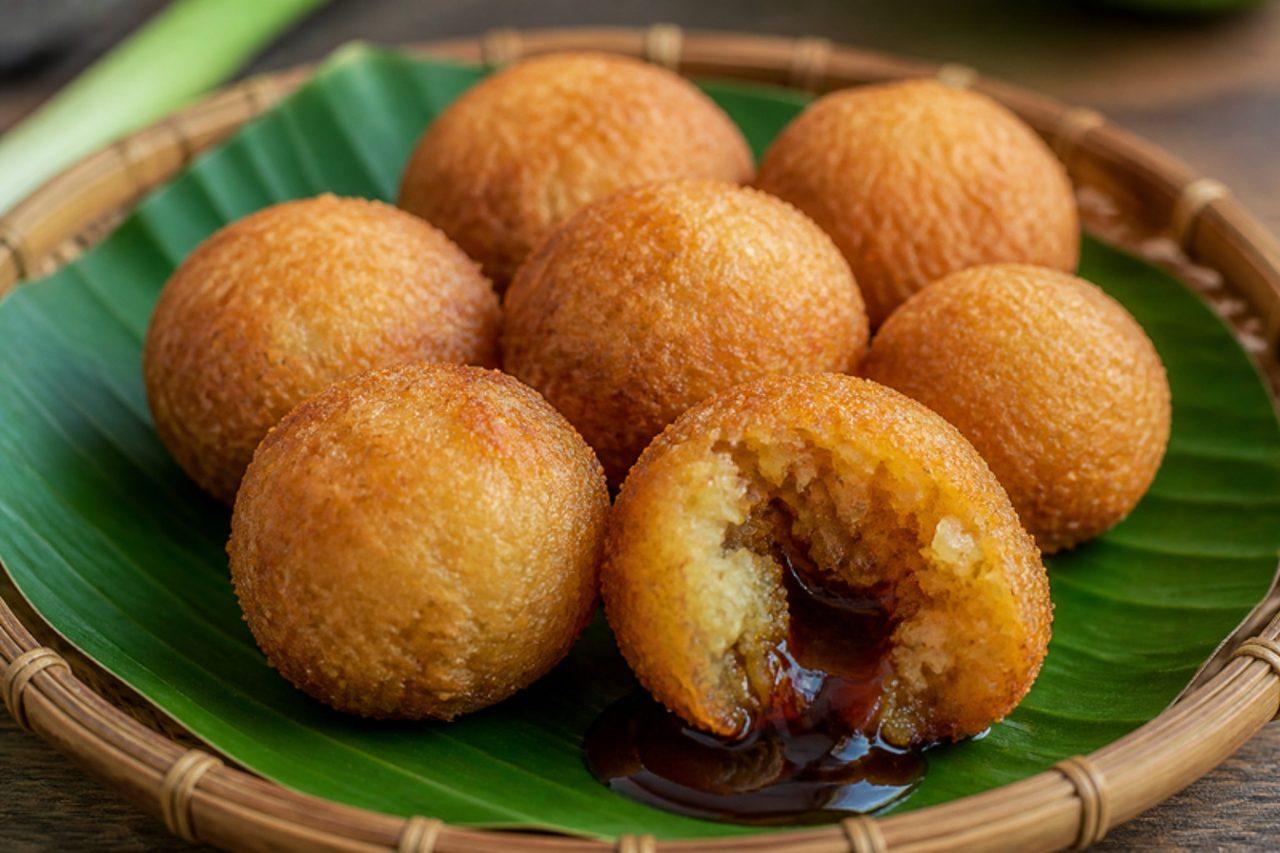
MisroCassava palm sugar fritters

In West Java combro and misro are sold side by side, savoury and sweet; misro's name means 'sweet inside', and biting through the crisp shell releases a trickle of melted palm sugar into the chewy grated cassava. Gorengan sellers in Sumedang and Bandung fry them in the afternoon and they vanish with glasses of hot tea. They need only cassava, coconut, salt and gula aren. Chef's tip: let them rest for two minutes before eating; the sugar centre is far hotter than the shell and is the most common burnt tongue in Java.

by KrazyBadal 0 views

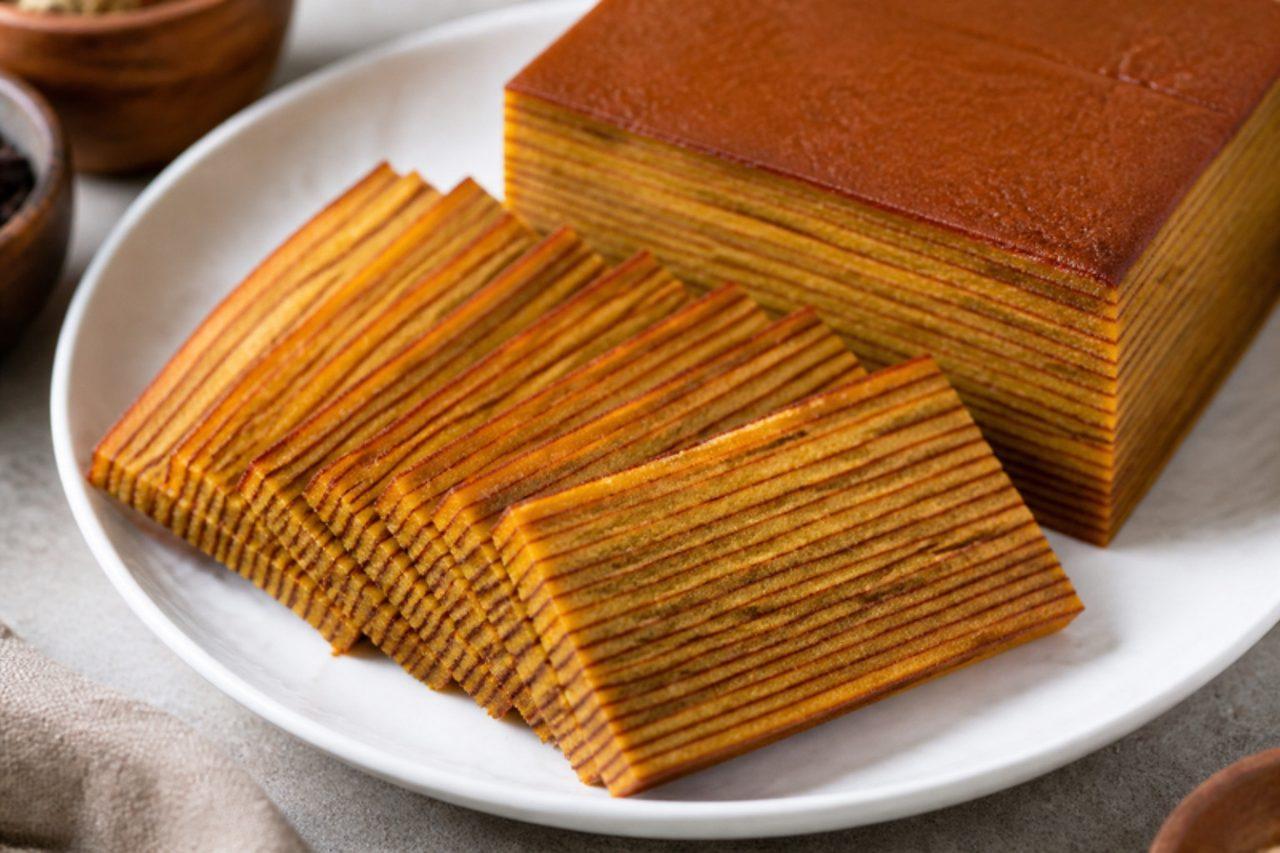
Lapis legitThousand-layer spice cake

Indonesian Chinese and Dutch-descended families bake lapis legit for Christmas, Imlek and Lebaran, and in Jakarta a whole cake is a prized gift that can cost a small fortune. Rich batter of butter and a great many egg yolks, scented with cinnamon, clove, nutmeg and cardamom, is grilled one thin layer at a time, giving perfect tree-ring stripes when sliced. It takes an afternoon, but it is mostly patience. Slice it thinly; it is very rich. Chef's tip: press each layer gently with a flat spoon to burst air bubbles before adding the next; skipping it leaves holes and the layers separate when cut.

by KrazyBadal 0 views

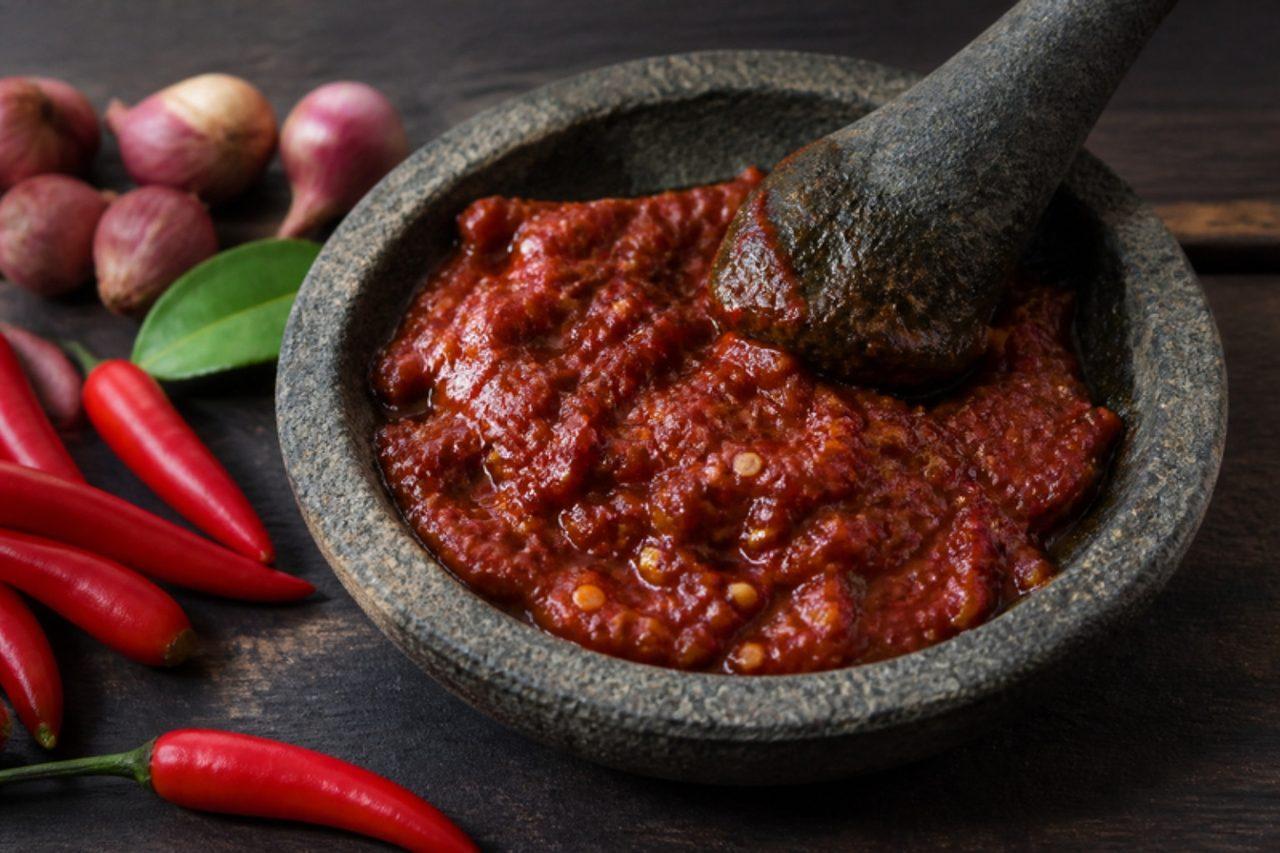
Sambal bajakCooked chilli sambal

In Solo and Yogyakarta warung kitchens a jar of sambal bajak sits beside the rice pot, ready for fried tempeh, boiled greens or a plain omelette at any meal of the day. Red chillies, shallots and candlenuts are blitzed and then fried slowly in plenty of oil with palm sugar and tamarind until the paste turns brick-red, glossy and jammy, mellow rather than raw-hot. This version is vegan: a spoon of salted fermented soybean paste brings the savoury depth that Javanese cooks usually get from toasted terasi (shrimp paste); swap 1 tsp of terasi back in if you eat it. Kept under its layer of oil, it lasts two weeks in the fridge. Chef's tip: the common mistake is stopping too soon; a pale, watery bajak tastes harsh and spoils quickly, so keep frying until the oil splits clear away from the paste.

by KrazyBadal 0 views

Showing 24 of 456 recipes

Show more recipes

Page 1 of 19