Skip to content
Recipes

All recipes

Vegetarian, or something you can't eat? Set your diet once and we'll hide recipes that don't fit.

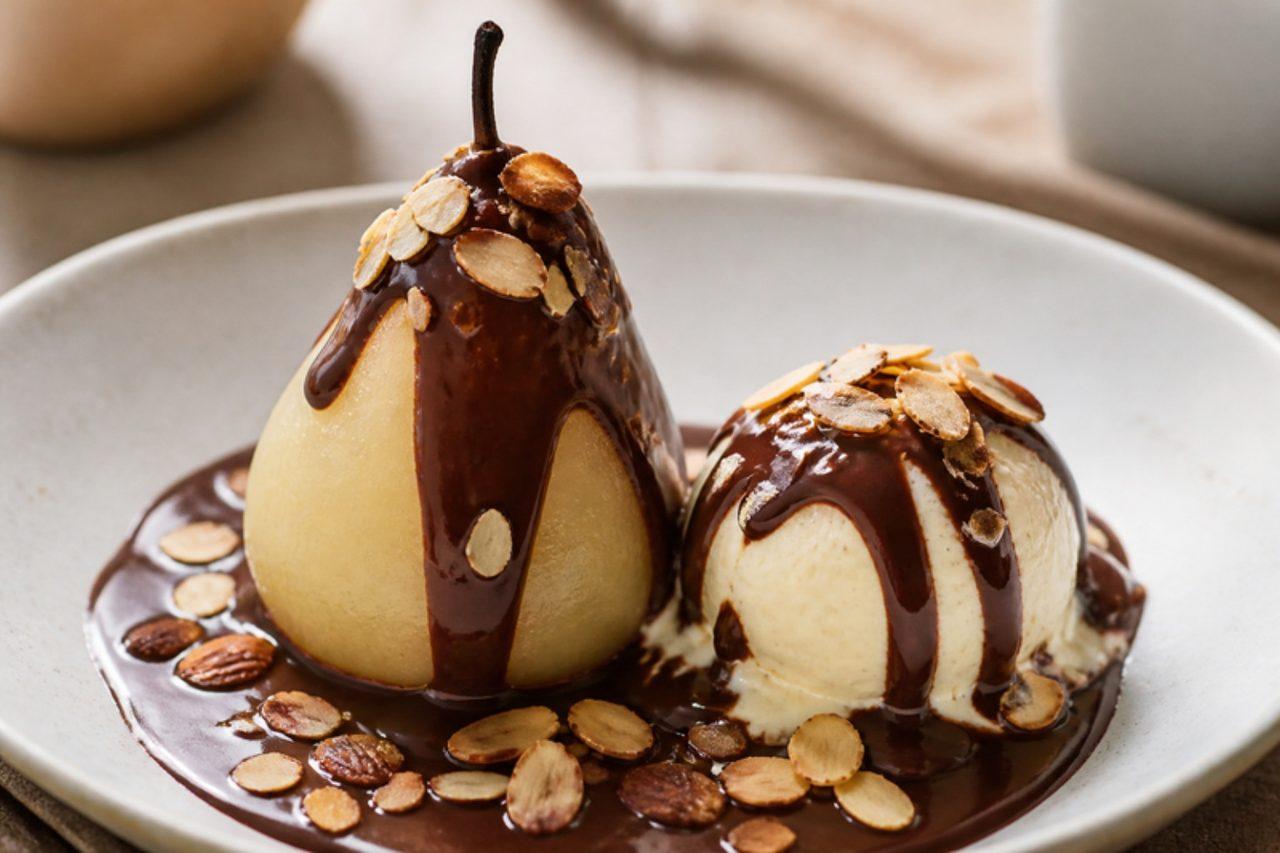
Poires Belle-HélènePears with chocolate sauce

Poires Belle-Hélène was created in Paris in the 1860s, probably by the great chef Escoffier, to honour Offenbach's operetta La Belle Hélène, and it is still on bistro menus and served at home as an easy winter dessert. Whole pears are poached in vanilla syrup, then served cold with vanilla ice cream and a jug of hot dark chocolate sauce. The common mistake is poaching hard pears too fast, so they stay crunchy in the middle. Chef's tip: the pears are done when a knife slides in like butter; keep the syrup at a gentle shiver.

by KrazyBadal 0 views
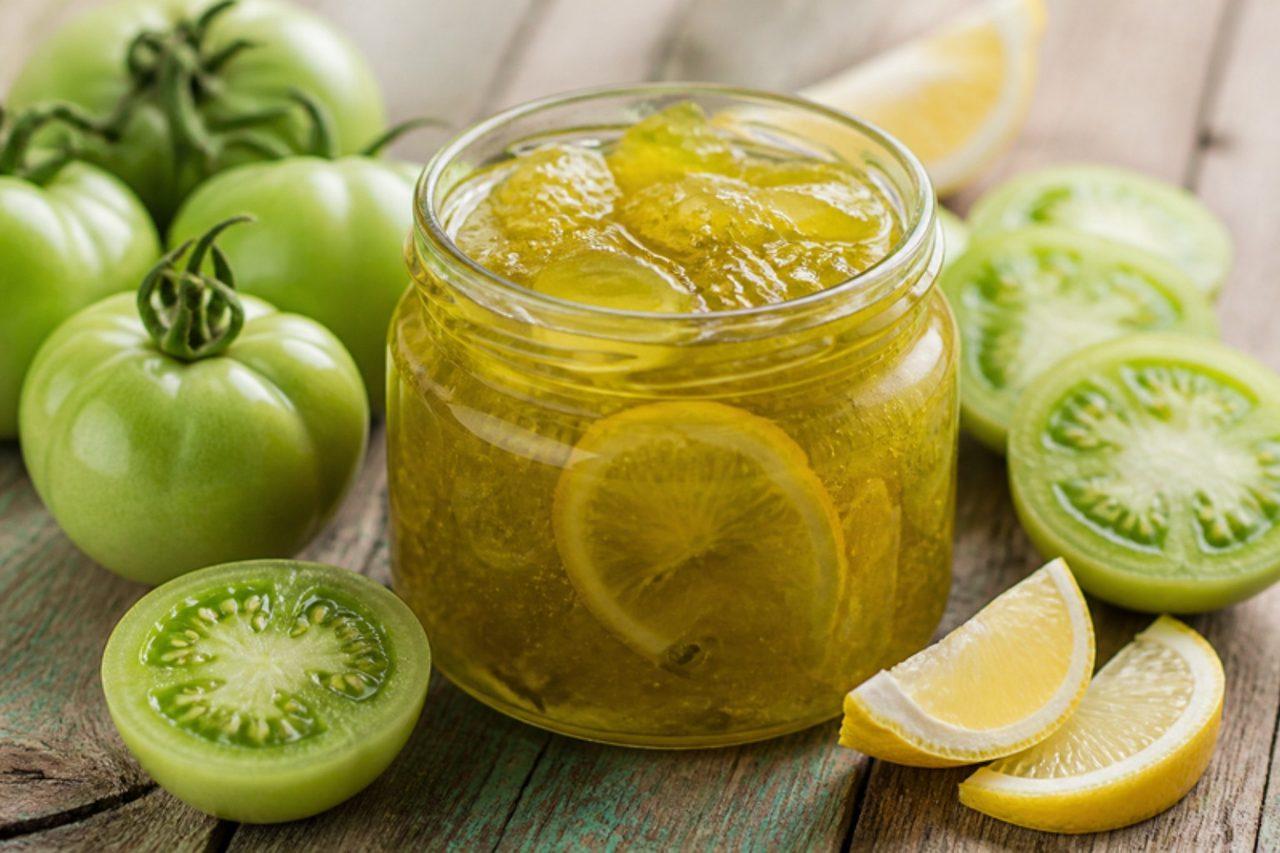
Confiture de tomates vertesGreen tomato jam

Green tomato jam is the thrifty end-of-summer preserve of French kitchen gardens, made in October in the south-west and Provence with the tomatoes that will never ripen before the frost; it tastes surprisingly like a mix of melon and lemon and is served with breakfast or with cheese. The common mistake is cutting the tomatoes too big, so they stay hard. Chef's tip: slice them thinly and leave them overnight in the sugar; they turn translucent when cooked.

by KrazyBadal 0 views
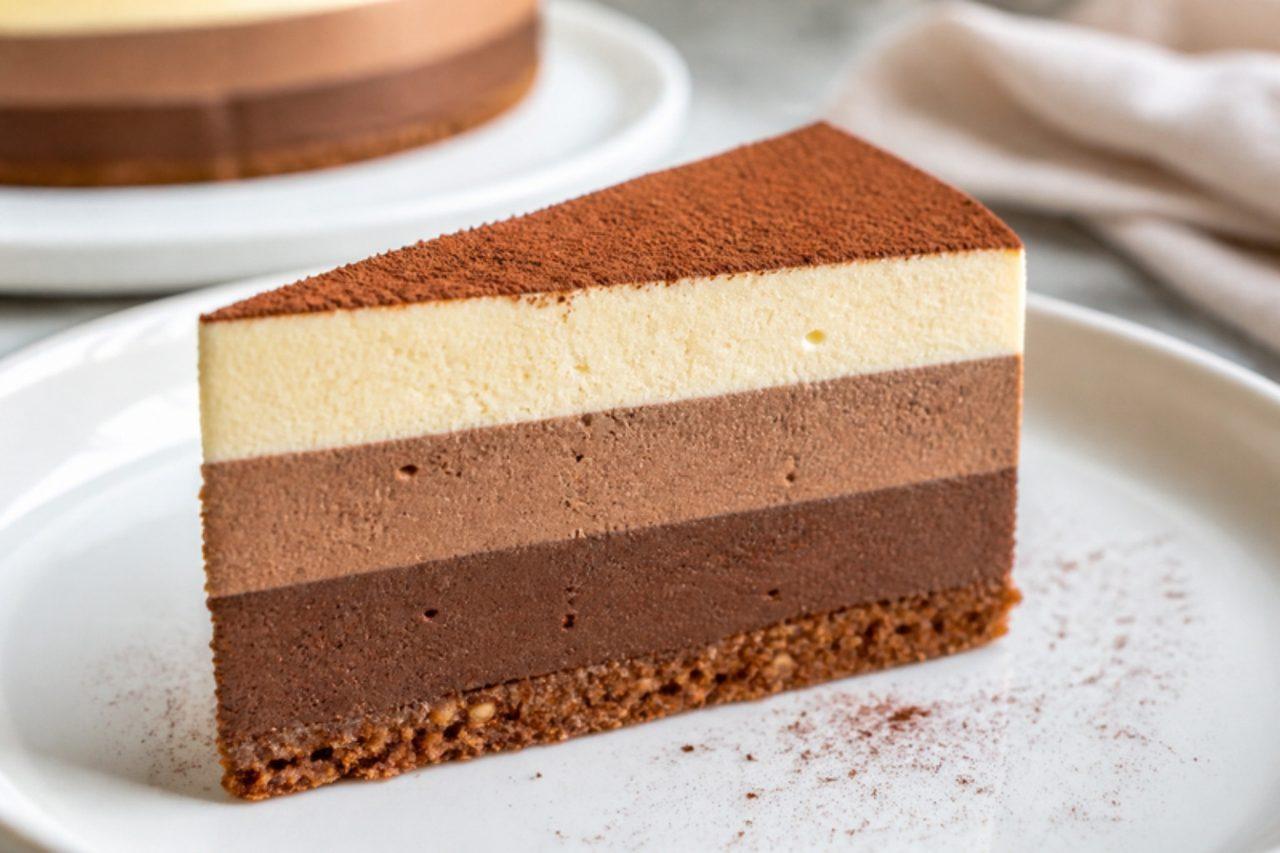
Entremets trois chocolatsTriple chocolate mousse cake

The trois chocolats is the most popular birthday entremets in French pâtisseries, a crisp praline base topped with three layers of mousse, dark, milk and white chocolate, set in a ring and sliced to show the stripes. This home version sets the mousses with agar, so it is vegetarian. The common mistake is pouring a layer before the one below is set, so they mix. Chef's tip: chill each layer for 30 minutes, until it no longer moves when you tilt the ring.

by KrazyBadal 0 views
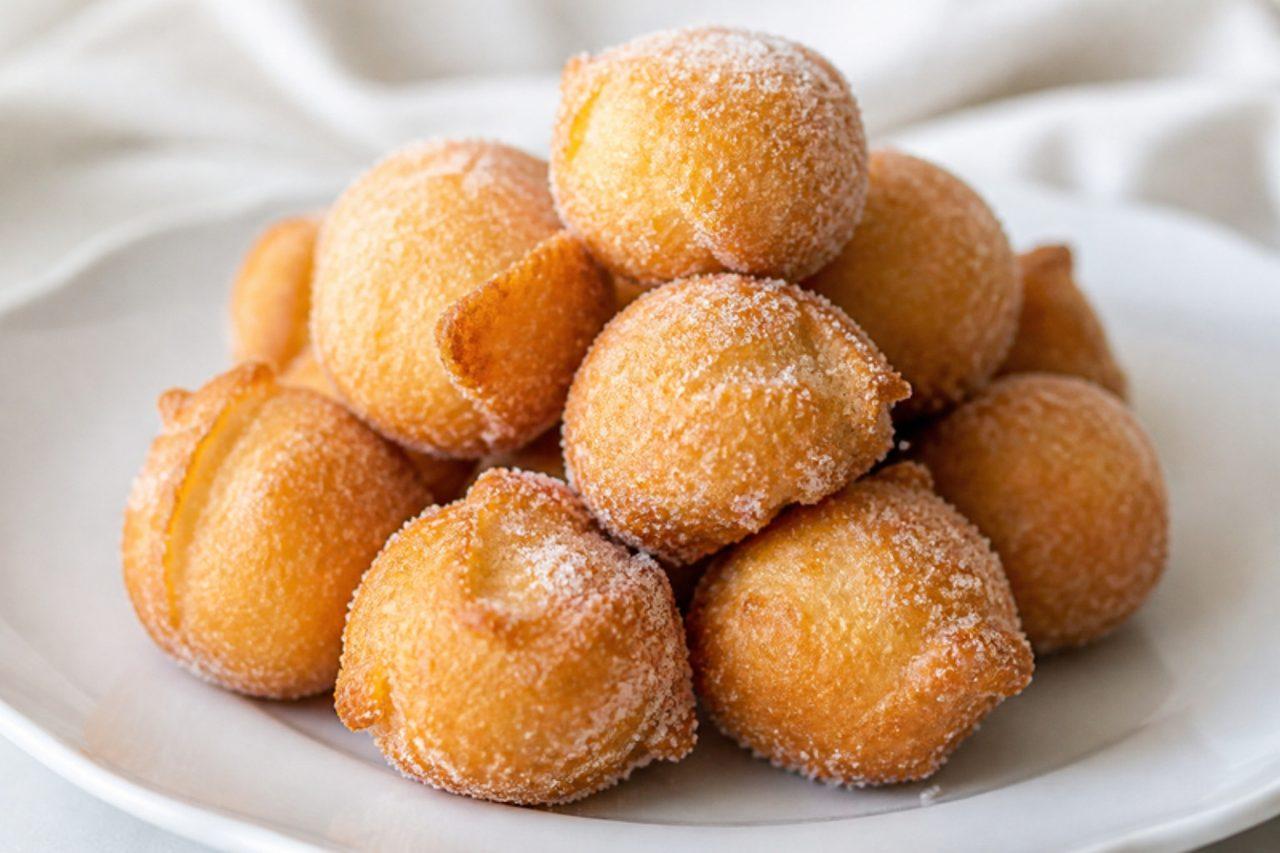
Pets-de-nonneFried choux puffs

Pets-de-nonne are tiny fried choux puffs, light as air, rolled in sugar and eaten warm at carnival time, Mardi Gras and in winter markets in Alsace, Lorraine and the Franche-Comté. Spoonfuls of choux dough swell and turn themselves over in the hot oil. The common mistake is frying too hot, so they brown before they puff and stay raw inside. Chef's tip: keep the oil at 170 °C and fry only a few at a time; they turn over by themselves when ready.

by KrazyBadal 0 views
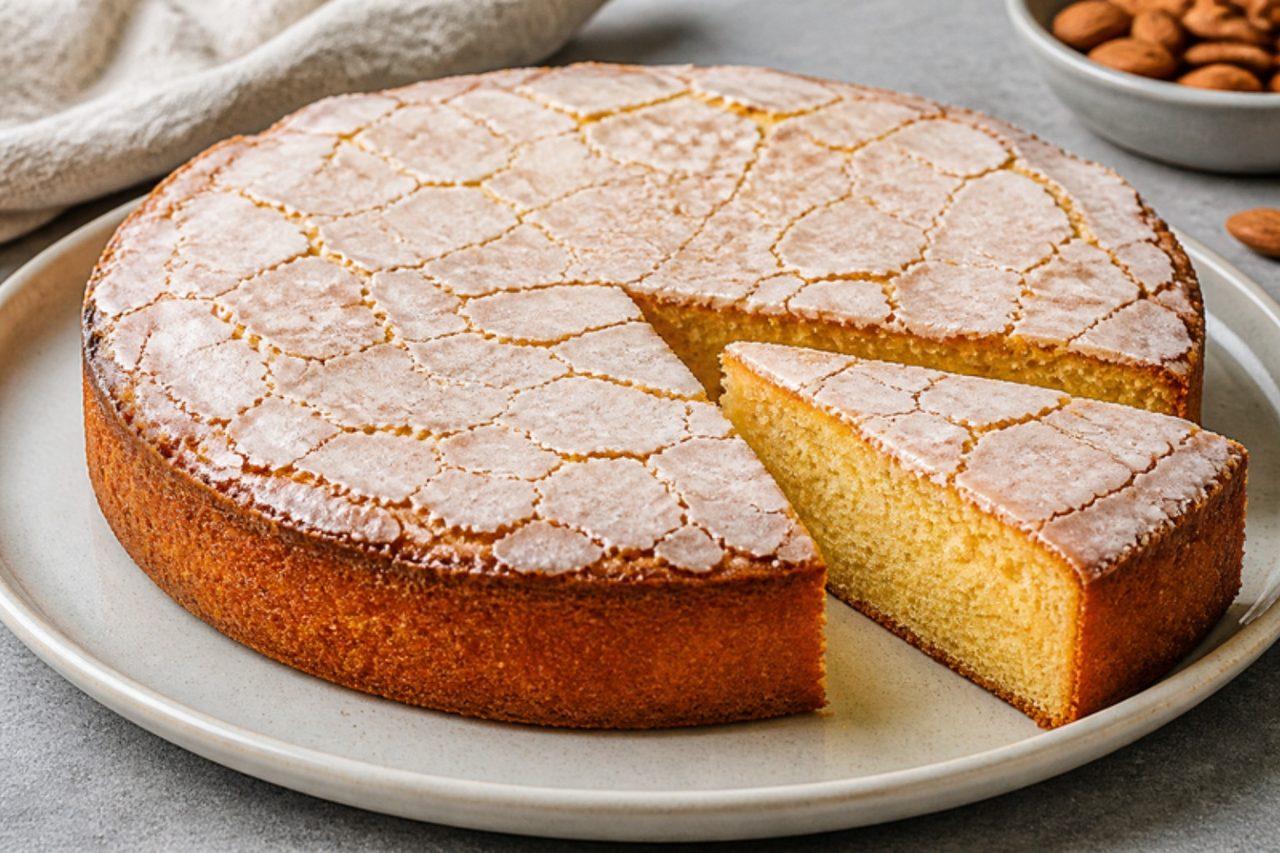
Gâteau nantaisAlmond rum-free lemon cake

The gâteau nantais comes from Nantes in the Loire, created in 1820 by a local baker when the city's port imported sugar and rum from the Caribbean; it is a dense, moist almond cake with a crackly white glaze, eaten at goûter and family lunches. Traditionally the cake is soaked in rum and the glaze flavoured with it; this version uses lemon juice for both so all ages can eat it, and adults can add 2 tablespoons of rum to the glaze. The common mistake is overbaking, which dries it. Chef's tip: soak the cake while it is still warm.

by KrazyBadal 0 views
Crème de marronsSweet chestnut spread

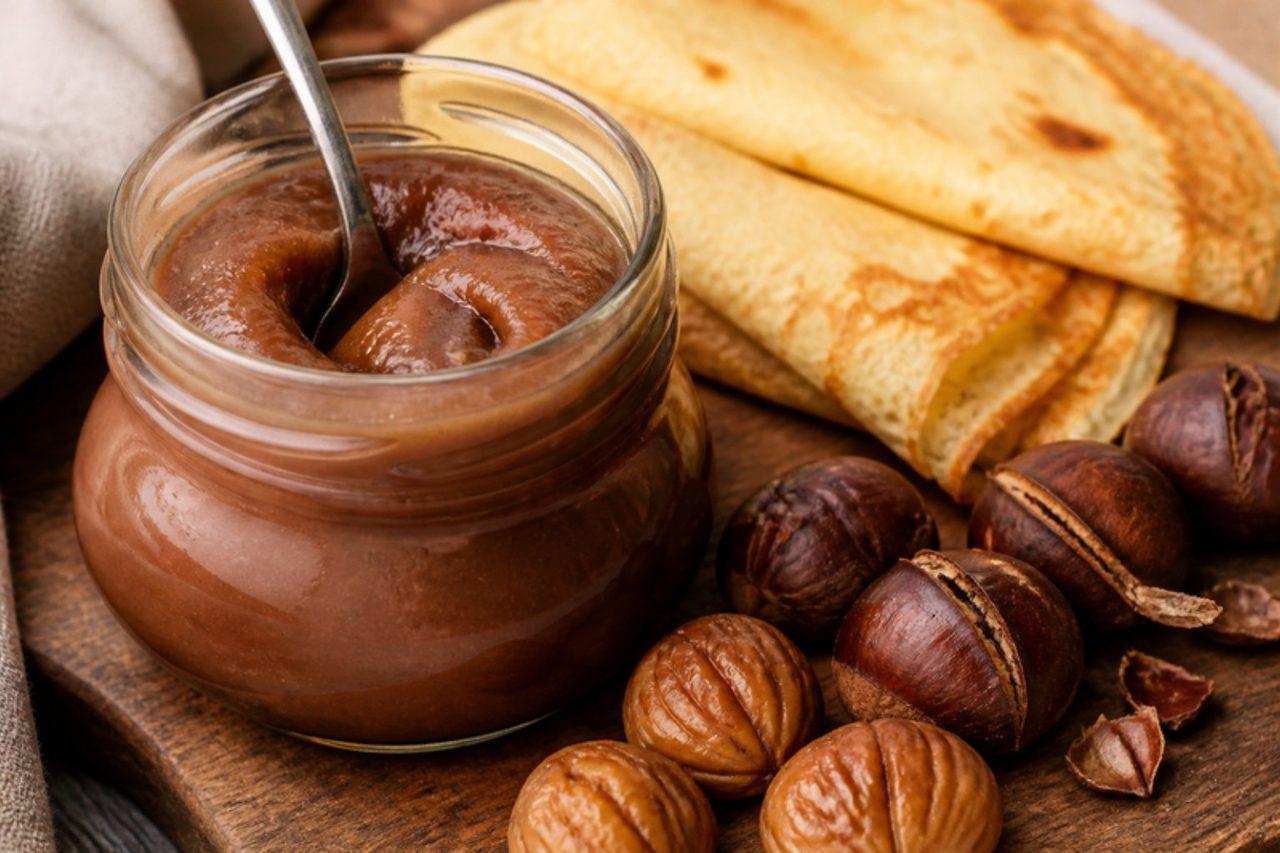
Crème de marrons, sweet chestnut cream, was invented in Privas in the Ardèche in the 1880s to use up broken chestnuts from making marrons glacés, and it is now a French store-cupboard classic: spread on crêpes at Candlemas, stirred into fromage blanc, or piled into a Mont Blanc dessert. This home version uses cooked, peeled chestnuts. The common mistake is not blending it smooth enough. Chef's tip: blend while still warm, and push it through a sieve for a silky finish.

by KrazyBadal 0 views
Pain au laitSoft milk rolls

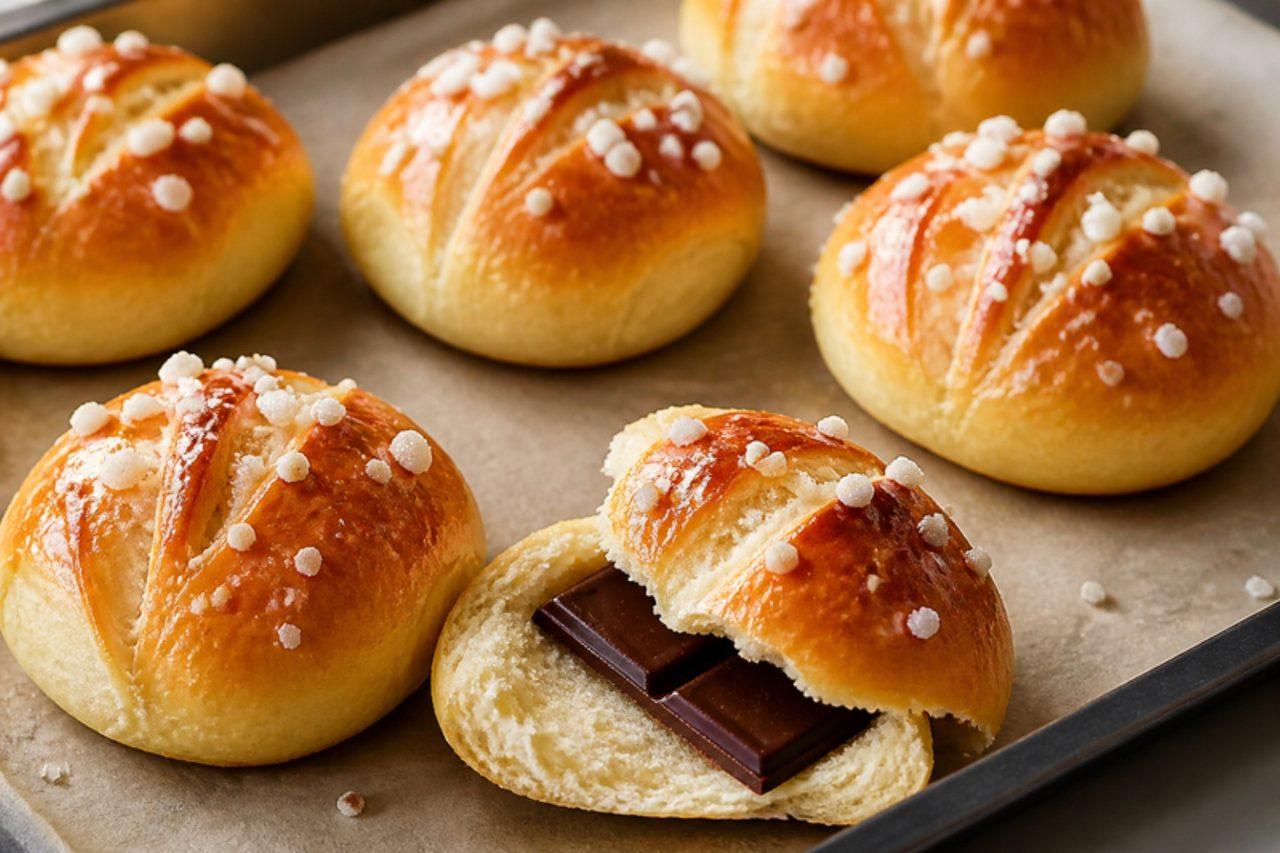
Pain au lait is the soft, slightly sweet milk roll French children take to school for goûter at four o'clock, split and filled with a bar of chocolate or spread with jam. The dough is enriched with milk, butter and a little egg, shaped into small oval rolls, snipped along the top with scissors and sprinkled with pearl sugar. The common mistake is overbaking, which gives a crust; they should stay pale gold and pillowy. Chef's tip: brush them with egg twice, before and after proving, for the glossy bakery finish.

175 minFrenchBaking
by KrazyBadal 0 views
Pâté lorrainPork and veal pastry pie

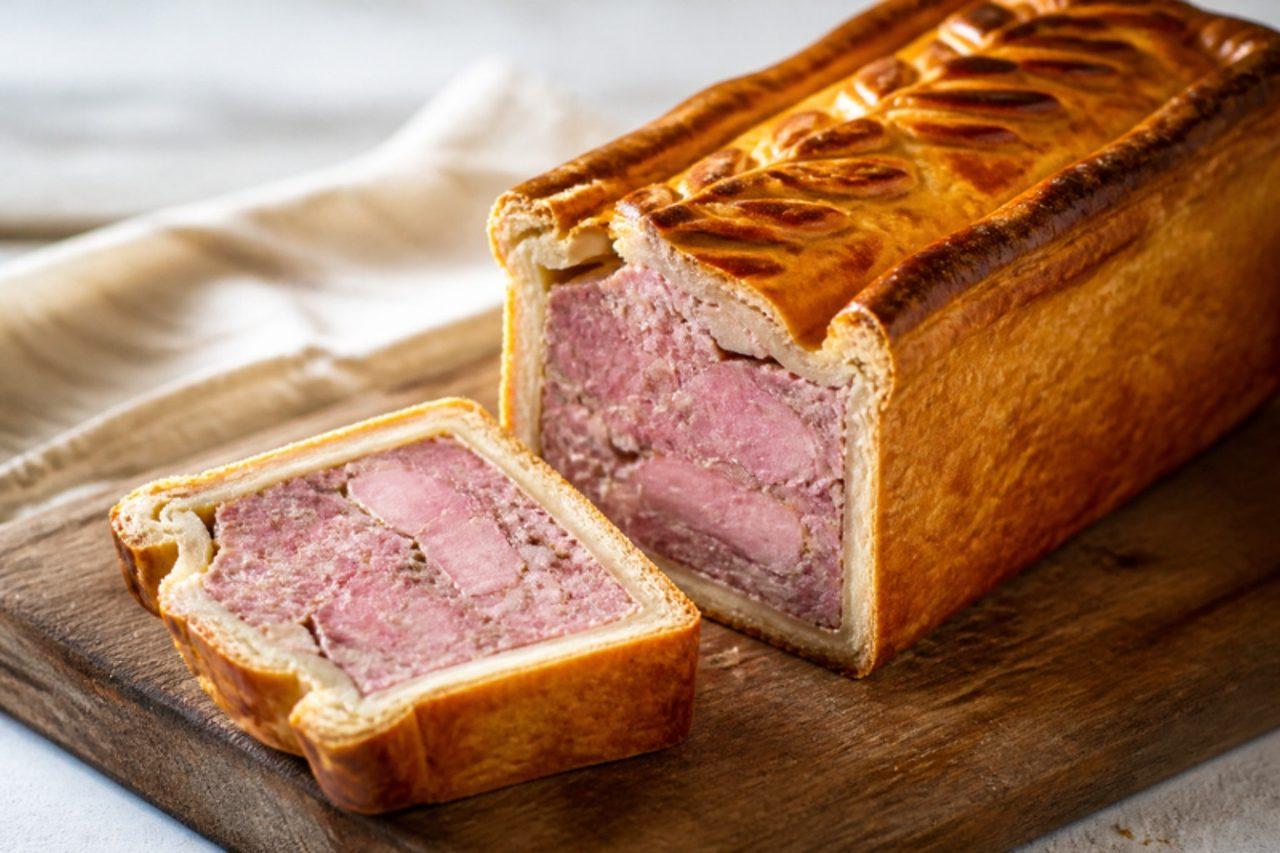
Pâté lorrain is the pride of Lorraine in north-east France, a long puff pastry loaf filled with pork and veal marinated overnight in white wine, shallots and herbs, served hot as a starter for Sunday lunch or village feasts with a green salad. It contains pork. The meat marinates raw in wine in the fridge and then bakes for an hour, which cooks off most of the alcohol but not all; for an alcohol-free version marinate in 150 ml chicken stock with 1 tbsp white wine vinegar. The common mistake is underbaking: the filling must reach 71 °C in the centre. Chef's tip: cut the meat into thin strips, not cubes; it cooks evenly and slices neatly.

90 minFrenchMeat
by KrazyBadal 0 views
Olives marinéesMarinated olives

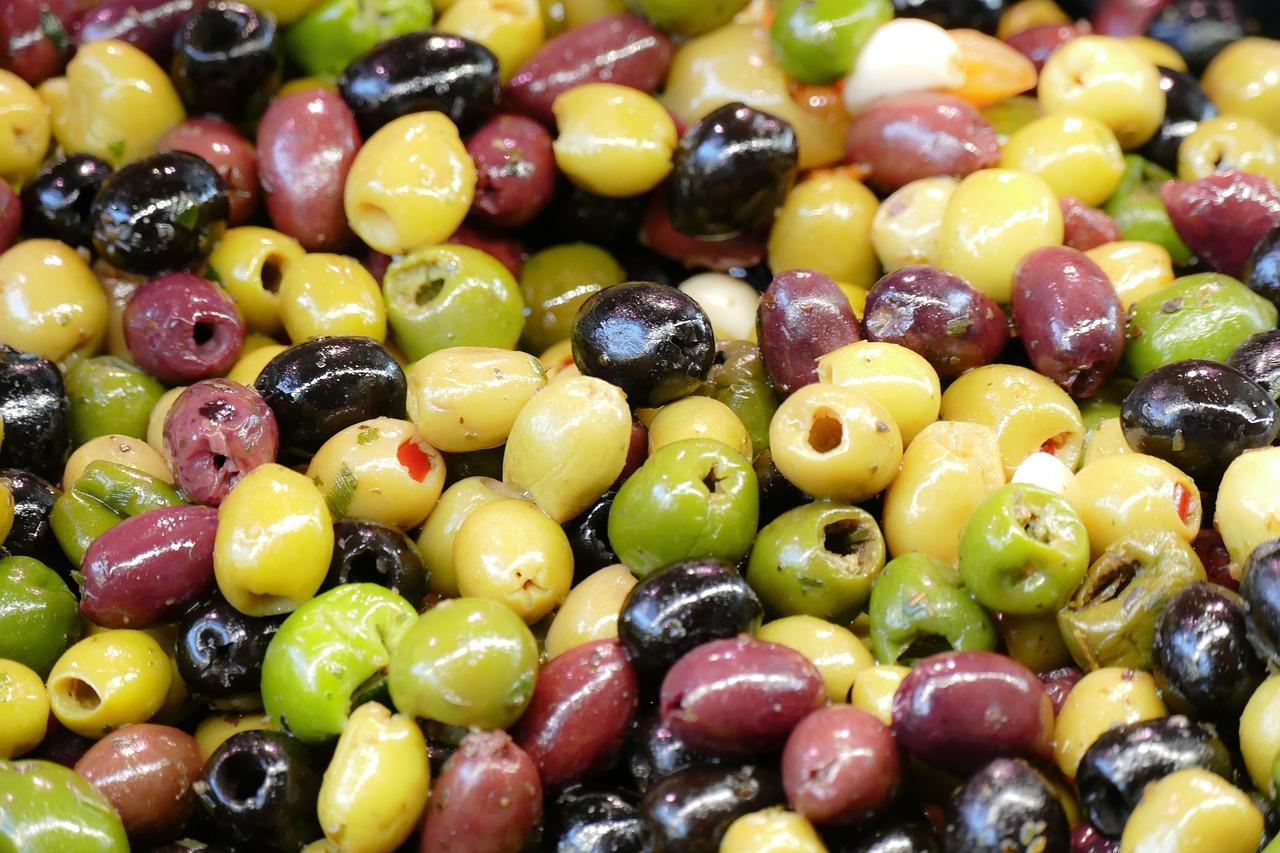
Marinated olives are on every Provençal table at the apéro, set out in little bowls with pastis or a cold rosé for the grown-ups and lemonade for the children, and they are sold by the scoop at the markets of Nyons, Aix and Nice. Mixed olives are tossed in olive oil with herbes de Provence, garlic, orange zest and a little chilli, and left for a day to soak up the flavours. The common mistake is serving them fridge-cold, which dulls the taste and sets the oil. Chef's tip: warm them very gently in a pan for 2 minutes before serving.

by KrazyBadal 0 views

Langues de chatCat's tongue biscuits

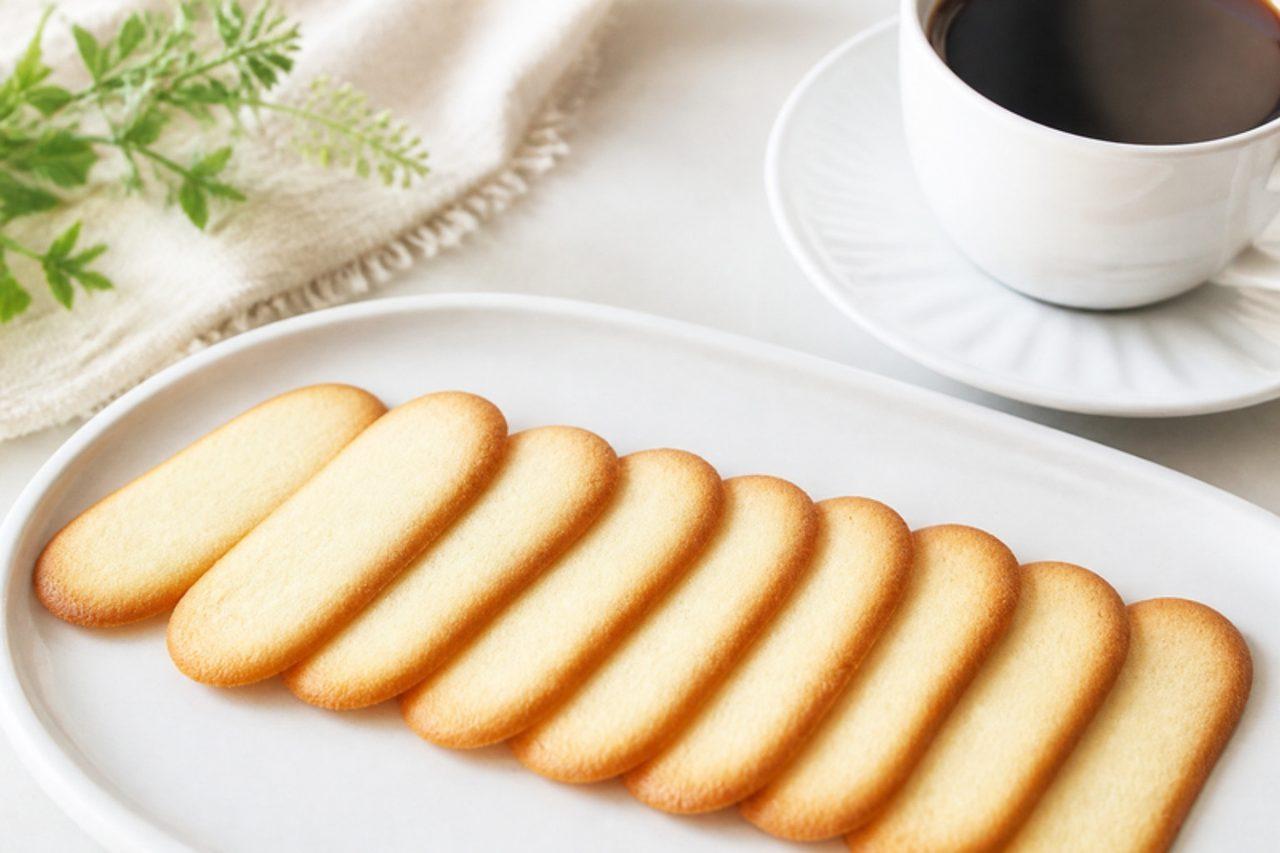
Langues de chat, "cat's tongues", are long, thin butter biscuits with golden edges, served with coffee, ice cream or a bowl of chocolate mousse in French homes and cafés; they keep well in a tin and children love them. A simple batter of butter, sugar, egg white and flour is piped in strips and baked until the edges just brown. The common mistake is piping them too close together; they spread. Chef's tip: tap the tray firmly on the worktop after piping so the strips flatten evenly.

by KrazyBadal 0 views

Tarte au citron meringuéeLemon meringue tart

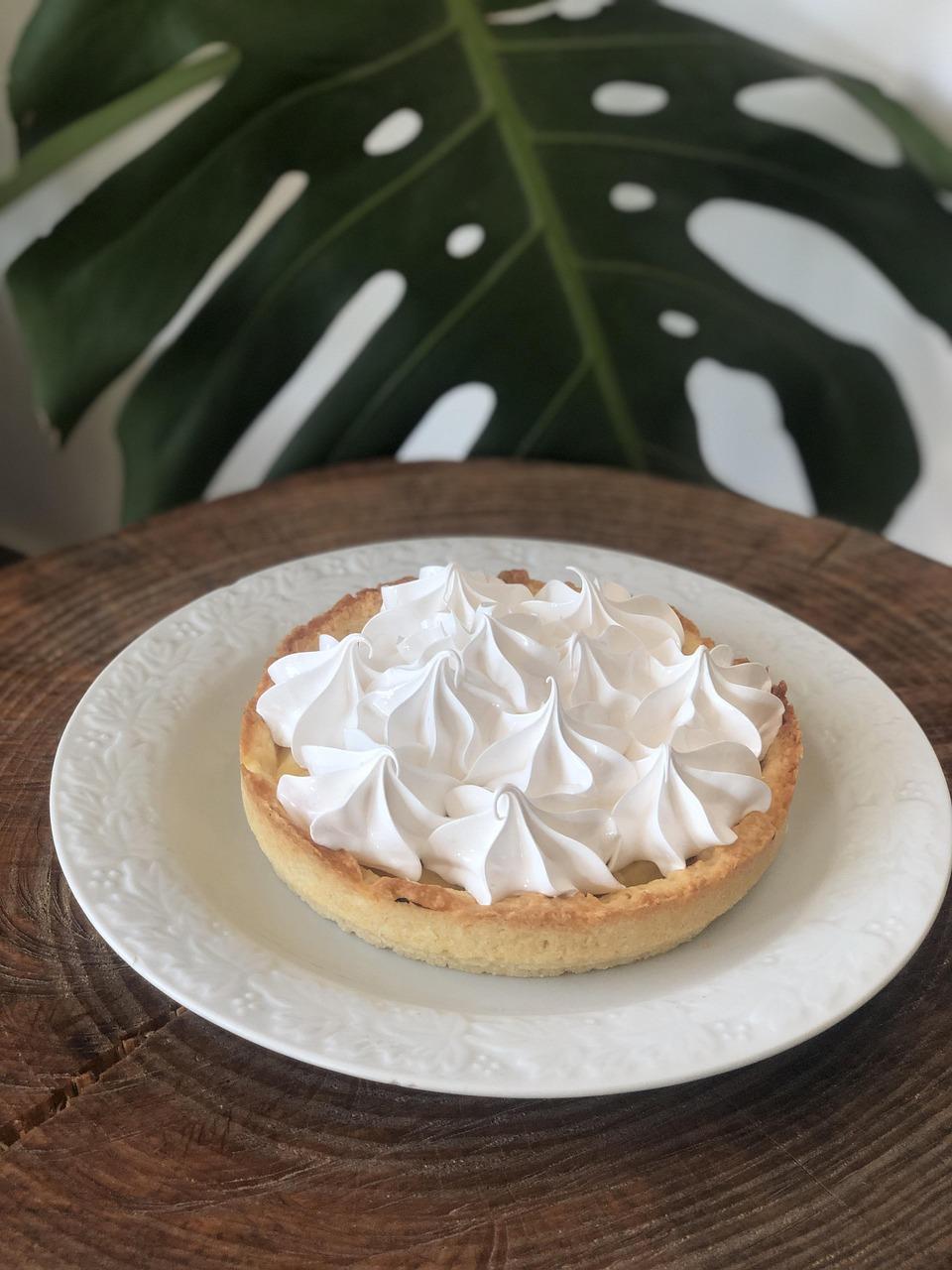
Tarte au citron meringuée is one of the best-loved tarts in French pâtisseries, a crisp sweet pastry case filled with sharp lemon cream and crowned with swirls of glossy meringue, toasted until golden; it is a favourite Sunday lunch dessert from Paris to Menton, the lemon town on the Riviera. The lemon cream is cooked on the hob, so it sets cleanly. The common mistake is letting the lemon cream boil hard, which makes it grainy. Chef's tip: make the meringue with hot syrup (Italian meringue); it is stable, safe to eat and will not weep on the tart.

by KrazyBadal 0 views

Crêpes dentelleCrisp lace crêpe biscuits

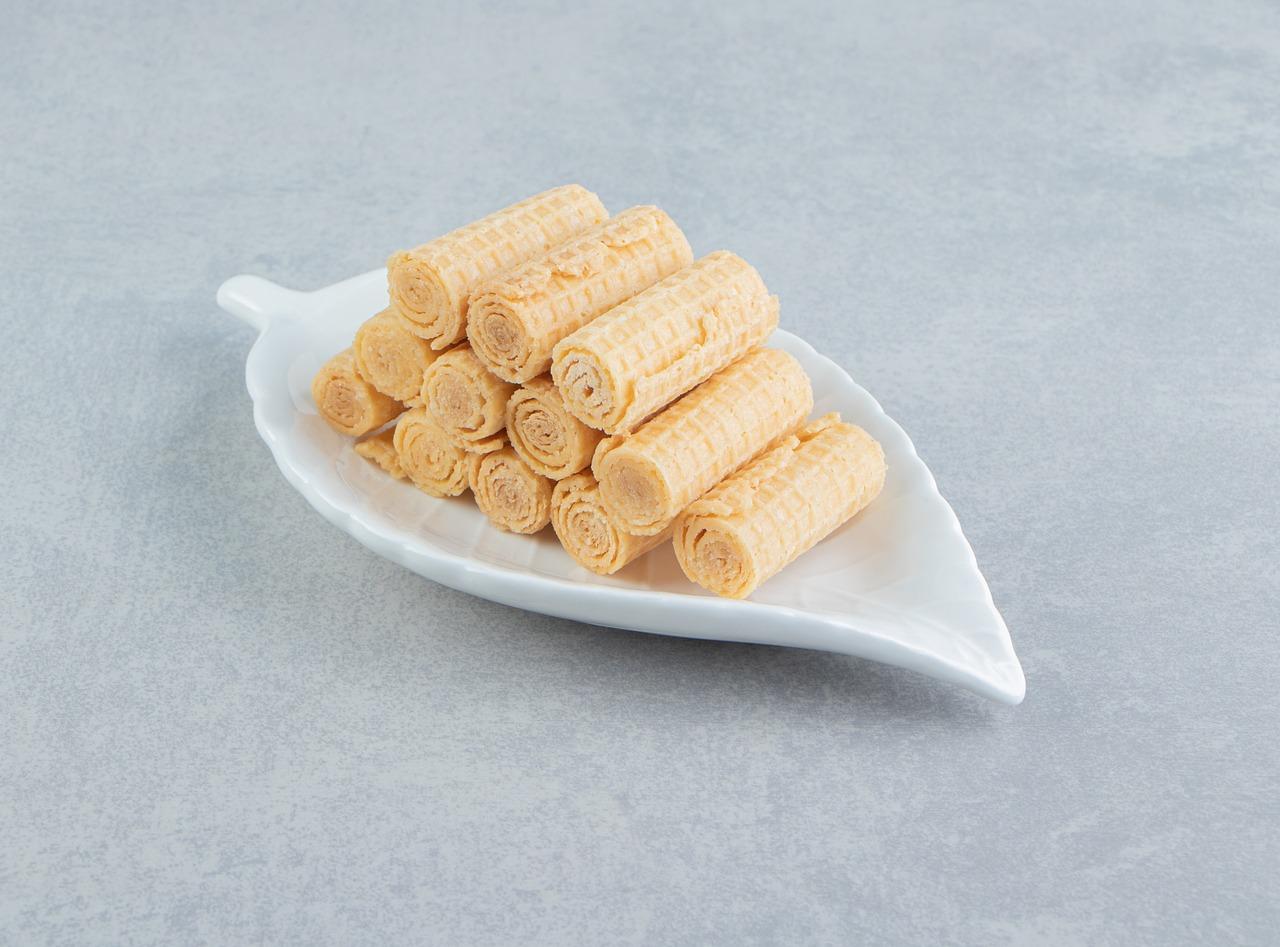
Crêpes dentelle, "lace crêpes", are a speciality of Quimper in Brittany, said to have been invented by a baker there in 1886 who burnt a crêpe and rolled it up; they are wafer-thin, crisp, buttery rolled biscuits, sold in tins all over Brittany and eaten with coffee or crumbled over ice cream. The common mistake is spreading the batter too thick, so they will not crisp. Chef's tip: spread the batter so thin you can see the tray through it, and roll each one as soon as it comes out of the oven.

by KrazyBadal 0 views

Nougat blancWhite honey nougat

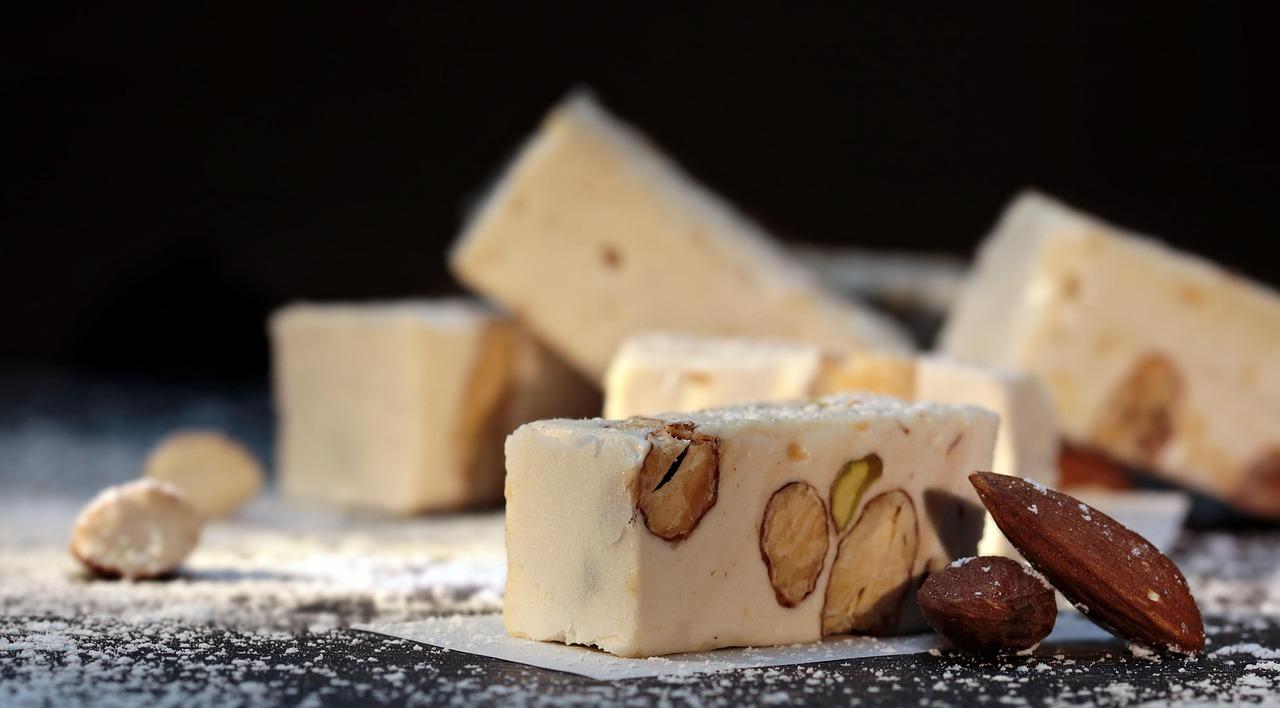
White nougat is the most famous sweet of Montélimar in the Drôme, made with lavender honey, whisked egg white and plenty of almonds and pistachios, and it is one of the thirteen desserts on every Provençal Christmas Eve table. It needs a sugar thermometer, but no special skill. The common mistake is undercooking the syrup, so it never sets firm. Chef's tip: work quickly once the nuts are in, and press the nougat flat with an oiled sheet of baking paper.

by KrazyBadal 0 views

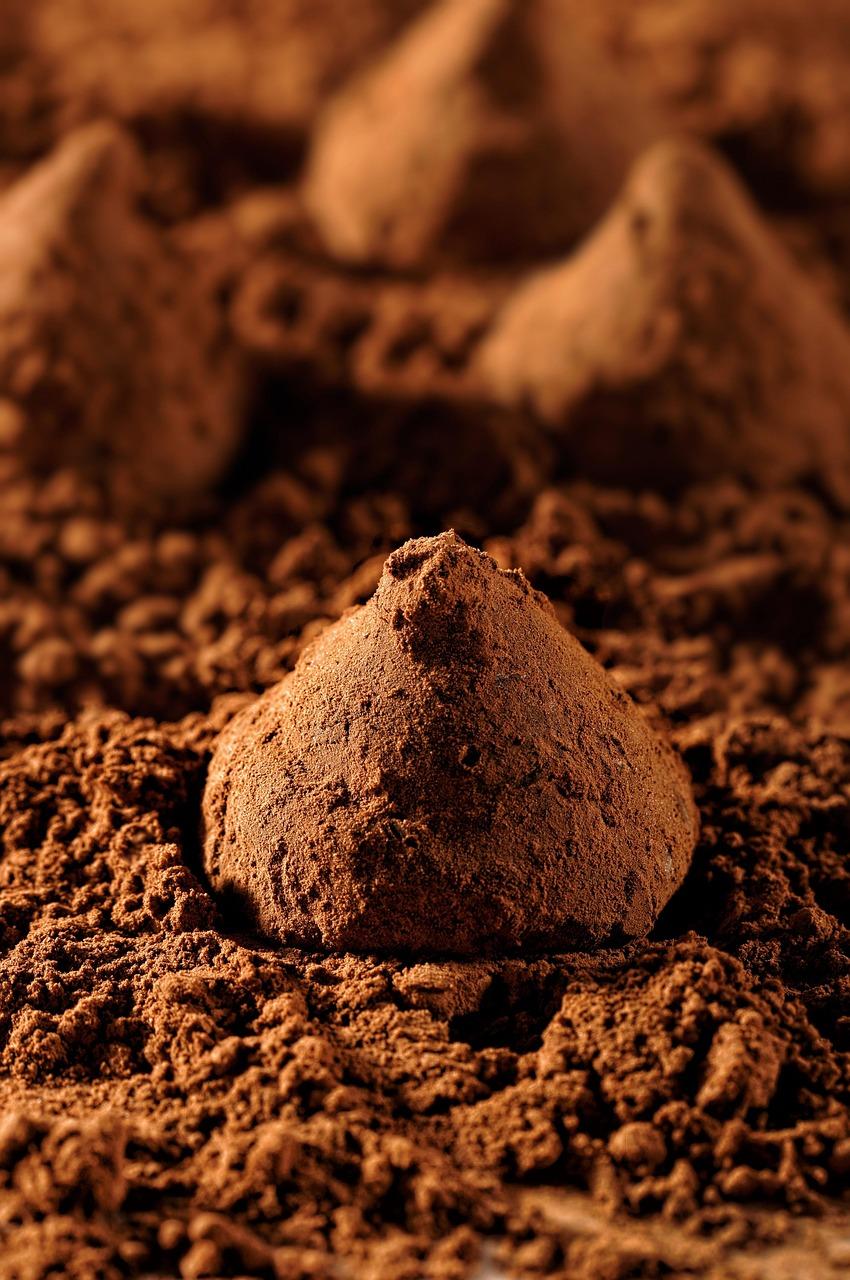
Truffes au chocolatChocolate truffles

Chocolate truffles, named after the black truffles of Périgord they resemble, are the home-made Christmas gift and after-dinner treat of France, rolled roughly and dusted with bitter cocoa. They need just good dark chocolate, cream and a little butter. The common mistake is overheating the chocolate, which makes it split and greasy. Chef's tip: work with cold hands and a melon baller, and keep the tray in the fridge between batches.

by KrazyBadal 0 views

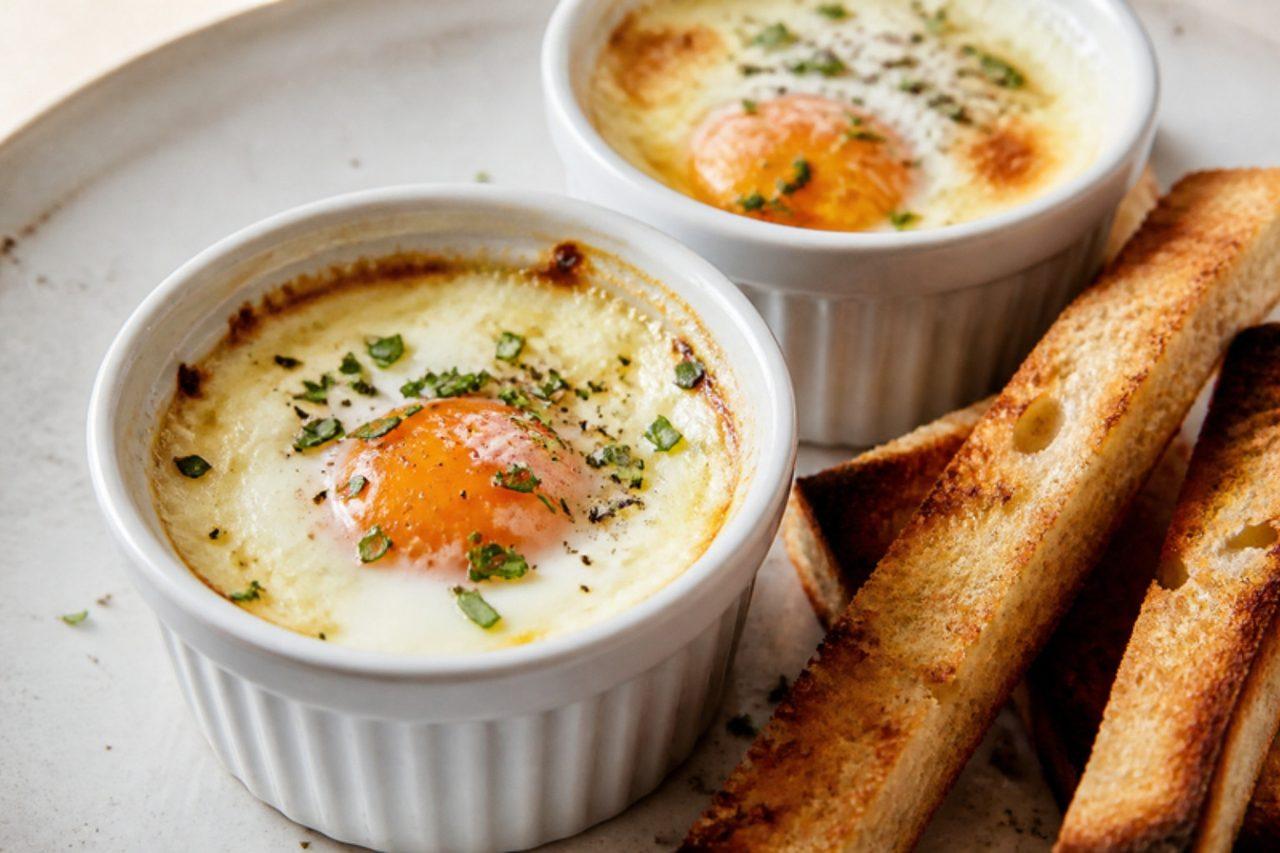
Œufs cocotteBaked eggs with cream

Œufs cocotte are the French home cook's Sunday brunch or light supper, eggs baked gently in little ramekins in a water bath with a spoonful of crème fraîche, so the whites set softly and the yolks stay runny for dipping toast soldiers. A layer of buttery spinach, mushrooms or tomato is often hidden underneath. The common mistake is baking them without a water bath, which turns the whites rubbery before the yolk is warm. Chef's tip: take them out when the whites have just turned opaque but still wobble a little; the heat of the dish finishes them.

by KrazyBadal 0 views

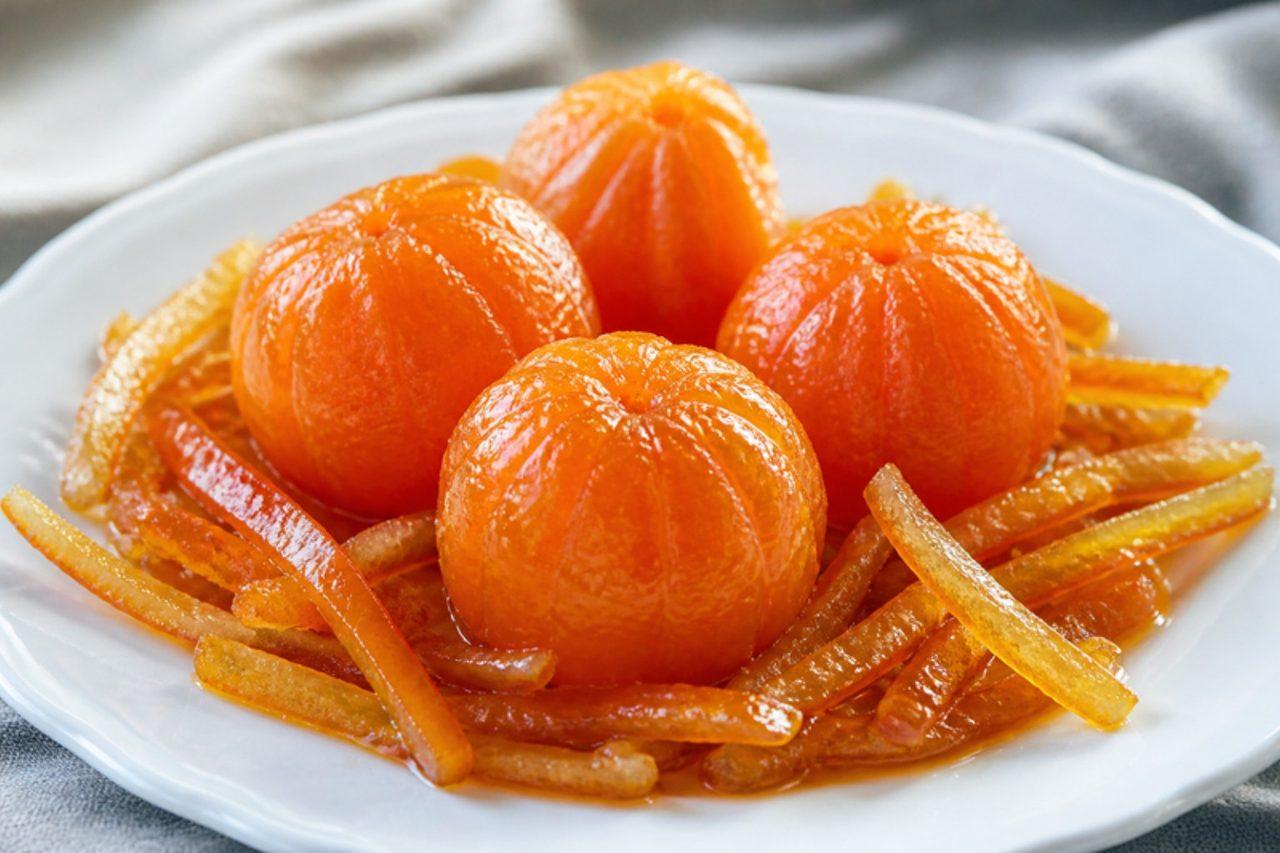
Fruits confitsCandied citrus fruit

Candied fruit is a speciality of Apt in the Vaucluse, the world capital of fruits confits, and a bowl of glistening candied clementines, melon and orange peel is one of the thirteen desserts of Christmas Eve in Provence. Home candying takes several days of patient simmering in syrup, but very little work each day. The common mistake is boiling the fruit hard, which toughens it. Chef's tip: increase the sugar a little each day so it soaks in slowly to the centre.

by KrazyBadal 0 views

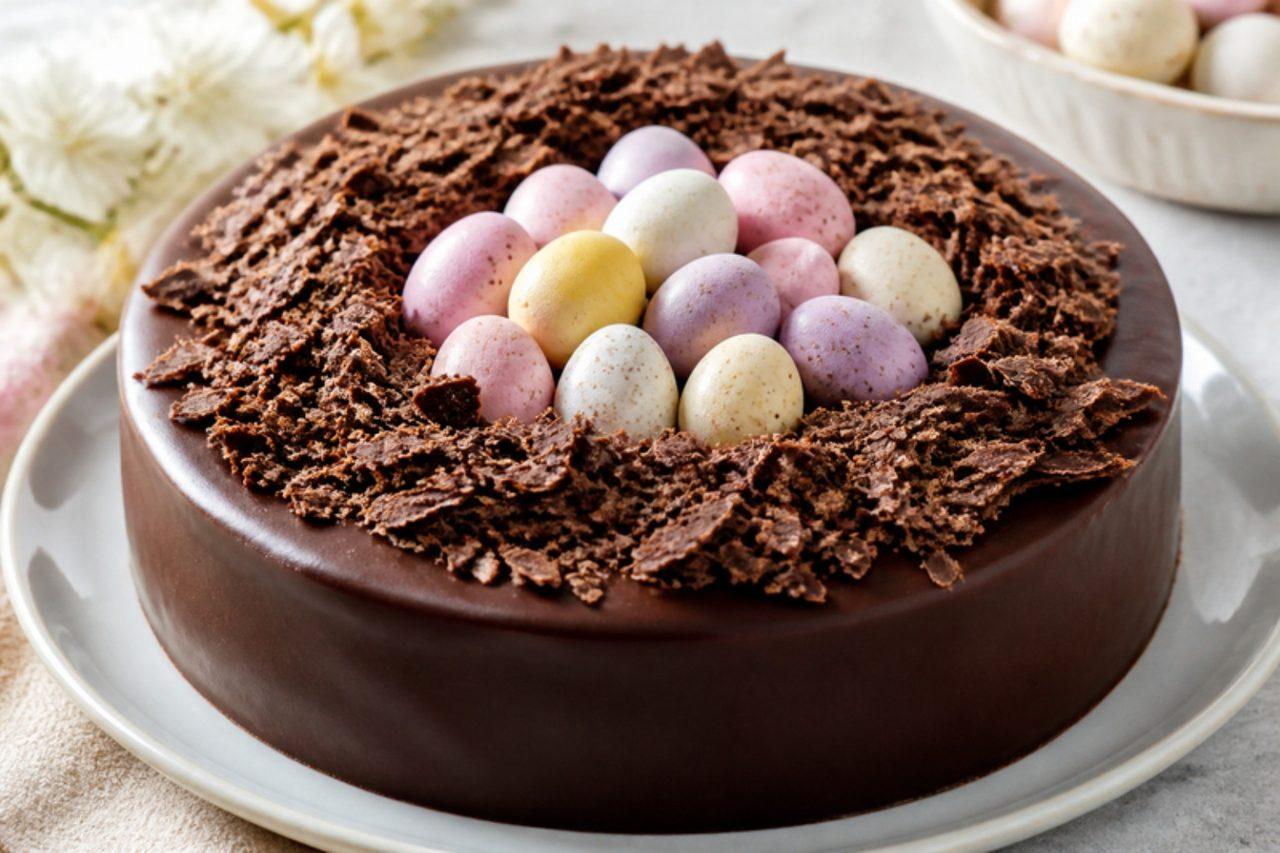
Nid de PâquesChocolate Easter nest cake

The nid de Pâques, Easter nest, is the cake French families make with children for Easter Sunday, when the "cloches de Pâques", the Easter bells, are said to fly back from Rome and drop chocolate eggs in the garden. A soft chocolate sponge is covered with chocolate cream, ringed with a nest of chocolate shavings and filled with little sugar-coated eggs. The common mistake is decorating a warm cake, which melts the cream. Chef's tip: let the children press the chocolate flakes round the edge to make the nest.

by KrazyBadal 0 views

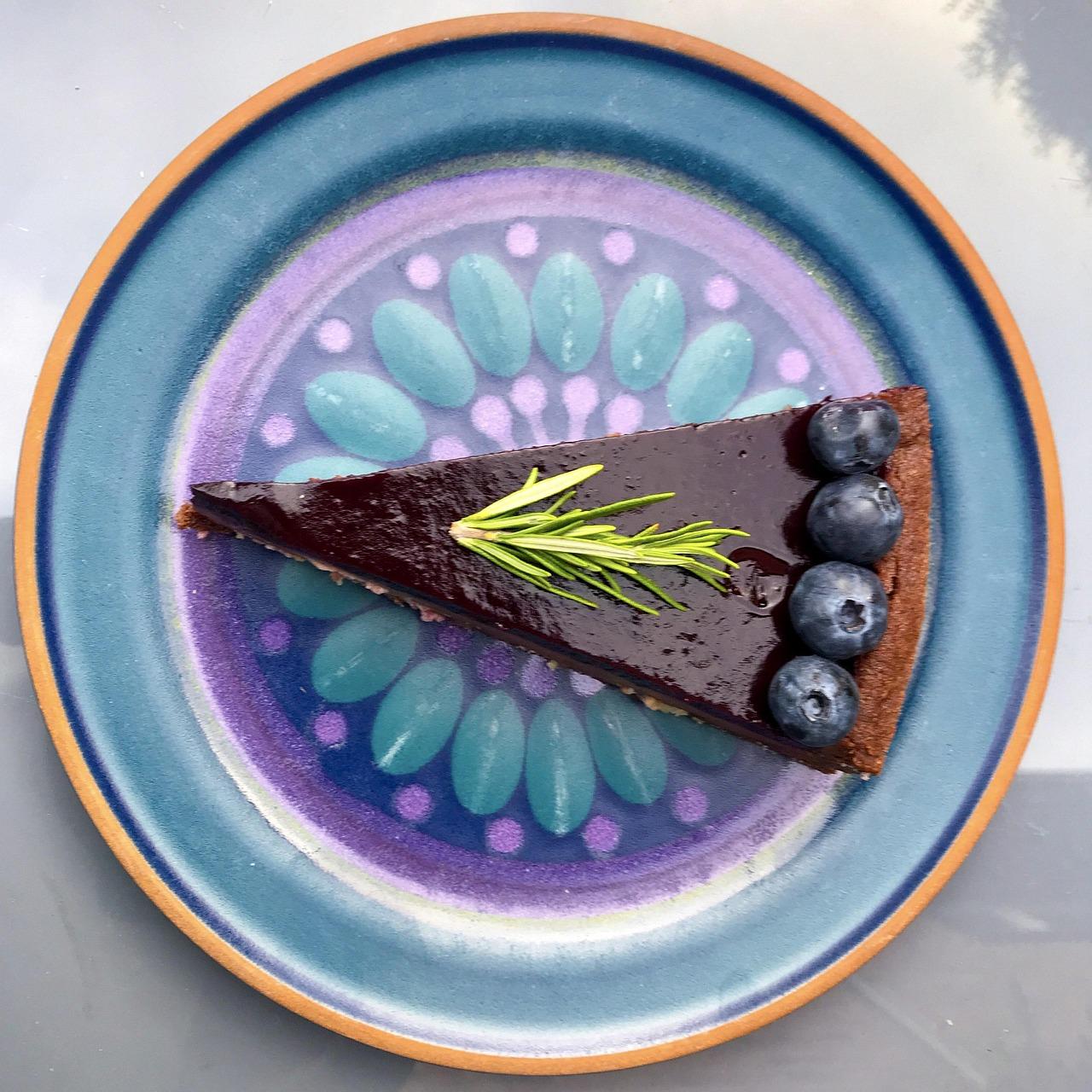
Tarte au chocolatChocolate tart

Tarte au chocolat is the dessert of Parisian bistros and dinner parties, a crisp, buttery case filled with a silky, just-set dark chocolate ganache, served in thin slices with a little crème fraîche or nothing at all. The filling is baked briefly at a low heat, so it stays glossy and smooth. The common mistake is baking it too hot, which cracks the top and makes it grainy. Chef's tip: take it out while the centre still wobbles like jelly; it sets as it cools.

by KrazyBadal 0 views

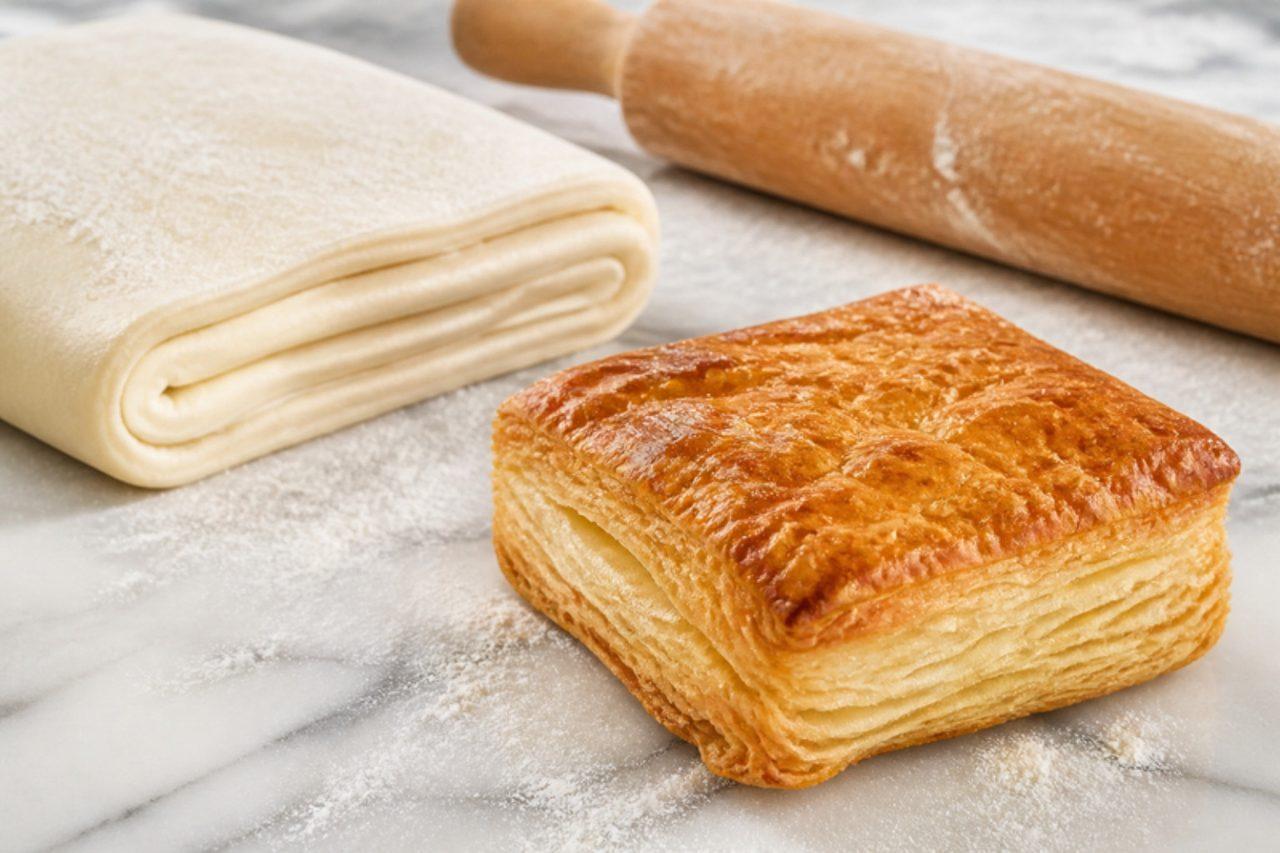
Pâte feuilletéePuff pastry

Pâte feuilletée is the queen of French pastries, the flaky dough behind galettes des rois, mille-feuilles, vol-au-vents and palmiers, still made by hand in pâtisseries all over France. A simple dough is wrapped around a flat block of cold butter, then rolled and folded six times, so that in the oven the water in the butter turns to steam and lifts hundreds of layers. It takes time rather than skill. The common mistake is letting the butter get warm and soft, which smears the layers together. Chef's tip: chill the dough for 30 minutes after every two turns, and work in a cool kitchen.

300 minFrenchBasics
by KrazyBadal 0 views

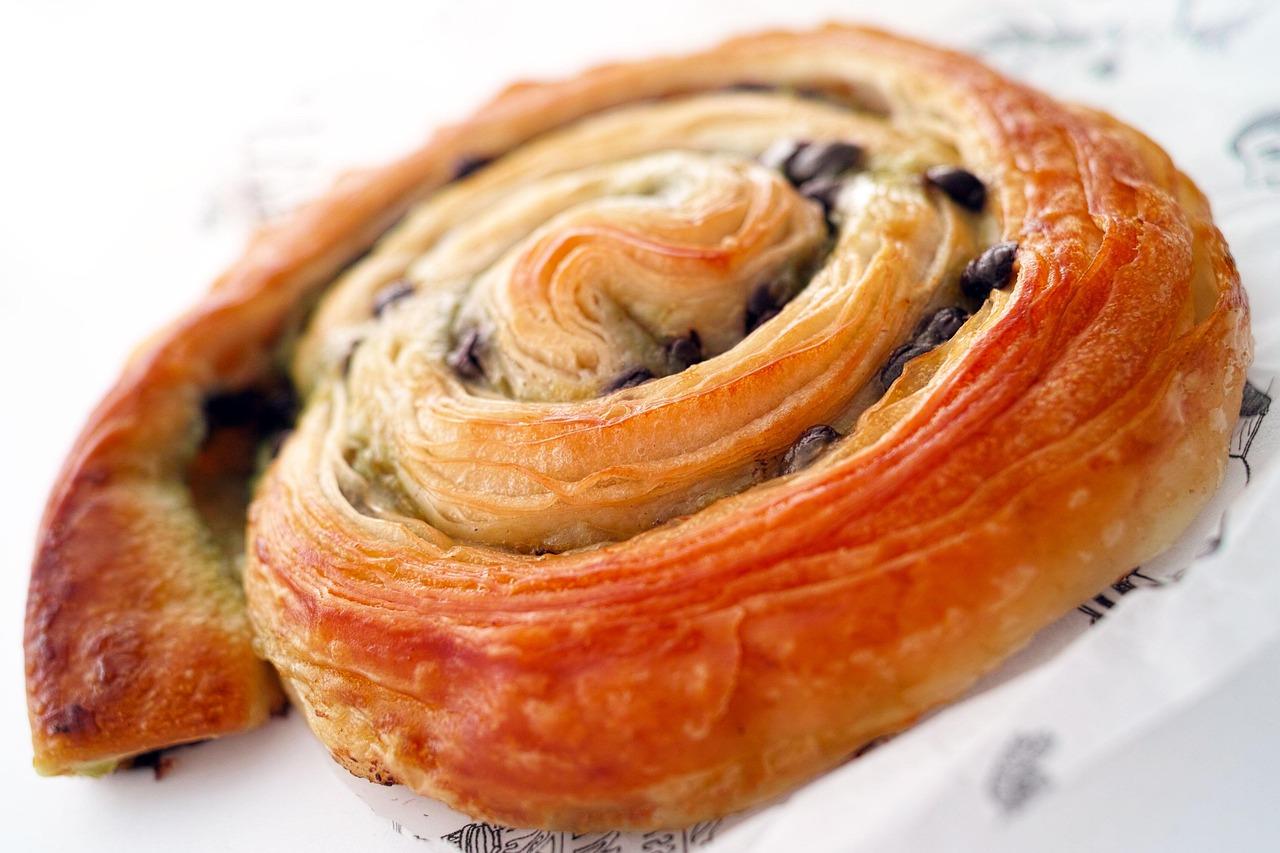
Pain aux raisinsRaisin custard swirl pastry

Pain aux raisins, called escargot in some bakeries for its snail-shell spiral, is the third great pastry of the French breakfast counter, alongside the croissant and pain au chocolat. Croissant dough is spread with vanilla crème pâtissière, scattered with plump raisins, rolled up and sliced into spirals, then baked and brushed with syrup until glossy. The common mistake is spreading the cream too thick, so it oozes out and the spirals open. Chef's tip: soak the raisins in hot tea or orange juice for 30 minutes so they are juicy and do not burn.

680 minFrenchBaking
by KrazyBadal 0 views

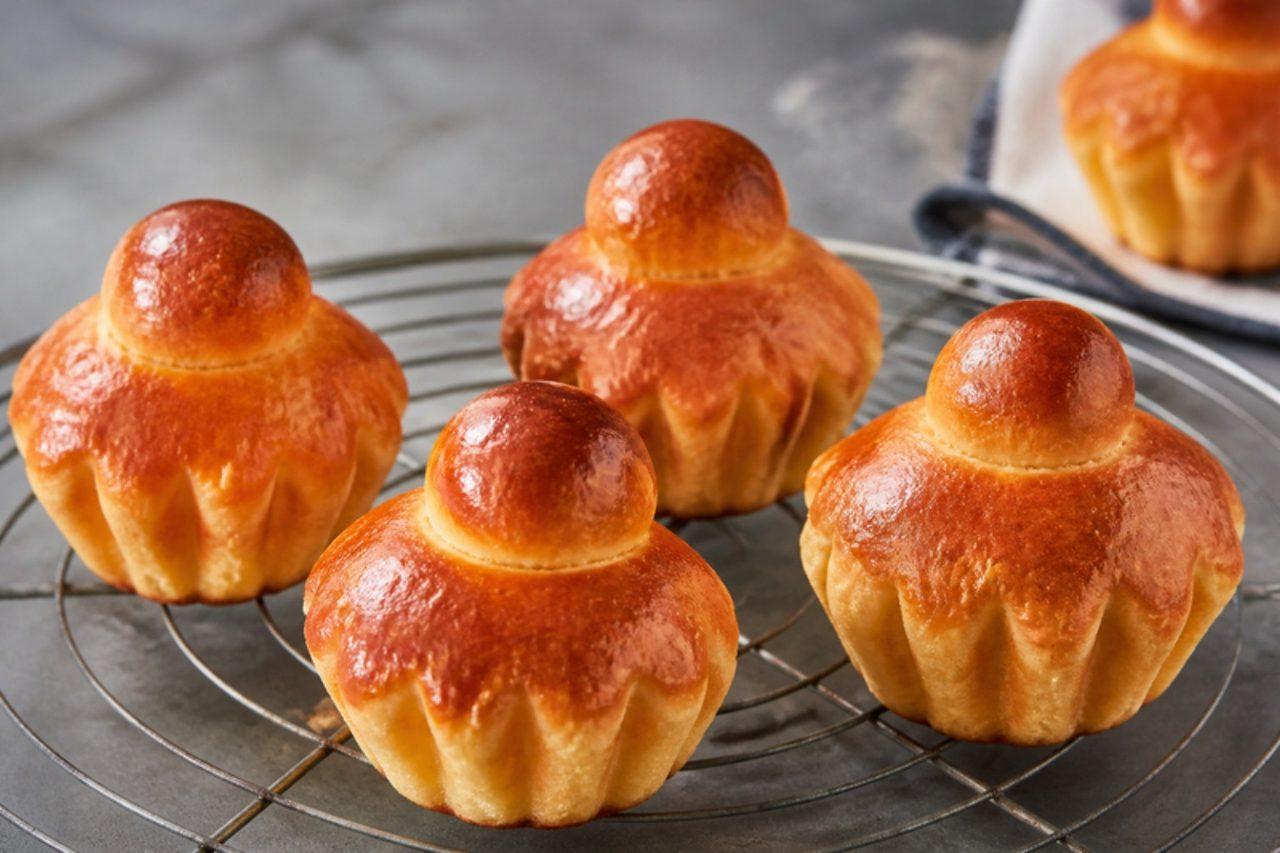
Brioche à têteTopknot brioche

Brioche à tête, the brioche parisienne, is the little fluted bun with a round head that sits in every French bakery window, eaten for Sunday breakfast, dunked in hot chocolate or served with jam at goûter. The dough is very rich in eggs and butter, kneaded long until silky, then chilled overnight, which makes it easy to shape and gives a deep flavour. The common mistake is adding the butter too fast, which leaves a greasy dough. Chef's tip: add the butter a little at a time while the mixer runs, and wait until each piece disappears before adding the next.

620 minFrenchBaking
by KrazyBadal 0 views

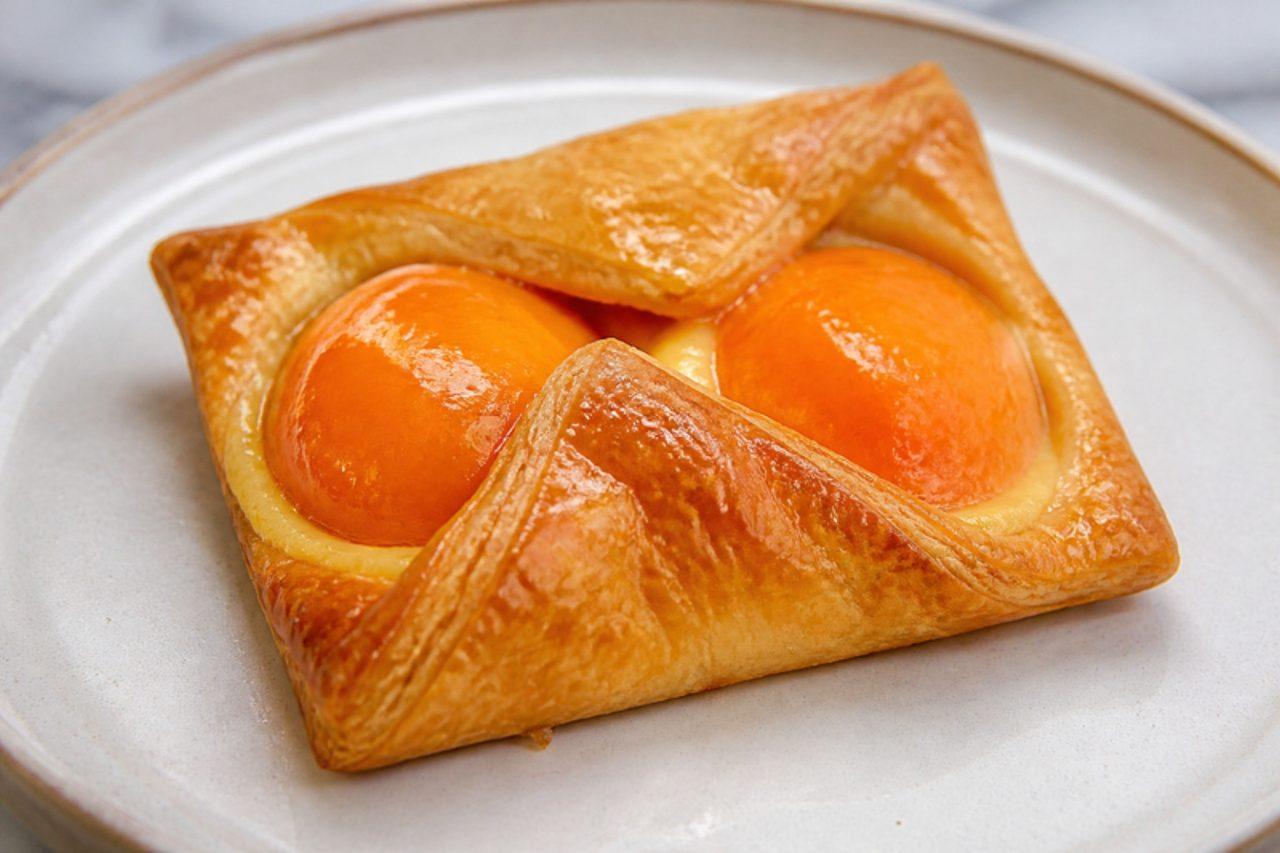
OranaisApricot custard pastry

The oranais, also called abricotine, is a French bakery pastry that is said to come from the city of Oran in Algeria, brought back by returning pieds-noirs in the 1960s, and it is now found in boulangeries all over France for breakfast and goûter. A square of puff or croissant dough has its corners folded over a spoonful of pastry cream and two apricot halves, so it looks like a pair of eyes. The common mistake is using wet canned apricots, which make the pastry soggy. Chef's tip: drain the apricots on kitchen paper and glaze them with warm apricot jam after baking for a jewel-like shine.

by KrazyBadal 0 views

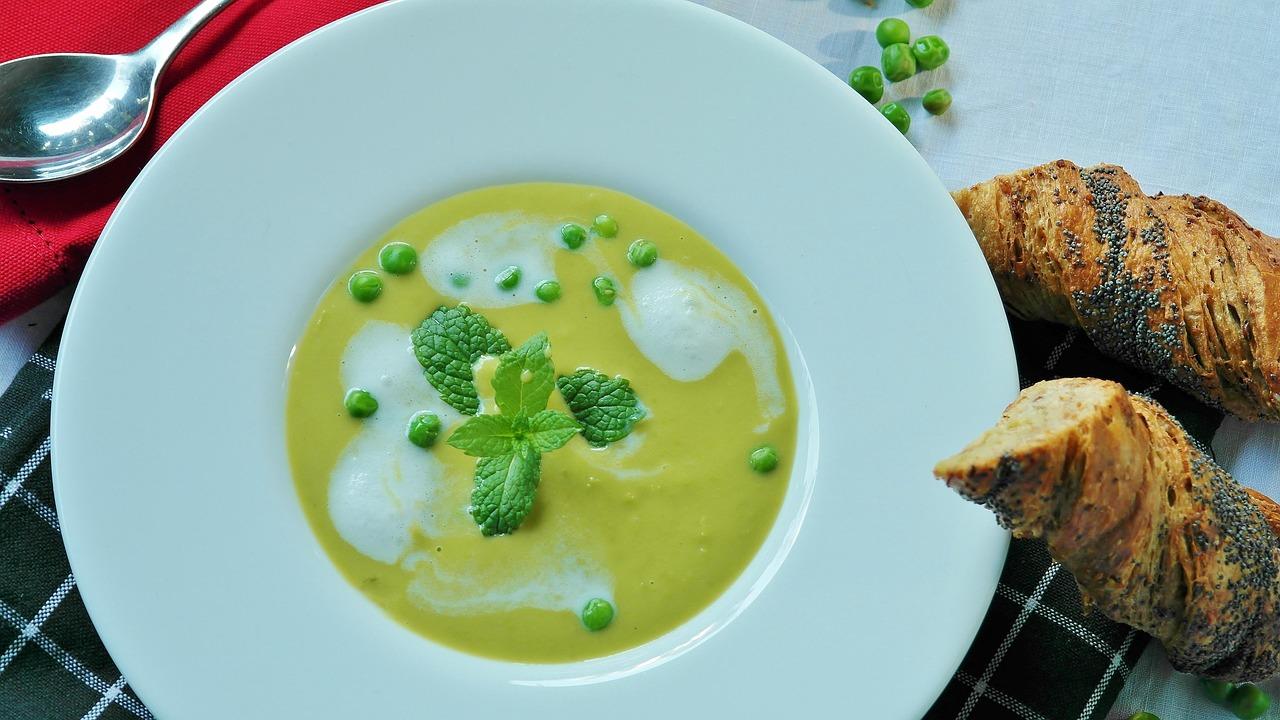
Potage Saint-GermainFresh pea soup

Potage Saint-Germain is a Parisian classic named after the Saint-Germain district, a bright green spring soup served at the start of family dinners in May and June when fresh peas arrive, though frozen peas make an excellent version all year. Peas are simmered briefly with lettuce, spring onions and mint, then blended smooth so the soup tastes fresh and sweet. The common mistake is cooking the peas too long, which turns the soup khaki and dull. Chef's tip: cool the blended soup quickly in a bowl set over iced water if you are not serving it at once; it keeps its vivid colour.

by KrazyBadal 0 views

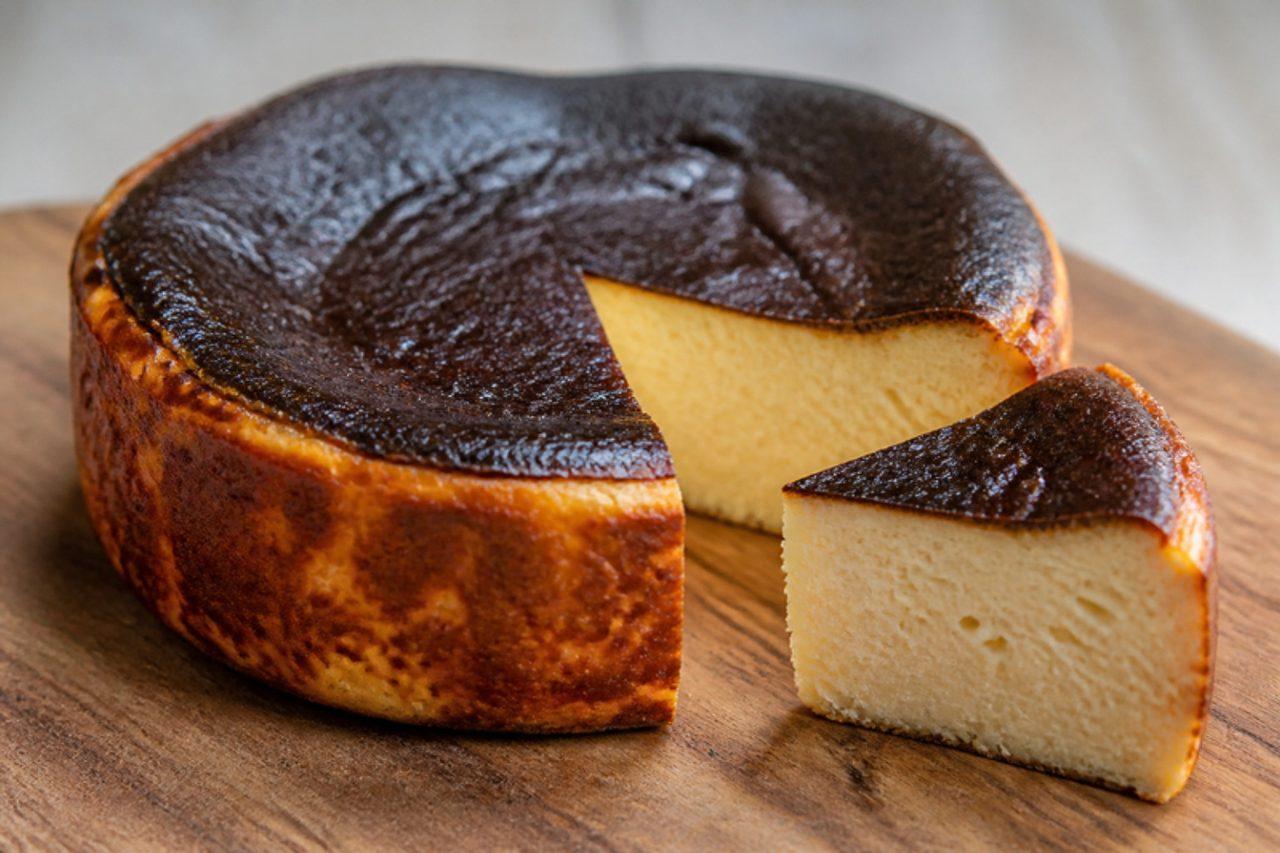
Torteau fromagerGoat's cheese cake

The torteau fromager is the cake of the Poitou-Charentes, a tall, light goat's cheese cake with a dramatically burnt, almost black dome, sold at markets around Poitiers and served at Sunday lunch and weddings. Fresh goat's cheese is beaten with egg yolks and sugar, folded with whisked whites and baked in a pastry-lined dome mould at a high heat, which gives the dark crust. Use pasteurised fresh goat's cheese. The common mistake is opening the oven early, which makes it fall. Chef's tip: do not worry about the black top; it is meant to be that way and tastes of caramel.

by KrazyBadal 0 views

Showing 24 of 599 recipes

Show more recipes

Page 1 of 25