Skip to content
Recipes

All recipes

Vegetarian, or something you can't eat? Set your diet once and we'll hide recipes that don't fit.

Chilcano de piscoPisco and ginger ale highball

When Lima's grey winter finally lifts and summer reaches the beaches south of the city, the chilcano takes over from the pisco sour: lighter, longer and made for an afternoon. Peru even gives it a Semana del Chilcano each January, and it is poured at weekend lunches with chifa or fried fish. This is a highball for adults only: pisco poured over a tall glass of ice with fresh lime and ginger ale, finished with a few drops of bitters. It should taste crisp and fizzy, with the ginger and lime lifting the floral grape notes of the pisco rather than hiding them. The common mistake is using too little ice and warm ginger ale, which gives a sweet, diluted drink that goes flat in minutes. Fill the glass to the top with ice and keep the ginger ale in the fridge until the last second. It is ready when the glass is frosty, the bubbles race up the sides and the bitters drift through the top as a pink haze. Light it may be, but drink responsibly. Chef's tip: try a fruit-infused pisco, made by steeping passion fruit or mandarin peel in the bottle for a few days; Limeños love a chilcano de maracuyá.

by KrazyBadal 0 views

Wiener MelangeCoffee with milk and foam

In Vienna you never simply order 'a coffee'; you order by name, and the Melange is the one most Viennese ask for. It arrives in a large cup on a small silver tray with a glass of water and often a tiny chocolate, and you may sit over it for an hour with the newspapers at Café Prückel or Hawelka, mid-morning or after lunch. Traditionally it is a mild, longer espresso (a Verlängerter) with roughly equal hot milk and a soft cap of milk foam; it is gentler than a cappuccino and the foam is looser and creamier. Expect a round, nutty, slightly sweet cup with little bitterness. The common mistake is overheating the milk: once it passes about 70 °C it smells cooked and loses its sweetness and the foam turns big-bubbled and dry. Stop when the jug is too hot to hold for more than a second or two. It is ready when the foam sits in a smooth, glossy dome about a finger thick and the coffee shows as a brown ring at the edge. One cup has about the caffeine of a single espresso. Chef's tip: always serve the glass of water alongside, as Vienna does; it is drunk first to clear the palate.

by KrazyBadal 0 views

Mate de muñaAndean mint tea

Muña is the minty shrub that grows wild on the slopes around Cusco, Puno and the Sacred Valley, and highland cooks reach for it after a heavy meal of chicharrón or when visitors are struggling with the altitude. Market herb sellers sell it in fresh bunches, and hotels and homes leave it in a flask for anyone coming in from the cold evenings. Steeped simply in hot water, it smells somewhere between spearmint, oregano and pennyroyal, with a cooling, slightly peppery taste and a pale green-gold colour. It is traditionally drunk to settle the stomach. The usual mistake is boiling the leaves hard for a long time, which turns the tea brown and bitter. Pour water just off the boil over the sprigs, cover, and let it steep. It is ready when the cup is pale gold and the aroma rises as soon as you lift the lid. Outside Peru, look for dried muña in Latin shops; failing that, use mostly spearmint with a little fresh oregano. Muña is strong: avoid large amounts in pregnancy, and check with a doctor if you take regular medication. Chef's tip: cover the cup while it steeps so the scented oils stay in the tea.

by KrazyBadal 0 views

Postre MassiniCustard sponge with burnt sugar top

Montevideo's birthday cake of choice since the early twentieth century, the Massini is two thin layers of sponge sandwiching a thick filling of whipped cream folded with egg-yolk custard, crowned with a thin glassy crust of torched yolk and sugar. Bakeries across Uruguay sell it on Sundays. Traditional versions sometimes add a sweet fortified wine to the custard; this one is alcohol-free. The custard is cooked to a safe 71 °C. The common mistake is assembling with warm custard, which melts the cream into a puddle. Chef's tip: if you don't have a blowtorch, put the sugared top under a very hot grill for a minute and watch it closely.

by KrazyBadal 0 views

Jugo de macaWarm maca drink

Before dawn at markets in Huancayo, Cusco and Lima, juice ladies ladle hot jugo de maca from big pots for workers on their way in: maca root, a turnip relative grown above 4,000 metres in the Junín highlands, simmered with milk, cinnamon and cloves and sweetened with honey or sugar. It tastes malty and toasty, a bit like butterscotch. The common mistake is stirring the powder straight into hot milk, which leaves gritty lumps; whisk it into a little cold milk first. Maca is not usually advised in pregnancy, so ask your doctor first if you are pregnant. Chef's tip: use gelatinised (cooked) maca powder if you can find it; it dissolves smoothly and is gentler on the stomach.

by KrazyBadal 0 views

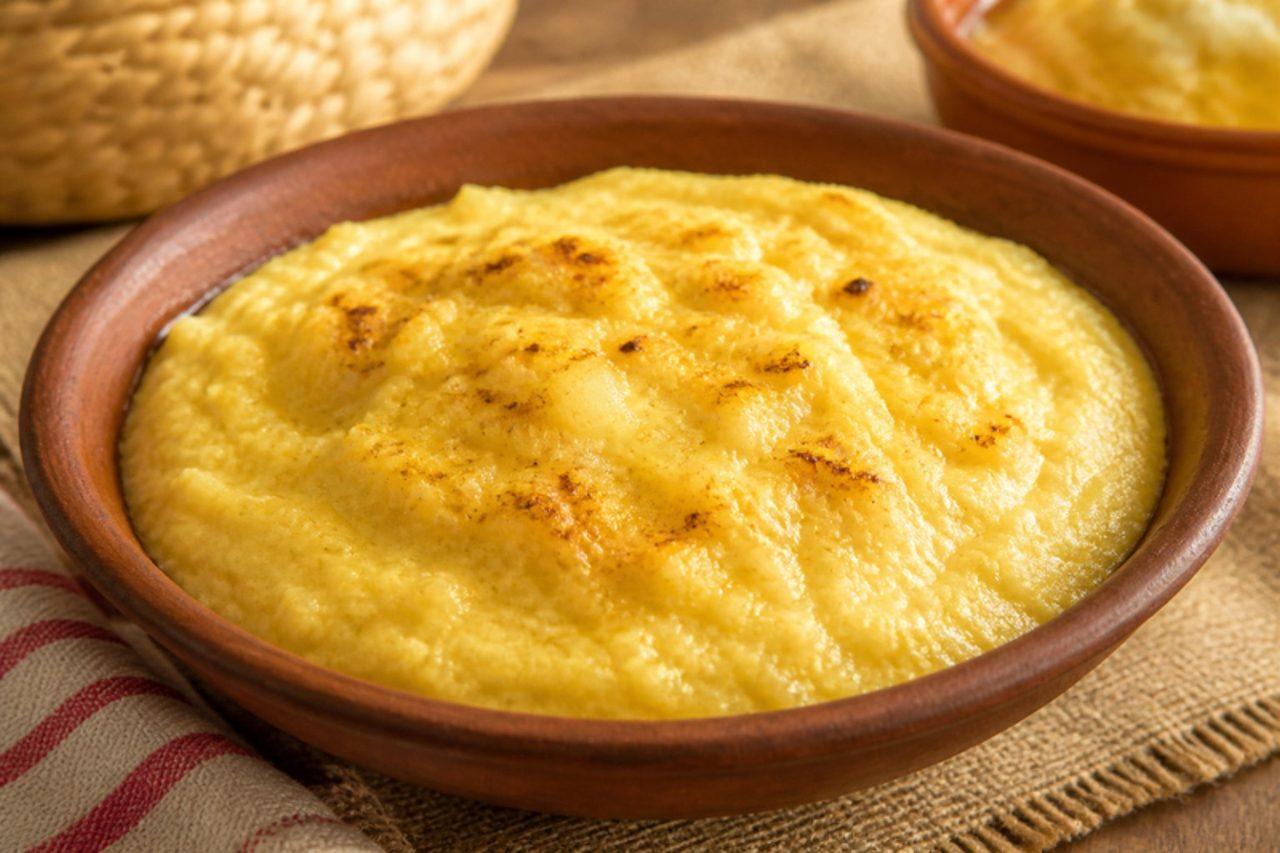
MbaipyCheesy polenta

Mbaipy (say 'mbai-PU') is Guaraní country cooking at its plainest: coarse corn flour stirred into milk and onion fried in oil until it thickens into a soft, spoonable porridge, finished with cubes of fresh cheese that melt into strings. In the Paraguayan countryside it is a cheap winter supper; cooks often stir in shredded chicken to make mbaipy so'o, but this is the meat-free version eaten on fasting days and in plenty of homes. Queso Paraguay is made with animal rennet, so use a vegetarian mozzarella or fresh cheese if you need to. The usual mistake is tipping the corn flour in all at once, which makes lumps that never cook out. Chef's tip: let it sit, covered, off the heat for five minutes before serving; it firms up slightly and the corn swells fully.

by KrazyBadal 0 views

Pisco sour

Lima drinks its pisco sour as the aperitif before a long ceviche lunch, and celebrates it every year on the first Saturday of February; the recipe took shape in the city's bars in the 1920s. It is for adults only and stronger than its pillowy look suggests. Underneath a thick white foam you get sharp Peruvian lime, a clean sweetness and the floral, grapey warmth of quebranta pisco, with the bitters adding a spicy smell to every sip. The texture should be silky, almost creamy, never thin. The classic mistake is squeezing the limes too hard or too early: the oil from the pith turns the drink bitter within half an hour. Halve the limes, press each half gently by hand just before mixing and stop when the juice slows. The egg white is raw, so use pasteurised egg white for anyone pregnant, for babies, older people or anyone unwell, or swap in 30 ml aquafaba. It is ready when the foam stands about 1 cm high and is firm enough to hold the drops of bitters on its surface. Sip one slowly and drink responsibly. Chef's tip: shake once without ice first to whip the egg white, then again with ice; the foam will be twice as thick.

by KrazyBadal 0 views

Locro de zapallo for toddlersPumpkin stew for toddlers

Locro de zapallo is the golden pumpkin stew of Lima's home kitchens and menú lunch spots, eaten on weekdays with white rice and, for adults, a fried egg and ají on the side. For toddlers from 12 months it is cooked without any ají, the pumpkin is simmered until it melts into a sauce, and just a little crumbled fresh cheese is stirred in, so it is sweet, creamy and easy to mash. It contains milk; there is no gluten, egg, nuts or soya. Queso fresco is often made with animal rennet, so for a vegetarian bowl choose one labelled vegetarian, or use a little paneer, and always a pasteurised cheese. Chef's tip: cut half the pumpkin small so it dissolves into the sauce and the rest larger so it keeps some shape.

by KrazyBadal 0 views

Escabeche de pescadoFried fish in sweet-sour onion sauce

In Lima, escabeche de pescado belongs to the criollo kitchen of the old city: it turns up on Friday lunch menus, on buffet tables, and above all in Lent and Holy Week, when families eat fish and this dish can be made the day before. Fish is fried until golden, then covered in a warm sauce of thick-cut red onion softened in oil with garlic, ají amarillo, ají panca, cumin and vinegar, and left to cool so the flavours soak in. It is served cold or at room temperature with boiled sweet potato, hard-boiled egg and purple botija olives. It tastes tangy, sweet and gently fruity-hot, with crunchy onion over tender fish. The fish here is fully cooked, but because it is a cold seafood dish, pregnant people, babies, older people and anyone with weak immunity should eat it well chilled and within 2 days. Common mistake: stewing the onions until limp; they should only lose their raw bite. It is ready when the sauce has soaked a little into the fish and smells of vinegar and toasted chilli. Chef's tip: use thick fillets of corvina or bonito; thin fillets break under the sauce.

by KrazyBadal 0 views

Caldo de gallinaHen broth with noodles

In Lima's markets and the all-night caldo stalls of districts like La Victoria, a bowl of caldo de gallina is the dawn breakfast for market porters, taxi drivers and anyone coming home late: a deep, golden broth from a slow-simmered hen (a boiling fowl) with ginger and spring onion, ladled over thick noodles and yellow potato, with a boiled egg, lime and ají chilli on the side. The common mistake is boiling the broth hard, which clouds it and toughens the meat; keep it to a lazy simmer. The chicken must reach 74 °C, though after this long simmer it will be well past that. Chef's tip: cook the noodles separately, then put them in the bowls; cooked in the pot they drink the broth and turn it starchy.

by KrazyBadal 0 views

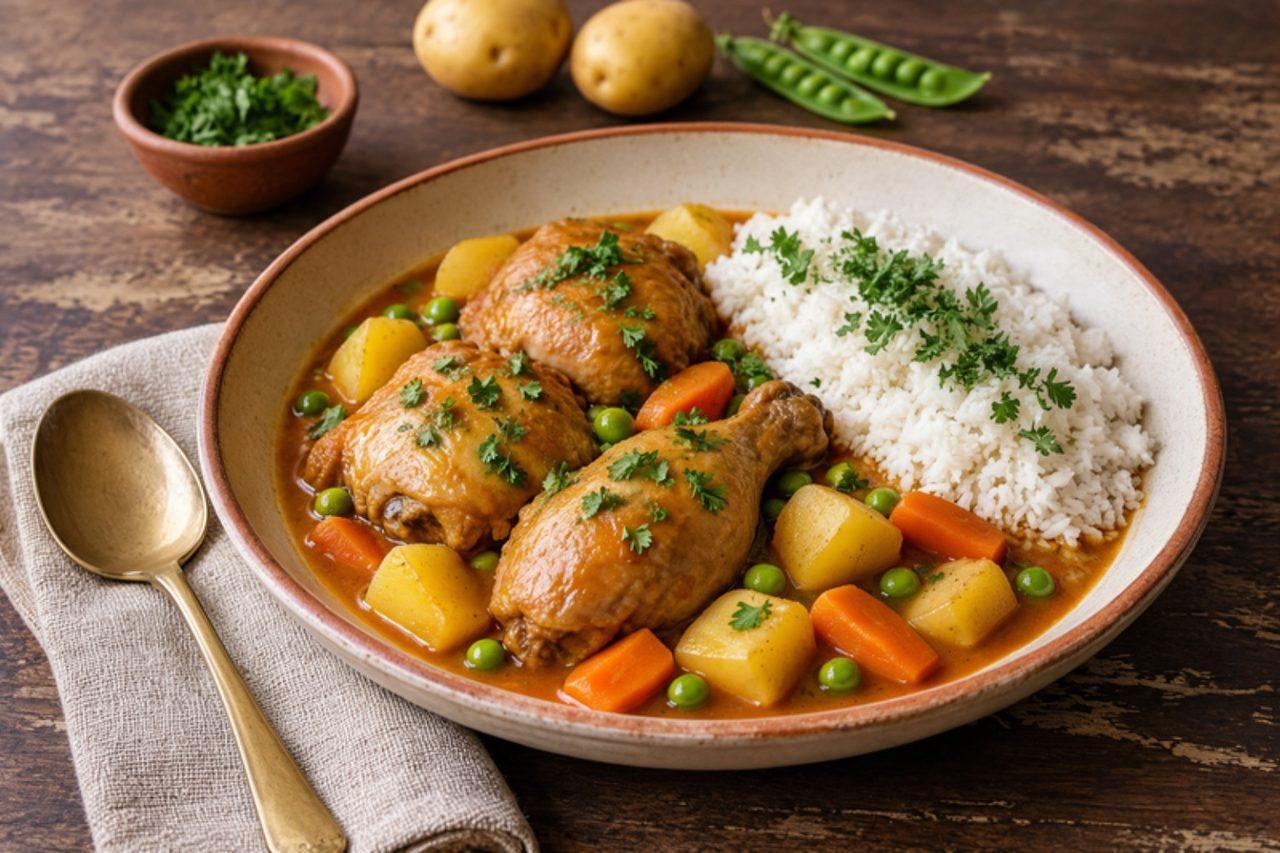
Estofado de polloChicken stew

Estofado de pollo is the mild, homely chicken stew of Lima's family kitchens and school lunches, usually on the table on a weekday or a quiet Sunday with white rice. Chicken pieces are browned, then braised in a sauce of onion, garlic, tomato, a little ají panca paste and bay, with carrots, peas and yellow potatoes cooked right in the pot until the sauce is thick and orange. It is comforting rather than hot. The usual mistake is boiling it hard, which shreds the potatoes and dries the chicken; keep it at a lazy bubble. Chef's tip: use a few yellow potatoes along with waxy ones; they collapse slightly and thicken the sauce naturally.

by KrazyBadal 0 views

Ají amarillo pasteYellow chilli paste

In Lima's markets ají amarillo is sold fresh all year, and most Peruvian cooks keep a tub of this paste in the fridge the way others keep tomato purée: it is the golden base of causa limeña, ají de gallina, papa a la huancaína, chupe and the sauce for tiraditos. The chillies are seeded, de-veined and blanched in three changes of water, which tames the heat and the raw grassiness, then peeled and blended with oil into a thick, silky, saffron-orange paste. It tastes fruity and sunny, almost like apricot and passion fruit, with a rounded, medium heat. Abroad, buy whole frozen ají amarillo from Latin grocers; dried ají mirasol, soaked, gives a darker, earthier paste. Common mistake: skipping the peeling; the thin skins leave papery flecks and a bitter edge. It is ready when it is completely smooth and holds a soft peak like thick hummus. This is a low-acid paste: keep it in the fridge for a week or freeze it, never on the shelf. Chef's tip: freeze it in an ice-cube tray; one cube is about a tablespoon, just right for a pot of ají de gallina.

by KrazyBadal 0 views

LampreadoCassava starch cheese fritters

Paraguayan grandmothers fry lampreado on Sunday evenings to eat with a mug of cocido, the toasted yerba mate drink: small pan-fried cakes of cassava starch, egg, milk and grated cheese with a little onion, crisp at the edges and stretchy inside. Some families also make it with leftover meat, but this version is all cheese. Queso Paraguay is set with animal rennet; a vegetarian Parmesan-style cheese plus mozzarella works well. The trap is a batter that is too thick, which gives heavy, gluey cakes. Chef's tip: the batter should drop slowly off a spoon like thick pancake batter; add milk a spoonful at a time until it does.

by KrazyBadal 0 views

Mandi'o chyryryFried cassava with onion and egg

Mandi'o chyryry means 'fried cassava' in Guaraní, and it is what rural Paraguayan families make from yesterday's boiled mandi'o: chunks crushed and fried in a big pan with onion until crisp in places, then scrambled with eggs. It comes out for breakfast with cocido or for a quick supper, and costs next to nothing. Use sweet cassava, the kind sold in supermarkets. The mistake is stirring constantly, which turns it to mush; let the cassava sit and brown. Chef's tip: the best chyryry starts with cold, day-old boiled cassava, which fries crisper than freshly boiled.

by KrazyBadal 0 views

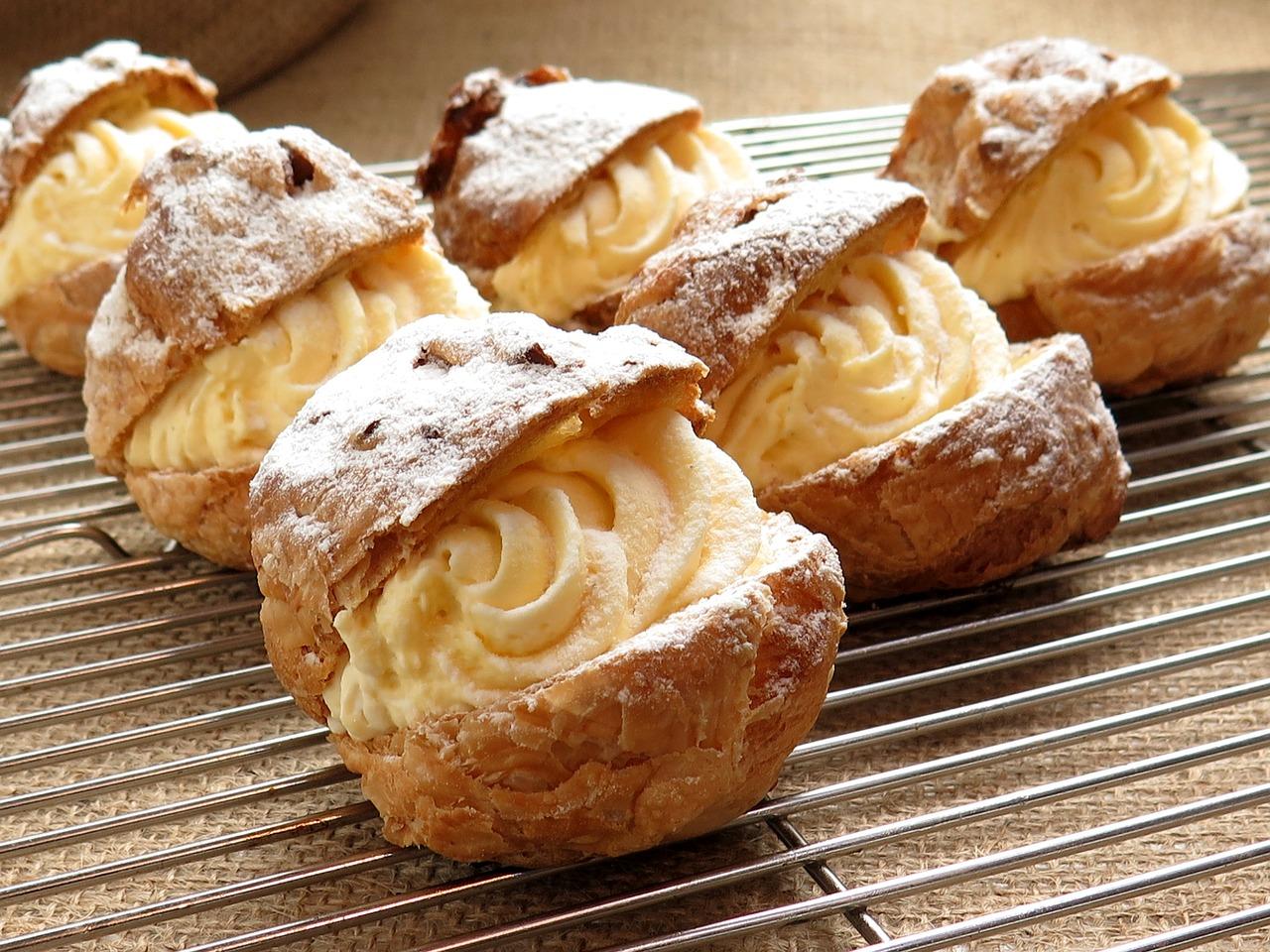
VětrníkCaramel cream choux bun

Ask anyone in Prague about the old-fashioned cukrárna and they will mention větrník, the "windmill": a big, puffed choux bun split and filled with two creams, a caramel one below and a light vanilla one above, under a shiny caramel icing. It is the cake people order with coffee on a Sunday afternoon, or buy in a paper box for a name day. Crisp shell, soft clouds of cream and a deep, buttery caramel flavour make it rich but not heavy. The usual slip is pulling the choux out too soon: it must be dark golden and feel light and dry, or it collapses as it cools. Both creams start from one custard, cooked until it bubbles so the eggs are fully set. Chef's tip: make the custard and caramel the day before; on the day you only bake and fill.

by KrazyBadal 0 views

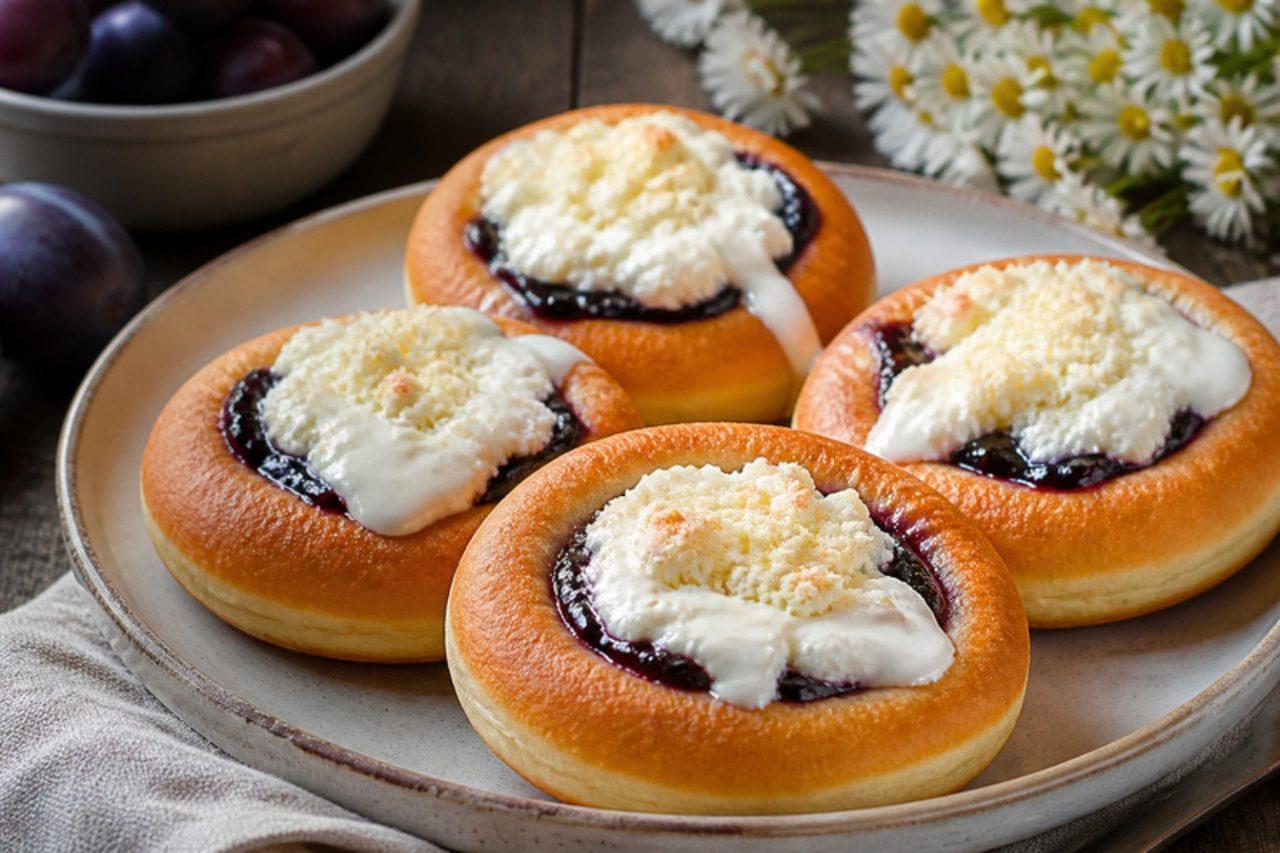
VdolkyFlat yeast doughnuts

In the Chodsko region around Domažlice in south-west Bohemia, vdolky are fried for fairs, pilgrimages and weddings, and they are the treat Czech children associate with grandmothers' kitchens. They are round, flat yeasted cakes with a pale ring around the middle, fried until golden and topped while warm with thick plum jam (povidla), sweetened tvaroh curd cheese and sour cream. Soft and pillowy, sweet, tangy and creamy all at once, they are eaten with a knife and fork or straight from the hand. Where most people go wrong is frying too hot, so the outsides darken before the middle cooks; keep the oil at 170 °C. Most tvaroh is made without rennet, but check the label if that matters to you. Chef's tip: press a hollow in the centre of each round with your fingers before frying; it holds the toppings.

by KrazyBadal 0 views

ZelňákSauerkraut yeast pie

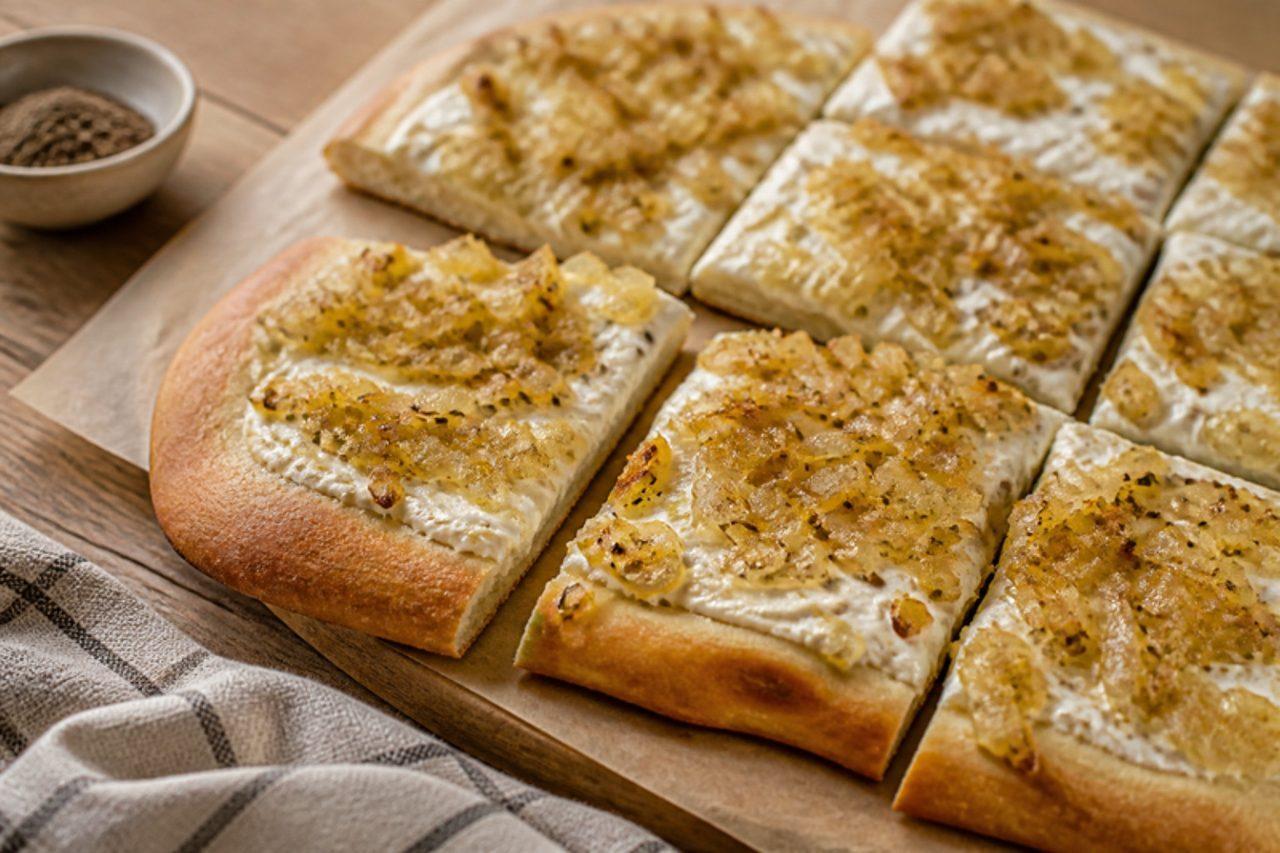
Out in the Moravian wine villages, when bread was baked in the communal oven, the last of the dough went into zelňák: a flat yeast base spread with sour cabbage and fried onion and baked until the edges blister. It is still sold in bakeries around Brno and Hodonín and eaten warm in slices with a glass of buttermilk or new wine. Old recipes fry the onion in lard or add crackling; this version uses oil and butter and is vegetarian. The topping is tangy, sweet from the onion and scented with caraway, over a soft, bready base. Where it often goes wrong is using wet sauerkraut straight from the jar, which turns the base soggy. Squeeze it well and fry it first. Chef's tip: a thin layer of sour cream under the cabbage keeps the base moist and stops the topping drying out.

120 minCzechBaking
by KrazyBadal 0 views

UtopenciPickled sausages

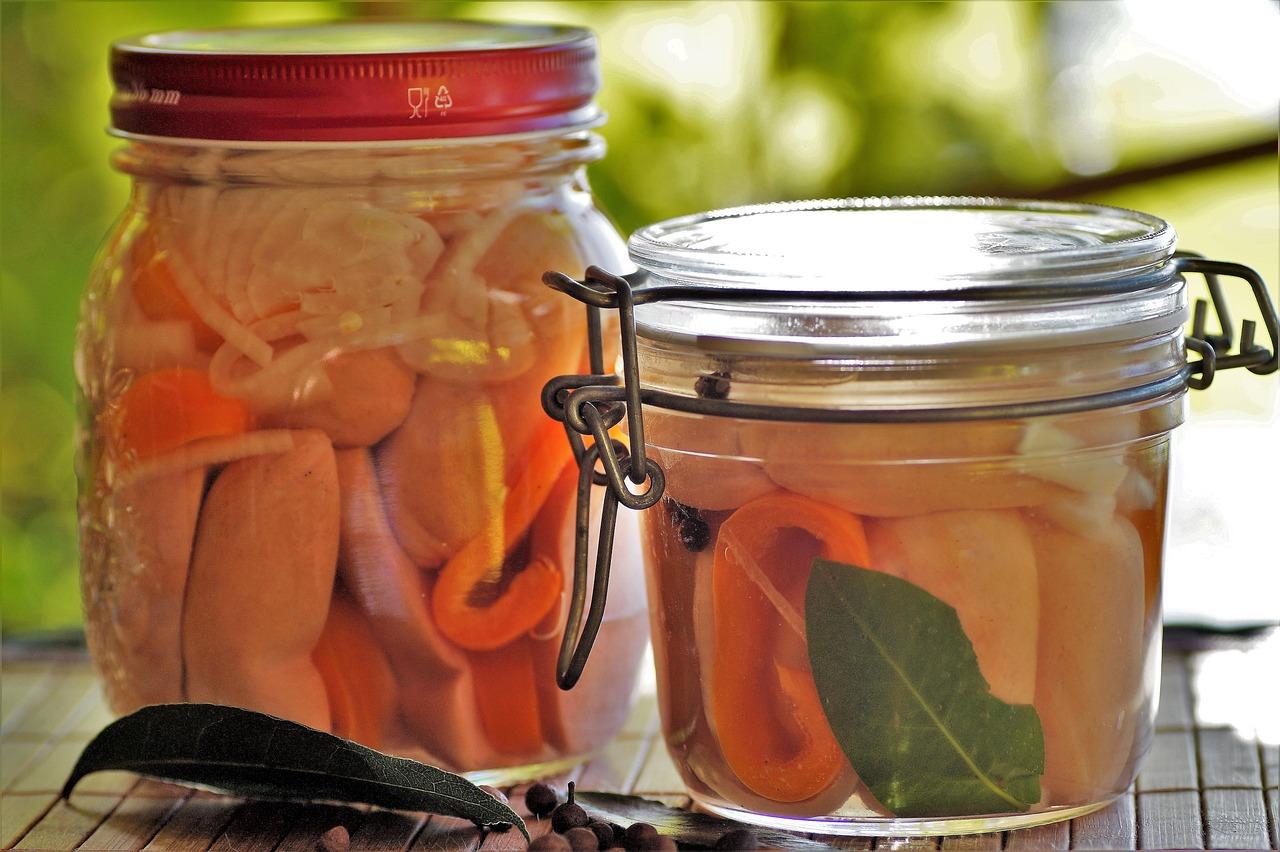
Utopenci means "drowned men": fat pork sausages slit open, stuffed with onion and sunk in a jar of spiced vinegar brine, and they sit in big jars on the bar of almost every Bohemian pivnice, fished out with a fork and eaten with dark bread. The usual sausage is the špekáček, a short, plump pork-and-beef sausage with visible fat. After a few days in the brine they are sharp, garlicky and juicy, with sweet, soft onion and a slow chilli heat. Where most people go wrong is using raw sausages or skipping the cooking: heat the sausages through to 71 °C in the centre first, cool them quickly, and keep the jar in the fridge the whole time, not on the counter. Eat within 10 days, using a clean fork. Chef's tip: let them pickle for at least 3 days; on day one they just taste of vinegar.

by KrazyBadal 0 views

VánočkaBraided Christmas bread

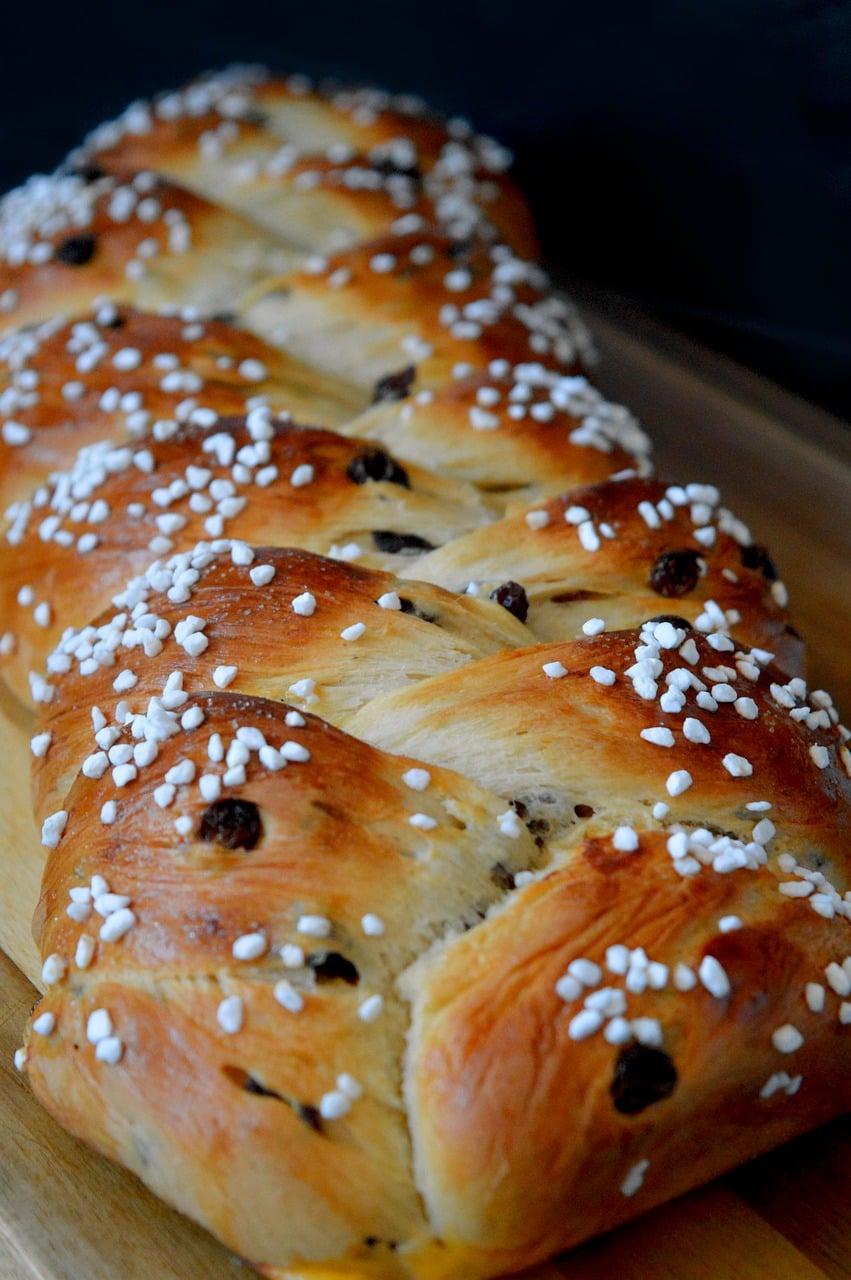
On Czech Christmas Eve morning, before the carp and the potato salad, the table holds a long golden vánočka, a sweet braided loaf whose layered plaits are said to represent the baby Jesus in swaddling. Families slice it for breakfast through the holidays with butter, honey or jam. The crumb is soft and rich with egg and butter, scented with lemon zest and studded with raisins; flaked almonds crisp up on the crust. The usual slip is braiding too loosely, so the tiers slide apart in the oven; plait tightly and hold them with wooden skewers while baking. Soaking raisins in warm water (not rum) keeps them juicy and alcohol-free. Chef's tip: vánočka keeps for days wrapped in a cloth, and slightly stale slices make superb French toast.

185 minCzechBaking
by KrazyBadal 0 views

ŽemlovkaApple and bread pudding

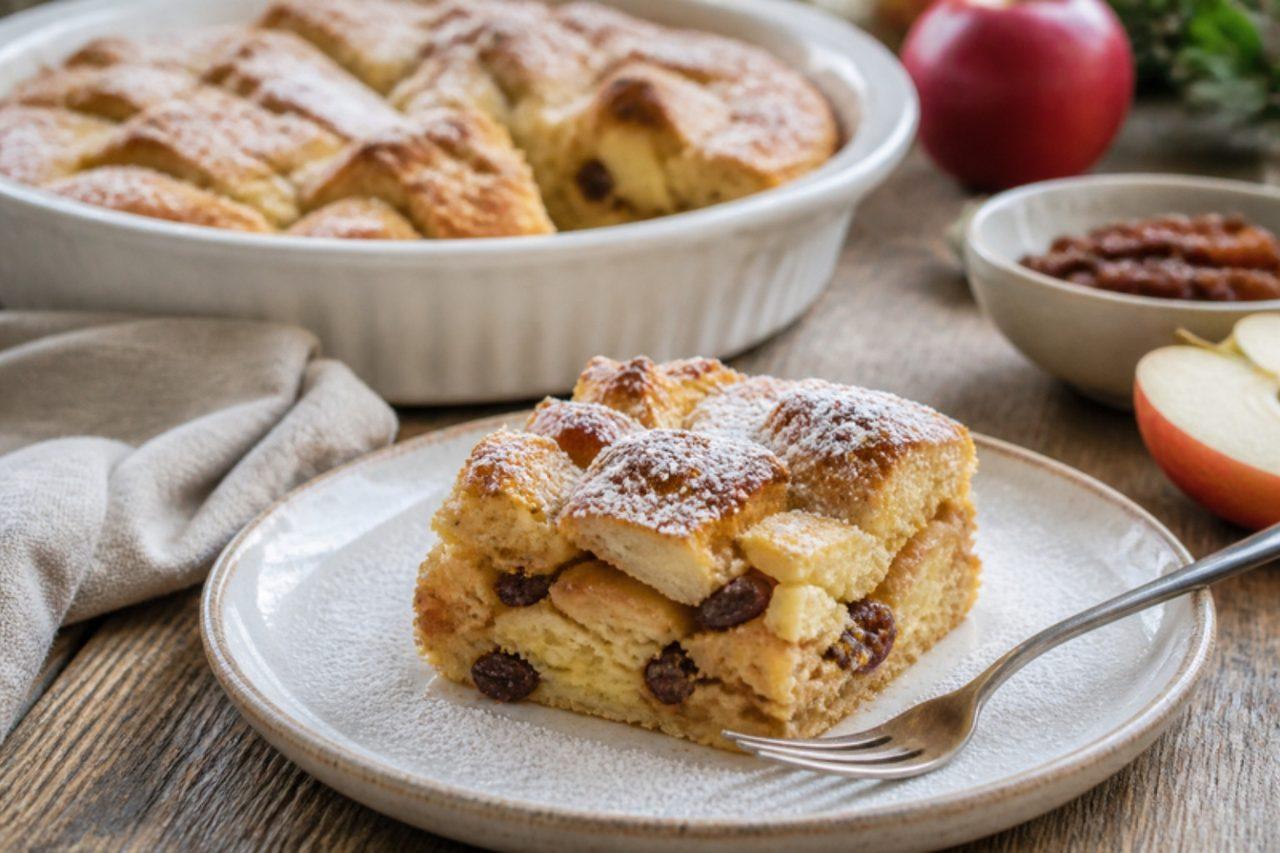
Thrifty Czech kitchens never throw away a stale roll, and žemlovka is the delicious proof. Slices of yesterday's rohlíky or žemle are soaked in sweet vanilla milk and egg, layered with cinnamon apples and raisins, and baked until the top is crunchy and the inside set like a soft custard. It is a favourite Bohemian Sunday afternoon pudding in autumn, when the orchard apples are in, and it often appears in school canteens as a sweet main course. Serve it warm, dusted with icing sugar, with a glass of cold milk. A common mistake is drowning the bread in milk, which makes a soggy, heavy pudding; dip the slices quickly so they are moist but still hold their shape. Chef's tip: use tart cooking apples and keep the top layer bread, buttered, so it bakes to a golden crust.

by KrazyBadal 0 views

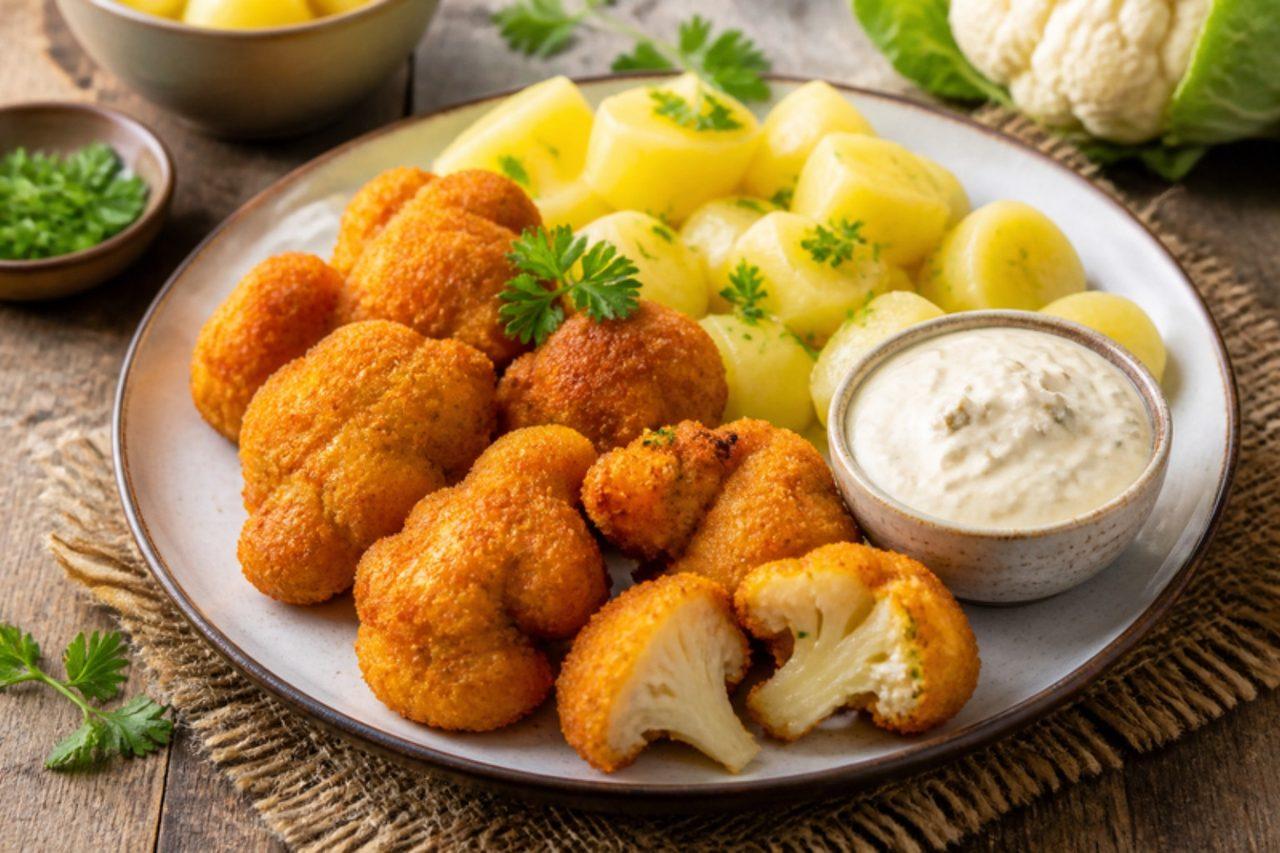
Smažený květákFried breaded cauliflower

Order a vegetarian meal in a Czech pub and there is a fair chance you will get smažený květák: fat cauliflower florets in a crunchy breadcrumb coat, with buttery parsley potatoes and a dollop of tatarka, the pickle-studded tartar sauce. Children love it, and many families in Bohemia make it on Fridays. The florets are blanched first so the inside is tender and sweet under the crust. Where most people go wrong is breading wet cauliflower: the coating slips off in the oil. Dry the florets well on a towel and let them cool before you dip them. Chef's tip: press the crumbs on firmly with your palm, then rest the breaded florets for 10 minutes so the coat sets and fries up evenly.

by KrazyBadal 0 views

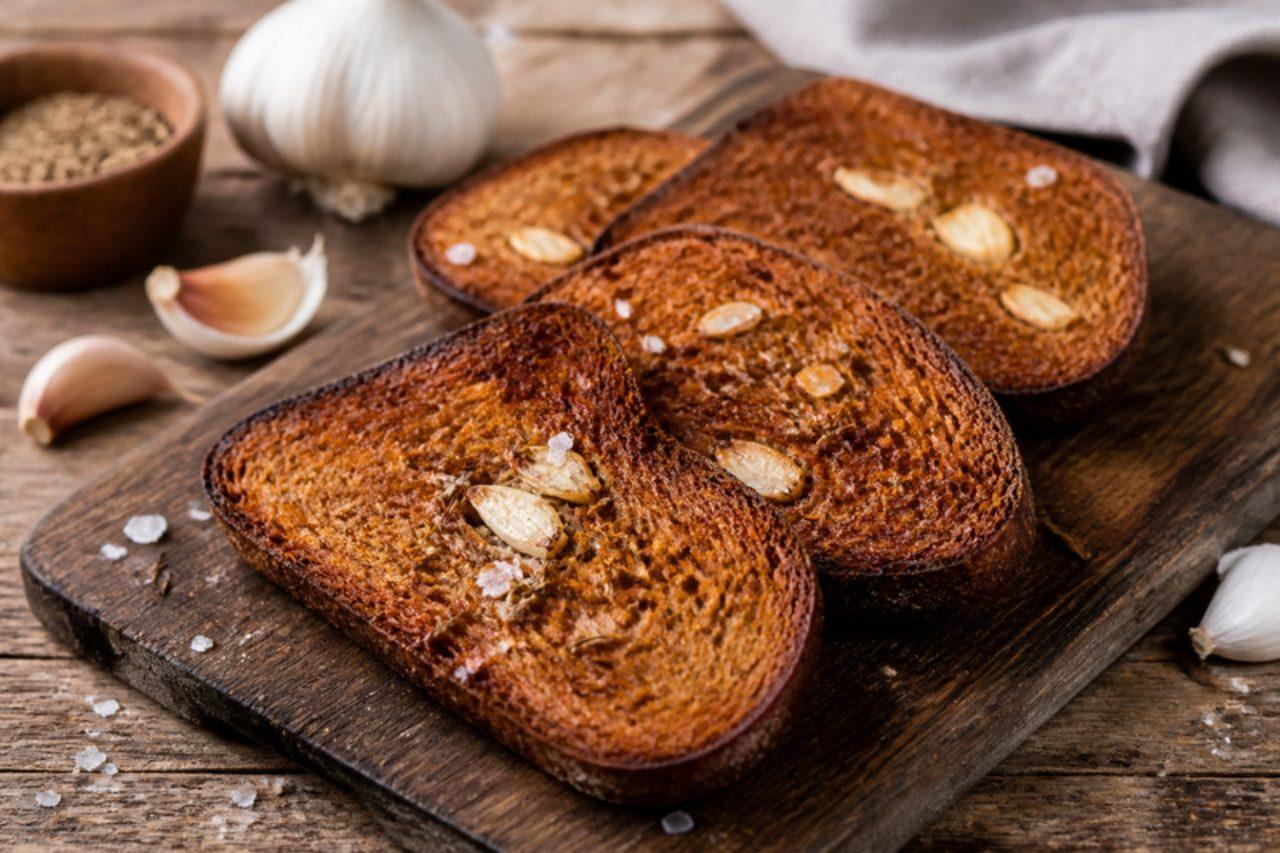
TopinkyGarlic fried rye bread

Midnight in a Prague beer hall, a basket of topinky arrives: thick slabs of rye-wheat bread fried until shatteringly crisp and rubbed hard with raw garlic, so the rough crust grates the clove like sandpaper. Czech pubs serve them as a snack with beer, and at home they are a quick supper with a glass of buttermilk or a bowl of soup. Some old cooks used lard; frying in oil keeps them vegan. The crumb should stay soft inside the golden crust, and the garlic should be sharp and fiery. A common mistake is frying in oil that is not hot enough, which makes the bread greasy instead of crisp. Chef's tip: choose a dense, day-old rye bread with caraway seeds; fresh, airy bread soaks up oil like a sponge.

by KrazyBadal 0 views

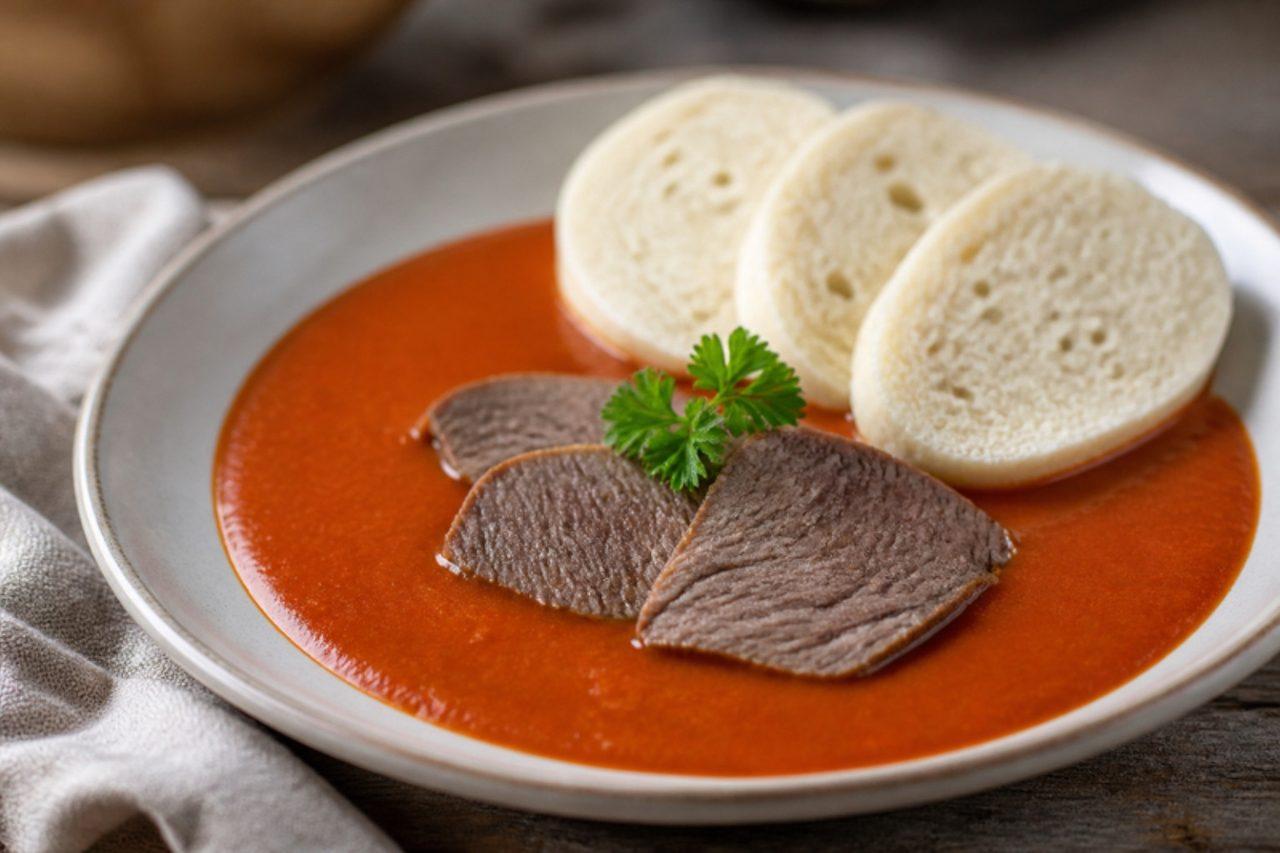
Rajská omáčkaSweet-sour tomato sauce with beef

Every Czech school canteen has served rajská at some point, and many adults still crave this glossy, sweet and tangy tomato sauce poured over slices of tender boiled beef with bread dumplings. Bohemian cooks make it from the broth of the beef itself, thickened with a light roux and perfumed with clove, allspice, bay and a hint of cinnamon, so it tastes warmly spiced rather than like a pasta sauce. The usual slip is under-seasoning the sweet-sour balance: keep tasting and adjust sugar and vinegar until it is clearly both. Simmer the beef until a fork slides in easily. Pasta or rice work too if you are not making dumplings. Chef's tip: strain the sauce through a sieve at the end for the velvety restaurant texture.

120 minCzechMeat
by KrazyBadal 0 views

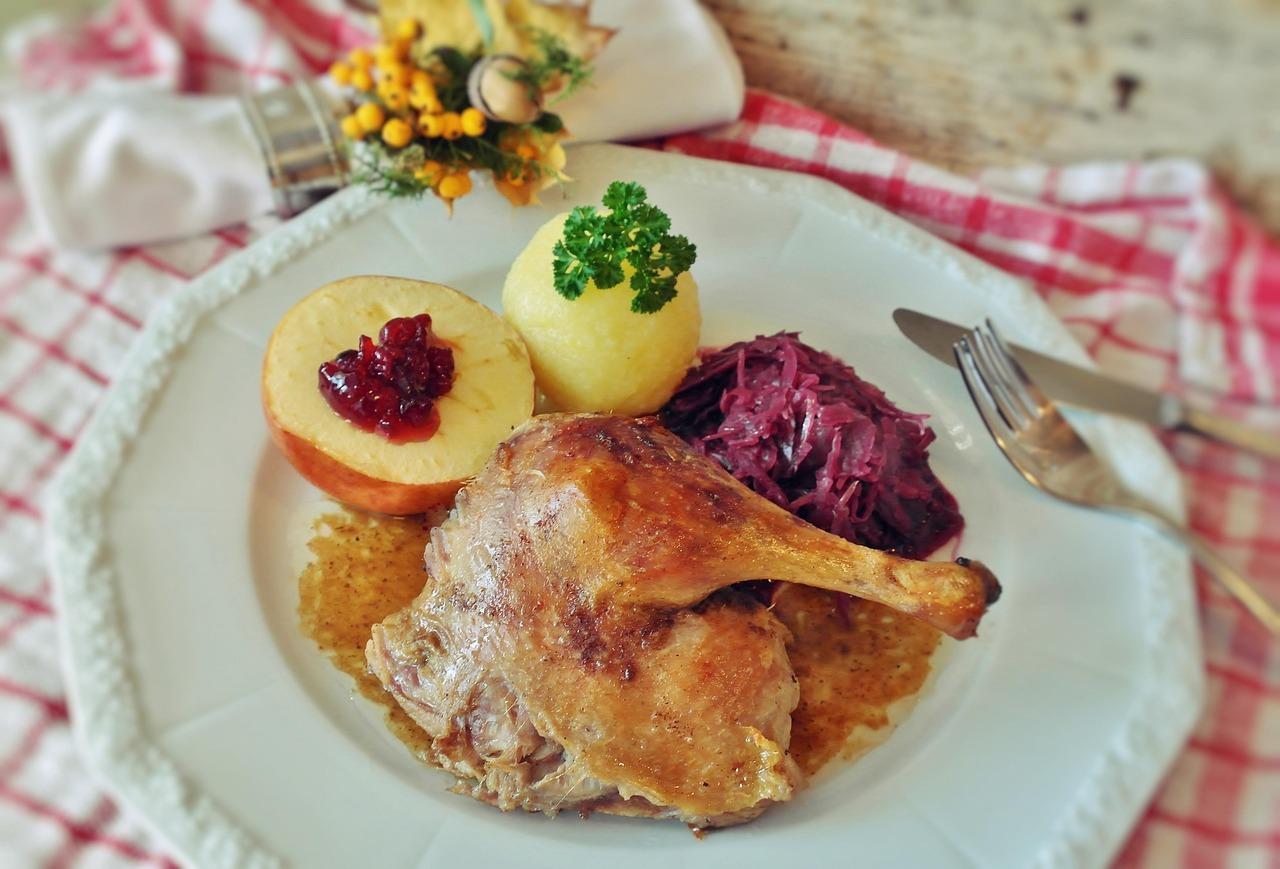
Pečená kachna se zelímRoast duck with red cabbage

Roast duck is the feast of the Czech autumn, eaten on St Wenceslas' Day in September and St Martin's Day in November, when Bohemian pubs and homes cover the table with crisp-skinned duck, braised red cabbage and dumplings to soak up the juices. Caraway and salt are the only seasonings the bird needs; slow roasting renders the fat and leaves the meat soft, and the cabbage is cooked with some of that fat, apple, sugar and vinegar until glossy and sweet-sour. A common mistake is roasting hot from the start, which burns the skin before the fat melts; go low and slow, then crisp at the end. The thickest part of the thigh must reach 74 °C. Carve before bringing it to the table. Chef's tip: save the rest of the duck fat in a jar; it makes the best roast potatoes.

180 minCzechMeat
by KrazyBadal 0 views

Showing 24 of 206 recipes

Show more recipes

Page 2 of 9