Skip to content
Recipes

All recipes

Vegetarian, or something you can't eat? Set your diet once and we'll hide recipes that don't fit.

Jukut ares (Balinese banana stem soup with chicken)

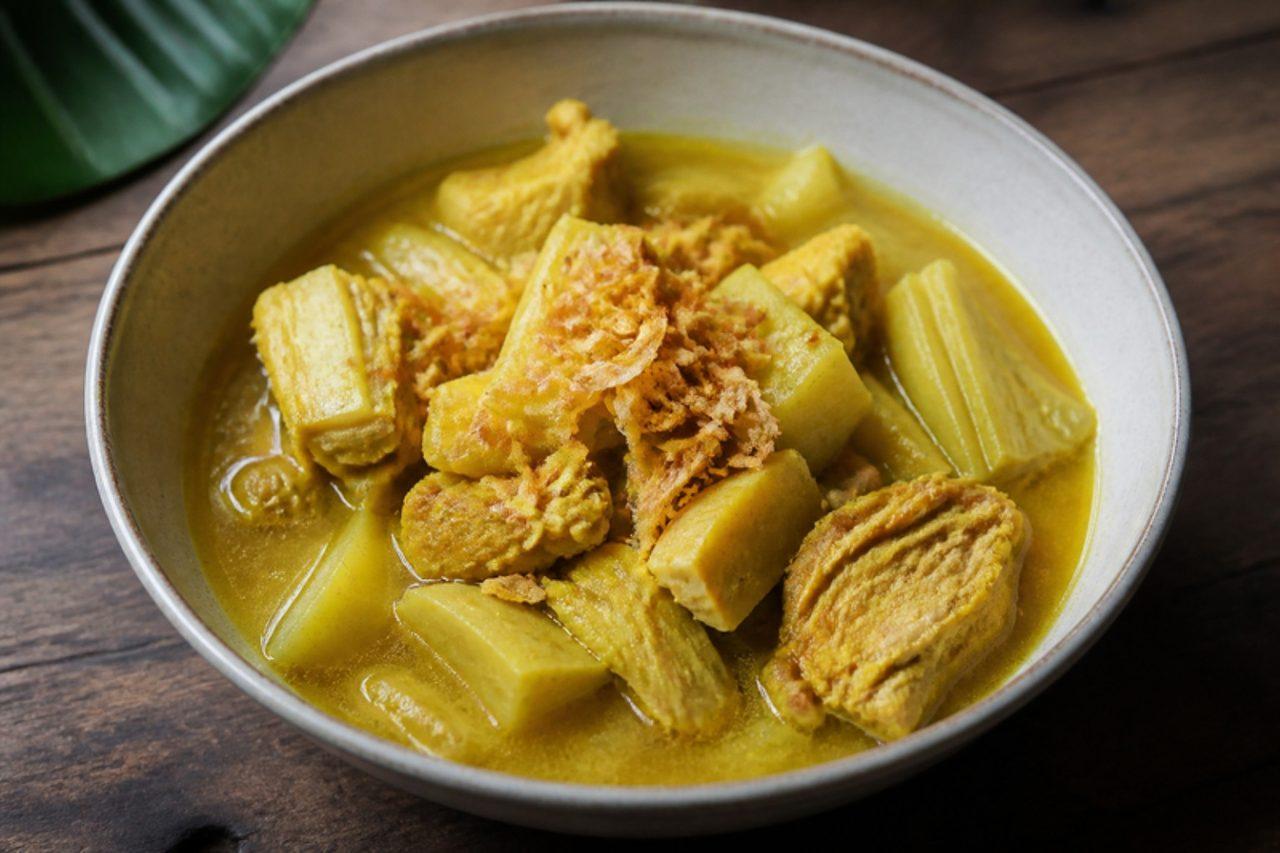
Jukut ares is cooked in Bali for Galungan and the ceremonies around it, when families gather at home and the kitchen turns out dishes for days; the humble banana tree, which gives fruit, leaves and stem, stands for the generosity of the land. The soft white core of the trunk is sliced thin and simmered in a broth built on base genep, the island's master spice paste, until it is tender and slightly silky, like a cross between bamboo shoot and leek. Villages often use pork bones; this version uses chicken thighs, which make a lighter, golden, peppery broth. Serve it in bowls with steamed rice and sambal. Chef's tip: soak the sliced stem in salted water and pull off the stringy fibres as you go, or the soup turns grey and stringy.

by KrazyBadal 0 views

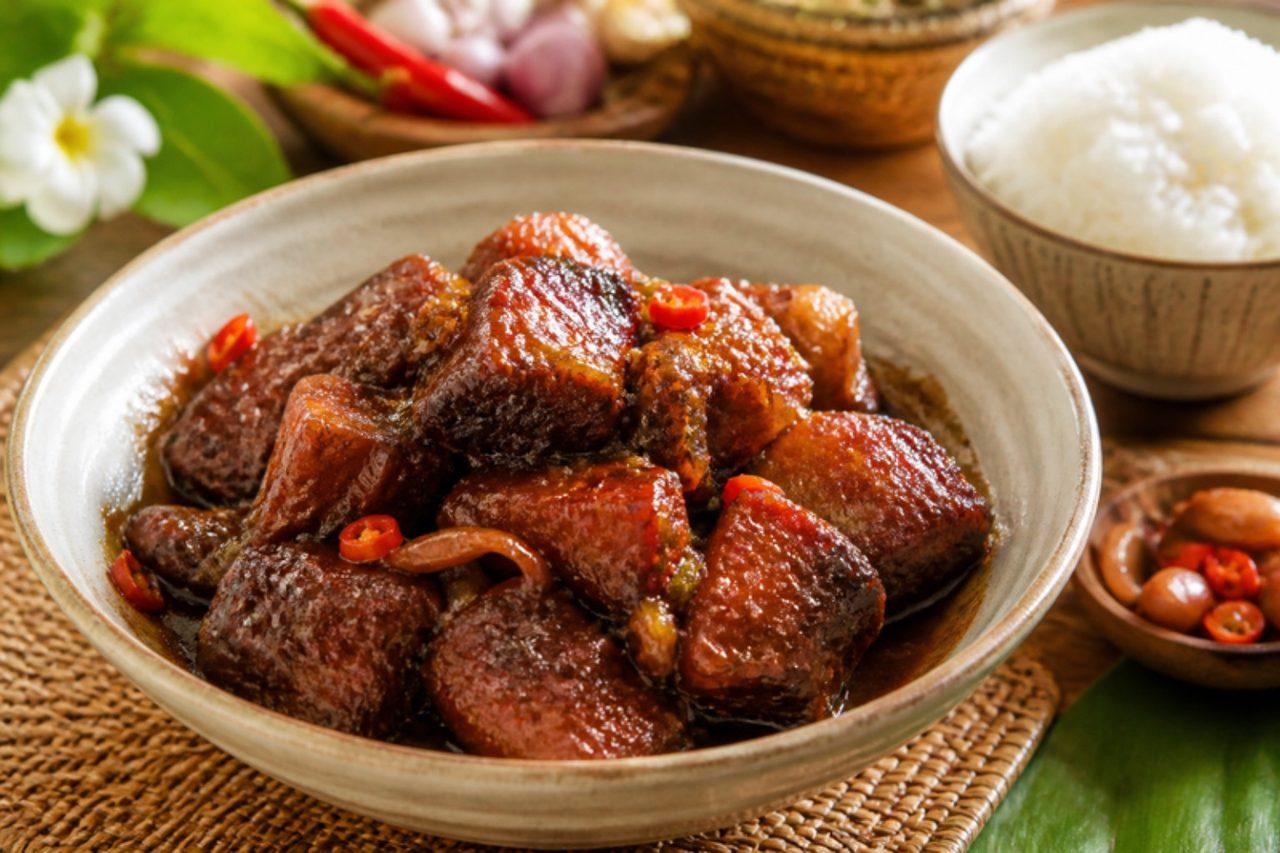
Be celeng base manis (Balinese sweet soy pork)

Be celeng base manis means "pork in sweet spices" in Balinese, and it is cooked in Hindu households around Galungan, when pork is prepared on Penampahan, the day before the festival, and shared with family and the temple. Chunks of pork shoulder are braised slowly with plenty of shallots, garlic, ginger and galangal in kecap manis, the thick Indonesian sweet soy sauce, until the meat is soft and the sauce has turned dark, sticky and glossy. It is sweet, savoury and only gently warm, so it suits everyone at the table. Serve it with steamed rice, a crisp vegetable such as long beans and some sambal for those who want heat. Chef's tip: let the sauce reduce only in the last 15 minutes, uncovered, so it coats the pork without burning.

by KrazyBadal 0 views

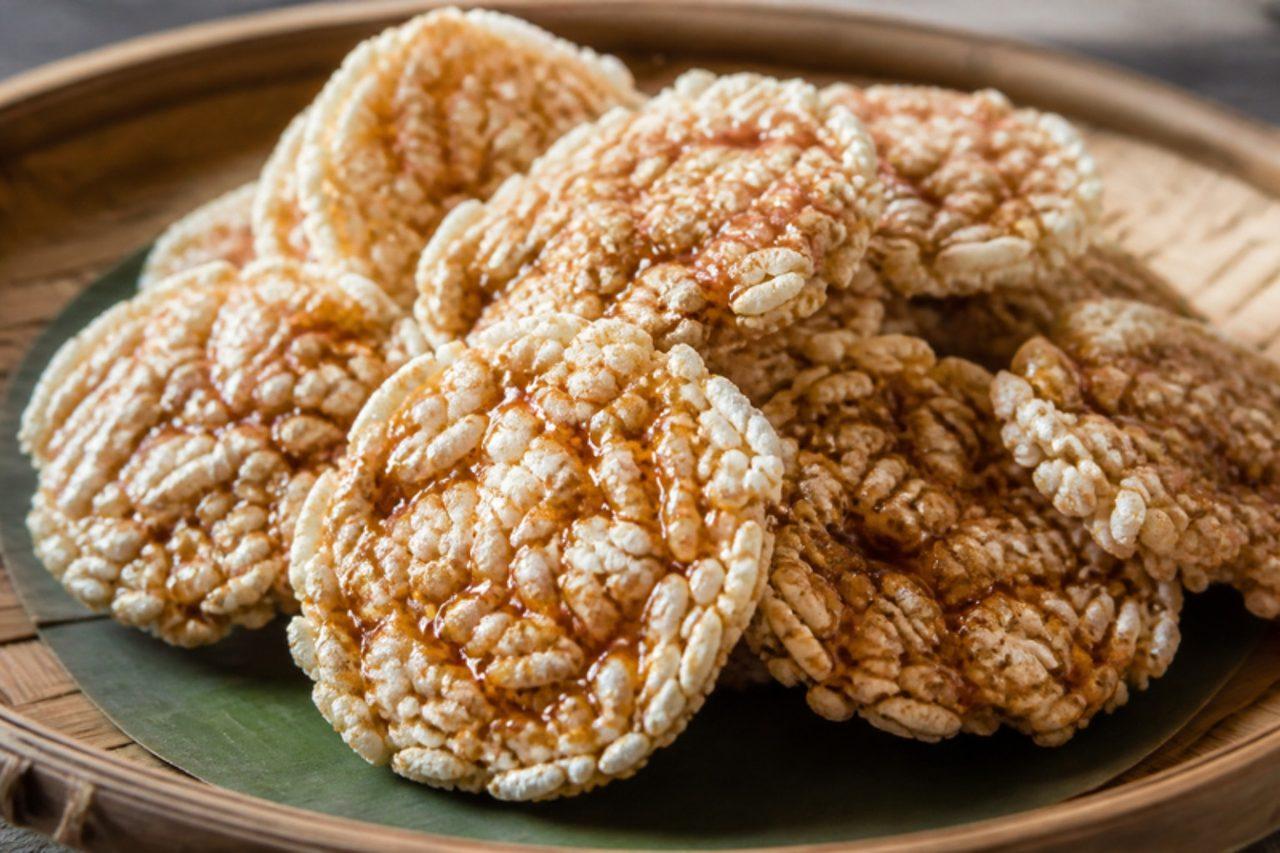
Jaja begina (Balinese sun-dried rice crackers)

Jaja begina are the round rice crackers that fill Balinese offering towers for Galungan; once the prayers are said, the crackers come home as a crunchy snack for everyone. Steamed glutinous rice is pressed into thin discs and dried in the sun for days until rock hard, and then a quick fry makes them puff up, turn pale gold and become light and crisp. A thread of warm palm sugar syrup over the top makes them sweet and sticky. Without strong sun, a low oven does the drying in an afternoon. Chef's tip: make a big batch of the dried discs; stored airtight they keep for months, and you can fry a few whenever you like.

by KrazyBadal 0 views

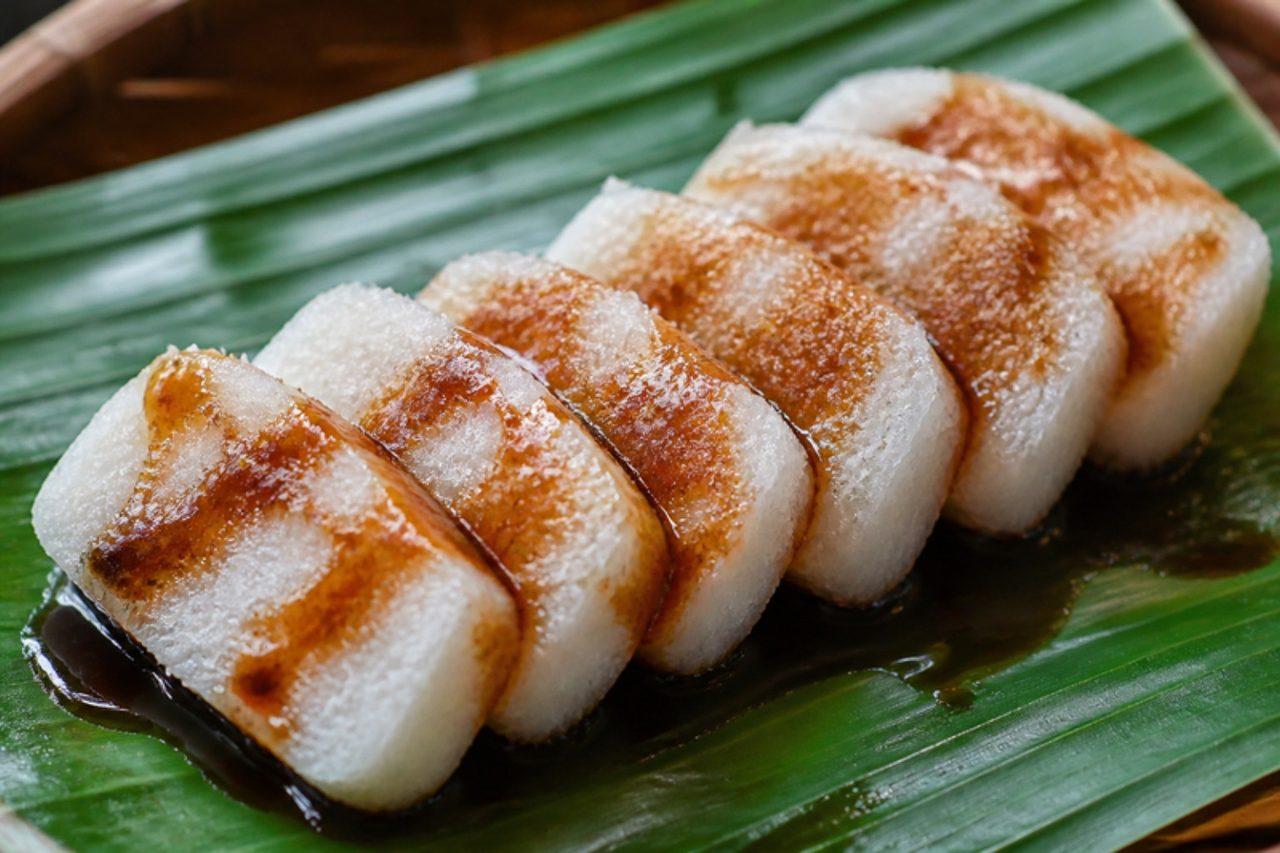
Jaja uli (Balinese pounded sticky rice cake)

Jaja uli is one of the rice cakes that Balinese families make in the days before Galungan, when the island celebrates the victory of dharma over adharma and the ancestors come home; it is stacked into the towering banten offerings and then shared and eaten. Glutinous rice is steamed, soaked in hot salted coconut milk, steamed again and then pounded until the grains break down into a dense, smooth, chewy block with a gentle coconut flavour. Slice it thickly and pour over warm palm sugar syrup, or toast the slices in a dry pan until crisp at the edges. A tall cup of tea or coffee is the perfect partner. Chef's tip: pound while the rice is still hot; once it cools, the grains won't knit together.

by KrazyBadal 0 views

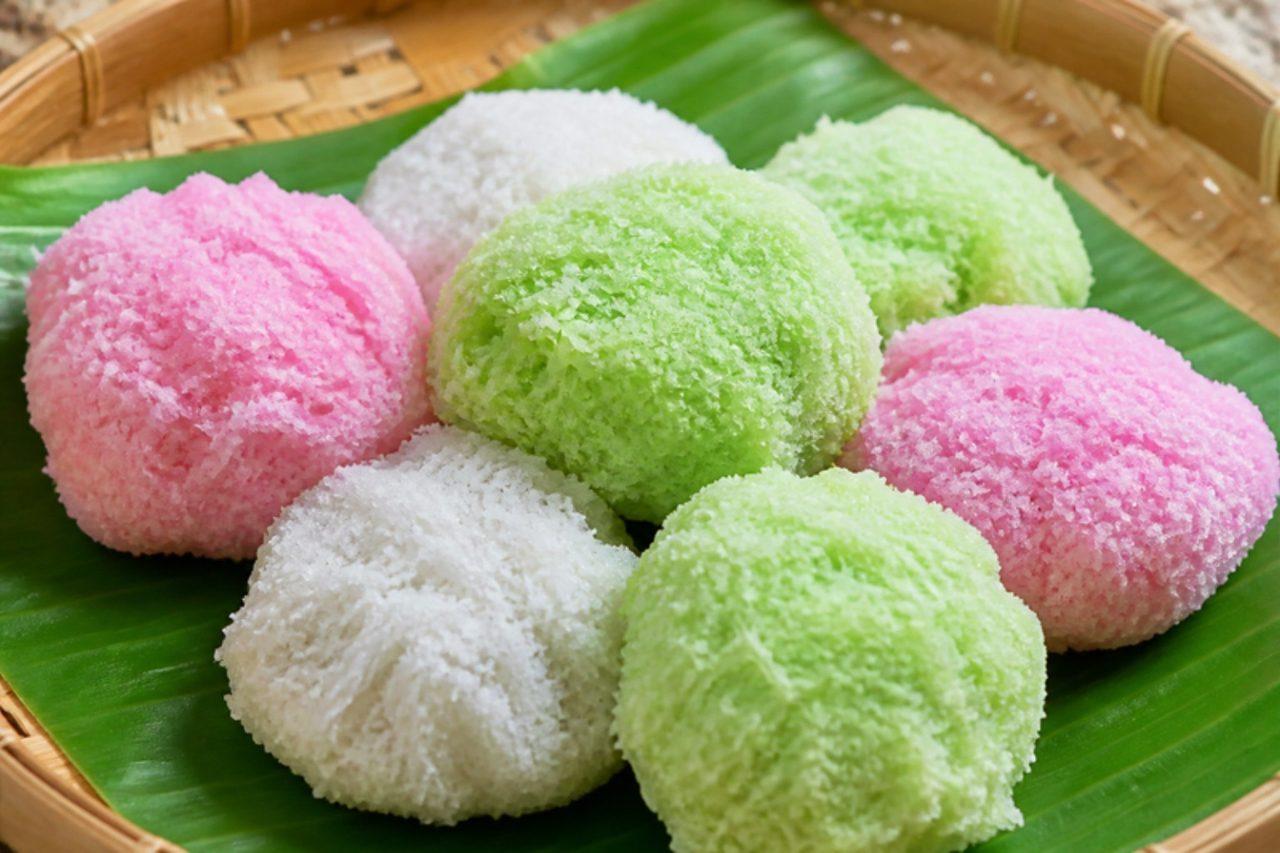
Geplak (Bantul coconut sugar candy)

Drive south from Yogyakarta to Bantul and you pass shop after shop selling geplak, the brightly coloured coconut candy that Javanese travellers buy by the basket as oleh-oleh, a gift for the people back home. Freshly grated coconut is cooked in sugar syrup until it dries and begins to crystallise, then a spoonful of toasted rice flour pulls it together into a firm, sandy-textured sweet. It is very sweet and coconutty with a gentle pandan scent, and it crumbles softly when you bite it. Serve small pieces with strong Javanese coffee or tea. Geplak is naturally egg-free: the recrystallising sugar and the toasted rice flour are what bind the coconut and let it hold its shape. Chef's tip: cook over a medium heat rather than high; the common mistake is rushing, which browns the coconut and dulls those pastel colours.

by KrazyBadal 0 views

Lontong Cap Go MehRice cakes with chicken curries

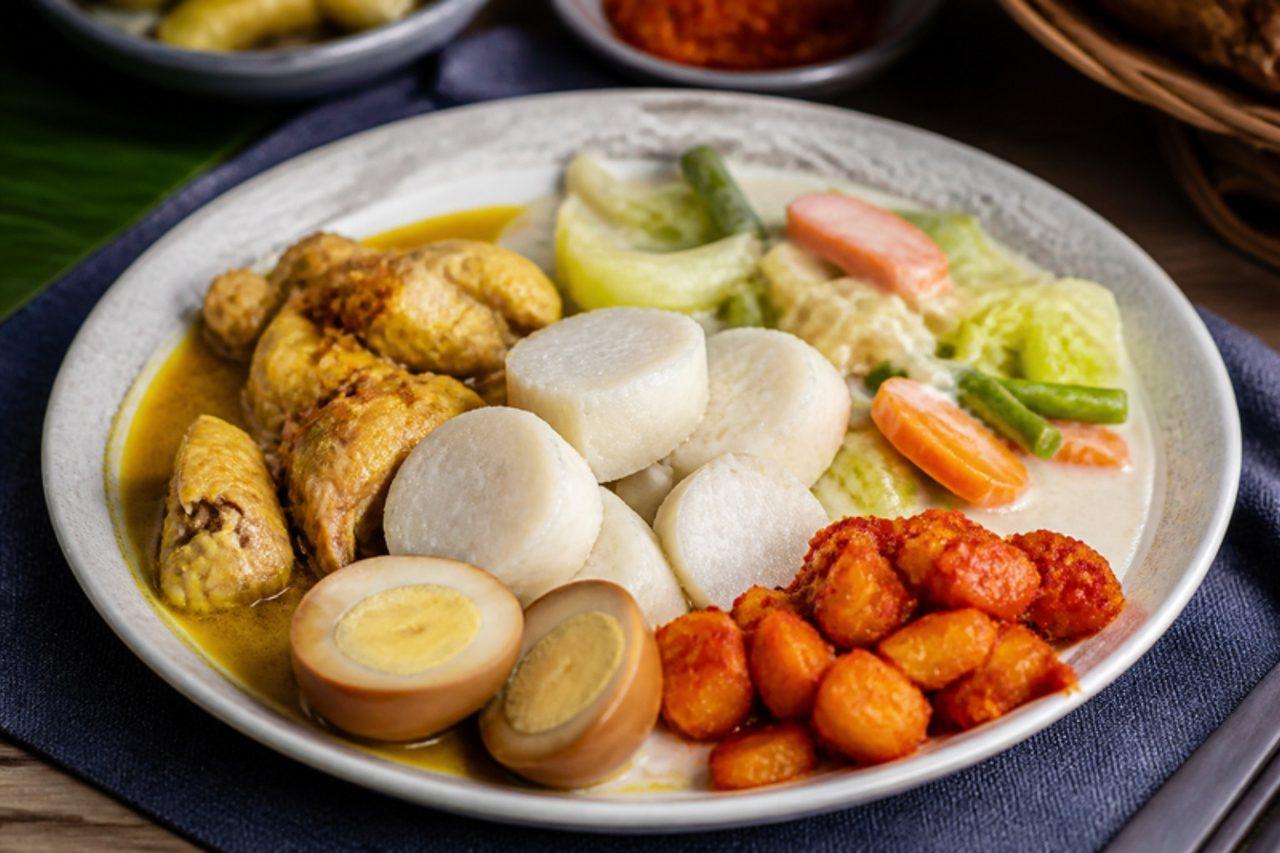
Lontong Cap Go Meh is the Peranakan Chinese feast for Cap Go Meh, the fifteenth and last night of Imlek (Chinese New Year) in Java, where Chinese and Javanese traditions meet on one plate. It is not the everyday lontong sayur, which is simply rice cakes in a vegetable curry: this is the full festive spread, with rice cakes, yellow opor chicken in coconut milk, sayur lodeh vegetables, eggs simmered in the opor, and spicy sambal goreng potatoes, all ladled into one bowl. The long rice cakes are said to stand for long life, the golden opor for prosperity and the round eggs for luck. Rich, creamy, sweet and spicy all at once, it needs nothing more than krupuk and fried shallots. Chef's tip: cook the lontong a day ahead and chill it overnight, so it slices cleanly and the feast day is calmer.

by KrazyBadal 0 views

Balinese spiced roast pork belly (babi guling style)

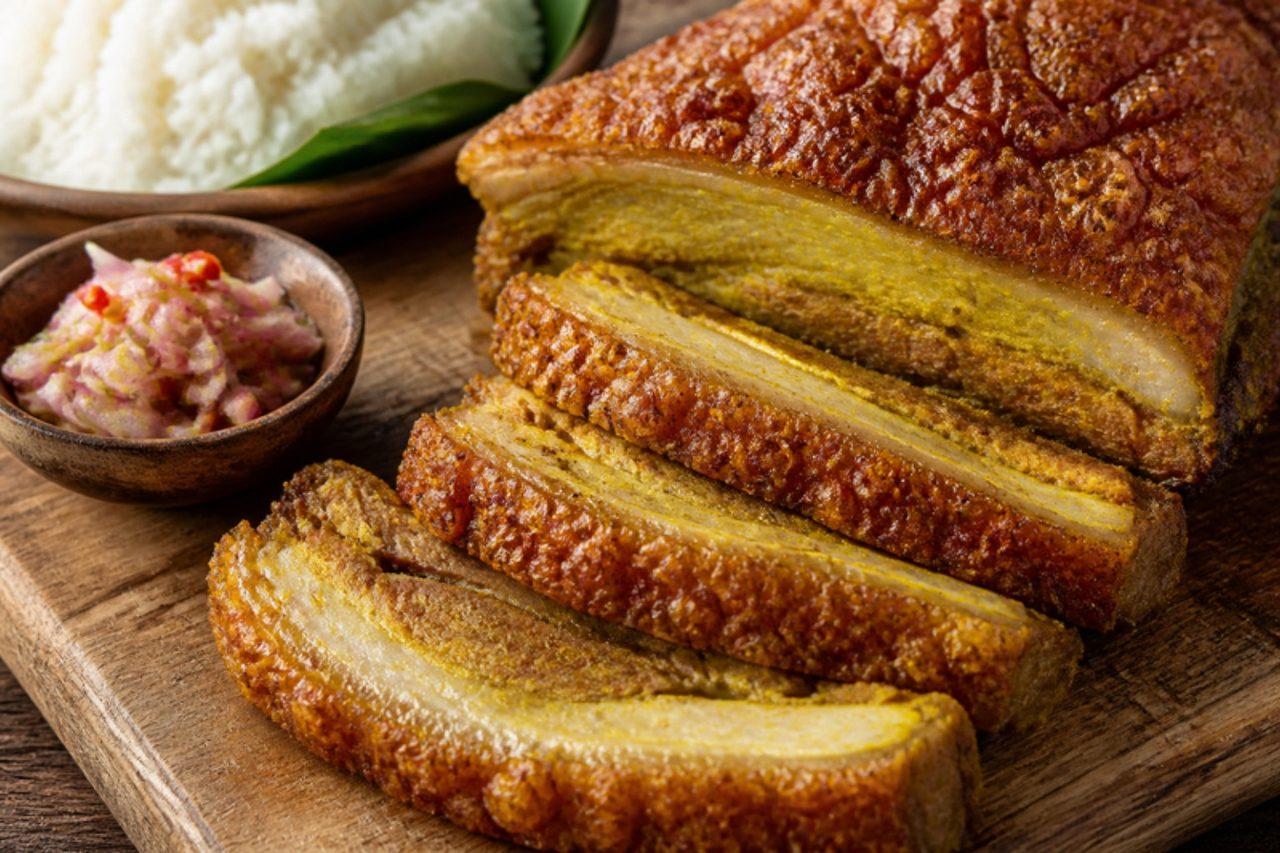
Babi guling is the great feast dish of Bali for Galungan and temple ceremonies: at the festival, a whole pig is stuffed with spice paste and turned on a spit over a wood fire for hours. This home version uses a slab of skin-on pork belly instead, with the same base genep stuffing rubbed into the meat and the same goal: tender, spice-soaked pork under crisp, golden crackling. Turmeric, galangal, lemongrass and chilli give it heat and a bright yellow colour, and the pork fat keeps every slice juicy. Serve it sliced with steamed rice, a little of the cooked spice from the tin, long beans and a sharp, fresh sambal matah. Chef's tip: leave the skin uncovered in the fridge overnight; a really dry skin is the secret of crackling that shatters.

by KrazyBadal 0 views

Tum ayam (Balinese steamed spiced chicken parcels)

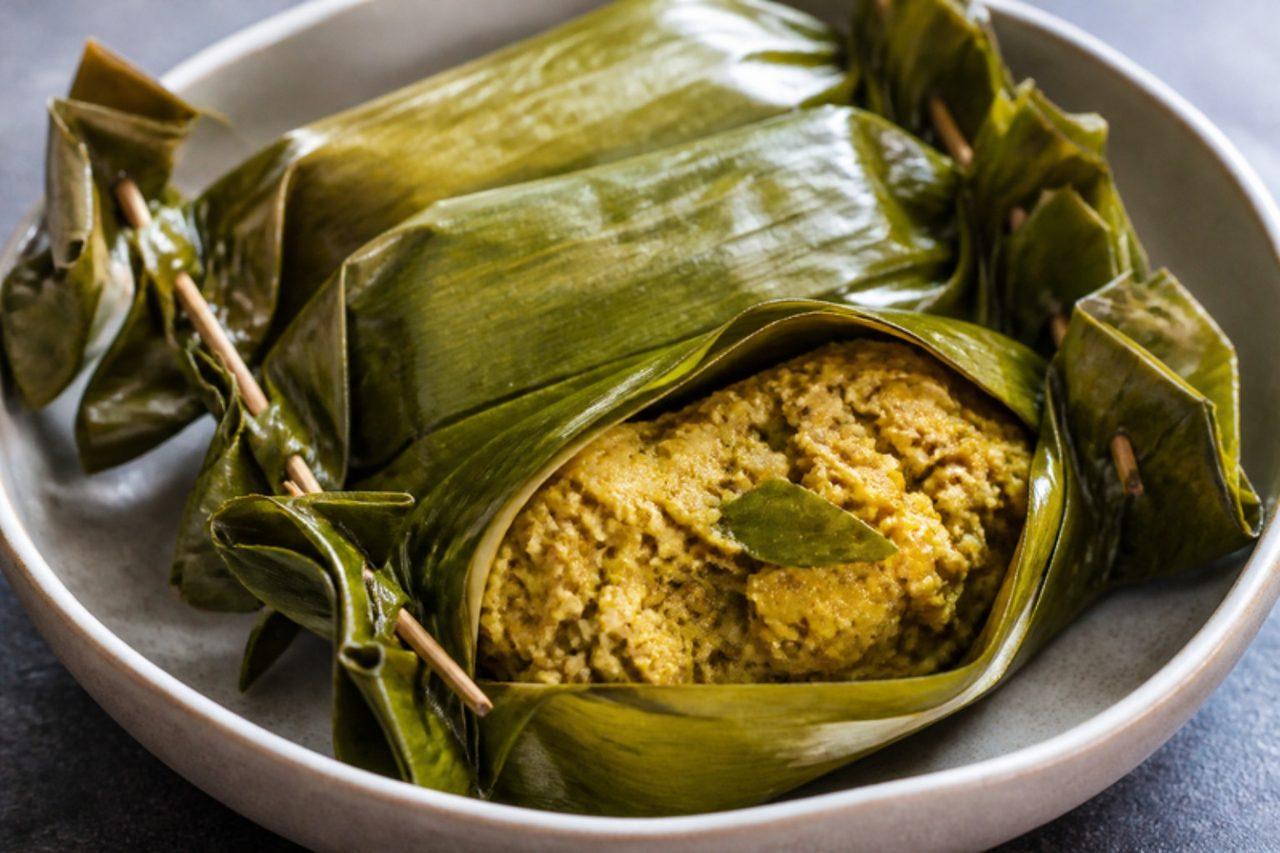
Tum ayam are small banana-leaf parcels made in Bali for Galungan and family ceremonies, when they appear on festive plates and in offerings alongside lawar and satay; wrapping the food in leaf is part of how Balinese cooking shows care for what is offered. Minced chicken is mixed with cooked base genep, a spoonful of coconut cream and shredded lime leaf, then folded into leaves and steamed until firm and juicy. The banana leaf gives a gentle, tea-like aroma, and the filling is spicy, fragrant and moist, like a soft spiced pâté. Serve the parcels with rice and a vegetable dish, letting everyone unwrap their own. Chef's tip: cool the fried paste completely before it meets the raw chicken, so the mixture stays cold and safe and the parcels hold their shape.

by KrazyBadal 0 views

Urutan (Balinese spiced pork sausage)

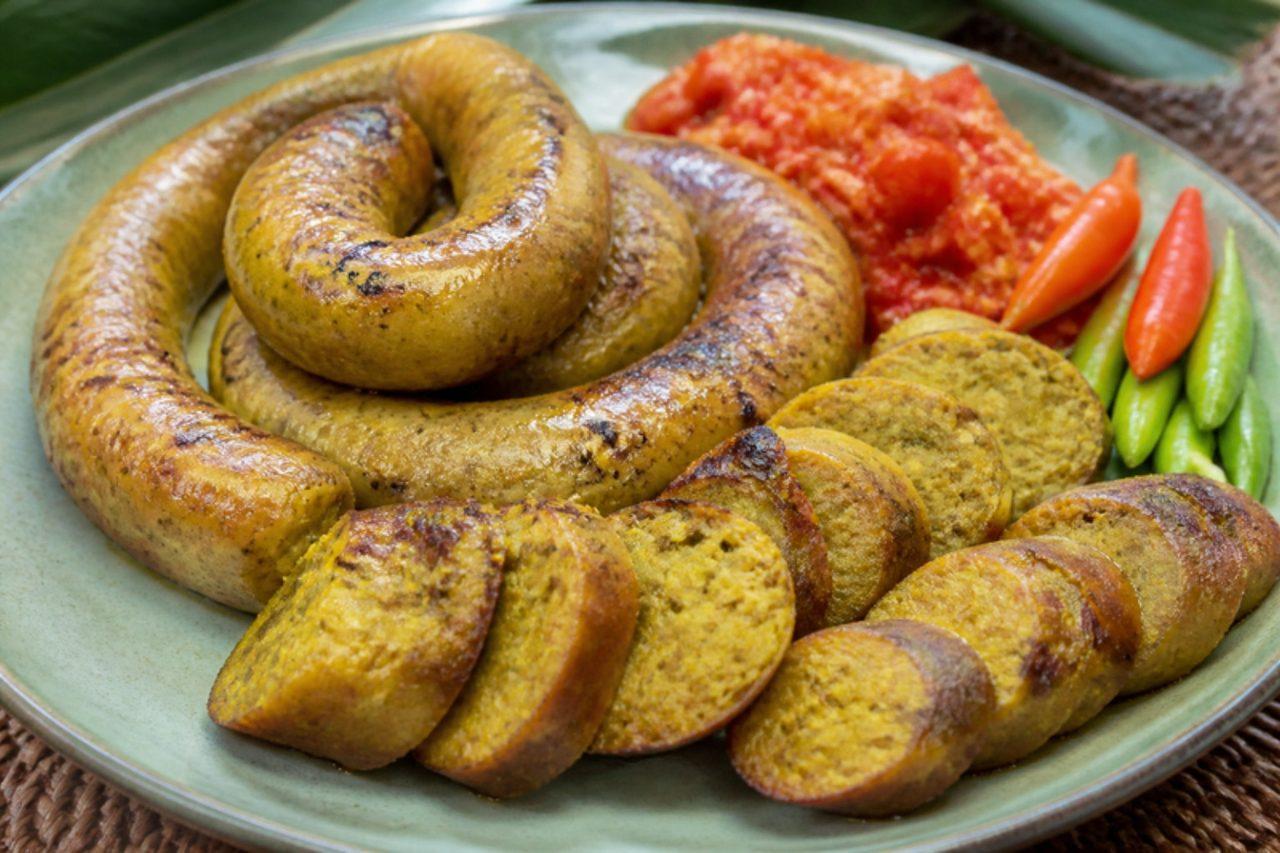
Urutan is the Balinese pork sausage made for Galungan: pork and pork fat are chopped with a turmeric-rich base genep, stuffed into casings and hung to dry in the breeze, so that the festival meat lasts for days after the feast. The finished sausage is golden yellow inside, garlicky, peppery and gently sour from drying, and it is always fried or grilled before eating. At home, make it either as a fresh sausage kept in the fridge, or air-dry it in the fridge with curing salt for the firmer, tangy traditional style. Serve slices with rice, sambal matah and a fried egg, or with drinks as a snack. Chef's tip: keep the meat, fat and equipment ice-cold throughout; warm fat smears and the sausage turns crumbly and greasy.

by KrazyBadal 0 views

Alfeñique (Toluca Day of the Dead sugar-paste figures)

Each October the arcades of Toluca, in the State of Mexico, fill with the Feria del Alfeñique: stalls of little skulls, lambs, coffins, baskets and fruit, all modelled from sugar paste and painted bright colours for the Day of the Dead altars of 1 and 2 November. Children buy a skull with their own name on it; families place them on the ofrenda beside marigolds, candles and pan de muerto. The paste is snow-white, smooth and brittle once dry, with a clean sugar and lime taste. The old Toluca paste is egg-free, kneaded with chautle, a gum from an orchid bulb; here gum tragacanth plays that part, making the paste stretchy enough to model and helping it dry hard. The decorating icing is egg-free too, made from icing sugar, lime juice and a pinch of the same gum. Chef's tip: work the syrup while it is warm and keep the paste wrapped; the common mistake is letting it sit uncovered, so it dries out and cracks as you shape it.

by KrazyBadal 0 views

Tahu bacemSweet braised tofu

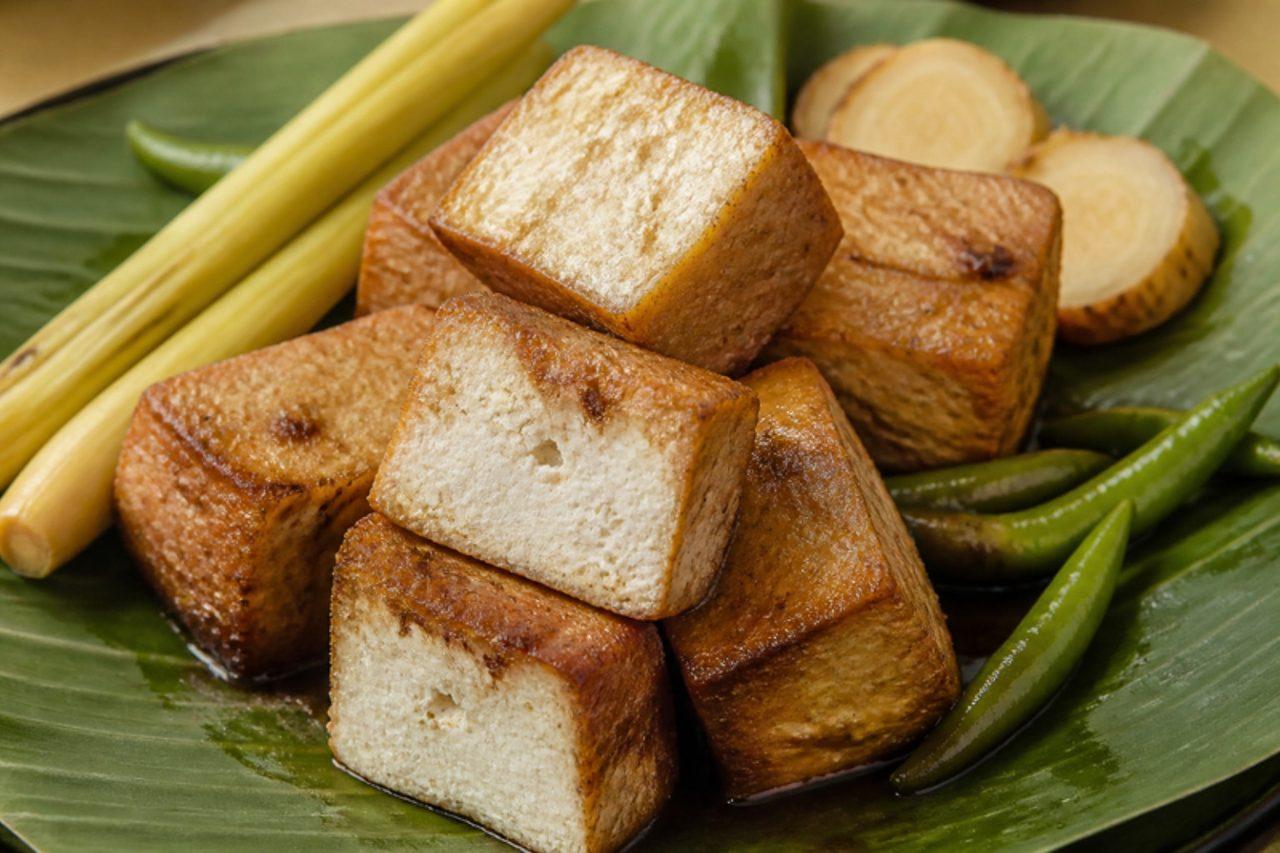
Tahu bacem is tempe bacem's softer sister, sold side by side on the gudeg stalls of Yogyakarta and Klaten and cooked at home on Sundays to see the family through the week. Firm tofu soaks up a braise of coconut water, palm sugar, coriander and galangal until it turns the colour of caramel all the way through, and a quick sear gives it a thin, chewy skin. A portion of about 200 g of tofu gives roughly 26 g of protein, from the soybeans in the tofu. The usual mistake is using silken or soft tofu, which breaks apart during the long simmer; buy firm or extra-firm. Chef's tip: press the tofu for 15 minutes before braising; the drier it is, the more of the sweet, spiced liquid it drinks in.

by KrazyBadal 0 views

Oseng tempeStir-fried tempeh with chilli

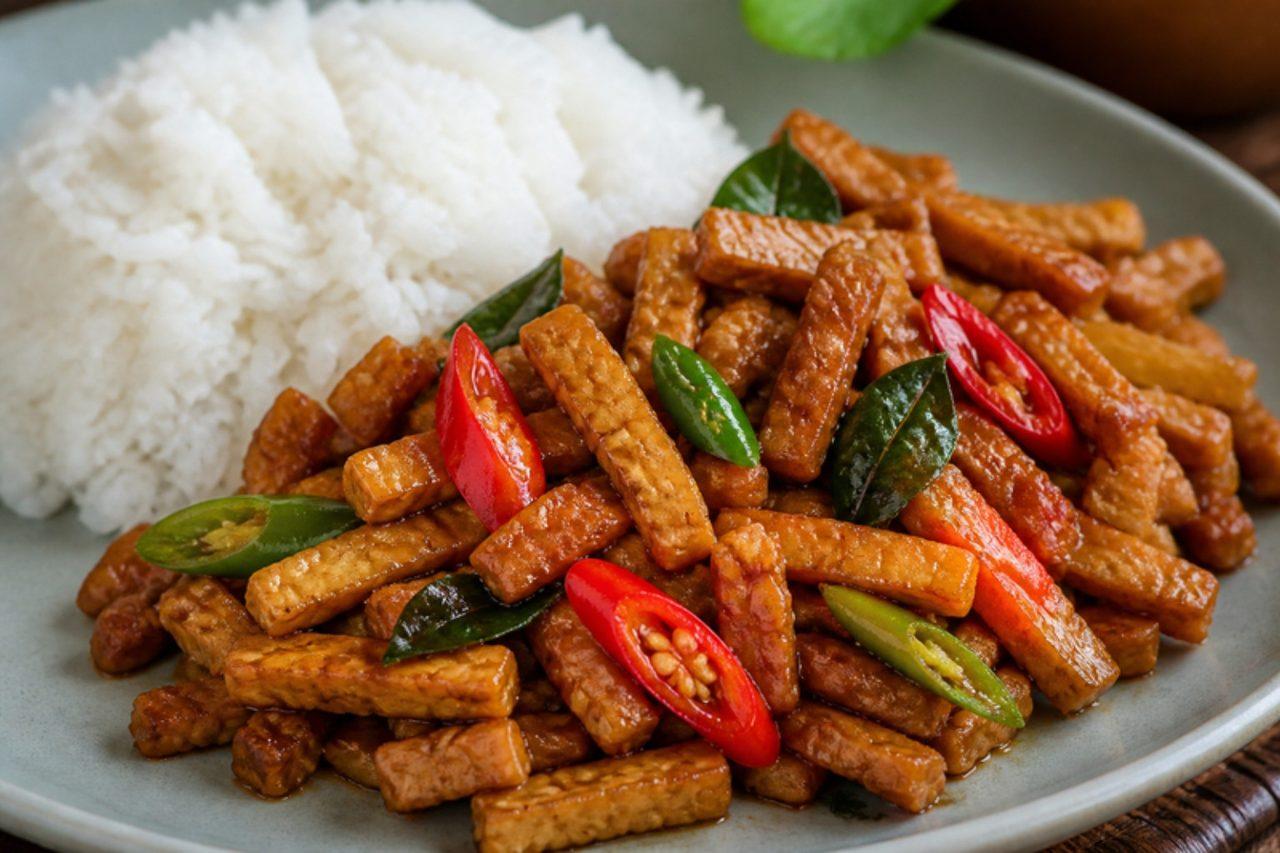
Oseng tempe is the quick fix of Javanese home cooking, made in Semarang, Surabaya and every student boarding house in between for weekday lunch or dinner with plain rice. Thin matchsticks of tempeh are fried until crisp-edged, then tossed with shallot, garlic, sliced chilli, galangal and bay leaf in sweet soy sauce until sticky, sweet, salty and hot. A portion with about 125 g of tempeh gives roughly 24 g of protein, almost all from the tempeh. The common mistake is adding the sweet soy too early, before the tempeh has browned: it soaks in, burns and turns the strips soft. Chef's tip: fry the tempeh separately first, then build the sauce and return it at the end, so every strip stays a little crunchy.

by KrazyBadal 0 views

Sopa de nopalesCactus paddle soup

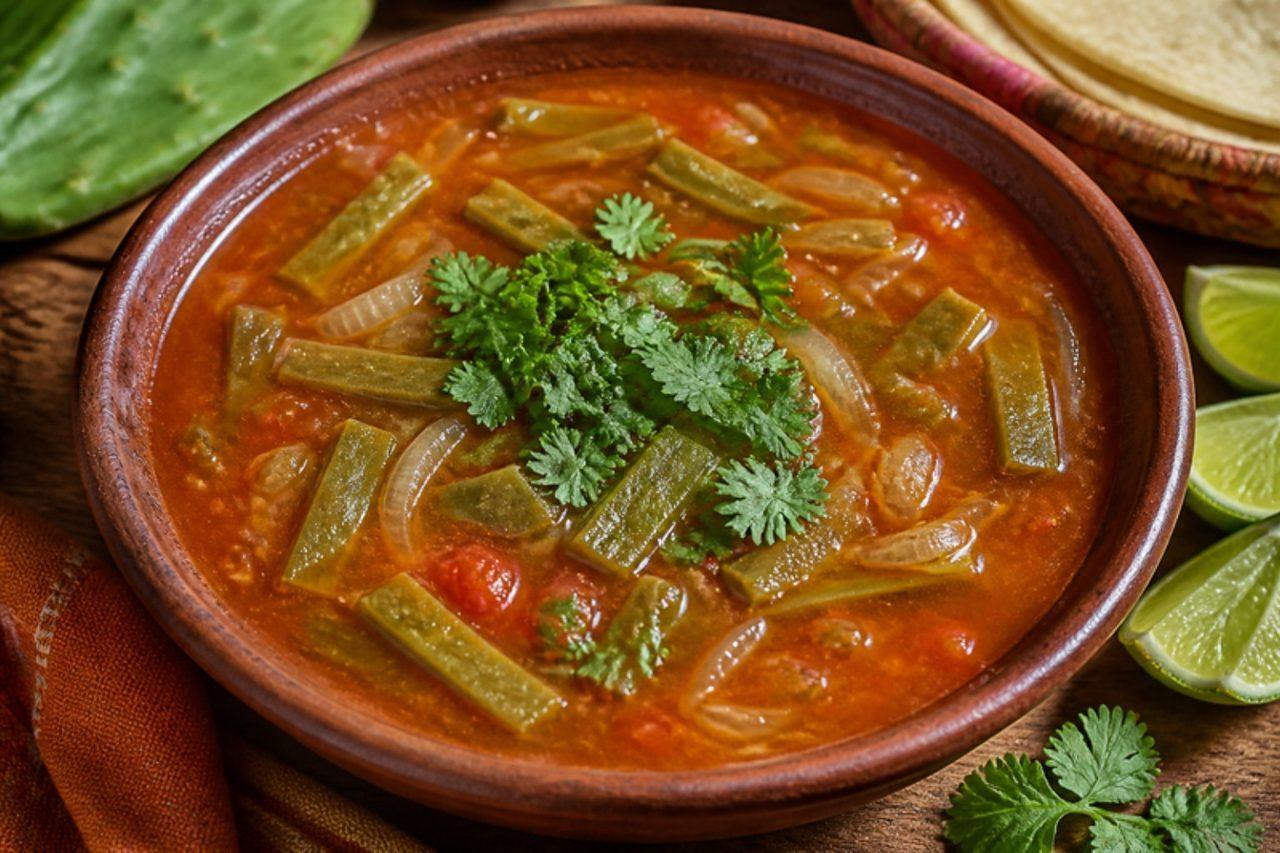
In Mexico City, Puebla and the towns of central Mexico, sopa de nopales is cooked at home during Lent and on any warm day when tender cactus paddles are cheap in the market. Diced nopales simmer in a light tomato and chilli broth with onion and coriander, giving a soup that is tangy, fresh and a little green-tasting, like green beans crossed with okra. It is very light, with about 3 g of protein per bowl; add a can of pinto beans or crumble fresh cheese on top for more. The most common mistake is putting raw nopales straight into the soup, which turns it slimy: boil them separately first and rinse them. Chef's tip: add a few tomatillo husks or a pinch of bicarbonate to the boiling water for the nopales; it helps set the slime so it rinses away.

by KrazyBadal 0 views

ChileatoleCorn and green chilli soup

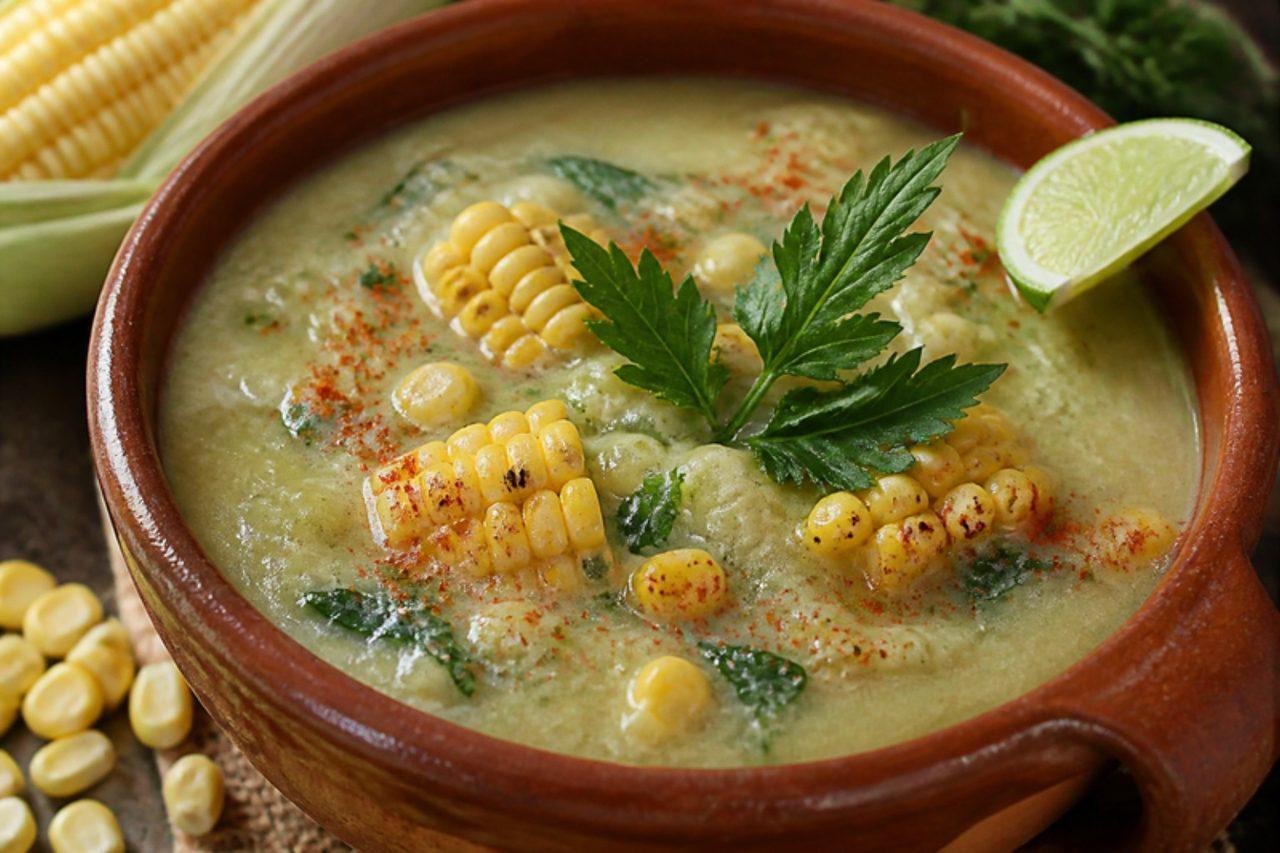
Chileatole is a thick, savoury atole made in Puebla and Tlaxcala during the rainy-season corn harvest from July to September, sold steaming from big pots at markets in the evening and made at home when fresh corn is everywhere. Fresh corn kernels and pieces of cob simmer in a broth thickened with masa harina and tinted green with blended chilli and epazote. It is comforting and corny, with a gentle heat, and about 6 g of protein per bowl from the corn and masa. The most common mistake is adding the masa dry, which makes lumps: always dissolve it in cold water first. Chef's tip: simmer the stripped cobs in the water before you start, for a sweeter, deeper corn broth.

by KrazyBadal 0 views

ParihuelaSpicy seafood soup

Parihuela is the big weekend seafood soup of Callao and the Peruvian coast, eaten at long Sunday lunches in cevicherías and praised as a cure for tiredness and late nights. A deep red broth of ají panca, ají amarillo, tomato and fish stock is loaded with chunks of fish, prawns, squid and mussels. A portion gives about 30 g of protein, from the fish and shellfish, for roughly 300 kcal. Some cooks add chicha de jora or beer; this version has none. The common mistake is adding all the seafood at once: squid and prawns turn rubbery while the fish cooks, so they go in last. Before cooking, discard any mussels that stay open when tapped, and after cooking discard any that stay shut. Chef's tip: fry the chilli pastes in the oil until they darken and smell sweet; that toasted ají is what gives parihuela its depth.

by KrazyBadal 0 views

Tempe bacemSweet braised tempeh

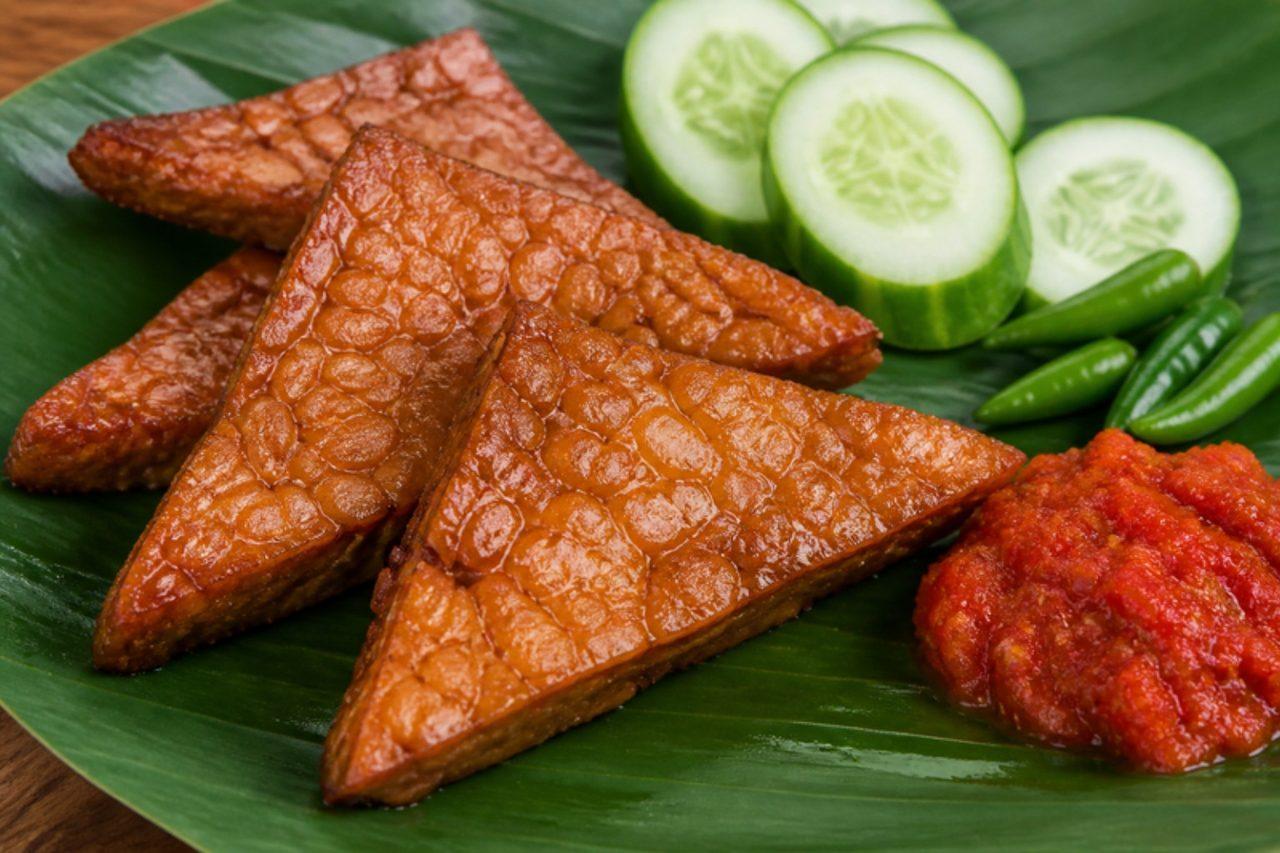
Every warung in Yogyakarta and Solo has a tray of tempe bacem on the counter, dark, sticky and sweet, eaten at lunch with rice, sambal and a few raw cucumber slices, or packed for journeys because it keeps so well. The tempeh is simmered slowly in coconut water with palm sugar, galangal, coriander seed and bay leaf until the liquid has gone and every slab is glazed, then seared briefly so the edges caramelise. A portion of about 150 g of tempeh gives roughly 28 g of protein, nearly all from the fermented soybeans. The common mistake is turning the heat up to hurry the braise: the sugar catches and turns bitter before the tempeh has soaked anything up. Chef's tip: make it a day ahead; bacem tastes deeper after a night in the fridge and sears better cold.

by KrazyBadal 0 views

Botok tempeTempeh and coconut in banana leaf

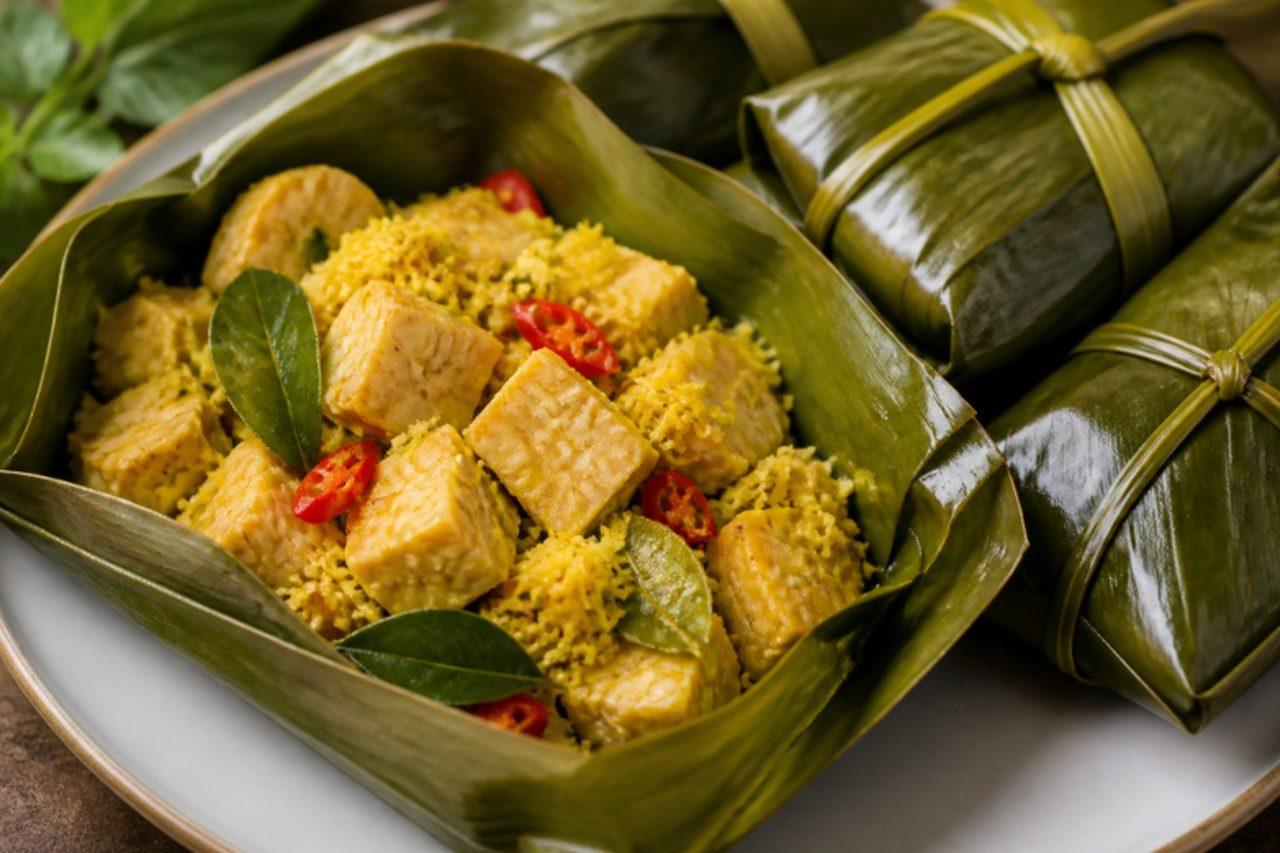
In village kitchens of Central and East Java, from Klaten to Kediri, botok is a weekday parcel dish: crumbled tempeh mixed with freshly grated coconut, chilli, galangal and a little palm sugar, wrapped in banana leaf with a bay leaf and steamed until set. It comes to the table at lunch, unwrapped beside rice, and tastes of toasted coconut and bay, moist and crumbly rather than saucy. Each portion has about 125 g of tempeh plus coconut, giving roughly 24 g of protein, mainly from the tempeh. The common mistake is wrapping the parcels loosely, so steam gets in and the filling turns wet; fold them snugly and pin them shut. Chef's tip: squeeze a little of the coconut through your fingers before mixing; if it feels dry, add a spoon or two of water so the botok binds when it steams.

by KrazyBadal 0 views

Es pisang ijo (Makassar green banana dessert)

Es pisang ijo, green banana ice, is the pride of Makassar in South Sulawesi. It is everywhere during Ramadan as the sweet that breaks the fast at sunset, and sold year-round from stalls by the Losari waterfront. A whole steamed banana is wrapped in a thin, soft jacket of pandan-green rice-flour dough, sliced, laid on a pool of warm salty coconut porridge sauce, then buried under shaved ice and a sharp pink syrup. Cold, warm, salty, sweet and fragrant, all in one bowl. It is naturally egg-free: rice flour cooked with coconut milk and pandan juice makes a smooth, pliable dough that binds without any egg, and a little more rice flour thickens the sauce. Chef's tip: use firm but ripe bananas with a few freckles; the common mistake is very soft ones, which turn to mush inside the dough while steaming.

by KrazyBadal 0 views

Caldo de piedraFish and tomato stone soup

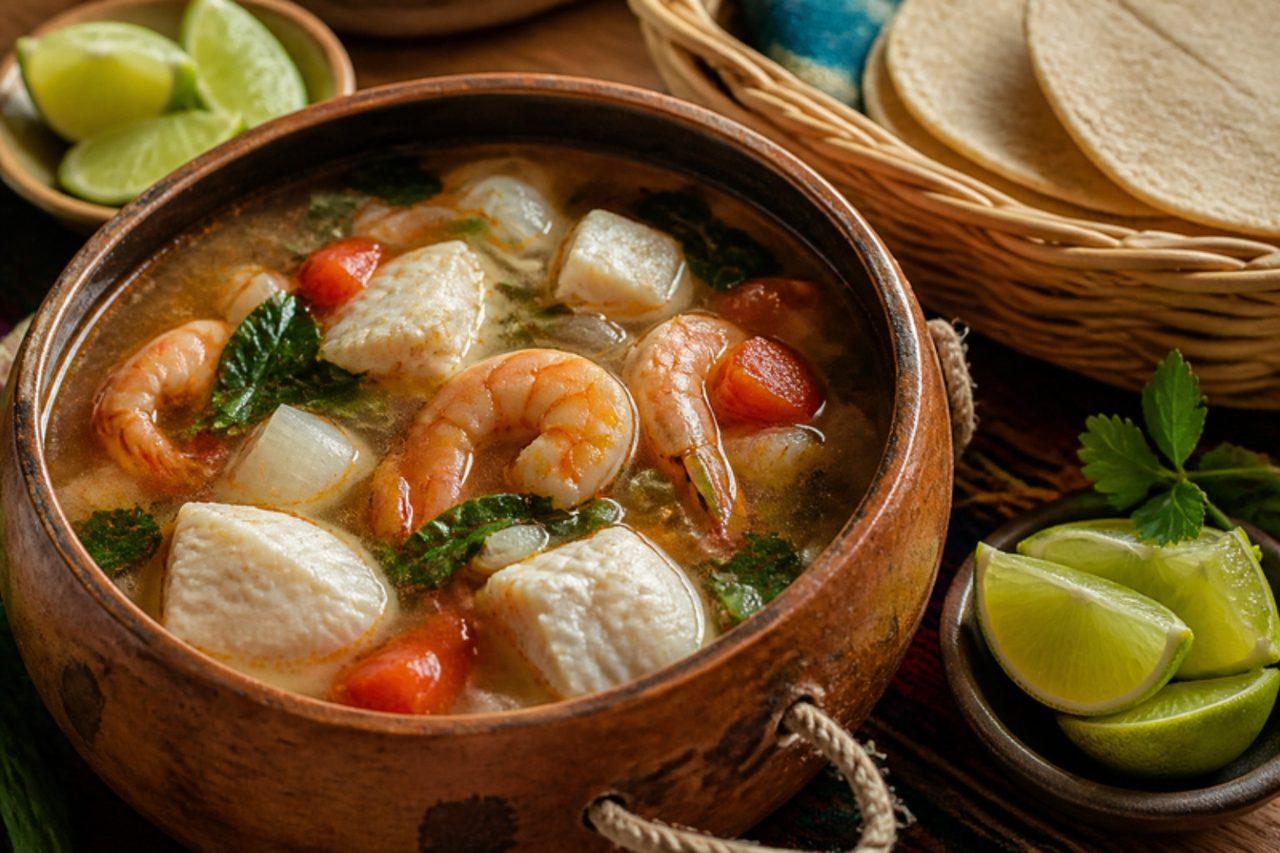
Caldo de piedra comes from San Felipe Usila in the Chinantla of northern Oaxaca, where Chinantec men cook it by the river: fish, tomato, chilli and epazote go into a gourd bowl of water and red-hot river stones are dropped in to bring it to a fierce boil in seconds. It is eaten as a celebration and every year at a festival in the village. Heating stones at home is dangerous (wet or porous stones can crack or burst), so this version brings a heavy pot to a hard boil first and cooks the fish just as briefly. A portion gives about 38 g of protein, from the fish and prawns, for roughly 260 kcal. The common mistake is letting the fish boil on: it is done in 3–4 minutes, when it turns opaque and flakes, and after that it falls apart. Chef's tip: blend the tomato, onion and chilli raw; the broth tastes fresh and sharp, closer to the riverside original than a cooked sauce.

by KrazyBadal 0 views

Es doger (Bandung pink coconut shaved ice)

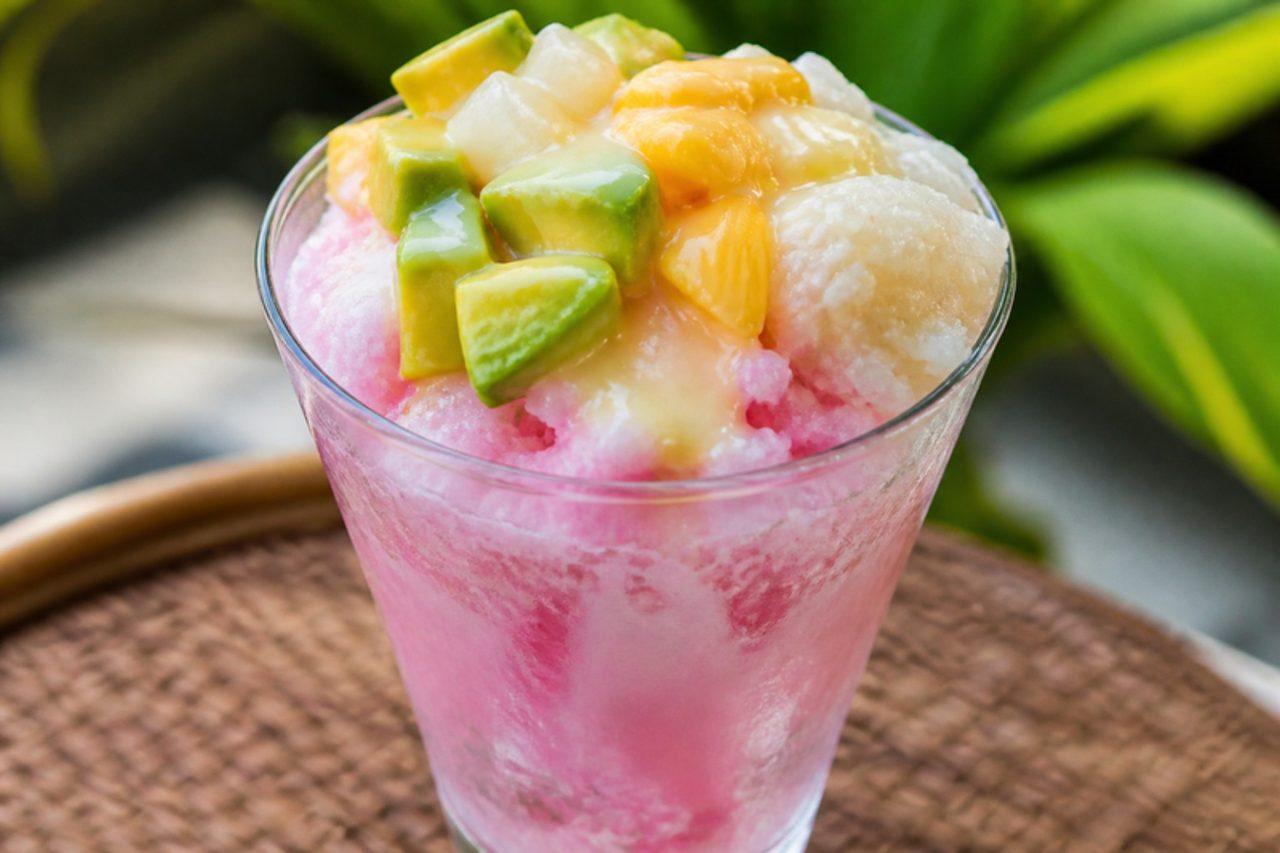
Es doger began on the streets of Bandung in West Java, where carts painted with bright patterns still sell it through the afternoon heat. The base is coconut milk and milk, coloured pink with red syrup and frozen or blended with ice into a soft slush, then piled into glasses with whatever the vendor has: cassava, avocado, jackfruit, sticky rice, tapioca pearls, and a ribbon of condensed milk over the top. It is sweet, creamy and cool, more a drink you eat with a spoon. It is naturally egg-free: the coconut milk gives body, the condensed milk binds it into a creamy slush, and the fruit and starchy cassava fill it out. Street versions use fermented cassava, which is lightly alcoholic; this recipe uses plain steamed cassava with sugar instead. Chef's tip: blend the ice in short bursts; the common mistake is running the blender until the slush melts into a milky drink.

by KrazyBadal 0 views

Raspados (Mexican shaved ice with fruit syrups)

In Guadalajara and the towns of Sinaloa, raspados are sold from carts and little shops from noon until late on hot days: a paper cup of finely shaved ice soaked in bright homemade syrups like tamarind, mango, strawberry and deep-red hibiscus, sometimes with fresh fruit and a squeeze of lime. They are the cheapest way to cool down, and children and adults line up alike. They are naturally egg-free and plant-based: there is nothing to set or bind, just fruit and sugar cooked into syrups thick enough to cling to the ice. The hibiscus is tart and floral, the mango sweet and thick, and the two side by side make a striking cup. Make the syrups and cool them quickly over iced water. Chef's tip: shave the ice as fine as you can and pour the syrup slowly; the common mistake is using coarse crushed ice, which lets the syrup run straight to the bottom.

by KrazyBadal 0 views

Duraznos en almíbar (Mexican peaches in piloncillo syrup)

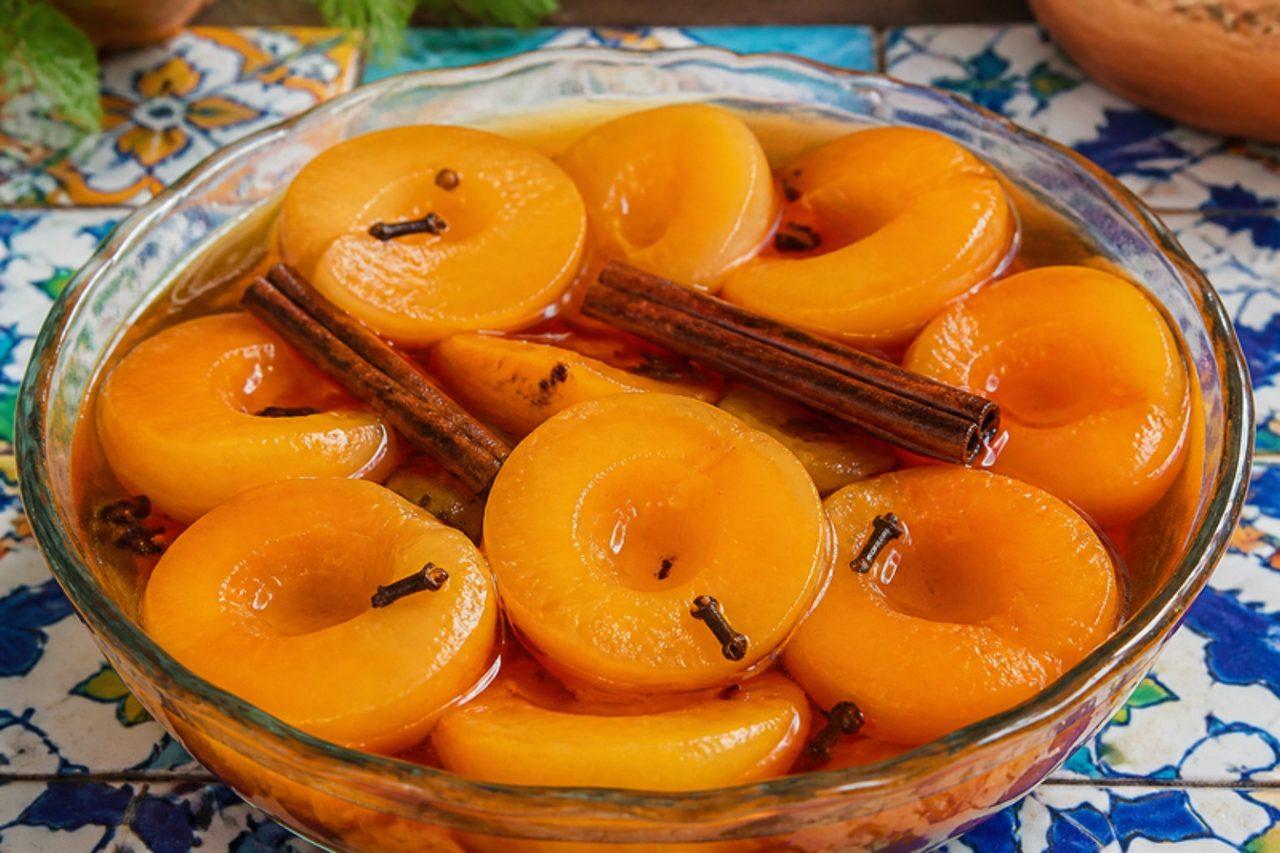
Across Mexico, from the orchards of Zacatecas and Puebla to every abuela's pantry, duraznos en almíbar are how the summer peach crop is kept, and a bowl of them chilled from the fridge is a classic Sunday dessert. Peeled peach halves are poached in a syrup of piloncillo, the cone-shaped raw cane sugar, with cinnamon and cloves, so they turn tender and glossy and soak up a warm, molasses-like sweetness. Serve them cold in their syrup, on their own, or with a spoon of crema or thick yoghurt. Nothing needs setting and no egg is involved: the fruit simply poaches in the sugar syrup, which thickens lightly as it cools. Chef's tip: choose ripe but firm peaches and poach them gently; the common mistake is boiling the syrup hard, which turns the halves ragged and stringy.

by KrazyBadal 0 views

Aguadito de polloCoriander chicken rice soup

Aguadito is the soup Lima serves in the small hours: at the end of a wedding, after New Year's Eve and at weekend family lunches, it is ladled out thick and steaming to revive everyone. Rice simmers in chicken broth coloured deep green with blended coriander and warmed with yellow ají amarillo, along with peas, carrot, pepper, sweetcorn and potato. A portion gives about 24 g of protein, from the chicken with a little from the rice and peas, for around 480 kcal. The common mistake is adding the coriander purée too early: cooked for long it turns khaki and loses its fresh taste, so stir it in for the last 10 minutes. The chicken must reach 74 °C at the bone. Chef's tip: blend a handful of spinach with the coriander; it keeps the colour vivid green without changing the flavour.

by KrazyBadal 0 views

Pepes tahuTofu and basil in banana leaf

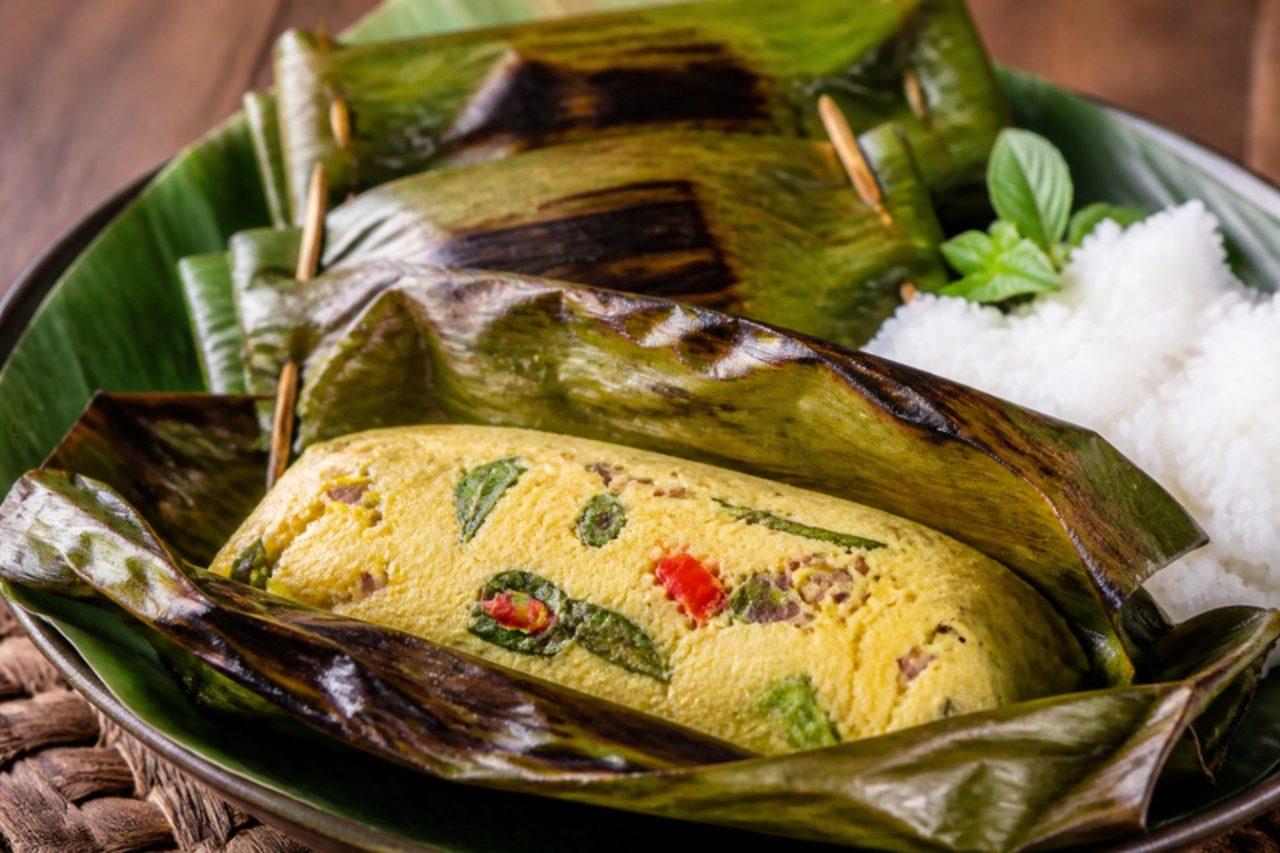
In Bandung and the hills of West Java, pepes means anything wrapped in banana leaf, steamed and then charred over coals, and pepes tahu is the everyday meat-free one, eaten at lunch with rice, raw vegetables and sambal. Mashed tofu is bound with egg, shallot, chilli, lemon basil and lime leaf, so it sets into a soft, fragrant, smoky cake inside its leaf. Each portion has about 150 g of tofu and most of an egg, giving roughly 24 g of protein, from the tofu and eggs. The common mistake is skipping the steaming and going straight to the grill: the outside burns while the egg in the middle stays raw. Chef's tip: steam first until the filling is firm right through, then grill only to scorch the leaf and add smoke.

by KrazyBadal 0 views

Showing 24 of 706 recipes

Show more recipes

Page 1 of 30