Skip to content
Recipes

All recipes

Vegetarian, or something you can't eat? Set your diet once and we'll hide recipes that don't fit.

Cremolada (Lima passion fruit slush)

From January to March, when Lima's coast swelters, queues form at the cremolada counters of Barranco and along the Jirón de la Unión downtown for cups of this thick fruit ice. It sits between a granita and a sorbet: frozen fruit pulp scraped again and again until it is slushy and spoonable, with real bits of fruit through it. Passion fruit (maracuyá) gives a sharp, bright flavour; creamy lúcuma, with its maple and sweet potato taste, is the other favourite. Chef's tip: use a shallow metal tray; it freezes faster and evenly, so you get fine crystals rather than chunks.

by KrazyBadal 0 views

Pomazánkové másloChive butter spread

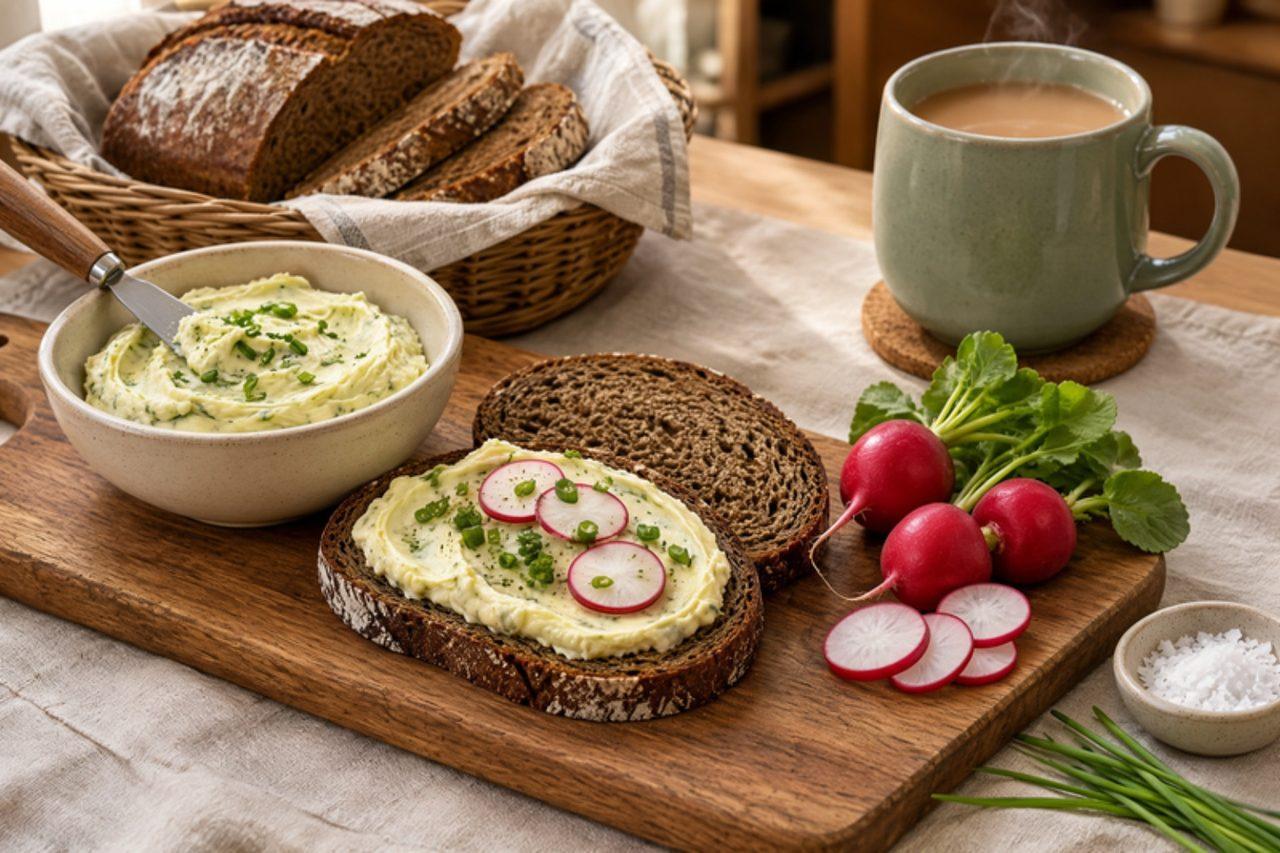
Pomazánkové máslo is a Czech fridge staple, a soft, mild dairy spread that is lighter than butter and is spread thickly on fresh rye bread for breakfast and school snacks, usually topped with chives or sliced radish. Shops sell it ready-made, but at home it is easily made by beating butter with soft quark and a splash of milk. The common mistake is using butter straight from the fridge, which leaves greasy lumps; it must be soft enough to whip. Chef's tip: beat for a full 3 minutes, until pale and fluffy, and the spread stays soft even when chilled.

by KrazyBadal 0 views

Mate de muñaAndean mint tea

Muña is the minty shrub that grows wild on the slopes around Cusco, Puno and the Sacred Valley, and highland cooks reach for it after a heavy meal of chicharrón or when visitors are struggling with the altitude. Market herb sellers sell it in fresh bunches, and hotels and homes leave it in a flask for anyone coming in from the cold evenings. Steeped simply in hot water, it smells somewhere between spearmint, oregano and pennyroyal, with a cooling, slightly peppery taste and a pale green-gold colour. It is traditionally drunk to settle the stomach. The usual mistake is boiling the leaves hard for a long time, which turns the tea brown and bitter. Pour water just off the boil over the sprigs, cover, and let it steep. It is ready when the cup is pale gold and the aroma rises as soon as you lift the lid. Outside Peru, look for dried muña in Latin shops; failing that, use mostly spearmint with a little fresh oregano. Muña is strong: avoid large amounts in pregnancy, and check with a doctor if you take regular medication. Chef's tip: cover the cup while it steeps so the scented oils stay in the tea.

by KrazyBadal 0 views

Tvarohová pomazánkaQuark spread

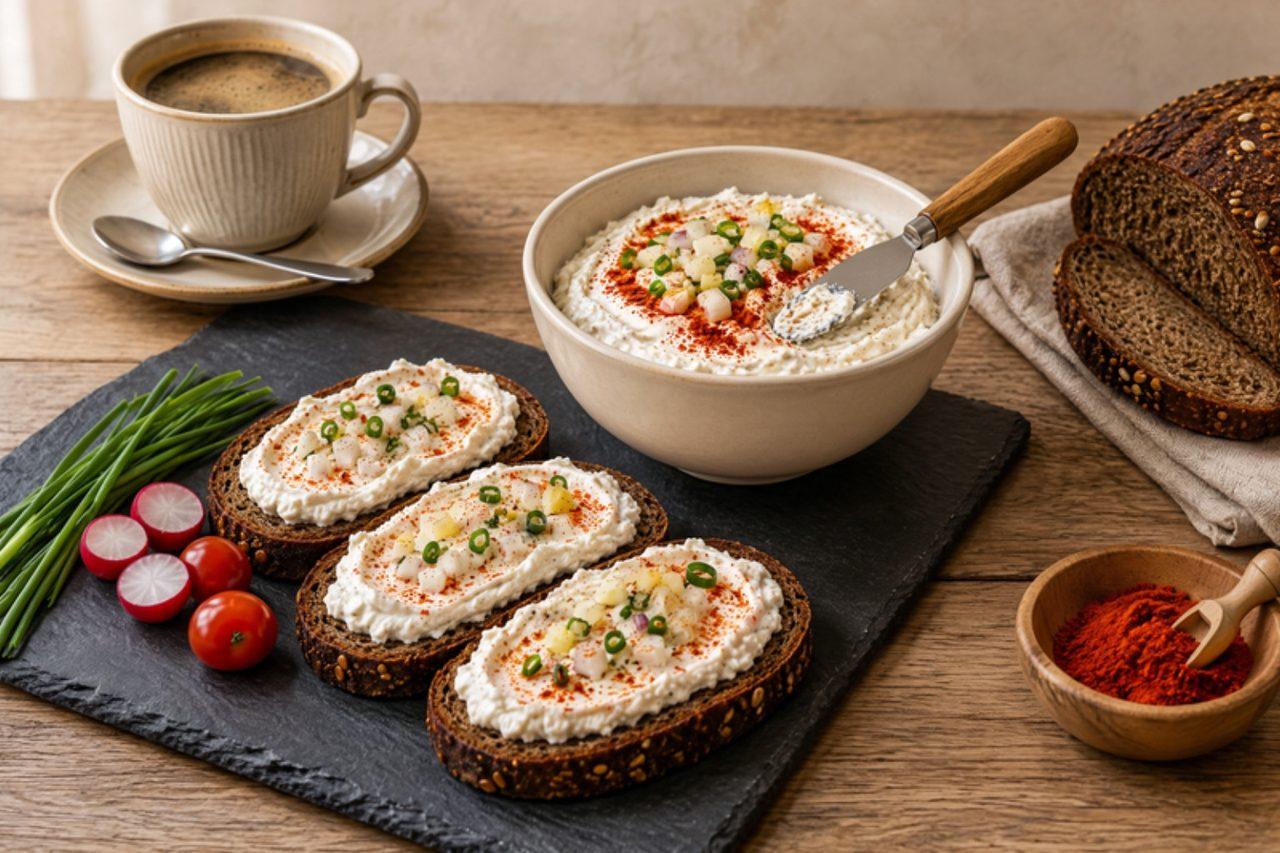
Tvarohová pomazánka is the savoury quark spread made in Czech and Slovak kitchens for breakfast, snacks and the evening bread plate: tvaroh beaten with a little butter, finely chopped onion, sweet paprika and chives, then spread on dark rye bread. It is fresh, tangy and pale orange. The mistake is using raw onion cut too coarsely, which overpowers the mild quark and makes the spread watery; chop it very finely or grate it. Chef's tip: make it 30 minutes ahead and chill it, so the paprika colours the spread and the onion mellows.

by KrazyBadal 0 views

Ají amarillo pasteYellow chilli paste

In Lima's markets ají amarillo is sold fresh all year, and most Peruvian cooks keep a tub of this paste in the fridge the way others keep tomato purée: it is the golden base of causa limeña, ají de gallina, papa a la huancaína, chupe and the sauce for tiraditos. The chillies are seeded, de-veined and blanched in three changes of water, which tames the heat and the raw grassiness, then peeled and blended with oil into a thick, silky, saffron-orange paste. It tastes fruity and sunny, almost like apricot and passion fruit, with a rounded, medium heat. Abroad, buy whole frozen ají amarillo from Latin grocers; dried ají mirasol, soaked, gives a darker, earthier paste. Common mistake: skipping the peeling; the thin skins leave papery flecks and a bitter edge. It is ready when it is completely smooth and holds a soft peak like thick hummus. This is a low-acid paste: keep it in the fridge for a week or freeze it, never on the shelf. Chef's tip: freeze it in an ice-cube tray; one cube is about a tablespoon, just right for a pot of ají de gallina.

by KrazyBadal 0 views

Jugo surtidoMixed fruit juice

Step up to any juguería in Lima's Mercado de Surquillo or a barrio market at breakfast time and order a surtido: the juicer drops papaya, banana, pineapple and freshly squeezed orange into a tall blender, sometimes a slice of cooked beetroot for colour or a splash of milk, and pours you a big glass with the rest left in the jug for your 'yapa', the free refill. It is thick but still pourable, sweet from ripe fruit with a sharp orange edge, the kind of drink that stands in for breakfast before a long day. The common mistake is adding lots of ice and water, which makes it thin and frothy rather than velvety. Use cold fruit and freshly squeezed orange juice as the liquid. It is ready when it coats the glass and no lumps of banana are left. This version is fruit only; stalls also make it with milk if you prefer. Drink it straight away: papaya and banana go brown and bitter within half an hour. Chef's tip: use very ripe papaya with orange flesh; under-ripe papaya tastes of nothing and gives a faintly bitter aftertaste.

by KrazyBadal 0 views

Refresco de coconaCocona cooler

In Iquitos, Pucallpa and the river towns of Loreto, heat and humidity make a cold refresco part of every lunch, and cocona is one of the favourites sold from plastic jugs at the Belén market. The fruit looks like a fuzzy orange tomato and tastes between tomato, lemon and apricot: very sour, aromatic and juicy. Blended with water and sugar it makes a tangy, golden drink with a light pulp, served with juane or tacacho con cecina. The usual mistake is skipping the fuzz: cocona skin is covered in fine hairs that make the drink scratchy, so rub them off under running water before you start. Blend only briefly, too, so the many seeds do not crack. It is ready when the refresco is opaque orange, sour first and sweet after, with no grit. Outside the Amazon, look for frozen cocona pulp in Latin American shops; naranjilla (lulo) pulp is the closest substitute. Chef's tip: a pinch of salt makes the fruit taste sweeter and fruitier without more sugar.

by KrazyBadal 0 views

Estofado de polloChicken stew

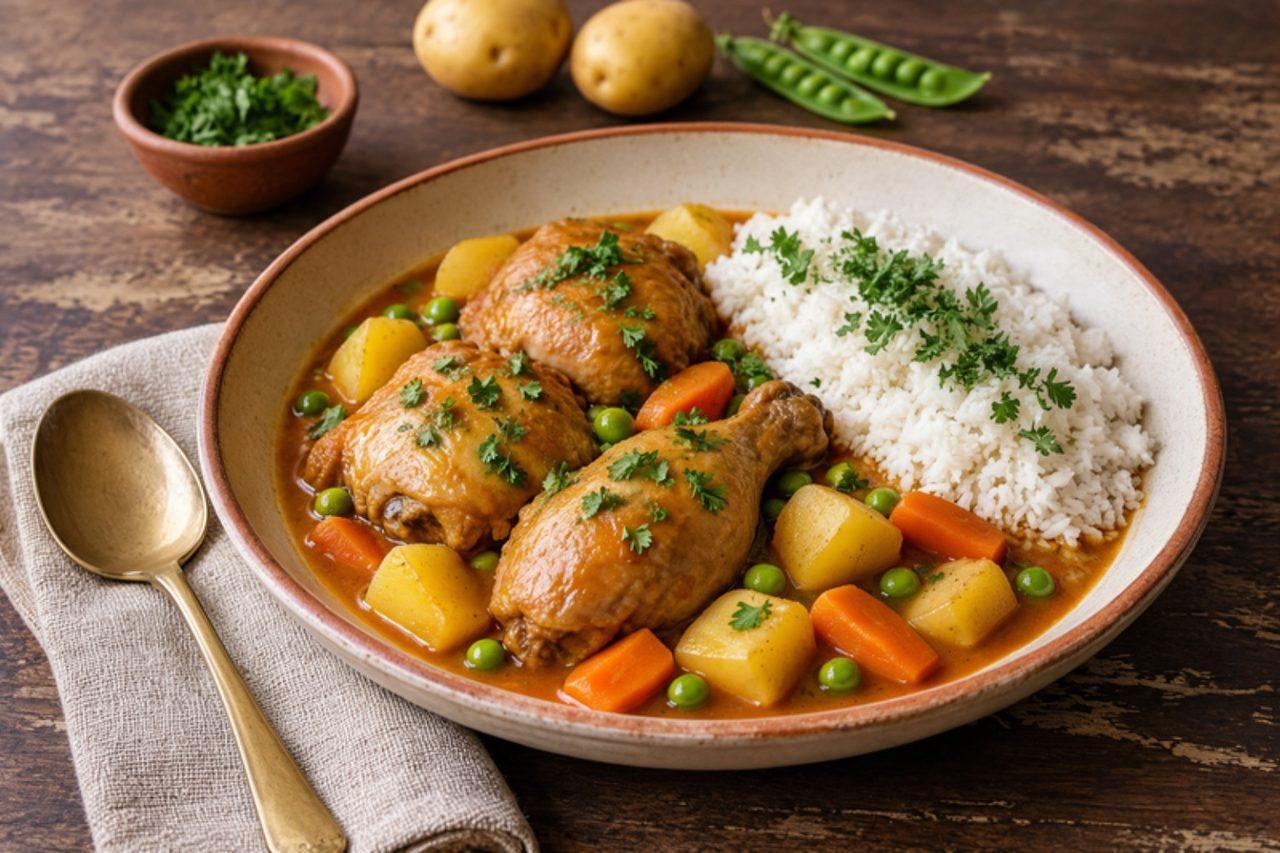
Estofado de pollo is the mild, homely chicken stew of Lima's family kitchens and school lunches, usually on the table on a weekday or a quiet Sunday with white rice. Chicken pieces are browned, then braised in a sauce of onion, garlic, tomato, a little ají panca paste and bay, with carrots, peas and yellow potatoes cooked right in the pot until the sauce is thick and orange. It is comforting rather than hot. The usual mistake is boiling it hard, which shreds the potatoes and dries the chicken; keep it at a lazy bubble. Chef's tip: use a few yellow potatoes along with waxy ones; they collapse slightly and thicken the sauce naturally.

by KrazyBadal 0 views

Escabeche de polloChicken in vinegar and carrot

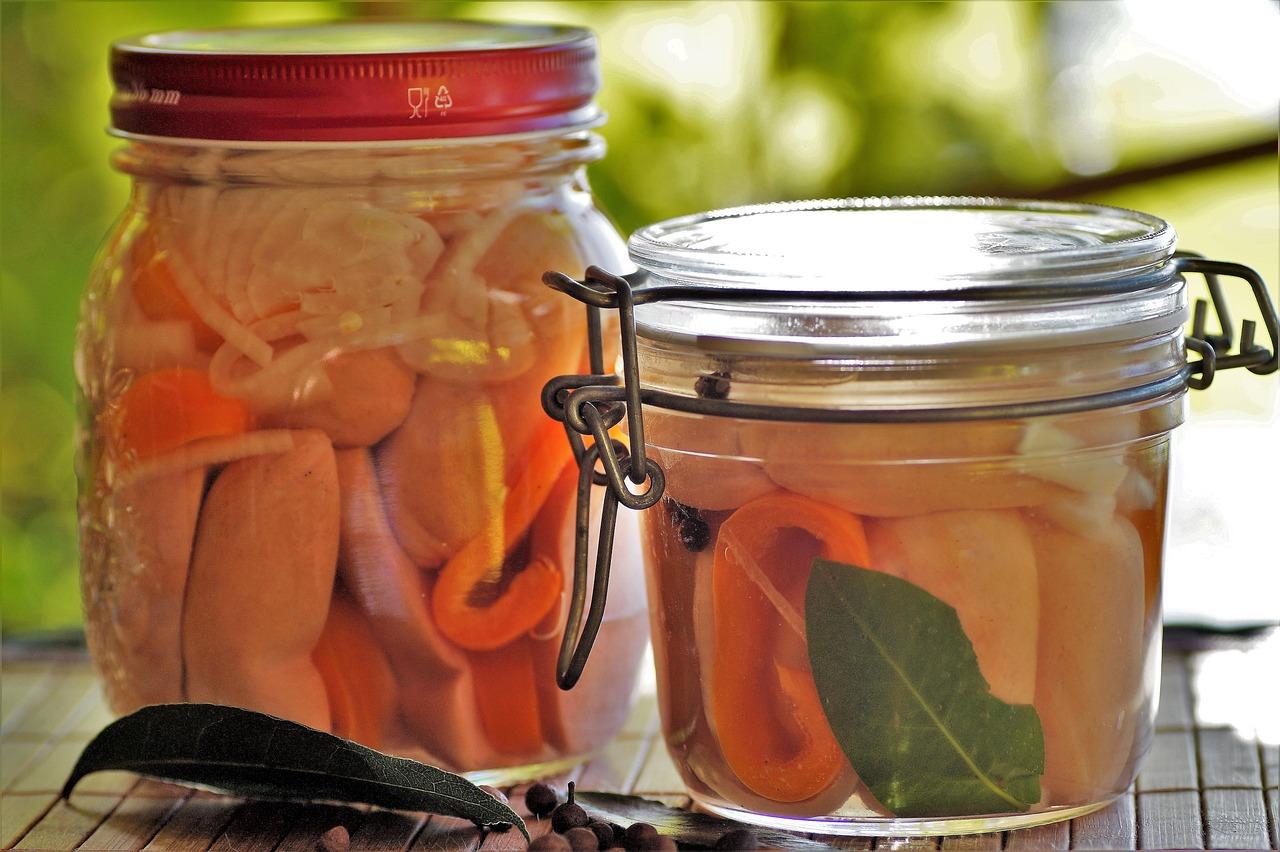
Pollo en escabeche is a home classic in Córdoba and Buenos Aires, a legacy of Spanish preserving that Argentines make on a Saturday to eat cold all week. It comes out of the fridge for a picada before the asado, as a summer lunch with a green salad and crusty bread, or packed for a day in the sierras. Chicken is browned, then gently cooked in oil and vinegar with carrot, onion, red pepper, garlic, bay and black peppercorns, and left to rest at least a day. The meat turns tender and lightly tangy, the carrots keep a little crunch, and the oil carries the flavour of bay and pepper. Because garlic sits in oil, safety matters: the liquid is half strong vinegar (at least 5% acidity, never diluted beyond what the recipe says), and the jar always lives in the fridge, never on the shelf. Eat it within 5 days. The common mistake is letting it boil hard, which makes the chicken dry and stringy; it should barely tremble. It is ready the next day, when the chicken tastes seasoned right through and the oil has turned golden. Chef's tip: take it out 20 minutes before serving so the oil melts back to liquid.

by KrazyBadal 0 views

Guiso de fideosBeef and pasta stew

Guiso de fideos is the winter weeknight stew of Argentina, cooked in Buenos Aires flats and on estancias alike, and as loved by children as by grandparents. Beef, potatoes and vegetables simmer in a light tomato and sweet-paprika broth, then short pasta cooks straight in the pot and thickens it into something between a soup and a stew. Serve it in deep plates with crusty bread and grated cheese for those who want it. The usual mistake is adding the pasta too early, so it swells and turns mushy; it goes in only for the last 10–12 minutes. Chef's tip: cut the beef into small cubes, about 2 cm, so it is tender in under an hour.

by KrazyBadal 0 views

Sándwich de vacíoGrilled flank steak sandwich

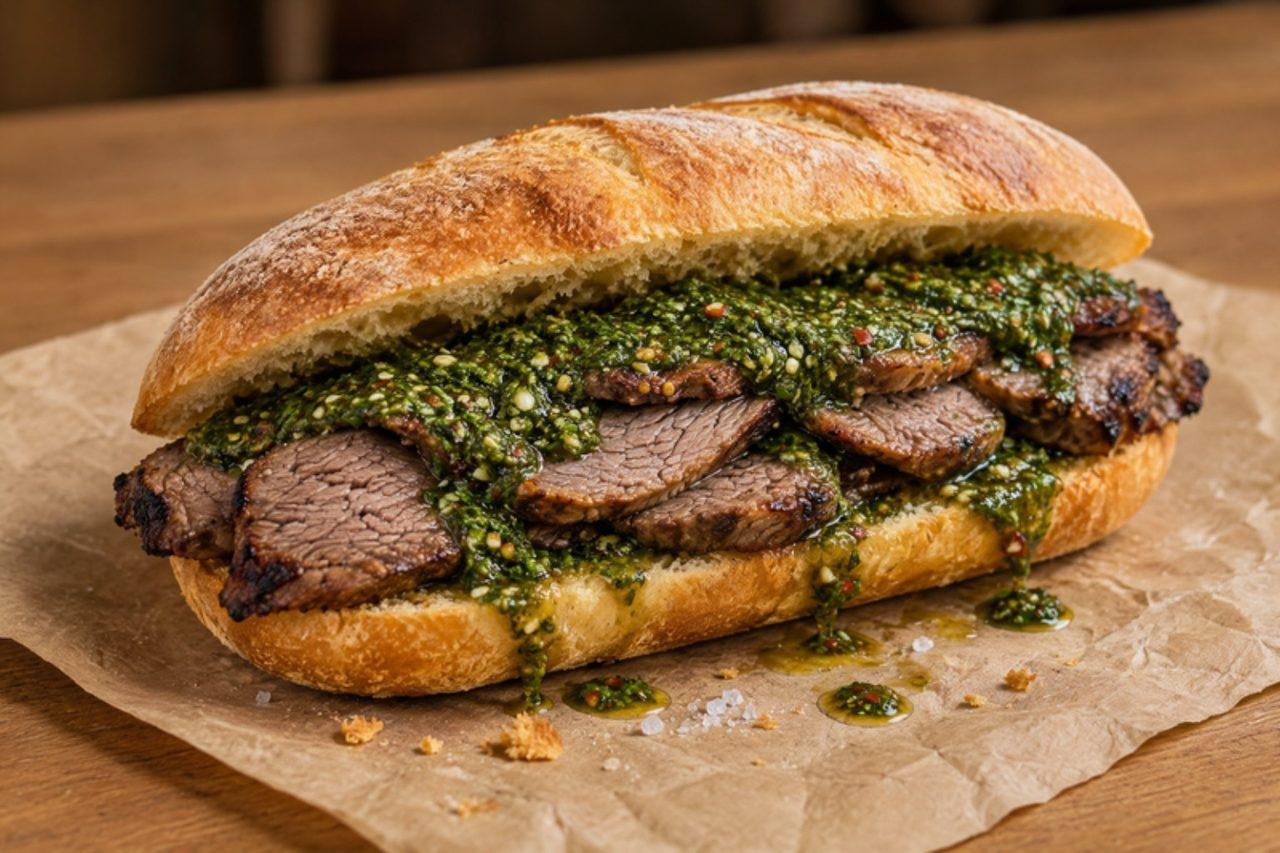
Vacío, the flank cut with its layer of fat and membrane, is grilled slowly for a long time at Buenos Aires parrillas, and at the street grills near football grounds and the weekend fairs of Mataderos it ends up sliced into crusty bread for a hearty midday sandwich. Cooked gently, it turns tender and very juicy, with a crisp, salty layer of fat. Chef's tip: grill it membrane side down first for most of the time and do not trim that membrane off; it protects the meat and turns crisp.

by KrazyBadal 0 views

Králík na smetaněRabbit in cream sauce

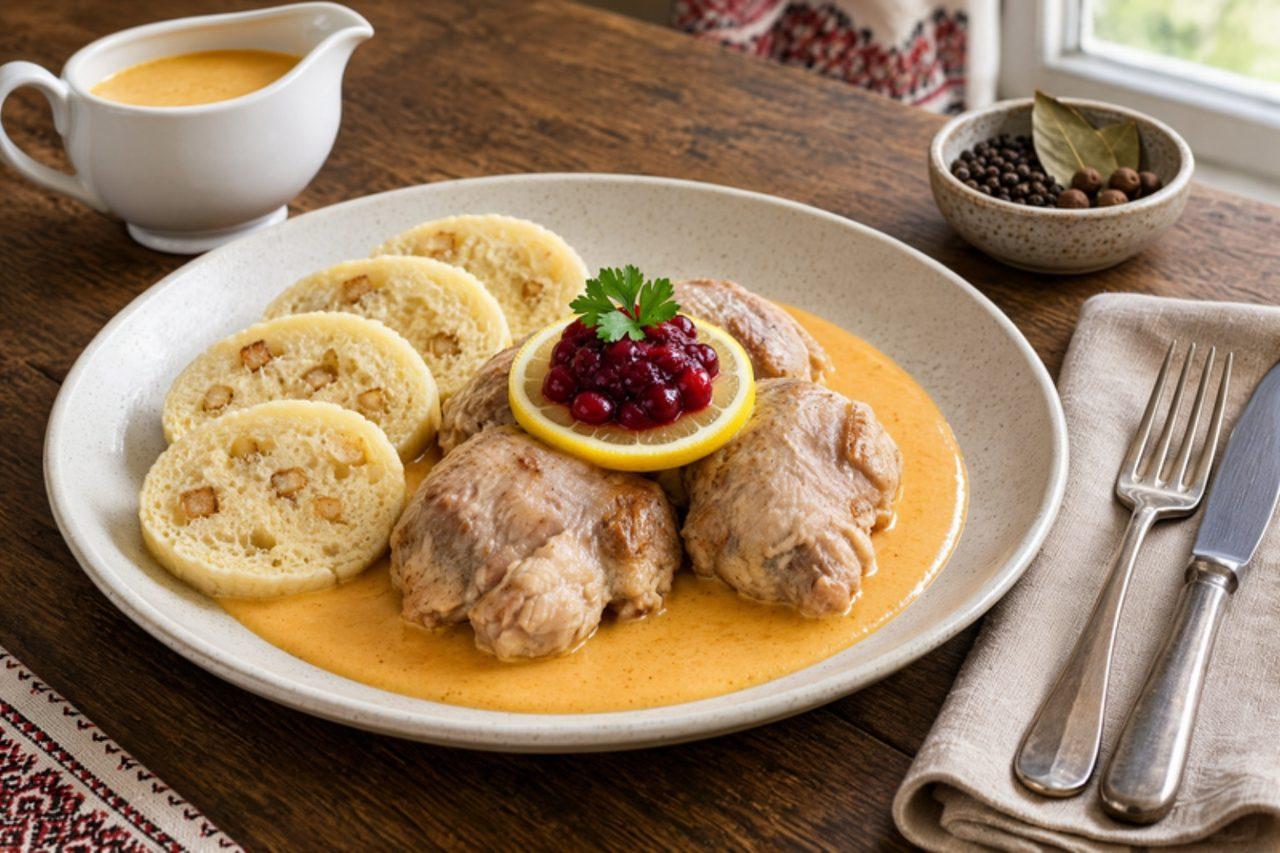
Králík na smetaně is a Sunday lunch in the Czech countryside, especially in Moravia and South Bohemia, where many families once kept rabbits in the yard. Rabbit pieces are braised with carrot, celeriac, parsley root and onion, then the vegetables are blended into a velvety cream sauce brightened with lemon and a pinch of sugar, much like the famous svíčková. It is served with sliced bread dumplings (houskové knedlíky) and a spoon of cranberry sauce. The usual mistake is boiling the sauce after the cream goes in, which can split it; keep it at a bare simmer. Rabbit is lean, so cook it gently and check that the meat comes easily off the bone. Chef's tip: blend the vegetables until completely smooth and pass them through a sieve for the silky sauce Czech cooks are proud of.

120 minCzechMeat
by KrazyBadal 0 views

Caldo de gallinaHen broth with noodles

In Lima's markets and the all-night caldo stalls of districts like La Victoria, a bowl of caldo de gallina is the dawn breakfast for market porters, taxi drivers and anyone coming home late: a deep, golden broth from a slow-simmered hen (a boiling fowl) with ginger and spring onion, ladled over thick noodles and yellow potato, with a boiled egg, lime and ají chilli on the side. The common mistake is boiling the broth hard, which clouds it and toughens the meat; keep it to a lazy simmer. The chicken must reach 74 °C, though after this long simmer it will be well past that. Chef's tip: cook the noodles separately, then put them in the bowls; cooked in the pot they drink the broth and turn it starchy.

by KrazyBadal 0 views

Escabeche de pescadoFried fish in sweet-sour onion sauce

In Lima, escabeche de pescado belongs to the criollo kitchen of the old city: it turns up on Friday lunch menus, on buffet tables, and above all in Lent and Holy Week, when families eat fish and this dish can be made the day before. Fish is fried until golden, then covered in a warm sauce of thick-cut red onion softened in oil with garlic, ají amarillo, ají panca, cumin and vinegar, and left to cool so the flavours soak in. It is served cold or at room temperature with boiled sweet potato, hard-boiled egg and purple botija olives. It tastes tangy, sweet and gently fruity-hot, with crunchy onion over tender fish. The fish here is fully cooked, but because it is a cold seafood dish, pregnant people, babies, older people and anyone with weak immunity should eat it well chilled and within 2 days. Common mistake: stewing the onions until limp; they should only lose their raw bite. It is ready when the sauce has soaked a little into the fish and smells of vinegar and toasted chilli. Chef's tip: use thick fillets of corvina or bonito; thin fillets break under the sauce.

by KrazyBadal 0 views

TopinkyGarlic fried rye bread

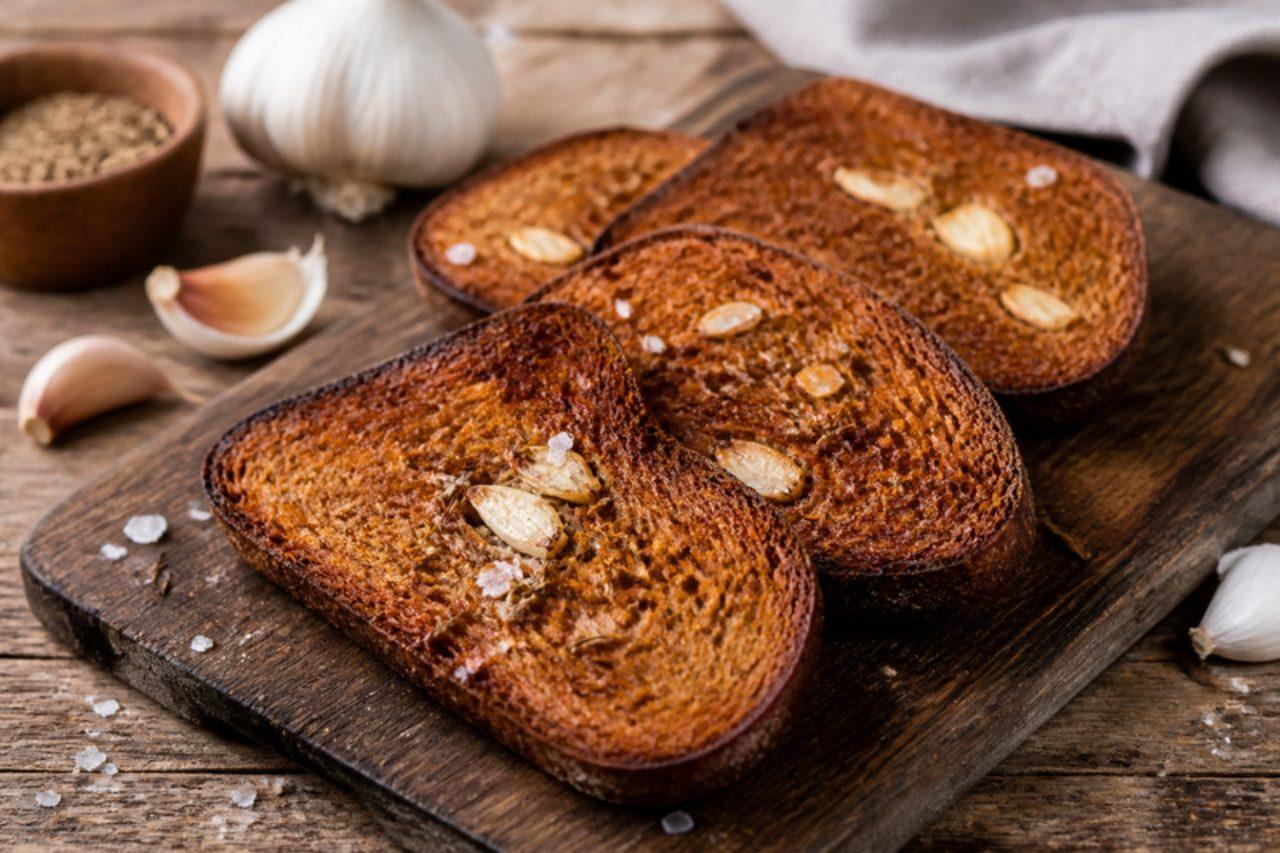
Midnight in a Prague beer hall, a basket of topinky arrives: thick slabs of rye-wheat bread fried until shatteringly crisp and rubbed hard with raw garlic, so the rough crust grates the clove like sandpaper. Czech pubs serve them as a snack with beer, and at home they are a quick supper with a glass of buttermilk or a bowl of soup. Some old cooks used lard; frying in oil keeps them vegan. The crumb should stay soft inside the golden crust, and the garlic should be sharp and fiery. A common mistake is frying in oil that is not hot enough, which makes the bread greasy instead of crisp. Chef's tip: choose a dense, day-old rye bread with caraway seeds; fresh, airy bread soaks up oil like a sponge.

by KrazyBadal 0 views

ŠkubánkyPotato dough lumps with poppy seed

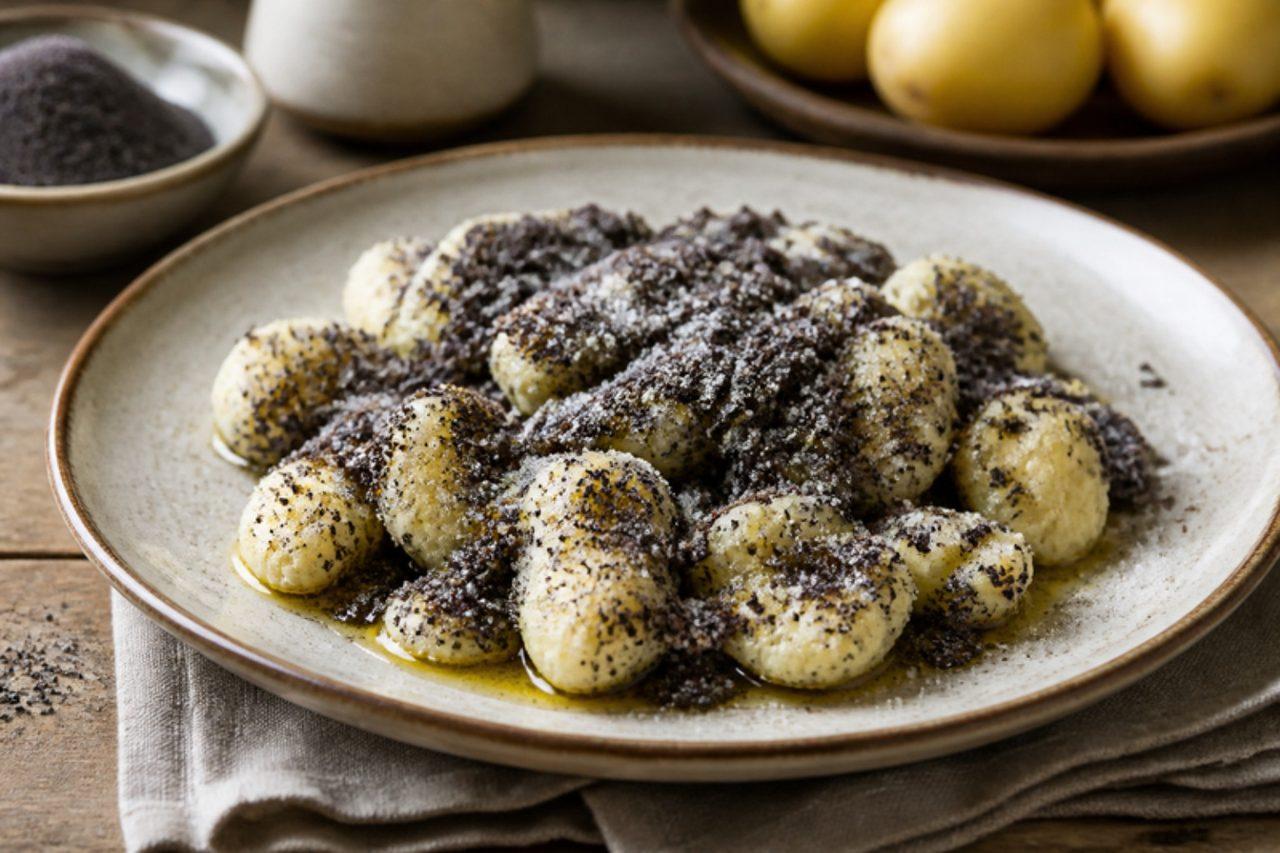
Škubánky (sometimes called šúlance or 'pulled ones') are what you get when a Bohemian farmhouse turns its potatoes into pudding. Potatoes and flour are steamed together in the same pot, mashed into a heavy, smooth dough, then torn into lumps with a spoon dipped in butter. They are rolled in ground poppy seed and sugar and doused with brown butter, and children in Czechia often eat them as a sweet main course on a weekday. They are soft and dense, with a nutty crunch from the poppy. The usual slip is lifting the lid while the flour steams, which leaves raw pockets of flour; keep it covered the whole time. Chef's tip: dip the spoon in hot melted butter before every scoop, and the lumps slide off clean and glossy.

by KrazyBadal 0 views

Smažený květákFried breaded cauliflower

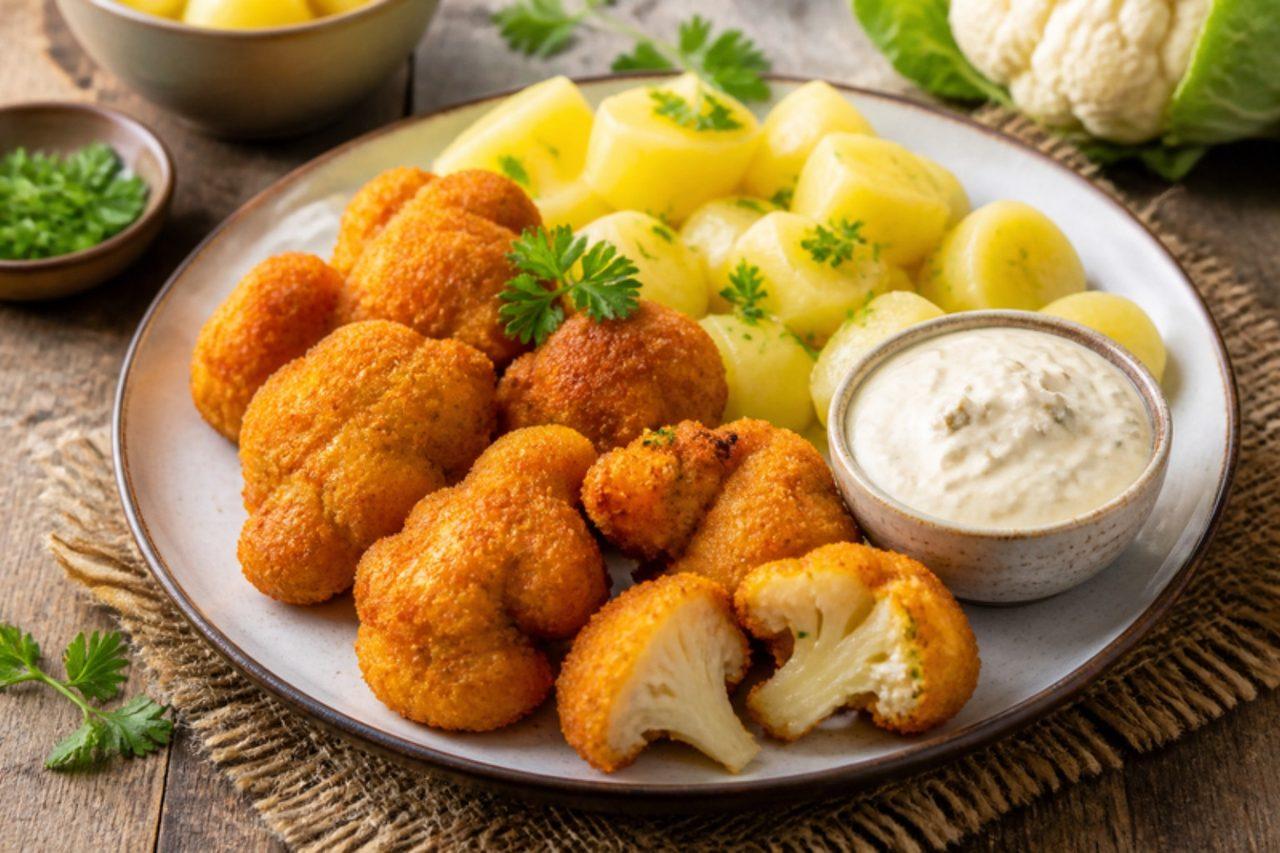
Order a vegetarian meal in a Czech pub and there is a fair chance you will get smažený květák: fat cauliflower florets in a crunchy breadcrumb coat, with buttery parsley potatoes and a dollop of tatarka, the pickle-studded tartar sauce. Children love it, and many families in Bohemia make it on Fridays. The florets are blanched first so the inside is tender and sweet under the crust. Where most people go wrong is breading wet cauliflower: the coating slips off in the oil. Dry the florets well on a towel and let them cool before you dip them. Chef's tip: press the crumbs on firmly with your palm, then rest the breaded florets for 10 minutes so the coat sets and fries up evenly.

by KrazyBadal 0 views

Pečená kachna se zelímRoast duck with red cabbage

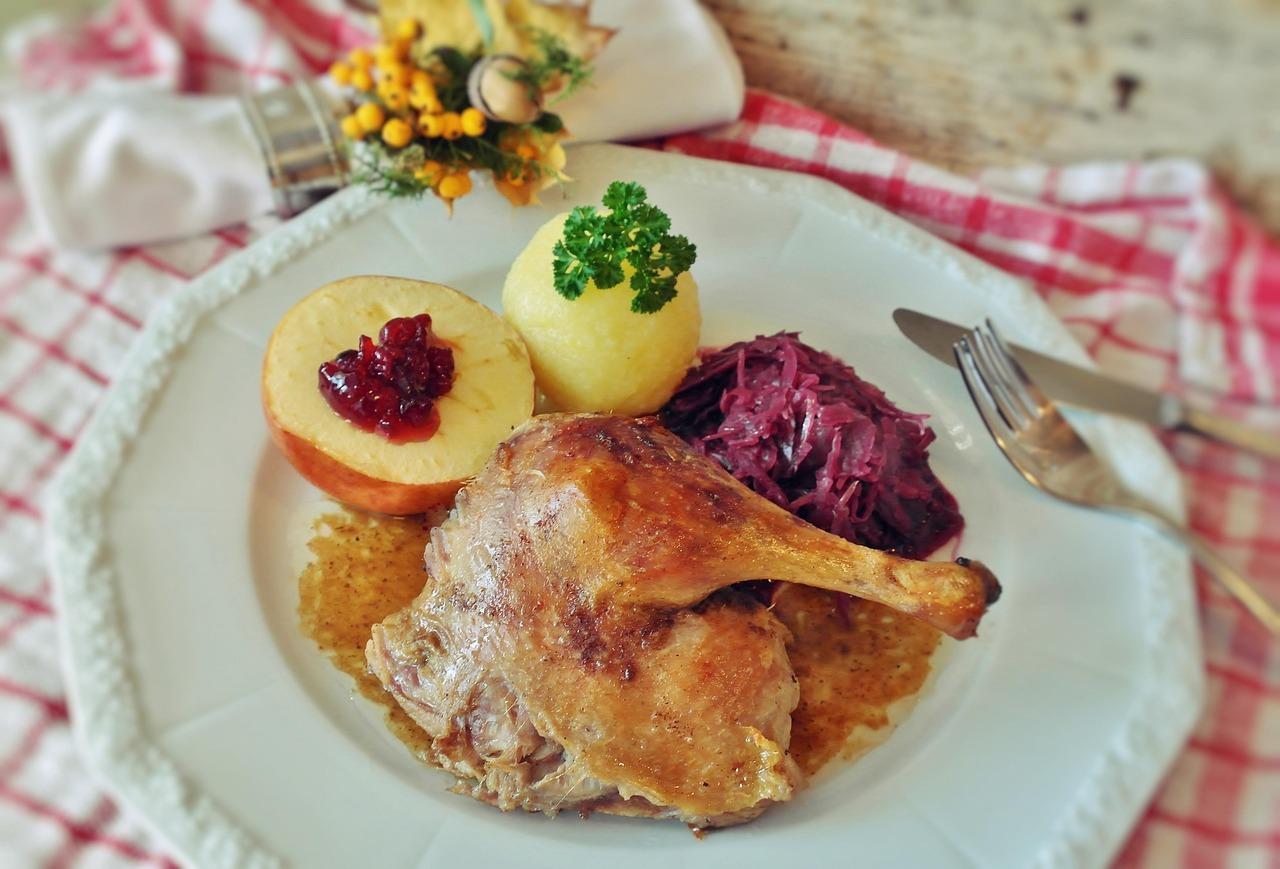
Roast duck is the feast of the Czech autumn, eaten on St Wenceslas' Day in September and St Martin's Day in November, when Bohemian pubs and homes cover the table with crisp-skinned duck, braised red cabbage and dumplings to soak up the juices. Caraway and salt are the only seasonings the bird needs; slow roasting renders the fat and leaves the meat soft, and the cabbage is cooked with some of that fat, apple, sugar and vinegar until glossy and sweet-sour. A common mistake is roasting hot from the start, which burns the skin before the fat melts; go low and slow, then crisp at the end. The thickest part of the thigh must reach 74 °C. Carve before bringing it to the table. Chef's tip: save the rest of the duck fat in a jar; it makes the best roast potatoes.

180 minCzechMeat
by KrazyBadal 0 views

Nakládaný hermelínMarinated white-rind cheese

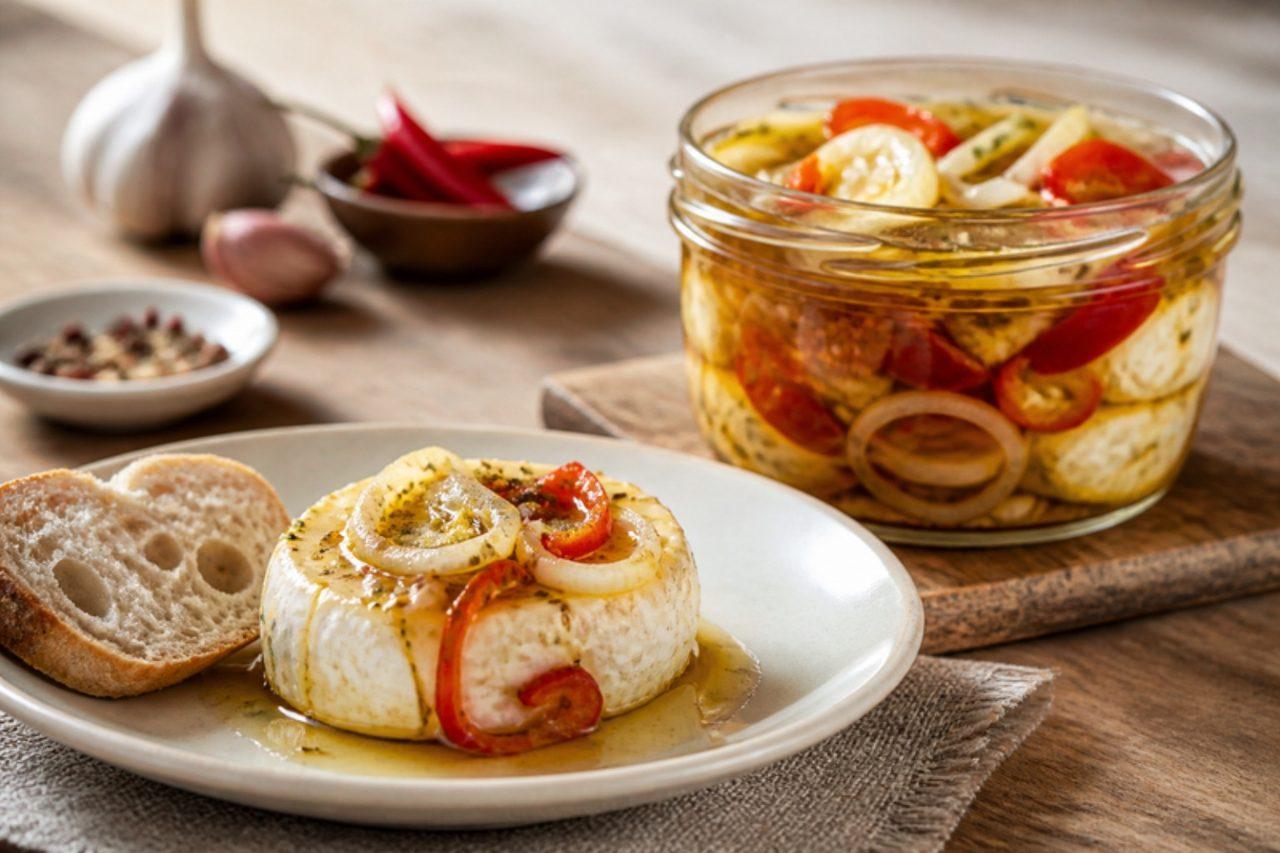
Behind the bar of almost every Czech hospoda sits a big glass jar of cheeses sunk in oil with onion rings and chillies. Nakládaný hermelín is the classic beer snack: a soft white-rind cheese, split and spread with garlic and paprika, then left to mellow in spiced oil for about a week until it turns rich, tangy and spreadable. It is eaten with thick slices of dark bread (use gluten-free bread if needed) and a few pickled peppers. Hermelín and camembert-style cheeses are usually made with animal rennet, so for a vegetarian jar choose a white-rind cheese labelled as made with vegetarian or microbial rennet. Where it goes wrong is leaving cheese poking above the oil, where it can spoil: keep everything submerged and the jar in the fridge, and eat it within 10 days. Chef's tip: use a cheese that is not fully ripe; it holds its shape in the oil and softens to perfection as it marinates.

by KrazyBadal 0 views

Olomoucké tvarůžkyFried breaded ripened cheese

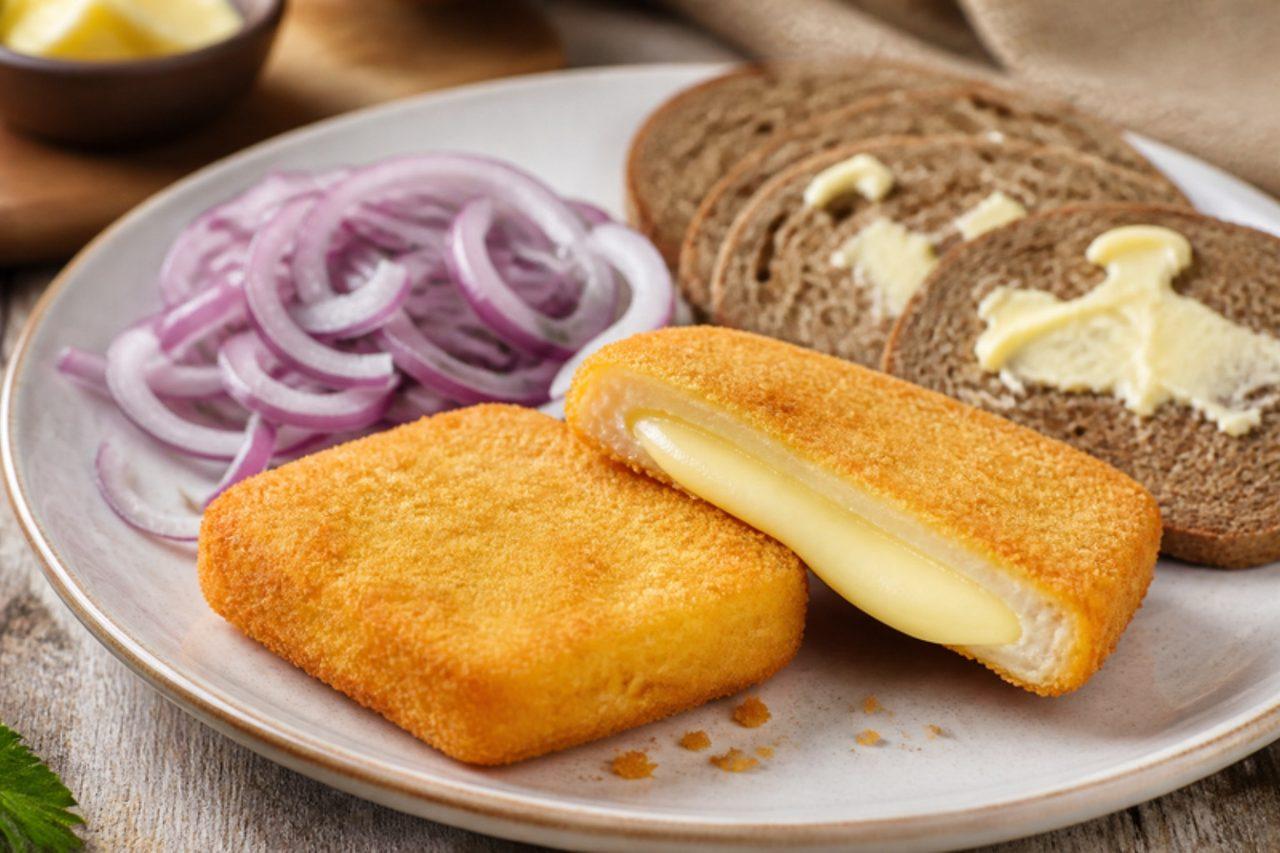
Few foods divide Czechs like Olomoucké tvarůžky, the little golden rounds of ripened quark from Loštice near Olomouc in Moravia. Their smell is famously strong, but the flavour is savoury, salty and surprisingly mild once cooked. Pubs across Moravia serve them breaded and fried, the outside crisp and the inside oozing, with raw red onion and buttered rye bread, and a cold beer for those who drink. Tvarůžky are made from acid-set quark and are usually free of animal rennet, but check the label if it matters to you. The usual mistake is frying them too long: after a minute the cheese bursts out of its crust and the pan fills with molten cheese. Chef's tip: chill the breaded cheeses in the fridge for 10 minutes before frying, and fry them hot and fast.

by KrazyBadal 0 views

Rajská omáčkaSweet-sour tomato sauce with beef

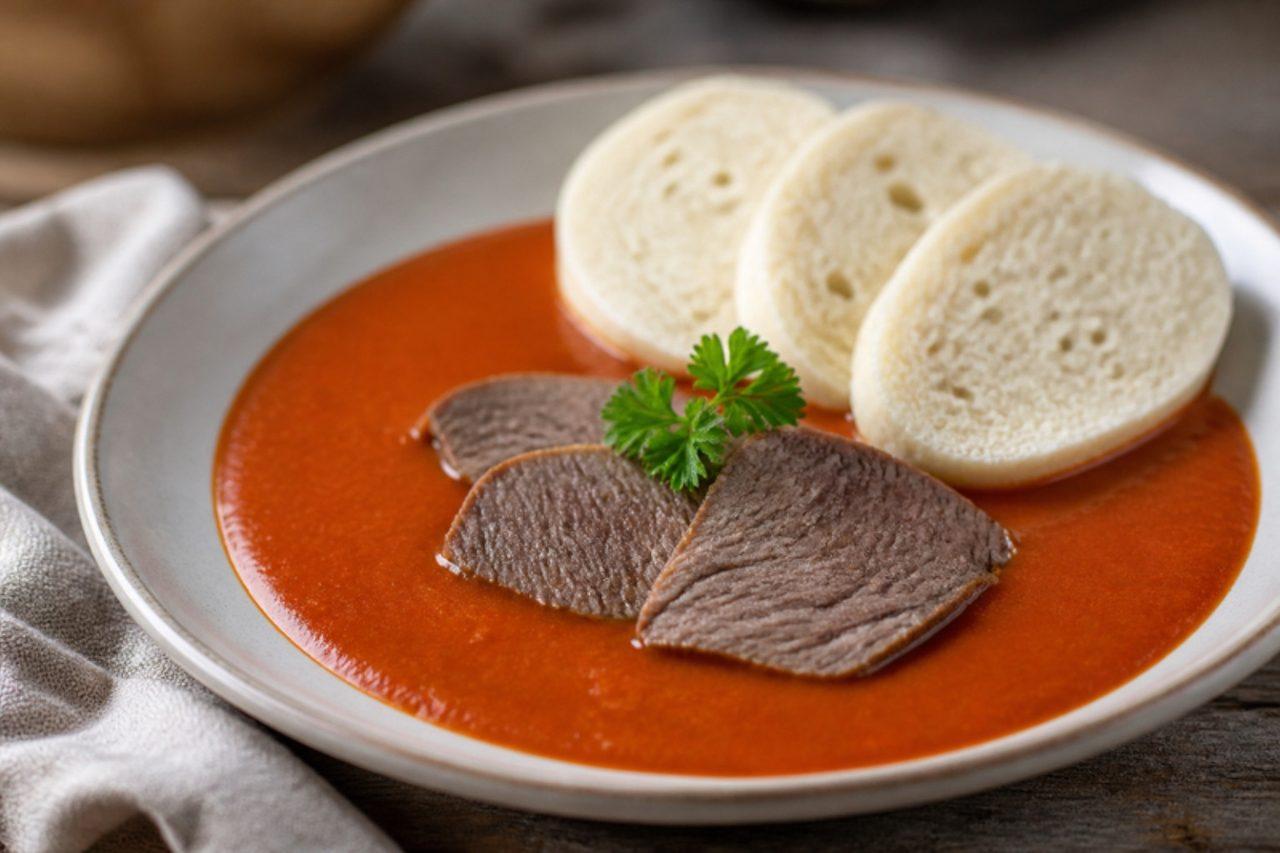
Every Czech school canteen has served rajská at some point, and many adults still crave this glossy, sweet and tangy tomato sauce poured over slices of tender boiled beef with bread dumplings. Bohemian cooks make it from the broth of the beef itself, thickened with a light roux and perfumed with clove, allspice, bay and a hint of cinnamon, so it tastes warmly spiced rather than like a pasta sauce. The usual slip is under-seasoning the sweet-sour balance: keep tasting and adjust sugar and vinegar until it is clearly both. Simmer the beef until a fork slides in easily. Pasta or rice work too if you are not making dumplings. Chef's tip: strain the sauce through a sieve at the end for the velvety restaurant texture.

120 minCzechMeat
by KrazyBadal 0 views

UtopenciPickled sausages

Utopenci means "drowned men": fat pork sausages slit open, stuffed with onion and sunk in a jar of spiced vinegar brine, and they sit in big jars on the bar of almost every Bohemian pivnice, fished out with a fork and eaten with dark bread. The usual sausage is the špekáček, a short, plump pork-and-beef sausage with visible fat. After a few days in the brine they are sharp, garlicky and juicy, with sweet, soft onion and a slow chilli heat. Where most people go wrong is using raw sausages or skipping the cooking: heat the sausages through to 71 °C in the centre first, cool them quickly, and keep the jar in the fridge the whole time, not on the counter. Eat within 10 days, using a clean fork. Chef's tip: let them pickle for at least 3 days; on day one they just taste of vinegar.

by KrazyBadal 0 views

KremroleCream-filled puff pastry tubes

Every Czech cukrárna, the old-fashioned pastry shop, has a tray of kremrole in the glass counter: flaky puff pastry spirals baked around metal cones and piped full of light, sweet whipped egg-white cream. Children choose them for name days and they are a Sunday coffee treat in towns all over Bohemia and Moravia. The pastry should shatter, the cream should be glossy, stiff and marshmallowy. This filling is a cooked meringue, whisked over simmering water to 70 °C, so it is safe to eat and holds its shape. A common mistake is filling the tubes too early: within a couple of hours the cream softens the crisp pastry. Pipe them just before serving. You will need 12 metal cream horn moulds. Chef's tip: overlap the pastry strips by a third as you wind them on, so the tubes do not unravel in the oven.

by KrazyBadal 0 views

KyseloSour rye soup

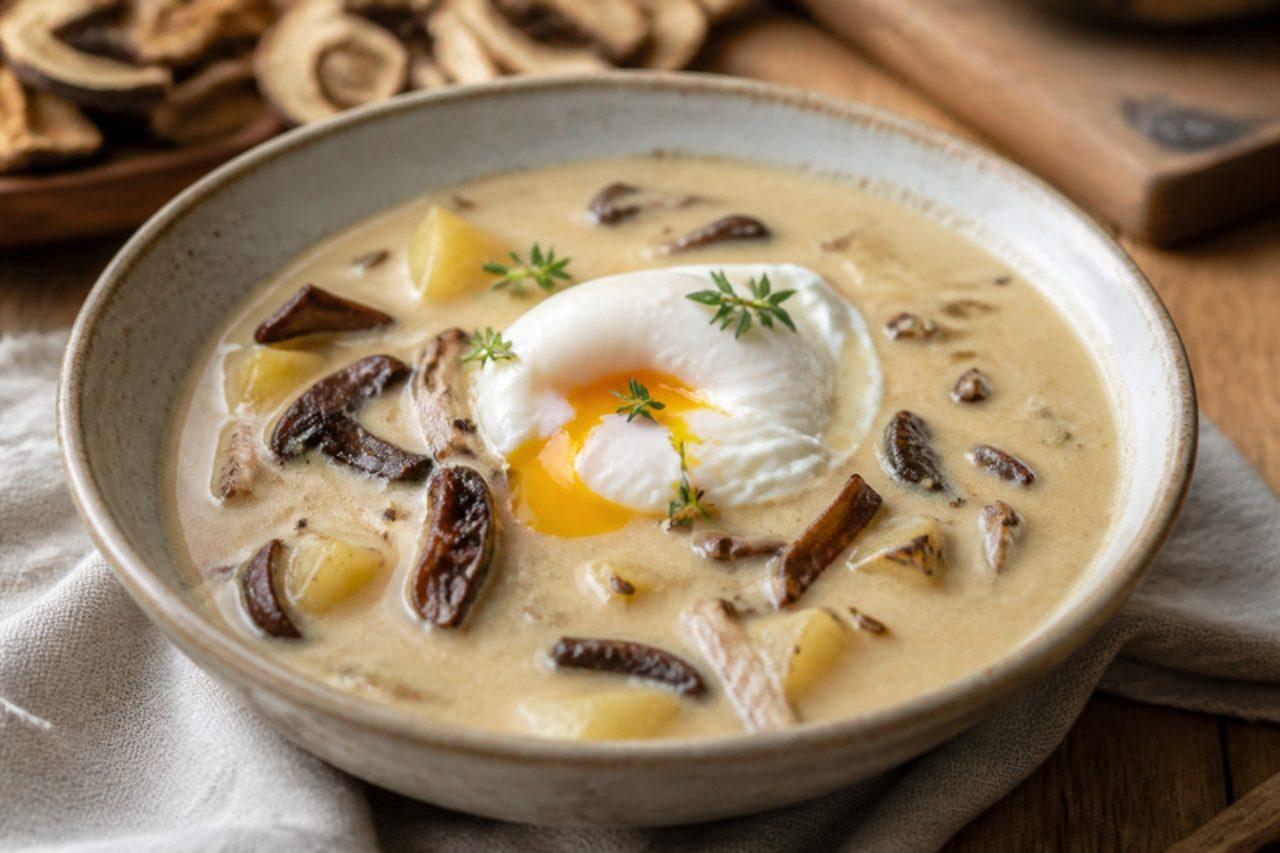
High in the Krkonoše, the Giant Mountains on the Polish border, poor mountain families made a whole meal from a jar of rye sourdough starter, a handful of dried mushrooms and potatoes from the cellar. Kyselo still turns up in chalet restaurants around Špindlerův Mlýn and at local food festivals. It is pleasantly sour and creamy from the fermented rye, scented with caraway, and poured over boiled potatoes with softly scrambled egg spooned on top. The usual slip is boiling the soup hard after the starter goes in, which makes it catch on the bottom and turn lumpy; keep it at a lazy simmer and stir often. If you can, mix the starter with water the night before and leave it covered at room temperature, for a deeper sourness. Chef's tip: a mature, bubbly rye starter that smells like yoghurt gives the best flavour; a sleepy one makes a flat soup.

60 minCzechSoups
by KrazyBadal 0 views

Showing 24 of 301 recipes

Show more recipes

Page 2 of 13