Skip to content
Recipes

All recipes

Vegetarian, or something you can't eat? Set your diet once and we'll hide recipes that don't fit.

Pathein halawa

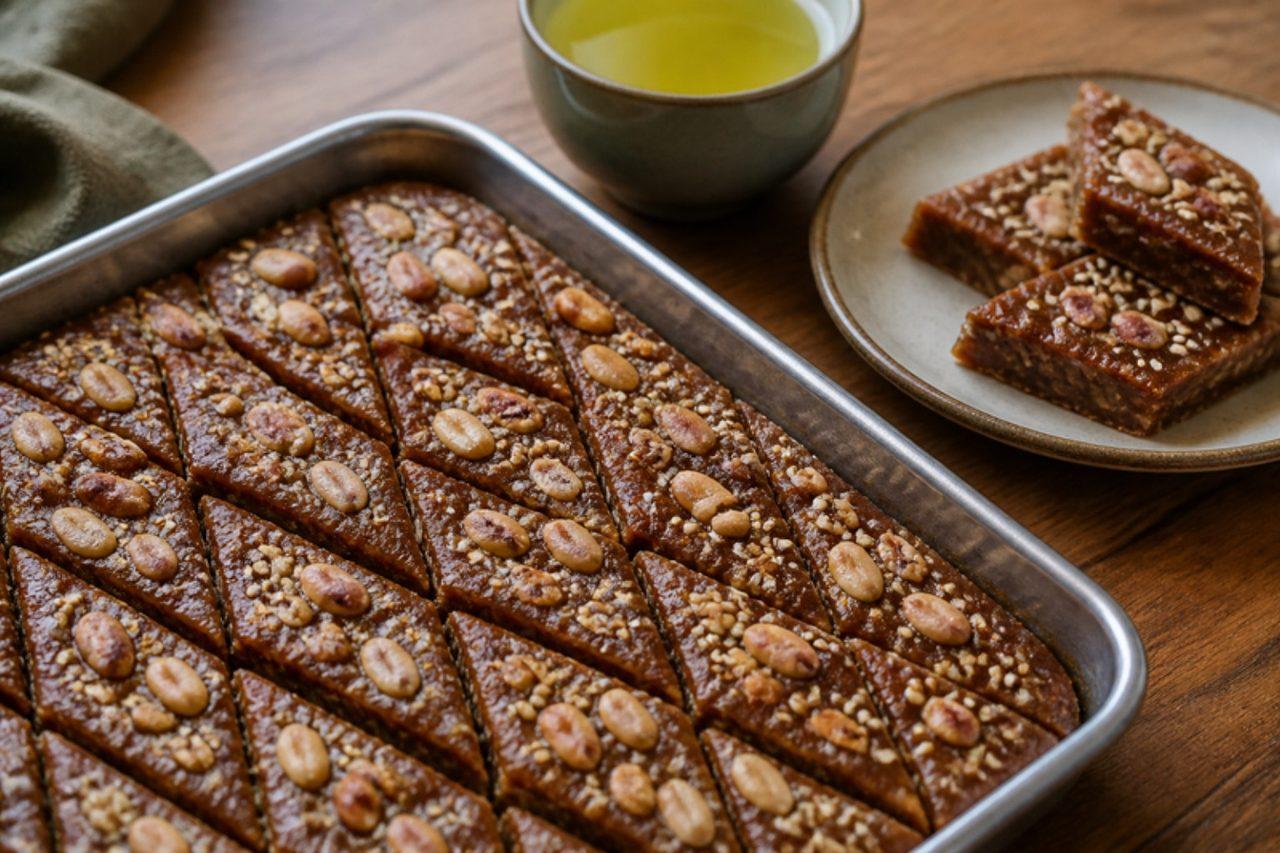
Pathein, the old river port of the Ayeyarwady delta, is famous for two things: painted parasols and this halawa, sold in boxes at roadside shops to travellers heading for the beaches at Chaung Tha and Ngwe Saung and carried home as gifts. Unlike dark mont kalama, it is pale amber and rich with dairy: glutinous rice flour is cooked slowly with milk, coconut milk and sugar, and butter and ghee are worked in until the mixture turns chewy, glossy and toffee-like, with poppy seeds pressed on top. It tastes buttery, caramel-sweet and faintly milky, and is cut into small pieces to eat with plain green tea. Adding all the butter at once is the usual slip; the fat floats out and the halawa turns greasy, so work it in a little at a time. Chef's tip: keep the heat low and patient; a light amber colour means a clean, milky flavour.

by KrazyBadal 0 views

Meeshay

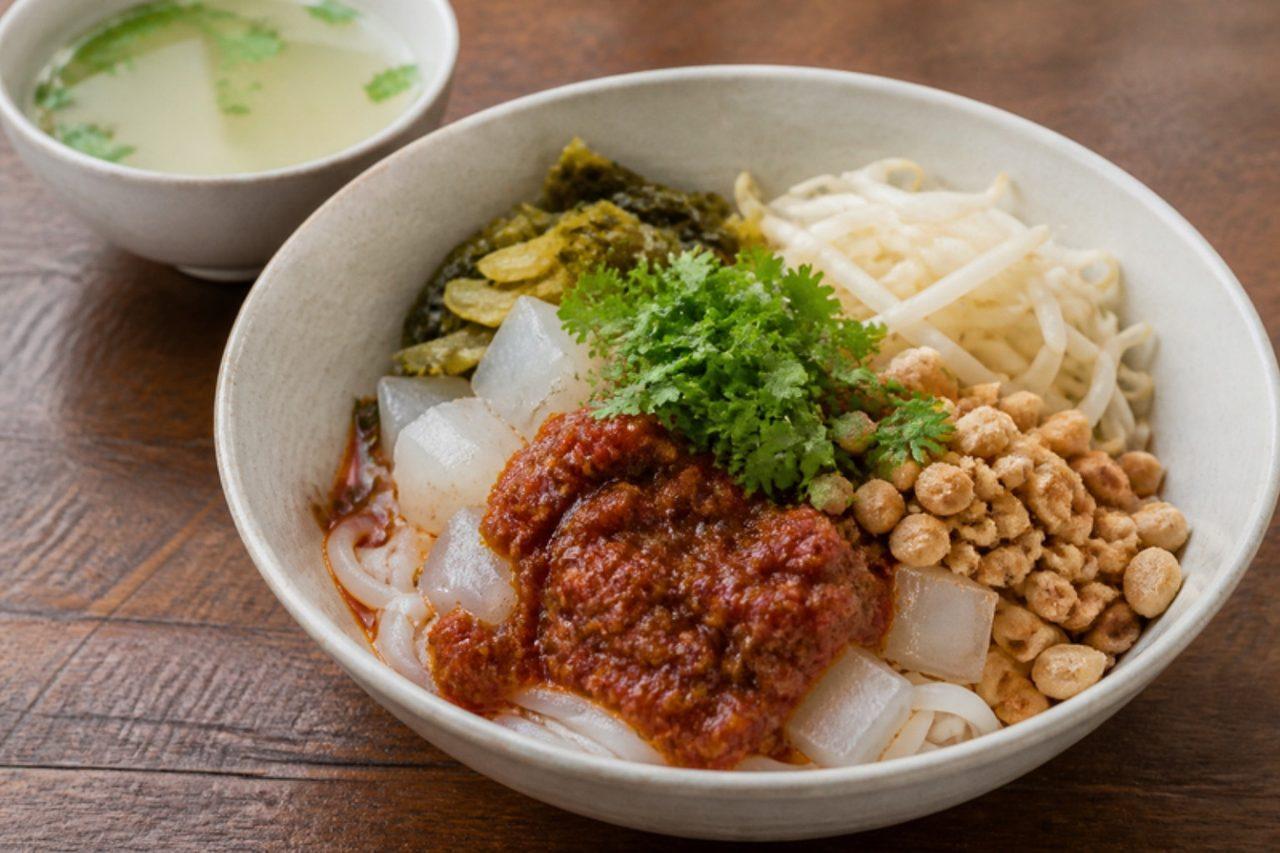
Two places claim meeshay: Mandalay, where it is a teatime and late-afternoon snack sold from carts near the moat, and the Shan hills, where markets serve it in the morning. Soft rice noodles are dressed with soy, a splash of vinegar and garlic oil, then topped with a savoury minced pork sauce, crunchy bean sprouts, pickled mustard greens and strips of wobbly rice jelly that soak up the dressing. It tastes tangy, garlicky and comforting, with chilli oil and a cup of clear broth on the side. The most common slip is cutting the rice jelly before it has set; give it a full 30 minutes to cool so it slices cleanly. Chef's tip: dress the noodles at the table, not ahead: vinegar and soy added too early make the noodles soft and the jelly slippery.

by KrazyBadal 0 views

Burmese palata

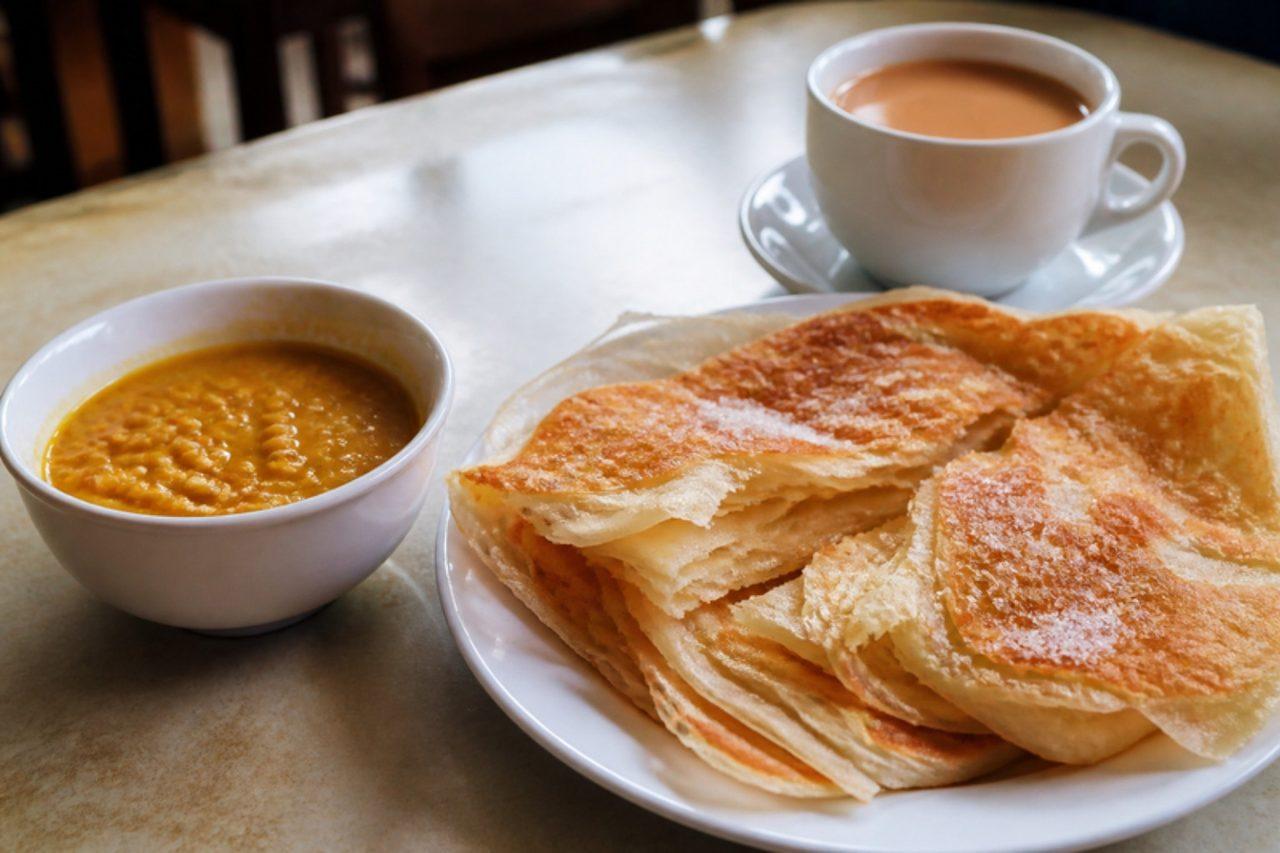
Indian-Burmese tea shops around Yangon's Sule Pagoda and Mandalay's 84th Street fry palata from early morning until late at night on wide, oiled griddles, the cook stretching each ball of dough until you can see through it before folding it into coils of layers. The bread comes out crisp and blistered outside, soft and chewy within, and it is eaten two ways: sprinkled with sugar as a sweet snack with milky tea, or torn and dipped into a curry or a bowl of split-pea dal. Rushing the rest is where it fails; dough that hasn't relaxed in oil for at least an hour tears when you stretch it, and the layers never form. Chef's tip: once the palata is cooked, scrunch it between your palms while still hot; it breaks the coils apart into flaky layers.

by KrazyBadal 0 views

Mandalay mont di

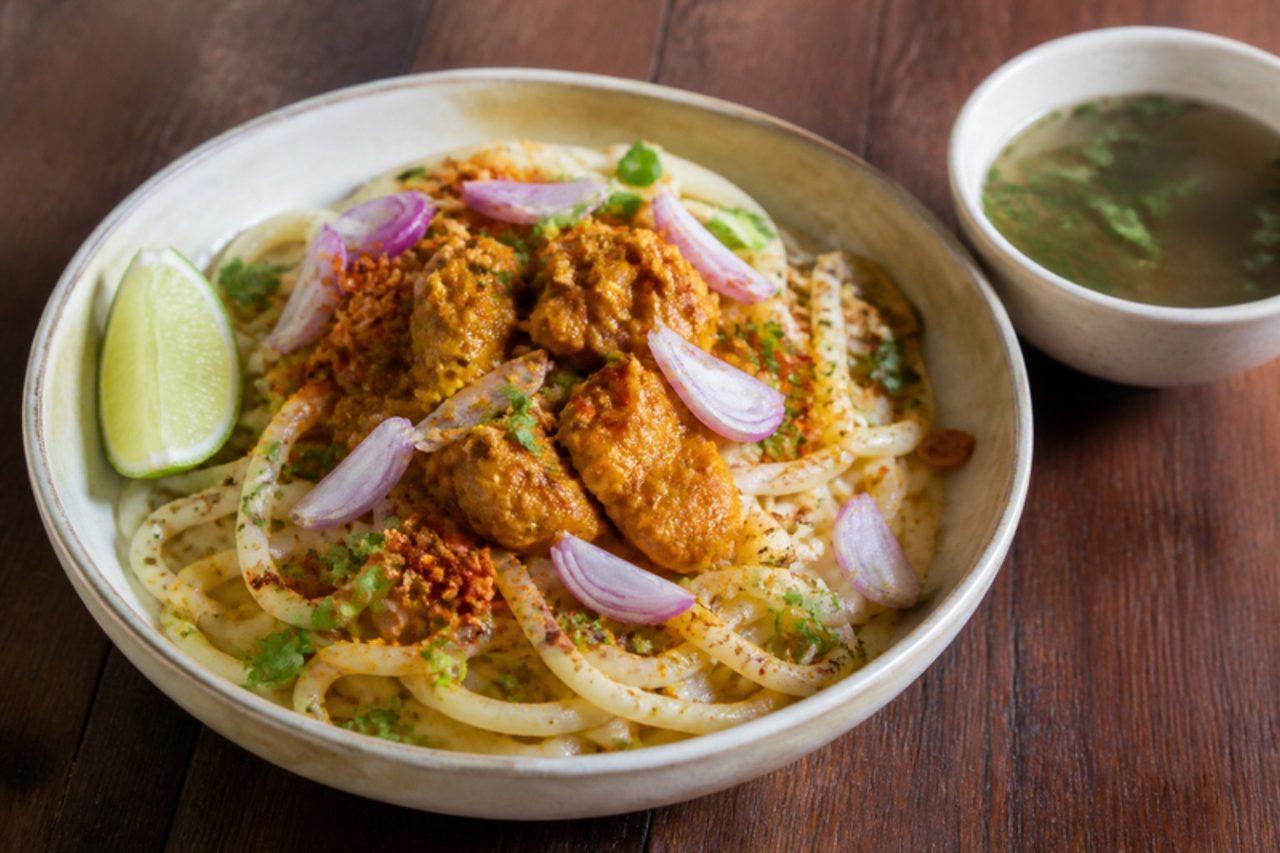
Mornings in Mandalay begin at low plastic tables near Zegyo market, where vendors toss mont di to order for students, monks' helpers and traders before the heat sets in. Round rice noodles, a little thicker than spaghetti, are mixed with a spoonful of lemongrass-scented chicken curry, toasted chickpea flour and a drizzle of 'fish oil': garlic fried in oil and sharpened with fish sauce. The result is slick, nutty and savoury, brightened by raw shallot, lime and coriander, with a small bowl of clear broth alongside. A common slip is dressing the noodles while they are wet; water dilutes the oil and the flavour slides off, so drain them really well first. Chef's tip: toast the chickpea flour slowly until it smells like roasted nuts; raw flour tastes chalky and clumps when you toss.

by KrazyBadal 0 views

Kauk nyin baung

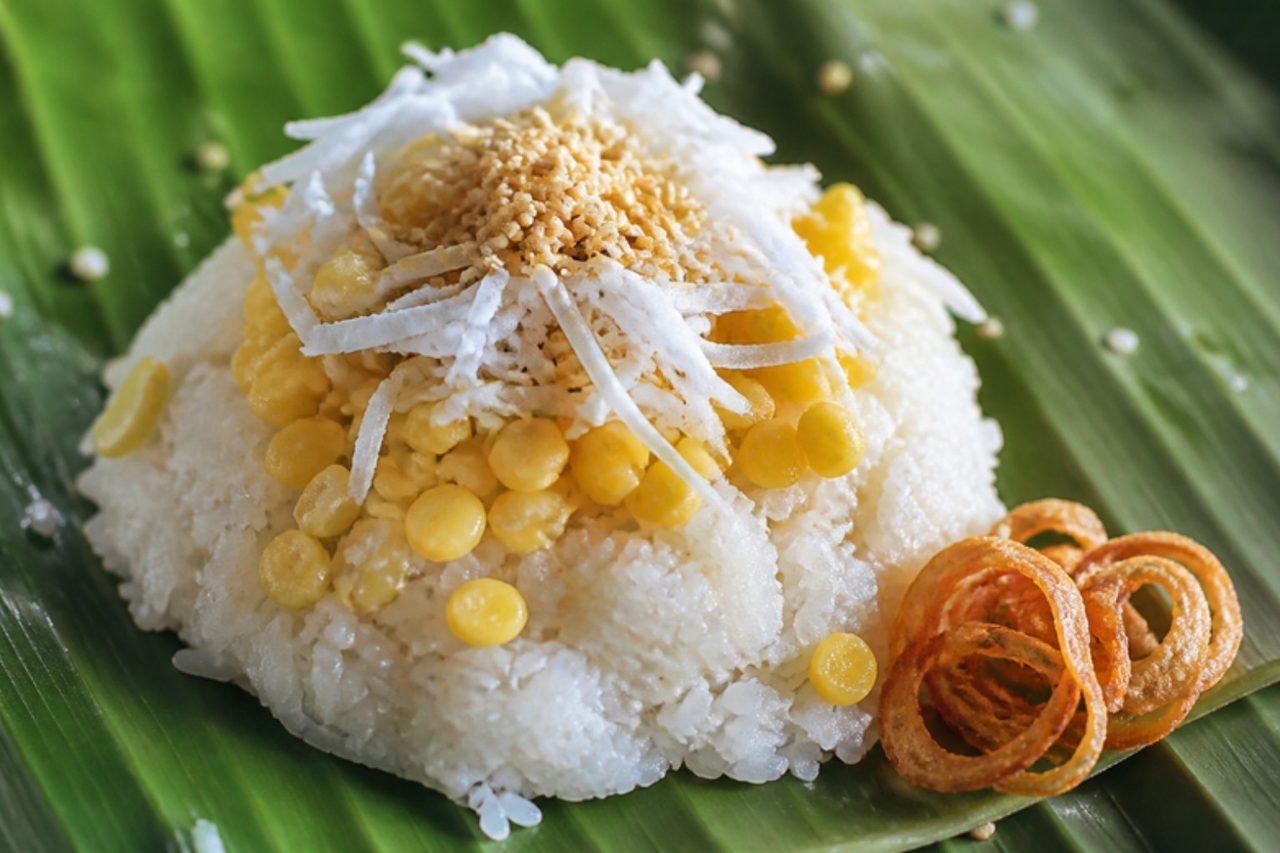
At sunrise on Yangon street corners, women sit behind bamboo baskets of steaming sticky rice wrapped in cloth, spooning portions onto squares of banana leaf for people heading to work. The glutinous rice is soaked and steamed until each grain is glossy, chewy and slightly translucent, then topped with soft pe pyot peas, freshly grated coconut and a sprinkle of toasted sesame pounded with salt. It is a plain, satisfying breakfast, sweet from the coconut, salty and nutty from the sesame, and usually eaten with a cup of green tea; some vendors use purple sticky rice for a darker, nuttier bowl. Boiling the rice like ordinary rice is the mistake that ruins it, turning it to glue, so always steam it. Chef's tip: soak the rice overnight; a short soak leaves hard white centres in the grains.

by KrazyBadal 0 views

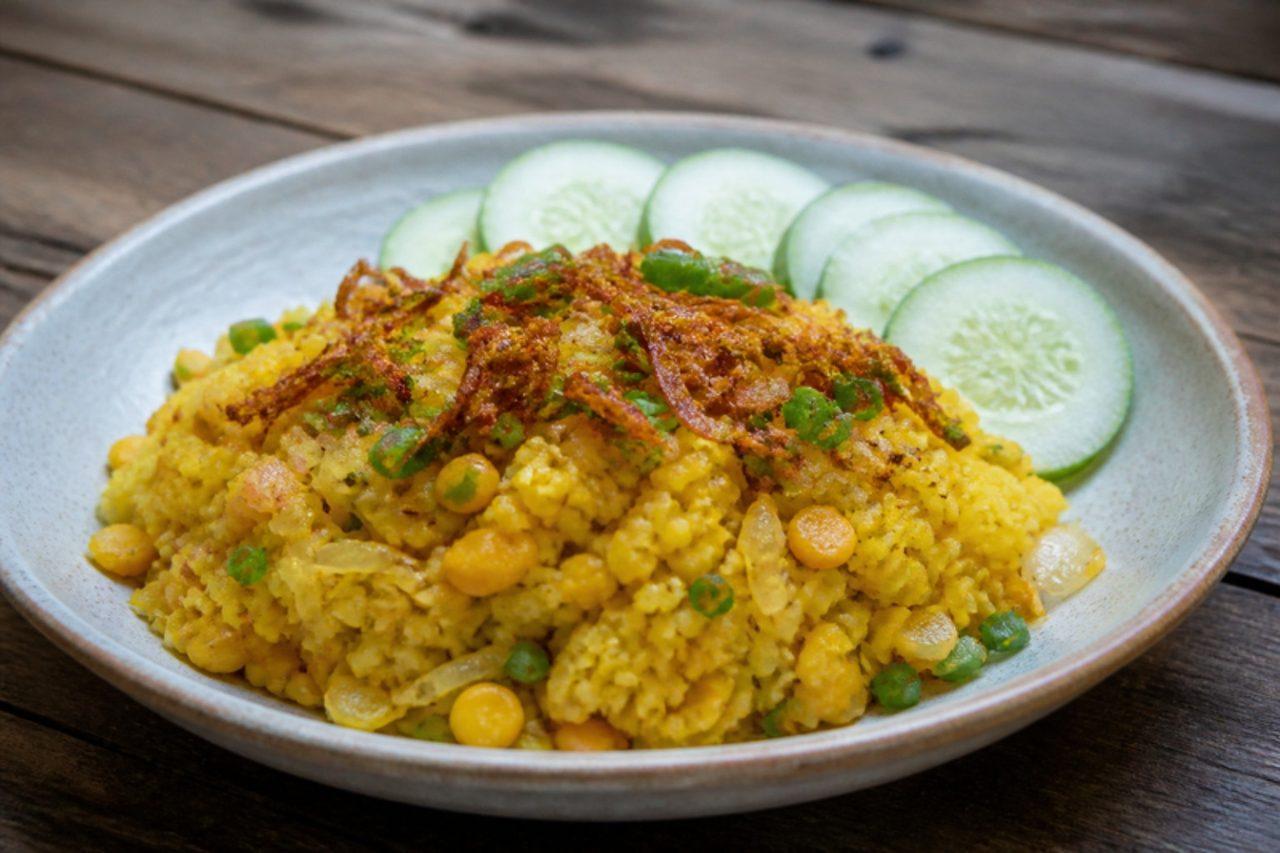
Burmese pea fried rice

Ask almost anyone from Yangon what they ate for breakfast as a child and the answer is often this: last night's rice, fried in a hot wok with soft boiled peas and plenty of onion, eaten before school with a glass of hot green tea. It is pale, gently savoury and comforting rather than spicy, with the peas bursting creamy against slightly crisp grains of rice. Families add a few slices of cucumber on the side and a spoon of crispy onions, and some cooks toss in a pinch of turmeric for colour. The usual error is using freshly cooked rice, which clumps and steams instead of frying. Chef's tip: crumble the cold rice with damp hands before it goes in the wok, so every grain hits the hot oil separately.

by KrazyBadal 0 views

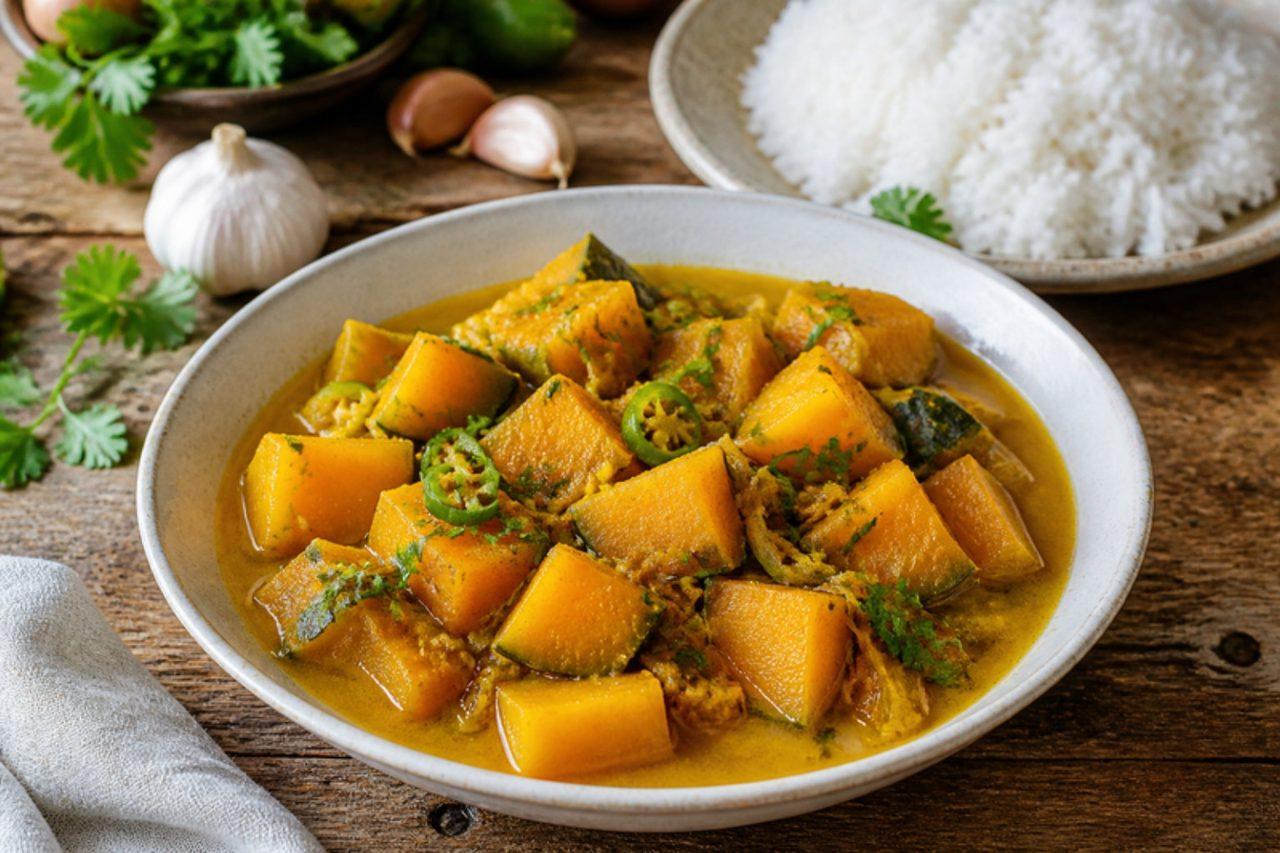
Burmese pumpkin curry

On a weekday lunch table in a Yangon home, this soft orange curry usually sits beside a sour leaf soup, a plate of boiled greens and a mound of plain rice. Wedges of pumpkin are cooked slowly in a pounded paste of onion, garlic and ginger with turmeric and chilli, until the flesh turns tender and glossy and the oil rises to the top, the sign of a well-made Burmese hin. It tastes sweet, gently hot and savoury all at once; many households stir in dried shrimp, but this version keeps it plant-based with a little salt and sugar. Where cooks go wrong is stirring the pot every few minutes: the pumpkin breaks into mash, so shake the pan instead. Chef's tip: leave the skin on a firm, dense pumpkin such as kabocha; it holds the pieces together and softens enough to eat.

by KrazyBadal 0 views

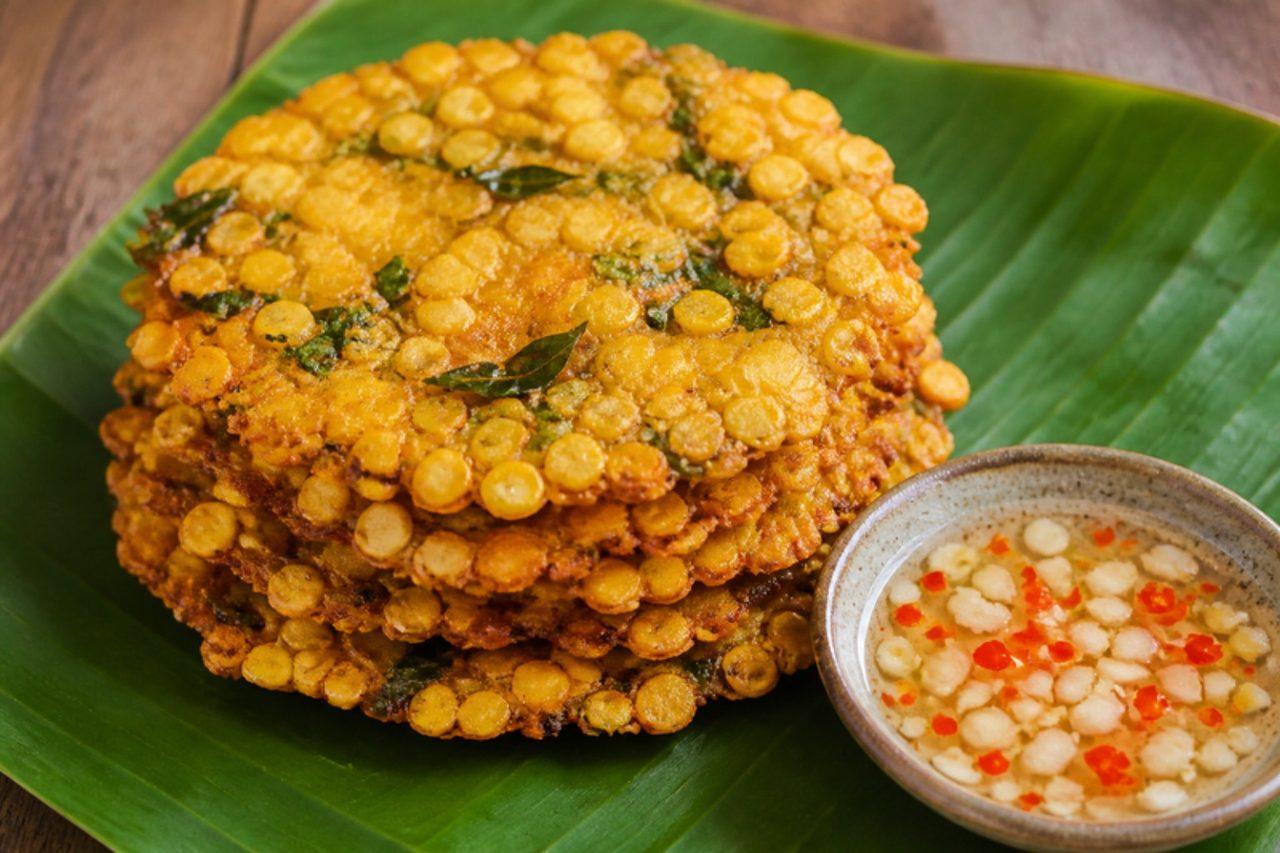
Bayagyaw (split pea fritters)

Every Yangon tea shop worth its sweet milky tea keeps a tray of these by the counter from dawn, and hawkers sell them by the bag at bus stops. Soaked yellow split peas are ground until coarse, mixed with sliced onion, chilli and a spoon of rice flour, then dropped into hot oil as thin, ragged patties that fry up shatteringly crisp at the edges and nutty in the middle. People snap them into bowls of mohinga, crumble them over noodle and rice salads, or eat them plain with a sharp chilli-garlic vinegar. Blending the peas to a smooth paste is the trap: you lose the gritty texture that makes them crunch and the fritters turn dense. Chef's tip: soak the peas the night before, and fry a test fritter first; if it falls apart, stir in another spoon of rice flour.

by KrazyBadal 0 views

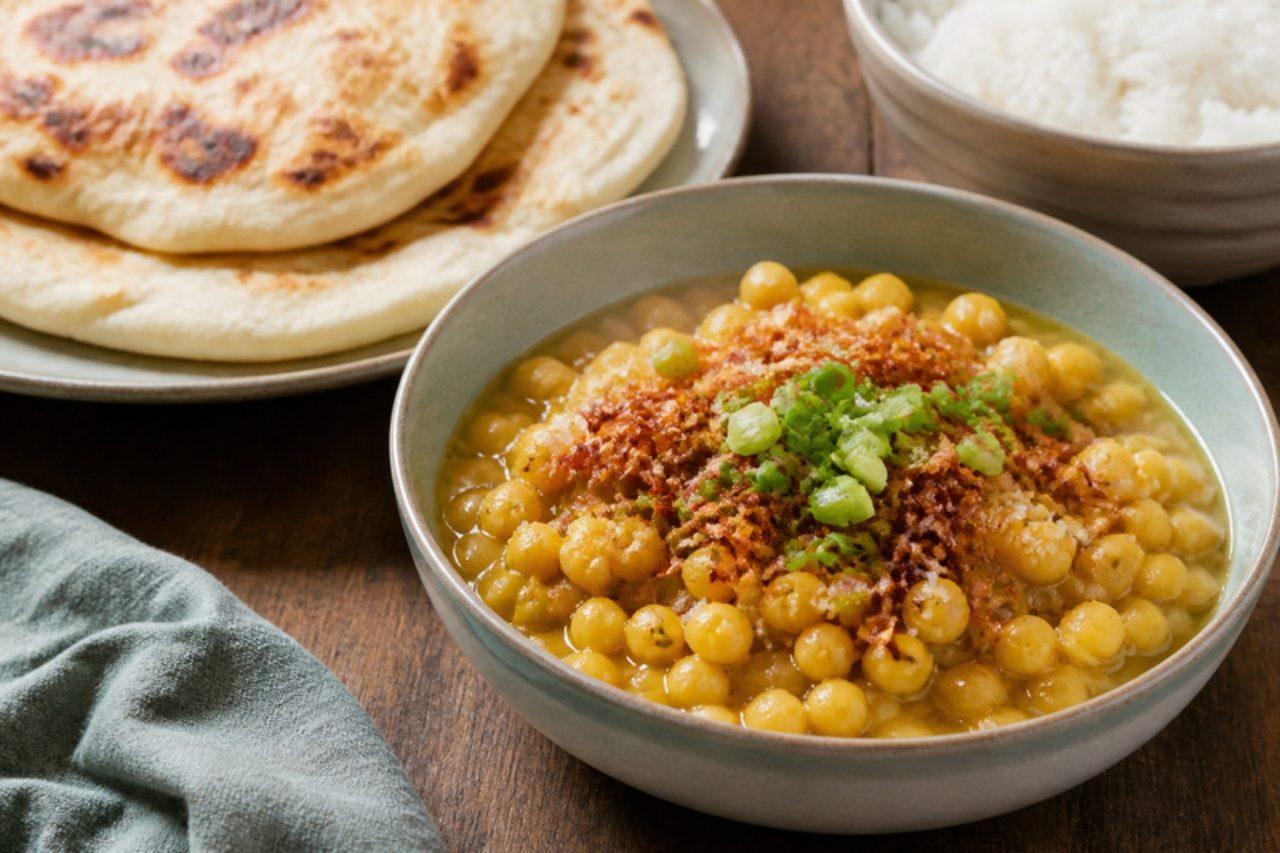
Pe pyot (boiled yellow peas)

Before the city wakes, pe pyot sellers pedal through Yangon's townships calling out from bicycle baskets of warm, steaming peas, scooping portions into leaf parcels for families to eat with fried rice, flatbreads or toasted naan. Dried yellow or white peas are soaked overnight and simmered until creamy inside but still whole, then seasoned simply with salt and a spoon of oil fried with shallots. The flavour is mellow, earthy and slightly sweet, and the texture is soft and fluffy, like a good baked potato. Too much bicarbonate of soda is the common slip: a pinch softens the skins, but more turns the peas to soapy mush. Chef's tip: make a double batch; pe pyot keeps for three days in the fridge and turns tomorrow's leftover rice into pea fried rice.

by KrazyBadal 0 views

Sanwin makin

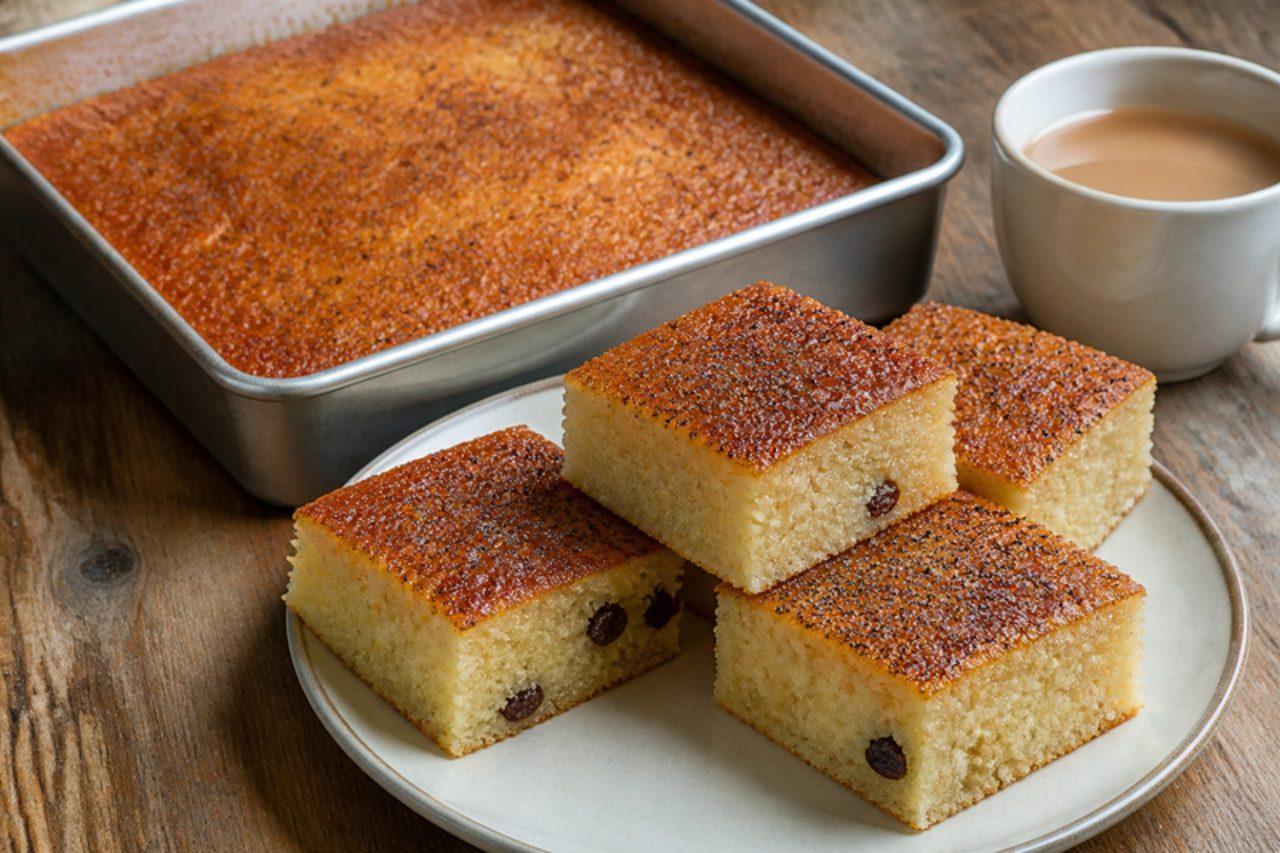
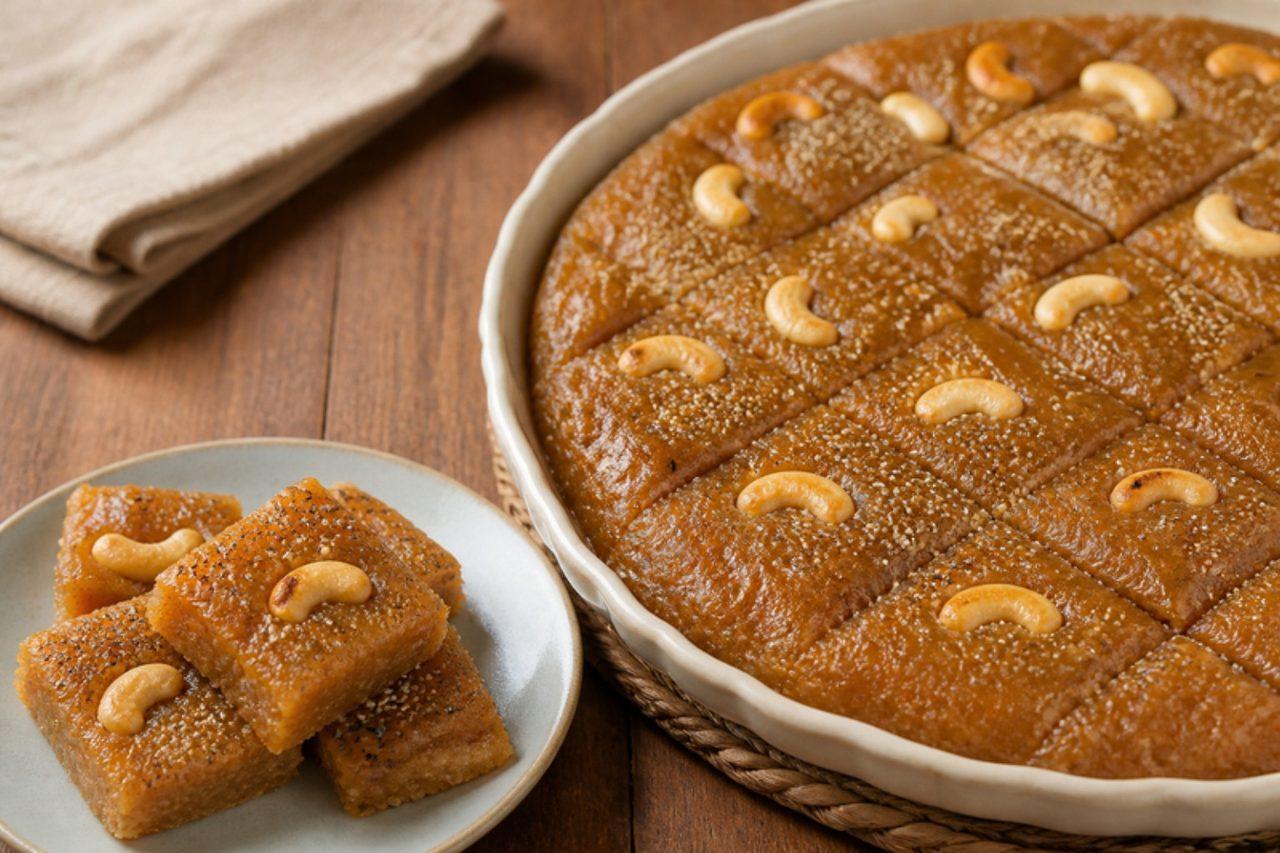
Burmese families bake trays of this dense, golden cake for donation ceremonies, novice monk initiations and the Thadingyut lights festival, and tea shops in Yangon sell it in neat diamonds beside the milky tea. Semolina is toasted and slowly cooked with coconut milk, milk and sugar into a thick paste, enriched with butter and eggs, then baked until the top is deep brown and the inside is soft, moist and fudgy, somewhere between a cake and a set pudding. Poppy seeds on top add a faint crunch; toasted sesame is a common swap. Cutting it warm is the typical letdown: the cake only firms as it cools, so wait a few hours. Chef's tip: toast the semolina until it smells like warm biscuits before adding any liquid; that nutty depth is what makes a good sanwin makin.

by KrazyBadal 0 views

Burmese gourd fritters

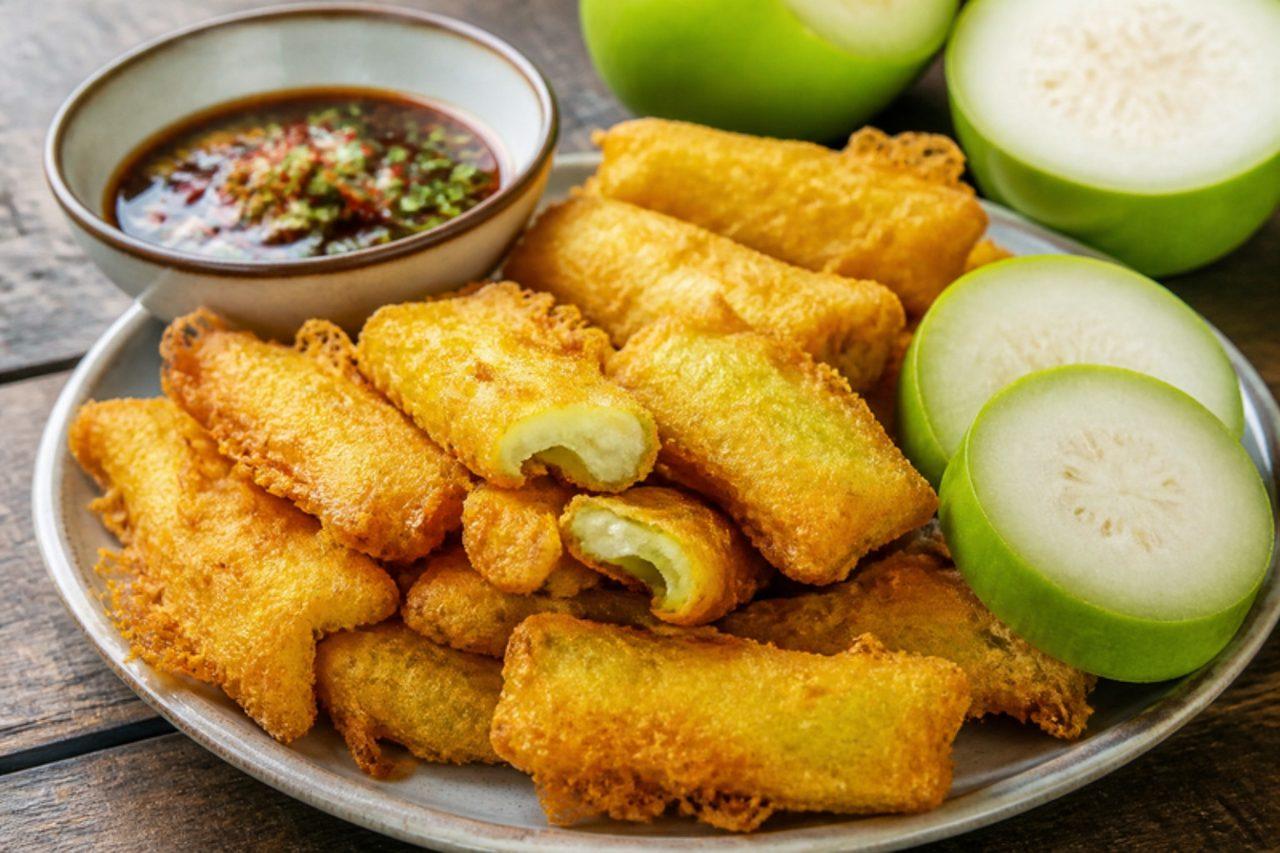
Afternoon fry stalls along the lanes of downtown Yangon sell these by the paper cone, golden sticks of bottle gourd still crackling from the wok, and they are the fritter most people choose to dunk into a breakfast bowl of mohinga. Inside the thin rice-flour shell, the gourd steams until soft and almost juicy, mild and slightly sweet against the crunchy, salty coating. A tangy tamarind sauce with garlic and chilli is the usual partner. The classic failure is a thick, gluey batter that hides the vegetable and goes chewy within minutes; it should be as thin as single cream. Chef's tip: add a few drops of lime juice and ice-cold water to the batter just before frying; the cold keeps the coating light and crisp.

by KrazyBadal 0 views

Kyar zan hinga

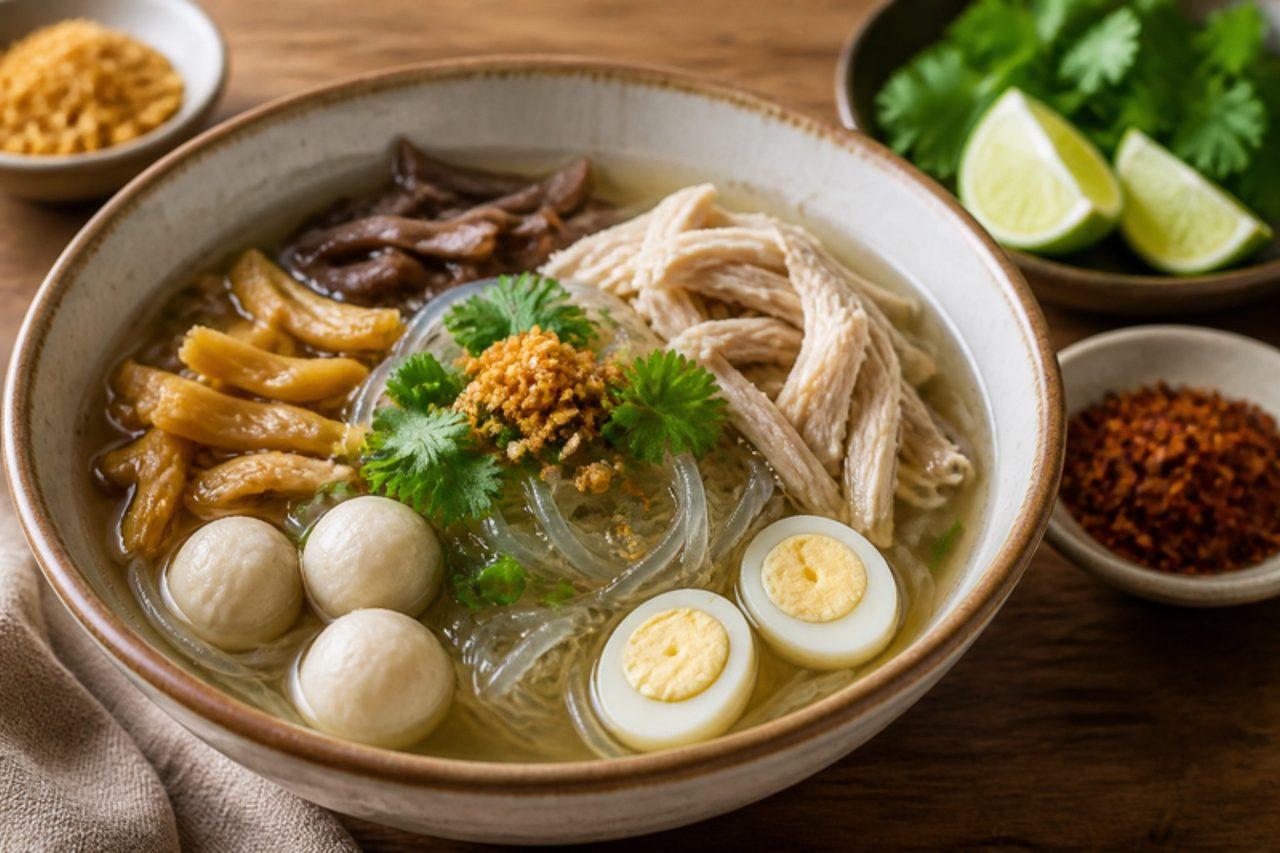
Lighter than mohinga and a favourite with children, kyar zan hinga turns up at Yangon donation feasts, at evening noodle stalls and on the family table when someone needs something soothing. Slippery glass noodles swim in a clear, peppery chicken broth with shredded chicken, crunchy wood-ear mushroom, chewy knots of dried lily buds, bouncy fish balls and whole quail eggs. Each bowl is finished at the table with lime, chilli flakes, fried garlic and coriander, and crisp split-pea fritters are often torn in on top. Simmering the glass noodles in the pot is the classic error: they swell, go soft and drink up the broth, so add them straight to the bowls instead. Chef's tip: knot each softened lily bud before it goes into the soup; it keeps them from shredding and gives every spoonful a little chewy bite.

by KrazyBadal 0 views

Danbauk

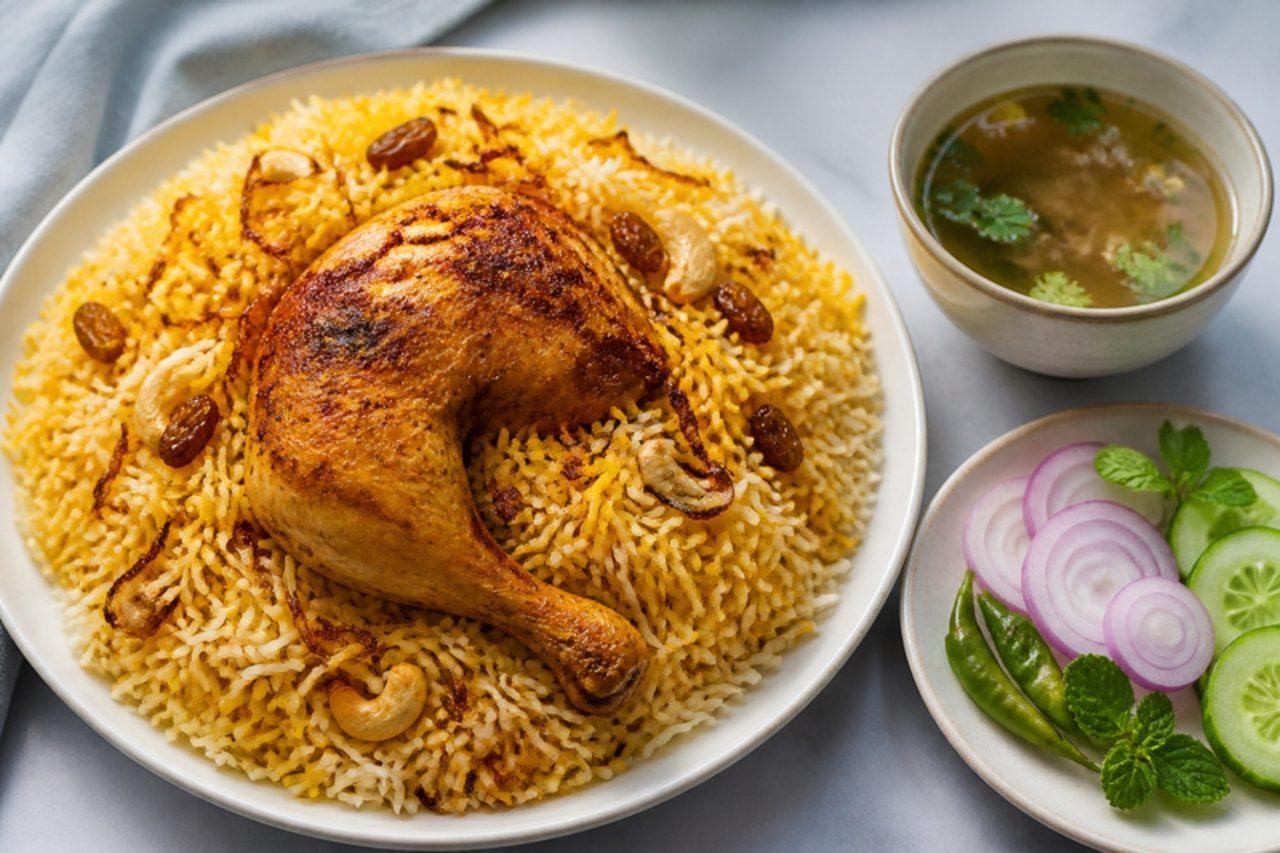
Weddings, birthday donations and the Friday lunch crowd after mosque prayers in downtown Yangon all call for danbauk, the Burmese take on biryani brought by the city's Indian-Muslim families. It is gentler than most South Asian versions: long grains scented with cardamom, cloves and butter, tender yoghurt-marinated chicken hidden underneath, and a crown of fried onions, plump raisins and golden cashews. Every plate comes with a bowl of sour onion, cucumber and green-chilli salad that cuts through the richness, and often a thin sour soup on the side. The usual slip is boiling the rice fully before layering; it then turns to mush during the slow steam, so pull it while each grain still has a chalky white core. Chef's tip: once the pot is sealed, leave the lid alone and dig in from the side at the table so every scoop brings up chicken and rice together.

by KrazyBadal 0 views

Kyay oh

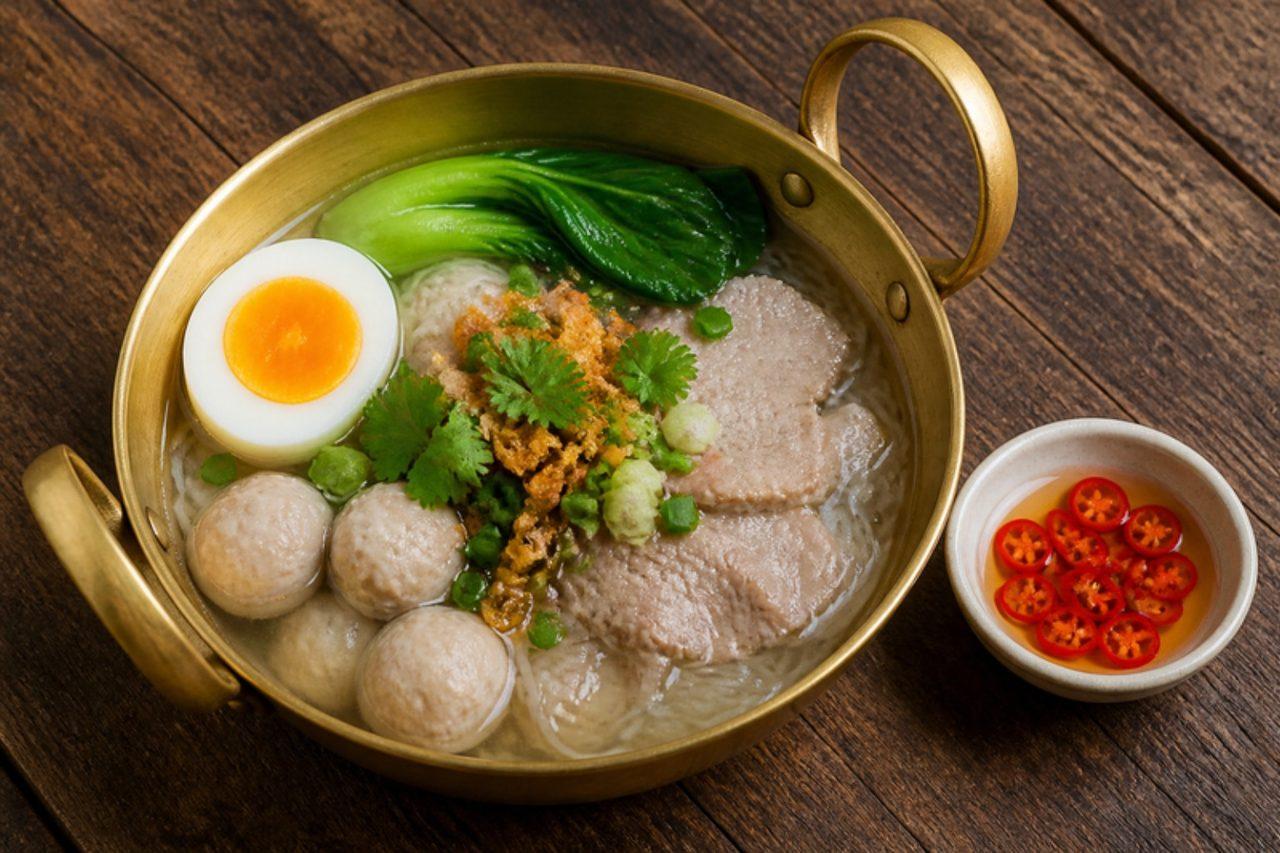
Served bubbling in a small brass pot, which is what kyay oh means, this Chinese-Burmese soup fills the late-night noodle shops of Yangon's Chinatown and the busy breakfast places of Mandalay. A clear, peppery pork broth carries thin rice noodles, springy hand-rolled pork balls, sliced pork, tender greens and an egg cracked in at the last moment so it poaches in the pot. Garlic oil, white pepper and a side of vinegar with chopped chilli keep each spoonful sharp and warming. The pitfall is boiling the broth hard once the pork balls are in; they toughen and the soup turns cloudy, so keep it at a gentle bubble. Chef's tip: slap the pork mince against the bowl for a minute before shaping; it gives the balls their bouncy, almost crunchy texture.

by KrazyBadal 0 views

Bein mont

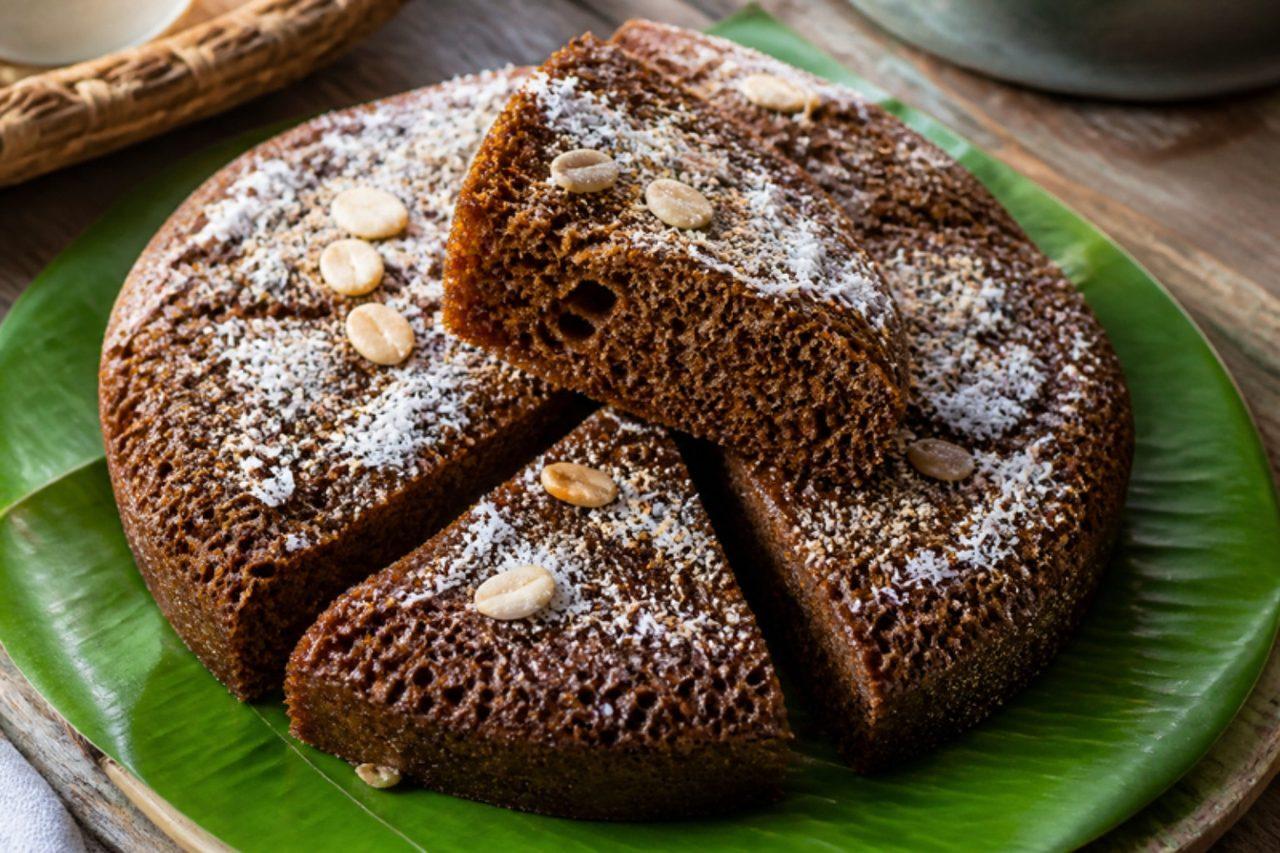
When the November nights cool down for the Tazaungdaing festival, food stalls outside pagodas in Yangon and Mandalay start cooking bein mont in small, lidded iron pans with embers piled on top, so the cake bakes from above and below at once. The batter is rice flour sweetened with dark jaggery, so it cooks into a thick, springy, brown pancake with a crisp base, studded on top with shreds of coconut and sliced peanuts; some vendors still scatter poppy seeds, the bein that may have given the snack its name. It is eaten warm in wedges with hot green tea. High heat is what usually goes wrong: the base scorches while the centre stays raw, so keep the flame low and the lid on. Chef's tip: a small cast-iron pan finished under the grill copies the charcoal top heat at home.

by KrazyBadal 0 views

Mont lin ma yar

Evening street vendors in Yangon and Mandalay cook these over charcoal in heavy iron pans dotted with round hollows, and the name, 'husband and wife snack', comes from the way two little cups are pressed together into one ball at the end. A thin, lightly salted rice batter crisps against the hot iron while the middle stays soft and custardy, and each cup holds a filling: a quail egg cracked into one half, boiled chickpeas and spring onion in the other. People buy them hot by the half dozen and eat them straight from the paper, sometimes with a little chilli sauce. A pan that isn't hot or well oiled is the classic problem, as the batter sticks and tears when you try to lift it. Chef's tip: a takoyaki, aebleskiver or paniyaram pan works perfectly at home.

by KrazyBadal 0 views

Burmese tomato salad

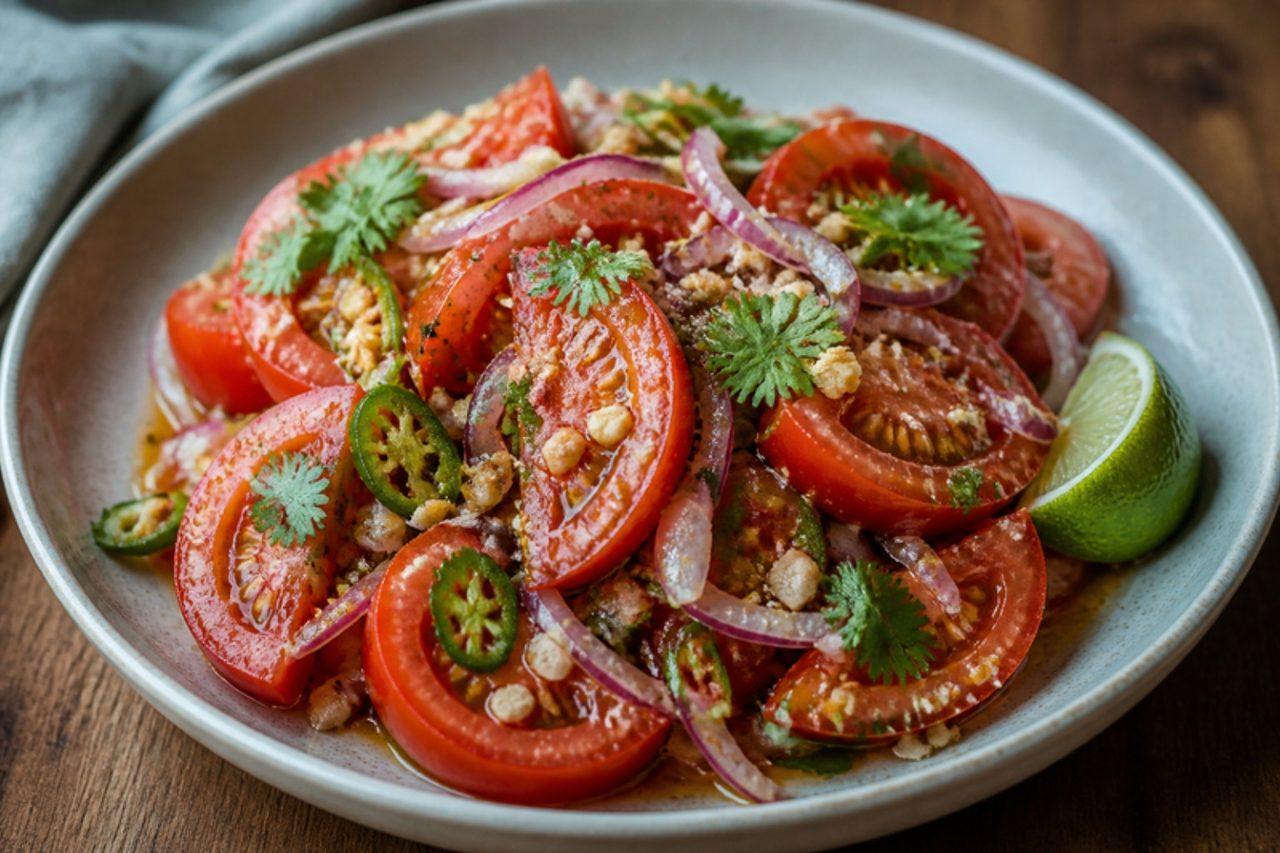
Come the cool season, when tomatoes are at their sweetest in Mandalay and the dry towns of Upper Burma, this thoke (a salad 'mixed by hand') is the quick dish that appears beside rice and curry at almost every meal. Slices of ripe tomato and onion are squeezed together with toasted chickpea flour, crushed peanuts and fried shallots in their oil, so the juices and flour turn into a light, nutty dressing that clings to every piece. Lime and fresh chilli sharpen it, and coriander lifts it. Home cooks often add fish sauce; this vegetarian version uses salt and a pinch of sugar. Dressing it too early is the most common mistake: salt pulls water from the tomatoes and leaves a soupy plate. Chef's tip: mix with your fingertips just before serving, pressing lightly so some tomato juice blends into the flour.

by KrazyBadal 0 views

Thingyan rice

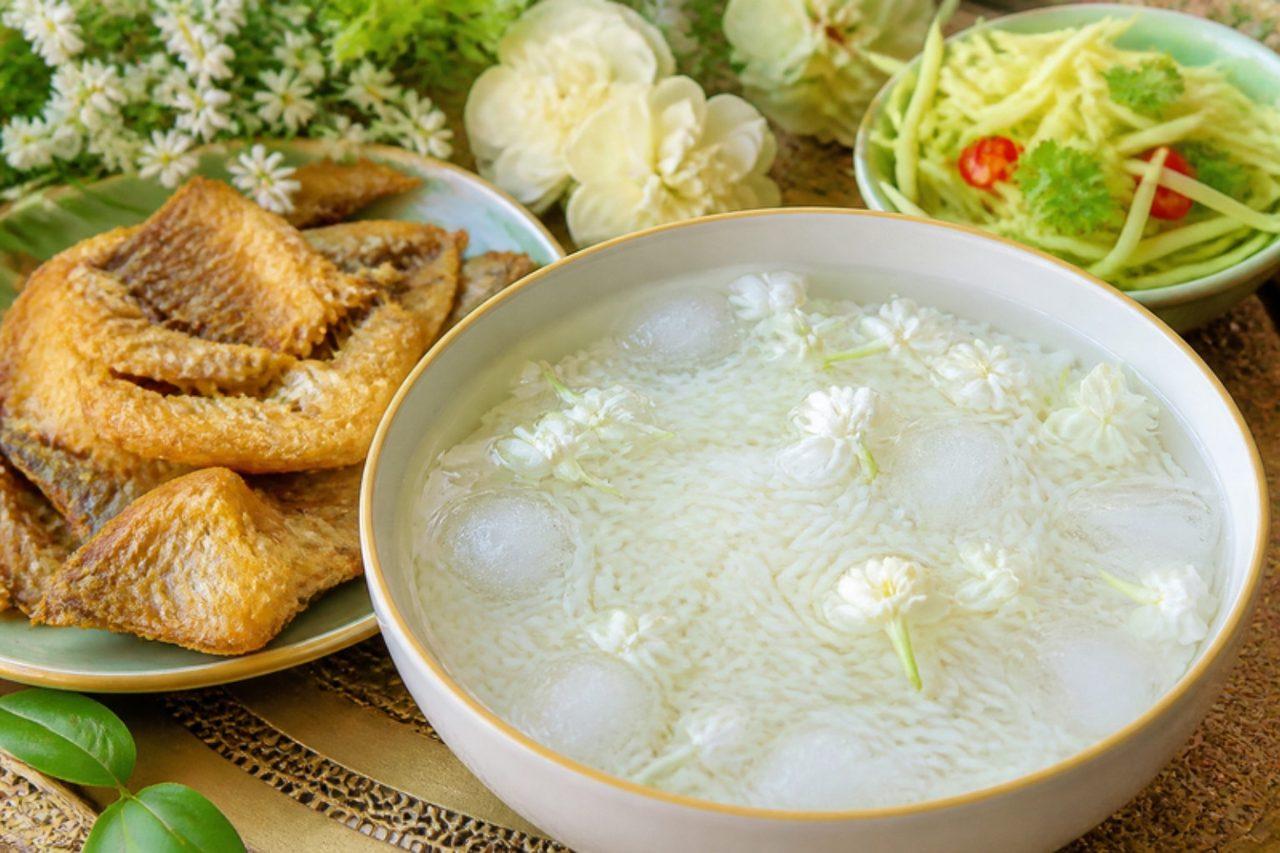
When the April water festival arrives and the heat is at its fiercest, Mon households in Mawlamyine and the villages around it prepare cool rice in jasmine-scented water, offer the first bowls to monks and elders, then share the rest with neighbours. The rice is cooked, rinsed until the grains are clean and separate, and served floating in chilled, flower-perfumed water; the same dish travelled to Thailand, where it became khao chae. Alongside go salty, crisp-fried dried fish, a sweet-sour green mango salad and fried shallots, and you take a little of each with every cold spoonful. Leaving the rice sitting warm on the counter before it is chilled is the mistake to avoid, both for safety and texture: cool it fast and keep it cold until serving. Chef's tip: use only unsprayed, edible jasmine flowers; if you can't find them, a few drops of food-grade jasmine water or a pandan leaf gives a gentle scent.

by KrazyBadal 0 views

Burmese pennywort salad

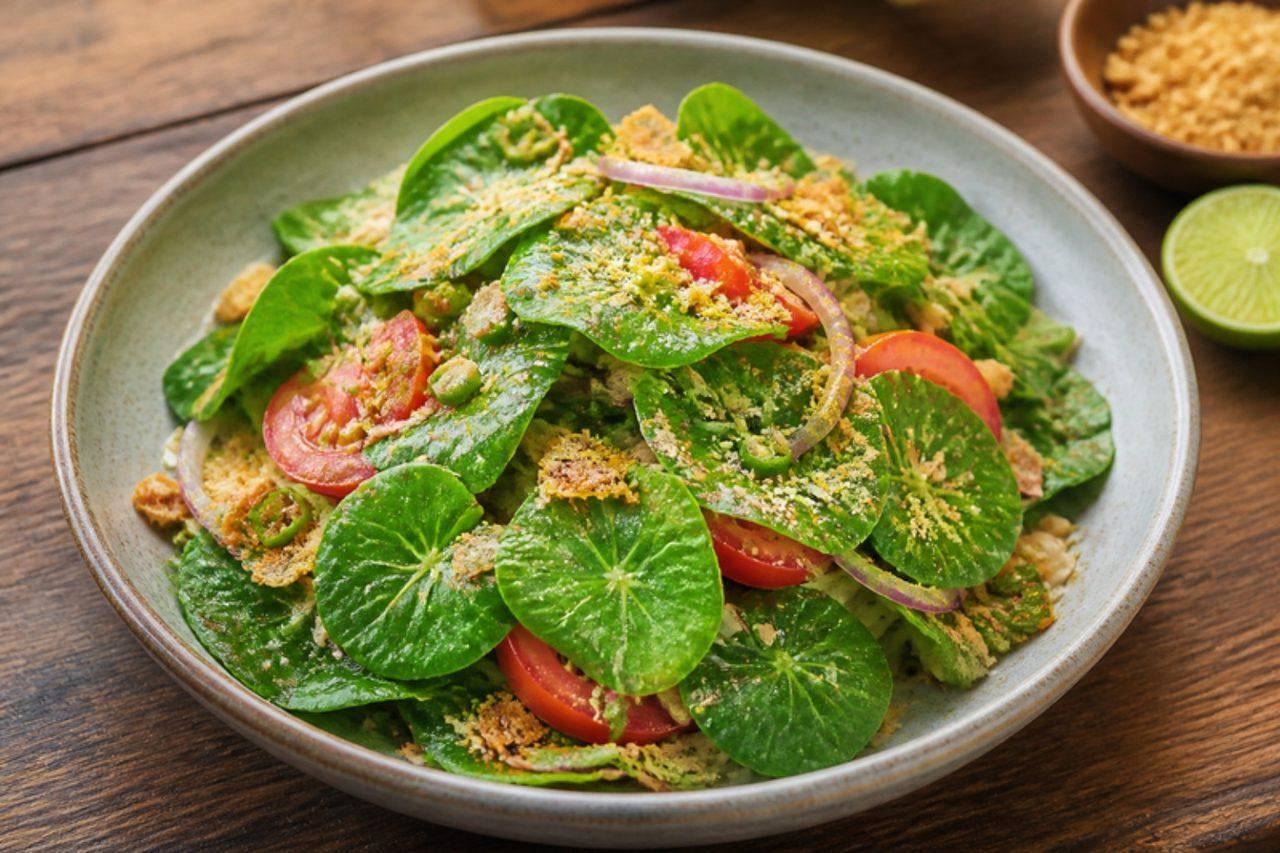
Myin khwa, 'horse's hoof', is the Burmese name for pennywort, after the shape of its round leaves, and Mandalay grandmothers swear by a plate of it to cool the body during the hot months before the monsoon. The fresh leaves are slightly bitter and grassy, a little like watercress, and they are tossed by hand with toasted chickpea flour, crushed peanuts, crunchy fried garlic and its oil, lime juice, tomato and sliced onion. The salad is served as a side to rich curries, where its clean sourness cuts through the oil. Wet leaves ruin it: the dressing slides off and turns watery, so dry them completely after washing. Chef's tip: look for pennywort sold as gotu kola at Asian and Sri Lankan grocers; young watercress makes a fair stand-in.

by KrazyBadal 0 views

Shan pickled mustard greens

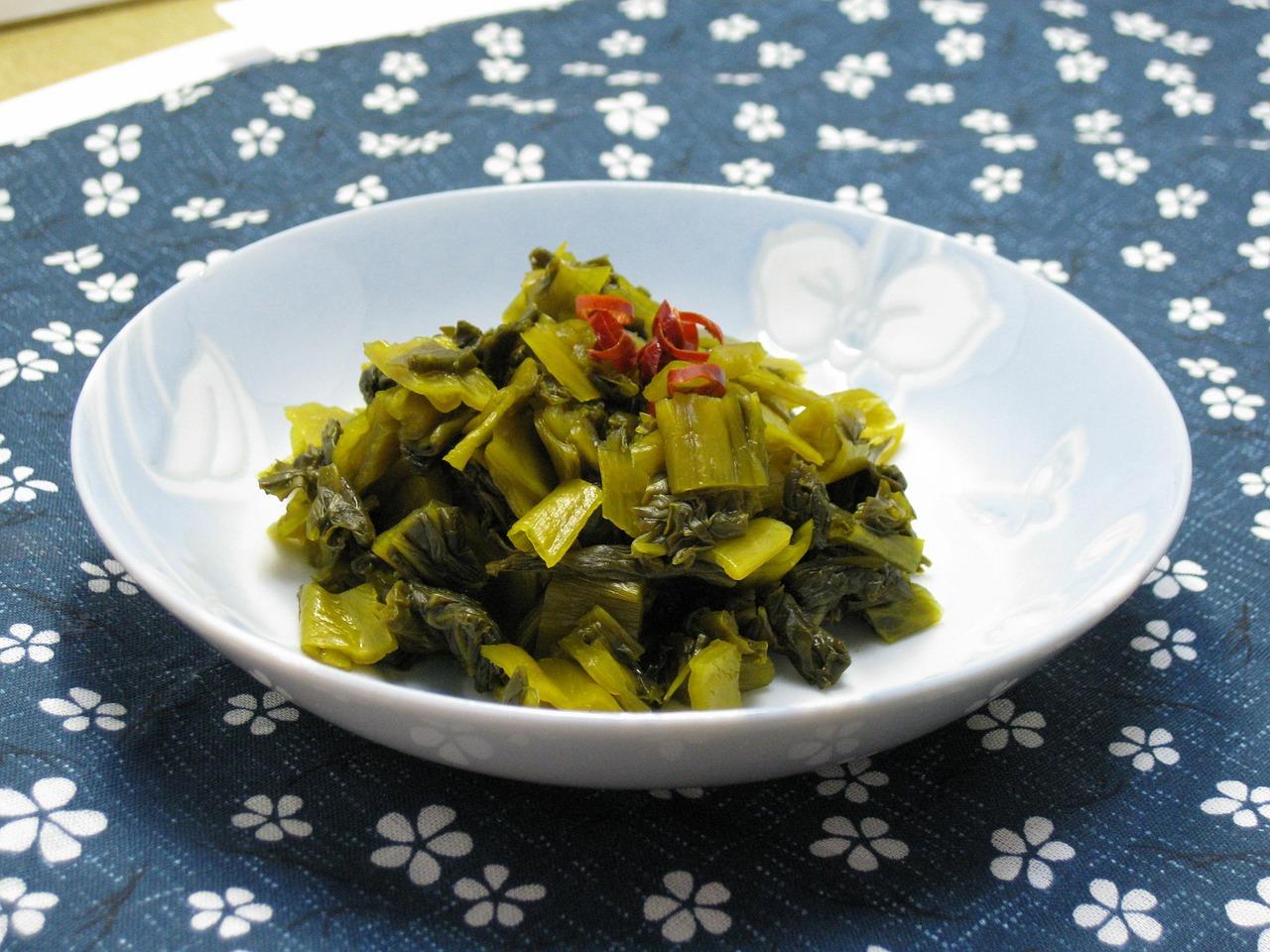
Jars of sour, olive-gold mustard greens sit on every noodle stall in Shan State, from Kengtung to the five-day markets around Inle Lake, and families keep a crock going through the cool season. The greens are wilted, rubbed with salt and packed under cloudy water saved from rinsing rice; its starch feeds the natural fermentation, and after a few days the leaves turn crunchy, tangy and pleasantly funky. A spoonful goes on top of Shan noodles, beside sticky rice, into soups, or stir-fried with garlic and chilli as a side dish. Leaves poking above the brine are the main thing that goes wrong, since that is where mould starts; keep everything pressed under the liquid. Chef's tip: use the cloudiest rice water from the first rinse, and add a spoon of cooked rice to get the souring going faster.

by KrazyBadal 0 views

Mont kalama

Making mont kalama is a group effort: before weddings, shinbyu novice ceremonies and village pagoda festivals, Burmese families take turns stirring a giant wok of sticky rice flour, coconut milk and jaggery for hours until it turns into a dark, glossy mass. The result, sliced into thick bars and topped with toasted sesame, is chewy and elastic like a soft toffee, tasting of caramel, smoky palm sugar and coconut, much like Malay dodol. It keeps for days, which is why it is a favourite gift to carry home from celebrations. Stopping stirring or turning up the heat to save time is the classic error; it scorches on the bottom and the whole batch tastes bitter. Chef's tip: use a heavy non-stick wok and a sturdy flat wooden spatula, and switch hands often.

by KrazyBadal 0 views

Htamin jin

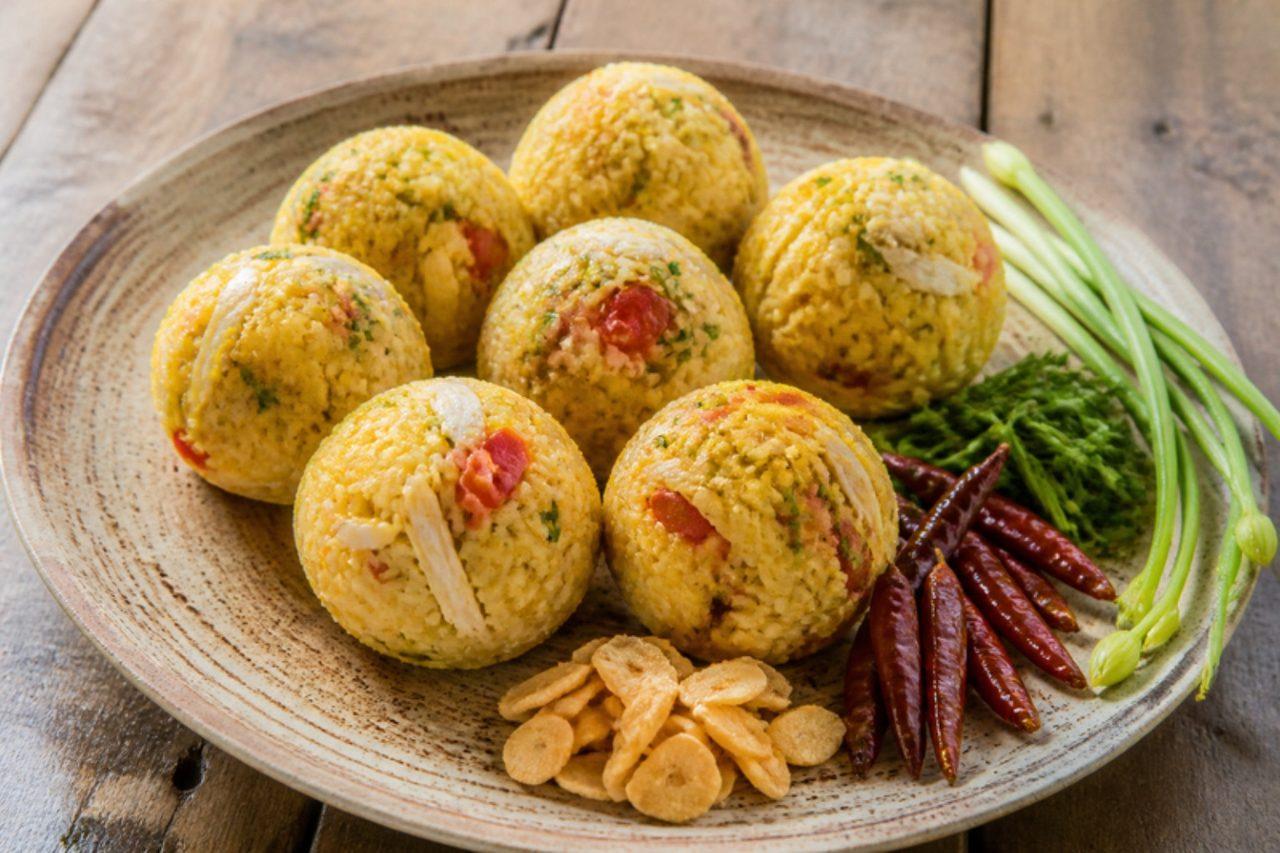
On the floating gardens and stilt-house kitchens of Inle Lake, the Intha make htamin jin to take out on the boats or to sell at the rotating five-day markets around the shore. Warm rice coloured with turmeric is kneaded by hand with flaked lake fish and tomatoes cooked down in garlic oil, then pressed into soft, tangy balls the size of a fist. It is eaten at room temperature, dressed with more garlic oil and crispy garlic, with fried dried chillies, whole raw garlic cloves and garlic chives on the side for crunch. Many cooks use firm, day-old rice, which never binds and crumbles apart; use freshly cooked rice that is a touch soft and still warm. Chef's tip: wear a food-safe glove and knead like dough for a full couple of minutes; the more you work it, the smoother and more evenly sour each ball becomes.

by KrazyBadal 0 views

Shan tofu noodles

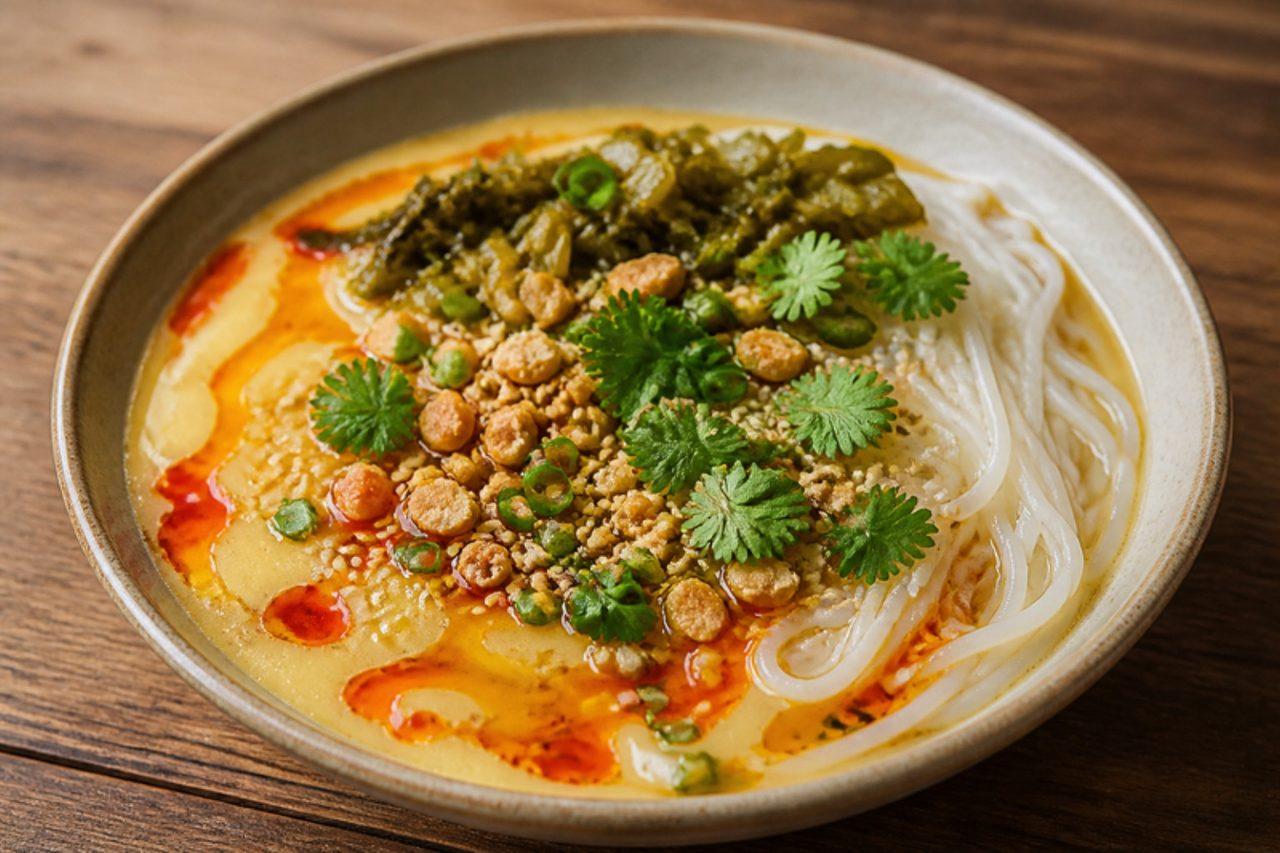
To hpu nway means 'warm tofu', and it is the Shan tofu mixture caught before it sets: chickpea flour batter cooked into a thick, golden, pourable porridge that market cooks in Taunggyi and Hsipaw ladle over rice noodles on chilly hill mornings. Where Shan tofu salad uses cool, firm cubes, here everything arrives hot and spoonable, a velvety blanket that you stir into the noodles with chilli oil, garlic oil, soy, a dash of vinegar and crunchy pickled mustard greens. It tastes nutty, savoury and gently sour, with heat you add to taste. The common mistake is tipping chickpea flour straight into hot water, which gives lumps that never whisk out; it must be soaked in cold water first. Chef's tip: for a gluten-free bowl, swap the light soy sauce for tamari.

by KrazyBadal 0 views

Kyauk kyaw

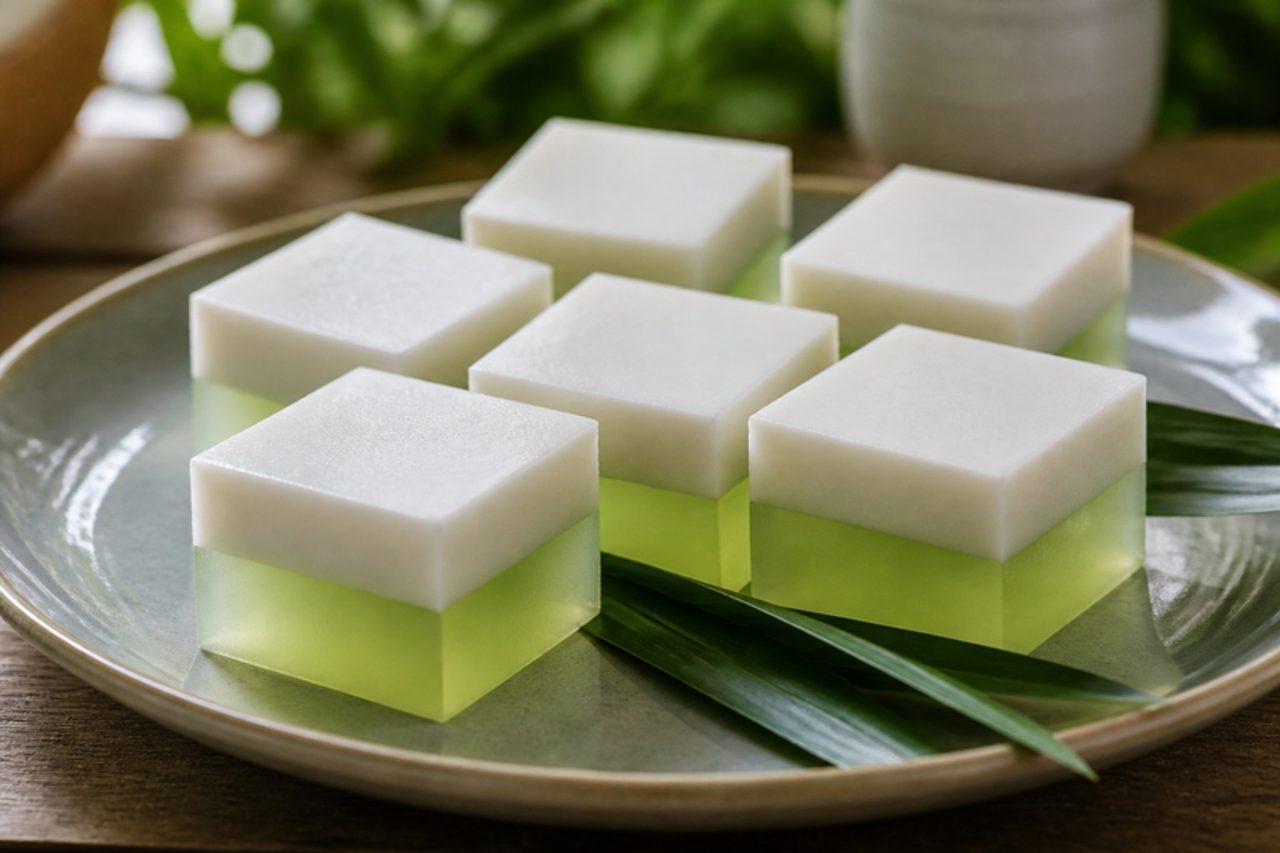
Trays of kyauk kyaw are cut into diamonds for nearly every Burmese celebration, from birthday donation lunches to the water-splashing days of Thingyan in April, when a cold, firm jelly is exactly what the heat calls for. Agar sets far firmer than gelatine, and that clean, snappy bite is the whole point: a translucent sweet layer on the bottom and an opaque, lightly salted coconut cream layer on top, each tasting of fresh coconut and a hint of pandan. It is served chilled, on its own or alongside shwe yin aye and other festival sweets. If the bottom layer sets completely hard before you pour the top, the two layers slide apart when you cut them. Chef's tip: pour the coconut layer while the clear layer has just formed a skin that holds a fingertip but is still warm.

by KrazyBadal 0 views

Showing 24 of 274 recipes

Show more recipes

Page 1 of 12