Skip to content
Recipes

All recipes

Vegetarian, or something you can't eat? Set your diet once and we'll hide recipes that don't fit.

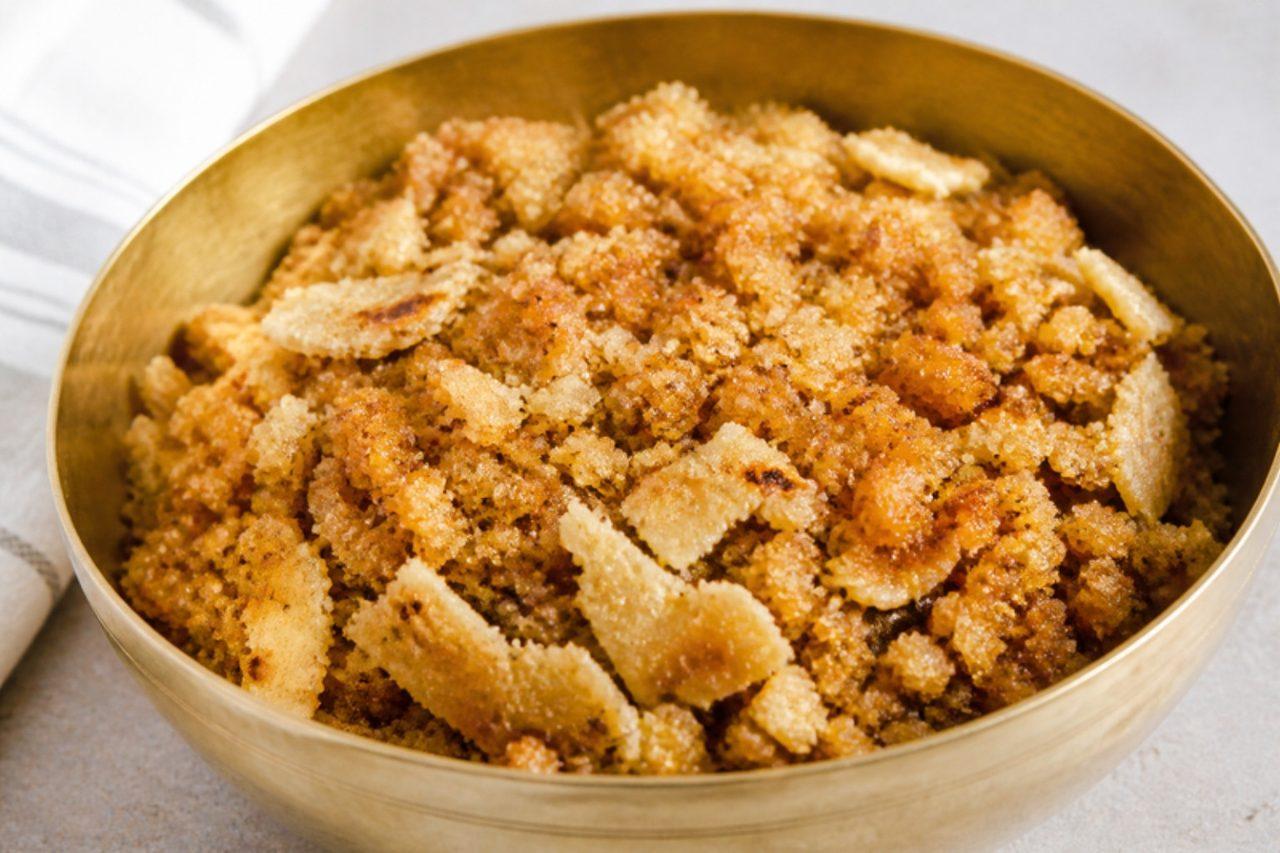
ChooriCrumbled roti with ghee and sugar

In Punjabi villages choori is what a grandmother makes when a child comes home hungry before dinner: a warm roti or leftover paratha crumbled by hand into ghee and shakkar until it turns into soft, sweet, buttery crumbs. It is eaten with a glass of tea or milk in the late afternoon, and in many homes a bowl is set aside as an offering on Sankranti and at the gurdwara. The common mistake is using cold, leathery rotis straight from the box: the ghee won't soak in and the sugar stays gritty. Warm them on the tawa first until they are soft and just crisp at the edges. Chef's tip: a pinch of crushed fennel and some chopped almonds turn it into a little treat for guests.

by KrazyBadal 0 views
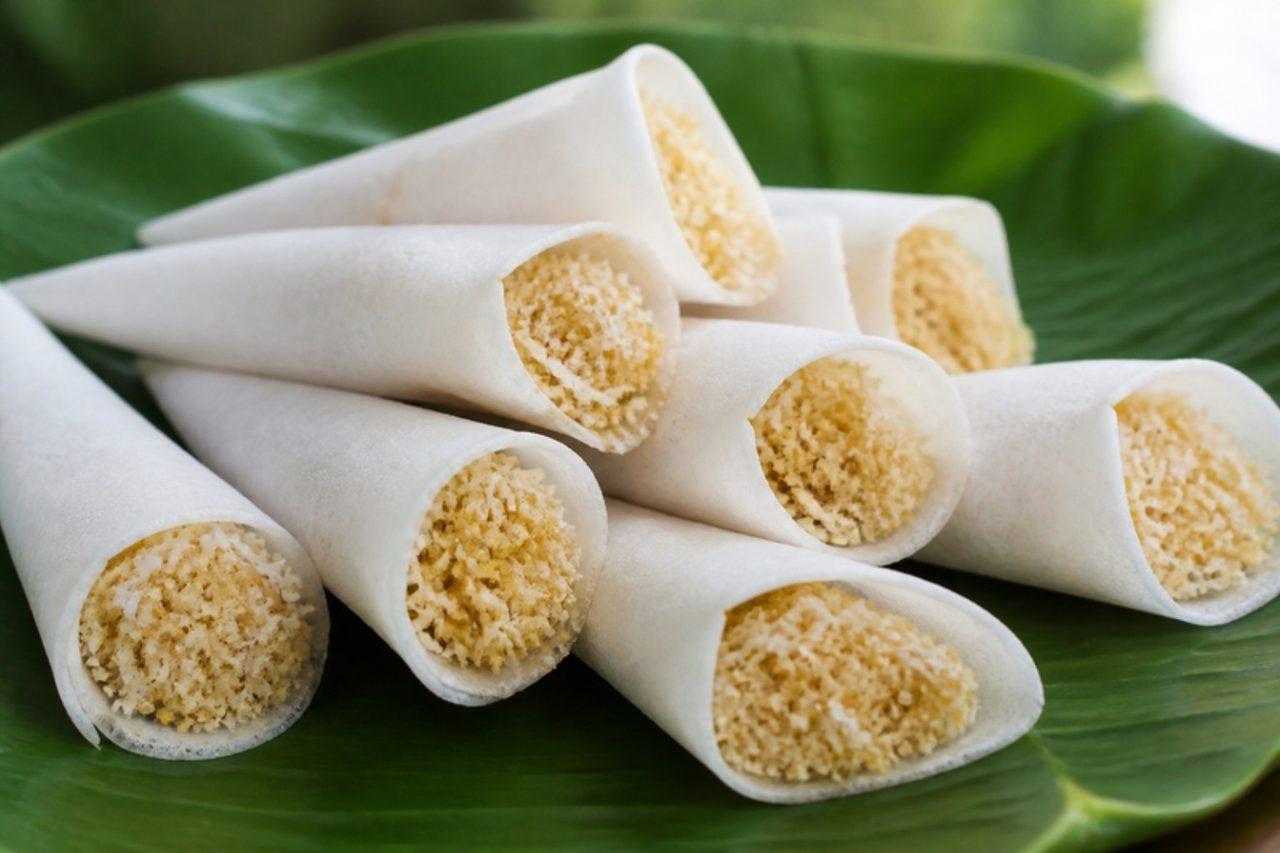
ChuruttuRice wafer cones with coconut filling

Churuttu, 'the roll', is a wedding sweet of the Syrian Christian families of central Kerala, around Kottayam, Pala and Changanassery, where aunts sit together for a day before the wedding shaping hundreds of these cones for the guests to take home. Paper-thin rice wafers are rolled into cones, filled with a sweet crumble of roasted rice flour, coconut and cardamom, sealed and dried until crisp. They shatter at the first bite and melt to a sweet, toasty dust. The mistake is a wet filling; damp coconut softens the cones within a day, so the filling must be roasted dry. Chef's tip: work with one wafer at a time and keep the rest under a damp cloth; they crack if they dry before rolling.

by KrazyBadal 0 views
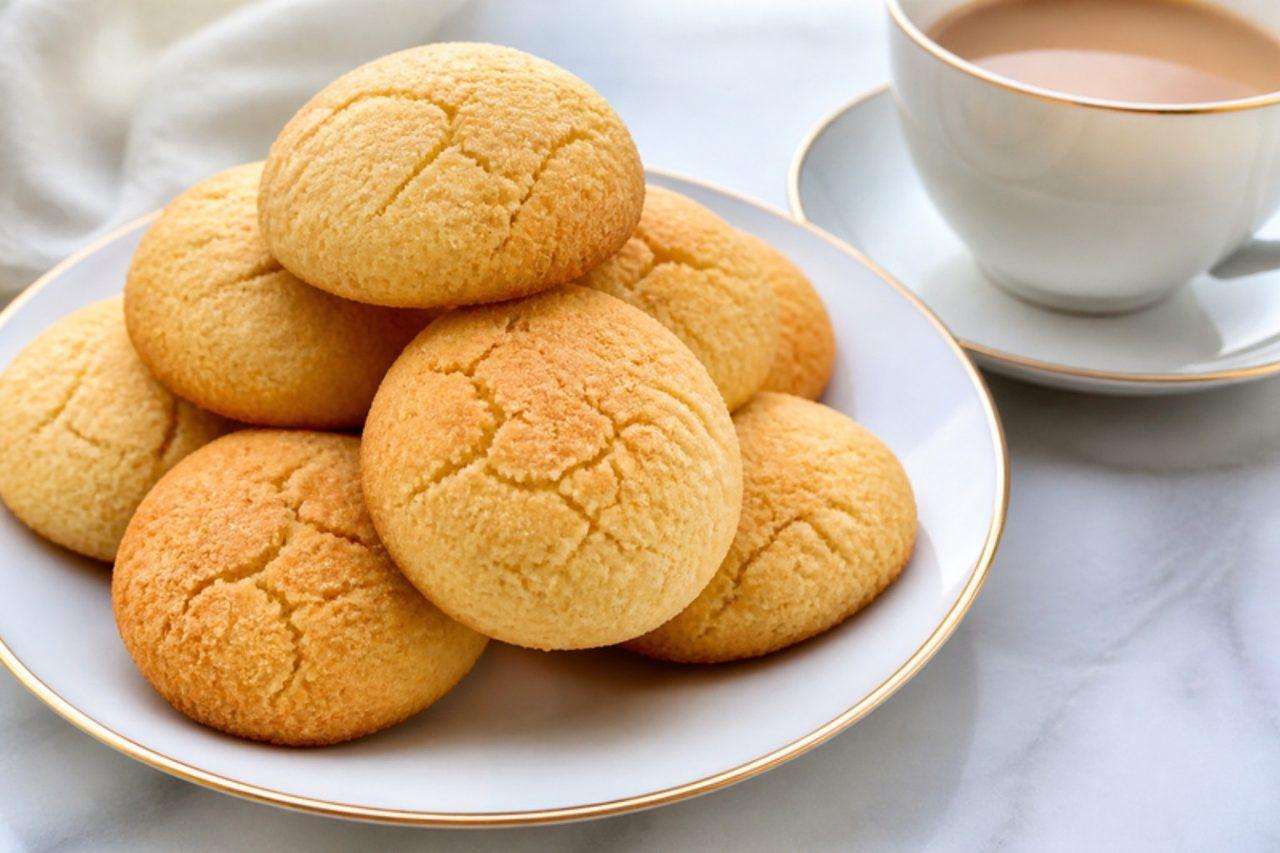
Parsi batasaSalted butter tea biscuits

Batasa come from the wood-fired Parsi bakeries of Navsari, Udvada and Surat, where they are baked low and slow until dry and pale gold, then sold by the tin for morning chai. They are domed, flaky-crumbly and buttery, with just a whisper of salt and sugar, and they are made to be dunked. Bakeries traditionally raise the dough with toddy; this home version uses yogurt and a little baking powder for the same light, short crumb. The usual mistake is baking them hot and fast, which browns the outside while the inside stays soft; batasa need a long, gentle bake to dry right through. Chef's tip: switch the oven off at the end and leave the biscuits inside with the door ajar for 20 minutes so they crisp completely.

100 minIndianBaking
by KrazyBadal 0 views

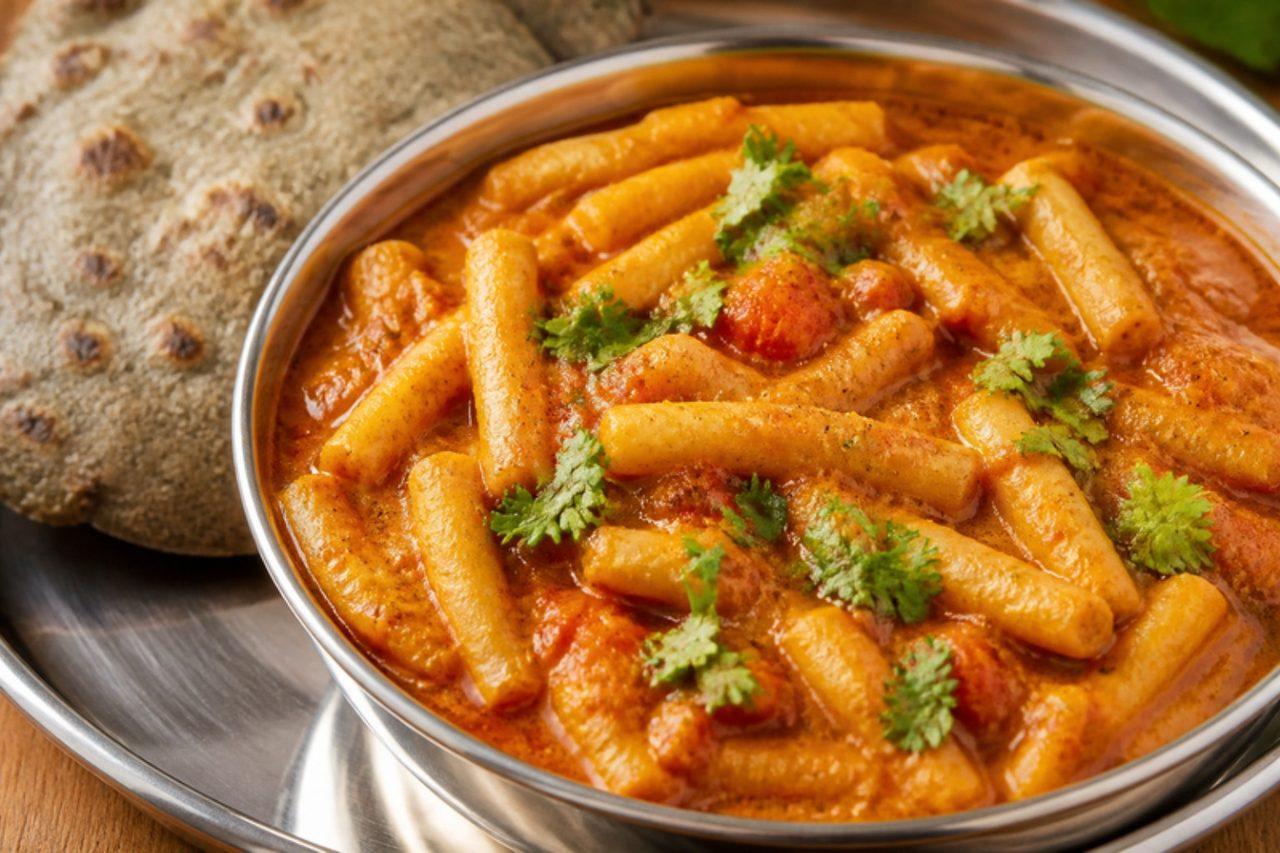
Gathiya nu shaakGathiya in yogurt tomato gravy

Gathiya nu shaak is a Kathiawadi dhaba standby along the Rajkot and Bhavnagar highways, cooked in ten minutes and eaten with hot bajra rotla, raw onion and buttermilk. A spicy gravy of onion, tomato, garlic and whisked yogurt is brought to a simmer and thick bhavnagari gathiya go in right at the end, so they soften on the outside but keep a little bite at the centre. It is rich, fiery and comforting. The common mistake is adding the gathiya too early or letting them sit in the gravy; they swell and turn to mush. Chef's tip: have everyone at the table before the gathiya go into the pan, and serve within two minutes.

by KrazyBadal 0 views
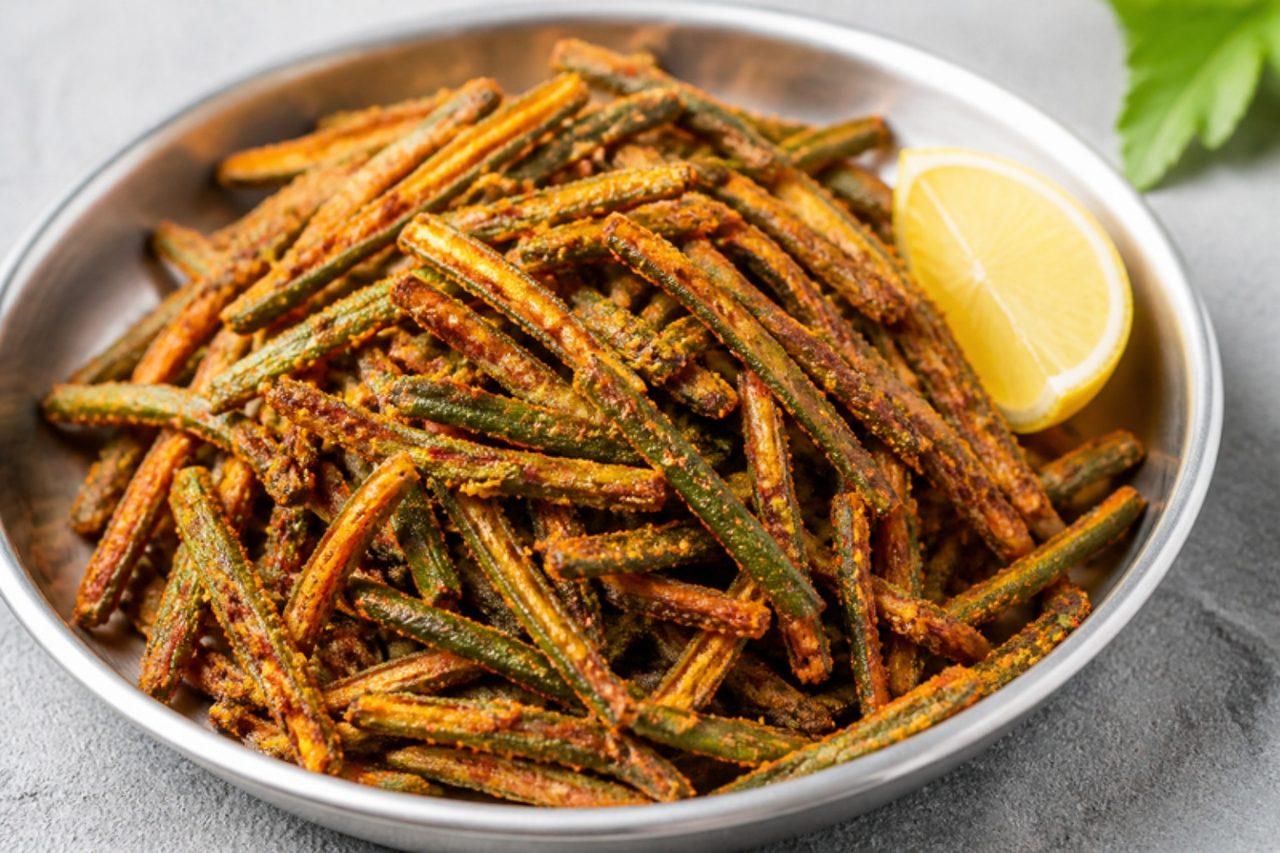
Kurkuri bhindiCrispy fried okra strips

Kurkuri bhindi is the dhaba and wedding-buffet side that disappears first: thin, slivered okra tossed in a dry coat of besan, chilli and amchur and fried until it shatters. In Punjabi and Delhi homes it is served as a tea-time snack, scattered over dal-chawal or eaten by the handful while the rest of dinner cooks. The mistake almost everyone makes once is washing the okra and slicing it while still damp: the coating turns into gluey lumps and the strips go limp. Wash it an hour ahead and dry it completely. Chef's tip: toss the slivers with the spices first and add the flours only just before frying, so the okra cannot release liquid into the coating.

by KrazyBadal 0 views
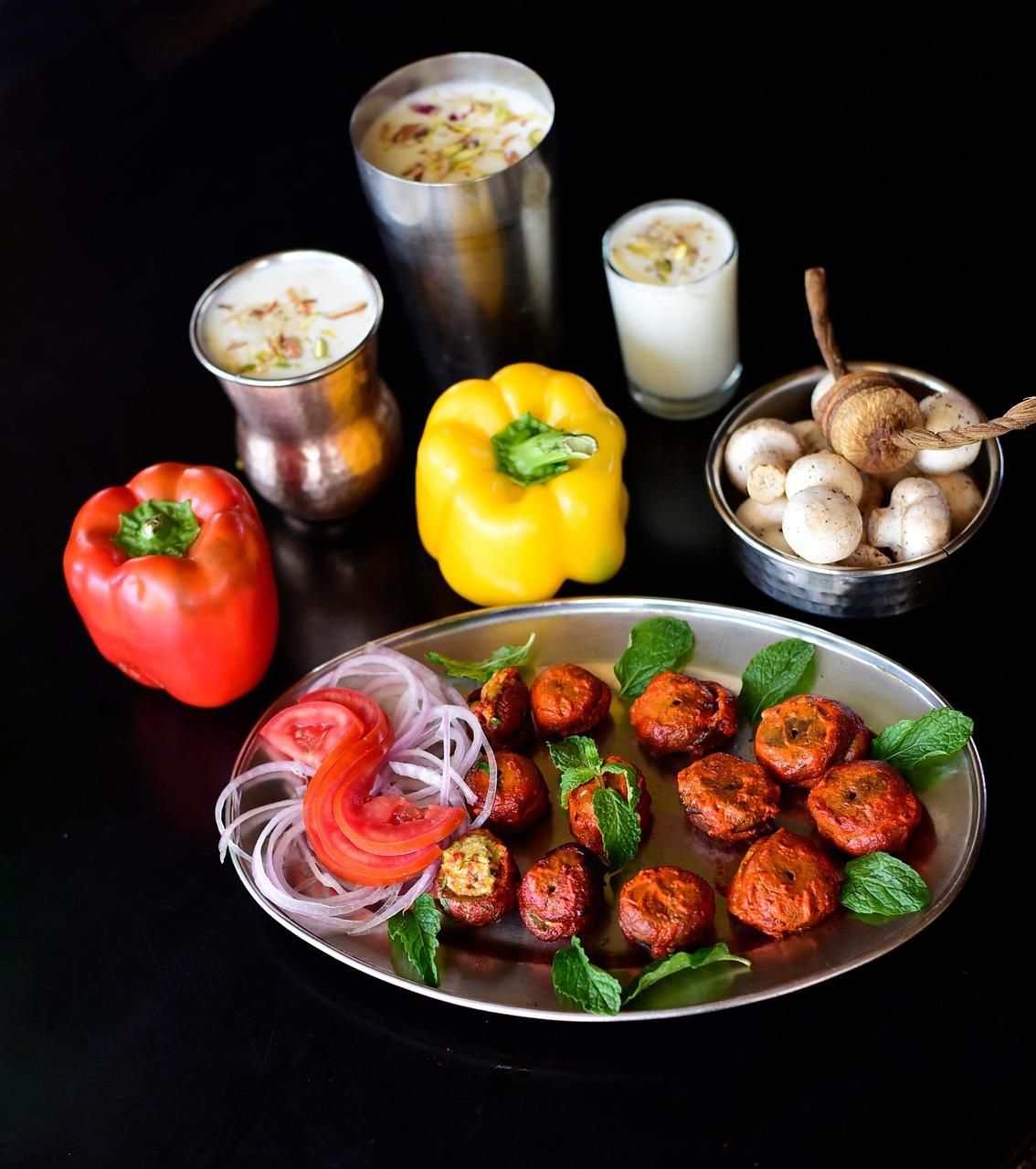
Mushroom tikka

Mushroom tikka is a newer member of the Punjabi tikka family, popular in Delhi restaurants and at North Indian weddings, where it sits next to the paneer tikka on the starter counter. Whole button mushrooms soak up a smoky, tangy yogurt marinade and turn juicy and meaty in a hot oven, with charred onion and pepper on the same skewer. The mistake is rinsing the mushrooms under the tap: they absorb water, the marinade slides off and they stew rather than char. Wipe them clean with a damp cloth instead. Chef's tip: roast them hot and fast; too long in the oven and they shrink and leak all their juice.

by KrazyBadal 0 views

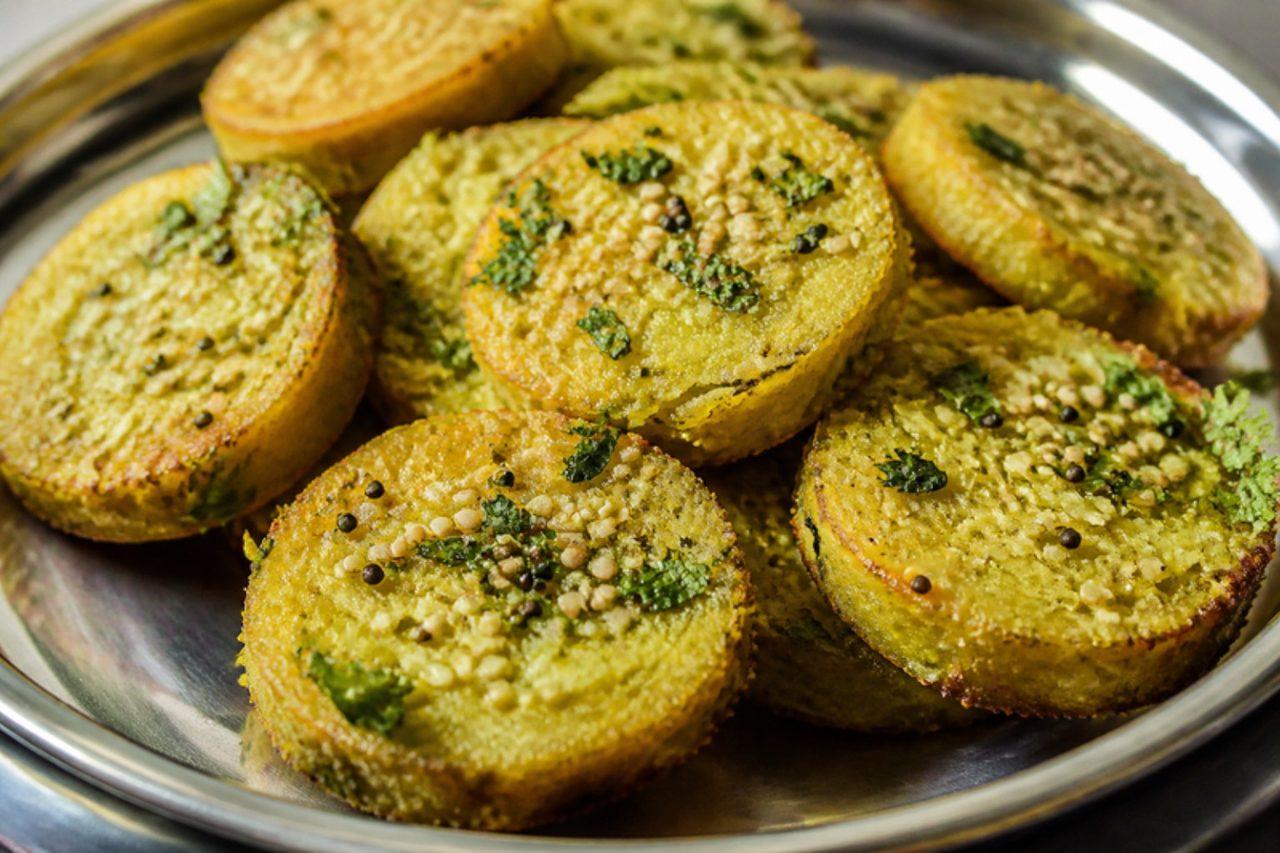
Kobi na muthiaCabbage steamed dumplings

When the dudhi runs out, Gujarati cooks reach for a head of cabbage, and kobi na muthia appear for breakfast in Vadodara and Rajkot homes. Finely shredded cabbage is bound with wheat and gram flour, ginger, green chilli and a touch of sugar, steamed into logs, sliced and crisped in a sesame and mustard tempering. Cabbage gives a sweeter, more delicate flavour and a slightly lacy texture. The mistake to avoid is shredding the cabbage coarsely; thick shreds poke out of the logs and the slices fall apart, so chop it as fine as you can or pulse it briefly in a food processor. Chef's tip: let the salted cabbage sit for 10 minutes before adding flour so it softens and gives up enough water to make the dough.

by KrazyBadal 0 views
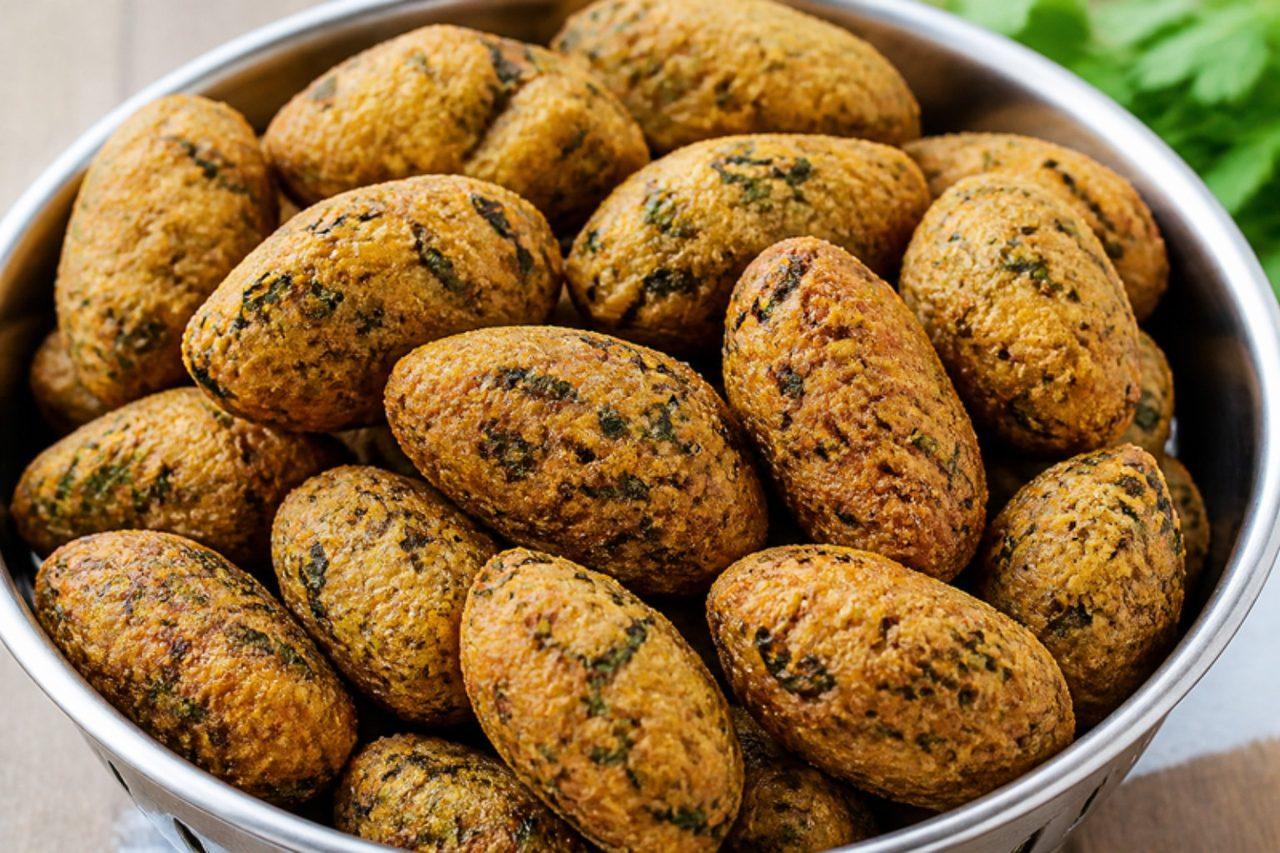
Tala methi na muthiaFried fenugreek dumplings

In Surat and the towns of South Gujarat, winter means undhiyu, and undhiyu means a big batch of fried methi muthia. These little finger-shaped dumplings of fresh fenugreek, gram flour and coarse wheat flour are crisp outside and soft inside, sweet-sour from sugar and lemon, with the pleasant bitterness of methi. Many families fry extra to eat as a snack with tea or with green chutney. The common mistake is frying in oil that is too hot; the outside browns while the centre stays raw and pasty, so fry them at a steady medium heat. Chef's tip: a little hot oil rubbed into the flour (moyan) is what makes them crumbly-crisp rather than hard.

by KrazyBadal 0 views
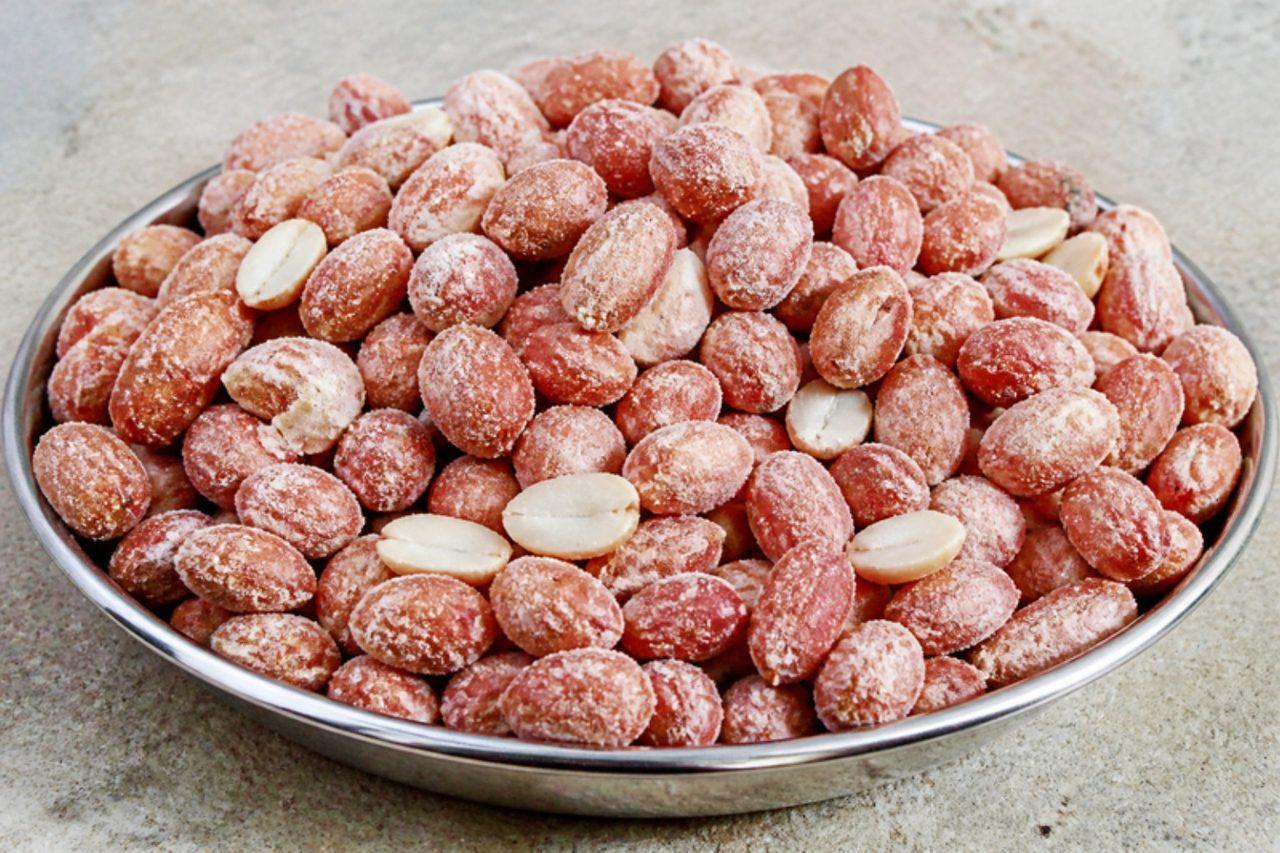
Bharuchi khari singSalt-roasted peanuts

Bharuch on the Narmada is famous across Gujarat for khari sing, salted peanuts sold in paper packets at the station and on the highway, and carried home by every traveller. Whole peanuts are soaked in strong salt water, then roasted in a big iron pan of hot salt (or sand) until the skins crackle and dry to a thin, white, salty crust over a deeply roasted, crunchy nut. They are a travel snack, a tea-time nibble and a fasting-friendly protein. The common mistake is roasting too fast over high heat: the shells char outside while the nut stays chewy inside, so roast steadily over medium-low and taste a nut before you stop. Chef's tip: the roasting salt can be sieved, cooled and kept in a jar for the next batch.

by KrazyBadal 0 views
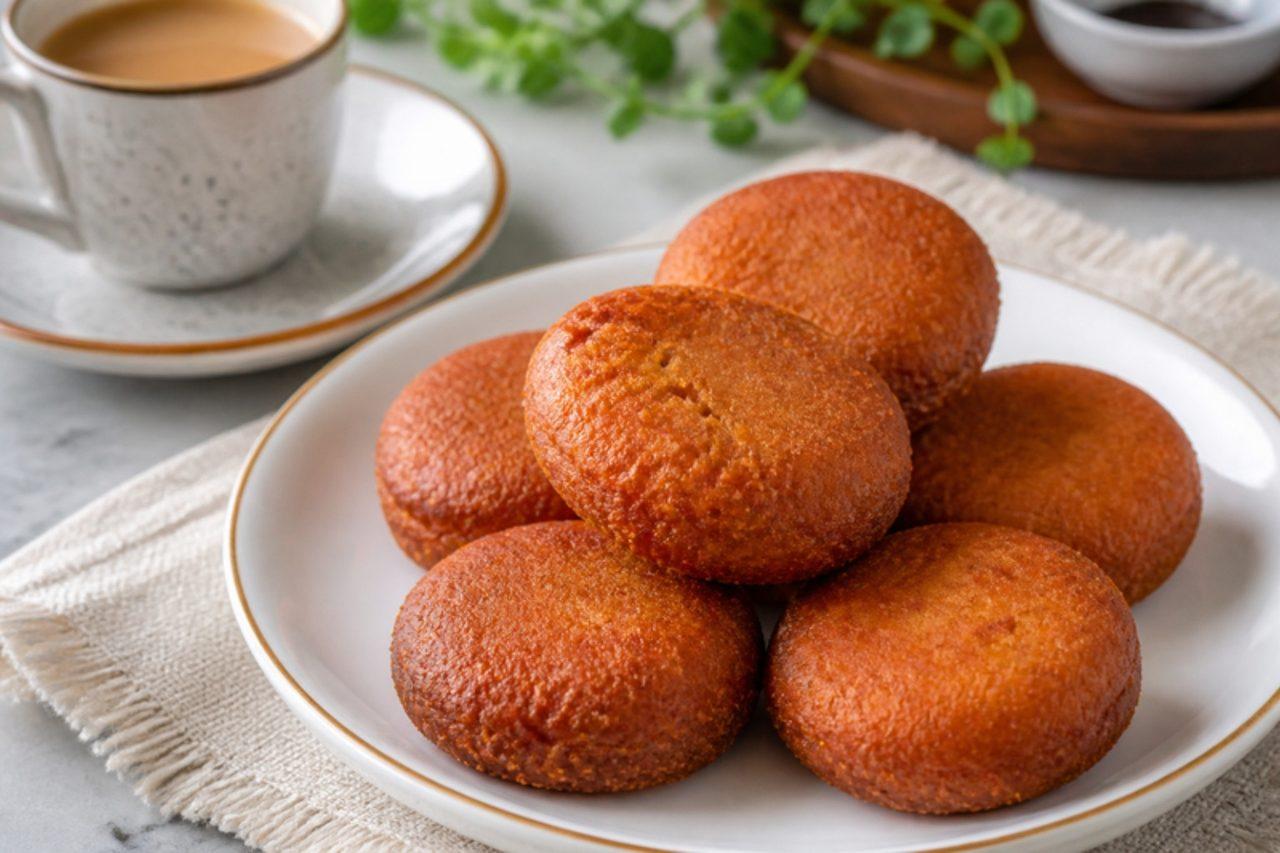
BhakraFried yogurt semolina cakes

Bhakra are the thick, sweet fried cakes that Parsi families of Navsari and Udvada make for the Navjote and wedding days, for Jamshedi Navroz and to pack for long journeys, because they keep for a couple of weeks. The old recipe rises with toddy; this alcohol-free version uses sour yogurt and a little baking soda, which gives the same faint tang and a close, cakey crumb. Outside they fry to a deep mahogany crust, inside they are firm, buttery and fragrant with cardamom and nutmeg. The most common mistake is frying in oil that is too hot: the outside browns in a minute while the centre stays raw and doughy. Chef's tip: fry them low and slow, and break one open before you do the rest of the batch.

by KrazyBadal 0 views

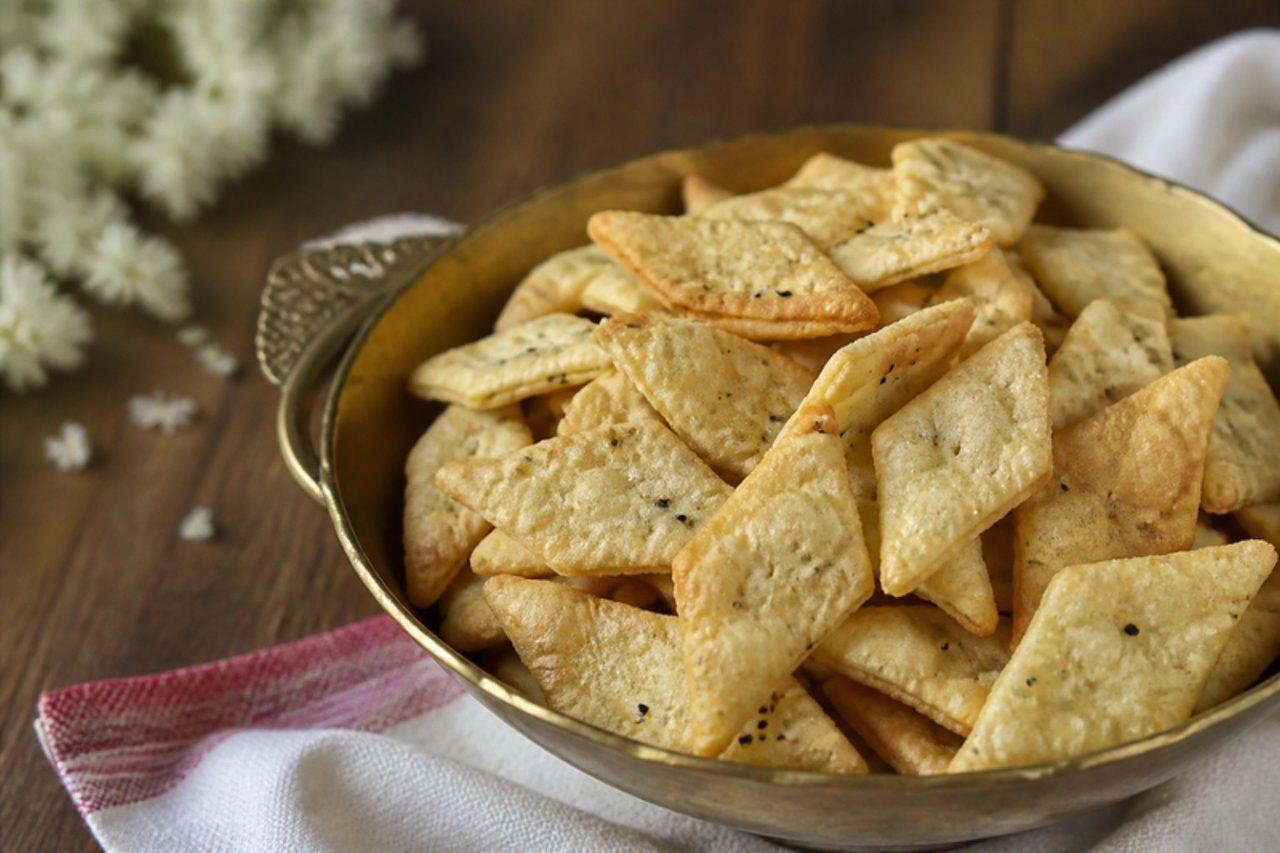
NimkiFlaky fried nigella pastry

On Bijoya Dashami, the last day of Durga Puja, Bengali families visit elders, touch their feet and are fed sweets, and the tin of nimki is always opened alongside the narkel naru and mishti. Nimki are small diamonds of short pastry flavoured with kalonji (nigella seeds), fried slowly until they blister into flaky layers. They are salty, crunchy and very moreish with a cup of tea. Common mistake: frying in oil that is too hot; the outside browns while the inside stays raw and hard. Fry on a low-medium flame until the pieces float, sound hollow and are a pale golden colour. Chef's tip: the dough is ready when a handful pressed in your fist holds its shape (the 'moyan' test); too little ghee gives hard nimki, too much makes them crumble in the oil.

by KrazyBadal 0 views

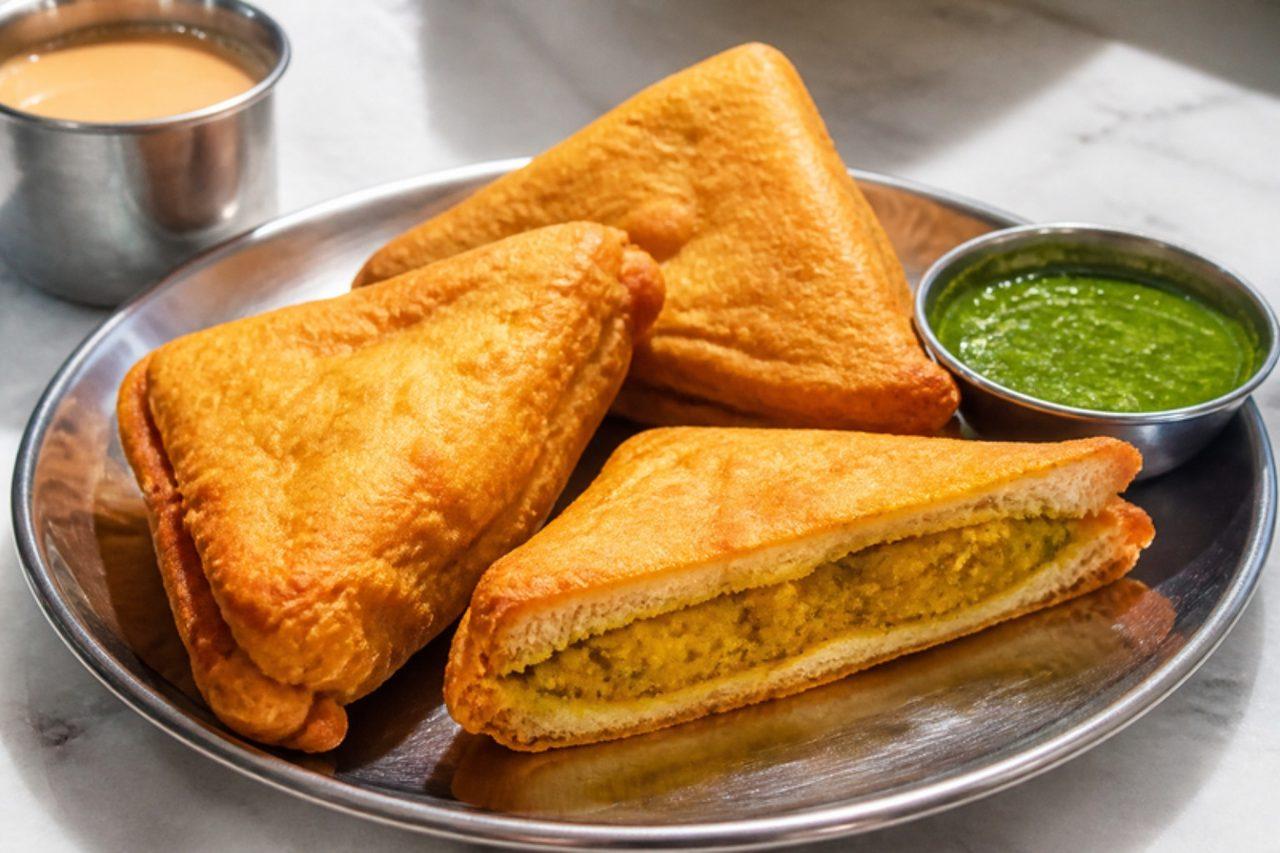
Bread pakoraStuffed bread fritters

Every tea stall from Ludhiana to Delhi's Kamla Nagar has a tray of bread pakoras by ten in the morning, and school children and office clerks eat them standing up, squashed into a paper plate with ketchup and fried green chillies. Two slices of soft white bread hold a layer of green chutney and spicy aloo, and the whole sandwich is cut into triangles, dunked in a thick besan batter and fried until it puffs and crisps. The common mistake is a thin, watery batter: it soaks straight into the bread and the pakora comes out heavy and oily. Keep the batter as thick as idli batter and dip quickly. Chef's tip: use bread that is a day old, which holds its shape in the batter far better than fresh.

by KrazyBadal 0 views

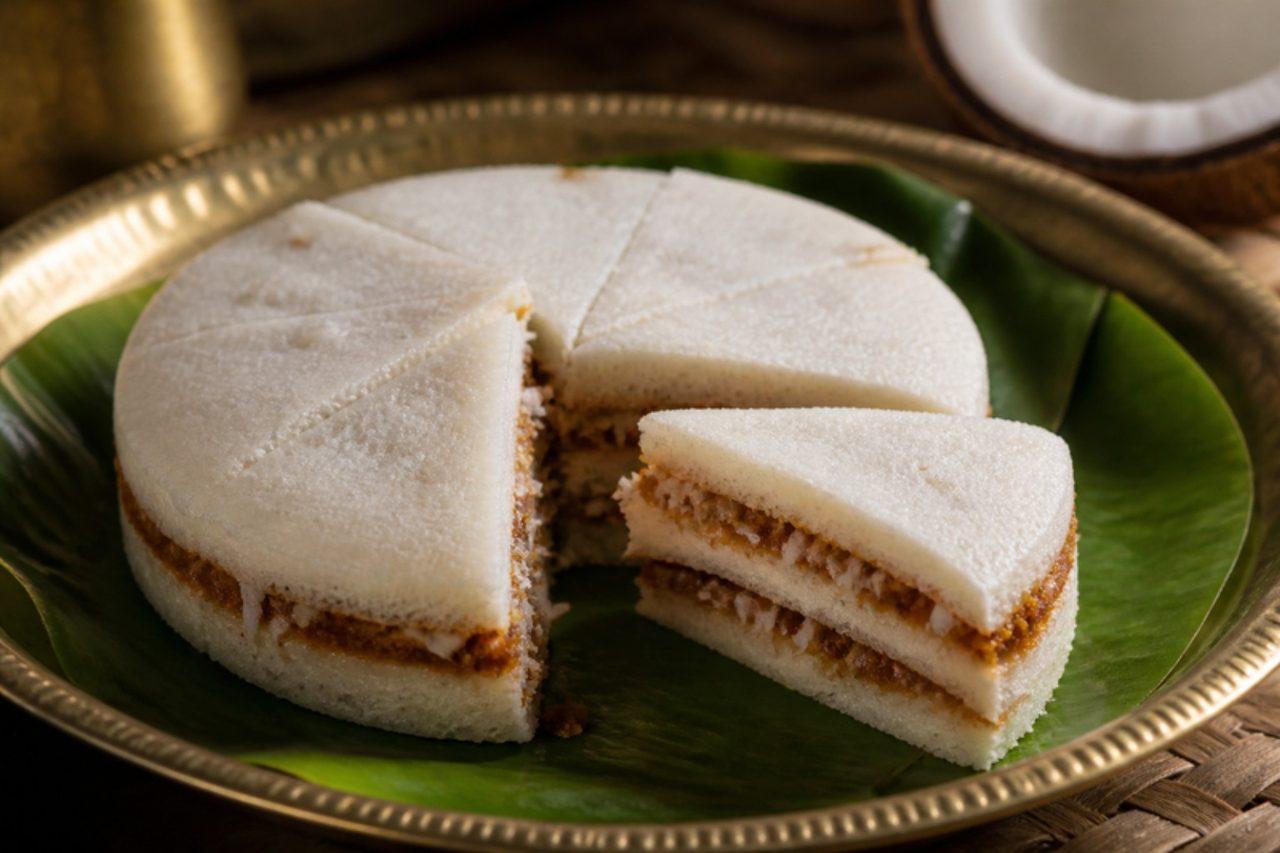
Tekeli pithaSteamed coconut jaggery rice cake

In Assamese homes the nights before Magh Bihu are spent making pitha, and tekeli pitha is the one named after the pot it is cooked on: a cloth is tied over the mouth of a tekeli (a small clay water pot), and damp rice flour, coconut and jaggery are piled on top and steamed by the water boiling underneath. It comes off as a soft, crumbly cake, sweet in the middle and plain at the edges, eaten warm with tea on Bihu morning or packed into the bhogali spread. Any narrow-necked pot or saucepan works at home. Common mistake: using dry shop rice flour straight from the packet; it needs to be just damp enough to clump when pressed, or the cake falls apart, and it is done when the top looks matt and a skewer comes out clean, about 10–12 minutes. Chef's tip: soak and grind your own rice flour if you can; flour from soaked rice, dried for an hour, gives the softest pitha.

by KrazyBadal 0 views

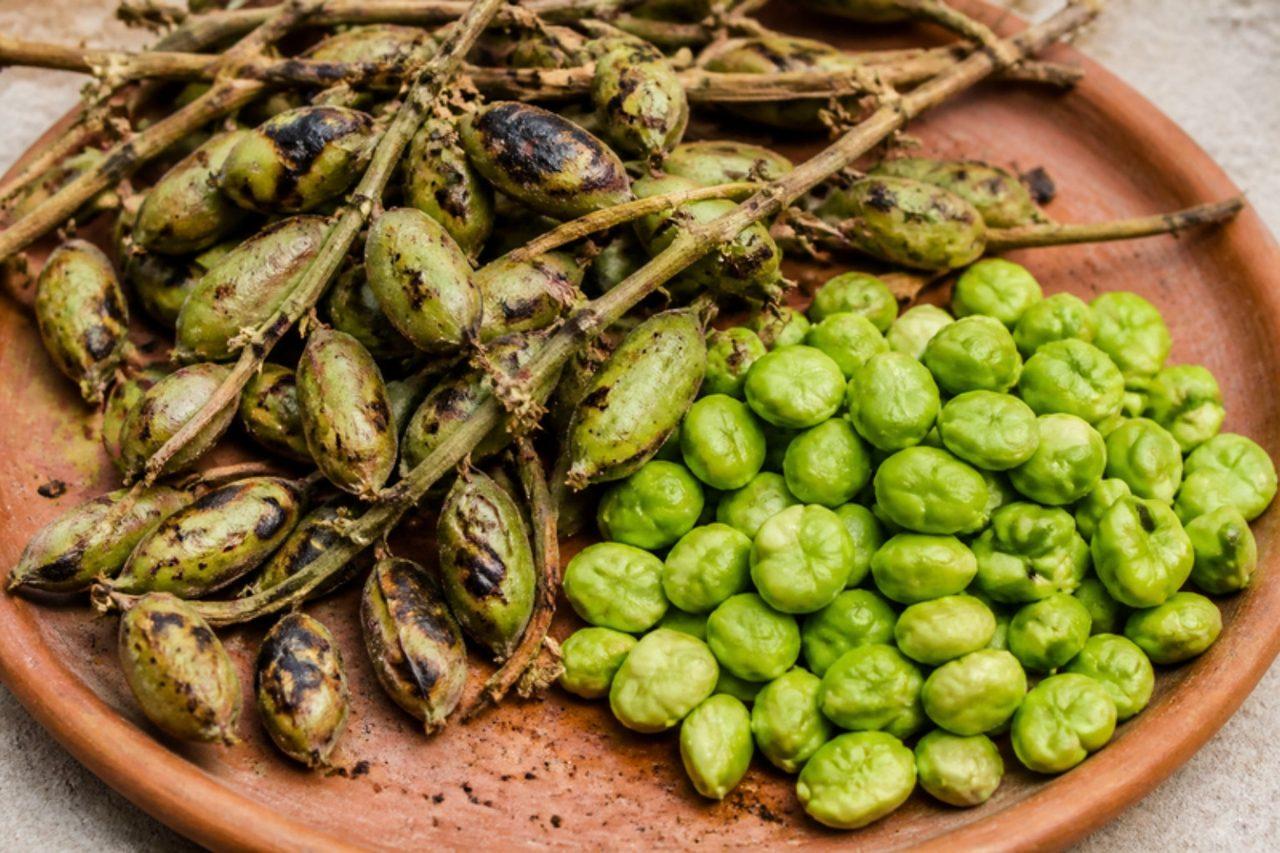
HolanRoasted green chickpeas

In late winter, around the time of Holi, village children in rural Punjab pull up bunches of green chickpea plants from the edge of the field and throw them onto a small fire of dry stalks. Once the pods blacken they rake them out and shell them hot, blowing on their fingers, and the bright green peas inside taste smoky, sweet and nutty. At home you can do the same in a heavy iron kadai. The mistake is leaving them on until the pods are fully burnt; by then the peas inside are dry and hard. Stop when the pods are blistered black in patches and the peas are just tender. Chef's tip: a pinch of salt and chilli with a squeeze of lemon on the shelled peas turns them into a quick chaat.

by KrazyBadal 0 views

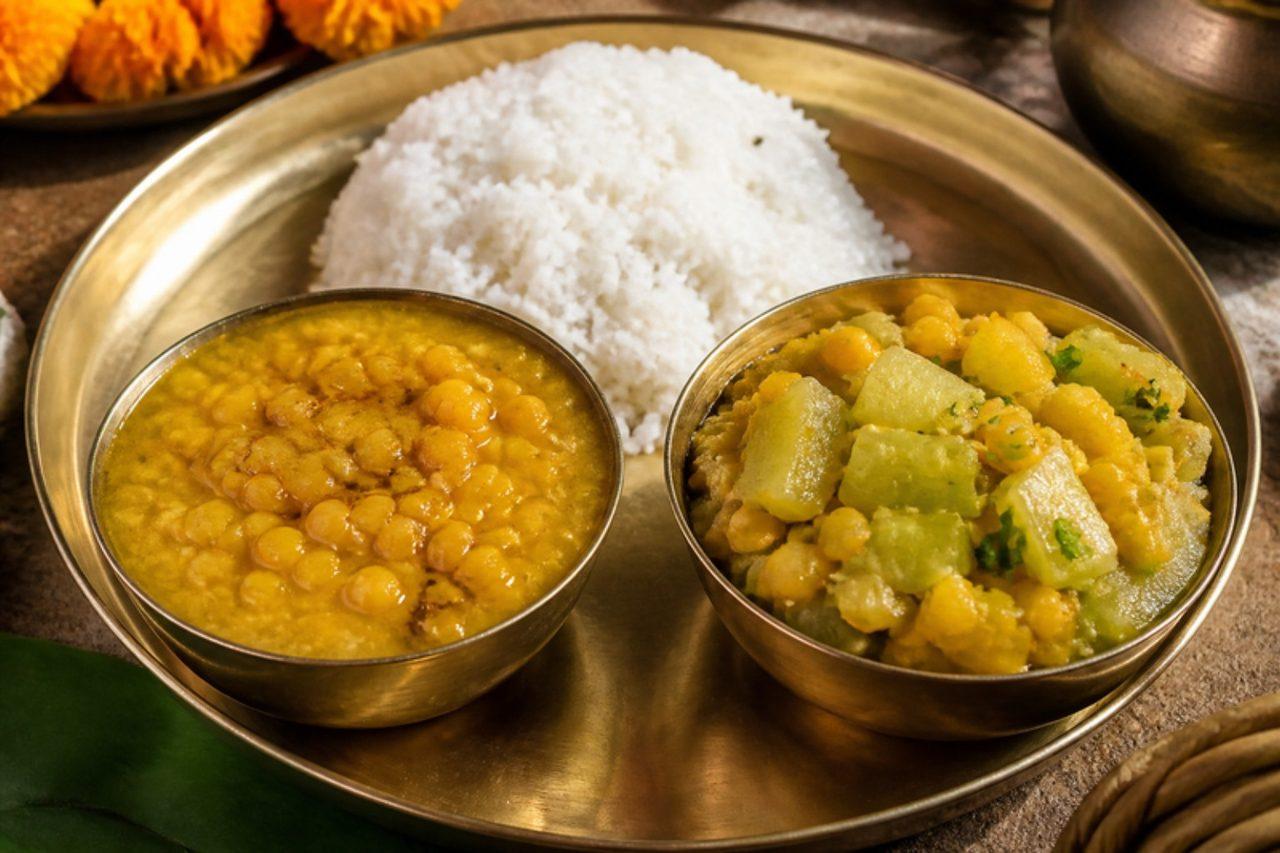
Kaddu bhaatBottle gourd dal with rice

Chhath begins with Nahay-khay: after a holy bath in the Ganga or a pond, the women and men keeping the fast in Bihar and Jharkhand eat one pure, simple meal, and it is always kaddu (bottle gourd) cooked with chana dal, plain rice and a ghee-fried sabzi, seasoned only with sendha namak (rock salt) and no onion or garlic. The dal is mild, soft and sweet from the gourd, with cumin, ginger and green chilli. Common mistake: adding the gourd at the start, so it collapses to mush; cook the chana dal soft first, then simmer the gourd until just translucent. Chef's tip: grate a spoon of fresh ginger into the ghee tadka at the end; it is the main flavour since there is no garlic.

by KrazyBadal 0 views

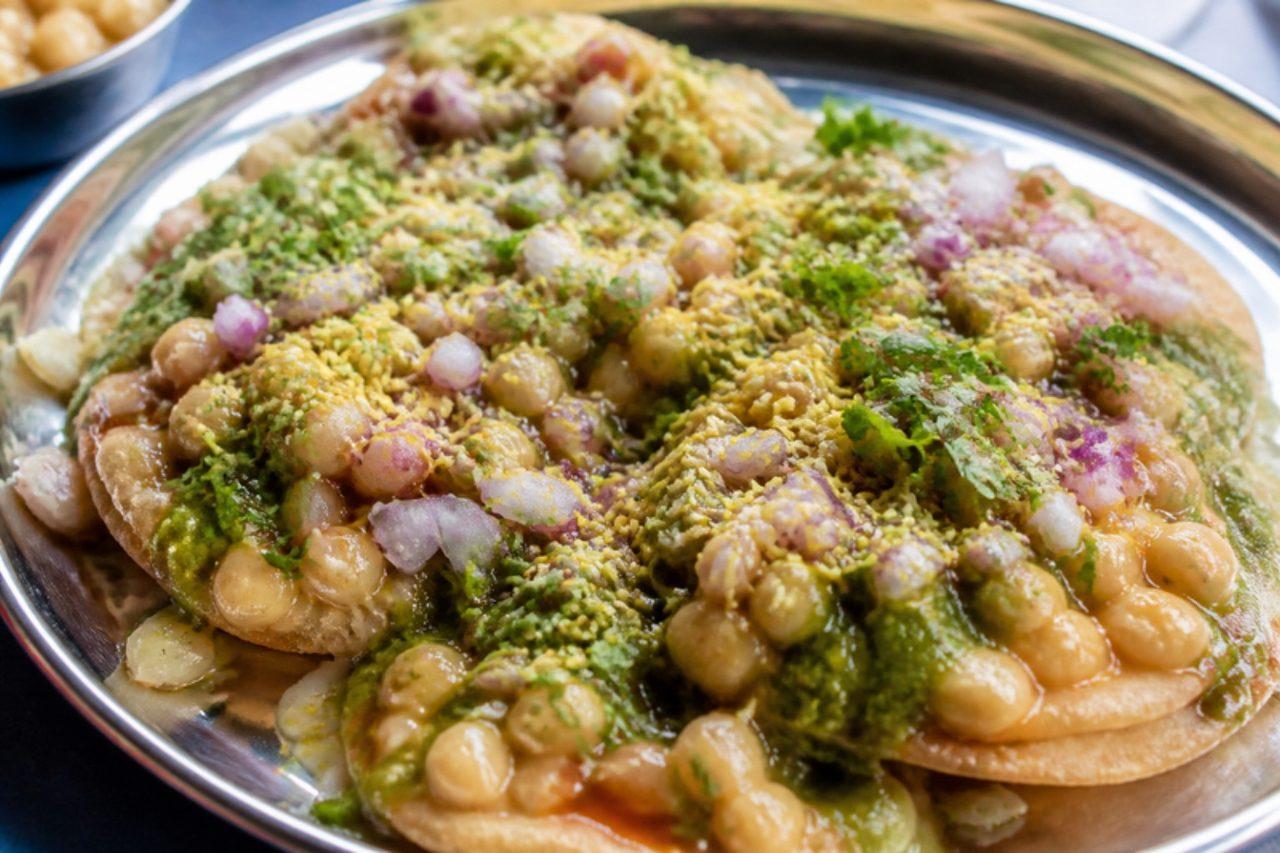
Surti alu puriPuris with white pea ragda

Surat's alu puri is built on the white-pea ragda, not on potatoes, and the stalls of Chowk Bazaar and Athwa Lines pile crisp, flat puris on a plate and drown them in hot, spiced white-pea ragda, then add raw onion, green and sweet chutneys, a shake of masala and a snowfall of sev. It is a winter evening snack, eaten standing, hot, spicy and crunchy all at once. The common mistake is making the ragda too thick: it should be loose enough to soak into the puris a little, so thin it with hot water just before serving. Chef's tip: prick the puris well before frying so they stay flat and crisp instead of puffing up.

by KrazyBadal 0 views

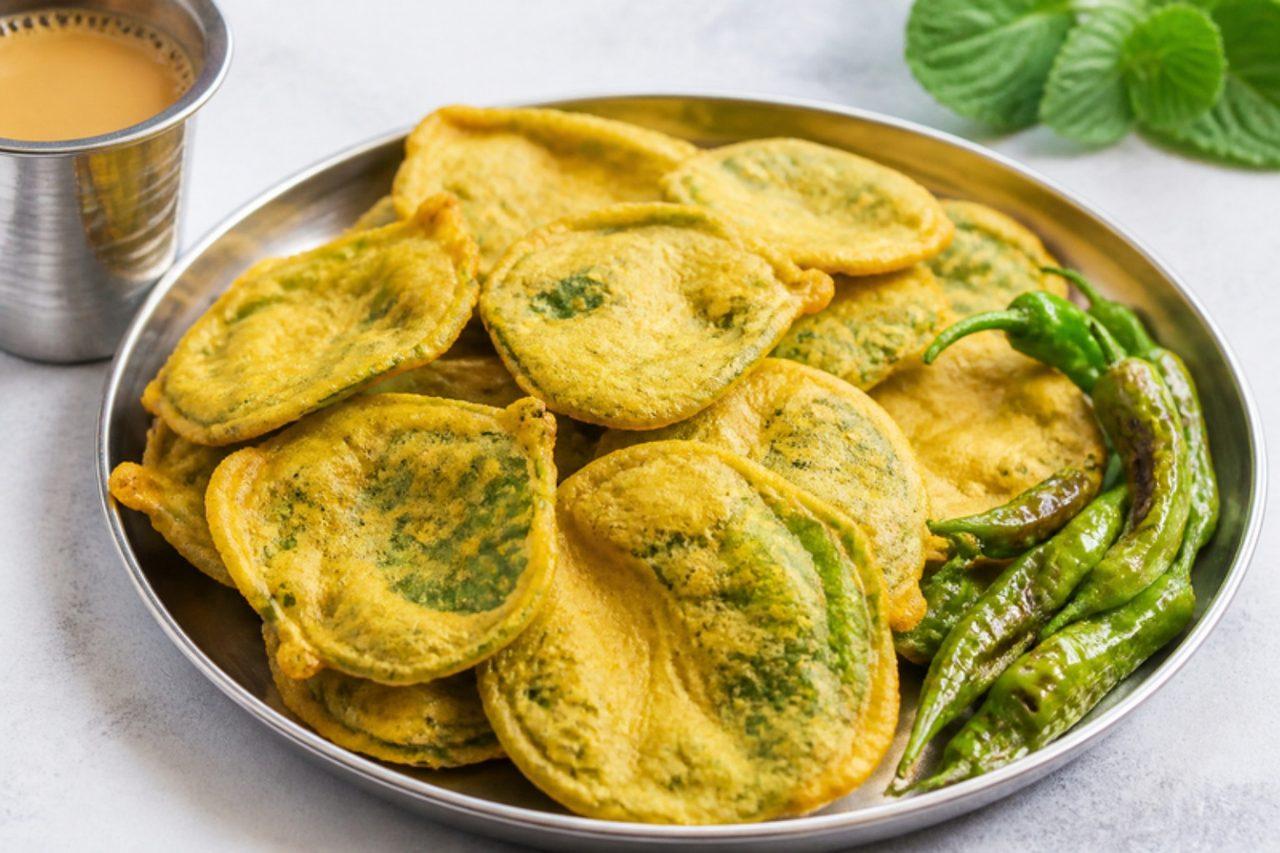
Ajma na pan na bhajiyaBorage leaf fritters

Ajma na pan, the thick, fuzzy, thyme-scented leaves of the Indian borage plant (also called karpooravalli or Mexican mint), grow in pots on balconies all over Gujarat, and on rainy evenings they are picked straight into the bhajiya batter. Each leaf is dipped whole in thin spiced besan and fried into a crisp, lacy fritter with a soft, herbal centre that tastes of ajwain and pepper. The usual mistake is a thick batter: it hides the leaf and fries doughy, so keep it like pouring cream and let excess drip off. Chef's tip: pat the leaves completely dry after washing, or the batter will slide off in the oil.

by KrazyBadal 0 views

Jamnagari ghughraPotato and pea fried pastries

In the evening the lanes near Jamnagar's Darbargadh fill with ghughra carts, where crimped half-moon pastries are fried by the hundred, split open on the plate and drenched in green chutney, sweet date chutney and red garlic chutney, then finished with masala and fine sev. The filling is a coarse mash of potato and green peas with ginger, chilli and a touch of sugar and lemon; the pastry is thin and blistered. It is street food eaten standing up, messy and hot. The common mistake is frying on high heat, which gives a pale, soft crust with raw spots around the crimped edge. Chef's tip: seal the edges with a little water and twist the pleats tightly, or the filling escapes and spits.

by KrazyBadal 0 views

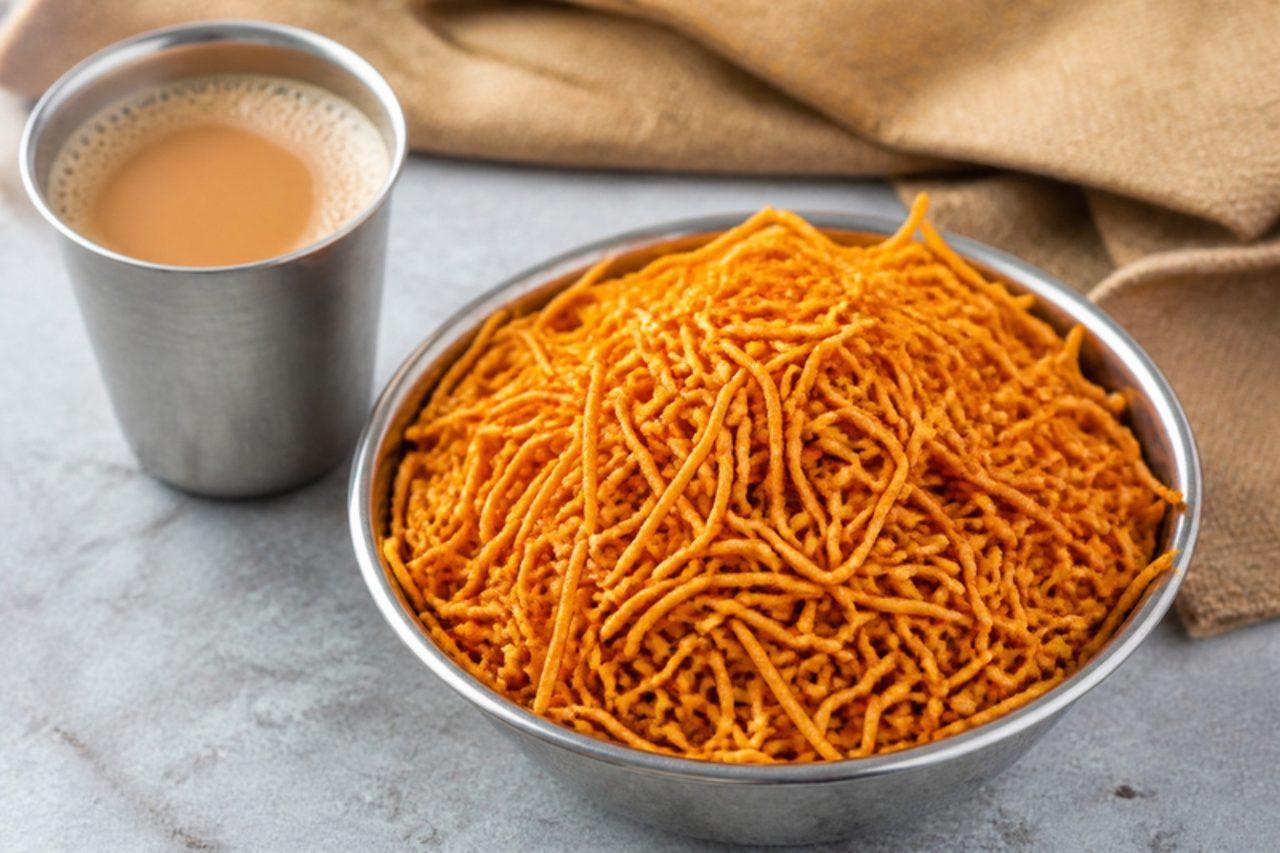
Lasaniya sevGarlic gram flour sev

Every Kathiawadi and Ahmedabadi farsan shop keeps a tin of lasaniya sev, the red, garlic-packed cousin of plain sev, and many homes press a batch before Diwali or a long train journey. Pounded garlic and red chilli go into the gram flour dough, so each fine noodle is crunchy, hot and strongly garlicky. It is eaten by the handful with tea, sprinkled on poha or mixed into chevdo. The common mistake is leaving garlic in pieces: they block the sev press and burn in the oil, so grind the garlic to a smooth paste and sieve it in with a spoon of water. Chef's tip: break the sev into the oil in one round spiral and fry only until the bubbling stops; overfried sev turns bitter and dark.

by KrazyBadal 0 views

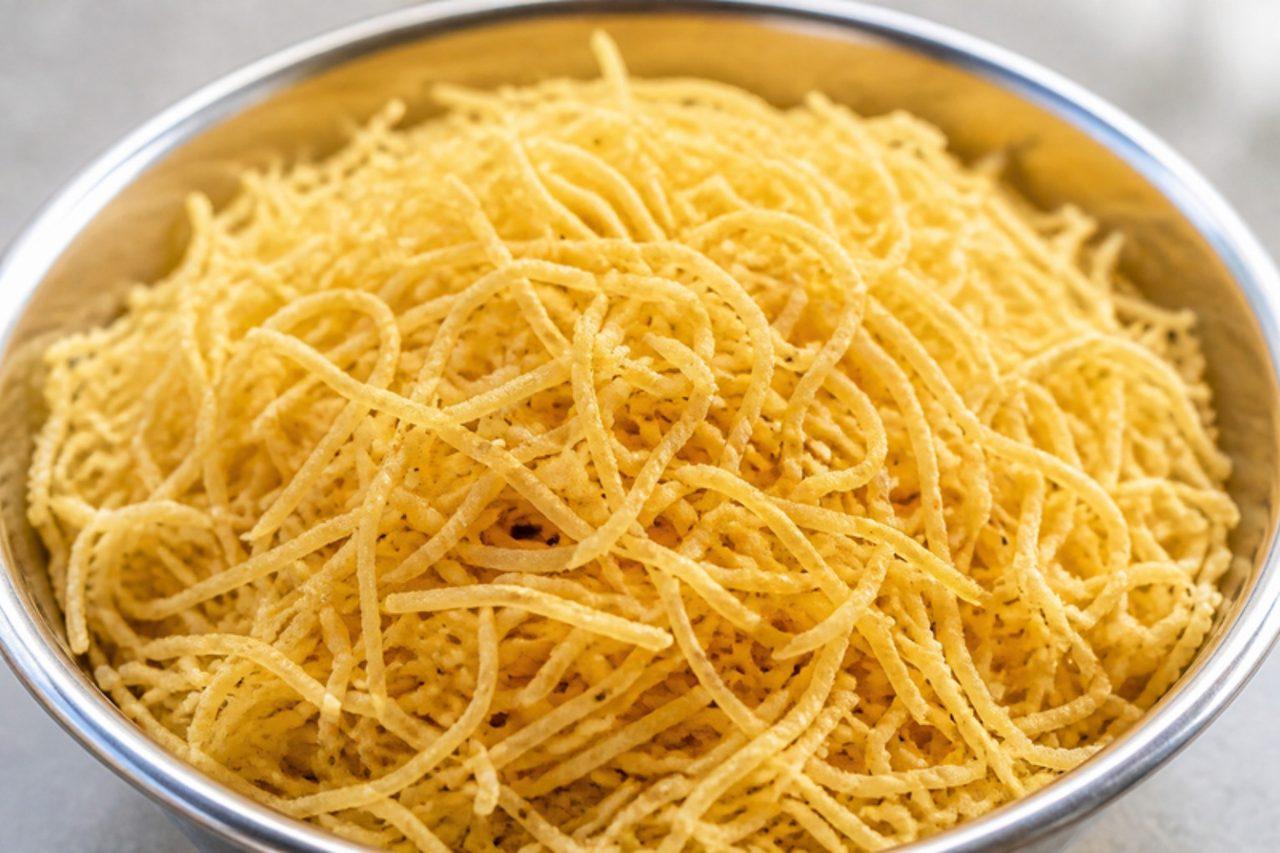
Bataka sevFasting potato sev

Bataka sev is the sev that Gujarati households can eat on upvas days, from Ekadashi and Shivratri to the Navratri fasts: there is no gram flour, only boiled potato bound with arrowroot, seasoned with rock salt, green chilli and crushed pepper. It fries into pale gold, delicate threads that melt quickly in the mouth, and is eaten on its own, over farari chevdo or on fasting bhel. The common mistake is using warm or watery potatoes, which make a sticky dough that will not pass through the press; boil, peel and cool the potatoes completely, and grate them rather than mashing. Chef's tip: fry in small spirals in moderately hot oil and lift them out while still pale, as they keep colouring for a minute after draining.

by KrazyBadal 0 views

Vanela gathiyaSoft hand-rolled gram flour ropes

Walk into any farsan stall in Rajkot, Junagadh or Jamnagar before nine in the morning and you will see a man rolling vanela gathiya on a wooden plank with the heel of his hand, sliding each rope straight into the kadai. They are soft and puffy inside rather than crunchy, salty with ajwain and pepper, and are eaten hot with sweet-sour papaya sambharo, fried green chillies and kadhi chutney, with a glass of tea. The hard part is the rolling: the dough is very soft and needs a confident, quick push and drag. The common mistake is under-beating the dough, which leaves the gathiya flat and heavy. Chef's tip: keep a bowl of water with a spoon of oil beside you and wet the board and your palm before every rope.

by KrazyBadal 0 views

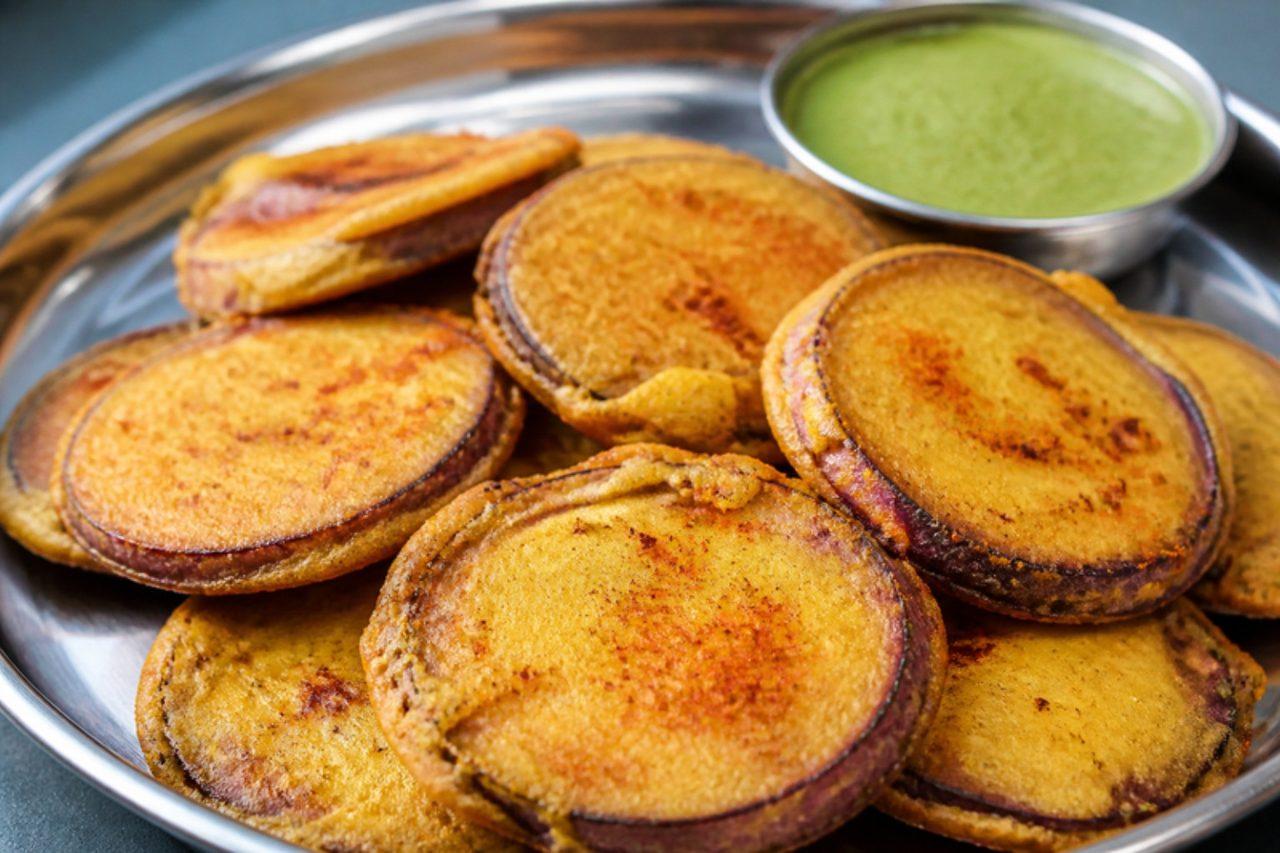
Ratalu puriFried purple yam slices

Ratalu puri belongs to Surat's evening snack trail, where farsan sellers on Chowk Bazaar fry purple yam slices to order and shake a tangy masala over them while they are still sizzling. Inside the crisp, golden coat the yam turns creamy and faintly sweet, and the masala of dry mango, black salt and chilli wakes everything up. They are eaten hot with green chutney, usually on cool winter evenings when ratalu is in season. A common mistake is cutting the yam too thick: slices thicker than 3 mm stay raw in the middle by the time the batter browns. Chef's tip: oil your hands before peeling ratalu, as the raw sap can make skin itch.

by KrazyBadal 0 views

GhughuteFried jaggery dough shapes

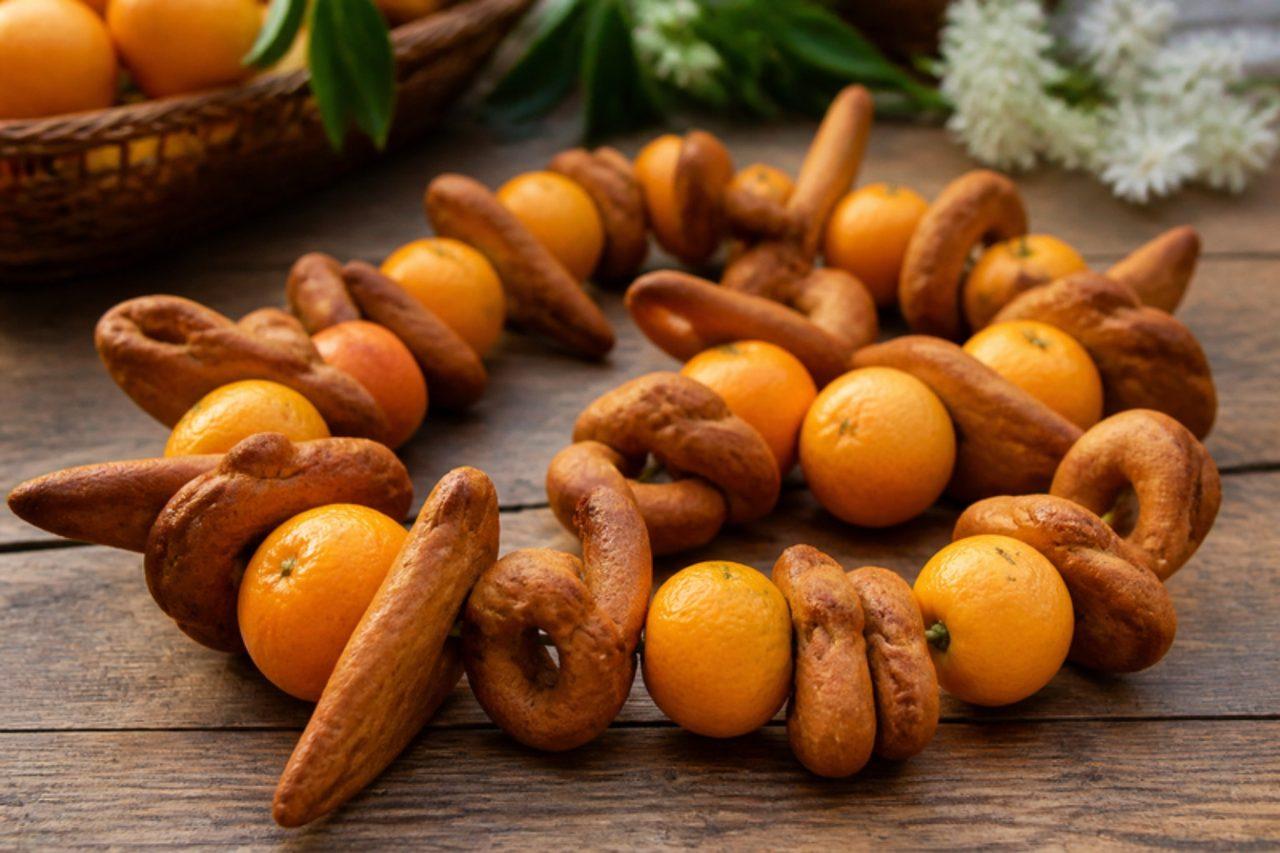
In Kumaon, Makar Sankranti is Ghughutiya, and the evening before, families knead wheat flour with jaggery and shape it into little drums (damru), swords, knots and flowers, fry them and thread them into necklaces with an orange in the middle. The next morning children wear the garlands and call the crows: 'kale kale, ghughuti mala khale', offering them the first bites before eating the rest themselves. The ghughute are crisp outside and slightly chewy within, gently sweet with fennel. Common mistake: oil that is too hot; they darken in seconds but stay doughy inside, so fry on a medium heat until they are an even deep gold and sound hollow when tapped. Chef's tip: keep the dough quite stiff, like for mathri; soft dough loses its shapes in the oil.

by KrazyBadal 0 views

Bonda soupUrad dal fritters in moong soup

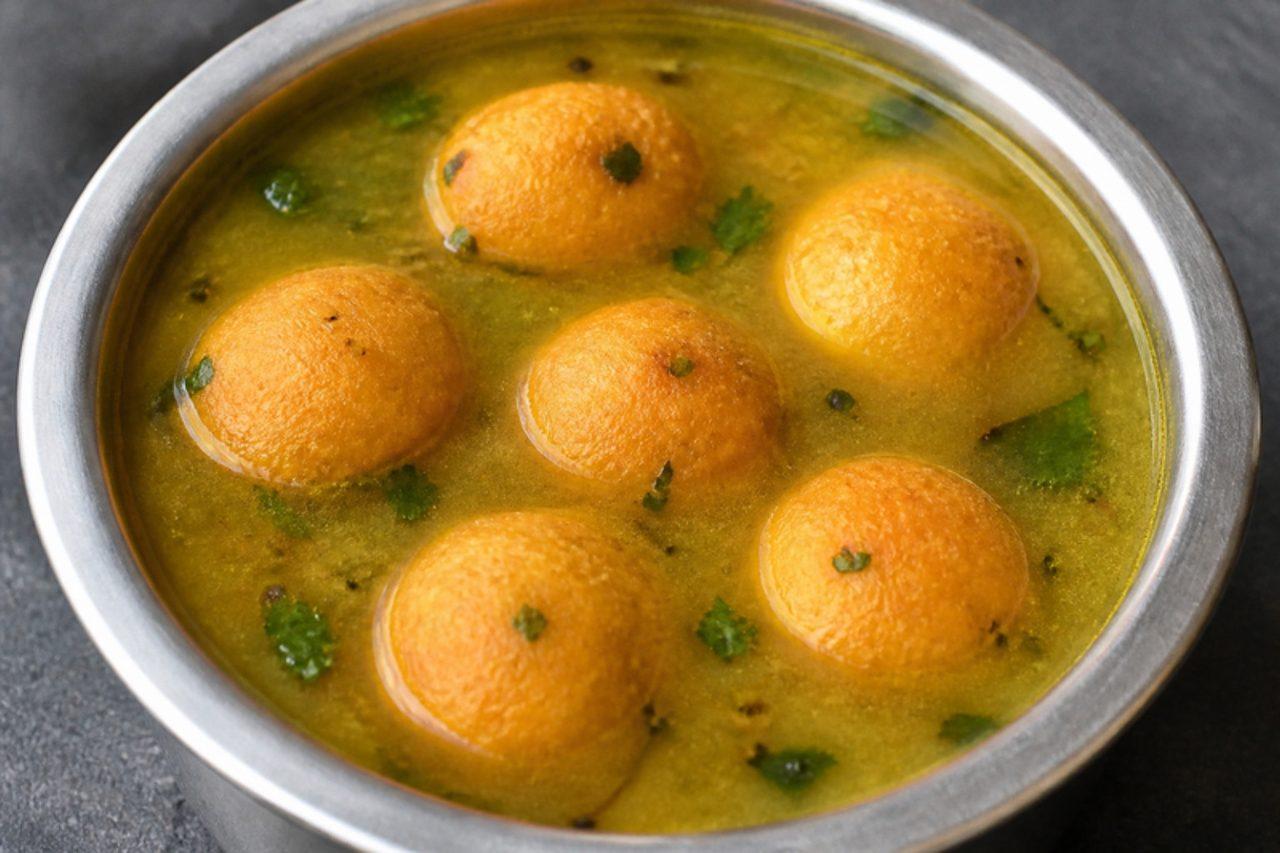
Bonda soup is a Bengaluru original, served in the old vegetarian hotels of Basavanagudi and Malleshwaram as a mid-morning or rainy-evening snack. Fluffy urad dal bondas are fried and dropped into a bowl of thin, tempered moong dal soup with pepper and lemon, so they soak up some of it and stay crisp in places. It's comforting, peppery and filling. A common mistake is a runny batter; it should hold a peak, or the bondas soak oil and fall apart in the soup. Chef's tip: pour the soup only when serving, not before, so the bondas still crunch at the first spoonful.

by KrazyBadal 0 views

Showing 24 of 1,941 recipes

Show more recipes

Page 1 of 81