Skip to content
WhatToEat.Today

All recipes

287

Vegetarian, or something you can't eat? Set your diet once and we'll hide recipes that don't fit.

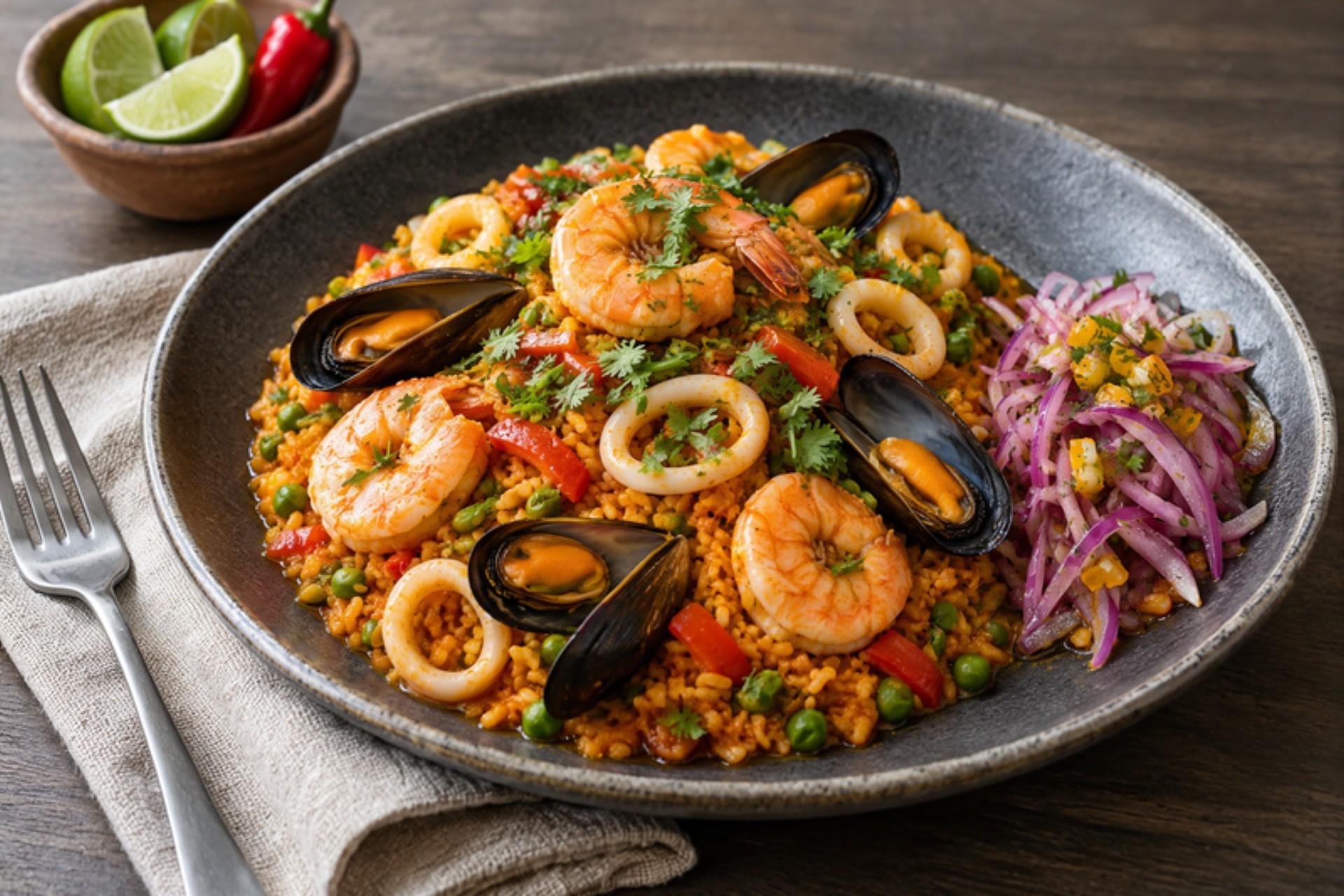
Arroz con mariscosSeafood rice

Arroz con mariscos is the weekend dish of Callao and the beach towns south of Lima, served in cevicherías as the hot partner to a cold ceviche. It is moister than a paella, closer to a risotto, coloured with ají panca and ají amarillo and finished with peas and a little Parmesan-style cheese, as many Lima cooks do. The common mistake is adding all the seafood at the start: the squid turns rubbery and the prawns shrink to nothing. Cook the rice first and add the shellfish only for the final minutes. Discard any mussels that are open before cooking and do not close when tapped, and any that stay shut after cooking. The cheese is often made with animal rennet; use a vegetarian hard cheese if you prefer. Chef's tip: simmer the prawn shells in the stock for 10 minutes; they give the rice its deep seafood taste.

by KrazyBadal 0 views

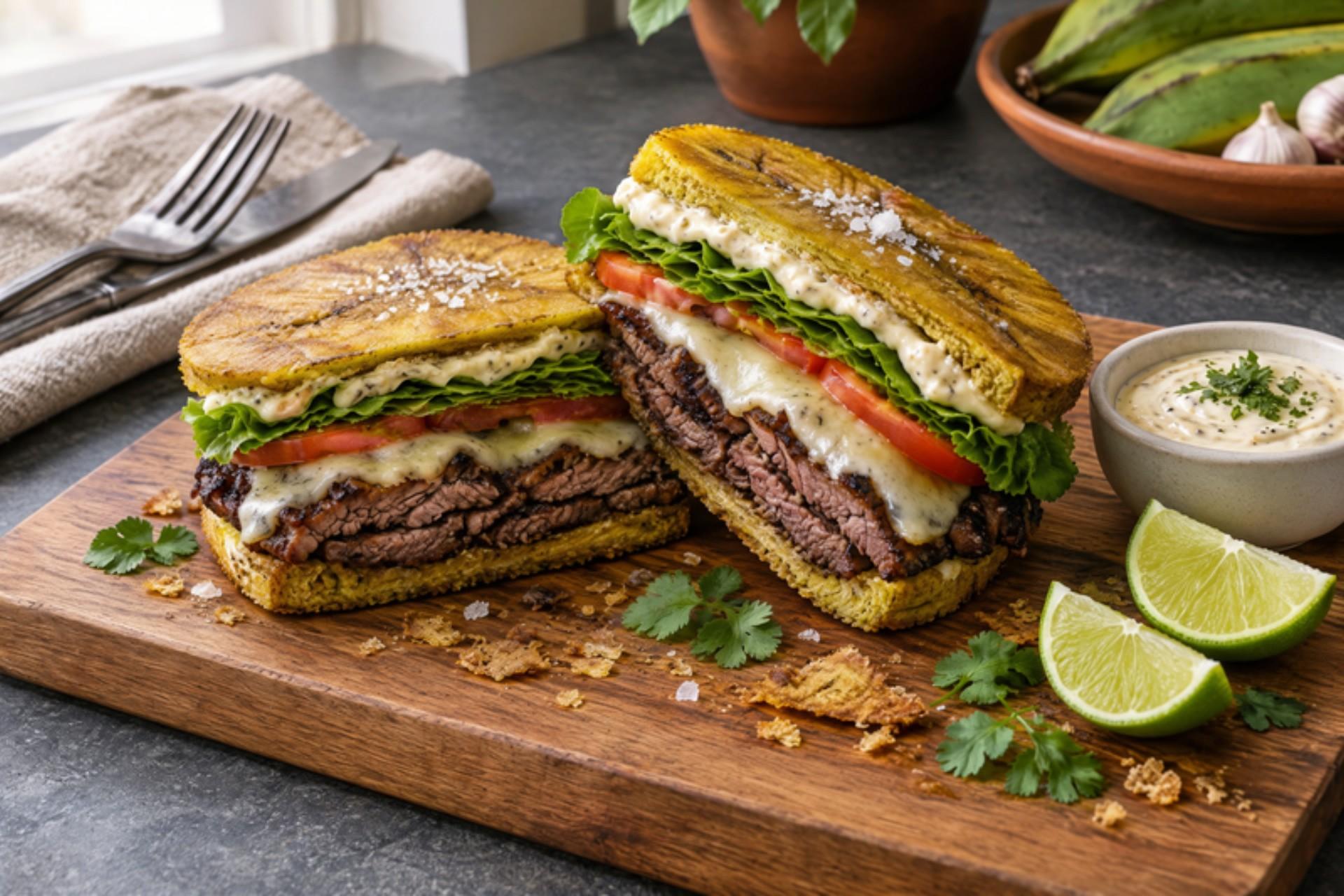
JibaritoPlantain steak sandwich

The jibarito was created in the 1990s at a Puerto Rican restaurant in Chicago's Humboldt Park and is now on menus across the city and back on the island. Instead of bread, two flattened, twice-fried green plantains hold thin garlicky steak, melted cheese, lettuce, tomato and garlic mayonnaise. It contains egg (mayonnaise) and milk. The mistake is using ripe yellow plantains, which are sweet and too soft to hold the filling; you need hard green ones. The plantain is ready when golden and crisp on the outside but still pliable, and the steak needs only a minute a side. Choose a cheese made without animal rennet if you avoid it. Chef's tip: flatten the plantain halves between a folded freezer bag with a heavy pan, so they spread wide and don't stick.

by KrazyBadal 0 views

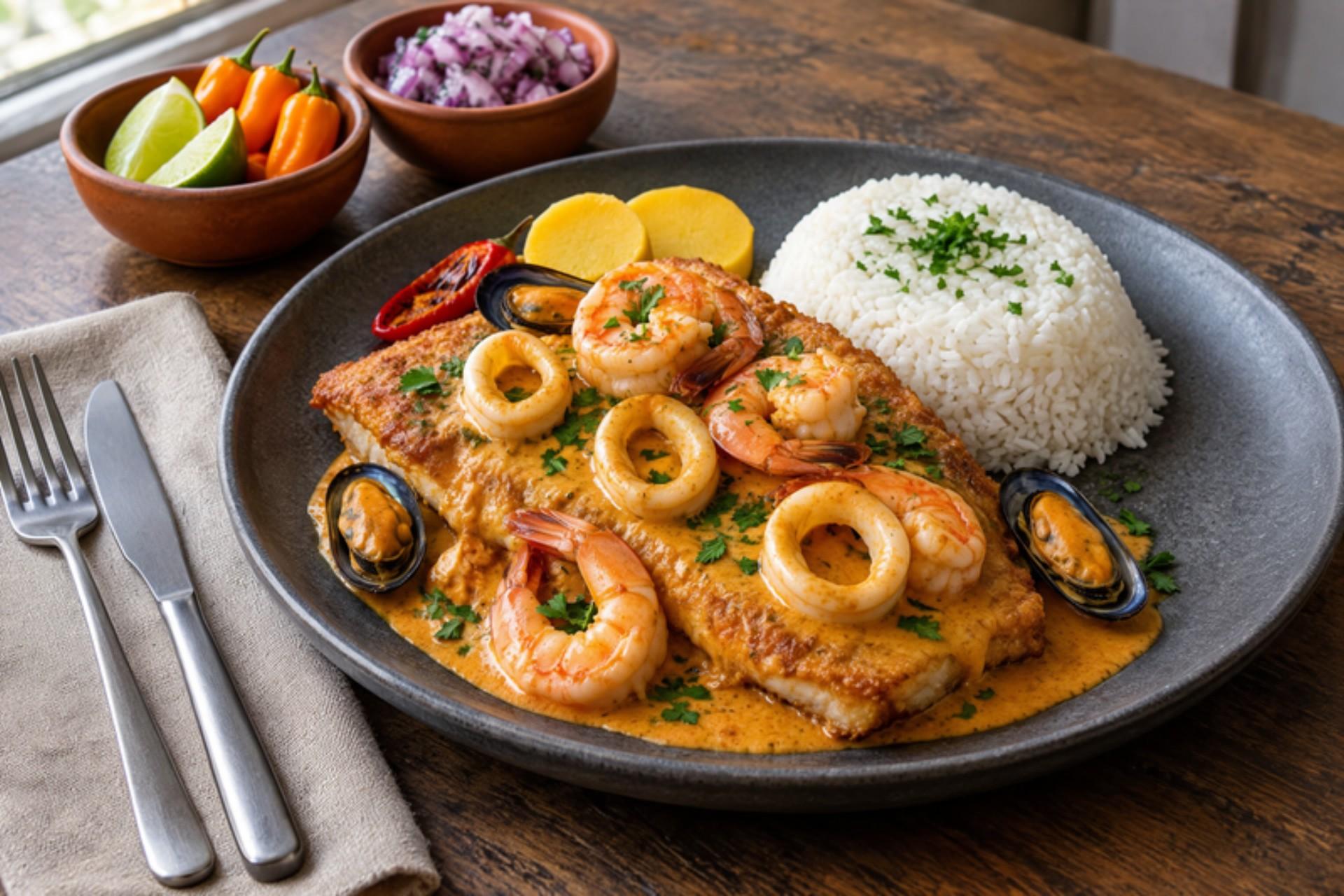
Pescado a lo machoFried fish in spicy seafood sauce

Pescado a lo macho is a classic of Lima's seafood restaurants, the dish people order for a long Sunday lunch near the sea in Chorrillos: a fillet of fried white fish smothered in a thick, spicy sauce of ají panca and ají amarillo packed with prawns, squid and mussels. The name boasts that you need to be brave for the chilli, but you can turn it down. The common mistake is overcooking the seafood while the sauce reduces; add it only when the sauce is already thick. Discard mussels that are open and do not close when tapped, and any that stay shut after cooking. Chef's tip: dust the fish in flour seasoned with cumin and fry it last, so it reaches the table crisp under the sauce.

by KrazyBadal 0 views

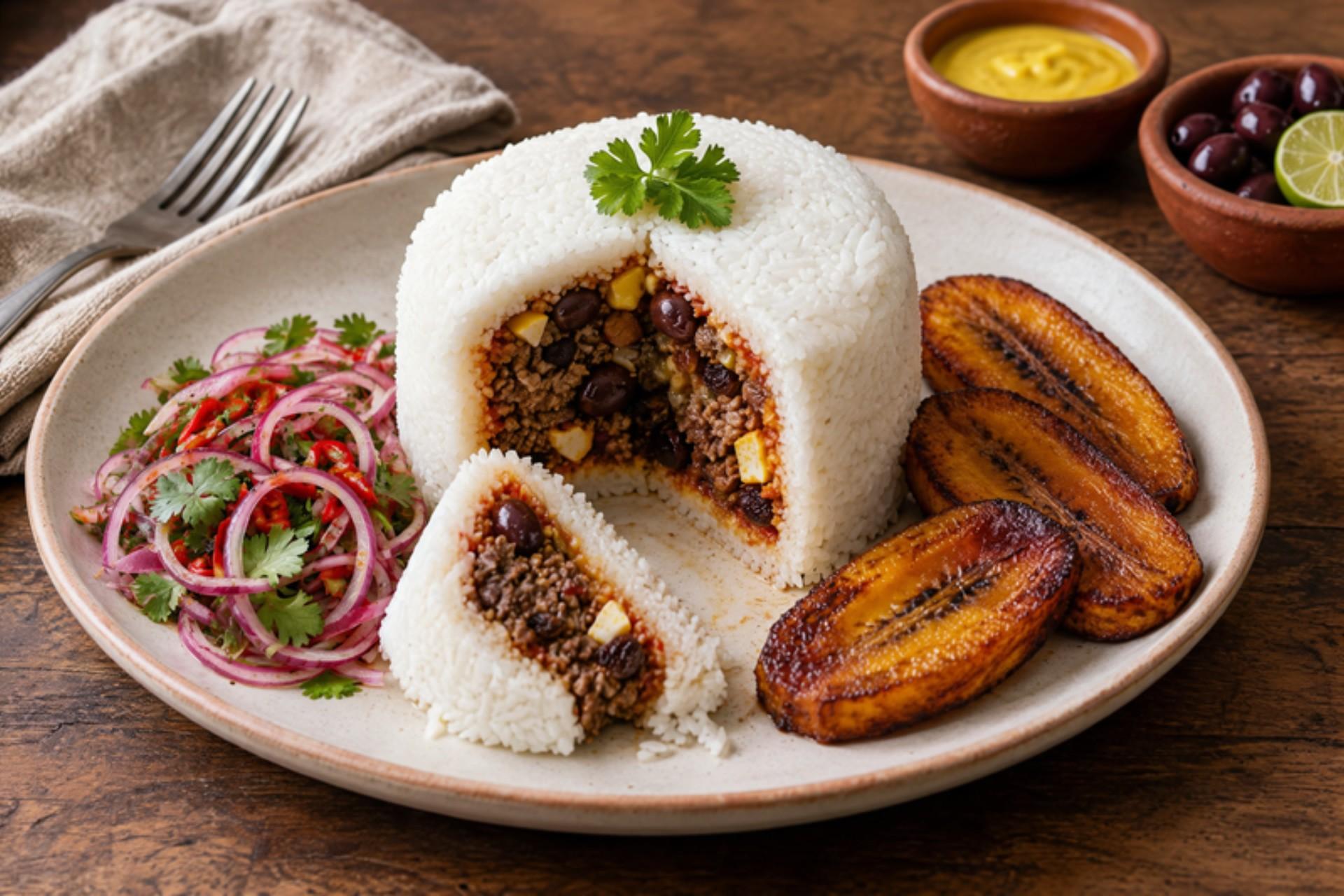
Arroz tapadoRice dome with beef filling

Arroz tapado means covered rice, and it is the thrifty weekday lunch of Lima homes and school canteens: garlic rice pressed into a bowl, filled with a sweet-savoury beef mince and turned out like a dome. The filling of minced beef with onion, ají panca, raisins, black olives and hard-boiled egg is the same picadillo that goes into papas rellenas. The usual mistake is leaving the filling wet: the dome collapses and the rice turns soggy. Simmer it until the pan is almost dry. Minced beef must reach 71 °C, so cook it until no pink remains. Serve with a spoonful of salsa criolla. Chef's tip: brush the bowl with a little oil and pack the rice firmly with the back of a spoon; a well-pressed dome holds its shape on the plate.

by KrazyBadal 0 views

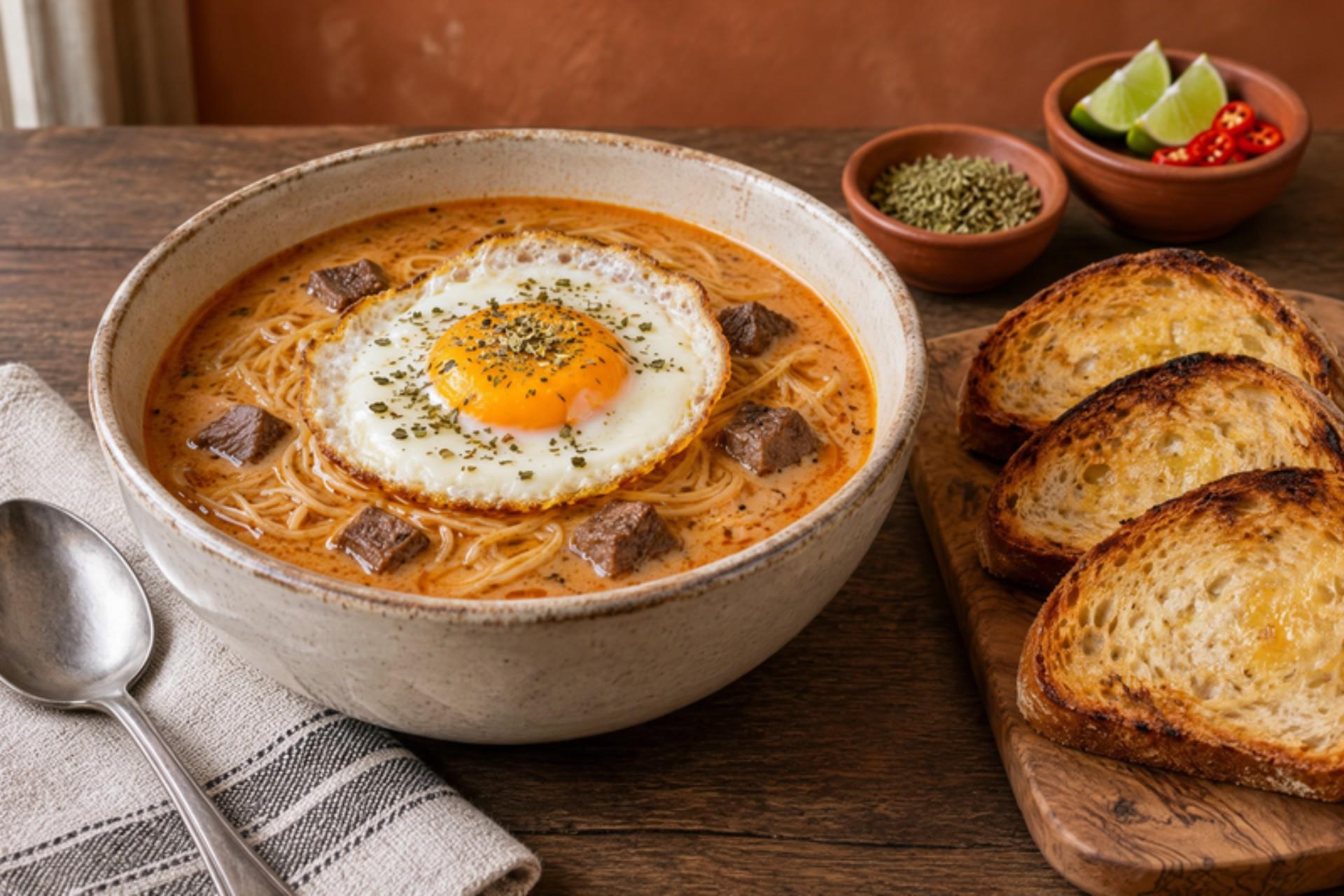
Sopa criollaCreamy beef noodle soup

Sopa criolla is the soup Lima turns to on grey winter evenings, when the garúa mist hangs over the city: a beef broth reddened with ají panca, full of thin noodles and strips of beef, enriched with evaporated milk and finished with a poached egg. It arrives with toasted bread for dunking. The common mistake is boiling the soup after adding the milk; it splits into specks. Lower the heat first and stir it in gently. The beef strips are thin, so they cook through in a few minutes. Chef's tip: crack the eggs straight into the barely simmering soup and leave them alone for three minutes; the whites set into soft ribbons that thicken the broth.

by KrazyBadal 0 views

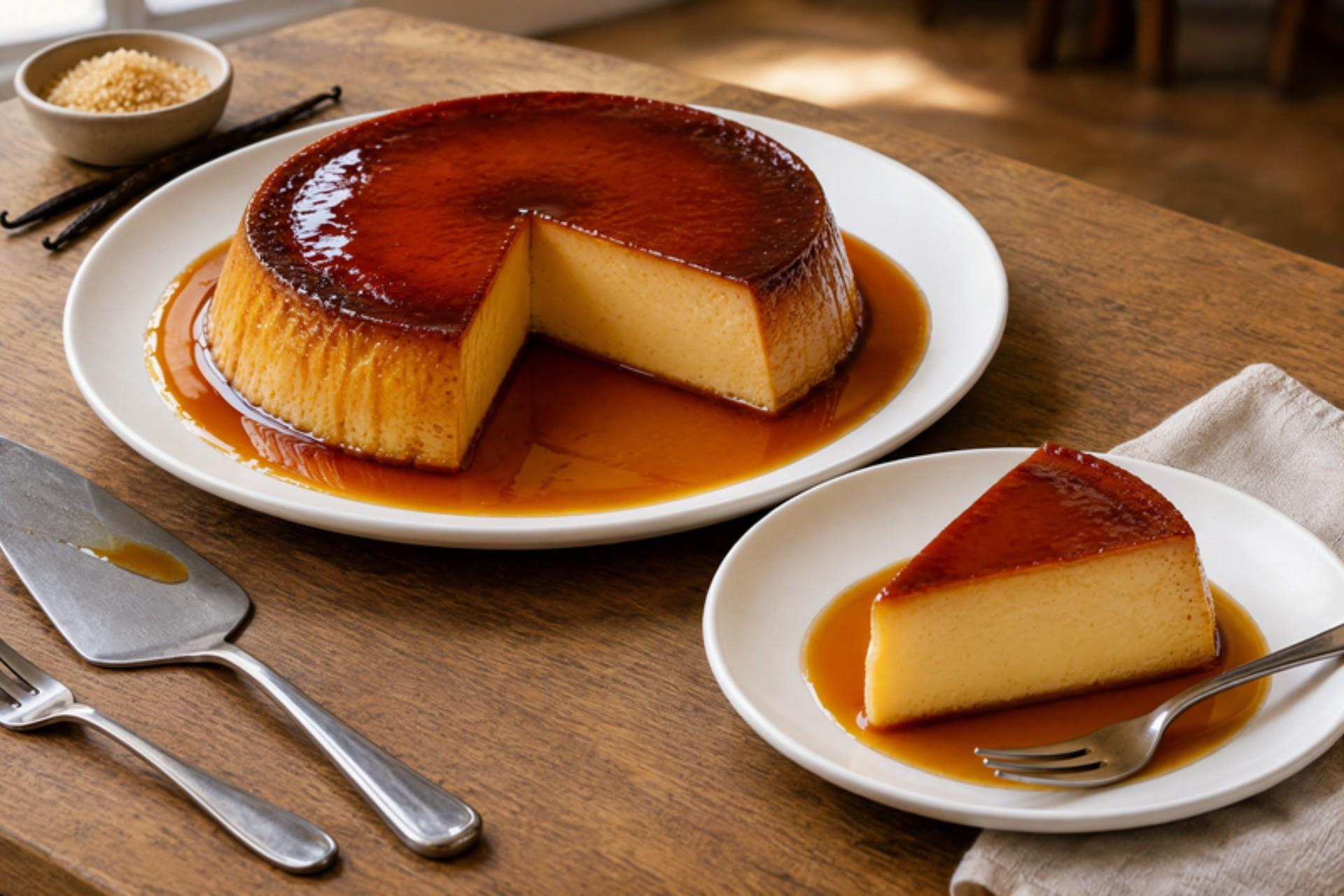
Crema volteadaBaked caramel custard

In Lima, crema volteada is the dessert that appears at Sunday lunch in Miraflores and Barranco homes and at every birthday where an aunt is in charge of the sweets. It is firmer and richer than a Spanish flan because it is made with both evaporated and condensed milk, so it slices cleanly and tastes of toffee. The usual mistake is baking it in an oven that is too hot: the custard boils, fills with tiny holes and weeps. Keep the water bath at a bare simmer and take it out while the centre still wobbles slightly. Chef's tip: chill it overnight before turning it out; a cold custard releases in one piece and the caramel has time to melt into a pourable sauce.

by KrazyBadal 0 views

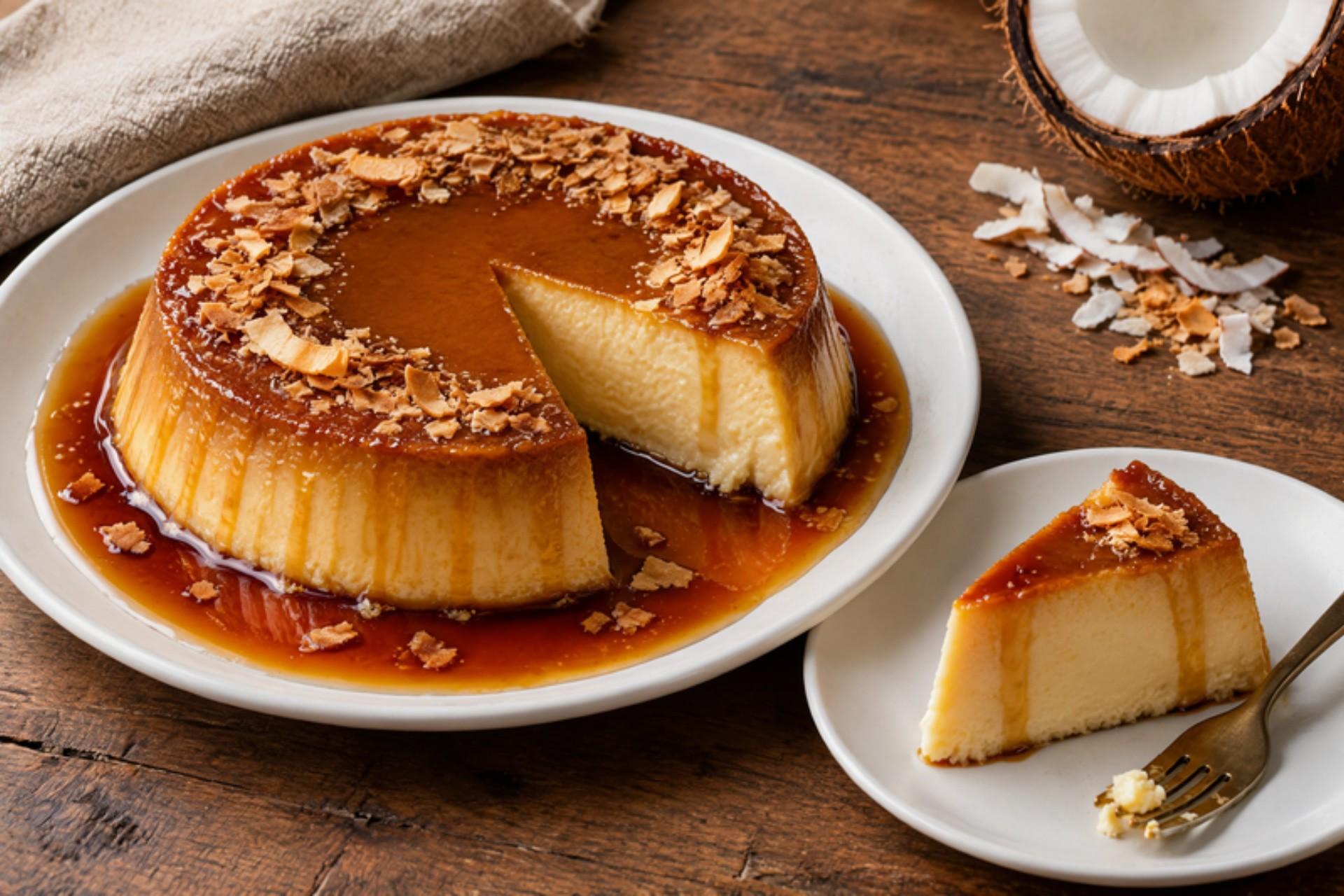
Flan de cocoCoconut caramel custard

In Puerto Rico flan de coco is the dessert of Nochebuena, Three Kings' Day and every family birthday from San Juan to Ponce, usually sharing the table with tembleque and arroz con dulce. Eggs, coconut milk, condensed and evaporated milk and grated coconut are baked over a dark caramel in a water bath, then turned out so the caramel runs down the sides and the coconut settles into a chewy top layer. It contains milk and egg. The usual mistake is a hot oven without a water bath, which leaves the flan full of holes and weeping; bake it low and slow in hot water. It is done when the edges are set and the centre wobbles like jelly when nudged. Chef's tip: chill it overnight before turning it out; a warm flan cracks and sticks.

by KrazyBadal 0 views

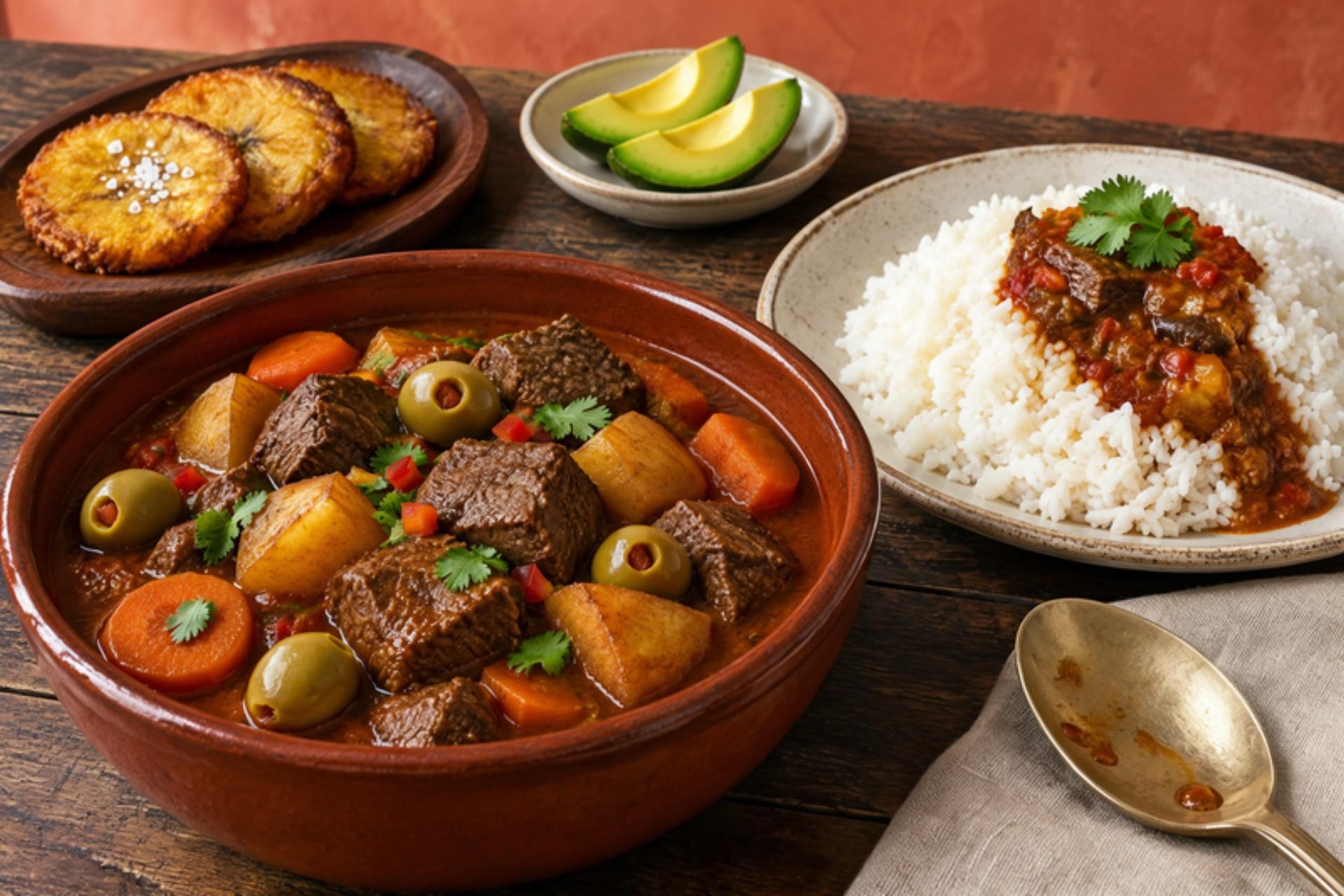
Carne guisada puertorriqueñaBeef stew with sofrito

Carne guisada is the Puerto Rican stew that simmers on Sunday stoves from Bayamón to the Bronx, served over white rice with habichuelas and a few tostones. Chunks of beef are browned, then braised in sofrito, tomato sauce and a little achiote with potatoes, carrots and briny alcaparrado until the meat falls apart and the sauce turns thick and glossy. The usual mistake is crowding the pan when browning, which steams the beef grey and loses the deep flavour; brown it in batches. It is done when a piece of beef breaks apart easily with a spoon. Chef's tip: make your own sofrito by blending onion, green pepper, garlic, culantro and coriander; a big batch freezes in ice-cube trays for months.

by KrazyBadal 0 views

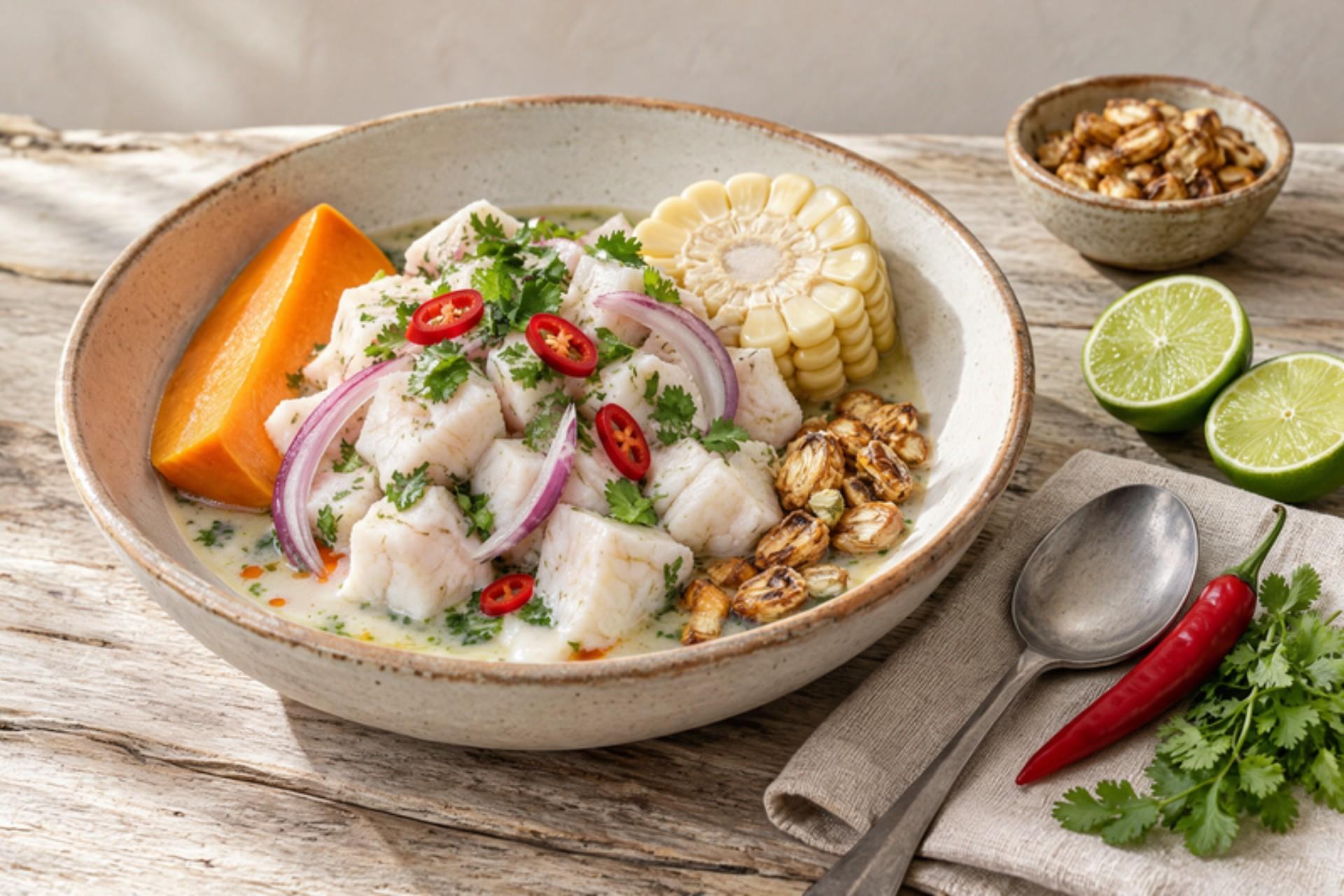
Ceviche peruanoLime-cured white fish

Ceviche is Peru's national dish, eaten at lunchtime in the cevicherías of Lima's Surquillo and Chorrillos markets, because the fish must be fresh off the morning boats and cevicherías traditionally close in the afternoon. The classic is raw white fish 'cooked' in lime juice with red onion, chilli and coriander, served with sweet potato and corn. Lime juice does not kill bacteria or parasites, so this version first poaches the fish for a minute until just opaque, then dresses it, which keeps the classic flavour and texture far safer. Even so, it is not for pregnant women, young children or anyone with a weakened immune system. The usual mistake is leaving the fish in the lime for an hour: it turns chalky and the juice goes bitter. Chef's tip: squeeze the limes gently by hand and stop before the pith; over-squeezed limes make bitter leche de tigre.

by KrazyBadal 0 views

TripletaThree-meat sandwich

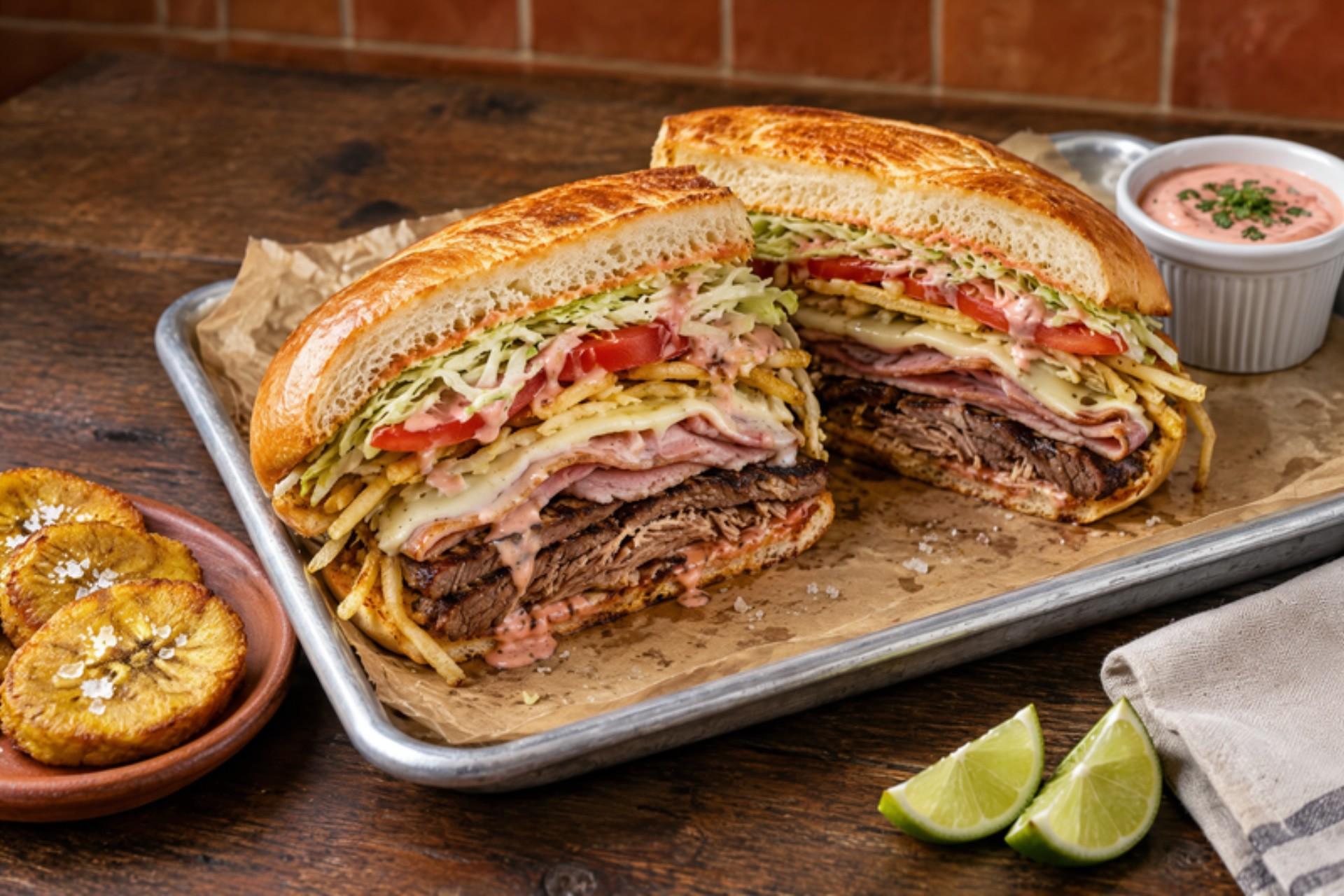
The tripleta is the late-night star of Puerto Rico's food trucks and roadside chinchorros, especially around Piñones and the San Juan nightlife. A soft, long pan sobao roll is stuffed with three meats: thin marinated beef steak, chicken and ham, with melted cheese, shredded cabbage, tomato, crunchy potato sticks and a ketchup-mayo pink sauce. This version contains pork (ham). It contains wheat, milk and egg. The usual mistake is piling cold meats in, which leaves the sandwich lukewarm and the cheese unmelted; griddle the meats and ham hot and close the roll on the griddle. The chicken is done at 74 °C. Chef's tip: press the closed sandwich on the griddle under a heavy pan for a minute, so the outside crisps and everything melds.

by KrazyBadal 0 views

CanoasPlantain boats with beef

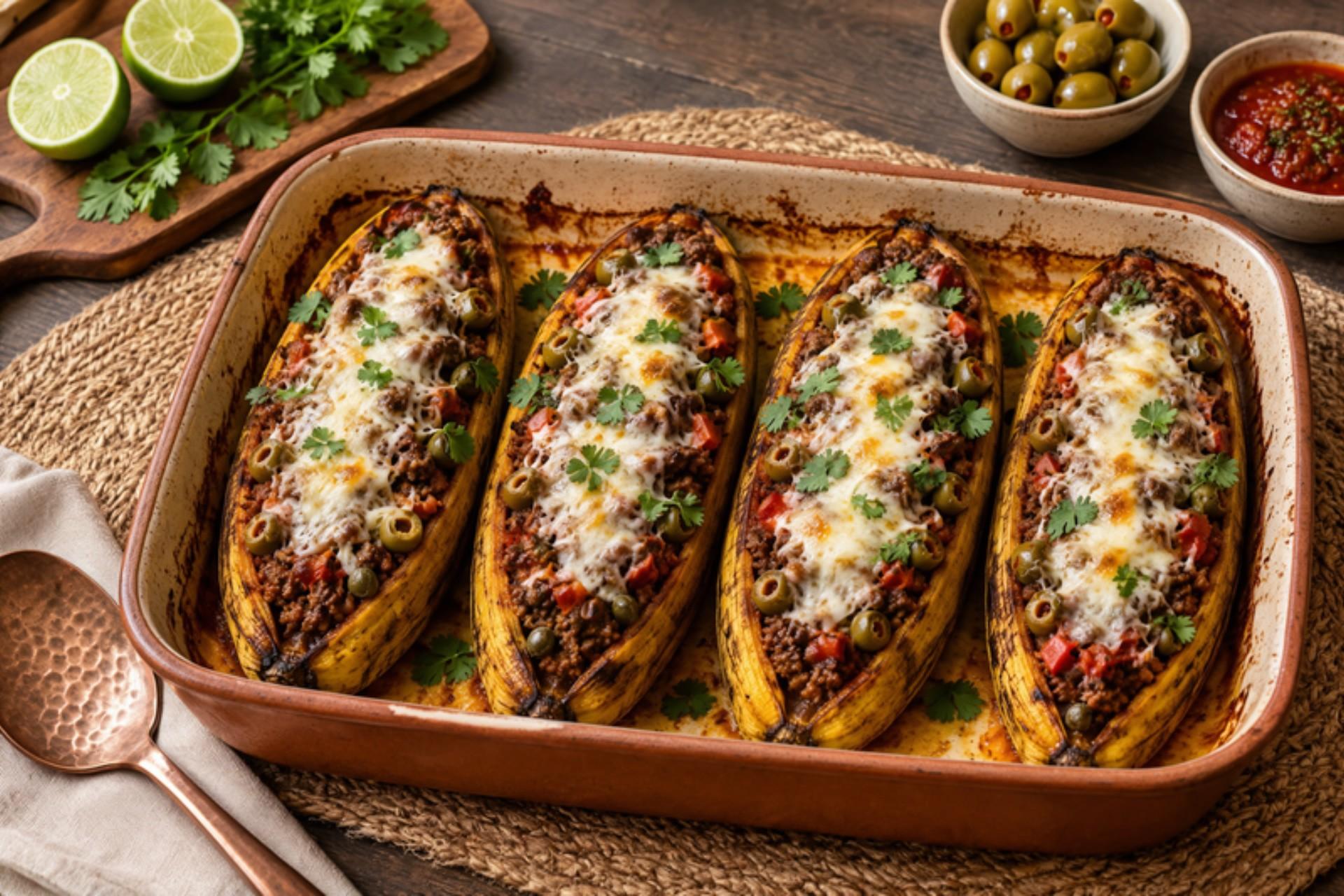
Canoas, or canoas de plátano maduro, are a Puerto Rican family dinner and party dish from Arecibo to Caguas: whole ripe plantains are baked until soft, slit along the top like a canoe and stuffed with savoury picadillo, then topped with cheese and baked again. Sweet plantain and salty, olive-studded beef is the whole point. The common mistake is using plantains that are too green, which never turn sweet or soft; choose them yellow with plenty of black. The beef must reach 71 °C, and the canoas are ready when the cheese bubbles. Use a cheese made without animal rennet if you avoid it. Chef's tip: brush the plantain skins with oil before the first bake, so they stay supple and don't split.

by KrazyBadal 0 views

Tamales peruanosChicken corn tamales in banana leaf

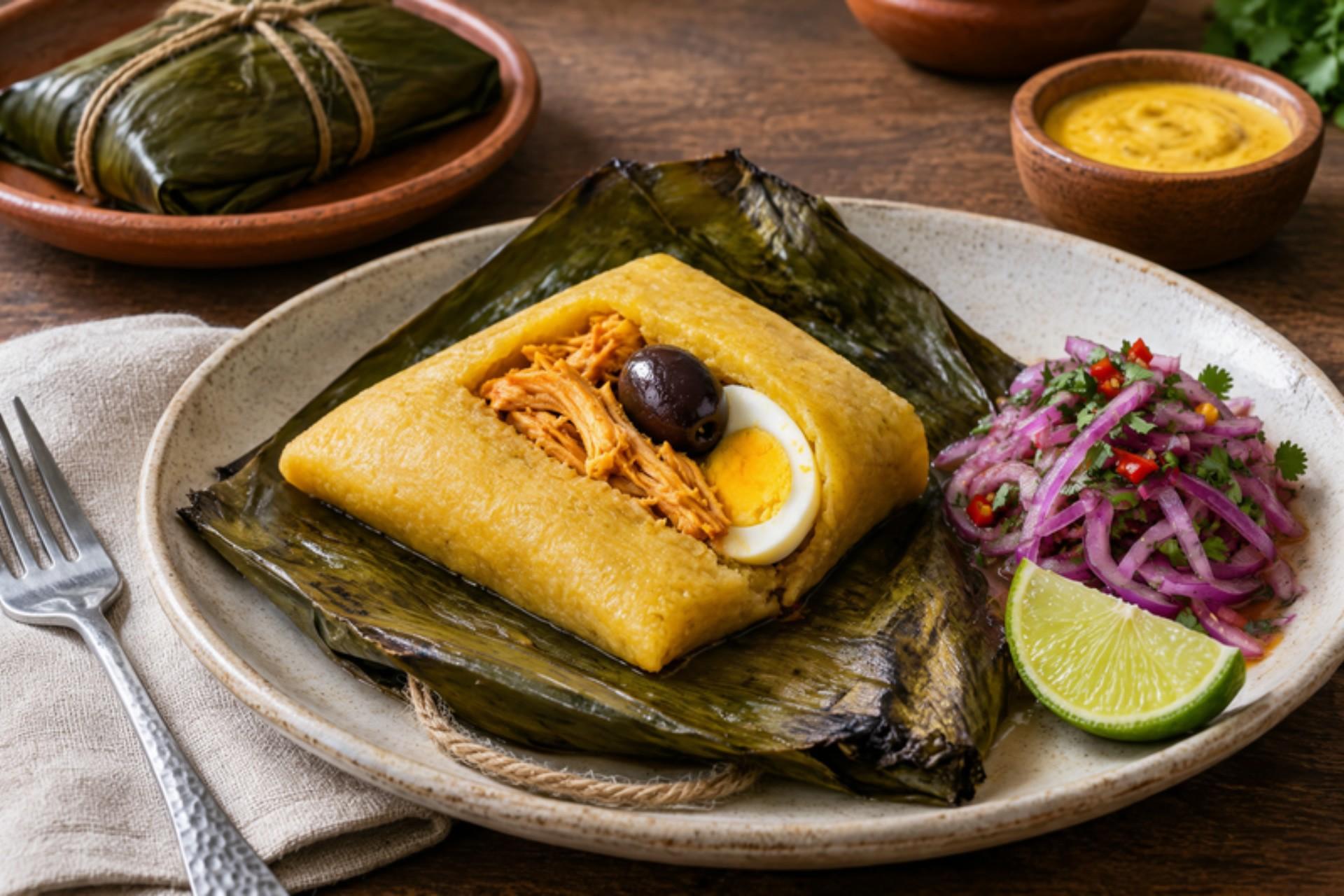
In Lima, tamales are a Sunday breakfast, bought warm from street vendors calling 'tamaleeeeros' or made at home for Christmas, and eaten with crusty bread and a pile of salsa criolla. Peruvian tamales are larger and softer than Mexican ones, made from corn dough coloured with ají and wrapped in banana leaves, hiding chicken, a black olive, a slice of egg and a peanut. Peanuts are an allergen, so leave them out if needed. The usual mistake is a dry dough: the tamales turn crumbly. Beat in enough warm stock to make a soft paste that just holds its shape. The chicken must reach 74 °C before it goes in. Chef's tip: fat makes the dough tender; beat the oil and dough for a full 5 minutes until light, as Lima cooks do with pork lard.

by KrazyBadal 0 views

Lomo saltadoBeef stir-fry with chips

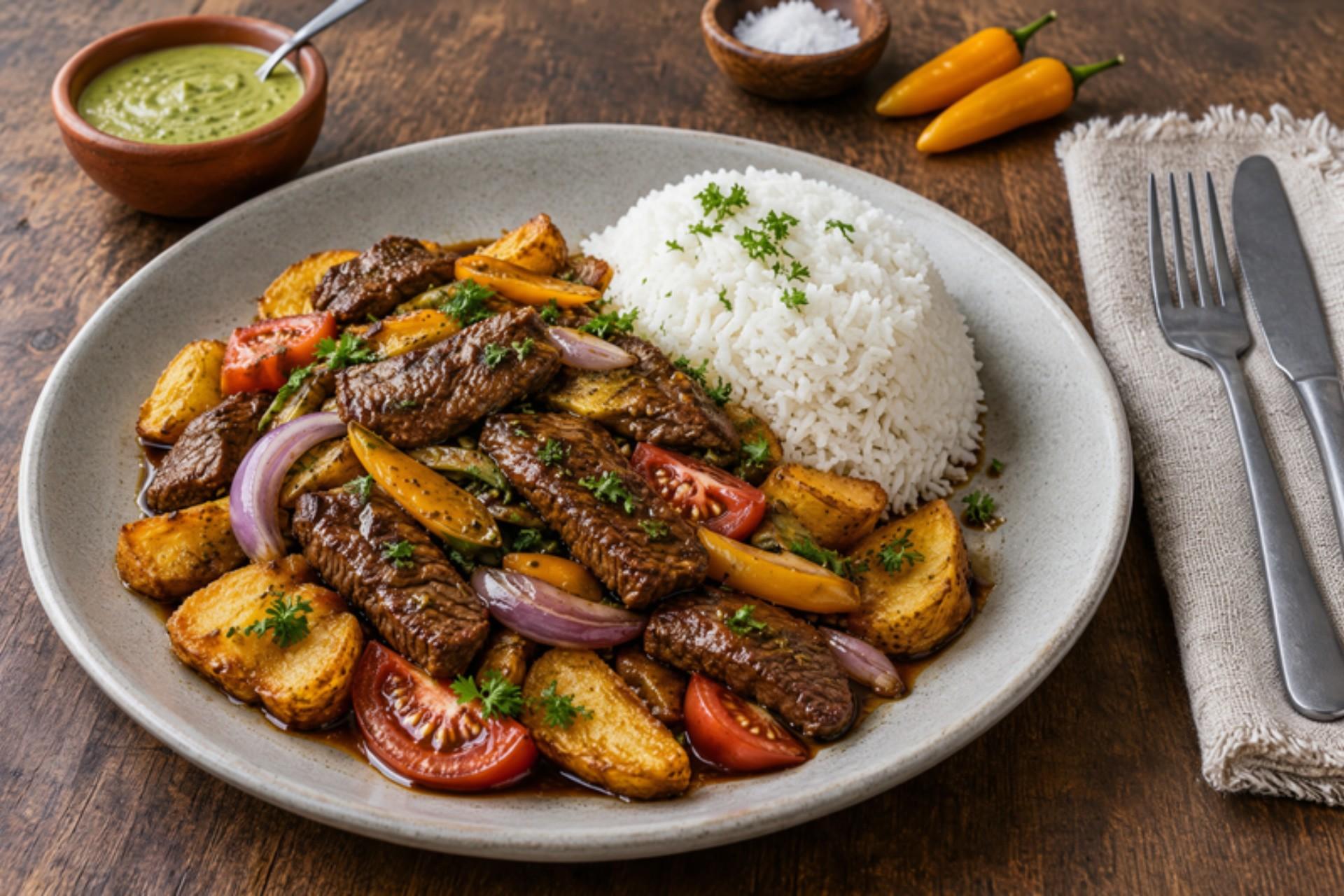
Lomo saltado was born in the chifas of central Lima, where Chinese cooks met Peruvian ingredients, and today it is the lunch every Peruvian family makes when they want something fast and a little indulgent. Strips of beef are seared in a smoking-hot wok with red onion, tomato and yellow chilli, splashed with soy sauce and vinegar, then tossed with chips and served beside white rice, so you get both starches on one plate. The common mistake is crowding the wok: the beef stews in its juices and turns grey and chewy instead of charring. Cook it in two batches over the highest heat you have. Chef's tip: add the chips at the very last second, or serve them on the side, so they soak up a little sauce but stay crisp.

by KrazyBadal 0 views

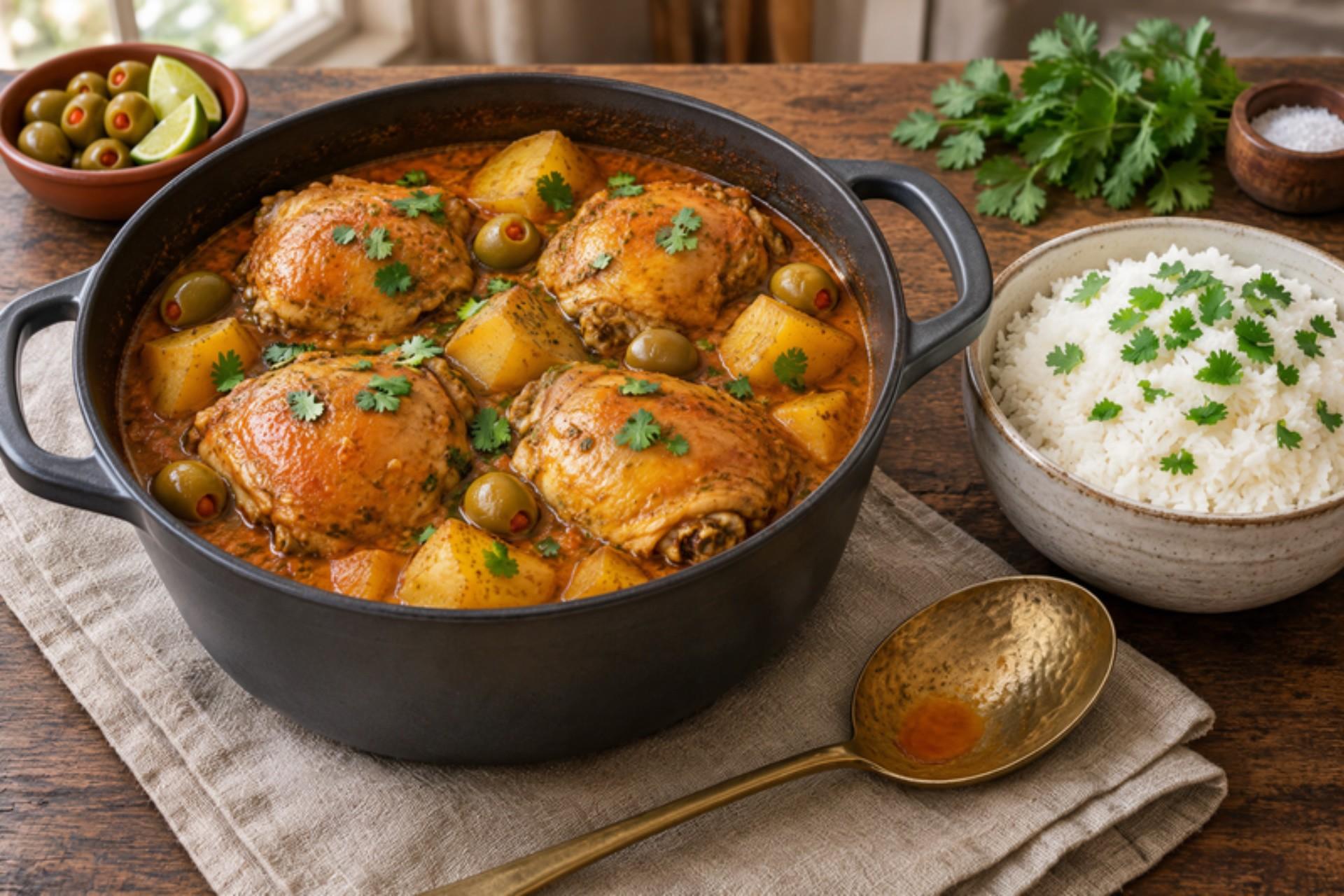
Pollo guisado puertorriqueñoBraised chicken with sofrito

Pollo guisado is everyday comfort in Puerto Rican homes, the weeknight pot from Mayagüez to Orlando that turns a few chicken thighs into a rich, saucy stew for rice and beans. The chicken is seasoned with adobo-style garlic and oregano, browned, then braised in sofrito and tomato with potatoes, peppers and olives until the sauce is thick and orange from achiote. The common mistake is using skinless breast, which dries out and turns stringy in a long braise; bone-in thighs and drumsticks stay juicy. It is done when the thickest piece reaches 74 °C and the meat starts to pull away from the bone. Chef's tip: leave the browned skin on for flavour and spoon off the extra fat before serving.

by KrazyBadal 0 views

GarbaCassava couscous with fried tuna

Garba is the cheap, filling lunch and evening meal of Abidjan's street stalls, the garbadromes, where students and taxi drivers queue for a heap of steamed attiéké (fermented cassava couscous) with chunks of fried tuna, raw onion, tomato and a fierce dose of chilli, all eaten with the fingers. Using ready frozen or packaged attiéké makes it a 15-minute dinner at home. The common mistake is frying the tuna in small batches in barely any oil, so it steams grey instead of browning. Chef's tip: pour a spoon of the hot frying oil over the attiéké before serving, as the garba sellers do; it is what makes it taste right.

by KrazyBadal 0 views

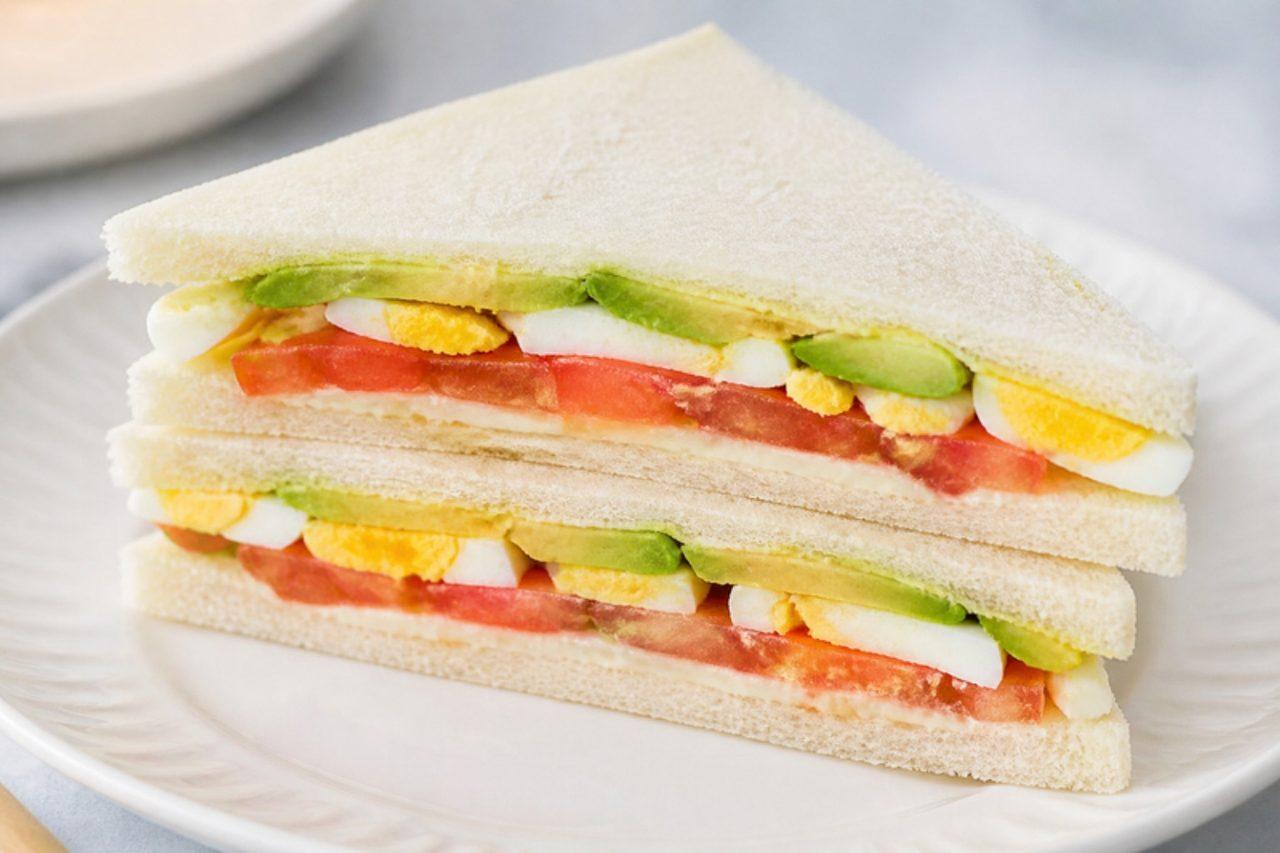
TripleAvocado, tomato and egg sandwich

The triple is the soft, layered sandwich of Lima's cafés and bakeries, eaten at lonche, the Peruvian late-afternoon meal, or as a light supper: three slices of crustless white bread layered with avocado, tomato and sliced hard-boiled egg, all held together with mayonnaise. It looks neat, tastes fresh and is loved by children. Shop-bought mayonnaise is made with pasteurised egg, so it is safe for everyone. The common mistake is letting wet tomato touch the bread, which turns it soggy within minutes. Chef's tip: pat the tomato dry and sit it between the avocado and egg, then press the sandwich under a board for a minute before cutting.

by KrazyBadal 0 views

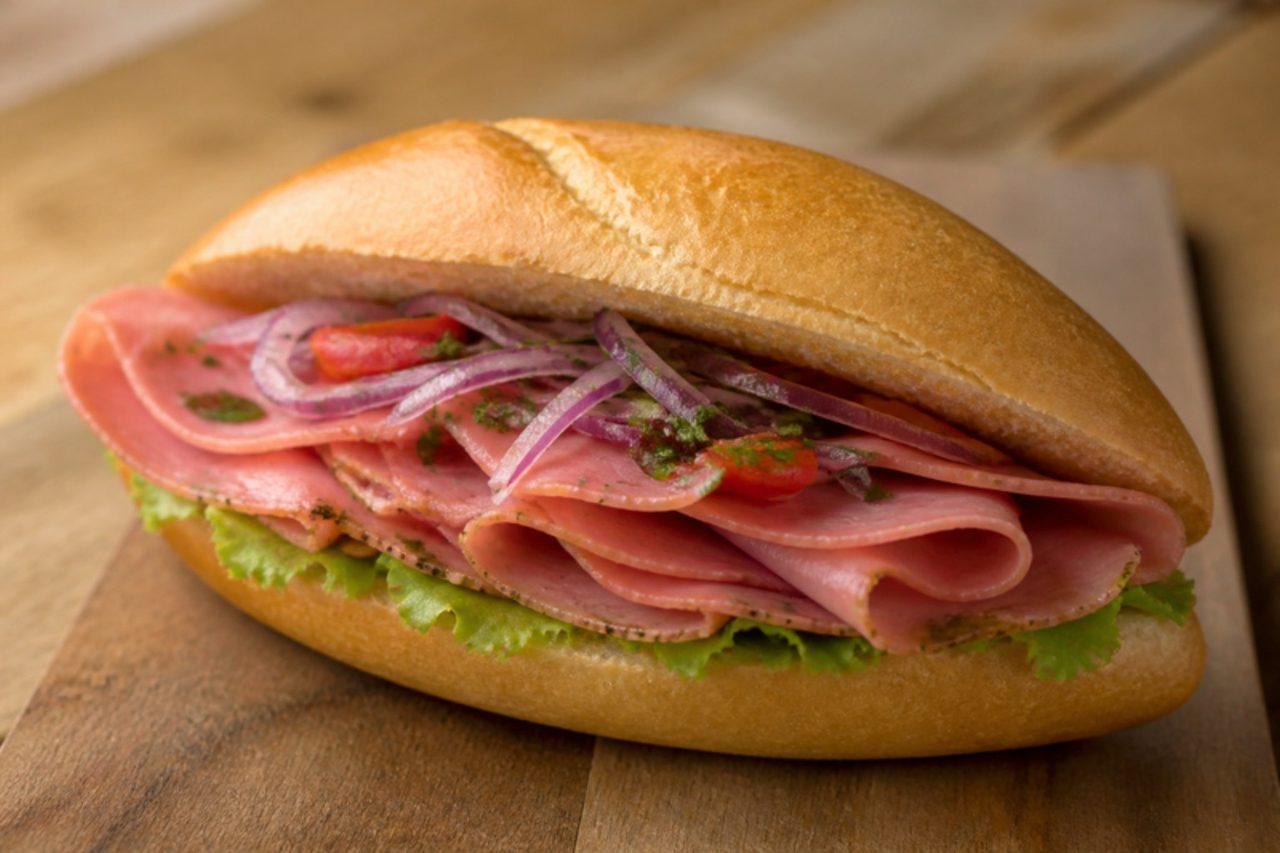
Pan con butifarraHam roll with onion salsa

Pan con butifarra is Lima's evening sandwich, sold in old-school sangucherías and made at home for a light dinner with coffee: a crusty roll filled with jamón del país, a spiced Peruvian pork ham, under a heap of salsa criolla, red onion sliced thin and soaked in lime with chilli. Outside Peru, use a good cooked pork ham. The common mistake is leaving the onion harsh; give it a quick rinse in salted water before dressing it. Chef's tip: a leaf of lettuce under the ham stops the lime juice soaking straight into the bread.

by KrazyBadal 0 views

Pajagua mascadaBeef and cassava patties

Pajagua mascada is a Paraguayan street-food classic that appears on every table for the San Juan festival on 24 June, when bonfires burn and the night is full of games and traditional food. Minced beef is mixed with mashed cassava, onion, garlic and a little egg and flour, shaped into flat patties and fried until crisp. The name comes from Guaraní and refers to the 'chewing' of old Paraguayan cooks, who made it from leftover meat. Chef's tip: dry the boiled cassava well and remove its woody core, which keeps the patties light and crunchy.

by KrazyBadal 0 views

KalanehWild leek stuffed flatbread

In Kurdistan and Kermanshah, Newroz arrives with the first spring greens on the hillsides, and families gather wild leeks to fold into kalaneh, thin griddle breads cooked over a fire or a hot pan and soaked in melted butter. The dough is plain and soft, rolled very thin around a pile of chopped leek or chives with a little salt and pepper, so the greens steam inside as the bread blisters. Eat it hot, torn into strips, with yogurt and tea at a Newroz picnic. The common mistake is wet greens, which turn the dough soggy and make it tear; dry them well after washing. Chef's tip: brush the butter on the moment the bread leaves the pan so it soaks right in.

by KrazyBadal 0 views

KaguyjyWhite corn pudding

On the night of 23–24 June, Paraguayans celebrate San Juan with bonfires, games like walking over hot coals and the 'paso de fuego', and a table of traditional foods, and kaguyjy (also mazamorra) is one of them. It is a soft, creamy pudding of cracked white corn (locro) simmered slowly in water and then milk with sugar or honey, sometimes with orange peel. It is eaten warm or cold. It is gluten free. Chef's tip: soak the corn overnight and cook it until each kernel is tender before adding the milk, or it never turns creamy.

by KrazyBadal 0 views

Dowina (Kurdish yogurt soup)

Dowina, called ash-e doogh in Persian, is warming spring food in Kurdish homes around Newroz, when yogurt is plentiful and the first herbs are cut from the garden. Rice and chickpeas simmer in a tangy, lightly thickened yogurt broth, finished with fresh dill, coriander and a sizzle of dried mint in oil. It is eaten warm, never boiling hot, with flatbread. The common mistake is to heat the yogurt too fast without stirring, which makes it split into grainy curds. Chef's tip: whisk an egg yolk and a spoonful of rice flour into the yogurt before it goes on the heat; it holds the soup smooth all the way to the simmer.

by KrazyBadal 0 views

Chipa so'oCheese bread with spiced beef

In Paraguay, families bake chipa in the clay tatakua ovens on Holy Wednesday so there is food for Thursday and Good Friday, when cooking stops. Chipa so'o ('chipa with meat') is a cassava-starch and cheese bread wrapped around a little filling of minced beef cooked with onion and egg, then baked until crisp outside and chewy within. It is naturally gluten free. Chef's tip: knead the dough until it no longer cracks at the edges when pressed; dry dough splits around the filling.

by KrazyBadal 0 views

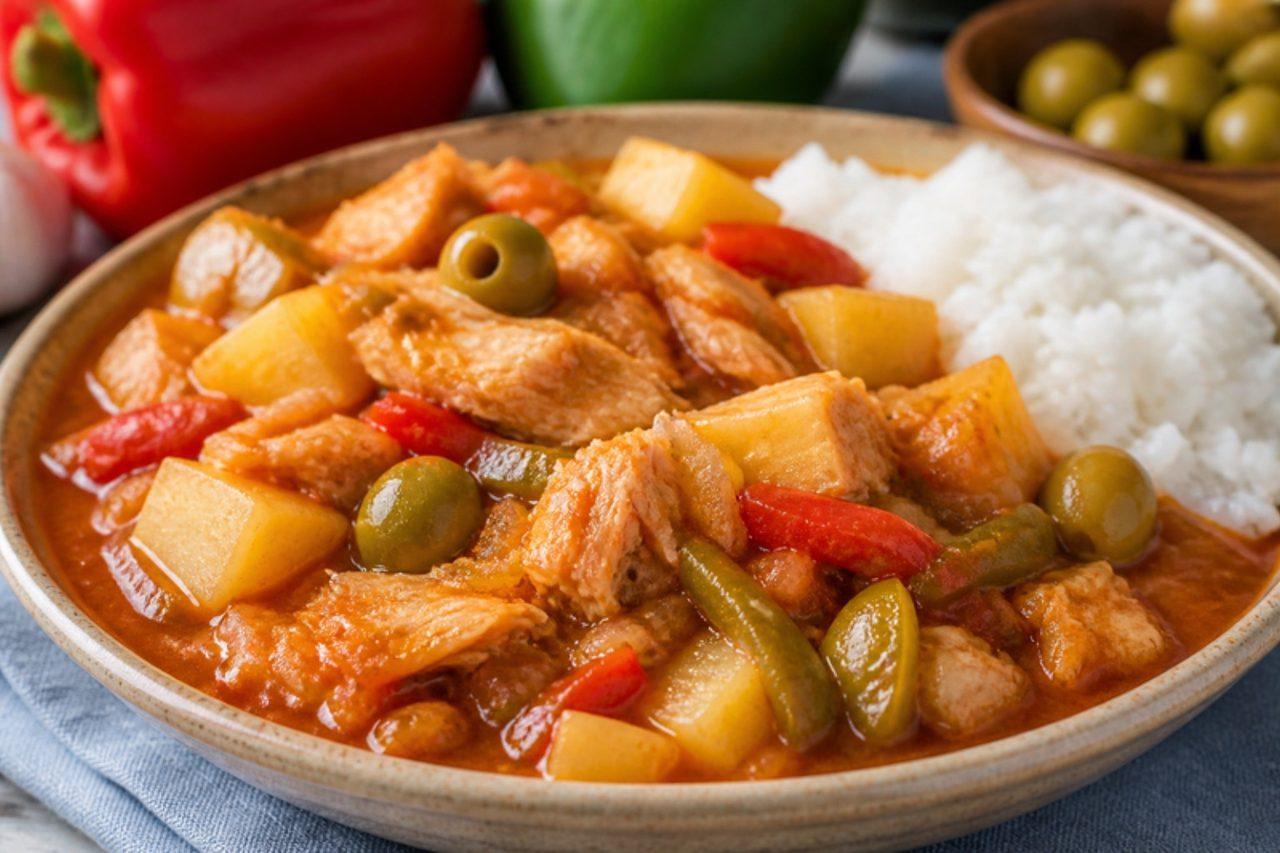
Bacalao guisadoStewed salt cod

In Puerto Rico, bacalao guisado is the dish of Lent and above all Good Friday, when meat is not eaten. Soaked salt cod is stewed with sofrito, tomato sauce, potatoes, olives, capers and peppers until thick and fragrant, and served with white rice, boiled root vegetables (viandas) or avocado. It is homely, salty-sweet and very comforting. Chef's tip: soak the cod in the fridge for a day and a half and taste it before seasoning; most of the salt in the stew comes from the fish.

by KrazyBadal 0 views

Sopa teólogaTurkey broth with bread and cheese

Sopa teóloga ('the theologian's soup') goes back to colonial convents in Lima and Arequipa, where it was cooked for feast days, and it is still served at Holy Week and family celebrations. A rich turkey (or chicken) broth is thickened with soaked bread, milk and fresh cheese, with yellow potatoes and shreds of turkey, and finished with a little ají amarillo and chopped huacatay or parsley. It is thick, comforting and filling. Chef's tip: blend part of the soaked bread with broth before adding it, which gives the soup its creamy body without lumps.

by KrazyBadal 0 views

Showing 24 of 287 recipes

Show more recipes

Page 1 of 12