Skip to content
WhatToEat.Today

All recipes

502

Vegetarian, or something you can't eat? Set your diet once and we'll hide recipes that don't fit.

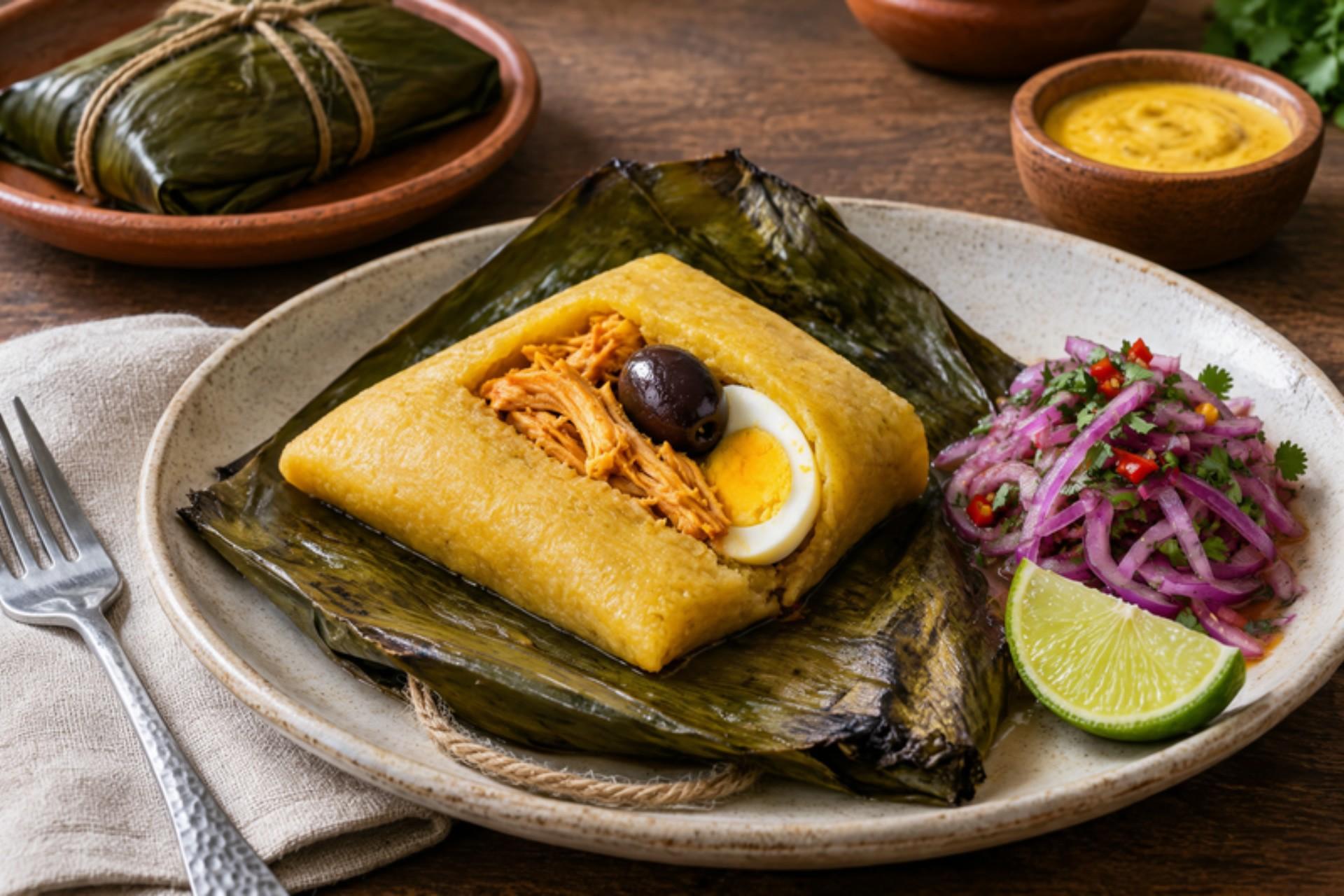
Tamales peruanosChicken corn tamales in banana leaf

In Lima, tamales are a Sunday breakfast, bought warm from street vendors calling 'tamaleeeeros' or made at home for Christmas, and eaten with crusty bread and a pile of salsa criolla. Peruvian tamales are larger and softer than Mexican ones, made from corn dough coloured with ají and wrapped in banana leaves, hiding chicken, a black olive, a slice of egg and a peanut. Peanuts are an allergen, so leave them out if needed. The usual mistake is a dry dough: the tamales turn crumbly. Beat in enough warm stock to make a soft paste that just holds its shape. The chicken must reach 74 °C before it goes in. Chef's tip: fat makes the dough tender; beat the oil and dough for a full 5 minutes until light, as Lima cooks do with pork lard.

by KrazyBadal 0 views

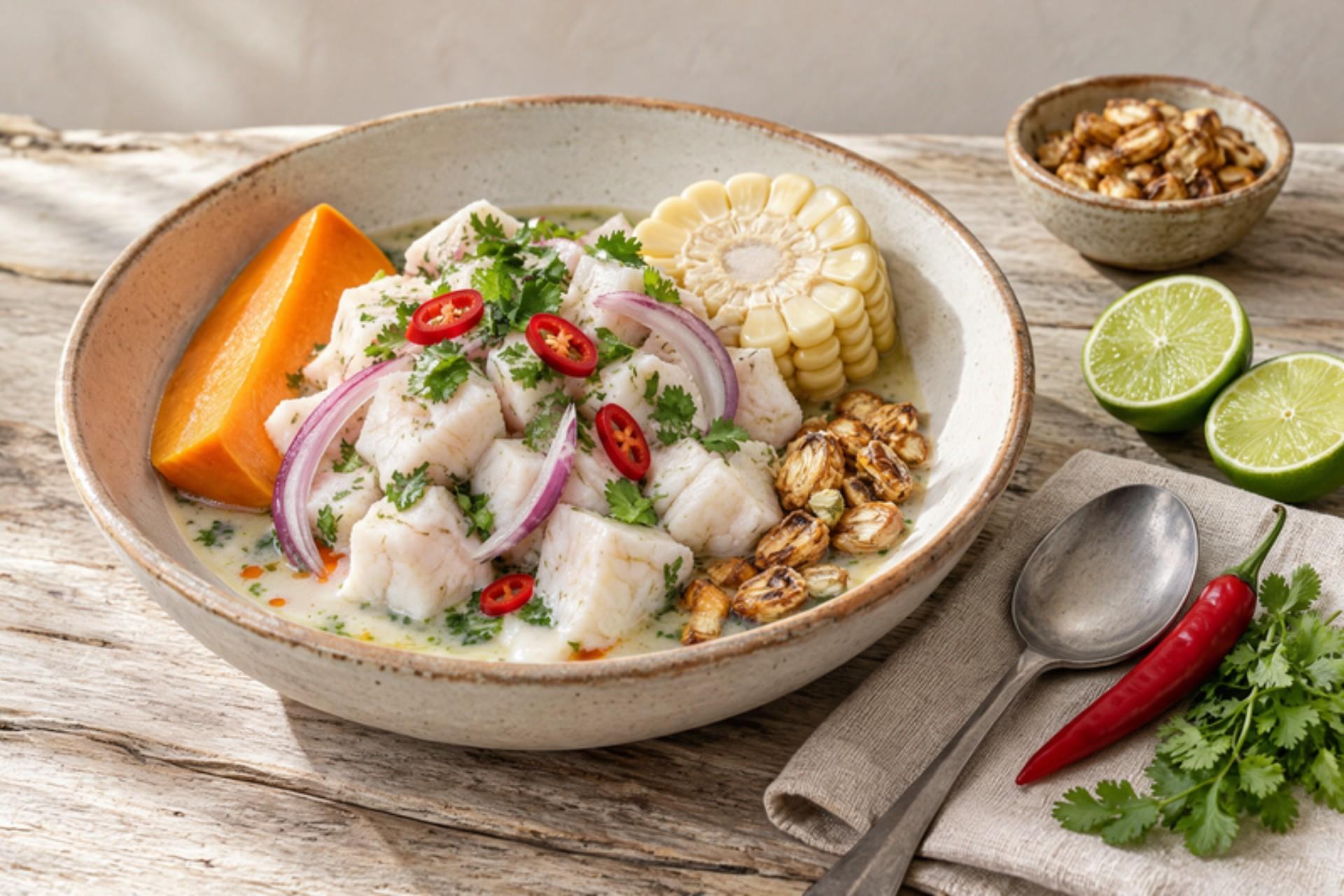
Ceviche peruanoLime-cured white fish

Ceviche is Peru's national dish, eaten at lunchtime in the cevicherías of Lima's Surquillo and Chorrillos markets, because the fish must be fresh off the morning boats and cevicherías traditionally close in the afternoon. The classic is raw white fish 'cooked' in lime juice with red onion, chilli and coriander, served with sweet potato and corn. Lime juice does not kill bacteria or parasites, so this version first poaches the fish for a minute until just opaque, then dresses it, which keeps the classic flavour and texture far safer. Even so, it is not for pregnant women, young children or anyone with a weakened immune system. The usual mistake is leaving the fish in the lime for an hour: it turns chalky and the juice goes bitter. Chef's tip: squeeze the limes gently by hand and stop before the pith; over-squeezed limes make bitter leche de tigre.

by KrazyBadal 0 views

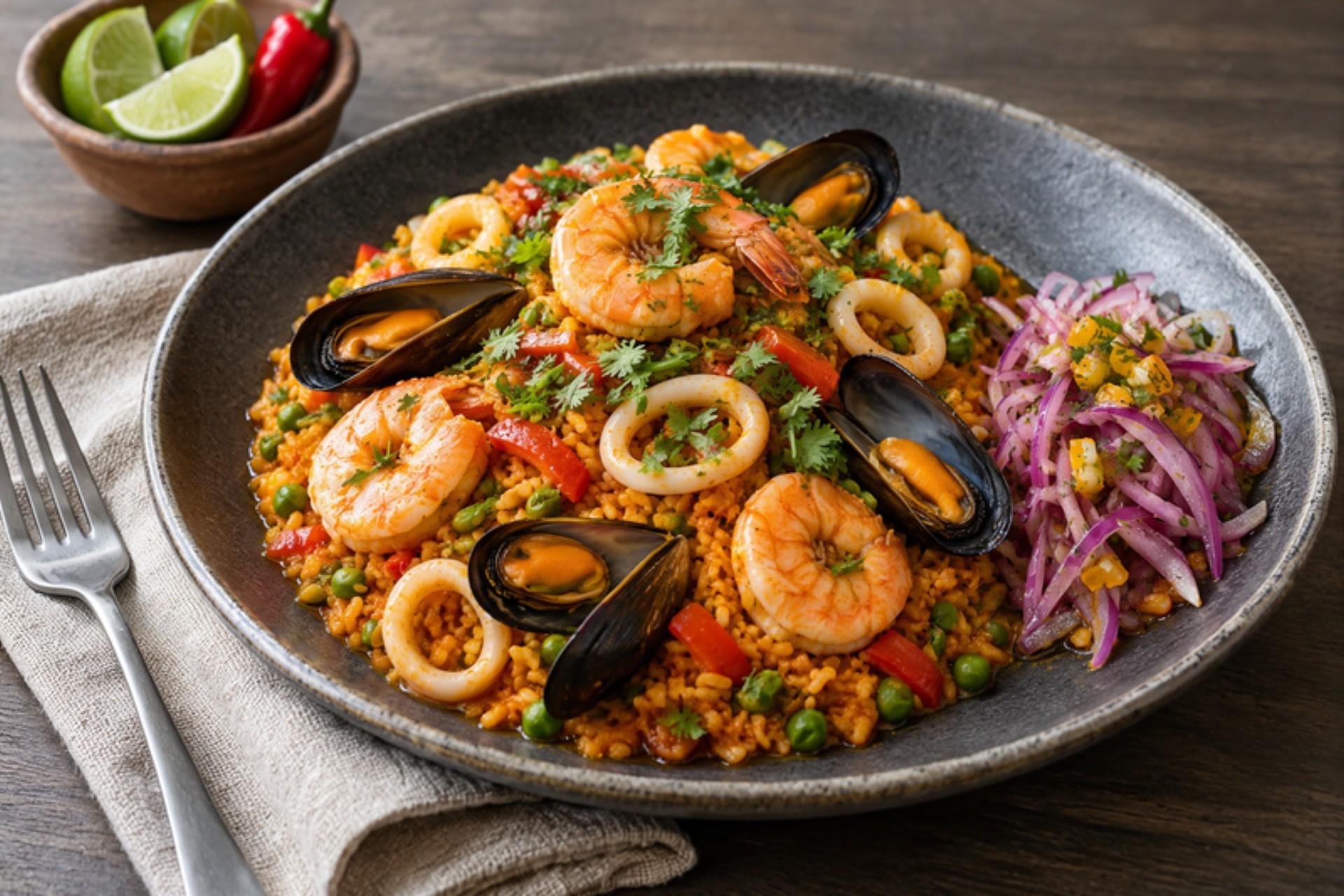
Arroz con mariscosSeafood rice

Arroz con mariscos is the weekend dish of Callao and the beach towns south of Lima, served in cevicherías as the hot partner to a cold ceviche. It is moister than a paella, closer to a risotto, coloured with ají panca and ají amarillo and finished with peas and a little Parmesan-style cheese, as many Lima cooks do. The common mistake is adding all the seafood at the start: the squid turns rubbery and the prawns shrink to nothing. Cook the rice first and add the shellfish only for the final minutes. Discard any mussels that are open before cooking and do not close when tapped, and any that stay shut after cooking. The cheese is often made with animal rennet; use a vegetarian hard cheese if you prefer. Chef's tip: simmer the prawn shells in the stock for 10 minutes; they give the rice its deep seafood taste.

by KrazyBadal 0 views

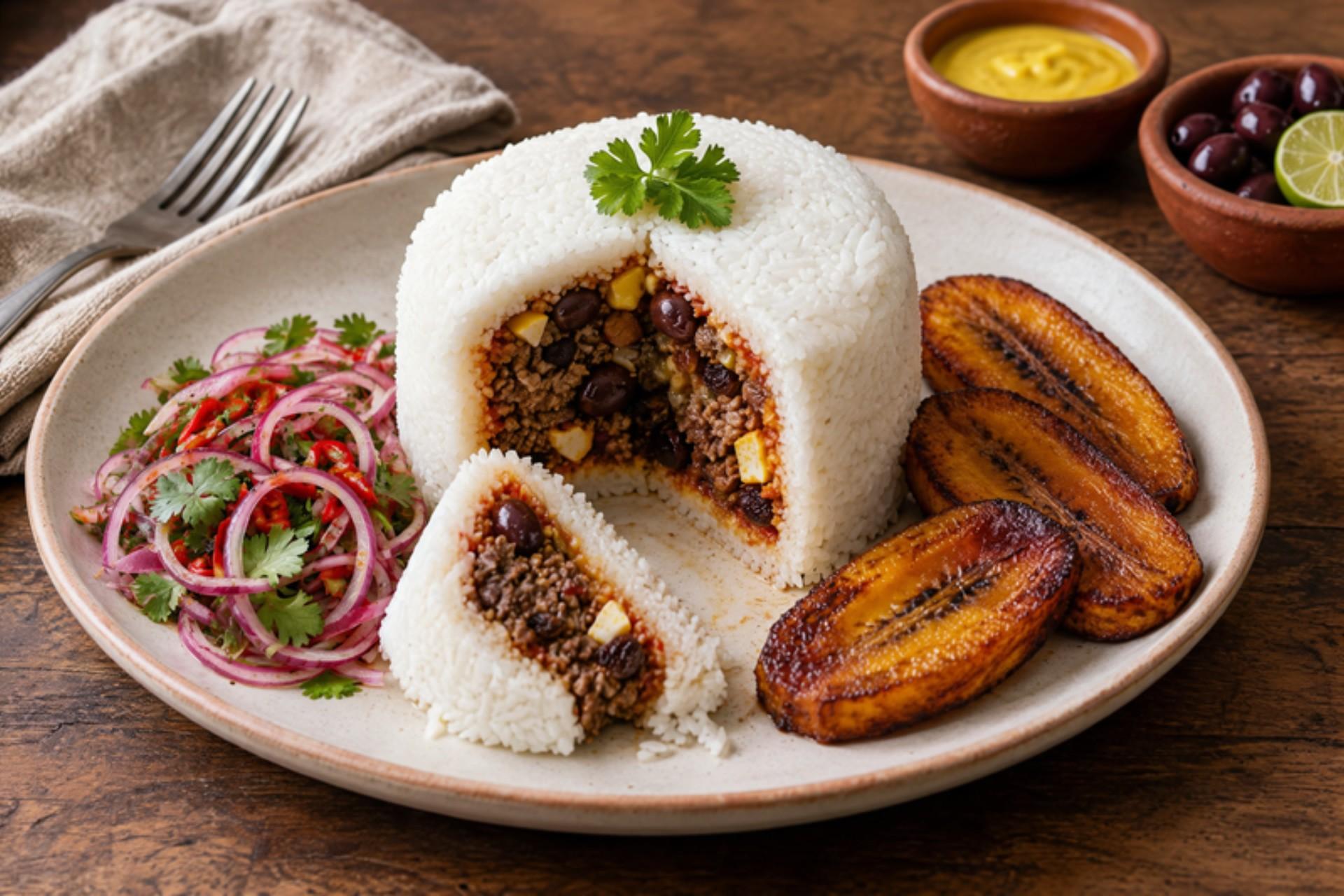
Arroz tapadoRice dome with beef filling

Arroz tapado means covered rice, and it is the thrifty weekday lunch of Lima homes and school canteens: garlic rice pressed into a bowl, filled with a sweet-savoury beef mince and turned out like a dome. The filling of minced beef with onion, ají panca, raisins, black olives and hard-boiled egg is the same picadillo that goes into papas rellenas. The usual mistake is leaving the filling wet: the dome collapses and the rice turns soggy. Simmer it until the pan is almost dry. Minced beef must reach 71 °C, so cook it until no pink remains. Serve with a spoonful of salsa criolla. Chef's tip: brush the bowl with a little oil and pack the rice firmly with the back of a spoon; a well-pressed dome holds its shape on the plate.

by KrazyBadal 0 views

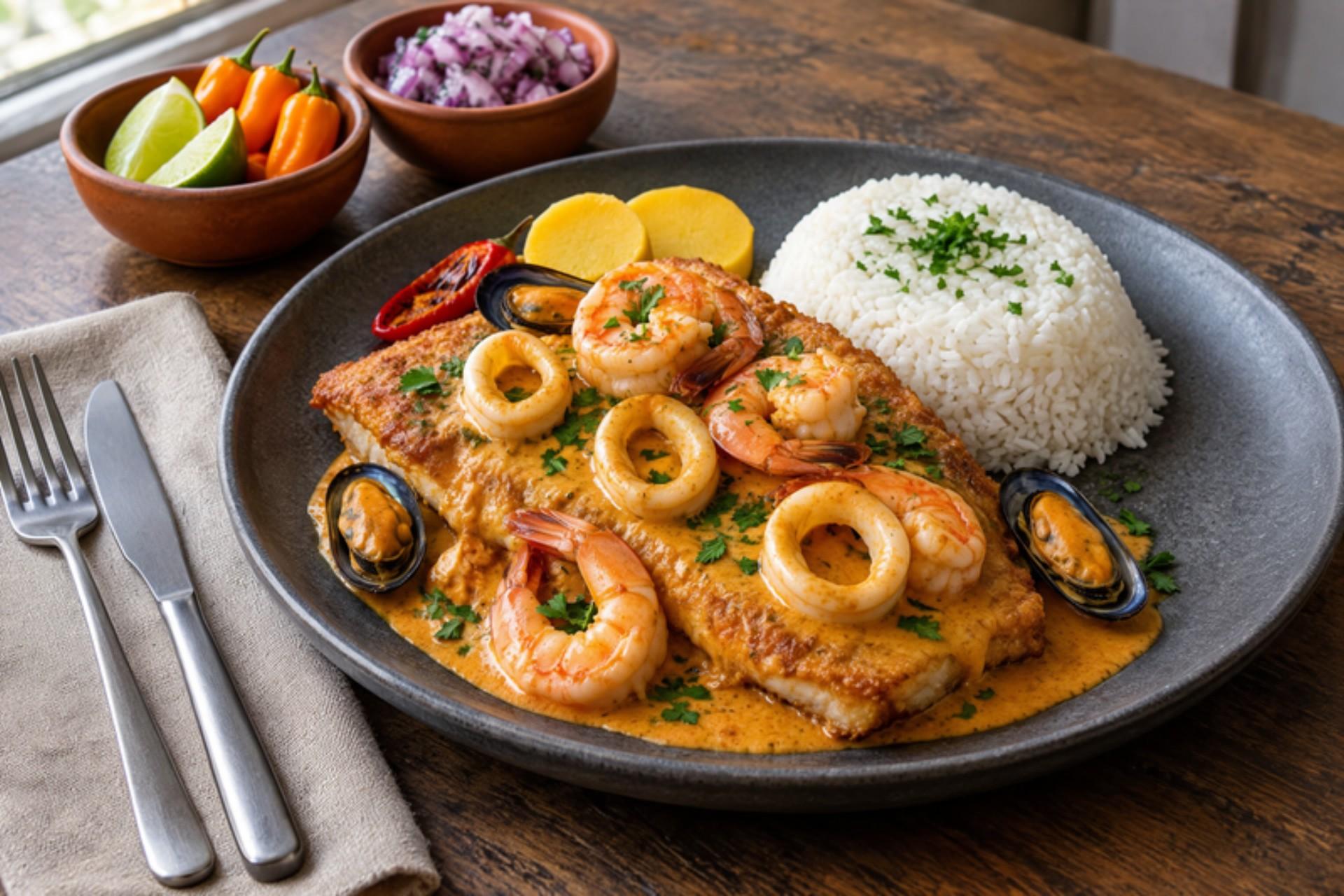
Pescado a lo machoFried fish in spicy seafood sauce

Pescado a lo macho is a classic of Lima's seafood restaurants, the dish people order for a long Sunday lunch near the sea in Chorrillos: a fillet of fried white fish smothered in a thick, spicy sauce of ají panca and ají amarillo packed with prawns, squid and mussels. The name boasts that you need to be brave for the chilli, but you can turn it down. The common mistake is overcooking the seafood while the sauce reduces; add it only when the sauce is already thick. Discard mussels that are open and do not close when tapped, and any that stay shut after cooking. Chef's tip: dust the fish in flour seasoned with cumin and fry it last, so it reaches the table crisp under the sauce.

by KrazyBadal 0 views

Lomo saltadoBeef stir-fry with chips

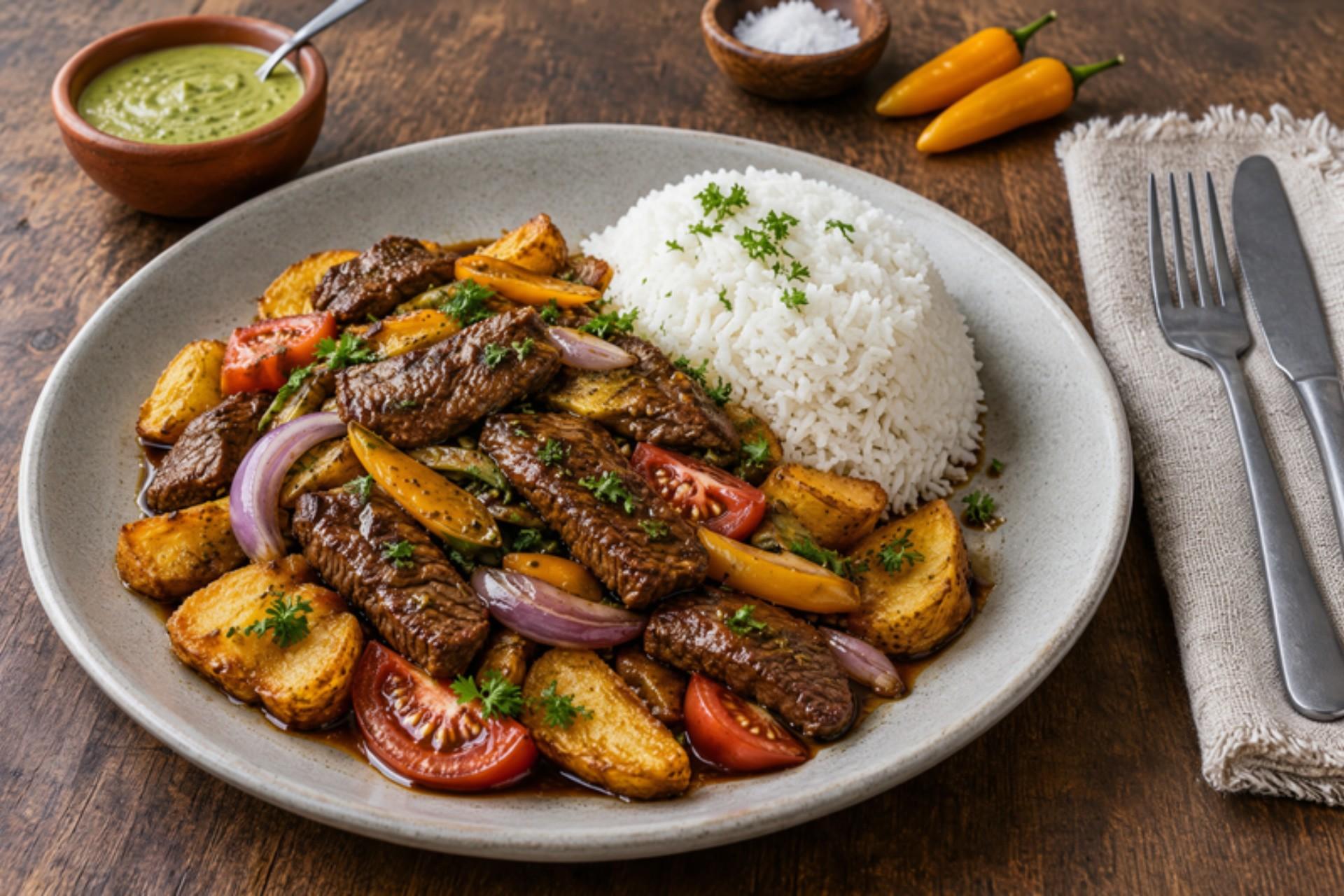
Lomo saltado was born in the chifas of central Lima, where Chinese cooks met Peruvian ingredients, and today it is the lunch every Peruvian family makes when they want something fast and a little indulgent. Strips of beef are seared in a smoking-hot wok with red onion, tomato and yellow chilli, splashed with soy sauce and vinegar, then tossed with chips and served beside white rice, so you get both starches on one plate. The common mistake is crowding the wok: the beef stews in its juices and turns grey and chewy instead of charring. Cook it in two batches over the highest heat you have. Chef's tip: add the chips at the very last second, or serve them on the side, so they soak up a little sauce but stay crisp.

by KrazyBadal 0 views

Crema volteadaBaked caramel custard

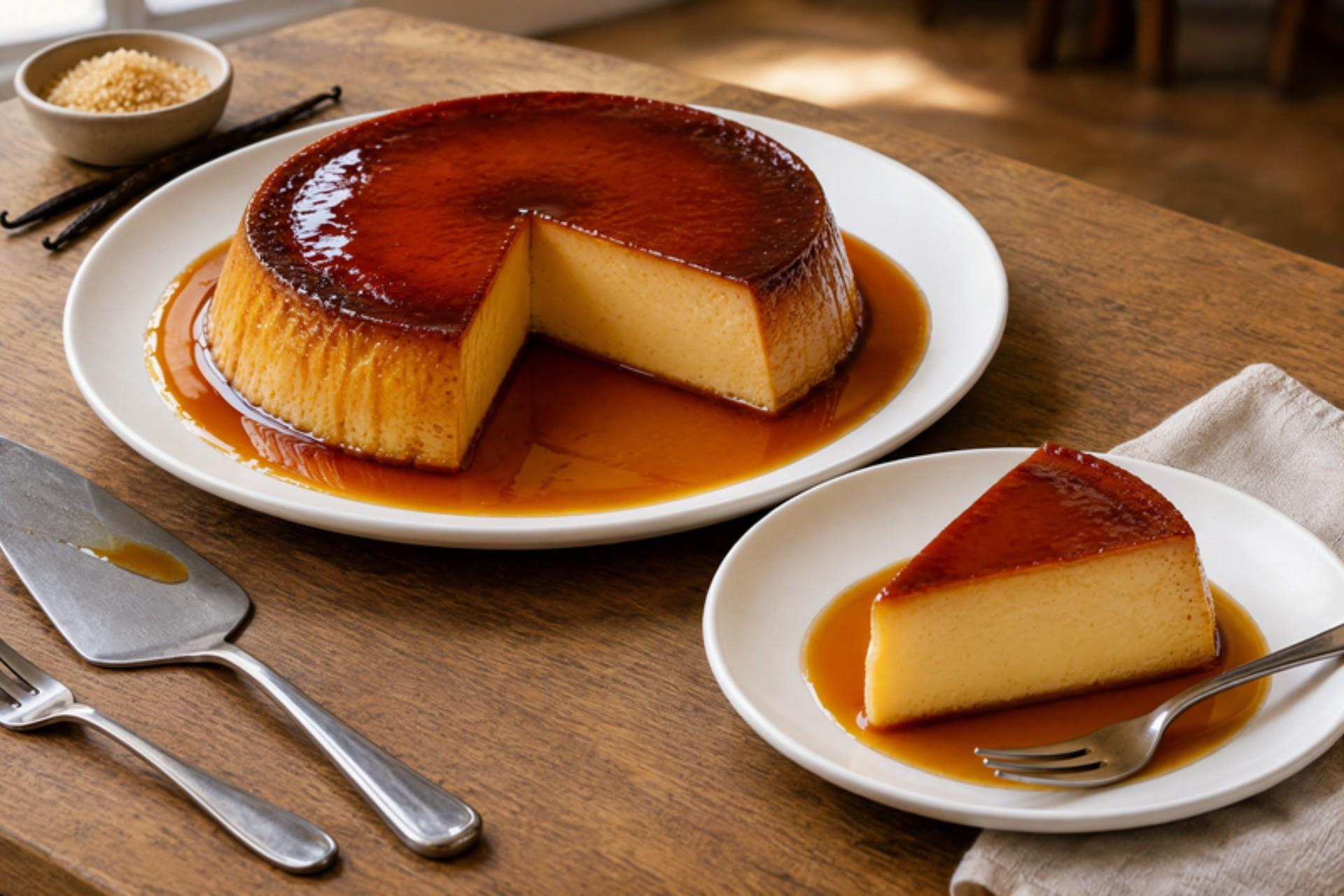
In Lima, crema volteada is the dessert that appears at Sunday lunch in Miraflores and Barranco homes and at every birthday where an aunt is in charge of the sweets. It is firmer and richer than a Spanish flan because it is made with both evaporated and condensed milk, so it slices cleanly and tastes of toffee. The usual mistake is baking it in an oven that is too hot: the custard boils, fills with tiny holes and weeps. Keep the water bath at a bare simmer and take it out while the centre still wobbles slightly. Chef's tip: chill it overnight before turning it out; a cold custard releases in one piece and the caramel has time to melt into a pourable sauce.

by KrazyBadal 0 views

Sopa criollaCreamy beef noodle soup

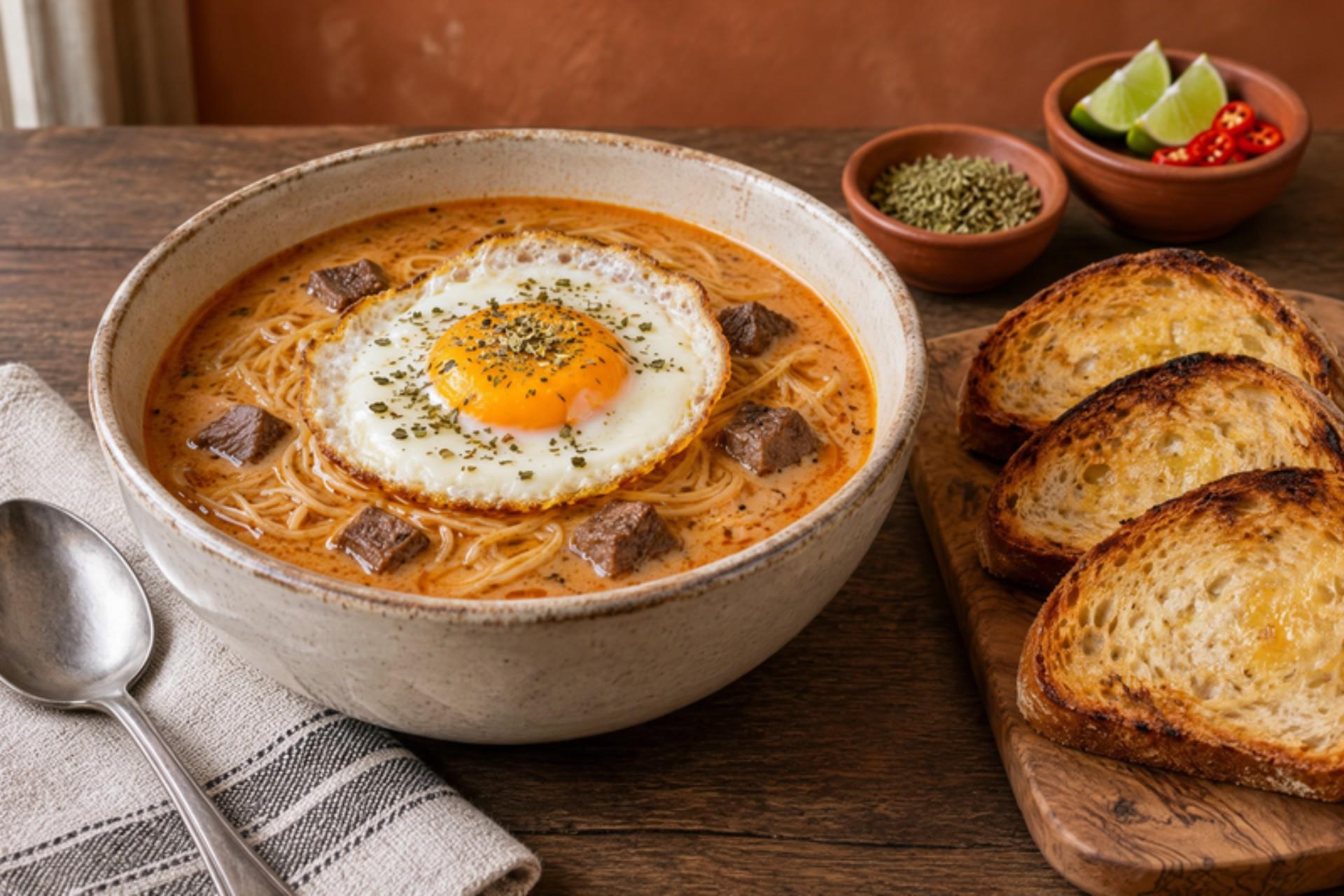
Sopa criolla is the soup Lima turns to on grey winter evenings, when the garúa mist hangs over the city: a beef broth reddened with ají panca, full of thin noodles and strips of beef, enriched with evaporated milk and finished with a poached egg. It arrives with toasted bread for dunking. The common mistake is boiling the soup after adding the milk; it splits into specks. Lower the heat first and stir it in gently. The beef strips are thin, so they cook through in a few minutes. Chef's tip: crack the eggs straight into the barely simmering soup and leave them alone for three minutes; the whites set into soft ribbons that thicken the broth.

by KrazyBadal 0 views

Vajíčková pomazánkaEgg spread

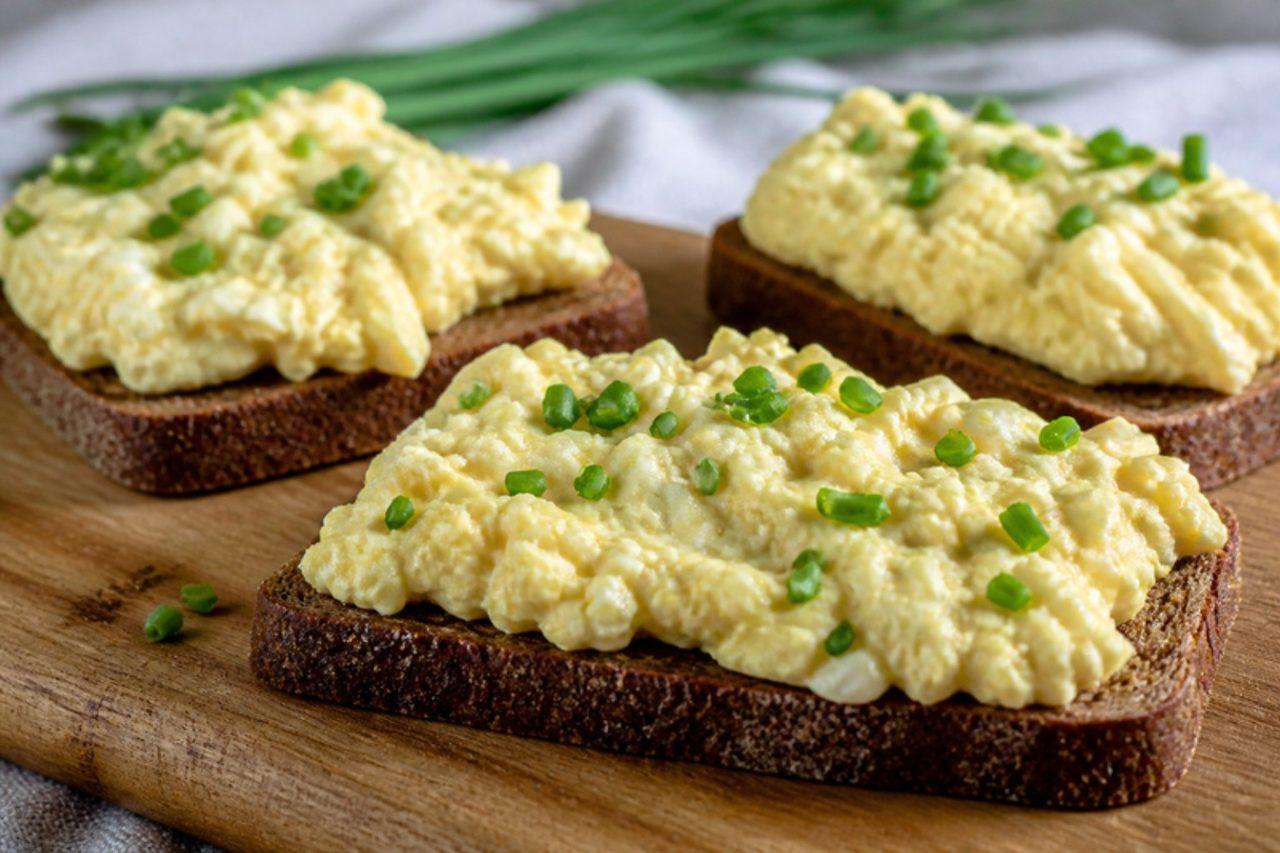
Vajíčková pomazánka is the egg spread found in every Czech and Slovak fridge, piled on rye bread for večeře, the simple bread-and-spread supper, as well as at birthday parties and on trains. Hard-boiled eggs are grated and mashed with soft butter or mayonnaise, mustard and chives into a creamy, savoury spread, finished with sliced gherkin or radish. The common mistake is mashing the eggs while still warm, which melts the butter and makes the spread greasy; cool them in cold water first. Chef's tip: grate the eggs on the fine side of a box grater for a smooth, fluffy spread with no chunks of white.

by KrazyBadal 0 views

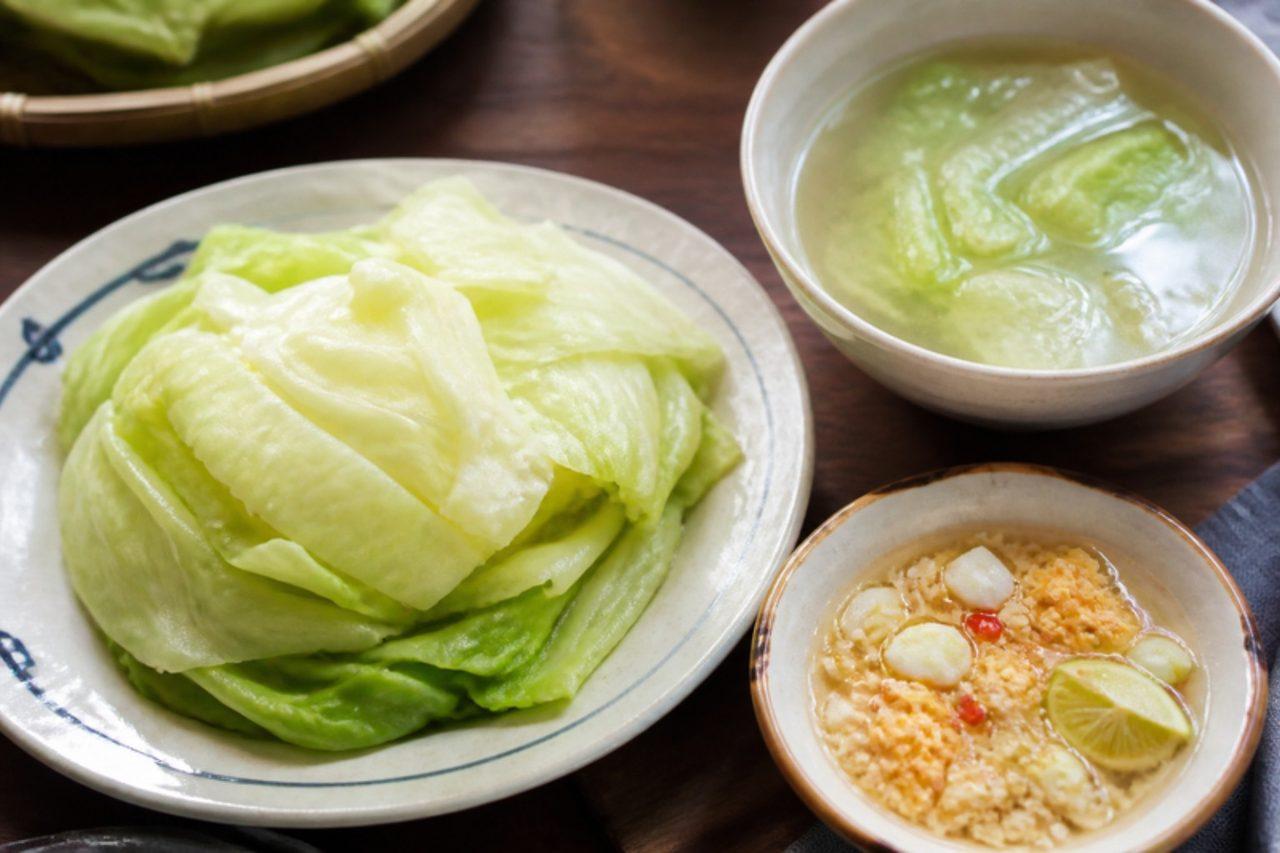
Bắp cải luộc chấm trứngBoiled cabbage with egg dip

In northern Vietnam, especially in Hanoi family homes, boiled cabbage with egg-mashed fish sauce turns up on the everyday dinner tray, most of all in the cooler months when cabbage is sweet. The cabbage is boiled until just tender, the cooking water becomes a light soup to drink with rice, and hard-boiled egg is crushed into fish sauce with lime and chilli for dipping. It contains fish sauce, so it isn't vegetarian. The common mistake is boiling the cabbage too long, until it goes limp and smells of sulphur; take it out while the ribs still have a little bite. Chef's tip: mash the yolks into the fish sauce first so they dissolve into a creamy dip, then stir in the chopped whites.

by KrazyBadal 0 views

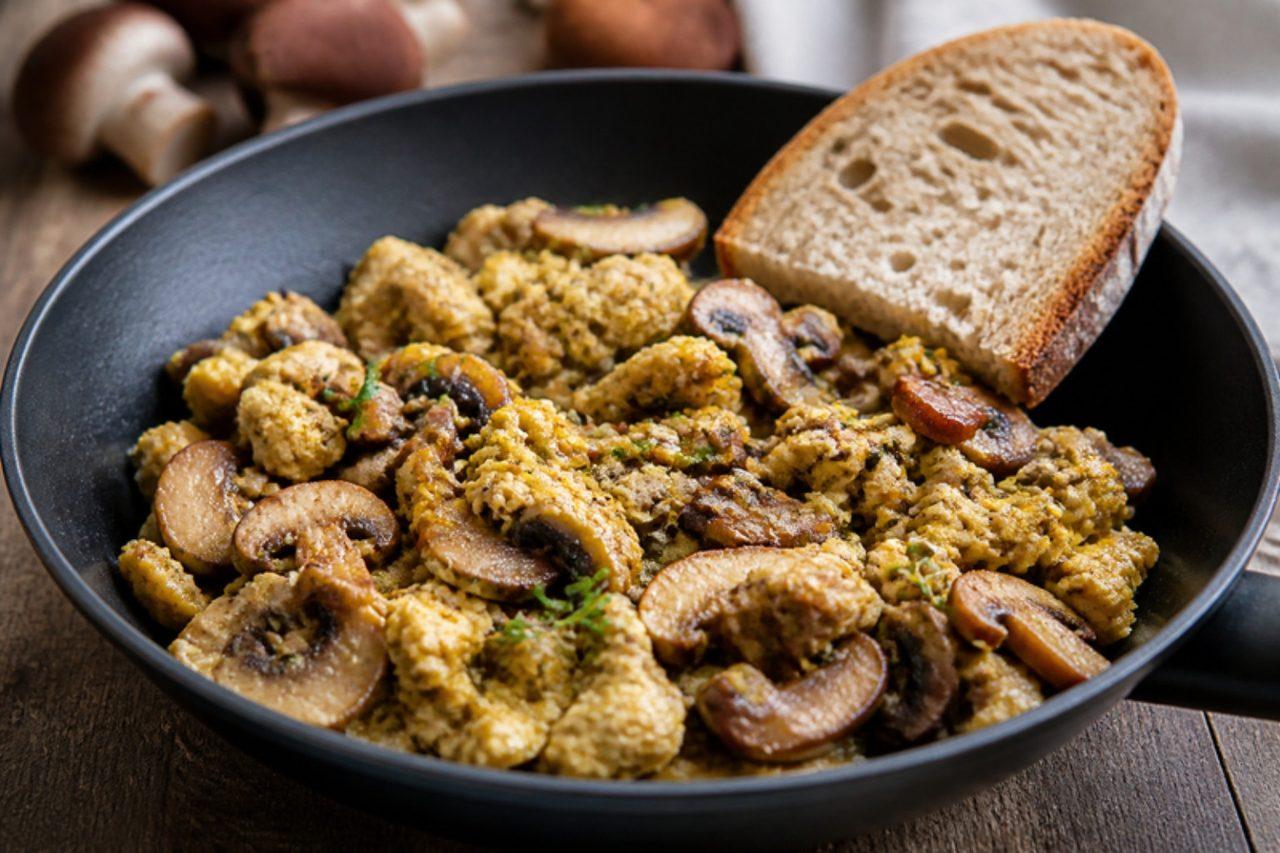
Houbová smaženiceMushrooms scrambled with egg

In late summer and autumn, when half of Czechia heads into the woods with baskets, houbová smaženice is what the day's finds become for supper: fresh mushrooms fried with onion and a pinch of caraway, then scrambled with eggs and eaten with rye bread. It tastes of the forest, and cultivated chestnut and oyster mushrooms make a very good version in any season. Only use wild mushrooms that an expert has identified. The common mistake is crowding the pan, so the mushrooms steam in their juice instead of frying golden. Chef's tip: salt the mushrooms only after they have browned; salt too early draws out water and stops them colouring.

by KrazyBadal 0 views

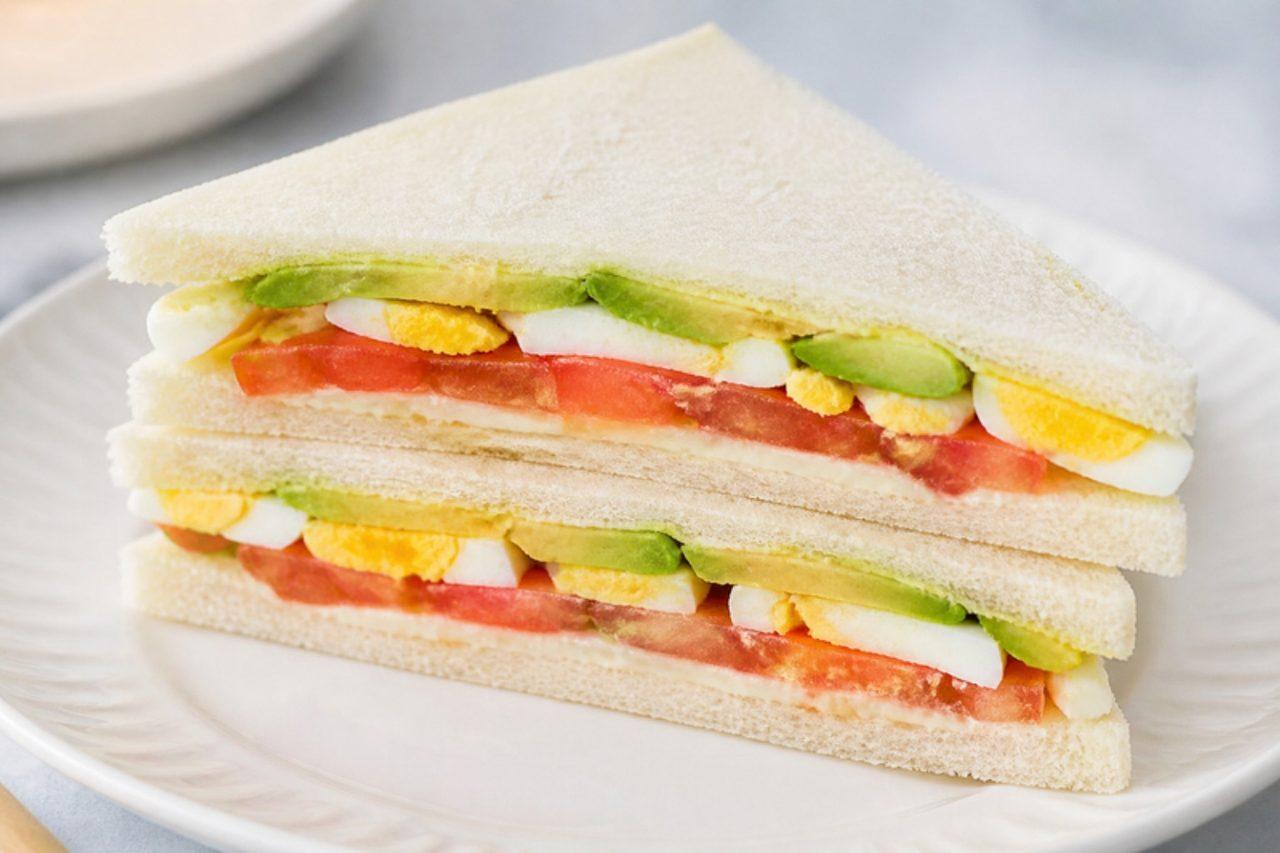
TripleAvocado, tomato and egg sandwich

The triple is the soft, layered sandwich of Lima's cafés and bakeries, eaten at lonche, the Peruvian late-afternoon meal, or as a light supper: three slices of crustless white bread layered with avocado, tomato and sliced hard-boiled egg, all held together with mayonnaise. It looks neat, tastes fresh and is loved by children. Shop-bought mayonnaise is made with pasteurised egg, so it is safe for everyone. The common mistake is letting wet tomato touch the bread, which turns it soggy within minutes. Chef's tip: pat the tomato dry and sit it between the avocado and egg, then press the sandwich under a board for a minute before cutting.

by KrazyBadal 0 views

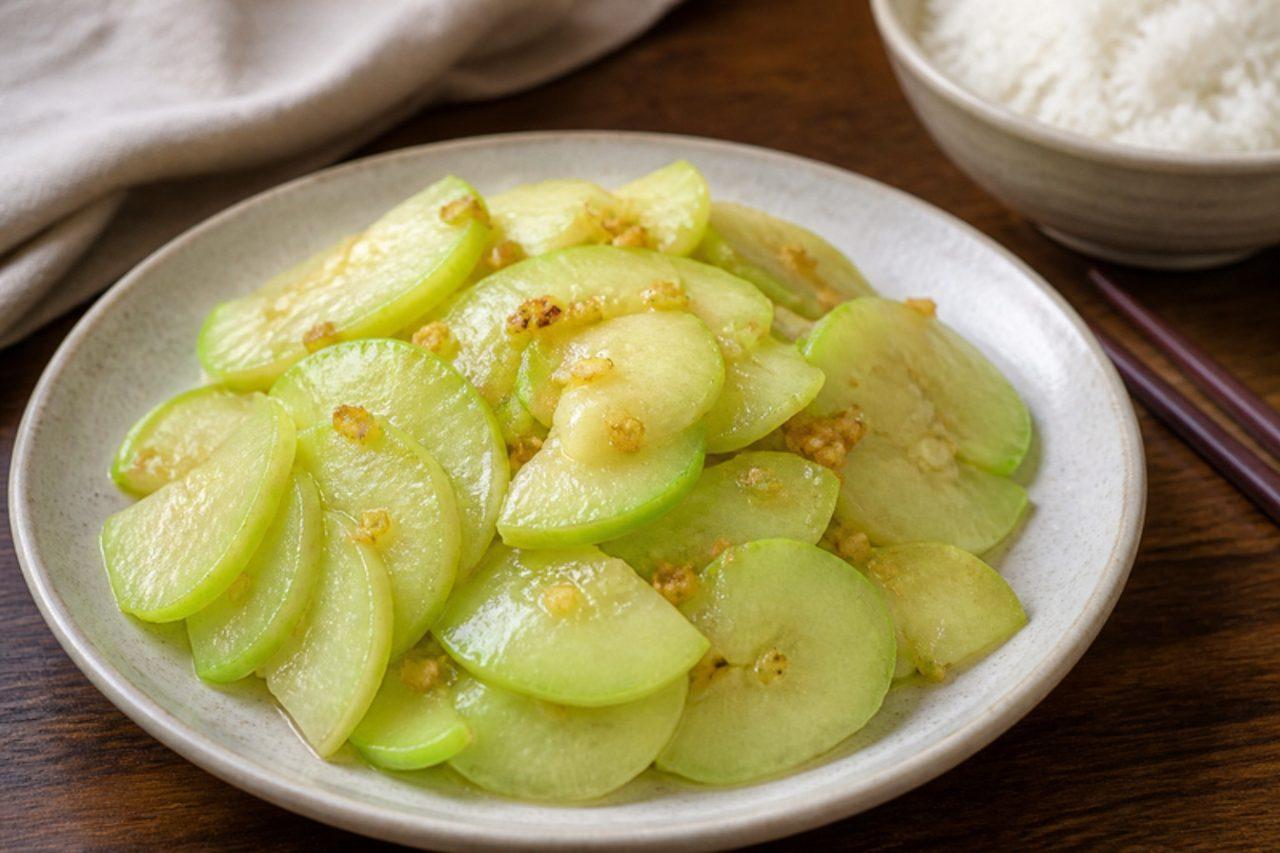
Su su xào tỏiGarlic stir-fried chayote

Su su xào tỏi is one of the cheapest, quickest vegetable dishes on the Vietnamese family table, especially in Hanoi and the cool highlands around Đà Lạt where chayote grows on every fence. Thin slices of the pale-green squash are stir-fried with crushed garlic until glossy and just tender, keeping a fresh crunch, and eaten with rice, a soup and a braised dish. Some cooks season it with fish sauce; salt and a pinch of sugar keep it vegan. The common mistake is cutting thick slices, which stay raw in the middle by the time the outside softens; slice no thicker than 3 mm. Chef's tip: peel chayote under running water or with gloves, because the sap makes hands sticky and tingly.

by KrazyBadal 0 views

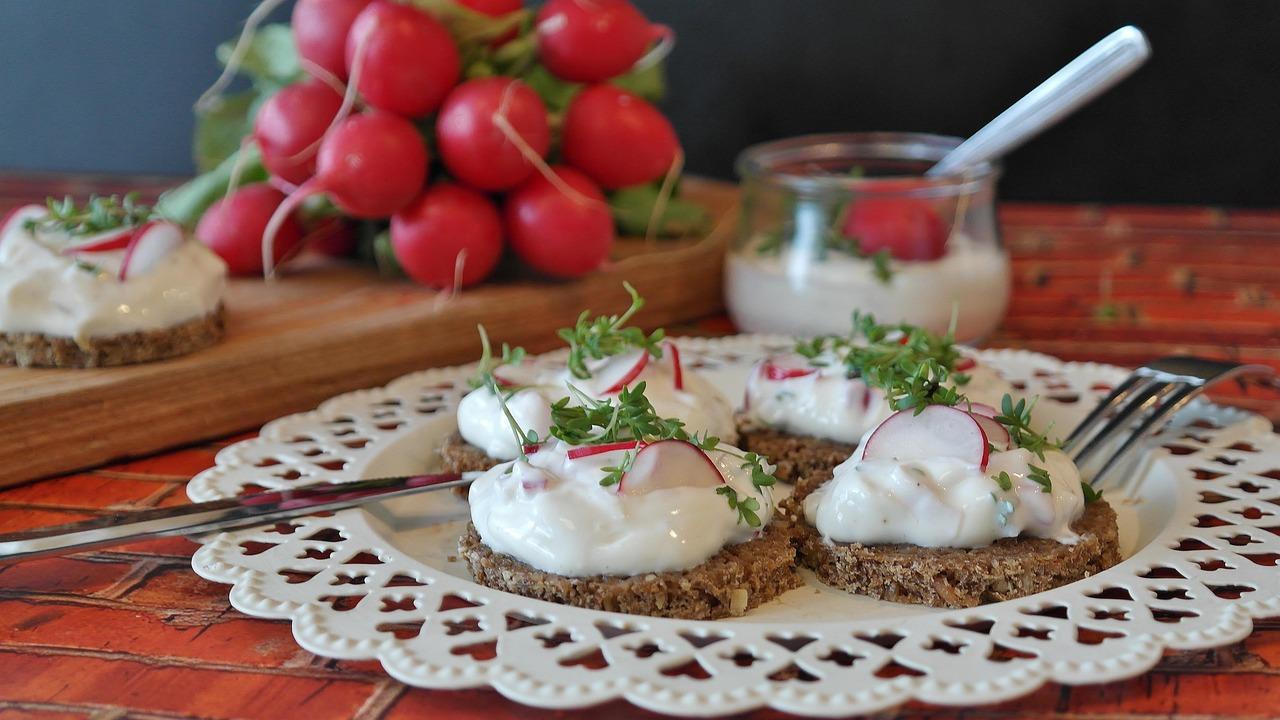
Platte kaas met radijsjesQuark and radish on brown bread

In Flanders the evening meal is often a boterham, a plate of open bread slices, and one of the most loved toppings in Ghent and Antwerp is platte kaas: fresh, soft quark seasoned with chives, salt and pepper, spread thickly on brown bread and covered with crunchy radish slices. It is cool, light and ready in five minutes, a good supper after a big lunch. Some quark and fresh cheeses are set with a little animal rennet, so check the label for a vegetarian one. The common mistake is using thin, low-fat quark straight from the tub, which is watery and slides off the bread; stir it well and drain off any liquid first. Chef's tip: slice the radishes paper-thin and salt them only at the moment you serve, so they stay crisp.

by KrazyBadal 0 views

Bánh mì chảoSkillet eggs, pâté and baguette

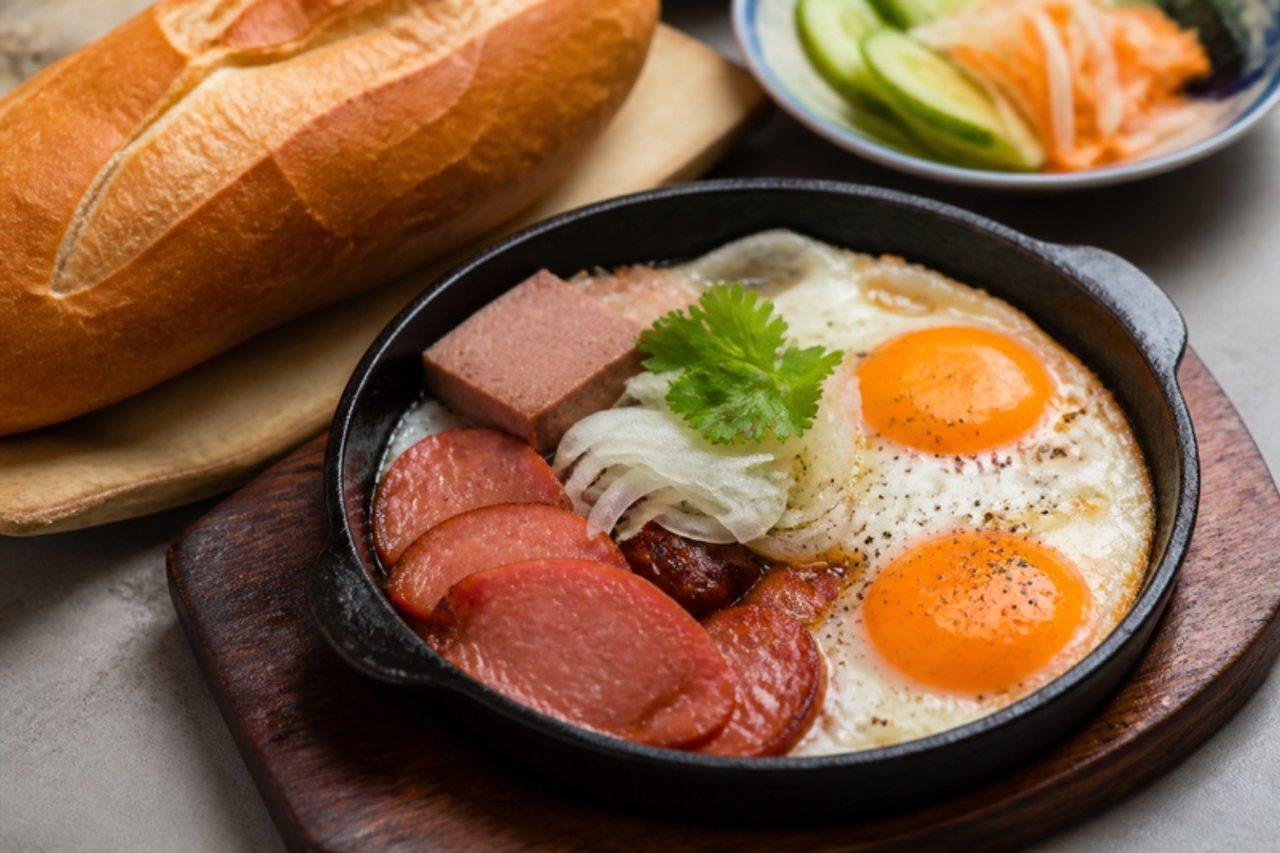
Bánh mì chảo, 'pan bread', is served at Saigon breakfast stalls in small black skillets still spitting from the stove, and more and more people eat it for a quick dinner too. Eggs are fried with sliced onion beside pork liver pâté and pork sausages, then you tear a crisp baguette and mop everything up with chilli sauce and a little soy. It's rich, so serve cucumber and tomato beside it. This dish contains pork. The common mistake is crowding the pan, so the eggs steam instead of frying with crisp, lacy edges. Chef's tip: get the pan really hot before the eggs go in, and warm the baguette in the oven so the crust shatters.

by KrazyBadal 0 views

Pan con butifarraHam roll with onion salsa

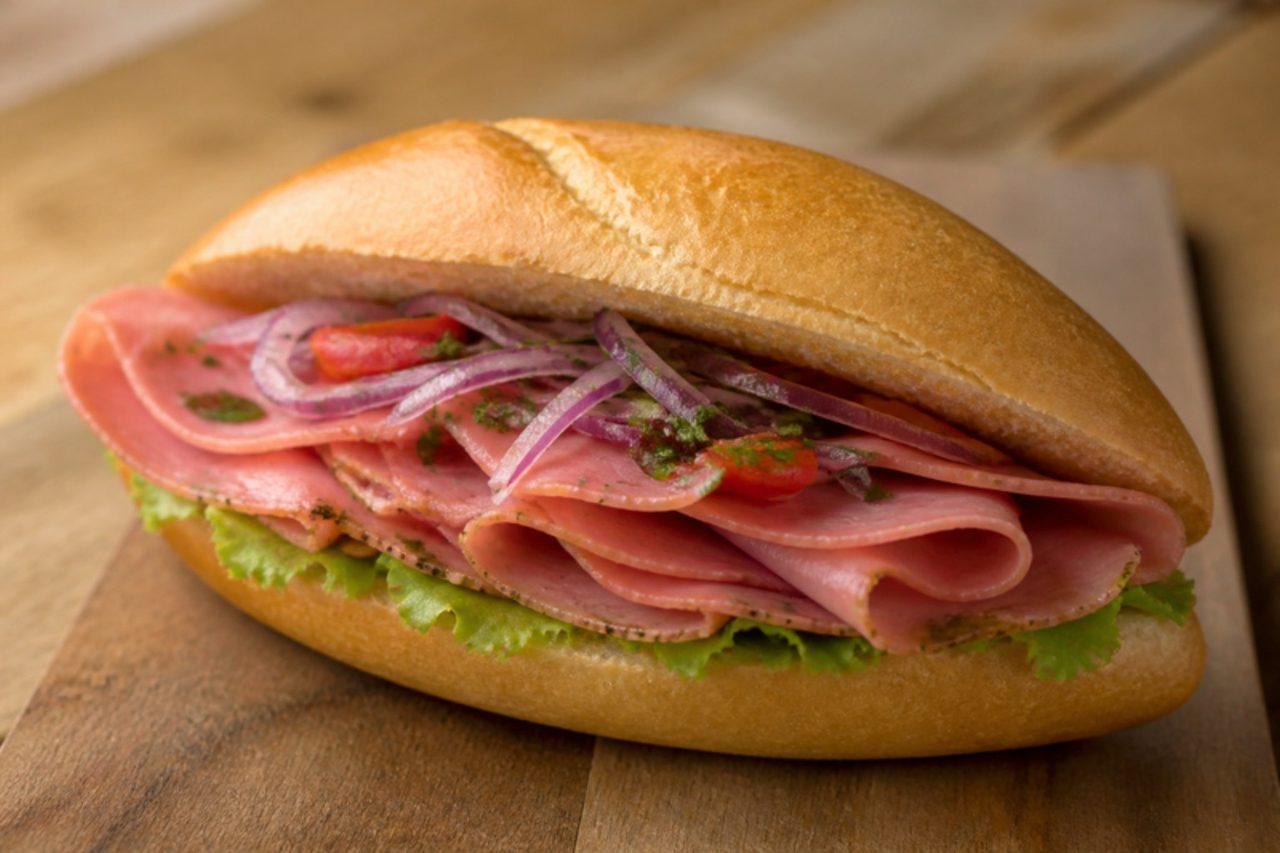
Pan con butifarra is Lima's evening sandwich, sold in old-school sangucherías and made at home for a light dinner with coffee: a crusty roll filled with jamón del país, a spiced Peruvian pork ham, under a heap of salsa criolla, red onion sliced thin and soaked in lime with chilli. Outside Peru, use a good cooked pork ham. The common mistake is leaving the onion harsh; give it a quick rinse in salted water before dressing it. Chef's tip: a leaf of lettuce under the ham stops the lime juice soaking straight into the bread.

by KrazyBadal 0 views

FastenwäheCaraway pretzel bread

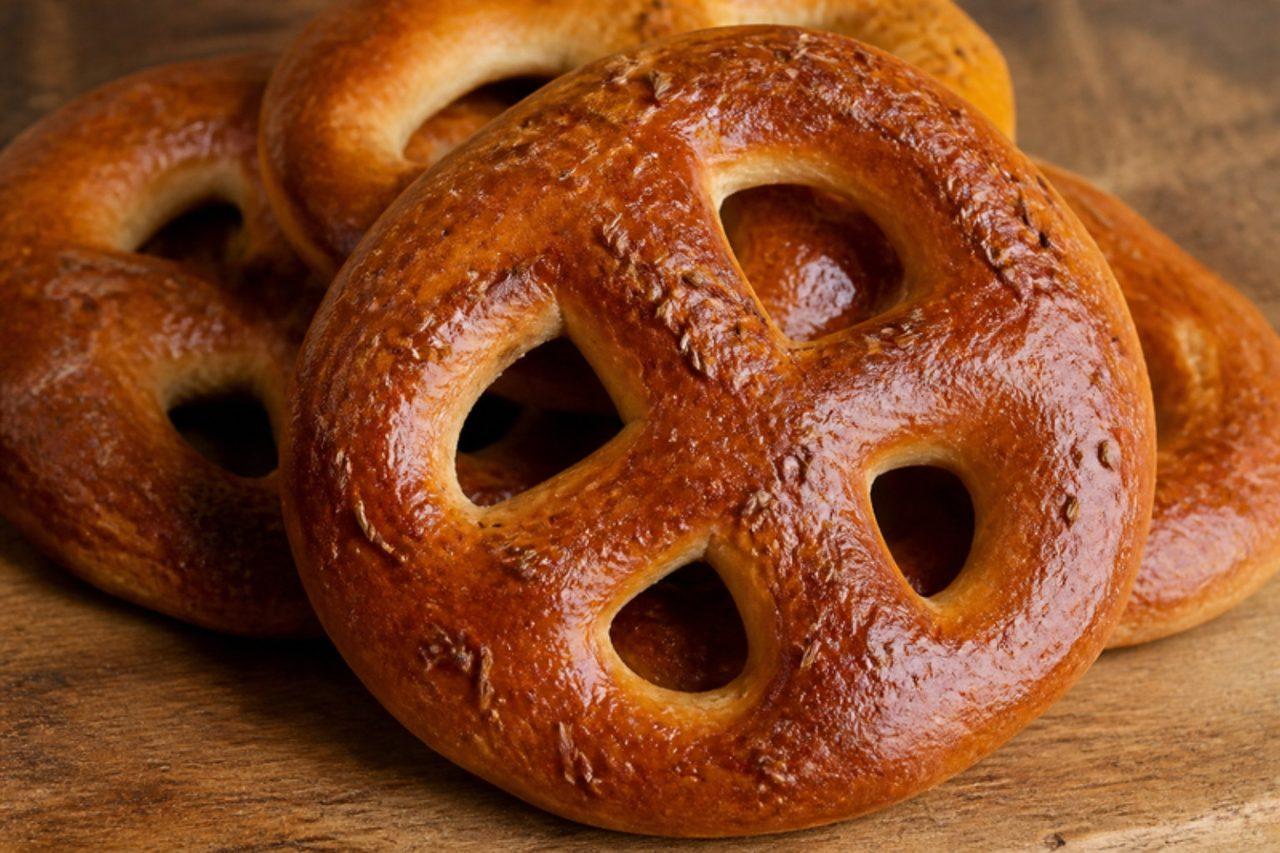
Basel bakeries sell Fastenwähe only from the start of the new year until Easter, and through Fasnacht people buy them warm by the bagful. The flat, chewy yeast bread is shaped like a squashed pretzel with four slits, glazed with egg and scattered with caraway seeds, and is eaten plain or with cheese and Mehlsuppe. The common mistake is cutting the slits too short, so they close up as the dough rises. Chef's tip: a little lard or butter in the dough gives the soft bite of the bakery ones.

by KrazyBadal 0 views

ZigerkrapfenSweet cheese and nut pastries

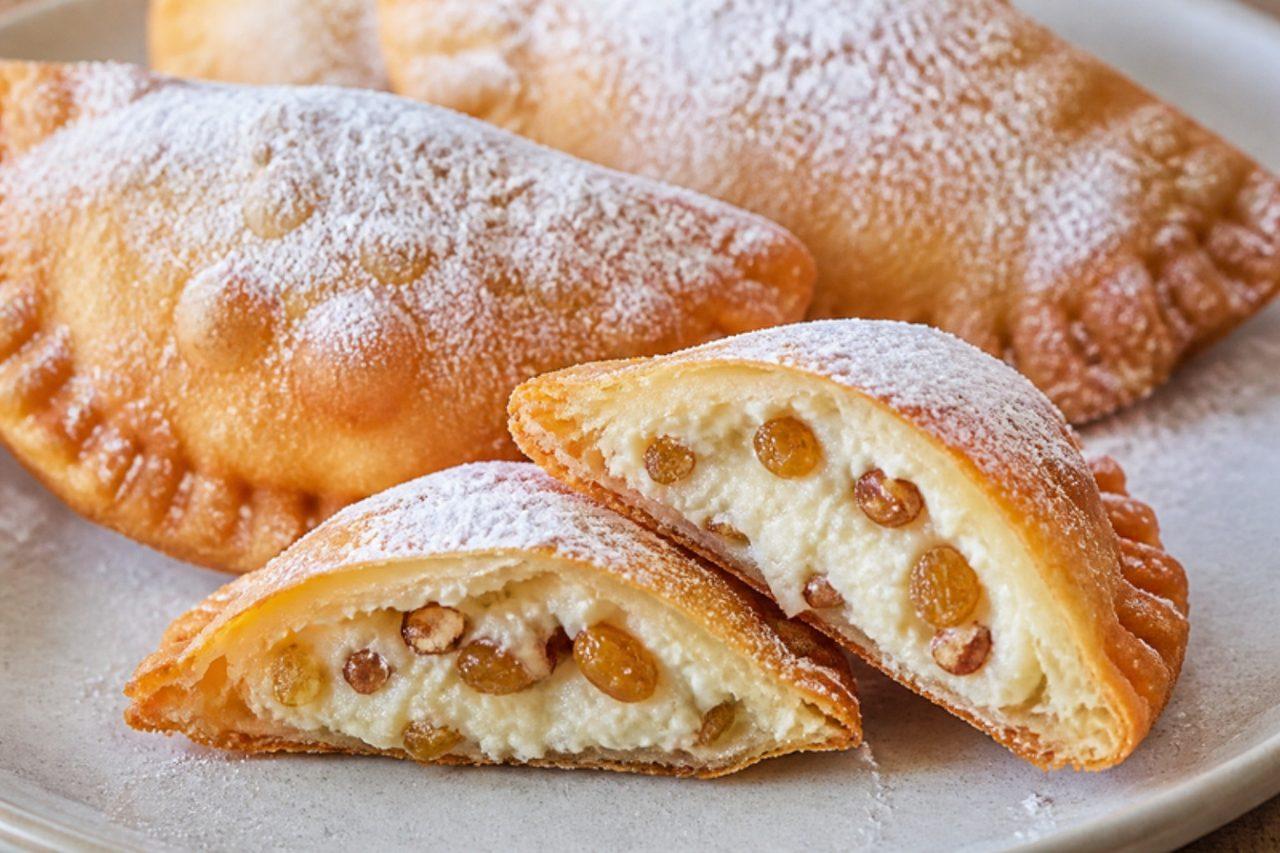
In the Glarus valleys, Fasnacht means Zigerkrapfen: half-moon pastry pockets filled with sweetened Ziger, a soft fresh whey cheese, mixed with ground hazelnuts, raisins, cinnamon and pear, then fried or baked. Ziger itself is set with acid rather than rennet, but if you use ricotta check the label, and choose one marked vegetarian if needed. The common mistake is a wet filling, which bursts the seams; drain the cheese well. Chef's tip: brush the edges with egg white before folding and press with a fork, so they stay sealed in the hot oil.

by KrazyBadal 0 views

Pajagua mascadaBeef and cassava patties

Pajagua mascada is a Paraguayan street-food classic that appears on every table for the San Juan festival on 24 June, when bonfires burn and the night is full of games and traditional food. Minced beef is mixed with mashed cassava, onion, garlic and a little egg and flour, shaped into flat patties and fried until crisp. The name comes from Guaraní and refers to the 'chewing' of old Paraguayan cooks, who made it from leftover meat. Chef's tip: dry the boiled cassava well and remove its woody core, which keeps the patties light and crunchy.

by KrazyBadal 0 views

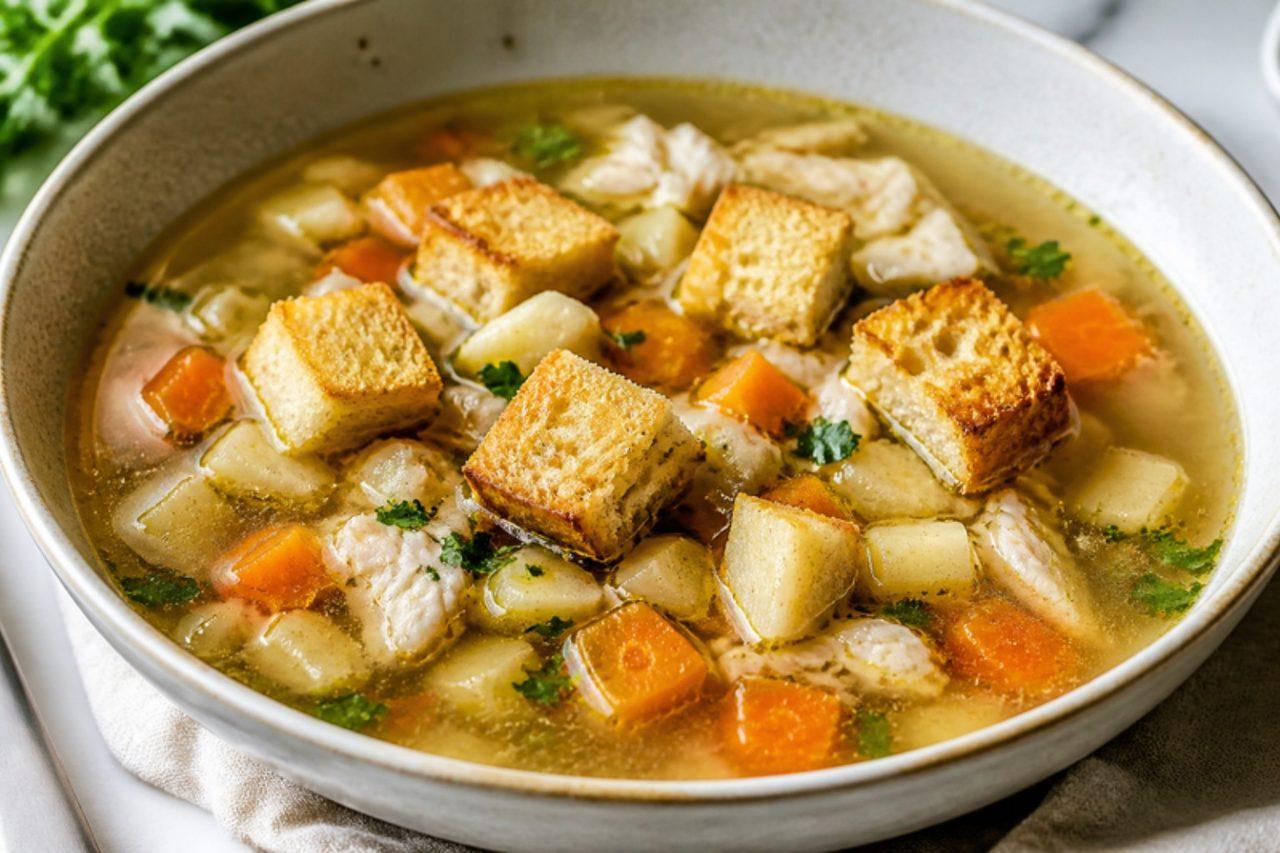
Sopa teólogaTurkey broth with bread and cheese

Sopa teóloga ('the theologian's soup') goes back to colonial convents in Lima and Arequipa, where it was cooked for feast days, and it is still served at Holy Week and family celebrations. A rich turkey (or chicken) broth is thickened with soaked bread, milk and fresh cheese, with yellow potatoes and shreds of turkey, and finished with a little ají amarillo and chopped huacatay or parsley. It is thick, comforting and filling. Chef's tip: blend part of the soaked bread with broth before adding it, which gives the soup its creamy body without lumps.

by KrazyBadal 0 views

Schinkli im BrotteigHam baked in bread crust

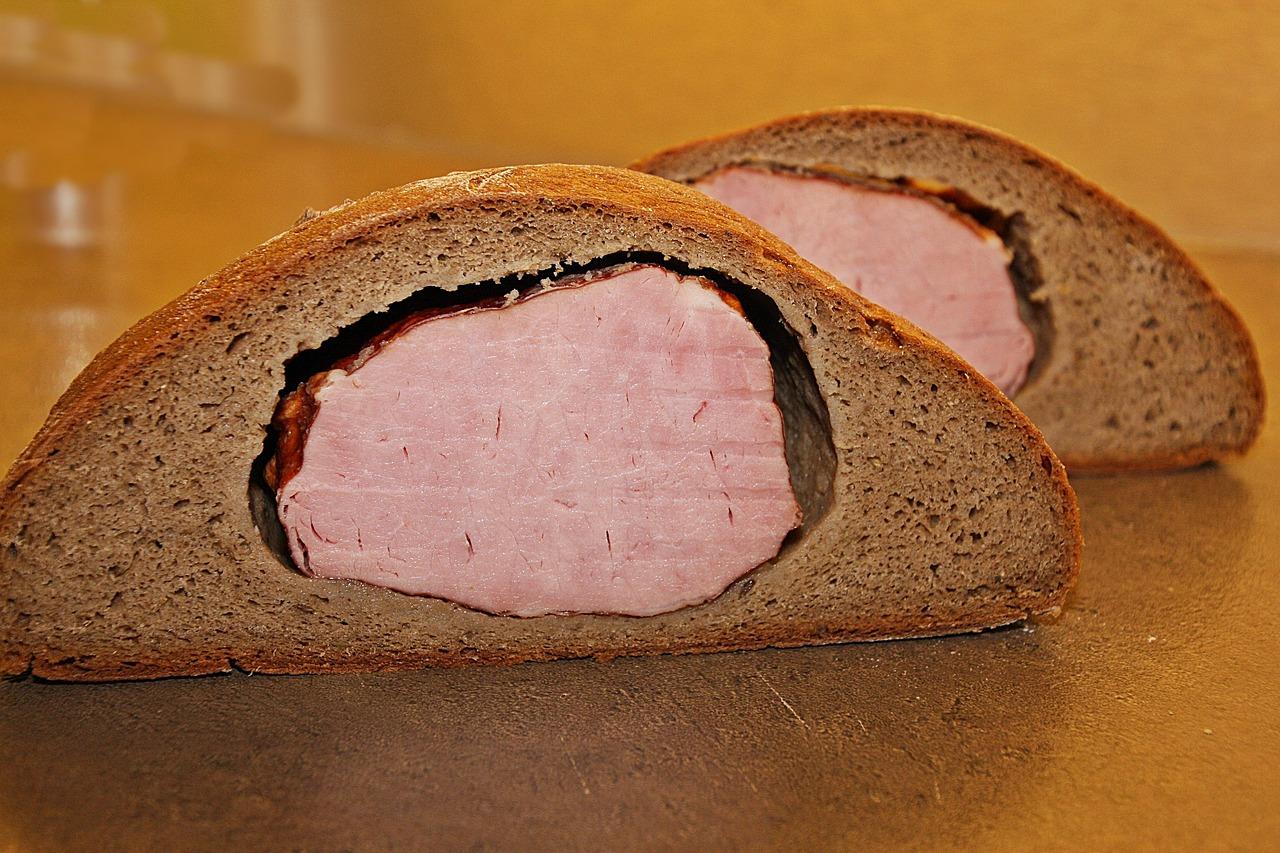
Schinkli im Brotteig, a small smoked pork ham baked inside a bread crust, is a much-loved Christmas Eve dish in German-speaking Switzerland because it can be prepared ahead and goes into the oven while the family opens presents. The dough seals in the ham's juices and soaks them up as it bakes, and the ham is sliced with the crust and served with potato salad, mustard and pickles. Buy a ready-cooked smoked ham (Schüfeli or Schinkli) of about 1 kg. Chef's tip: dry the ham well before wrapping it, or the dough turns soggy inside.

120 minSwissMeat
by KrazyBadal 0 views

Kapr na černoCarp in dark sweet-sour sauce

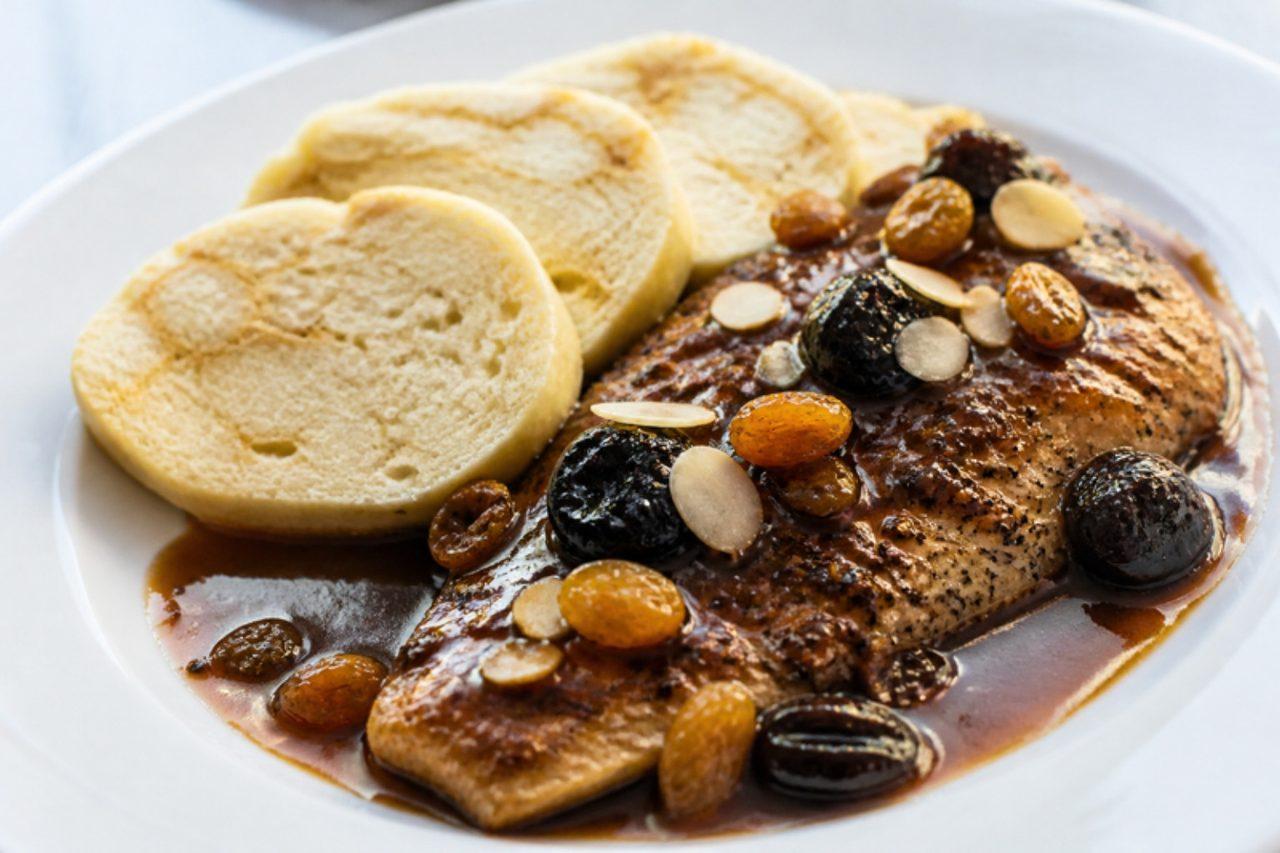
Before fried breaded carp took over the Czech Christmas Eve table, families in Bohemia served kapr na černo, 'black carp': fish simmered in a dark, glossy, sweet-sour sauce of root vegetables, gingerbread, prunes, nuts and dark beer. It is rich and spiced, closer to a medieval feast dish than to the modern menu, and served with bread dumplings or potatoes. This version uses a non-alcoholic dark malt drink so the sauce is alcohol-free; adults may use dark beer. Chef's tip: grate the gingerbread finely, so it melts into a smooth sauce rather than leaving soggy crumbs.

105 minCzechFish
by KrazyBadal 0 views

HrudkaEgg and milk cheese

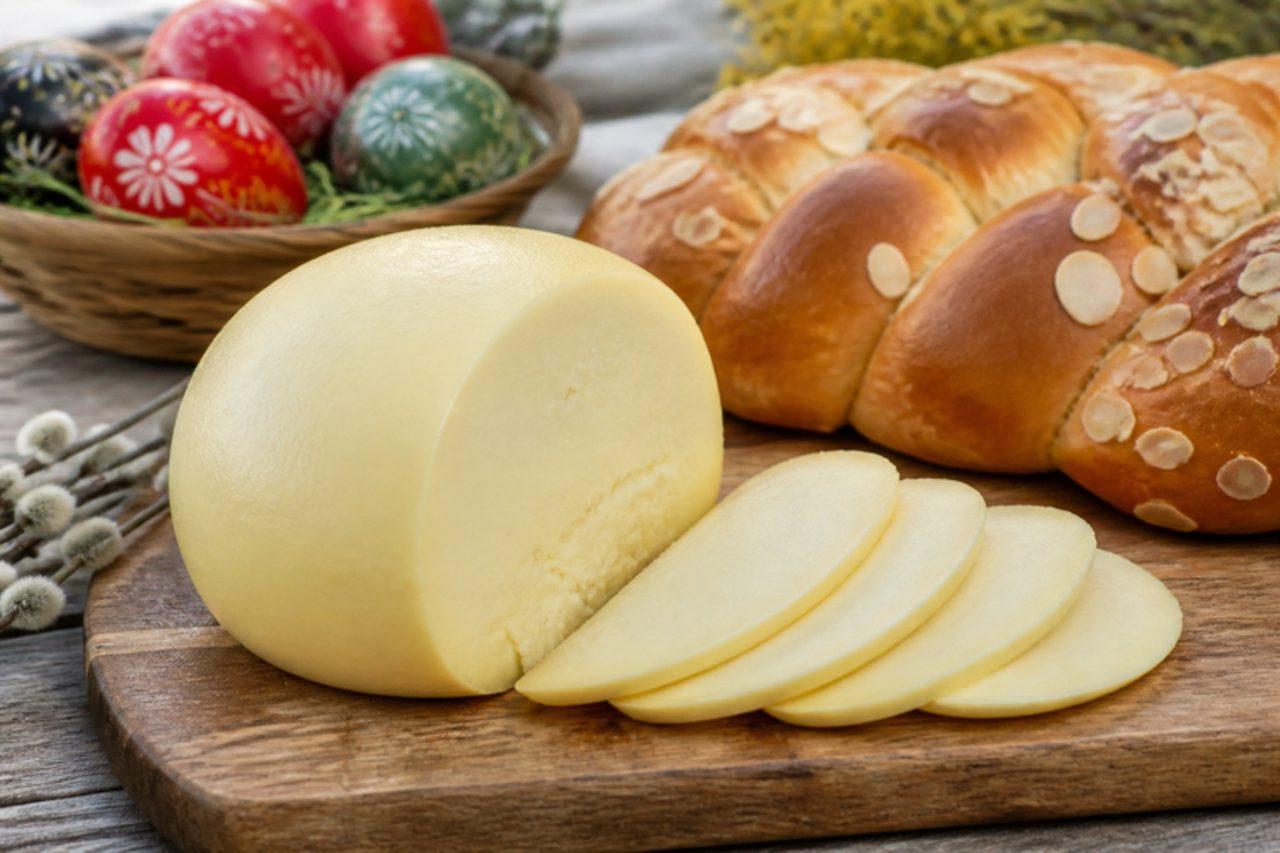
Hrudka (also called sirok or egg cheese) is made in eastern Slovakia and among Rusyn and Slovak families abroad for Easter. Eggs and milk are stirred over a low heat until they separate into soft curds, then the curds are tied tightly in a cloth into a ball and hung to drain overnight. The pale-yellow, mild, slightly sweet 'cheese' is taken to church in the Easter basket on Holy Saturday and sliced at Easter breakfast with ham, bread and horseradish. It needs no rennet, so it is naturally vegetarian. Chef's tip: keep the heat low and stir constantly; high heat makes rubbery curds.

by KrazyBadal 0 views

Rybí polévkaCarp soup

In Czechia the Christmas Eve supper begins with rybí polévka, a soup made from the trimmings of the Christmas carp, which is often bought live at street stalls in the days before; here you simply ask the fishmonger for prepared carp trimmings and a fillet. The bones and trimmings make a clear stock that is simmered with carrot, celeriac and parsley root, then filled with flakes of carp and served with croutons fried in butter. Many families add the carp roe. Chef's tip: strain the stock carefully through muslin, as carp has many fine bones.

105 minCzechSoups
by KrazyBadal 0 views

Showing 24 of 502 recipes

Show more recipes

Page 1 of 21