Skip to content
Recipes

All recipes

Vegetarian, or something you can't eat? Set your diet once and we'll hide recipes that don't fit.

Chipa so'oCheese bread with spiced beef

In Paraguay, families bake chipa in the clay tatakua ovens on Holy Wednesday so there is food for Thursday and Good Friday, when cooking stops. Chipa so'o ('chipa with meat') is a cassava-starch and cheese bread wrapped around a little filling of minced beef cooked with onion and egg, then baked until crisp outside and chewy within. It is naturally gluten free. Chef's tip: knead the dough until it no longer cracks at the edges when pressed; dry dough splits around the filling.

by KrazyBadal 0 views

KaguyjyWhite corn pudding

On the night of 23–24 June, Paraguayans celebrate San Juan with bonfires, games like walking over hot coals and the 'paso de fuego', and a table of traditional foods, and kaguyjy (also mazamorra) is one of them. It is a soft, creamy pudding of cracked white corn (locro) simmered slowly in water and then milk with sugar or honey, sometimes with orange peel. It is eaten warm or cold. It is gluten free. Chef's tip: soak the corn overnight and cook it until each kernel is tender before adding the milk, or it never turns creamy.

by KrazyBadal 0 views

Dowina (Kurdish yogurt soup)

Dowina, called ash-e doogh in Persian, is warming spring food in Kurdish homes around Newroz, when yogurt is plentiful and the first herbs are cut from the garden. Rice and chickpeas simmer in a tangy, lightly thickened yogurt broth, finished with fresh dill, coriander and a sizzle of dried mint in oil. It is eaten warm, never boiling hot, with flatbread. The common mistake is to heat the yogurt too fast without stirring, which makes it split into grainy curds. Chef's tip: whisk an egg yolk and a spoonful of rice flour into the yogurt before it goes on the heat; it holds the soup smooth all the way to the simmer.

by KrazyBadal 0 views

KalanehWild leek stuffed flatbread

In Kurdistan and Kermanshah, Newroz arrives with the first spring greens on the hillsides, and families gather wild leeks to fold into kalaneh, thin griddle breads cooked over a fire or a hot pan and soaked in melted butter. The dough is plain and soft, rolled very thin around a pile of chopped leek or chives with a little salt and pepper, so the greens steam inside as the bread blisters. Eat it hot, torn into strips, with yogurt and tea at a Newroz picnic. The common mistake is wet greens, which turn the dough soggy and make it tear; dry them well after washing. Chef's tip: brush the butter on the moment the bread leaves the pan so it soaks right in.

by KrazyBadal 0 views

Pajagua mascadaBeef and cassava patties

Pajagua mascada is a Paraguayan street-food classic that appears on every table for the San Juan festival on 24 June, when bonfires burn and the night is full of games and traditional food. Minced beef is mixed with mashed cassava, onion, garlic and a little egg and flour, shaped into flat patties and fried until crisp. The name comes from Guaraní and refers to the 'chewing' of old Paraguayan cooks, who made it from leftover meat. Chef's tip: dry the boiled cassava well and remove its woody core, which keeps the patties light and crunchy.

by KrazyBadal 0 views

Sopa teólogaTurkey broth with bread and cheese

Sopa teóloga ('the theologian's soup') goes back to colonial convents in Lima and Arequipa, where it was cooked for feast days, and it is still served at Holy Week and family celebrations. A rich turkey (or chicken) broth is thickened with soaked bread, milk and fresh cheese, with yellow potatoes and shreds of turkey, and finished with a little ají amarillo and chopped huacatay or parsley. It is thick, comforting and filling. Chef's tip: blend part of the soaked bread with broth before adding it, which gives the soup its creamy body without lumps.

by KrazyBadal 0 views

Lengua a la vinagretaBeef tongue with vinaigrette

Argentina's Nochebuena is a hot summer night, so the table is full of cold dishes, and lengua a la vinagreta is one of the classics: beef tongue simmered until tender, peeled, sliced and covered with a sharp vinaigrette of parsley, garlic, red pepper, onion and chopped hard-boiled egg. It is made a day ahead and served chilled with vitel toné and Russian salad. Chef's tip: peel the tongue while it is still hot, as the skin comes away easily then and clings once it cools.

by KrazyBadal 0 views

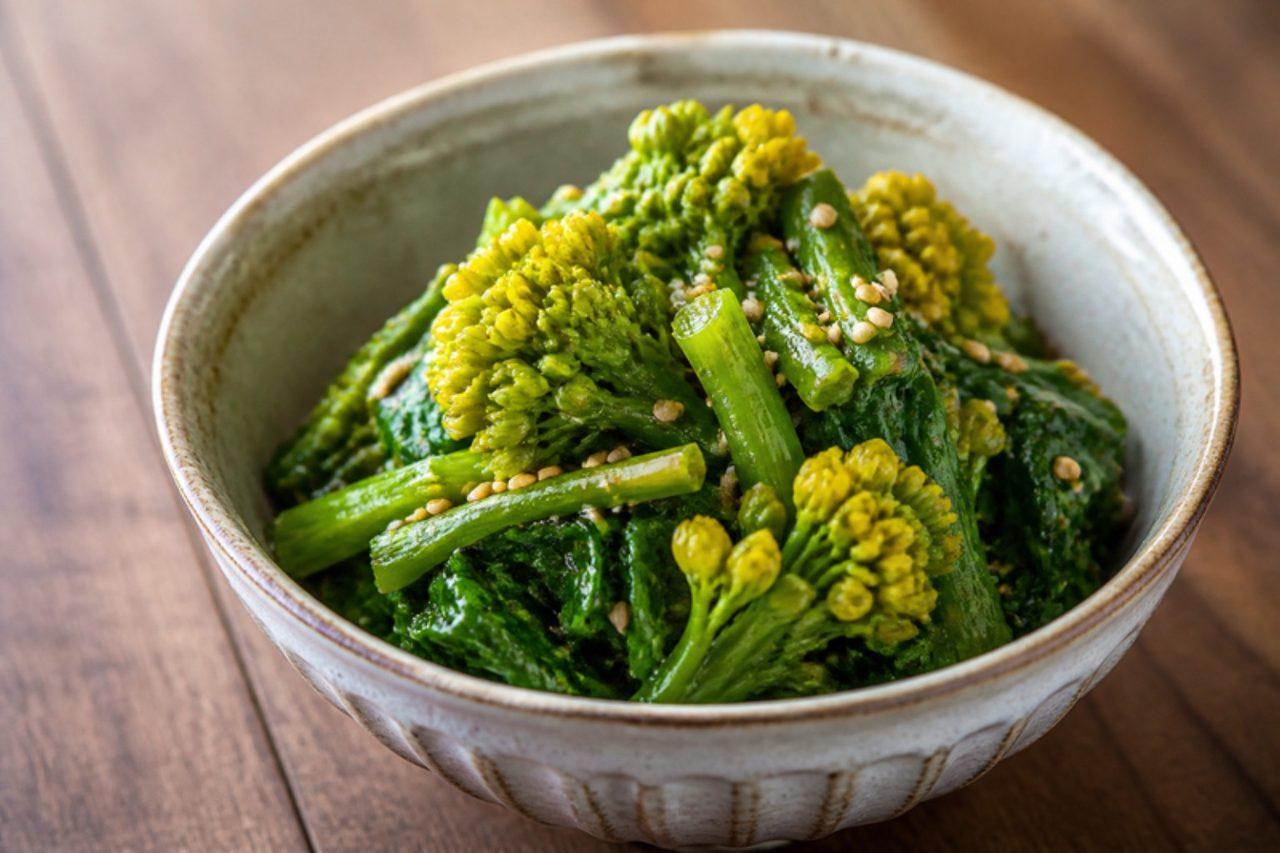
Nanohana karashi-ae (rapeseed blossoms with mustard)

Nanohana, the budding shoots of the rapeseed plant, arrive in Japanese shops at the end of winter, and their little yellow-green flower heads are a sign that spring has come. That makes them a natural side dish for Hinamatsuri on 3 March, next to chirashizushi and clam soup. The greens are blanched just until tender, then dressed with Japanese karashi mustard loosened with soy sauce and kombu dashi: pleasantly bitter, nose-tinglingly hot and very fresh. Outside Japan, tenderstem broccoli or cime di rapa works almost as well. Chef's tip: dress the greens at the last minute, because the soy starts to dull the green colour within half an hour.

by KrazyBadal 0 views

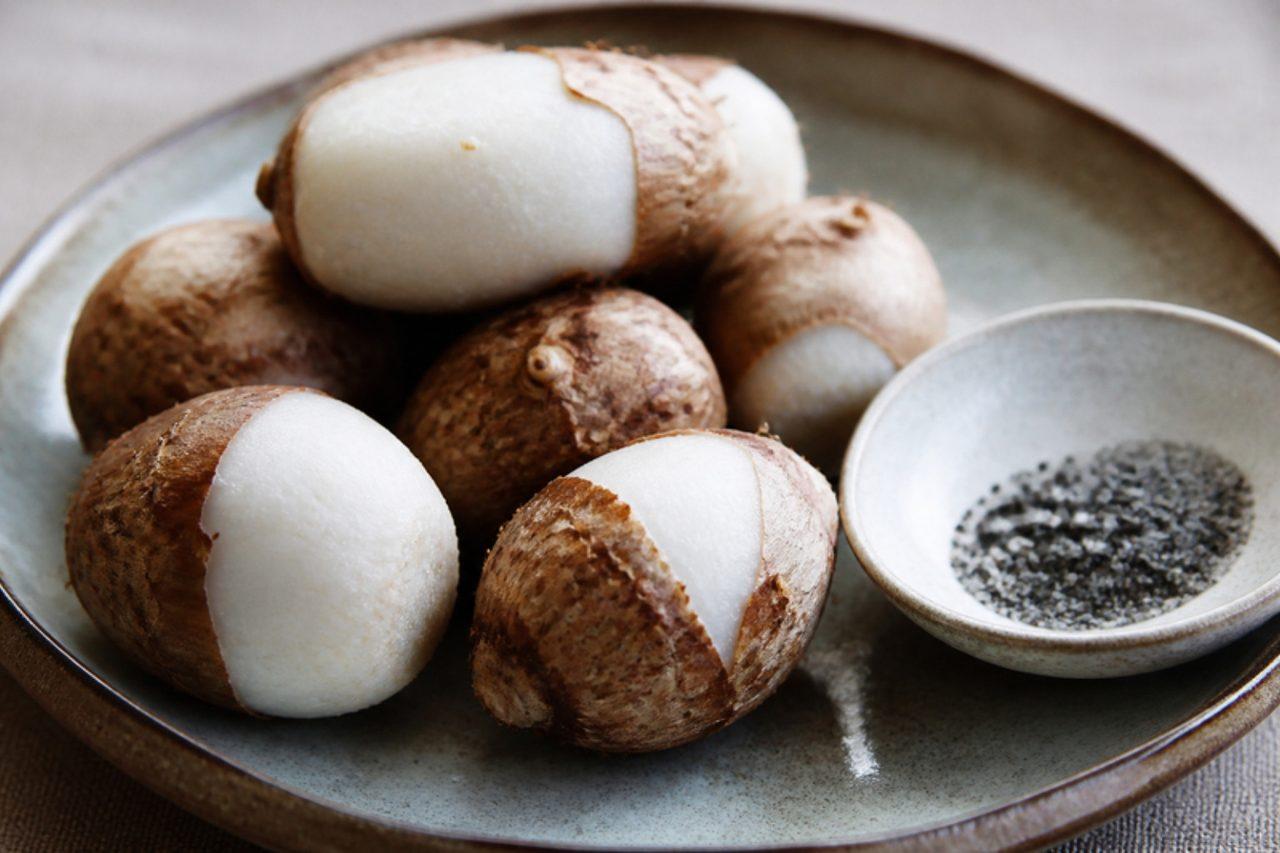
Kinukatsugi (steamed baby taro)

In Kyoto and the Kansai region the harvest moon is also called imo meigetsu, the "potato moon", and steamed baby taro are set out beside the moon-viewing dumplings as thanks for the new crop. The name kinukatsugi recalls the silk veils that court ladies once wore over their heads, because the brown skin is peeled halfway so the white taro peeps out beneath it. Squeeze the base and the soft, slippery, nutty flesh pops out, ready to dip in sesame salt. Serve as a snack with green tea or as a side to grilled fish. Taro must always be cooked through, and its raw skin can make hands itch, so wear gloves while you trim it. Chef's tip: cut a shallow ring round the middle of each taro before steaming, so the top half of the skin lifts off neatly.

by KrazyBadal 0 views

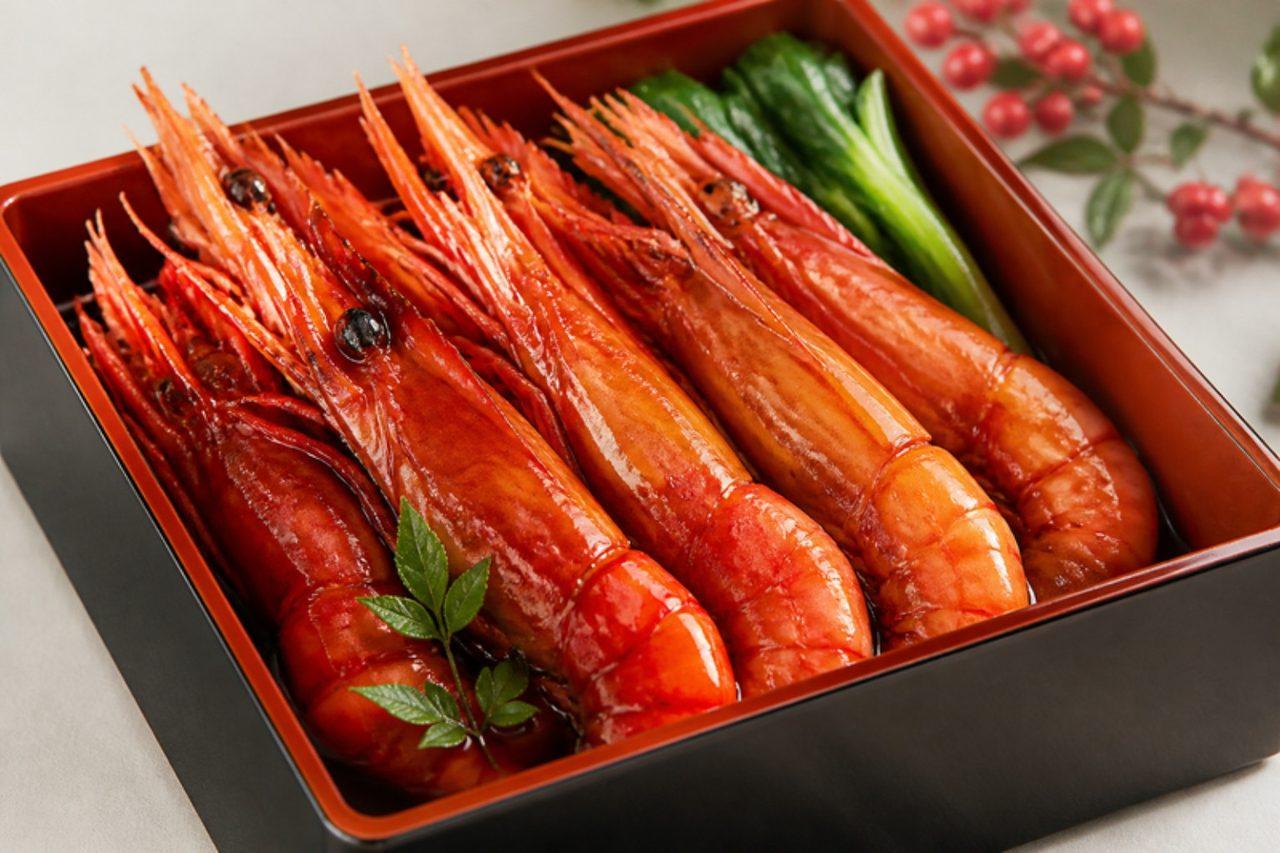
Ebi no umani (simmered prawns)

Bright red prawns curled like a bent back sit in every Shōgatsu osechi box in Japan as a wish to live until your back is bent with age, and their red is the colour of celebration. Simmered briefly in dashi, soy and sugar, they stay plump and juicy, and cooling in the liquid gives them a sweet-savoury flavour right through to the shell. The liquid includes sake and mirin, both rice wines; for no alcohol, replace the sake with extra dashi and the mirin with 3 tbsp water plus 1 tbsp sugar. Use frozen head-on prawns, thawed in the fridge. Serve cold or at room temperature in the osechi box, or warm with rice. Chef's tip: lift the prawns out as soon as they turn pink, reduce the liquid, then return them; this keeps them tender.

by KrazyBadal 0 views

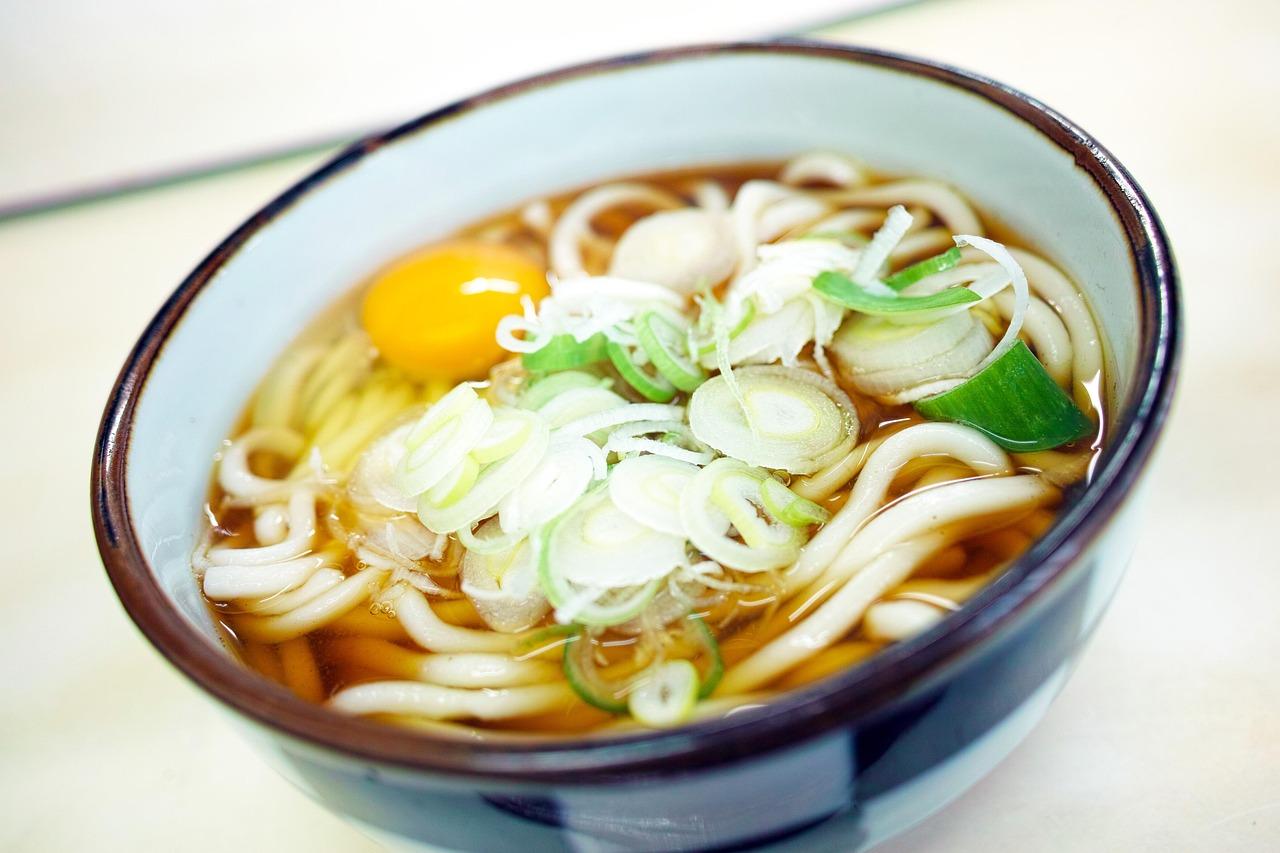
Tsukimi udon (moon-viewing udon)

Tsukimi means moon-viewing, and in noodle shops all over Japan the name is given to any bowl topped with an egg: the yolk is the full harvest moon, the white the clouds drifting round it, and it is a favourite around the September moon festival. Here the broth is a vegetarian kombu and shiitake dashi seasoned with soy, sweetened with a little sugar instead of mirin so it has no alcohol, giving a clean, savoury base for silky thick noodles and a rich yolk you break into the soup. Add spring onions and a pinch of shichimi, and eat at once. Egg safety: use pasteurised eggs or British Lion eggs if the yolk will stay runny, and for pregnant women, young children or anyone with a weakened immune system, poach the egg in the broth until it is firm. Chef's tip: heat the kombu slowly and lift it out before the water boils, which keeps the broth sweet and clear.

by KrazyBadal 0 views

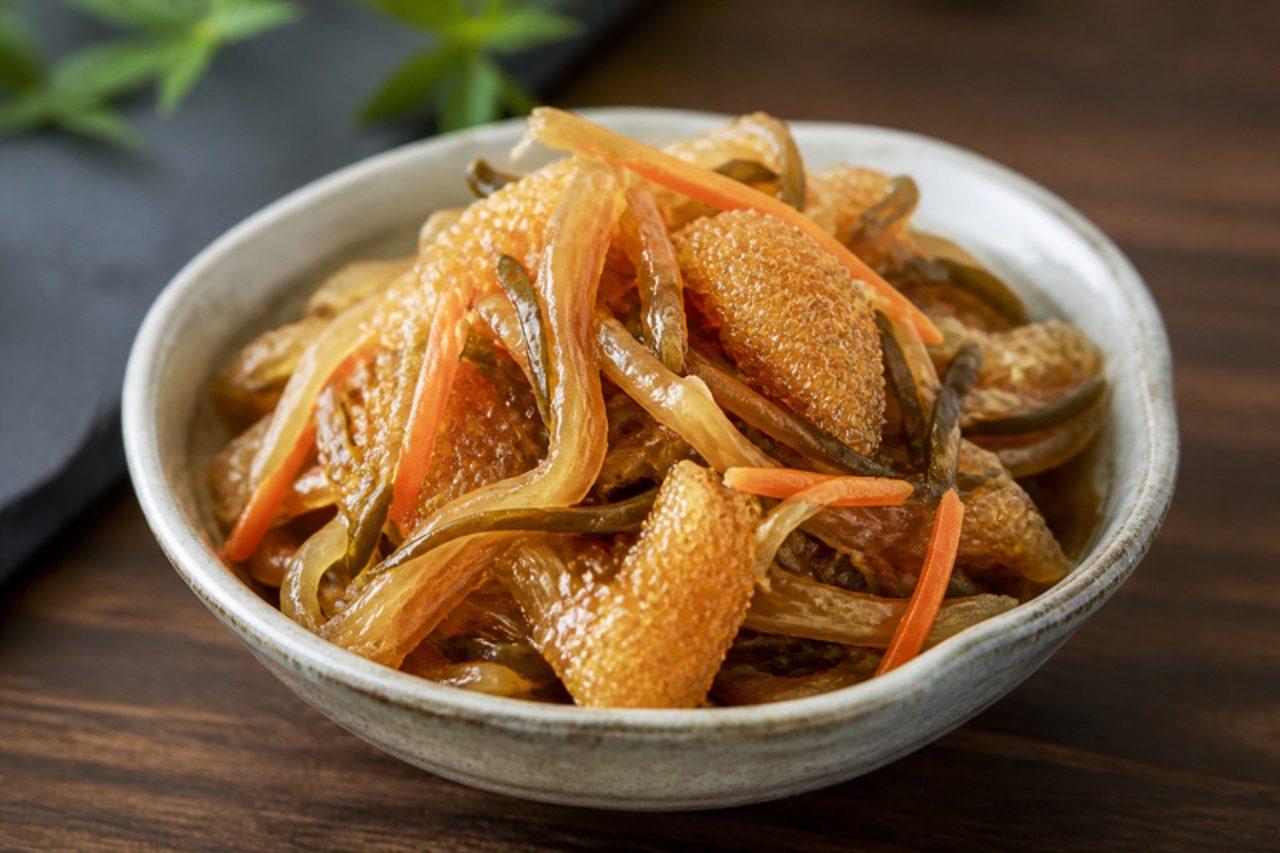
Matsumae-zuke (squid and kelp pickle)

Matsumae-zuke is Hokkaido's gift to the New Year table, named after the old Matsumae domain whose ports traded in dried squid and kombu; families make a big jar at the end of December to eat through Shōgatsu, with kombu ('yorokobu', joy) and herring roe for many children. As it sits, the kelp releases its natural stickiness, so the chewy squid and crisp carrot are bound in a glossy, savoury-sweet, deeply umami dressing. The marinade uses sake and mirin, both rice wines, boiled to drive off most of the alcohol; for none at all, use water instead of the sake and 3 tbsp water plus 1 tbsp sugar instead of the mirin. Serve a spoonful over hot rice or as a nibble with drinks. Chef's tip: cut the squid and kombu with dry kitchen scissors; wet ones stick and tear.

by KrazyBadal 0 views

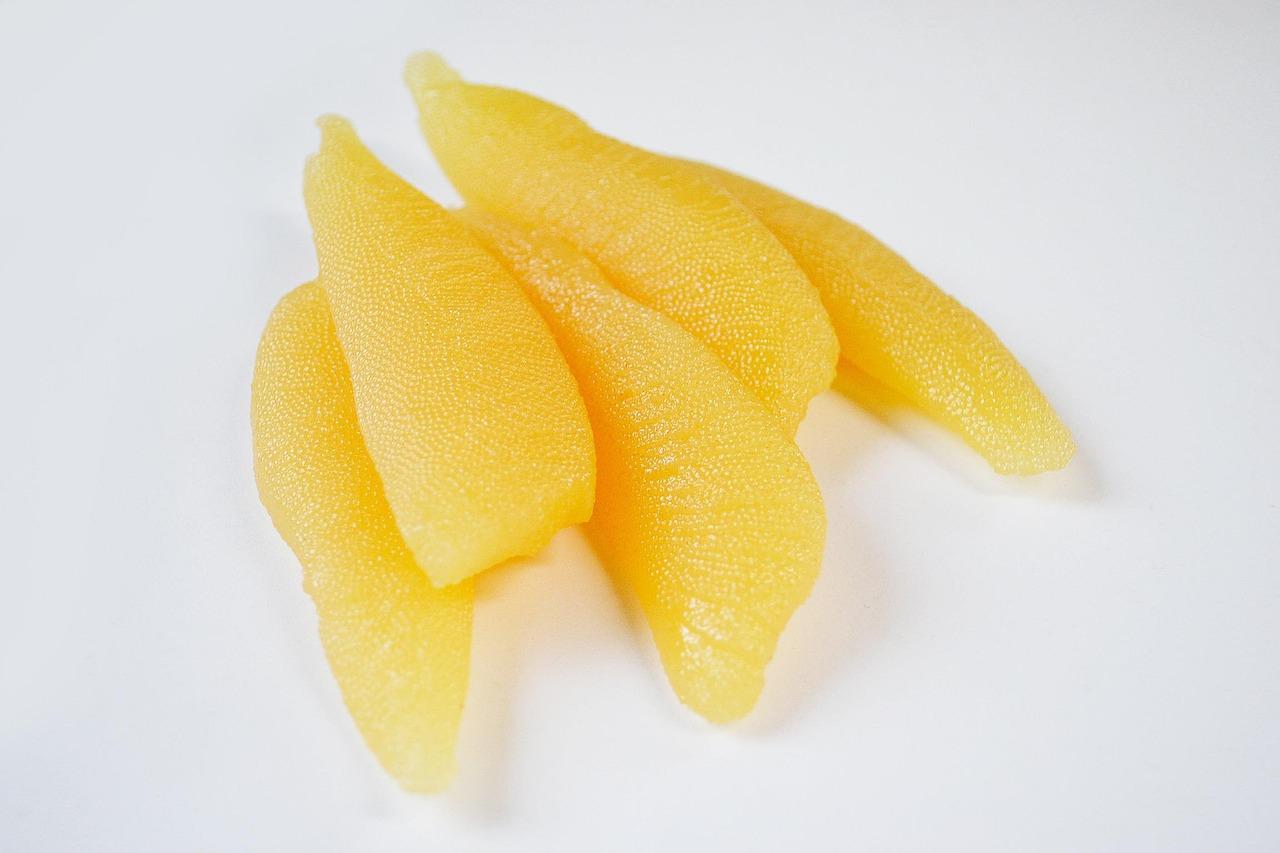
Kazunoko (marinated herring roe)

Kazunoko, golden sacs of herring roe, is a jewel of the Shōgatsu osechi box all over Japan: its thousands of tiny eggs ask for many children and a family that keeps growing, and its name hints at 'number of children'. Its charm is texture: each bite pops and crunches, with a clean, mild sea taste carried by a dashi and soy marinade. The marinade includes mirin, a sweet rice wine, which is briefly boiled; for no alcohol, use 1 tbsp water plus 1 tsp sugar. Serve cold in small pieces, topped with katsuobushi flakes, with other osechi dishes or rice. The roe is salt-cured and not cooked, so it is not for pregnant women, young children or anyone with a weakened immune system. Chef's tip: desalt in lightly salted water, not plain water; it draws the salt out evenly without making the roe bitter.

by KrazyBadal 0 views

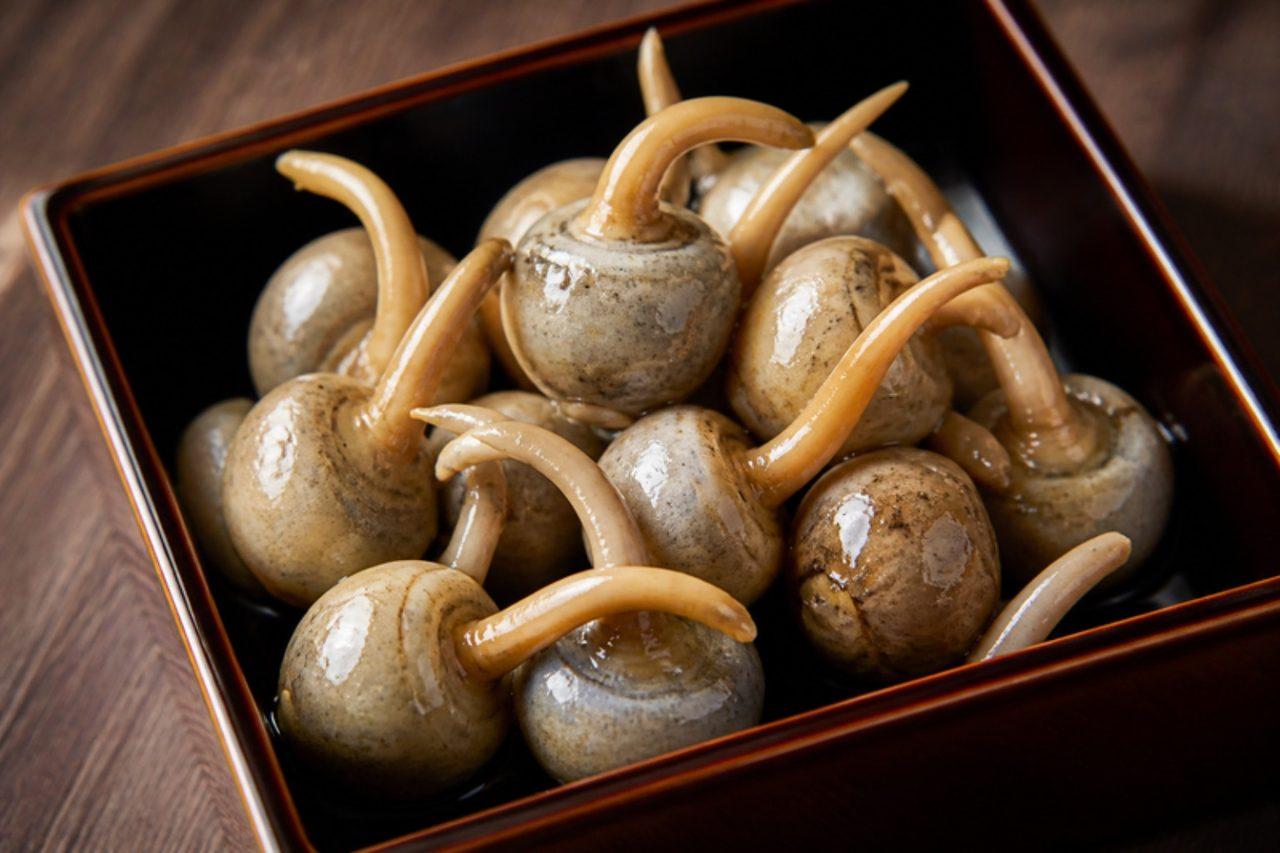
Kuwai no nimono (simmered arrowhead)

Kuwai, the arrowhead tuber with its proud little sprout, appears in osechi boxes in Kansai and across Japan because it says 'me ga deru': a bud comes out, a wish for success and for children to grow and thrive. It tastes like a cross between chestnut and potato, with a faint pleasant bitterness, and simmering it slowly in sweet dashi gives it a smooth, dense texture. This version is vegan, using kombu dashi, and the seasoning includes mirin, a sweet rice wine (for no alcohol, swap the mirin for 2 tbsp water plus 2 tsp sugar). Serve it at room temperature among the other osechi dishes, or with grilled fish and rice. Chef's tip: leave the tubers to cool completely in their liquid; that is when they soak up the flavour.

by KrazyBadal 0 views

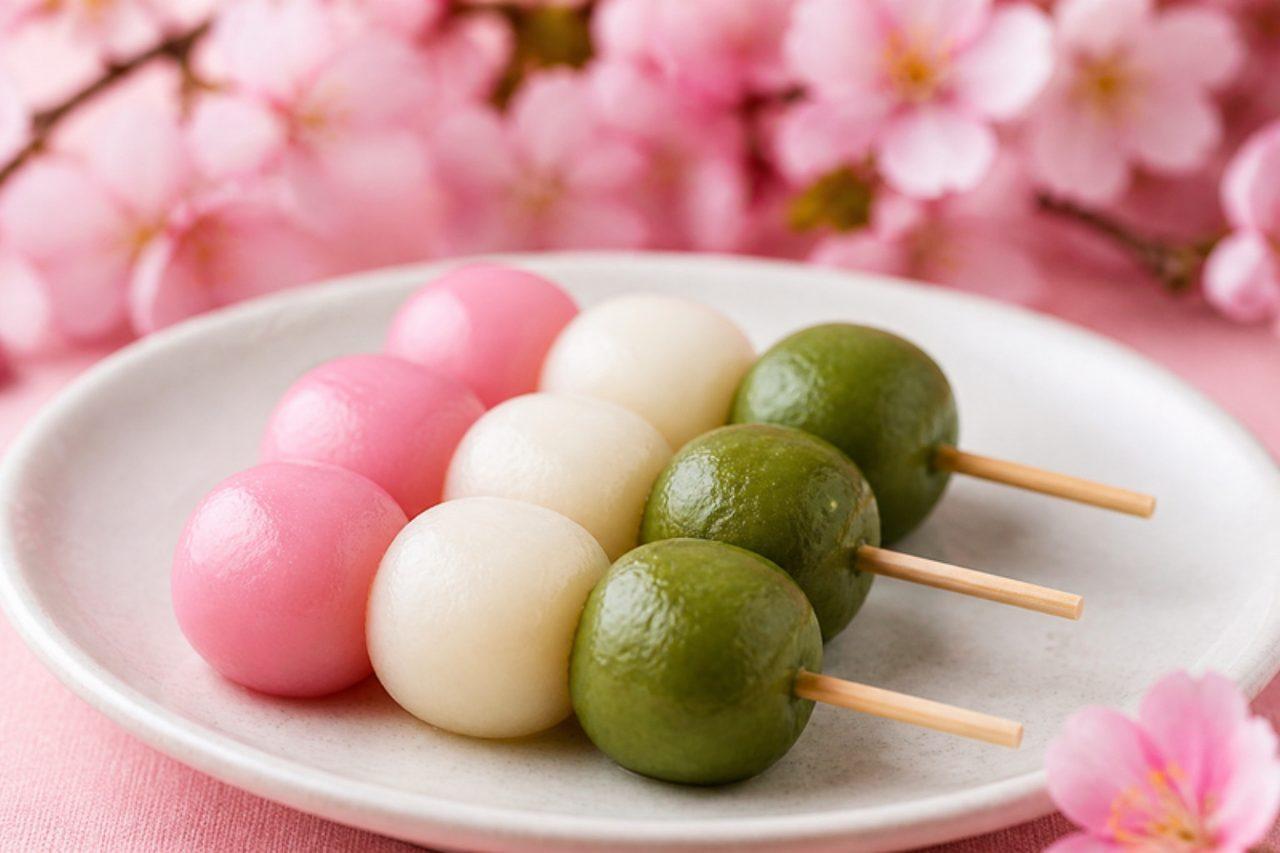
Hanami dango (three-colour dumplings)

When the cherry trees bloom in late March and April, families and colleagues spread blankets under the branches for hanami, and these skewers of pink, white and green dumplings are the sweet that goes with them. The colours tell the story of the season: pink buds on top, white for the fading snow, and green for the summer leaves still to come. They are lightly sweet and pleasantly chewy, with a faint grassiness from the matcha, and need no sauce; just bring a flask of green tea. Mochi is very sticky: cut the dumplings into small pieces for young children and older people, and make sure they chew well and eat sitting down. Chef's tip: add the water a spoonful at a time and stop when the dough feels like a soft earlobe, since rice flours vary a lot in how much they drink.

by KrazyBadal 0 views

Isobeyaki (grilled mochi with soy and nori)

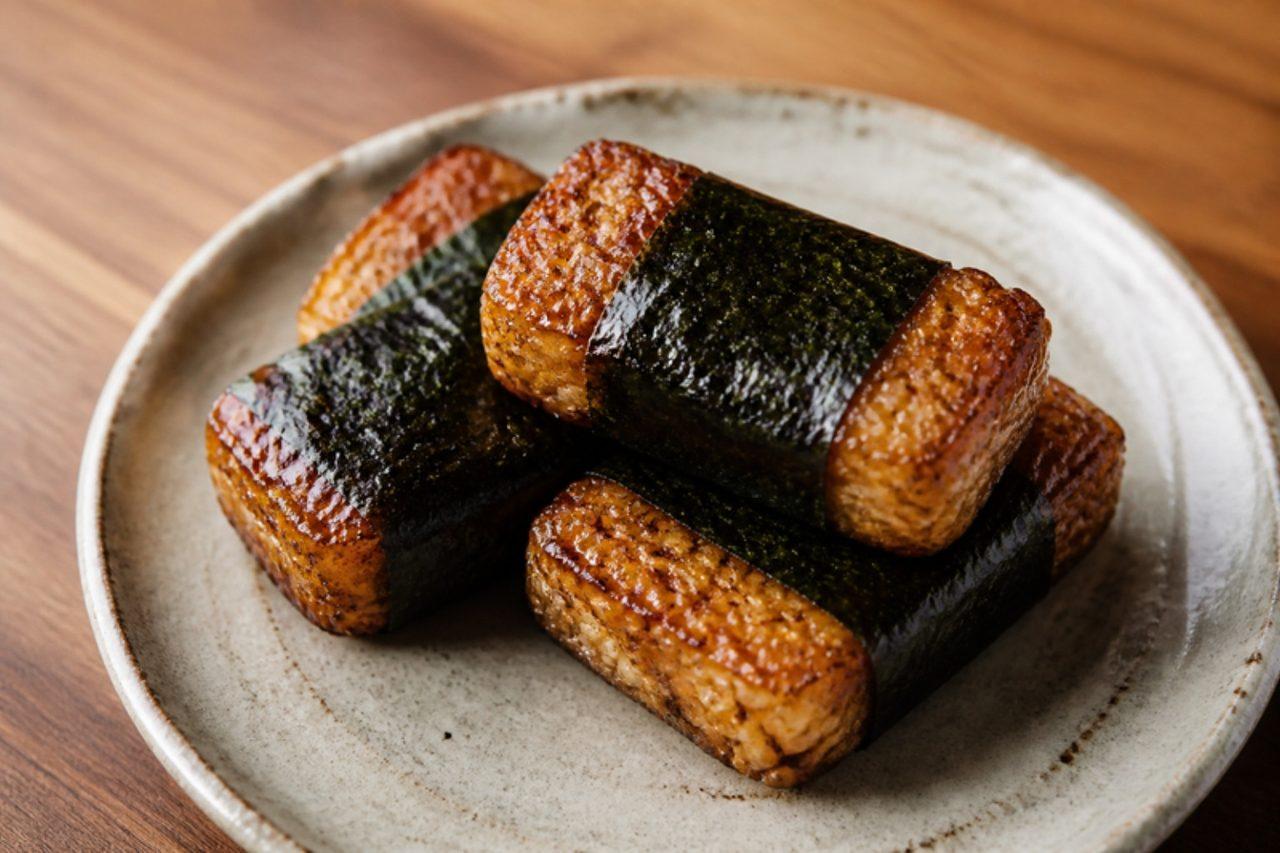
In the first days of the year, Japanese kitchens are full of mochi, the rice cakes pounded or bought for Shōgatsu, and isobeyaki is the easiest, most loved way to eat them. The name means 'grilled on the rocky shore', after the sea flavour of nori, and mochi itself stands for strength and long life because it stretches without breaking. Each cake puffs and blisters in the pan, then gets a lacquer of sweet soy and a crisp sheet of seaweed; the outside crackles while the inside turns stretchy and molten. Serve as a snack with green tea, or alongside a bowl of miso soup. Chef's tip: brush the soy on only once the mochi has puffed, or it will burn before the middle is soft.

by KrazyBadal 0 views

Fukumame (roasted lucky soybeans)

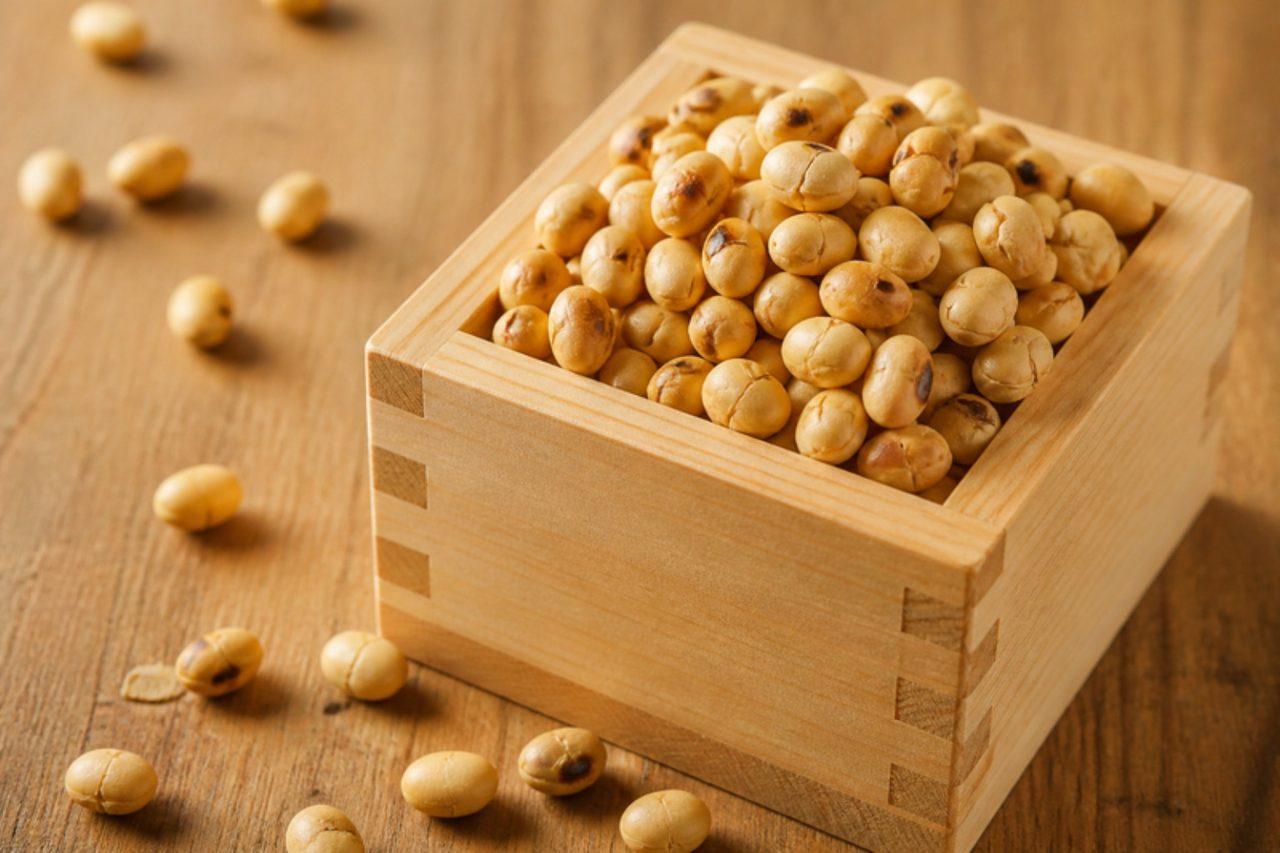
On Setsubun, the eve of spring in early February, households all over Japan fling roasted soybeans out of the door shouting "Oni wa soto! Fuku wa uchi!" (demons out, luck in), then each person eats one bean for every year of their age, plus one for the year ahead. The beans are called fukumame, "fortune beans", and roasting them matters: a raw bean could sprout, and a demon's bean must not take root. Home-roasted ones are nutty, toasty and properly crunchy, far better than the packet kind, and they are good with green tea or scattered over a salad. Whole roasted beans are a choking hazard, so do not give them to children under five; grind theirs to a powder and sprinkle it on rice or yoghurt instead. Chef's tip: let a test bean cool for a minute before you judge it, because hot beans always feel softer than they will be.

by KrazyBadal 0 views

Nerikiri (hand-shaped bean paste flowers)

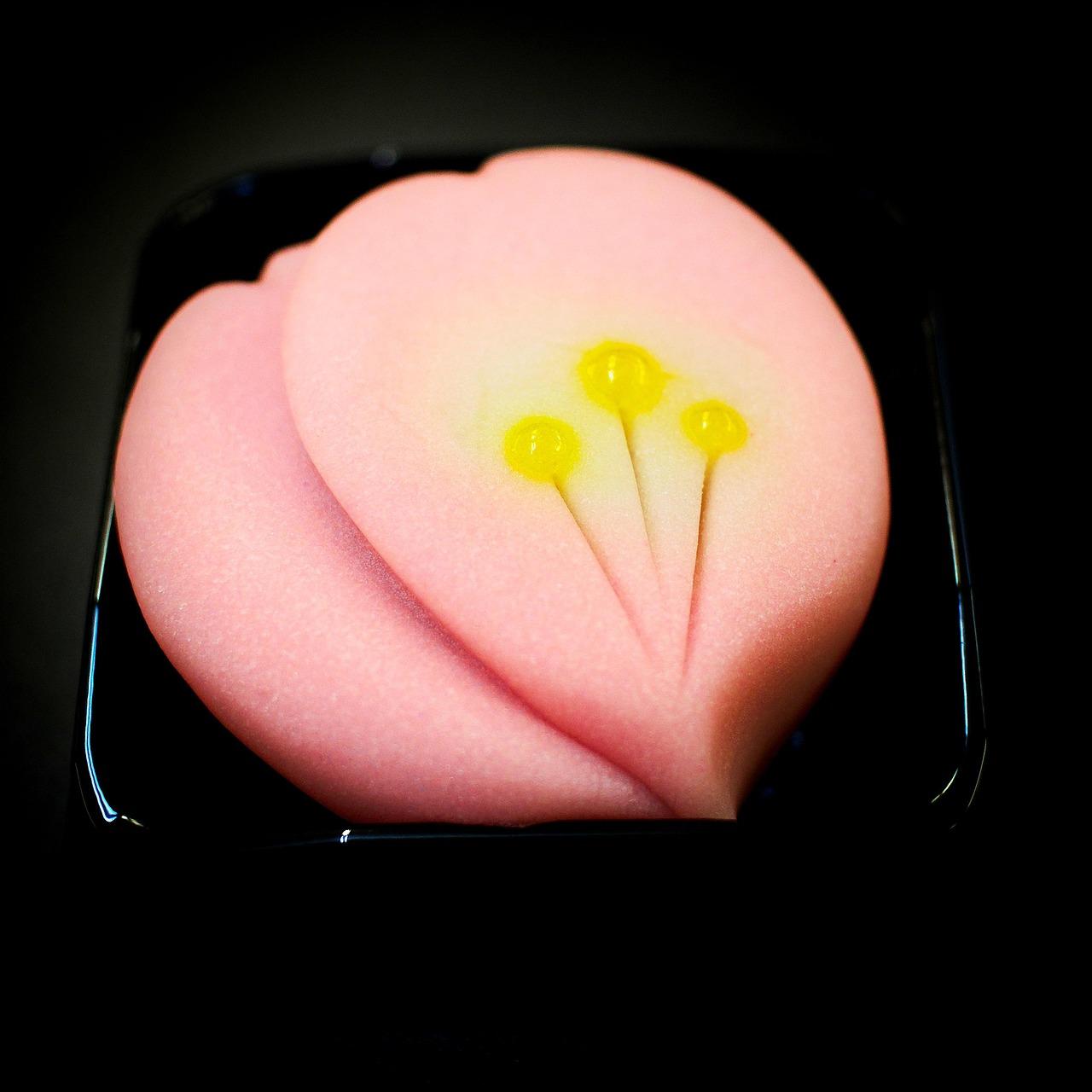
Nerikiri are the jewel-like sweets of the tea ceremony in Kyoto and Tokyo, shaped by hand into the flower, leaf or fruit of the season: cherry blossom in April, hydrangea in June, chrysanthemum in autumn. Each is served alone on a small plate before thick matcha, cut with a pick. The dough is white bean paste kneaded with gyuhi, a soft paste of glutinous rice flour and sugar, and it feels like fine modelling clay, smooth and gently sweet, wrapped around a centre of red bean paste. They are naturally egg-free: the gyuhi gives the bean paste stretch and holds the carved shapes, so no other binder is needed. This simple five-petal flower is a good first shape. Chef's tip: dry the white bean paste well before adding the gyuhi; the common mistake is a soft, wet dough that slumps and loses its petals within minutes.

by KrazyBadal 0 views

Buri no teriyaki (glazed yellowtail)

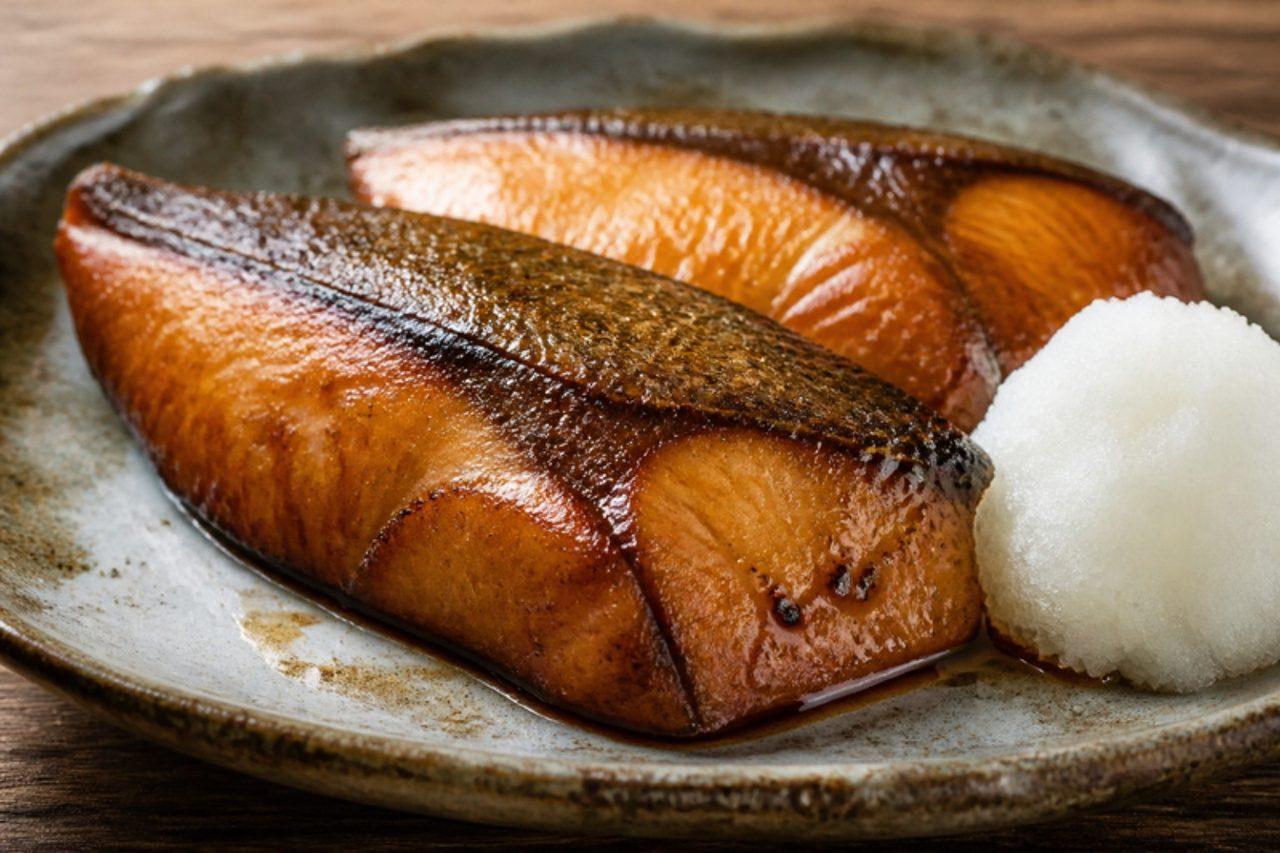
Buri, Japanese yellowtail, is the year-end fish of western Japan and the yakimono (grilled dish) of many Shōgatsu osechi boxes, because it is a 'promotion fish' that changes its name as it grows, a wish to rise in life in the new year. Buri is rich and meaty, and the teriyaki glaze turns it deep bronze, sweet-salty and glossy on the outside while the flesh stays moist. The glaze uses sake and mirin, both rice wines; for no alcohol, use water instead of the sake and 2 tbsp water plus 2 tsp sugar instead of the mirin. Serve with rice, miso soup and grated daikon, or chilled in the osechi box. Chef's tip: salting the fish for 10 minutes and patting it dry removes the fishy moisture and helps the glaze cling.

by KrazyBadal 0 views

Khao niao daeng (Thai red sticky rice)

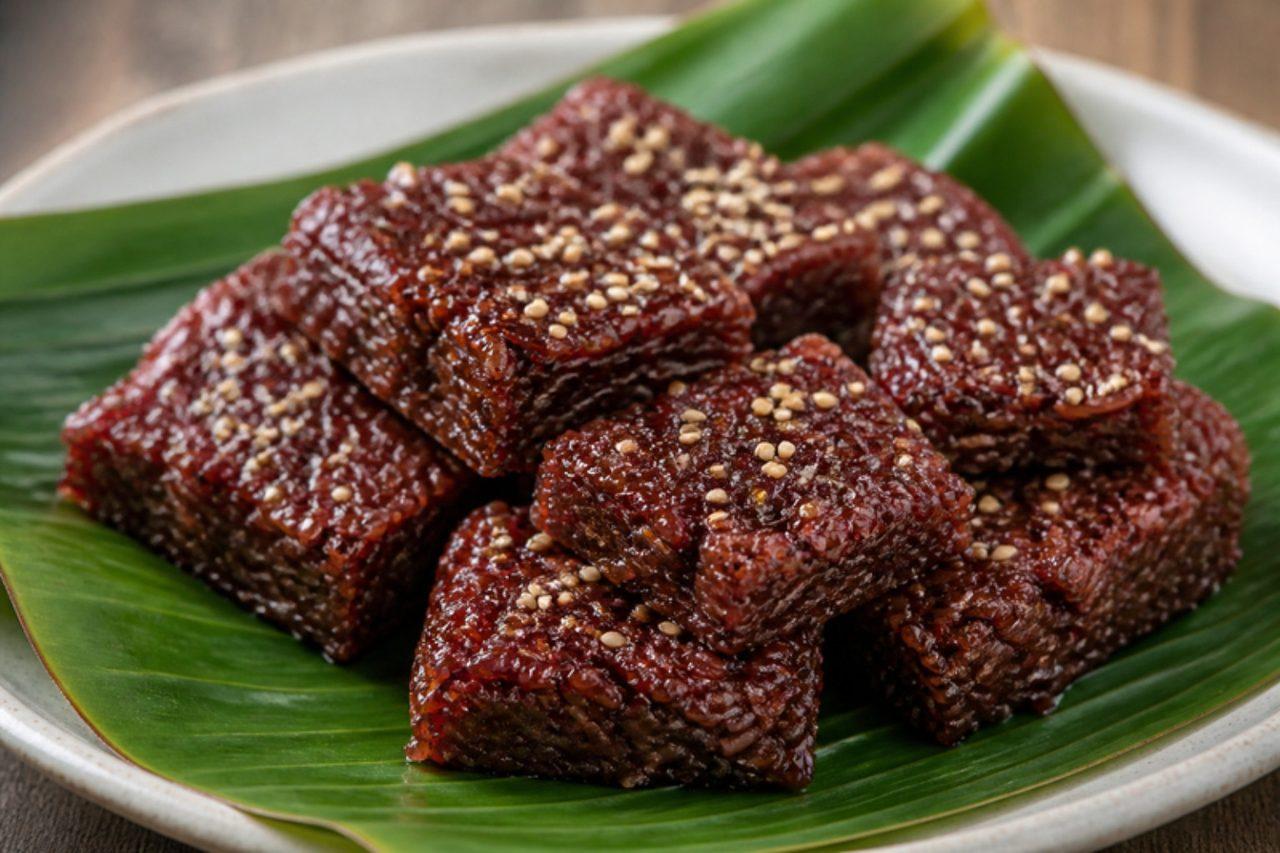
Khao niao daeng, "red sticky rice", is made in Central Thailand in the days before Songkran and carried to the temple as an offering, its sticky grains a wish that family ties hold fast through the year. The rice is steamed first, then folded into a long-reduced coconut and palm sugar caramel until it turns a glossy red-brown and every grain is sweet, chewy and fragrant. Pressed into a tray, it slices neatly and keeps for a few days, so it is a good make-ahead sweet for a crowd. Serve squares with a sprinkle of toasted sesame and a cup of tea. Chef's tip: reduce the caramel until it is thick and bubbling slowly before the rice goes in, or the rice turns mushy instead of chewy.

by KrazyBadal 0 views

Amazake (sweet koji rice drink)

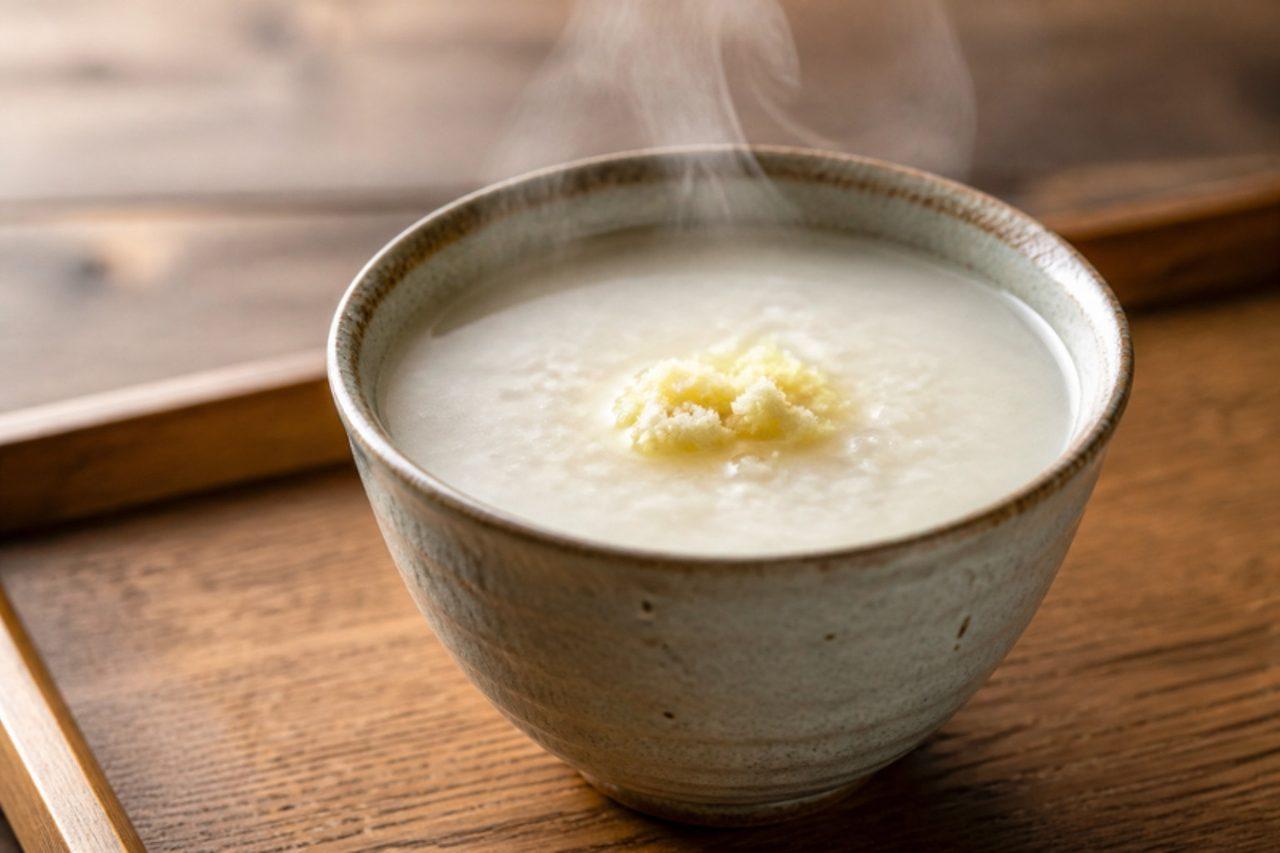
On New Year's Day, crowds queuing for hatsumōde, the first shrine visit of the year, warm their hands on cups of amazake, and shrines all over Japan ladle it out as a welcome. This is the koji kind: cooked rice is held warm with rice koji, whose enzymes turn the starch into sugar, so the drink is sweet with no added sugar and contains no alcohol (unlike the other amazake made from sake lees). It is thick, creamy and gently fragrant, a little like rice pudding you can drink. Serve it hot with a pinch of grated ginger, or chilled in summer. Chef's tip: a cheap probe thermometer is the whole secret; keep the mixture at 55–60 °C and it will turn sweet every time.

by KrazyBadal 0 views

Ehomaki (lucky direction sushi roll)

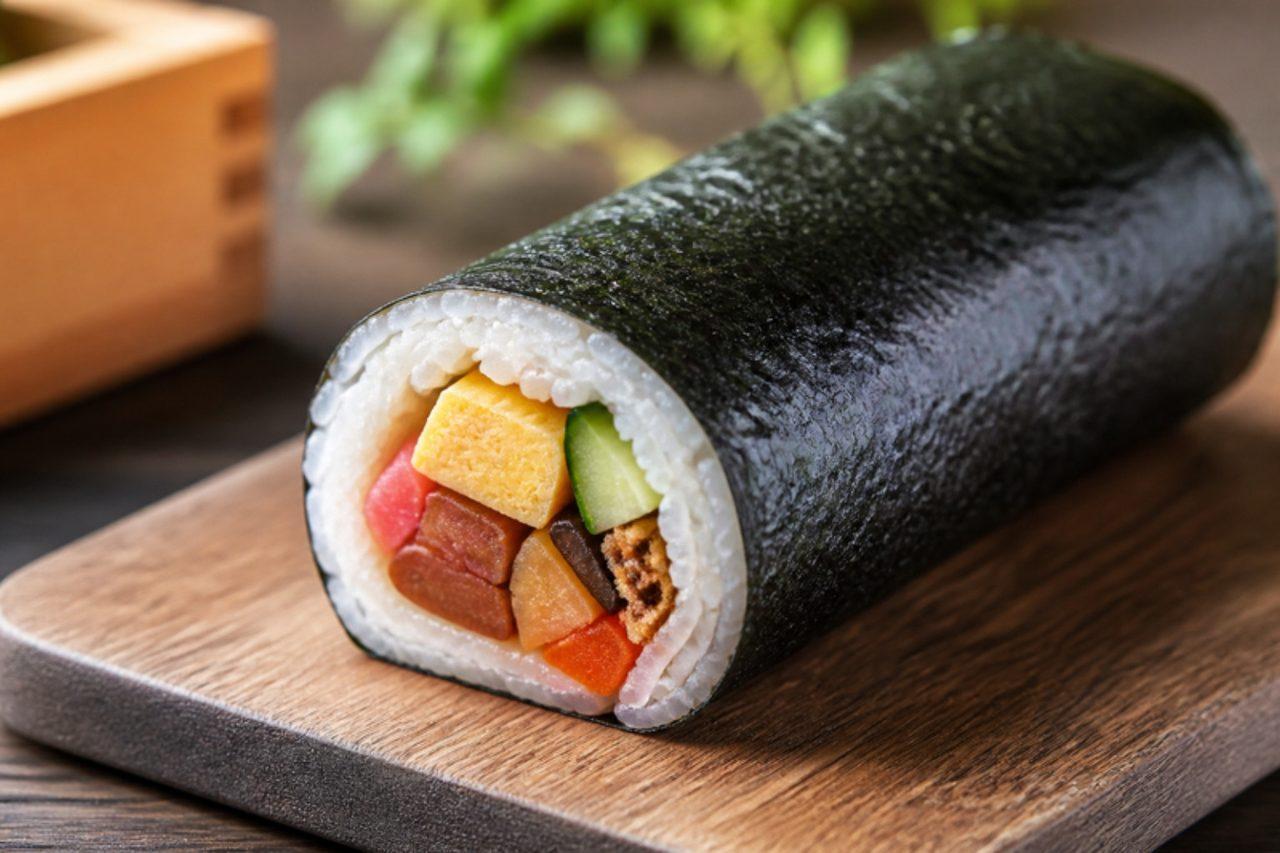
Ehomaki began as a merchants' custom in Osaka and has spread across Japan: on the night of Setsubun each person eats a whole, uncut thick sushi roll while facing the year's lucky direction (eho), in silence, making a wish. Leaving it uncut means not cutting your good fortune, and the seven fillings are linked to the Seven Lucky Gods. This version uses cooked fillings only: sweet rolled omelette, cucumber, soy-simmered shiitake and kanpyō gourd ribbon, cooked prawns, crab sticks and spinach, with grilled eel as an optional luxury. The result is soft, sweet-savoury and crunchy at once; serve with clear soup and pickled ginger. The shiitake are simmered in soy and sugar without mirin, so the roll has no alcohol. Chef's tip: lay the fillings slightly overlapping in one tight line on the lower third of the rice, which keeps every bite balanced and the roll round.

by KrazyBadal 0 views

Tsukimi dango (moon-viewing dumplings)

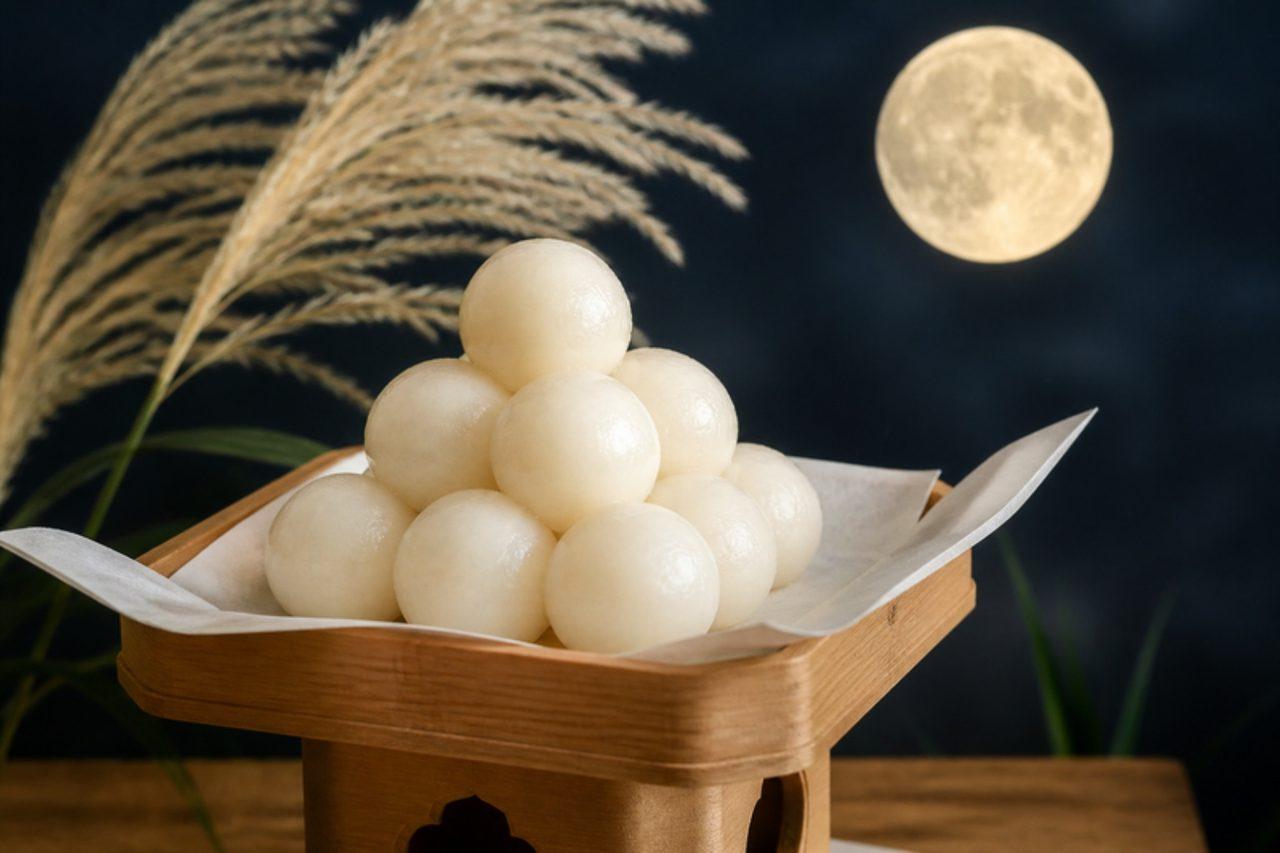
On the night of the harvest moon in September or early October, families across Japan set a tray of plain white dumplings by the window with a vase of pampas grass, as thanks for the harvest and an offering to the full moon. The round white dango stand for the moon itself, and the traditional count is fifteen, for the fifteenth night of the eighth lunar month, stacked nine, four and two. This Kanto-style dough is steamed and then kneaded, which gives a smoother, firmer bite than boiled dango, with a clean rice flavour that loves a dusting of kinako or a spoonful of sweet red bean paste once the moon-viewing is over. Mochi is very sticky: cut the dumplings small for young children and older people, and see that they chew well and eat sitting down. Chef's tip: knead the steamed dough while it is still hot, wrapped in a damp cloth, until it turns satiny.

by KrazyBadal 0 views

Rakugan (pressed dry sweets for tea)

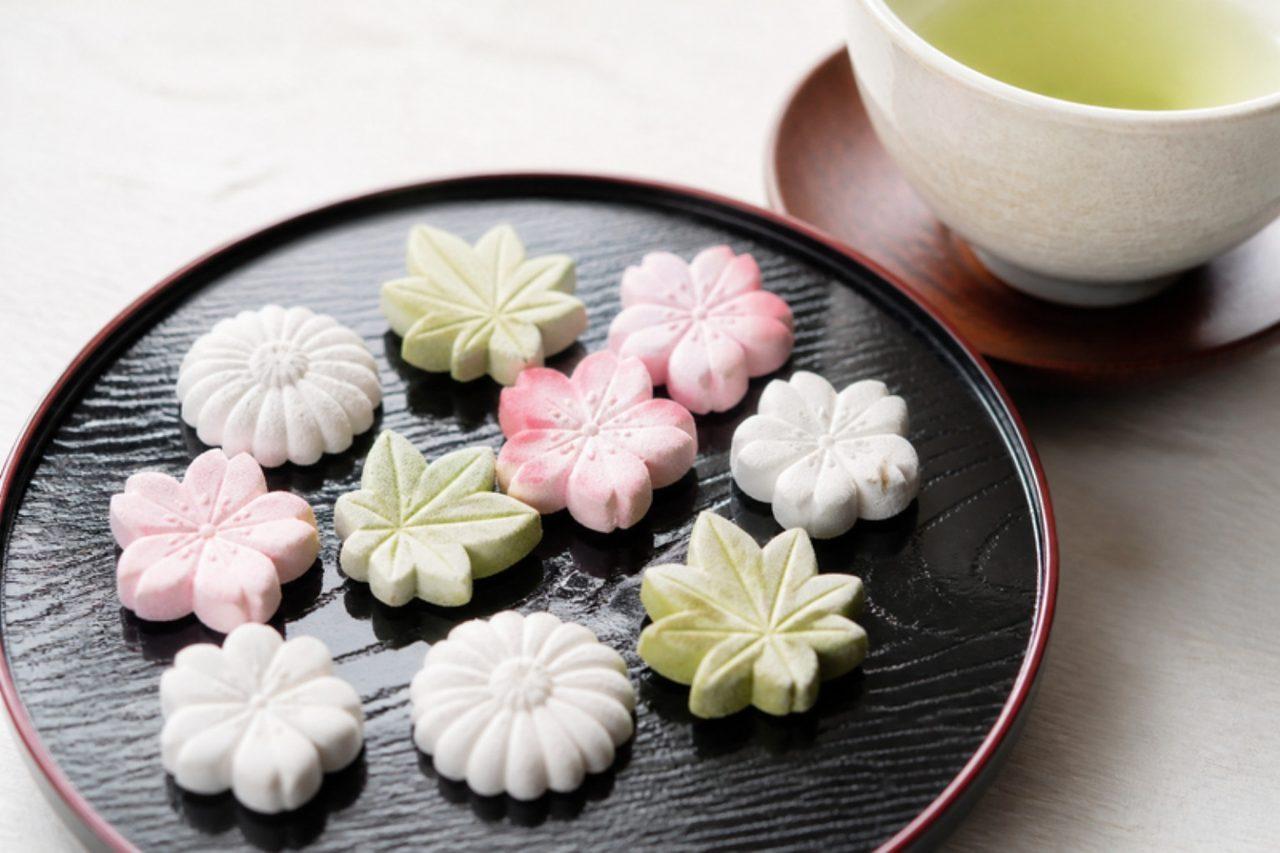
Rakugan are higashi, the dry sweets served before thin matcha at a tea ceremony, and the castle towns of Kanazawa and Matsue, both with a long tea tradition, are famous for them. Fine sugar and roasted rice flour are pressed into carved wooden moulds to make cherry blossoms in spring, maple leaves in autumn and plum flowers in winter; they also appear on Obon altars as offerings. They feel firm in the hand but dissolve on the tongue into a delicate, clean sweetness, which balances the bitterness of the tea. Serve two or three per person with matcha or sencha. They are naturally egg-free: a few drops of water make the fine sugar just damp enough to stick, the roasted rice flour holds the shape, and drying sets it hard. Chef's tip: add water a few drops at a time and stop when the sugar feels like damp sand; the common mistake is too much water, which glues the mixture into the mould.

by KrazyBadal 0 views

Showing 24 of 766 recipes

Show more recipes

Page 1 of 32