Skip to content
Recipes

All recipes

Vegetarian, or something you can't eat? Set your diet once and we'll hide recipes that don't fit.

Toast HawaiiHam, pineapple and cheese toast

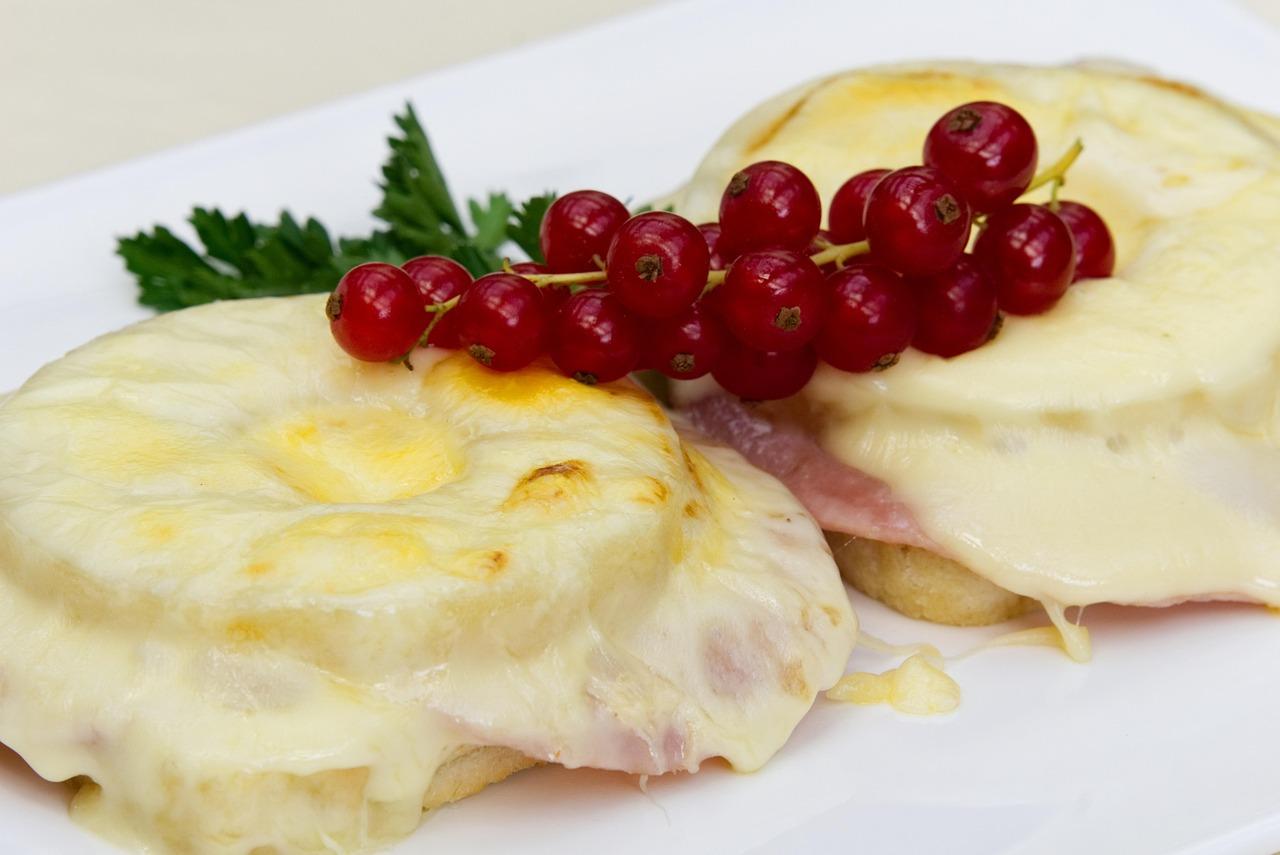
Toast Hawaii arrived in West German kitchens in the 1950s and never left: a slice of buttered toast layered with cooked ham (pork), a ring of pineapple and a slice of cheese, baked until the cheese melts down over the sides. It is still a nostalgic Saturday supper or party snack from Hamburg to Munich, often crowned with a cocktail cherry in the pineapple's hole. The mistake that ruins it is using pineapple straight from the tin, whose juice soaks the bread; drain the rings well and pat them dry. Chef's tip: toast the bread lightly before topping it, so the base stays crisp under the juicy layers.

by KrazyBadal 0 views

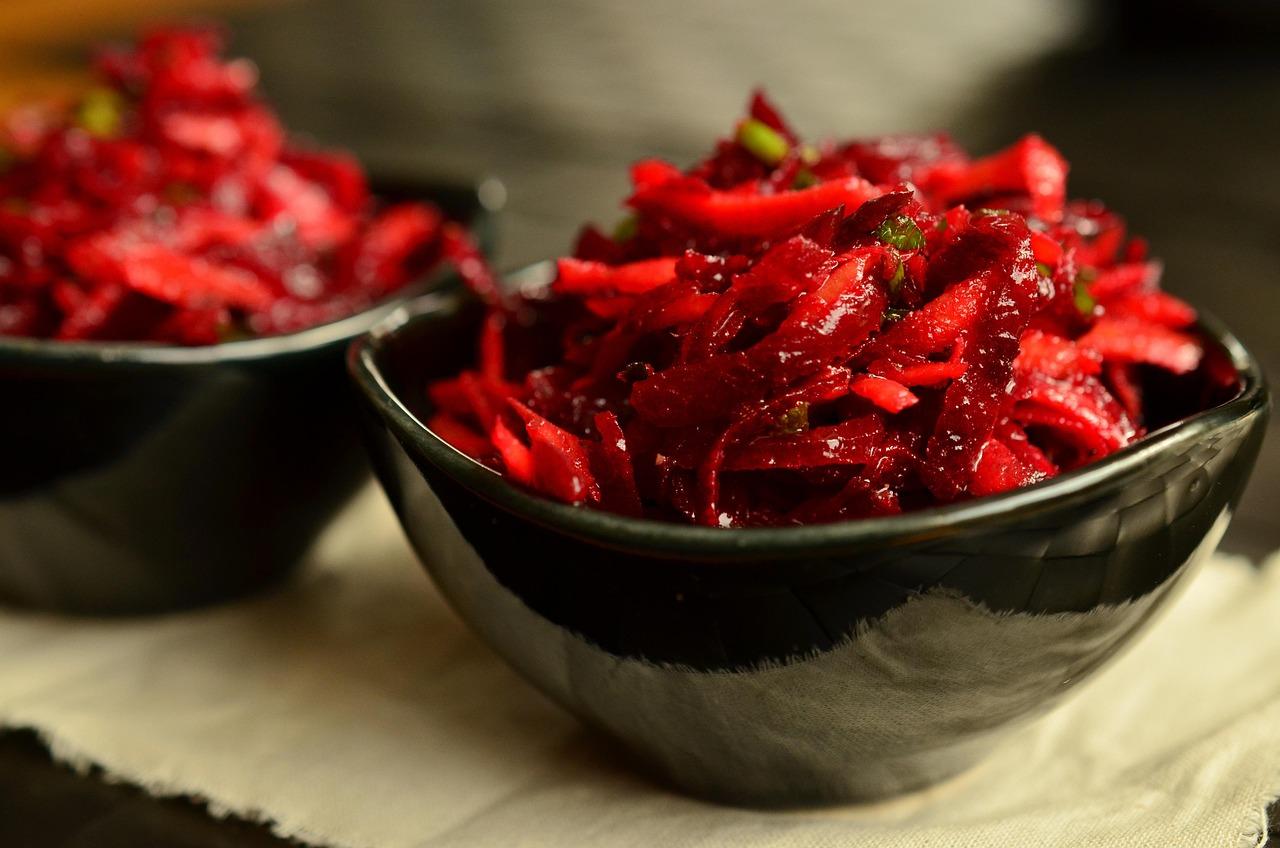
Rote-Bete-SalatBeetroot salad

Rote-Bete-Salat is on the table in German homes through autumn and winter, beside potato pancakes, fried eggs or simply bread and butter. Cooked beetroot is cut into slices or batons and dressed with onion, vinegar, oil and a little caraway or grated horseradish, so it is sweet, earthy and sharp at once. It is vegan, gluten free and keeps for days in the fridge. The most common mistake is serving it straight after dressing: give it at least 10 minutes, or better an hour, so the beetroot soaks up the flavour. Chef's tip: wear gloves or rub your hands with lemon juice afterwards, as beetroot stains everything it touches.

by KrazyBadal 0 views

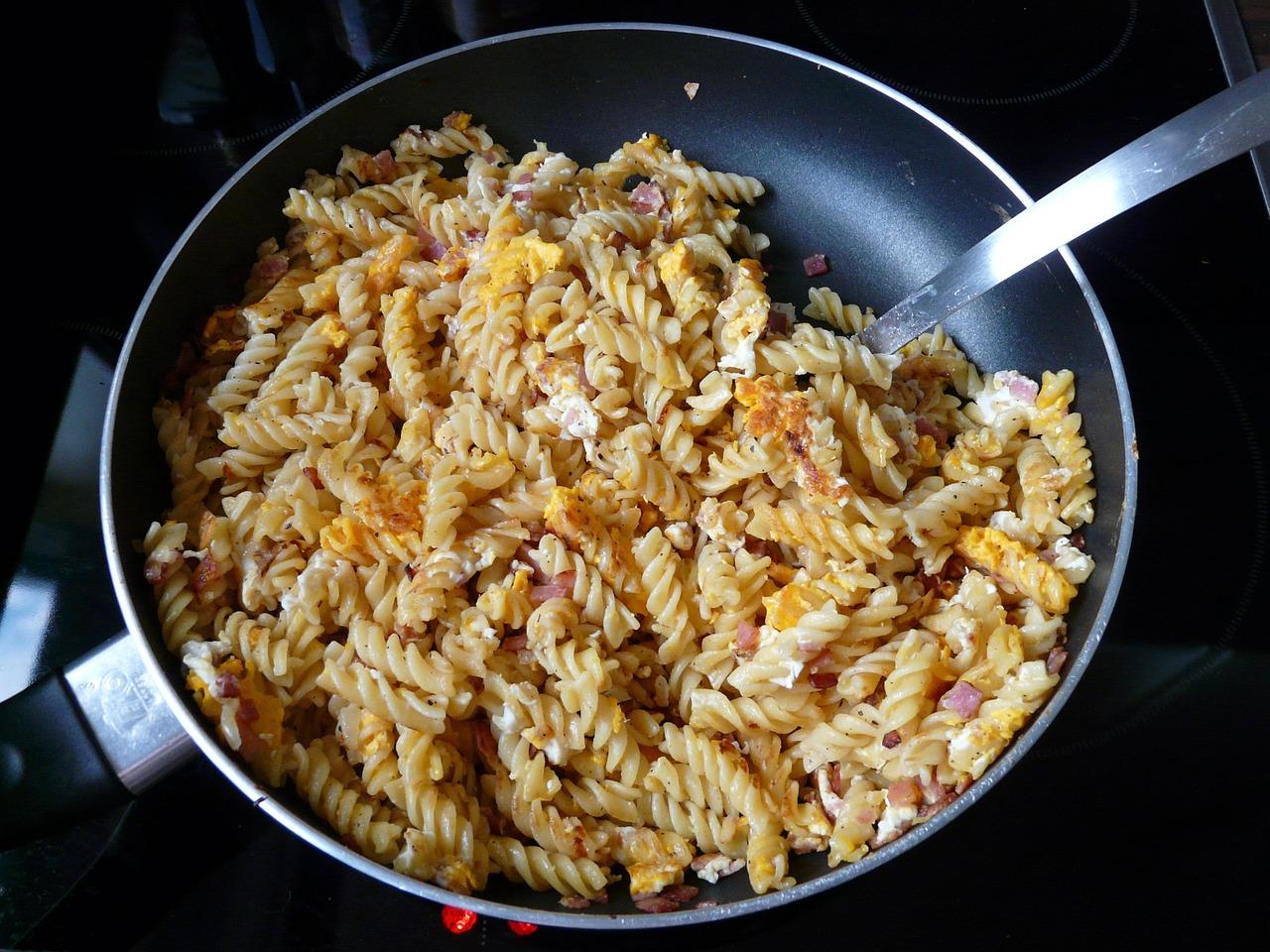
SchinkennudelnPan-fried noodles with ham and egg

Schinkennudeln is the frying-pan supper of Bavaria and Austria: yesterday's cooked noodles fried in butter with onion and diced cooked ham (pork) until crisp in places, then bound with beaten egg and finished with chives. It is not the same as the oven-baked Austrian Schinkenfleckerl; this one is made on the hob in 20 minutes, and children everywhere love it with a green salad or a spoon of ketchup. The common mistake is stirring the noodles constantly, which stops them browning, so leave them alone long enough to crisp. Keep leftover pasta in the fridge and use it within 2 days. Chef's tip: let the eggs set only until just creamy before you take the pan off the heat; they keep cooking on the plate.

by KrazyBadal 0 views

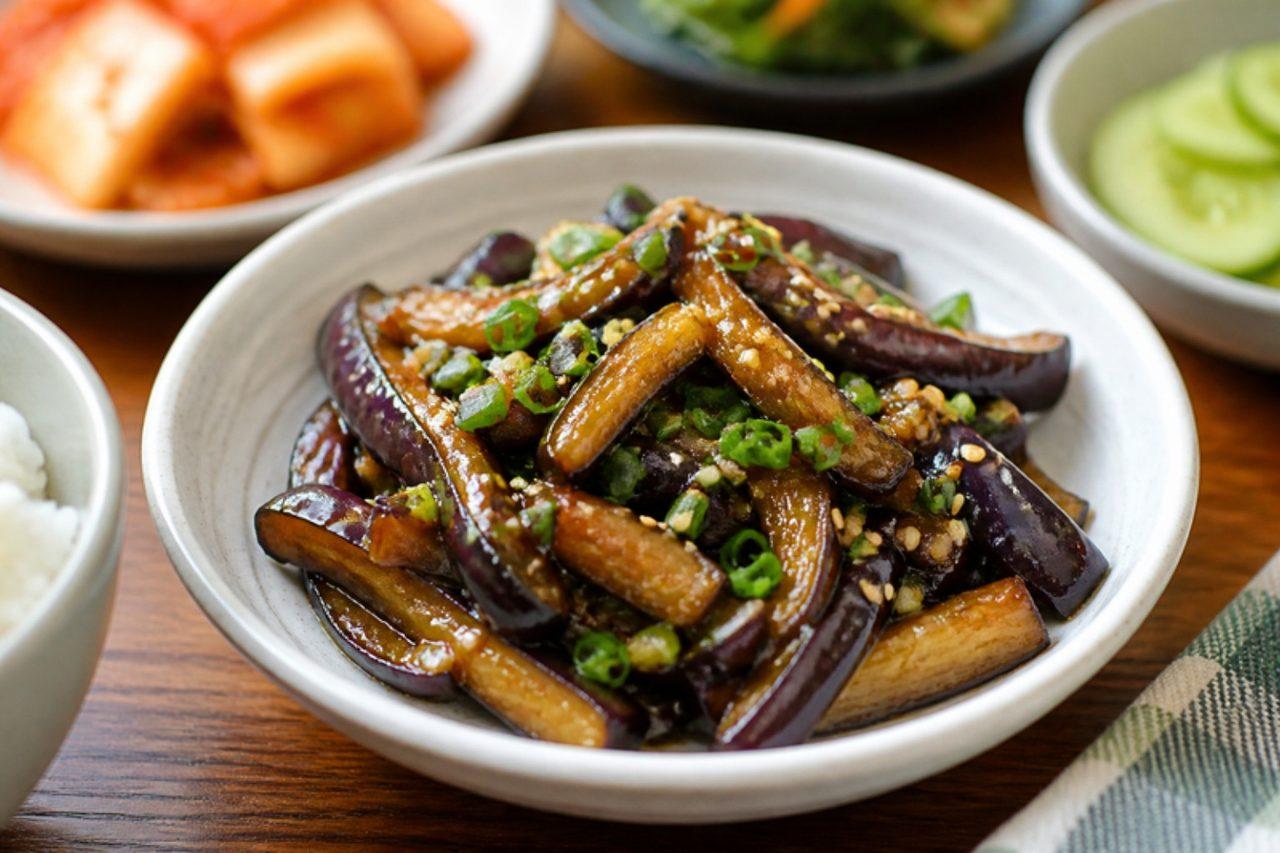
Gaji bokkeumStir-fried aubergine

Gaji bokkeum is a summer banchan in Korean homes, cooked in the weeks when long, thin Korean aubergines fill the markets. Strips of aubergine are seared until soft and caramelised, then tossed in garlic, spring onion, soy sauce and sesame so they turn glossy and savoury-sweet. It sits beside rice and soup at dinner and keeps well in the lunchbox. The mistake is pouring in lots of oil at the start: aubergine soaks it all up and turns greasy. Chef's tip: sear the strips in a moderate amount of oil and add a splash of water if the pan dries; the steam softens them without more oil.

by KrazyBadal 0 views

MandelhörnchenMarzipan almond crescents

Look along the glass counter of almost any German bakery and you will find these: fat crescents of almond paste, crusted in toasted flaked almonds, with both horns dipped in dark chocolate. Inside they stay soft and chewy, almost like a macaroon, while the outside crunches. People buy one to eat with a coffee on the way home rather than keeping them for a festival, though they turn up on Christmas plates too. They need no flour, so they are naturally gluten free. Chef's tip: take them out when the almond flakes are golden but the crescents still feel soft; overbaking is the common mistake, and they set hard as they cool.

by KrazyBadal 0 views

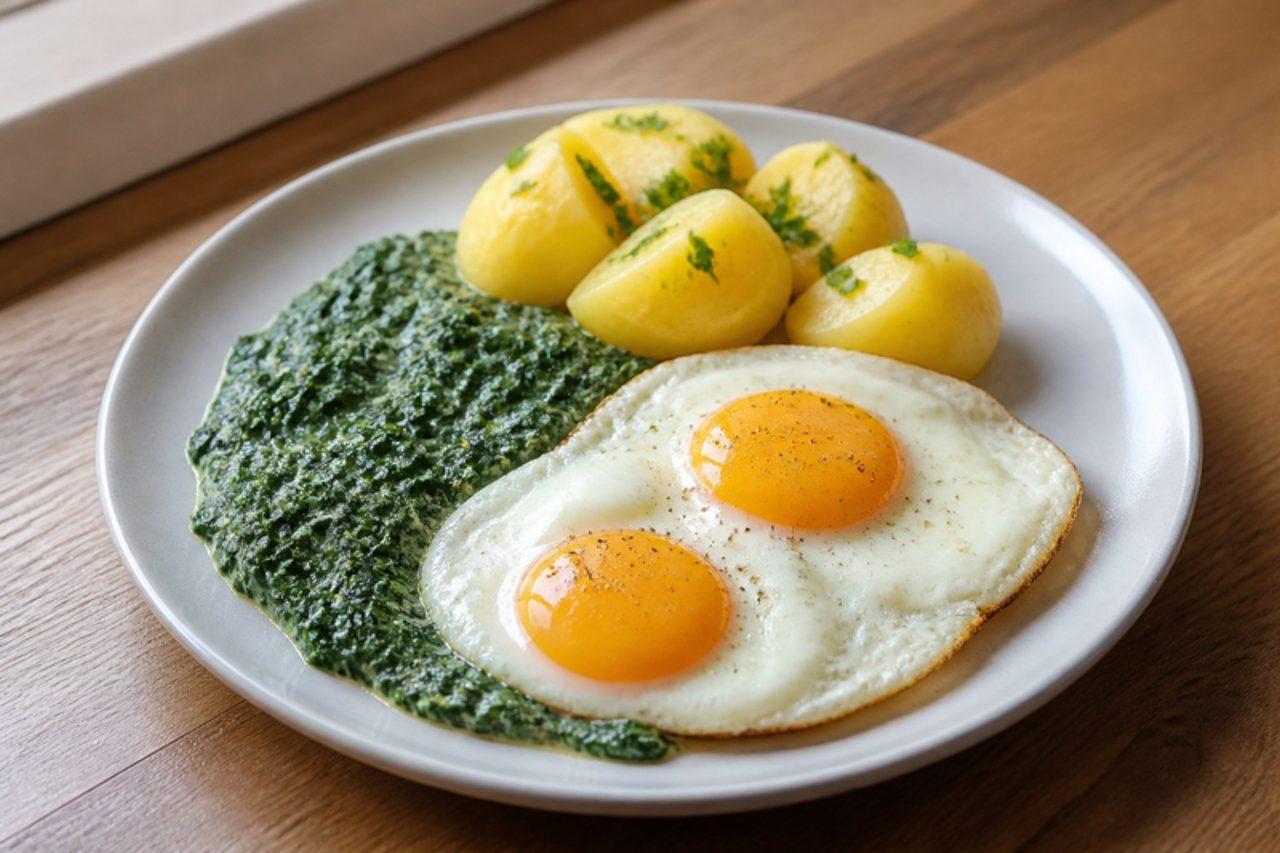
Spinat mit Spiegelei und KartoffelnCreamed spinach with fried egg

Spinat mit Spiegelei und Kartoffeln is the Thursday-night supper many Germans remember from childhood, and still a school-canteen favourite: soft creamed spinach, a sunny fried egg and boiled potatoes, with the yolk running into the green sauce. It is gentle, filling and cheap, and on Maundy Thursday (Gründonnerstag) many families eat it as their green meal. For pregnant people, young children, older or vulnerable people, fry the eggs until the yolks are firm. The most common mistake is adding raw spinach to the sauce without squeezing it, which floods it with water; wilt and squeeze it first. Chef's tip: start the potatoes in cold salted water so they cook evenly through to the centre.

by KrazyBadal 0 views

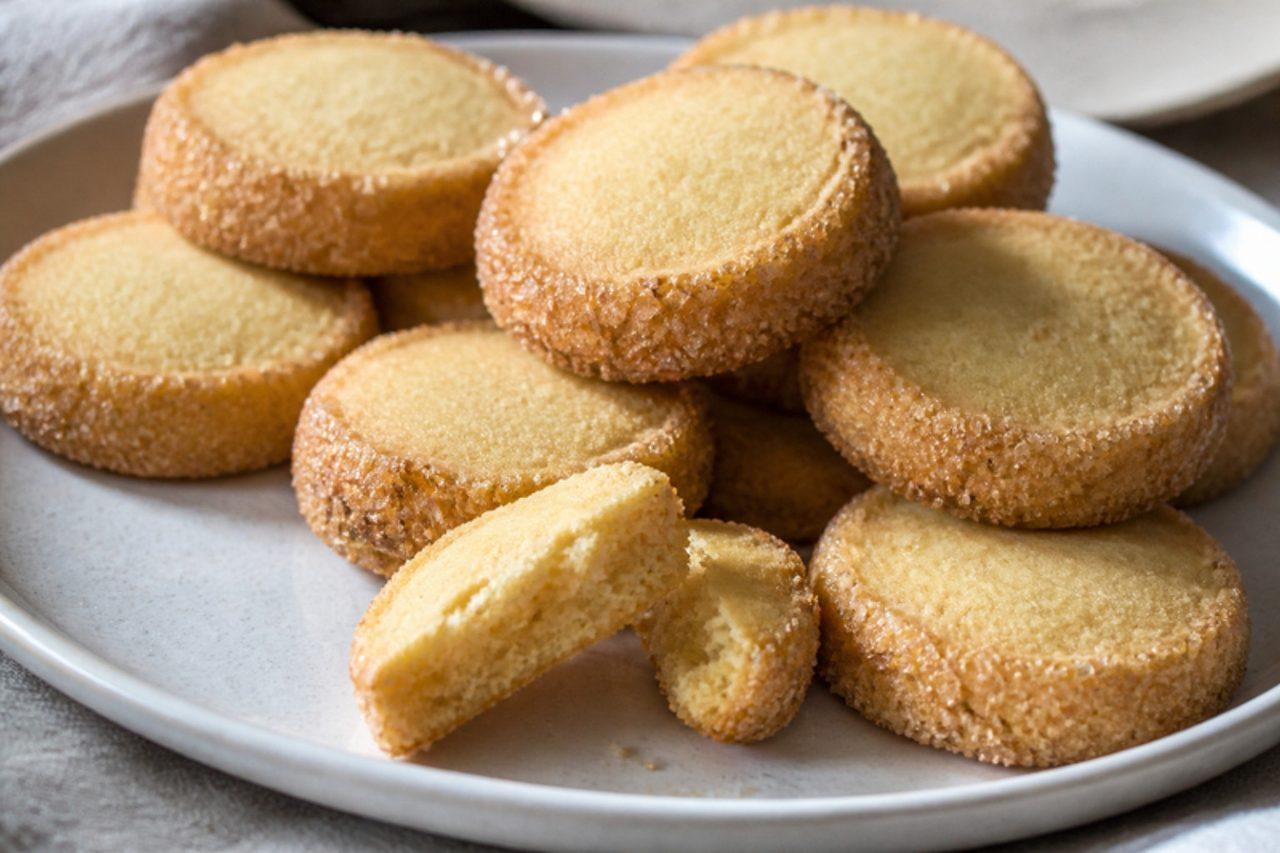
HeidesandBrown butter slice-and-bake cookies

The name means 'heath sand', after the pale sandy soil of the Lüneburg Heath in Lower Saxony, and the texture lives up to it: these little rounds crumble the moment you bite. Browning the butter first gives them a nutty, toffee-ish flavour that plain shortbread lacks. German families bake them in Advent alongside Vanillekipferl and cinnamon stars, but they are just as good with afternoon coffee in any season. There is no egg in the dough, only butter, sugar, flour and a splash of milk, and the log is rolled in coarse sugar so every slice has a glittering edge. Chef's tip: let the browned butter set back to a soft, spreadable paste before you cream it; if you beat in butter that is still liquid, the dough turns greasy and the cookies flatten in the oven.

by KrazyBadal 0 views

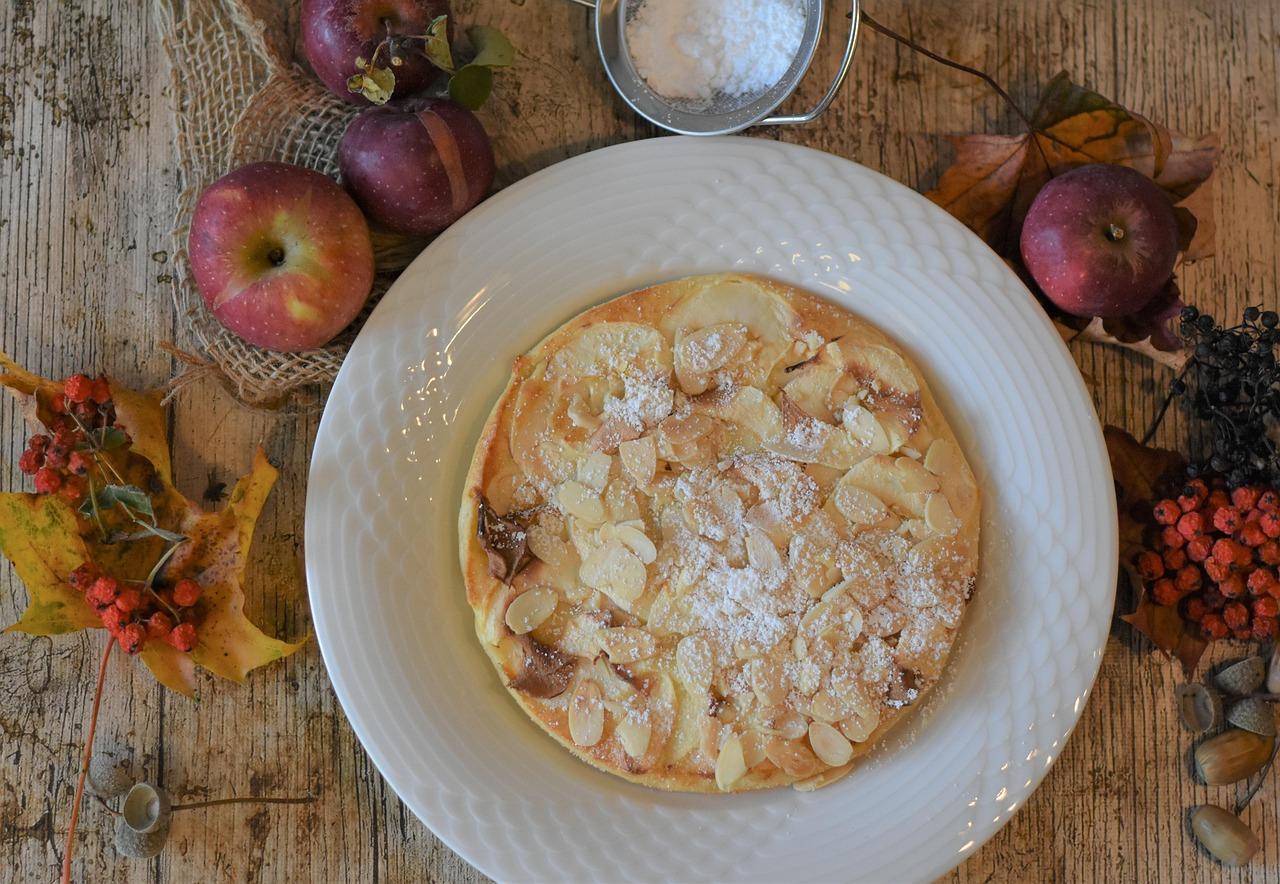
EierpfannkuchenEgg pancakes

Eierpfannkuchen are the thick, eggy pancakes German families fry for a quick Friday-night supper or a weekend lunch, thicker than a French crêpe but thinner than an American pancake. Children eat them rolled up with apple sauce, jam or sugar and cinnamon; grown-ups often fill them with mushrooms or cheese instead. The batter needs no resting, so they are on the table in 20 minutes. The most common mistake is a pan that is not hot enough, so the pancakes soak up fat and turn pale and greasy; wait until a drop of batter sizzles at once. Chef's tip: beat the egg whites separately and fold them in at the end if you want them especially light and fluffy.

by KrazyBadal 0 views

Gamja bokkeumStir-fried potato strips

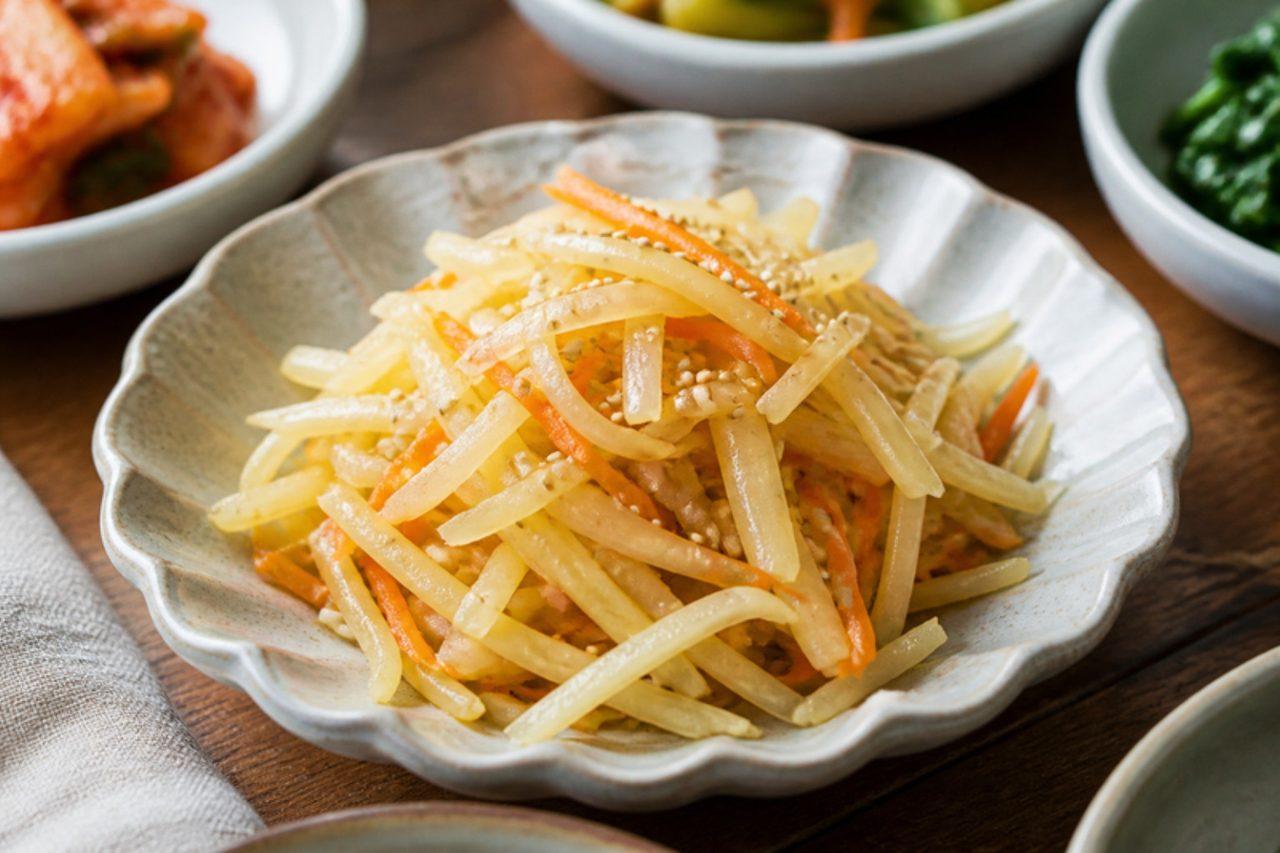
Gamja bokkeum is one of the banchan Korean mothers pack into lunchboxes and set out at dinner in Seoul and Busan: thin potato strips stir-fried with onion and carrot, seasoned only with salt, a little sesame oil and toasted sesame seeds. The strips should be tender and separate, with a slight bite, not crisp like chips and not mushy. The mistake is skipping the soak, so the surface starch makes the strips stick to each other and the pan and break up. Chef's tip: a quick soak in salted water also seasons the potato through.

by KrazyBadal 0 views

Moroccan bachkoutouOrange and sesame dunking biscuits

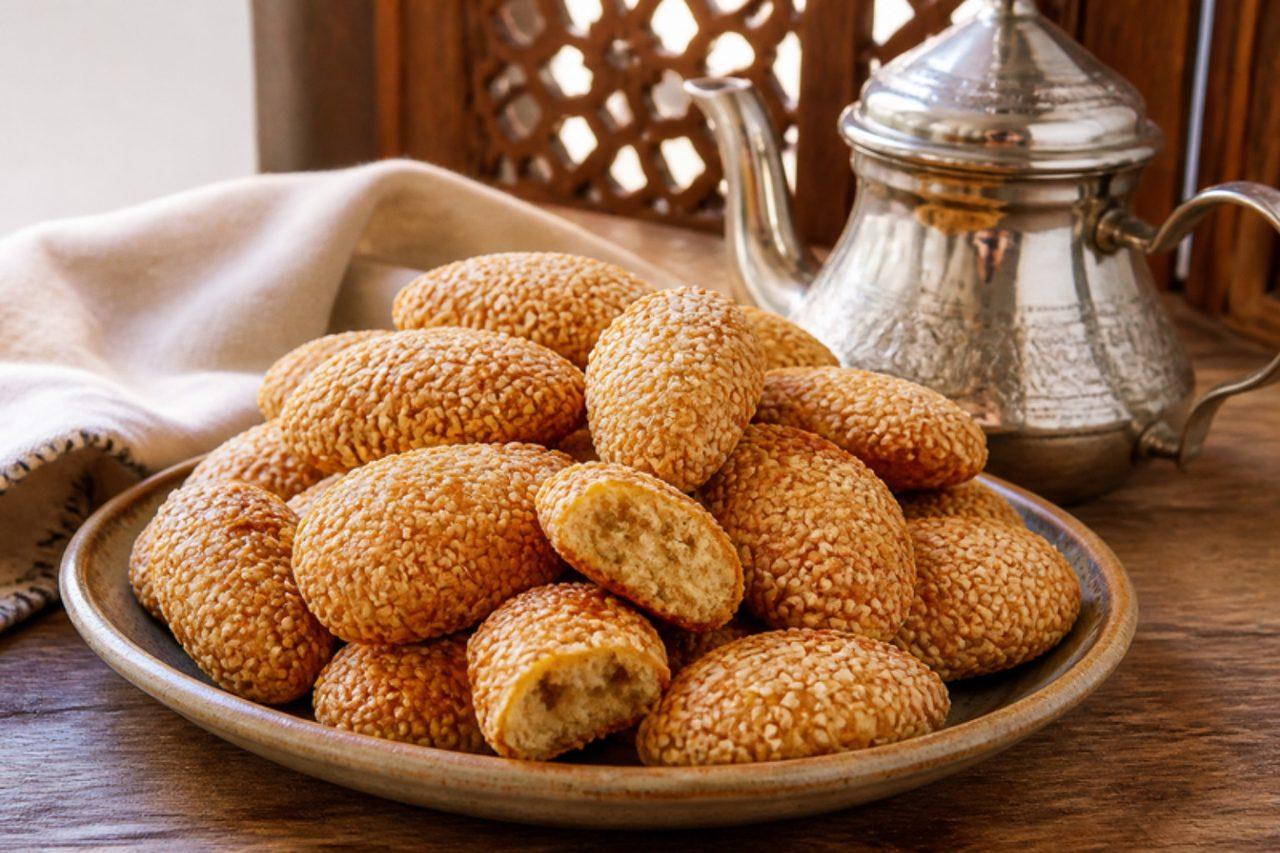
Moroccan grandmothers bake bachkoutou by the trayful and keep them in big tins for the afternoon glass of sweet mint tea, and neighbourhood ovens in Fes and Casablanca bake them for families who bring their dough. These are dry, crunchy little biscuits, not rich at all, made with eggs, sugar and oil rather than butter, with orange zest and a coating of toasted sesame; they are meant to be dunked until they soften slightly. Shapes vary from town to town: fingers, rings and rope twists are all common, and some cooks add aniseed. Too much flour is the easy mistake: the dough should stay soft and slightly sticky, or the biscuits bake heavy and hard rather than crisp and light. Chef's tip: once they are cold, put them back in a warm, switched-off oven for 20 minutes; that extra drying is what makes them keep their snap for weeks.

by KrazyBadal 0 views

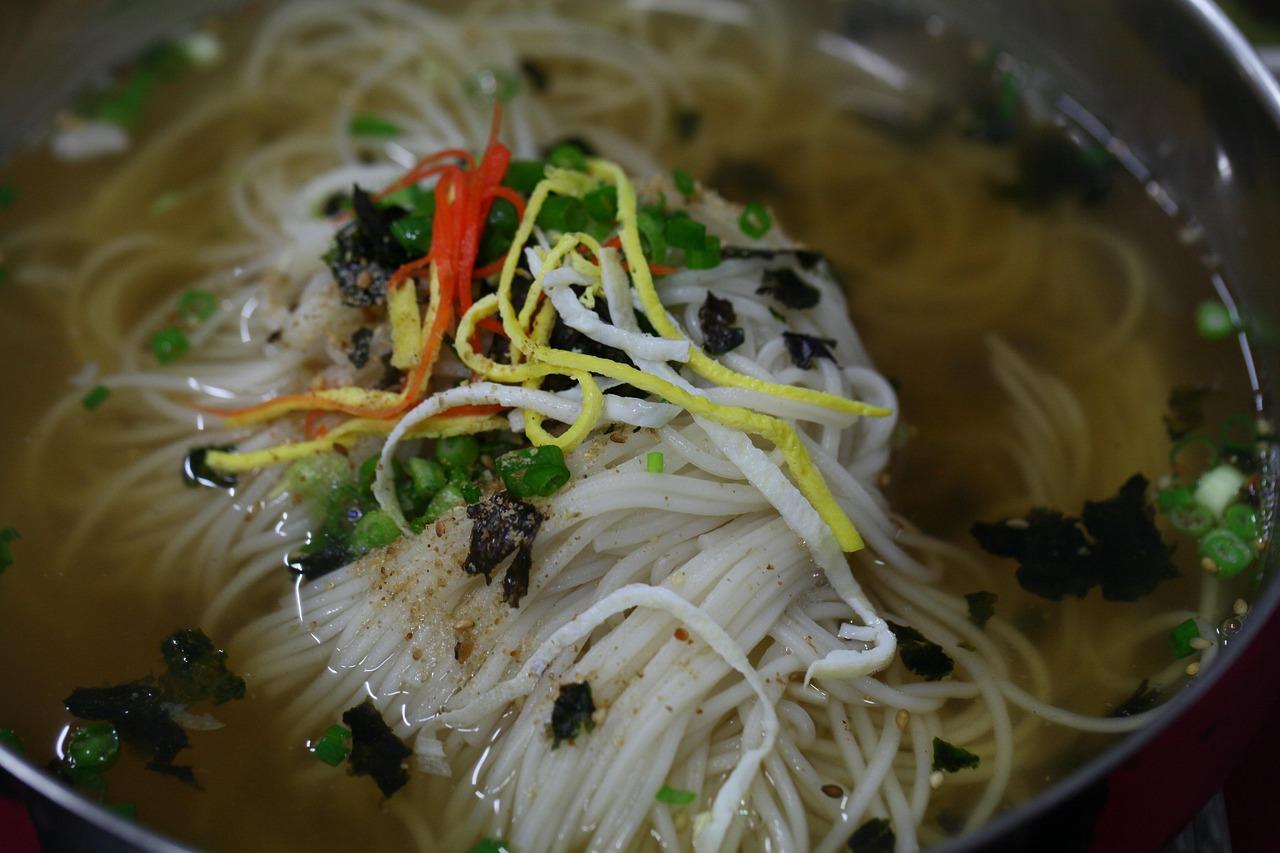
Janchi guksu (Korean banquet noodles)

Janchi guksu means banquet noodles, the bowl once served at Korean weddings and birthdays for long life, and now a quick lunch at markets from Seoul to Busan: thin somyeon in a clear, gently fishy broth of dried anchovy and kelp, topped with egg ribbons, courgette and a spoon of seasoned soy. The mistake is boiling the anchovies hard or too long, which makes the broth bitter and cloudy. Chef's tip: remove the anchovy heads and the dark gut before simmering for a cleaner, sweeter stock.

by KrazyBadal 0 views

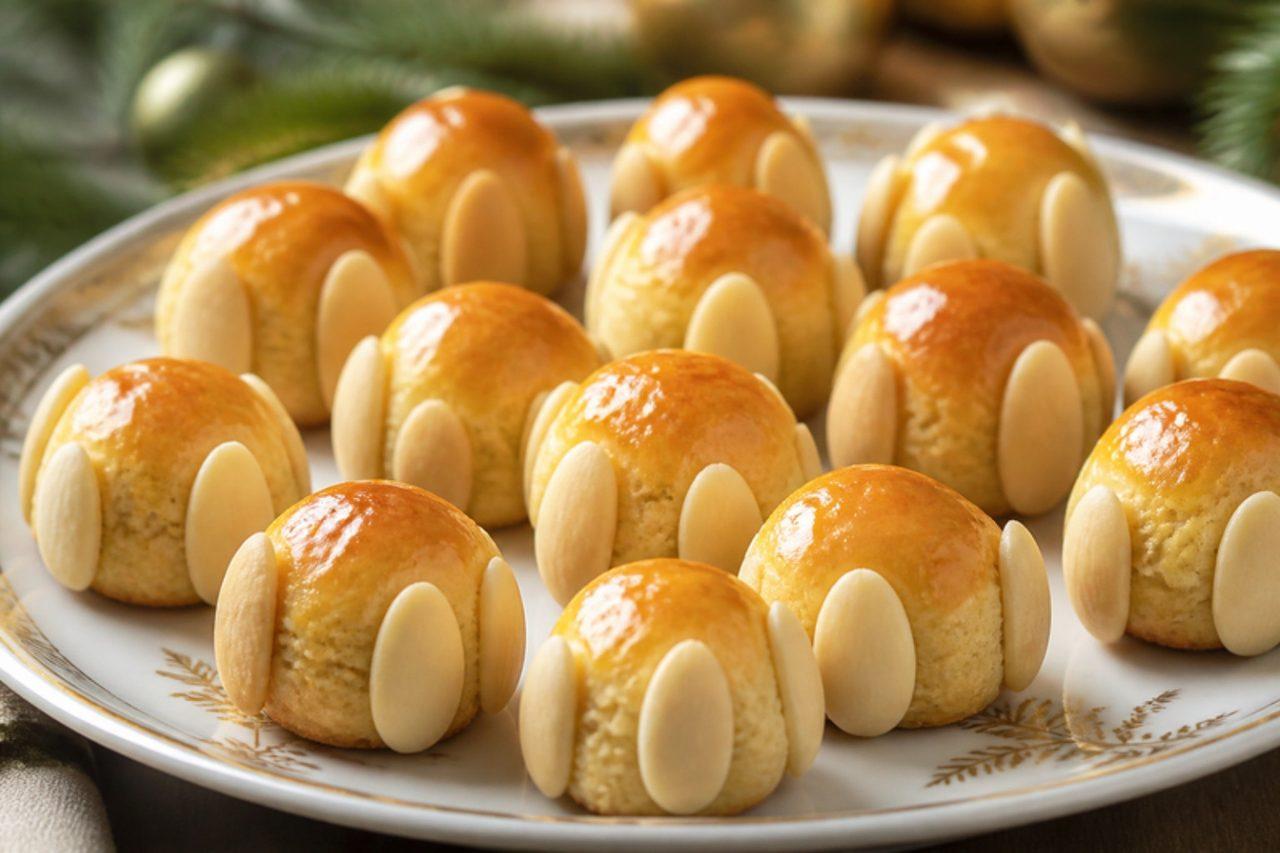
BethmännchenMarzipan almond balls

Frankfurt am Main claims these little domes as its own Christmas sweet, sold by the bag at the Römerberg Christmas market and in the city's cafés through Advent. The story goes that they were made for the banking family Bethmann, with four almonds for the four sons, and one was dropped when a son died; whatever the truth, they now carry three. The marzipan is mixed with a little rosewater and powdered sugar, then glazed with egg yolk so the tops bake golden while the inside stays soft. Serve them with tea or a mug of hot spiced apple juice. For an egg-free glaze, brush with a little cream or milk instead; the colour is paler but still pretty. Chef's tip: bake them on the middle shelf and watch from the 10-minute mark, because the almond tips scorch before the marzipan is golden if your oven runs hot.

by KrazyBadal 0 views

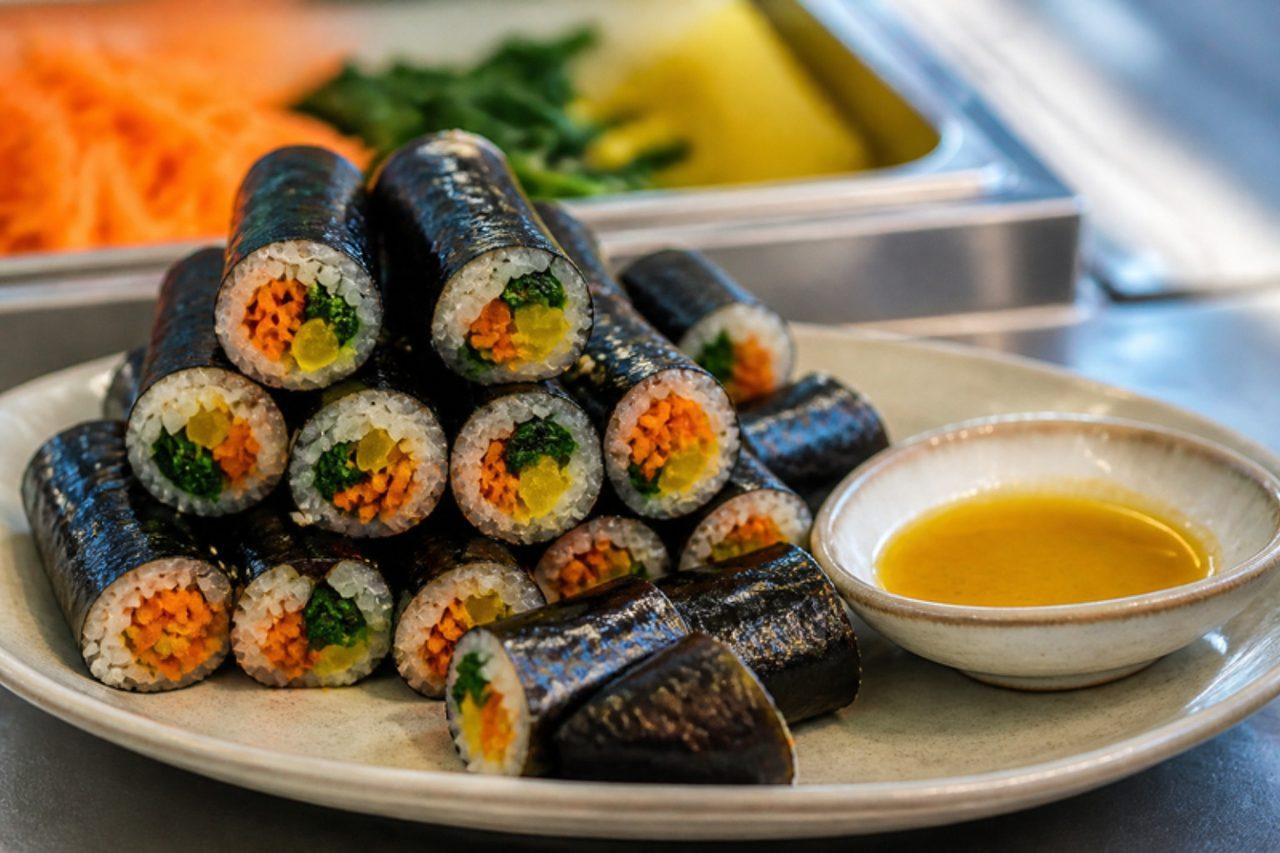
Mayak gimbap (mini gimbap with mustard dip)

Mayak gimbap began at Gwangjang Market in Seoul, where stallholders roll stubby, finger-sized gimbap and sell them by the plate with a tangy mustard and soy dip. The nickname 'mayak' jokes that they are addictive, and the small size makes them a favourite in Korean children's lunchboxes and snack boxes. They are vegan, with sesame, soya and wheat (soy sauce) and mustard in the dip; leave the mustard out of a child's portion if they prefer it mild. Chef's tip: use only a thin layer of rice; with a mini roll, too much rice is what makes them burst.

by KrazyBadal 0 views

Sogogi yachae-juk (beef and vegetable baby porridge)

In Korea, beef is added to a baby's rice porridge, or ijuksik, within the first weeks of weaning at about six months, because it is rich in iron. This sogogi yachae-juk blends soaked rice with lean beef, carrot and courgette into a smooth, savoury porridge that tastes gently meaty and sweet. It is made without salt, soy sauce or the sesame oil grown-ups would add. It contains none of the common allergens (milk, egg, gluten, peanut, tree nuts, soya, sesame, fish). Chef's tip: soak the beef in cold water for 15 minutes first to draw out the blood, which keeps the porridge clean-tasting and pale.

by KrazyBadal 0 views

Ssal mieum (Korean first rice gruel)

In Korean homes the weaning journey, called iyusik, begins with ssal mieum, a gruel so thin it is almost a drink. The rice is soaked, blended raw with water and then stirred over a low flame, which gives a finer, silkier result than boiling whole grains. Families offer it at around six months, a spoonful in the morning, before moving on to thicker juk with vegetables a few weeks later. It contains none of the common allergens: no milk, egg, gluten, peanut, tree nuts, soya, sesame or fish. Chef's tip: grind the soaked rice with only part of the water first; a thick slurry blends smoother than a watery one.

by KrazyBadal 0 views

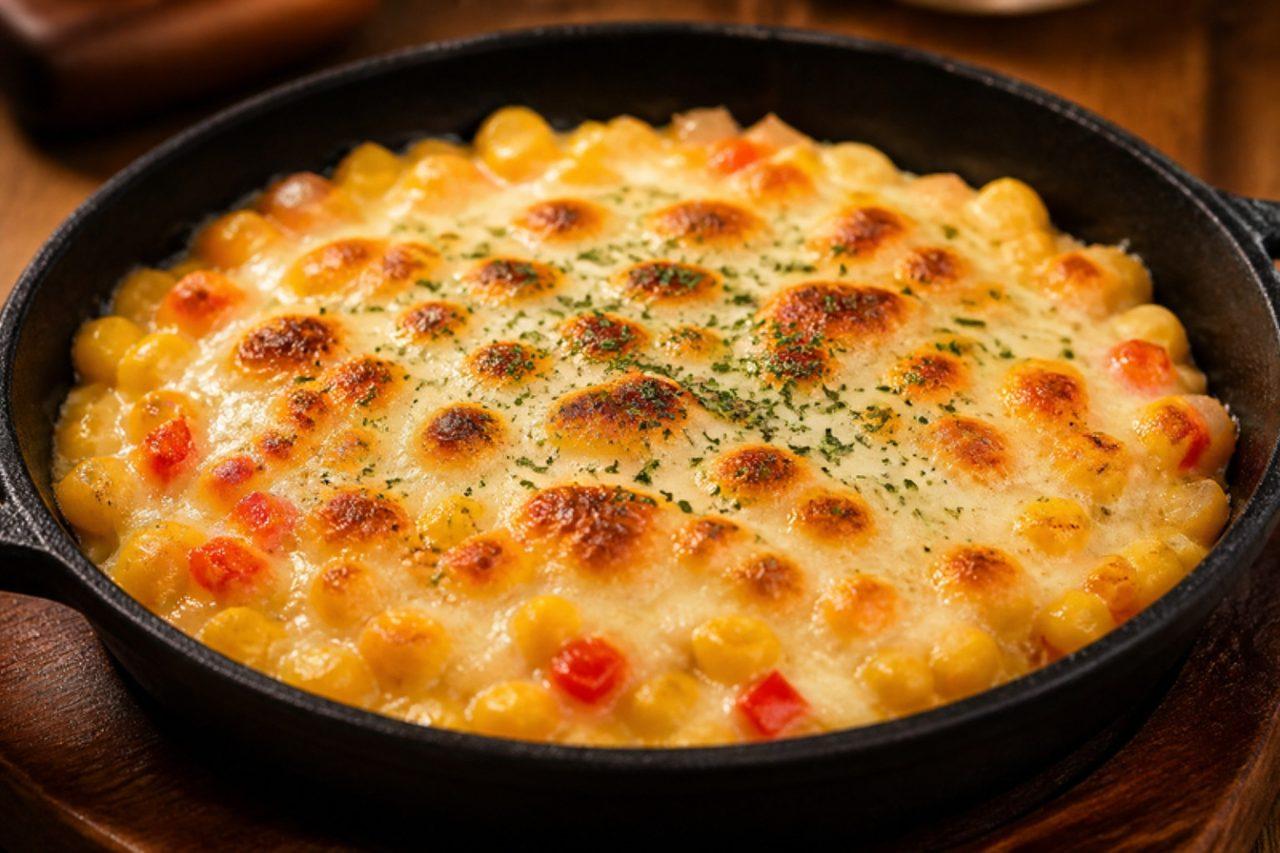
Korean corn cheese
Corn cheese arrives sizzling on a small iron plate as a side at Korean barbecue restaurants, and at home it has become a five-minute after-school snack and a favourite for children's sleepovers in Seoul and beyond. Sweet, juicy corn is stirred with a little butter and mayonnaise, then covered in mozzarella and heated until it melts into long strings. Most versions add sugar; this one lets the corn's own sweetness carry it. It contains milk and egg (mayonnaise). Chef's tip: drain and dry the corn really well, or the dish turns watery under the cheese.

by KrazyBadal 0 views

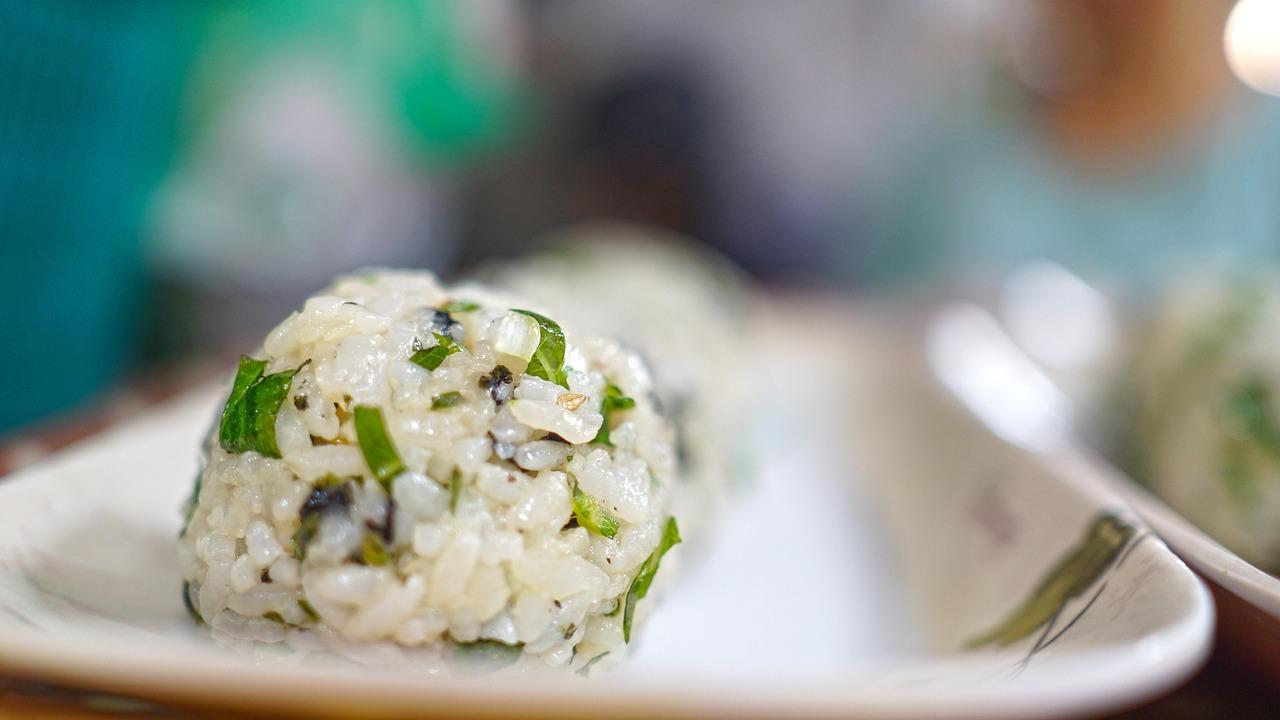
Jumeokbap (Korean vegetable rice balls)

Jumeokbap means 'fist rice', and Korean parents squeeze it together in minutes for picnics, school trips and busy mornings: warm rice tossed with sesame oil, crumbled seasoned laver and tiny pieces of vegetables, then pressed into balls a child can hold. It tastes nutty and gently salty. Tuna with mayonnaise or minced beef is a common addition, but this version is fully vegan. It contains sesame and, from the soy sauce in some seasoned laver, may contain soya and wheat. Chef's tip: mix the rice while it is warm; cold rice won't stick and the balls crumble in the lunchbox.

by KrazyBadal 0 views

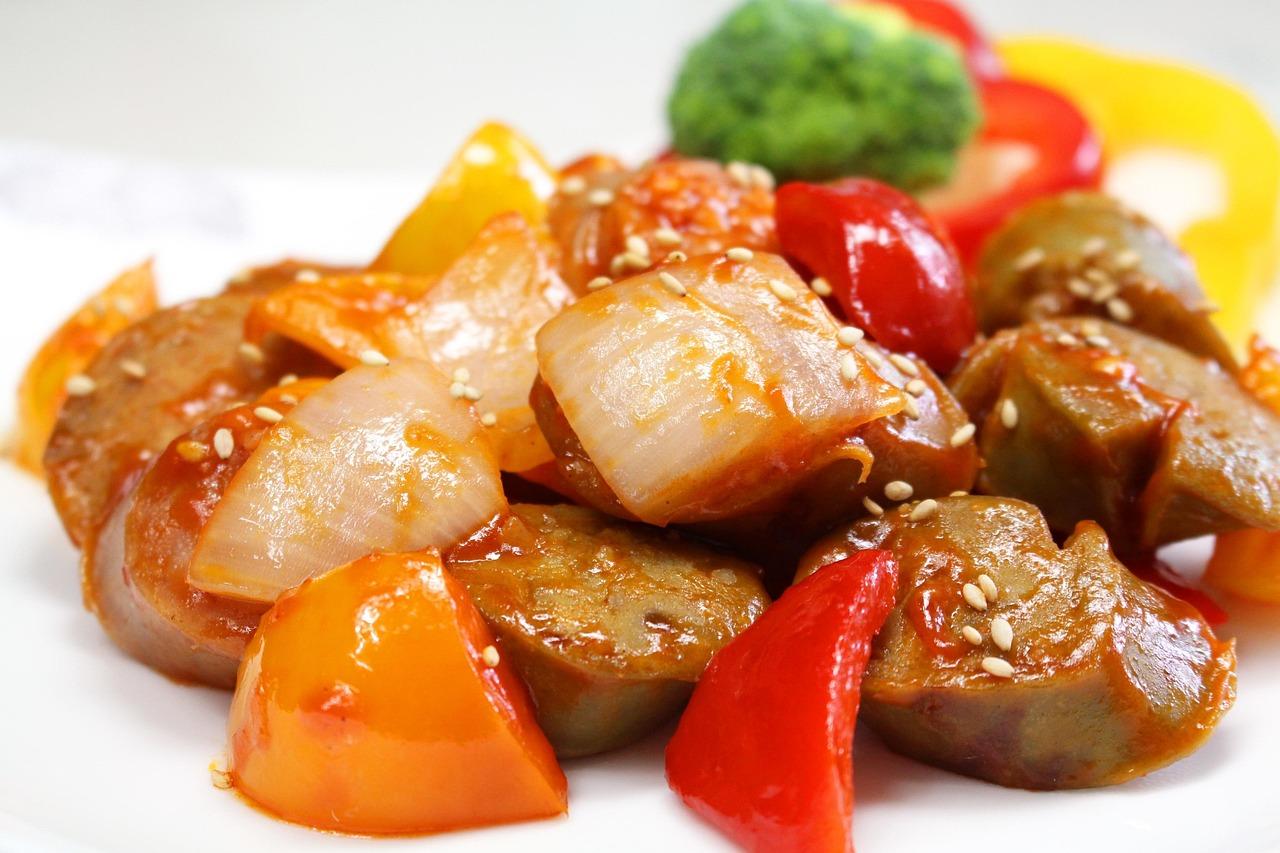
Soya bokkeum (sausage and vegetable stir-fry)

The name joins 'sausage' and 'vegetables' (yachae), and soya bokkeum is a staple banchan in Korean children's lunchboxes and on cheap and cheerful dinner tables: scored sausages and colourful peppers stir-fried in a glossy ketchup and soy glaze. It is sweet, a little tangy and tastes as good cold as hot. Adults often add a spoonful of gochujang. It contains soya and wheat (soy sauce) and sesame; check your sausages for milk. Chef's tip: score the sausages diagonally; the cuts open up in the pan and catch the sauce.

15 minKoreanMeat
by KrazyBadal 0 views

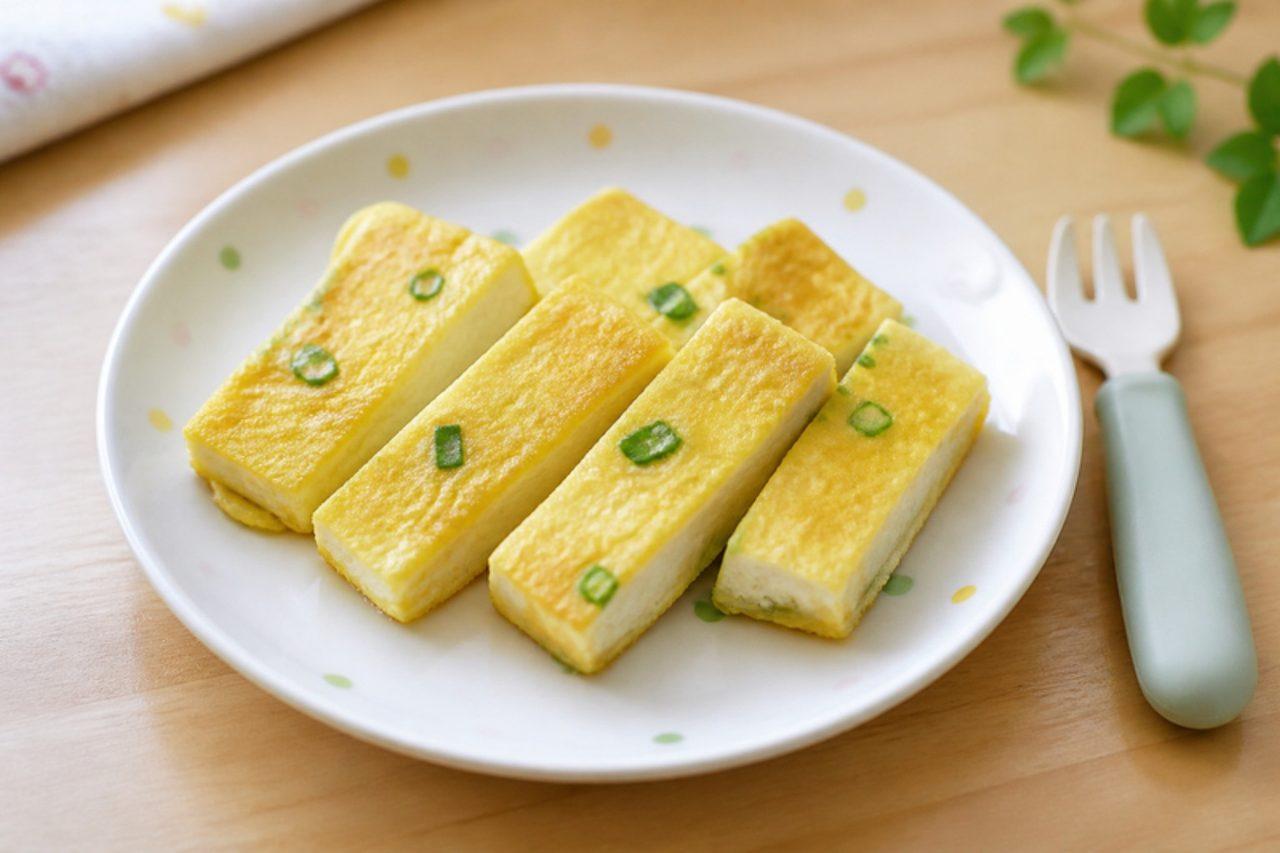
Dubu buchim tofu fingers

Dubu buchim, slices of tofu dipped in beaten egg and fried until golden, is an everyday Korean banchan, and families cut it into fingers for babies from about nine months to hold and gum. The outside is lightly crisp and the inside custard-soft, with a mild, nutty flavour. For babies it is made without salt, soy sauce or the usual sesame-soy dip; older children and adults can add the dip at the table. It contains soya and egg. Chef's tip: press the tofu well first, so it fries rather than steams and the egg coating sticks.

by KrazyBadal 0 views

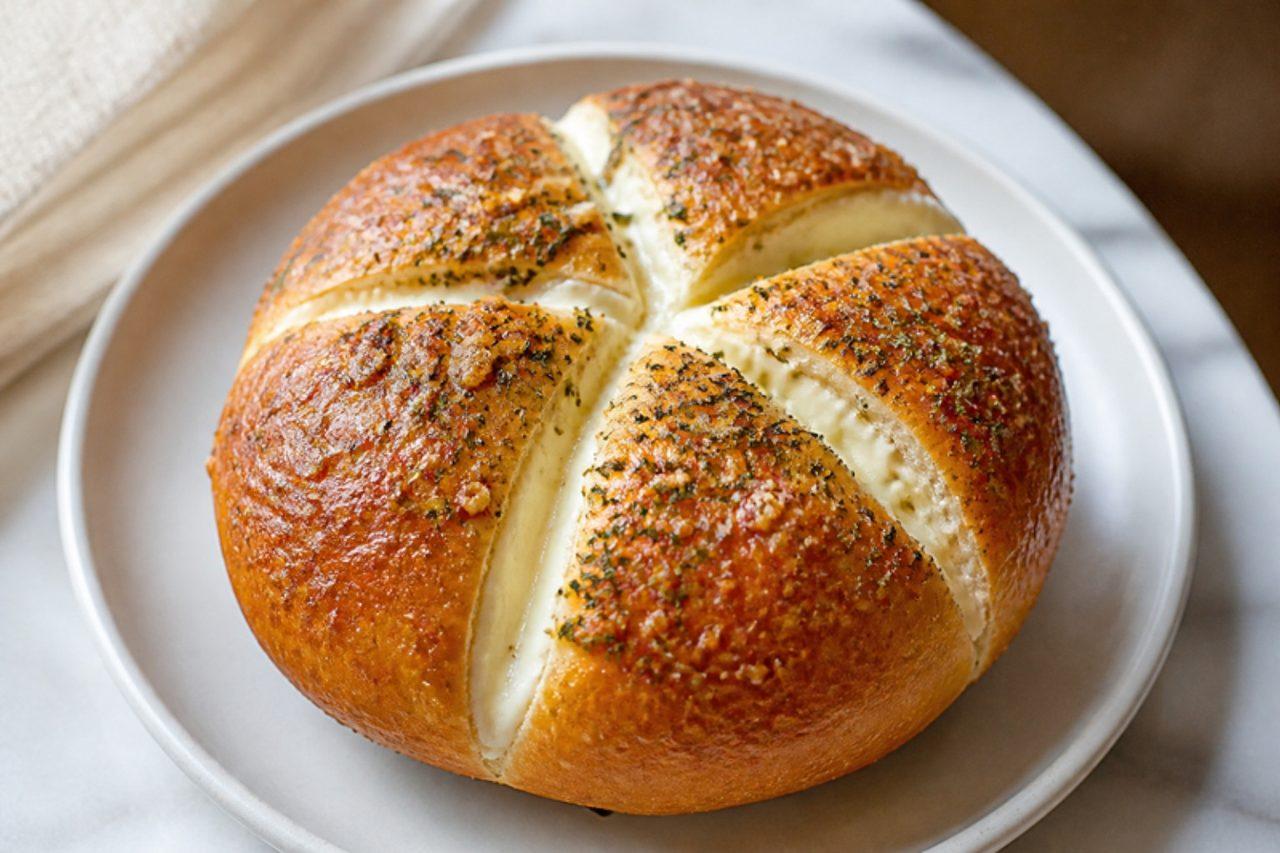
Korean garlic cream cheese bread
Gangneung, the seaside city on Korea's east coast, made this bun famous: its name, yukjjok maneul-ppang (육쪽마늘빵), means 'six-clove garlic bread', because each round loaf is cut into six wedges like a bulb of garlic. The cuts are piped full of sweet cream cheese, then the whole bun is dunked in a garlicky butter custard and baked again, so it comes out crisp and golden on top, soft and rich inside, sweet, salty and savoury in one bite. Tourists queue for it at market stalls and cafés, and it is now a Korean café favourite eaten with iced americano. The most common slip is cutting right through the base; the wedges then fall apart in the garlic bath, so stop about 1 cm short. Chef's tip: bake and cool the buns a day ahead, or use day-old buns; firm, cooled bread slices cleanly and soaks up the garlic butter without going soggy.

by KrazyBadal 0 views

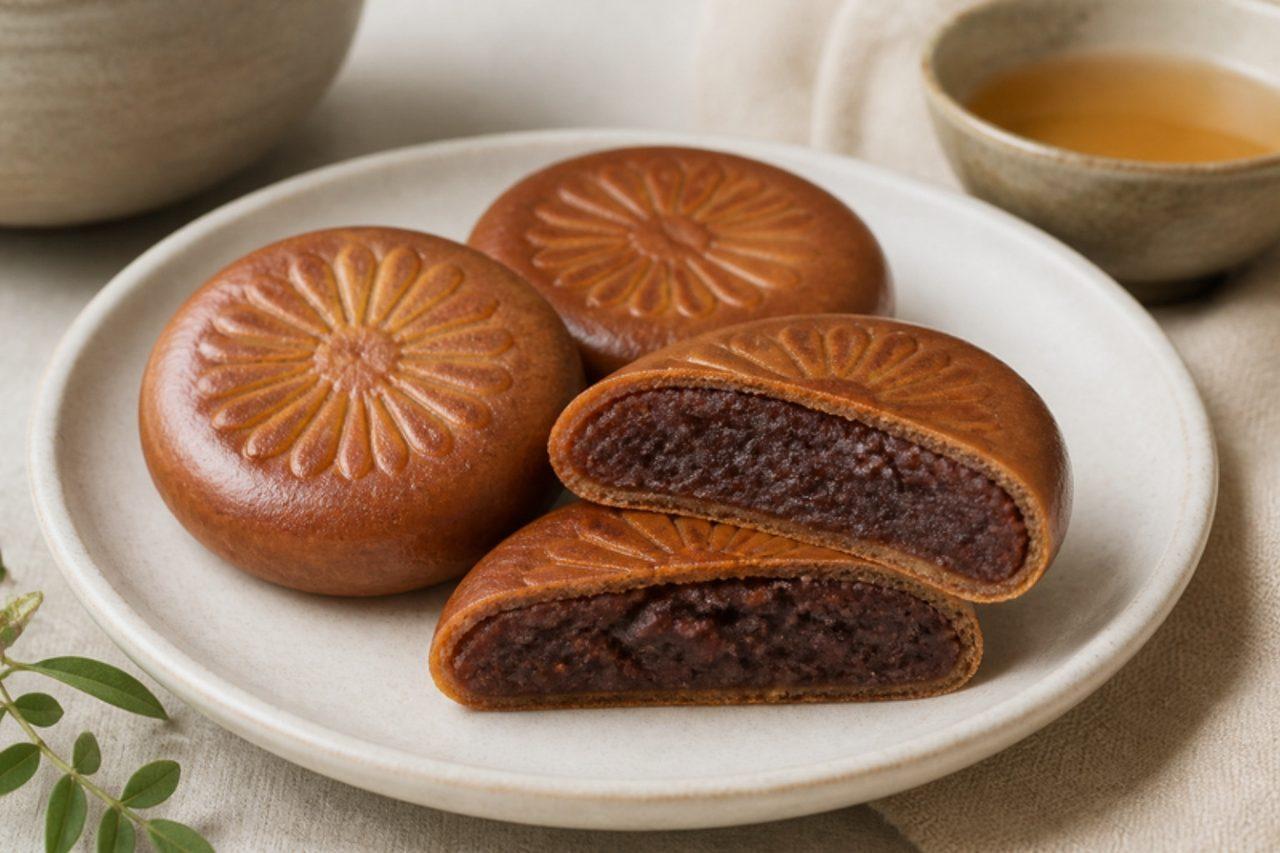
Gyeongju breadRed bean pastries

Near the grassy royal tombs of Gyeongju, the ancient Silla capital, a baker in Hwangnam-dong began making these small round pastries in 1939, and the city's shops have sold them by the boxful ever since. Gyeongju bread (황남빵, also called Gyeongju-ppang) is mostly filling: a generous ball of coarse red bean paste in a skin so thin it looks painted on, stamped with a flower pattern and glazed until shiny brown. It tastes gently sweet and nutty, soft and moist rather than bready, and it is the souvenir every visitor carries home, eaten with barley tea or green tea. The usual mistake is a dough shell that is too thick, which bakes into a cookie and hides the bean flavour; aim for roughly one part dough to two and a half parts filling. Chef's tip: press the pattern in with a small cookie stamp or the back of a citrus press dipped in flour, while the buns are cold and firm, so the design stays sharp.

by KrazyBadal 0 views

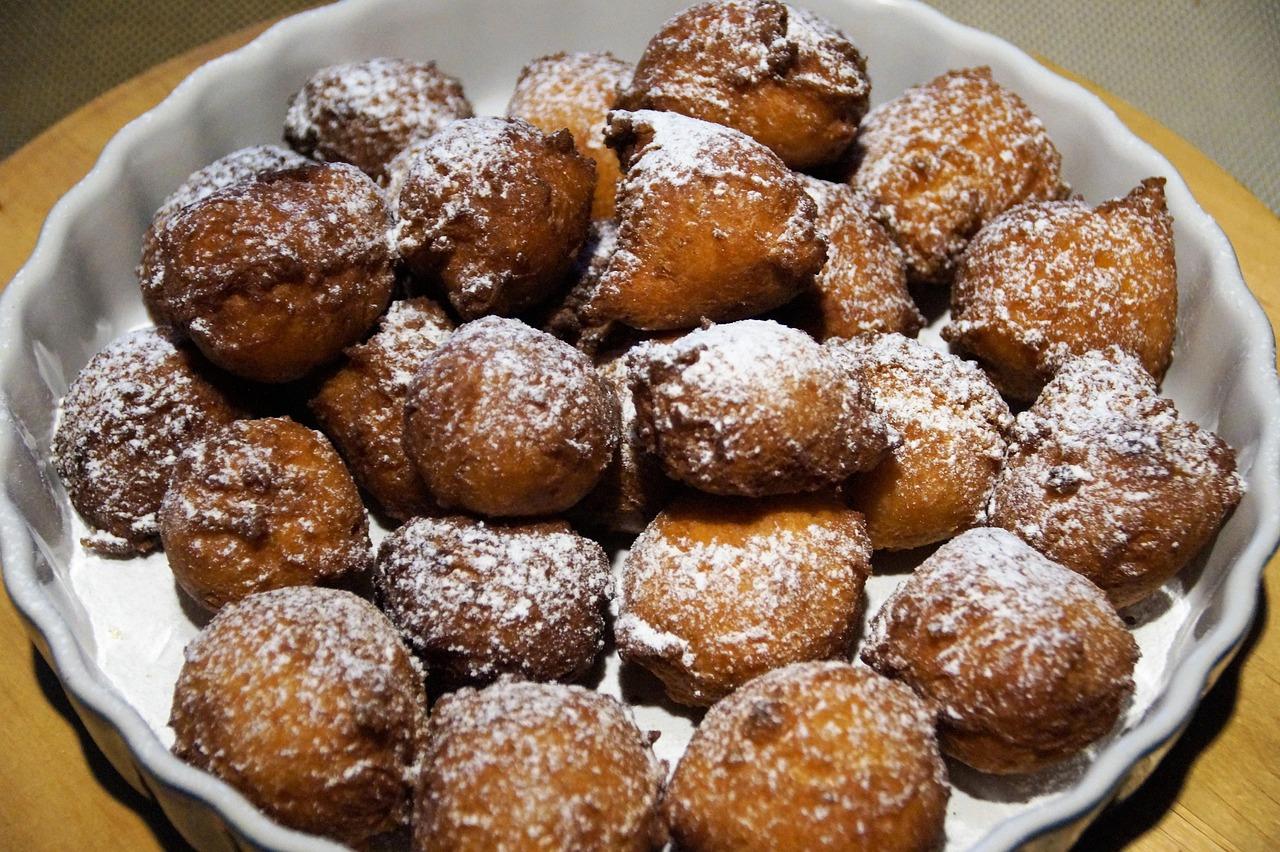
Quarkbällchen (German quark doughnut balls)

Quarkbällchen fill the trays of German bakeries all year and reach their peak at Fasching, the carnival season, and families in Berlin, Saxony and beyond make them at home for children's afternoon Kaffee und Kuchen. The quark dough needs no yeast, so they are quick: crisp and golden outside, soft and cake-like inside, with a light tang. They are rolled in sugar rather than drenched. They contain milk, egg and gluten. Chef's tip: keep the oil at 170 °C so they cook through; hotter oil browns them before the centre is done.

by KrazyBadal 0 views

Godeungeo guiGrilled mackerel

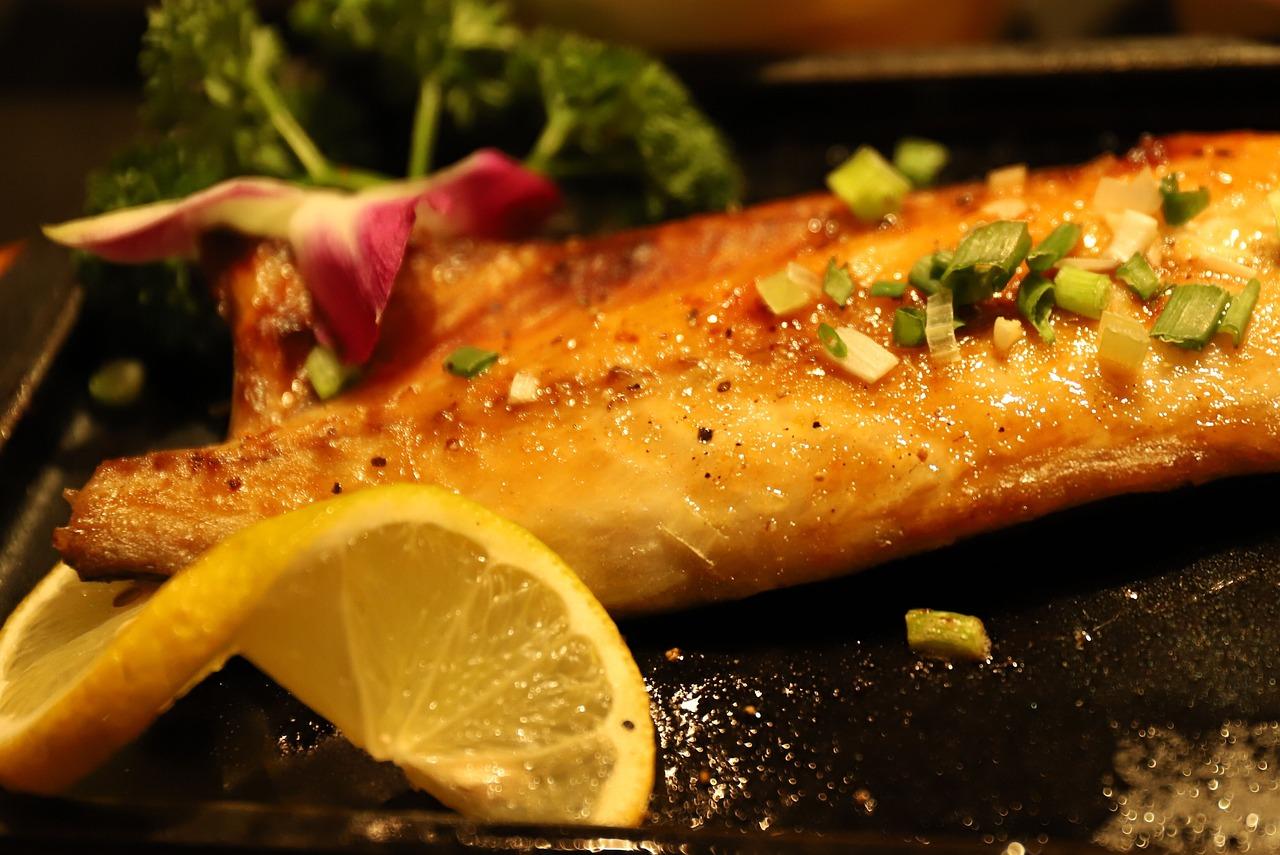
Andong, far inland, is oddly famous for its mackerel: the fish was salted on the coast and carried over the mountains, arriving perfectly seasoned, and Andong gangodeungeo is still sold that way. Across Korea, a salted mackerel fillet pan-grilled until the skin crackles is a staple of home dinners and set-meal restaurants, served with rice, doenjang soup and kimchi. Mackerel is an oily fish, so this is filling rather than low calorie: about 340 kcal a portion. The most common mistake is moving the fish too soon; leave it skin side down until the skin releases on its own, or it tears and sticks. Chef's tip: dust the skin very lightly with flour or starch before grilling, or simply pat it bone-dry; you'll get a crisp, glassy skin.

22 minKoreanFishGluten free
by KrazyBadal 0 views

Yennal dosirak (Korean shaken lunchbox)Shaken rice lunchbox with kimchi

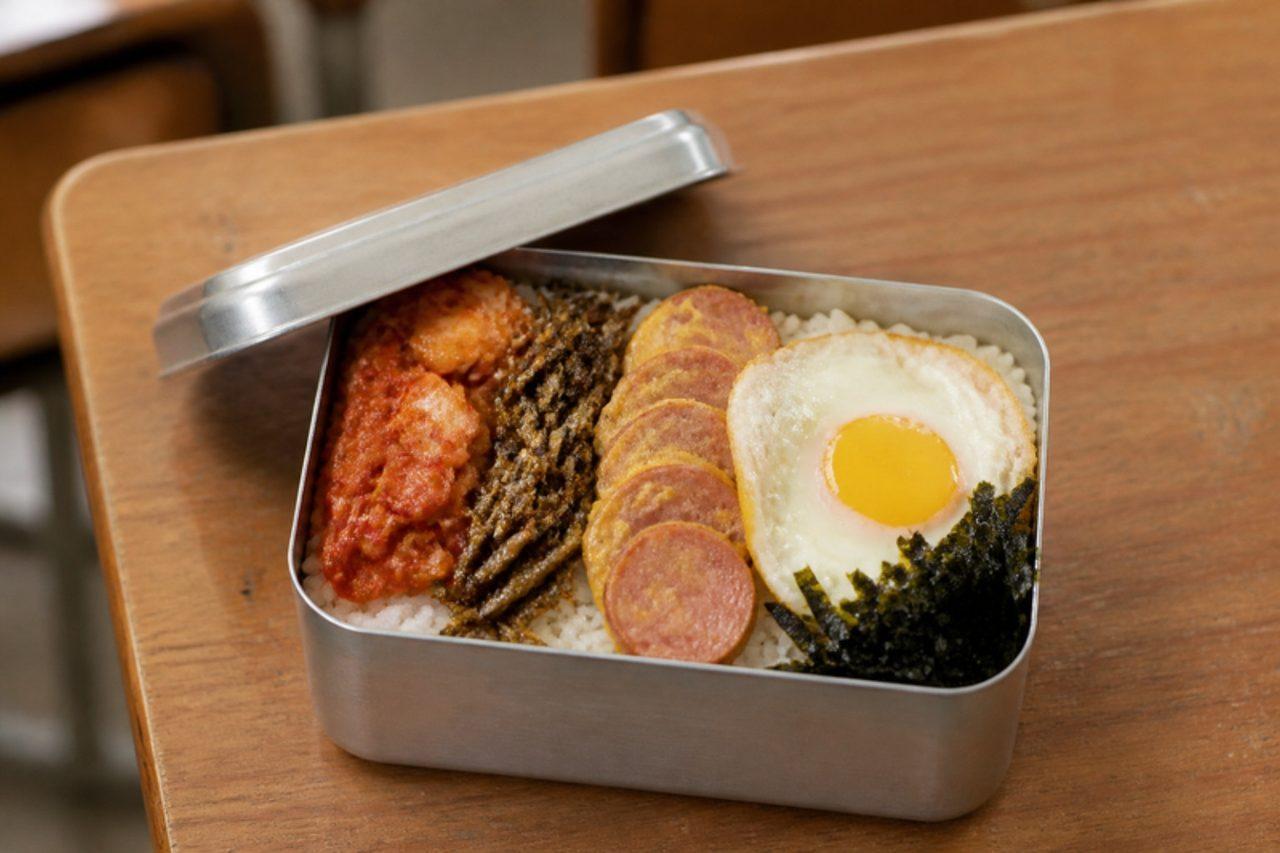
Yennal dosirak, 'the old-days lunchbox', is a slice of nostalgia for Korean parents who carried a dented tin box to school in the 1970s and 80s and warmed it on the classroom stove. Rice goes in first, then stir-fried kimchi, sweet-salty anchovies, egg-dipped sausage slices and a fried egg on top; at lunchtime you close the lid and shake it hard so it all mixes. Restaurants now serve it for fun, and families make it at home for children. It contains egg, fish, soya and wheat (soy sauce) and sesame. Chef's tip: toast the anchovies in a dry pan first so they stay crisp under the glaze.

by KrazyBadal 0 views

Showing 24 of 544 recipes

Show more recipes

Page 1 of 23