Skip to content
Recipes

All recipes

Vegetarian, or something you can't eat? Set your diet once and we'll hide recipes that don't fit.

RosółChicken broth

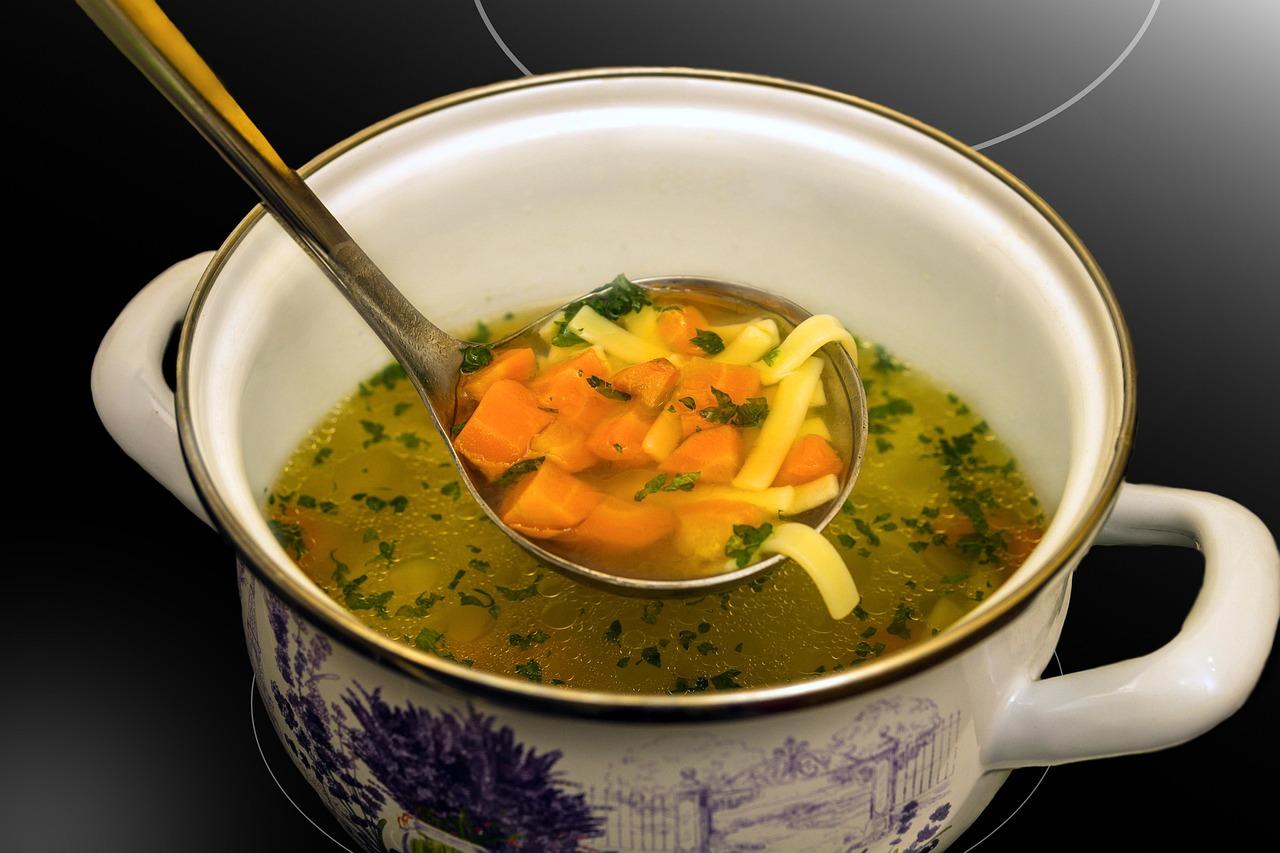
Sunday lunch in Poland, from Gdańsk tenements to Silesian family houses, still starts with rosół: a golden, crystal-clear chicken broth served with fine egg noodles, sliced carrot and parsley. It cooks for hours at the barest simmer with a charred onion, parsley root, celeriac and leek, and the leftover meat goes into pierogi or a salad. It is also the soup for colds and new mothers. A common mistake is letting it boil, which clouds the broth and makes it greasy. Chef's tip: start the chicken in cold water and skim carefully as it comes up to heat; the clearer the first 20 minutes, the clearer the finished rosół.

195 minPolishSoups
by KrazyBadal 0 views

Makaron z truskawkamiPasta with strawberries

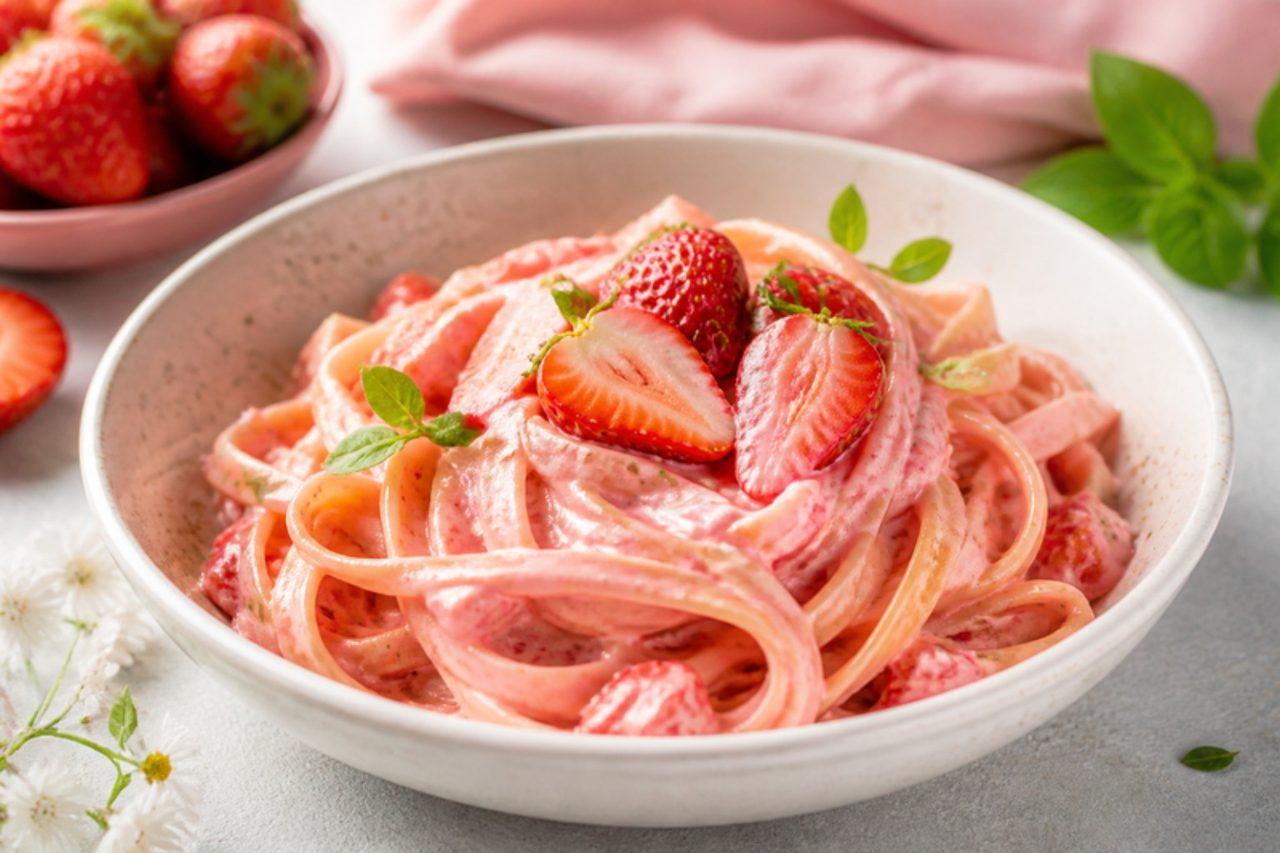
When the first Kashubian and Mazovian strawberries flood the stalls in June, Polish children get makaron z truskawkami for lunch: warm pasta tossed with crushed sweetened strawberries and cream. Milk bars in Kraków and Łódź put it on the summer board too, and it surprises visitors who expect pasta to be savoury. The berries are mashed with sugar until they turn into a loose pink sauce, then folded through hot ribbon pasta or bow ties with soured cream or yoghurt. A common mistake is crushing the strawberries too far ahead, so they turn dull and syrupy; mash them while the pasta cooks. Chef's tip: let the drained pasta cool for a minute before adding the cream, so it coats the pasta instead of splitting into thin streaks.

by KrazyBadal 0 views
Kotlet jajecznyBreaded egg cutlets

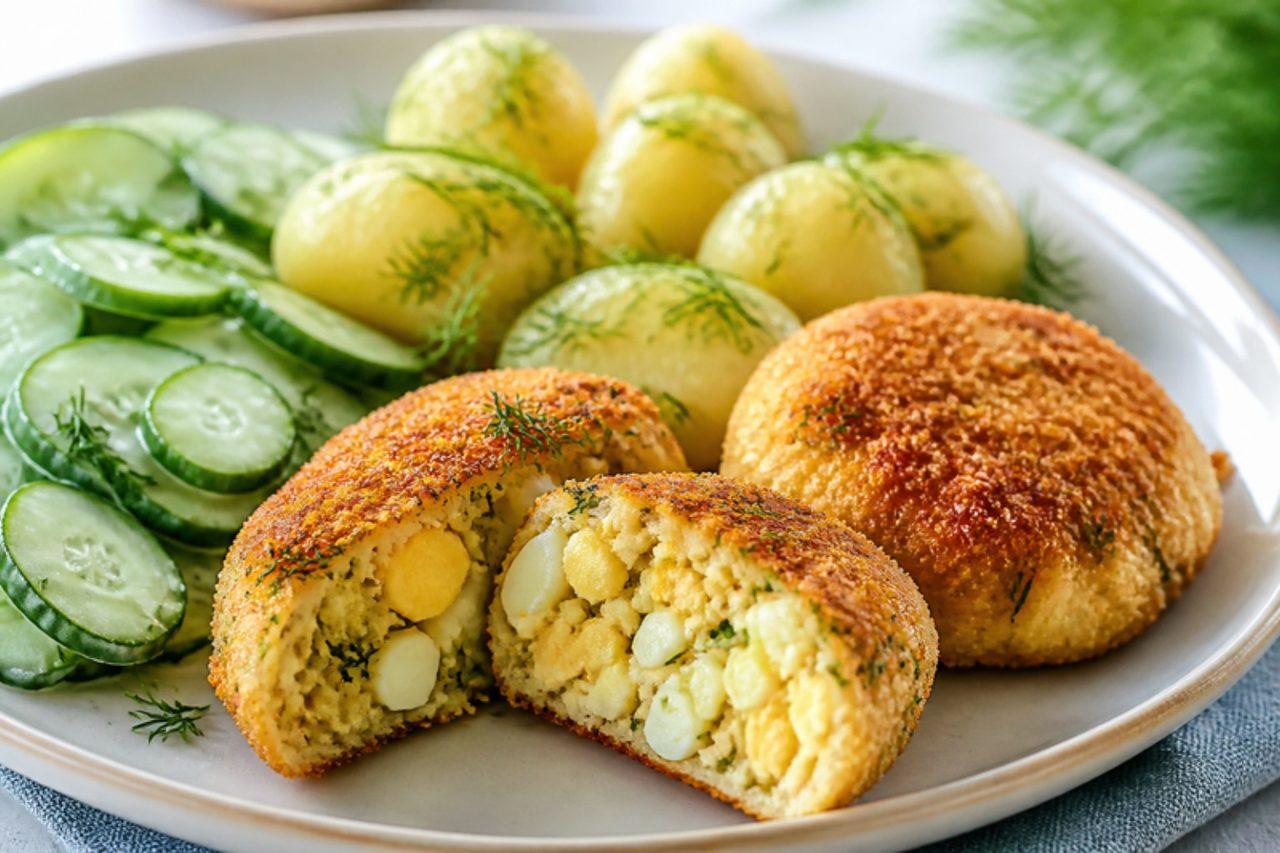
Kotlet jajeczny was born of thrift, a meat-free Friday cutlet that milk bars in Warsaw and Poznań could make from eggs, stale bread and dill, and it is still a Lent and weekday favourite at home. Chopped hard-boiled eggs are bound with soaked bread roll, raw egg and lots of dill, shaped into patties, breaded and fried until crisp outside and soft inside. They go on the plate with boiled potatoes, a spoon of soured cream and mizeria, the cucumber salad. A common mistake is a mixture that is too wet; squeeze the soaked roll hard so the cutlets hold together in the pan. Chef's tip: chill the shaped cutlets for 15 minutes before breading and they won't crack when you turn them.

by KrazyBadal 0 views
Pulpety w sosie koperkowymMeatballs in dill sauce

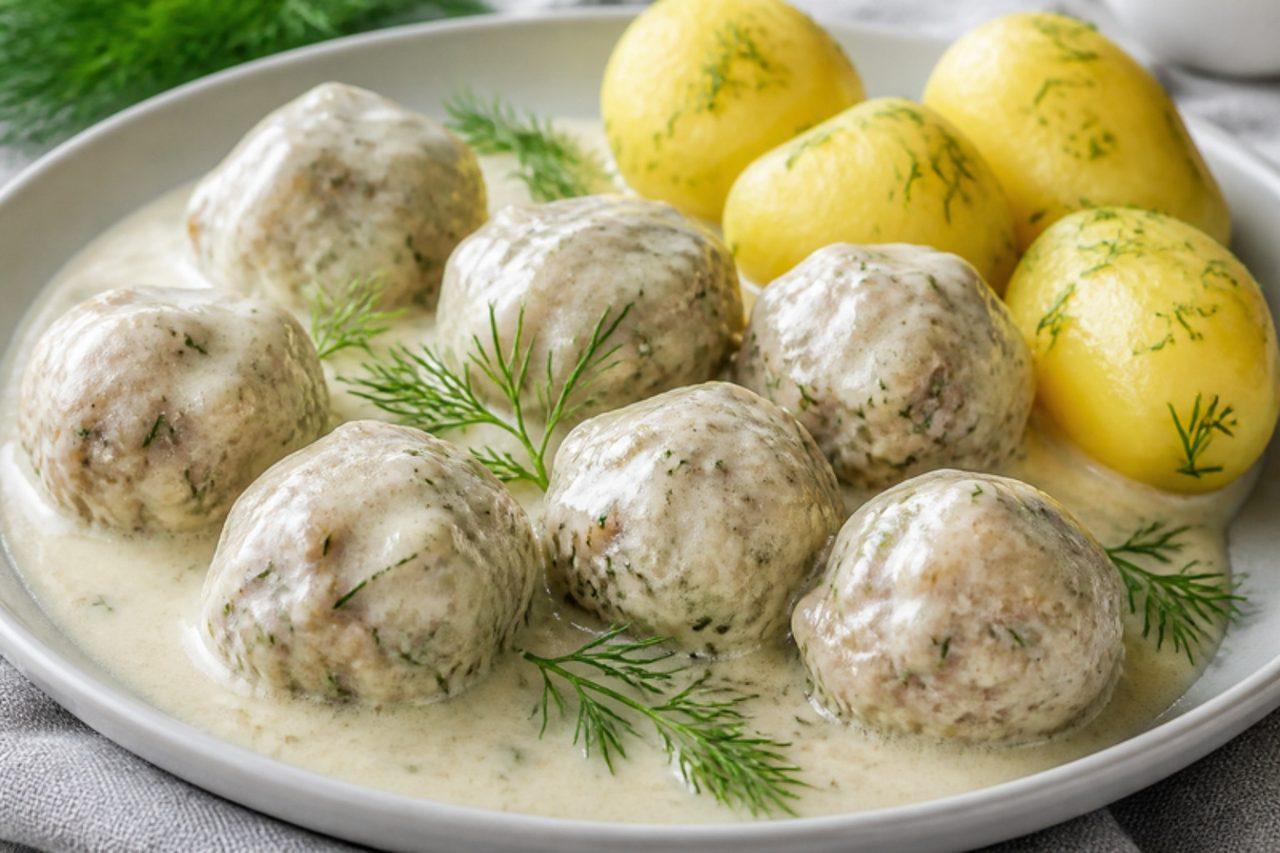
Soft, poached and bathed in pale green dill sauce, pulpety are the meatballs Polish mothers in Toruń and Bydgoszcz give small children and anyone feeling poorly, and milk bars serve them on ordinary weekdays with boiled potatoes and grated beetroot. They are made from minced pork (or a pork and veal mix) bound with soaked roll and egg and simmered in broth, which then becomes the sauce. A common mistake is boiling them hard, which makes them tough and splits them; the water should barely tremble. Chef's tip: add the dill right at the end, off the heat, so it stays bright and fresh.

50 minPolishMeat
by KrazyBadal 0 views

Zupa nicVanilla milk with meringue

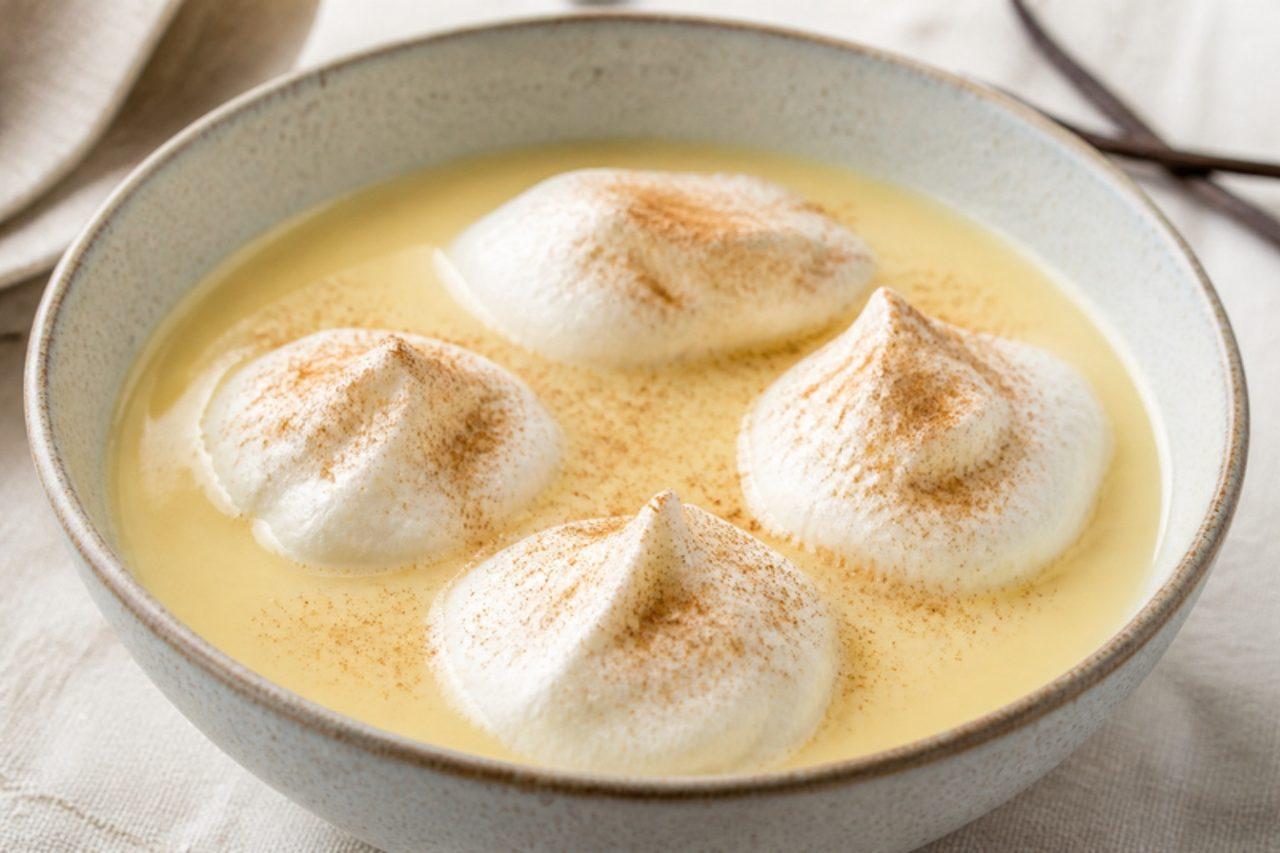
Zupa nic means 'nothing soup', and Polish grandmothers in Silesia and Greater Poland made it from almost nothing: milk, eggs, sugar and vanilla. Spoonfuls of whipped egg white are poached in the milk like little clouds, then the milk is thickened with the yolks into a thin custard and poured round them. It is eaten warm on a winter evening or chilled in summer, and children love it. A common mistake is boiling the custard after the yolks go in, which scrambles them. Chef's tip: poach the clouds for only a minute on each side; any longer and they puff up, then shrink and turn rubbery.

by KrazyBadal 0 views

Naleśniki z seremSweet cheese crêpes

Order naleśniki z serem at a bar mleczny on Warsaw's Nowy Świat and they arrive two to a plate, folded into tight parcels, browned in butter and finished with a spoon of soured cream and a dusting of sugar. Students, pensioners and office workers have eaten them this way since the 1950s, and at home they are a Friday supper or an after-school treat. The filling is twaróg, Polish curd cheese, beaten with egg yolk, sugar and vanilla, so it stays soft and a little tangy inside the thin pancake. A common mistake is a thick, rubbery batter: it should pour like single cream and coat the pan in one thin swirl. Chef's tip: rest the batter for 20 minutes so the flour softens and the first pancake doesn't tear.

by KrazyBadal 0 views

Kaszanka z cebuląFried buckwheat blood sausage

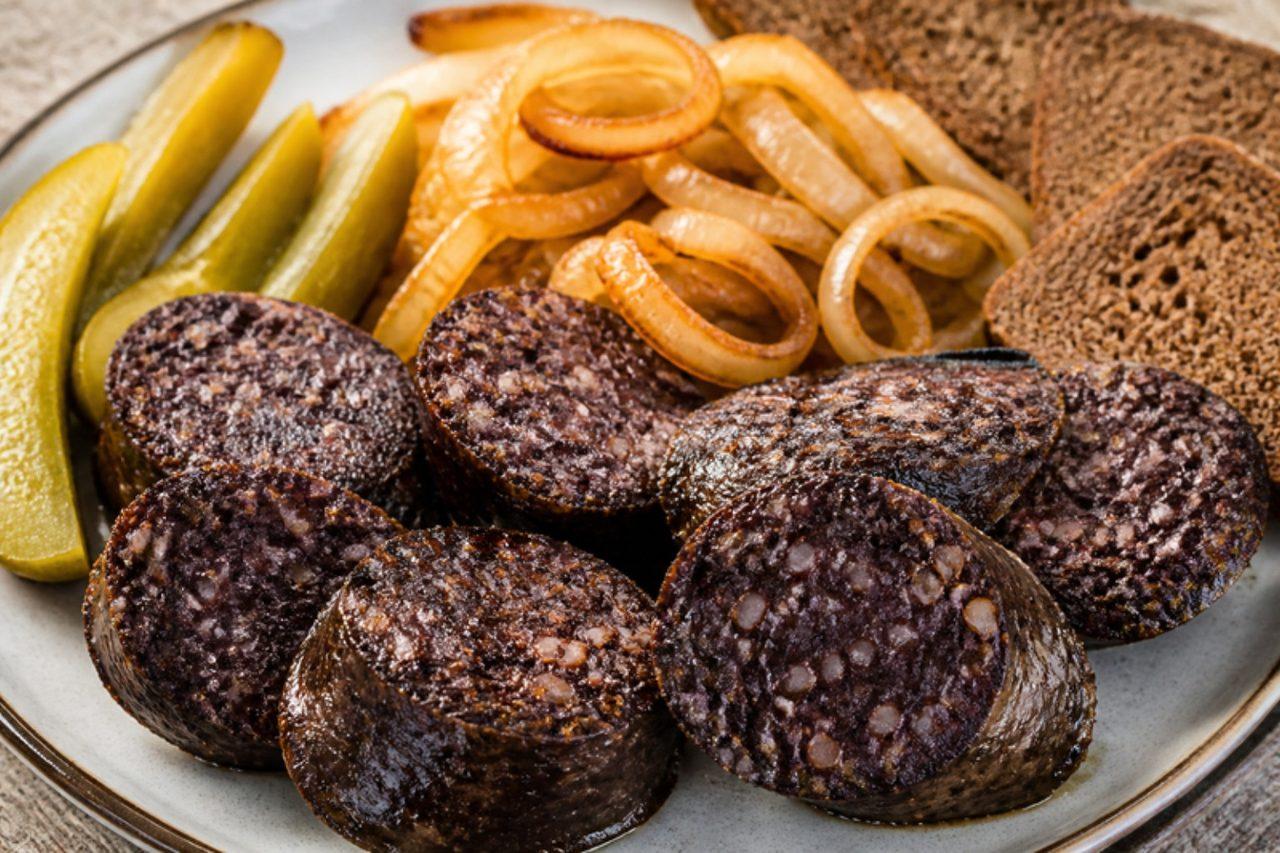
Kaszanka is Polish black pudding, a pork sausage of buckwheat groats, pork blood, liver and fat seasoned with marjoram, and fried with onions it is the classic grill-night, pub and milk-bar snack from Podkarpacie to Warsaw. It comes ready-cooked from the butcher, so all you do is fry it until the outside crisps and the inside turns soft and spoonable. Serve with rye bread, mustard and sour dill pickles. A common mistake is frying it in its skin over a high heat, which bursts the casing and burns the outside before the middle is hot. Chef's tip: slice it thickly, fry gently, and don't stir; turn each slice once so it keeps a crust.

20 minPolishMeat
by KrazyBadal 0 views

Zupa koperkowaDill and potato soup

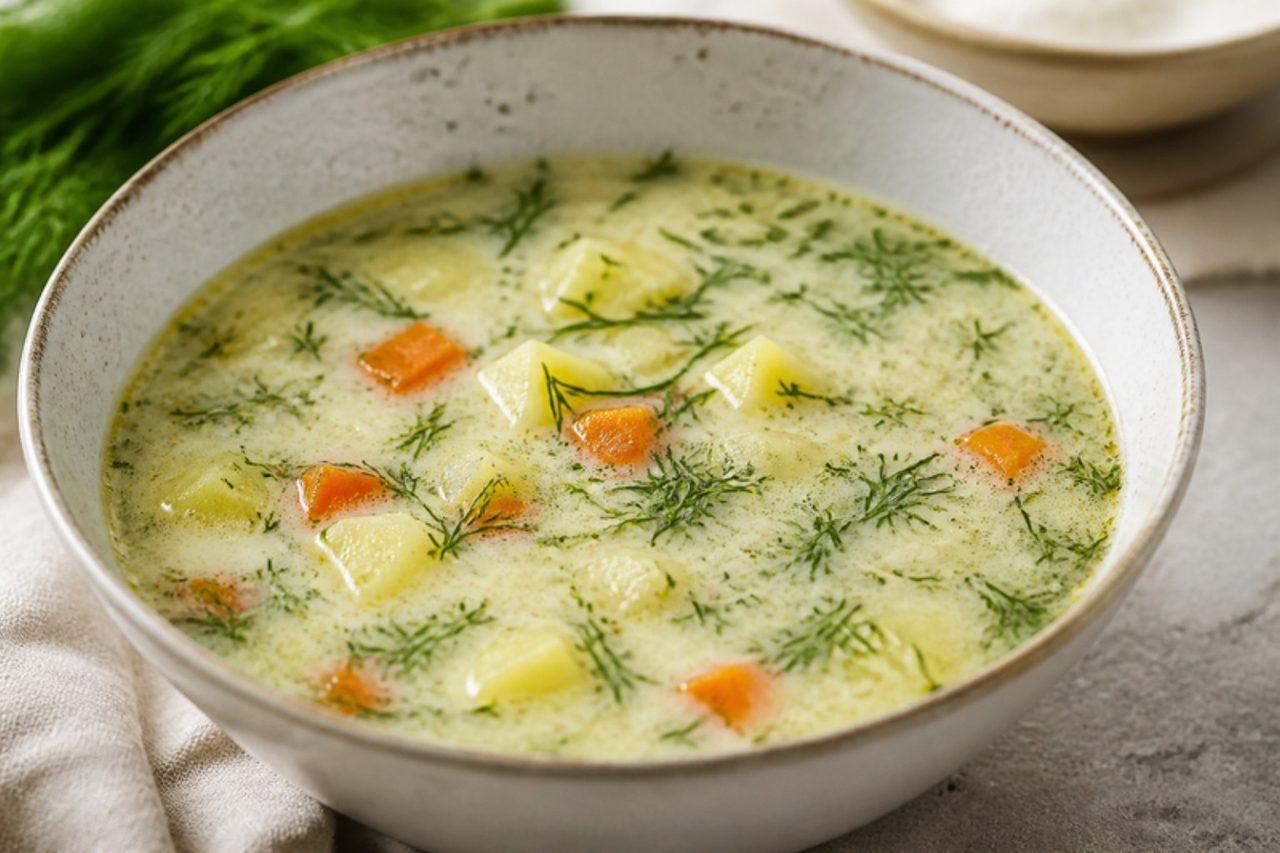
In early summer, when bunches of dill tied with string pile up at Kraków's Stary Kleparz market, Polish cooks make zupa koperkowa: a light broth of potato, carrot and parsley root that gets almost a whole bunch of chopped dill at the end. It is a weekday lunch soup, often with a hard-boiled egg or a spoon of soured cream, and it tastes clean and green. A common mistake is cooking the dill with the vegetables, which turns it dull and grassy. Chef's tip: stir half the dill stalks in during simmering for depth, then add all the feathery leaves only once the pot is off the heat.

by KrazyBadal 0 views

Ryż z jabłkamiBaked rice with apples

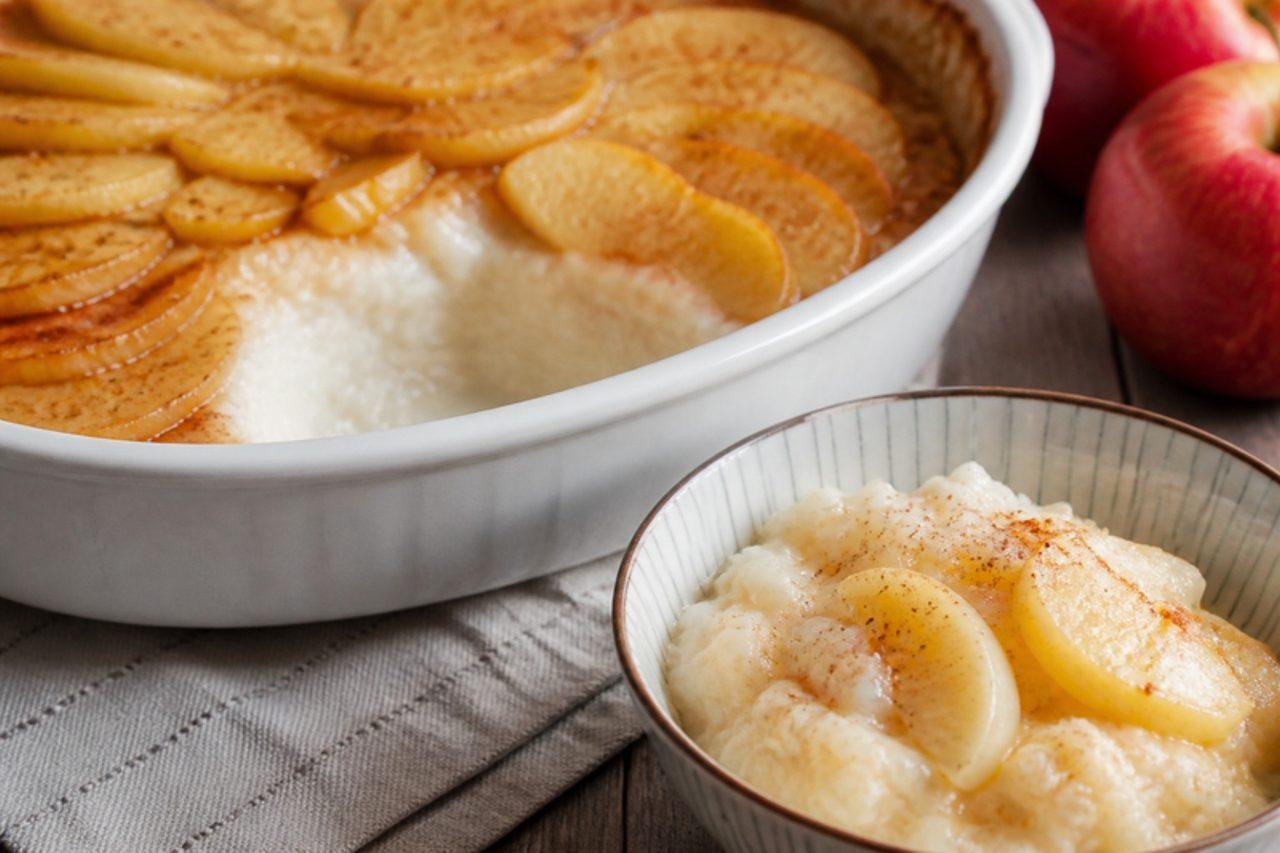
Every Polish school canteen and milk bar from Gdańsk to Rzeszów has served ryż z jabłkami, and many grown-ups still bake it on a cold Sunday afternoon when autumn apples fill the market. Rice is cooked slowly in milk until creamy, layered in a dish with grated sharp apples, sugar and cinnamon, then baked until the top turns golden and the apple juices soak into the rice. It is eaten warm with soured cream or cold the next day from the fridge. A common mistake is using sweet dessert apples, which go mushy and bland; tart apples like Antonówka, Bramley or Granny Smith keep their bite. Chef's tip: squeeze a little of the juice out of the grated apples, or the bottom layer turns watery.

by KrazyBadal 0 views

FasolówkaWhite bean soup

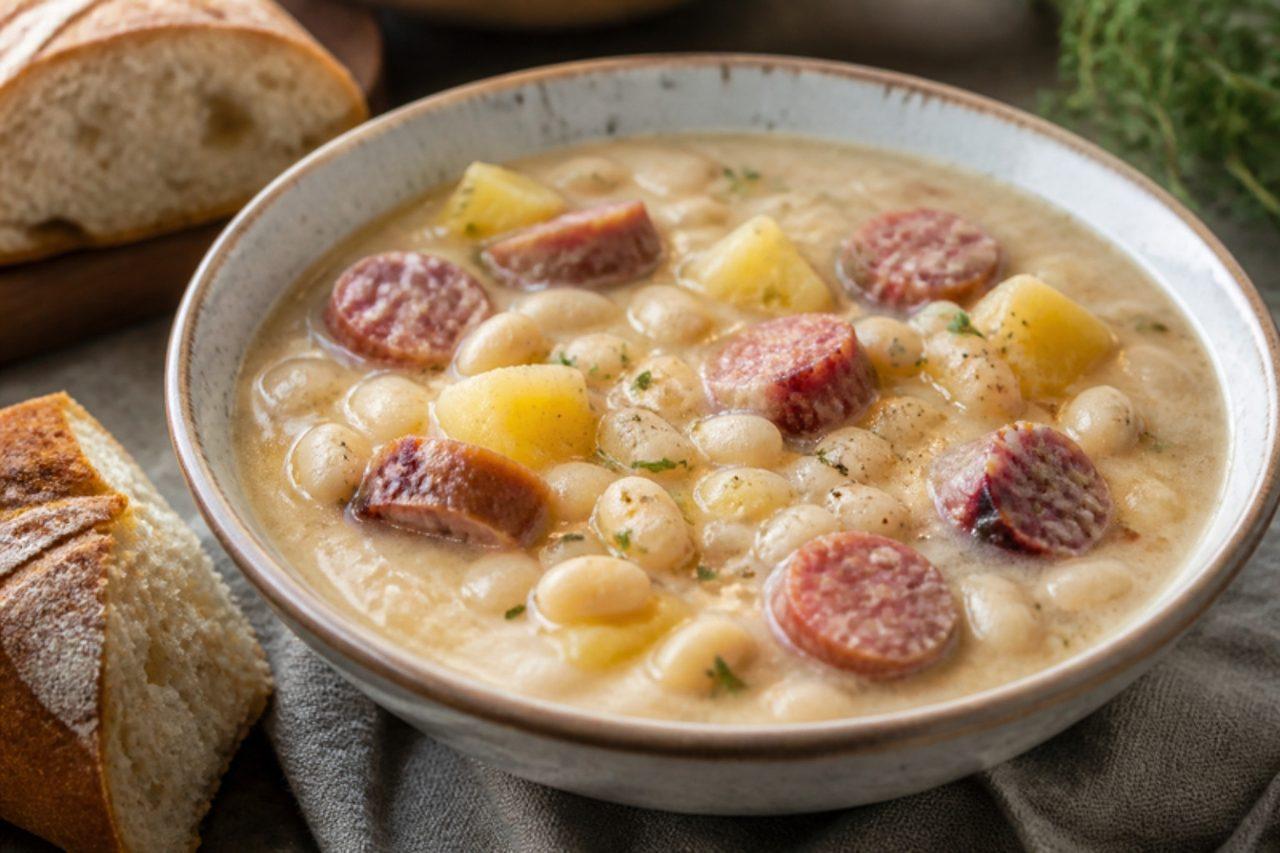
Fasolówka warms up Podhale farmhouses and Lublin kitchens through the cold months: dried white beans cooked until creamy with smoked pork ribs or smoked bacon, potatoes, carrot and a big pinch of marjoram. It is a meal in a bowl for a winter Saturday, served with rye bread. For a vegetarian pot, leave out the pork, use vegetable stock and add 1 tsp smoked paprika and a little more oil. A common mistake is salting the beans at the start, which keeps the skins tough. Chef's tip: mash a ladle of the cooked beans against the side of the pot; it thickens the soup naturally without flour.

120 minPolishSoupsGluten free
by KrazyBadal 0 views

Zupa mlecznaMilk soup with noodles

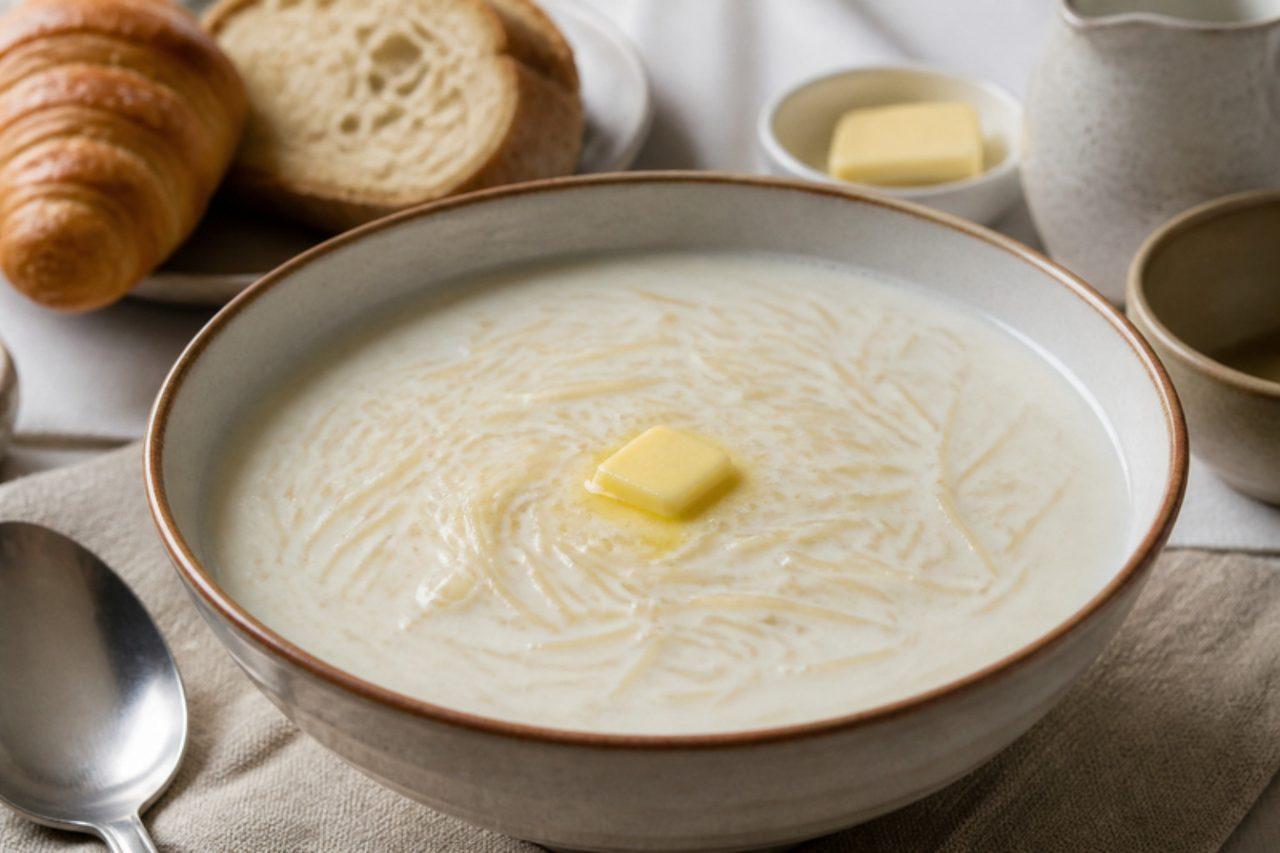
Ask anyone who grew up in Poland about zupa mleczna and you will hear about winter mornings before school, or about the steaming bowls ladled out at breakfast in Warsaw milk bars long before cafés served porridge. It is simply warm milk with small noodles or rice, sweetened lightly and sometimes finished with a knob of butter or cinnamon. Kids like it with lane kluski, egg drops poured straight into the milk. A common mistake is boiling the noodles in the milk over a high heat, so it catches and tastes scorched; cook them in water first. Chef's tip: warm the milk with a strip of lemon peel and a pinch of salt, which makes it taste rounder without adding more sugar.

by KrazyBadal 0 views

Zupa owocowaFruit soup with pasta

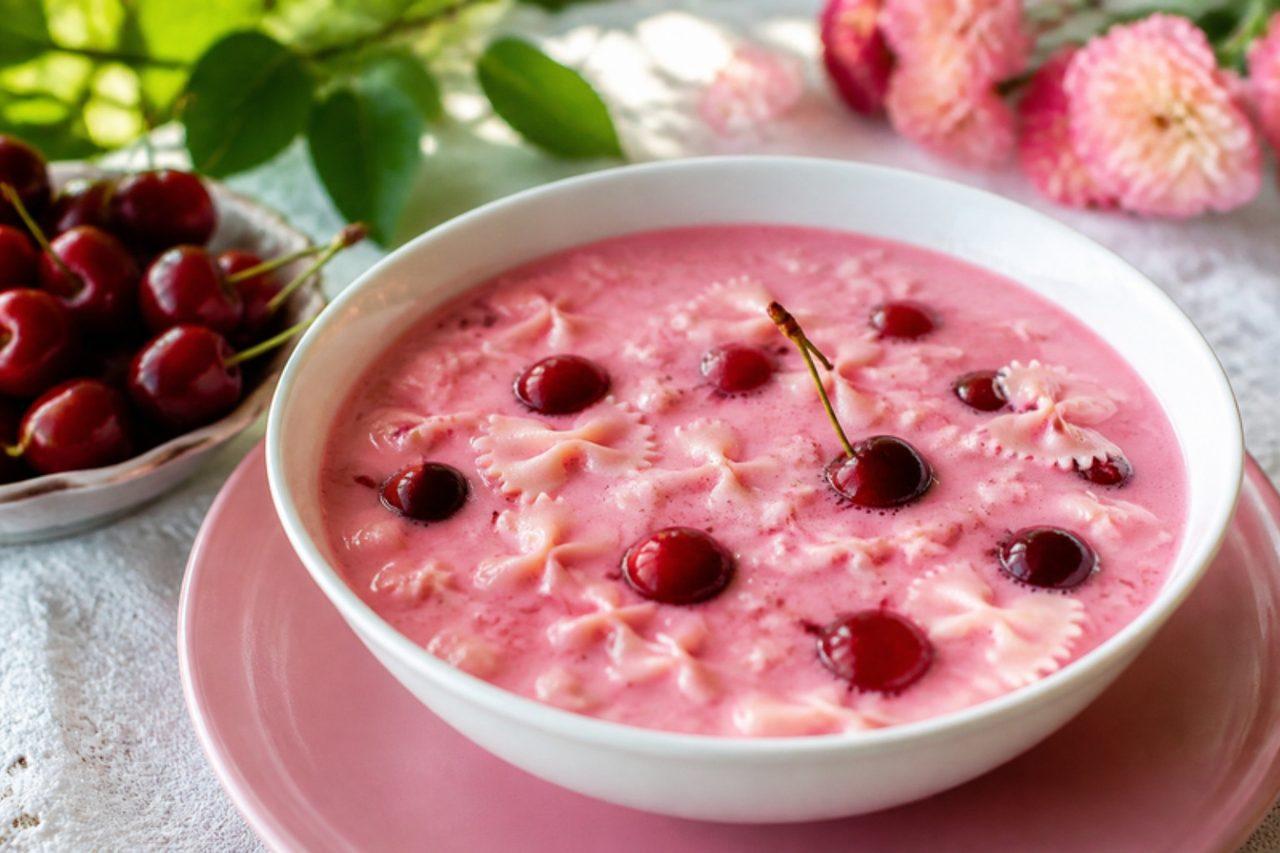
On a hot July afternoon in a Mazurian village or a Warsaw allotment, a pot of zupa owocowa sits cooling on the windowsill: sour cherries or strawberries simmered with sugar, lightly thickened, and served cold over little pasta shells or bow ties. Polish children often get it as the first course of a summer lunch, and it tastes like a drinkable fruit compote. A common mistake is thickening it too much, so it sets into jelly in the fridge; it should stay pourable. Chef's tip: stir a spoon of soured cream into each bowl, not the pot, so the colour stays bright.

by KrazyBadal 0 views

Pierogi z mięsemMeat dumplings

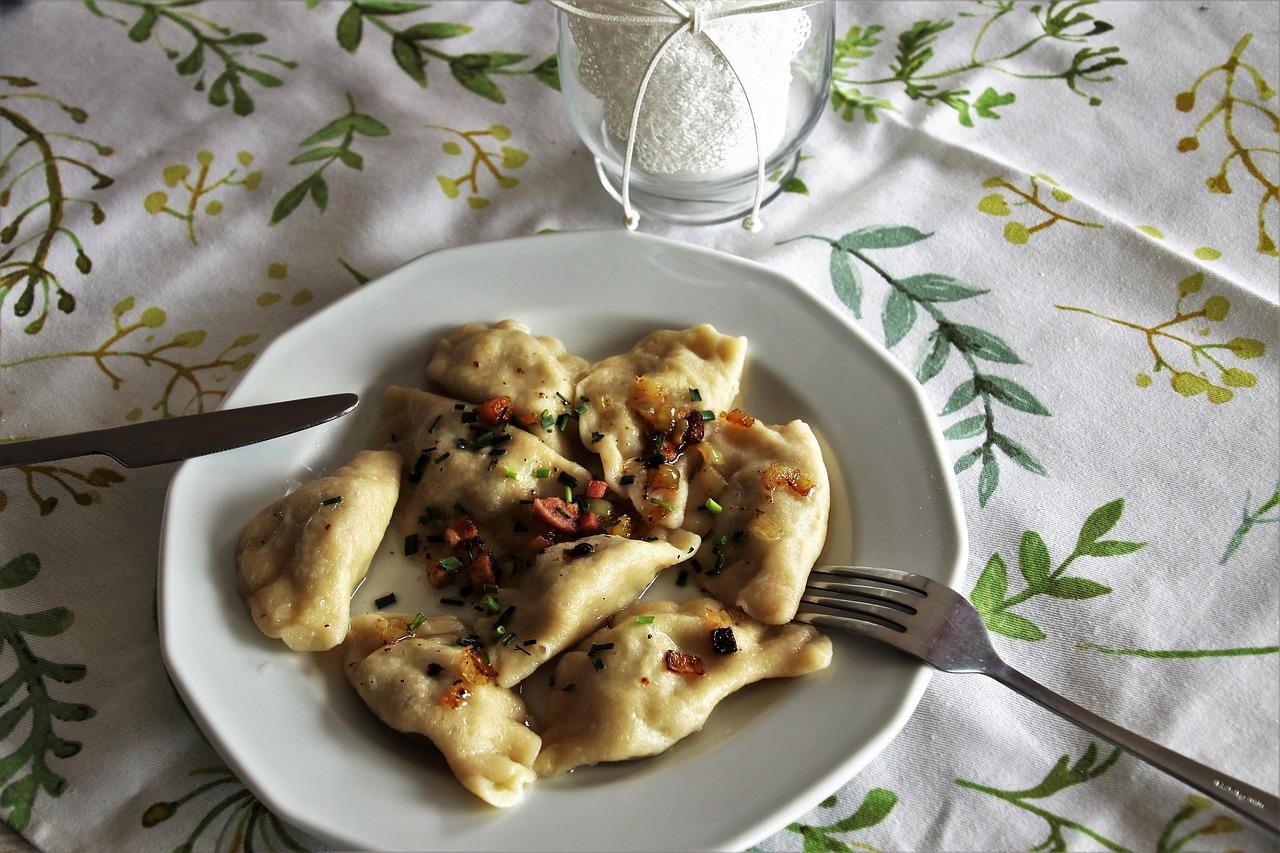
Pierogi z mięsem are the thrifty heart of Polish cooking: the meat left from Sunday rosół or a pot roast is minced with fried onion and folded into soft dough. In Lublin and Podlasie families make a hundred at once for Christmas week or a name day and freeze the rest, and milk bars serve them topped with onion fried in butter or crisp skwarki. This version uses pork shoulder and beef, cooked first, then minced. A common mistake is a dry, crumbly filling; moisten it with a few spoons of broth so it holds together. Chef's tip: pinch the edges twice, once to seal and once to crimp, and the pierogi won't burst in the pot.

150 minPolishMeat
by KrazyBadal 0 views

Krokiety z kapustą i grzybamiCabbage and mushroom croquettes

In Kraków's milk bars krokiety are ordered with a mug of hot clear barszcz to dip them in, and at Christmas Eve tables across Lesser Poland the same rolls sit beside the beetroot soup. Thin pancakes are wrapped around a filling of chopped sauerkraut, fried onion and dried and fresh mushrooms, then dipped in egg and breadcrumbs and fried until crunchy. If you use wild mushrooms, buy from a reliable source only. A common mistake is leaving the sauerkraut wet, which steams the rolls from inside and makes the crumb soggy. Chef's tip: make the pancakes a little thicker than for sweet naleśniki and fold the ends in firmly so no filling leaks into the oil.

by KrazyBadal 0 views

BudyńMilk pudding

Budyń is the pudding every Polish grandmother can make without a recipe, a soft spoonable milk custard thickened with potato starch or cornflour and set in glasses. Milk bars in Gdynia and Katowice sell it warm in winter and chilled in summer, often with a spoon of raspberry or cherry syrup on top, and children eat it after school. A common mistake is pouring the starch into hot milk without whisking it first in cold milk, which gives lumps. Chef's tip: once it bubbles, keep whisking for one more full minute; undercooked budyń tastes floury and goes thin as it cools.

by KrazyBadal 0 views

Zupa kalafiorowaCauliflower soup

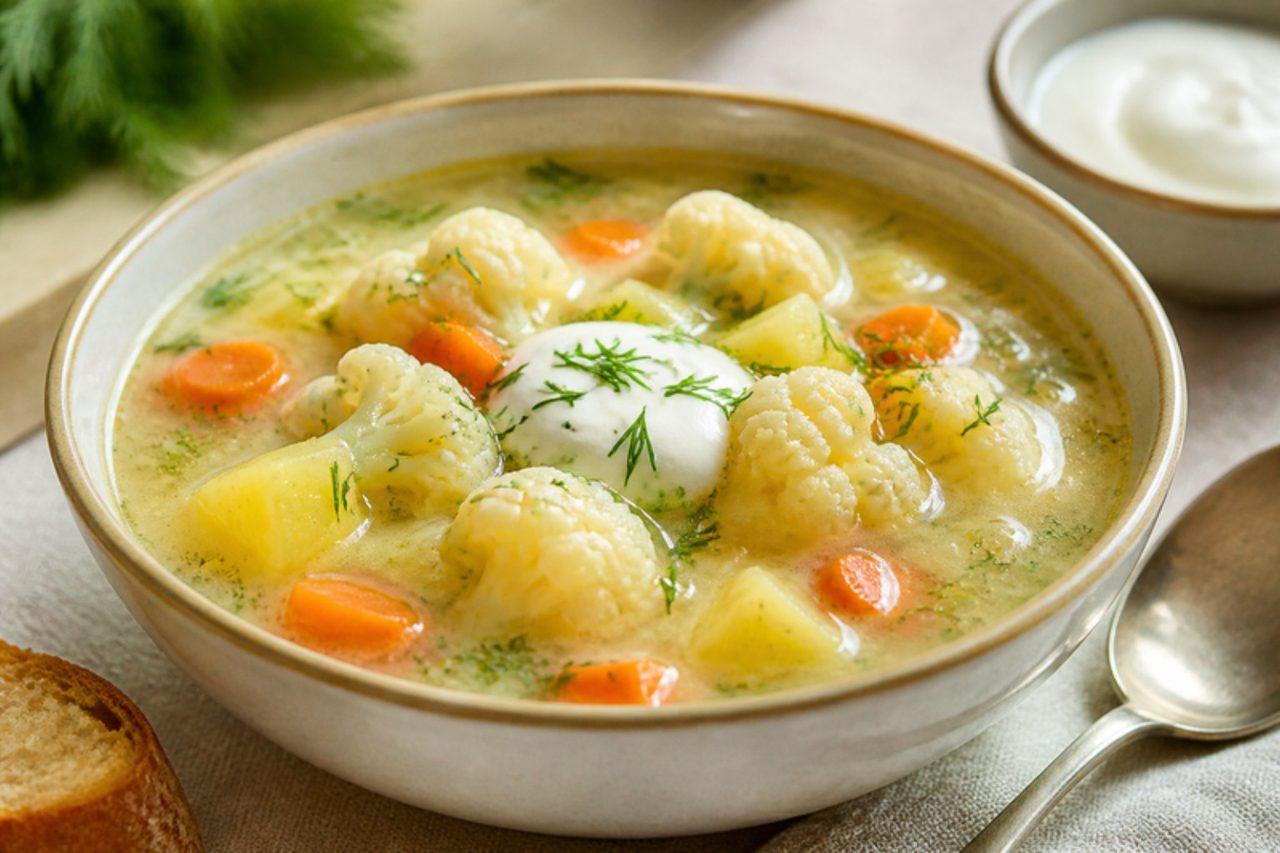
Late-summer cauliflowers from the market gardens around Kalisz and Poznań end up in zupa kalafiorowa, a chunky, comforting soup that Polish families eat on a September weekday with fresh bread. Small florets, potato and carrot simmer in broth, and soured cream and dill turn it creamy and fresh at the end. It is not blended: the pleasure is in the soft florets. A common mistake is adding the cauliflower with the potatoes, so it falls apart into mush. Chef's tip: simmer the cauliflower stalk with the potatoes for flavour and add the florets for only the last 8–10 minutes.

by KrazyBadal 0 views

Surówka z marchewkiCarrot and apple salad

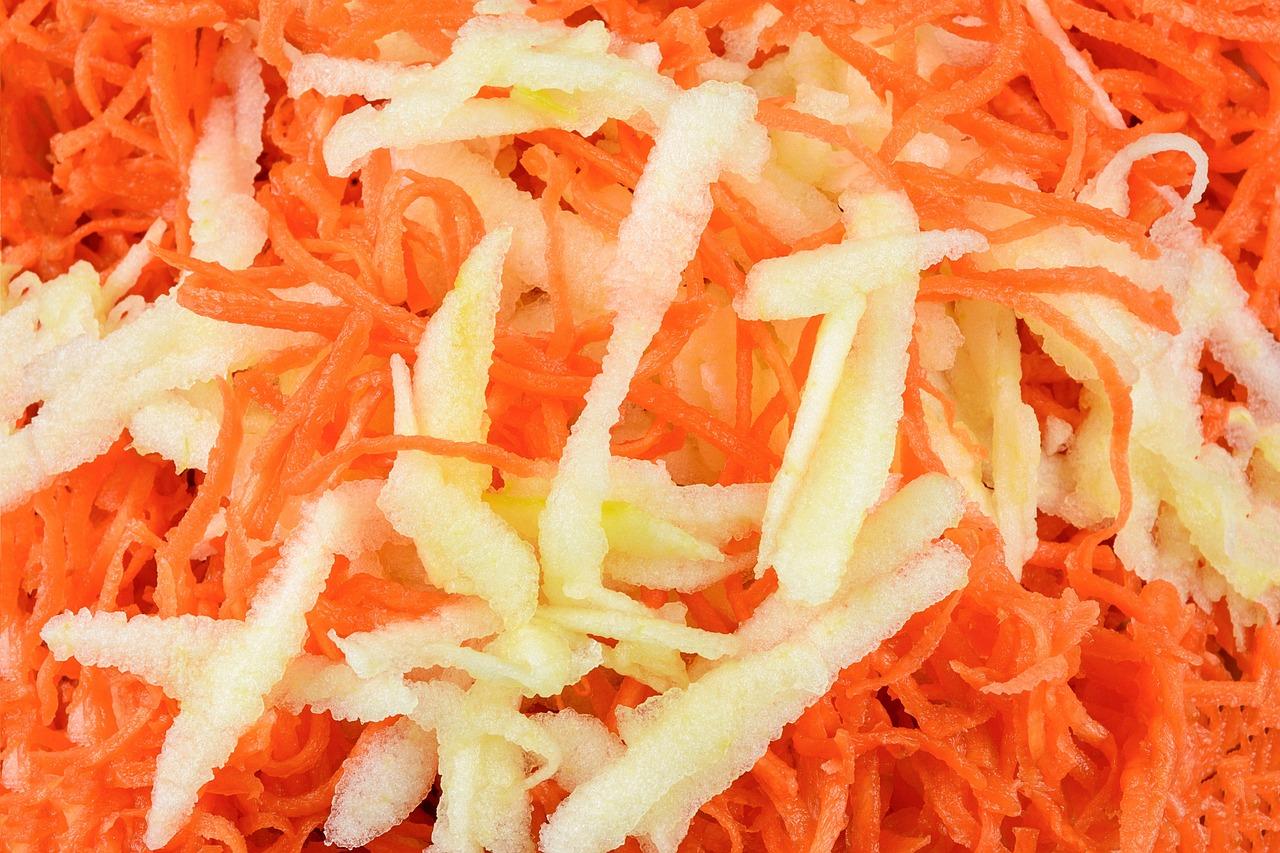
That little mound of orange on the side of every milk-bar plate in Łódź or Wrocław is surówka z marchewki, raw carrot and apple grated together and sharpened with lemon. Polish families make it beside Sunday chops, Friday fish and plain potatoes all year round, because carrots and apples keep through the winter. It takes ten minutes and is crisp, sweet and tart. A common mistake is grating the apple long before serving, so it browns and the salad turns watery. Chef's tip: grate the carrots on the fine side of the grater and the apple on the coarse side, so the apple stays juicy and the carrot soaks up the dressing.

by KrazyBadal 0 views

Zupa jarzynowaMixed vegetable soup

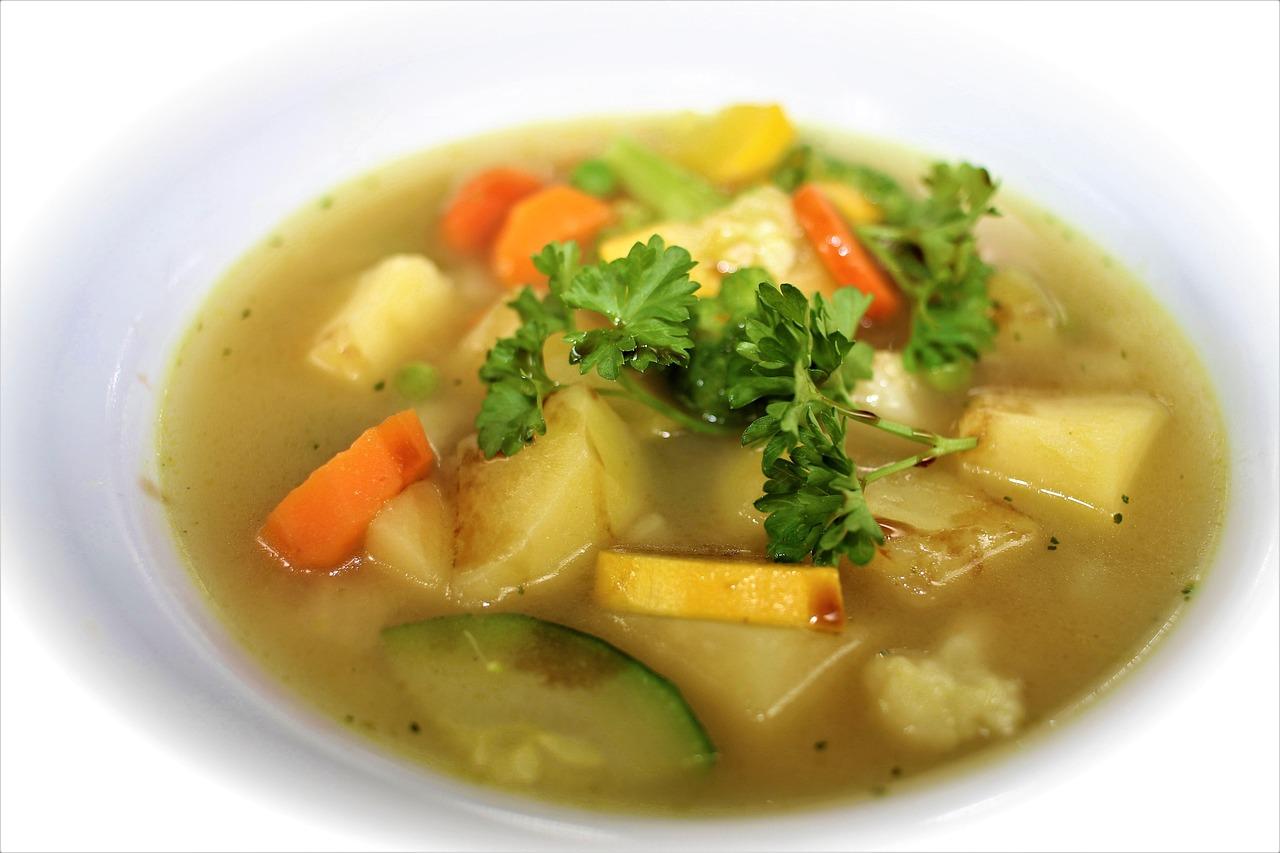
Zupa jarzynowa is what a Polish kitchen makes when the vegetable drawer needs clearing: carrots, parsley root, celeriac, potatoes, cauliflower, green beans and peas, all diced small and simmered in one pot. From Białystok to Szczecin it is the Monday soup, the canteen soup and the soup for anyone off their food, and it is eaten with bread and a swirl of soured cream. A common mistake is putting everything in at once, so the beans and peas turn khaki and soft. Chef's tip: add the vegetables in stages, roots first, green things last, and every spoonful has a bit of bite.

by KrazyBadal 0 views

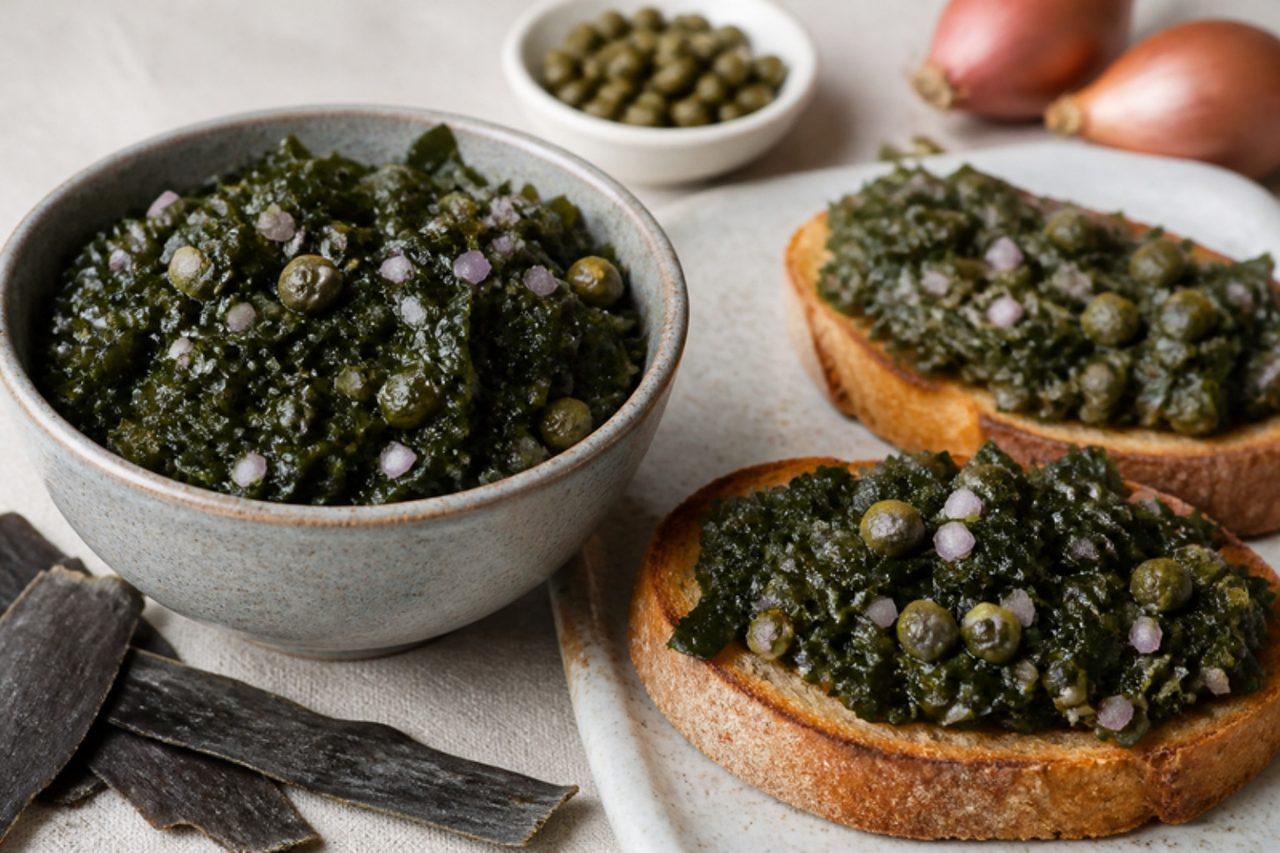
Tartare d'alguesSeaweed tartare

Tartare d'algues is a modern Breton classic, a dark green, salty spread of chopped seaweed with capers, shallots, gherkins and lemon, sold in jars at markets in Roscoff and Saint-Malo and spread on toast or blinis at the apéro. Brittany harvests more seaweed than anywhere else in Europe. The common mistake is not rinsing salted seaweed well enough, so it is far too salty. Chef's tip: rinse the seaweed in two changes of cold water, then taste a piece before chopping.

by KrazyBadal 0 views

AnchoïadeAnchovy dip

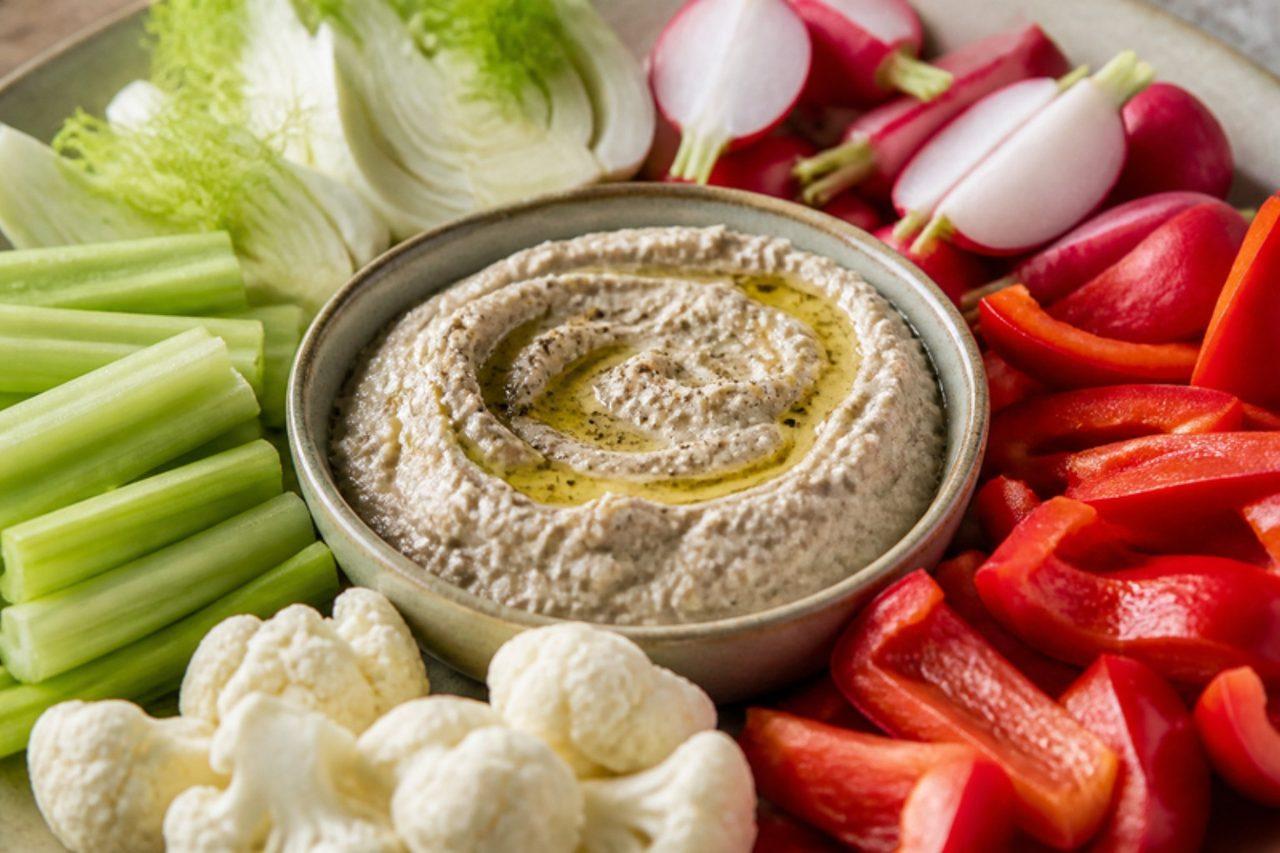
Anchoïade is the anchovy dip of Provence, pounded with garlic and olive oil and served at the apéro or as a summer starter with a big basket of raw vegetables, celery, fennel, radishes, peppers and cauliflower, for everyone to dip; in Marseille and Nice it is also spread on toast. It uses salted (cured) anchovies, which are not cooked: cured fish is not for pregnant women, young children or anyone with a weakened immune system; for a safer version, warm the finished anchoïade gently in a small pan for 3–4 minutes until steaming hot before serving. The common mistake is adding the oil too fast, so it splits. Chef's tip: soak the salted anchovies in milk or water for 10 minutes to soften their saltiness.

by KrazyBadal 0 views

Entremets trois chocolatsTriple chocolate mousse cake

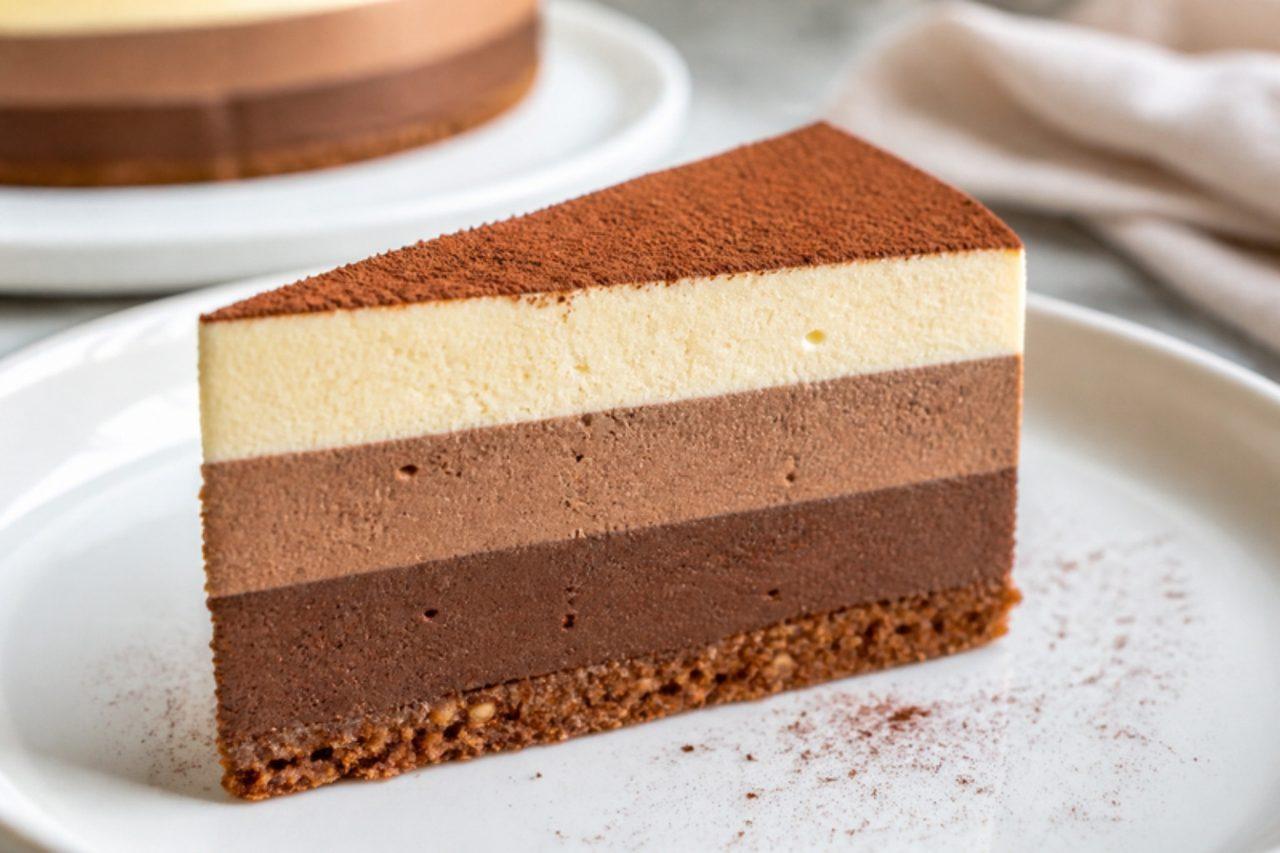
The trois chocolats is the most popular birthday entremets in French pâtisseries, a crisp praline base topped with three layers of mousse, dark, milk and white chocolate, set in a ring and sliced to show the stripes. This home version sets the mousses with agar, so it is vegetarian. The common mistake is pouring a layer before the one below is set, so they mix. Chef's tip: chill each layer for 30 minutes, until it no longer moves when you tilt the ring.

by KrazyBadal 0 views

Nougat blancWhite honey nougat

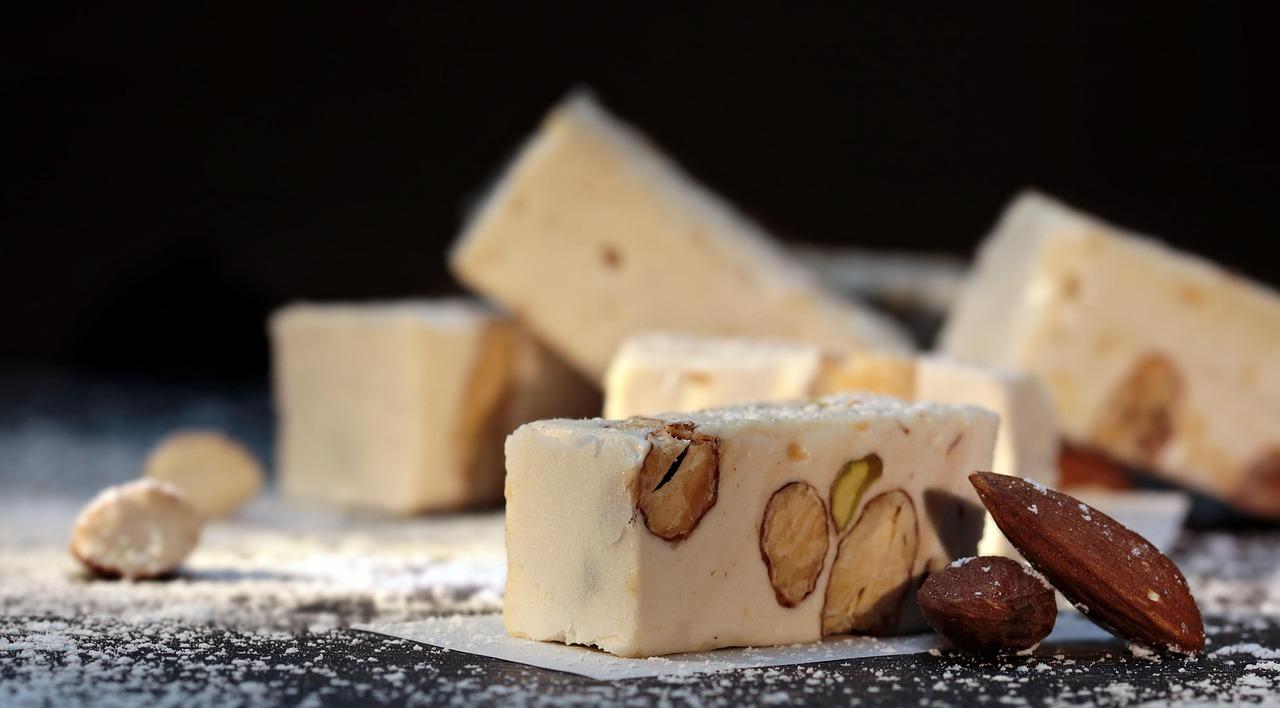
White nougat is the most famous sweet of Montélimar in the Drôme, made with lavender honey, whisked egg white and plenty of almonds and pistachios, and it is one of the thirteen desserts on every Provençal Christmas Eve table. It needs a sugar thermometer, but no special skill. The common mistake is undercooking the syrup, so it never sets firm. Chef's tip: work quickly once the nuts are in, and press the nougat flat with an oiled sheet of baking paper.

by KrazyBadal 0 views

Crème de marronsSweet chestnut spread

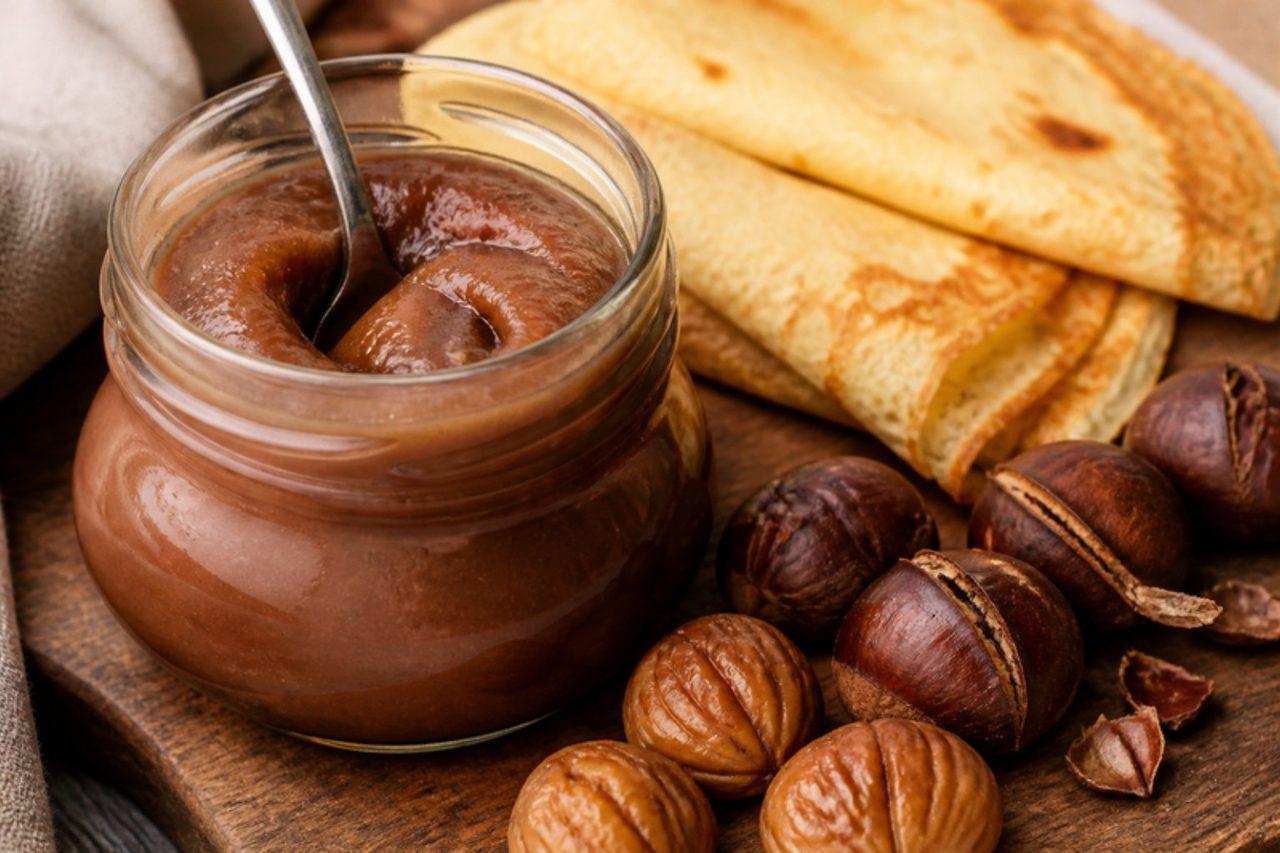
Crème de marrons, sweet chestnut cream, was invented in Privas in the Ardèche in the 1880s to use up broken chestnuts from making marrons glacés, and it is now a French store-cupboard classic: spread on crêpes at Candlemas, stirred into fromage blanc, or piled into a Mont Blanc dessert. This home version uses cooked, peeled chestnuts. The common mistake is not blending it smooth enough. Chef's tip: blend while still warm, and push it through a sieve for a silky finish.

by KrazyBadal 0 views

Crêpes dentelleCrisp lace crêpe biscuits

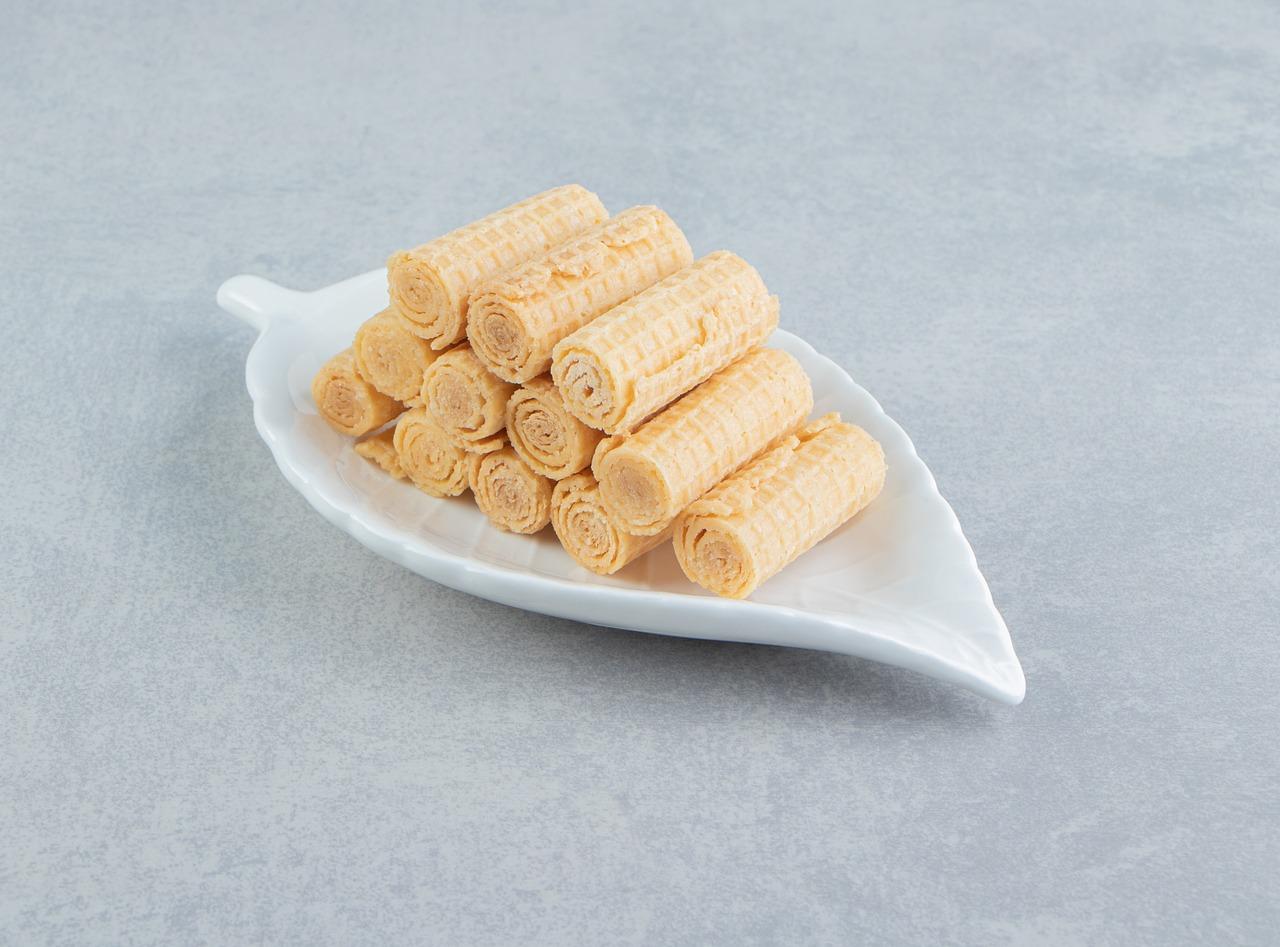
Crêpes dentelle, "lace crêpes", are a speciality of Quimper in Brittany, said to have been invented by a baker there in 1886 who burnt a crêpe and rolled it up; they are wafer-thin, crisp, buttery rolled biscuits, sold in tins all over Brittany and eaten with coffee or crumbled over ice cream. The common mistake is spreading the batter too thick, so they will not crisp. Chef's tip: spread the batter so thin you can see the tray through it, and roll each one as soon as it comes out of the oven.

by KrazyBadal 0 views

Showing 24 of 552 recipes

Show more recipes

Page 1 of 23