Skip to content
Recipes

All recipes

Vegetarian, or something you can't eat? Set your diet once and we'll hide recipes that don't fit.

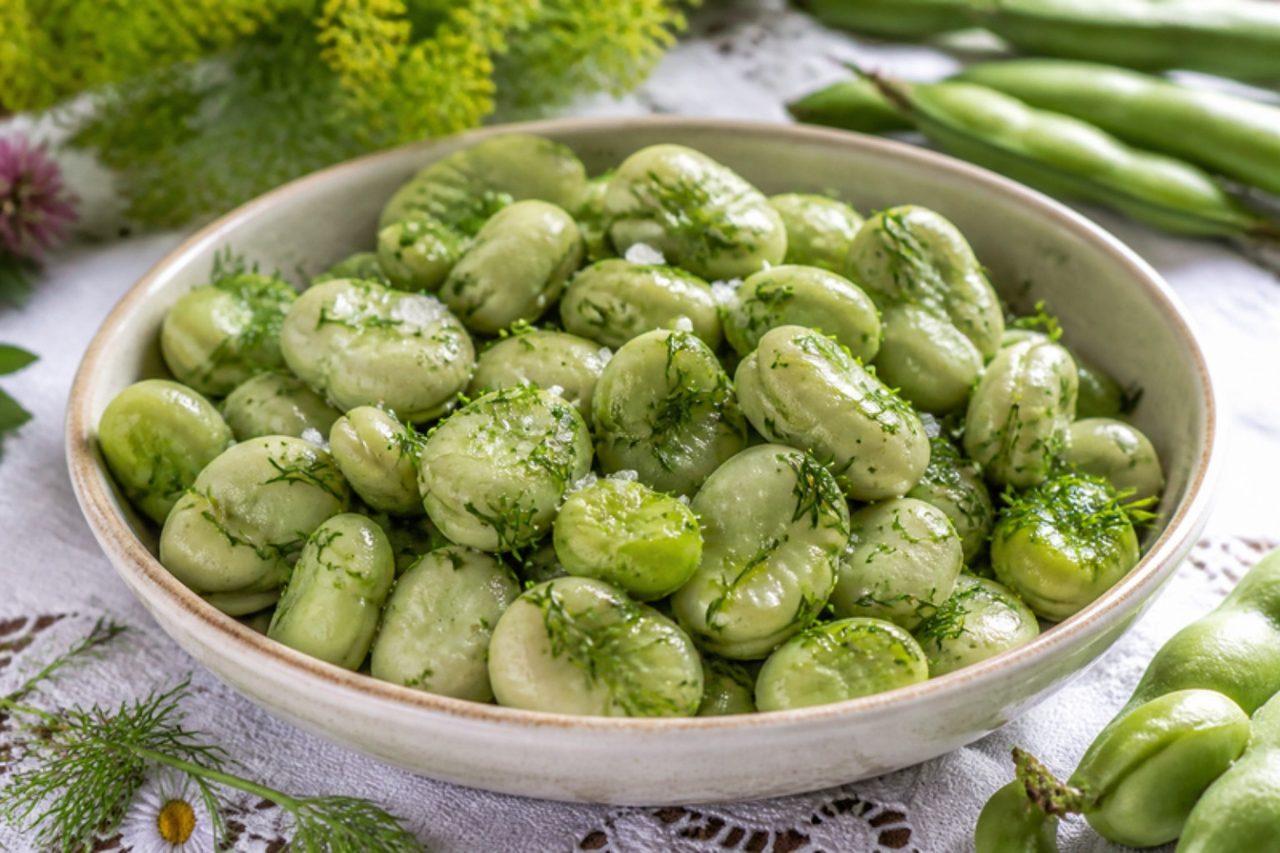
Bób z koperkiemBroad beans with butter and dill

All over Poland, from Kraków's market stalls to allotments outside Warsaw, the short broad bean season in June and July means bowls of bób z koperkiem: young beans boiled in their pale skins, tossed with melted butter, dill and salt, and eaten with your fingers on summer evenings. You squeeze each bean out of its skin with your teeth, or eat the skin too if the beans are very young. A generous bowl of 300 g beans gives about 22 g of protein, all from the broad beans. The most common mistake is overcooking: the skins burst and the beans turn grey and floury. Chef's tip: add a pinch of sugar to the cooking water along with the salt, as Polish cooks do; it keeps the beans sweet and bright.

by KrazyBadal 0 views

Łamańce z makiem (wafers in sweet poppy-seed milk)

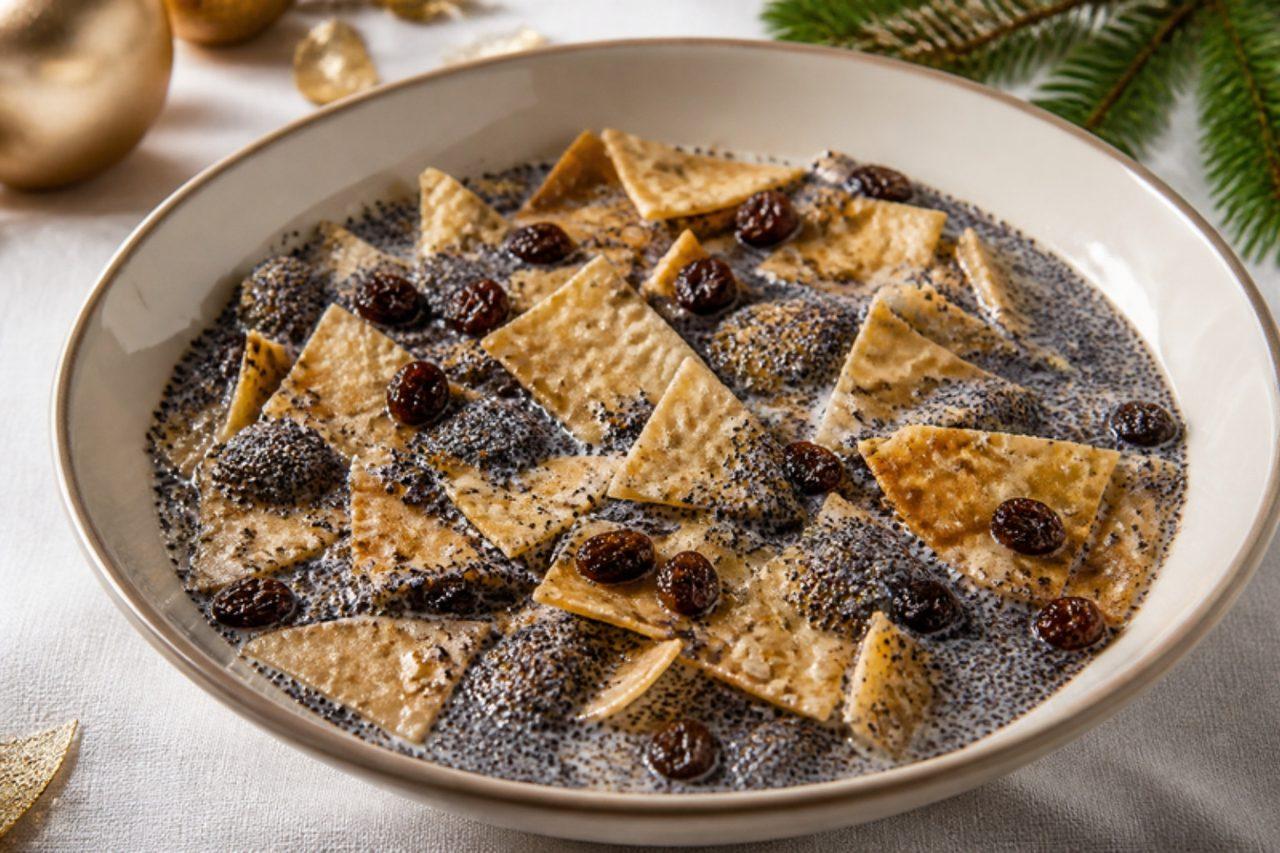
In Podlasie and across eastern Poland, Christmas Eve supper, Wigilia, is meatless, and among the twelve dishes on the table is a bowl of łamańce: thin, crisp wafers broken into milk that has been turned grey-blue with ground poppy seed and sweetened with honey. Poppy seed stands for plenty in the coming year. The wafers soften at the edges but stay crunchy in the middle, and the milk tastes nutty and gently sweet. Serve it at room temperature or slightly warm, at the end of the meal. Bakery łamańce are not always egg-free; these are, a simple dough of flour, water and oil with a pinch of baking powder that bakes crisp without any binding. Chef's tip: roll the dough paper-thin, almost see-through; the common mistake is leaving it thick, which bakes into hard crackers that never soak up the poppy milk.

by KrazyBadal 0 views

Kulche birinjiRice flour cardamom cookies

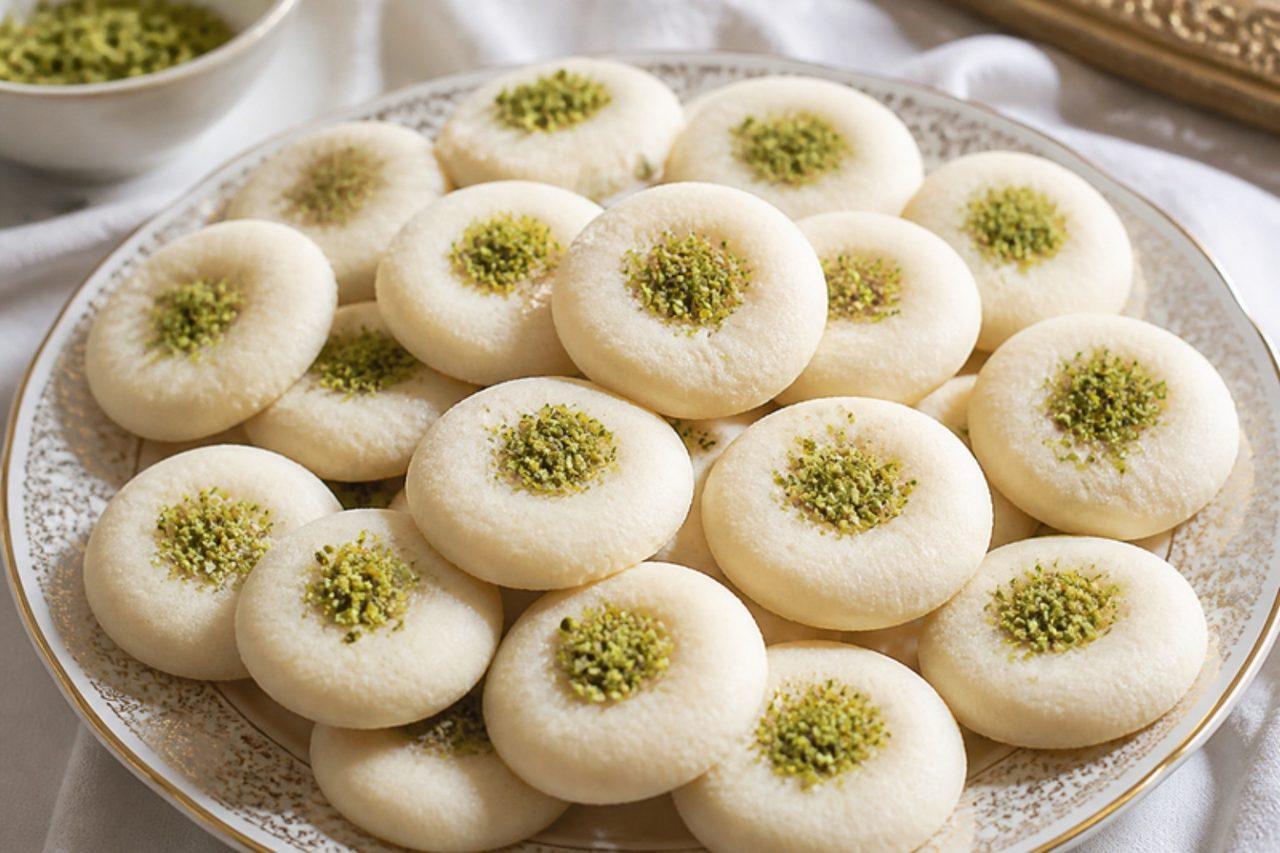
On the morning of Eid, or when Nowruz comes round in March, Afghan households set out a dish of kulche birinji next to the sugared almonds and dried fruit for every visitor. These small, snow-white rounds are made from rice flour, powdered sugar and ghee, scented with cardamom and sometimes rose water, and they dissolve on the tongue almost as soon as you bite. A pinch of ground pistachio pressed into the centre of each gives colour. Serve them with green tea, the way they are offered in Kabul. They are naturally gluten free and eggless. Browning is the common mistake: they should come out as pale as they went in, just firm on the base. Chef's tip: let the dough rest for 20 minutes after mixing so the rice flour drinks up the ghee; it becomes far easier to roll smooth, crack-free balls.

by KrazyBadal 0 views

Młode ziemniaki z koperkiem (new potatoes with dill)

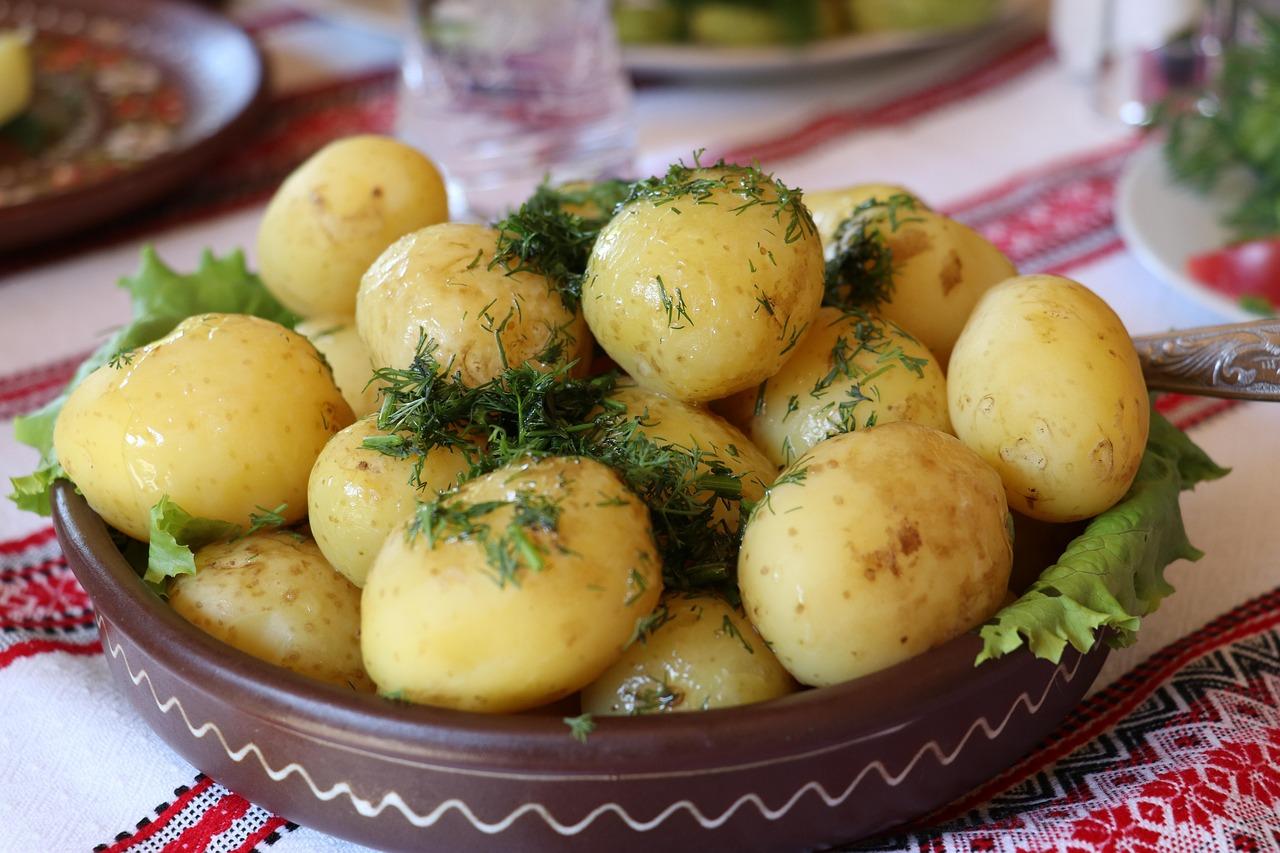
In June, when the first new potatoes reach Polish markets, many families make a whole supper of them: thin-skinned potatoes boiled, tossed in melted butter and a fistful of chopped dill, with a glass or bowl of cold kefir or buttermilk alongside. It is simple, early-summer country food, and it also sits next to fried eggs or cucumber salad. The common mistake is peeling them or boiling them hard; new potatoes should be scrubbed only and simmered gently, or they split and go watery. Chef's tip: add the dill only once the potatoes are off the heat, so it stays bright green and fresh-tasting.

by KrazyBadal 0 views

TopfengolatschenSweet quark puff pastry squares

A Topfengolatsche is what Viennese office workers grab from the bakery on the way in, and what grandparents order with a Melange in a coffee house on a Sunday afternoon. The corners of a puff pastry square are folded over a lemony, vanilla-scented filling of Topfen (Austrian quark) with plump raisins, and the top gets a thin white glaze. It is flaky, light and not too sweet. Raisins are sometimes soaked in rum; warm water or orange juice works just as well, and the recipe below is alcohol-free. Wet quark is the classic problem, because it turns the filling runny and it leaks out in the oven. Chef's tip: hang the quark in a sieve lined with a clean cloth for an hour, or squeeze it, until it is as thick as soft cream cheese.

by KrazyBadal 0 views

Gzik (Poznań quark with radish and chives)

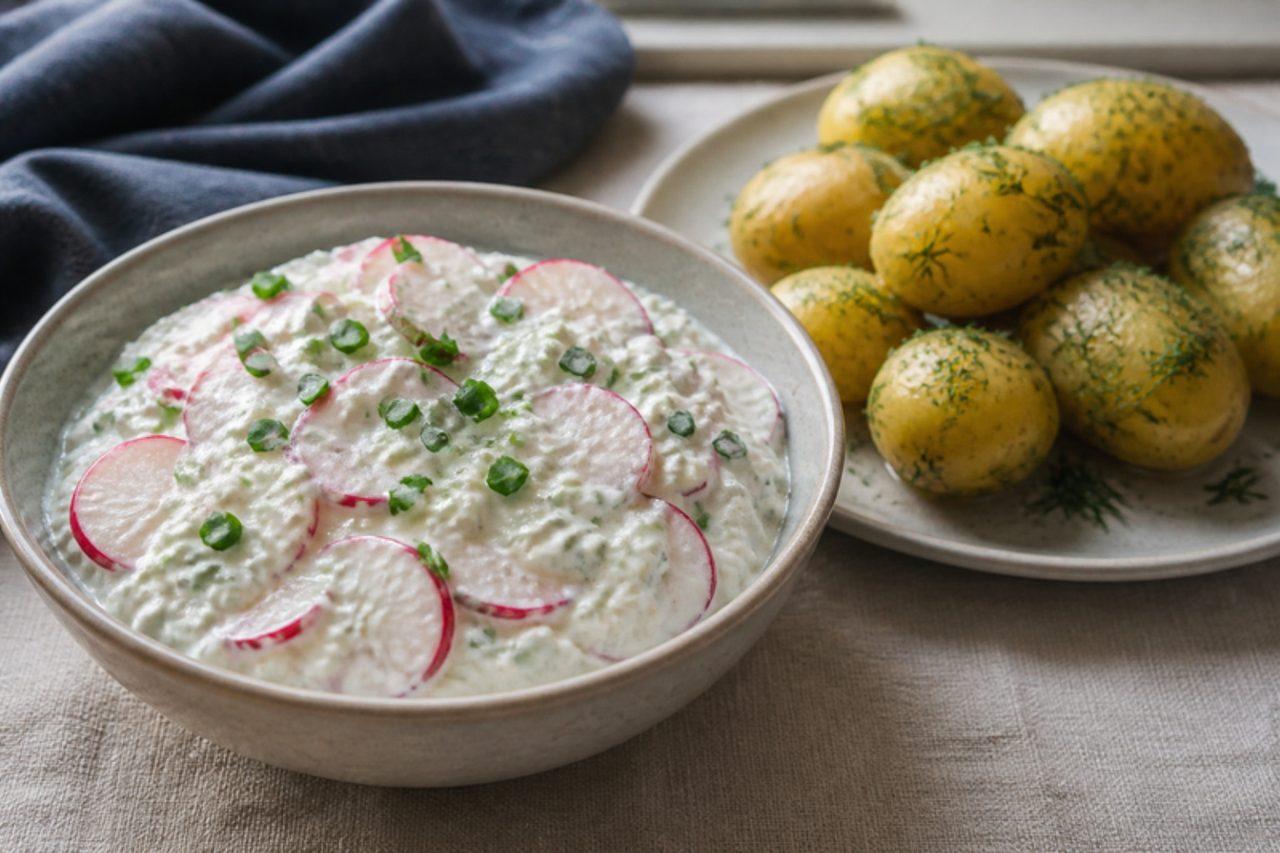
Gzik is a Poznań favourite, so much a part of Greater Poland that the region's potato-and-quark supper, pyry z gzikiem, has its own festival. Soft white quark is beaten with sour cream, then mixed with chopped radish, onion and chives into a cool, tangy, crunchy spread that is spooned over hot boiled potatoes in their skins, or onto rye bread for breakfast. The most common mistake is using dry, crumbly quark without loosening it, which gives a pasty gzik; it should be smooth and just spoonable. Quark and sour cream are made without rennet, so this is a good vegetarian choice. Chef's tip: salt the chopped radish and onion only at the last minute, so they stay crisp instead of weeping into the cheese.

by KrazyBadal 0 views

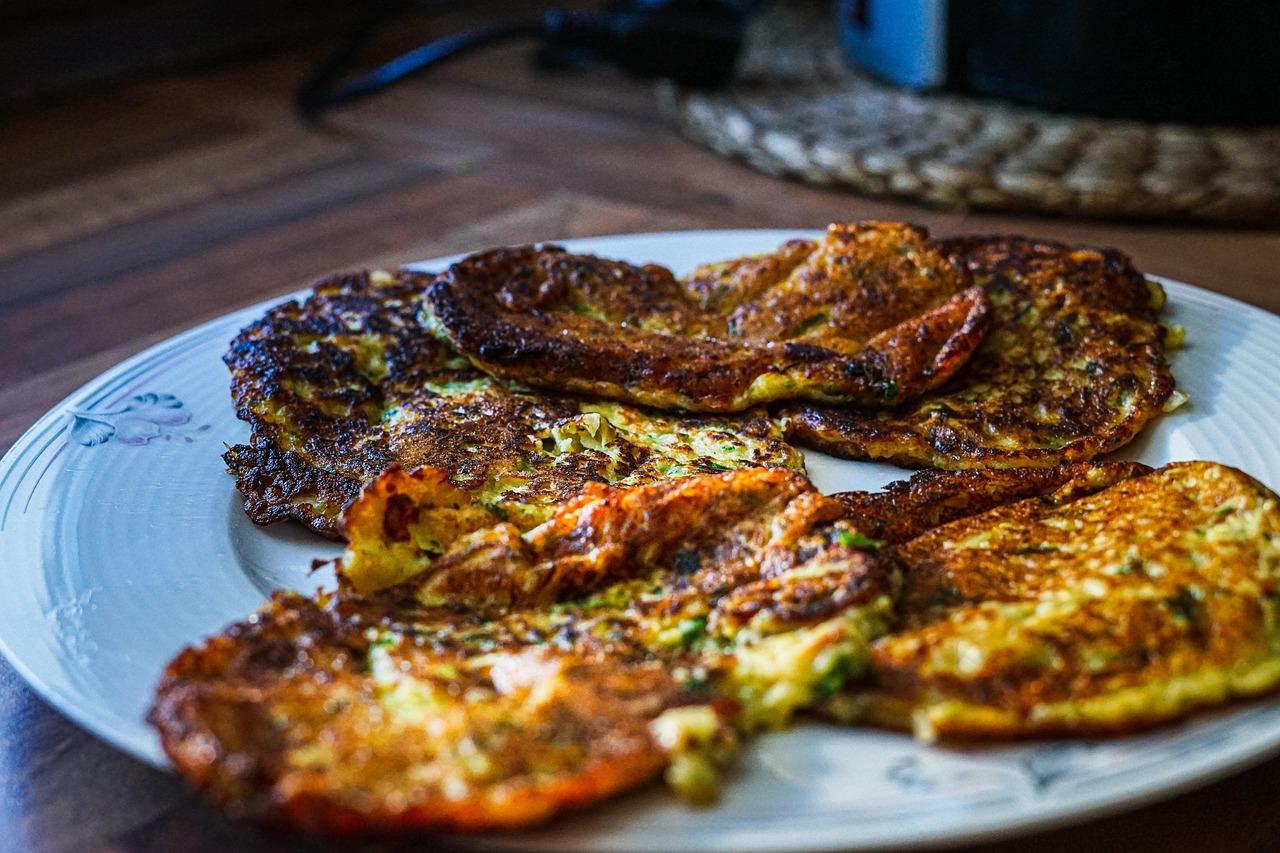
Placki z cukinii (Polish courgette fritters)

Every Polish allotment produces more courgettes in August than anyone can eat, and placki z cukinii is how the glut becomes a weeknight dinner: grated courgette bound with egg, a little flour and plenty of dill, fried into golden, soft-centred fritters. They are eaten hot with a spoon of sour cream or a garlicky yogurt dip, and leftovers go into lunchboxes the next day. The mistake that ruins them is skipping the squeeze: courgette is mostly water, and unwrung it makes a loose batter that spits in the pan and fries up soggy. Chef's tip: salt the grated courgette and leave it for 10 minutes while you get everything else ready, then wring it hard in a clean tea towel.

by KrazyBadal 0 views

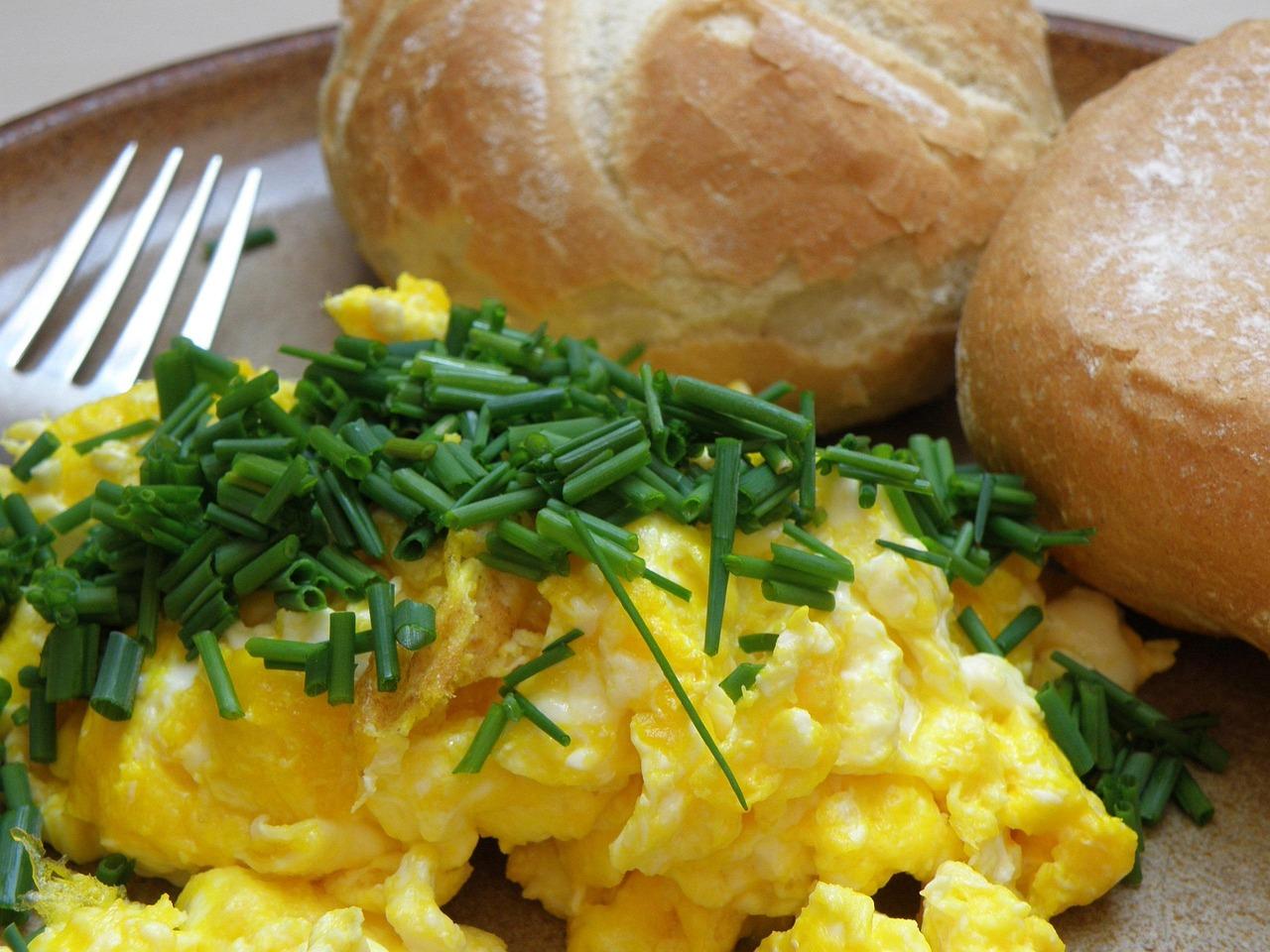
Jajecznica (Polish scrambled eggs)

Jajecznica is what a Polish household cooks when there are ten minutes and a box of eggs: soft, large curds stirred slowly in plenty of butter, sometimes with a little onion softened first and always with a shower of chives. It turns up at weekend breakfasts with bread and sliced tomato, and just as often as a light supper after work. The usual mistake is a pan that is too hot, which turns the eggs rubbery and weepy before they have had a chance to go creamy. If you are cooking for anyone pregnant, very young, older or otherwise vulnerable, cook the curds until no liquid egg remains. Chef's tip: take the pan off the heat while the eggs still look slightly underdone; they finish setting on the way to the plate.

by KrazyBadal 0 views

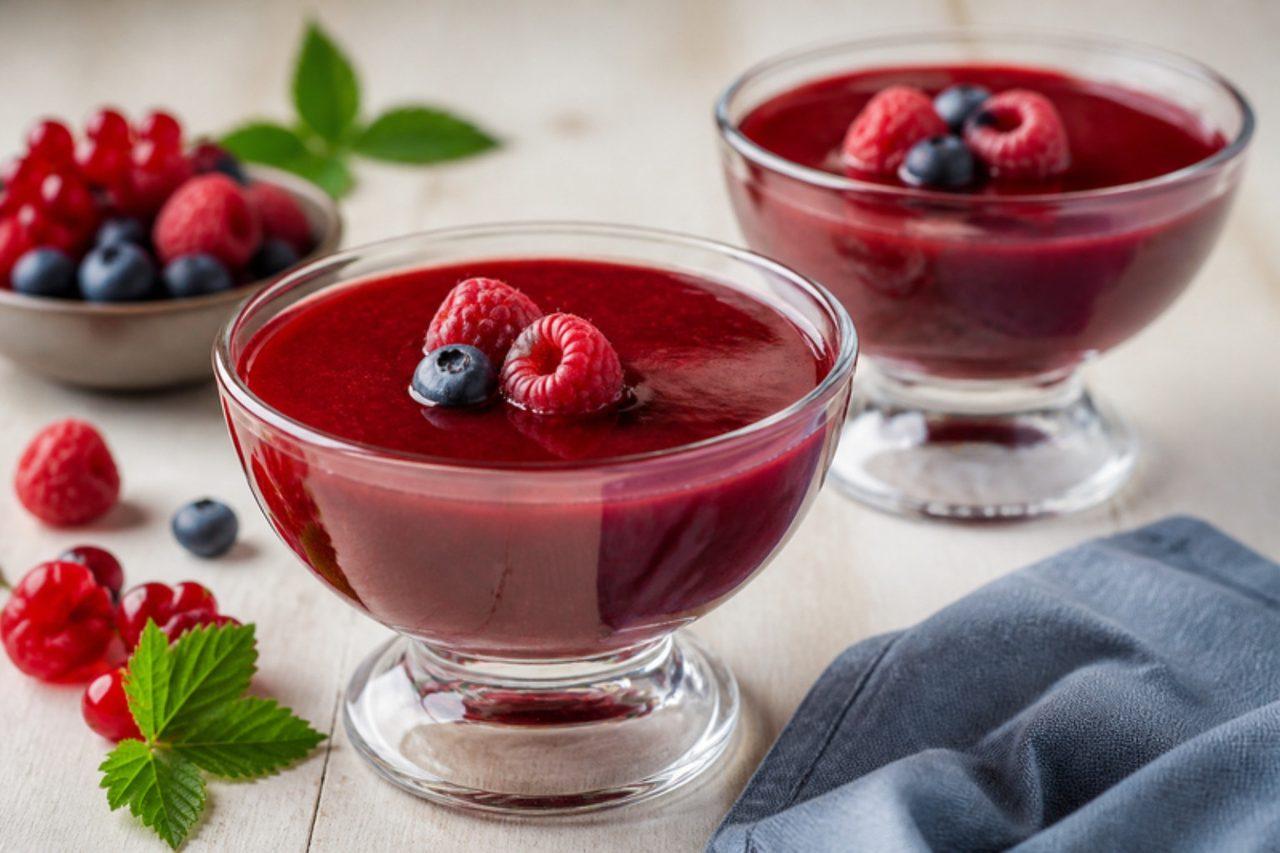
Kisiel (Polish fruit jelly drink)

Kisiel is a Polish childhood staple served in school canteens and at home after school, warm in winter and chilled in summer, somewhere between a thick drink and a soft jelly. Home-made versions use fruit or juice thickened with potato starch, without the bright colours of packet mixes. This one uses mixed berries and only a little sugar. None of the common allergens are in it. Chef's tip: always mix the starch with cold water first and pour it into the boiling fruit while stirring; added dry, it forms lumps that never dissolve.

by KrazyBadal 0 views

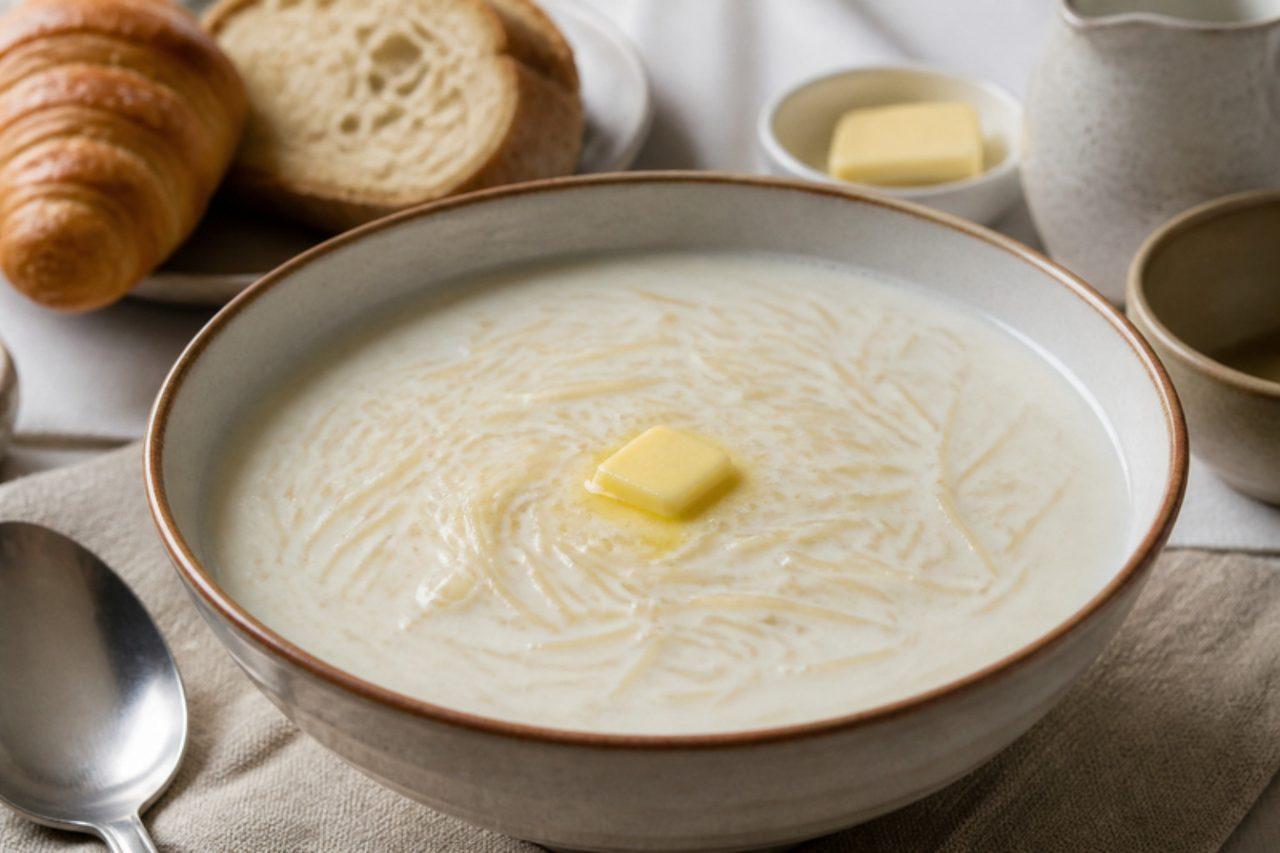
Zupa mlecznaMilk soup with noodles

Ask anyone who grew up in Poland about zupa mleczna and you will hear about winter mornings before school, or about the steaming bowls ladled out at breakfast in Warsaw milk bars long before cafés served porridge. It is simply warm milk with small noodles or rice, sweetened lightly and sometimes finished with a knob of butter or cinnamon. Kids like it with lane kluski, egg drops poured straight into the milk. A common mistake is boiling the noodles in the milk over a high heat, so it catches and tastes scorched; cook them in water first. Chef's tip: warm the milk with a strip of lemon peel and a pinch of salt, which makes it taste rounder without adding more sugar.

by KrazyBadal 0 views

Naleśniki z seremSweet cheese crêpes

Order naleśniki z serem at a bar mleczny on Warsaw's Nowy Świat and they arrive two to a plate, folded into tight parcels, browned in butter and finished with a spoon of soured cream and a dusting of sugar. Students, pensioners and office workers have eaten them this way since the 1950s, and at home they are a Friday supper or an after-school treat. The filling is twaróg, Polish curd cheese, beaten with egg yolk, sugar and vanilla, so it stays soft and a little tangy inside the thin pancake. A common mistake is a thick, rubbery batter: it should pour like single cream and coat the pan in one thin swirl. Chef's tip: rest the batter for 20 minutes so the flour softens and the first pancake doesn't tear.

by KrazyBadal 0 views

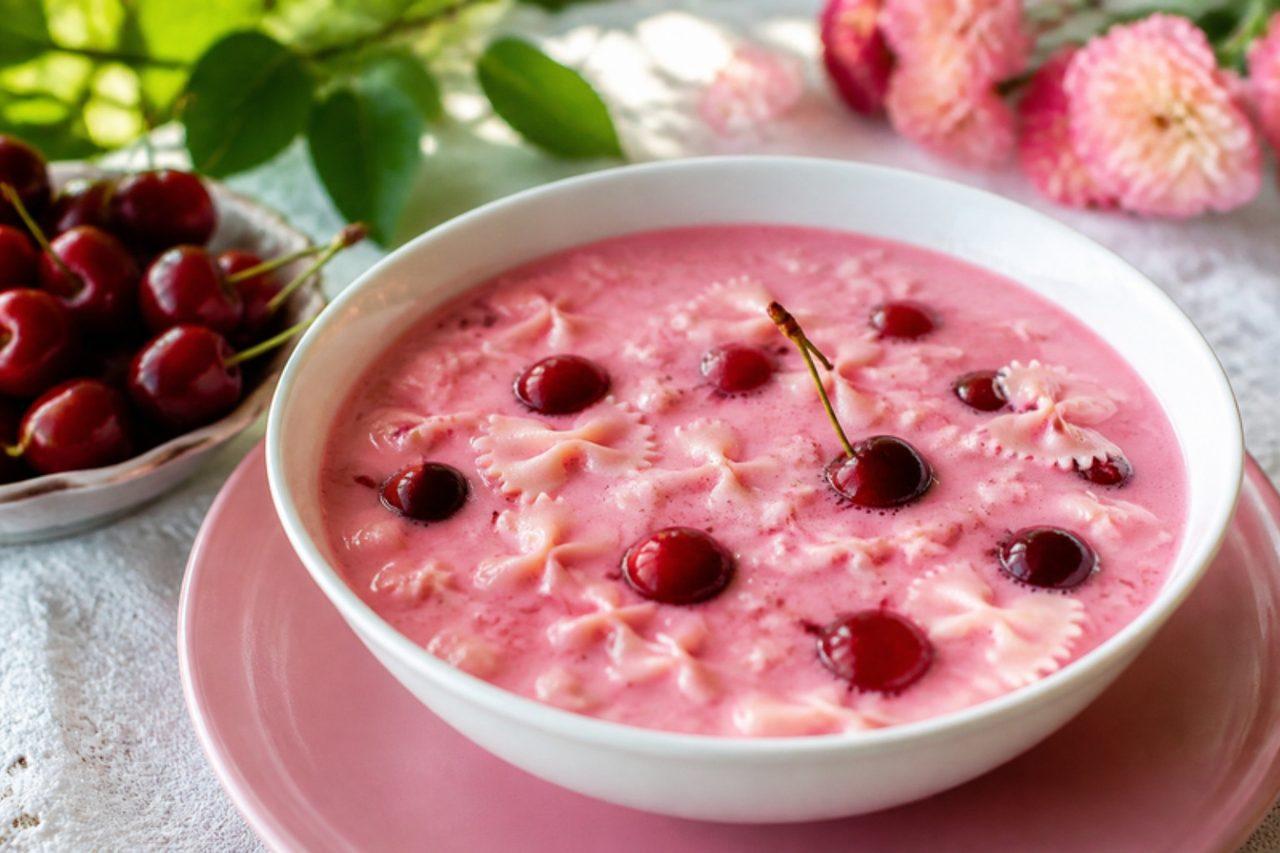
Zupa owocowaFruit soup with pasta

On a hot July afternoon in a Mazurian village or a Warsaw allotment, a pot of zupa owocowa sits cooling on the windowsill: sour cherries or strawberries simmered with sugar, lightly thickened, and served cold over little pasta shells or bow ties. Polish children often get it as the first course of a summer lunch, and it tastes like a drinkable fruit compote. A common mistake is thickening it too much, so it sets into jelly in the fridge; it should stay pourable. Chef's tip: stir a spoon of soured cream into each bowl, not the pot, so the colour stays bright.

by KrazyBadal 0 views

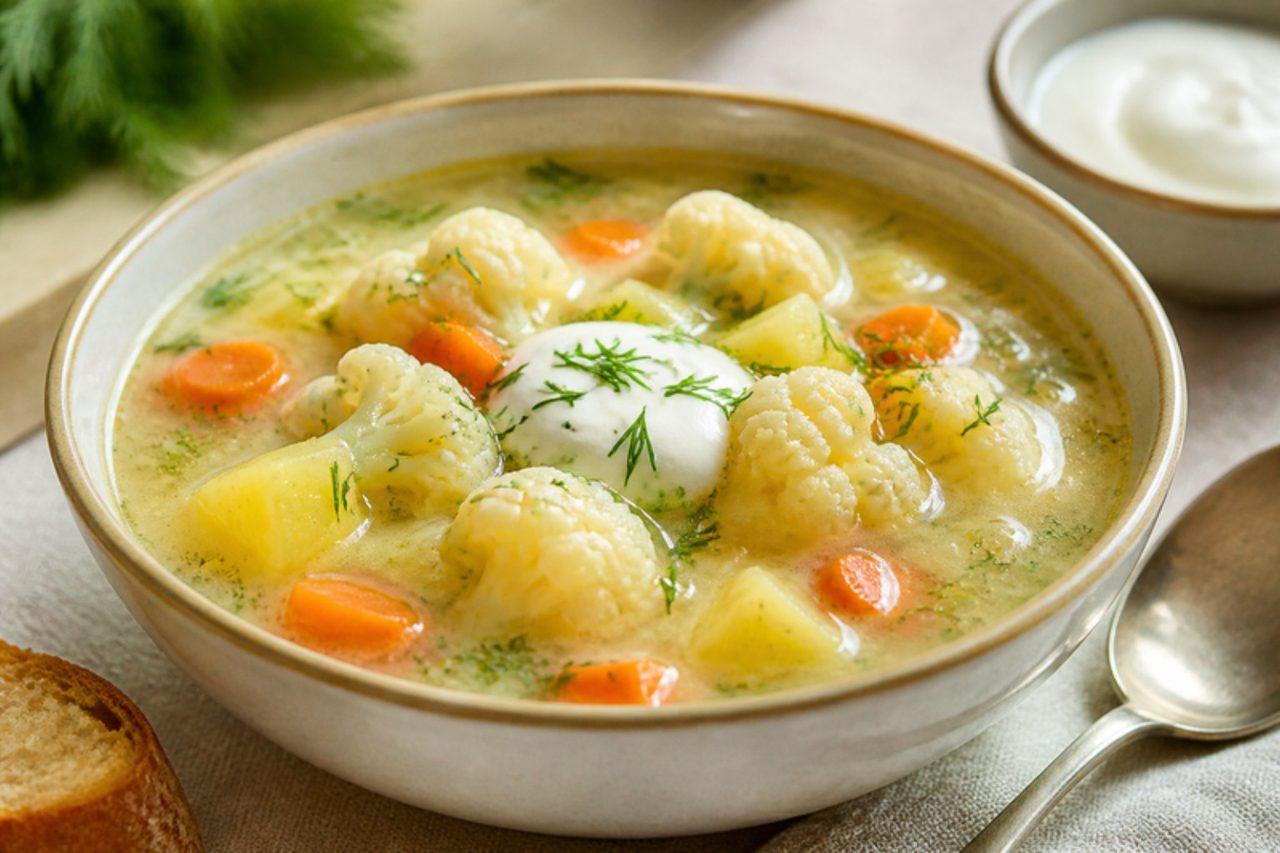
Zupa kalafiorowaCauliflower soup

Late-summer cauliflowers from the market gardens around Kalisz and Poznań end up in zupa kalafiorowa, a chunky, comforting soup that Polish families eat on a September weekday with fresh bread. Small florets, potato and carrot simmer in broth, and soured cream and dill turn it creamy and fresh at the end. It is not blended: the pleasure is in the soft florets. A common mistake is adding the cauliflower with the potatoes, so it falls apart into mush. Chef's tip: simmer the cauliflower stalk with the potatoes for flavour and add the florets for only the last 8–10 minutes.

by KrazyBadal 0 views

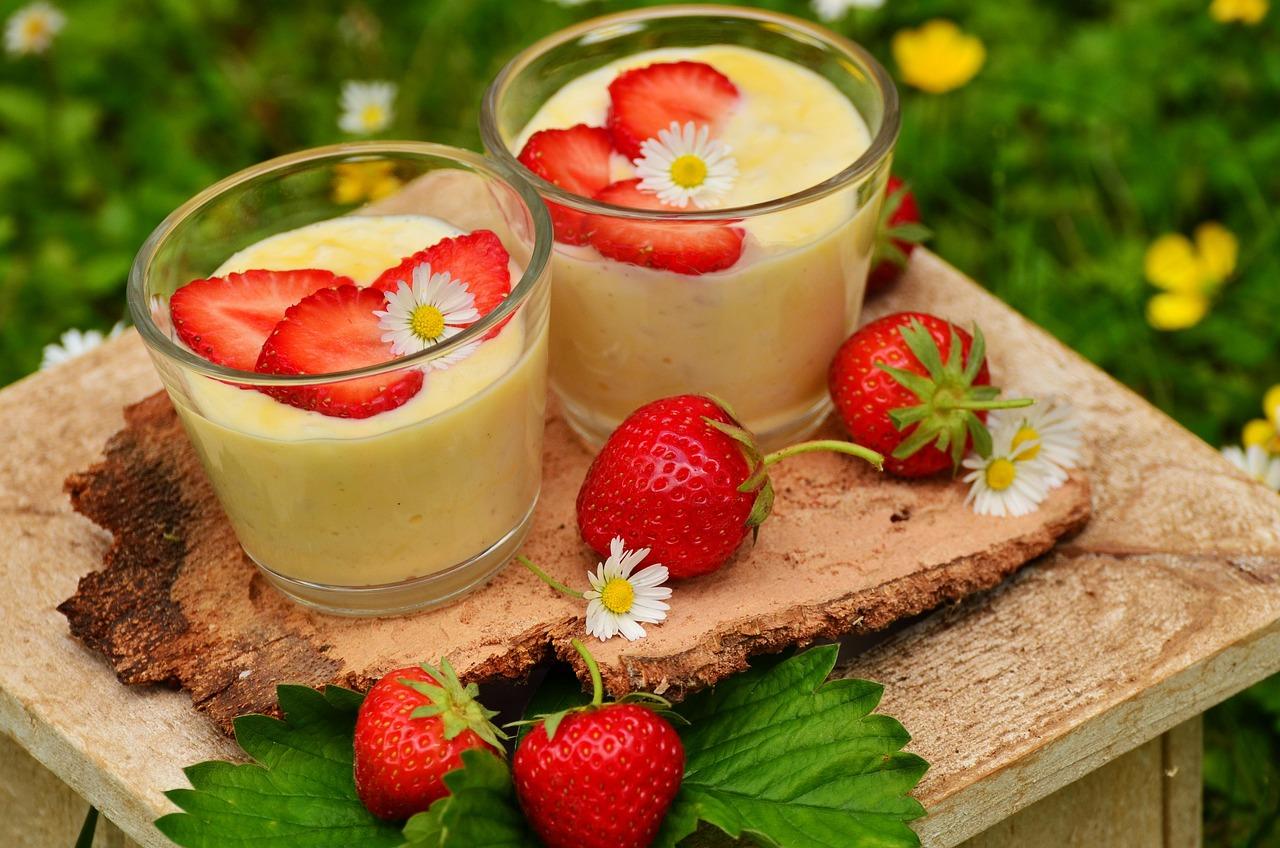
BudyńMilk pudding

Budyń is the pudding every Polish grandmother can make without a recipe, a soft spoonable milk custard thickened with potato starch or cornflour and set in glasses. Milk bars in Gdynia and Katowice sell it warm in winter and chilled in summer, often with a spoon of raspberry or cherry syrup on top, and children eat it after school. A common mistake is pouring the starch into hot milk without whisking it first in cold milk, which gives lumps. Chef's tip: once it bubbles, keep whisking for one more full minute; undercooked budyń tastes floury and goes thin as it cools.

by KrazyBadal 0 views

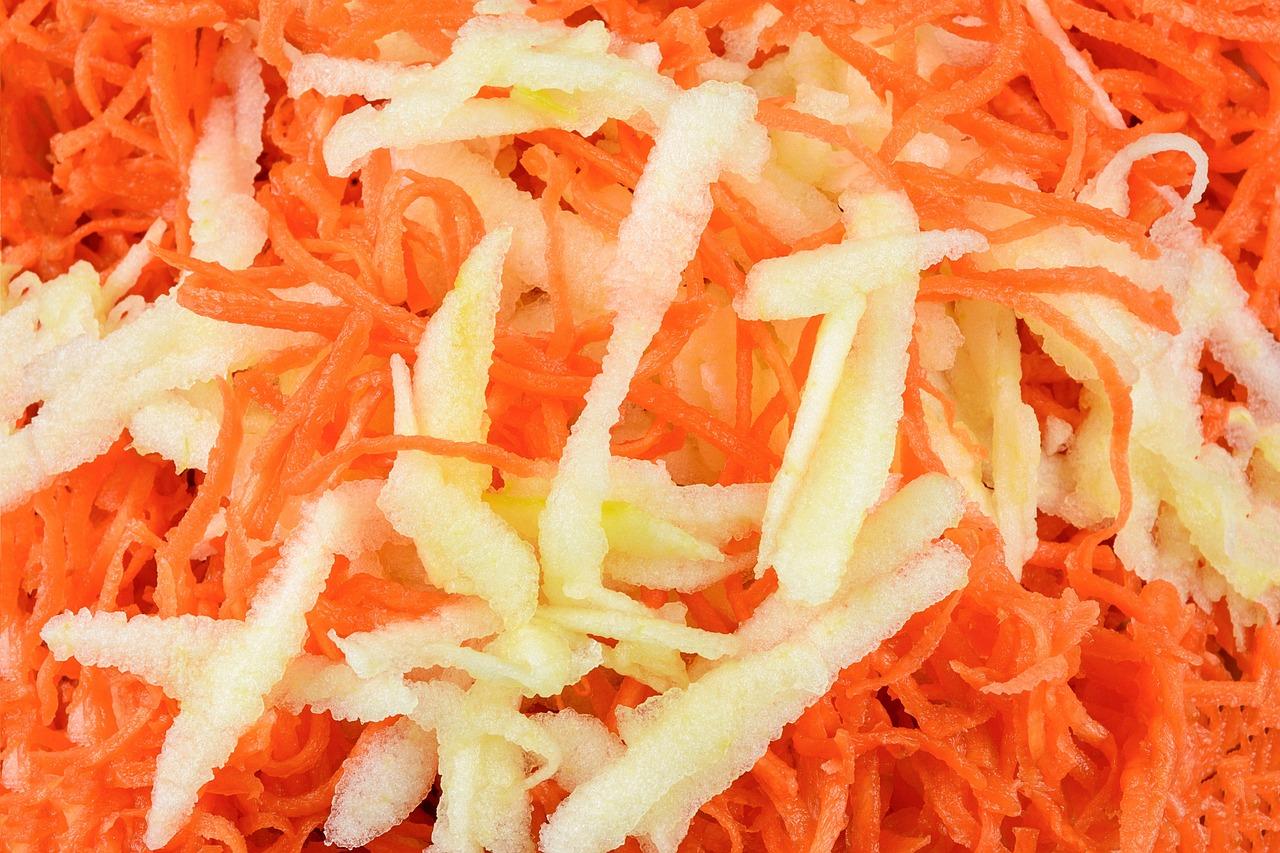
Surówka z marchewkiCarrot and apple salad

That little mound of orange on the side of every milk-bar plate in Łódź or Wrocław is surówka z marchewki, raw carrot and apple grated together and sharpened with lemon. Polish families make it beside Sunday chops, Friday fish and plain potatoes all year round, because carrots and apples keep through the winter. It takes ten minutes and is crisp, sweet and tart. A common mistake is grating the apple long before serving, so it browns and the salad turns watery. Chef's tip: grate the carrots on the fine side of the grater and the apple on the coarse side, so the apple stays juicy and the carrot soaks up the dressing.

by KrazyBadal 0 views

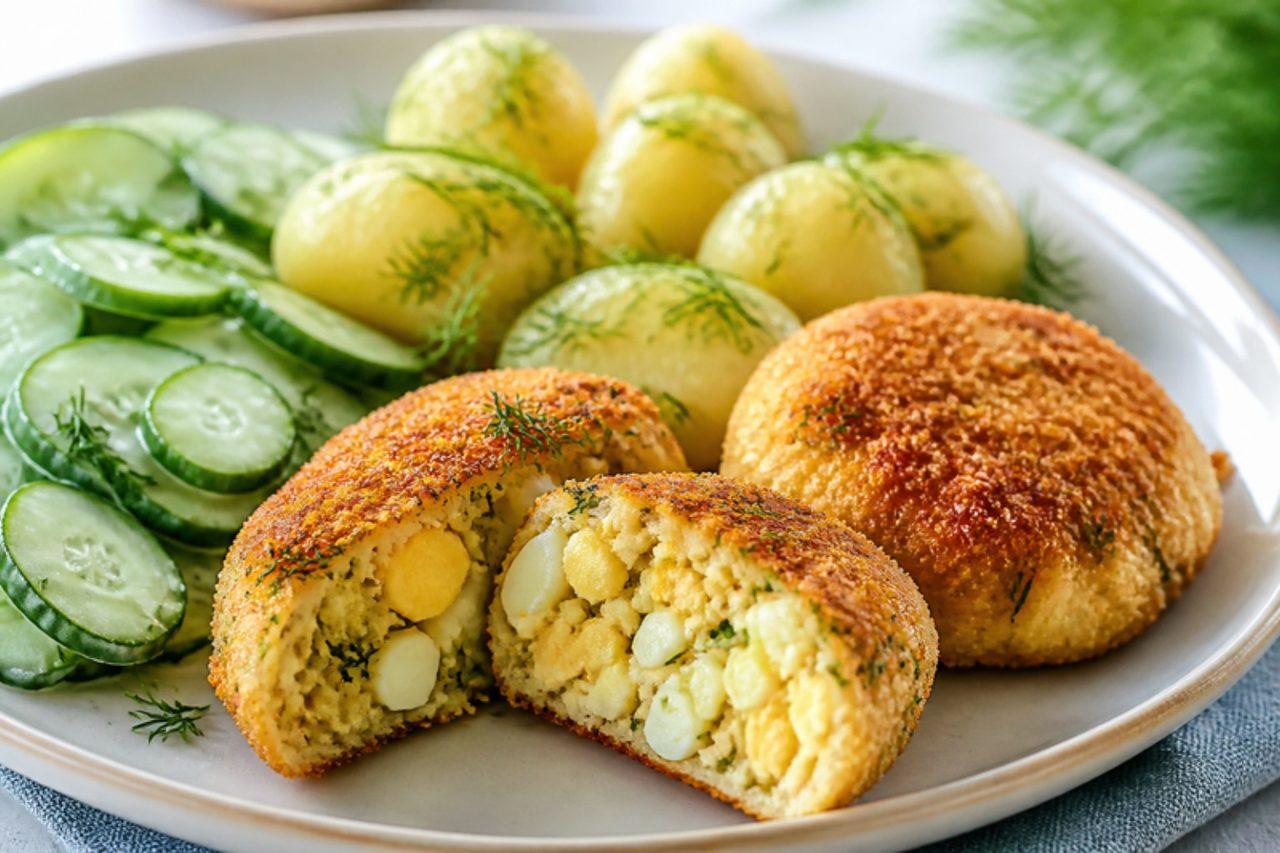
Kotlet jajecznyBreaded egg cutlets

Kotlet jajeczny was born of thrift, a meat-free Friday cutlet that milk bars in Warsaw and Poznań could make from eggs, stale bread and dill, and it is still a Lent and weekday favourite at home. Chopped hard-boiled eggs are bound with soaked bread roll, raw egg and lots of dill, shaped into patties, breaded and fried until crisp outside and soft inside. They go on the plate with boiled potatoes, a spoon of soured cream and mizeria, the cucumber salad. A common mistake is a mixture that is too wet; squeeze the soaked roll hard so the cutlets hold together in the pan. Chef's tip: chill the shaped cutlets for 15 minutes before breading and they won't crack when you turn them.

by KrazyBadal 0 views

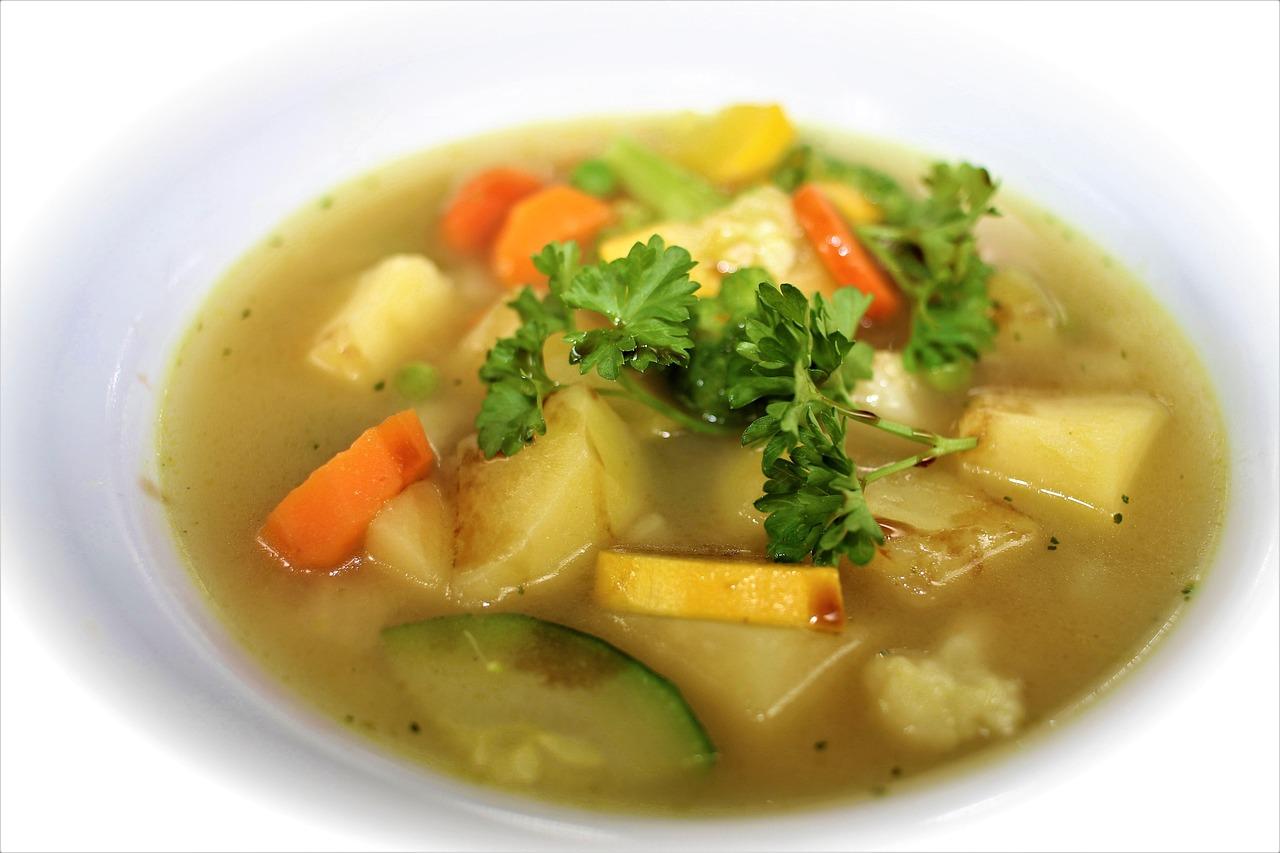
Zupa jarzynowaMixed vegetable soup

Zupa jarzynowa is what a Polish kitchen makes when the vegetable drawer needs clearing: carrots, parsley root, celeriac, potatoes, cauliflower, green beans and peas, all diced small and simmered in one pot. From Białystok to Szczecin it is the Monday soup, the canteen soup and the soup for anyone off their food, and it is eaten with bread and a swirl of soured cream. A common mistake is putting everything in at once, so the beans and peas turn khaki and soft. Chef's tip: add the vegetables in stages, roots first, green things last, and every spoonful has a bit of bite.

by KrazyBadal 0 views

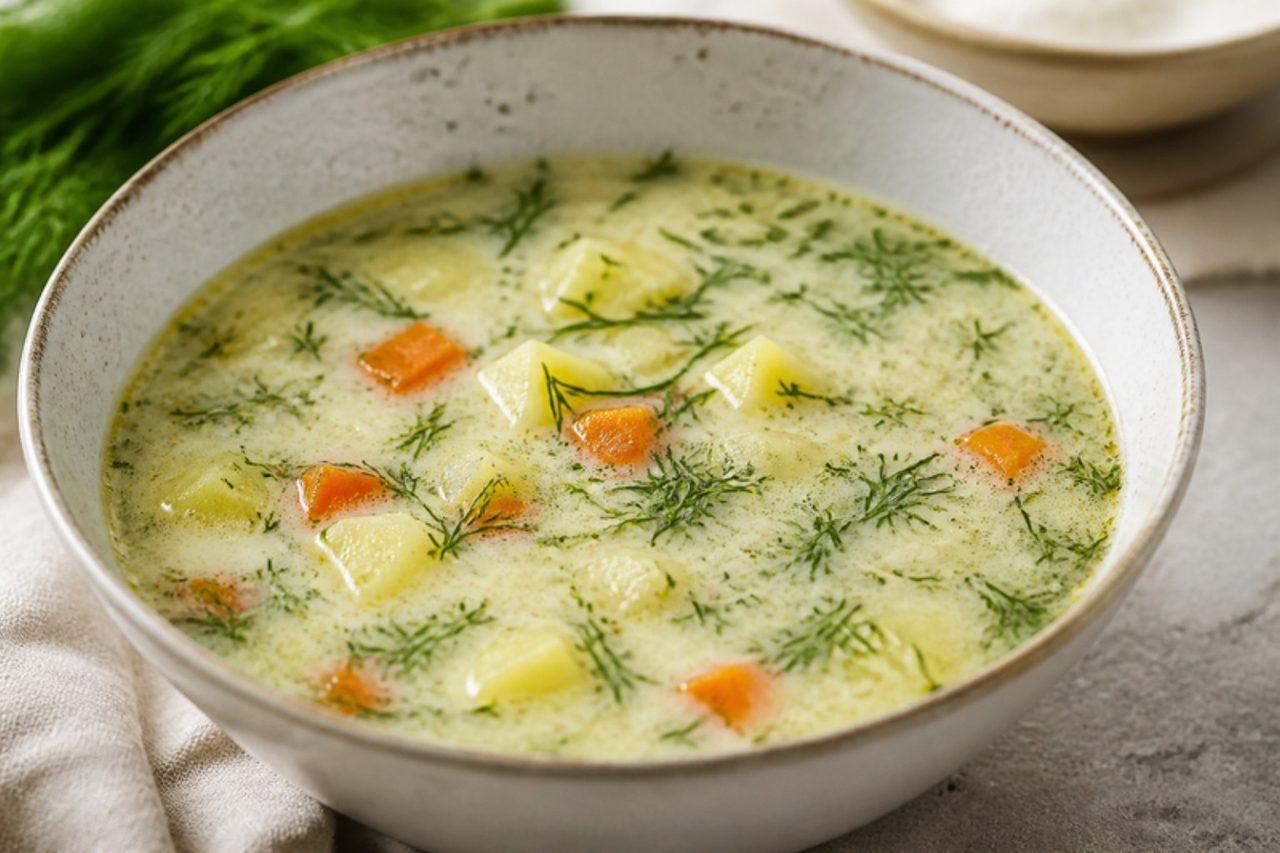
Zupa koperkowaDill and potato soup

In early summer, when bunches of dill tied with string pile up at Kraków's Stary Kleparz market, Polish cooks make zupa koperkowa: a light broth of potato, carrot and parsley root that gets almost a whole bunch of chopped dill at the end. It is a weekday lunch soup, often with a hard-boiled egg or a spoon of soured cream, and it tastes clean and green. A common mistake is cooking the dill with the vegetables, which turns it dull and grassy. Chef's tip: stir half the dill stalks in during simmering for depth, then add all the feathery leaves only once the pot is off the heat.

by KrazyBadal 0 views

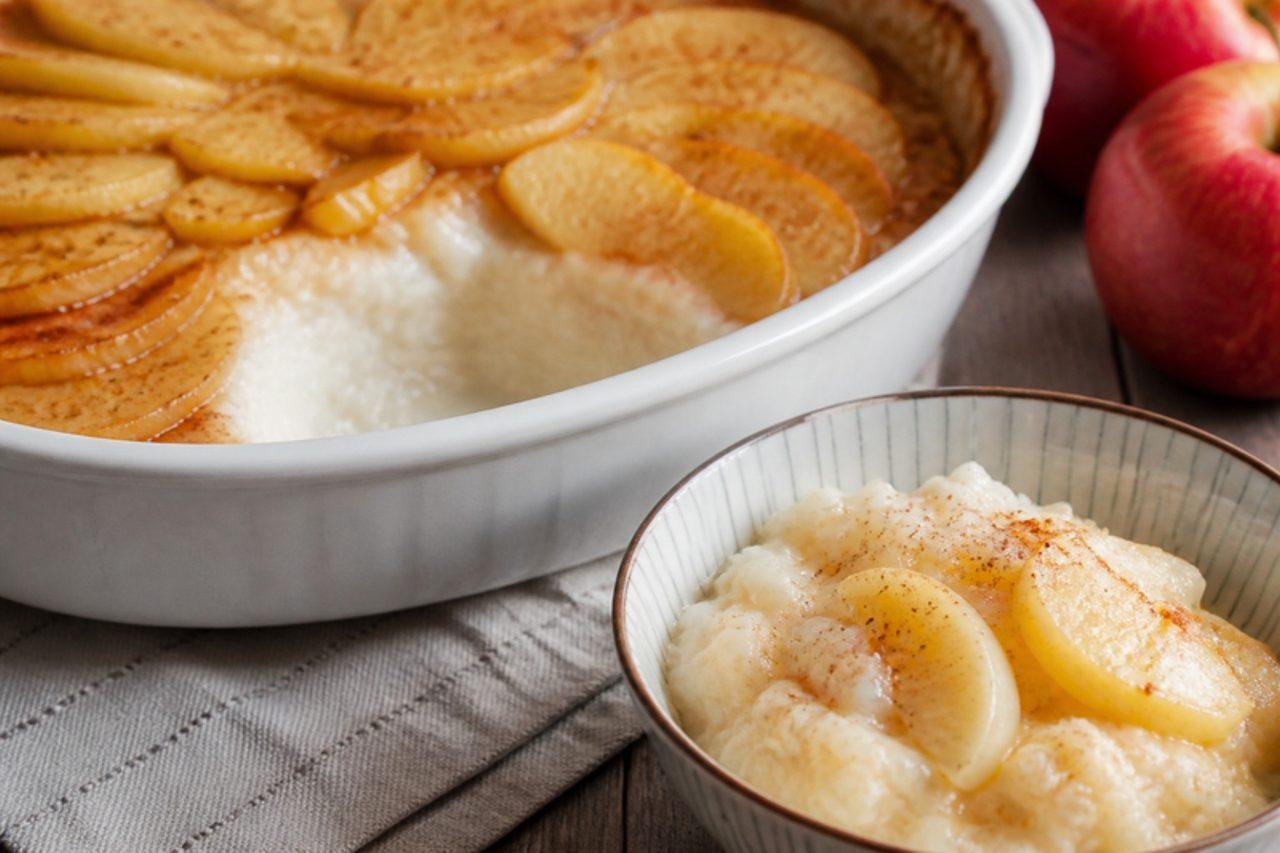
Ryż z jabłkamiBaked rice with apples

Every Polish school canteen and milk bar from Gdańsk to Rzeszów has served ryż z jabłkami, and many grown-ups still bake it on a cold Sunday afternoon when autumn apples fill the market. Rice is cooked slowly in milk until creamy, layered in a dish with grated sharp apples, sugar and cinnamon, then baked until the top turns golden and the apple juices soak into the rice. It is eaten warm with soured cream or cold the next day from the fridge. A common mistake is using sweet dessert apples, which go mushy and bland; tart apples like Antonówka, Bramley or Granny Smith keep their bite. Chef's tip: squeeze a little of the juice out of the grated apples, or the bottom layer turns watery.

by KrazyBadal 0 views

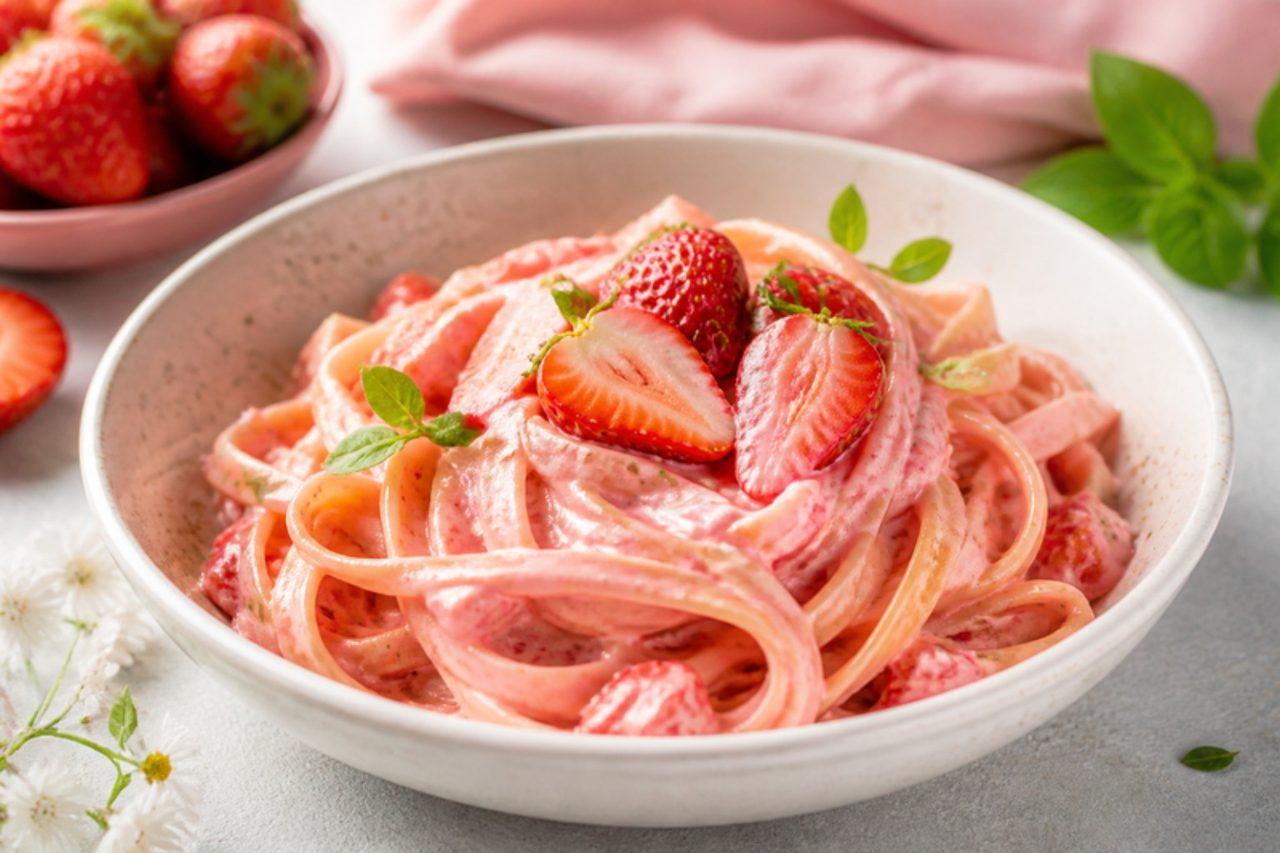
Makaron z truskawkamiPasta with strawberries

When the first Kashubian and Mazovian strawberries flood the stalls in June, Polish children get makaron z truskawkami for lunch: warm pasta tossed with crushed sweetened strawberries and cream. Milk bars in Kraków and Łódź put it on the summer board too, and it surprises visitors who expect pasta to be savoury. The berries are mashed with sugar until they turn into a loose pink sauce, then folded through hot ribbon pasta or bow ties with soured cream or yoghurt. A common mistake is crushing the strawberries too far ahead, so they turn dull and syrupy; mash them while the pasta cooks. Chef's tip: let the drained pasta cool for a minute before adding the cream, so it coats the pasta instead of splitting into thin streaks.

by KrazyBadal 0 views

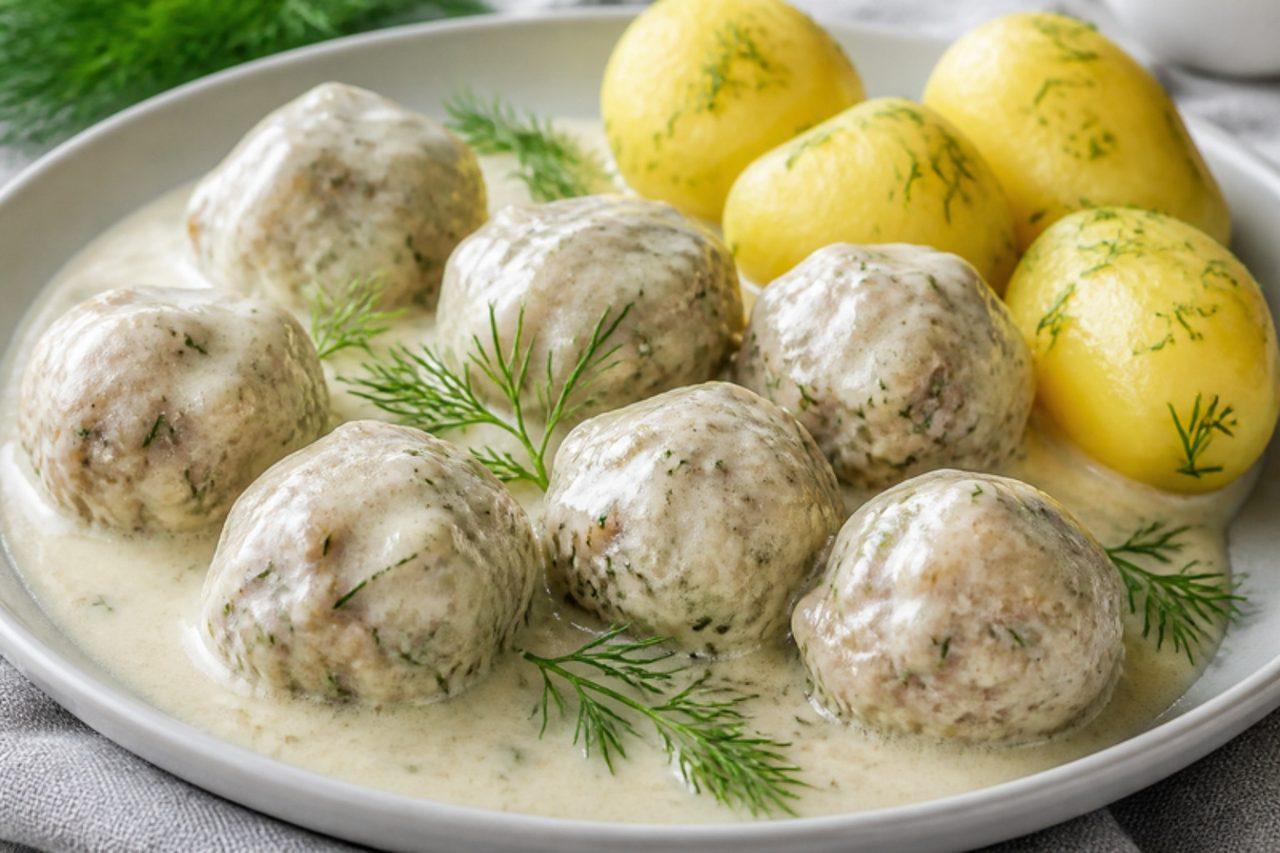
Pulpety w sosie koperkowymMeatballs in dill sauce

Soft, poached and bathed in pale green dill sauce, pulpety are the meatballs Polish mothers in Toruń and Bydgoszcz give small children and anyone feeling poorly, and milk bars serve them on ordinary weekdays with boiled potatoes and grated beetroot. They are made from minced pork (or a pork and veal mix) bound with soaked roll and egg and simmered in broth, which then becomes the sauce. A common mistake is boiling them hard, which makes them tough and splits them; the water should barely tremble. Chef's tip: add the dill right at the end, off the heat, so it stays bright and fresh.

50 minPolishMeat
by KrazyBadal 0 views

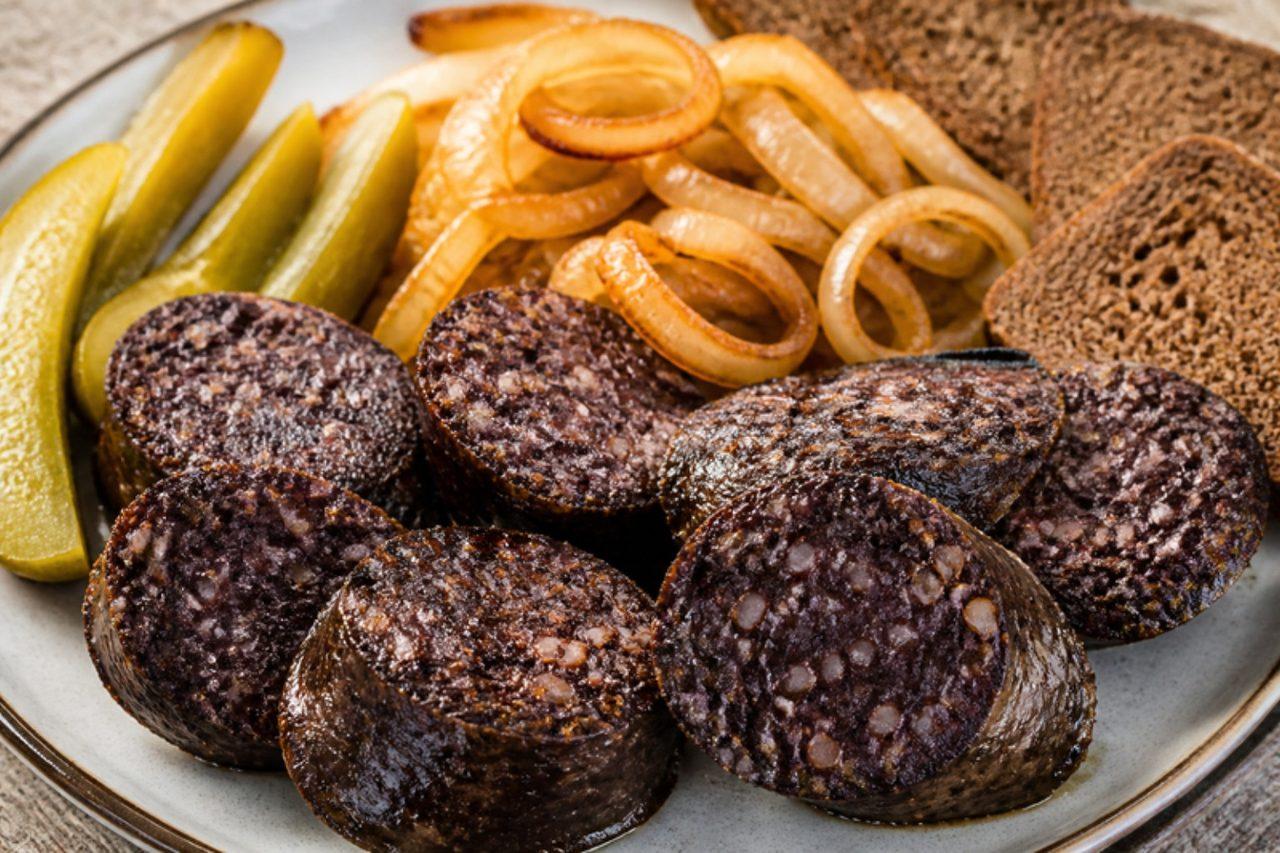
Kaszanka z cebuląFried buckwheat blood sausage

Kaszanka is Polish black pudding, a pork sausage of buckwheat groats, pork blood, liver and fat seasoned with marjoram, and fried with onions it is the classic grill-night, pub and milk-bar snack from Podkarpacie to Warsaw. It comes ready-cooked from the butcher, so all you do is fry it until the outside crisps and the inside turns soft and spoonable. Serve with rye bread, mustard and sour dill pickles. A common mistake is frying it in its skin over a high heat, which bursts the casing and burns the outside before the middle is hot. Chef's tip: slice it thickly, fry gently, and don't stir; turn each slice once so it keeps a crust.

20 minPolishMeat
by KrazyBadal 0 views

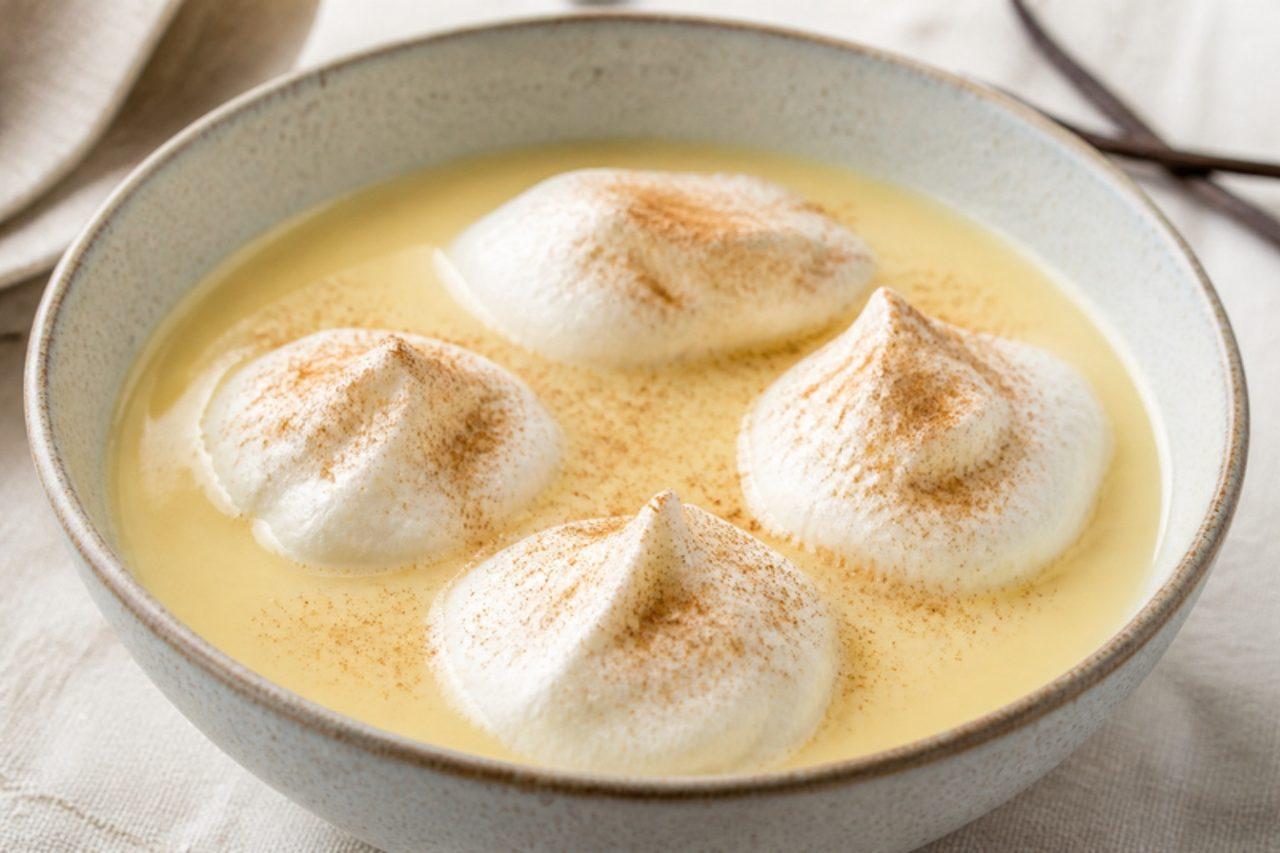
Zupa nicVanilla milk with meringue

Zupa nic means 'nothing soup', and Polish grandmothers in Silesia and Greater Poland made it from almost nothing: milk, eggs, sugar and vanilla. Spoonfuls of whipped egg white are poached in the milk like little clouds, then the milk is thickened with the yolks into a thin custard and poured round them. It is eaten warm on a winter evening or chilled in summer, and children love it. A common mistake is boiling the custard after the yolks go in, which scrambles them. Chef's tip: poach the clouds for only a minute on each side; any longer and they puff up, then shrink and turn rubbery.

by KrazyBadal 0 views

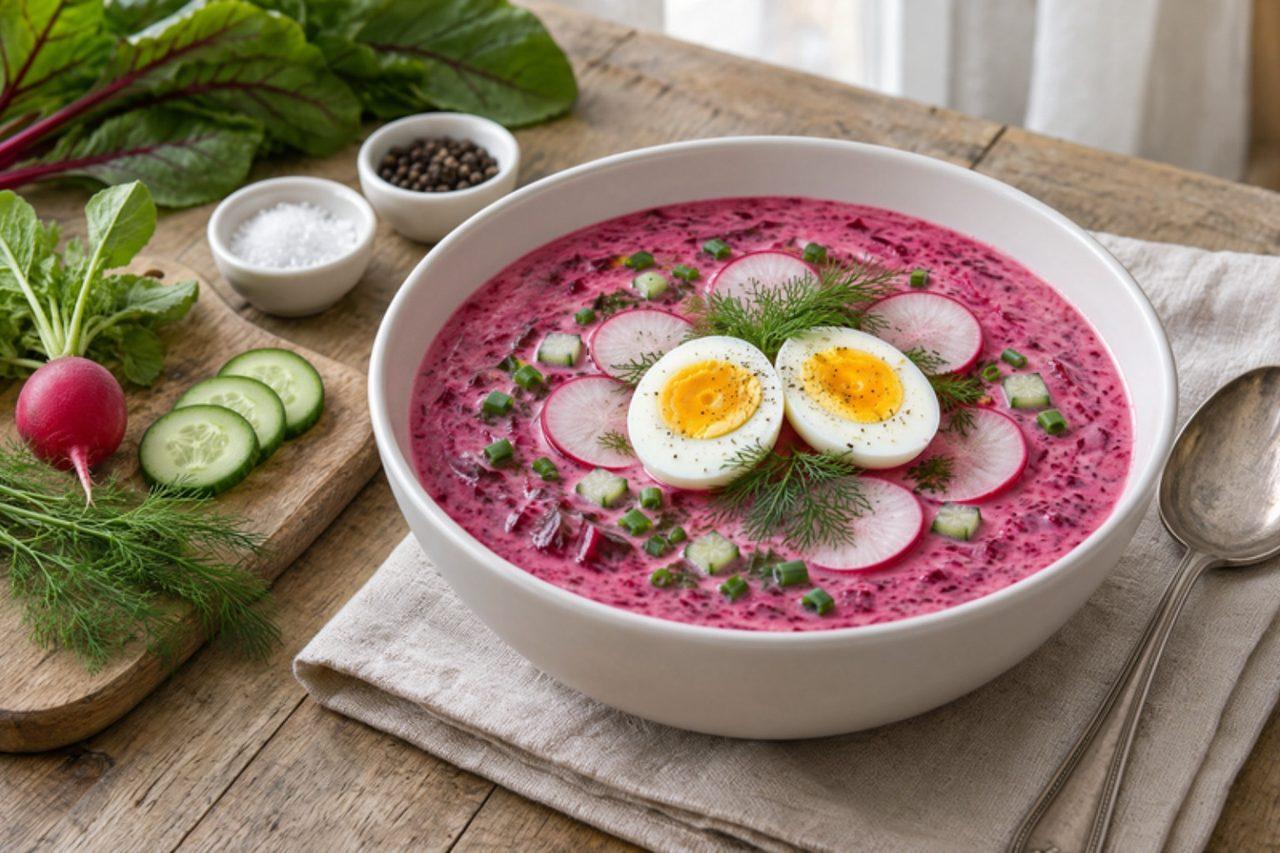
Chłodnik litewskiChilled beet leaf soup

In Podlasie and the lake country of north-east Poland, chłodnik is the soup of hot June and July days, when young beets are pulled with their leaves still tender. The beet greens and baby beets are cooked briefly, chilled, then stirred into kefir with cucumber, radish, spring onion and lots of dill, so the soup turns shocking pink, tangy and cold. It is served as a starter or a light lunch with half a hard-boiled egg in each bowl. Suitable as part of a balanced diet. About 170 kcal and 13 g carbohydrate per portion. The usual mistake is mixing the kefir into warm beets, which makes it split and dulls the colour, so chill them completely first. Chef's tip: add a squeeze of lemon to the cooking beets; the acid keeps the colour a vivid pink instead of brownish.

by KrazyBadal 0 views

Showing 24 of 140 recipes

Show more recipes

Page 1 of 6