Skip to content
Recipes

All recipes

Vegetarian, or something you can't eat? Set your diet once and we'll hide recipes that don't fit.

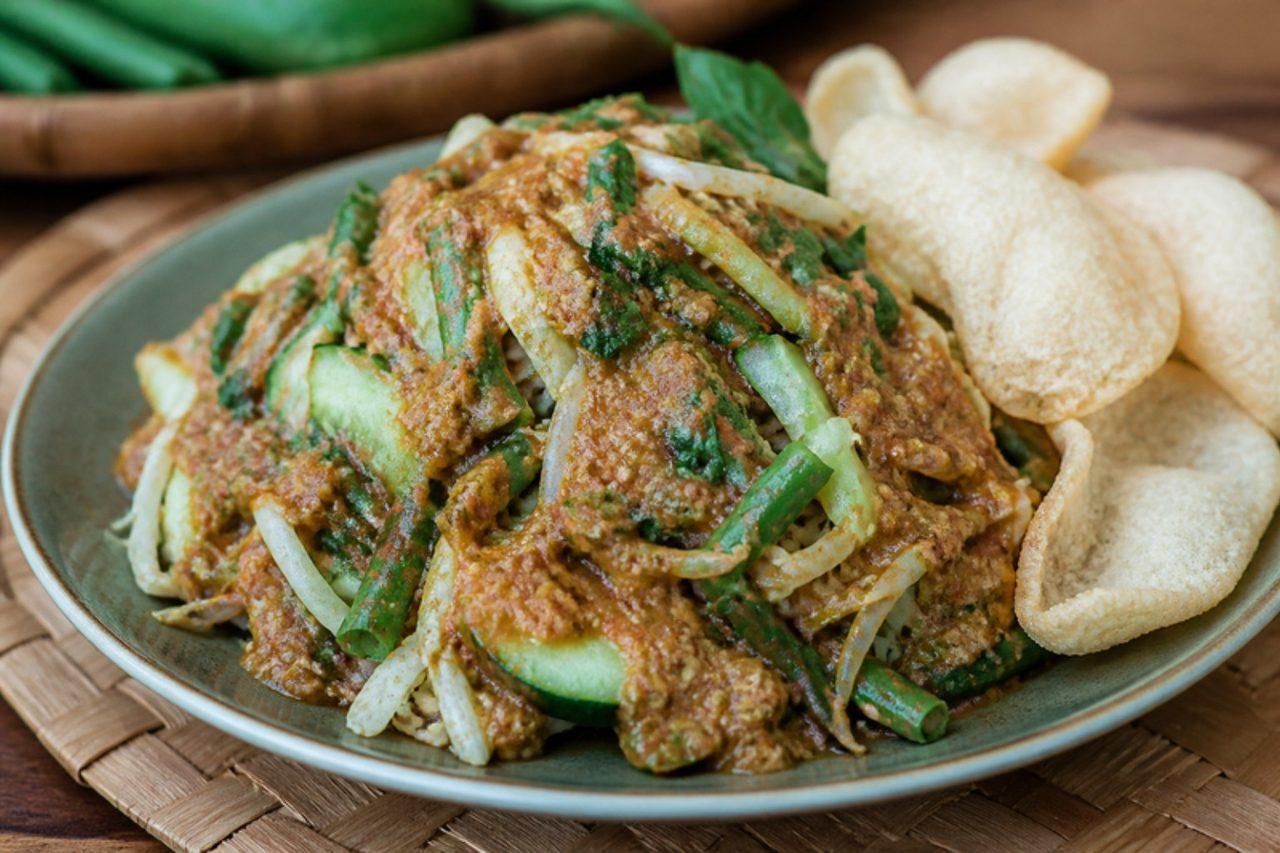
KaredokRaw vegetable salad with peanut sauce

Karedok is the raw cousin of gado-gado, sold from roadside stalls in Bandung and across West Java as a cooling lunch with rice, prawn-free crackers or rice cakes. Nothing is cooked: long beans, cucumber, cabbage, bean sprouts and Thai basil are cut small and coated in a thick peanut sauce pounded with kencur (aromatic ginger), garlic, chilli and palm sugar, so every bite is crisp, nutty and gently sweet-hot. Stall versions often add terasi (shrimp paste); this vegetarian version leaves it out and makes up the depth with a little extra kencur and lime. A portion gives about 10 g of protein, mostly from the peanuts, so it is a light side rather than a high-protein main; serve it with tempeh or tofu if you want more. The most common mistake is dressing it too early: the salt pulls water out of the cucumber and the sauce turns thin and watery. Chef's tip: grind the peanuts coarse rather than to a paste, so the sauce keeps a little crunch to match the vegetables.

by KrazyBadal 0 views

Lalapan with sambal tomatRaw vegetables with tomato sambal

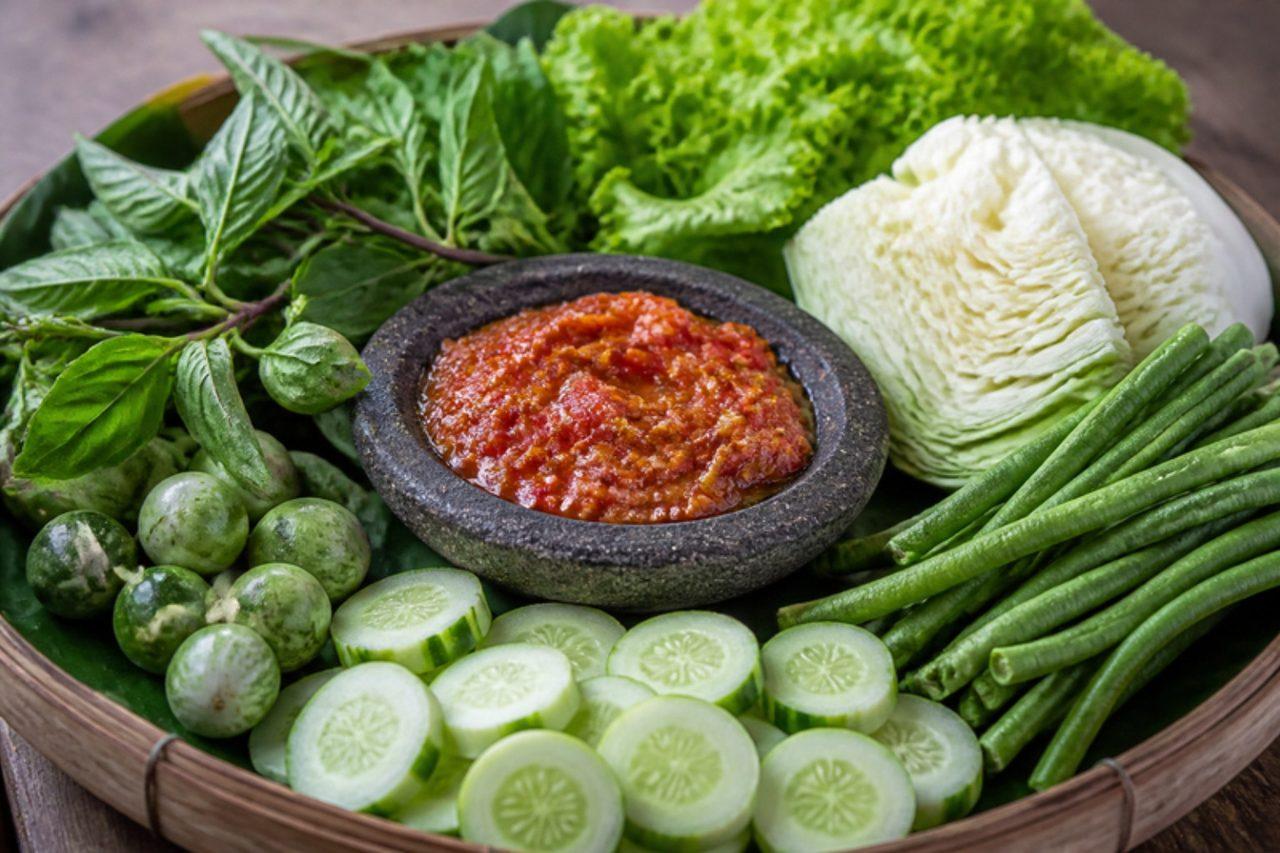
In Sundanese homes and warung across West Java, from Bandung to Bogor, lalapan sits on the table at nearly every rice meal: a plate of raw cucumber, cabbage, long beans, Thai basil, lettuce and sometimes small green aubergines, dipped one by one into fiery sambal. It is about freshness and crunch more than cooking. The usual sambal terasi uses shrimp paste, so here it is a vegetarian sambal tomat of fried chilli, shallot, garlic and tomato, ground with palm sugar and lime. A portion gives only about 3 g of protein, so pair it with fried tofu or tempeh and rice for a full meal. The most common mistake is serving limp vegetables: wash them, then crisp them in iced water and dry them well. Chef's tip: fry the sambal ingredients until the tomato skins split and the shallots catch at the edges; that charring gives the depth shrimp paste usually brings.

by KrazyBadal 0 views

Tahu campurFried tofu and beef noodle soup

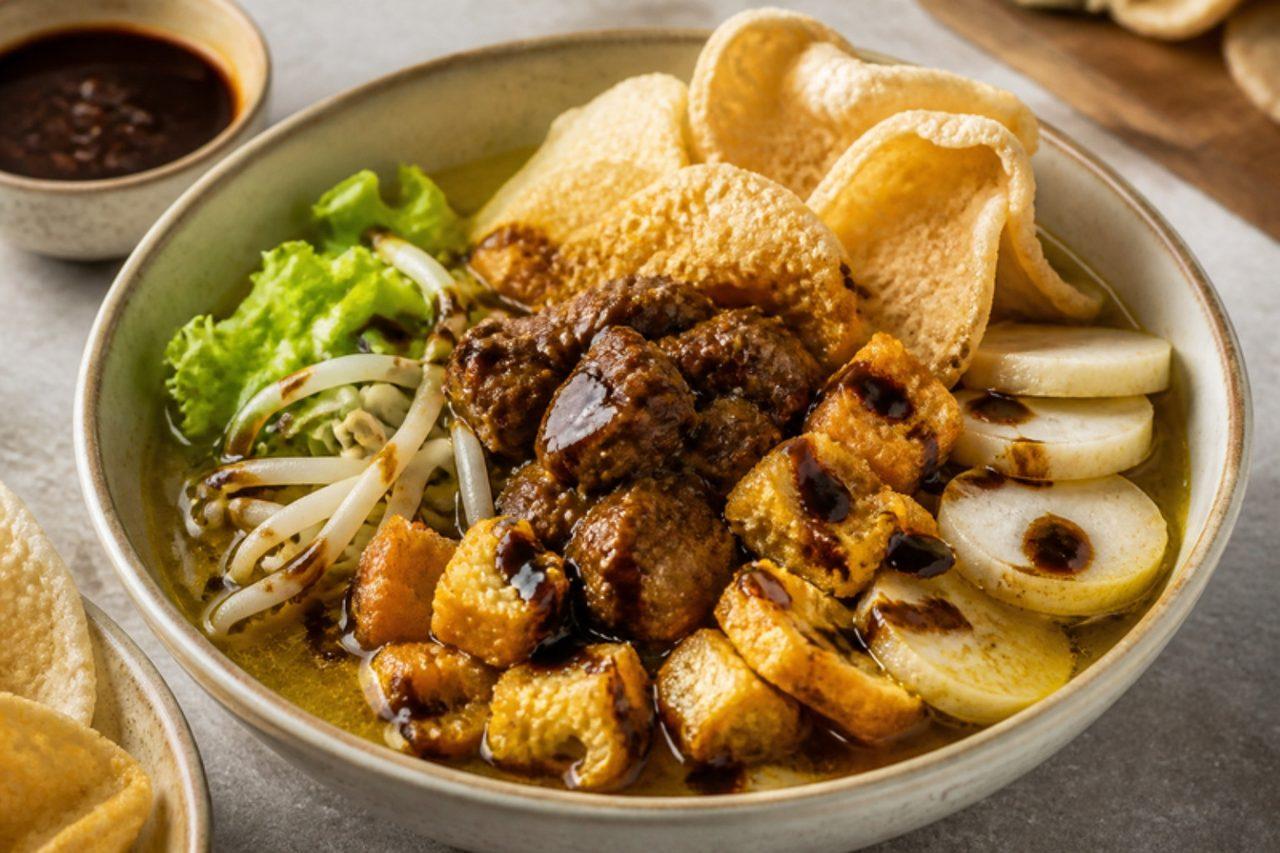
Tahu campur comes from Lamongan in East Java, and its vendors carry it all over Surabaya, where it is a filling lunch or early supper eaten from a deep plate. Golden fried tofu, slices of rice cake, beef, bean sprouts and lettuce sit in a light, spiced beef broth, and a spoon of black petis (fermented shrimp paste) mashed with chilli, garlic and sweet soy is stirred through at the table. This version uses beef shin, which gives a clear broth and tender meat. A portion has about 30 g of protein, from the beef and the tofu. The common mistake is boiling the broth hard: it turns cloudy and greasy, so keep it at a gentle simmer and skim it. Chef's tip: thin the petis with a little hot broth before you add the chilli and lime, or it stays in sticky lumps.

by KrazyBadal 0 views

Tumis daun pepayaStir-fried papaya leaves

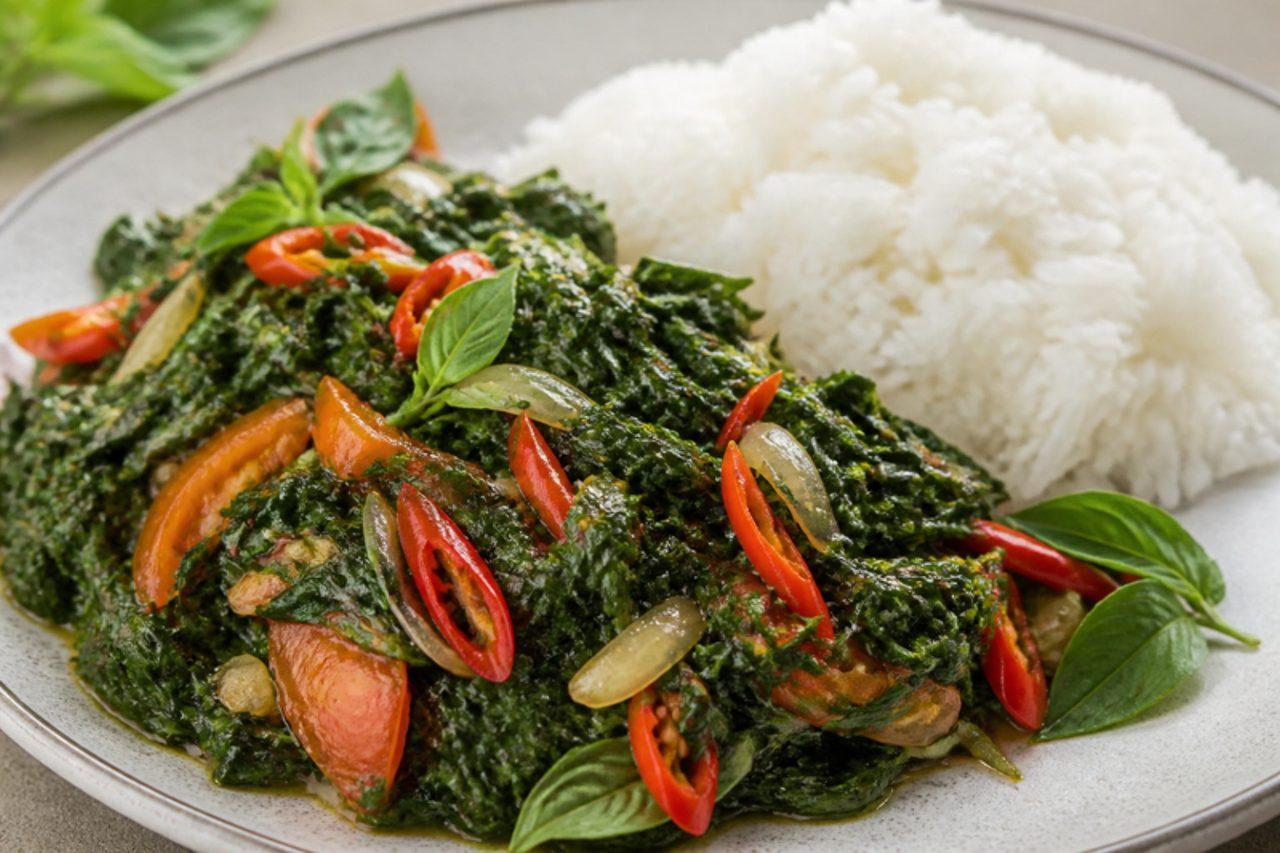
In Manado and across North Sulawesi and Maluku, a plate of tumis daun pepaya sits beside rice, grilled corn and sambal at everyday lunches and at big family gatherings, where its clean bitterness cuts through rich coconut dishes. The leaves are boiled first to tame them, then stir-fried hot with shallot, garlic, chilli and lemon basil until glossy. Many cooks add a little dried anchovy or fish; this version is vegetarian and gets its savouriness from a spoon of soy sauce and the fried aromatics. It is a light side with about 4 g of protein per portion, from the leaves themselves, so serve it with tofu, tempeh or beans if you want a full meal. The common mistake is skipping the pre-boil: raw papaya leaves are harshly bitter. Chef's tip: squeeze the boiled leaves hard and fry them in a hot, dry-ish pan so they take on a little colour rather than stewing.

by KrazyBadal 0 views

Tahu bacemSweet braised tofu

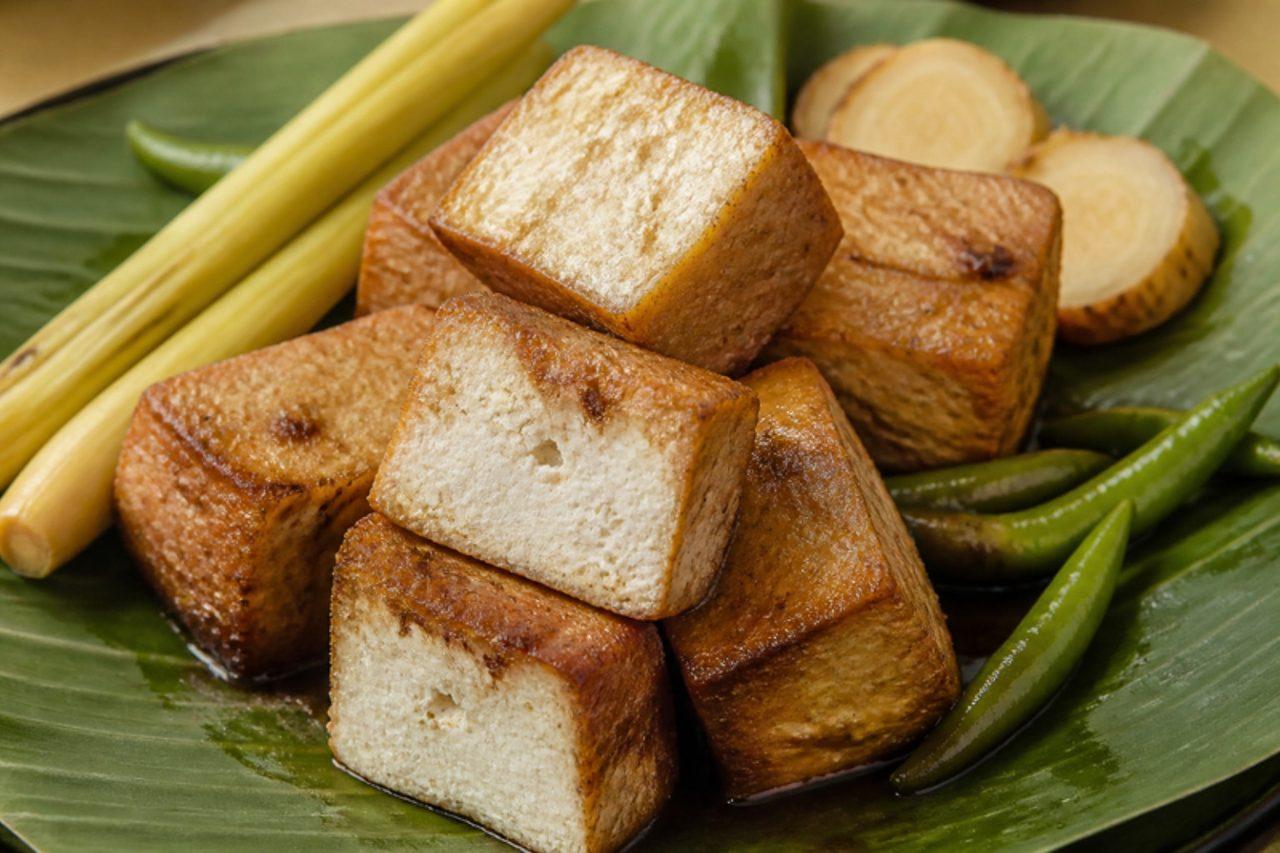
Tahu bacem is tempe bacem's softer sister, sold side by side on the gudeg stalls of Yogyakarta and Klaten and cooked at home on Sundays to see the family through the week. Firm tofu soaks up a braise of coconut water, palm sugar, coriander and galangal until it turns the colour of caramel all the way through, and a quick sear gives it a thin, chewy skin. A portion of about 200 g of tofu gives roughly 26 g of protein, from the soybeans in the tofu. The usual mistake is using silken or soft tofu, which breaks apart during the long simmer; buy firm or extra-firm. Chef's tip: press the tofu for 15 minutes before braising; the drier it is, the more of the sweet, spiced liquid it drinks in.

by KrazyBadal 0 views

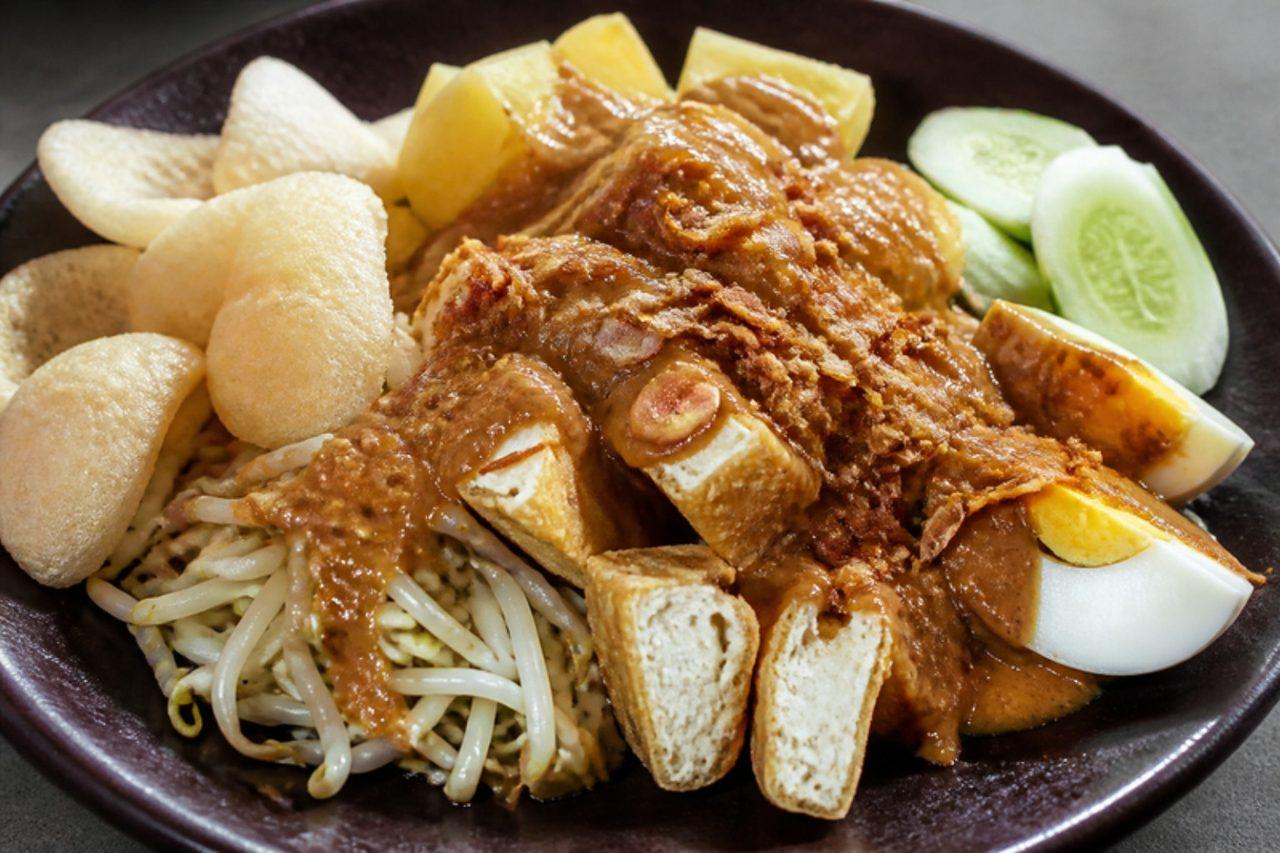
Tahu tekFried tofu with peanut sauce

After dark in Surabaya, the tahu tek seller's cart is easy to find: listen for the tek-tek-tek of scissors snipping fried tofu, potato and egg into bite-sized pieces straight onto the plate, before it all disappears under bean sprouts, cucumber and a thick peanut sauce. It is a supper dish, filling and saucy. The street version stirs petis, a black shrimp paste, into the sauce; this vegetarian version leaves it out and gets its depth from sweet soy, tamarind and fried garlic instead. A portion gives about 32 g of protein, from the tofu, egg and peanuts. The common mistake is making the sauce too thin; it should be thick enough to sit on top of the tofu. Chef's tip: grind the peanuts with the garlic and chilli while the fried peanuts are still warm, so the oil releases and the sauce turns creamy.

by KrazyBadal 0 views

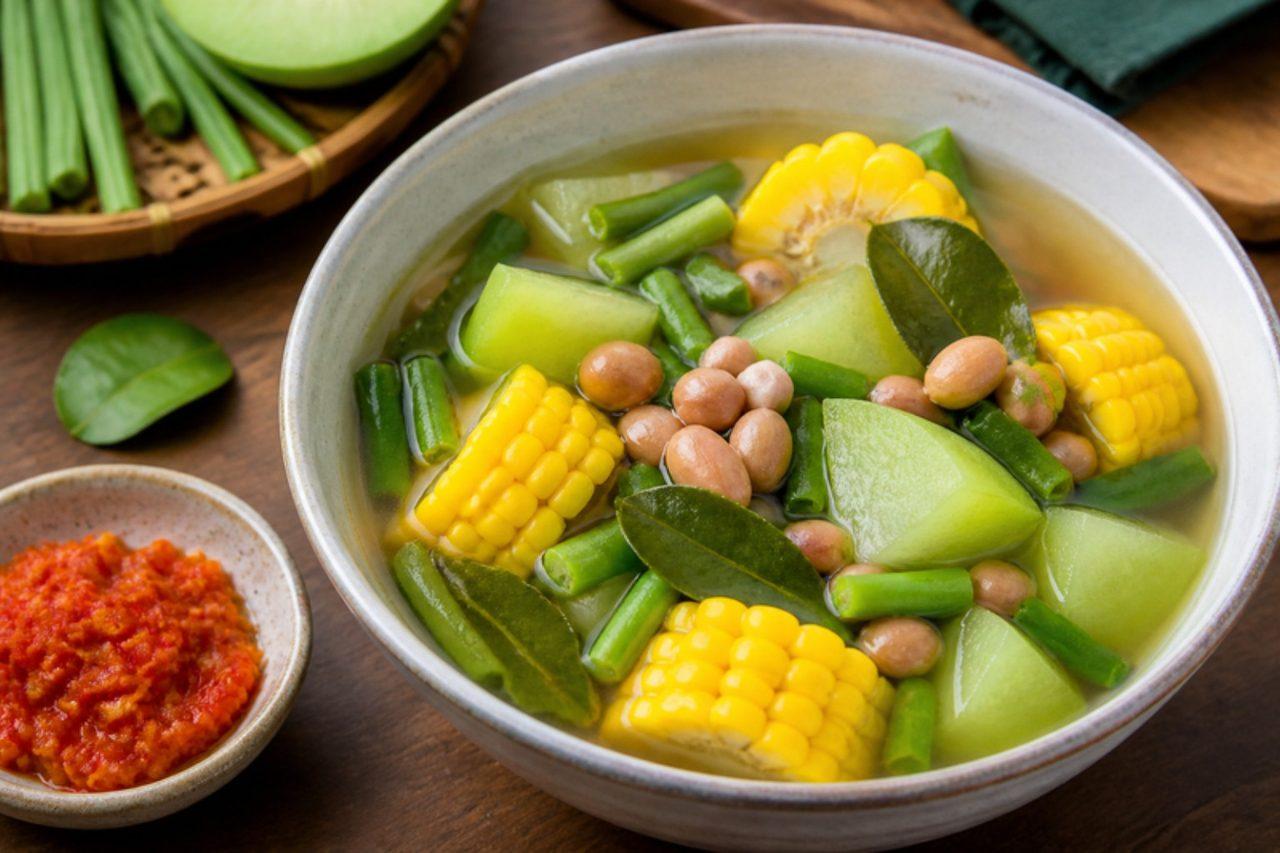
Sayur asemSour tamarind vegetable soup

Sayur asem is the soup that sits beside fried tempeh, rice and sambal on lunch tables across Jakarta and West Java, and it is most loved in the hot months, when its sharp, sweet-sour broth cools you down. Chunks of sweetcorn, chayote, long beans, raw peanuts and young melinjo leaves simmer in a clear broth soured with tamarind and rounded with a little palm sugar. It is light, with about 5 g of protein per portion, mostly from the peanuts; serve it with tempeh or tofu if you want a full meal. The most common mistake is adding all the vegetables at once: the corn and peanuts need a head start, while the long beans and leaves turn grey and soft if they boil too long. Chef's tip: dissolve the tamarind in a little hot water and add it in stages, tasting as you go, because tamarind blocks vary hugely in strength.

by KrazyBadal 0 views

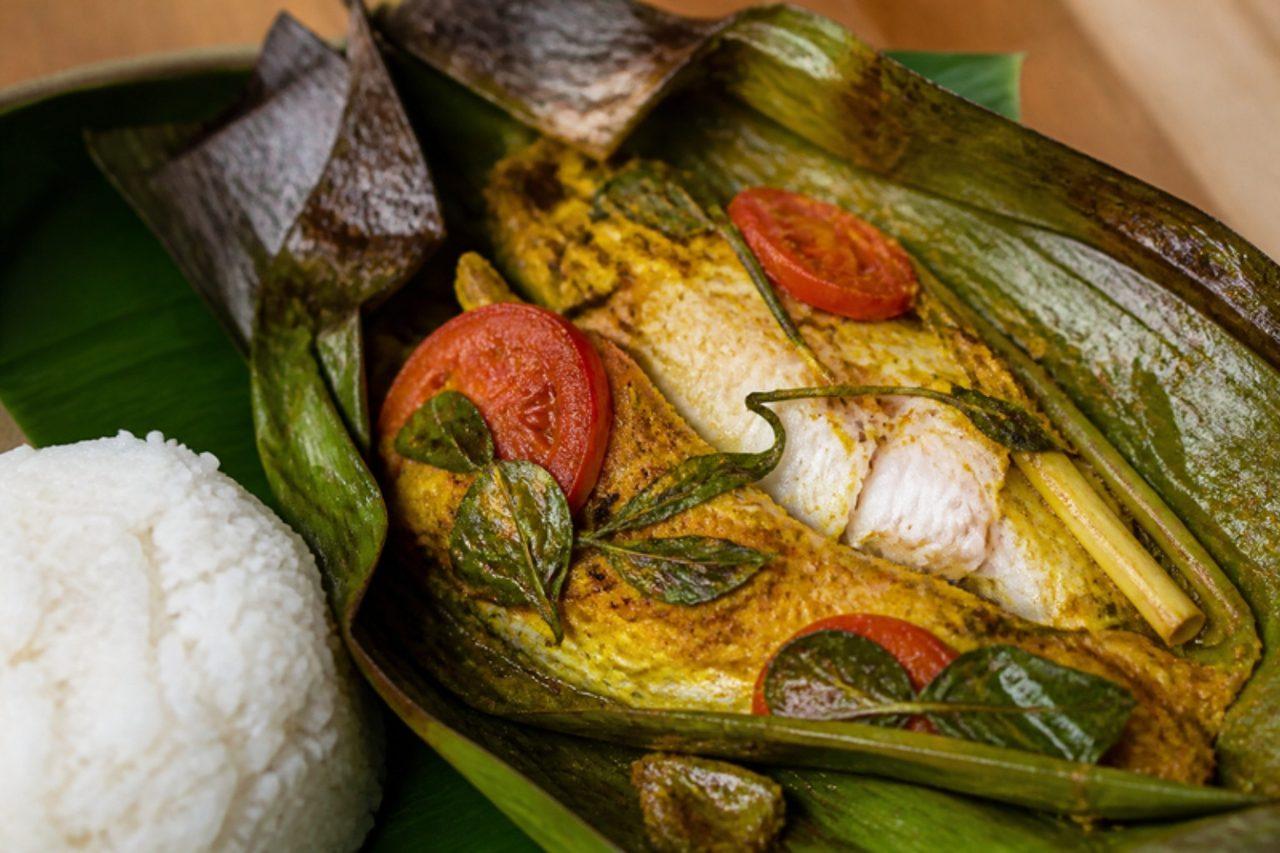
Pepes ikanFish steamed in banana leaf

Pepes ikan is everyday Sundanese cooking from Bandung and the hills of West Java, made in the morning and eaten with rice, sambal and raw vegetables at lunch. Fish is rubbed with a yellow paste of turmeric, shallot, candlenut and chilli, scattered with lemon basil, wrapped in banana leaf and steamed, then charred briefly on a grill so the leaf smokes and perfumes it. The flesh comes out moist and fragrant. A portion has about 30 g of protein from the fish. The usual mistake is skipping the steaming and grilling straight away: the outside burns before the fish is cooked. Chef's tip: lemon basil (kemangi) is the signature; if you can't get it, use Thai basil with a little lemon zest.

by KrazyBadal 0 views

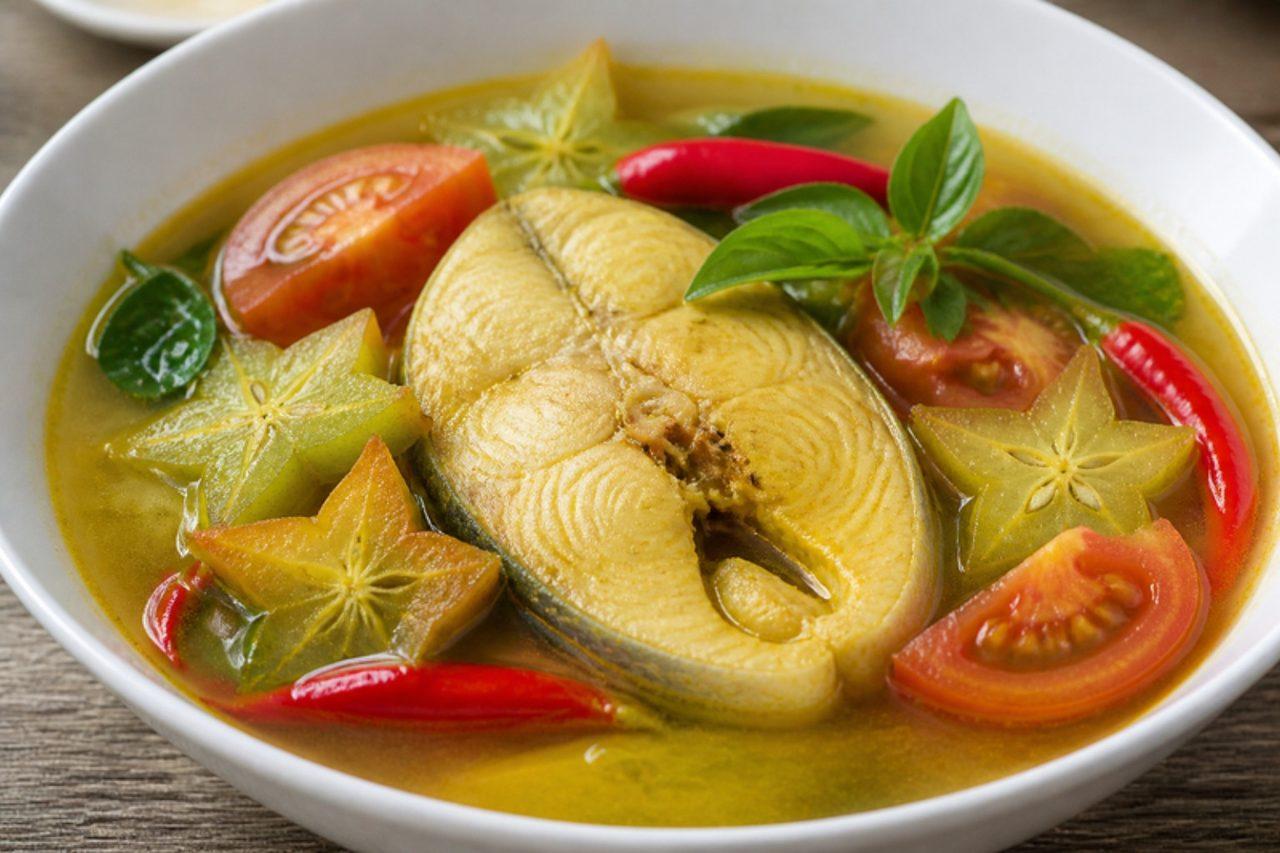
Pindang seraniFish in sour turmeric broth

Pindang serani belongs to Jepara and the fishing towns of the north coast of Central Java, where it is cooked at home for lunch and served at seaside warungs. Traditionally it is made with milkfish (bandeng) or grouper simmered in a pale yellow broth of turmeric, galangal and lemongrass, soured with sour starfruit and sharpened with chilli and basil. It is light and restoring, with about 28 g of protein a portion from the fish. Milkfish is very bony, so sea bass or grouper steaks are easier at home. The common mistake is boiling the soup hard once the fish is in, which clouds it and breaks the flesh. Chef's tip: bruise the turmeric, galangal and ginger rather than grinding them, so the broth stays clear.

by KrazyBadal 0 views

Es pisang ijo (Makassar green banana dessert)

Es pisang ijo, green banana ice, is the pride of Makassar in South Sulawesi. It is everywhere during Ramadan as the sweet that breaks the fast at sunset, and sold year-round from stalls by the Losari waterfront. A whole steamed banana is wrapped in a thin, soft jacket of pandan-green rice-flour dough, sliced, laid on a pool of warm salty coconut porridge sauce, then buried under shaved ice and a sharp pink syrup. Cold, warm, salty, sweet and fragrant, all in one bowl. It is naturally egg-free: rice flour cooked with coconut milk and pandan juice makes a smooth, pliable dough that binds without any egg, and a little more rice flour thickens the sauce. Chef's tip: use firm but ripe bananas with a few freckles; the common mistake is very soft ones, which turn to mush inside the dough while steaming.

by KrazyBadal 0 views

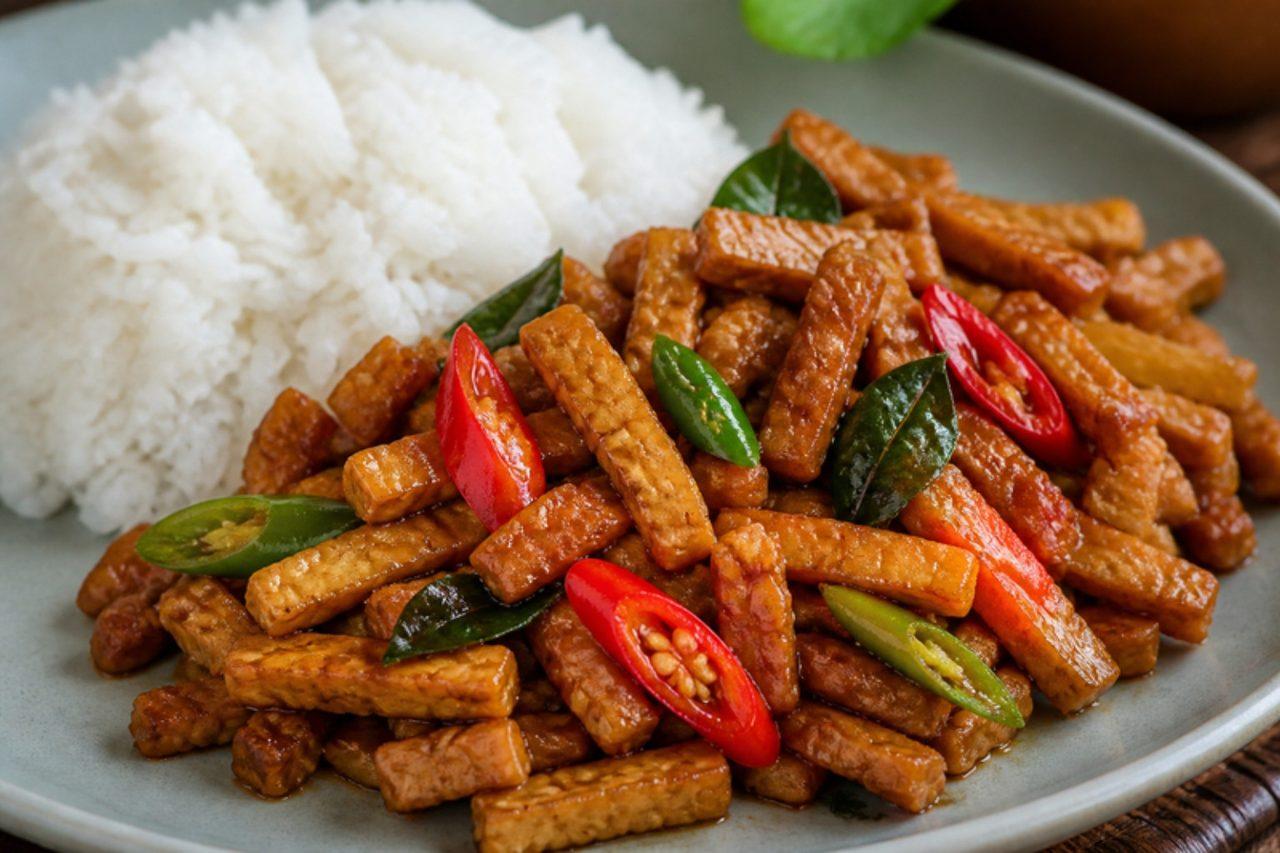
Oseng tempeStir-fried tempeh with chilli

Oseng tempe is the quick fix of Javanese home cooking, made in Semarang, Surabaya and every student boarding house in between for weekday lunch or dinner with plain rice. Thin matchsticks of tempeh are fried until crisp-edged, then tossed with shallot, garlic, sliced chilli, galangal and bay leaf in sweet soy sauce until sticky, sweet, salty and hot. A portion with about 125 g of tempeh gives roughly 24 g of protein, almost all from the tempeh. The common mistake is adding the sweet soy too early, before the tempeh has browned: it soaks in, burns and turns the strips soft. Chef's tip: fry the tempeh separately first, then build the sauce and return it at the end, so every strip stays a little crunchy.

by KrazyBadal 0 views

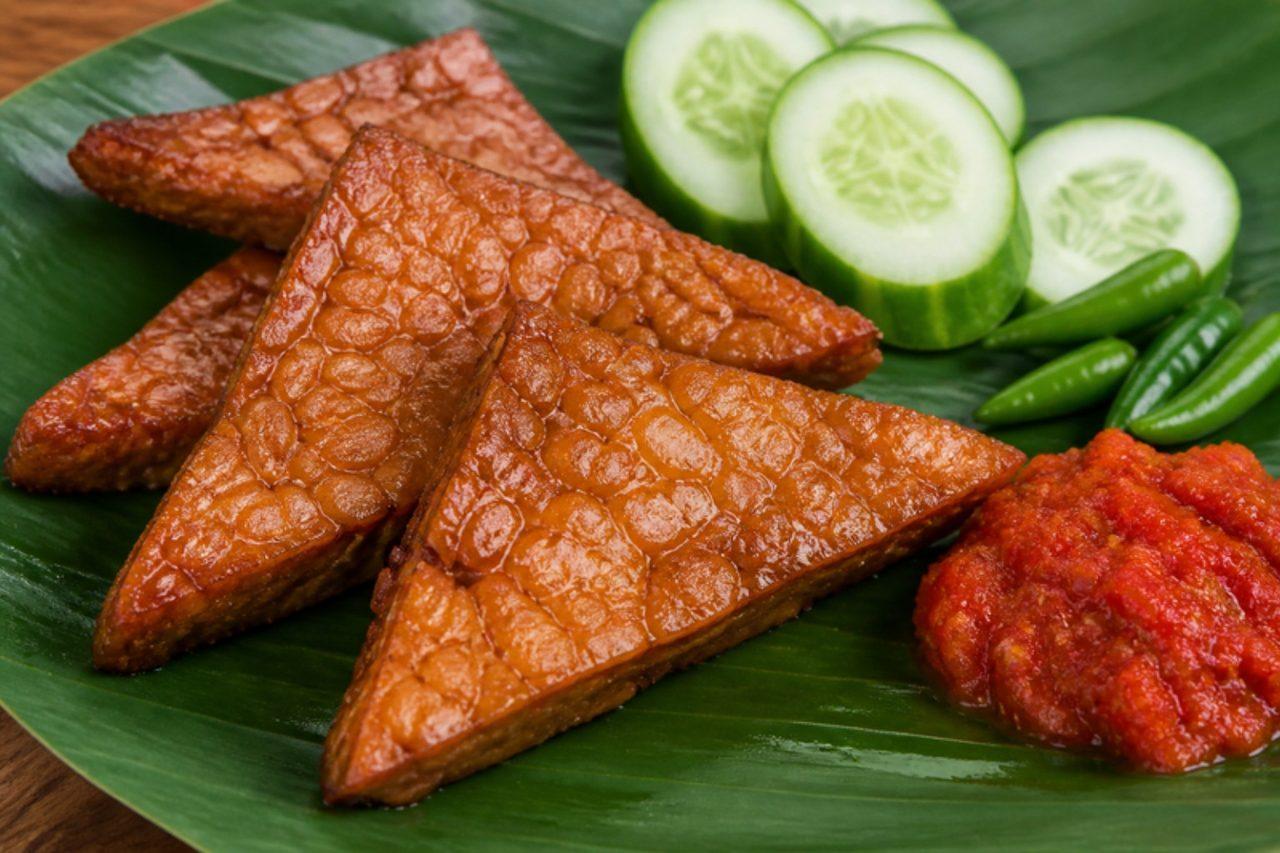
Tempe bacemSweet braised tempeh

Every warung in Yogyakarta and Solo has a tray of tempe bacem on the counter, dark, sticky and sweet, eaten at lunch with rice, sambal and a few raw cucumber slices, or packed for journeys because it keeps so well. The tempeh is simmered slowly in coconut water with palm sugar, galangal, coriander seed and bay leaf until the liquid has gone and every slab is glazed, then seared briefly so the edges caramelise. A portion of about 150 g of tempeh gives roughly 28 g of protein, nearly all from the fermented soybeans. The common mistake is turning the heat up to hurry the braise: the sugar catches and turns bitter before the tempeh has soaked anything up. Chef's tip: make it a day ahead; bacem tastes deeper after a night in the fridge and sears better cold.

by KrazyBadal 0 views

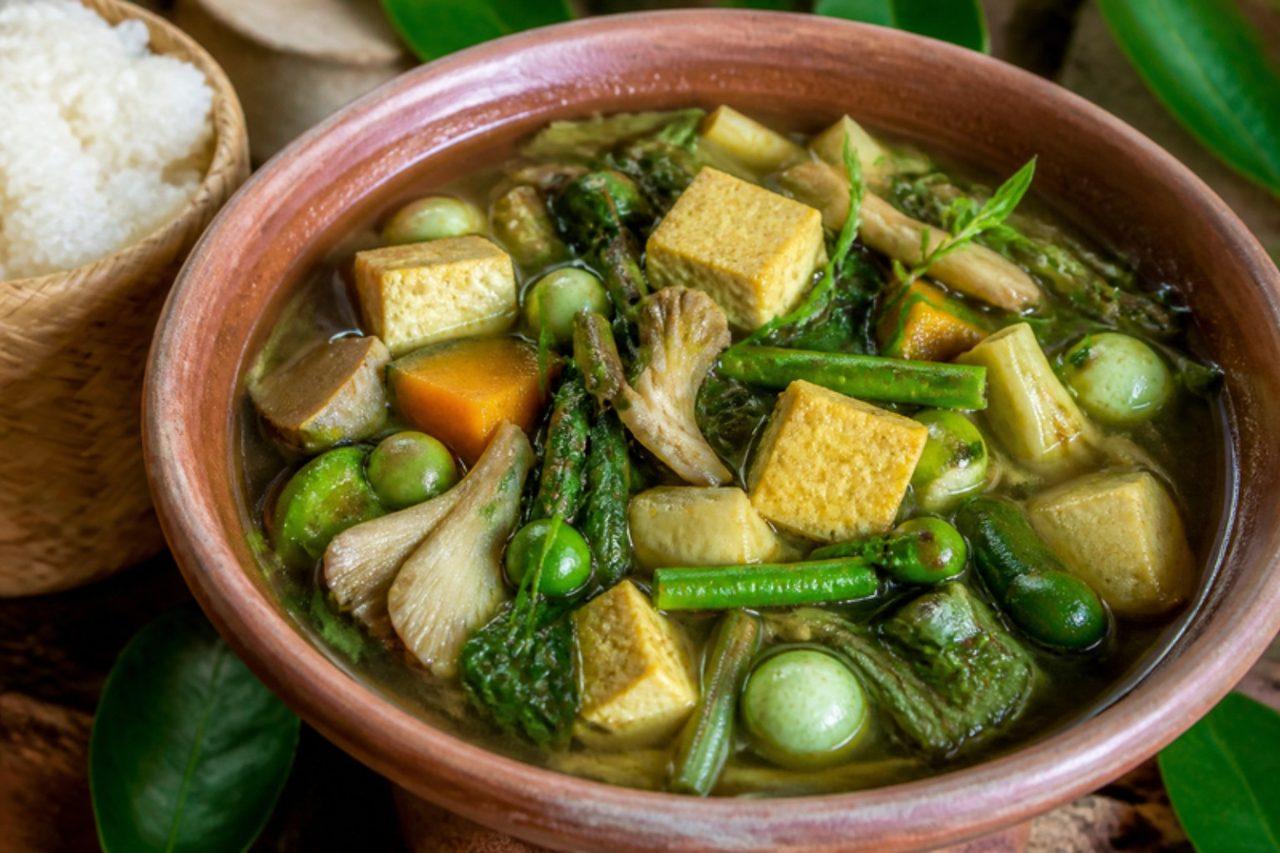
Kaeng khae with tofu and mushroomsHerb curry with tofu and mushrooms

Kaeng khae comes from the hills around Chiang Mai and Lampang, where it is cooked through the rainy season with whatever the garden and forest give: pea aubergines, long beans, pumpkin tips, acacia shoots and handfuls of leaves, in a brothy, coconut-free curry scented with lemongrass and the peppery prickly ash called makhwaen. In northern homes it is a lunch dish eaten with sticky rice. It is normally cooked with chicken, frog or fish and seasoned with fermented fish; this vegetarian version uses firm tofu, oyster mushrooms, soy sauce and a little salted soybean paste. With the tofu a portion has about 11 g of protein, so it is light rather than high protein. The common mistake is adding all the vegetables at once: the leaves are done in a minute while the beans and aubergines need five. Chef's tip: dry-fry the curry paste in a spoon of oil until it smells toasty before adding water; it gives the broth its depth without any fish.

by KrazyBadal 0 views

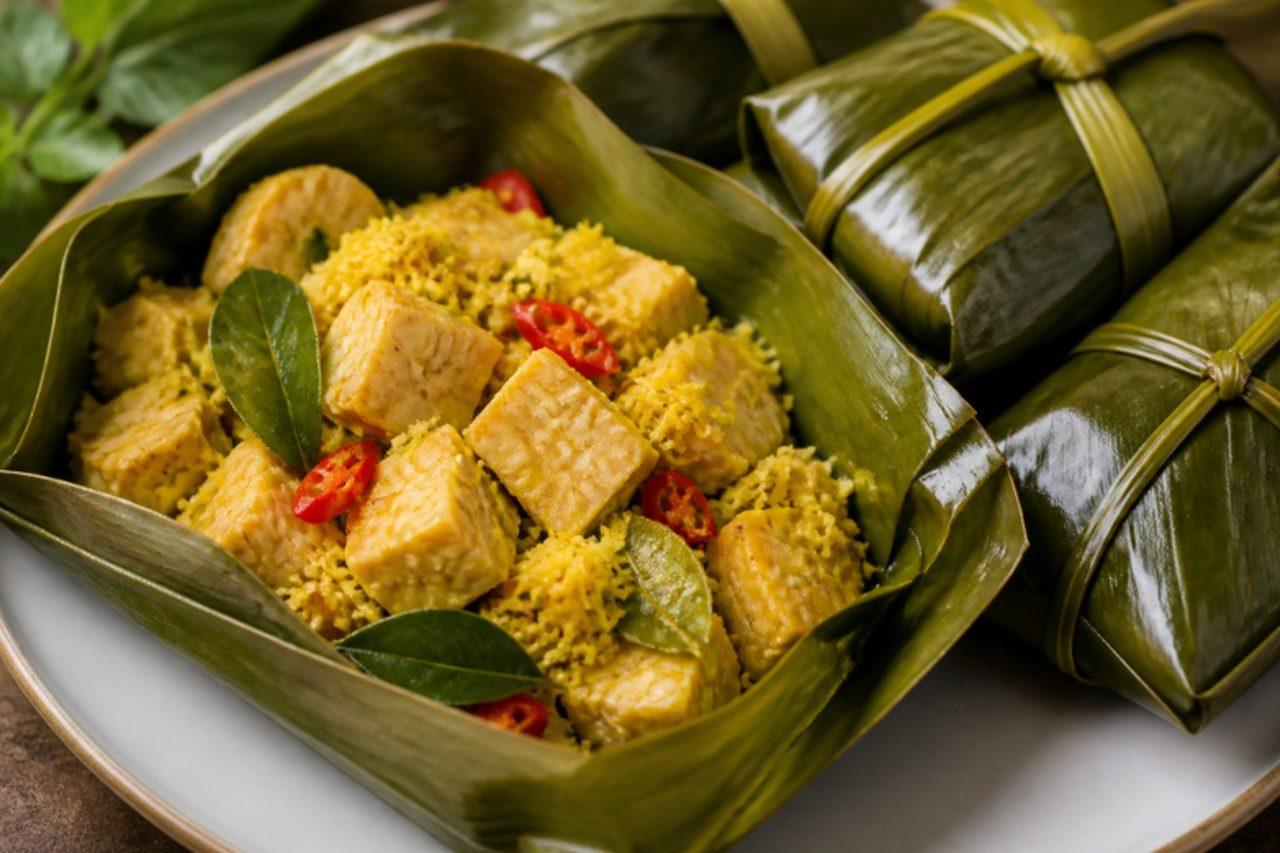
Botok tempeTempeh and coconut in banana leaf

In village kitchens of Central and East Java, from Klaten to Kediri, botok is a weekday parcel dish: crumbled tempeh mixed with freshly grated coconut, chilli, galangal and a little palm sugar, wrapped in banana leaf with a bay leaf and steamed until set. It comes to the table at lunch, unwrapped beside rice, and tastes of toasted coconut and bay, moist and crumbly rather than saucy. Each portion has about 125 g of tempeh plus coconut, giving roughly 24 g of protein, mainly from the tempeh. The common mistake is wrapping the parcels loosely, so steam gets in and the filling turns wet; fold them snugly and pin them shut. Chef's tip: squeeze a little of the coconut through your fingers before mixing; if it feels dry, add a spoon or two of water so the botok binds when it steams.

by KrazyBadal 0 views

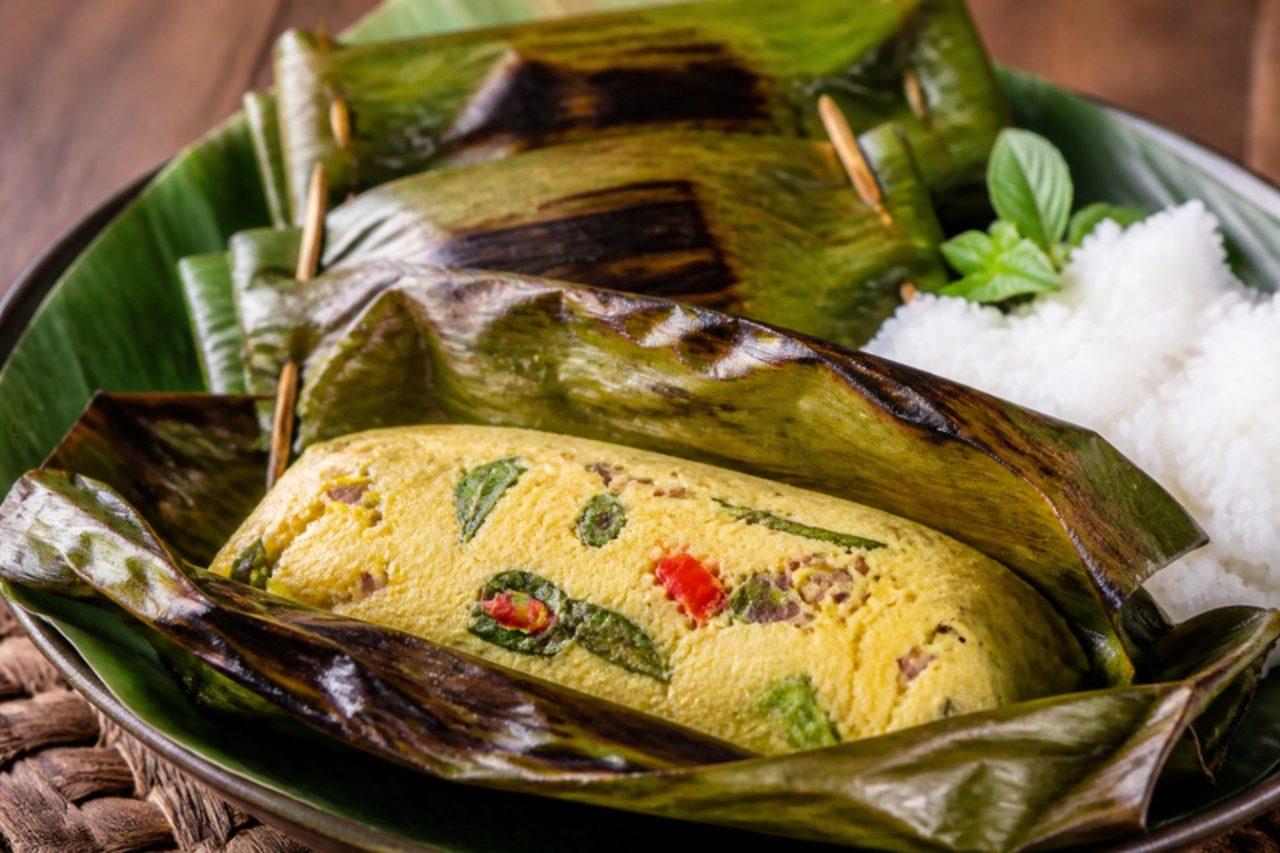
Pepes tahuTofu and basil in banana leaf

In Bandung and the hills of West Java, pepes means anything wrapped in banana leaf, steamed and then charred over coals, and pepes tahu is the everyday meat-free one, eaten at lunch with rice, raw vegetables and sambal. Mashed tofu is bound with egg, shallot, chilli, lemon basil and lime leaf, so it sets into a soft, fragrant, smoky cake inside its leaf. Each portion has about 150 g of tofu and most of an egg, giving roughly 24 g of protein, from the tofu and eggs. The common mistake is skipping the steaming and going straight to the grill: the outside burns while the egg in the middle stays raw. Chef's tip: steam first until the filling is firm right through, then grill only to scorch the leaf and add smoke.

by KrazyBadal 0 views

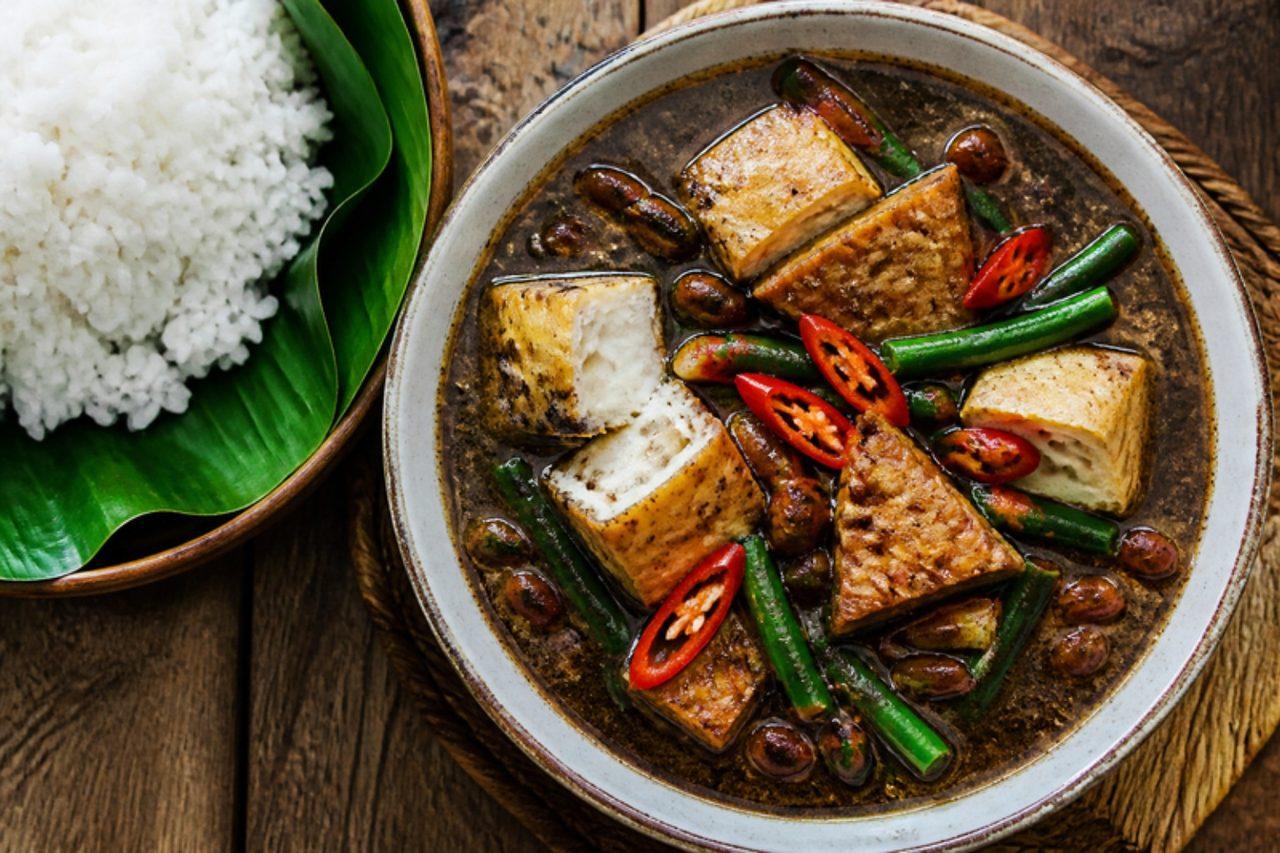
Brongkos with tofu and tempehTofu and tempeh black nut stew

Brongkos is one of Yogyakarta's old royal-kitchen dishes, a near-black stew of keluak nut paste and coconut milk eaten at lunch with rice, often alongside gudeg. The classic pot holds beef with tofu and cowpeas; this is a vegetarian version, using tofu, tempeh and red cowpeas only, which many Jogja families also cook. The keluak gives a deep, earthy, almost chocolatey flavour, softened by coconut milk and a little palm sugar. A portion gives about 29 g of protein, from the tofu, tempeh and cowpeas. The dried cowpeas need soaking for 8 hours or overnight first, which is not counted in the times. The common mistake is using keluak that has gone bad: crack each nut and smell it; the flesh should be dark and smell earthy, never sour or mouldy. Chef's tip: brongkos is better the next day, when the beans and tofu have soaked up the sauce.

by KrazyBadal 0 views

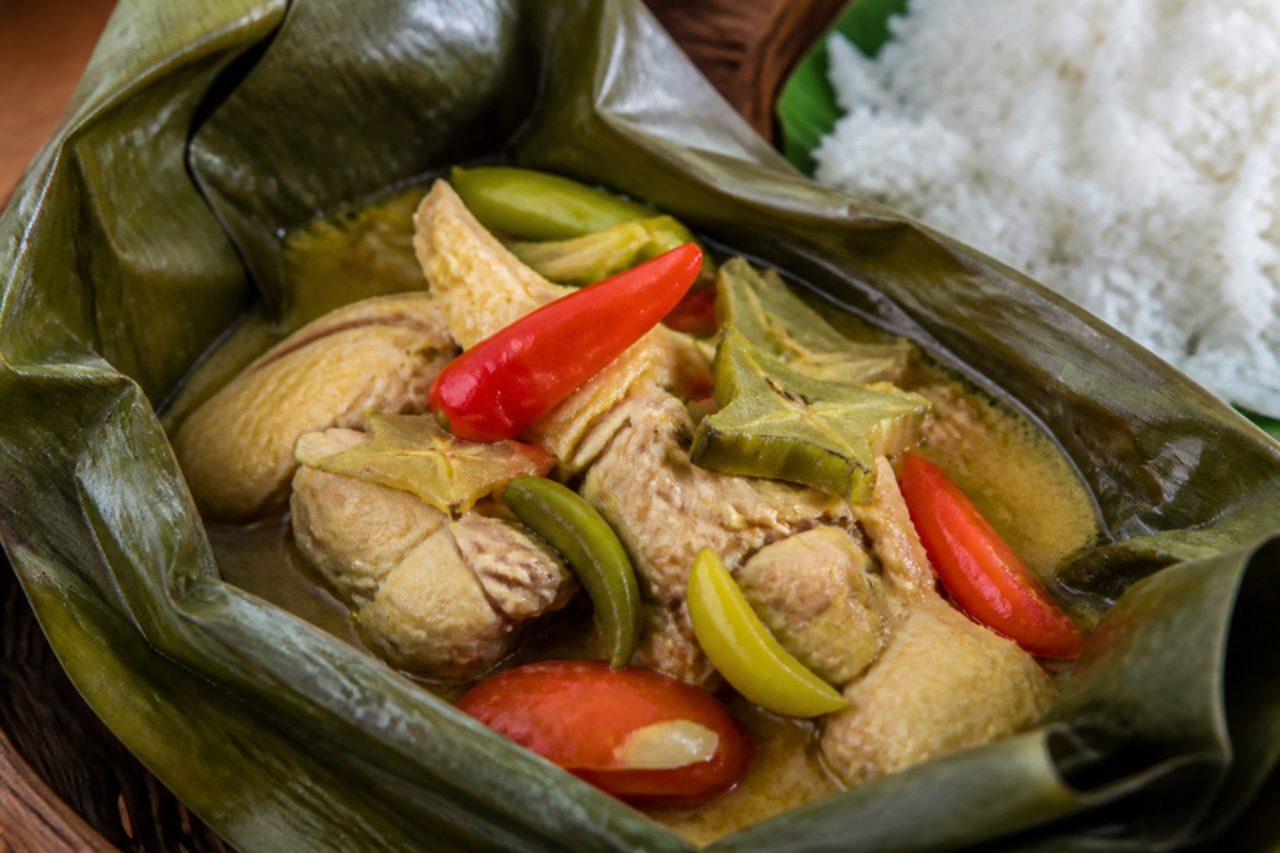
Garang asemChicken and starfruit in banana leaf

Garang asem is a dish from Kudus and Demak on the north coast of Central Java, where it is cooked for family lunches and sold at warungs by midday. Bone-in chicken is packed into banana-leaf parcels with sour starfruit, tomato, whole chillies and a little thin coconut milk, then steamed until the juices turn into a light, tangy, peppery broth. It is clean-tasting rather than rich, and a portion has about 32 g of protein from the chicken; serve it with steamed rice. The common mistake is wrapping the parcels loosely so the broth runs out; fold the leaves in two layers and pin them tight. Chef's tip: if you can't find belimbing wuluh (sour starfruit), use green tomatoes and a spoon of tamarind water for the same sharpness.

by KrazyBadal 0 views

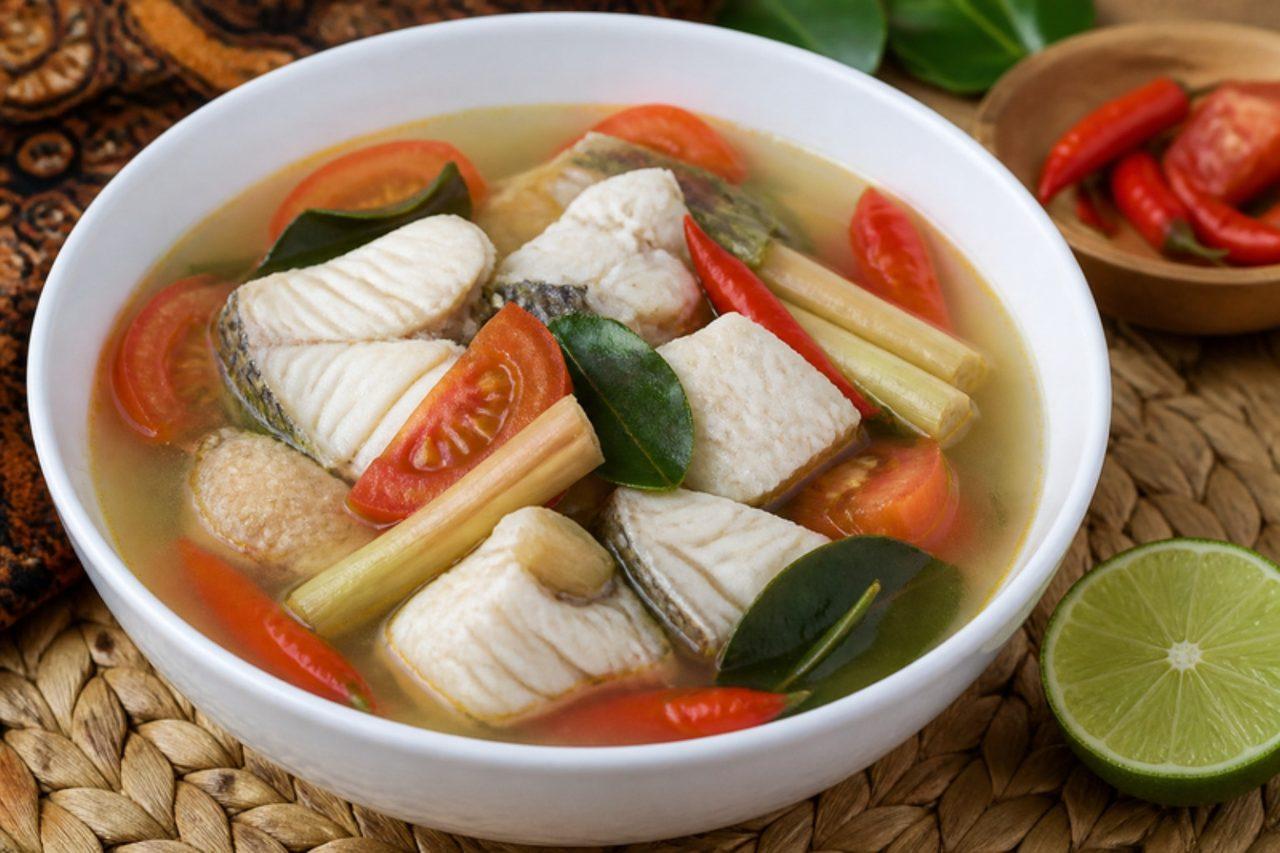
Ikan kuah asamFish in clear sour broth

Across Ambon in Maluku and the coasts of North Sulawesi, ikan kuah asam is the soup families eat almost daily with papeda or rice, made from whatever fish came in that morning. The broth is thin and clear, bright with lime and tomato, warm with chilli and lemongrass, with chunks of fish poached just until they flake. It is light but filling, with about 28 g of protein a portion from the fish. The common mistake is adding the lime juice too early and boiling it: it turns bitter, so squeeze it in at the end. Chef's tip: use a firm, meaty fish such as tuna, mackerel or snapper, cut into large chunks, so it holds together in the broth.

by KrazyBadal 0 views

Fak thong kaeng buat (Thai pumpkin in coconut milk)

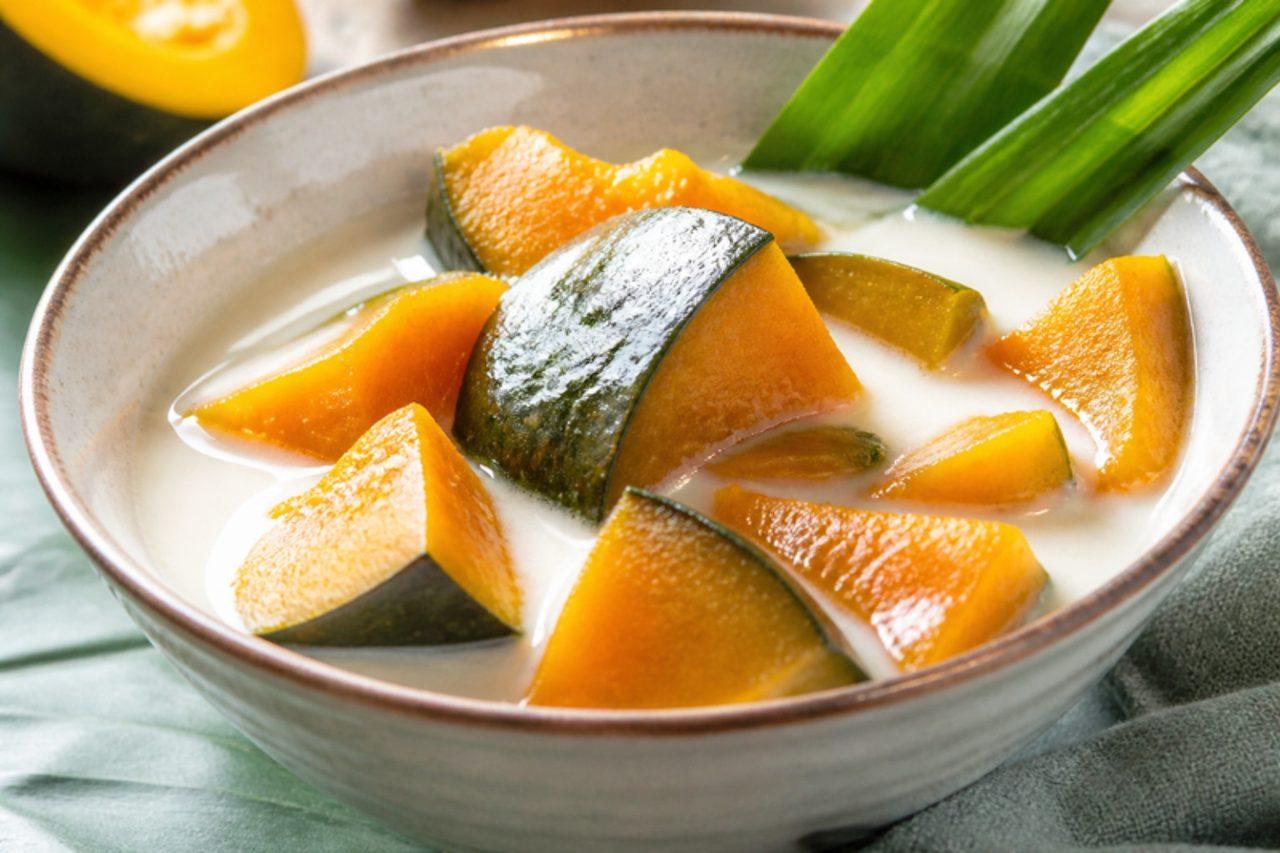
When the rains end and pumpkins pile up in the markets of central Thailand, kaeng buat is what cooks make with them: chunks of dense kabocha simmered in coconut milk sweetened with palm sugar and sharpened with a pinch of salt. It is a homely, everyday dessert, sold warm from big pots at markets in the afternoon and also cooked at Ok Phansa, the end of Buddhist Lent. The pumpkin turns velvety but keeps its shape, and the thin, creamy, caramel-scented broth is meant to be drunk from the spoon. Eat it warm or at room temperature, in small bowls. There is no egg in it and never was: nothing needs setting or binding, as the pumpkin's own starch gives the coconut milk a light body as it cooks. Chef's tip: pick a dry, orange-fleshed kabocha and keep the coconut milk at a bare simmer; letting it boil hard is the common mistake that splits the milk and breaks the pumpkin into mush.

by KrazyBadal 0 views

Sayur sopClear vegetable soup

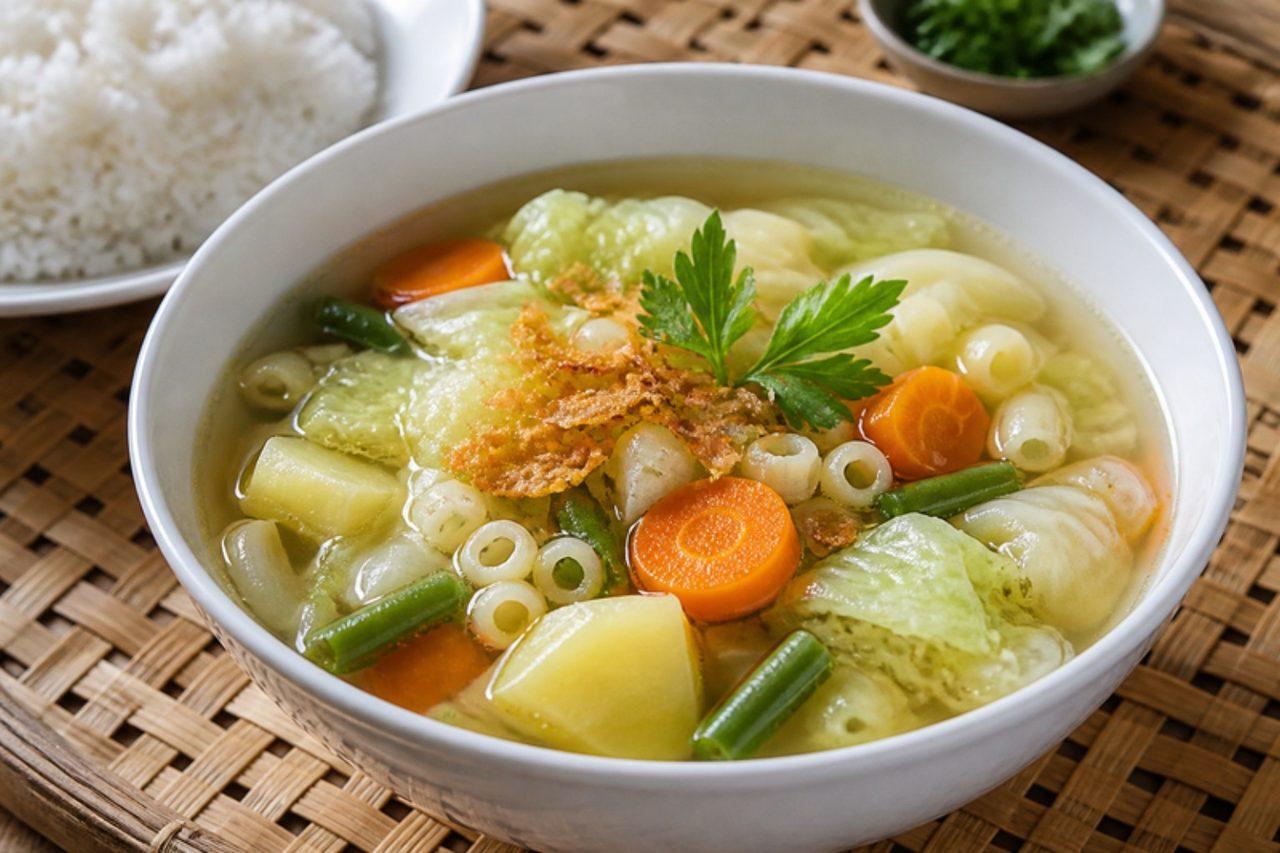
Sayur sop is the clear vegetable soup cooked in homes all over Indonesia, from Medan to Surabaya, on any ordinary weeknight and whenever a child is poorly; it is spooned over rice beside fried tofu or tempeh. Most families make it with chicken stock, so this is the vegetarian version, built on vegetable stock with fried shallots and celery leaf for depth. It is gentle, savoury and fragrant with nutmeg and white pepper, and children love it. It has about 4 g of protein per portion, from the vegetables and macaroni; add cubes of firm tofu for more. The common mistake is boiling it hard, which clouds the broth and breaks the potato; keep it at a lazy simmer. Chef's tip: fry the garlic and shallot in a little oil before they go in, rather than adding them raw, for a broth that tastes much richer than it is.

by KrazyBadal 0 views

Es doger (Bandung pink coconut shaved ice)

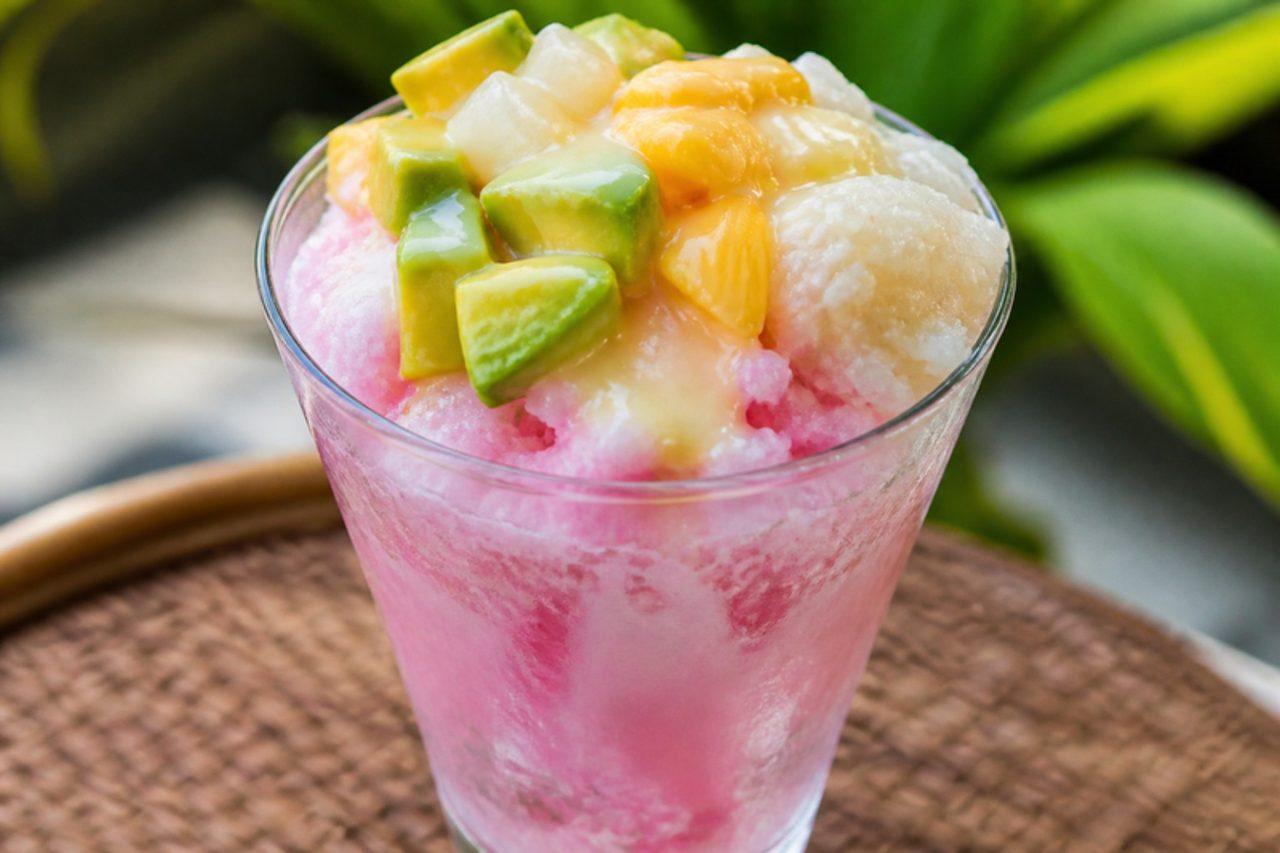
Es doger began on the streets of Bandung in West Java, where carts painted with bright patterns still sell it through the afternoon heat. The base is coconut milk and milk, coloured pink with red syrup and frozen or blended with ice into a soft slush, then piled into glasses with whatever the vendor has: cassava, avocado, jackfruit, sticky rice, tapioca pearls, and a ribbon of condensed milk over the top. It is sweet, creamy and cool, more a drink you eat with a spoon. It is naturally egg-free: the coconut milk gives body, the condensed milk binds it into a creamy slush, and the fruit and starchy cassava fill it out. Street versions use fermented cassava, which is lightly alcoholic; this recipe uses plain steamed cassava with sugar instead. Chef's tip: blend the ice in short bursts; the common mistake is running the blender until the slush melts into a milky drink.

by KrazyBadal 0 views

Bubur sumsum (Javanese rice-flour pudding with palm-sugar syrup)

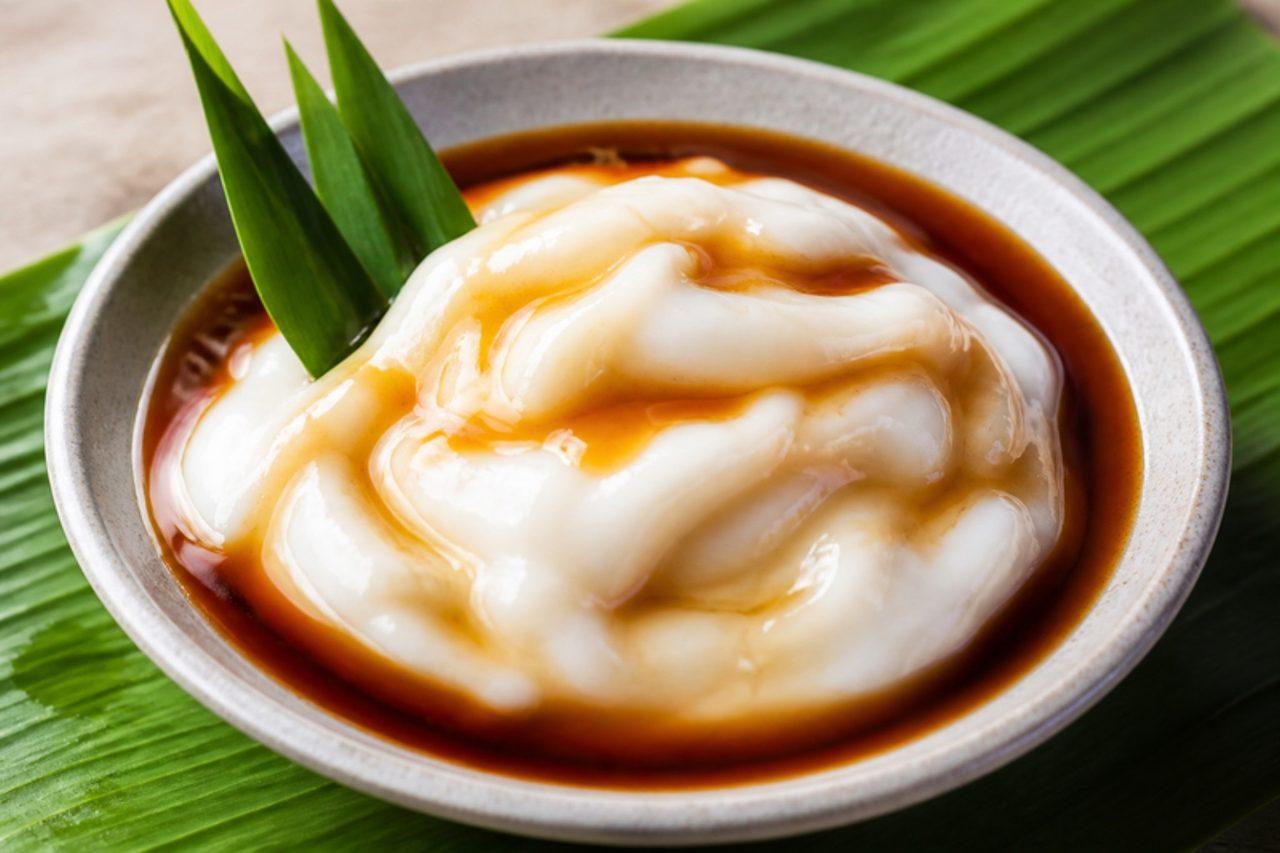
Bubur sumsum, named after bone marrow for its colour and softness, is one of Java's best-loved jajan pasar, sold from carts in the morning and in the late afternoon as a sweet bite. In Javanese custom it is also cooked after a wedding or a big celebration to thank those who helped, as a gentle food for tired bodies. The pudding is pure white, silky and barely salty, and it comes drenched in kinca, a warm syrup of palm sugar and pandan. Serve it warm or at room temperature in small bowls, on a banana leaf if you have one. It is naturally egg-free: rice flour cooked in coconut milk swells and sets it to a soft, spoonable pudding, the way cornflour sets a blancmange. Chef's tip: whisk the rice flour into cold coconut milk before it goes on the heat; adding it to hot liquid is the common mistake that leaves lumps you can't whisk out.

by KrazyBadal 0 views

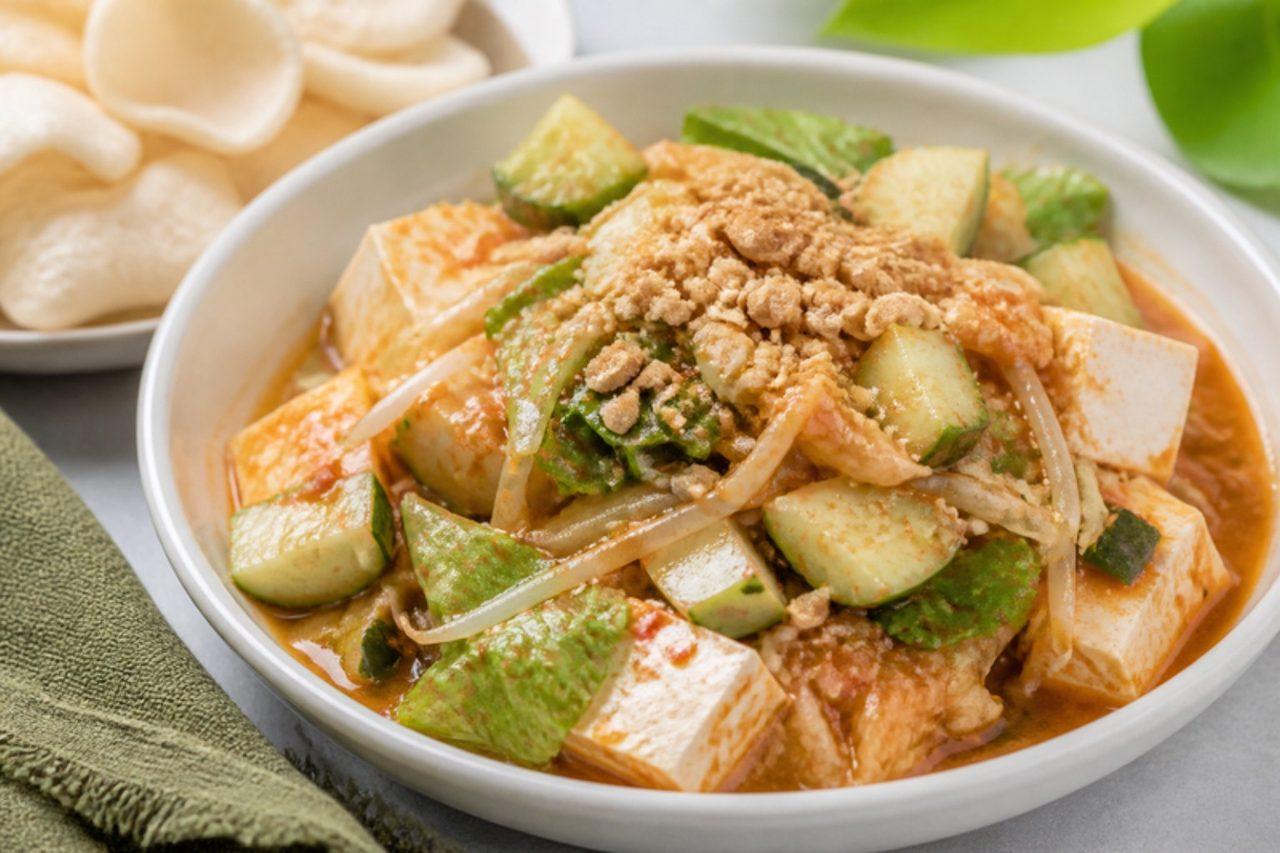
Asinan BetawiPickled vegetable and tofu salad

Asinan Betawi is the cooling salad of old Jakarta, sold from glass-sided carts and eaten mid-afternoon in the heat or brought out at family gatherings in big tubs. Quick-pickled cabbage, cucumber and bean sprouts are piled with cubes of tofu, then soaked in a thin, tangy sauce of chilli, vinegar, palm sugar and ground peanuts. It is crunchy, sour, sweet and spicy all at once. A portion has about 300 kcal and roughly 17 g of protein, from the tofu and peanuts, so it is a light meal rather than a high-protein one. The common mistake is dressing it too early; the vegetables go limp within an hour. Street versions often scatter shrimp crackers on top, so use plain rice or cassava crackers to keep it vegetarian. Chef's tip: chill the sauce well before serving; asinan should be served cold enough to fog the bowl.

by KrazyBadal 0 views

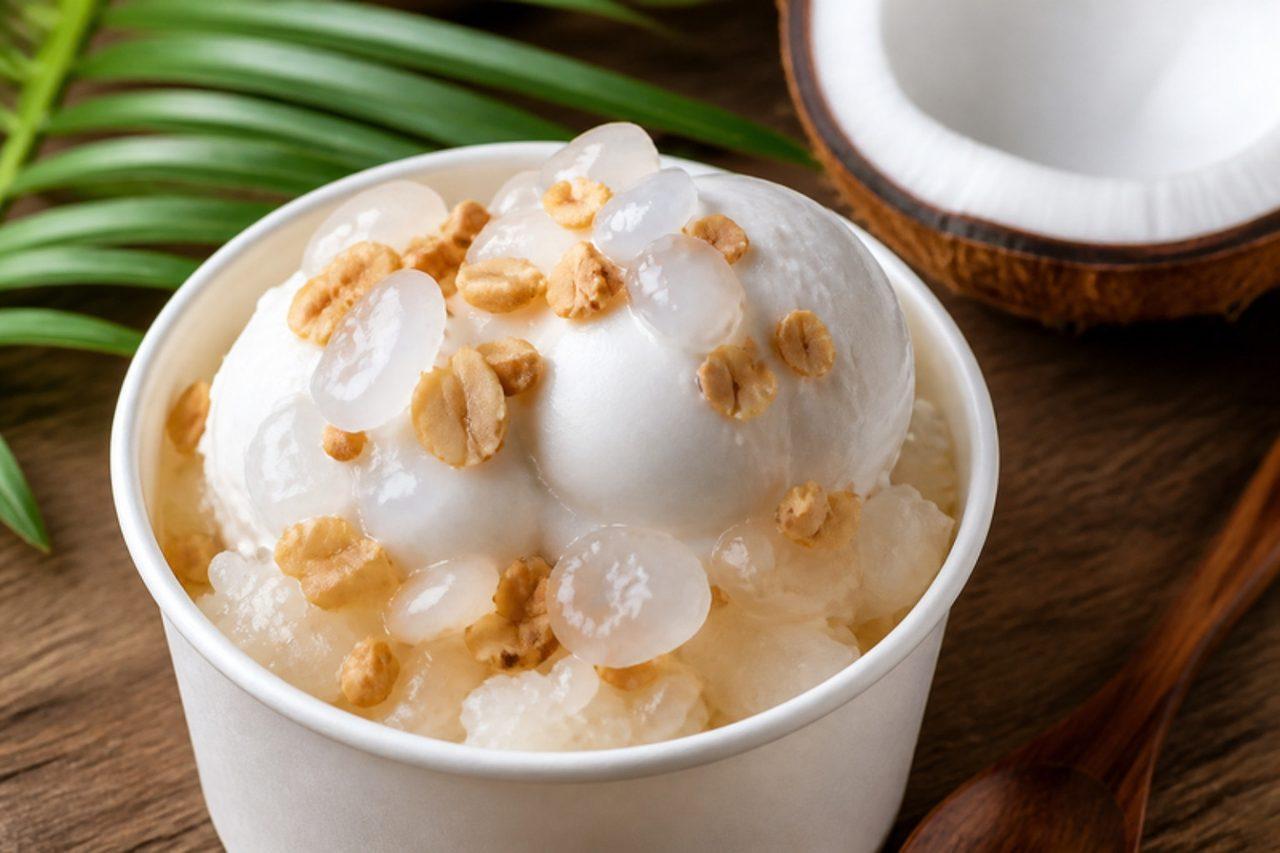
ไอติมกะทิ (Itim kathi, Thai coconut ice cream)

Itim kathi is the ice cream of Bangkok's pushcarts: a vendor lifts the lid of an insulated drum, scrapes up a scoop of snow-white coconut ice cream and piles it into a small cup over sticky rice, then adds whatever the customer points at, from roasted peanuts and sweet corn to chewy palm seeds. It is sold all afternoon in the hot months, outside schools and temples and in markets. Some vendors tuck the scoop into a soft bread roll; serve it in cups as here and it stays gluten free. It is naturally egg-free and dairy-free. Coconut milk carries the fat that makes it creamy, and a little cornflour cooked into it binds the water so crystals stay fine and the texture stays smooth without any custard, while a pinch of salt sharpens the coconut. Chef's tip: use full-fat coconut milk with no added water; the common mistake is using a light one, which freezes hard and icy.

300 minThaiDessertsVeganGluten free
by KrazyBadal 0 views

Showing 24 of 549 recipes

Show more recipes

Page 1 of 23