Skip to content
Recipes

All recipes

Vegetarian, or something you can't eat? Set your diet once and we'll hide recipes that don't fit.

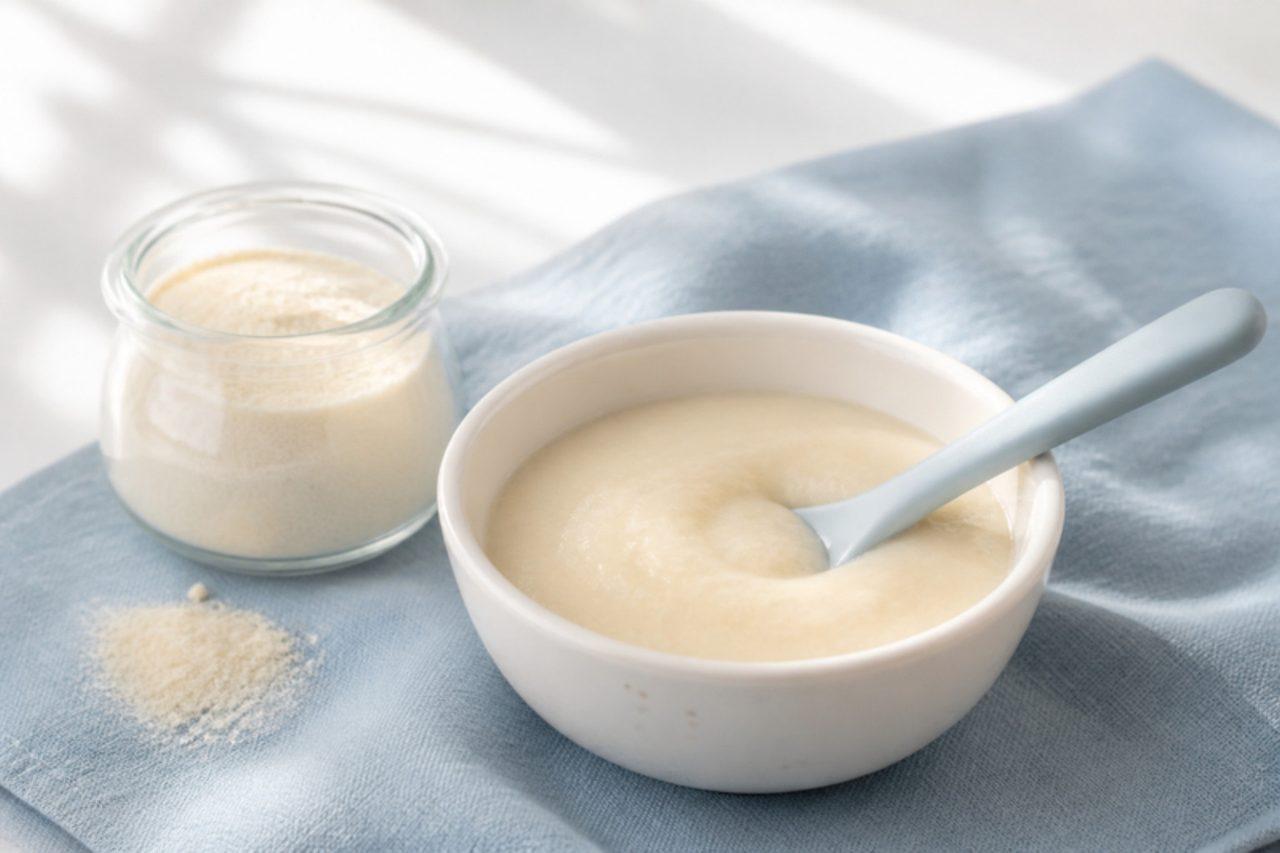
Rice cereal paste (mǐ hú)

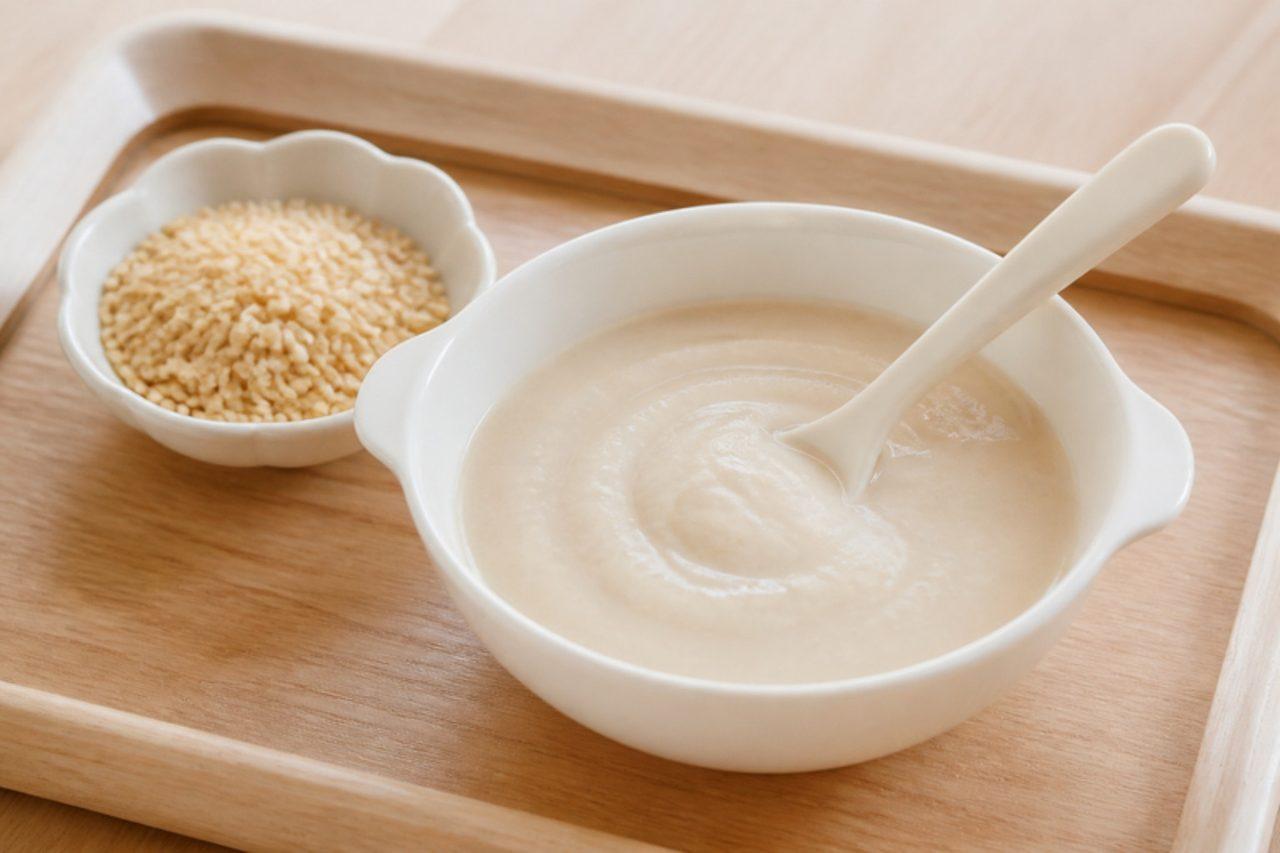
Long before boxed cereals, Chinese mothers made mǐ hú, rice paste, by dry-toasting rice in a wok, grinding it fine and cooking it with water. It is still a favourite first food all over China, often served as the baby's breakfast while the family eats congee. Toasting gives it a gentle, biscuity flavour and makes it cook in minutes. There is no salt or sugar, and none of the common allergens (milk, egg, gluten, peanut, tree nuts, soya, sesame, fish). Chef's tip: toast and grind a larger batch, sieve it, and keep the powder in a clean, dry jar for up to two weeks.

by KrazyBadal 0 views

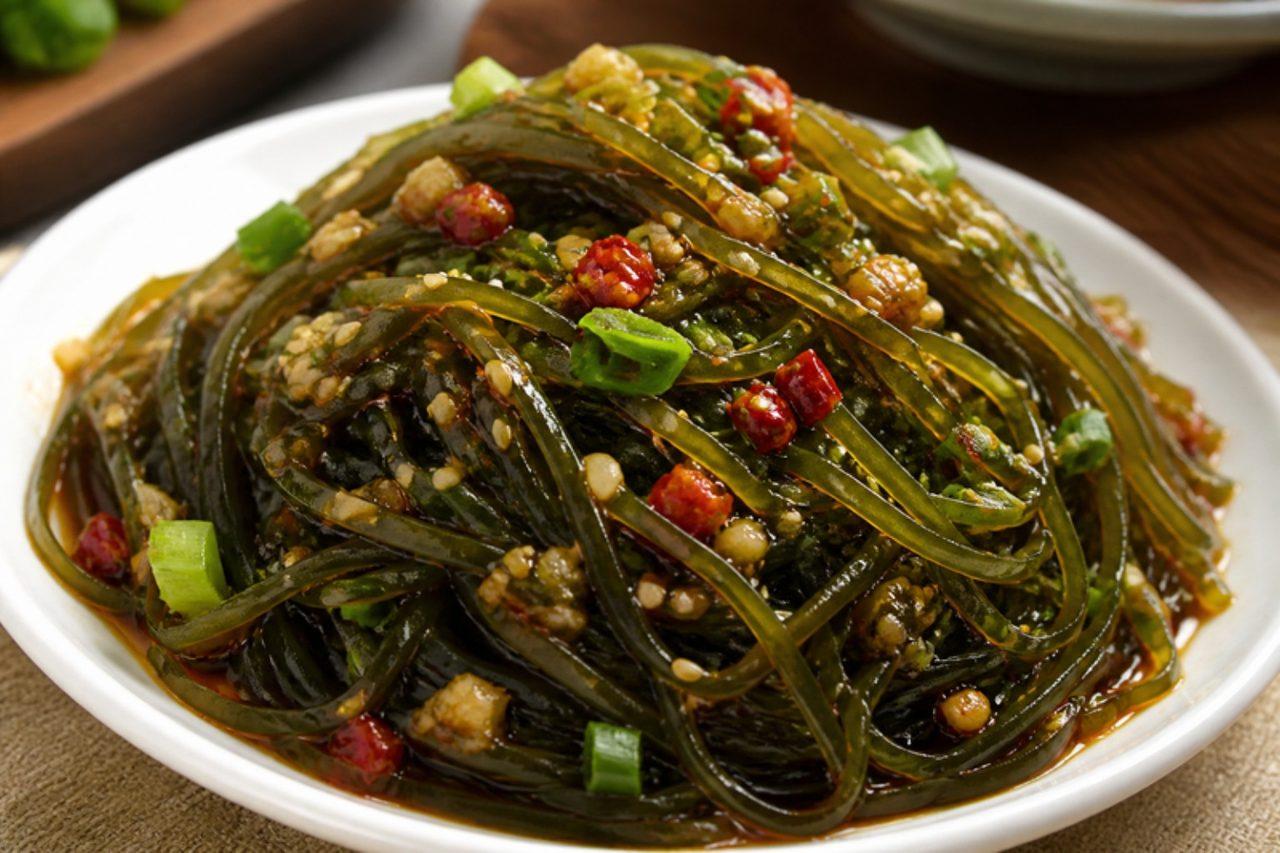
Liangban haidai siShredded kelp salad

Kelp is farmed in huge quantities along the coast of Shandong and Liaoning, and liangban haidai si is the cheap, crunchy cold dish served in every northern canteen, street stall and home: long, thin strands of kelp blanched and dressed in garlic, vinegar, soy, sugar and chilli oil. It is salty-sour, a little spicy and tastes of the sea, and it goes with dumplings, noodles or a bowl of congee. A portion is about 55 kcal. The common mistake is not rinsing the kelp well; it is coated in a salty, slippery film that must be washed off before blanching. Chef's tip: add a few drops of vinegar to the blanching water; it keeps the kelp bright green and crisp.

by KrazyBadal 0 views

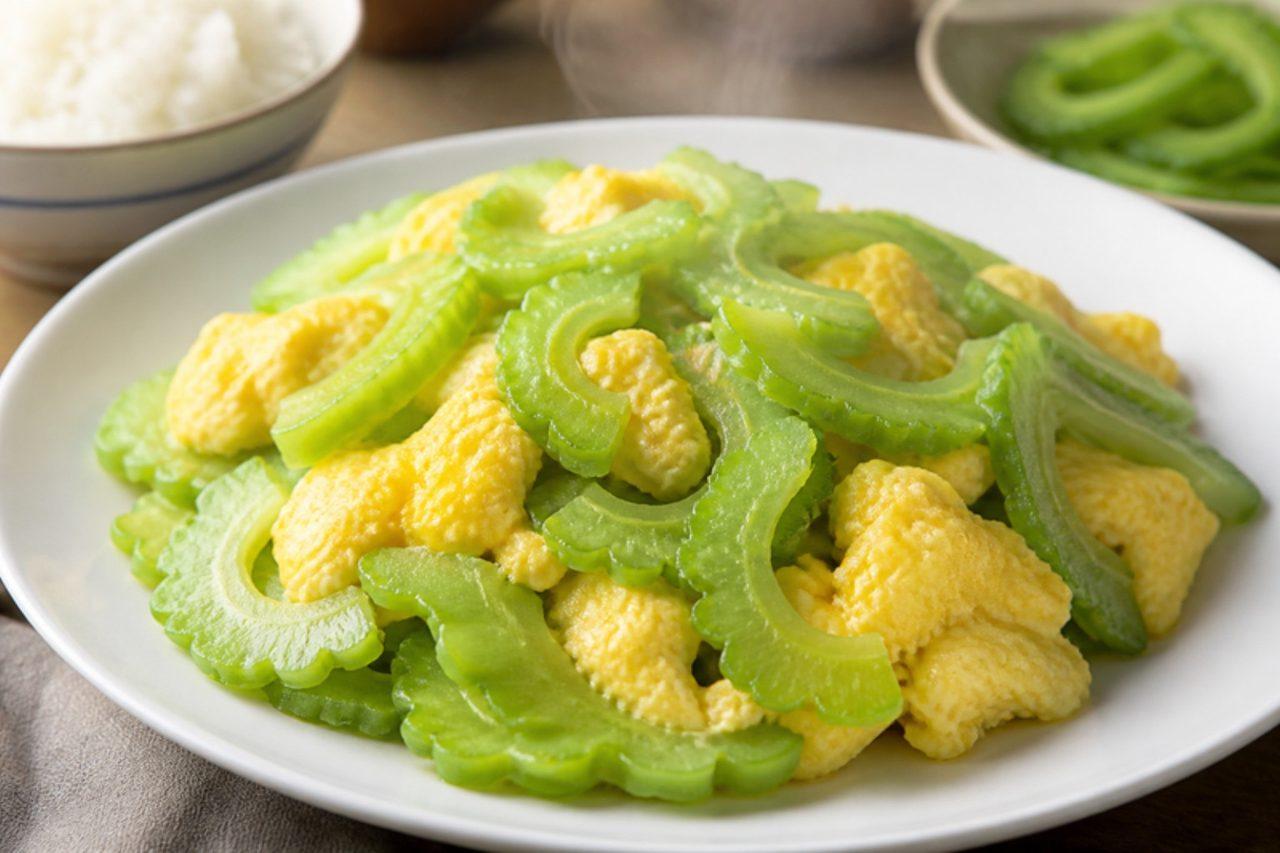
Kugua chao danBitter melon with egg

In the humid summers of Guangdong and Fujian, bitter melon is eaten for its "cooling" quality, and kugua chao dan is the gentlest way to learn to love it: thin slices of the ridged green gourd stir-fried until just tender, then folded into soft scrambled egg, which softens the bitterness. It is a classic dish of Cantonese home dinners, eaten with rice. Eggs are an allergen. A portion is about 140 kcal. The most common mistake is not salting the melon; a 10-minute salt and squeeze draws out much of the bitterness. Chef's tip: scrape out every bit of the white pith inside the melon with a spoon; that is where most of the bitterness lives.

by KrazyBadal 0 views

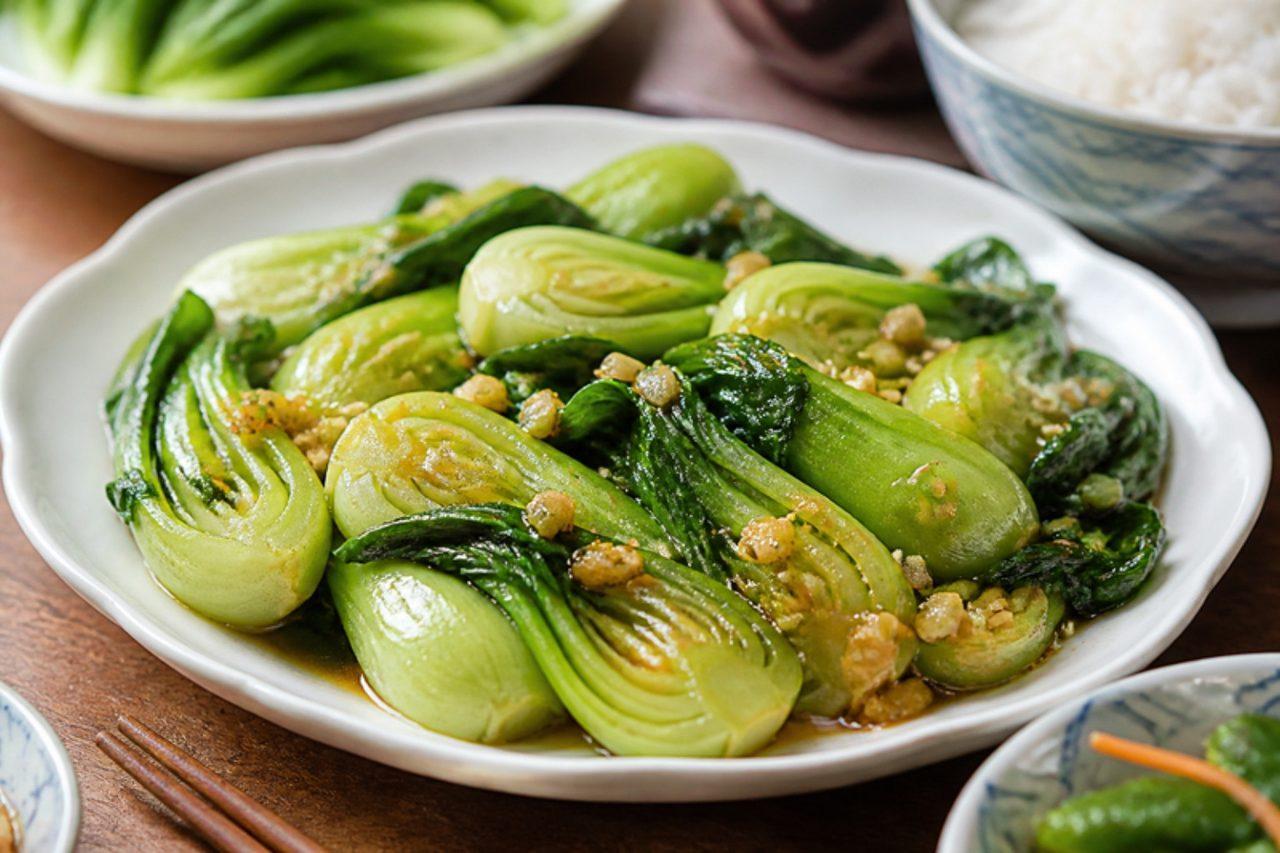
Garlic bok choy

Order a plate of greens in any home kitchen or small restaurant in Guangzhou or Shanghai and it will most likely be this: baby bok choy or xiao bai cai tossed in a smoking wok with a heap of chopped garlic, a pinch of salt and a splash of water, on the table in four minutes. The stems stay juicy and crisp, the leaves silky, and the garlic sweet. It goes with every meal. A portion is about 50 kcal. The most common mistake is a wet, crowded wok, which stews the greens to khaki; dry them well and cook in batches if your pan is small. Chef's tip: add half the garlic at the start and half at the end; you get both mellow, toasty garlic and a fresh punch.

by KrazyBadal 0 views

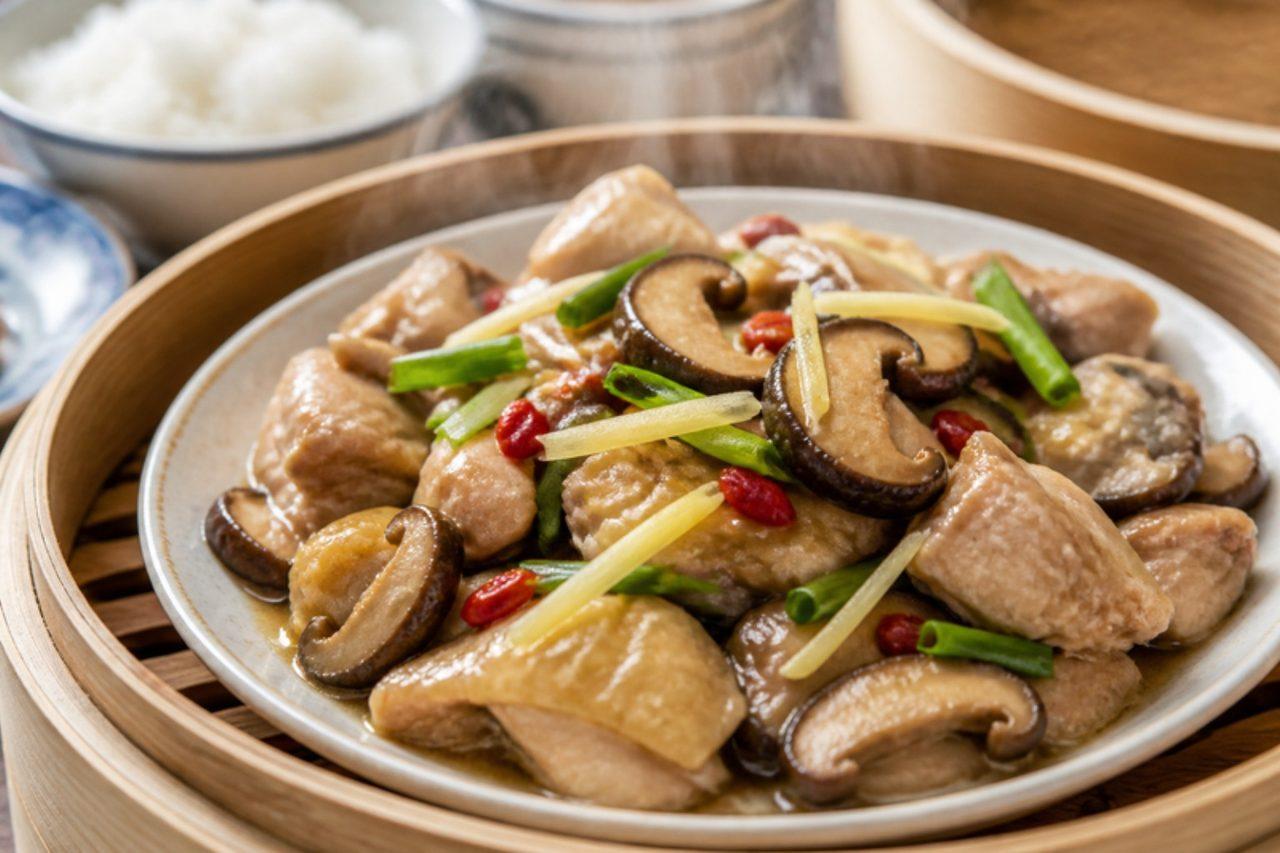
Steamed chicken with shiitake

Steamed chicken with mushrooms is one of the dishes Cantonese grandmothers in Guangzhou and Hong Kong put on the dinner table on a weeknight, steamed on a plate over the rice pot so the juices drip into a little puddle of sauce: bite-sized pieces of chicken thigh marinated with soy, ginger and cornflour, scattered with soaked shiitake and steamed until tender and glossy. It is light, savoury and clean-tasting, with rice and a green vegetable. A portion is about 240 kcal. Marinate in the fridge. The most common mistake is piling the chicken up in a deep bowl; spread it in one layer on a plate so it cooks evenly. Chef's tip: the cornflour in the marinade is the secret; it protects the chicken and turns the steaming juices into a silky sauce.

by KrazyBadal 0 views

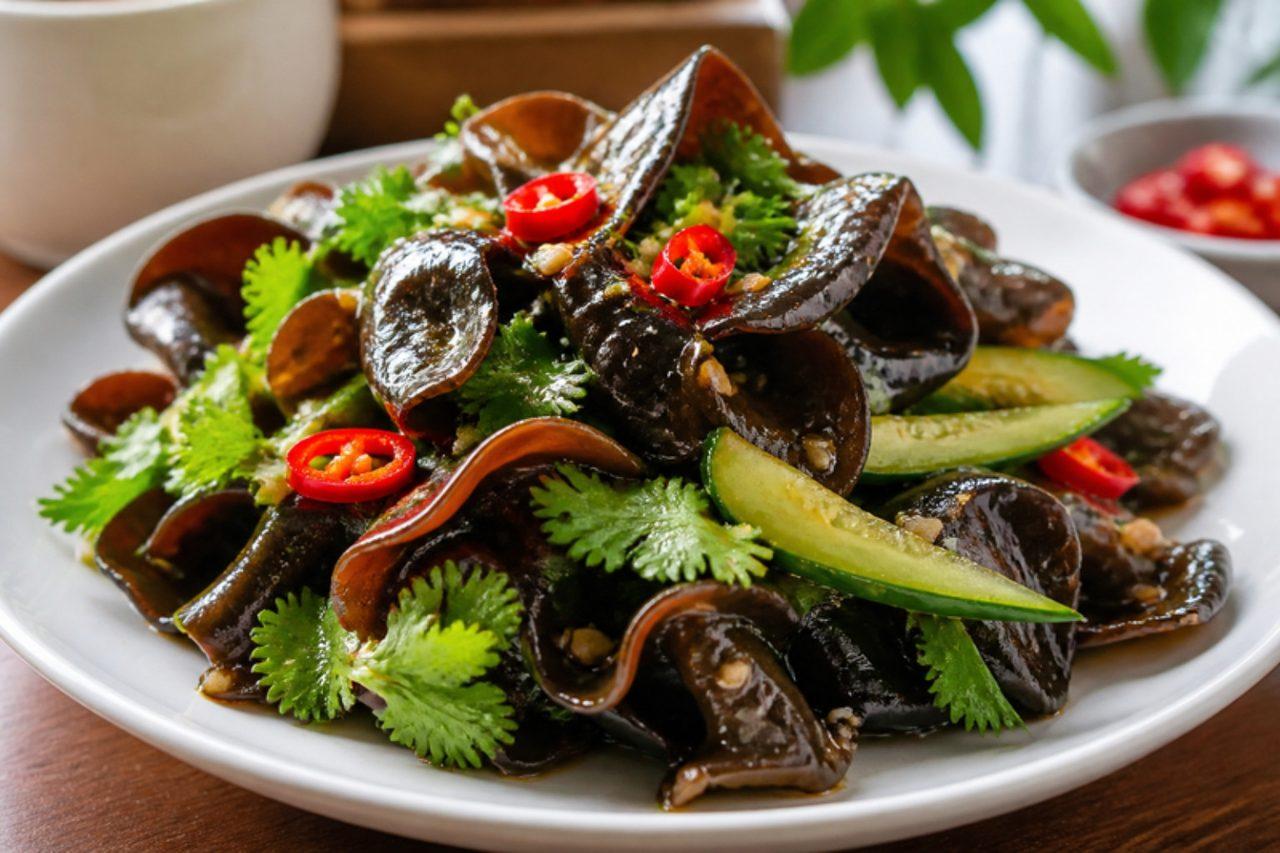
Liangban mu'erWood ear mushroom salad

Every noodle shop and dumpling house in Beijing and Harbin has a fridge of liangcai, the cold dishes ordered alongside the main meal, and liangban mu'er is one of the most popular: black wood ear fungus, which grows wild in the northeastern forests, blanched and tossed with black vinegar, garlic, chilli and coriander. It has almost no taste of its own but a lovely crunchy, bouncy bite, and it soaks up the tangy dressing. A portion is about 60 kcal. The common mistake is soaking the dried fungus in hot water to save time; it comes out limp. Use warm water for 15 minutes, or cold water for an hour, for the best crunch. Chef's tip: plunge the blanched fungus straight into iced water; it firms up and stays snappy.

by KrazyBadal 0 views

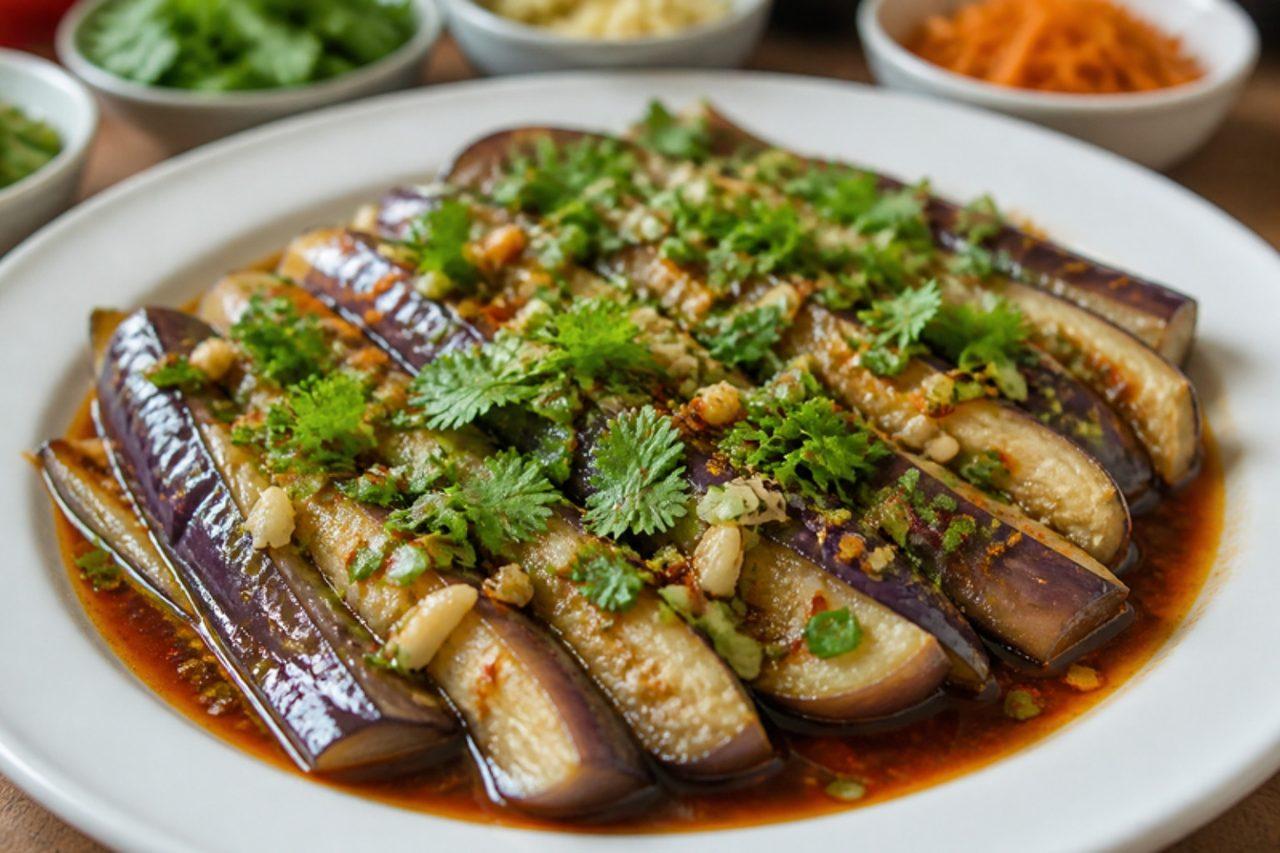
Garlic steamed eggplant

Fried eggplant soaks up oil like a sponge; Chinese home cooks in Sichuan and across the north get round it by steaming long purple eggplants until creamy, then pouring over a sharp dressing of pounded raw garlic, soy, black vinegar and a little chilli oil. It is served warm or cool as a summer side with rice or noodles, and it takes almost no oil at all. A portion is about 70 kcal. The common mistake is steaming them whole, which leaves the centres hard; cut them into fingers first so they cook evenly. Chef's tip: steam the strips skin side up; the purple colour stays brighter and the flesh doesn't go grey.

by KrazyBadal 0 views

Bouillie (French baby cereal porridge)

In France, la bouillie is the warm cereal porridge that joins a baby's morning or evening milk at around six months. It is simply the baby's usual milk, breast milk or formula, thickened with plain infant cereal or fine oat or rice flour, and given from a spoon, or thinner from a bottle as many French families do at bedtime. It is creamy and mild. It contains milk from the formula, and gluten if you use oat or wheat cereal; there is no egg, nuts, soya, sesame or fish. Chef's tip: choose a cereal with no added sugar or flavourings; you can add a spoon of fruit purée for sweetness later.

by KrazyBadal 0 views

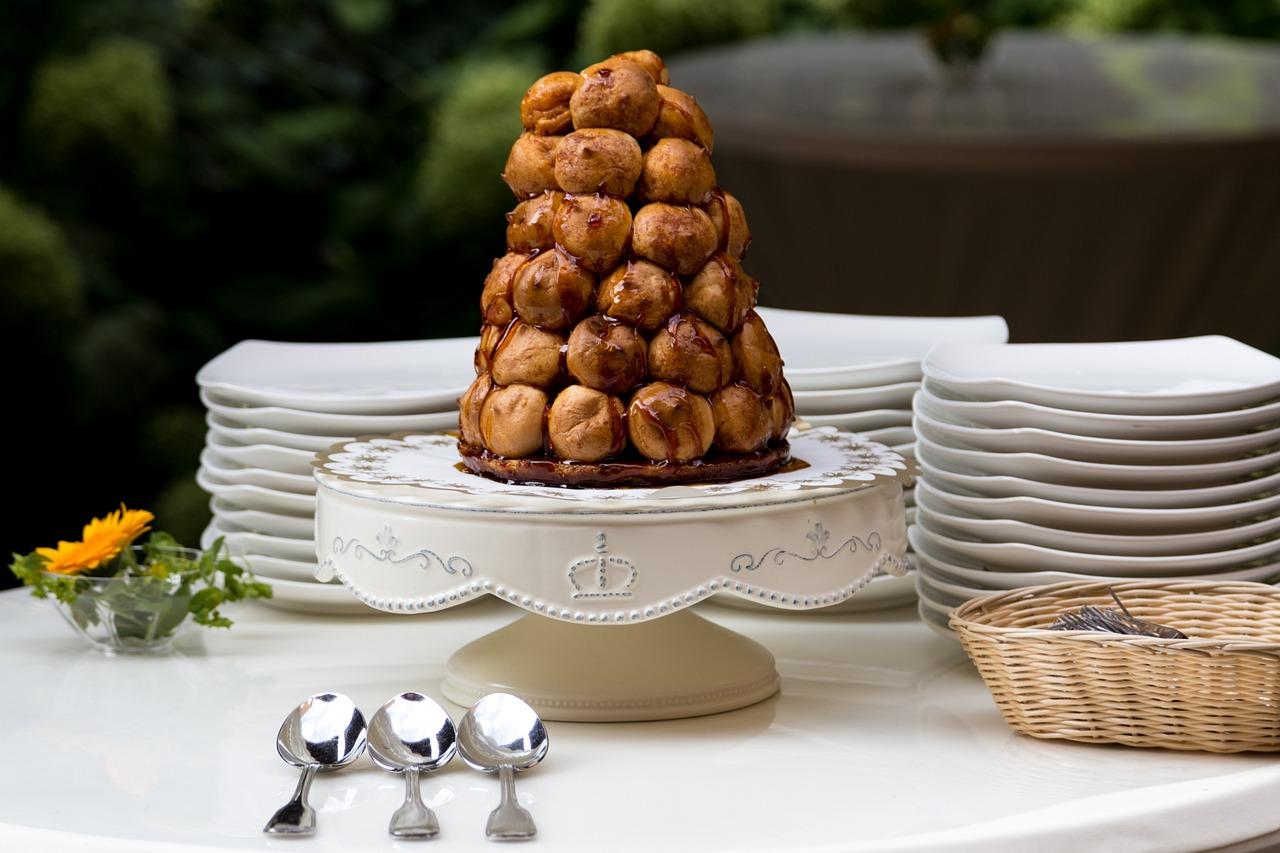
CroquemboucheCaramel-bound choux puff tower

At a French wedding, christening or first communion, the croquembouche ('crunch in the mouth') arrives at the end of the meal: a tall cone of choux puffs filled with vanilla pastry cream, stuck together with amber caramel and wrapped in spun sugar threads. Guests crack puffs off with a knife or the back of a spoon, so each bite is crisp caramel, light pastry and cold, smooth cream. Pâtissiers often flavour the cream with orange liqueur; it is written here with vanilla only, and you can add 2 tablespoons of liqueur to the cooled cream. Underbaked choux is the classic mistake, because pale puffs go soft and collapse under the weight, so bake them until they are deep golden and dry inside; and since hot caramel burns badly, keep a bowl of iced water beside you and work with care. Chef's tip: build the tower on the day, no more than 4 hours before serving; the caramel softens in the fridge and humid air.

210 minFrenchBaking
by KrazyBadal 0 views

Lian'ou paigu tangPork rib and lotus root soup

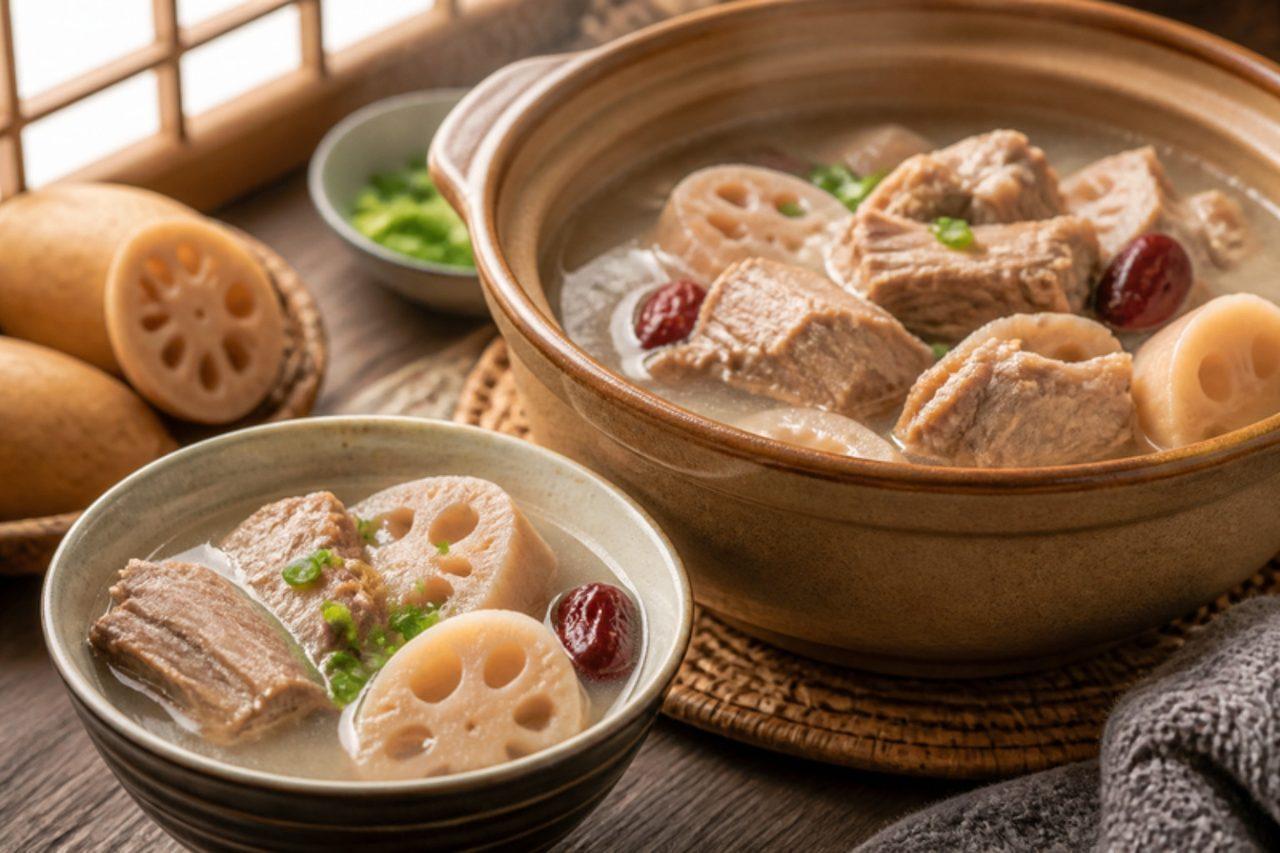
In Wuhan, the city of a hundred lakes, lotus root is dug from the mud in autumn, and every family simmers it for hours with pork ribs in a clay pot until the root turns pinkish and starchy and the broth is sweet and clear. This is the soup that welcomes home students at the winter holidays and comforts the sick. It is a pork dish, and it is seasoned only with salt, white pepper and ginger, so it is gluten free. A bowl is about 280 kcal. The most common mistake is using crisp, thin-holed lotus root, which stays crunchy; for soup, choose the fat, short sections with few large holes, which turn powdery and soft. Chef's tip: blanch the ribs and rinse them before simmering; the broth stays clear and clean-tasting.

135 minChineseSoupsGluten free
by KrazyBadal 0 views

Shou tao bao (longevity peach buns)

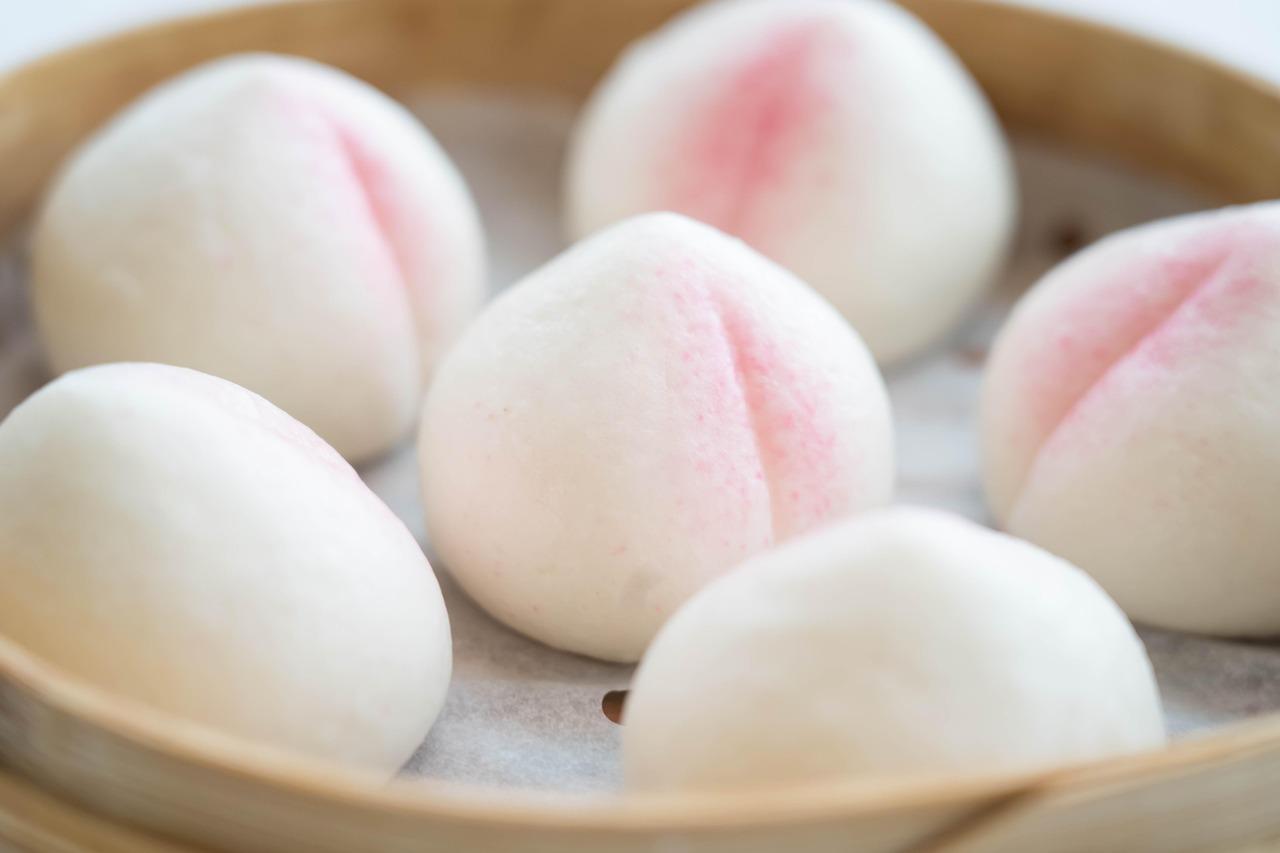
In Chinese tradition the peach is the fruit of long life, so birthday tables, from a grandparent's 80th to a child's party, carry a plate of shou tao bao: fluffy white steamed buns pinched into a peach shape, blushed pink at the tip and filled with sweet lotus seed paste. Children love helping to shape the creases and add the pastry leaves. This version is made without milk. It contains gluten. Chef's tip: steam over a gentle, not roaring, boil and wait 5 minutes before lifting the lid, so the buns stay smooth and don't wrinkle.

by KrazyBadal 0 views

Xiao huntun (little wontons in broth)

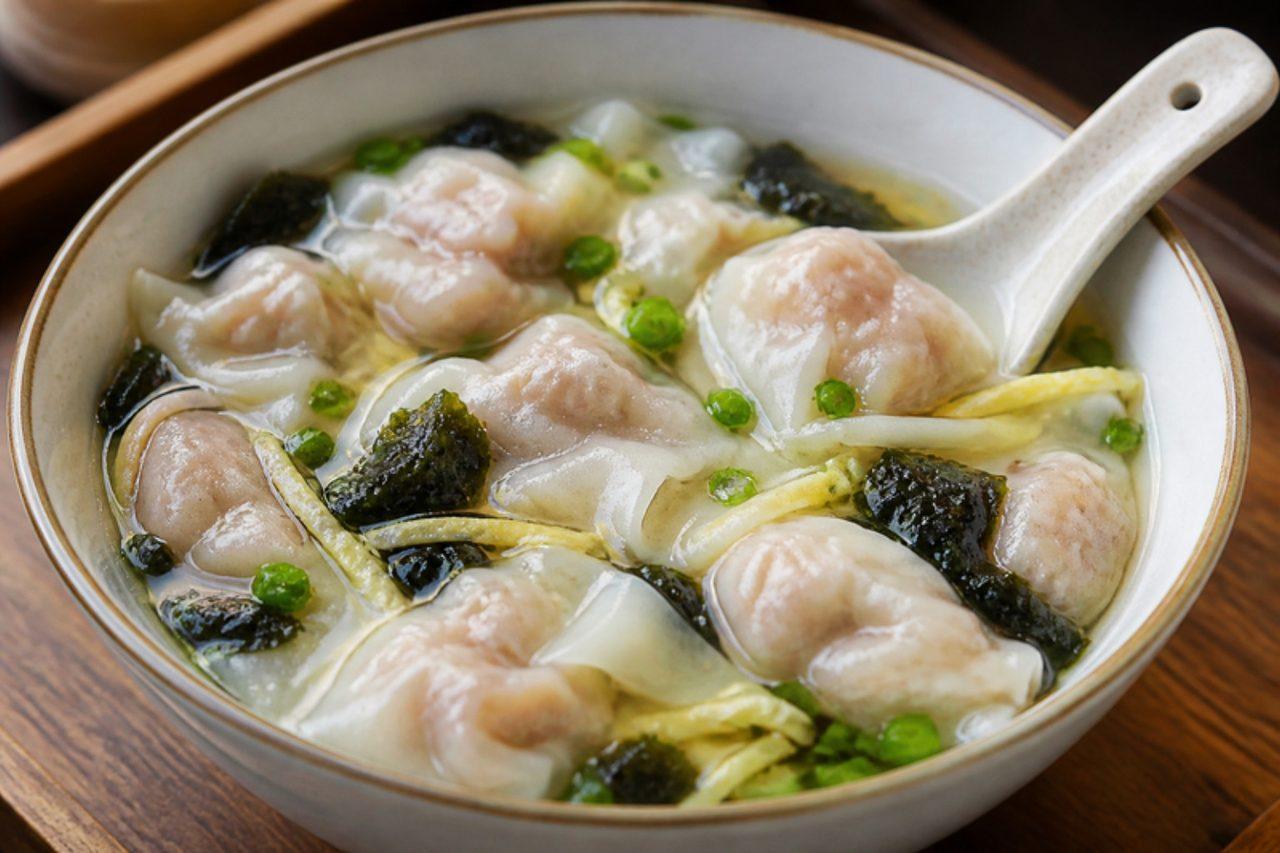
Xiao huntun, 'little wontons' with wrappers so thin you can see the filling, are sold from breakfast stalls across Shanghai and the Jiangnan region, and their soft, slippery texture makes them a children's favourite for breakfast or supper. For toddlers from a year old the filling is seasoned with ginger and only a few drops of low-salt soy, and the broth is no-salt stock with laver and ribbons of omelette. It contains gluten (wheat wrappers), egg, soya and sesame. Chef's tip: use just half a teaspoon of filling per wrapper and scrunch it closed; that is how the little ones are made, and they cook in moments.

by KrazyBadal 0 views

Egg yolk congee for babies (dàn huáng zhōu)

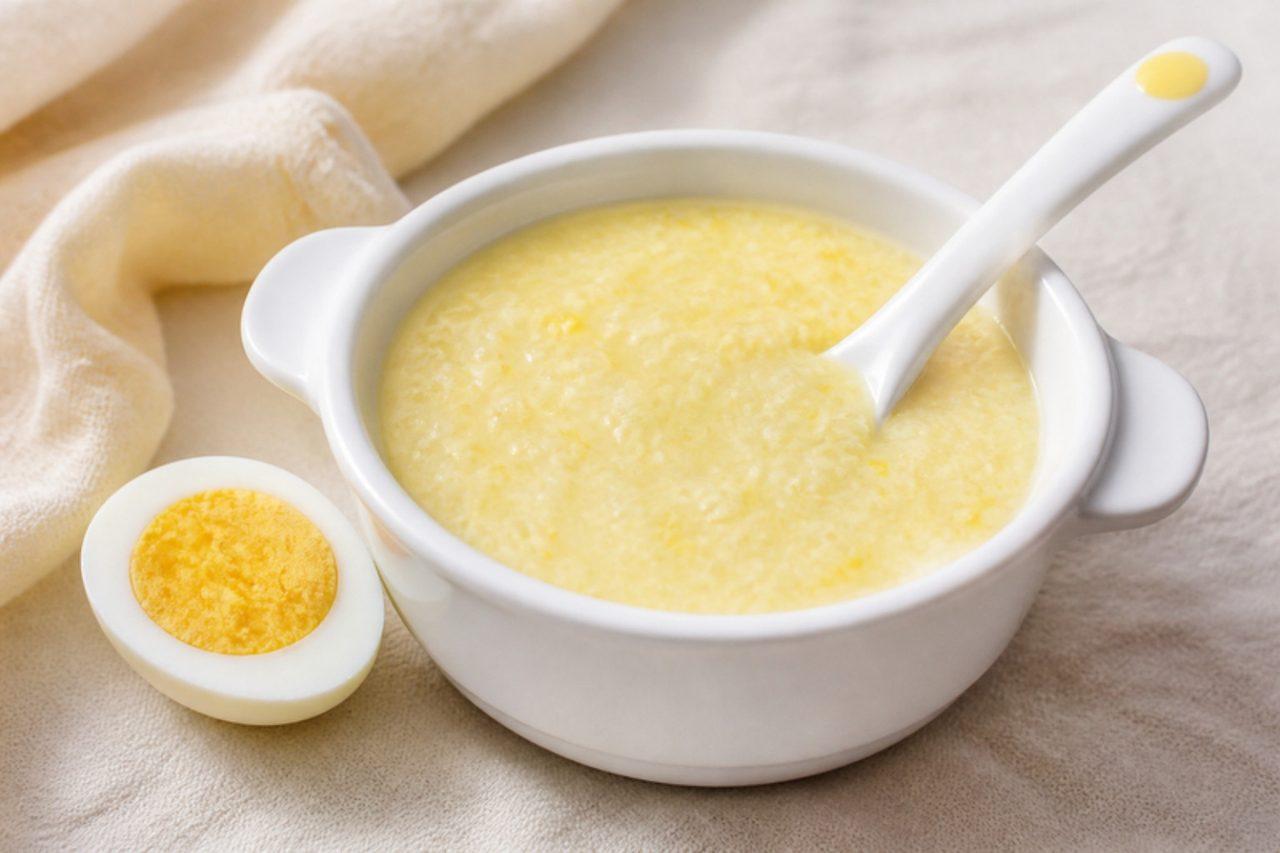
Across China, egg yolk congee is one of the first protein foods a baby is given, often as a light supper once plain rice paste is going down well. A fully hard-boiled yolk is crumbled and mashed into soft, unsalted congee, turning it pale gold and creamy. It contains egg; there is no milk, gluten, peanut, tree nuts, soya, sesame or fish. Many families start with a quarter of a yolk and build up over a few days. Chef's tip: plunge the boiled egg straight into cold water; it stops a grey ring forming and the yolk crumbles more easily.

by KrazyBadal 0 views

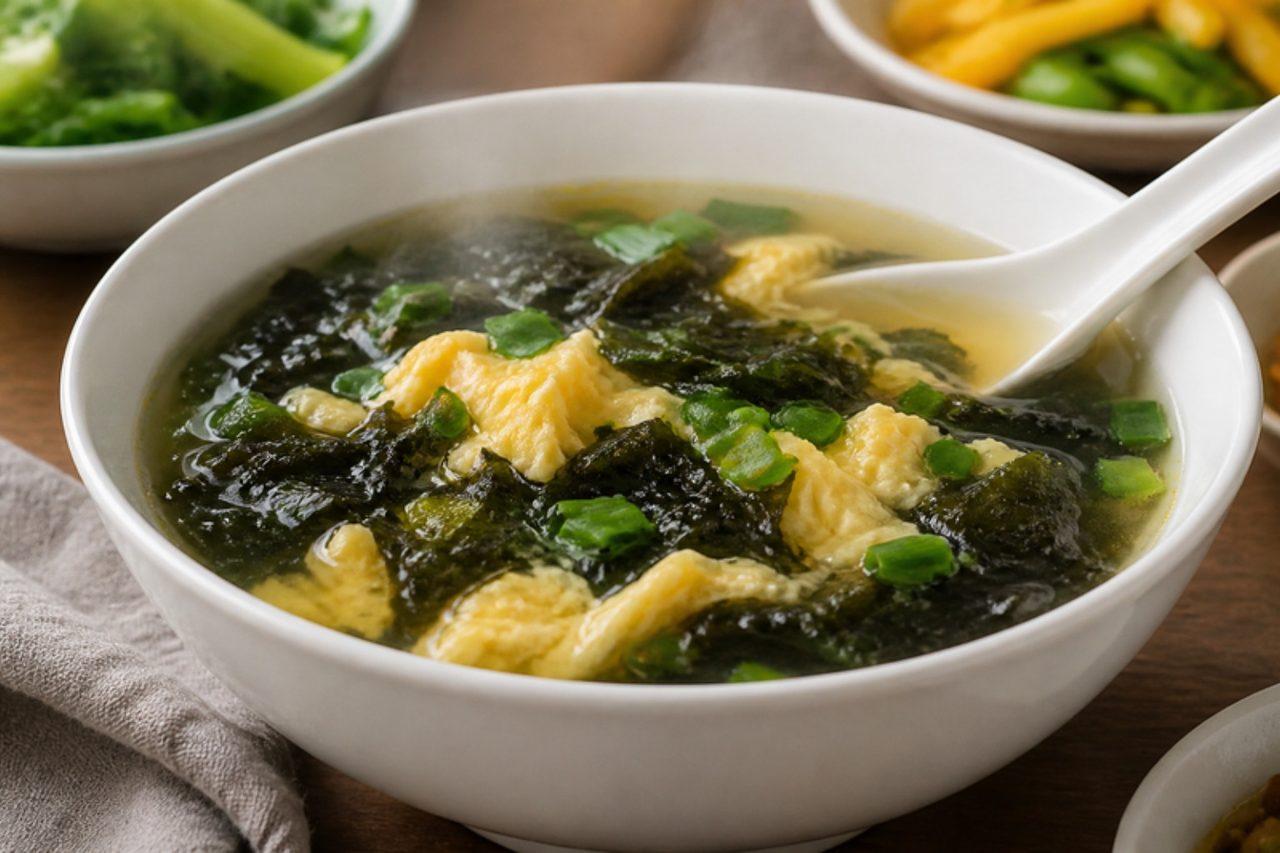
Zicai dan hua tangSeaweed egg drop soup

Zicai dan hua tang is the soup that a busy Chinese home cook can make while the rice is cooking: dried laver seaweed, which dissolves into silky dark green ribbons, and egg swirled into simmering water seasoned with a little soy, white pepper and sesame oil. It is on canteen trays in every Chinese university and on family tables across the country. Many cooks add a few dried shrimp; this vegetarian version leaves them out and uses a pinch of mushroom powder or vegetable stock instead. Eggs are an allergen. A bowl is about 50 kcal. The common mistake is stirring as soon as the egg goes in, which makes it cloudy; wait 10 seconds so it sets into flowers. Chef's tip: tear the seaweed into the bowls, not the pot, and pour the hot soup over; it stays tender and doesn't overcook.

by KrazyBadal 0 views

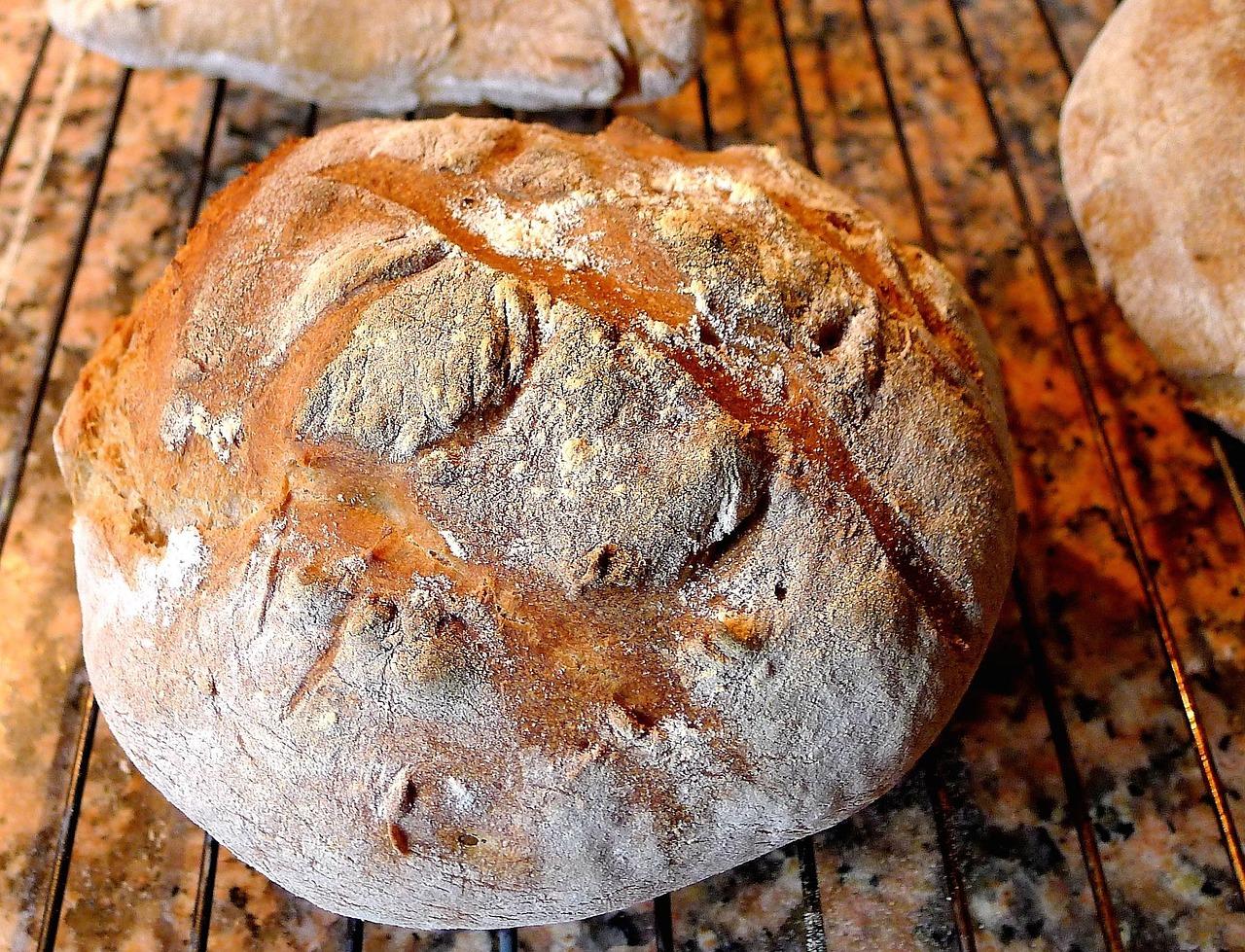
Pain de campagneCountry sourdough loaf

Picture a round, flour-dusted boule on the counter of a village bakery in Burgundy or the Auvergne: that is pain de campagne, the 'country loaf' French families once baked weekly in a shared oven and kept in a cloth for days. A little wholemeal rye in the dough gives a greyish crumb, an earthy, gently sour flavour and a thick, crackling crust that stays good for four or five days. Slice it for tartines with butter and honey, toast it for soup, or serve it with a cheese board, onion soup or a slow vegetable stew. This version builds a fresh leaven in the morning and rests the shaped loaf in the fridge overnight, so you bake first thing the next day. Many home loaves come out pale and soft because they are pulled too early; French bakers call the dark finish 'bien cuit', and that colour is where the flavour lives. Chef's tip: bake straight from the fridge into a screaming-hot lidded casserole; the cold, firm dough is easier to score and springs up higher.

by KrazyBadal 0 views

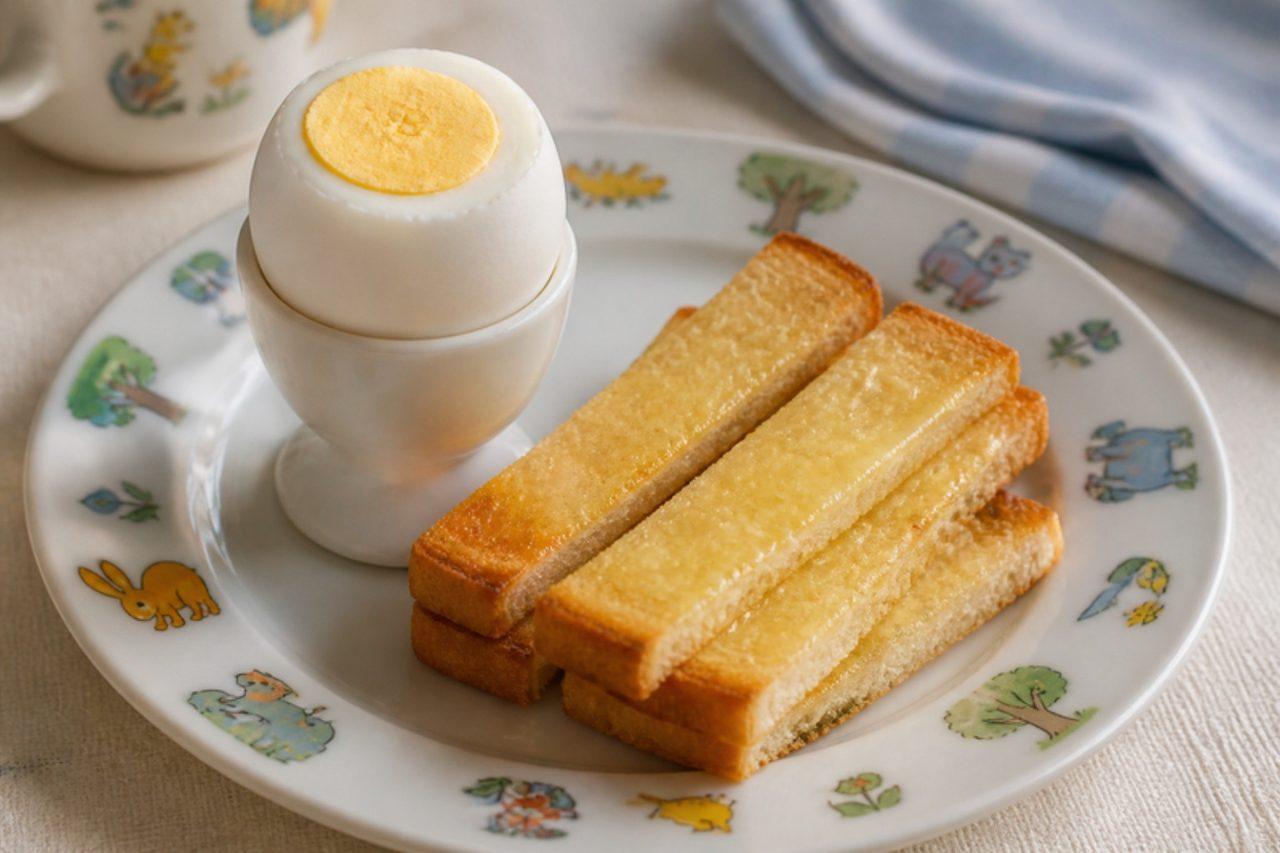
Œuf et mouillettes (egg and soldiers for toddlers)

In France, l'œuf à la coque with mouillettes, buttered bread fingers, is the gentle supper or Sunday breakfast every child knows. For babies and toddlers the egg is boiled a little longer, until the white is firm and the yolk is set but still soft and fudgy, so little ones can scoop and spread it rather than dip into a runny centre. It contains egg, gluten (wheat) and milk (butter). Chef's tip: start with eggs at room temperature so they don't crack in the hot water, and lower them in gently on a spoon.

by KrazyBadal 0 views

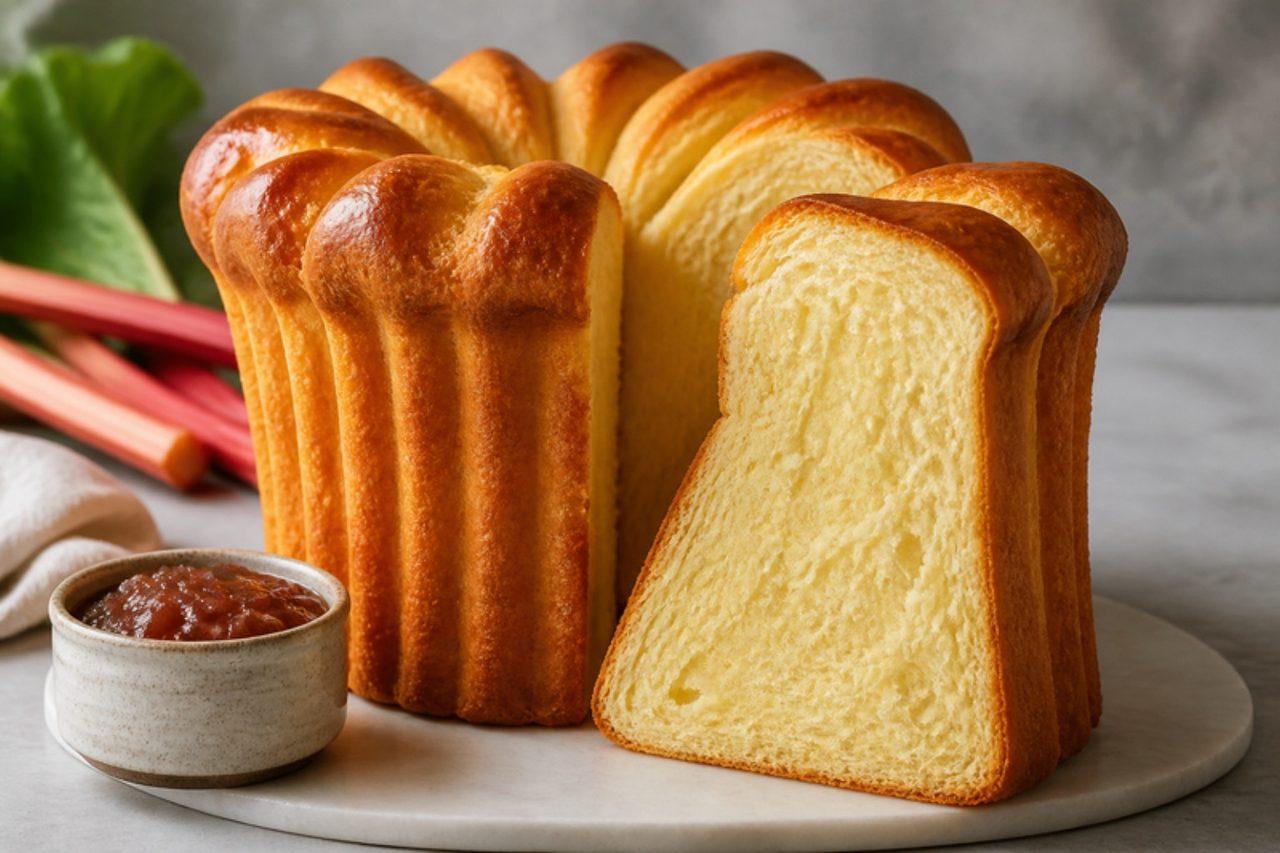
Gâteau battuTall egg-rich brioche cake

Picardy's tall, fluted gâteau battu ("beaten cake") gets its name from the long beating its dough needs: so many egg yolks and so much butter go in that it is closer to a thick batter than a bread dough. In the Somme it is the cake of family celebrations, first communions and weddings, and of Sunday breakfast, and it is baked in a distinctive tall, ridged mould that gives it the look of a chef's toque. The crumb is yellow, very light, buttery and only gently sweet. Serve it in slices with rhubarb jam, poached fruit or crème anglaise, or toasted the next day. Unmoulding too soon is how it collapses: the crumb is so tender that it needs 10 minutes to firm in the tin. Chef's tip: let the dough rise slowly until it reaches the rim of the mould, even if that takes 3 hours; rushing it gives a dense, cakey bottom.

300 minFrenchBaking
by KrazyBadal 0 views

Gâteau à la brocheSpit cake

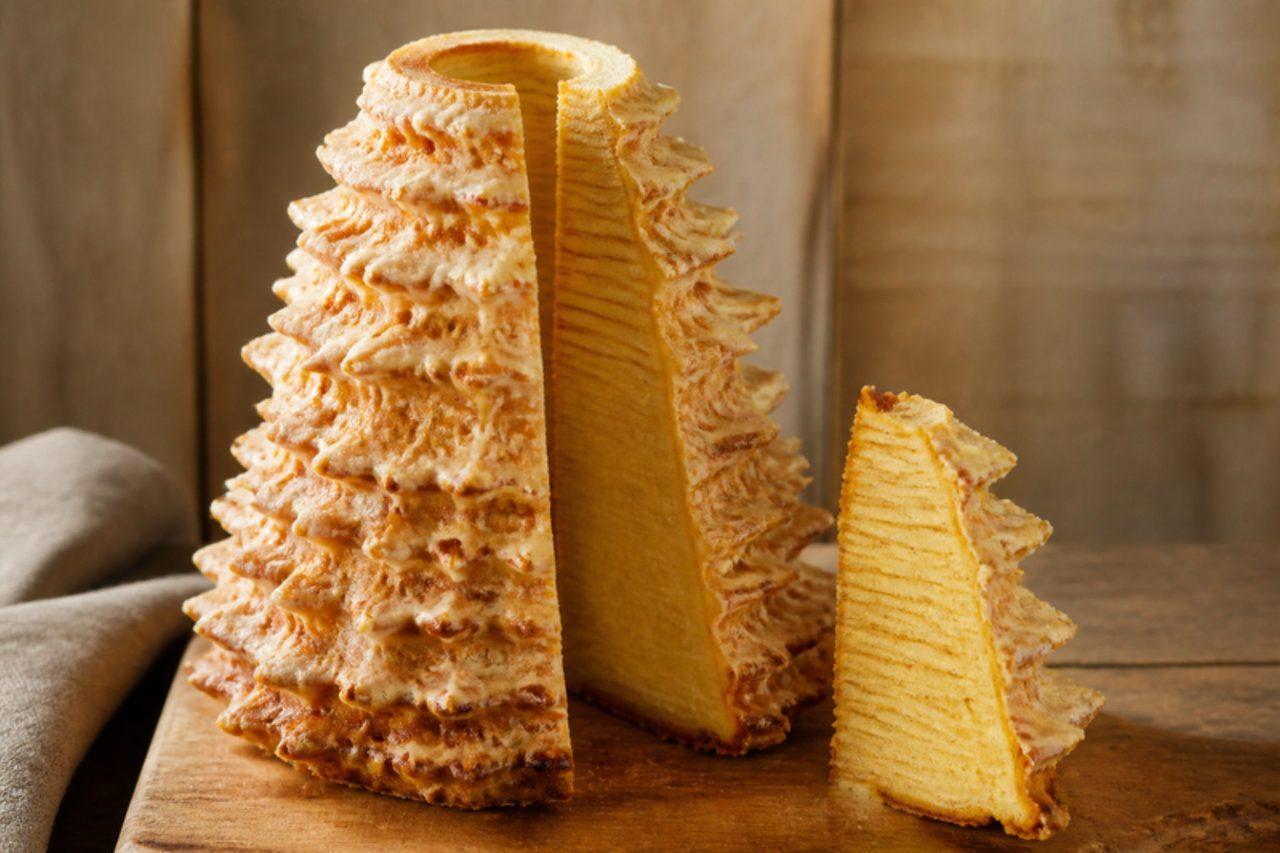
At weddings and village fairs in the Aveyron and the Pyrenees, gâteau à la broche is a performance: a wooden cone turns on a spit in front of a wood fire while a cook ladles batter over it, layer after layer, for hours. The drips set into the spiky ridges that make the tall, hollow cake look like a fir tree. Slices have thin golden rings, a soft, buttery, eggy crumb and a scent of orange-flower water; it is eaten at the end of the feast with sweet wine for the adults or coffee. Older recipes use rum where this one uses orange-flower water and lemon, and at home a foil-wrapped rolling pin turned under a hot grill does the job of the spit. Pouring too much batter at once is the easy mistake: thick layers stay raw inside, so ladle thinly and let each one colour. Chef's tip: keep the batter at room temperature and stir it each time; cold batter clings badly and drips off in sheets.

140 minFrenchBaking
by KrazyBadal 0 views

Pain de mieSoft square sandwich loaf

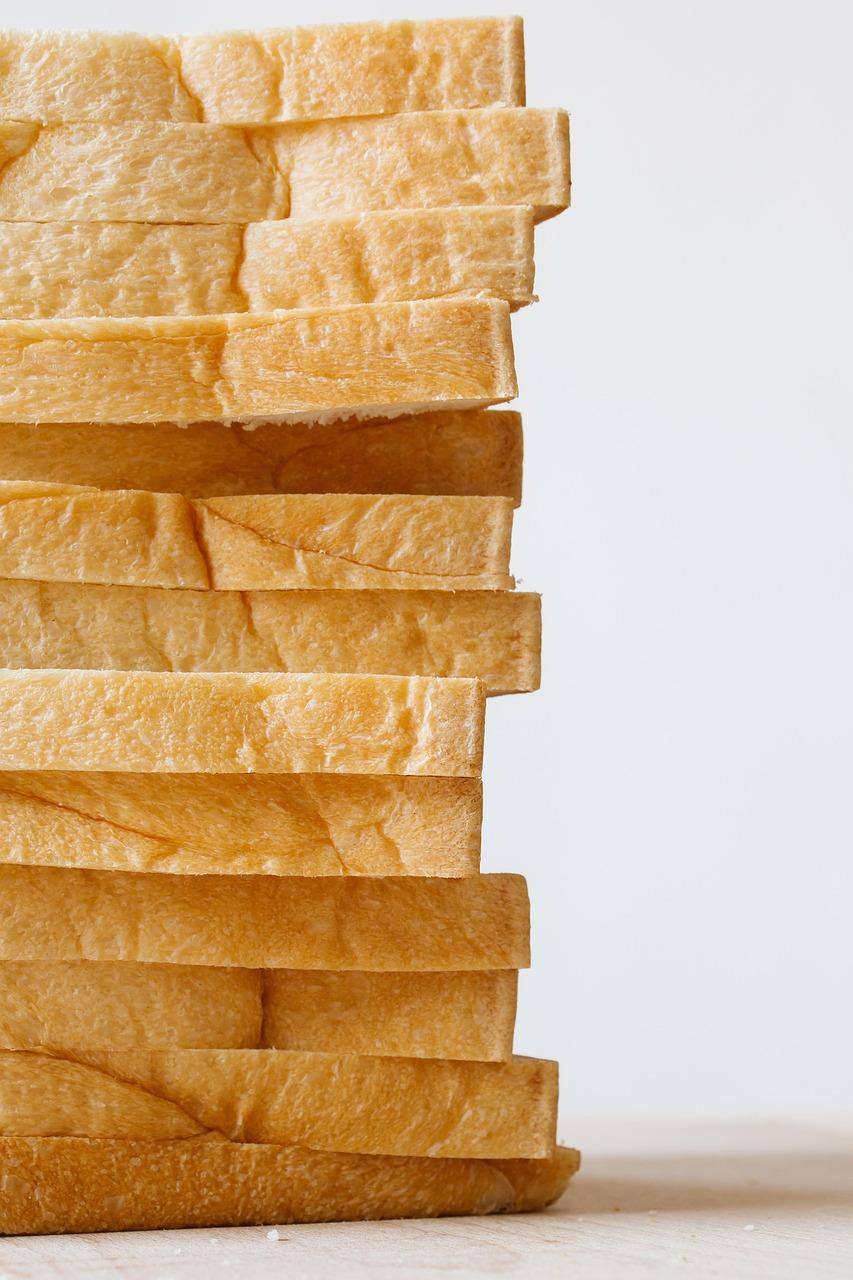
Ask a Paris café what goes into a croque-monsieur and the answer is pain de mie, the 'crumb bread' baked in a lidded tin so it comes out as a neat square block. Shut away from the oven's heat, the dough rises against the lid into a fine, soft, close crumb with a thin, pale golden crust that barely needs trimming. French children take it to school as tartines with butter and chocolate spread, it makes the best croques, French toast and canapés, and it is the loaf to choose for neat cucumber sandwiches. Milk and butter keep it tender for several days. The tricky moment is the final rise: if the dough reaches the rim before the lid goes on, it squeezes out of the seams and bakes with a dense band; too little rise and the corners come out rounded. Chef's tip: put the lid on when the dough is about 1 cm below the rim, and grease the underside of the lid as well as the tin so the block turns out cleanly.

by KrazyBadal 0 views

Baguette

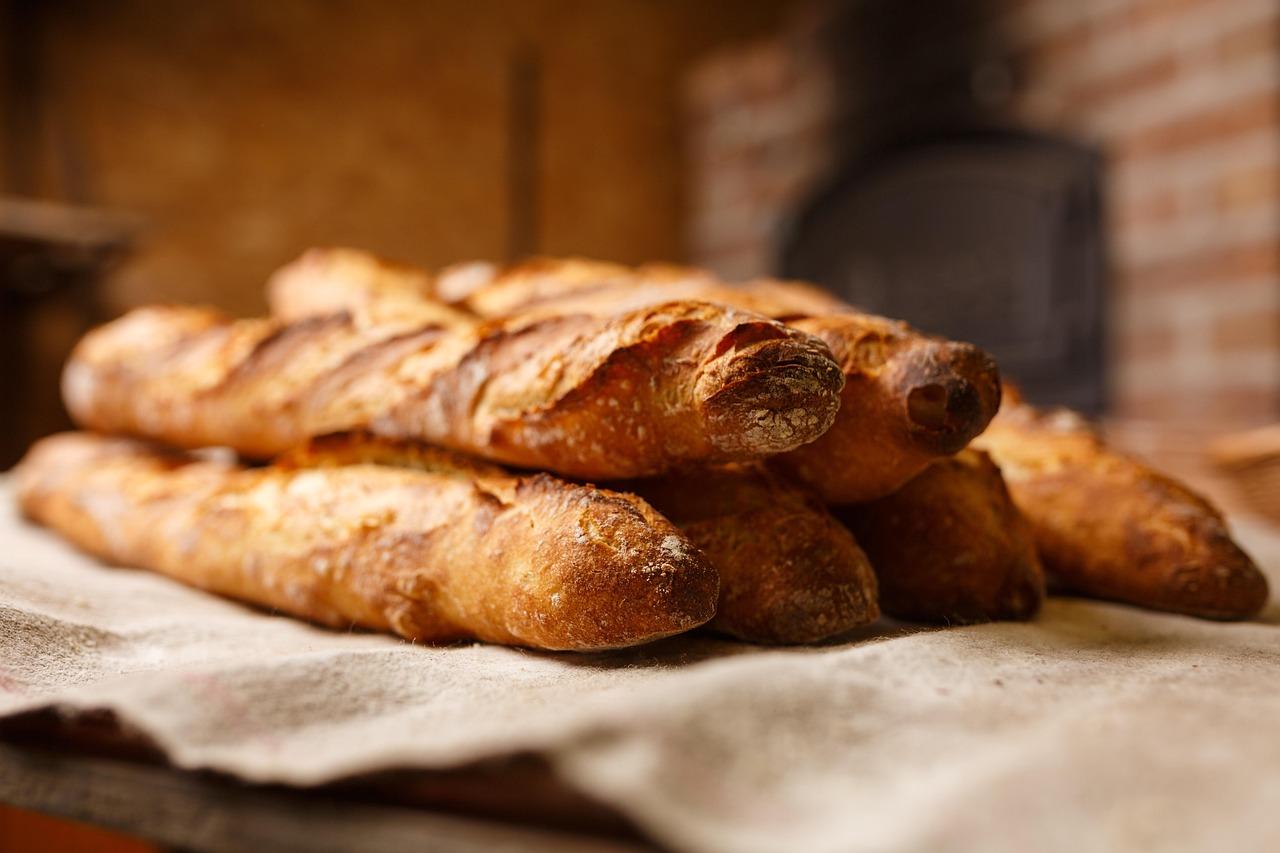
Four ingredients and nothing else: since a 1993 decree, a loaf sold in France as a baguette de tradition may contain only flour, water, salt and leavening. Parisians buy one or two a day, warm from the boulangerie, and the end of the loaf rarely makes it home uneaten. A good one has a thin, shattering, deep golden crust, an open, creamy crumb and a faint nutty sweetness from a long, slow rise. Tear it for butter and jam at breakfast, split it for a jambon-beurre or a cheese sandwich, or put it on the table with soup, salad and a cheese board. Shaping is where most home bakers go wrong: pressing all the air out while rolling the dough long gives a tight, cottony crumb, so handle it lightly and let the bench rest do the work. Chef's tip: cut the slashes almost lengthways, at a shallow angle with the blade nearly flat, and overlap each one by a third; straight-down, crosswise cuts just open into flat scars instead of the raised 'ears' you want.

by KrazyBadal 0 views

Fen zheng rouSteamed pork in rice powder

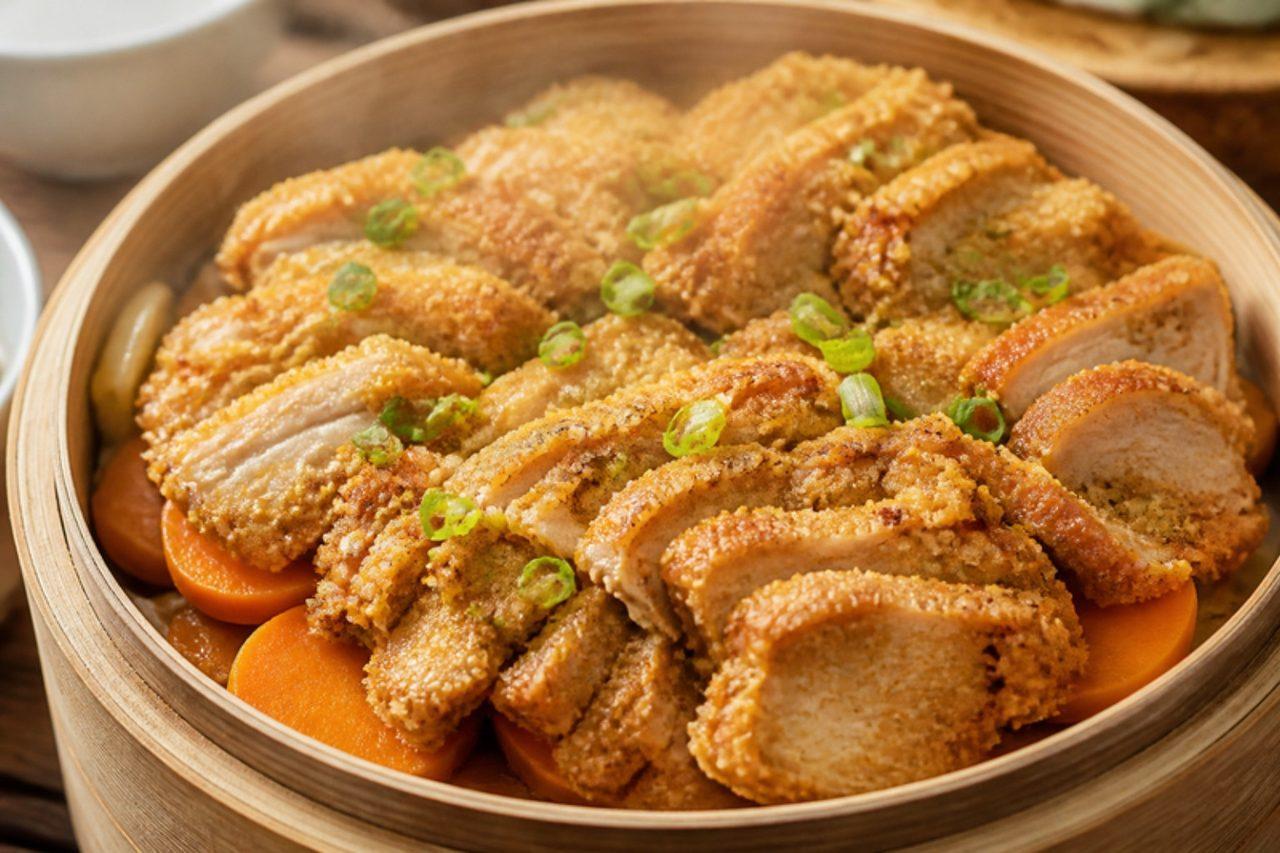
In Wuhan and Chengdu, fen zheng rou comes to the table in the small bamboo steamer it was cooked in, at banquets and at family dinners in autumn: thick slices of pork belly marinated with fermented bean paste, soy and spices, rolled in coarse rice powder toasted with star anise and Sichuan pepper, then steamed for an hour over sweet potato until the meat is meltingly tender and the rice coating soft and fragrant. This is a pork dish, and a rich one; it was in the healthy group only because it is steamed, not fried. A portion is about 420 kcal. Marinate in the fridge. The common mistake is grinding the rice too fine; it should be like coarse couscous, or it turns into paste. Chef's tip: toast the rice slowly until golden before grinding; that nutty, toasty smell is the whole flavour of the dish.

by KrazyBadal 0 views

Ji dan gengSteamed egg custard

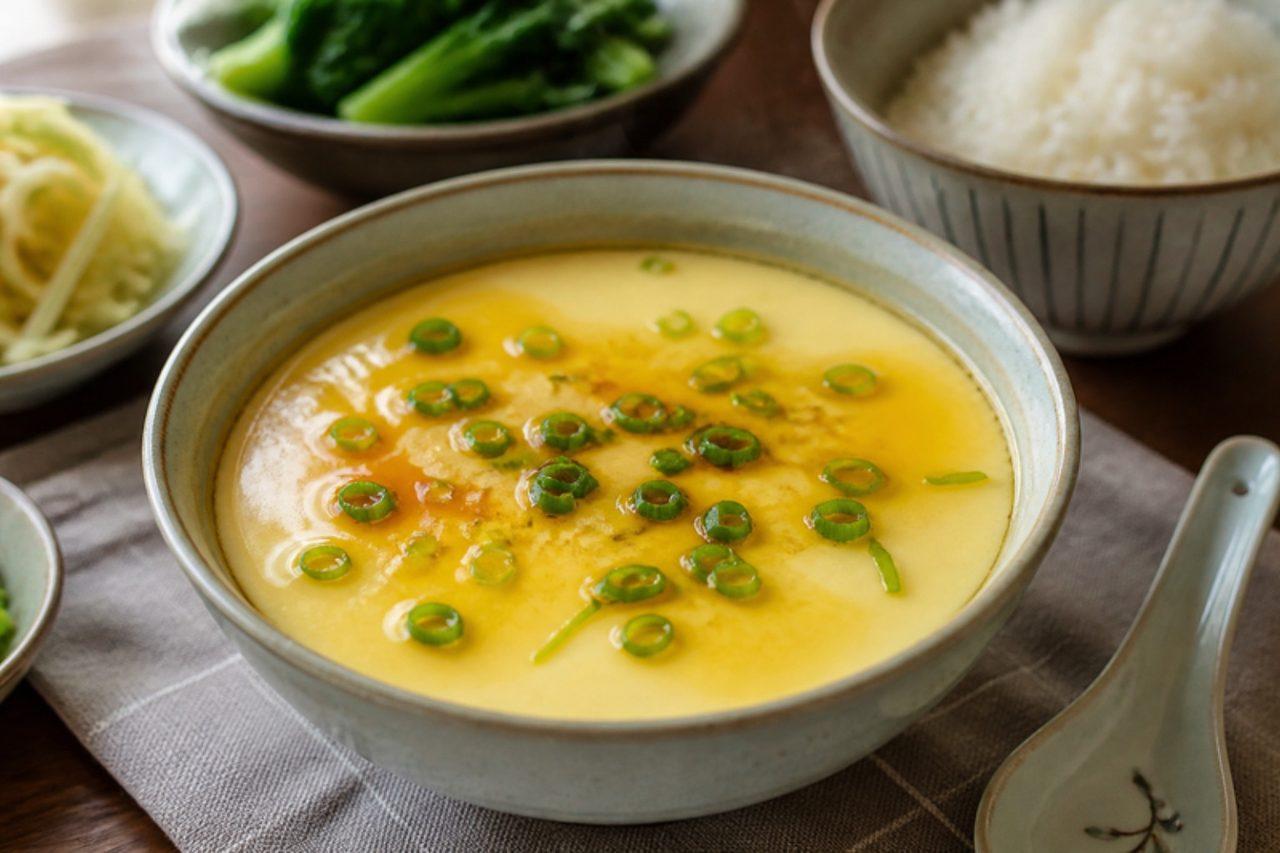
Ji dan geng is the first "real food" many Chinese children remember: a bowl of steamed egg so smooth it shivers, made by grandmothers from Shanghai to Chengdu for a toddler's lunch, a sick day or a quick side at dinner, and eaten with a spoon over rice. Eggs are beaten with warm water, steamed gently, then finished with a few drops of soy and sesame oil and some spring onion. Eggs are an allergen, and for toddlers under one, leave out the soy. A bowl is about 110 kcal. The most common mistake is using cold water and a fierce heat, which gives a pitted, spongy custard; use warm water and a gentle steam. Chef's tip: cover the bowl with a plate or cling film while it steams, so no condensation drips onto the surface and the top stays like glass.

by KrazyBadal 0 views

BaijimoGriddle-baked flatbread

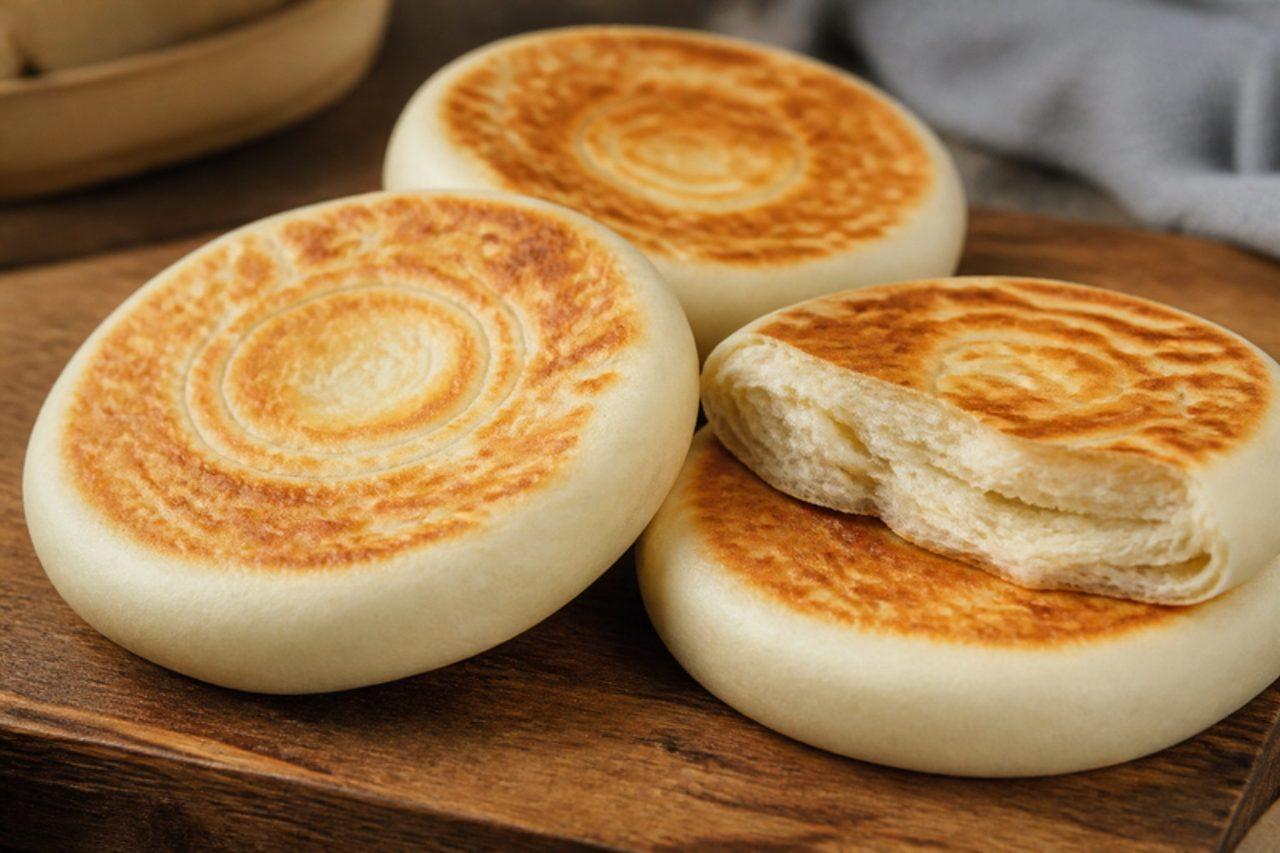
Xi'an street cooks describe a good baijimo with a three-part saying: an iron ring, a tiger's back and a chrysanthemum heart. That means a pale, firm rim, a top mottled golden like tiger stripes, and a spiral pattern in the middle. Inside it is fluffy and layered, outside thin and crisp, and it is split from the side while hot to make roujiamo, the famous Shaanxi sandwich of chopped braised pork. For a meat-free filling, use braised shiitake and tofu with chilli oil, or spicy shredded potato. The dough is only half-risen on purpose; letting it fully prove is the mistake that gives you a soft, bun-like bread with no crunch. Chef's tip: twist the coil as you stand it on end and press it flat, which is what draws the spiral into the chrysanthemum heart.

by KrazyBadal 0 views

Liangban fuzhuTofu skin and cucumber salad

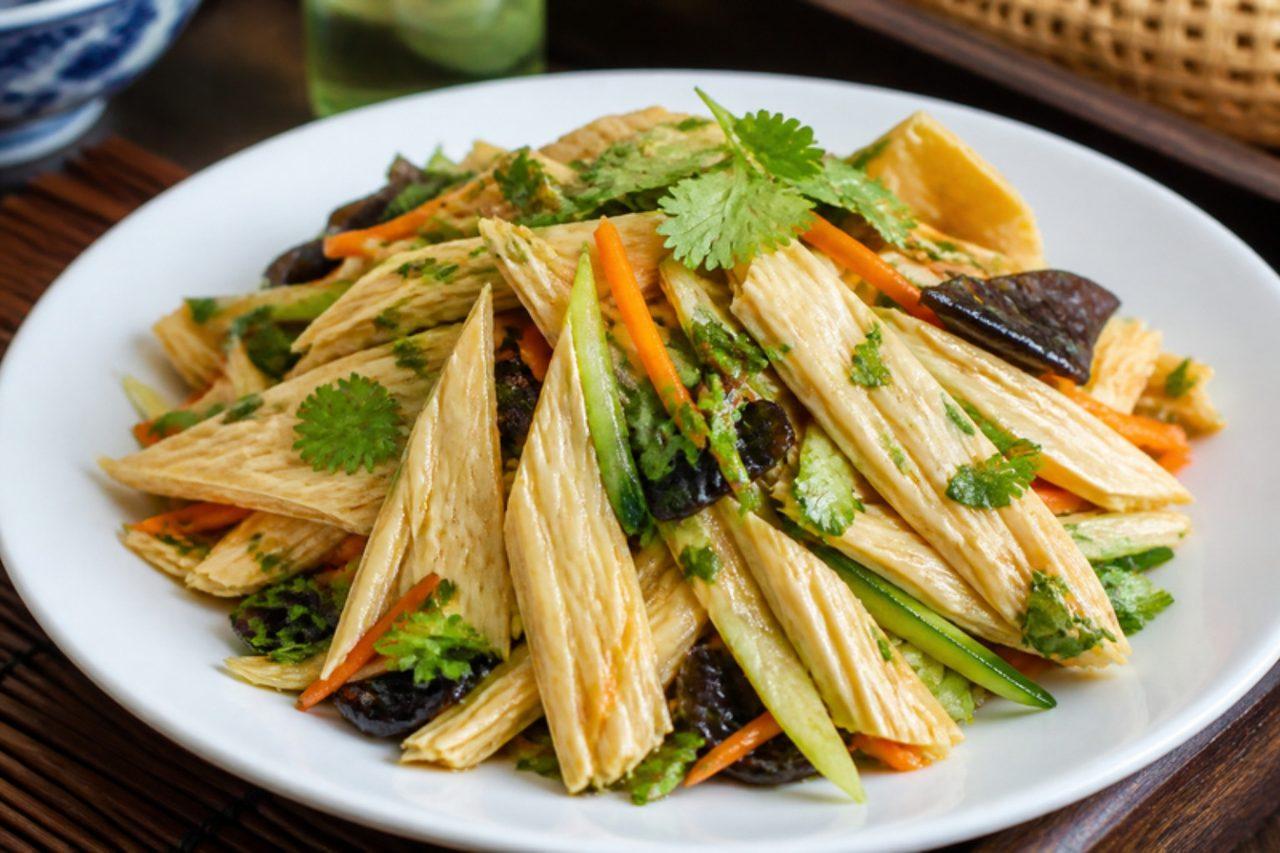
Fuzhu, the dried sticks made from the skin that forms on simmering soy milk, are a pantry staple in Guangxi and Sichuan and in Buddhist vegetarian kitchens across China. Soaked until soft and chewy, they are tossed in this cold dish with cucumber, carrot and wood ear in a dressing of garlic, vinegar and sesame oil, served in summer with rice or noodles. It is high in protein and very satisfying. A portion is about 170 kcal. Soak the fuzhu in cold water for 2–3 hours or overnight, not counted in the times. The common mistake is soaking in hot water, which leaves the outside mushy and the centre hard. Chef's tip: blanch the soaked sticks briefly; it cleans off the beany taste and makes them softer and juicier.

by KrazyBadal 0 views

Showing 24 of 838 recipes

Show more recipes

Page 1 of 35