Skip to content
Recipes

All recipes

Vegetarian, or something you can't eat? Set your diet once and we'll hide recipes that don't fit.

Mayi moulen ak sòs pwa

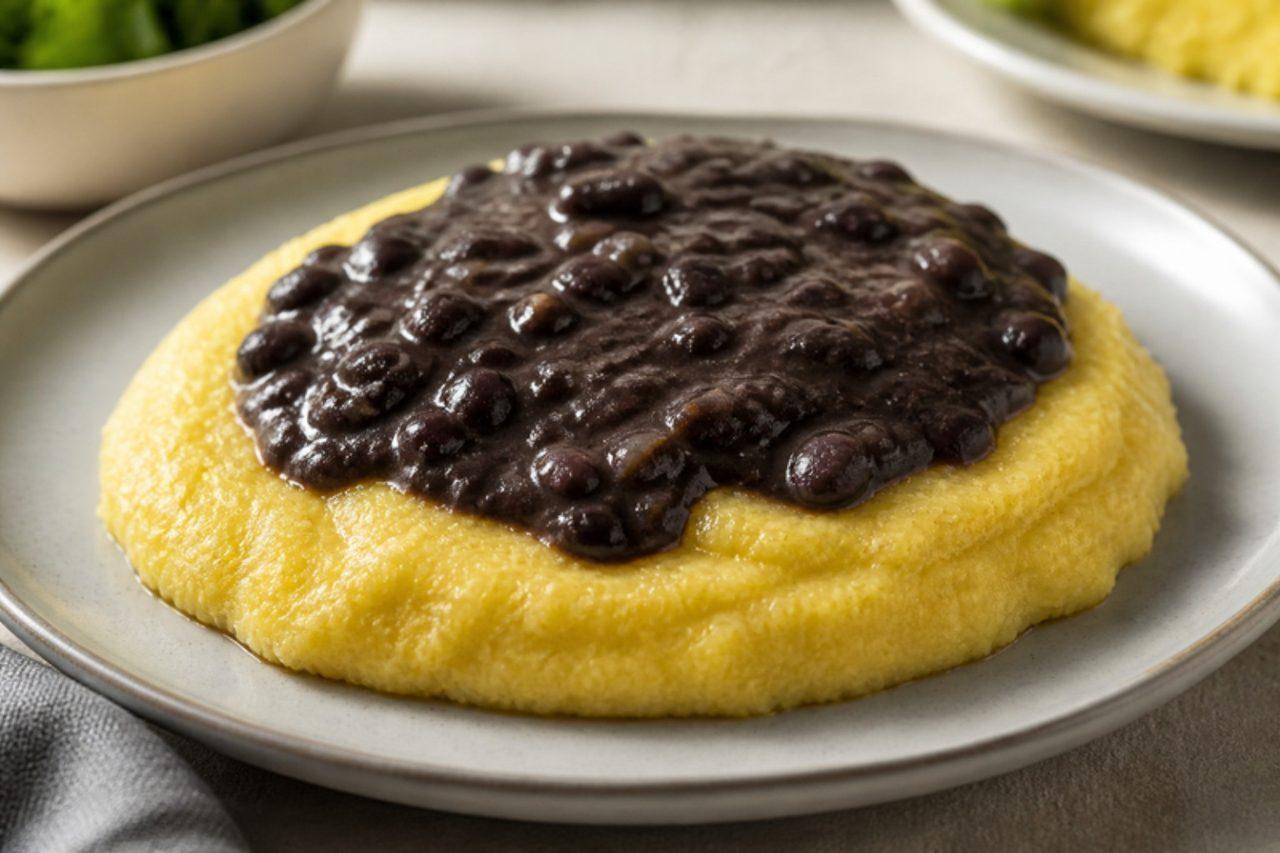
Across Haiti, from Port-au-Prince markets to farms in the Central Plateau, mayi moulen is the everyday alternative to rice: coarse cornmeal cooked with epis, thyme and a whole hot pepper until thick enough to mould, then served under a ladle of smooth black bean sauce called sòs pwa. It is filling, cheap and quietly savoury, and many families eat it at midday a few times a week. The usual mistake is tipping the cornmeal into the pot all at once, which gives lumps that never cook out; rain it in slowly while you whisk. Use a fine-to-medium cornmeal or polenta labelled gluten free if that matters to you. Chef's tip: press the hot cornmeal into an oiled bowl, wait a minute and turn it out onto the plate for the neat dome you see on Haitian tables.

by KrazyBadal 0 views

Sòs ti malis

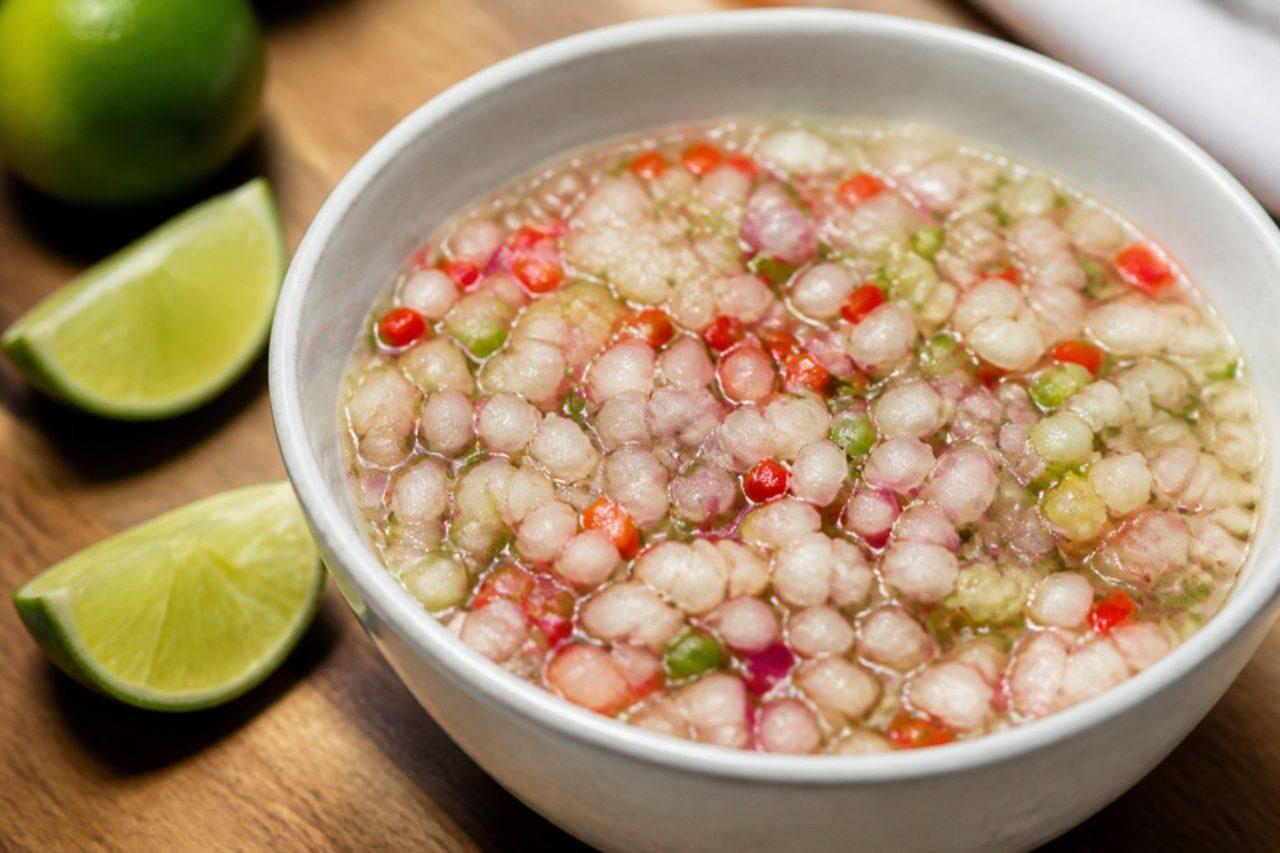
Sòs ti malis, "Ti Malice sauce", takes its name from a trickster of Haitian folk tales who made it fiery to keep a greedy neighbour away from his meat. In Haitian kitchens it is spooned over griot, tasso and fried plantain, a hot, tangy tangle of soft onions, sweet pepper and scotch bonnet sharpened with sour orange or lime. The mistake to avoid is frying the onions brown; they should stay pale and just yielding so the sauce tastes bright rather than sweet. It keeps well, so make it ahead of a fried feast. Chef's tip: add a little of the vinegar from a jar of pikliz for an extra layer of heat.

by KrazyBadal 0 views

Haitian kasav

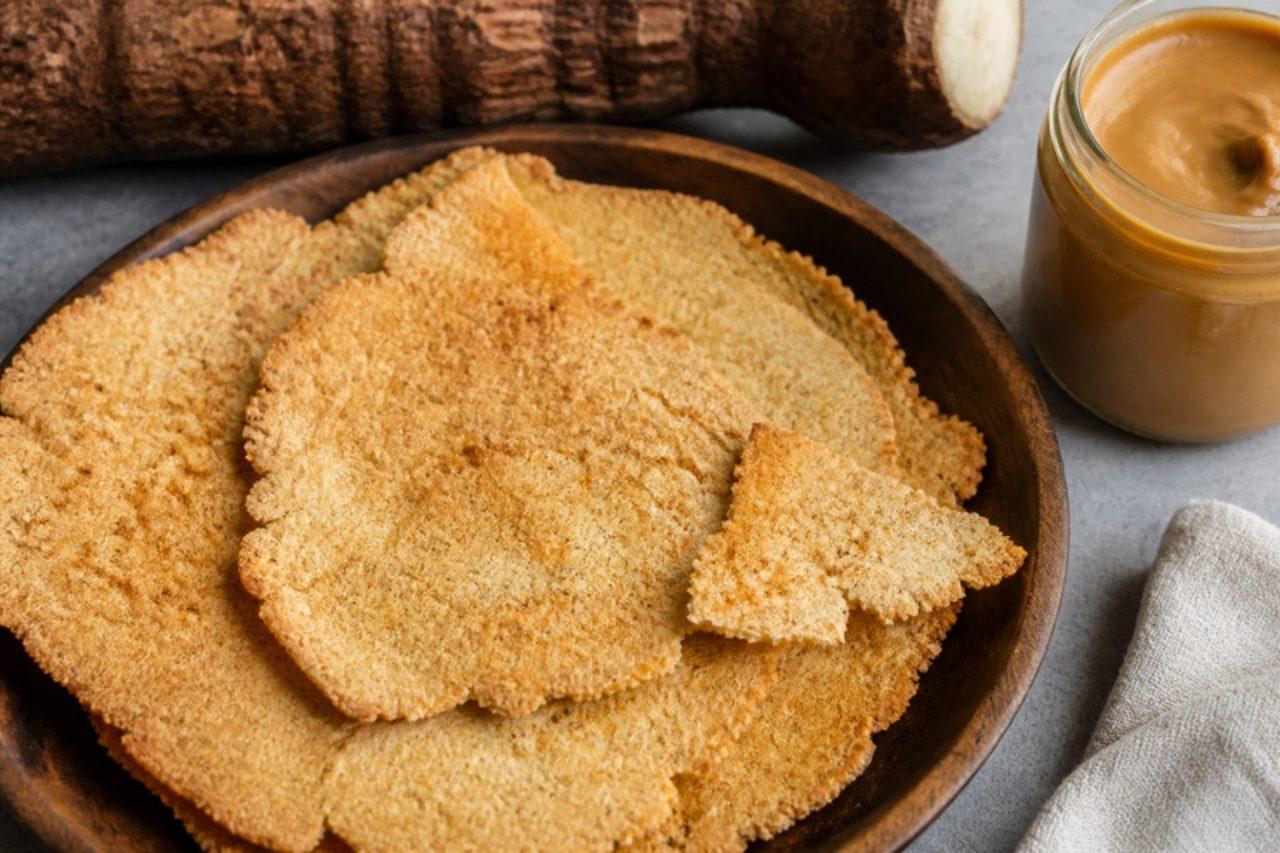
In Cap-Haïtien and the hill towns of the north, kasav is made from nothing but grated, pressed cassava, toasted on a wide griddle into a flat, pale round that is crisp outside and chewy within. People break it over soup, spread it with peanut butter for breakfast, or buy the sweet version studded with grated coconut and sugar from roadside sellers. At home the key is getting the cassava truly dry: wet pulp steams into a gummy pancake, the most common failure. This recipe uses frozen grated sweet cassava, which is sold ready to use. Chef's tip: rub the dry pulp through a coarse sieve before cooking; the fine, even crumbs bind into a lacier, crisper bread.

by KrazyBadal 0 views

Pwason gwo sèl

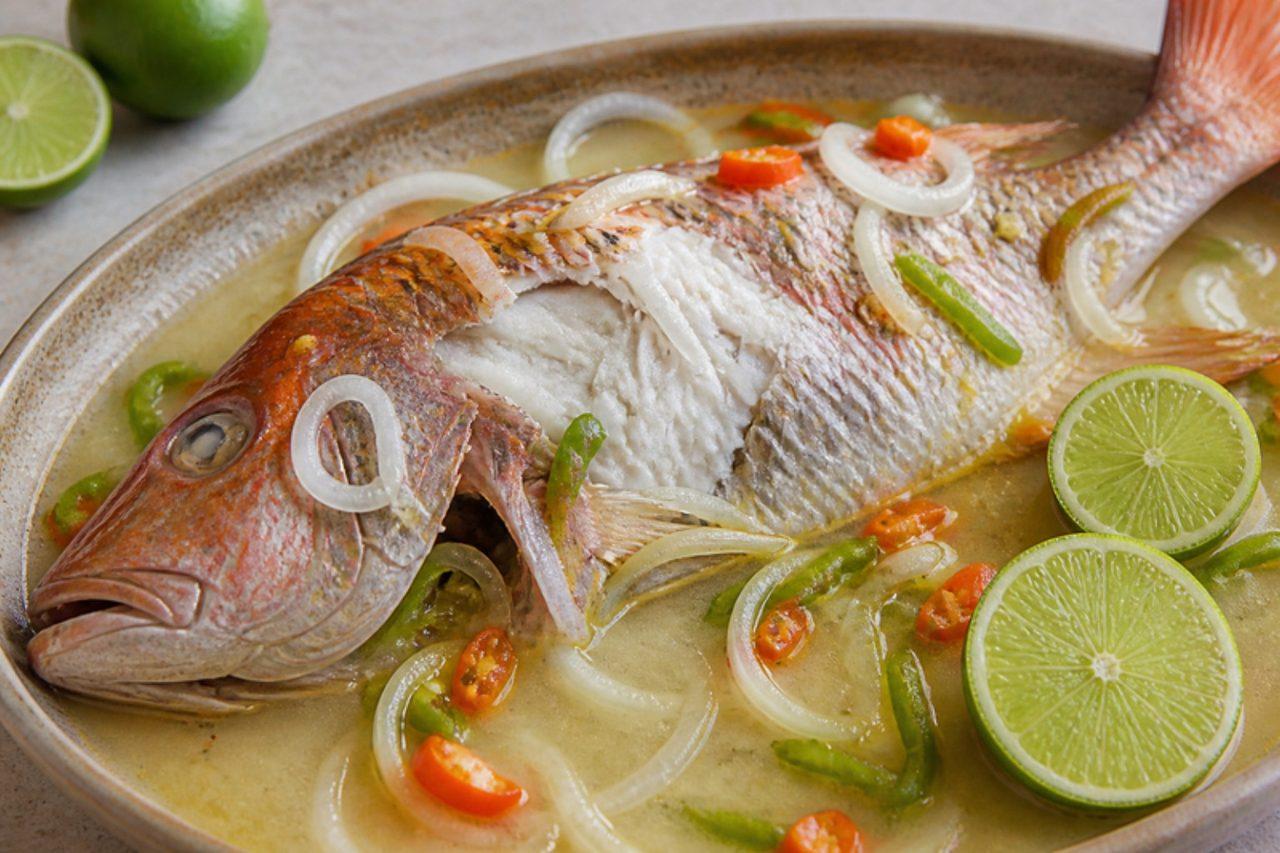
Fishing villages on Haiti's southern coast make pwason gwo sèl, "big-salt fish", when the catch is fresh: whole snapper rubbed with lime and coarse salt, then gently poached in a peppery broth with onion, peppers, thyme and a whole scotch bonnet. The fish stays moist and clean-tasting, and the light broth is spooned over boiled plantain or rice. The common mistake is boiling it hard, which breaks the flesh; keep it at a gentle shiver. Ask for the fish scaled and gutted. Chef's tip: slash the fish twice on each side and push epis into the cuts so the flavour reaches the bone.

by KrazyBadal 0 views

Minchi (Macanese minced meat with potatoes)

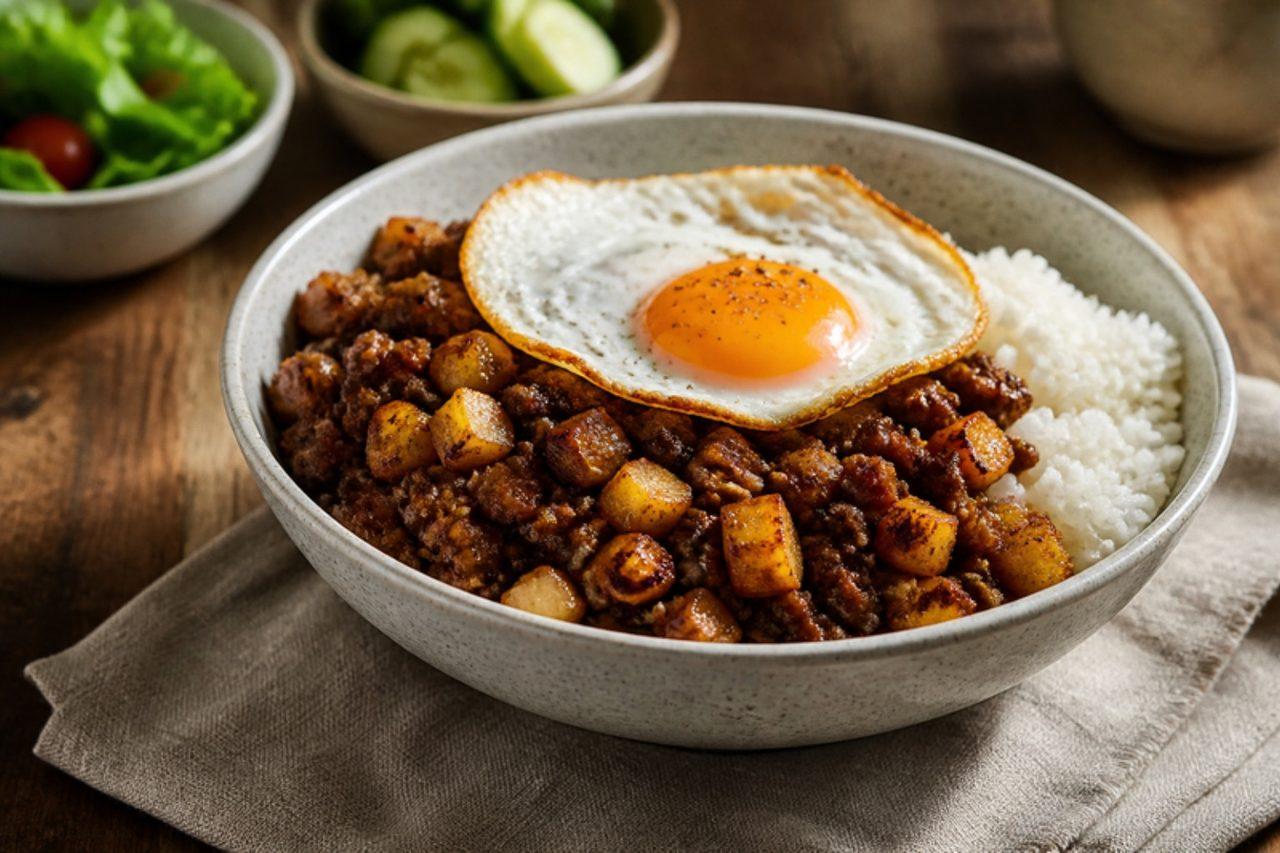
If one dish says home to Macanese families, the descendants of Portuguese and Chinese Macau, it is minchi: a quick hash of minced beef and pork seasoned with soy sauce, Worcestershire sauce and a touch of sugar, mixed with crisp little cubes of fried potato and crowned with a runny fried egg. It appears on weeknight tables, at Macanese restaurants near Rua do Cunha, and at gatherings of the Macanese community abroad, always with plain white rice. Savoury, slightly sweet and full of crunch, it tastes like the meeting of a Portuguese kitchen and a Cantonese wok. A common error is stirring the potatoes into the meat too early, which makes them soft and floury; fry them separately until crisp and fold them in at the end. Chef's tip: let the mince sit undisturbed for a minute in the hot pan before stirring, so it browns instead of stewing.

by KrazyBadal 0 views

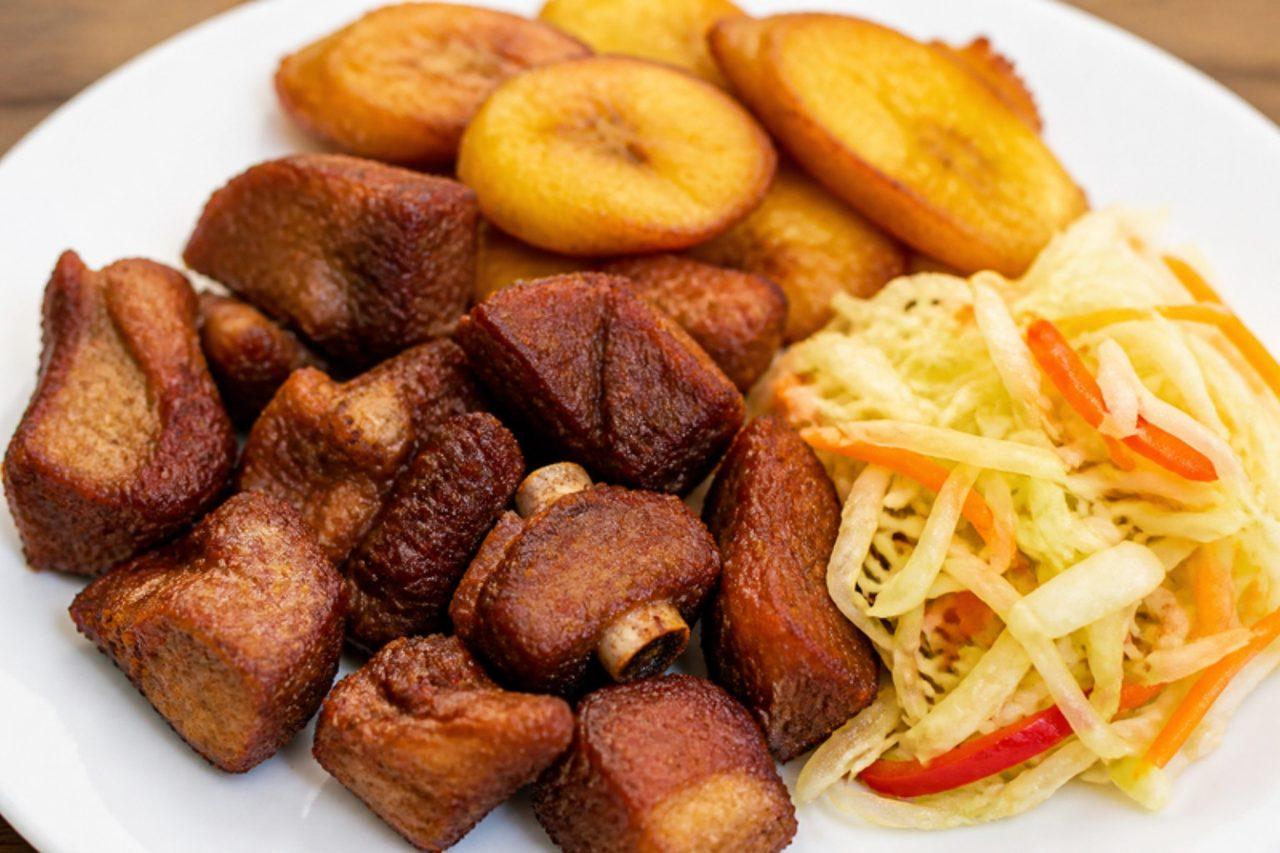
Tasso kabrit

Tasso kabrit is festival and Sunday food all over Haiti: chunks of goat soaked in sour orange and epis, simmered until tender in the marinade, then fried hard until the edges turn crisp and dark. It is piled onto platters with fried plantain (bannann peze), pikliz and sòs ti malis, and is a must at first communions and New Year gatherings. The mistake many people make is frying the goat before it is fully tender; the long simmer comes first, or the meat stays tough however crisp it looks. Ask the butcher to cut bone-in goat shoulder or leg into pieces. Chef's tip: boil the simmering liquid down to a sticky glaze and toss the fried goat in it at the end.

120 minHaitianMeatGluten free
by KrazyBadal 0 views

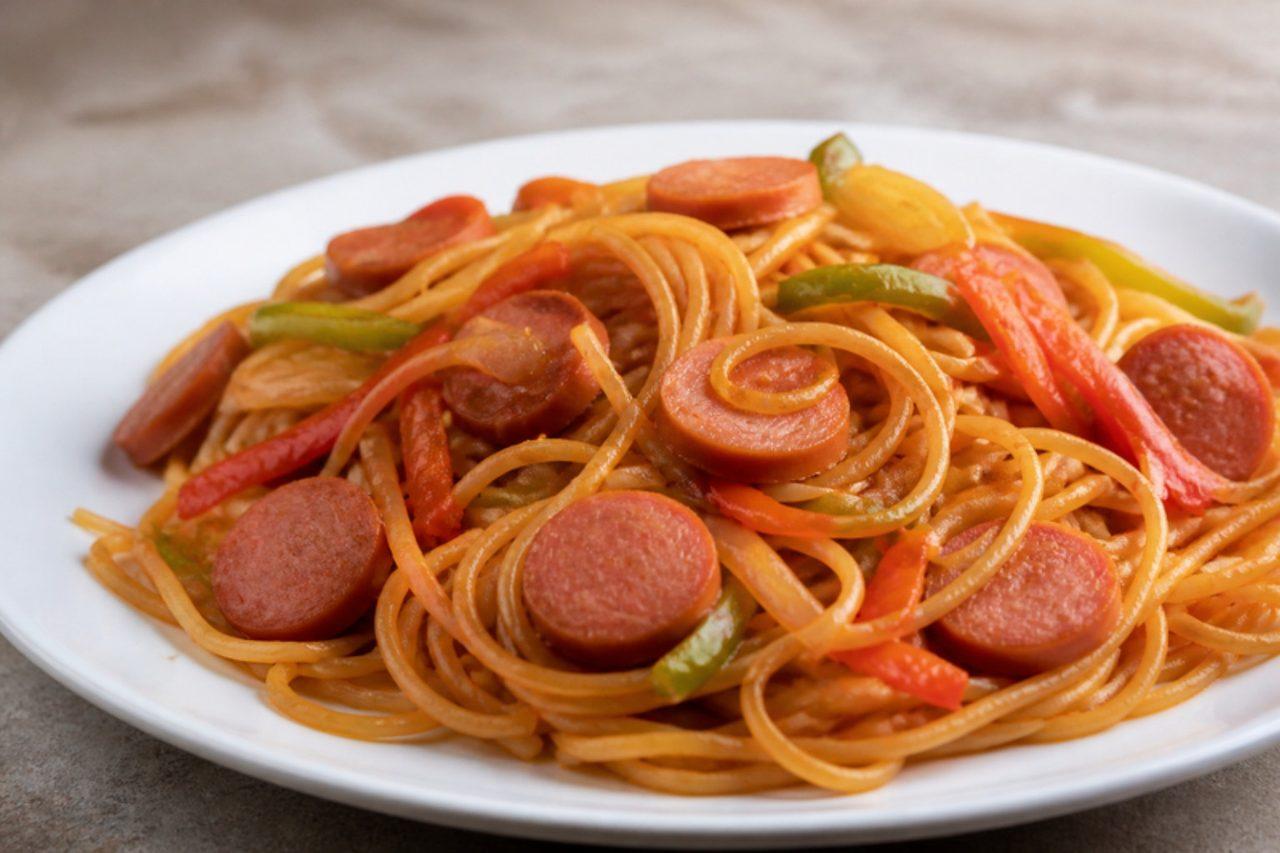
Espageti ayisyen

In Haiti, spaghetti is a breakfast food, and Saturday mornings in many homes start with a big pan of espageti: thin pasta tossed with sliced hot dogs fried in epis, tomato paste and a little hot pepper, often eaten with a boiled egg or a slice of avocado. It is quick, salty, savoury and loved by children. The mistake to avoid is boiling the pasta fully, then frying; it turns mushy, so cook it just short of done. Fry the hot dogs until piping hot all through (71 °C), as with any sausage. Chef's tip: save a cup of the pasta water; a splash of it turns the tomato and epis into a glossy coating.

by KrazyBadal 0 views

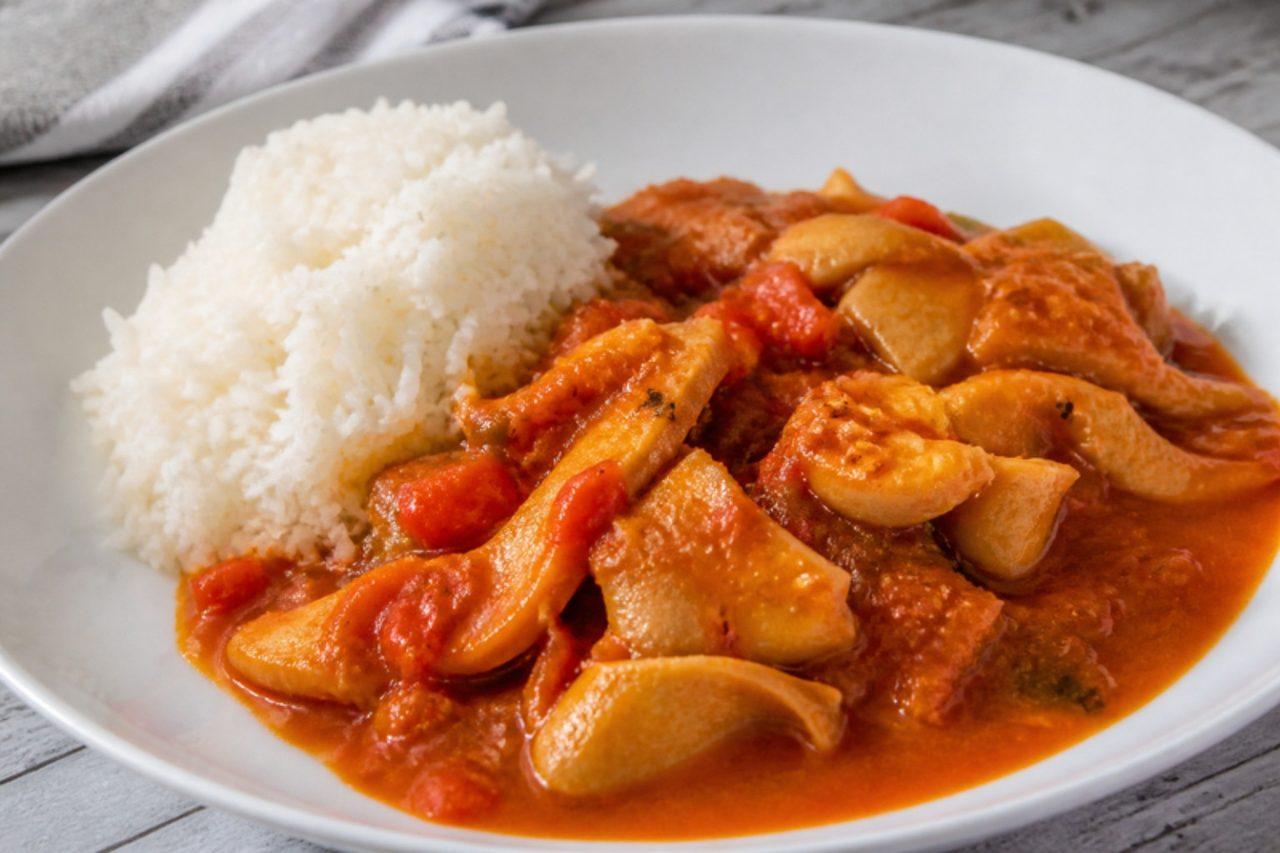
Haitian lambi in creole sauce

Along Haiti's coast, from Jacmel to Les Cayes, lambi is the treat of beach shacks and holiday tables: conch meat pounded tender, simmered until soft, then stewed in a hot, tomato-rich creole sauce with peppers and lime. Its flavour is sweet and clean, somewhere between squid and clam. The great mistake is rushing it; conch is tough as rubber unless it is beaten thin and then simmered long enough to relax. Buy frozen cleaned conch meat from a trusted fishmonger, discard any that smells strongly of ammonia or fish, and cook it through fully. Chef's tip: simmer the pounded conch with lime and a little vinegar first; the acid helps tenderise it.

by KrazyBadal 0 views

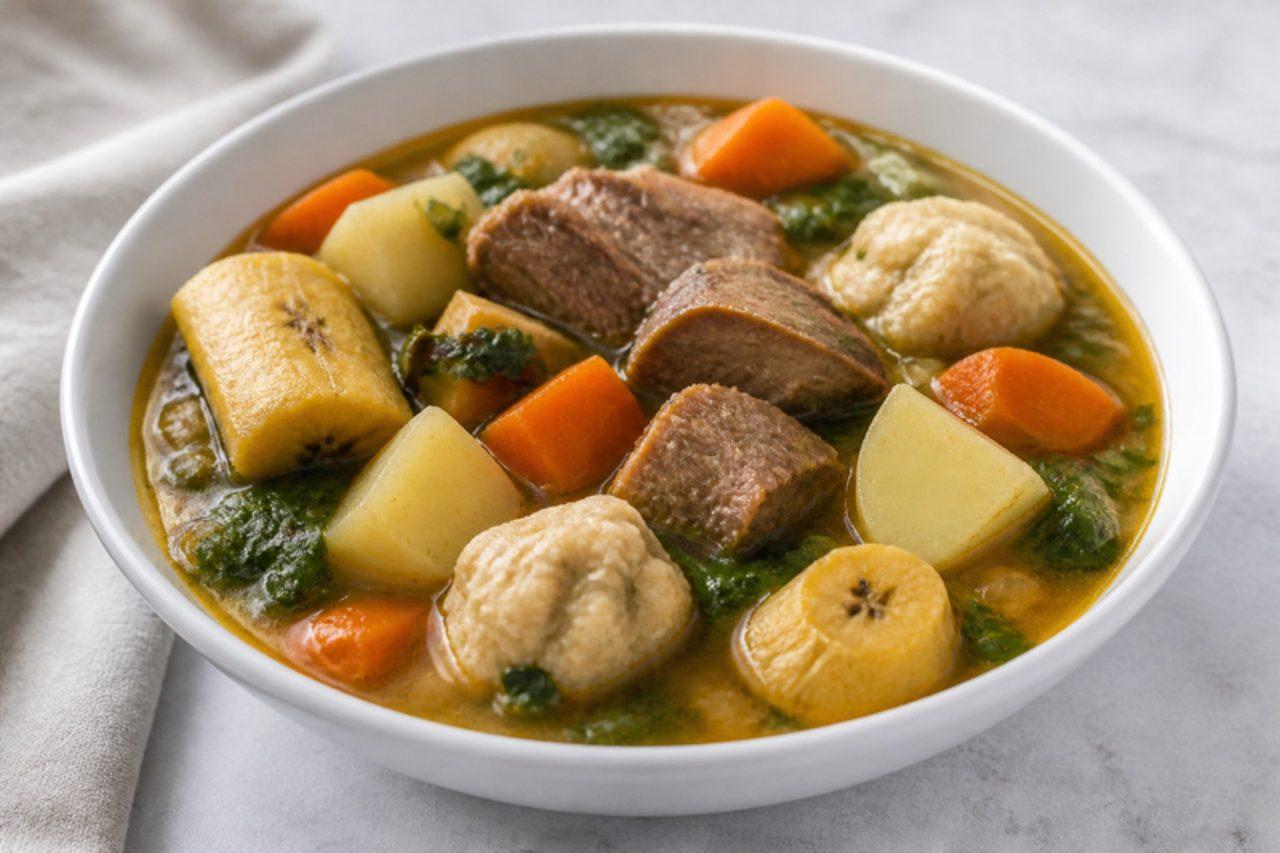
Haitian bouyon

Saturday in Haiti means bouyon: a big, thick soup of beef, root vegetables, greens and little flour dumplings, simmered all morning and ladled up at midday as a meal in a bowl. Every family has its own mix of yam, malanga, potato, carrot, plantain and watercress or spinach, with a whole hot pepper for perfume. The common mistake is adding the roots all at once at the start, so the softer ones disintegrate; the dense ones go first. It feeds a crowd and tastes better reheated. Chef's tip: squeeze a little lime into the soup bowl just before eating, as many Haitians do, to brighten the rich broth.

150 minHaitianSoups
by KrazyBadal 0 views

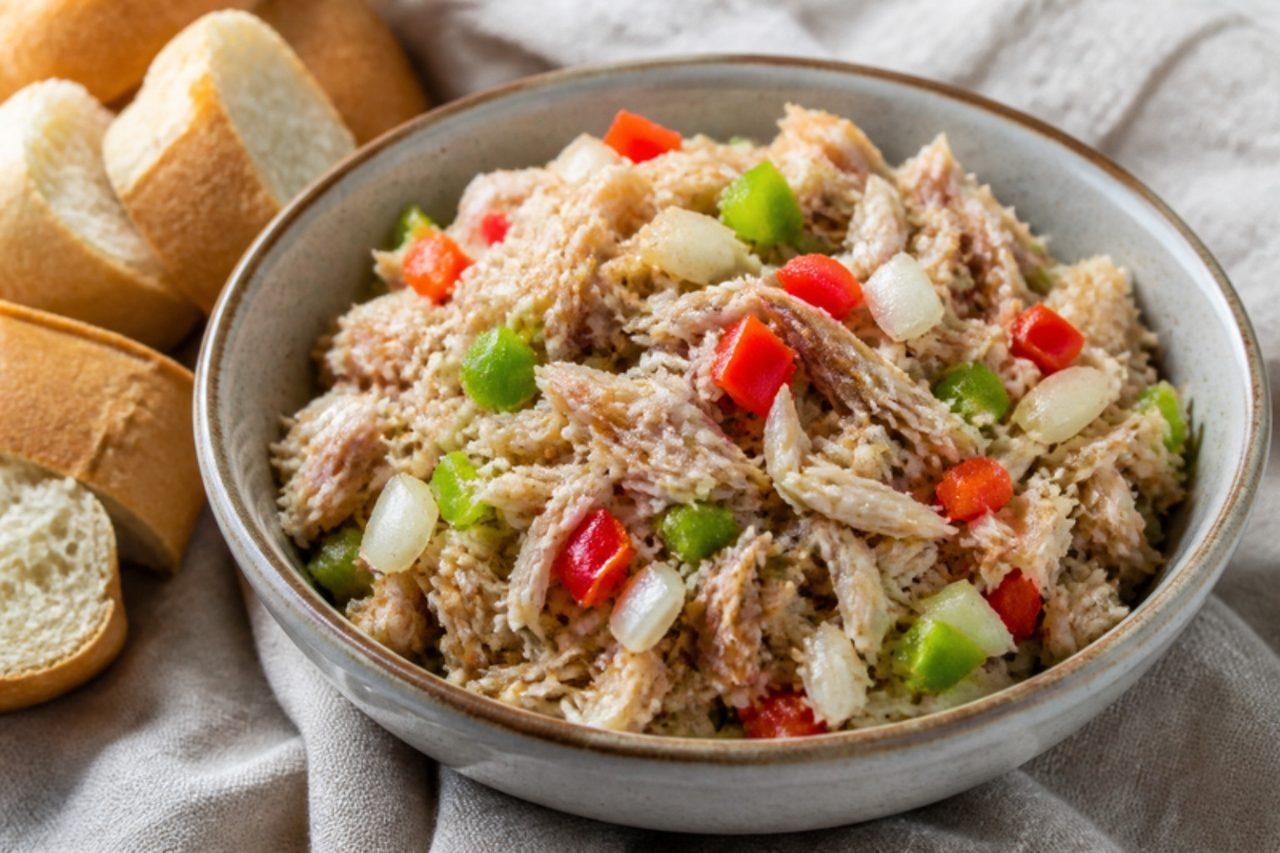
Chiktay aransò

Chiktay is a breakfast and snack dish from Haitian homes and street stalls: smoked herring shredded very finely, then tossed with onion, sweet peppers, garlic, hot pepper and lime in hot oil, served with boiled plantain, bread or cassava bread. It is salty, smoky, sharp and fiery, so a little goes a long way. The common mistake is skipping the soaking, which leaves the dish too salty to enjoy; two quick soaks in boiling water fix that. Pick out the fine bones carefully if your herring isn't boneless. Chef's tip: shred the soaked herring with two forks until it looks like fluffy threads; it absorbs the dressing far better.

by KrazyBadal 0 views

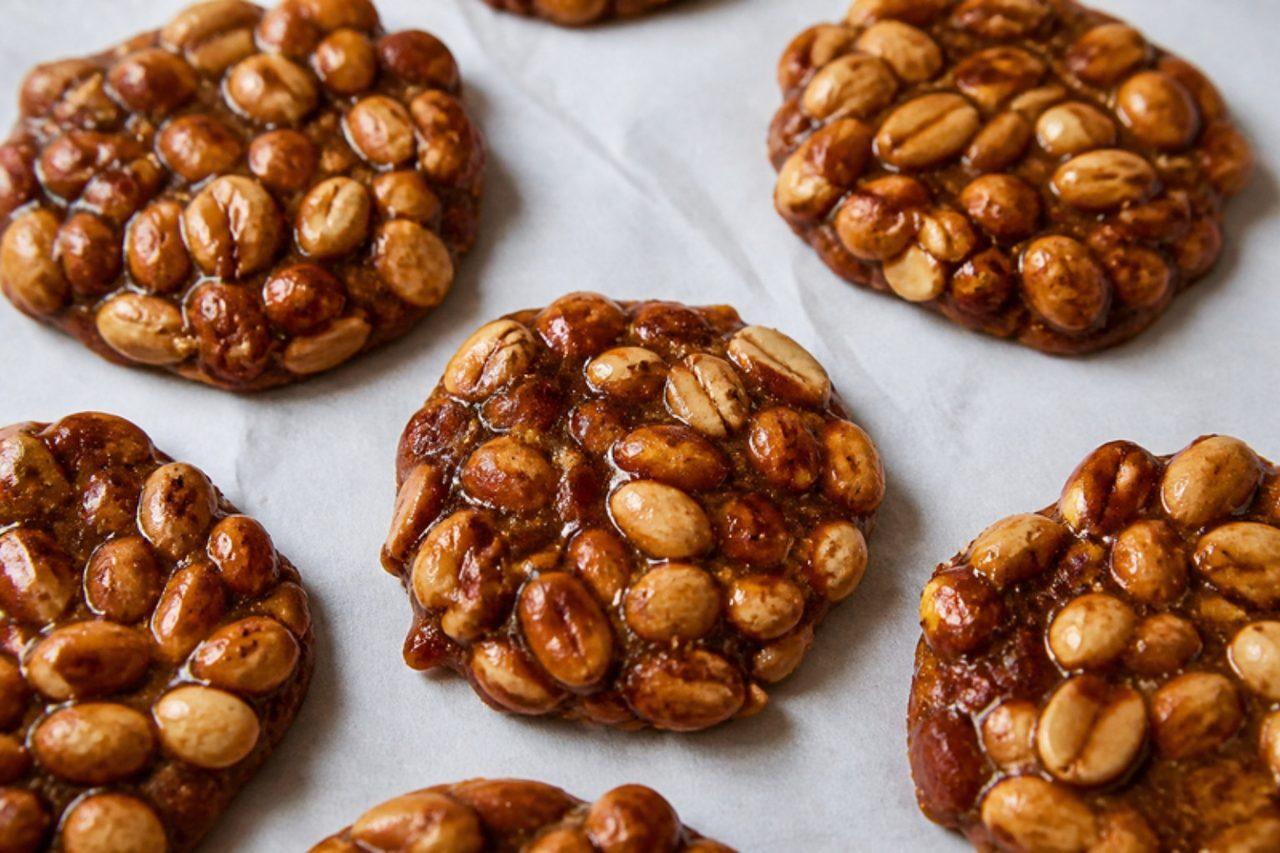
Tablet pistach

Street vendors in Port-au-Prince sell tablet pistach from glass cases and trays balanced on their heads: roasted peanuts (pistach in Kreyòl) set in a dark brown sugar caramel warmed with fresh ginger and cinnamon. It snaps cleanly, is chewier at the edges than a European brittle, and is eaten as an after-school treat or with coffee. The usual mistake is pouring before the syrup is dark enough, which gives a soft, sticky slab. Keep pieces away from very young children, as whole nuts are a choking hazard, and note this contains peanuts. Chef's tip: grate the ginger straight into the syrup and squeeze in a few drops of lime; the acid keeps the caramel from crystallising.

by KrazyBadal 0 views

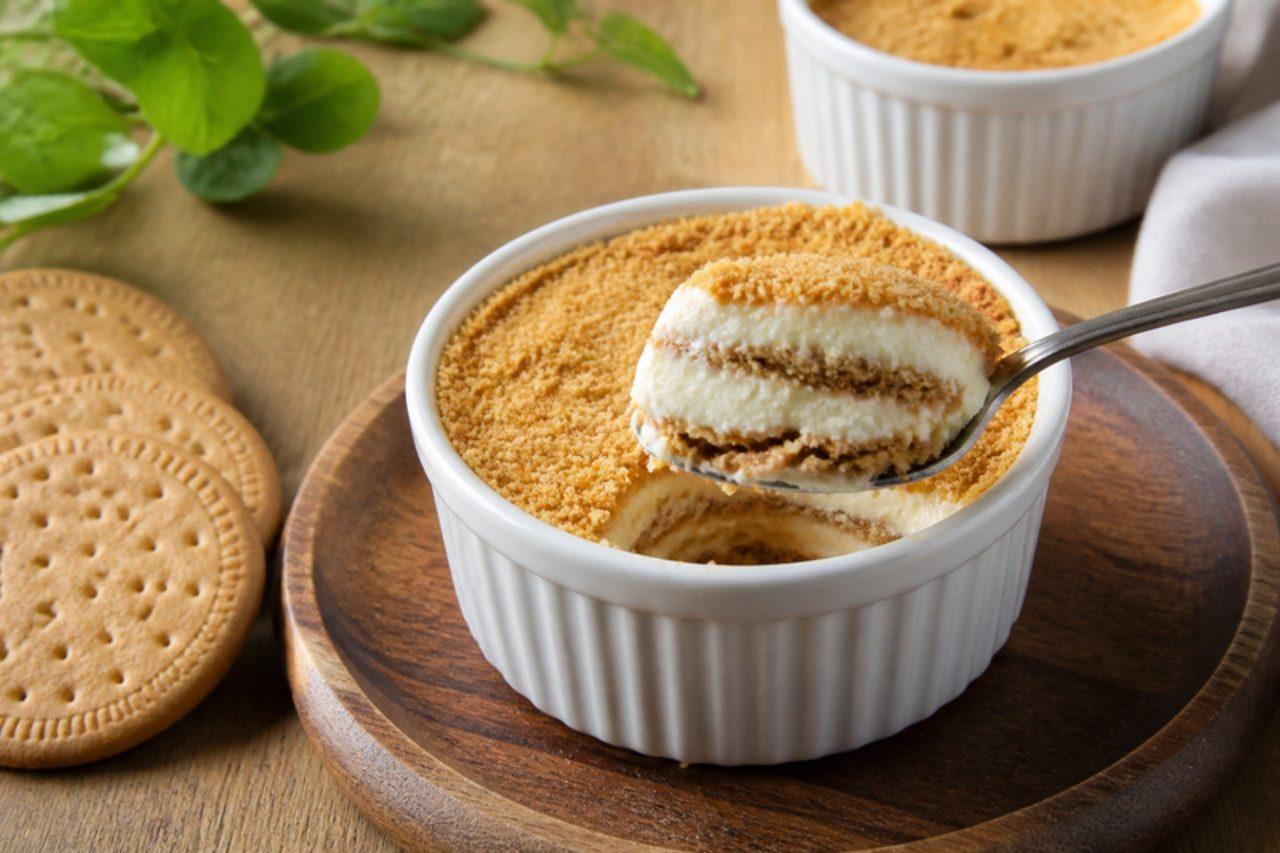
Serradura

Portuguese for 'sawdust', serradura is the cool, creamy dessert you'll find in every Macanese restaurant and café from Taipa to the Senado Square backstreets, ordered to round off a long Macanese lunch. Alternating layers of sweetened whipped cream and powder-fine tea biscuit crumbs set softly in the fridge, so each spoonful is light, milky and caramel-sweet, with a gentle crumbly texture. It is usually served in small glasses, sometimes semi-frozen like an ice cream cake. Coarse crumbs are where it goes wrong; they stay crunchy and gritty instead of melting into the cream, so grind the biscuits as fine as sand. Chef's tip: whip the cream and condensed milk together only to firm peaks and stop there, or it turns grainy and buttery.

by KrazyBadal 0 views

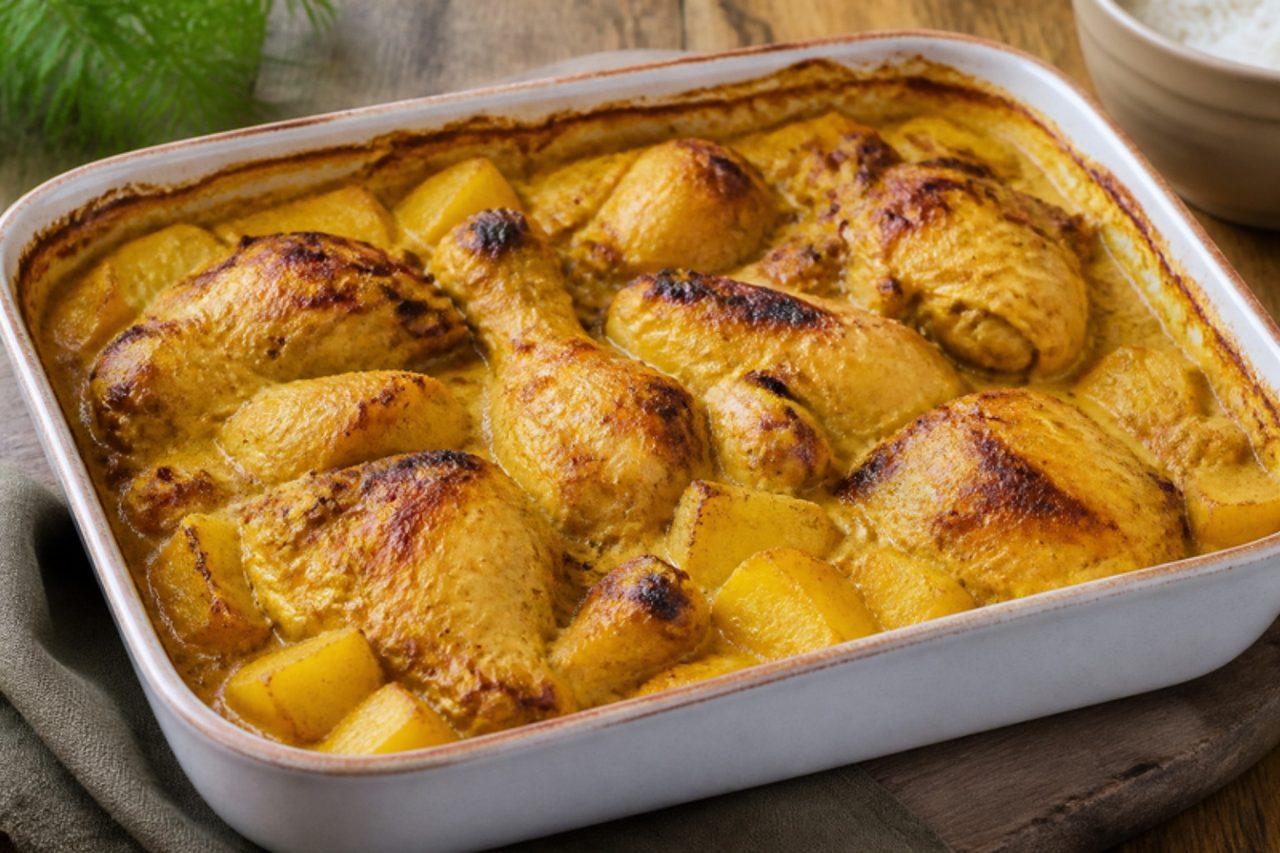
Galinha à portuguesa (Portuguese chicken)

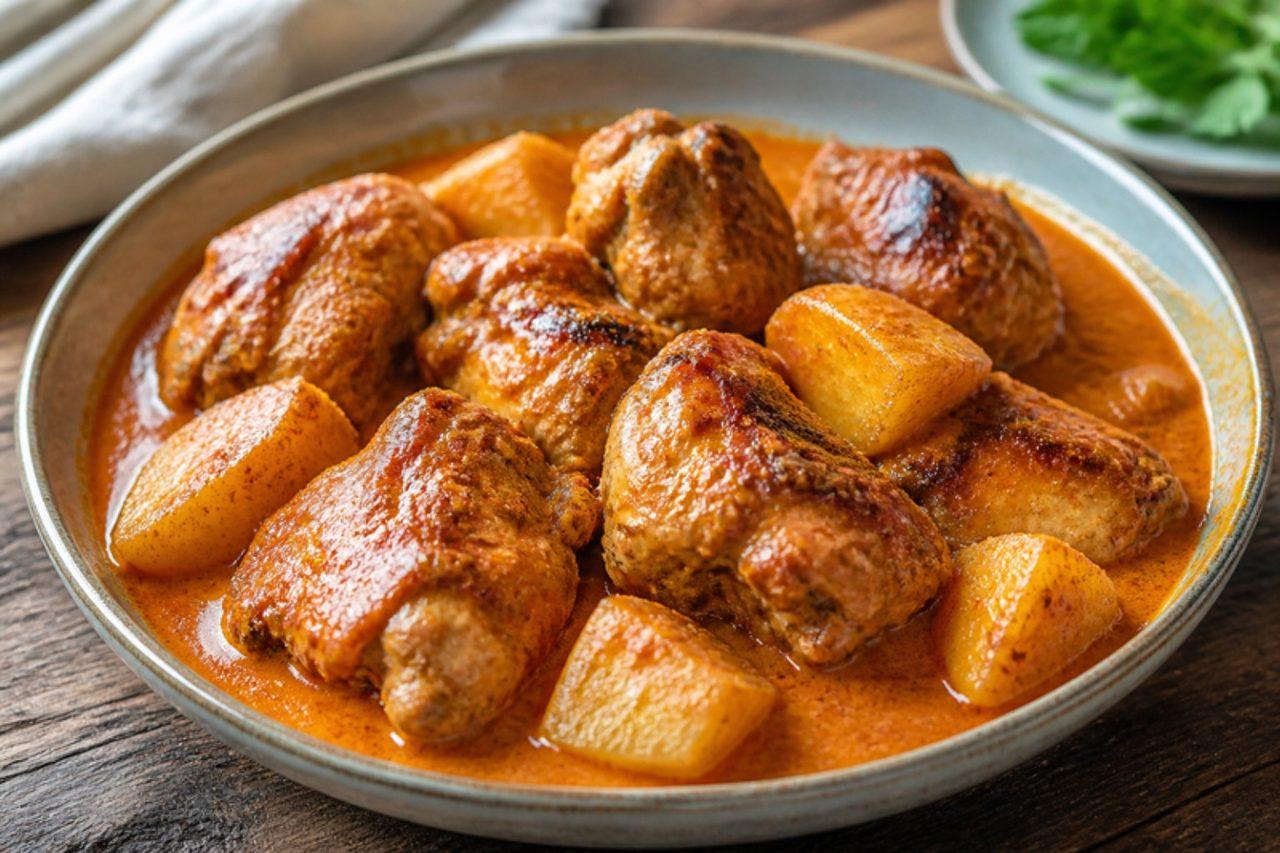
Puzzlingly, you will not find this in Portugal: galinha à portuguesa belongs to Macau, where cooks mixed a Portuguese idea of a creamy baked chicken with the turmeric, curry powder and coconut milk that came through the Portuguese trading routes from Goa and Malacca. Macanese restaurants and Hong Kong's cha chaan teng serve it bubbling in a clay pot or baking dish, golden on top, with chicken and potatoes in a mild, yellow, gently sweet coconut sauce, always with white rice to soak it up. It is a favourite for family dinners and Christmas tables. The thing people get wrong is boiling the coconut sauce hard, so it splits and turns oily; keep it at a gentle simmer. Chef's tip: brown the chicken well first, and finish under a hot grill for the speckled golden top that Macau restaurants are known for.

by KrazyBadal 0 views

African chicken (Macanese galinha africana)

Macau restaurants have served galinha africana since the 1940s, and the story most often told is that a hotel chef in the city created it from spices that Portuguese sailors brought back from Mozambique and Angola. Today it is a signature at Macanese and Portuguese restaurants from Taipa village to Coloane, eaten at long weekend lunches with rice or crusty bread. Chicken pieces are marinated, grilled until charred, then baked under a thick, brick-coloured sauce of ground peanuts, coconut milk, chilli, paprika, garlic and onion that is rich, nutty and quietly fiery. It is often made with a pale, timid sauce; cook the onion, garlic and paprika slowly until really deep red before the coconut goes in. Chef's tip: marinate the chicken overnight in the fridge so the garlic and chilli reach the bone.

by KrazyBadal 0 views

Haitian konparèt

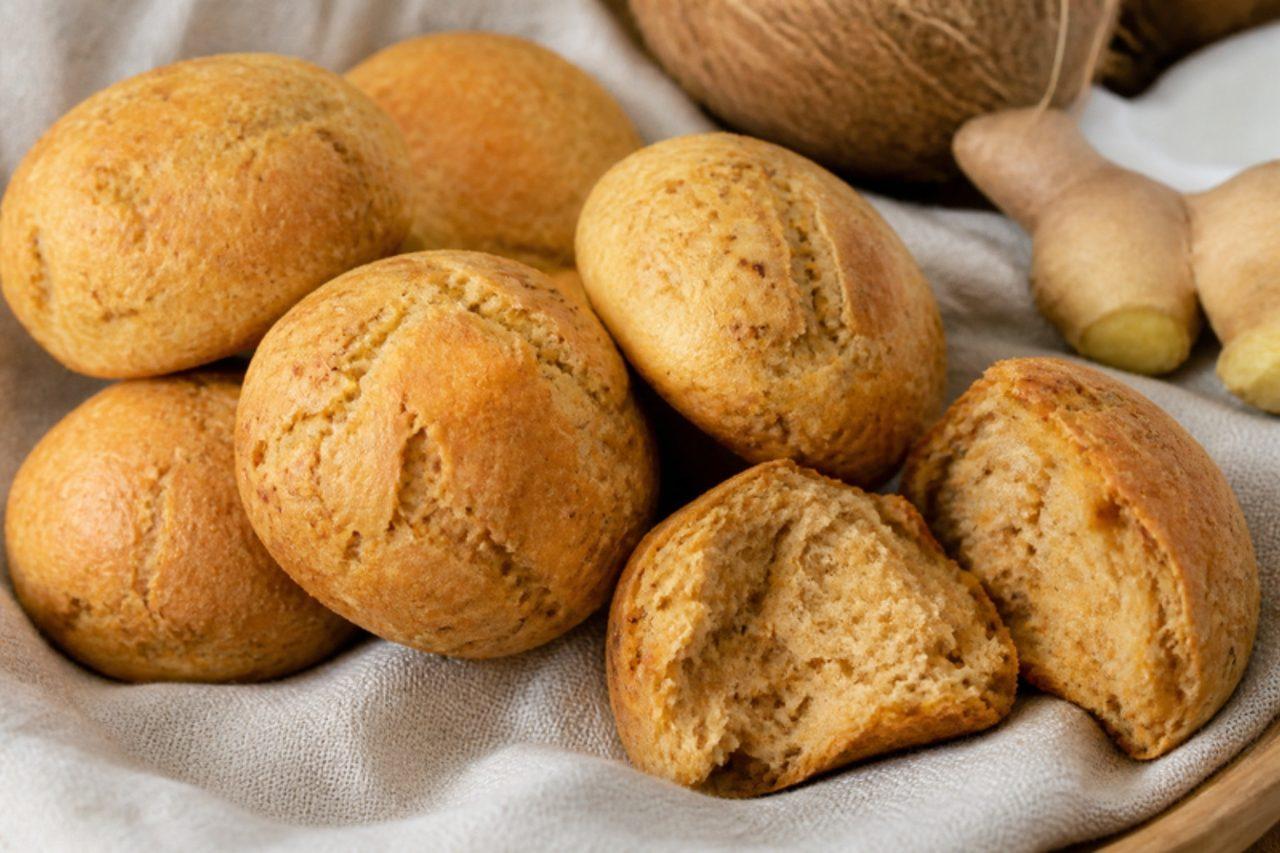
Jérémie, at the far western tip of Haiti, is the home of konparèt, dense round loaves of spiced bread made with grated coconut, fresh ginger, nutmeg and vanilla, baked until firm and golden. They are a Grand'Anse travelling food, carried home from the coast in baskets and eaten with coffee or hot cocoa in the afternoon. They are meant to be firm and close-crumbed, not fluffy, so the mistake is adding extra liquid to make the dough soft. Use freshly grated coconut if you can, as it gives the moistest crumb. Chef's tip: grate the ginger on the fine side of the grater and squeeze its juice into the dough too; that heat is the signature of a good konparèt.

by KrazyBadal 0 views

Bonbon siwo

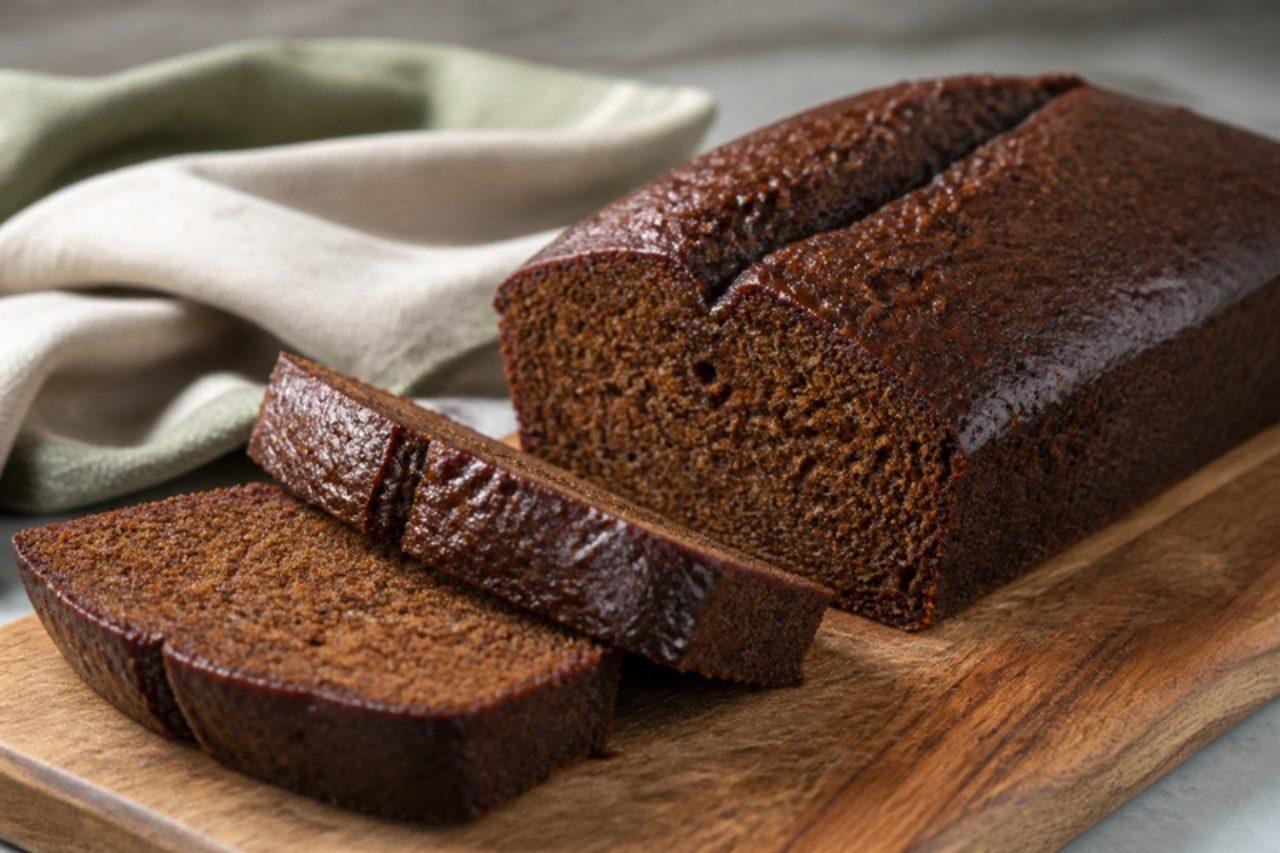
Bonbon siwo, "syrup cake", is the moist, dark gingerbread that Haitian families bake for birthdays, church sales and an ordinary Sunday, sliced into squares and eaten with a cup of sweet coffee. The siwo is molasses or cane syrup, which gives it a slightly bitter, smoky sweetness alongside ginger, cinnamon and nutmeg. The common mistake is overbaking: take it out as soon as a skewer comes out clean, or the edges dry and turn crusty. It contains egg, wheat and dairy. Chef's tip: mix the bicarbonate of soda into the hot water before adding it to the batter so it fizzes and lifts the cake evenly.

by KrazyBadal 0 views

Dous makos

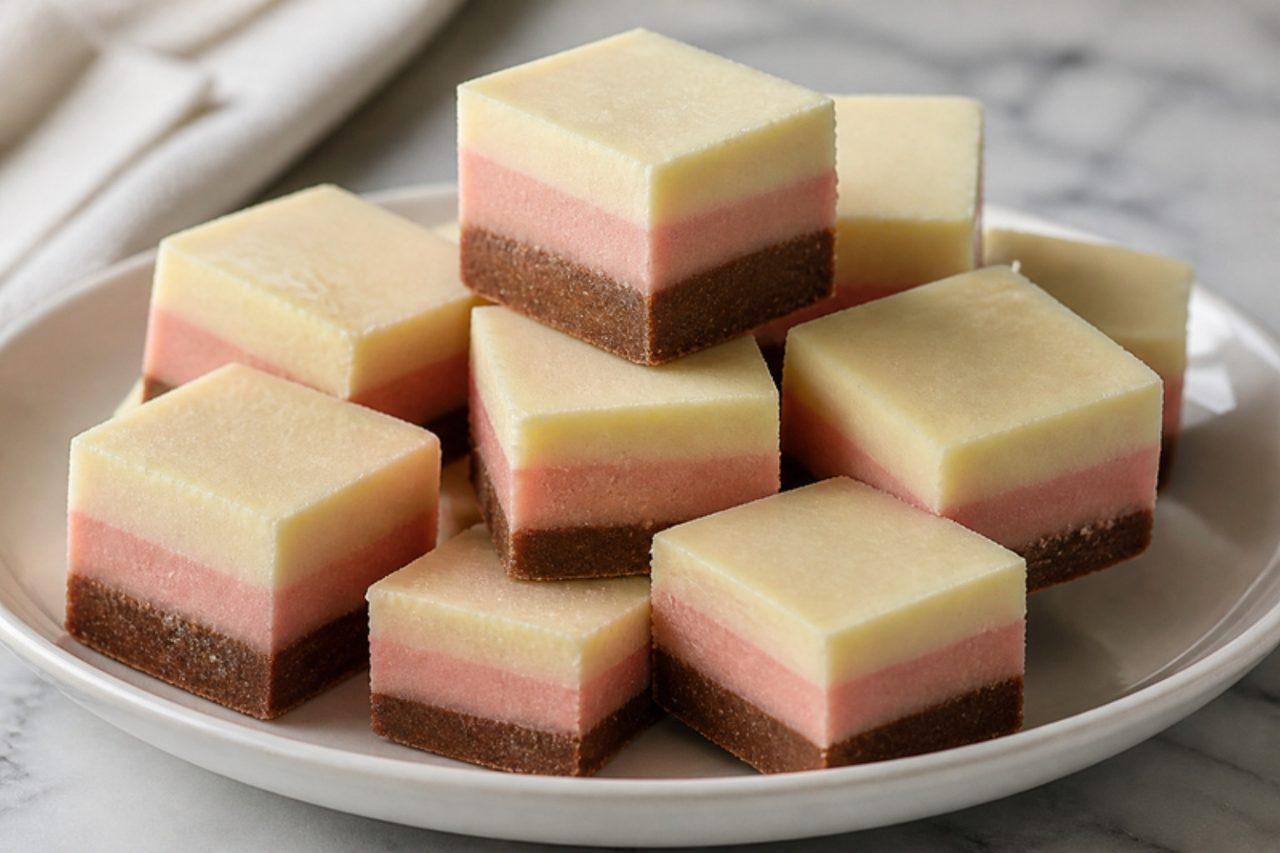
Petit-Goâve, on Haiti's southern coast, is famous for one sweet: dous makos, a soft milk fudge set in three bands of cream, pink and cocoa brown, sold wrapped in paper to travellers passing through. It is made by slowly cooking milk and sugar with cinnamon and lime peel until it turns thick and pale toffee, then colouring and layering it in a tin. The common mistake is stopping too soon; undercooked fudge stays sticky and won't slice, so cook until it leaves the pan sides cleanly. A heavy pan and a long spoon make all the difference. Chef's tip: add a pinch of bicarbonate of soda with the milk; it stops the milk from catching and splitting during the long boil.

by KrazyBadal 0 views

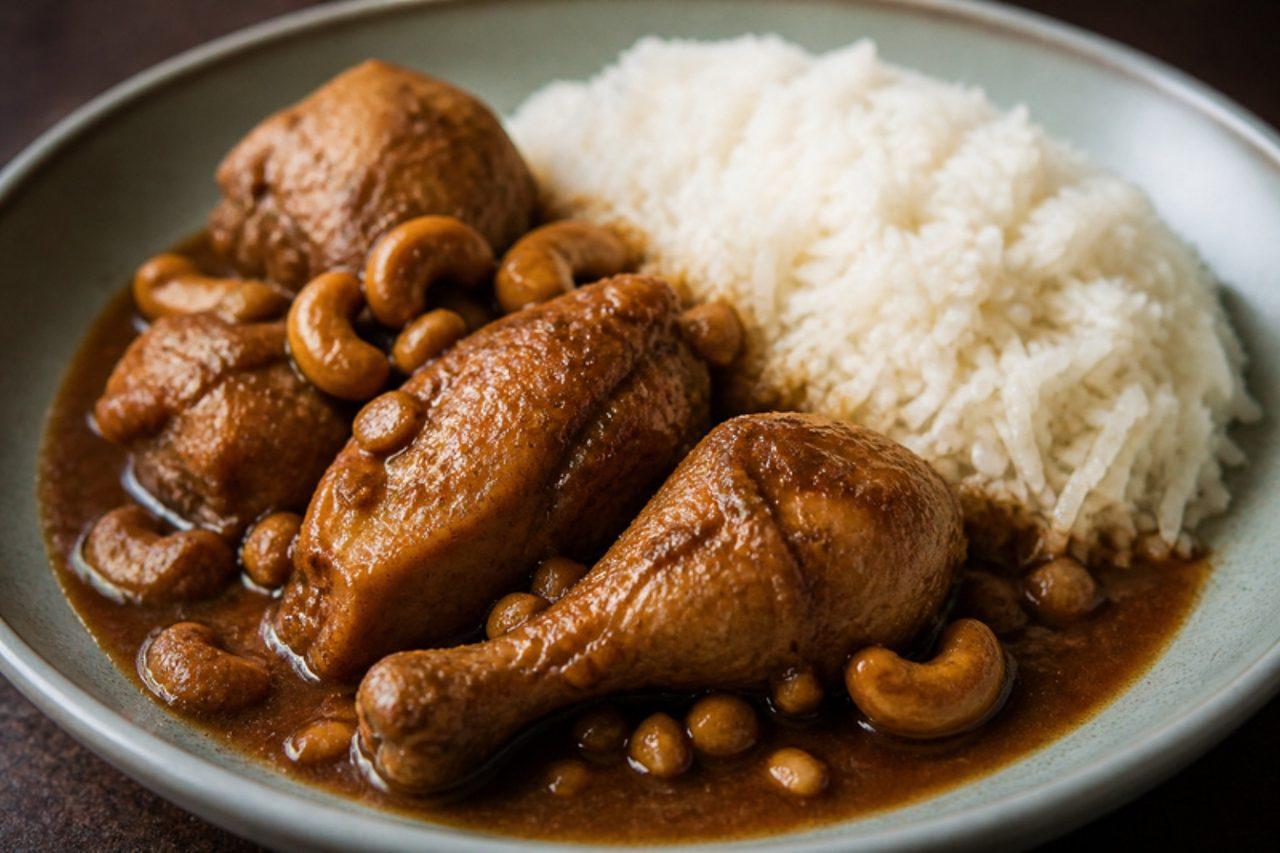
Poul ak nwa

Cap-Haïtien, Haiti's northern port, claims poul ak nwa as its own: chicken braised in a tomato and epis creole sauce and finished with toasted cashew nuts, which grow on the northern hillsides and are sold in paper cones by the roadside. The nuts soften slightly in the sauce, giving it body and a buttery sweetness, and the dish is a favourite for Sunday lunch with white rice and fried plantain. The common mistake is adding the cashews at the start, so they turn soggy; they go in for the last 15 minutes. Contains tree nuts. Chef's tip: dry-toast the cashews until golden before they meet the sauce; it deepens the whole dish.

by KrazyBadal 0 views

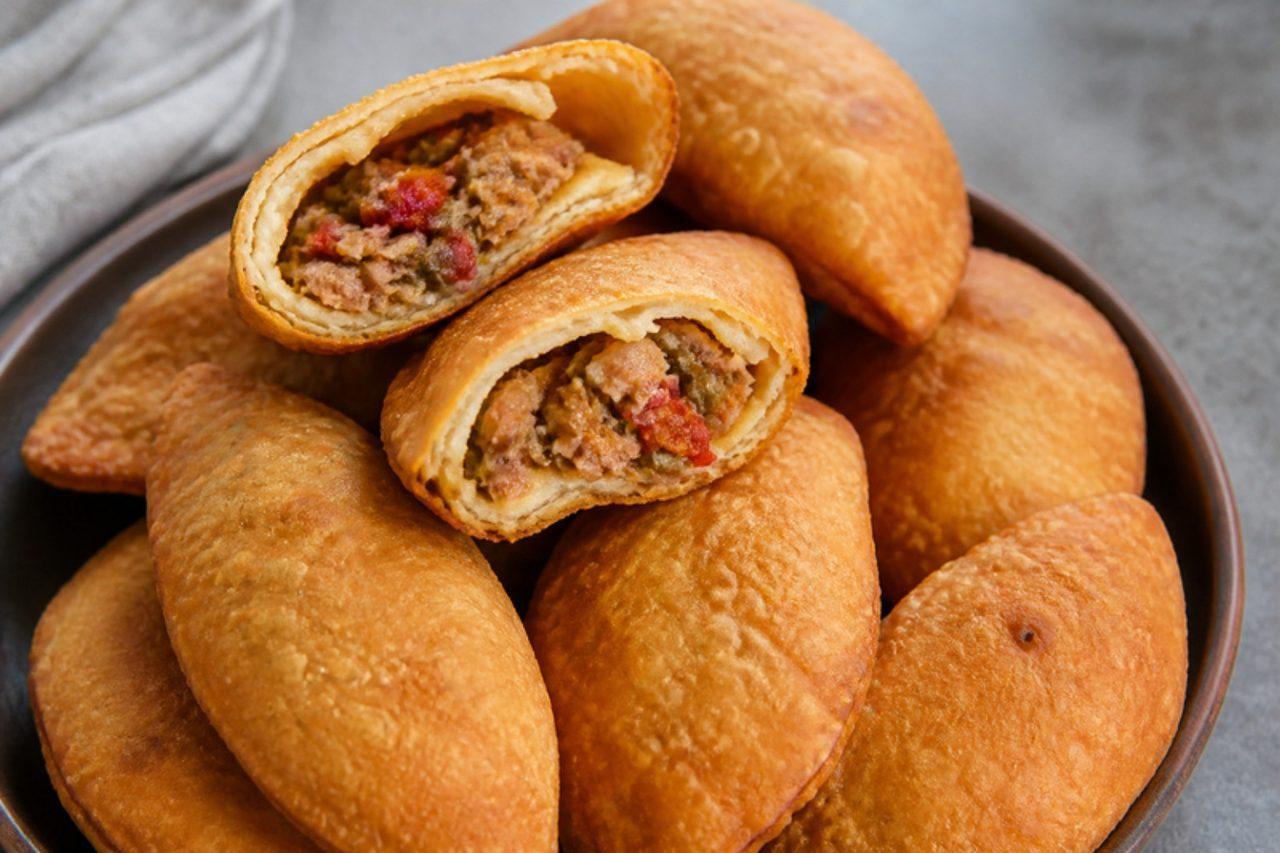
Pate kòde with smoked herring

Pate kòde are the crisp, bubbly turnovers sold hot from oil drums on Port-au-Prince street corners in the early morning and after school, wrapped in paper with a squeeze of pikliz. The filling might be chicken, beef or, most traditionally, smoked herring (aransò) fried with onion, tomato and pepper, salty and smoky in a blistered shell. The usual mistake is overfilling, so the edges split in the oil; leave a clear border and press with a fork. Soak the herring to tame its salt. Chef's tip: roll the dough very thin; that's what gives the pate their signature blisters.

by KrazyBadal 0 views

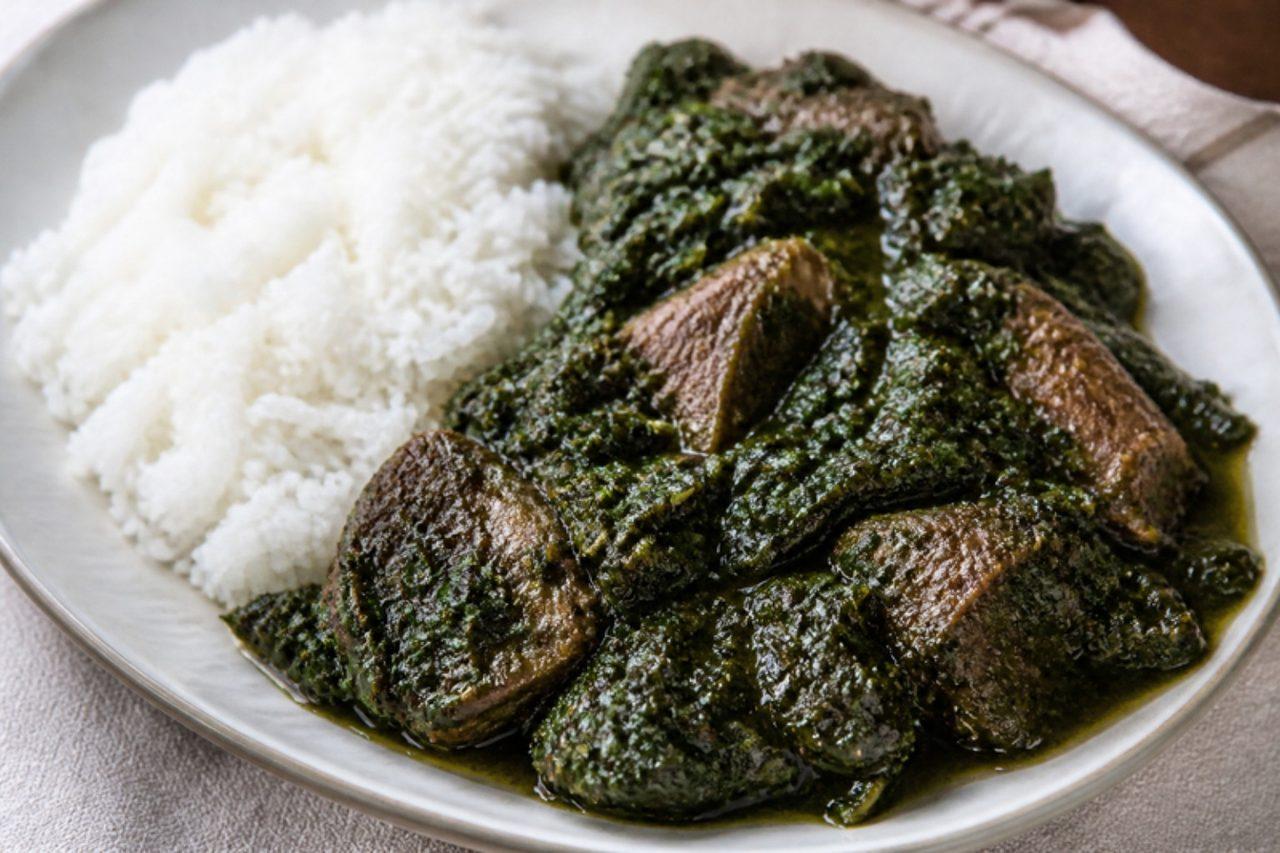
Haitian lalo with beef

In the rice-growing Artibonite valley, lalo means jute leaves, and the stew made from them is the region's pride: chopped leaves cooked down with beef (and often crab) until they turn dark, silky and slightly slippery, like a richer spinach stew, served over white rice. Fresh jute is hard to find abroad, but frozen chopped jute leaves (sold as molokhia in Middle Eastern shops) work very well. The common mistake is adding the leaves too early; they turn bitter and grey if they boil for an hour, so the beef is cooked first. Marinate the beef in the fridge. Chef's tip: a squeeze of sour orange at the table cuts the richness beautifully.

by KrazyBadal 0 views

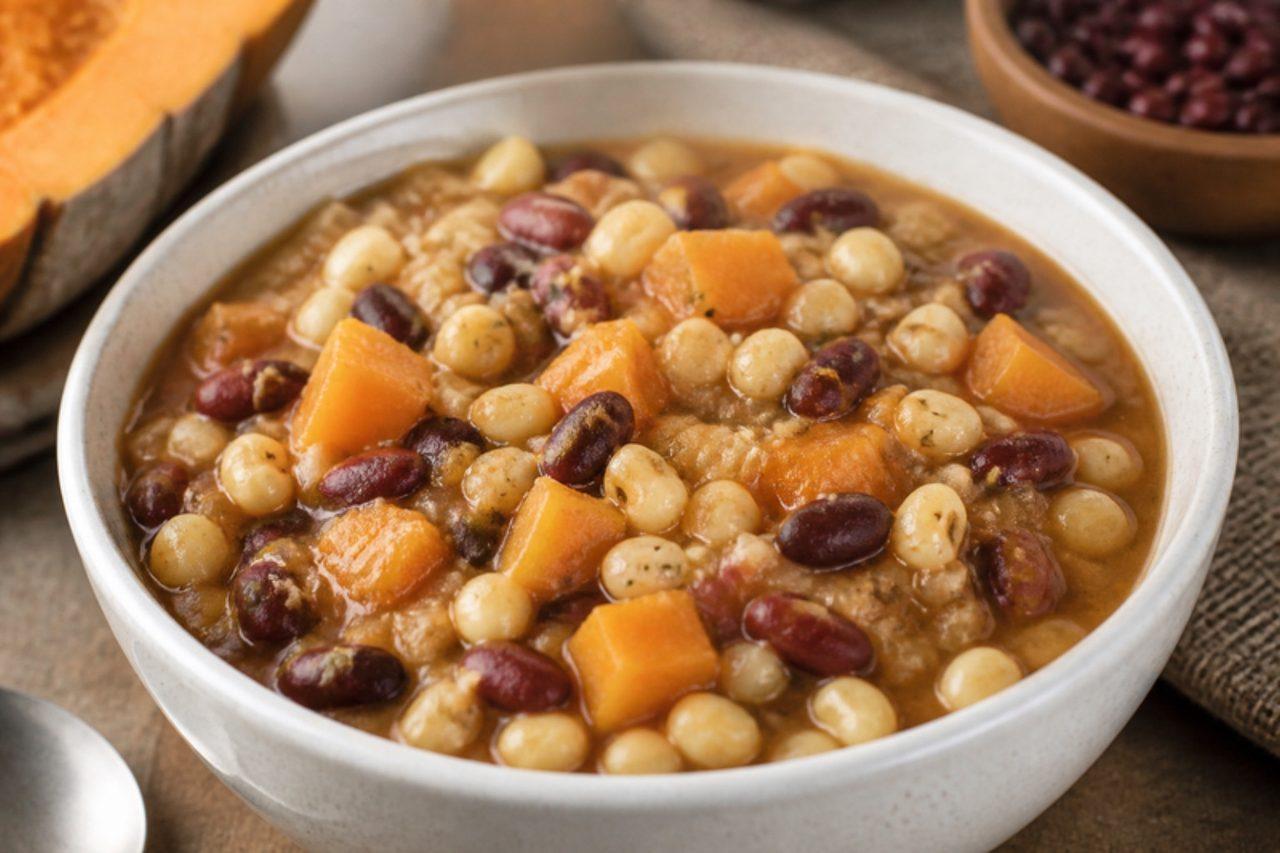
Haitian tchaka (vegetarian)

Tchaka is a deeply rural Haitian stew of dried hominy corn, red beans and pumpkin, cooked low and slow until the corn bursts and the beans melt into a thick, sweet-savoury porridge. It is linked with harvest gatherings and Vodou feast days, and the classic pot usually holds smoked pork or pig's feet; this version leaves the meat out and builds depth with epis, smoked paprika and coconut oil instead. Soak the hominy and beans overnight, because skipping the soak is the main reason tchaka stays chalky. Serve it on its own in bowls, with pikliz on the side. Chef's tip: mash a cupful of the pumpkin against the pot wall near the end; it thickens the stew far better than flour.

by KrazyBadal 0 views

Majarisco

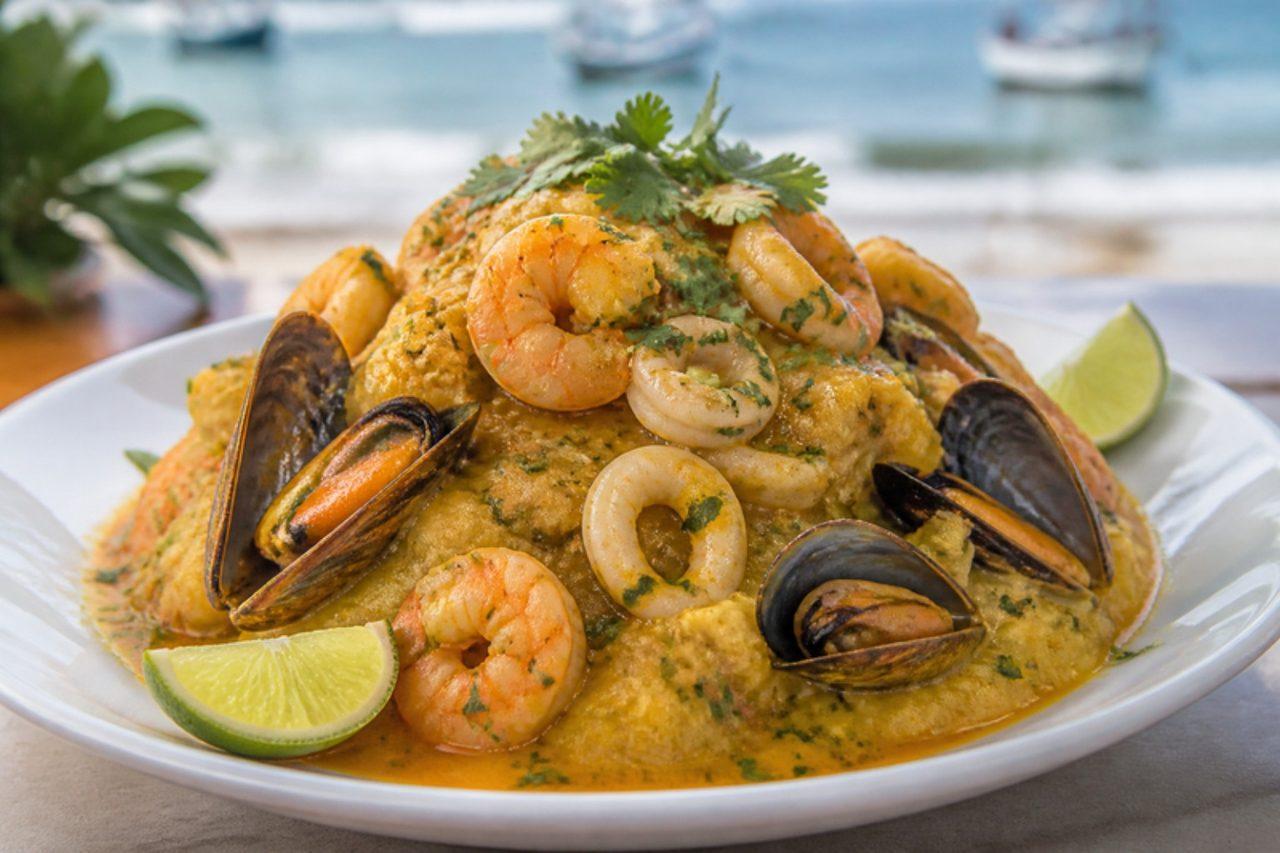
Its name blends 'majado' (mashed plantain) and 'marisco' (seafood), and along the coast of Piura and Tumbes, near the Ecuadorian border, it's what cevicherías and beach restaurants serve when you want something hot and filling. Mashed green plantain is folded into a sauce of garlic, onion, ají and seafood juices, with prawns, squid and mussels running through it, so every forkful is creamy, garlicky and briny. Serve it with lime and salsa criolla. Mussels must be alive: tap any open ones and discard those that don't close, and discard any that stay shut after cooking. Overcooking the seafood is the most frequent mistake; it goes in at the end, just until pink and opaque. Chef's tip: keep the mussel cooking liquid and use it to loosen the mash; it's pure seafood flavour.

by KrazyBadal 0 views

Seco de chabelo

Piura's picanterías, near the dry northern border, serve this rough, savoury mash at lunch: green plantains, roasted or boiled and pounded, mixed with fried strips of carne seca (salted dried beef) and a quick sofrito of onion, tomato and ají amarillo. It is dense, salty and smoky, with the plantain's starchy sweetness, and is eaten with salsa criolla and fried ripe plantain or chifles (plantain crisps). The legend says it was invented for a soldier called Chabelo in the War of the Pacific. Use carne seca or cecina from Latin shops, or unseasoned beef jerky. Pounding the plantains smooth is the classic mistake: chabelo should be lumpy and rustic. Chef's tip: soak the dried beef in warm water for 30 minutes and taste a piece; if it's still very salty, change the water and soak again.

by KrazyBadal 0 views

Chuño phuti

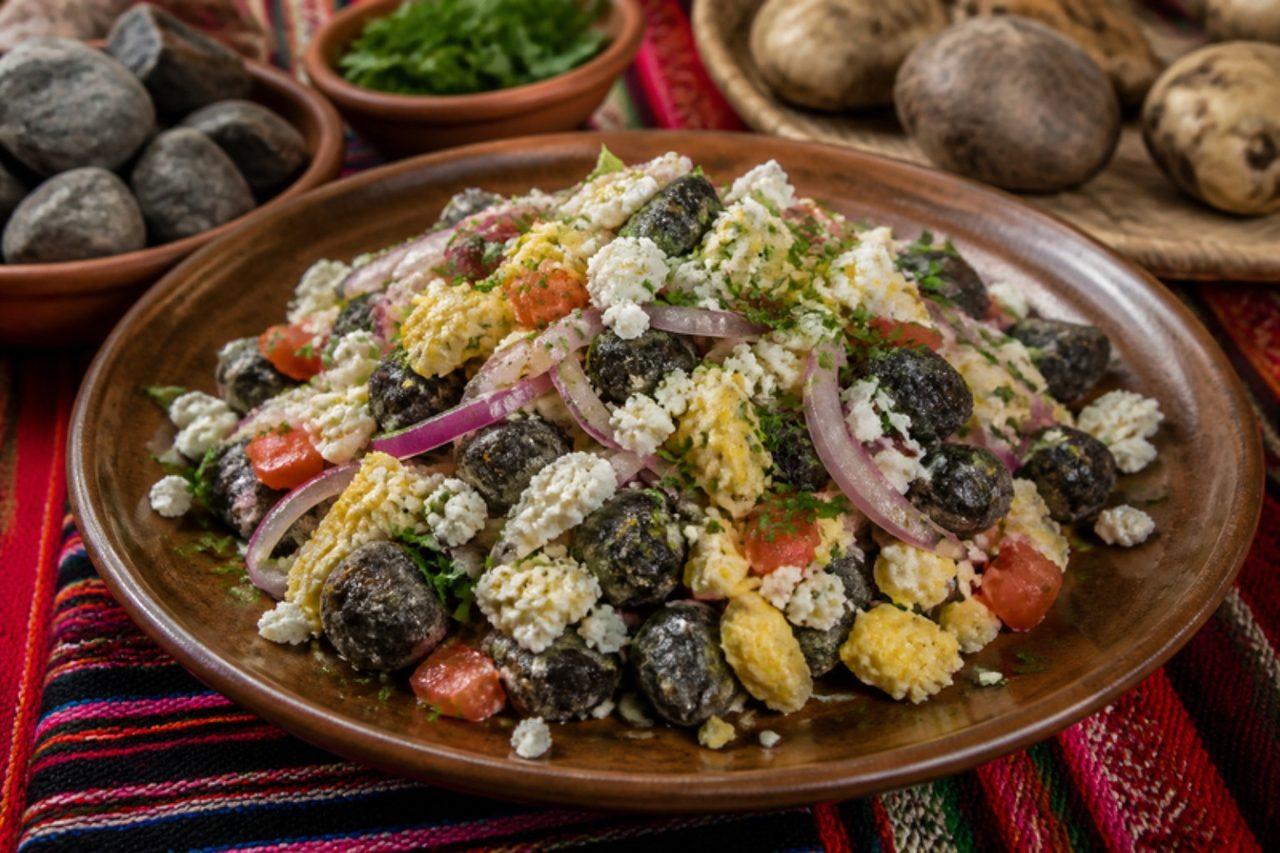
Chuño are potatoes freeze-dried the ancient way on the Altiplano: left out on frosty nights, trampled to squeeze out the water and dried in the high sun, so they keep for years. In Puno and across the border in Bolivia, they are soaked, crumbled and fried with onion, then scrambled with egg and fresh cheese to make phuti, a hearty breakfast or supper eaten with a hot tea. The texture is dense and slightly chewy, and the flavour earthy and a little tangy. Chuño is sold dried in Andean shops; it must soak overnight (ideally 24 hours, with the water changed) and then be peeled, which adds time before you start. The mistake is not soaking or rinsing enough: under-soaked chuño smells strong and stays hard in the middle. Serve with a fresh tomato salsa or uchucuta. Fresh cheese is usually made with animal rennet, so use a vegetarian one if needed. Chef's tip: squeeze the soaked chuño hard between your palms before crumbling; the drier it is, the better it fries.

by KrazyBadal 0 views

Showing 24 of 149 recipes

Show more recipes

Page 1 of 7