Skip to content
Recipes

All recipes

Vegetarian, or something you can't eat? Set your diet once and we'll hide recipes that don't fit.

Hua dan xia ren (shrimp with silky scrambled egg)

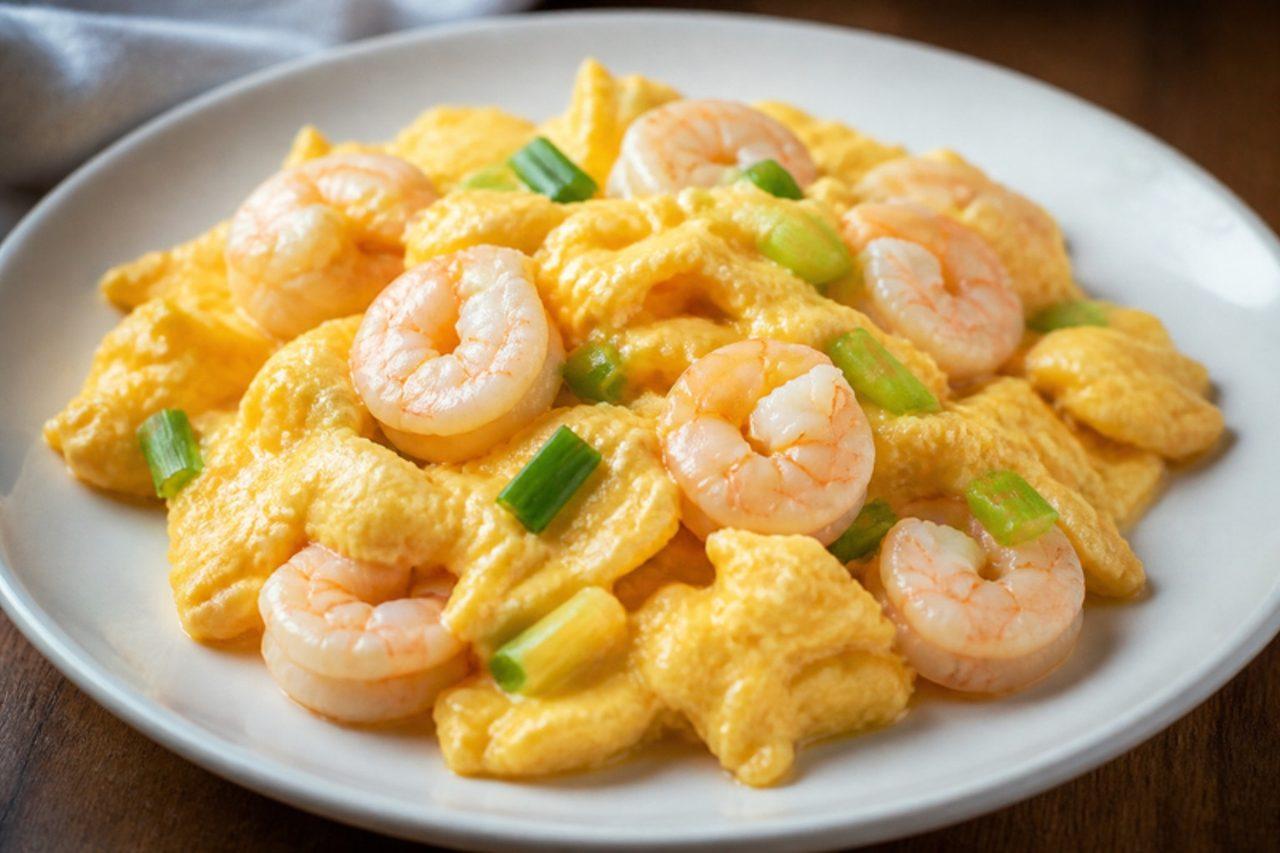
Hua dan xia ren comes from Guangdong and the Hong Kong cha chaan teng, where it is spooned over rice for a quick lunch or set in the middle of a family dinner: prawns folded into eggs that are barely set, glossy and soft as custard. The classic error is stirring the eggs like a breakfast scramble over a high flame, which gives you dry little curds. Because the eggs are only just set, cook them a little longer for anyone pregnant, very young, older or vulnerable. Chef's tip: a spoon of cornflour slurry and a little oil in the beaten eggs keeps them silky even if you overshoot by a few seconds.

by KrazyBadal 0 views

TopfengolatschenSweet quark puff pastry squares

A Topfengolatsche is what Viennese office workers grab from the bakery on the way in, and what grandparents order with a Melange in a coffee house on a Sunday afternoon. The corners of a puff pastry square are folded over a lemony, vanilla-scented filling of Topfen (Austrian quark) with plump raisins, and the top gets a thin white glaze. It is flaky, light and not too sweet. Raisins are sometimes soaked in rum; warm water or orange juice works just as well, and the recipe below is alcohol-free. Wet quark is the classic problem, because it turns the filling runny and it leaks out in the oven. Chef's tip: hang the quark in a sieve lined with a clean cloth for an hour, or squeeze it, until it is as thick as soft cream cheese.

by KrazyBadal 0 views

Dragon and phoenix cakesLotus seed paste wedding pastries

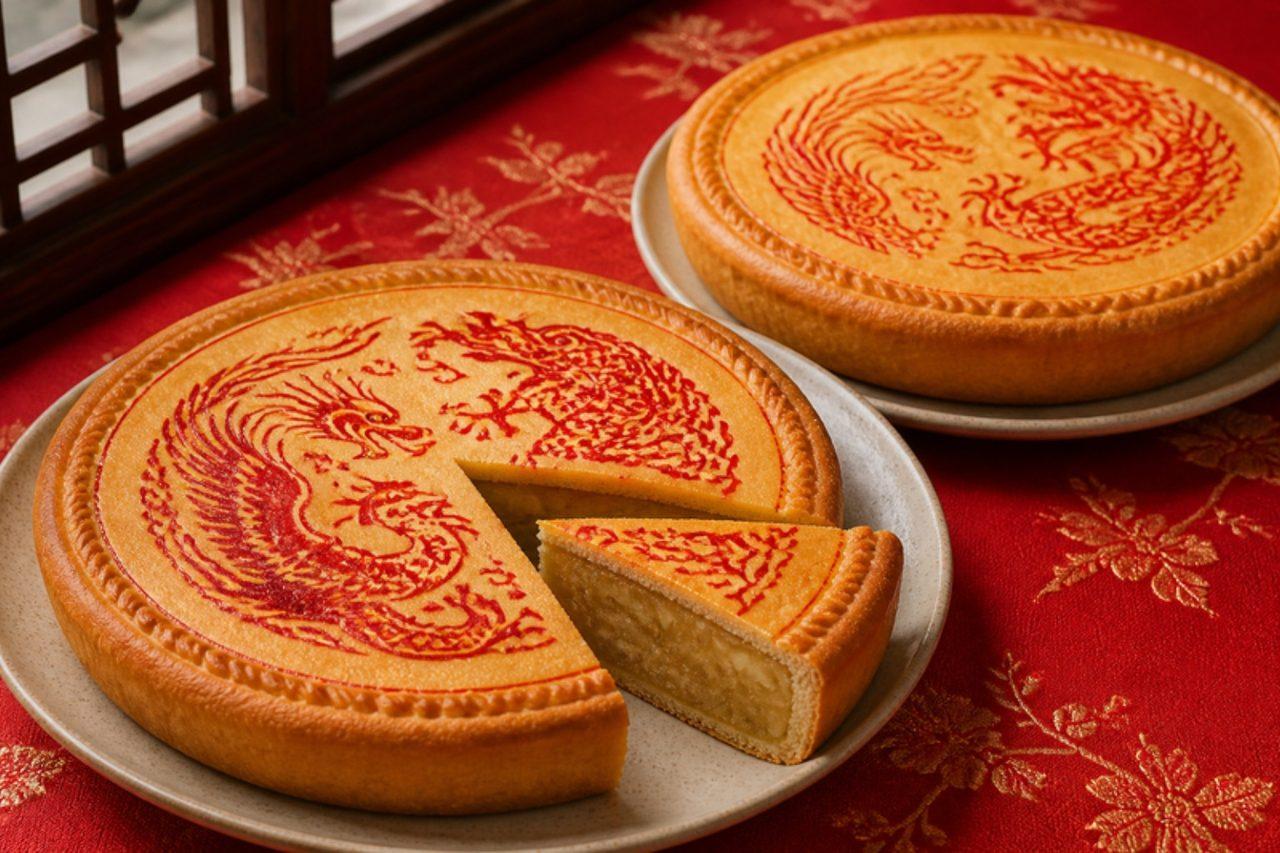
In Guangdong and among Cantonese families in Hong Kong and overseas, a groom's family sends boxes of 'lung fung beng', dragon and phoenix cakes, to the bride's relatives ahead of the wedding, and the cakes are shared out among guests as a token of the match. The dragon stands for the groom and the phoenix for the bride, and the cakes are stamped in red with the two creatures or the double-happiness character. Inside the many-layered, flaky crust is smooth, sweet lotus seed paste, sometimes with a salted duck egg yolk, served with tea. Older bakeries often use lard; this version uses butter and vegetable shortening, so it is vegetarian. Chef's tip: roll the laminated pastry lightly and evenly; uneven rolling is the common mistake that leaves thick patches of raw dough and torn, leaking sides.

by KrazyBadal 0 views

Chicharrón de pescadoCrisp fried fish chunks

Up and down the Peruvian coast, from Chorrillos in Lima to the beaches of Piura, chicharrón de pescado is the crunchy plate ordered alongside ceviche at a long seafood lunch: bite-size chunks of firm white fish marinated briefly in garlic and lime, dusted in flour and fried, then served with fried cassava, salsa criolla and tartar or rocoto sauce. Using frozen peeled cassava keeps it to half an hour. The common mistake is leaving the fish in the lime too long: after about ten minutes the acid starts to 'cook' the outside and the coating slips off. Chef's tip: toss the floured pieces in a sieve to shake off every bit of loose flour; a thin coat fries crisp, a thick one turns pasty.

by KrazyBadal 0 views

GubbröraEgg and anchovy spread

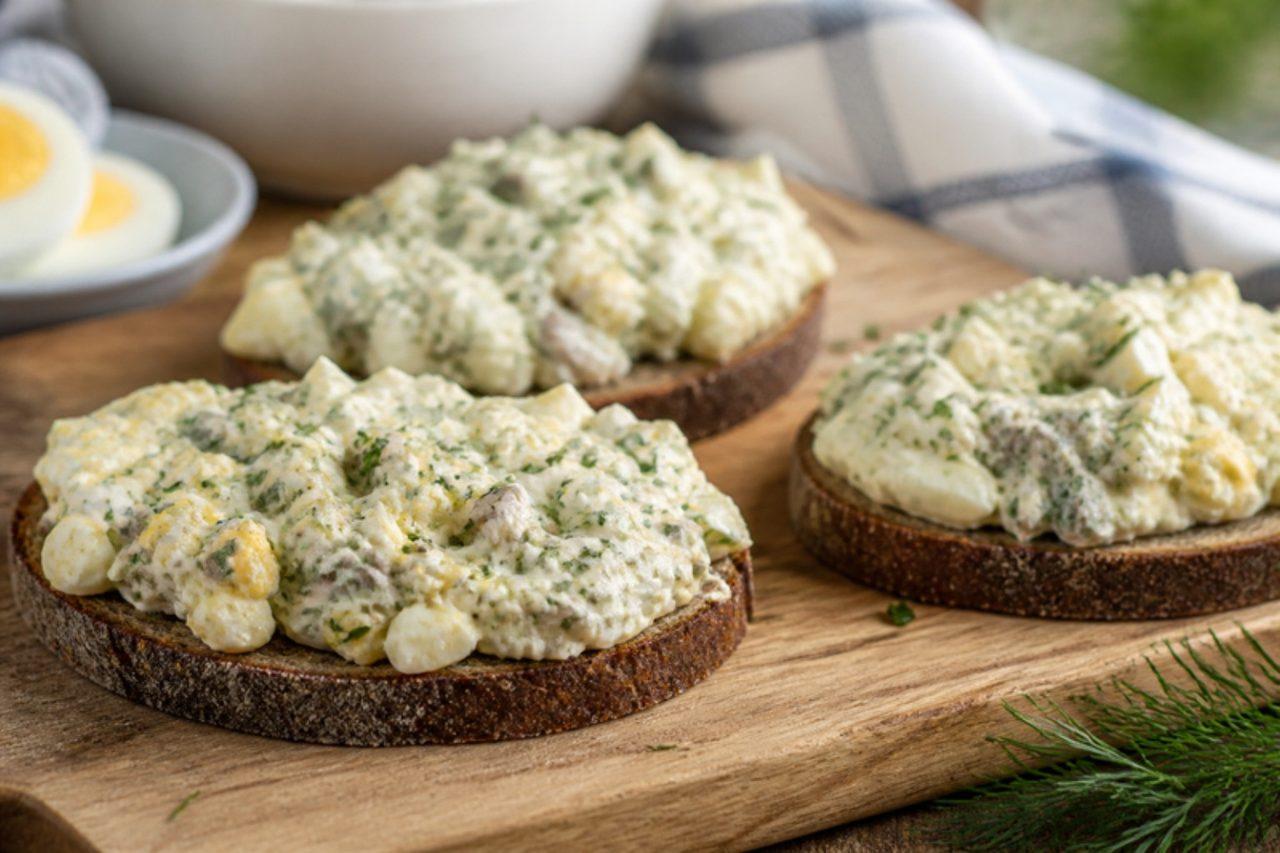
Gubbröra, 'old man's mix', is a Swedish classic for the smörgåsbord and the Friday-night snack plate: chopped hard-boiled eggs folded with Swedish anchovies, red onion, dill and chives in sour cream, piled onto dark rye bread or crispbread. It is found on Midsummer and Christmas tables but is quick enough for a light supper any evening. Swedish 'ansjovis' are sprats cured in a sweet spiced brine, milder than Mediterranean salted anchovies; if you use those, halve the amount. The usual mistake is mixing the eggs while still warm, which turns the whole thing into a sloppy paste, so cool them in iced water first. Chef's tip: chop eggs and anchovies by hand into rough 5 mm pieces for a spread with texture.

by KrazyBadal 0 views

Qing jiao rou si (shredded pork with green pepper)

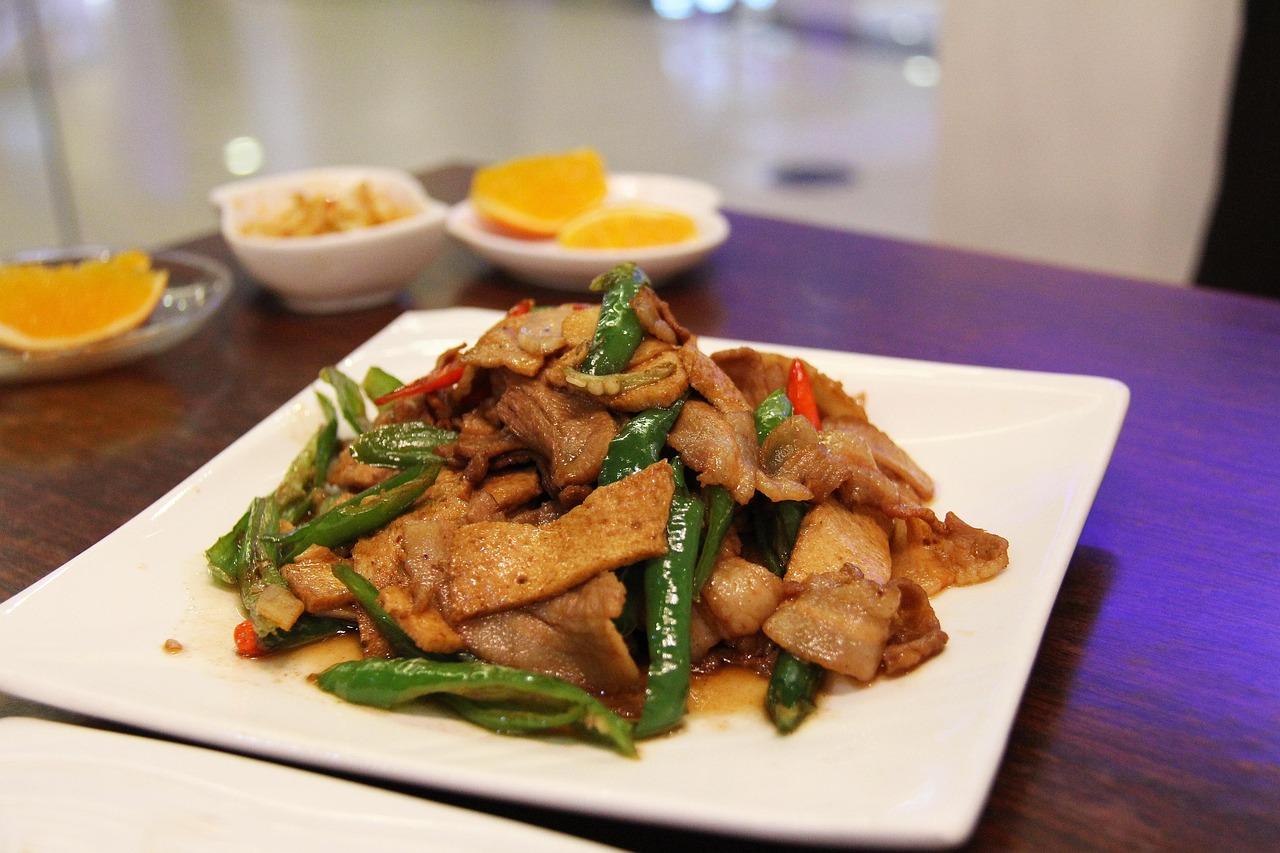
Qing jiao rou si is one of the first dishes a home cook in China learns, made in a few minutes from Sichuan to the north-east: thin strips of pork loin, velveted with a little cornflour, flashed in a hot wok with green pepper and garlic. This is a pork dish, and the marinade uses a splash of Shaoxing rice wine, which cooks off only partly; an alcohol-free swap is given below. The mistake most people make is cutting the pork too thick or overcrowding the wok, so the meat stews and toughens. Chef's tip: half-freeze the pork for 20 minutes before slicing and you can cut matchstick-thin strips easily.

by KrazyBadal 0 views

VaniljekranseVanilla almond butter rings

No Danish Christmas tin is complete without vaniljekranse, the ridged rings of buttery vanilla dough with finely ground almonds that snap and then melt. Many homes in Denmark make dozens in December, traditionally pressing the dough through a mincer fitted with a star plate to make long ribbons, then curling them into wreaths; a piping bag with a large star nozzle does the same job. They are eaten with coffee, gløgg or a glass of cold milk, and are a favourite for children to help shape. Some recipes leave out the egg, and a spoonful of milk works just as well here. Chef's tip: chill the piped rings on the tray for 15 minutes before baking so the ridges stay sharp; dough that is too warm is the trap, because the rings spread and lose their pattern.

by KrazyBadal 0 views

Chinese walnut cookies

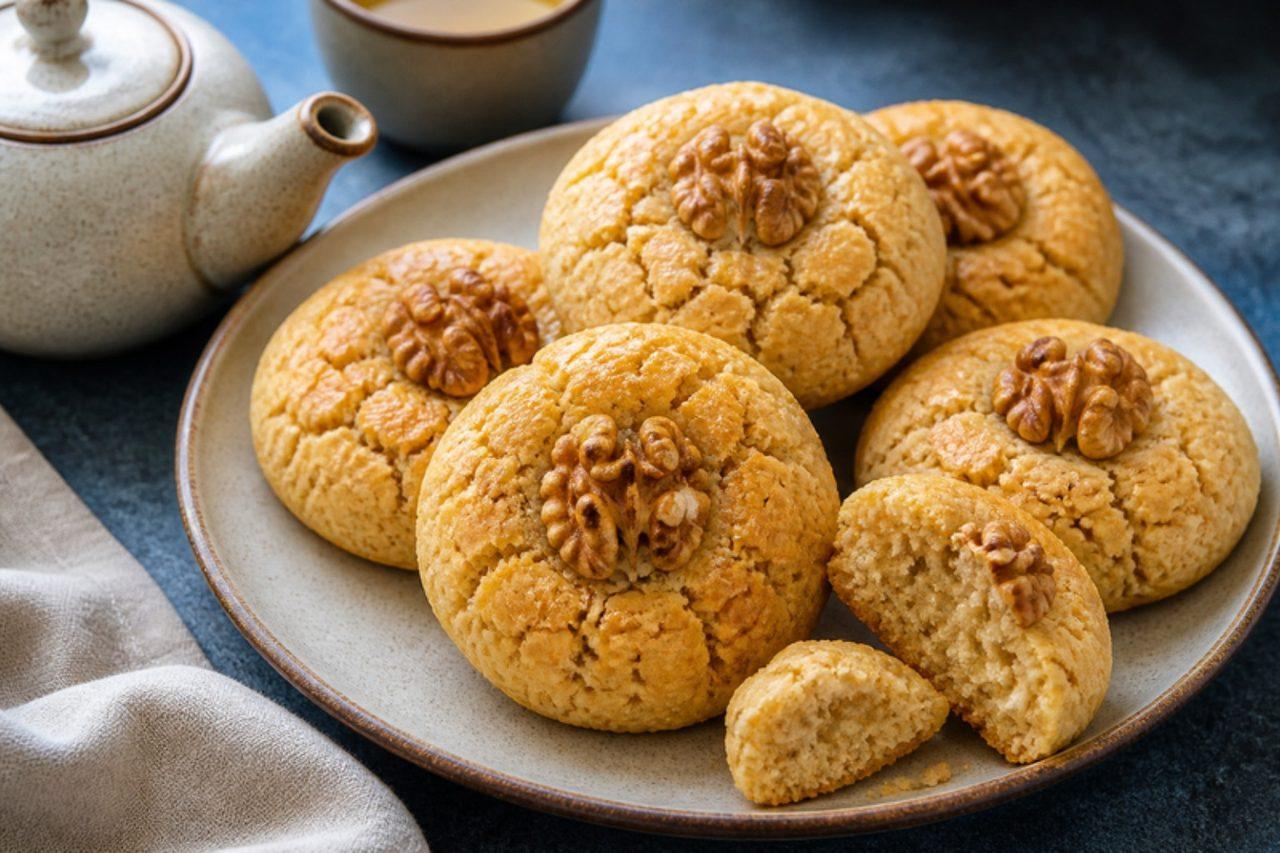
Hap toh sou are a fixture of Cantonese bakeries in Guangzhou and Hong Kong, sold loose by the catty or packed in red tins for Lunar New Year visits, when walnuts stand for family happiness. They are wide, crumbly and slightly sandy, with a cracked golden top crowned by a walnut half and a gentle sweetness that suits a pot of oolong or pu'er. Traditionally they are made with lard, which gives an extra-short crumble; this version uses vegetable shortening or neutral oil, so it is vegetarian. The top is brushed with beaten egg for shine; milk mixed with a little honey or golden syrup is an egg-free alternative. A common mistake is pressing the balls flat: leave them domed and they crack open naturally in the heat. Chef's tip: toast the walnuts before chopping; it deepens their flavour and keeps them crunchy inside the soft crumb.

by KrazyBadal 0 views

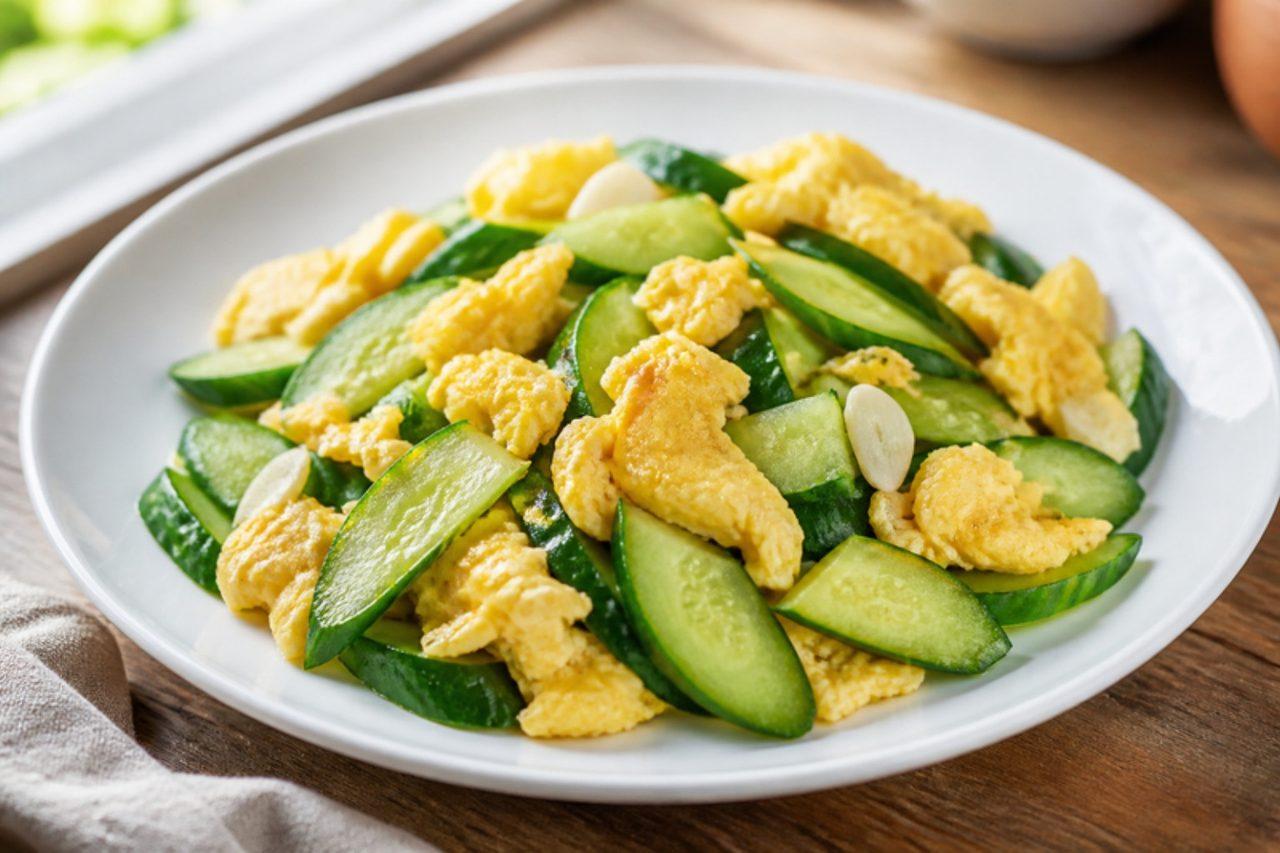
Cucumber and egg stir-fry

Huang gua chao ji dan is a ten-minute dish from northern Chinese home kitchens, made in summer when cucumbers are cheap and nobody wants to stand over the stove. Soft, fluffy scrambled egg and thin cucumber slices are tossed with garlic and salt for just a minute, so the cucumber stays cool and crisp against the warm egg. Eat it with rice or steamed buns. The mistake is cooking the cucumber too long, which turns it watery and dull green. Chef's tip: take the eggs out while they are still a little wet; they finish cooking when they go back in.

by KrazyBadal 0 views

Pejerrey arrebozadoBattered fish fillets with onion salsa

Pejerrey arrebozado is a Lima classic from the cevicherías and home kitchens of the coast, eaten at lunch on a plate with white rice, a heap of sharp salsa criolla and sometimes boiled potato. The pejerrey, a small silverside, is opened into butterflied fillets, dipped in a light egg-and-flour batter and fried golden. Outside Peru, use small fillets of whiting, sole, haddock or tilapia. The batter here uses sparkling water, not beer, so it is alcohol free. The common mistake is frying in oil that isn't hot enough: the batter drinks the oil and turns greasy, so test with a drop of batter first. Chef's tip: make the salsa criolla first and let the onion sit in lime for ten minutes; it softens its bite and turns a pretty pink.

by KrazyBadal 0 views

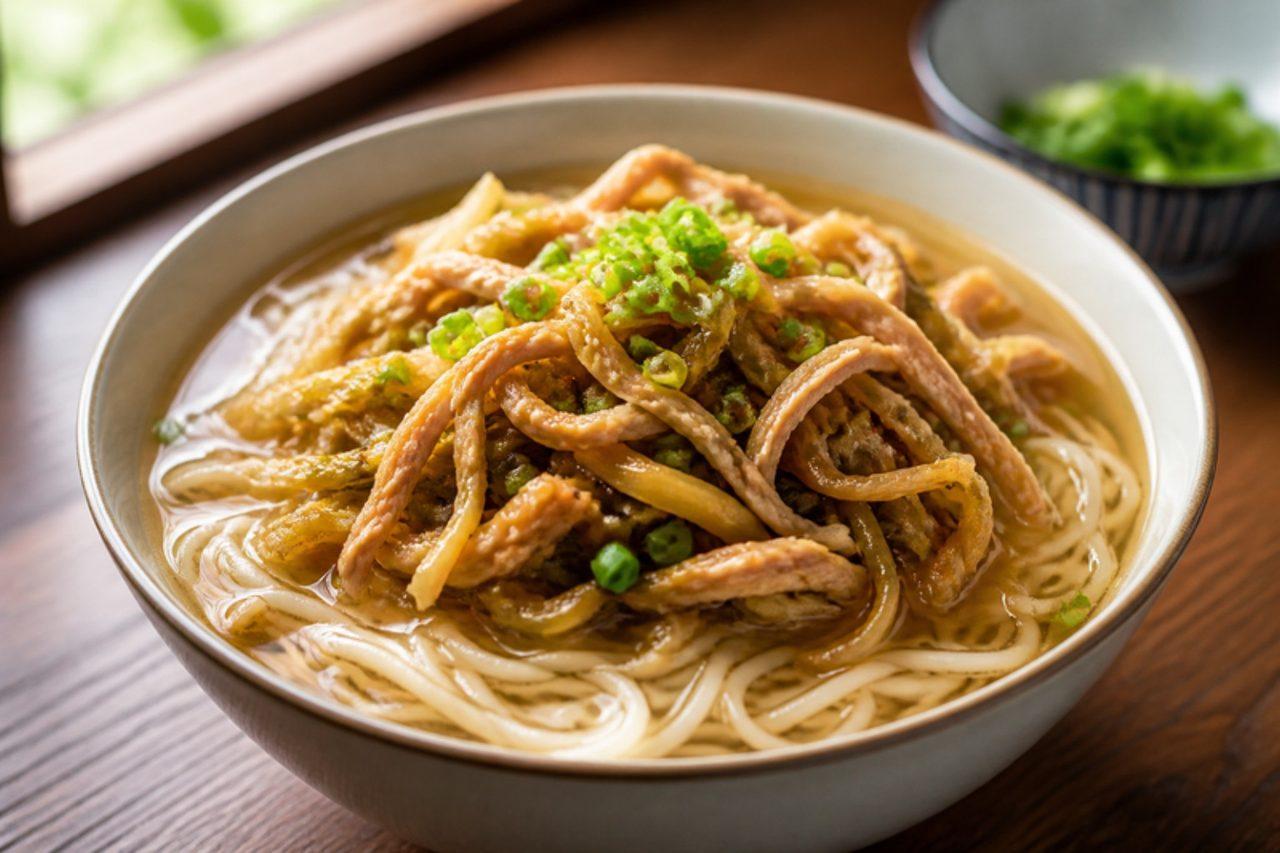
Zhacai rousi mian (pork and pickled mustard noodle soup)

Zhacai rousi mian is a breakfast and late-night bowl from Chongqing to Shanghai noodle shops: plain wheat noodles in a light seasoned broth, topped with shreds of pork stir-fried with crunchy, salty zhacai, the pickled mustard tuber from Fuling. This is a pork dish. The mistake to avoid is salting the topping before you taste it; zhacai is already very salty, and rinsing it briefly saves the bowl. Chef's tip: season the empty bowls with soy, sesame oil and spring onion first, then pour the hot stock over, the way noodle stalls do.

by KrazyBadal 0 views

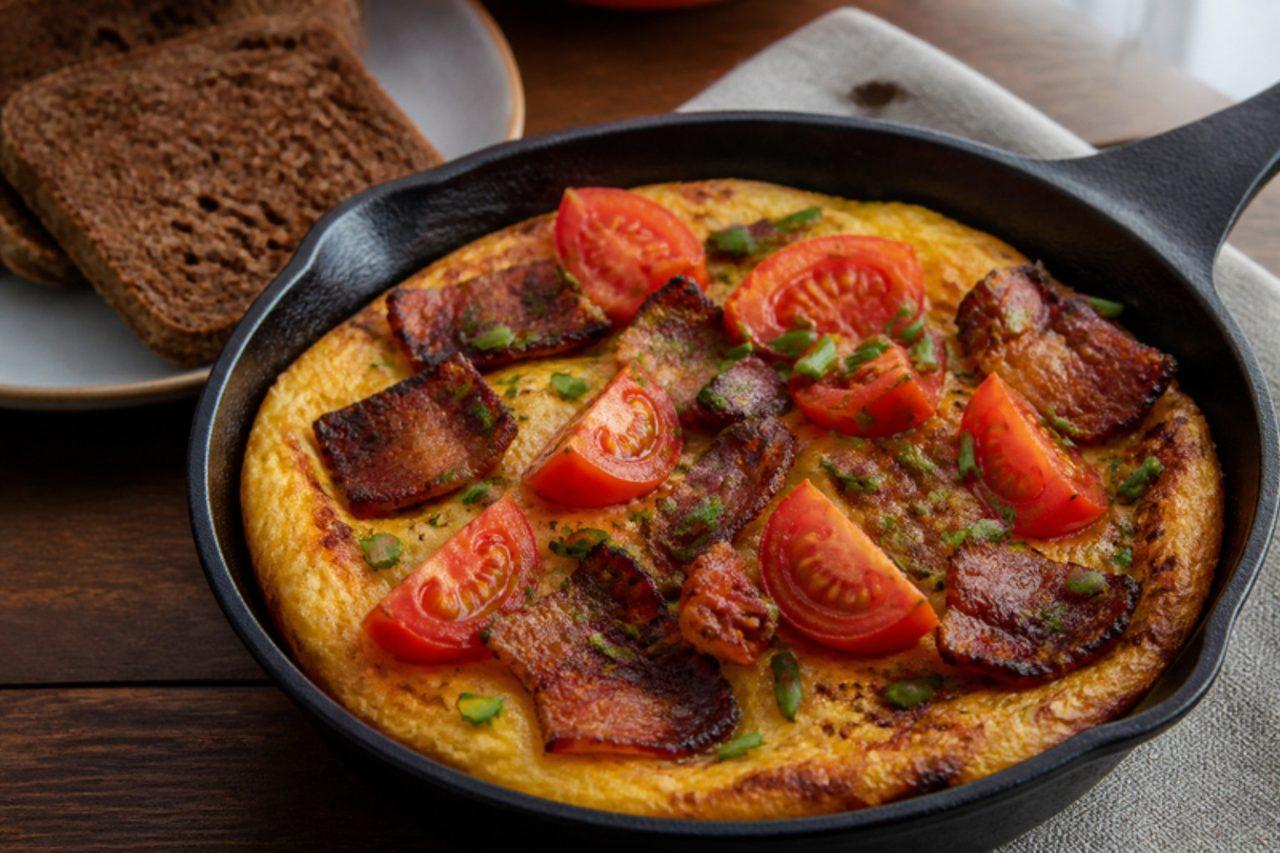
ÆggekageBacon and tomato pan omelette

Æggekage, 'egg cake', is a thick Danish pan omelette set slowly under a lid and served straight from the pan, topped with crisp strips of bacon (pork), slices of tomato and a shower of chives. It is a long-loved lunch and quick evening meal from Copenhagen to Jutland, eaten with dark rye bread and a dab of strong mustard. The common mistake is cooking it over high heat, which makes the base leathery and brown before the top sets; keep the heat low and be patient. Chef's tip: a spoonful of flour whisked into the milk gives the æggekage its traditional soft, almost custardy body that holds when sliced.

by KrazyBadal 0 views

Tallarines rojosSpaghetti in red sauce with chicken

Tallarines rojos is the Sunday-lunch and weeknight pasta of homes all over Peru, from Lima to Arequipa: spaghetti in a sweet, deep-red sauce of blended tomato, onion and garlic with a little ají panca and oregano, often with pieces of chicken cooked right in it. Children love it, and it is served with a sprinkle of grated cheese and sometimes a spoon of huancaína on the side. The usual mistake is cooking the sauce too briefly, so it tastes of raw onion; let the blended tomato fry until it darkens and the oil shows at the edges. Chef's tip: a bay leaf and a spoon of ají panca paste give the sauce its Peruvian character; paprika will do if you can't find the paste.

by KrazyBadal 0 views

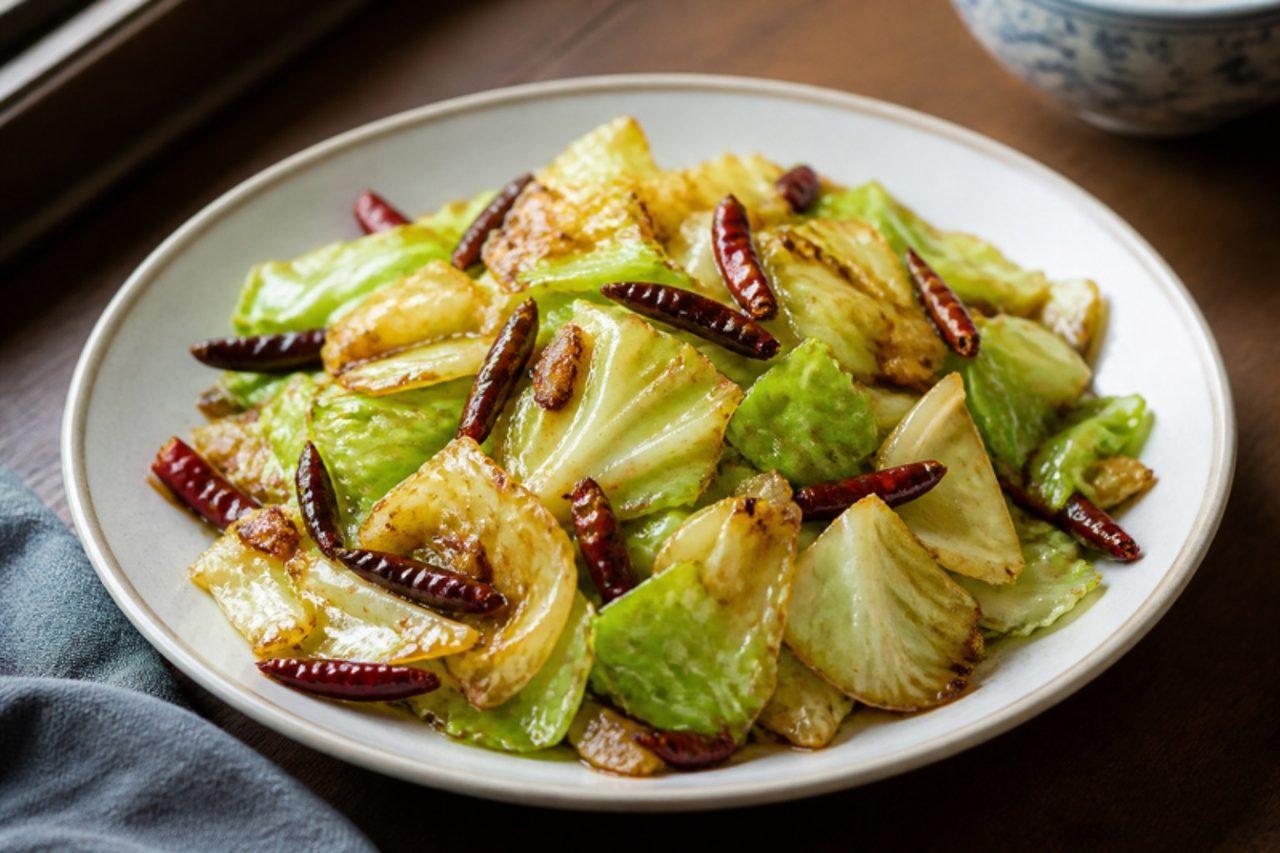
Hand-torn cabbage

Shou si bao cai is a Hunan restaurant classic that every Changsha family also cooks at home: cabbage leaves torn by hand, then flash-fried in a roaring wok with garlic and dried chillies and splashed with black vinegar until smoky, sweet and still crunchy. It goes alongside rice and a meat or tofu dish at dinner. The mistake is putting wet leaves into a lukewarm pan: the cabbage stews and goes limp instead of charring at the edges. Chef's tip: tear rather than cut, because the ragged edges catch the heat and the sauce better than clean knife cuts.

by KrazyBadal 0 views

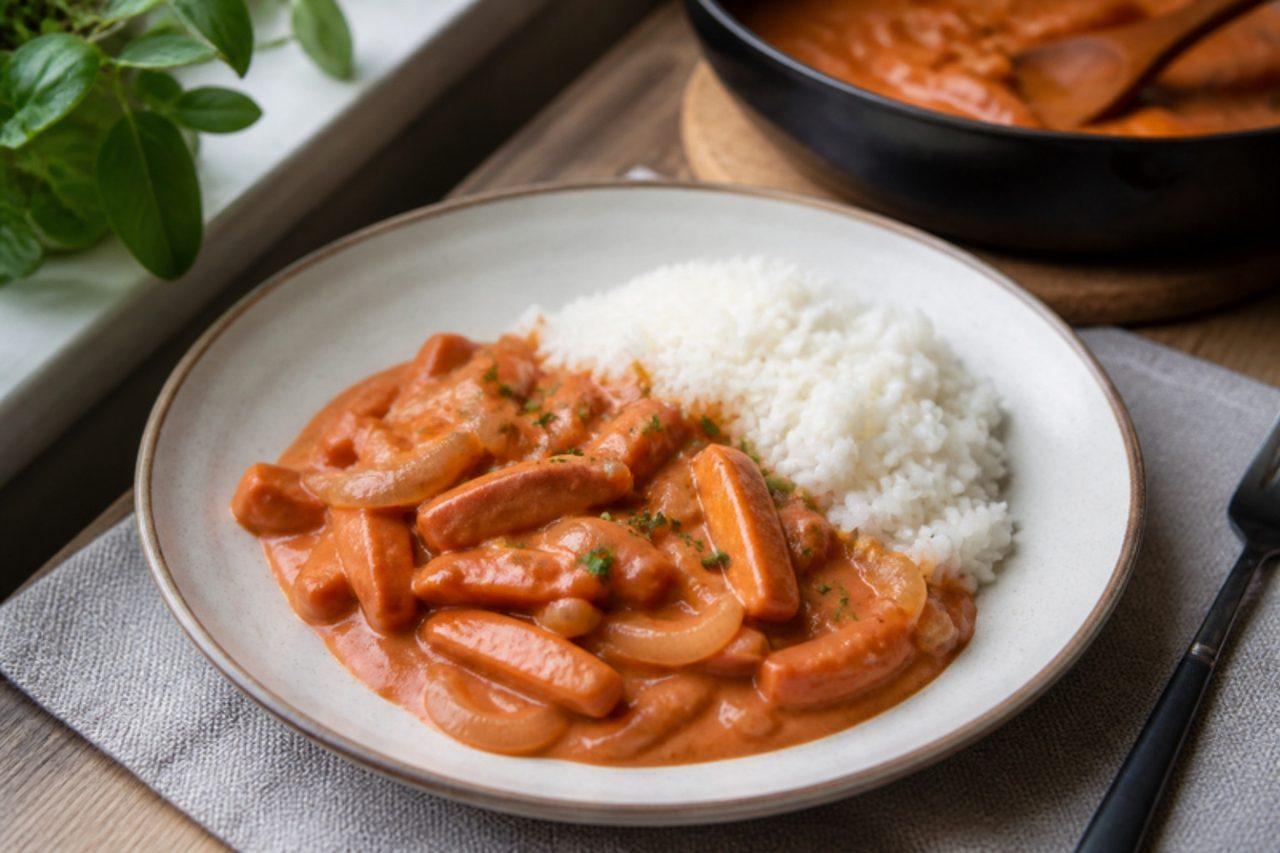
Korv StroganoffSausage in tomato cream sauce

Korv Stroganoff is Swedish family food from the 1970s that children still ask for: strips of falukorv, a mild, smooth pork-and-beef sausage, browned with onion and simmered in a pink sauce of tomato purée, mustard and cream. It is a 25-minute weeknight dinner across Sweden, served over boiled rice with a grated carrot or cucumber salad. Falukorv is already cooked, so it only needs heating until piping hot; the common mistake is boiling the cream sauce hard, which can split it and toughen the sausage. Check the sausage label if you need it gluten free; Polish kielbasa or a mild smoked sausage works if you can't find falukorv. Chef's tip: brown the sausage strips properly before adding liquid, because that caramelised edge is where the flavour comes from.

by KrazyBadal 0 views

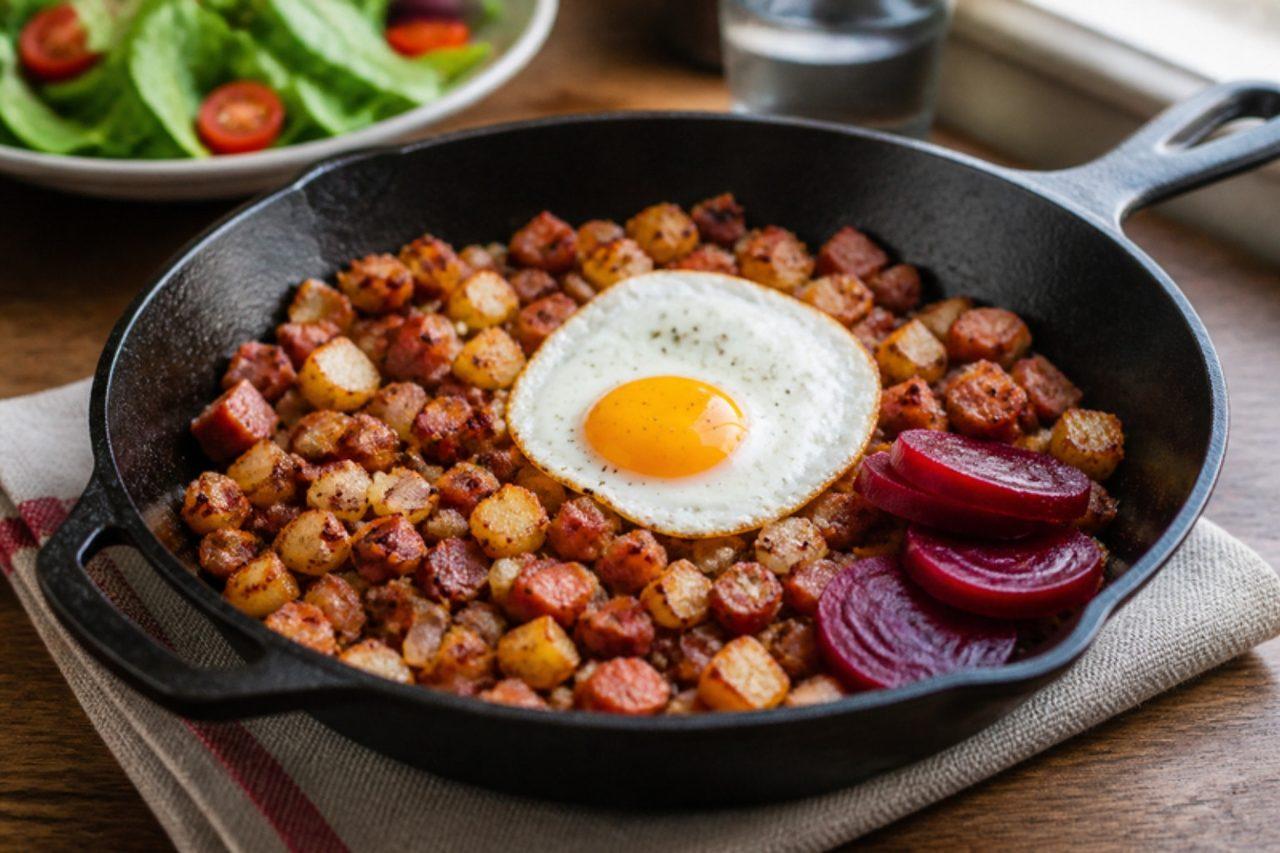
PyttipannaPotato and meat hash

Pyttipanna, 'small pieces in a pan', is Sweden's great leftover dish: diced potatoes, onion and whatever cooked meat is left from Sunday (roast beef, ham or sausage, often pork) fried together until crisp, then served with a fried egg on top and pickled beetroot on the side. It is a weekday lunch in every Swedish home and canteen, and a well-known hangover breakfast. The mistake that leaves it pale and steamed is putting everything in the pan at once; the potatoes need a head start to brown before the meat goes in. Reheat the leftover meat until it is steaming hot right through (74 °C). Chef's tip: cut potatoes, onion and meat into the same 1 cm dice, so every forkful has a bit of each.

by KrazyBadal 0 views

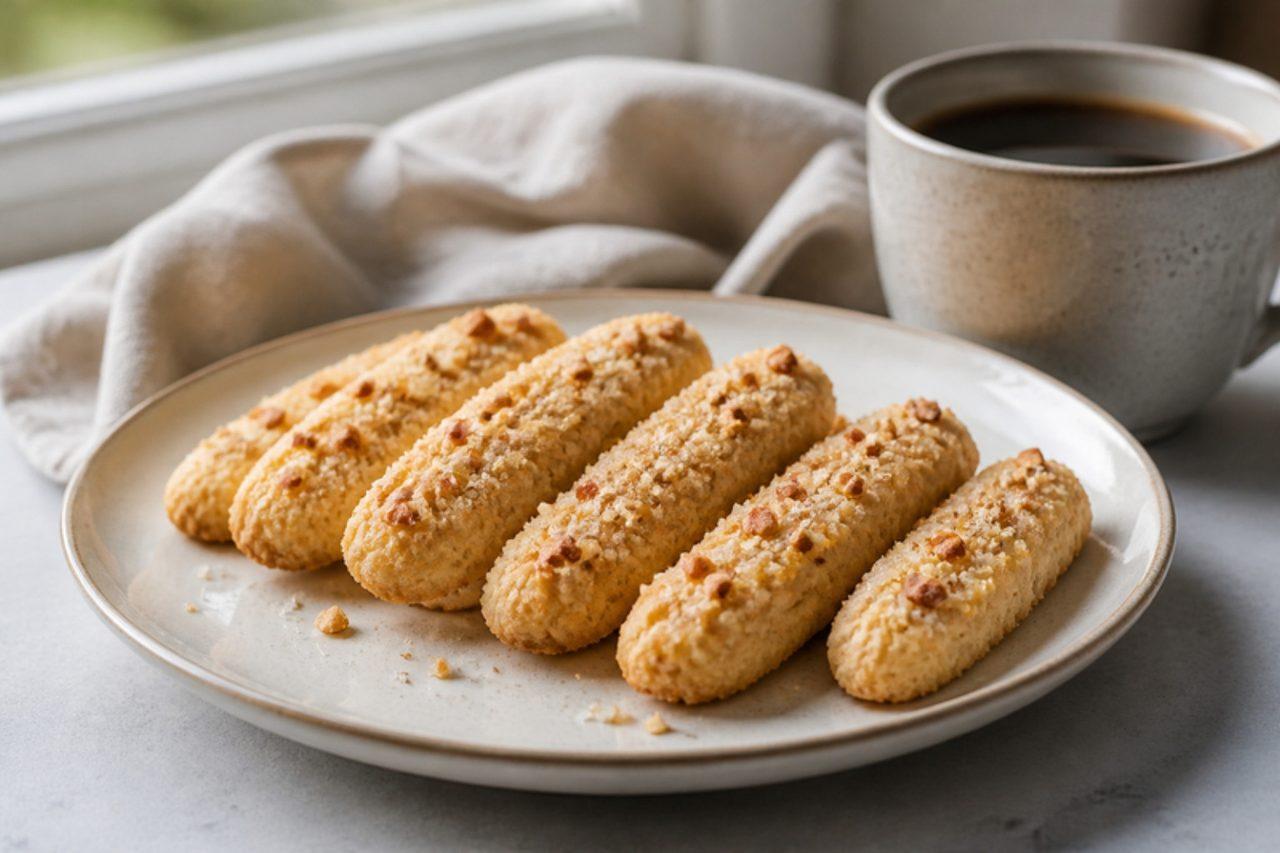
Finska pinnarAlmond butter fingers

Despite the name, 'Finnish sticks' are a Swedish fika favourite, one of the classic 'seven kinds of cookies' that a proper Swedish host once laid out for coffee guests. The dough is rich and short, flavoured with ground almonds; it is rolled into ropes, brushed with beaten egg and coated in crunchy pearl sugar and chopped almonds, then cut into fingers. They are quick, need no cutters, and look neat on a plate with cinnamon buns and a pot of coffee. The egg is only the glue for the topping; brushing with milk works too if you want them egg-free. Chef's tip: cut the ropes into fingers before baking, with one decisive press of a sharp knife; sawing tears the soft dough and knocks off the sugar.

by KrazyBadal 0 views

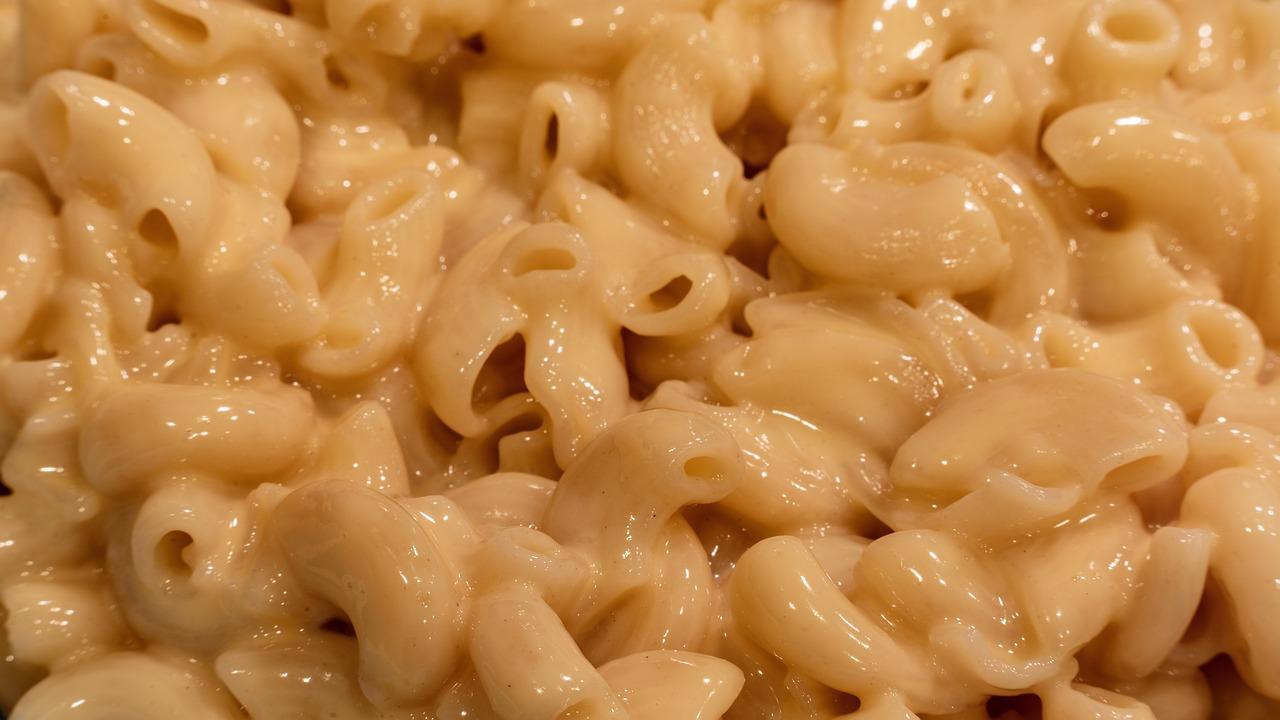
Stuvade makaronerCreamy macaroni

Stuvade makaroner is a Swedish childhood classic, cooked on weekday evenings all over the country: small macaroni simmered in milk with butter and a grating of nutmeg until thick and creamy, served beside meatballs, sausages or, for a vegetarian plate, fried halloumi or eggs and a spoonful of lingonberries. It is mild, comforting and made in one pan. The most common mistake is cooking on too high a heat, so the milk catches and burns on the bottom; keep it at a gentle simmer and stir often. Chef's tip: boil the macaroni in water for 3 minutes first, then finish in the milk, so it cooks evenly without the sauce turning gluey.

by KrazyBadal 0 views

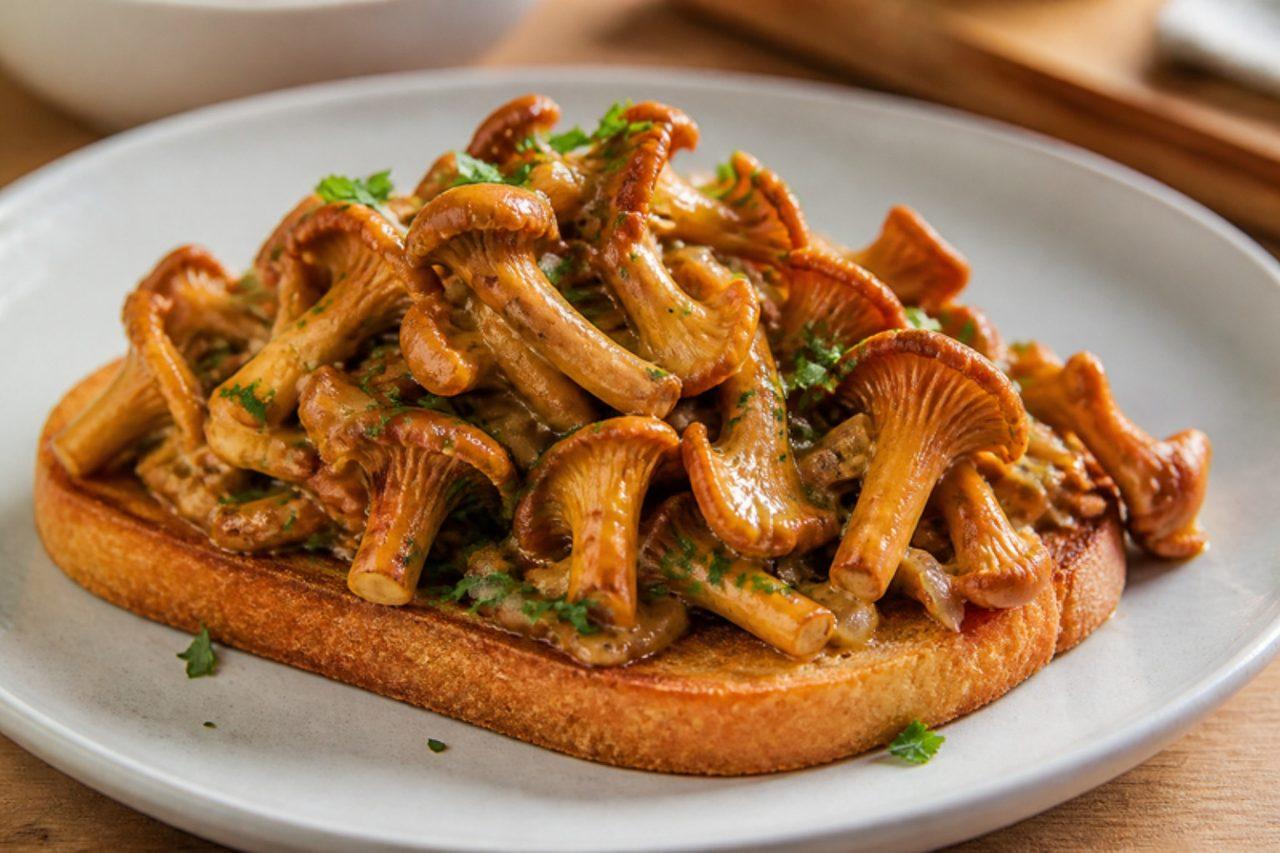
KantarelltoastChanterelle toast

Kantarelltoast is the dish Swedes wait all year for: in August and September, after a day picking golden chanterelles in the forests from Småland to Norrland, they fry them in butter with shallot, add a splash of cream and pile them on toast for a quick supper or starter. The mushrooms are peppery and almost apricot-scented, and the cream turns them silky. If you forage, only eat mushrooms you are certain of; shop-bought chanterelles are safest. The most common mistake is washing chanterelles under the tap, which makes them soggy; brush them clean and dry-fry them first to drive off their water. Chef's tip: a little grated Västerbotten-style hard cheese on top is classic, but check it is made with vegetarian rennet.

by KrazyBadal 0 views

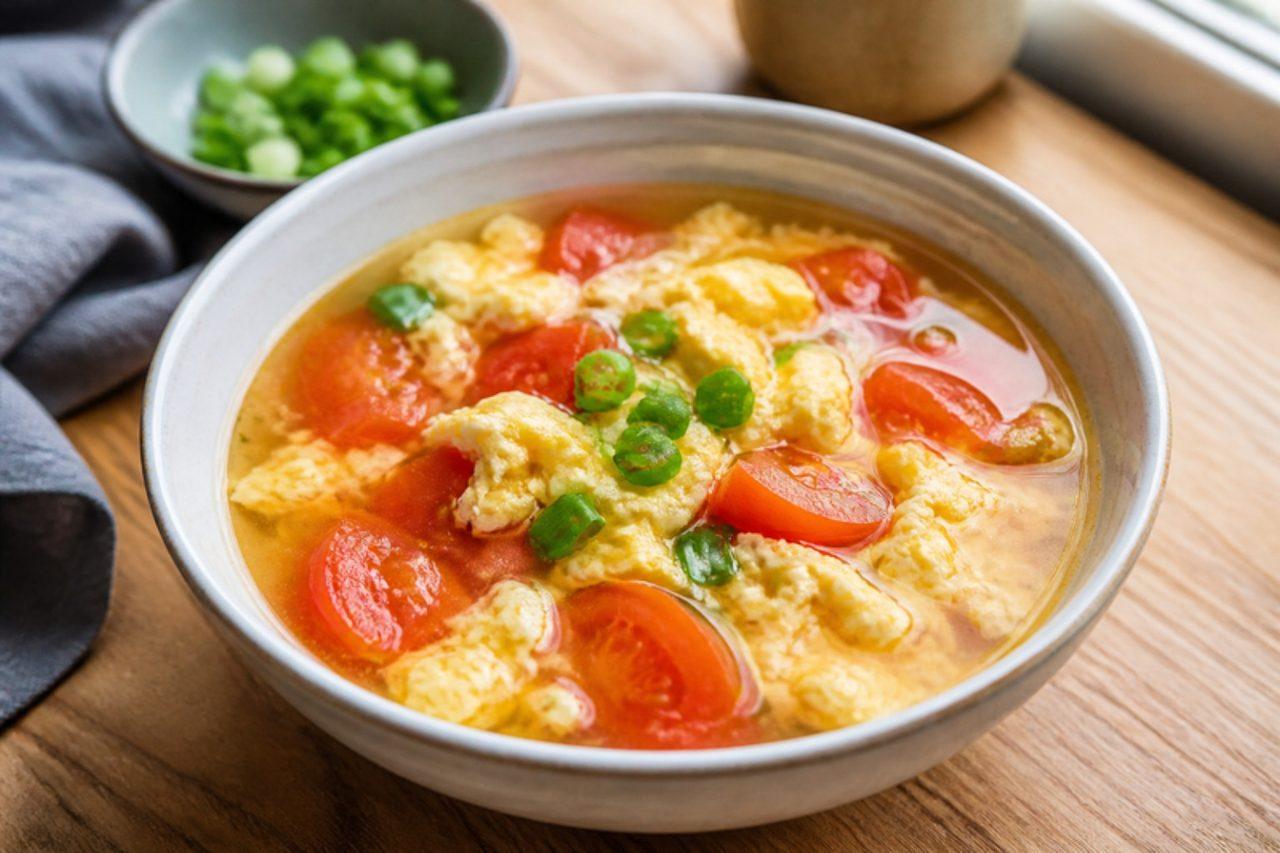
Tomato and egg drop soup

Tomato and egg drop soup, fan qie dan hua tang, is one of the first soups Chinese home cooks learn, made from Shanghai to Chengdu in the ten minutes before rice is ready. Tomatoes cook down into a light, sweet-sour broth and beaten egg is poured in to set into fine yellow ribbons, finished with spring onion and sesame oil. The mistake that makes it cloudy is pouring the egg into a rolling boil and stirring hard; you want a gentle simmer and a slow, thin stream. Chef's tip: fry the tomatoes in a little oil before adding water, so the broth turns rosy and full of flavour.

by KrazyBadal 0 views

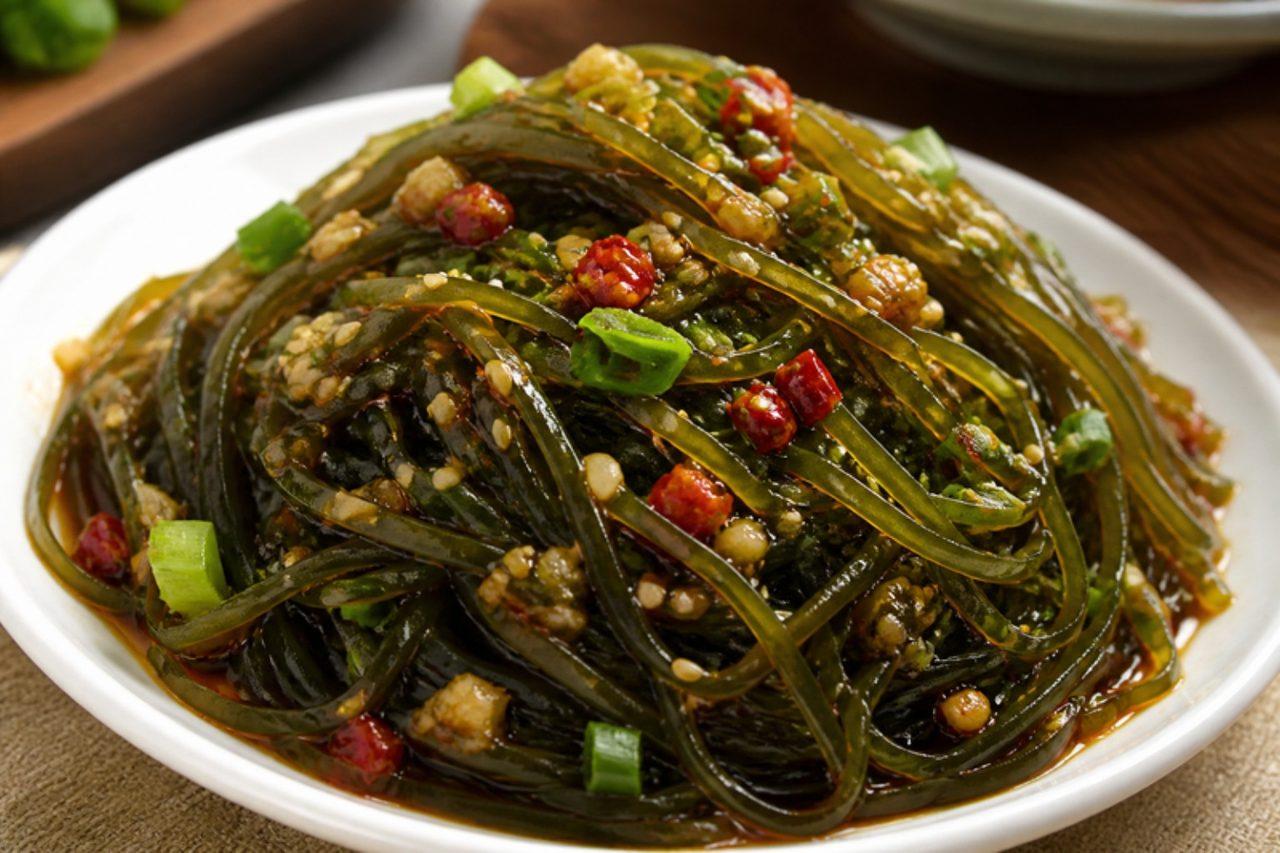
Liangban haidai siShredded kelp salad

Kelp is farmed in huge quantities along the coast of Shandong and Liaoning, and liangban haidai si is the cheap, crunchy cold dish served in every northern canteen, street stall and home: long, thin strands of kelp blanched and dressed in garlic, vinegar, soy, sugar and chilli oil. It is salty-sour, a little spicy and tastes of the sea, and it goes with dumplings, noodles or a bowl of congee. A portion is about 55 kcal. The common mistake is not rinsing the kelp well; it is coated in a salty, slippery film that must be washed off before blanching. Chef's tip: add a few drops of vinegar to the blanching water; it keeps the kelp bright green and crisp.

by KrazyBadal 0 views

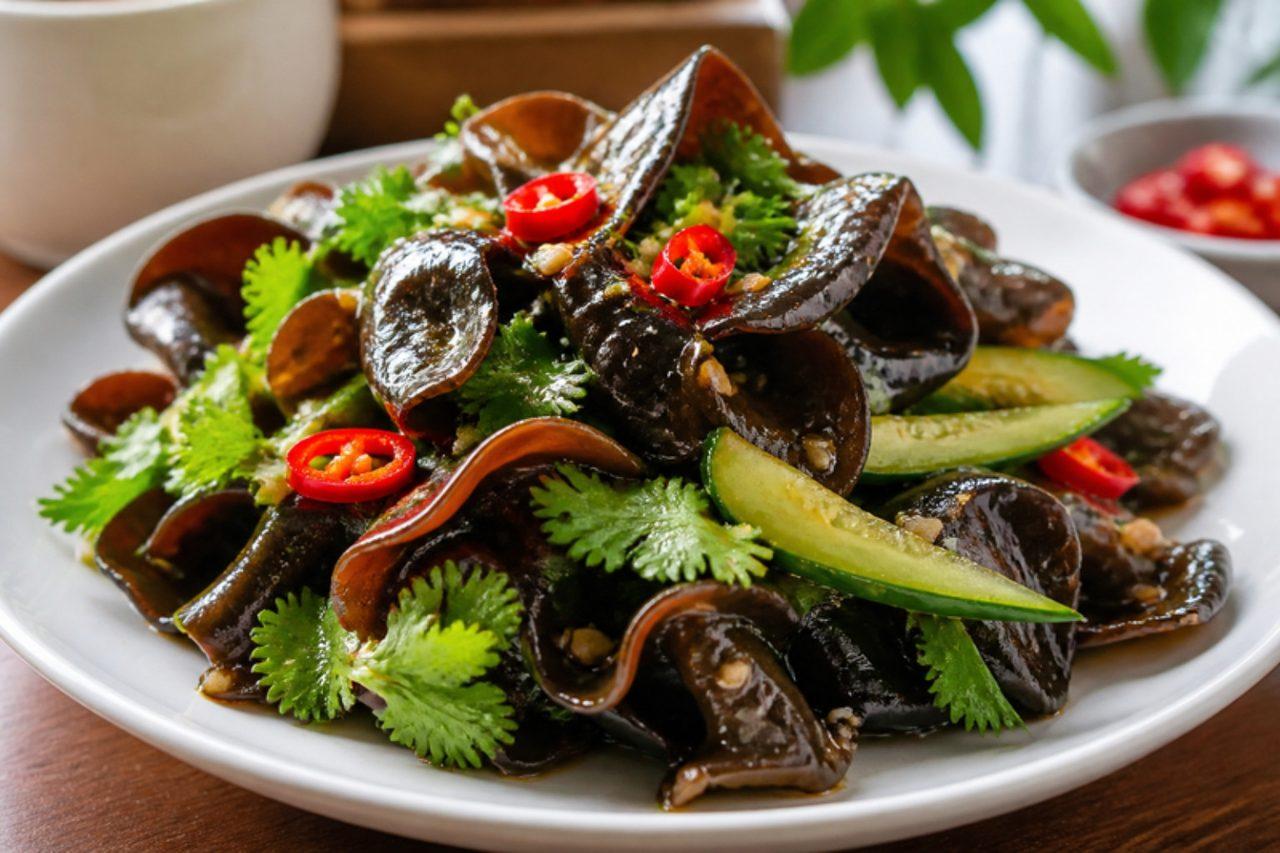
Liangban mu'erWood ear mushroom salad

Every noodle shop and dumpling house in Beijing and Harbin has a fridge of liangcai, the cold dishes ordered alongside the main meal, and liangban mu'er is one of the most popular: black wood ear fungus, which grows wild in the northeastern forests, blanched and tossed with black vinegar, garlic, chilli and coriander. It has almost no taste of its own but a lovely crunchy, bouncy bite, and it soaks up the tangy dressing. A portion is about 60 kcal. The common mistake is soaking the dried fungus in hot water to save time; it comes out limp. Use warm water for 15 minutes, or cold water for an hour, for the best crunch. Chef's tip: plunge the blanched fungus straight into iced water; it firms up and stays snappy.

by KrazyBadal 0 views

Liangban fuzhuTofu skin and cucumber salad

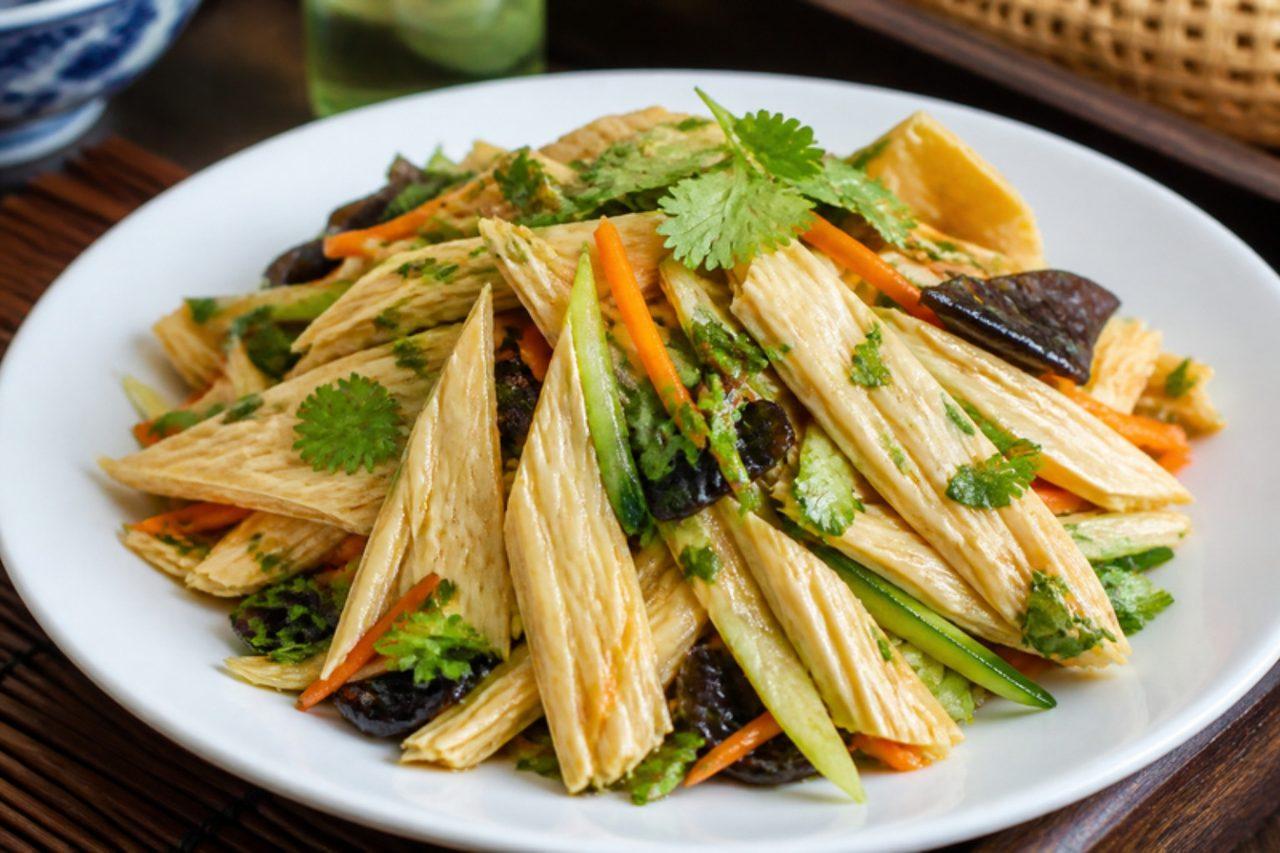
Fuzhu, the dried sticks made from the skin that forms on simmering soy milk, are a pantry staple in Guangxi and Sichuan and in Buddhist vegetarian kitchens across China. Soaked until soft and chewy, they are tossed in this cold dish with cucumber, carrot and wood ear in a dressing of garlic, vinegar and sesame oil, served in summer with rice or noodles. It is high in protein and very satisfying. A portion is about 170 kcal. Soak the fuzhu in cold water for 2–3 hours or overnight, not counted in the times. The common mistake is soaking in hot water, which leaves the outside mushy and the centre hard. Chef's tip: blanch the soaked sticks briefly; it cleans off the beany taste and makes them softer and juicier.

by KrazyBadal 0 views

Matpakke (Norwegian packed lunch)

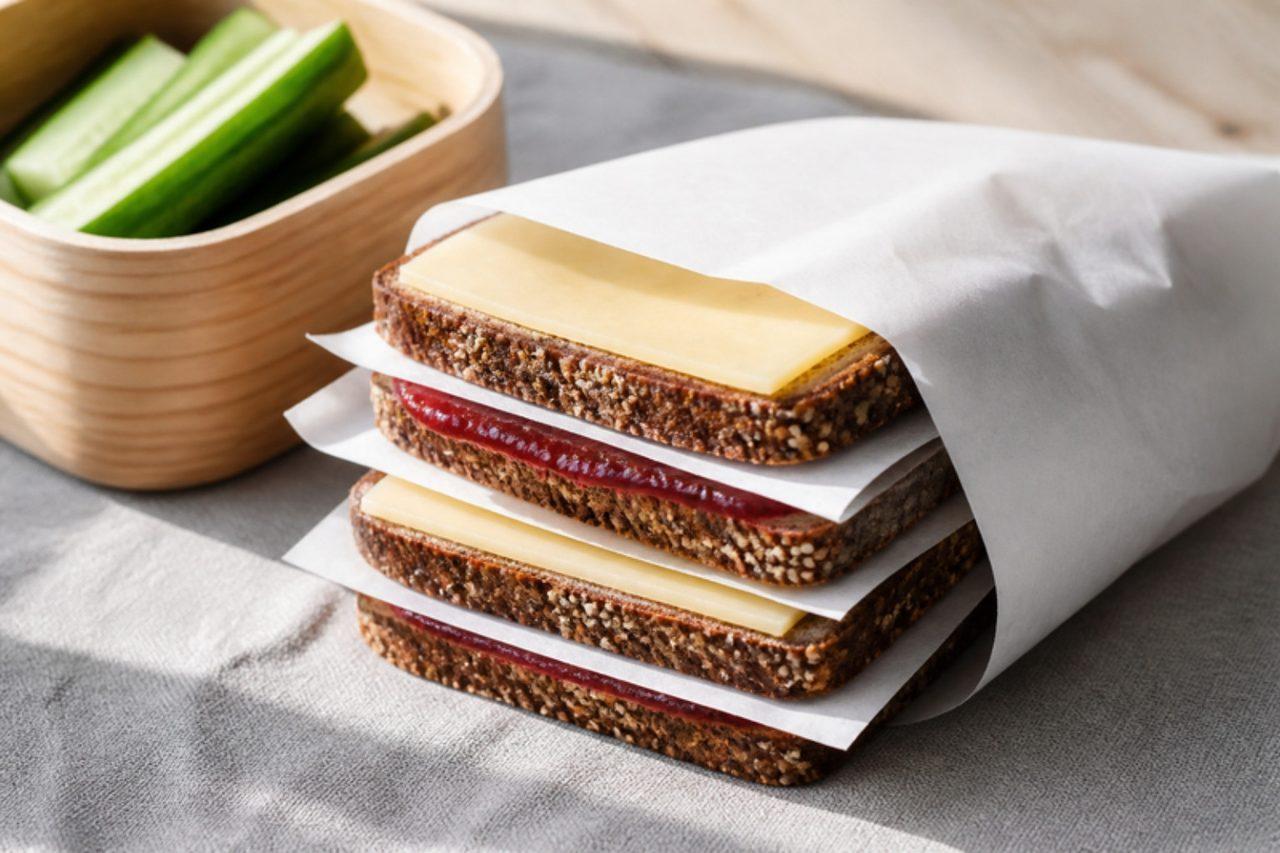
Nearly every Norwegian child carries a matpakke to school: slices of wholemeal bread, each with one simple topping, stacked with sheets of sandwich paper in between and wrapped in a neat parcel. Yellow cheese, sweet caramel-like brown cheese (brunost) and jam are the classics, with cucumber or pepper sticks on the side; liver paste is the meaty favourite. It is plain, filling and built to survive a school bag. It contains gluten (wheat) and milk. Chef's tip: keep wet toppings like tomato out of the stack; they make the bread soggy by lunchtime.

by KrazyBadal 0 views

Showing 24 of 660 recipes

Show more recipes

Page 1 of 28