Skip to content
Recipes

All recipes

Vegetarian, or something you can't eat? Set your diet once and we'll hide recipes that don't fit.

Thimpu de carachi

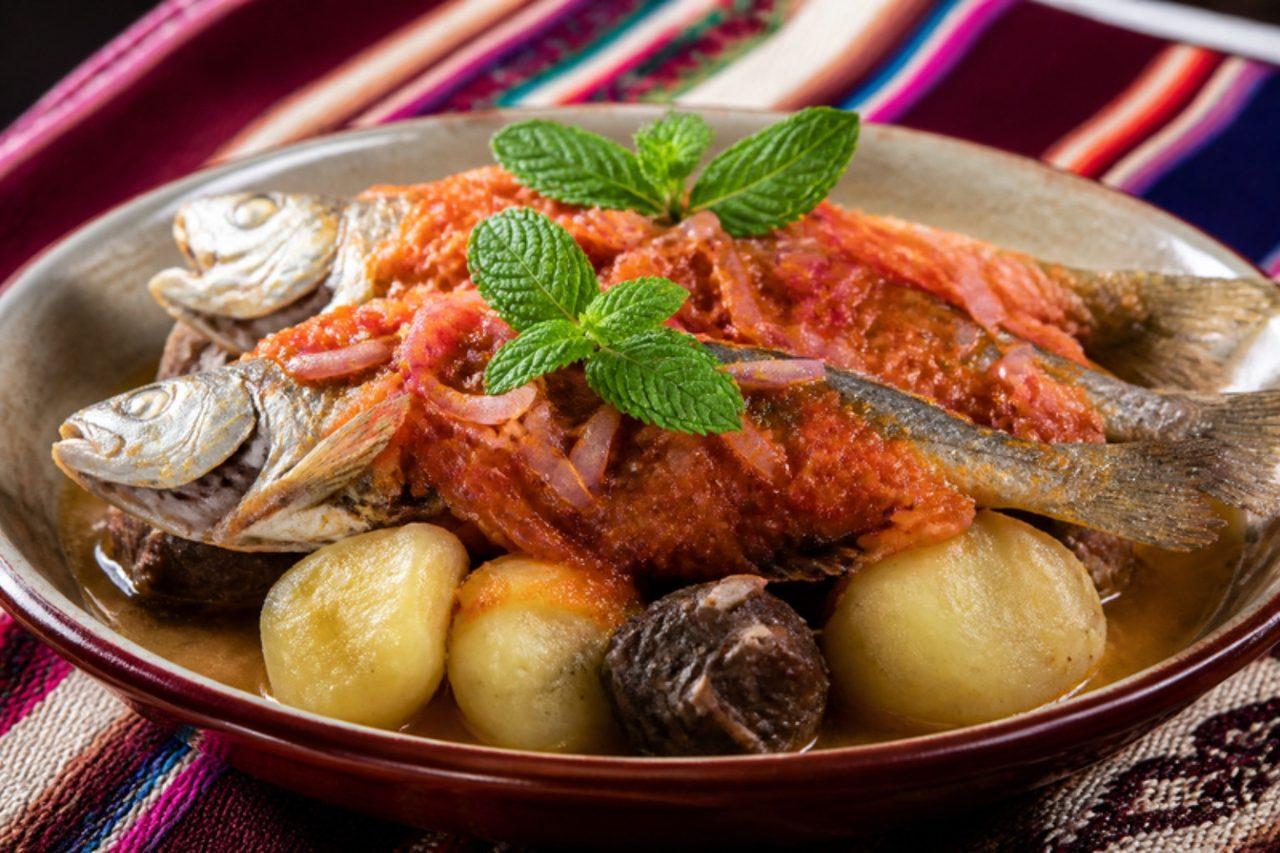
Around the shores of Lake Titicaca, thimpu is weekday food and Lent food alike: carachi, a small native lake fish, laid over potatoes and chuño (freeze-dried Andean potato) and gently poached, then drenched at the table with a hot sauce of onion fried with ají. The fish is soft and delicate, the chuño earthy and pleasantly chewy, and the sauce brings colour and fire. Outside Puno, small whole trout, tilapia or perch, or thick trout fillets, work well. Chuño needs an overnight soak (plan for it) and is sold in Andean and Latin shops; swap in extra waxy potatoes if you can't find it. The trap here is boiling the fish hard so it falls apart; keep the water at a bare shiver. Chef's tip: make the sauce while the fish poaches and spoon it on boiling hot, so it sizzles over the plate.

by KrazyBadal 0 views

Chairo puneño

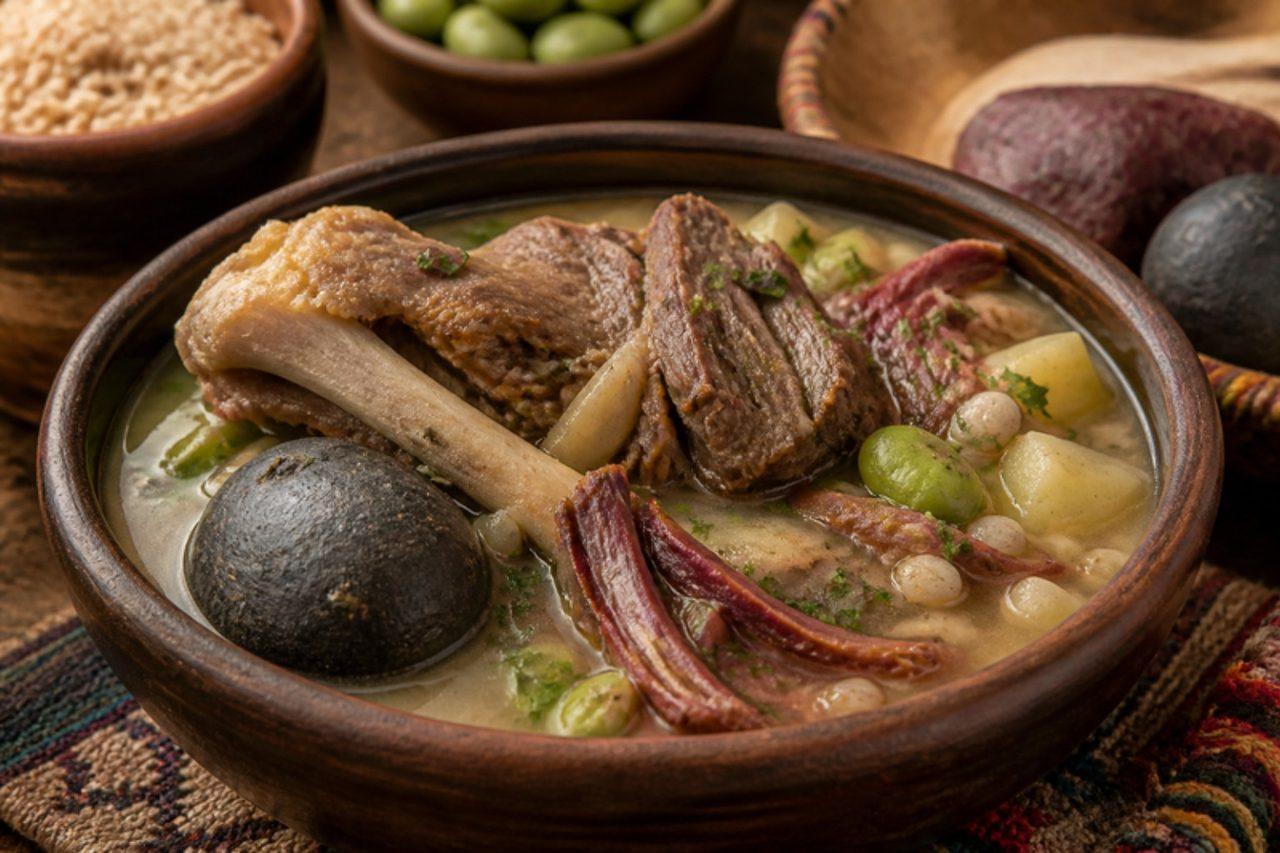
High on the Altiplano, where nights freeze even in summer, chairo is the soup that gets Puno's market workers and farmers through the day. It is thick and brothy at once: lamb on the bone and a little charqui (dried meat) simmered with crushed chuño, peeled wheat, broad beans, potatoes and squash, scented with cumin, oregano and huacatay or mint. Expect a deep, meaty, slightly smoky bowl with lots of chew. Soak the chuño and the wheat overnight. A common error is adding the potatoes with the meat, so they dissolve before the lamb is tender; they go in for the last 25 minutes. Chef's tip: crush the soaked chuño into small pieces by hand; they thicken the broth as it cooks.

by KrazyBadal 0 views

Kam lu wantán

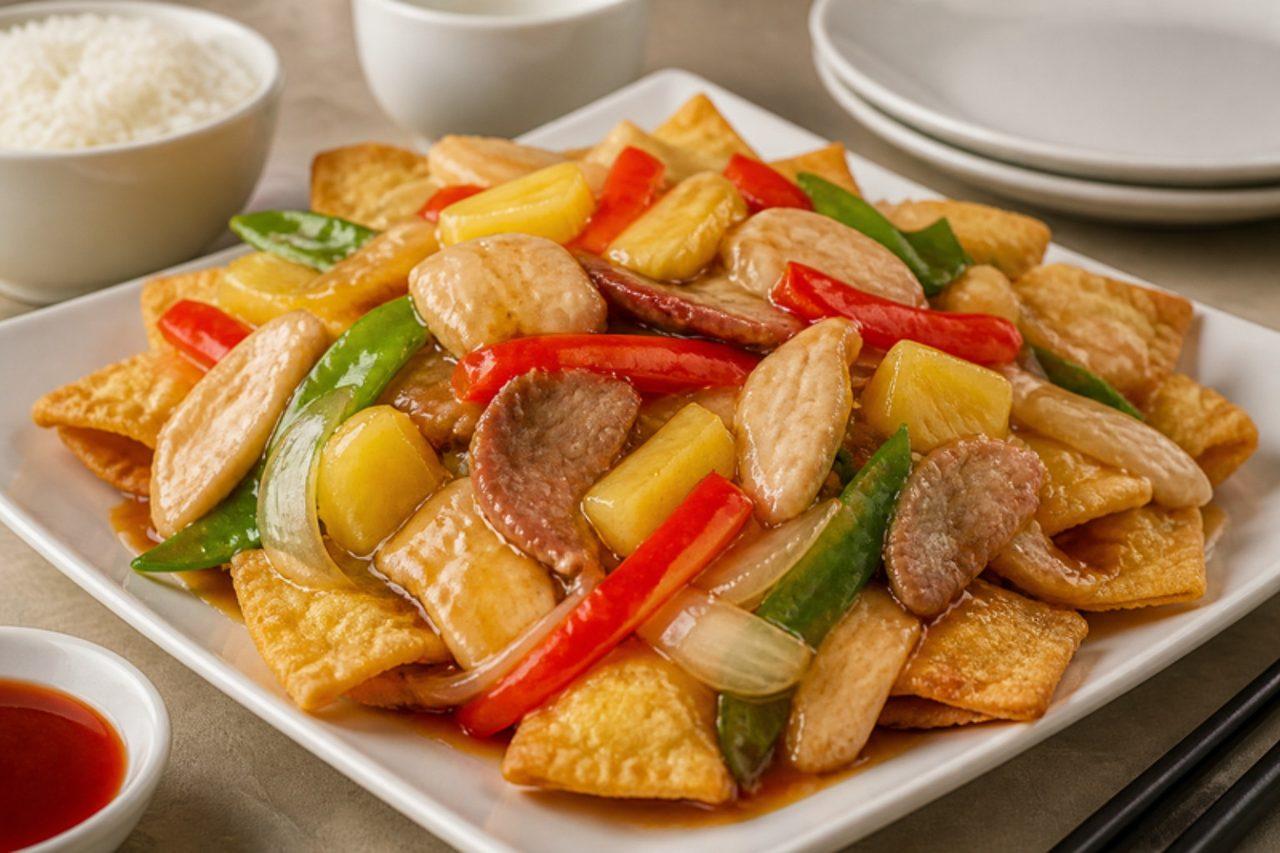
Brought to the table as a sharing platter at big chifa lunches in Lima, kam lu wantán is a gleeful mix of textures: golden fried wontons filled with ginger-spiked pork, smothered in a bright, sweet-and-sour sauce full of sliced chicken, pork, pineapple, peppers, carrot, snow peas and bok choy. The wontons shatter at the edges and soften where the sauce soaks in, so eat it fast. It works as a starter for a crowd or a main with rice. The mistake to avoid is making the sauce too thick and gloopy; it should flow over the wontons, not sit on them like jam. Chef's tip: fry the wontons at the last minute and pour the sauce over at the table so the crunch survives.

by KrazyBadal 0 views

Aeropuerto

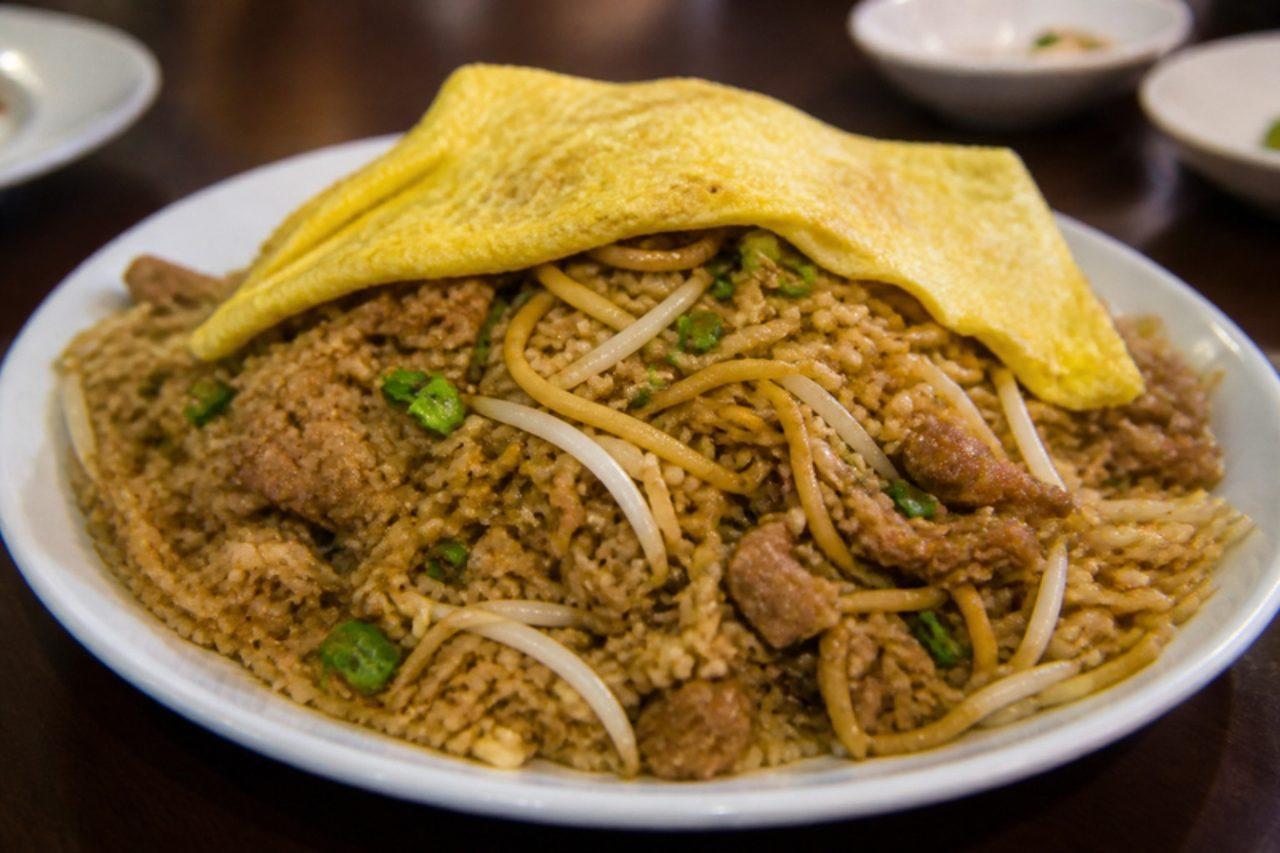
Nobody agrees why Lima's chifas call it 'airport', though the favourite story is that everything 'lands' on one plate: arroz chaufa and fried noodles stir-fried together in a smoking wok with roast pork, bean sprouts, snow peas and spring onion, then crowned with a thin egg omelette, sometimes with a few fried wontons alongside. It is hearty, smoky and salty from soy and oyster sauce, a late-night and lunchtime favourite to share. The main mistake is using freshly cooked rice, which goes mushy; use rice cooked the day before and kept in the fridge. Chef's tip: for a veg version, swap the pork for firm tofu and extra vegetables, and use a mushroom-based 'oyster' sauce.

by KrazyBadal 0 views

Pollo chi jau kay

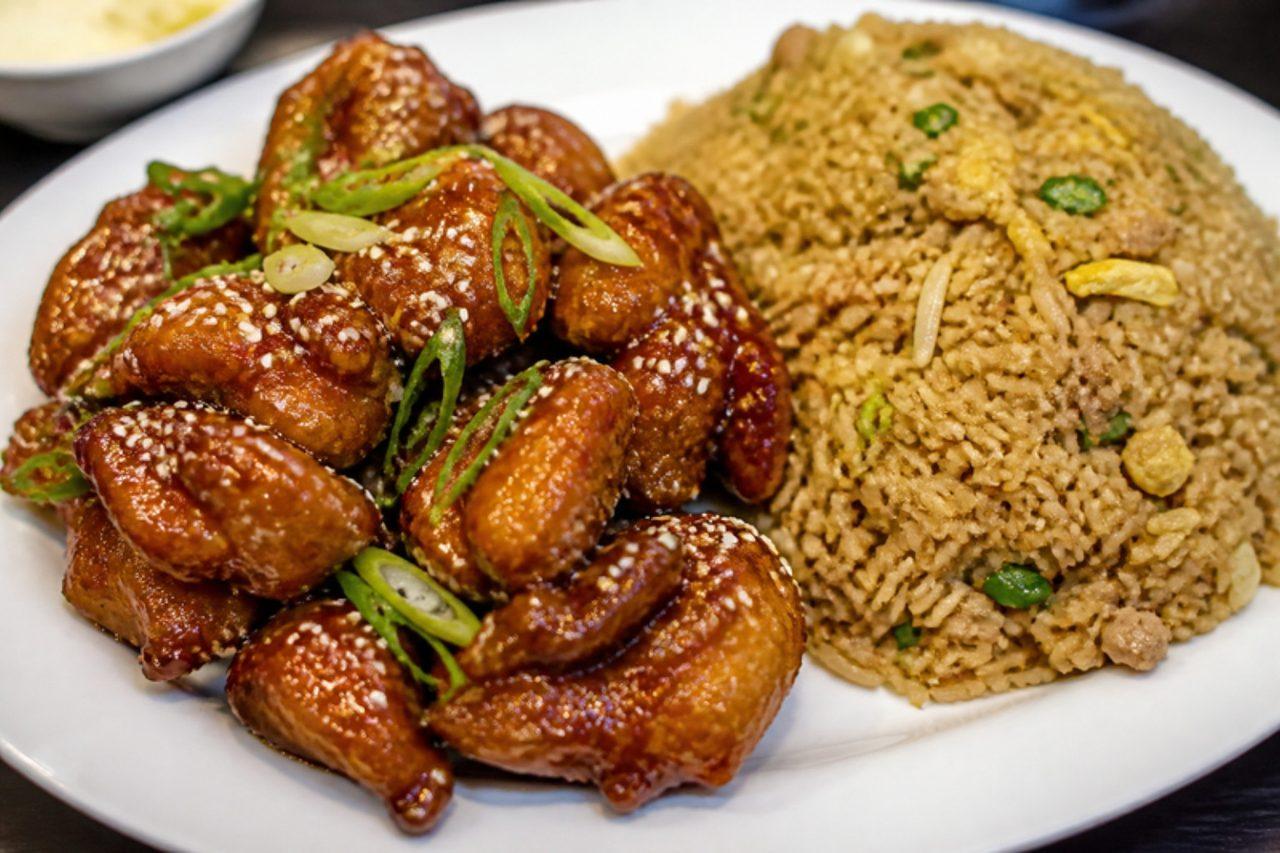
Any chifa in Lima, from the old dining rooms of Barrio Chino on Calle Capón to the corner chifa in every district, will have chi jau kay on the menu: boneless chicken marinated in soy and ginger, fried in a crisp coating and served under a dark, glossy oyster sauce, scattered with sesame seeds and spring onion. The crust stays crunchy where the sauce hasn't reached and goes sticky where it has. It is shared with arroz chaufa or plain rice and a Chinese soup. The usual misstep is tossing the chicken in the sauce in the pan, which makes it soggy; Lima chifas pour the sauce over at the table. Chef's tip: fry the chicken twice, once to cook and once very hot for a minute to crisp, and it will stay crunchy under the sauce.

by KrazyBadal 0 views

Tipakay

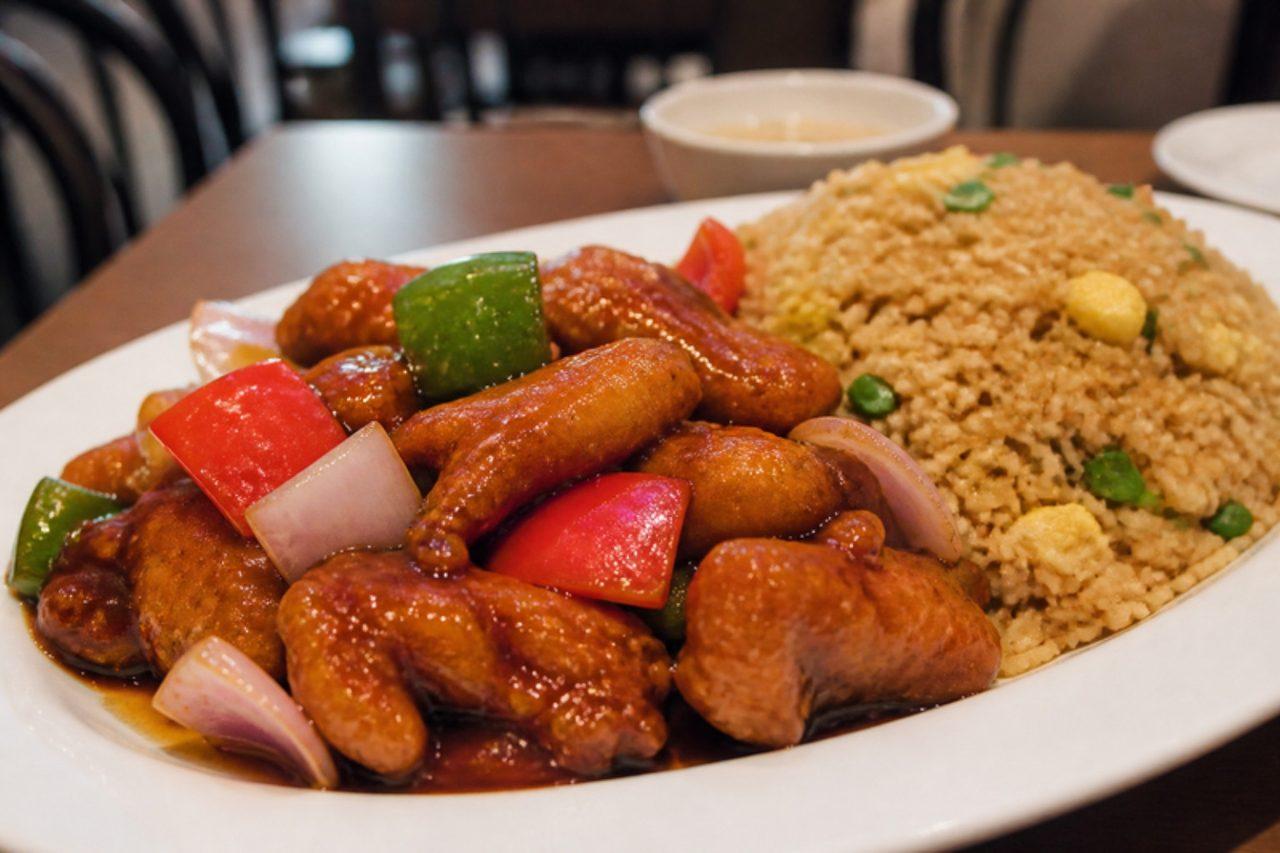
Sweet, tangy and a little sticky, tipakay is the chifa order for people who like their sauce on the fruity side: battered pieces of chicken fried crisp, then dressed in a dark, glossy sauce built on tamarind, panela and soy, with strips of red and green pepper and onion that keep some crunch. It is one of the most popular platters in Lima's family-run chifas, eaten with white rice or chaufa. Its sauce is darker and less candy-sweet than kam lu's, with tamarind's sour depth. The mistake most home cooks make is letting the peppers stew until soft; give them only a minute in the wok so they stay bright. Chef's tip: taste the sauce before thickening and balance it: more lime if it's cloying, a pinch more panela if it's too sour.

by KrazyBadal 0 views

Pulpo al olivo

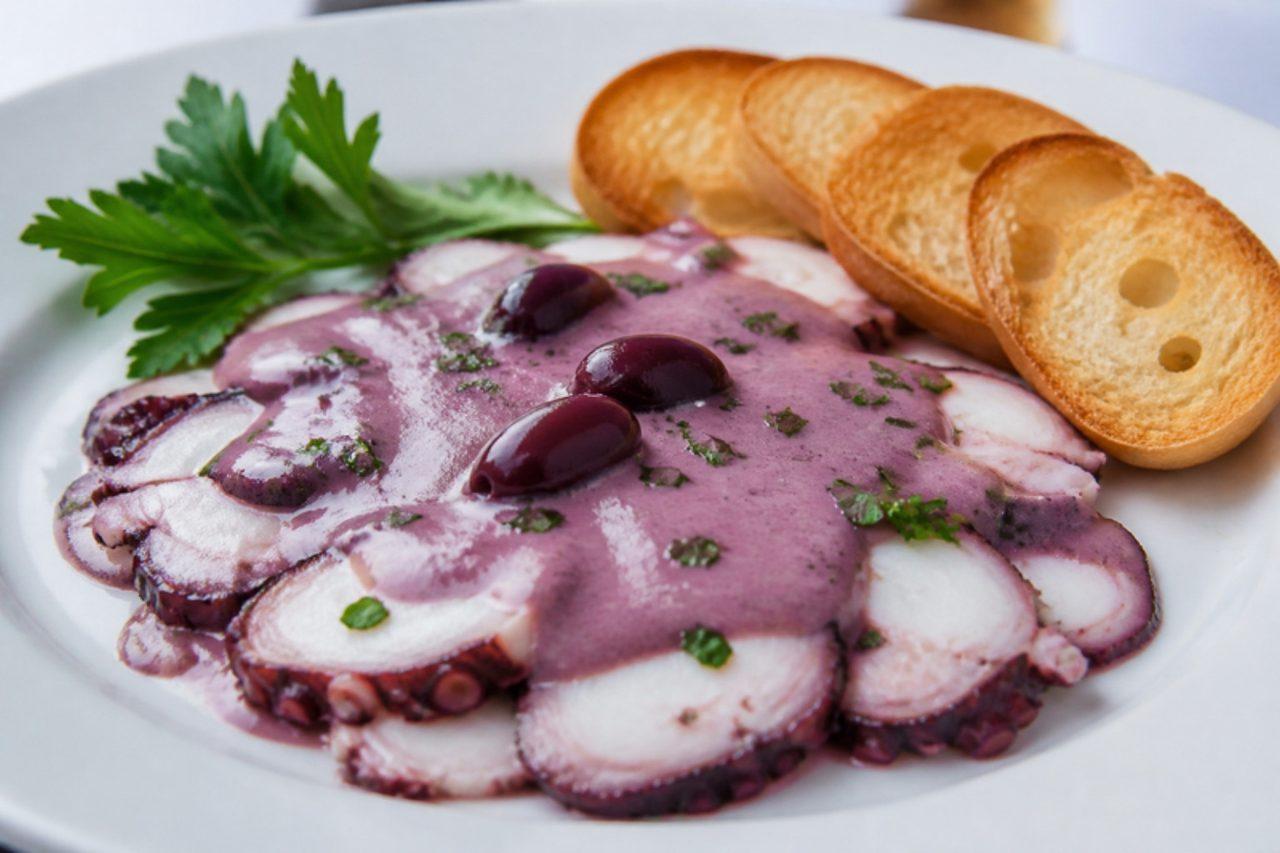
Created in Lima in the 1950s by a Japanese-Peruvian chef, pulpo al olivo is now a fixture of Nikkei restaurants and smart cevicherías: paper-thin rounds of tender, cold octopus covered with a smooth violet mayonnaise of Botija olives, the big, dark, fruity olives of the southern coast. It is cool, rich and briny, eaten as a starter with lime and a drizzle of olive oil. Allow 1 hour for chilling after cooking. Tough octopus is the usual let-down, and the fix is simple: use frozen octopus (freezing tenderises it) and simmer gently, never at a rolling boil. Because the sauce is an egg emulsion, make it with a pasteurised egg, or use a good ready-made mayonnaise. Chef's tip: slice the octopus while it's cold and firm; warm octopus slices raggedly.

by KrazyBadal 0 views

Maki acevichado

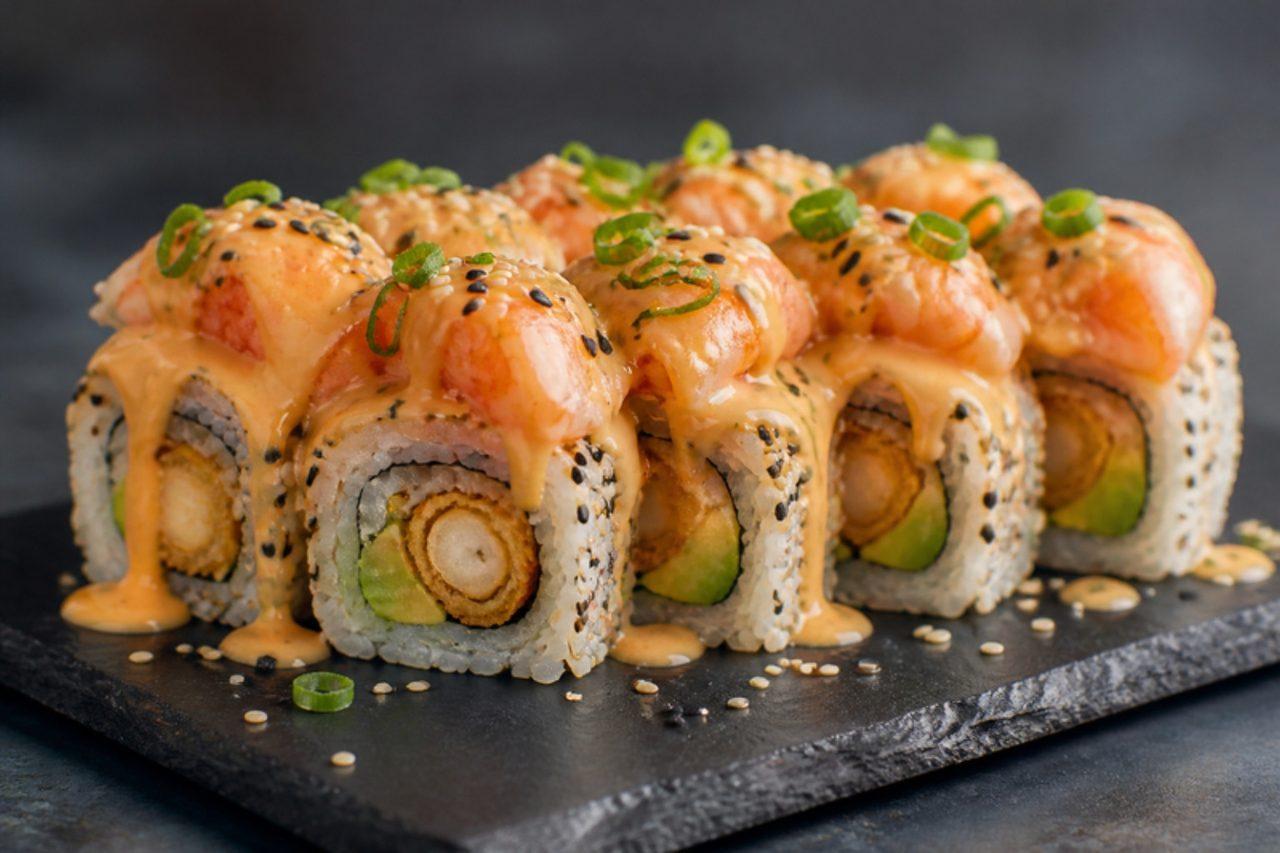
Lima's Nikkei sushi bars invented the acevichado and it has become the roll every Peruvian orders: prawn tempura and avocado rolled in rice, topped with thin slices of fish and drenched in a creamy, lime-sharp sauce built from leche de tigre, ají amarillo and mayonnaise. Crisp, warm, cold and tangy in one bite, it is party food and Friday-night takeaway alike. For a safer topping, use sashimi-grade fish frozen at −20 °C for 24 hours first, keep it cold and eat the rolls at once; you can also sear the slices with a blowtorch or use cooked prawns instead. Even so, the raw-fish topping is not for pregnant women, young children or anyone with a weakened immune system. Overfilling is the usual mistake: the roll won't close and the rice splits. Chef's tip: use a pasteurised-egg mayonnaise and wet your hands with vinegared water so the rice doesn't stick.

by KrazyBadal 0 views

Ensalada de pallares

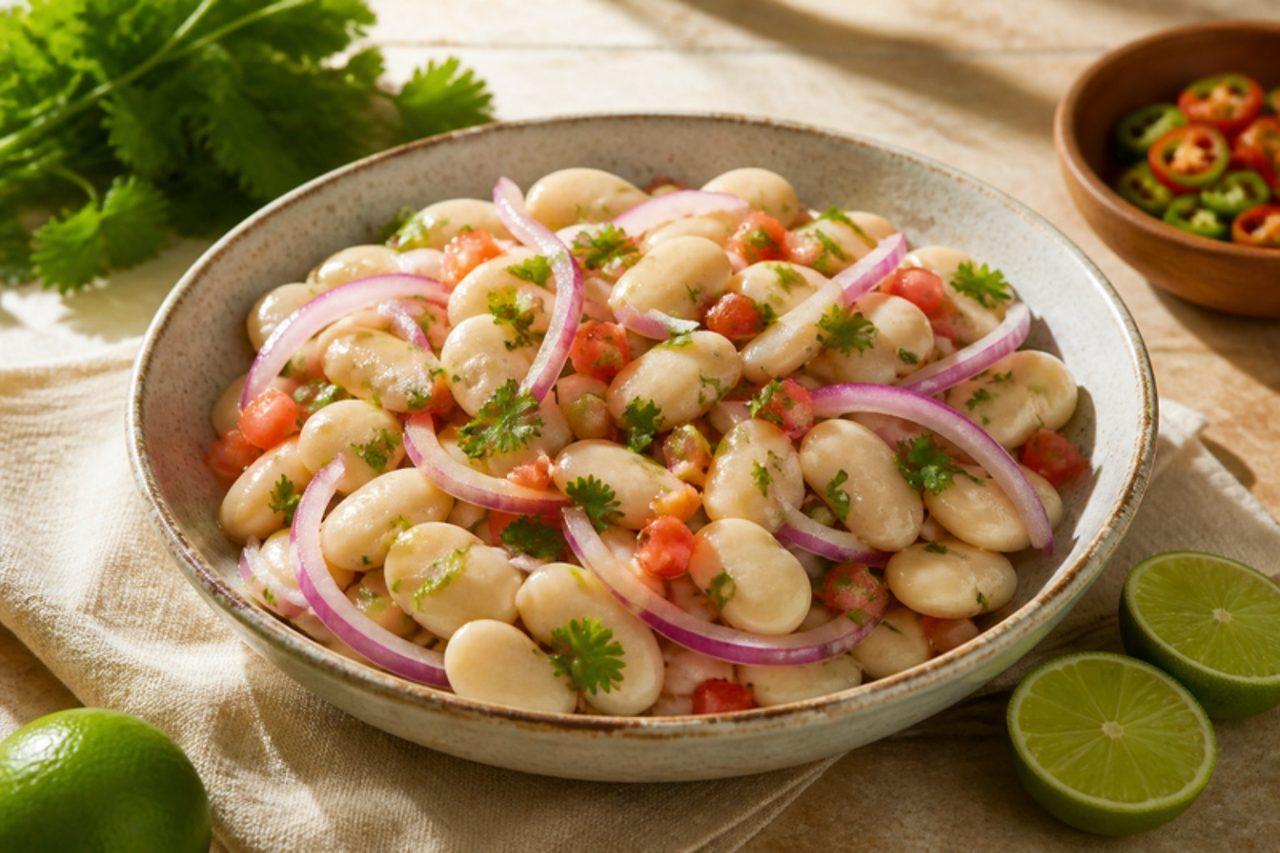
Around Ica, on Peru's southern desert coast, pallares grow in irrigated valleys and dry into fat, flat beans the size of a thumbnail; the region holds them in high regard and sells them by the sack at the Ica market. Cooked until creamy and dressed while warm, they become a filling salad that sits on the table beside fried fish, rice or a plate of boiled sweet potato, and it works as a light lunch on its own. The onion is cut the Peruvian way, in fine half-moons, rinsed so it stays crisp without biting, and the ají limo gives a fruity heat that you can turn up or down. A frequent slip is dressing the beans straight from the fridge: they stay chalky and the lime slides off instead of soaking in. Using dried beans adds an overnight soak; good jarred or canned large lima beans make it a 20-minute dish. Chef's tip: dress the beans while they are still warm with half the lime and salt, then add the onion, tomato and the rest of the lime just before serving.

by KrazyBadal 0 views

Jalea mixta

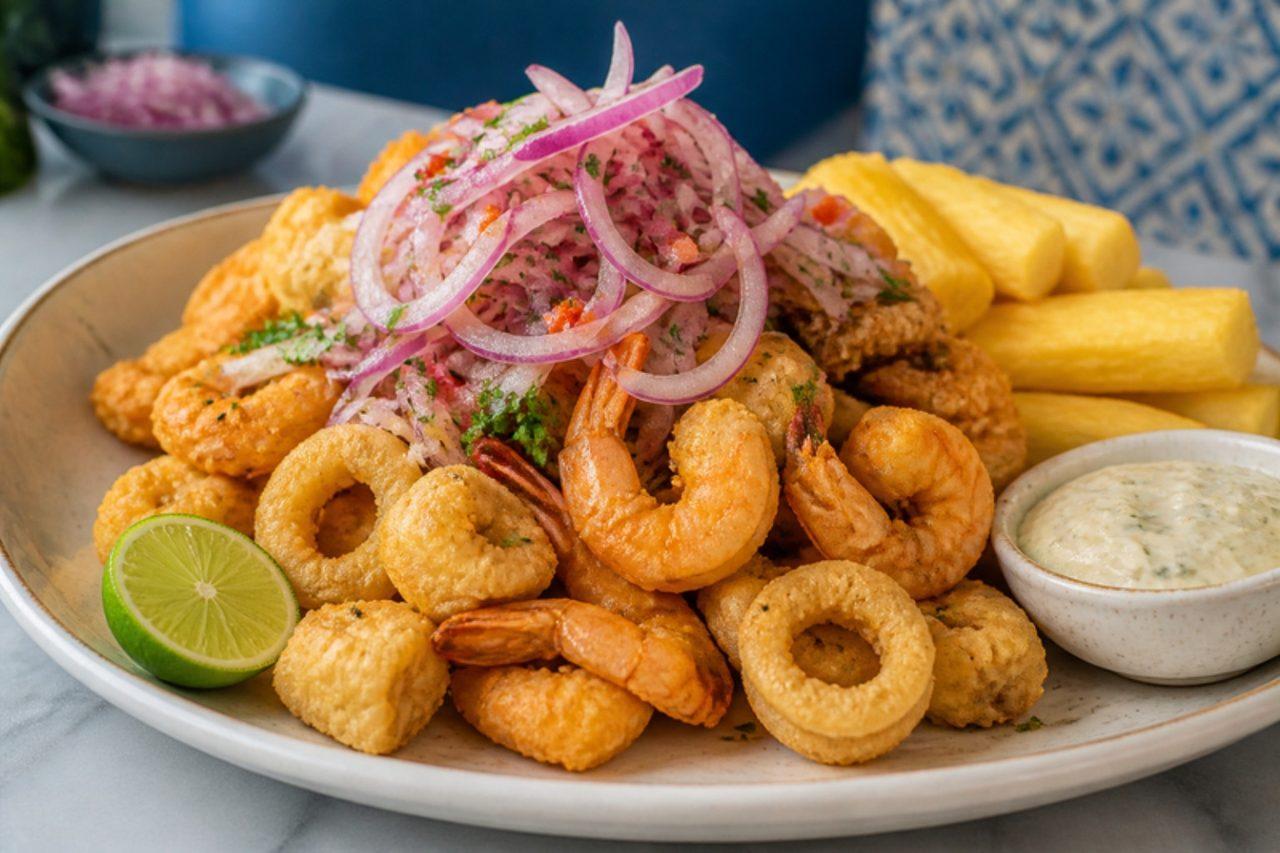
Ordered to share at a Lima cevichería on a Sunday, jalea mixta arrives as a tall golden pile: chunks of white fish, squid rings and prawns, all in a light, crackly coat, on top of fried cassava and buried under a fresh tangle of salsa criolla. The contrast is the point, hot and crunchy underneath, cold, sour and sharp on top, with tartar sauce or ají on the side and cold drinks all round. A frequent mistake is crowding the oil, which drops its temperature and gives you a soggy, greasy coat; fry in small batches and let the oil come back up between them. Chef's tip: boil the cassava first and let it steam dry before frying; it turns fluffy inside and shatteringly crisp outside.

by KrazyBadal 0 views

Tallarines verdes

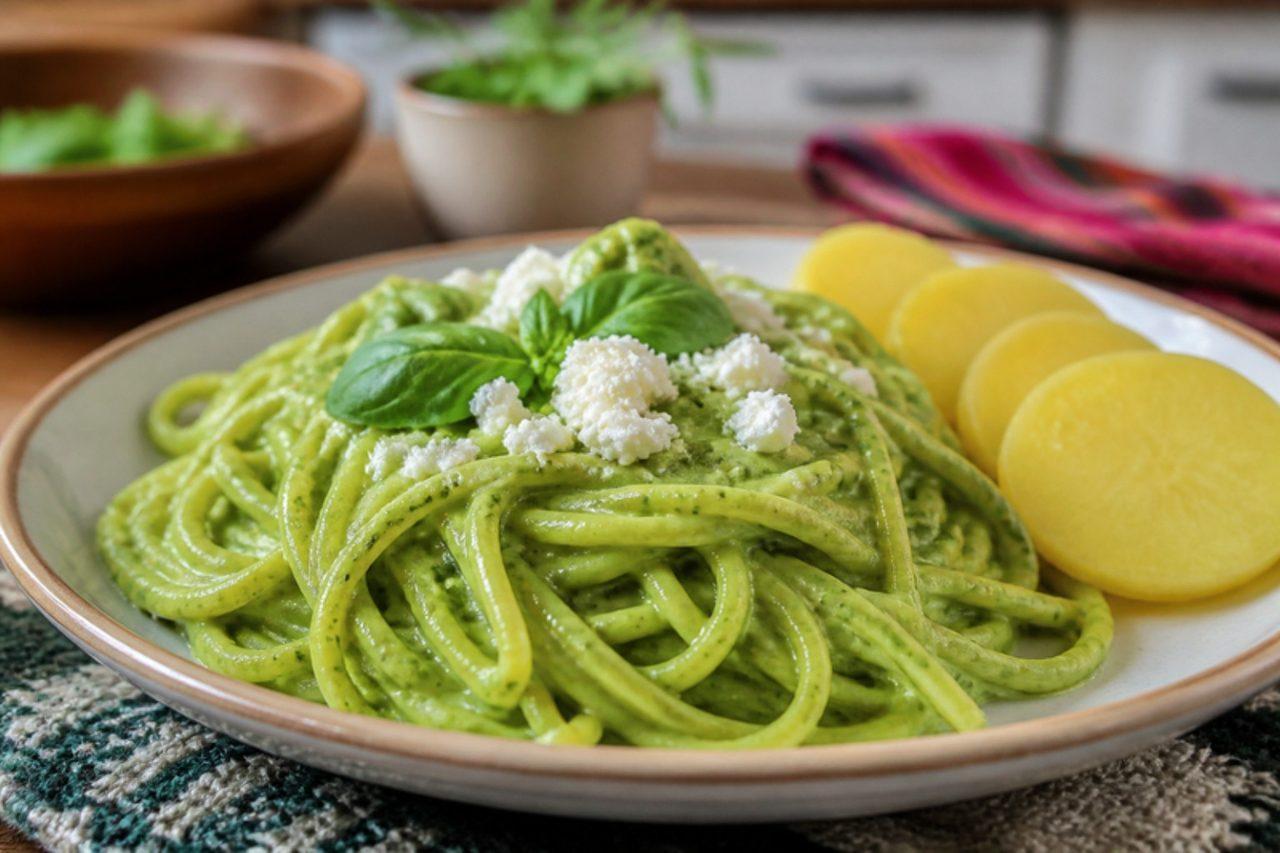
Peru's answer to pesto came from Italian-Ligurian families who settled in Lima and Callao, and it was quickly rebuilt with what Peruvian kitchens had: spinach to stretch the basil, queso fresco instead of hard cheese, and a can of evaporated milk to make it creamy. Menú restaurants in Lima serve it on weekdays, often with a breaded steak or a fried egg beside it, and the sauce turns out milder, softer and greener than the Genoese original. This version stays vegetarian: serve it with a tomato and onion salad, or crown each plate with a fried egg if you eat them. The classic mistake is boiling the leaves too long, which turns the sauce khaki and dull; they need only 20 seconds in hot water. Note that queso fresco is usually made with animal rennet, so choose a vegetarian (microbial-rennet) fresh cheese if that matters to you. Chef's tip: blend the sauce with the evaporated milk while the leaves are still cold from their ice bath and it will stay bright for the whole meal.

by KrazyBadal 0 views

Ocopa

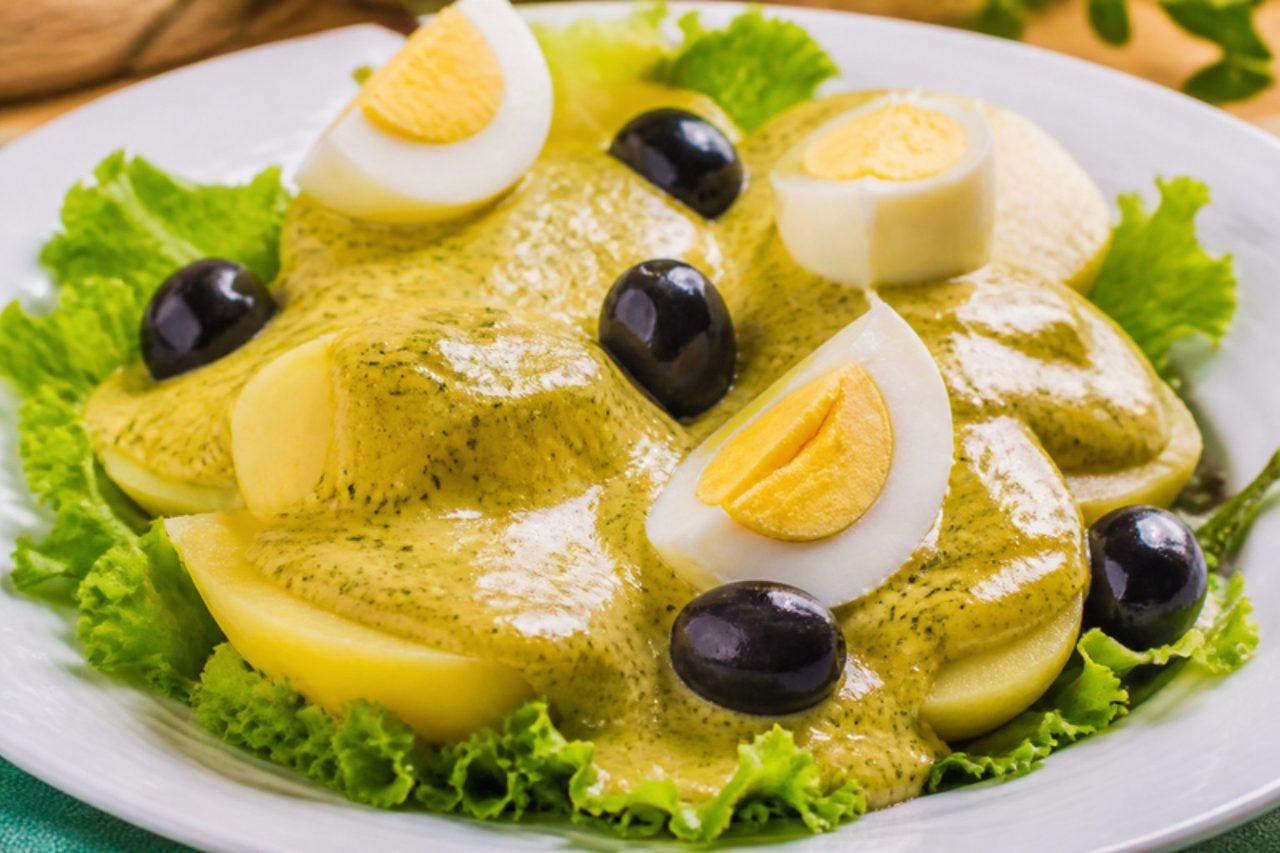
Arequipa's picanterías put ocopa on the table as a starter, a pale olive sauce spooned thickly over sliced boiled potatoes, and the smell of toasted chillies and huacatay (black mint) is what sets it apart from Lima's huancaína. The chillies are dried ají mirasol, charred in a dry pan, which gives a smoky, raisin-like warmth rather than sharp heat, and toasted peanuts make the sauce nutty and almost velvety. Many cooks thicken it with crackers; this version uses only peanuts and cheese, so it stays gluten free. Serve it at room temperature with yellow potatoes, a black olive and a few lettuce leaves, plus a halved boiled egg for anyone who eats eggs. The mistake people make is toasting the onion and chillies black, which turns the sauce bitter; they should be blistered in spots only. Queso fresco is often made with animal rennet, so look for a vegetarian fresh cheese. Chef's tip: huacatay paste comes in jars from Latin shops; without it, use a small handful of mint plus a few tarragon leaves.

by KrazyBadal 0 views

Escribano

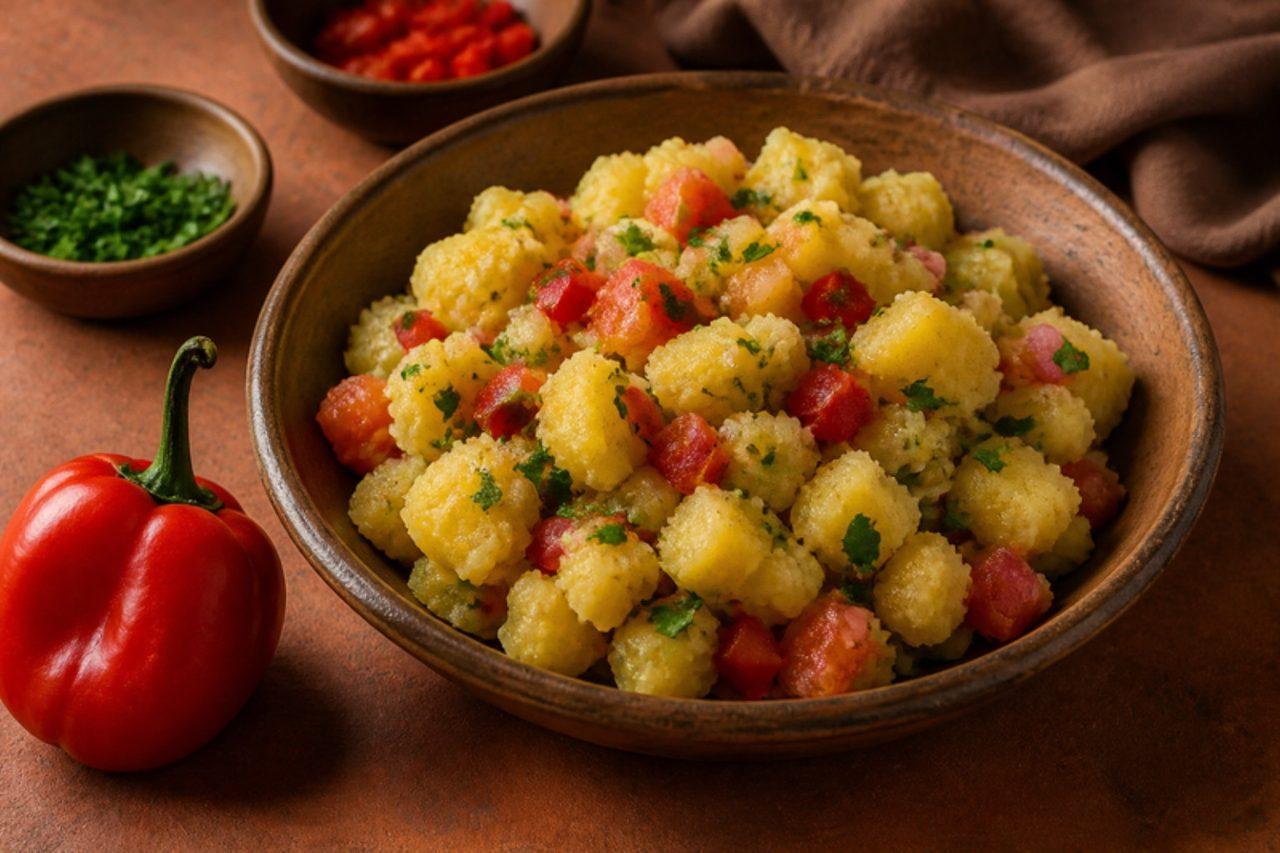
Mid-morning in Arequipa's traditional picanterías, before the big plates come out, regulars order escribano: a bowl of warm yellow potato crushed with a fork and drenched in rocoto, ripe tomato, vinegar and oil. Local lore says it was a snack for the court clerks (escribanos) who worked nearby, and it is still eaten as a sharp, spicy wake-up with a glass of chicha or a soft drink. The texture should be rough and juicy, somewhere between a salad and a mash, with the red chilli bright against the potato. Don't purée it: overworked potato goes gluey and loses the chunks that hold the dressing. Rocoto is fiercely hot, so start with half and taste. Serve it alone with crusty bread, or beside fried cheese or grilled vegetables. Chef's tip: dress the potatoes the moment they are drained and peeled, while they are steaming, so they drink in the vinegar.

by KrazyBadal 0 views

Pastel de papa

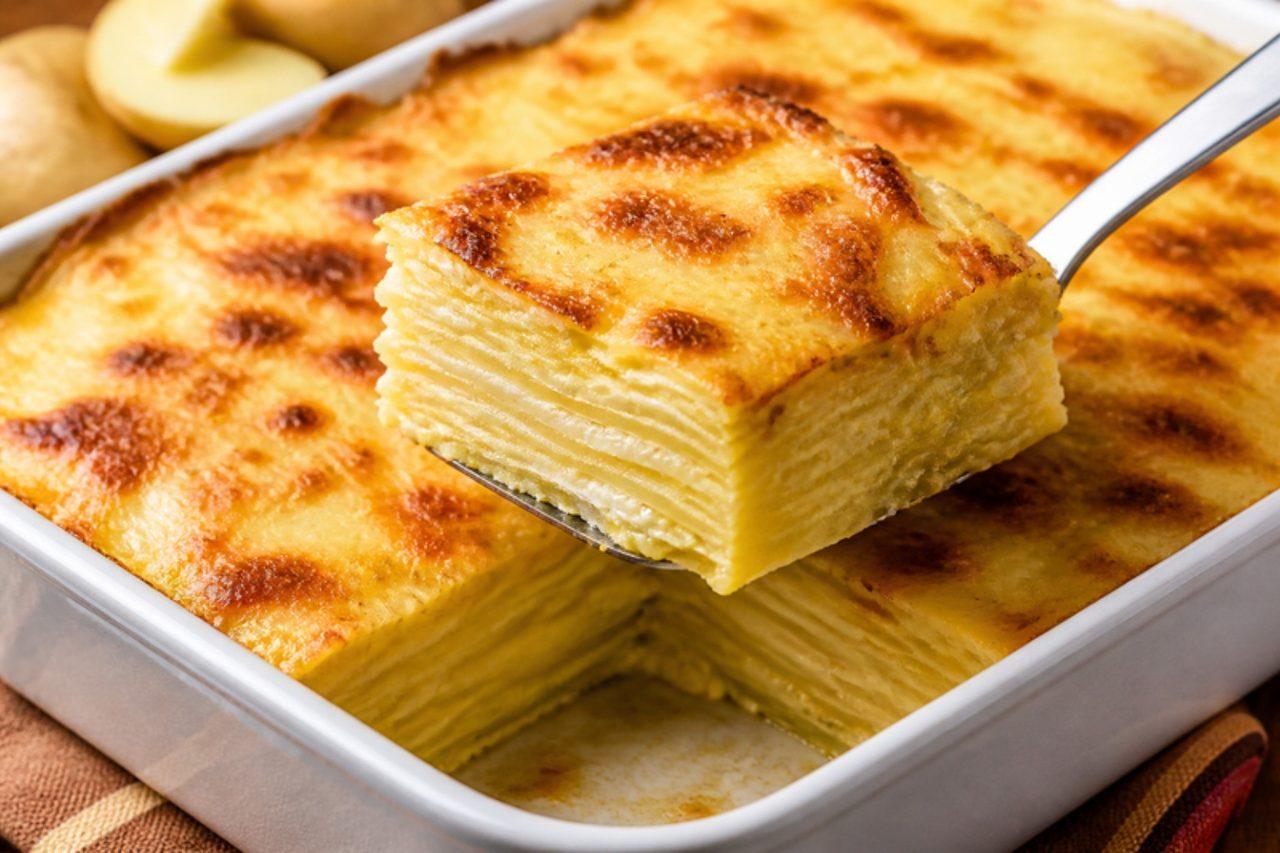
On a plate in an Arequipa picantería, pastel de papa is the soft, golden square that sits next to a fiery rocoto relleno and cools your mouth between bites. Thin slices of parboiled potato are layered with fresh cheese and a seasoned egg and evaporated-milk custard, then baked until the top puffs and browns. It is richer and more set than a French gratin, firm enough to cut cleanly, and it makes a fine vegetarian main with a salad of tomato and onion or a spoon of uchucuta. The way it goes wrong is slicing the potatoes too thick or under-boiling them, which leaves them crunchy while the custard overcooks; cut them 3–4 mm thin and parboil them just until bendy. Arequipa cooks use paria or queso fresco, which are normally made with animal rennet; a vegetarian melting cheese such as a microbial-rennet mozzarella or mild cheddar works well. Chef's tip: let the bake rest for 15 minutes after it leaves the oven so the custard settles and the slices hold.

by KrazyBadal 0 views

Queso helado

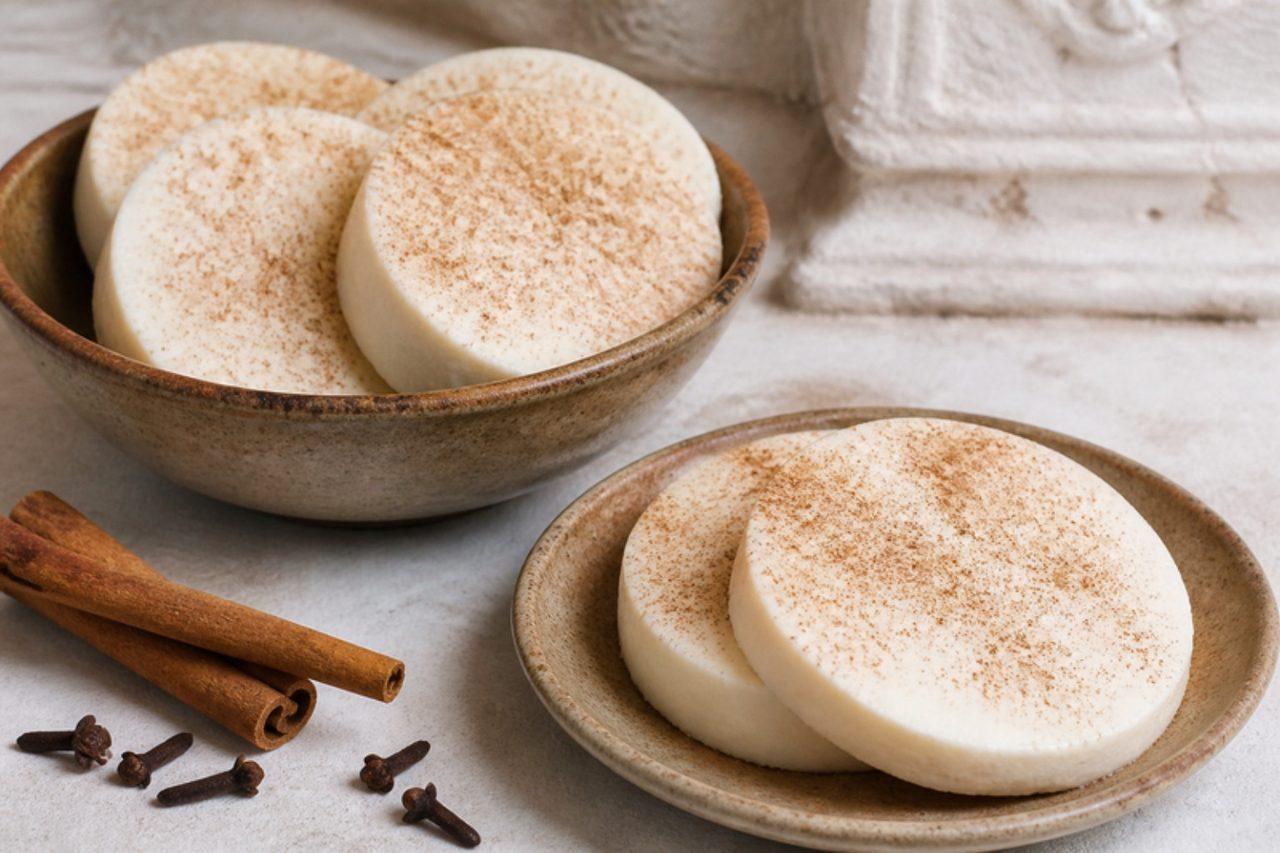
Despite the name, there's no cheese in it: queso helado is Arequipa's old-fashioned frozen milk dessert, cut into thick rounds that look like a slice of fresh cheese and dusted with ground cinnamon. Vendors in white aprons sell it around the Plaza de Armas and at the Yanahuara viewpoint, traditionally churned in a metal pail spun over ice and salt, and every Arequipeño has a favourite stall. It is creamy, mildly milky and fragrant with cinnamon, clove and grated coconut, less rich than ice cream and slightly icy in a pleasant way. Many recipes thicken it with egg yolks; this one uses evaporated and condensed milk with a little cornflour so it stays egg free. The common error is freezing it untouched, which gives one hard block of ice: stir it every 45 minutes for the first few hours. Allow at least 4 hours of freezing on top of the cooking time, or make it a day ahead. Chef's tip: freeze it in a loaf tin lined with cling film, then lift it out and slice it into rounds for that true street look.

by KrazyBadal 0 views

Choclo con queso

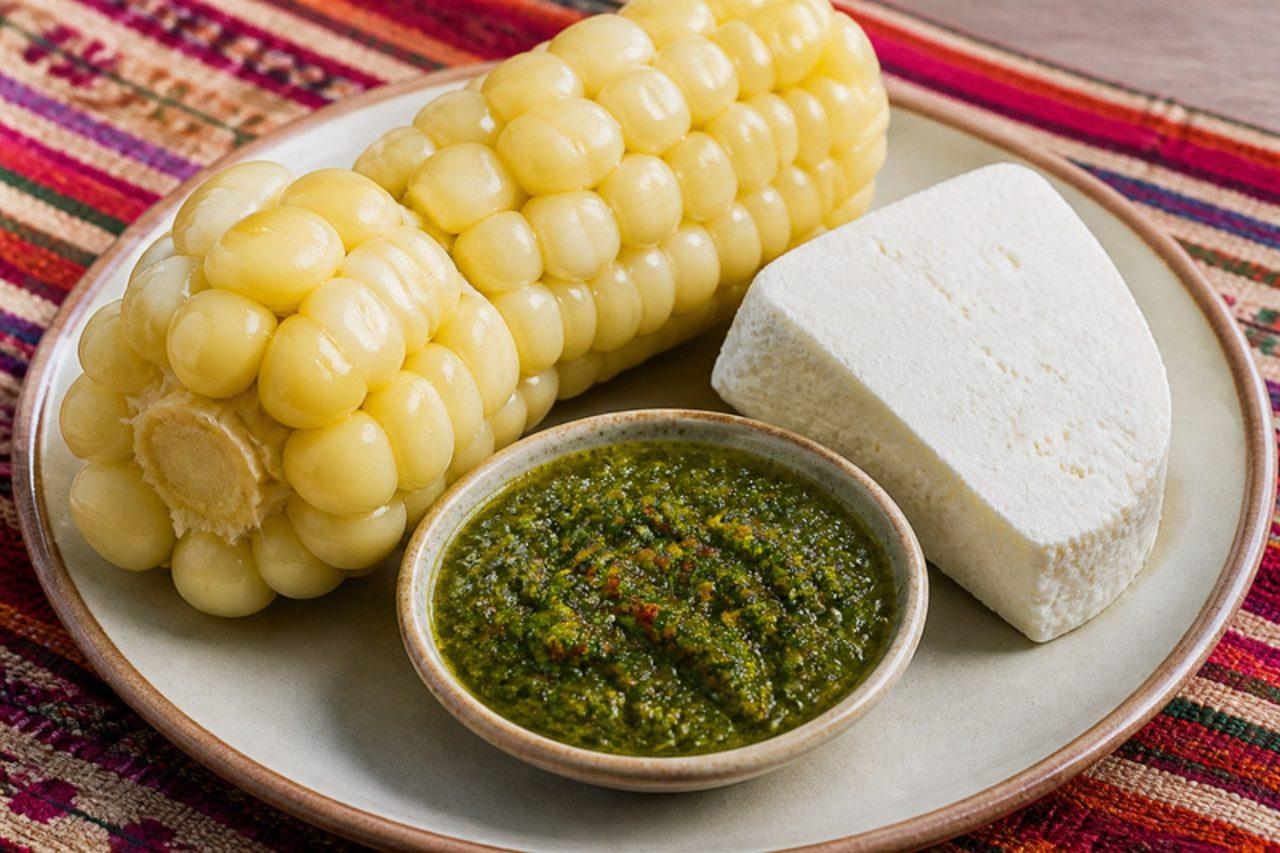
Ride the train or the bus through the Sacred Valley of Cusco and at every stop someone will hold up choclo con queso: a steaming cob of Urubamba's huge white-kernelled corn with a slab of fresh cheese tucked into a corn husk. The kernels are big, chewy and starchy rather than sweet, and the salty, milky cheese is eaten in alternating bites, sometimes with a dab of uchucuta or ají. It's snack food, a market lunch and something to keep children going on a long day. Fresh choclo is sold frozen in Latin American shops; sweet corn works but is sweeter and softer. Adding salt to the cooking water is the usual misstep, as it can toughen the kernels: season the cheese, not the corn. Andean fresh cheese is generally made with animal rennet, so use a vegetarian fresh cheese if needed. Chef's tip: drop a few of the inner husks and a small spoon of sugar into the pot; it brings back some of the sweetness lost after picking.

by KrazyBadal 0 views

Habas tostadas

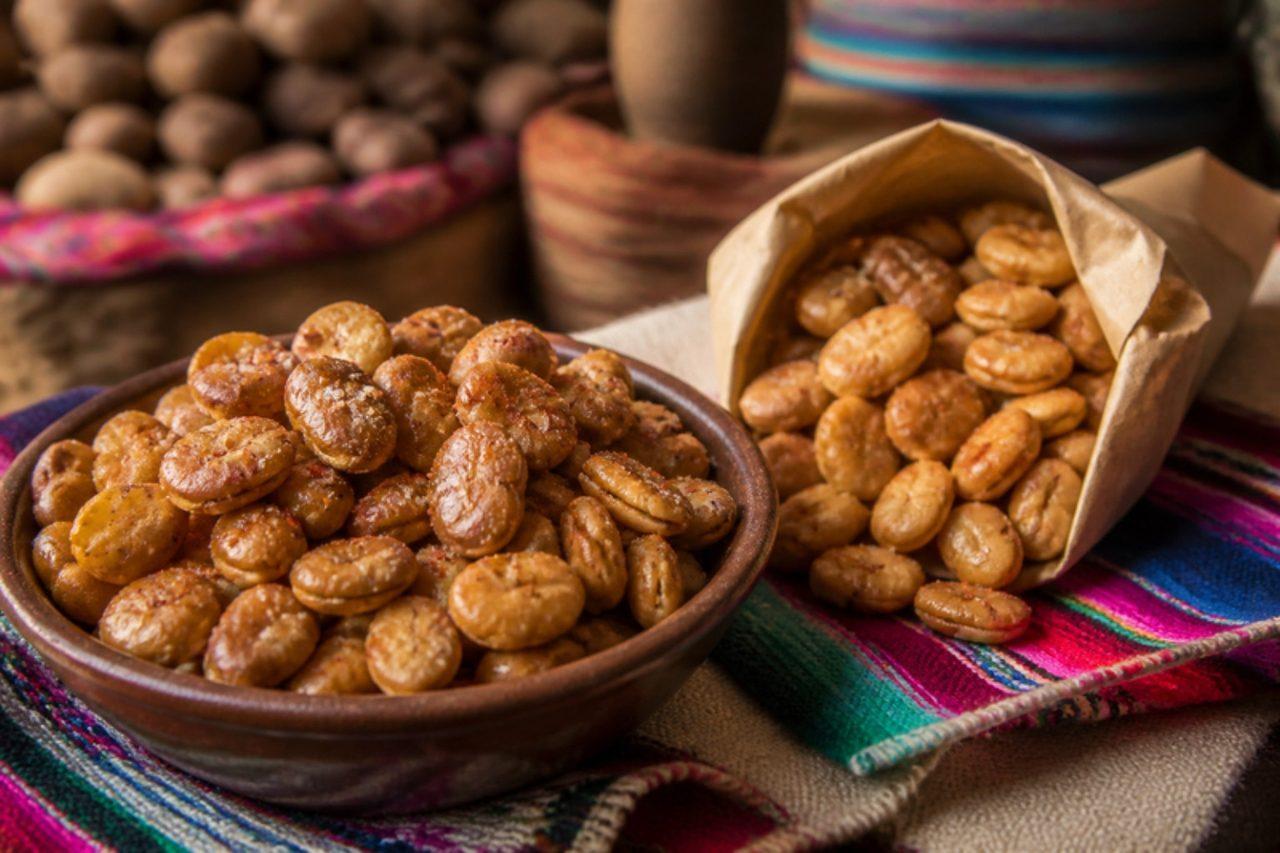
Paper cones of habas tostadas are sold by the scoop at markets from Huancayo to Puno, piled next to cancha and roasted peanuts, and they disappear by the handful at football matches, on long bus rides and with a cold drink in the evening. Dried broad beans are soaked, dried and fried until they crack open, turning golden and crisp outside with a slightly mealy, nutty centre. Most sellers leave the skins on, which gives them their bite. The beans need an overnight soak before you start, so plan a day ahead. The mistake to avoid is frying them still wet from the soak: the oil spits dangerously and the beans steam instead of crisping, so dry them thoroughly on a towel. Eat them on their own or put a bowl out with olives and pickled onions. Chef's tip: fry them twice, first at a lower heat to cook the centre, then hotter for the crunch, and salt them the moment they come out of the oil.

by KrazyBadal 0 views

Vegetarian vori vori

Vori vori is the soup Paraguayan grandmothers make on cold June and July evenings: a golden broth full of bori, small balls of cornmeal and cheese that swell soft as they simmer. The name is a Guaraní take on the Spanish 'bolita' (little ball). It's usually made with hen; this version gets its colour and body from pumpkin, carrot and a sofrito with saffron or turmeric. Chef's tip: shape the balls no bigger than a hazelnut; they double in size and larger ones stay raw inside.

by KrazyBadal 0 views

Tacacho

Tacacho is the breakfast of the Peruvian Amazon, from Tarapoto to Iquitos: green plantains roasted over coals, mashed with fat and salt and shaped into balls. There it comes with cecina (smoked pork) and is mashed with lard and crackling; this vegan tacacho uses good oil and a pinch of smoked paprika for the same savoury, smoky depth. The balls are dense, chewy and starchy, crisp at the edges where the plantain charred, and they are eaten hot with a fiery chilli sauce or alongside stews. Use plantains that are fully green and firm. Chef's tip: mash the plantains while they are still very hot; as green plantain cools its starch sets and it won't bind into a smooth ball.

by KrazyBadal 0 views

Picarones

Picarones are Lima's favourite street sweet, fried to order at stalls in the parks and outside churches, especially in October during the Señor de los Milagros processions. The light, chewy rings are made from a yeasted dough of sweet potato and squash, scented with anise, fried until crisp and drenched in miel de chancaca, a dark syrup of unrefined cane sugar with orange peel, cinnamon and cloves. They are eaten hot, straight from the oil, with plenty of syrup. Chancaca is sold in Latin shops; dark muscovado or piloncillo makes a very good syrup too. Chef's tip: the dough should be very soft and sticky, like a thick batter; resist adding more flour, or the picarones turn heavy and bready.

by KrazyBadal 0 views

Suspiro limeña

Suspiro a la limeña, 'the sigh of a Lima woman', is the city's grand dessert from colonial times, said to have been named by the poet José Gálvez for its sweetness. A thick manjar blanco, milk slowly cooked down to a silky caramel cream and enriched with egg yolks, is topped with a cloud of glossy Italian meringue flavoured with port and dusted with cinnamon. It is very sweet and very rich, so serve it in small glasses. Make it in the morning for the evening. Chef's tip: the manjar is ready when a spoon dragged across the bottom of the pan leaves a clear path for a moment; undercooked, it stays runny and the meringue sinks into it.

by KrazyBadal 0 views

Mazamorra morada

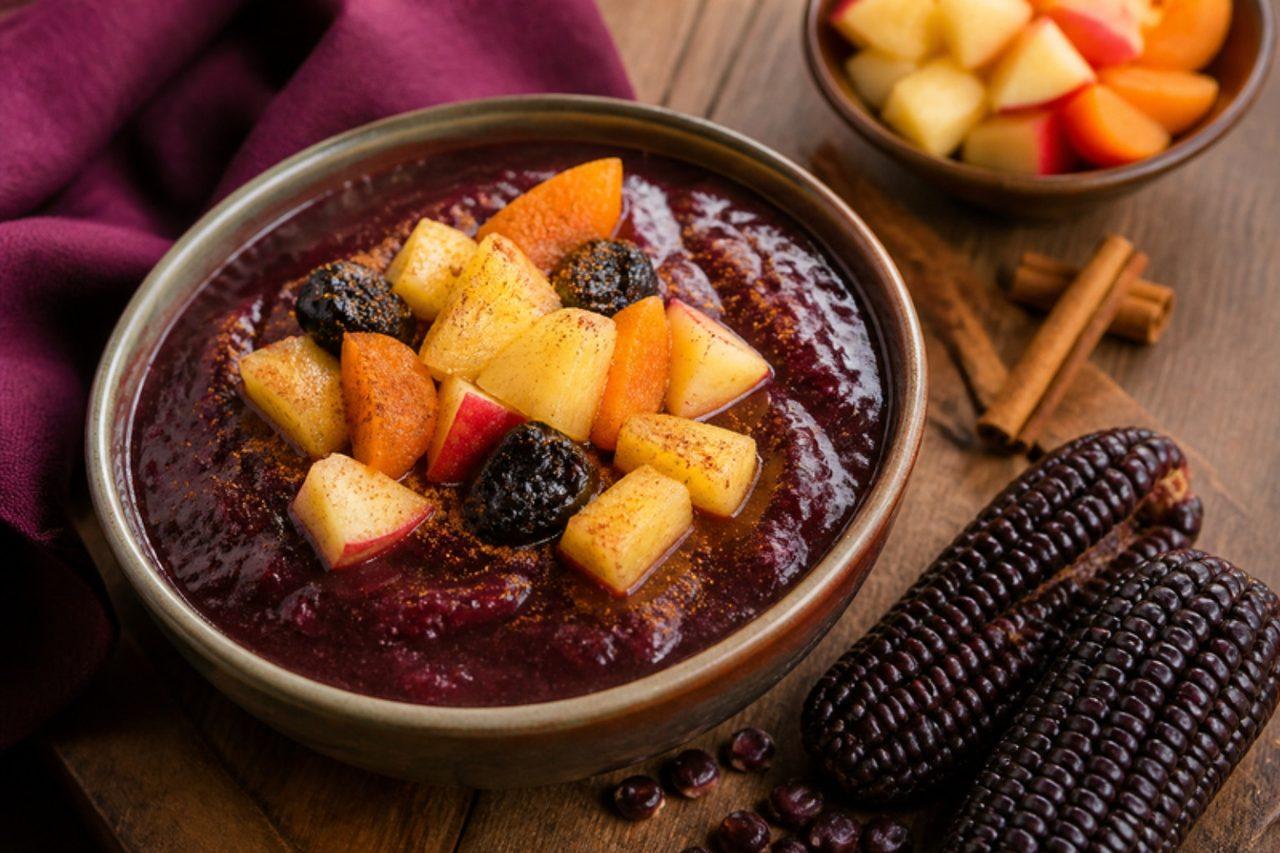
Mazamorra morada is a deep purple pudding from Lima, made by boiling Andean purple corn with pineapple peel and spices and then thickening the dark juice with sweet potato starch and fruit. It is sold in little cups at markets and street carts, and in Lima it is eaten all year but above all in October, often spooned into the same bowl as rice pudding, a combination called el clásico. It is fruity, gently spiced and wobbly, like a thick jam pudding. Dried purple corn (maíz morado) is sold in Latin shops and online; purple corn powder works too. Chef's tip: dissolve the starch in cold water and stir it in off the boil; tipping it into a bubbling pan makes lumps that never smooth out.

by KrazyBadal 0 views

Ají de gallina

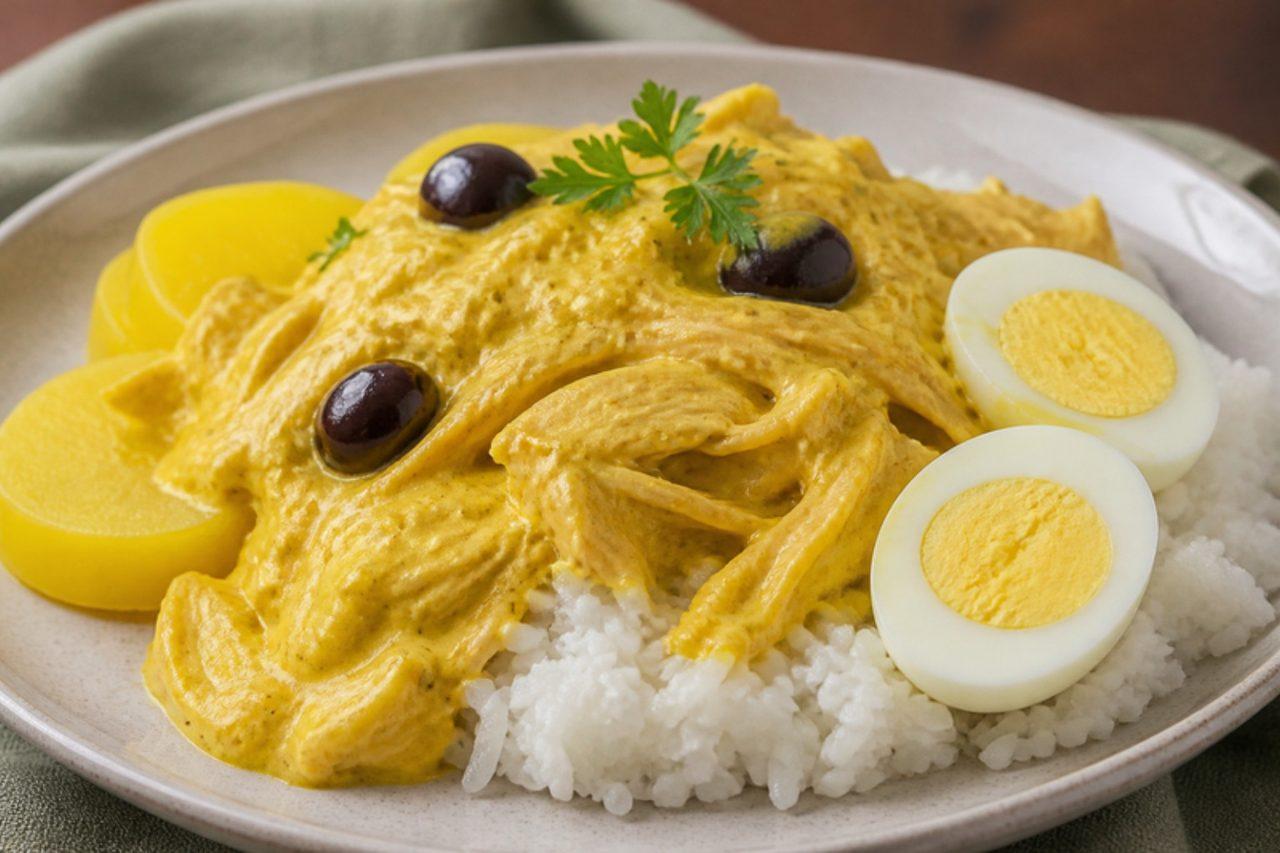
Lima's old criollo kitchens turned leftover hens into this golden, velvety stew, and it still turns up at family lunches, office canteens and menú del día stalls all over the capital. Poached chicken is pulled into threads and folded into a sauce thickened with milk-soaked bread, ground walnuts and parmesan, coloured by ají amarillo, Peru's fruity yellow chilli. It is served over white rice with boiled potatoes, a halved egg and a black olive. Chef's tip: keep the poaching broth; loosening the sauce with it instead of more milk gives a deeper, more chickeny flavour.

by KrazyBadal 0 views

Arroz con pollo peruano

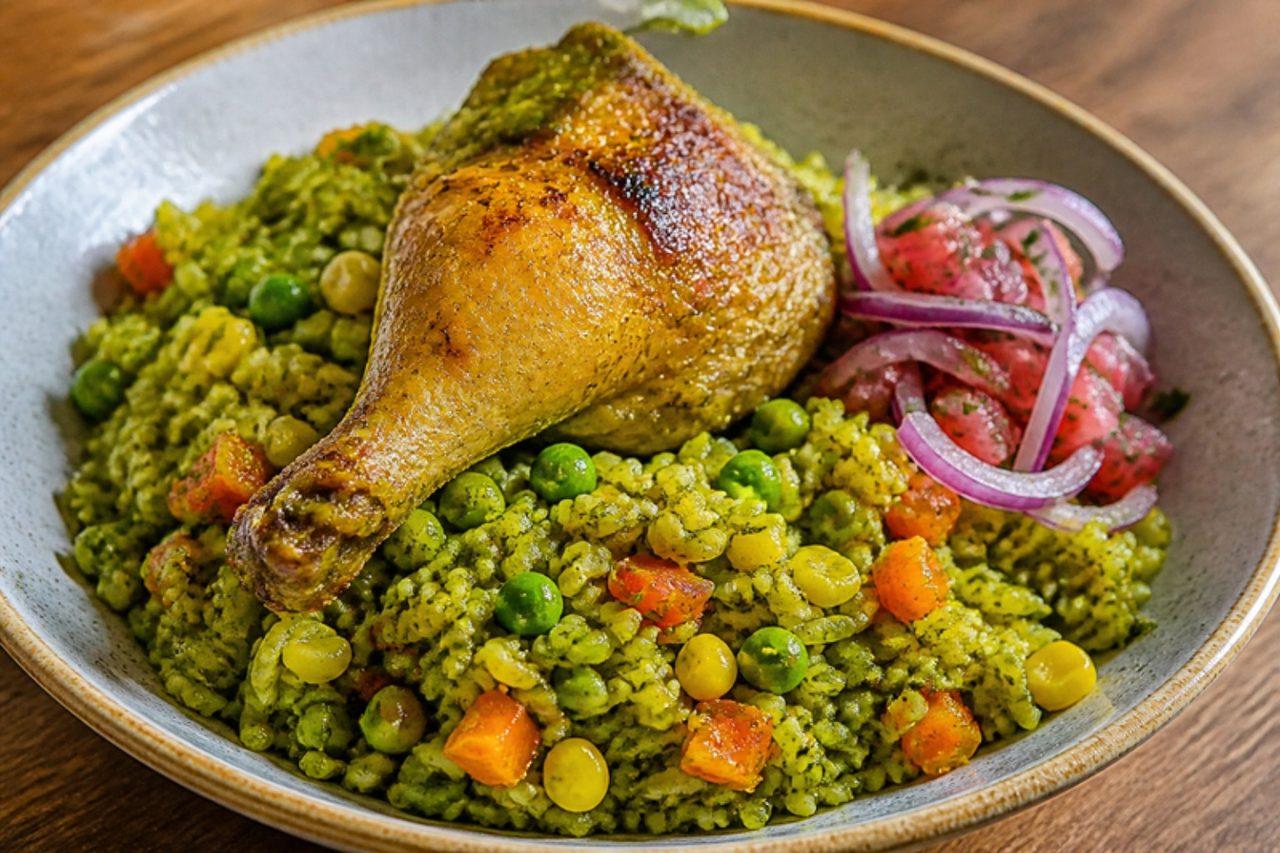
Across Spanish-speaking America arroz con pollo means yellow rice, but in Lima it comes out deep green, thanks to a big bunch of coriander blended into the cooking liquid. Mothers make it for Sunday lunch and for birthday parties, and street stalls ladle it out with salsa criolla, the sharp onion-and-lime relish that cuts through the rice. Chicken pieces are browned first, then the rice cooks in the same pot so it takes on all their flavour. Chef's tip: blend the coriander with cold stock right before it goes in, so it stays bright green rather than turning khaki.

by KrazyBadal 0 views

Showing 24 of 120 recipes

Show more recipes

Page 3 of 5