Skip to content
WhatToEat.Today

All recipes

1,001

Vegetarian, or something you can't eat? Set your diet once and we'll hide recipes that don't fit.

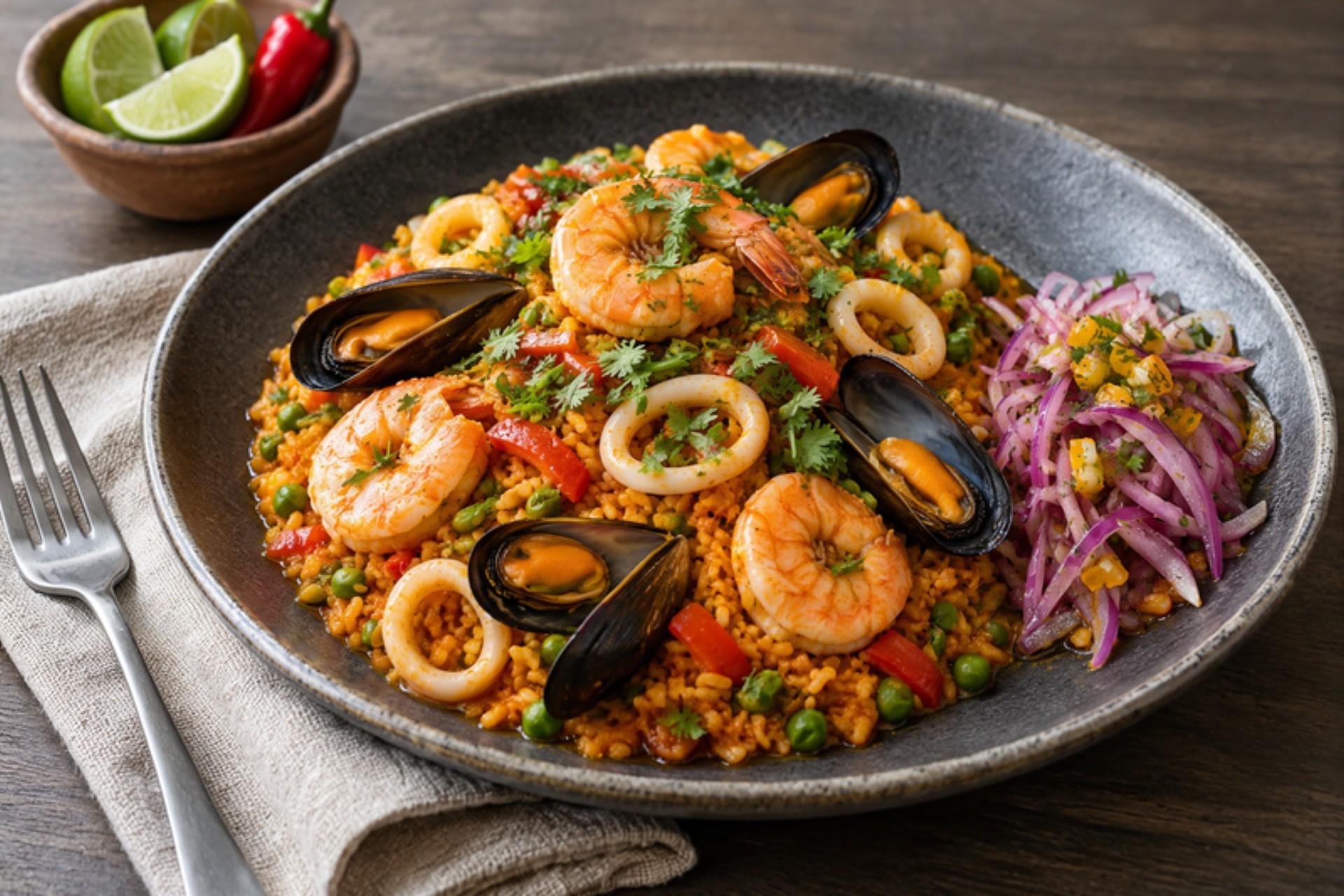
Arroz con mariscosSeafood rice

Arroz con mariscos is the weekend dish of Callao and the beach towns south of Lima, served in cevicherías as the hot partner to a cold ceviche. It is moister than a paella, closer to a risotto, coloured with ají panca and ají amarillo and finished with peas and a little Parmesan-style cheese, as many Lima cooks do. The common mistake is adding all the seafood at the start: the squid turns rubbery and the prawns shrink to nothing. Cook the rice first and add the shellfish only for the final minutes. Discard any mussels that are open before cooking and do not close when tapped, and any that stay shut after cooking. The cheese is often made with animal rennet; use a vegetarian hard cheese if you prefer. Chef's tip: simmer the prawn shells in the stock for 10 minutes; they give the rice its deep seafood taste.

by KrazyBadal 0 views

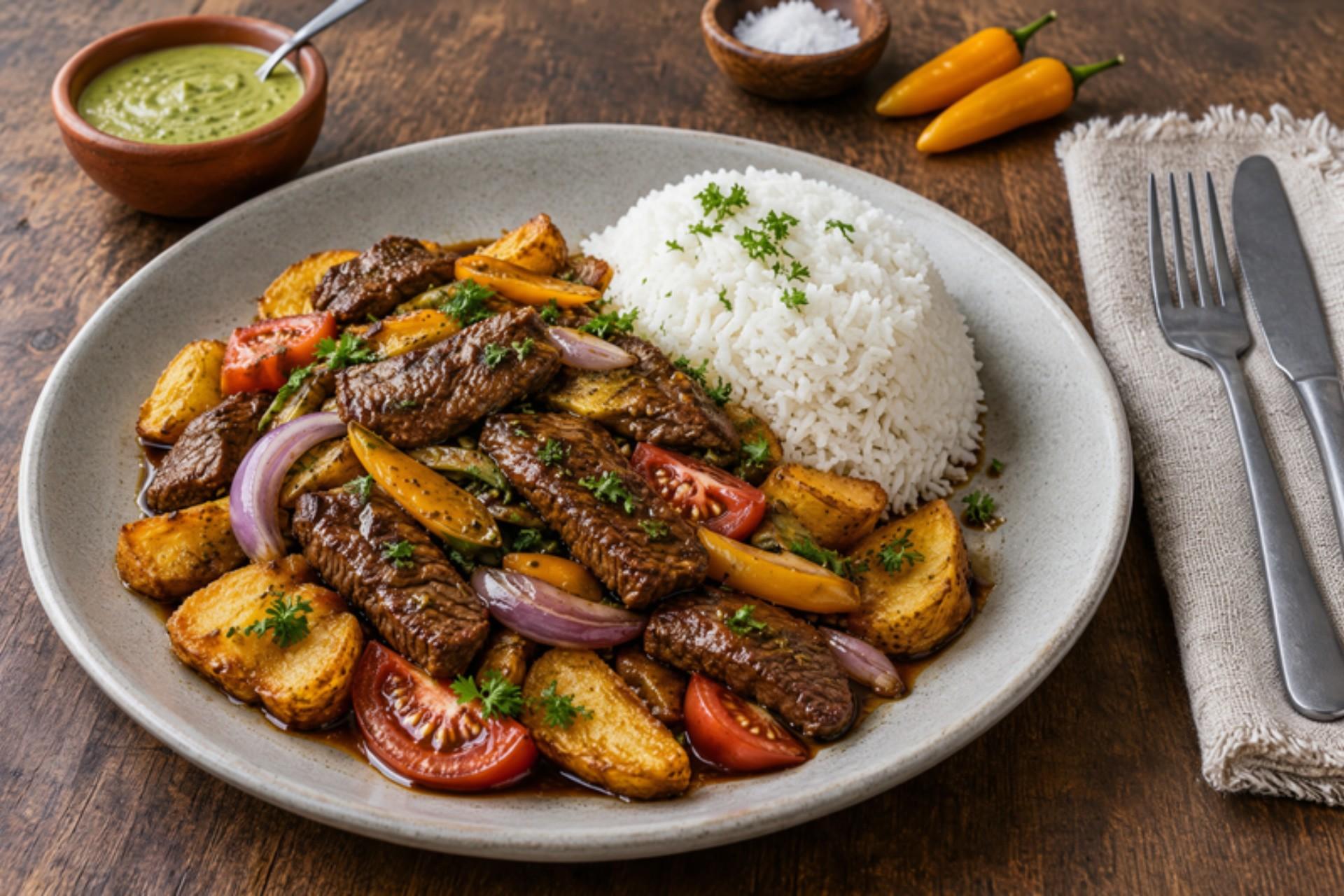
Lomo saltadoBeef stir-fry with chips

Lomo saltado was born in the chifas of central Lima, where Chinese cooks met Peruvian ingredients, and today it is the lunch every Peruvian family makes when they want something fast and a little indulgent. Strips of beef are seared in a smoking-hot wok with red onion, tomato and yellow chilli, splashed with soy sauce and vinegar, then tossed with chips and served beside white rice, so you get both starches on one plate. The common mistake is crowding the wok: the beef stews in its juices and turns grey and chewy instead of charring. Cook it in two batches over the highest heat you have. Chef's tip: add the chips at the very last second, or serve them on the side, so they soak up a little sauce but stay crisp.

by KrazyBadal 0 views

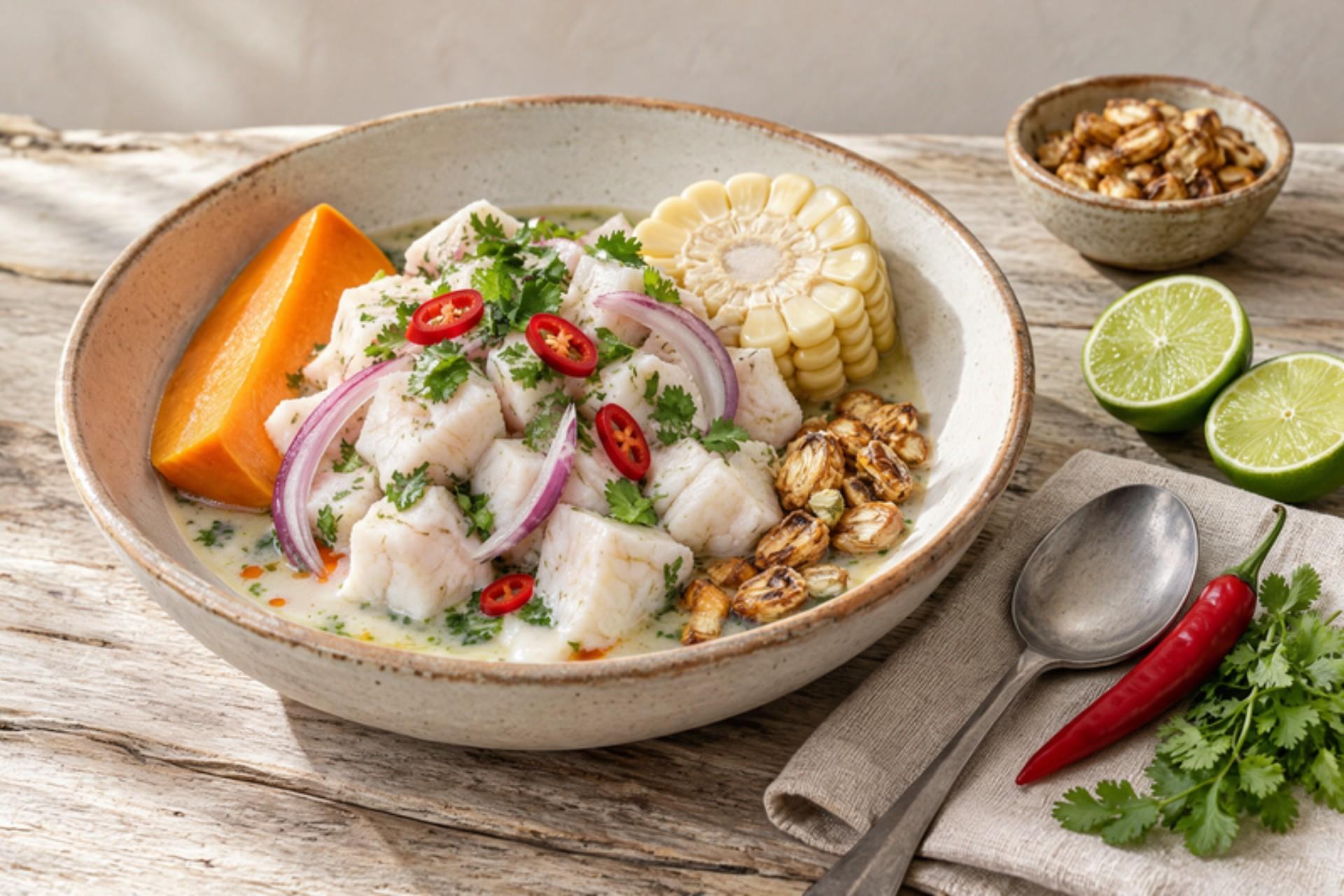
Ceviche peruanoLime-cured white fish

Ceviche is Peru's national dish, eaten at lunchtime in the cevicherías of Lima's Surquillo and Chorrillos markets, because the fish must be fresh off the morning boats and cevicherías traditionally close in the afternoon. The classic is raw white fish 'cooked' in lime juice with red onion, chilli and coriander, served with sweet potato and corn. Lime juice does not kill bacteria or parasites, so this version first poaches the fish for a minute until just opaque, then dresses it, which keeps the classic flavour and texture far safer. Even so, it is not for pregnant women, young children or anyone with a weakened immune system. The usual mistake is leaving the fish in the lime for an hour: it turns chalky and the juice goes bitter. Chef's tip: squeeze the limes gently by hand and stop before the pith; over-squeezed limes make bitter leche de tigre.

by KrazyBadal 0 views

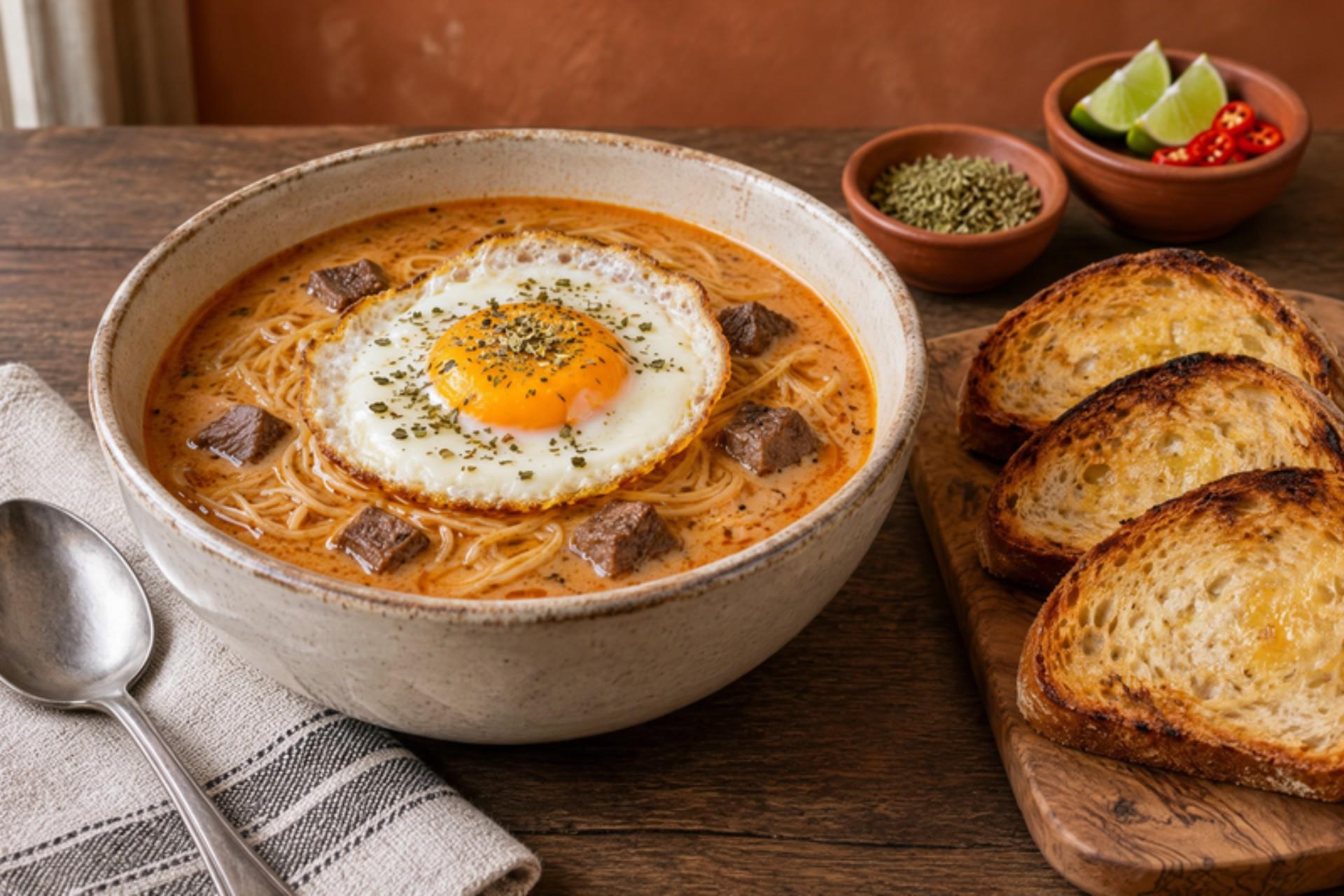
Sopa criollaCreamy beef noodle soup

Sopa criolla is the soup Lima turns to on grey winter evenings, when the garúa mist hangs over the city: a beef broth reddened with ají panca, full of thin noodles and strips of beef, enriched with evaporated milk and finished with a poached egg. It arrives with toasted bread for dunking. The common mistake is boiling the soup after adding the milk; it splits into specks. Lower the heat first and stir it in gently. The beef strips are thin, so they cook through in a few minutes. Chef's tip: crack the eggs straight into the barely simmering soup and leave them alone for three minutes; the whites set into soft ribbons that thicken the broth.

by KrazyBadal 0 views

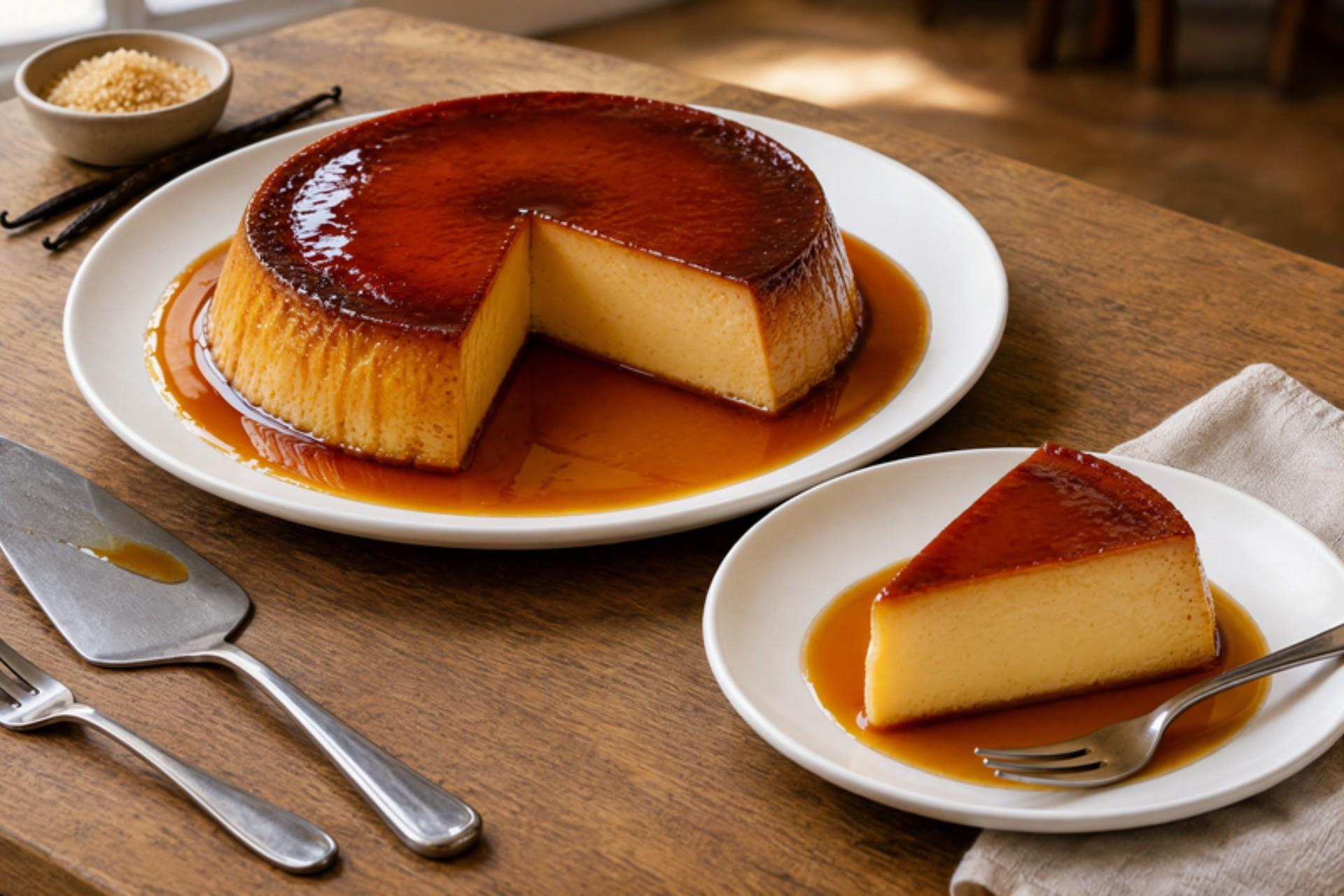
Crema volteadaBaked caramel custard

In Lima, crema volteada is the dessert that appears at Sunday lunch in Miraflores and Barranco homes and at every birthday where an aunt is in charge of the sweets. It is firmer and richer than a Spanish flan because it is made with both evaporated and condensed milk, so it slices cleanly and tastes of toffee. The usual mistake is baking it in an oven that is too hot: the custard boils, fills with tiny holes and weeps. Keep the water bath at a bare simmer and take it out while the centre still wobbles slightly. Chef's tip: chill it overnight before turning it out; a cold custard releases in one piece and the caramel has time to melt into a pourable sauce.

by KrazyBadal 0 views

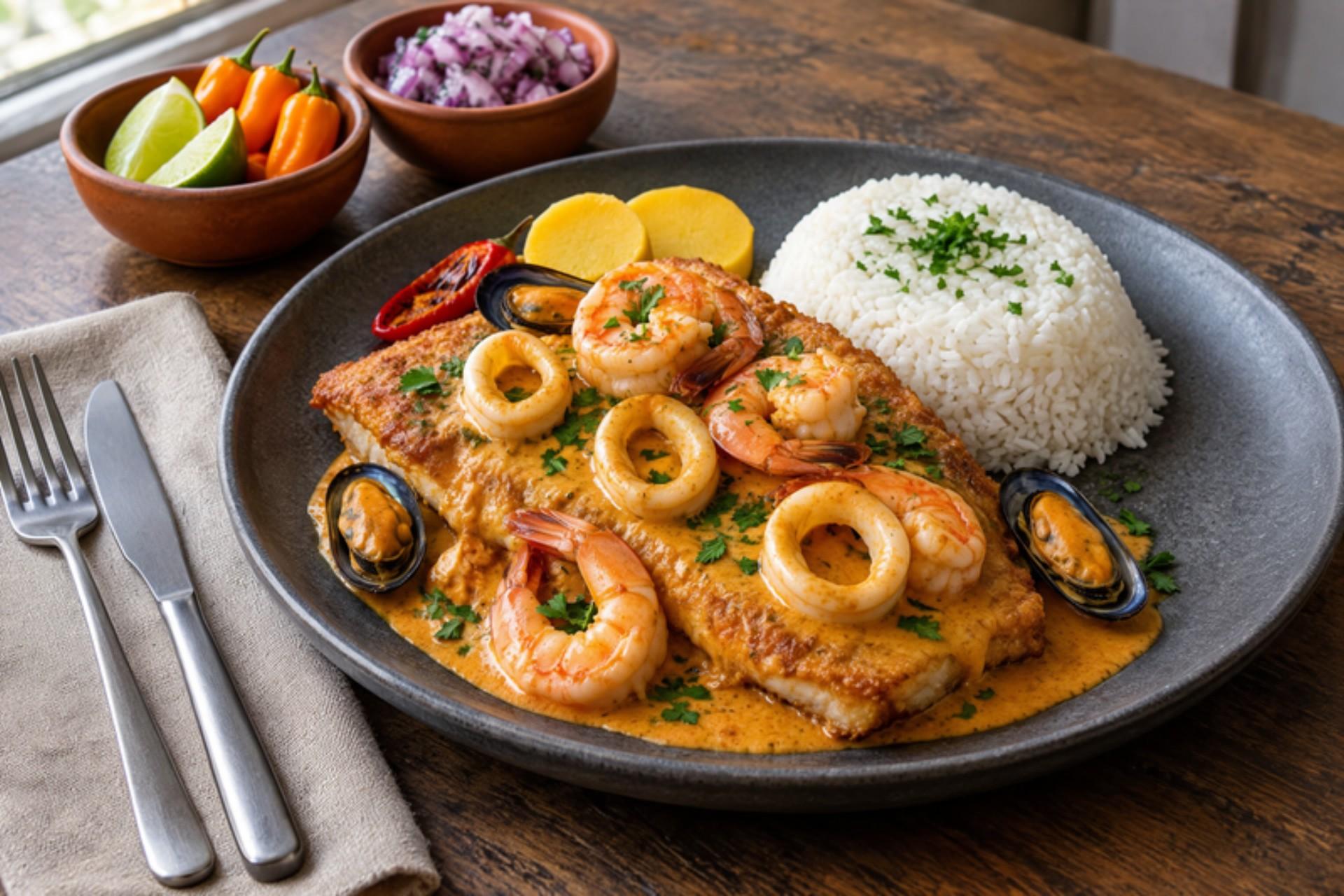
Pescado a lo machoFried fish in spicy seafood sauce

Pescado a lo macho is a classic of Lima's seafood restaurants, the dish people order for a long Sunday lunch near the sea in Chorrillos: a fillet of fried white fish smothered in a thick, spicy sauce of ají panca and ají amarillo packed with prawns, squid and mussels. The name boasts that you need to be brave for the chilli, but you can turn it down. The common mistake is overcooking the seafood while the sauce reduces; add it only when the sauce is already thick. Discard mussels that are open and do not close when tapped, and any that stay shut after cooking. Chef's tip: dust the fish in flour seasoned with cumin and fry it last, so it reaches the table crisp under the sauce.

by KrazyBadal 0 views

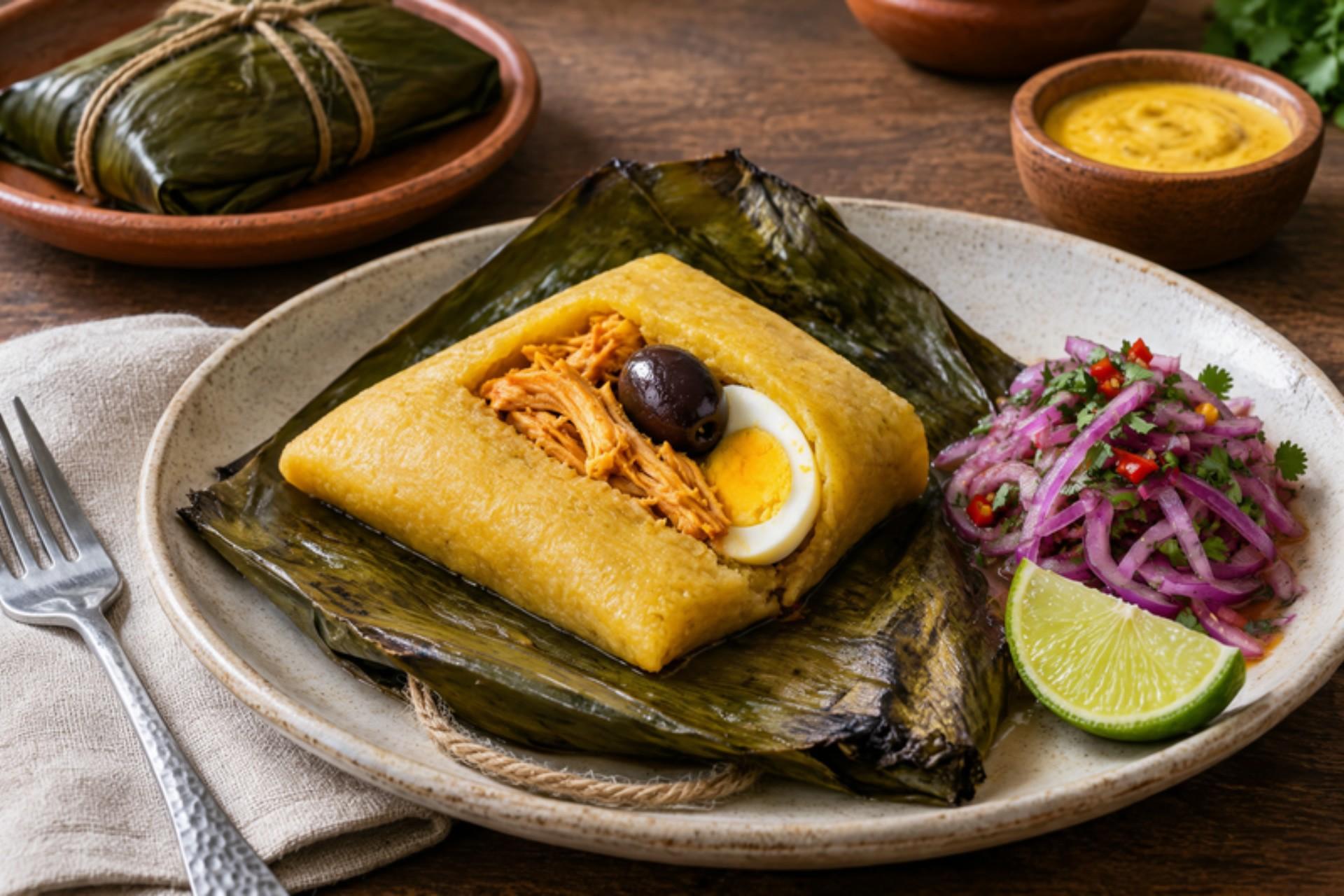
Tamales peruanosChicken corn tamales in banana leaf

In Lima, tamales are a Sunday breakfast, bought warm from street vendors calling 'tamaleeeeros' or made at home for Christmas, and eaten with crusty bread and a pile of salsa criolla. Peruvian tamales are larger and softer than Mexican ones, made from corn dough coloured with ají and wrapped in banana leaves, hiding chicken, a black olive, a slice of egg and a peanut. Peanuts are an allergen, so leave them out if needed. The usual mistake is a dry dough: the tamales turn crumbly. Beat in enough warm stock to make a soft paste that just holds its shape. The chicken must reach 74 °C before it goes in. Chef's tip: fat makes the dough tender; beat the oil and dough for a full 5 minutes until light, as Lima cooks do with pork lard.

by KrazyBadal 0 views

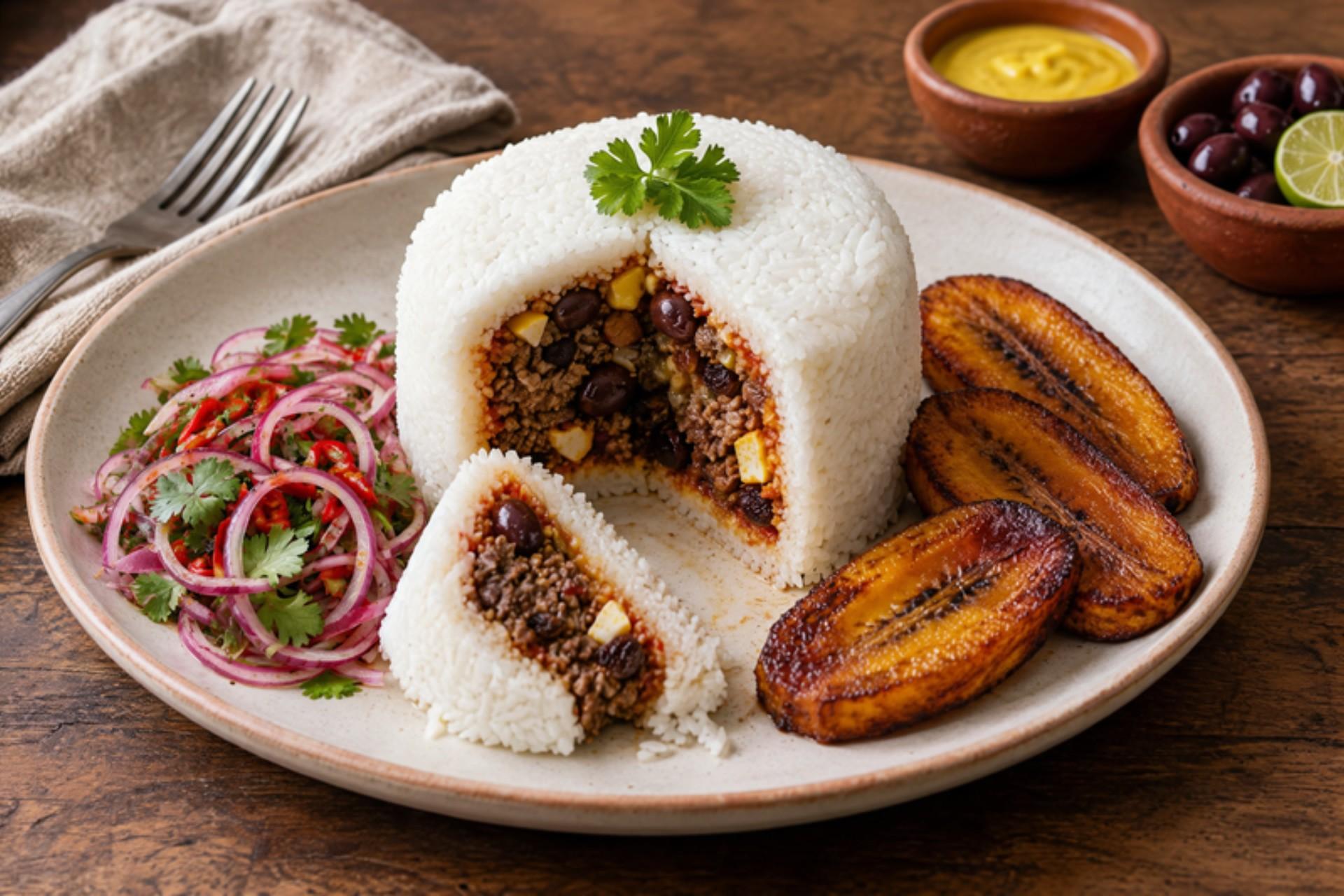
Arroz tapadoRice dome with beef filling

Arroz tapado means covered rice, and it is the thrifty weekday lunch of Lima homes and school canteens: garlic rice pressed into a bowl, filled with a sweet-savoury beef mince and turned out like a dome. The filling of minced beef with onion, ají panca, raisins, black olives and hard-boiled egg is the same picadillo that goes into papas rellenas. The usual mistake is leaving the filling wet: the dome collapses and the rice turns soggy. Simmer it until the pan is almost dry. Minced beef must reach 71 °C, so cook it until no pink remains. Serve with a spoonful of salsa criolla. Chef's tip: brush the bowl with a little oil and pack the rice firmly with the back of a spoon; a well-pressed dome holds its shape on the plate.

by KrazyBadal 0 views

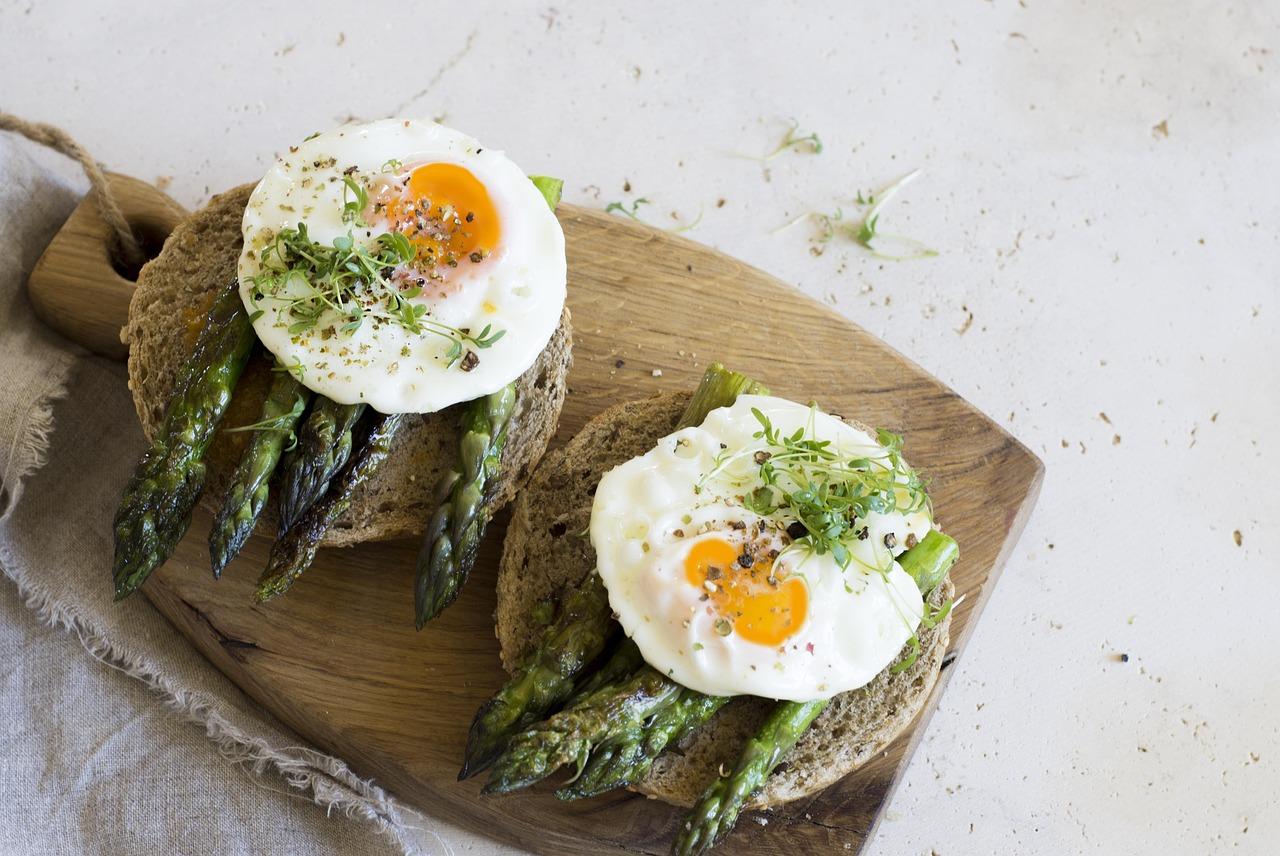
Asparagi alla BismarckAsparagus with fried egg and Parmesan

Asparagi alla Bismarck is how trattorias from the Veneto to Emilia serve the first asparagus of April and May as a light evening meal: just-tender spears laid on a plate, topped with eggs fried in butter, the butter poured over and a snowfall of Parmigiano. Dip the asparagus tips into the yolk and wipe the plate with bread. Parmigiano is always made with animal rennet, so use a vegetarian Italian-style hard cheese for a vegetarian plate. The mistake to avoid is overcooking the asparagus until it droops; it should still stand up straight when you lift a spear by its base. Chef's tip: let the butter foam until it turns hazelnut brown and smells nutty before you spoon it over, which makes the whole dish taste richer.

by KrazyBadal 0 views

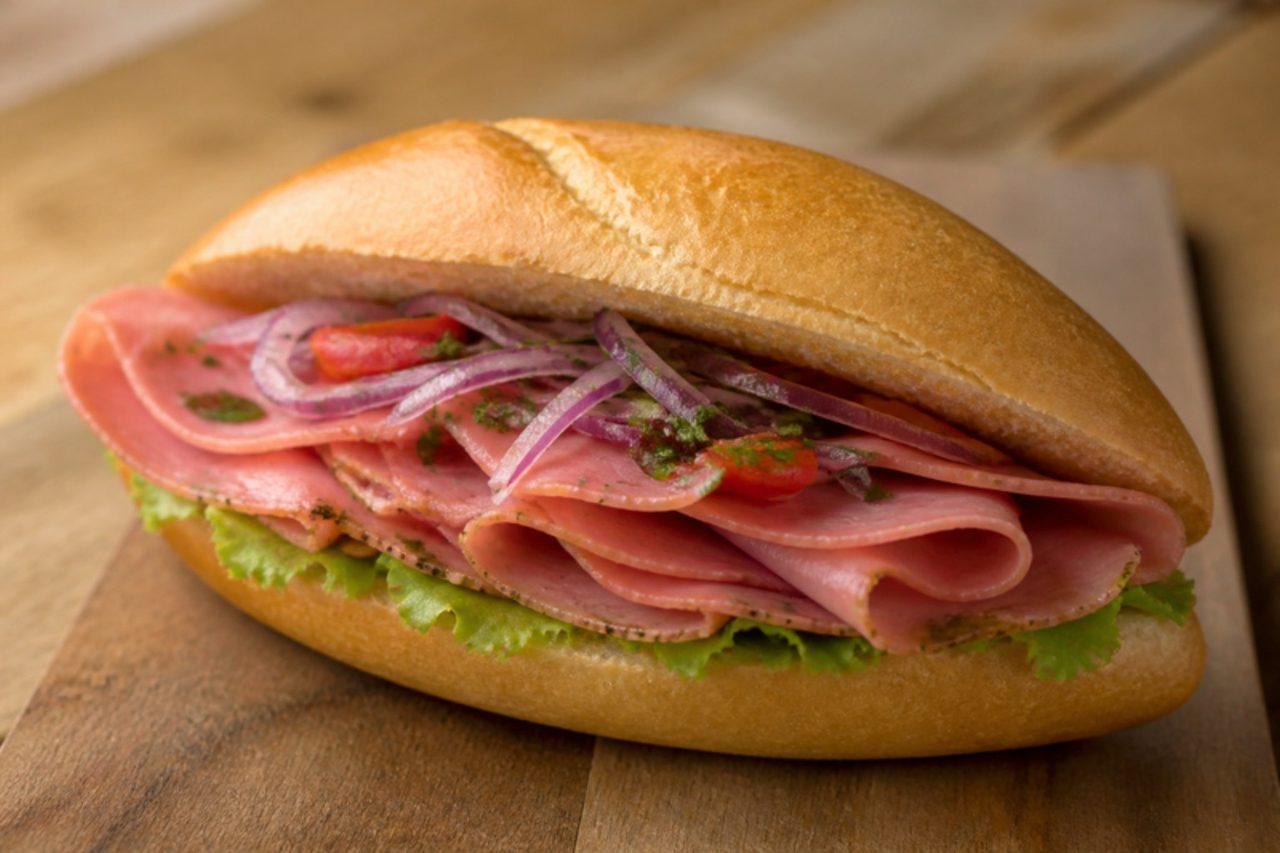
Pan con butifarraHam roll with onion salsa

Pan con butifarra is Lima's evening sandwich, sold in old-school sangucherías and made at home for a light dinner with coffee: a crusty roll filled with jamón del país, a spiced Peruvian pork ham, under a heap of salsa criolla, red onion sliced thin and soaked in lime with chilli. Outside Peru, use a good cooked pork ham. The common mistake is leaving the onion harsh; give it a quick rinse in salted water before dressing it. Chef's tip: a leaf of lettuce under the ham stops the lime juice soaking straight into the bread.

by KrazyBadal 0 views

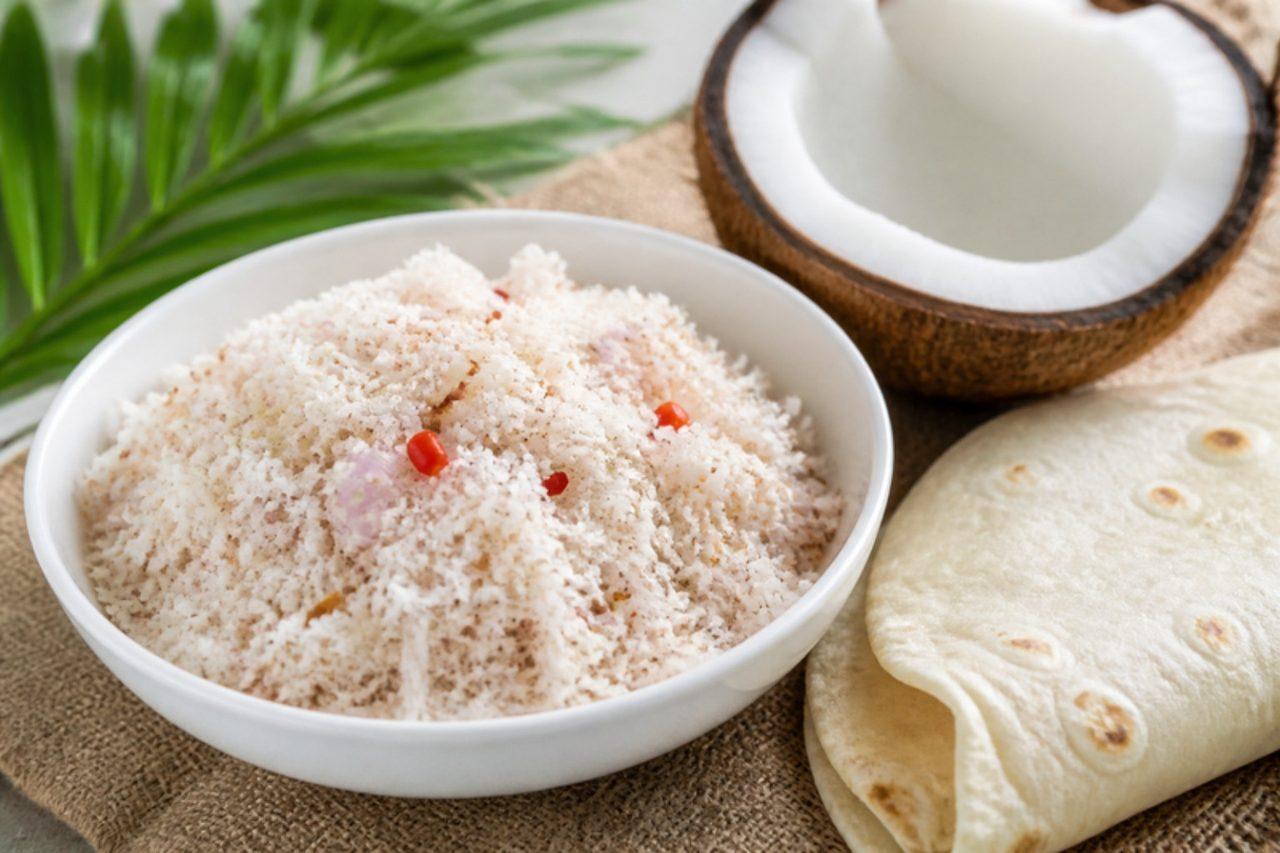
Coconut chokaRoasted coconut and garlic relish

Coconut choka is a smoky Indo-Trinidadian relish from villages in central and south Trinidad, eaten for breakfast or dinner with soft sada roti: pieces of dry coconut are roasted over an open flame until charred in spots, then ground with garlic, onion and hot pepper. It is nutty, smoky and fiery, and needs nothing else but the roti and a cup of tea. The common mistake is only warming the coconut; without proper black spots and a toasted smell it tastes raw. Chef's tip: scrape off only the thickest burnt bits before grinding, since a little char is the whole point. Wear gloves or wash your hands well after handling the hot pepper.

by KrazyBadal 0 views

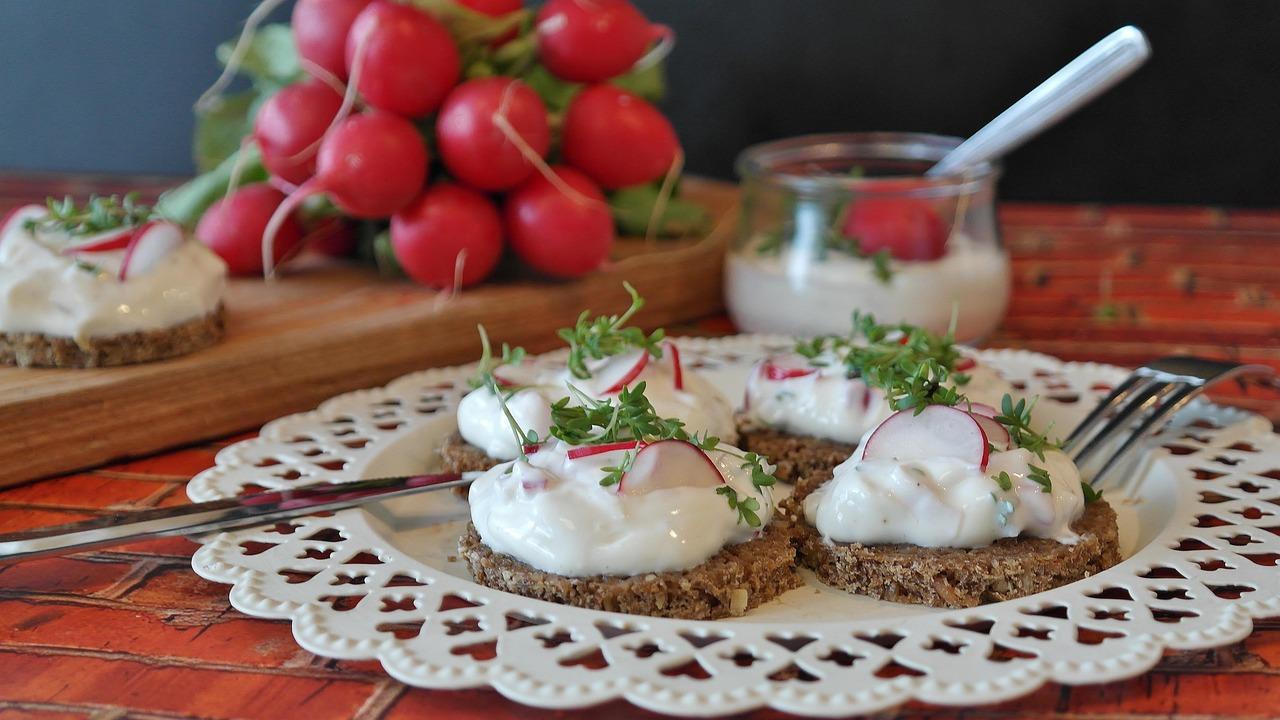
Platte kaas met radijsjesQuark and radish on brown bread

In Flanders the evening meal is often a boterham, a plate of open bread slices, and one of the most loved toppings in Ghent and Antwerp is platte kaas: fresh, soft quark seasoned with chives, salt and pepper, spread thickly on brown bread and covered with crunchy radish slices. It is cool, light and ready in five minutes, a good supper after a big lunch. Some quark and fresh cheeses are set with a little animal rennet, so check the label for a vegetarian one. The common mistake is using thin, low-fat quark straight from the tub, which is watery and slides off the bread; stir it well and drain off any liquid first. Chef's tip: slice the radishes paper-thin and salt them only at the moment you serve, so they stay crisp.

by KrazyBadal 0 views

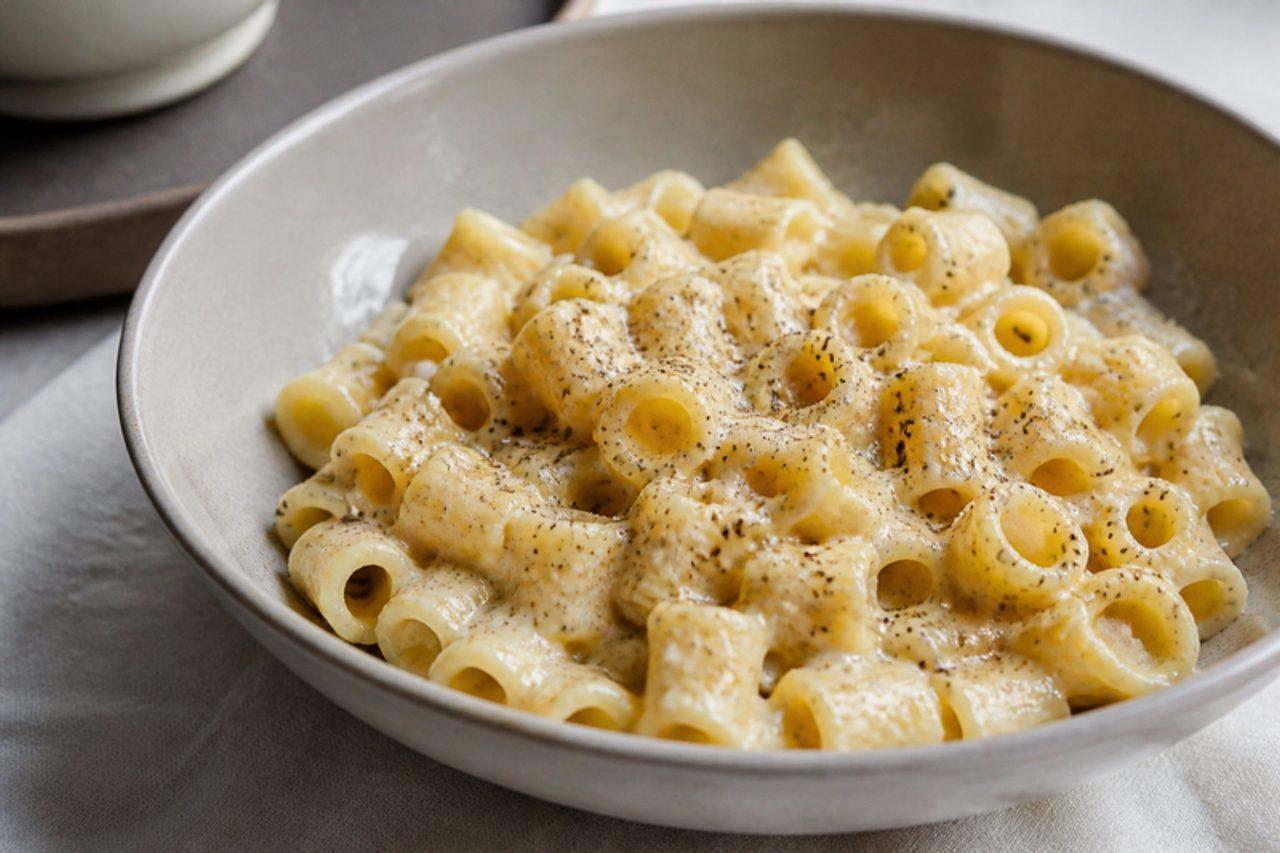
Pasta cacio e ovaPasta with cheese, egg and pepper

In the hill towns of Abruzzo and around Naples, pasta cacio e ova (cheese and egg) is the meatless cousin of carbonara and a classic late supper when the cupboard is nearly bare: short pasta tossed off the heat with eggs beaten with pecorino, Parmigiano and lots of black pepper until it turns into a glossy, golden coating. Children love it. Pecorino and Parmigiano are traditionally made with animal rennet, so choose a vegetarian Italian-style hard cheese if that matters to you. The common mistake is pouring the egg into a pan that is still on a high flame: it scrambles into rubbery bits instead of turning creamy. Chef's tip: keep a mug of the starchy cooking water by the hob; a splash loosens the sauce the moment it starts to tighten.

by KrazyBadal 0 views

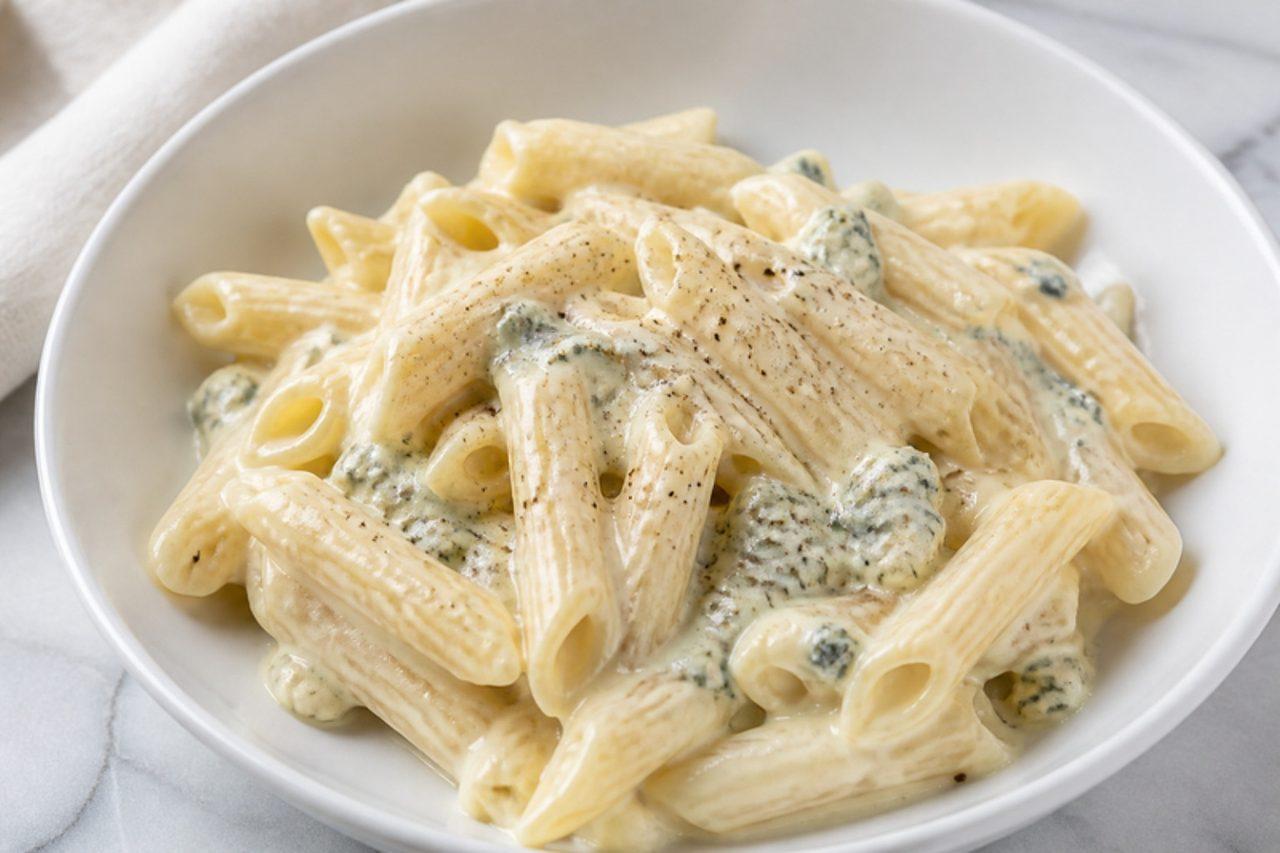
Penne al gorgonzolaPenne with blue cheese sauce

Penne al gorgonzola is the weeknight dinner of Milan and the Piedmontese towns around Novara, where gorgonzola is made: the soft, sweet dolce kind melted with a little butter and milk into a pale, tangy sauce that coats every tube of pasta. It needs only a green salad alongside. Gorgonzola is traditionally made with animal rennet; for a vegetarian dinner choose a soft blue cheese labelled vegetarian. The most common mistake is letting the sauce boil, which splits the cheese into oil and grainy curds. Chef's tip: drain the penne a minute early and let it finish cooking in the sauce, so it drinks up the flavour instead of sitting under it.

by KrazyBadal 0 views

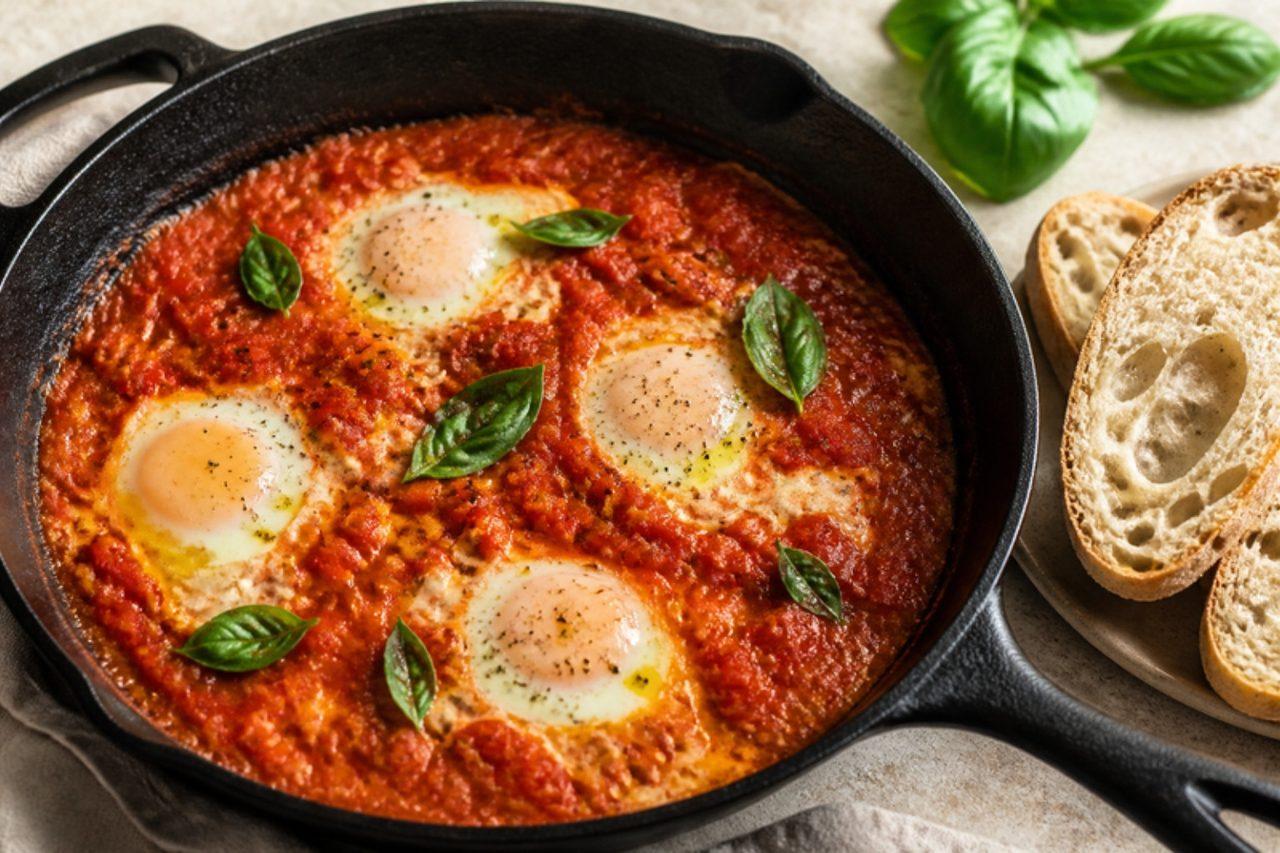
Uova al pomodoroEggs in tomato sauce

Uova al pomodoro, called uova in purgatorio around Naples, is the supper that kitchens from Rome down to Calabria fall back on at the end of the month or on a meatless Friday: a tin of tomatoes, a little garlic and basil, and eggs cooked gently in the sauce until set. The whites turn tender, the sauce goes sweet and thick, and a hunk of bread does the rest. The usual mistake is adding the eggs to a thin, watery sauce; they spread out, poach in pink liquid and the dish turns soupy. Chef's tip: crack each egg into a cup first, then slide it into a well in the sauce so the yolk stays whole and sits exactly where you want it.

by KrazyBadal 0 views

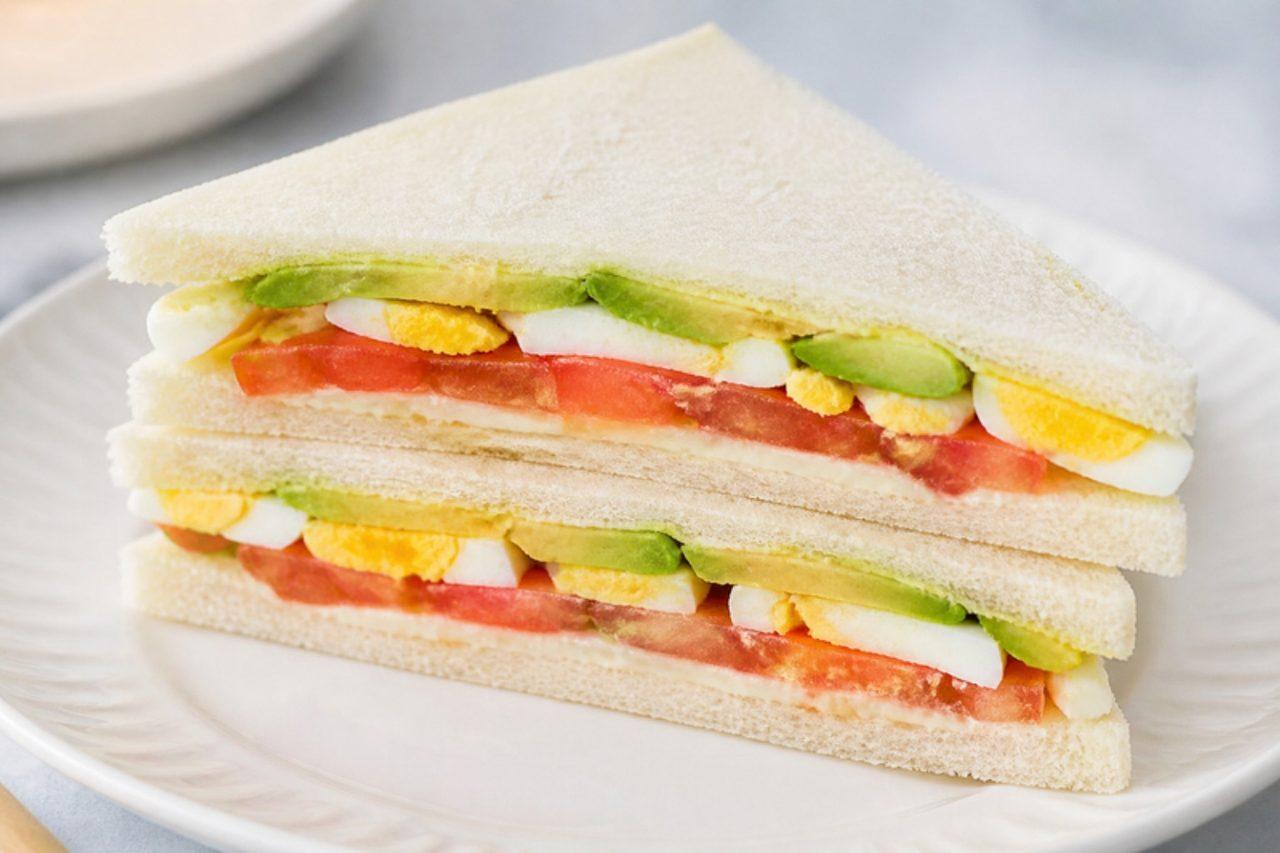
TripleAvocado, tomato and egg sandwich

The triple is the soft, layered sandwich of Lima's cafés and bakeries, eaten at lonche, the Peruvian late-afternoon meal, or as a light supper: three slices of crustless white bread layered with avocado, tomato and sliced hard-boiled egg, all held together with mayonnaise. It looks neat, tastes fresh and is loved by children. Shop-bought mayonnaise is made with pasteurised egg, so it is safe for everyone. The common mistake is letting wet tomato touch the bread, which turns it soggy within minutes. Chef's tip: pat the tomato dry and sit it between the avocado and egg, then press the sandwich under a board for a minute before cutting.

by KrazyBadal 0 views

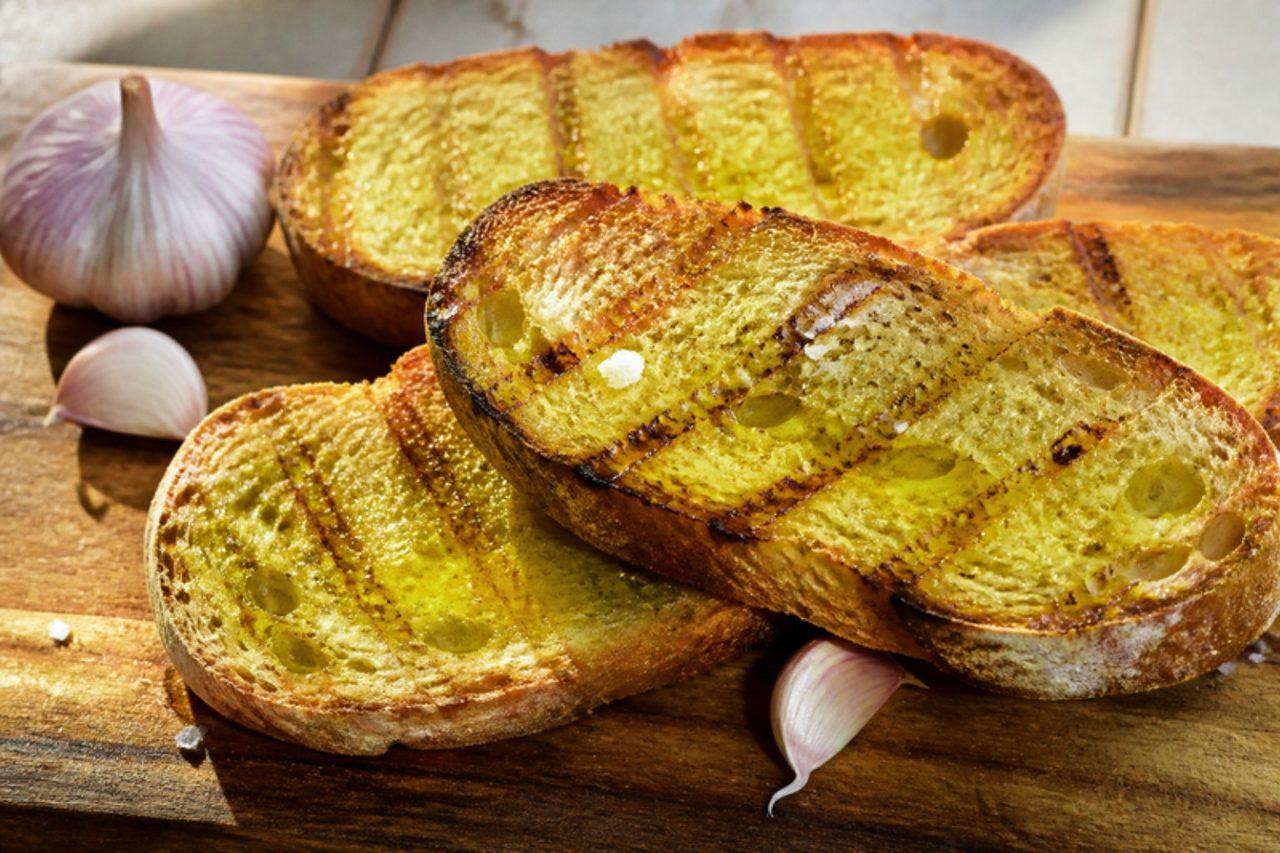
FettuntaGarlic bread with olive oil

In Tuscany fettunta (from 'fetta unta', oiled slice) is the ritual of November, when the olive mills press the new season's oil and families in Florence and the Chianti hills grill thick slices of bread, rub them with garlic and pour the green, peppery oil over. With a bowl of beans or a few leaves of cavolo nero, it is supper. The common mistake is rubbing garlic onto cold or barely toasted bread; it needs a rough, charred, hot surface or the garlic just slides around. Chef's tip: be generous with the oil, so it soaks into the crumb, and salt only at the very end so the flakes stay crunchy.

by KrazyBadal 0 views

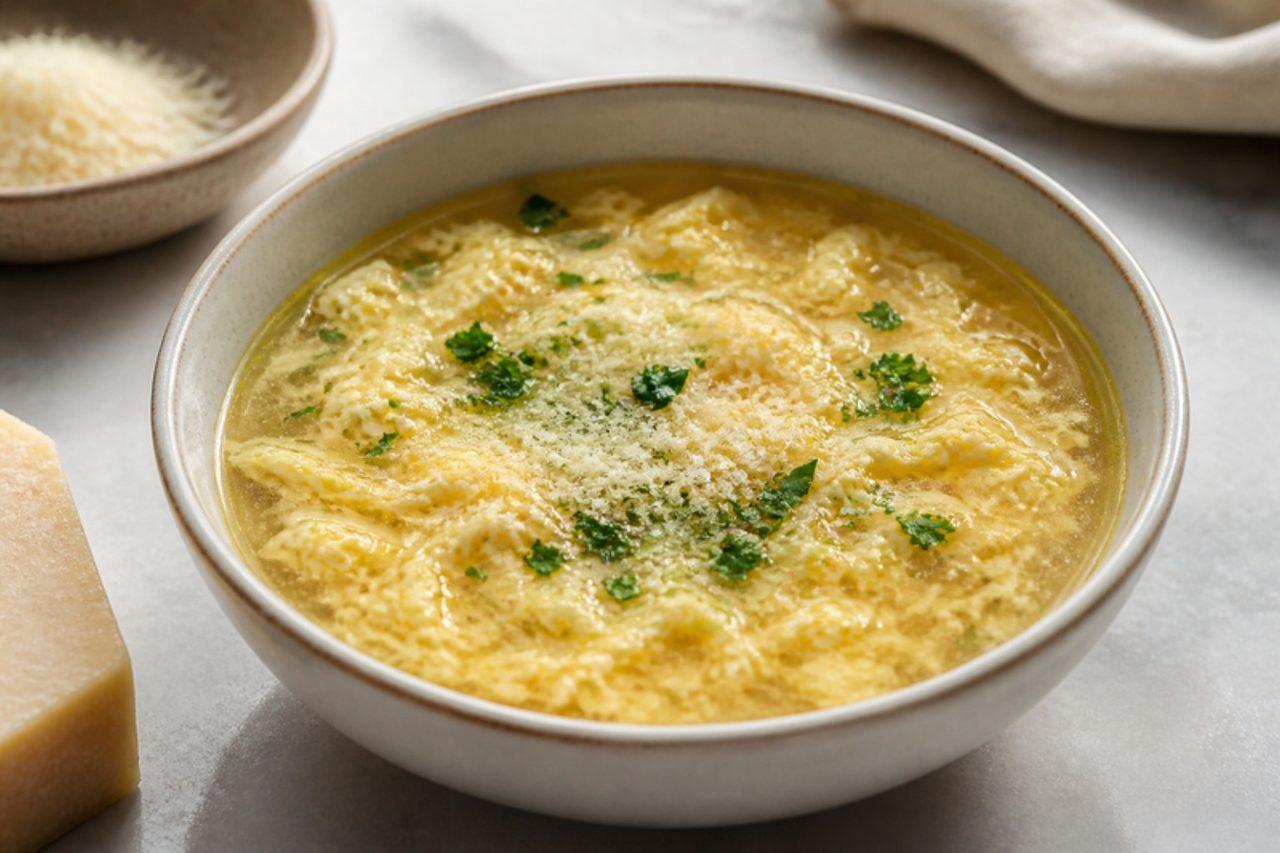
Stracciatella alla romanaEgg and Parmesan broth

In Roman homes stracciatella is the soup of Easter week and of any cold evening when someone needs looking after: a pot of good chicken broth with eggs, Parmigiano and a scrape of nutmeg beaten in so they set into soft, ragged threads. It is light but filling, and takes ten minutes if the broth is already made. The common mistake is pouring the egg into broth at a rolling boil, which turns it into rubbery lumps; a gentle simmer gives fine, silky rags. Chef's tip: beat a spoonful of semolina into the eggs, as many Roman cooks do, so the threads hold together and the soup has a little body.

by KrazyBadal 0 views

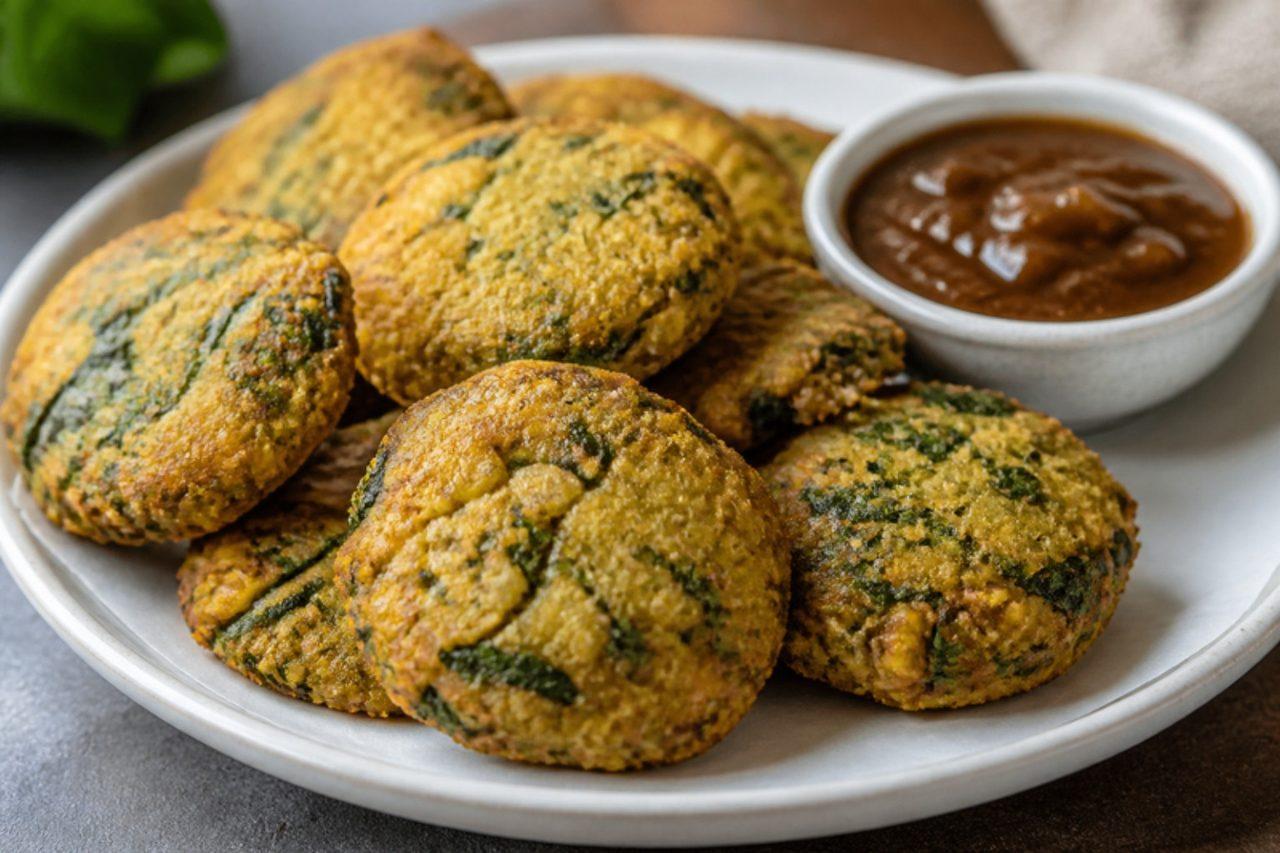
KachourieSplit pea and spinach fritters

At Divali nagars and Phagwah gatherings in Trinidad, the food tents sell paper bags of kachourie with a squirt of tamarind or mango chutney. They are made from yellow split peas soaked overnight and ground coarse with garlic, hot pepper and geera (cumin), then mixed with chopped spinach or bhaji leaves and spooned into hot oil, giving a craggy outside and a soft, savoury middle. They are naturally vegan and, without baking powder, gluten-free. Common mistake: adding water while grinding, which gives a runny batter that soaks up oil; grind in short bursts with only a spoon or two of water, and the fritters are done when they are deep golden and sound hollow when tapped. Chef's tip: beat the ground batter with a spoon for a minute to whip in air, which makes them lighter.

by KrazyBadal 0 views

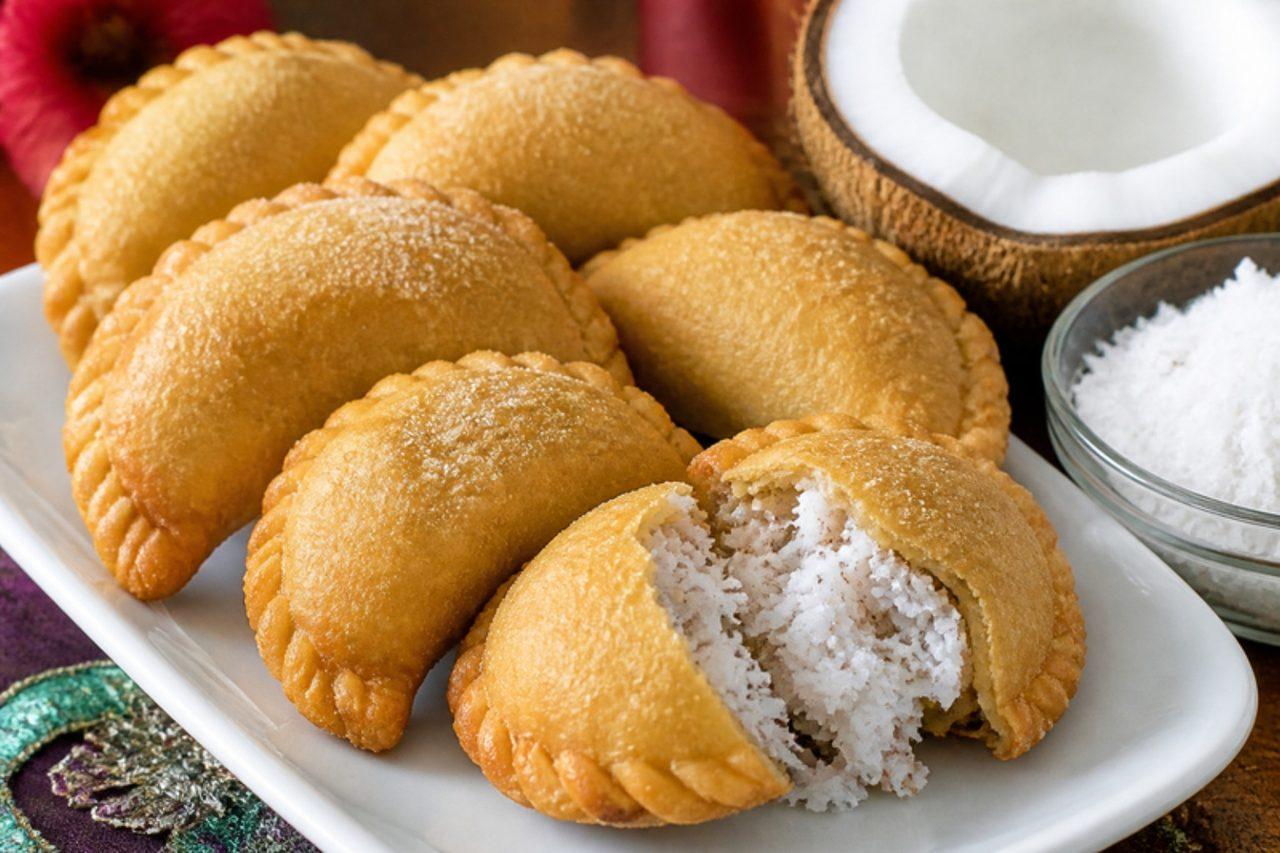
GojhaSweet coconut half-moon pastries

When Divali comes to Trinidad, Hindu families light rows of clay deyas along bamboo frames, and the kitchen fills up with sweets to share with neighbours of every faith: kurma, parsad, barfi and gojha. Gojha are the Caribbean cousin of the North Indian gujiya: a short dough rolled thin, filled with grated coconut cooked with brown sugar, cinnamon, nutmeg and ginger, folded into half-moons, crimped and fried golden; the same tray reappears at Phagwah, the spring colour festival. Common mistake: frying in oil that is too hot, which browns the outside while the pastry stays raw; keep the oil at about 170 °C and fry until the bubbles slow and the gojha are evenly golden. Chef's tip: seal the edges with a dab of water and crimp them tightly, or the filling leaks and spits in the oil.

by KrazyBadal 0 views

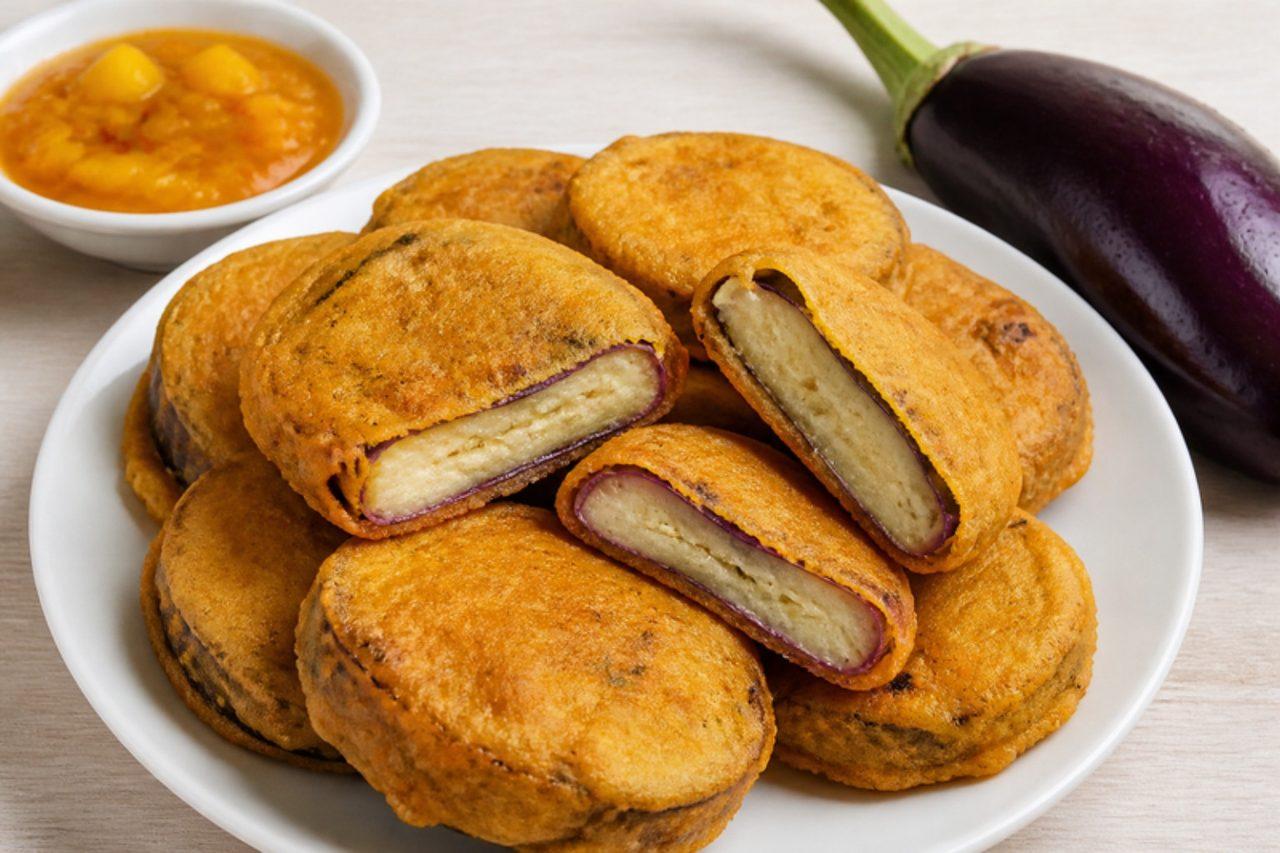
BaiganeeAubergine in split pea batter

Baiganee is the Trinidadian answer to Bengal's beguni, brought by indentured labourers and changed by the island: the melongene (aubergine) slices are coated in a batter of ground split peas with garlic, geera and hot pepper rather than gram flour, and they turn up on Divali and Phagwah trays and at every Indo-Trini wedding next to pholourie and saheena. The batter fries into a thick, crunchy shell around soft, creamy aubergine. Common mistake: slicing the melongene too thick, so it stays raw while the batter burns; cut it 5 mm thin and fry until the batter is golden and a knife goes through the centre with no resistance. Serve with mango or tamarind chutney. Chef's tip: salt the slices for 10 minutes and pat them dry, so the batter sticks and the oil does not spit.

by KrazyBadal 0 views

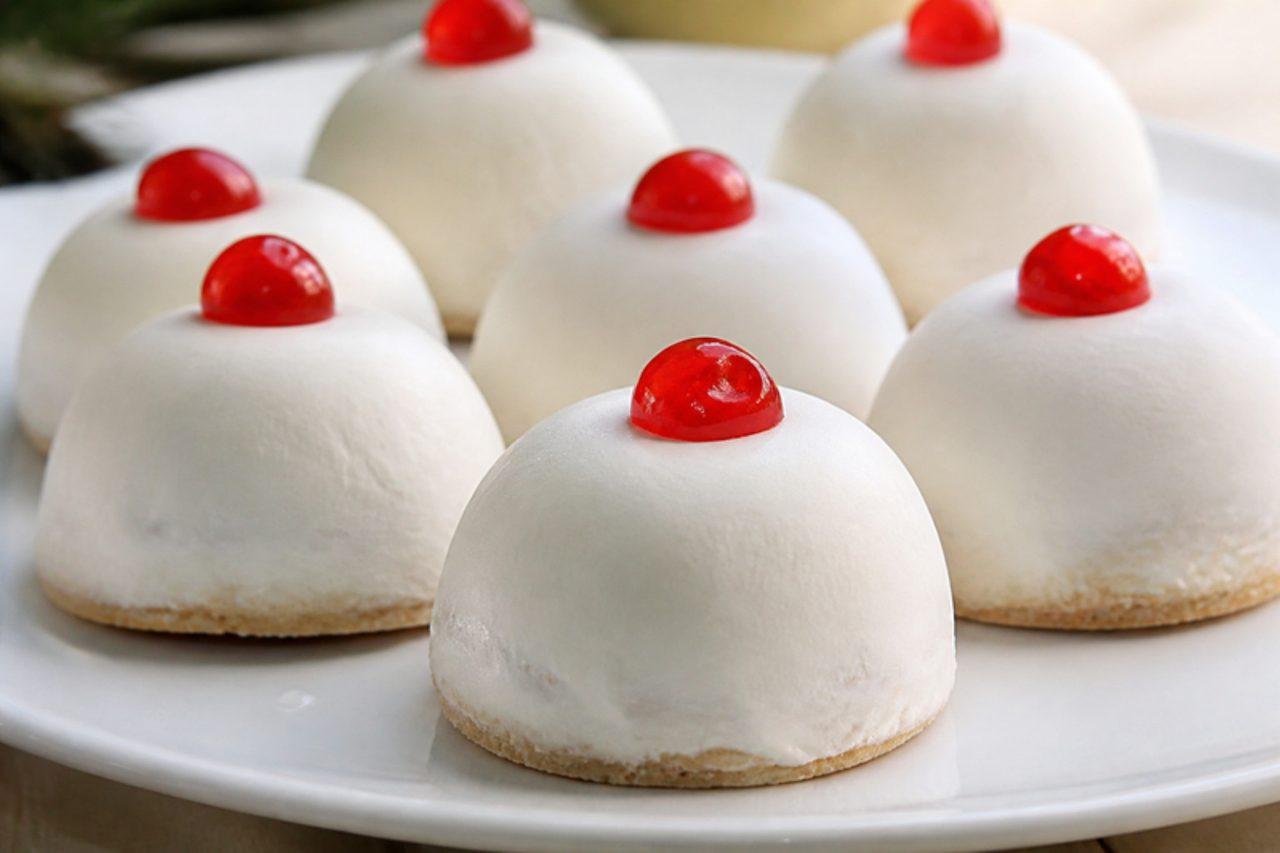
Minne di Sant'AgataDomed ricotta cakes

Catania's patron saint, Agatha, was martyred by having her breasts cut off, and for her feast on 5 February the city's pastry shops make minne (also minnuzzi): small domed cakes of sponge filled with sweet ricotta, chocolate chips and candied fruit, covered in white icing and topped with a candied cherry. They are eaten during the three days of processions. Many bakers brush the sponge with a liqueur syrup; this one uses an orange syrup and is alcohol-free. Choose a vegetarian ricotta if needed. Chef's tip: drain the ricotta overnight and sieve it with the sugar for a silky filling.

by KrazyBadal 0 views

Cavallo di San MartinoShortbread horse and rider

On 11 November in Venice, children go from shop to shop banging pots and singing for San Martino, and every pastry window fills with big shortbread horses carrying the saint on horseback, cut out, iced and studded with sweets and chocolates. The biscuit is a plain, buttery pasta frolla that holds its shape well, and the fun is all in the decoration, so it's a perfect baking afternoon with children. Chef's tip: chill the cut shapes for 15 minutes before baking so the horse's legs and sword keep sharp edges.

by KrazyBadal 0 views

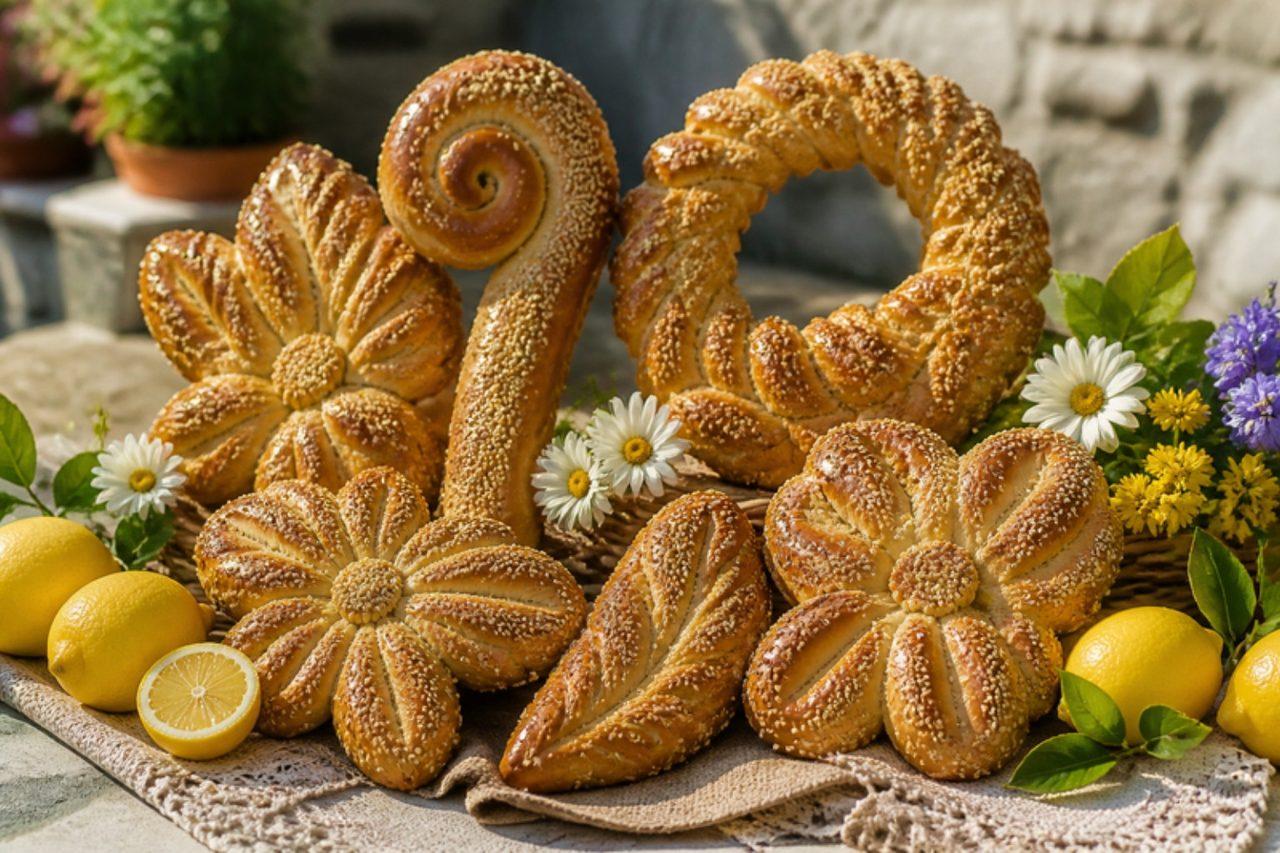
Pane di San GiuseppeSculpted festival breads

For St Joseph's Day on 19 March, families in western Sicily (Salemi, Trapani, Marsala) build 'tavolate' or altars to the saint, laden with ornate, sculpted breads: beards for Joseph, a staff, flowers, birds, fish and the hand of God. The breads are later given to the poor and to guests. The dough is a firm, plain semolina bread, so it holds fine detail, brushed with egg and scattered with sesame. Shape a few simple ones first; they are as much decoration as food. It is vegan, glazed with water rather than the egg some bakers use. Chef's tip: keep the dough firm and rest it so it doesn't spring back; soft dough loses its shapes in the oven.

by KrazyBadal 0 views

Showing 24 of 1,001 recipes

Show more recipes

Page 1 of 42