Skip to content
Recipes

All recipes

Vegetarian, or something you can't eat? Set your diet once and we'll hide recipes that don't fit.

Šakotis

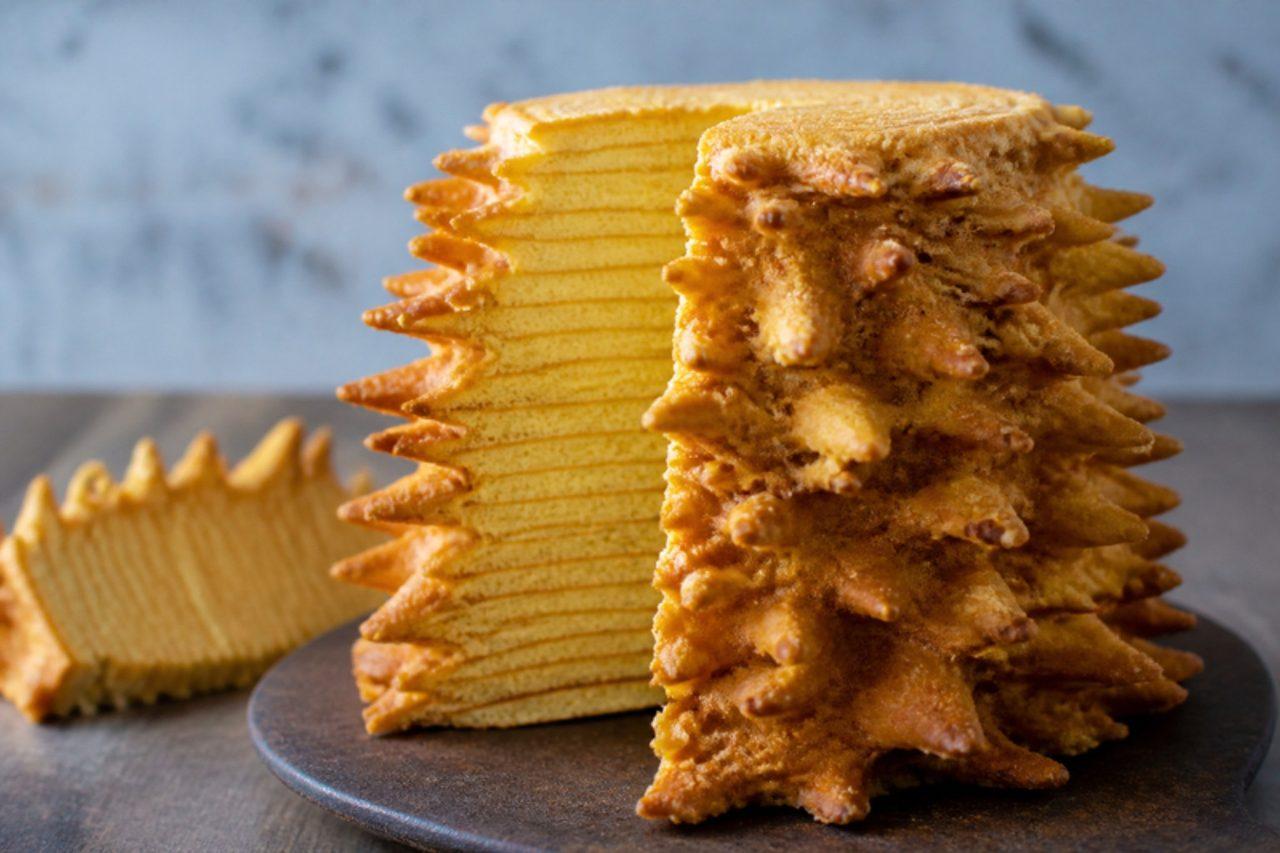
Šakotis, 'branched', is the tall, spiky cake that crowns Lithuanian weddings and christenings: a rich egg batter dripped over a turning spit in front of an open fire, layer after layer, so the drips harden into branches that stick out like a fir tree. Specialist bakers around Druskininkai and Vilnius make them to order. At home, a foil-wrapped rolling pin turned slowly under a hot grill builds a smaller version. A common mistake is a thin batter, which runs off instead of forming spikes. Chef's tip: turn the spit slowly as you ladle on each layer and let the drips set before the next coat; the spikes form where the batter drips and hardens.

280 minBalticBaking
by KrazyBadal 0 views

Kugelis

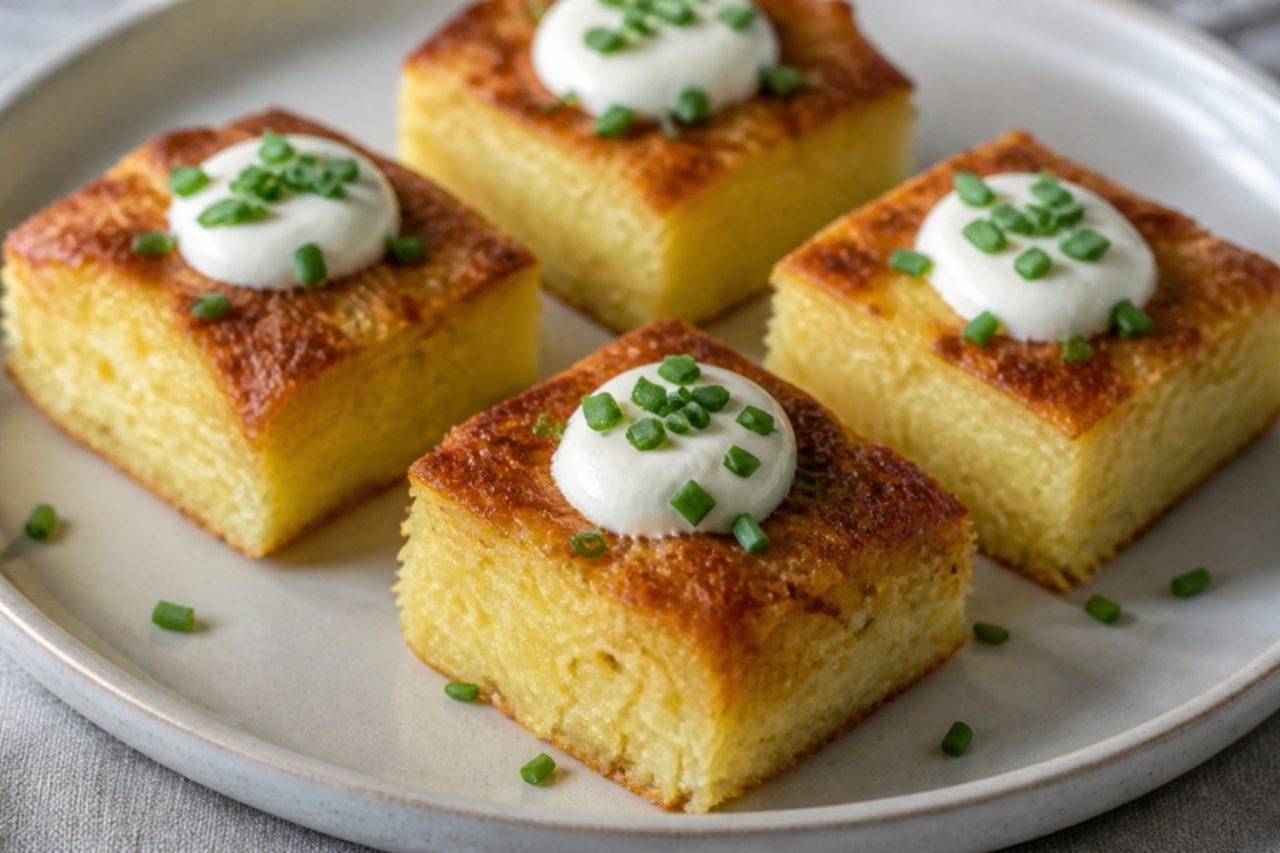
Kugelis is Sunday food all over Lithuania: raw potatoes grated very finely, mixed with eggs, hot milk and fried onion, then baked for over an hour in a deep tin until the top and edges are dark and crisp and the inside is dense and creamy. It is cut into squares and eaten with sour cream. Lithuanian families usually add bacon; this version uses plenty of onion fried in butter. A common mistake is leaving the grated potato to sit, which turns it grey. Chef's tip: pour hot milk over the potatoes as soon as they are grated; it stops them darkening and helps the pudding set.

by KrazyBadal 0 views

Mulgipuder

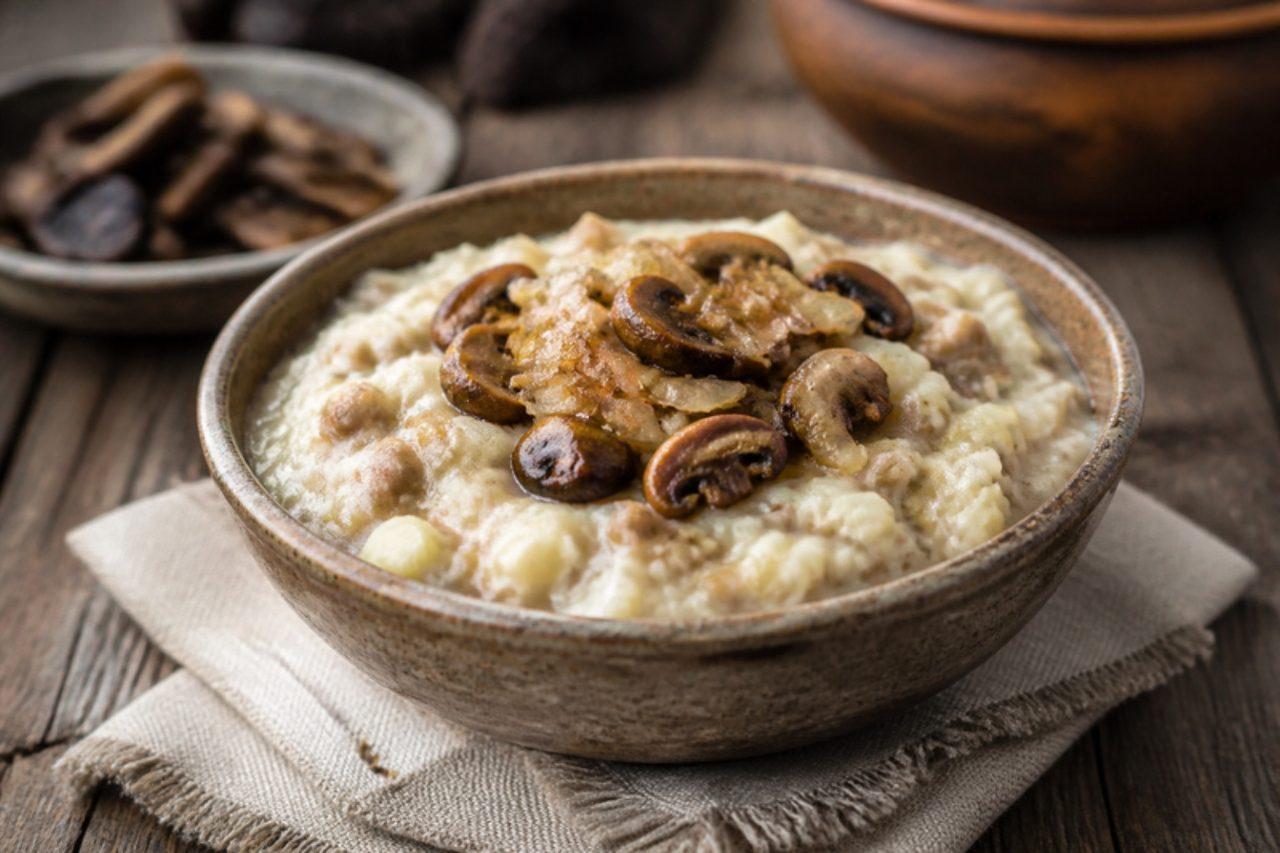
Mulgipuder comes from Mulgimaa, the old farming region of southern Estonia around Viljandi, and it has become one of the country's national dishes: potatoes and barley groats boiled together and mashed into a thick, nutty purée. It is normally topped with fried bacon and onion; this version uses mushrooms and onion fried in butter. It is eaten with sour milk or kefir and pickles. A common mistake is using too little water, so the barley stays hard while the potatoes are already soft. Chef's tip: start the barley first and add the potatoes after 20 minutes, so both are tender at the same moment.

by KrazyBadal 0 views

Kibinai

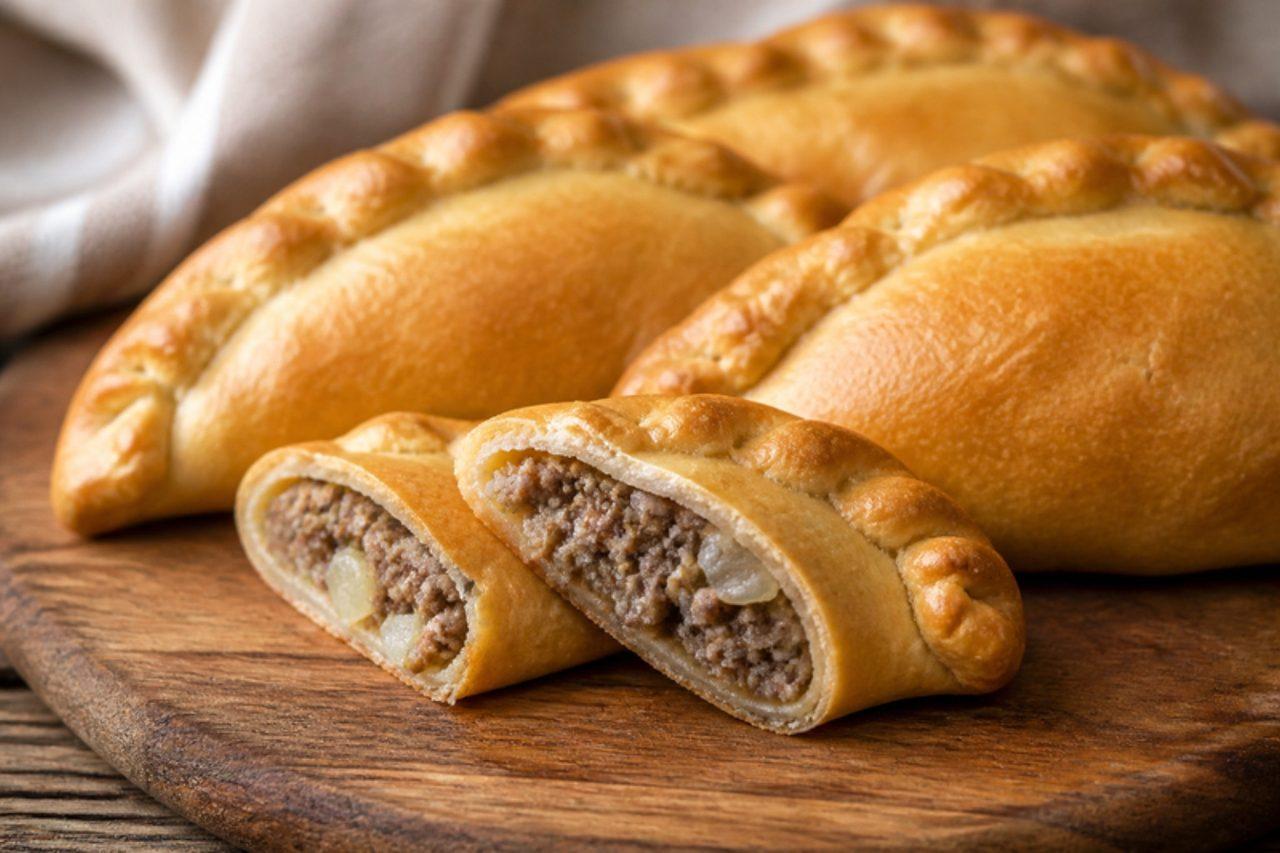
Kibinai are the pastries of the Karaim, a small Turkic community settled in Trakai, the lake-island castle town near Vilnius, since the 14th century. Every café along Karaimų street sells them hot from the oven: half-moon pastries of flaky, buttery dough with a juicy filling of chopped lamb and onion, crimped along the top. A common mistake is mincing the meat; the Karaim chop it into small cubes so the filling stays juicy. Chef's tip: use cold dough and bake hot, so the pastry flakes and the juices stay sealed inside. The filling must reach 71 °C.

by KrazyBadal 0 views

Kama

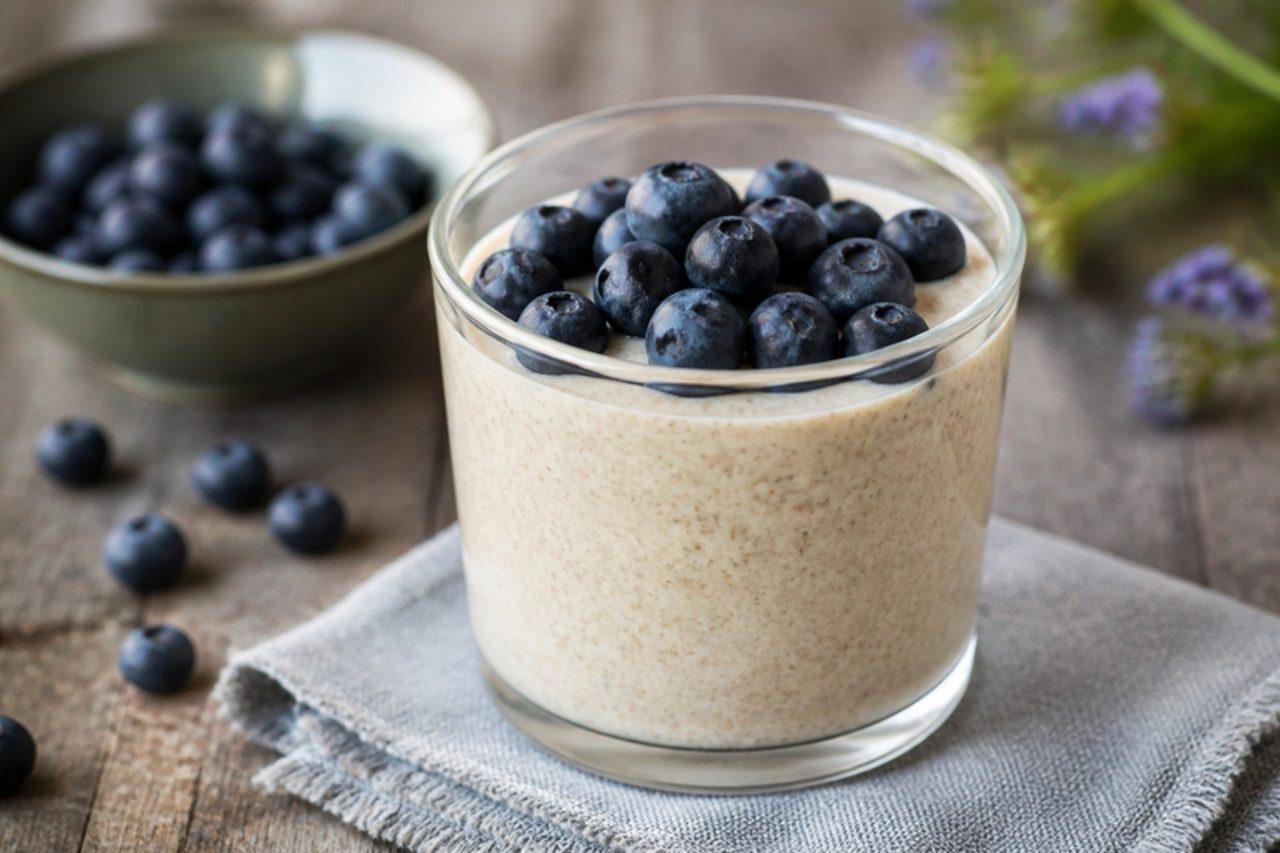
Kama is a uniquely Estonian food: a fine flour of roasted barley, rye, oats and peas, sold in every Tallinn supermarket, stirred into kefir, buttermilk or yogurt with a little sugar or honey and berries. It was once farmers' food for the fields; today it is a fast, filling breakfast and the flavour of Estonian ice creams and sweets. If you can't find kama, roast equal parts barley, rye and oat flour with a little pea flour in a dry pan until nutty. A common mistake is eating it at once; give it a few minutes to thicken. Chef's tip: stir in the kama, leave for 5 minutes, then add the berries, so it thickens like a mousse.

by KrazyBadal 0 views

Sklandrausis

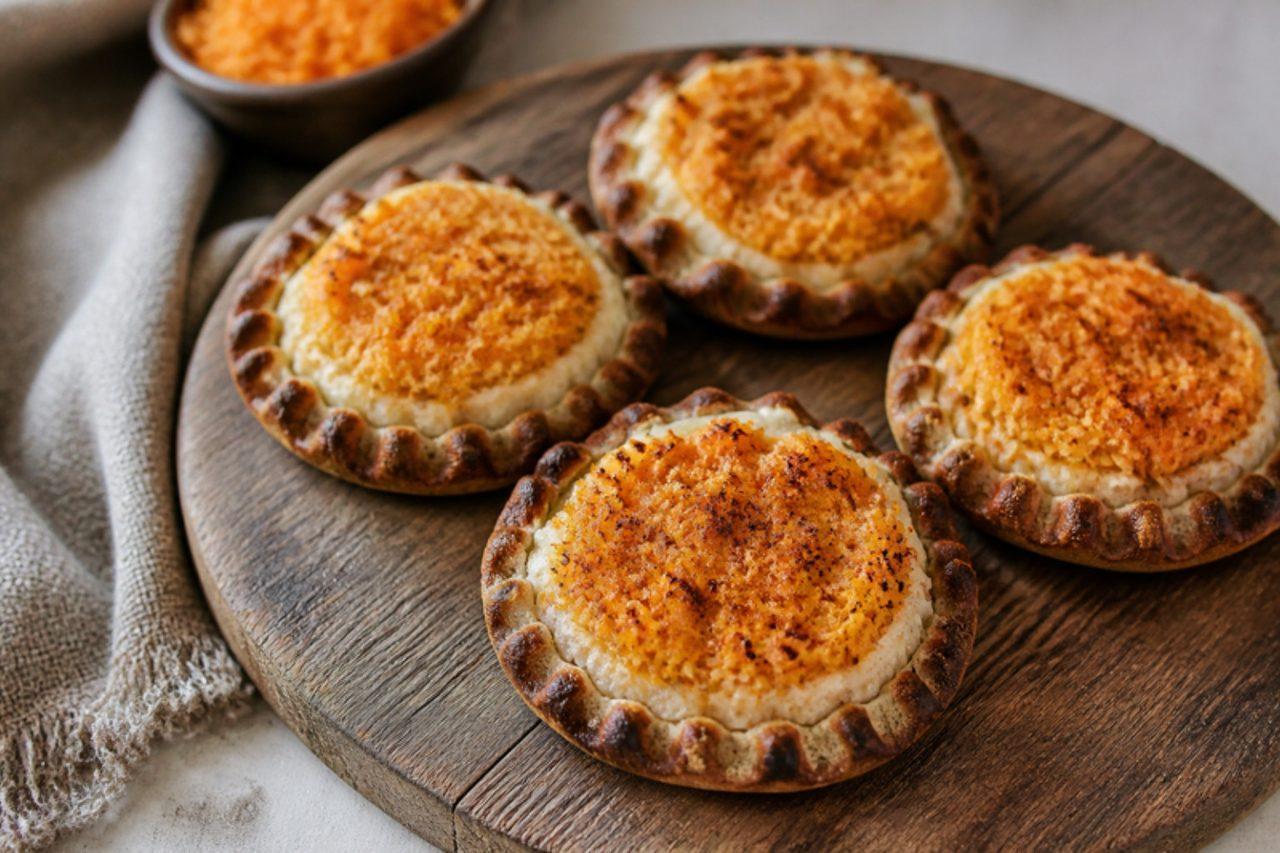
Sklandrausis is the ancient pie of Kurzeme in western Latvia, an EU-protected speciality: a thin, crisp shell of rye pastry filled with a layer of mashed potato and a second layer of sweetened carrot spiced with cinnamon, baked until the carrot caramelises at the edges. It is sweet, earthy and served at midsummer (Jāņi) and folk festivals. A common mistake is rolling the rye dough thick, which makes the shell hard and heavy. Chef's tip: work the dough while warm and roll it thin; rye pastry made with hot water is soft and easy to pinch up into a rim.

by KrazyBadal 0 views

Cepelinai

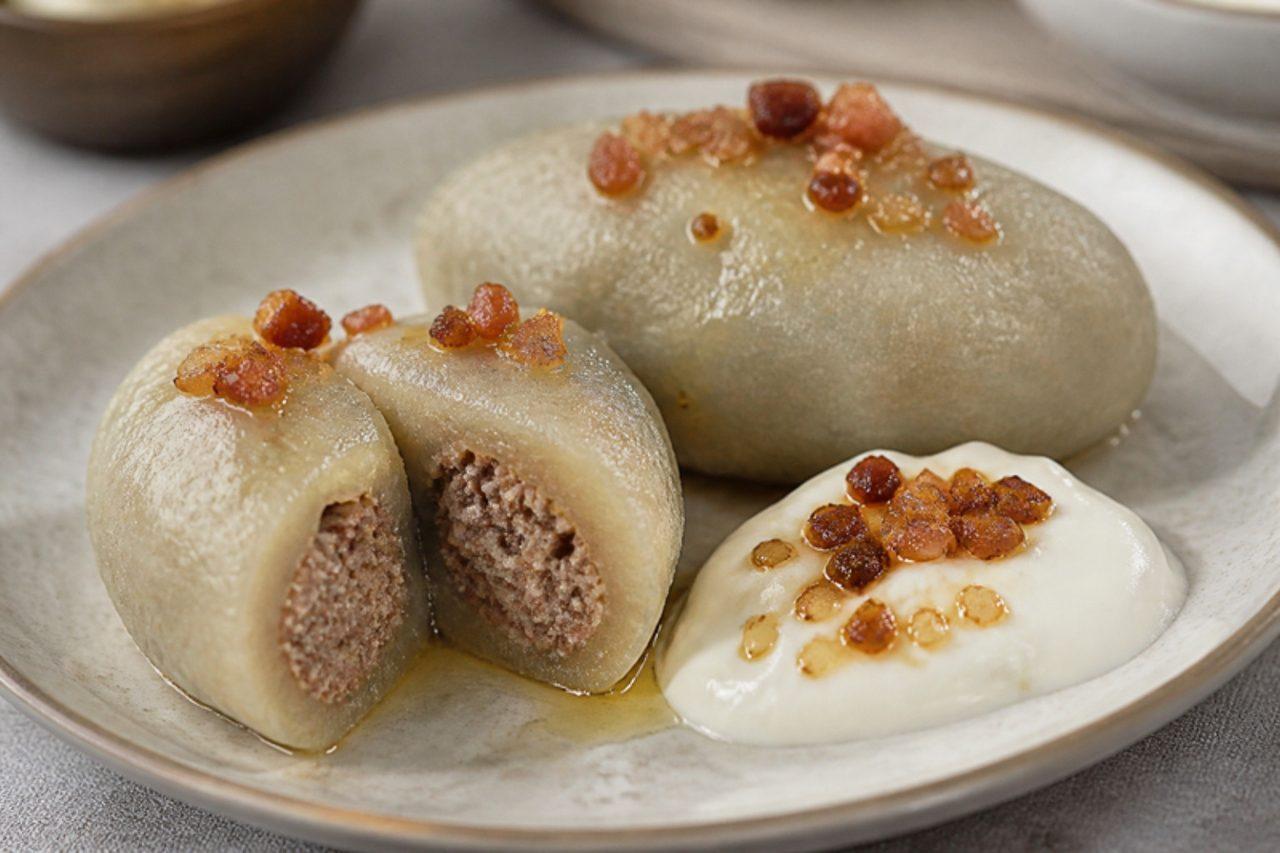
Cepelinai, named after the Zeppelin airships they resemble, are Lithuania's national dish: big oval dumplings of grated raw and boiled potato wrapped around seasoned minced pork, simmered until glossy and served with a sauce of sour cream and fried bacon bits and onion. This dish contains pork. Families in Kaunas and Vilnius make them on weekends and holidays; curd cheese or mushroom fillings are common vegetarian versions. A common mistake is skipping the potato starch; it is what holds the dumplings together. Chef's tip: squeeze the grated potato very dry and stir back the starch that settles from the liquid. Minced pork must reach 71 °C.

100 minBalticMeat
by KrazyBadal 0 views

Maizes zupa

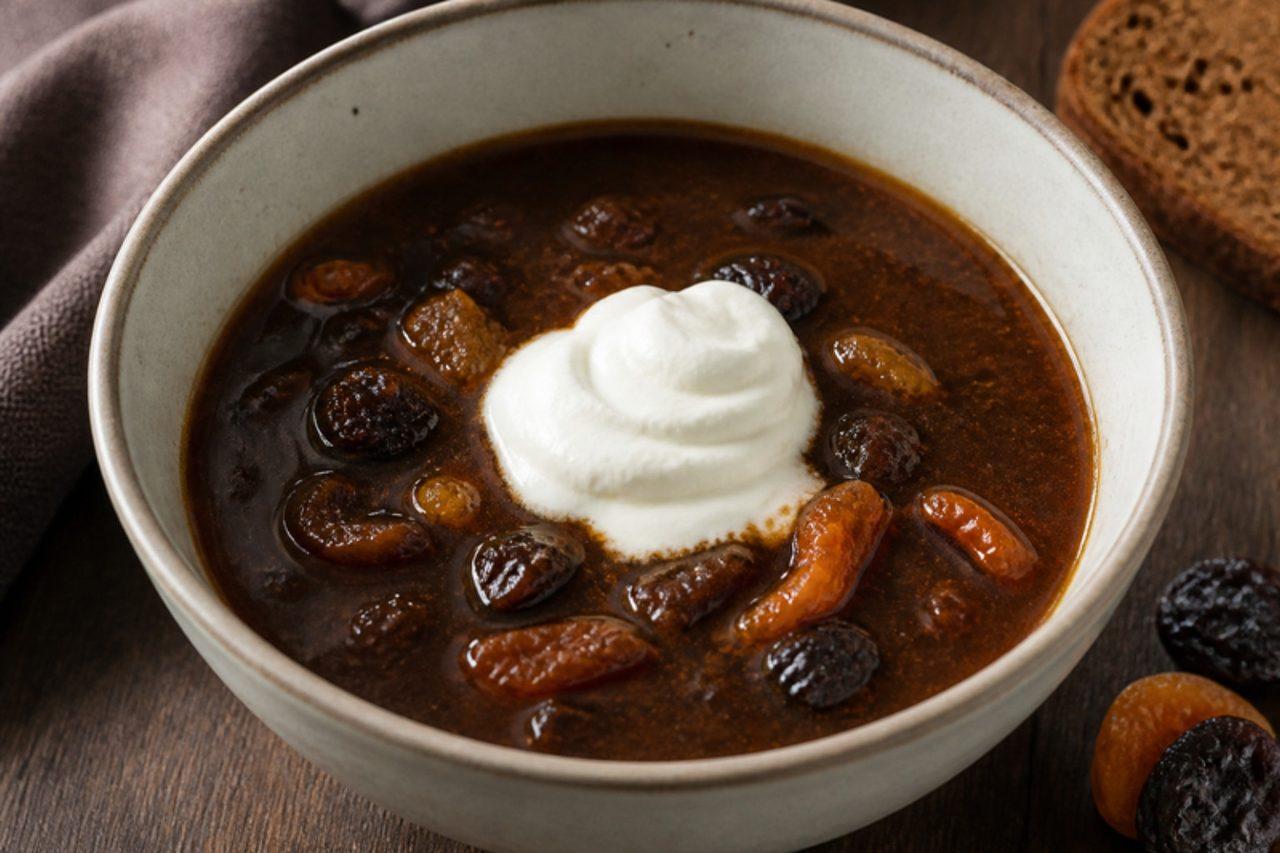
Maizes zupa, 'bread soup', is Latvia's way of using up dark rye bread: the bread is soaked and cooked down with dried fruit, sugar and cinnamon into a thick, sweet, deep-brown pudding, cooled and topped with whipped cream. It is on the menu in Riga's canteen-style restaurants and in school lunches, and every Latvian grandmother has her own version. A common mistake is using light rye; it needs dense, dark Latvian or German-style rye for its malty taste. Chef's tip: add a squeeze of lemon and a spoon of cranberries; their sharpness lifts the sweet, heavy soup.

by KrazyBadal 0 views

Šaltibarščiai

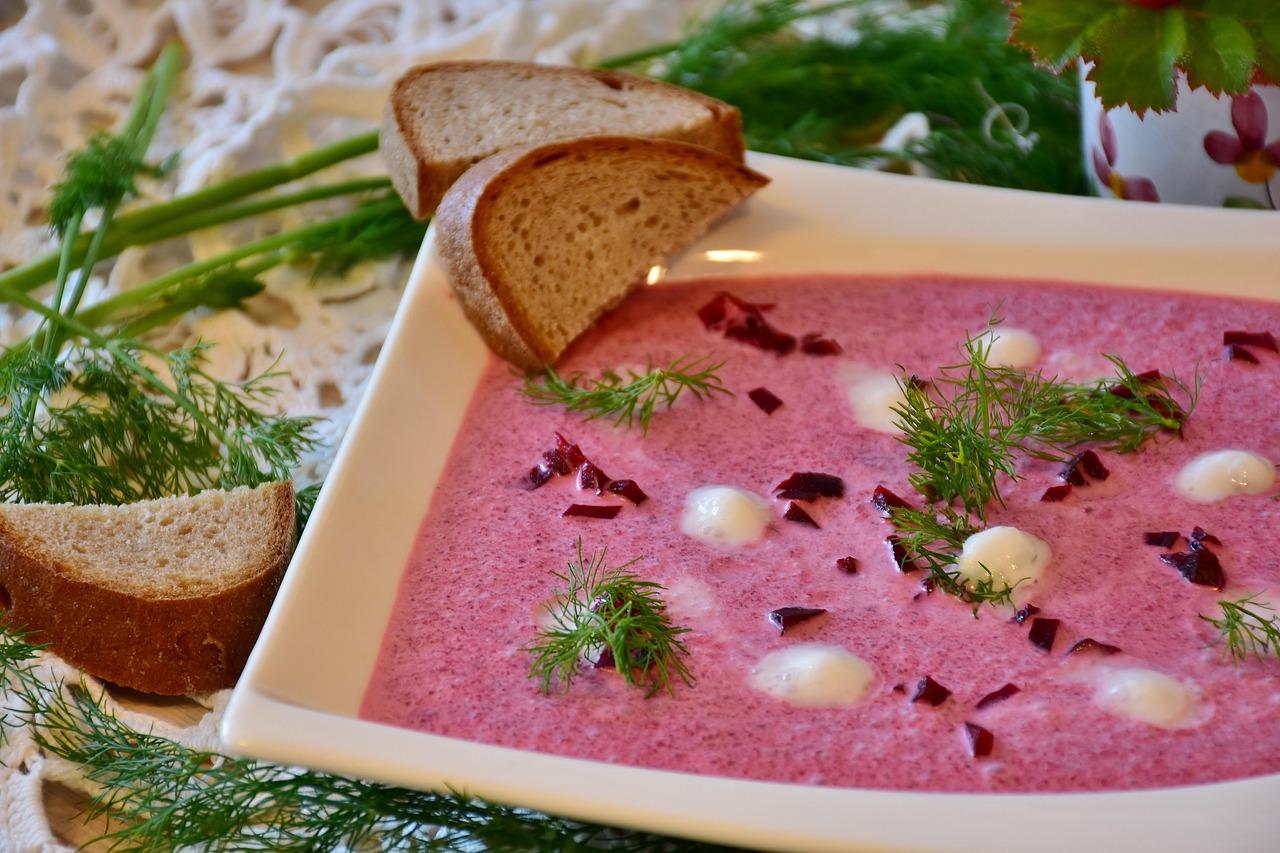
Šaltibarščiai is the shocking-pink soup of Lithuanian summers, so loved that Vilnius holds a pink soup festival every June: cooked or pickled beetroot grated into cold kefir with cucumber, dill, spring onion and boiled egg, served with a plate of hot boiled potatoes on the side. The contrast of icy soup and steaming potatoes is the point. A common mistake is using warm beetroot, which dulls the colour and warms the soup. Chef's tip: grate chilled beetroot into ice-cold kefir and let it stand for 10 minutes; the colour deepens to vivid fuchsia.

by KrazyBadal 0 views

Pelēkie zirņi ar speķi

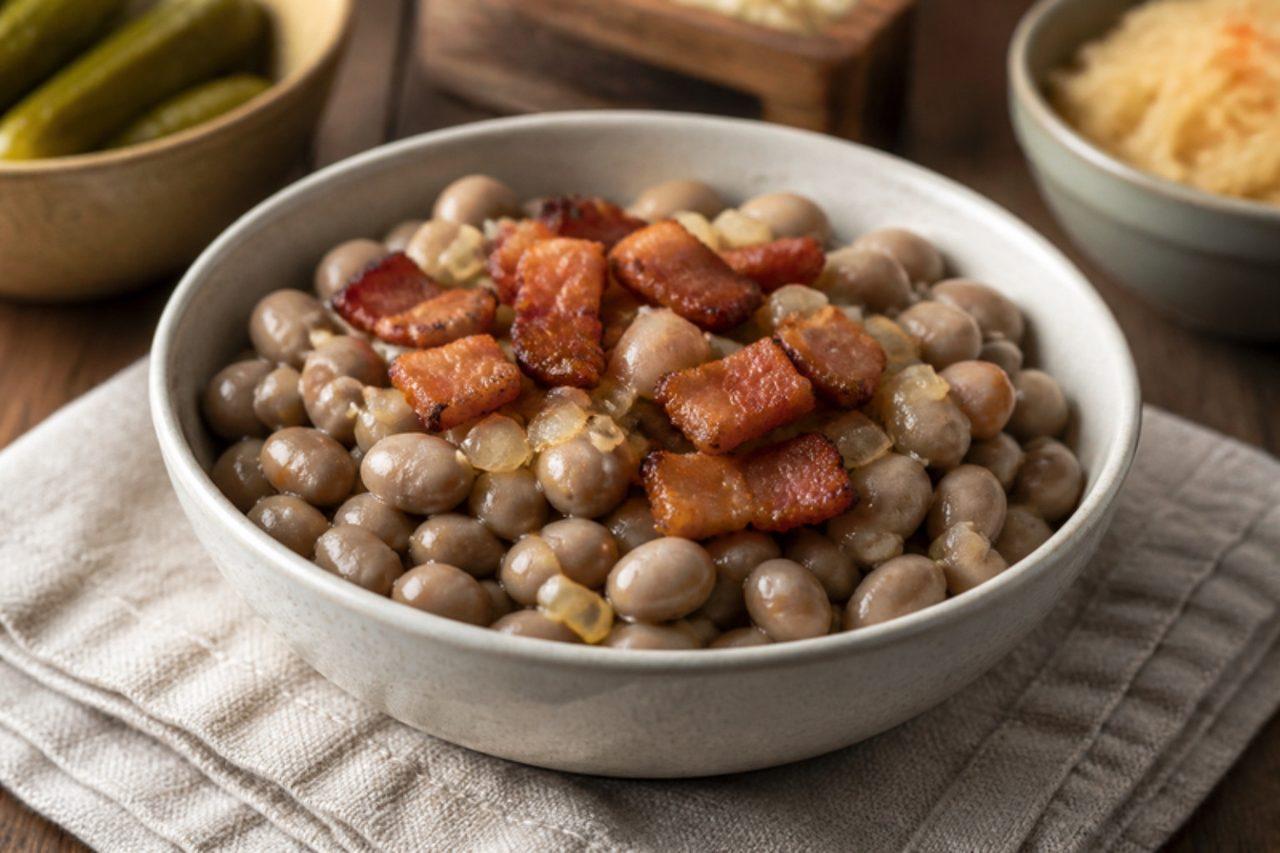
Grey peas with bacon is Latvia's national dish, eaten at Christmas and on the winter solstice and served in Riga's canteens all year: large, earthy grey peas soaked and boiled until soft but whole, then tossed with crisp pieces of fried smoked bacon and onion and served with a glass of cold kefir. This dish contains pork. Grey peas are sold in Baltic shops; carlin peas or brown chickpeas are close. A common mistake is overcooking the peas into mush. Chef's tip: fry the bacon slowly so its fat renders out, then fry the onion in that fat; it coats the peas with flavour.

by KrazyBadal 0 views

Skābeņu zupa

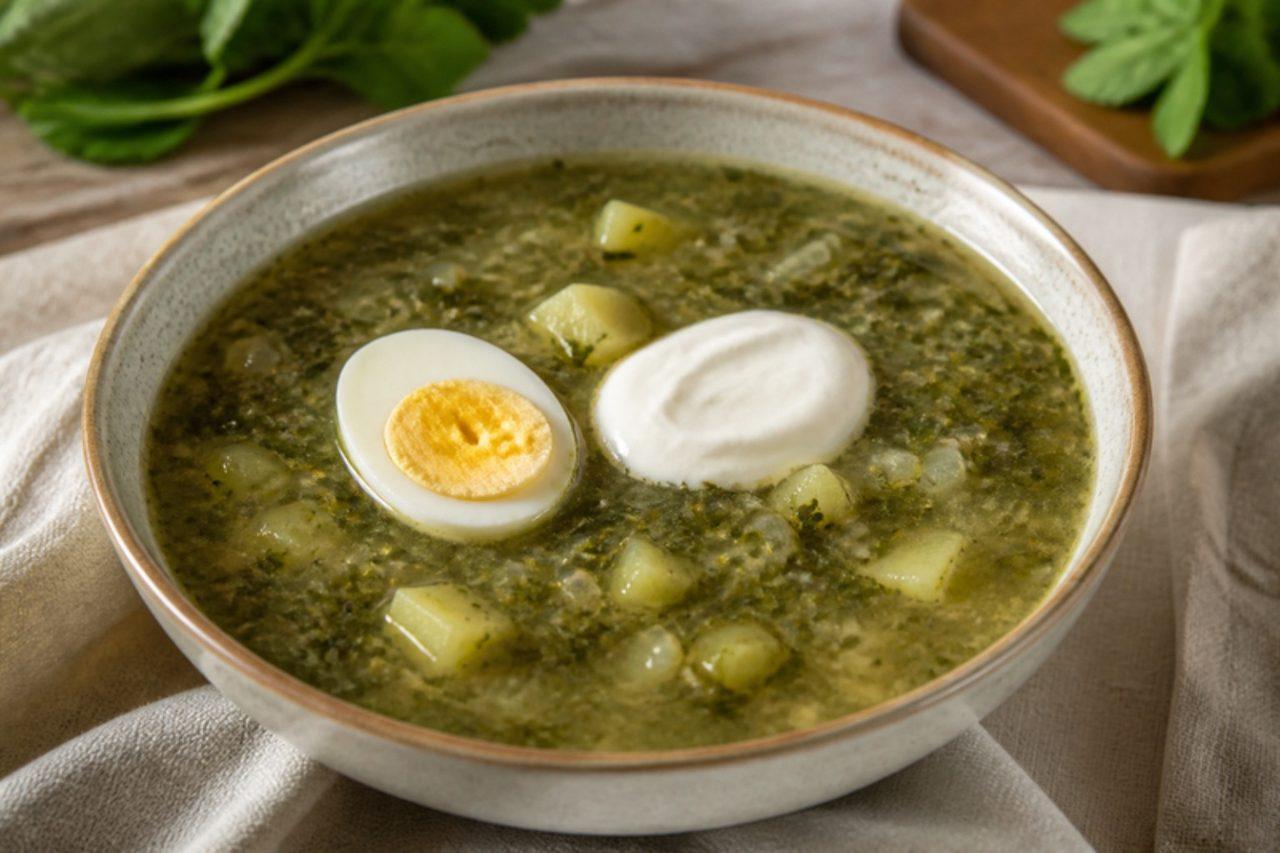
In late spring, Latvian gardens and meadows are full of sorrel, and skābeņu zupa is the first green soup of the year: potatoes simmered with onion and carrot, then a big handful of chopped sorrel added at the end, so the soup turns sour, bright and khaki-green. It is served hot or cold with a halved boiled egg and a spoon of sour cream. Use vegetable stock for a vegetarian soup. A common mistake is cooking the sorrel for long; it turns grey and loses its tang in a minute. Chef's tip: add half the sorrel at the end and the other half raw in the bowl for colour.

by KrazyBadal 0 views

Jāņu siers

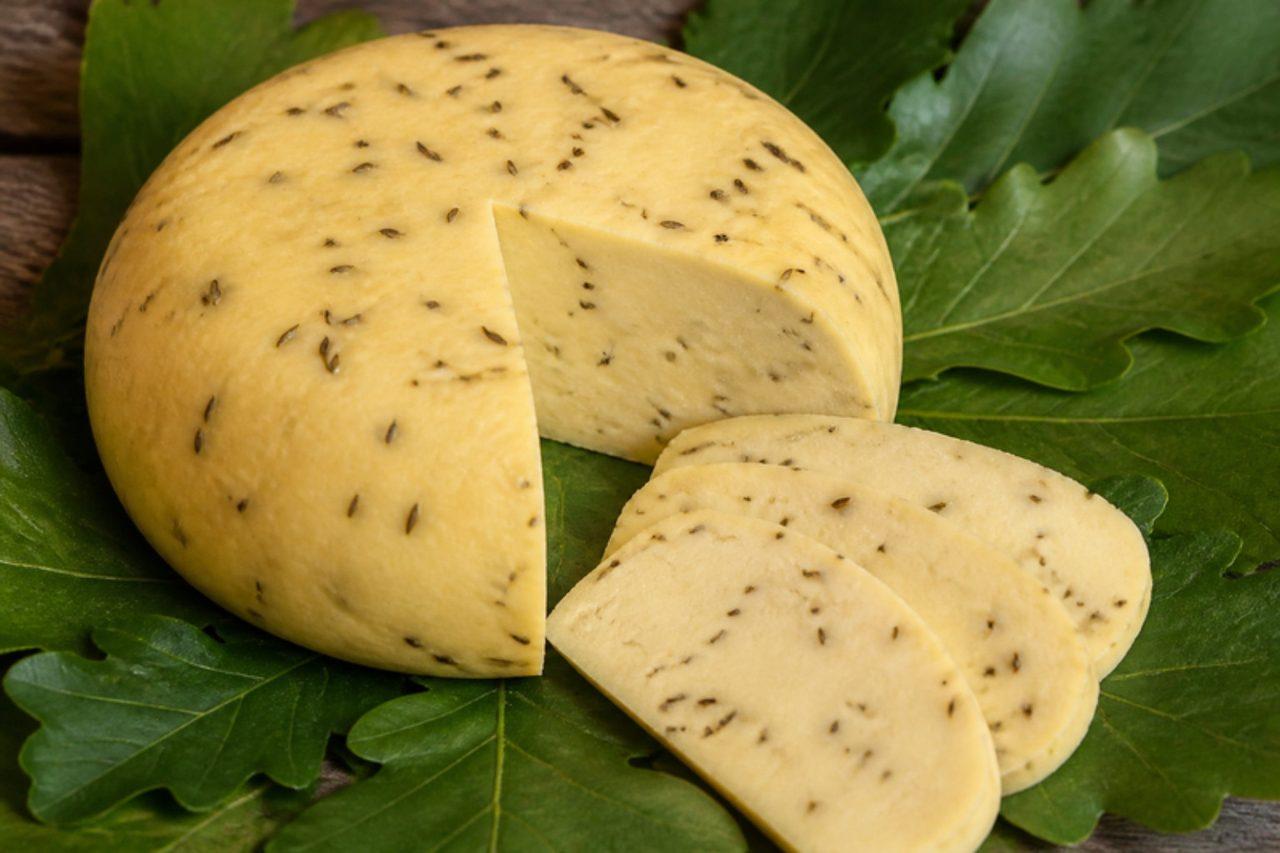
Jāņu siers is the round, golden caraway cheese that Latvians make for Jāņi, the midsummer festival on 23–24 June, when it is eaten with rye bread and honey, and songs, around bonfires. Unlike most cheeses it needs no rennet: fresh curd cheese is cooked with hot milk, eggs, butter and caraway into a smooth mass, then pressed in a cloth and left to set. Its round shape and golden colour stand for the sun. A common mistake is cooking it over a high heat, which makes it grainy and rubbery. Chef's tip: stir constantly over a low heat until it pulls away from the pan in one shiny ball, then press it straight away.

by KrazyBadal 0 views

Estonian kringle

Kringel is the celebration bread of Estonia, baked for birthdays and name days and carried to every visit: a rich yeast dough rolled with cinnamon butter and sugar, sliced lengthways, twisted into a braided wreath so the layers show, and baked until golden. In Tallinn's old-town cafés it is sold by the slice with coffee. A common mistake is cutting the roll with a blunt knife, which squashes the layers. Chef's tip: chill the filled roll for 15 minutes before slicing; it cuts cleanly and twists without the filling escaping.

by KrazyBadal 0 views

Huatia

After the potato harvest in May and June, families in Puno, Cusco and across the highlands build a huatia in the field: a little dome of dry earth clods heated with dried brush until the clods glow, then knocked down over freshly dug potatoes and oca so they bake slowly underground. Opened an hour later, the potatoes are smoky, floury and so soft their skins split, and the oca turns sweet and tangy. Everyone eats them with their hands, with salt, chilli sauce and fresh cheese. This recipe gives an oven method for home cooks: a lidded pot bedded with coarse salt and herbs, which traps heat and steam much like the earth. If you do try a real huatia outdoors, use a clear patch of ground away from anything that can catch fire and keep water nearby. Don't uncover the pot early to check: the steam escapes and the potatoes turn leathery. Fresh oca is sold in some markets as New Zealand yam; small sweet potatoes will do. Chef's tip: choose potatoes of a similar size so they all finish together, and serve with uchucuta.

by KrazyBadal 0 views

Uchucuta

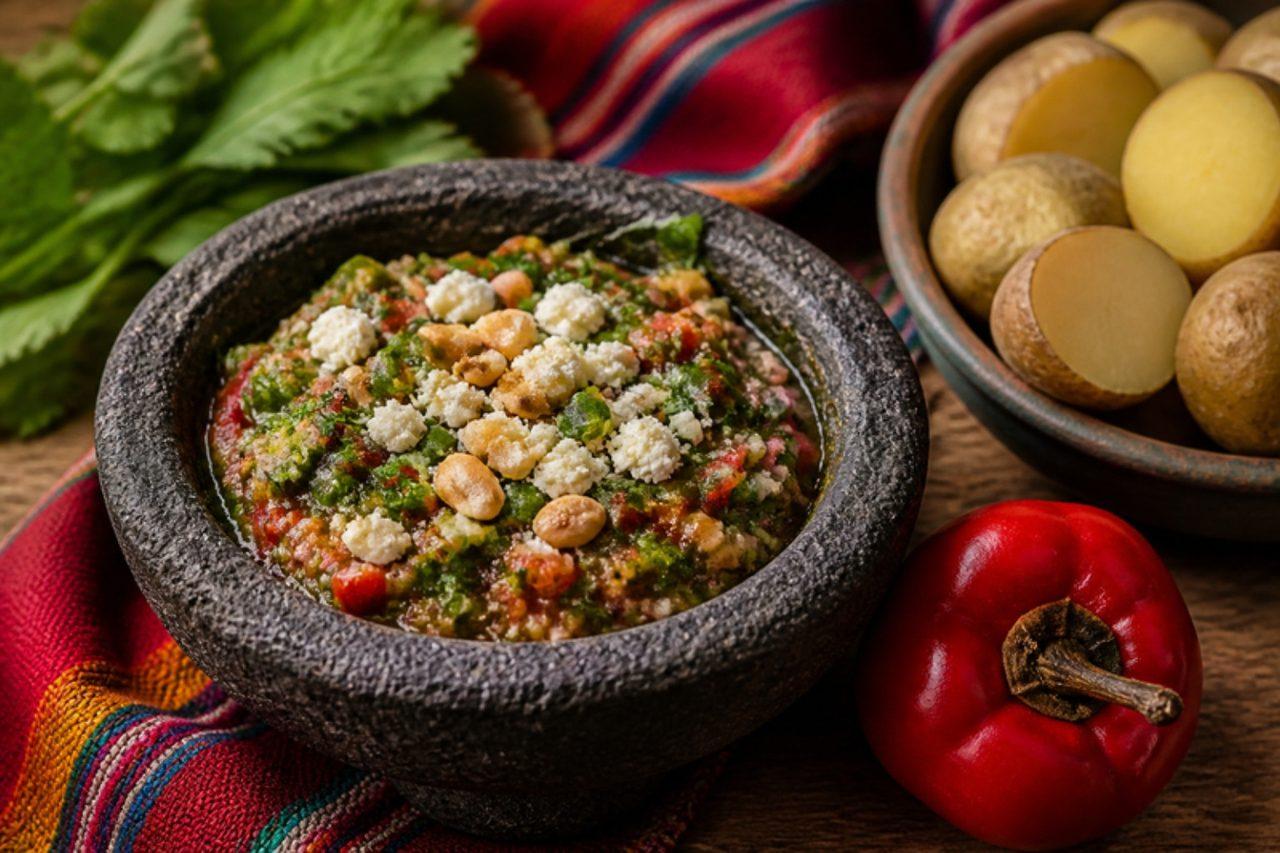
Ground on a batán, the flat grinding stone found in Andean kitchens, uchucuta is the table sauce of Ayacucho and Cusco: rocoto or yellow chilli crushed with huacatay, toasted peanuts and a little fresh cheese into a thick, speckled green-red paste. It goes on boiled potatoes, choclo, broad beans and huatia, and on festival days it sits next to every plate. The flavour is hot, herby and nutty, with a salty creaminess from the cheese. The name comes from the Quechua uchu, chilli, and it is meant to be spicy, but people often add all the rocoto at once and end up with something inedible; blend in half, taste and build up. A food processor or blender will do the work of the stone, though pulse it so the sauce keeps some texture. Queso fresco is usually made with animal rennet, so choose a vegetarian fresh cheese if you prefer. Chef's tip: toast the peanuts yourself until just golden; their warmth softens the raw sharpness of the chilli.

by KrazyBadal 0 views

Pesque de quinua

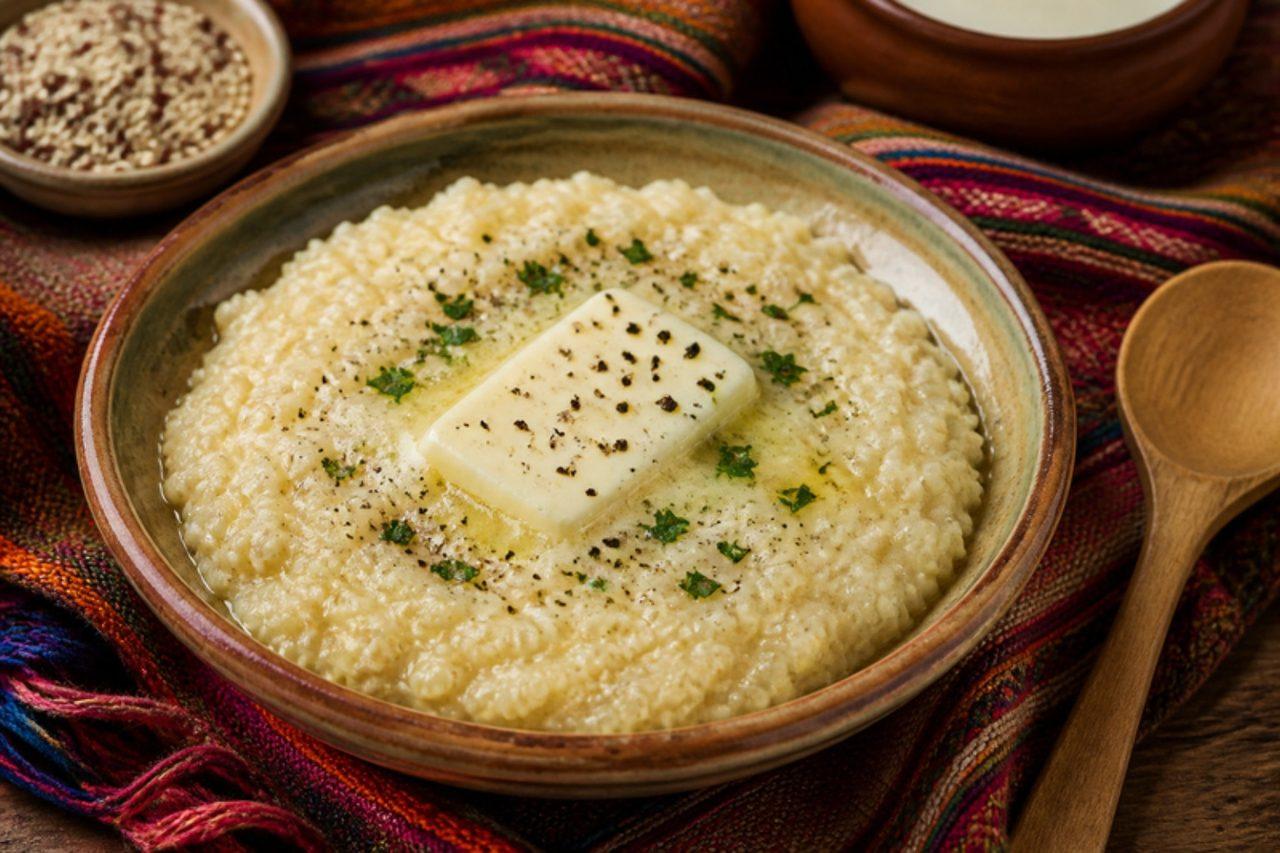
Up on the Altiplano around Lake Titicaca, where quinoa grows at almost 4,000 metres, pesque is everyday food: quinoa cooked until it collapses, then beaten with milk, a knob of butter and crumbled fresh cheese until it looks like a loose, savoury risotto. Puno families eat it for a warming lunch or supper, often with a glass of milk poured over or a fried egg on top, and in the cold dry air it is exactly what the body wants. It is soft, nutty and mildly salty. The step people skip is rinsing the quinoa, and the natural saponins then leave a soapy, bitter edge; rub it under running water until the foam stops. Serve with a tomato salad or a spoon of uchucuta for some heat. Andean fresh cheese is usually set with animal rennet, so choose a vegetarian fresh cheese if needed. Chef's tip: cook the quinoa in a little more water than usual and leave it a few minutes longer than for a salad, so it turns creamy and the grains burst.

by KrazyBadal 0 views

Kapchi

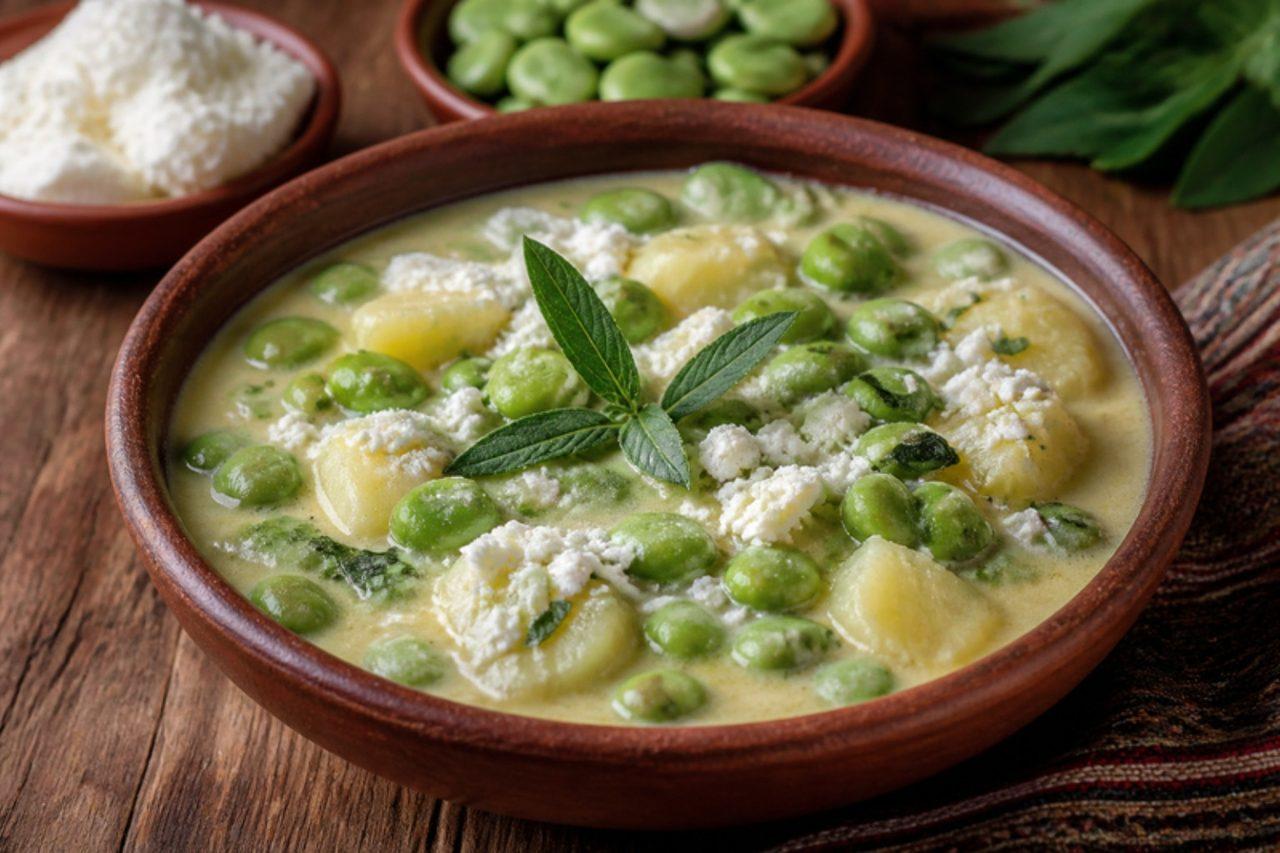
Kapchi (sometimes spelled capchi) comes from the Quechua for something like 'dressed' or 'creamed', and around Cusco it turns up when the fresh broad beans are in season: green habas, potatoes and soft fresh cheese simmered with milk until the sauce turns thick and pale, with ají and a handful of huacatay. Market stalls in San Pedro sell it with rice, and families make it at Easter as a meatless dish. It is gentle and creamy with a herby, slightly minty finish, and the beans stay sweet and tender. The trap is boiling the sauce once the cheese is in; it splits into curds and goes watery, so keep it at a bare simmer. Serve with white rice or boiled potatoes and a spoon of uchucuta. The same recipe works with sliced mushrooms instead of beans, which Cusco cooks also do. Queso fresco is usually set with animal rennet, so pick a vegetarian fresh cheese if you need to. Chef's tip: peel the beans of their pale inner skins after blanching; it takes ten minutes and makes the dish far silkier.

by KrazyBadal 0 views

Choros a la chalaca

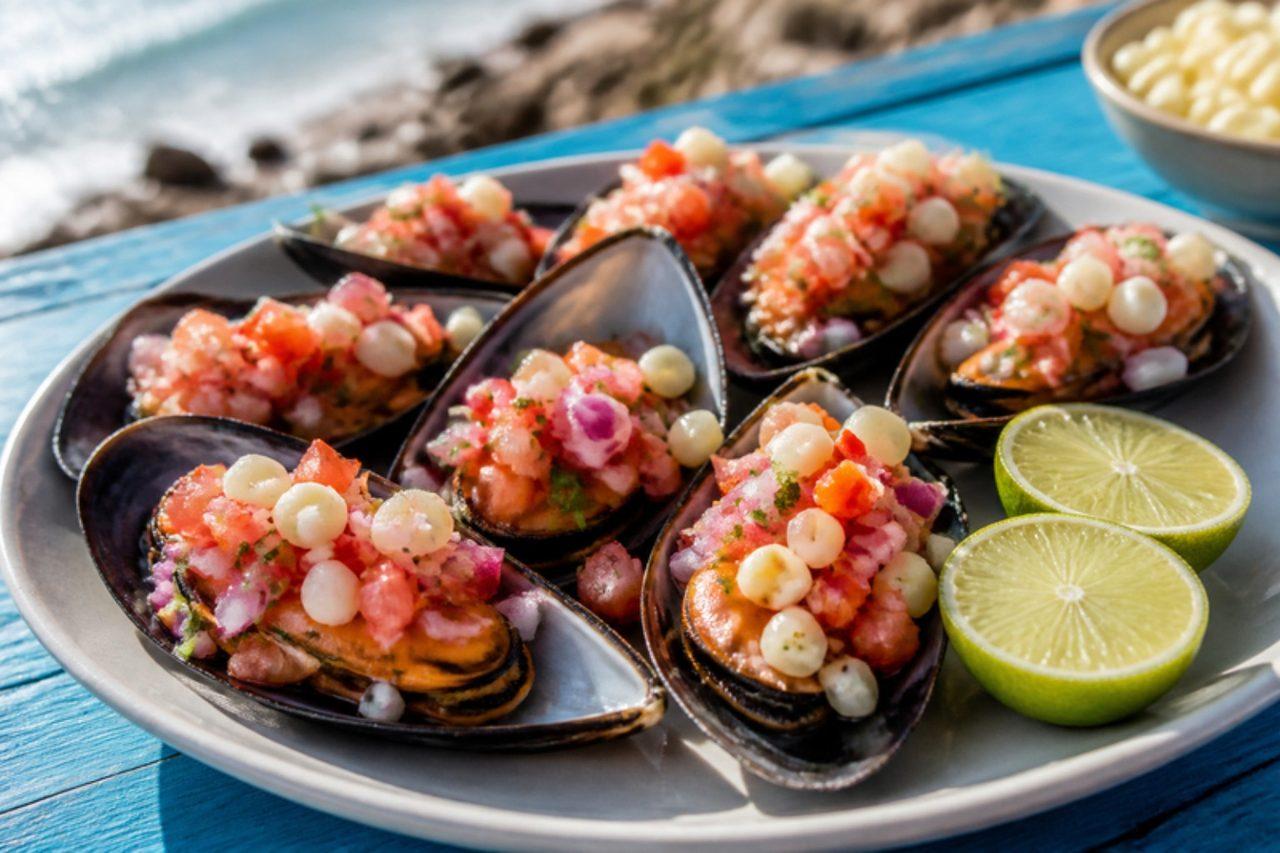
Named for the people of Callao, Lima's port, choros a la chalaca are what you order with friends at a seafront cevichería on a hot afternoon: steamed mussels, chilled, each on its half shell under a bright, wet salsa of red onion, tomato, Andean corn, rocoto and lime. Cool, sweet, briny and sharp, they are eaten with your fingers in two bites, often before a ceviche or a jalea. Here the mussels are fully steamed open first, so nothing is served raw. People often overcook them while waiting for the last stubborn shells, which leaves the rest rubbery; lift them out as soon as each one opens. Chef's tip: dress the salsa no more than 15 minutes ahead, and spoon a little of the juice onto every mussel; that juice is the whole point of the dish.

by KrazyBadal 0 views

Ceviche de chocho

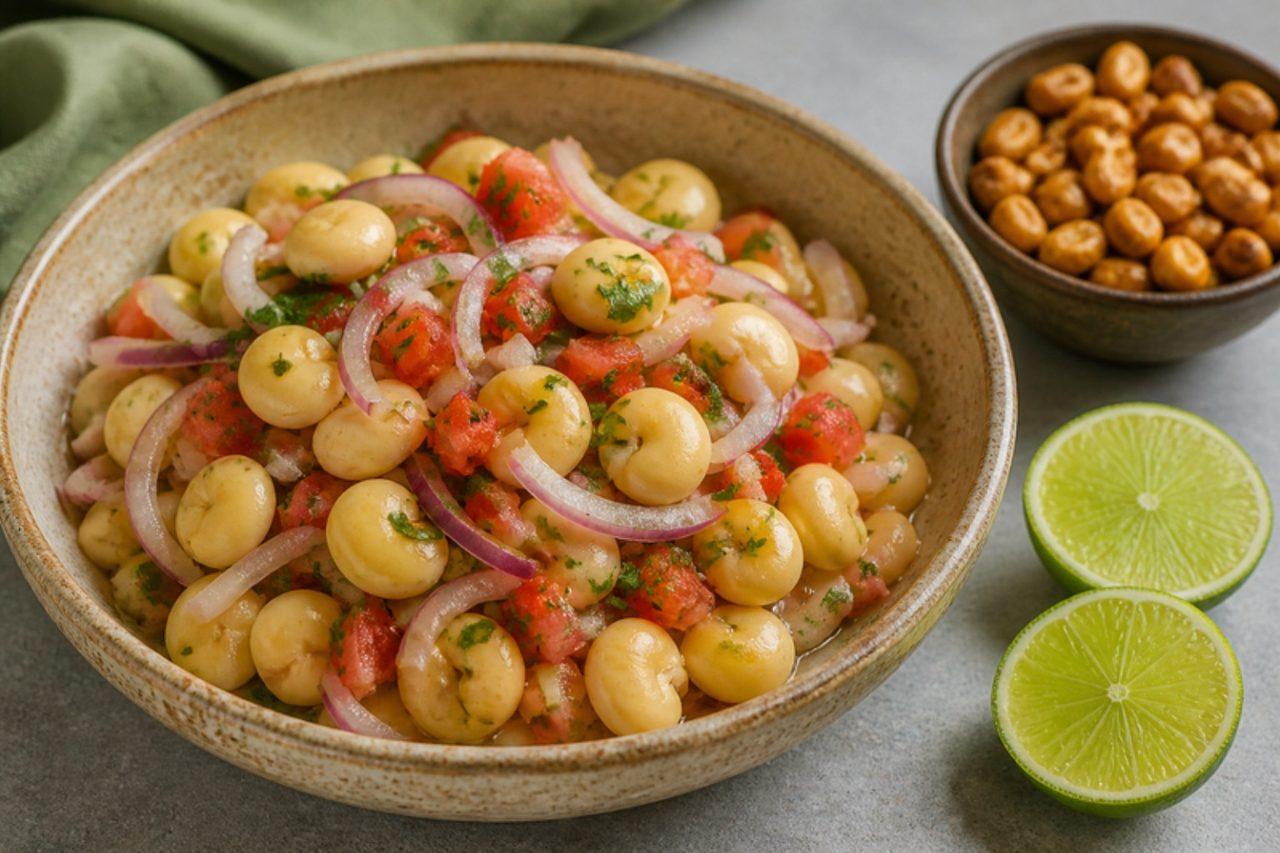
Chocho, or tarwi, is the Andean lupin bean, a protein-packed legume grown high around Huaraz, Cajamarca and Puno, and street carts in the highlands sell it in plastic cups dressed like a ceviche: lime, red onion, tomato, coriander and a little ají, sometimes with toasted corn for crunch. It is fresh, sour and pleasantly firm, a vegan stand-in for fish ceviche that works as a starter or a light lunch. Food safety matters here: raw or bitter lupins contain toxic alkaloids and must never be eaten as they are. Use only ready-debittered, cooked chochos, sold in jars, vacuum packs or chilled tubs in Latin shops; if they taste bitter, rinse and soak them longer or throw them away. Lupin is also a common allergen and may affect people allergic to peanuts. The usual mistake is to drown everything in lime and leave it, which makes the onion limp; mix the dressing just before serving. Chef's tip: squeeze the limes gently by hand rather than with a press, so the juice doesn't turn bitter.

by KrazyBadal 0 views

Arroz con pato

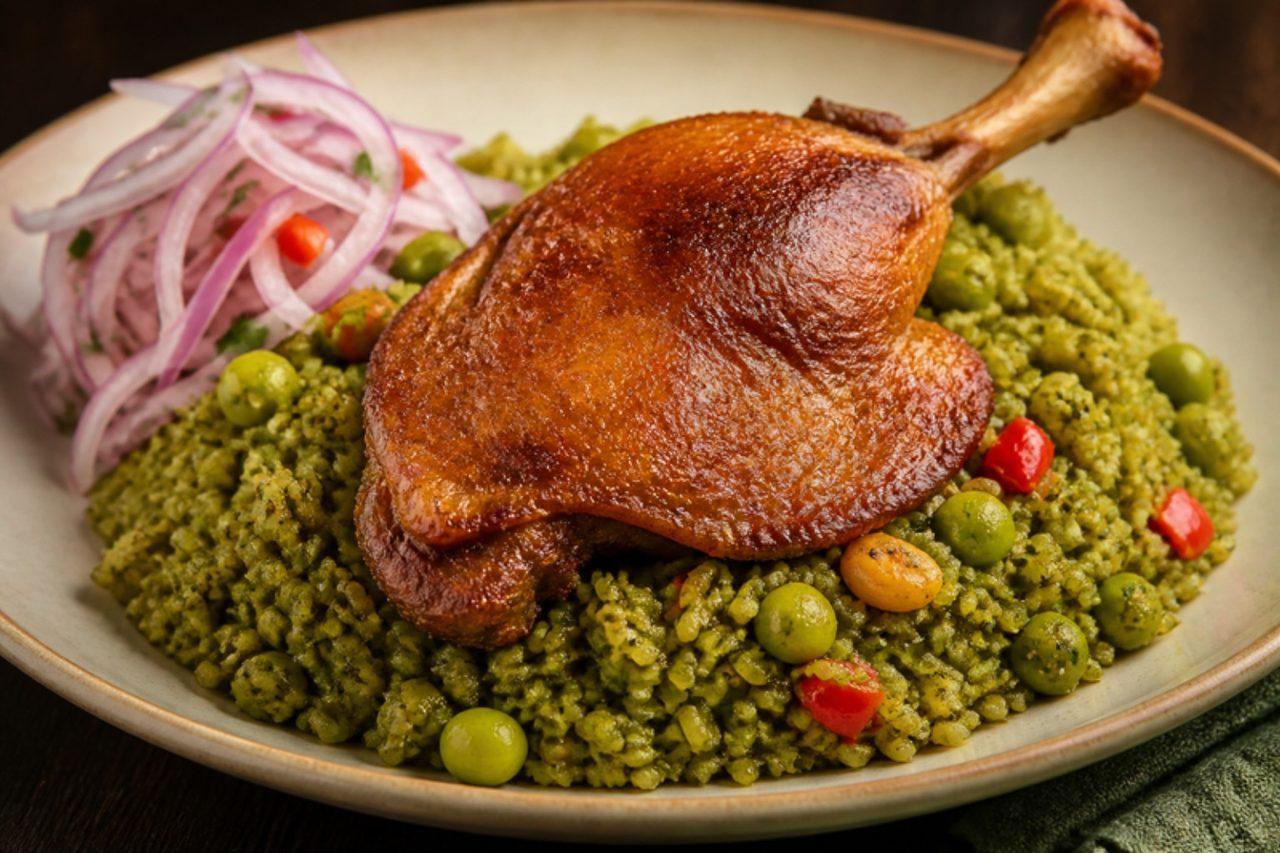
Chiclayo and the northern coast claim arroz con pato as their own, and family lunches and big Sunday gatherings there often centre on a deep pot of it: duck legs browned and simmered in dark beer and a purée of coriander and spinach, then rice cooked in the same green, duck-rich liquid with peas, red pepper and ají amarillo. The rice is moist and loose, the duck tender with crisp edges, and it is served with salsa criolla and, often, papa a la huancaína. The beer contains alcohol, and not all of it cooks off; for an alcohol-free pot use alcohol-free beer or the stock swap in the ingredients. A common mistake is skipping the browning, which leaves flabby skin and a pale, fatty rice; render the duck slowly first and pour off excess fat. Chef's tip: let the cooked rice rest under the lid off the heat for 10 minutes before fluffing.

by KrazyBadal 0 views

Queso helado

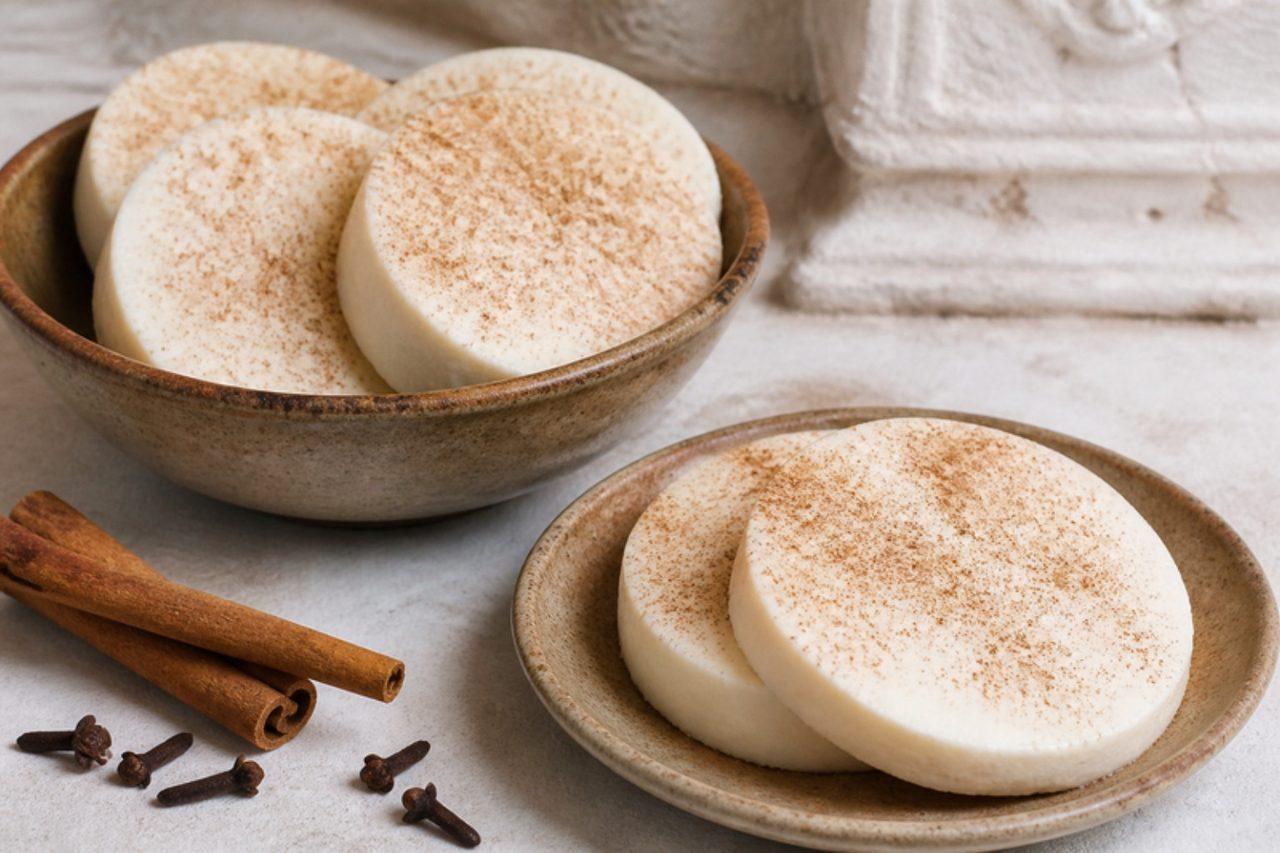
Despite the name, there's no cheese in it: queso helado is Arequipa's old-fashioned frozen milk dessert, cut into thick rounds that look like a slice of fresh cheese and dusted with ground cinnamon. Vendors in white aprons sell it around the Plaza de Armas and at the Yanahuara viewpoint, traditionally churned in a metal pail spun over ice and salt, and every Arequipeño has a favourite stall. It is creamy, mildly milky and fragrant with cinnamon, clove and grated coconut, less rich than ice cream and slightly icy in a pleasant way. Many recipes thicken it with egg yolks; this one uses evaporated and condensed milk with a little cornflour so it stays egg free. The common error is freezing it untouched, which gives one hard block of ice: stir it every 45 minutes for the first few hours. Allow at least 4 hours of freezing on top of the cooking time, or make it a day ahead. Chef's tip: freeze it in a loaf tin lined with cling film, then lift it out and slice it into rounds for that true street look.

by KrazyBadal 0 views

Pastel de papa

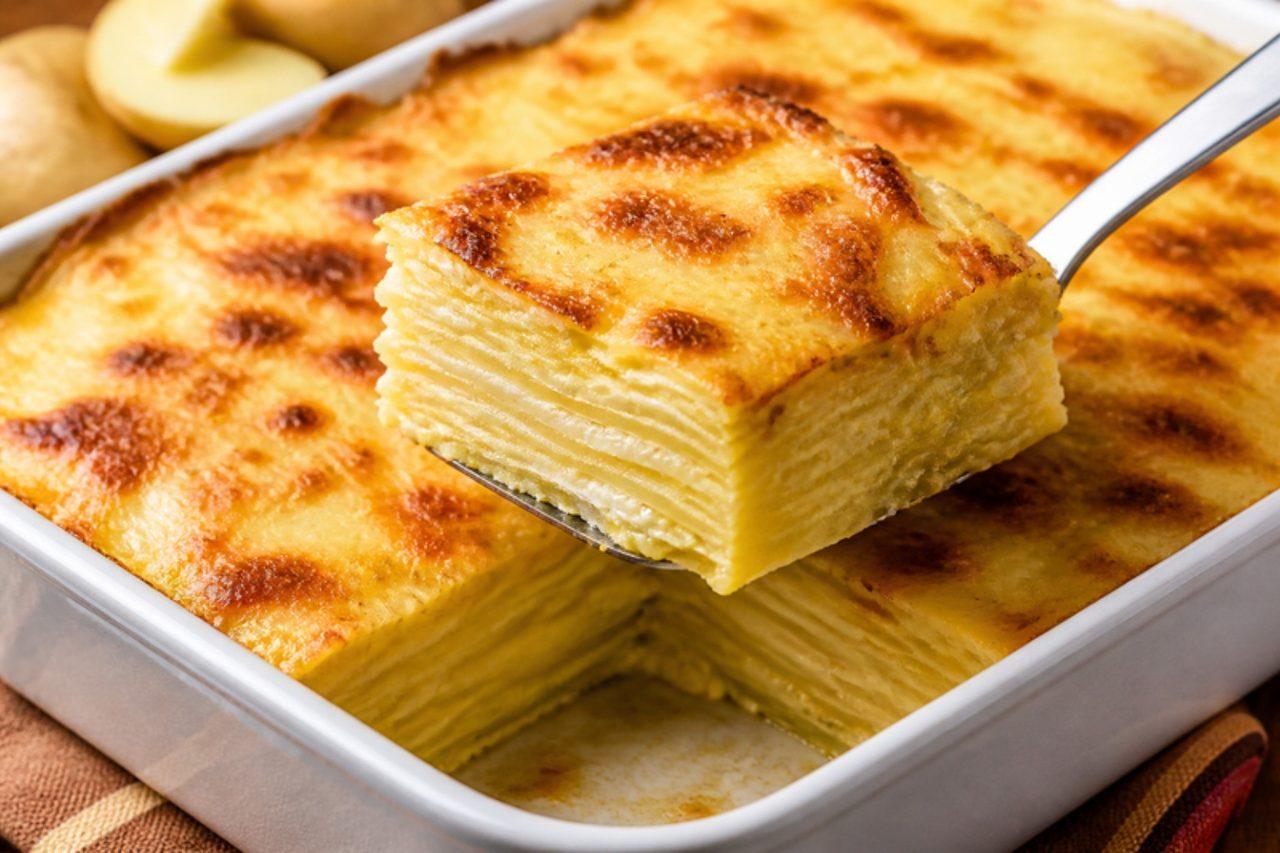
On a plate in an Arequipa picantería, pastel de papa is the soft, golden square that sits next to a fiery rocoto relleno and cools your mouth between bites. Thin slices of parboiled potato are layered with fresh cheese and a seasoned egg and evaporated-milk custard, then baked until the top puffs and browns. It is richer and more set than a French gratin, firm enough to cut cleanly, and it makes a fine vegetarian main with a salad of tomato and onion or a spoon of uchucuta. The way it goes wrong is slicing the potatoes too thick or under-boiling them, which leaves them crunchy while the custard overcooks; cut them 3–4 mm thin and parboil them just until bendy. Arequipa cooks use paria or queso fresco, which are normally made with animal rennet; a vegetarian melting cheese such as a microbial-rennet mozzarella or mild cheddar works well. Chef's tip: let the bake rest for 15 minutes after it leaves the oven so the custard settles and the slices hold.

by KrazyBadal 0 views

Tiradito

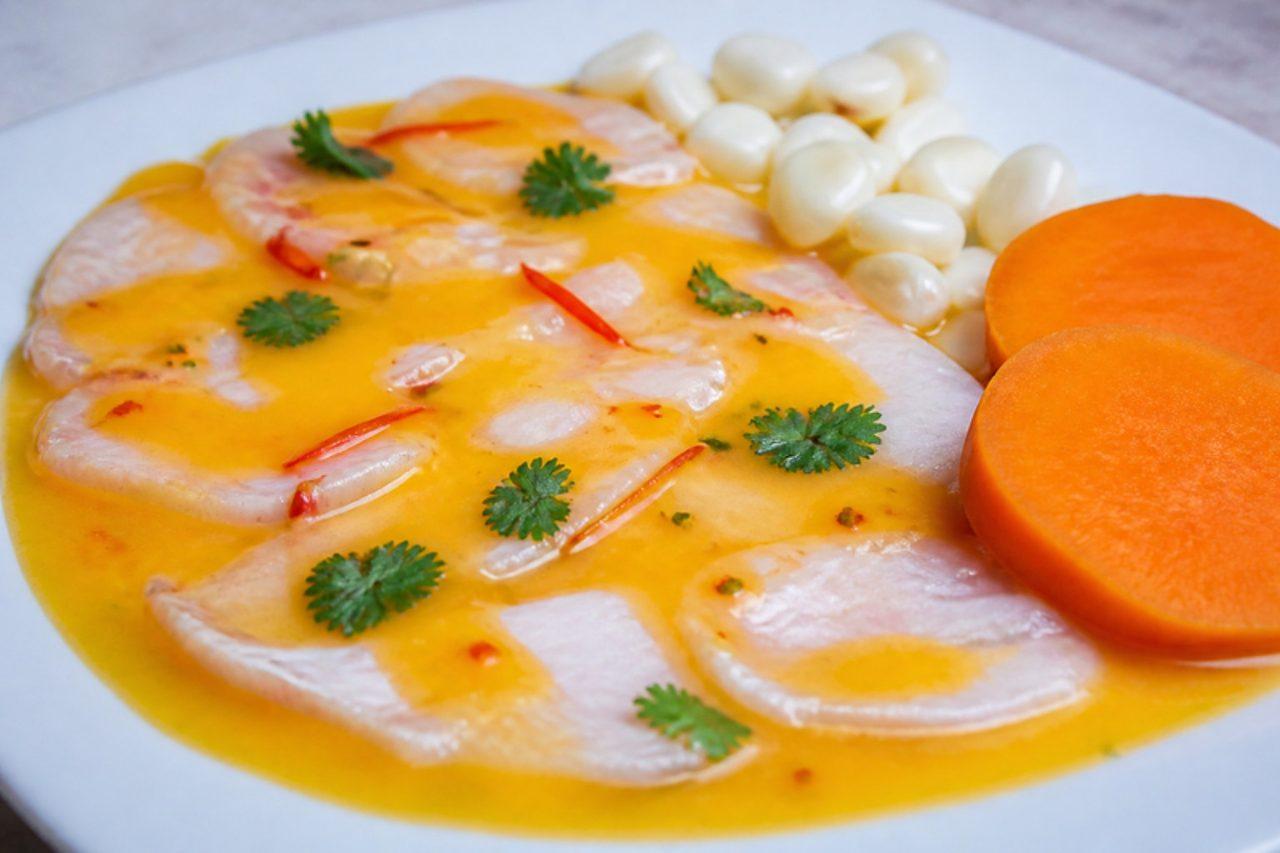
Lima's Japanese-Peruvian cooks turned ceviche on its head with tiradito: instead of cubes soaked in lime, the fish is cut thin like sashimi, laid flat and dressed at the last minute, so it stays silky with only the surface turning white. The sauce here is the classic golden one, ají amarillo blended with lime, garlic and ginger, fruity and medium hot. It is served as a starter in cevicherías and upmarket Miraflores restaurants with boiled sweet potato and corn. Because the fish is eaten almost raw, this version uses sashimi-grade fish frozen at −20 °C for 24 hours first (allow for that), kept cold and eaten the moment it is dressed; it is not for pregnant women, young children or anyone with a weakened immune system. The mistake people make is dressing it ahead: after ten minutes the lime cooks it through and it turns chalky. Chef's tip: chill the plates in the freezer for 10 minutes before you lay out the fish; it keeps the slices firm while you work.

by KrazyBadal 0 views

Choclo con queso

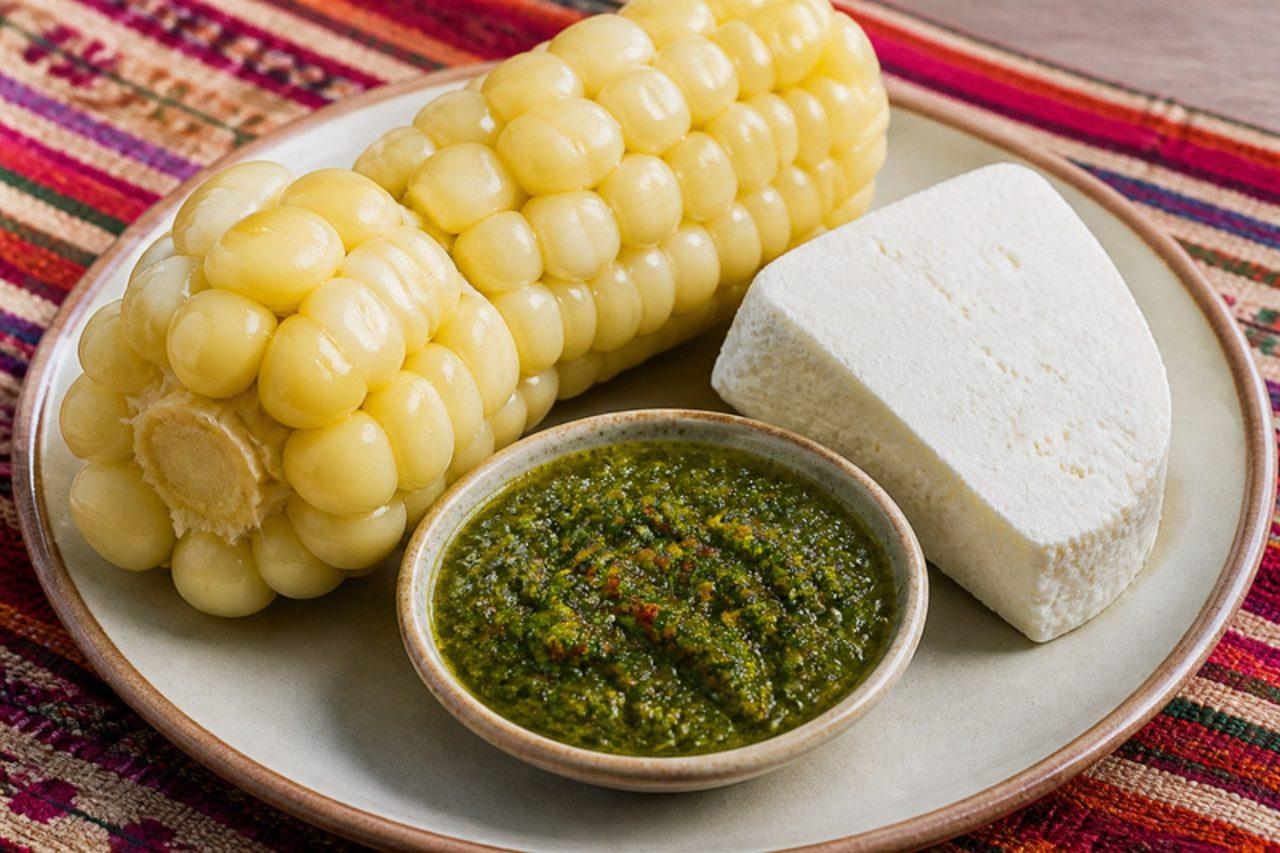
Ride the train or the bus through the Sacred Valley of Cusco and at every stop someone will hold up choclo con queso: a steaming cob of Urubamba's huge white-kernelled corn with a slab of fresh cheese tucked into a corn husk. The kernels are big, chewy and starchy rather than sweet, and the salty, milky cheese is eaten in alternating bites, sometimes with a dab of uchucuta or ají. It's snack food, a market lunch and something to keep children going on a long day. Fresh choclo is sold frozen in Latin American shops; sweet corn works but is sweeter and softer. Adding salt to the cooking water is the usual misstep, as it can toughen the kernels: season the cheese, not the corn. Andean fresh cheese is generally made with animal rennet, so use a vegetarian fresh cheese if needed. Chef's tip: drop a few of the inner husks and a small spoon of sugar into the pot; it brings back some of the sweetness lost after picking.

by KrazyBadal 0 views

Showing 24 of 289 recipes

Show more recipes

Page 1 of 13