Skip to content
Recipes

All recipes

Vegetarian, or something you can't eat? Set your diet once and we'll hide recipes that don't fit.

HuatiaEarth-baked potatoes

After the potato harvest in May and June, families in Puno, Cusco and across the highlands build a huatia in the field: a little dome of dry earth clods heated with dried brush until the clods glow, then knocked down over freshly dug potatoes and oca so they bake slowly underground. Opened an hour later, the potatoes are smoky, floury and so soft their skins split, and the oca turns sweet and tangy. Everyone eats them with their hands, with salt, chilli sauce and fresh cheese. This recipe gives an oven method for home cooks: a lidded pot bedded with coarse salt and herbs, which traps heat and steam much like the earth. If you do try a real huatia outdoors, use a clear patch of ground away from anything that can catch fire and keep water nearby. Don't uncover the pot early to check: the steam escapes and the potatoes turn leathery. Fresh oca is sold in some markets as New Zealand yam; small sweet potatoes will do. Chef's tip: choose potatoes of a similar size so they all finish together, and serve with uchucuta.

by KrazyBadal 0 views

InchicapiPeanut chicken soup

From the riverside kitchens of Iquitos and the Peruvian Amazon comes inchicapi, a festive chicken soup traditionally made with a free-range hen for birthdays and fiestas. Raw peanuts and a little maize flour are ground and stirred into the broth, which turns it creamy, pale and nutty, and pieces of cassava, garlic, ají dulce and sacha culantro (a long, serrated, strongly flavoured coriander) finish it. It is served with rice, boiled plantain or cassava. If you can't find sacha culantro in Asian or Latin shops (sold as culantro or ngo gai), use a big handful of coriander. The pitfall is adding the peanut paste dry: it clumps and catches on the bottom, so loosen it with broth first and stir often. Chef's tip: use raw, not roasted, peanuts; they keep the soup pale and give it the right fresh, milky taste.

by KrazyBadal 0 views

Jalea mixtaMixed fried seafood with cassava

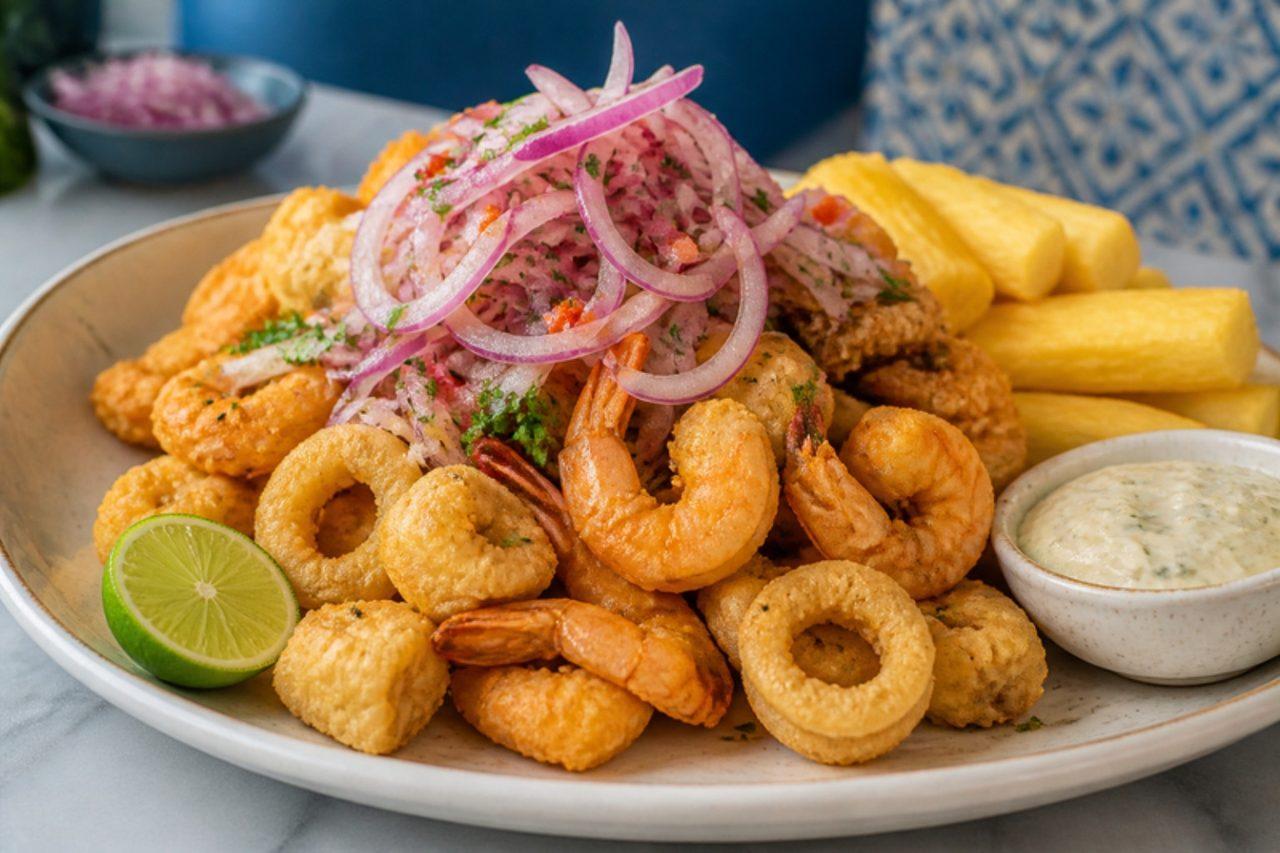
Ordered to share at a Lima cevichería on a Sunday, jalea mixta arrives as a tall golden pile: chunks of white fish, squid rings and prawns, all in a light, crackly coat, on top of fried cassava and buried under a fresh tangle of salsa criolla. The contrast is the point, hot and crunchy underneath, cold, sour and sharp on top, with tartar sauce or ají on the side and cold drinks all round. A frequent mistake is crowding the oil, which drops its temperature and gives you a soggy, greasy coat; fry in small batches and let the oil come back up between them. Chef's tip: boil the cassava first and let it steam dry before frying; it turns fluffy inside and shatteringly crisp outside.

by KrazyBadal 0 views

Kam lu wantánFried wontons in sweet-sour sauce

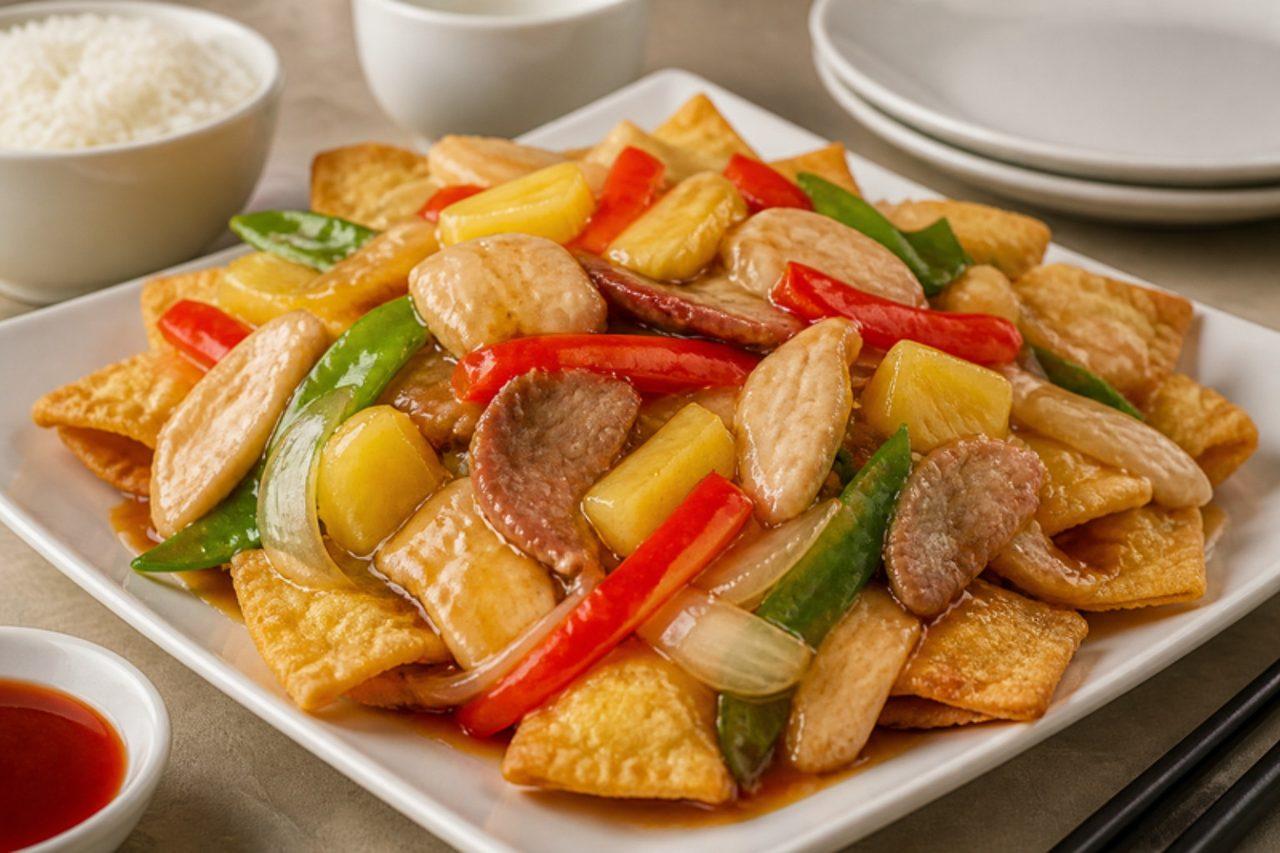
Brought to the table as a sharing platter at big chifa lunches in Lima, kam lu wantán is a gleeful mix of textures: golden fried wontons filled with ginger-spiked pork, smothered in a bright, sweet-and-sour sauce full of sliced chicken, pork, pineapple, peppers, carrot, snow peas and bok choy. The wontons shatter at the edges and soften where the sauce soaks in, so eat it fast. It works as a starter for a crowd or a main with rice. The mistake to avoid is making the sauce too thick and gloopy; it should flow over the wontons, not sit on them like jam. Chef's tip: fry the wontons at the last minute and pour the sauce over at the table so the crunch survives.

by KrazyBadal 0 views

KapchiBroad beans in cheese sauce

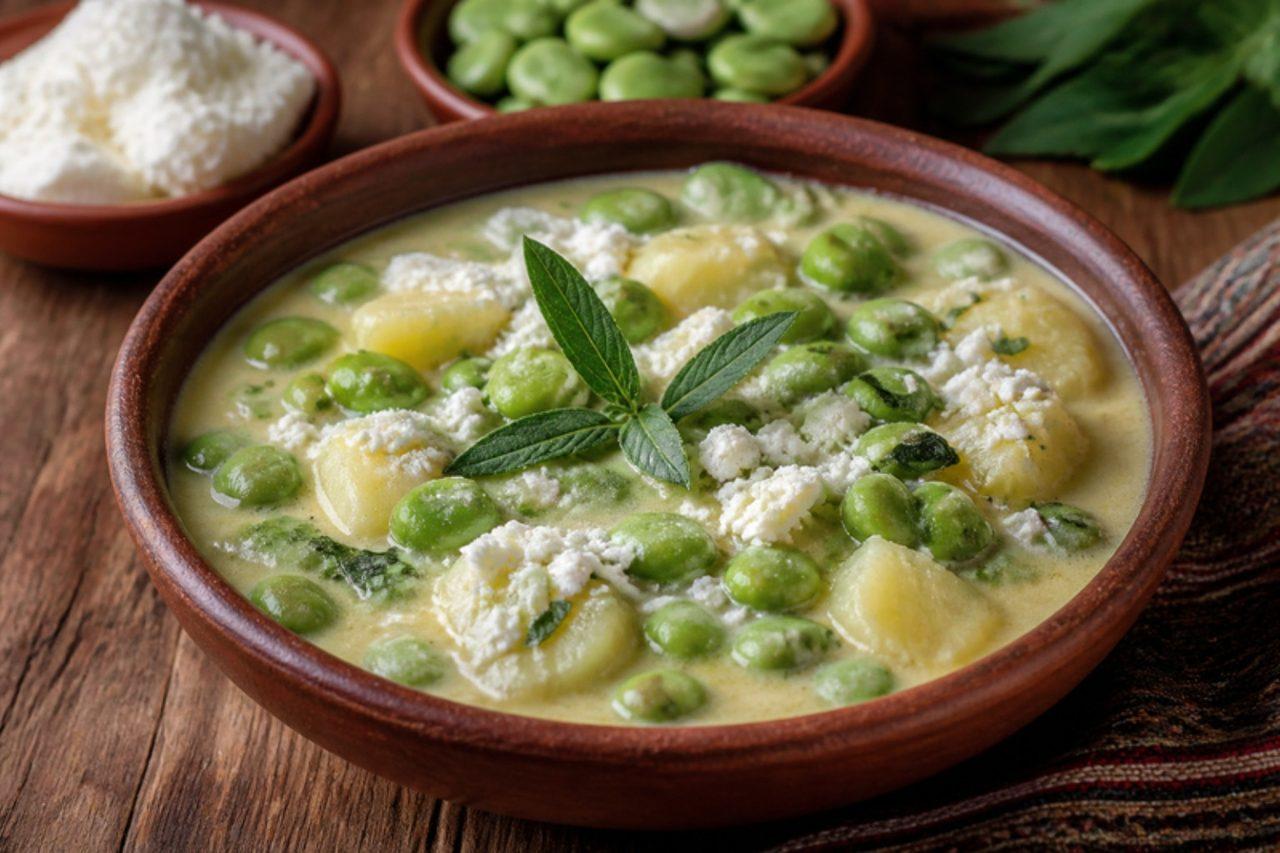
Kapchi (sometimes spelled capchi) comes from the Quechua for something like 'dressed' or 'creamed', and around Cusco it turns up when the fresh broad beans are in season: green habas, potatoes and soft fresh cheese simmered with milk until the sauce turns thick and pale, with ají and a handful of huacatay. Market stalls in San Pedro sell it with rice, and families make it at Easter as a meatless dish. It is gentle and creamy with a herby, slightly minty finish, and the beans stay sweet and tender. The trap is boiling the sauce once the cheese is in; it splits into curds and goes watery, so keep it at a bare simmer. Serve with white rice or boiled potatoes and a spoon of uchucuta. The same recipe works with sliced mushrooms instead of beans, which Cusco cooks also do. Queso fresco is usually set with animal rennet, so pick a vegetarian fresh cheese if you need to. Chef's tip: peel the beans of their pale inner skins after blanching; it takes ten minutes and makes the dish far silkier.

by KrazyBadal 0 views

King kongLayered biscuit with manjar blanco

Named, the story goes, after the giant ape because of its size when the film reached Peru, the king kong is Lambayeque's proudest sweet: thick, crumbly biscuit layers stacked with manjar blanco, a sticky pineapple jam and a peanut fudge, then cut into heavy slabs. Shops in Lambayeque and Chiclayo sell them by the kilo in boxes, and travellers carry them home as gifts. It is very sweet, buttery and dense, so a slice goes a long way with black coffee. This home version makes the manjar blanco from condensed and evaporated milk to save hours, then turns half of it into the peanut layer. The usual mistake is overbaking the biscuit until it is hard; take it out as soon as the edges are pale gold, as it firms up while it cools. It is a project, so make the fillings first and let them cool. Chef's tip: wrap the finished king kong and leave it overnight before cutting; the layers settle and soften into each other.

by KrazyBadal 0 views

KispiñoSteamed quinoa cakes

Pressed in a fist so each one carries the marks of the cook's fingers, kispiño are small, dense quinoa cakes from the Puno highlands, steamed and then left to dry so they keep for weeks on journeys, herding trips and pilgrimages. Traditional ones are bound with a little lime water (from cal, the mineral) and fat; this home version uses oil and a pinch of aniseed and sugar, so they're vegan and pleasantly savoury-sweet. They're firm and chewy, a little like a grain cake, and good with hot tea, coca tea or a soup on a cold day. The common mistake is making the dough too wet, so the cakes slump in the steamer; it should feel like damp sand that holds its shape when squeezed. Ground quinoa is quinoa flour; grind your own from rinsed, dried and toasted grain, or buy it ready ground. Chef's tip: toast the ground quinoa in a dry pan first until it smells nutty, which takes away any bitterness.

by KrazyBadal 0 views

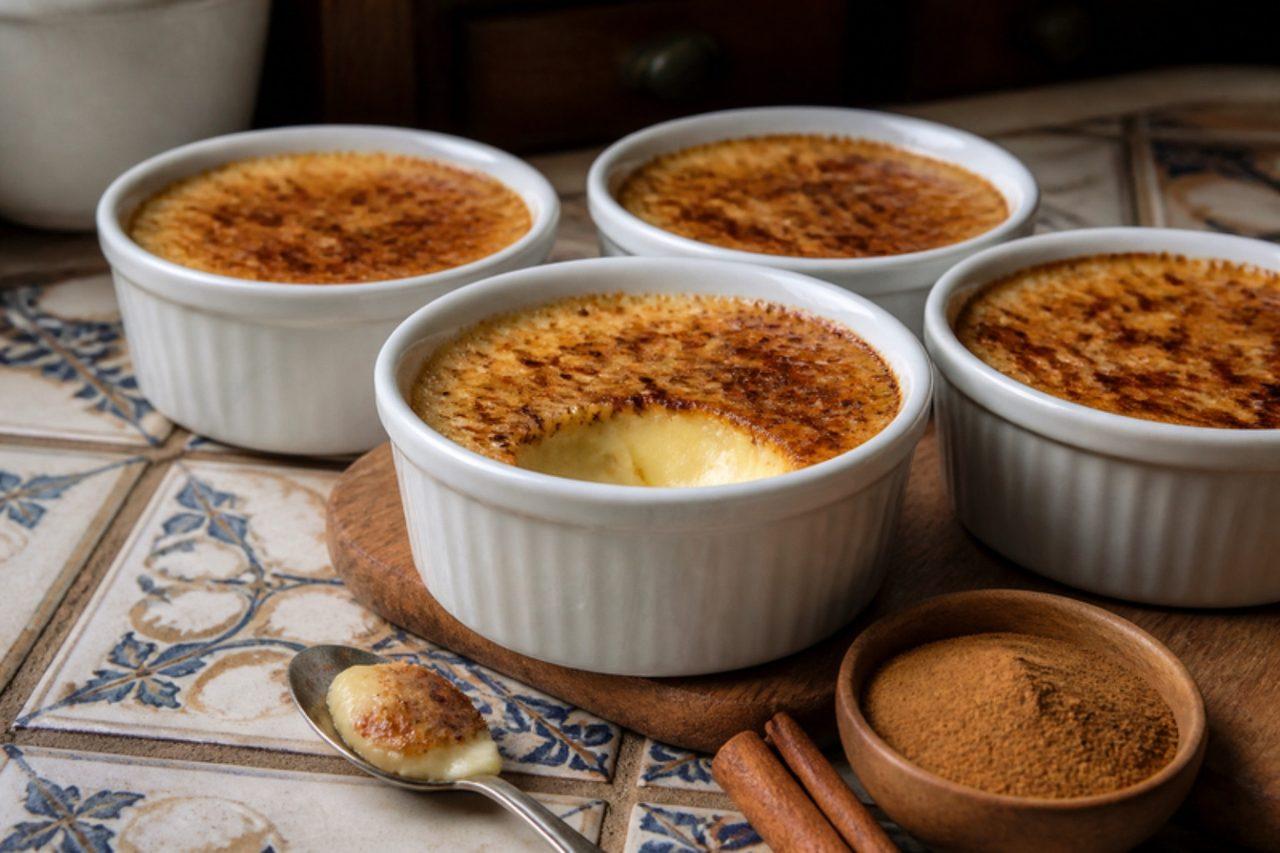
Leche asadaBaked milk custard

A fixture of Lima's set-lunch menus and school canteens, leche asada is the plainer sibling of flan: milk, eggs, sugar and vanilla baked in a dish until set, with no caramel layer, so the top browns into a freckled skin that's the best part. It is lighter and a little less smooth than crème caramel, faintly scented with cinnamon and lemon zest, and served cold in squares or straight from little ramekins. Many cooks rush it in a hot oven, which makes the custard bubble and weep watery holes; bake it low and in a water bath, and only brown the top at the end. It makes a gentle end to a heavy meal and keeps for three days in the fridge. Chef's tip: strain the custard and skim off the foam before baking for a smooth, even set.

by KrazyBadal 0 views

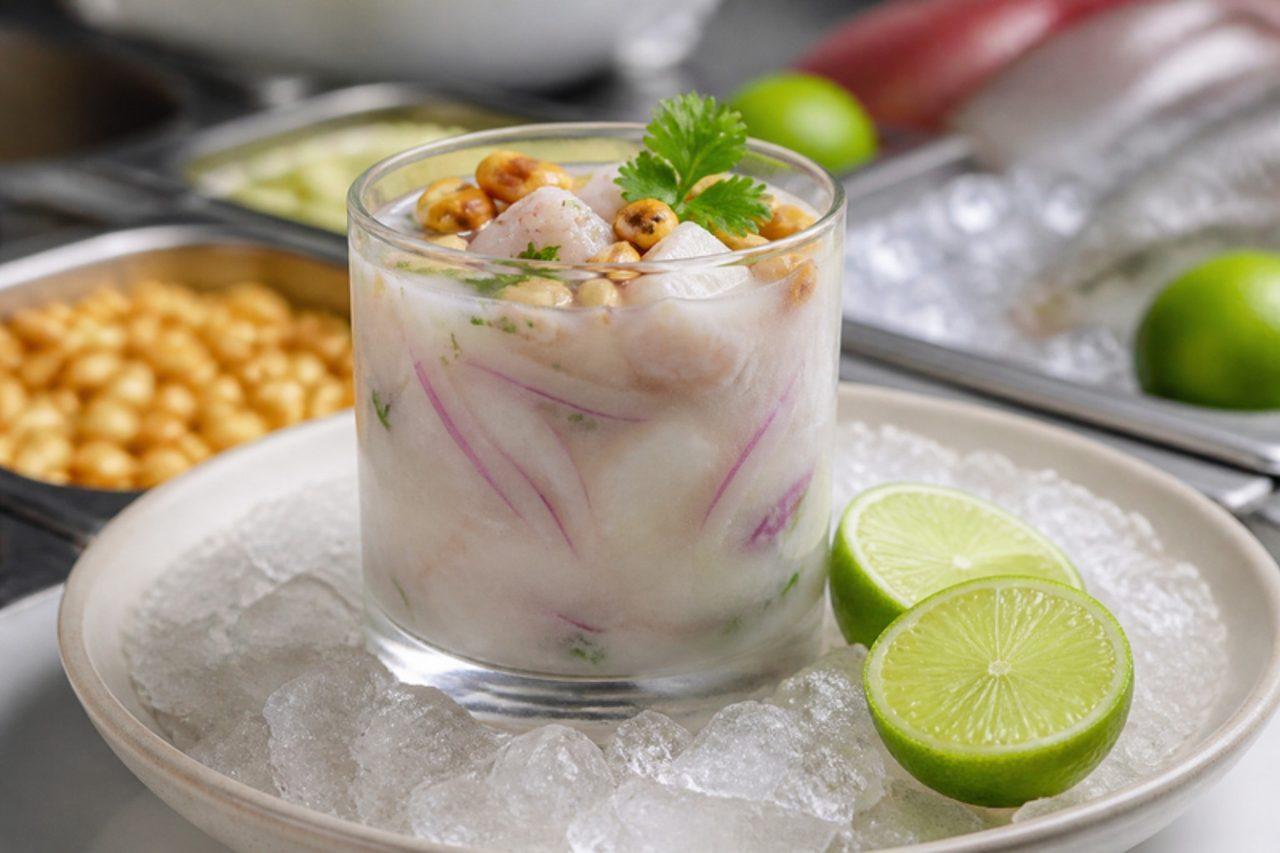
Leche de tigreCitrus ceviche marinade

Every cevichería along Lima's coast, from Chorrillos to the market stalls of Surquillo, sells this as a pick-me-up before lunch: a small glass of milky, lime-sharp juice blitzed with fish, celery, ginger and ají limo, with a few cubes of fish and kernels of cancha floating on top. It is cold, salty, very sour and fiery, and people swear by it the morning after a long night. Because the fish is cured only by lime, this safer version uses very fresh white fish that has been frozen at −20 °C for 24 hours first, keeps everything ice cold and is drunk at once; it is not for pregnant women, young children or anyone with a weakened immune system. The common mistake is blending the lime with the fish for too long, which makes the juice bitter, so pulse only briefly. Chef's tip: squeeze the limes by hand, gently, without pressing the pith; the last hard squeeze is what turns leche de tigre bitter.

by KrazyBadal 0 views

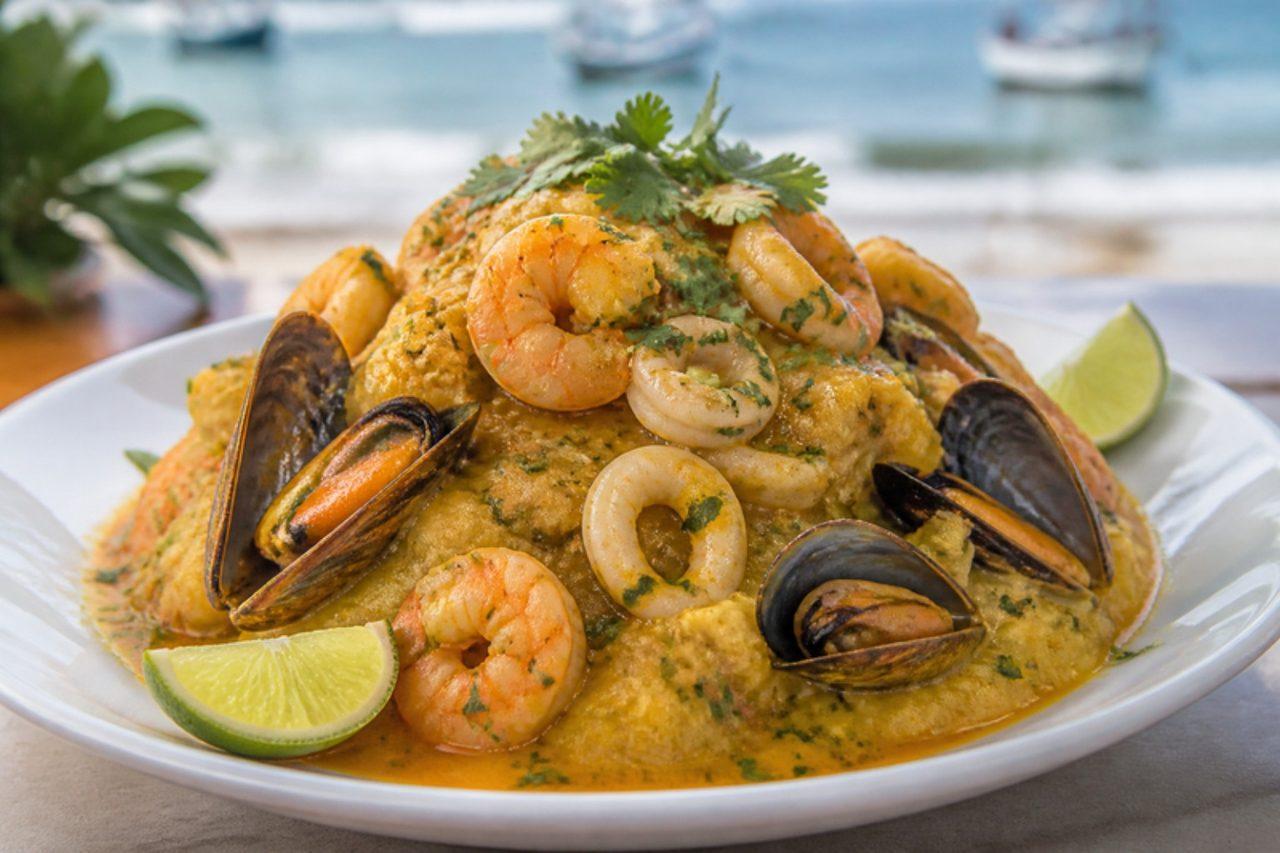
MajariscoPlantain mash with seafood

Its name blends 'majado' (mashed plantain) and 'marisco' (seafood), and along the coast of Piura and Tumbes, near the Ecuadorian border, it's what cevicherías and beach restaurants serve when you want something hot and filling. Mashed green plantain is folded into a sauce of garlic, onion, ají and seafood juices, with prawns, squid and mussels running through it, so every forkful is creamy, garlicky and briny. Serve it with lime and salsa criolla. Mussels must be alive: tap any open ones and discard those that don't close, and discard any that stay shut after cooking. Overcooking the seafood is the most frequent mistake; it goes in at the end, just until pink and opaque. Chef's tip: keep the mussel cooking liquid and use it to loosen the mash; it's pure seafood flavour.

by KrazyBadal 0 views

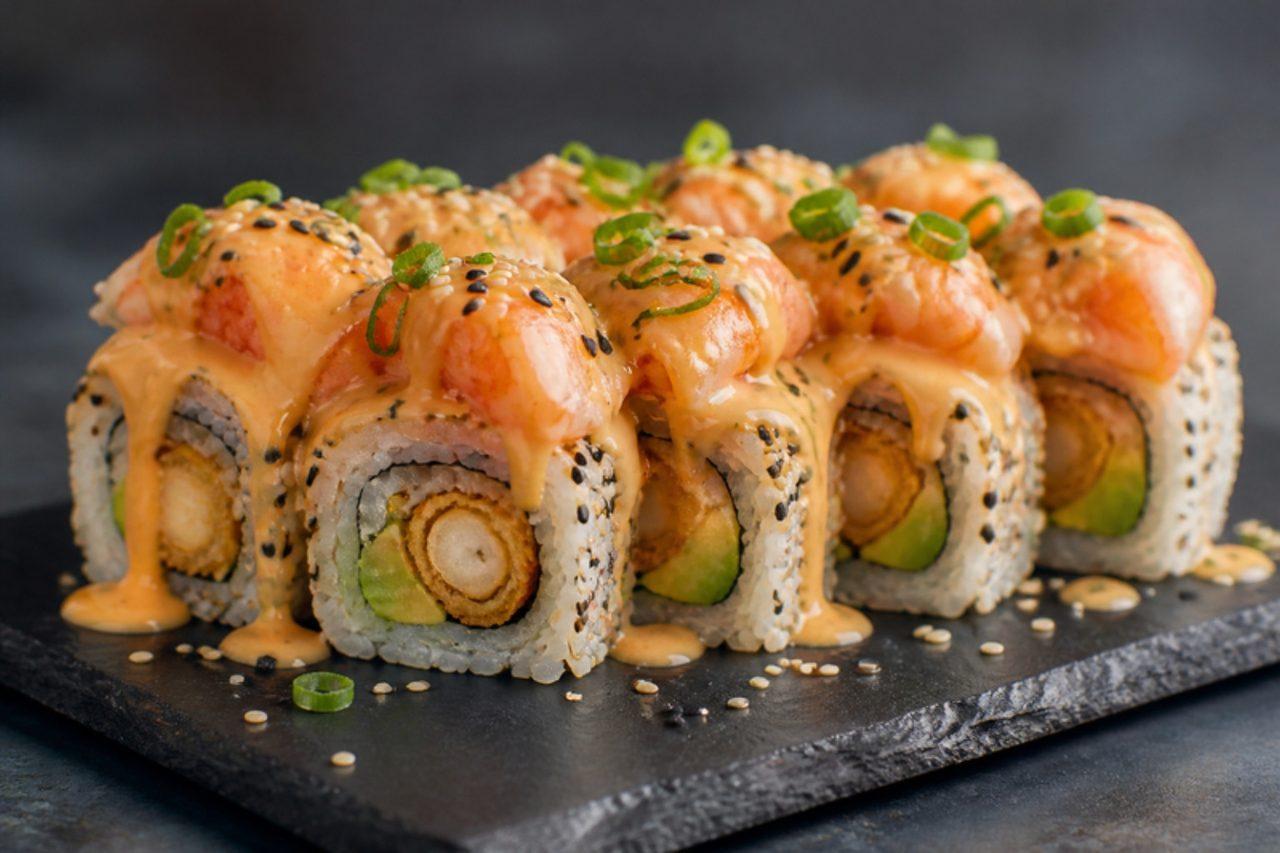
Maki acevichadoPrawn tempura rolls with ceviche sauce

Lima's Nikkei sushi bars invented the acevichado and it has become the roll every Peruvian orders: prawn tempura and avocado rolled in rice, topped with thin slices of fish and drenched in a creamy, lime-sharp sauce built from leche de tigre, ají amarillo and mayonnaise. Crisp, warm, cold and tangy in one bite, it is party food and Friday-night takeaway alike. For a safer topping, use sashimi-grade fish frozen at −20 °C for 24 hours first, keep it cold and eat the rolls at once; you can also sear the slices with a blowtorch or use cooked prawns instead. Even so, the raw-fish topping is not for pregnant women, young children or anyone with a weakened immune system. Overfilling is the usual mistake: the roll won't close and the rice splits. Chef's tip: use a pasteurised-egg mayonnaise and wet your hands with vinegared water so the rice doesn't stick.

by KrazyBadal 0 views

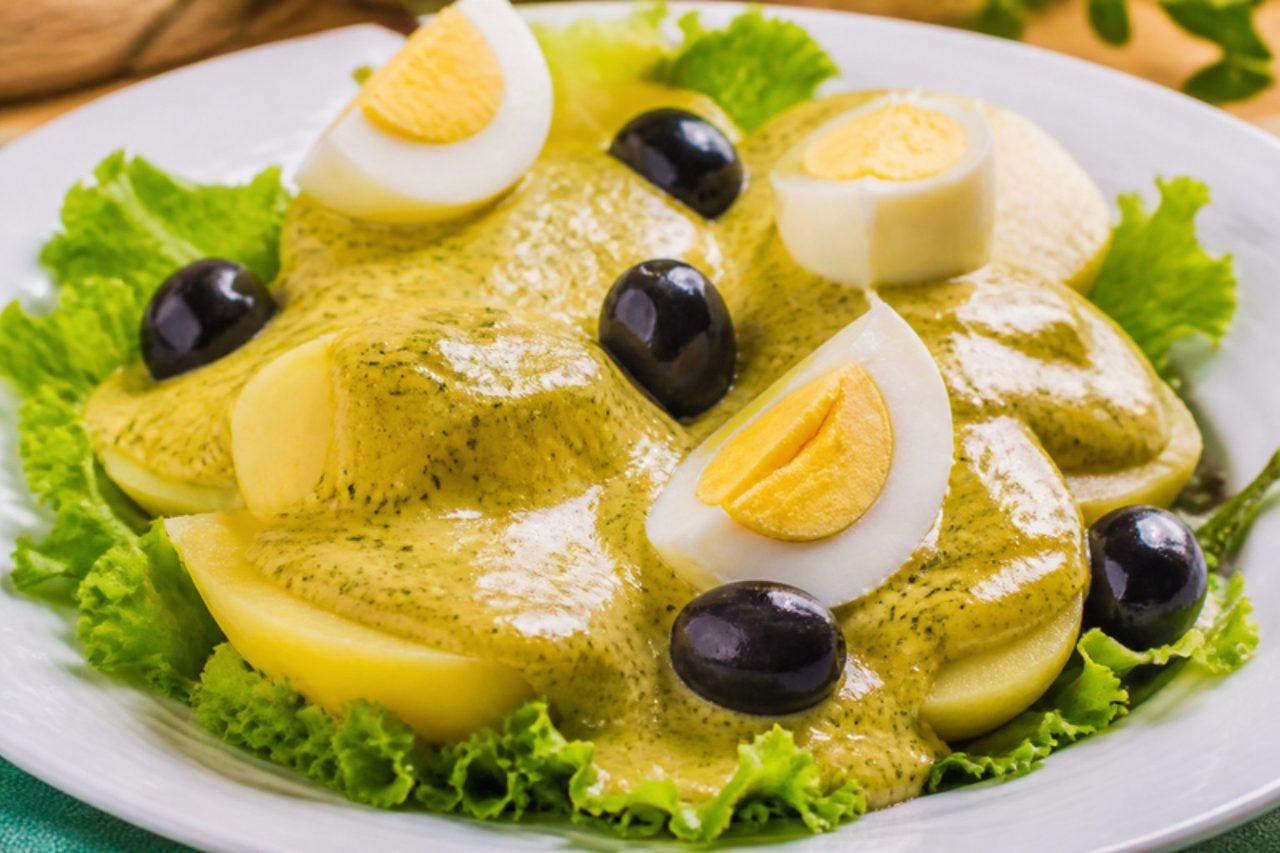
OcopaPeanut, huacatay and cheese sauce

Arequipa's picanterías put ocopa on the table as a starter, a pale olive sauce spooned thickly over sliced boiled potatoes, and the smell of toasted chillies and huacatay (black mint) is what sets it apart from Lima's huancaína. The chillies are dried ají mirasol, charred in a dry pan, which gives a smoky, raisin-like warmth rather than sharp heat, and toasted peanuts make the sauce nutty and almost velvety. Many cooks thicken it with crackers; this version uses only peanuts and cheese, so it stays gluten free. Serve it at room temperature with yellow potatoes, a black olive and a few lettuce leaves, plus a halved boiled egg for anyone who eats eggs. The mistake people make is toasting the onion and chillies black, which turns the sauce bitter; they should be blistered in spots only. Queso fresco is often made with animal rennet, so look for a vegetarian fresh cheese. Chef's tip: huacatay paste comes in jars from Latin shops; without it, use a small handful of mint plus a few tarragon leaves.

by KrazyBadal 0 views

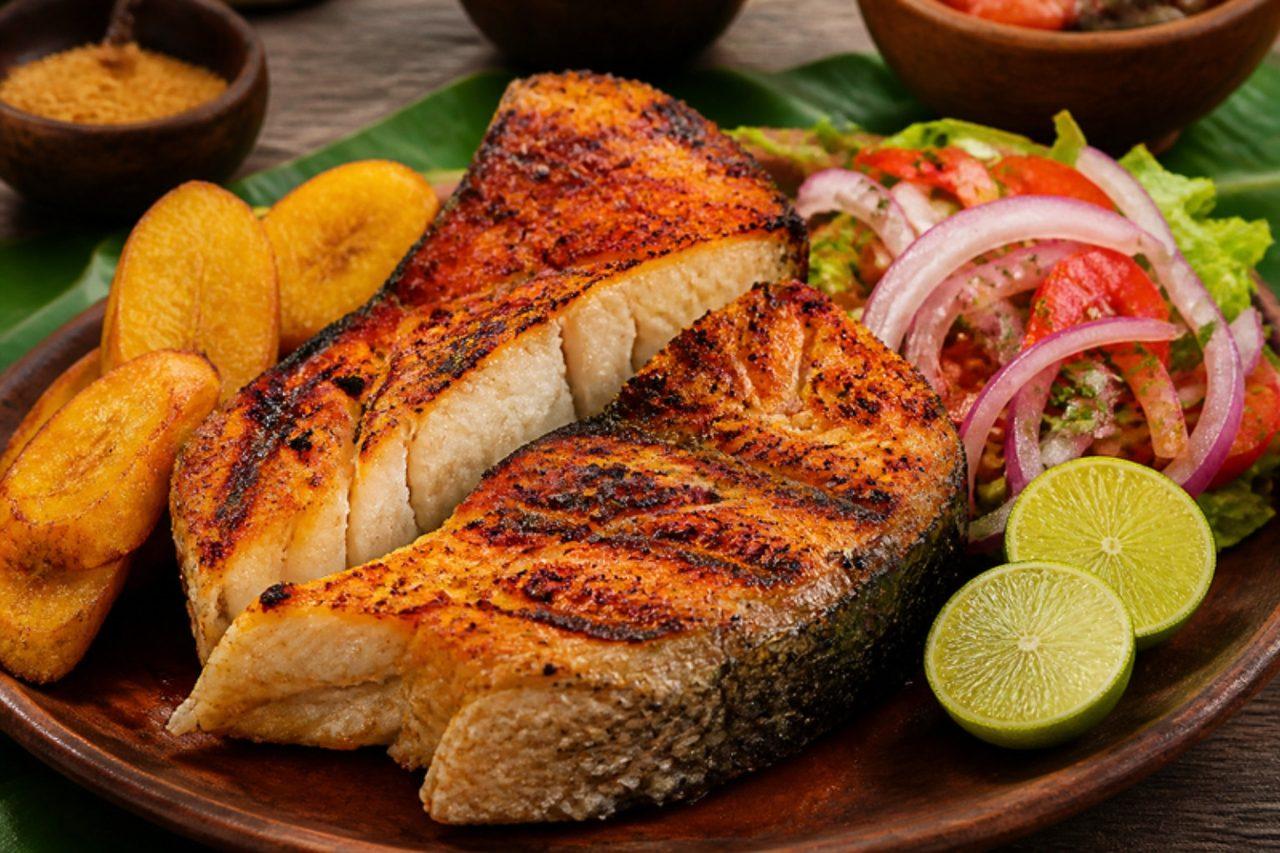
Paiche a la parrillaGrilled paiche steaks

Paiche (arapaima), one of the largest freshwater fish on earth, has thick, white, almost boneless flesh, and in Iquitos it is farmed and cut into meaty steaks that sizzle on the grills of riverside restaurants. Marinated briefly in garlic, lime, cumin and achiote, it chars on the outside and stays juicy and mild inside, a little like cod but firmer. Serve it with a tomato and onion salad, rice, or tacacho (mashed fried plantain balls). Frozen farmed paiche is sold in some fishmongers; thick cod, halibut or hake loin are good stand-ins. Leaving it in lime too long is the big mistake: the acid starts to 'cook' the surface and it sticks and tears on the grill, so 15 minutes is plenty. Chef's tip: oil the fish, not the grill, and don't move it for the first 3 minutes so it forms a crust and releases cleanly.

by KrazyBadal 0 views

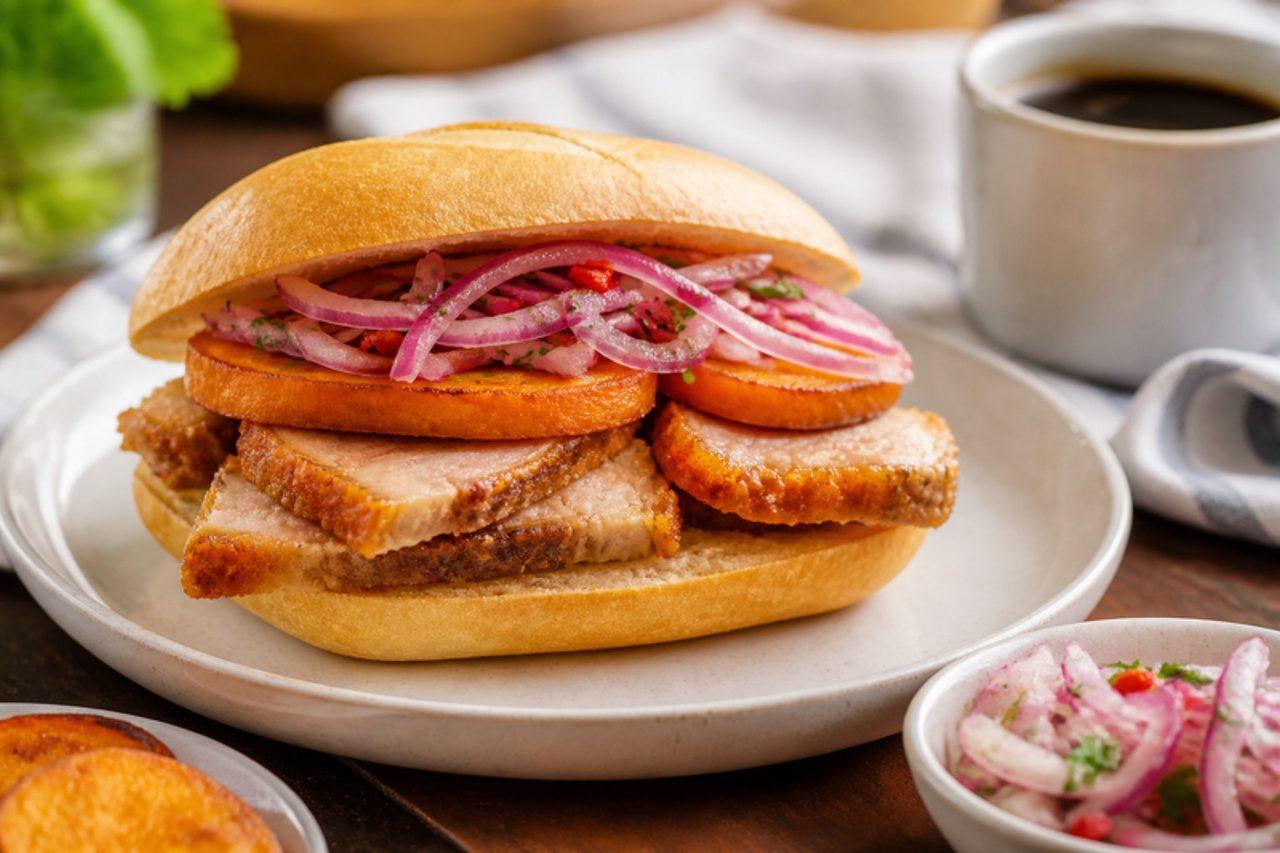
Pan con chicharrónCrisp pork sandwich

Sunday mornings in Lima mean a queue at the neighbourhood sanguchería or a stop at Barranco's old cafés for this: a crusty pan francés roll stuffed with chicharrón, pork that has been simmered in salted water until the water evaporates and then fried in its own fat, layered with slices of fried sweet potato and a crown of salsa criolla. The pork is crisp at the edges, juicy inside, the sweet potato sweet and soft, the onion sharp and cold. It comes with coffee or a hot drink. The usual mistake is frying the pork in extra oil from the start; the water has to boil off first so the meat renders and fries in its own fat, otherwise it stays pale and tough. Chef's tip: use pork belly mixed with shoulder for the right balance of crackle and meat.

by KrazyBadal 0 views

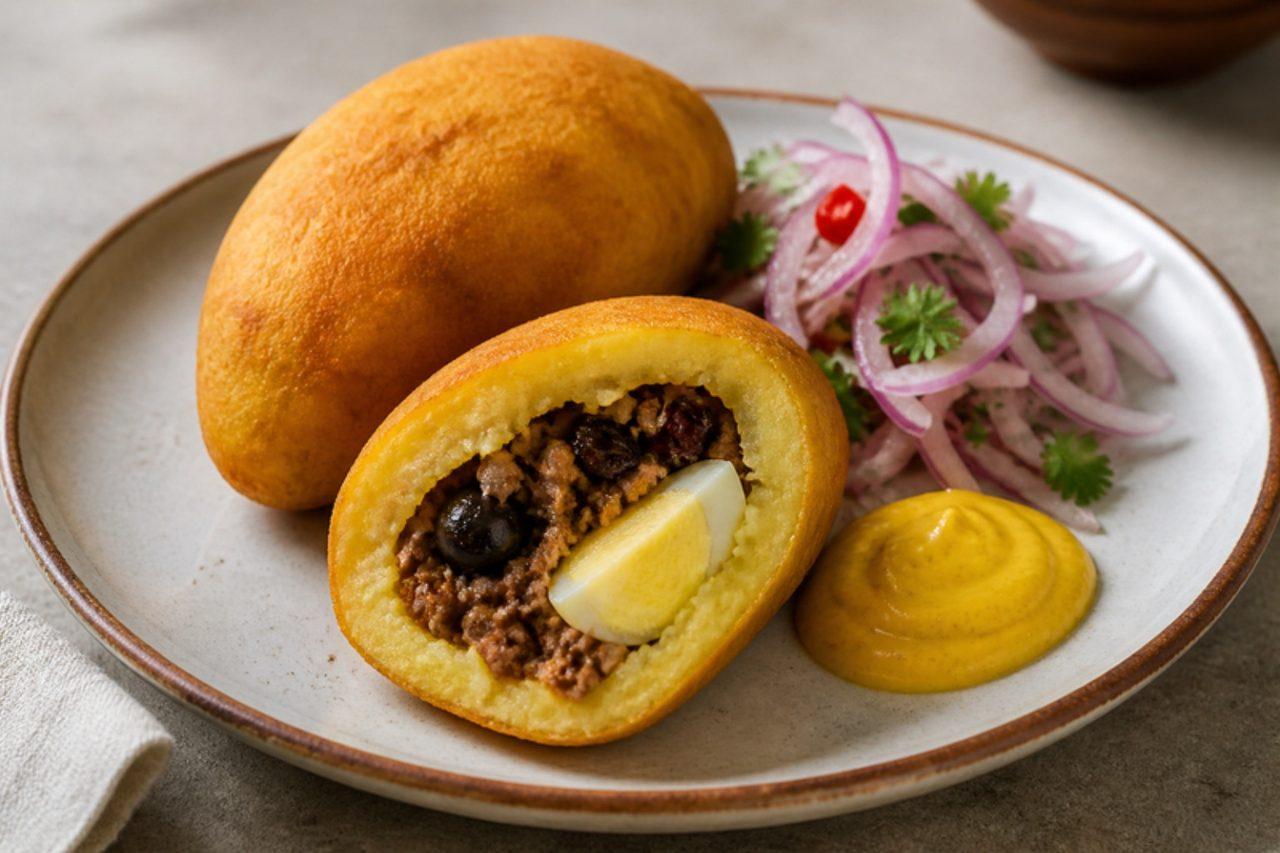
Papa rellenaStuffed potato croquettes

Torpedo-shaped and golden, papas rellenas sit stacked in the glass cases of Lima's sangucherías and market stalls, and they are just as often made at home on a weekday to use up a pot of mash. The shell is plain yellow potato with a crisp, thin crust; inside is a picadillo of minced beef with onion, ají panca, cumin, sliced egg, black olives and a few raisins for sweetness. They are eaten warm with a heap of salsa criolla and a spoon of ají sauce. The usual mistake is working the potato while it is still hot and wet: it turns gluey and splits in the oil, so let it steam dry and cool before shaping. Chef's tip: dust your hands and the croquettes with rice flour rather than wheat flour; it gives a thinner, crisper shell and keeps them gluten free. For a meat-free version, swap the beef for chopped mushrooms fried hard until dry.

by KrazyBadal 0 views

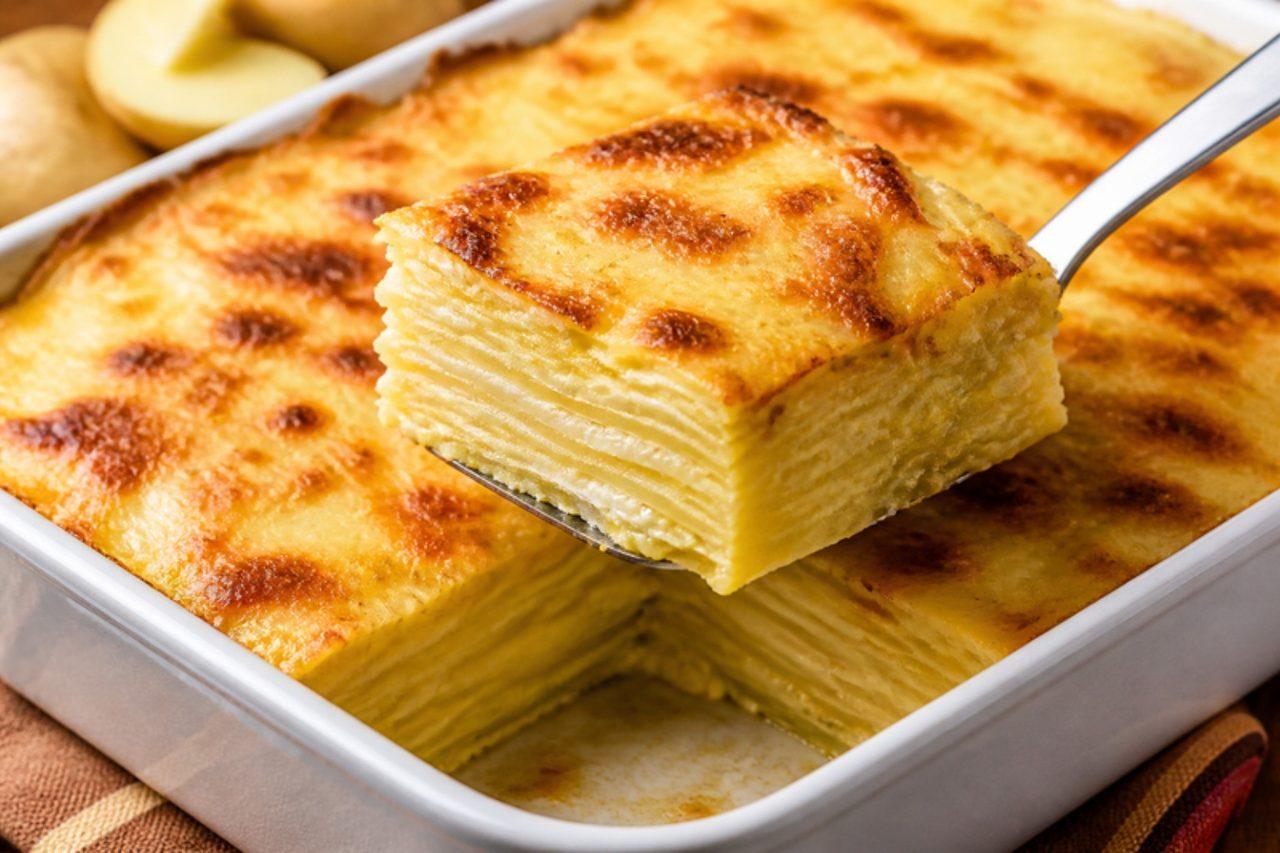
Pastel de papaLayered potato and cheese bake

On a plate in an Arequipa picantería, pastel de papa is the soft, golden square that sits next to a fiery rocoto relleno and cools your mouth between bites. Thin slices of parboiled potato are layered with fresh cheese and a seasoned egg and evaporated-milk custard, then baked until the top puffs and browns. It is richer and more set than a French gratin, firm enough to cut cleanly, and it makes a fine vegetarian main with a salad of tomato and onion or a spoon of uchucuta. The way it goes wrong is slicing the potatoes too thick or under-boiling them, which leaves them crunchy while the custard overcooks; cut them 3–4 mm thin and parboil them just until bendy. Arequipa cooks use paria or queso fresco, which are normally made with animal rennet; a vegetarian melting cheese such as a microbial-rennet mozzarella or mild cheddar works well. Chef's tip: let the bake rest for 15 minutes after it leaves the oven so the custard settles and the slices hold.

by KrazyBadal 0 views

Sachertorte

This dense, dark chocolate torte is Vienna's most famous cake, eaten in coffee houses all over the city with a cup of Melange and, always, a cloud of unsweetened whipped cream on the side. The sponge is made with melted chocolate and whisked egg whites, so it is fine-crumbed and slightly dry by design; a thin layer of sharp apricot jam runs through the middle and over the top, under a shiny, snappy chocolate glaze. A common mistake is pouring the glaze too hot or too cold; too hot and it runs off thin, too cold and it sets dull and lumpy. It is a cake for birthdays and Sunday visits, and it keeps well for days. Chef's tip: bake it the day before and let it rest overnight wrapped; it cuts far more neatly and the crumb softens.

by KrazyBadal 0 views

Linzer Torte

Linz, the Danube city in Upper Austria, has baked this tart for centuries, and it still fills bakery windows there all year, with extra demand in Advent. It is closer to a soft, crumbly nut biscuit than a pastry: ground hazelnuts, butter, cinnamon and cloves are pressed into the tin, filled with tart redcurrant jam and topped with a lattice. Serve a thin slice with coffee or tea. A common mistake is eating it on the day it is baked; it is much better after two or three days, when the jam soaks into the crumb. Chef's tip: chill the lattice strips on a tray before lifting them on, and they will not tear.

by KrazyBadal 0 views

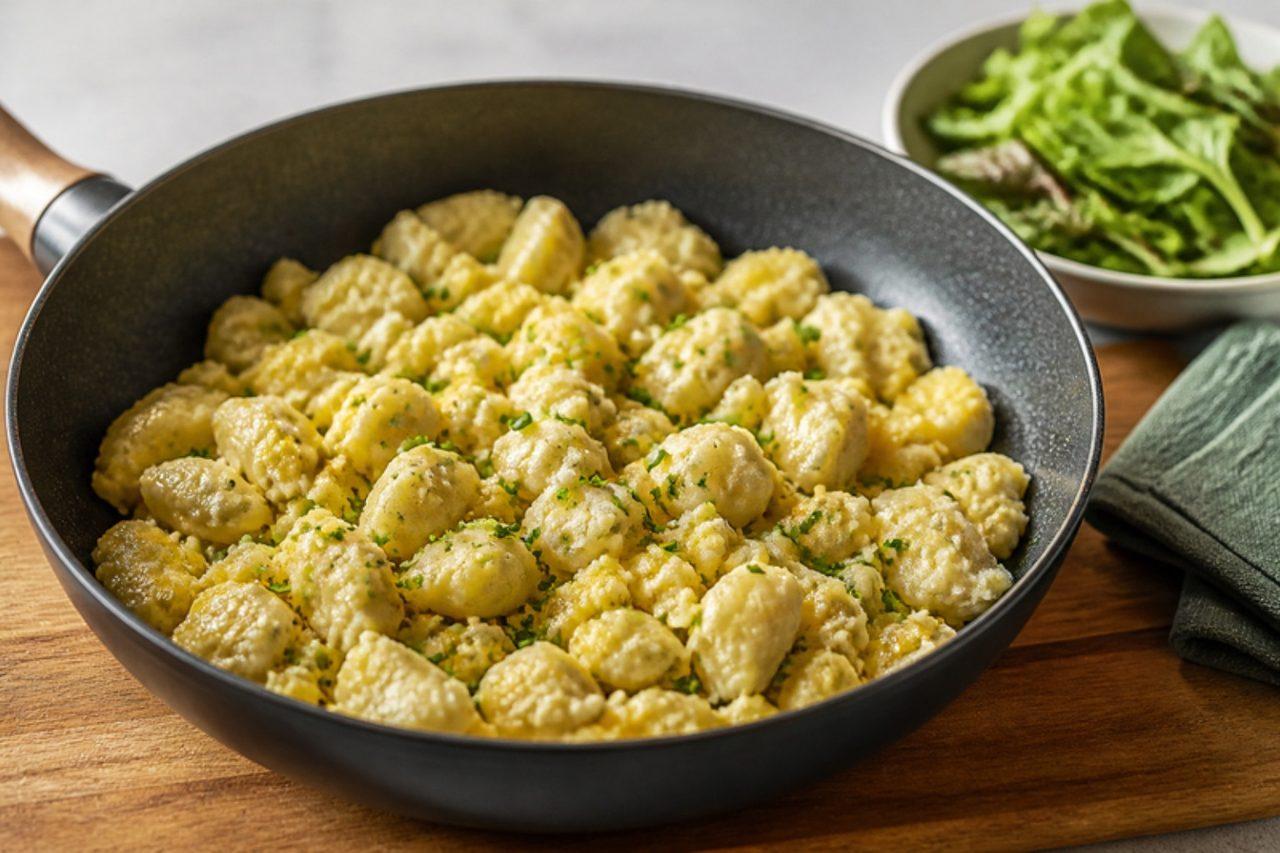
EiernockerlSoft dumplings with scrambled eggs

Eiernockerl is what Viennese grandmothers cook when the larder is nearly bare: a loose flour batter is scraped in little nubs into boiling water, then tossed in foaming butter and set with beaten eggs. In Vienna it turns up on weekday lunch tables and in old-fashioned Beisln, usually with a green salad in a sharp vinegar dressing on the side. The nockerl should be soft and slightly chewy, the egg just set and glossy, with lots of chives. A common mistake is cooking the eggs until dry and grainy; take the pan off the heat while they still look a little wet. Chef's tip: let the batter rest for 10 minutes before you cut it into the water, so the flour swells and the nockerl hold their shape.

by KrazyBadal 0 views

EsterházytorteAlmond meringue layer cake

Named after a Hungarian noble family and claimed by both Budapest and Vienna, this torte is a showpiece of Viennese pastry shops, where it sits in the glass counter beside richer chocolate cakes. Five or six crisp-chewy almond meringue layers are stacked with a vanilla custard buttercream, then topped with white icing and the famous feathered chocolate lines. It has no flour at all, so it suits gluten-free guests. A common mistake is baking the layers too pale; they should be light golden, or they go soft and sticky in the cream. Chef's tip: draw the circles on baking paper first and spread the meringue to the line with a palette knife, so every layer matches.

by KrazyBadal 0 views

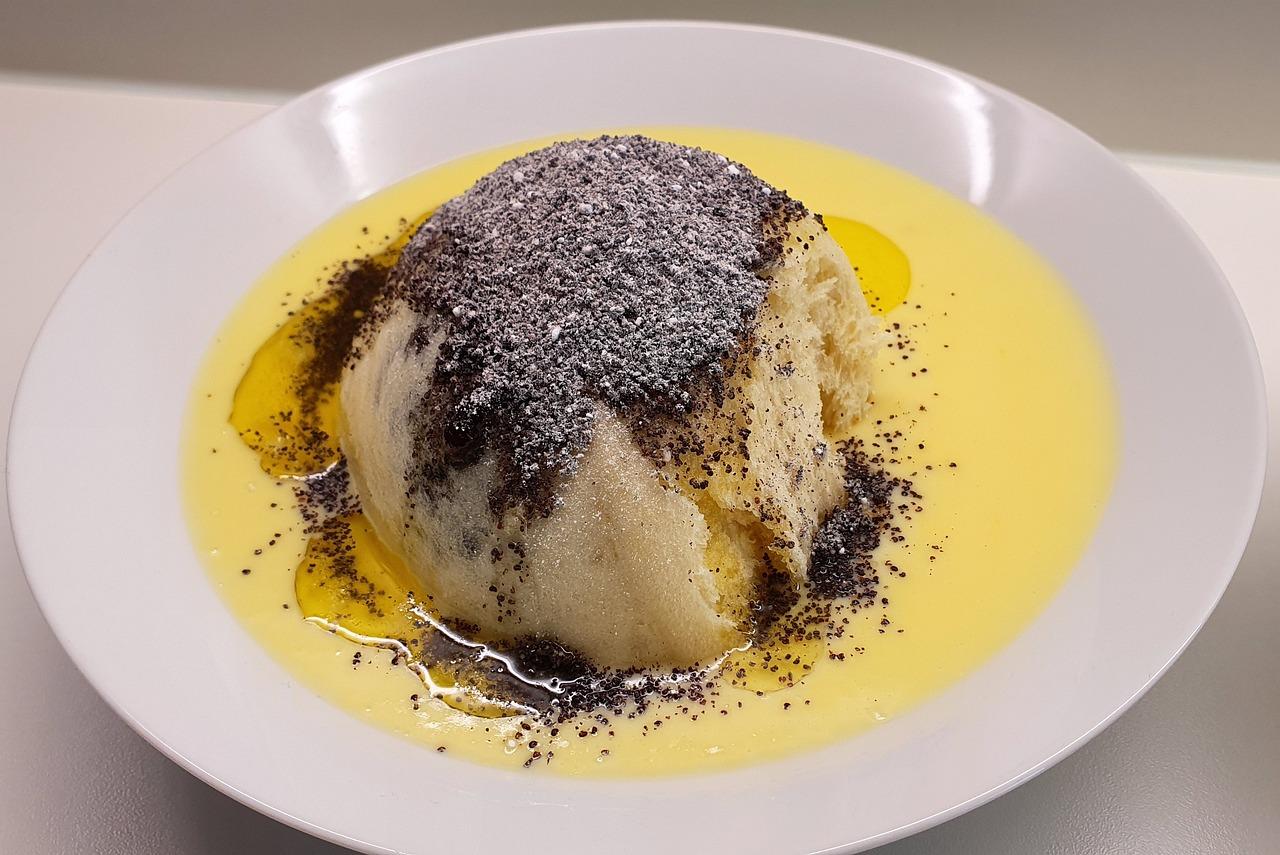
GermknödelSteamed plum jam dumpling

After a morning on the slopes, Austrians head into the mountain huts of Tyrol, Salzburg and Styria for one thing: a Germknödel the size of a fist, steamed until pillowy and split open to reveal dark plum butter. It comes drowned in melted butter, or in vanilla sauce, under a thick snow of ground poppy seeds and icing sugar, and it is eaten as a whole meal. The dough is soft and slightly sweet, and the powidl inside is tart and jammy. A common mistake is lifting the lid while they steam; the dumplings deflate and turn heavy. Chef's tip: seal each dumpling with the seam underneath and let them prove a second time on squares of baking paper, so you can move them without denting them.

by KrazyBadal 0 views

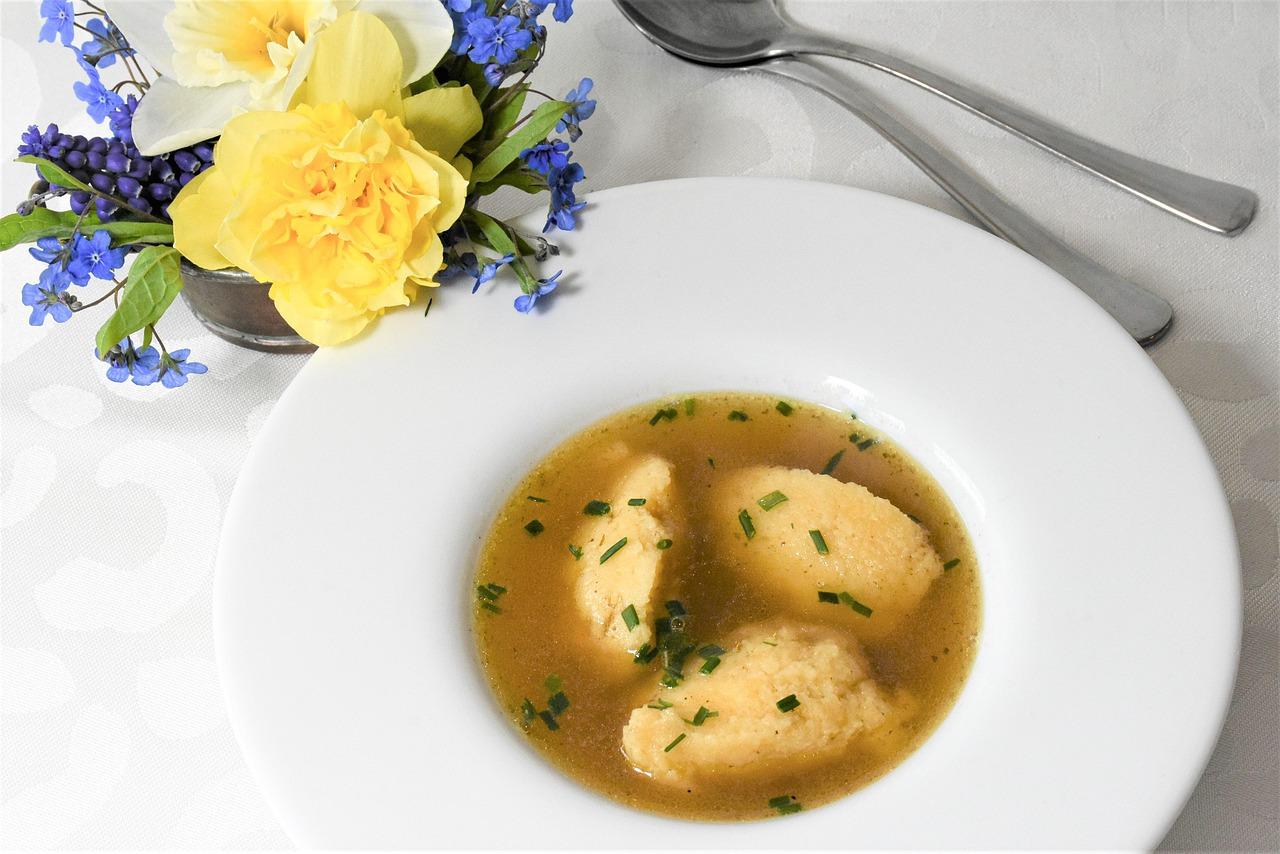
GrießnockerlsuppeBeef broth with semolina dumplings

Grießnockerlsuppe is the soup that opens a proper Austrian Sunday lunch, from Viennese grandmothers' tables to village inns in Upper Austria: a clear, deeply savoury beef broth with three or four soft, oval semolina dumplings that should be fluffy enough to cut with a spoon. The broth is made from beef shin and bones, simmered slowly with charred onion; broth left over from Tafelspitz works perfectly too. Chef's tip: let the semolina mix rest for 15 minutes before shaping; the grains swell and the dumplings hold together without going heavy.

by KrazyBadal 0 views

Kärntner KasnudelnCurd cheese filled pasta half-moons

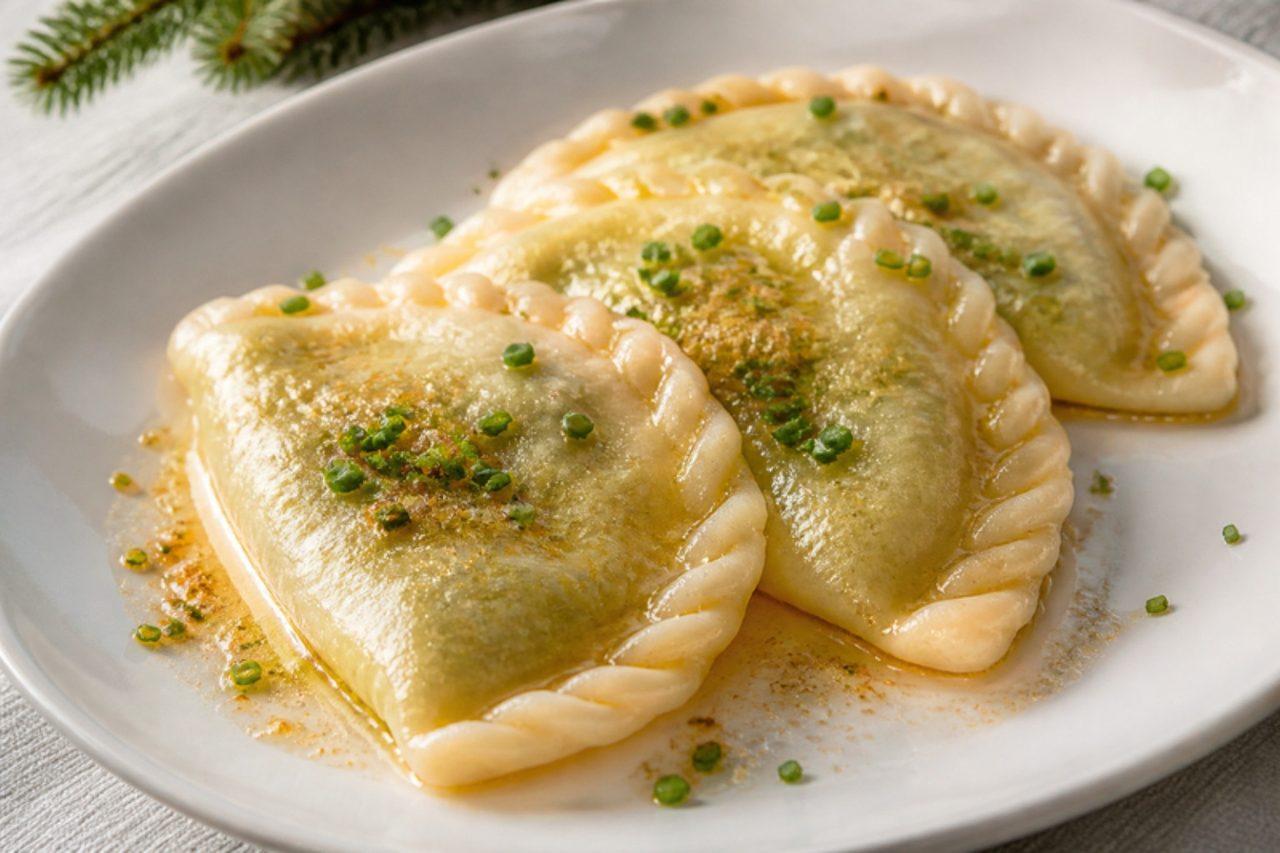
Kasnudeln are the pride of Carinthia in Austria's south, where every village claims the best filling and where they are eaten on Fridays and at church fairs. Big half-moons of thin noodle dough are stuffed with crumbly curd cheese, floury potato, onion and fresh mint, then sealed with a braided edge called 'krendeln' that keeps the filling in as they simmer. They are served with a generous pour of brown butter and chives, often with a green salad. A common mistake is rolling the dough too thick: it should be thin enough to see your hand through, or the folded edges turn stodgy. Carinthian Topfen is usually made without animal rennet, but check the label and pick a vegetarian quark. Chef's tip: if crimping feels tricky, press the edges with a fork first, then practise the braid on the last few.

by KrazyBadal 0 views

KardinalschnittenMeringue and sponge coffee slices

Kardinalschnitten, 'cardinal slices', were created in Vienna with the colours of the Church in mind: white meringue and yellow sponge baked side by side in stripes. In Viennese cafés they are a light, summery choice with an afternoon coffee. Two baked sheets of alternating stripes sandwich a soft coffee cream, and the result is crisp, airy and cool at the same time. A common mistake is overfilling with cream that has not been stabilised; it squeezes out when you cut. Here a little mascarpone keeps the cream firm without gelatine. Chef's tip: pipe the meringue stripes first and the sponge in the gaps after, so the sponge does not spread flat.

by KrazyBadal 0 views

Showing 24 of 441 recipes

Show more recipes

Page 13 of 19