Skip to content
Recipes

All recipes

Vegetarian, or something you can't eat? Set your diet once and we'll hide recipes that don't fit.

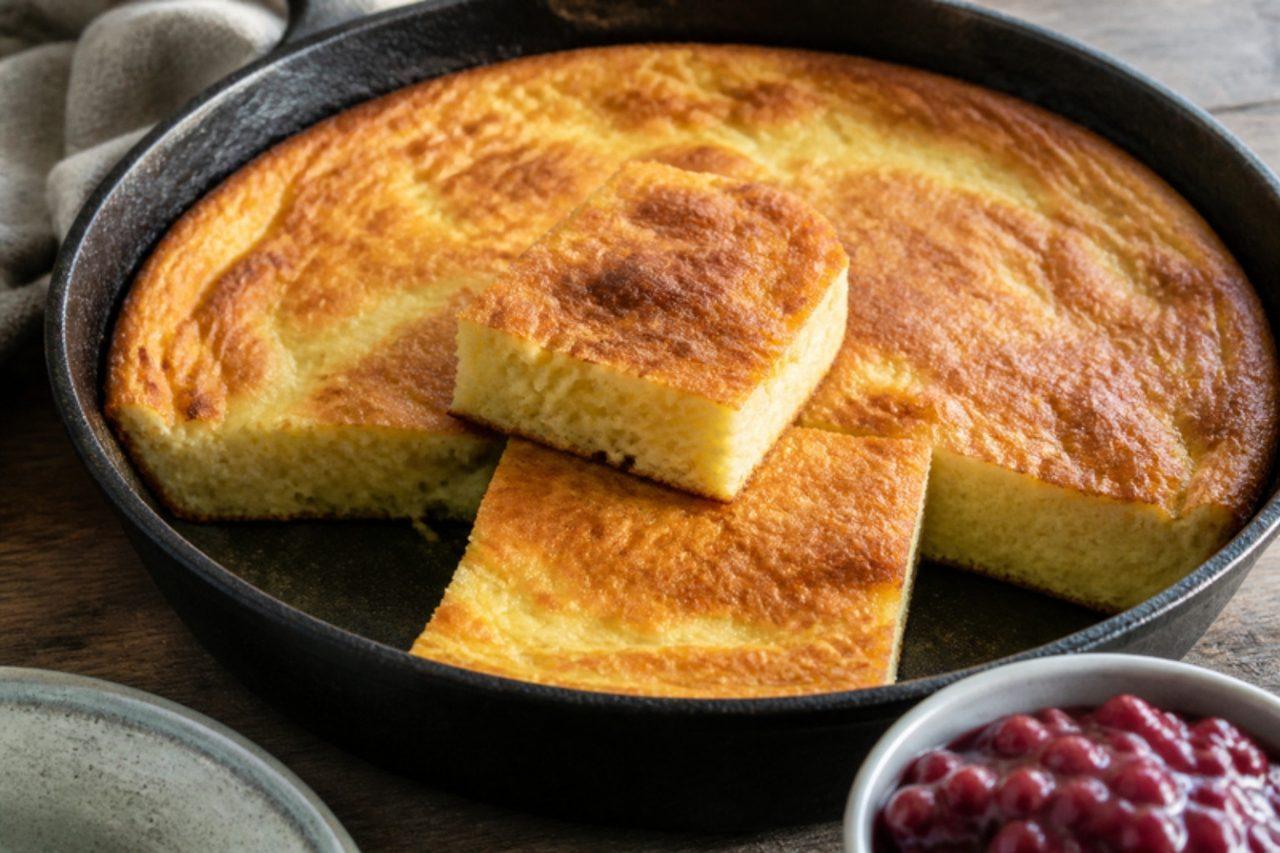
Äggakaka

Äggakaka is the farmhouse egg cake of Skåne, Sweden's southernmost province: a thick, puffy batter of eggs, milk and flour baked in a hot pan until golden on top and custardy inside, cut into squares and eaten with lingonberries. In Skåne it usually comes with crisp fried pork belly; this vegetarian version leaves the pork out and adds a little butter-fried apple on the side. A common mistake is opening the oven early, which makes it sink. Chef's tip: heat the pan with the butter until it sizzles before pouring in the batter, so the base and edges crisp.

by KrazyBadal 0 views
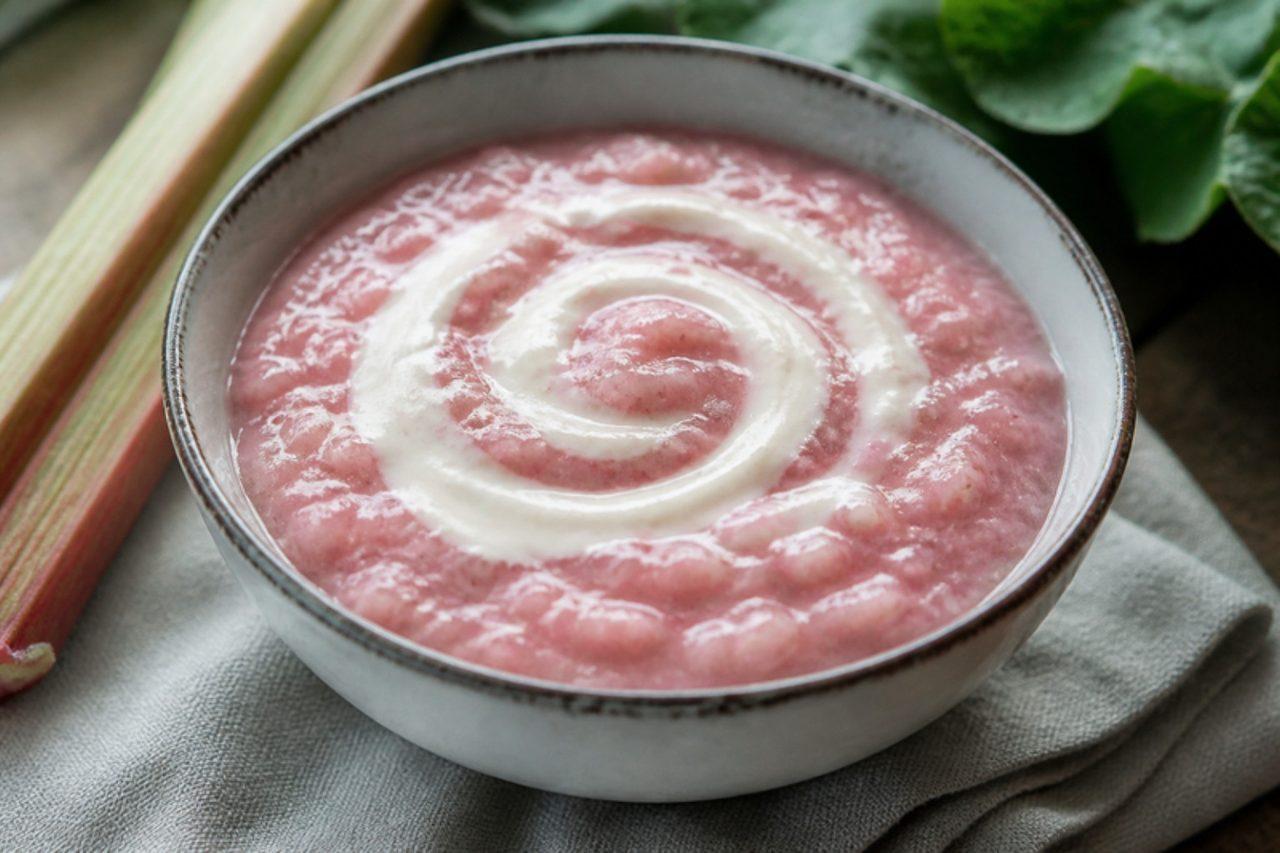
Rabarbugrautur

Rhubarb is one of the few fruits that thrive in the windswept Faroe Islands, and rabarbugrautur, 'rhubarb porridge', is the summer pudding of Tórshavn and village kitchens alike: rhubarb stewed with sugar and thickened with potato starch into a glossy, tart, ruby-coloured pudding, served warm or chilled with cold cream or milk. A common mistake is boiling it after the starch goes in, which makes it thin and stringy. Chef's tip: take the pan off the heat before stirring in the starch slurry, then return it just until the first bubble, and stop.

by KrazyBadal 0 views
Kjötsúpa

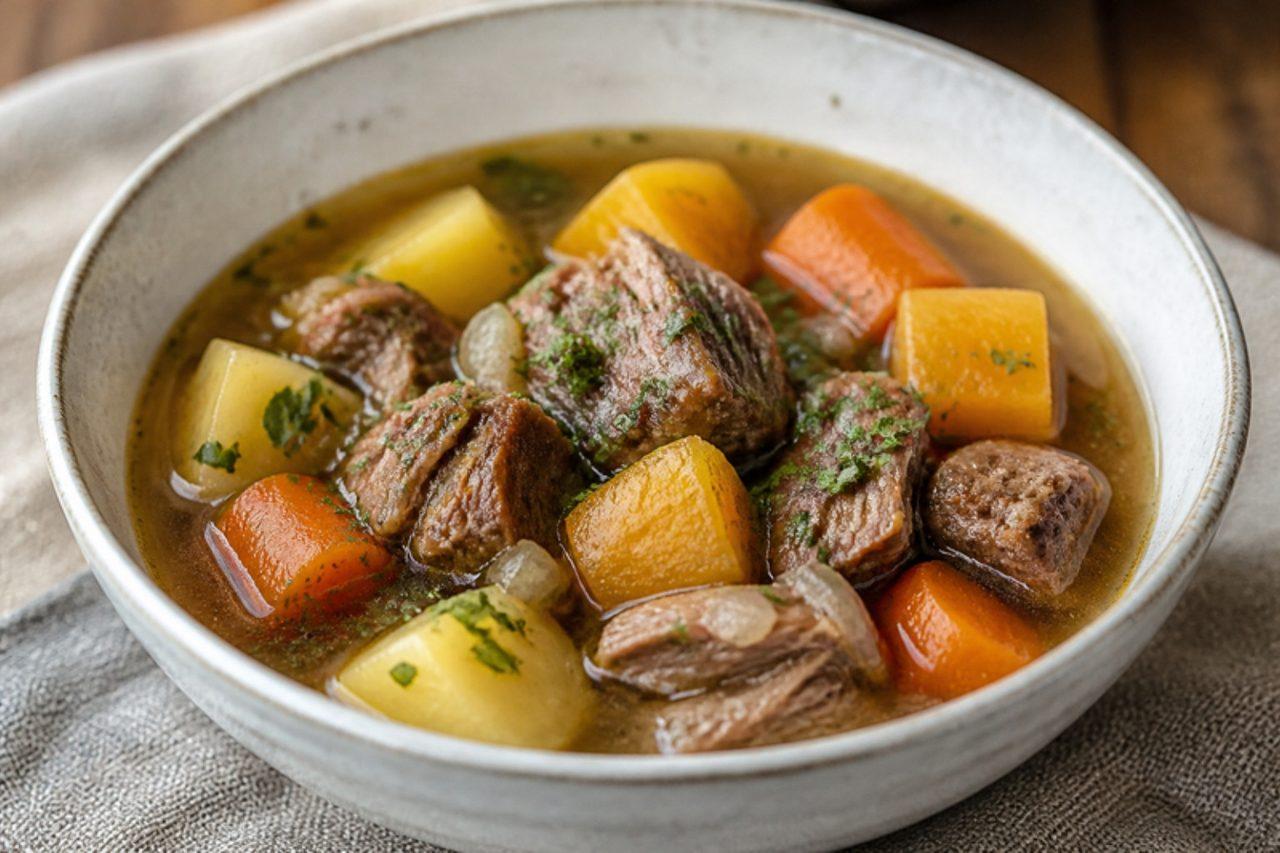
Kjötsúpa is the soup every Icelander grew up on, simmered from bony lamb shoulder with swede, potatoes, carrots, onion and a handful of rolled oats or rice to thicken it. Icelandic lamb is free-grazing and flavourful, and on the first day of winter in late October, Kjötsúpudagurinn, free soup is ladled out on Skólavörðustígur in Reykjavík. A common mistake is skimming too little at the start, which leaves a greasy, cloudy soup. Chef's tip: serve the meat on a plate beside the soup, as many Icelandic families do, so everyone can pull it from the bone.

by KrazyBadal 0 views
Ostkaka

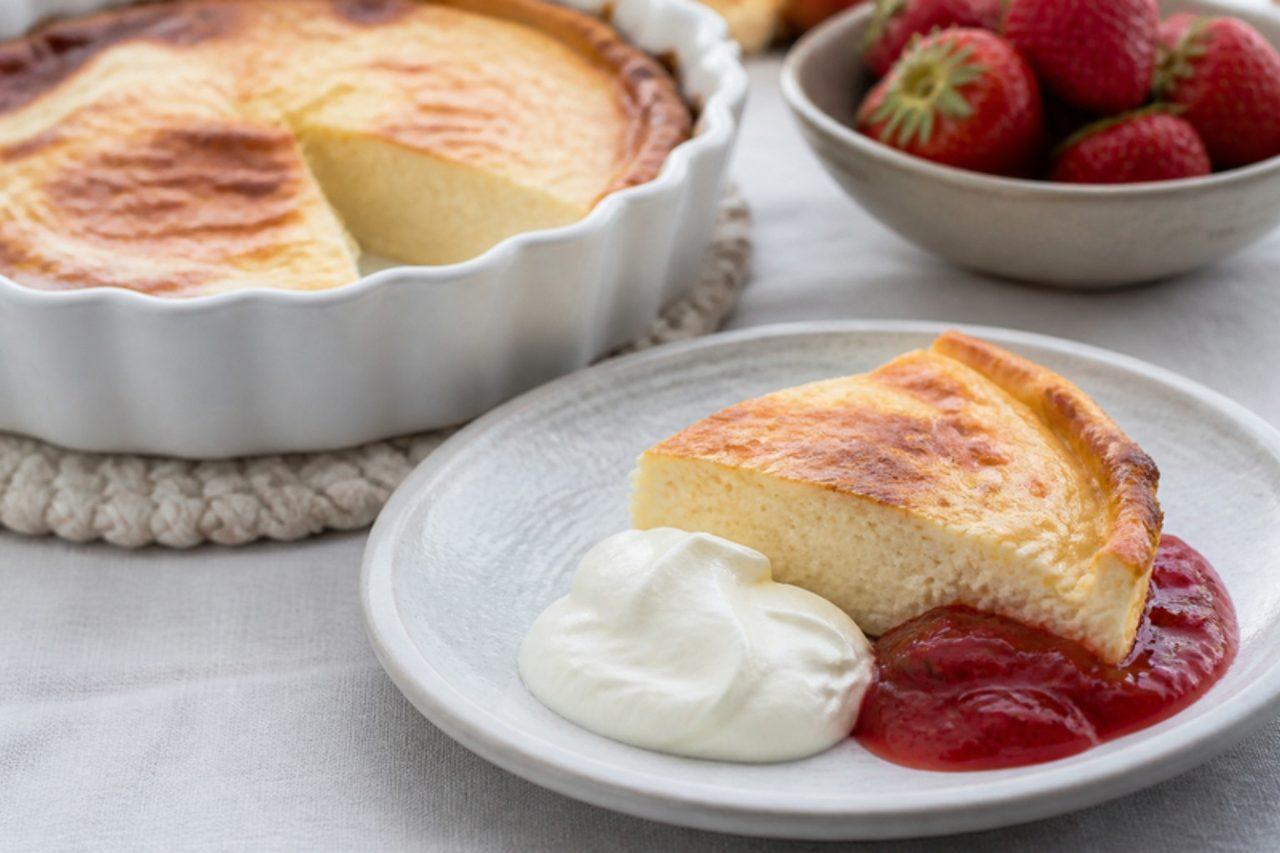
Ostkaka, 'cheese cake', is the old festive pudding of Småland in southern Sweden: milk is set with rennet into fresh curd, which is mixed with cream, eggs, sugar and ground almonds, including a few bitter almond drops, and baked slowly until just set. It is eaten warm, never cold, with strawberry or cloudberry jam and whipped cream, at midsummer, weddings and on Småland Sundays. Animal rennet is traditional; vegetarian rennet works the same. A common mistake is baking it too hot, which makes it watery and grainy. Chef's tip: bake low and slow until it just wobbles in the centre; it firms up as it rests.

by KrazyBadal 0 views
Dammsugare

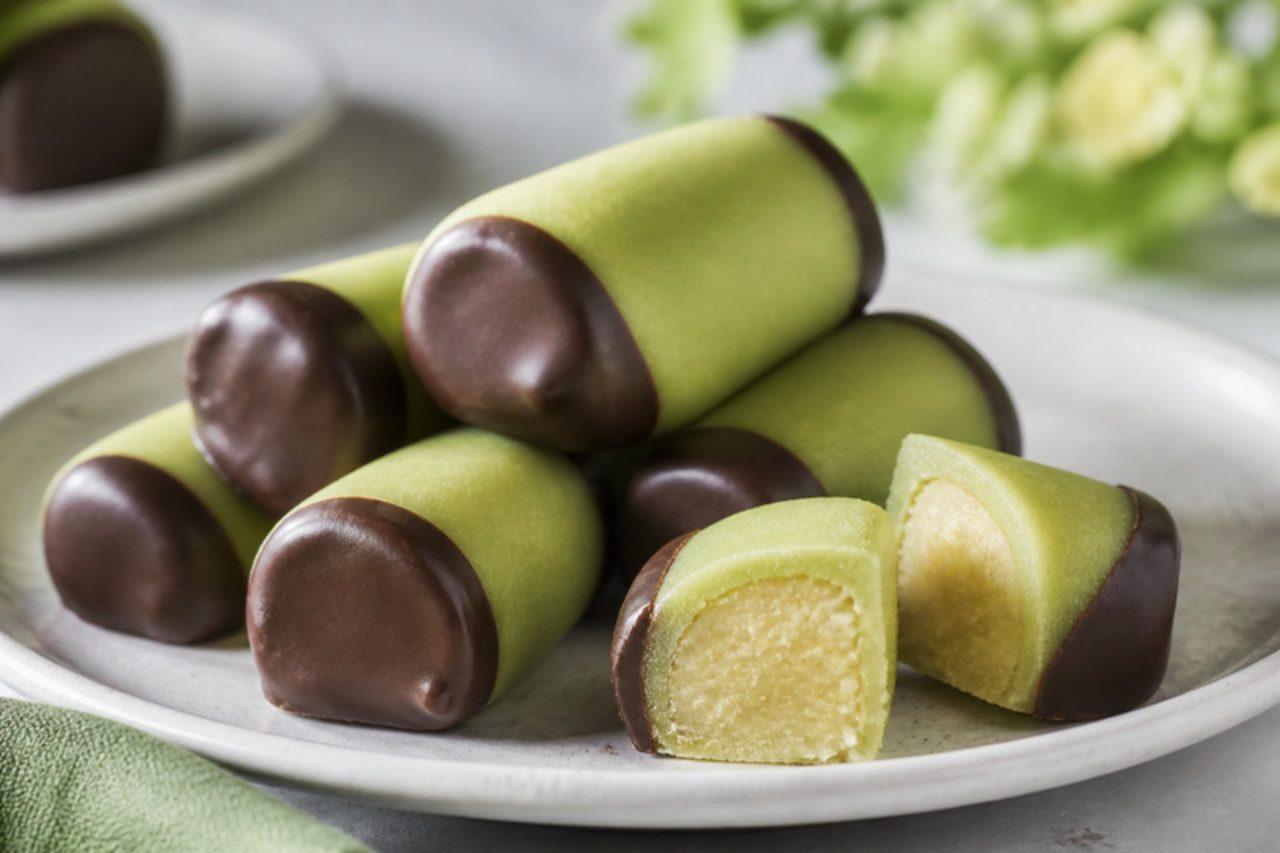
The dammsugare, 'vacuum cleaner', got its name because Swedish bakeries invented it to use up crumbs and offcuts of cake swept up at the end of the day: the crumbs are mixed with butter, cocoa and flavouring, rolled into logs, wrapped in bright green marzipan and dipped in dark chocolate at both ends. Bakeries usually flavour the filling with punsch, a sweet arrack liqueur; this version uses vanilla and a little orange, and is alcohol-free. A common mistake is rolling the marzipan too thick, which makes it cloying. Chef's tip: roll the marzipan thin between sheets of baking paper and chill the filled logs before cutting.

by KrazyBadal 0 views
Flatkökur

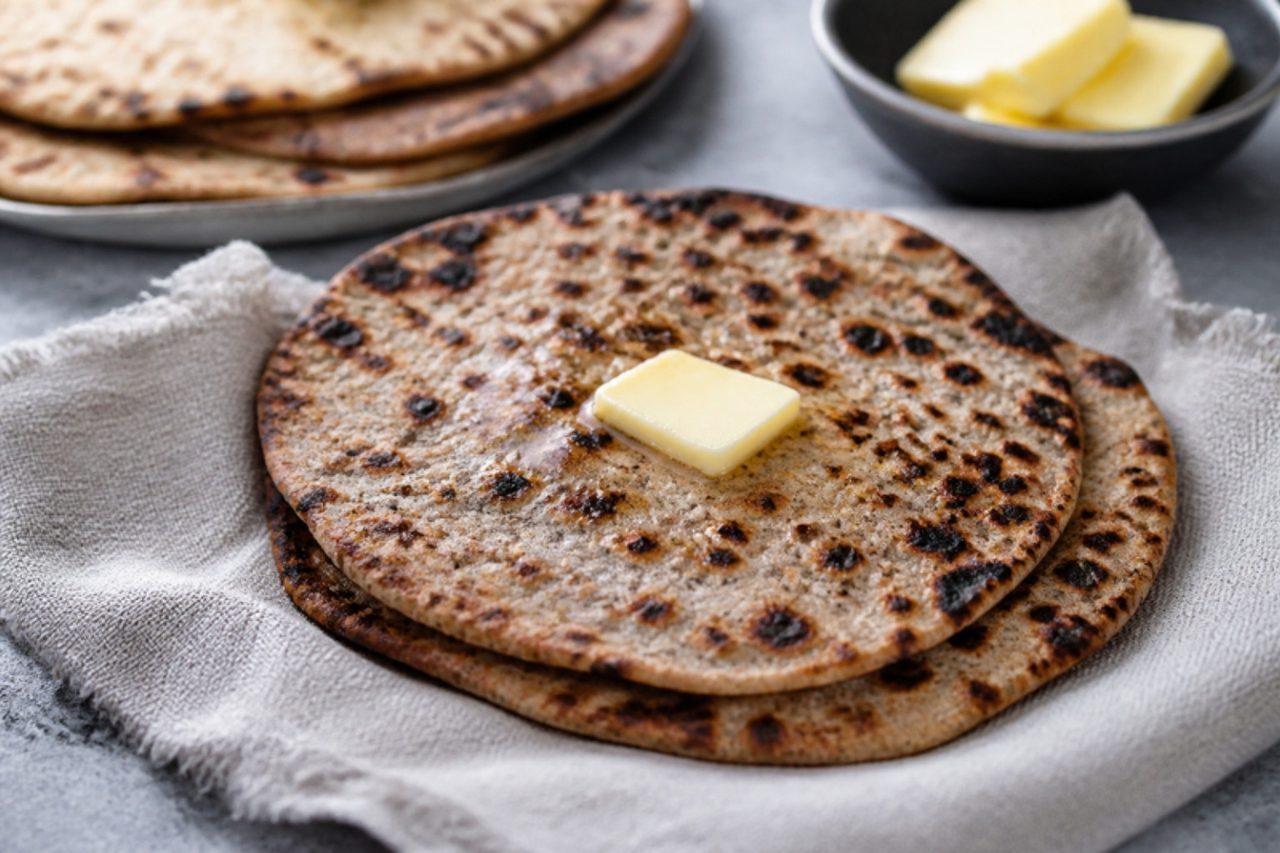
Flatkökur are round, flat rye breads that Icelanders char straight on the hot plate of the stove, or over a gas flame, until they are speckled black and smoky; they are eaten buttered, with smoked lamb (hangikjöt) or cheese, at every Christmas and confirmation and in lunchboxes all year. The dough is made with boiling water so it is soft and easy to roll. A common mistake is letting the dough cool before rolling; scalded rye dough stiffens and cracks. Chef's tip: roll it while warm and prick all over with a fork so it stays flat as it chars.

by KrazyBadal 0 views
Kleinur

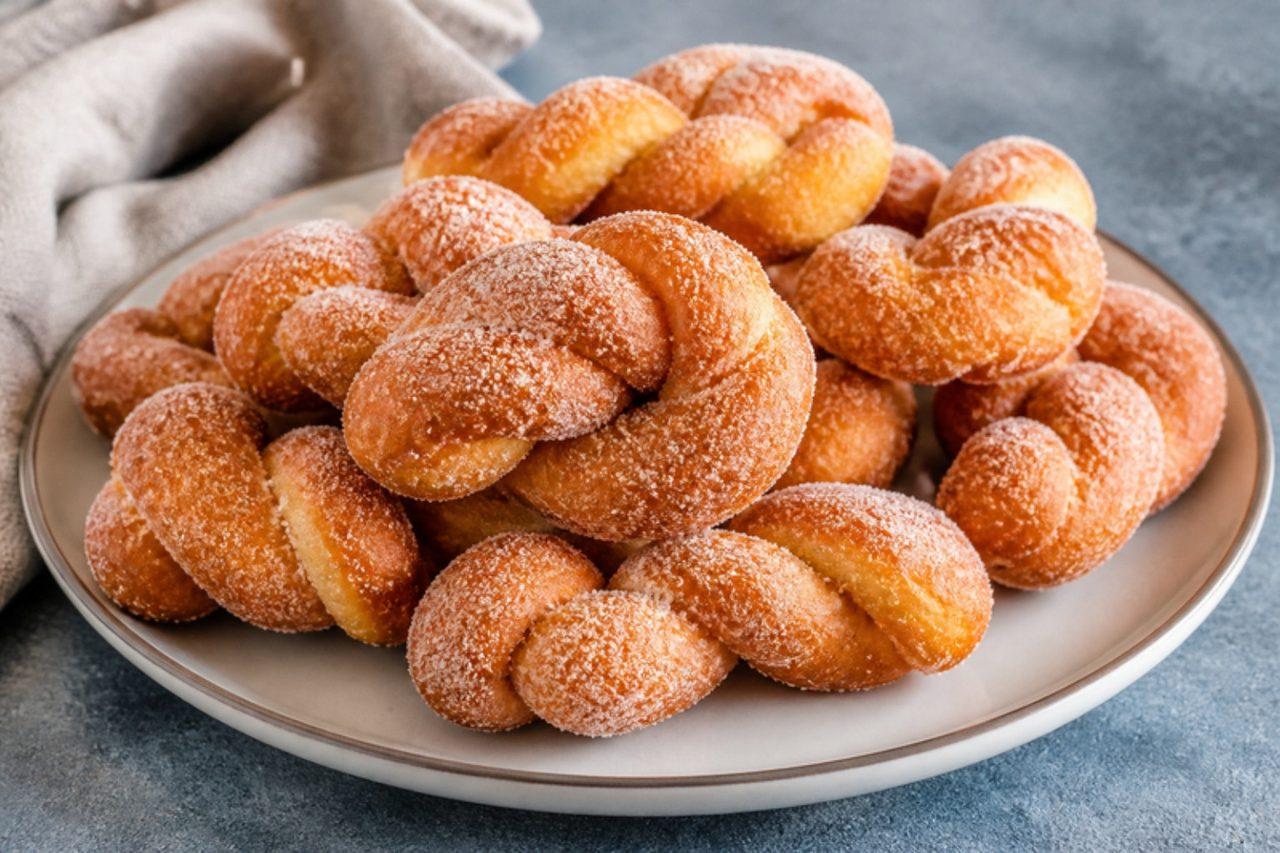
Kleinur are the twisted doughnuts of Iceland, fried in big batches and kept in tins for coffee time; Icelandic grandmothers cut the dough into diamonds with a special wheel, slit the centre and pull one end through, so each one twists into a knot. The same pastry is known as klejner in Denmark and klenäter in Sweden, made especially at Christmas. The dough is flavoured with cardamom and enriched with buttermilk. A common mistake is frying at too low a heat, which makes them greasy. Chef's tip: roll the dough thin, about 5 mm, and fry at 175 °C; they puff, brown in a minute and stay light.

by KrazyBadal 0 views
Leipäjuusto with cloudberries

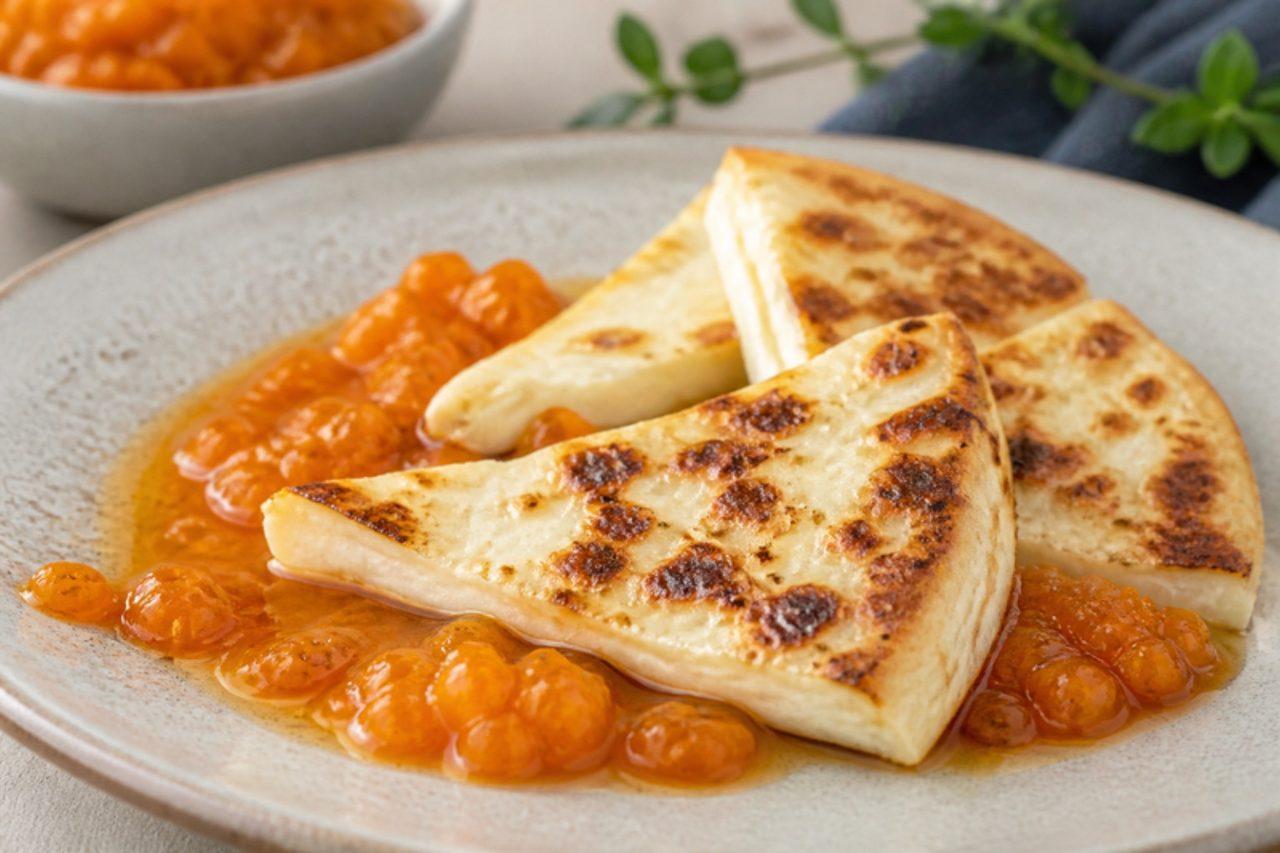
Leipäjuusto, 'bread cheese', comes from Lapland, Ostrobothnia and Kainuu in northern Finland: a flat round of fresh cheese baked or flame-grilled until it is spotted brown, squeaky and mild. In Lapland it is cut into cubes and dropped into hot coffee, or warmed and served with cloudberry jam and cream as a dessert at Christmas and celebrations. Sold as 'Finnish squeaky cheese' outside Finland; it is usually made with animal rennet, so look for a vegetarian version. A common mistake is warming it too long, which turns it rubbery and leaks whey. Chef's tip: warm it in a hot oven for just a few minutes, until soft and steaming, and pour over a little cream for the last minute.

by KrazyBadal 0 views
Norwegian heart waffles

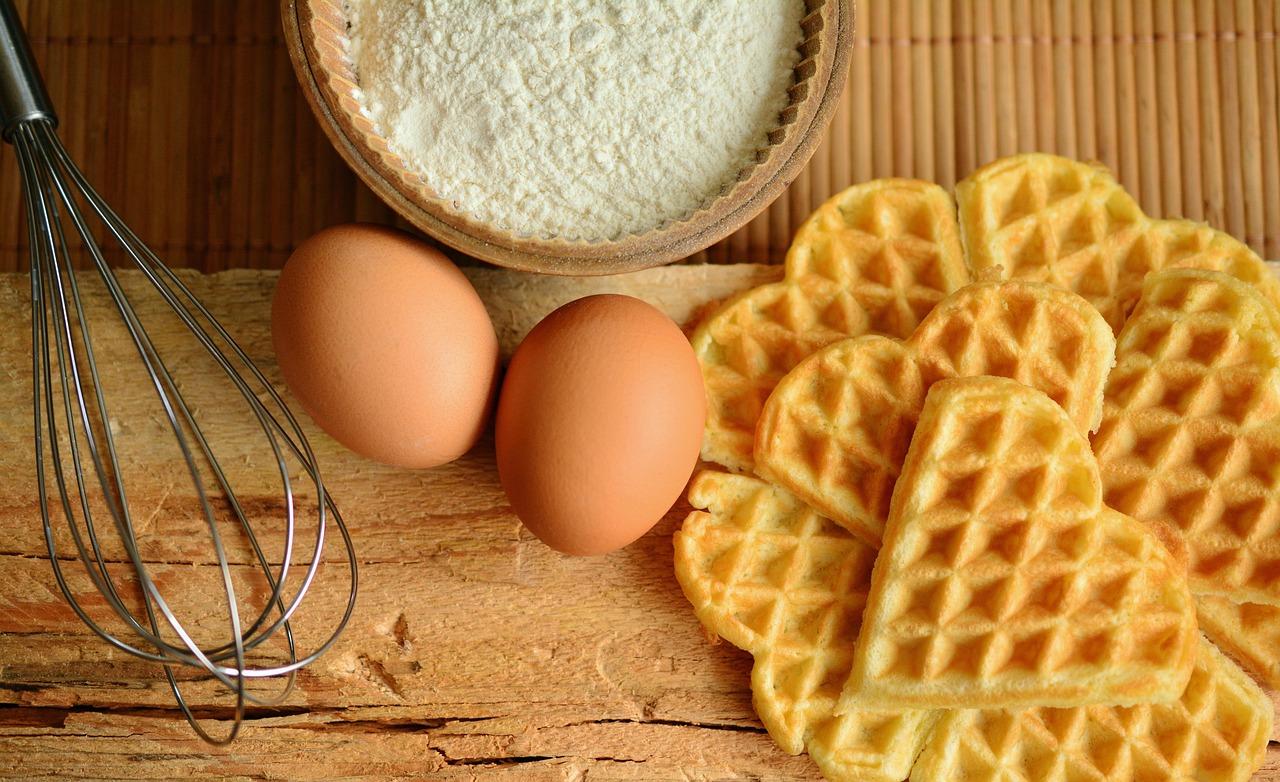
In Norway, waffles are not a breakfast but an everyday treat: thin, soft heart-shaped vafler made with sour cream and cardamom, sold at school fairs and football matches and made at home on Sunday afternoons, eaten folded with strawberry jam and sour cream or brown cheese. Their texture is soft rather than crisp. A common mistake is opening the iron too early, which tears them. Chef's tip: let the batter rest for 30 minutes and brush the iron with butter before each waffle; they lift out whole and golden.

by KrazyBadal 0 views
Flødeboller

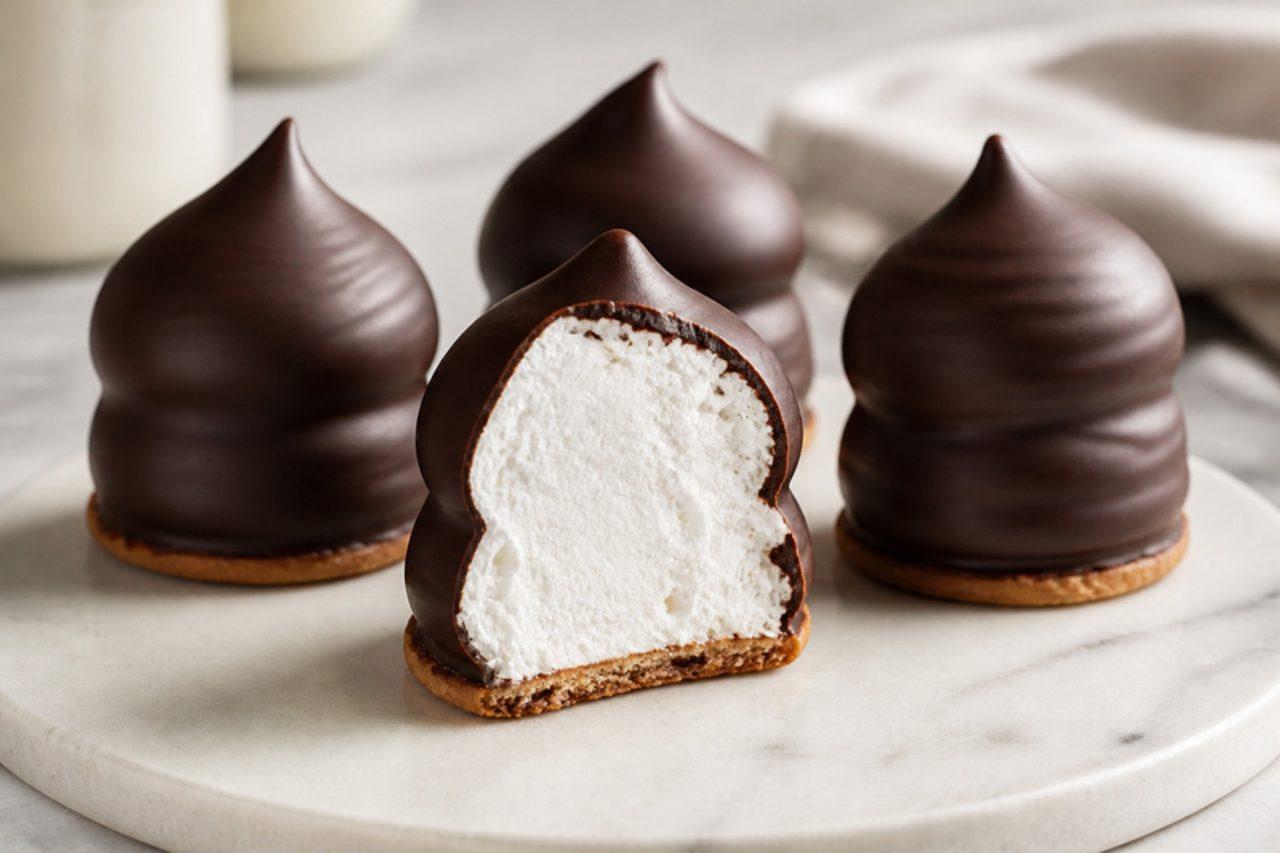
Flødeboller, 'cream buns', are Denmark's favourite party sweet: a soft, fluffy meringue foam piped onto a thin wafer or marzipan base and dipped in dark chocolate, so it bites like a cloud in a crisp shell. Children take them to school on birthdays, and Copenhagen chocolatiers make fancy versions with liquorice or raspberry. This version uses a cooked sugar-syrup meringue, so the egg whites are heated safely. A common mistake is dipping warm foam into chocolate; it melts and slides. Chef's tip: chill the piped foam well, then pour the chocolate over rather than dipping, which is easier and gives a smooth shell. For gluten free, use marzipan bases.

by KrazyBadal 0 views
Sveler

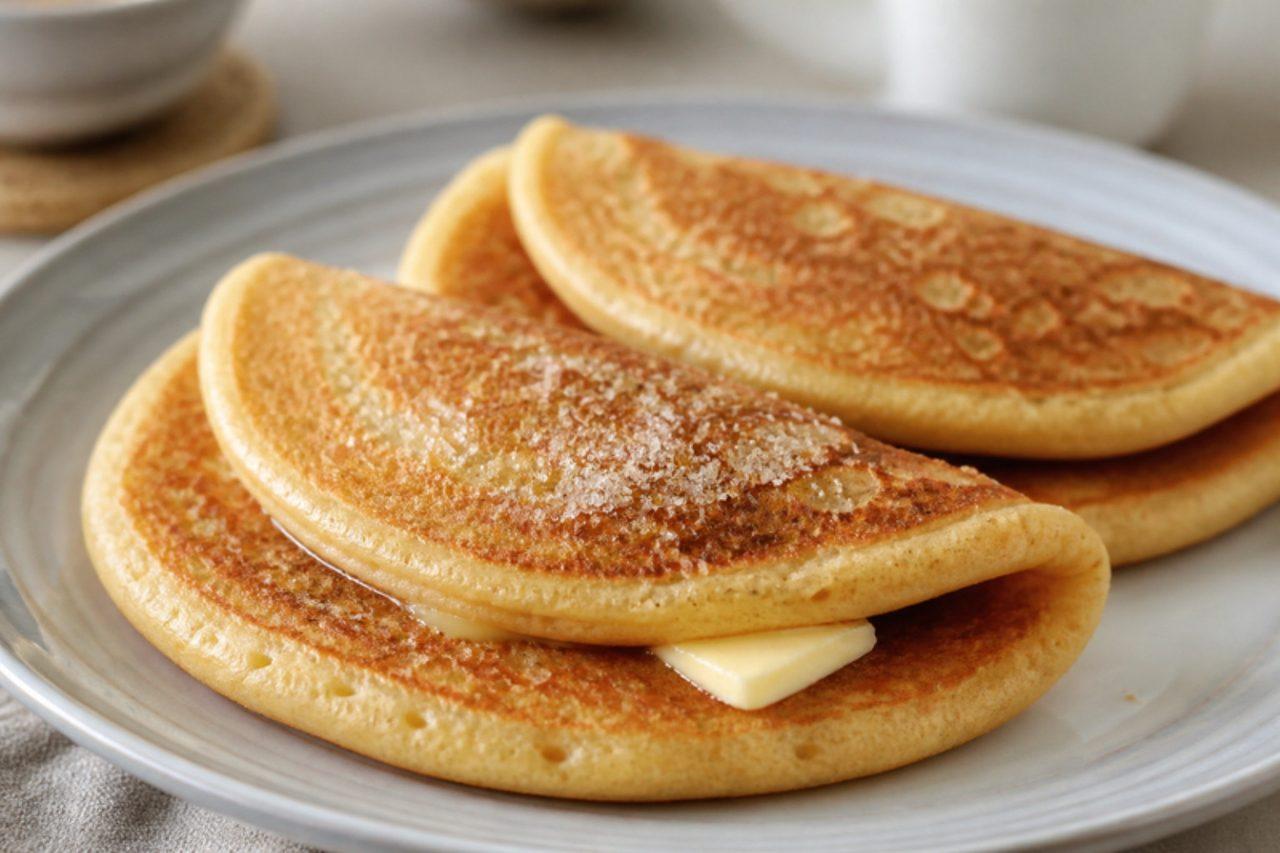
Sveler are the thick, soft griddle cakes of western Norway, raised with hornsalt or bicarbonate and buttermilk, and they are a ritual on the ferries of Møre og Romsdal: you buy one at the kiosk, folded around butter and sugar or a slice of sweet brown goat's cheese (brunost), and eat it watching the fjord. A common mistake is a hot pan, which browns them before the middle cooks. Chef's tip: let the batter rest for 15 minutes so the bicarbonate starts working; the cakes rise thick and fluffy.

by KrazyBadal 0 views
Rosolli

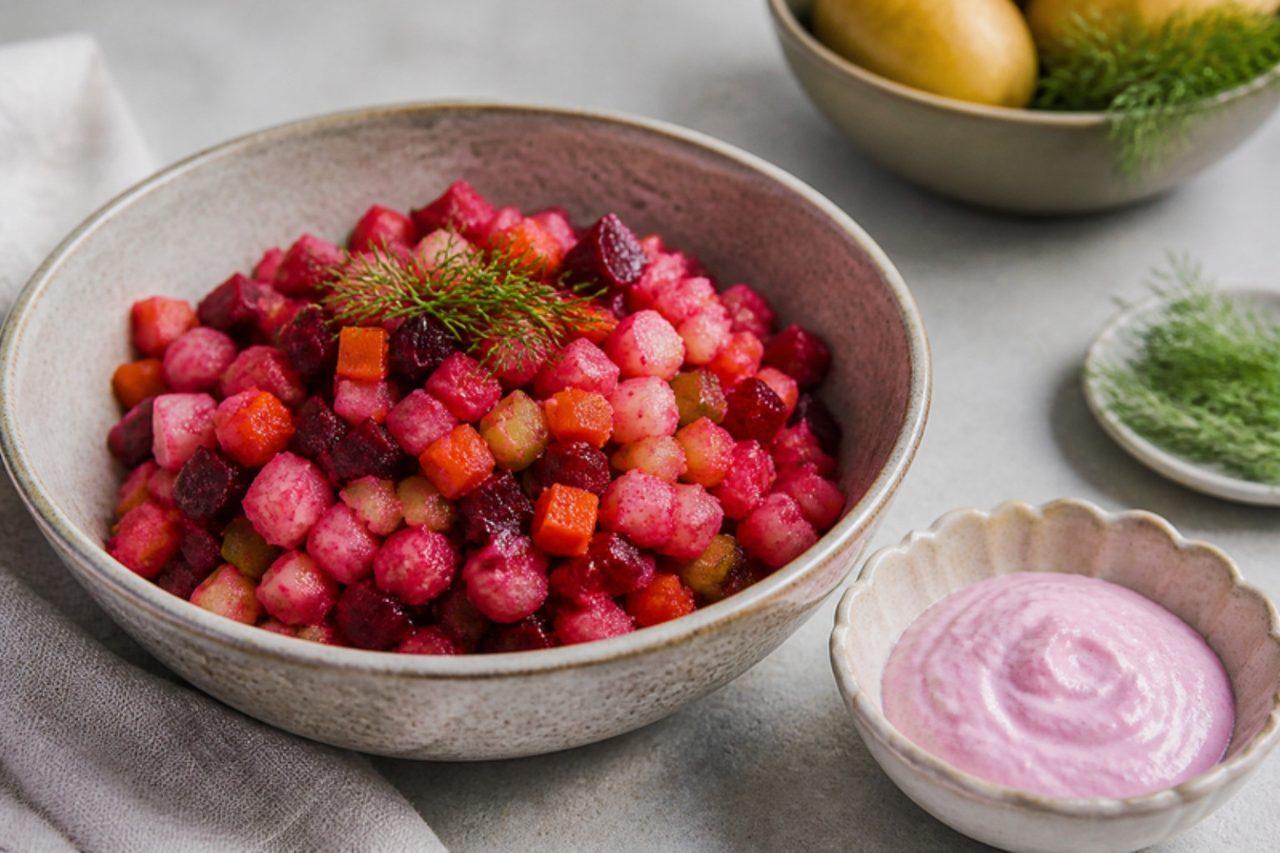
Rosolli is the jewel-coloured salad on the Finnish Christmas Eve table: diced cooked beetroot, carrot and potato with pickled cucumber, apple and onion, arranged in neat stripes or mixed together, with a dressing of whipped cream tinted pink with beetroot juice and sharpened with vinegar. Pickled herring is sometimes added; this version keeps it vegetarian. A common mistake is mixing the beetroot in early, which stains everything a muddy pink. Chef's tip: arrange the vegetables in rows on a platter and serve the dressing on the side, so each stays its own colour.

by KrazyBadal 0 views

Wienerbrød

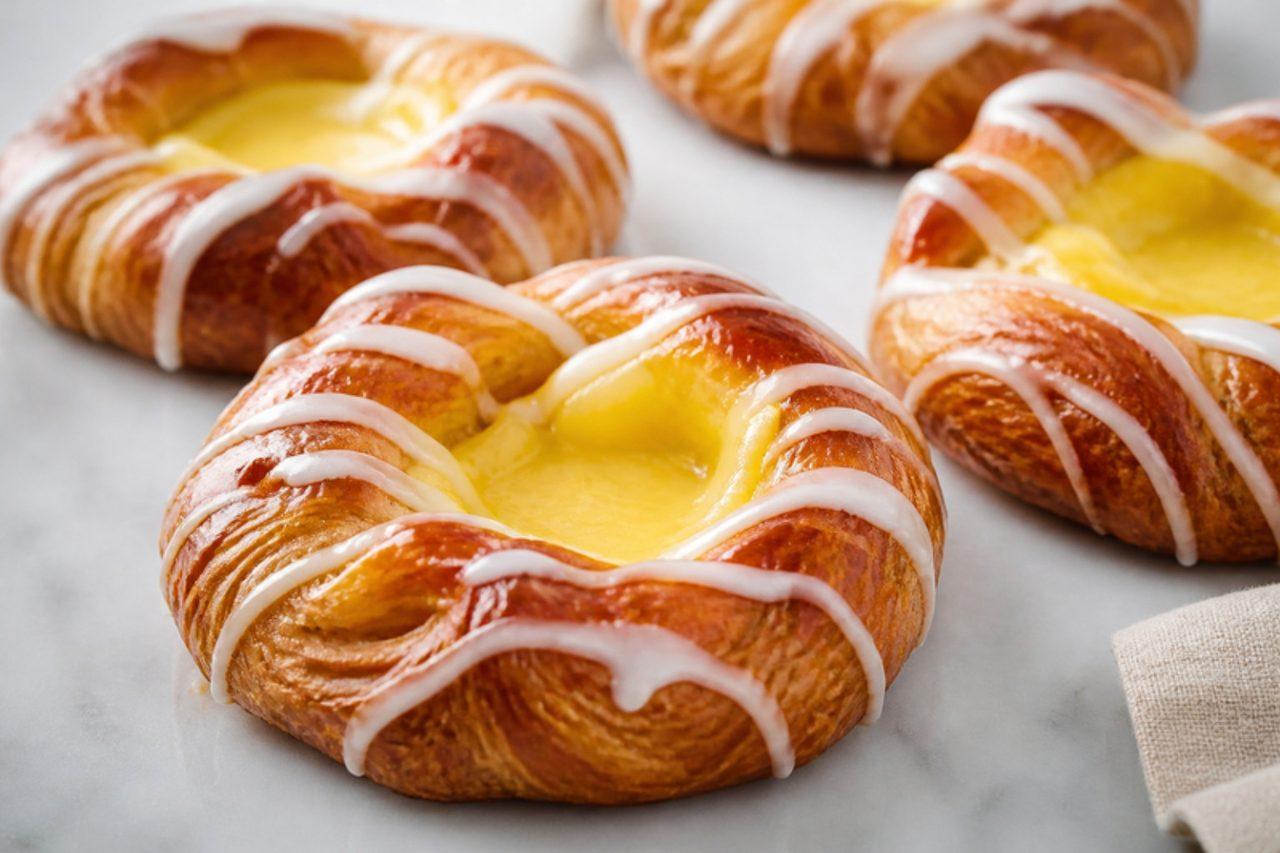
What the world calls a Danish, Danes call wienerbrød, 'Viennese bread', after Austrian bakers who brought laminated pastry to Copenhagen in the 1850s. The spandauer is the classic: a square of flaky, buttery dough folded in at the corners around a dollop of vanilla custard or remonce (almond butter cream), baked until puffed and glazed with icing. Copenhagen bakeries sell them warm in the morning. A common mistake is letting the butter warm and melt into the dough; the layers vanish. Chef's tip: work cold, chill between every fold, and bake hot, so the butter turns to steam and puffs the layers.

by KrazyBadal 0 views

Smörgåstårta

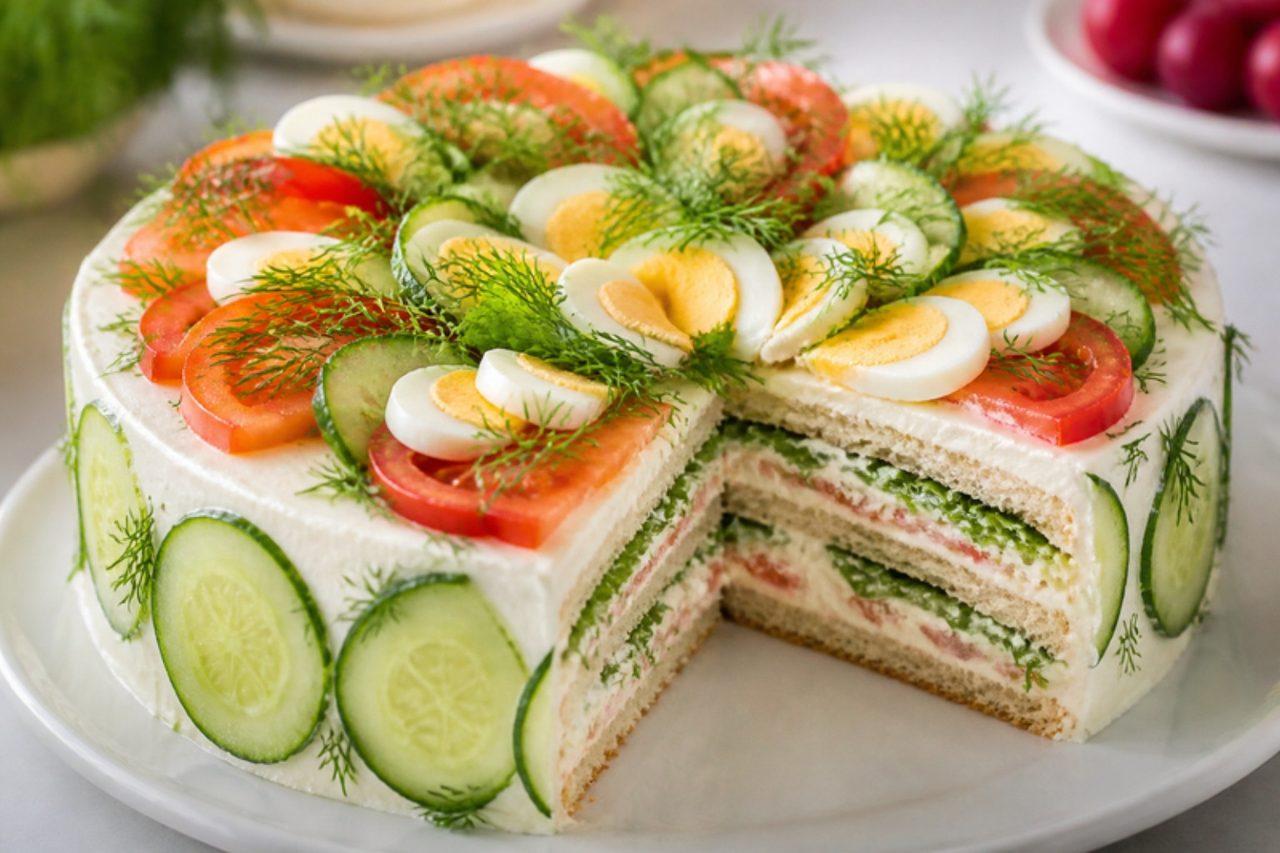
Smörgåstårta is what Swedes bring out for christenings, graduations and big birthdays: a 'sandwich cake' of soft bread layers filled with creamy egg, cheese and vegetable fillings, frosted with cream cheese and smetana and decorated as lavishly as a gateau with cucumber, radish, tomato and dill. In Stockholm bakeries the classic is layered with prawns and smoked salmon; this version keeps it vegetarian with egg mayonnaise, herby cheese and avocado. A common mistake is using fresh, very soft bread, which turns soggy; slightly firm sandwich bread holds the layers. Chef's tip: assemble it the night before and chill it under cling film; it firms up and slices neatly, then decorate just before serving.

by KrazyBadal 0 views

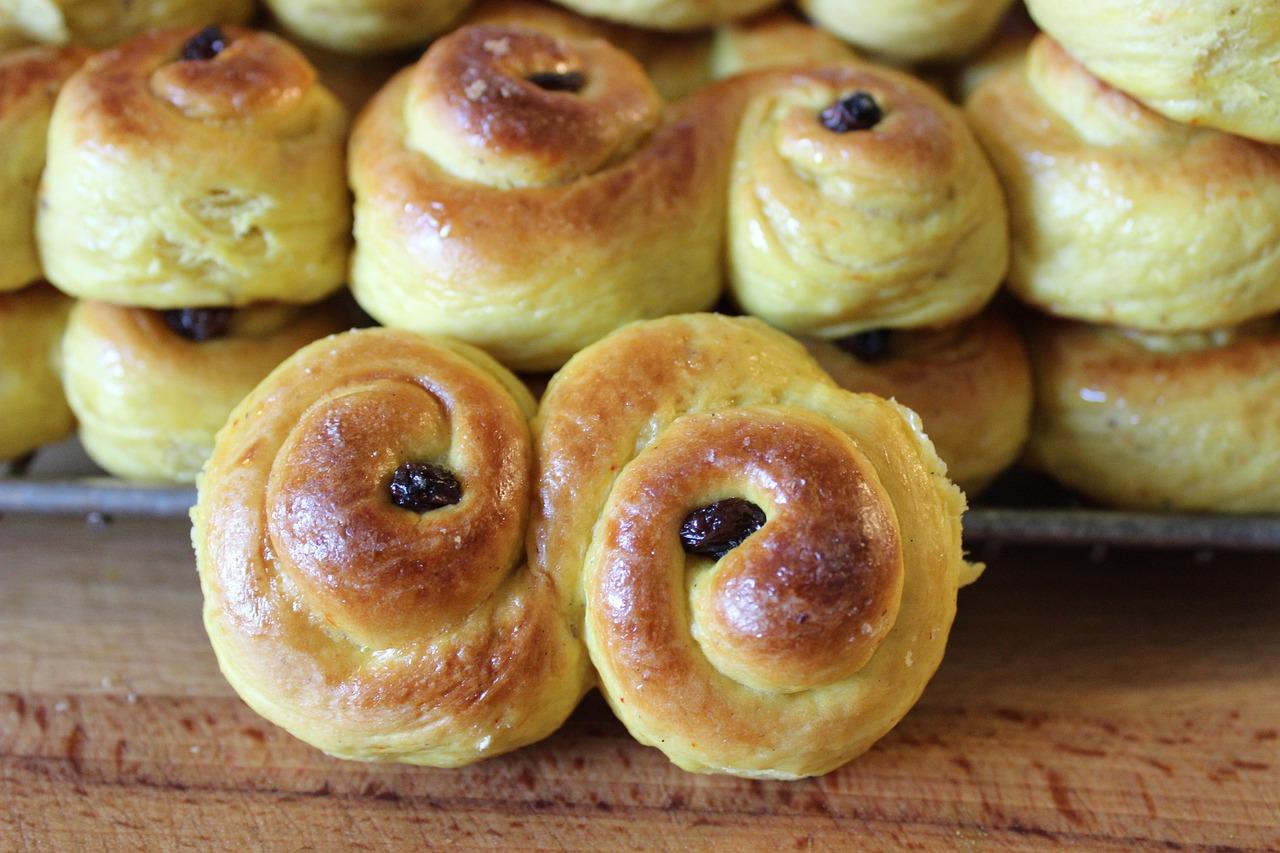
Lussekatter

Before dawn on 13 December, Lucia Day, children in white gowns walk through Swedish homes, schools and offices carrying candles and trays of lussekatter: golden saffron buns twisted into an S with a raisin in each curl. The saffron colour and the light are meant to chase away the darkest days of winter. A common mistake is adding the saffron dry, which leaves the buns pale and streaky. Chef's tip: grind the saffron with a sugar cube and melt it into the warm butter and milk, so the colour spreads evenly.

by KrazyBadal 0 views

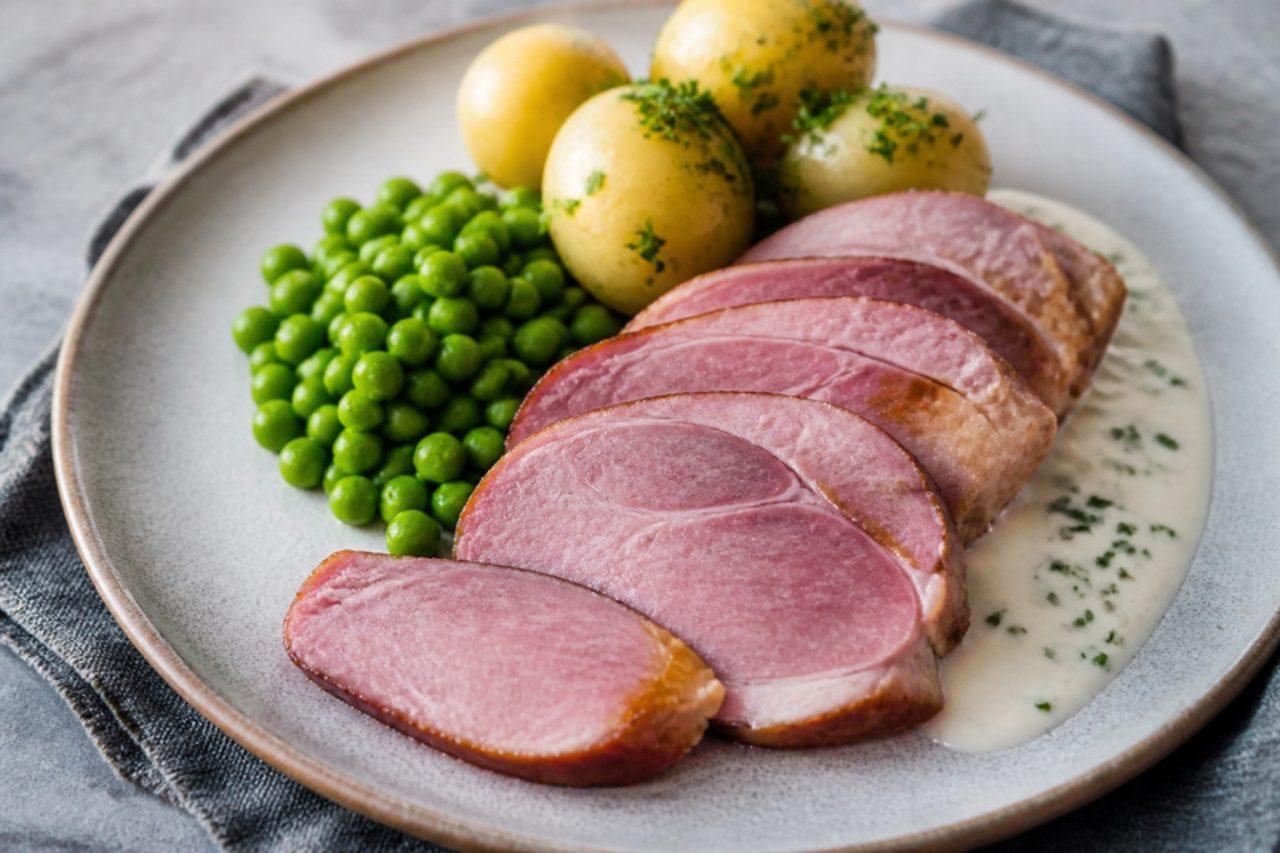
Hangikjöt

Hangikjöt, 'hung meat', is the Icelandic Christmas Day dinner: lamb or mutton smoked over birch or dried sheep dung, then simmered slowly and served hot or cold with potatoes in white sauce (uppstúfur), green peas, red cabbage and laufabrauð or flatkökur. Icelanders buy it ready-smoked in December; it is cooked at home. A common mistake is boiling it hard, which toughens the meat and makes it too salty. Chef's tip: let it cool in its cooking water; the meat stays juicy and absorbs back some of the flavour.

by KrazyBadal 0 views

Raspeballer

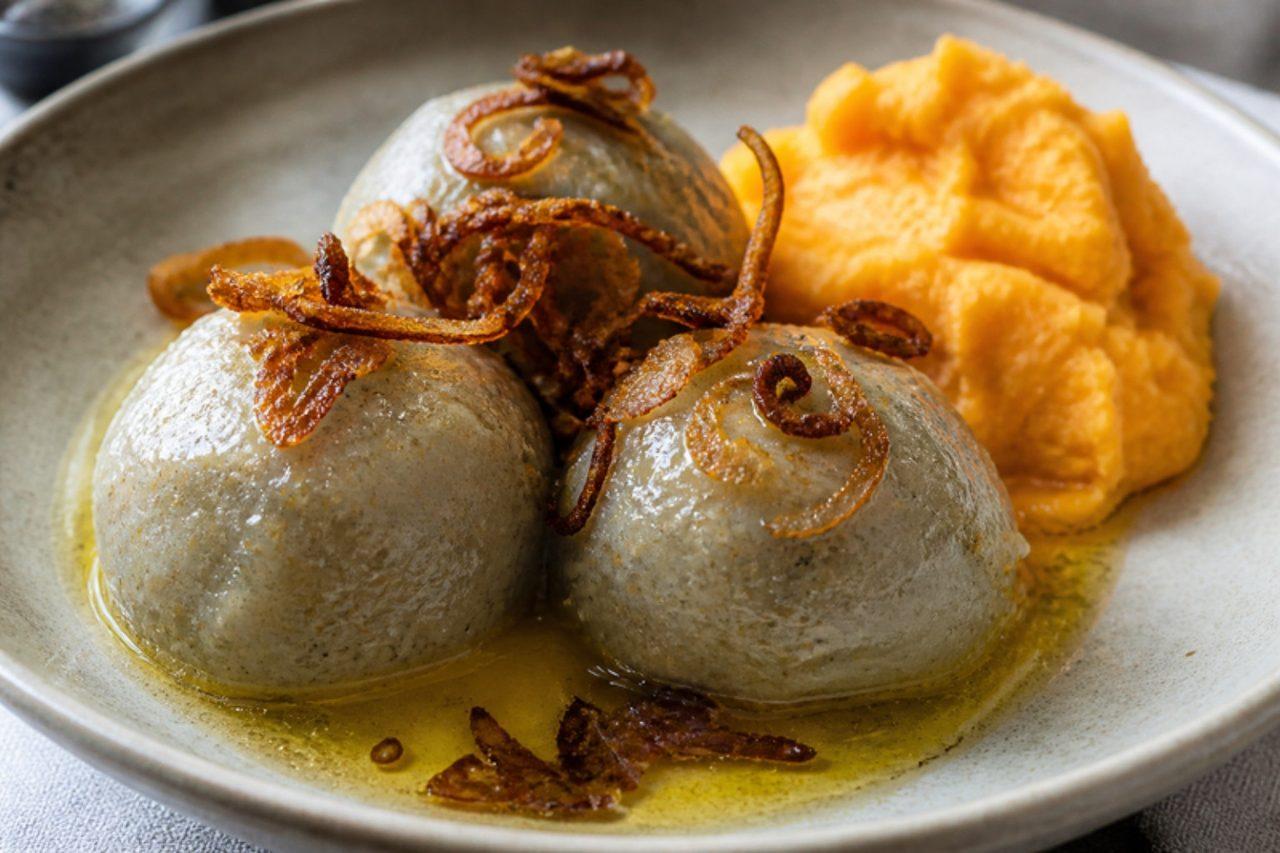
In Bergen and along the fjords of western Norway, Thursday has long been raspeballer day: big, soft dumplings of grated raw potato and barley flour, called komle or klubb depending on the valley, simmered and served with mashed swede and melted butter. They are usually cooked in a pot with salted lamb and sausage; this vegetarian version serves them with butter, crisp fried onion and kålrabistappe. A common mistake is using too little flour, so the dumplings dissolve in the pot. Chef's tip: test one dumpling first; if it breaks up, knead a little more flour into the rest.

by KrazyBadal 0 views

Sultsina

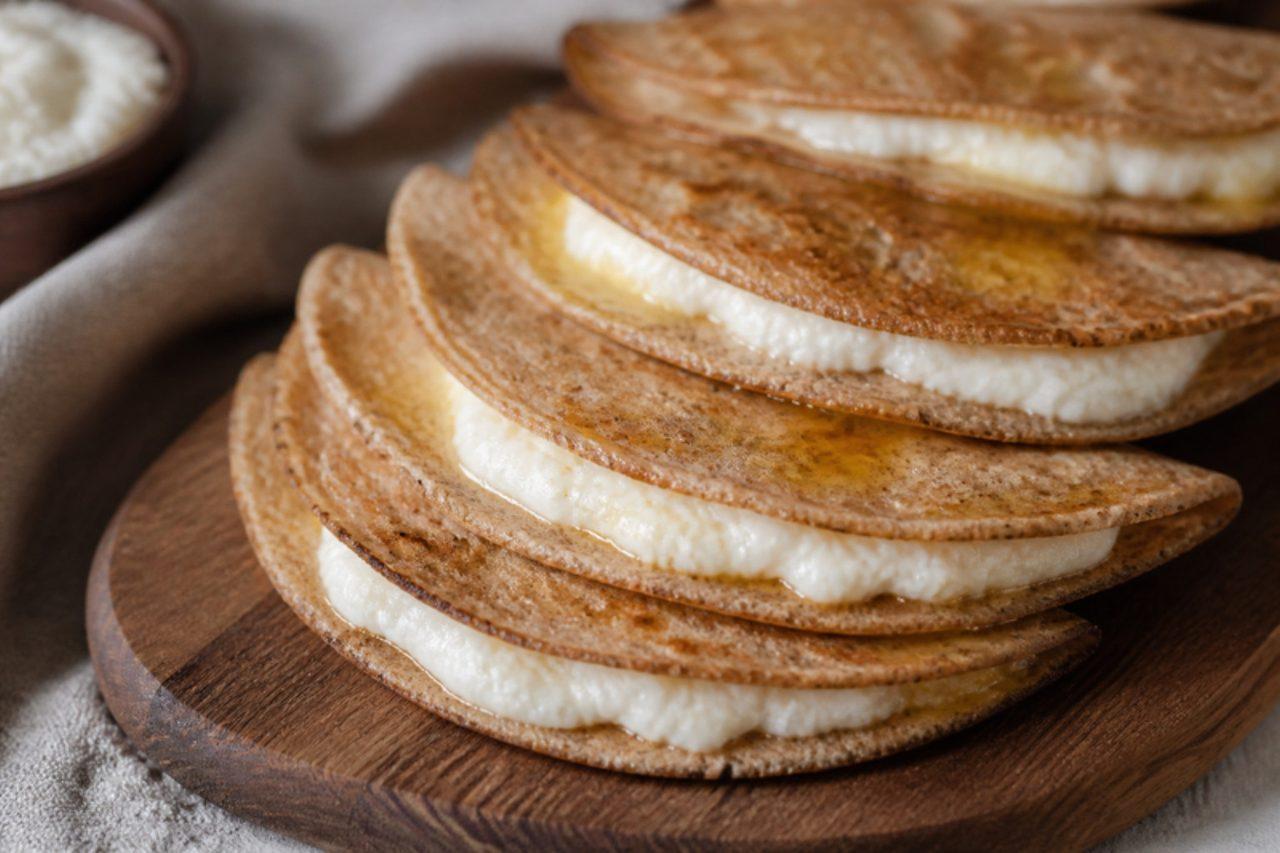
Sultsina come from Karelia, the region on the Finnish-Russian border, cousins of the better-known Karelian pies: thin, soft flatbreads of rye and wheat, cooked on a griddle, then filled with creamy rice or semolina porridge, folded in half and brushed with melted butter. Karelian families make them for Sunday coffee and church holidays, and some fill them with sweet porridge and jam. A common mistake is overcooking the flatbreads, which turns them stiff; they must stay pliable. Chef's tip: stack the cooked flatbreads under a damp cloth while you finish the rest, so they stay soft enough to fold.

by KrazyBadal 0 views

Plokkfiskur

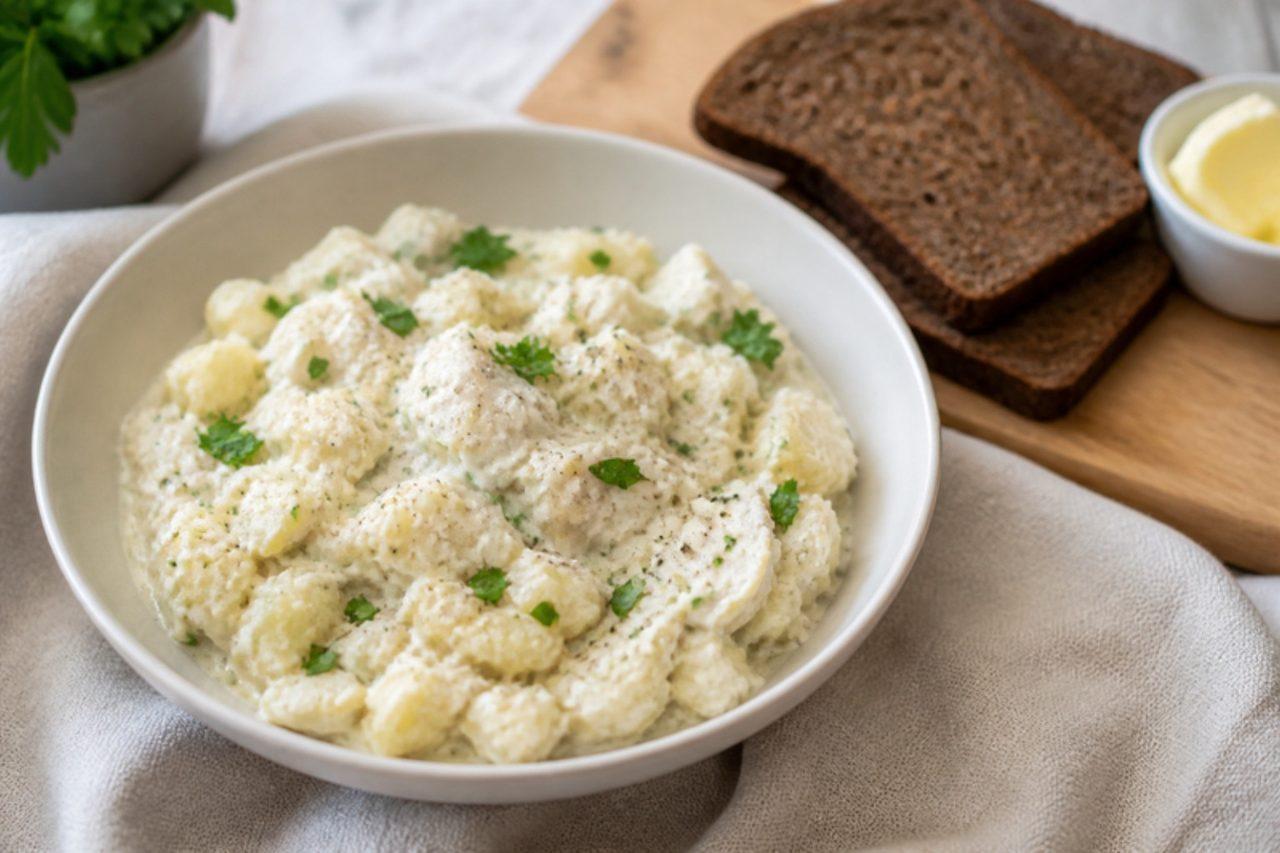
Plokkfiskur, 'picked fish', is the thrifty Icelandic way to use leftover boiled cod or haddock: the fish is flaked and folded with potatoes into a thick, peppery white sauce with onion, then eaten with dark, sweet rúgbrauð (rye bread) and butter. Reykjavík cafés serve it at lunch, and every Icelandic home makes it on Monday after Sunday's fish. A common mistake is mashing the fish into paste; it should stay in flakes. Chef's tip: lots of black pepper and a little chopped chives lift it, and a grating of cheese browned under the grill makes a fine variation. The fish should be opaque and flaking before it goes into the sauce.

by KrazyBadal 0 views

Västerbottenpaj

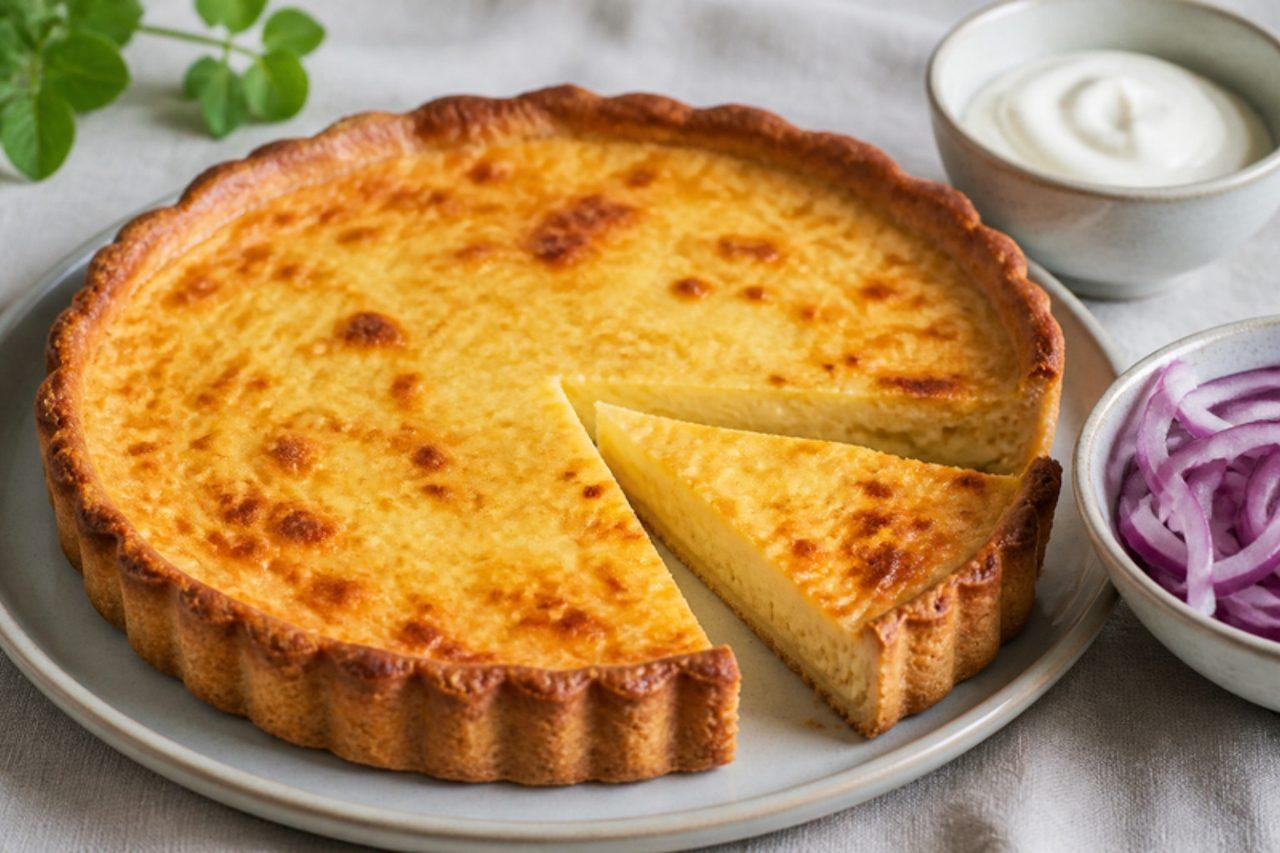
Västerbotten cheese, a hard, crumbly cheese with a sharp, slightly bitter bite, has been made in Burträsk in Västerbotten since the 1870s, and this tart is its most famous use: a crisp shortcrust filled with the grated cheese, cream and eggs, baked until puffed and golden. It is on the table at every Swedish crayfish party in August and at midsummer, served at room temperature. The original cheese is made with animal rennet, so for a vegetarian tart use a strong vegetarian mature cheddar or similar. A common mistake is skipping blind-baking, which gives a soggy base. Chef's tip: a pinch of cayenne and white pepper in the filling sharpens the cheese without overpowering it.

by KrazyBadal 0 views

Brunede kartofler

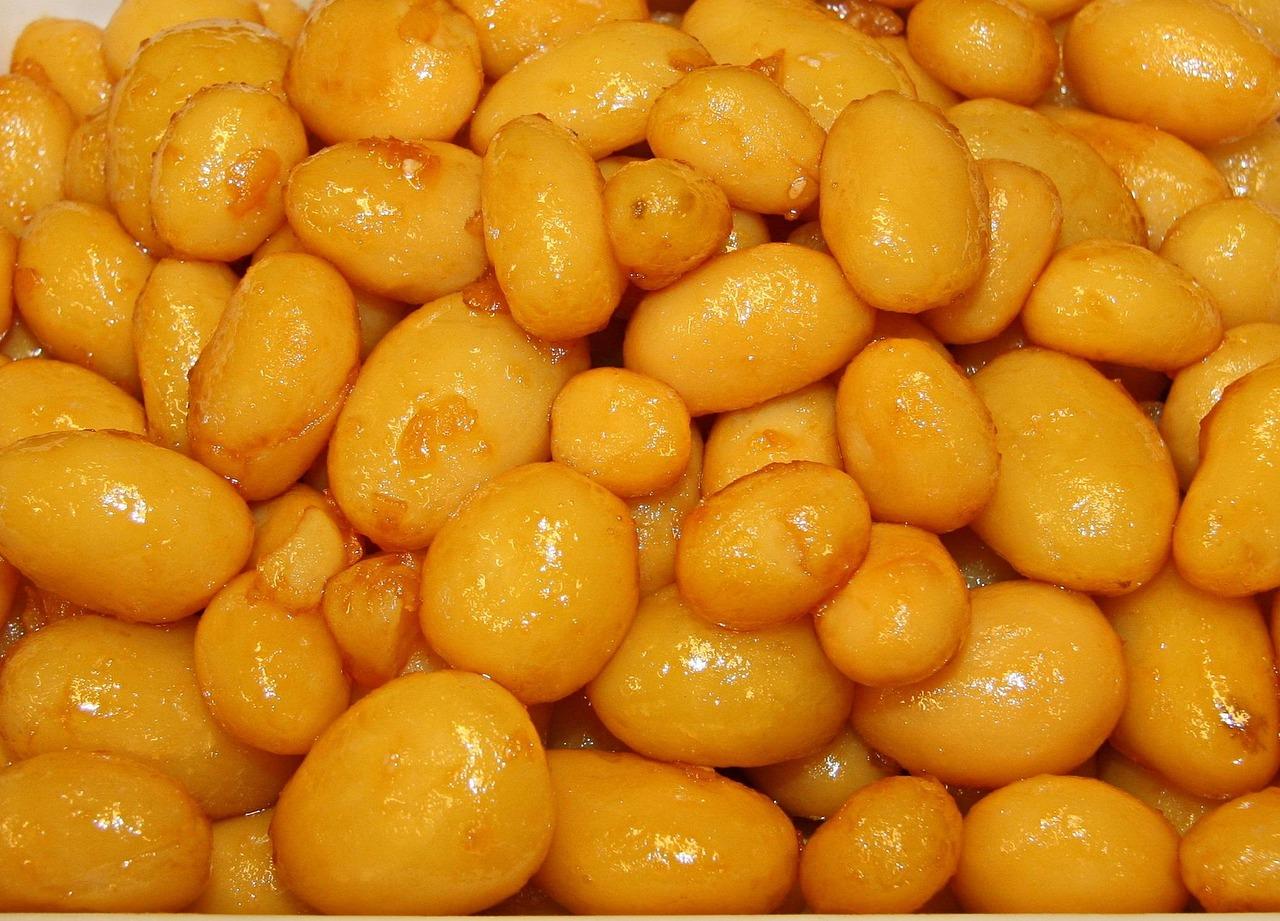
No Danish Christmas Eve dinner is complete without brunede kartofler beside the roast pork or duck: small boiled potatoes rolled in golden caramel and butter until they are glossy, sweet and salty. Families boil the potatoes the day before so they are firm and dry. A common mistake is adding wet potatoes to the caramel; it seizes and splatters. Chef's tip: melt the sugar alone until amber, then add the butter, and roll cold, dry potatoes in it over a medium heat until coated.

by KrazyBadal 0 views

Gammeldags æblekage

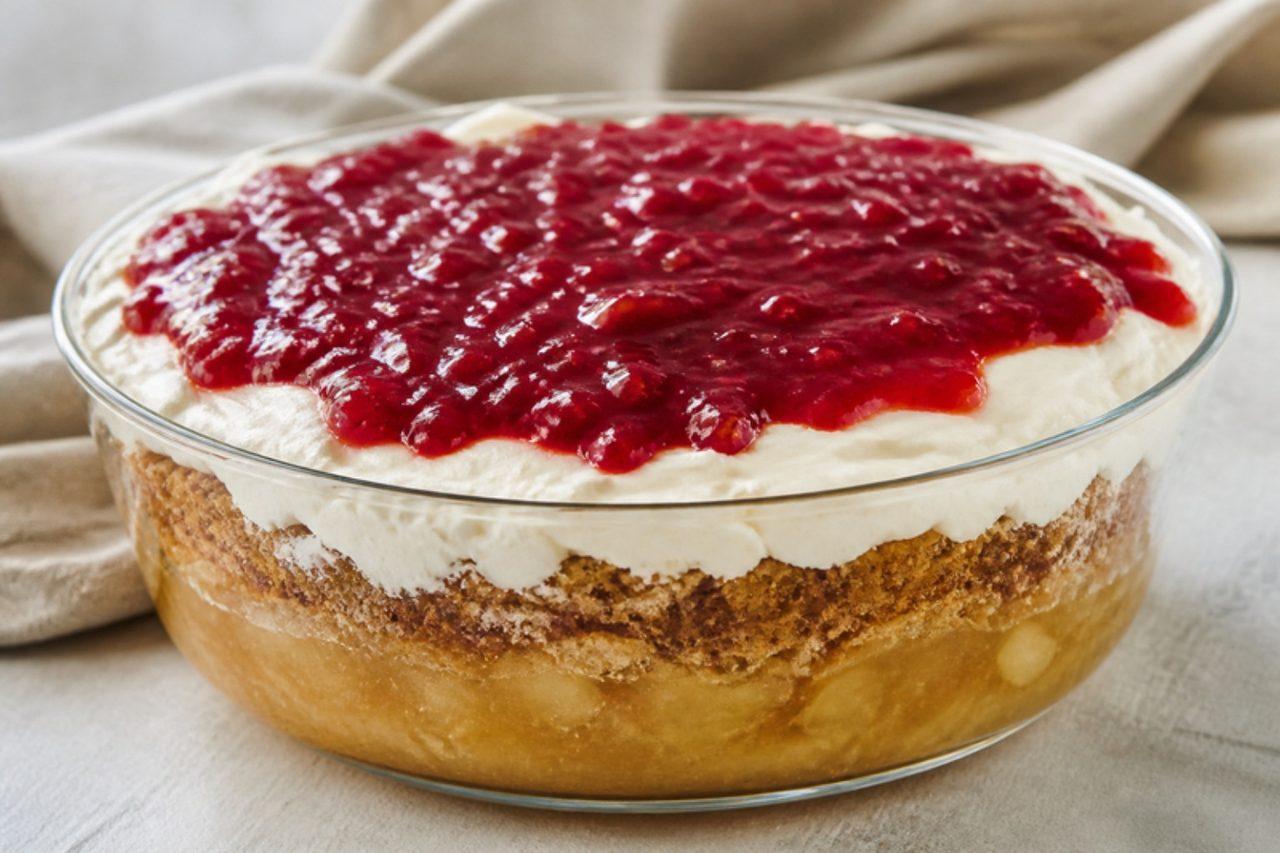
'Old-fashioned apple cake' is not a cake at all but a Danish trifle, made on autumn weekends when the apple trees are heavy: tart apple compote layered in a glass bowl with breadcrumbs or crushed macaroons toasted in butter and sugar, topped with whipped cream and a few dots of redcurrant jelly. The crumbs stay crunchy against the soft fruit. A common mistake is assembling it hours ahead, which turns the crumbs soggy. Chef's tip: toast the crumbs until deep golden and crisp, and assemble within an hour of serving.

by KrazyBadal 0 views

Brunsviger

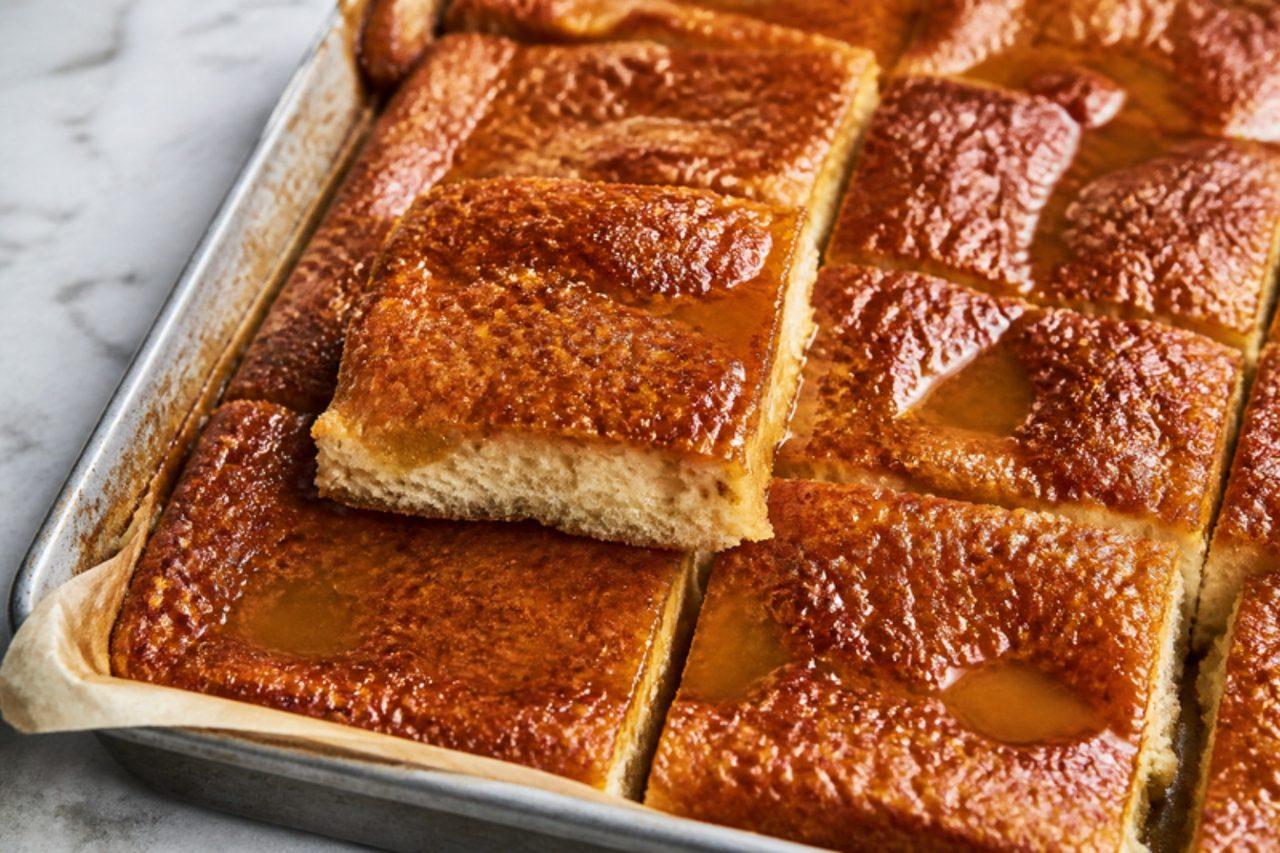
Brunsviger is the cake of Funen, the island between Jutland and Zealand: a soft, light yeast dough baked in a tray and covered with brown sugar and butter that melts into sticky, bubbling pools in dimples you press into the top. It is the classic birthday cake at Danish schools and offices, cut into squares and eaten warm with coffee. A common mistake is spreading the topping on cold dough; it slides off. Chef's tip: press deep holes into the risen dough with your finger so the topping collects in pools of caramel.

by KrazyBadal 0 views

Kroppkakor

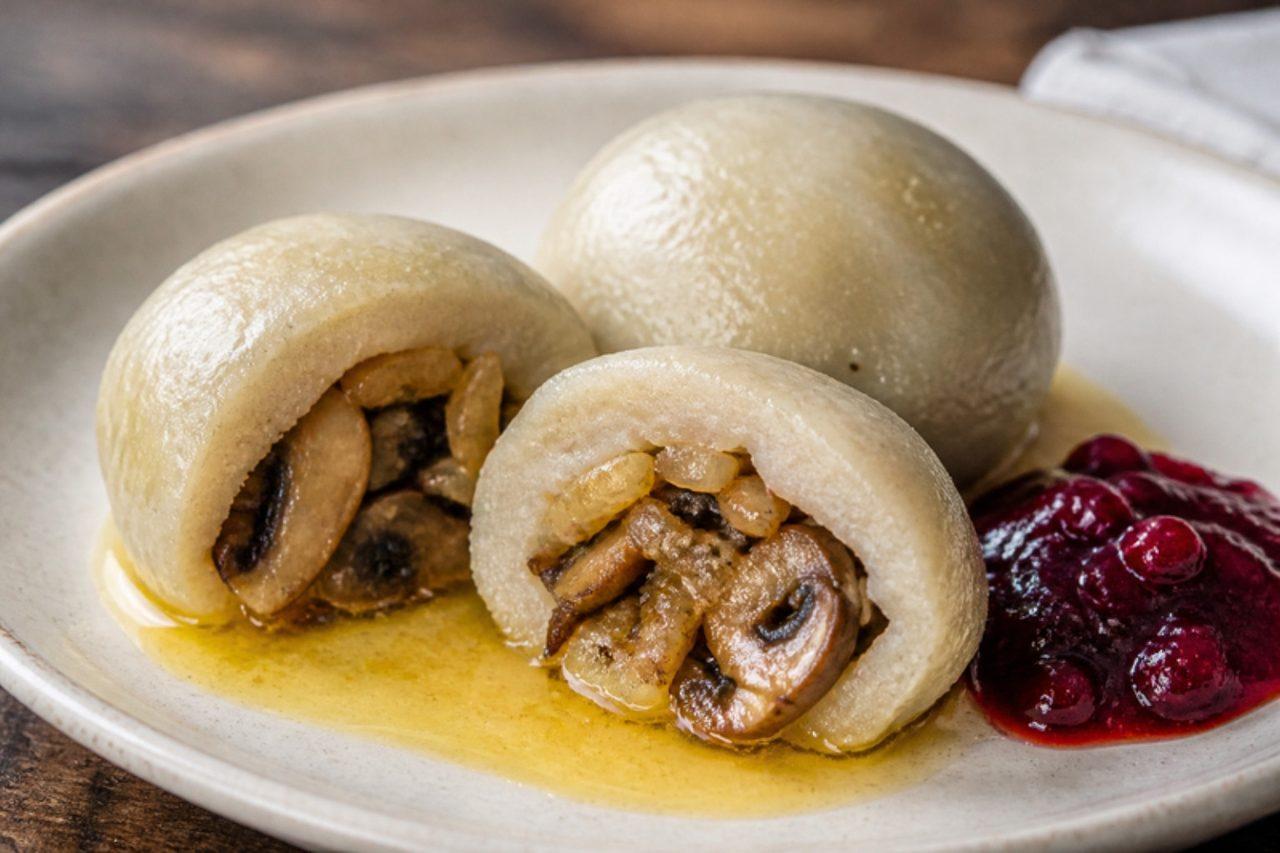
Kroppkakor are the big potato dumplings of Öland and Småland in south-east Sweden, made with a mix of raw grated and boiled potato, which gives them their soft, slightly grey look. On Öland they are the island's own dish, served at village feasts with melted butter and lingonberries; the usual filling is diced salt pork and onion. This version fills them with fried onion, mushroom and allspice. A common mistake is boiling the pot hard; the dumplings break up and turn the water to soup. Chef's tip: squeeze the raw grated potato hard in a cloth, then let the starch settle in the bowl and stir it back in; that starch is what holds kroppkakor together.

by KrazyBadal 0 views

Showing 24 of 330 recipes

Show more recipes

Page 1 of 14