Skip to content
Recipes

All recipes

Vegetarian, or something you can't eat? Set your diet once and we'll hide recipes that don't fit.

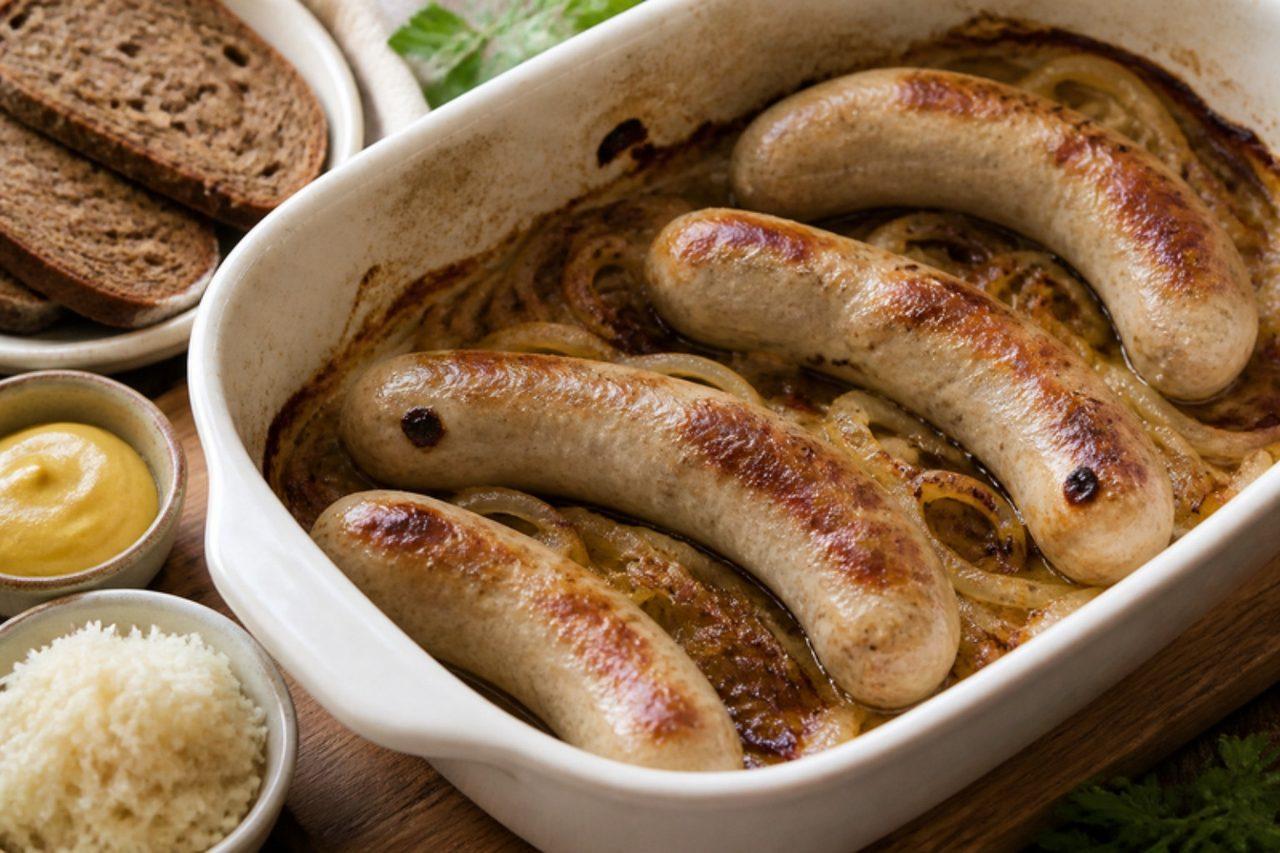
Biała kiełbasa z cebuląWhite sausage baked with onions

Biała kiełbasa is a fresh, unsmoked white sausage of pork seasoned with garlic and marjoram, and on Easter Sunday morning in Poland it is the star of the breakfast after the blessed basket (święconka) is shared. It is also the sausage that goes into żurek, the sour rye soup. Buy it raw from a Polish butcher, then poach it gently and bake it with onions until golden. Serve with horseradish, mustard, rye bread and Easter eggs. Chef's tip: never boil it, as the casing bursts; keep the water just below a simmer.

60 minPolishMeatGluten free
by KrazyBadal 0 views

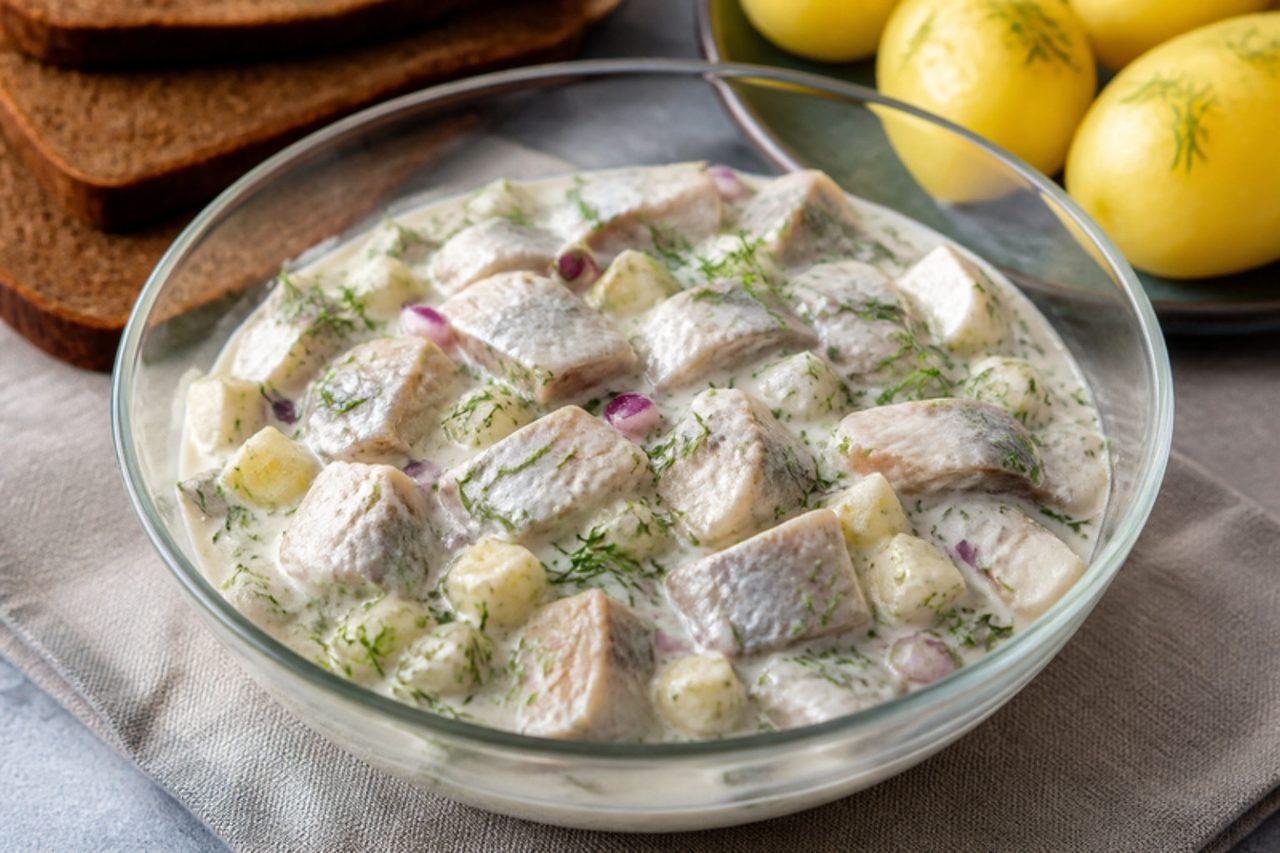
Śledzie w śmietanieHerring in soured cream

Herring is a must at the Polish Wigilia, the meatless Christmas Eve supper, and śledzie w śmietanie, salted herring fillets in soured cream with crisp apple, onion and dill, is the favourite way to serve it, with boiled potatoes or rye bread. The herring is cured, not cooked: use good-quality salted or matjes fillets from a shop, which have been frozen to kill parasites, and keep the dish chilled. Cured fish is not for pregnant women, young children or anyone with a weakened immune system; for them, make the safer version in the last step with hot-smoked mackerel or herring fillets baked until opaque. Chef's tip: dress the herring a few hours ahead so the cream picks up the flavour.

20 minPolishFishGluten free
by KrazyBadal 0 views

Sopa teólogaTurkey broth with bread and cheese

Sopa teóloga ('the theologian's soup') goes back to colonial convents in Lima and Arequipa, where it was cooked for feast days, and it is still served at Holy Week and family celebrations. A rich turkey (or chicken) broth is thickened with soaked bread, milk and fresh cheese, with yellow potatoes and shreds of turkey, and finished with a little ají amarillo and chopped huacatay or parsley. It is thick, comforting and filling. Chef's tip: blend part of the soaked bread with broth before adding it, which gives the soup its creamy body without lumps.

by KrazyBadal 0 views

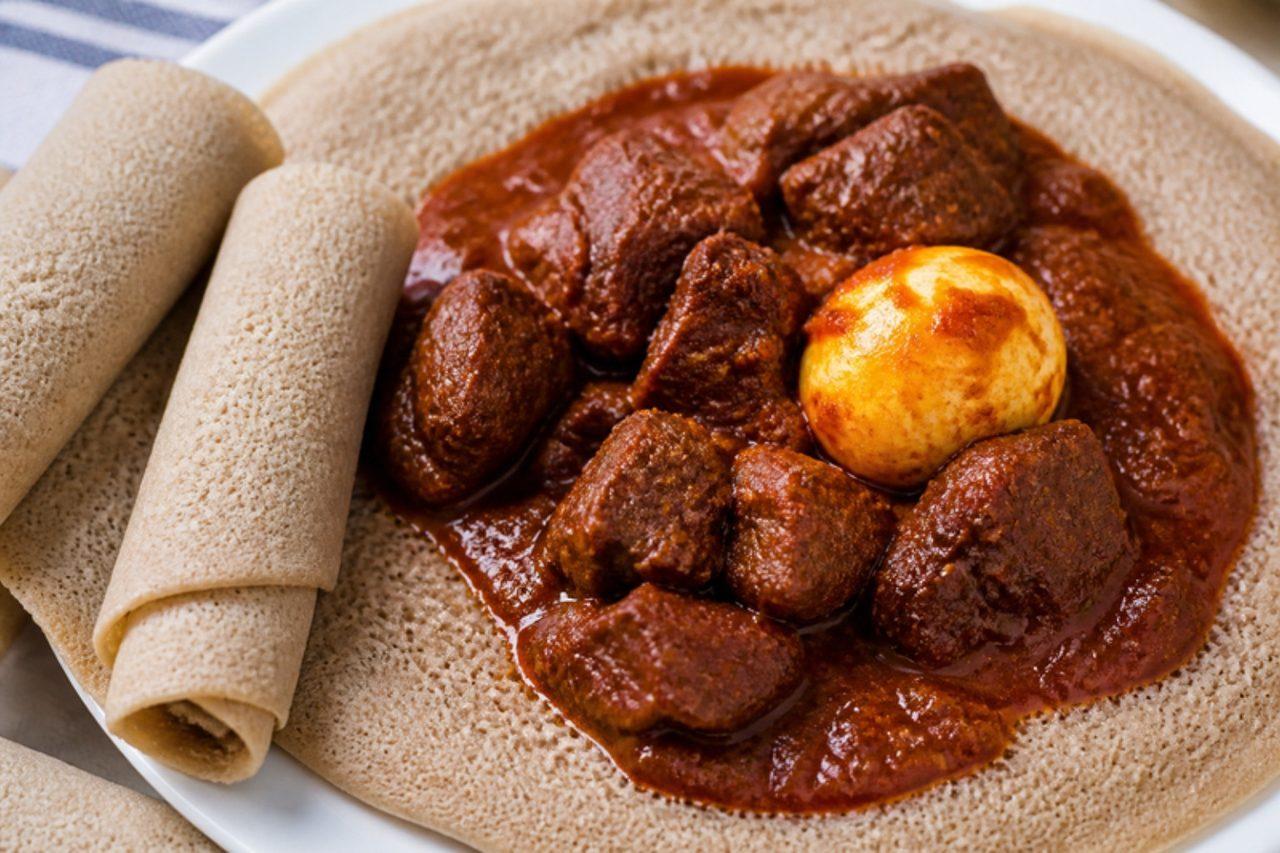
Ye-beg watLamb stew in berbere

Ethiopian Orthodox Christians fast without meat or dairy for long periods: 43 days before Genna (Christmas, 7 January) and 55 before Fasika (Easter). The fast is broken after the midnight service with feast stews, and ye-beg wat, lamb in a deep red sauce of slowly cooked onions, berbere and niter kibbeh (spiced clarified butter), is a favourite alongside doro wat. It is served on injera with hard-boiled eggs and ayib cheese. Chef's tip: cook the chopped onions dry, without fat, until they collapse and darken, as this is the base of every great wat.

by KrazyBadal 0 views

KalanehWild leek stuffed flatbread

In Kurdistan and Kermanshah, Newroz arrives with the first spring greens on the hillsides, and families gather wild leeks to fold into kalaneh, thin griddle breads cooked over a fire or a hot pan and soaked in melted butter. The dough is plain and soft, rolled very thin around a pile of chopped leek or chives with a little salt and pepper, so the greens steam inside as the bread blisters. Eat it hot, torn into strips, with yogurt and tea at a Newroz picnic. The common mistake is wet greens, which turn the dough soggy and make it tear; dry them well after washing. Chef's tip: brush the butter on the moment the bread leaves the pan so it soaks right in.

by KrazyBadal 0 views

Chipa so'oCheese bread with spiced beef

In Paraguay, families bake chipa in the clay tatakua ovens on Holy Wednesday so there is food for Thursday and Good Friday, when cooking stops. Chipa so'o ('chipa with meat') is a cassava-starch and cheese bread wrapped around a little filling of minced beef cooked with onion and egg, then baked until crisp outside and chewy within. It is naturally gluten free. Chef's tip: knead the dough until it no longer cracks at the edges when pressed; dry dough splits around the filling.

by KrazyBadal 0 views

OponkiQuark ring doughnuts

On Tłusty Czwartek, Fat Thursday, Poles queue at bakeries for pączki, but at home many families make oponki instead: little ring doughnuts from a quick twaróg (curd cheese) dough with no yeast and no waiting. They fry in minutes into light, tender 'tyres' that are rolled in sugar or glazed and eaten warm by the plateful. The common mistake is kneading the dough too much, which makes them tough; mix only until it holds together. Chef's tip: press the twaróg through a sieve first, or blend it, so the dough is smooth and the rings puff evenly.

by KrazyBadal 0 views

Pajagua mascadaBeef and cassava patties

Pajagua mascada is a Paraguayan street-food classic that appears on every table for the San Juan festival on 24 June, when bonfires burn and the night is full of games and traditional food. Minced beef is mixed with mashed cassava, onion, garlic and a little egg and flour, shaped into flat patties and fried until crisp. The name comes from Guaraní and refers to the 'chewing' of old Paraguayan cooks, who made it from leftover meat. Chef's tip: dry the boiled cassava well and remove its woody core, which keeps the patties light and crunchy.

by KrazyBadal 0 views

KaguyjyWhite corn pudding

On the night of 23–24 June, Paraguayans celebrate San Juan with bonfires, games like walking over hot coals and the 'paso de fuego', and a table of traditional foods, and kaguyjy (also mazamorra) is one of them. It is a soft, creamy pudding of cracked white corn (locro) simmered slowly in water and then milk with sugar or honey, sometimes with orange peel. It is eaten warm or cold. It is gluten free. Chef's tip: soak the corn overnight and cook it until each kernel is tender before adding the milk, or it never turns creamy.

by KrazyBadal 0 views

Dowina (Kurdish yogurt soup)

Dowina, called ash-e doogh in Persian, is warming spring food in Kurdish homes around Newroz, when yogurt is plentiful and the first herbs are cut from the garden. Rice and chickpeas simmer in a tangy, lightly thickened yogurt broth, finished with fresh dill, coriander and a sizzle of dried mint in oil. It is eaten warm, never boiling hot, with flatbread. The common mistake is to heat the yogurt too fast without stirring, which makes it split into grainy curds. Chef's tip: whisk an egg yolk and a spoonful of rice flour into the yogurt before it goes on the heat; it holds the soup smooth all the way to the simmer.

by KrazyBadal 0 views

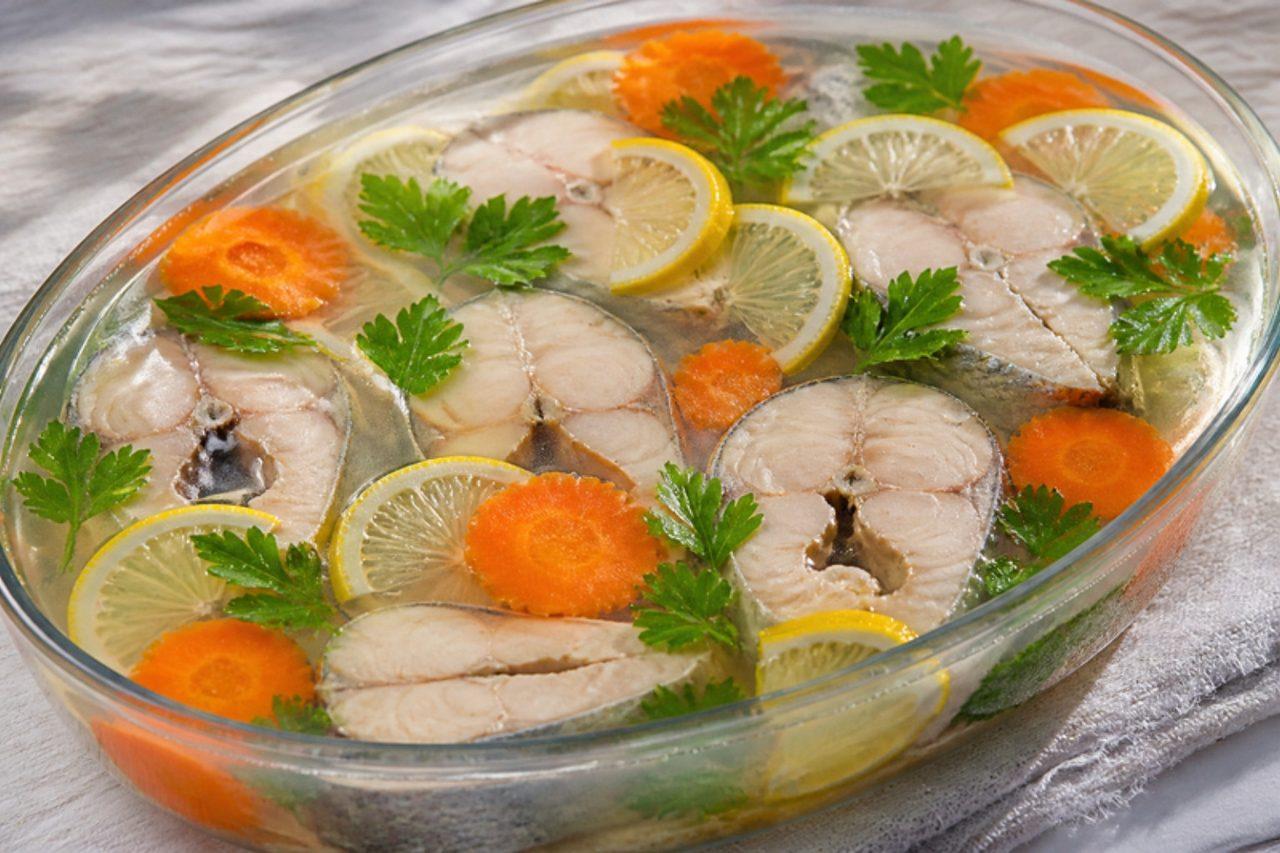
Karp w galarecieCarp in aspic

Carp in aspic is one of the cold dishes of the Polish Wigilia. Carp steaks are poached gently in a stock of root vegetables and the fish's own bones, then laid in a dish with carrot slices, lemon and parsley and covered in the clarified stock, which sets into a clear, shimmering jelly overnight. Serve it chilled with lemon and horseradish. A little powdered gelatine helps the aspic set reliably at home. Chef's tip: simmer the fish bones and vegetables slowly and never boil the stock hard; boiling makes it cloudy.

120 minPolishFishGluten free
by KrazyBadal 0 views

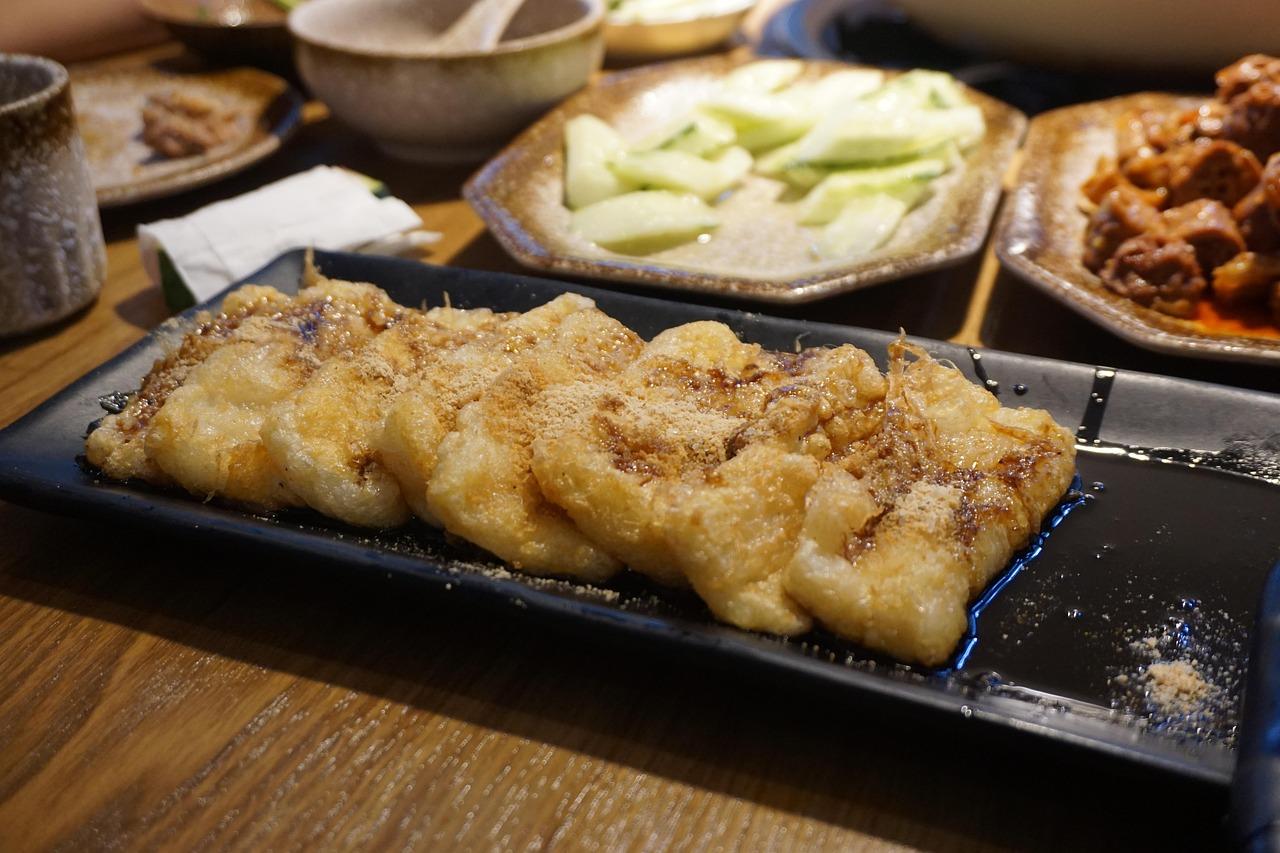
Hong tang ciba (brown sugar glutinous rice cakes)

Pounded glutinous rice cakes are a Spring Festival essential in Sichuan and Chongqing, where 'ci' sounds like a wish for the family to stay close, as stuck together as the rice itself. Fried and drowned in brown sugar syrup, they turn into hong tang ciba, a dessert that closes many reunion dinners and hotpot nights. Outside they are puffed and crackly, inside soft and stretchy, and the dark syrup and nutty soybean flour make every bite taste like toffee. This home version steams a glutinous rice flour dough instead of pounding whole grains, which gives the same chew in far less time. Serve straight from the pan while still crisp. Chef's tip: let the steamed slab cool and firm up completely before cutting; warm dough smears and bursts in the oil.

by KrazyBadal 0 views

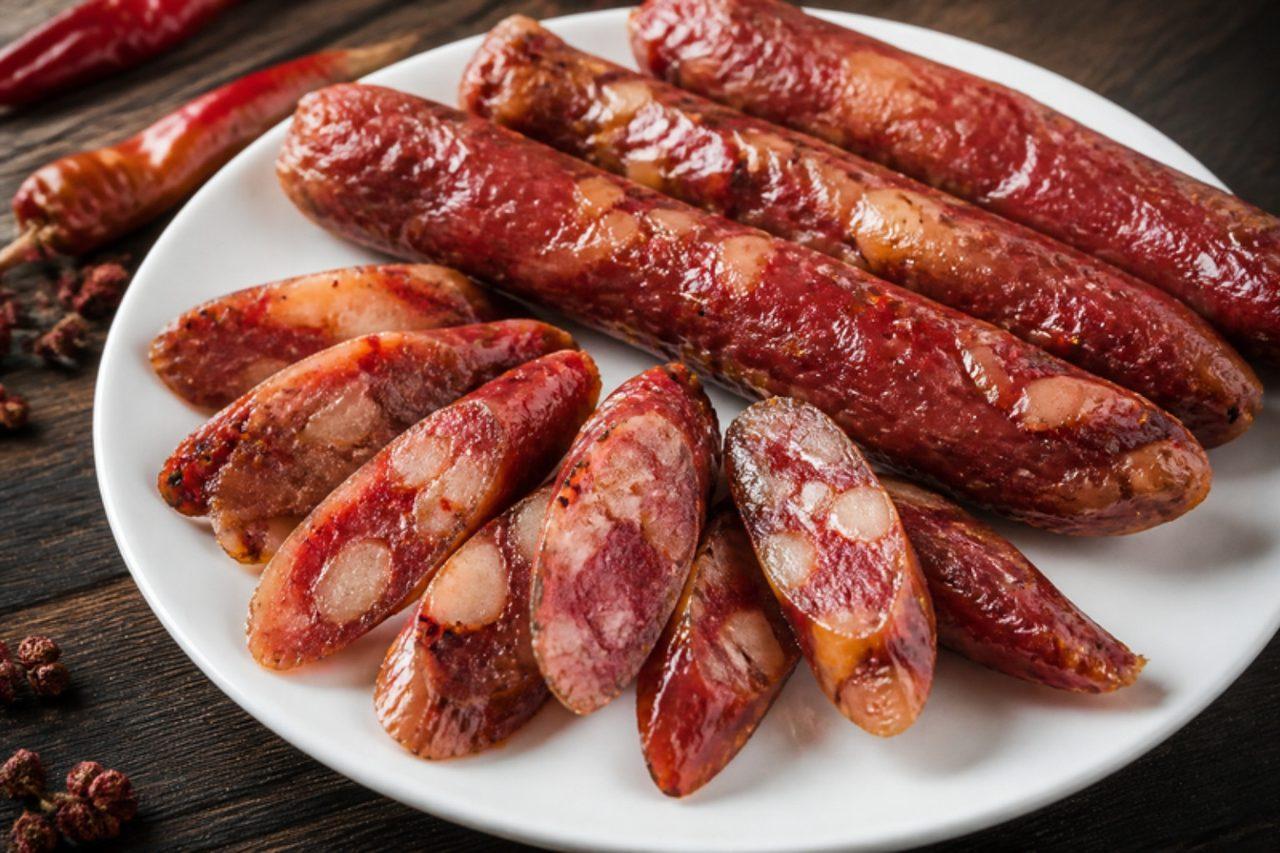
Sichuan xiang chang (spicy cured sausage)

When the weather turns cold in Sichuan, families buy pork by the shoulder, season it with chilli and Sichuan pepper and stuff it into casings, so that xiang chang hang in every home by the Spring Festival. Plates of sliced sausage beside la rou signal plenty for the year to come, and every household swears by its own spice blend. The pork is coarsely chopped, so the sausage is chewy and juicy with pockets of sweet fat, fiery, numbing and a little sweet. Steam and slice it to serve with rice, or stir-fry with cabbage. This home method uses pink curing salt and dries the sausages in the fridge for safety; they must always be cooked before eating. Chef's tip: keep the meat and your equipment cold throughout; warm fat smears and the sausage turns crumbly.

245 minChineseMeatSpicy
by KrazyBadal 0 views

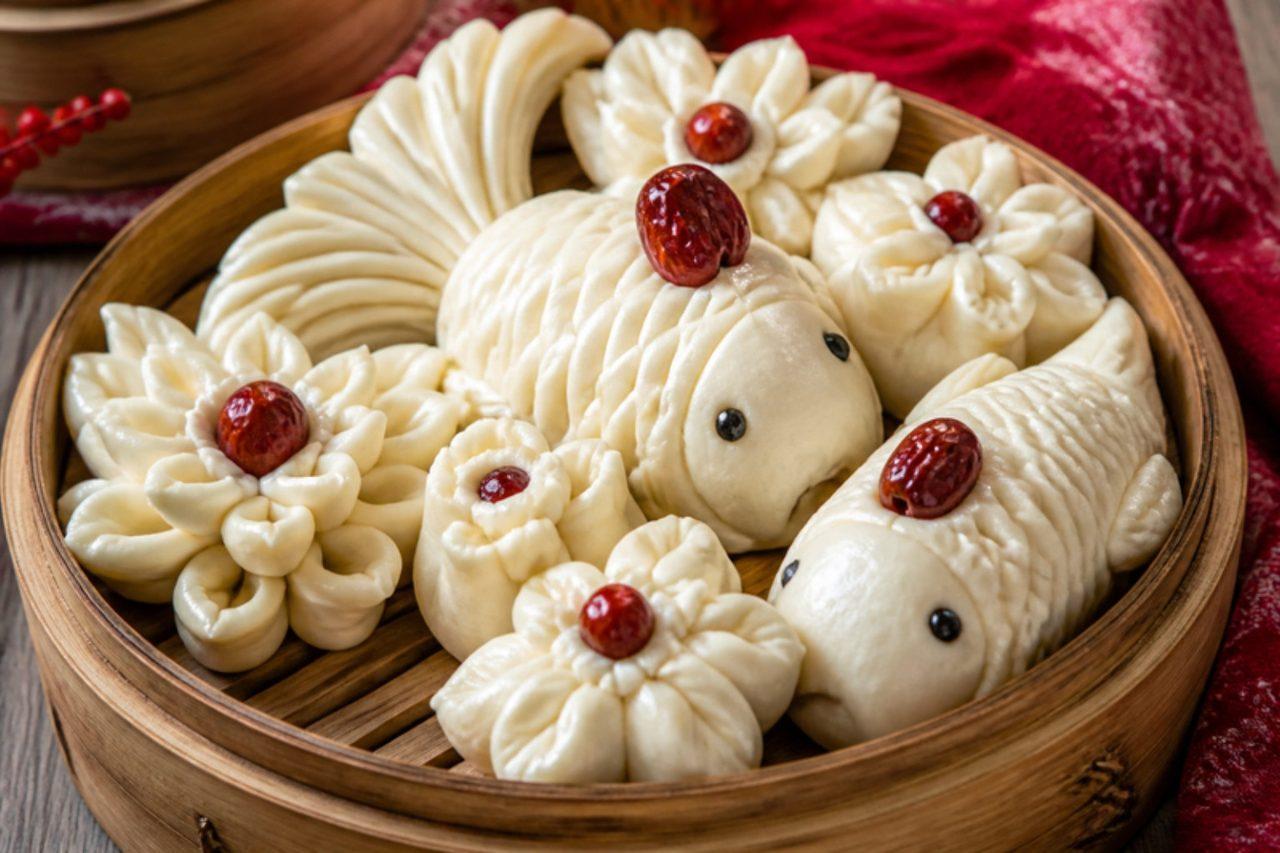
Jiaodong hua bobo (festive flower buns)

On the Jiaodong peninsula in Shandong, the days before the Spring Festival are spent shaping hua bobo: large steamed wheat buns twisted into fish, flowers and lucky knots and dotted with red jujubes. A fish bun stands for surplus in the year ahead, the dates for sweetness and a prosperous red, and a tall bun stacked high for a family that keeps rising. The crumb is dense, springy and faintly sweet, a world away from fluffy bao, because the dough is worked stiff and kneaded long. Set them on the reunion table, give them to neighbours, then slice and re-steam the rest with soups and braises through the holiday. Chef's tip: keep the dough firm, more like modelling clay than bread dough, or the shapes slump in the steamer.

by KrazyBadal 0 views

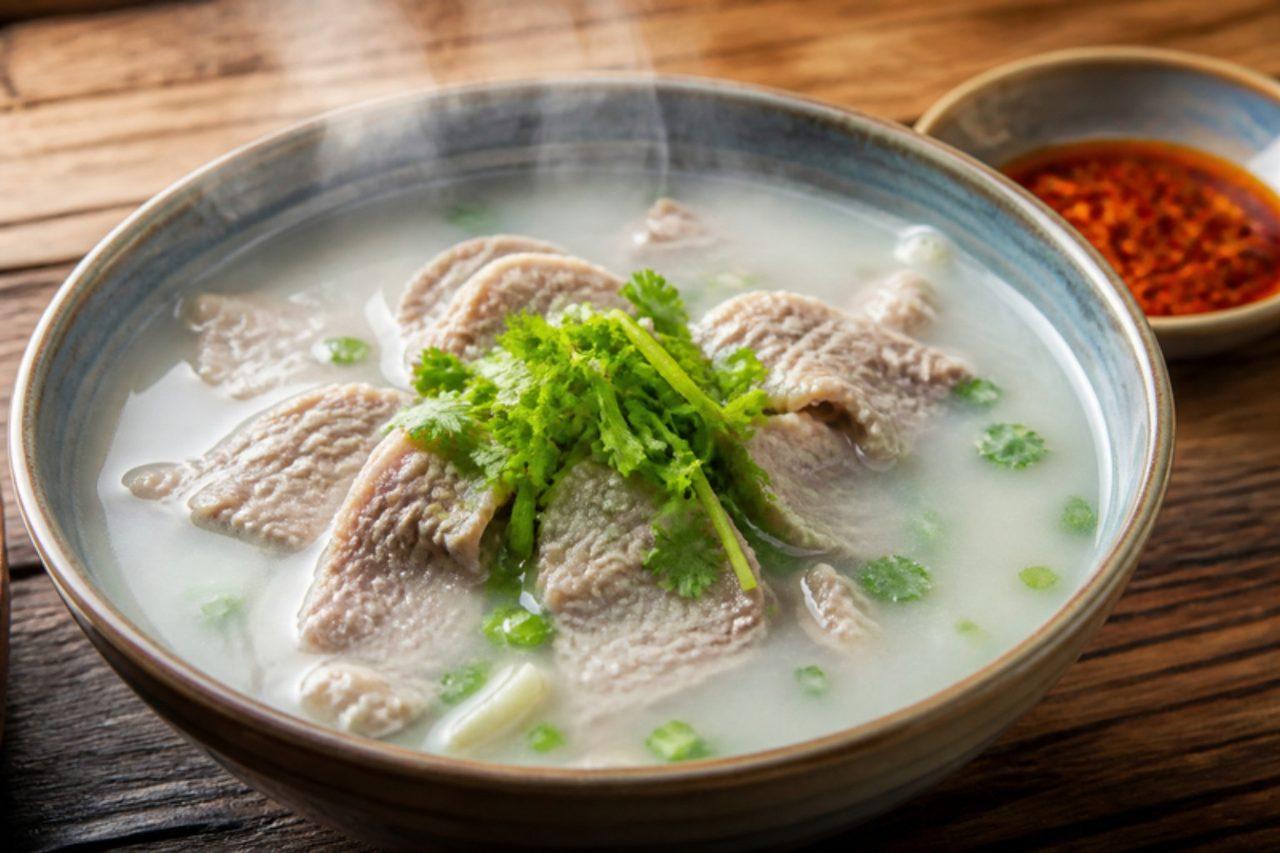
Dongzhi lamb soup (yangrou tang)Lamb and ginger soup

Yangrou tang is the Winter Solstice soup of Shandong and northern Jiangsu, where Dongzhi, the longest night, is a day to eat lamb and warm the body for the cold months; people say a bowl on Dongzhi keeps you from feeling the chill all winter. Lamb bones and meat are boiled hard until the broth turns milky white and rich, then seasoned simply with ginger, salt and white pepper. The broth is smooth and comforting, the sliced meat tender. Serve in deep bowls with coriander, chilli oil and warm flatbread or sesame buns to tear in. Chef's tip: season with salt only at the table or at the very end; salting early tightens the meat.

150 minChineseSoupsGluten free
by KrazyBadal 0 views

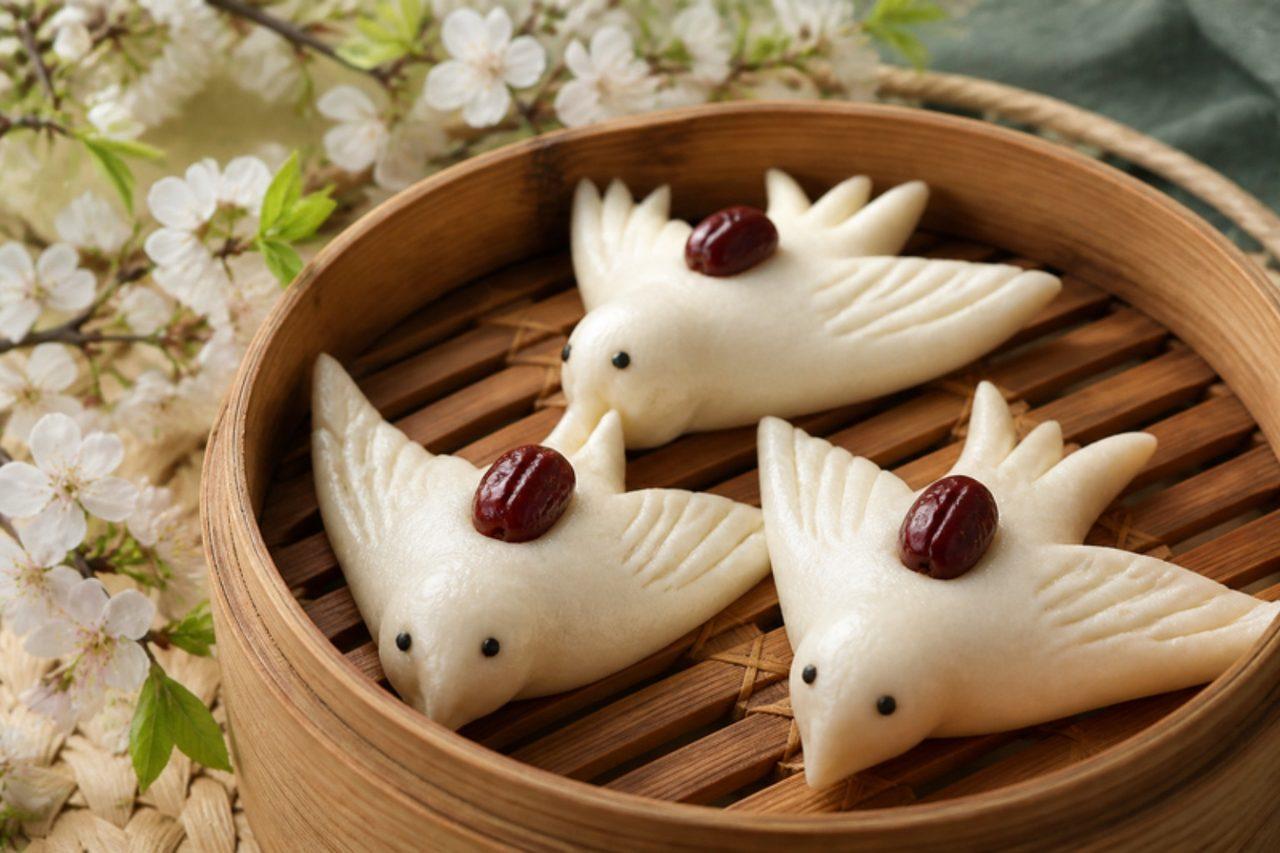
Zitui yan (Qingming swallow buns)

In Shanxi, families steam zitui yan for Cold Food Day and Qingming, the spring days of tomb-sweeping and remembering the dead. The buns are named after Jie Zitui, a loyal courtier of ancient Jin whose death in a mountain fire is said to be why no fires are lit on Cold Food Day, and they are shaped like swallows because the birds return in spring and carry wishes for new life. Children used to string them on willow twigs and hang them by the door. The dough is plain, slightly sweet and pillowy, with a chewy red date pressed into each bird. Serve them warm with tea, or cold the next day as the festival intends, alongside pickles and boiled eggs. Chef's tip: snip the tail and wing feathers with small scissors just before the second rise, so the cuts open into neat feathers as the buns puff.

by KrazyBadal 0 views

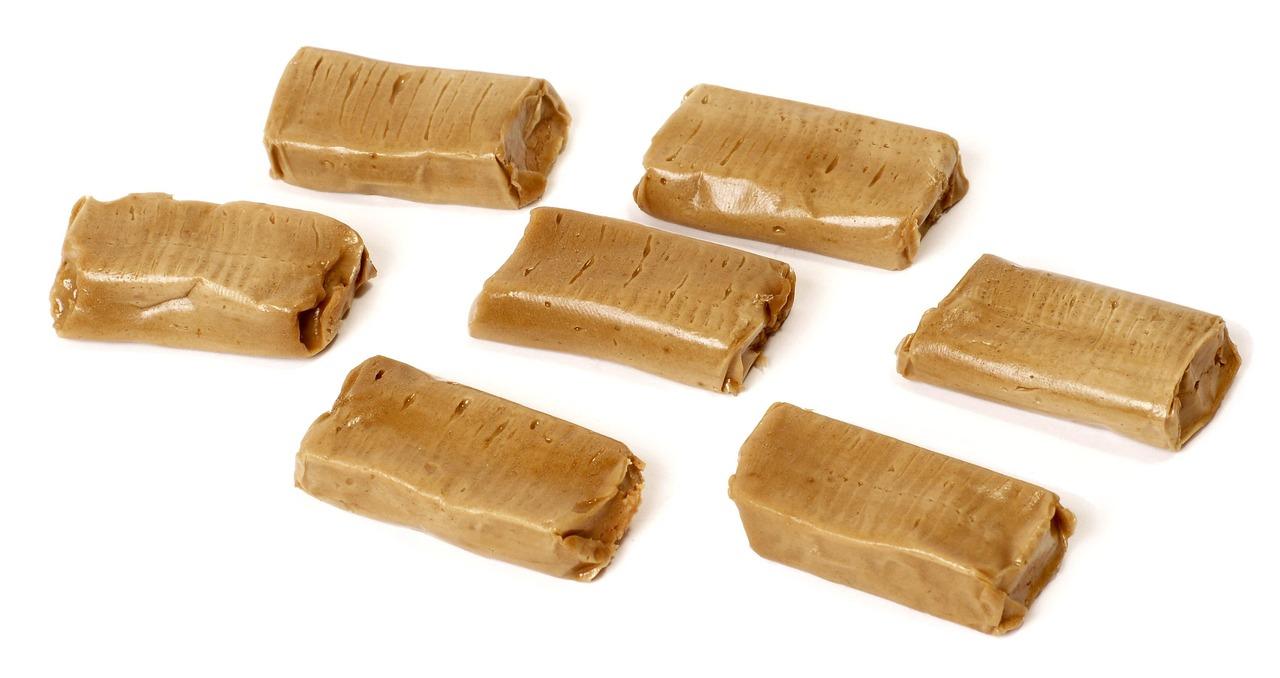
Krówki (Polish milk fudge)

Krówki, 'little cows', are the sweets Polish children grow up with: wrapped in paper with a cow on it, handed out at name days and school parties, and bought by the bag all year round. Fresh ones have a thin, sugary crust that crumbles at the edges while the middle stays soft and almost runny, with a deep taste of cooked milk and butter, close to dulce de leche. Eat them with black tea or coffee, or chop them into ice cream. They are naturally egg-free: milk and cream are boiled with sugar until the milk solids caramelise and the mixture reaches the soft-ball stage, then beating it as it cools starts fine sugar crystals that set the fudge and give that crumbly crust. A spoonful of honey adds its own flavour and keeps the centre soft. Chef's tip: stop beating as soon as the mixture loses its shine and starts to thicken; beating too long is the common mistake, and the fudge then sets in the pan before you can pour it.

by KrazyBadal 0 views

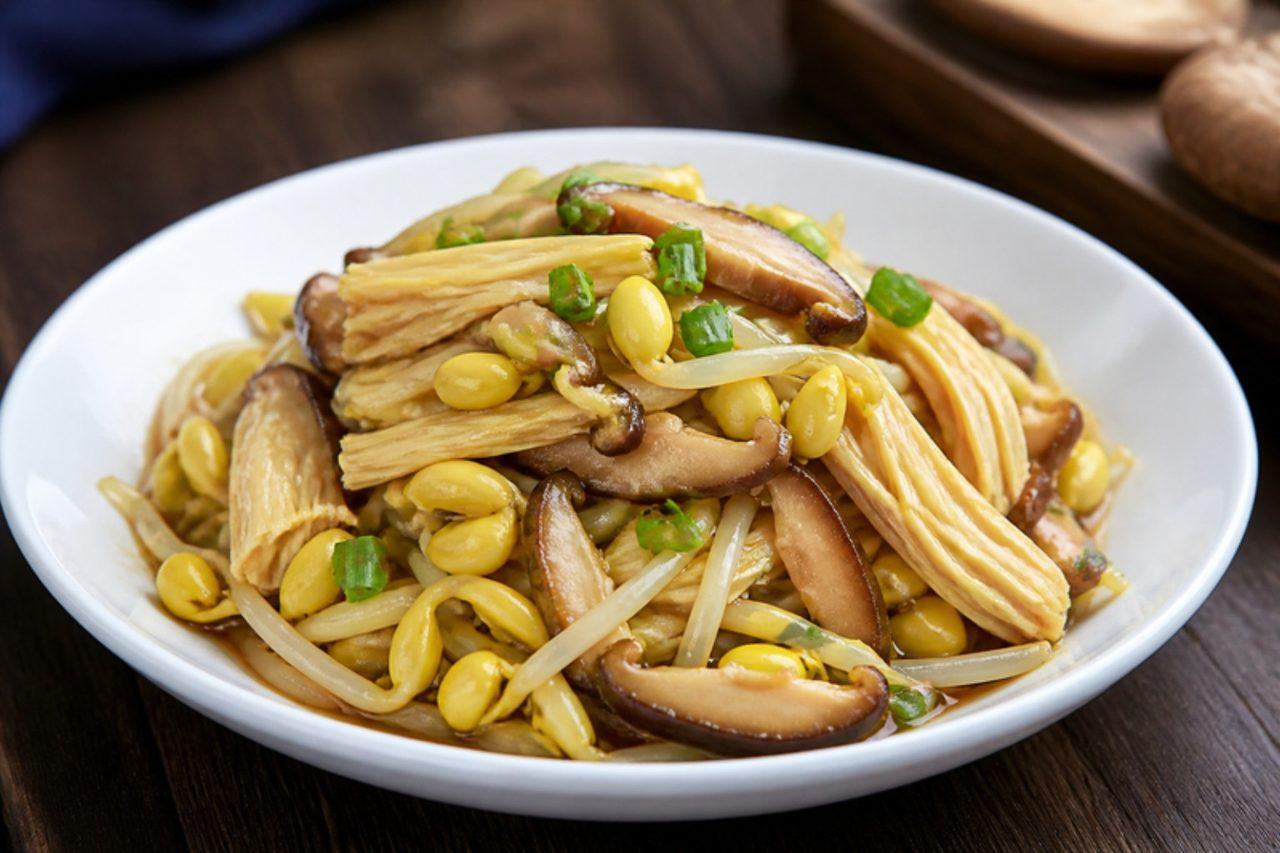
Ruyi cai (soybean sprout stir-fry)

A curled soybean sprout, with its fat yellow head and long tail, looks just like the ruyi sceptre whose name means 'as you wish', so in Shanghai and the Jiangnan region no Spring Festival table is complete without a dish of ruyi cai. It is the gentle, crunchy counterweight to the braised pork and fish of the reunion dinner: nutty sprouts, chewy strips of tofu skin and meaty shiitake in a light soy glaze. Many families cook a big batch on New Year's Eve and eat it cold for days. Serve it with rice, alongside red-braised dishes or as part of a vegetarian New Year spread. Chef's tip: cook the sprouts until the beany raw taste is gone; undercooked soybean sprouts taste grassy and are hard to digest.

by KrazyBadal 0 views

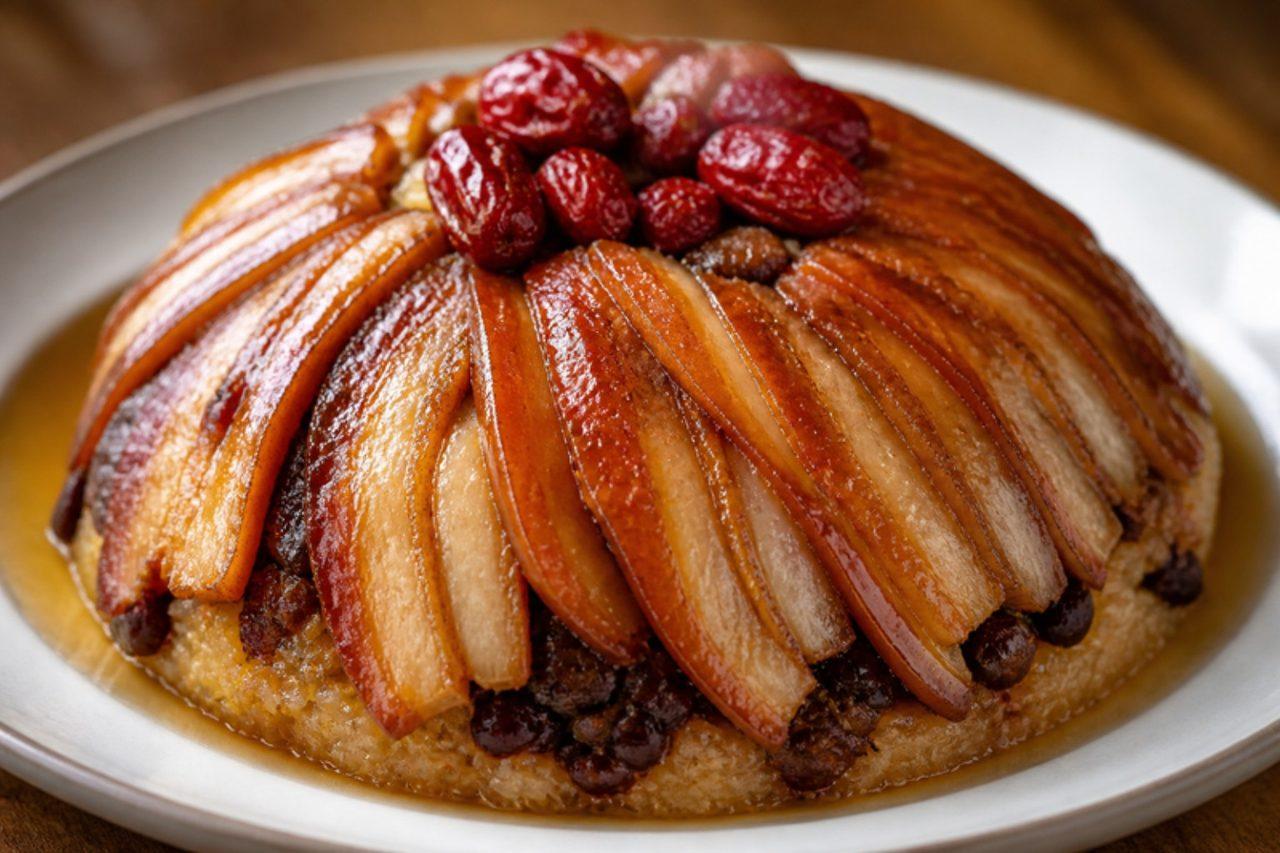
Tian shao bai (sweet pork belly over sticky rice)

Tian shao bai is one of the 'three steamed bowls' of a Sichuan countryside banquet, and no Spring Festival feast there is complete without it. Thick slices of pork belly are cut into hinged pockets, filled with sweet red bean paste and packed into a bowl over glutinous rice with brown sugar, then steamed for hours and turned out as a glossy dome: sweetness for the year ahead and a richness that says the harvest was good. The pork fat melts into the rice, the skin turns soft and wobbly, and the bean paste and sugar make it rich and sticky like a pudding. Serve it towards the end of the meal in small portions with tea. Chef's tip: chill the boiled belly before slicing; cold pork cuts into clean, even slices that hold together.

195 minChineseMeat
by KrazyBadal 0 views

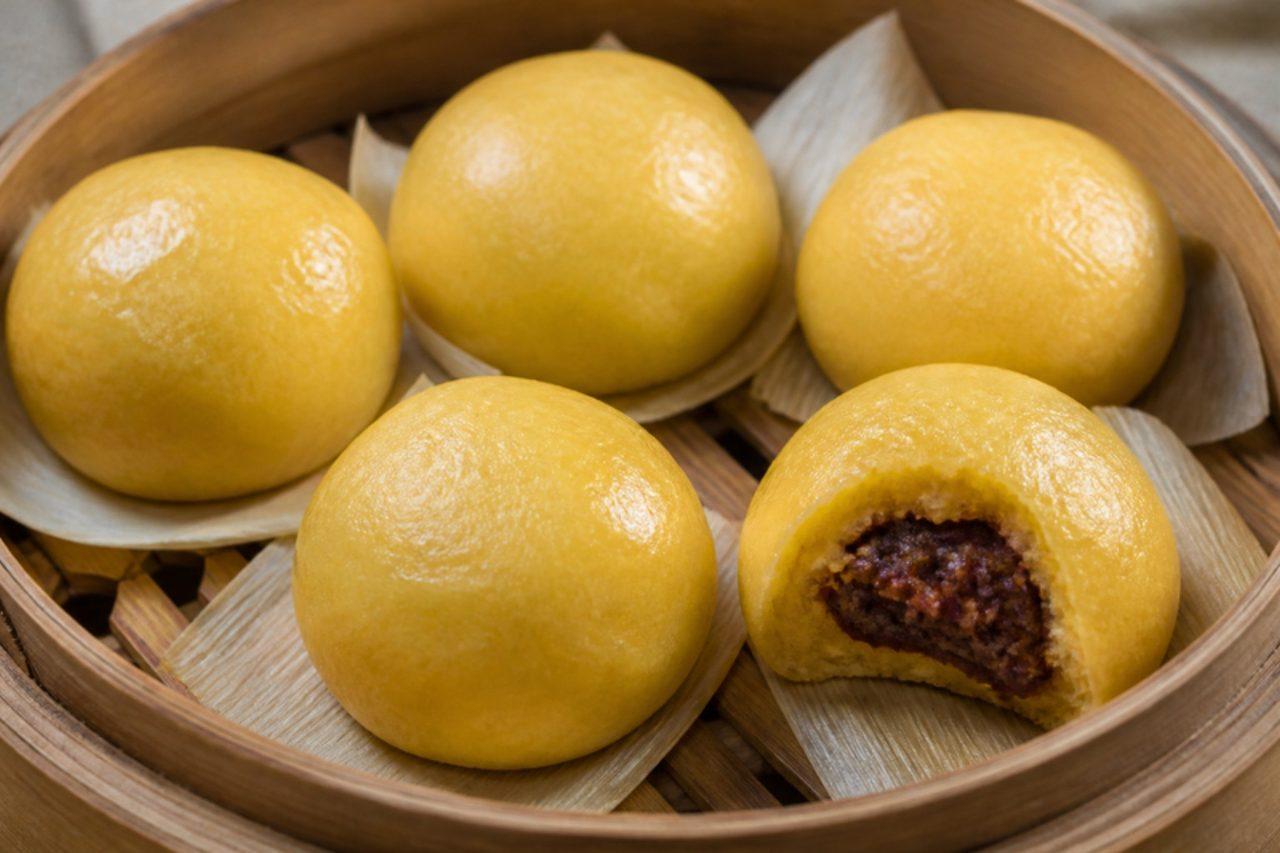
Nian dou bao (sticky bean buns)

Before the Spring Festival, families in Dongbei make nian dou bao by the hundred, steam them and freeze them outside in the snow so there is a stack ready for every visit of the holiday. The name contains 'nian', sticky, which sounds like the word for year, so they are eaten for a year that holds together and rises higher. The dough, traditionally from glutinous millet that has been lightly fermented, is soft, chewy and gently tangy, wrapped round a smooth sweet red bean filling. This version uses glutinous rice flour and fine cornmeal for the golden colour, with a little yeast for that faint sourness. Serve them warm with tea or plain congee. Chef's tip: wet your hands before shaping; the dough clings to dry hands but behaves perfectly once they are damp.

by KrazyBadal 0 views

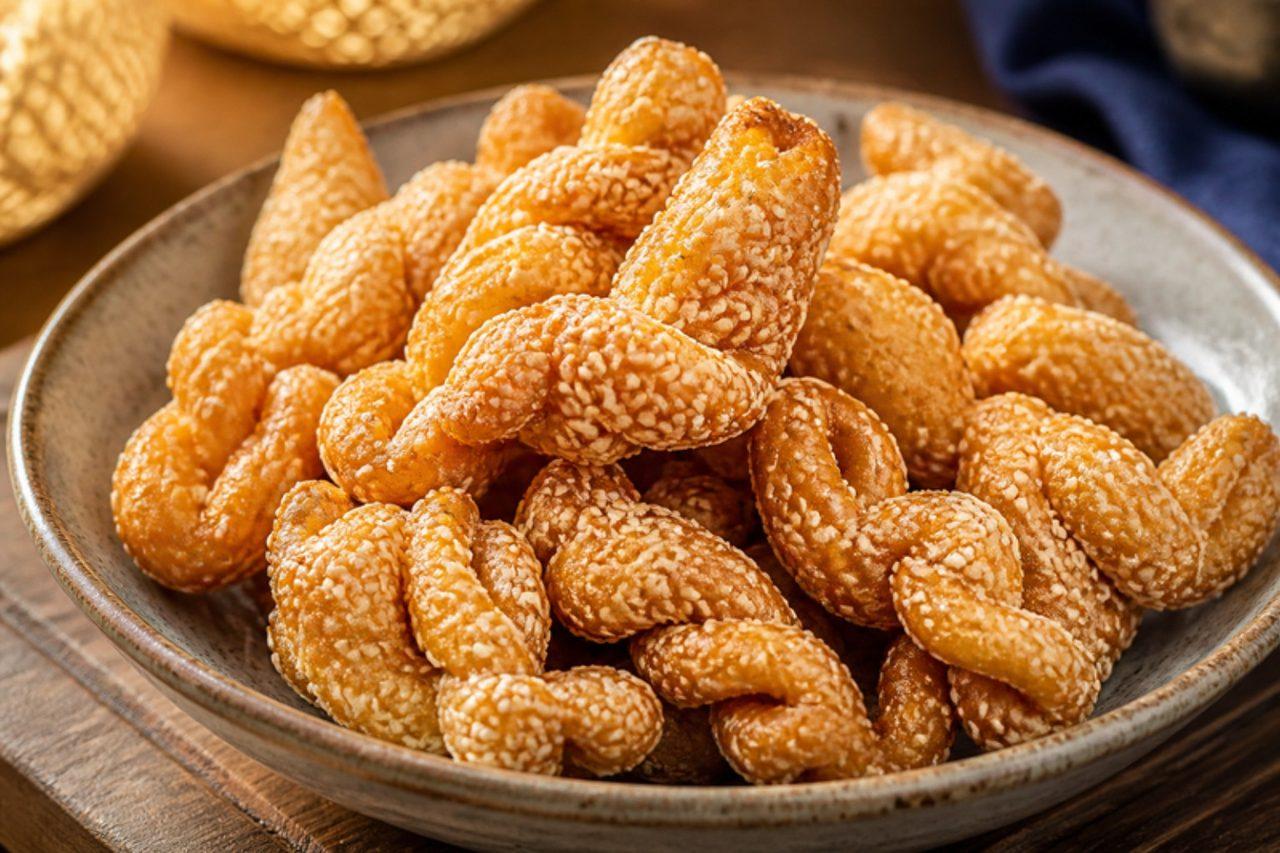
Qiaoguo (Qixi fried pastries)Sesame sugar fried dough knots

Qiaoguo, 'skill fruits', are fried for Qixi on the seventh night of the seventh lunar month in Zhejiang and Jiangsu. The festival celebrates the Weaver Girl and the Cowherd, the star-crossed lovers who meet once a year, and girls once set out these pastries and asked the Weaver Girl to make them clever with their hands; the neat twists and cut-out shapes show off that skill. They are crunchy, lightly sweet and toasty with sesame, like a delicate biscuit. Serve a plate under the evening sky with tea, melon and fruit. Chef's tip: roll the dough thin, about 2 mm; thicker pieces stay hard in the middle instead of crisp.

by KrazyBadal 0 views

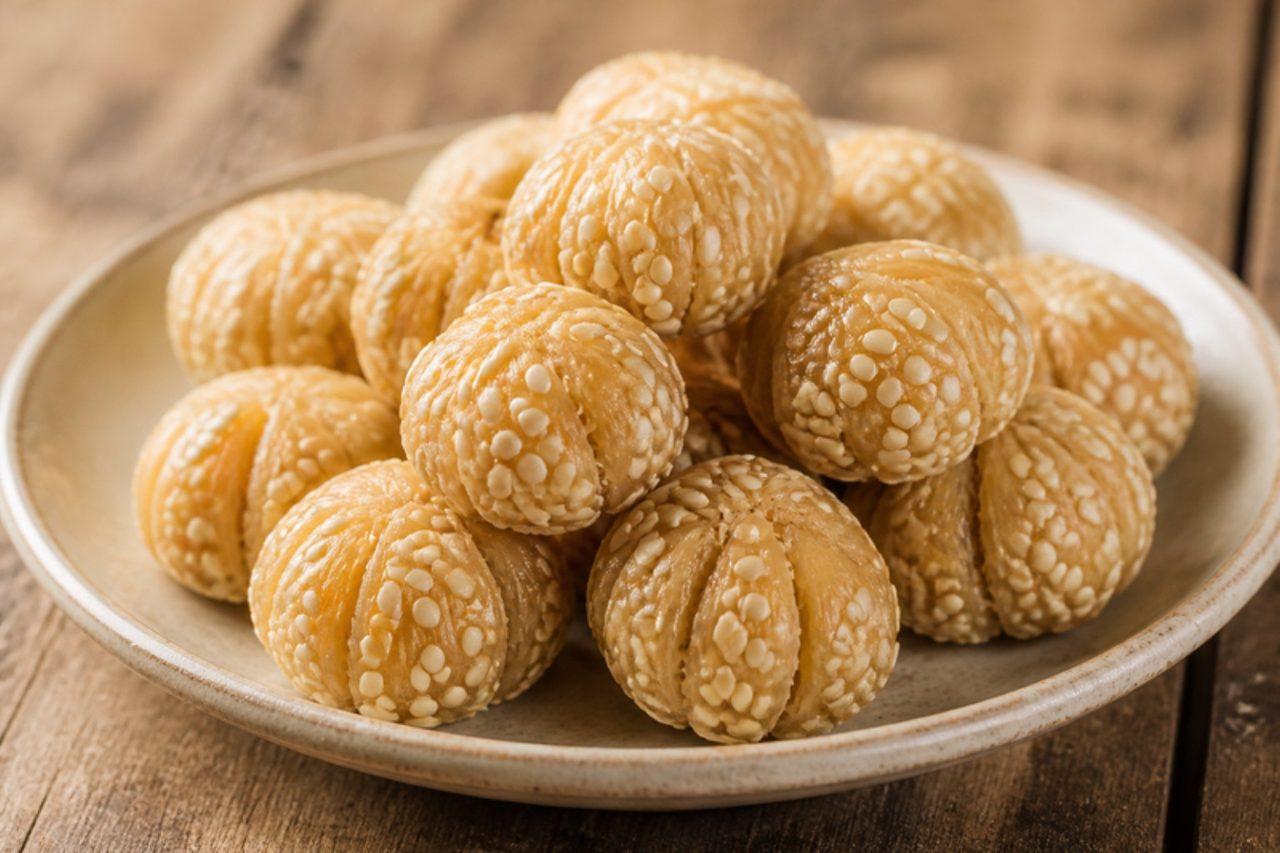
Tang gua (malt sugar candy)

On Xiaonian, the 'little New Year' a week before the Spring Festival, families across northern China offer tang gua to the Kitchen God before he flies up to report on the household: the sticky sweets are meant to glue his mouth shut, or at least sweeten his words. The name means 'sugar melons', after their round, ribbed shape. Pulling the hot maltose over and over turns it from amber glass to a pale, airy candy that shatters and then turns chewy, with a toasty malt flavour and plenty of sesame. Serve them with tea on Xiaonian and keep the rest in a tin for New Year guests. Chef's tip: wear clean rubber or silicone gloves and work on an oiled tray; hot sugar sticks to skin and burns.

by KrazyBadal 0 views

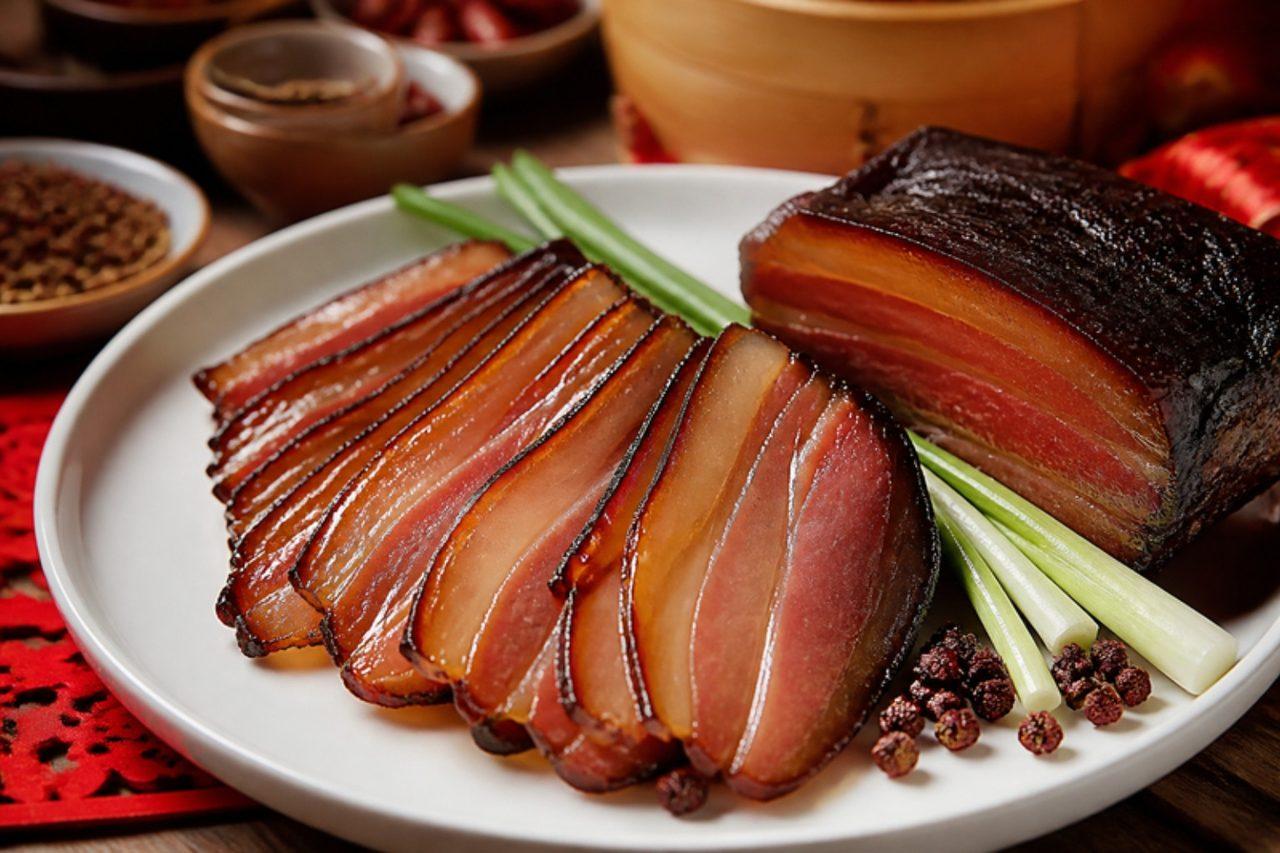
Sichuan la rou (smoked cured pork belly)

In the twelfth lunar month, balconies across Sichuan and Chongqing fill with strips of pork belly hanging to cure, and by the Spring Festival they have become la rou: smoky, salty and deeply savoury, the taste of a full larder and a prosperous year. The pork is rubbed with salt and toasted Sichuan pepper, left to cure, dried, then smoked; traditionally over cypress branches, here in a foil-lined wok with rice, sugar, tea and wood chips. Steamed and sliced thin, the fat turns translucent and the lean a deep ruby red. Serve it on its own with rice, or stir-fry the slices with garlic shoots or leeks. This home version uses pink curing salt for safety, cures and dries in the fridge, and must always be cooked before eating. Chef's tip: weigh the curing salt on scales accurate to 0.1 g; too much is harmful, too little is unsafe.

180 minChineseMeatGluten free
by KrazyBadal 0 views

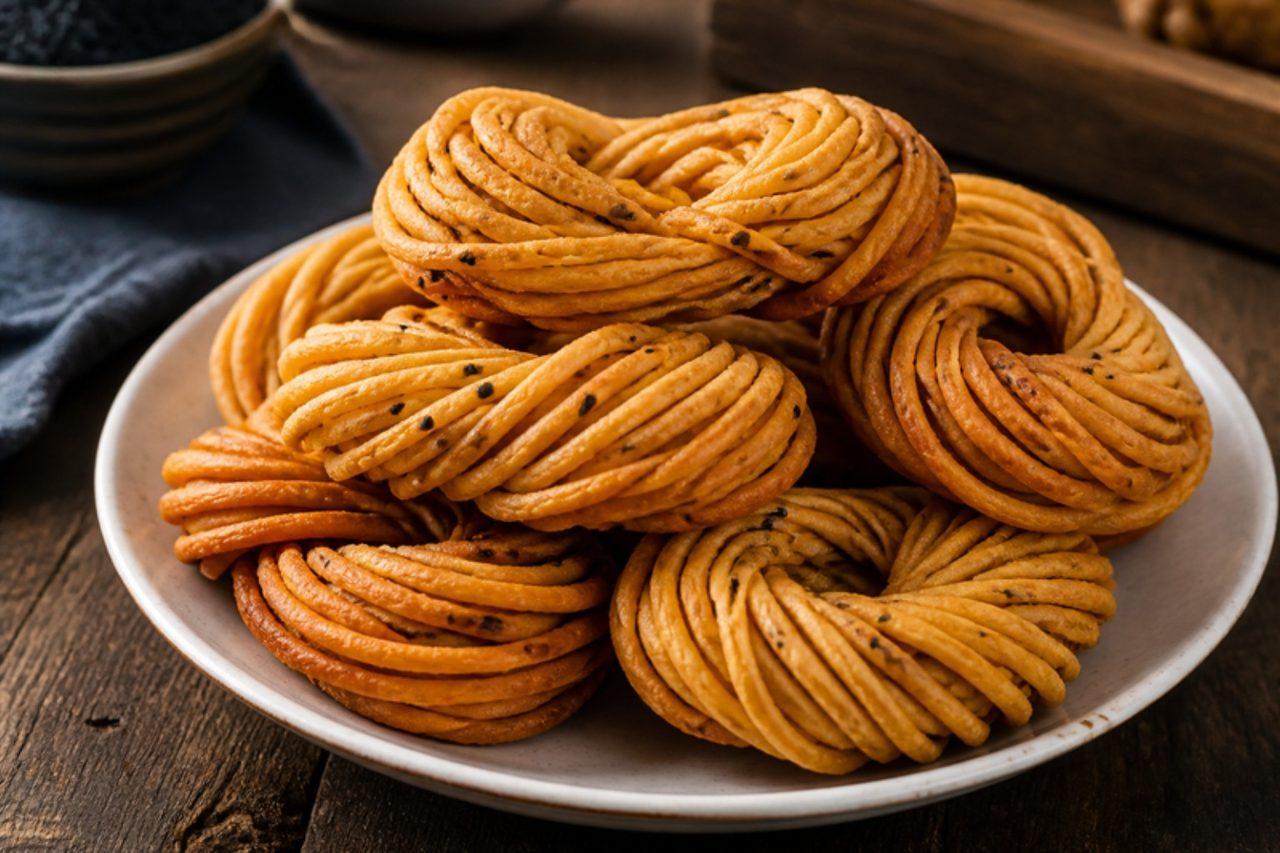
Sanzi (fried dough threads)

Sanzi are lacy coils of fried dough threads, made across Jiangsu and Shandong and by Hui and Uyghur cooks in Xinjiang. They belong to Hanshi, Cold Food Day, just before Qingming, when old custom forbade lighting the stove, so families fried them in advance to eat cold; the shatteringly crisp coils keep well for days and stand for the care taken to prepare for the remembrance. The dough is lightly salted and the strands snap like thin crackers, with a nutty note from sesame. Break them over congee or soy milk, or eat them on their own with tea. Chef's tip: rest the oiled ropes properly; relaxed dough stretches to thread-thin without snapping.

by KrazyBadal 0 views

Showing 24 of 717 recipes

Show more recipes

Page 1 of 30