Skip to content
WhatToEat.Today

All recipes

642

Vegetarian, or something you can't eat? Set your diet once and we'll hide recipes that don't fit.

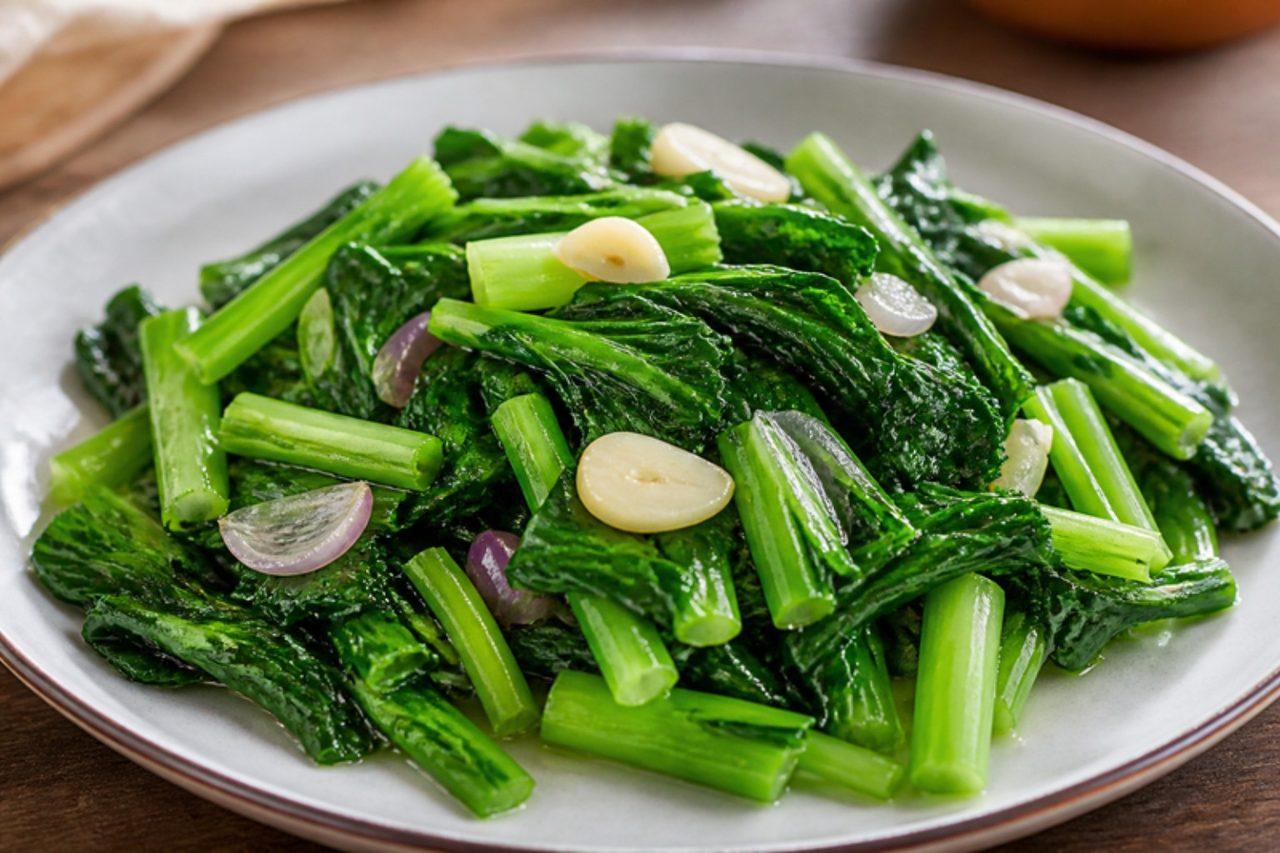
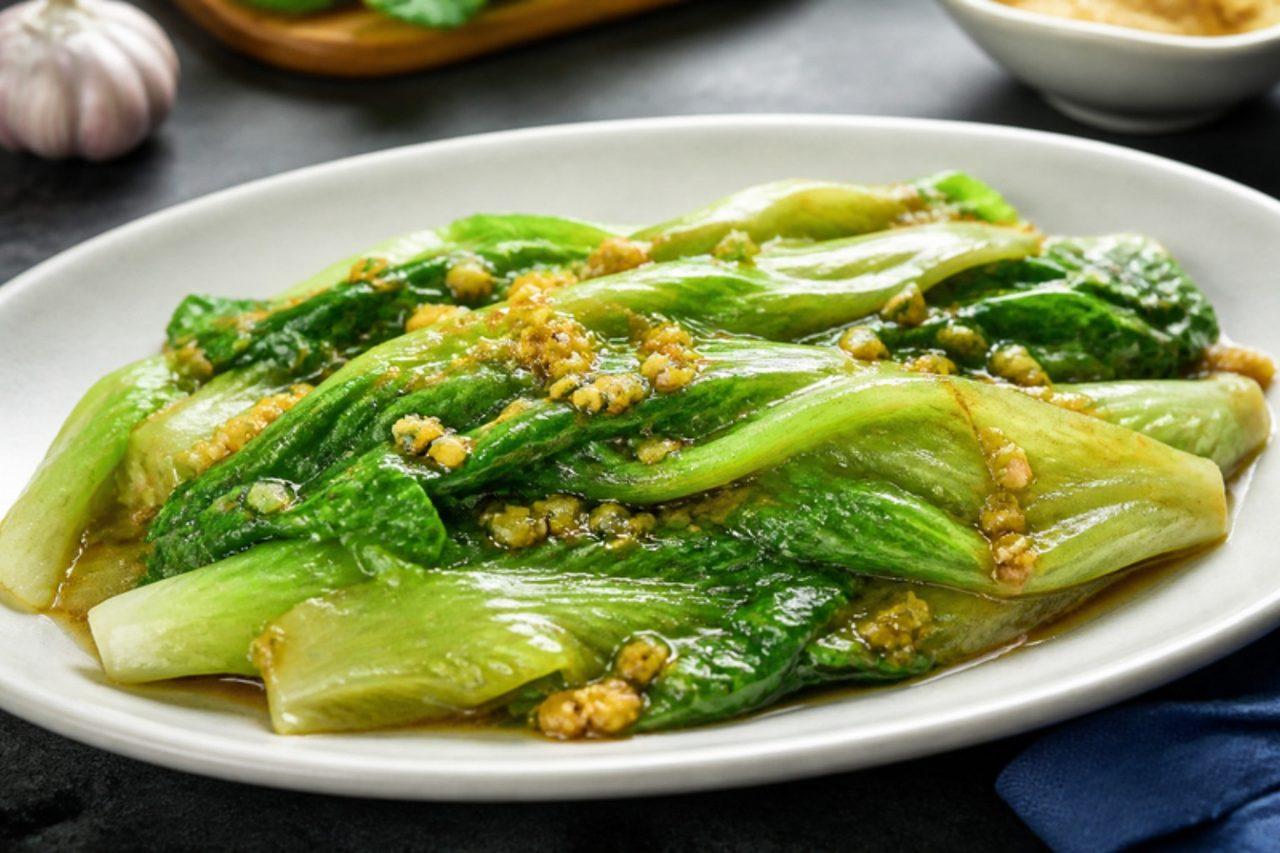
Suan rong sheng caiGarlic stir-fried lettuce

In Guangdong, lettuce is a cooking green, not just a salad leaf: suan rong sheng cai is iceberg or romaine flash-fried with heaps of garlic and a splash of soy, and it appears beside rice at family dinners and in every Hong Kong-style café. The leaves wilt at the edges while the ribs stay juicy and crunchy. Cantonese cooks often add oyster sauce; light soy and a pinch of sugar keep this one vegan. The mistake to avoid is wet leaves: water left on the lettuce spits in the oil and stews the dish, so spin them very dry. Chef's tip: cook it in two batches if your wok is small, because a crowded pan turns lettuce limp and grey in seconds.

by KrazyBadal 0 views

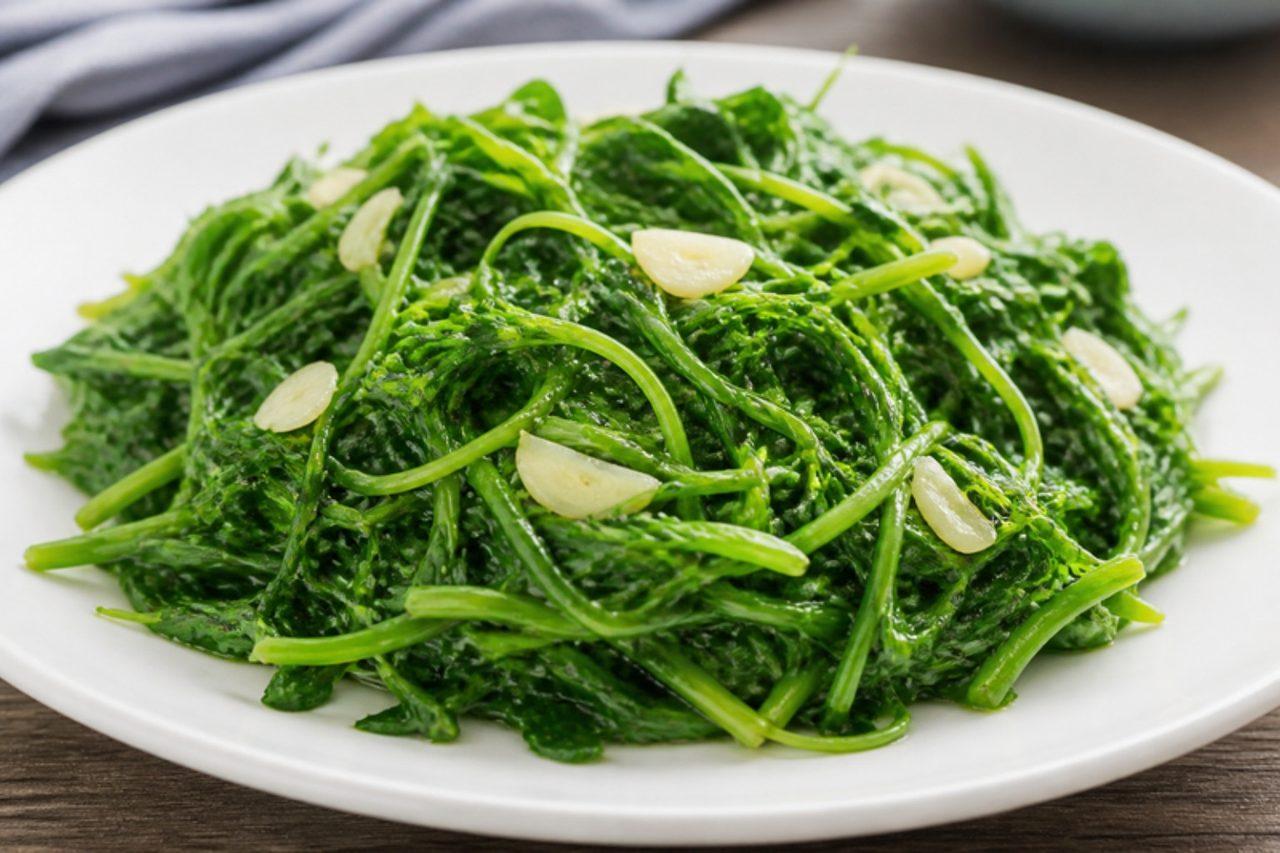
Qing chao dou miaoGarlic pea shoots

Dou miao, the tender tips of the pea plant, are a prized spring and winter green in Sichuan restaurants and Cantonese homes alike, and qing chao, plain stir-frying, is the way they are most often cooked for a quick dinner beside rice. The shoots collapse in under a minute and taste sweet, like fresh peas. Buy the larger cooking pea shoots from Chinese grocers, not the tiny salad cress. The common mistake is overcooking: once they turn dark and stringy they lose all their sweetness, so pull them off the heat while a few leaves still look raw. Chef's tip: add a splash of water with the salt; the steam finishes the stems evenly without the leaves frying dry.

by KrazyBadal 0 views

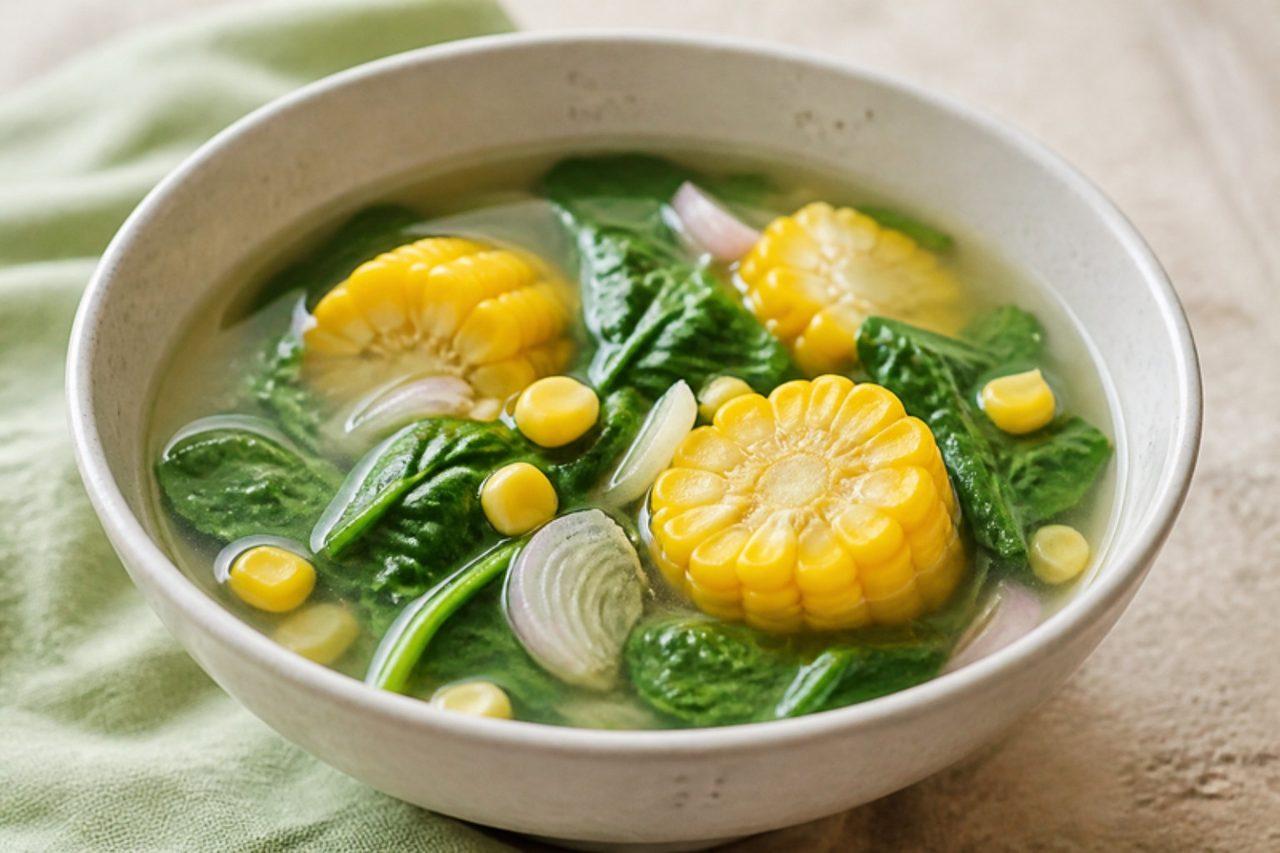
Sayur beningClear spinach and corn soup

Sayur bening, 'clear vegetables', is the light soup that sits beside almost every everyday meal in Central and East Java, eaten at lunch and supper with rice, fried tempe and sambal. Spinach (or amaranth) and sweetcorn are simmered briefly in water scented with shallot, garlic and fingerroot, so the broth stays clear and tastes sweet and green. The common mistake is boiling the spinach for too long: add it last and take the pan off the heat as soon as the leaves collapse. Chef's tip: if you can find fingerroot (temu kunci) in an Asian grocer, bruise one finger into the pot; it gives the authentic peppery-citrus note, but the soup is still good without it.

by KrazyBadal 0 views

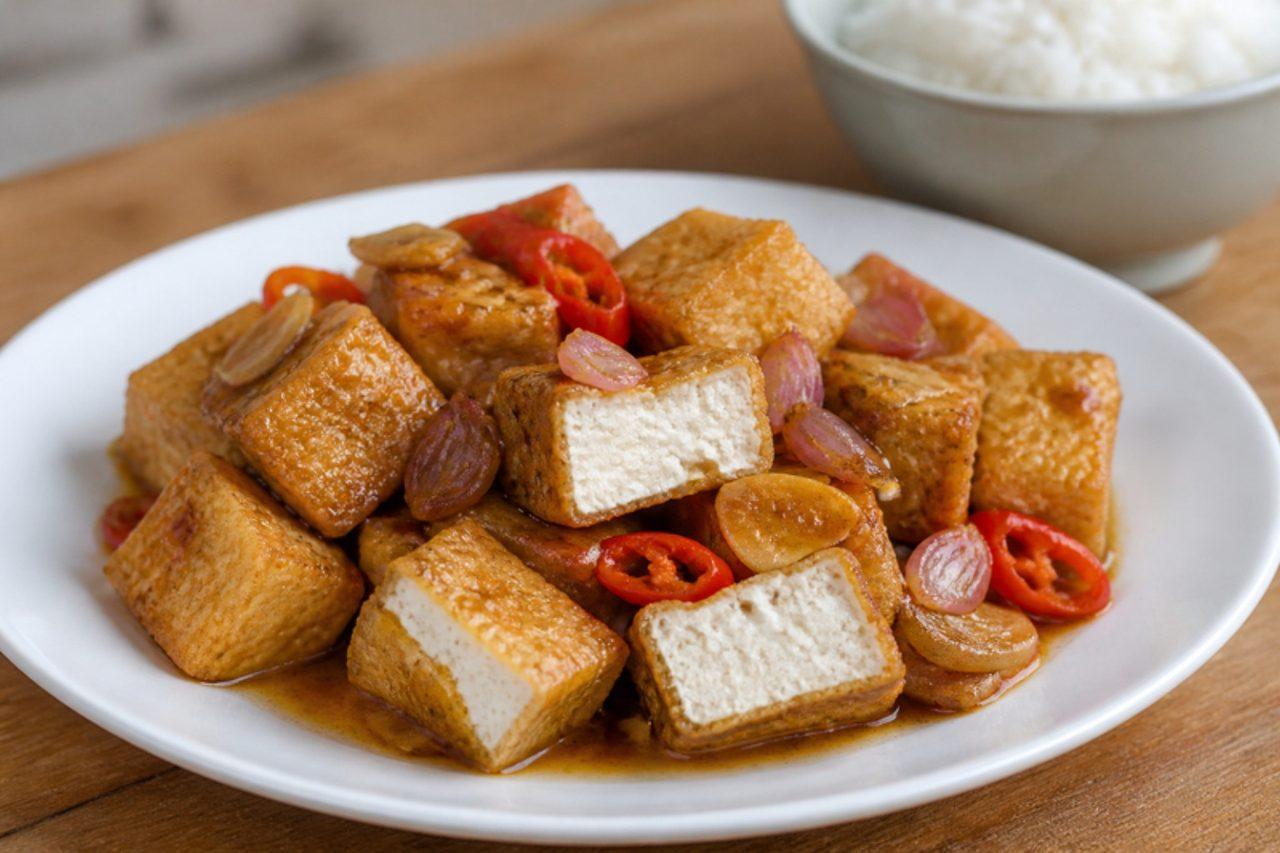
Tahu kecapFried tofu in sweet soy

Tahu kecap is everyday Javanese home cooking, made for supper from Yogyakarta to Surabaya and sold in warung trays by midday: cubes of tofu fried until golden, then tossed with sliced shallot, garlic and chilli in sticky, dark kecap manis. Sweet, salty and a little hot, it is eaten with rice and cucumber slices. The common mistake is frying wet tofu, which spits and never crisps; pat the cubes very dry first. Chef's tip: buy ready-fried tofu puffs or firm pre-pressed tofu if you're short of time; they need only a quick toss, and the hollow puffs soak up the sauce beautifully.

by KrazyBadal 0 views

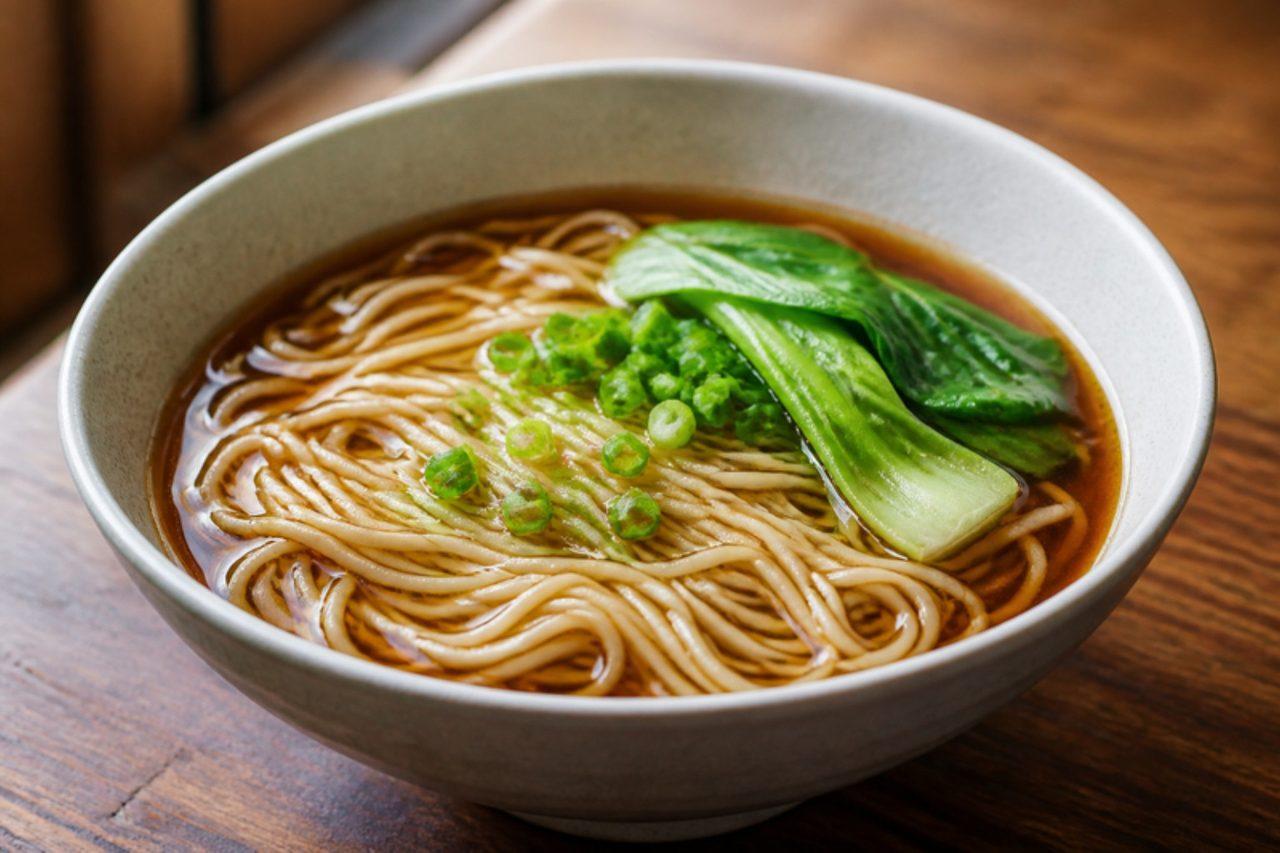
Yangchun mianNoodles with spring onion oil

Yangchun mian is the bare-bones noodle bowl of Shanghai and the towns of Jiangsu, slurped late at night or as a cheap supper when nothing else is in the house: thin wheat noodles in a clear, soy-seasoned broth, glossed with spring onion oil and a few greens. Street stalls traditionally melt a spoon of lard into the bowl; this version uses a quickly made spring onion oil and vegetable stock so it stays vegetarian. The common mistake is cooking the noodles in the broth itself, which turns it cloudy and starchy; boil them separately in plenty of water. Chef's tip: put the soy and oil in the empty bowl first and pour the boiling stock onto them, so the soy blooms and the bowl smells like a Shanghai noodle shop.

by KrazyBadal 0 views

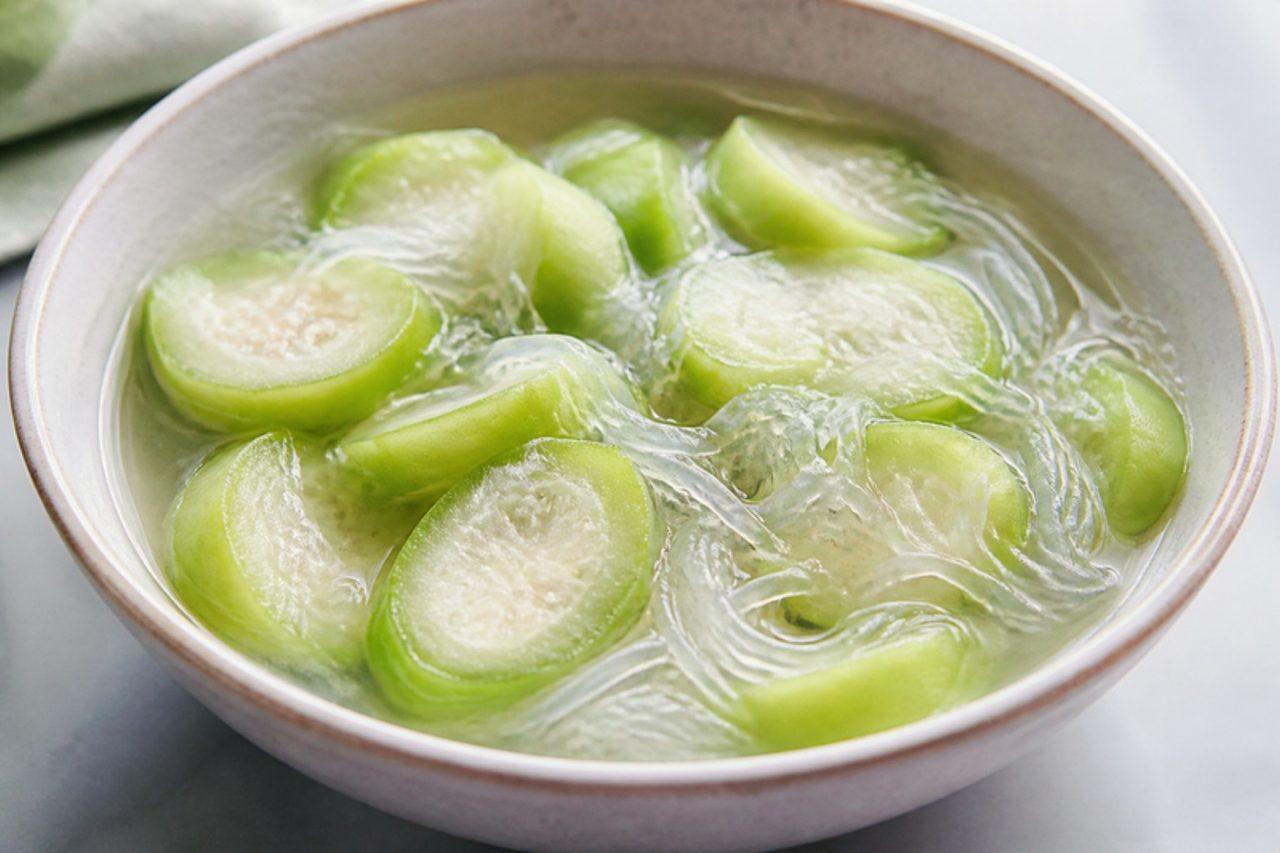
Sayur oyongLuffa and glass noodle soup

Sayur oyong is a mild home soup from Java, cooked for weekday lunches and suppers when angled luffa (oyong) is in the market: the gourd turns soft and silky in a light broth of garlic and shallot, and a handful of glass noodles makes it filling. Many cooks add dried shrimp or a few prawns; this version keeps it vegetarian. The common mistake is adding the glass noodles too early, which makes them swell and drink all the broth; they need only 2 minutes at the end. Chef's tip: fry the shallot and garlic until just golden before adding water, which gives a sweet, rounded flavour to a broth with only a few ingredients.

by KrazyBadal 0 views

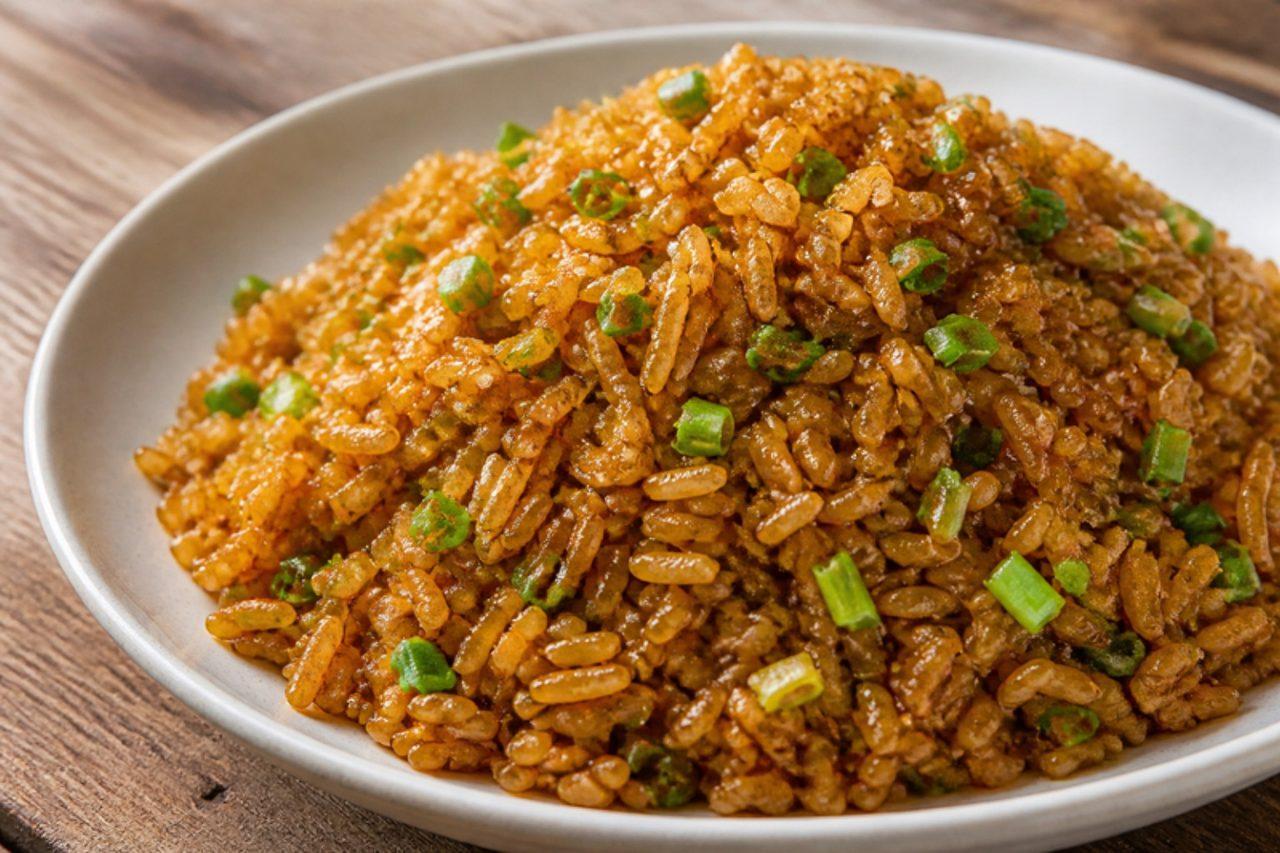
Jiangyou chaofanSoy sauce fried rice

Jiangyou chaofan, soy sauce fried rice, is what Shanghai home cooks do with yesterday's rice on a busy weeknight: rice tossed in a hot wok with light and dark soy and a fistful of spring onion until every grain is evenly bronze and slightly smoky. Many families stir in a beaten egg; this vegan version leaves it out, but you can add one before the rice if you eat eggs. The common mistake is pouring soy straight onto the rice in the middle of the wok, which leaves dark patches and pale grains; drizzle it round the hot edge instead. Chef's tip: break up cold rice with damp hands before it goes in, so it fries grain by grain instead of steaming in clumps.

by KrazyBadal 0 views

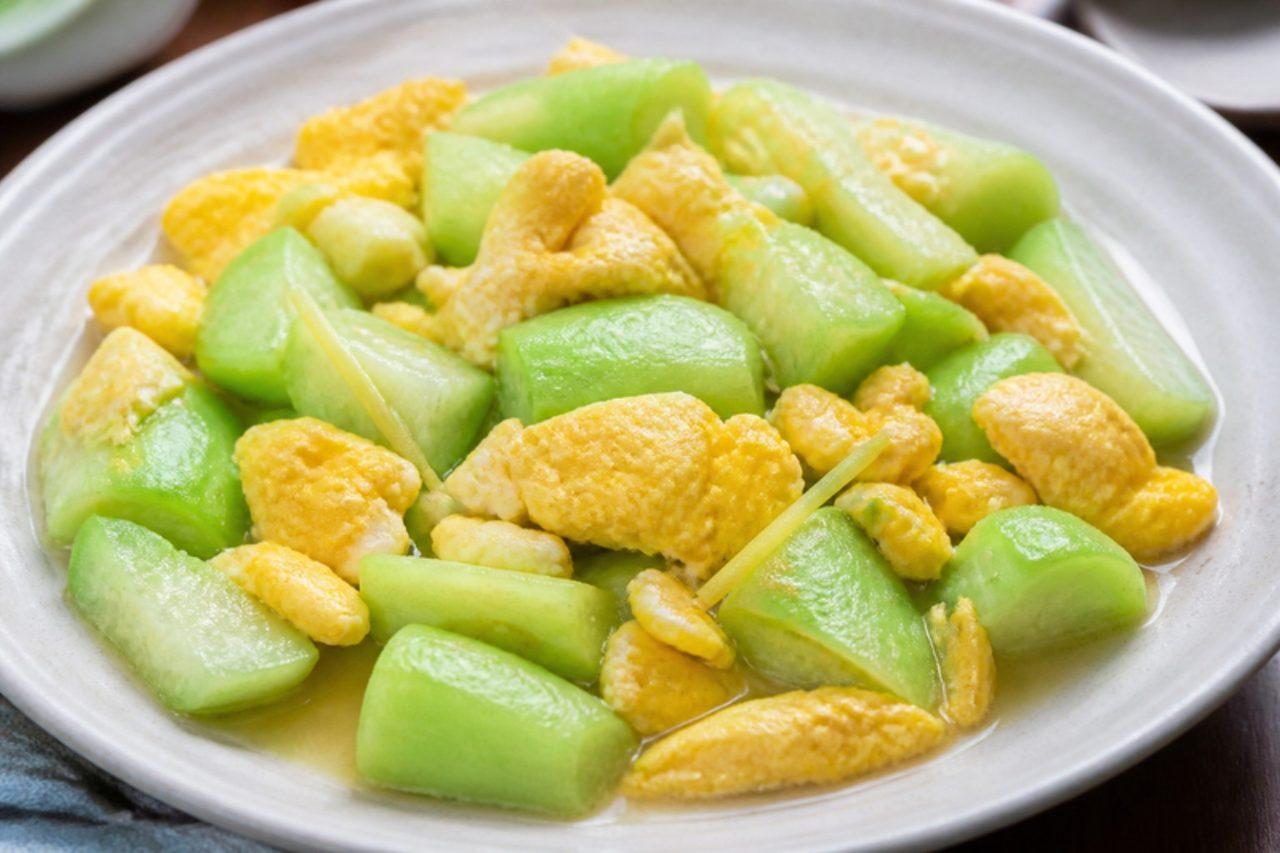
Si gua chao danLuffa and egg stir-fry

Si gua chao dan is a southern Chinese summer staple, cooked in Guangdong, Fujian and Guangxi homes on hot evenings when something light is wanted with rice. Angled luffa softens into silky, faintly sweet pieces and releases its own juice, which the scrambled egg soaks up. The common mistake is leaving the ridges on: peel the hard ridges of angled luffa (or all the skin of smooth luffa), or they stay tough and bitter. Chef's tip: scramble the egg first and lift it out while still a little soft, then return it at the end so it stays fluffy instead of rubbery.

by KrazyBadal 0 views

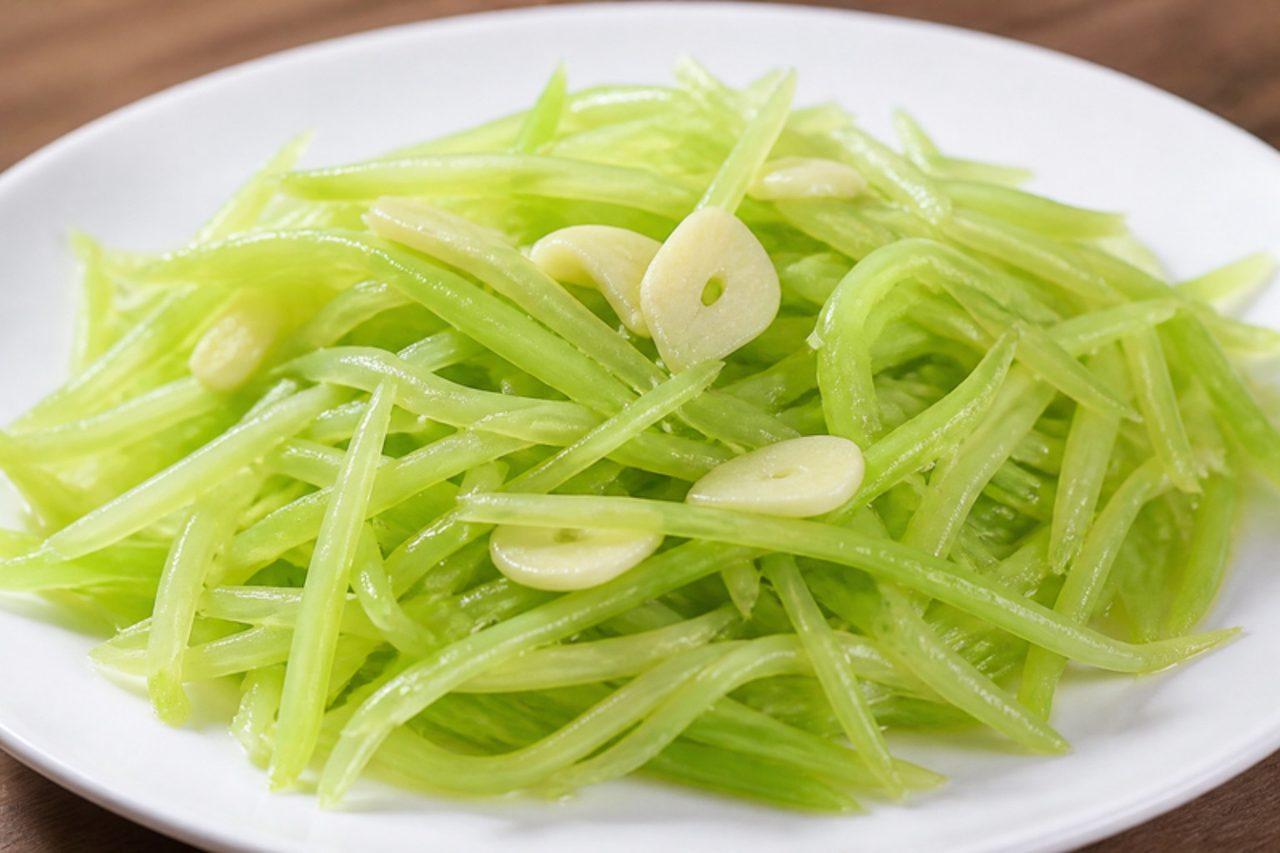
Qing chao wosunStir-fried celtuce

Wosun, celtuce or stem lettuce, is a fat, pale-green stalk loved across Sichuan and Chongqing, where it is slivered and flash-fried for weeknight dinners and spring banquets alike. It tastes somewhere between cucumber, courgette and mild celery, with a satisfying crunch that survives the wok. Look for it in Chinese groceries in spring; the leaves can be cooked like lettuce. The common mistake is peeling too thinly: the outer layer is fibrous, so peel until you reach the translucent jade-green core. Chef's tip: salt the slivers for five minutes and squeeze them lightly before cooking, so they stay snappy and season right through.

by KrazyBadal 0 views

Tumis sawiStir-fried mustard greens

Tumis sawi is the green dish that turns up on Indonesian dinner tables nearly every day, from Jakarta homes to Padang-style warung: mustard greens (sawi hijau) or choy sum stir-fried with shallot, garlic and a splash of soy until just wilted. Many cooks add a few prawns or a spoon of oyster sauce; this version is vegan. The common mistake is throwing stems and leaves in together, so the leaves go to mush while the stems stay raw; give the stems a 1-minute head start. Chef's tip: a splash of water once the greens go in makes a little steam that cooks them evenly and keeps them glossy.

by KrazyBadal 0 views

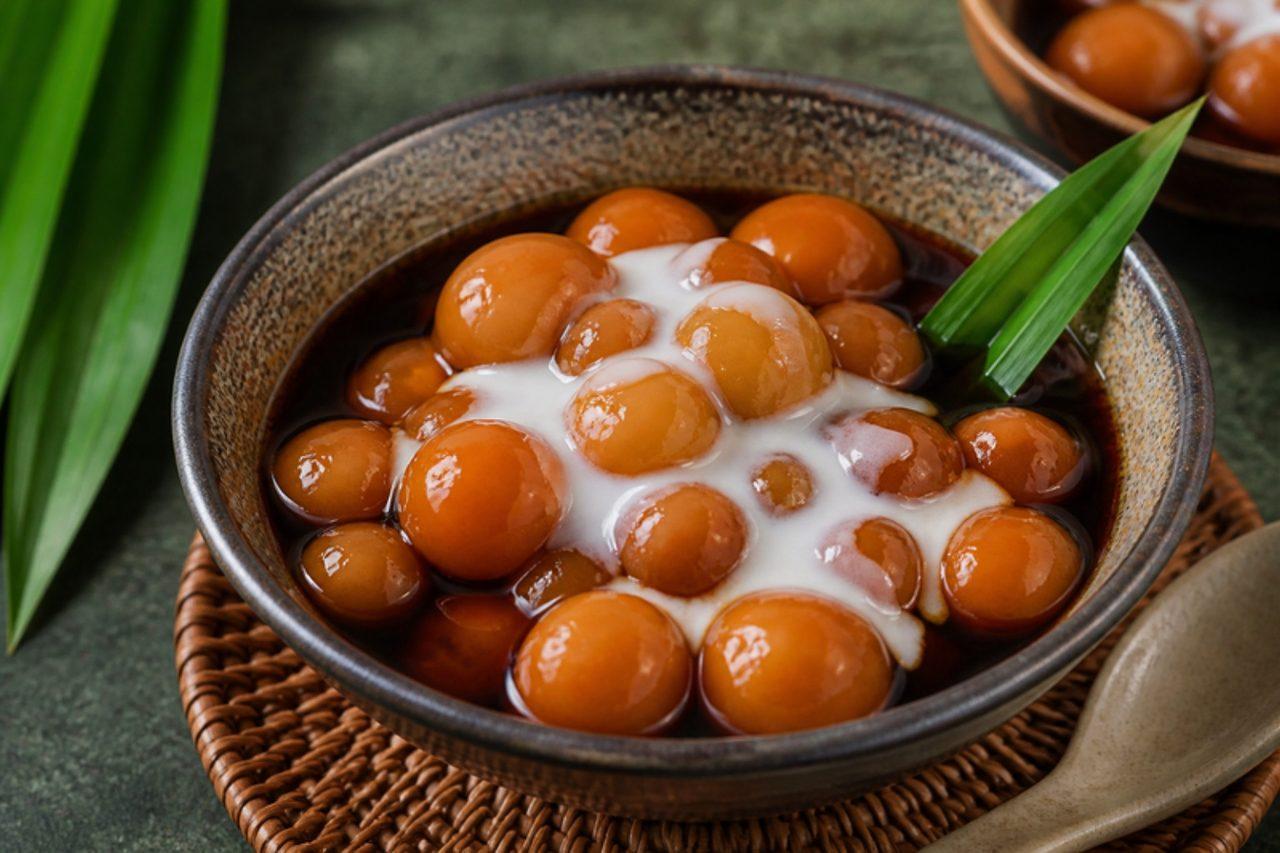
Bubur candilSweet potato balls in syrup

Bubur candil is a classic takjil, the little sweet that Javanese families break the fast with after dates and water during Ramadan. Chewy balls of orange sweet potato and glutinous rice flour bob in a dark, glossy palm sugar syrup scented with pandan, and a spoon of salty coconut cream goes on top. It is warming, soft and fudgy, and stalls sell it in plastic cups in the hour before maghrib. Chef's tip: drop the balls into syrup that is just bubbling, not boiling hard, or they break up before they set.

by KrazyBadal 0 views

Dowina (Kurdish yogurt soup)

Dowina, called ash-e doogh in Persian, is warming spring food in Kurdish homes around Newroz, when yogurt is plentiful and the first herbs are cut from the garden. Rice and chickpeas simmer in a tangy, lightly thickened yogurt broth, finished with fresh dill, coriander and a sizzle of dried mint in oil. It is eaten warm, never boiling hot, with flatbread. The common mistake is to heat the yogurt too fast without stirring, which makes it split into grainy curds. Chef's tip: whisk an egg yolk and a spoonful of rice flour into the yogurt before it goes on the heat; it holds the soup smooth all the way to the simmer.

by KrazyBadal 0 views

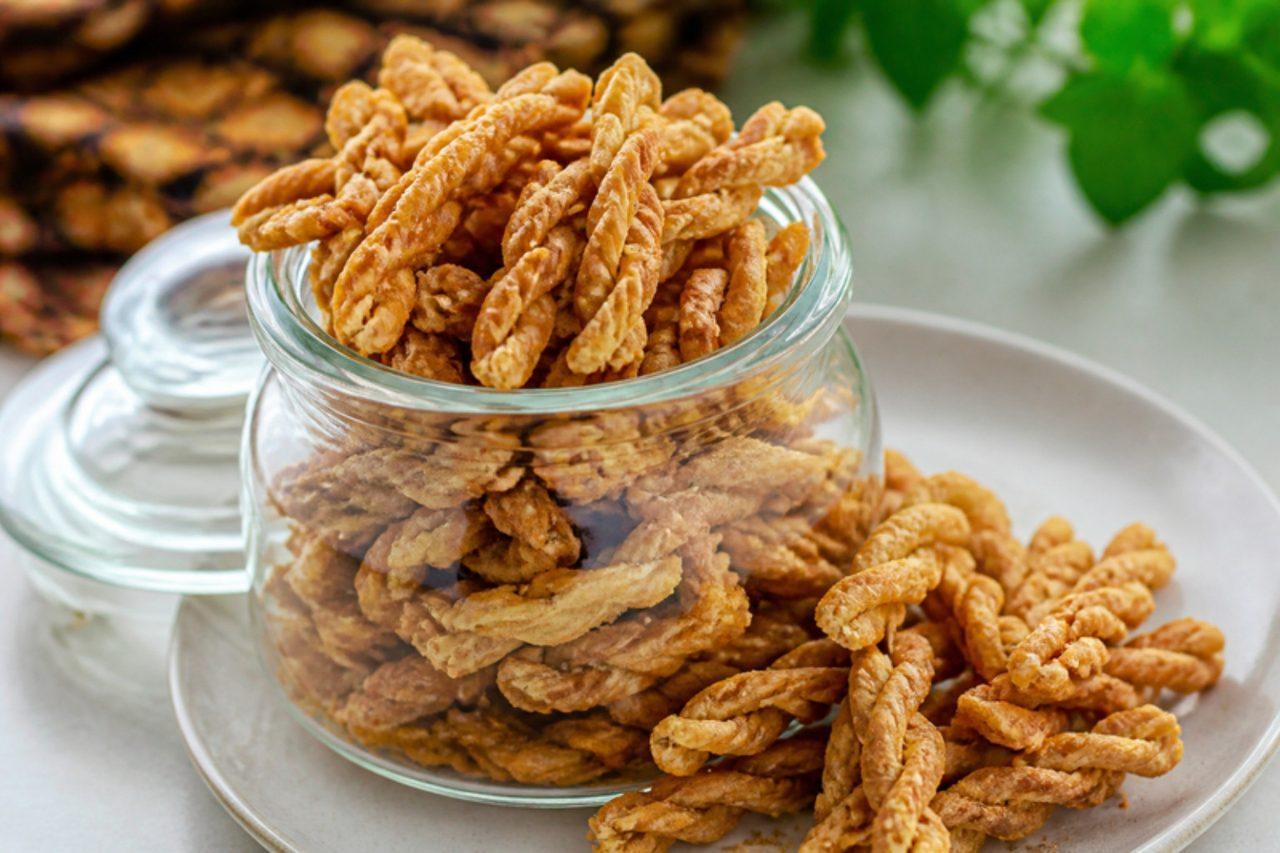
Kue akar kelapaFried coconut root twists

Kue akar kelapa, 'coconut root cookies', are a Betawi Lebaran tradition in Jakarta, piped in tangled squiggles that look like the roots of a coconut palm and fried until crisp and golden. The dough of rice flour, coconut milk and egg gives a light crunch and a gently sweet, coconutty flavour, and the jars are filled days before Eid so they can be passed around to visiting relatives. Chef's tip: keep the oil at a steady medium heat, as oil that is too hot browns the outside before the inside dries and they turn chewy.

by KrazyBadal 0 views

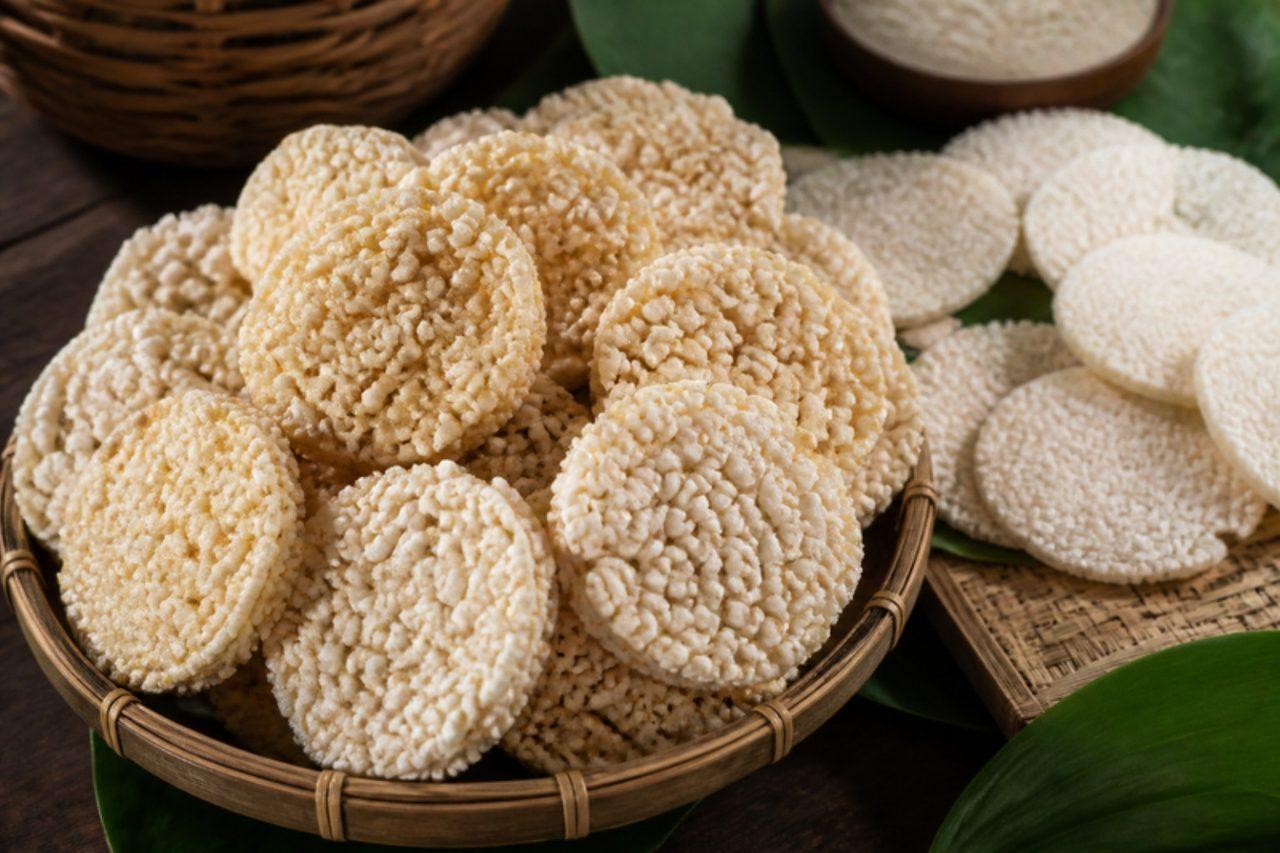
RengginangGlutinous rice crackers

Rengginang are rough, lacy rounds of glutinous rice that Javanese families make in the weeks before Lebaran, drying them in the sun on bamboo trays and frying them for visitors on Eid morning. In hot oil the dried rice puffs into a crunchy, airy cracker with a gentle garlic and coriander flavour, and they are eaten alongside opor and ketupat or simply from the snack jar. Chef's tip: dry the rounds until they are hard and glassy all the way through, because any damp centre stops them puffing.

by KrazyBadal 0 views

Emping melinjoMelinjo nut crackers

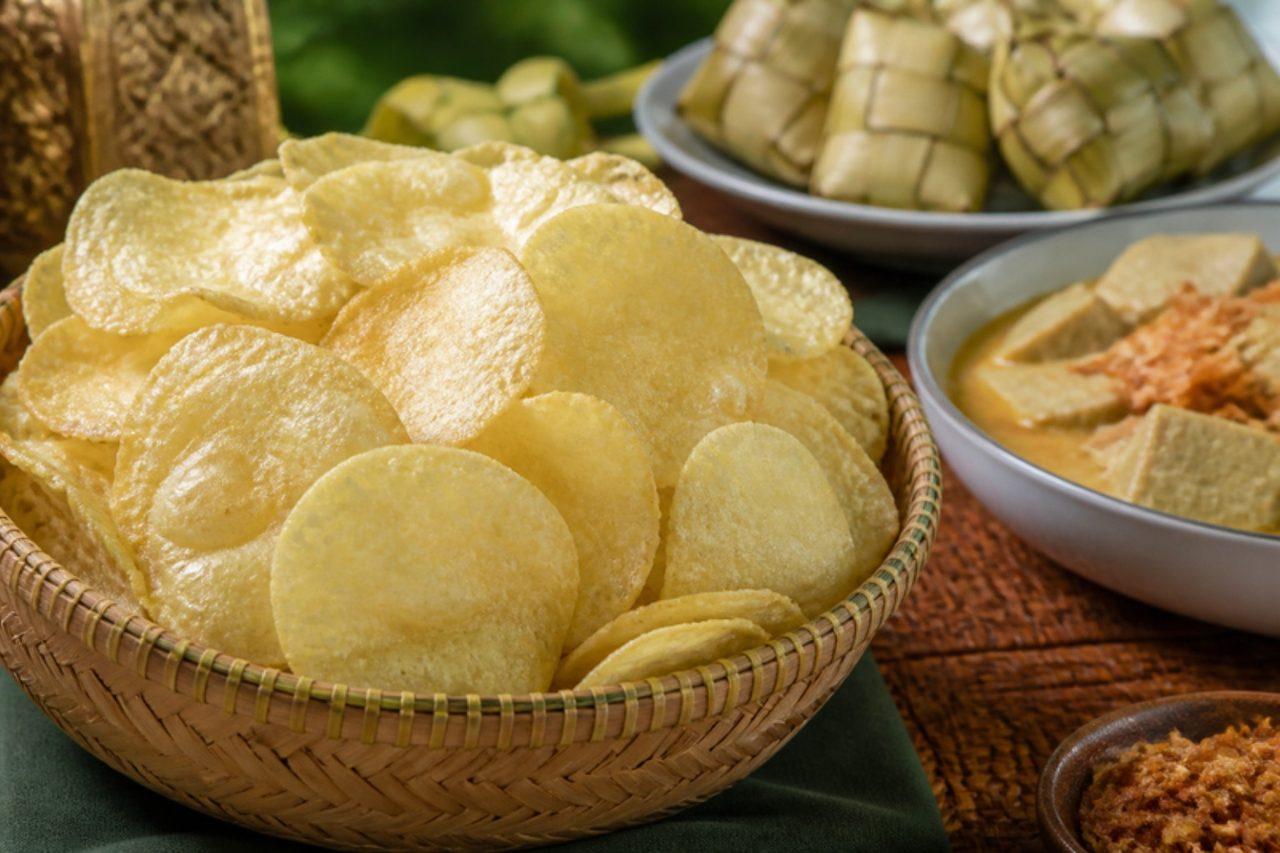
Emping are pale, crisp crackers from Banten and Java, made by cracking melinjo nuts, flattening them with a hammer and drying them; at Lebaran a bowl of fried emping sits beside the opor ayam and ketupat. They taste lightly bitter and nutty, and a sweet-spicy coating is popular for the snack jars. Most cooks buy dried raw emping and fry them at home, which is what this recipe does, with the hand-pressing method for anyone who finds fresh nuts. Chef's tip: fry only a handful at a time and lift them out the moment they puff; emping go from perfect to burnt in seconds.

by KrazyBadal 0 views

TimphanBanana sticky rice parcels with custard

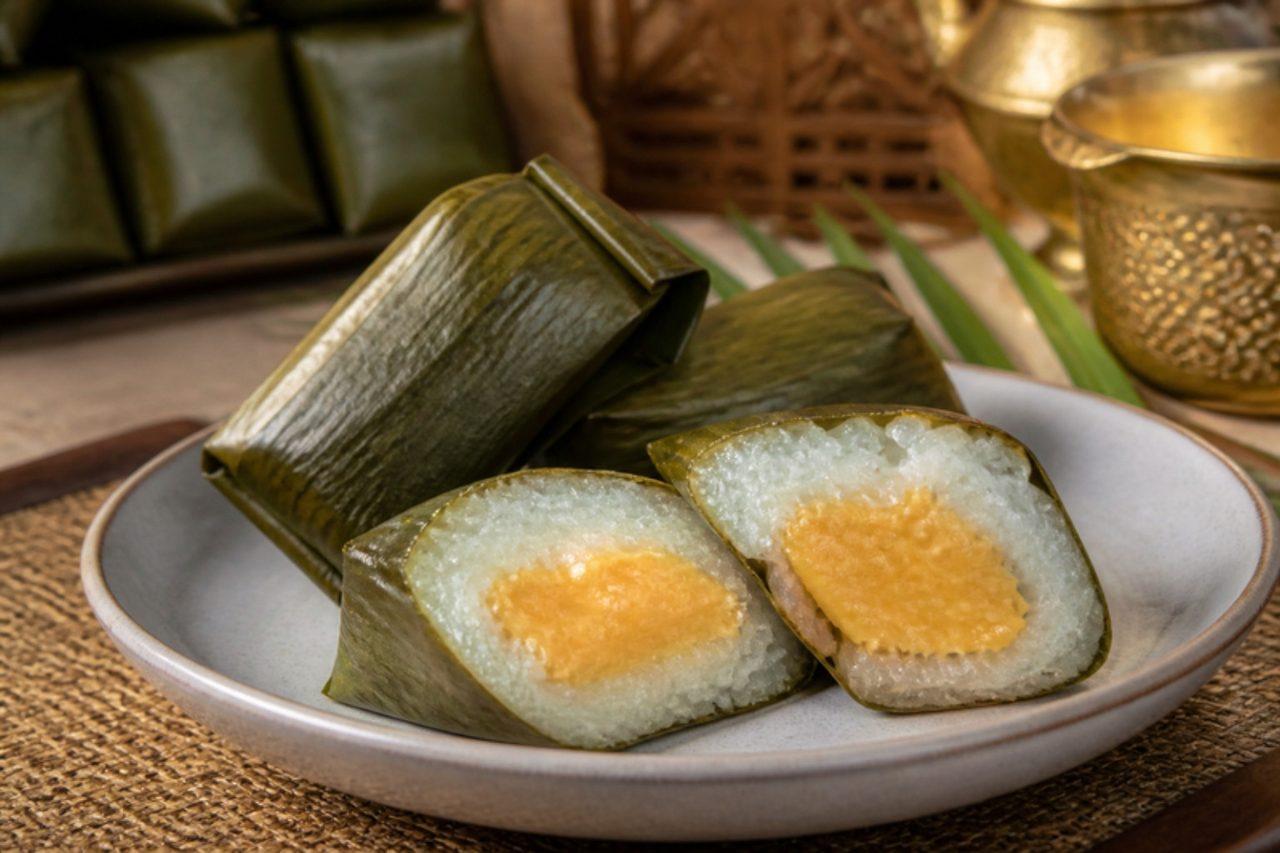
Timphan is the pride of Aceh's Lebaran table: soft, chewy parcels of mashed banana and glutinous rice flour wrapped around a thick coconut and egg custard called srikaya, then steamed in banana leaves. Acehnese families make dozens before Eid to serve to guests, and they are also carried home after the holiday as gifts. The dough is sweet and fragrant, the filling silky and caramel-like. Chef's tip: cook the srikaya until it is very thick and cool it before filling, as runny custard leaks out of the parcels while they steam.

by KrazyBadal 0 views

BurasaCoconut rice cakes in banana leaf

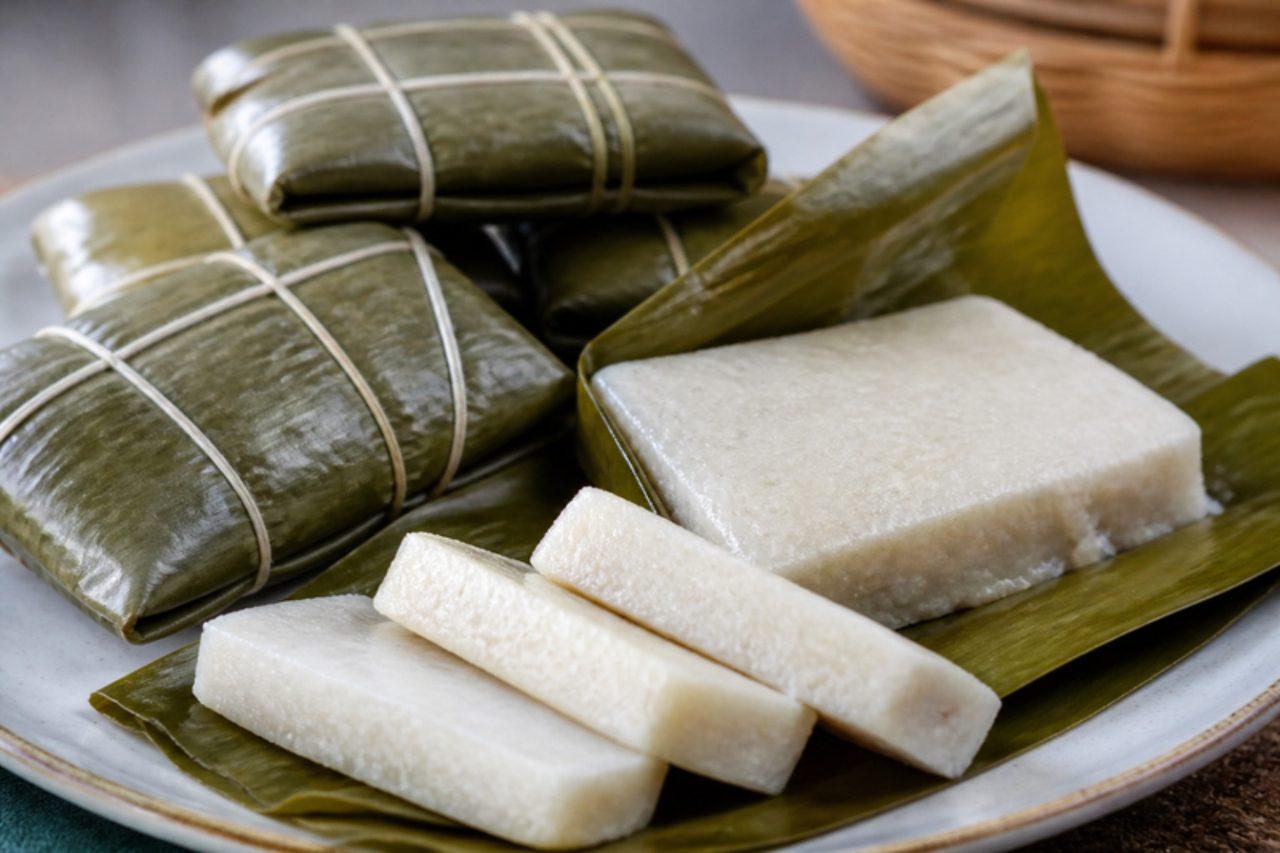
Burasa is the Lebaran rice cake of the Bugis and Makassar people of South Sulawesi: rice half-cooked in salted coconut milk, wrapped in banana leaves, tied in pairs and boiled for hours until it sets firm and rich. On Eid morning it is sliced and eaten with coto Makassar, opor or a spicy beef dish, and it travels well for visits to relatives. Chef's tip: wrap the parcels only half full and tie them firmly, because the rice swells and a full parcel bursts open in the pot.

by KrazyBadal 0 views

Sate buntelMinced goat skewers

Sate buntel is the grand satay of Solo, Central Java: minced goat seasoned with garlic, shallot and pepper, wrapped in a thin lace of caul fat around a flat skewer and grilled until crisp outside and juicy inside. At Idul Adha, when families have plenty of goat from the sacrifice, sate buntel is the special-occasion dish, served with sweet soy, raw shallots, chilli and cabbage. Chef's tip: chill the wrapped skewers for 30 minutes before grilling so the caul fat holds tight and doesn't slip off.

by KrazyBadal 0 views

Gulai kambingGoat in yellow coconut curry

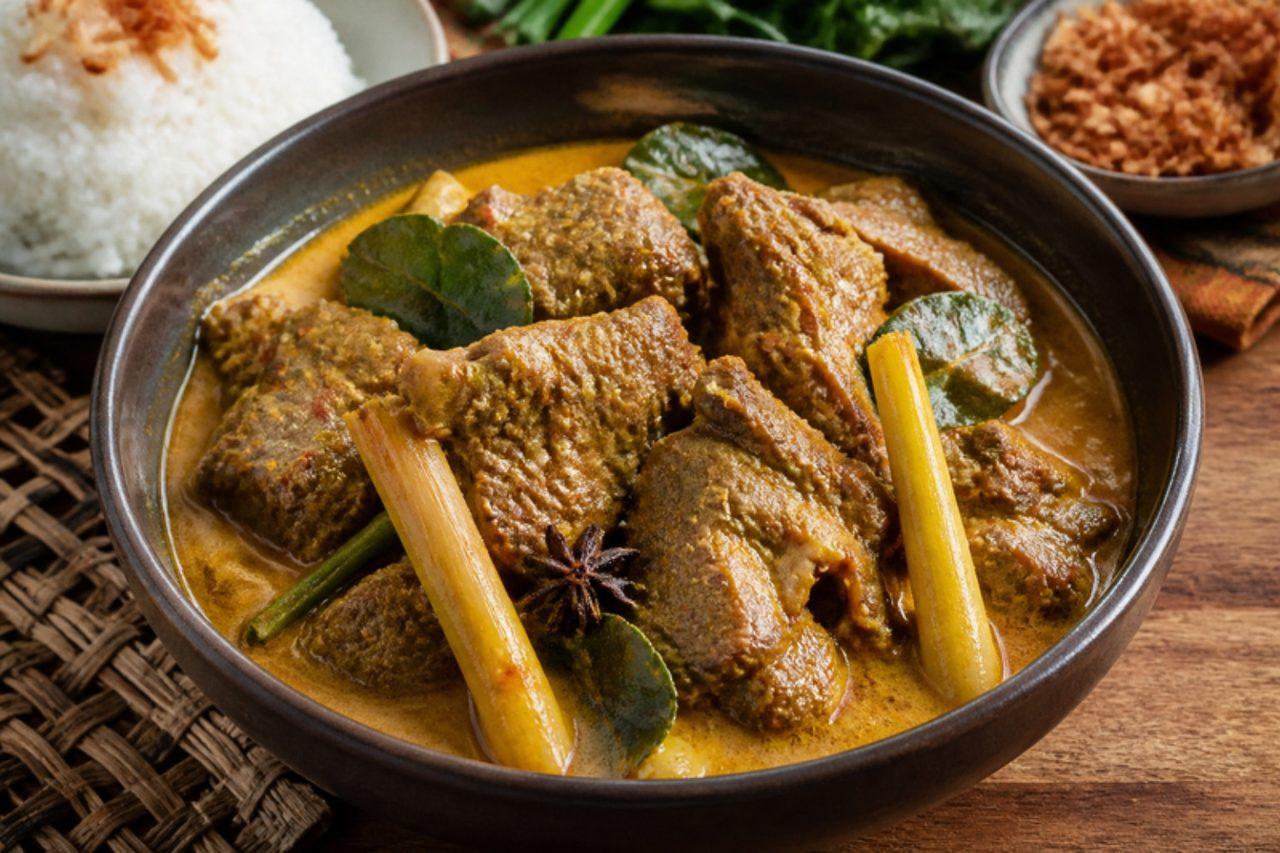
When the sacrifice of Idul Adha is shared out in Sumatran and Javanese neighbourhoods, many kitchens turn their portion of goat into gulai kambing: chunks of meat simmered slowly in a golden coconut gravy perfumed with turmeric, lemongrass, kaffir lime and whole spices. The sauce is rich, fragrant and only gently hot, and it is eaten with plain rice, sambal and fried shallots, often by families who rarely eat goat the rest of the year. Chef's tip: blanch the goat first and throw that water away, which removes the strong smell and gives a cleaner gravy.

by KrazyBadal 0 views

Pajagua mascadaBeef and cassava patties

Pajagua mascada is a Paraguayan street-food classic that appears on every table for the San Juan festival on 24 June, when bonfires burn and the night is full of games and traditional food. Minced beef is mixed with mashed cassava, onion, garlic and a little egg and flour, shaped into flat patties and fried until crisp. The name comes from Guaraní and refers to the 'chewing' of old Paraguayan cooks, who made it from leftover meat. Chef's tip: dry the boiled cassava well and remove its woody core, which keeps the patties light and crunchy.

by KrazyBadal 0 views

Kue satuMung bean flour sweets

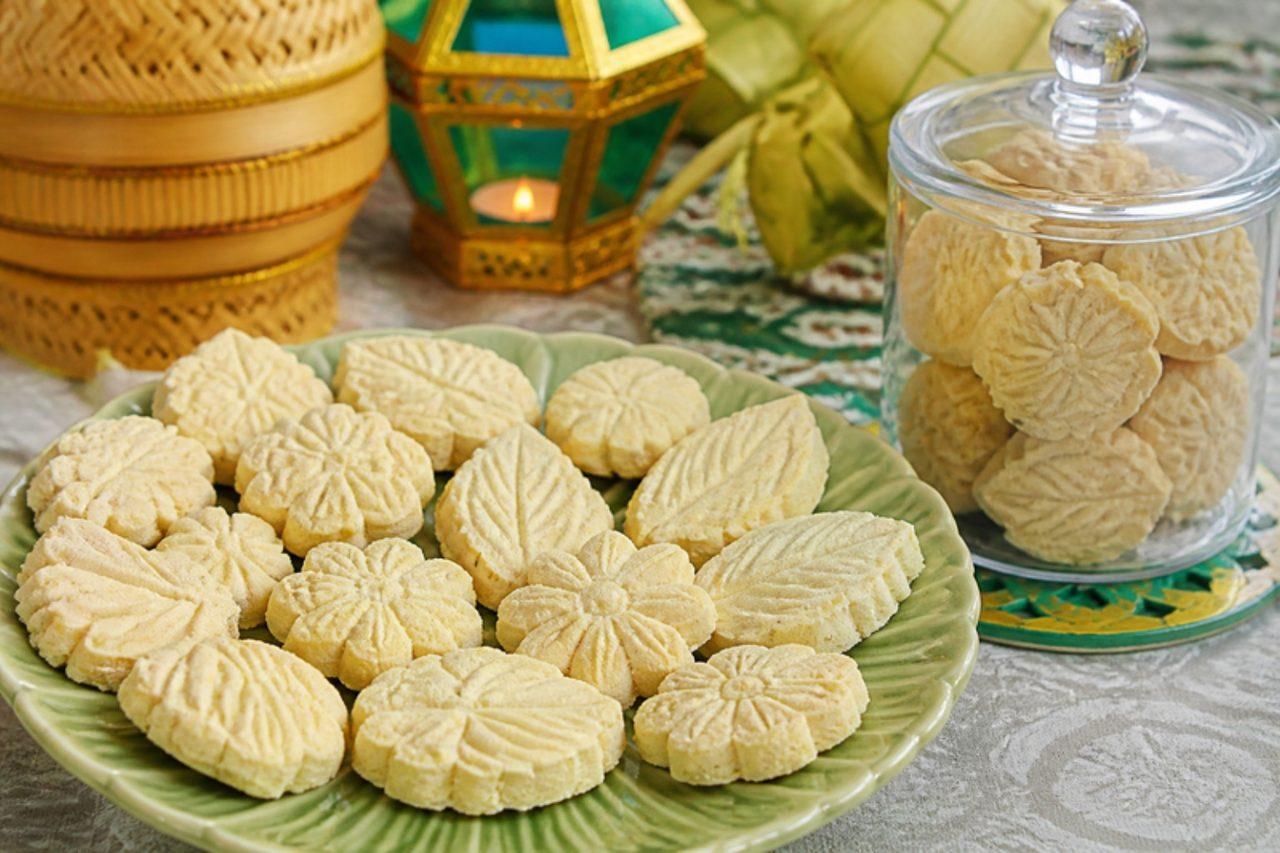
Kue satu are the little pale sweets that fill glass jars on Javanese and Sumatran tables when families open their doors for Lebaran visits at the end of Ramadan. Mung-bean flour is dry-toasted until it smells nutty, mixed with icing sugar and a whisper of pandan, then pressed into carved wooden moulds of flowers and leaves and left to dry until crumbly. They melt on the tongue with a sweet, beany, vanilla-like flavour and are offered with tea to every guest. Chef's tip: toast the flour until it is a shade darker and smells like popcorn, because raw-tasting flour is the most common reason kue satu taste flat.

by KrazyBadal 0 views

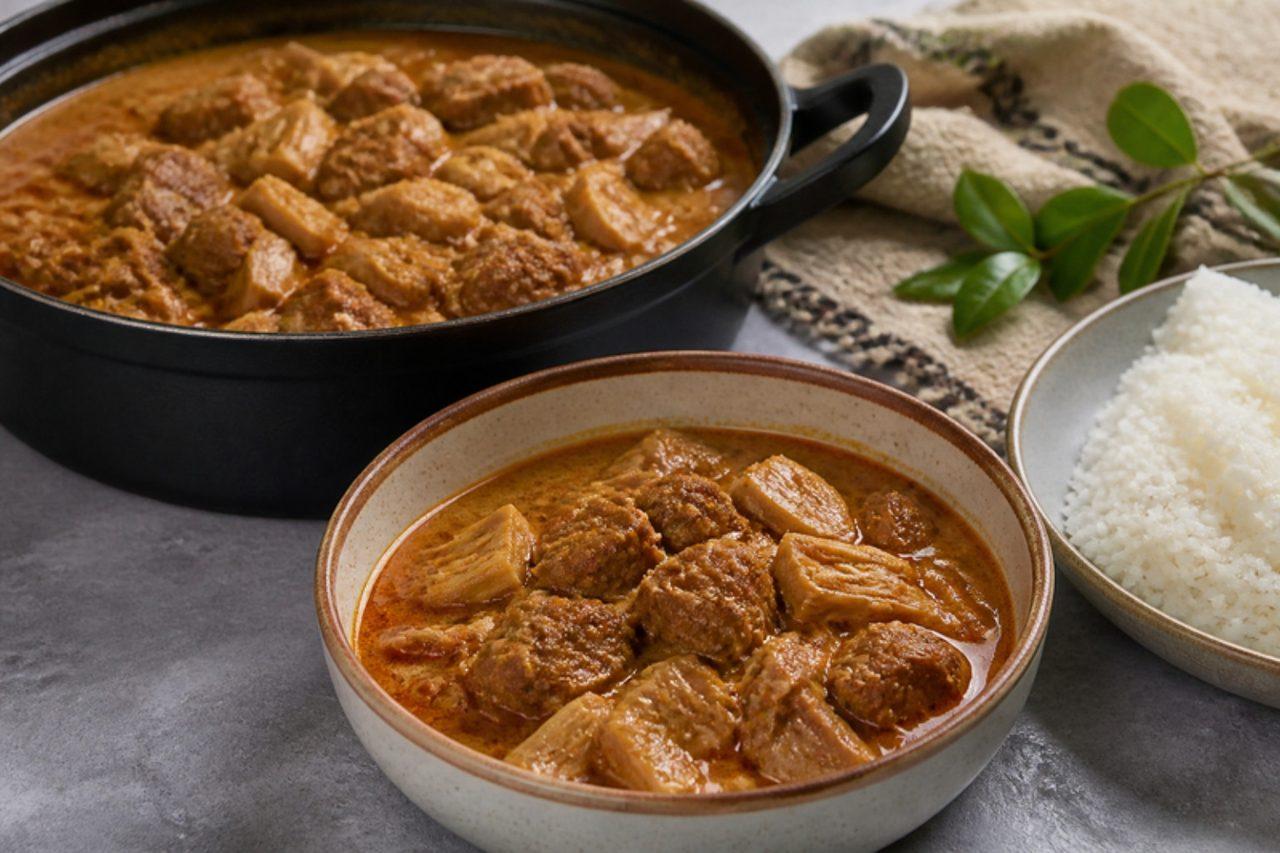
Kuah beulangongGoat and young jackfruit curry

In Aceh, the days of Meugang before Ramadan and Idul Adha are marked by men cooking kuah beulangong in huge cauldrons (beulangong) in the village square, so that every household, rich or poor, eats meat at the feast. Goat or beef is cooked with young jackfruit in a dark, nutty curry thickened with roasted coconut paste (u neulheu) and plenty of chilli and spice. This version scales the cauldron down to a family pot. Chef's tip: roast the coconut slowly until it is the colour of dark chocolate, because the deep toasted flavour is what makes this curry Acehnese.

by KrazyBadal 0 views

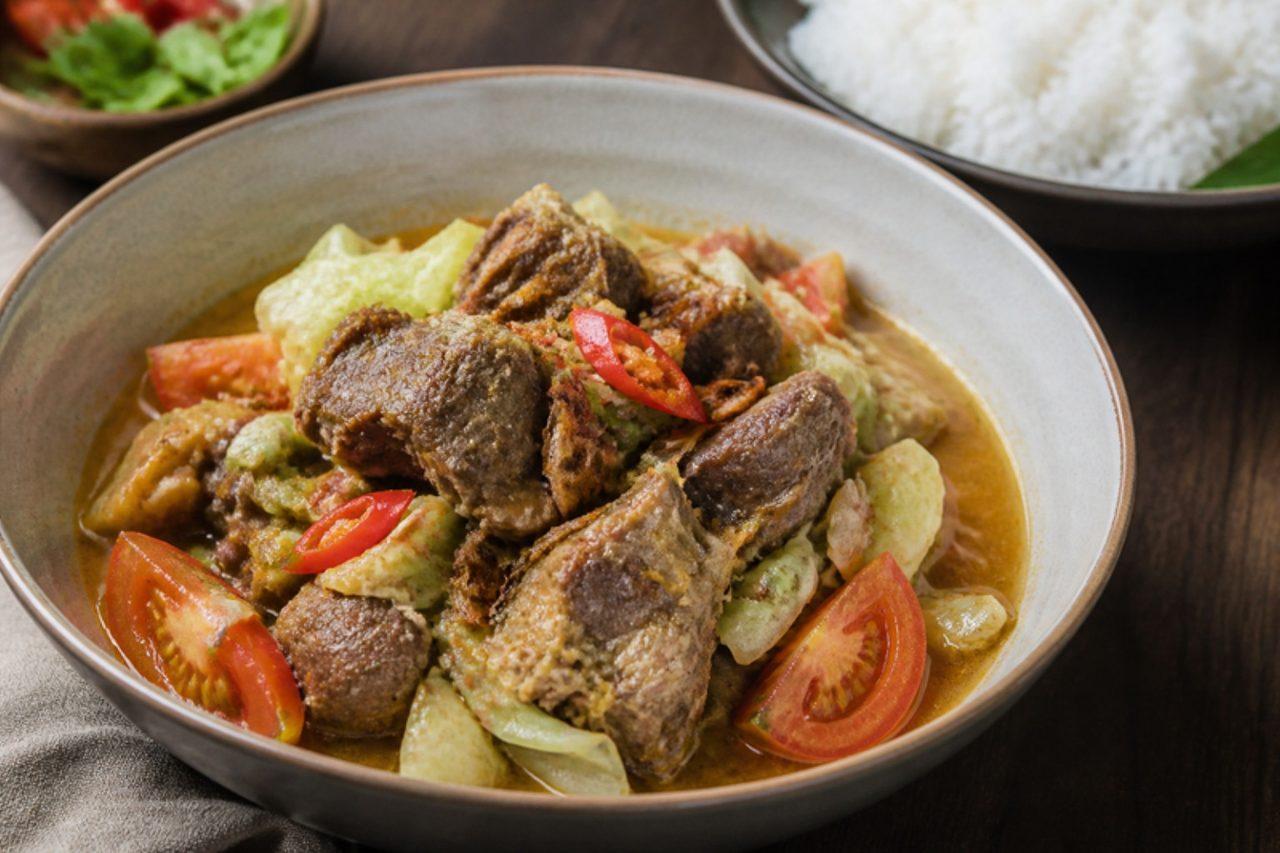
Tongseng kambingGoat in curry broth with cabbage

After the Idul Adha sacrifice in Solo, Central Java, the neighbourhood warung and home kitchens turn bite-sized goat into tongseng: meat quickly stir-cooked in a thin, spiced coconut curry with cabbage, tomato and a generous pour of sweet soy sauce. The result is sweet, peppery and a little hot, served with rice and eaten the same day the meat is shared out. Chef's tip: add the cabbage at the very end so it stays crisp-tender and bright.

by KrazyBadal 0 views

KaguyjyWhite corn pudding

On the night of 23–24 June, Paraguayans celebrate San Juan with bonfires, games like walking over hot coals and the 'paso de fuego', and a table of traditional foods, and kaguyjy (also mazamorra) is one of them. It is a soft, creamy pudding of cracked white corn (locro) simmered slowly in water and then milk with sugar or honey, sometimes with orange peel. It is eaten warm or cold. It is gluten free. Chef's tip: soak the corn overnight and cook it until each kernel is tender before adding the milk, or it never turns creamy.

by KrazyBadal 0 views

Showing 24 of 642 recipes

Show more recipes

Page 1 of 27