Skip to content
Recipes

All recipes

Vegetarian, or something you can't eat? Set your diet once and we'll hide recipes that don't fit.

Jaja uli (Balinese pounded sticky rice cake)

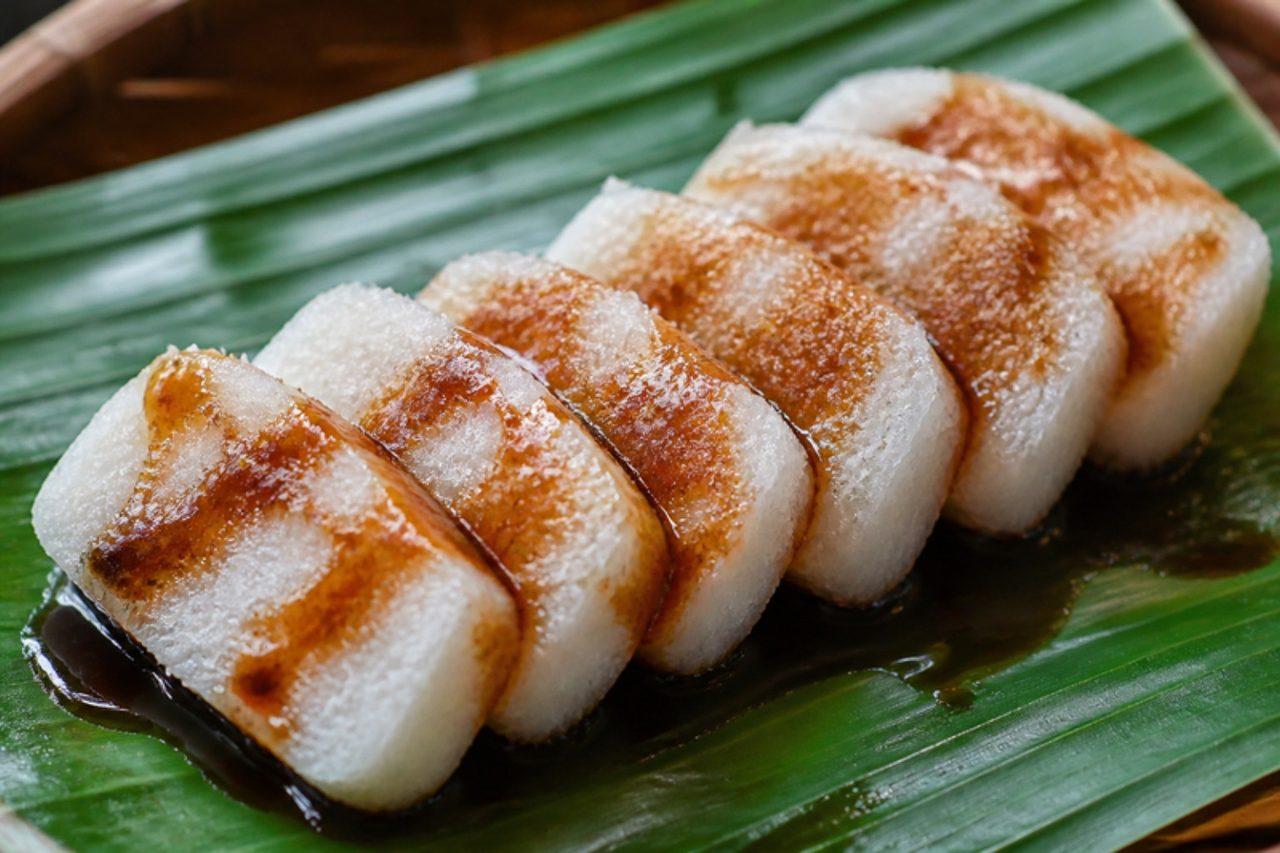
Jaja uli is one of the rice cakes that Balinese families make in the days before Galungan, when the island celebrates the victory of dharma over adharma and the ancestors come home; it is stacked into the towering banten offerings and then shared and eaten. Glutinous rice is steamed, soaked in hot salted coconut milk, steamed again and then pounded until the grains break down into a dense, smooth, chewy block with a gentle coconut flavour. Slice it thickly and pour over warm palm sugar syrup, or toast the slices in a dry pan until crisp at the edges. A tall cup of tea or coffee is the perfect partner. Chef's tip: pound while the rice is still hot; once it cools, the grains won't knit together.

by KrazyBadal 0 views

Khao chae (jasmine-scented chilled rice)

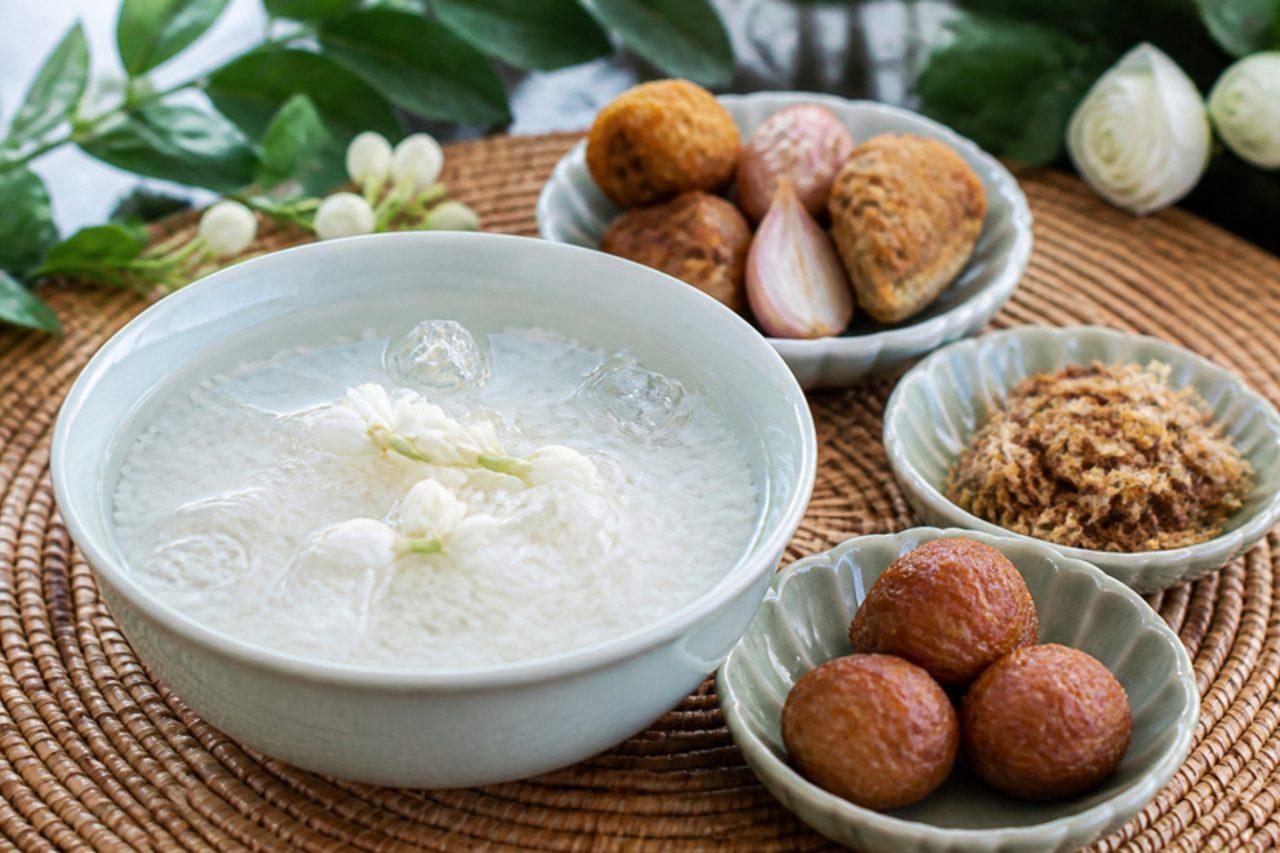
Khao chae came to Central Thailand with the Mon people and became the classic Songkran lunch for the hottest days of April: rice served in iced, flower-scented water to cool the body and honour the New Year with something cool and fresh. The rice sits in its fragrant water, surrounded by little savoury bites eaten in turn: fried shrimp-paste balls (luk kapi), battered stuffed shallots and moo foi, sweet shredded pork fried until it is dry and caramelised. Each mouthful is a bite of salty-sweet side followed by a spoon of cold, clean rice. Scent the water with food-safe, unsprayed jasmine flowers or a few drops of food-grade jasmine extract, never florist's flowers. Chef's tip: rinse the cooked rice to wash off its starch so the water stays clear and the grains stay firm.

by KrazyBadal 0 views

Balinese spiced roast pork belly (babi guling style)

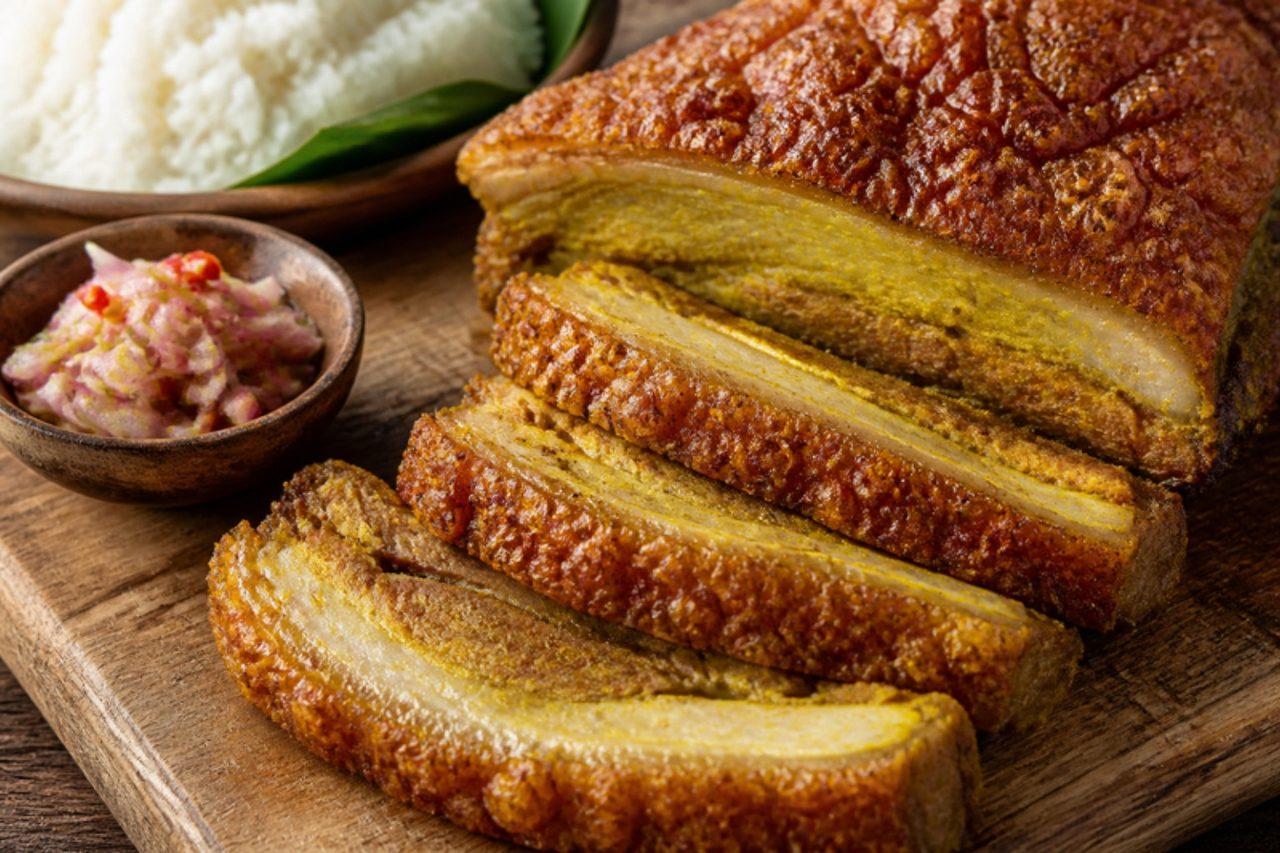
Babi guling is the great feast dish of Bali for Galungan and temple ceremonies: at the festival, a whole pig is stuffed with spice paste and turned on a spit over a wood fire for hours. This home version uses a slab of skin-on pork belly instead, with the same base genep stuffing rubbed into the meat and the same goal: tender, spice-soaked pork under crisp, golden crackling. Turmeric, galangal, lemongrass and chilli give it heat and a bright yellow colour, and the pork fat keeps every slice juicy. Serve it sliced with steamed rice, a little of the cooked spice from the tin, long beans and a sharp, fresh sambal matah. Chef's tip: leave the skin uncovered in the fridge overnight; a really dry skin is the secret of crackling that shatters.

by KrazyBadal 0 views

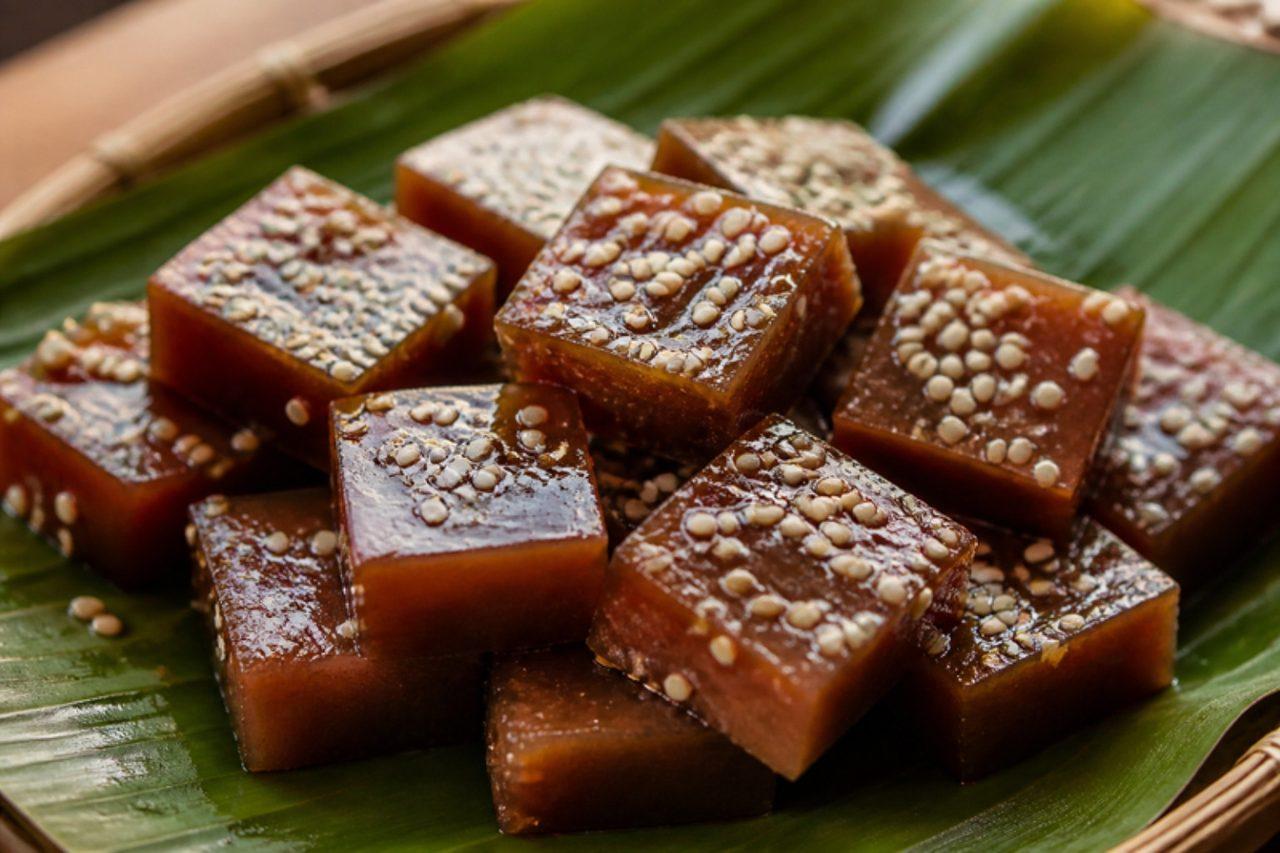
Khao niao daeng (Thai red sticky rice)

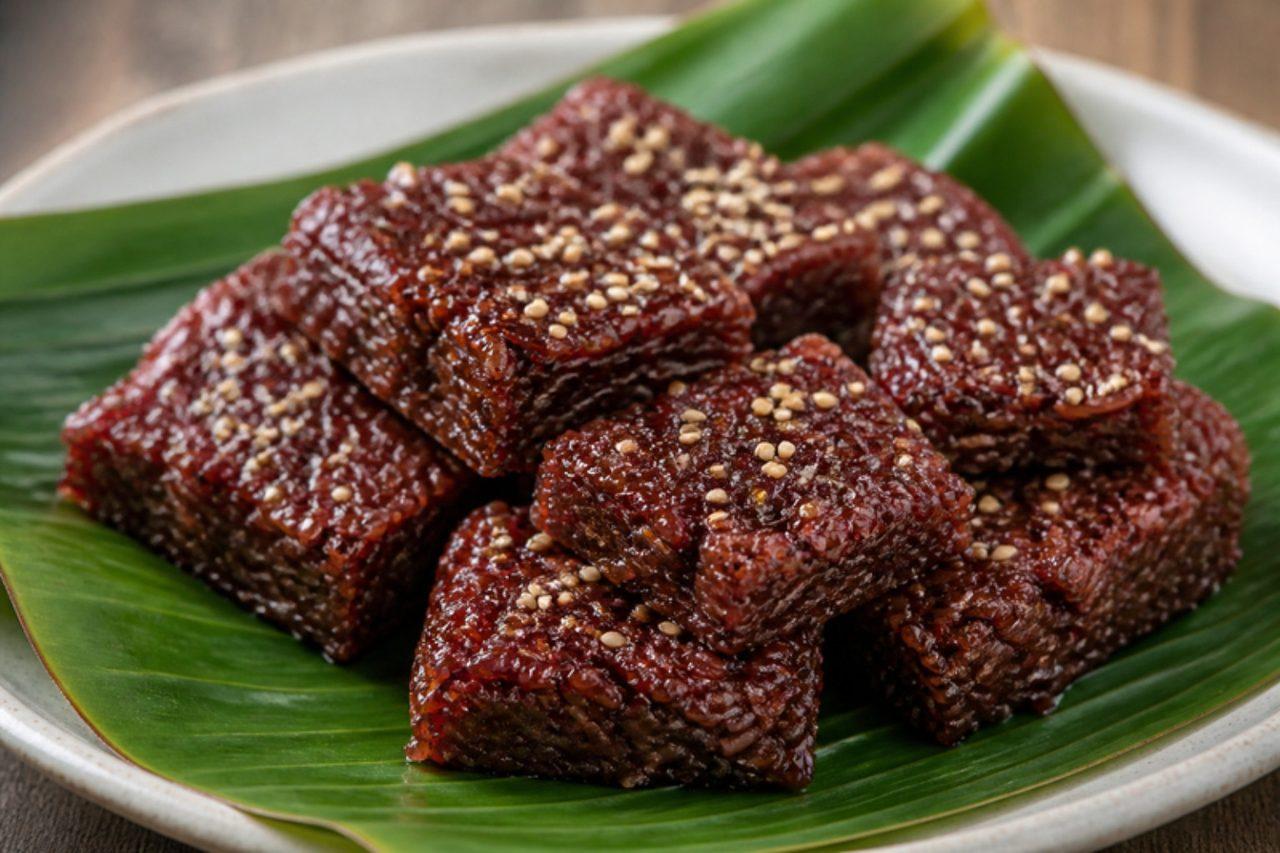
Khao niao daeng, "red sticky rice", is made in Central Thailand in the days before Songkran and carried to the temple as an offering, its sticky grains a wish that family ties hold fast through the year. The rice is steamed first, then folded into a long-reduced coconut and palm sugar caramel until it turns a glossy red-brown and every grain is sweet, chewy and fragrant. Pressed into a tray, it slices neatly and keeps for a few days, so it is a good make-ahead sweet for a crowd. Serve squares with a sprinkle of toasted sesame and a cup of tea. Chef's tip: reduce the caramel until it is thick and bubbling slowly before the rice goes in, or the rice turns mushy instead of chewy.

by KrazyBadal 0 views

Be celeng base manis (Balinese sweet soy pork)

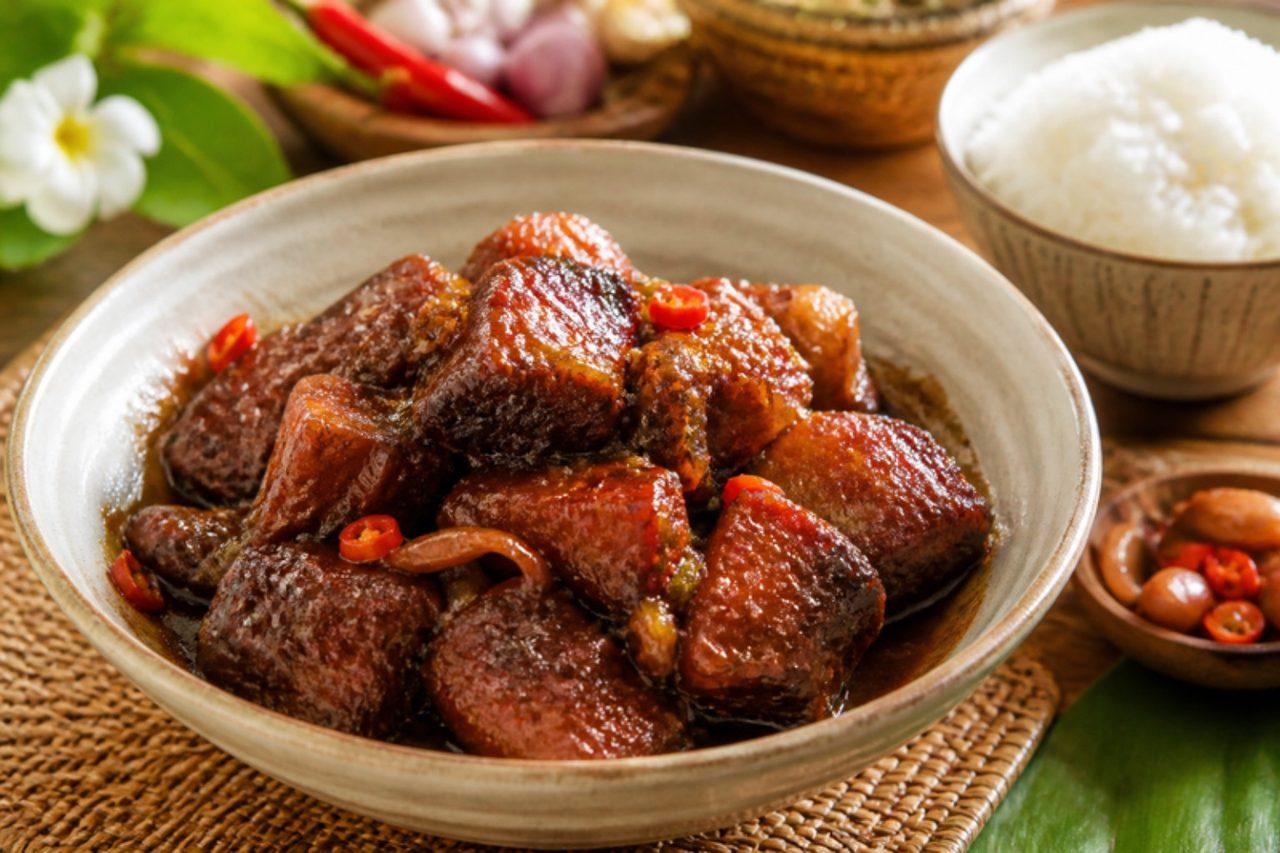
Be celeng base manis means "pork in sweet spices" in Balinese, and it is cooked in Hindu households around Galungan, when pork is prepared on Penampahan, the day before the festival, and shared with family and the temple. Chunks of pork shoulder are braised slowly with plenty of shallots, garlic, ginger and galangal in kecap manis, the thick Indonesian sweet soy sauce, until the meat is soft and the sauce has turned dark, sticky and glossy. It is sweet, savoury and only gently warm, so it suits everyone at the table. Serve it with steamed rice, a crisp vegetable such as long beans and some sambal for those who want heat. Chef's tip: let the sauce reduce only in the last 15 minutes, uncovered, so it coats the pork without burning.

by KrazyBadal 0 views

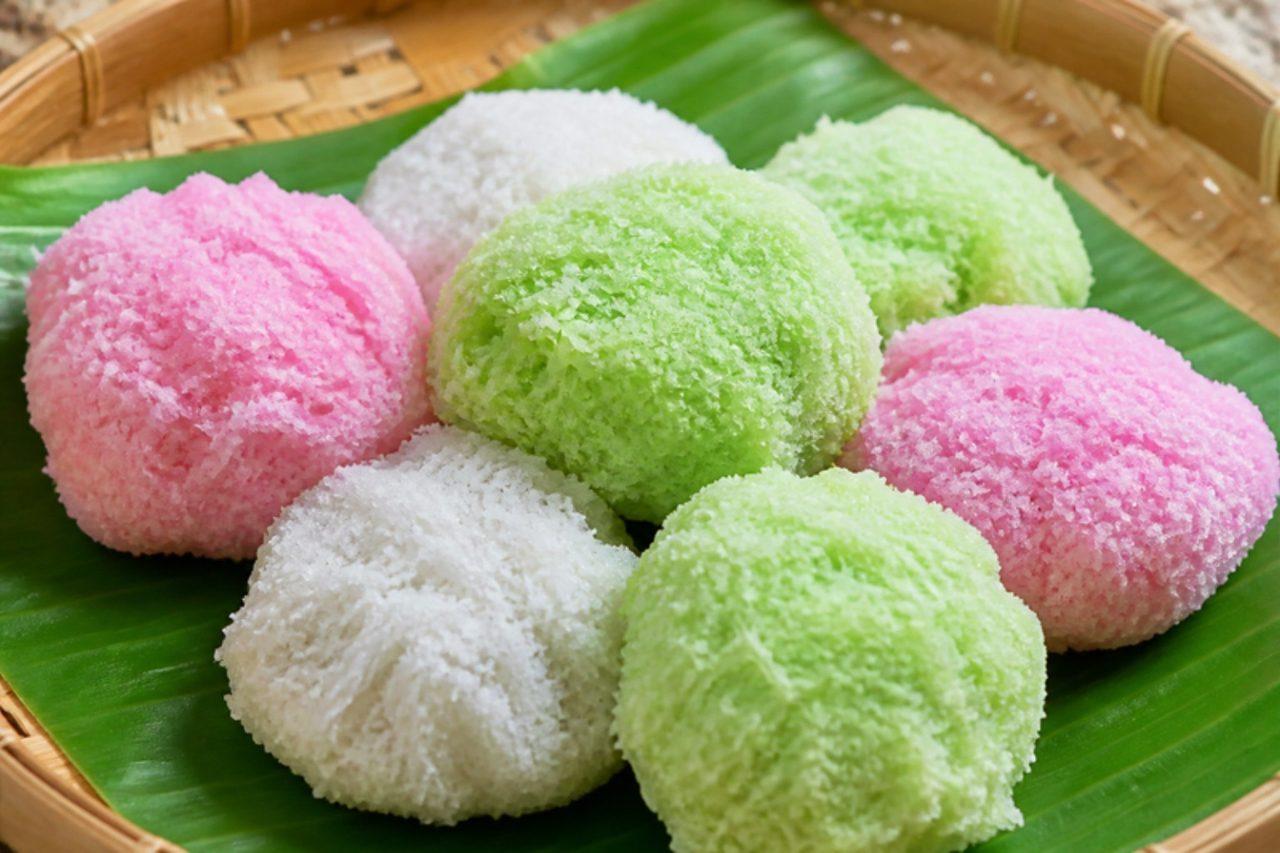
Geplak (Bantul coconut sugar candy)

Drive south from Yogyakarta to Bantul and you pass shop after shop selling geplak, the brightly coloured coconut candy that Javanese travellers buy by the basket as oleh-oleh, a gift for the people back home. Freshly grated coconut is cooked in sugar syrup until it dries and begins to crystallise, then a spoonful of toasted rice flour pulls it together into a firm, sandy-textured sweet. It is very sweet and coconutty with a gentle pandan scent, and it crumbles softly when you bite it. Serve small pieces with strong Javanese coffee or tea. Geplak is naturally egg-free: the recrystallising sugar and the toasted rice flour are what bind the coconut and let it hold its shape. Chef's tip: cook over a medium heat rather than high; the common mistake is rushing, which browns the coconut and dulls those pastel colours.

by KrazyBadal 0 views

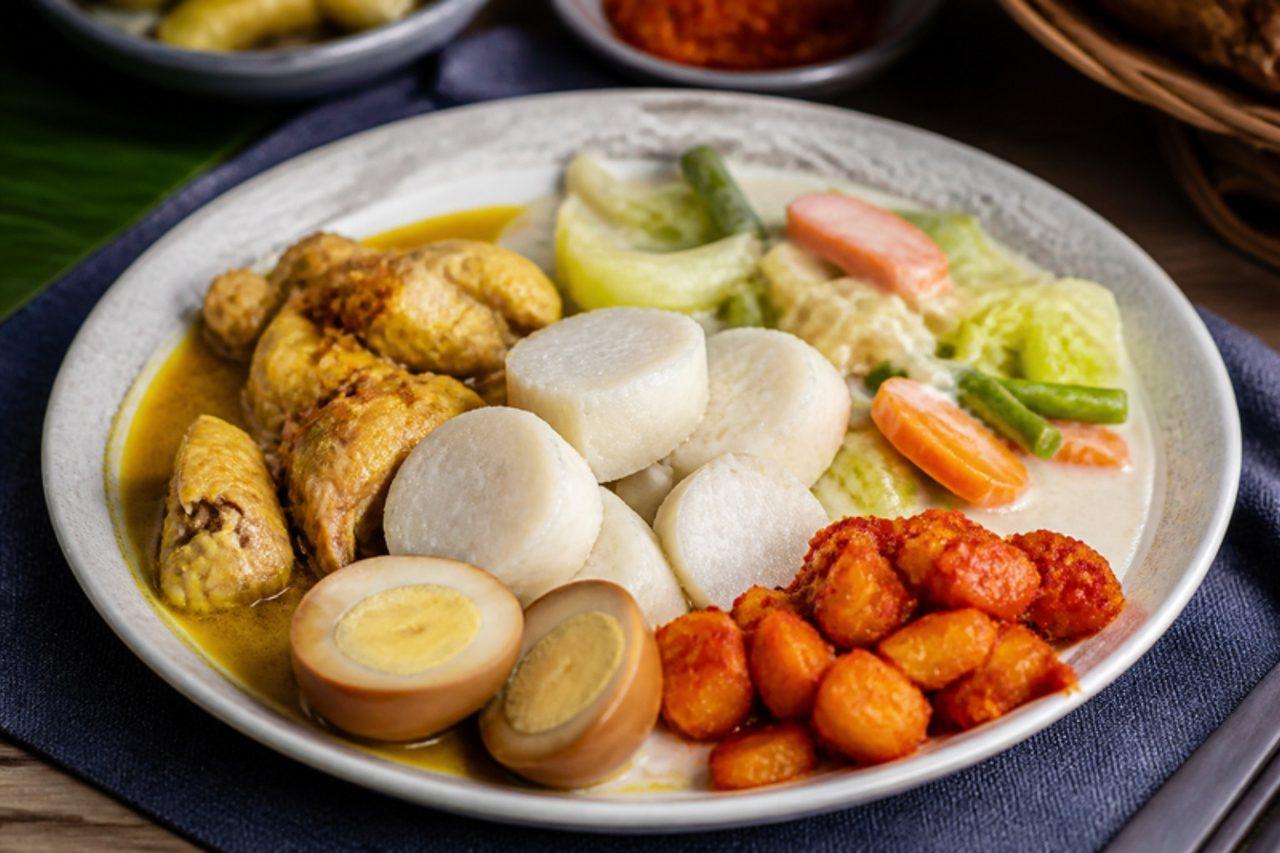
Lontong Cap Go MehRice cakes with chicken curries

Lontong Cap Go Meh is the Peranakan Chinese feast for Cap Go Meh, the fifteenth and last night of Imlek (Chinese New Year) in Java, where Chinese and Javanese traditions meet on one plate. It is not the everyday lontong sayur, which is simply rice cakes in a vegetable curry: this is the full festive spread, with rice cakes, yellow opor chicken in coconut milk, sayur lodeh vegetables, eggs simmered in the opor, and spicy sambal goreng potatoes, all ladled into one bowl. The long rice cakes are said to stand for long life, the golden opor for prosperity and the round eggs for luck. Rich, creamy, sweet and spicy all at once, it needs nothing more than krupuk and fried shallots. Chef's tip: cook the lontong a day ahead and chill it overnight, so it slices cleanly and the feast day is calmer.

by KrazyBadal 0 views

Kalamae (Thai coconut caramel sticky rice sweet)

Kalamae is the Songkran sweet of Central Thailand: in villages, neighbours take turns at a huge wok for hours, and the finished trays go to monks and elders at the New Year, the long shared stirring standing for a community pulling together and the sweetness for a sweet year ahead. Glutinous rice flour, coconut milk and palm sugar slowly turn from milky beige to a deep mahogany paste that is chewy, a little smoky and rich with coconut. Cut it into small squares and serve with jasmine tea, or wrap the pieces in banana leaf to give away. A home batch takes about two and a half hours at the stove, so put on some music and keep a wooden spoon moving. Chef's tip: use the widest heavy pan you own; more surface means faster thickening and less risk of scorching.

180 minThaiDessertsVeganGluten free
by KrazyBadal 0 views

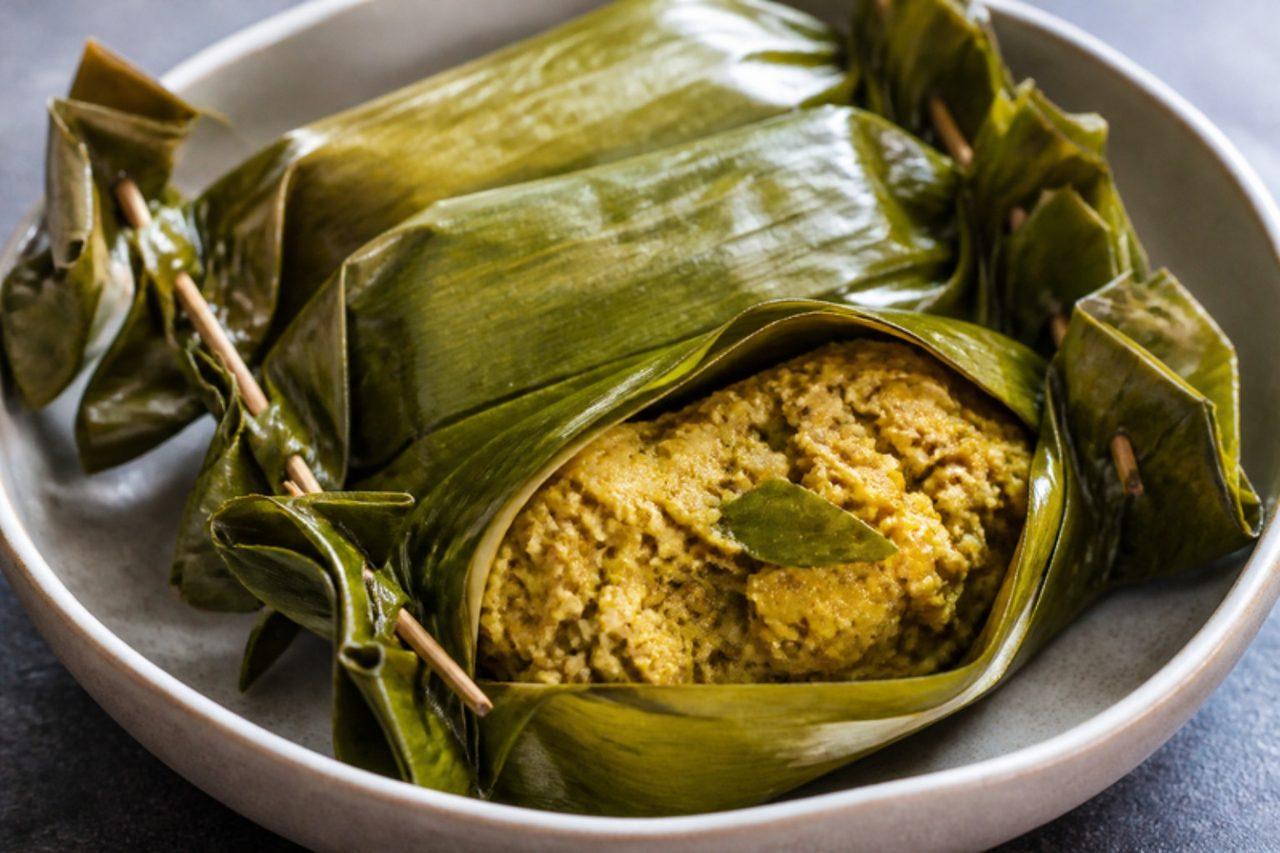
Tum ayam (Balinese steamed spiced chicken parcels)

Tum ayam are small banana-leaf parcels made in Bali for Galungan and family ceremonies, when they appear on festive plates and in offerings alongside lawar and satay; wrapping the food in leaf is part of how Balinese cooking shows care for what is offered. Minced chicken is mixed with cooked base genep, a spoonful of coconut cream and shredded lime leaf, then folded into leaves and steamed until firm and juicy. The banana leaf gives a gentle, tea-like aroma, and the filling is spicy, fragrant and moist, like a soft spiced pâté. Serve the parcels with rice and a vegetable dish, letting everyone unwrap their own. Chef's tip: cool the fried paste completely before it meets the raw chicken, so the mixture stays cold and safe and the parcels hold their shape.

by KrazyBadal 0 views

Urutan (Balinese spiced pork sausage)

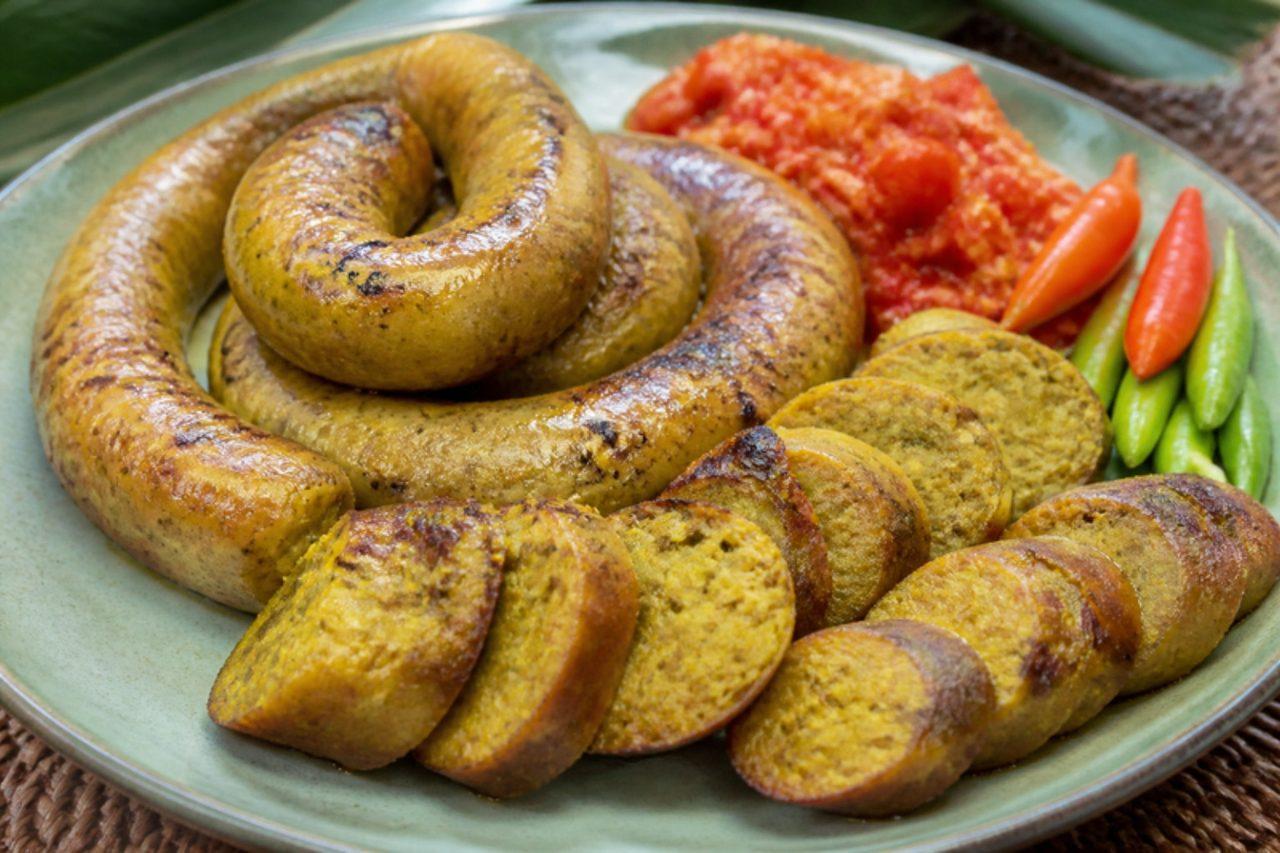
Urutan is the Balinese pork sausage made for Galungan: pork and pork fat are chopped with a turmeric-rich base genep, stuffed into casings and hung to dry in the breeze, so that the festival meat lasts for days after the feast. The finished sausage is golden yellow inside, garlicky, peppery and gently sour from drying, and it is always fried or grilled before eating. At home, make it either as a fresh sausage kept in the fridge, or air-dry it in the fridge with curing salt for the firmer, tangy traditional style. Serve slices with rice, sambal matah and a fried egg, or with drinks as a snack. Chef's tip: keep the meat, fat and equipment ice-cold throughout; warm fat smears and the sausage turns crumbly and greasy.

by KrazyBadal 0 views

Jaja begina (Balinese sun-dried rice crackers)

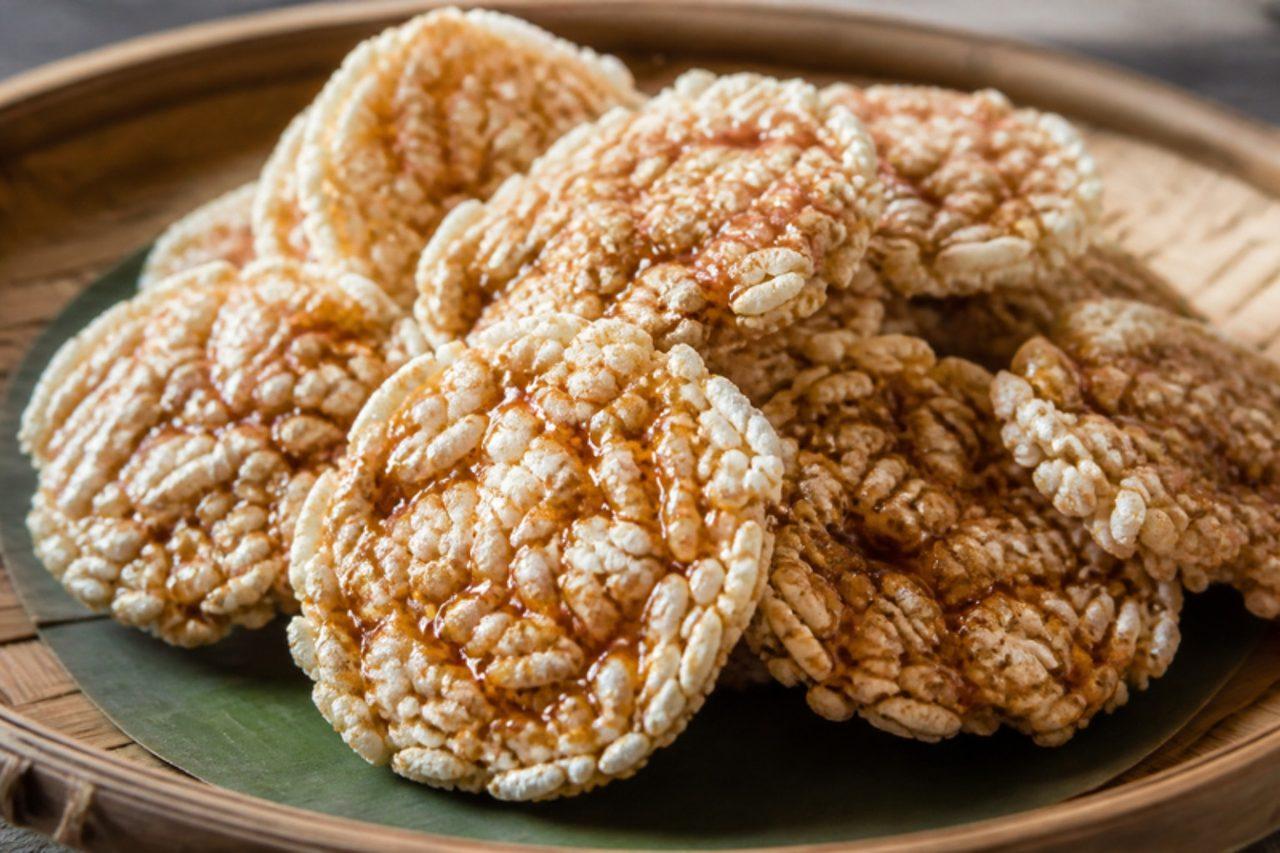
Jaja begina are the round rice crackers that fill Balinese offering towers for Galungan; once the prayers are said, the crackers come home as a crunchy snack for everyone. Steamed glutinous rice is pressed into thin discs and dried in the sun for days until rock hard, and then a quick fry makes them puff up, turn pale gold and become light and crisp. A thread of warm palm sugar syrup over the top makes them sweet and sticky. Without strong sun, a low oven does the drying in an afternoon. Chef's tip: make a big batch of the dried discs; stored airtight they keep for months, and you can fry a few whenever you like.

by KrazyBadal 0 views

Jukut ares (Balinese banana stem soup with chicken)

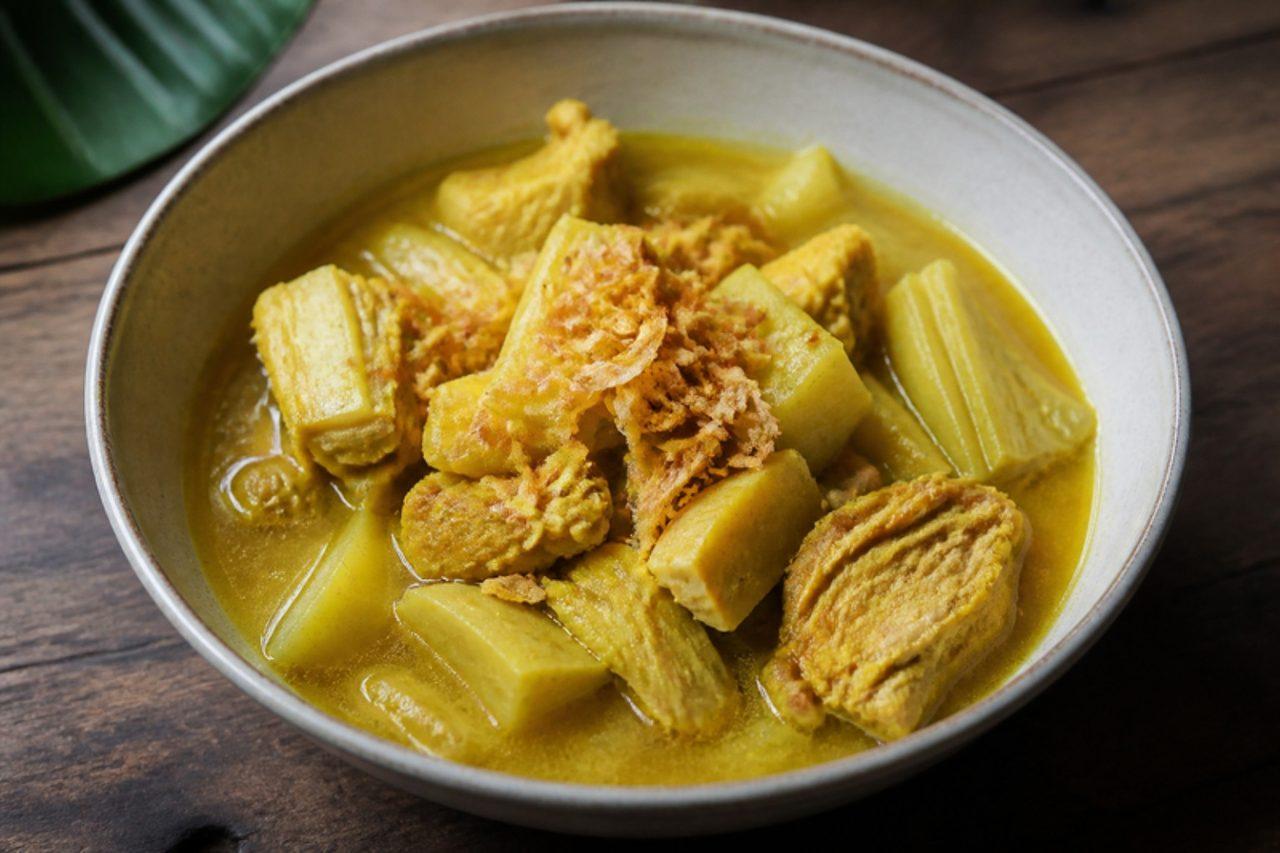
Jukut ares is cooked in Bali for Galungan and the ceremonies around it, when families gather at home and the kitchen turns out dishes for days; the humble banana tree, which gives fruit, leaves and stem, stands for the generosity of the land. The soft white core of the trunk is sliced thin and simmered in a broth built on base genep, the island's master spice paste, until it is tender and slightly silky, like a cross between bamboo shoot and leek. Villages often use pork bones; this version uses chicken thighs, which make a lighter, golden, peppery broth. Serve it in bowls with steamed rice and sambal. Chef's tip: soak the sliced stem in salted water and pull off the stringy fibres as you go, or the soup turns grey and stringy.

by KrazyBadal 0 views

Kluay tak (Thai dried bananas, oven method)

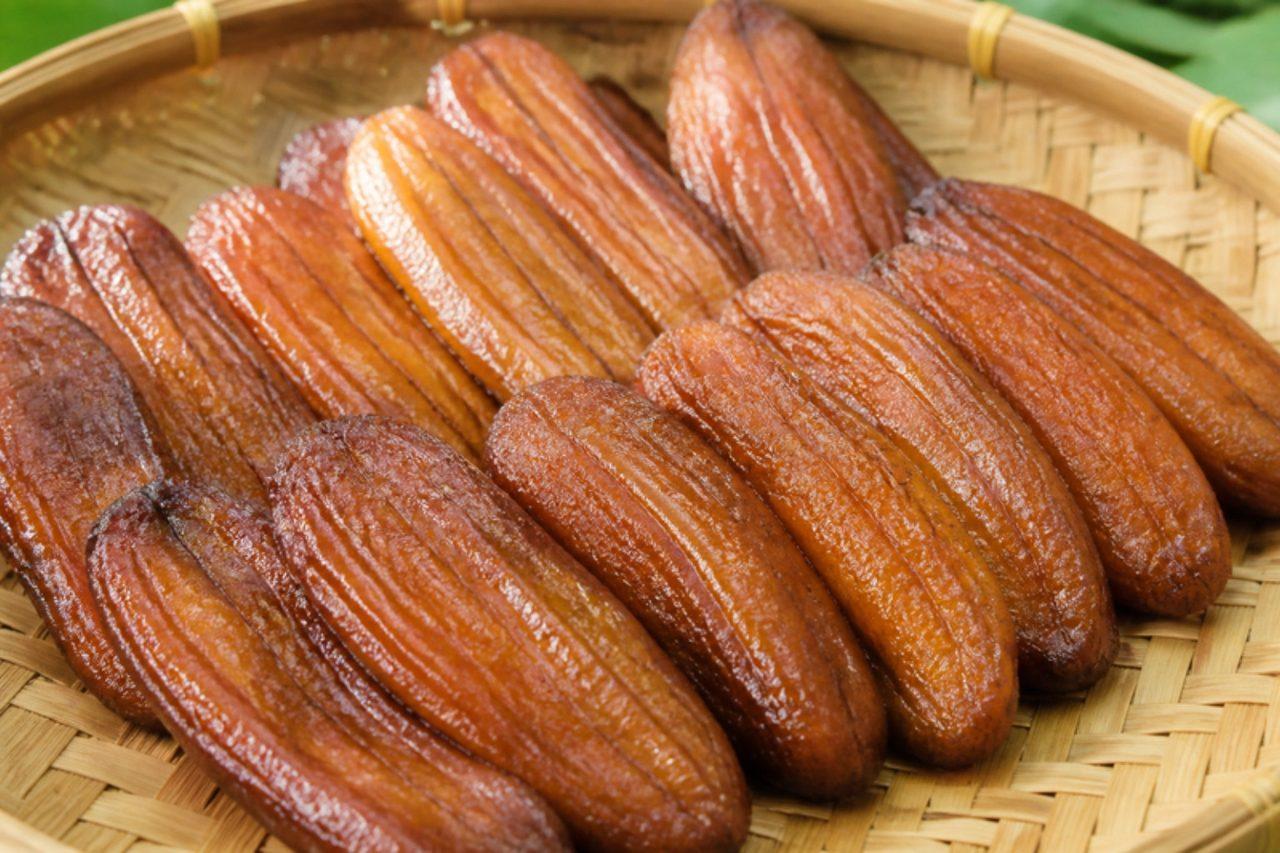
In Bang Krathum, a district of Phitsanulok in lower northern Thailand, small nam wa bananas are peeled and laid out under the sun in glass-roofed drying boxes for several days, then pressed flat to make kluay tak. The district is famous for them, and bags are bought as a gift on the road home and nibbled with tea or coffee in the afternoon. They are dense and chewy like a soft toffee, dark amber, with a deep caramel and honey flavour that comes only from the fruit. As sun-drying takes days and needs steady heat, this version uses a very low oven overnight, then a rest in a jar so the moisture evens out. They are naturally egg-free and need nothing to bind them: the banana's own sugars concentrate and hold it together. Chef's tip: keep the oven low and prop the door open with a wooden spoon; the common mistake is a hot oven, which cooks and blackens the outside while the centre stays wet.

1340 minThaiDessertsVeganGluten free
by KrazyBadal 0 views

Krathong thong (crispy golden cups with chicken)

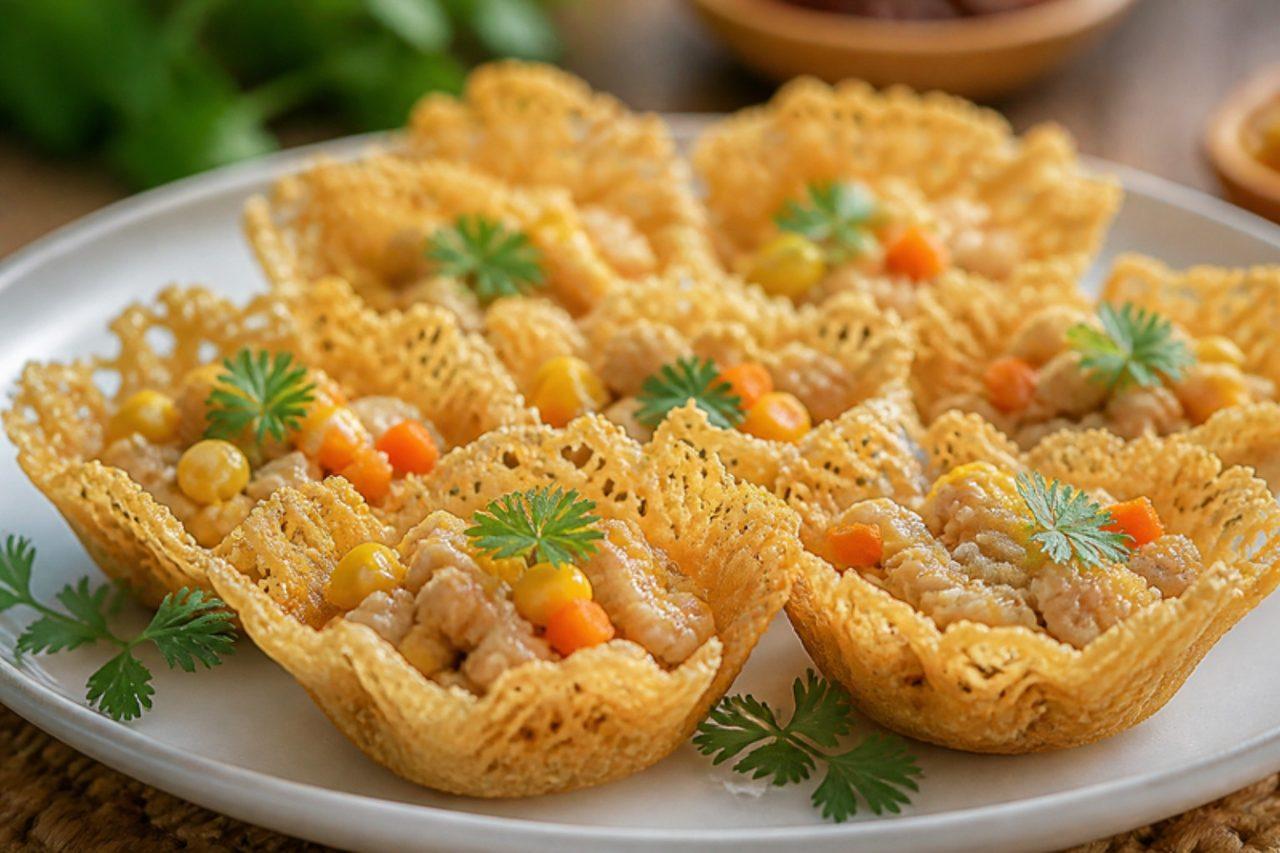
Krathong thong, "golden baskets", are named after the little floating krathong set on the rivers at Loy Krathong in Central Thailand, and their golden colour makes them a party bite for wishing wealth at festivals and New Year gatherings. A thin rice-flour batter is fried on a hot flower-shaped mould into crisp, delicate cups that shatter at the first bite. The filling is minced chicken cooked with sweetcorn, carrot, garlic and a little sugar, so it is gently sweet and savoury, which children love. Serve them as a starter with a sweet chilli dip, filling the cups just before serving so they stay crisp. Chef's tip: the cups keep for a week in an airtight tin, so fry them a day ahead and only cook the filling on the day.

by KrazyBadal 0 views

Chilcano de pescadoClear fish broth

In the fishermen's terminals of Chorrillos and Callao, chilcano is what you drink on a Sunday morning after a long night: a clear, gingery broth made from the heads and bones left over from cleaning fish for ceviche, with chunks of fish, red onion, chilli and a squeeze of lime in the bowl. It is light and warming, around 160 kcal a bowl, and still gives about 24 g of protein from the fish fillet and the broth. The common mistake is squeezing the lime into the pot while it boils, which turns it bitter; add it to each bowl at the table. Don't boil the bones for more than 30 minutes either, or the broth turns cloudy and harsh. Chef's tip: ask the fishmonger for heads and frames from mild white fish like sea bass or cod, and leave out oily fish such as mackerel, which makes the broth strong and fishy.

by KrazyBadal 0 views

Aguadito de polloCoriander chicken rice soup

Aguadito is the soup Lima serves in the small hours: at the end of a wedding, after New Year's Eve and at weekend family lunches, it is ladled out thick and steaming to revive everyone. Rice simmers in chicken broth coloured deep green with blended coriander and warmed with yellow ají amarillo, along with peas, carrot, pepper, sweetcorn and potato. A portion gives about 24 g of protein, from the chicken with a little from the rice and peas, for around 480 kcal. The common mistake is adding the coriander purée too early: cooked for long it turns khaki and loses its fresh taste, so stir it in for the last 10 minutes. The chicken must reach 74 °C at the bone. Chef's tip: blend a handful of spinach with the coriander; it keeps the colour vivid green without changing the flavour.

by KrazyBadal 0 views

Tempe bacemSweet braised tempeh

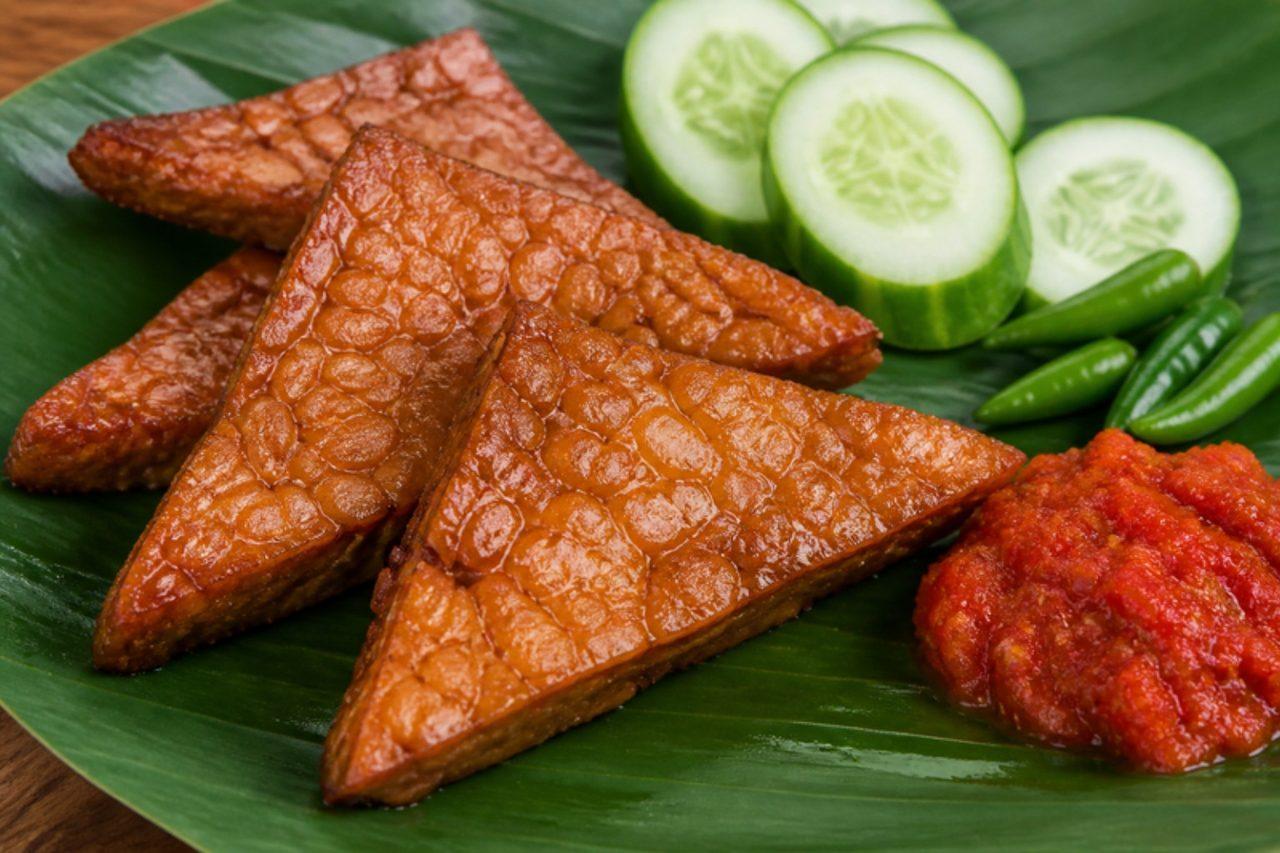
Every warung in Yogyakarta and Solo has a tray of tempe bacem on the counter, dark, sticky and sweet, eaten at lunch with rice, sambal and a few raw cucumber slices, or packed for journeys because it keeps so well. The tempeh is simmered slowly in coconut water with palm sugar, galangal, coriander seed and bay leaf until the liquid has gone and every slab is glazed, then seared briefly so the edges caramelise. A portion of about 150 g of tempeh gives roughly 28 g of protein, nearly all from the fermented soybeans. The common mistake is turning the heat up to hurry the braise: the sugar catches and turns bitter before the tempeh has soaked anything up. Chef's tip: make it a day ahead; bacem tastes deeper after a night in the fridge and sears better cold.

by KrazyBadal 0 views

ParihuelaSpicy seafood soup

Parihuela is the big weekend seafood soup of Callao and the Peruvian coast, eaten at long Sunday lunches in cevicherías and praised as a cure for tiredness and late nights. A deep red broth of ají panca, ají amarillo, tomato and fish stock is loaded with chunks of fish, prawns, squid and mussels. A portion gives about 30 g of protein, from the fish and shellfish, for roughly 300 kcal. Some cooks add chicha de jora or beer; this version has none. The common mistake is adding all the seafood at once: squid and prawns turn rubbery while the fish cooks, so they go in last. Before cooking, discard any mussels that stay open when tapped, and after cooking discard any that stay shut. Chef's tip: fry the chilli pastes in the oil until they darken and smell sweet; that toasted ají is what gives parihuela its depth.

by KrazyBadal 0 views

ไอติมกะทิ (Itim kathi, Thai coconut ice cream)

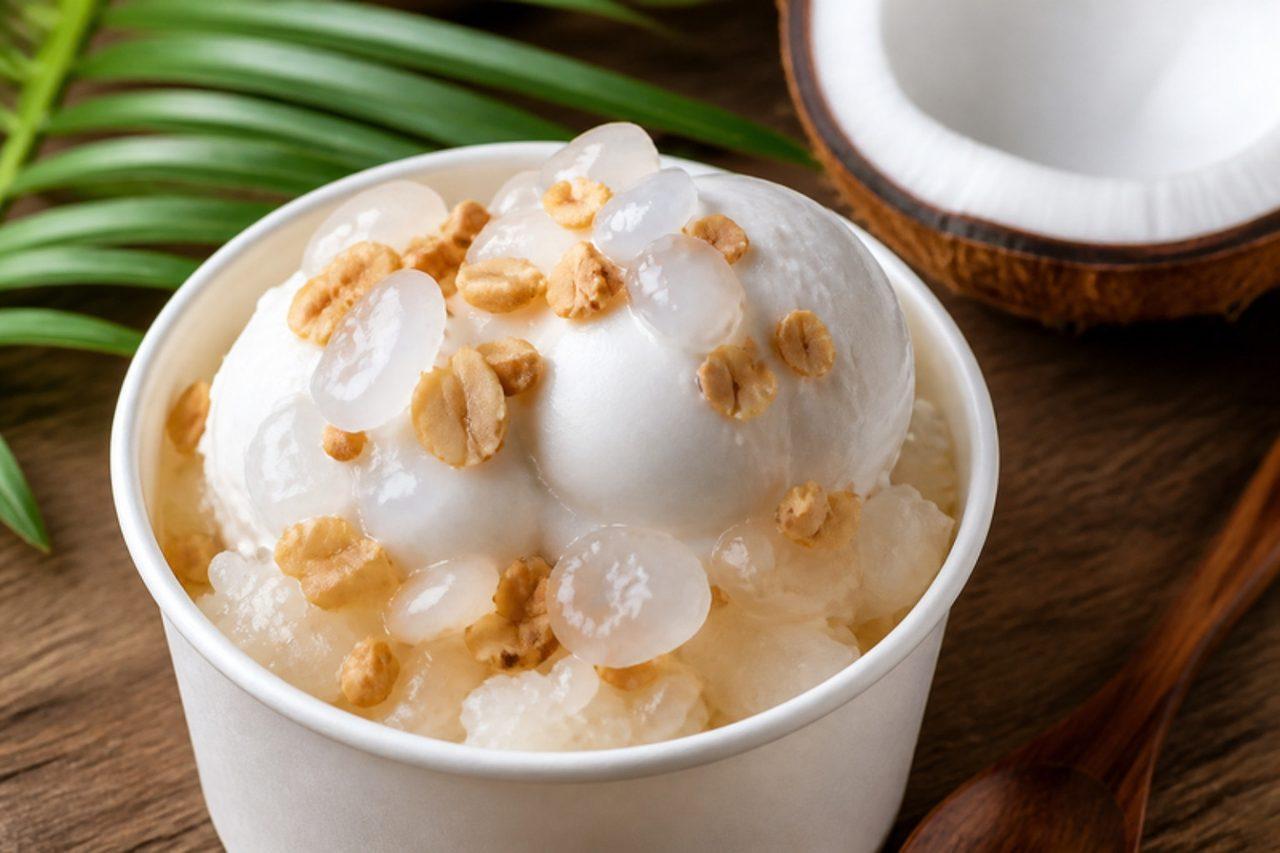
Itim kathi is the ice cream of Bangkok's pushcarts: a vendor lifts the lid of an insulated drum, scrapes up a scoop of snow-white coconut ice cream and piles it into a small cup over sticky rice, then adds whatever the customer points at, from roasted peanuts and sweet corn to chewy palm seeds. It is sold all afternoon in the hot months, outside schools and temples and in markets. Some vendors tuck the scoop into a soft bread roll; serve it in cups as here and it stays gluten free. It is naturally egg-free and dairy-free. Coconut milk carries the fat that makes it creamy, and a little cornflour cooked into it binds the water so crystals stay fine and the texture stays smooth without any custard, while a pinch of salt sharpens the coconut. Chef's tip: use full-fat coconut milk with no added water; the common mistake is using a light one, which freezes hard and icy.

300 minThaiDessertsVeganGluten free
by KrazyBadal 0 views

Oseng tempeStir-fried tempeh with chilli

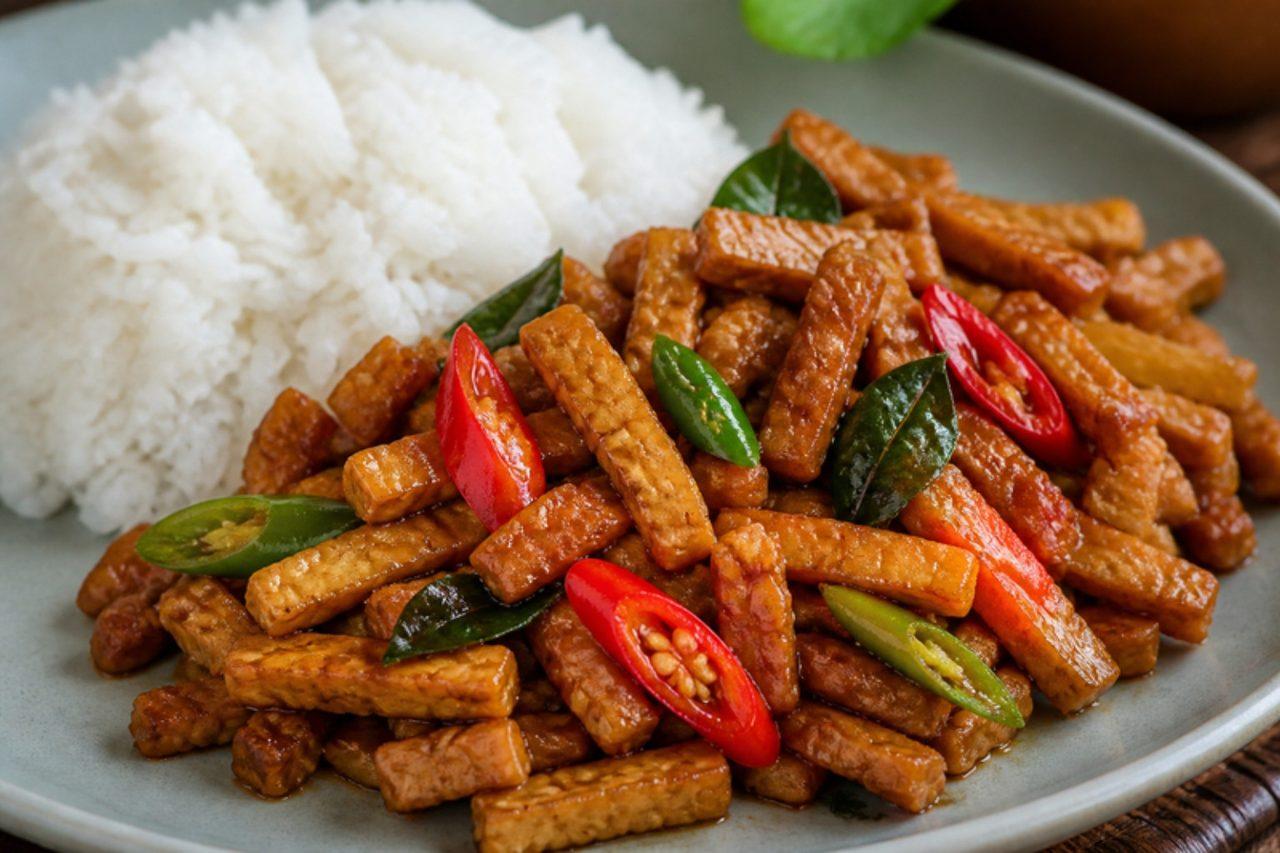
Oseng tempe is the quick fix of Javanese home cooking, made in Semarang, Surabaya and every student boarding house in between for weekday lunch or dinner with plain rice. Thin matchsticks of tempeh are fried until crisp-edged, then tossed with shallot, garlic, sliced chilli, galangal and bay leaf in sweet soy sauce until sticky, sweet, salty and hot. A portion with about 125 g of tempeh gives roughly 24 g of protein, almost all from the tempeh. The common mistake is adding the sweet soy too early, before the tempeh has browned: it soaks in, burns and turns the strips soft. Chef's tip: fry the tempeh separately first, then build the sauce and return it at the end, so every strip stays a little crunchy.

by KrazyBadal 0 views

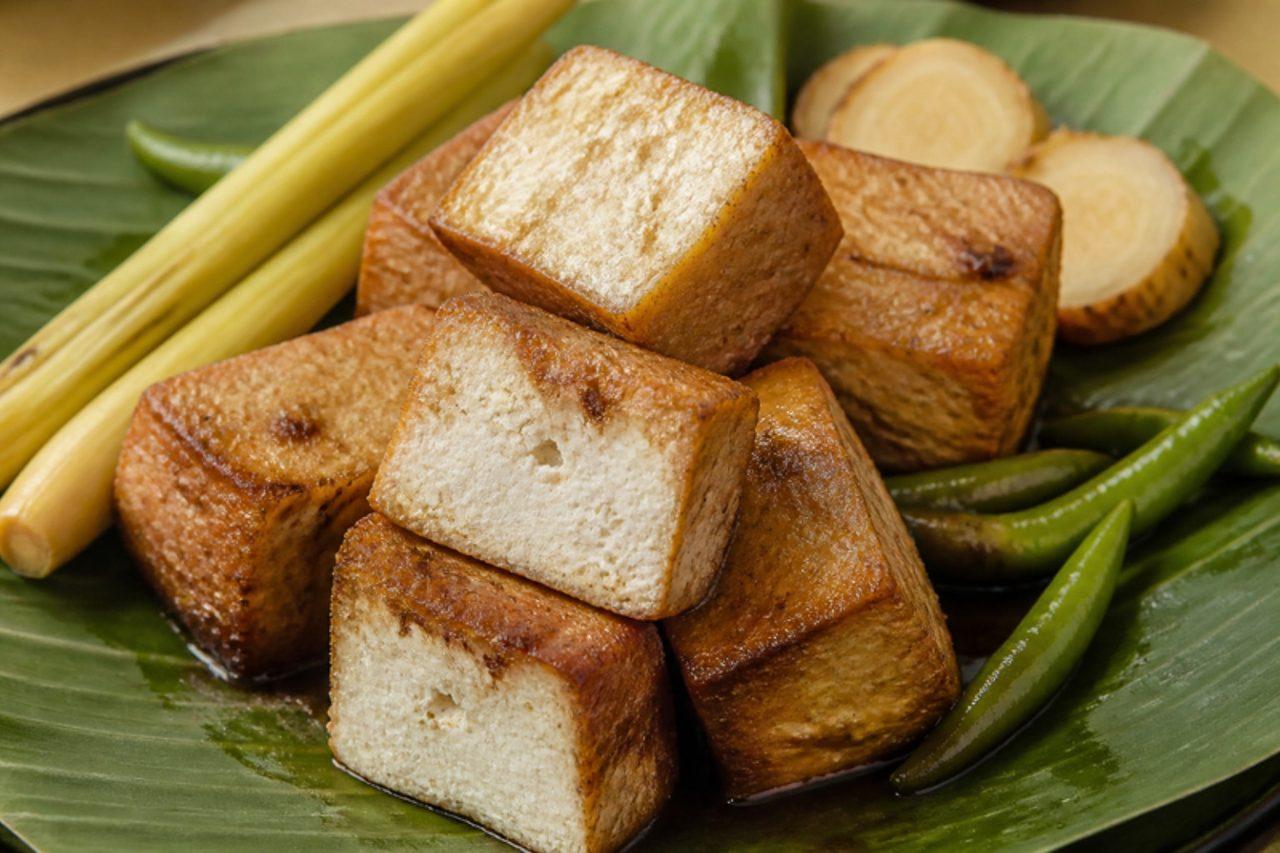
Tahu bacemSweet braised tofu

Tahu bacem is tempe bacem's softer sister, sold side by side on the gudeg stalls of Yogyakarta and Klaten and cooked at home on Sundays to see the family through the week. Firm tofu soaks up a braise of coconut water, palm sugar, coriander and galangal until it turns the colour of caramel all the way through, and a quick sear gives it a thin, chewy skin. A portion of about 200 g of tofu gives roughly 26 g of protein, from the soybeans in the tofu. The usual mistake is using silken or soft tofu, which breaks apart during the long simmer; buy firm or extra-firm. Chef's tip: press the tofu for 15 minutes before braising; the drier it is, the more of the sweet, spiced liquid it drinks in.

by KrazyBadal 0 views

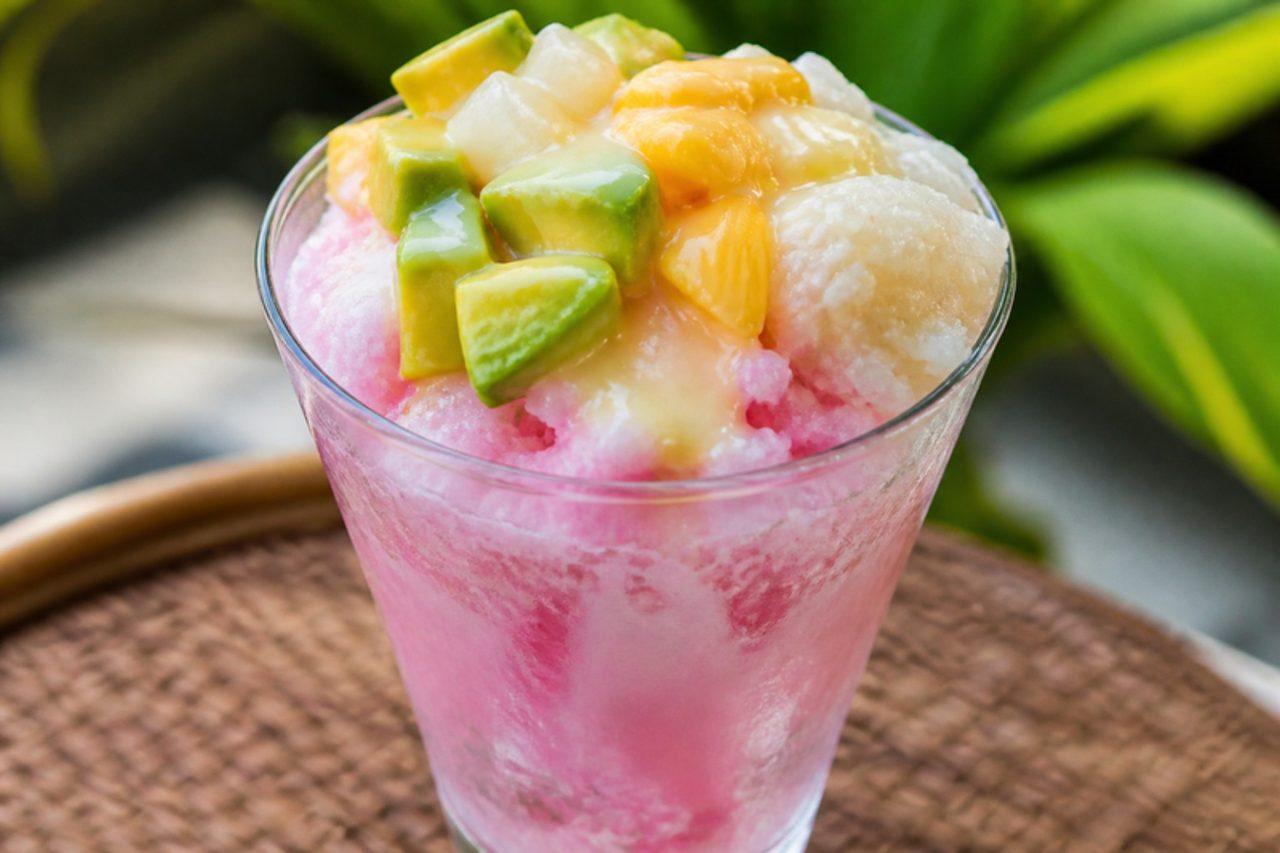
Es doger (Bandung pink coconut shaved ice)

Es doger began on the streets of Bandung in West Java, where carts painted with bright patterns still sell it through the afternoon heat. The base is coconut milk and milk, coloured pink with red syrup and frozen or blended with ice into a soft slush, then piled into glasses with whatever the vendor has: cassava, avocado, jackfruit, sticky rice, tapioca pearls, and a ribbon of condensed milk over the top. It is sweet, creamy and cool, more a drink you eat with a spoon. It is naturally egg-free: the coconut milk gives body, the condensed milk binds it into a creamy slush, and the fruit and starchy cassava fill it out. Street versions use fermented cassava, which is lightly alcoholic; this recipe uses plain steamed cassava with sugar instead. Chef's tip: blend the ice in short bursts; the common mistake is running the blender until the slush melts into a milky drink.

by KrazyBadal 0 views

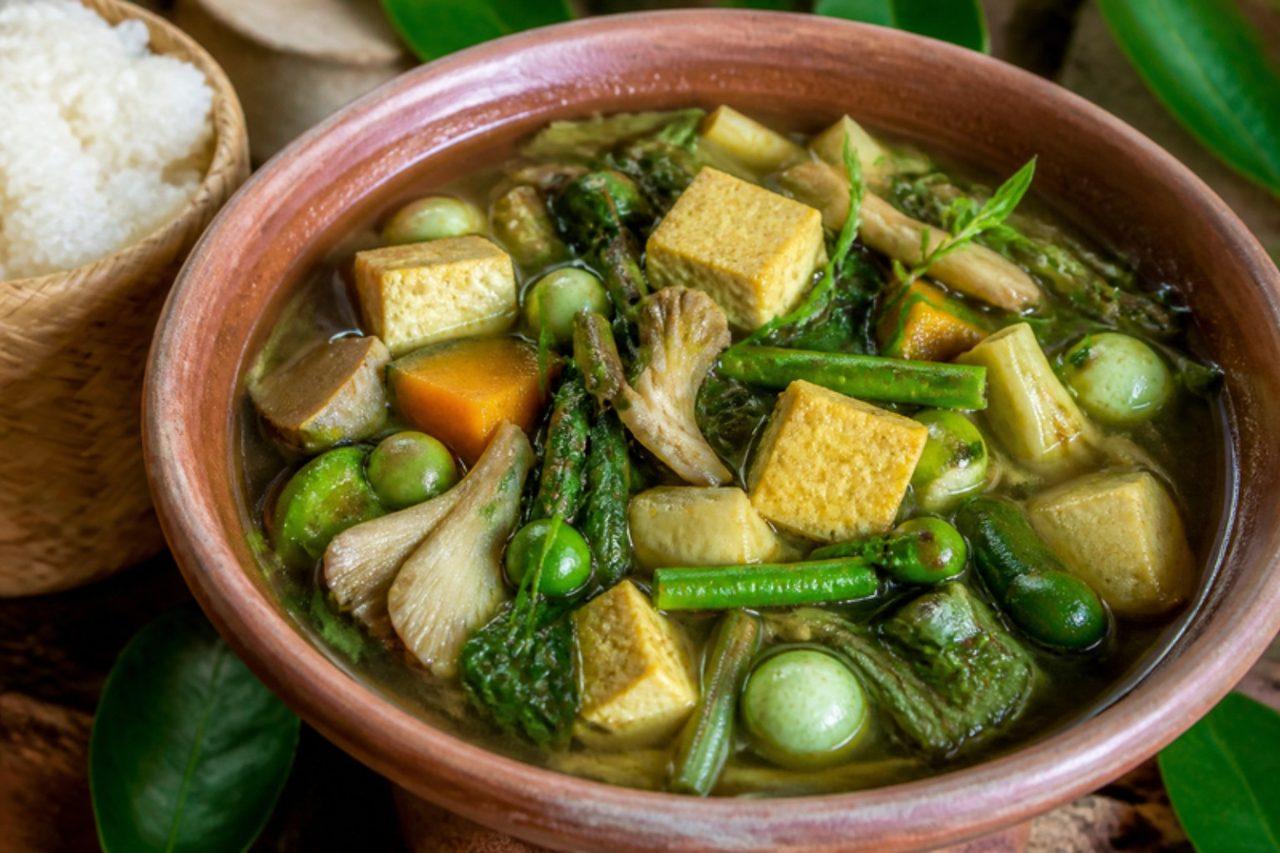
Kaeng khae with tofu and mushroomsHerb curry with tofu and mushrooms

Kaeng khae comes from the hills around Chiang Mai and Lampang, where it is cooked through the rainy season with whatever the garden and forest give: pea aubergines, long beans, pumpkin tips, acacia shoots and handfuls of leaves, in a brothy, coconut-free curry scented with lemongrass and the peppery prickly ash called makhwaen. In northern homes it is a lunch dish eaten with sticky rice. It is normally cooked with chicken, frog or fish and seasoned with fermented fish; this vegetarian version uses firm tofu, oyster mushrooms, soy sauce and a little salted soybean paste. With the tofu a portion has about 11 g of protein, so it is light rather than high protein. The common mistake is adding all the vegetables at once: the leaves are done in a minute while the beans and aubergines need five. Chef's tip: dry-fry the curry paste in a spoon of oil until it smells toasty before adding water; it gives the broth its depth without any fish.

by KrazyBadal 0 views

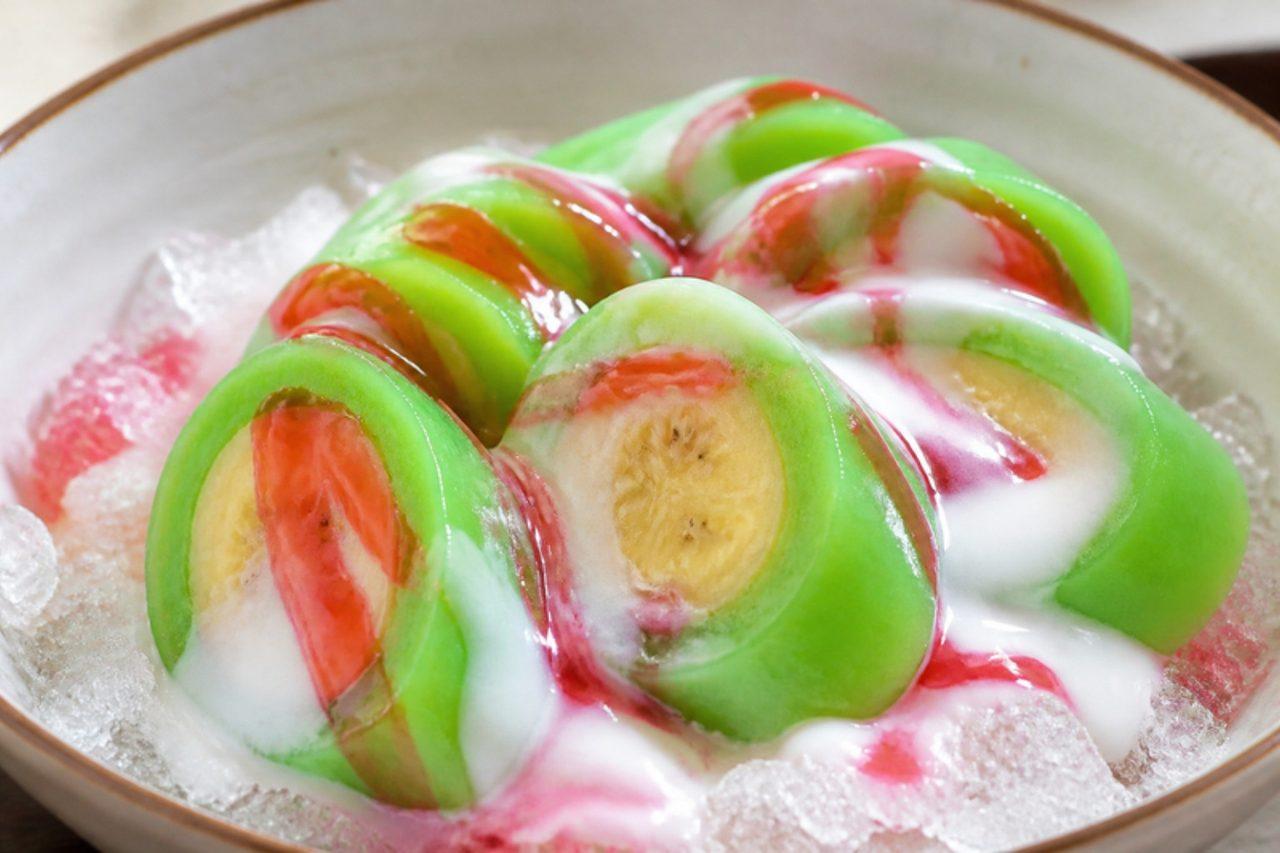
Es pisang ijo (Makassar green banana dessert)

Es pisang ijo, green banana ice, is the pride of Makassar in South Sulawesi. It is everywhere during Ramadan as the sweet that breaks the fast at sunset, and sold year-round from stalls by the Losari waterfront. A whole steamed banana is wrapped in a thin, soft jacket of pandan-green rice-flour dough, sliced, laid on a pool of warm salty coconut porridge sauce, then buried under shaved ice and a sharp pink syrup. Cold, warm, salty, sweet and fragrant, all in one bowl. It is naturally egg-free: rice flour cooked with coconut milk and pandan juice makes a smooth, pliable dough that binds without any egg, and a little more rice flour thickens the sauce. Chef's tip: use firm but ripe bananas with a few freckles; the common mistake is very soft ones, which turn to mush inside the dough while steaming.

by KrazyBadal 0 views

Showing 24 of 492 recipes

Show more recipes

Page 1 of 21