Skip to content
WhatToEat.Today

All recipes

861

Vegetarian, or something you can't eat? Set your diet once and we'll hide recipes that don't fit.

Bistec empanizadoBreaded thin steak

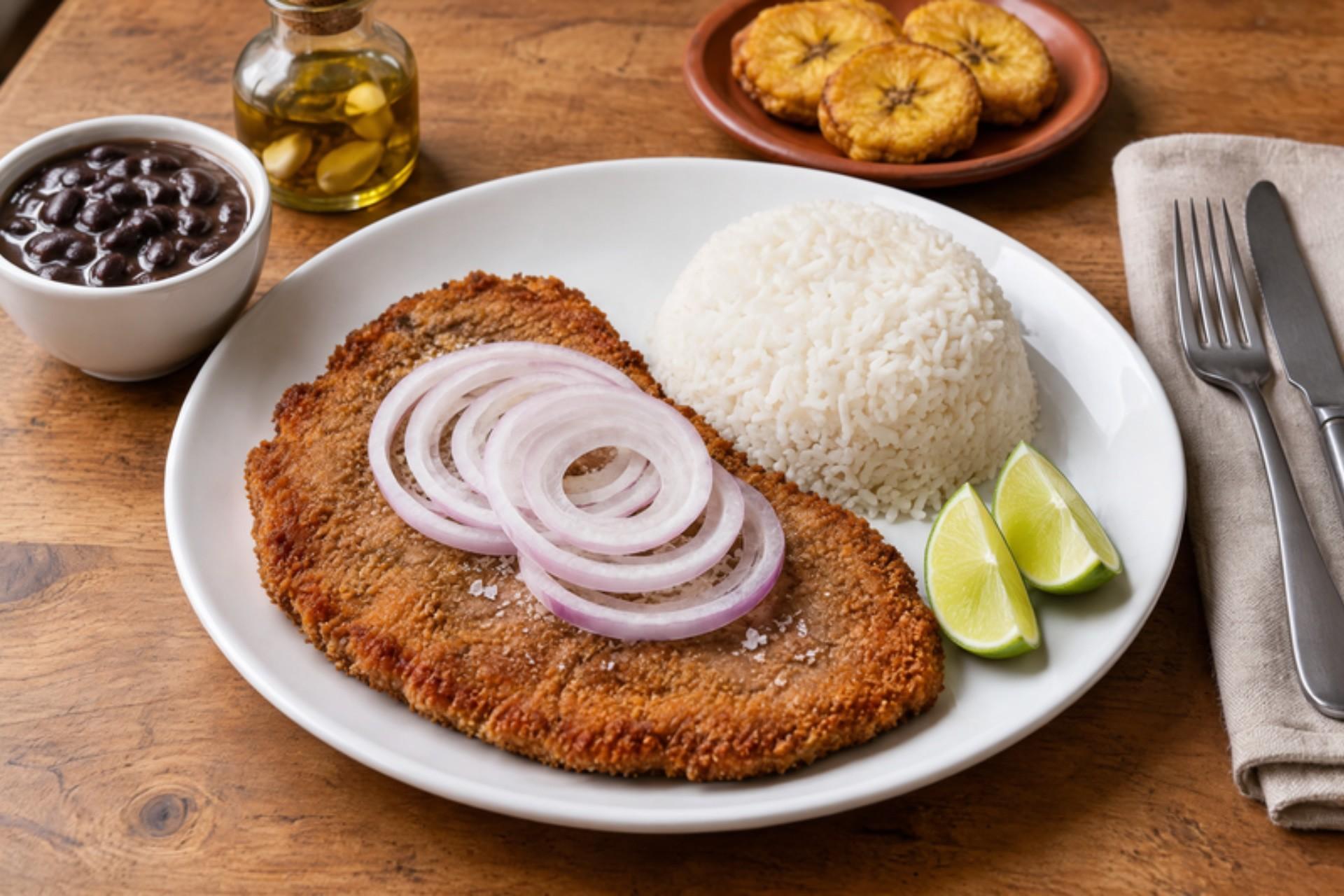
Bistec empanizado is the breaded steak of Cuban family dinners and Little Havana diners, a weeknight plate in Havana and Miami alike. Thin slices of beef are pounded thinner still, marinated briefly in lime, garlic and cumin, then crumbed with crushed crackers and fried until crisp and golden. It contains wheat and egg. The mistake is cutting the steak thick: it toughens before the crumb browns, so pound it to 5 mm. It is done when the crust is deep golden on both sides, which takes only a couple of minutes for meat this thin. Serve with white rice, black beans, maduros and a lime wedge. Chef's tip: marinate the beef for no more than an hour; lime juice left longer turns thin steak grey and mealy.

32 minCubanMeat
by KrazyBadal 0 views

Cuba libreRum and cola with lime

The Cuba libre was born in Havana around 1900 and is still the easy highball poured at bars along the Malecón and at backyard parties from Miami to Madrid. It is a drink for adults only: light Cuban-style rum, cold cola and a generous squeeze of fresh lime, with the spent lime wedge dropped in the glass. Without the lime it is just rum and cola; with it the drink turns sharp and refreshing. The usual mistake is warm cola poured over too little ice, which melts fast and leaves it flat and watery, so fill the glass with ice and keep the cola chilled. For an alcohol-free version, leave out the rum and add 30 ml cold sparkling water with a dash of vanilla. Drink responsibly. Chef's tip: squeeze the lime and rub the wedge round the rim before adding ice, so every sip carries the lime oil.

by KrazyBadal 0 views

Croquetas de jamónHam croquettes

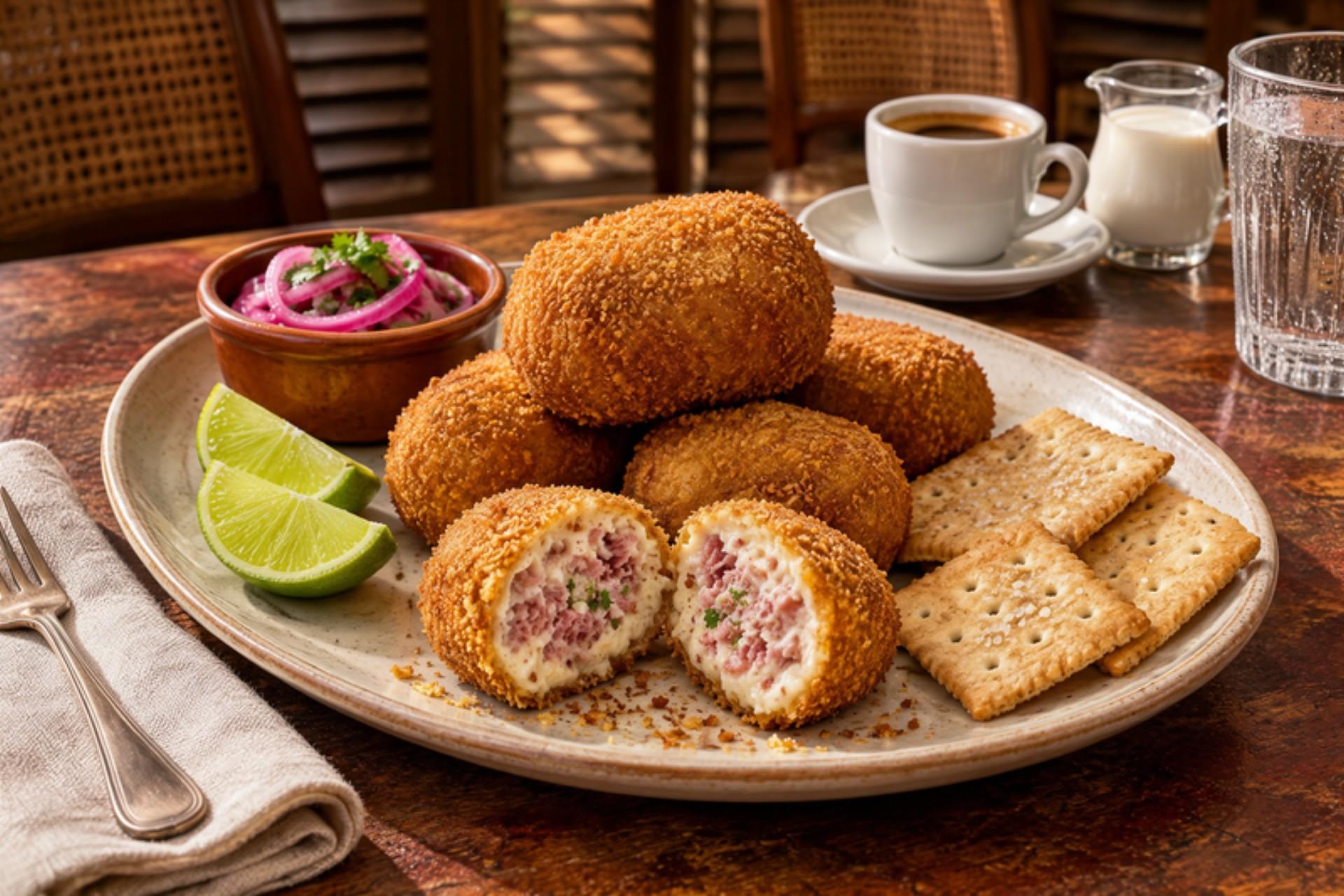
Croquetas de jamón are the snack of the ventanita, the walk-up coffee window of Havana and Miami cafeterías, eaten with a cafecito at breakfast or tucked into a Cuban sandwich, and piled high at every party. This recipe contains pork: cooked ham is minced and folded into a thick, nutmeg-scented béchamel, chilled firm, rolled into small cylinders, crumbed and fried until golden, so the inside is almost molten. They contain milk, egg and wheat. The mistake is shaping the mixture while it is still warm; it must be cold and stiff or the croquettes split in the oil. They are done when deep golden all over and piping hot in the centre. Chef's tip: cook the flour in the butter for a full two minutes before the milk goes in, so the croquetas taste rich and nutty rather than floury.

by KrazyBadal 0 views

Natilla cubanaLemon cinnamon custard

Natilla is the custard Cuban grandmothers in Havana and Miami's Little Havana make for Sunday lunch, birthdays and any evening that needs something sweet from the fridge. It is softer than flan: milk is infused with lemon peel and a cinnamon stick, thickened gently with egg yolks and a little cornflour, then poured into small bowls and dusted with ground cinnamon. It contains milk and egg. The common mistake is boiling it hard once the yolks go in, which splits the custard into sweet scrambled egg; keep the heat low and stir the bottom constantly. It is ready when it thickly coats the back of a spoon and a finger drawn through leaves a clean line. Chef's tip: press cling film right onto the surface while it is hot, or a rubbery skin forms as it cools.

by KrazyBadal 0 views

Pollo asado cubanoGarlic citrus roast chicken

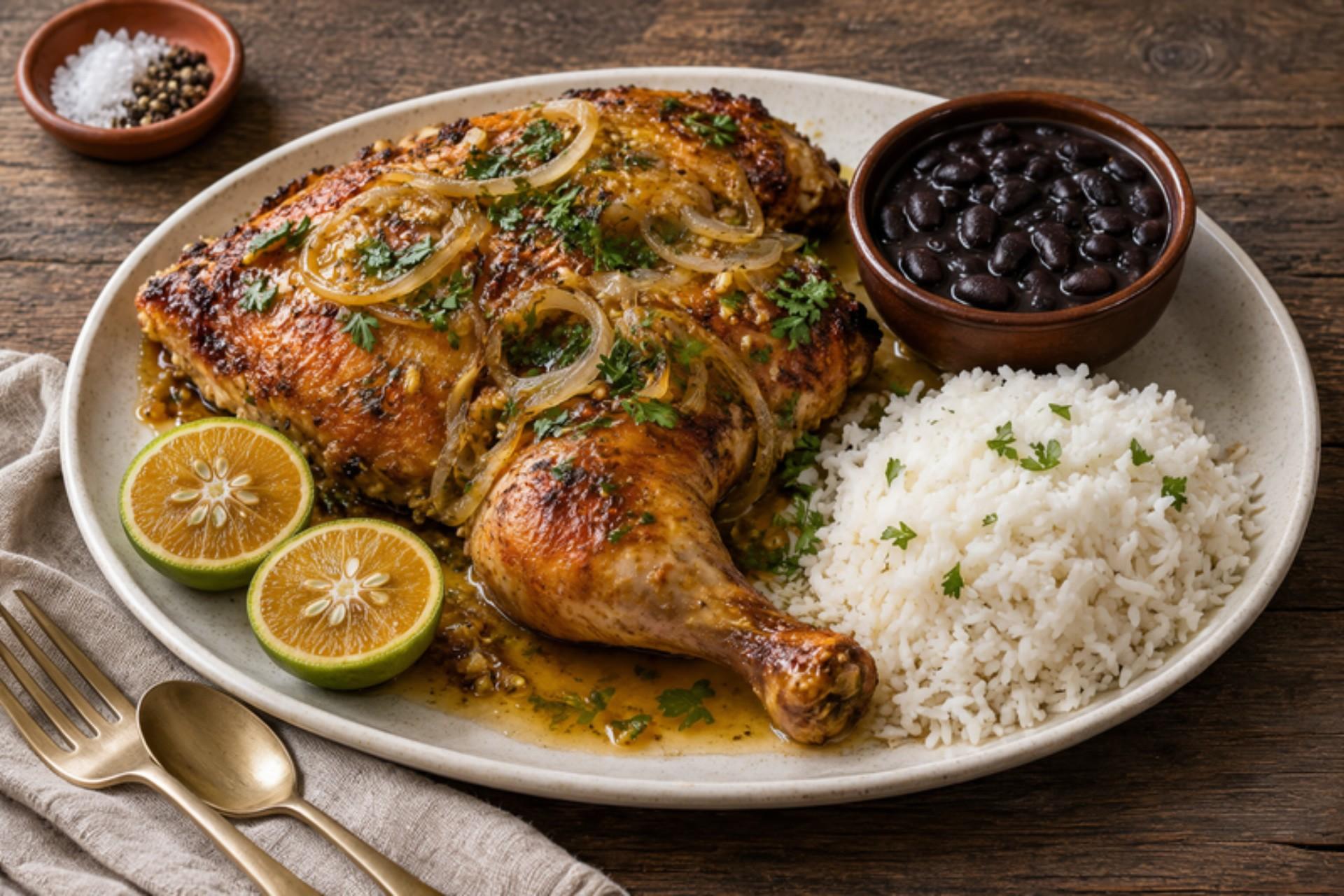
Cuban families from Camagüey to Hialeah roast pollo asado for Sunday lunch and Nochebuena, the night before Christmas, when there is too much else on the table for a whole pig. Chicken pieces soak overnight in mojo, a marinade of sour orange, crushed garlic, cumin and oregano, then roast until the skin is crackly and the juices run clear, with onion rings softening underneath. The usual mistake is marinating for days or in a metal bowl; the citrus turns the meat mushy and metallic, so keep it to 12–24 hours in the fridge in glass or a bag. It is done when the thickest part of the thigh reaches 74 °C. Serve with moros, yuca and maduros. Chef's tip: no sour oranges? Use two parts orange juice to one part lime juice.

by KrazyBadal 0 views

Plátanos maduros fritosFried sweet plantains

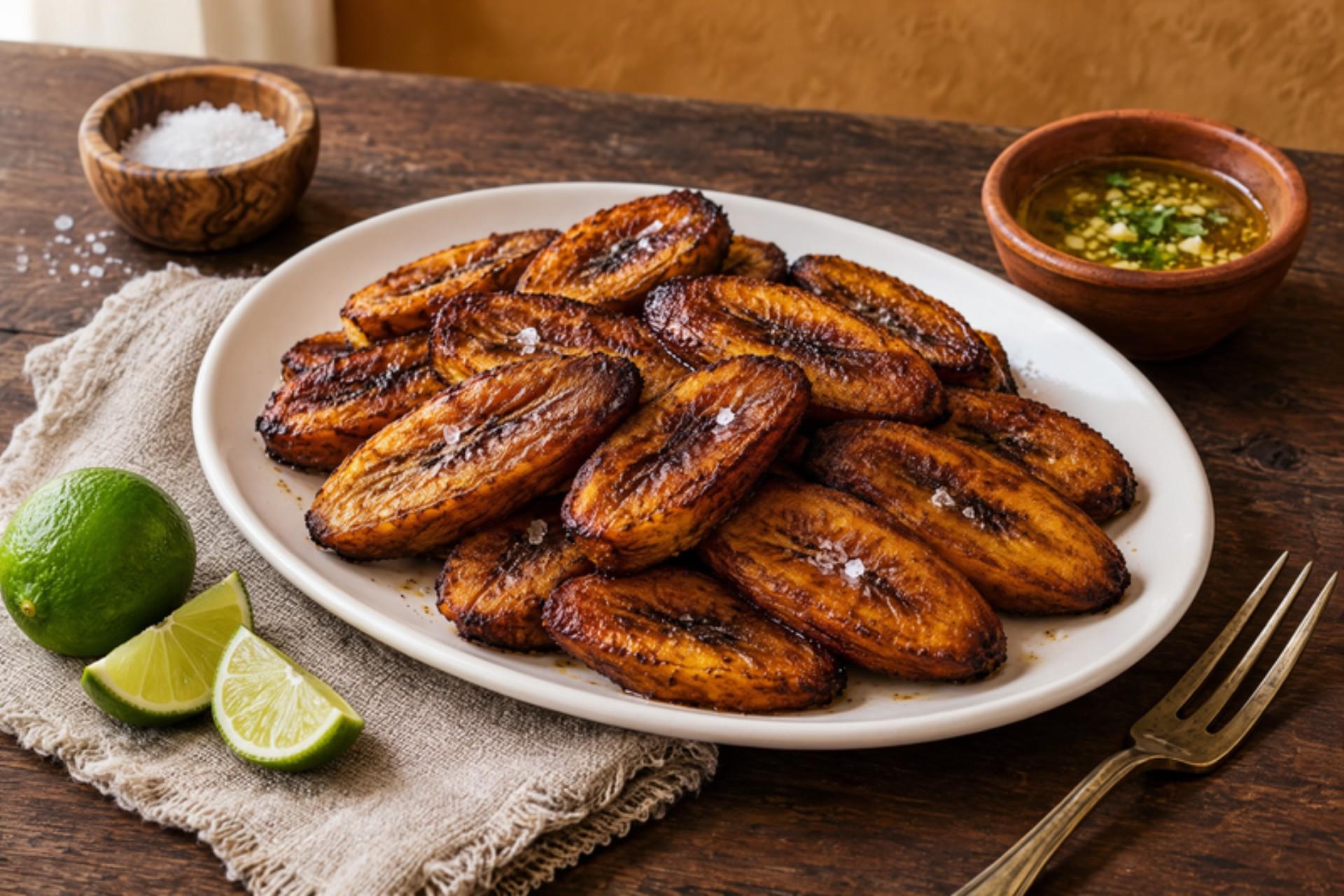
No Cuban lunch counter in Havana, Santiago or Miami serves ropa vieja, picadillo or black beans and rice without a few maduros on the side. Plantains are left until the skin is almost completely black, when the flesh turns soft and sugary, then sliced on the diagonal and fried slowly until the edges caramelise and the middle is creamy. The mistake is using yellow plantains: they stay starchy and dry, so wait until the skins are mostly black and the fruit gives when pressed. They are done when deep amber on both sides and a knife slides in with no resistance. Chef's tip: fry over a medium heat, not high; the sugar in ripe plantain burns before the centre softens if the oil is too hot.

17 minCubanSidesVeganGluten free
by KrazyBadal 0 views

Pan con bistecSteak sandwich with potato sticks

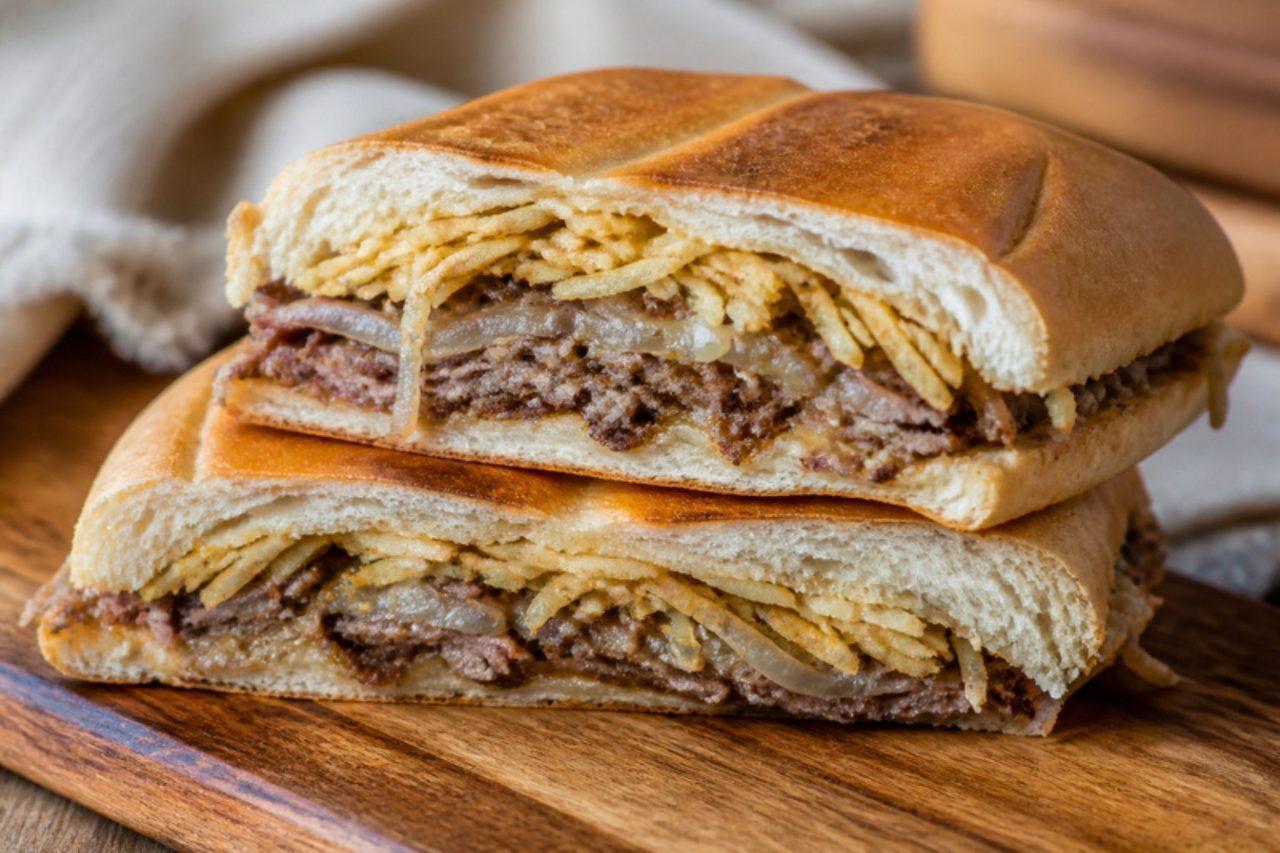
Pan con bistec is the sandwich of Havana cafeterías and Miami's Cuban lunch counters, eaten at any hour but especially as a fast dinner: a paper-thin beef steak quickly soaked in garlic-lime mojo, seared with onions and stuffed into soft Cuban bread with crunchy potato sticks. The common mistake is using a thick steak, which takes too long and turns chewy; ask for palomilla, or bash a thin steak flatter. Chef's tip: deglaze the hot pan with the leftover mojo and pour those juices onto the bread so it soaks up every drop.

13 minCubanMeat
by KrazyBadal 0 views

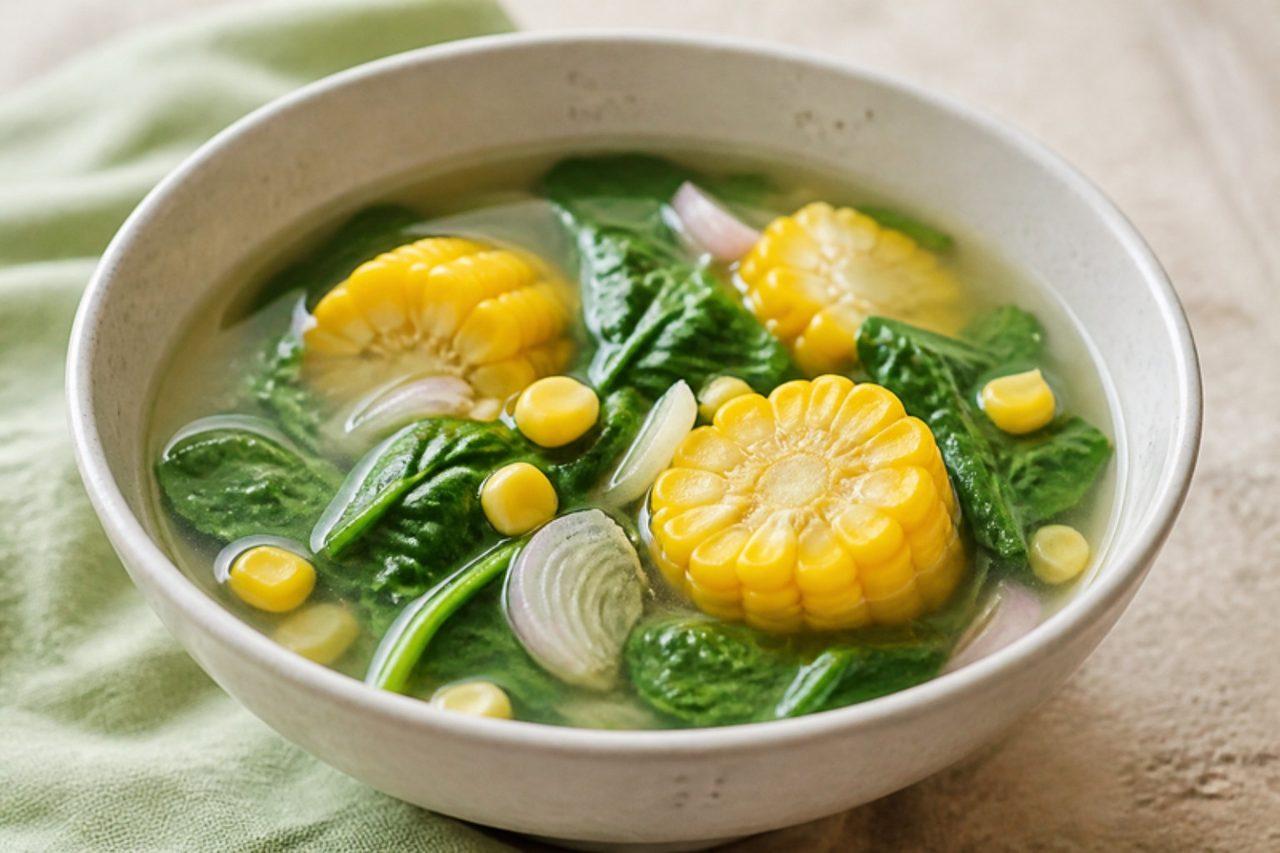
Sayur beningClear spinach and corn soup

Sayur bening, 'clear vegetables', is the light soup that sits beside almost every everyday meal in Central and East Java, eaten at lunch and supper with rice, fried tempe and sambal. Spinach (or amaranth) and sweetcorn are simmered briefly in water scented with shallot, garlic and fingerroot, so the broth stays clear and tastes sweet and green. The common mistake is boiling the spinach for too long: add it last and take the pan off the heat as soon as the leaves collapse. Chef's tip: if you can find fingerroot (temu kunci) in an Asian grocer, bruise one finger into the pot; it gives the authentic peppery-citrus note, but the soup is still good without it.

by KrazyBadal 0 views

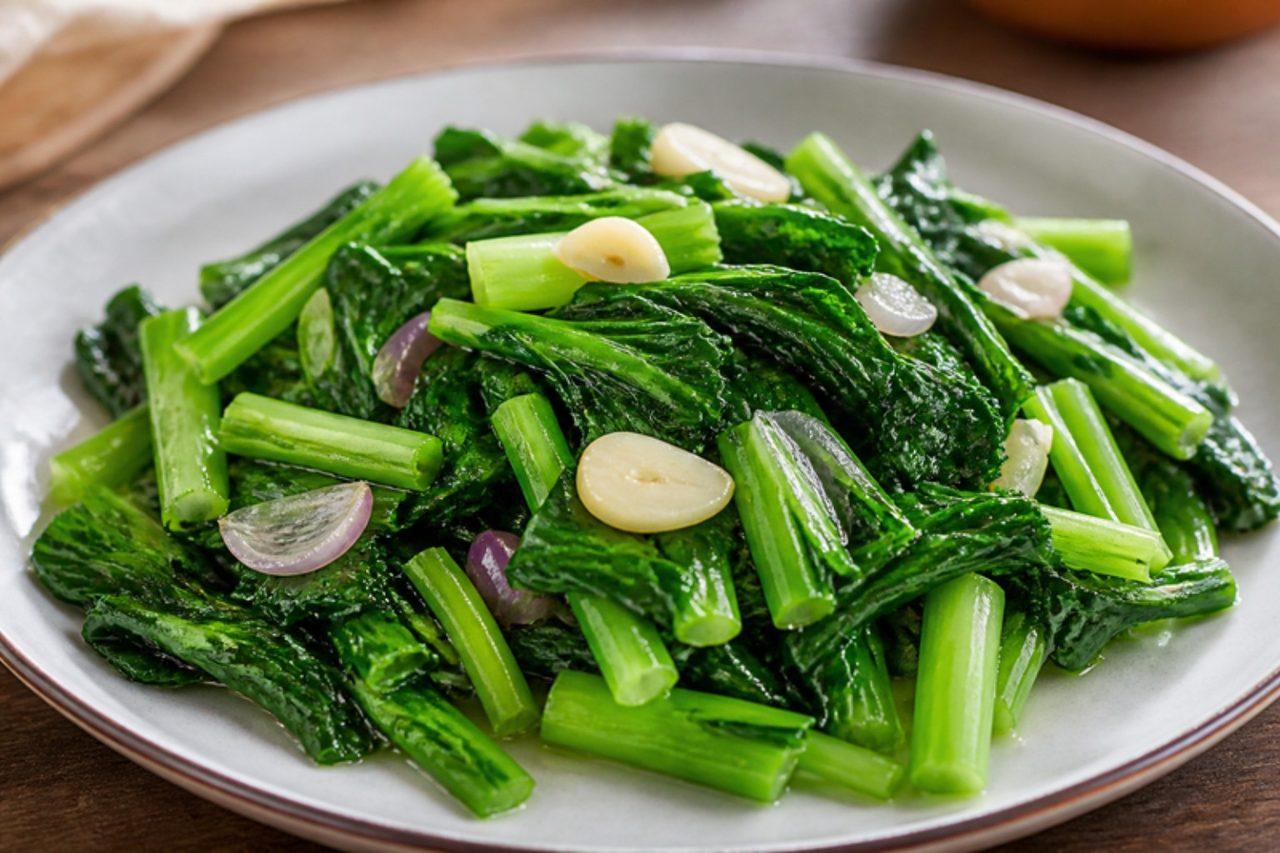
Tumis sawiStir-fried mustard greens

Tumis sawi is the green dish that turns up on Indonesian dinner tables nearly every day, from Jakarta homes to Padang-style warung: mustard greens (sawi hijau) or choy sum stir-fried with shallot, garlic and a splash of soy until just wilted. Many cooks add a few prawns or a spoon of oyster sauce; this version is vegan. The common mistake is throwing stems and leaves in together, so the leaves go to mush while the stems stay raw; give the stems a 1-minute head start. Chef's tip: a splash of water once the greens go in makes a little steam that cooks them evenly and keeps them glossy.

by KrazyBadal 0 views

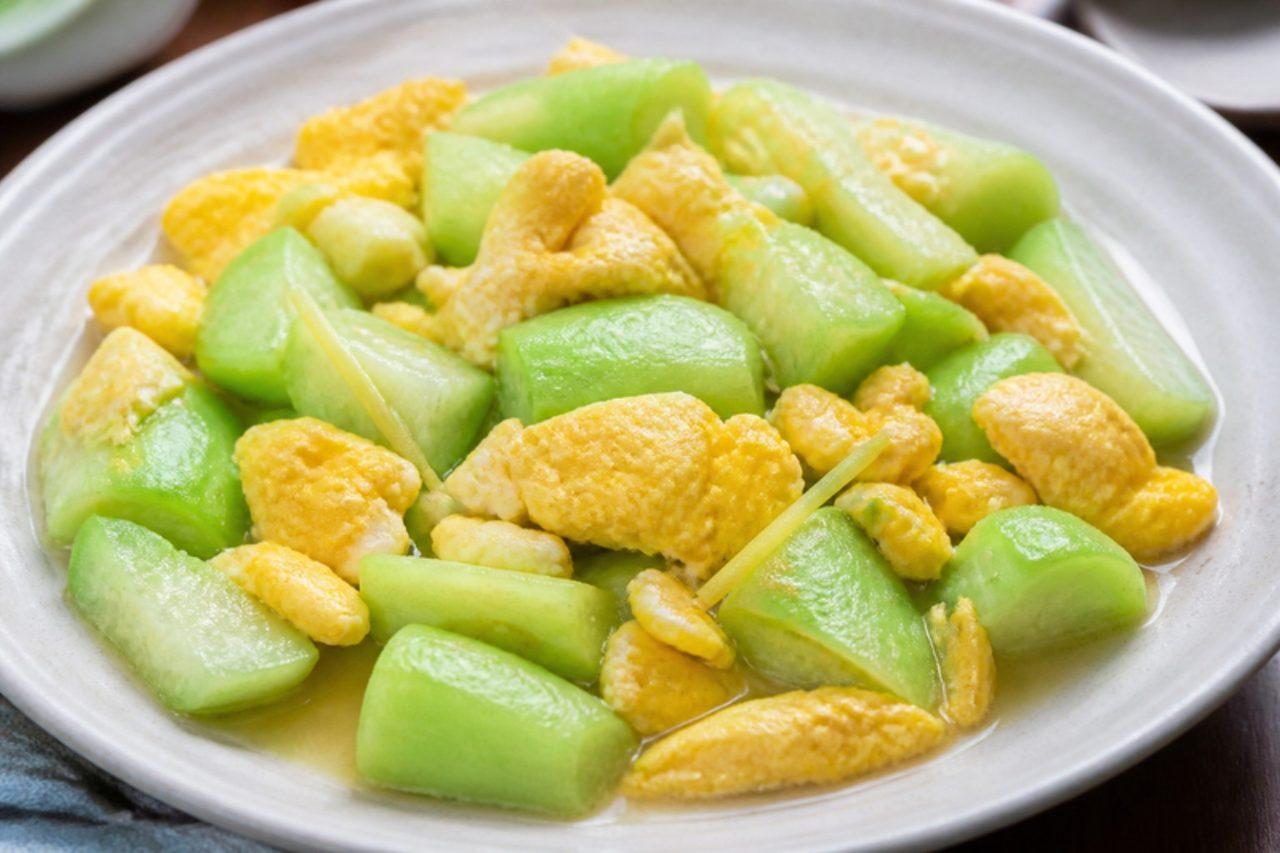
Si gua chao danLuffa and egg stir-fry

Si gua chao dan is a southern Chinese summer staple, cooked in Guangdong, Fujian and Guangxi homes on hot evenings when something light is wanted with rice. Angled luffa softens into silky, faintly sweet pieces and releases its own juice, which the scrambled egg soaks up. The common mistake is leaving the ridges on: peel the hard ridges of angled luffa (or all the skin of smooth luffa), or they stay tough and bitter. Chef's tip: scramble the egg first and lift it out while still a little soft, then return it at the end so it stays fluffy instead of rubbery.

by KrazyBadal 0 views

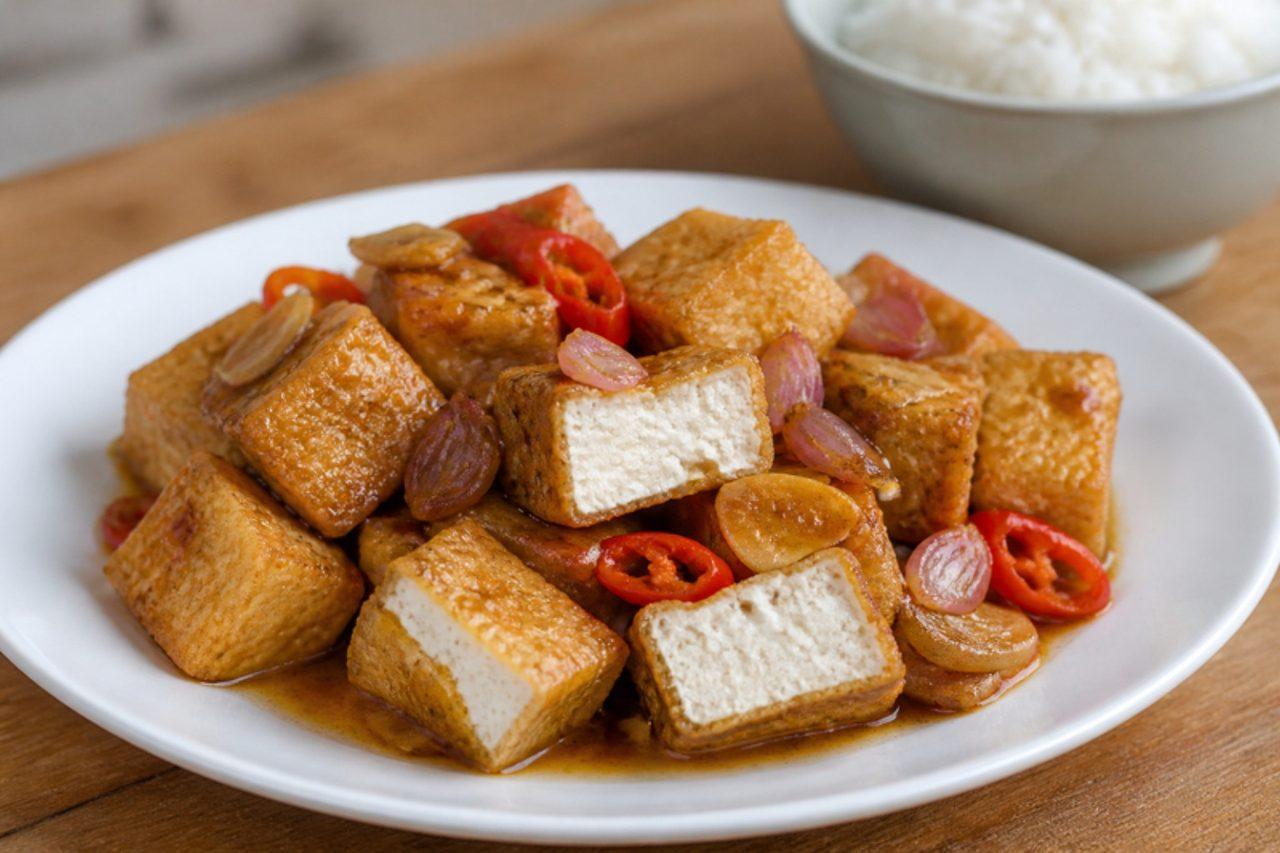
Tahu kecapFried tofu in sweet soy

Tahu kecap is everyday Javanese home cooking, made for supper from Yogyakarta to Surabaya and sold in warung trays by midday: cubes of tofu fried until golden, then tossed with sliced shallot, garlic and chilli in sticky, dark kecap manis. Sweet, salty and a little hot, it is eaten with rice and cucumber slices. The common mistake is frying wet tofu, which spits and never crisps; pat the cubes very dry first. Chef's tip: buy ready-fried tofu puffs or firm pre-pressed tofu if you're short of time; they need only a quick toss, and the hollow puffs soak up the sauce beautifully.

by KrazyBadal 0 views

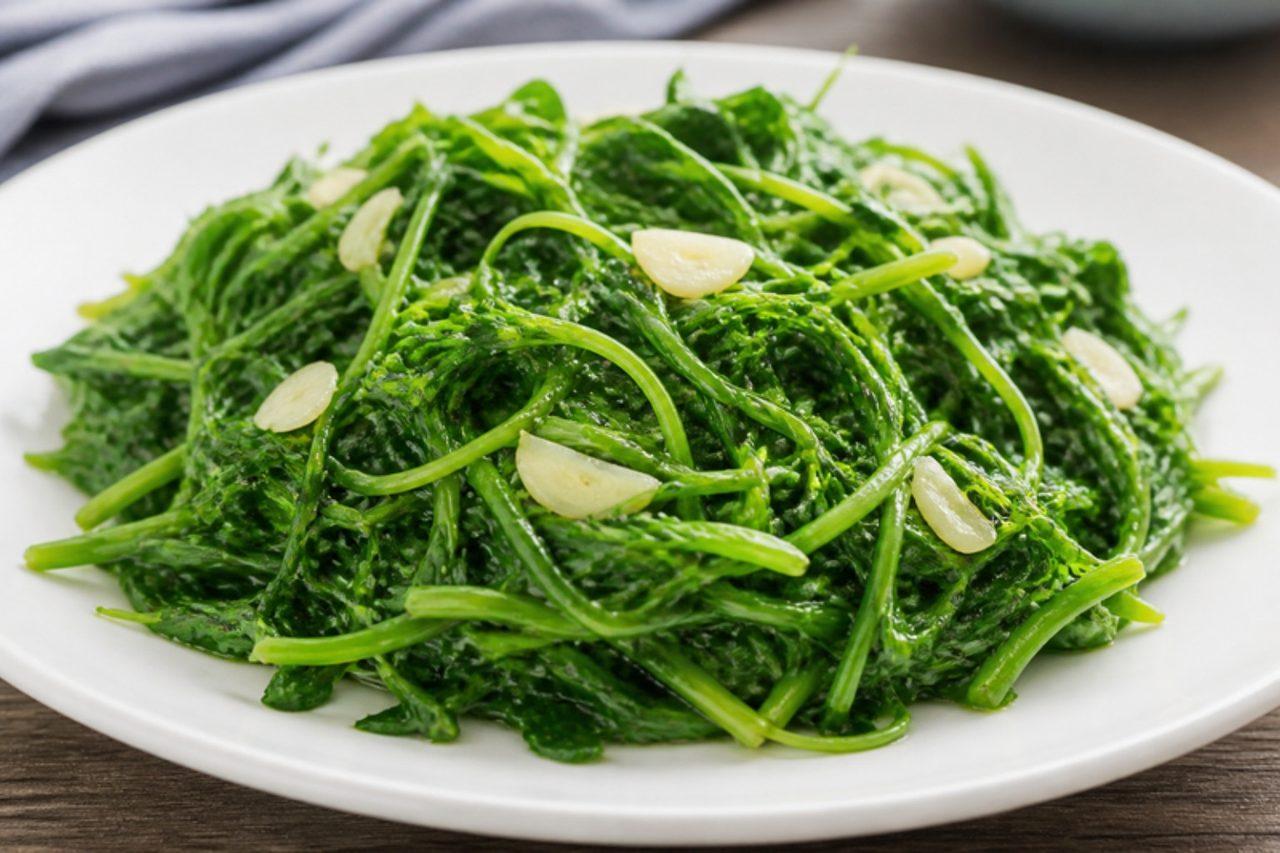
Qing chao dou miaoGarlic pea shoots

Dou miao, the tender tips of the pea plant, are a prized spring and winter green in Sichuan restaurants and Cantonese homes alike, and qing chao, plain stir-frying, is the way they are most often cooked for a quick dinner beside rice. The shoots collapse in under a minute and taste sweet, like fresh peas. Buy the larger cooking pea shoots from Chinese grocers, not the tiny salad cress. The common mistake is overcooking: once they turn dark and stringy they lose all their sweetness, so pull them off the heat while a few leaves still look raw. Chef's tip: add a splash of water with the salt; the steam finishes the stems evenly without the leaves frying dry.

by KrazyBadal 0 views

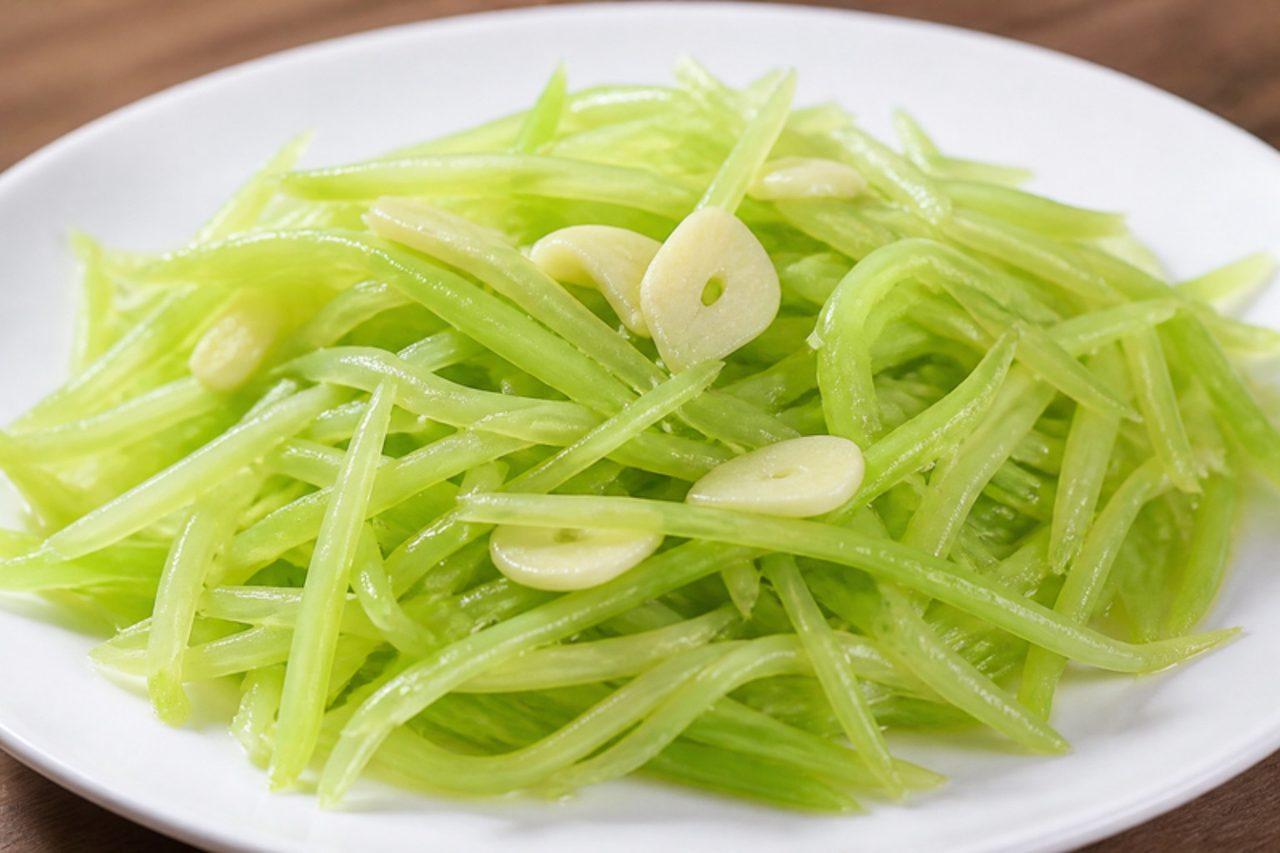
Qing chao wosunStir-fried celtuce

Wosun, celtuce or stem lettuce, is a fat, pale-green stalk loved across Sichuan and Chongqing, where it is slivered and flash-fried for weeknight dinners and spring banquets alike. It tastes somewhere between cucumber, courgette and mild celery, with a satisfying crunch that survives the wok. Look for it in Chinese groceries in spring; the leaves can be cooked like lettuce. The common mistake is peeling too thinly: the outer layer is fibrous, so peel until you reach the translucent jade-green core. Chef's tip: salt the slivers for five minutes and squeeze them lightly before cooking, so they stay snappy and season right through.

by KrazyBadal 0 views

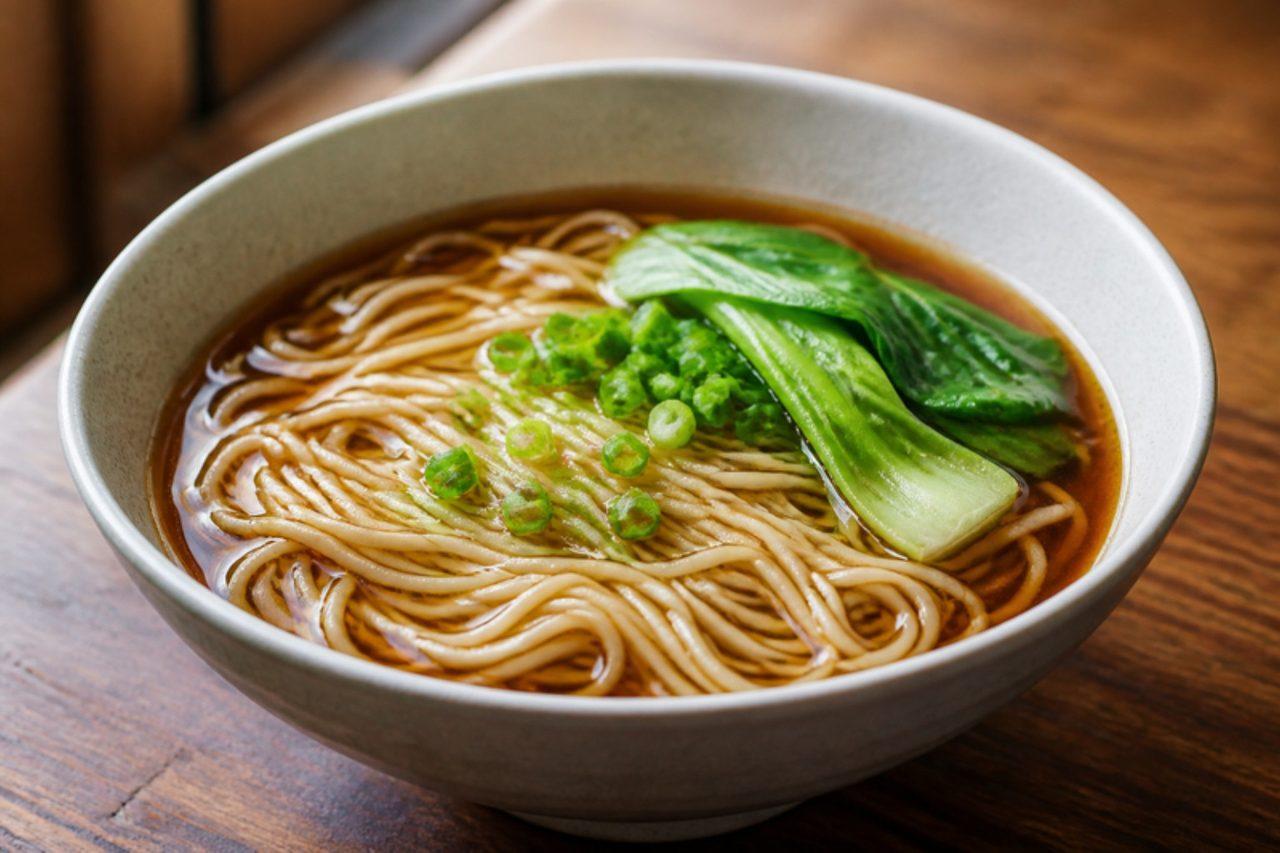
Yangchun mianNoodles with spring onion oil

Yangchun mian is the bare-bones noodle bowl of Shanghai and the towns of Jiangsu, slurped late at night or as a cheap supper when nothing else is in the house: thin wheat noodles in a clear, soy-seasoned broth, glossed with spring onion oil and a few greens. Street stalls traditionally melt a spoon of lard into the bowl; this version uses a quickly made spring onion oil and vegetable stock so it stays vegetarian. The common mistake is cooking the noodles in the broth itself, which turns it cloudy and starchy; boil them separately in plenty of water. Chef's tip: put the soy and oil in the empty bowl first and pour the boiling stock onto them, so the soy blooms and the bowl smells like a Shanghai noodle shop.

by KrazyBadal 0 views

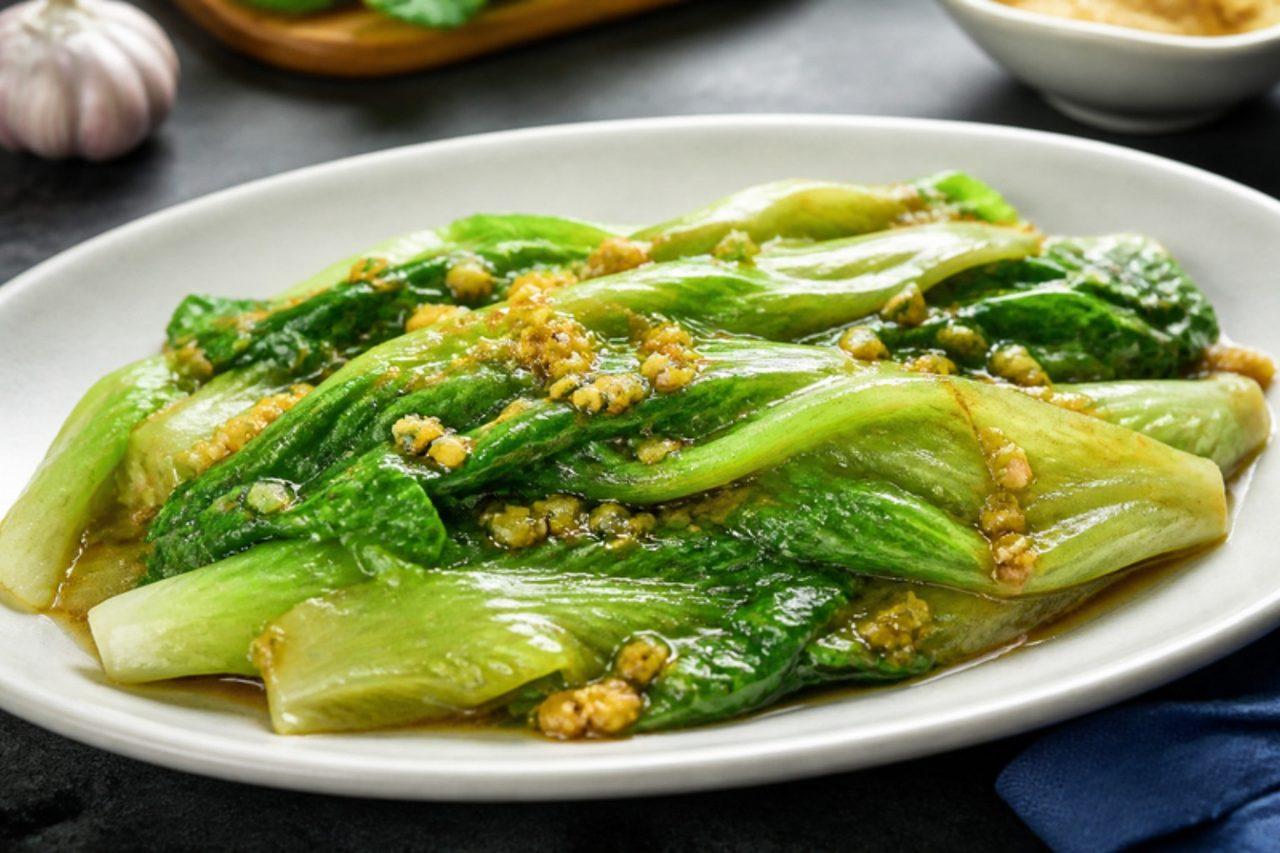
Suan rong sheng caiGarlic stir-fried lettuce

In Guangdong, lettuce is a cooking green, not just a salad leaf: suan rong sheng cai is iceberg or romaine flash-fried with heaps of garlic and a splash of soy, and it appears beside rice at family dinners and in every Hong Kong-style café. The leaves wilt at the edges while the ribs stay juicy and crunchy. Cantonese cooks often add oyster sauce; light soy and a pinch of sugar keep this one vegan. The mistake to avoid is wet leaves: water left on the lettuce spits in the oil and stews the dish, so spin them very dry. Chef's tip: cook it in two batches if your wok is small, because a crowded pan turns lettuce limp and grey in seconds.

by KrazyBadal 0 views

Pan con tortillaBread with onion omelette

Pan con tortilla is a staple of Havana cafeterías and Miami ventanitas alike: a thin, soft omelette with sweet onion folded into buttered Cuban bread and pressed until warm and crisp. It is breakfast on the way to work and a quick supper when nobody wants to cook, usually with a cafecito or a fruit shake. The common mistake is frying the onion too hard; it should be soft and sweet, not brown and bitter. Chef's tip: press the sandwich with a heavy pan so the bread goes crunchy outside while the omelette stays tender.

by KrazyBadal 0 views

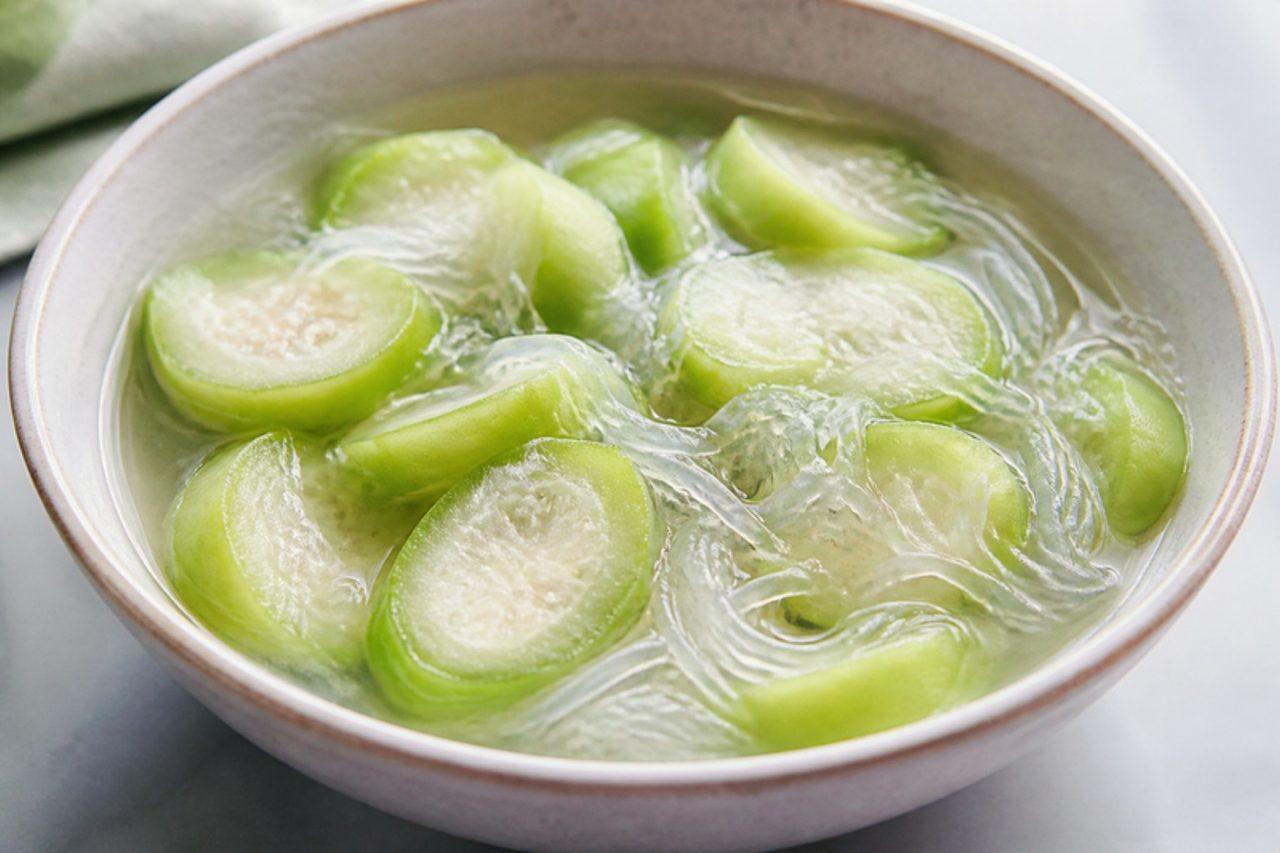
Sayur oyongLuffa and glass noodle soup

Sayur oyong is a mild home soup from Java, cooked for weekday lunches and suppers when angled luffa (oyong) is in the market: the gourd turns soft and silky in a light broth of garlic and shallot, and a handful of glass noodles makes it filling. Many cooks add dried shrimp or a few prawns; this version keeps it vegetarian. The common mistake is adding the glass noodles too early, which makes them swell and drink all the broth; they need only 2 minutes at the end. Chef's tip: fry the shallot and garlic until just golden before adding water, which gives a sweet, rounded flavour to a broth with only a few ingredients.

by KrazyBadal 0 views

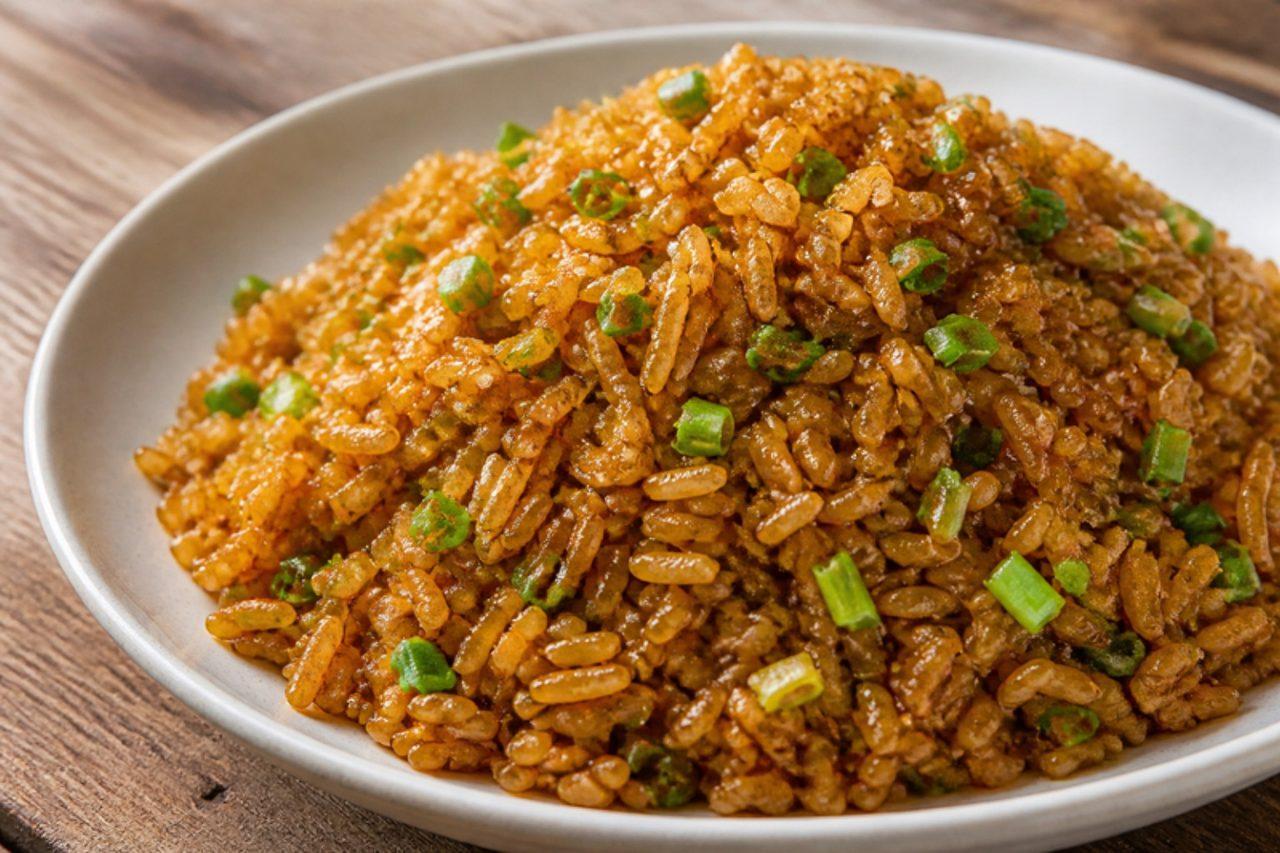
Jiangyou chaofanSoy sauce fried rice

Jiangyou chaofan, soy sauce fried rice, is what Shanghai home cooks do with yesterday's rice on a busy weeknight: rice tossed in a hot wok with light and dark soy and a fistful of spring onion until every grain is evenly bronze and slightly smoky. Many families stir in a beaten egg; this vegan version leaves it out, but you can add one before the rice if you eat eggs. The common mistake is pouring soy straight onto the rice in the middle of the wok, which leaves dark patches and pale grains; drizzle it round the hot edge instead. Chef's tip: break up cold rice with damp hands before it goes in, so it fries grain by grain instead of steaming in clumps.

by KrazyBadal 0 views

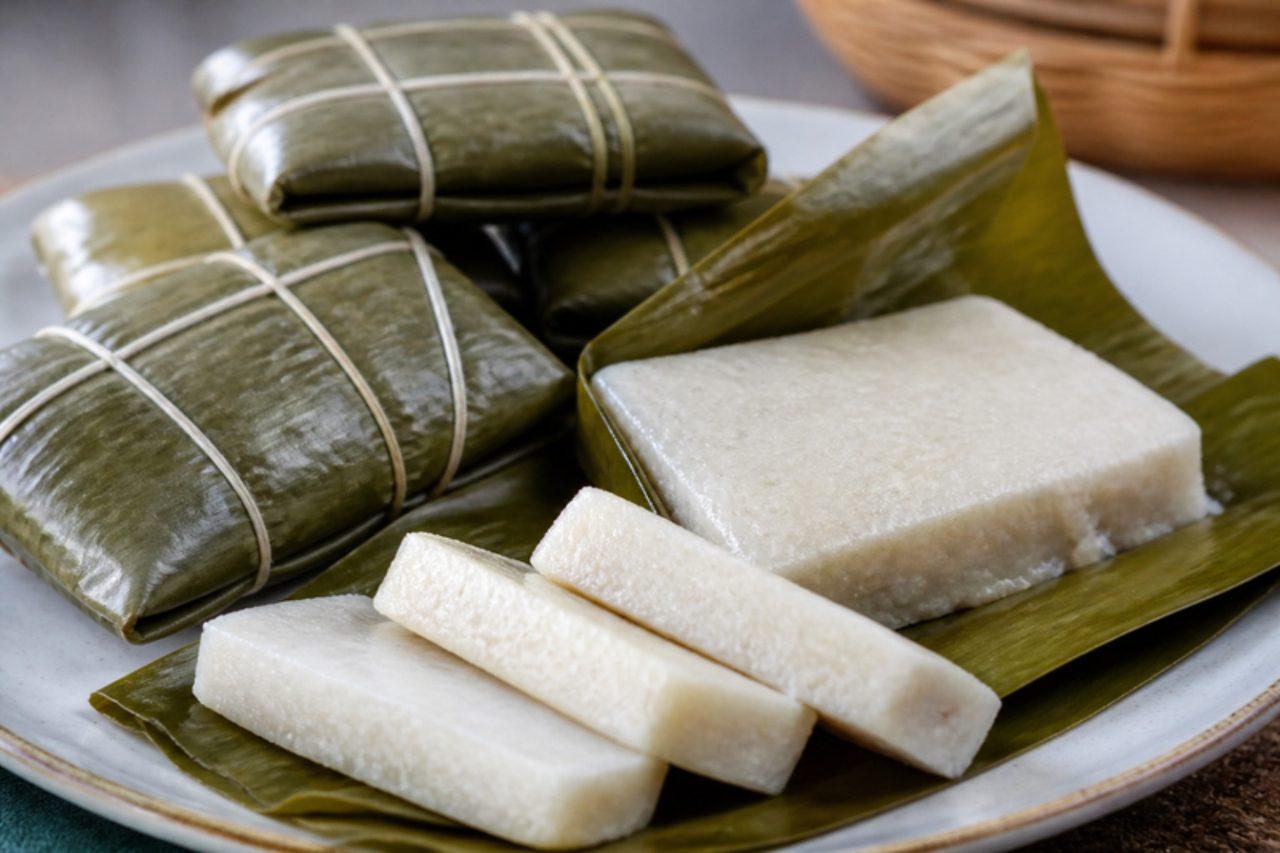
BurasaCoconut rice cakes in banana leaf

Burasa is the Lebaran rice cake of the Bugis and Makassar people of South Sulawesi: rice half-cooked in salted coconut milk, wrapped in banana leaves, tied in pairs and boiled for hours until it sets firm and rich. On Eid morning it is sliced and eaten with coto Makassar, opor or a spicy beef dish, and it travels well for visits to relatives. Chef's tip: wrap the parcels only half full and tie them firmly, because the rice swells and a full parcel bursts open in the pot.

by KrazyBadal 0 views

Dowina (Kurdish yogurt soup)

Dowina, called ash-e doogh in Persian, is warming spring food in Kurdish homes around Newroz, when yogurt is plentiful and the first herbs are cut from the garden. Rice and chickpeas simmer in a tangy, lightly thickened yogurt broth, finished with fresh dill, coriander and a sizzle of dried mint in oil. It is eaten warm, never boiling hot, with flatbread. The common mistake is to heat the yogurt too fast without stirring, which makes it split into grainy curds. Chef's tip: whisk an egg yolk and a spoonful of rice flour into the yogurt before it goes on the heat; it holds the soup smooth all the way to the simmer.

by KrazyBadal 0 views

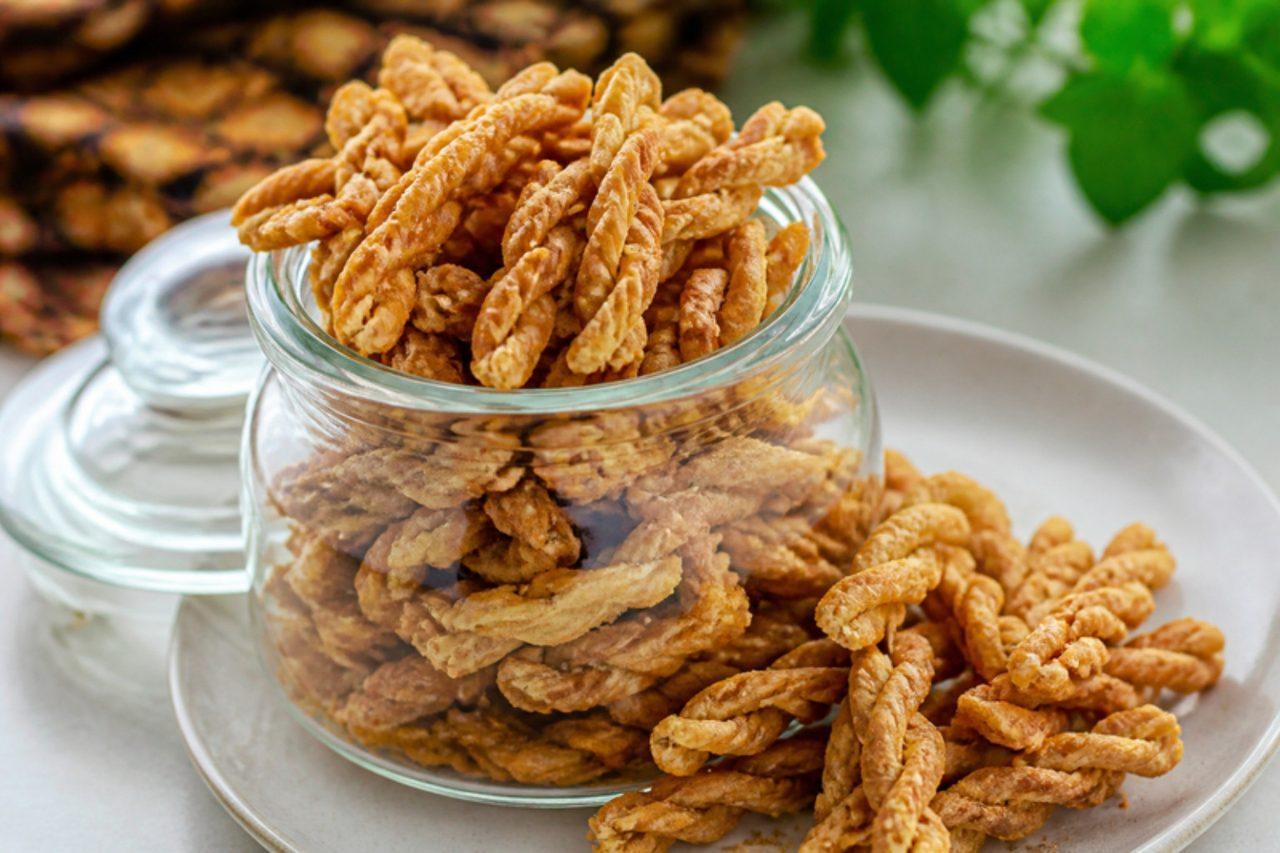
Kue akar kelapaFried coconut root twists

Kue akar kelapa, 'coconut root cookies', are a Betawi Lebaran tradition in Jakarta, piped in tangled squiggles that look like the roots of a coconut palm and fried until crisp and golden. The dough of rice flour, coconut milk and egg gives a light crunch and a gently sweet, coconutty flavour, and the jars are filled days before Eid so they can be passed around to visiting relatives. Chef's tip: keep the oil at a steady medium heat, as oil that is too hot browns the outside before the inside dries and they turn chewy.

by KrazyBadal 0 views

Emping melinjoMelinjo nut crackers

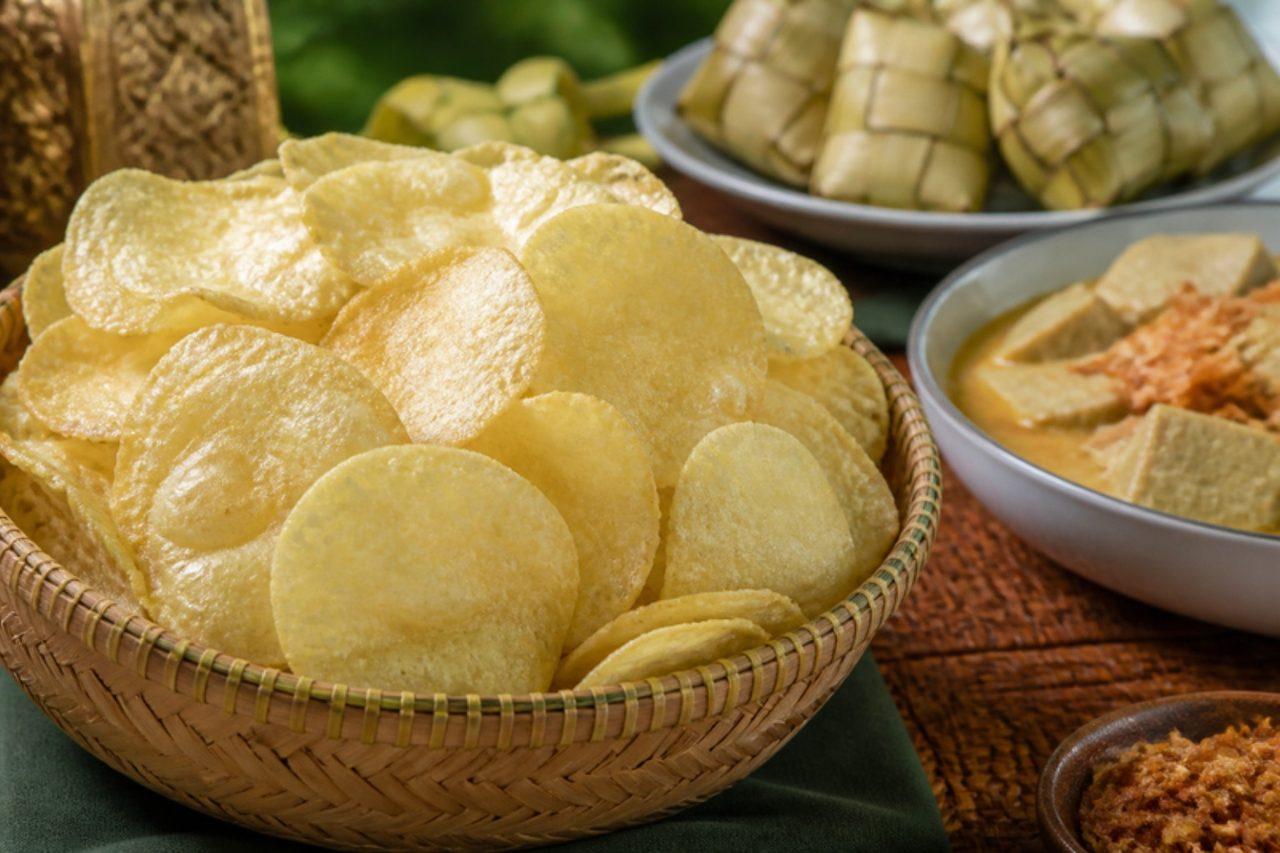
Emping are pale, crisp crackers from Banten and Java, made by cracking melinjo nuts, flattening them with a hammer and drying them; at Lebaran a bowl of fried emping sits beside the opor ayam and ketupat. They taste lightly bitter and nutty, and a sweet-spicy coating is popular for the snack jars. Most cooks buy dried raw emping and fry them at home, which is what this recipe does, with the hand-pressing method for anyone who finds fresh nuts. Chef's tip: fry only a handful at a time and lift them out the moment they puff; emping go from perfect to burnt in seconds.

by KrazyBadal 0 views

KaguyjyWhite corn pudding

On the night of 23–24 June, Paraguayans celebrate San Juan with bonfires, games like walking over hot coals and the 'paso de fuego', and a table of traditional foods, and kaguyjy (also mazamorra) is one of them. It is a soft, creamy pudding of cracked white corn (locro) simmered slowly in water and then milk with sugar or honey, sometimes with orange peel. It is eaten warm or cold. It is gluten free. Chef's tip: soak the corn overnight and cook it until each kernel is tender before adding the milk, or it never turns creamy.

by KrazyBadal 0 views

Es timun suriIced cucumber melon drink

Timun suri, a large cucumber-melon, appears in Indonesian markets only during Ramadan, piled high at roadside stalls for families to buy before iftar. Scraped into strands and floated in iced syrup with basil seeds and lime, it makes es timun suri, one of the most refreshing ways to break the fast. It tastes gently sweet, melony and cool. Cantaloupe or galia melon is a good stand-in outside Indonesia. Chef's tip: soak the basil seeds fully before adding them, as dry seeds clump into hard lumps in cold syrup.

by KrazyBadal 0 views

Showing 24 of 861 recipes

Show more recipes

Page 1 of 36