Skip to content
WhatToEat.Today

All recipes

435

Vegetarian, or something you can't eat? Set your diet once and we'll hide recipes that don't fit.

Jiangyou chaofanSoy sauce fried rice

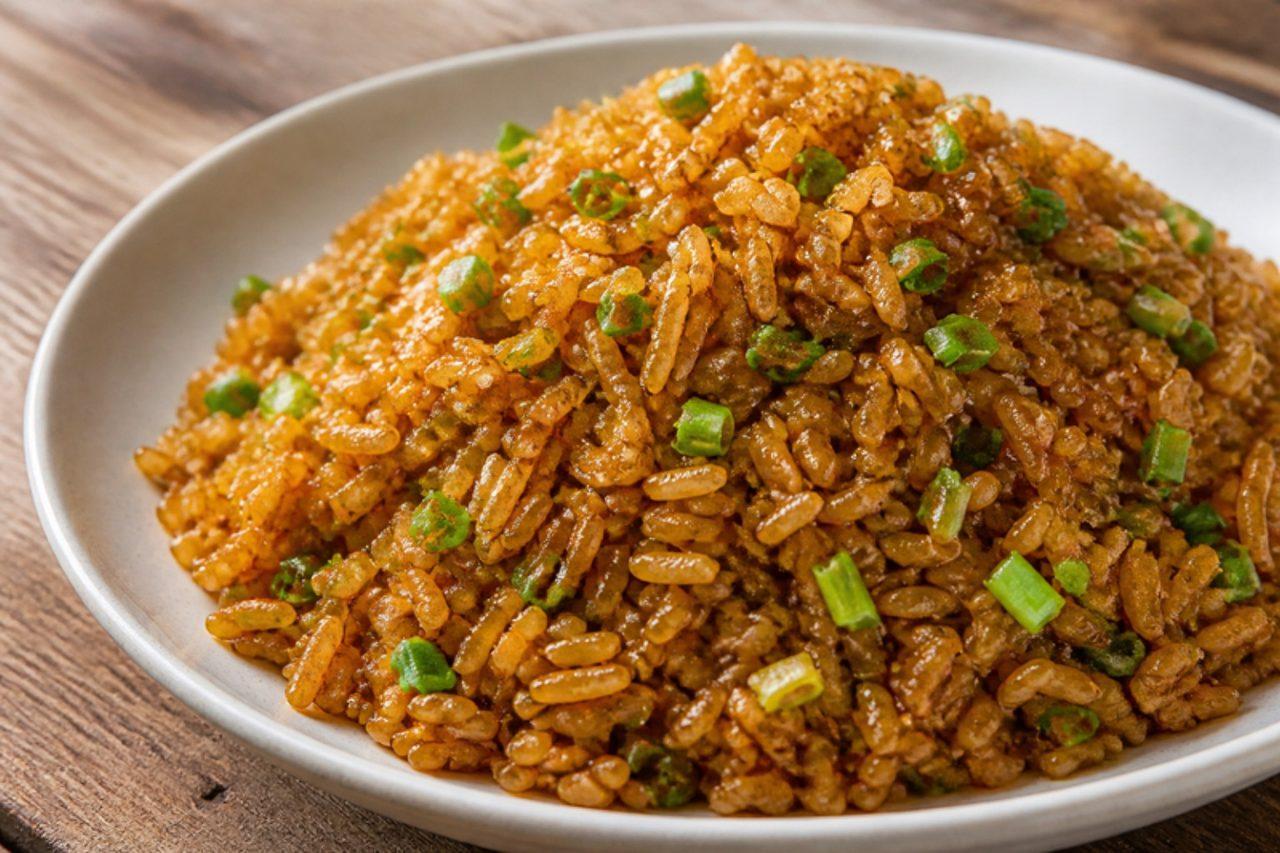
Jiangyou chaofan, soy sauce fried rice, is what Shanghai home cooks do with yesterday's rice on a busy weeknight: rice tossed in a hot wok with light and dark soy and a fistful of spring onion until every grain is evenly bronze and slightly smoky. Many families stir in a beaten egg; this vegan version leaves it out, but you can add one before the rice if you eat eggs. The common mistake is pouring soy straight onto the rice in the middle of the wok, which leaves dark patches and pale grains; drizzle it round the hot edge instead. Chef's tip: break up cold rice with damp hands before it goes in, so it fries grain by grain instead of steaming in clumps.

by KrazyBadal 0 views

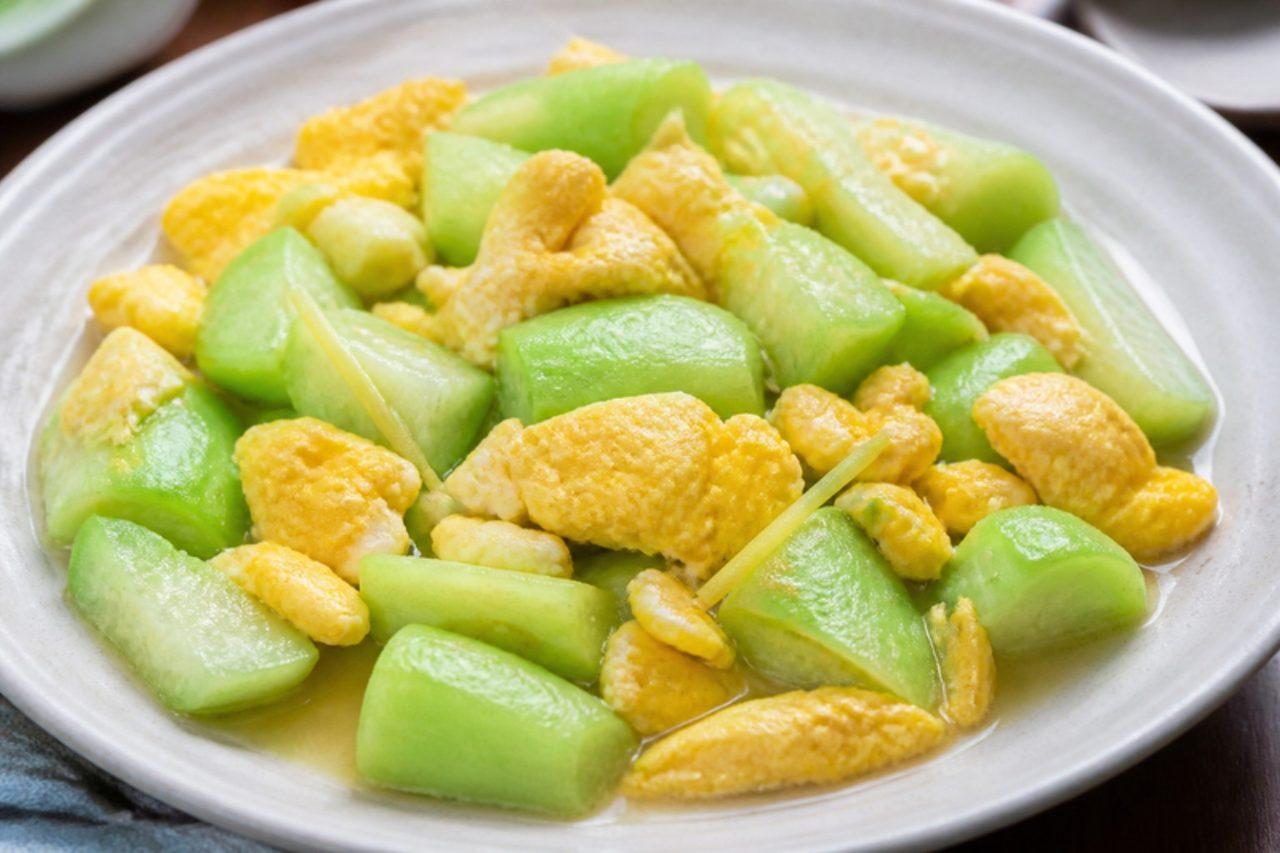
Si gua chao danLuffa and egg stir-fry

Si gua chao dan is a southern Chinese summer staple, cooked in Guangdong, Fujian and Guangxi homes on hot evenings when something light is wanted with rice. Angled luffa softens into silky, faintly sweet pieces and releases its own juice, which the scrambled egg soaks up. The common mistake is leaving the ridges on: peel the hard ridges of angled luffa (or all the skin of smooth luffa), or they stay tough and bitter. Chef's tip: scramble the egg first and lift it out while still a little soft, then return it at the end so it stays fluffy instead of rubbery.

by KrazyBadal 0 views

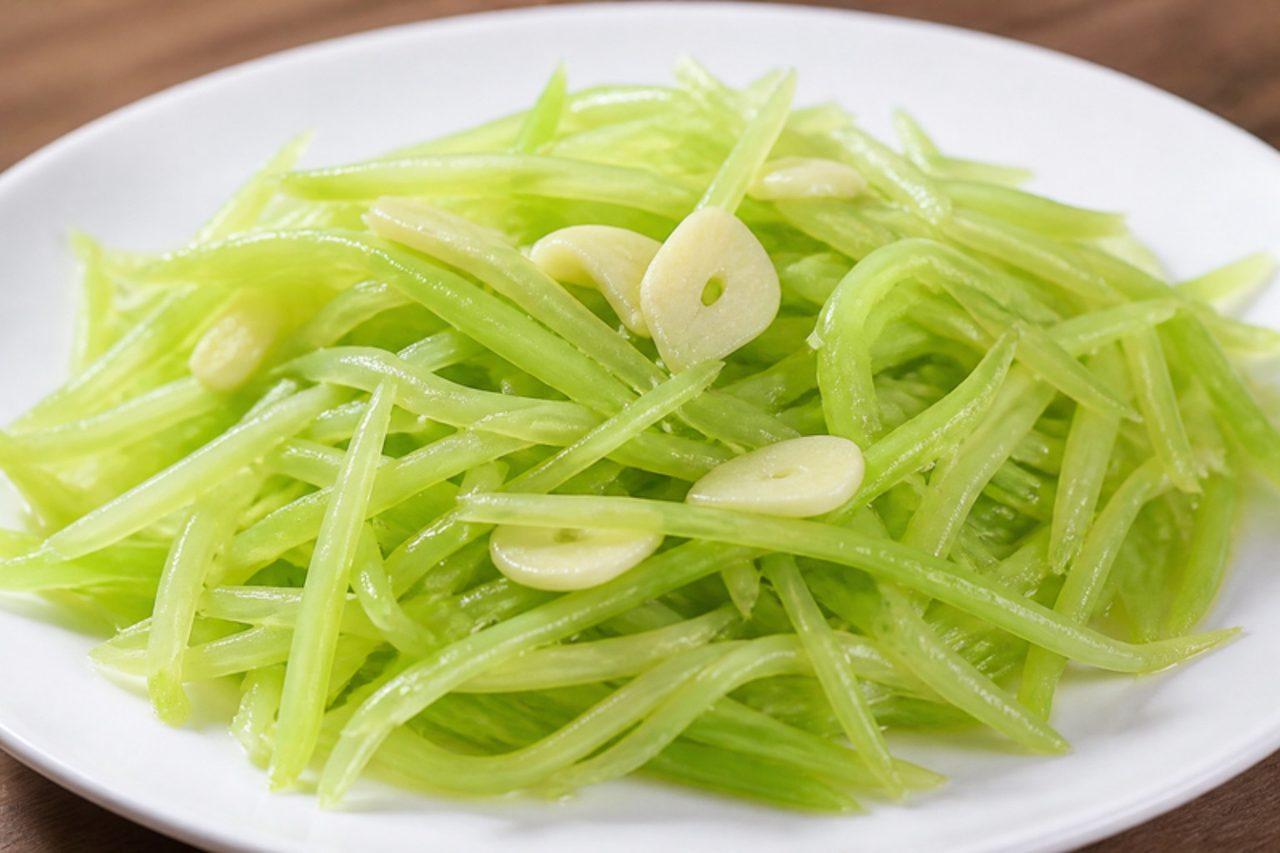
Qing chao wosunStir-fried celtuce

Wosun, celtuce or stem lettuce, is a fat, pale-green stalk loved across Sichuan and Chongqing, where it is slivered and flash-fried for weeknight dinners and spring banquets alike. It tastes somewhere between cucumber, courgette and mild celery, with a satisfying crunch that survives the wok. Look for it in Chinese groceries in spring; the leaves can be cooked like lettuce. The common mistake is peeling too thinly: the outer layer is fibrous, so peel until you reach the translucent jade-green core. Chef's tip: salt the slivers for five minutes and squeeze them lightly before cooking, so they stay snappy and season right through.

by KrazyBadal 0 views

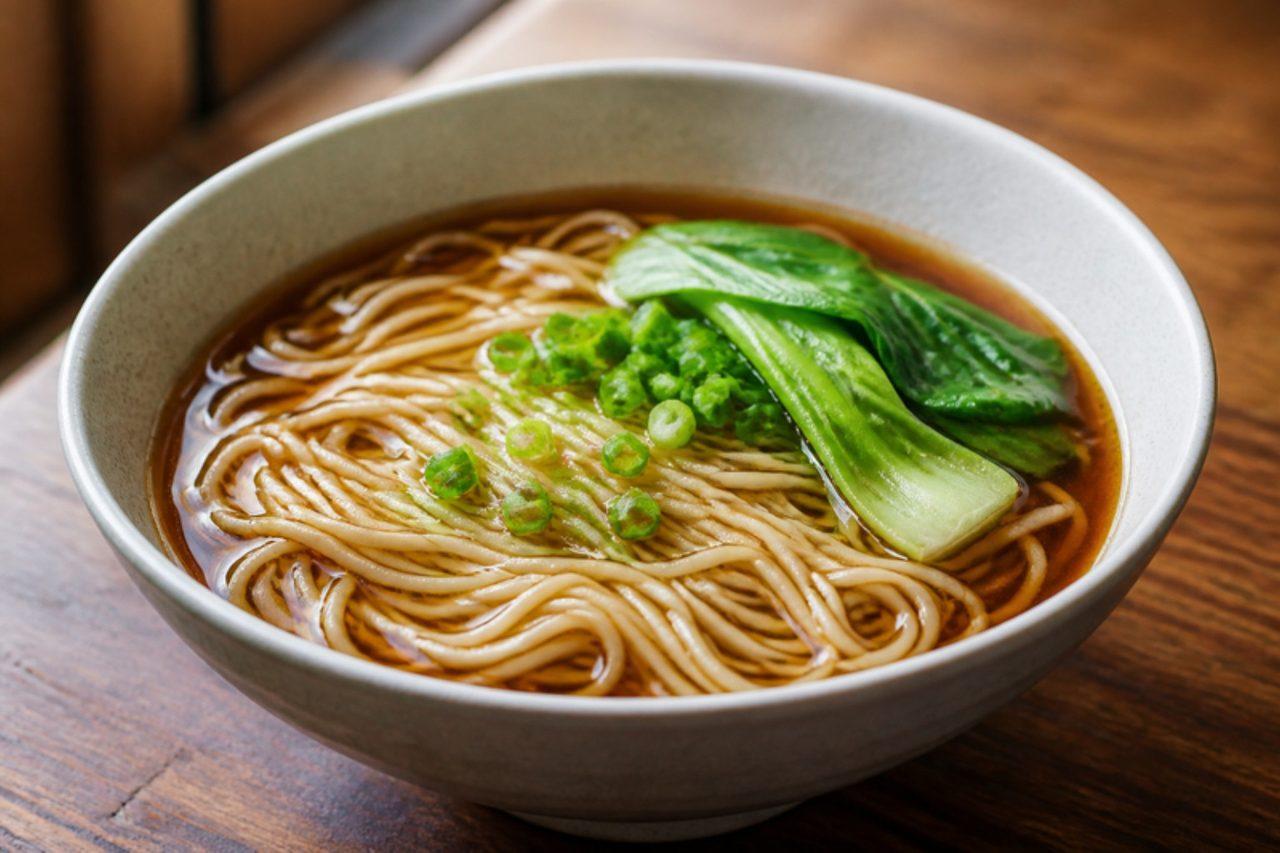
Yangchun mianNoodles with spring onion oil

Yangchun mian is the bare-bones noodle bowl of Shanghai and the towns of Jiangsu, slurped late at night or as a cheap supper when nothing else is in the house: thin wheat noodles in a clear, soy-seasoned broth, glossed with spring onion oil and a few greens. Street stalls traditionally melt a spoon of lard into the bowl; this version uses a quickly made spring onion oil and vegetable stock so it stays vegetarian. The common mistake is cooking the noodles in the broth itself, which turns it cloudy and starchy; boil them separately in plenty of water. Chef's tip: put the soy and oil in the empty bowl first and pour the boiling stock onto them, so the soy blooms and the bowl smells like a Shanghai noodle shop.

by KrazyBadal 0 views

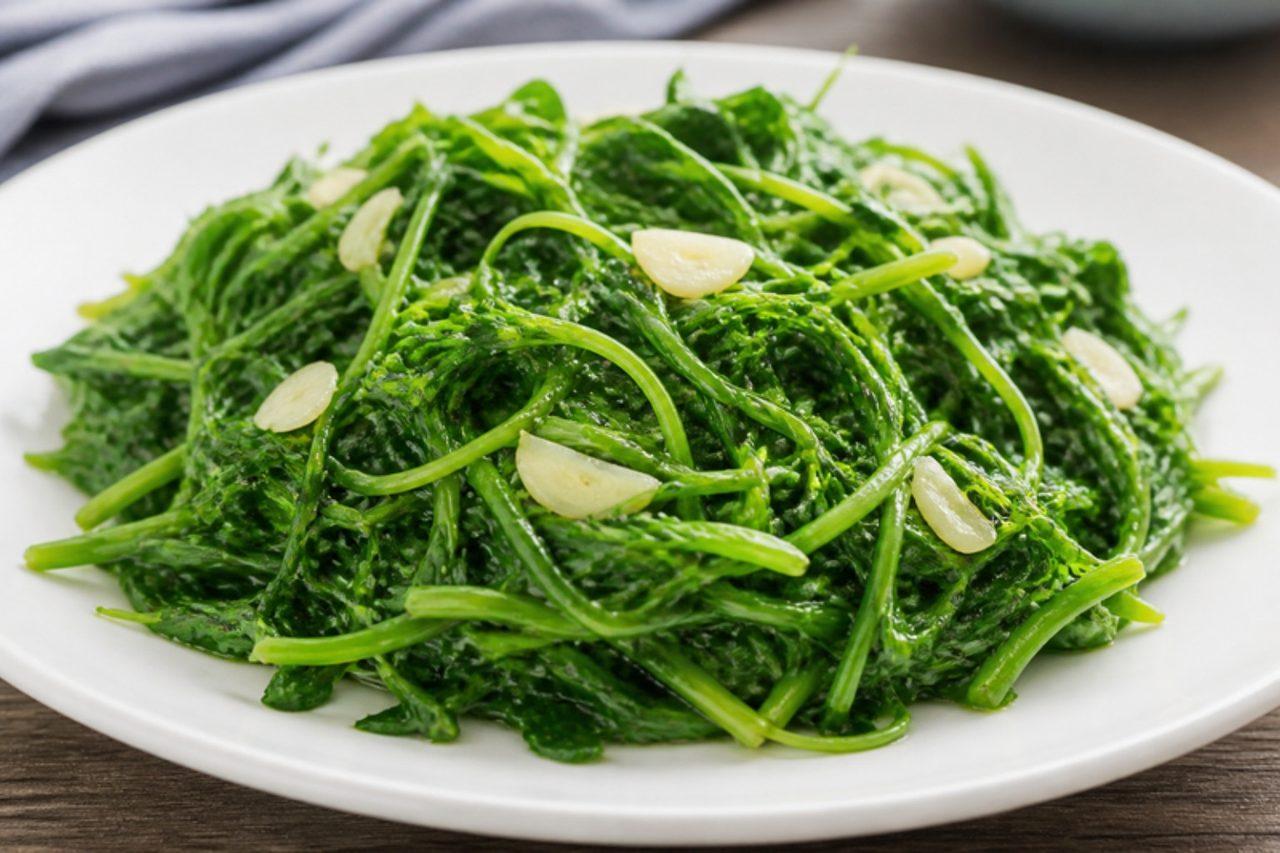
Qing chao dou miaoGarlic pea shoots

Dou miao, the tender tips of the pea plant, are a prized spring and winter green in Sichuan restaurants and Cantonese homes alike, and qing chao, plain stir-frying, is the way they are most often cooked for a quick dinner beside rice. The shoots collapse in under a minute and taste sweet, like fresh peas. Buy the larger cooking pea shoots from Chinese grocers, not the tiny salad cress. The common mistake is overcooking: once they turn dark and stringy they lose all their sweetness, so pull them off the heat while a few leaves still look raw. Chef's tip: add a splash of water with the salt; the steam finishes the stems evenly without the leaves frying dry.

by KrazyBadal 0 views

Suan rong sheng caiGarlic stir-fried lettuce

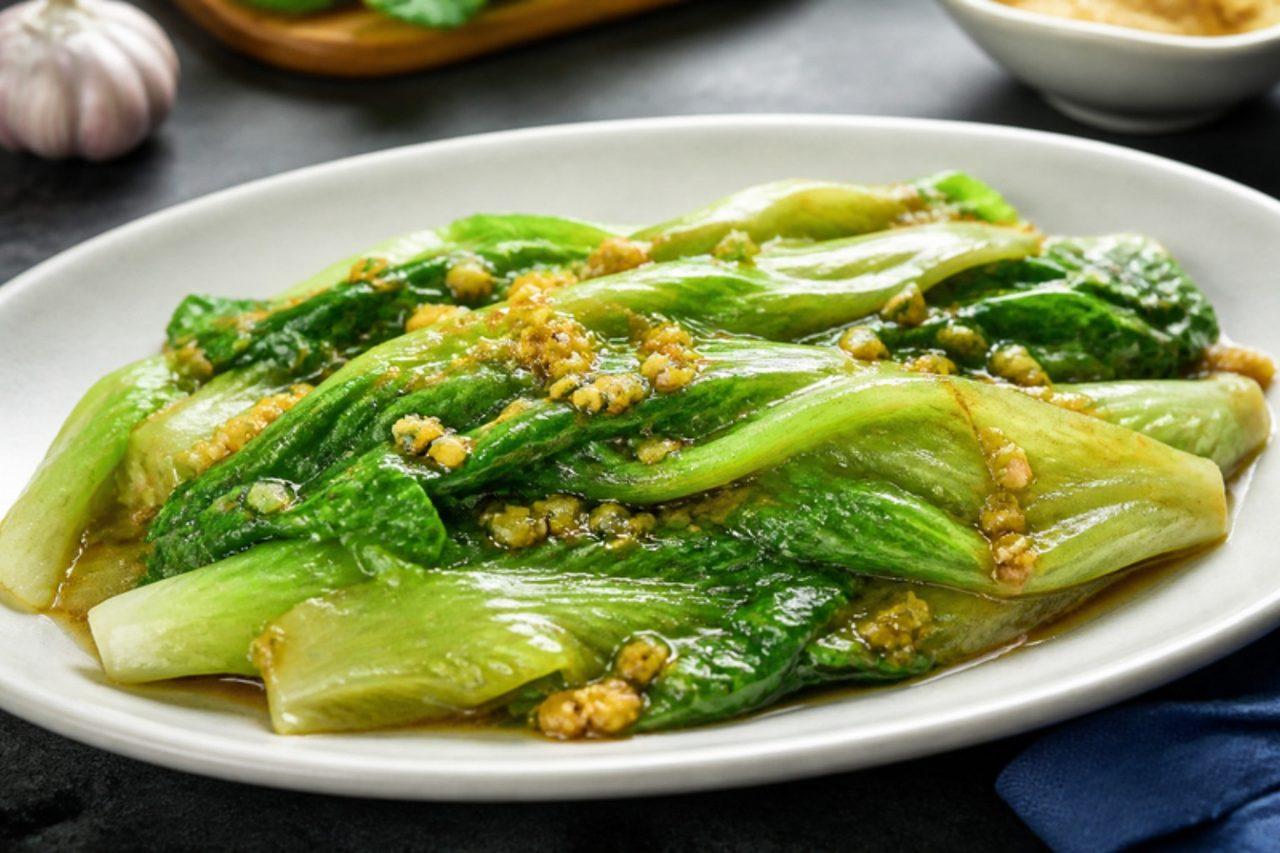
In Guangdong, lettuce is a cooking green, not just a salad leaf: suan rong sheng cai is iceberg or romaine flash-fried with heaps of garlic and a splash of soy, and it appears beside rice at family dinners and in every Hong Kong-style café. The leaves wilt at the edges while the ribs stay juicy and crunchy. Cantonese cooks often add oyster sauce; light soy and a pinch of sugar keep this one vegan. The mistake to avoid is wet leaves: water left on the lettuce spits in the oil and stews the dish, so spin them very dry. Chef's tip: cook it in two batches if your wok is small, because a crowded pan turns lettuce limp and grey in seconds.

by KrazyBadal 0 views

Ye-beg watLamb stew in berbere

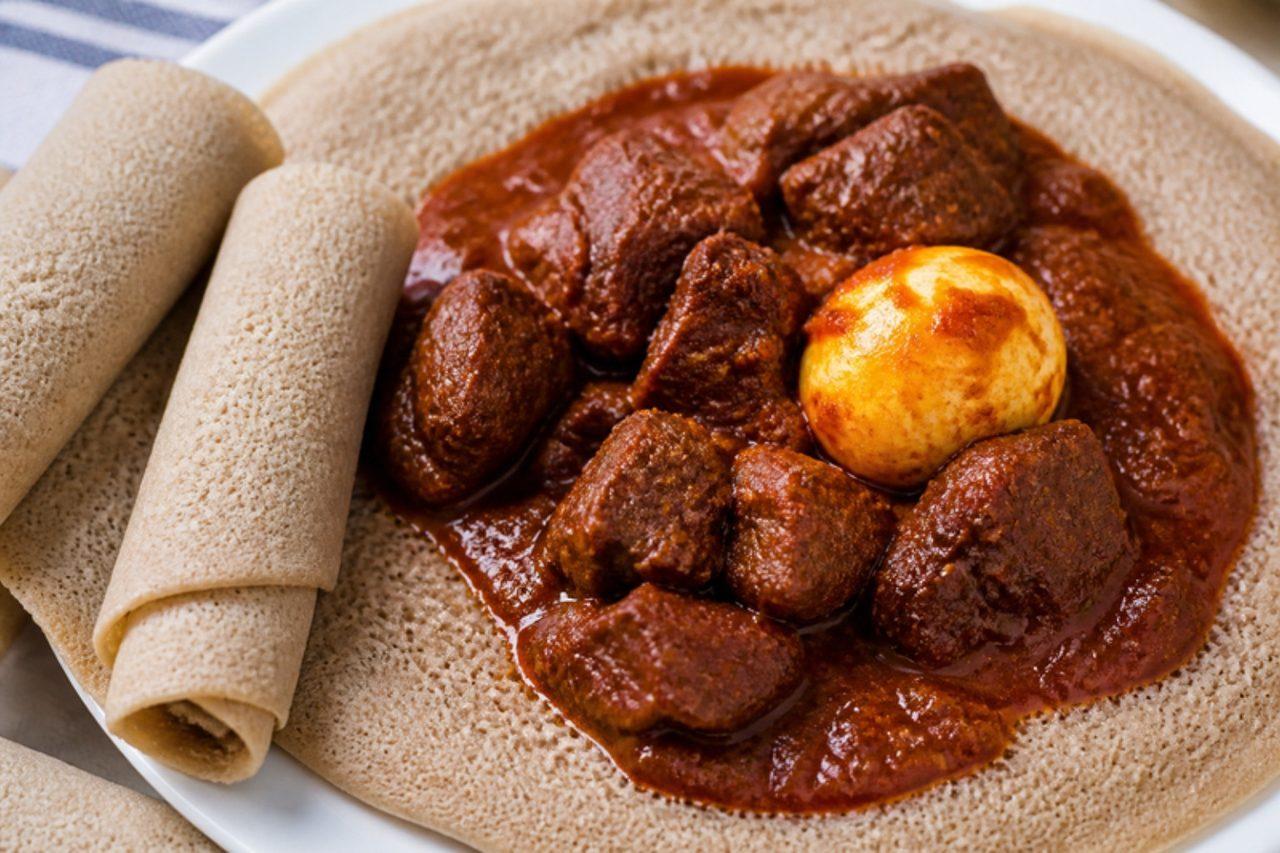
Ethiopian Orthodox Christians fast without meat or dairy for long periods: 43 days before Genna (Christmas, 7 January) and 55 before Fasika (Easter). The fast is broken after the midnight service with feast stews, and ye-beg wat, lamb in a deep red sauce of slowly cooked onions, berbere and niter kibbeh (spiced clarified butter), is a favourite alongside doro wat. It is served on injera with hard-boiled eggs and ayib cheese. Chef's tip: cook the chopped onions dry, without fat, until they collapse and darken, as this is the base of every great wat.

by KrazyBadal 0 views

Boiled water caltrops (zhu lingjiao)Boiled water chestnuts in shell

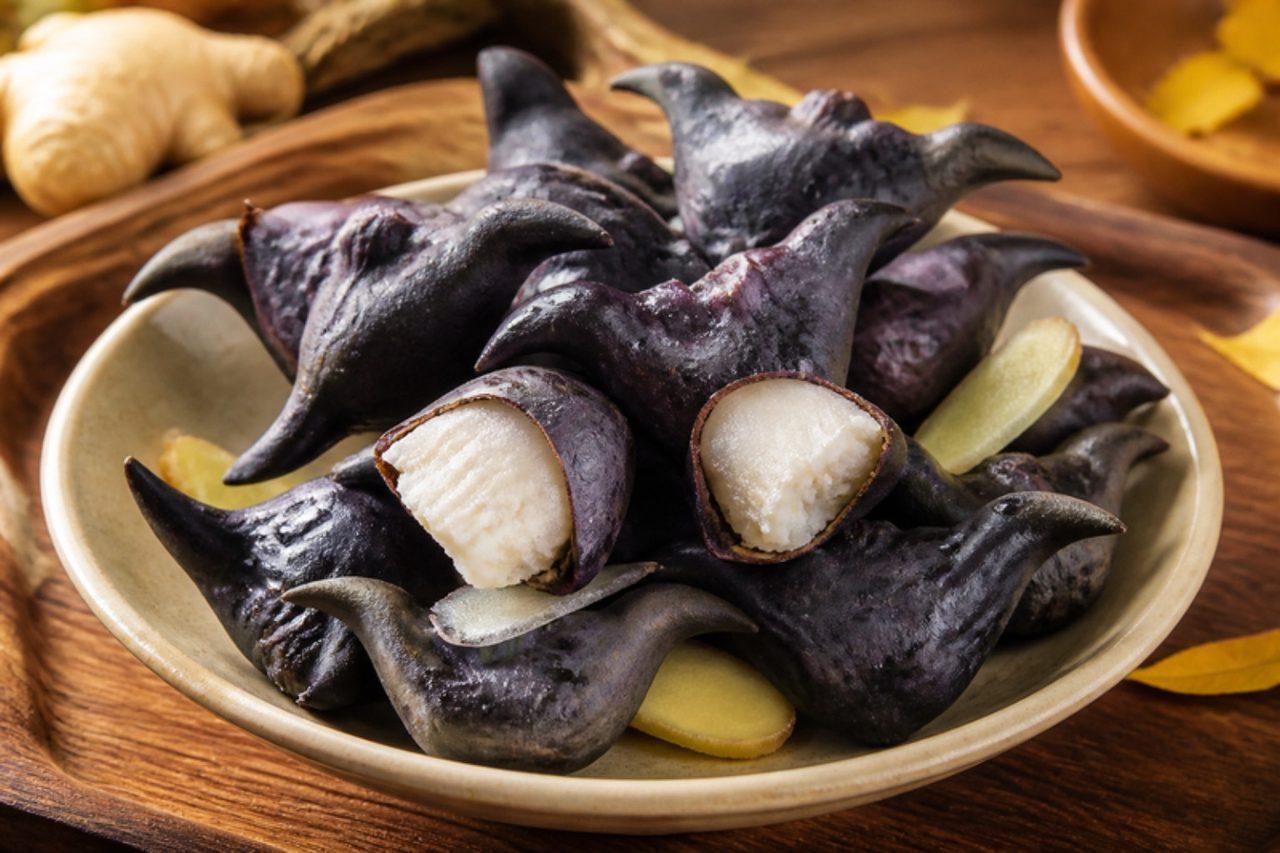
Boiled water caltrops are a Mid-Autumn snack in Jiangnan and Guangdong, piled on the table beside mooncakes and pomelo while the family waits for the moon. The dark, two-horned nuts are harvested in autumn, and their name, ling, sounds like the word for clever, so children are told to eat them to grow bright; some families also say the shape looks like a bat, a symbol of good fortune. Inside the shell the white flesh is floury and sweet, much like a chestnut. Serve them warm in a big bowl with tea and the rest of the moon-watching snacks. Chef's tip: buy them fresh in autumn from Chinese grocers and always cook them through; never eat water caltrops raw, as they grow in ponds and can carry parasites.

by KrazyBadal 0 views

Ba bao la jiang (eight-treasure chilli sauce)

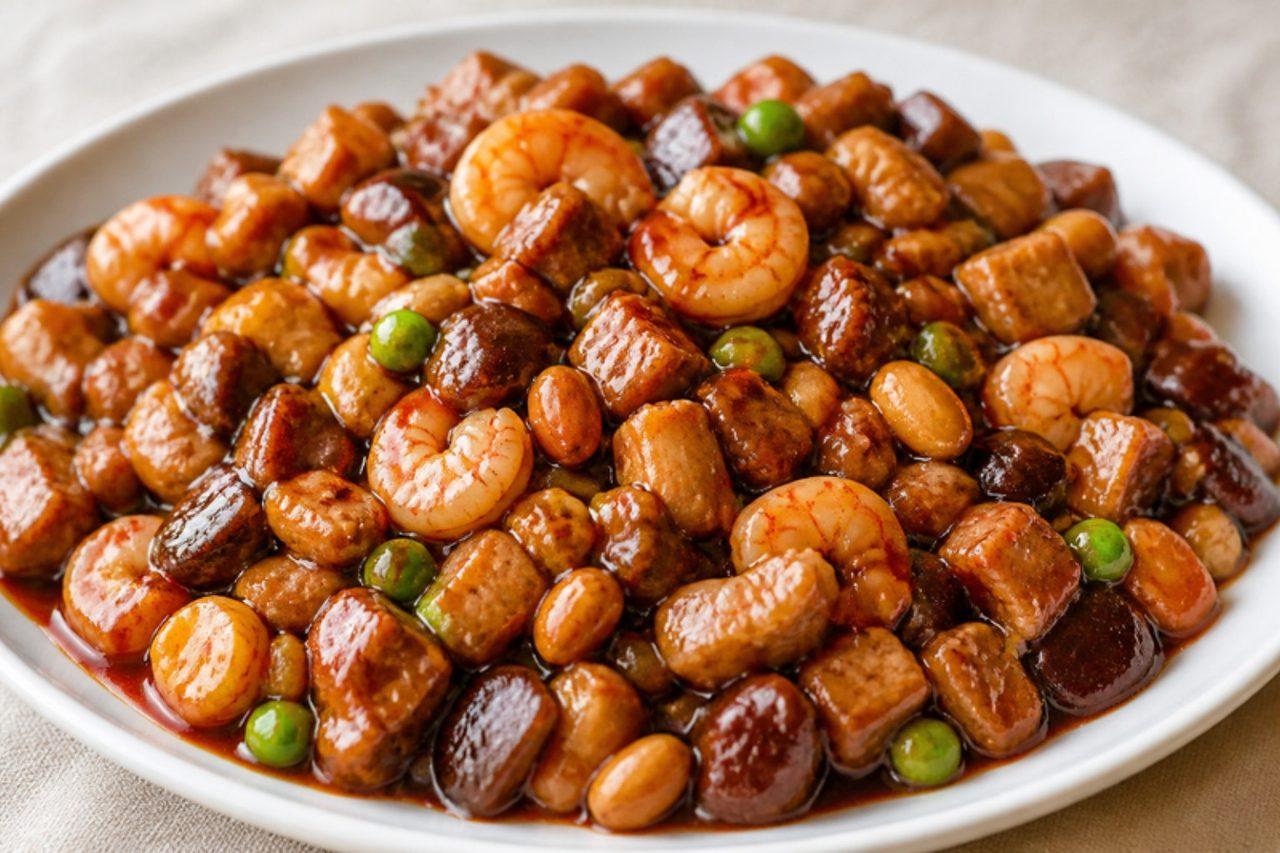
Ba bao la jiang, 'eight-treasure chilli sauce', is a Shanghai banquet dish brought out for the Spring Festival, when eight is the luckiest number and eight different 'treasures' in one bowl wish the table eight kinds of good fortune. Diced pork, prawns, pressed tofu, bamboo shoots, mushrooms, peanuts and green peas are cooked separately and brought together in a thick, glossy sauce of sweet bean paste and chilli: sweet first, then gently hot, with every bite a different texture. The classic recipe adds a spoonful of Shaoxing wine; for an alcohol-free version, use the same amount of unsalted stock with a few drops of rice vinegar. Serve with plenty of plain rice. Chef's tip: dice everything to the same 1 cm size so each spoonful catches a bit of every treasure.

by KrazyBadal 0 views

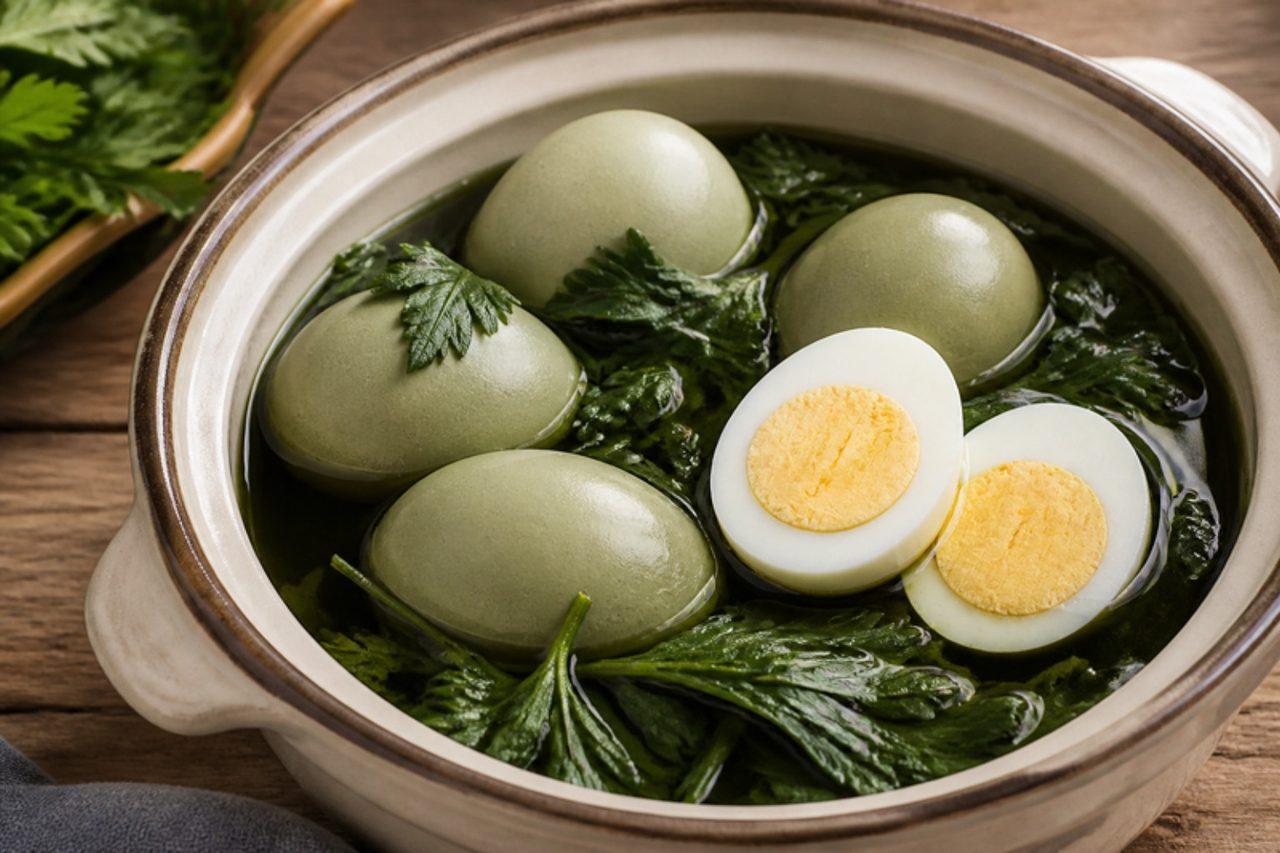
Duanwu mugwort eggs (aiye zhu jidan)Eggs boiled in mugwort water

On the morning of the Dragon Boat Festival, families in Hubei and Hunan hang bundles of mugwort by the door and boil eggs in a pot of the same herb. Mugwort is believed to drive away illness as the hot, damp summer begins, so an egg cooked with it is a small wish for good health, often eaten before breakfast and tucked into children's pockets in little woven nets. The whites take on a pale green-tan tint and a gentle, grassy, slightly bitter aroma, while the yolks stay rich. Serve with zongzi and a cup of tea. Fresh mugwort is sold in Chinese grocers around the festival; otherwise use dried mugwort leaves (ai ye) from a Chinese herbal shop. If you are pregnant, check with your doctor before eating herbal mugwort. Chef's tip: crack the shells gently once the eggs are cooked and let them steep, so the mugwort colour seeps into a pretty marbled pattern.

by KrazyBadal 0 views

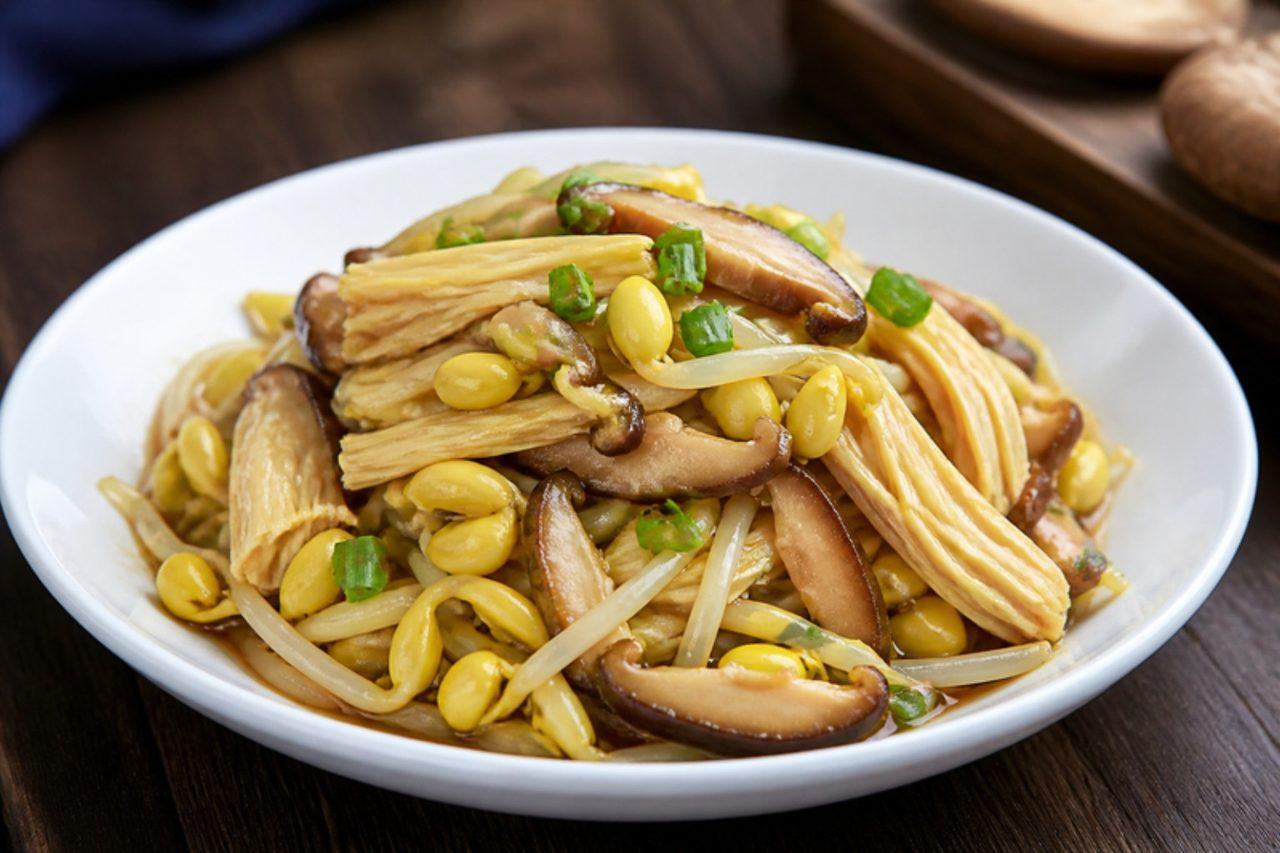
Ruyi cai (soybean sprout stir-fry)

A curled soybean sprout, with its fat yellow head and long tail, looks just like the ruyi sceptre whose name means 'as you wish', so in Shanghai and the Jiangnan region no Spring Festival table is complete without a dish of ruyi cai. It is the gentle, crunchy counterweight to the braised pork and fish of the reunion dinner: nutty sprouts, chewy strips of tofu skin and meaty shiitake in a light soy glaze. Many families cook a big batch on New Year's Eve and eat it cold for days. Serve it with rice, alongside red-braised dishes or as part of a vegetarian New Year spread. Chef's tip: cook the sprouts until the beany raw taste is gone; undercooked soybean sprouts taste grassy and are hard to digest.

by KrazyBadal 0 views

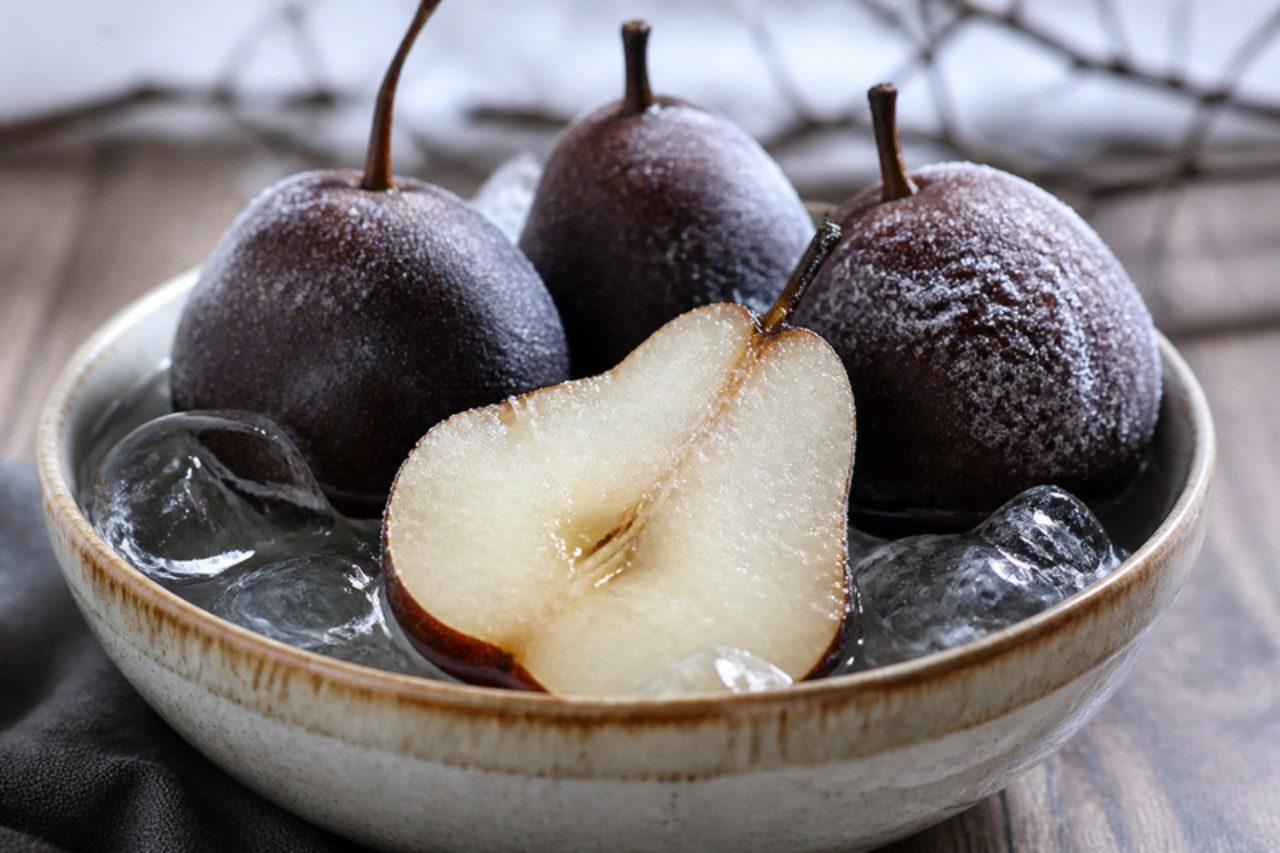
Dong li (Dongbei frozen pears)

In Dongbei, China's far north-east, winter temperatures fall so low that pears left outside freeze rock hard and turn glossy black, and a bowl of dong li thawing in cold water is part of every Spring Festival. They are eaten after the rich New Year's Eve dumplings and meats: cold, very sweet and full of juice, said to soothe a throat dry from heated rooms and to bring a clear, fresh start to the year. Freezing breaks down the flesh so it becomes soft and almost slushy, with a flavour like pear sorbet. You can recreate them in a home freezer; serve them as they are in small bowls, with spoons and napkins. Chef's tip: thaw them in cold water, never warm; the cold water pulls the frost out slowly and leaves an ice shell that cracks away cleanly.

by KrazyBadal 0 views

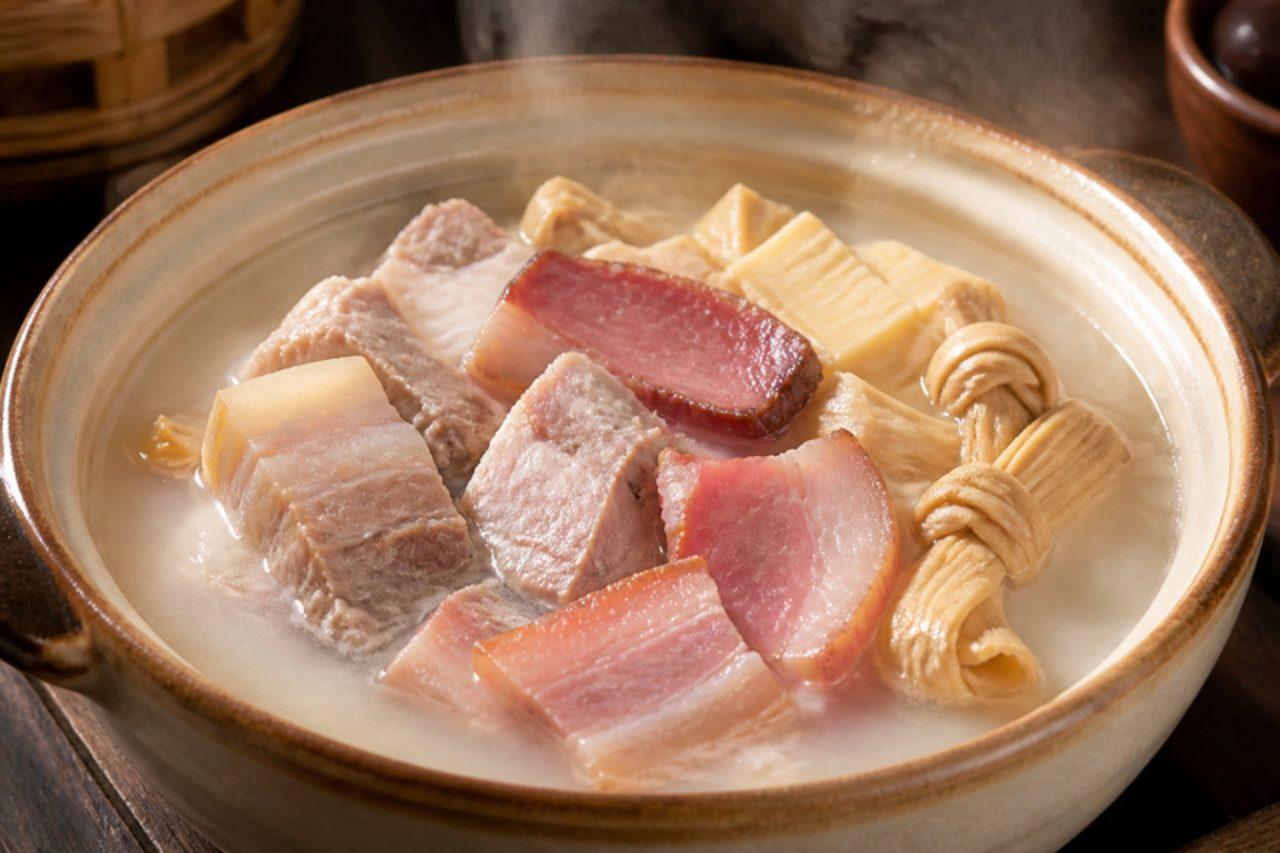
Yan du xian (Shanghai fresh and cured pork soup)

Yan du xian is the soup that tells Shanghai and the Jiangnan region that the Spring Festival has arrived: 'yan' for salted pork, 'du' for the gentle bubbling of a pot left to simmer, and 'xian' for fresh pork and new bamboo shoots. The cured and fresh meat together stand for a year that keeps the good things of the past and welcomes the new. Long, slow cooking turns the broth milky, deeply porky and savoury, with sweet, crunchy bamboo and soft tofu knots that soak up the flavour. Set it in the middle of the reunion table and eat it between the richer dishes with plain rice. Chef's tip: keep the pot at a lazy simmer, never a rolling boil, or the salted pork turns hard and stringy.

125 minChineseSoups
by KrazyBadal 0 views

Zhenzhu wanzi (pearl meatballs)

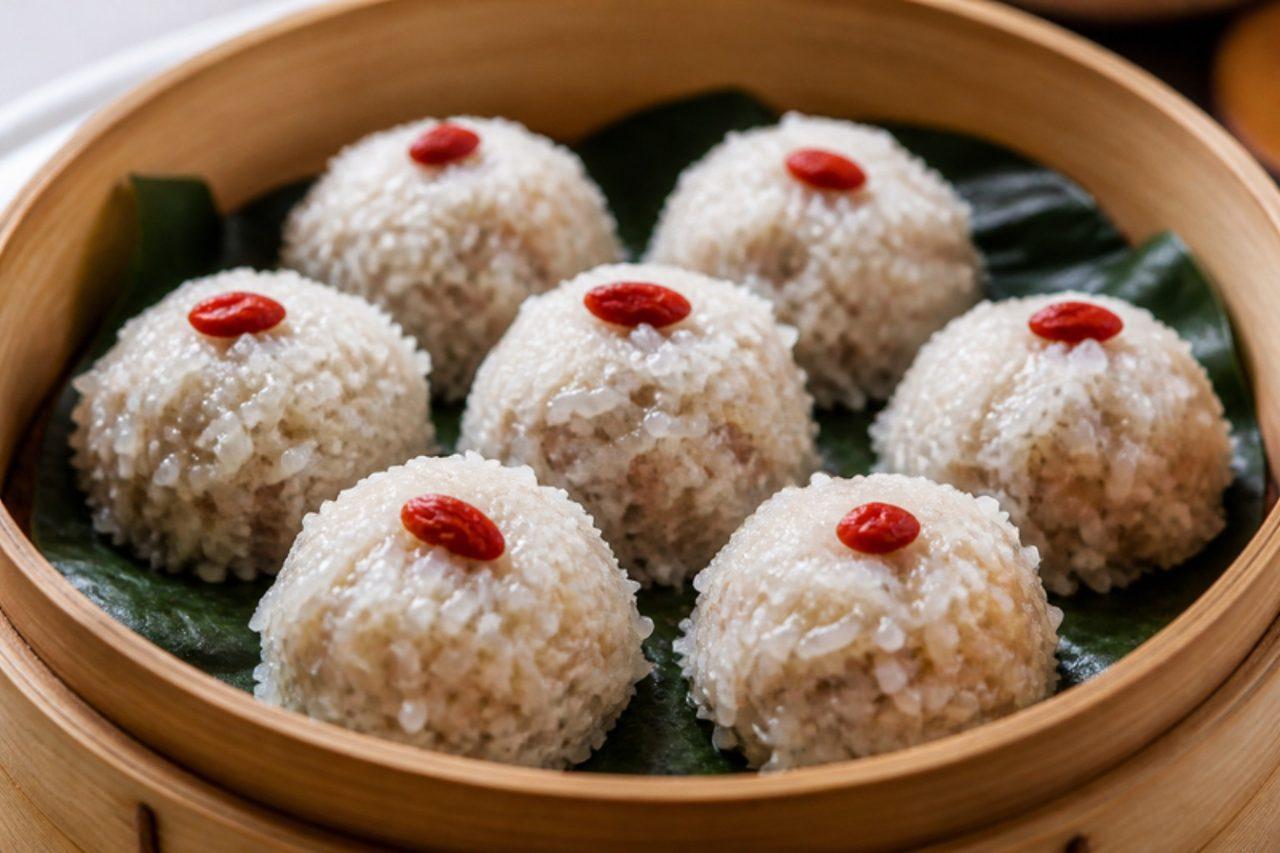
Pearl meatballs come from Mianyang in Hubei, where they are a fixture of the Spring Festival banquet: round shapes stand for a family gathered whole, and the gleaming grains of rice for pearls and wealth. Steaming turns the glutinous rice coating translucent and slightly chewy, while the pork inside stays tender and juicy, with crunch from water chestnuts. They are mild and soft, so children love them, and they look beautiful on a steamer of mixed dim sum or as one of the many dishes at the reunion dinner. Tamari keeps them gluten free; ordinary light soy sauce works if that does not matter to you. Chef's tip: beat the pork in one direction until sticky before shaping; it keeps the meatballs bouncy and stops the rice from falling off.

by KrazyBadal 0 views

Zitui yan (Qingming swallow buns)

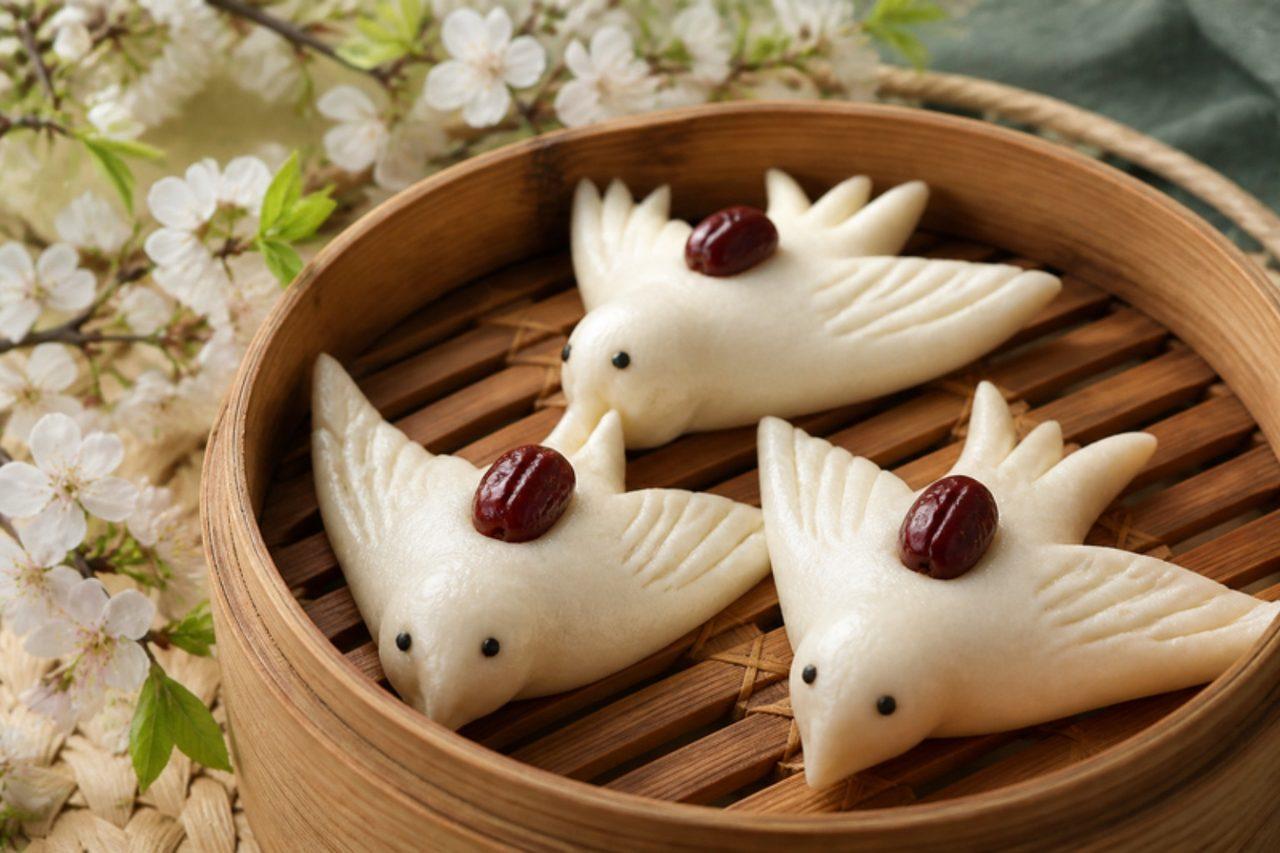
In Shanxi, families steam zitui yan for Cold Food Day and Qingming, the spring days of tomb-sweeping and remembering the dead. The buns are named after Jie Zitui, a loyal courtier of ancient Jin whose death in a mountain fire is said to be why no fires are lit on Cold Food Day, and they are shaped like swallows because the birds return in spring and carry wishes for new life. Children used to string them on willow twigs and hang them by the door. The dough is plain, slightly sweet and pillowy, with a chewy red date pressed into each bird. Serve them warm with tea, or cold the next day as the festival intends, alongside pickles and boiled eggs. Chef's tip: snip the tail and wing feathers with small scissors just before the second rise, so the cuts open into neat feathers as the buns puff.

by KrazyBadal 0 views

Huizhou yi pin guo (layered New Year one-pot)Layered pork and tofu pot

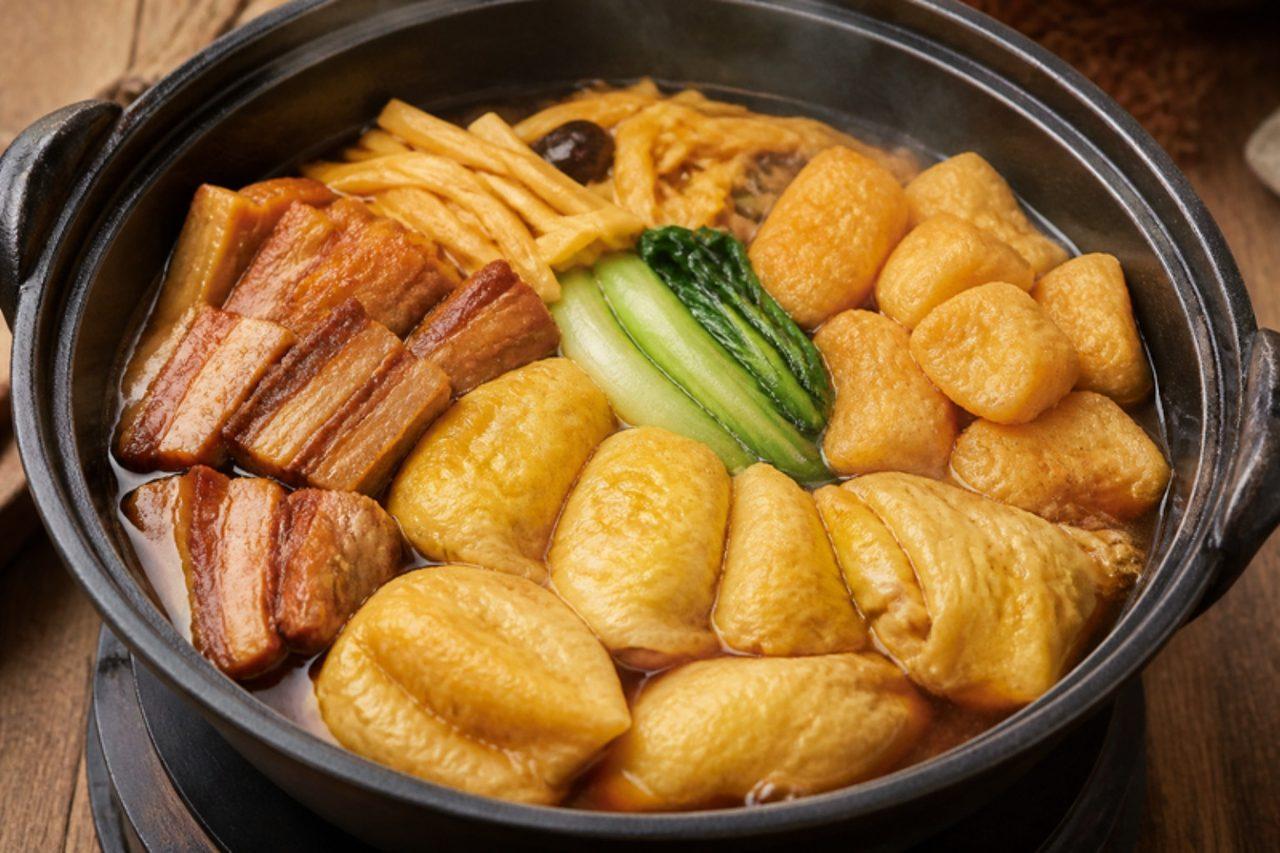
In the Huizhou hill villages of southern Anhui, the Spring Festival centrepiece is yi pin guo, 'first-rank pot', named after the highest rank of imperial official and served as a wish for success in the coming year. Everything goes into one wide pot in layers: dried bamboo shoots at the bottom, then pork belly, fried tofu, egg dumplings filled with pork, and greens on top, so the juices of each layer drip down and season the one below. The result is rich and savoury, the bamboo soaked with pork fat, the tofu spongy with broth. Bring the pot to the table and let everyone dig down through the layers, with rice on the side. Chef's tip: soak the dried bamboo shoots overnight and boil them well; underprepared dried shoots stay leathery and sour.

180 minChineseMeat
by KrazyBadal 0 views

Dongzhi lamb soup (yangrou tang)Lamb and ginger soup

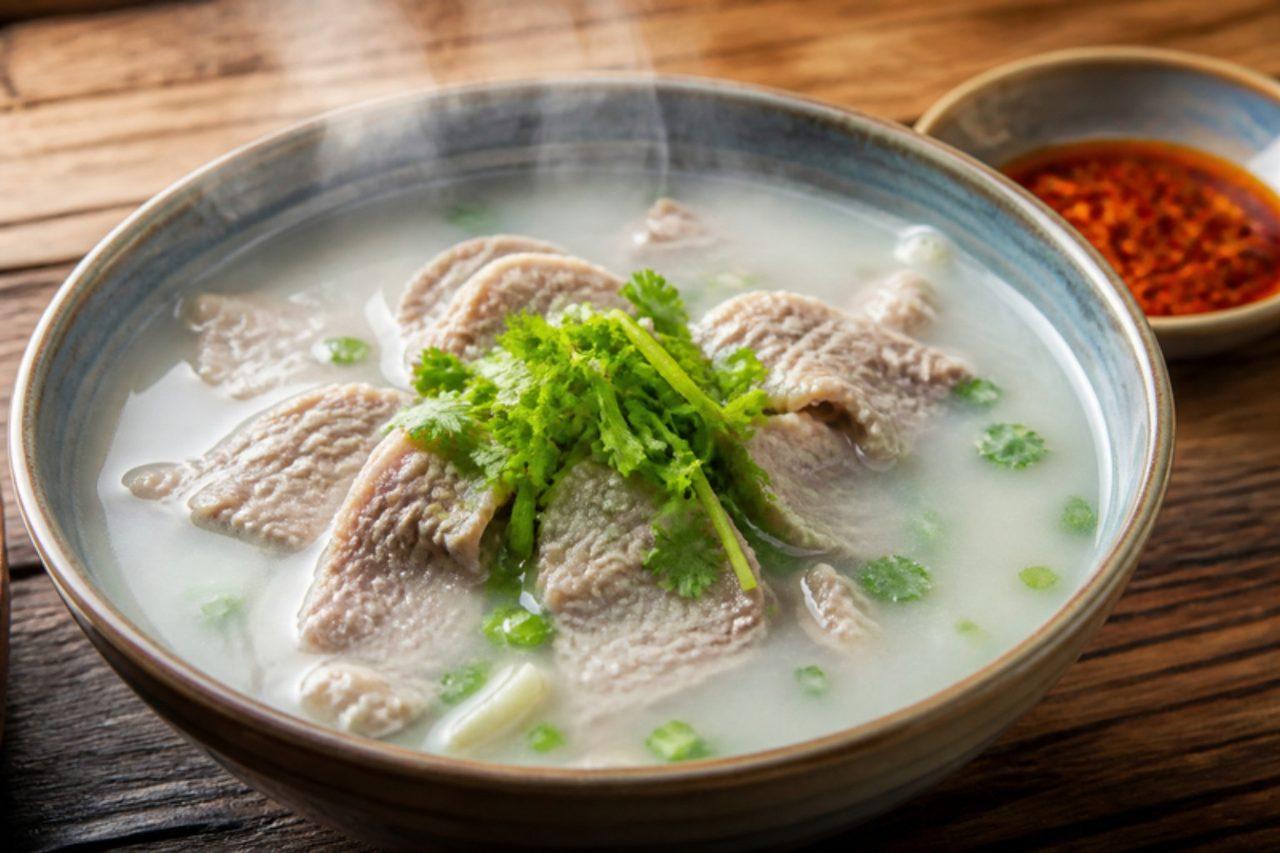
Yangrou tang is the Winter Solstice soup of Shandong and northern Jiangsu, where Dongzhi, the longest night, is a day to eat lamb and warm the body for the cold months; people say a bowl on Dongzhi keeps you from feeling the chill all winter. Lamb bones and meat are boiled hard until the broth turns milky white and rich, then seasoned simply with ginger, salt and white pepper. The broth is smooth and comforting, the sliced meat tender. Serve in deep bowls with coriander, chilli oil and warm flatbread or sesame buns to tear in. Chef's tip: season with salt only at the table or at the very end; salting early tightens the meat.

150 minChineseSoupsGluten free
by KrazyBadal 0 views

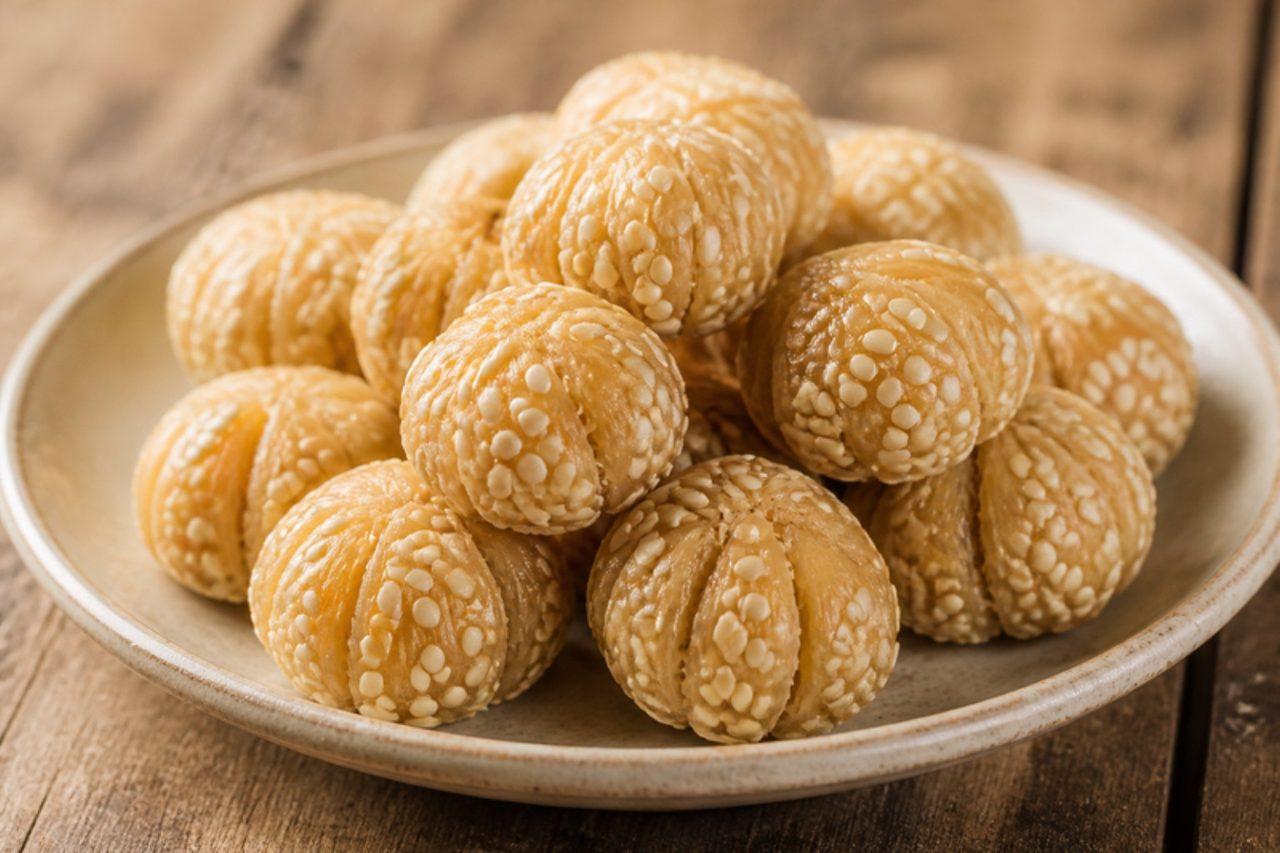
Tang gua (malt sugar candy)

On Xiaonian, the 'little New Year' a week before the Spring Festival, families across northern China offer tang gua to the Kitchen God before he flies up to report on the household: the sticky sweets are meant to glue his mouth shut, or at least sweeten his words. The name means 'sugar melons', after their round, ribbed shape. Pulling the hot maltose over and over turns it from amber glass to a pale, airy candy that shatters and then turns chewy, with a toasty malt flavour and plenty of sesame. Serve them with tea on Xiaonian and keep the rest in a tin for New Year guests. Chef's tip: wear clean rubber or silicone gloves and work on an oiled tray; hot sugar sticks to skin and burns.

by KrazyBadal 0 views

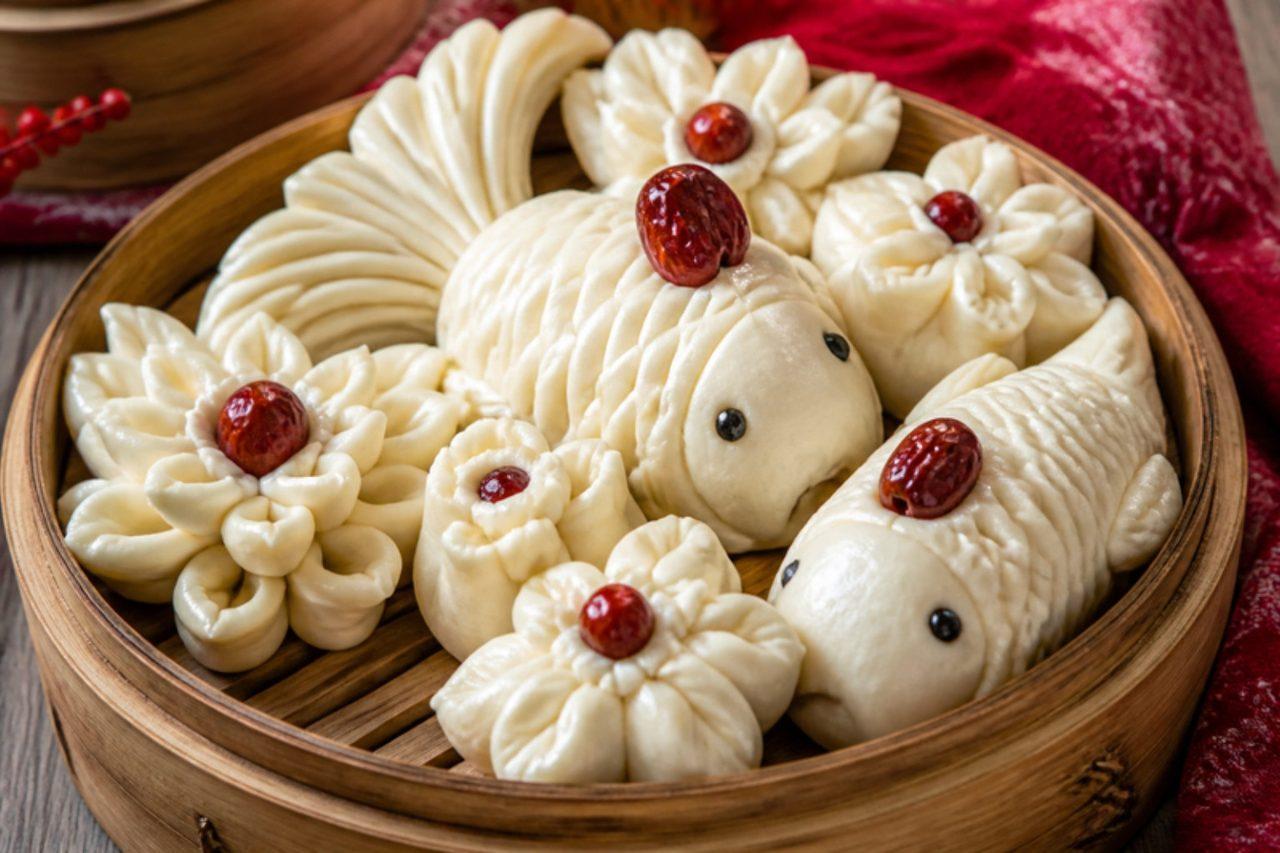
Jiaodong hua bobo (festive flower buns)

On the Jiaodong peninsula in Shandong, the days before the Spring Festival are spent shaping hua bobo: large steamed wheat buns twisted into fish, flowers and lucky knots and dotted with red jujubes. A fish bun stands for surplus in the year ahead, the dates for sweetness and a prosperous red, and a tall bun stacked high for a family that keeps rising. The crumb is dense, springy and faintly sweet, a world away from fluffy bao, because the dough is worked stiff and kneaded long. Set them on the reunion table, give them to neighbours, then slice and re-steam the rest with soups and braises through the holiday. Chef's tip: keep the dough firm, more like modelling clay than bread dough, or the shapes slump in the steamer.

by KrazyBadal 0 views

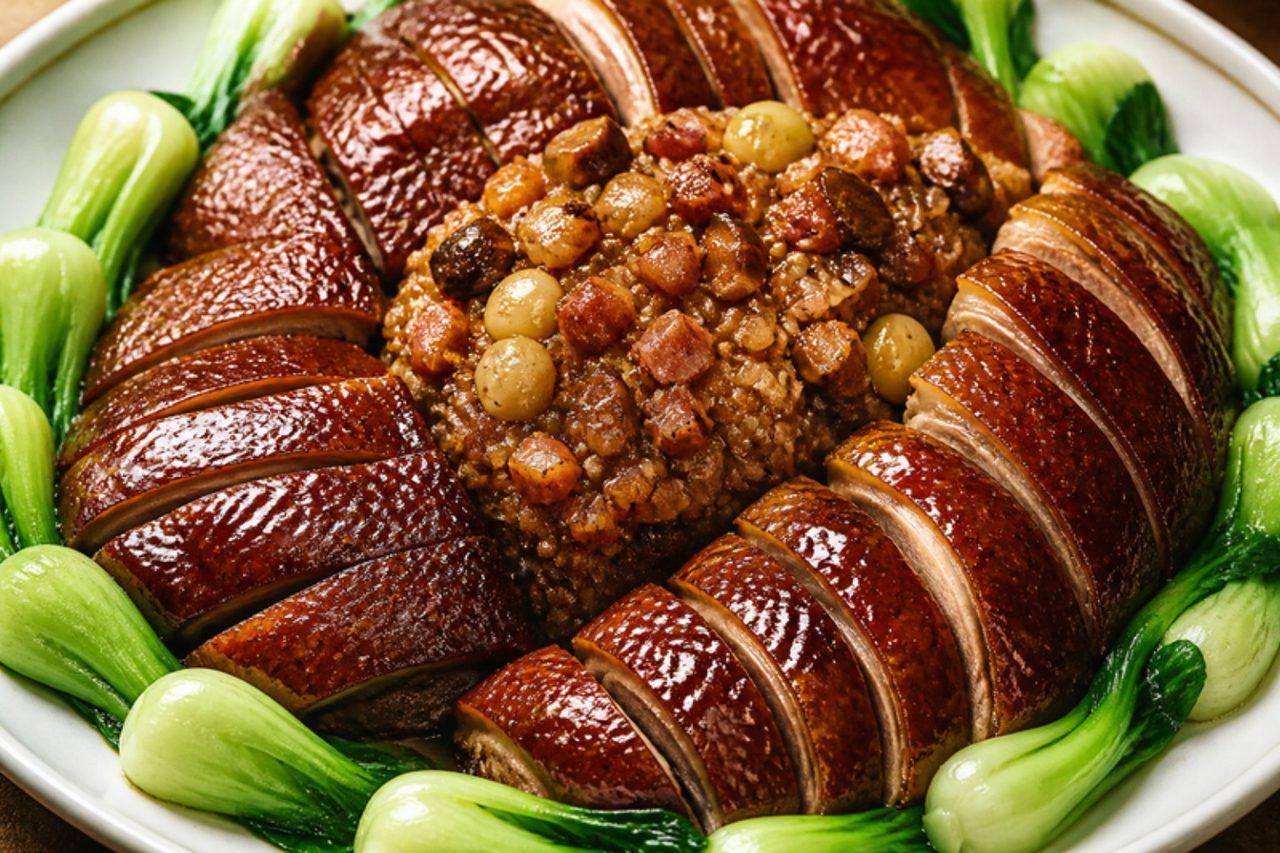
Ba bao ya (eight-treasure duck)

Ba bao ya, eight-treasure duck, is the grand centrepiece of a Shanghai or Suzhou Spring Festival dinner: eight being the luckiest number, the duck is filled with eight good things for eight kinds of fortune. A whole duck is boned so the skin stays in one piece, then packed with glutinous rice, dry-cured ham, chestnuts, shiitake, lotus seeds, bamboo shoots and dried shrimp, and braised in soy and rock sugar until deep mahogany. Cut into thick slices, it shows a mosaic of stuffing held by tender, sticky-glazed meat. The stuffing uses Chinese dry-cured ham and the braise uses Shaoxing wine; for an alcohol-free version use unsalted stock with a few drops of rice vinegar. Serve carved at the table with steamed greens. Chef's tip: ask your butcher to bone the duck and remove the head, leaving the skin intact; it saves an hour and any tears.

240 minChineseMeat
by KrazyBadal 0 views

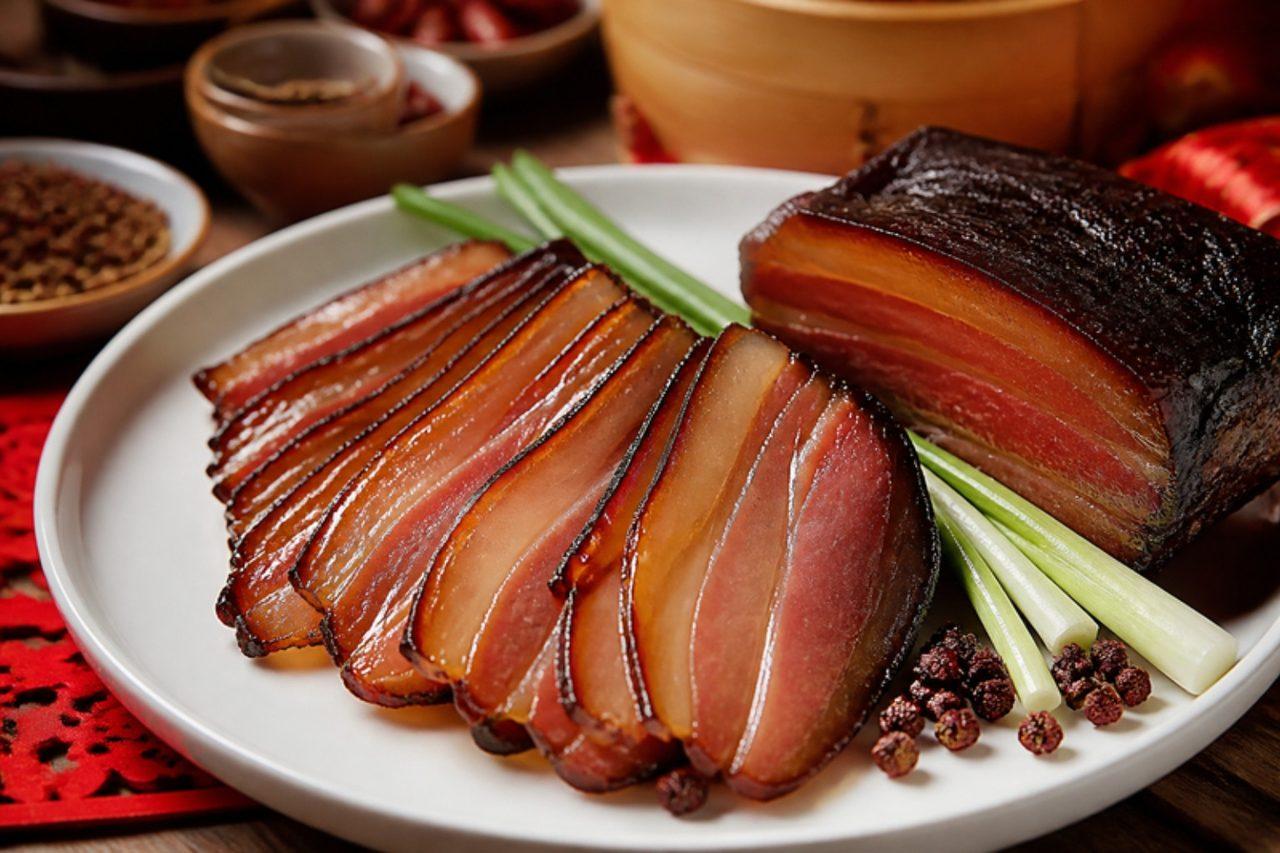
Sichuan la rou (smoked cured pork belly)

In the twelfth lunar month, balconies across Sichuan and Chongqing fill with strips of pork belly hanging to cure, and by the Spring Festival they have become la rou: smoky, salty and deeply savoury, the taste of a full larder and a prosperous year. The pork is rubbed with salt and toasted Sichuan pepper, left to cure, dried, then smoked; traditionally over cypress branches, here in a foil-lined wok with rice, sugar, tea and wood chips. Steamed and sliced thin, the fat turns translucent and the lean a deep ruby red. Serve it on its own with rice, or stir-fry the slices with garlic shoots or leeks. This home version uses pink curing salt for safety, cures and dries in the fridge, and must always be cooked before eating. Chef's tip: weigh the curing salt on scales accurate to 0.1 g; too much is harmful, too little is unsafe.

180 minChineseMeatGluten free
by KrazyBadal 0 views

Hong tang ciba (brown sugar glutinous rice cakes)

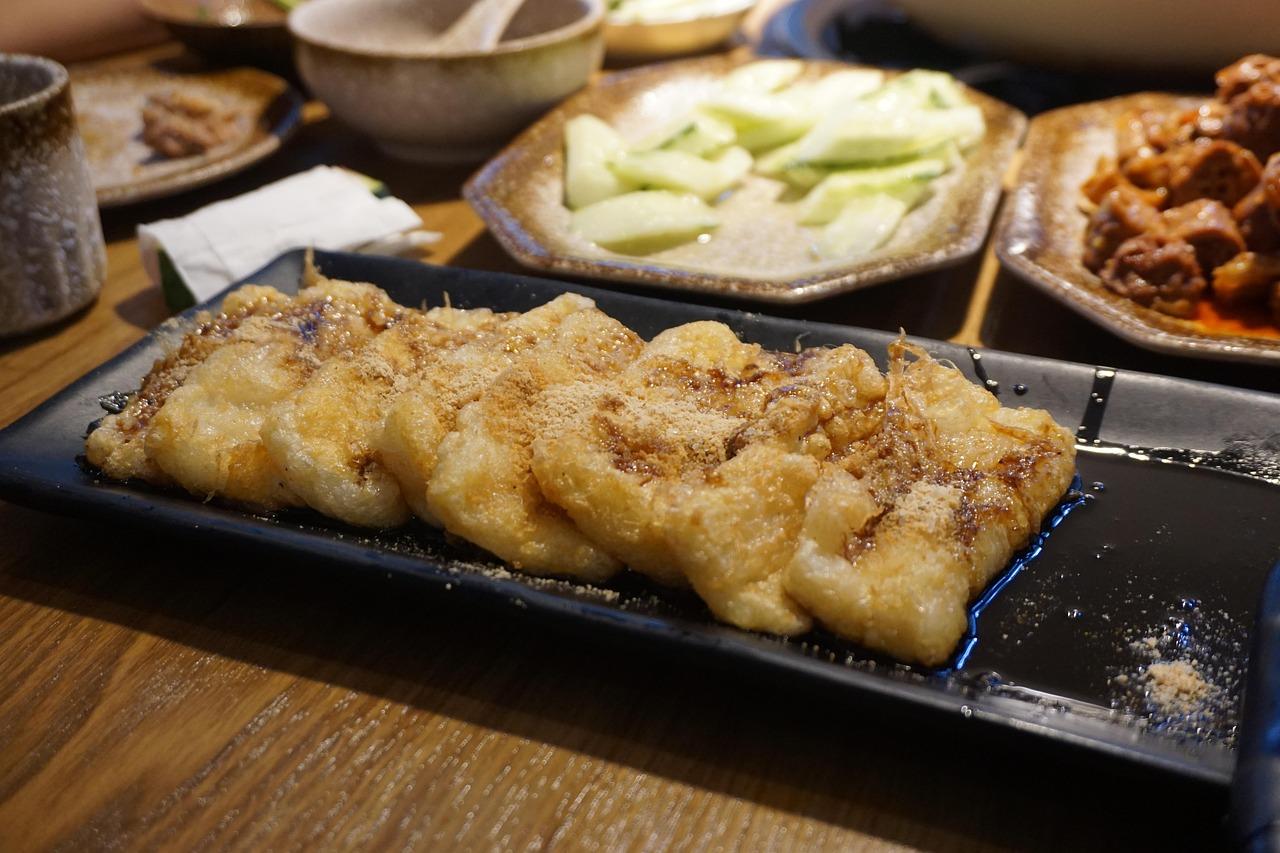
Pounded glutinous rice cakes are a Spring Festival essential in Sichuan and Chongqing, where 'ci' sounds like a wish for the family to stay close, as stuck together as the rice itself. Fried and drowned in brown sugar syrup, they turn into hong tang ciba, a dessert that closes many reunion dinners and hotpot nights. Outside they are puffed and crackly, inside soft and stretchy, and the dark syrup and nutty soybean flour make every bite taste like toffee. This home version steams a glutinous rice flour dough instead of pounding whole grains, which gives the same chew in far less time. Serve straight from the pan while still crisp. Chef's tip: let the steamed slab cool and firm up completely before cutting; warm dough smears and bursts in the oil.

by KrazyBadal 0 views

Sanzi (fried dough threads)

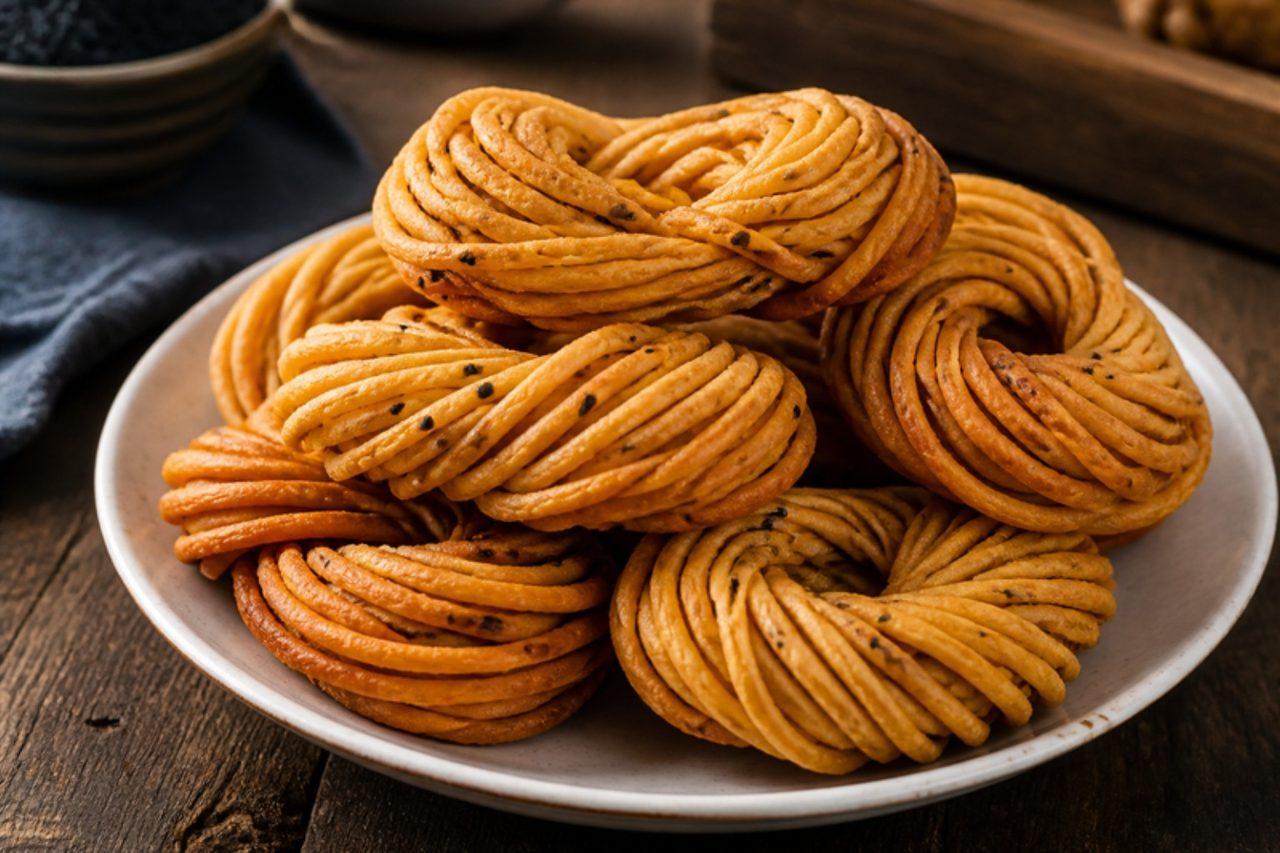
Sanzi are lacy coils of fried dough threads, made across Jiangsu and Shandong and by Hui and Uyghur cooks in Xinjiang. They belong to Hanshi, Cold Food Day, just before Qingming, when old custom forbade lighting the stove, so families fried them in advance to eat cold; the shatteringly crisp coils keep well for days and stand for the care taken to prepare for the remembrance. The dough is lightly salted and the strands snap like thin crackers, with a nutty note from sesame. Break them over congee or soy milk, or eat them on their own with tea. Chef's tip: rest the oiled ropes properly; relaxed dough stretches to thread-thin without snapping.

by KrazyBadal 0 views

Tian shao bai (sweet pork belly over sticky rice)

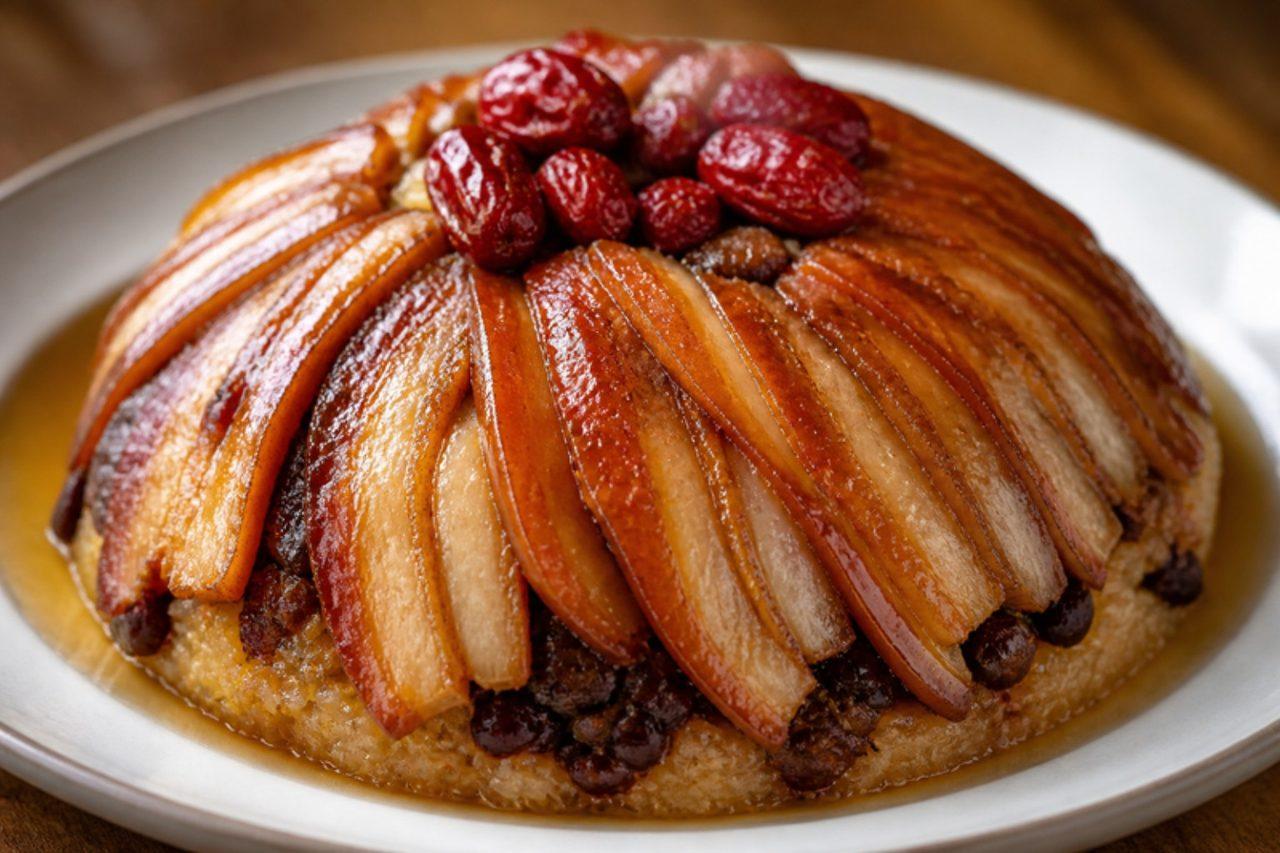
Tian shao bai is one of the 'three steamed bowls' of a Sichuan countryside banquet, and no Spring Festival feast there is complete without it. Thick slices of pork belly are cut into hinged pockets, filled with sweet red bean paste and packed into a bowl over glutinous rice with brown sugar, then steamed for hours and turned out as a glossy dome: sweetness for the year ahead and a richness that says the harvest was good. The pork fat melts into the rice, the skin turns soft and wobbly, and the bean paste and sugar make it rich and sticky like a pudding. Serve it towards the end of the meal in small portions with tea. Chef's tip: chill the boiled belly before slicing; cold pork cuts into clean, even slices that hold together.

195 minChineseMeat
by KrazyBadal 0 views

Showing 24 of 435 recipes

Show more recipes

Page 1 of 19