Skip to content

Easy Indian sweets

Mithai for Diwali, festivals and guests, ready in 45 minutes or less. (59 recipes)

Tilkut

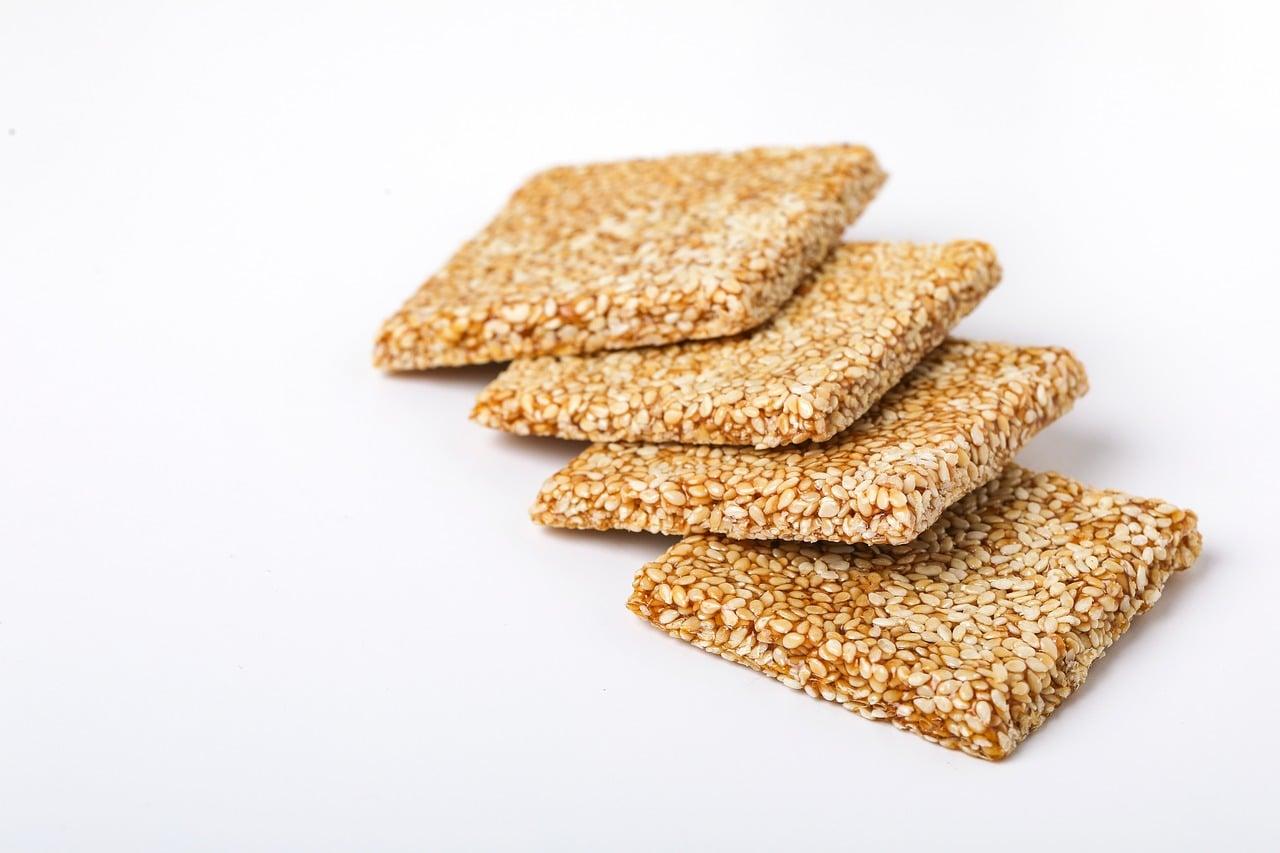
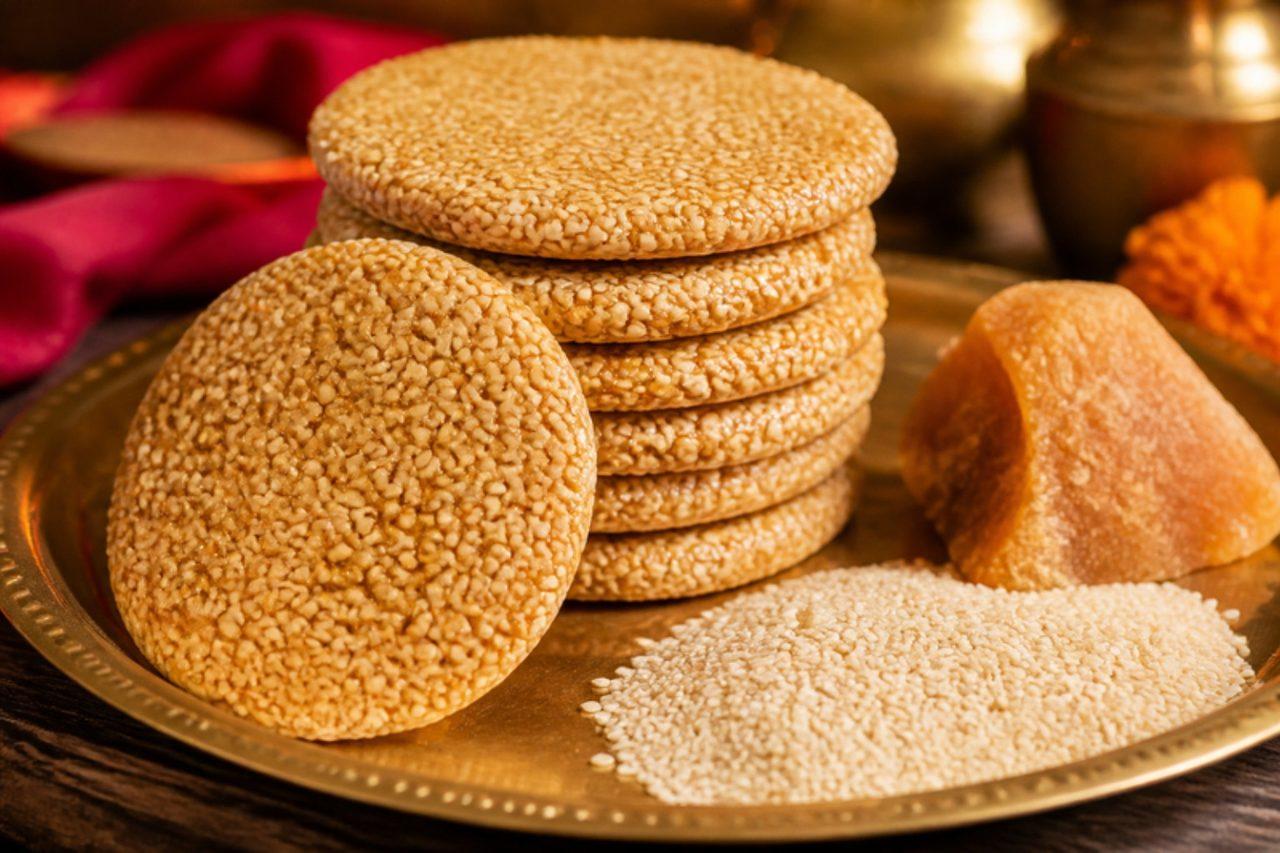
In the second week of January the sweet shops of Janakpur, Birgunj and Rajbiraj fill with the dull thud of wooden pestles, as tilkut makers pound roasted sesame into hot jaggery for Maghe Sankranti, the festival that marks the end of the coldest month. The result is a brittle, crumbly disc with a rich, toasty flavour and a melting, slightly chewy middle, and families give it to each other and eat it with yoghurt, beaten rice and sweet potatoes on the festival morning. Sesame is believed to warm the body in winter, so it is eaten all month. The thing that spoils it is burning the sesame, which turns the whole batch bitter. Chef's tip: roast the seeds only until they smell nutty and one crushes easily between your fingers; they keep darkening for a minute after they leave the pan.

by KrazyBadal 0 views

Kasar

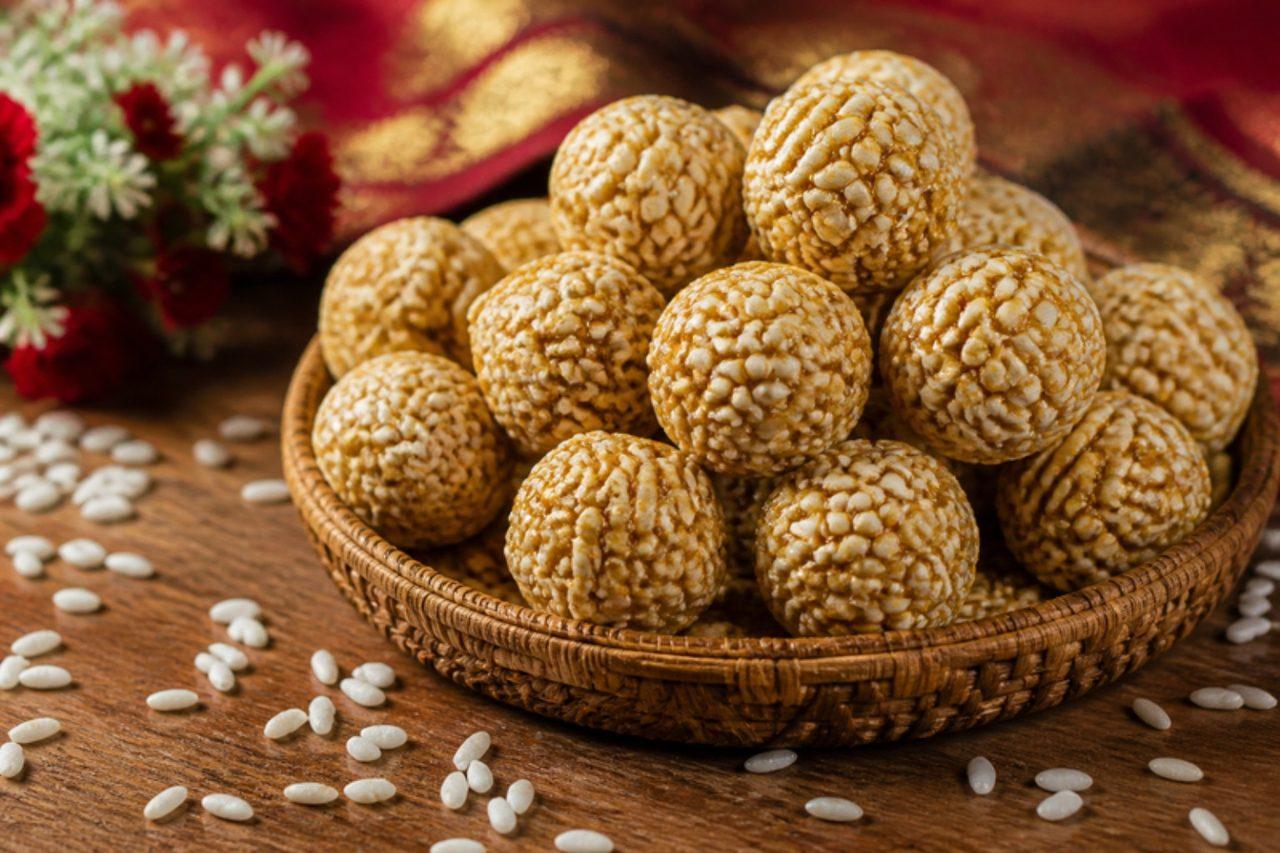
Kasar is a sweet of good fortune: Bahun and Chhetri families in the hills make it by the basketful to send with a bride to her new home, to hand out at bratabandha thread ceremonies and to fill the Tihar plates. It is the simplest of sweets, puffed rice stirred into bubbling jaggery syrup flavoured with cardamom and pressed into balls while warm, sometimes with sesame, coconut or peanuts added, and it is crunchy, light and caramel-sweet. Children love making it because it is all about quick hands and a bowl of cold water. The pitfall is syrup that is not cooked far enough, which gives soft, sticky balls that collapse in a day. Chef's tip: test the syrup by dropping a little into cold water; when it sets into a firm ball that cracks if you squeeze it, it is ready.

by KrazyBadal 0 views

Trini parsad

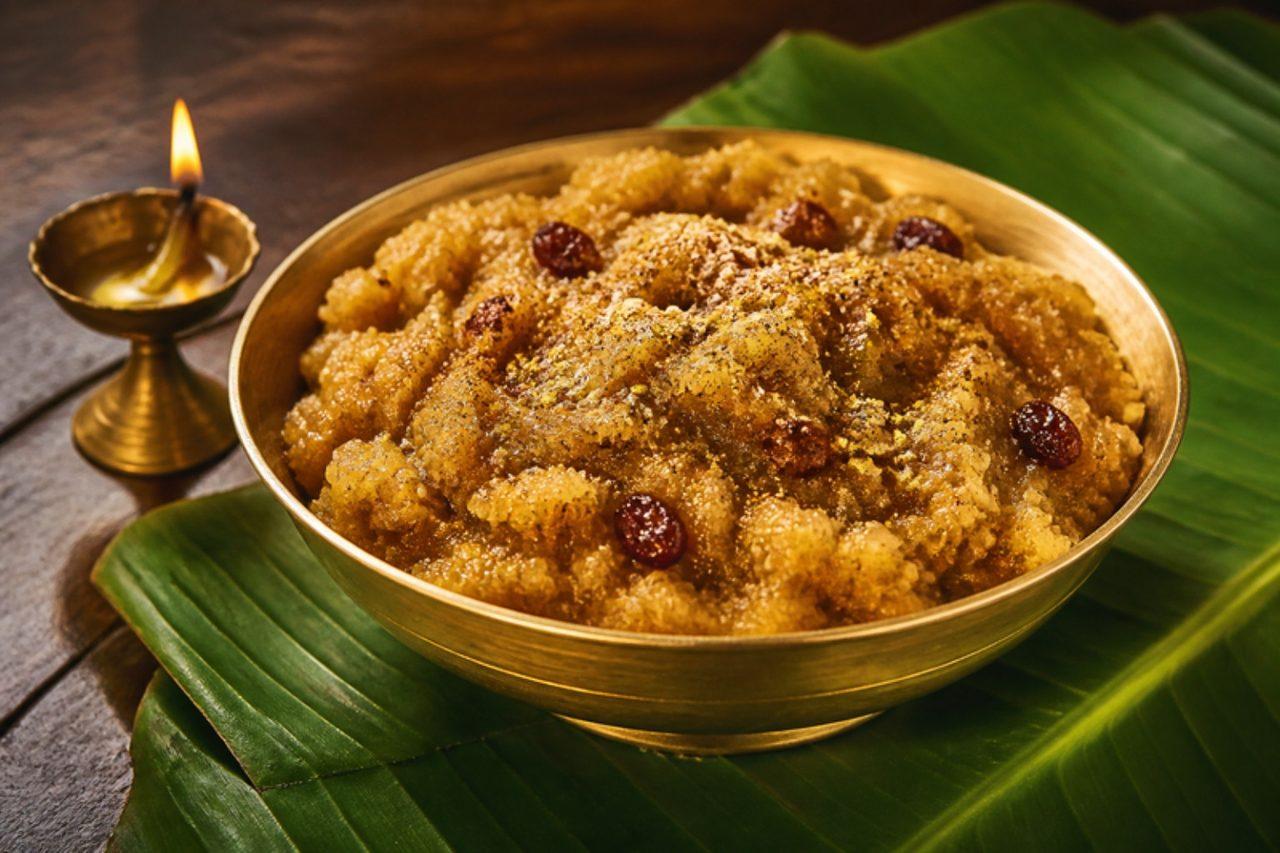
At Hindu pujas across Trinidad, and on Divali night in Felicity and Debe, parsad is the sweet offering that is shared with everyone afterwards, handed out warm on a piece of leaf. Flour is roasted slowly in ghee until it smells nutty and turns sandy brown, then cooked with milk, sugar, raisins and spice into a soft, glossy pudding. The common mistake is rushing the roasting on high heat: the flour burns outside and tastes raw within. Add the milk carefully, as it spits. Chef's tip: warm the milk and sugar together first; adding hot liquid to the roasted flour keeps the parsad smooth and lump-free.

by KrazyBadal 0 views

Chaku

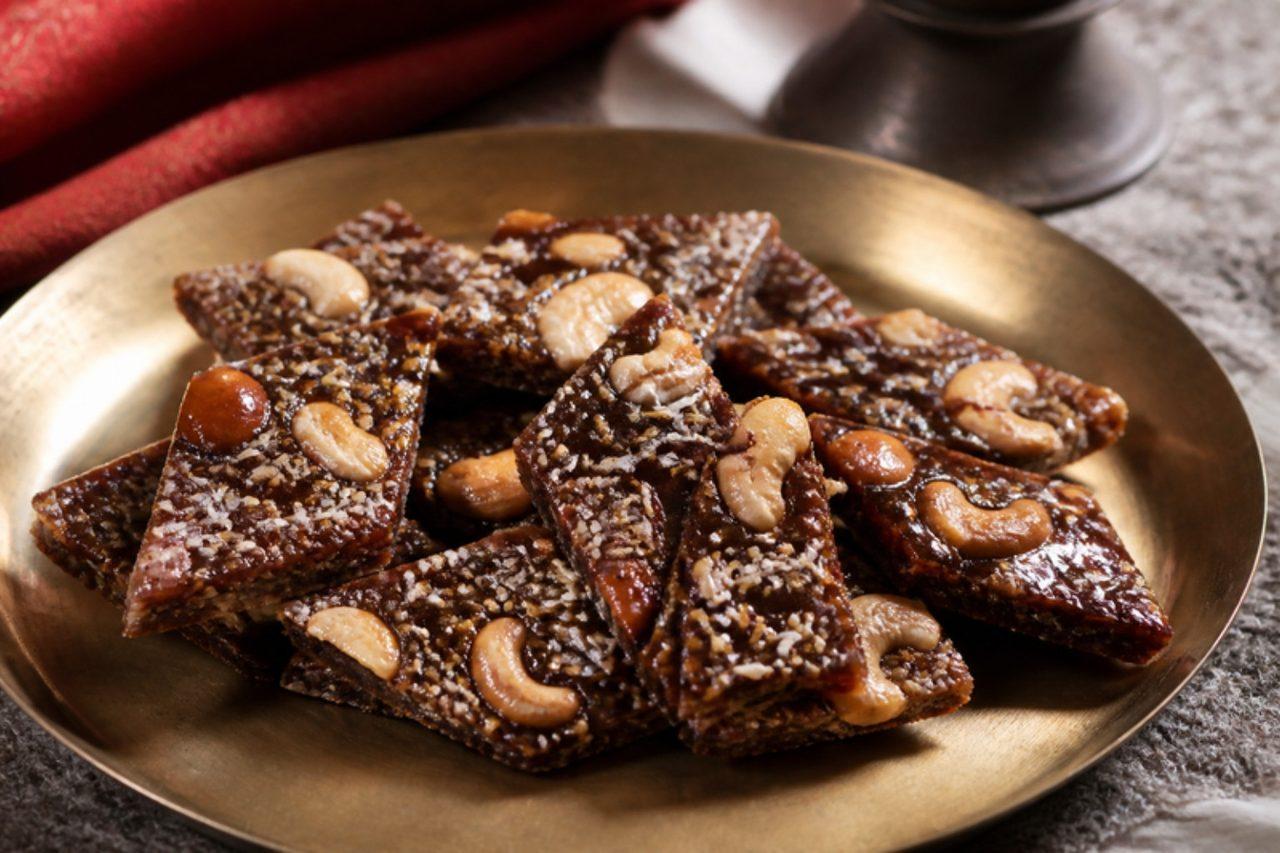
The towns of the Kathmandu Valley smell of hot molasses in early January, as Newar confectioners in Bhaktapur, Thimi and Patan boil sugarcane syrup down into chaku, a dark, glossy toffee that is pulled until it turns light and chewy and then mixed with ghee, cashews, coconut and sesame. On Ghyo Chaku Sanlhu, the Newar name for Maghe Sankranti, it is eaten with ghee and boiled yams to warm the body, and pieces are wrapped and sent to married daughters. At home it is easiest to start from good jaggery. Pulling it off the heat too early is the classic failure, leaving a runny mess that will never set. Chef's tip: once it reaches the hard-ball stage, let the toffee cool on a greased tray just until you can handle it, then stretch and fold it with greased hands for a few minutes until it turns from dark brown to golden and chewy.

by KrazyBadal 0 views

Khajoor ka halwa

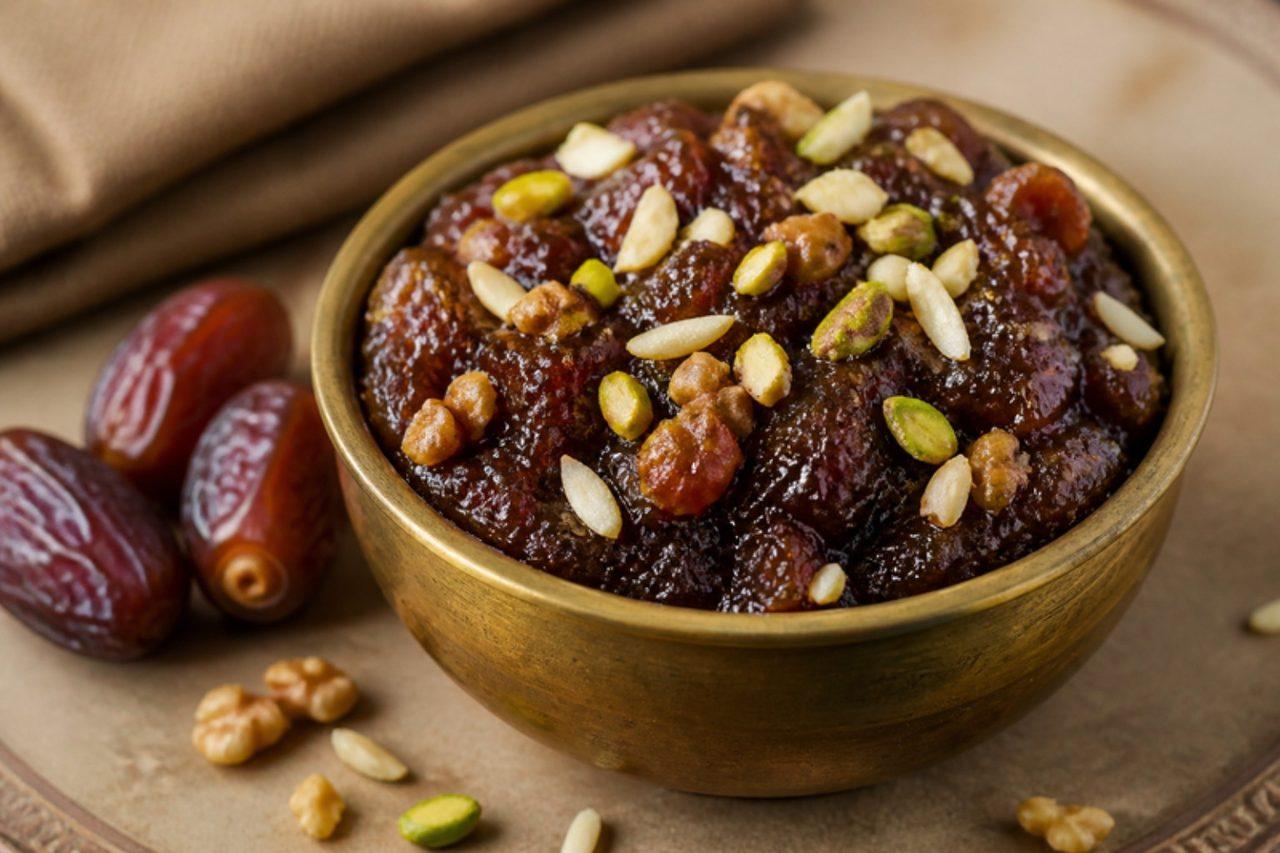
The oasis towns of Turbat and Panjgur in Makran grow some of Pakistan's finest dates, the soft, honeyed Begum Jangi and Muzawati among them, and after the late-summer harvest households turn the surplus into this rich, fudgy halwa. Dates are softened in warm milk, mashed and cooked down slowly in ghee until the mixture is dark and glossy and comes away from the pan, then finished with almonds, walnuts and cardamom. It needs little or no added sugar, and it is served in small portions at Eid, to new mothers and to guests with green tea. Using dry, hard dates without soaking is where it goes wrong, leaving the halwa lumpy and leathery. Chef's tip: choose soft, moist dates and blend them only briefly after soaking, so a few small pieces remain for texture.

by KrazyBadal 0 views

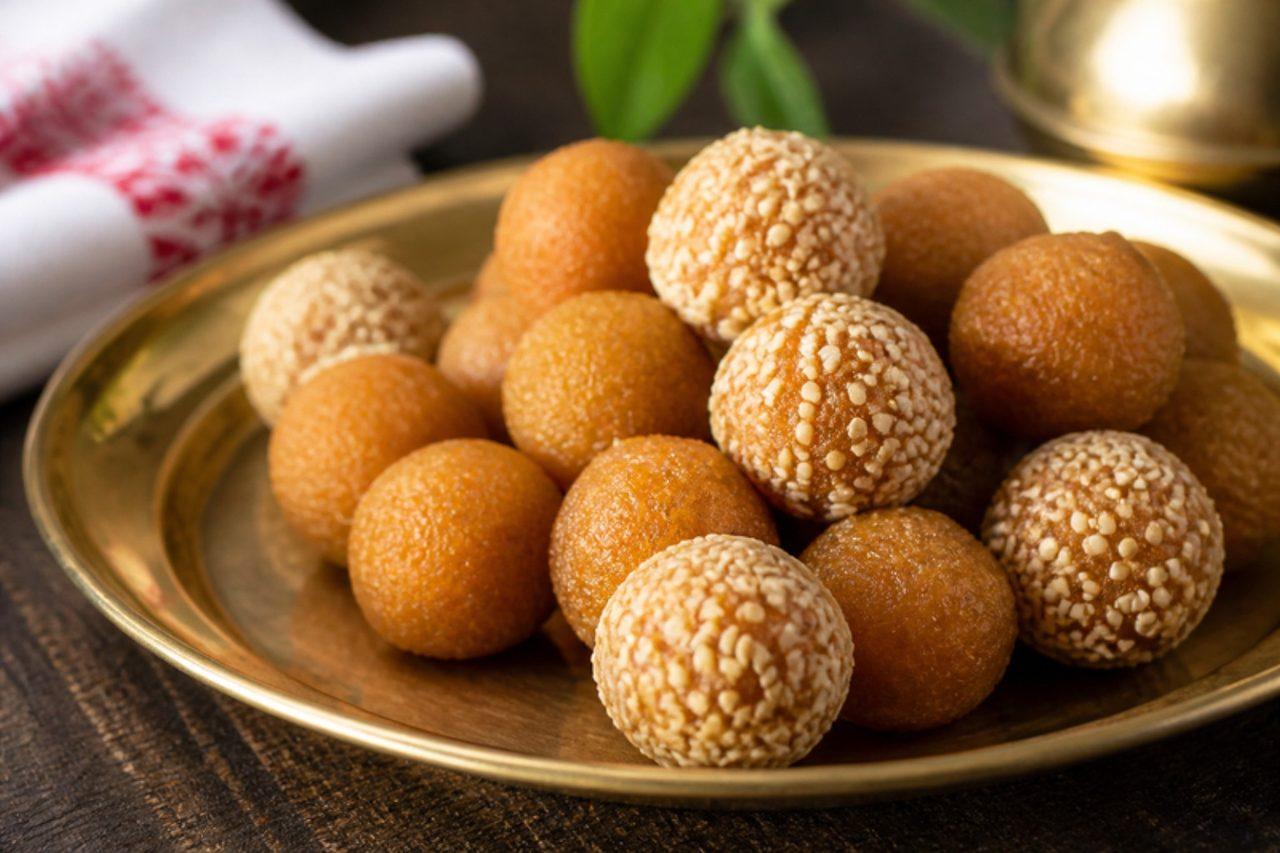
Narikol laru

Narikol laru are the small, chewy coconut balls that sit next to til pitha on every Bihu plate in Assam, offered to visitors with tea and jolpan. Fresh coconut is cooked with jaggery until it binds, flavoured with cardamom and rolled warm. They are soft and moist, not dry like desiccated-coconut ladoos, and are made in big batches the night before the festival. Chef's tip: roll them while still warm with damp palms; once cold, the mixture won't hold.

by KrazyBadal 0 views

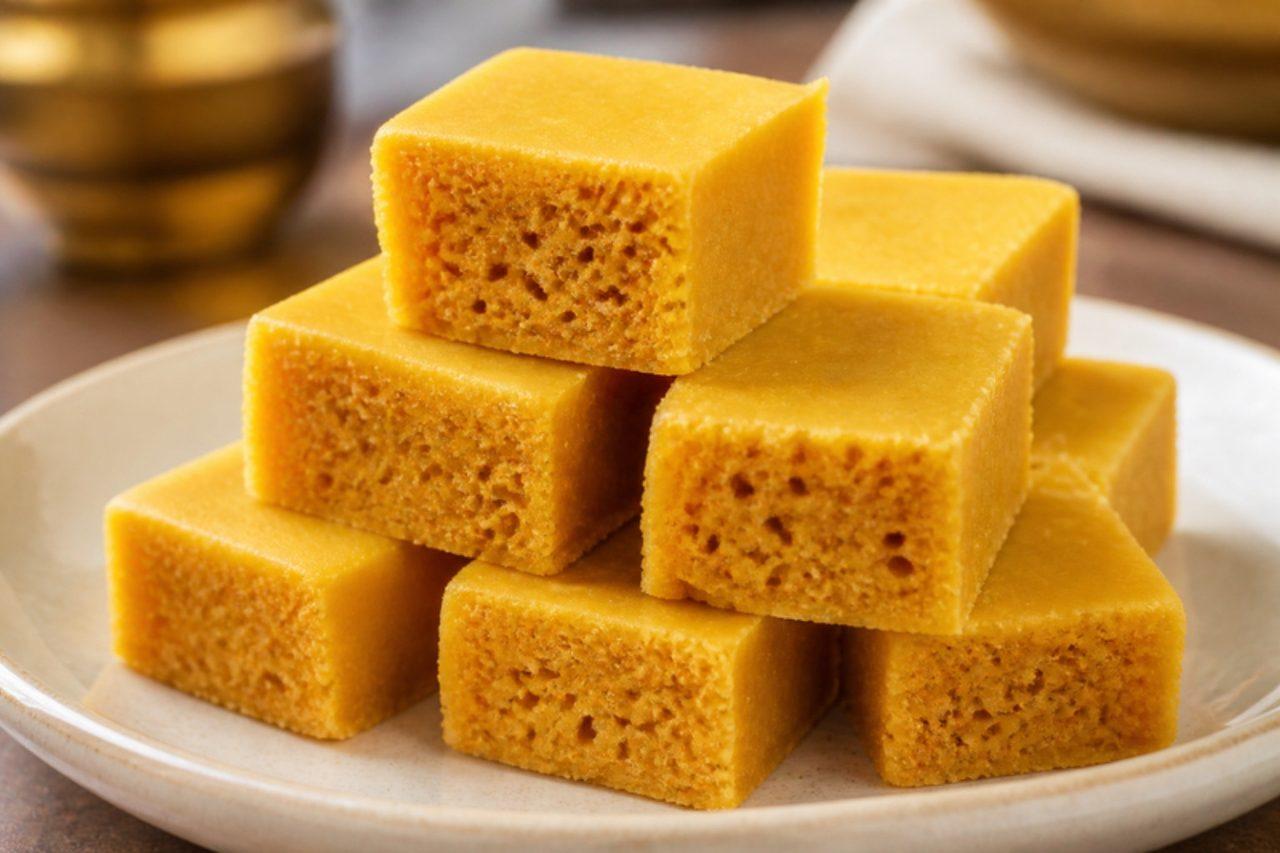
Mysore pak

Mysore pak was first made in the kitchens of the Mysuru palace in Karnataka, and it's still the sweet that every Mysuru sweet shop is judged by. Roasted gram flour is cooked in a sugar syrup while hot ghee is poured in a spoonful at a time, until the mixture froths up and sets into a golden, honeycombed block. This home version is the softer, melt-in-the-mouth style, with a fine porous crumb; cook it a minute or two longer for the harder, crunchier traditional slab. It keeps for a week and is made for Diwali, weddings and Dasara. Chef's tip: keep the ghee hot on a second burner the whole time; hot ghee hitting the batter is what makes it froth and form those little air holes, and cold ghee gives a dense, greasy fudge.

by KrazyBadal 0 views

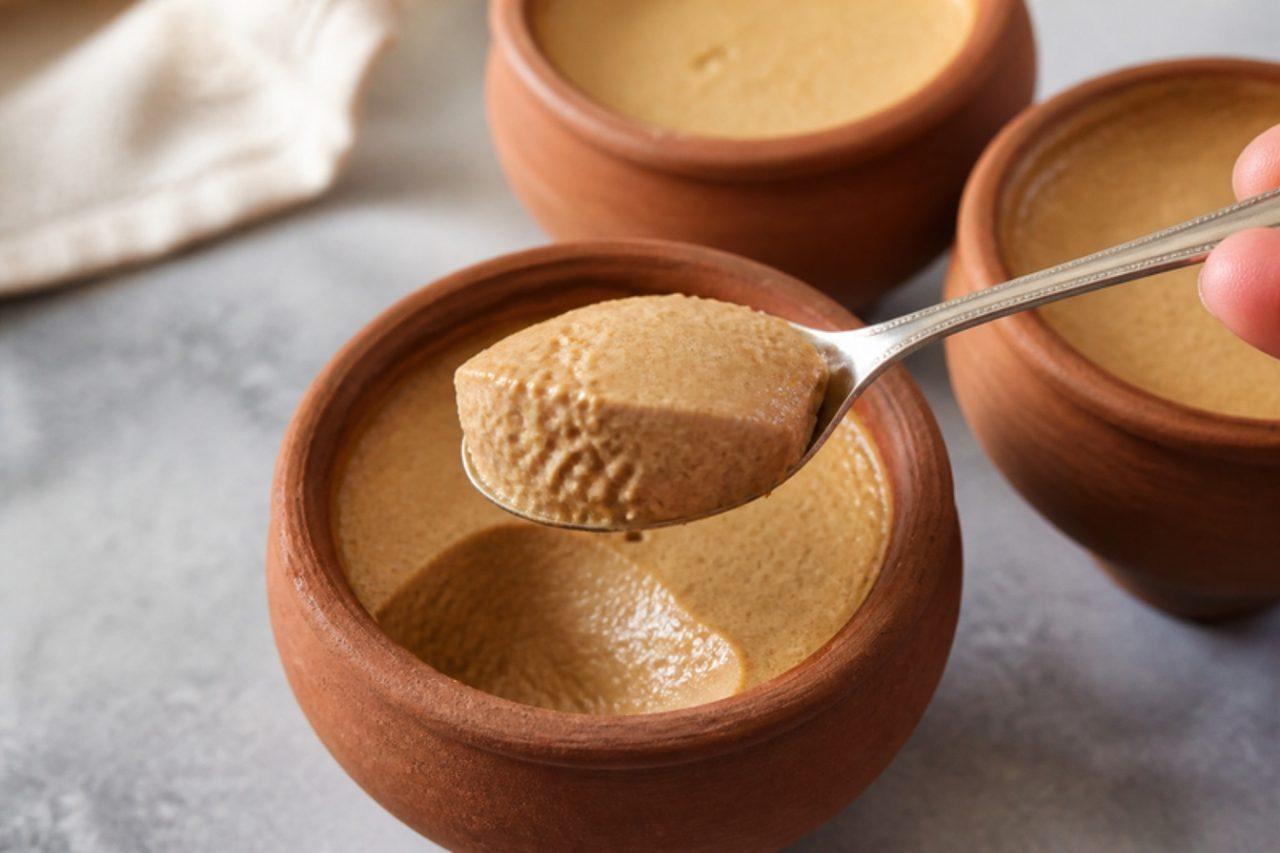
Mishti doi

Mishti doi, 'sweet yogurt', is the classic end to a Bengali meal, sold in Kolkata sweet shops in unglazed clay pots. Milk is simmered until it thickens, sweetened with sugar cooked to a deep caramel, then set overnight with a little live yogurt. The result is thick, creamy and smooth, with a toffee-like sweetness and a gentle tang. Clay pots absorb excess whey, which makes it extra thick, but small glass or ceramic bowls work too. Chef's tip: cool the milk to just warm (about 40°C, comfortable on your little finger) before adding the starter; too hot kills the culture and too cool leaves it runny.

by KrazyBadal 0 views

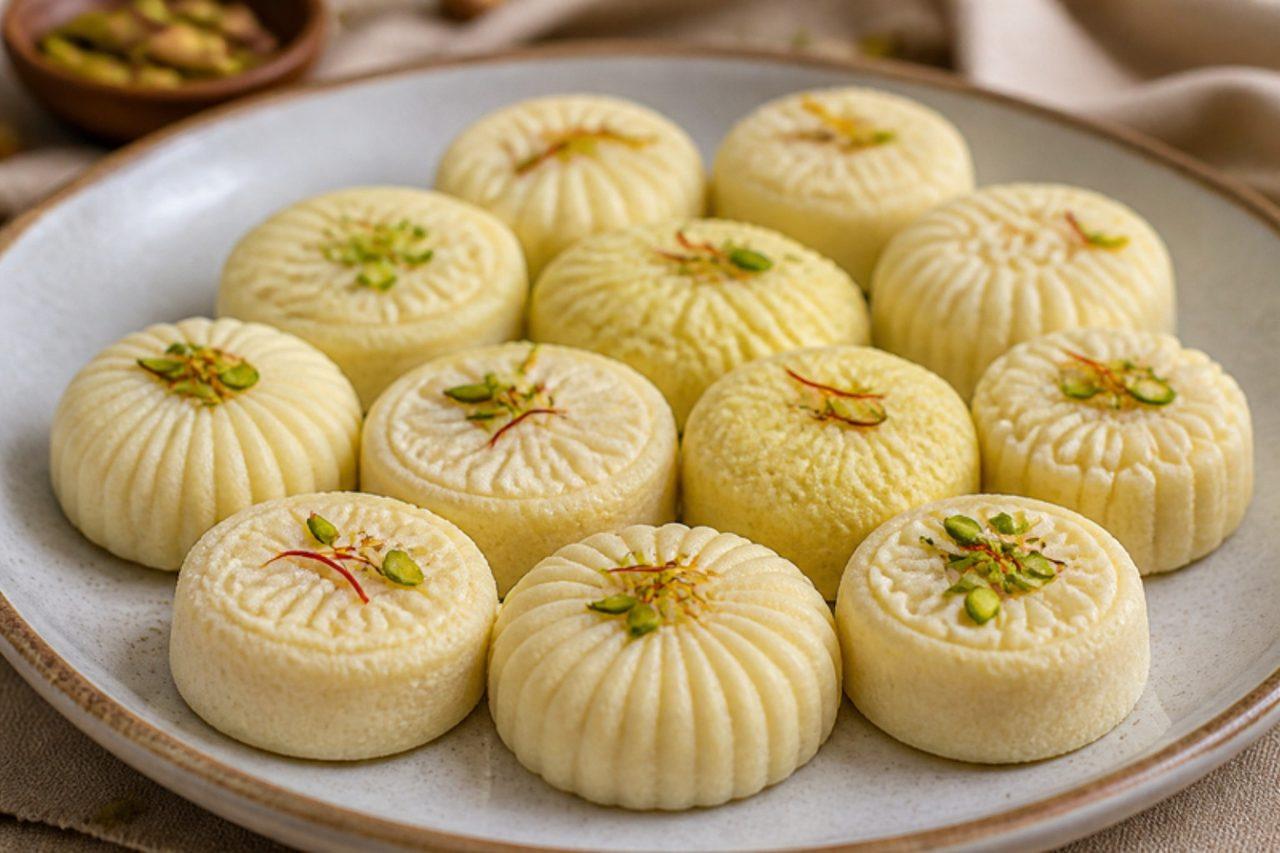
Sandesh

Sandesh is the most delicate of Bengal's sweets, made in Kolkata's sweet shops every morning from chhena, fresh milk curds. The chhena is kneaded until silky, cooked briefly with sugar and pressed into little rounds or moulds. It's soft, fine-textured and milky, sweet but light, often scented with cardamom or saffron. This is the soft 'norom pak' style. Serve at room temperature as a sweet with tea or after a meal. Chef's tip: hang the chhena only until it stops dripping; if it's too dry, the sandesh turn crumbly, and if too wet they won't hold a shape.

by KrazyBadal 0 views

Sheer khurma

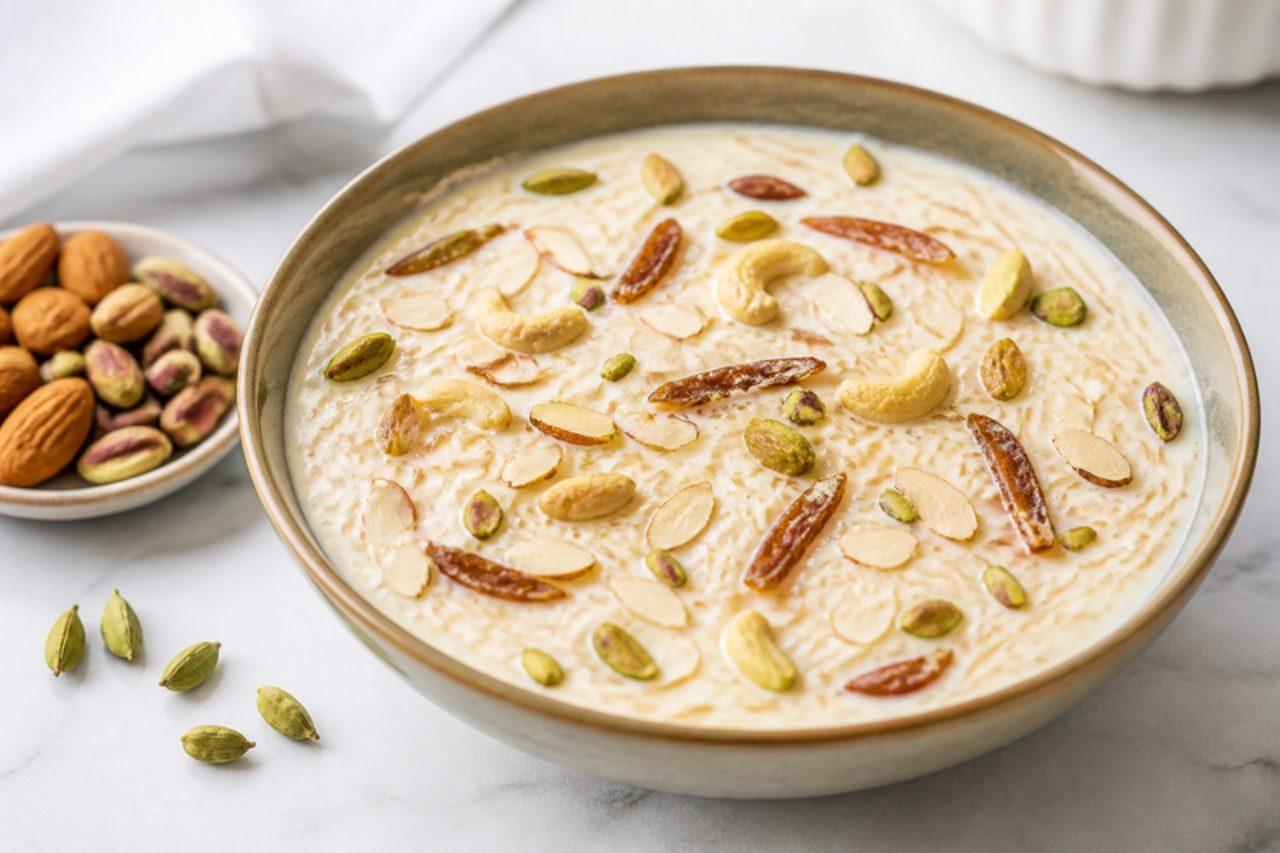
Sheer khurma means milk with dates in Persian, and in Pakistan it is the taste of Eid ul-Fitr morning: after the Eid prayer, families come home and every visitor who knocks that day is handed a small bowl. It is richer and nuttier than everyday seviyan: whole milk is boiled down until creamy, fine vermicelli fried golden in ghee goes in late, and it is loaded with soaked dried dates (chhuhare), almonds, pistachios, cashews, raisins and charoli seeds, scented with cardamom. It is served warm in the morning and thickens to a spoonable pudding when cold. The mistake most people make is adding the vermicelli too early or using too much; it keeps drinking milk as it cools and turns stodgy. Chef's tip: soak the dried dates overnight and slice them thinly; fresh soft dates melt away, but soaked chhuhare stay chewy and sweet in every spoonful.

by KrazyBadal 0 views

Bal mithai

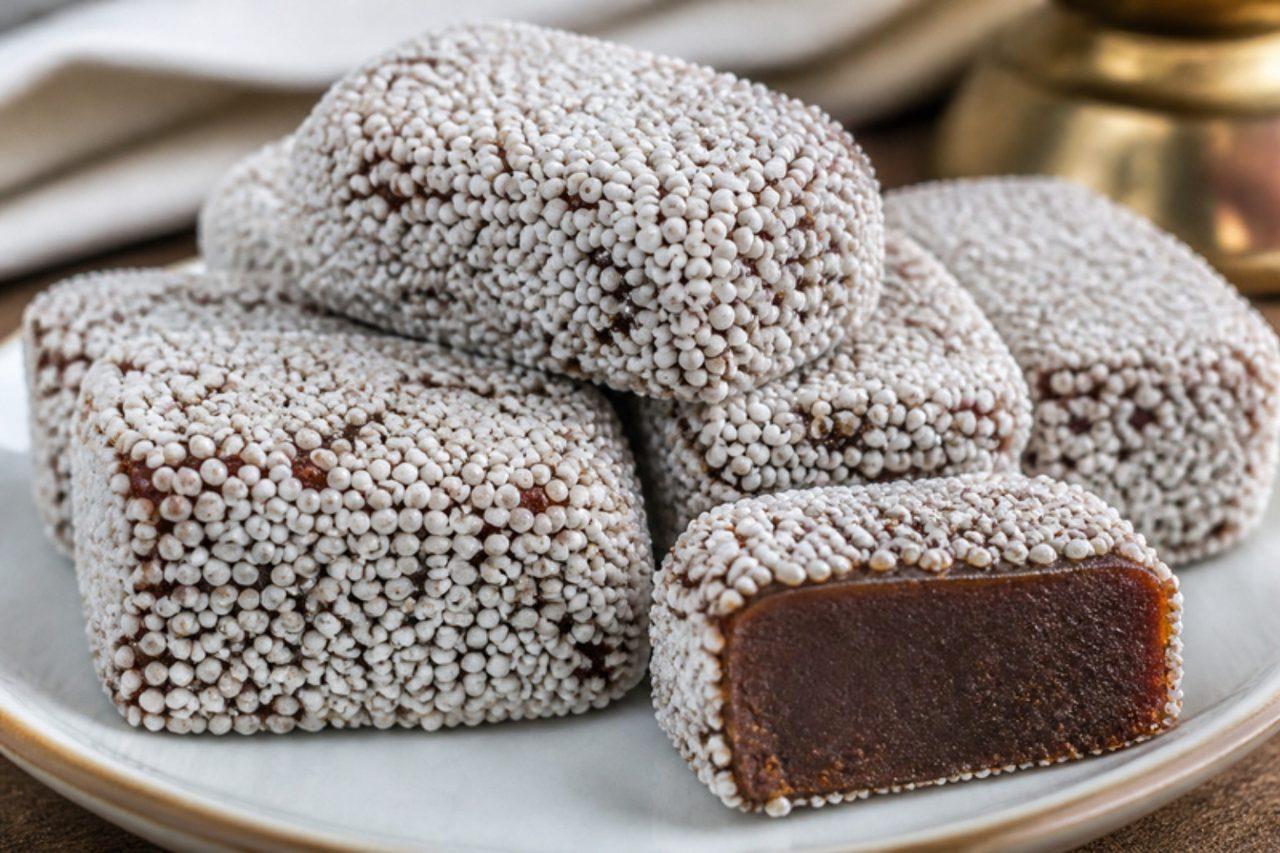
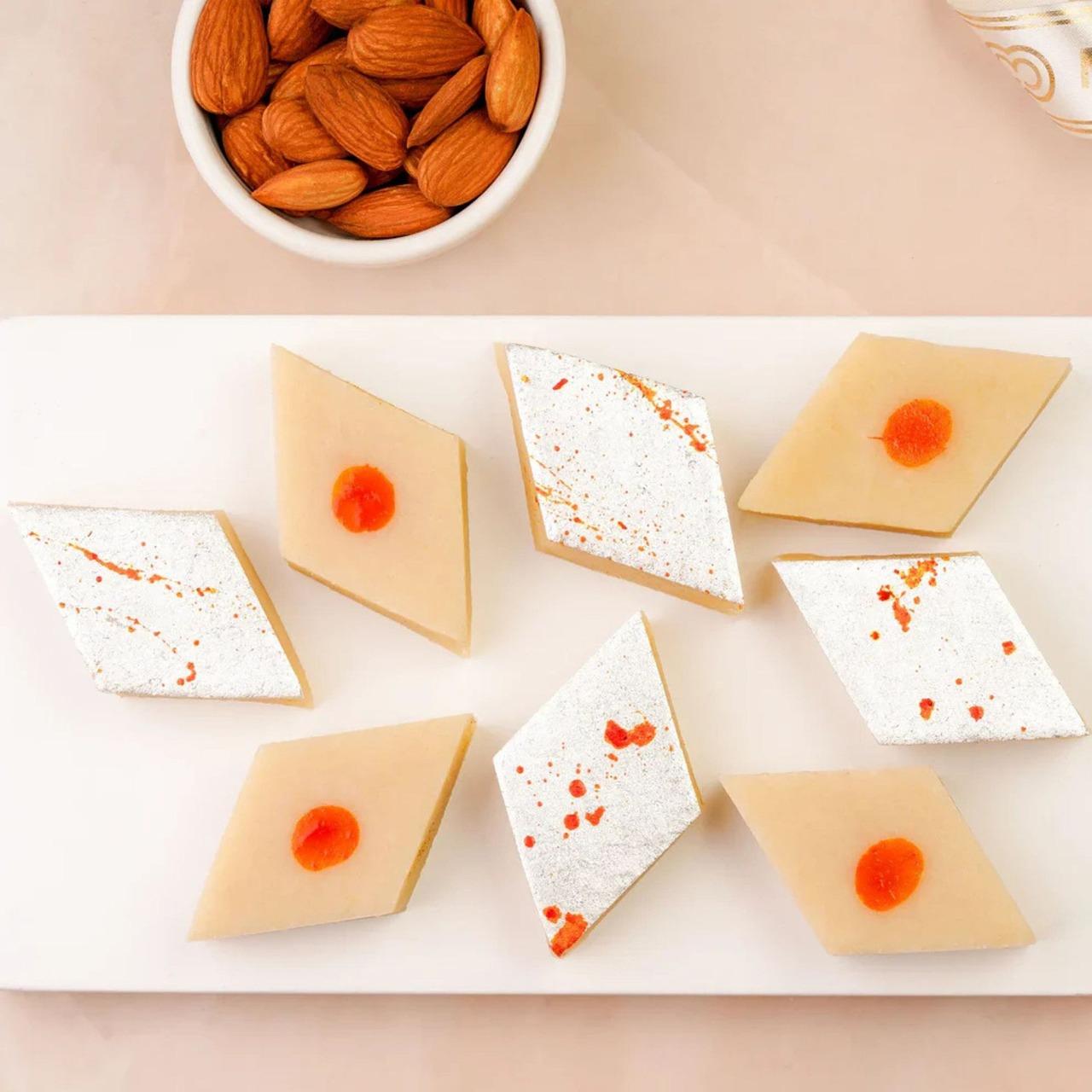
Bal mithai belongs to Almora in Kumaon, where sweet shops on the old Lala Bazaar have sold it for well over a century. Khoya is cooked slowly with sugar until it caramelises to the colour of dark chocolate, set into bars and rolled in little white sugar balls, which give a crunchy bite against the fudgy middle. Families carry boxes of it home from the hills as the town's best-known souvenir. The flavour is deep and toffee-like, with no added colour or cocoa. Chef's tip: keep the heat low and be patient; the deep brown comes from slow caramelising over half an hour, not from turning the flame up.

by KrazyBadal 0 views

Singodi

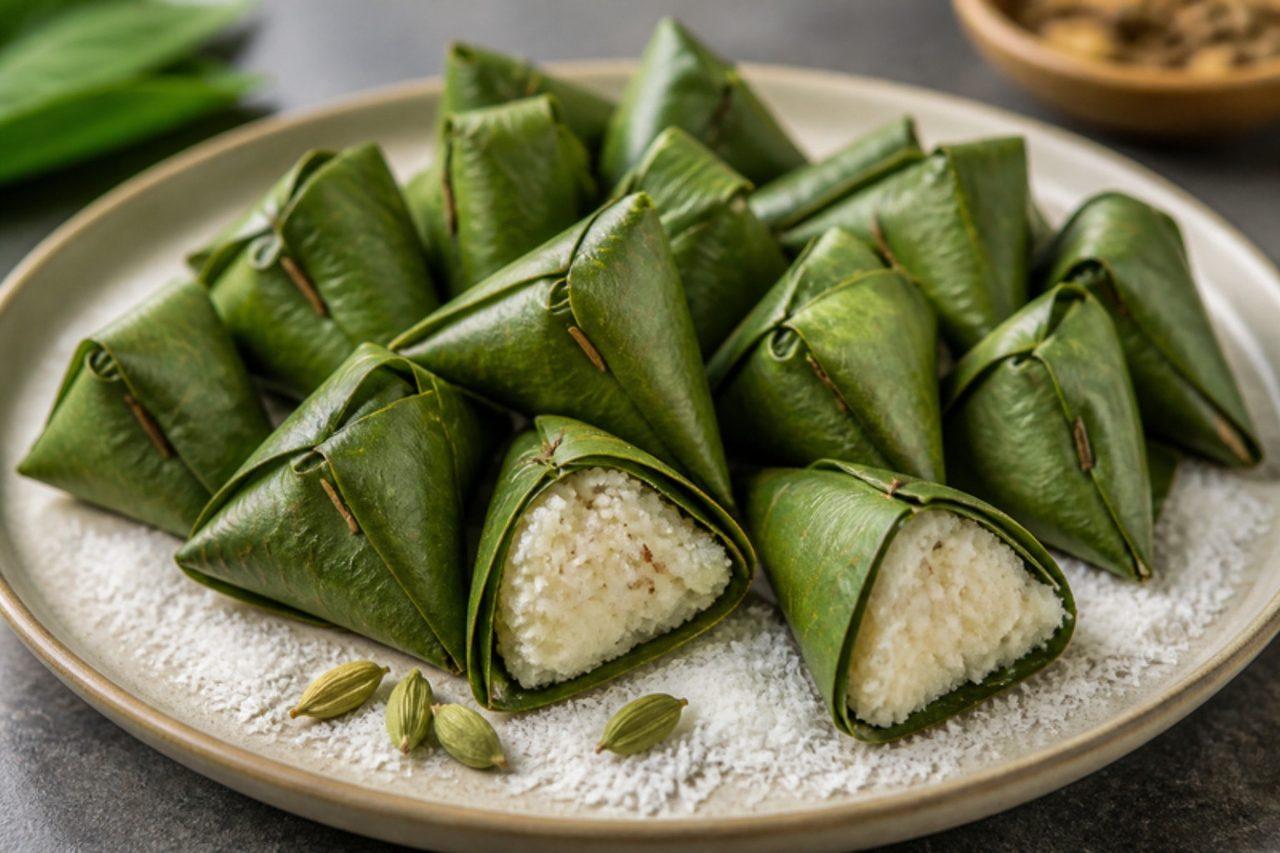
Singodi is Almora's other famous sweet, sold in the same shops as bal mithai but looking nothing like it: a soft, pale mix of khoya and coconut packed into a cone of maalu leaf and pinned shut with a twig. The leaf leaves a faint green, woody scent in the sweet, which is the whole point, and people in Kumaon unwrap them at weddings and on trips home. Maalu leaves are almost impossible to buy elsewhere, so this version uses banana leaf or fresh betel (paan) leaves; both give a gentle leafy aroma. Chef's tip: wrap the singodi while the filling is still warm and leave them in the fridge overnight, so the scent of the leaf soaks in.

by KrazyBadal 0 views

Daulat ki chaat

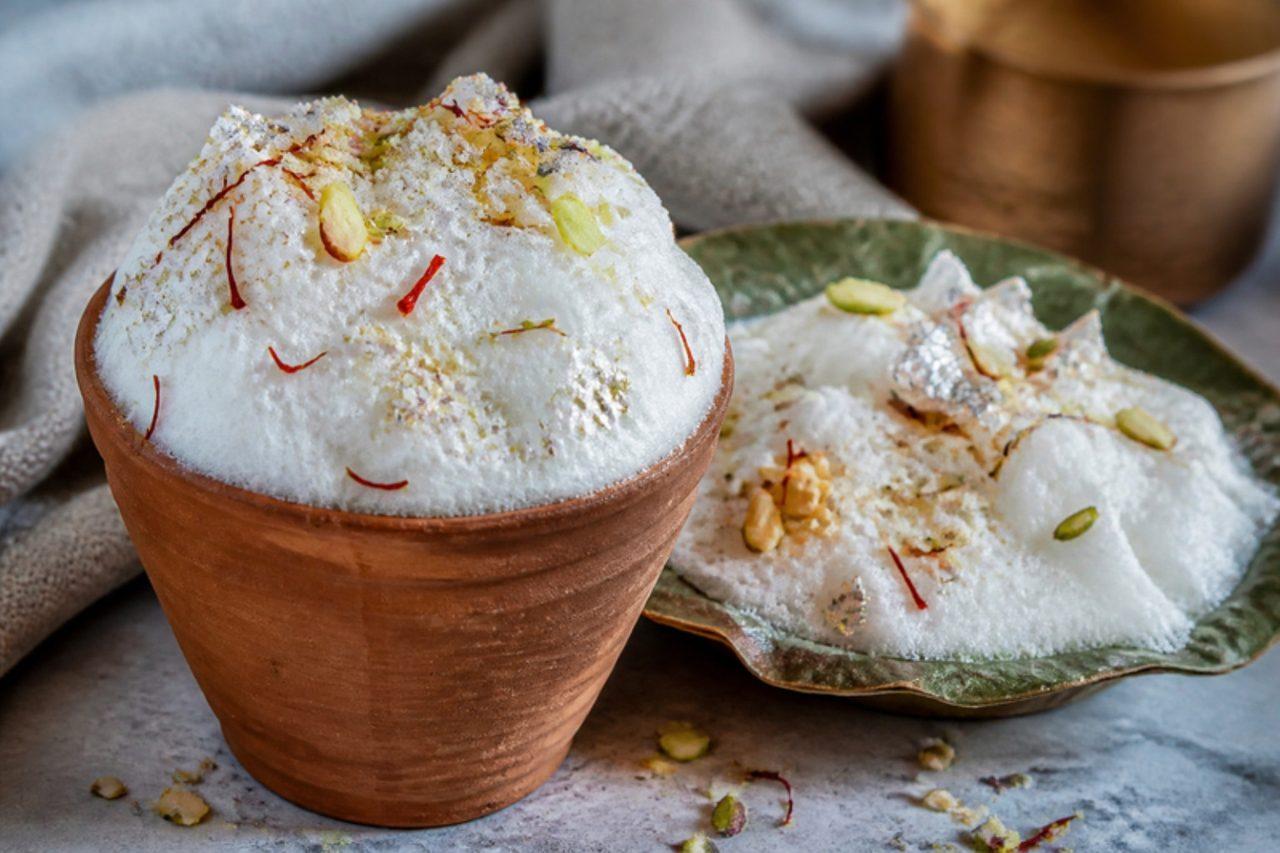
Daulat ki chaat appears in the lanes of Chandni Chowk only in the coldest months, from about November to February. Vendors whisk milk and cream through the night and leave it out under the winter dew, then skim off a foam so light it disappears on your tongue, topped with saffron, khoya, sugar and pistachios. It's sold before the sun gets high, because warmth destroys it. A home kitchen can't recreate a Delhi winter night, so this version uses very cold milk and cream whipped to a loose foam and layered with saffron. It comes close: airy, cool, faintly sweet. Chef's tip: chill everything, bowl and whisk included, for at least 4 hours; the colder the milk, the more stable the foam.

by KrazyBadal 0 views

Kanpur khoya and suji laddu

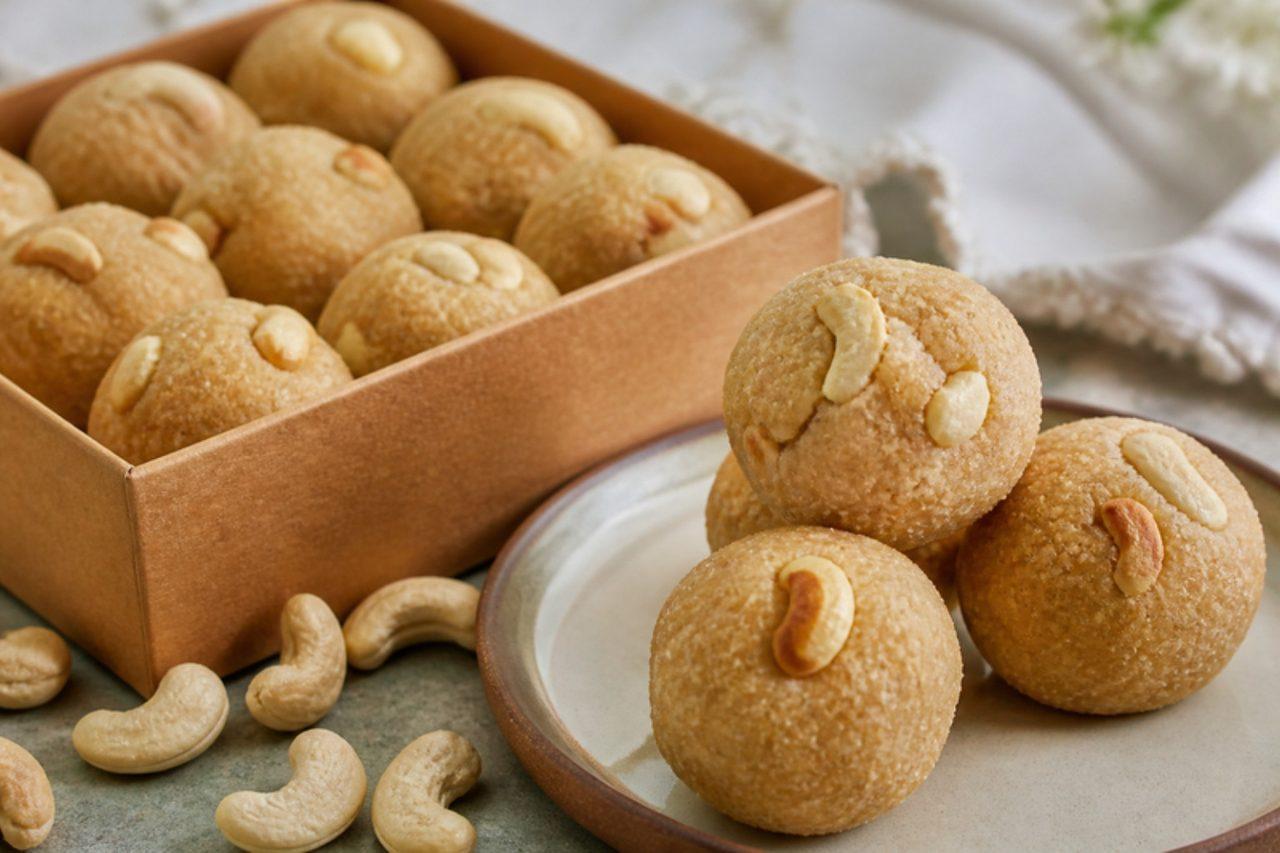
Kanpur's best-known sweet is a crumbly, rich laddu sold in brown paper boxes near the city's busy crossings and taken home as a souvenir from the city. It is made by roasting semolina slowly in ghee until it smells like warm biscuits, then mixing in browned khoya, sugar and plenty of cashews, giving a soft, melt-in-the-mouth bite with tiny pieces of crunch. Families make a batch for Diwali or Raksha Bandhan and keep it for a week. The biggest mistake is adding the sugar while the mixture is still hot; it melts and the laddus collapse into flat puddles. Chef's tip: if the mixture feels too dry to bind, sprinkle in warm milk a teaspoon at a time rather than adding more ghee.

by KrazyBadal 0 views

Mahua laddu

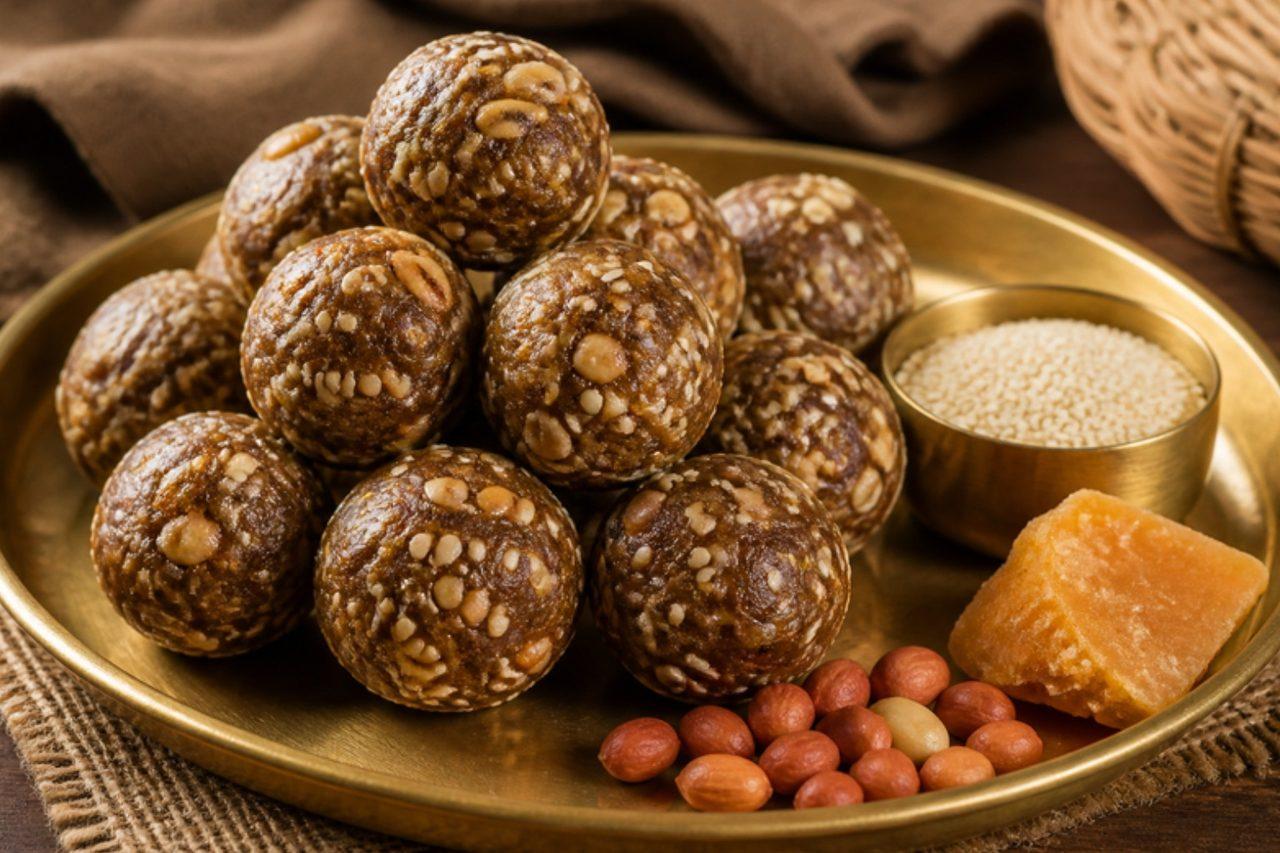
Mahua trees flower across Jharkhand in March and April, and before dawn whole families gather the fallen, creamy, honey-scented flowers from the forest floor and dry them in the sun. In Santhal, Munda and Oraon homes, the dried flowers are roasted and pounded with sesame and peanuts into laddus that need almost no added sugar, a store-cupboard sweet for the lean months and for festivals like Sarhul. They taste of raisins, caramel and toasted nuts. Chef's tip: roast the flowers until they puff slightly and smell like caramel; underroasted mahua tastes raw and slightly bitter.

by KrazyBadal 0 views

Sesame & peanut barfi

A crunchy, nutty barfi of roasted sesame seeds and ground peanuts set in a two-thread sugar syrup, pressed into a tray and topped with chopped peanuts. It's sweet and toasty, like a soft brittle, and keeps well. Good for fasting days and the winter festivals. Makes 20 pieces.

by KrazyBadal 0 views

Crystal mixed nuts chikki

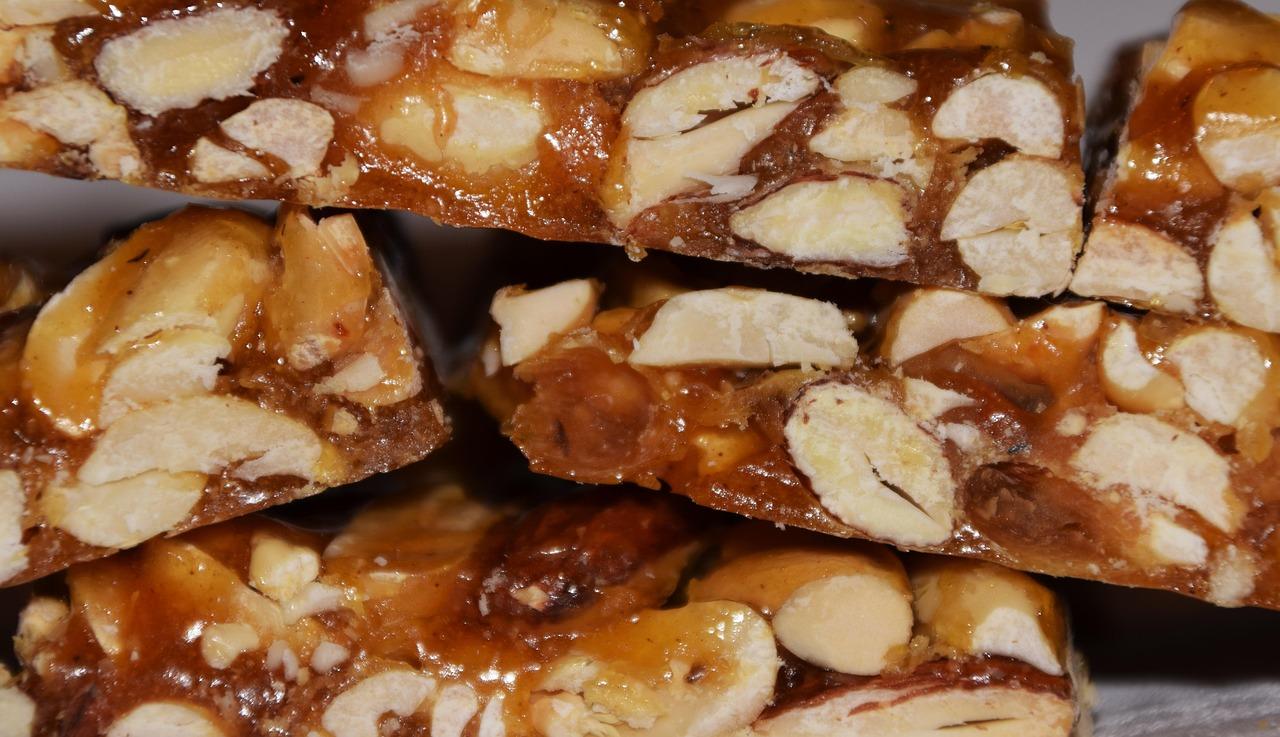
Chikki is an Indian brittle. This crystal version is made with plain white sugar, melted until clear and golden, with peanuts, almonds, pistachios and sesame seeds, scented with cardamom and saffron. Work quickly: the brittle sets in moments.

by KrazyBadal 0 views

Cereal and dry fruit barfi

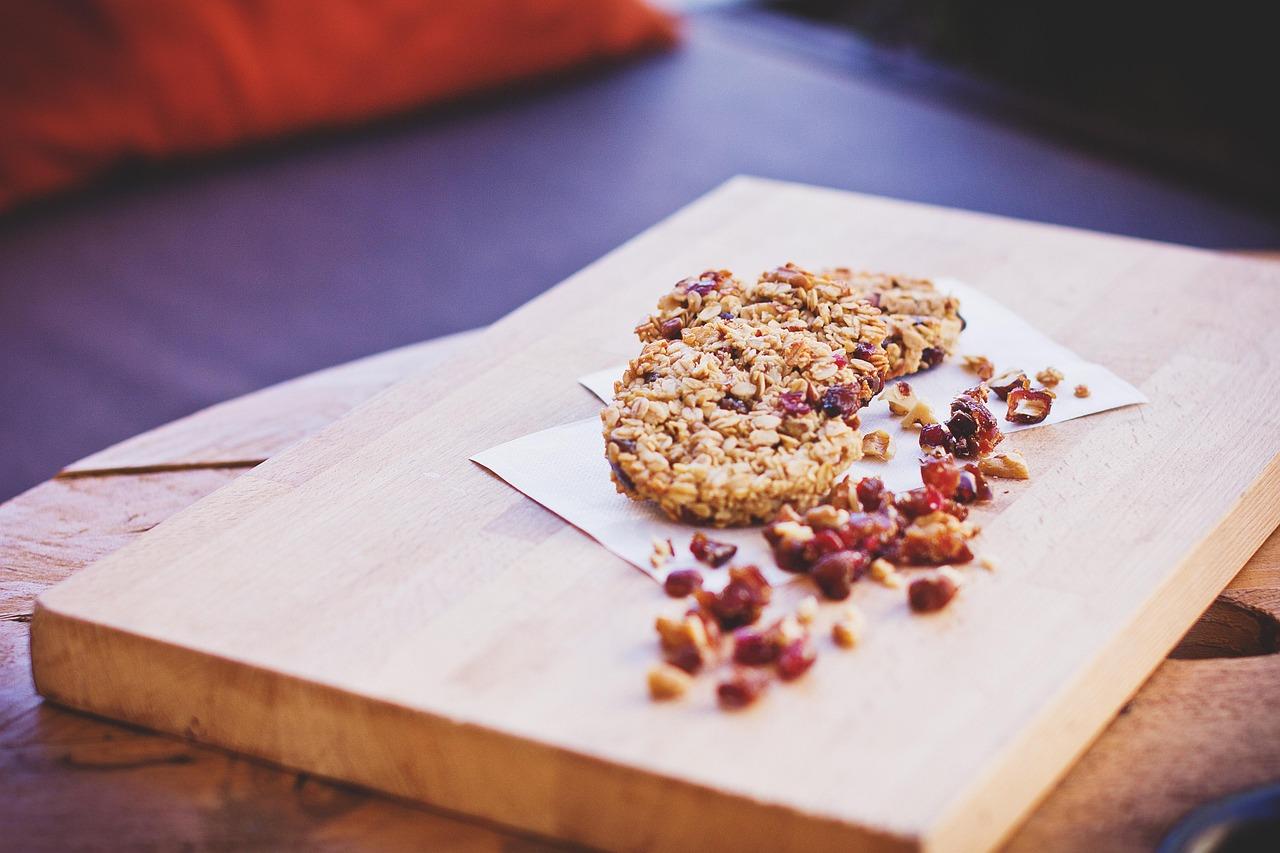
A no-cook barfi that children love: chopped dried fruit, nuts, crushed biscuits, cornflakes and rice krispies, with mixed peel, cherries and chocolate, all bound with butter and golden syrup and pressed into a tray. It's chewy, crunchy and full of colour. Makes about 42 squares, great for lunch boxes and party trays.

by KrazyBadal 0 views

Mixed nut fingers

A rich nut barfi of pistachios, cashews and almonds bound with saffron milk syrup, pressed into a tray and topped with a layer of dark chocolate. It's dense, nutty and chocolatey, and cuts into neat fingers. Makes about 80, ideal for Diwali boxes.

by KrazyBadal 0 views

Shrikhand

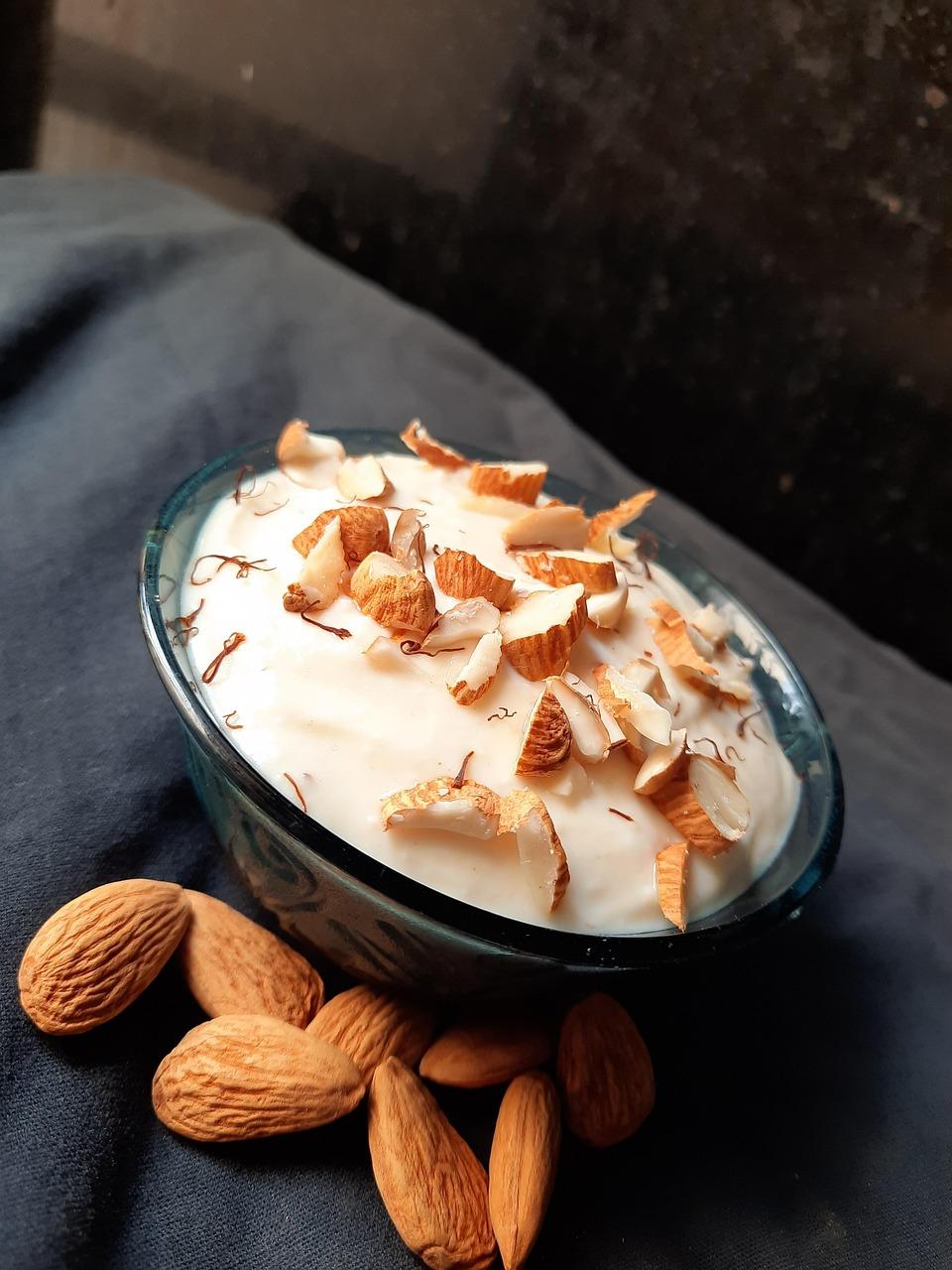
Shrikhand is a classic Gujarati dessert of yogurt hung until thick and creamy, then sweetened and flavoured with saffron, cardamom and ground nuts. It's cool, tangy-sweet and silky. Serve it chilled with hot puris, or on its own as a dessert; add fresh fruit for fruit shrikhand.

by KrazyBadal 0 views

Semolina siro

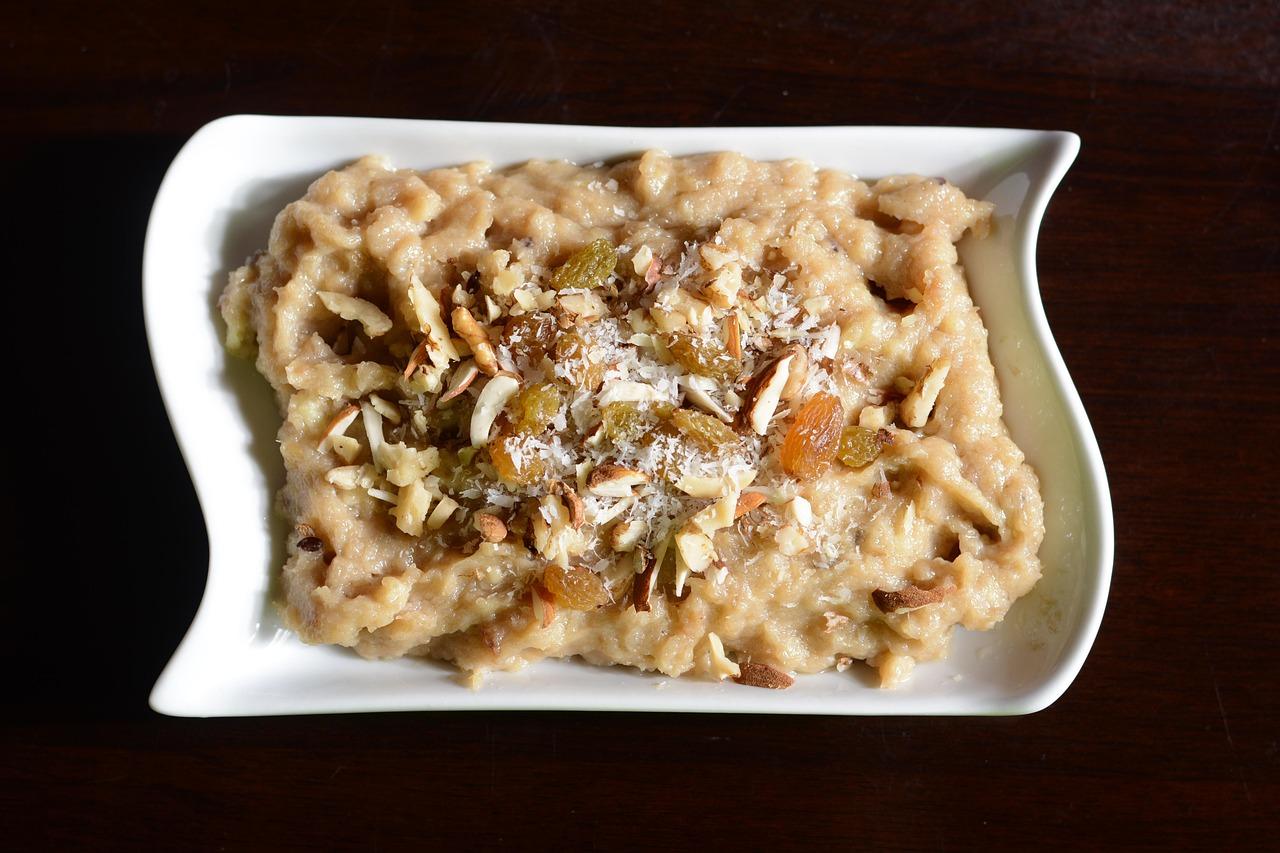
Siro (sheera) is the Gujarati version of sooji halwa: semolina roasted in ghee until light brown, then cooked with hot saffron milk and sugar until the ghee separates. It's soft, rich and fragrant with cardamom and nuts. Serve it hot, as a festive sweet, for prasad, or as a comforting treat.

by KrazyBadal 0 views

Choco crunch

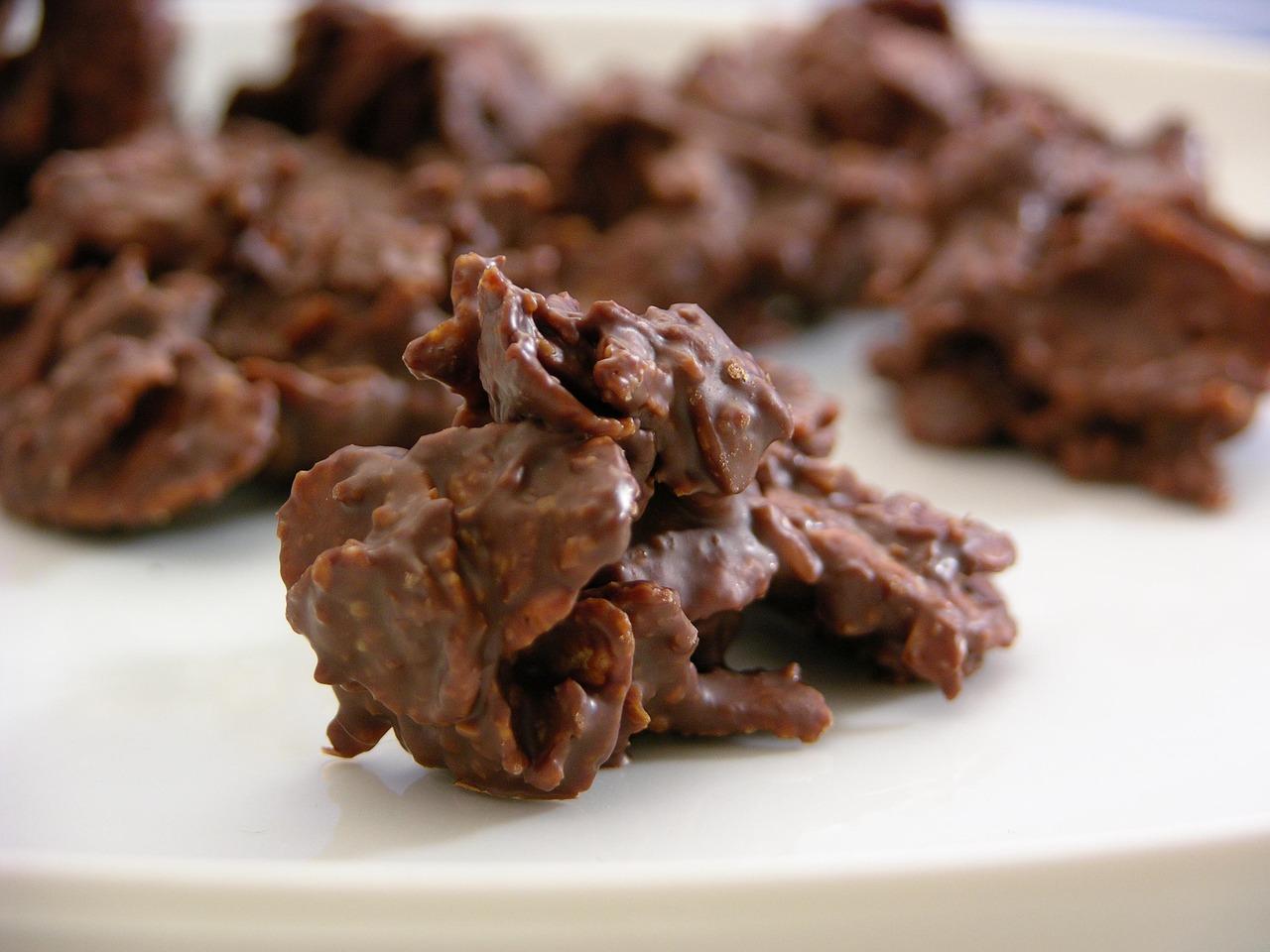
A crunchy no-bake chocolate slice: crushed rich tea biscuits, cornflakes, rice krispies and shredded wheat, nuts and coconut are bound with cocoa, margarine and golden syrup, then covered with melted chocolate. It's sweet, crisp and chocolatey, like a homemade cereal bar. Makes about 50 fingers, ideal for parties and lunch boxes.

by KrazyBadal 0 views

Paneer penda

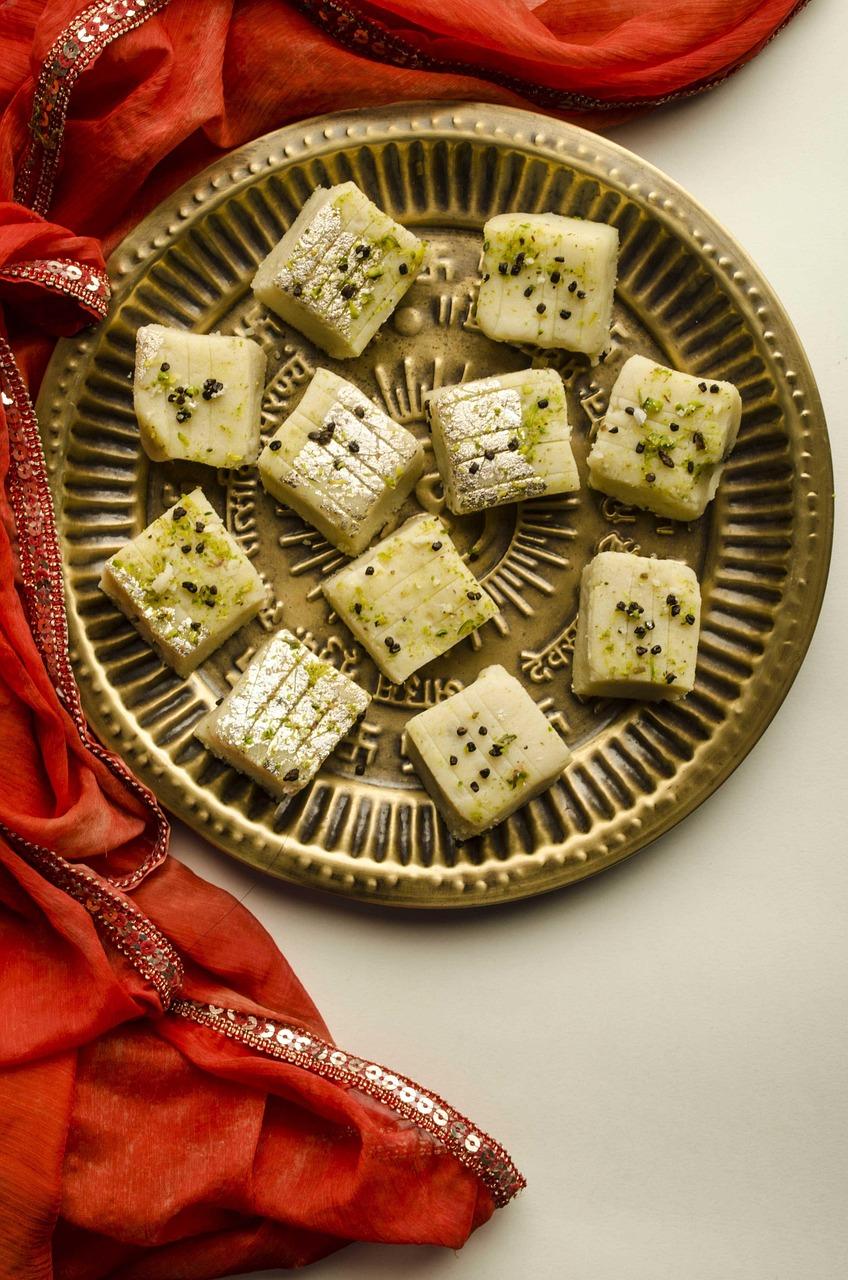
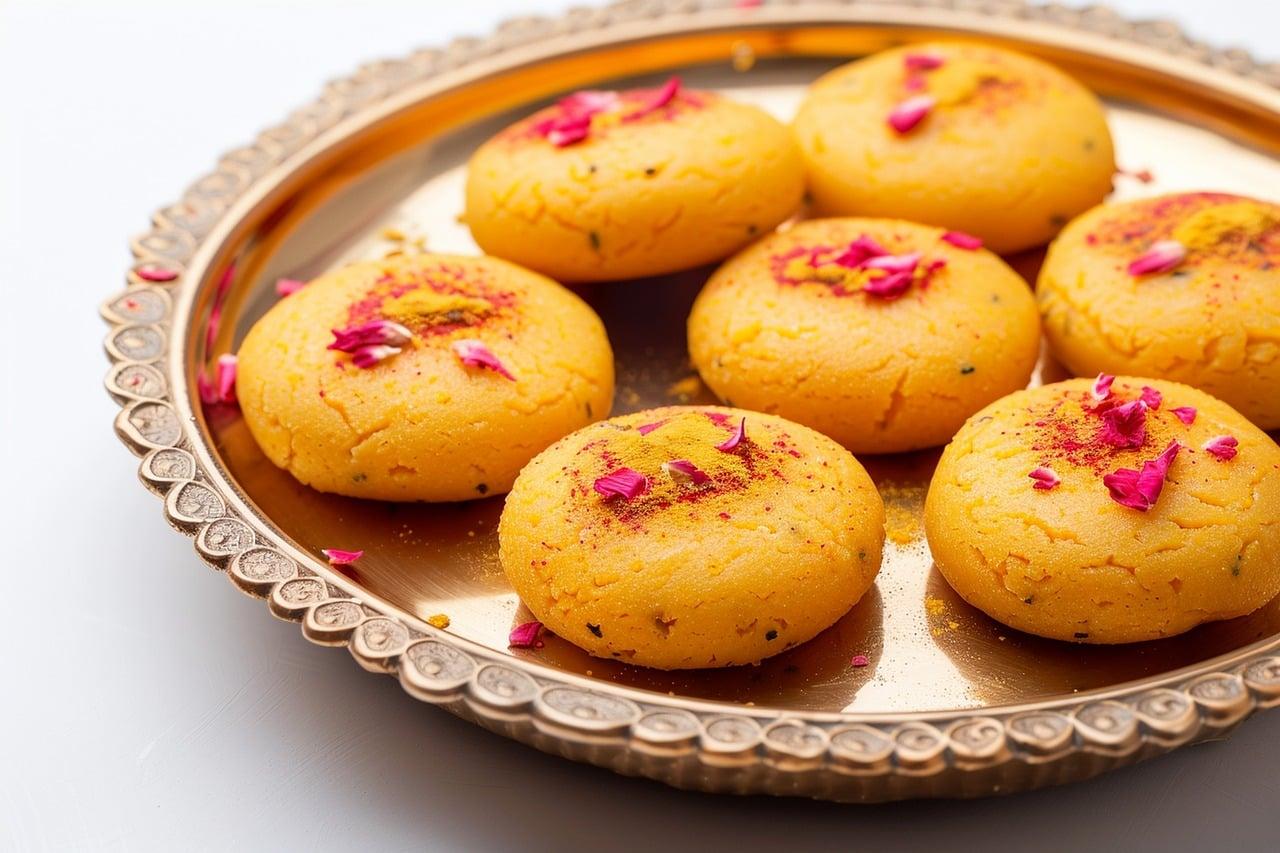
Soft, milky pendas made from mawa (khoya) and crumbled paneer cooked down in sweetened milk, flavoured with saffron, cardamom and a little nutmeg. The mixture is pressed into small moulds to give pretty shapes. Makes 15; serve as a festive sweet or offering.

by KrazyBadal 0 views

Microwave badam pak

A quick almond sweet made in minutes in the microwave: semolina toasted in butter, mixed with coarsely ground almonds, saffron and sweetened condensed milk, then set in a tray. It's soft, nutty and fragrant with cardamom. Makes 20 squares, ideal when guests are on the way.

by KrazyBadal 0 views

Showing 24 of 59 recipes

Show more recipes

Page 2 of 3

More collections