Skip to content

High-protein vegetarian meals

Meat-free meals with plenty of protein from paneer, dal, beans, tofu and eggs. (509 recipes)

Anglesey eggs

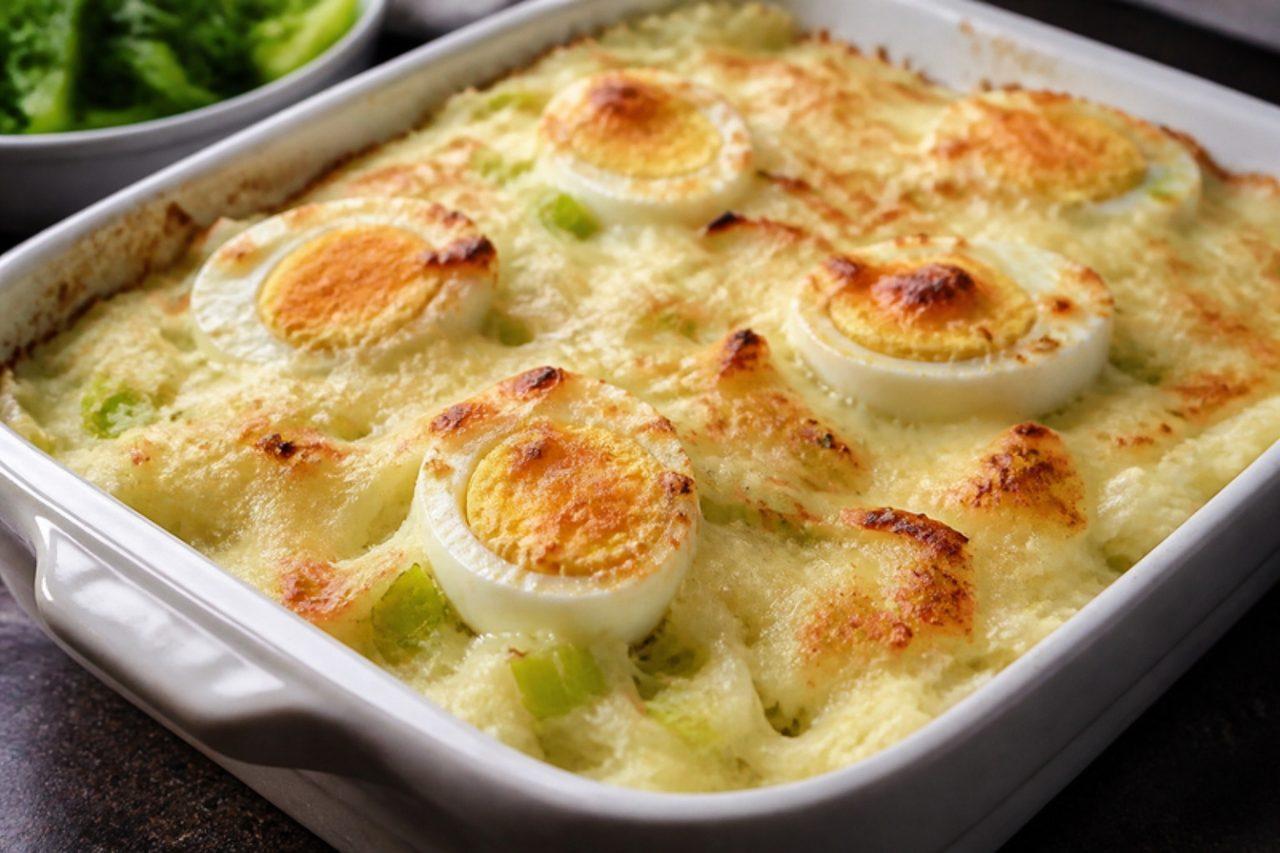
Anglesey eggs, wyau Ynys Môn, is a farmhouse supper from the island of Anglesey off North Wales: leeky mashed potato piped round halved hard-boiled eggs, covered with cheese sauce and baked until golden. It is cheap, filling and comforting, the kind of dish made on a wet weeknight with what the farm had. Use a vegetarian hard cheese, as traditional cheddar can contain animal rennet. Chef's tip: cool the boiled eggs in cold water straight away so the yolks stay yellow without a grey ring.

by KrazyBadal 0 views

Loubia (white beans in cumin and tomato)

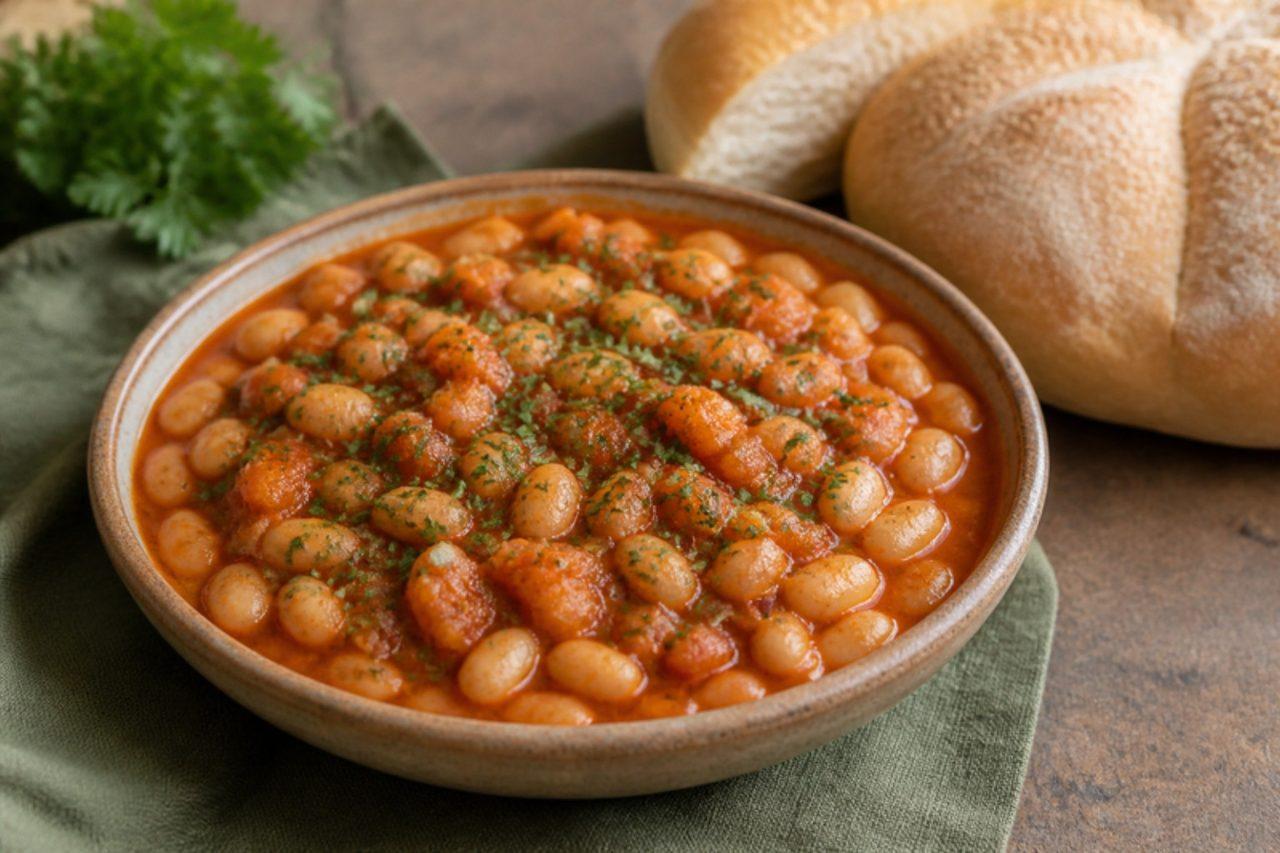
Ask in a Marrakech side street where to eat cheaply and you will be pointed to a stall with a vat of loubia: white beans stewed until creamy in a garlicky tomato sauce spiked with cumin, paprika and a little ginger, ladled into a bowl and eaten with bread. At home the same dish is a weekday staple, often cooked with a piece of meat, but the meat-free version here is just as satisfying and is how plenty of families make it. The sauce should be thick and orange with olive oil pooling on top. A sprinkle of cumin and a drizzle of oil at the table are customary. Avoid adding the tomato before the beans are tender; its acid keeps the skins tough however long they simmer. Chef's tip: soak the beans overnight and cook them until tender before the tomato goes in properly; acid stops beans softening, so loubia rushed with tomatoes from the start can stay chalky.

by KrazyBadal 0 views

Chickpeas with cumin (hummus bel kamoun)

On chilly evenings, street carts in the medinas steam a great pot of chickpeas and scoop them, piping hot, into paper cones with a shake of cumin, salt and sometimes a little chilli. It is one of the cheapest and most comforting snacks in the country, eaten while strolling, and the chickpeas should be tender and creamy but whole, never mushy. At home they make a lovely warm nibble, a lunchbox protein or something to pick at alongside soups. Dried chickpeas give the best texture and need an overnight soak; tinned ones work in a hurry, just warmed through in salted water. Chef's tip: toss the cumin and salt onto the chickpeas the moment they come out of the water, while they are still steaming and damp, so the seasoning clings.

by KrazyBadal 0 views

Steirische Kernöl-EierspeisScrambled eggs with pumpkin seed oil

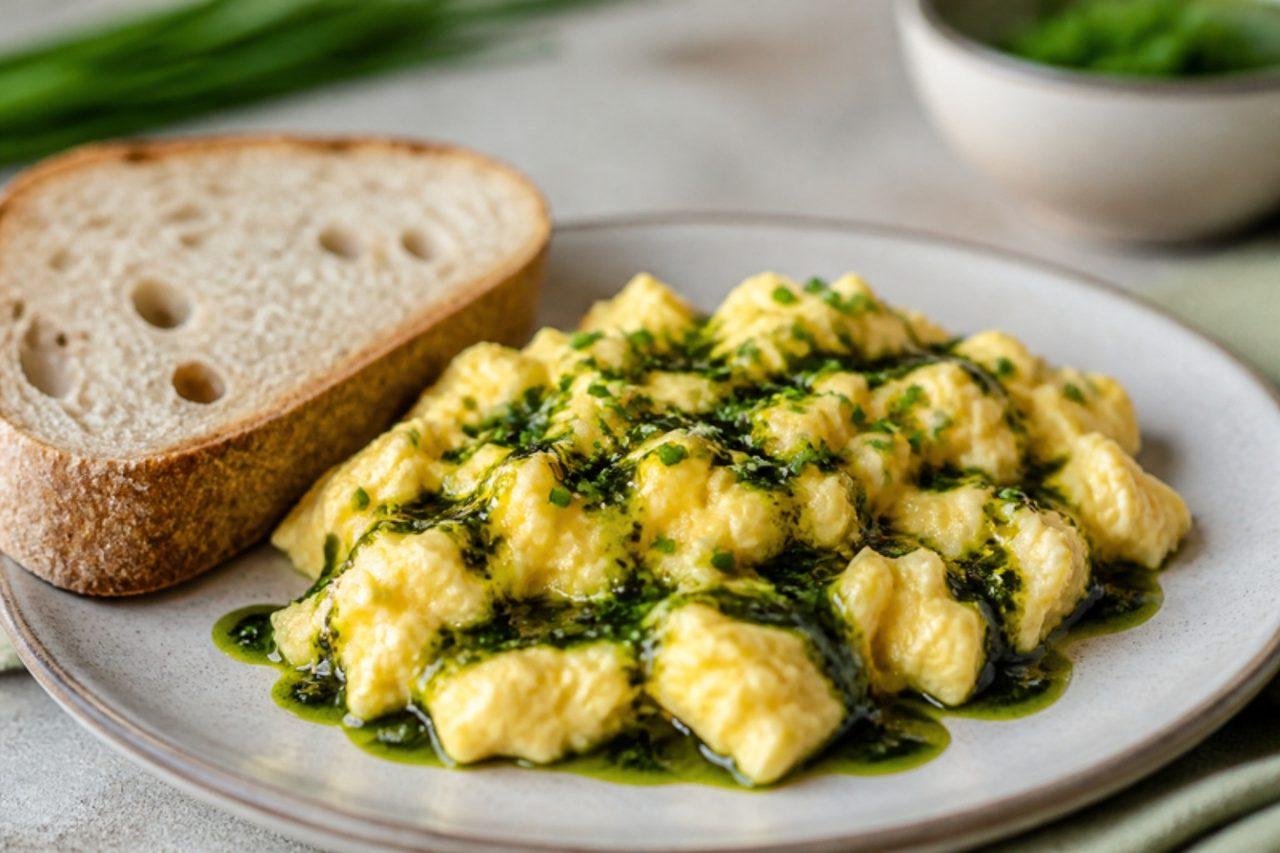
Eierspeis is the Austrian word for scrambled eggs, and in Styria they get a final drizzle of the region's dark green pumpkin seed oil. It is a farmhouse breakfast or a late-night snack after a long evening in a Graz wine bar, eaten straight from the small pan it was cooked in with a slice of rye bread. The eggs are soft and creamy in big folds, and the oil adds a toasted, nutty depth that tastes almost like brown butter. A common mistake is stirring too fast on a high heat, which gives small dry crumbs instead of soft curds. Chef's tip: salt the eggs a few minutes before cooking; it helps them set more tenderly.

by KrazyBadal 0 views

Barley couscous with vegetables (belboula)

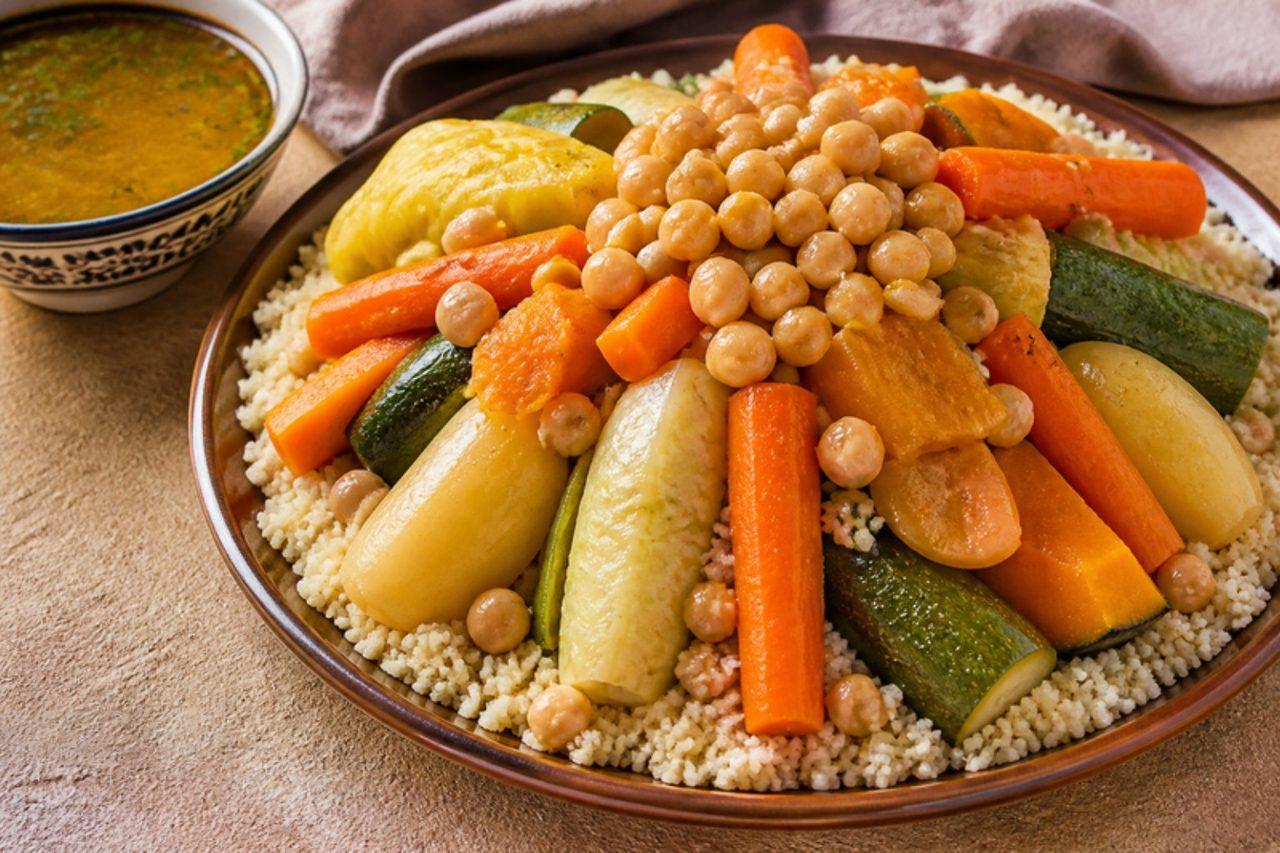
In the palm oases of the Draa Valley, south of the Atlas, barley grows where wheat struggles, and the couscous cooked for family meals is often belboula: cracked barley grains steamed three times until fluffy, nutty and slightly chewy. It is heaped on a big platter, crowned with vegetables from the broth bubbling beneath it, such as carrots, turnips, pumpkin, courgettes and cabbage, plus chickpeas, then moistened with ladles of the turmeric-and-ginger broth. On hot days the same couscous is eaten cold with buttermilk instead. It takes time but very little skill once you know the rhythm of steaming. Chef's tip: oil and rub the grains between your palms before each steaming so they stay separate.

by KrazyBadal 0 views

Appalachian soup beans

Soup beans, a pot of brown pintos simmered all afternoon until the broth turns thick and creamy, are the everyday supper of the coal-country hollows of Kentucky and West Virginia, served with cornbread, raw onion and chow-chow. Most mountain cooks add a ham hock or salt pork; this meat-free pot gets its savour from browned onion, garlic and a little smoked paprika. Chef's tip: mash a ladle of beans against the pot side near the end to thicken the 'pot likker'.

by KrazyBadal 0 views

EnfrijoladasTortillas in black bean sauce

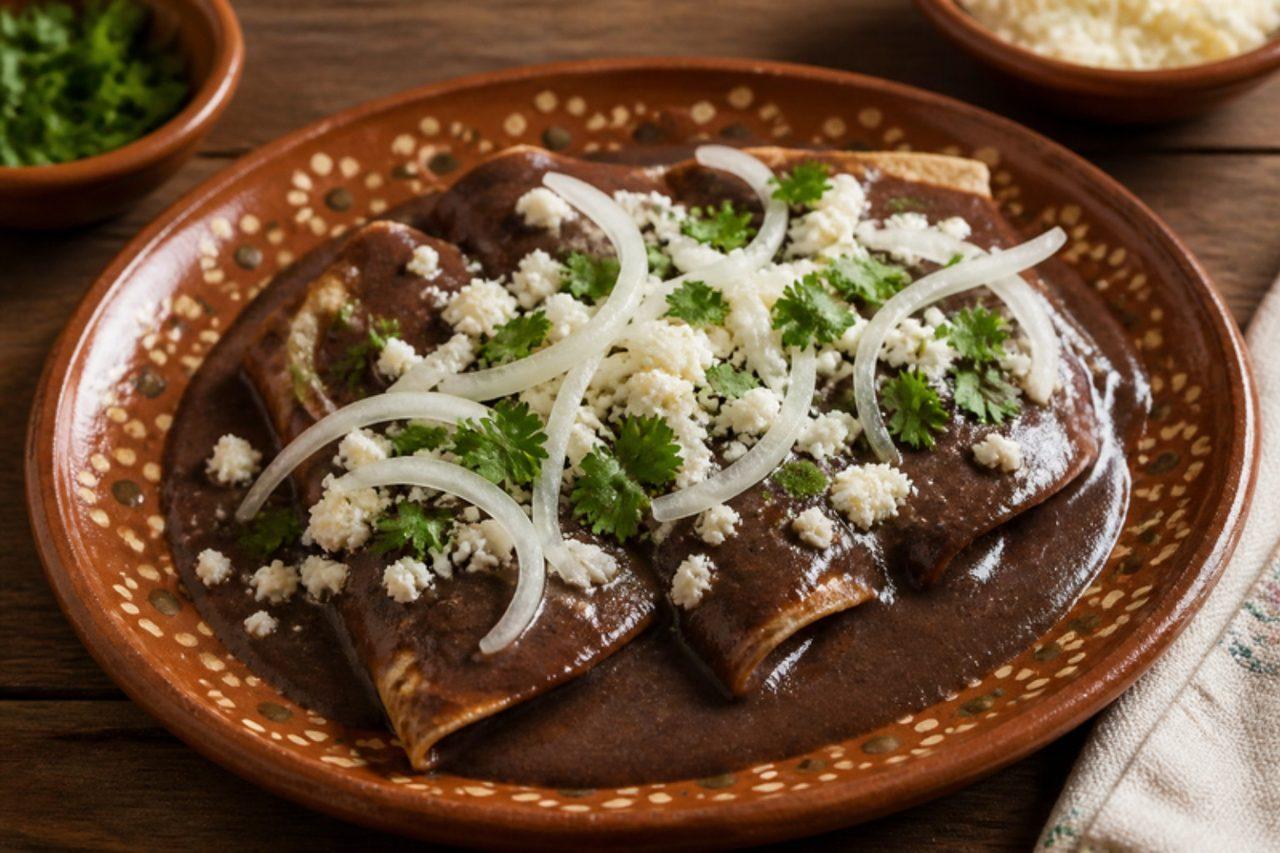
Think of enfrijoladas as enchiladas that swap chilli sauce for beans: warm tortillas dipped in a silky black-bean purée, folded into quarters and scattered with fresh cheese and raw onion. In Oaxaca they are a breakfast and supper dish, made from yesterday's pot of beans, and the purée is perfumed with toasted avocado leaves, which taste faintly of anise. Serve two or three per person with a fried egg or a spoonful of salsa. Queso fresco is often made with animal rennet; use a vegetarian feta or paneer-style fresh cheese if that matters to you. Chef's tip: keep the bean sauce loose, like double cream; it thickens on the plate and a stiff sauce tears the tortillas.

by KrazyBadal 0 views

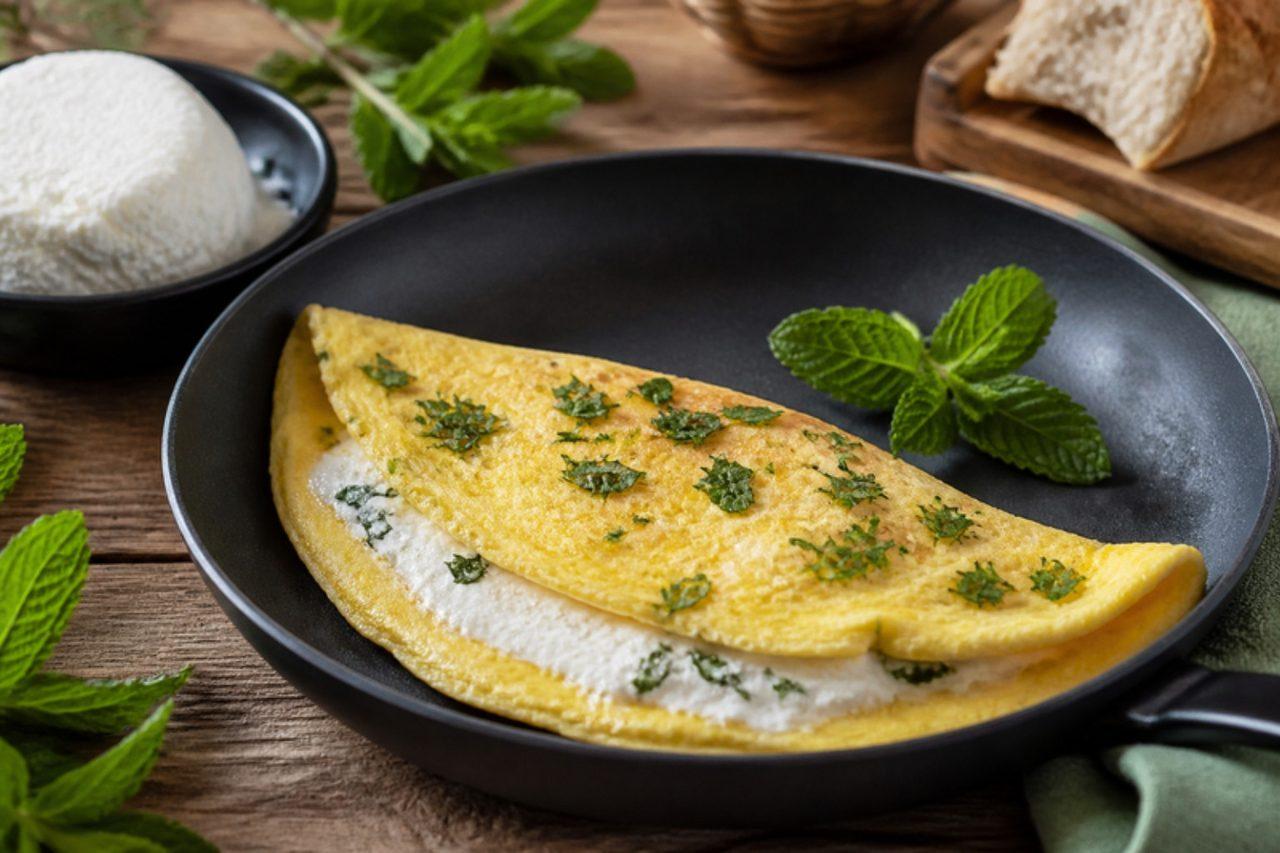
Omelette au brocciu et à la mentheFresh cheese and mint omelette

Inland Corsica, around Corte and the mountain villages, serves this omelette from late autumn to early summer, the months when shepherds make fresh brocciu. The cheese goes in at the last moment so it stays creamy, and wild mint picked from the maquis cuts through its richness; it is a light lunch or supper with a green salad and bread. Brocciu is made from the whey of rennet cheeses, so vegetarians often use ricotta labelled vegetarian instead. Chef's tip: season the cheese and mint, not just the eggs, because fresh whey cheese is very mild.

by KrazyBadal 0 views

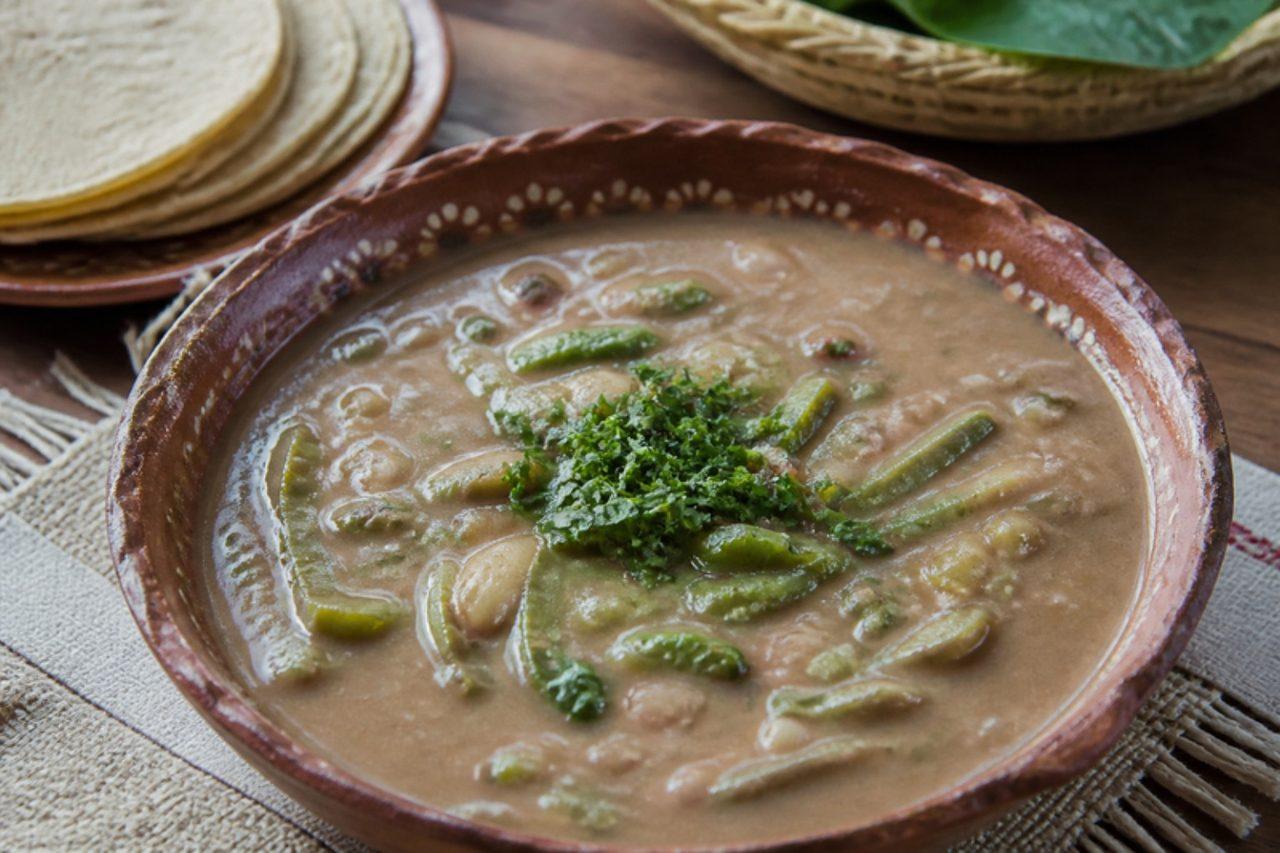
TlatlapasBean, fava and pea soup

In the villages of Tlaxcala, tlatlapas is the Lenten and rainy-season soup: dried beans, fava and peas are toasted on a comal, ground to a coarse flour and simmered into a thick, earthy purée seasoned with dried chilli, epazote and strips of cactus. It is a peasant dish with pre-Hispanic roots, cheap, filling and full of protein, eaten with corn tortillas and a squeeze of lime. Using split beans keeps the cooking under an hour. Chef's tip: toast the pulses until golden and nutty, not dark; burnt ones turn the whole pot bitter.

by KrazyBadal 0 views

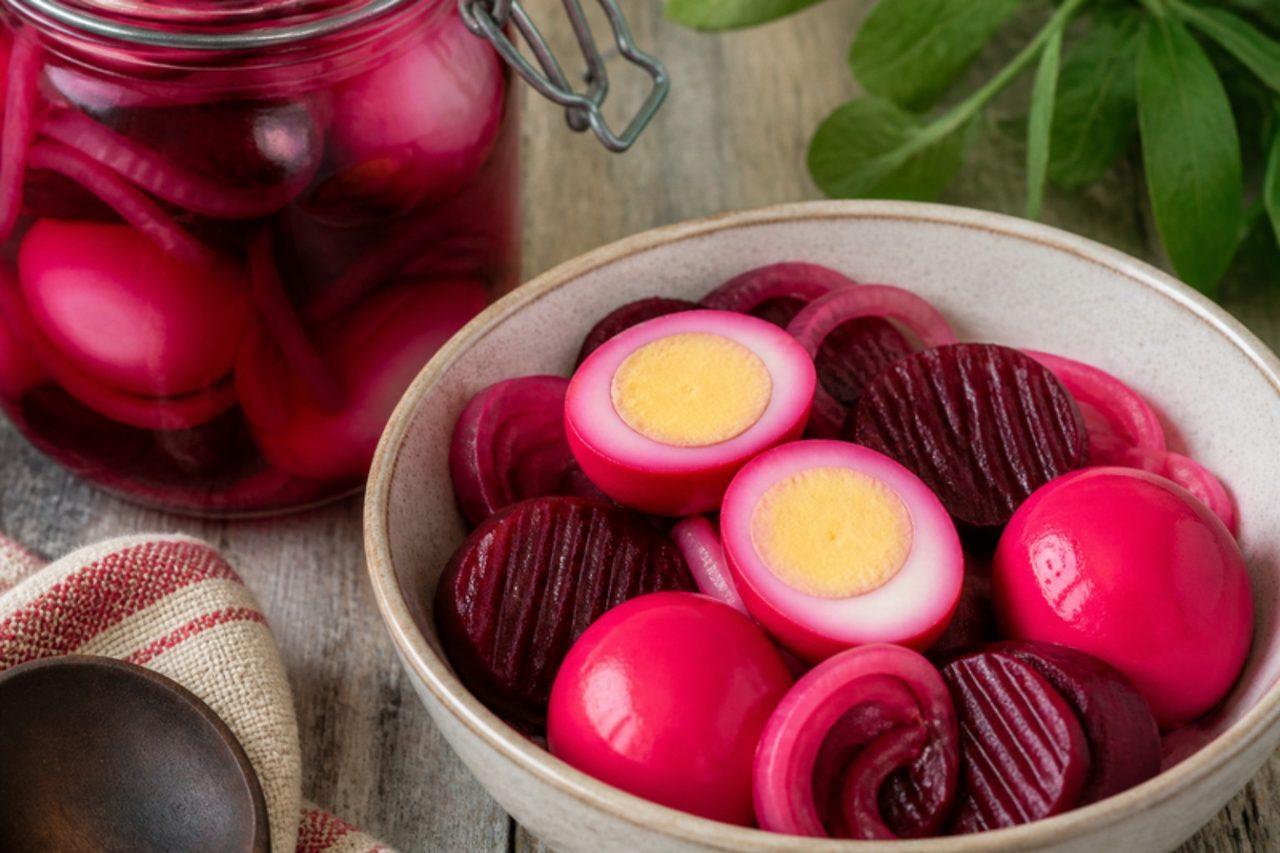
Pickled red beet eggs

Red beet eggs are on the table at every Pennsylvania Dutch church picnic and Easter lunch, a jar of shocking-pink eggs sitting in the same sweet-sour brine as the pickled beets. The whites take on colour and tang from the outside in, while the yolks stay creamy. Slice them on a salad or eat them whole with a pinch of salt. Chef's tip: two days in the brine gives a thin pink ring; leave them four days for colour almost to the yolk.

by KrazyBadal 0 views

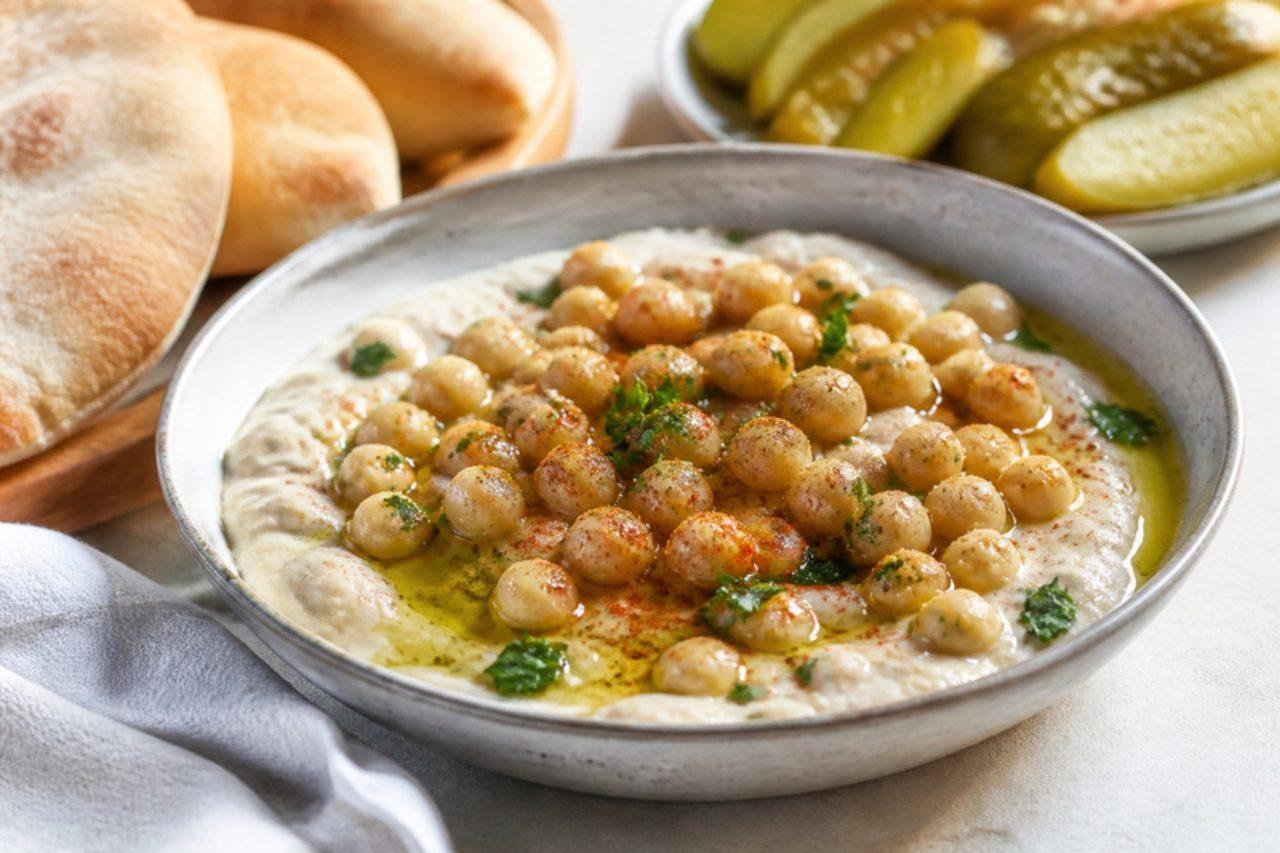
MsabbahaWhole chickpeas in tahini sauce

Hummus shops in Jerusalem's Old City and in Nablus open before dawn, and alongside the smooth hummus they ladle out msabbaha: whole, just-cooked chickpeas bathed in a loose, garlicky tahini and lemon sauce, still warm. It is a working breakfast, eaten with raw onion wedges, green chilli and plenty of bread, and it is just as popular in south Lebanon. The texture is the point, soft chickpeas in a creamy pool rather than a purée. The common mistake is making the tahini sauce too thick; it should pour like double cream so it seeps around every chickpea. Chef's tip: crush a handful of the hot chickpeas into the sauce before you spoon it over; it makes the msabbaha richer and creamier.

by KrazyBadal 0 views

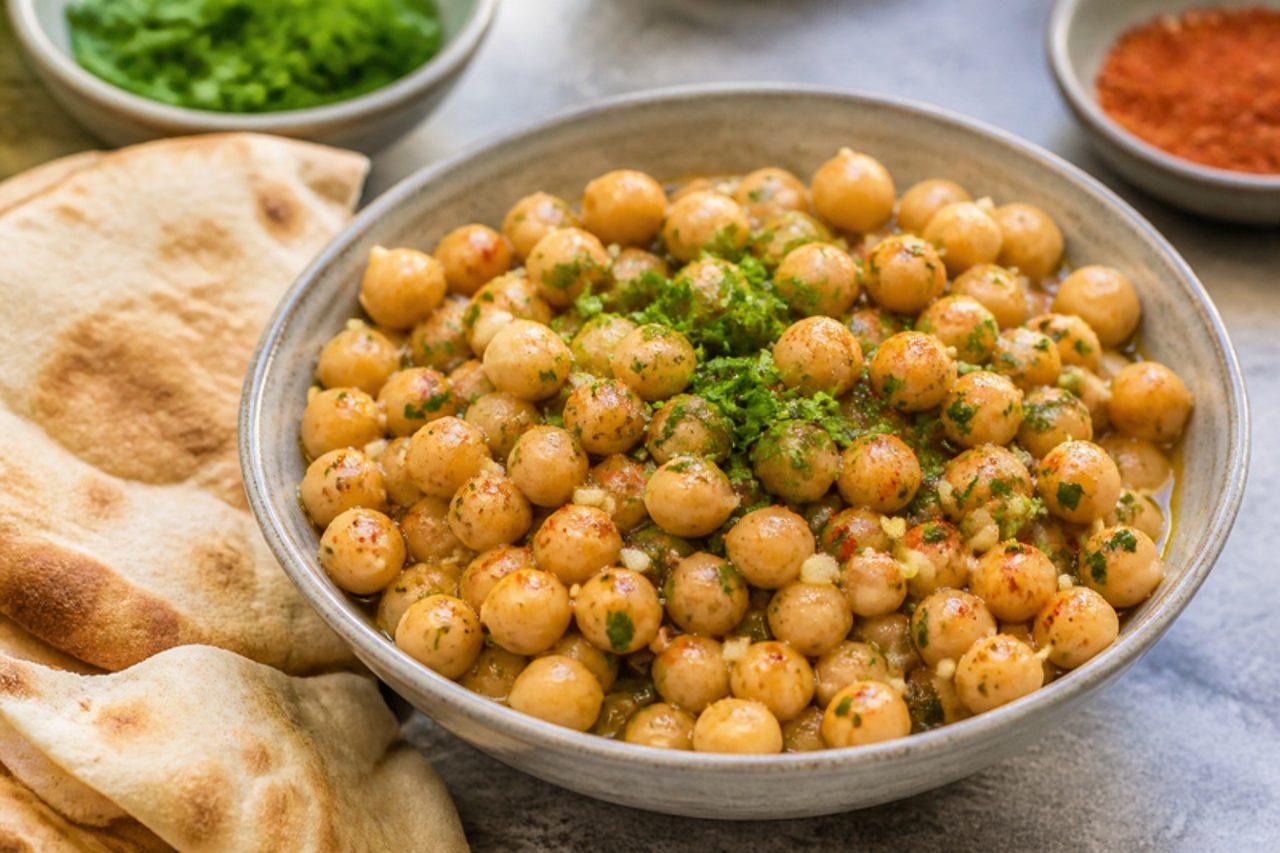
BalilaWarm chickpeas with garlic and lemon

On winter mornings in Damascus, handcarts with steaming pots of chickpeas park outside schools and offices, and vendors ladle balila into paper cups with a squeeze of lemon and a shake of cumin. In Beirut it is a mezze dish and a light Sunday breakfast, served warm in a shallow bowl with pine nuts and parsley and bread on the side. It is simply chickpeas, cooked until creamy inside, dressed while hot so they soak up the garlic and oil. The usual mistake is dressing cold chickpeas from the fridge; they stay waxy and the flavours sit on the surface. Chef's tip: keep a ladle of the hot cooking water and add it to the dressing; it turns the oil and lemon into a light, clinging sauce.

by KrazyBadal 0 views

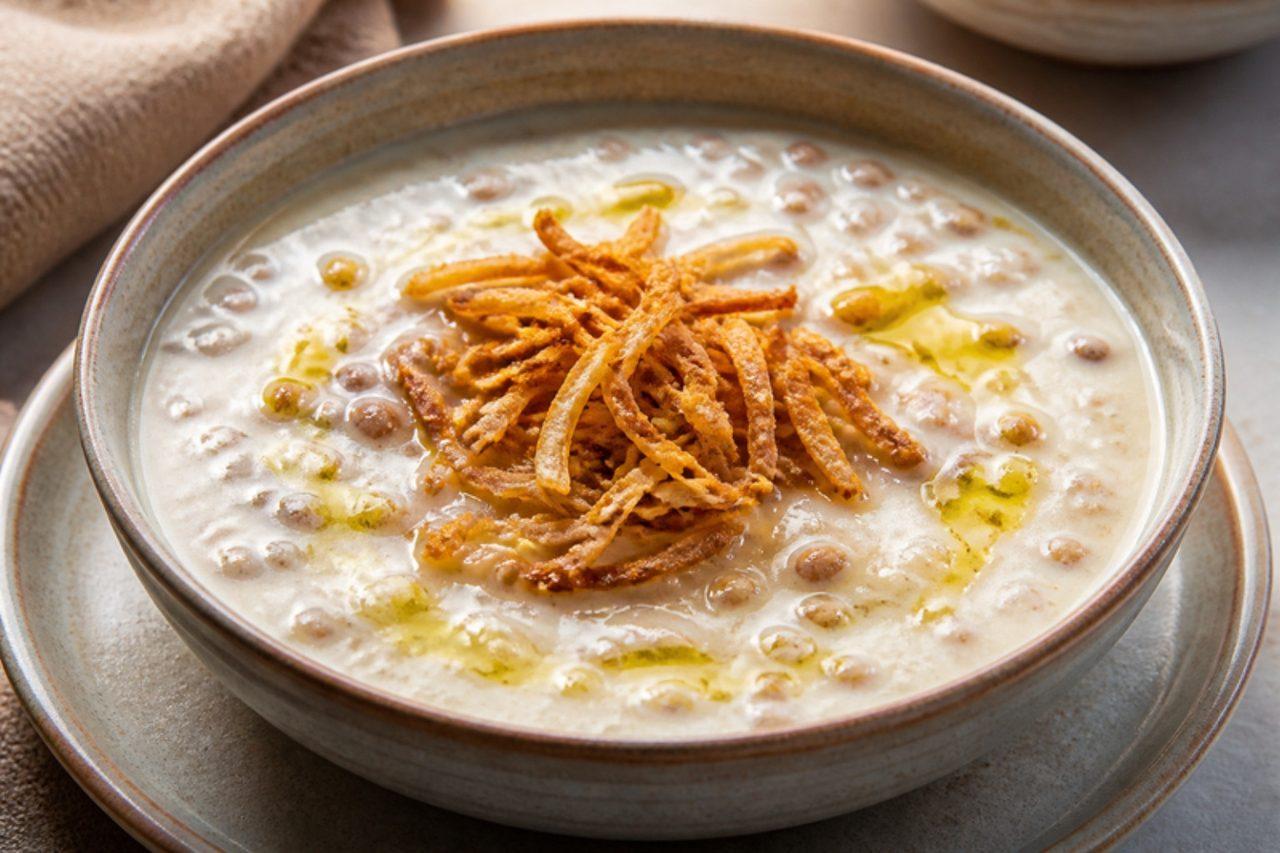
RashoofLentil and cracked wheat yoghurt soup

In the stone villages around Karak and Tafileh, rashoof is what simmers on cold, wet evenings: brown lentils and coarse bulgur cooked soft, then enriched with jameed, the dried salted yoghurt that is also the soul of mansaf. The result is thick, sour and comforting, almost a porridge, finished with a heap of onions fried golden in samneh. Jameed is sold in hard balls or as a liquid in Middle Eastern shops; thick strained yoghurt with a little extra salt makes a fine stand-in. The classic mistake is letting the soup boil hard once the yoghurt goes in, which makes it split into grainy curds. Chef's tip: temper the yoghurt with a ladle of hot soup first and stir in one direction over a low heat; it stays silky.

by KrazyBadal 0 views

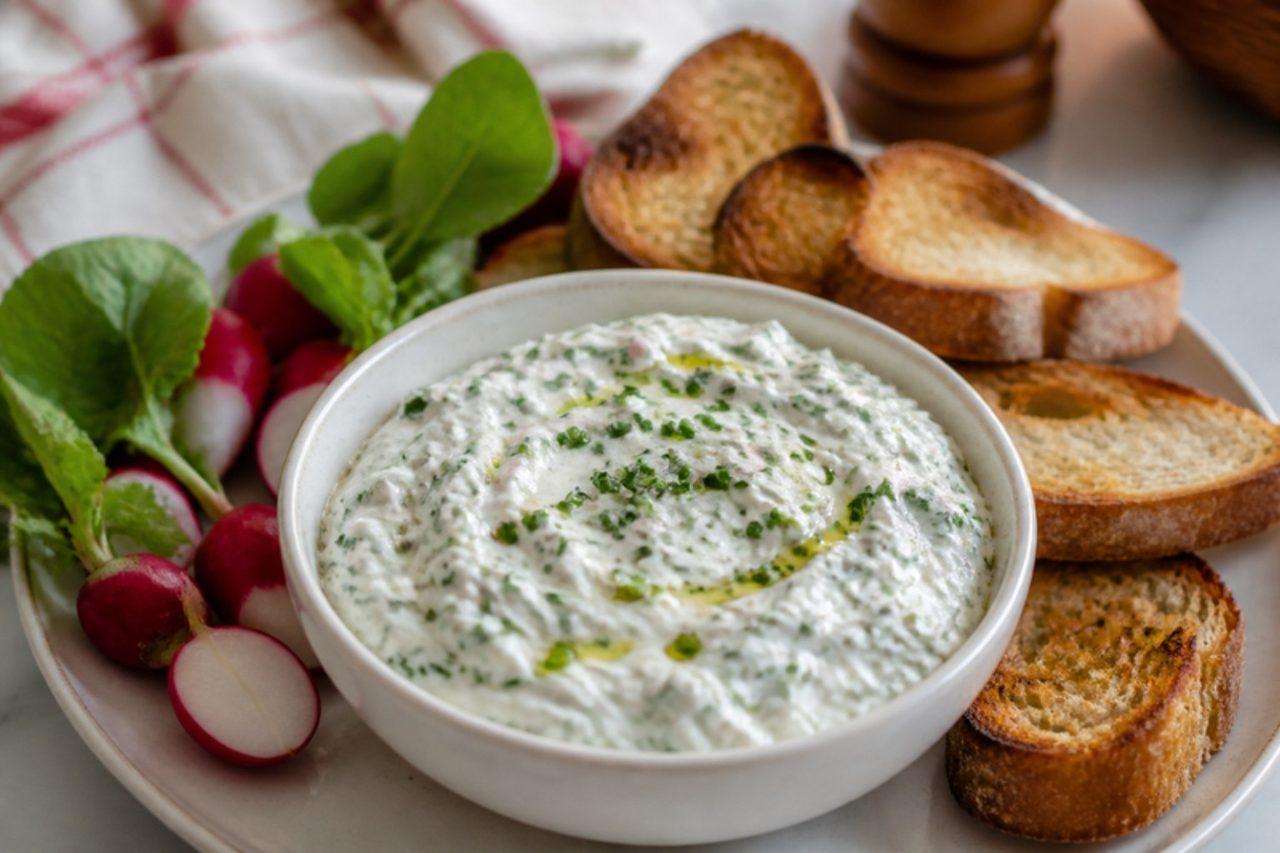
Cervelle de canutHerbed fresh cheese dip

The name means 'silk weaver's brain', a joke from the Croix-Rousse hill in Lyon, where nineteenth-century canuts worked the looms and could not afford the lamb's brains their bosses ate. Their version was fromage blanc whipped with shallot, garlic and herbs, and it is still served in every bouchon as a starter or after the main course, with bread, toast or boiled potatoes. Some cooks splash in white wine; this version uses a little white wine vinegar instead, so it is alcohol-free. Some fromage blanc is set with rennet, so pick a brand labelled vegetarian if that matters. Chef's tip: make it an hour ahead; the shallot softens and the herbs flavour the cheese right through.

by KrazyBadal 0 views

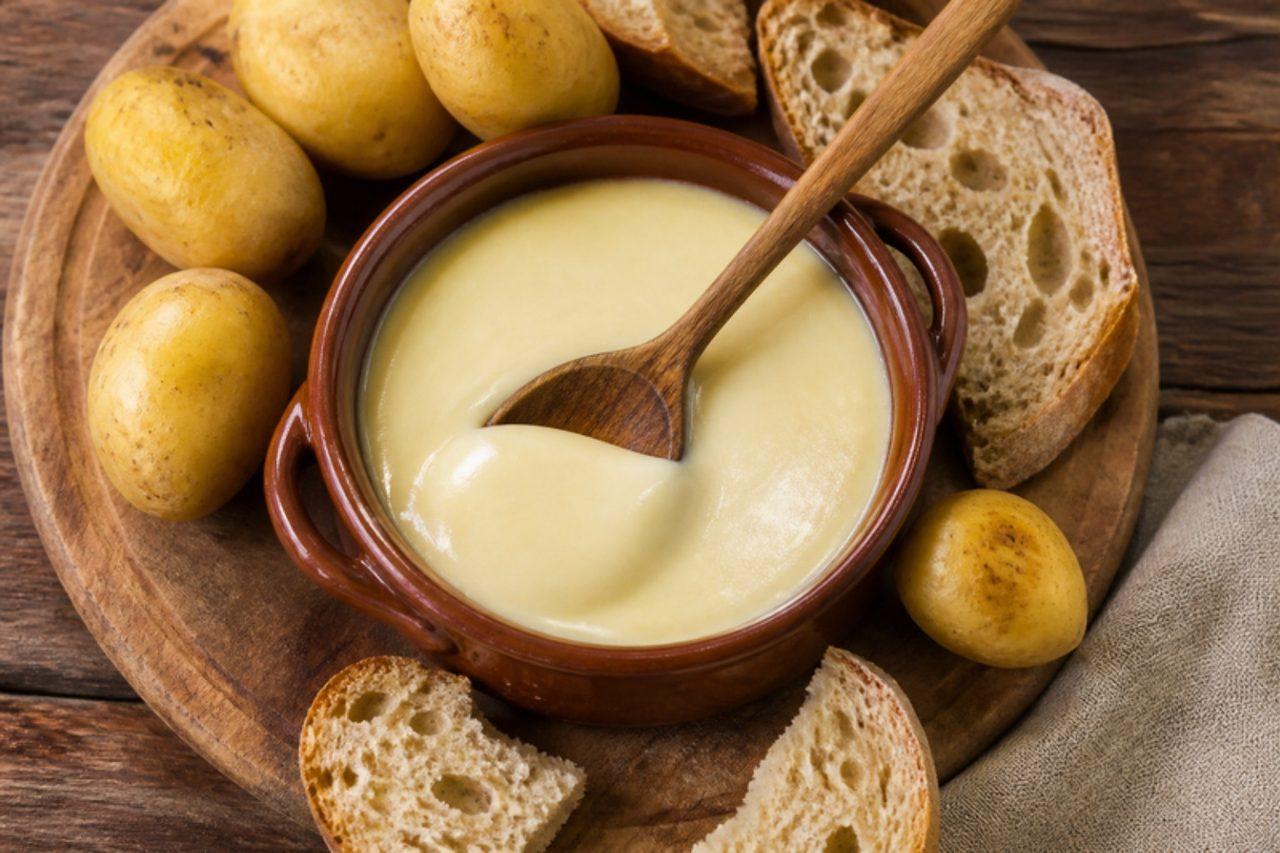
CancoillotteWarm runny cheese with garlic

Cancoillotte is the loose, pale-gold melted cheese of Franche-Comté, the region around Besançon, Morteau and the Jura border. Families keep a pot of it in the fridge and warm it for Sunday supper, pouring it over boiled potatoes, dipping bread into it or spooning it over a baked potato. The real thing starts from metton, a ripened curd that is hard to find outside the region, so this home version uses quark and a pinch of bicarbonate of soda, the same trick German cooks use for Kochkäse: the soda turns the curd soft and melty, and butter, garlic and a little milk give the silky, slightly tangy finish. Most quark is made with little or no rennet, but check the label if that matters to you. Chef's tip: leave the quark and soda to rest for a full hour; it should turn translucent and gooey before it goes near the heat.

by KrazyBadal 0 views

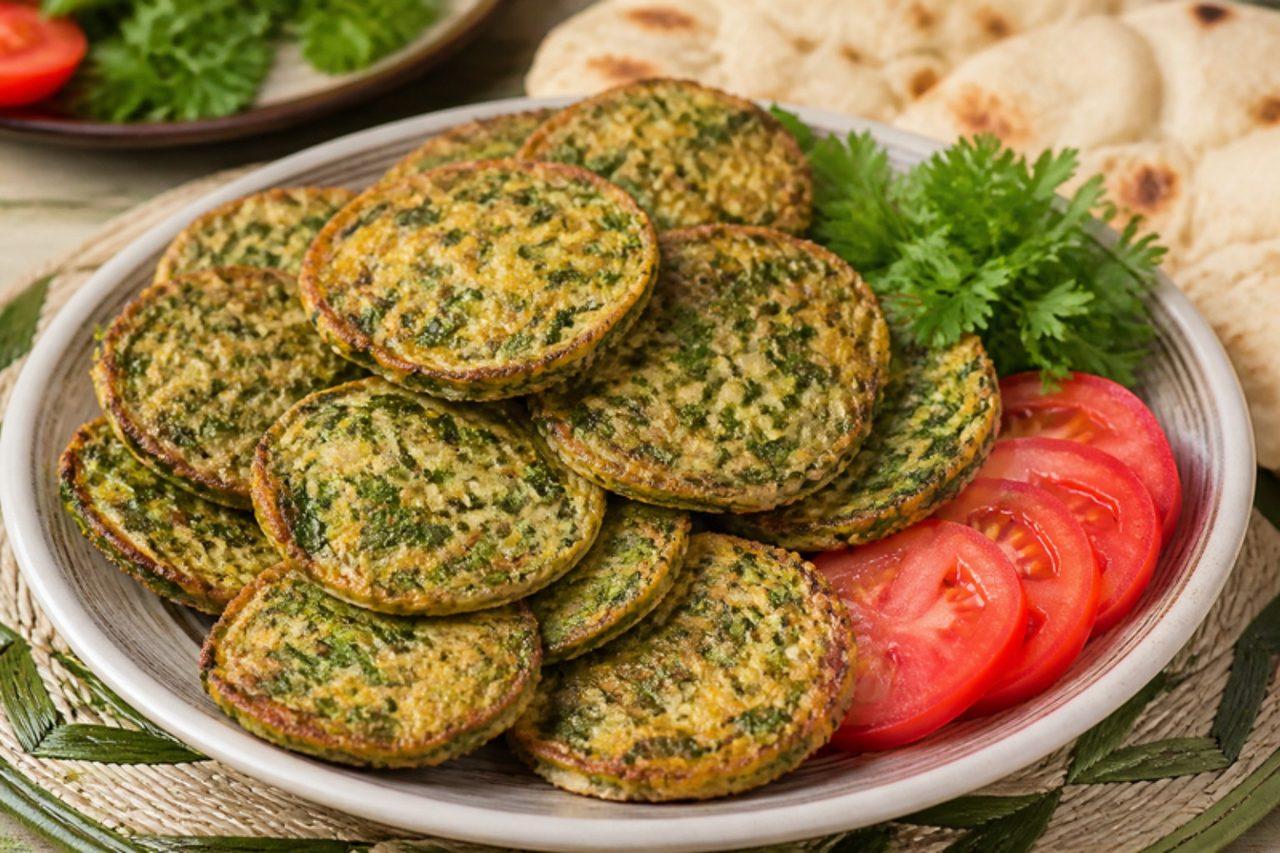
IjjehHerb omelette cakes

Ijjeh is the quick supper of Palestinian and Levantine homes: eggs beaten with so much parsley, mint and spring onion that they turn green, spiced with a little cinnamon and allspice, then fried as thick little patties. They are tucked into warm bread with tomatoes and pickles for school lunches, or served on a breakfast spread with olives and labneh. Common mistake: frying in too little oil over a high heat, so the outsides burn before the herbs inside cook. Chef's tip: a spoonful of flour and a pinch of baking powder make them puff and stay soft when eaten cold the next day.

by KrazyBadal 0 views

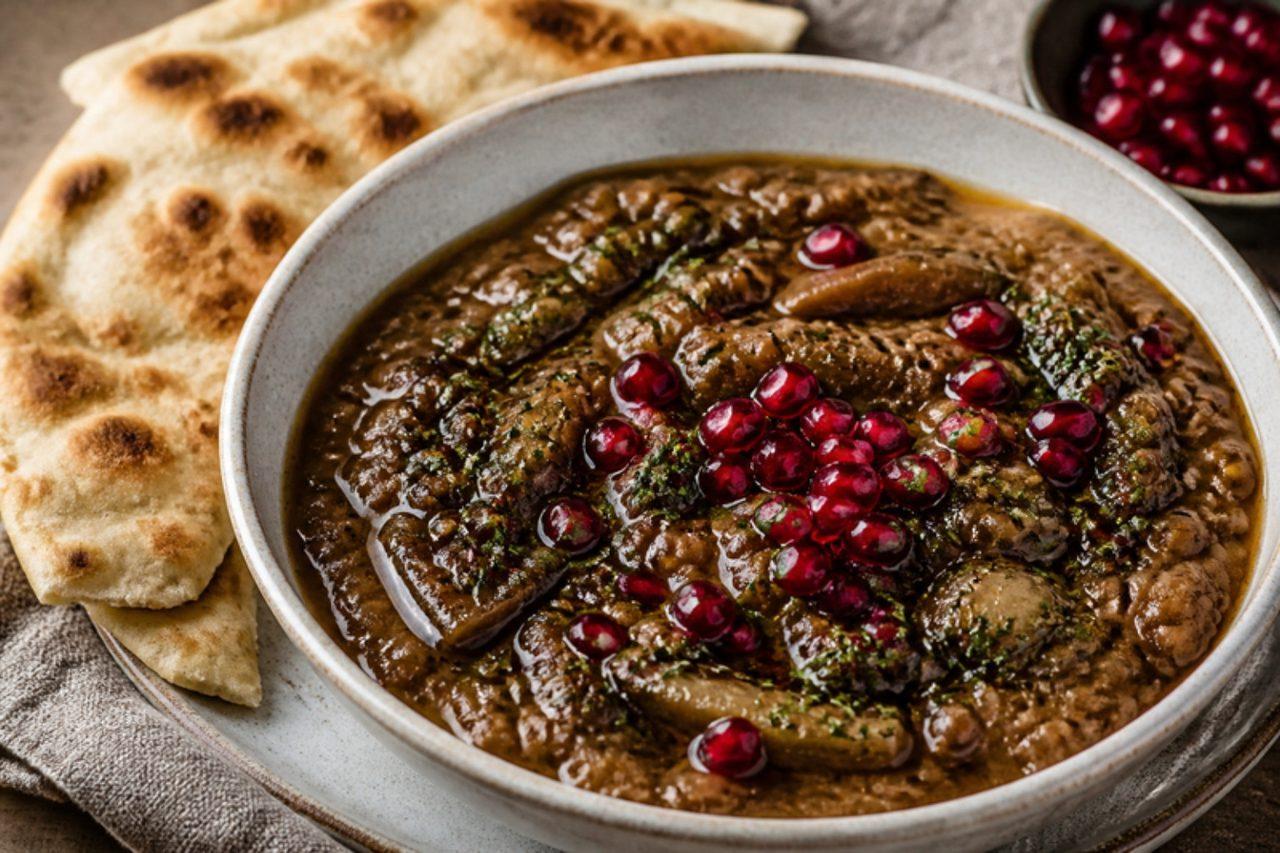
RummaniyehLentil and aubergine stew with pomegranate

Rummaniyeh, from rumman (pomegranate), is a Gazan autumn dish made when the pomegranates ripen: brown lentils and cubes of aubergine cooked to a thick, earthy stew, soured with pomegranate juice and molasses, enriched with tahini and finished with a sizzling oil of garlic, dill and chilli. It is eaten warm or at room temperature, scooped up with bread, and keeps well for days. Common mistake: adding the tahini over a high heat, where it seizes and turns grainy; stir it in off the boil. Chef's tip: fry the garlic and dill only until the garlic is pale gold; brown garlic tastes bitter against the sour fruit.

by KrazyBadal 0 views

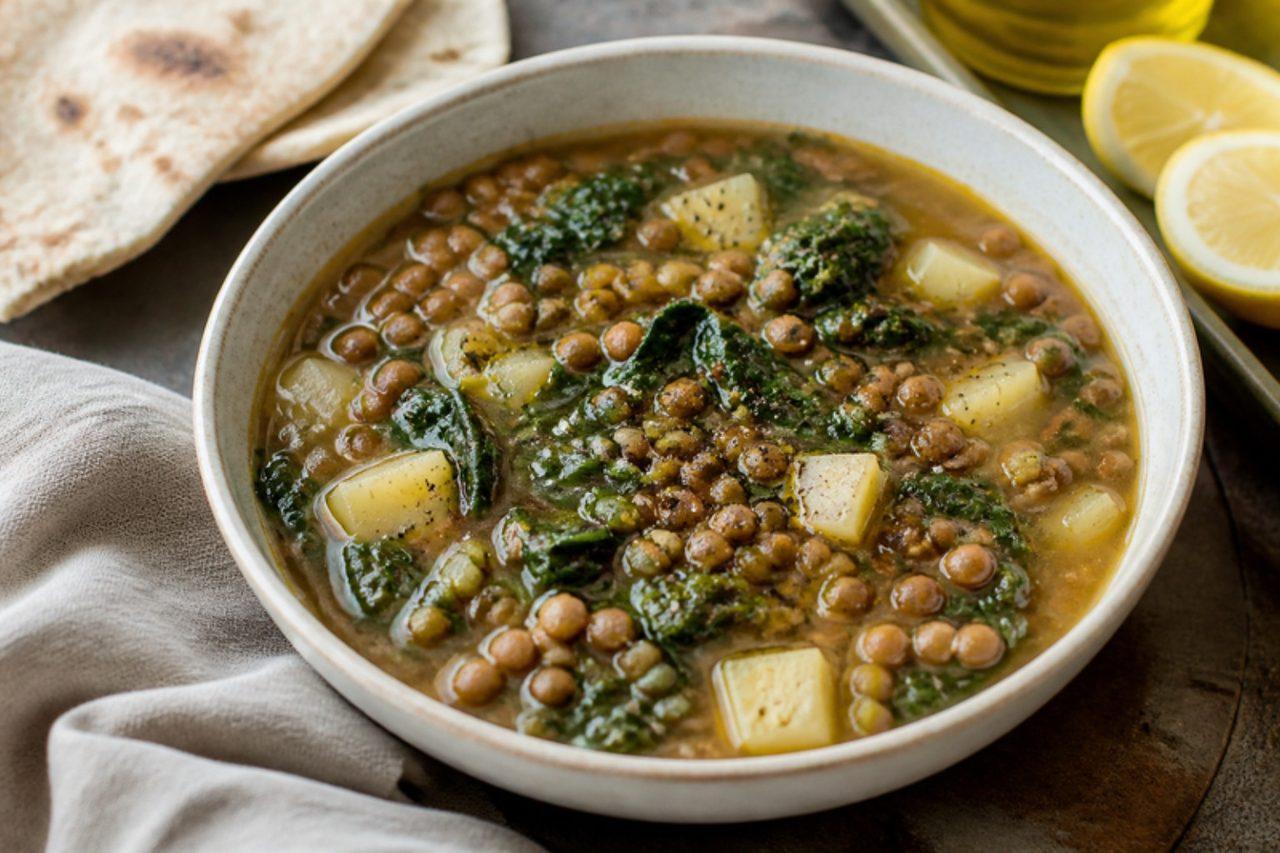
Adas bi hamodLentils with chard and lemon

Adas bi hamod — 'lentils with sourness' — is a Lenten staple in Lebanese Christian homes and a thrifty weeknight pot everywhere else, especially in the south. Brown lentils simmer with chard, potato and a fried paste of garlic and coriander until the broth turns thick, then a generous amount of lemon makes it tangy and refreshing. It is somewhere between a soup and a stew and is just as good warm or at room temperature with bread. Common mistake: adding the lemon at the start; the acid stops the lentils softening, so add it at the end. Chef's tip: mash a ladleful of lentils against the side of the pot to give the broth body without any flour.

by KrazyBadal 0 views

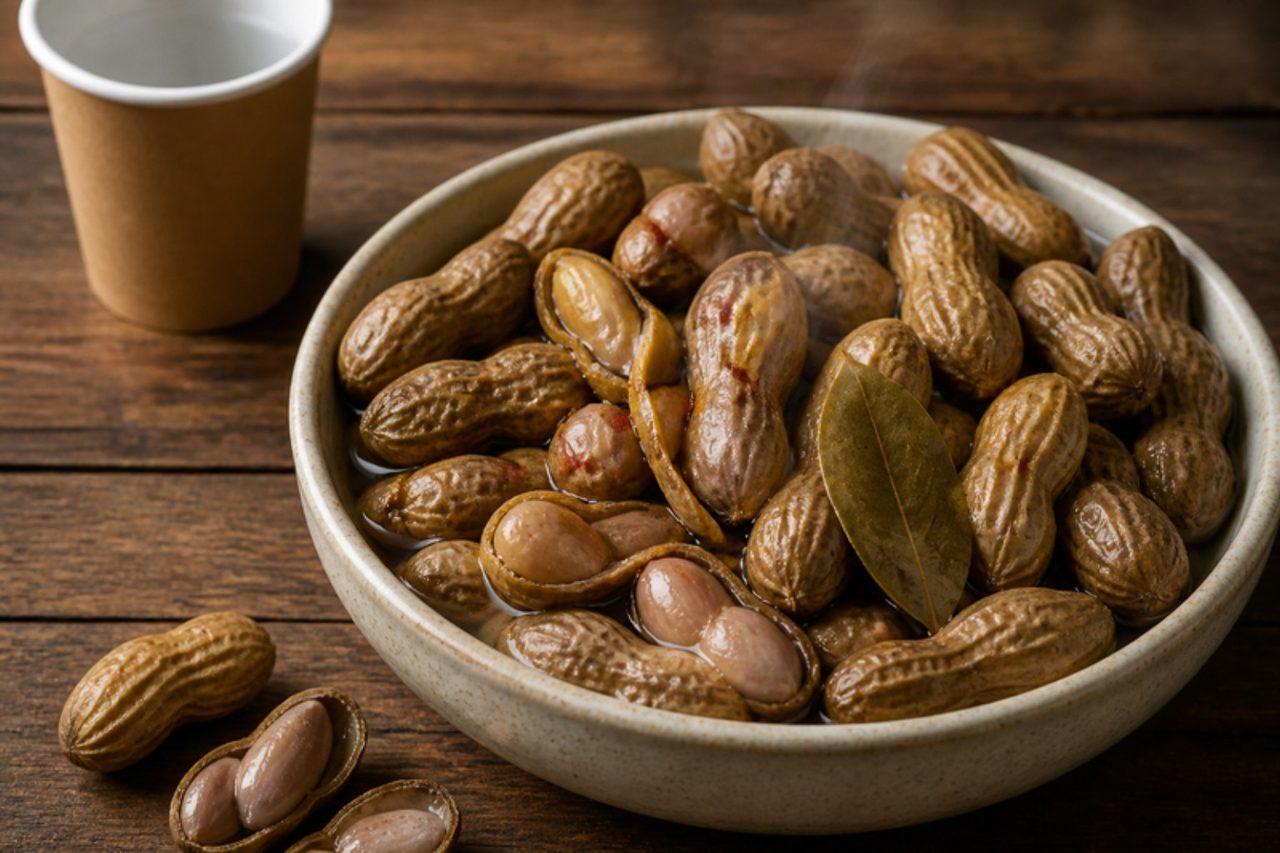
Southern boiled peanuts

Boiled peanuts are sold steaming from roadside stands and petrol stations all along the back roads of South Carolina, Georgia and Alabama, ladled into paper bags in late summer when the green peanut harvest comes in. Raw peanuts are simmered for hours in heavily salted water until soft as cooked beans, salty and earthy. A Cajun-spiced version with chilli is popular too. Chef's tip: taste a peanut every hour; they are done when the kernel is completely soft with no crunch.

by KrazyBadal 0 views

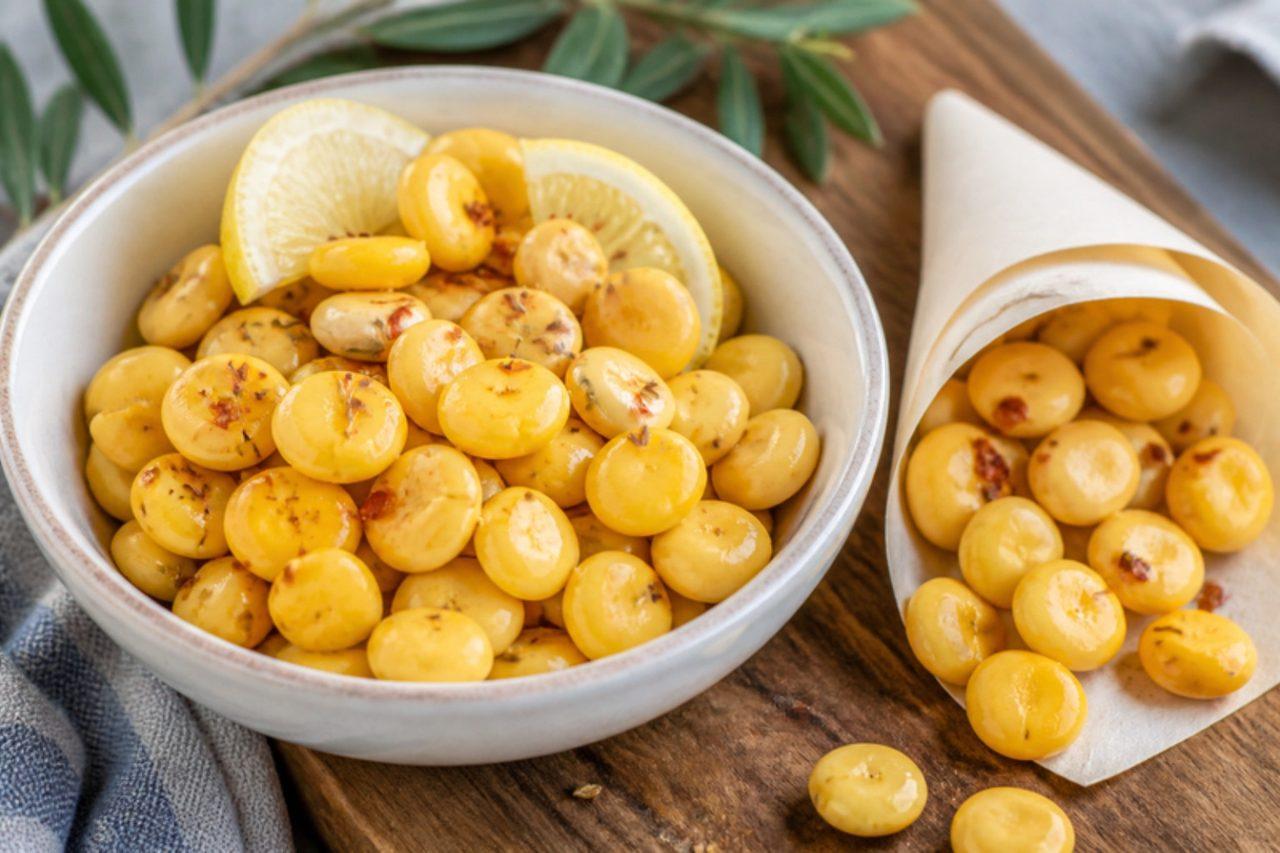
TurmusBrined lupini beans

Strolling the Beirut Corniche or a Sunday market in Amman, you will pass carts selling turmus: plump golden lupini beans kept in salted water, scooped into paper cones and eaten by nicking the skin with your teeth and popping out the bean. They are also a fixture on mezze tables and a fasting snack for Lent. Dried lupins are naturally very bitter and must be soaked for days to wash those compounds out; never eat them while they still taste bitter, and if you are allergic to peanuts, check with a doctor first as lupin allergy is linked. A jar of ready-debittered lupini, drained and seasoned, is a quick shortcut. The common mistake is salting the beans before they are fully sweet, which seals the bitterness in. Chef's tip: finish with lemon, cumin and a little chilli just before serving; the salty brine keeps them, the dressing makes them moreish.

by KrazyBadal 0 views

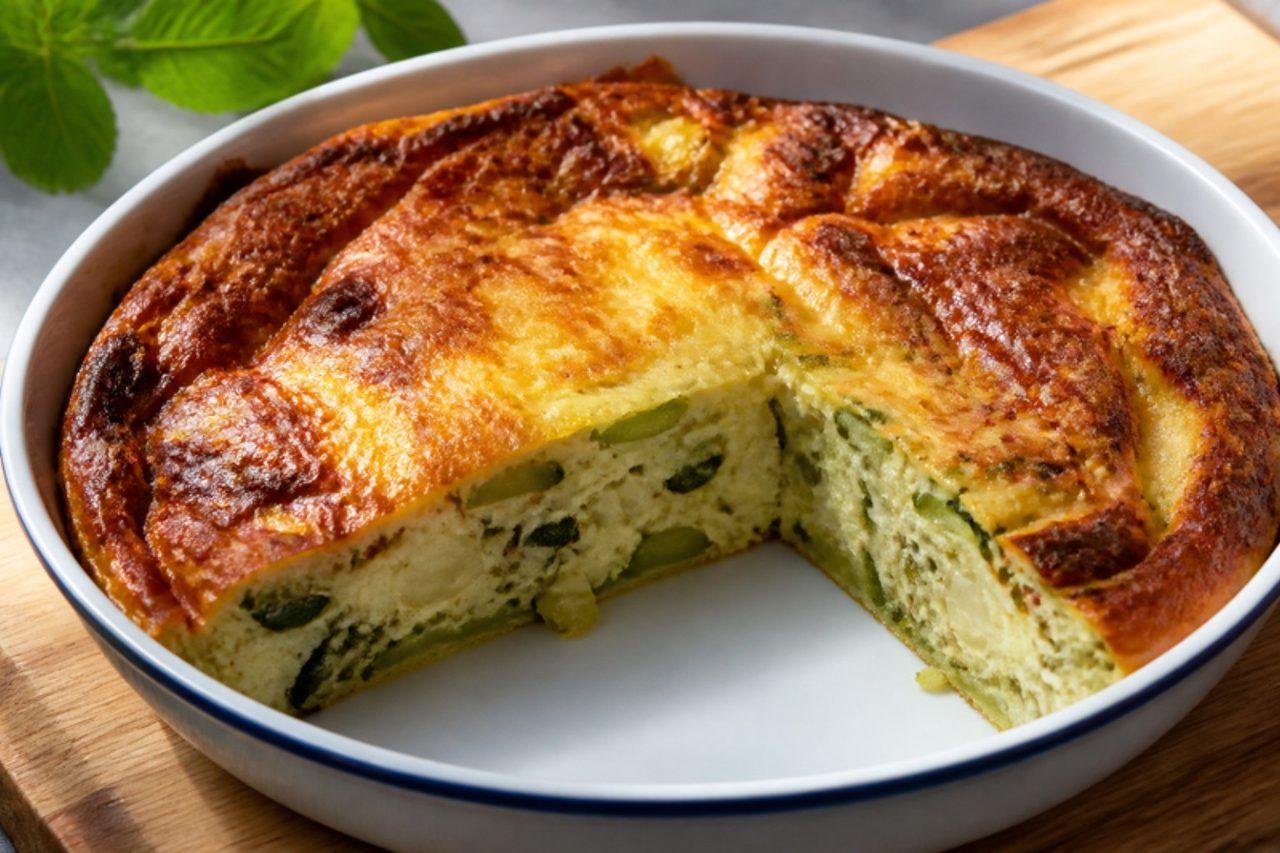
SfougatoCourgette and cheese oven omelette

Sfougato means 'sponge', which is just how this island oven omelette looks when it comes out puffed and golden; in the Cyclades and the Dodecanese it's the summer answer to too many courgettes. Grated courgette, spring onion and mint are softened in olive oil, mixed with eggs and cheese and baked, then cut into squares for lunch with bread and tomatoes or packed for a day at the beach. Kefalotyri and feta are usually made with animal rennet, so use vegetarian versions if you need to. Common mistake: leaving the courgettes wet, which gives a watery, rubbery omelette. Chef's tip: let the softened vegetables cool for a few minutes before adding the eggs so they don't scramble at the edges.

by KrazyBadal 0 views

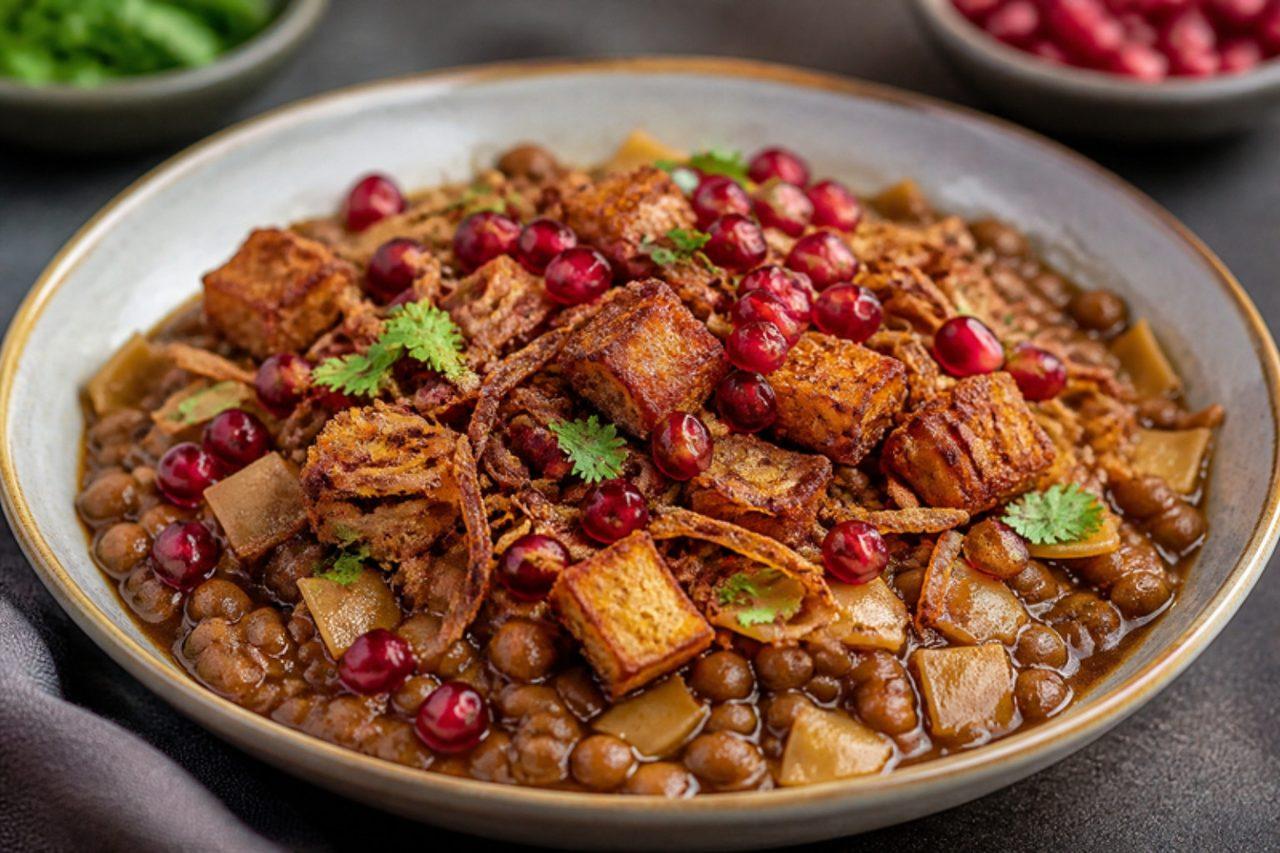
Harrak osbaoLentils with pasta and tamarind

The name means 'he burnt his finger', and the Damascene story goes that it is so good people can't wait for it to cool. Brown lentils and fresh pasta are cooked together in a sour sauce of tamarind and pomegranate molasses, then topped with coriander, garlic, crisp fried onions and fried bread so every bite is soft, tangy and crunchy at once. It is a Lenten and summer favourite in Damascus, served at room temperature with flatbread. Common mistake: frying the croutons and onions too early; they go soft on top of the lentils, so add them just before serving. Chef's tip: use a mix of pomegranate molasses and tamarind for a rounder sourness than either alone.

by KrazyBadal 0 views

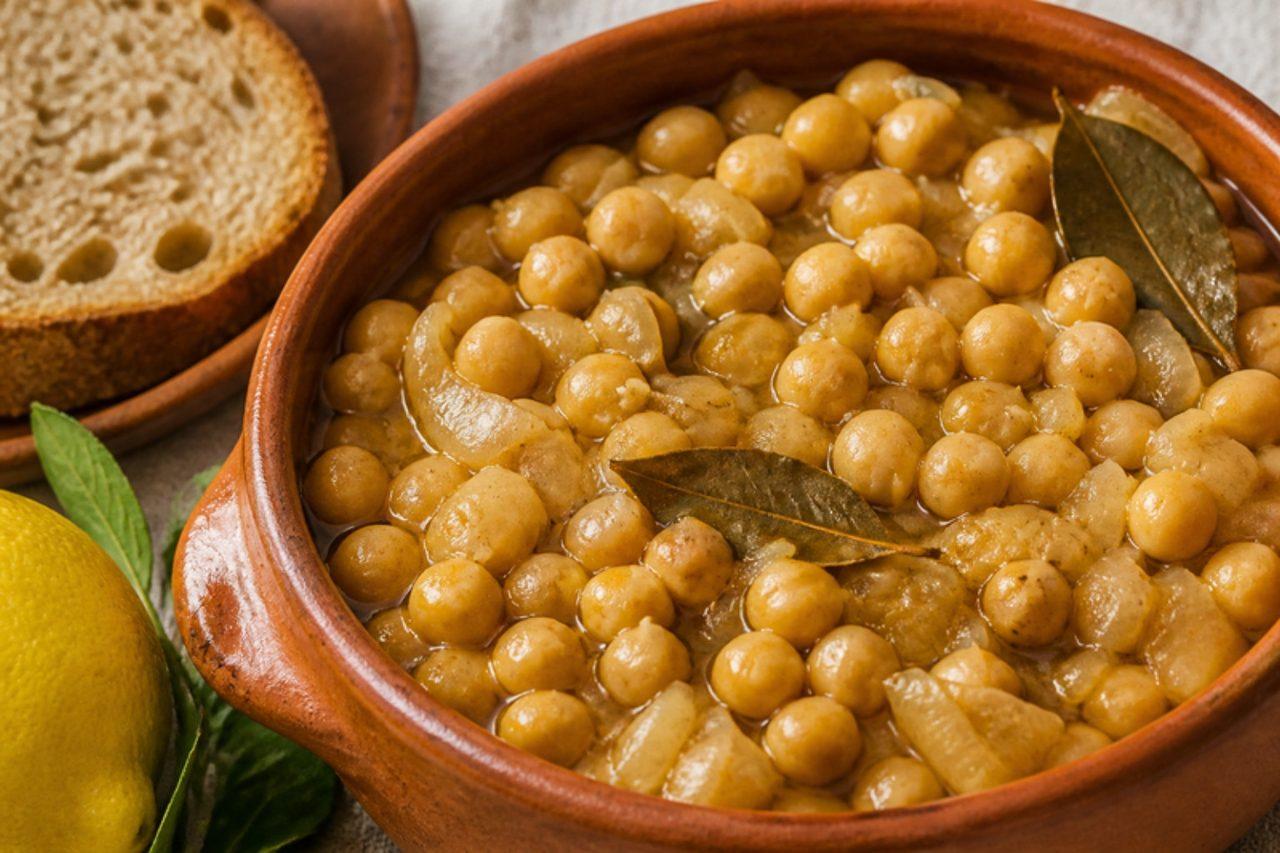
RevithadaClay-pot baked chickpeas

On Sifnos, Saturday night means taking a clay pot of chickpeas, onions, olive oil and bay to the village baker, who leaves it in the cooling wood oven overnight; on Sunday morning, after church, families collect it and eat it for lunch. The chickpeas turn creamy and almost melting in a thick, sweet, onion-rich broth. A home oven at low heat does the same job in about five hours. Common mistake: adding salt at the start, which can keep the chickpeas firm; add it in the last hour. Chef's tip: rub the soaked chickpeas with a little bicarbonate of soda and rinse well; it helps them soften to that silky texture.

by KrazyBadal 0 views

Mercimek köftesiRed lentil and bulgur patties

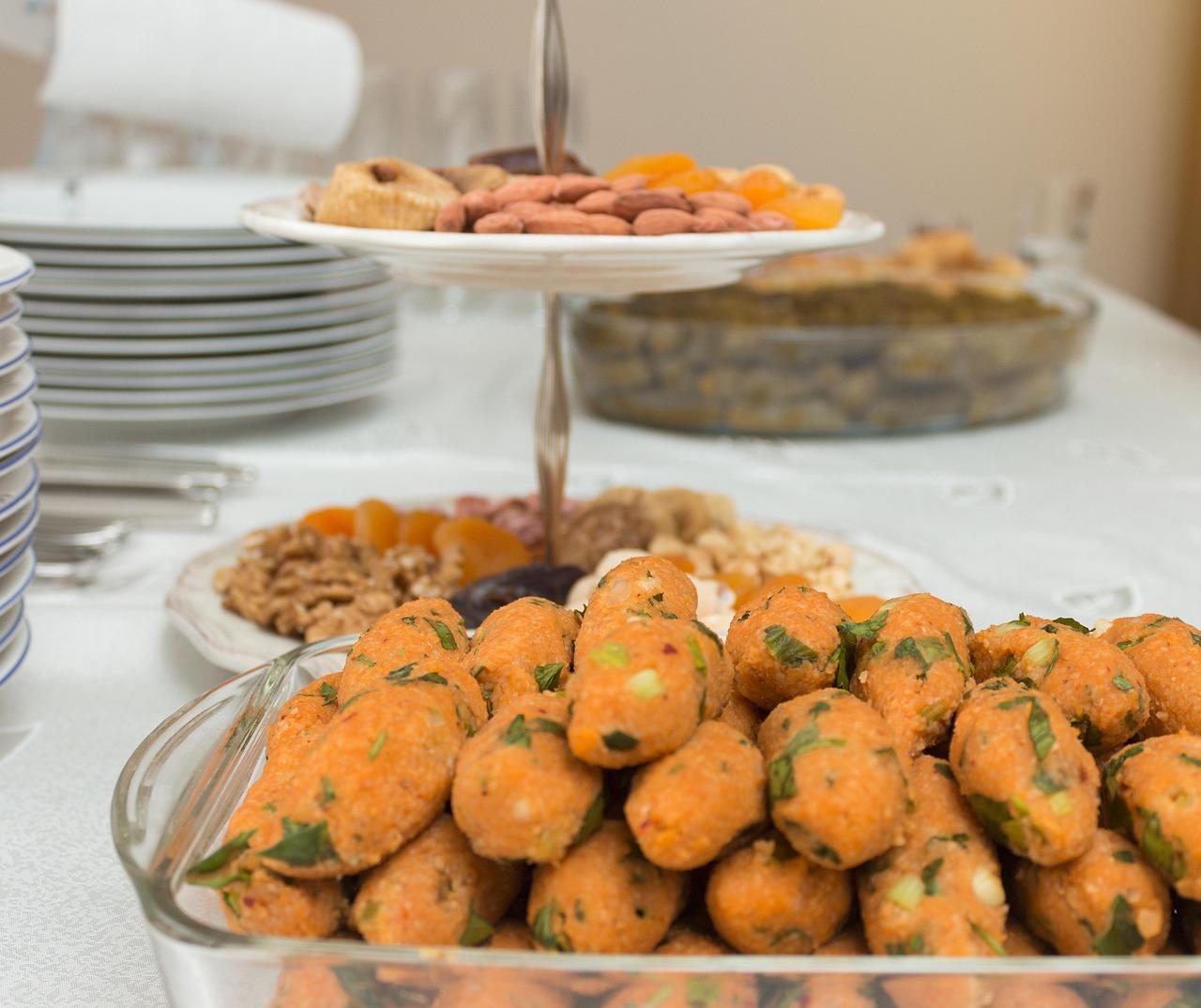
No women's afternoon gathering in Ankara or Kayseri is complete without a platter of mercimek köftesi: little finger-pressed ovals of red lentils and fine bulgur, rich with onion, pepper paste, cumin and a big handful of spring onion and parsley. They're eaten cold, tucked into lettuce leaves with a squeeze of lemon, and they keep well for picnics and lunch boxes. Common mistake: draining the lentils; the bulgur needs all that hot liquid to swell, so cook the lentils until the water is just absorbed. Chef's tip: knead the mixture with wet hands for a few minutes after the bulgur softens; the more you knead, the smoother and less crumbly the köfte.

by KrazyBadal 0 views

Showing 24 of 509 recipes

Show more recipes

Page 13 of 22

More collections