Skip to content

Low-calorie recipes

Lighter recipes that are still filling and full of flavour. (805 recipes)

MizeriaCucumber salad with soured cream

Mizeria is the cool, creamy cucumber salad that sits beside Sunday dinner in Polish homes from May to September, especially next to young potatoes sprinkled with dill. Thin slices of cucumber are dressed in soured cream with dill, a pinch of sugar and a little lemon or vinegar, so it is fresh, tangy and slightly sweet. Legend links the name to Queen Bona Sforza longing for Italy, but in practice it is simply summer on a plate. Chef's tip: slice the cucumbers paper-thin on a mandoline or the slicing side of a box grater; thick slices never soak up the dressing.

by KrazyBadal 0 views

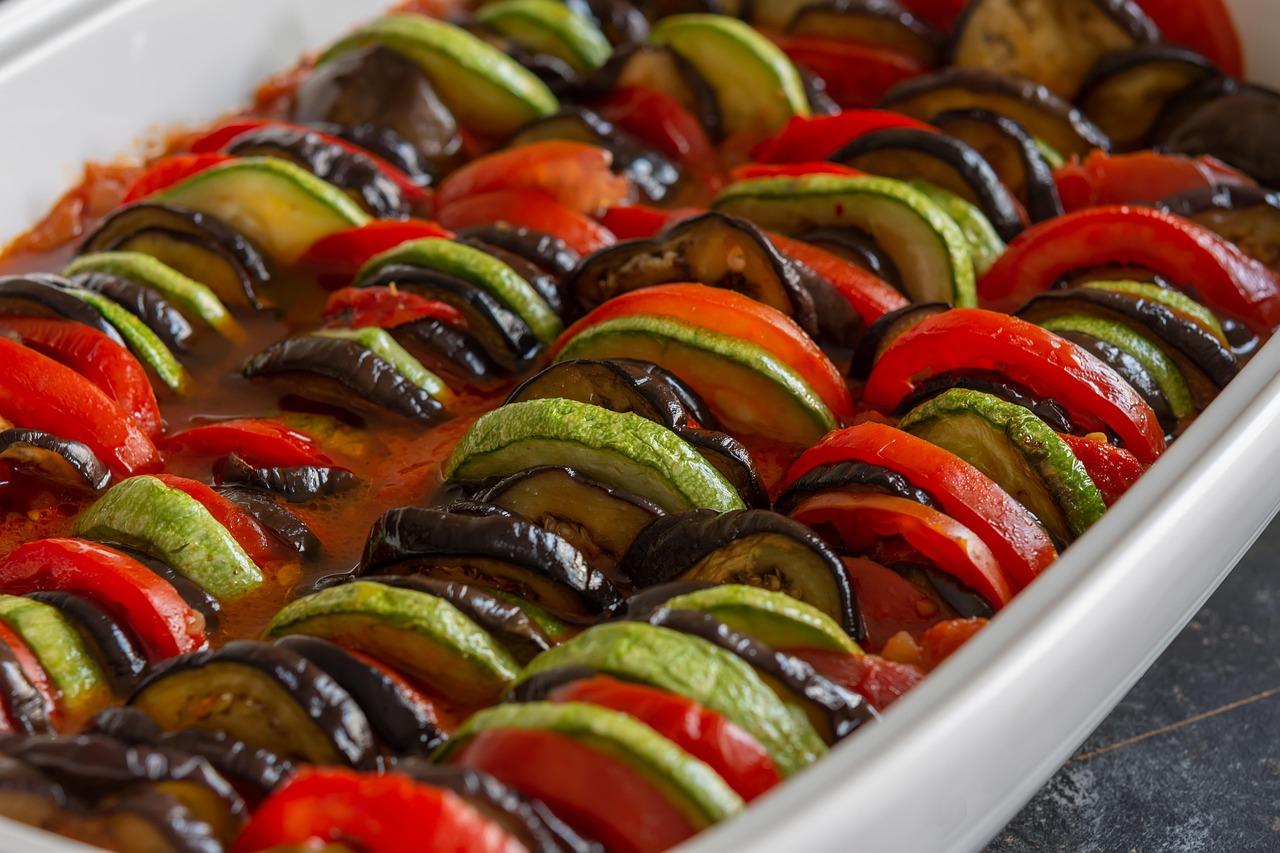
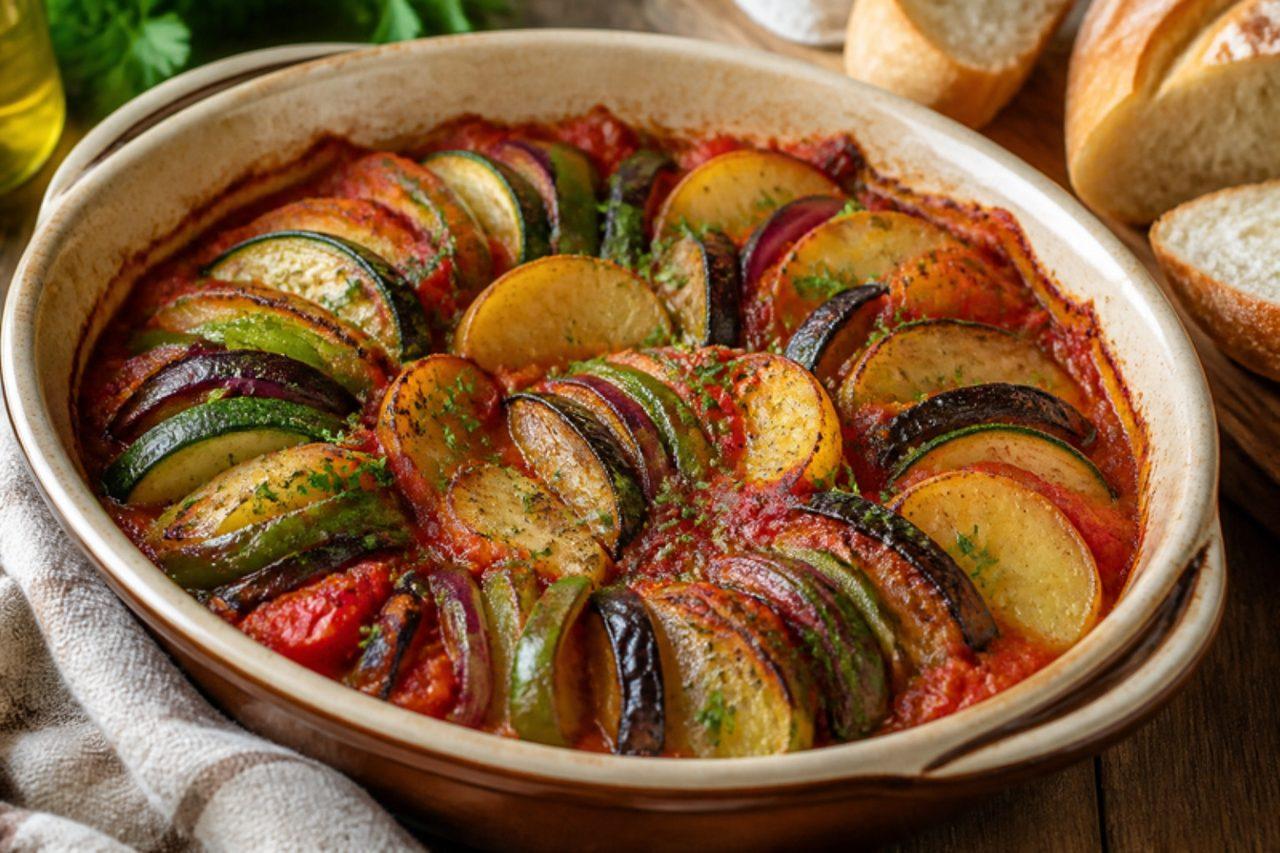
Tian provençalBaked layered summer vegetables

A tian is named after the shallow earthenware dish Provençal cooks use to bake vegetables, and the most famous version lines up thin slices of courgette, aubergine, tomato and onion in tight rows like roof tiles. In Provence it's a Sunday side for the whole family and a light supper with a green salad in summer. The vegetables roast in their own juices with olive oil, garlic and thyme until soft, sweet and lightly browned on top. Unlike ratatouille, nothing is fried first, so it is lighter and more delicate. Chef's tip: choose vegetables of the same width and slice them all 3–4 mm thick; uneven slices are the common mistake and cook unevenly, some raw, some collapsed.

by KrazyBadal 0 views

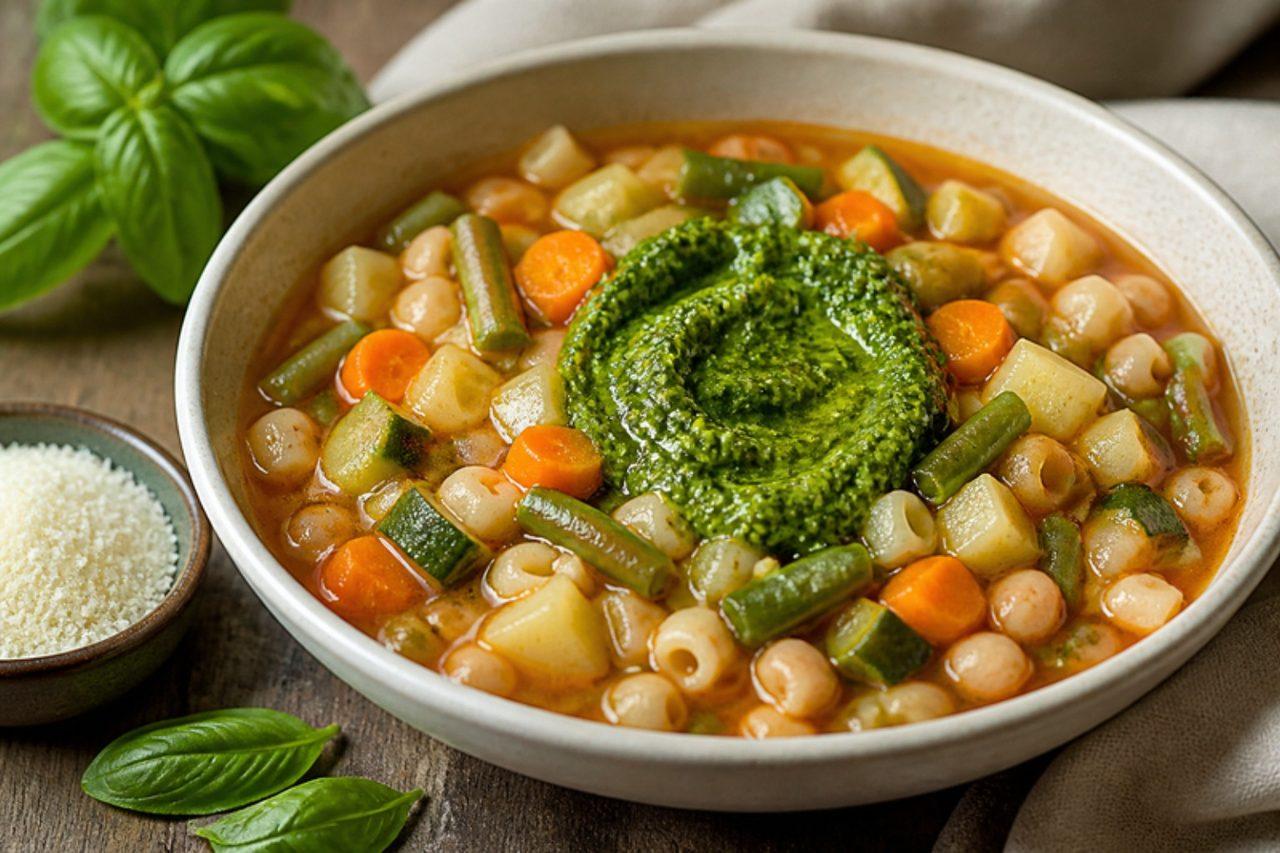
Soupe au pistouBean and vegetable soup with basil

Soupe au pistou is Provence's summer minestrone, eaten from July to September when basil grows thick in the gardens around Marseille and Avignon. Beans, courgettes, green beans, carrots, potato and small pasta simmer in a light broth, then each bowl gets a spoonful of pistou, a pounded paste of basil, garlic, olive oil and hard cheese with no pine nuts. Stirred in at the table, it turns the broth fragrant and green. It is a whole meal with bread. The traditional cheese is Parmesan or aged Gouda, so use a vegetarian hard cheese. Chef's tip: never boil the pistou; adding it to the pot is the common mistake that turns the basil dark and kills its smell.

by KrazyBadal 0 views

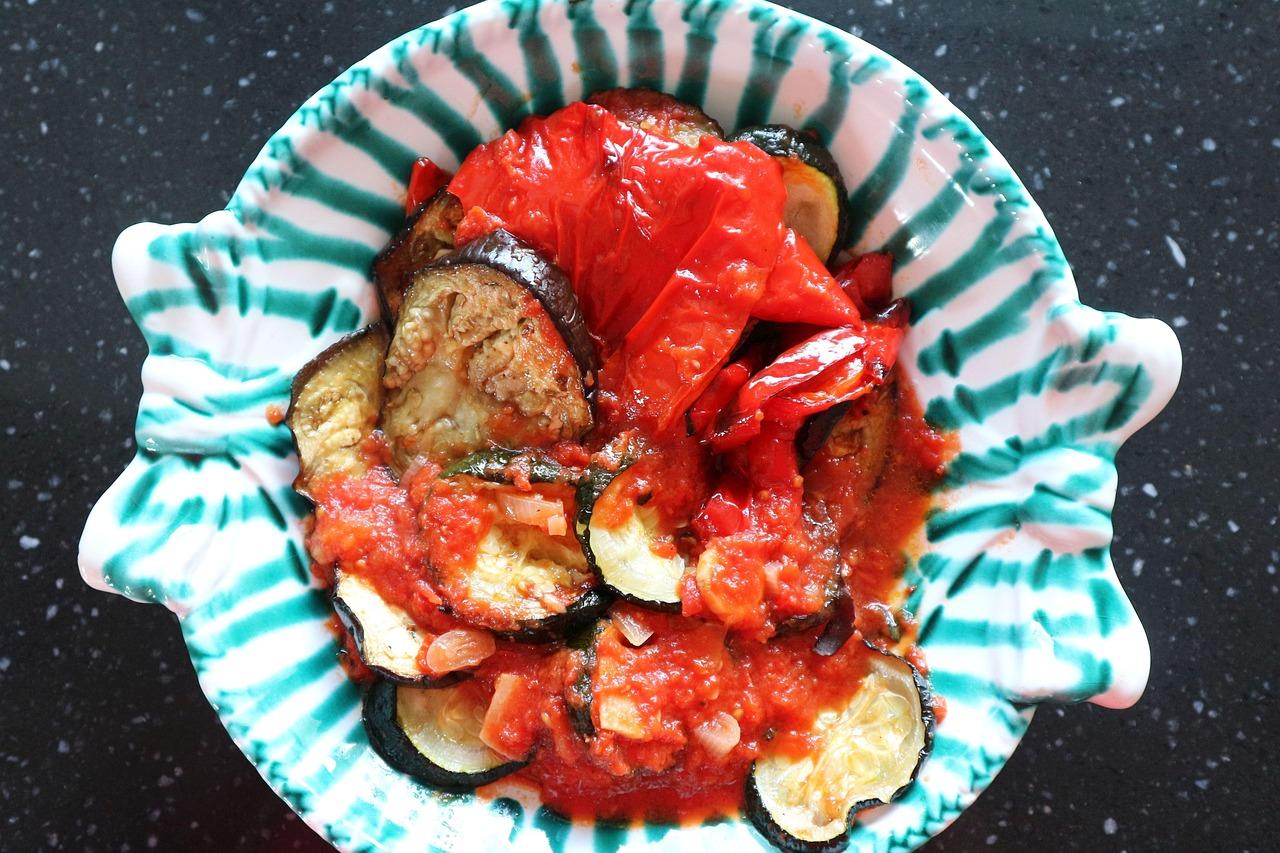
Ratatouille

Ratatouille comes from Nice, where it was a peasant stew of whatever the late-summer garden gave: aubergines, courgettes, peppers, onions and very ripe tomatoes, simmered in olive oil with garlic and thyme. Cooks in Nice argue about method, but the most respected version fries each vegetable on its own first, so each keeps its colour and shape before they are brought together in one pot. It's eaten warm with rice, cold the next day with bread, or as a side to an omelette. Chef's tip: brown the aubergine in batches and don't crowd the pan; piling it in is the common mistake that makes it steam into a grey mush.

by KrazyBadal 0 views

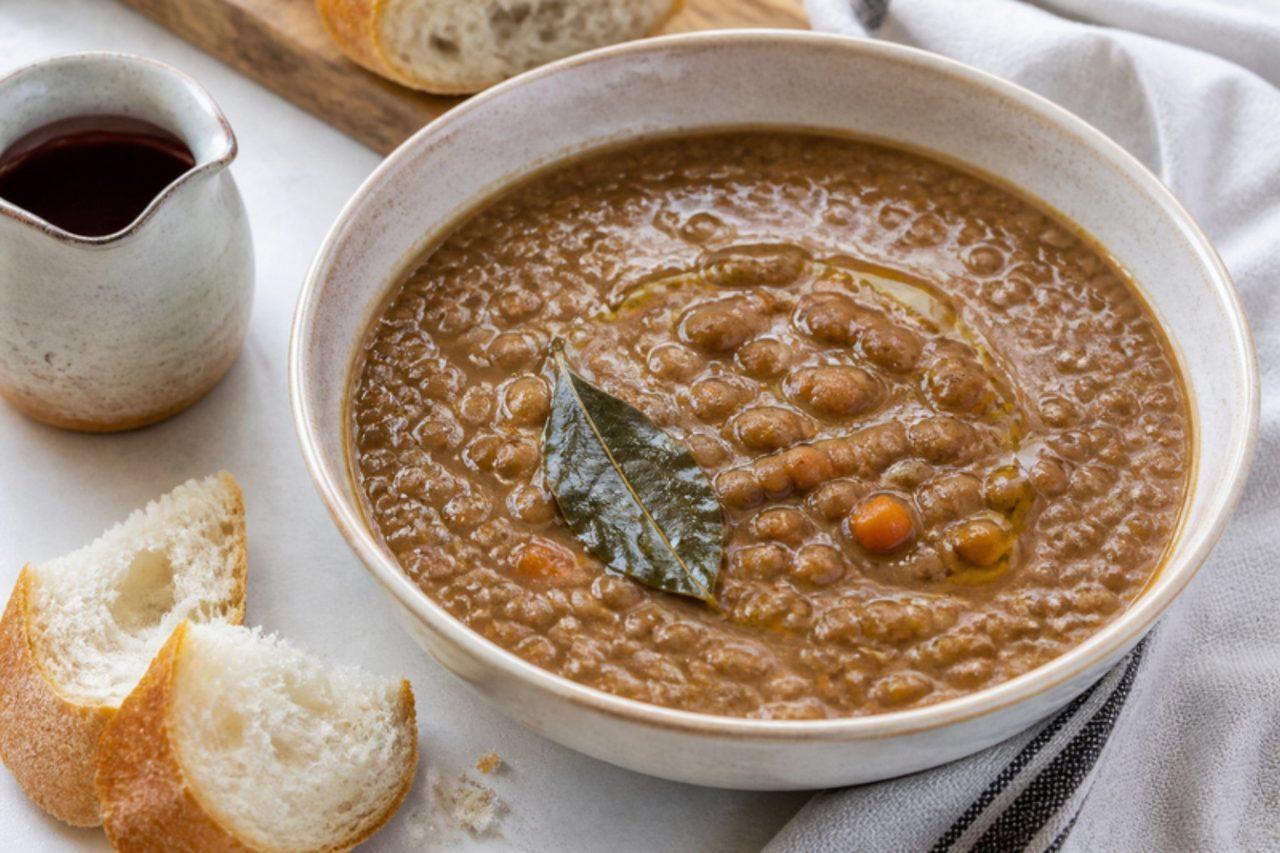
FakesLentil soup

Fakes (say 'fah-KES') is the weekday soup of Greek homes, often made on a Wednesday or Friday, the traditional fasting days. Small brown lentils are simmered with onion, garlic, carrot, tomato and bay until thick and soft, then brightened at the table with red wine vinegar. It is cheap, filling and ready in well under an hour. Greeks eat it with olives, a wedge of feta for those who eat dairy, raw onion and bread. Chef's tip: add the vinegar off the heat just before eating, not while it cooks; boiling it is the usual mistake and flattens the sharp lift it is meant to give.

45 minGreekSoupsVeganGluten free
by KrazyBadal 0 views

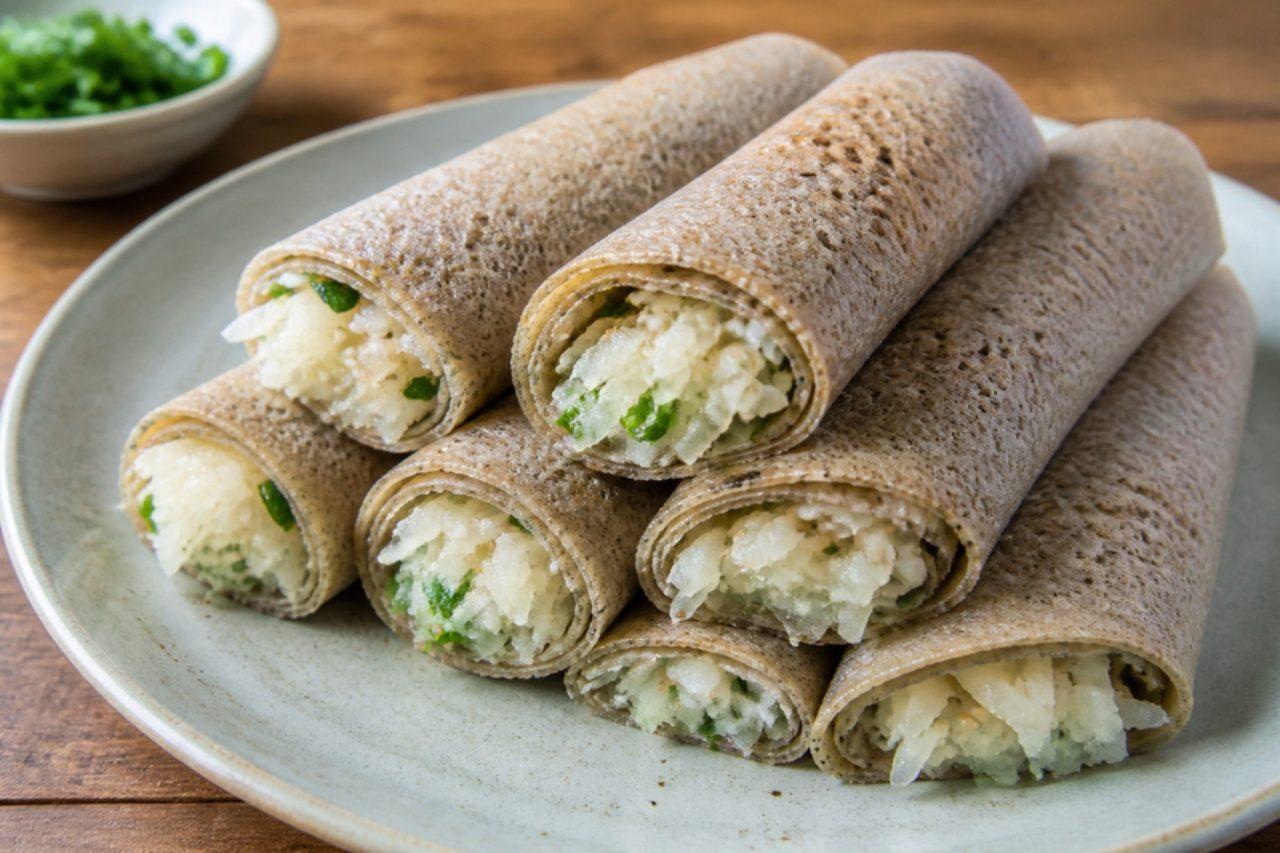
BingtteokBuckwheat crepe rolls with radish

Bingtteok (빙떡) comes from Jeju island, where volcanic soil grew buckwheat and radish better than rice. Thin, almost translucent buckwheat crêpes are rolled around a filling of blanched radish seasoned only with salt, sesame and spring onion. The flavour is gentle and nutty, and it was traditionally brought to funerals, weddings and village gatherings, sometimes with a cup of makgeolli. Today you find it at Jeju's Dongmun and Seogwipo markets beside more fiery snacks. Chef's tip: pour a little batter and swirl the pan fast, or spread it with the back of a ladle; bingtteok crêpes should be so thin you can almost see through them.

by KrazyBadal 0 views

HeotjesatbapRice with seven vegetable sides

In Andong, the old Confucian town of North Gyeongsang, the scholars of the yangban class were said to want the food from jesa, the rite offered to ancestors, without waiting for a rite to come round, so they cooked the same dishes and called them heotjesatbap (헛제삿밥), 'fake rite rice'. Restaurants by Andong's dam still serve it: a bowl of rice to be mixed with brown, white and green namul and seasoned with soy sauce, never chilli, because ritual food avoids red pepper and garlic. The full table includes grilled fish and beef skewers; this vegetarian version keeps the vegetables and tofu jeon that make up most of it. Chef's tip: cook each namul separately with only salt, soy or sesame, so each keeps its own taste and colour when you mix the bowl.

by KrazyBadal 0 views

Umibudo saladSea grapes salad

Umibudo, 'sea grapes', is a seaweed farmed in the warm, clear waters around Okinawa and Miyako island. Its tiny green beads burst in the mouth with a salty, oceanic pop, which is why Okinawans also call it green caviar. It's served as a starter in island izakaya, often next to a cold Orion beer, either plain with a dish of citrus soy or piled on a simple salad. Look for it vacuum-packed in salt at Japanese grocers; it keeps for weeks unopened. Chef's tip: dress the salad, not the sea grapes. Pour the dressing on the greens and dip the sea grapes as you eat, because vinegar and soy make the beads shrivel within minutes.

by KrazyBadal 0 views

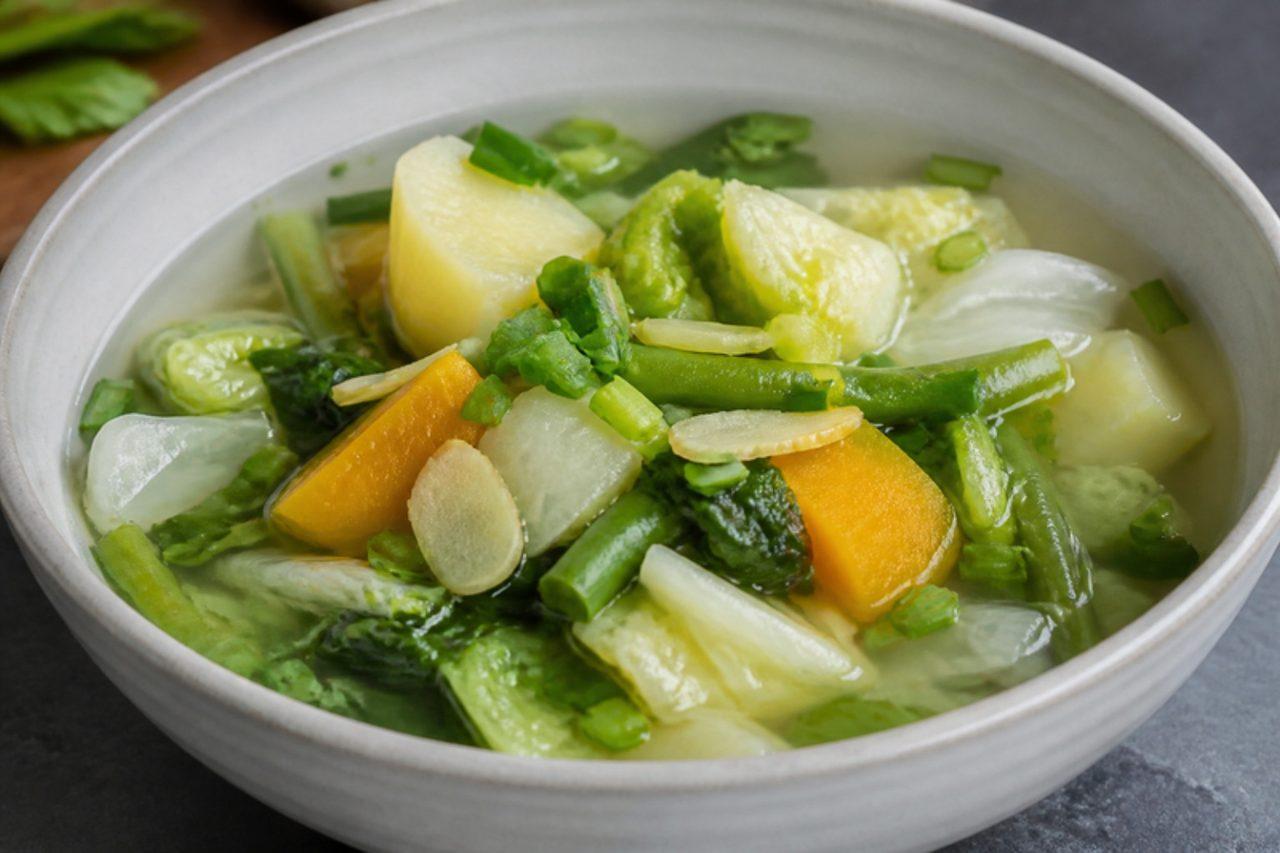
KangshoiClear vegetable stew

Kangshoi is the everyday stew of the Imphal Valley: seasonal vegetables simmered in water with ginger, onion and chilli, and finished with a fistful of fresh herbs such as maroi (a garlic chive), coriander and mint. It is light, clear and brothy, eaten with rice at almost every Meitei meal. Many households add dried fish or ngari (fermented fish) for depth; Vaishnav Meitei homes leave it out, and this vegetarian version relies on toasted chilli and plenty of herbs instead. Chef's tip: cook it without oil, as Manipuris do; the clean broth is the point.

by KrazyBadal 0 views

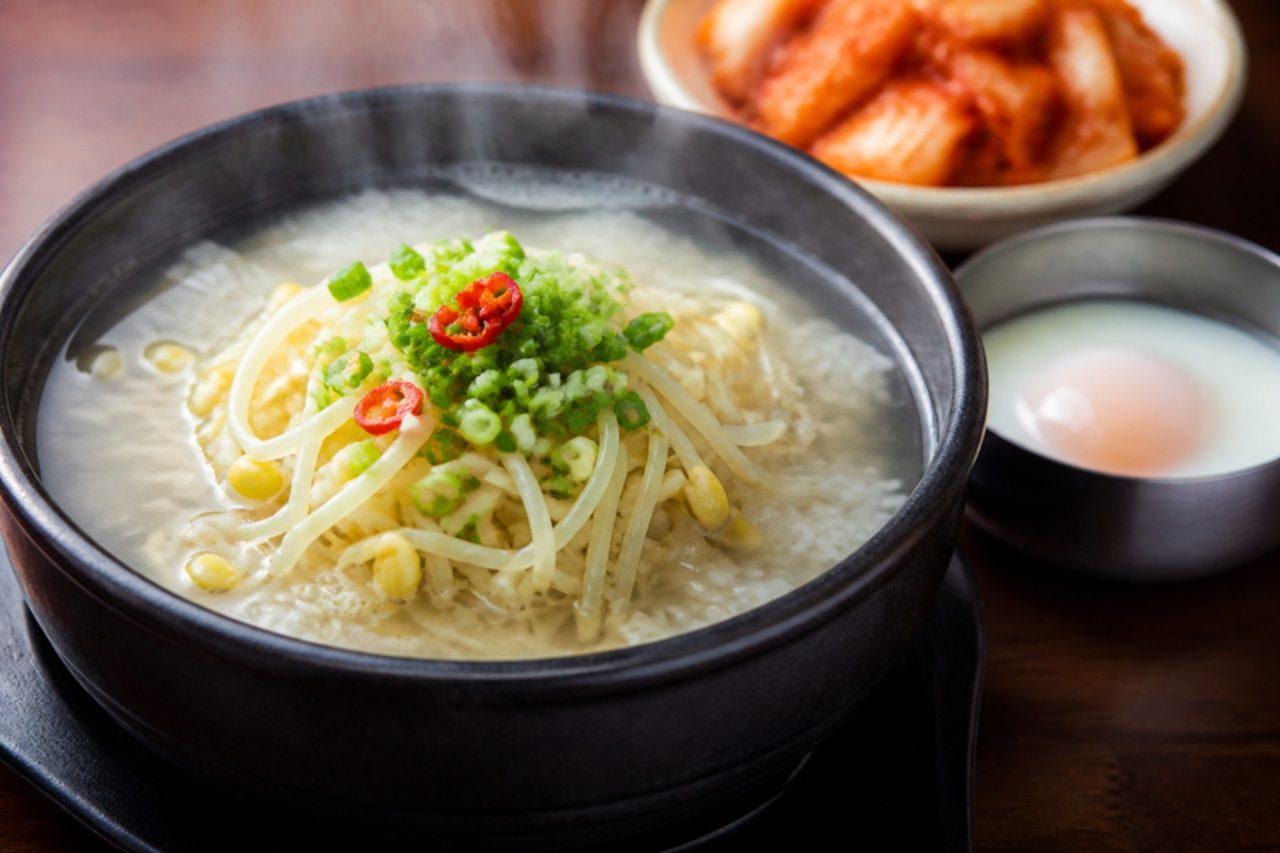
Jeonju kongnamul gukbapBean sprout rice soup

Jeonju, the North Jeolla city known for bibimbap, starts its day with kongnamul gukbap (콩나물국밥): a scalding clay bowl of clear soybean-sprout broth over rice, sharp with garlic and chilli, served before dawn to market traders and, famously, to anyone with a hangover. Many Jeonju shops bring a half-cooked egg in a separate cup, which you season with a little broth and crumbled seaweed and slurp first. The usual broth is anchovy based, with salted shrimp at the table; here it is kelp, shiitake and soup soy sauce. Chef's tip: keep the lid on while the sprouts cook and don't open it until they are done; lifting it early is said to give them a raw, grassy smell.

by KrazyBadal 0 views

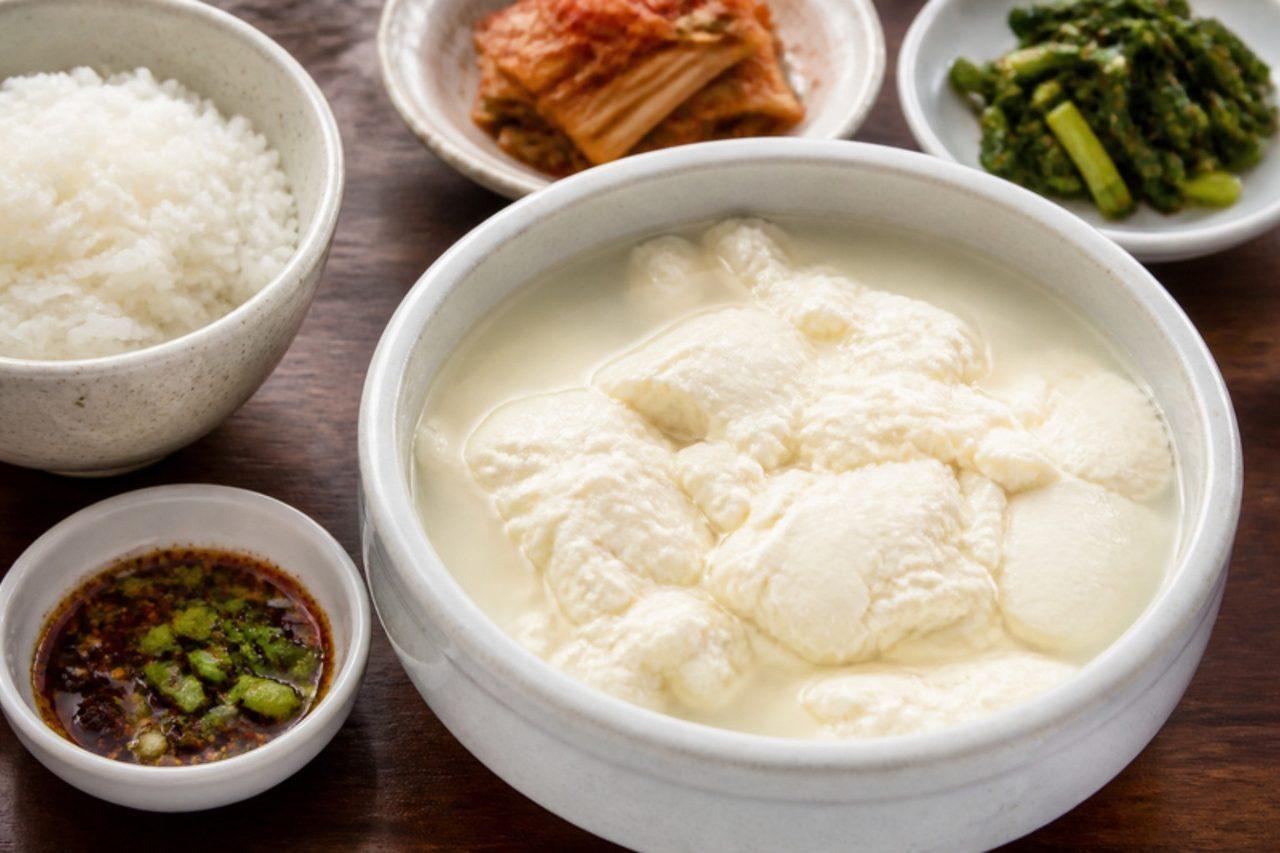
Chodang sundubuSoft silken tofu

In Chodang village on the edge of Gangneung, tofu houses have curdled soy milk with clean seawater from the East Sea for generations, and the result, chodang sundubu (초당순두부), is served warm in a bowl before it has been pressed: soft, quivering curds in their own pale whey, with a soy dressing to spoon over. It is breakfast and lunch there, eaten with rice, kimchi and a few banchan, and tastes sweet and clean in a way packaged tofu never does. At home, nigari (the mineral salt left from seawater) gives the same effect. Use plain, unsweetened soy milk with at least 7% soy or make your own. Chef's tip: add the nigari off the heat and stir only once or twice; stirring after the curds start to form breaks them into grains.

by KrazyBadal 0 views

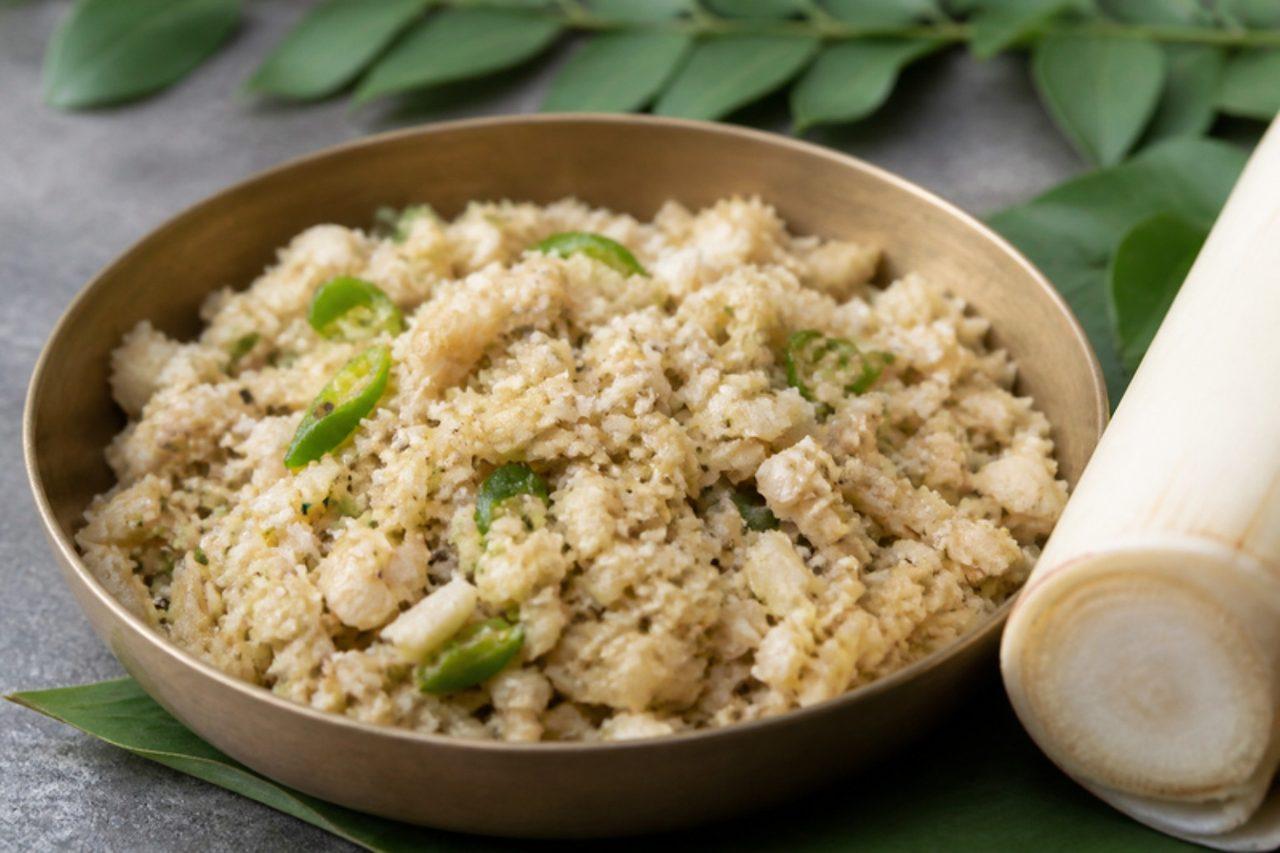
Kol posolaBanana stem stir-fry

Kol posola is the pale inner core of the banana plant, chopped and cooked down with mustard oil, ginger and green chilli until it is soft, juicy and faintly sweet. In Assamese villages, where banana plants grow in every yard, it is cheap everyday food, and it is also a favourite on Bihu tables and in Assamese thalis in Guwahati restaurants. It has a mild, cucumber-like flavour and is prized as a cooling, cleansing food. Chef's tip: as you chop the stem, twirl a finger or a skewer through the slices to catch and pull away the fine fibres; otherwise they stay stringy.

by KrazyBadal 0 views

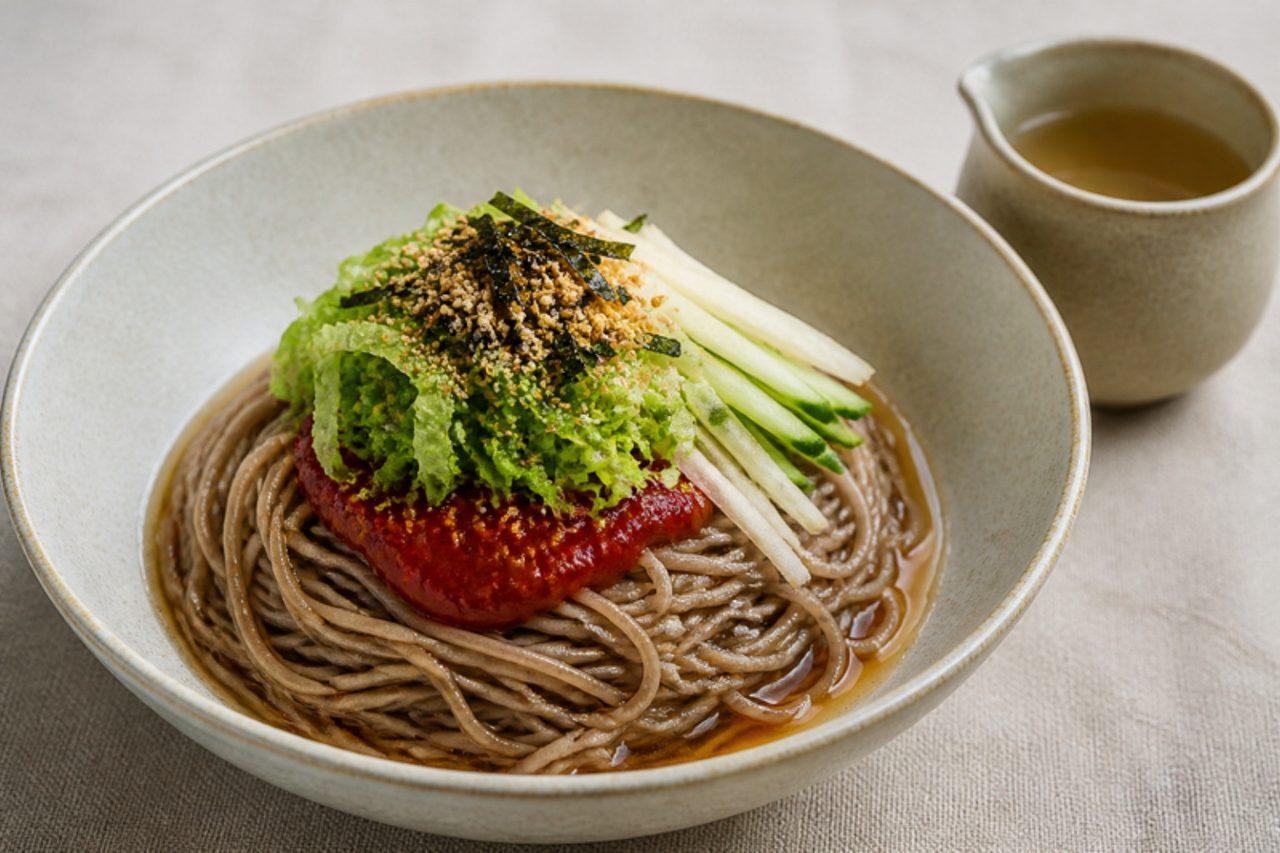
MakguksuCold buckwheat noodles

Chuncheon, the lake city in Gangwon, is famous for two things: spicy grilled chicken and makguksu (막국수), coarse buckwheat noodles served icy cold. The name roughly means 'roughly made noodles', and the dish started as simple farm food in a region where buckwheat grew better than rice. In summer, makguksu houses serve it in a sweet, sour and spicy dressing with crunchy cucumber, sweet pear and sesame, often with a jug of chilled broth on the side to pour in halfway. This one is dressed with gochujang, vinegar and pear, and a cold kelp broth. Chef's tip: rinse the cooked noodles under cold running water and rub them between your hands until the water runs clear, then chill them in iced water; that washes off the starch and gives them their springy bite.

by KrazyBadal 0 views

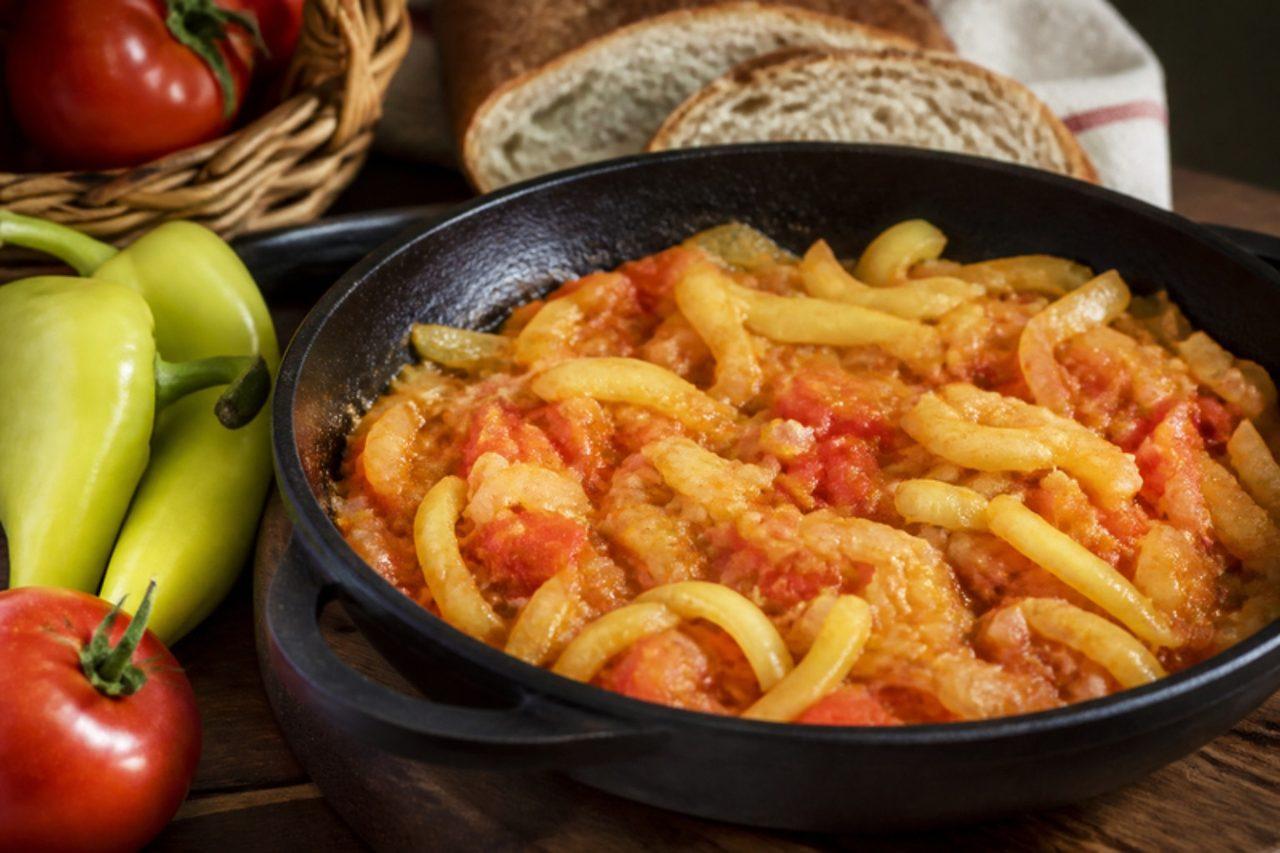
LecsóPepper and tomato stew

Lecsó is what Hungarian kitchens cook in late August, when markets in Szeged and Kecskemét are heaped with pale yellow wax peppers and over-ripe tomatoes. It is a soft, sweet-sour stew of peppers and tomato cooked down in paprika-scented oil; many families add smoked sausage or scramble eggs into it, but this version keeps it vegan and lets the peppers carry the flavour. Eat it hot with crusty bread or rice, or cold the next day, and jars of it are put up for winter. Chef's tip: add the tomatoes only once the peppers have softened; if they go in together, the tomato juice stews the peppers instead of letting them sweeten in the oil.

by KrazyBadal 0 views

BriamRoasted summer vegetables

Briam is what Greek home cooks put in the oven on a hot afternoon when the garden is full of courgettes: potatoes, courgettes, aubergine, peppers and onions tumbled with grated tomato, garlic and oregano, then roasted slowly until soft and caramelised at the edges. It is one of the ladera, dishes cooked in olive oil and eaten as a main course, usually at room temperature with feta and bread. It tastes better the next day, when the flavours have settled. Chef's tip: cut the potatoes thinner than everything else so they cook in the same time; same-size chunks are the common mistake that leaves you with hard potatoes and mushy courgettes.

by KrazyBadal 0 views

Tabbouleh

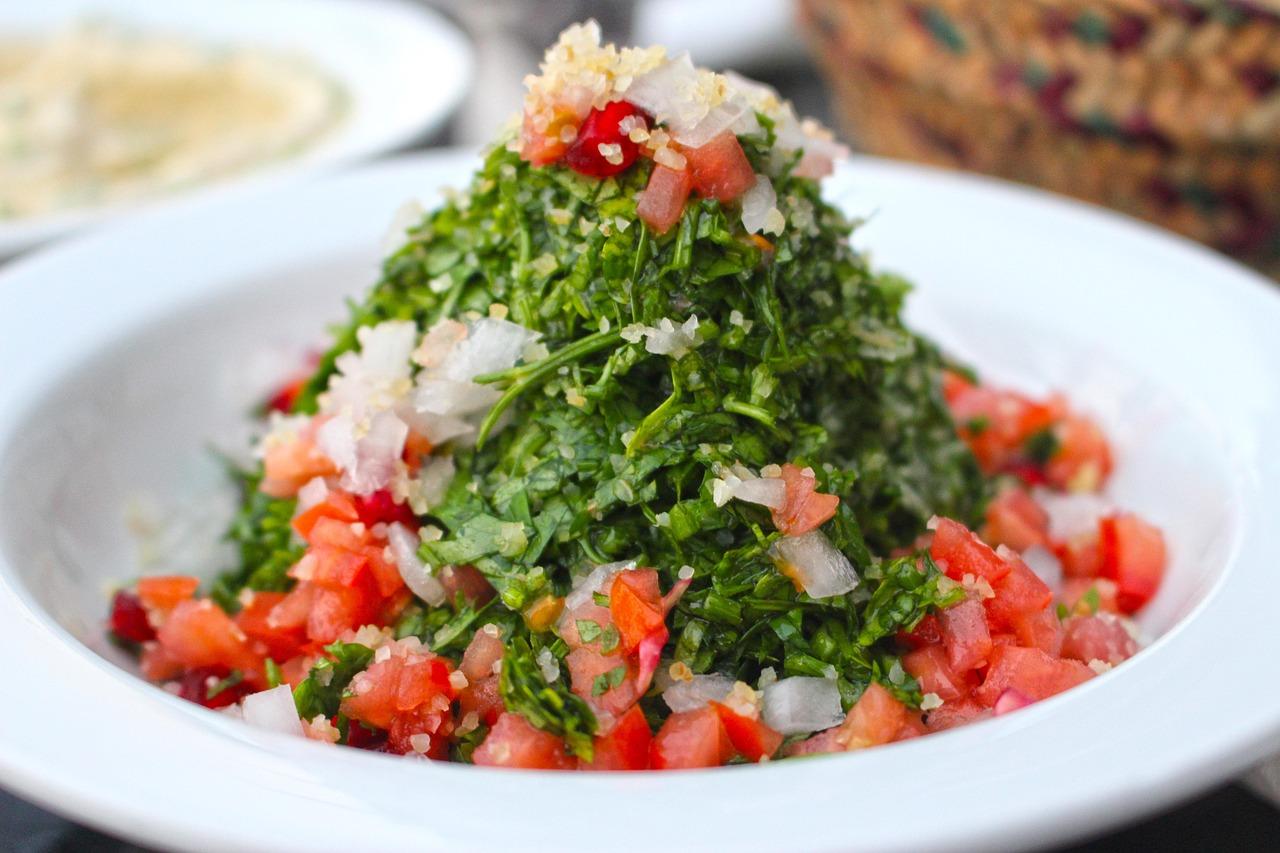
In Lebanese homes tabbouleh is a green salad first and a grain salad a distant second: a heap of finely cut flat-leaf parsley and mint, flecked with fine bulgur, diced tomato and spring onion, and sharpened with lemon and olive oil. It turns up on every mezze table from Beirut to the mountain villages, and families make it in big bowls for Sunday lunch, scooping it up with crisp inner leaves of cos lettuce. It tastes bright, lemony and fresh, and goes with falafel, grilled halloumi or any spread of dips and bread. The usual mistake is chopping wet parsley, which bruises into a dark, soggy mush; dry it thoroughly and slice it with a sharp knife instead. Chef's tip: dress the bulgur with the lemon juice and tomato juice first, so it softens in that liquid instead of in water and soaks up all the flavour.

by KrazyBadal 0 views

Mercimek çorbasıRed lentil soup

If one soup feeds Turkey, it is this. Mercimek çorbası is on the counter of every lokanta (tradesmen's restaurant), in factory and hospital canteens, and it is often what Turks eat for breakfast on a cold morning or to break the fast in Ramadan. Red lentils simmered with onion, carrot and potato are blended until velvety, then each bowl gets a squeeze of lemon and a swirl of butter sizzled with Aleppo pepper and dried mint. It is warming, cheap and filling. Chef's tip: rinse the lentils in several changes of water until it runs clear; it washes off the starch that makes the soup foam and taste dusty.

by KrazyBadal 0 views

KısırBulgur salad with pepper paste

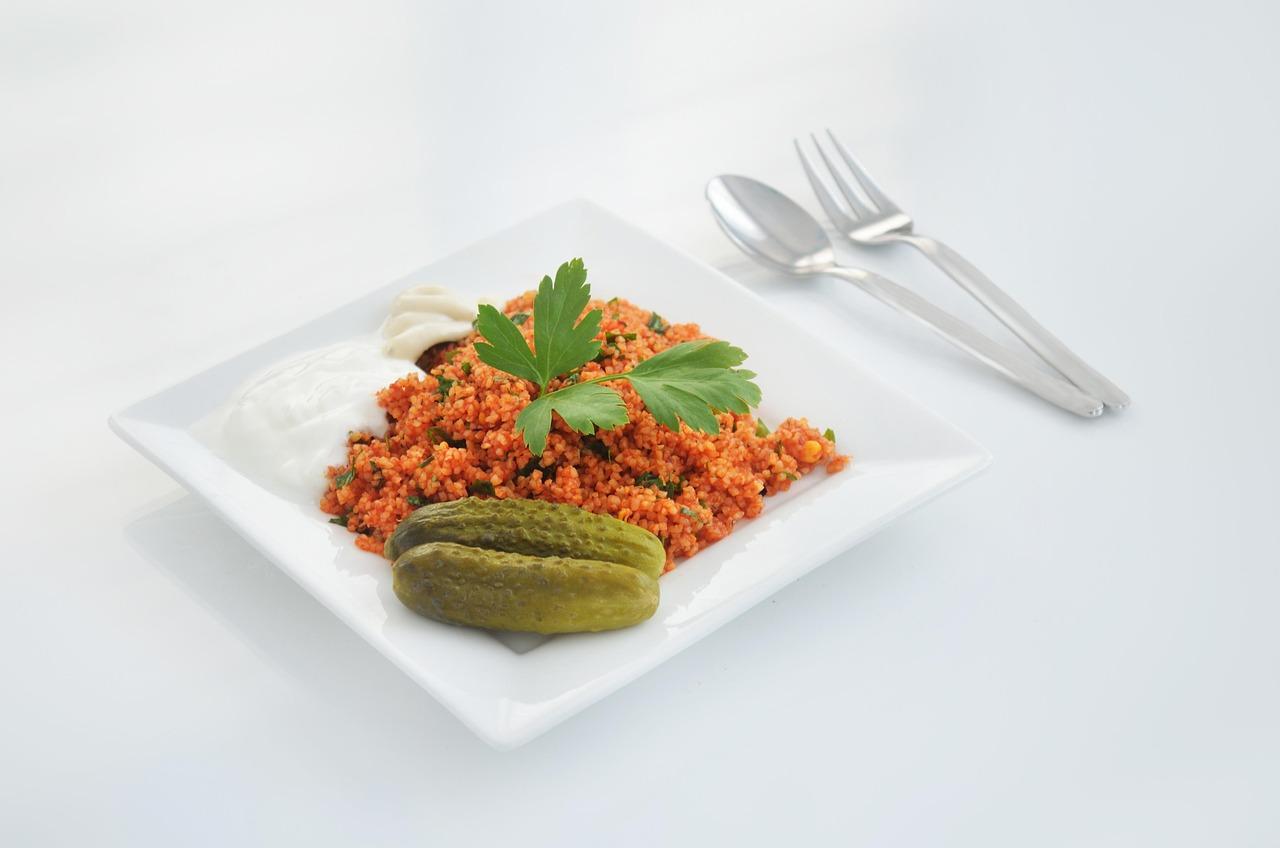
Kısır comes from southeastern Turkey but is now the dish women across the country bring to 'altın günü', the afternoon gatherings where friends meet at each other's homes over tea. Fine bulgur is softened with hot water and kneaded with tomato and pepper paste until rosy, then mixed with spring onion, parsley, mint, lemon and pomegranate molasses. It is served at room temperature, often wrapped in crisp lettuce leaves. The typical mistake is pouring in too much water, which turns the bulgur mushy; use just enough to cover. Chef's tip: knead the pastes into the warm bulgur with your hands for a full minute so every grain turns red and the flavour goes right through.

by KrazyBadal 0 views

Çoban salatasıChopped tomato and cucumber salad

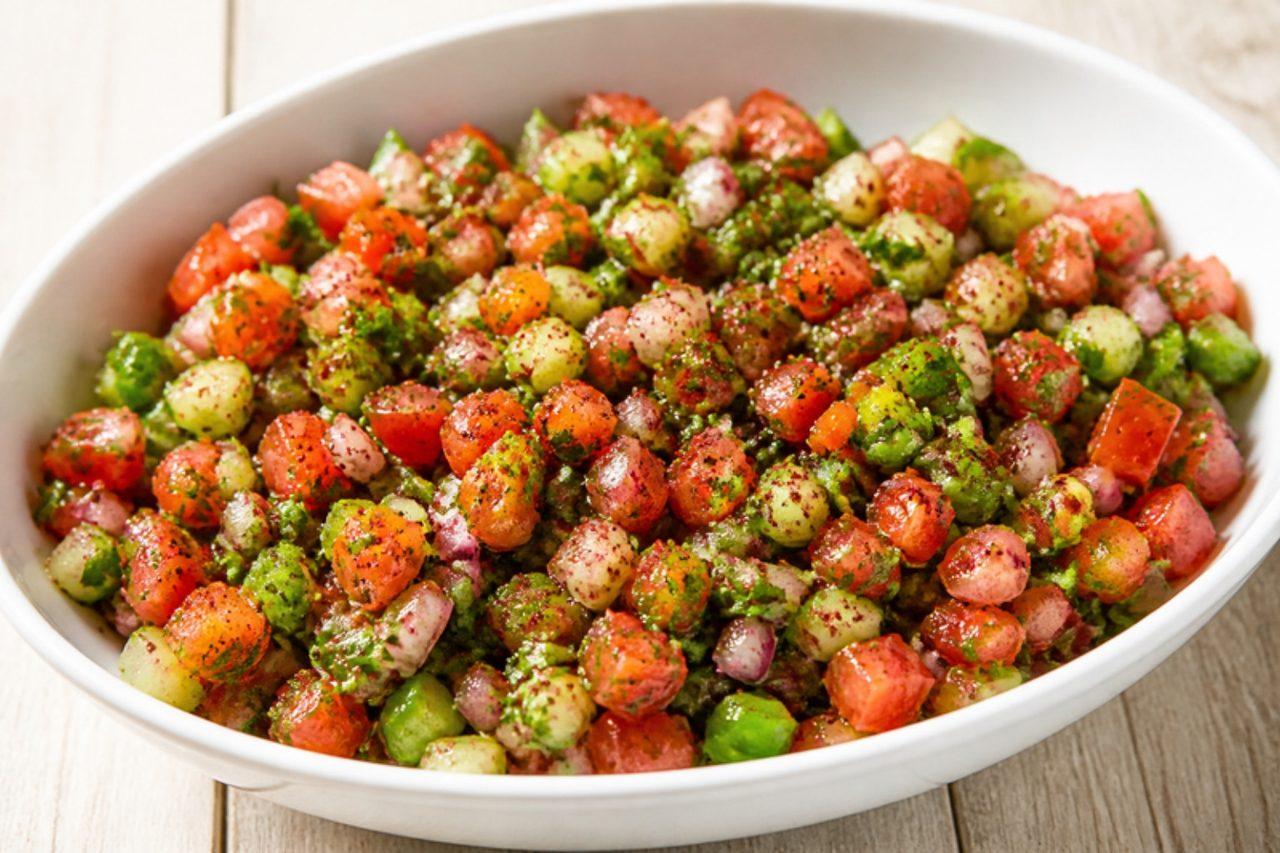
Çoban salatası, the shepherd's salad, is on the table at almost every Turkish meal from Edirne to Van, whether that is a home dinner, a lokanta lunch or a summer barbecue. It is simple by design: small dice of tomato, cucumber, green pepper and onion with parsley, dressed with lemon juice, olive oil and a little sumac. It is eaten alongside pilaf, beans, börek or anything grilled. The common mistake is salting it too early, which draws the water out of the tomatoes and leaves it swimming. Chef's tip: rub the onion slices with salt and sumac and rinse them before adding; the onion stays crunchy but loses its harsh bite.

by KrazyBadal 0 views

Zeytinyağlı enginarArtichokes braised with peas

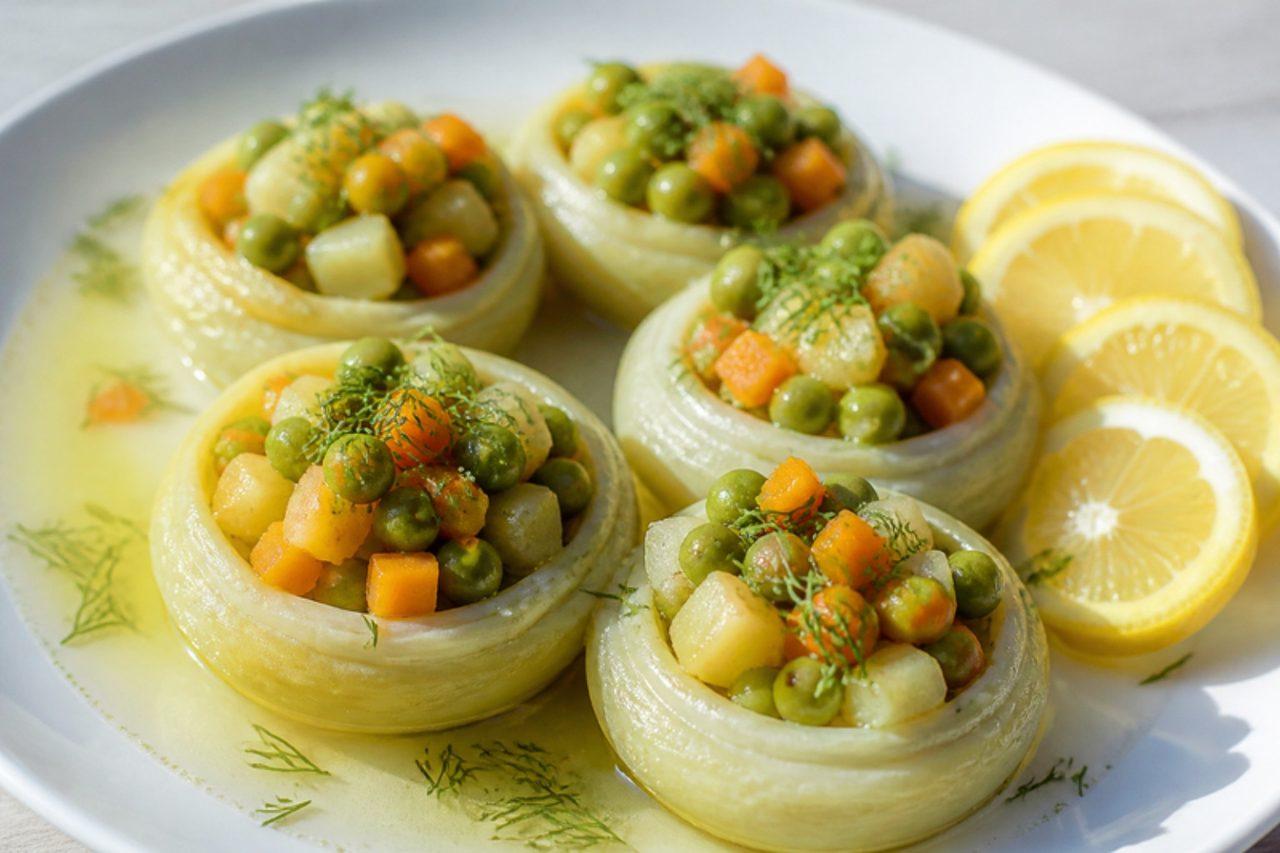
In spring, when globe artichokes pile up on stalls in İzmir and Urla, market sellers trim them on the spot into pale hearts kept in lemon water, and families take them home to make zeytinyağlı enginar. The hearts are braised cup-side up with small onions, carrots, potato and peas in olive oil and lemon, then served cold with a shower of dill, often as the first course of a spring dinner. The classic mistake is leaving trimmed artichokes in the air: they turn grey within minutes. Chef's tip: rub every cut surface with lemon as you go and drop the hearts straight into water with lemon juice and a spoonful of flour, which keeps them pale and cream-coloured.

by KrazyBadal 0 views

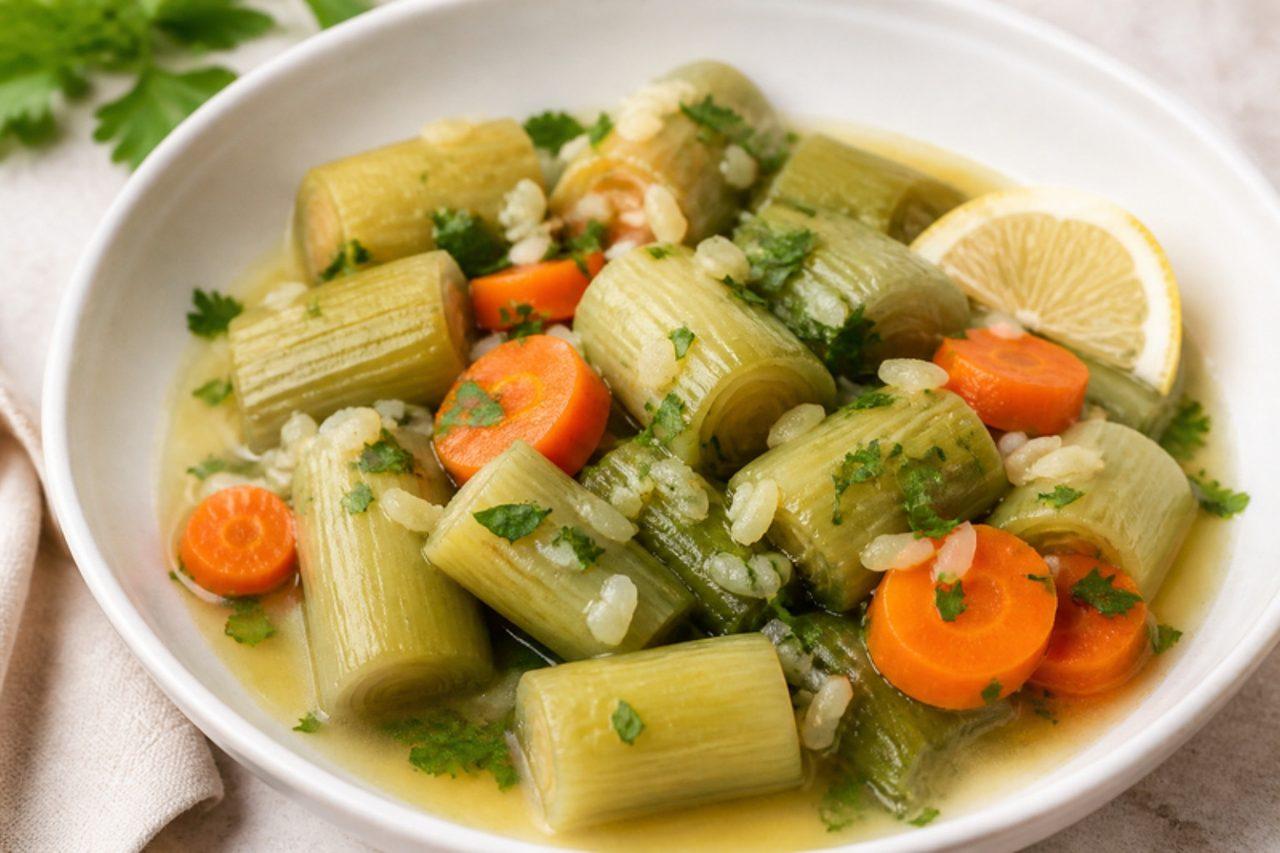
Zeytinyağlı pırasaLeeks braised in olive oil

Winter in Istanbul brings fat leeks to every neighbourhood market, and zeytinyağlı pırasa is how many households use them: chunks of leek and carrot stewed gently in olive oil with a handful of rice to thicken the juices, finished with lemon. It is served at room temperature on the side of a winter table, or as a light lunch with bread and white cheese, and grandmothers often say it is better the second day. The usual mistake is skipping a proper wash: grit hides between the layers and ruins the whole pot. Chef's tip: cut the leeks on a slant into thick pieces and keep them whole rather than separating the rings, so they hold their shape through the slow braise.

by KrazyBadal 0 views

Zeytinyağlı taze fasulyeGreen beans braised in olive oil

Along the Aegean coast, from İzmir down to Bodrum, summer lunch often begins with a plate of flat green beans that have been stewed in olive oil and tomato until they are silky, then left to cool to room temperature. It belongs to the zeytinyağlı family: vegetables cooked in olive oil, with no meat, and eaten cold or barely warm with bread to mop up the orange-red juices. Home cooks make a big pan in the morning and serve it over two or three days, because it tastes better after a night in the fridge. The most common mistake is rushing it on a high flame: the beans stay squeaky and the oil never turns glossy. Chef's tip: lay the beans on top of the onions and tomatoes without stirring, cover tightly and let the steam do the work; stirring breaks the beans and turns the sauce muddy.

by KrazyBadal 0 views

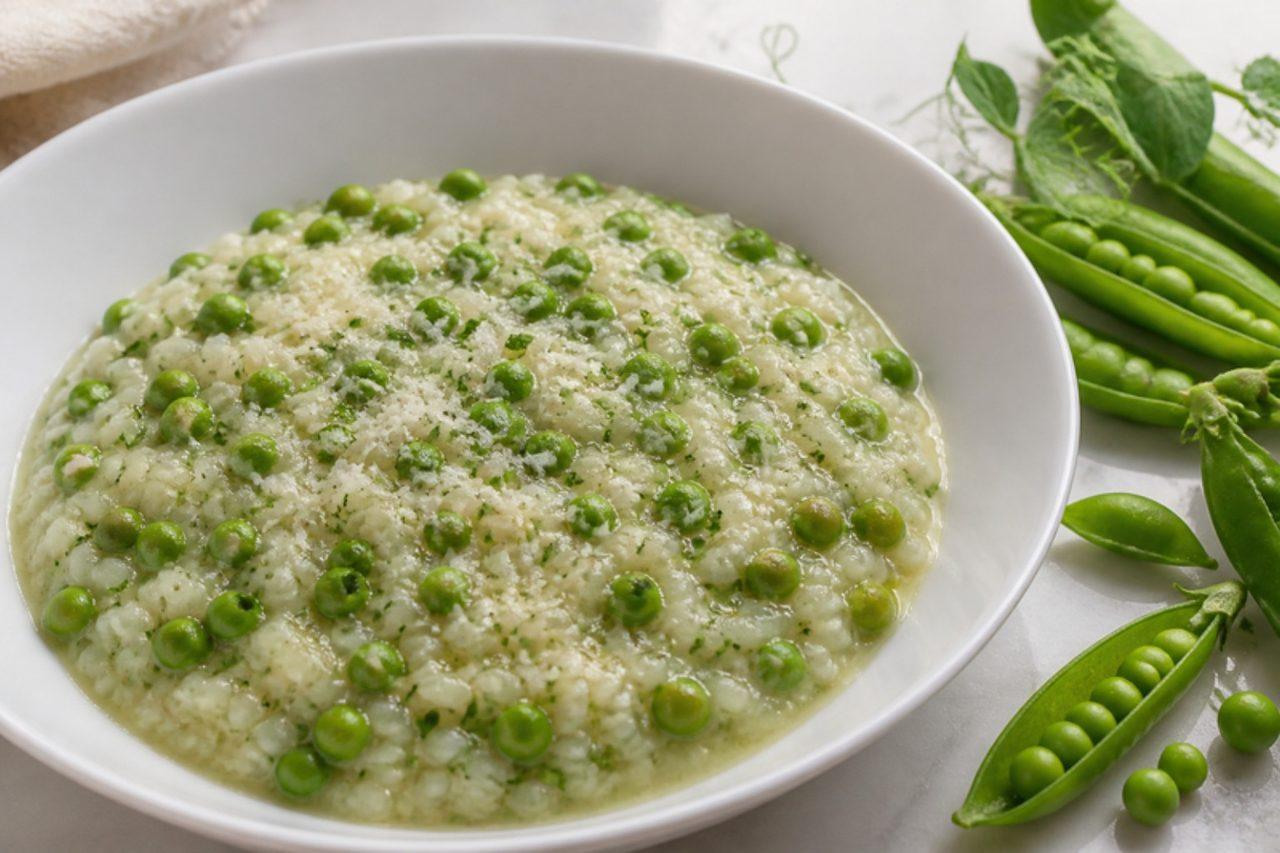
Risi e bisiRice and peas

Risi e bisi was once served to the Doge of Venice every 25 April, the feast of Saint Mark, when the first tender peas arrived from the lagoon islands. It sits between a soup and a risotto: thicker than a minestra, looser than risotto, eaten with a spoon. Venetians make a quick broth from the empty pods, which gives a sweet, grassy flavour no stock cube can match; pancetta often goes in, but this version keeps it vegetarian with parsley and butter. Chef's tip: when podding fresh peas, keep the pods; simmered for 20 minutes they make the whole dish taste of spring.

by KrazyBadal 0 views

Bastar aamatMixed vegetable curry

Aamat comes from the forested Bastar region of southern Chhattisgarh, where Gond and Halba families cook whatever the garden and forest give: pumpkin, brinjal, beans, drumsticks and, in the monsoon, sour fermented bamboo shoot. There is almost no oil and no heavy masala. Instead a paste of soaked rice turns the broth silky, and garlic, ginger and green chilli carry the flavour. It is served in bowls with plain rice, especially at village feasts and the Bastar Dussehra gatherings. Tinned bamboo shoot works well; leave it out and add lime at the end if you cannot find it. Chef's tip: keep stirring as you pour in the rice paste, because it sinks and sets into lumps on the bottom of the pot if left alone.

by KrazyBadal 0 views

Showing 24 of 805 recipes

Show more recipes

Page 28 of 34

More collections