Skip to content

Vegan Indian recipes

Indian dishes with no dairy, ghee, eggs or meat. (559 recipes)

Bastar aamatMixed vegetable curry

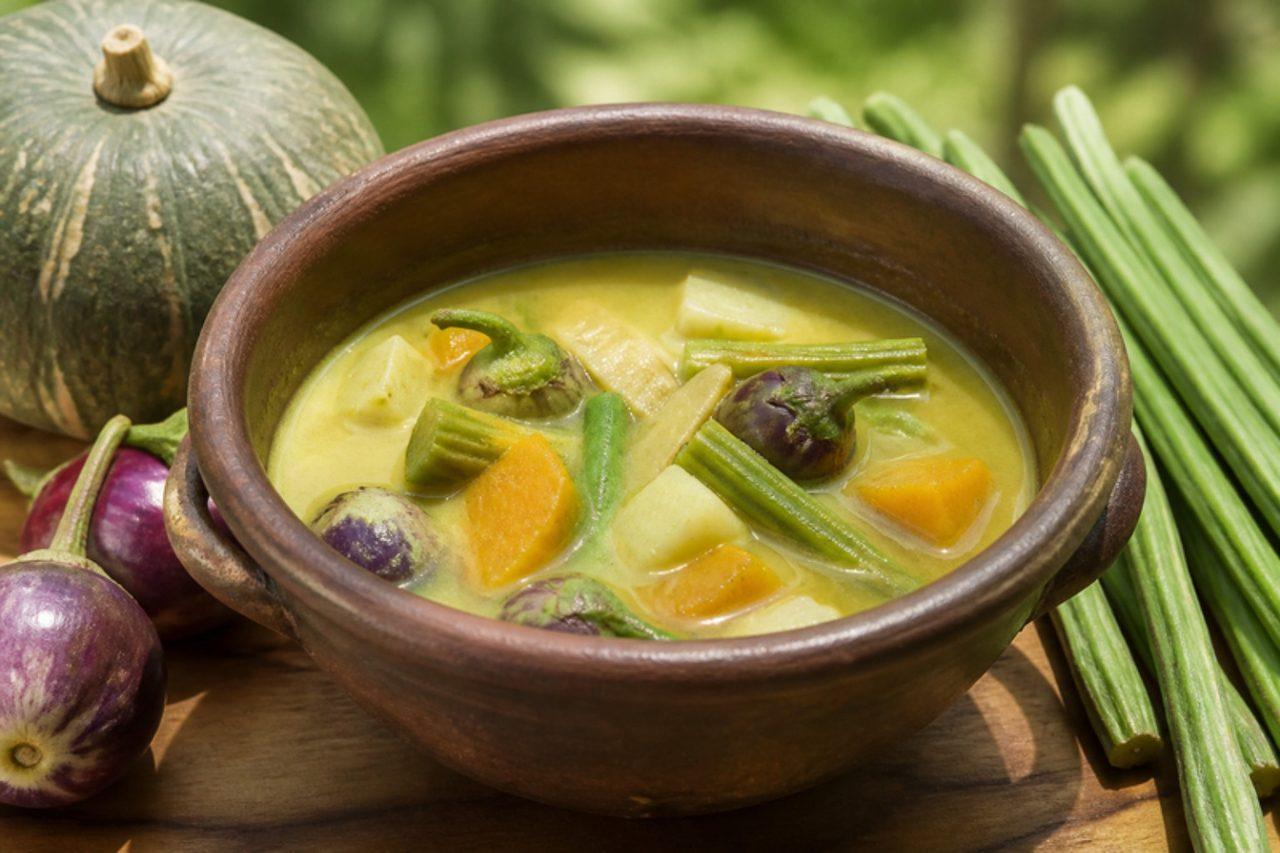
Aamat comes from the forested Bastar region of southern Chhattisgarh, where Gond and Halba families cook whatever the garden and forest give: pumpkin, brinjal, beans, drumsticks and, in the monsoon, sour fermented bamboo shoot. There is almost no oil and no heavy masala. Instead a paste of soaked rice turns the broth silky, and garlic, ginger and green chilli carry the flavour. It is served in bowls with plain rice, especially at village feasts and the Bastar Dussehra gatherings. Tinned bamboo shoot works well; leave it out and add lime at the end if you cannot find it. Chef's tip: keep stirring as you pour in the rice paste, because it sinks and sets into lumps on the bottom of the pot if left alone.

by KrazyBadal 0 views
ThethriGram flour twists

No Teeja in Chhattisgarh passes without a tin of thethri: knotted and twisted pieces of gram-flour dough, seasoned with ajwain and chilli and fried slowly until they shatter when you bite. Married daughters coming home for the festival are sent back with them, alongside the sweet khurmi, and they keep for weeks. Each family has its favourite shape, from simple knots to little spirals and braided rings. Chef's tip: fry on a medium-low flame and be patient; thethri fried hot puff up and brown outside but stay soft and chewy inside.

by KrazyBadal 0 views
Goan poiGoan wholewheat pocket bread

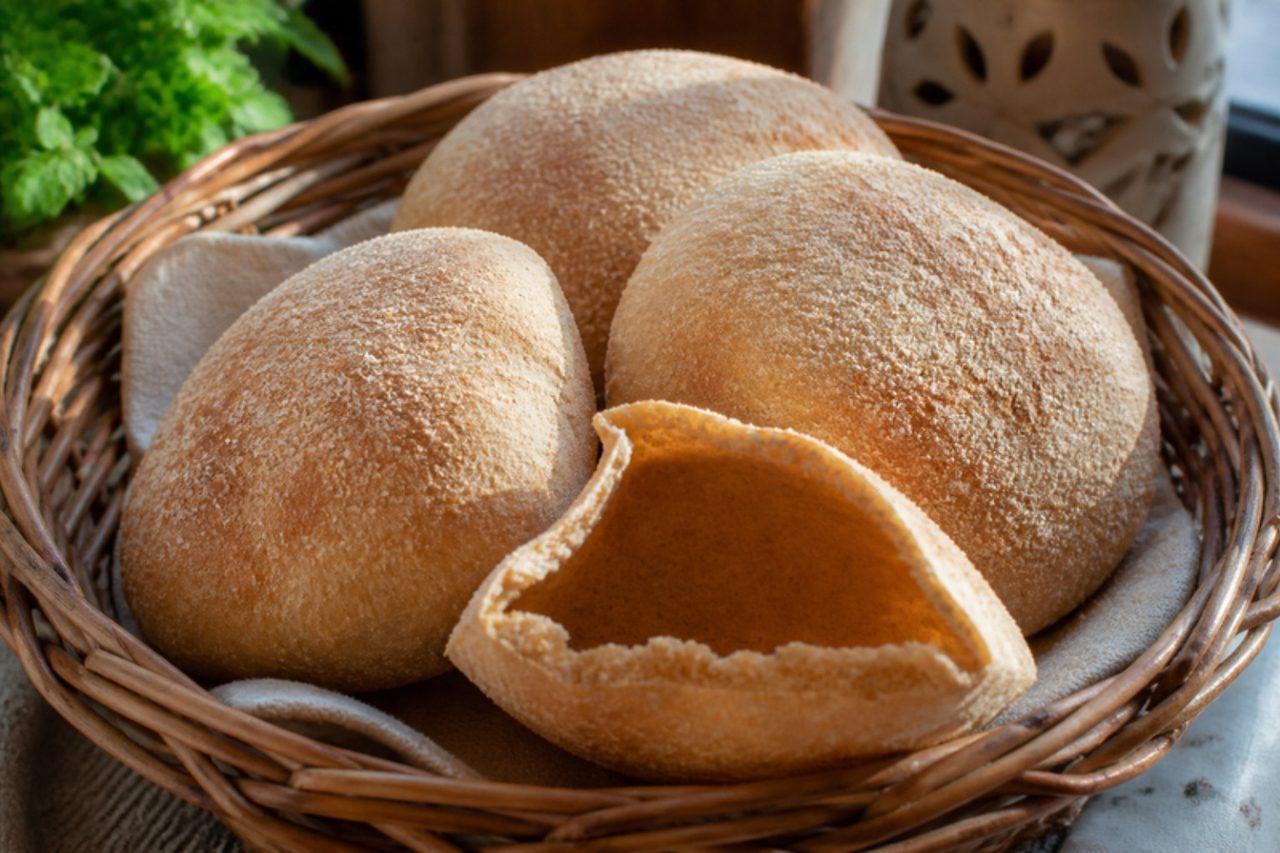
Every morning in Goan villages the poder, the local baker, cycles from house to house honking a horn, his basket full of warm bread. Poi is the one Goans miss most when they leave home: a flat, round, wholewheat-and-white-flour bread dusted with wheat bran, baked in a very hot wood oven so it puffs into a hollow pocket. It's torn open for chorizo pao in Goa, but just as good stuffed with spicy chickpea ros, dipped in a vegetable xacuti, or eaten with butter and tea. Traditionally the dough was raised with palm toddy; at home, yeast does the job. Chef's tip: preheat a heavy baking tray in the oven for at least 20 minutes; the shock of hot metal is what makes the poi puff.

by KrazyBadal 0 views
Ghugni churaBlack chickpea curry with flattened rice

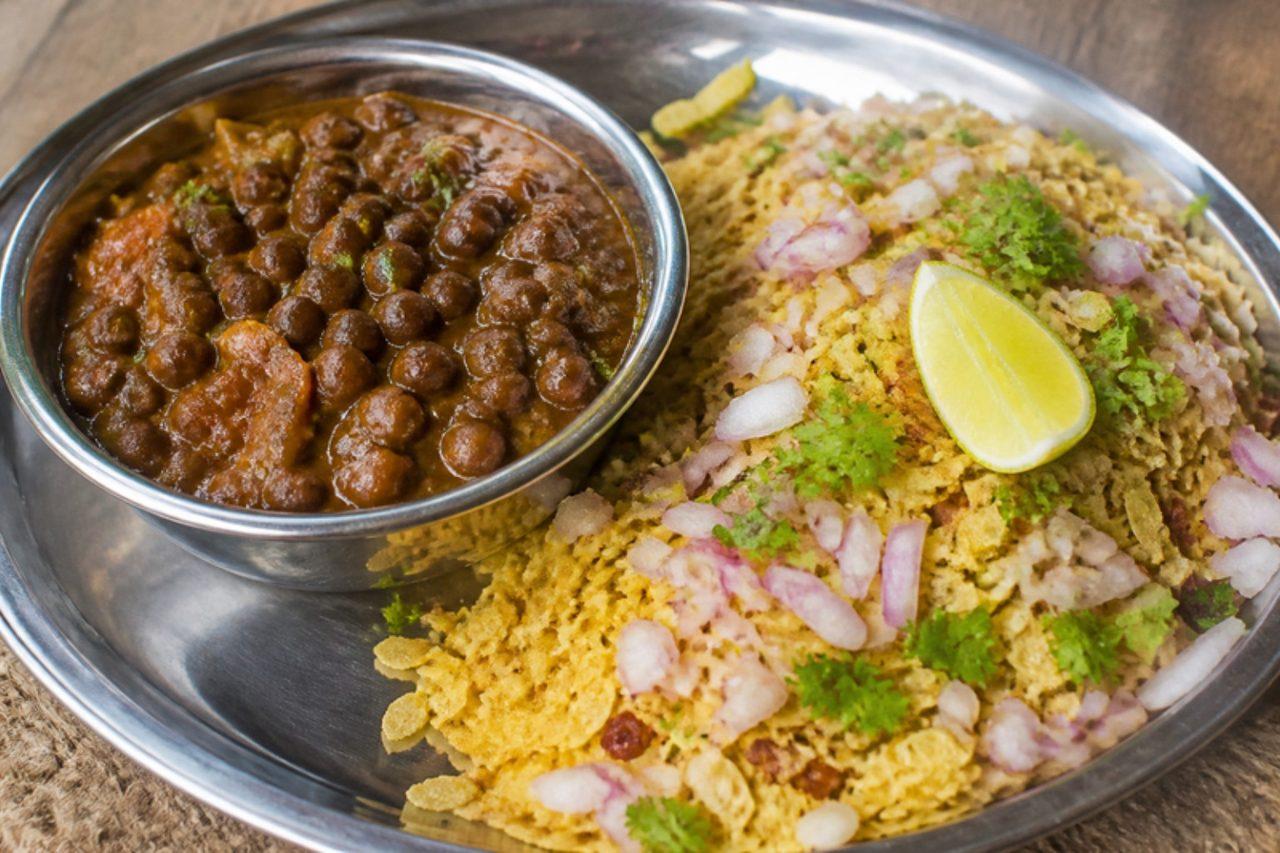
In Patna and the towns along the Ganges, ghugni chura is the morning and evening snack people queue for at the tea stall: a spicy, onion-rich curry of small black chickpeas served alongside chura, flattened rice that is fried or toasted in mustard oil until it crackles. You scoop a bit of each into your mouth together, with raw onion and green chilli for crunch. At home it is just as likely to be breakfast on a winter Sunday or what is offered to guests with tea. Chef's tip: cook the chana until it squashes easily between two fingers; firm chickpeas never soak up the masala.

by KrazyBadal 0 views
Tarri pohaFlattened rice with spicy chickpea curry

In Nagpur, winter mornings start at a poha stall: soft, turmeric-yellow flattened rice heaped onto a plate and then flooded with tarri, a spicy black-chickpea gravy with a slick of red oil on top, finished with raw onion, sev, coriander and a squeeze of lemon. It's Vidarbha's answer to the plain poha eaten elsewhere in India, louder and hotter, made for a cold morning and a cutting chai. Making it at home takes a little planning because the chana needs an overnight soak, but the tarri keeps for days. Chef's tip: don't skimp on the oil in the tarri; the red layer that floats on top is what soaks into the poha and gives the dish its name.

by KrazyBadal 0 views

Ragi mudde with bassaruFinger millet balls with dal broth

In the villages around Mandya, Mysuru and Hassan, the farmers' lunch is ragi mudde: steaming balls of finger millet cooked into a firm, smooth dough, eaten with a thin, spicy bassaru. Bassaru literally means 'drained water': greens and dal are cooked together, the liquid is poured off and spiced into a peppery broth (the saaru), and the solids become a dry palya on the side. You pinch off a piece of mudde, roll it in the saaru and swallow it without chewing. It is filling, very nourishing and naturally gluten-free. Chef's tip: the wooden stick (mudde kolu) matters; stirring with the handle of a wooden spoon pushes the flour into the water and gets rid of lumps far better than a whisk.

by KrazyBadal 0 views
PatoleoRice dumplings in turmeric leaves

In August, when the monsoon makes turmeric leaves grow tall in Goan backyards, families make patoleo. Catholic households steam them for the Feast of the Assumption on 15 August, and Hindu families make the same sweet, called patoli, for Nag Panchami and Ganesh Chaturthi. A thin layer of rice paste is spread on a turmeric leaf, filled with fresh coconut and dark Goan jaggery, folded and steamed. The leaf leaves a sweet, gingery perfume on the rice that nothing else can copy, so look for fresh turmeric leaves in Indian grocers; banana leaves are a fair substitute. Chef's tip: spread the rice paste as thin as you can while still covering the leaf; thick patoleo are stodgy and the filling gets lost.

by KrazyBadal 0 views
ChitrannaLemon rice

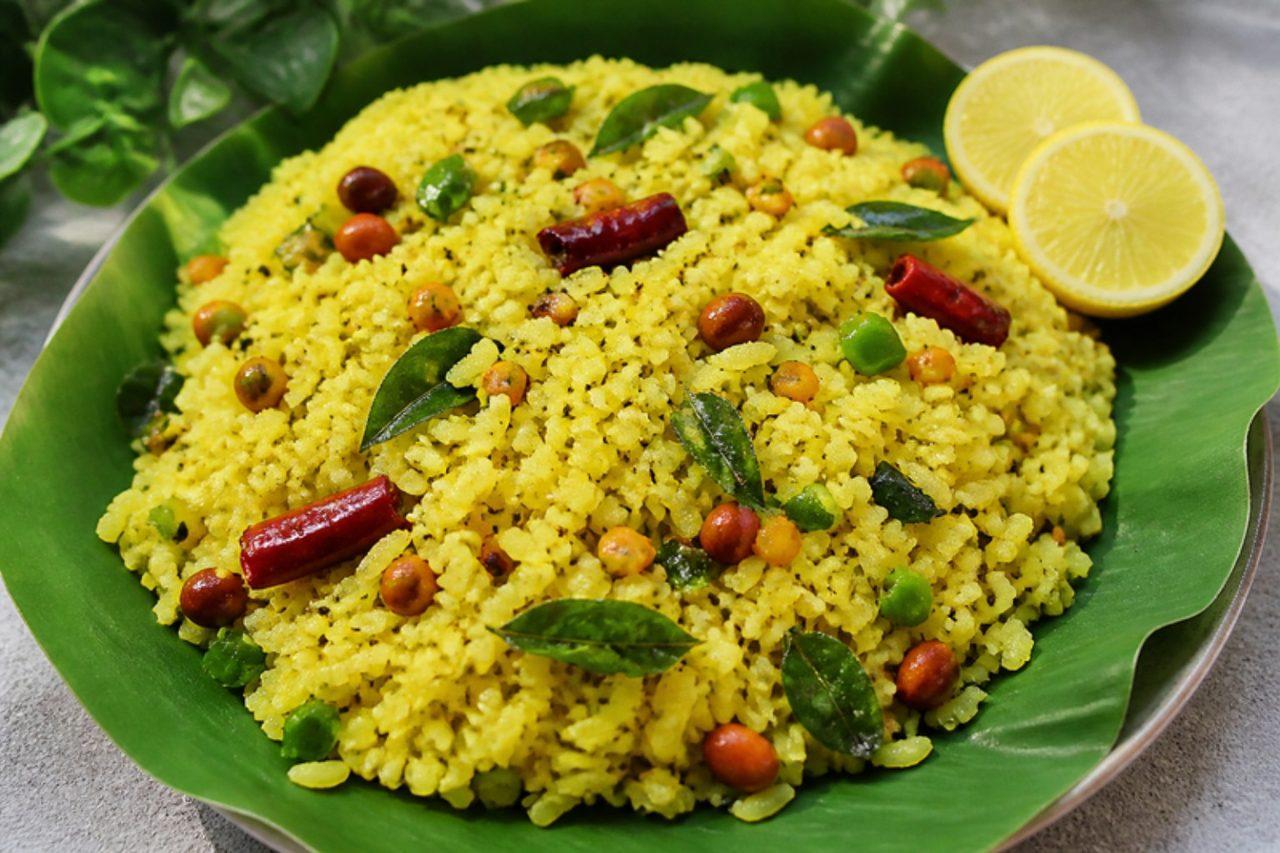
Chitranna, 'colourful rice', is the dish Karnataka mothers make when there is leftover rice and a school tiffin box to fill: cooked rice tossed in a yellow turmeric tempering with roasted peanuts, crunchy dals, green chilli, curry leaves and plenty of lemon. It appears at temple festivals as prasada, on train journeys wrapped in banana leaf, and on every Bengaluru darshini breakfast counter. It tastes even better an hour after it's made, when the lemon has soaked in. Tamil Nadu's elumichai sadam is a close cousin. Chef's tip: spread the rice out on a plate to cool before mixing; warm, steamy rice turns sticky and breaks when you toss it.

by KrazyBadal 0 views

Hyderabadi khatti dalTangy tamarind dal

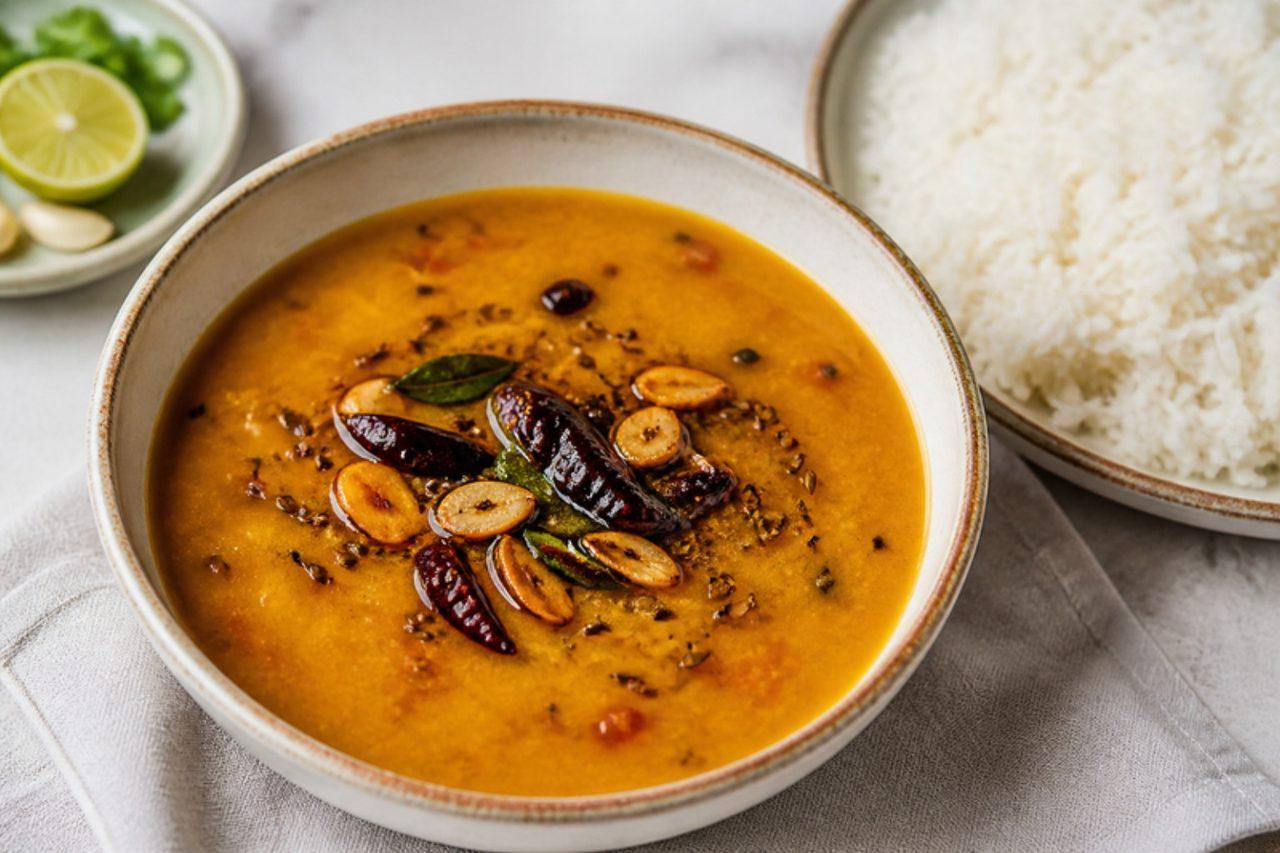
Khatti dal, 'sour dal', is the everyday dal of Hyderabad's old city, cooked in Muslim and Telugu homes alike and ladled over plain rice with a fried papad and a dry vegetable on the side. Toor dal is cooked with tomato and green chilli, mashed smooth, soured with tamarind and finished with a sizzling bagaar of garlic, dried red chillies, cumin and curry leaves. It is thinner and sharper than a north Indian dal, and on Fridays it often sits next to a biryani as the comforting partner. Chef's tip: let the garlic in the bagaar turn properly golden before pouring it over; pale garlic tastes raw and harsh in a sour dal.

by KrazyBadal 0 views
Kol posolaBanana stem stir-fry

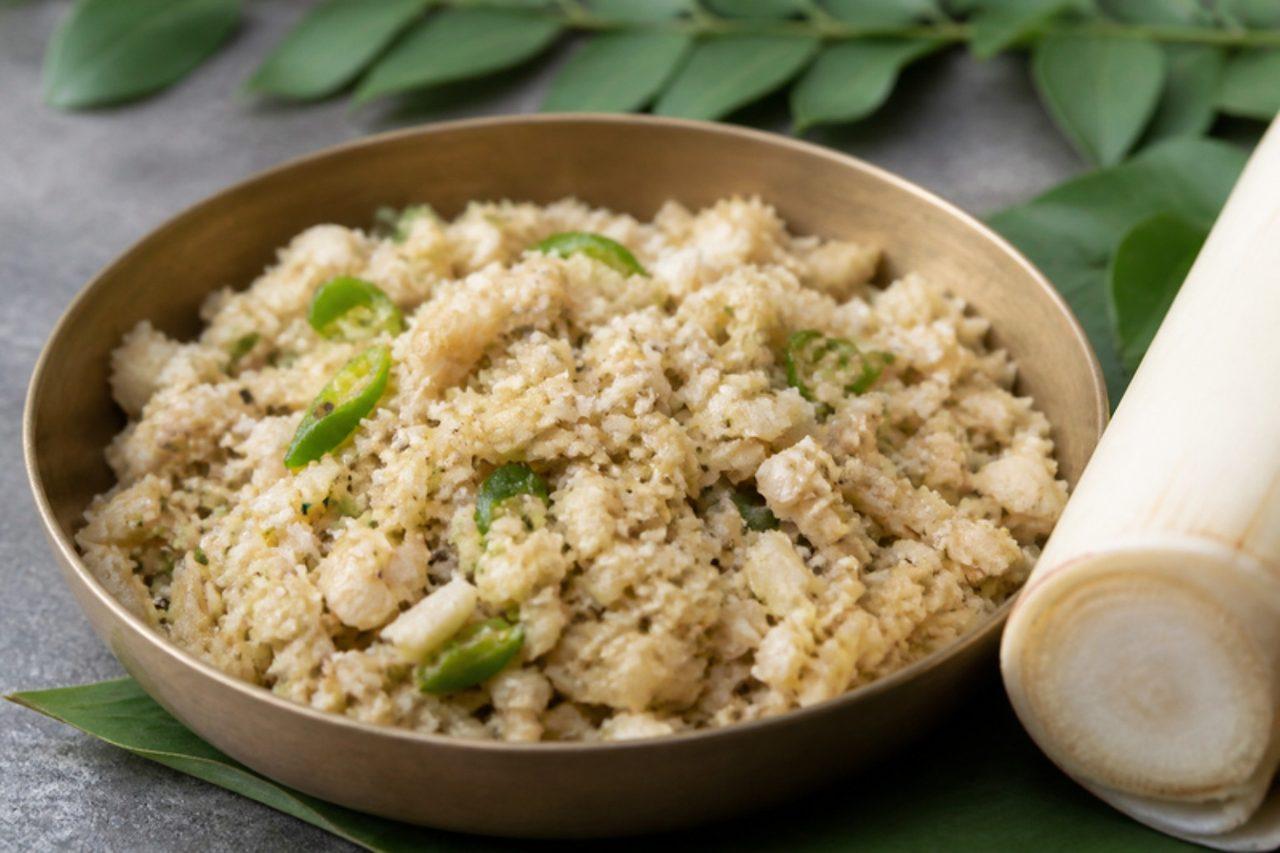
Kol posola is the pale inner core of the banana plant, chopped and cooked down with mustard oil, ginger and green chilli until it is soft, juicy and faintly sweet. In Assamese villages, where banana plants grow in every yard, it is cheap everyday food, and it is also a favourite on Bihu tables and in Assamese thalis in Guwahati restaurants. It has a mild, cucumber-like flavour and is prized as a cooling, cleansing food. Chef's tip: as you chop the stem, twirl a finger or a skewer through the slices to catch and pull away the fine fibres; otherwise they stay stringy.

by KrazyBadal 0 views

Narikol laruCoconut and jaggery balls

Narikol laru are the small, chewy coconut balls that sit next to til pitha on every Bihu plate in Assam, offered to visitors with tea and jolpan. Fresh coconut is cooked with jaggery until it binds, flavoured with cardamom and rolled warm. They are soft and moist, not dry like desiccated-coconut ladoos, and are made in big batches the night before the festival. Chef's tip: roll them while still warm with damp palms; once cold, the mixture won't hold.

by KrazyBadal 0 views

Kinema curryFermented soybean curry

Kinema is the Limbu and Nepali fermented soybean of Sikkim and the Darjeeling hills: boiled soybeans wrapped in leaves and left by the hearth for a couple of days until sticky and pungent. Cooked with onion, tomato, turmeric and fiery dalle or green chilli, it becomes a thick, savoury curry eaten with rice in Gangtok and Kalimpong homes, especially in winter. It is rich in protein and has a deep, almost meaty savour. Chef's tip: dry-fry the kinema before adding the masala; it tames the smell and brings out a toasted flavour. Outside the hills, Japanese natto is the closest substitute.

by KrazyBadal 0 views

Dalle chutneyRound chilli and tomato chutney

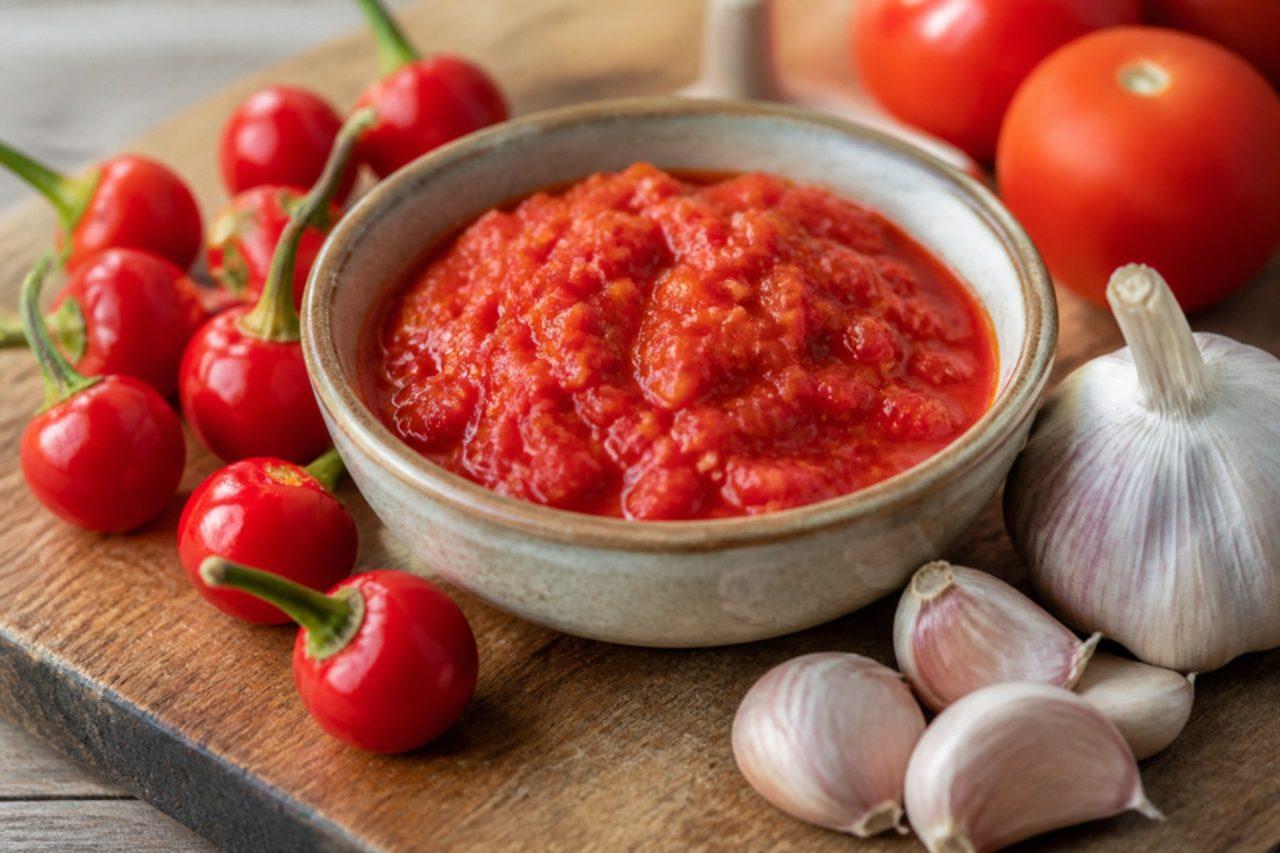
Dalle khursani is Sikkim's round, cherry-sized chilli, grown in every hill garden and among the hottest chillies in India. No meal in Gangtok goes without a little bowl of dalle achar beside the rice or momos. This fresh version pounds the chillies with blistered tomato, garlic, a pinch of timur (Sichuan-type pepper) and lemon into a coarse red chutney that is searingly hot, sharp and fruity. Eat it by the dot. Chef's tip: wear gloves when cutting dalle, and never touch your eyes; the heat stays on your hands for hours. Use a mix of habanero and bird's-eye chillies if you can't get dalle.

by KrazyBadal 0 views

Darjeeling first flush tea

Darjeeling's first flush is picked in March and April on estates clinging to the hills above the town, and in Darjeeling's tea rooms it is served plain: pale gold, flowery and slightly astringent, with a 'muscatel' note in the later second flush. It is the opposite of a strong breakfast tea, so it is never boiled, stewed or given milk. Hill families drink it from morning till dusk, and it is a souvenir every visitor buys from Chowrasta. Chef's tip: use water just off the boil (about 90°C) and time the brew; overheated or overbrewed first flush turns bitter and loses its scent.

by KrazyBadal 0 views

TungrymbaiFermented soybean with sesame and ginger

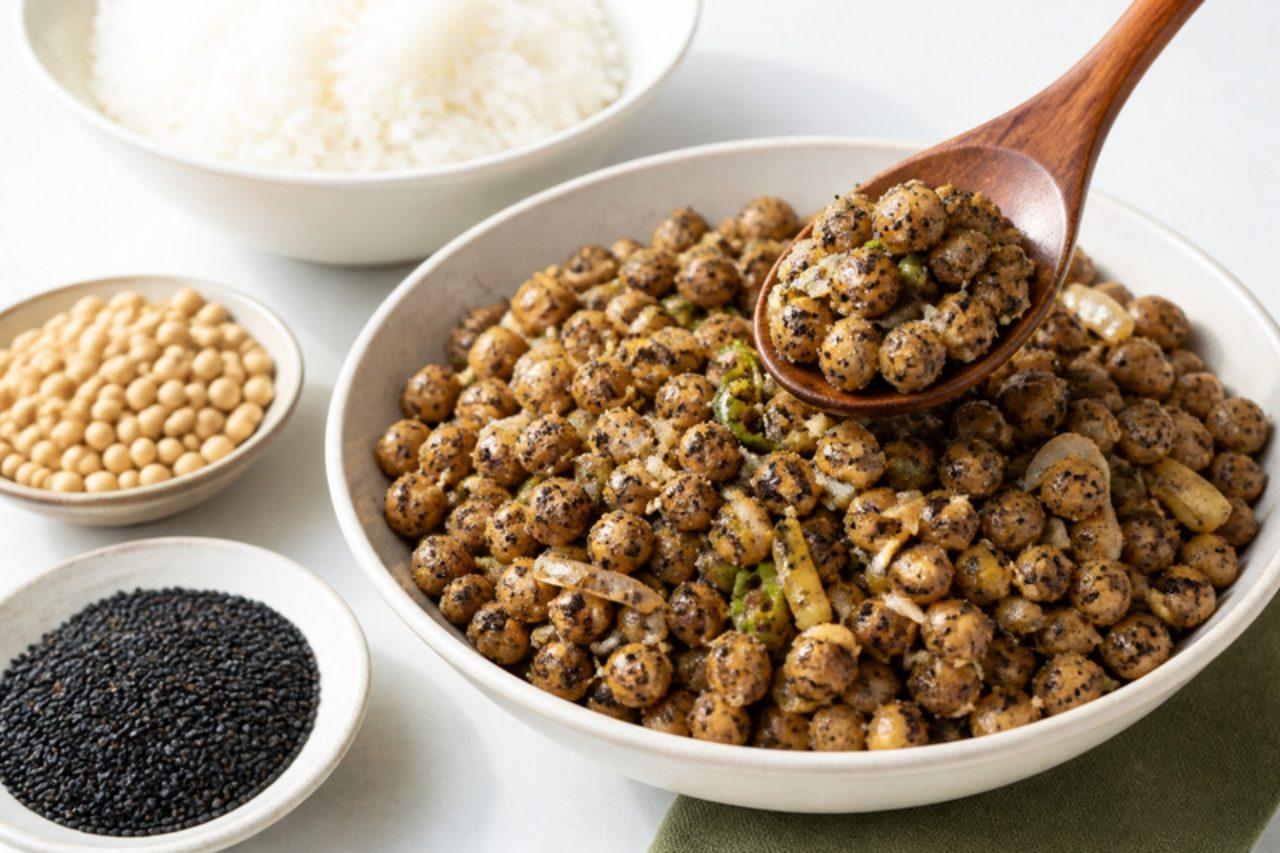
Tungrymbai is the Khasi Hills' great fermented food: soybeans boiled, wrapped in leaves and left by the hearth until sticky and pungent, then cooked with onion, ginger, garlic, turmeric and a generous paste of roasted black sesame. In Shillong's markets and local eateries (jadoh stalls), it is often cooked with pork, but many Khasi homes make it with soybeans alone, which is the version here. It is dark, nutty and savoury, eaten in small spoonfuls with rice. Chef's tip: roast the black sesame until it just begins to pop; underroasted it tastes grassy, overroasted it turns bitter. Natto works if you can't get tungrymbai.

by KrazyBadal 0 views

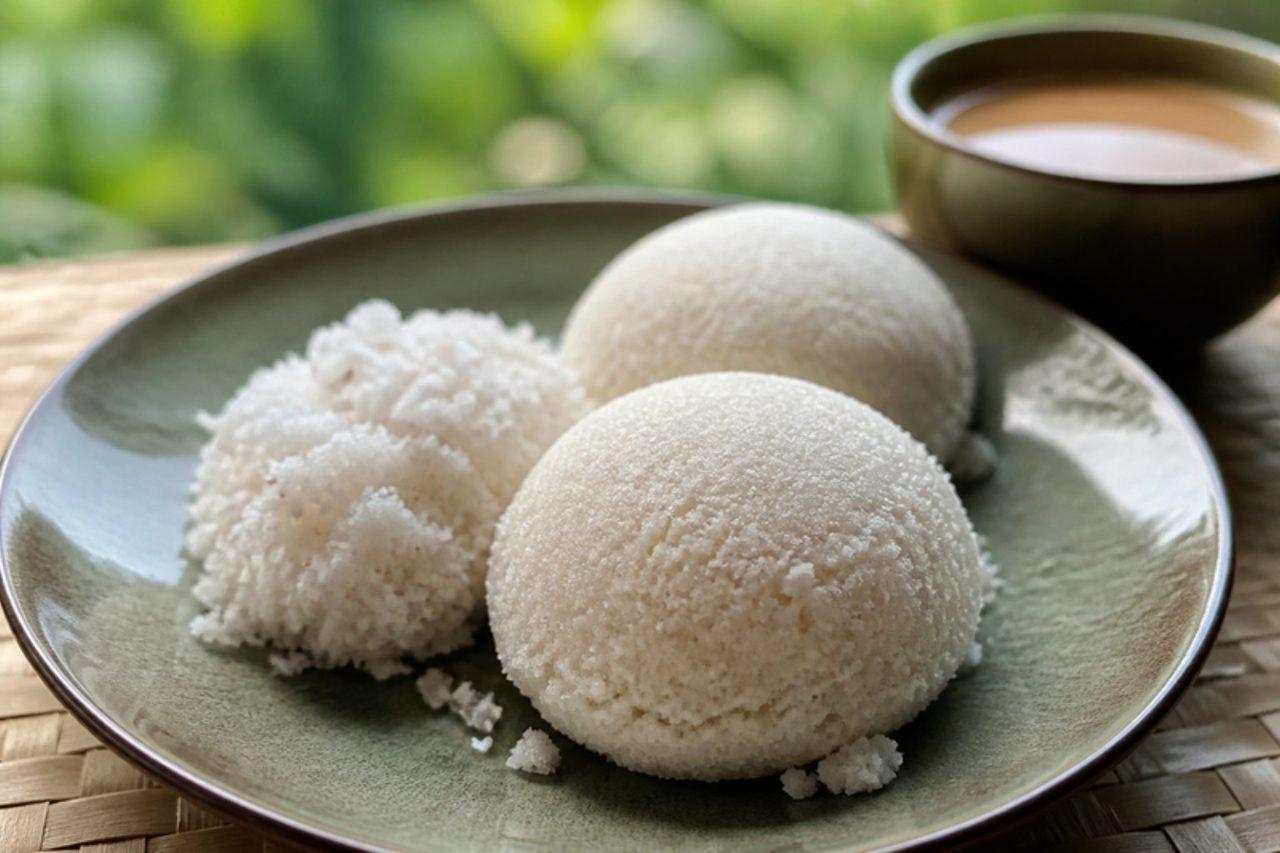
PumaloiSteamed rice cakes

Pumaloi is the everyday breakfast of the Khasi Hills: coarse powdered rice, lightly moistened, packed into a tall steamer (traditionally a bamboo or metal 'khiew') and steamed into a soft, crumbly cake. In Shillong it is sold warm at morning stalls with a cup of sweet tea, and at home it is served with tungrymbai, a vegetable stew or a chilli chutney. It is plain on purpose, like Kerala's puttu but drier and lighter. Chef's tip: the flour should feel like damp sand, holding a shape when squeezed but crumbling easily; any wetter and the cake goes gluey.

by KrazyBadal 0 views

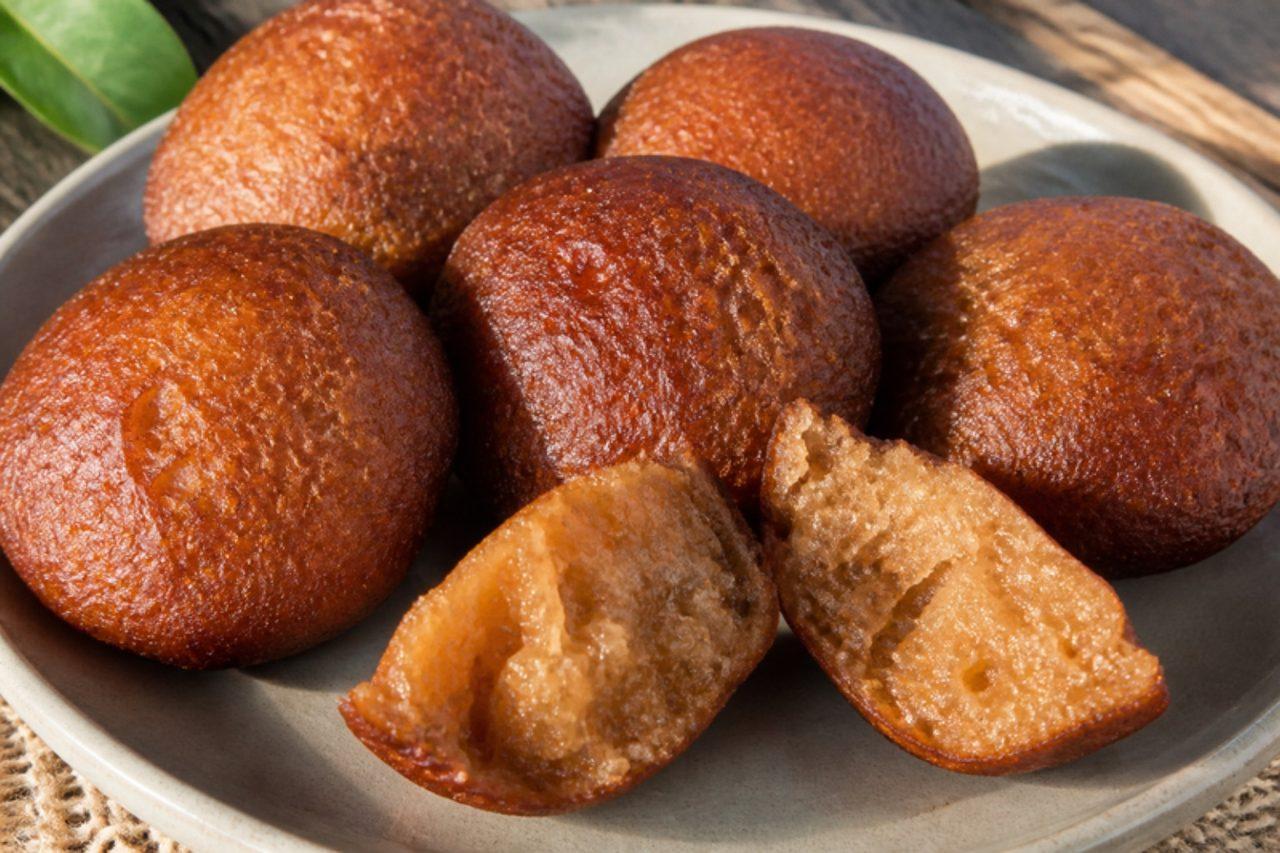
PukhleinFried rice flour and jaggery cakes

Pukhlein are the sweet treats of Khasi tea stalls and celebrations in Meghalaya: a batter of rice flour and jaggery fried into round, puffed cakes that are crisp and caramelised on the outside and chewy within. They are made for Christmas and family gatherings and are sold at Shillong's Iewduh (Bara Bazaar) with red tea. They taste a little like a cross between a doughnut and an Indian anarsa. Chef's tip: rest the batter for at least an hour; the rice flour hydrates and the cakes puff instead of spreading.

by KrazyBadal 0 views

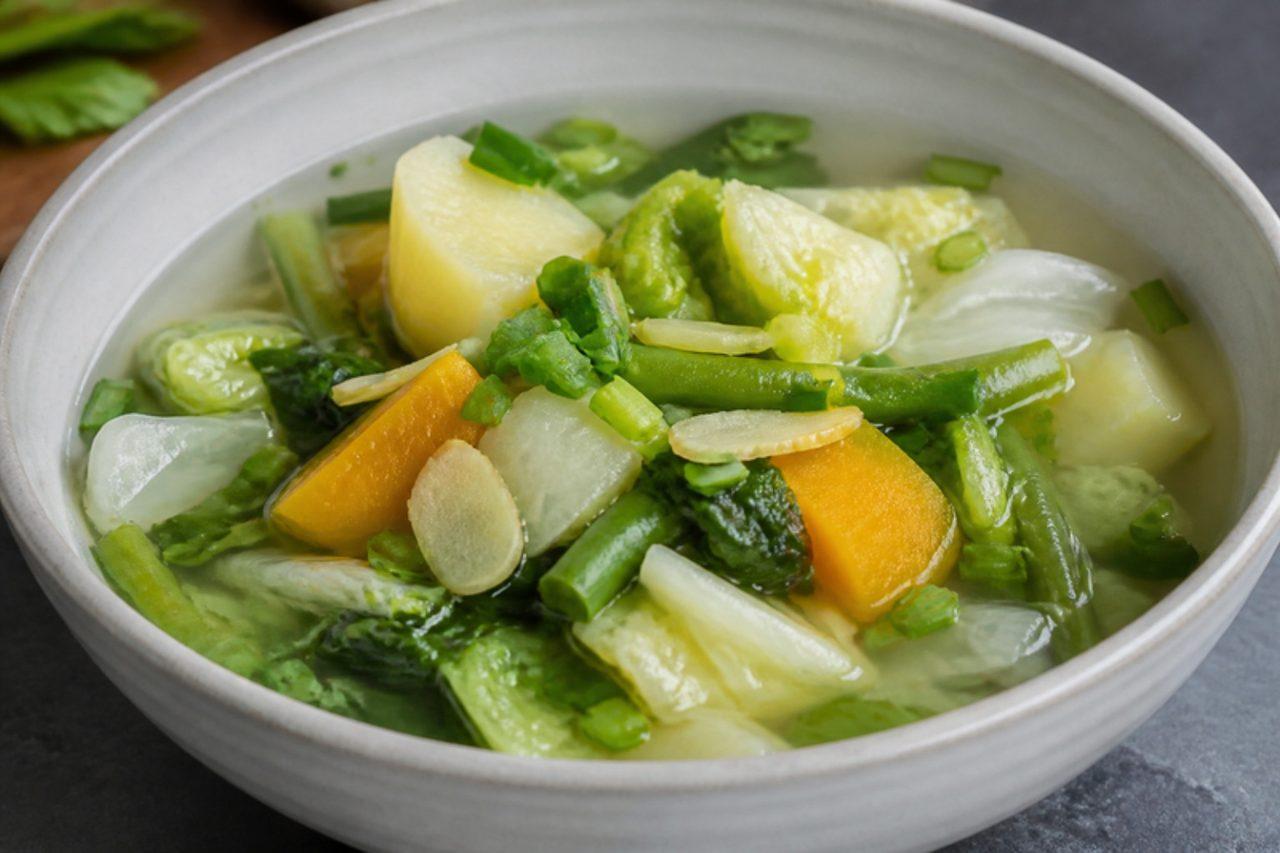
KangshoiClear vegetable stew

Kangshoi is the everyday stew of the Imphal Valley: seasonal vegetables simmered in water with ginger, onion and chilli, and finished with a fistful of fresh herbs such as maroi (a garlic chive), coriander and mint. It is light, clear and brothy, eaten with rice at almost every Meitei meal. Many households add dried fish or ngari (fermented fish) for depth; Vaishnav Meitei homes leave it out, and this vegetarian version relies on toasted chilli and plenty of herbs instead. Chef's tip: cook it without oil, as Manipuris do; the clean broth is the point.

by KrazyBadal 0 views

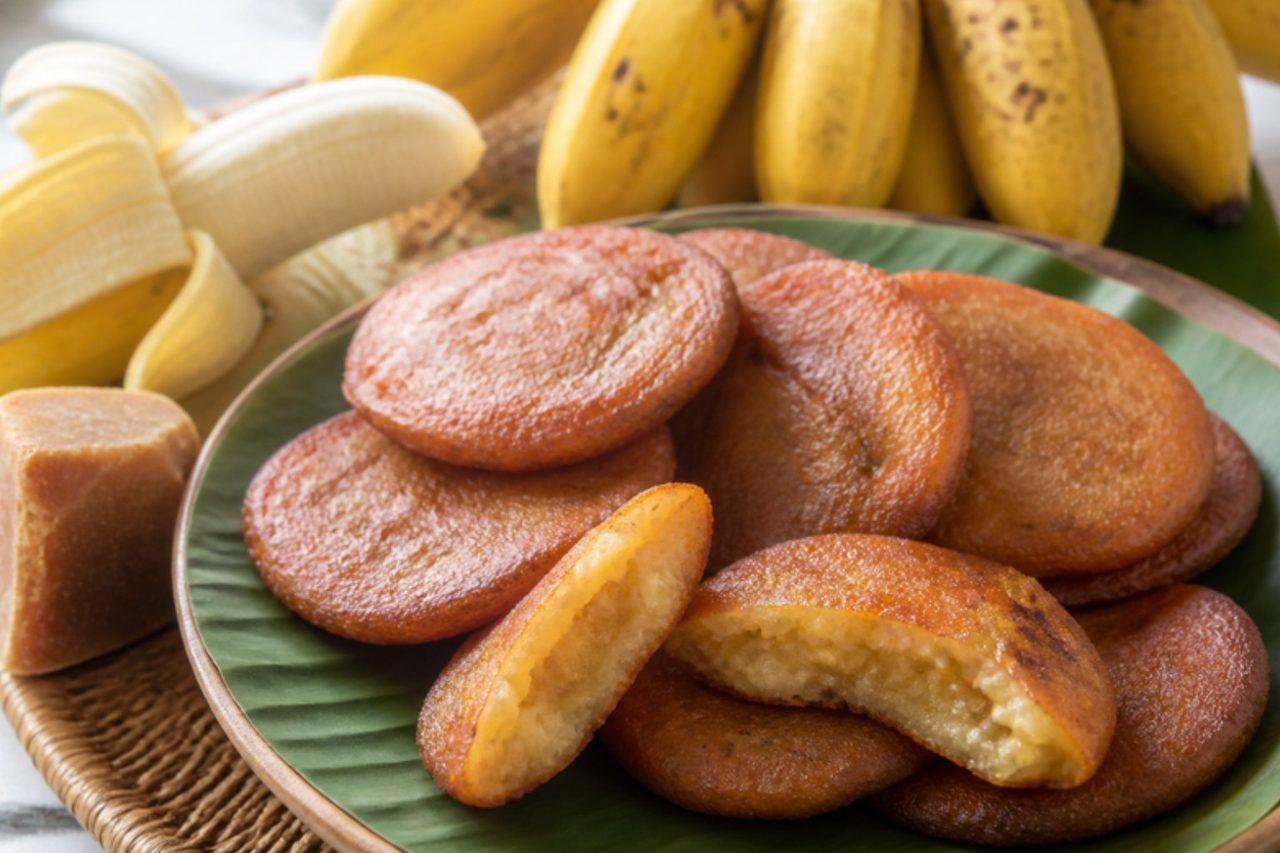
Koat pithaBanana and rice flour fritters

Koat pitha is Mizoram's favourite tea-time snack, sold in Aizawl's bakeries and street stalls and fried at home whenever bananas go soft: mashed ripe banana is mixed with rice flour and jaggery into a thick batter and fried in spoonfuls until crisp, brown and puffed. Inside they are soft and sticky-sweet. They are served at church gatherings and with red tea on wet afternoons. Chef's tip: the riper the bananas the better; spotted, almost black ones give the most flavour and sweetness.

by KrazyBadal 0 views

Mirchi vadaPotato-stuffed chilli fritters

In Jodhpur, the day often begins at a roadside kadhai: huge, mild green chillies stuffed with spiced potato, coated in gram-flour batter and fried until golden and blistered, then eaten hot with sweet milky chai. Stalls near the Clock Tower and Sardar Market make them all day, and during the monsoon the queues grow longer. The chilli adds a fresh, green bite more than heat, and the filling is tangy with amchur and fennel. A common mistake is frying in oil that is not hot enough, which makes the batter heavy and oily. Chef's tip: fry each vada once until pale gold, rest it for a few minutes, then fry it again for 1 minute just before serving—this is the stall trick for a crust that stays crisp.

by KrazyBadal 0 views

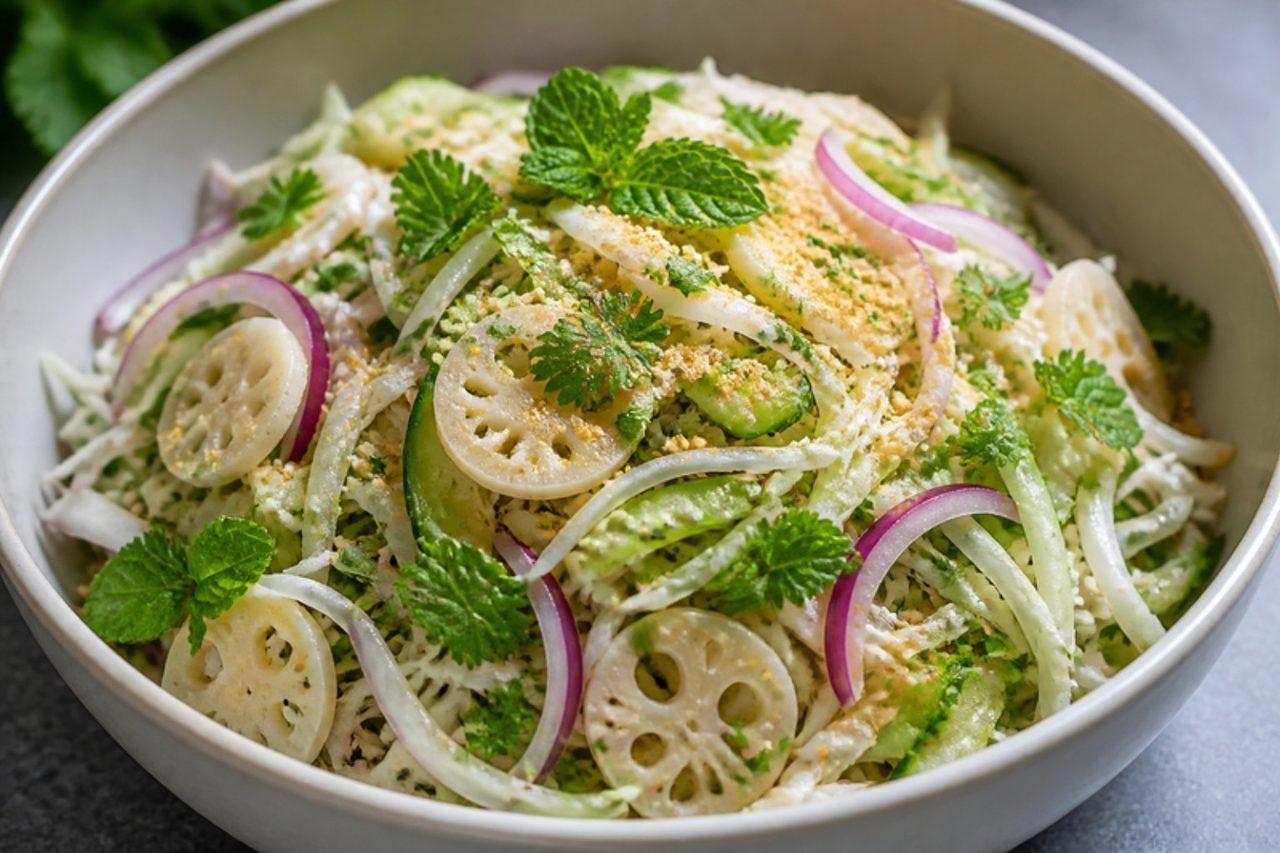
SingjuCabbage and lotus stem salad

Singju is Imphal's favourite evening snack, sold from stalls at Khwairamband market and Thangal Bazar: a pile of finely shredded cabbage, lotus stem, banana flower, onion and fresh herbs, tossed with roasted chilli and toasted gram flour. Most stalls add a little ngari (fermented fish); vegetarian Meitei homes skip it and use extra roasted perilla or sesame and toasted gram flour, which give a nutty, savoury depth. It is crunchy, hot and herby. Chef's tip: shred everything as thinly as you can, almost like hair; the dressing clings better.

by KrazyBadal 0 views

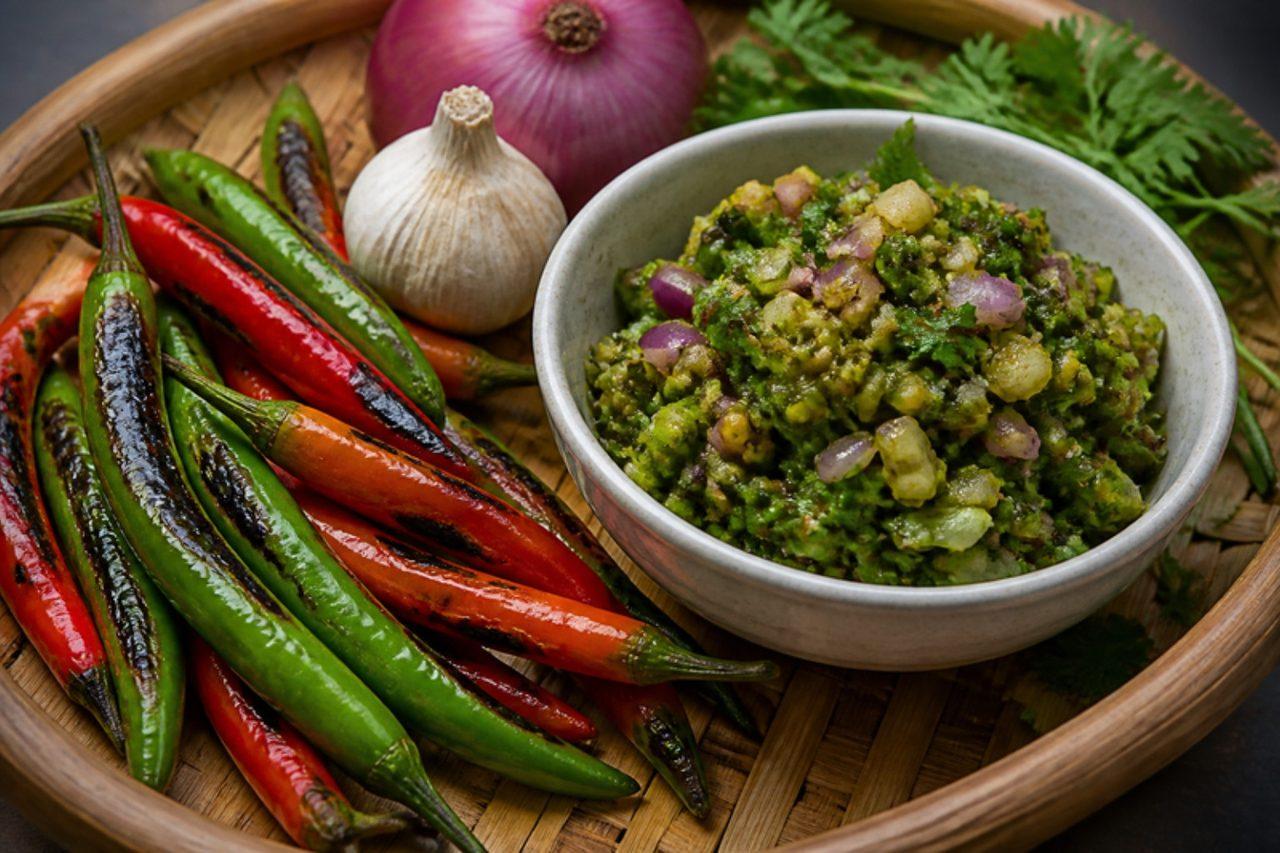
Morok metpaRoasted chilli and onion mash

Morok metpa is the chilli relish on every Manipuri table, from Imphal homes to roadside eateries: fresh chillies roasted over the fire until blistered, then crushed with salt, raw onion and herbs. Many versions add ngari (fermented fish); the vegetarian one here gets its depth from charring the chillies and a little roasted garlic. A teaspoon of it lifts plain rice, kangshoi or boiled vegetables. Chef's tip: roast the chillies directly over a flame until the skins are black in patches; charred skin is where the flavour is.

by KrazyBadal 0 views

KharRaw papaya and lentil dish

Every traditional Assamese lunch begins with khar, a mouthful of it mixed into the first ball of rice to settle the stomach. The defining ingredient is khar itself, an alkaline liquid filtered from the ash of dried bhim kol (seeded banana) peels; it gives the dish its soft, slightly soapy, earthy taste. Raw papaya and a handful of lentils are cooked in it with mustard oil, garlic and green chilli until silky. At home in Guwahati or Jorhat it is made several times a week. Chef's tip: outside Assam, use a small pinch of bicarbonate of soda in place of khar; too much tastes metallic, so start with ⅛ tsp.

by KrazyBadal 0 views

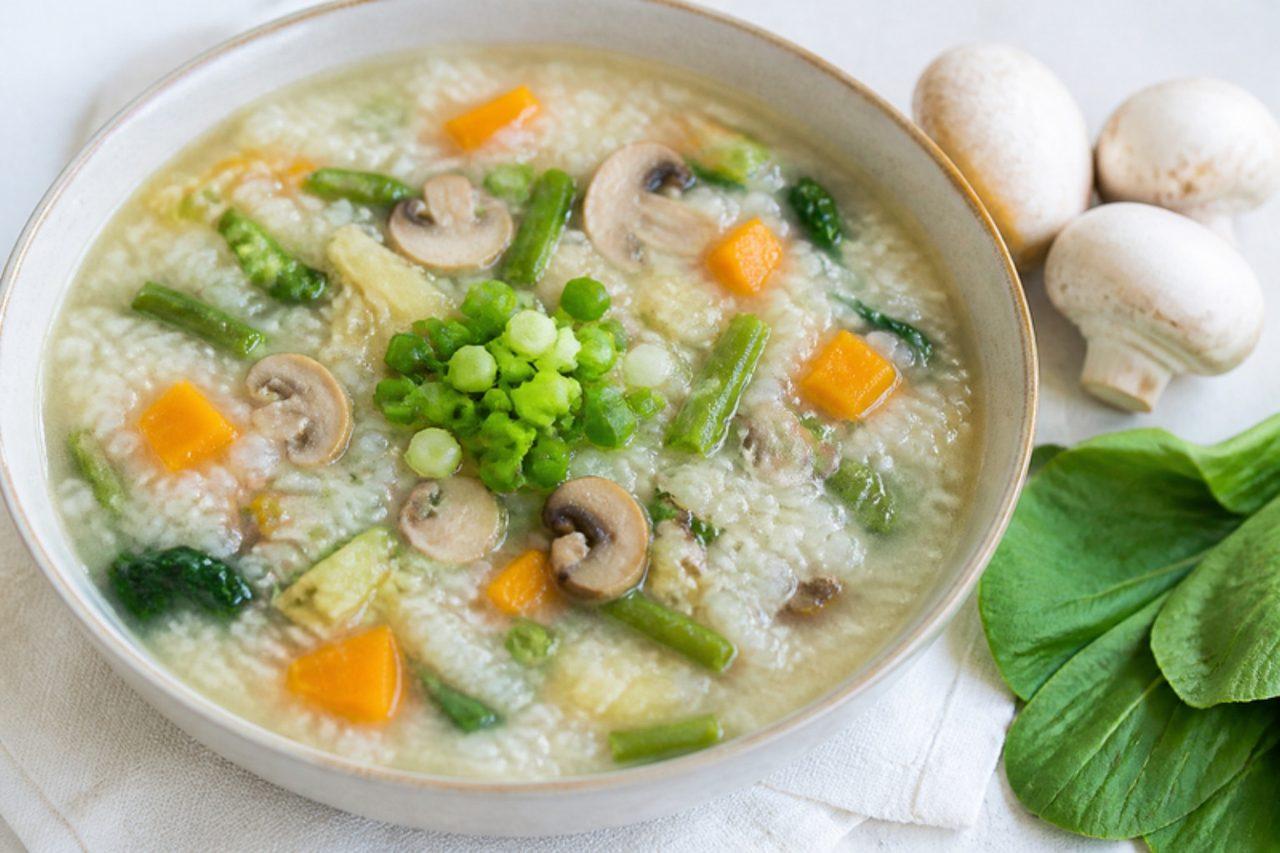
GalhoRice and vegetable porridge

Galho is Nagaland's comfort food, a soft, loose rice porridge cooked with seasonal vegetables, greens, ginger and chilli, sometimes thickened with a spoon of fermented soybean (axone). In Kohima homes it is the dish for cold evenings and for anyone unwell, and in restaurants it is often made with pork; this vegetarian version uses mushrooms and axone for savour. It sits somewhere between khichdi and congee, thick but spoonable. Chef's tip: stir only occasionally; galho should be soupy with distinct grains, not a smooth paste.

by KrazyBadal 0 views

Showing 24 of 559 recipes

Show more recipes

Page 18 of 24

More collections