Skip to content

Vegan Indian recipes

Indian dishes with no dairy, ghee, eggs or meat. (681 recipes)

Kachri bateta coconut chutneyCoconut and raw mango chutney

A fresh, crumbly chutney of grated coconut and raw mango with a little chilli paste, sugar and a pinch of turmeric. It's sweet, sour and mildly hot, and is served with kachri bateta, the Gujarati potato snack, as well as with pattice and bhajias.

by KrazyBadal 1 views

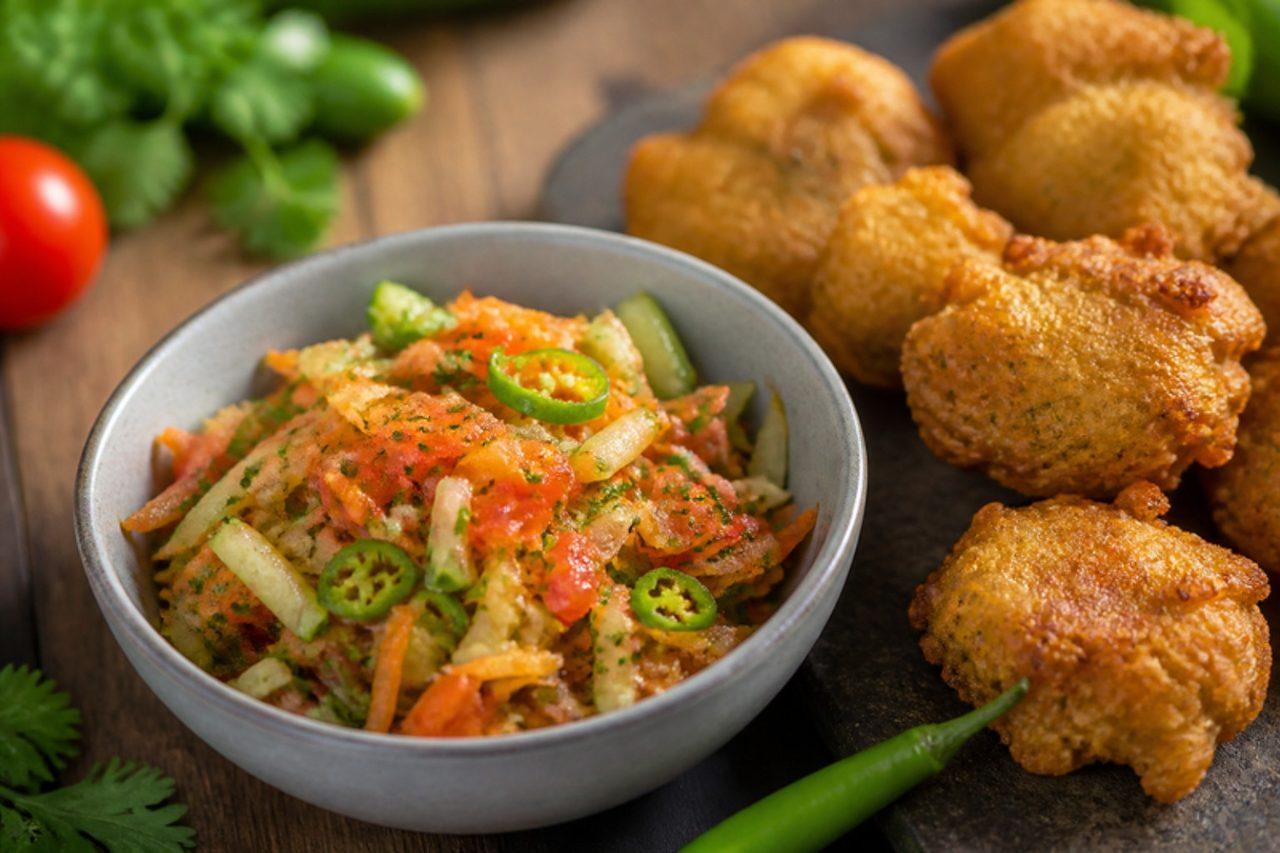
Maru bhajia chutneyTomato, carrot and cucumber chutney

A fresh, juicy chutney of grated tomato, cucumber and carrot with crushed chillies, ketchup and coriander. It's the bright, tangy salad-chutney served with Kenyan-style maru bhajia (crispy potato bhajias). It needs no cooking and takes minutes to make.

by KrazyBadal 1 views

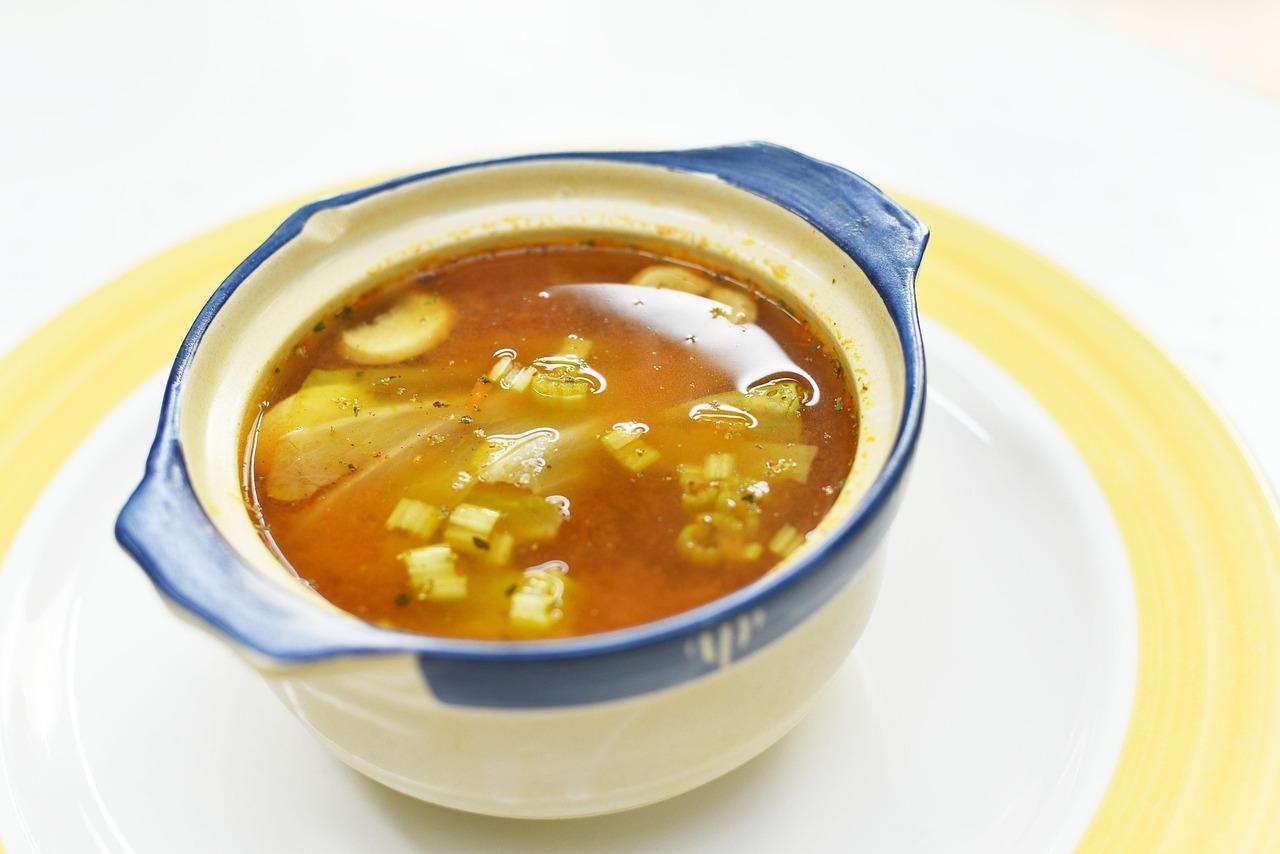
Kadu sweet & sour soupAsh gourd sweet and sour soup

A light, sweet-and-sour soup made from ash gourd (kadu) stock, thickened with cornflour and seasoned with tomato and chilli sauces, vinegar and black pepper. Lightly fried carrot, cauliflower and spring onion go on top for crunch. Serve it with hot buns. Bottle gourd works just as well as ash gourd.

by KrazyBadal 1 views

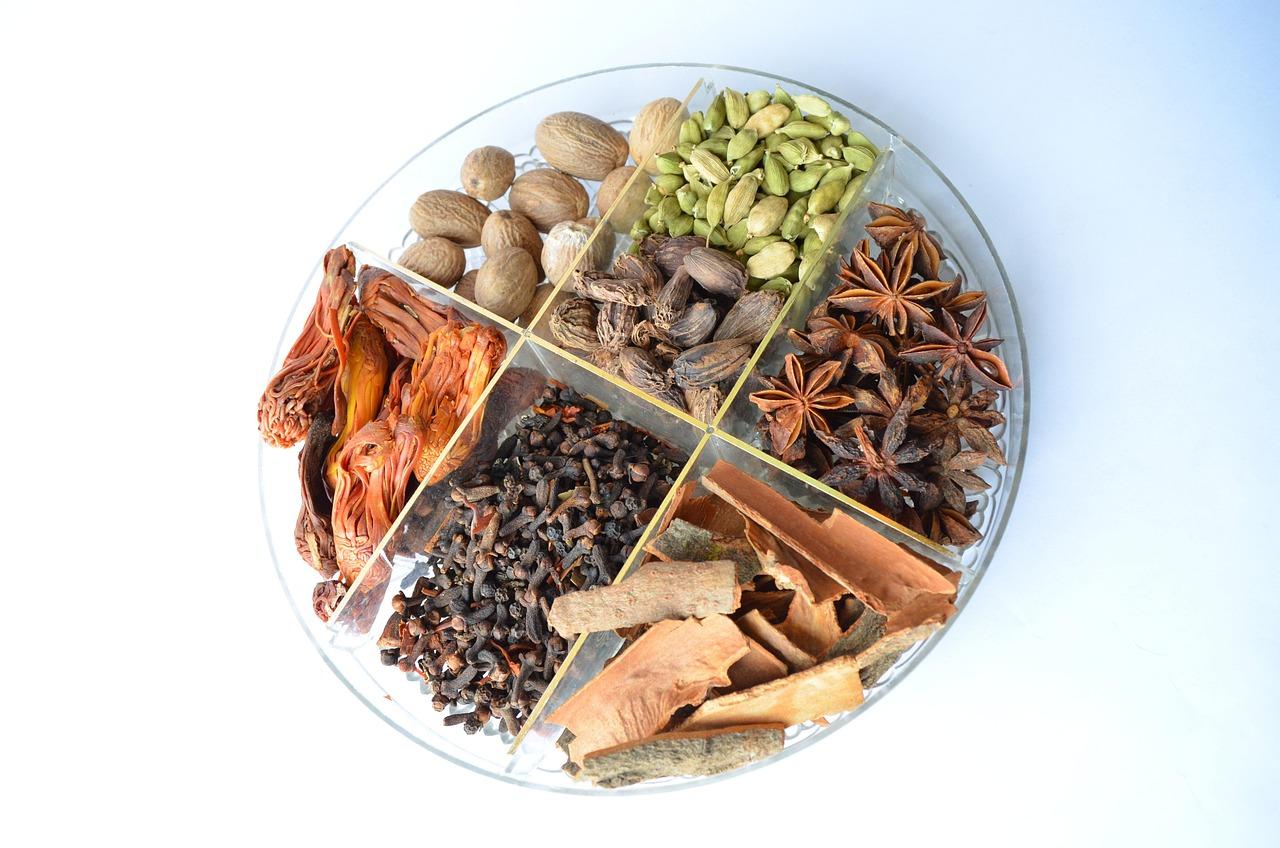
Dal masala

A Gujarati dal masala with whole spices roasted in a little oil, plus star anise, black cardamom and dagad phool (stone flower) for depth. A teaspoon gives dals, kadhi and khichdi a warm, rounded flavour. The recipe makes a big batch, so it's worth making once a season.

by KrazyBadal 1 views

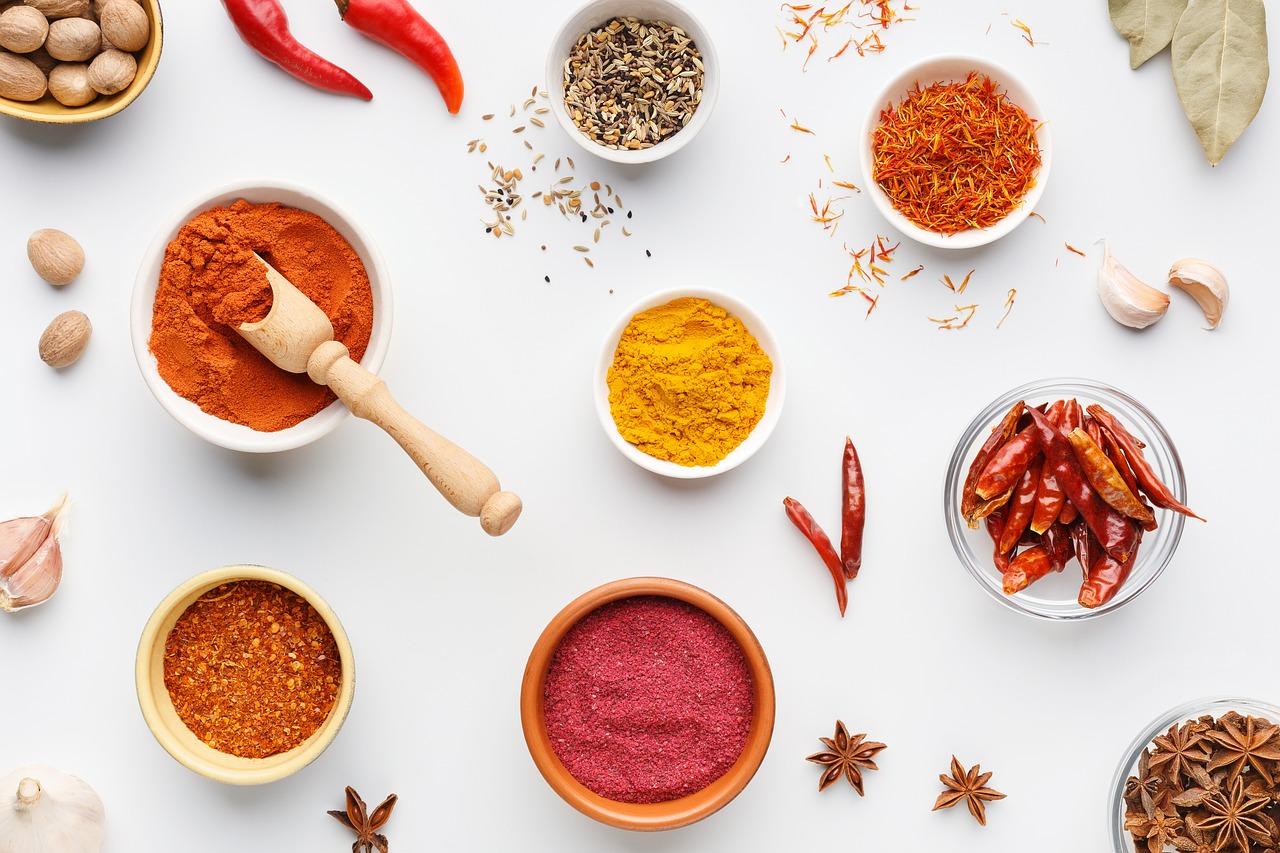
Garam masala

Home-made garam masala is far more fragrant than shop-bought. The whole spices are roasted until crisp, then ground, giving a warm, slightly hot blend with dry ginger and red chilli. Add a pinch to curries, dals and rice dishes towards the end of cooking.

by KrazyBadal 1 views

Chaat masala

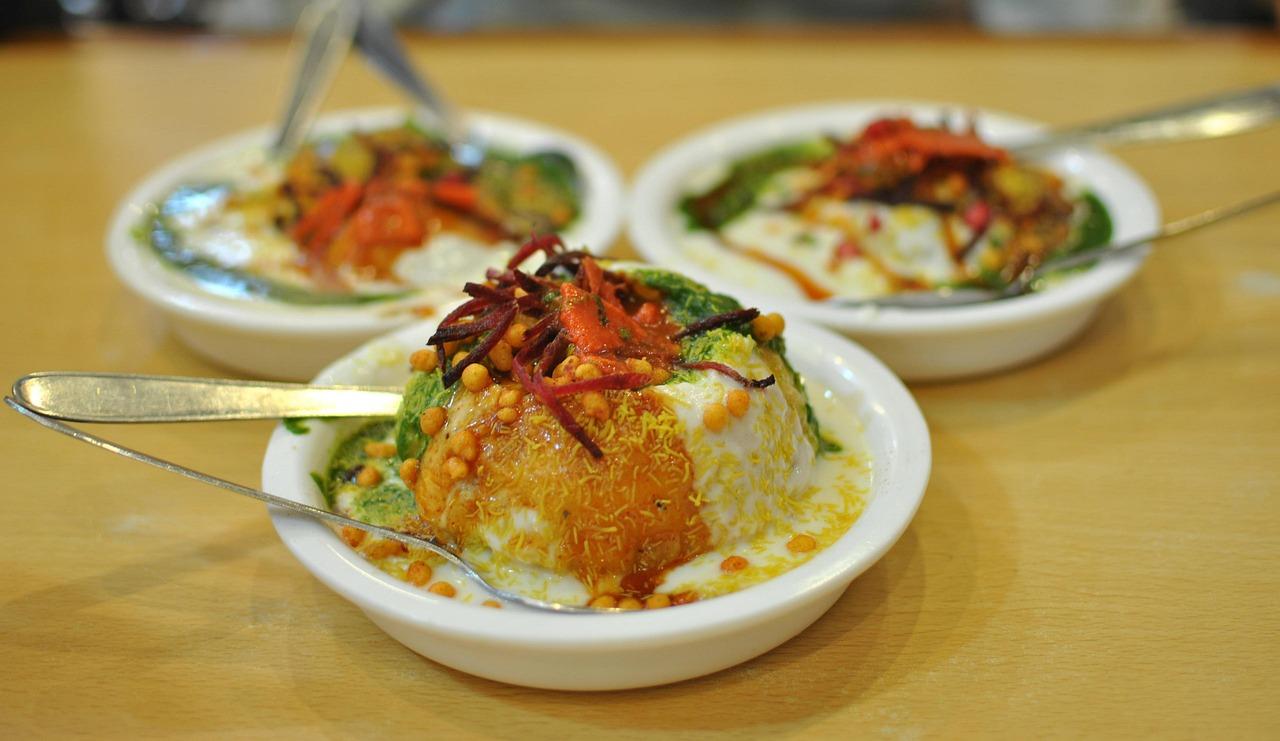
Chaat masala is the tangy, salty, slightly sulphurous sprinkle that makes chaat taste like chaat. Dried mango (amchur) gives the sourness and black salt the distinctive savoury edge. Sprinkle it over fruit, salads, raita, chips and street-food snacks.

by KrazyBadal 1 views

Sugar syrup

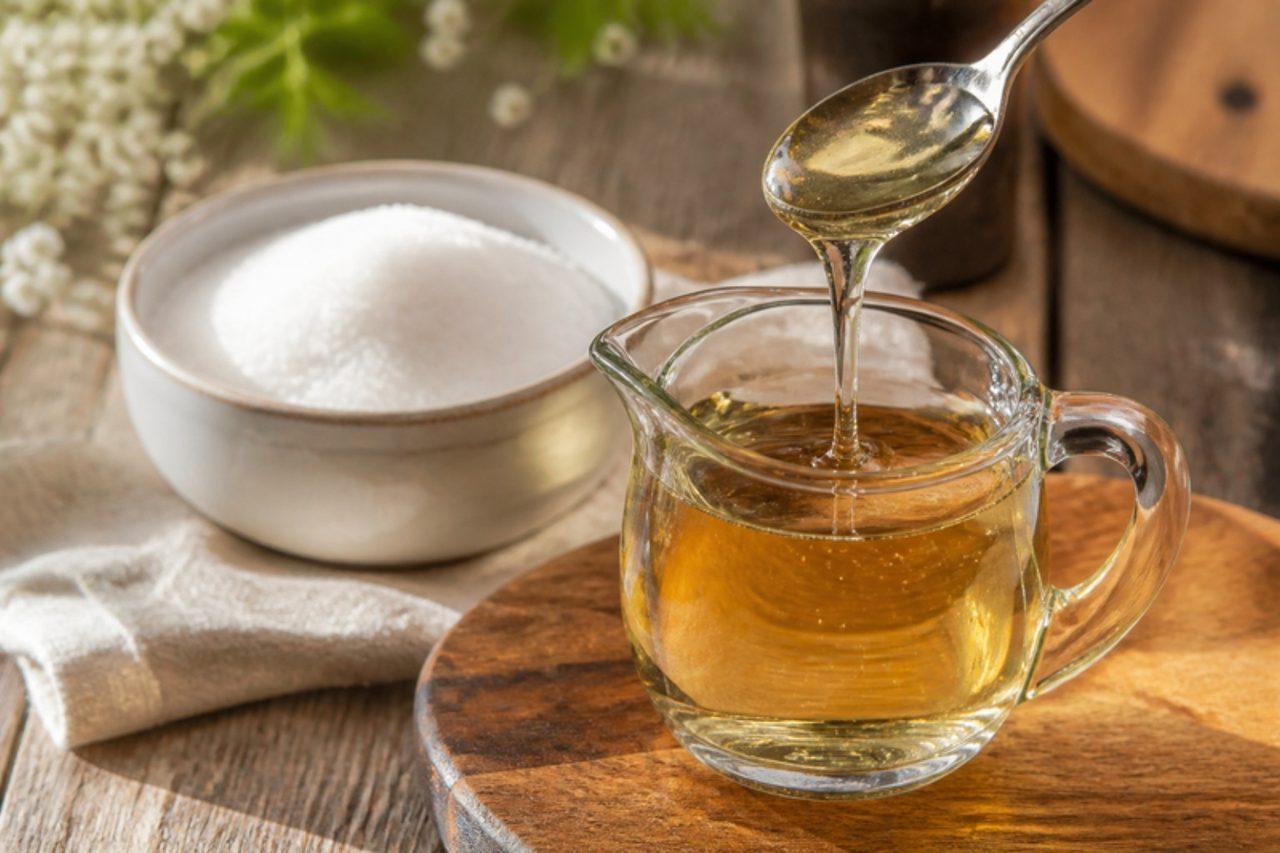
Sugar syrup (chashni) is the base of many Indian sweets, and recipes ask for it at different stages. A light syrup is for soaking sweets and sweetening drinks. One-thread and two-thread syrups are boiled longer so the sweet sets. You can make it with milk instead of water for some sweets.

by KrazyBadal 1 views

Bean sprouts

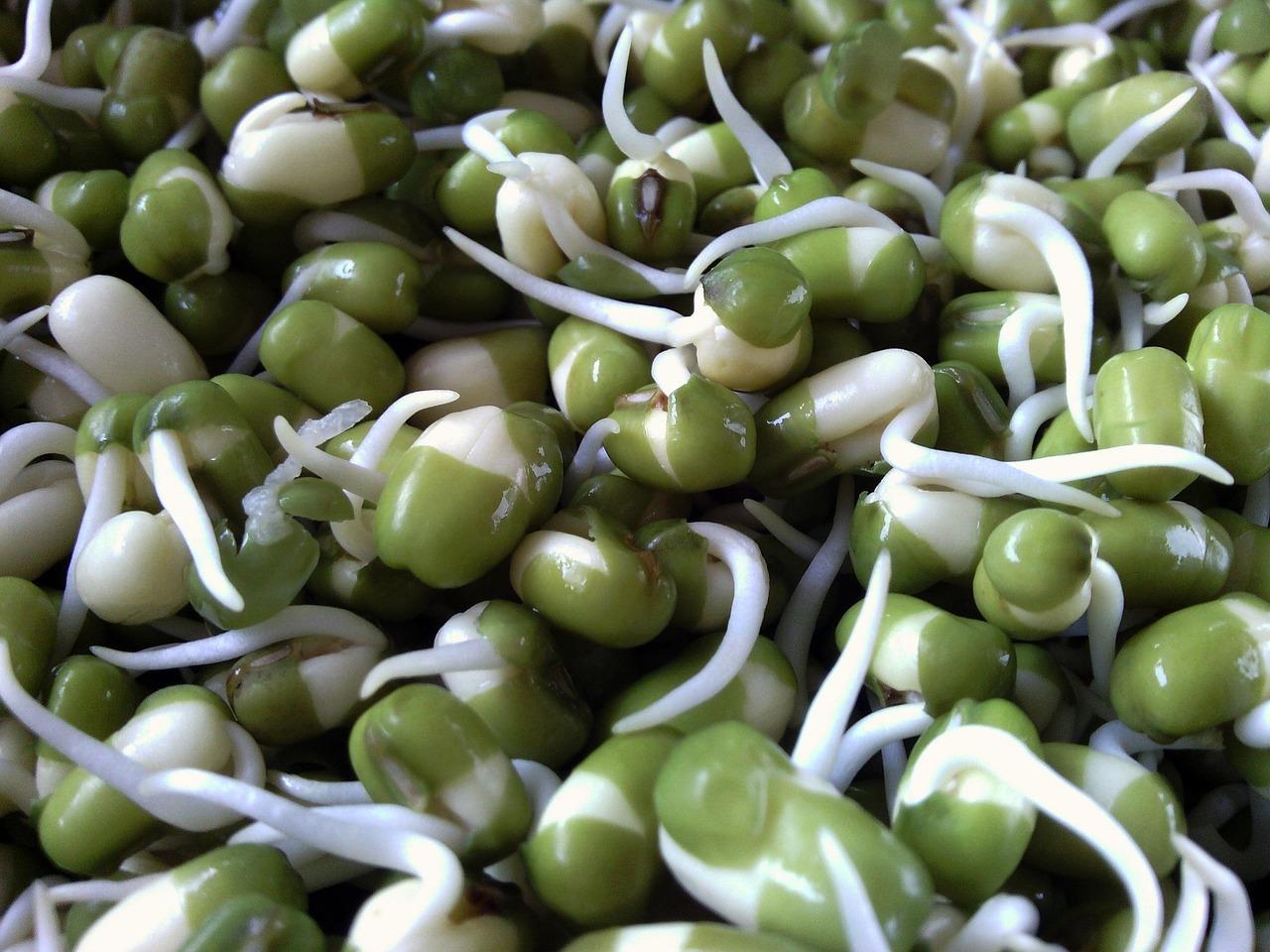
Sprouting whole green grams makes them crunchier, quicker to cook and more nutritious. All you need is muslin, water and a warm spot, and they're ready in 3–4 days. Use them in salads, bhel, usal and stir-fries. Any other whole pulse sprouts the same way.

by KrazyBadal 1 views

Kandyachya patichi bhajiSpring onion greens stir-fry

Kandyachya patichi bhaji is winter cooking from village kitchens in Satara, Kolhapur and Marathwada, when bunches of spring onions are cheap at every market. The chopped greens and bulbs are stir-fried with garlic and green chilli, then dusted with gram flour, which toasts and clings to the greens and makes the bhaji dry and savoury. It is eaten with jowar or bajra bhakri and a spoon of thecha or curd. The usual mistake is tipping the besan in one spot, where it forms raw lumps. Chef's tip: sprinkle the besan evenly over the whole pan like flour on a board, then keep stirring on a low heat until it smells nutty.

by KrazyBadal 0 views

Chilli idliStir-fried idli cubes

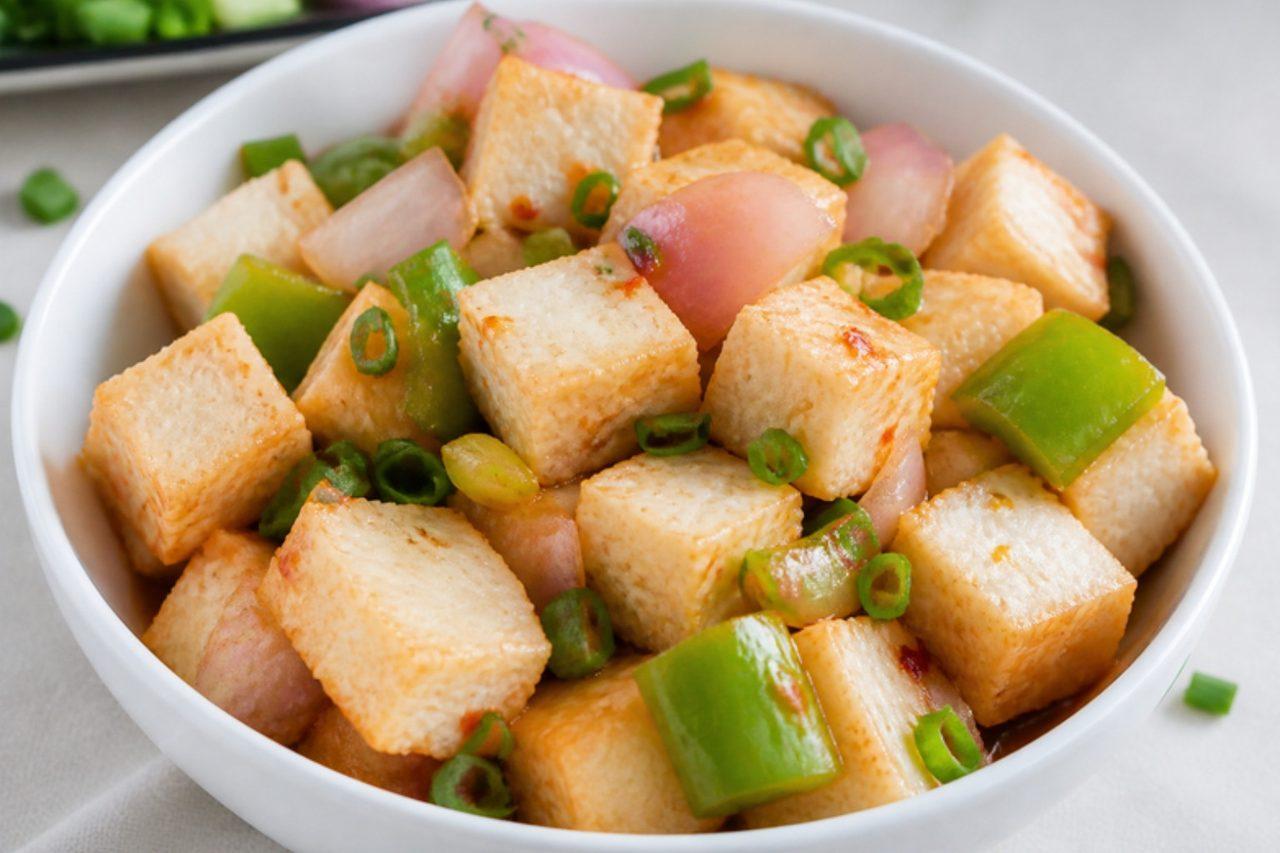
Chilli idli was born in the Indo-Chinese restaurants of Chennai and is now how many South Indian homes use up yesterday's idlis for a fast dinner. The cold idlis are cut into cubes, fried until golden, then tossed with onion, green pepper, garlic and a glossy soy and chilli sauce. Crisp at the edges, soft inside, sweet, sour and hot, it is eaten on its own or as a side with fried rice. The common mistake is using fresh, warm idlis, which crumble in the wok. Chef's tip: use idlis straight from the fridge and fry them in a single layer without stirring for the first minute so a crust forms. Idlis kept for this should have gone into the fridge within two hours of steaming and be used within a day or two.

by KrazyBadal 0 views

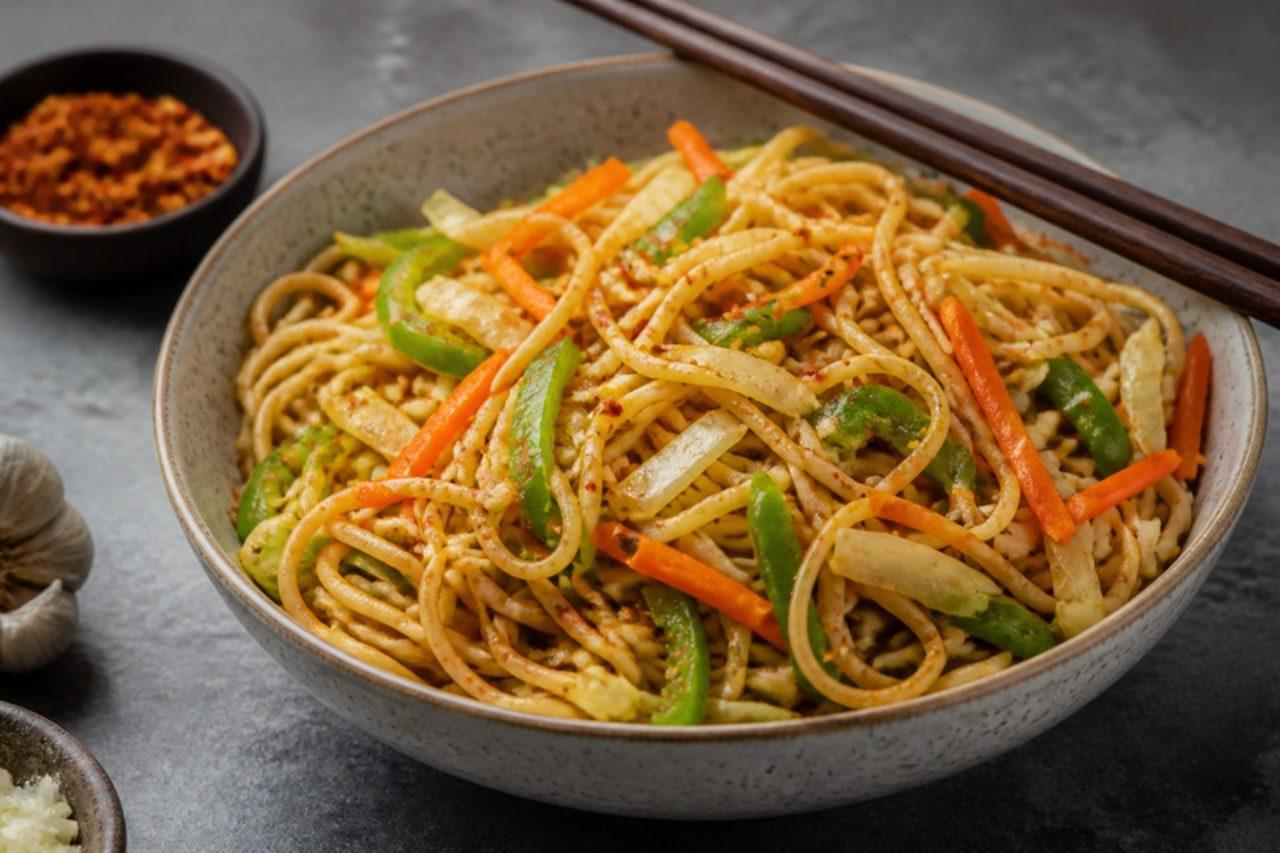
Chilli garlic noodles

Chilli garlic noodles are the punchier sibling of hakka noodles on every Indo-Chinese menu, from Kolkata's Tangra to college canteens in Pune, and they make a quick dinner at home. Boiled noodles are tossed over a fierce heat with plenty of garlic, crushed red chilli, soy and vinegar and a handful of crunchy vegetables. They are hot, tangy and garlicky, good alone or with a bowl of manchow-style soup. The common mistake is overcooking the noodles, which then break and clump in the wok. Chef's tip: cook them a minute short of the packet time, rinse under cold water and toss with a teaspoon of oil so they stay springy and separate. Check the noodle packet if you need them egg-free; many hakka noodles are, some are not.

by KrazyBadal 0 views

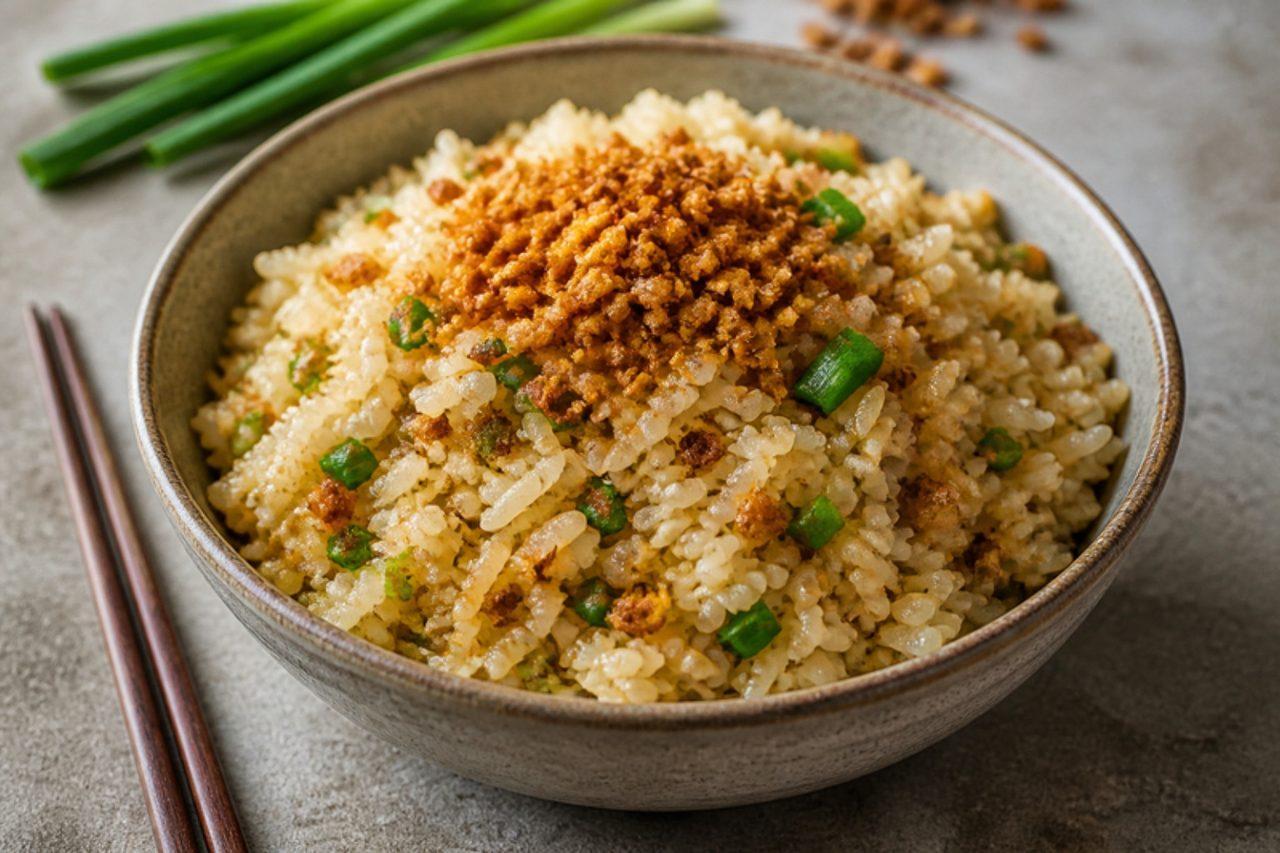
Burnt garlic fried rice

Burnt garlic fried rice is one of the most-ordered dishes in Indo-Chinese restaurants from Mumbai to Bengaluru, and it is a ten-minute dinner at home with a tub of leftover rice. The name is a bit of a fib: the garlic is fried to a deep golden brown, never black, so it turns nutty and sweet, then tossed through the rice with spring onion, soy and white pepper. It is simple, savoury and fragrant, good alone or with chilli paneer or a vegetable manchurian. The usual mistake is letting the garlic go dark brown in the pan, because it keeps cooking in the hot oil and ends up bitter. Chef's tip: lift out a spoonful of the golden garlic to scatter on top at the end, so you get crunch as well as flavour. Leftover rice must have been cooled quickly (spread out, into the fridge within an hour) and used within a day; fry it until it is piping hot all the way through and steaming, and never reheat it a second time.

by KrazyBadal 0 views

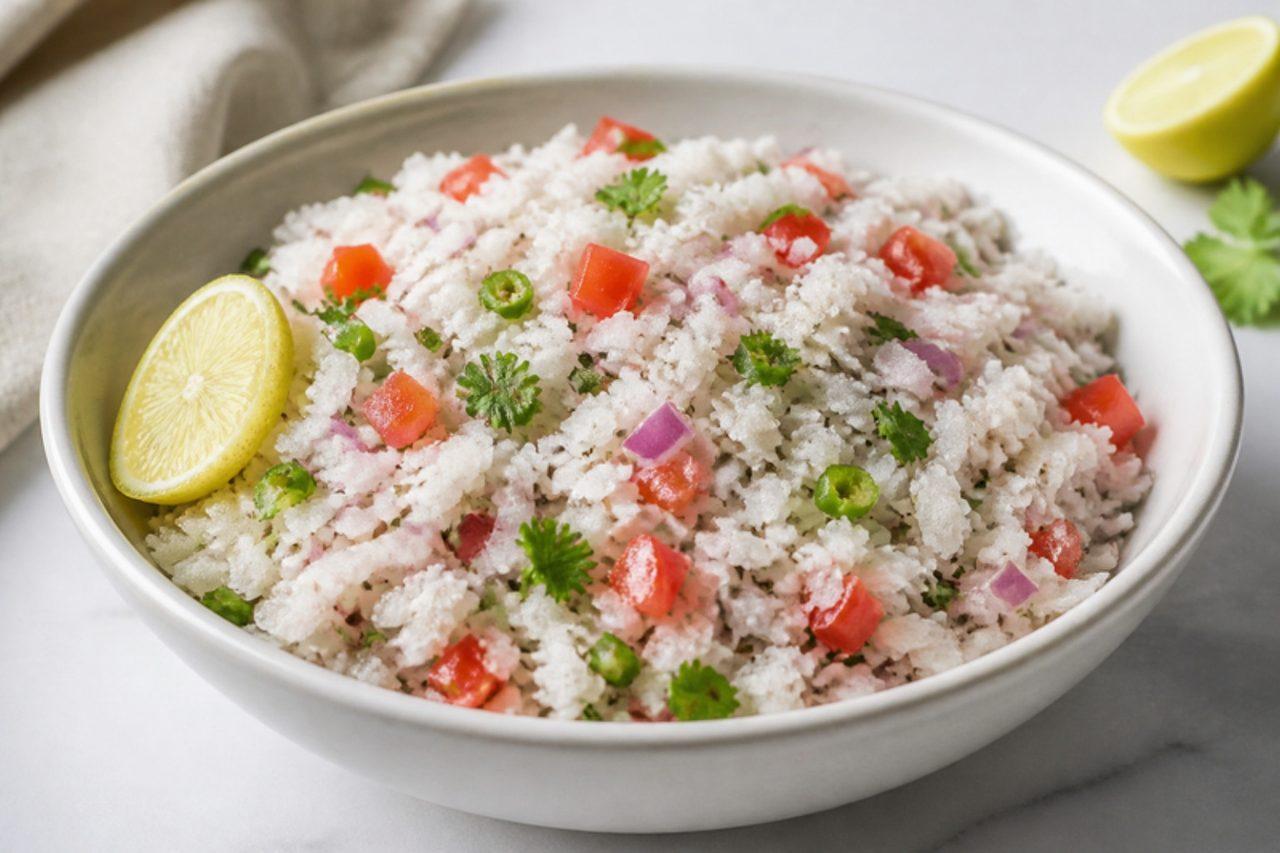
Dadpe poheRaw flattened rice with coconut

Dadpe pohe comes from the Konkan and Pune side of Maharashtra and is eaten as an evening snack or a light supper, especially in the rainy season when fresh coconut is plentiful. Thin poha is never cooked: it is mixed with fresh coconut, onion, tomato, lemon and green chilli, pressed under a lid for a few minutes so it softens in their juices, then finished with a quick tempering. It is fresh, sweet-sour and crunchy. The common mistake is rinsing thin poha, which turns it straight to mush. Chef's tip: rub the coconut, onion and tomato together with your fingers first so they give up their juice; that is what softens the poha.

by KrazyBadal 0 views

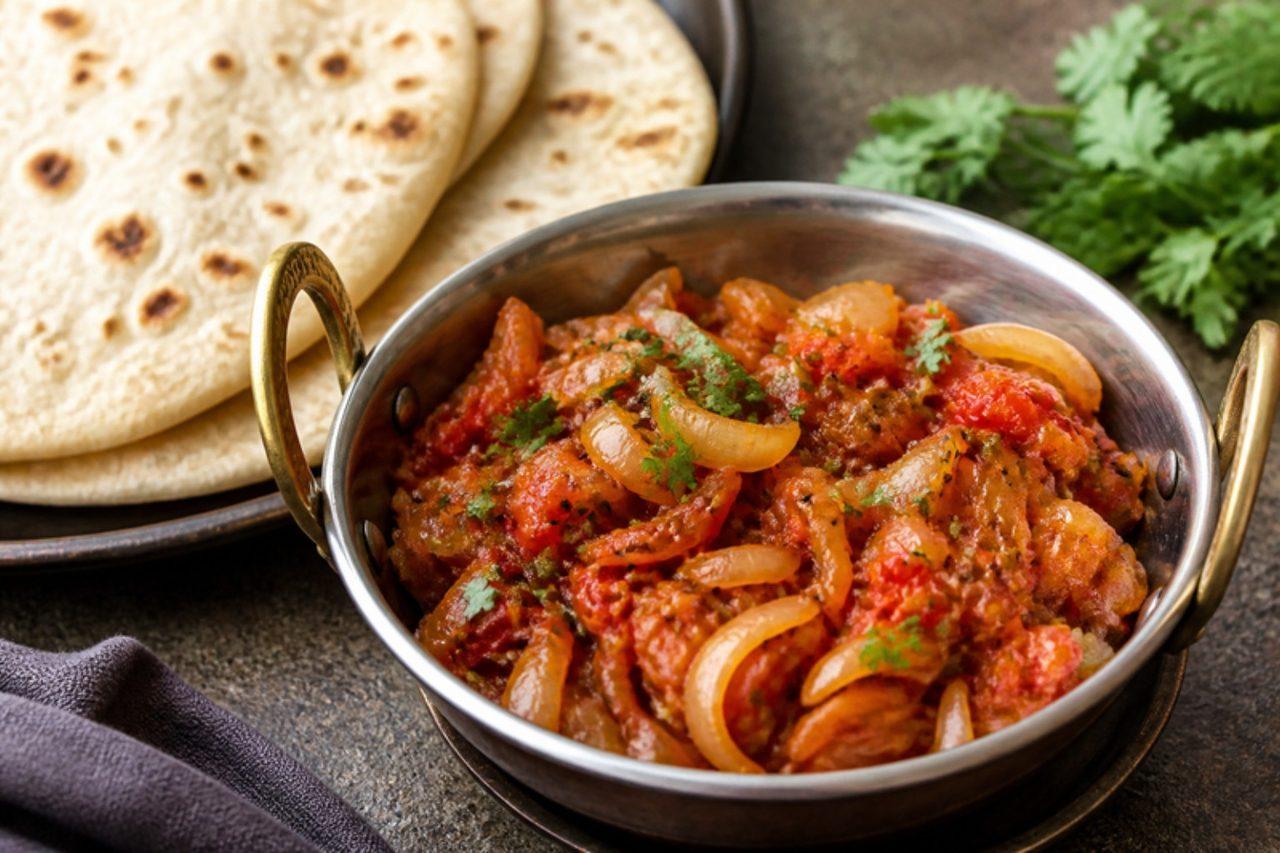
Pyaz tamatar ki sabziOnion and tomato dry curry

In Punjabi and Uttar Pradesh homes, pyaz tamatar ki sabzi is the dinner that rescues an empty vegetable basket: just onions and tomatoes, cooked with cumin and red chilli until they collapse into a jammy, spicy-sweet side for hot rotis or parathas. It is humble but rich-tasting, and it keeps well for the next day's lunch box. The common mistake is adding the tomatoes before the onions have softened, which leaves the onion raw and the sabzi watery. Chef's tip: cut the onions into thick petals rather than fine slices so some keep a little bite in the finished sabzi.

by KrazyBadal 0 views

Lemon coriander soup

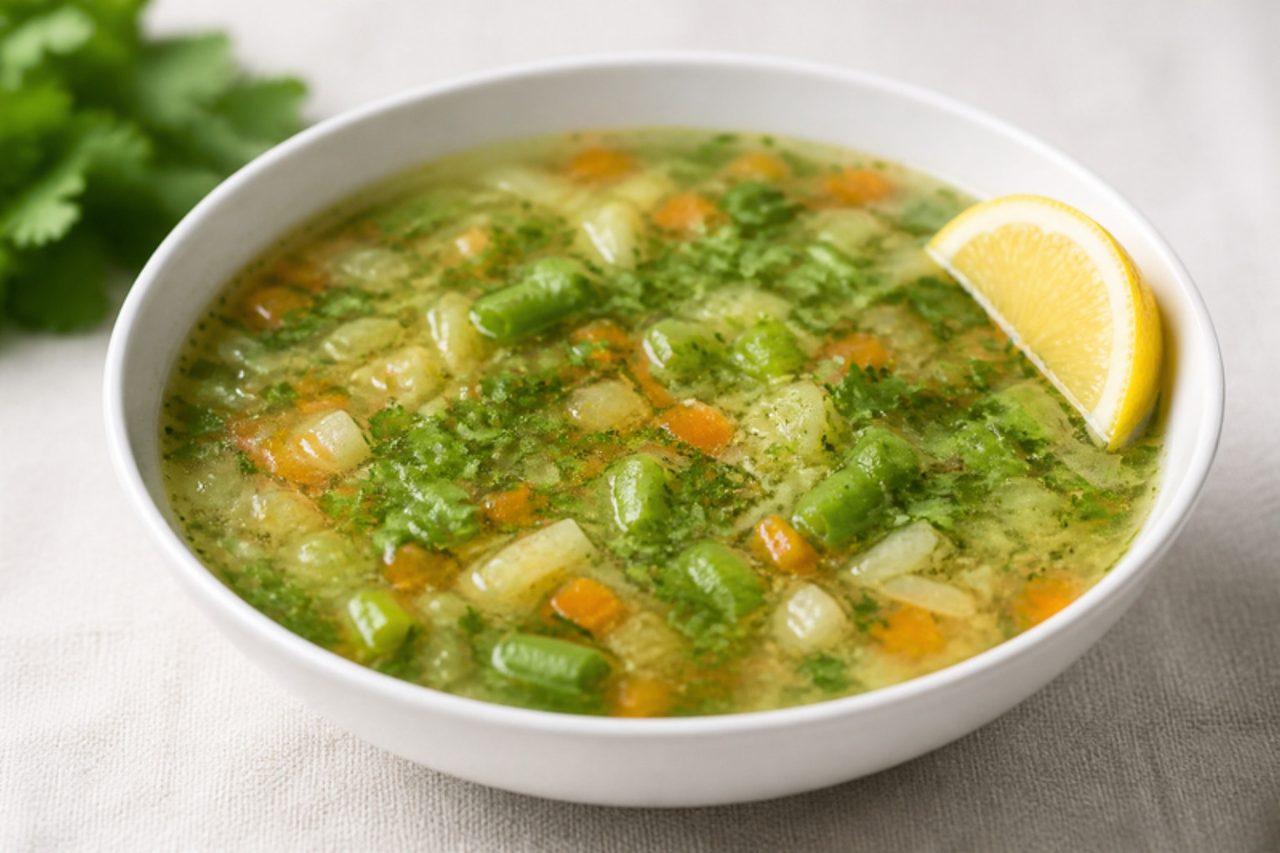
Lemon coriander soup is a fixture on Indo-Chinese restaurant menus from Delhi to Hyderabad and a favourite light dinner at home on cold or under-the-weather evenings. Finely chopped vegetables simmer briefly in hot stock with ginger, garlic and coriander stems, the broth is lightly thickened, and it is finished with fresh coriander and plenty of lemon. It is clear, tangy and warming. The usual mistake is boiling the soup after the lemon goes in, which makes it bitter and dulls the colour. Chef's tip: chop the coriander stems and cook them with the vegetables; they carry far more flavour than the leaves, which go in only at the end.

by KrazyBadal 0 views

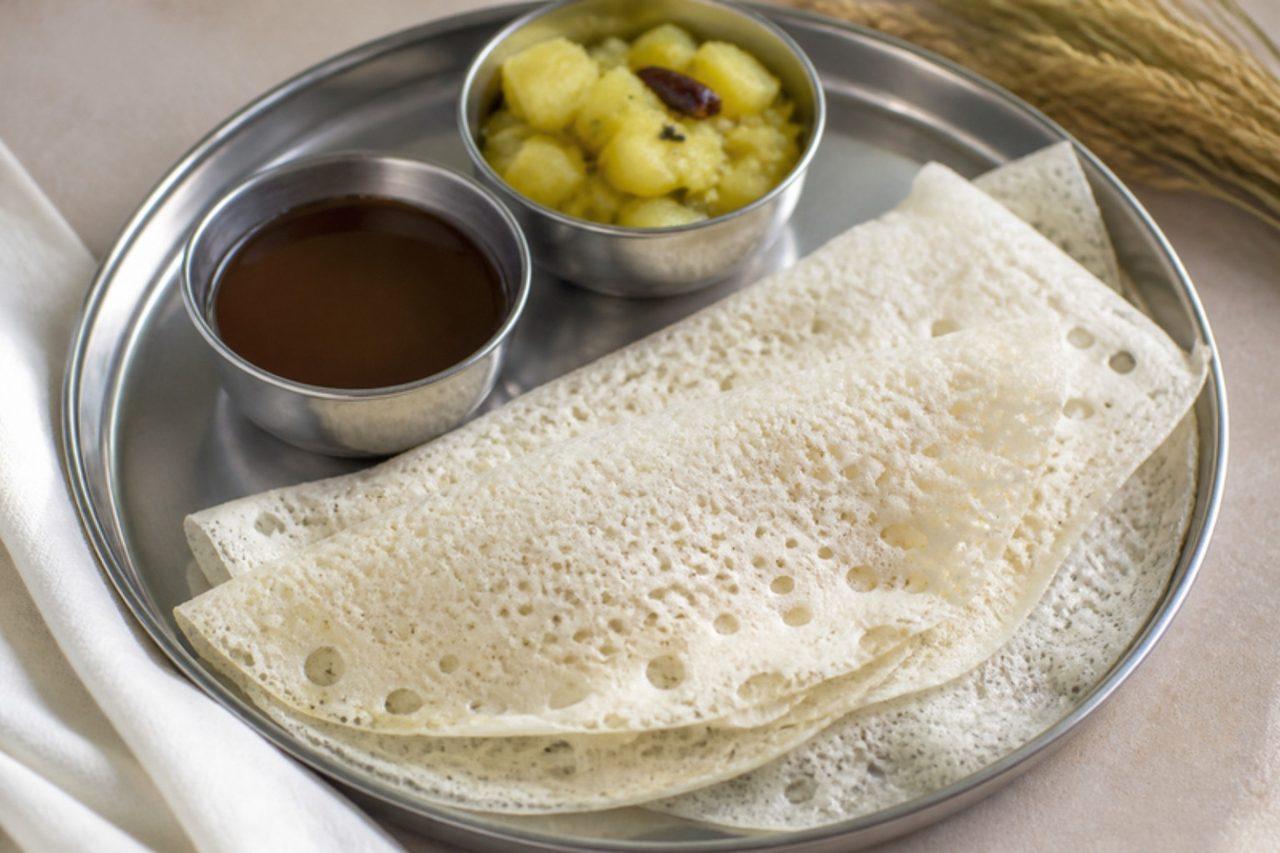
Godhuma dosaInstant wheat dosa

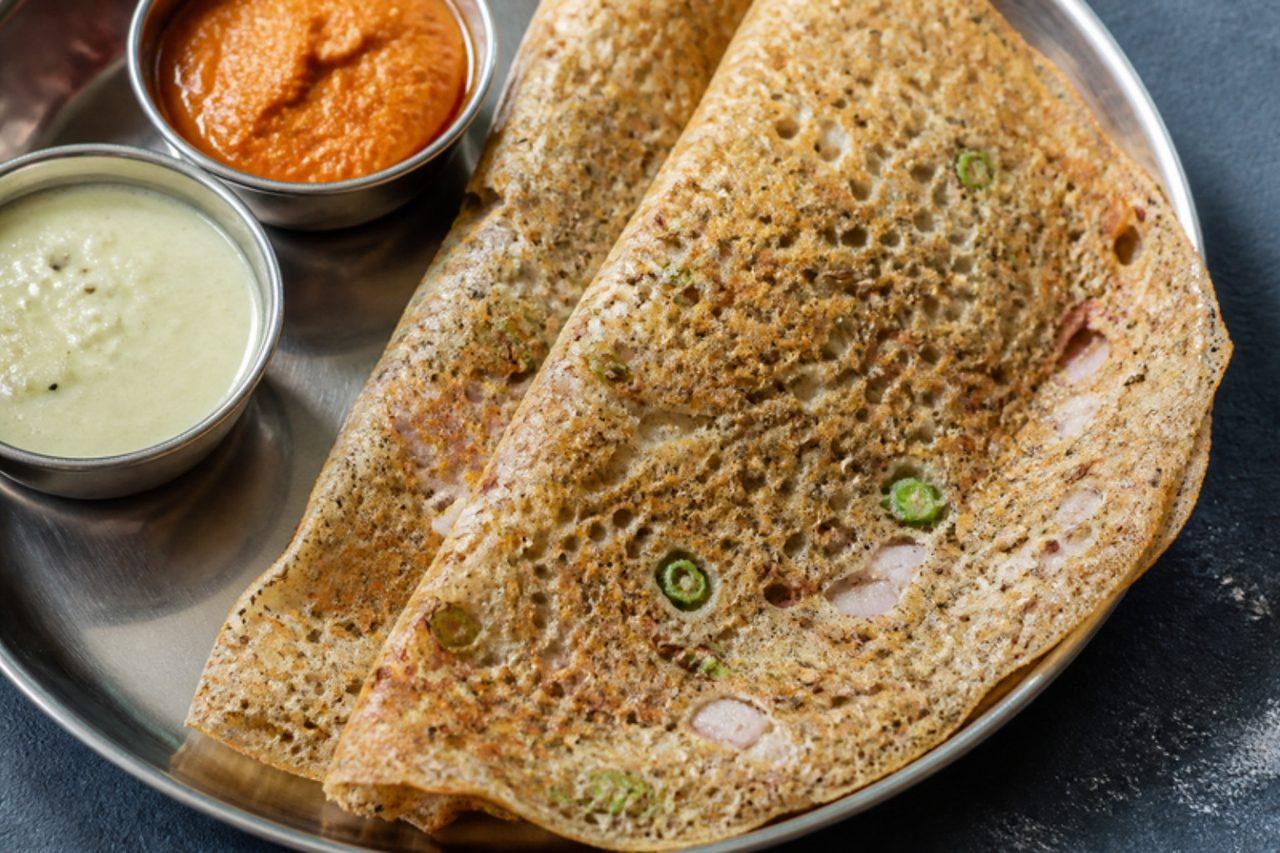
Godhuma dosa is the Tamil answer to an empty batter tub: in homes across Tamil Nadu and Andhra it is whisked together from wheat flour and water at dinner time and cooked straight away, no soaking or fermenting. The thin batter is poured onto the hot tawa so it sets into a crisp, lacy net flecked with cumin, onion and green chilli. Eat it hot with coconut or tomato chutney, or with podi and oil. The usual mistake is making the batter too thick and spreading it with a ladle like a rice dosa, which gives a gummy pancake. Chef's tip: pour the watery batter from a little height in a spiral from the edge inwards, then fill the big gaps; the small holes are what make it crisp.

by KrazyBadal 0 views

Schezwan fried rice

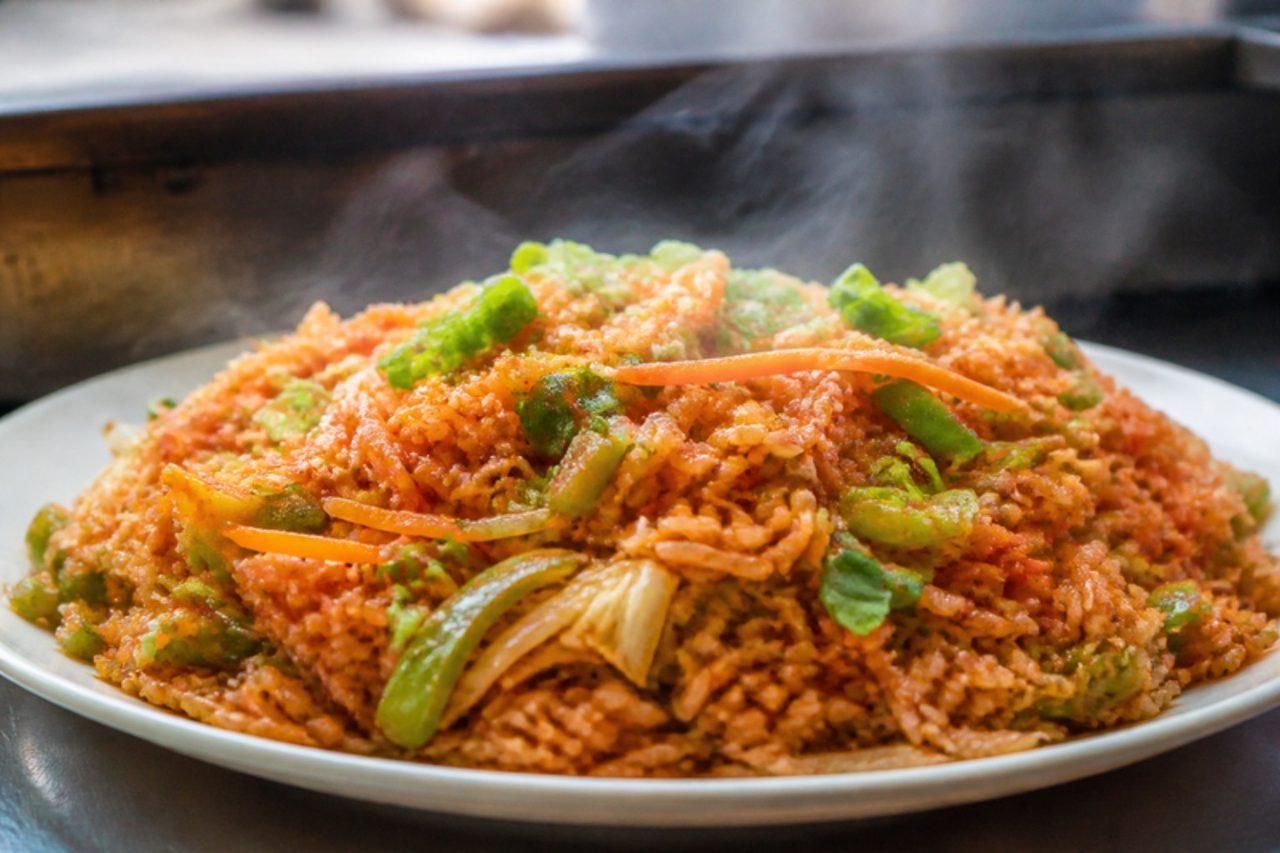
Schezwan fried rice is a star of Mumbai's Indo-Chinese carts, where it is tossed in huge woks late into the evening for office workers heading home; at home it is the best thing to do with last night's rice. Cold rice is fried hard with garlic, carrot, cabbage, pepper and spring onion, then coated in red Schezwan sauce until every grain is orange and hot. It is spicy, garlicky and slightly smoky. The common mistake is using freshly cooked warm rice, which clumps and turns mushy. Chef's tip: break up the cold rice with your fingers before it goes in, so it hits the wok as separate grains. Leftover rice must have been cooled quickly (spread out, into the fridge within an hour) and used within a day; fry it until it is piping hot all the way through and steaming, and never reheat it a second time.

by KrazyBadal 0 views

Vishu kattaCoconut milk rice squares

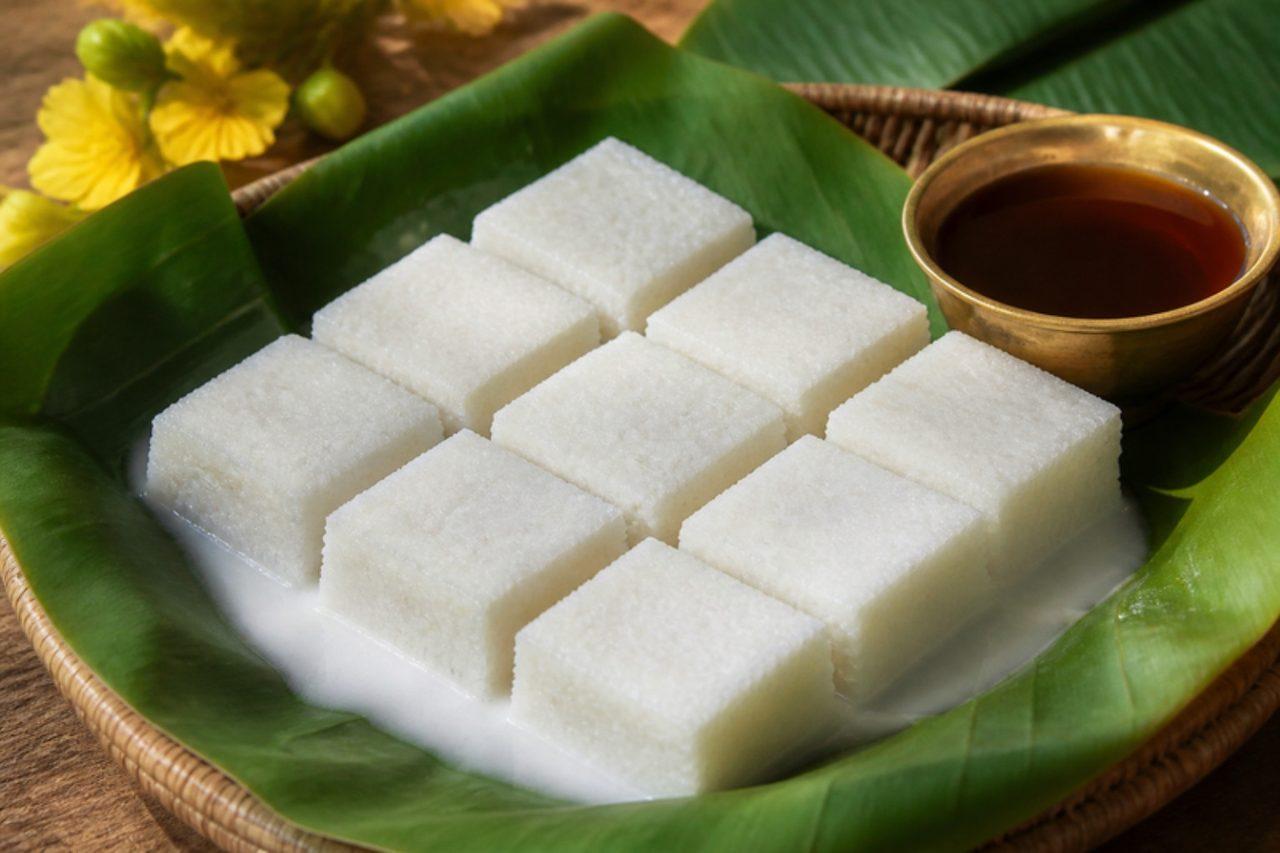
Around Thrissur and Palakkad the Vishu breakfast table is not complete without katta, rice cooked slowly in coconut milk until it can be spread on a plate, set and cut like a cake. Families eat the squares two ways: with a pour of dark jaggery syrup for sweetness, or with a hot, sour curry for those who prefer savoury on a festival morning. Set, it is soft, rich and faintly salty, with the scent of cumin. The common mistake is rushing it on a high flame; the coconut milk splits and the rice catches before it turns creamy. It is ready when the whole mass comes away from the sides of the pan and holds a ridge when you draw a spoon through it. Chef's tip: smooth the top with a piece of banana leaf or the back of a wet spoon, and cut the katta only once it is fully cool, or the squares will tear.

by KrazyBadal 0 views

Arisi upmaBroken rice and dal upma

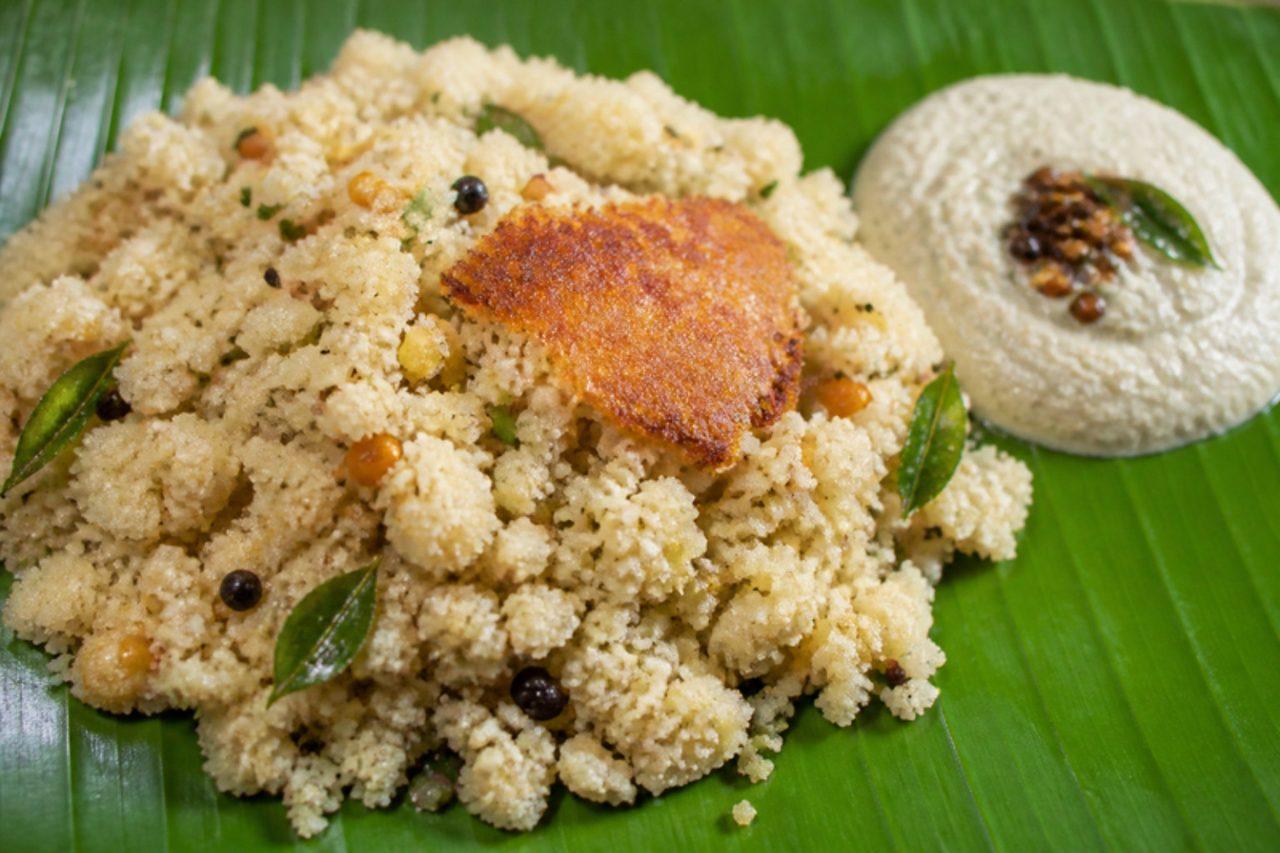
Arisi upma is the old Tamil country breakfast and evening dinner, especially in Tirunelveli and Madurai homes, made from rice and toor dal coarsely broken at home and cooked in a heavy pot. The best part is the 'kaanthal', the crisp golden crust that forms on the bottom, which families fight over. The mistake is too much water, which gives a sticky porridge; use about two and a half times the volume of the broken rice. Chef's tip: once cooked, leave it on the lowest heat with a lid for ten minutes, undisturbed, to build that crust.

by KrazyBadal 0 views

Kurkuri bhindiCrispy fried okra strips

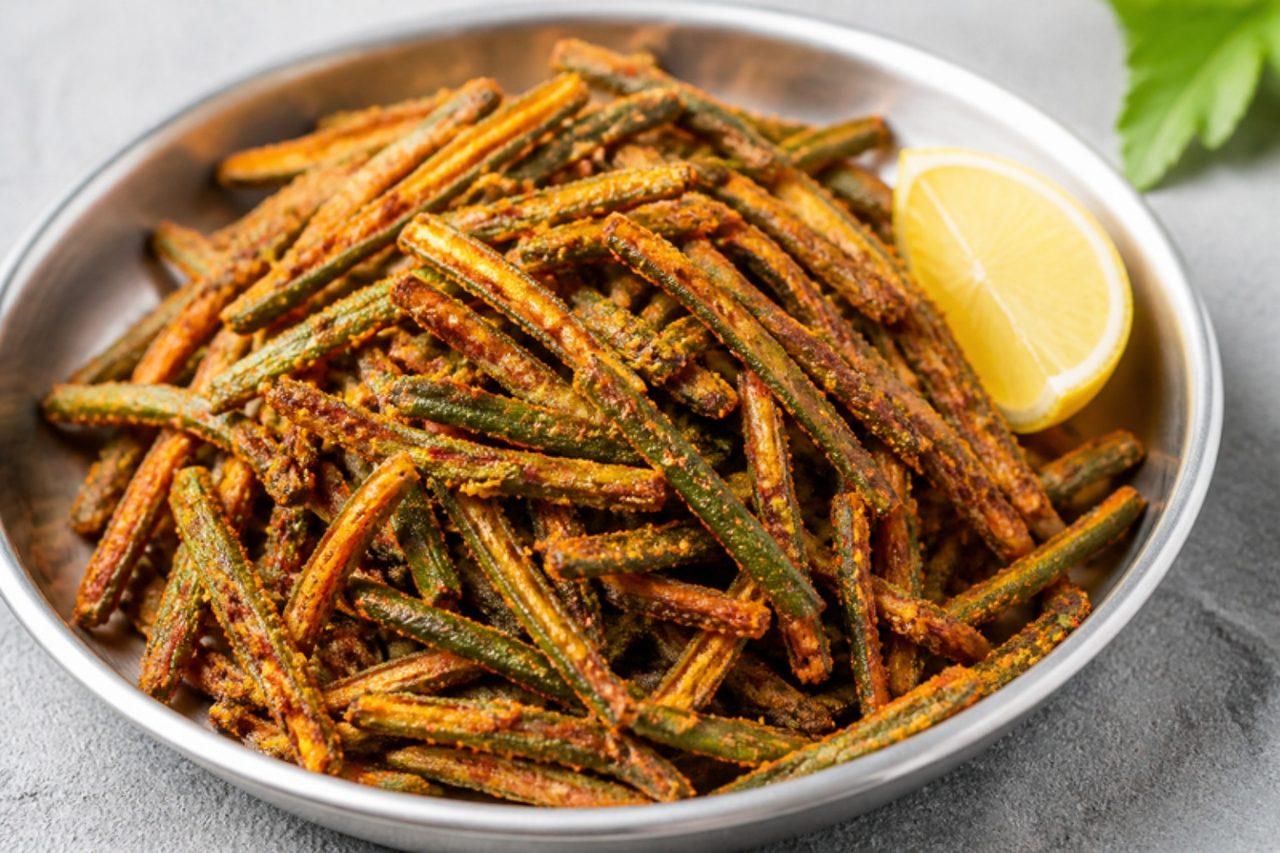
Kurkuri bhindi is the dhaba and wedding-buffet side that disappears first: thin, slivered okra tossed in a dry coat of besan, chilli and amchur and fried until it shatters. In Punjabi and Delhi homes it is served as a tea-time snack, scattered over dal-chawal or eaten by the handful while the rest of dinner cooks. The mistake almost everyone makes once is washing the okra and slicing it while still damp: the coating turns into gluey lumps and the strips go limp. Wash it an hour ahead and dry it completely. Chef's tip: toss the slivers with the spices first and add the flours only just before frying, so the okra cannot release liquid into the coating.

by KrazyBadal 0 views

Pattani sundalSpiced white pea salad

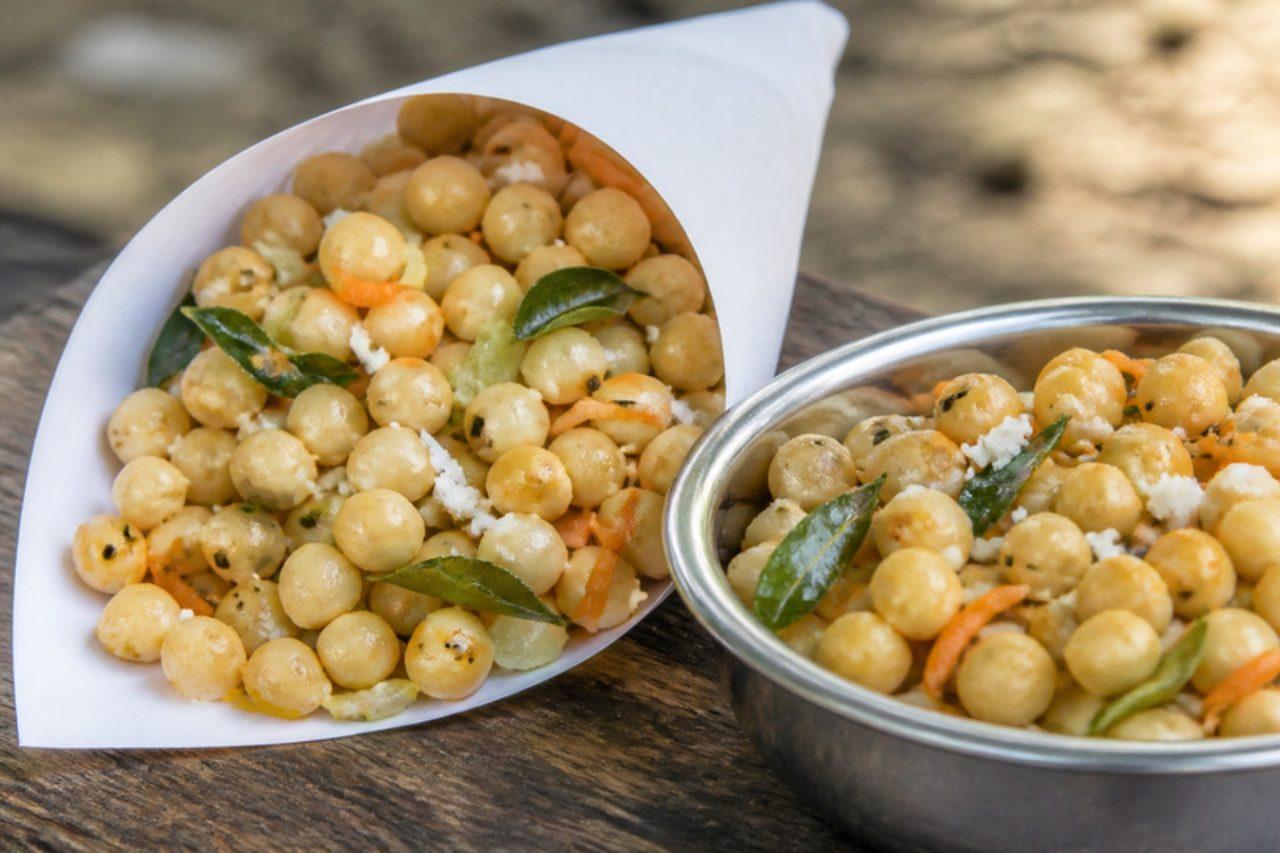
Walk along Marina Beach in Chennai at sunset and boys with brass pots sell pattani sundal in paper cones, warm, tangy with raw mango and bright with grated carrot. At home it is also made for Navaratri, when a different sundal is offered and shared each evening. The mistake is overcooking the peas to mush: they should be tender but keep their shape, so pressure-cook for only two to three whistles. Chef's tip: add the coconut, mango and carrot off the heat, so they stay fresh and crunchy against the warm peas.

by KrazyBadal 0 views

Set dosaThick spongy dosas

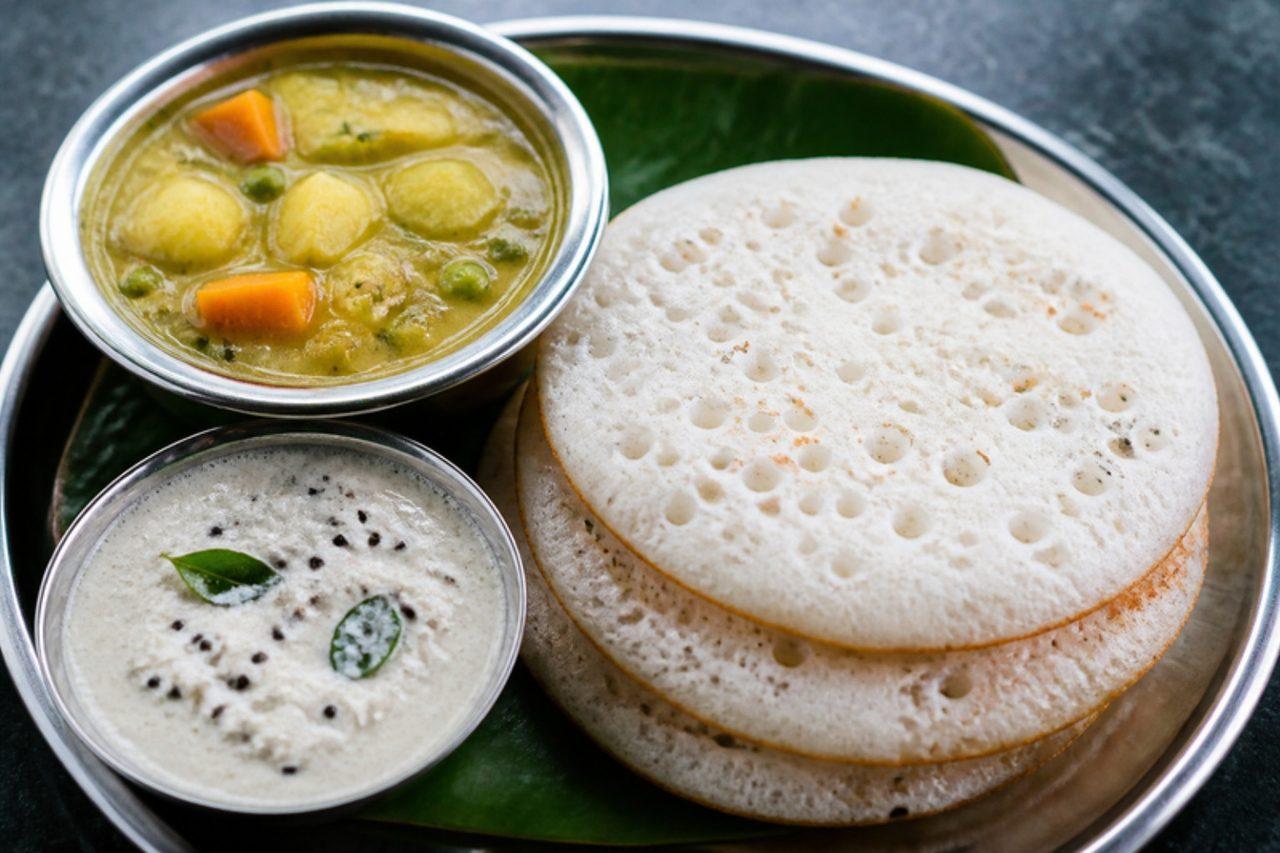
Set dosa is a Bengaluru darshini breakfast, ordered as a 'set' of three small, thick, pancake-soft dosas served with vegetable sagu and coconut chutney, often before the office rush or at a lazy Sunday table. Poha and a high share of rice make the batter rise into a holey, spongy dosa that's cooked on one side only. A common mistake is spreading it thin like a crisp dosa; pour it and just nudge it into a thick round so it stays soft. Chef's tip: cover the dosa for a minute while it cooks so the steam sets the top and the holes stay open.

by KrazyBadal 0 views

PonkRoasted green sorghum with sev

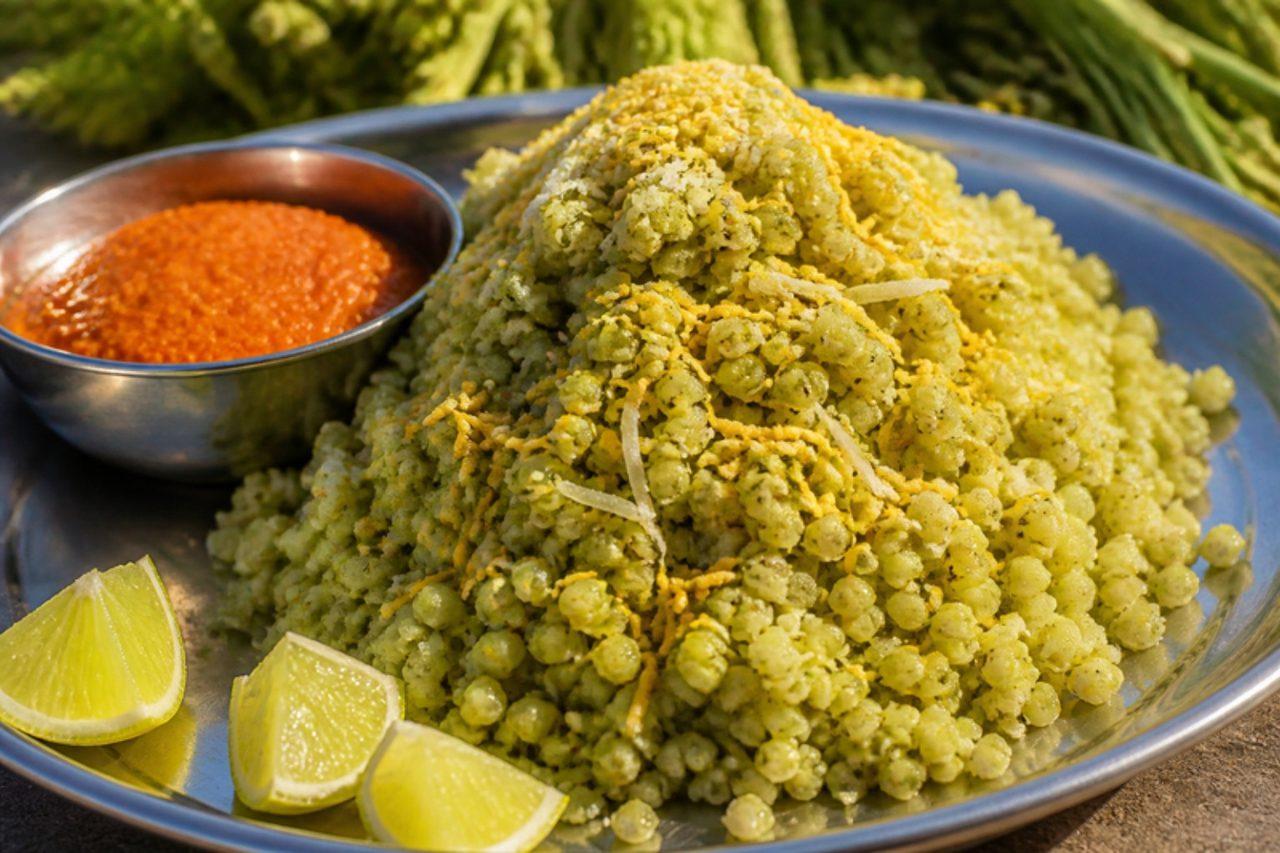
From December to February the roadsides outside Surat fill with ponk stalls, where young green jowar heads are roasted in pits of hot coals, beaten in a cloth and sold warm by the paper plate. The soft, milky grains taste sweet and grassy, and Surtis eat them with three things: peppery lemon sev, sugar-coated sev and a fiery garlic chutney. At home you can buy fresh ponk grains in Gujarati shops in winter and give them a quick toss in a hot pan, which brings back some of that smoky edge. The common mistake is roasting them too long; the grains should stay soft and juicy, not turn hard like popcorn kernels. Chef's tip: ponk goes stale within a day, so buy it the morning you plan to eat it and keep it wrapped in a damp cloth until then.

by KrazyBadal 0 views

Rauh di kheerRice in sugarcane juice

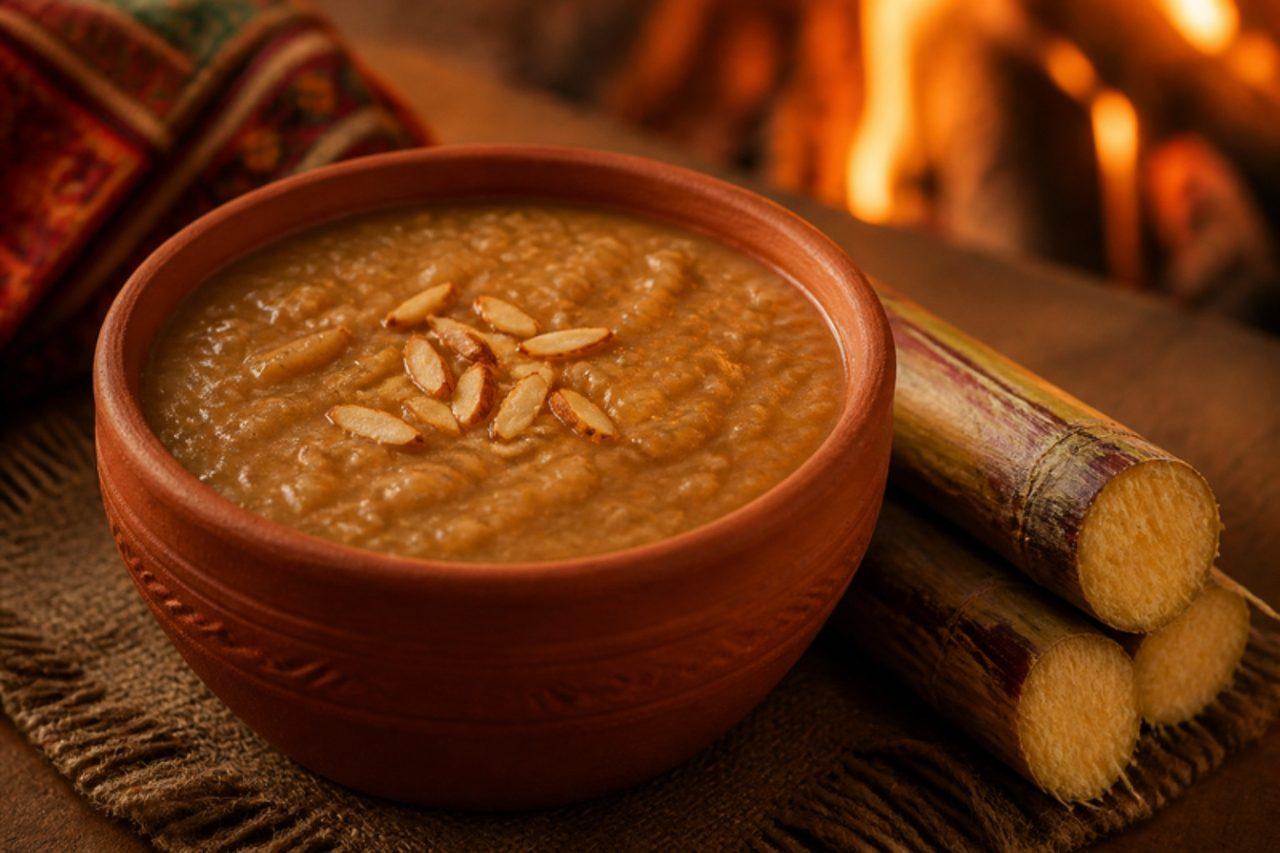
In Punjabi villages the cane harvest is in by Lohri, and on the night of the bonfire a pot of rice is set to cook slowly in fresh sugarcane juice (rauh) with no milk and no added sugar. The custom is to leave it to cool overnight and eat it cold the next morning, on Maghi, so you will often hear 'poh rinni, magh khaadi': cooked in Poh, eaten in Magh. It sets into a soft, brown, gently caramel pudding that tastes of cane. Common mistake: cooking on a high heat; the juice catches and turns bitter, so simmer it low and stir from the bottom, and it is done when the rice is very soft and the kheer coats the back of a spoon thickly. Chef's tip: skim off all the grey scum as the juice first comes to the boil, or the kheer tastes earthy.

by KrazyBadal 0 views

Bataka sevFasting potato sev

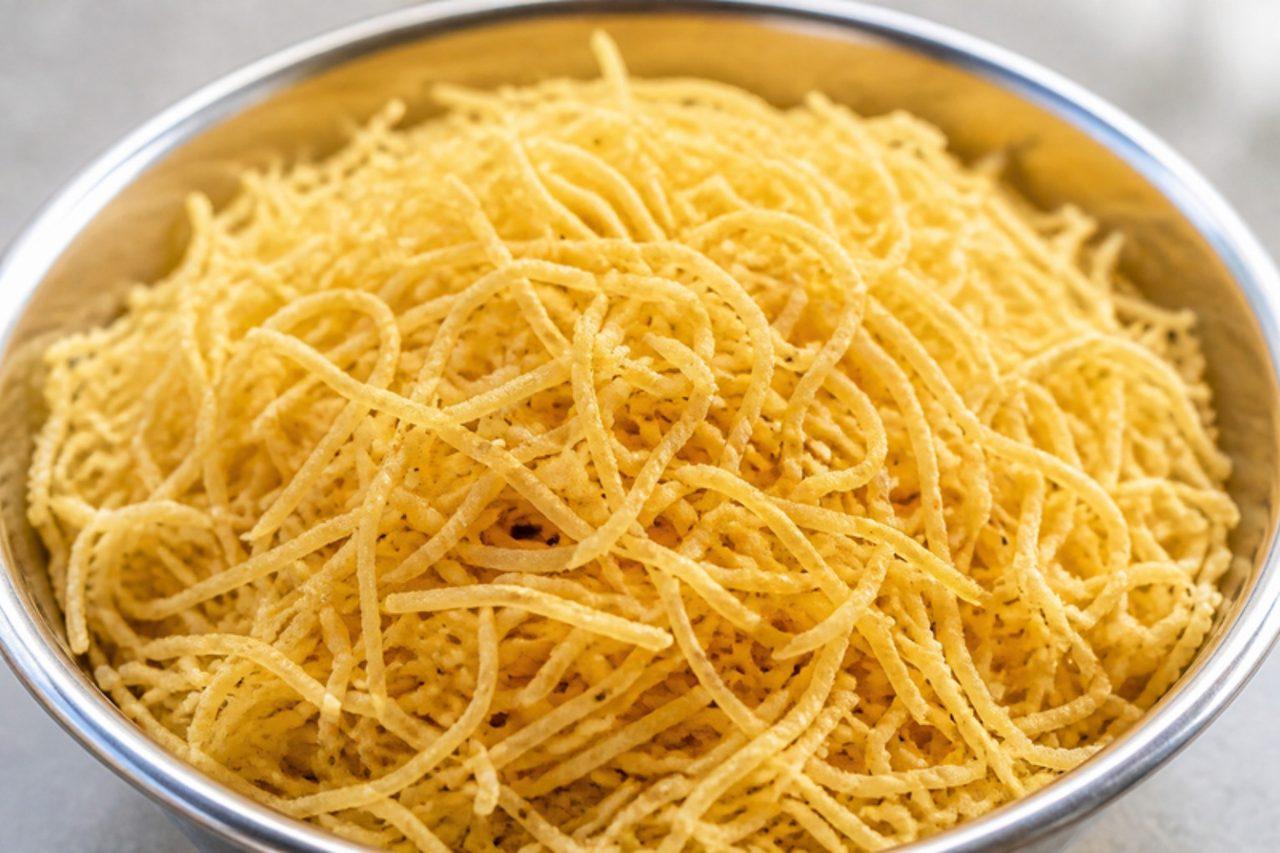
Bataka sev is the sev that Gujarati households can eat on upvas days, from Ekadashi and Shivratri to the Navratri fasts: there is no gram flour, only boiled potato bound with arrowroot, seasoned with rock salt, green chilli and crushed pepper. It fries into pale gold, delicate threads that melt quickly in the mouth, and is eaten on its own, over farari chevdo or on fasting bhel. The common mistake is using warm or watery potatoes, which make a sticky dough that will not pass through the press; boil, peel and cool the potatoes completely, and grate them rather than mashing. Chef's tip: fry in small spirals in moderately hot oil and lift them out while still pale, as they keep colouring for a minute after draining.

by KrazyBadal 0 views

Tal ni chikkiSesame jaggery brittle

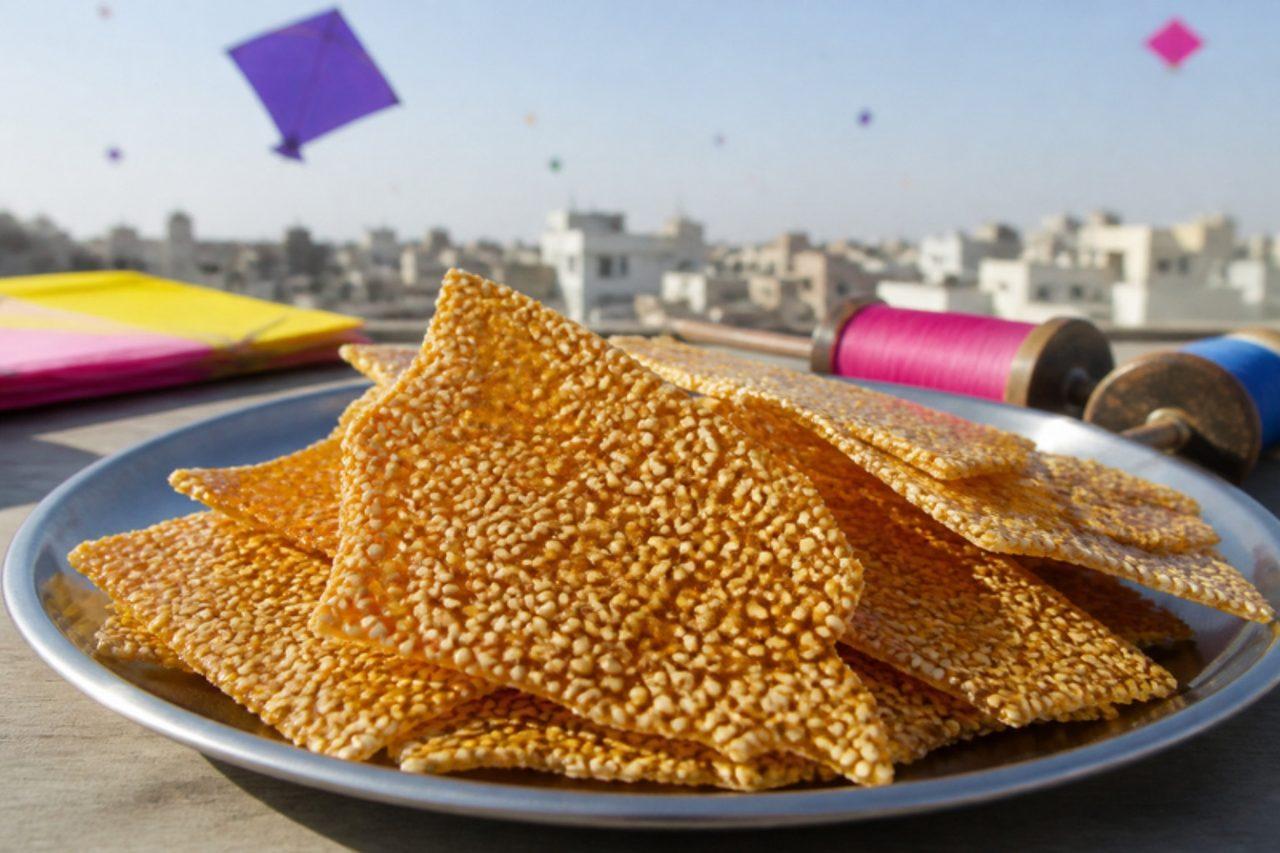
On 14 January every Gujarati rooftop fills with kite-flyers, and somewhere between the manja reels there is always a tin of tal ni chikki, broken into shards. The thinnest kind, tal sankli, is rolled out so fine you can almost see through it; it shatters with a snap and tastes of toasted sesame and dark caramel. It is a two-ingredient sweet where everything depends on the jaggery. Common mistake: pulling the jaggery off the heat too soon; it must reach the hard-crack stage, when a drop in cold water sets instantly and snaps cleanly, or the chikki stays chewy and sticks to the teeth. Chef's tip: work fast and roll on the greased back of a steel thali; if it hardens before you finish, warm it in the pan for a few seconds.

by KrazyBadal 0 views

SaruchakliThin rice and urad dal crêpes

In Bengal, Poush Sankranti in mid-January is pithe-puli day, when the new rice and the first nolen gur (date-palm jaggery) of winter turn into a table of pithas, and saruchakli is the plain, savoury-leaning one that starts the meal. A thin batter of soaked rice and urad dal is spread on a hot pan to make delicate, lacy crêpes with crisp edges and a soft centre, eaten rolled with nolen gur or with a light potato curry. Common mistake: a batter that is too thick; it should pour like single cream so it spreads thin, and the crêpe is ready when the edges lift and turn golden and the top looks dry. Chef's tip: brush the pan with a cut half potato dipped in oil between each saruchakli; it greases evenly and stops sticking.

by KrazyBadal 0 views

Keerai vadaiGreens and chana dal fritters

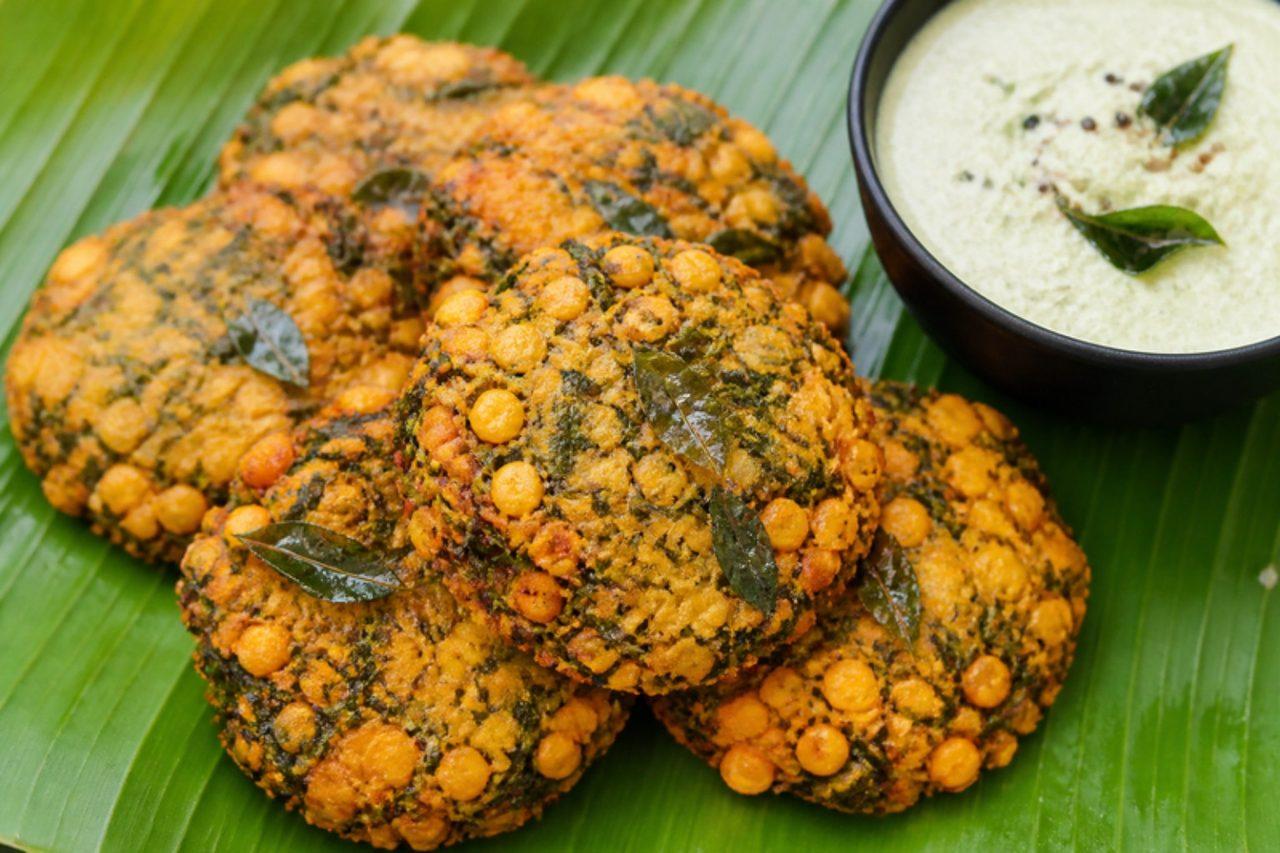
Keerai vadai is the green-flecked cousin of the masala vadai sold from steel trays in Tamil tea stalls, and in Madurai and Coimbatore homes it turns up on rainy evenings with filter coffee or alongside rasam and rice. Coarsely ground chana dal gives a craggy, crunchy shell, while a big handful of chopped spinach or amaranth keeps the middle soft and a little sweet. The common mistake is grinding the dal to a smooth paste with water: the vadai then soak up oil and spread, so pulse it dry and leave some half-broken grains. Squeeze the washed greens hard in a cloth too, or their water loosens the dough. Chef's tip: add the salt only just before shaping, because salt pulls water out of the greens and makes the mix sloppy if it sits.

by KrazyBadal 0 views

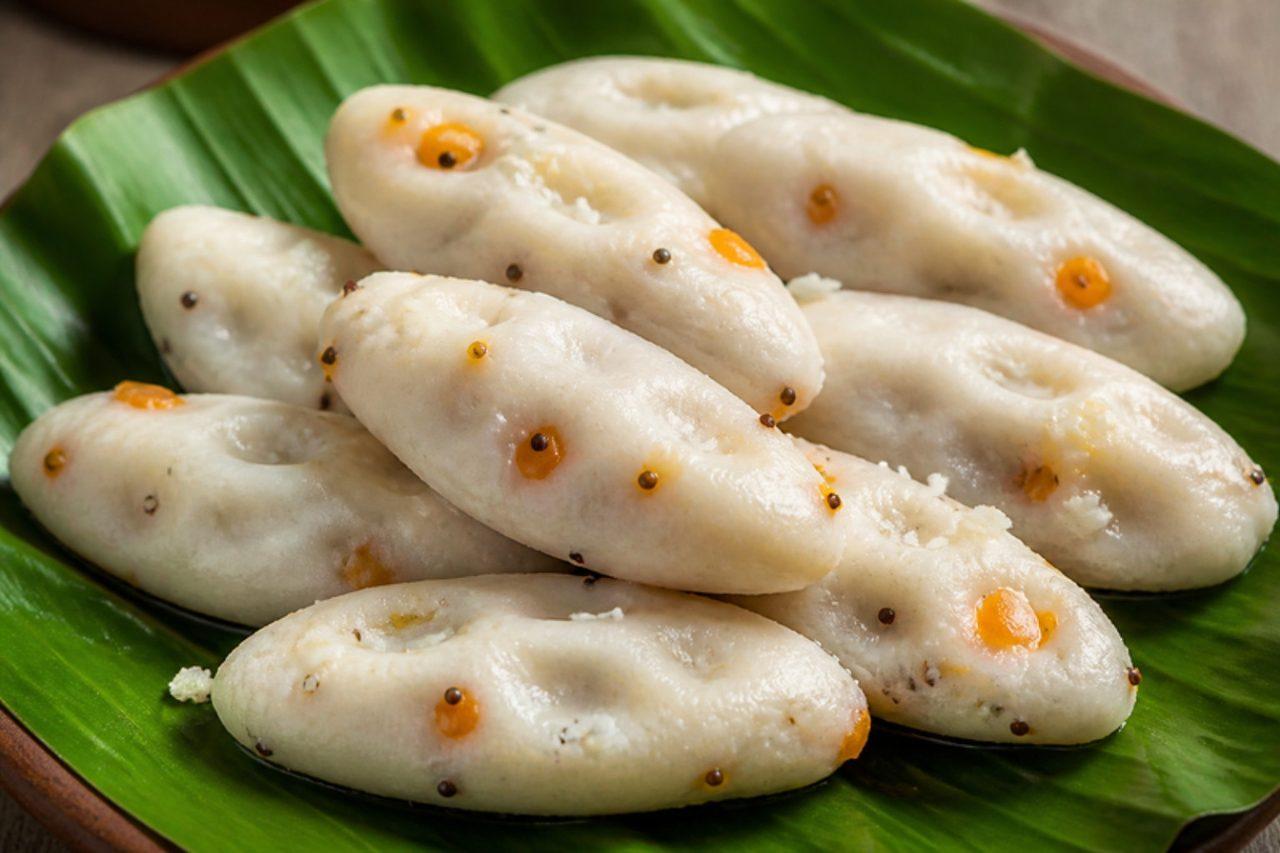
Pidi kozhukattaiSavoury rice flour dumplings

Pidi kozhukattai, literally 'fist dumplings', is a Tamil evening tiffin and a Vinayaka Chaturthi offering in homes that make both sweet and savoury kozhukattai. The rice flour is cooked in tempered, spiced water until it forms a dough, then squeezed in your fist so each piece carries the print of your fingers, and steamed to a soft, light bite. The mistake is adding all the flour at once to cold water; it lumps and never cooks evenly, so stir it into boiling water in a stream. Chef's tip: shape them while the dough is still warm, with oiled palms; cold dough cracks.

by KrazyBadal 0 views

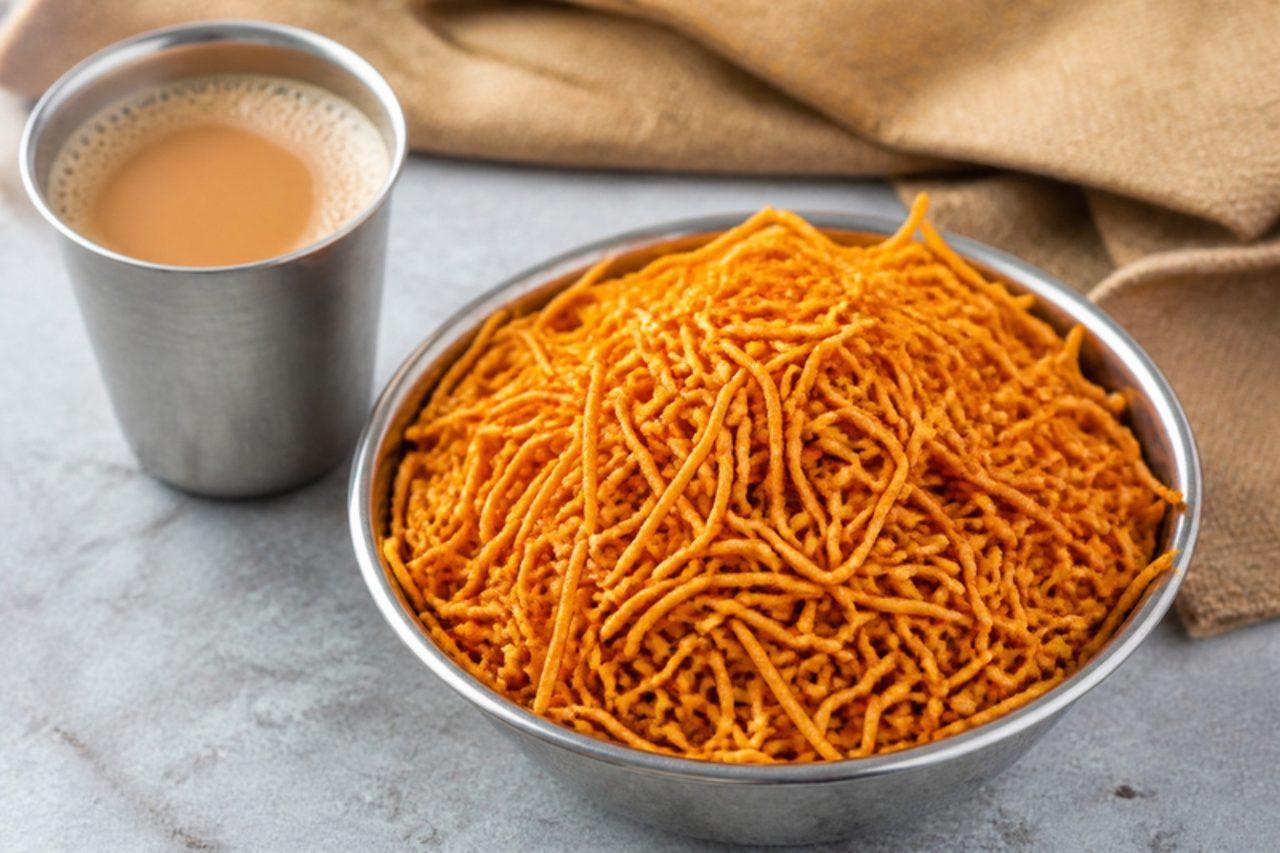
Lasaniya sevGarlic gram flour sev

Every Kathiawadi and Ahmedabadi farsan shop keeps a tin of lasaniya sev, the red, garlic-packed cousin of plain sev, and many homes press a batch before Diwali or a long train journey. Pounded garlic and red chilli go into the gram flour dough, so each fine noodle is crunchy, hot and strongly garlicky. It is eaten by the handful with tea, sprinkled on poha or mixed into chevdo. The common mistake is leaving garlic in pieces: they block the sev press and burn in the oil, so grind the garlic to a smooth paste and sieve it in with a spoon of water. Chef's tip: break the sev into the oil in one round spiral and fry only until the bubbling stops; overfried sev turns bitter and dark.

by KrazyBadal 0 views

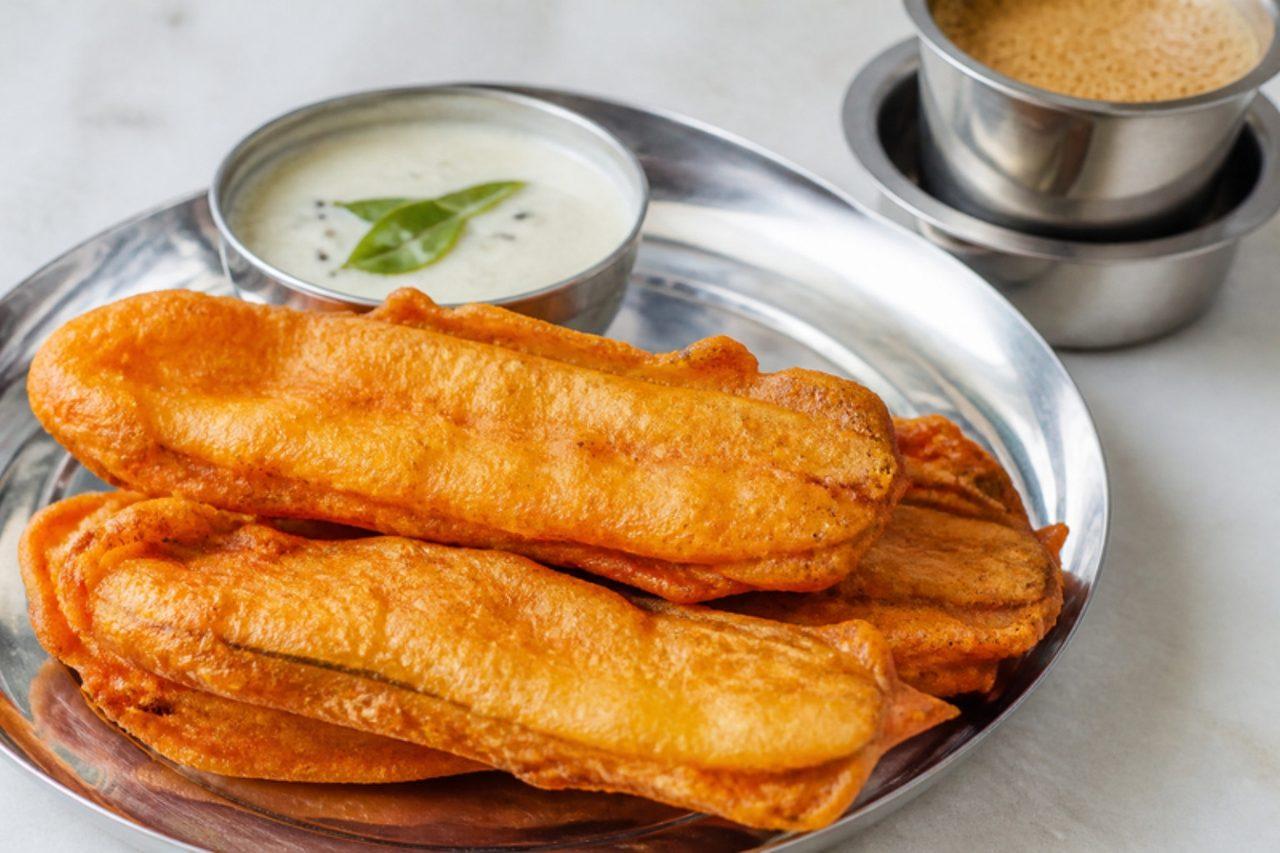
Vazhakkai bajjiRaw banana fritters

Every Chennai beach stall and every Tamil wedding tiffin has a tray of vazhakkai bajji, long thin slices of raw plantain in a soft, puffy, red-tinged coat. They are best eaten minutes out of the oil around 5 pm, with coconut chutney and a tumbler of coffee. The mistake is slicing too thick: the banana stays starchy and hard while the batter overbrowns, so cut slices 2–3 mm thin, ideally on a mandoline, lengthways. Chef's tip: a spoonful of rice flour and a pinch of hot oil whisked into the batter makes the coating crisp outside and keeps it from going soggy.

by KrazyBadal 0 views

Thavala vadaiMixed dal and rice fritters

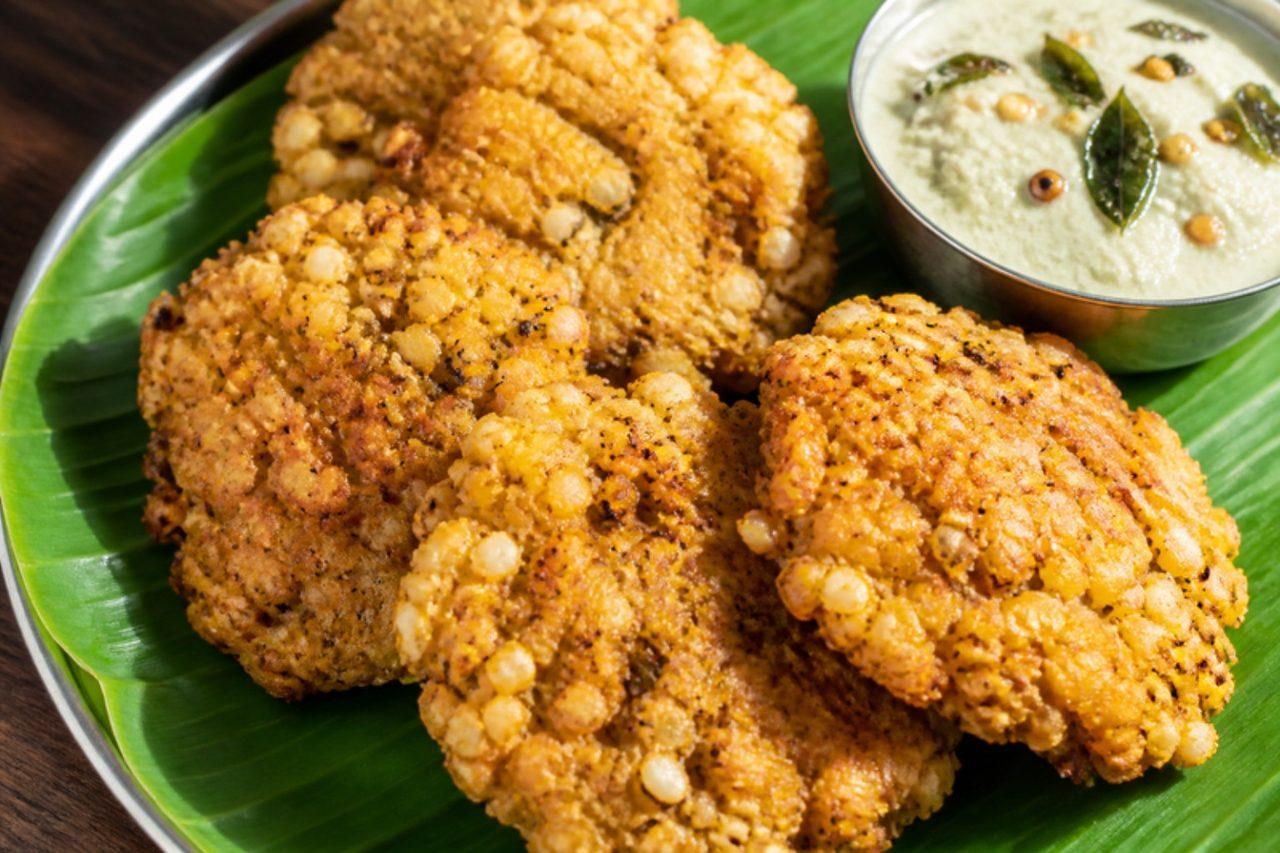
Thavala vadai belongs to the old Brahmin kitchens of Thanjavur and Kumbakonam, where it is fried for the afternoon 'tiffin' or for guests on festival days. Four dals and a little rice are ground coarse with pepper, then studded with tiny coconut cubes, so each vadai is rough and pebbly outside and soft and nutty within. The usual mistake is grinding it as smooth as medu vada batter; thavala vadai wants a gritty, semolina-like texture, so keep the grinder on pulse. Chef's tip: shape them small and thick with a dent in the middle using your thumb, so the centre cooks through before the outside darkens.

by KrazyBadal 0 views

GirmitPuffed rice with onion masala

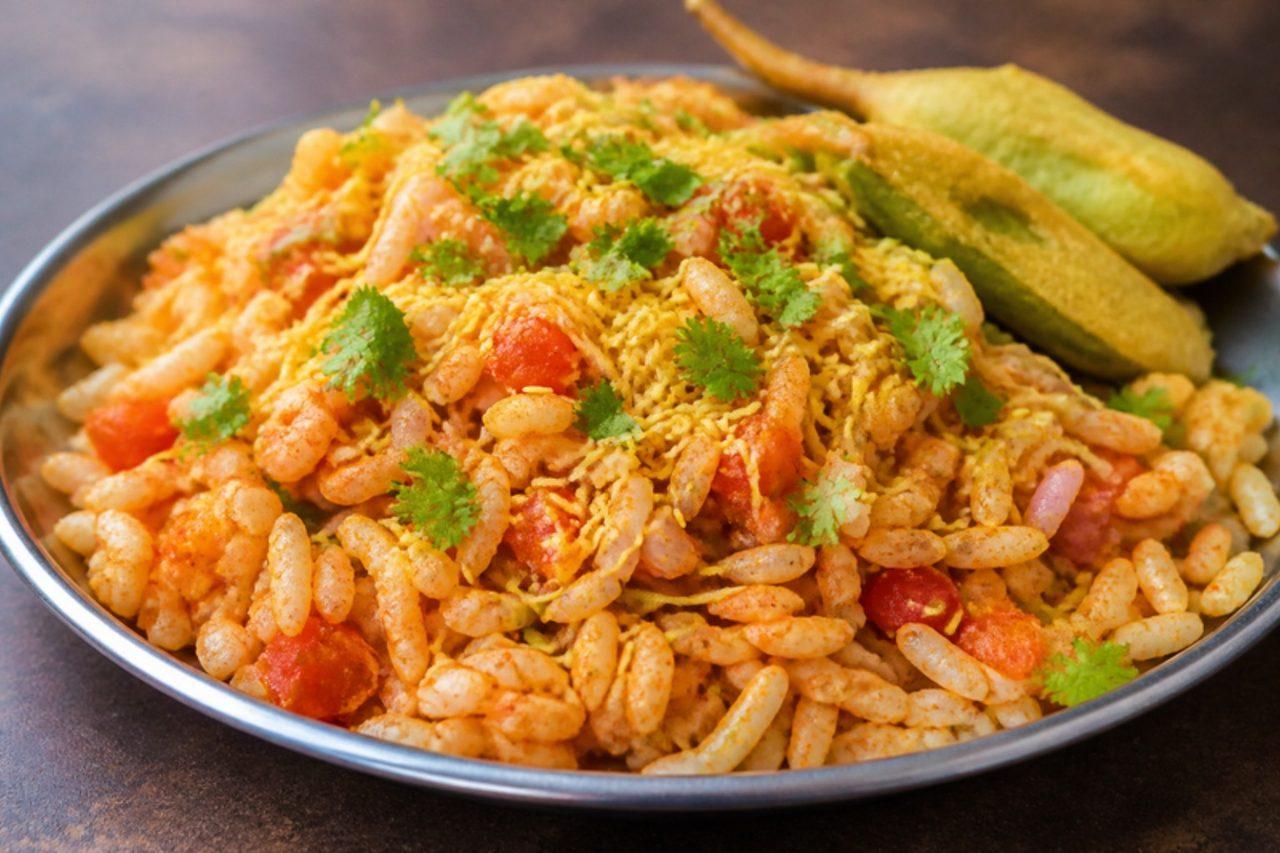
Girmit is north Karnataka's evening street snack, mixed to order on the carts of Hubballi and Dharwad and eaten with a fried green chilli bajji on the side. Puffed rice is tossed in a quick tadka of onion, tomato, tamarind and jaggery, then thickened with roasted gram powder so each grain is coated rather than wet, and finished with sev and coriander. It's tangy, sweet and spicy in one mouthful. The common mistake is adding the puffed rice too early or using too much tamarind water; it goes soggy within minutes, so toss it off the heat and serve at once. Chef's tip: warm the puffed rice in a dry pan for a minute first; crisp mandakki takes the masala without going limp.

by KrazyBadal 0 views

Vishu kanjiRice and green gram porridge

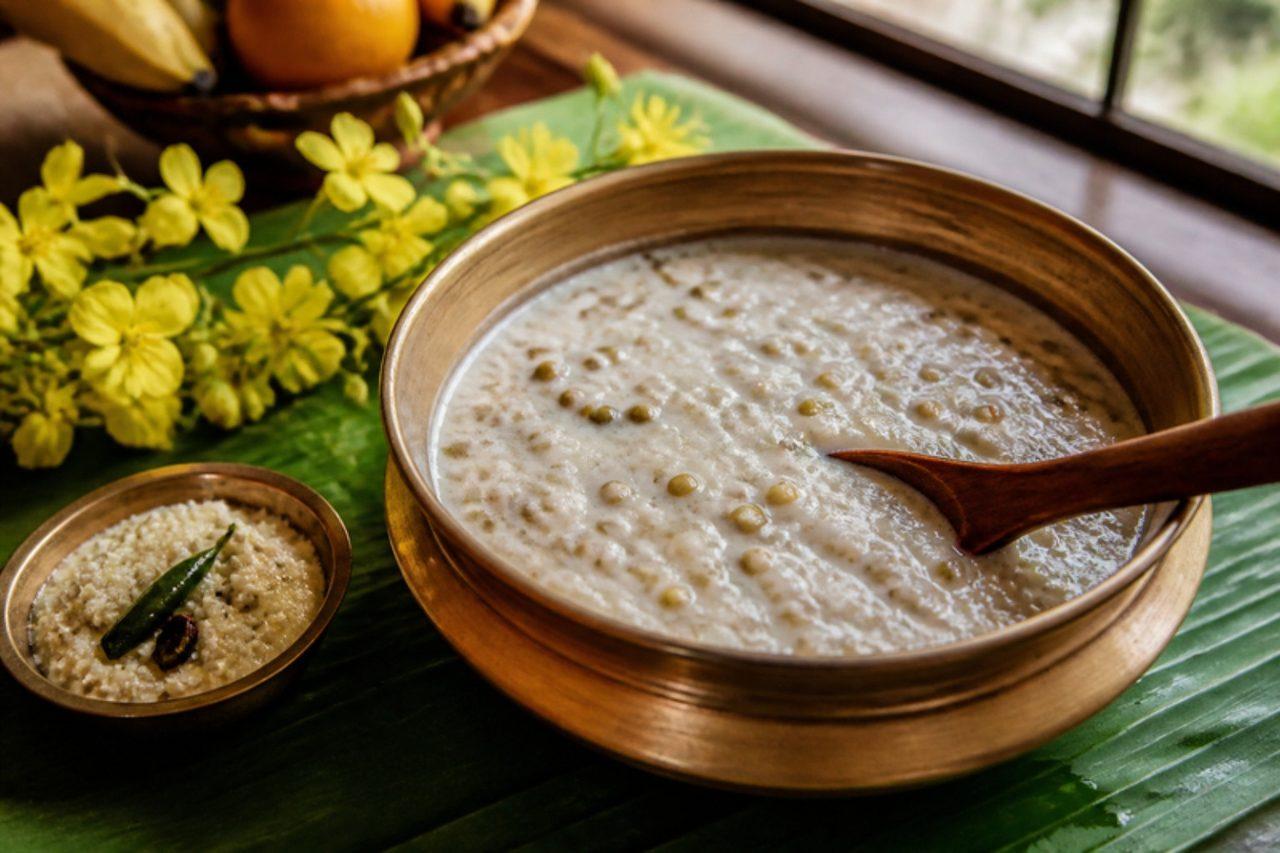
In Kerala, Vishu starts before sunrise with the kani, when each member of the family is led with closed eyes to see a tray of rice, gold-yellow konna flowers, fruit, a mirror and a lamp, so the year begins with something lucky. Breakfast afterwards, in many central Kerala homes, is this kanji: rice and lightly roasted whole green gram cooked soft and finished with coconut milk, eaten with a dry chakka or pumpkin side and pappadam. It is mild, creamy and nourishing, nothing like a plain rice gruel. The common mistake is boiling the thick coconut milk, which splits it and turns the kanji grainy; it goes in at the end, off the boil. It is ready when the gram has burst and the rice falls apart when stirred. Chef's tip: a few crushed cumin seeds and a shallot fried in coconut oil spooned over each bowl make it taste festive.

by KrazyBadal 0 views

Ezhu kari kootuSeven vegetable and dal curry

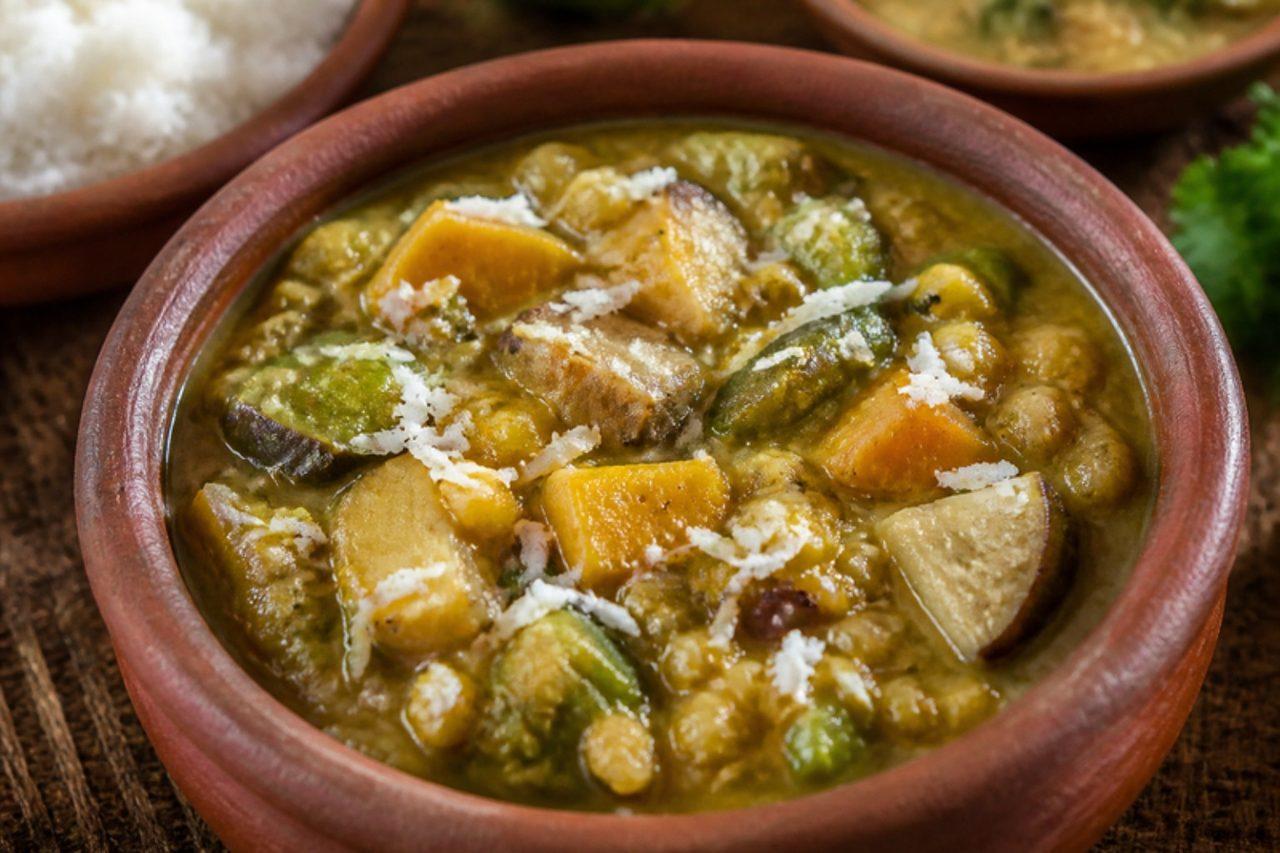
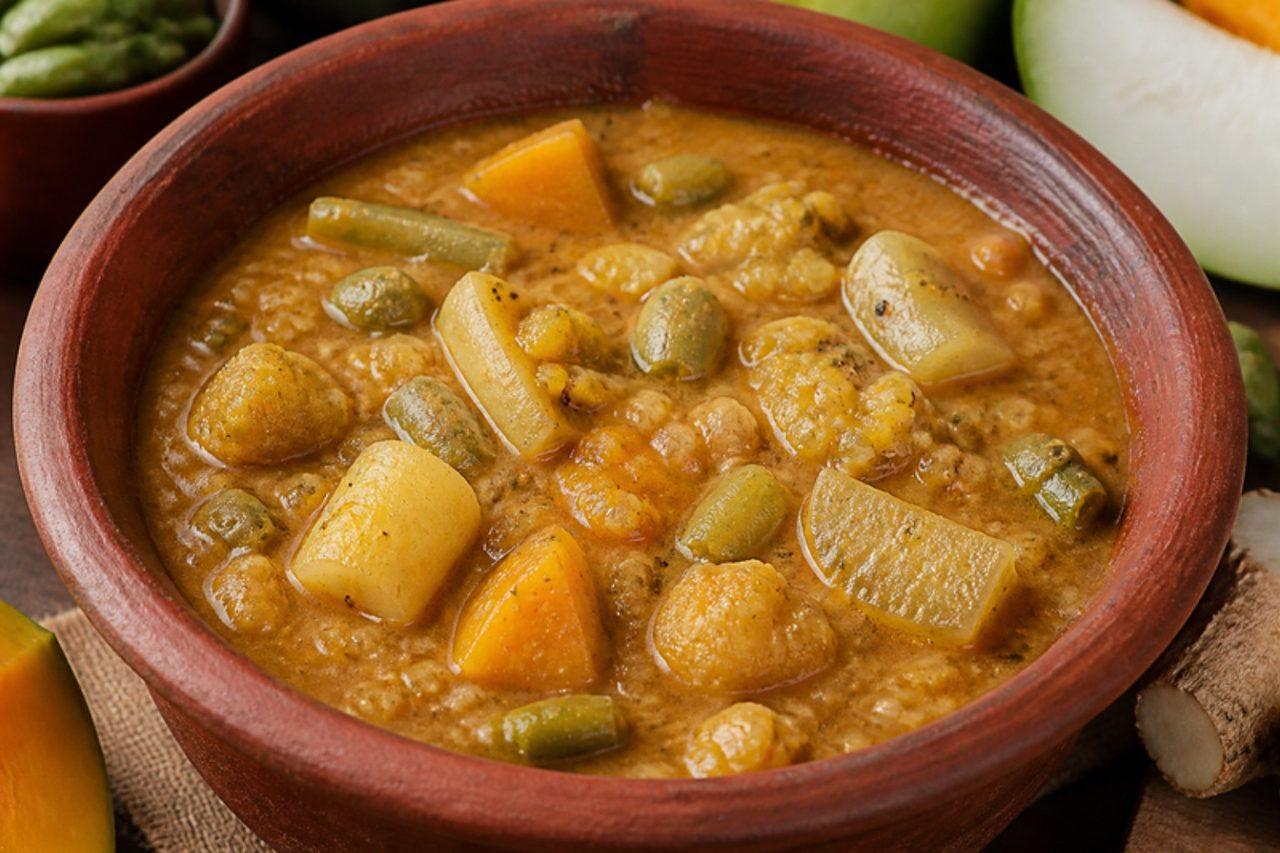
The partner to kali on Arudra Darshan morning is a kootu of seven (ezhu) vegetables, an old Tamil Brahmin custom that uses whatever native winter produce is at the market: pumpkin, ash gourd, raw plantain, sweet potato, broad beans, colocasia and chow-chow are a typical set, and no onion, garlic, tomato or 'English' vegetables go in. They simmer in tamarind water with soft toor dal and a paste of roasted coriander, chana dal, red chillies and coconut, giving a thick, tangy, gently hot stew that cuts the sweetness of the kali. Common mistake: adding tamarind before the vegetables are cooked, which keeps them hard; cook them first in plain water until a knife goes in easily, then add the tamarind and boil until its raw smell has gone. Chef's tip: roast the paste spices until the chana dal turns golden-red, which gives the kootu its depth.

by KrazyBadal 0 views

Thunka puriGiant puffed puris

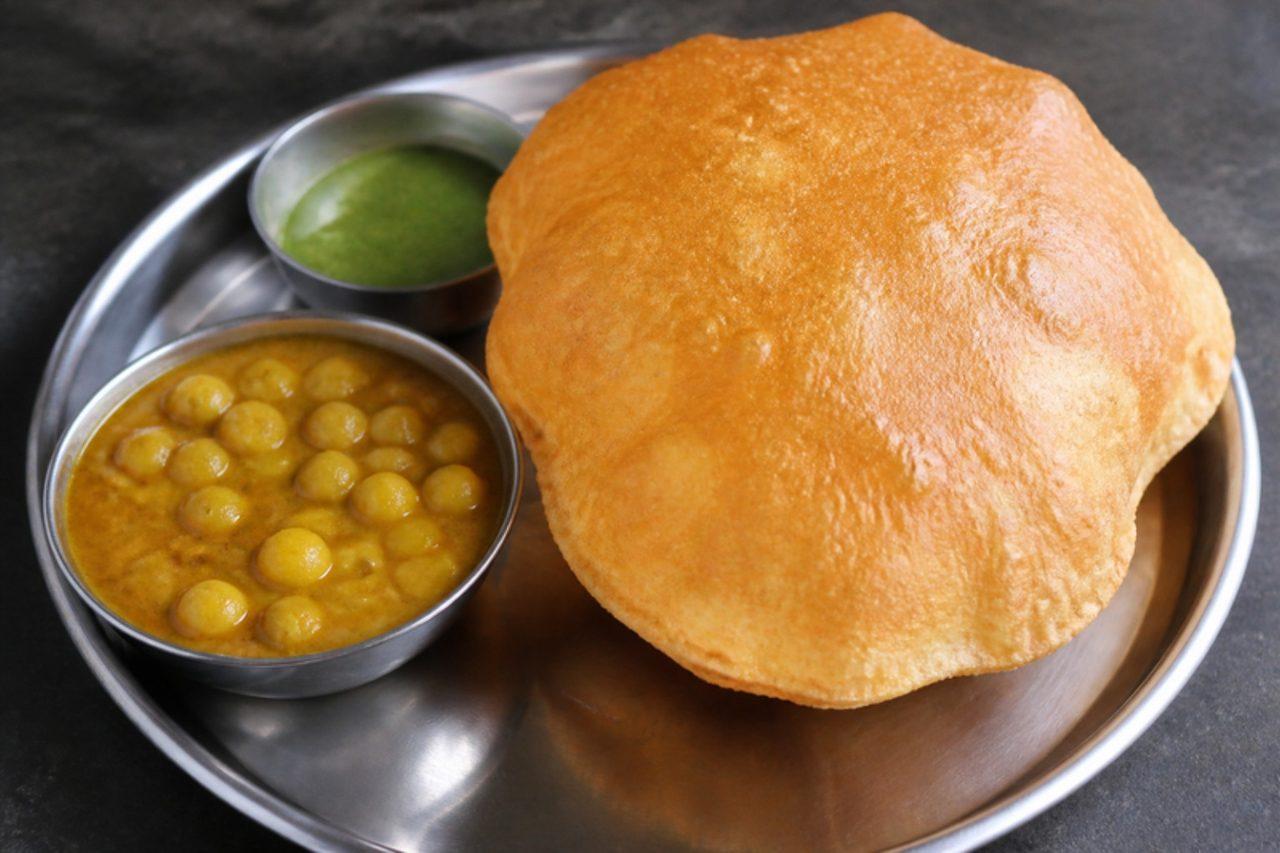
Every Kartik Purnima, Cuttack holds Bali Jatra on the banks of the Mahanadi, a huge open-air fair that remembers the Odia sailors who once set off for Bali and Java; families float little paper and banana-bark boats at dawn and spend the day eating at the stalls. Thunka puri is the fair's famous snack: puris rolled as big as a plate, which balloon into hollow golden domes in the oil and are torn open over a bowl of hot ghugni (yellow pea curry), onion and tamarind chutney. Common mistake: oil that is not hot enough or dough that is too soft; the puri then drinks oil and stays flat. Get the oil to about 190 °C, so a pinch of dough rises at once, and it is done when it is puffed and pale gold on both sides. Chef's tip: slide the puri in, then gently press the centre with a slotted spoon and splash hot oil over the top; it will puff fully within seconds.

by KrazyBadal 0 views

Mamidikaya pappuToor dal with raw mango

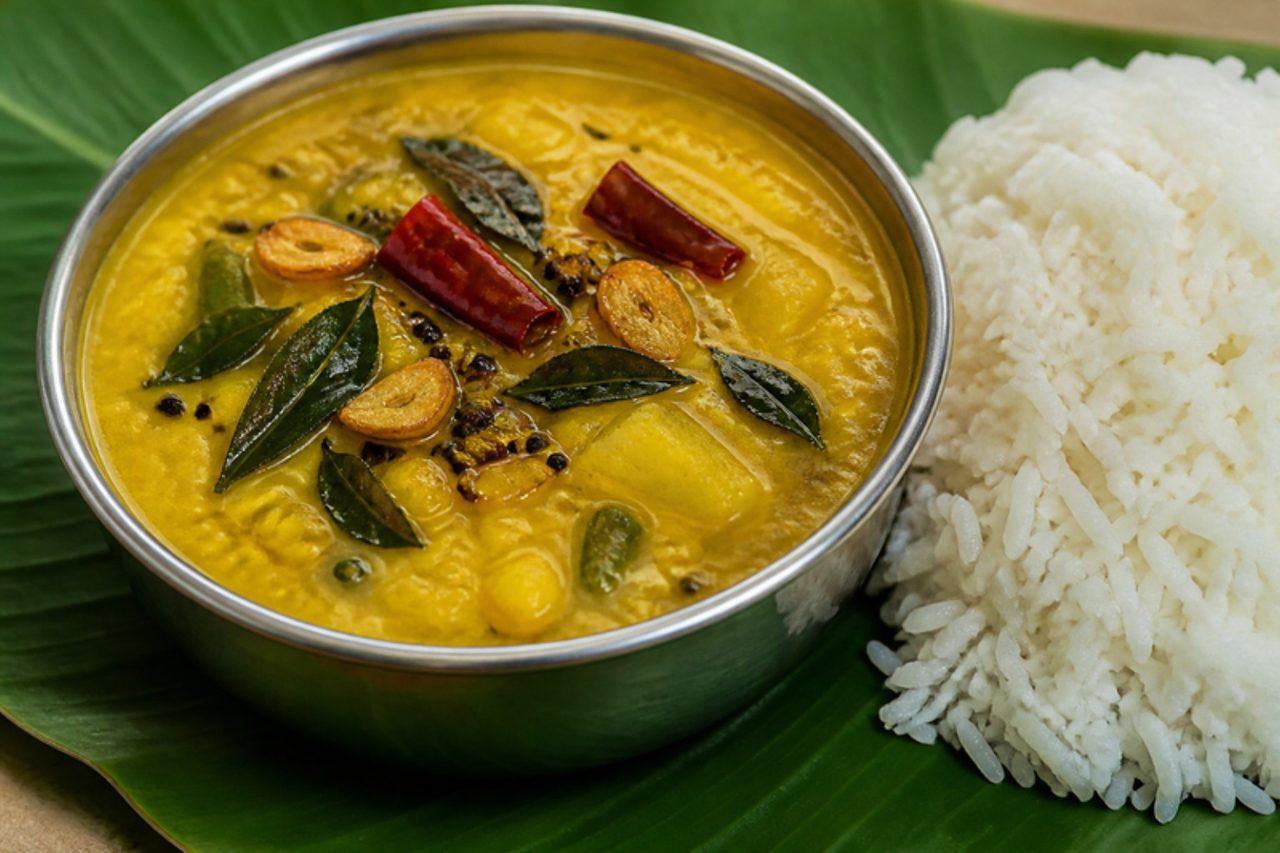
Ugadi falls just as the first green mangoes reach Andhra markets, so the festive lunch nearly always has a pot of mamidikaya pappu beside the pulihora and pachadi. Toor dal is cooked soft, then sharpened with chunks of sour raw mango and slit green chillies, and finished with a sizzling tempering of garlic, dried red chilli and curry leaves. Mixed into hot rice with a spoon of ghee, it is tangy, mellow and comforting. The common mistake is cooking the mango with raw dal: its acid stops the lentils from softening, so always cook the dal to a smooth mush first. The mango is ready when a piece crushes easily but still holds its shape. Chef's tip: mangoes vary hugely in sourness, so add half, taste after five minutes and add the rest only if the dal needs more bite.

by KrazyBadal 0 views

Kacha kela na vadaRaw banana fritters

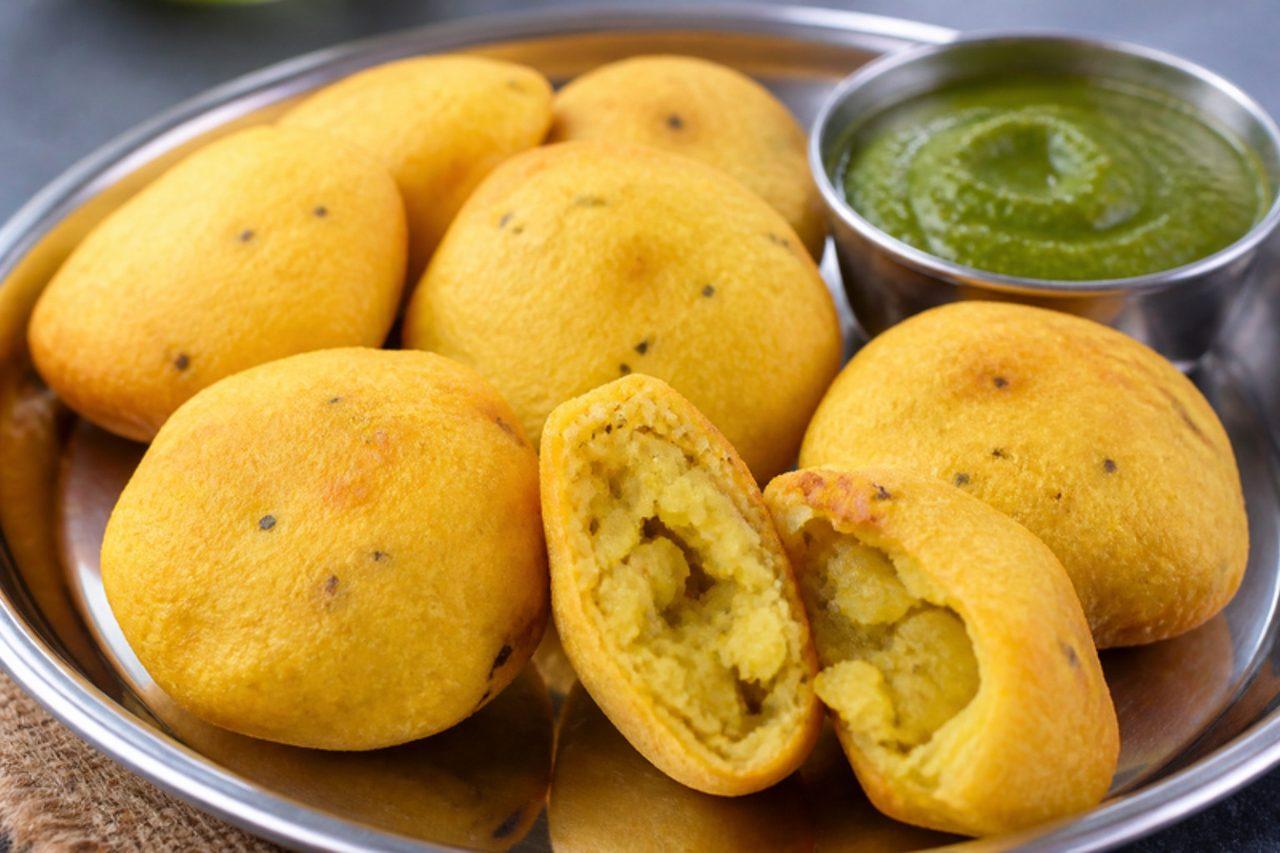
In Jain homes in Ahmedabad, Palanpur and Mumbai's Gujarati neighbourhoods, raw green banana takes the place of potato, so these vada are the Jain answer to batata vada, made for paryushan-season tea and for guests. The bananas are boiled, mashed and spiced with dry ginger, green chilli, lemon and a little sugar, rolled into balls, dipped in gram flour batter and fried. They taste much like batata vada but are slightly firmer, sweeter and fruity. There is no onion, garlic, potato or fresh ginger in this version. The common mistake is overboiling the bananas until they are waterlogged; the filling then goes sticky and the vada split in the oil, so cook them only until a knife slides in. Chef's tip: mash the bananas while warm with a potato masher, not a blender, so the filling stays light.

by KrazyBadal 0 views

ThenkuzhalRice and urad flour spirals

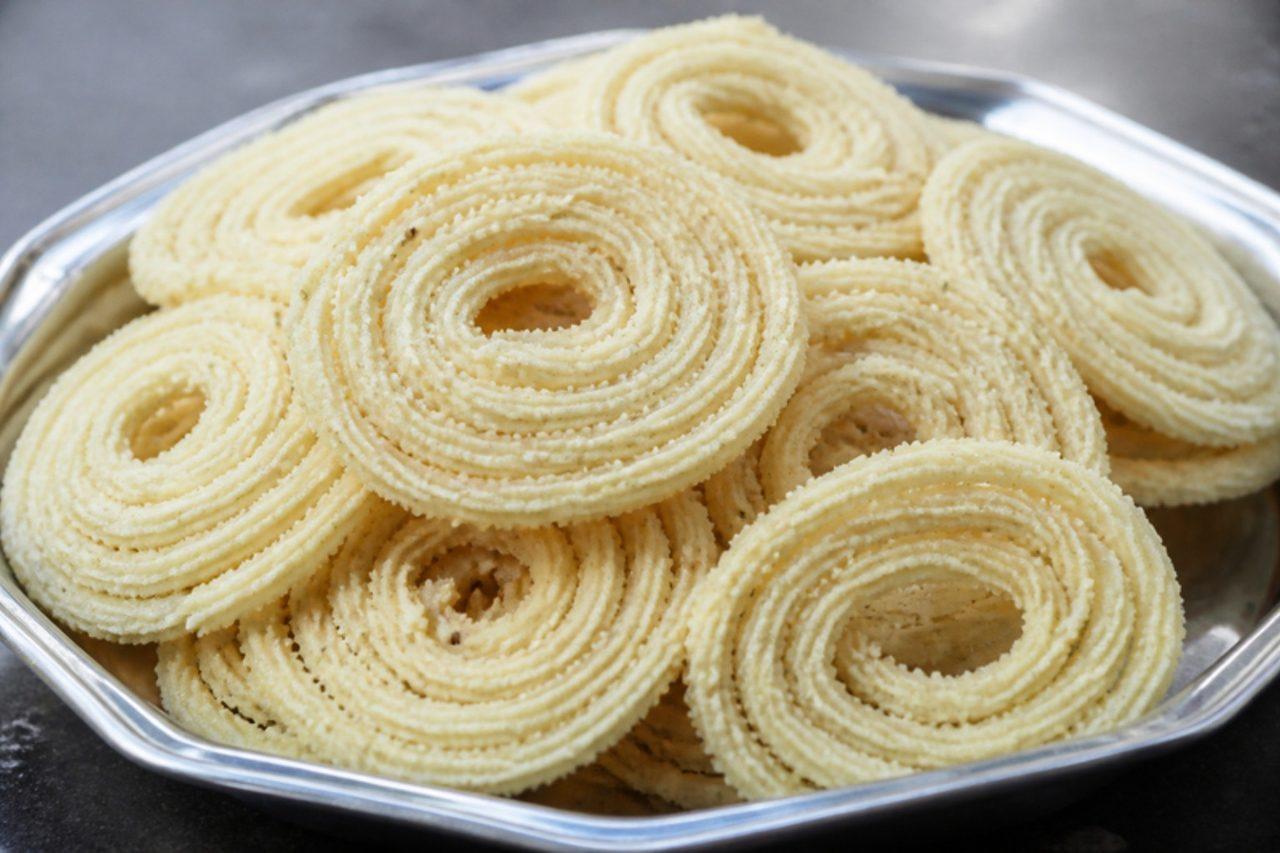
Thenkuzhal is the plain, pale murukku of Tamil Nadu, especially in Chettinad and Thanjavur kitchens, pressed through a single-hole plate into neat spirals for Deepavali and Krishna Jayanthi. Unlike butter murukku, it relies on roasted urad flour and a spoon of hot oil for its crunch, with cumin and a little sesame for flavour, and it should be cream-coloured, smooth and light. It is eaten with coffee and kept in tins for weeks. The common mistake is a dough that is too stiff, which breaks while pressing and gives a rough, cracked surface; it should be soft enough to pipe smoothly. Chef's tip: press the spirals onto the back of an oiled slotted spoon or a square of parchment and slide them into the oil, so they keep their shape.

by KrazyBadal 0 views

Sev khamniCrumbled khaman with sev

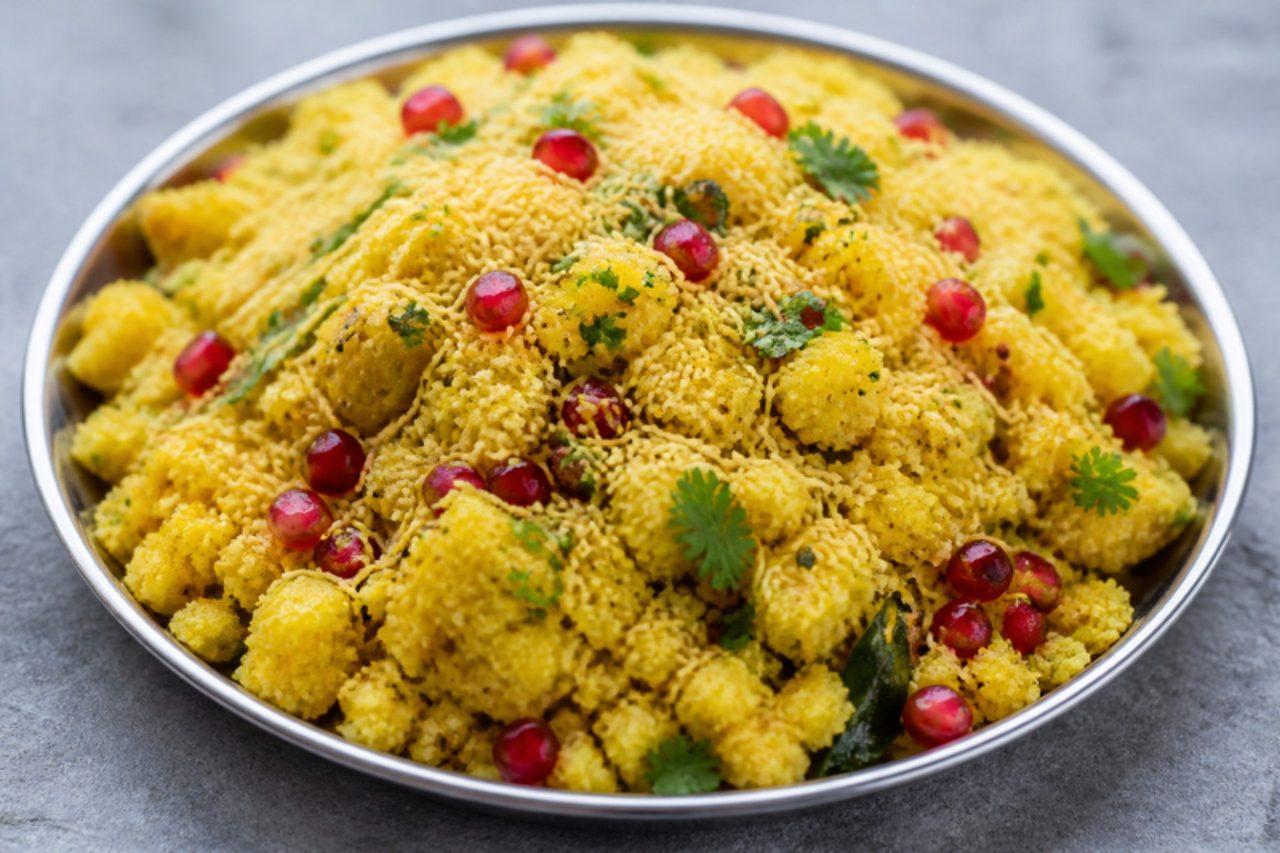
Sev khamni belongs to Surat's evening farsan counters and to Ahmedabad, where the richer, nuttier version is sold as amiri khaman. Coarsely ground chana dal is steamed into soft khaman, crumbled, and tossed in a hot tempering of mustard, sesame, garlic and green chilli with sugar and lemon, so it is sweet, sour, hot and moist all at once. It is heaped on a plate and covered with fine sev, coriander and pomegranate, and eaten with a spoon at tea time or as a party starter. The common mistake is crumbling the khaman while hot, which turns it to paste; let it cool fully first and break it with your fingertips. Chef's tip: add the sev only at the table, or it softens within minutes.

by KrazyBadal 0 views

Kara sevPeppery gram flour sev

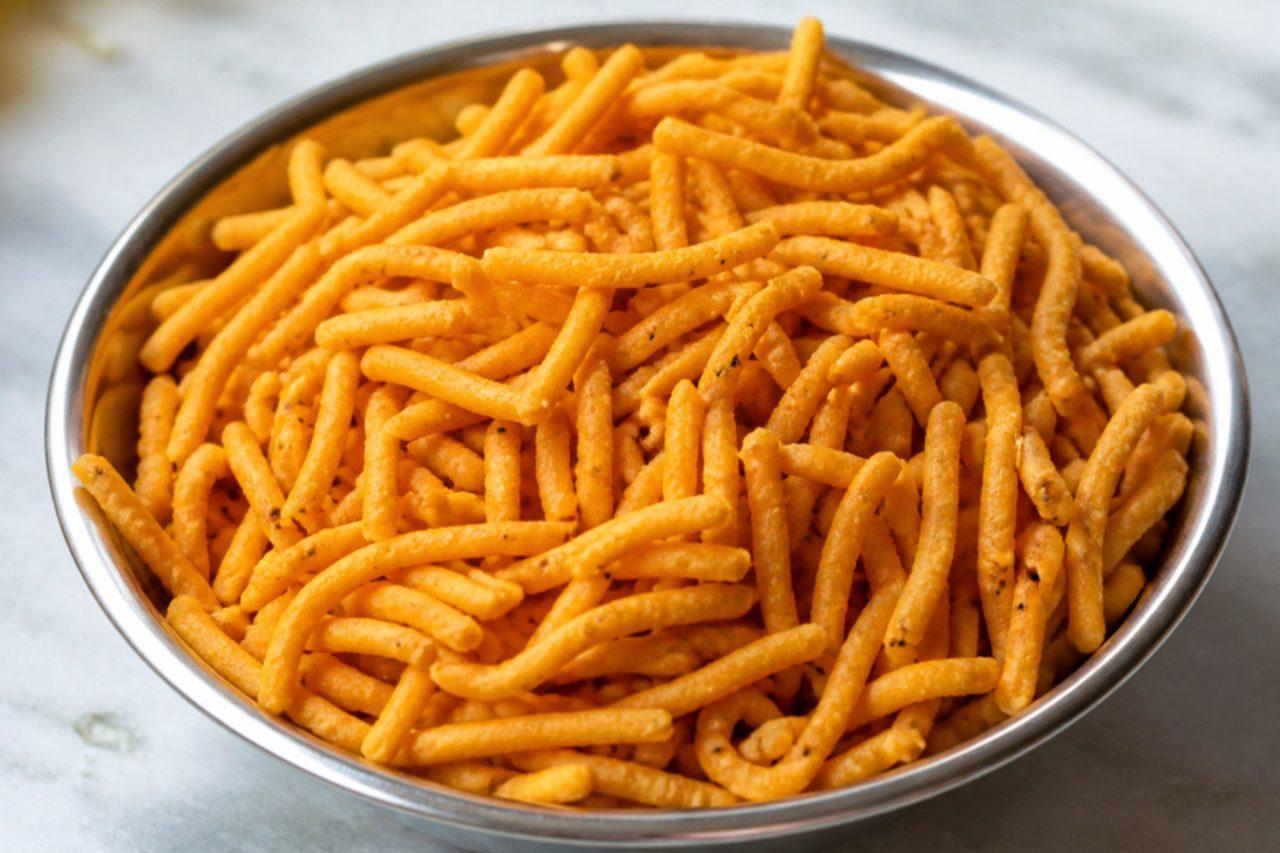
Kara sev is sold by the kilo in Sattur and Tirunelveli sweet shops, where it is bagged next to halwa for travellers to take home. The sticks are thicker and knobblier than north Indian sev, with crushed black pepper and garlic giving a slow burn. The most common mistake is a dough that is too stiff: it won't press through the mould and the sev cracks into crumbs, so it should be soft enough to squeeze easily. Chef's tip: press the dough with the flat ridged blade straight over the oil and let it break off in short pieces, then crush any long ones once cooled.
by KrazyBadal 0 views

Ulundu kozhukattaiUrad dal-filled rice dumplings

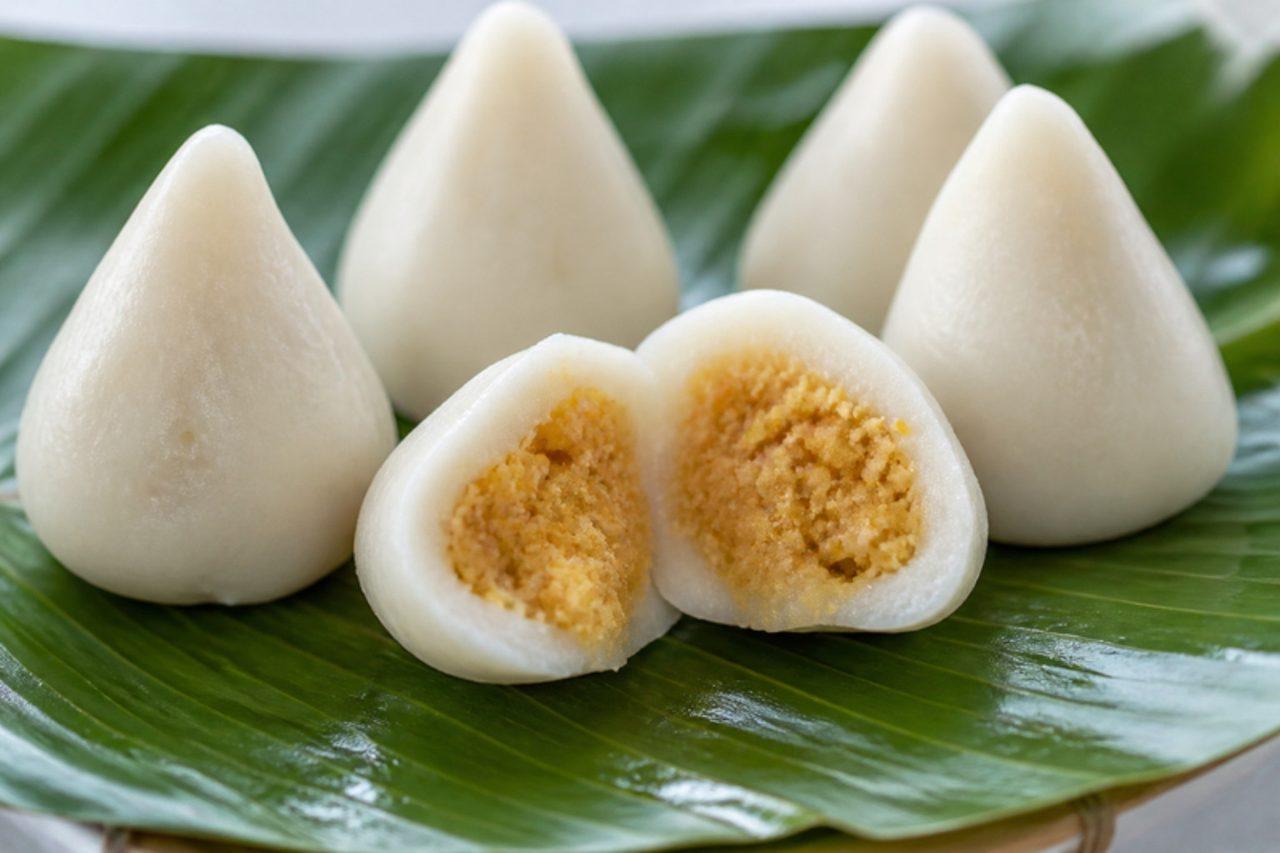
On Vinayaka Chaturthi, Tamil kitchens make two kinds of kozhukattai side by side: sweet ones with coconut and jaggery, and these savoury ulundu kozhukattai, filled with a crumbly, peppery urad dal 'usili'. The thin rice-flour shell turns translucent when steamed, and the filling is soft, savoury and fragrant with curry leaves. The mistake is a wet filling: if the ground dal isn't steamed and then crumbled dry in the pan, it leaks and the shells split. Chef's tip: make the shells as thin as you can while still holding the filling; thick shells taste stodgy.

by KrazyBadal 0 views

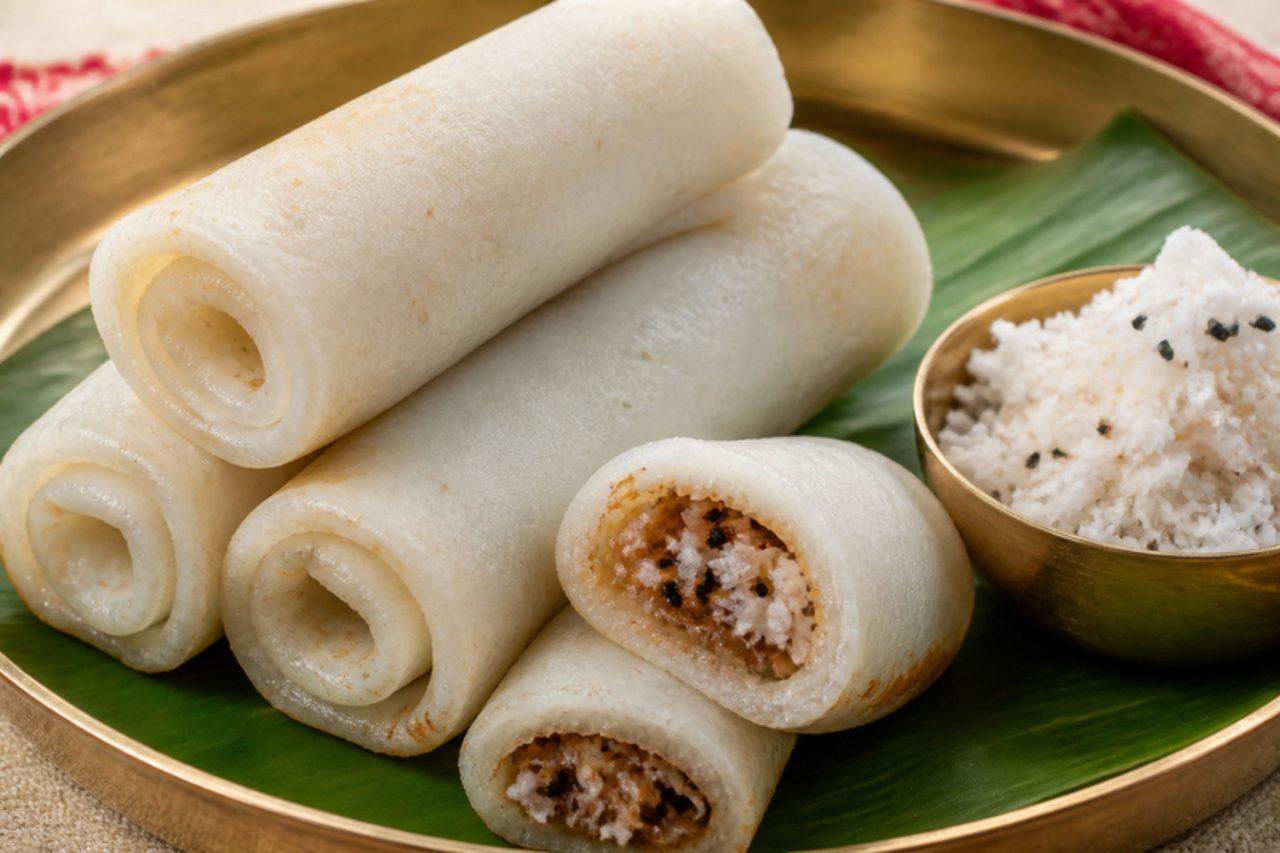
Kholasapori pithaRice pancakes with coconut and jaggery

Kholasapori means 'pressed in the khola', the shallow clay pan that every Assamese kitchen brings out for Magh Bihu, when guests are offered a plate of pitha before anything else. These are thicker and softer than the crisp til pitha: a loose batter of sticky rice flour is spread on the hot pan, filled with coconut and jaggery and folded over, so the outside is lightly speckled and the inside chewy and sweet. A heavy cast-iron pan stands in well for the khola. Common mistake: a pan that is too hot; the batter should set slowly with no browning in the first minute, and it is ready to fold when the edges lift and the top no longer looks wet. Chef's tip: wipe the pan with a cloth dipped in oil between each pitha rather than pouring oil in, so they stay pale and even.

by KrazyBadal 0 views

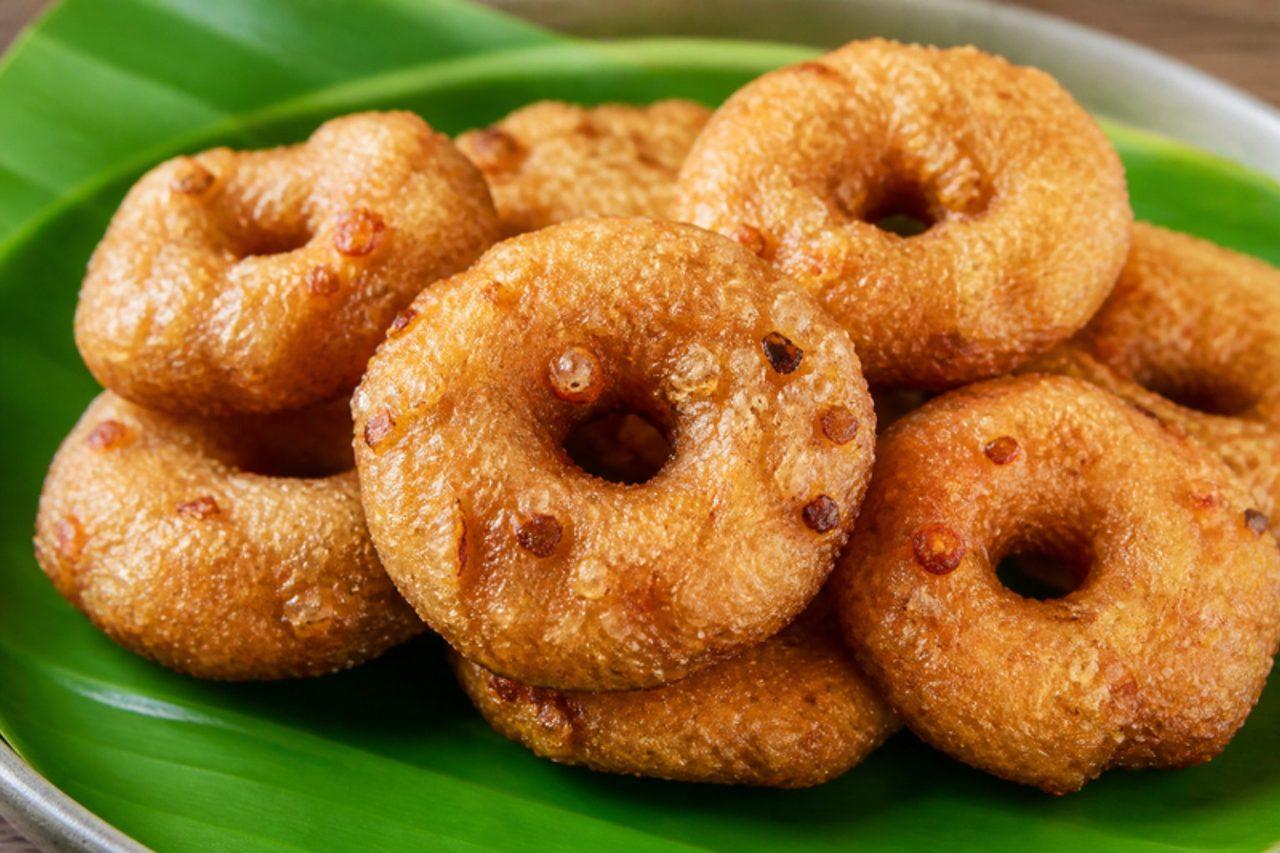
Kalkandu vadaiSweet urad dal rock sugar vadai

Kalkandu vadai is the sweet cousin of medu vadai, made in Chettinad homes for festivals and for the trays that go to a bride's house. Soaked urad dal and a little rice are ground fluffy and mixed with crushed kalkandu (rock sugar) and coconut, then fried into small golden rounds that are crisp outside, soft inside, with pockets of melted crystal sugar. They are eaten warm with coffee. A common mistake is grinding the rock sugar in with the batter, which turns the batter runny; crush it coarsely and fold it in just before frying. Chef's tip: fry these on slightly lower heat than savoury vadai, because sugar browns fast and burns before the centre cooks.

by KrazyBadal 0 views

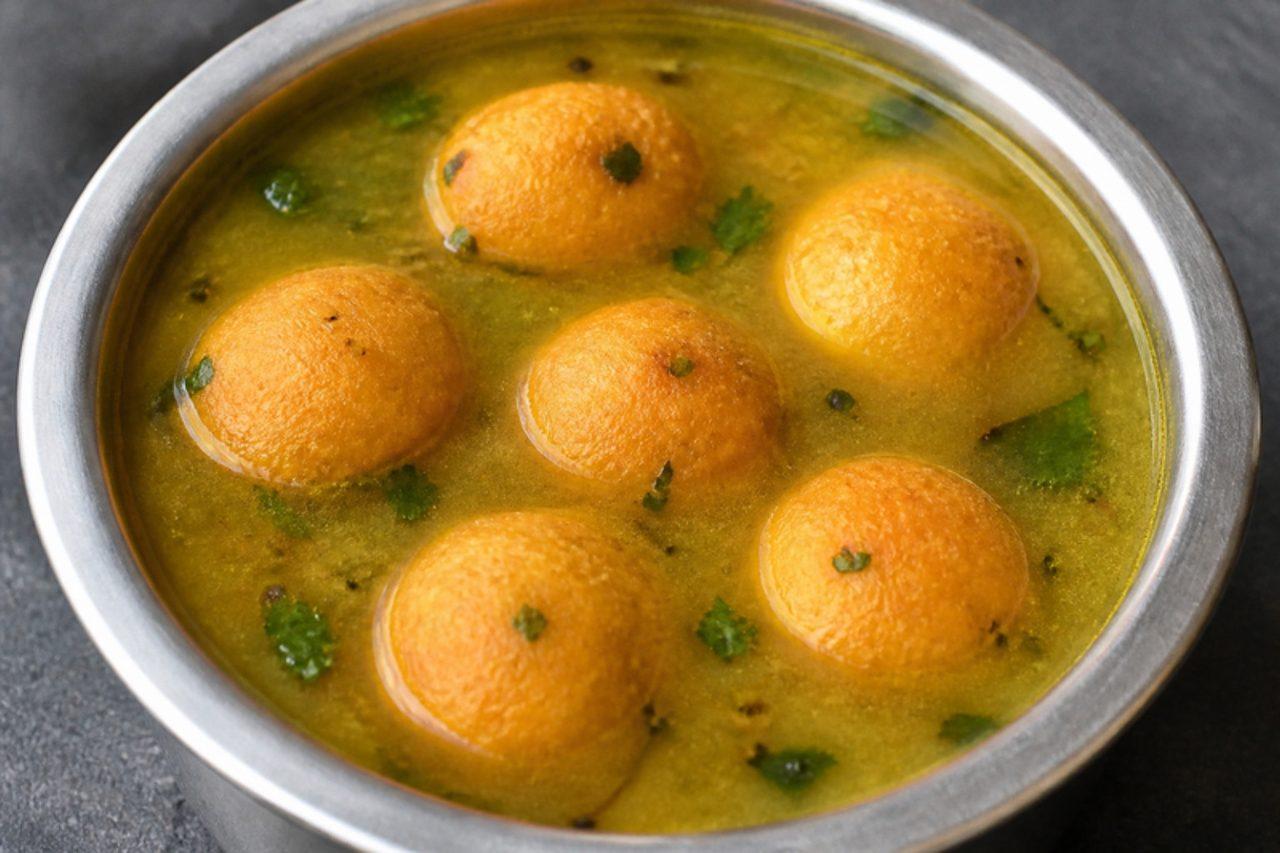
Bonda soupUrad dal fritters in moong soup

Bonda soup is a Bengaluru original, served in the old vegetarian hotels of Basavanagudi and Malleshwaram as a mid-morning or rainy-evening snack. Fluffy urad dal bondas are fried and dropped into a bowl of thin, tempered moong dal soup with pepper and lemon, so they soak up some of it and stay crisp in places. It's comforting, peppery and filling. A common mistake is a runny batter; it should hold a peak, or the bondas soak oil and fall apart in the soup. Chef's tip: pour the soup only when serving, not before, so the bondas still crunch at the first spoonful.
by KrazyBadal 0 views

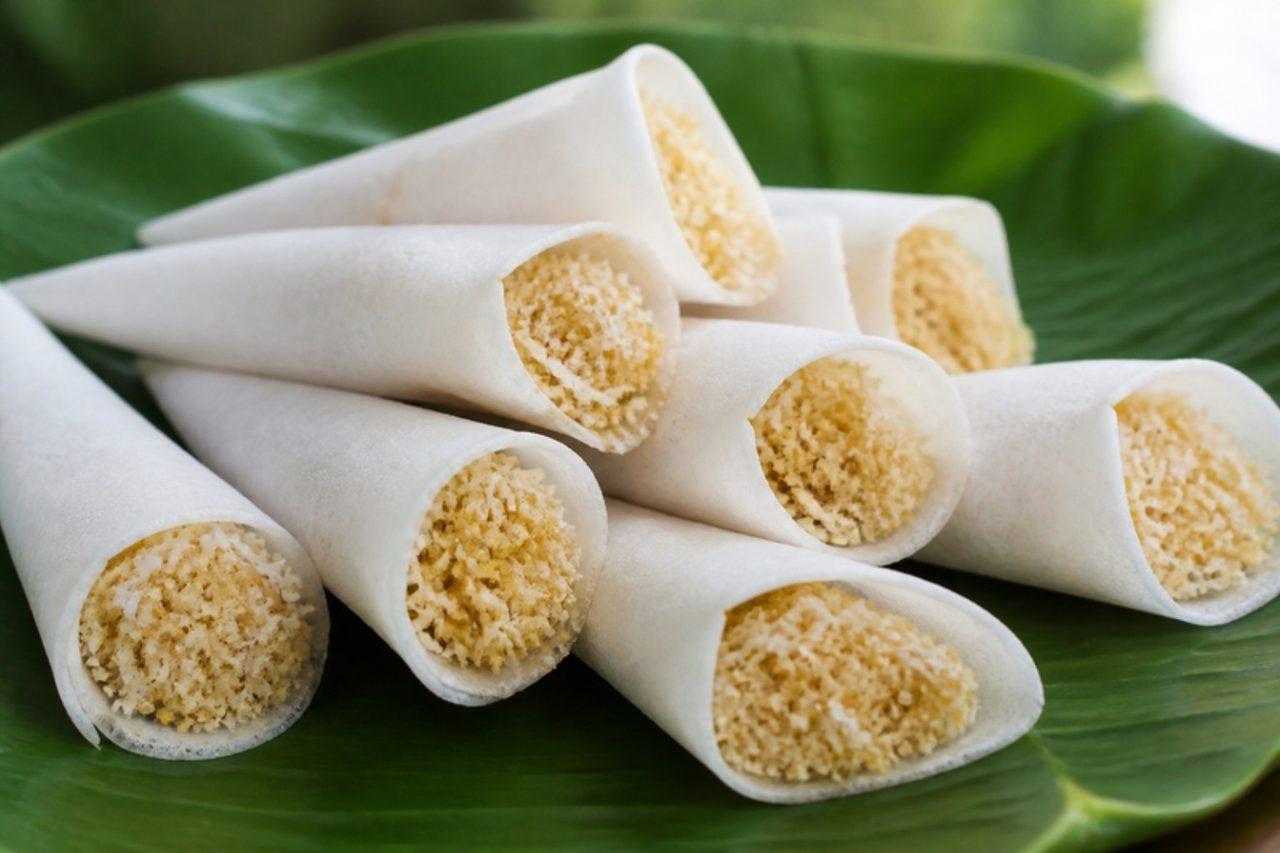
ChuruttuRice wafer cones with coconut filling

Churuttu, 'the roll', is a wedding sweet of the Syrian Christian families of central Kerala, around Kottayam, Pala and Changanassery, where aunts sit together for a day before the wedding shaping hundreds of these cones for the guests to take home. Paper-thin rice wafers are rolled into cones, filled with a sweet crumble of roasted rice flour, coconut and cardamom, sealed and dried until crisp. They shatter at the first bite and melt to a sweet, toasty dust. The mistake is a wet filling; damp coconut softens the cones within a day, so the filling must be roasted dry. Chef's tip: work with one wafer at a time and keep the rest under a damp cloth; they crack if they dry before rolling.
by KrazyBadal 0 views

Ratalu puriFried purple yam slices

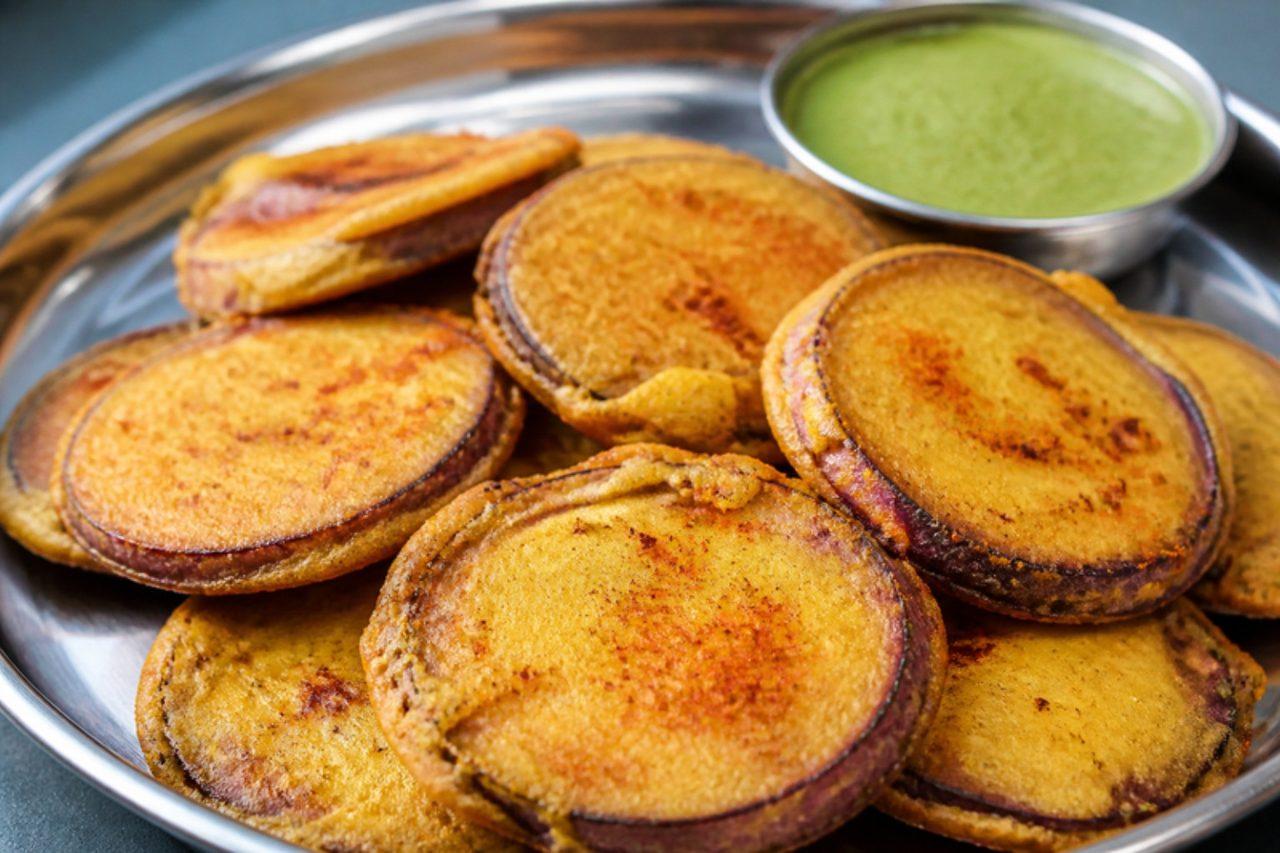
Ratalu puri belongs to Surat's evening snack trail, where farsan sellers on Chowk Bazaar fry purple yam slices to order and shake a tangy masala over them while they are still sizzling. Inside the crisp, golden coat the yam turns creamy and faintly sweet, and the masala of dry mango, black salt and chilli wakes everything up. They are eaten hot with green chutney, usually on cool winter evenings when ratalu is in season. A common mistake is cutting the yam too thick: slices thicker than 3 mm stay raw in the middle by the time the batter browns. Chef's tip: oil your hands before peeling ratalu, as the raw sap can make skin itch.

by KrazyBadal 0 views

MahuraMixed vegetables with dal

Mahura is the vegetable curry of the Jagannath temple tradition in Odisha and a fixture on Rath Yatra lunches at home: pumpkin, raw banana, yam, aubergine and sweet potato cooked soft with a little dal and a paste of roasted cumin, ginger, coconut and a touch of jaggery. Like all temple food it uses no onion, garlic, tomato, chilli powder or New World vegetables, so it tastes gentle, earthy and faintly sweet. It is thicker and more vegetable-heavy than dalma, with the dal only binding the vegetables. Common mistake: stirring too much once the pumpkin softens, which melts it into the gravy; the mahura is done when the yam is tender, the vegetables hold their shape and the gravy coats them. Serve with kanika or plain rice. Chef's tip: finish with a pinch of roasted cumin and dry red chilli powder ground together (bhaja masala), which Odia cooks add right at the end.

by KrazyBadal 0 views

Showing 48 of 681 recipes

Show more recipes

Page 3 of 29

More collections