Skip to content

Vegetarian Chinese recipes

Tofu, noodles, dumplings and stir-fries without meat or fish. (200 recipes)

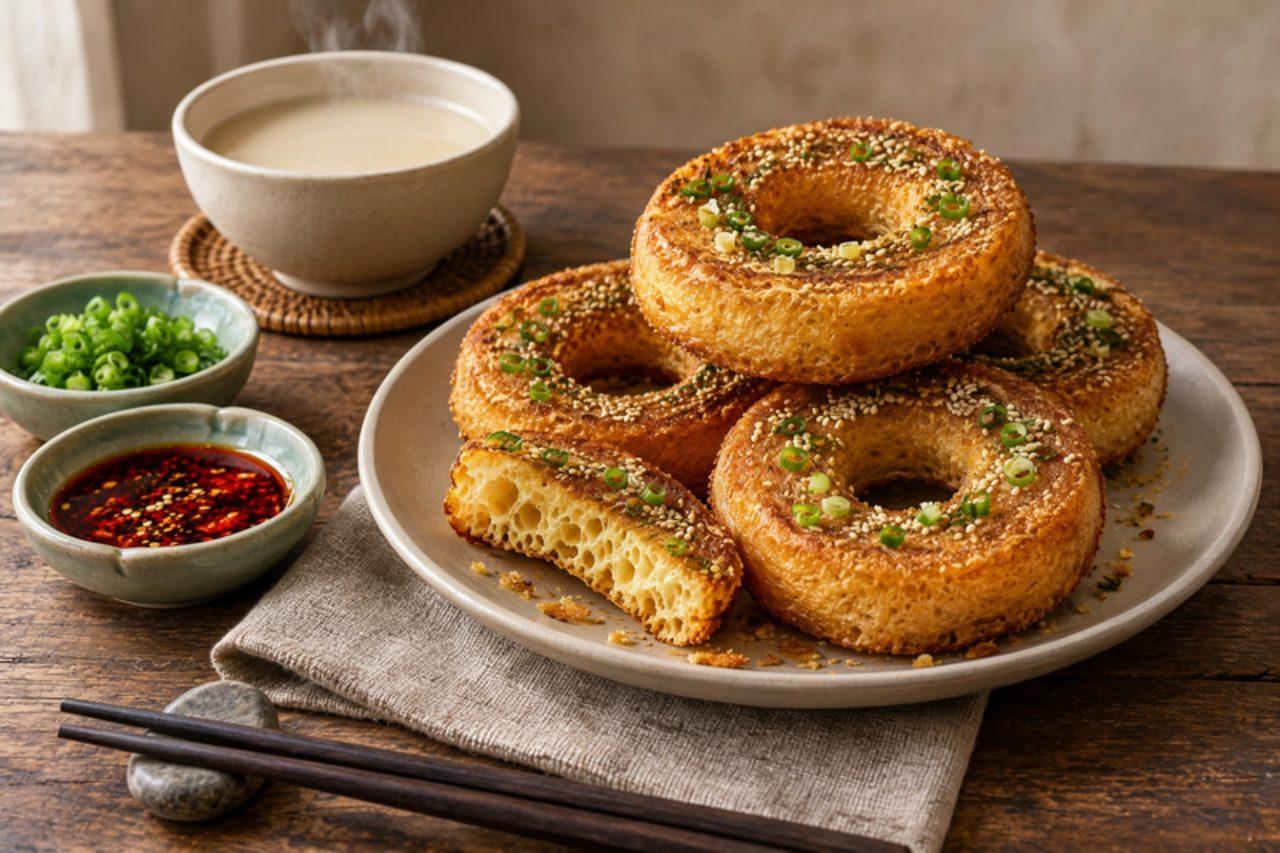
Wuhan mianwoRice and soybean fritter rings

Wuhan people call breakfast "guozao", and mianwo is one of its icons: a ring of rice and soybean batter fried in a special ladle with a raised centre, so it ends up thick and soft round the rim and thin and crackly in the middle, flecked with sesame and spring onion. It is eaten with hot dry noodles or a bowl of soy milk. The mistake is oil that is too cool: the batter soaks it up and turns greasy; it must hiss strongly the moment it goes in. Without a mianwo ladle, use a deep ladle and spread the batter thinner in the middle with a spoon. Chef's tip: give the batter a quick stir before every fritter, because the rice settles to the bottom fast.

by KrazyBadal 1 views
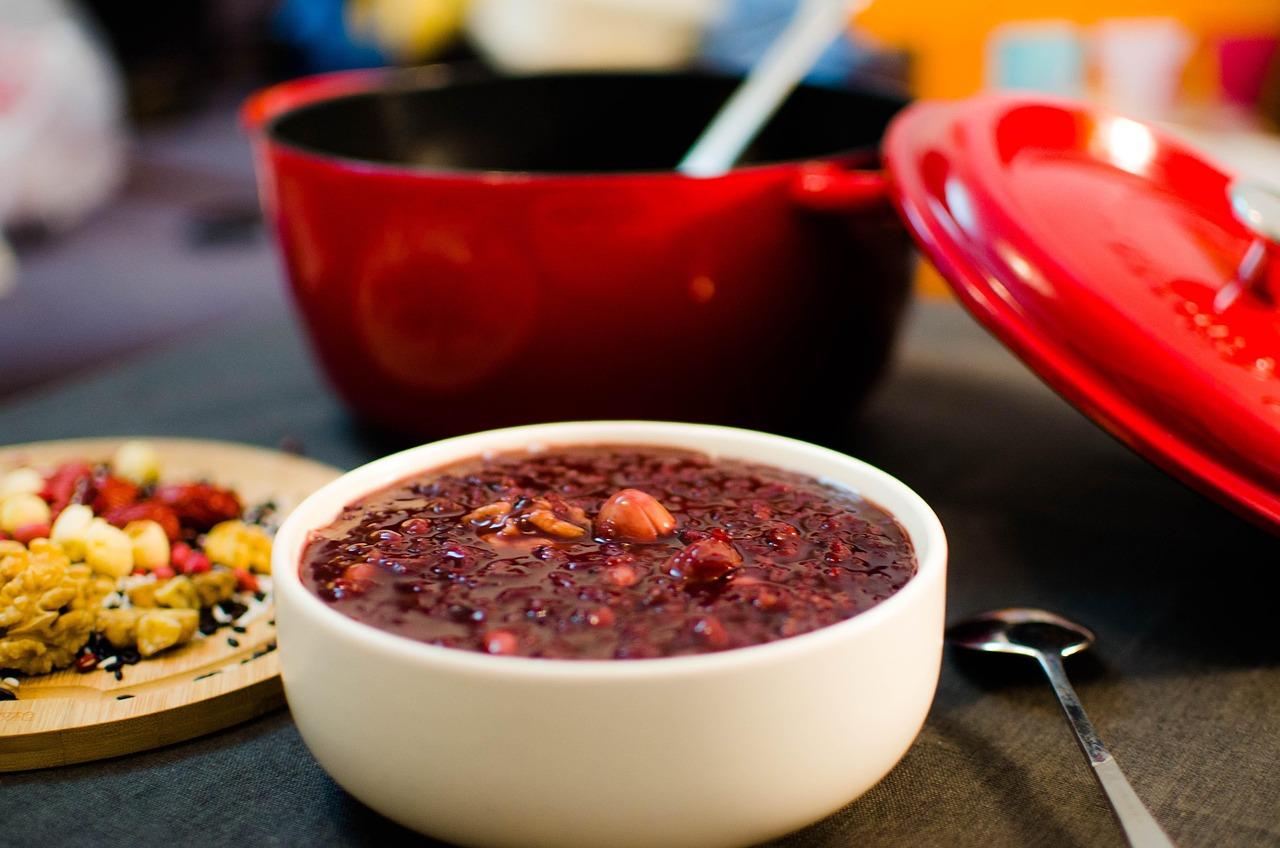
Ba bao zhouEight-treasure porridge

Across China, the eighth day of the twelfth lunar month is Laba, and households and Buddhist temples simmer a big pot of eight-treasure porridge to share: glutinous and black rice cooked slowly with red beans, mung beans, peanuts, lotus seeds, red dates and longan until thick and gently sweet. Beijing families still give bowls to neighbours, and it is a warming winter breakfast all season. A bowl gives about 9 g of protein from the beans, peanuts and lotus seeds, so it is a filling porridge rather than a high-protein one. Soak the beans, peanuts and lotus seeds for at least 4 hours or overnight. The common mistake is putting everything in at once: the rice goes to glue before the beans soften, so the beans get a head start. Chef's tip: add the rock sugar only in the last 10 minutes; sugar added early toughens the bean skins.

by KrazyBadal 0 views
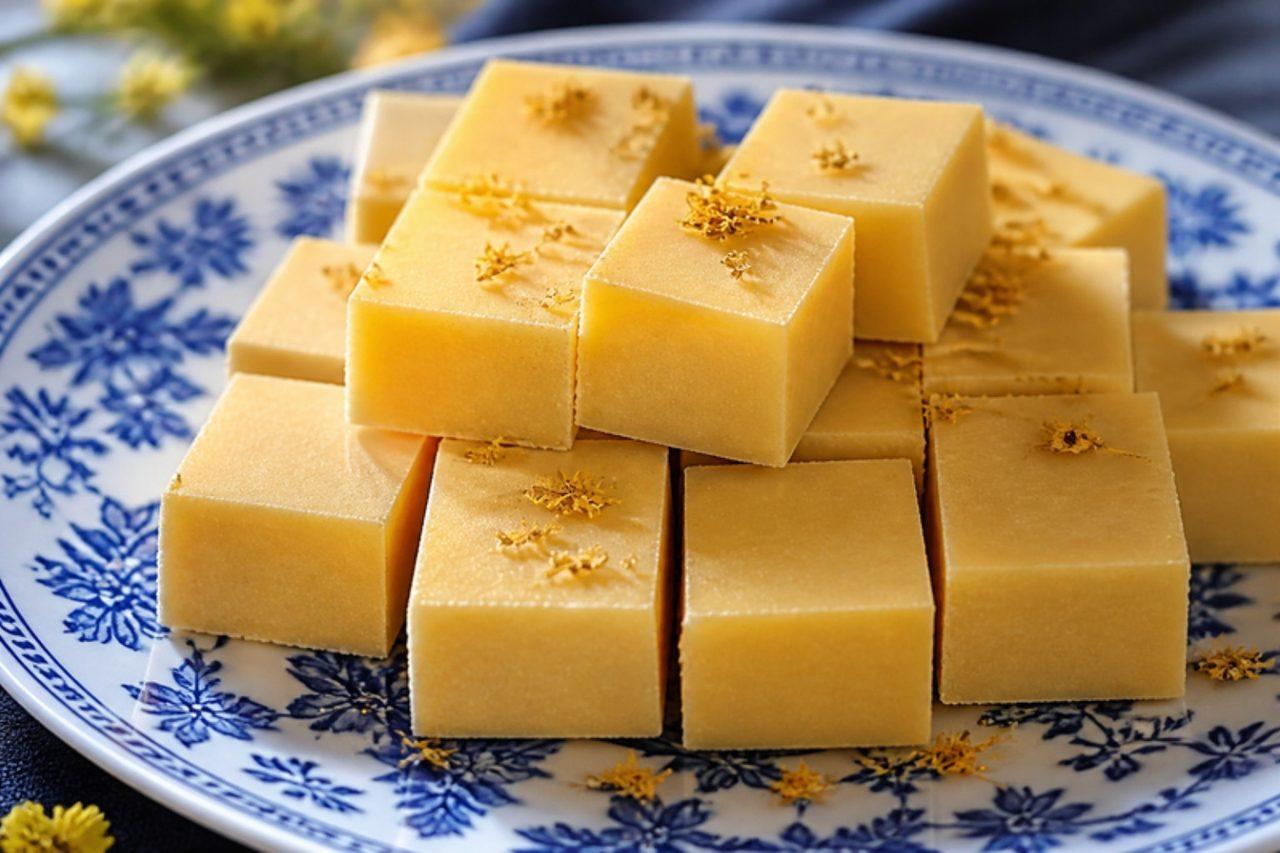
Wandouhuang (豌豆黄, Beijing chilled yellow pea cake)

Wandouhuang is a Beijing spring and early-summer sweet, sold from carts around the Qingming festival and once polished into an imperial version for the Qing court that is still served in Beihai Park's old-style restaurants. Yellow split peas are boiled to a mush, pressed through a sieve and cooked down with sugar until thick, then left to set in a tray and cut into neat pale-gold blocks. Chilled, it is cool and smooth with a fine, melting texture and the gentle, nutty taste of peas. Serve on small plates with jasmine tea, or after a rich meal. It is naturally egg-free and needs no setting agent at all: the starch in the peas firms the paste as it cools, like a polenta. Chef's tip: the common mistake is not cooking the paste down far enough; keep stirring until a line drawn through it with a spatula stays open for a few seconds, or it will not slice.

by KrazyBadal 0 views
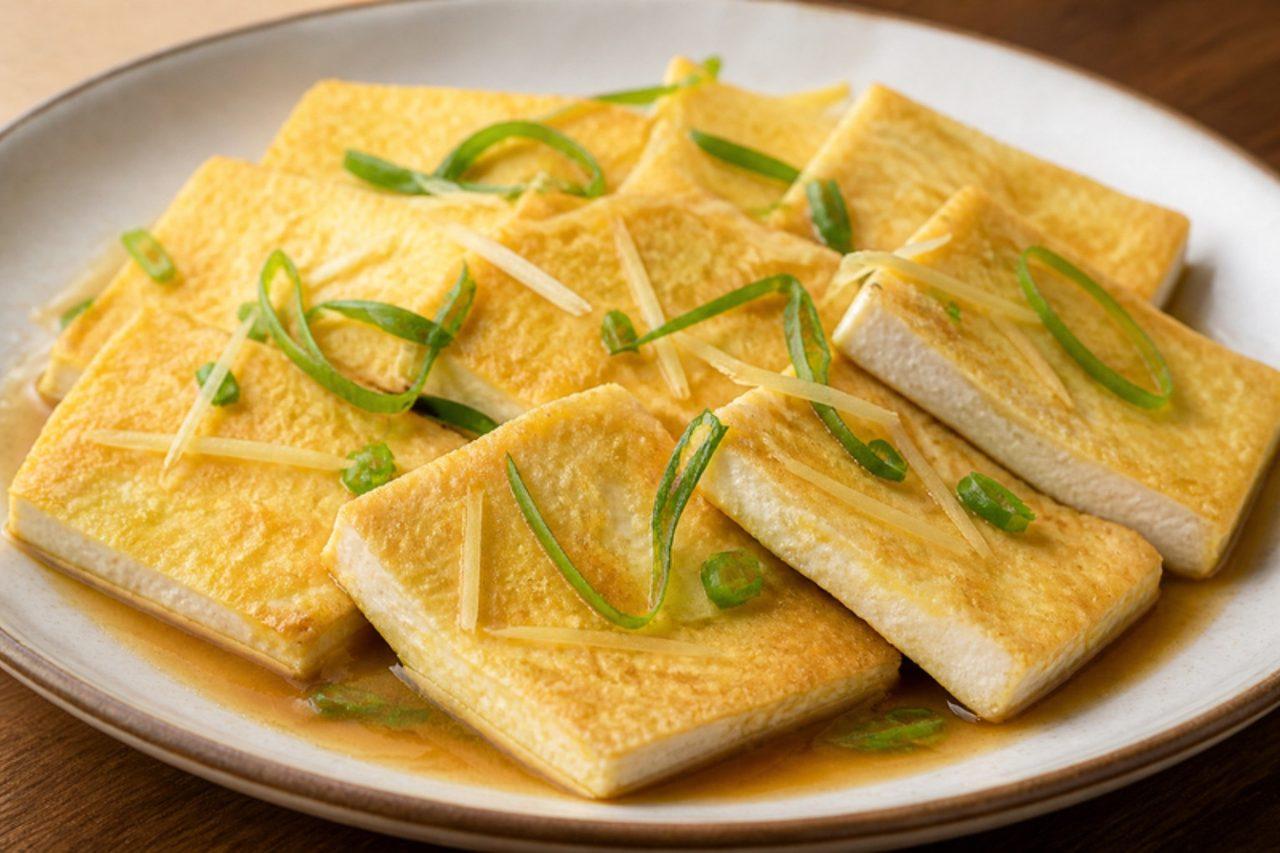
Guota doufuEgg-battered pan-fried tofu

Guota doufu comes from the Lu kitchen of Shandong, where guota means pan-fried and then simmered so the coating soaks up the sauce. It is a banquet dish in Jinan restaurants and a family favourite at home: tofu slices are dusted in flour, dipped in egg, fried golden, then simmered briefly in a savoury stock with ginger and spring onion until the eggy coating turns tender and juicy. This version uses vegetable stock and no cooking wine. A portion gives about 24 g of protein, from the tofu and eggs. The common mistake is too much stock, which turns the coating soggy and loose; add only enough to come halfway up the tofu. Chef's tip: shake off the excess flour well before the egg, or the coating peels away in sheets.

by KrazyBadal 0 views
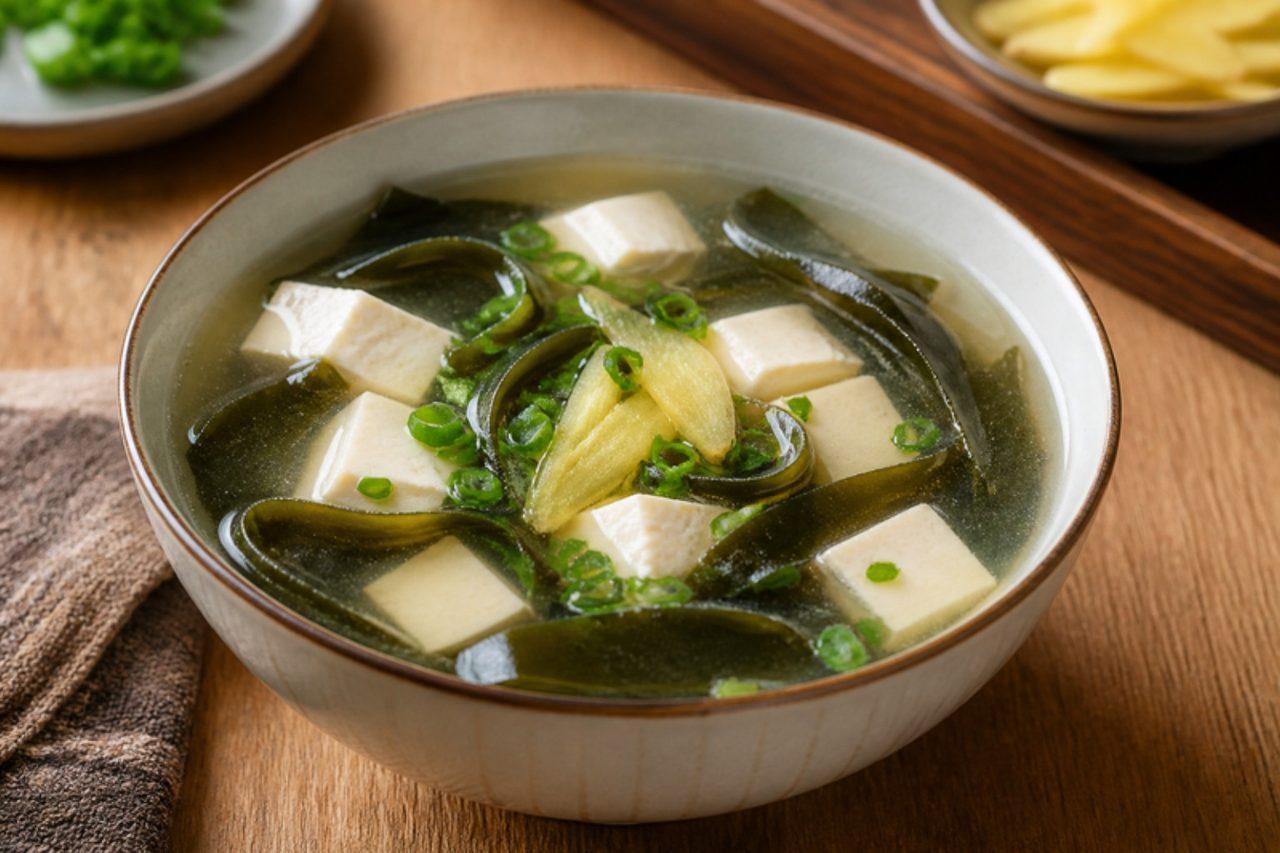
Haidai doufu tangKelp and tofu soup

Kelp and tofu soup is everyday drinking soup across China, ladled out at family dinners in Qingdao, Dalian and inland cities alike, and thought of as cooling and good for the body. Strips of kelp give a savoury sea flavour, cubes of soft tofu turn tender in the broth, and ginger, white pepper and spring onion keep it clean and warming. Each bowl has about 130 kcal and roughly 12 g of protein, from the tofu, so it is a light side soup rather than a high-protein meal. The common mistake is not rinsing dried kelp well: grit and the white salt bloom make the soup cloudy and harsh. Chef's tip: simmer the kelp first on its own for 10 minutes; it softens and seasons the water before the tofu goes in.

by KrazyBadal 0 views
Hongshao doufuRed-braised tofu

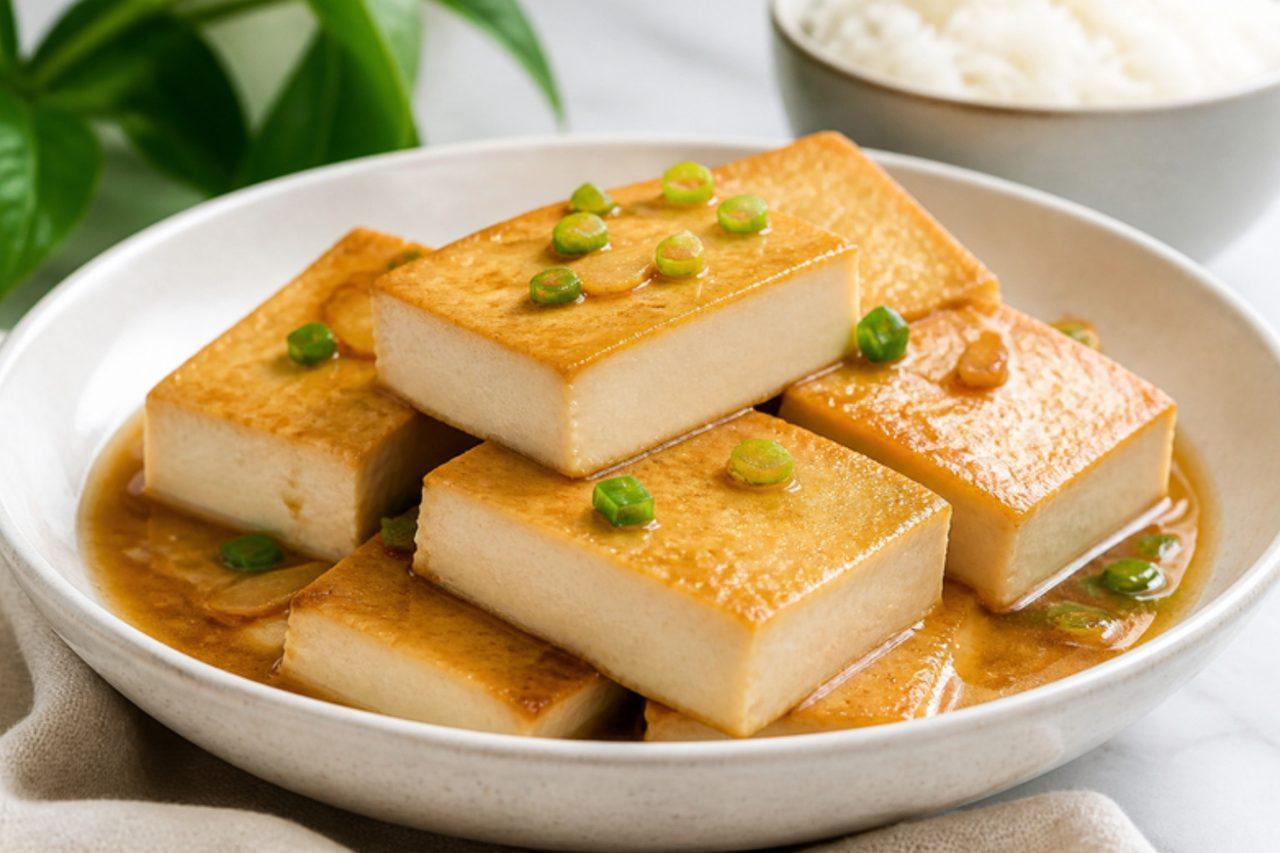
Hongshao doufu is the meat-free cousin of red-braised pork, cooked in home kitchens from Shanghai to Sichuan as a weeknight dinner with rice and a green vegetable. Slices of firm tofu are fried until golden, then braised in a glossy, mahogany sauce of light and dark soy, a little sugar, ginger and spring onion until they turn sweet-salty and slightly chewy. This version skips the usual splash of Shaoxing wine. A portion gives about 26 g of protein, from 200 g of firm tofu each. The common mistake is moving the tofu too soon in the pan; leave it until it releases on its own, or it tears. Chef's tip: let the sauce reduce until it bubbles thickly and coats the back of a spoon; that is when the tofu is properly lacquered.

by KrazyBadal 0 views
Xin tai ruan (心太软, jujubes stuffed with sticky rice in osmanthus syrup)Sticky rice-stuffed red dates
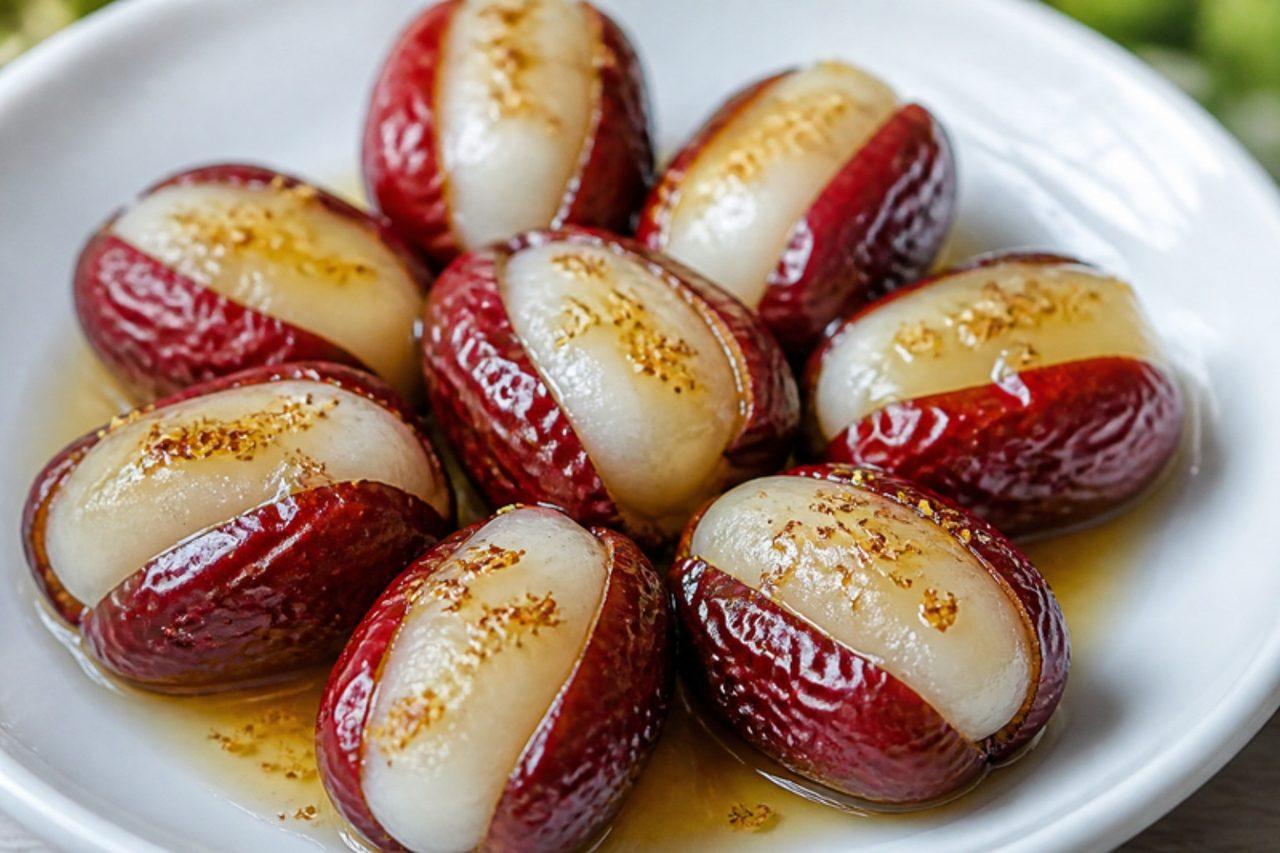
Xin tai ruan, 'the heart is too soft', is a small sweet plate found in restaurants all over Jiangsu and Zhejiang, often served as a starter or between courses at banquets, and it is especially popular in the cold months when jujubes are said to warm the body. Dried red dates are pitted, stuffed with a little glutinous rice dough, steamed and then glossed with syrup scented with sugared osmanthus flowers. Each bite is chewy, then soft, with the deep caramel taste of the dates and a floral finish. Serve warm or at room temperature with tea. It is naturally egg-free: glutinous rice flour and water make a dough that turns sticky and elastic when steamed, filling the dates and holding them closed. Chef's tip: the common mistake is cutting through the whole date when pitting; slit only one side so it stays in one piece and wraps the dough.

by KrazyBadal 0 views

Malan tou with pressed tofuAster greens and pressed tofu salad

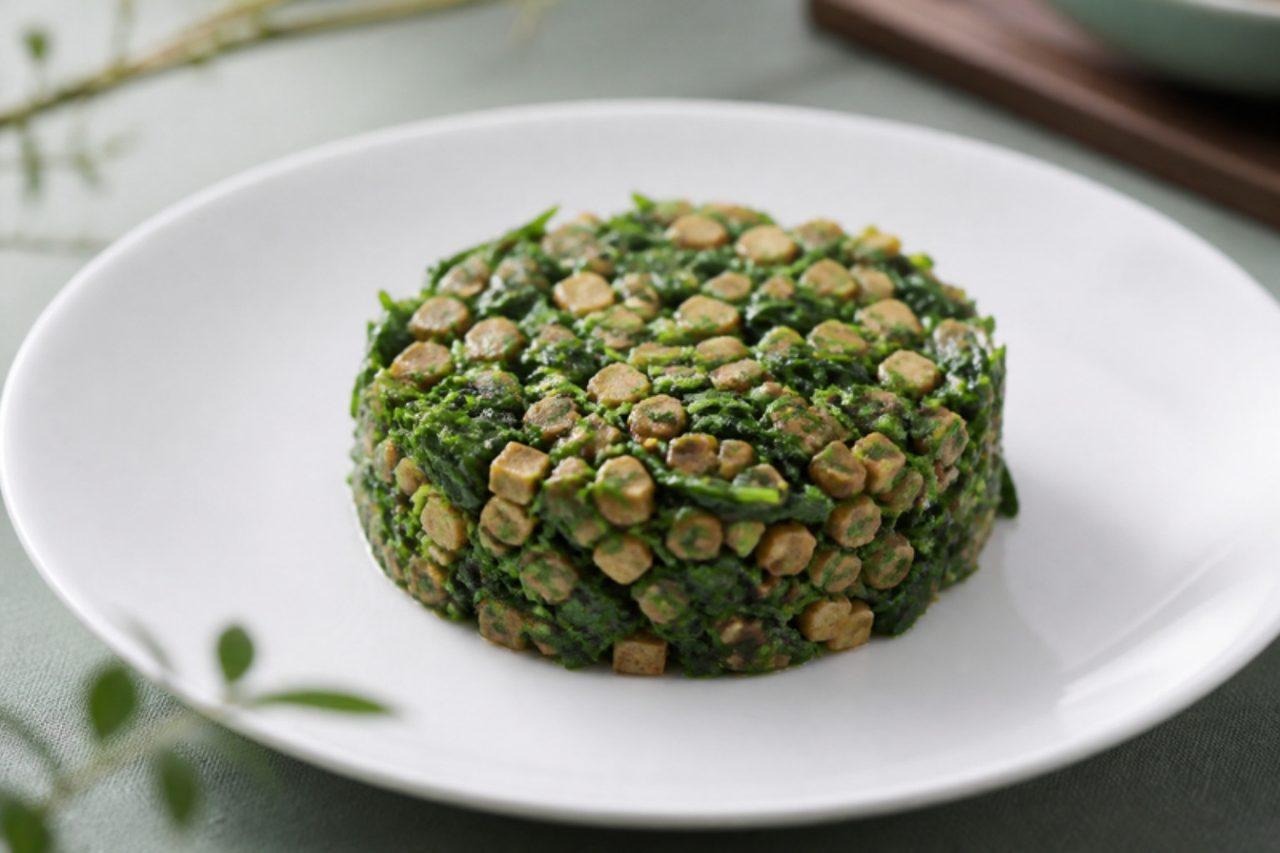
When the first malan tou shoots appear in Shanghai, Suzhou and Hangzhou markets in early spring, families make this little cold dish to start a meal: the tender aster leaves are blanched, chopped very fine and mixed with diced smoked pressed tofu, salt, a pinch of sugar and sesame oil. It tastes grassy, nutty and clean. Malan tou can be hard to find outside China; young spinach or shepherd's purse works well. As a side dish for four, each portion has about 120 kcal and roughly 9 g of protein, from the pressed tofu, so it is light rather than high in protein. The common mistake is leaving the greens wet, which dilutes the dressing; squeeze them hard. Chef's tip: press the mixture into a small bowl and turn it out onto the plate for the traditional neat mound.

by KrazyBadal 0 views

Xiqin chao baiheCelery and lily bulb stir-fry

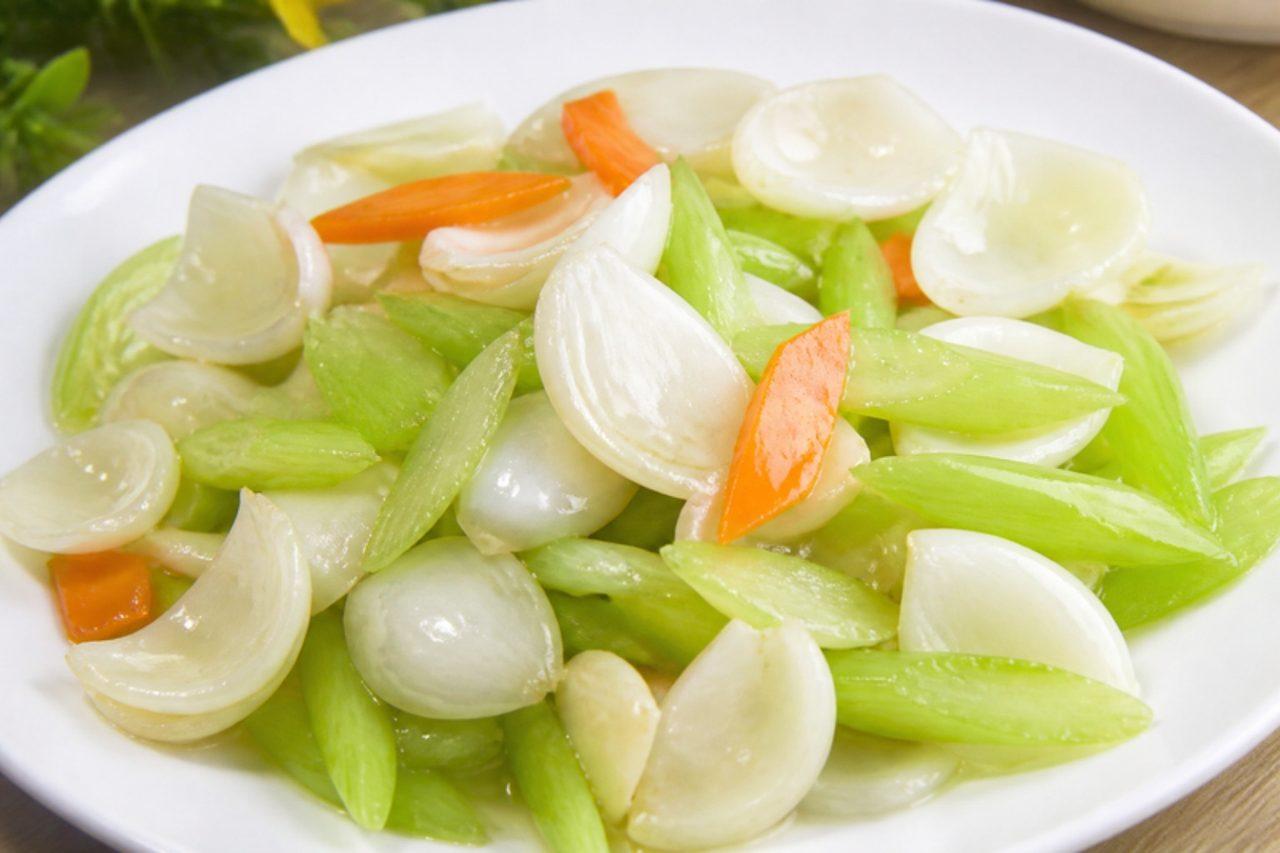
In Guangdong homes and dim sum restaurants this pale green and ivory stir-fry is served as a cooling dish in the dry autumn months, when lily bulb is said to soothe the lungs. Celery is cut on the slant and stir-fried hot with garlic, then the sweet, starchy petals of fresh lily bulb go in for the last minute, with a glossy thin sauce. It is vegan and light, with about 3 g of protein per portion. The common mistake is cooking the lily bulb too long: it turns floury and falls apart, so add it last. If you can't get fresh lily bulb, use soaked dried lily bulb or water chestnuts for crunch. Chef's tip: blanch the celery for 30 seconds first; it keeps its jade colour and only needs a quick toss in the wok.

by KrazyBadal 0 views

Baicai dun doufuCabbage and tofu stew

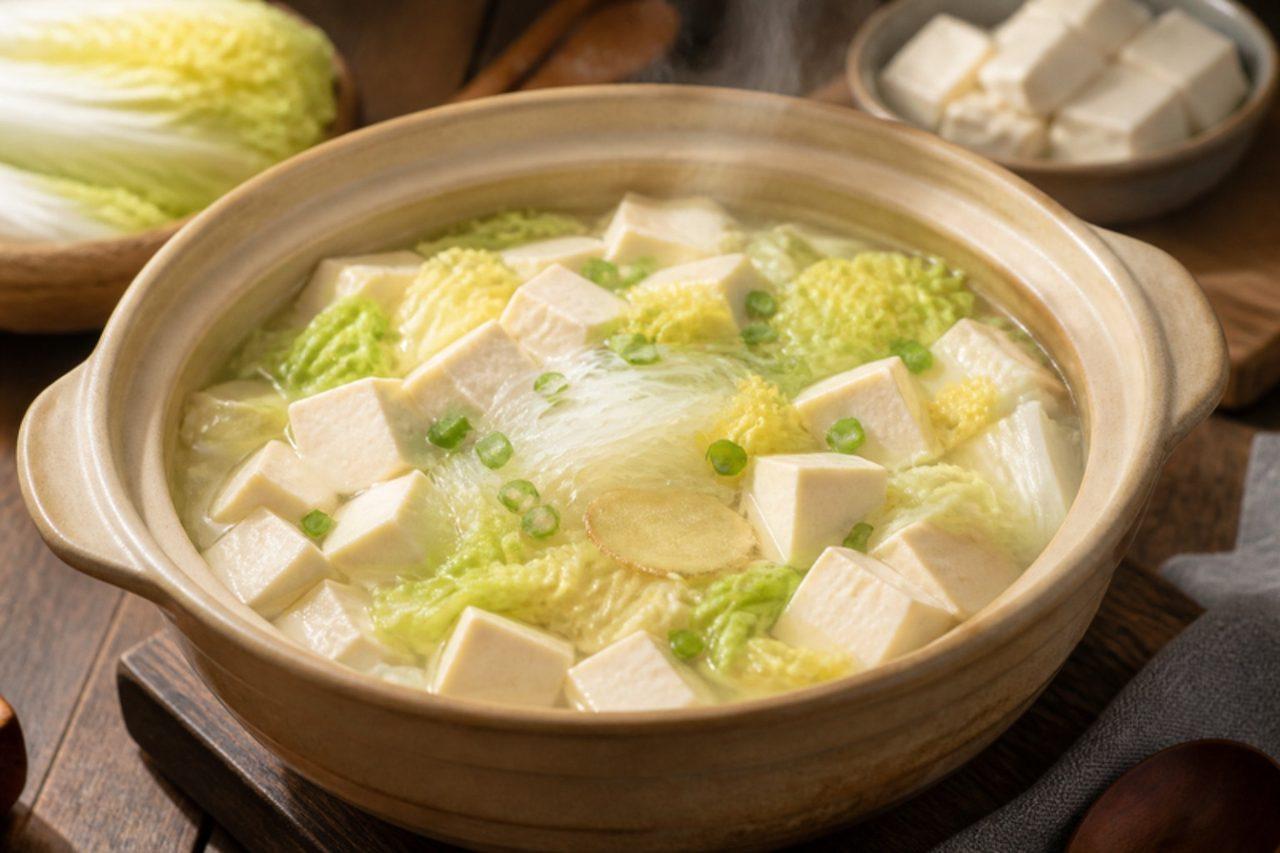
In Beijing, Shenyang and Harbin, napa cabbage is stored by the hundredweight for winter, and this gentle stew of cabbage and tofu is what many families eat on a cold evening with steamed buns or rice. The cabbage softens and sweetens into the broth, while the tofu turns silky and swells with flavour; ginger and white pepper give it warmth. Salt is the only seasoning, so it stays gluten free. Each portion has about 230 kcal and roughly 21 g of protein, from 150 g of firm tofu. The common mistake is adding all the cabbage at once: the leaves overcook while the thick stems stay crunchy. Chef's tip: fry the cabbage stems in the oil until their edges brown before adding water; it gives the broth a sweet, toasty depth.

by KrazyBadal 0 views

Qingtuan (青团, mugwort rice balls with red bean)

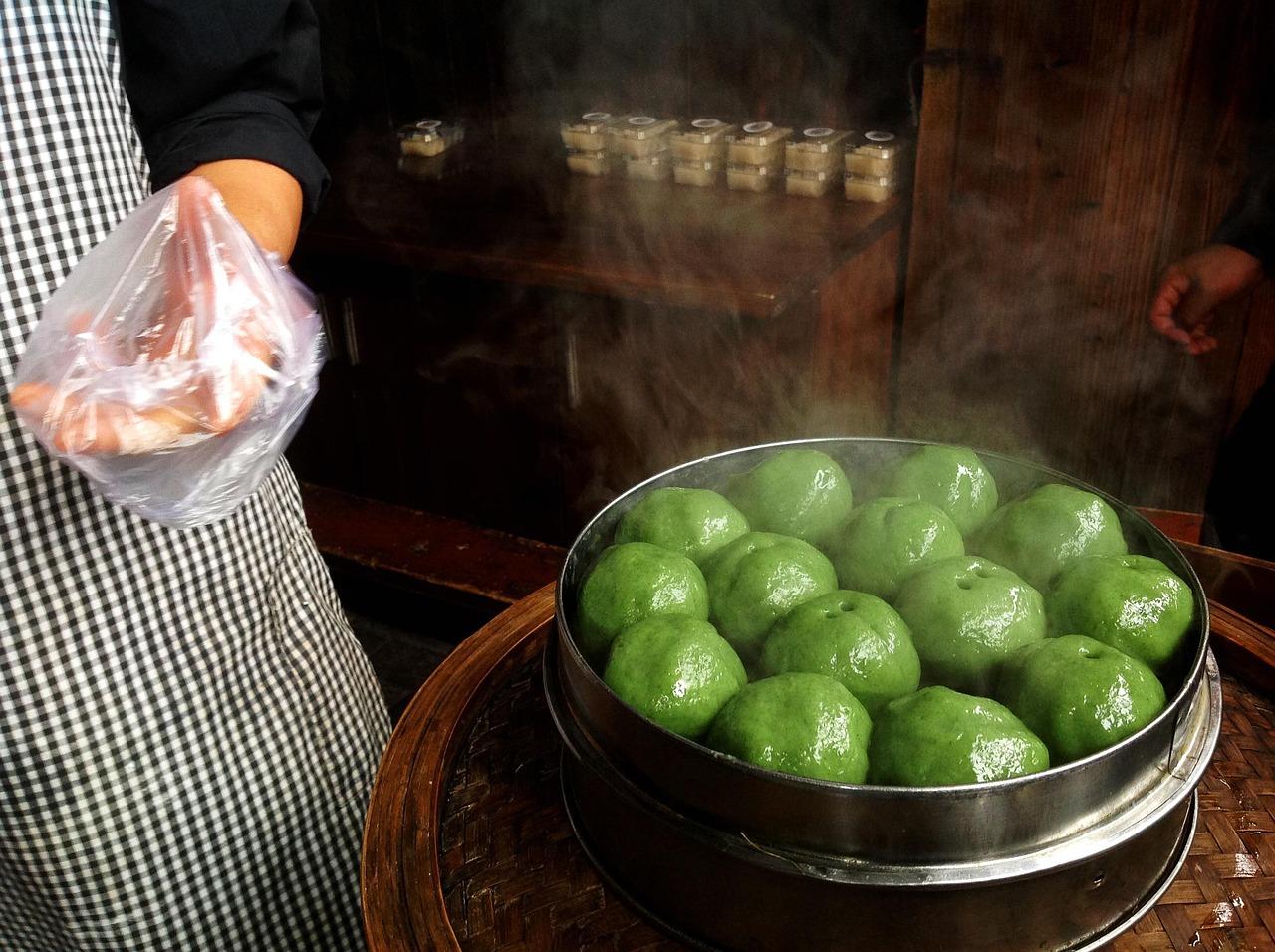
Qingtuan are the taste of spring across Jiangnan: in Shanghai, Hangzhou and the water towns like Wuzhen, steamers of them appear in March and April, and families take them on Qingming tomb-sweeping visits. The dough gets its deep green colour and grassy, slightly bitter scent from young mugwort leaves blanched and blended into glutinous rice flour. Steamed and brushed with oil, the balls are glossy, soft and stretchy, with a smooth sweet red bean centre. Eat them warm or at room temperature with green tea. Qingtuan is naturally egg-free: glutinous rice flour mixed with hot water and mugwort purée forms a pliable dough that steams firm, so no binder is needed. Buy lard-free red bean paste or make your own. Chef's tip: a pinch of soda in the blanching water keeps the mugwort bright green; the common mistake is leaving it out, which gives an olive-grey dough.

by KrazyBadal 0 views

WowotouSteamed cornmeal cone buns

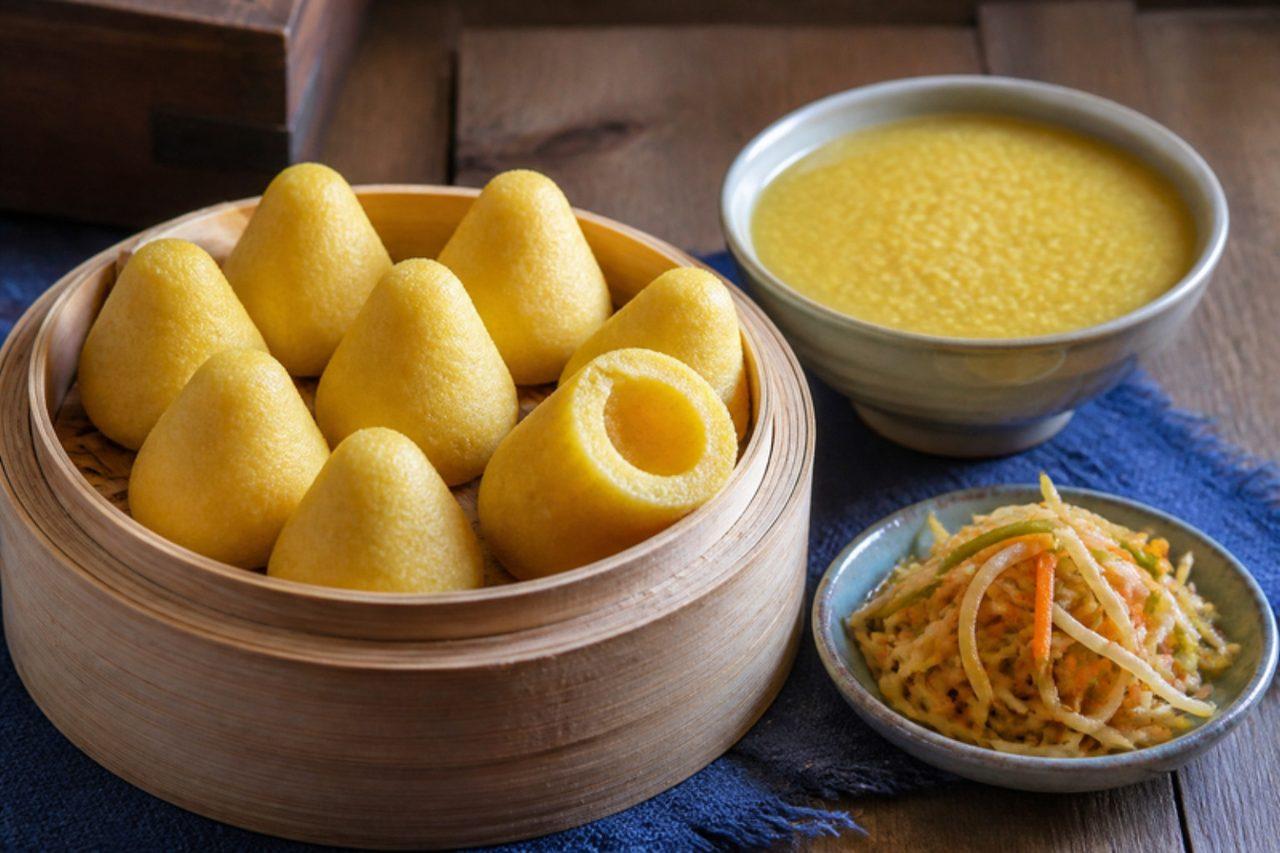
Wowotou are the little golden cones that fed northern China through hard decades, and Beijing restaurants now serve them, made small and slightly sweet, as nostalgic winter food alongside stews and pickles. A hollow is pressed into the base of each with a thumb so they cook through evenly. Soybean flour gives them a nutty taste and about 10 g of protein for three buns, from the soy and corn, so they are not high-protein on their own. They are gluten free if your cornmeal and soy flour are milled where wheat isn't; check the packet. The usual mistake is mixing with cold water: the dough stays crumbly and the cones crack, so scald it with near-boiling water. Chef's tip: wet your hands before shaping each cone; the dough won't stick and the surface steams smooth and shiny.

by KrazyBadal 0 views

Liangban bocaiCold dressed spinach

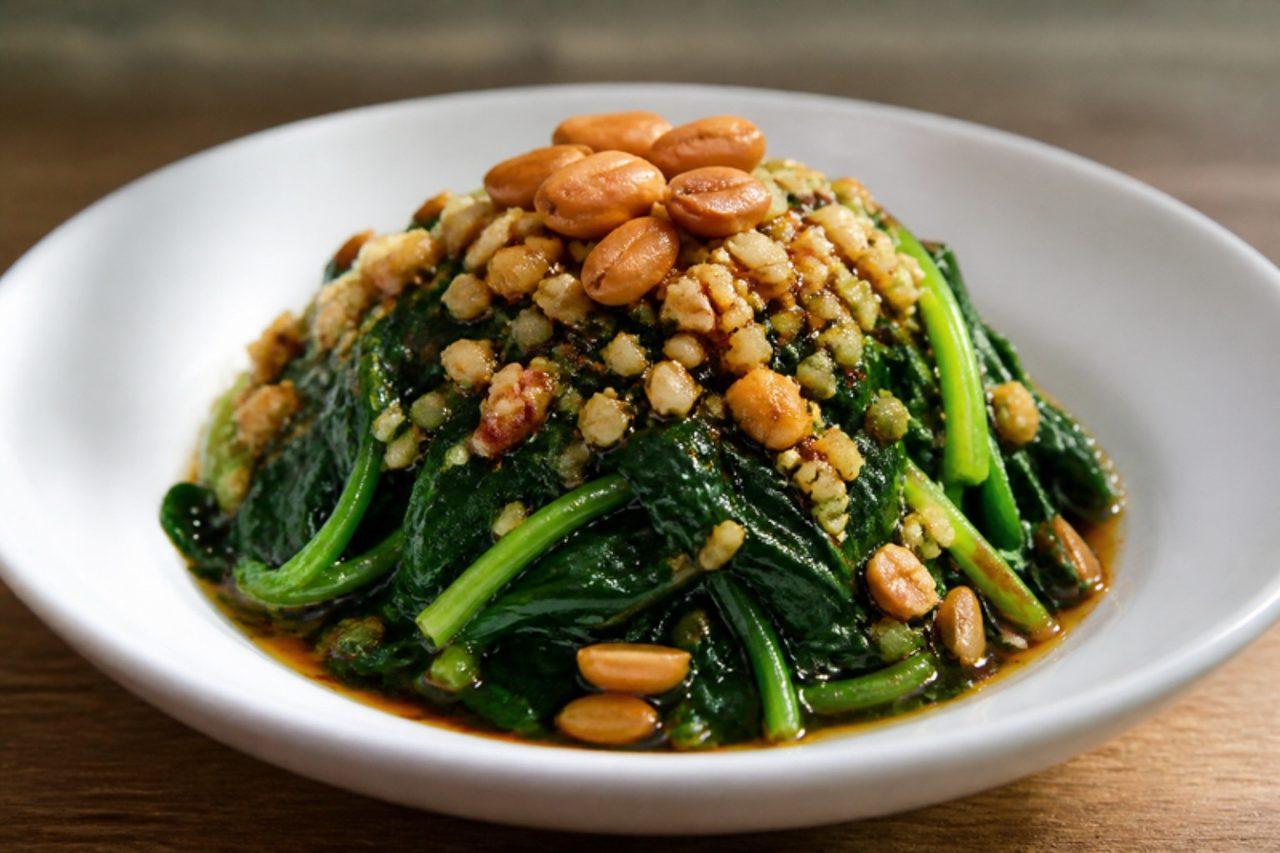
Liangban bocai is one of the cold dishes that open a family meal or a restaurant banquet all over China, from Beijing homes to Sichuan noodle shops, and it is made year round but especially in spring when spinach is sweet. The spinach is blanched briefly, squeezed, and dressed with raw garlic, black vinegar, soy and toasted sesame oil, then scattered with crunchy peanuts; it is garlicky, tangy and fresh. A portion gives about 6 g of protein from the spinach and peanuts, so it is a side, good with rice and a tofu dish. The most common mistake is not squeezing the spinach dry, which drowns the dressing; press it firmly in your hands. Chef's tip: pour a spoonful of smoking-hot oil over the garlic before mixing the dressing; it takes the raw edge off and makes the whole dish smell wonderful.

by KrazyBadal 0 views

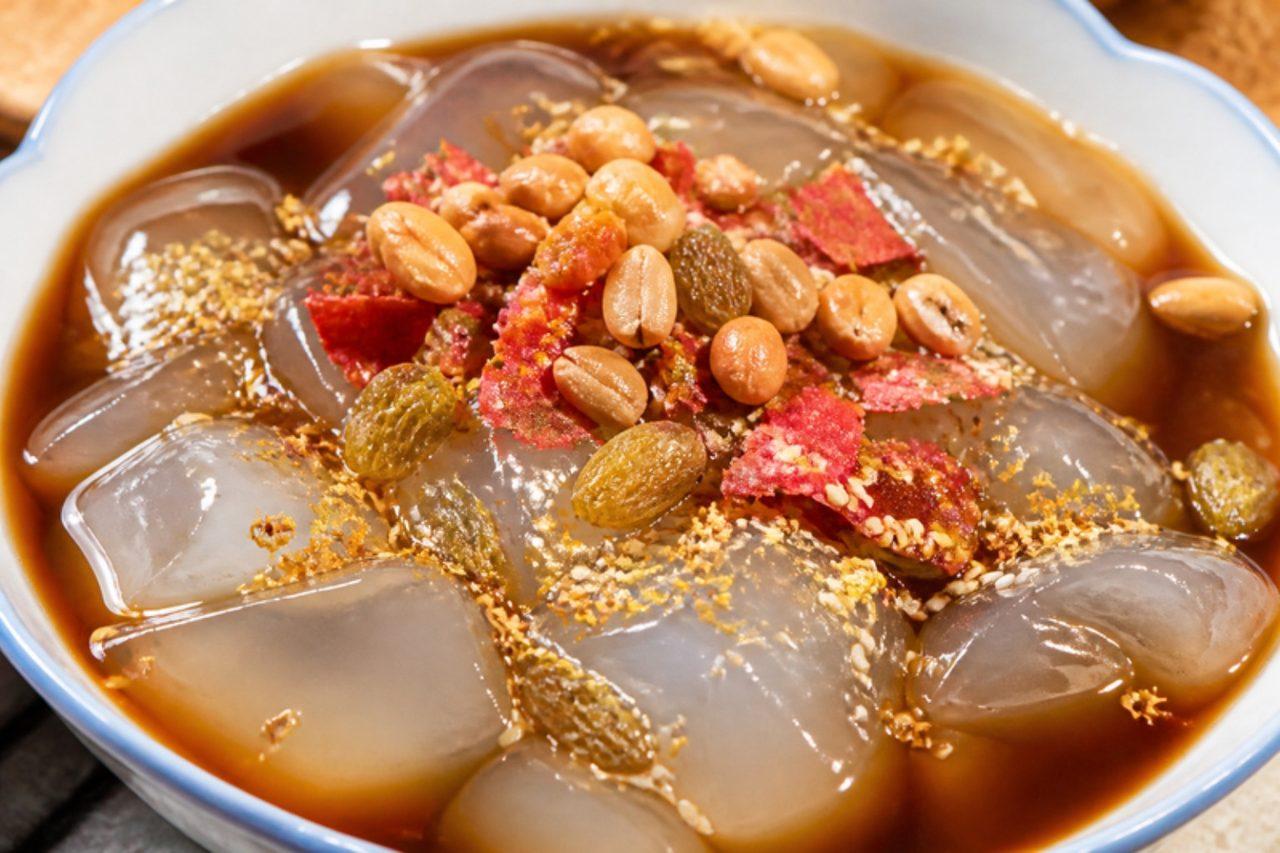
冰粉 (Bingfen, Sichuan ice jelly)Ice jelly with brown sugar syrup

Bingfen is what Chengdu reaches for after a numbing hotpot or on a sticky summer night: a bowl of wobbly, glass-clear jelly, cold from the fridge, splashed with dark brown-sugar syrup and scattered with hawthorn flakes, raisins, peanuts and sesame. It is sold at night markets and hotpot restaurants all over Sichuan and Chongqing, and the jelly itself tastes of almost nothing, just cool and soothing, so the syrup and toppings bring the flavour. It is naturally egg-free and plant-based. The jelly traditionally comes from shoo-fly plant seeds rubbed in water; here it is made with ice-jelly powder, a plant-based setting powder sold in Chinese grocers, which sets clear as it cools. Chef's tip: let the jelly set undisturbed; the common mistake is stirring or moving it while it is half-set, which leaves it cloudy and weeping.

by KrazyBadal 0 views

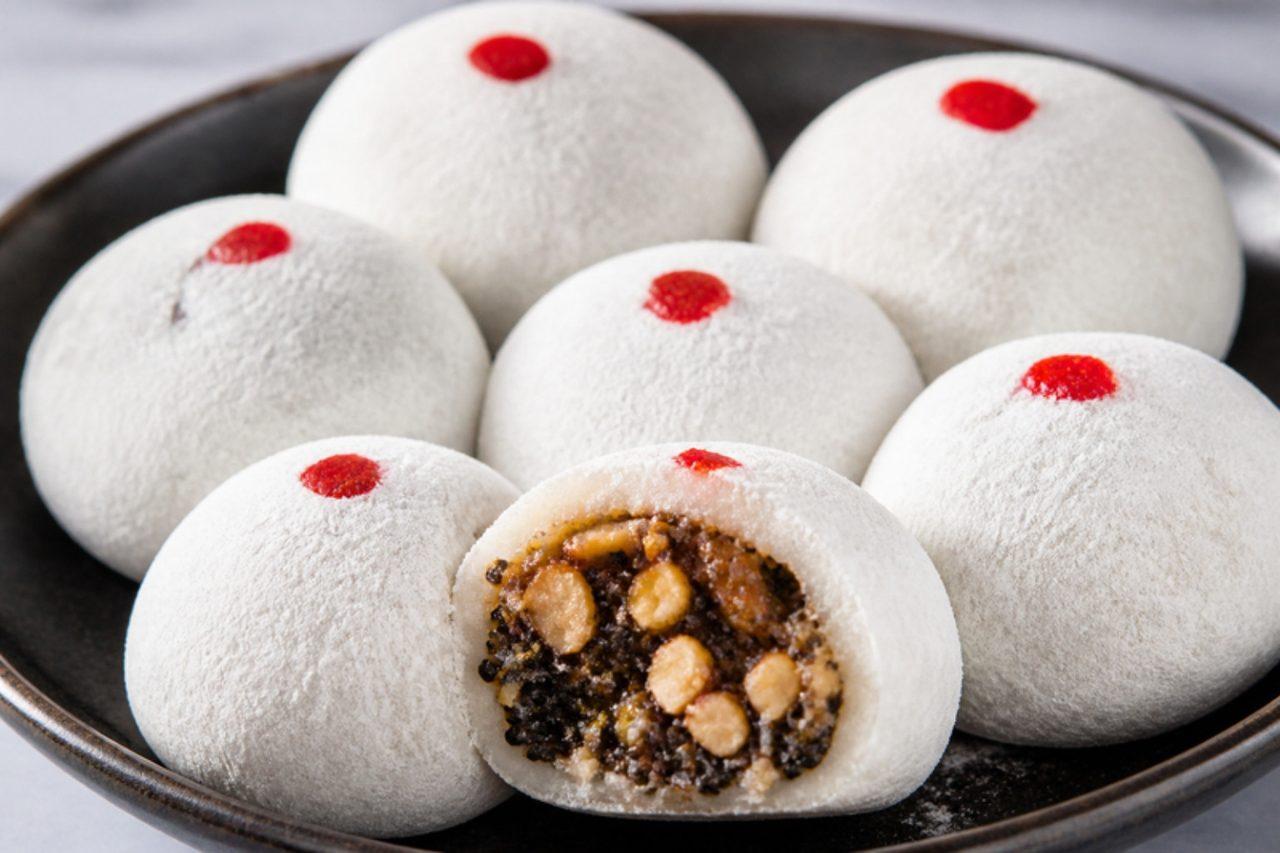
Aiwowo (艾窝窝, Beijing stuffed sticky rice balls)

Aiwowo began as a Hui Muslim snack in Beijing and is now a fixture of old Beijing snack shops from Lunar New Year until summer, eaten cool as a mid-afternoon treat. Steamed glutinous rice is pounded until sticky, wrapped around a crunchy filling of toasted sesame, walnuts, sugar and sugared osmanthus, then rolled in cooked rice flour so the balls look like little snowballs. They are soft and chewy outside, crunchy and fragrant inside, and only lightly sweet. Serve them with jasmine or chrysanthemum tea. Aiwowo is naturally egg-free: pounding the steamed rice releases its sticky starch, which binds the dough and seals in the filling. Chef's tip: the common mistake is dusting with raw flour; steam the flour first, or the coating tastes chalky.

by KrazyBadal 0 views

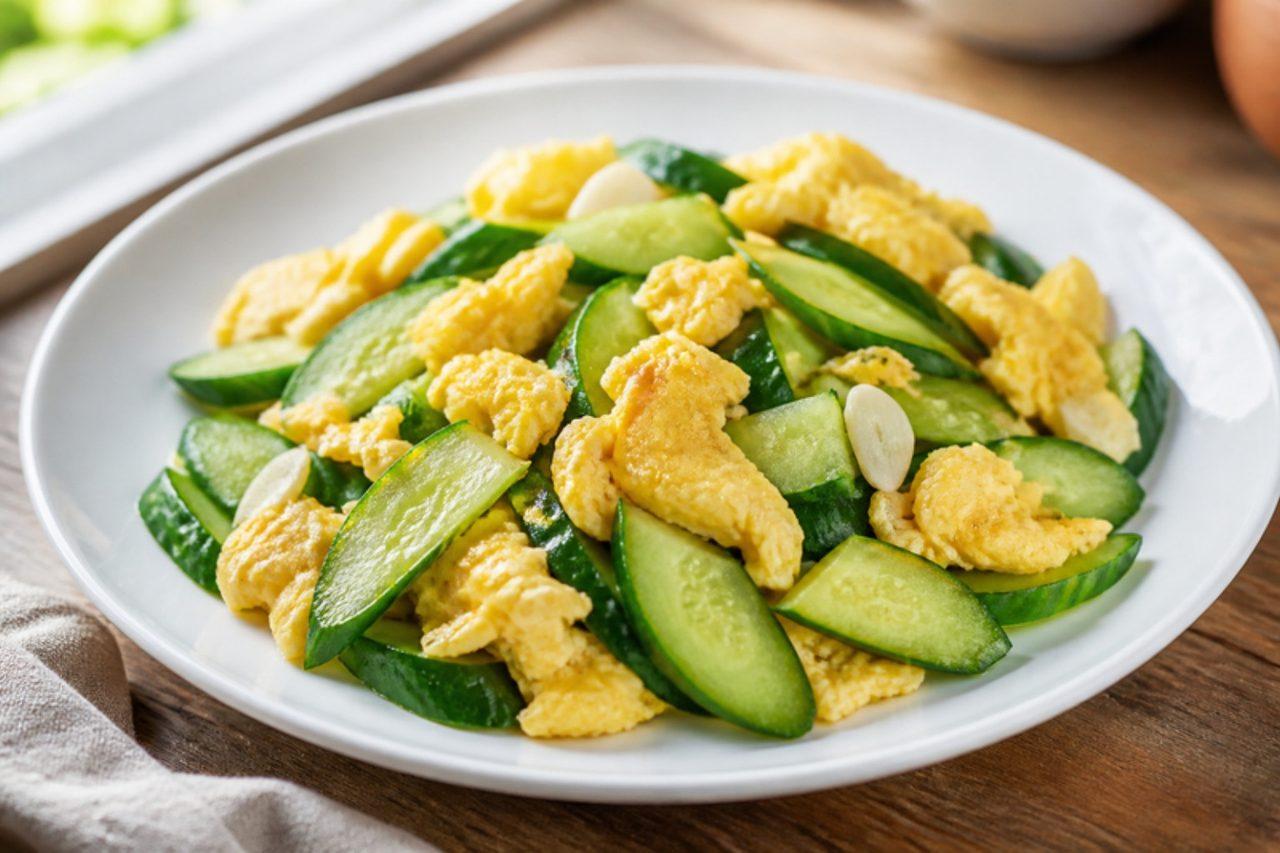
Cucumber and egg stir-fry

Huang gua chao ji dan is a ten-minute dish from northern Chinese home kitchens, made in summer when cucumbers are cheap and nobody wants to stand over the stove. Soft, fluffy scrambled egg and thin cucumber slices are tossed with garlic and salt for just a minute, so the cucumber stays cool and crisp against the warm egg. Eat it with rice or steamed buns. The mistake is cooking the cucumber too long, which turns it watery and dull green. Chef's tip: take the eggs out while they are still a little wet; they finish cooking when they go back in.

by KrazyBadal 0 views

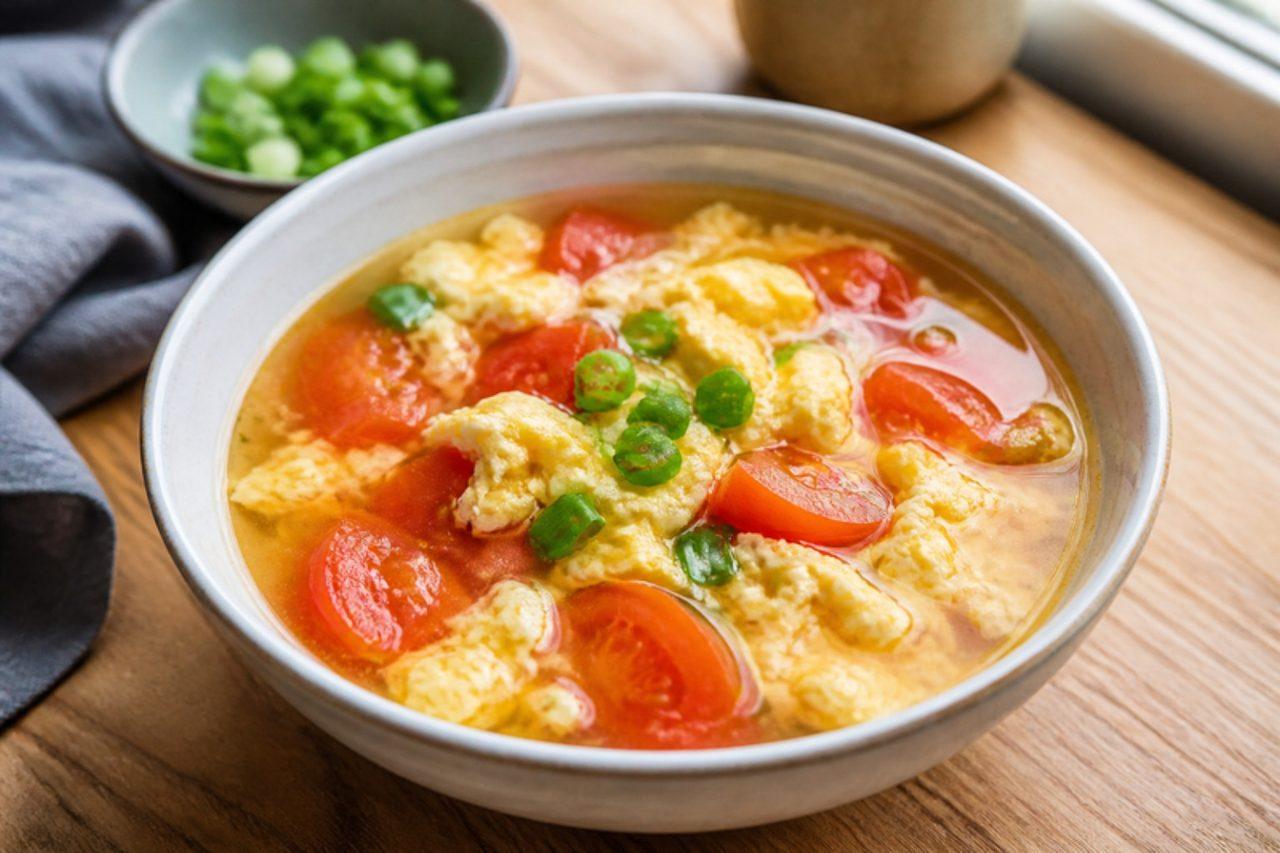
Tomato and egg drop soup

Tomato and egg drop soup, fan qie dan hua tang, is one of the first soups Chinese home cooks learn, made from Shanghai to Chengdu in the ten minutes before rice is ready. Tomatoes cook down into a light, sweet-sour broth and beaten egg is poured in to set into fine yellow ribbons, finished with spring onion and sesame oil. The mistake that makes it cloudy is pouring the egg into a rolling boil and stirring hard; you want a gentle simmer and a slow, thin stream. Chef's tip: fry the tomatoes in a little oil before adding water, so the broth turns rosy and full of flavour.

by KrazyBadal 0 views

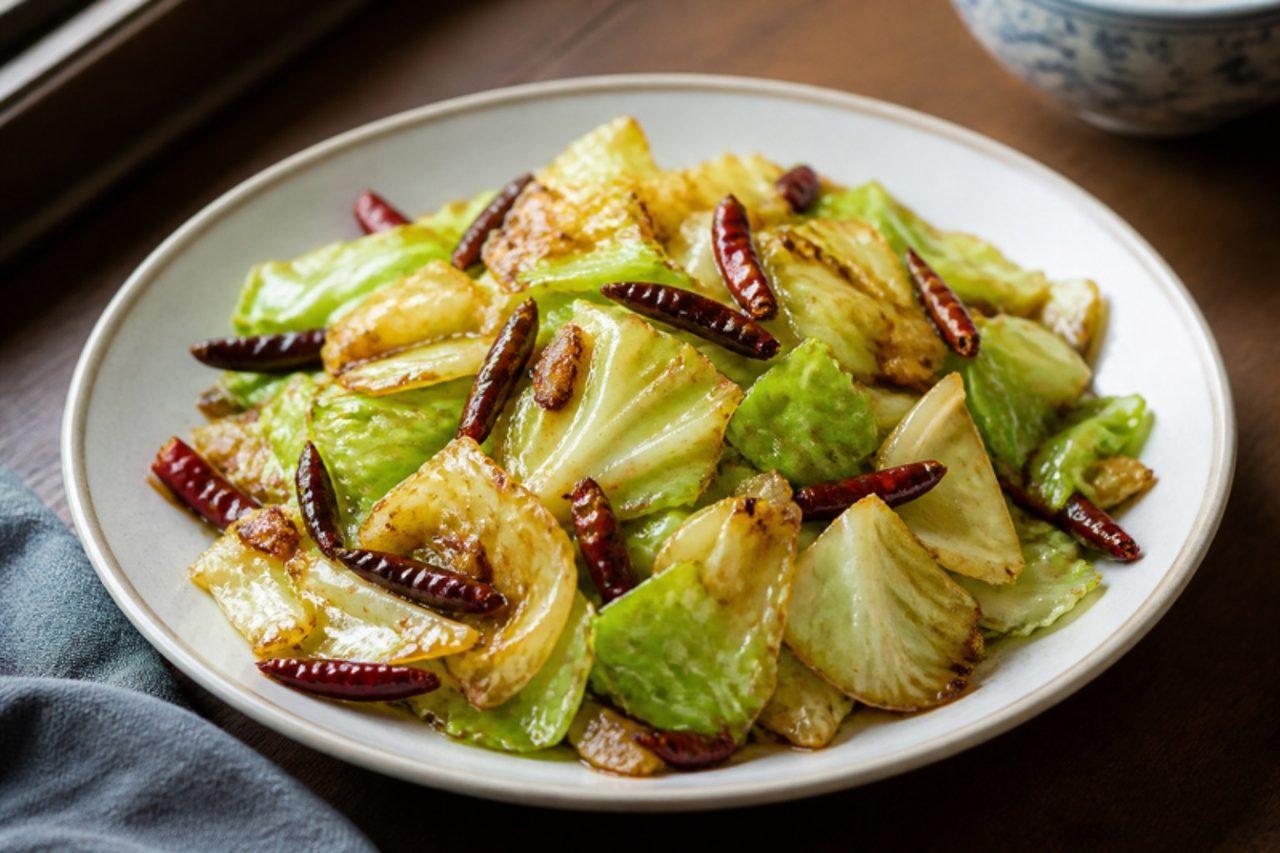
Hand-torn cabbage

Shou si bao cai is a Hunan restaurant classic that every Changsha family also cooks at home: cabbage leaves torn by hand, then flash-fried in a roaring wok with garlic and dried chillies and splashed with black vinegar until smoky, sweet and still crunchy. It goes alongside rice and a meat or tofu dish at dinner. The mistake is putting wet leaves into a lukewarm pan: the cabbage stews and goes limp instead of charring at the edges. Chef's tip: tear rather than cut, because the ragged edges catch the heat and the sauce better than clean knife cuts.

by KrazyBadal 0 views

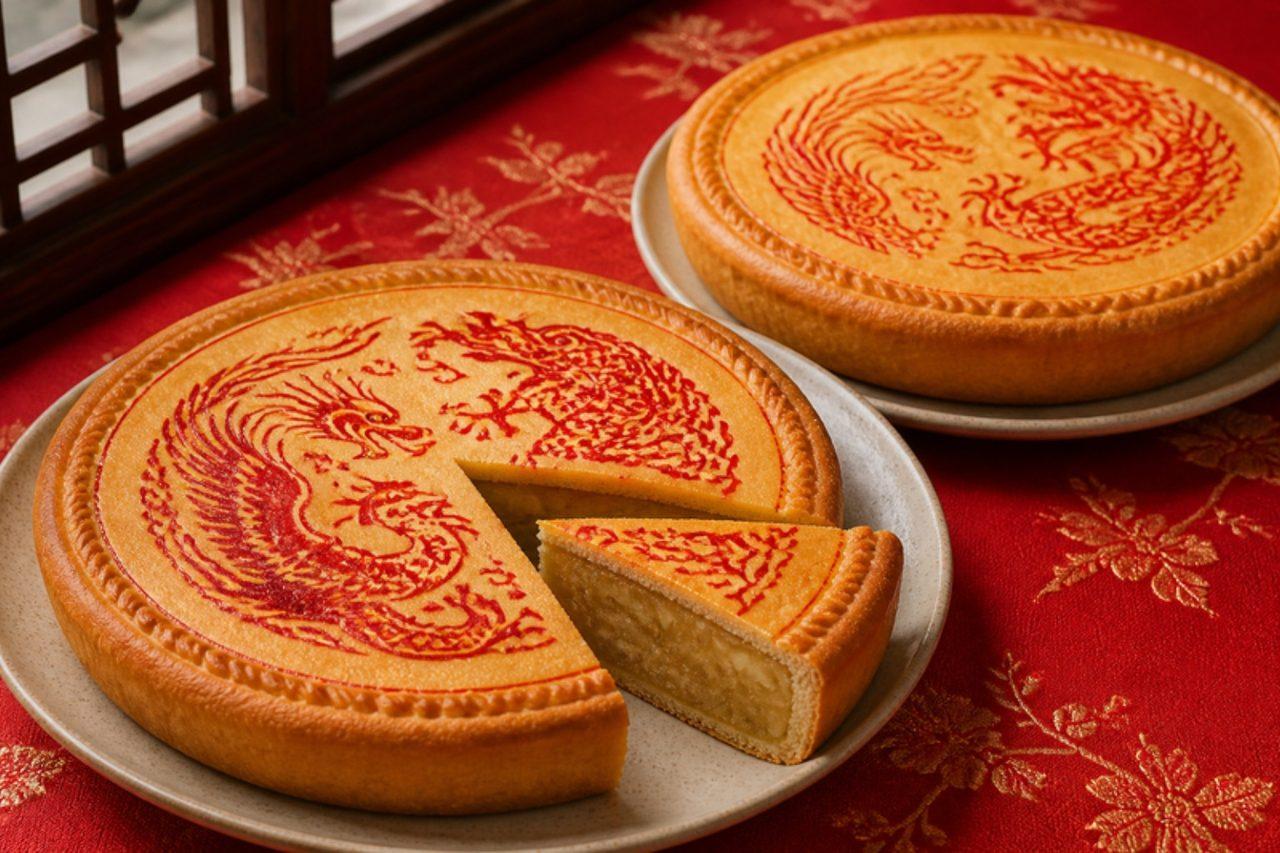
Dragon and phoenix cakesLotus seed paste wedding pastries

In Guangdong and among Cantonese families in Hong Kong and overseas, a groom's family sends boxes of 'lung fung beng', dragon and phoenix cakes, to the bride's relatives ahead of the wedding, and the cakes are shared out among guests as a token of the match. The dragon stands for the groom and the phoenix for the bride, and the cakes are stamped in red with the two creatures or the double-happiness character. Inside the many-layered, flaky crust is smooth, sweet lotus seed paste, sometimes with a salted duck egg yolk, served with tea. Older bakeries often use lard; this version uses butter and vegetable shortening, so it is vegetarian. Chef's tip: roll the laminated pastry lightly and evenly; uneven rolling is the common mistake that leaves thick patches of raw dough and torn, leaking sides.

by KrazyBadal 0 views

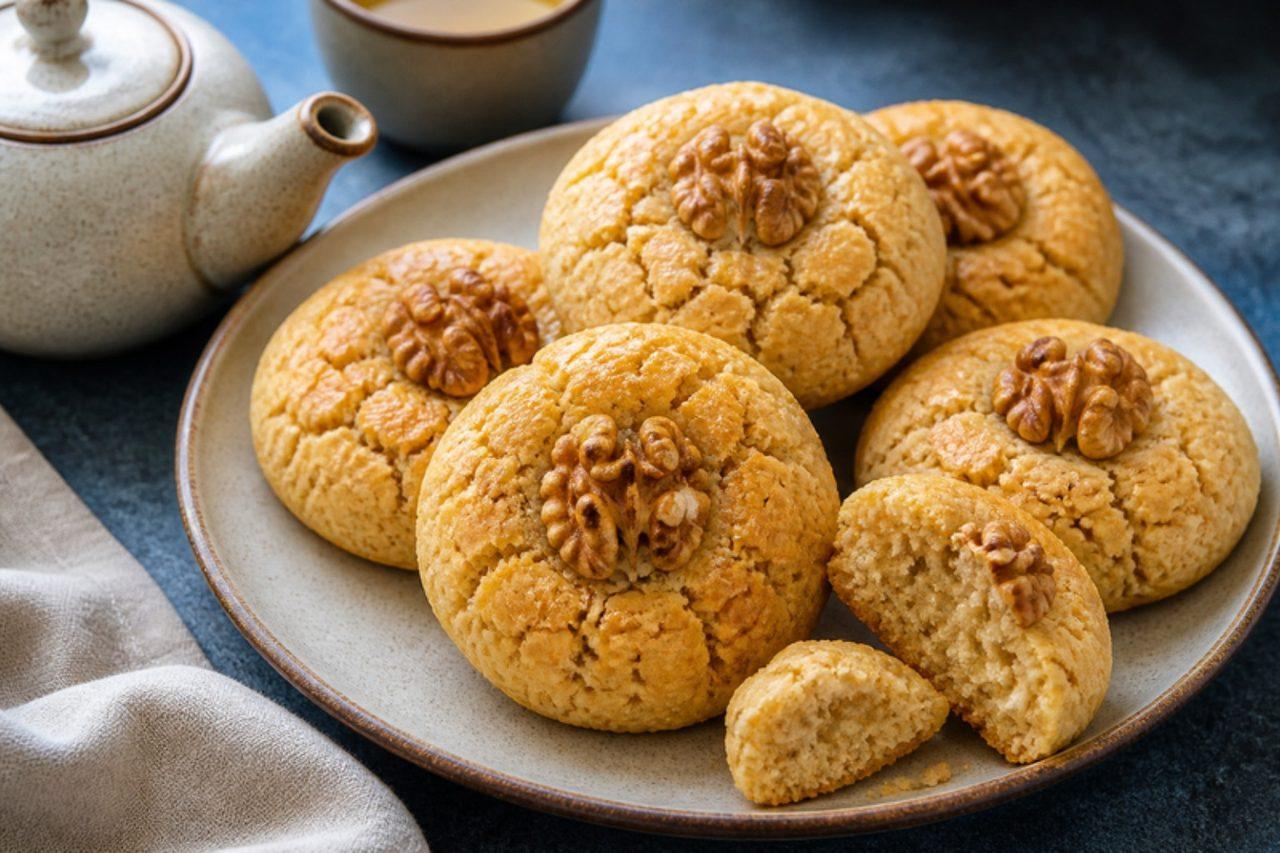
Chinese walnut cookies

Hap toh sou are a fixture of Cantonese bakeries in Guangzhou and Hong Kong, sold loose by the catty or packed in red tins for Lunar New Year visits, when walnuts stand for family happiness. They are wide, crumbly and slightly sandy, with a cracked golden top crowned by a walnut half and a gentle sweetness that suits a pot of oolong or pu'er. Traditionally they are made with lard, which gives an extra-short crumble; this version uses vegetable shortening or neutral oil, so it is vegetarian. The top is brushed with beaten egg for shine; milk mixed with a little honey or golden syrup is an egg-free alternative. A common mistake is pressing the balls flat: leave them domed and they crack open naturally in the heat. Chef's tip: toast the walnuts before chopping; it deepens their flavour and keeps them crunchy inside the soft crumb.

by KrazyBadal 0 views

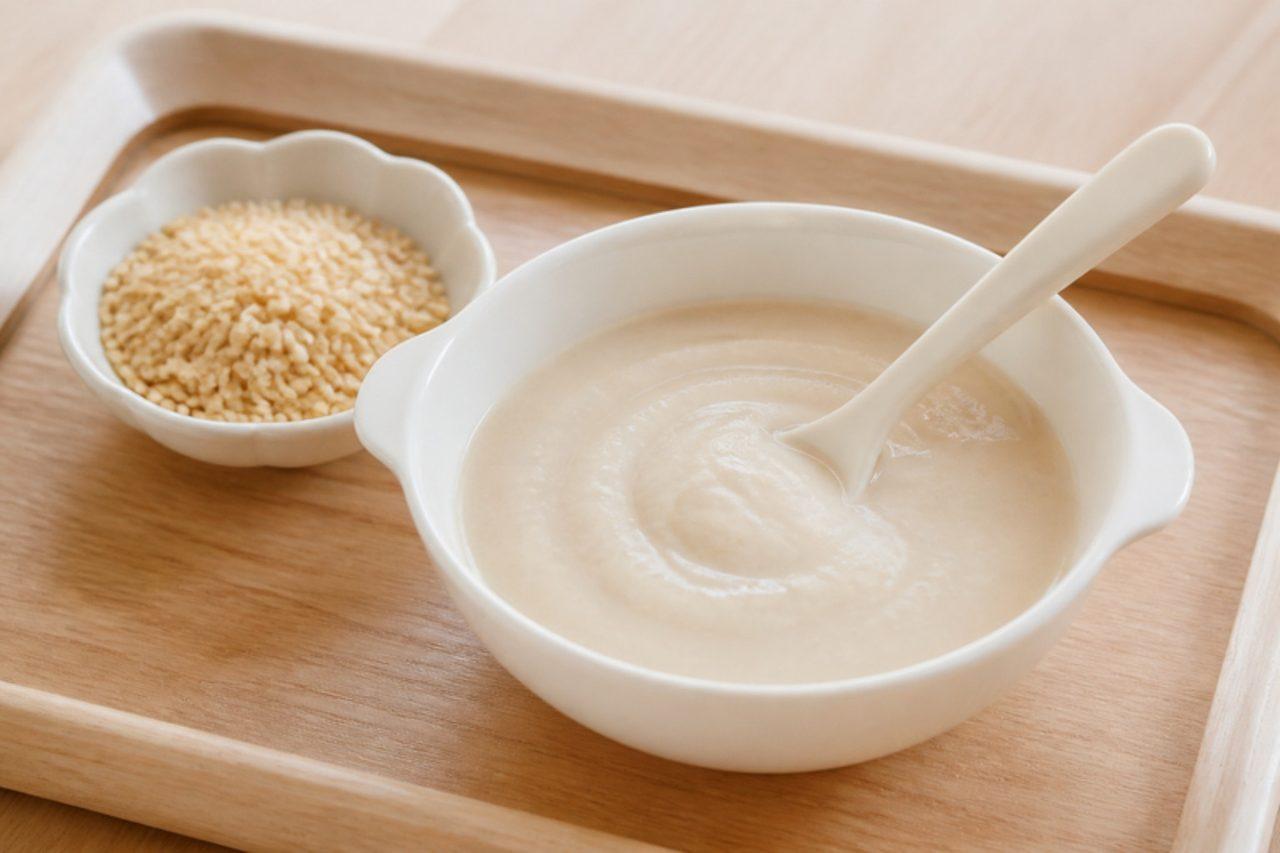
Rice cereal paste (mǐ hú)

Long before boxed cereals, Chinese mothers made mǐ hú, rice paste, by dry-toasting rice in a wok, grinding it fine and cooking it with water. It is still a favourite first food all over China, often served as the baby's breakfast while the family eats congee. Toasting gives it a gentle, biscuity flavour and makes it cook in minutes. There is no salt or sugar, and none of the common allergens (milk, egg, gluten, peanut, tree nuts, soya, sesame, fish). Chef's tip: toast and grind a larger batch, sieve it, and keep the powder in a clean, dry jar for up to two weeks.

by KrazyBadal 0 views

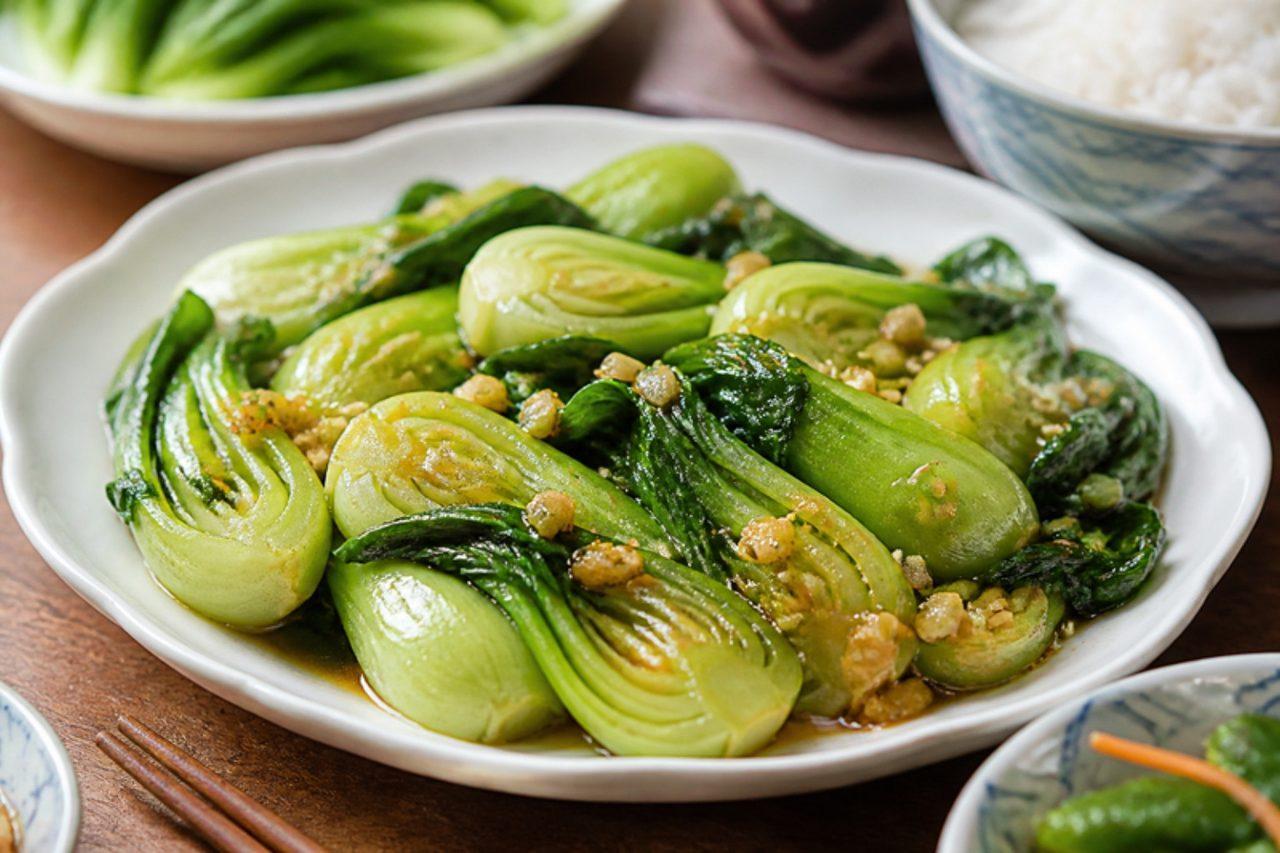
Garlic bok choy

Order a plate of greens in any home kitchen or small restaurant in Guangzhou or Shanghai and it will most likely be this: baby bok choy or xiao bai cai tossed in a smoking wok with a heap of chopped garlic, a pinch of salt and a splash of water, on the table in four minutes. The stems stay juicy and crisp, the leaves silky, and the garlic sweet. It goes with every meal. A portion is about 50 kcal. The most common mistake is a wet, crowded wok, which stews the greens to khaki; dry them well and cook in batches if your pan is small. Chef's tip: add half the garlic at the start and half at the end; you get both mellow, toasty garlic and a fresh punch.

by KrazyBadal 0 views

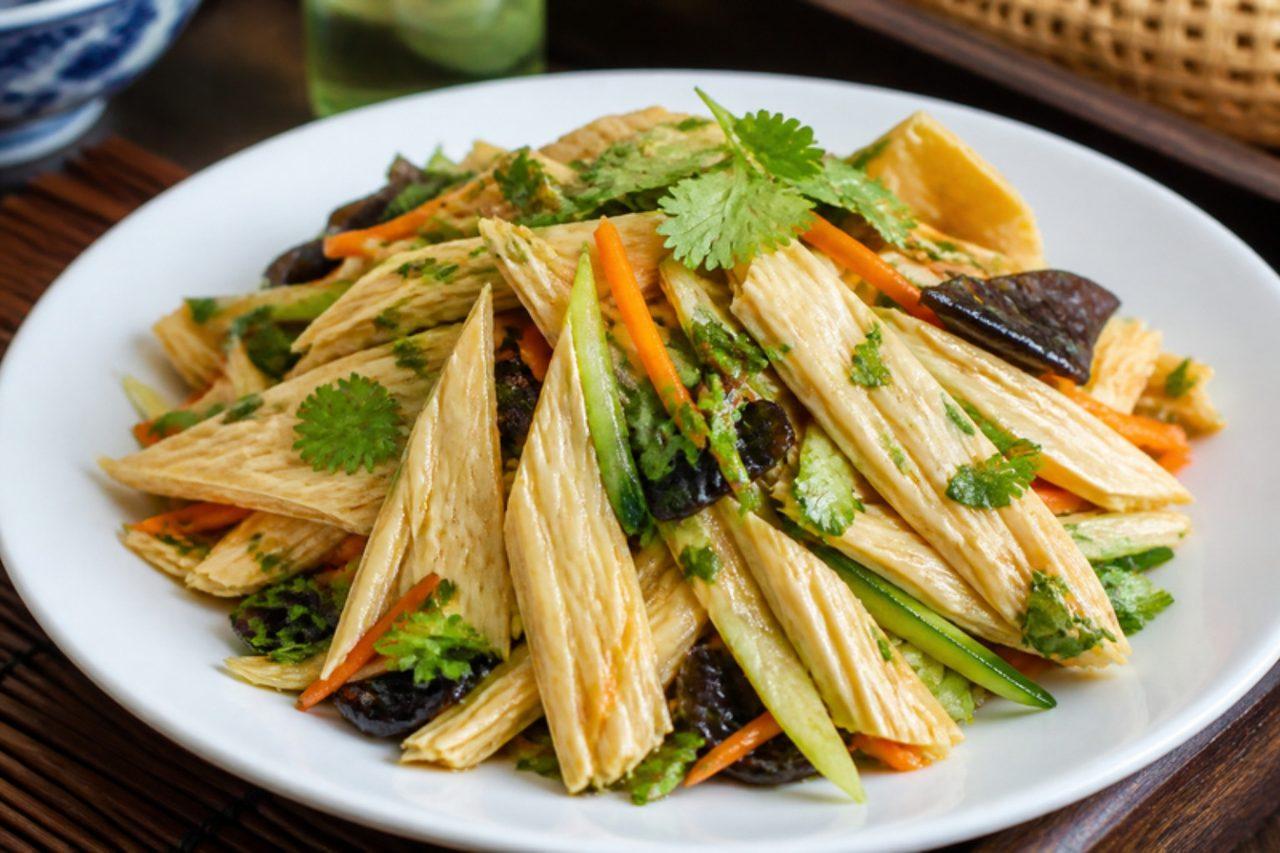
Liangban fuzhuTofu skin and cucumber salad

Fuzhu, the dried sticks made from the skin that forms on simmering soy milk, are a pantry staple in Guangxi and Sichuan and in Buddhist vegetarian kitchens across China. Soaked until soft and chewy, they are tossed in this cold dish with cucumber, carrot and wood ear in a dressing of garlic, vinegar and sesame oil, served in summer with rice or noodles. It is high in protein and very satisfying. A portion is about 170 kcal. Soak the fuzhu in cold water for 2–3 hours or overnight, not counted in the times. The common mistake is soaking in hot water, which leaves the outside mushy and the centre hard. Chef's tip: blanch the soaked sticks briefly; it cleans off the beany taste and makes them softer and juicier.

by KrazyBadal 0 views

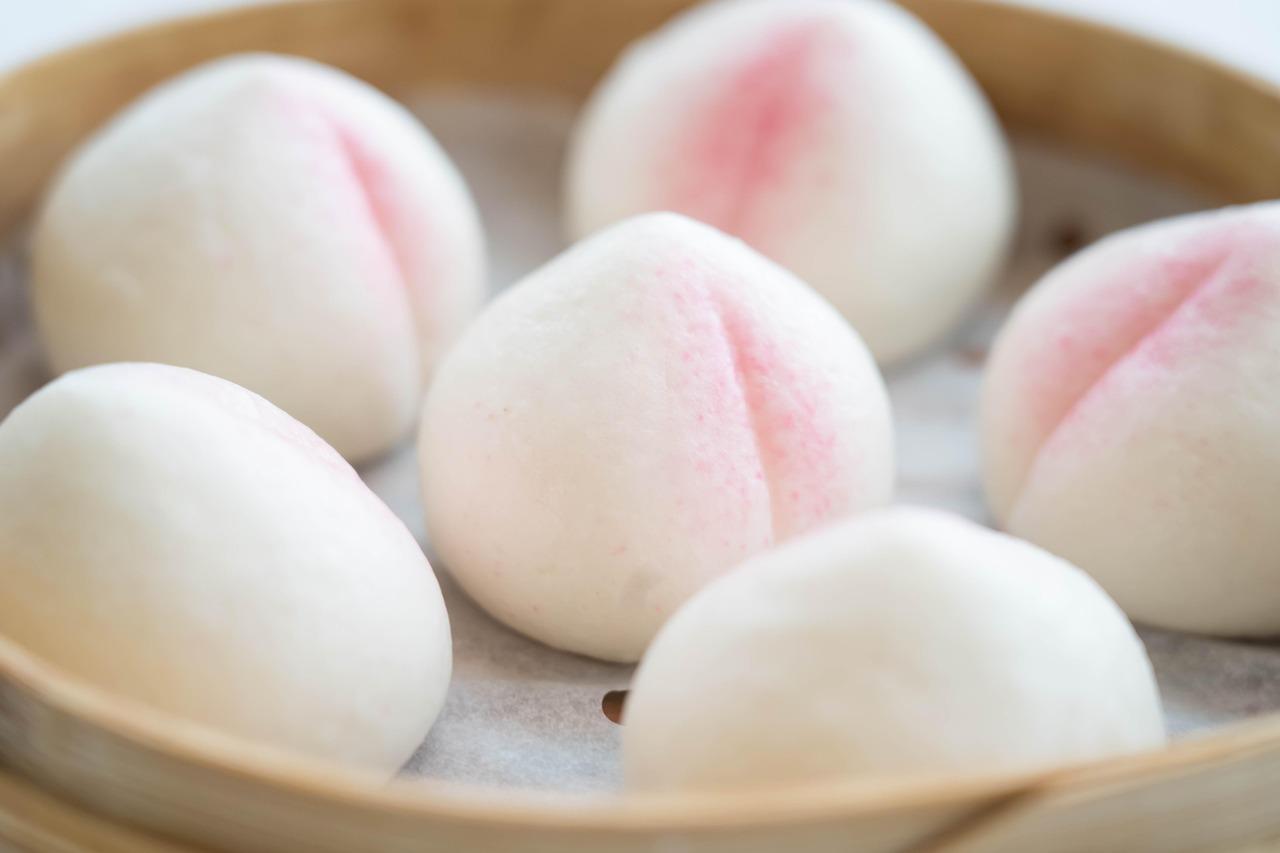
Shou tao bao (longevity peach buns)

In Chinese tradition the peach is the fruit of long life, so birthday tables, from a grandparent's 80th to a child's party, carry a plate of shou tao bao: fluffy white steamed buns pinched into a peach shape, blushed pink at the tip and filled with sweet lotus seed paste. Children love helping to shape the creases and add the pastry leaves. This version is made without milk. It contains gluten. Chef's tip: steam over a gentle, not roaring, boil and wait 5 minutes before lifting the lid, so the buns stay smooth and don't wrinkle.

by KrazyBadal 0 views

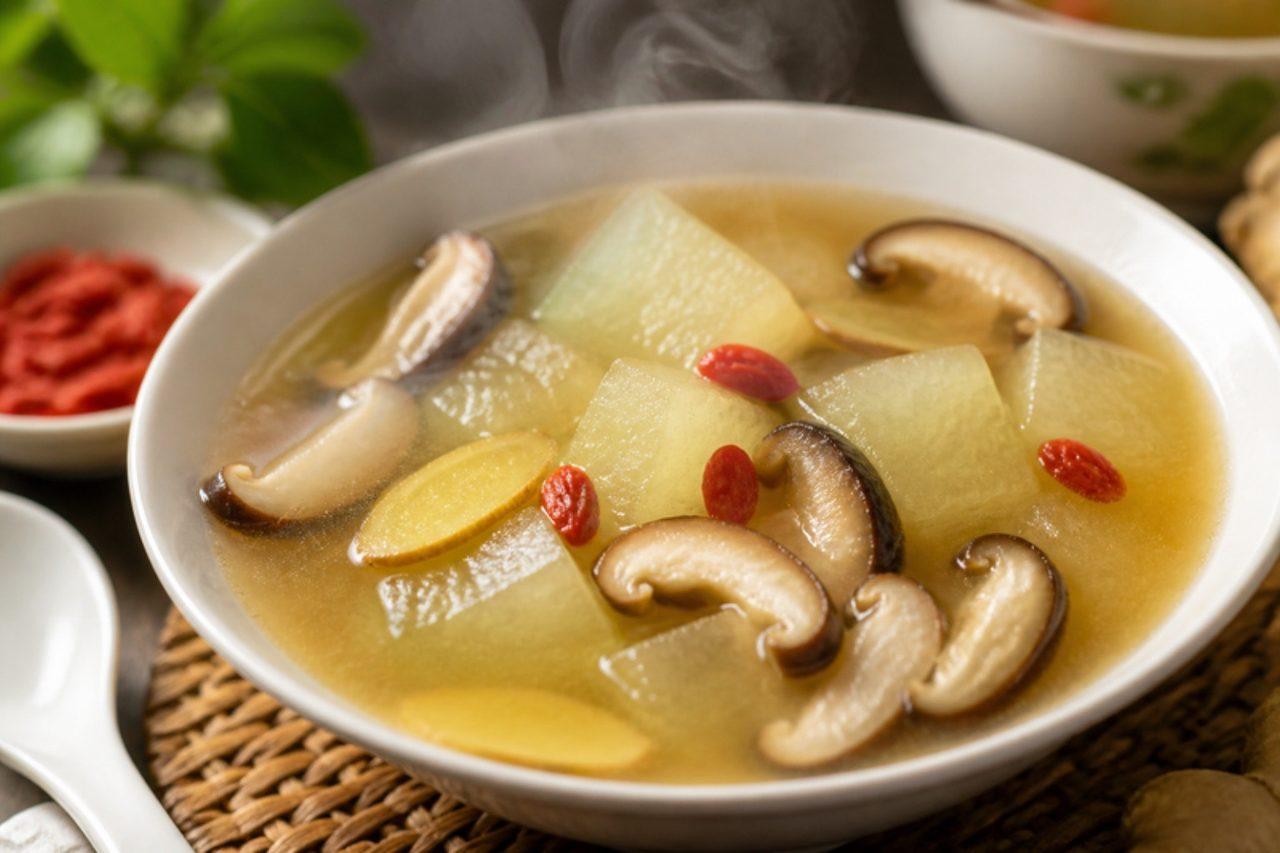
Dong gua tangWinter melon soup

In the sticky summers of Guangzhou and Hong Kong, a big pot of winter melon soup is on the stove in many homes: slabs of the pale green gourd simmered until translucent and almost melting, in a clear broth. Cantonese families believe it cools the body and drains the "dampness" of the season. Usually it is made with pork ribs or dried shrimp; this version uses dried shiitake and ginger for a deep, savoury vegetarian broth, seasoned only with salt and white pepper. A bowl is about 40 kcal. The common mistake is cutting the melon too thin, so it disintegrates; cut it into 2 cm slabs and simmer gently. Chef's tip: keep the soaking water from the mushrooms and add it to the pot; it is full of flavour.

by KrazyBadal 0 views

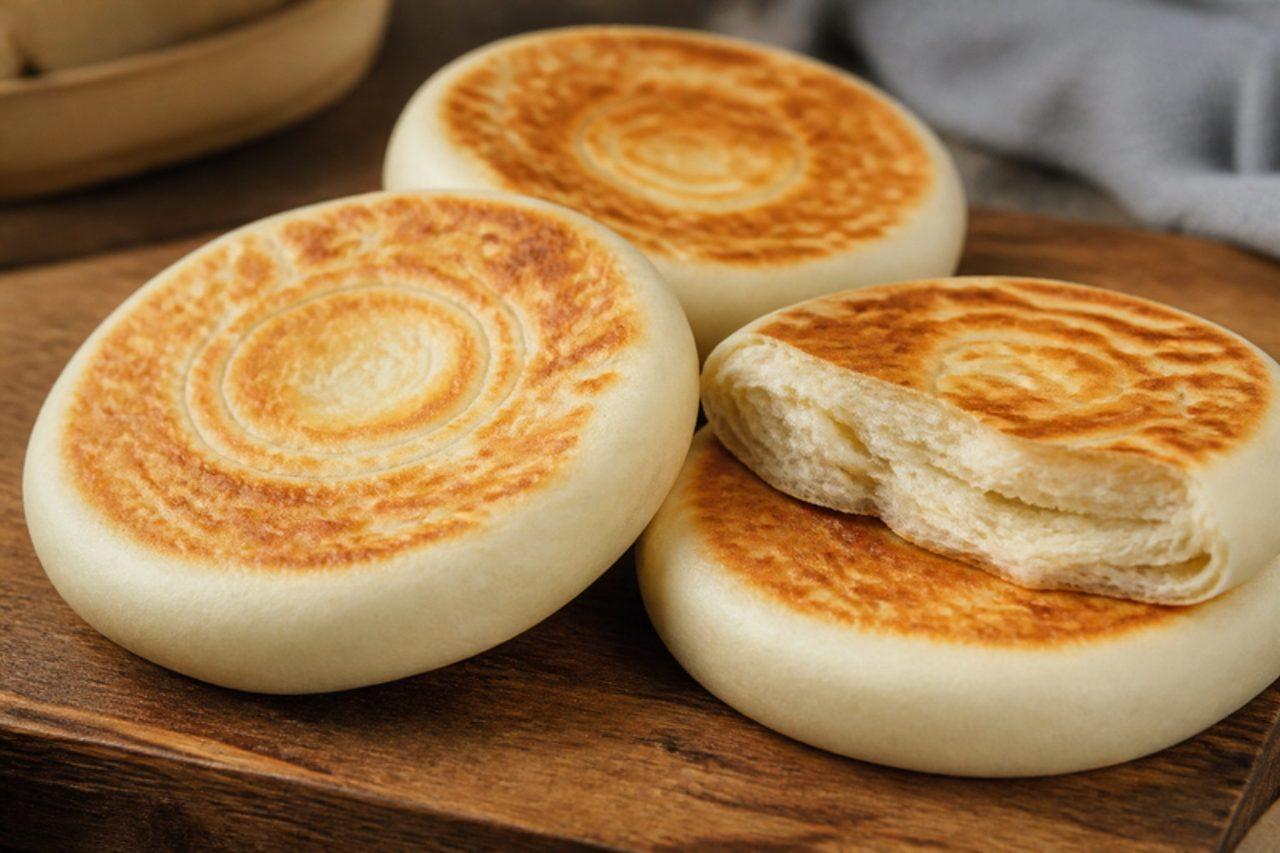
BaijimoGriddle-baked flatbread

Xi'an street cooks describe a good baijimo with a three-part saying: an iron ring, a tiger's back and a chrysanthemum heart. That means a pale, firm rim, a top mottled golden like tiger stripes, and a spiral pattern in the middle. Inside it is fluffy and layered, outside thin and crisp, and it is split from the side while hot to make roujiamo, the famous Shaanxi sandwich of chopped braised pork. For a meat-free filling, use braised shiitake and tofu with chilli oil, or spicy shredded potato. The dough is only half-risen on purpose; letting it fully prove is the mistake that gives you a soft, bun-like bread with no crunch. Chef's tip: twist the coil as you stand it on end and press it flat, which is what draws the spiral into the chrysanthemum heart.

by KrazyBadal 0 views

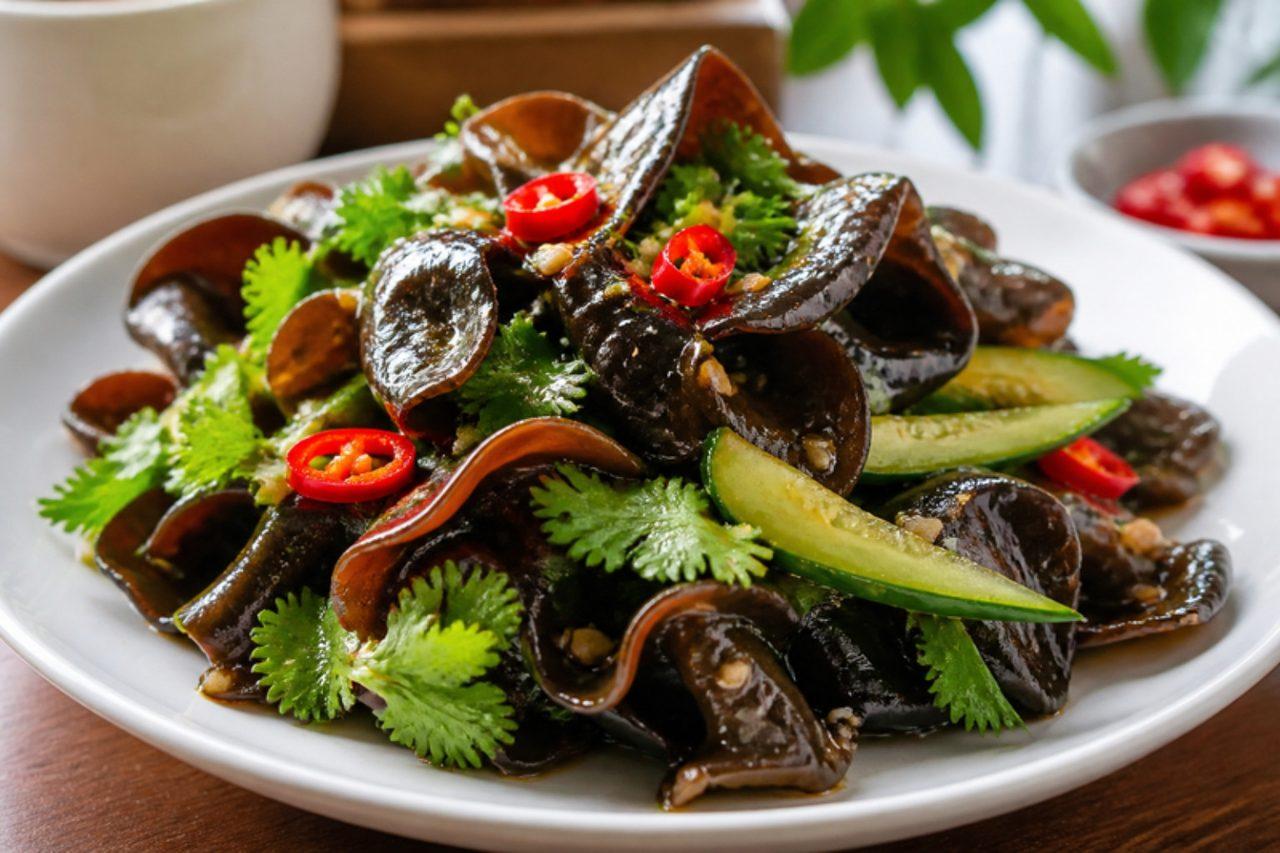
Liangban mu'erWood ear mushroom salad

Every noodle shop and dumpling house in Beijing and Harbin has a fridge of liangcai, the cold dishes ordered alongside the main meal, and liangban mu'er is one of the most popular: black wood ear fungus, which grows wild in the northeastern forests, blanched and tossed with black vinegar, garlic, chilli and coriander. It has almost no taste of its own but a lovely crunchy, bouncy bite, and it soaks up the tangy dressing. A portion is about 60 kcal. The common mistake is soaking the dried fungus in hot water to save time; it comes out limp. Use warm water for 15 minutes, or cold water for an hour, for the best crunch. Chef's tip: plunge the blanched fungus straight into iced water; it firms up and stays snappy.

by KrazyBadal 0 views

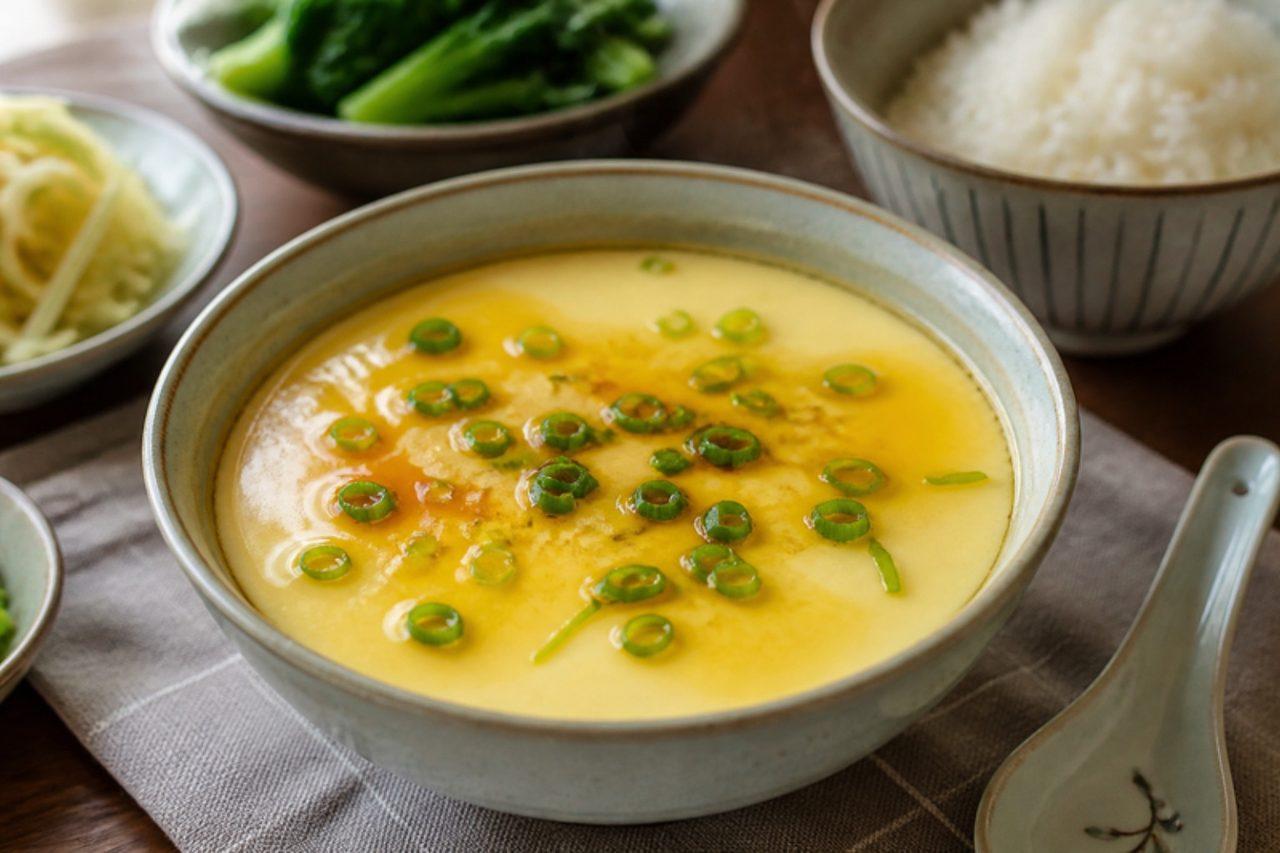
Ji dan gengSteamed egg custard

Ji dan geng is the first "real food" many Chinese children remember: a bowl of steamed egg so smooth it shivers, made by grandmothers from Shanghai to Chengdu for a toddler's lunch, a sick day or a quick side at dinner, and eaten with a spoon over rice. Eggs are beaten with warm water, steamed gently, then finished with a few drops of soy and sesame oil and some spring onion. Eggs are an allergen, and for toddlers under one, leave out the soy. A bowl is about 110 kcal. The most common mistake is using cold water and a fierce heat, which gives a pitted, spongy custard; use warm water and a gentle steam. Chef's tip: cover the bowl with a plate or cling film while it steams, so no condensation drips onto the surface and the top stays like glass.

by KrazyBadal 0 views

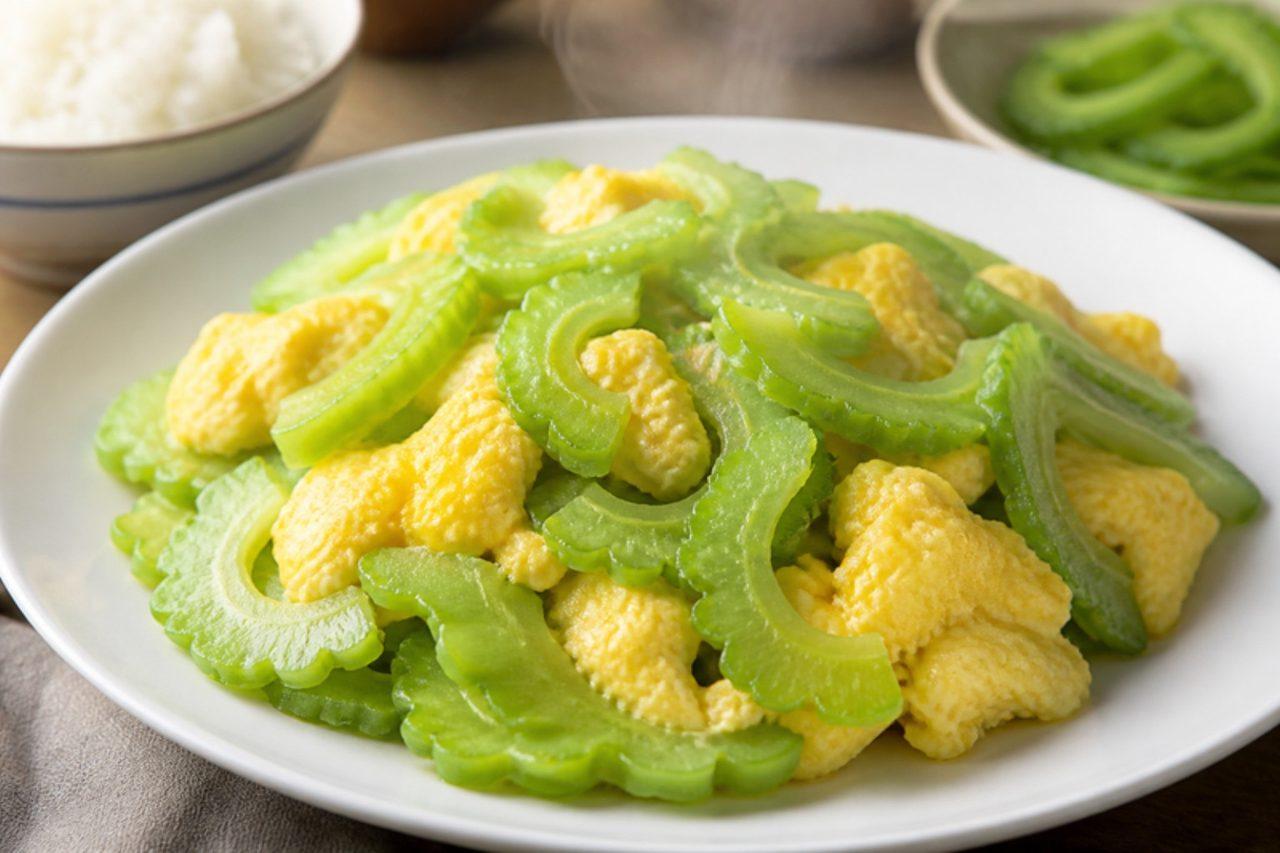
Kugua chao danBitter melon with egg

In the humid summers of Guangdong and Fujian, bitter melon is eaten for its "cooling" quality, and kugua chao dan is the gentlest way to learn to love it: thin slices of the ridged green gourd stir-fried until just tender, then folded into soft scrambled egg, which softens the bitterness. It is a classic dish of Cantonese home dinners, eaten with rice. Eggs are an allergen. A portion is about 140 kcal. The most common mistake is not salting the melon; a 10-minute salt and squeeze draws out much of the bitterness. Chef's tip: scrape out every bit of the white pith inside the melon with a spoon; that is where most of the bitterness lives.

by KrazyBadal 0 views

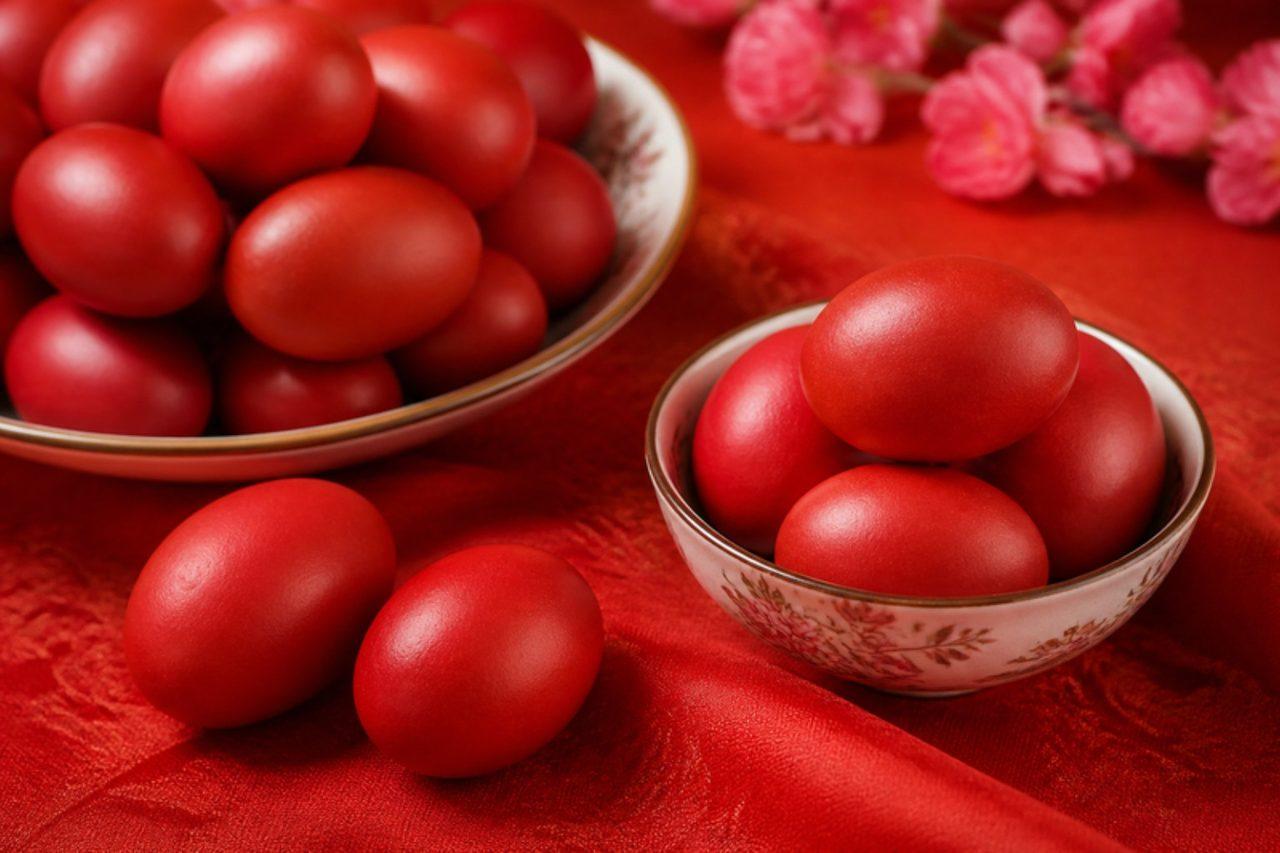
Hong dan (Chinese red eggs)

When a Chinese baby turns one month old, the family holds a full-month party and sends red eggs to relatives and friends: the round egg stands for new life and the red for luck and joy, and an even number is given for a boy in some families and an odd number for a girl in others. The eggs are shared by the guests and older children, peeled and eaten plain or with a little salt. This version dyes them with beetroot rather than food colouring. It contains egg. Chef's tip: dye the eggs while they are still warm and the shells take the colour much more evenly.

by KrazyBadal 0 views

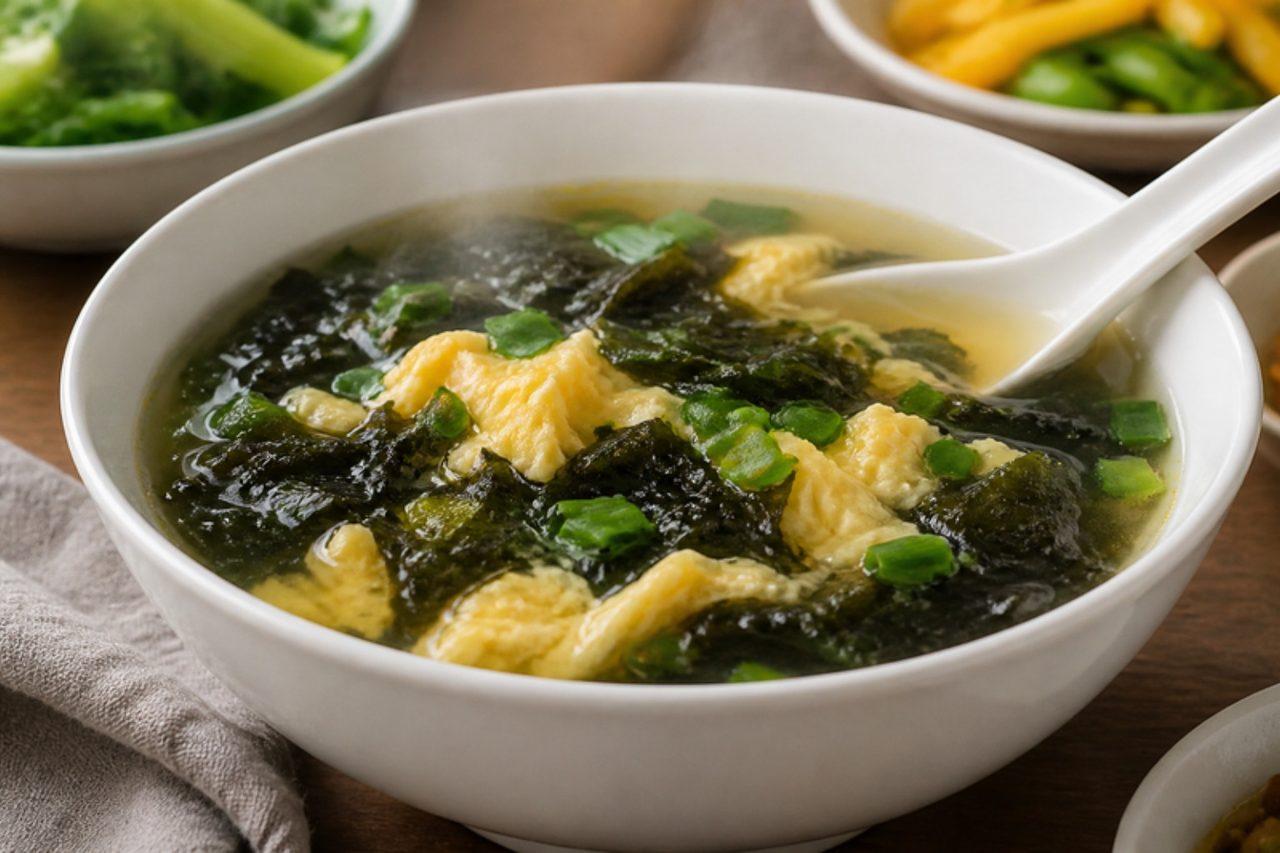
Zicai dan hua tangSeaweed egg drop soup

Zicai dan hua tang is the soup that a busy Chinese home cook can make while the rice is cooking: dried laver seaweed, which dissolves into silky dark green ribbons, and egg swirled into simmering water seasoned with a little soy, white pepper and sesame oil. It is on canteen trays in every Chinese university and on family tables across the country. Many cooks add a few dried shrimp; this vegetarian version leaves them out and uses a pinch of mushroom powder or vegetable stock instead. Eggs are an allergen. A bowl is about 50 kcal. The common mistake is stirring as soon as the egg goes in, which makes it cloudy; wait 10 seconds so it sets into flowers. Chef's tip: tear the seaweed into the bowls, not the pot, and pour the hot soup over; it stays tender and doesn't overcook.

by KrazyBadal 0 views

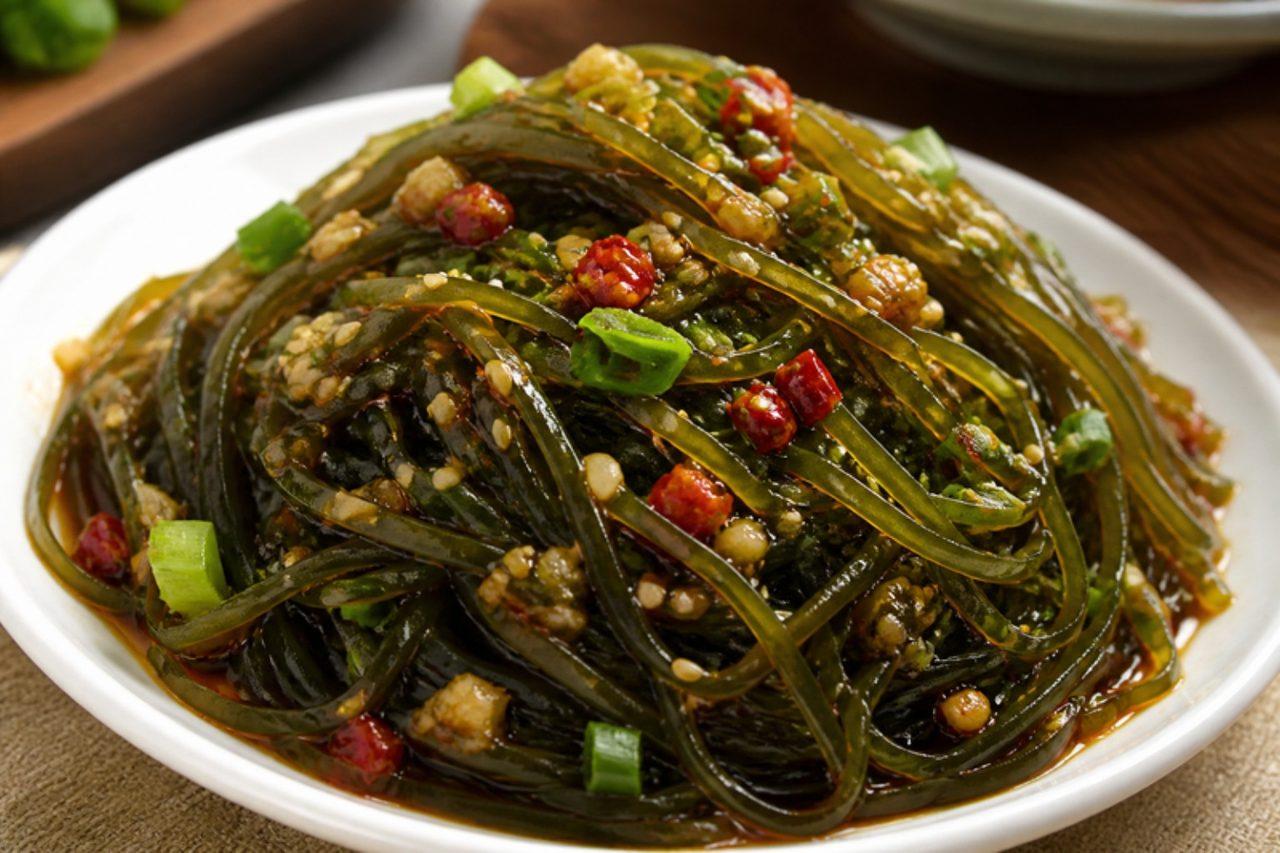
Liangban haidai siShredded kelp salad

Kelp is farmed in huge quantities along the coast of Shandong and Liaoning, and liangban haidai si is the cheap, crunchy cold dish served in every northern canteen, street stall and home: long, thin strands of kelp blanched and dressed in garlic, vinegar, soy, sugar and chilli oil. It is salty-sour, a little spicy and tastes of the sea, and it goes with dumplings, noodles or a bowl of congee. A portion is about 55 kcal. The common mistake is not rinsing the kelp well; it is coated in a salty, slippery film that must be washed off before blanching. Chef's tip: add a few drops of vinegar to the blanching water; it keeps the kelp bright green and crisp.

by KrazyBadal 0 views

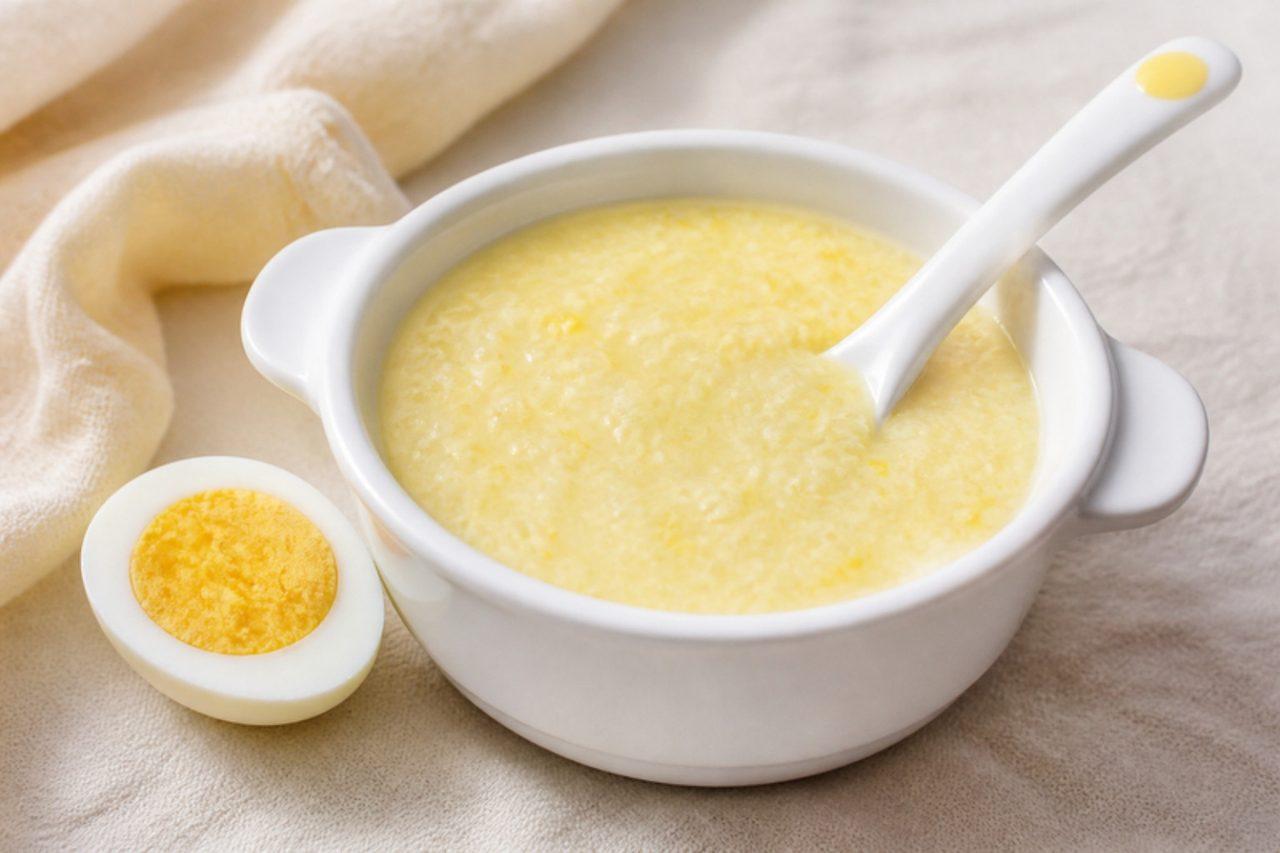
Egg yolk congee for babies (dàn huáng zhōu)

Across China, egg yolk congee is one of the first protein foods a baby is given, often as a light supper once plain rice paste is going down well. A fully hard-boiled yolk is crumbled and mashed into soft, unsalted congee, turning it pale gold and creamy. It contains egg; there is no milk, gluten, peanut, tree nuts, soya, sesame or fish. Many families start with a quarter of a yolk and build up over a few days. Chef's tip: plunge the boiled egg straight into cold water; it stops a grey ring forming and the yolk crumbles more easily.

by KrazyBadal 0 views

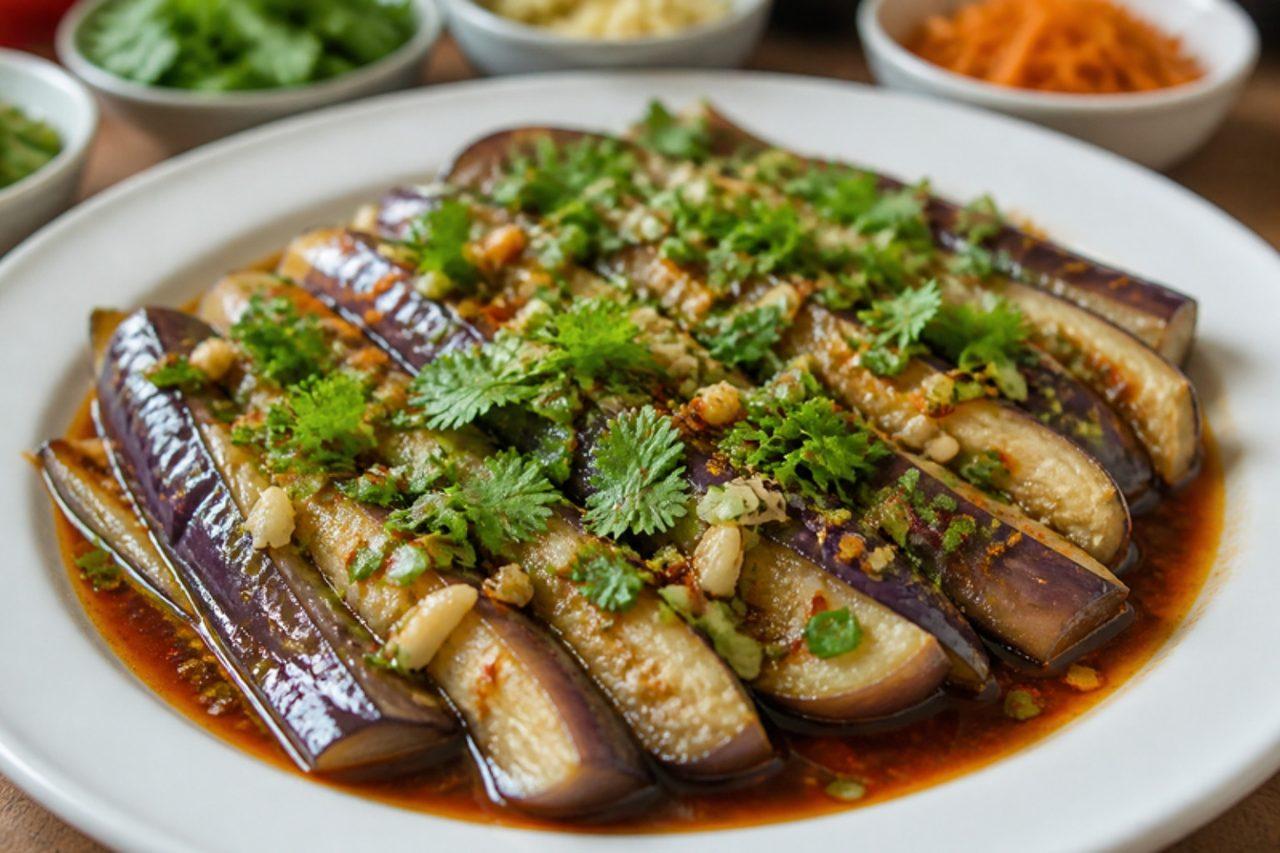
Garlic steamed eggplant

Fried eggplant soaks up oil like a sponge; Chinese home cooks in Sichuan and across the north get round it by steaming long purple eggplants until creamy, then pouring over a sharp dressing of pounded raw garlic, soy, black vinegar and a little chilli oil. It is served warm or cool as a summer side with rice or noodles, and it takes almost no oil at all. A portion is about 70 kcal. The common mistake is steaming them whole, which leaves the centres hard; cut them into fingers first so they cook evenly. Chef's tip: steam the strips skin side up; the purple colour stays brighter and the flesh doesn't go grey.

by KrazyBadal 0 views

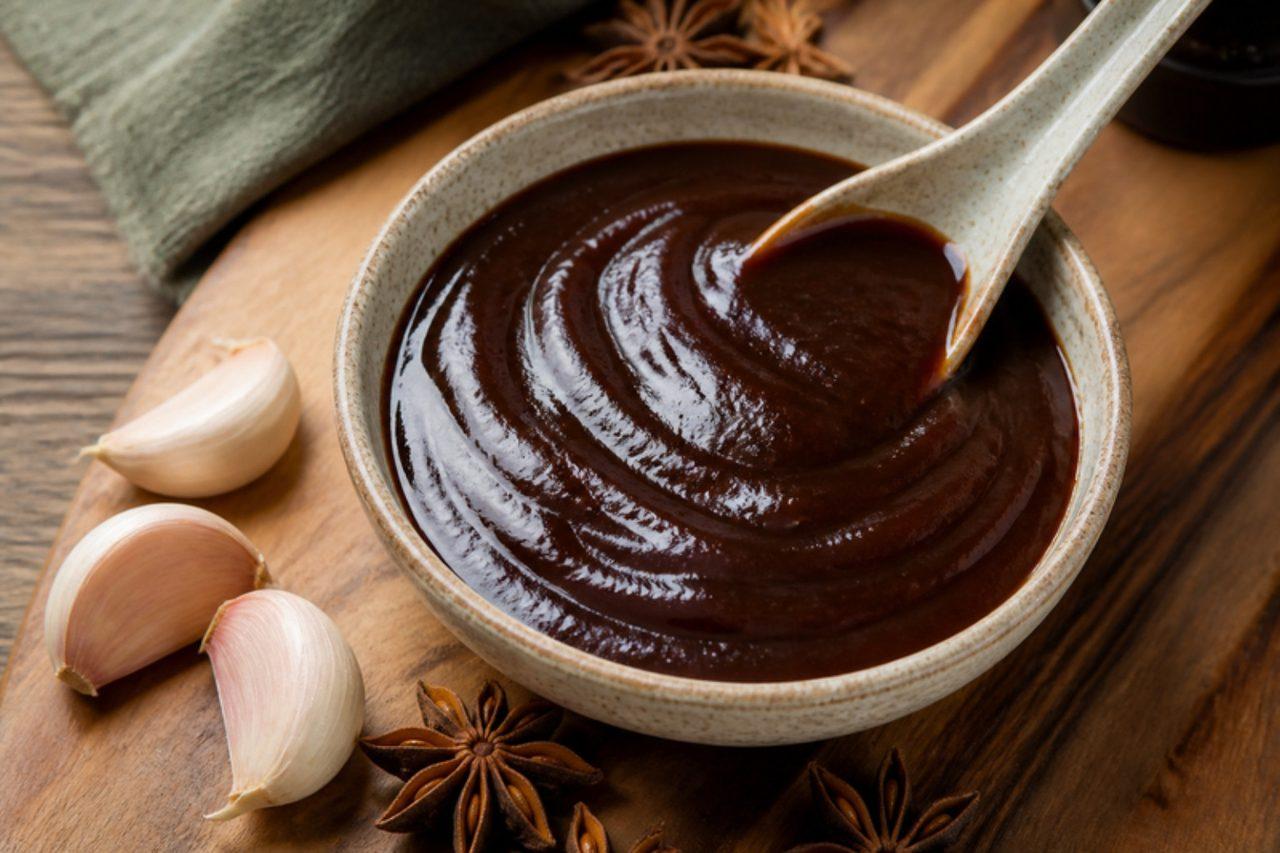
Homemade hoisin sauce

Cantonese cooks in Guangzhou and Hong Kong brush hoisin over char siu, stir it into noodles and put a dish of it on the table with roast duck and spring rolls. Despite the name, which means 'seafood sauce', it contains no seafood at all. Making it yourself takes fifteen minutes and gives a fresher, less sticky sauce that is sweet, salty, garlicky and gently spiced, without thickeners or colourings. Use it for dipping, glazing tofu or vegetables, and in marinades. The usual mistake is boiling it hard, which scorches the sugar and turns it bitter; keep it at a lazy bubble. Chef's tip: fermented yellow soybean paste (huang dou jiang) gives the closest flavour, but white miso works too if that is what you have.

by KrazyBadal 0 views

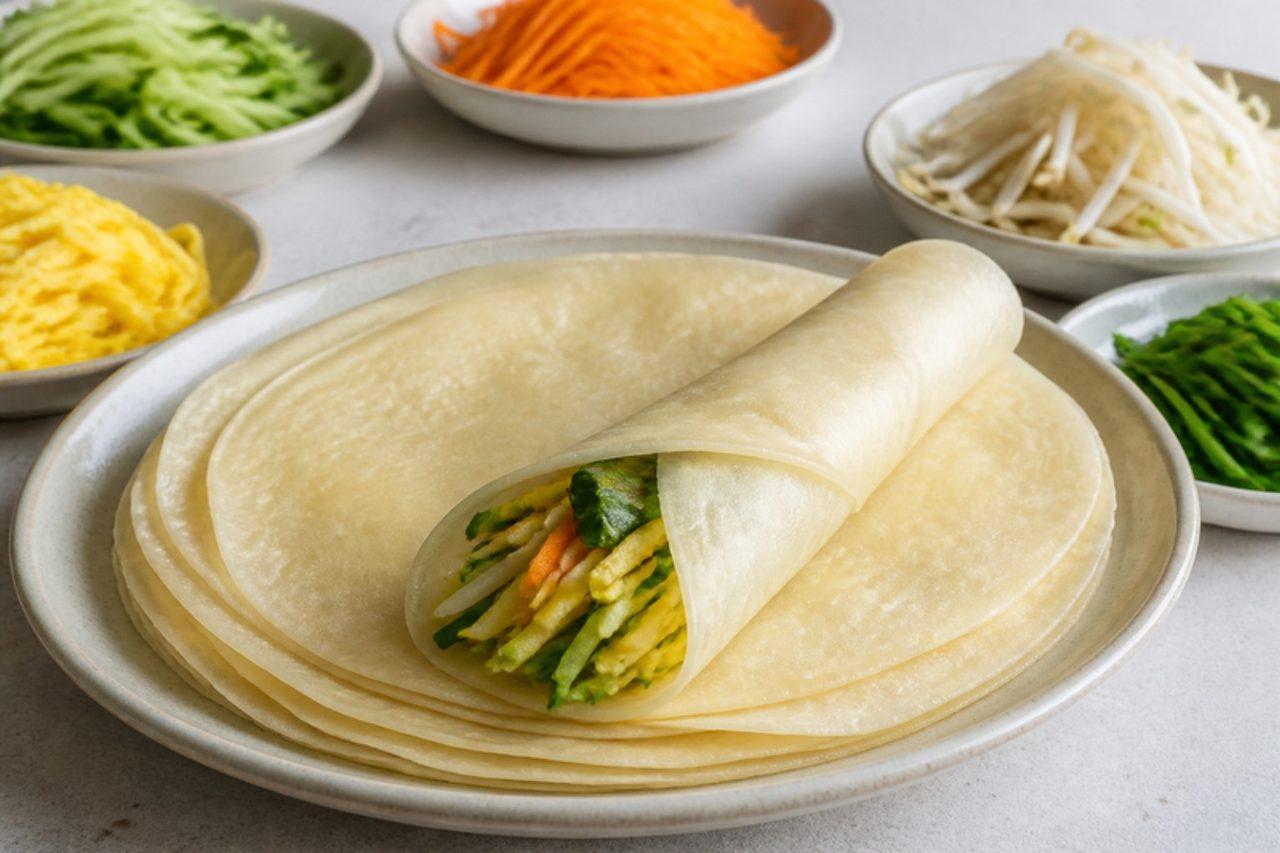
Spring pancakes (chun bing)

On Lichun, the first day of spring in the lunar calendar, Beijing families 'bite the spring' by rolling paper-thin pancakes around platters of quick stir-fries: shredded potato, bean sprouts with chives, egg, and a smear of sweet bean sauce. The pancakes are made in pairs, two discs oiled and rolled together, then peeled apart after cooking, so each one is soft and almost translucent. The mistake is rolling them too thick; they should be thin enough to see the light through. Chef's tip: stack the cooked pancakes under a clean tea towel so the steam keeps them supple.

by KrazyBadal 0 views

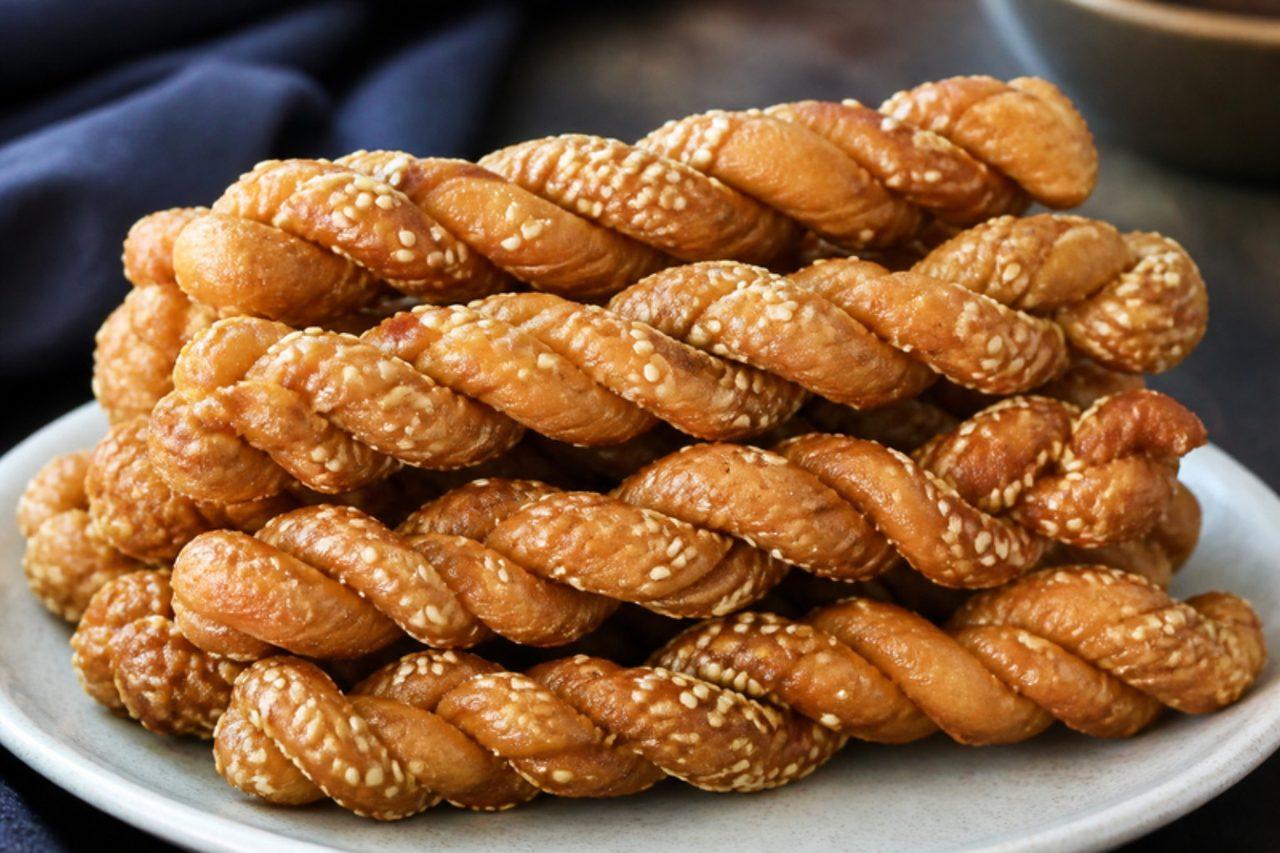
Mahua (crisp fried dough twists)

Tianjin in northern China is famous for mahua, and the shops on Guifaxiang street sell giant ones stuffed with candied fruit; but the everyday kind is a small, hard, golden twist sold in bags in every corner shop and eaten with tea or as a snack on the train. This home version is crisp right through with a little sweetness and toasted sesame. The common mistake is frying too hot: the outside browns while the thick twist stays doughy and raw in the middle. Keep the oil at about 160 °C and give them time. Chef's tip: let the shaped twists rest 10 minutes before frying so the dough relaxes; tight twists spring open in the oil.

by KrazyBadal 0 views

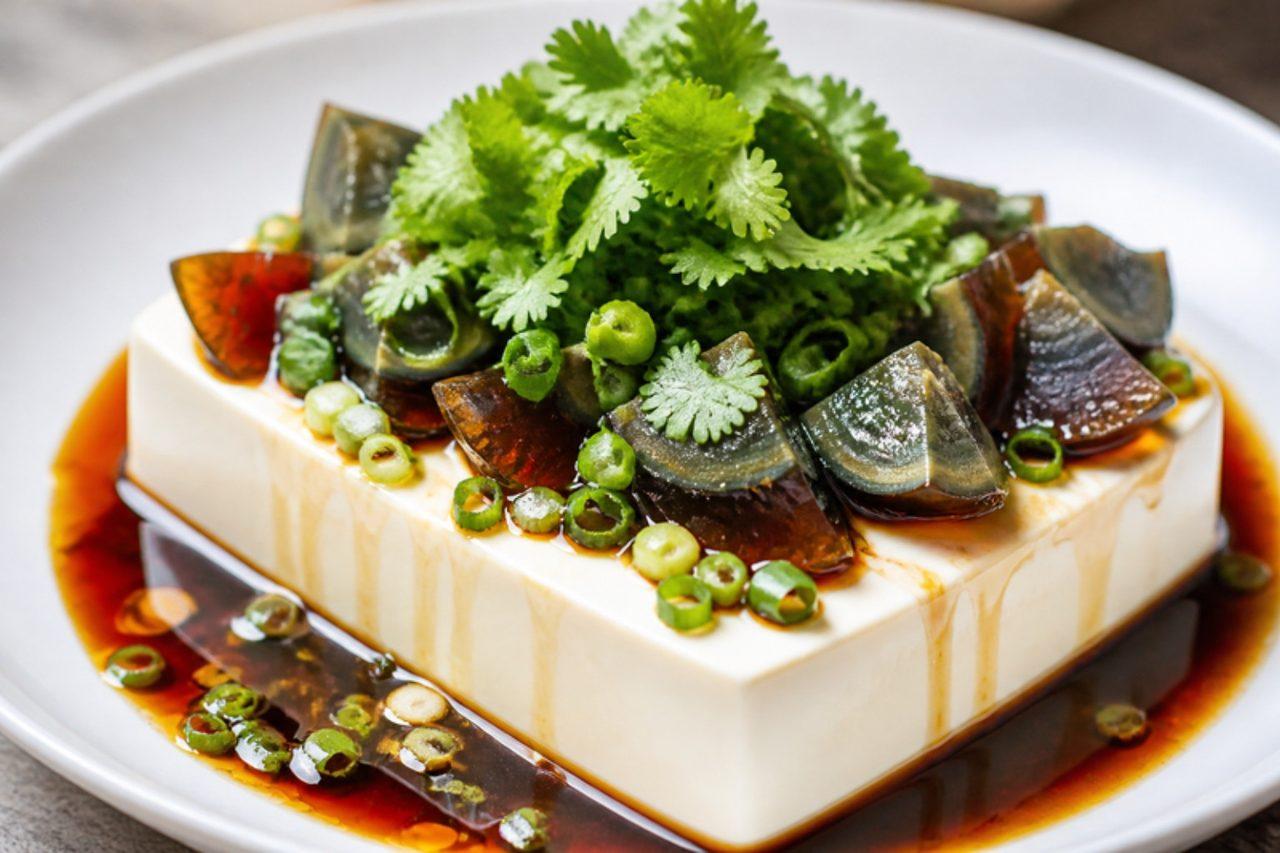
Pidan tofu (century egg tofu)Silken tofu with century egg

This cold plate is a summer standby in homes from Shanghai to Taipei and turns up in nearly every Sichuan and Hunan restaurant as a starter: a block of chilled silken tofu, chopped century egg with its amber white and creamy dark-green yolk, and a sharp dressing of soy, black vinegar and sesame oil. It is cool, silky and deeply savoury, and takes ten minutes. Eat it before a meal or with rice and porridge. Buy century eggs from a shop that sells them labelled lead-free; they are fully preserved and need no cooking. The mistake to avoid is skipping the drain, because water seeping out of the tofu dilutes the dressing into a puddle. Chef's tip: chill the eggs before peeling and cut them with a knife dipped in water, or with thread, so the soft yolk doesn't smear.

by KrazyBadal 0 views

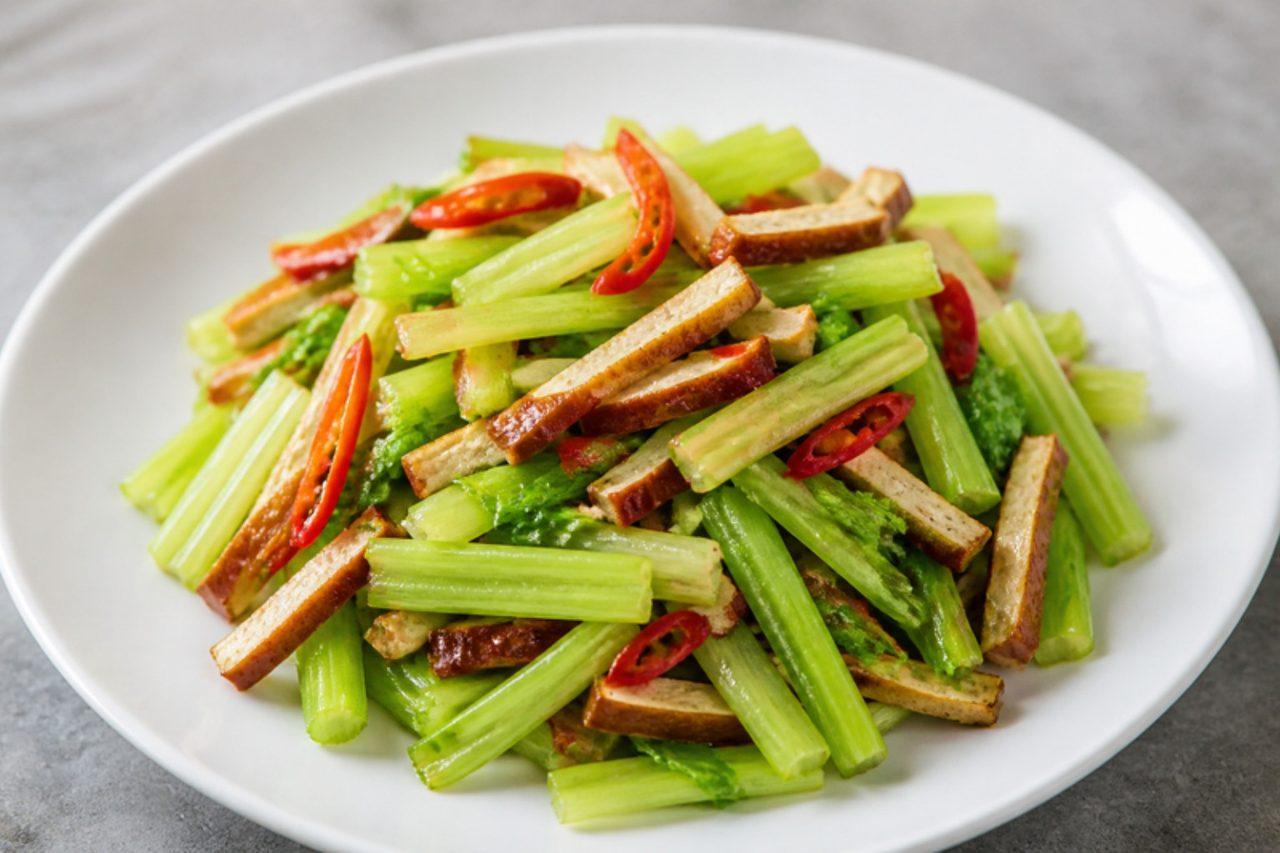
Celery with smoked tofu

Market stalls in Changsha and Nanjing sell slabs of xiang gan, pressed tofu smoked or braised until brown and dense, and the most common way to cook it at home is with thin Chinese celery. The celery stays juicy and crunchy with a strong, almost herbal flavour, the tofu is chewy and smoky, and a little fresh chilli gives it a Hunan edge. It is an everyday side for rice in Hunan and Jiangsu canteens. The usual mistake is cutting the tofu too thick so it never picks up the seasoning; slice it as thin as the celery. Chef's tip: if you can only find thick Western celery, peel the strings off the back with a vegetable peeler and slice it on the diagonal.

by KrazyBadal 0 views

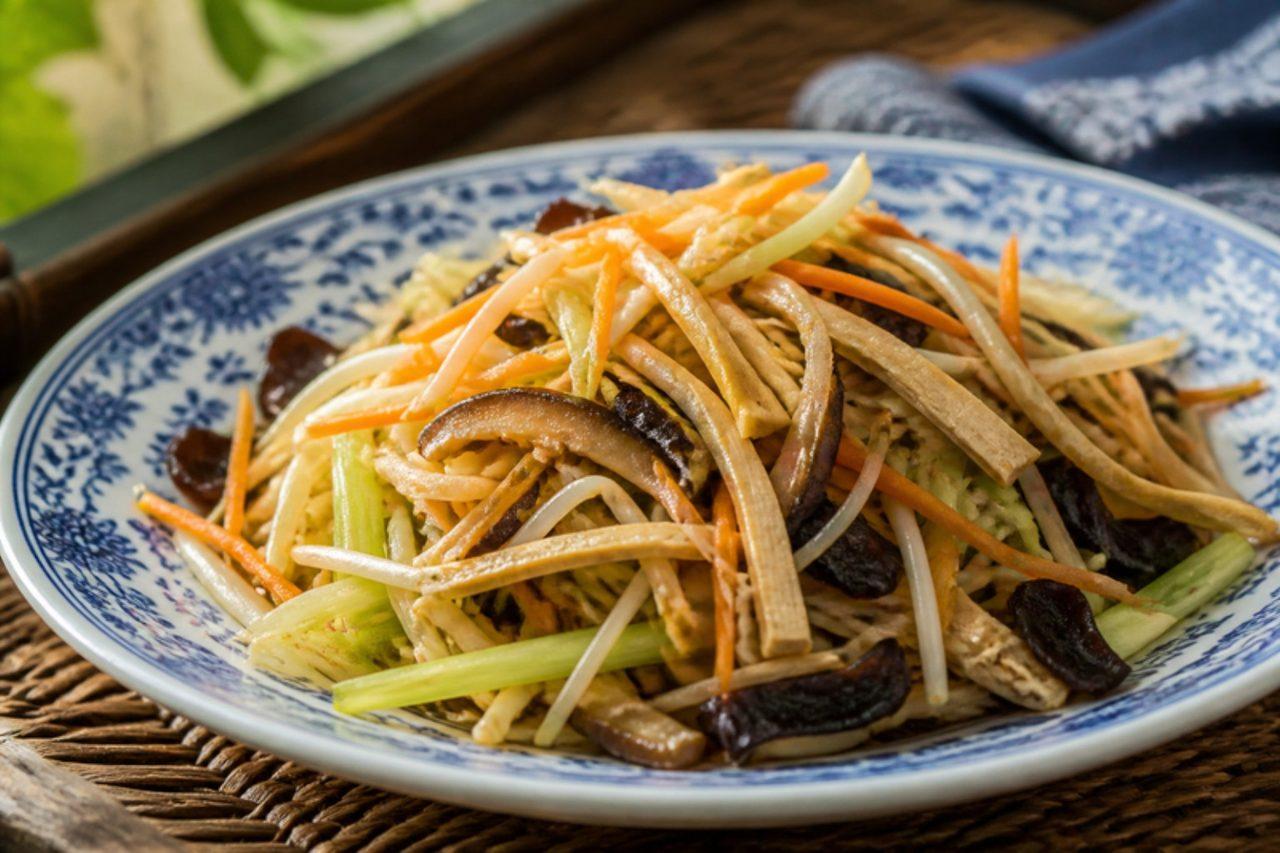
Shi xiang cai (ten-treasure vegetables)

Shanghai families make a big tub of shi xiang cai on the last days of the old year, and it sits on the table, cold, through the first fortnight of New Year as a fresh, crunchy counterweight to all the braised meat. Ten ingredients, each shredded as fine as matchsticks and stir-fried separately, are tossed together with soy, sugar and sesame oil: soybean sprouts, carrot, celery, wood ear, shiitake, lily buds, bamboo, pressed tofu, preserved mustard tuber and red pepper. Throwing everything into the wok at once is the mistake; each vegetable cooks at its own speed, and only separate frying keeps them crisp. Chef's tip: the finer and more even the shreds, the more it tastes like the real thing.

by KrazyBadal 0 views

Luo han guo teaMonk fruit tea

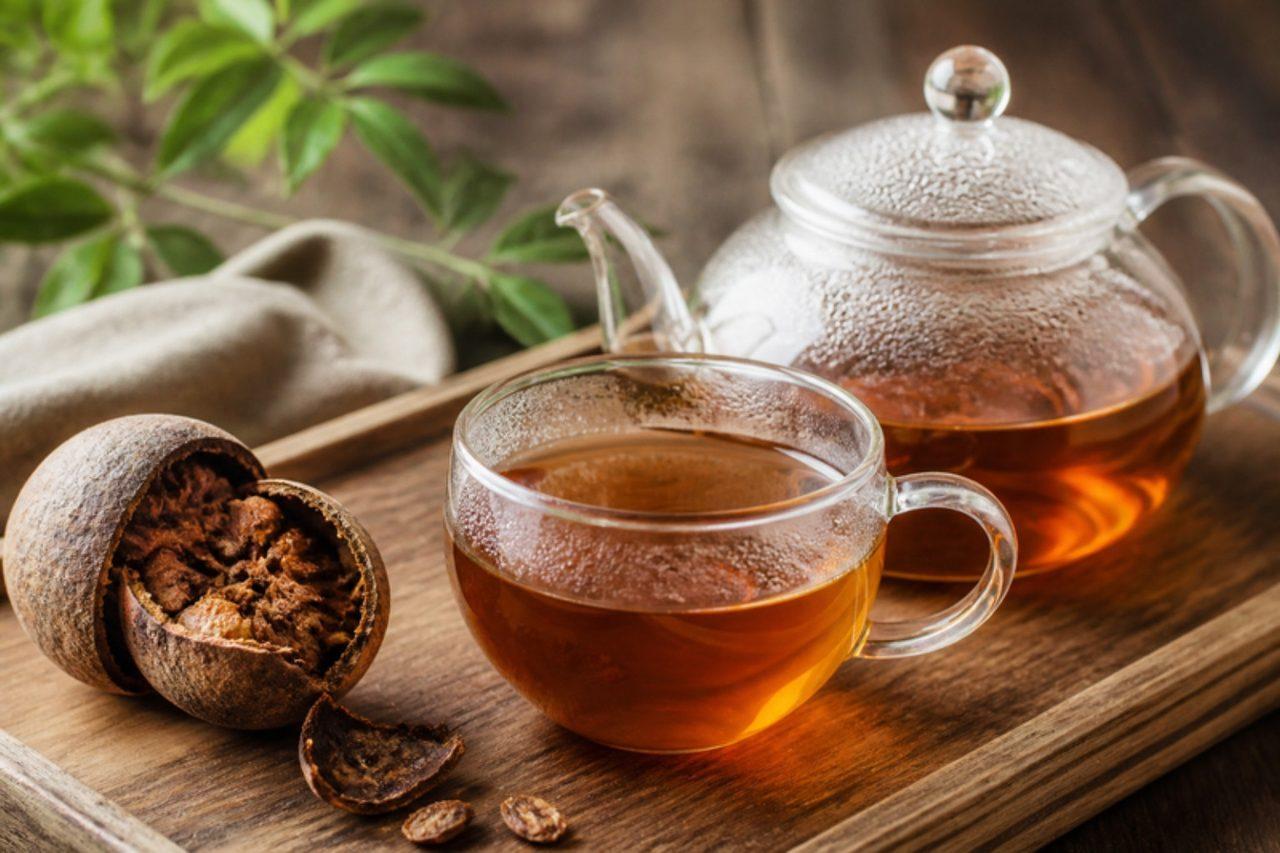
The hills around Guilin in Guangxi grow luo han guo, a small round gourd that is dried until its shell turns brown and brittle. Cantonese and Guangxi households simmer one in water when someone has a scratchy throat or a dry cough, or simply in the heat of summer, and the result is a dark amber tea that tastes of caramel and dried fig with no sugar added at all. Drink it hot in winter or chilled in summer. The mistake most people make is using a whole fruit for a single cup, which is cloyingly sweet; one fruit is enough for a large pot. Chef's tip: crack the shell and tear the pulp into pieces, so the flavour comes out in 15 minutes instead of an hour.

by KrazyBadal 0 views

Su shan (crispy shiitake 'eel')Crispy shiitake strips

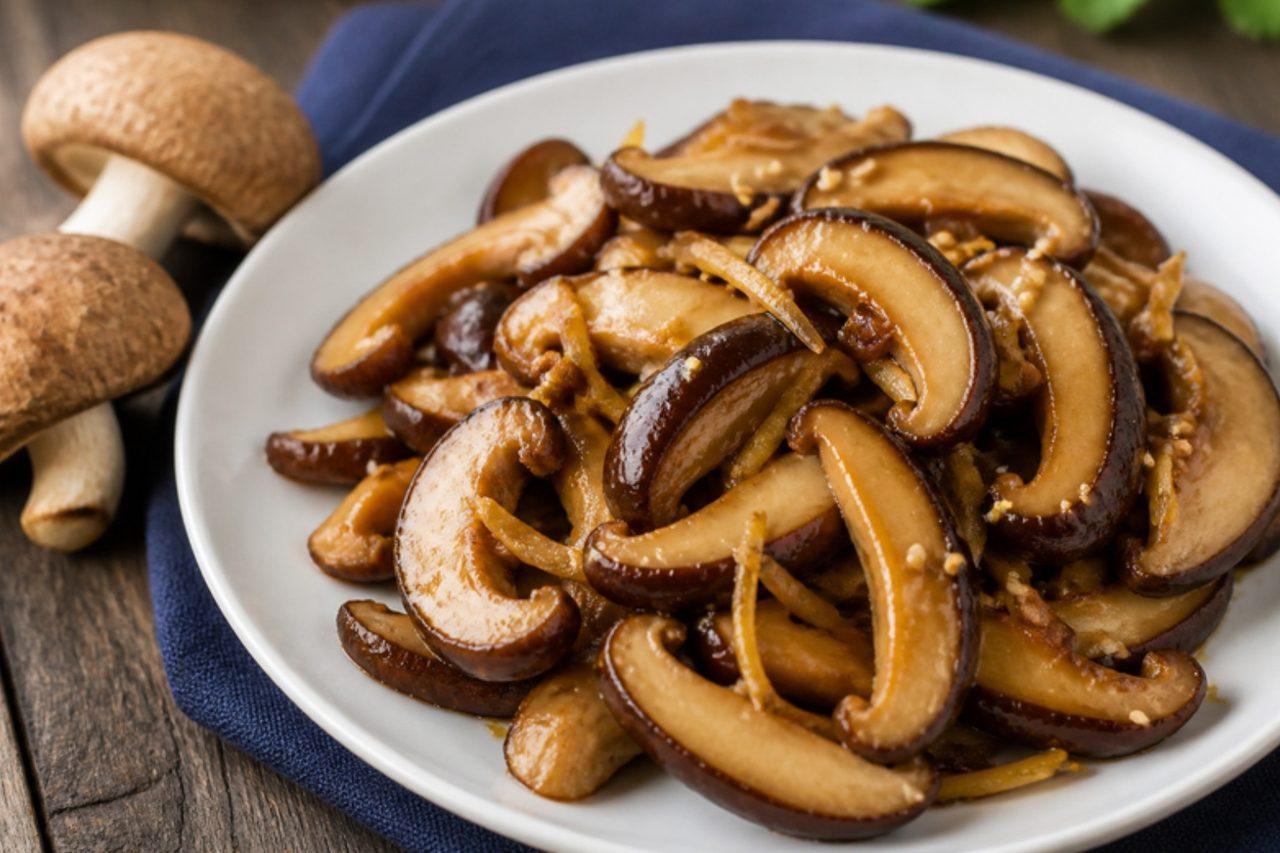
Shanghai's old vegetarian houses, such as the restaurants beside Jade Buddha Temple, invented su shan to give monks and lay diners the look and taste of the city's famous stir-fried river eel without the eel. Dried shiitake are cut into long strips, coated in starch, fried until crackling and tossed in a dark, sticky sauce sharpened with black vinegar and white pepper. Serve it hot as part of a shared meal with rice and greens; it softens as it sits, so it is not one to make ahead. The common mistake is tossing the strips in sauce that is still thin, which turns the coating soggy at once. Chef's tip: cut the soaked caps in a spiral, round and round towards the centre, to get the long, eel-like ribbons.

by KrazyBadal 0 views

Chive and egg stir-fry

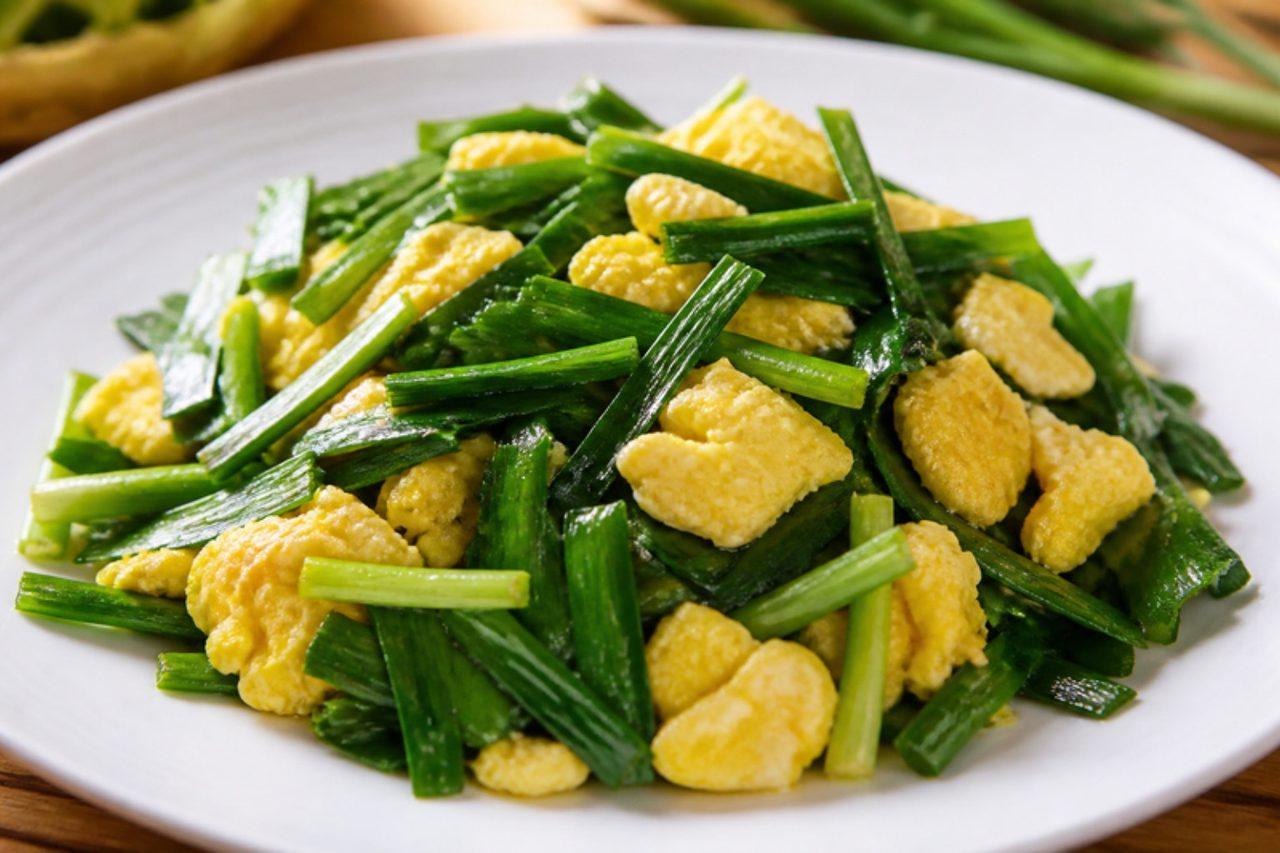
From Shandong farmhouses to student kitchens in Guangzhou, garlic chives fried with egg is one of the first dishes a Chinese child learns to cook and one of the last things a busy parent forgets how to make. The flat chives turn sweet and garlicky in the hot oil and the egg stays in soft, golden curds. It is on the table at ordinary weeknight dinners with rice and a soup, and is also the filling of many chive pockets and dumplings. The most common mistake is cooking the chives and egg together from the start, so the eggs go rubbery while the chives are still raw; cook them separately and bring them together at the end. Chef's tip: dry the chives well after washing, because water in the wok makes them limp and grey.

by KrazyBadal 0 views

Re gan mian (Wuhan hot dry noodles)

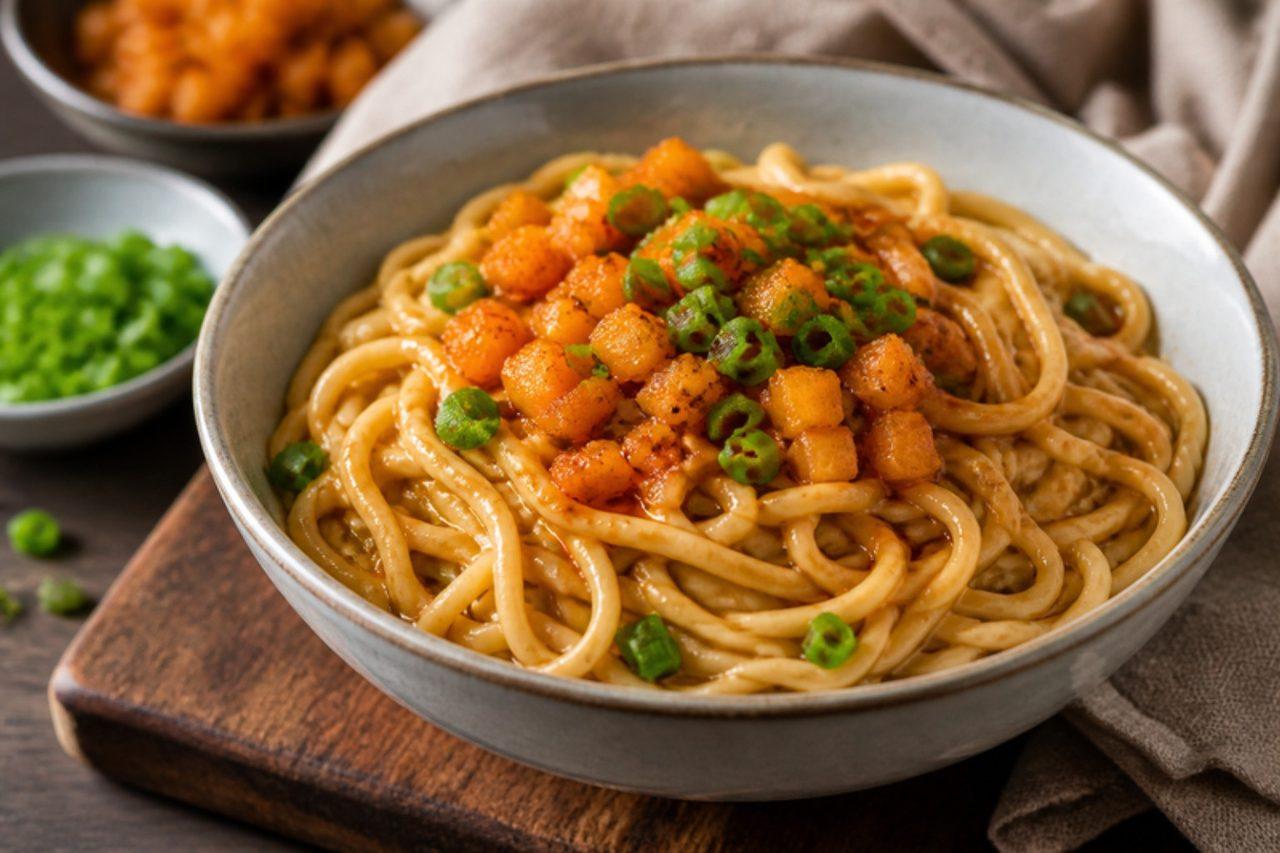
In Wuhan, Hubei, the day starts with re gan mian, 'hot dry noodles', eaten standing up or walking to work: springy alkaline noodles, pre-boiled and oiled the night before, are dunked in boiling water for a few seconds and tossed with a thick sesame paste, soy, pickled radish, spring onion and chilli oil. There is no broth; it is rich, nutty, salty and very satisfying. The common mistake is not loosening the sesame paste enough, so it clumps on the noodles instead of coating them; thin it slowly with sesame oil until it falls from the spoon like a ribbon. This version is vegan, made with pickled mustard tuber instead of the dried shrimp some stalls add. Chef's tip: boiling and oiling the noodles ahead and letting them cool spread out is what gives the chewy, slightly dry texture Wuhan people love.

by KrazyBadal 0 views

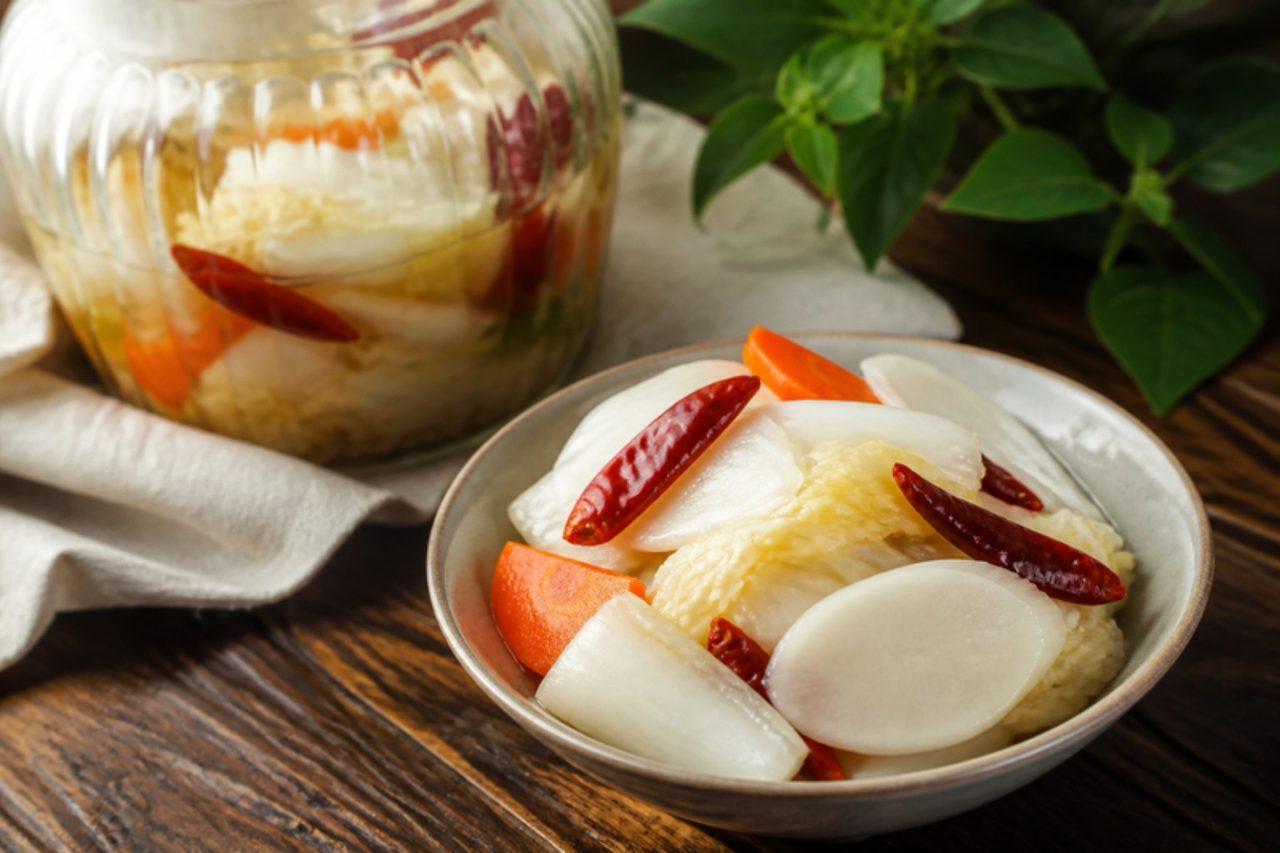
Sichuan pao cai (brine pickles)Brine-pickled vegetables

Almost every family in Sichuan keeps a glazed pao cai jar with a water-sealed lid, and some brines have been topped up for decades. Vegetables steep in salted water with Sichuan pepper and fresh chillies until they turn crisp, sour and lightly fizzy; they are eaten as a little dish with rice porridge at breakfast in Chengdu, and chopped into fish, beans and stir-fries for that clean sourness. Many cooks add a splash of baijiu to the jar; this version leaves it out, and the pickle ferments perfectly well without it. The mistake that ruins a jar is a wet or oily spoon: any oil or raw water lets white mould grow, so always use a clean, dry spoon. Chef's tip: dry the cut vegetables in the sun or on a rack for a few hours before packing, as slightly wilted vegetables stay crunchier for longer.

by KrazyBadal 0 views

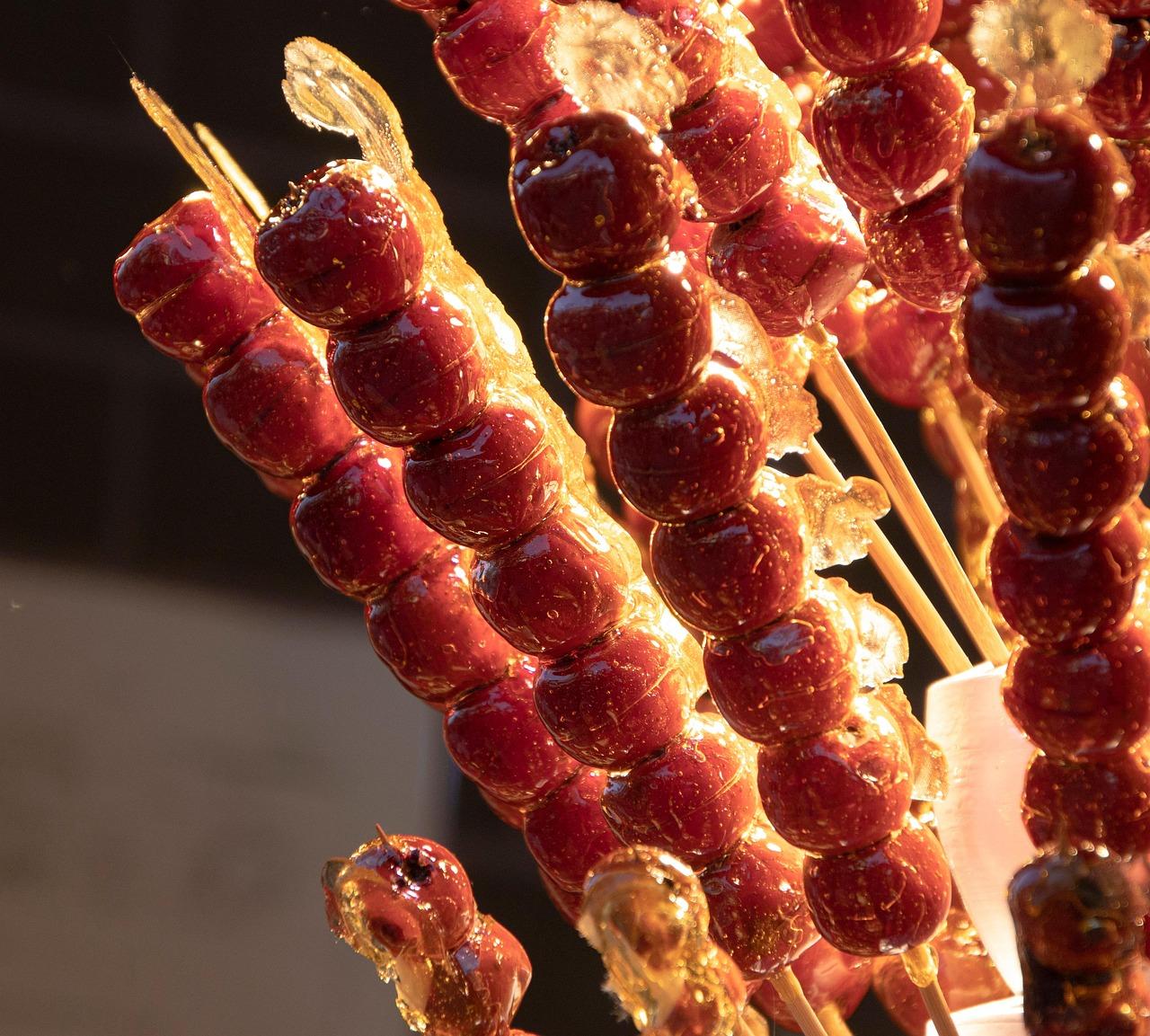
Tanghulu (candied hawthorn and fruit skewers)

Tanghulu sellers carrying poles bristling with red skewers are a winter sight in Beijing's hutongs and at the Spring Festival temple fairs at Ditan and Changdian. The classic is hawthorn, tart and mealy under a shell of hard sugar; strawberries, mandarin segments and grapes are the modern favourites. Everything depends on the syrup reaching the hard-crack stage, about 150 °C; the common mistake is stopping too early, which gives a sticky coating that never sets. The syrup is far hotter than boiling water and sticks to skin, so keep children well back while you cook and dip, and let them help only with threading the fruit. Chef's tip: the fruit must be bone dry; any water on the skin makes the sugar slide off and bubble.

by KrazyBadal 0 views

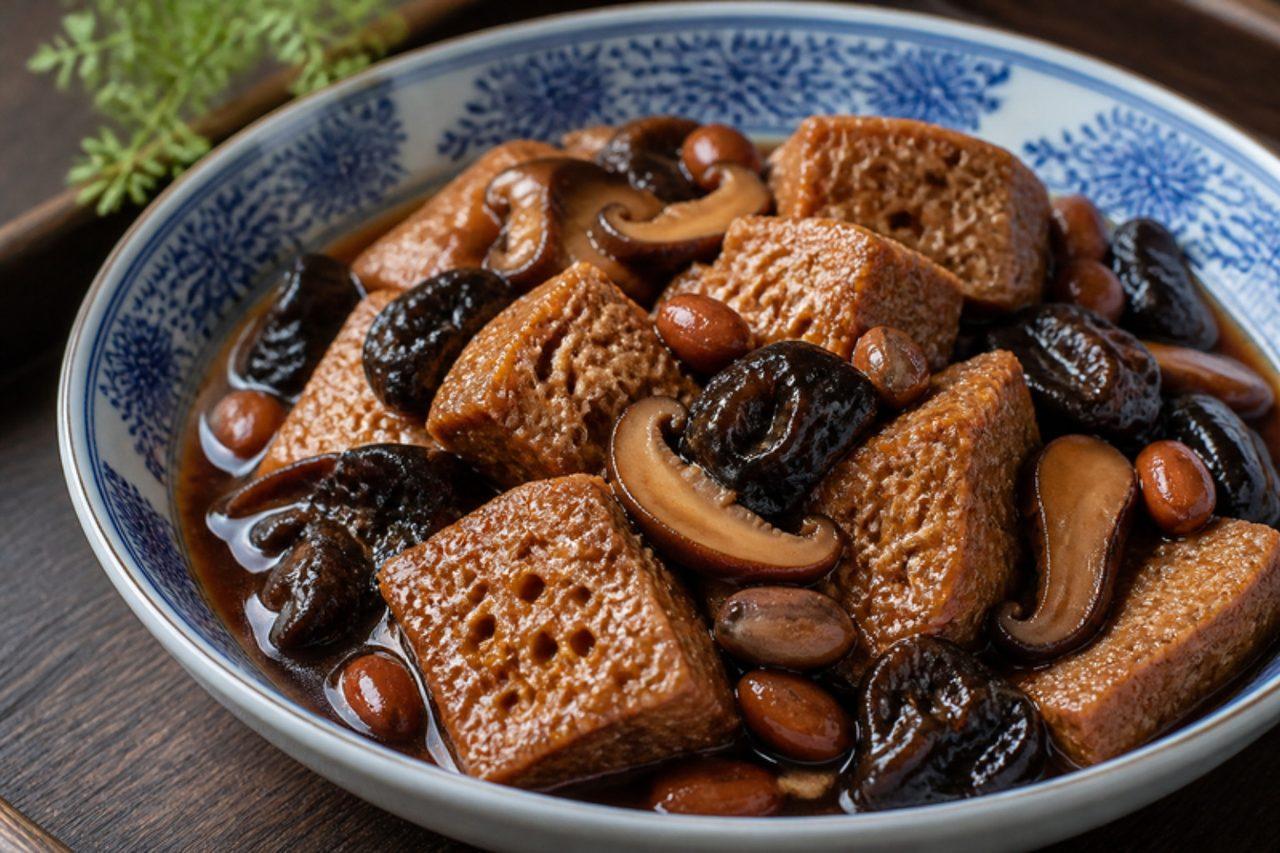
Kao fu (braised wheat gluten)

Every Shanghainese family puts a bowl of kao fu on the table for Chinese New Year, and the city's temple canteens serve it all year as a cold dish. The spongy wheat-gluten cubes drink up a dark, glossy braise of soy and rock sugar, with crunchy wood ear, meaty shiitake and soft peanuts in every mouthful. It tastes better the next day, eaten cold or just above room temperature with rice or congee. Most people get it wrong by cutting the gluten with a knife; tear it by hand so the rough edges soak up more sauce. Chef's tip: squeeze the boiled gluten hard, like a sponge, before frying, or it spits in the oil and stays bland inside.

by KrazyBadal 0 views

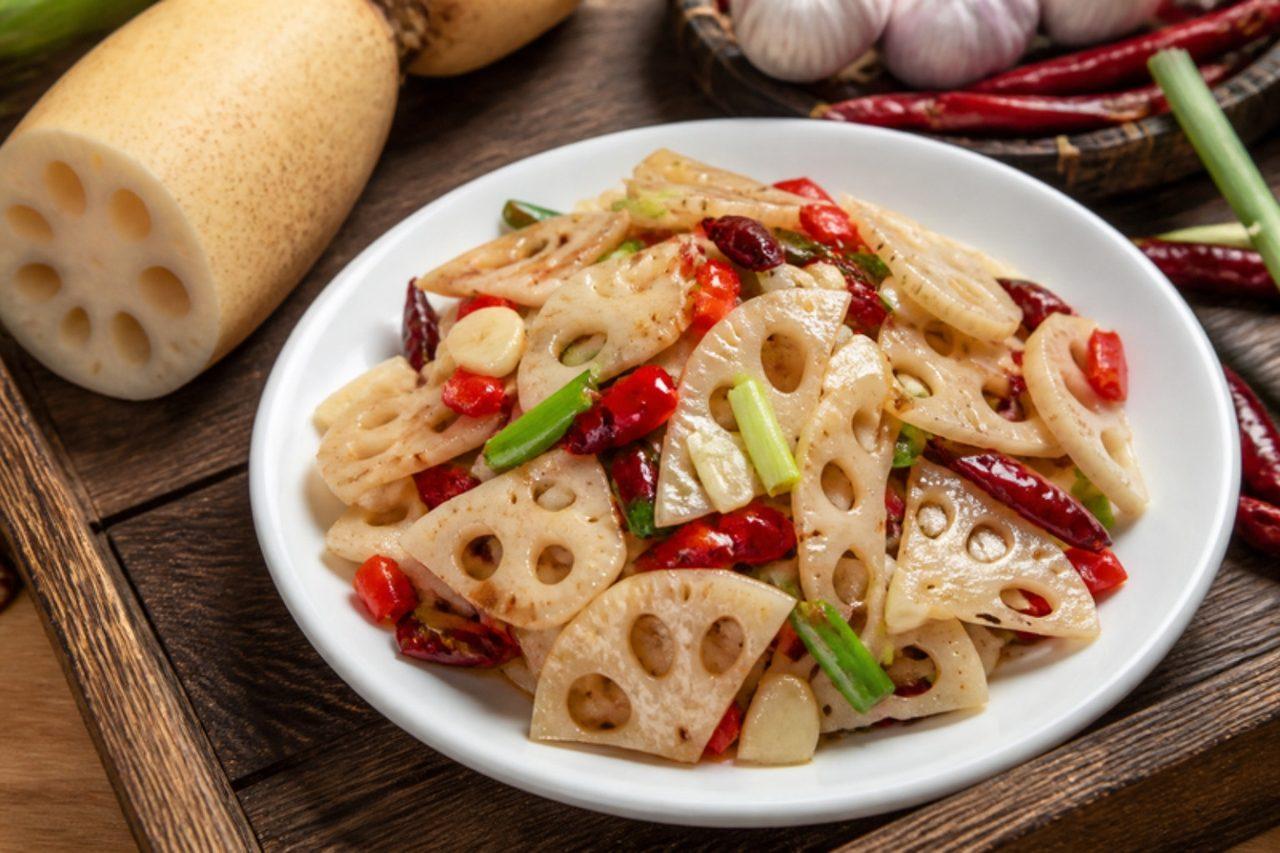
Hot and sour lotus root

Hubei is lotus country, its lakes around Wuhan full of the plant, and Hubei and Sichuan cooks dice the crisp root and flash-fry it with chilli and vinegar for a side dish that crunches like water chestnut. It is sour first, then hot, then garlicky, and it wakes up a table of rich braises in a Wuhan home or a Chengdu fly restaurant. Serve it hot or at room temperature with rice. The common mistake is cooking the lotus too long so it turns starchy and dull; it needs only a few minutes. Chef's tip: drop the cut pieces straight into water with a splash of vinegar, which stops them turning grey and rinses off surface starch so they stay crisp.

by KrazyBadal 0 views

Showing 48 of 200 recipes

Show more recipes

Page 2 of 9

More collections