Skip to content
WhatToEat.Today

Vegetarian Indian dinners

Dal, sabzi, curries and rice dishes for a meat-free Indian dinner. (880 recipes)

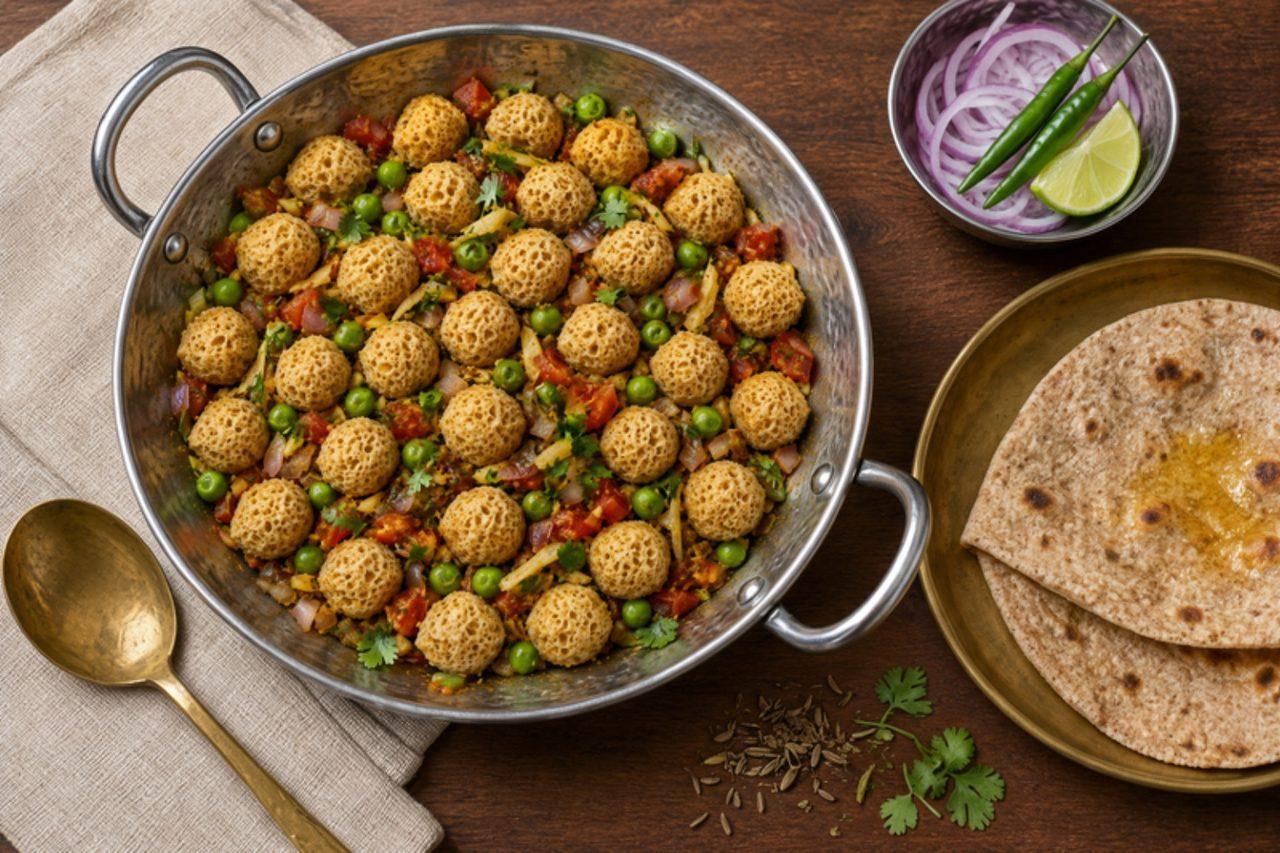
Soya chunks sabziDry soya chunk curry

Soya chunks, called nutrela or meal maker across India, are a hostel and office-tiffin favourite from Delhi to Hyderabad because they are cheap, keep for months and soak up masala like a sponge. Here they are boiled, squeezed and cooked dry with onion, tomato and garam masala until each chunk is glossy and coated. The mistake is not squeezing hard enough: water left inside dilutes the masala and the chunks taste of nothing. Squeeze them in a fist, twice. Chef's tip: soak them in hot salted water with a pinch of turmeric, so they are seasoned all the way through.

by KrazyBadal 0 views
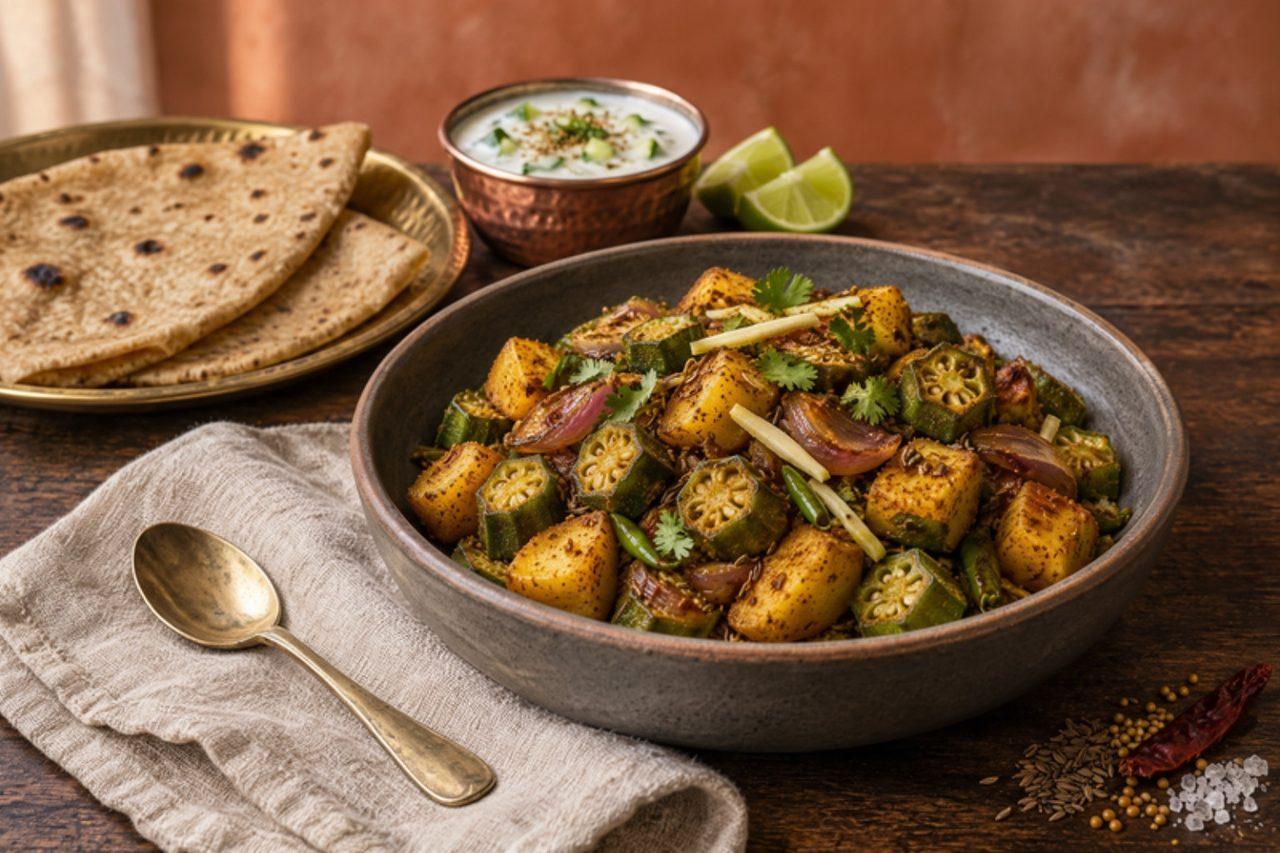
Aloo bhindiPotato and okra stir-fry

Aloo bhindi is the sabzi that Delhi children are happiest to find in their dabba with soft phulkas: okra fried until its edges crisp, potato cubes browned alongside, and sliced onion cooked sweet, all dusted with amchur and cumin. The single big mistake is washing the okra and cutting it wet, which releases slime that never cooks off. Wash it, dry every pod with a cloth and wait half an hour before slicing. Chef's tip: add the salt only at the very end; salt draws moisture out of the okra and makes it sticky.

by KrazyBadal 0 views
Gobi matar (cauliflower and peas)

In Punjab and Uttar Pradesh, winter means cauliflower and fresh peas, and gobi matar is what fills countless school and office dabbas between November and February. It is cooked dry, so the florets brown a little at the edges, sweetened by the peas and sharpened by plenty of ginger. The mistake is cooking the cauliflower covered with water until it is soft and smells of cabbage; steam it briefly in its own moisture, then fry it uncovered. Chef's tip: cut the florets so they have one flat side; that face sits on the pan and browns while the rest steams tender.

by KrazyBadal 0 views
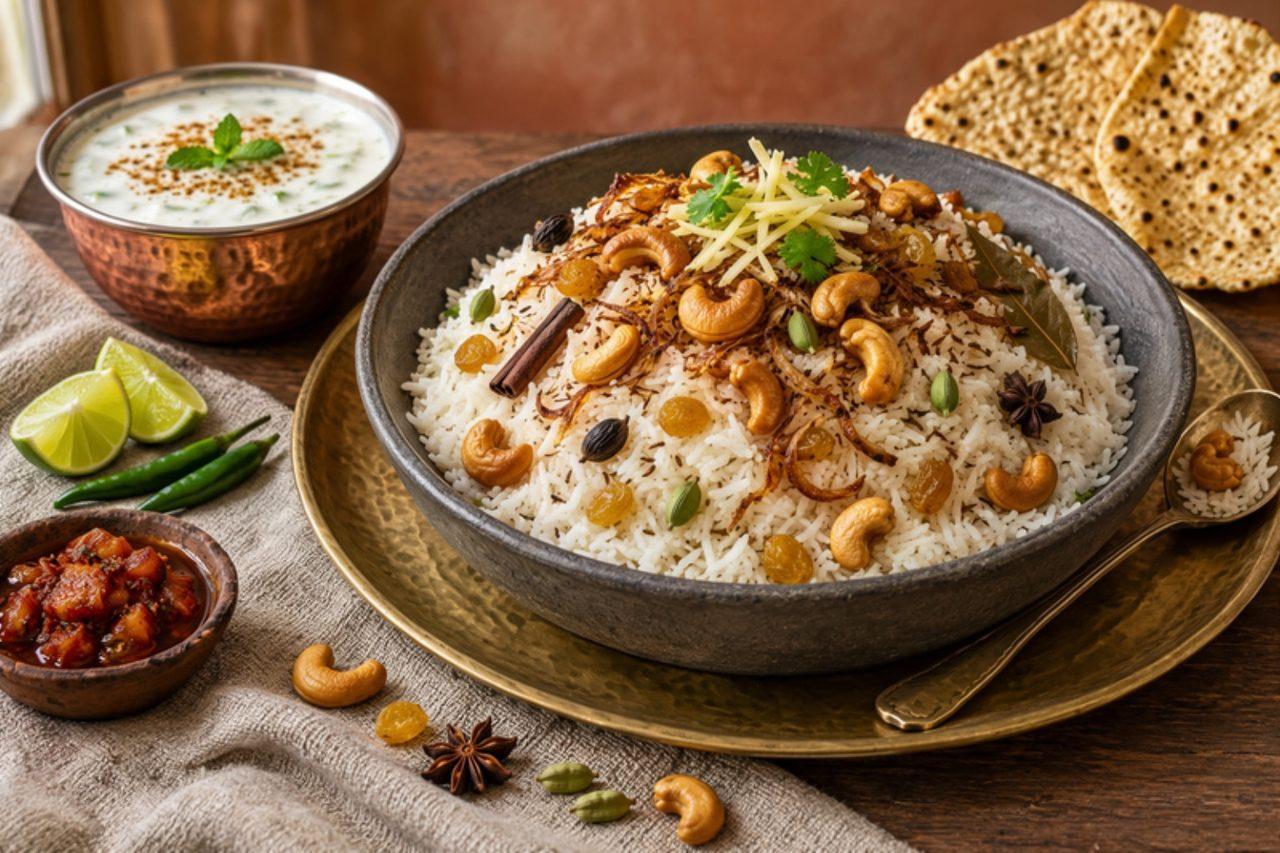
Kaju pulao (cashew pulao)

Kaju pulao is the "special" tiffin of Mumbai and Hyderabad homes, packed for a birthday at school or a festival day at the office, yet it takes no more effort than plain rice. Basmati is cooked with whole spices and golden onion in ghee, and a generous handful of cashews fried separately until crisp is folded through at the end. The mistake is cooking the cashews with the rice, which leaves them soft and pale; fry them on their own and add them last. Chef's tip: stop frying the cashews when they are light gold; they keep darkening in the hot ghee after you lift them out. Contains milk (ghee) and cashews.

by KrazyBadal 0 views
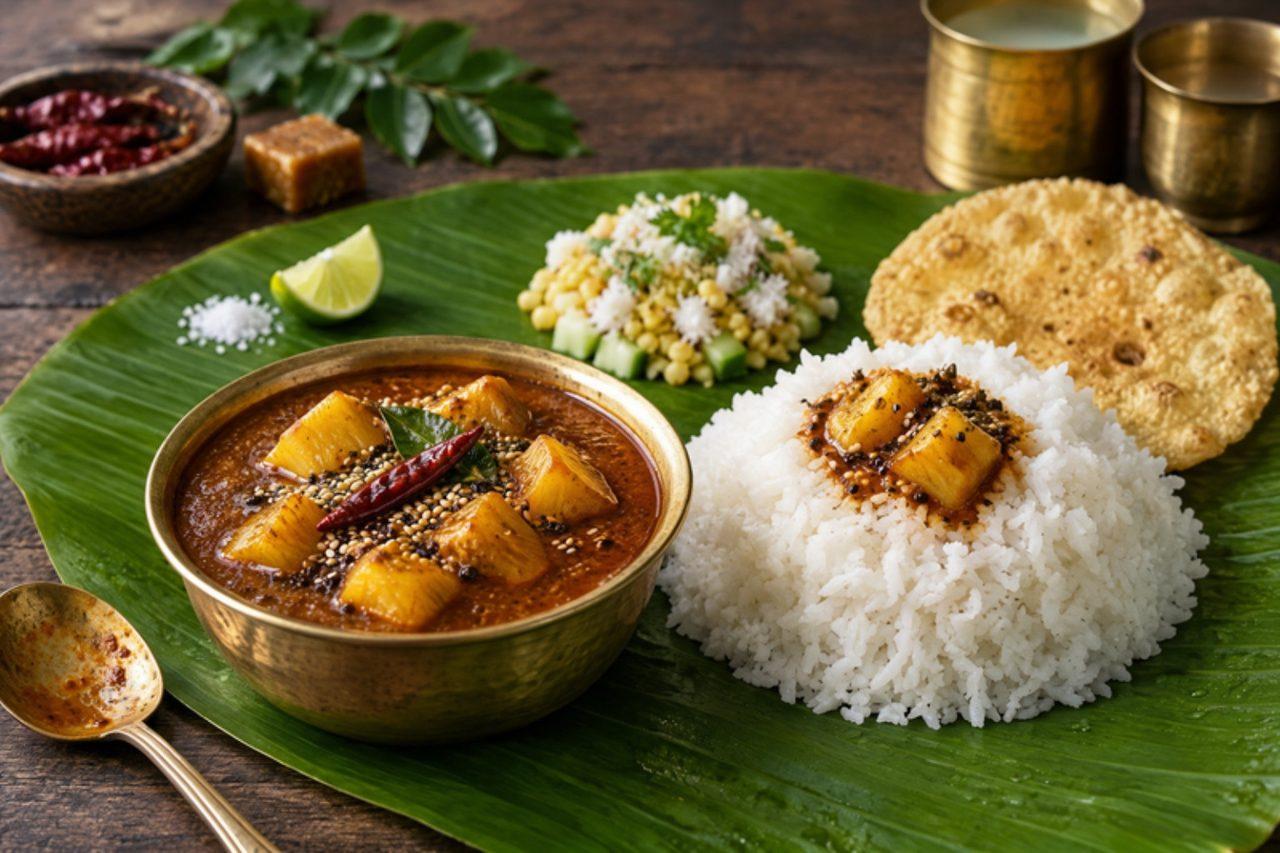
Pineapple gojjuSweet and sour pineapple gravy

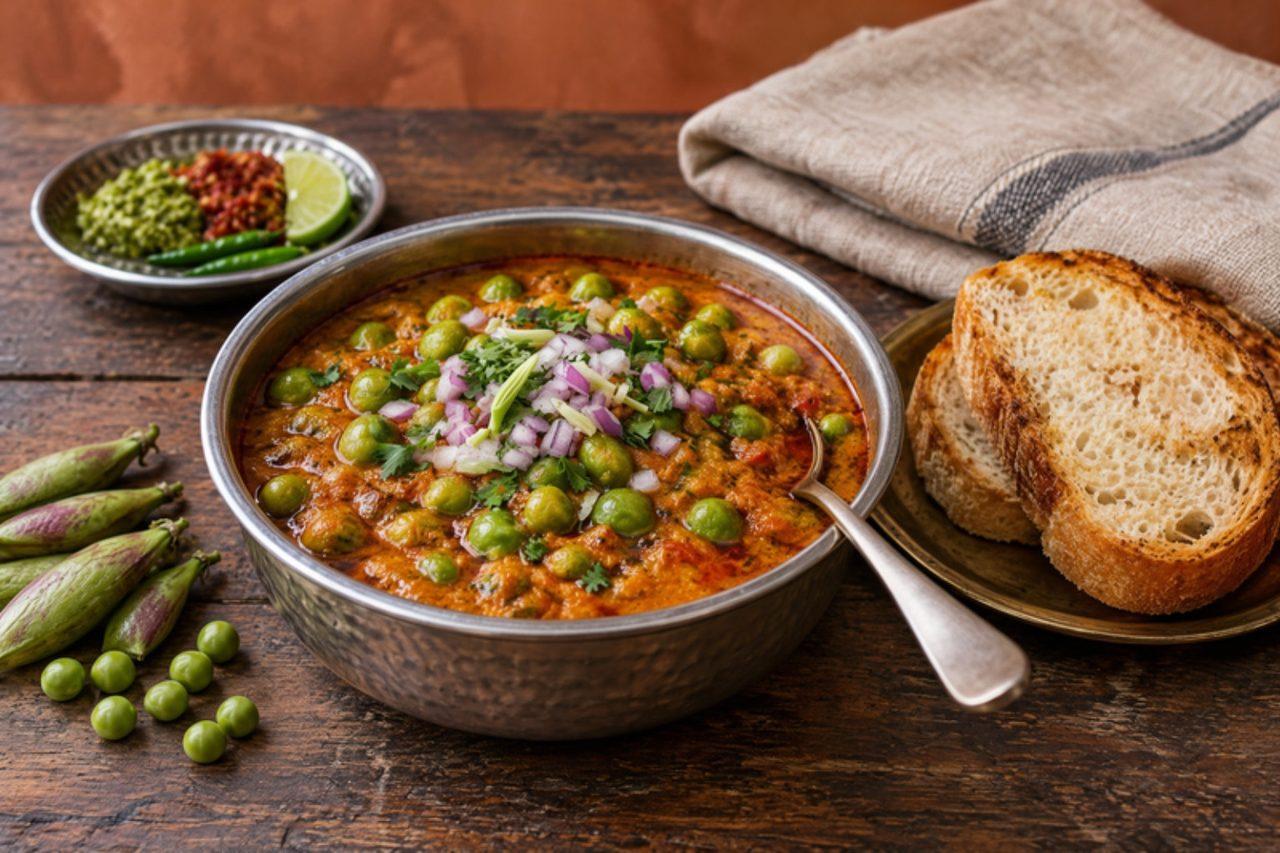
Pineapple gojju turns up on banana leaves at Kannada weddings, housewarmings and Ugadi feasts, where its bright sweet-sour-hot taste cuts through the rice, saaru and payasa. Ripe pineapple is simmered with tamarind and jaggery, then thickened with a roasted paste of sesame, coconut, chilli and lentils until glossy. It is eaten in small spoonfuls with rice or chapati, or as a relish on the side. The usual mistake is adding the jaggery too early and boiling it hard, which makes it sticky and dull; let the pineapple soften first. It keeps for 4 days in the fridge. Chef's tip: toast the sesame seeds separately and add them last, so they stay nutty and you can hear them crackle.

by KrazyBadal 0 views

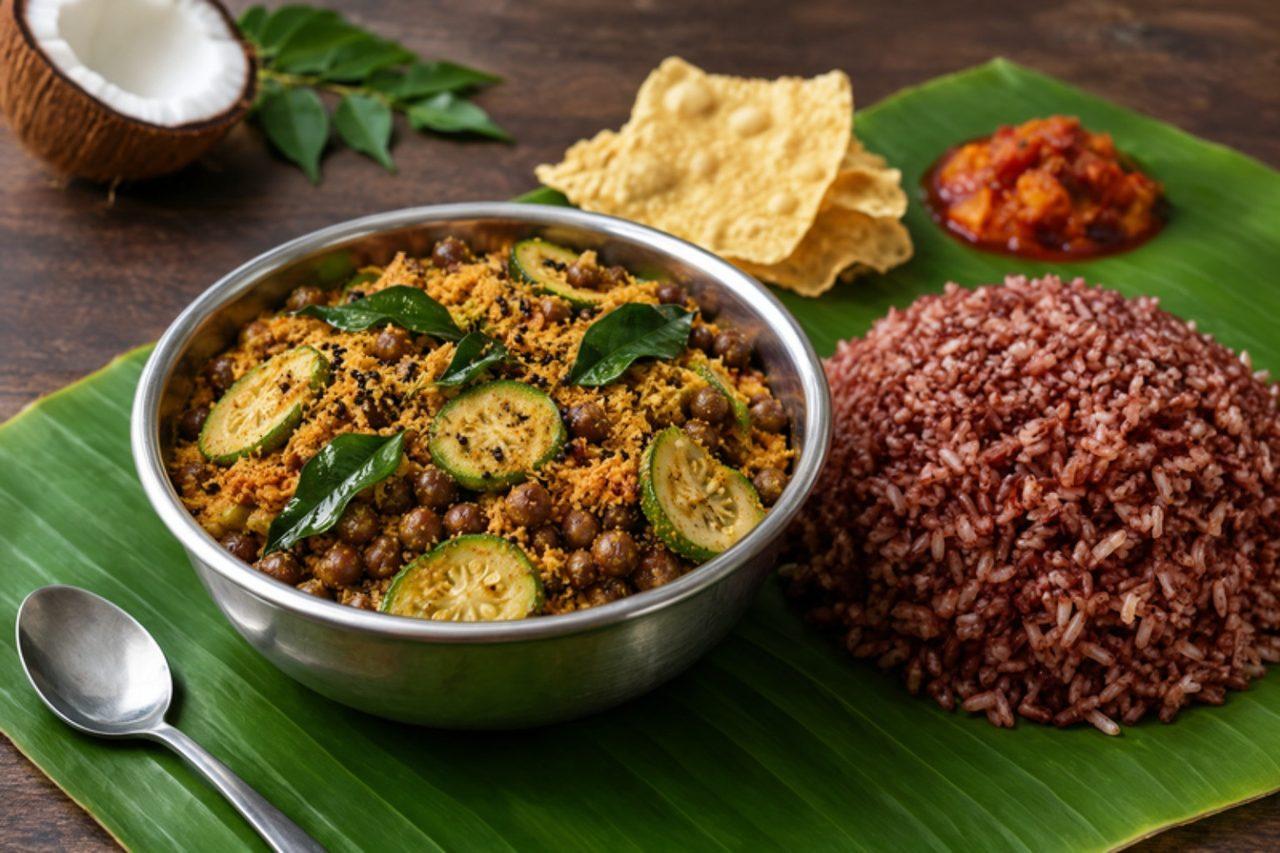
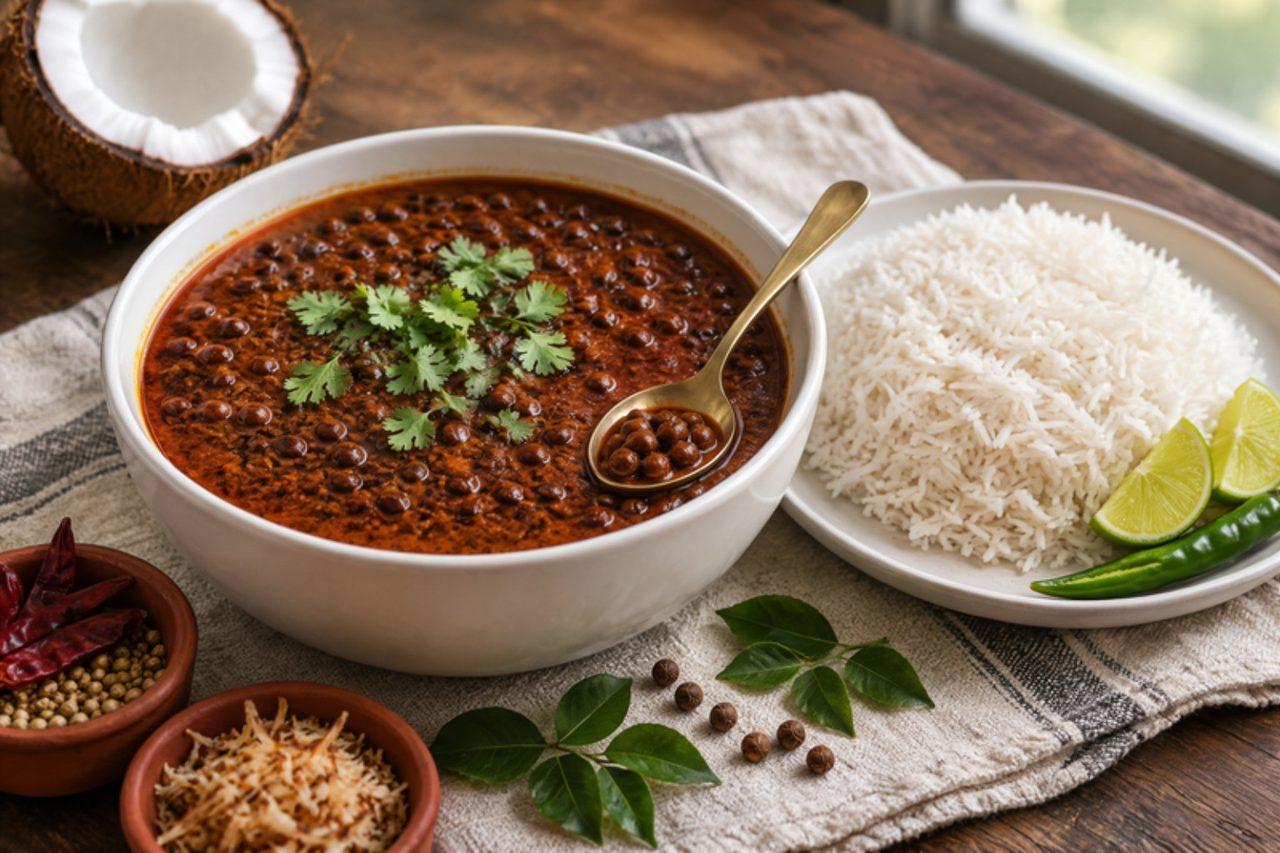
Kadle manoliBlack chickpea and coconut curry

Kadle manoli is a Konkani dish from Mangaluru and Udupi, cooked for festive meals, Saturday temple days and family gatherings, where it sits beside rice, dalitoy and papad. Black chickpeas and quartered ivy gourd are cooked together, then tossed in a coarse, roasted masala of coconut, byadgi chillies and coriander, a little tamarind and a coconut-oil tempering. It is dry-ish, coating each piece rather than swimming in gravy. The usual mistake is cutting the ivy gourd into rounds; slice it lengthwise into quarters so it stays crunchy-tender. Slow-cooker: cook the soaked chana and gourd with 500 ml water on low for 7 hours, then stir in the masala and heat through. Chef's tip: grind the masala coarse, with very little water, so it clings to the chickpeas and stays fragrant.

by KrazyBadal 0 views
Kachi haldi ki sabziFresh turmeric curry

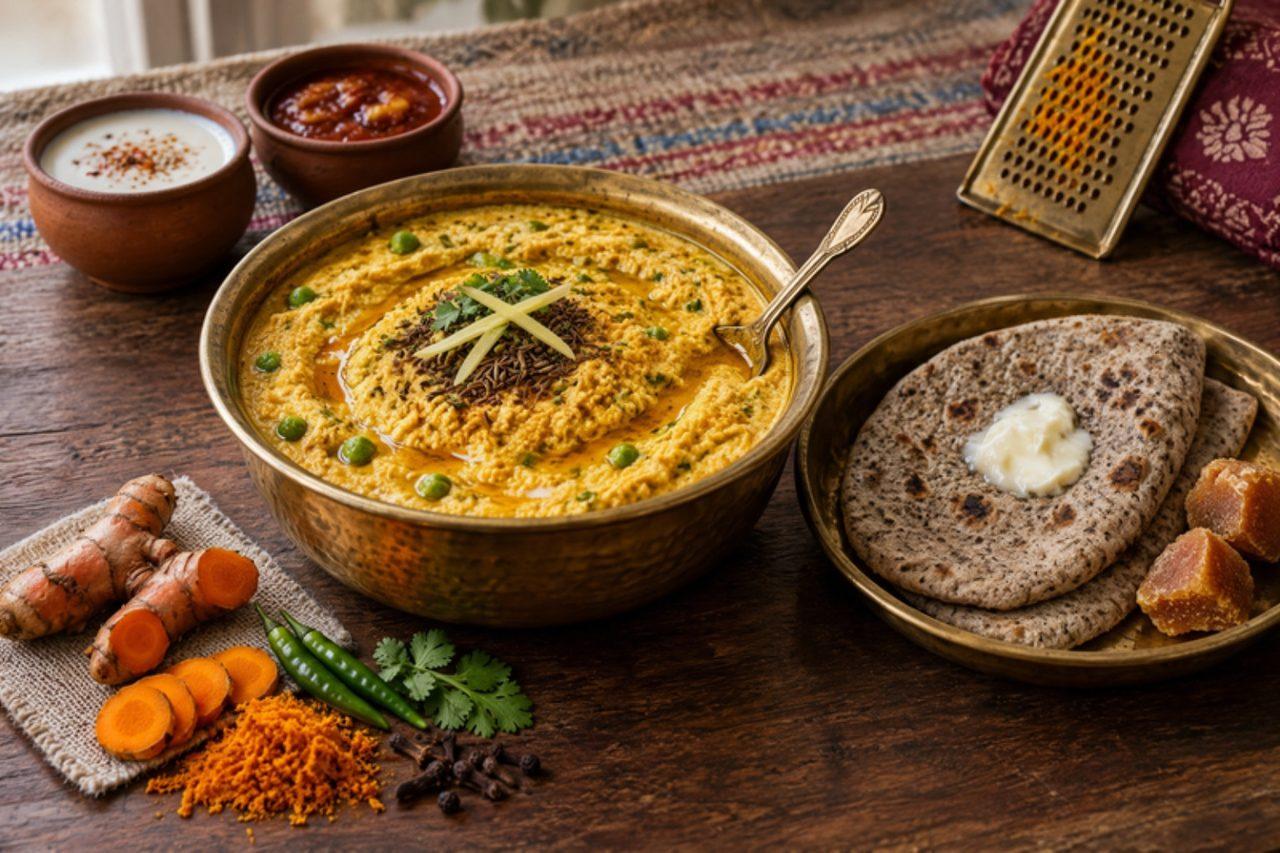
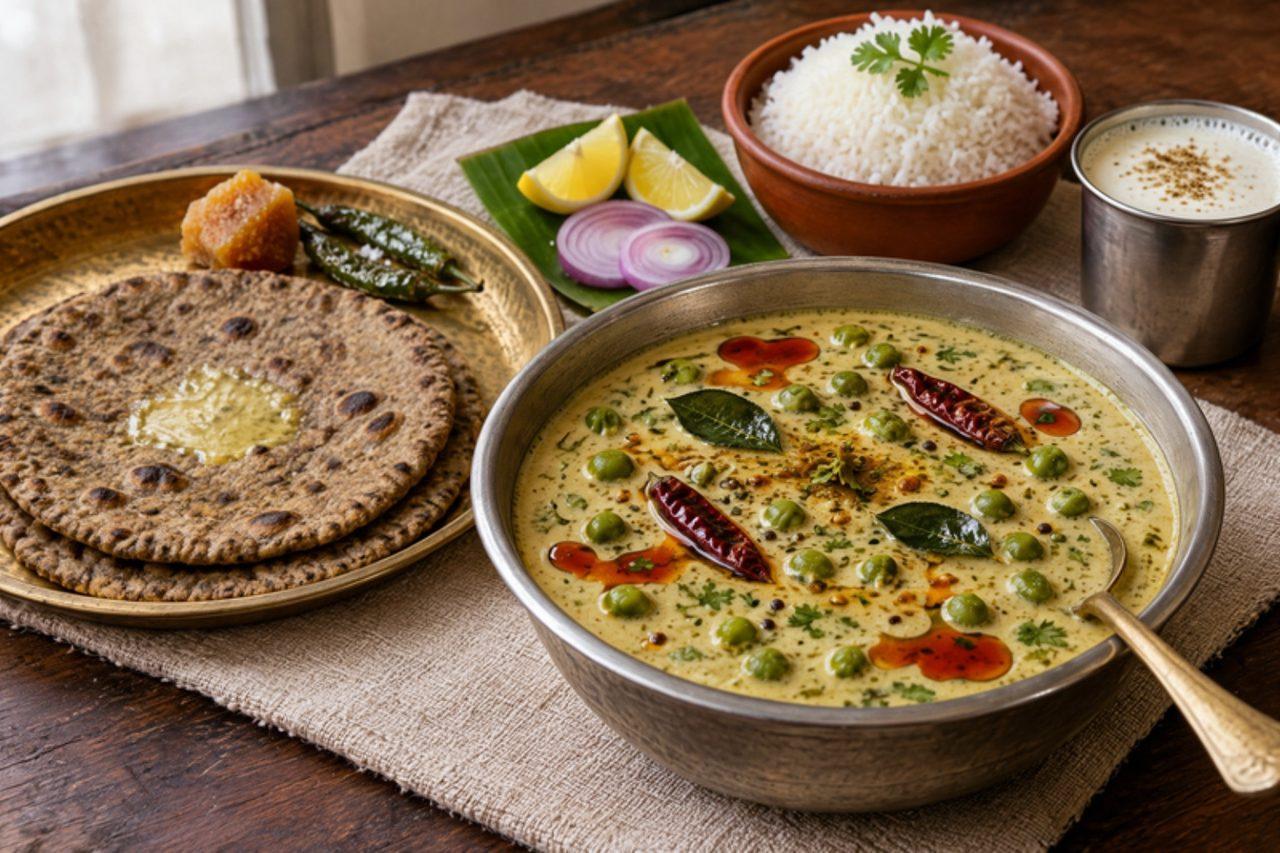
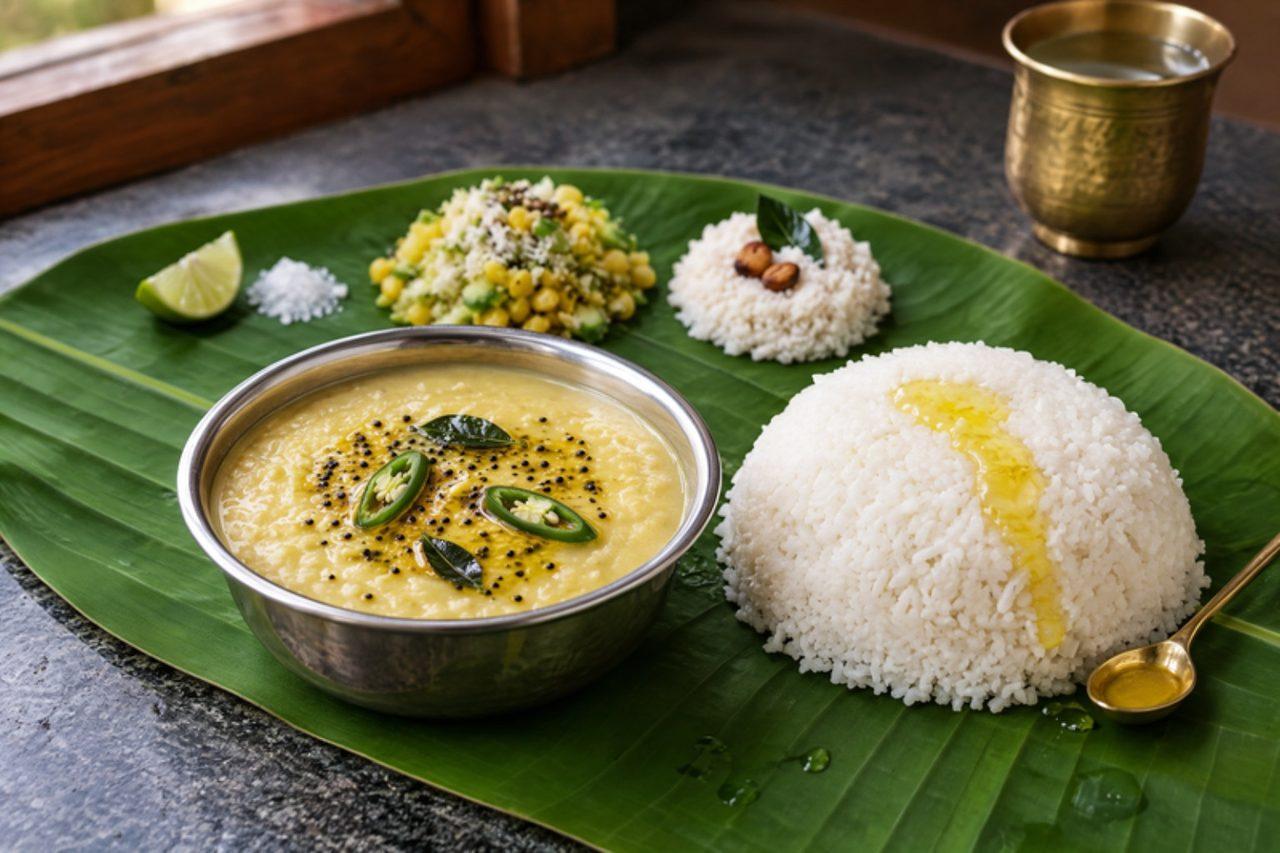
When fresh turmeric root reaches the markets of Jodhpur and Jaipur in December, Marwari families cook kachi haldi ki sabzi, a rich, warming winter dish eaten in small portions with bajra roti and a glass of buttermilk. Grated turmeric is fried slowly in plenty of ghee until it darkens and loses its raw bitterness, then simmered with onion, yoghurt, green peas and spices into a golden, earthy curry. The usual mistake is rushing the frying: it needs 15–20 minutes on a low heat, or the dish tastes harsh. Wear gloves when grating, as turmeric stains hands and boards. Chef's tip: whisk the yoghurt with the ground spices before adding it, and keep stirring until it boils, so the sauce stays silky.

by KrazyBadal 0 views
Lauki chana dalBottle gourd and chana dal

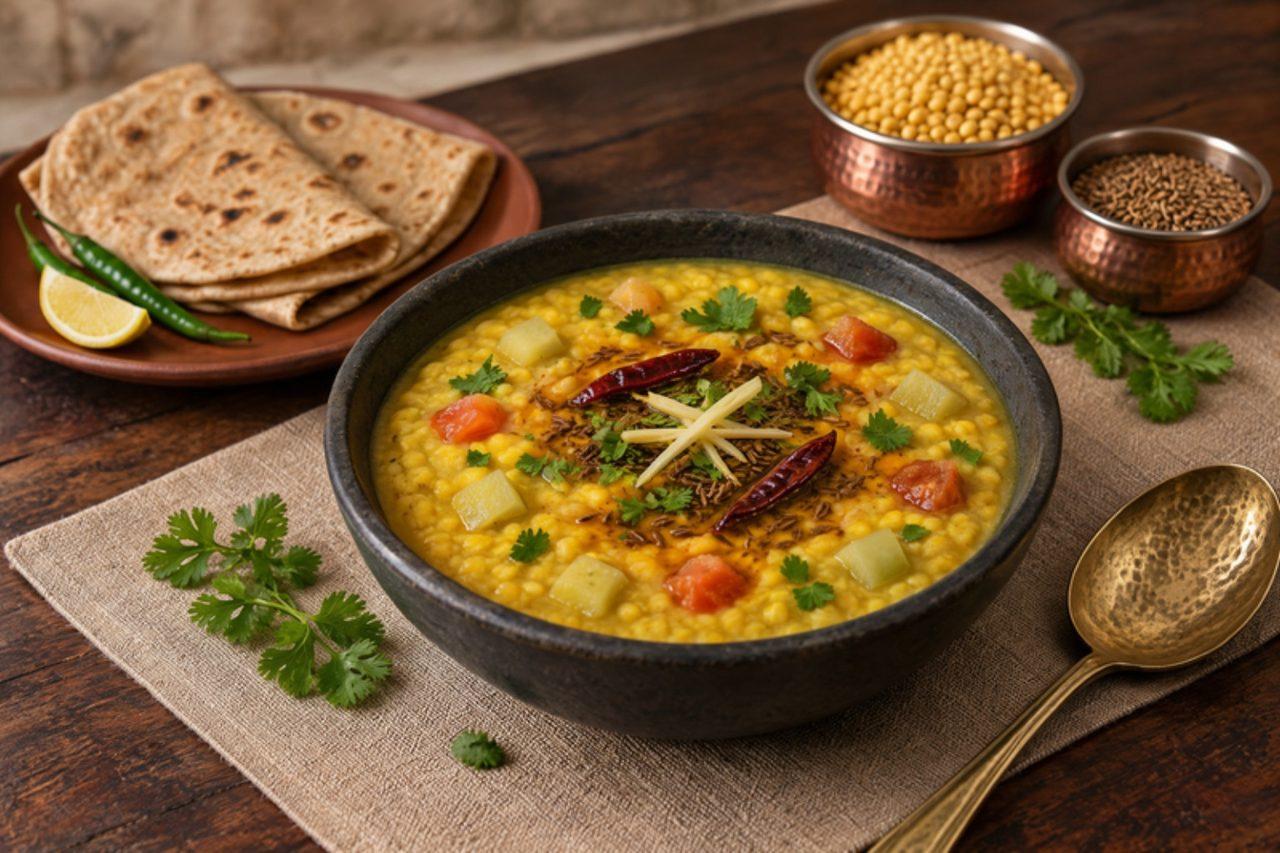
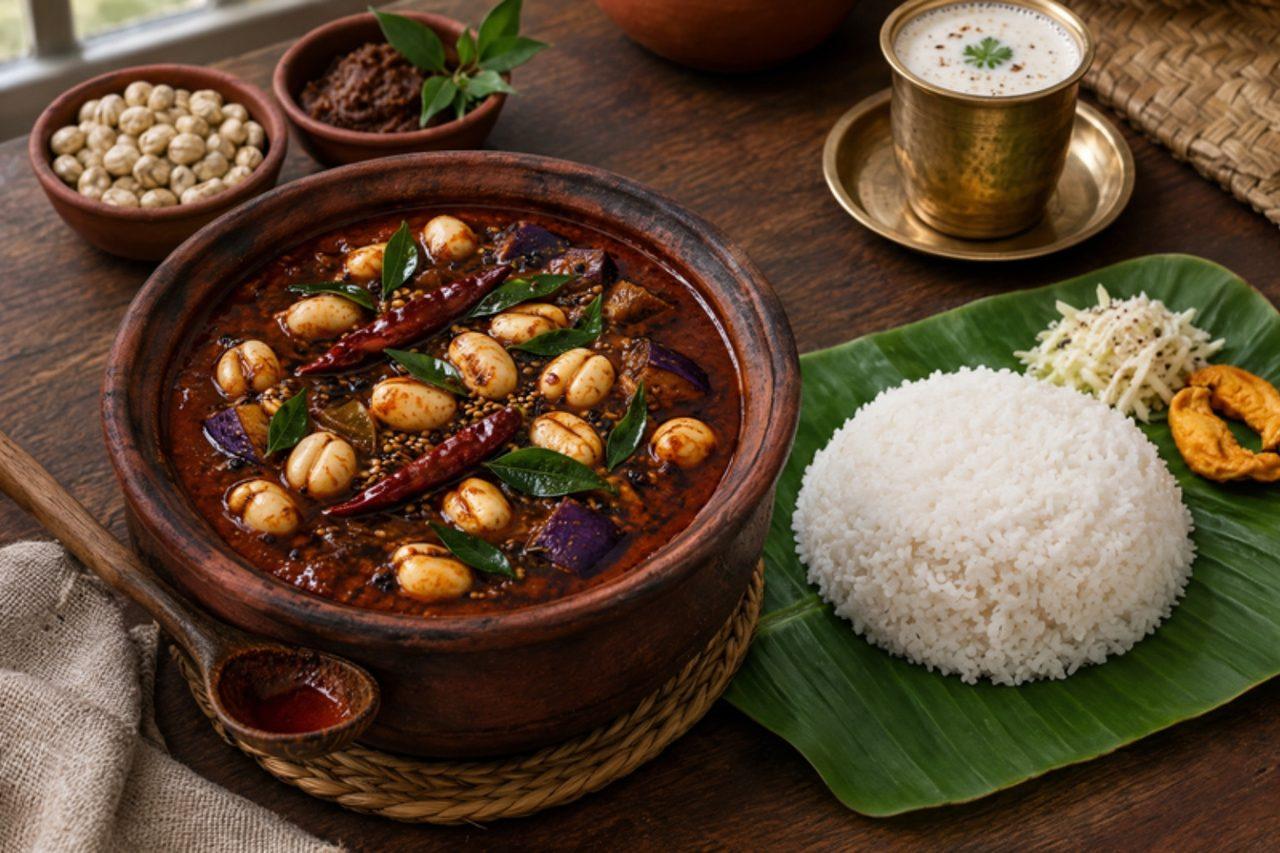
In Punjabi and Haryanvi homes lauki chana dal is a weekday staple, and it travels in the dabba's lidded steel bowl beside rotis or rice. Chana dal holds its shape while the bottle gourd melts into it, so the dal is thick enough not to slosh about. The mistake is adding the lauki at the start with the dal: it collapses into strings and turns the dal watery. Add it once the dal is half cooked. Chef's tip: choose a young, pale-green lauki that your nail dents easily; an old one is bitter and seedy, so taste a small piece raw and discard it if it is bitter.

by KrazyBadal 0 views
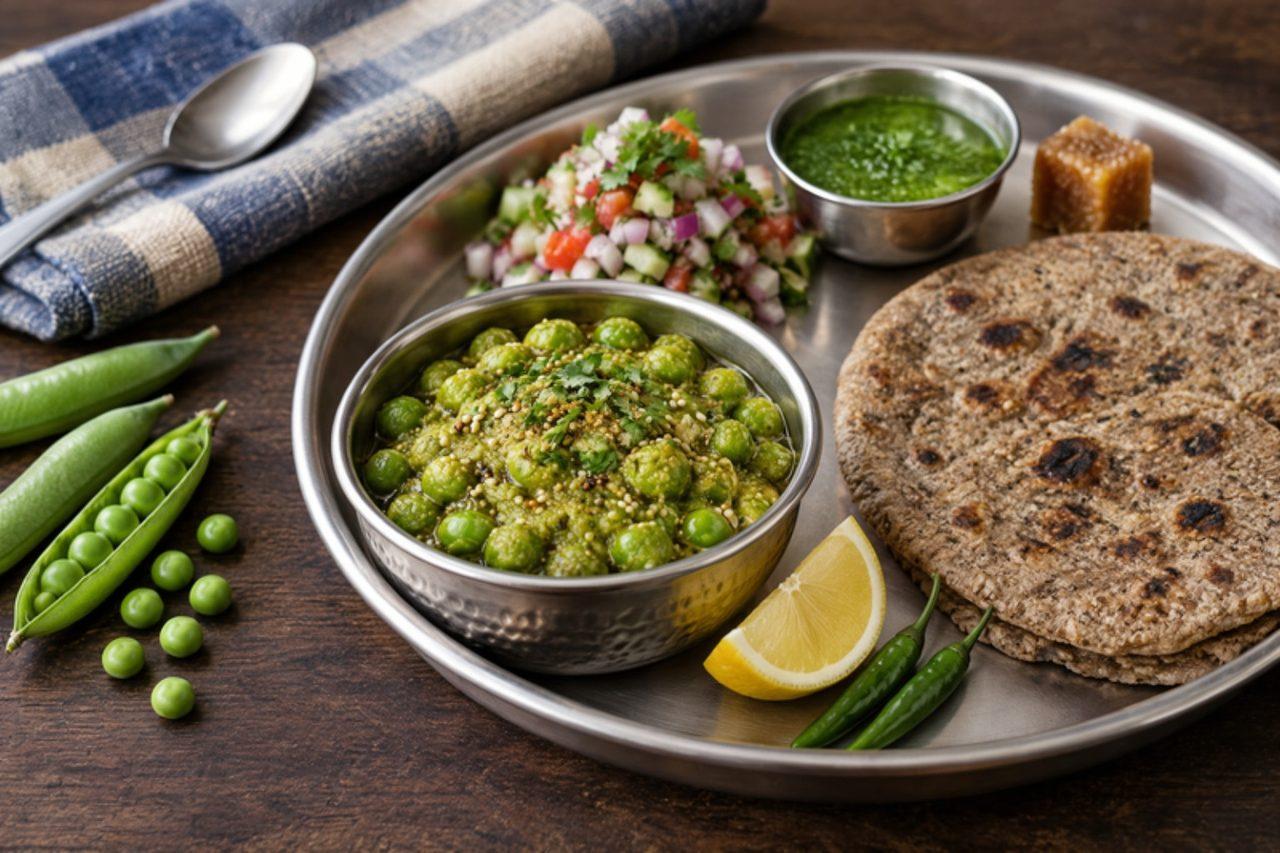
Matar paratha (green pea paratha)

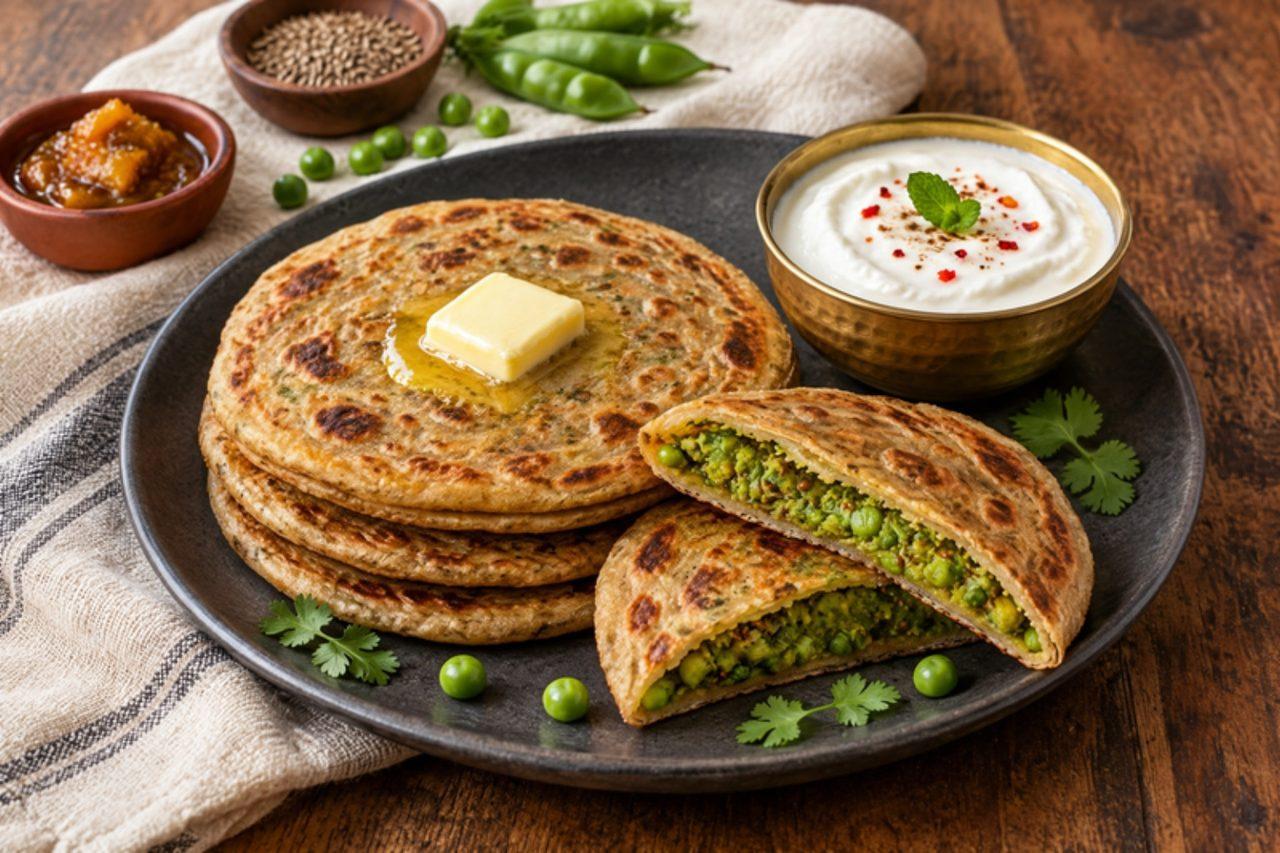
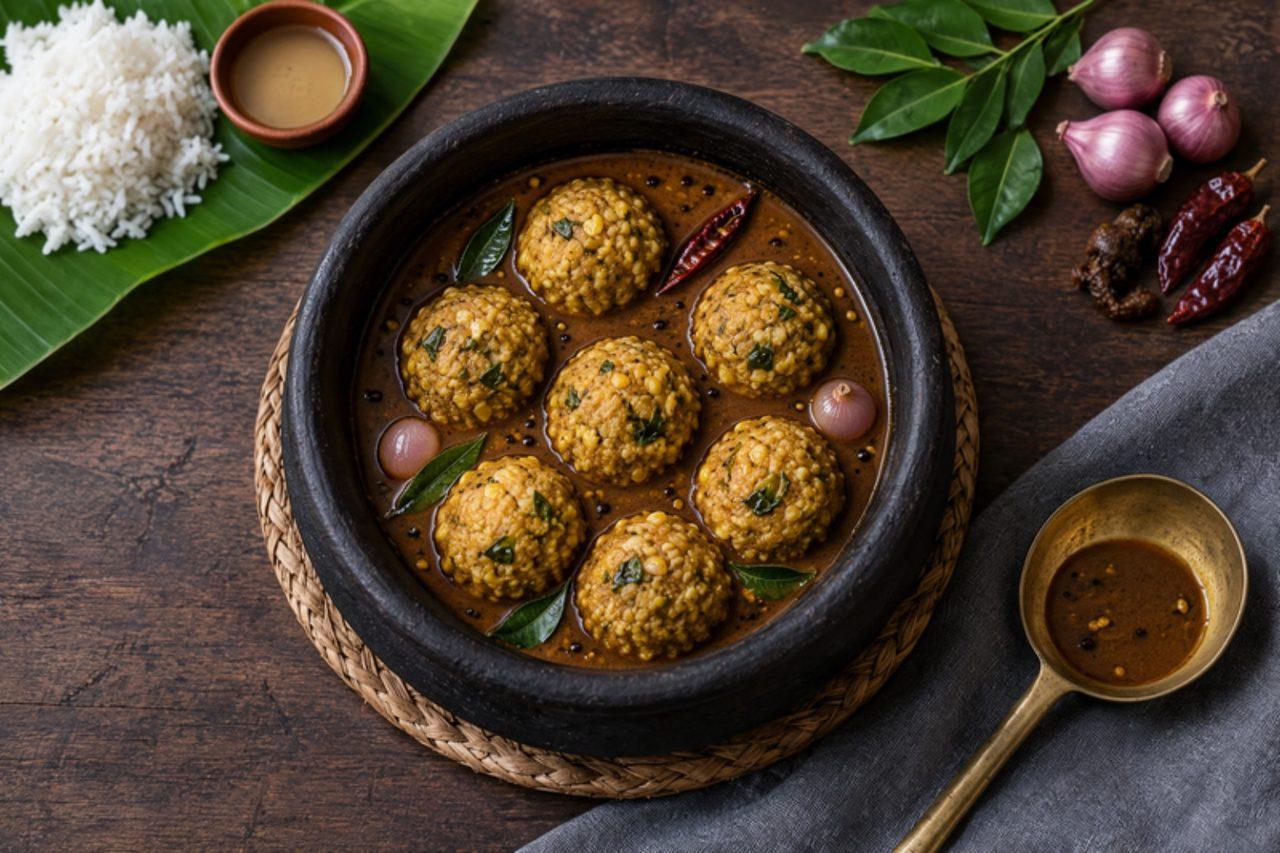
In Delhi and Punjab, matar paratha is the winter tiffin made when the first sweet peas arrive: the peas are boiled, mashed coarse and spiced with ginger, green chilli, cumin and amchur, then sealed inside wholewheat dough and roasted on the tawa with a little ghee. Rolled up in foil with a spoon of pickle, they are still soft at lunch. The mistake is a wet filling, which bursts through the dough; cook the mashed peas in a pan until dry and cool them before stuffing. Chef's tip: make the filling slightly saltier than tastes right, because the dough around it is unsalted and mutes it.

by KrazyBadal 0 views
Lemon sevai (lemon rice noodles)

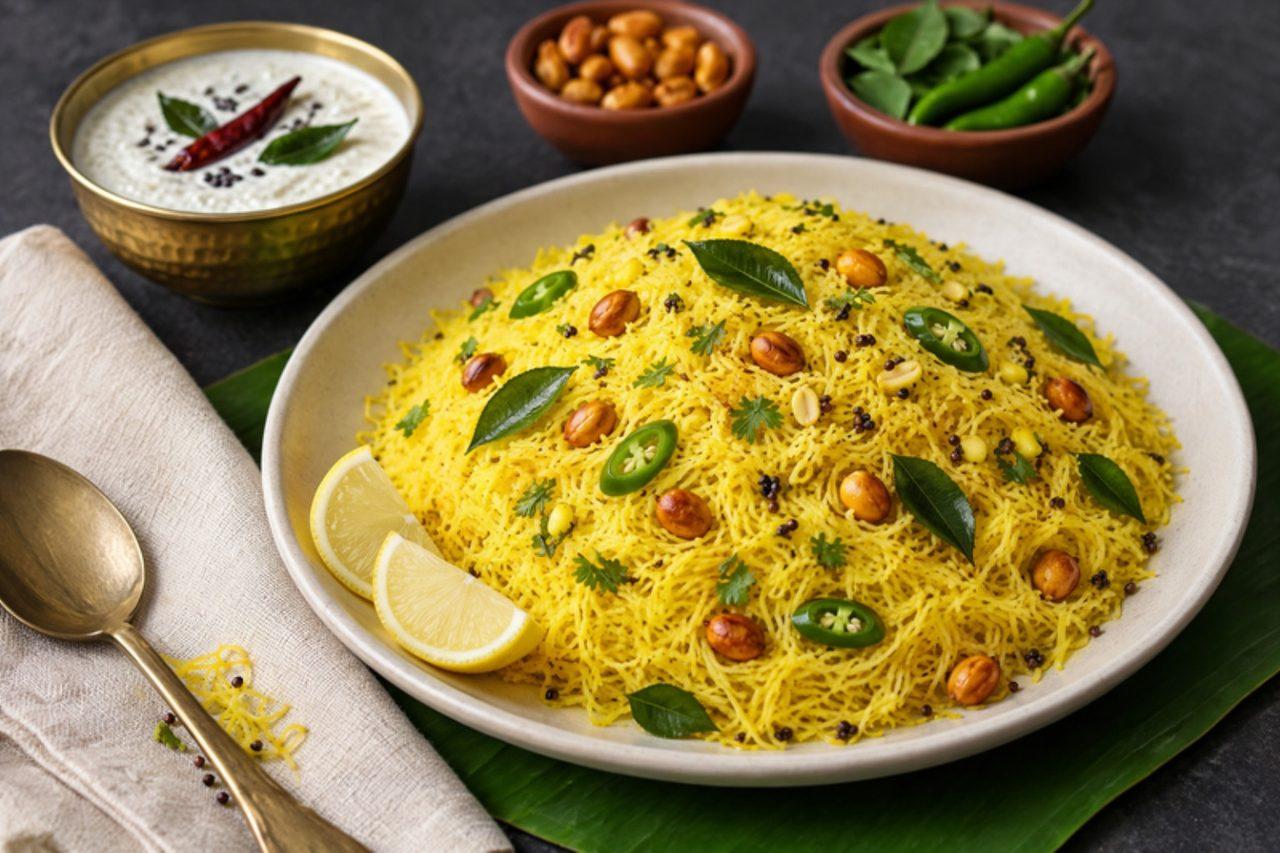
Sevai is pressed rice-flour vermicelli, and in Tamil Nadu and the Mysuru region the lemon version is a lighter alternative to lemon rice for a school lunch box. Today most homes use dried rice sevai, softened in hot water and steamed, then tossed with a turmeric tempering of mustard, dal, peanuts and green chilli and plenty of lemon. The common mistake is soaking the dry sevai too long, so it breaks into short mushy bits; it should be just pliable before it goes into the steamer. Chef's tip: toss with a fork, not a spoon, and lift rather than stir so the strands stay long.

by KrazyBadal 0 views

Akkha masoorWhole brown lentil curry

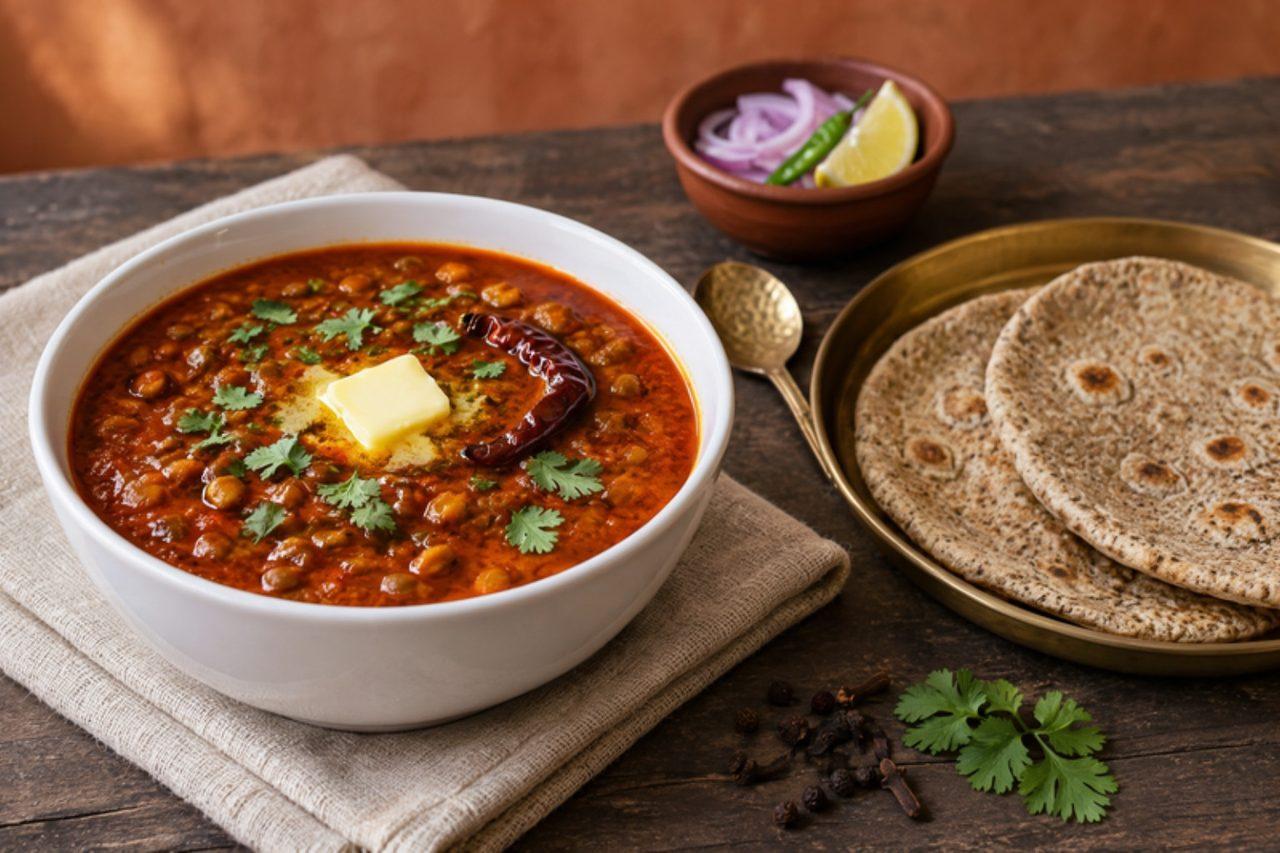
Akkha masoor is the dish that made the dhabas on the Kolhapur–Pune highway famous: whole brown lentils cooked into a rich, fiery onion, tomato and Kolhapuri-masala gravy, finished with a big knob of butter and eaten with jowar bhakri, tandoori roti or jeera rice. At home it is a weeknight dinner and a favourite on cold evenings. The lentils keep their shape while the roasted dry coconut and red chilli give a deep, nutty heat. The usual mistake is undercooking the onions; they must turn deep brown before the tomatoes go in, or the gravy tastes thin. Slow-cooker: cook everything except the butter on low for 6 hours, then stir the butter in at the end. Chef's tip: toast the dry coconut until it is the colour of a biscuit; it is the secret of the dhaba flavour.

by KrazyBadal 0 views
Dalimbi usalSprouted field bean curry

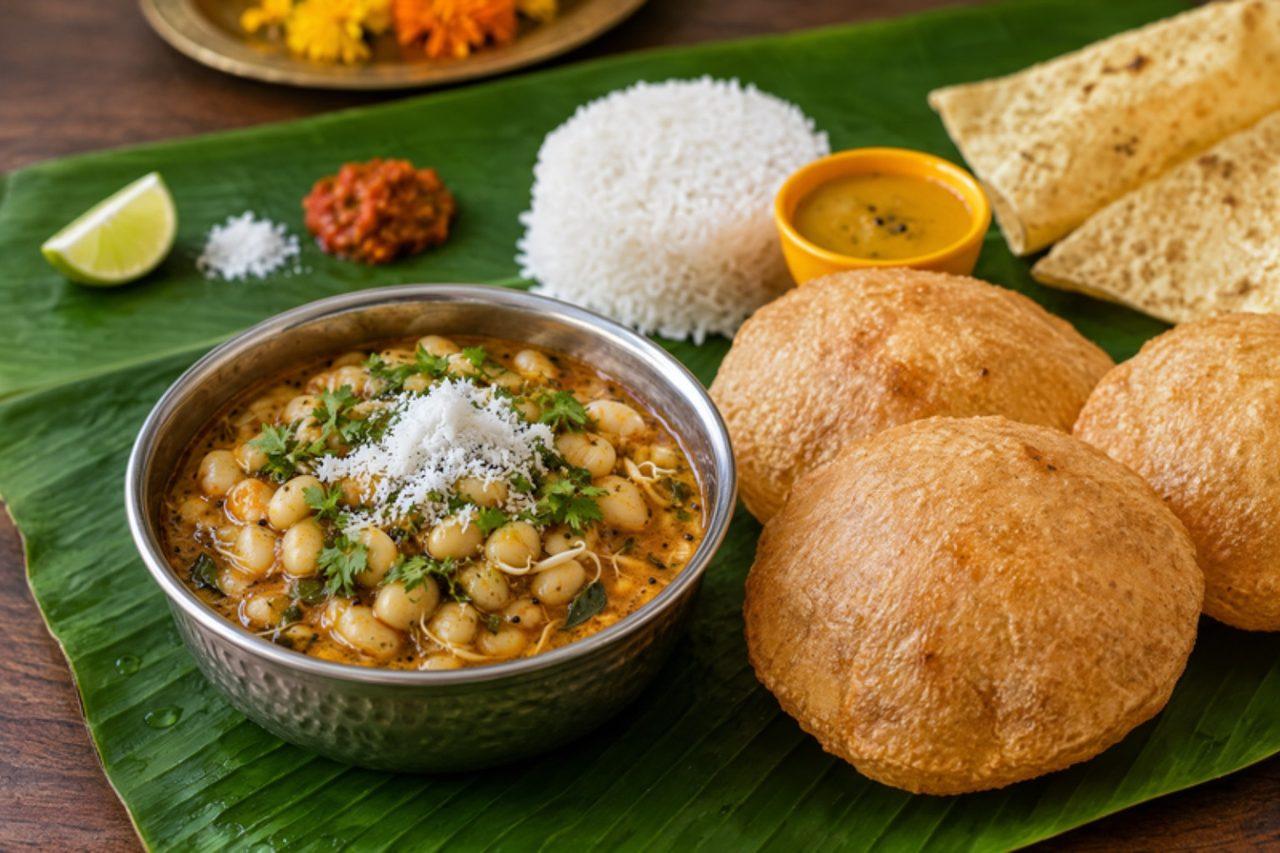
In Konkan and Pune homes, dalimbi usal is a festival dish, cooked for Ganesh Chaturthi, weddings and thread ceremonies and served on the thali beside puran poli and rice. Dalimbi are dried field beans (val) that are soaked, sprouted and peeled; the work takes two days but turns them creamy and sweet. They are simmered gently with fresh coconut, goda masala, kokum and a little jaggery, without onion or garlic. Field beans must always be cooked until fully soft; never eat them raw or half-cooked. The usual mistake is boiling them hard, which bursts the soft peeled beans into mash; keep the simmer gentle. Chef's tip: soak the sprouted beans in warm water for 30 minutes before peeling, and the skins slip off with a pinch.

by KrazyBadal 0 views
Val valMixed vegetables in coconut gravy

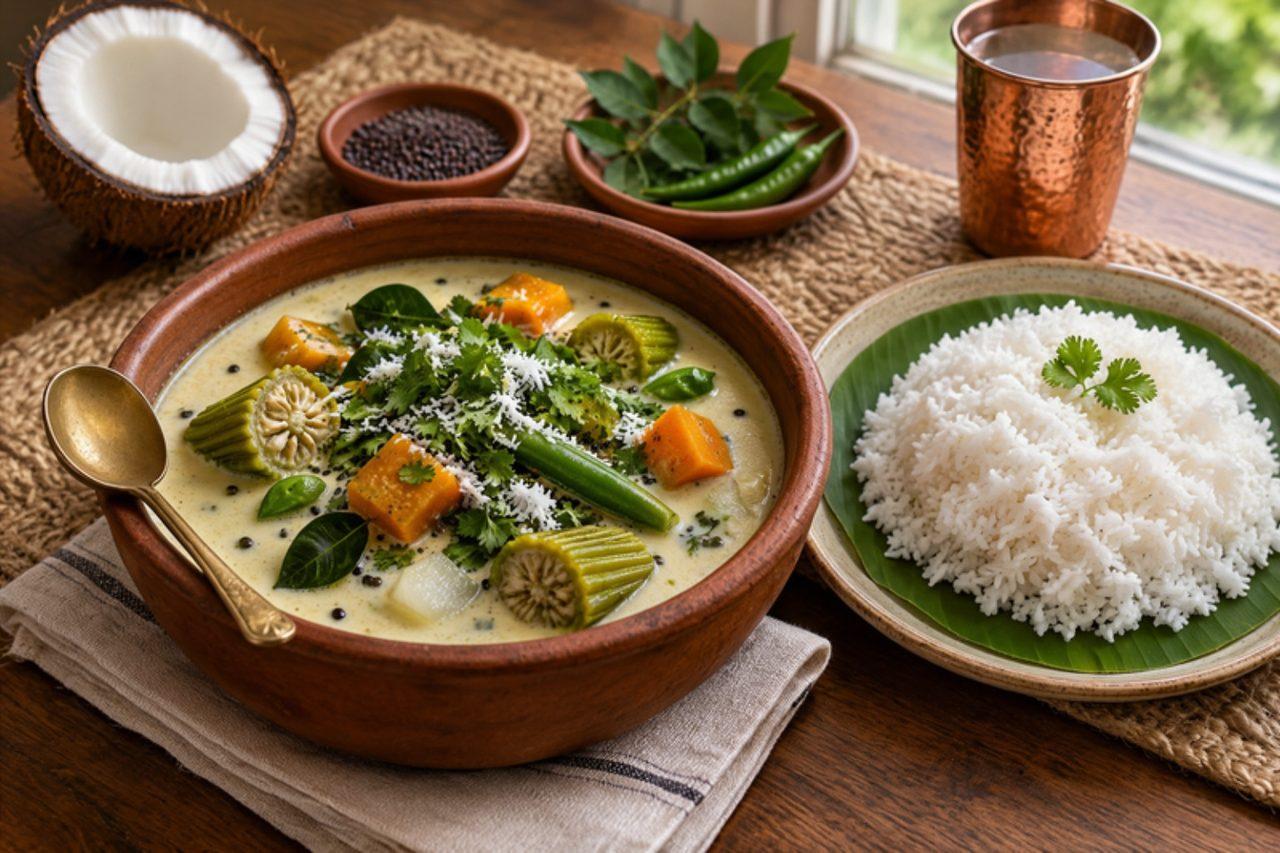
Val val is a gentle Goan Saraswat stew of mixed vegetables in coconut milk, cooked for festive meals at Ganesh Chaturthi, weddings and temple feasts in Ponda and Margao, where it balances hot curries and fried fish-free starters on the plate. Drumsticks, pumpkin, green beans and potato cook in thin coconut milk with green chilli and cumin, then thick coconut milk is stirred in at the end for a creamy, pale, mildly sweet sauce. Eat it with rice, or with puris for a feast. The usual mistake is boiling it after the thick coconut milk goes in, which splits it into oily curds. Chef's tip: grind the cumin with the green chillies and a spoon of coconut milk; it gives a fresh warmth without colouring the white sauce.

by KrazyBadal 0 views

Khatta magGreen moong in sour yogurt

Khatta mag is weekday comfort across Gujarat, from Ahmedabad flats to Saurashtra farmhouses: whole green moong cooked soft and simmered in a tangy, kadhi-like gravy of yoghurt and gram flour with ginger, green chilli and a clove-and-cinnamon tempering. It is ladled over rice or eaten with bajra rotla, and many families cook it on Wednesdays, the day for moong. A little jaggery is optional. The usual mistake is pouring cold yoghurt into the hot pot without whisking it with gram flour first, which makes it split into curds. Slow-cooker: cook the soaked moong with 600 ml water on low for 5 hours, then stir in the yoghurt mix and cook on high for 30 minutes. Chef's tip: slightly sour, day-old yoghurt gives the best khatta flavour.

by KrazyBadal 0 views
Sev tameta nu shaakSev and tomato curry

Sev tameta nu shaak is roadside-dhaba and home food from Kathiyawad in Saurashtra, cooked when the vegetable basket is nearly empty but there are tomatoes and a tin of sev. Ripe tomatoes simmer with garlic, red chilli and a little jaggery into a thin, sweet-sour-hot gravy, and a handful of crisp gram-flour sev goes on top at the very last moment, so it is half-crunchy, half-soft when you eat it with bajra rotla, thepla or rotli. The usual mistake is stirring the sev in too early, which turns the curry into a paste. Most sev is made from gram flour, but check the packet if you avoid gluten. Chef's tip: use thick sev (ratlami or bhavnagari), which holds its crunch far longer than nylon sev.

by KrazyBadal 0 views
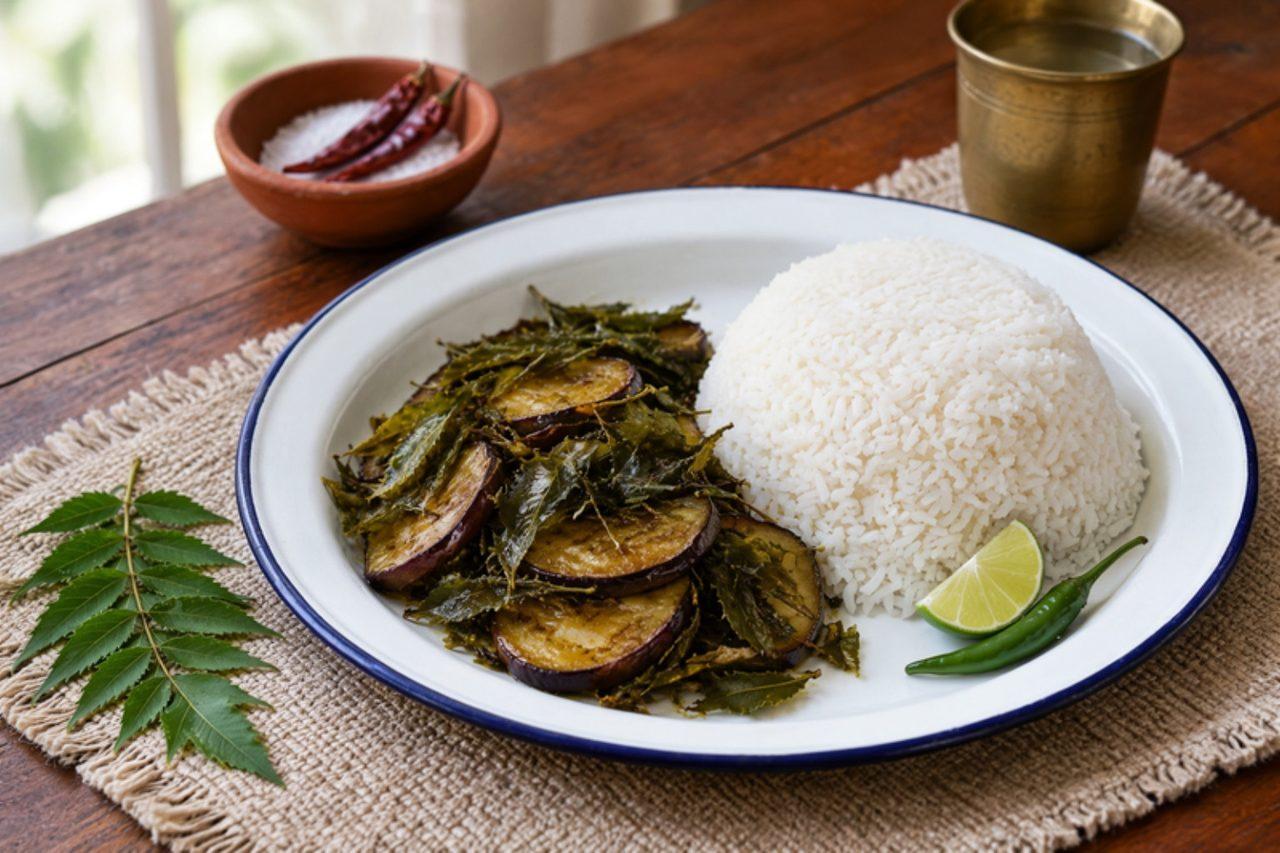
Neem begunNeem leaves with aubergine

Neem begun opens a traditional Bengali lunch in spring, especially around Poila Baisakh, when the neem trees of West Bengal put out soft new leaves. A few tender leaves are fried crisp in mustard oil, then tossed with small cubes of fried aubergine so the bitterness is softened by the creamy brinjal. Eat a spoonful or two with the first mouthfuls of rice, before the dal. It is suitable as part of a balanced diet and is meant to be eaten in small amounts, as Bengali cooks always have. About 110 kcal and 7 g carbohydrate per portion. The usual mistake is frying the neem too long, which turns it black and acrid; it needs only seconds. Chef's tip: dry the leaves completely on a cloth before they go into the oil, or they spit and steam instead of crisping.

by KrazyBadal 0 views
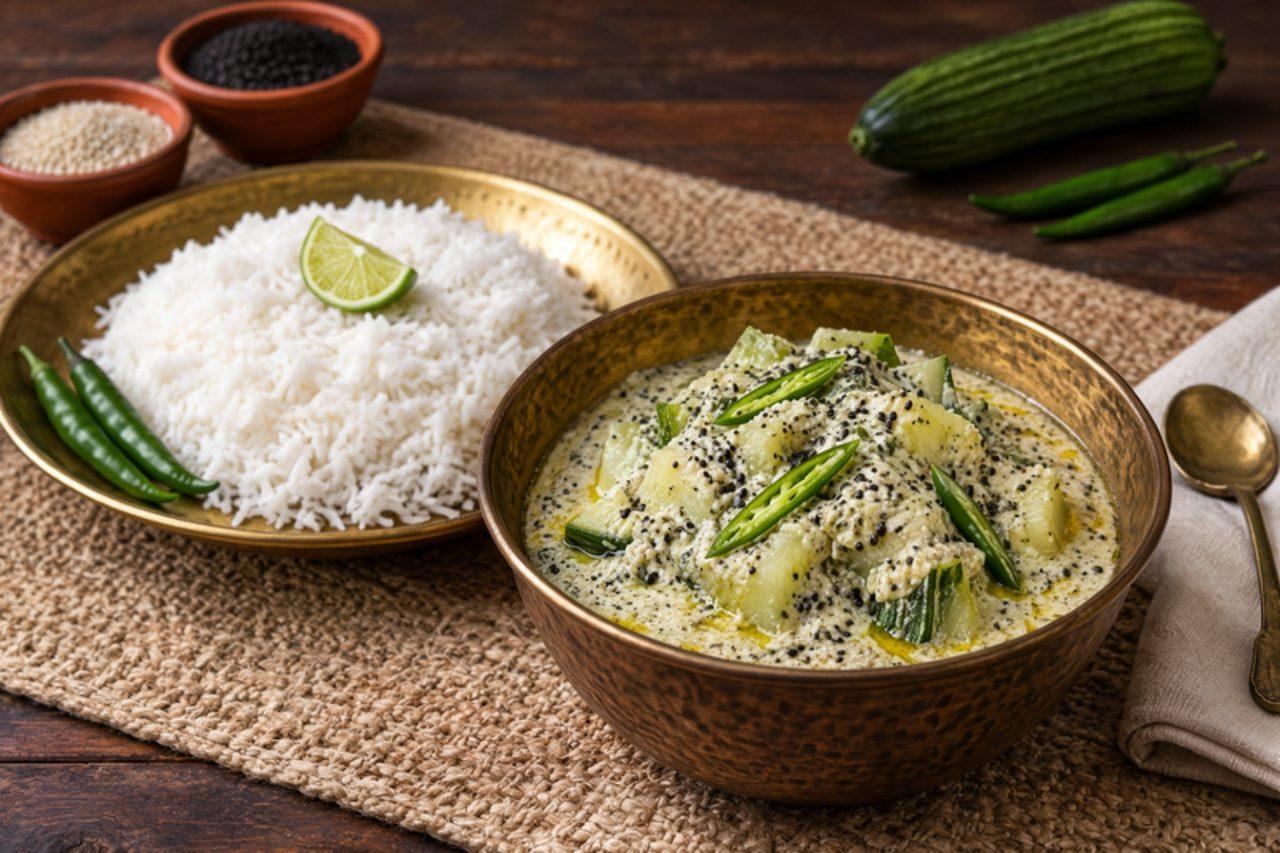
Jhinge postoRidge gourd with poppy seeds

Jhinge posto is a summer staple of West Bengal and especially the Bankura and Birbhum districts, where poppy seed (posto) goes into almost every everyday lunch. Ridge gourd is cooked in its own juices with nigella seeds and green chilli, then coated in a creamy paste of ground white poppy seeds, giving a mild, nutty, slightly sweet dish. Serve it with rice and dal, or with a millet roti for a lower-GI plate. It is suitable as part of a balanced diet. About 150 kcal and 9 g carbohydrate per portion. The usual mistake is adding water: the gourd releases plenty, and extra water makes the posto runny. Chef's tip: soak the poppy seeds in hot water for 20 minutes before grinding so the paste is smooth, not gritty.

by KrazyBadal 0 views
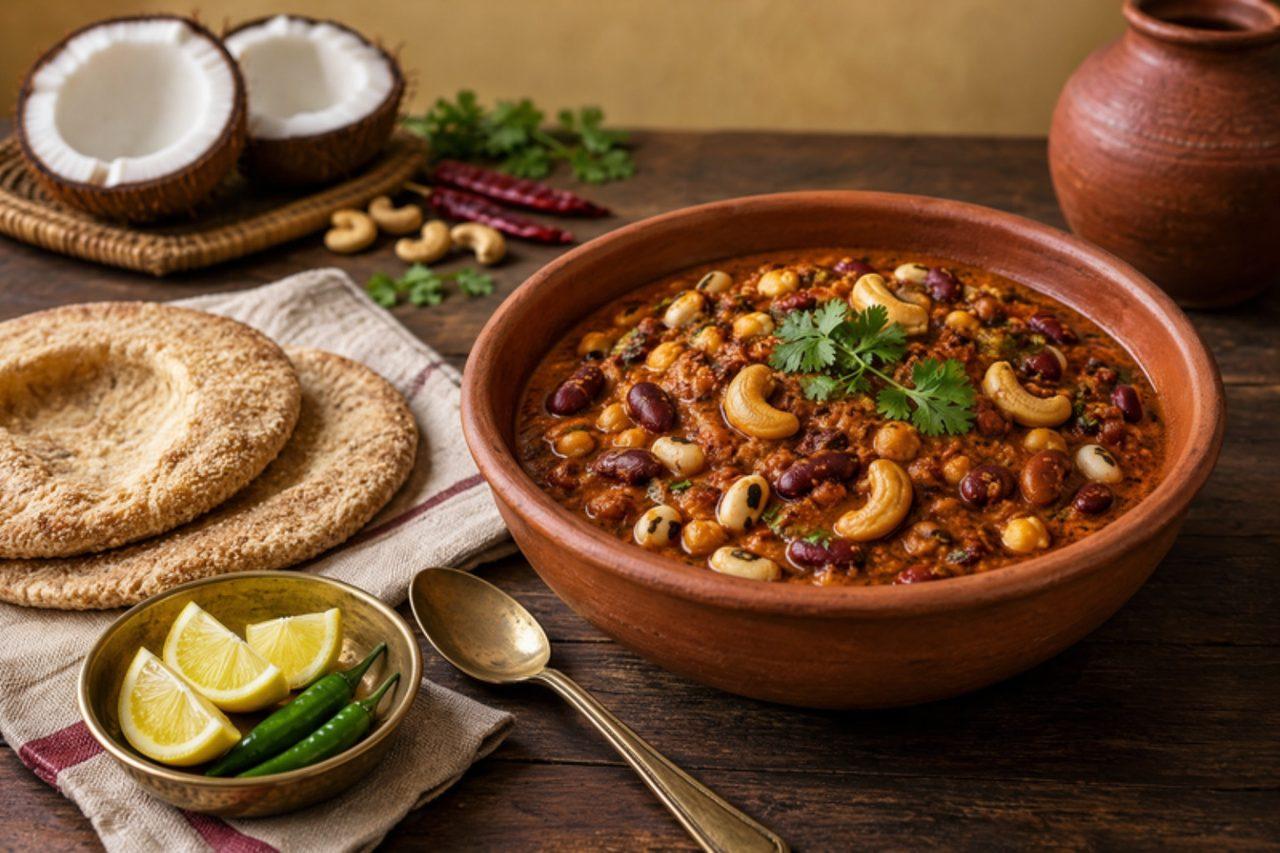
TondakMixed beans and cashew gravy

Tondak is a Goan Saraswat dish cooked in homes around Ponda and Margao for festivals, weddings and Sunday lunches: mixed beans and plump cashews in a gravy of roasted coconut, red chillies and coriander seeds. The beans soften into the reddish-brown sauce while the cashews stay buttery, making it filling and rich in protein. Serve it with a little rice or a millet bhakri and a vegetable side. It is suitable as part of a balanced diet. About 380 kcal and 34 g carbohydrate per portion. The usual mistake is grinding raw coconut; it must be roasted to a deep golden brown first or the gravy tastes flat. Chef's tip: dried kidney beans must be soaked overnight and boiled hard for 10 minutes before they simmer, so do this even if you then use a slow cooker or pressure cooker.

by KrazyBadal 0 views
Tuver tothaGreen pigeon peas in garlic gravy

Tuver totha is a winter street-stall and wedding favourite from Mehsana and the villages of North Gujarat, eaten hot on cold evenings when fresh green tuver is in season. The peas are boiled soft, then simmered in a fiery, garlicky gravy of onion, tomato and green chilli and finished with chopped onion, coriander and lemon. In Gujarat it is mopped up with bread; for a lower-GI plate serve it with a bajra rotla or a small bowl of brown rice. It is suitable as part of a balanced diet. About 260 kcal and 30 g carbohydrate per portion. The usual mistake is undercooking the peas, which then stay chalky in the gravy. Out of season, use frozen green pigeon peas, or dried green tuver soaked overnight and pressure-cooked. Chef's tip: mash a ladle of the cooked peas and stir them back in so the gravy thickens without any flour.

by KrazyBadal 0 views
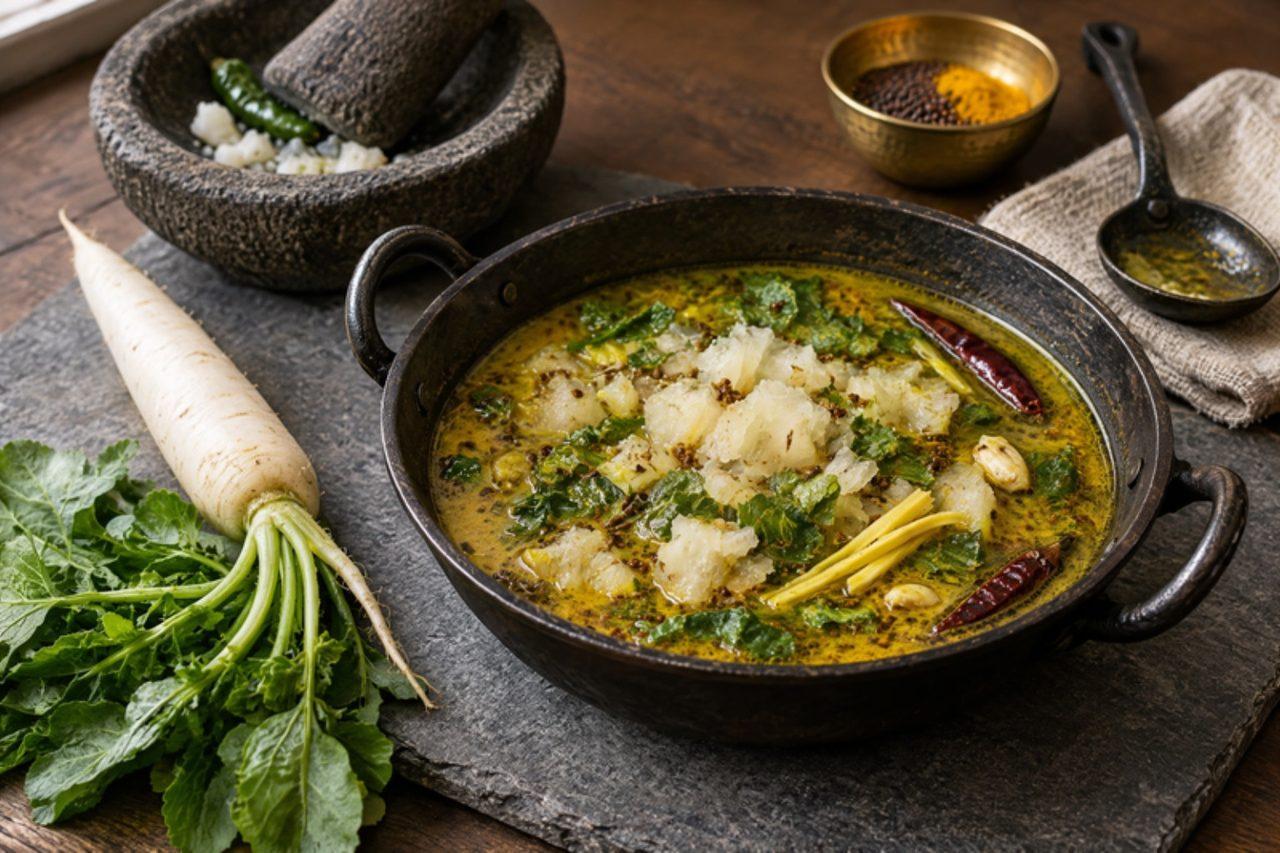
Gogji razmaKidney beans with turnips

In the Kashmir valley, gogji razma is a winter comfort dish, made in heavy pots when turnips are sweet after the first snow and dried beans from Bhaderwah fill the store. Red kidney beans and turnip chunks simmer in a thin, red gravy flavoured with mustard oil, ground fennel, dried ginger and Kashmiri chilli, without any onion or tomato. Serve with a modest bowl of rice or a millet roti and a green salad. It is suitable as part of a balanced diet. About 300 kcal and 38 g carbohydrate per portion. The usual mistake is slow-cooking dried kidney beans without boiling them hard first; raw kidney beans are unsafe, so soak them overnight and boil hard for 10 minutes before simmering. Chef's tip: add the turnips only when the beans are almost soft, so they keep their shape and sweetness.

by KrazyBadal 0 views
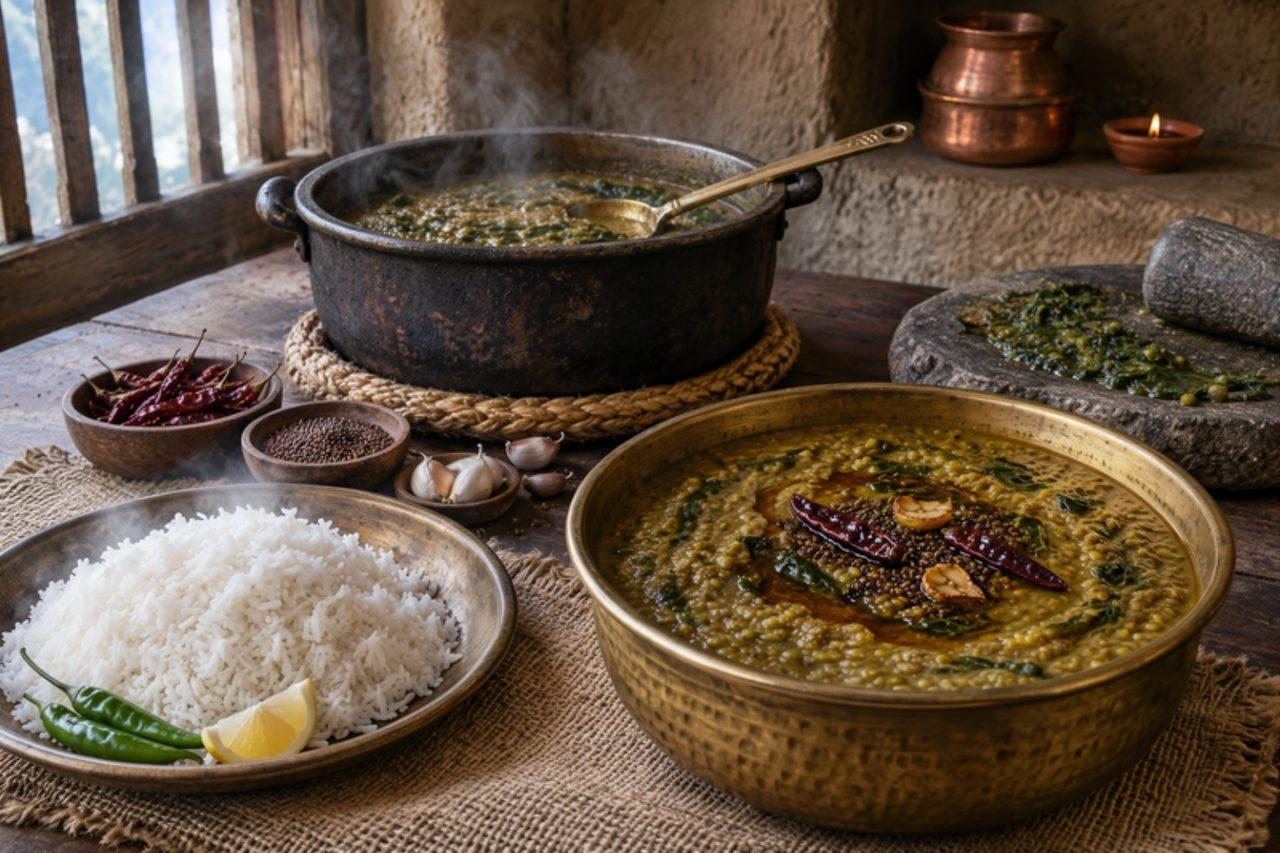
TovveToor dal with green chilli

Tovve is the plainest dal of the Udupi temple kitchens and of Kannada homes along the coast: toor or moong cooked soft, seasoned with green chilli and ginger and finished with a sizzling ghee tempering. There is no tomato, no onion and no masala, so it is the first dal children eat and what families cook for a light dinner or after a fast, with rice, a spoon of ghee and a lemon pickle. Its flavour depends on a well-cooked dal, so it must be soft enough to fall apart when stirred. The usual mistake is adding salt before the dal is tender, which keeps it grainy. Chef's tip: whisk the cooked dal hard for 30 seconds before tempering; the smooth, creamy texture is what makes tovve taste of more than its few ingredients.

by KrazyBadal 0 views
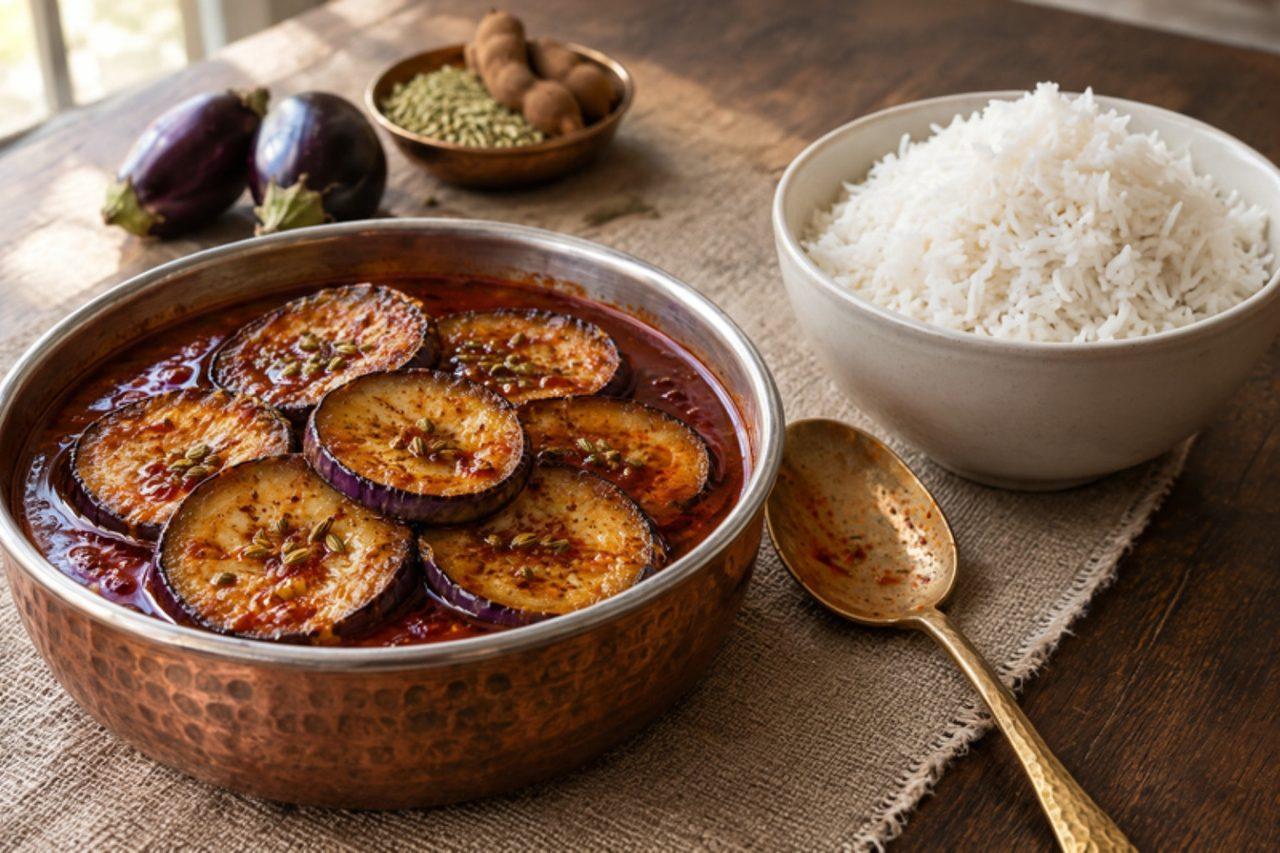
Mochai kottai kuzhambuField bean gravy

Across Tamil Nadu, from Madurai to Tirunelveli, mochai kottai kuzhambu is a winter and weekend curry: dried field beans and small brinjals stewed in a thick tamarind and sambar-powder gravy with shallots and garlic. It is cooked in a big batch, because everyone agrees it tastes better the next day, and eaten with rice, a spoon of sesame oil and appalam or a simple keerai. The beans turn creamy and the brinjal melts into the sauce. Dried field beans must be soaked and boiled until completely soft; never eat them undercooked. The usual mistake is adding the tamarind before the beans are tender, because acid stops them softening. Slow-cooker: boil the soaked beans hard on the hob for 10 minutes first, then cook everything on low for 6 hours. Chef's tip: fry the brinjal in the oil before the gravy goes in, so it holds its shape instead of dissolving.

by KrazyBadal 0 views
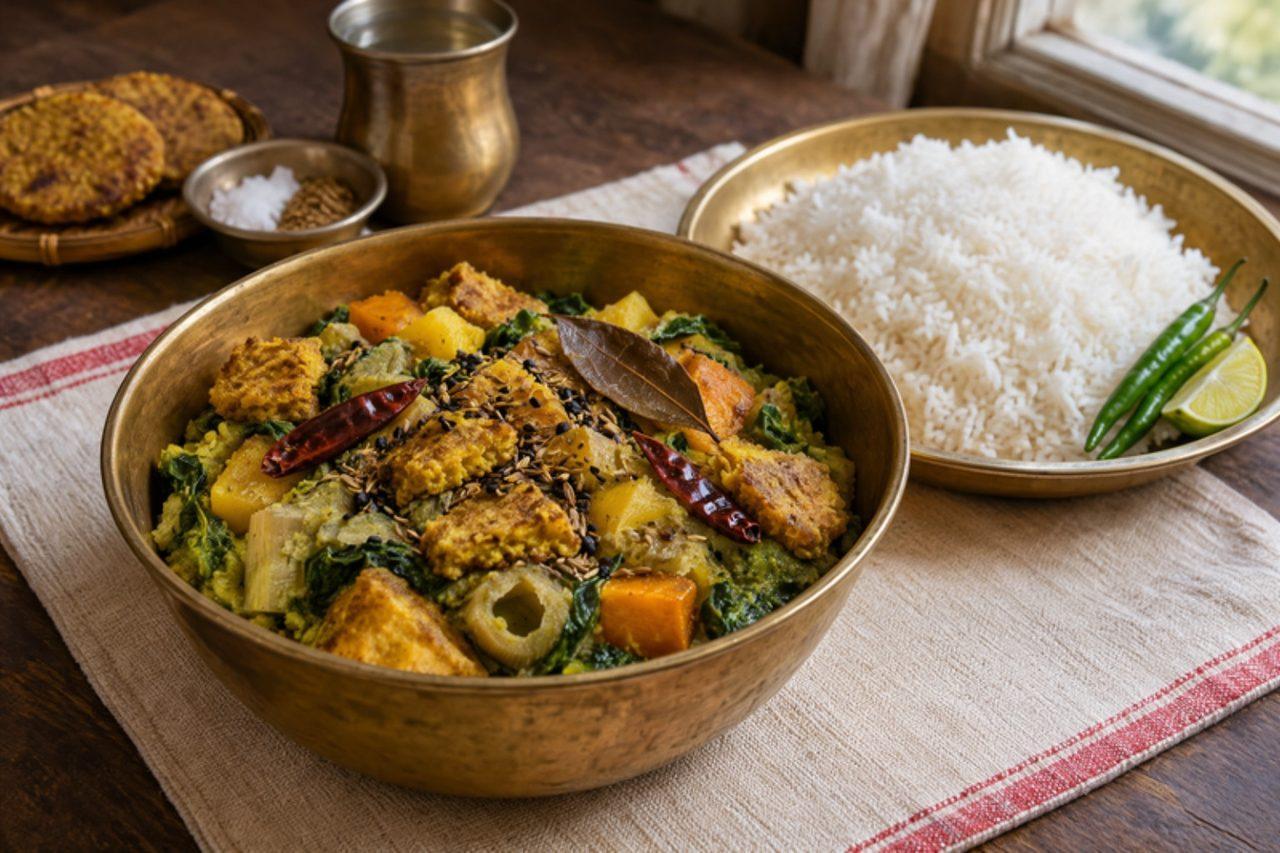
Paruppu urundai kuzhambuLentil dumpling gravy

Paruppu urundai kuzhambu is a Sunday-lunch treat in Tamil homes from Chennai to Coimbatore: coarse balls of soaked chana and toor dal, spiked with fennel, chilli and shallot, dropped raw into a bubbling tamarind gravy where they steam and firm up. The dumplings come out soft inside and soak up the sour, spicy sauce, and the crumbs that escape thicken the gravy. Serve it with plain rice, a spoon of sesame oil and a vegetable poriyal. The usual mistake is stirring as soon as the balls go in, which breaks them; leave them alone until they float and feel firm. Chef's tip: drop one test ball in first; if it cracks, knead a spoon of rice flour into the mixture before shaping the rest.
by KrazyBadal 0 views

Lilva tuvar nu shaakGreen pigeon pea curry

From December to February, Gujarati markets fill with fresh tuvar pods, and families in Surat, Vadodara and Ahmedabad spend evenings shelling them for lilva dishes. This simple shaak cooks the sweet, nutty green pigeon peas with ginger, green chilli, ajwain and a fistful of coriander, with a squeeze of lemon and a pinch of sugar for the classic Gujarati balance. Eat it with bajra rotla, rotli or khichdi. The usual mistake is cooking the peas too long, which turns them grey and floury; they should stay green and tender. Chef's tip: frozen lilva from Indian grocers work well outside the season; add them straight from frozen and shorten the cooking time.

by KrazyBadal 0 views

Batata nu rasawalu shaakPotato curry in thin gravy

Batata nu rasawalu shaak is the potato curry that arrives with hot puris at Gujarati wedding breakfasts, Sunday brunches and festival thalis, and it is one of the first curries children in Gujarat love. Soft potato chunks float in a thin, red, sweet-and-sour gravy with mustard seed, curry leaves and hing, lightly spicy and very comforting. Serve with puri, rotli or plain rice. The usual mistake is cutting the potatoes in uneven pieces, so some fall apart while others stay hard; cut them all the same size. Chef's tip: once the potatoes are cooked, mash a few against the side of the pan; the starch gives the rasa (gravy) body without any flour.

by KrazyBadal 0 views

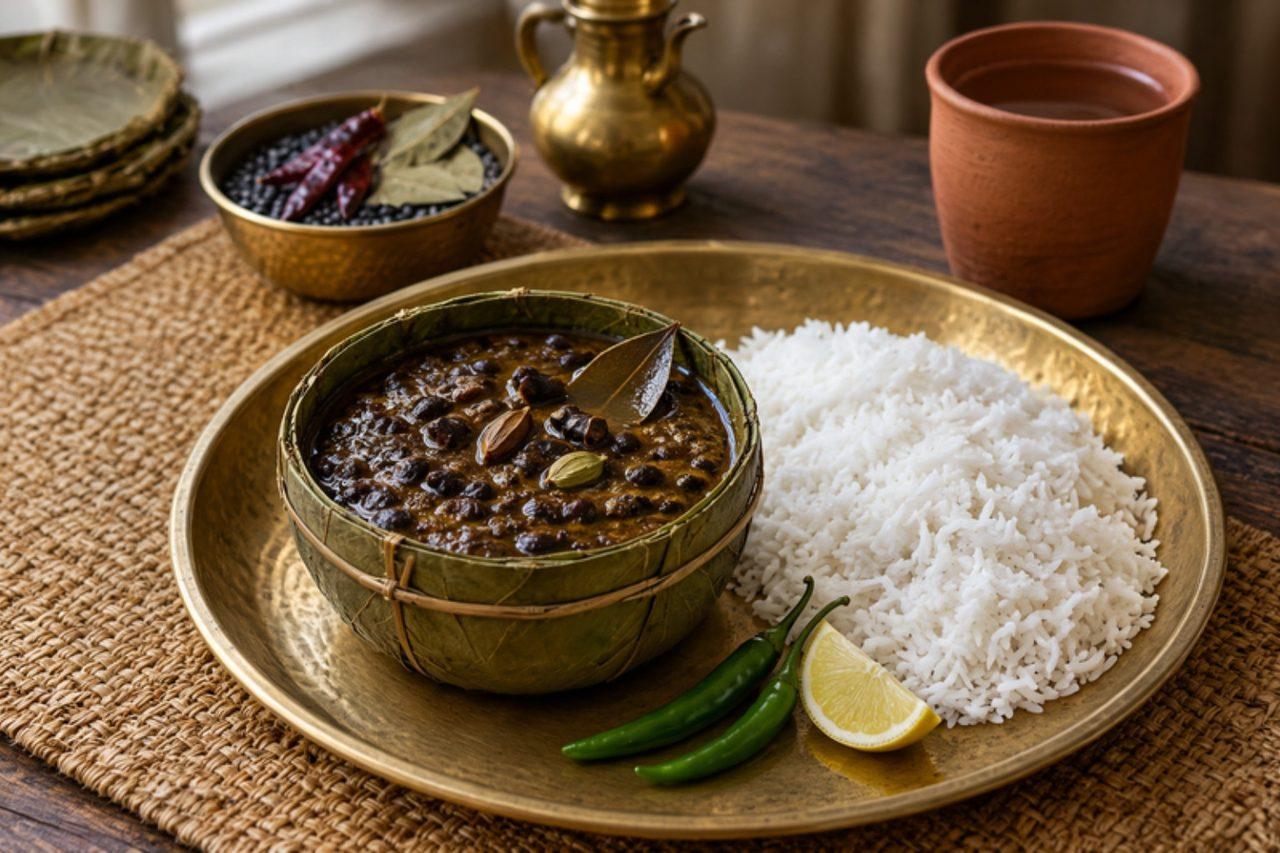
Teliya maahBlack lentils in mustard oil

Teliya maah is one of the dishes of the Himachali dham, the feast cooked by hereditary cooks (botis) in big brass pots for weddings and temple fairs in Mandi, Kangra and Chamba, and served on leaf plates with rice. Whole black urad is cooked slowly with plenty of mustard oil, whole spices, ginger and fennel until each bean is soft but whole and glossy with oil; like most dham dishes, it uses no onion or garlic. Serve with rice and a sour madra or khatta. The usual mistake is stirring hard once the urad is soft, which turns it into a mushy dal instead of separate, oily beans. Slow-cooker option: put the soaked urad, spices and water on low for 8 hours, then finish uncovered on the hob. Chef's tip: heat the mustard oil until it smokes, then let it cool for a minute, which takes away its raw bite before the spices go in.

by KrazyBadal 0 views

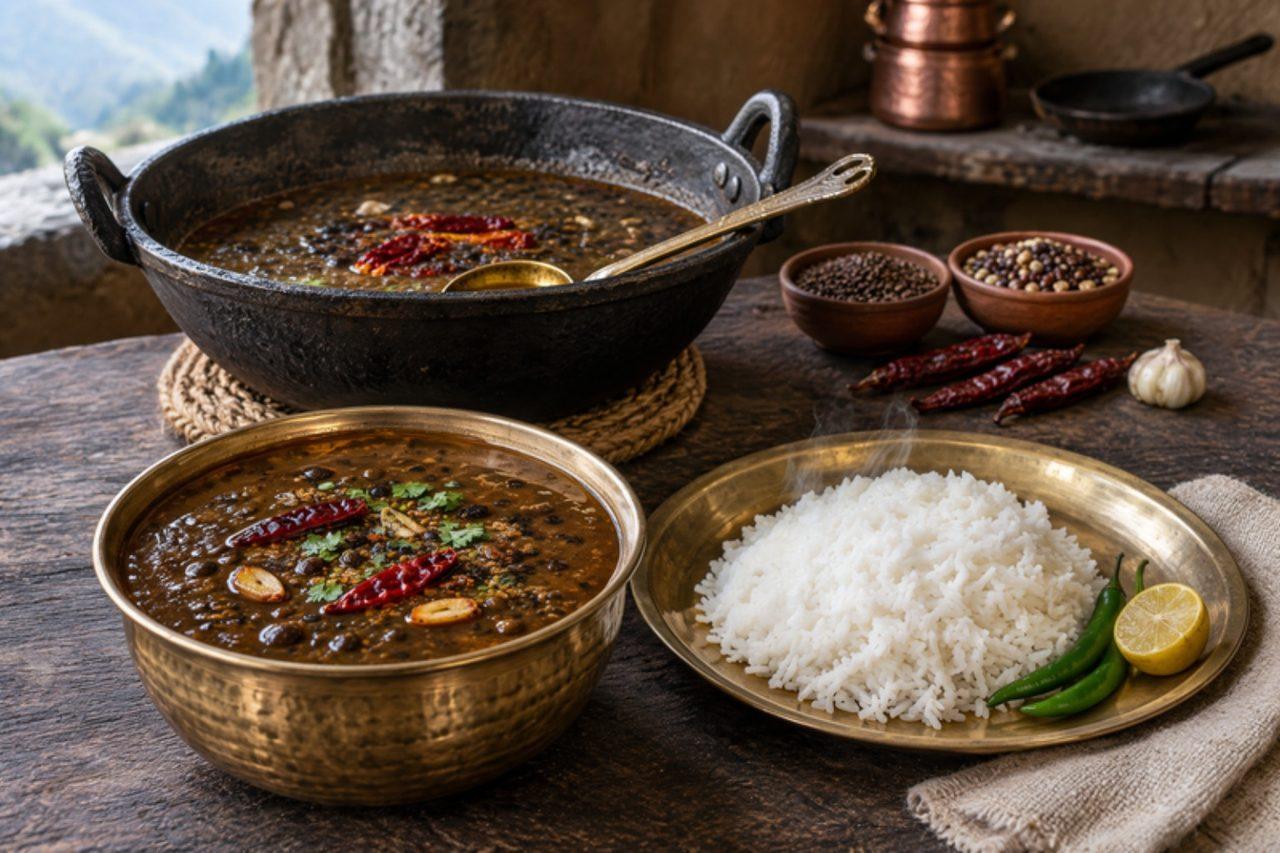
Kumaoni rasMixed dal broth

In the hill villages of Kumaon in Uttarakhand, ras is cooked through the cold months in a heavy iron kadhai that sits on the fire for hours; the iron turns the broth dark and earthy, and families drink it with rice or mandua (finger millet) roti. Several whole dals, here horse gram (gahat), black soybeans (bhatt), black urad and green moong, are simmered until their liquid becomes a rich, brown, silky broth, lightly thickened with ground rice and finished with a crackling mustard-oil tempering of jakhya seeds. The cooked dal solids are eaten too, as a dry side. The usual mistake is hurrying: the broth needs long, slow simmering to turn silky and full-flavoured. Chef's tip: jakhya (wild mustard seed) is sold in Uttarakhand shops; cumin is a fair stand-in.

by KrazyBadal 0 views

Chhena tarkariFried cheese cube curry

In Odia homes, from Cuttack to Puri, chhena tarkari is the special curry for a Sunday lunch, a guest or a festival day when the household eats no onion or garlic. Fresh chhena, the soft cheese Odisha also turns into rasagola, is pressed, cut into cubes and fried golden, then simmered with potato in a thin gravy of tomato, ginger and roasted cumin. The cubes stay soft and soak up the sauce, and the dish is eaten with rice, puri or paratha. Chhena is made by curdling milk with lemon juice, so it contains no rennet. The usual mistake is boiling the gravy hard after the chhena goes in, which breaks the cubes into crumbs. Chef's tip: fry the chhena cubes until golden on two sides only, then rest them in warm water for five minutes; they swell and turn spongy, just like an Odia grandmother's.

by KrazyBadal 0 views

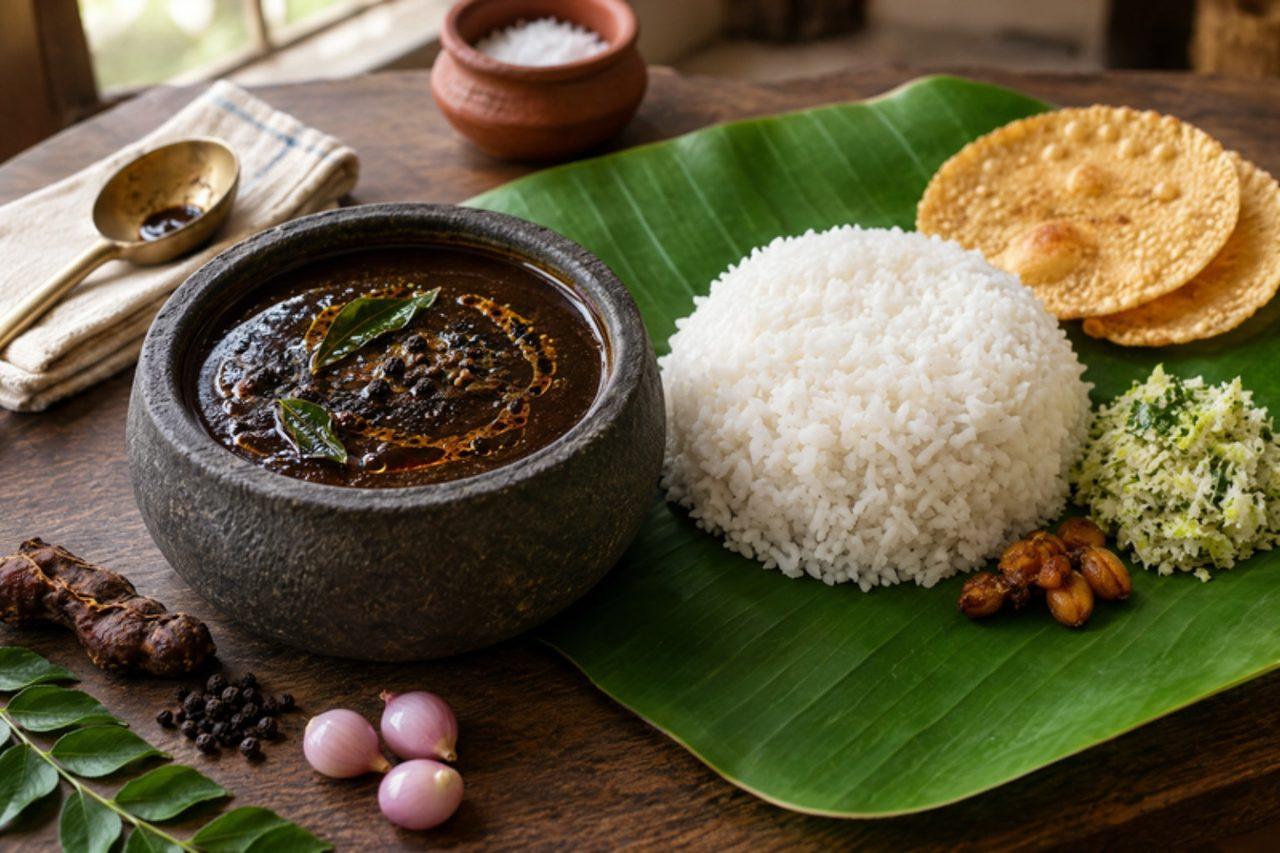
Milagu kuzhambuBlack pepper tamarind gravy

Milagu kuzhambu is the Tamil Brahmin travel curry: a dark, peppery tamarind gravy cooked down in sesame oil until thick, packed in a steel tin for train journeys and pilgrimages because it keeps for days without spoiling. At home it is mixed into hot rice with a spoon of ghee, on rainy days or when someone has a cold, and eaten with a plain poriyal or appalam. A little goes a long way: it is sharp, hot and slightly sweet. The usual mistake is pulling it off the heat too soon; it must reduce until the oil floats on top, or it tastes raw and won't keep. Store it covered in the fridge for up to 5 days and always use a dry spoon. Chef's tip: roast the pepper and lentils on a low heat until you smell them, not until they darken, because burnt pepper turns the whole pot bitter.

by KrazyBadal 0 views

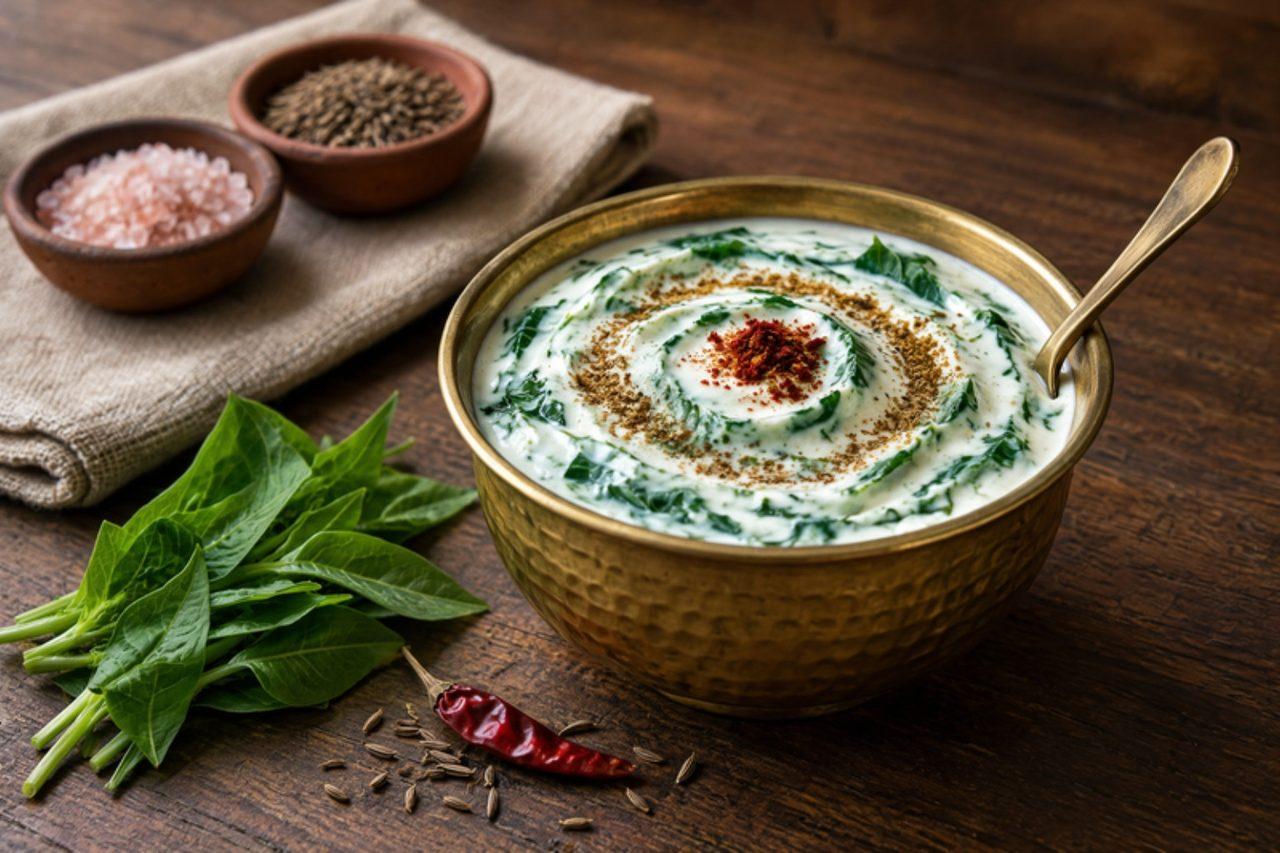
Bathua raitaChenopodium leaf yogurt

Bathua (chenopodium or lamb's quarters) grows wild in the wheat fields of western Uttar Pradesh and Haryana in winter, and from December to February families blanch it and stir it into yogurt as a cooling raita beside paratha, dal or bajra roti. The leaves are boiled briefly, chopped and folded into whisked yogurt with roasted cumin, black salt and a little green chilli, so it tastes earthy, tangy and fresh. It is suitable as part of a balanced diet. About 90 kcal and 7 g carbohydrate per portion. The usual mistake is adding the greens while they are still hot or wet, which makes the yogurt thin and grainy; squeeze them dry and cool them first. Chef's tip: grind half the blanched leaves to a paste so the raita turns an even pale green.

by KrazyBadal 0 views

Kala vatana amtiBlack pea curry

On the Konkan coast around Malvan and Sindhudurg, kala vatana amti is cooked for Sunday lunch and festive meals, and it is the vegetarian partner to fluffy fried vade made from rice and pulse flour. Small dried black peas simmer until creamy in a dark, aromatic gravy of onion and dried coconut roasted until brown, ground with Malvani masala, then soured with kokum. Serve with vade, rice or jowar bhakri. The usual mistake is not soaking the peas long enough, so they stay hard however long they cook; soak them for at least 8 hours. Slow-cooker option: cook the soaked peas with the water on low for 7 hours, then stir in the masala and simmer 15 minutes. Chef's tip: roast the coconut and onion slowly on a medium heat until deep brown but never black, as that colour gives the gravy its depth.

by KrazyBadal 0 views

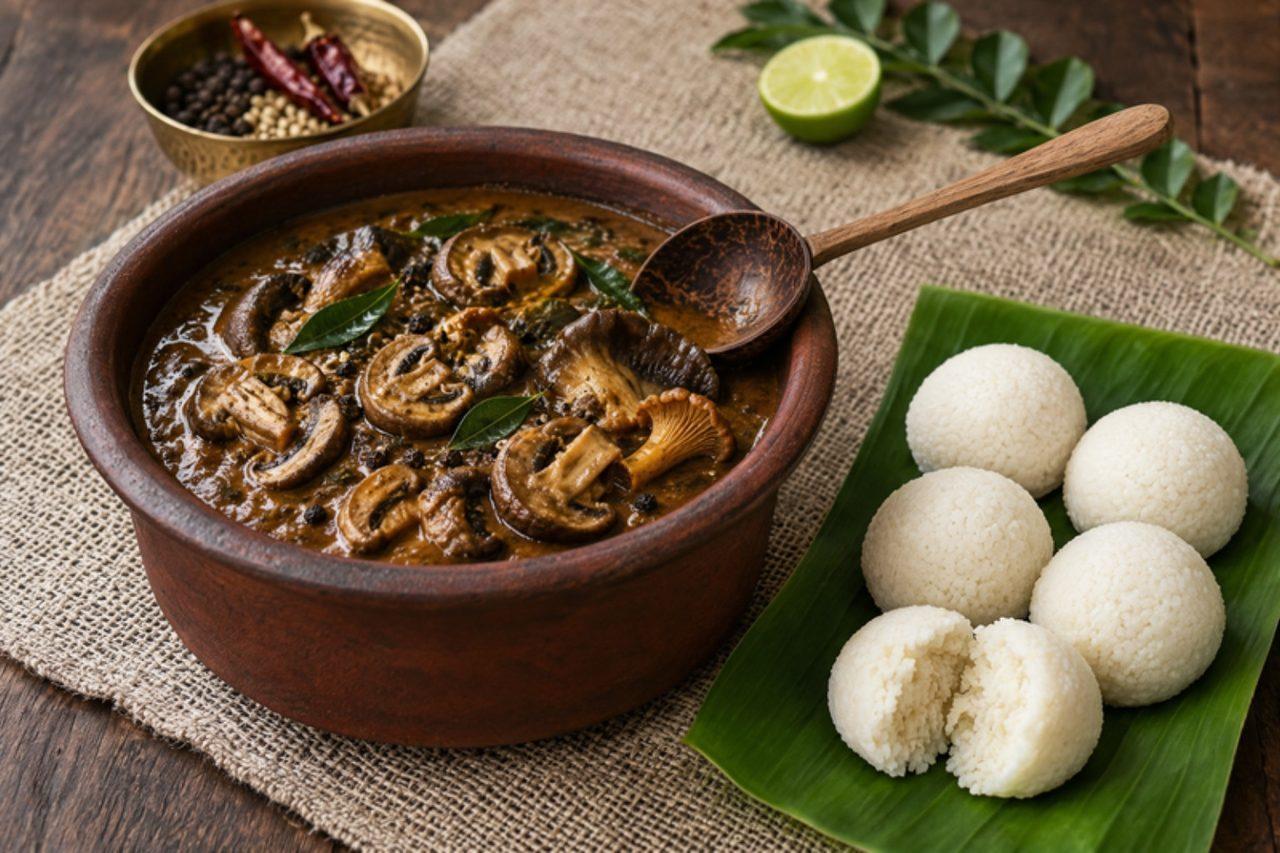
Kumm curryMushroom curry

In Kodagu (Coorg), the first monsoon rains bring wild mushrooms called kumm up through the coffee estates, and Kodava families cook them at once into this thick, dark, peppery curry to eat with akki otti (rice rotis) or steamed rice. Mushrooms simmer down with onion and coconut in a paste of spices roasted almost black, sharpened with a drop of kachampuli, Coorg's dark fruit vinegar. Cultivated mushrooms work very well. The usual mistake is adding all the mushrooms to a cool pan, so they stew in their liquid and turn rubbery; let the pan get hot first. Chef's tip: never cook mushrooms you have foraged yourself unless an expert has identified them; use a mix of button, oyster and shiitake instead.

by KrazyBadal 0 views

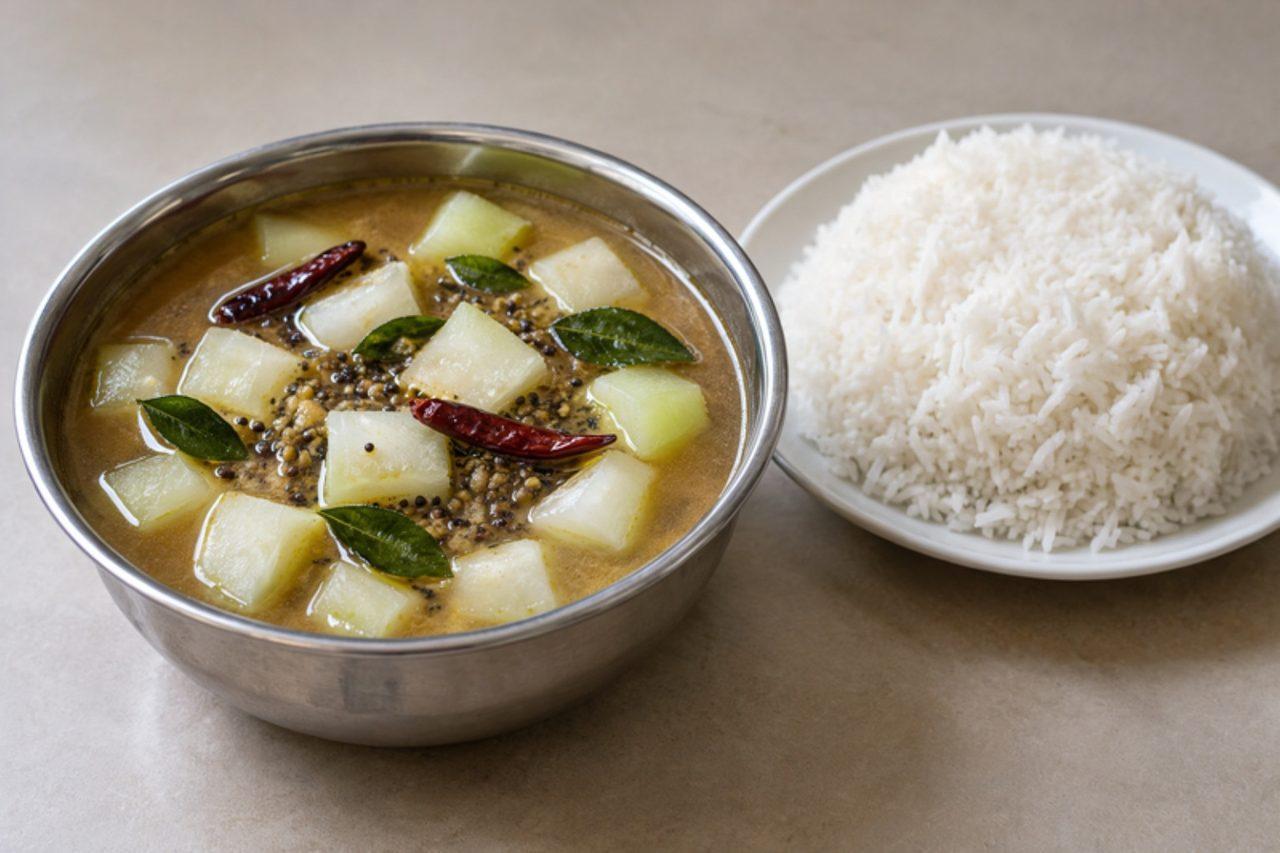
Sorakaya pulusuBottle gourd in tamarind gravy

Sorakaya pulusu is everyday Telugu home cooking from Vijayawada to Visakhapatnam, made on weekdays when there's a bottle gourd in the basket and the family wants something light and sour with rice. Soft pieces of gourd simmer in a thin tamarind broth balanced with a little jaggery, chilli and onion, thickened only lightly with rice flour, and finished with a mustard and fenugreek tempering. Mix it into hot rice with a spoon of ghee or eat it with a crisp vada. The usual mistake is overcooking the gourd to mush; it should be tender and translucent but still in pieces. Chef's tip: taste a raw slice of the gourd before cooking, and throw it away if it is bitter, because bitter bottle gourd should not be eaten.

by KrazyBadal 0 views

ThechwaniCrushed radish curry

Thechwani is a winter dish from the hill villages of Garhwal, Uttarakhand, cooked when the radishes are fat and sweet. Instead of chopping, the radish (or potato) is bashed with a stone or pestle so it cracks into rough pieces with lots of surface, then simmered in an iron kadhai with mustard oil, jakhya seeds and a little tomato. The broken pieces soak up the spices, and the iron pot darkens the gravy. It is eaten with rice or mandua (finger-millet) roti. Jakhya, a crunchy wild seed, is sold in hill stores; cumin is the swap. The usual mistake is slicing the radish neatly with a knife, which keeps the spices on the outside. Chef's tip: add the radish greens, finely chopped, in the last 5 minutes for colour and a peppery bite.

by KrazyBadal 0 views

PhaanuGround mixed lentil stew

Phaanu is everyday food in Garhwal's hill villages, from Pauri to Tehri, made on cold days and in large pots for family gatherings. Mixed lentils are soaked overnight, ground to a coarse paste and simmered slowly in an iron pot until the paste turns into a thick, earthy stew, with spinach or other greens and a mustard-oil and jakhya tempering. It is eaten with steamed rice and a little ghee. The usual mistake is adding the paste to the pot and walking away; for the first 10 minutes it must be stirred constantly or it forms lumps and sticks to the bottom. Chef's tip: whisk the lentil paste into cold water before it goes on the heat; it thickens smoothly and never catches.

by KrazyBadal 0 views

Tschok wangunSour tamarind aubergine

Tschok wangun is a Kashmiri Pandit dish from the Srinagar valley, cooked on ordinary weekdays and on fasting days when onion and garlic are kept out of the kitchen. Thick wedges of aubergine are fried in smoking mustard oil, then simmered in a thin, tart tamarind broth flavoured with ground fennel, dried ginger and Kashmiri chilli, so the pieces keep their shape but turn silky inside. Serve it with plain steamed rice and a bowl of dal. The usual mistake is adding the tamarind before the aubergine is properly fried: the pieces then soak up the sour liquid, collapse and taste raw. Chef's tip: heat the mustard oil until it just smokes, then let it cool for a minute before frying, which takes away its harsh edge.

by KrazyBadal 0 views

Chapor ghontoFried lentil cake vegetable curry

In West Bengal, chapor ghonto is the thrifty, comforting dish that turns up at weekday lunch and on the vegetarian days of the Durga Puja season. Soaked yellow peas are ground and fried into small savoury cakes (chapor), then broken into a slow-cooked mix of potato, pumpkin and banana stem tempered with panch phoron, ginger and a little sugar, until everything turns soft, jammy and lightly sweet. Eat it with plain rice and a squeeze of lime. The usual mistake is stirring the chapor in too early, so they dissolve into mush; add them in the last ten minutes. Chef's tip: soak the banana stem in water with a pinch of turmeric as you slice it and pull away the fibres that wind round your finger, or it stays stringy.

by KrazyBadal 0 views

Aloo potoler dalnaPotato and pointed gourd curry

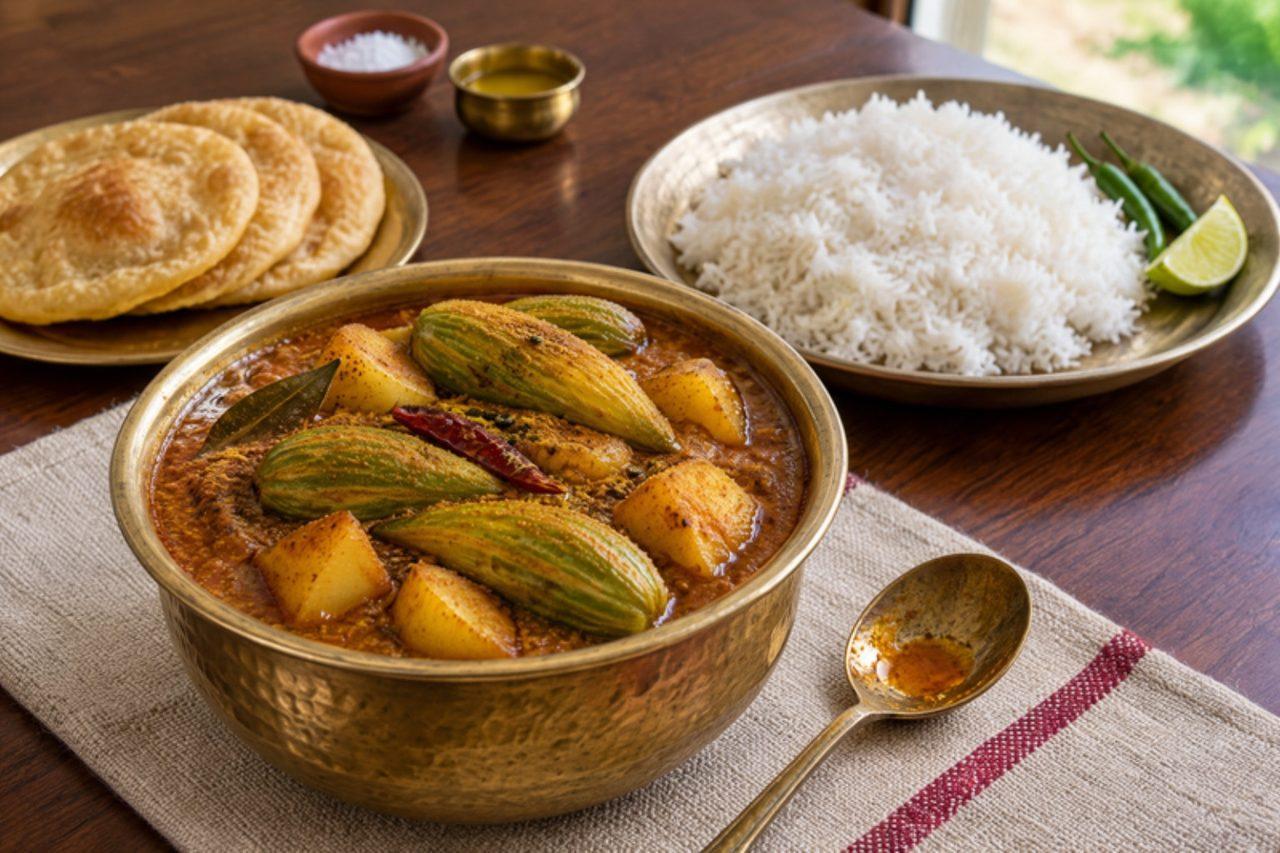
Pointed gourd (potol) floods the markets of Kolkata in summer, and aloo potoler dalna is how most Bengali homes cook it for a weekday lunch or a light Sunday meal. Half-peeled gourds and halved potatoes are fried until golden, then simmered in a loose gravy of ginger, cumin and tomato and finished with ghee and garam masala, so it tastes warm and gently sweet rather than hot. Serve it with rice or luchi. The usual mistake is peeling the gourds completely, which makes them fall apart; scrape off only the waxy skin in stripes. Chef's tip: prick each gourd once with a fork before frying so the gravy can soak into the seeds.

by KrazyBadal 0 views

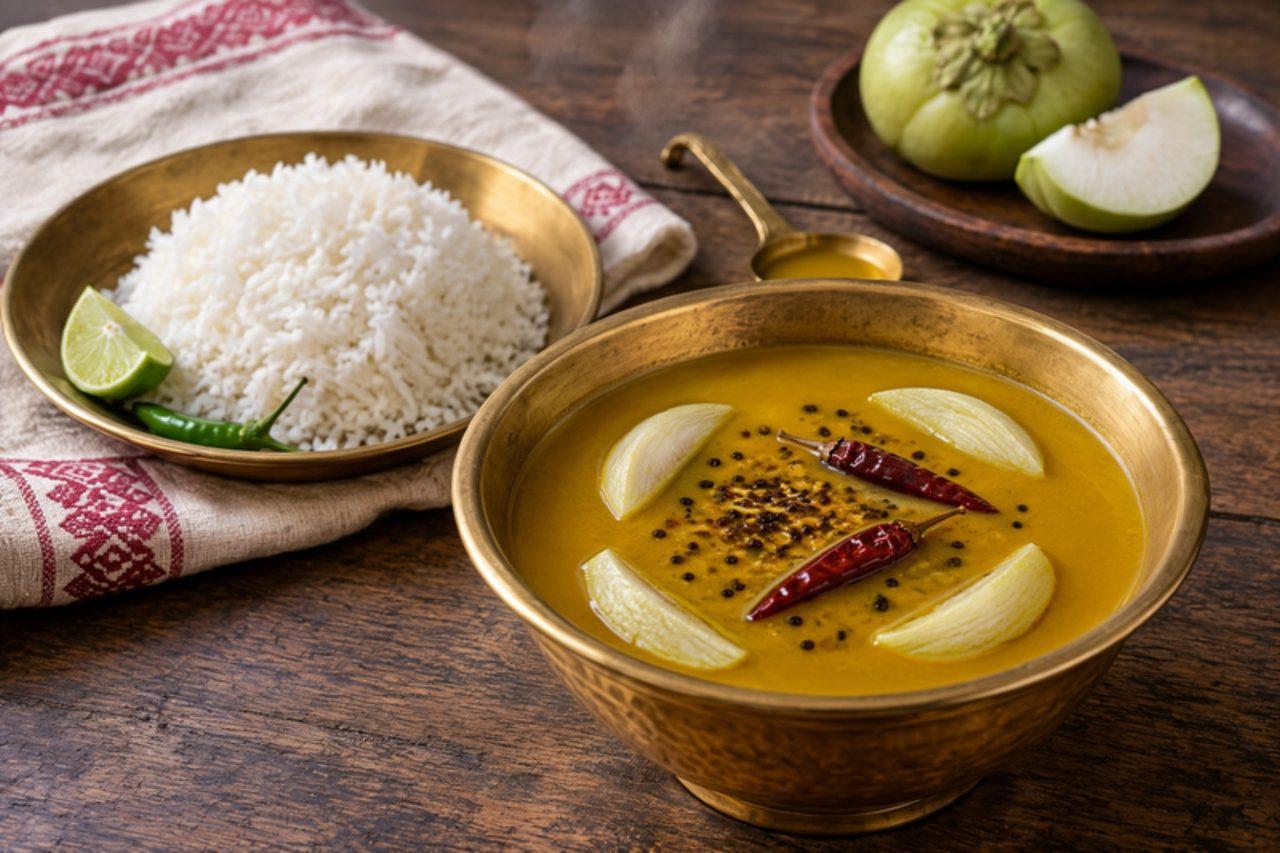
Ou tenga dalMasoor dal with elephant apple

Assamese cooks love a sour note, and ou tenga dal is the everyday lentil dish of Upper Assam's homes in the monsoon and autumn, when elephant apples (ou tenga) fall from the trees. Split masoor is boiled thin with turmeric and slices of the hard, tart fruit, then tempered with mustard oil, panch phoron and garlic, so it tastes bright, fruity and comforting. Serve with rice, or with a millet roti and a green vegetable for a lower-GI plate. It is suitable as part of a balanced diet. About 190 kcal and 26 g carbohydrate per portion. The usual mistake is adding the fruit too late, so its sourness never comes out; it must cook with the lentils from the start. If you can't find it, use a slice of green mango or 1 tsp tamarind. Chef's tip: bruise the ou tenga slices with a pestle so they release their juice.

by KrazyBadal 0 views

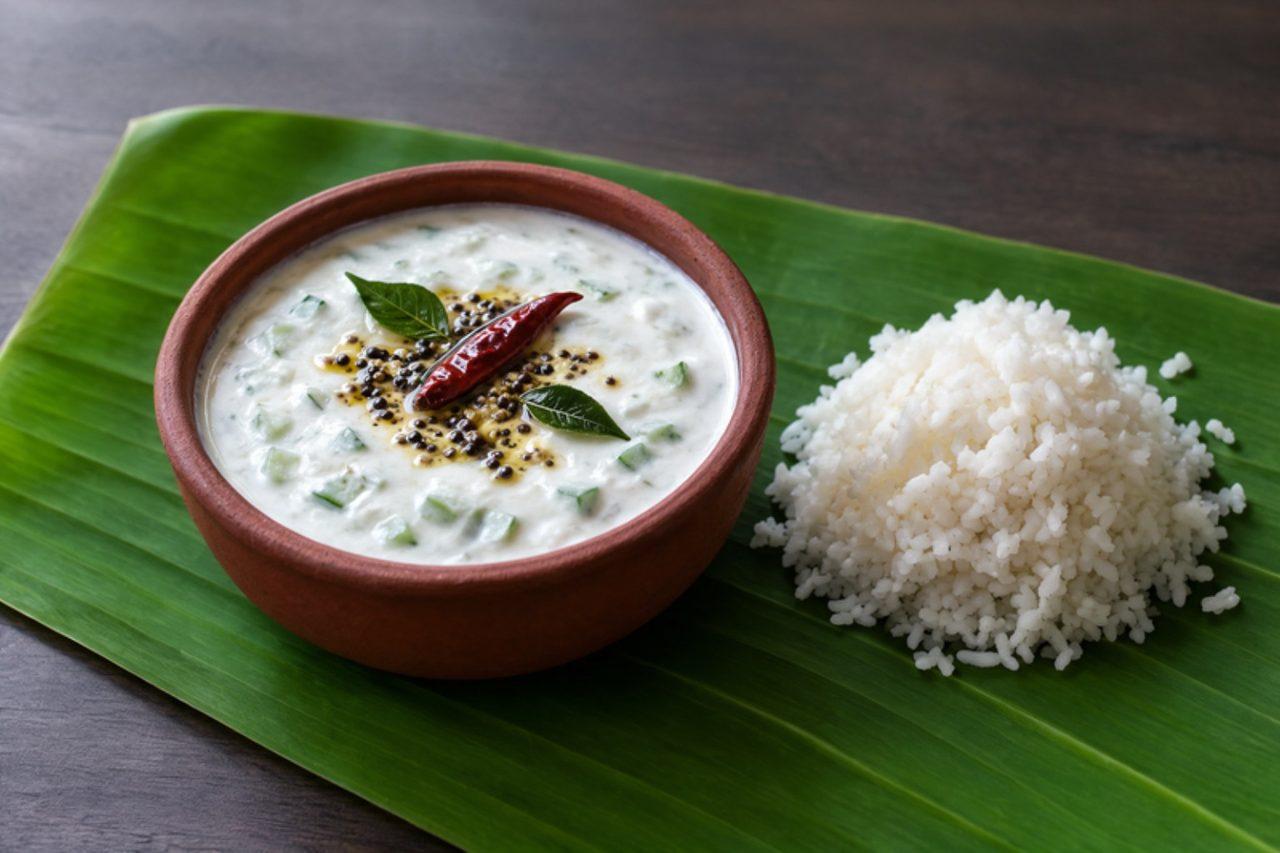
Vellarikka pachadiCucumber yogurt curry

Vellarikka pachadi is one of the cooling yogurt dishes on the Kerala sadya, the banana-leaf feast served at Onam and weddings, and it turns up at everyday lunches across Thrissur and Kottayam too. Diced cucumber is softened briefly, then folded into thick yogurt with a paste of coconut, green chilli and crushed mustard seed, and finished with mustard seeds and curry leaves crackled in coconut oil. Coconut and curd carry the flavour, so it needs only a pinch of salt: about 0.25 g salt per portion. The usual mistake is adding the yogurt to hot cucumber, which splits it; let the cucumber cool first. Serve with rice and a dry vegetable thoran. Chef's tip: grind the coconut paste with a few raw mustard seeds; their gentle pungency is what makes a pachadi taste of Kerala.

by KrazyBadal 0 views

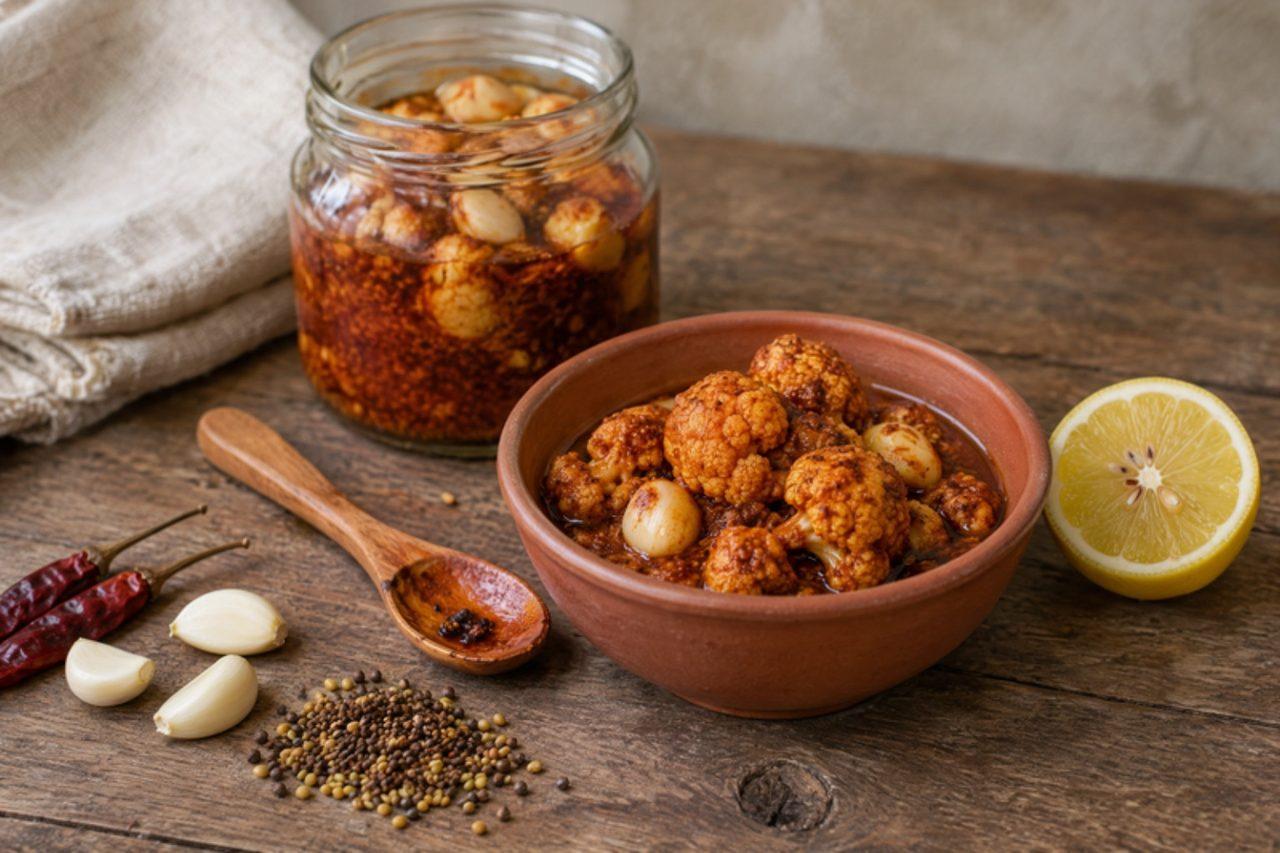
Cauliflower avakayaCauliflower pickle

When the mango jars run low and the Andhra and Telangana winter brings piles of dense white cauliflower to the markets, from December to February, households make a cauliflower avakaya. Lemon juice stands in for the sour mango, and the florets are coated in the same masala of mustard powder, chilli, salt, fenugreek and garlic, tempered with gingelly oil. After two days the florets have soaked up the masala but still crunch; the pickle is hot, nose-tingling and bright with lemon. Serve it with hot rice and ghee, with chapati, or beside a plain dal. Cauliflower is not acidic by itself and this pickle contains raw garlic, so it is always kept in the fridge, with plenty of lemon. Common mistake: packing florets that are still damp; wash them in hot salted water to drive out any insects, then dry them for several hours until no moisture remains. It is ready when the florets taste seasoned to the core and the oil and lemon have formed a glossy red sauce. Chef's tip: cut the florets small, about 2 cm, so the masala can reach the middle.

by KrazyBadal 0 views

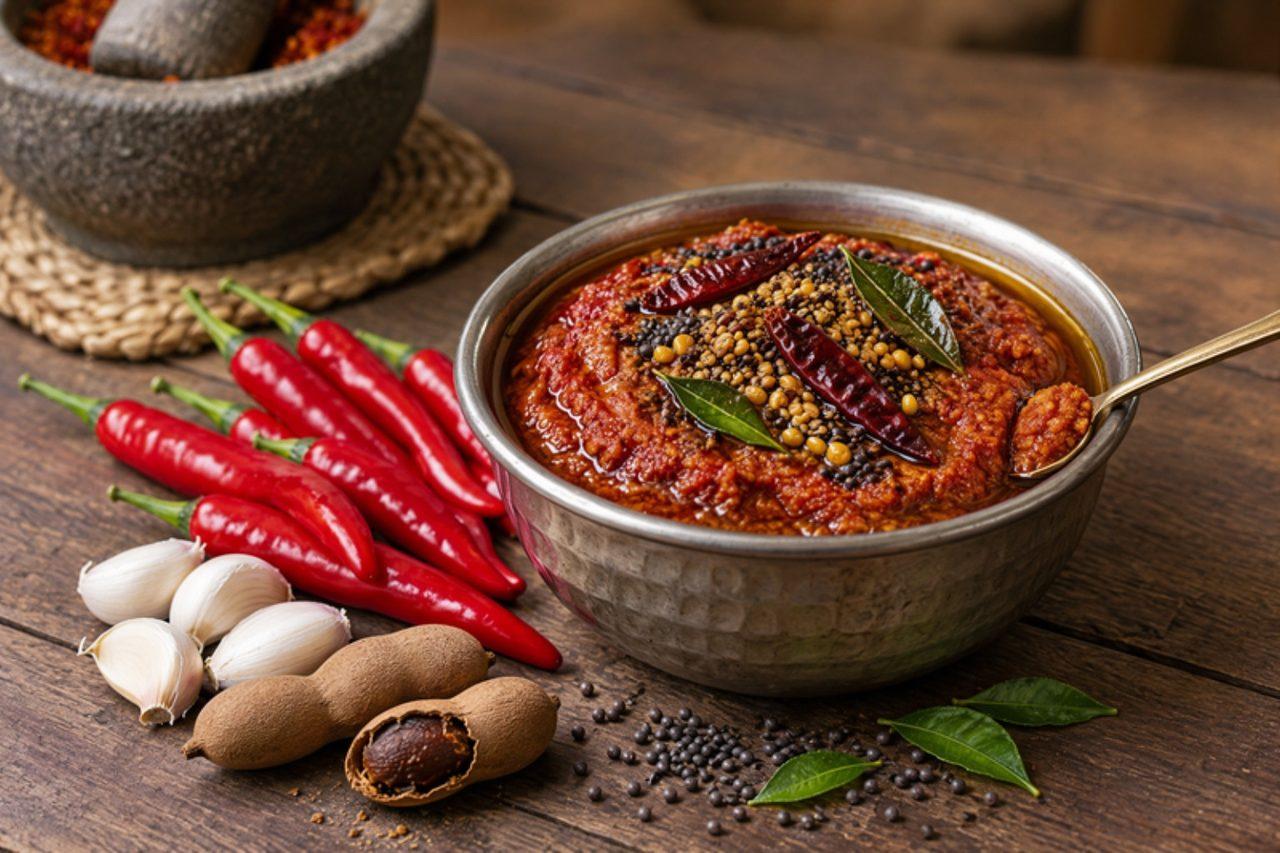
Pandu mirapakaya pachadiRipe red chilli pickle

Guntur is chilli country, and when the fields turn red between January and March, Andhra kitchens buy fresh, fully ripe red chillies by the kilo for this pachadi. The chillies are chopped, salted and packed with tamarind for two days, then ground coarse with roasted fenugreek and sealed under a tempering of gingelly oil, mustard and hing. The result is brick red, fiery and fruity rather than smoky, with a sour backbone from the tamarind and a faint bitterness from the methi. A teaspoon is mashed into hot rice with a spoon of ghee or sesame oil, and it is just as good beside idli, dosa or pesarattu. The big mistake is washing the chillies and grinding them while still damp: water is what makes this pachadi spoil, so wipe them dry and leave them on a cloth for a few hours. It is ready when the paste is thick and glossy and the oil pools on top. Salt here is high on purpose, about 12 g for every 100 g of chillies, and the tamarind makes it acidic; even so, keep it in the fridge, where it lasts up to 6 months. Chef's tip: mix in a few Byadgi or Kashmiri chillies with the hot Guntur ones for a deeper red without extra fire.

by KrazyBadal 0 views

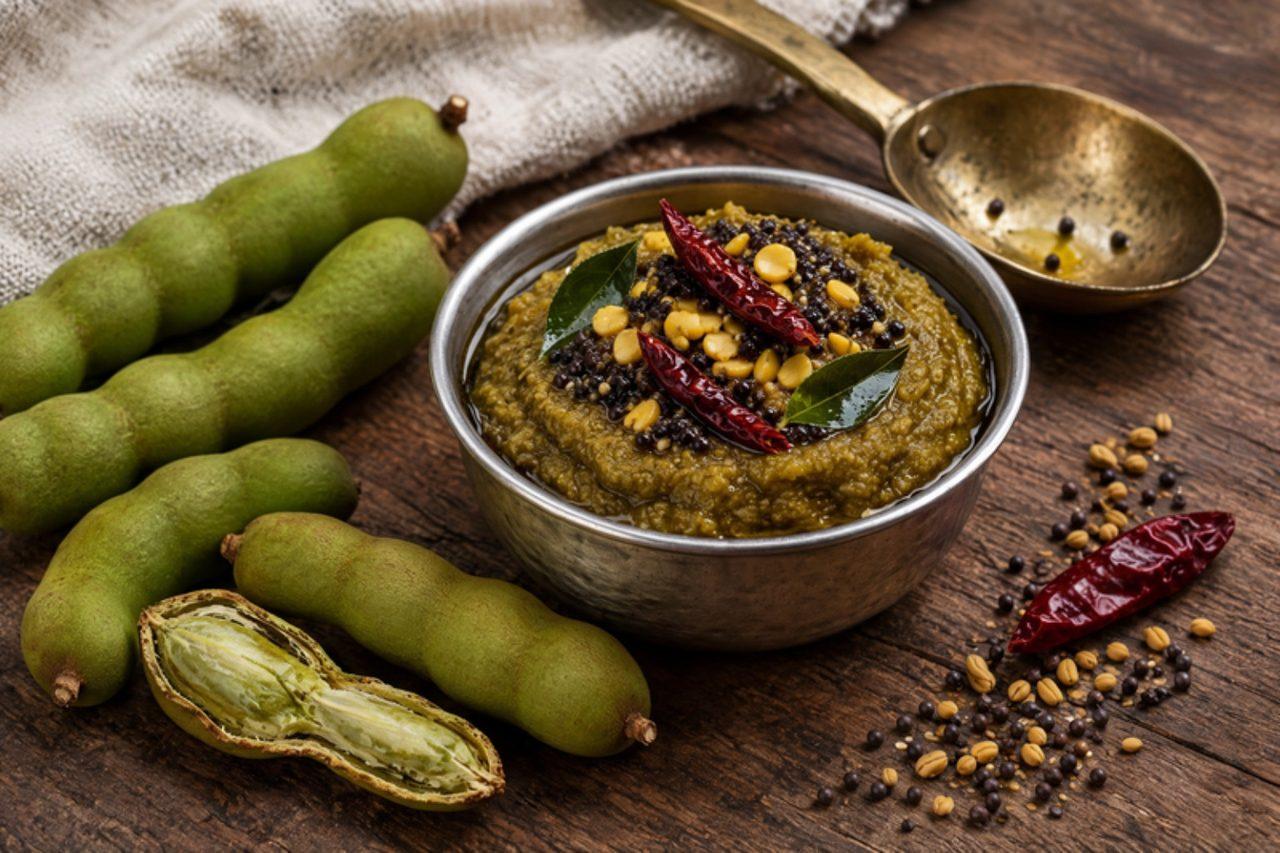
Chintakaya pachadiGreen tamarind pickle

In Telangana and coastal Andhra, the tamarind trees hang heavy with tender green pods from December to February, and every household that can lays in a jar of chintakaya before the pods ripen and turn brown. The raw pods are pounded with salt and turmeric and left to mature into a sharp, olive-green base that keeps for the whole year. Small portions are then ground with chillies and finished with a crackling tadka whenever the family wants it. The taste is pure, mouth-puckering sourness with a fresh, almost apple-like green note, very different from ripe tamarind. Mix it into hot rice with sesame oil, or eat it with jonna rotte (sorghum flatbread) and raw onion. The common mistake is to let wet pods into the jar: wash the tamarind the day before, then spread it to dry completely. The salted base is very acidic and roughly 15% salt, so it keeps in a cool cupboard; the finished pachadi with chillies belongs in the fridge and is best within 3 weeks. It is ready when the paste is coarse, dark green and smells sharply sour. Chef's tip: roast dried chillies for a smoky winter version, or use green chillies for a brighter, fresher heat.

by KrazyBadal 0 views

Egg banjo (Indore style)Spicy egg pav

Indore eats late, and after the jewellery shops of Sarafa Bazaar shut their shutters at night the lane turns into a food market; egg banjo stalls there and at Chhappan Dukan keep frying until long after midnight. A soft pav is split, toasted in butter and packed with a masala omelette folded to fit, then green chutney, raw onion and a heap of fine sev for crunch. It is soft, buttery and hot all at once. Contains egg, wheat and dairy. Chef's tip: cook the omelette in a shape the size of the bun, so every bite has egg in it.

by KrazyBadal 0 views

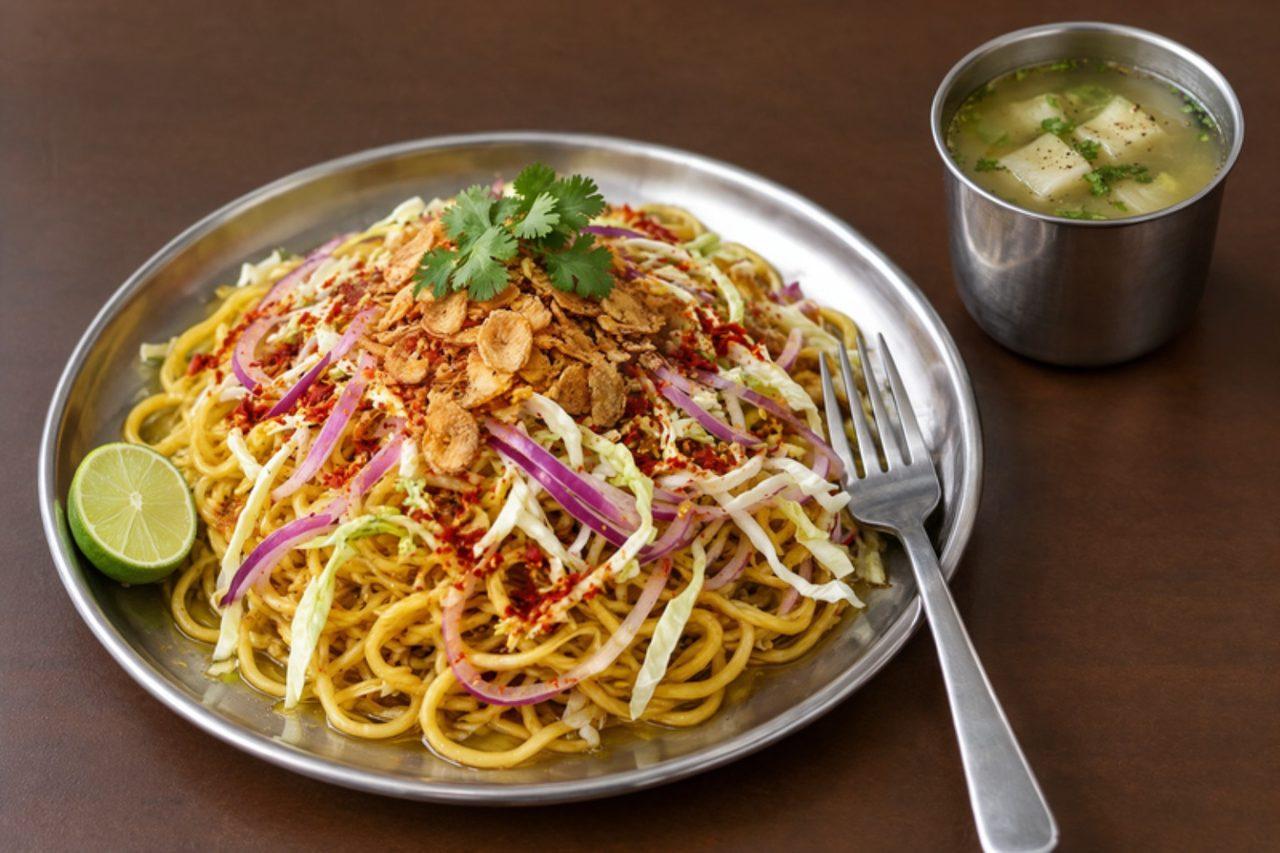
Burma athoBurmese noodle salad

When Tamil families returned from Burma in the 1960s they brought atho with them, and today it is cooked on carts around Burma Bazaar, Parry's Corner and along the roads near the harbour in George Town, busiest at lunch and in the early evening. Cold noodles are mixed by hand with raw cabbage and onion, crisp fried garlic, tamarind, chilli flakes, roasted gram powder and lime, and come with a peppery banana-stem soup on the side. It is sour, hot, crunchy and very moreish. Contains wheat. Chef's tip: fry the garlic slowly until only pale gold; it keeps darkening off the heat and turns bitter if you wait for brown.

by KrazyBadal 0 views

Samosa pavSamosa in a bun

At the steaming kadhais outside Kurla and Ghatkopar stations, and at Sion's famous samosa counters, commuters grab samosa pav on the way to and from the local trains, from breakfast until long after dark. A hot potato samosa is pressed flat inside a soft, split pav with fiery dry garlic chutney and green chutney, and a salted fried green chilli comes on the side. It is filling, cheap, crumbly and hot, and the soft bread soaks up the chutneys. Use dairy-free pav to keep it vegan. Chef's tip: start the samosas in oil that is only warm; slow frying gives the blistered, flaky crust that holds up when squashed.

by KrazyBadal 0 views

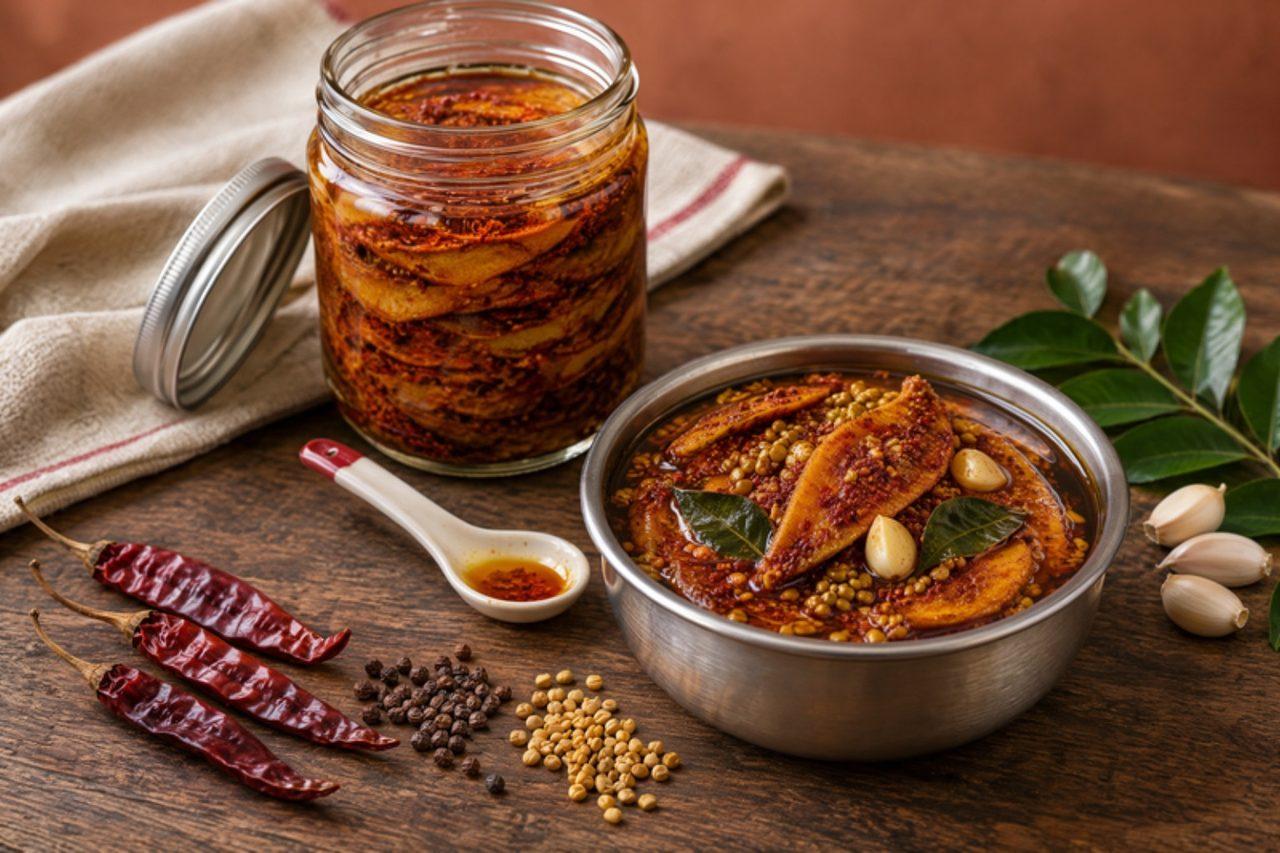
MagayaSun-dried mango pickle

In Andhra Pradesh the pickle season opens around Ugadi, and long before the fiery avakaya is cut, many homes make magaya, the gentler mango pickle. Peeled raw mango is sliced thin and salted until it weeps a yellow brine (magaya ooru), the slices are dried in the hot April sun until leathery, then mixed back into the brine with mustard powder, chilli and fenugreek and sealed under a tempering of gingelly oil. After a week the slices are chewy and soft, tangy and salty, with a rounder heat than avakaya. It is eaten with hot rice and a spoon of ghee, stirred into curd rice, or turned into a raita-like magaya pachadi with yoghurt; the leftover brine is mixed into plain rice. The salt is about 10% of the peeled mango weight (100 g per kg), which, with the fruit's own acid, keeps it safe. Common mistake: drying the slices to hard chips, or too little so they stay wet and mould; stop when they bend without snapping. It is ready when the slices have softened, turned deep red-orange and the oil floats on top. Chef's tip: no sun? A dehydrator or oven at 50 °C dries the slices in 6–8 hours.

by KrazyBadal 0 views

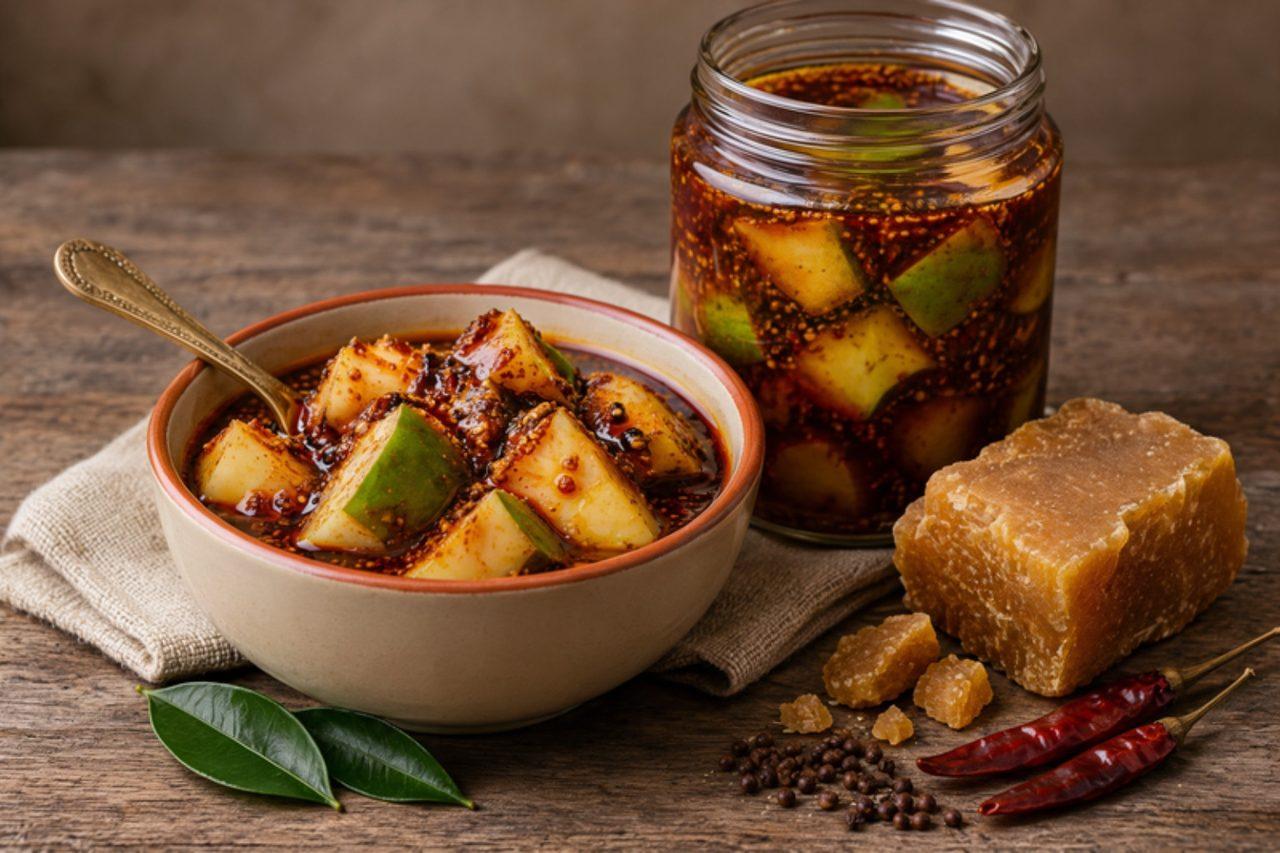
Bellam avakayaSweet raw mango pickle

In the Godavari districts of coastal Andhra, the same May afternoon that produces a jar of fiery avakaya usually produces a second jar of bellam avakaya for the children and anyone who likes it sweet. The mangoes are hacked into chunks with their skin and the hard shell of the stone still attached, then tossed with chilli, mustard powder, salt and plenty of grated jaggery. Over three or four days the jaggery melts into a dark, glossy syrup that clings to every piece. It tastes sweet first, then the mustard catches the nose and the chilli warms the back of the throat; the mango stays firm and sour. Eat it with pesarattu, dosa, chapati or curd rice. The salt is about 8% of the mango weight and the fruit is acidic, so it keeps all year under oil in a dry jar. Common mistake: cutting the mangoes wet or leaving sap and water on them; any moisture invites mould, so dry each piece with a cloth. It is ready when no jaggery grains remain and a film of oil rises to the top. Chef's tip: wipe off the milky sap at the stalk end before cutting; it stings the skin and tastes bitter.

by KrazyBadal 0 views

Showing 48 of 880 recipes

Show more recipes

Page 22 of 37

More collections